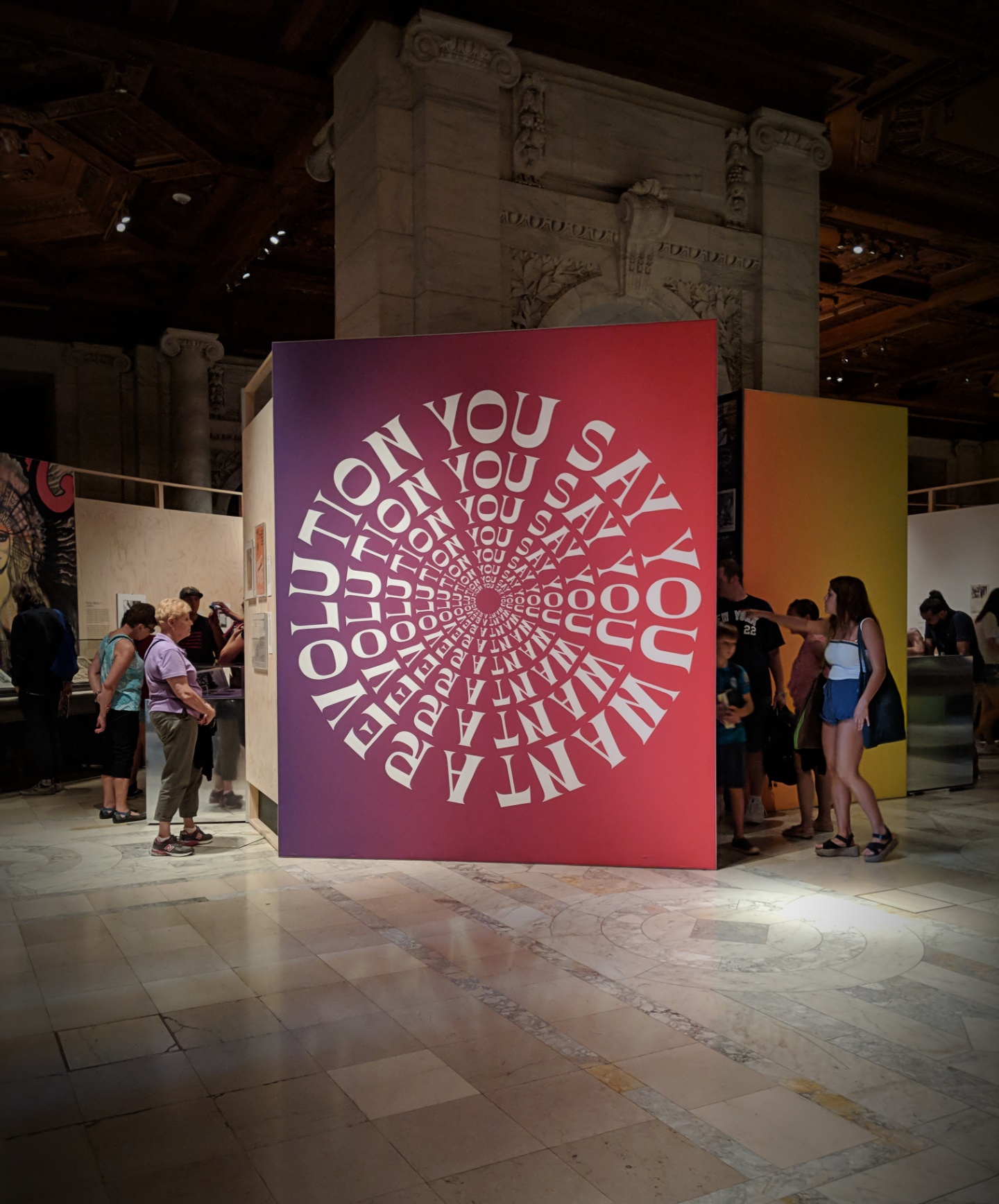
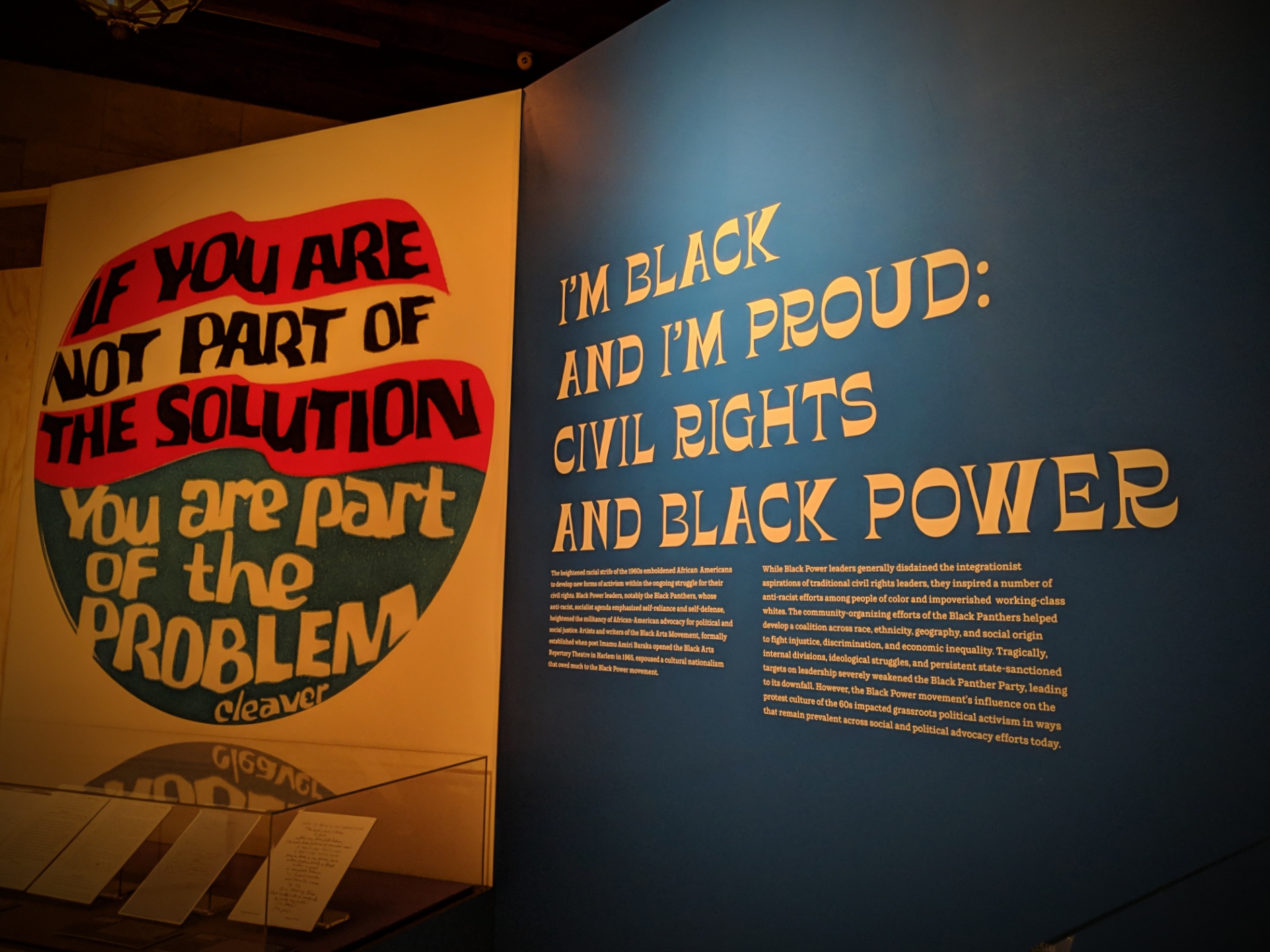
Any excuse to visit the New York Public Library is a good excuse. And this exhibition featuring material exclusively from the Library’s collections, on show on the ground floor of the Stephen A. Schwarzman Building, the main Library branch in Bryant Park, was also an excellent lunch-time break. It was summertime and the livin’ was easy (in retrospect).
 Terry Southern
The novelist, screenwriter and essayist Terry Southern was one of postwar America’s foremost satirists. Tom Wolfe credits him with having pioneered the New Journalism with the publication of ”Twirling at Ole Miss” in the February 1963 issue of Esquire. In addition to his satirical novels Candy (1958), based on Voltaire’s Candide, and The Magic Christian (1959), Southern is best known for his screenplays for the Counterculture classics Dr. Strangelove (1964) and Easy Rider (1969), the latter co-written with actors Dennis Hopper and Peter Fonda. Candy, published by Olympia Press, was banned by the Paris vice squad. Its republication in the U.S., in 1965, made Southern both a mainstream and a Counterculture celebrity.
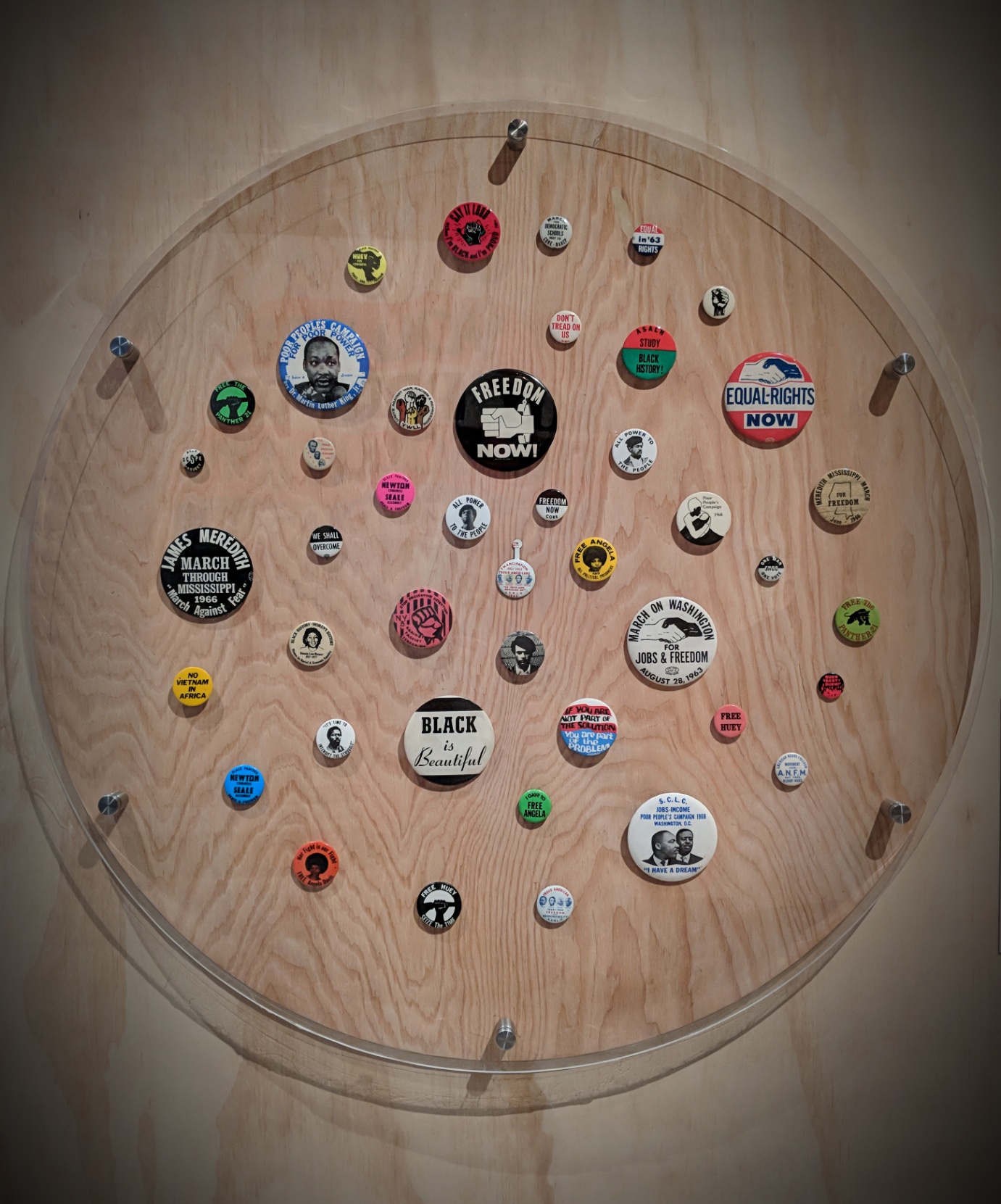
 Selections from the United States Social Political Button Collection, dating from 1958 to the late 1970s.
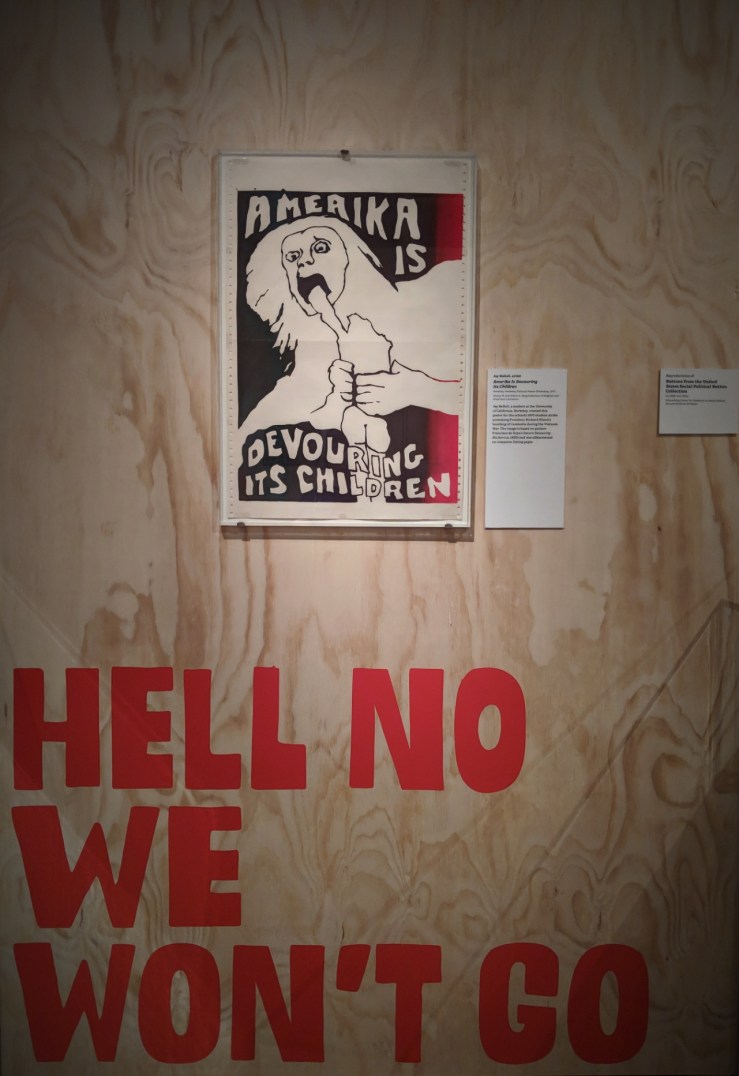 Jay Belloli
Amerika is Devouring Its Children, 1970
Jay Belloli, a student at the University of California, Berkeley, created this poster for the school’s 1970 student strike protesting President Richard Nixon’s bombing of Cambodia during the Vietnam War. The image is based on painter Francisco de Goya’s Saturn Devouring His Son (ca. 1820) and was silkscreened on computer listing paper.
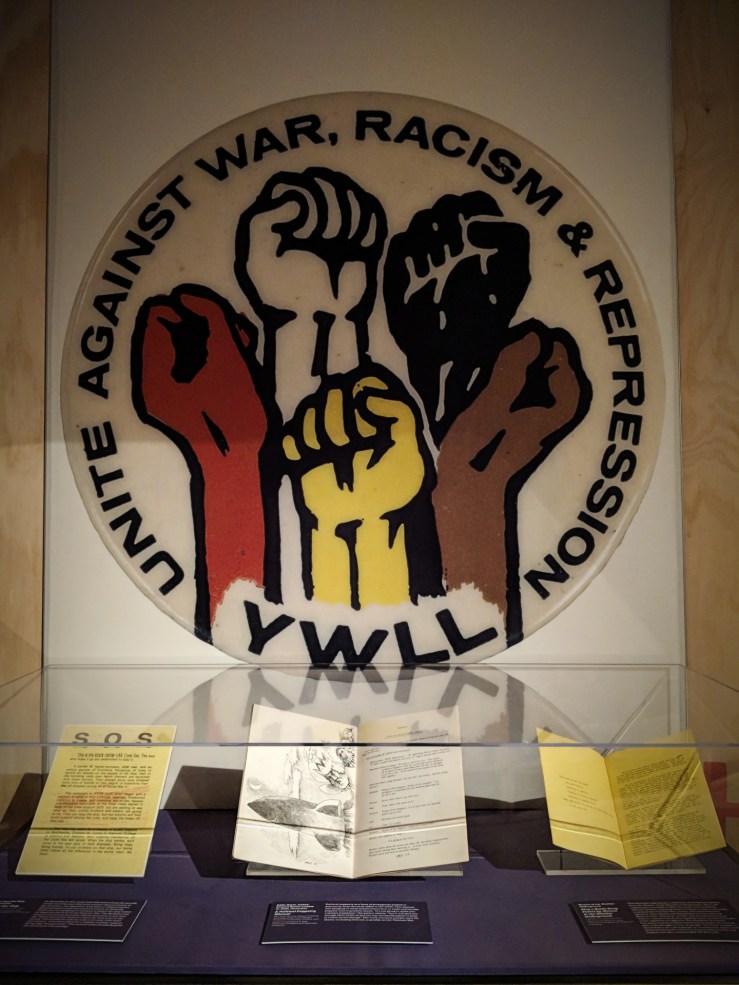
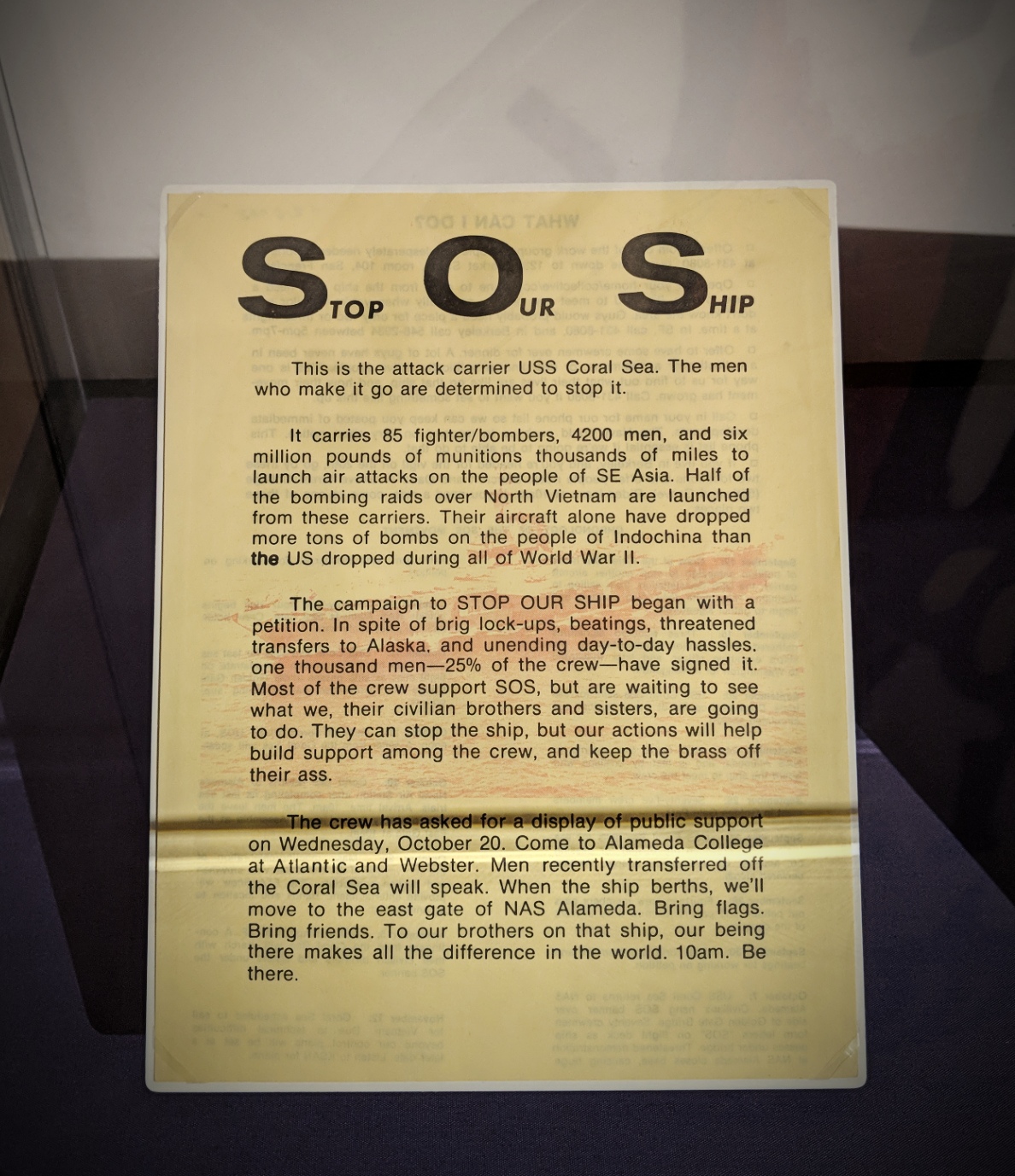
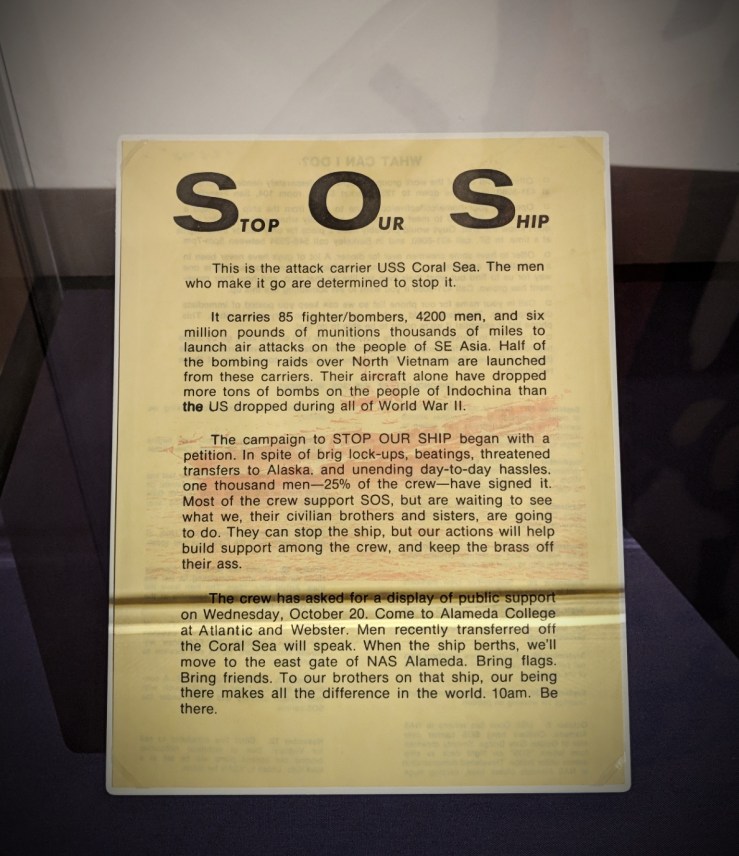 The Stop Our Ship Movement, Oakland, CA, November 1971
On November 6, 1971, more than 300 sailors from the aircraft carrier Coral Sea marched in an antiwar demonstration in San Francisco. Six days later, from 600 to 1200 protesters demonstrated outside the naval air station in Alameda, California, encouraging servicemen to desert the ship before its departure for duty in the Vietnam War. The Berkeley City Council and 10 area churches offered sanctuary to any who did. Thirty-five sailors failed to report for duty prior to the sailing. This broadside calls for a show of unity with those servicemen, ”who have asked for a display of public support. Bring Flags. Bring friends.”
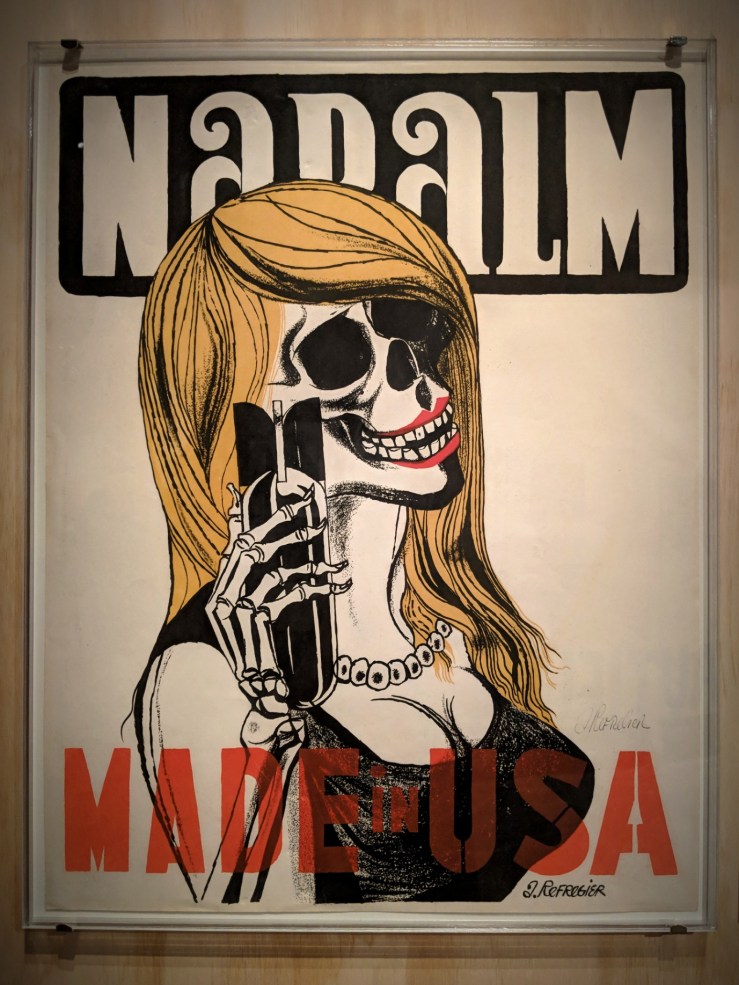 Anton Refregier
Napalm/Made in USA, 1968
Napalm was a chemical used heavily by the U.S. in the Vietnam War. It is a mixture of plastic polystyrene, hydrocarbon benzene and gazoline, which creates a jelly-like substance that, when ignited, adheres to virtually any surface and burns for as long as ten minutes, generating temperatures of 1,500 °F to 2,200 °F. Its effects on the human body are excruciating and almost always cause death. It was first used by U.S. troops with flamethrowers, to burn down sections of forest that provided cover for Viet Cong guerillas. Later, it was dropped as bombs, as were other incendiary devices. Images of civilians, including children, who had been burned by napalm fueled American revulsion against the war.
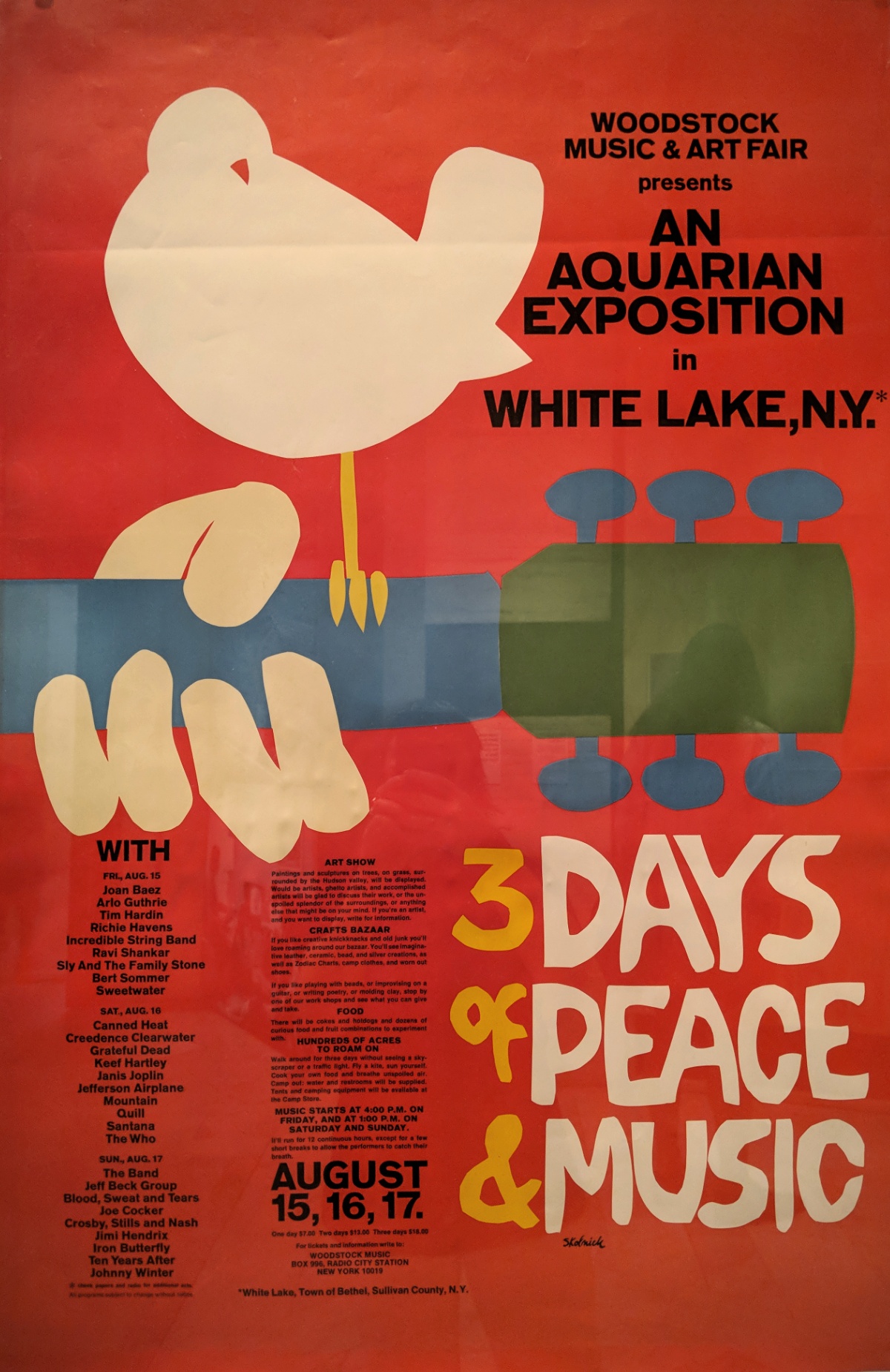
 Arnold Skolnick
Woodstock, 1969
 John Judkins
Bob Dylan
London: I Was Lord Kitchener’s Valet, 1969
I Was Lord Kitchener’s Valet was a Notting Hill clothing boutique that achieved fame in 1966, the heyday of ”Swinging London”, by promoting vintage military uniforms as fashion. Among its customers were The Beatles, Eric Clapton, Mick Jagger, and The Who. Jimi Hendrix bought his well-known hussar-style coat there. Peter Blake, who designed the album sleeve for Sgt. Pepper’s Lonely Hearts Club Band, reportedly got the idea for The Beatles’ outfits while passing by the shop, which also issued promotional posters, several by John Judkins.
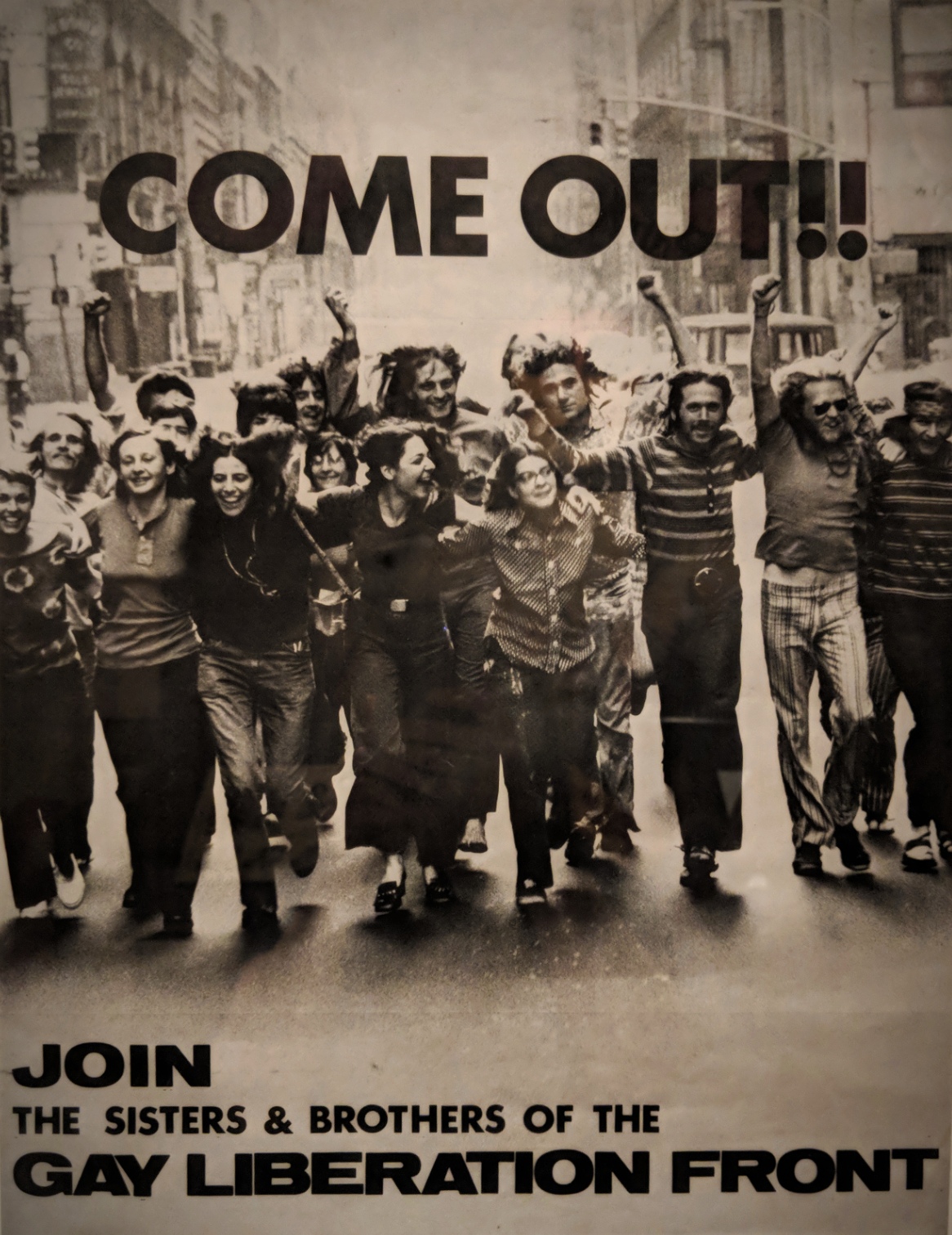
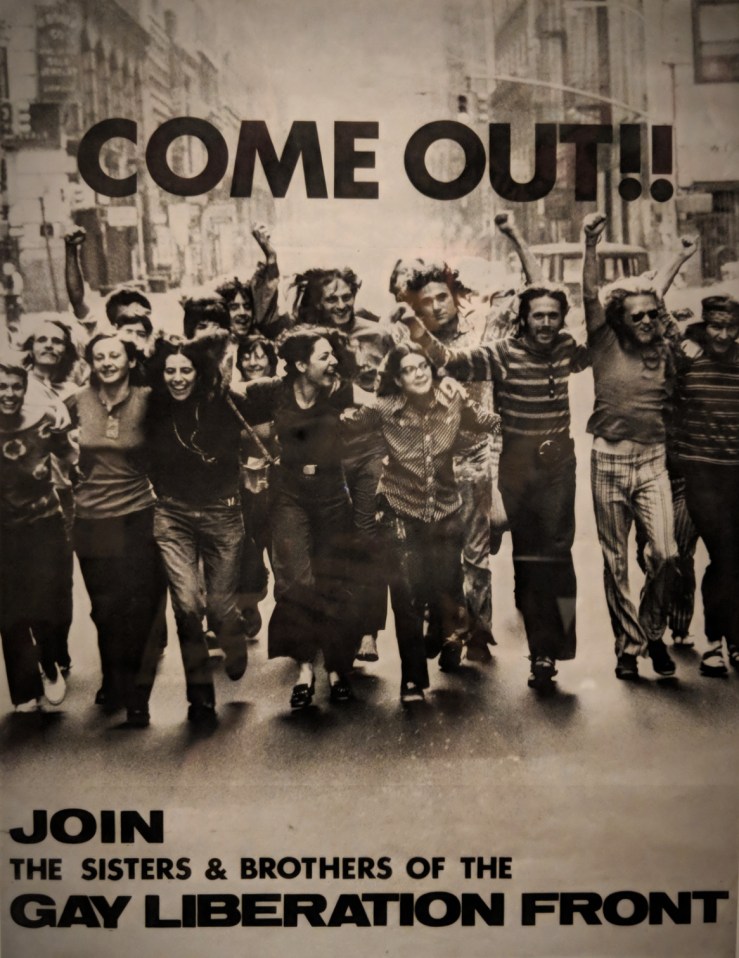 Gay Liberation Front
Peter Hujar, photographer
Come Out!! Join the Sisters and Brothers of the Gay Liberation Front, New York ca. 1972-73
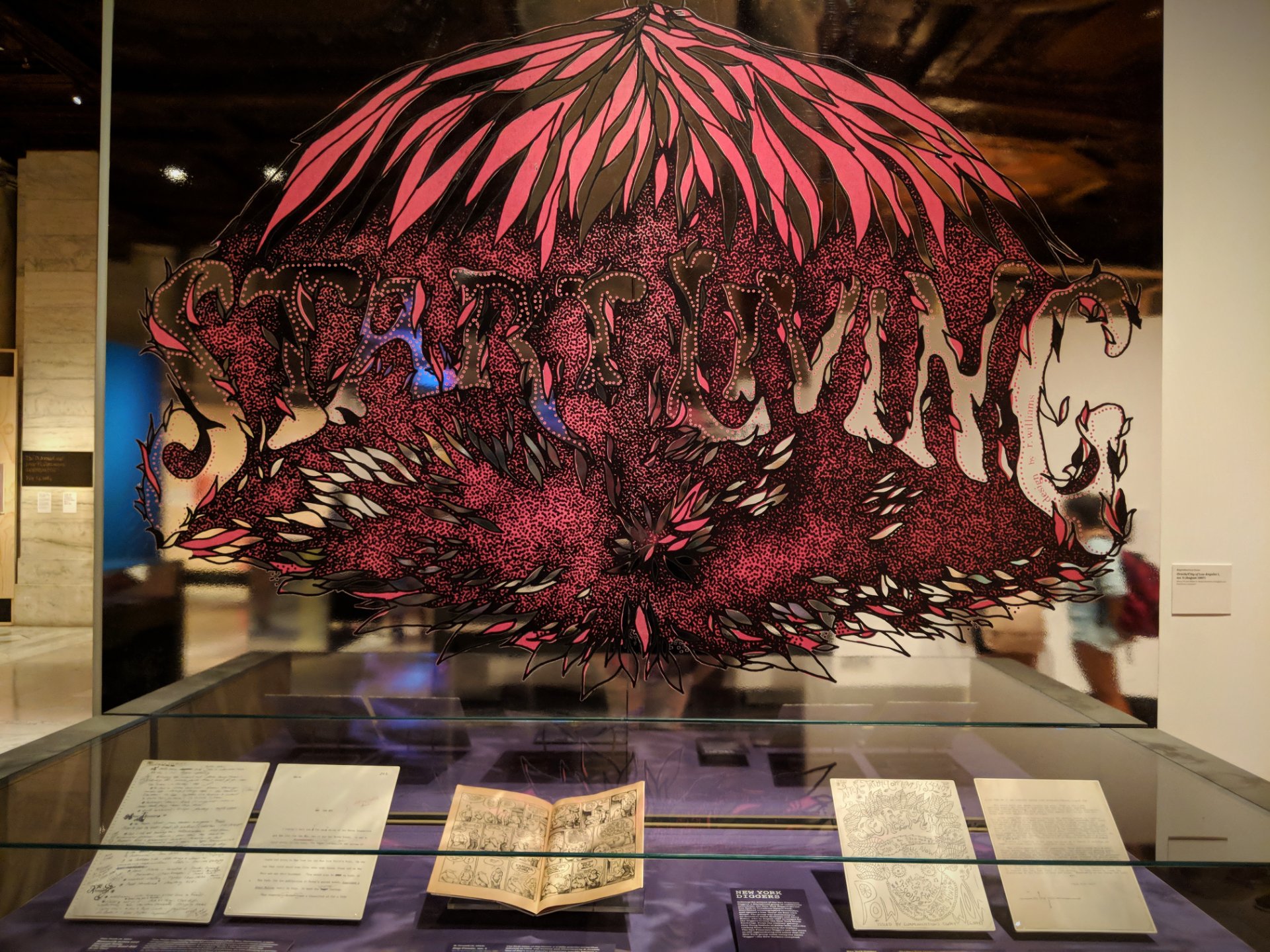
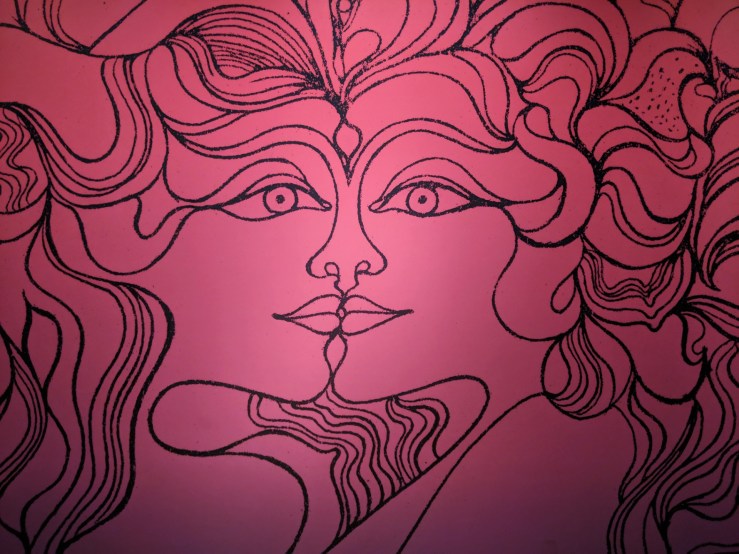 Reproduction of Jutta Werner’s Artwork in Fire, no. 2 (March 1968) – detail
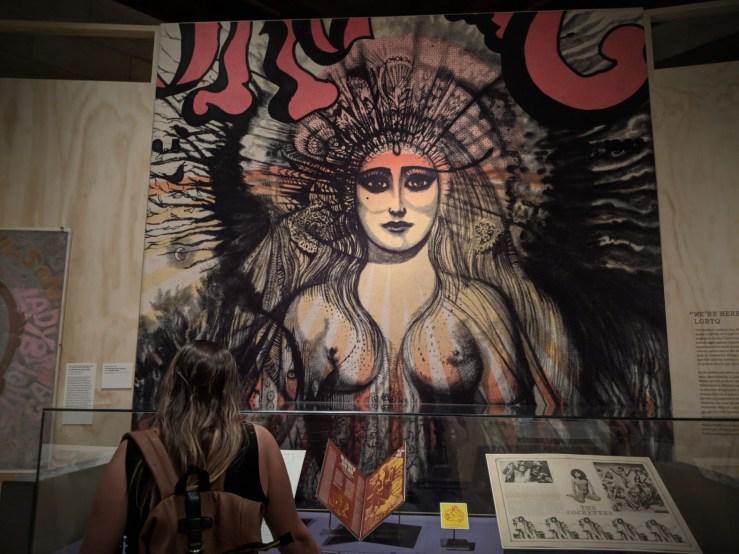 Reproduction from: Oracle/City of Los Angeles 1, no. 5 (August 1967)
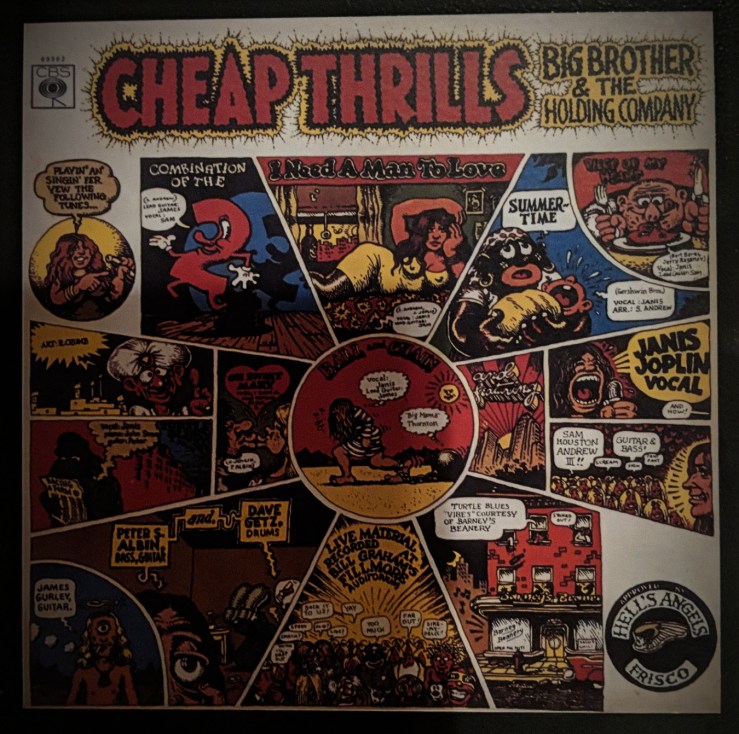

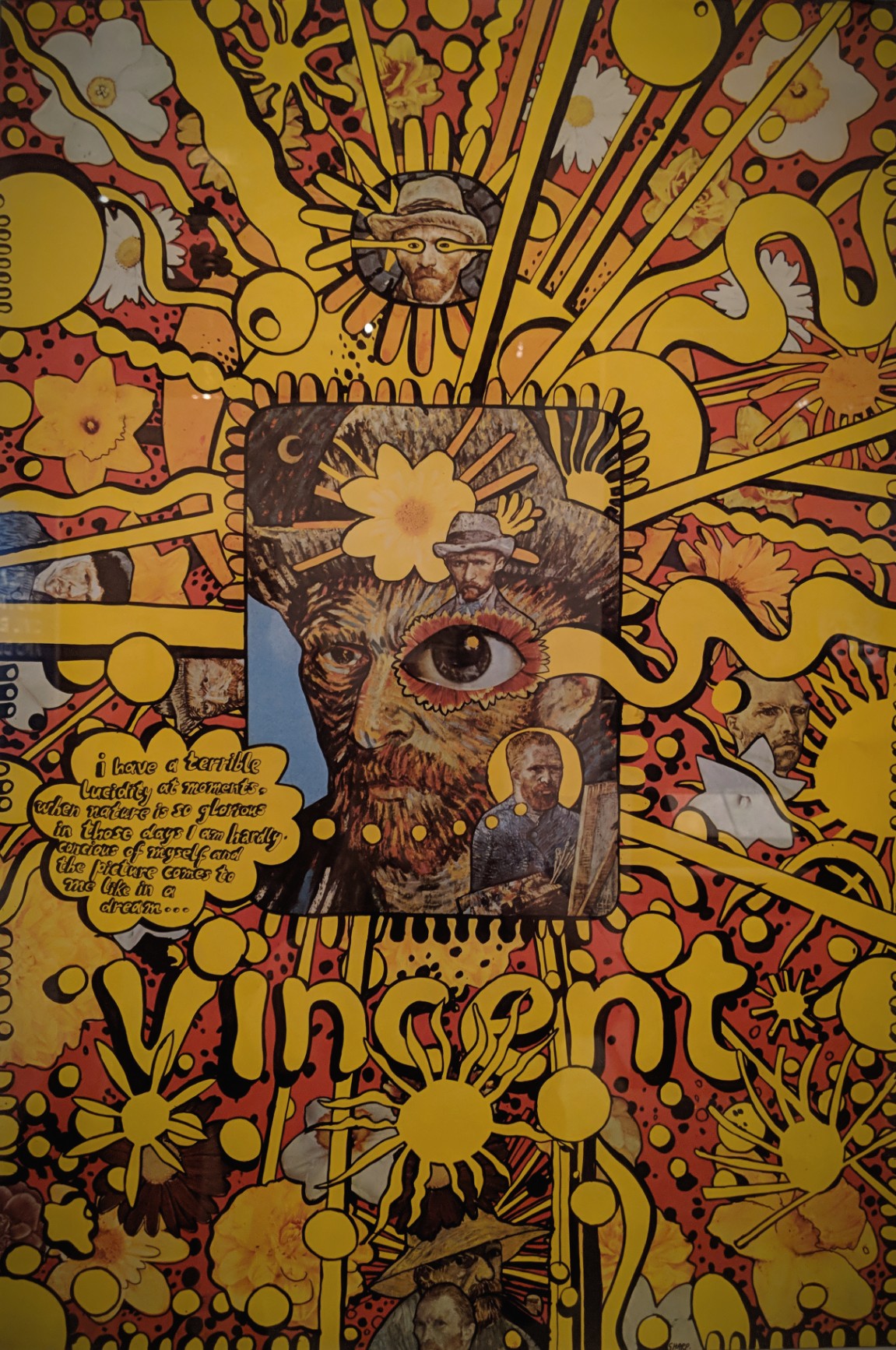
 Martin Sharp
Vincent
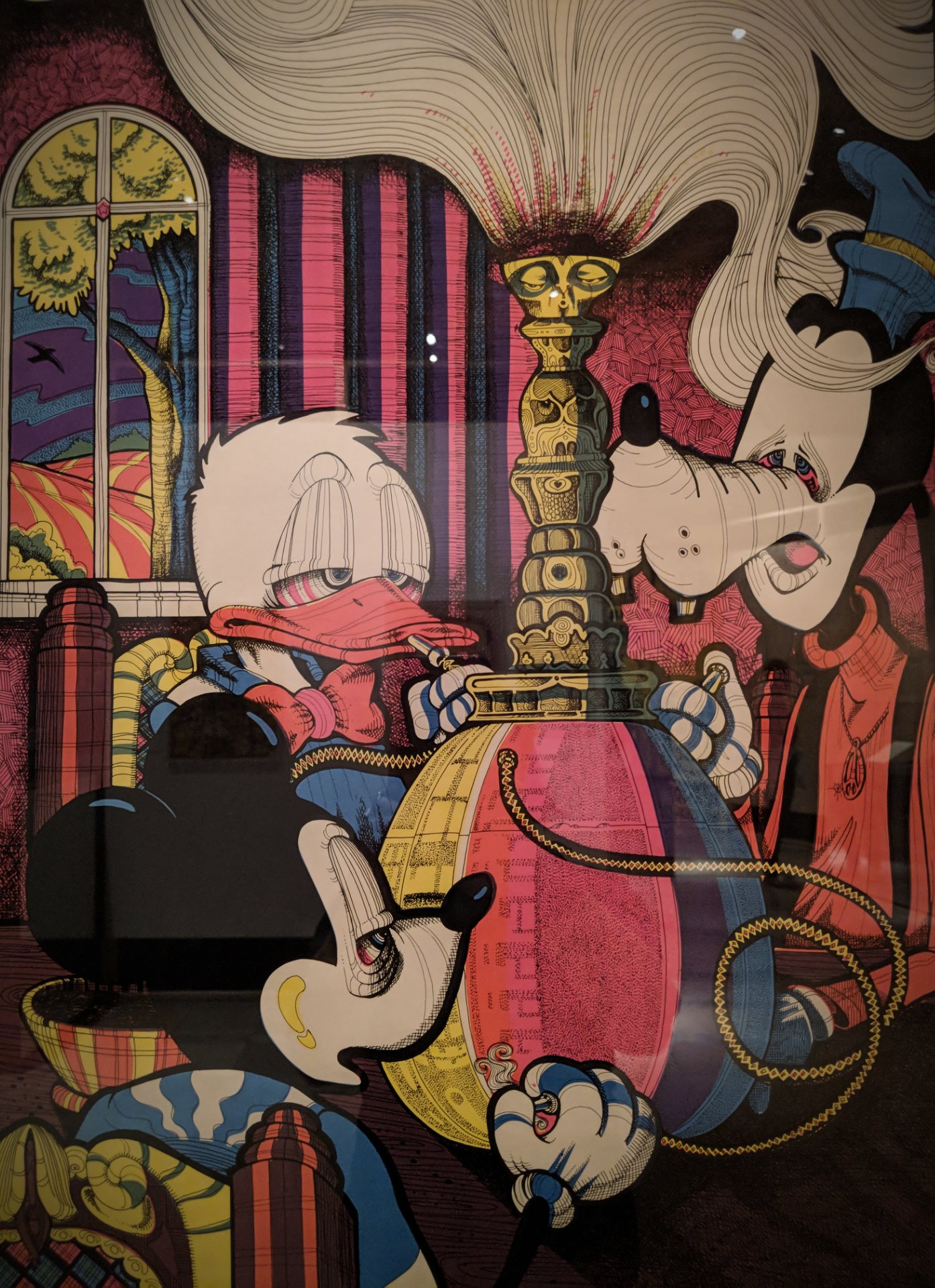
 Joe Petagno
Ain’t Gonna Work on Dizzy’s Farm No More (1970)
This poster, the title of which play on Bob Dylan’s anti-establishment song ”Ain’t Gonna Work on Maggie’s Farm No More”, depicts three of Disney’s most famous characters – Donald Duck, Mickey Mouse and Goofy – seated around a smoke-billowing hookah, filled, presumably, with hashish. Each smoker holds a mouthpiece, his eyelids drooping over bloodshot eyes and mouth agape. Disney Studios responded with a copyright-infringement lawsuit, resulting in the destruction of most of the print run. The poster is signed ”Petagno III”, the early signature of artist Joe Petagno, best known for his album covers for psychedelic and heavy-metal bands, including Pink Floyd, Led Zeppelin, Motörhead and Nazareth.
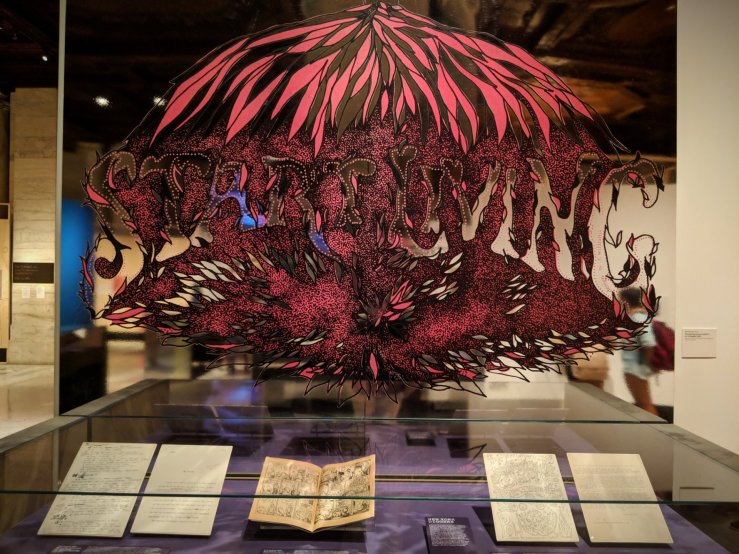
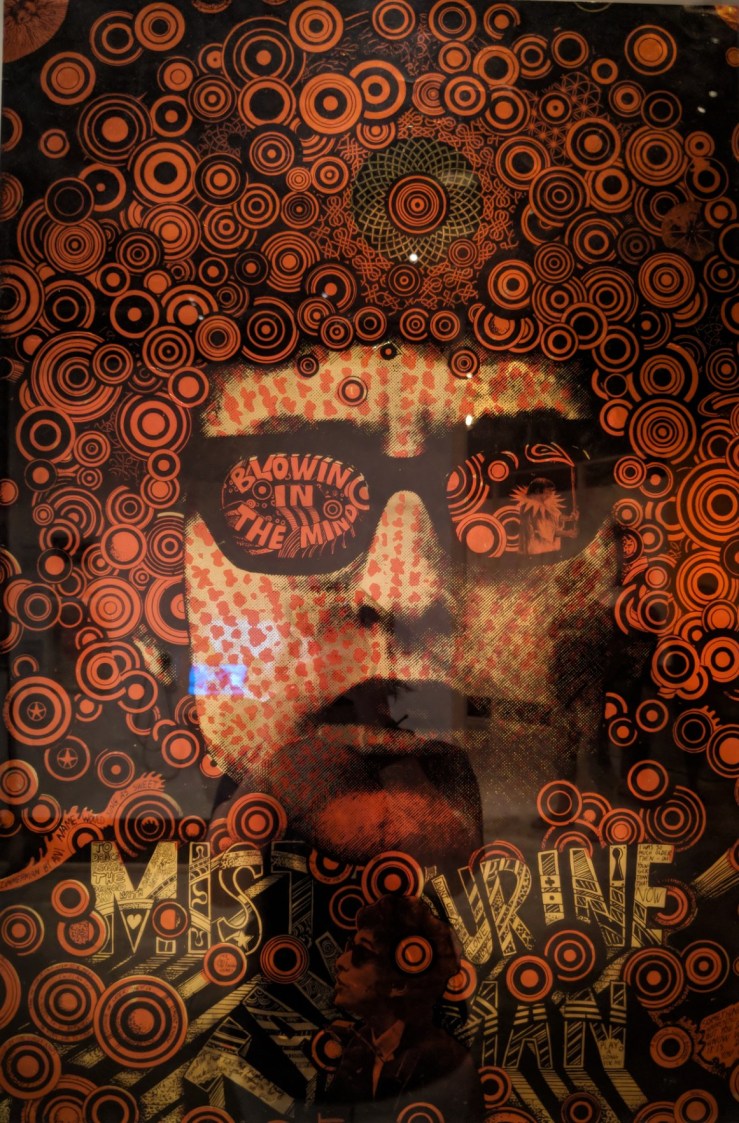 Martin Sharp
Blowin’ in the Mind/Mister Tambourine Man
The New York Public Library
August 16th, 2018
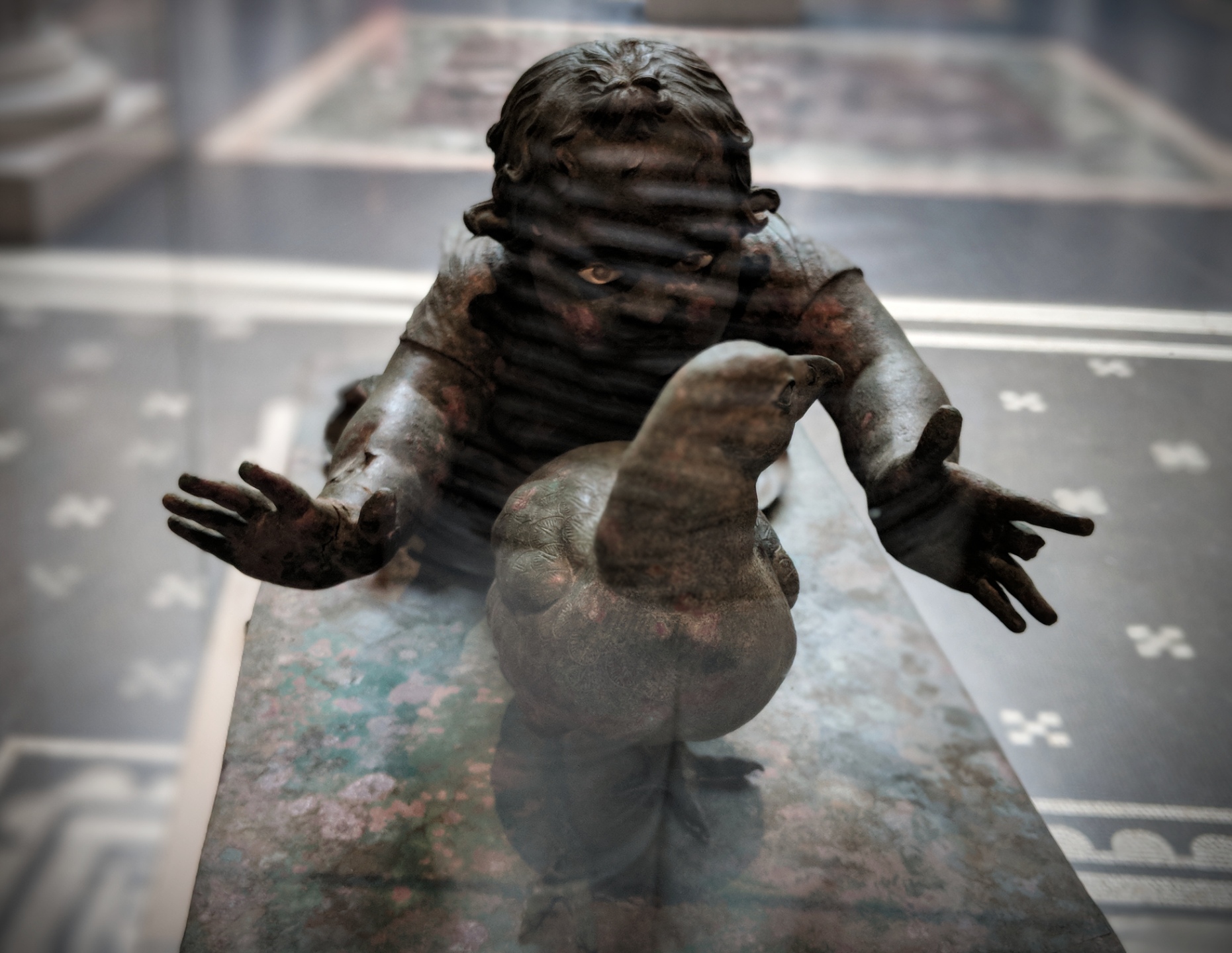
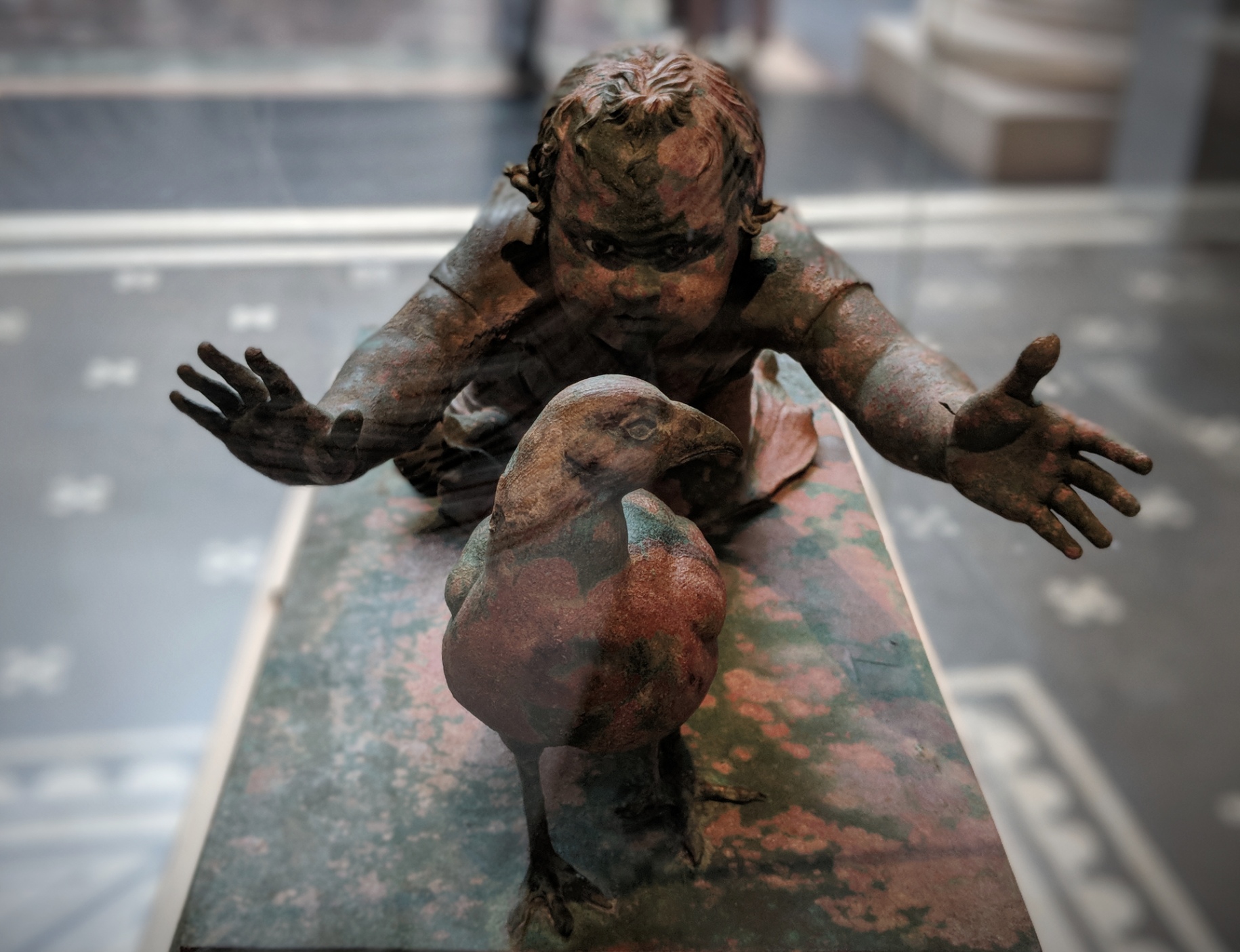 Two bronze statues of girls chasing partridges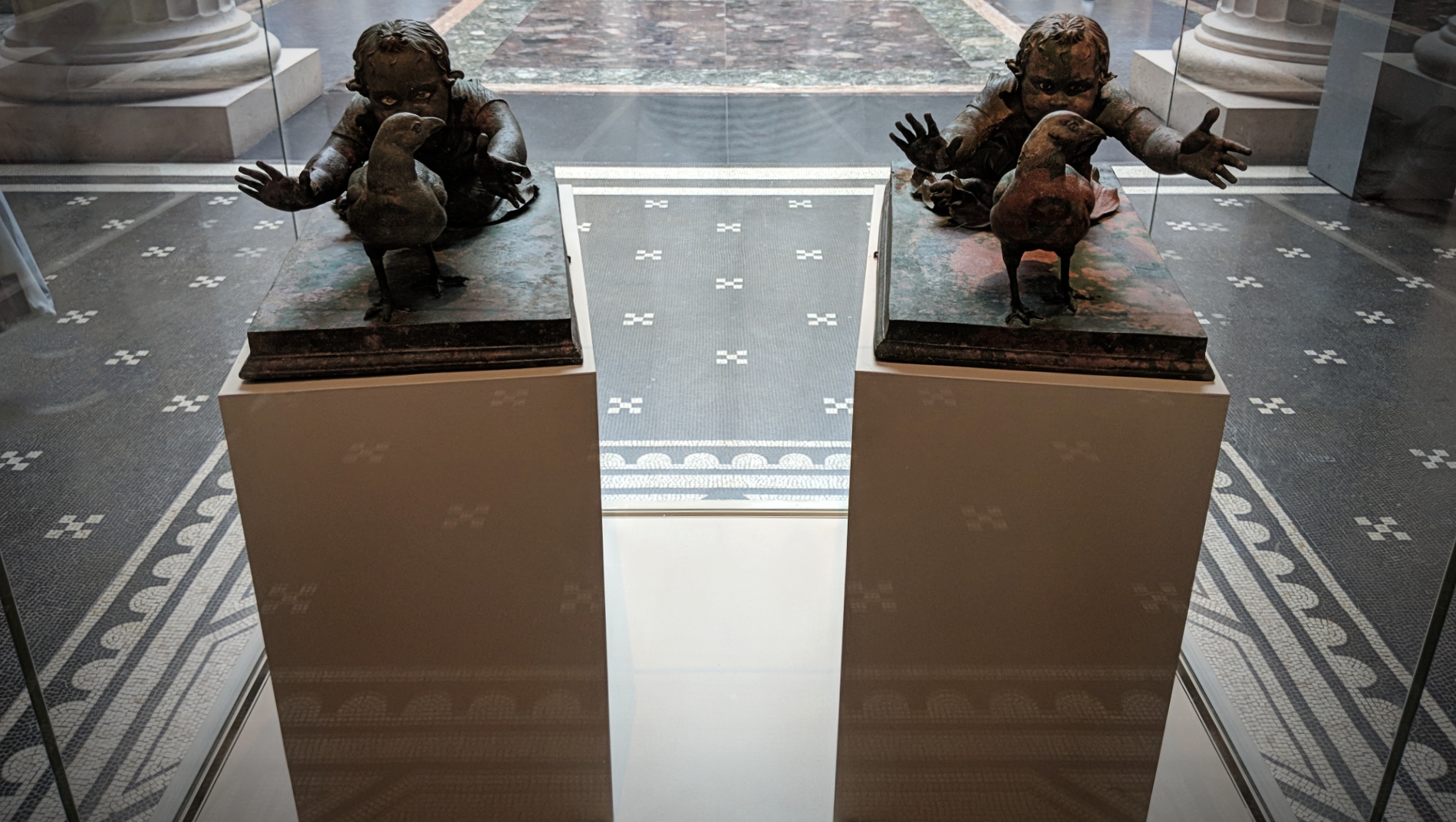




















 The Humble Fabulist