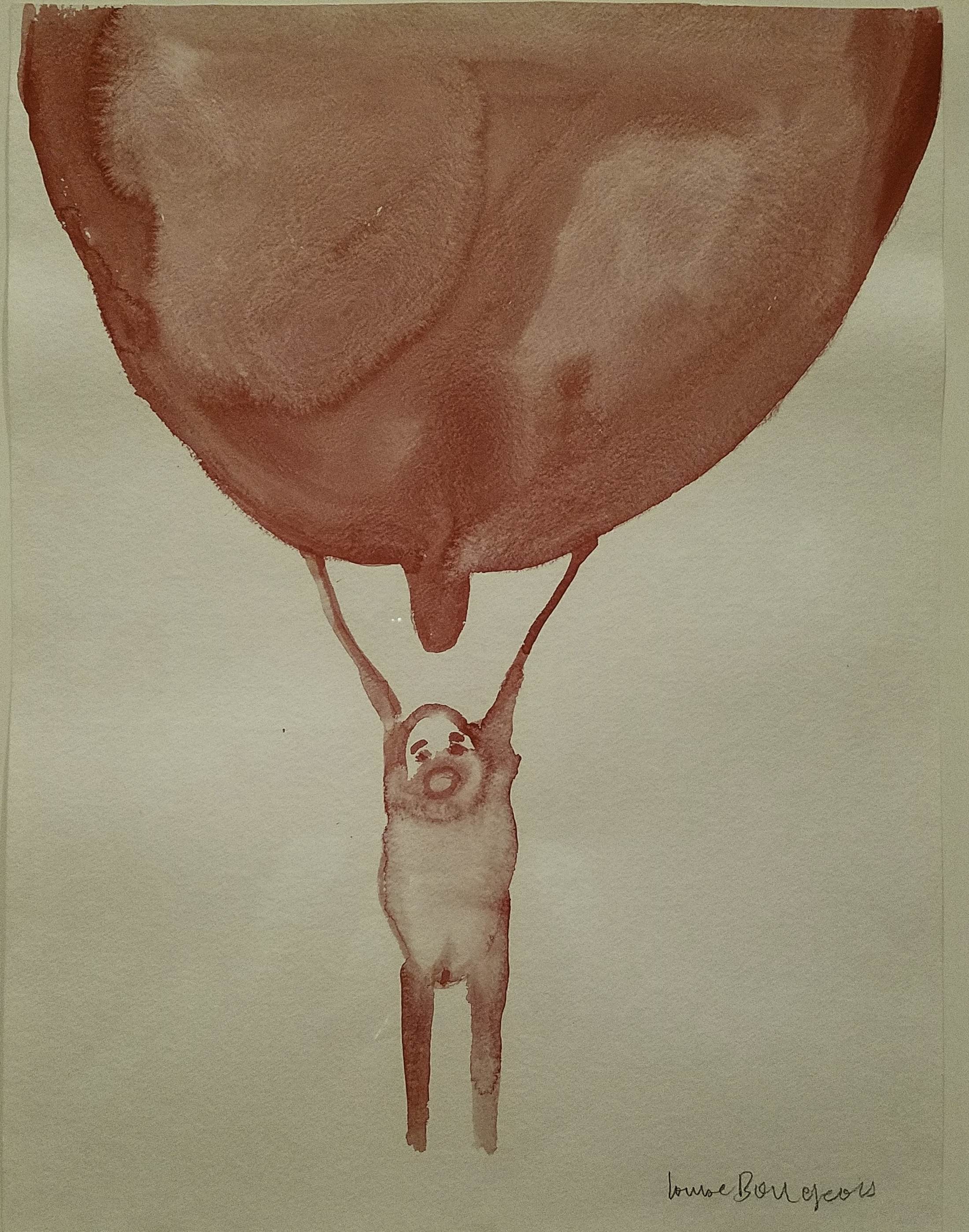
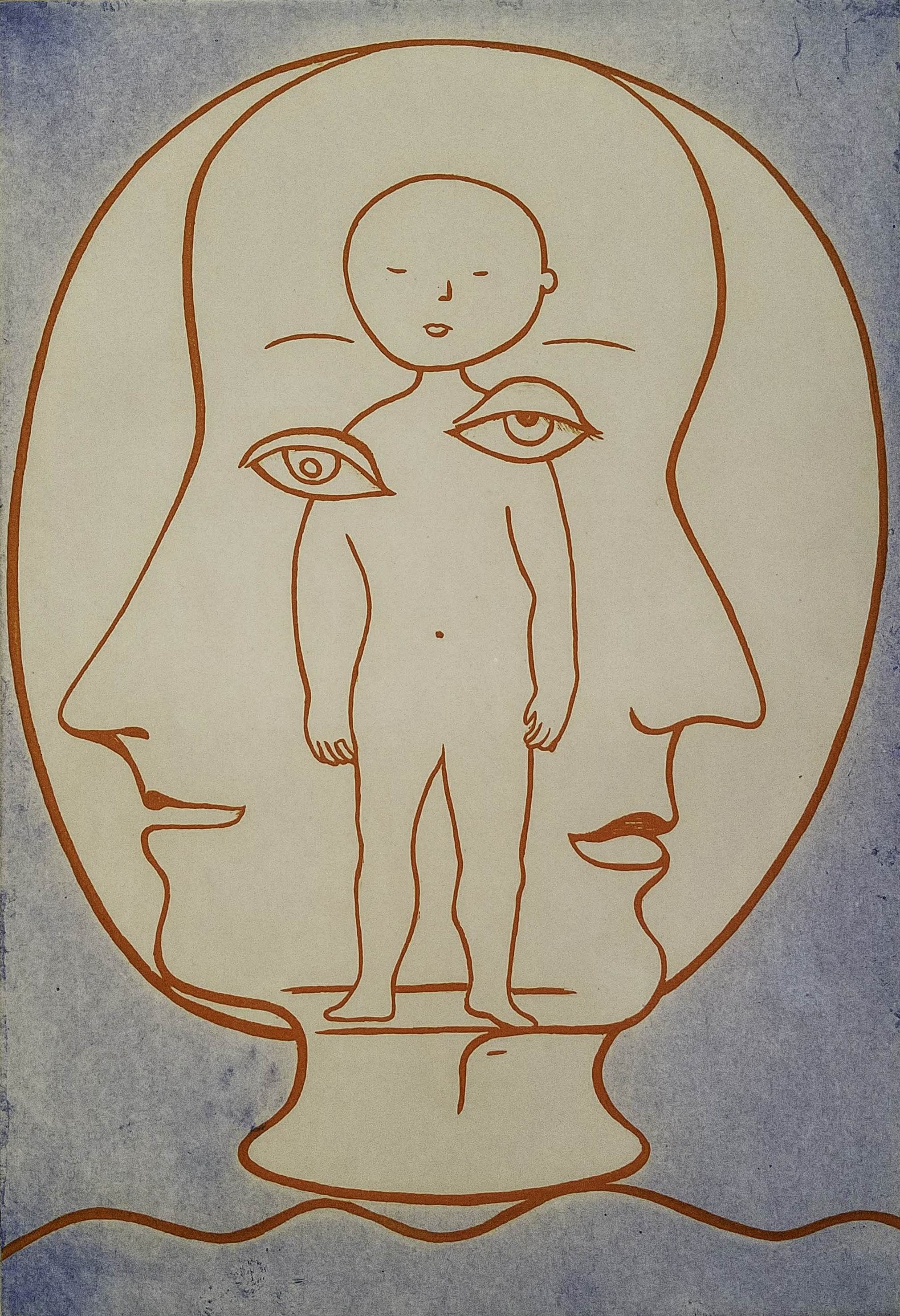
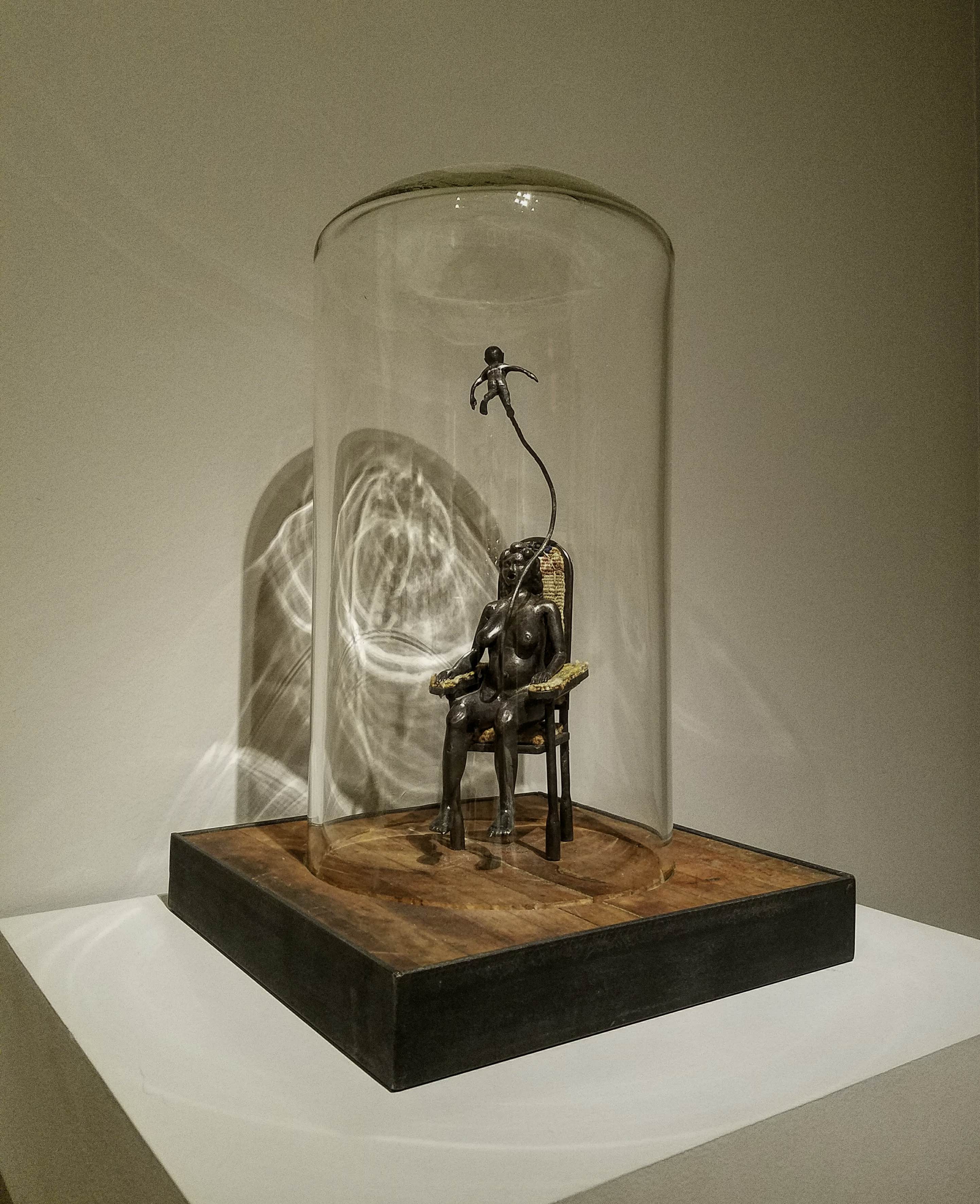
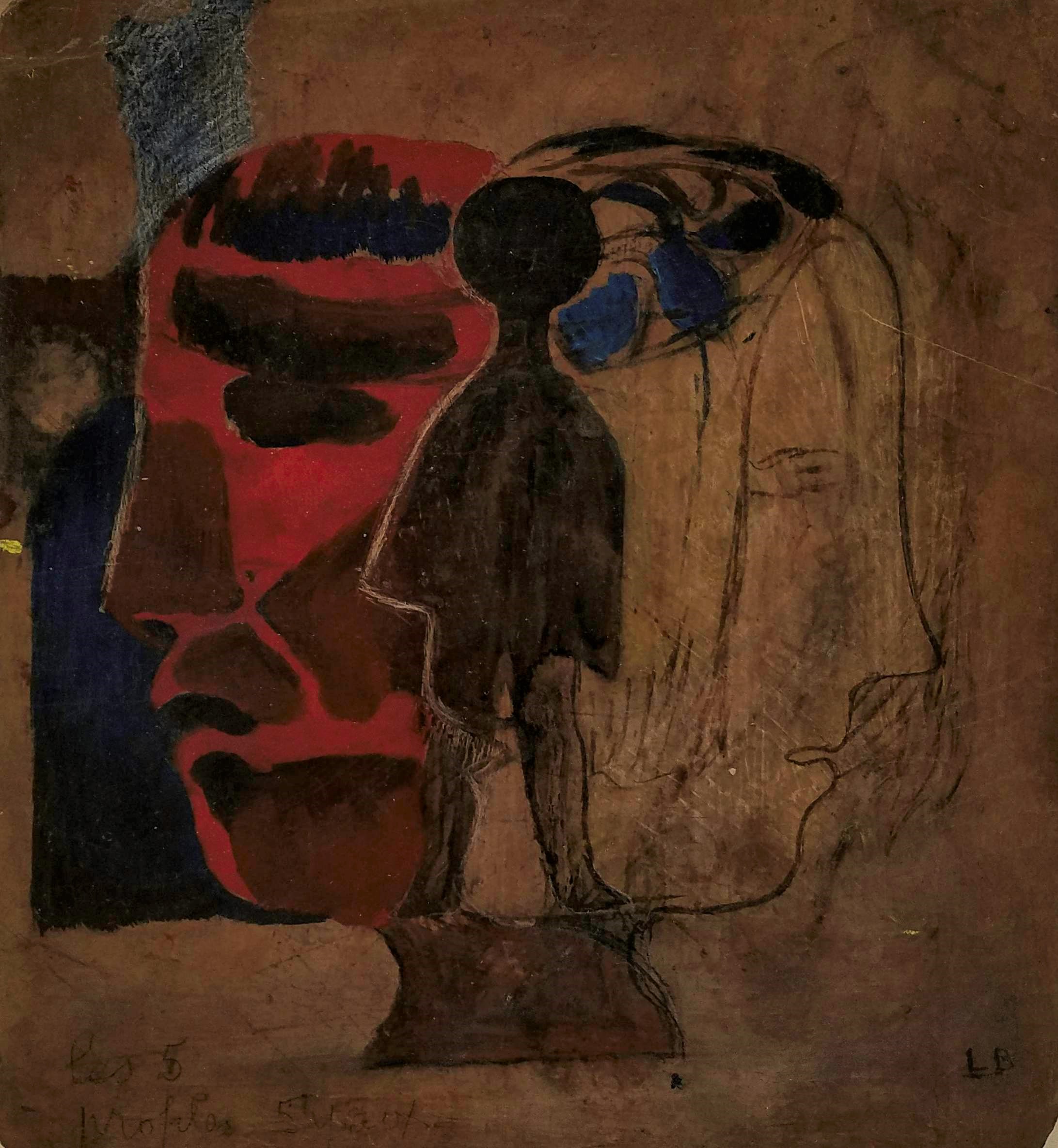
The Idiosyncratic Eyes of Mme Bourgeois

Staring into your soul.

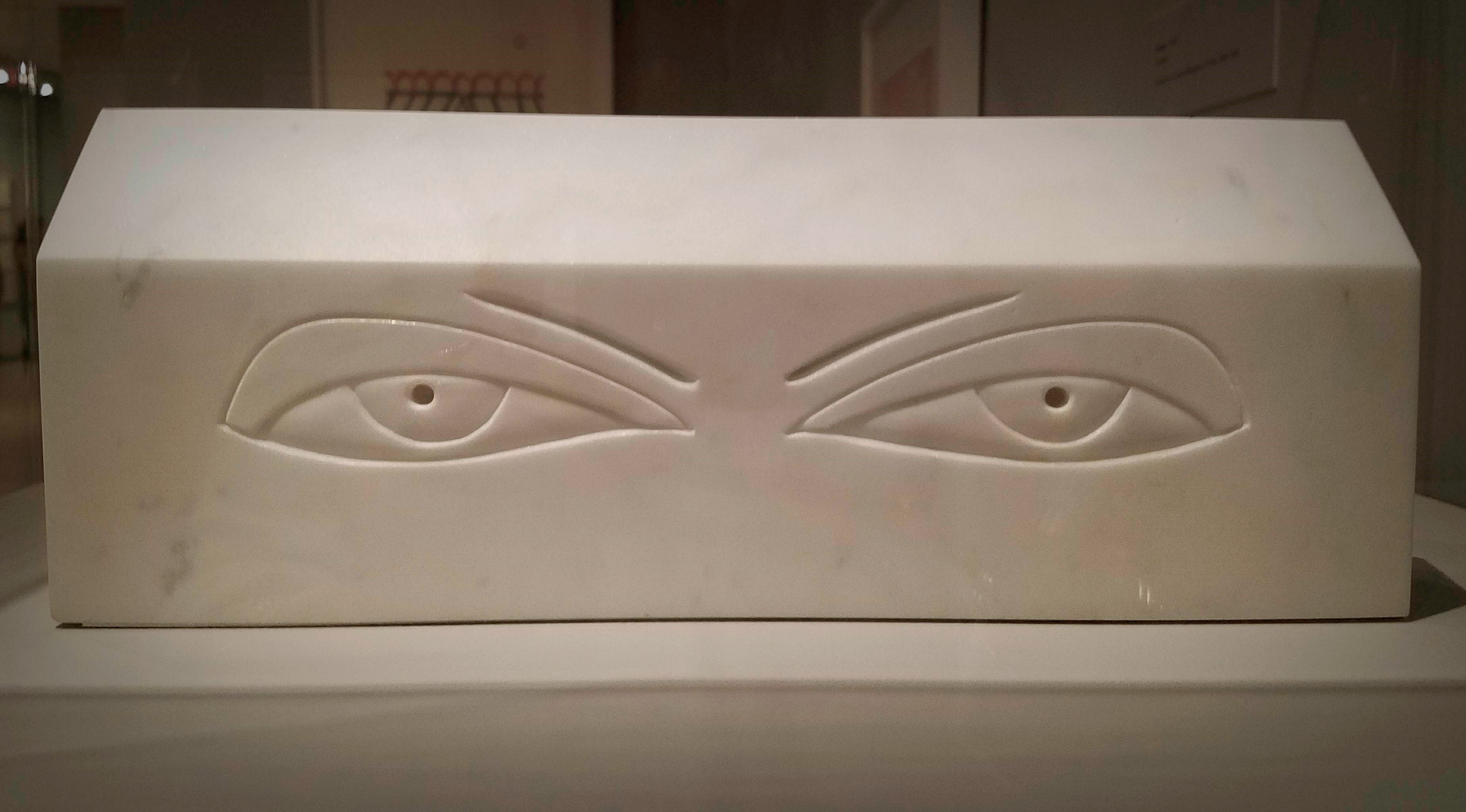
House 1994
Marble


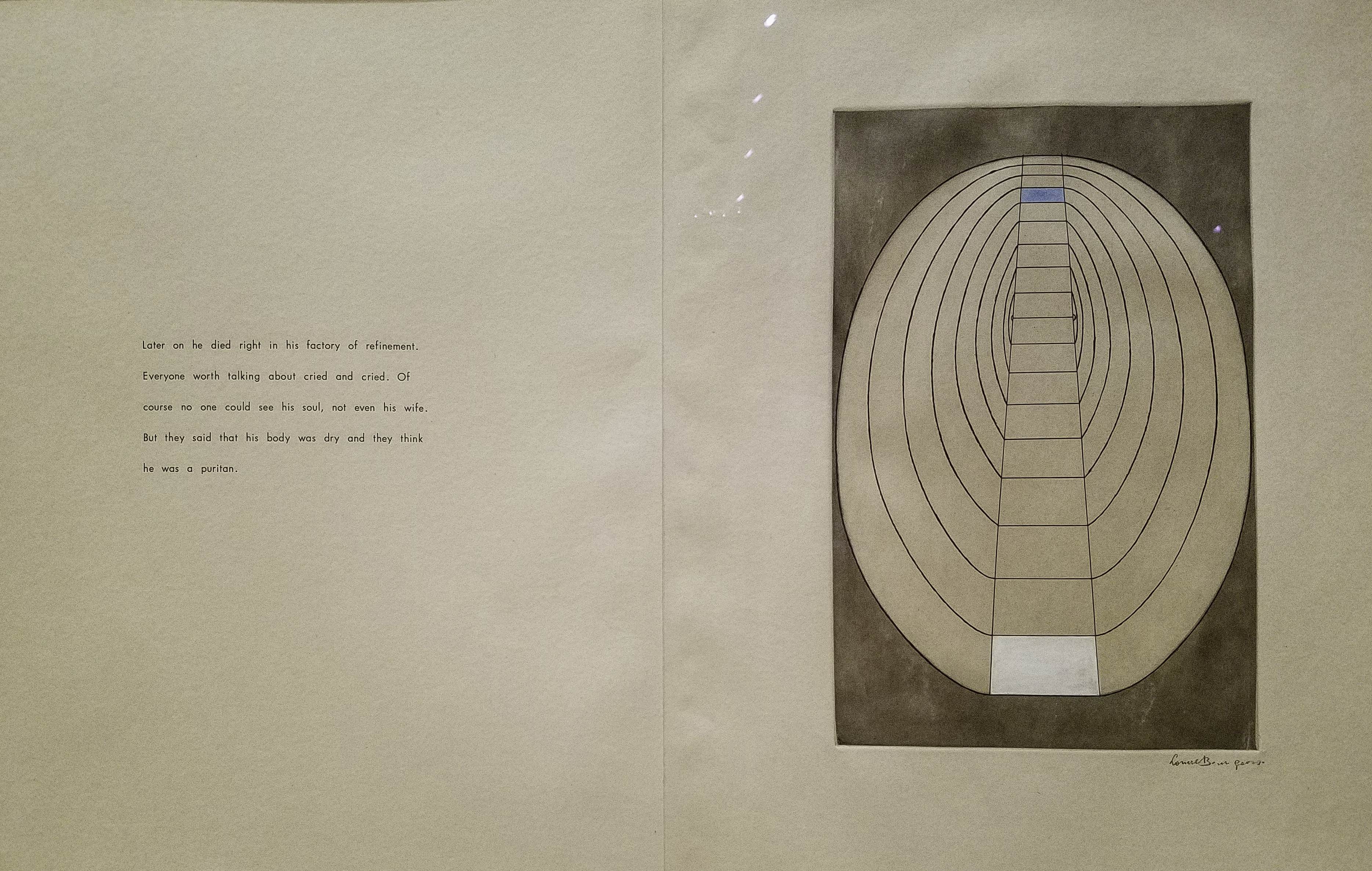
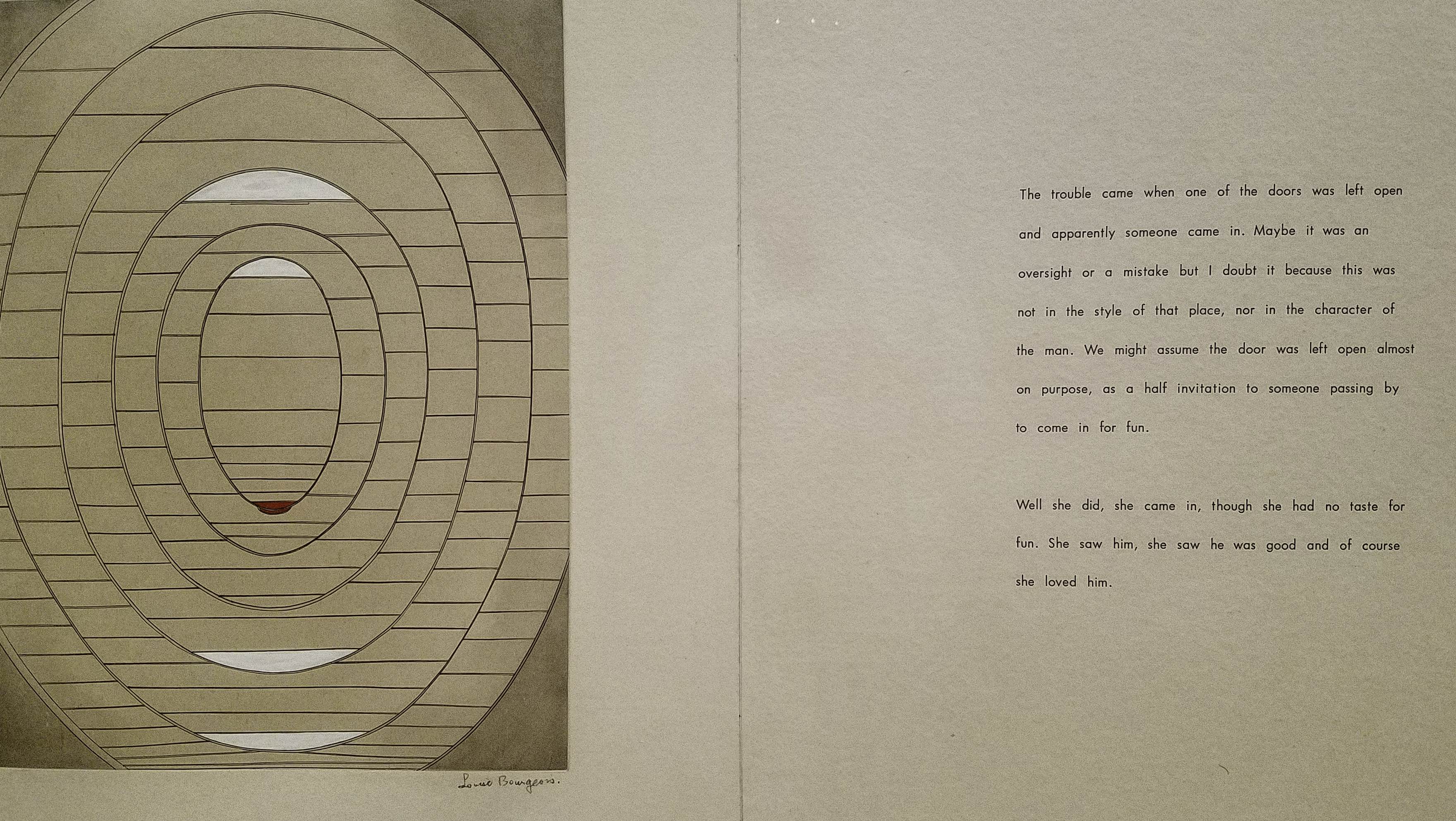
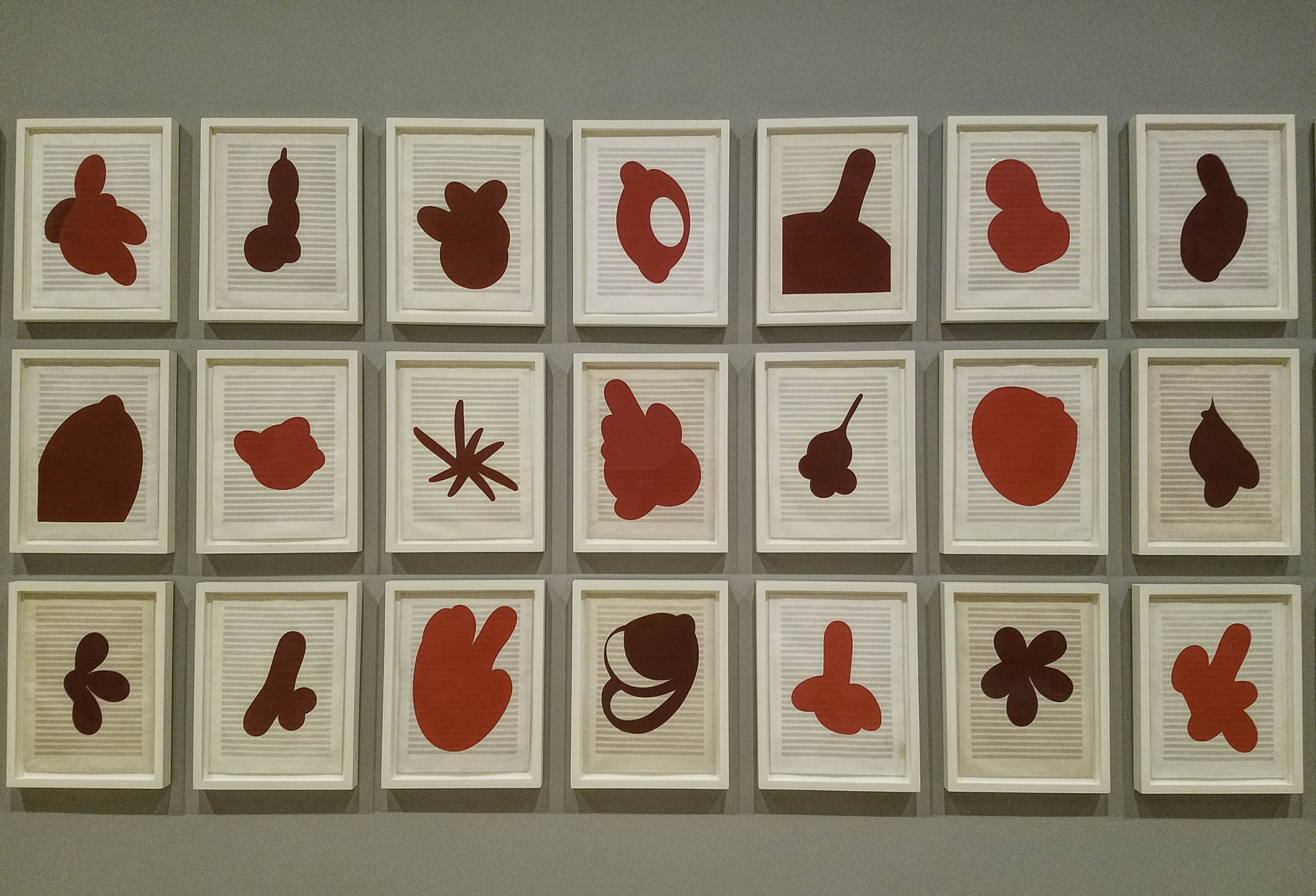
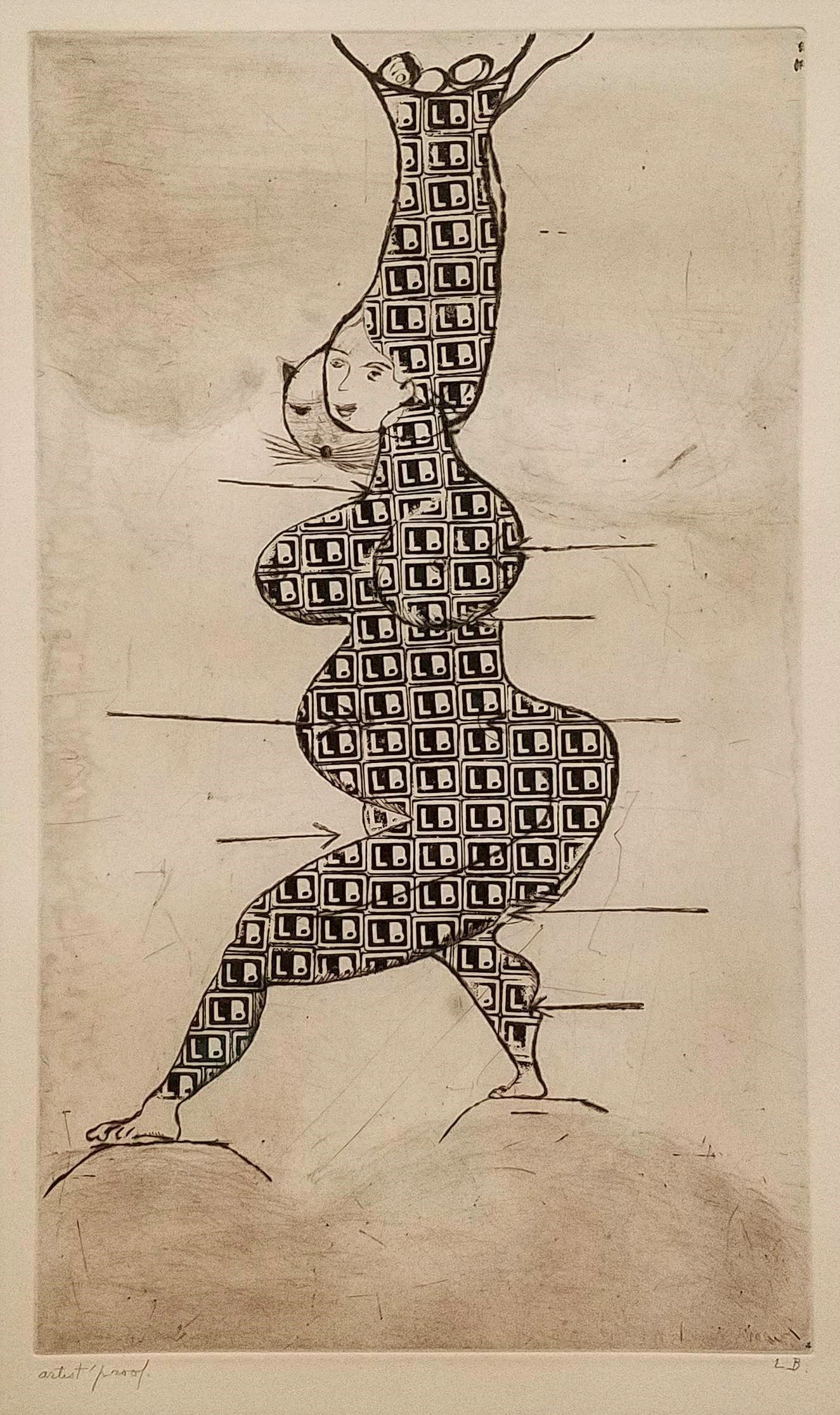
the puritan 1990-97 (text: 1947)
Folio set no. 3: engravings with selective wiping, gouache and watercolour additions


Lullaby 2006
Series of twenty-five screenprints on fabric: title sheet and twenty-four compositions

Bourgeois created shapes by turning and tracing common household objects – scissors, a knife and a candy dish, among them. She published this set herself, under the imprint Lison Editions. Lison, Lise, Lisette, Louison and Louisette were among her childhood nicknames.


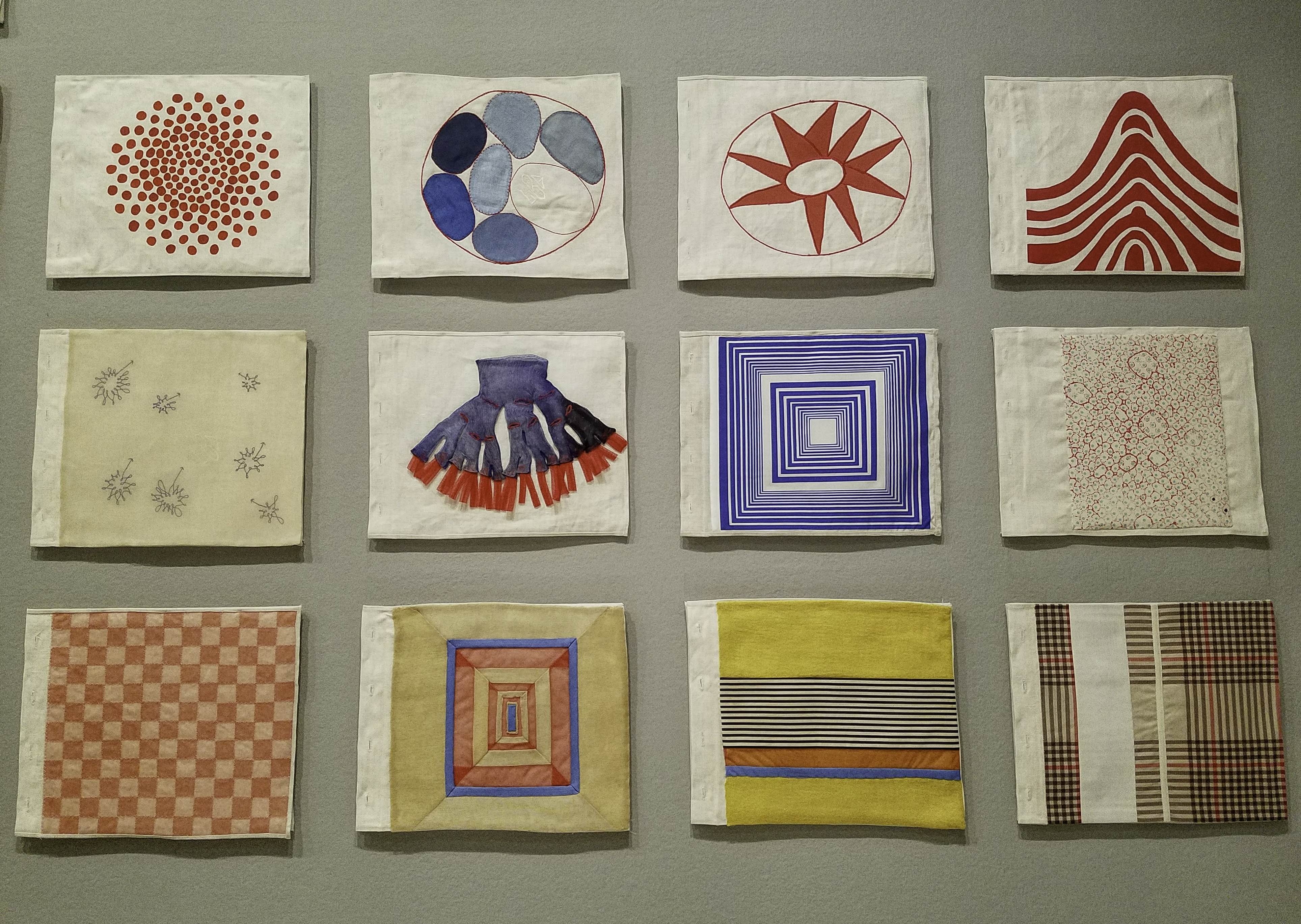
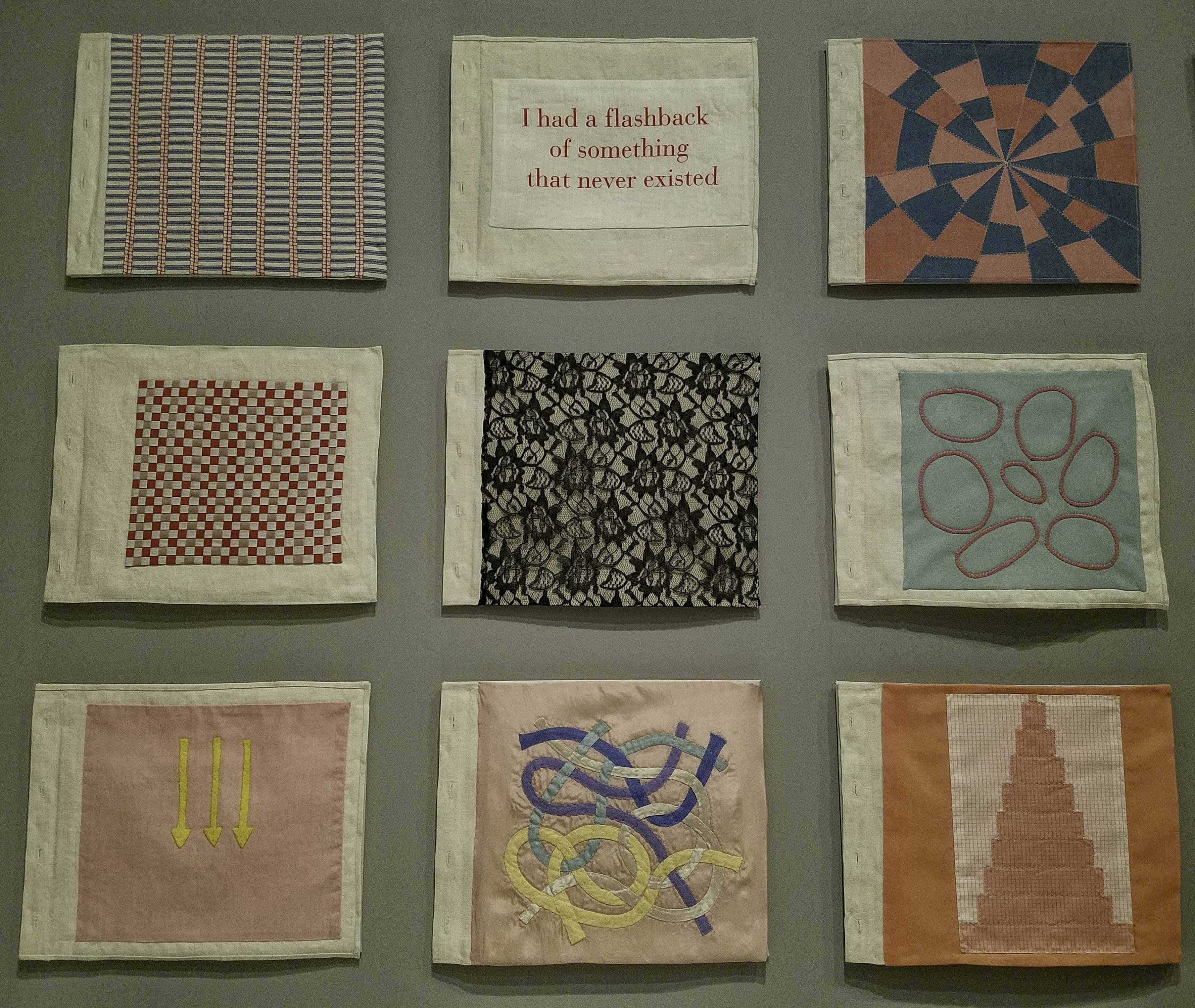
Ode à l’Oubli 2004
Fabric illustrated book with thirty fabric collages and four lithographs

The pages of this book are composed of linen hand towels saved from her trousseau. Many contain the embroidered monogram LBG (Louise Bourgeois Goldwater). Bourgeois later issued and editioned version of this book in twenty-five examples. In that version, the pages are tied together through buttonholes instead of bound so all of the pages can be displayed simultaneously, as seen on this wall.


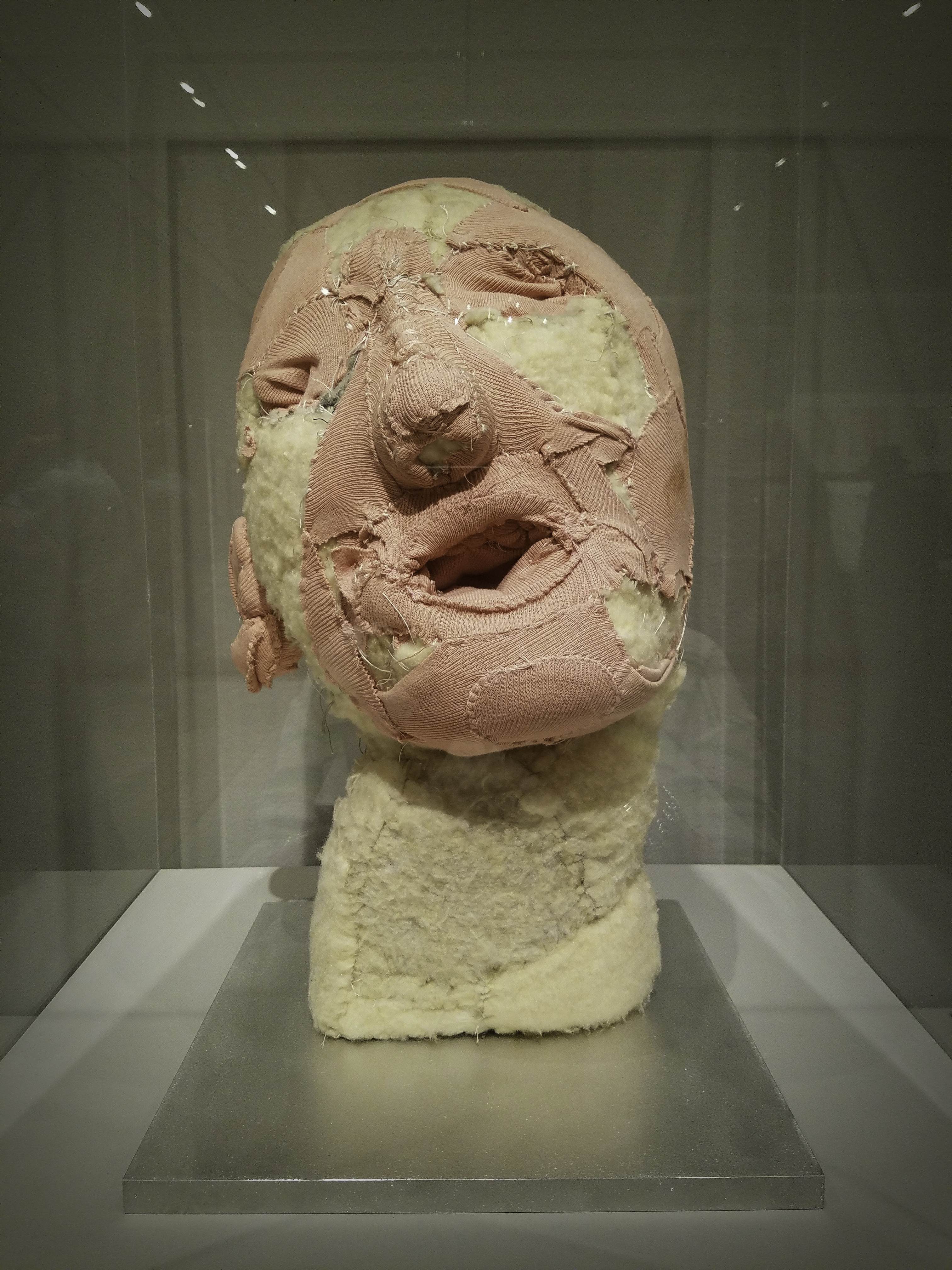
Untitled 1998
Fabric and stainless steel


Stamp of Memories I 1993
Drypoint with metal stamp additions


Sainte Sébastienne 1992
Drypoint


Triptych for the Red Room 1994
Aquatint, drypoint and engraving

The subject of pain is the business I am in.“ – LB


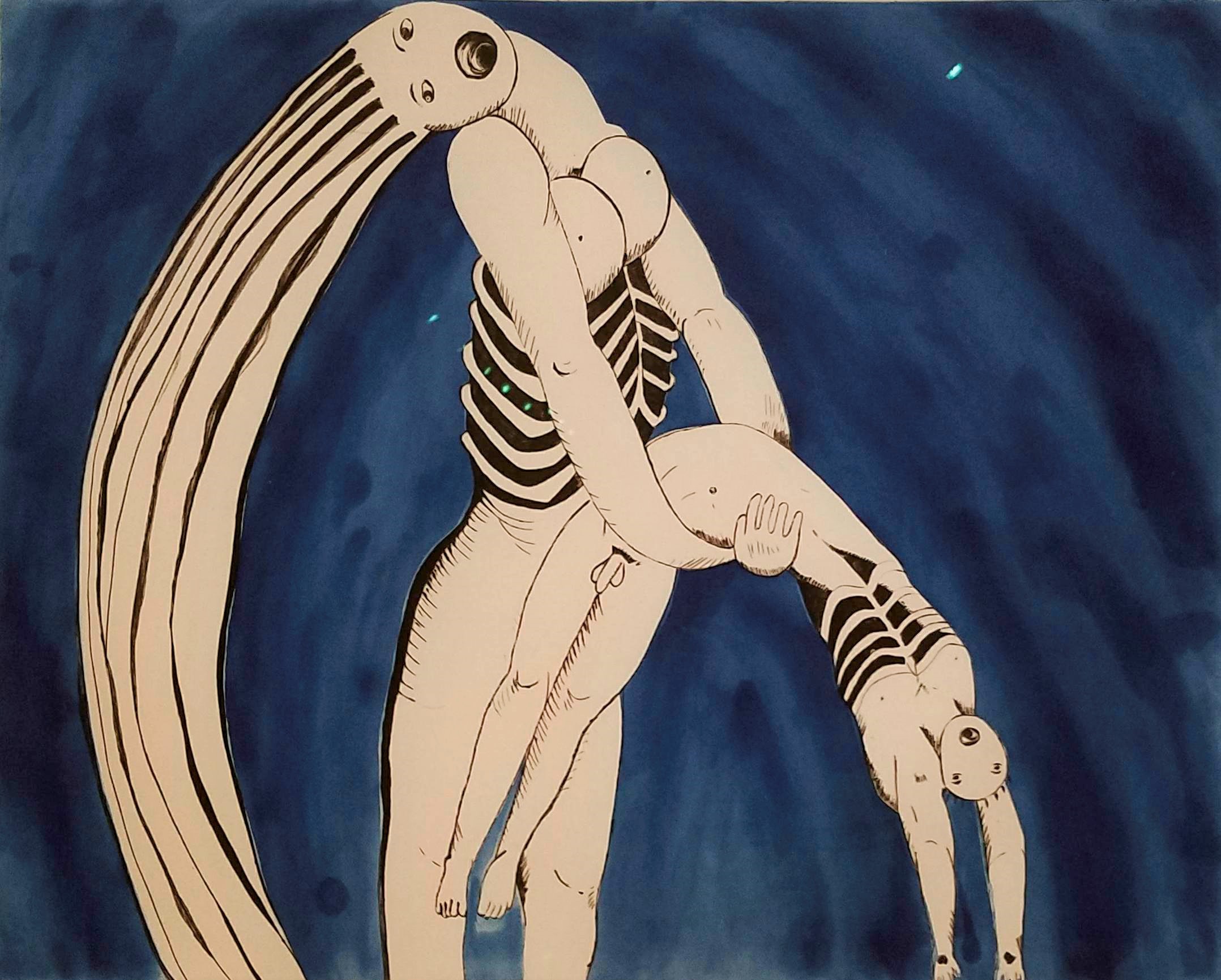
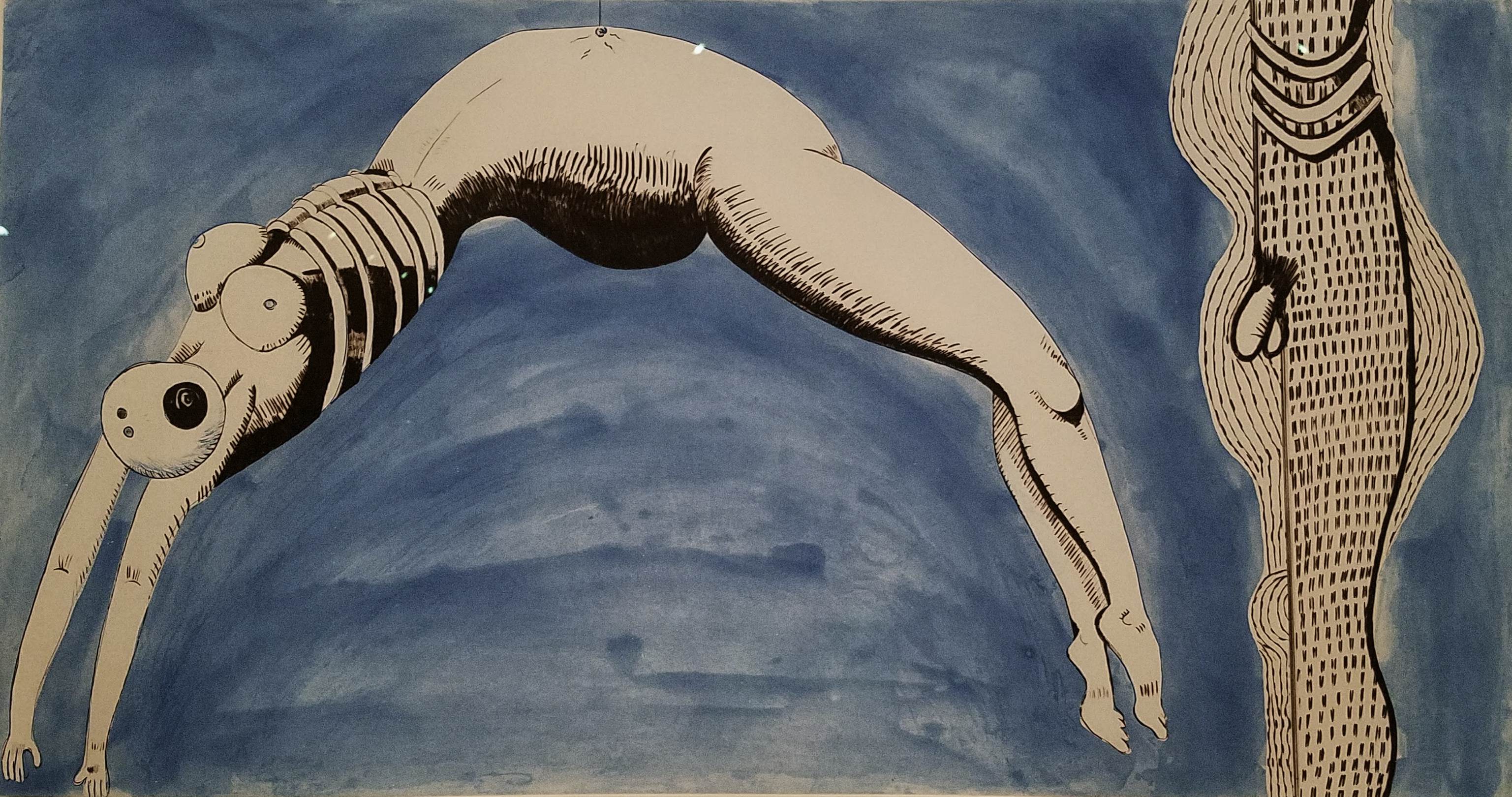
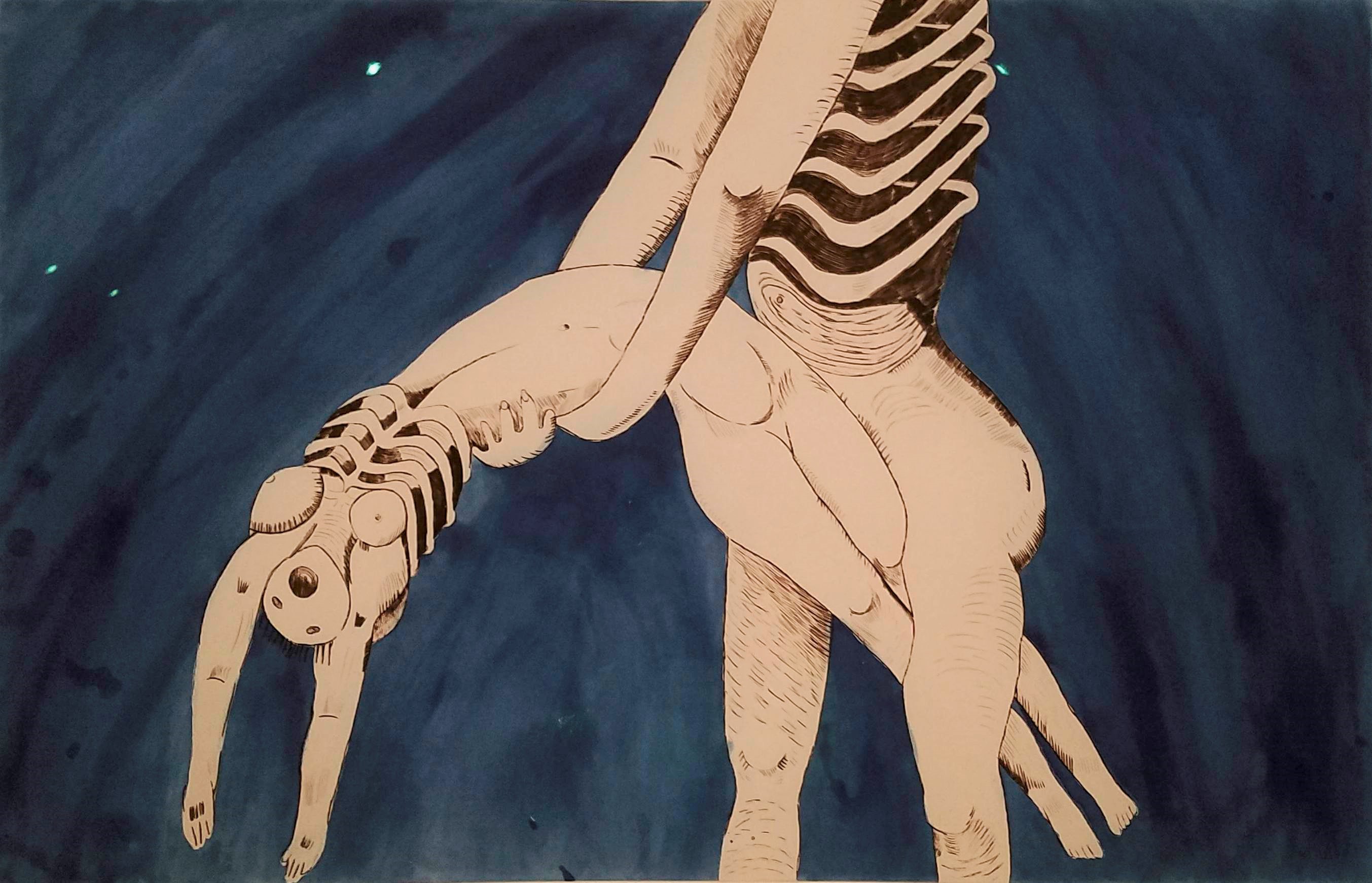
Self Portrait 2007
Gouache on paper


Self Portrait 1990
Drypoint, etching and aquatint


I Redo (interior element) from the installation
I Do, I Undo, I Redo 1999-2000
Steel, glass wood and tapestry


Untitled 1940
Oil and pencil on board


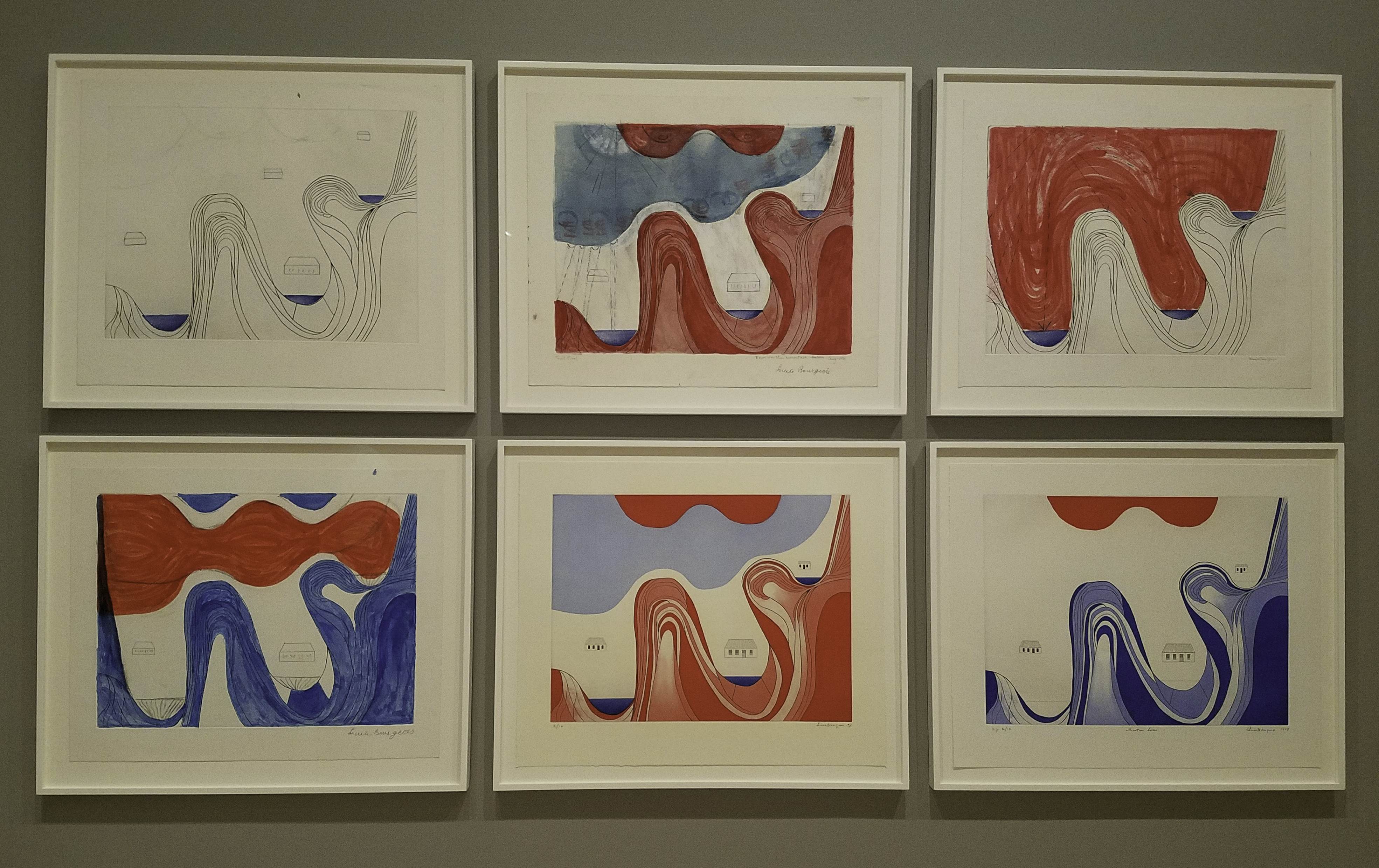
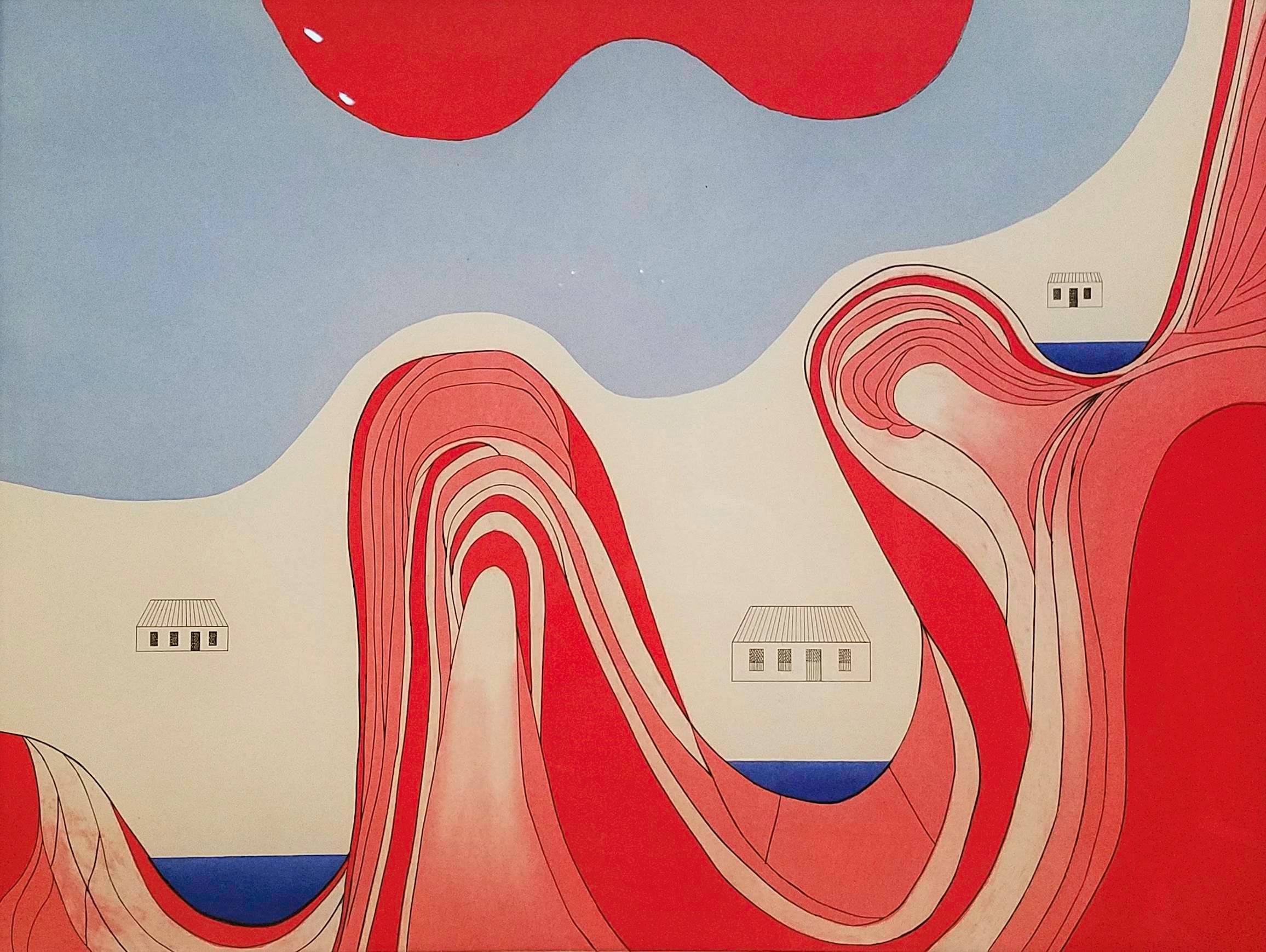
Lacs de Montagne (Mountain Lakes), 1996 & 1997
Engraving and aquatint with watercolour, gouache and ink additions


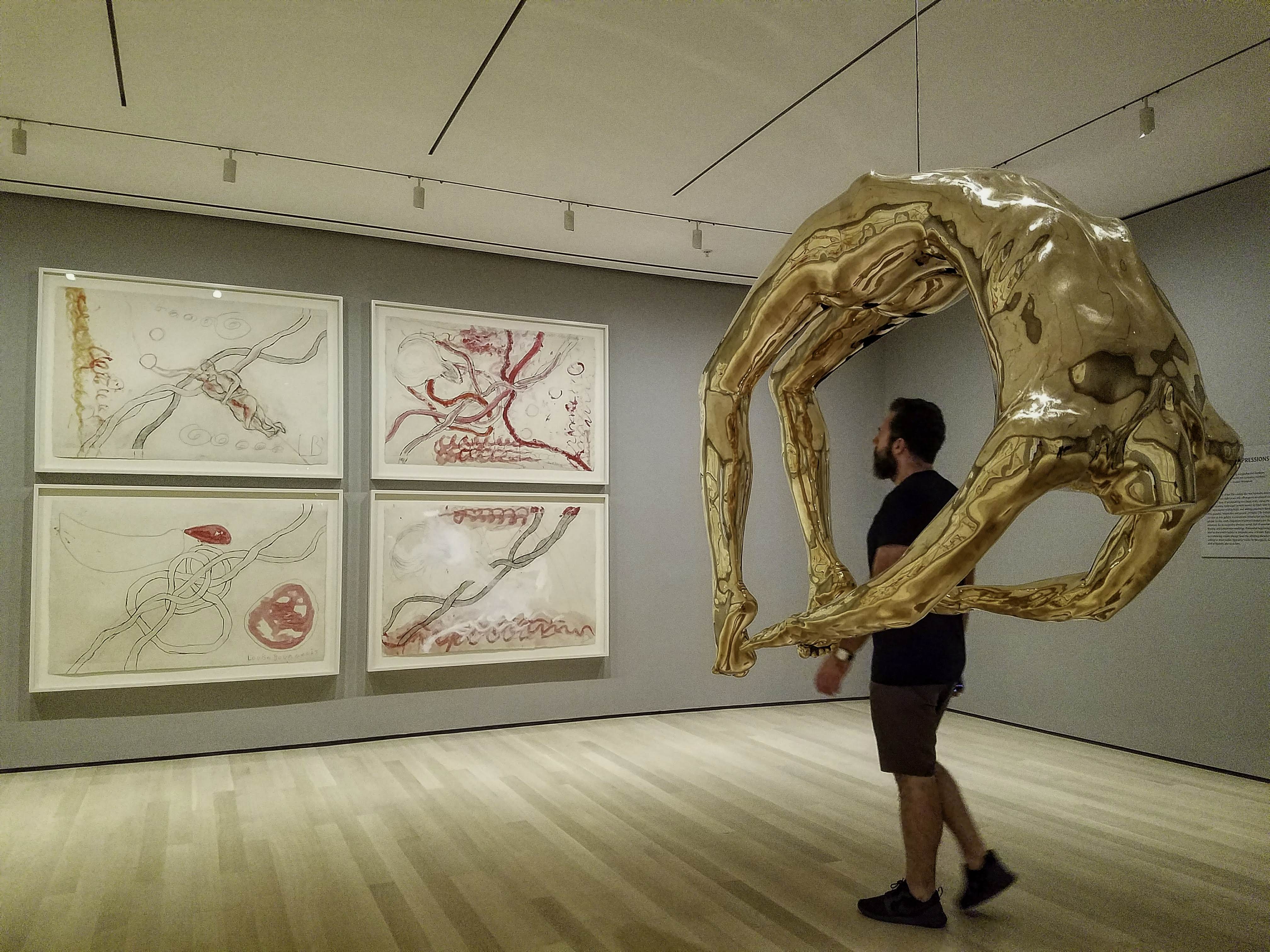
Arch of Hysteria 1993
Bronze, polished patina


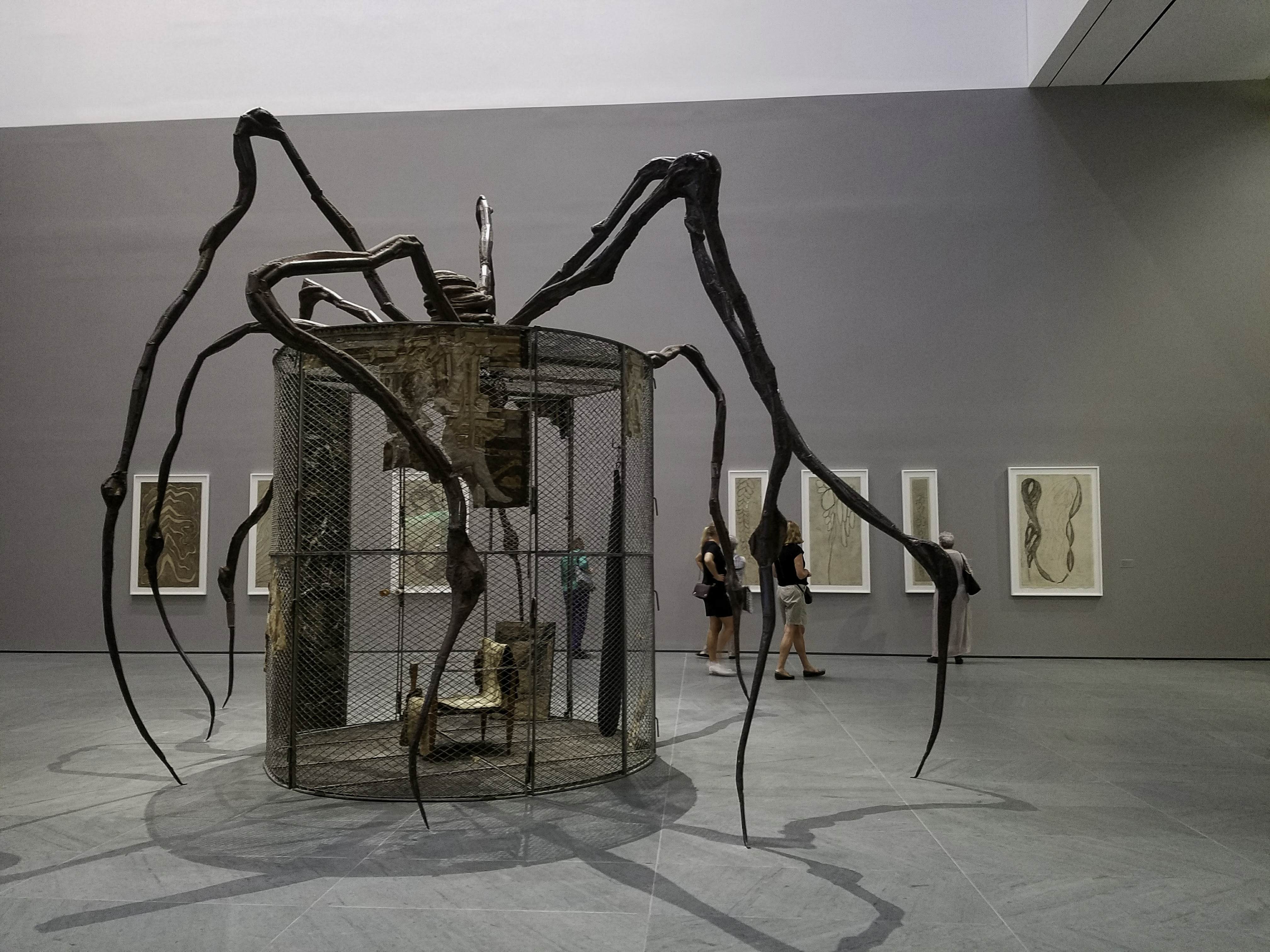
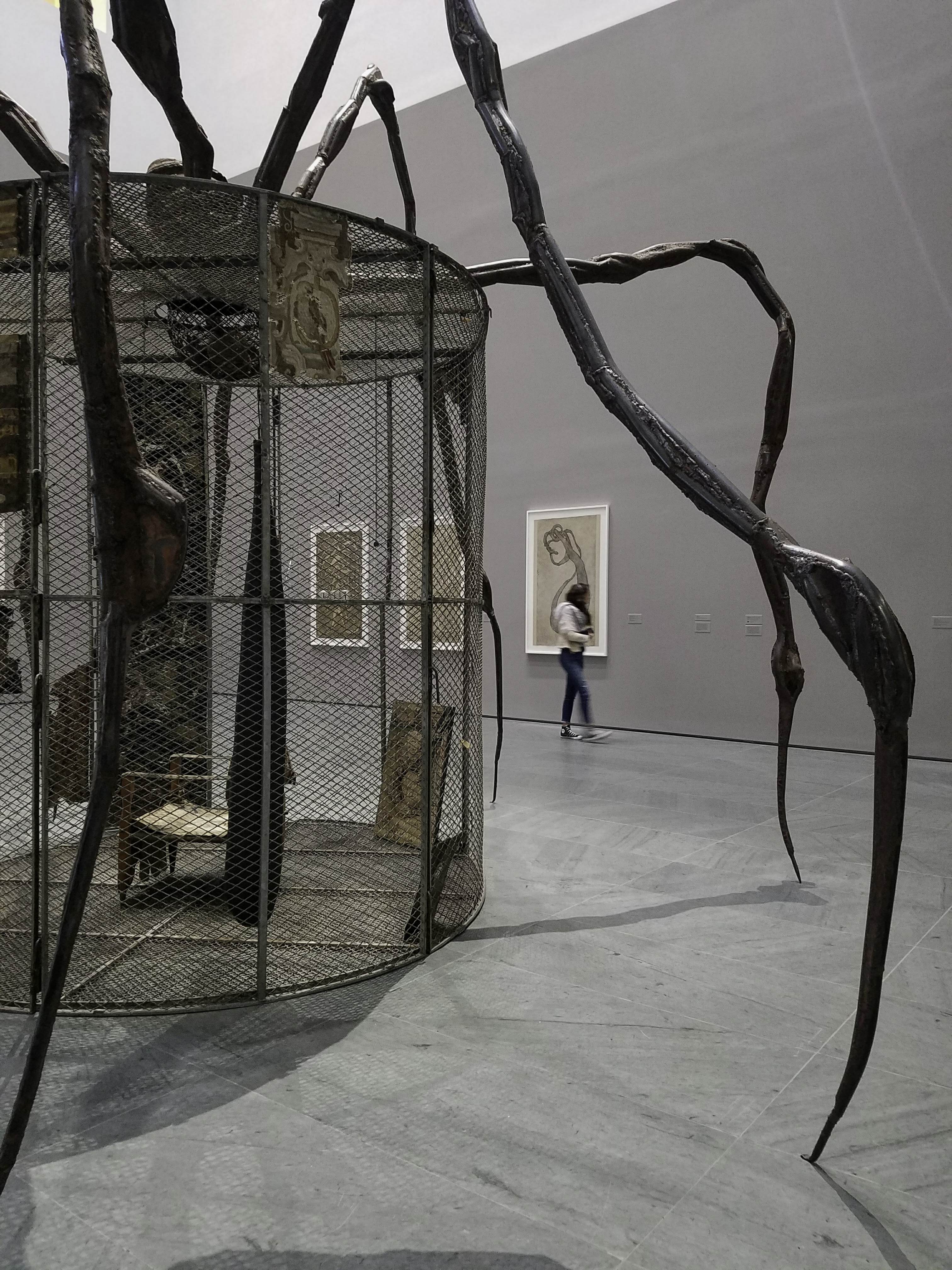
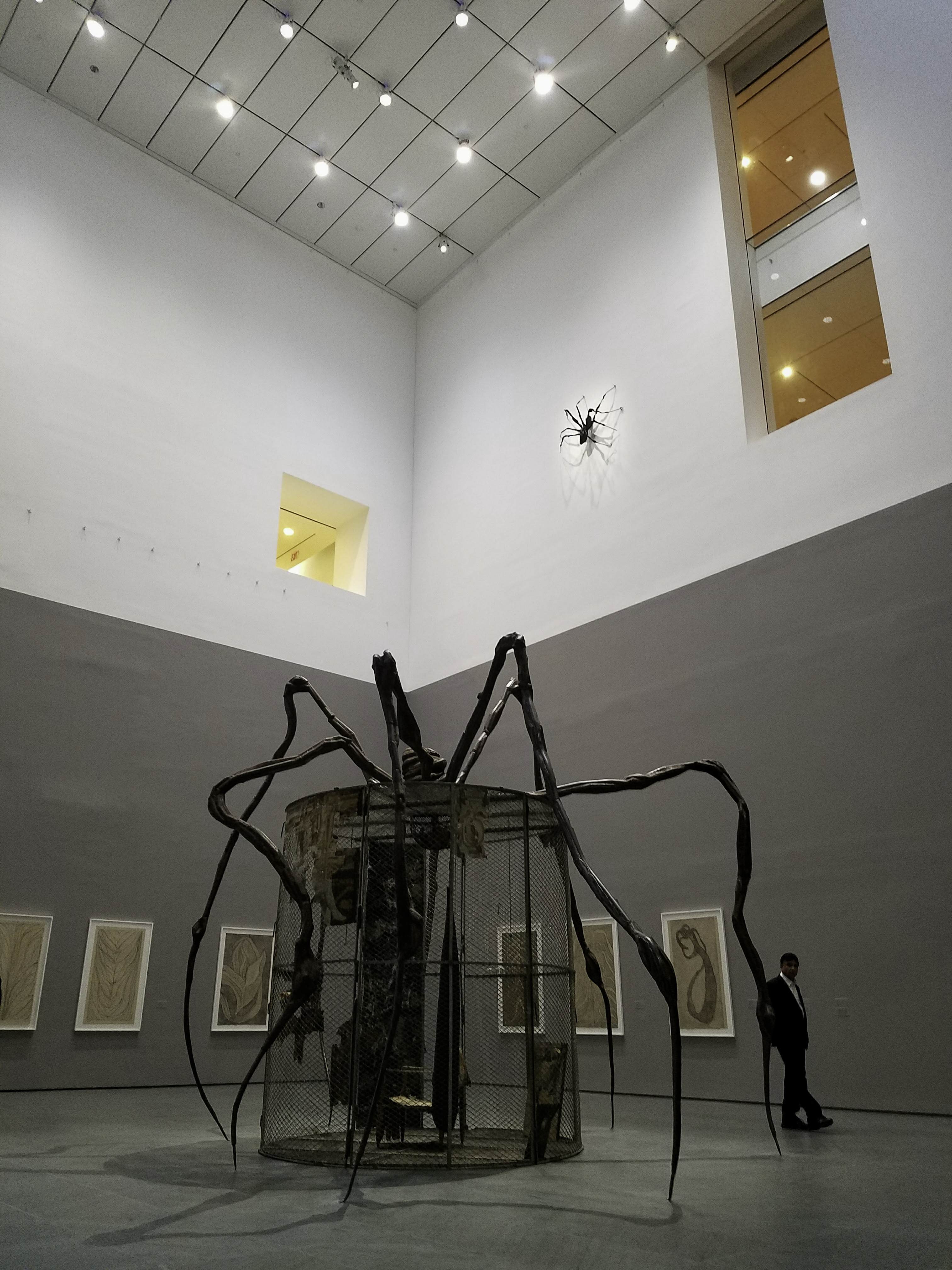
Spider 1997


Note from Louise Bourgeois: An Unfolding Portrait, an exhibition that ran at the MoMA, until end January 2018: ”[…] explores the prints, books, and creative process of the celebrated sculptor Louise Bourgeois (1911–2010). Bourgeois’s printed oeuvre, a little-known aspect of her work, is vast in scope and comprises some 1,200 printed compositions, created primarily in the last two decades of her life but also at the beginning of her career, in the 1940s. The Museum of Modern Art has a prized archive of this material, and the exhibition will highlight works from the collection along with rarely seen loans […].”

September 25th, 2017

Dancin’ & Bridgin’

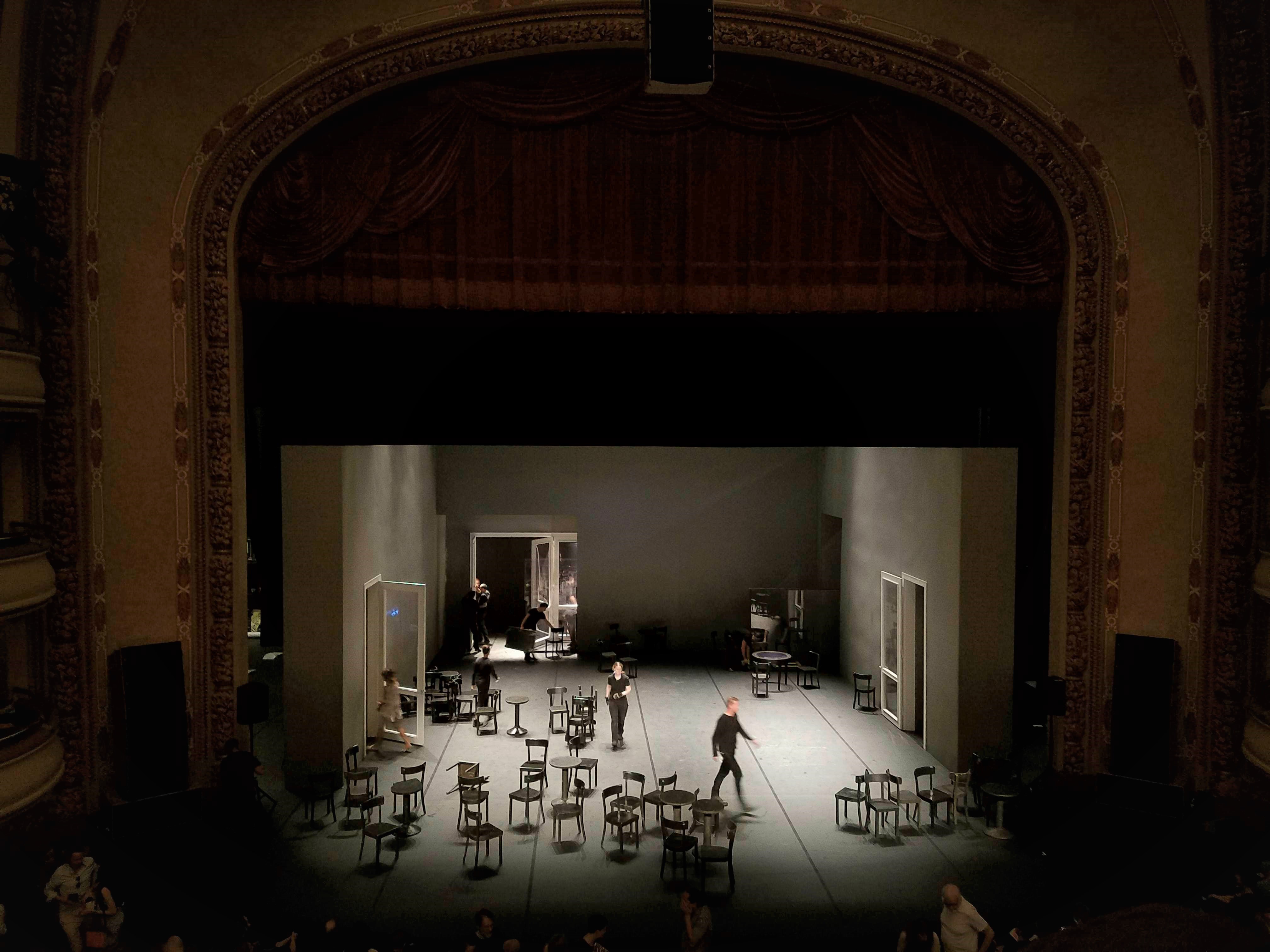
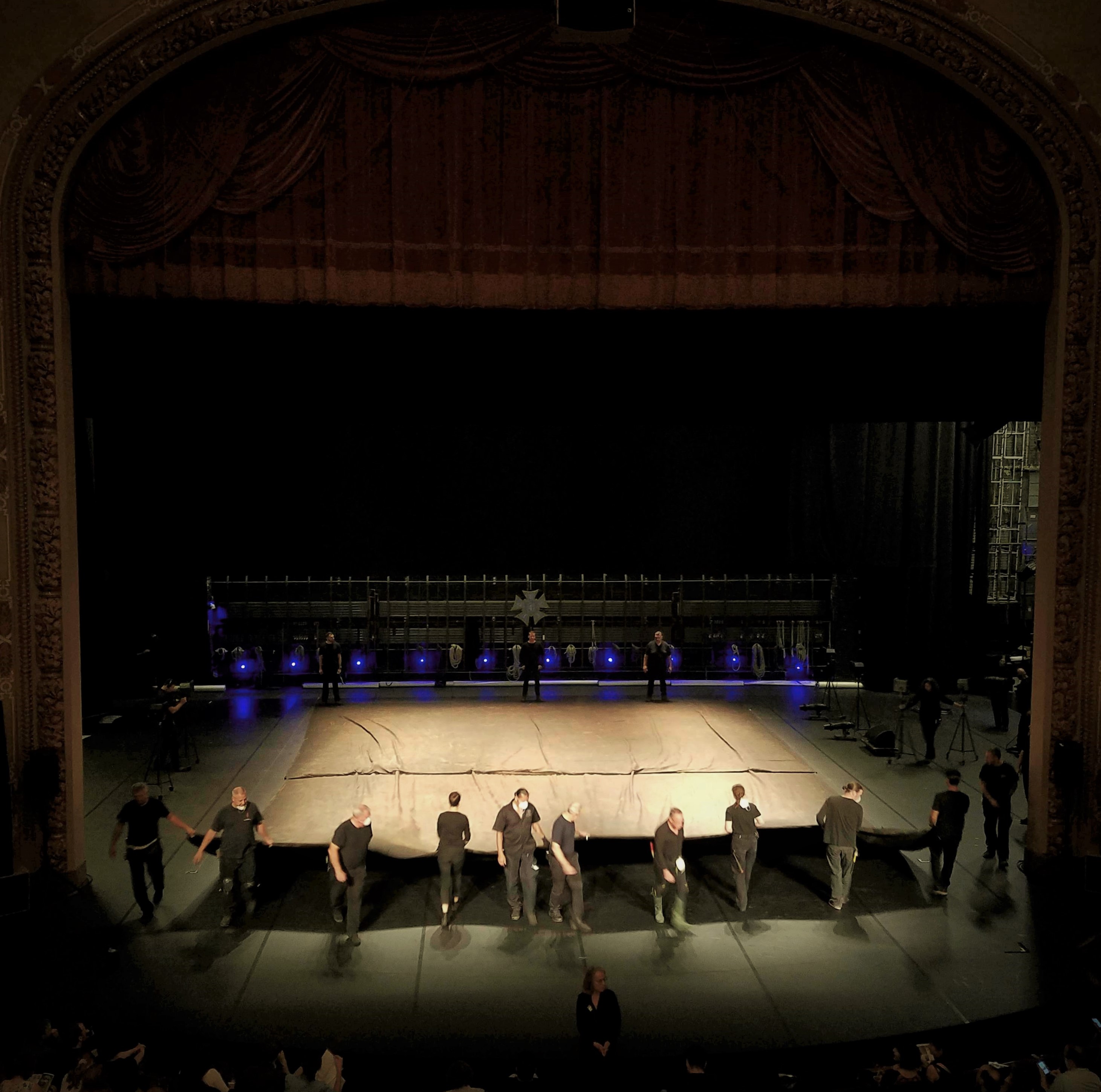
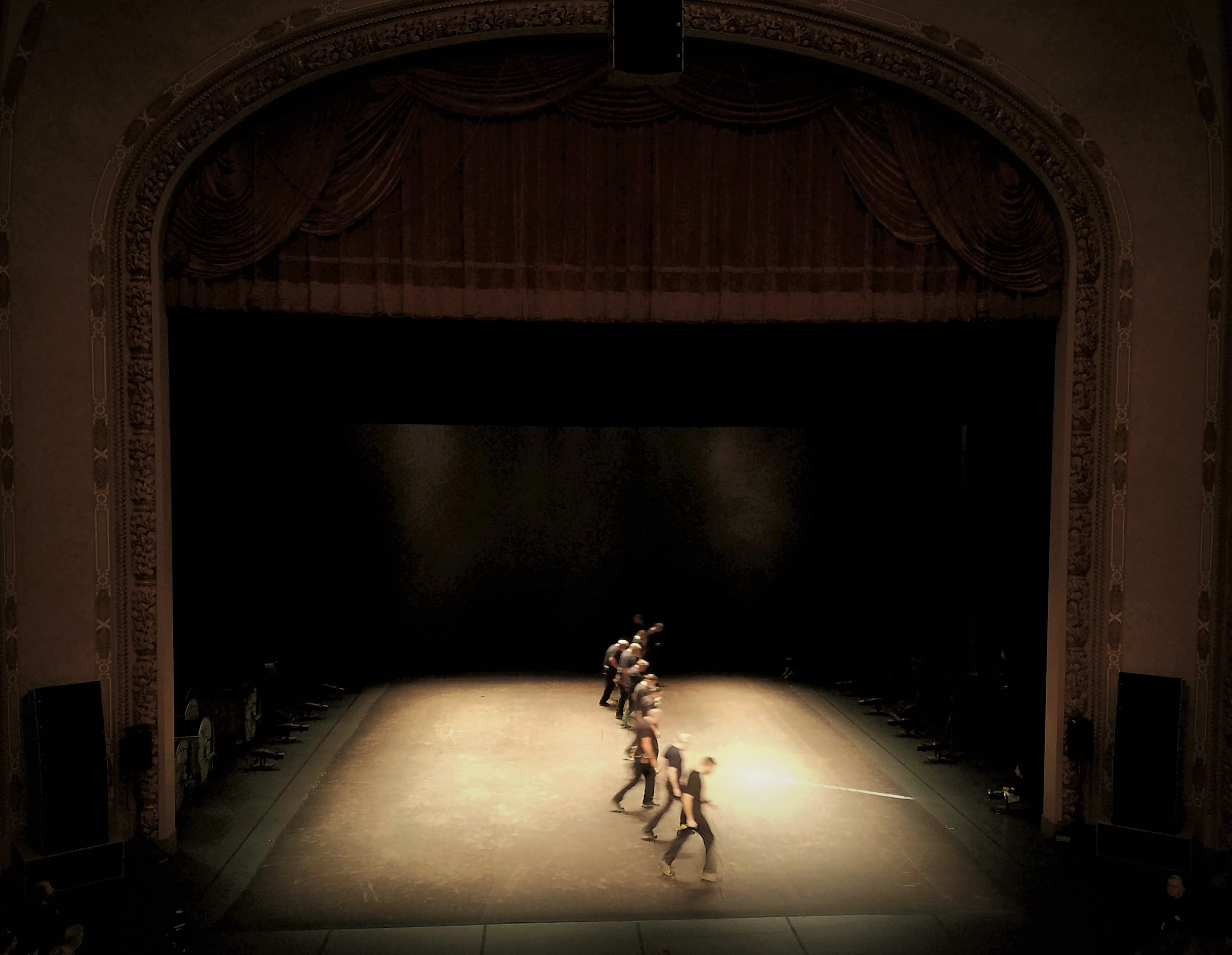
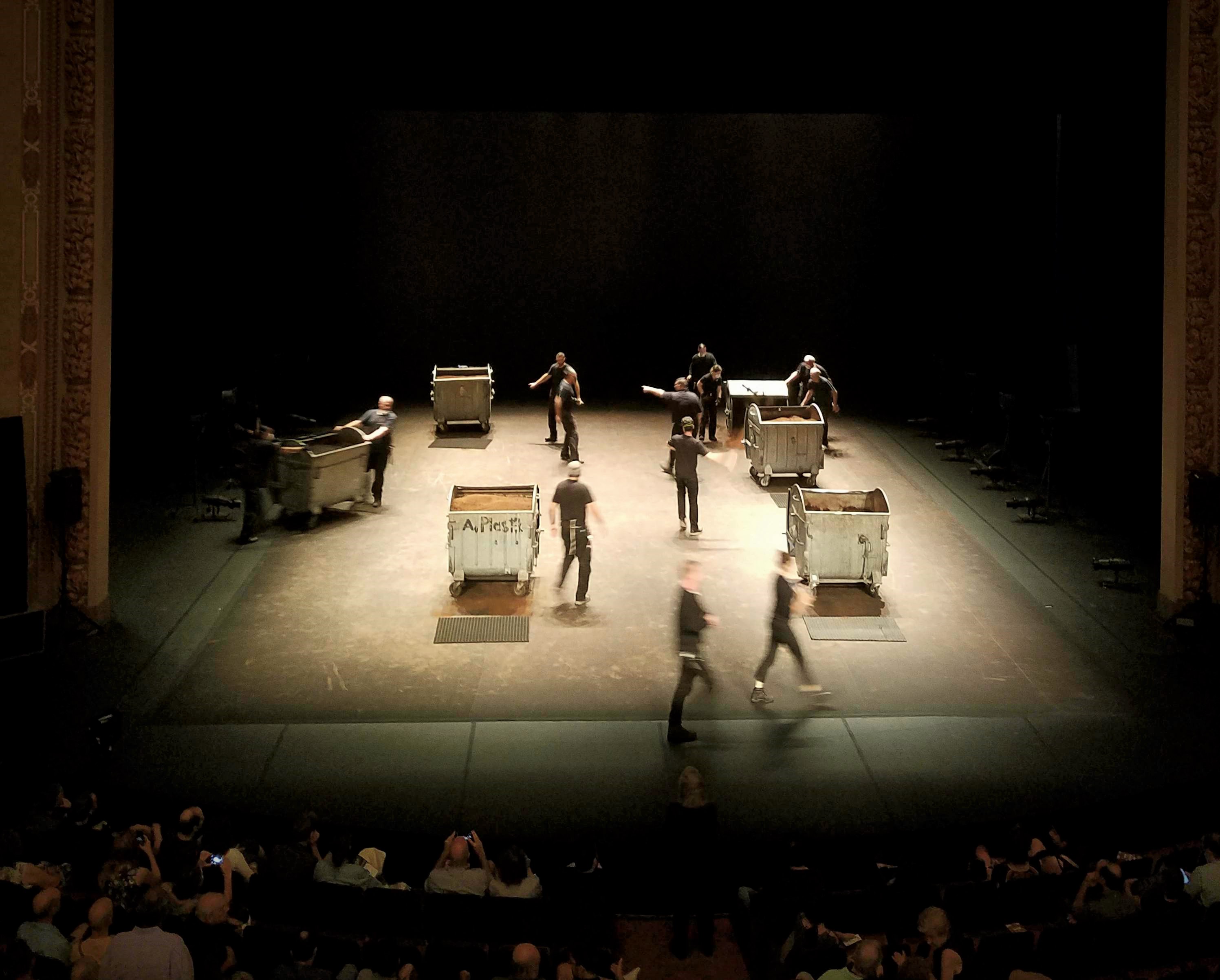
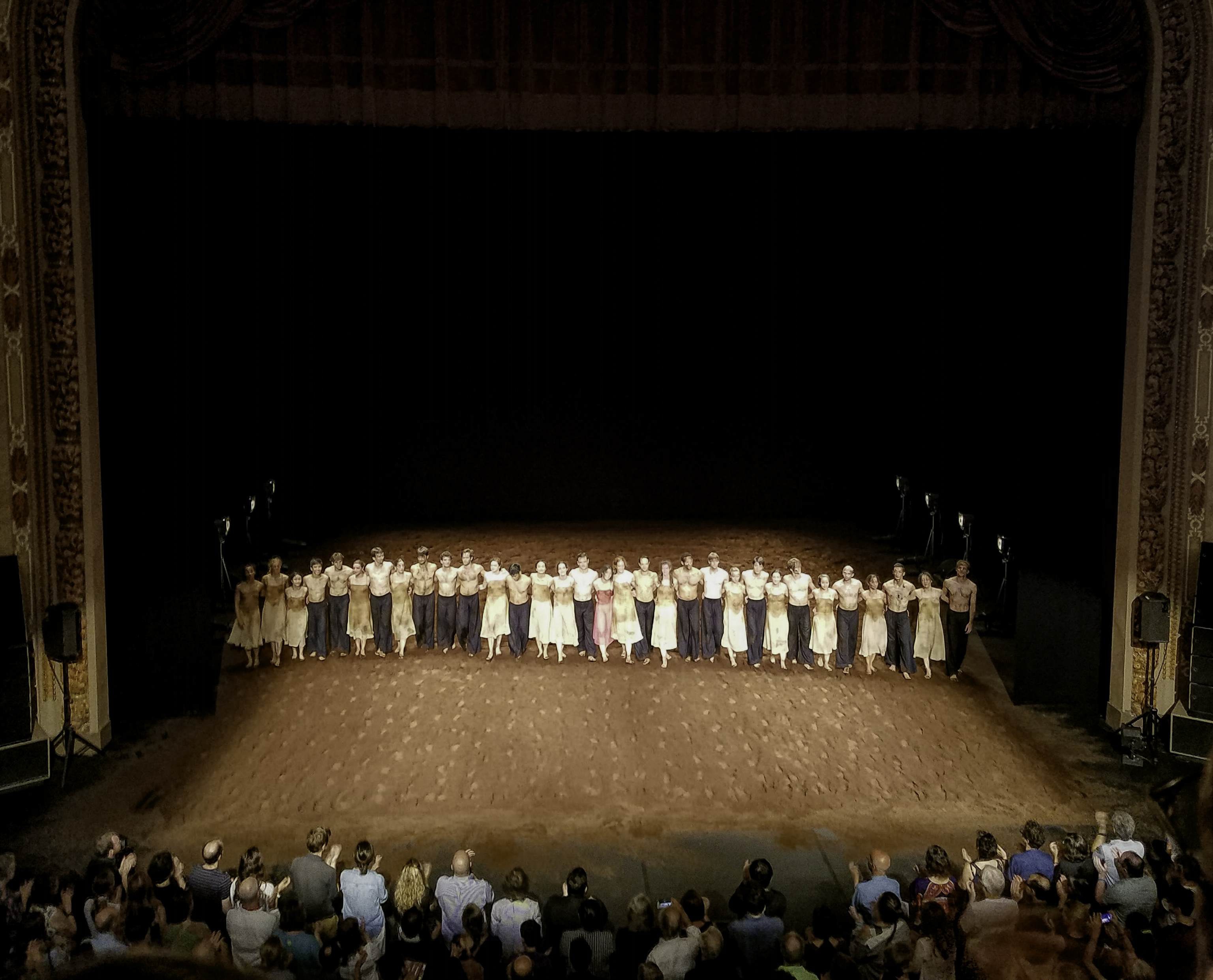
Café Müller, Pina Bausch’s dreamy masterpiece
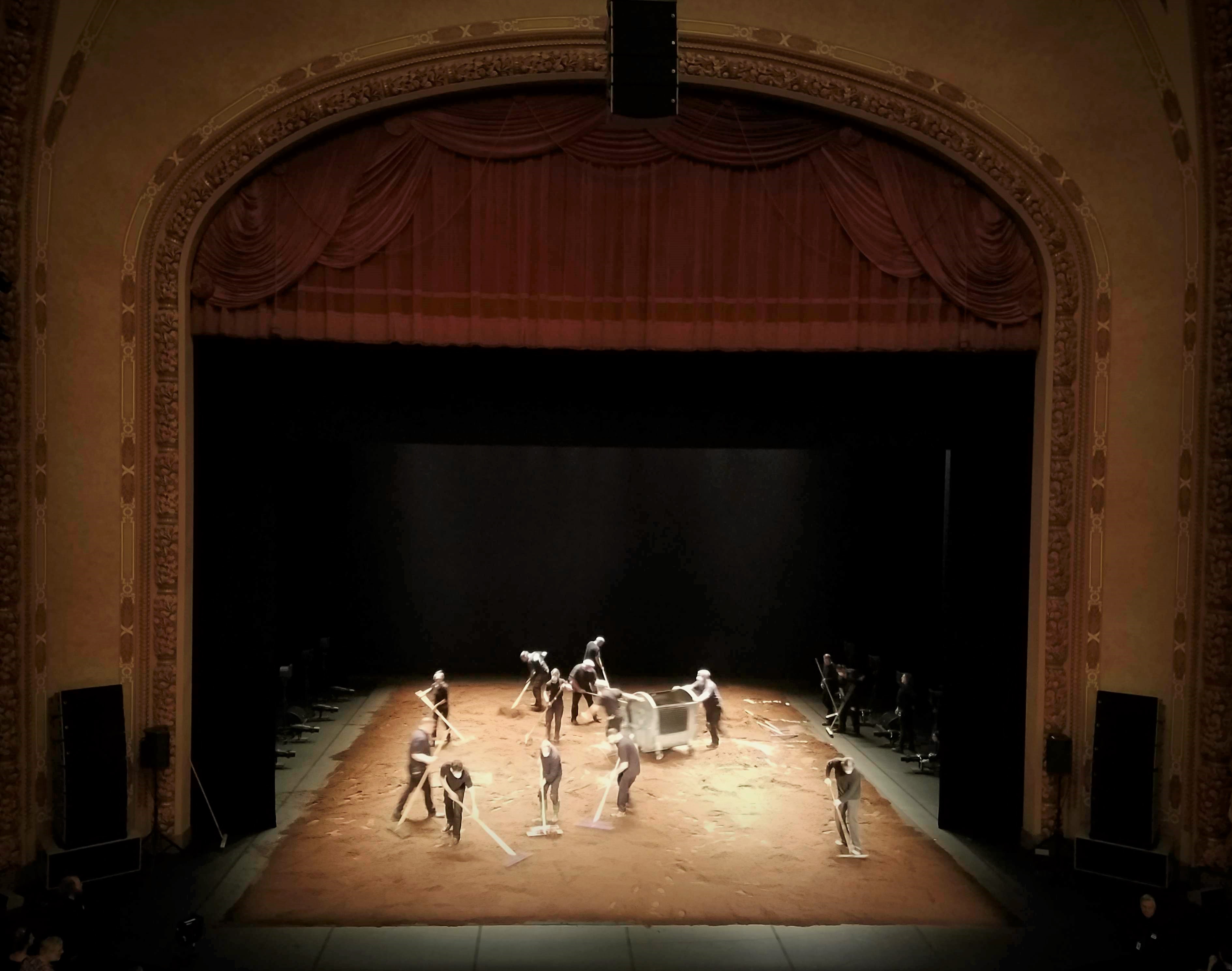
The Rite of Spring, Pina’s interpetation of Stravinsky’s groundbreaking work
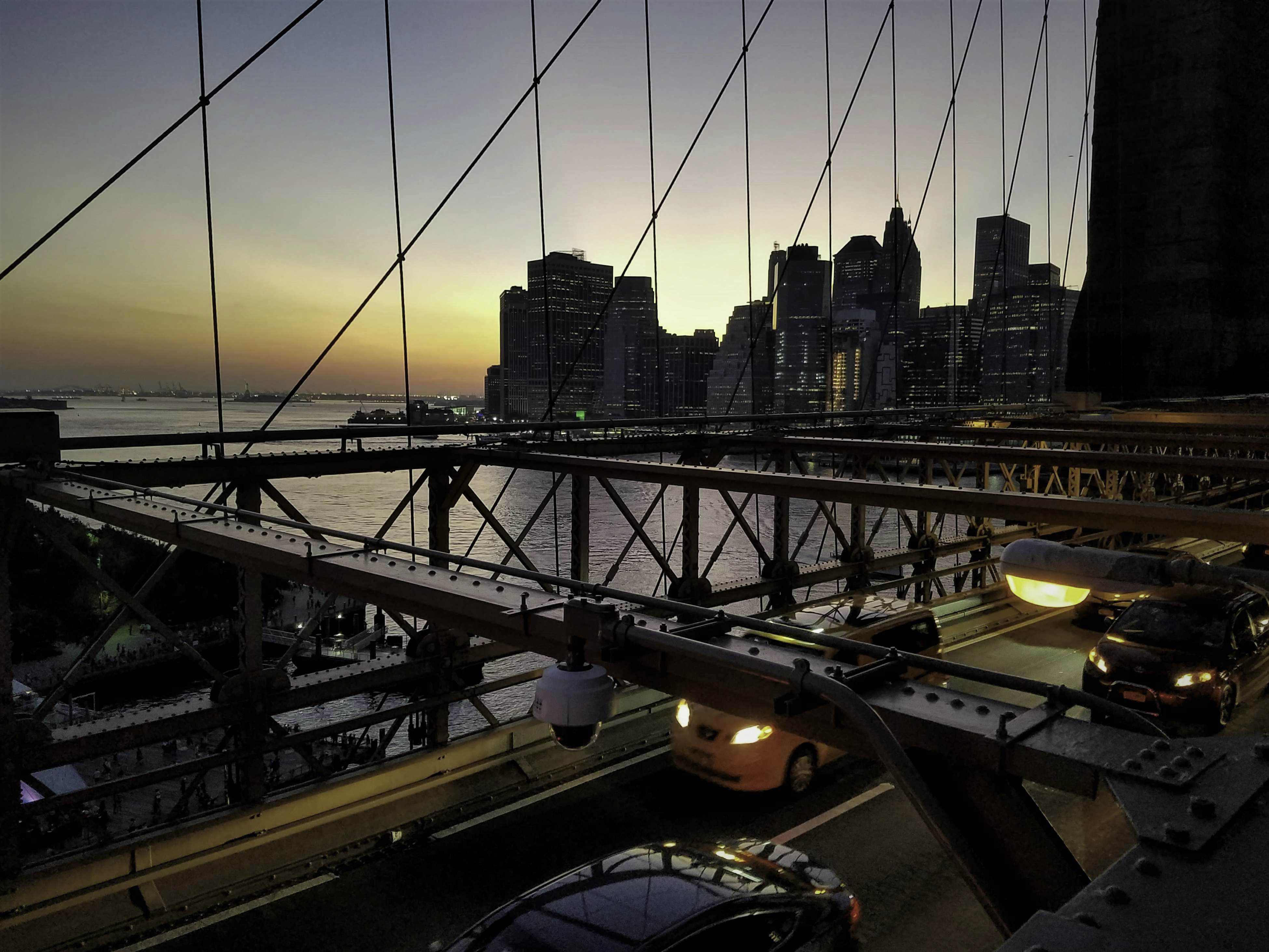
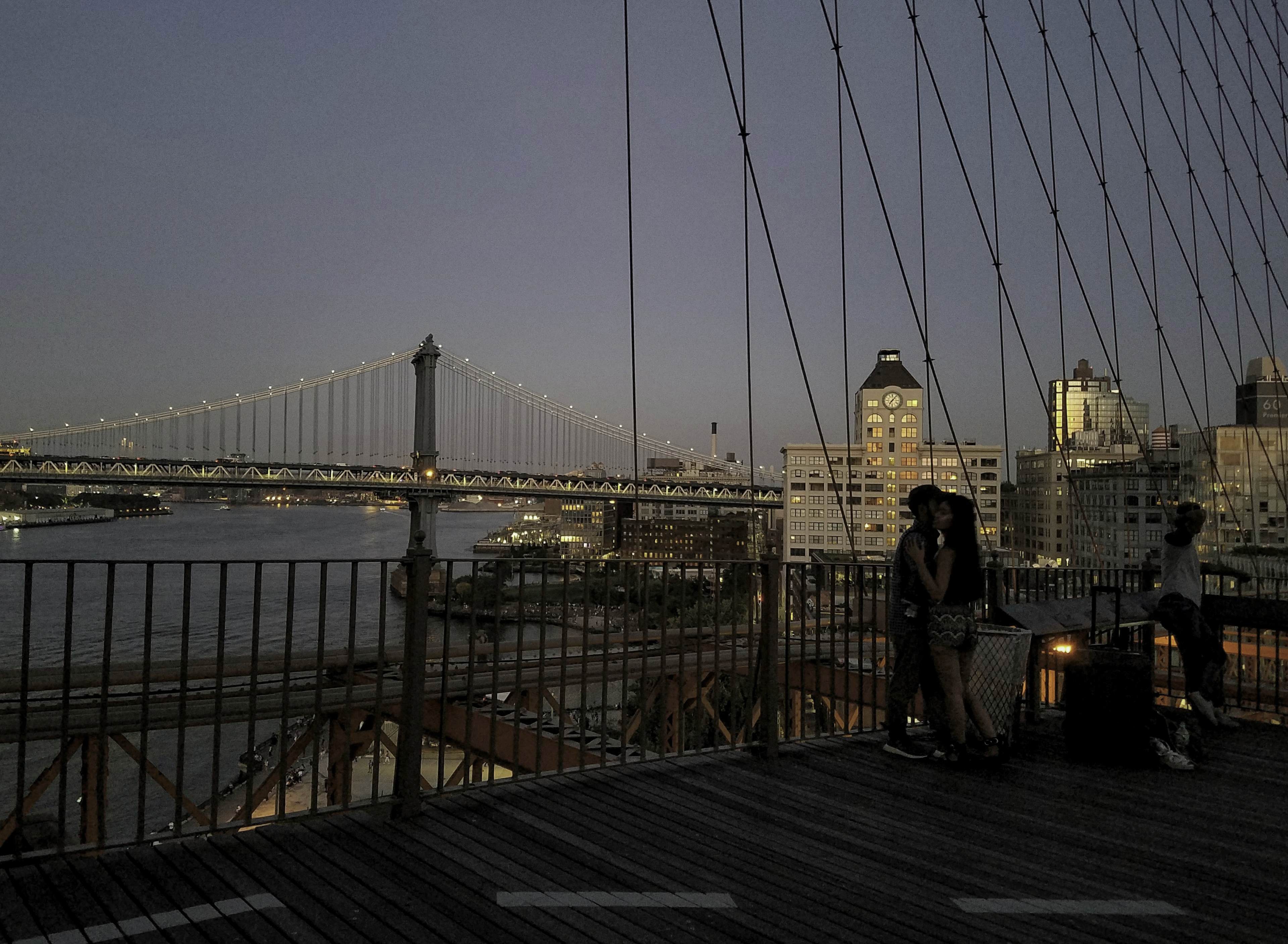
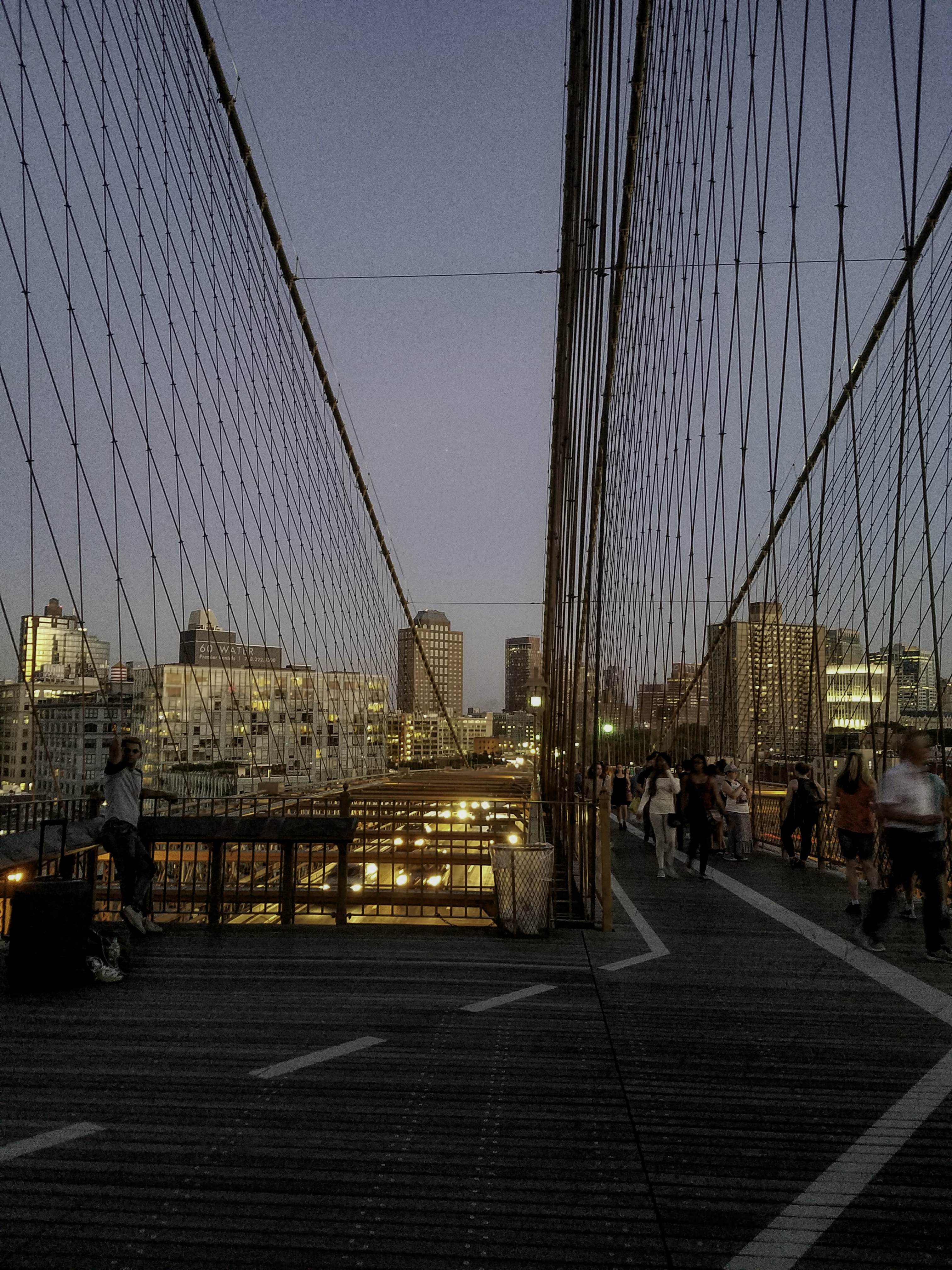
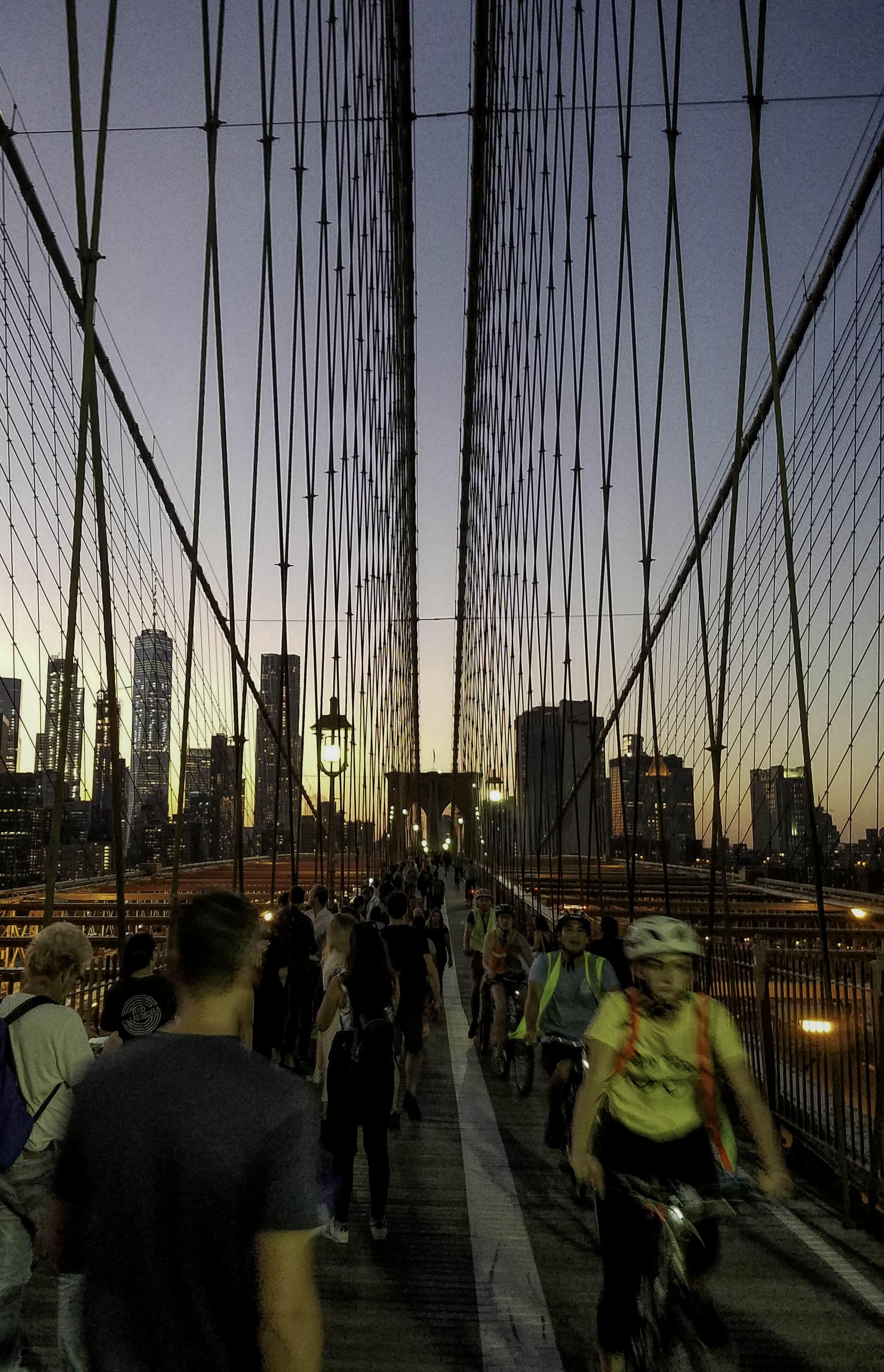
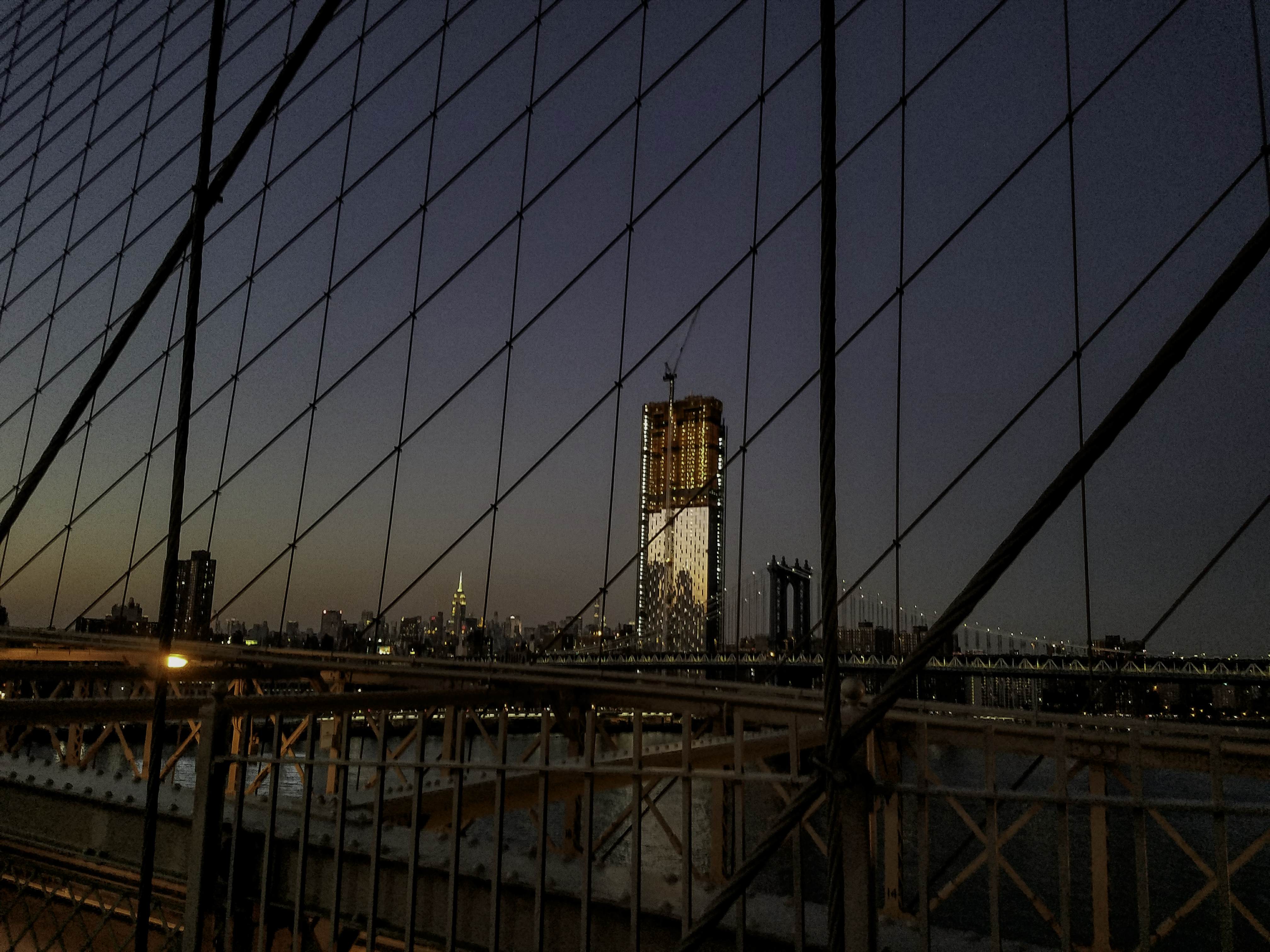
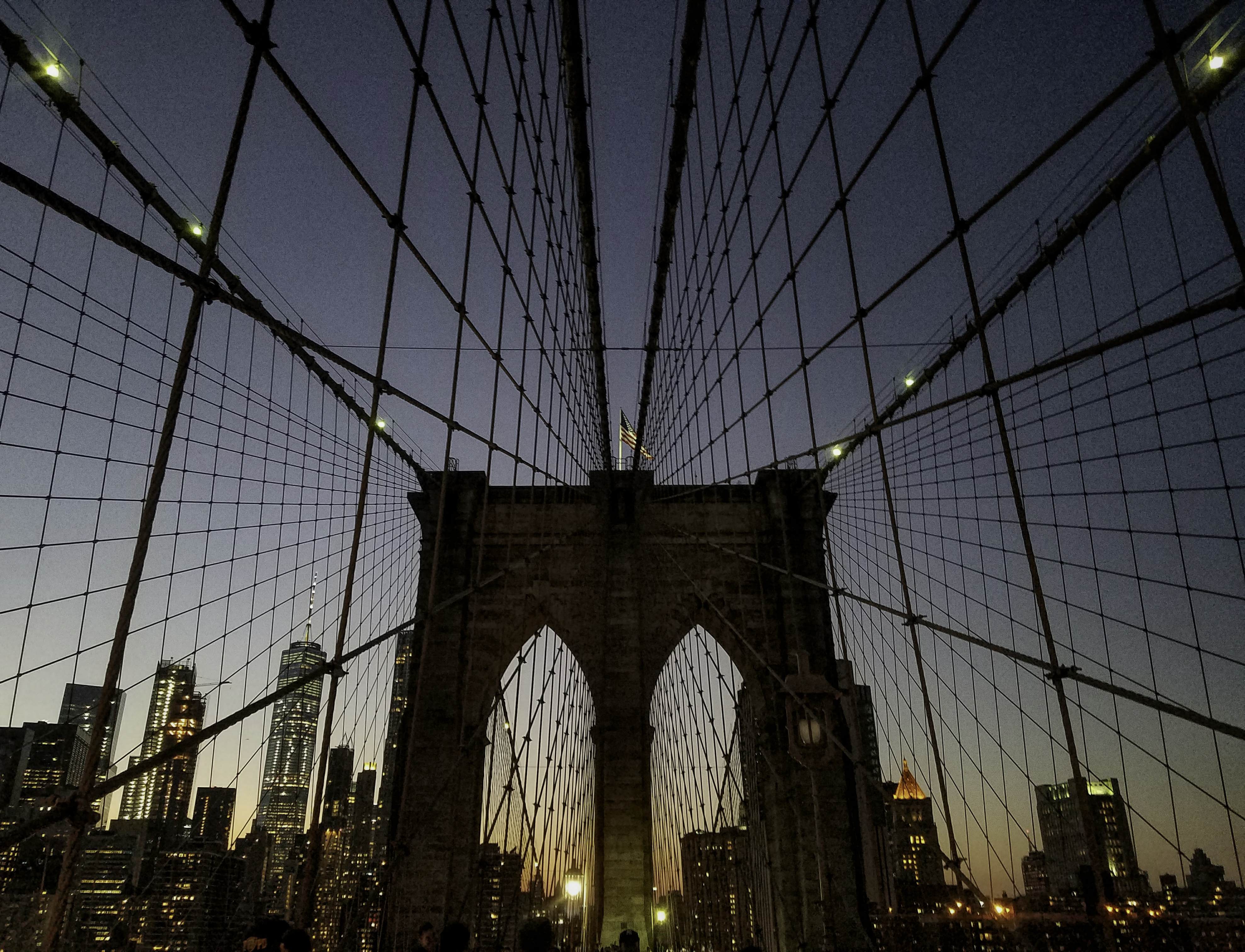
Brooklyn Bridge, no intro necessary

Three iconic creations, so visionary and inspirational, it is easy to believe they have always been here, evolving organically since the beginning of time. 

In 1984, Tanztheater Wuppertal made its New York debut at BAM, performing what would become the two most iconic works of Pina Bausch’s extraordinary repertoire. More than three decades later, the company returned with a landmark restaging of that historic double bill. 

Images show the transformation of the stage from a café, in which figures dance dreamily to the music by Henry Purcel, to a dirt field where dancers perform a wild ritualistic routine in honour of spring – a transformation that earned the crew their very own, heartfelt applause; alternating with images of one of the City’s most iconic structures, at dusk.

Café Müller/The Rite of Spring, was part of 2017 Next Wave Festival at BAM. The Brooklyn Bridge is part of the City, since 1883.

September 24th, 2017

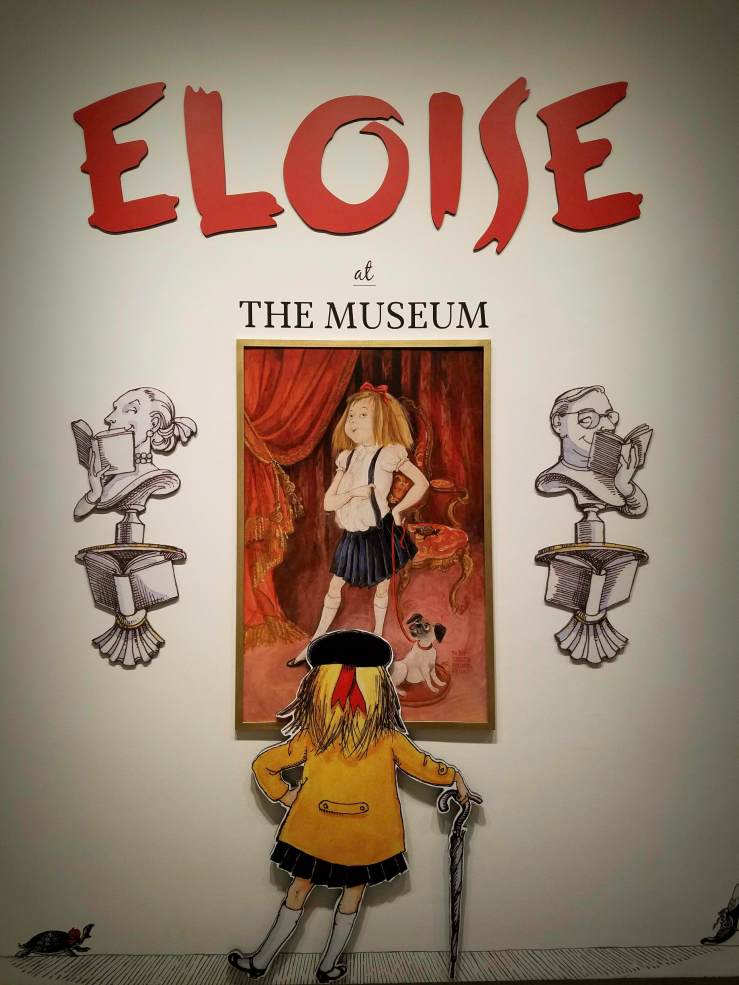
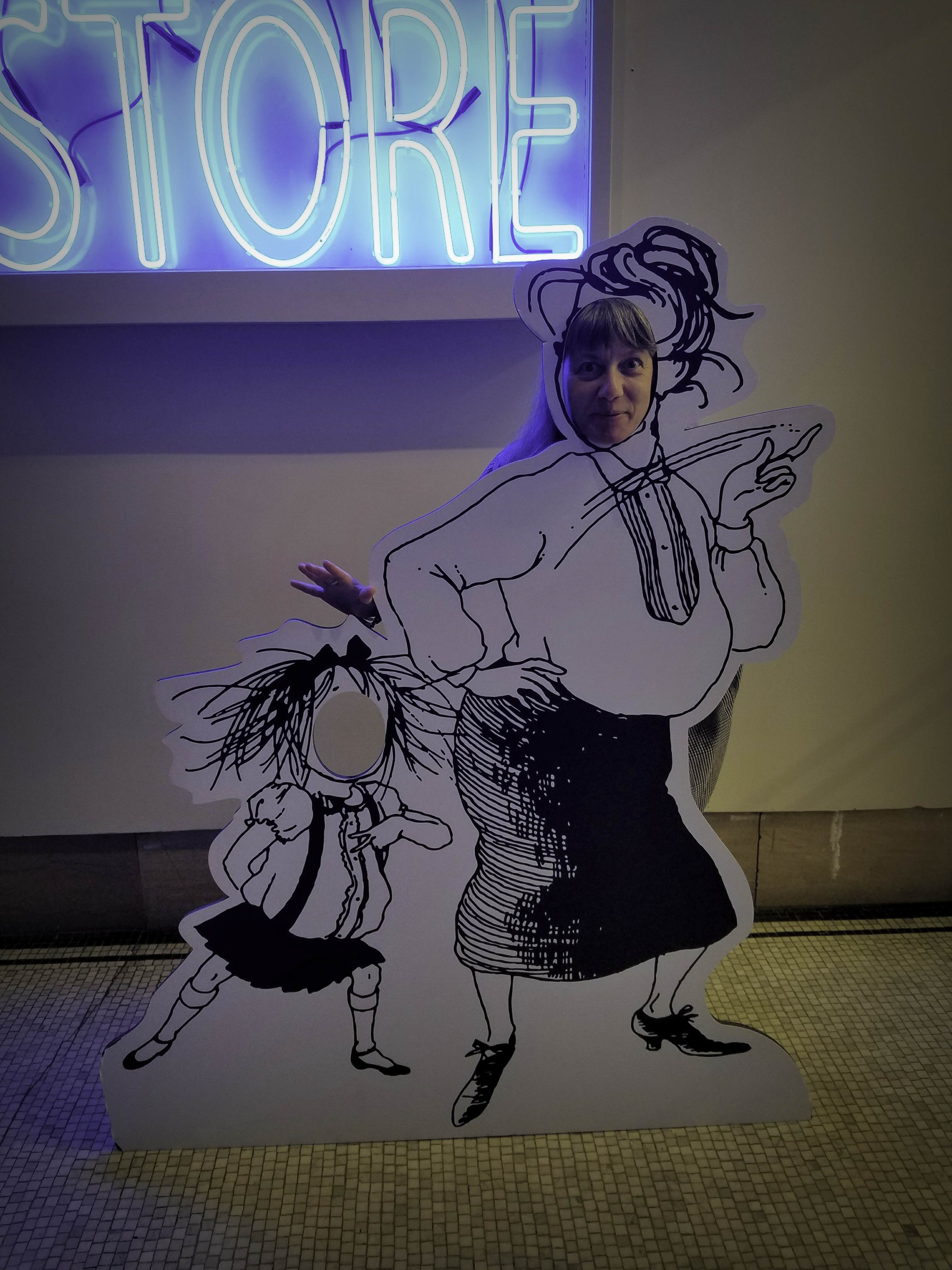
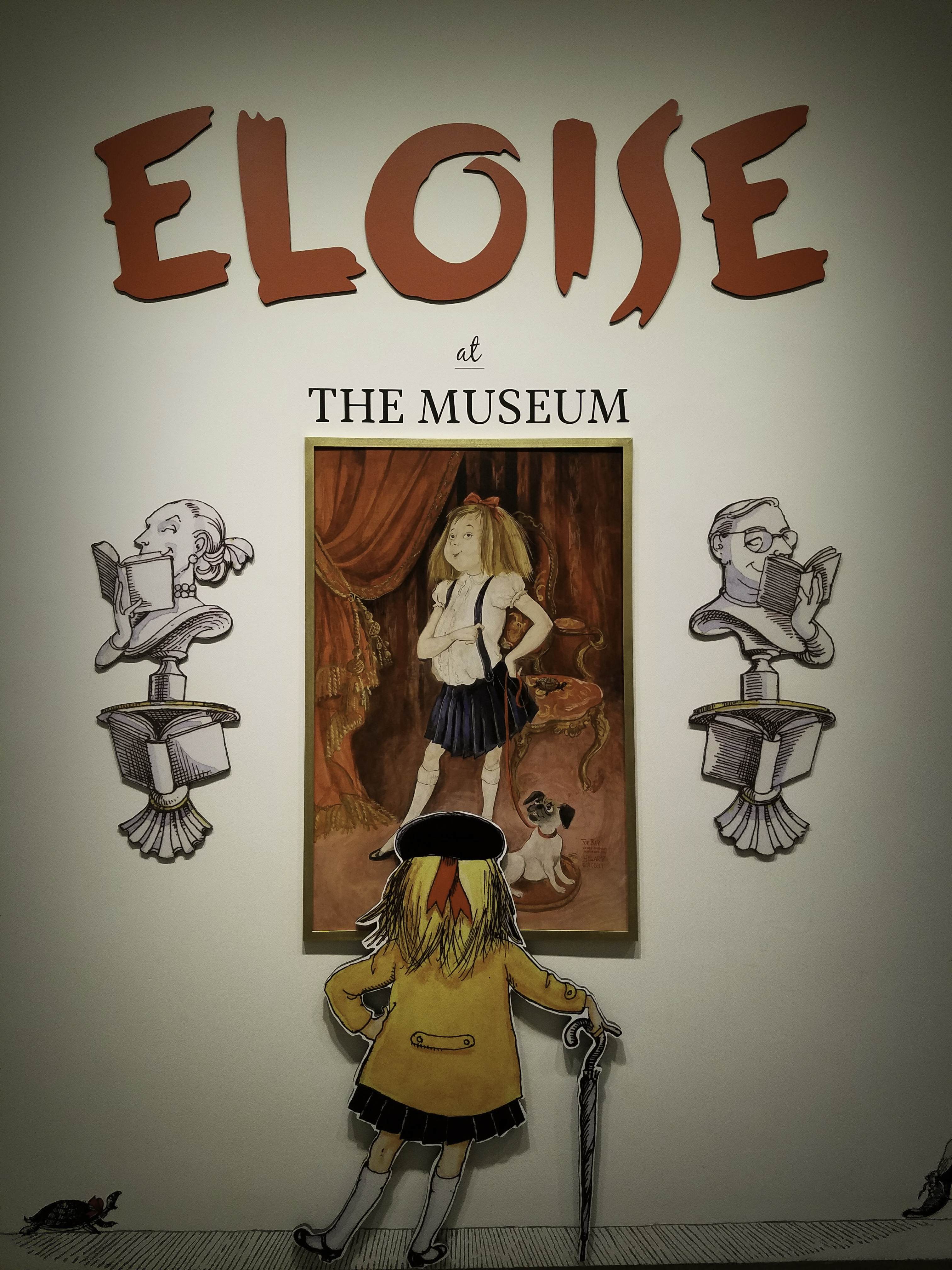
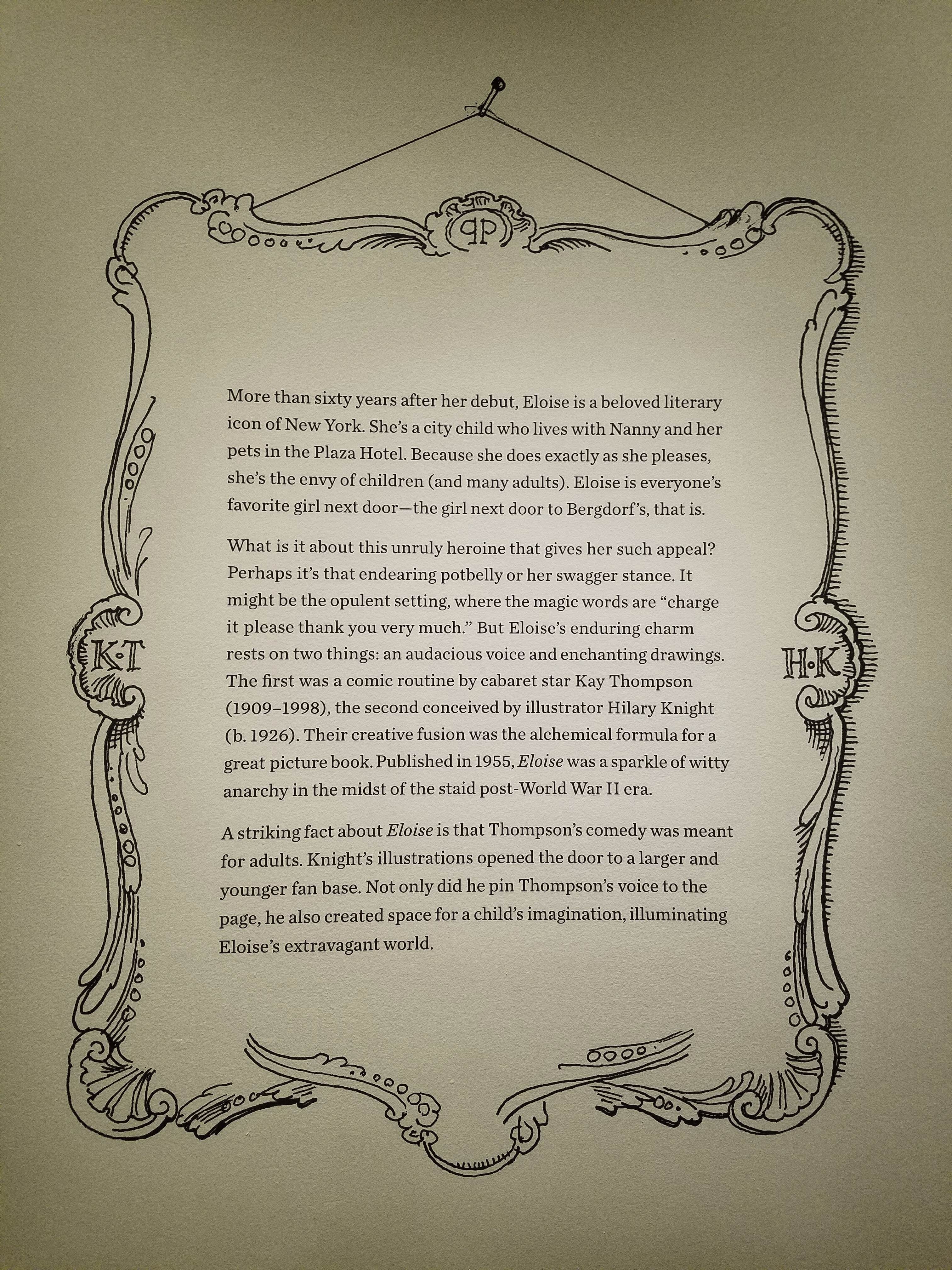
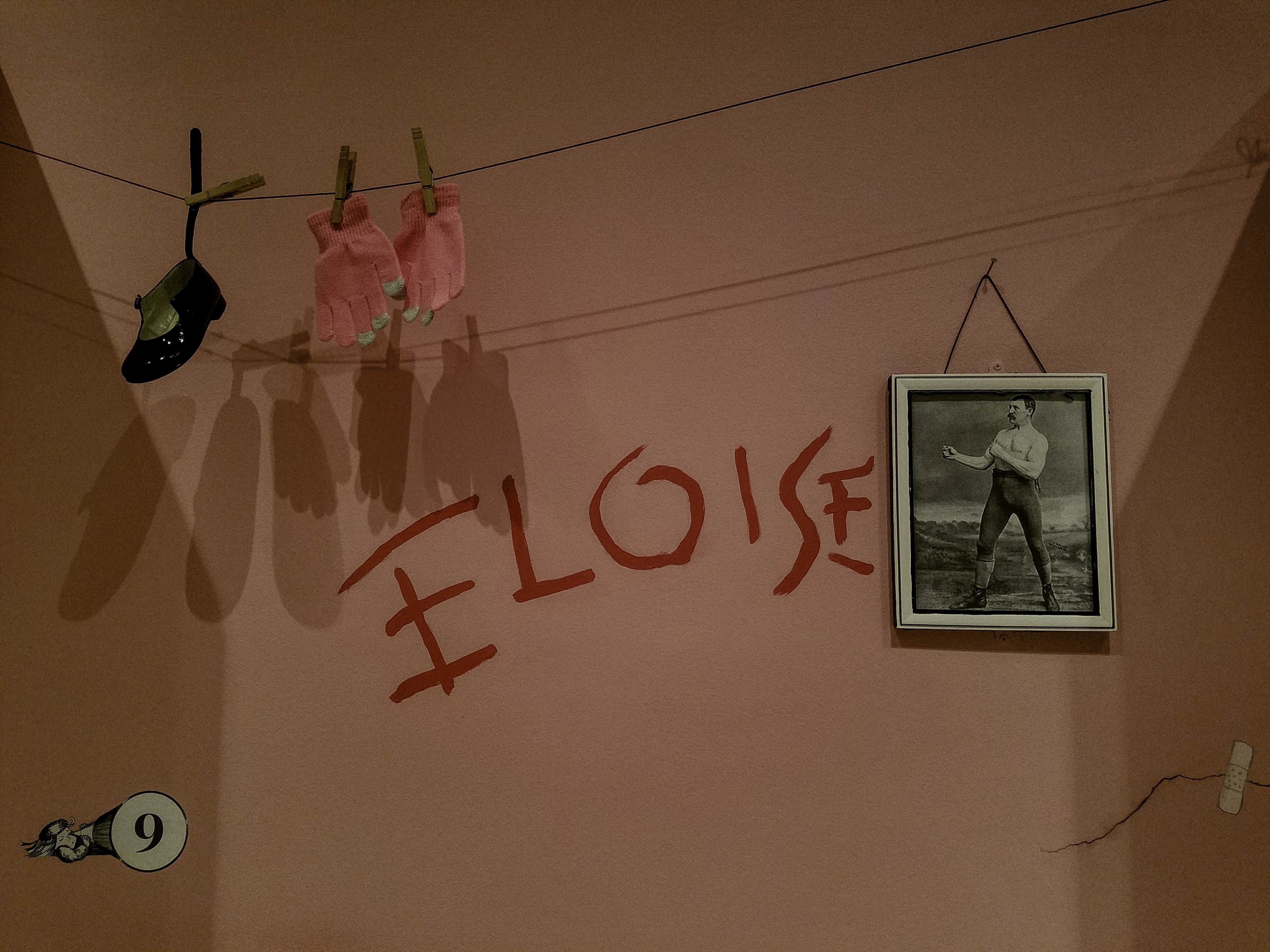
Eloise at the Museum

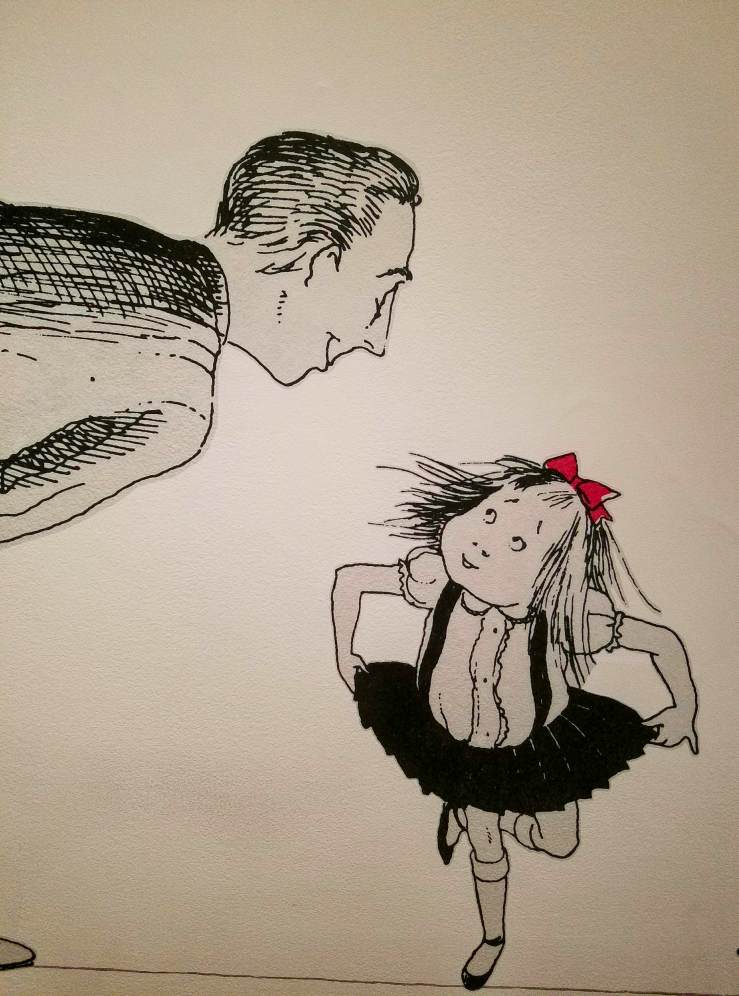
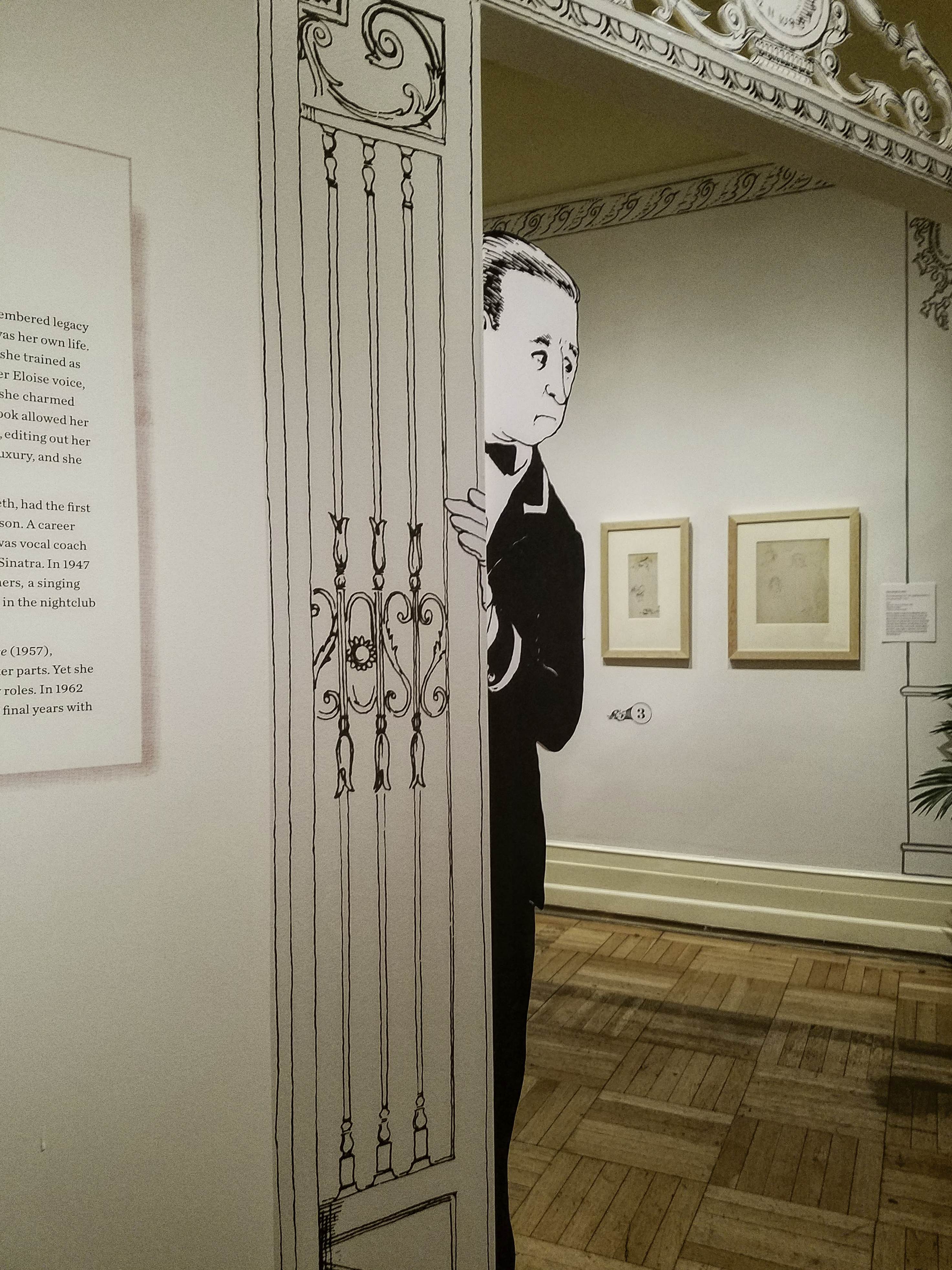
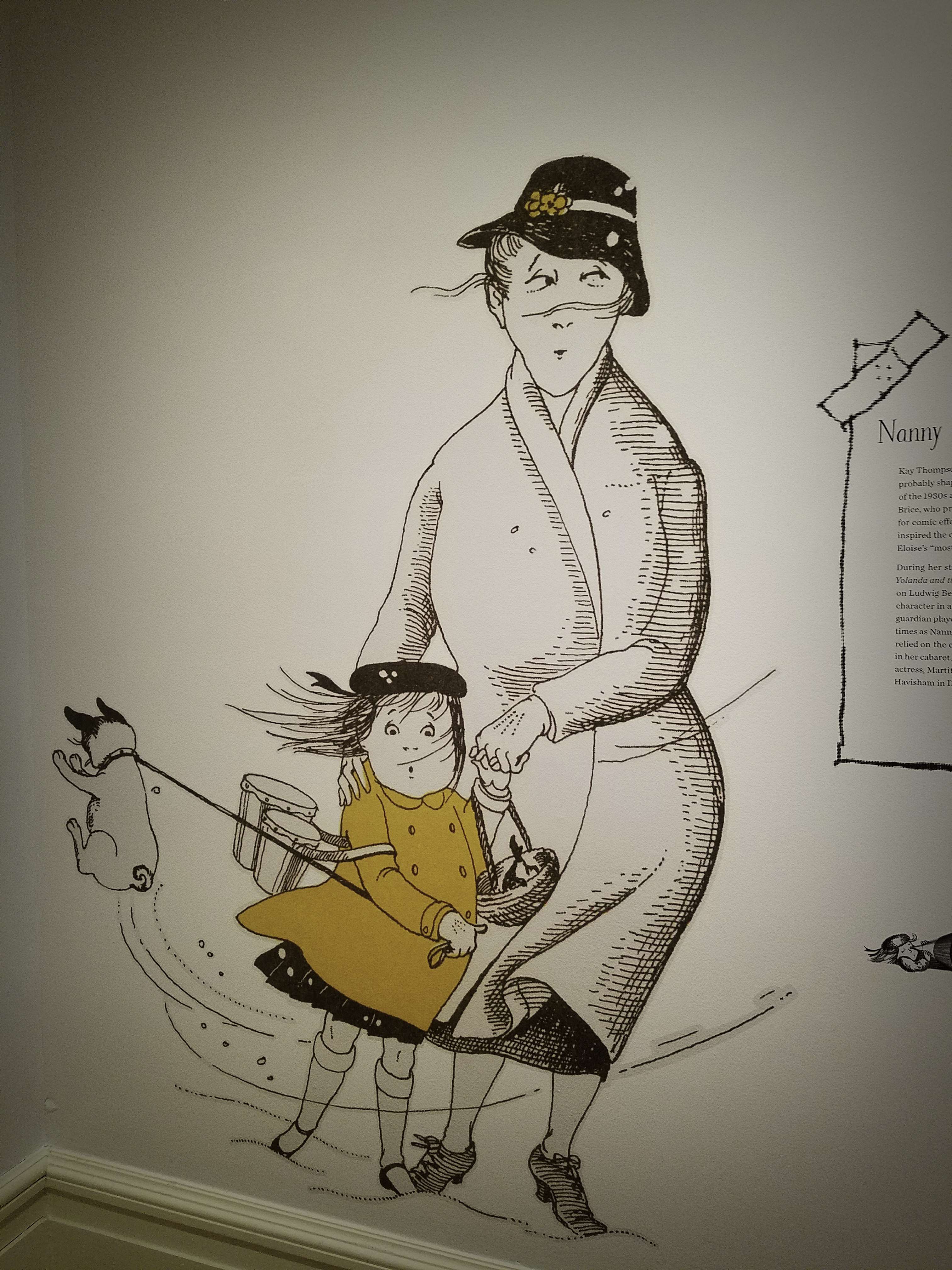
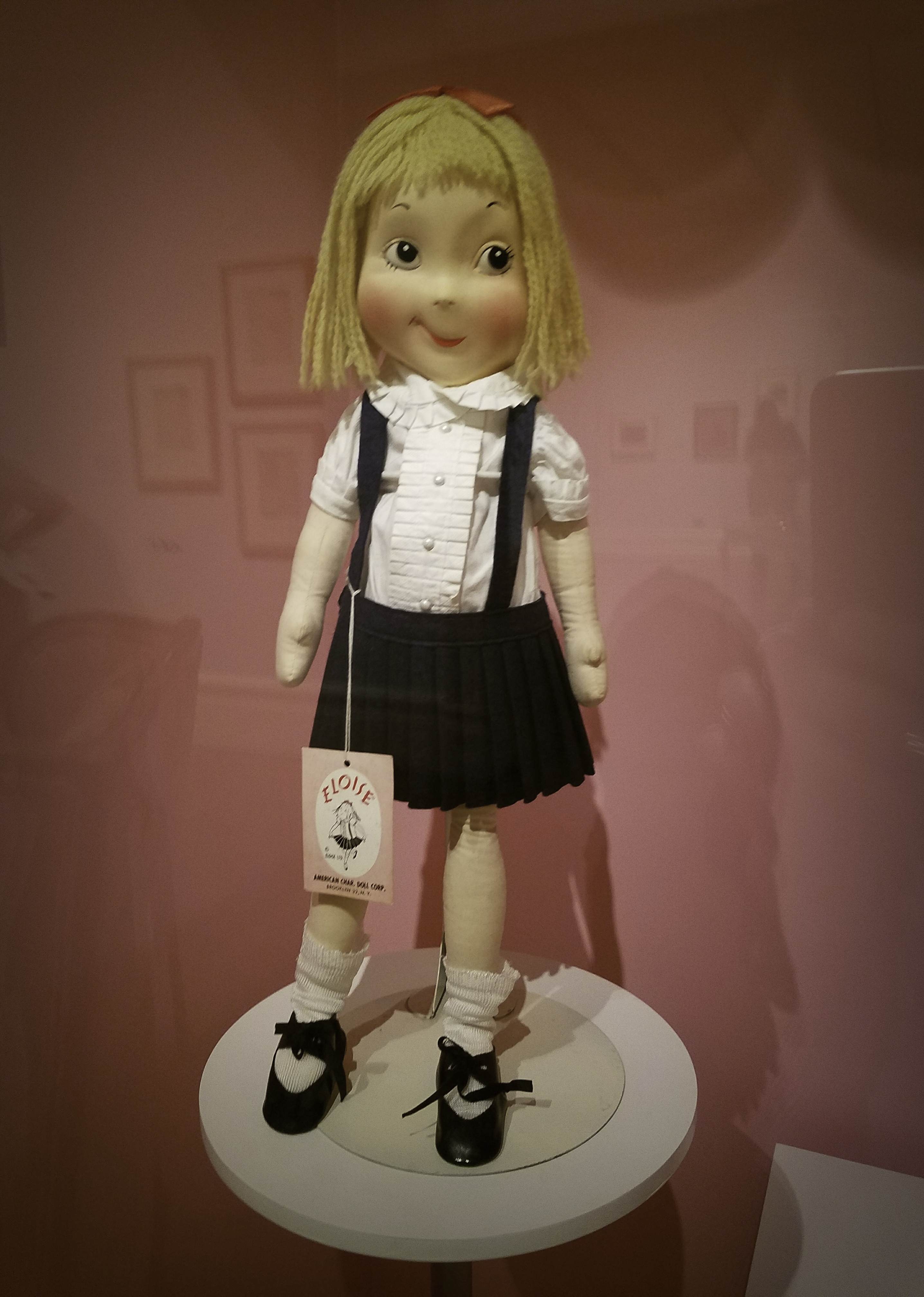
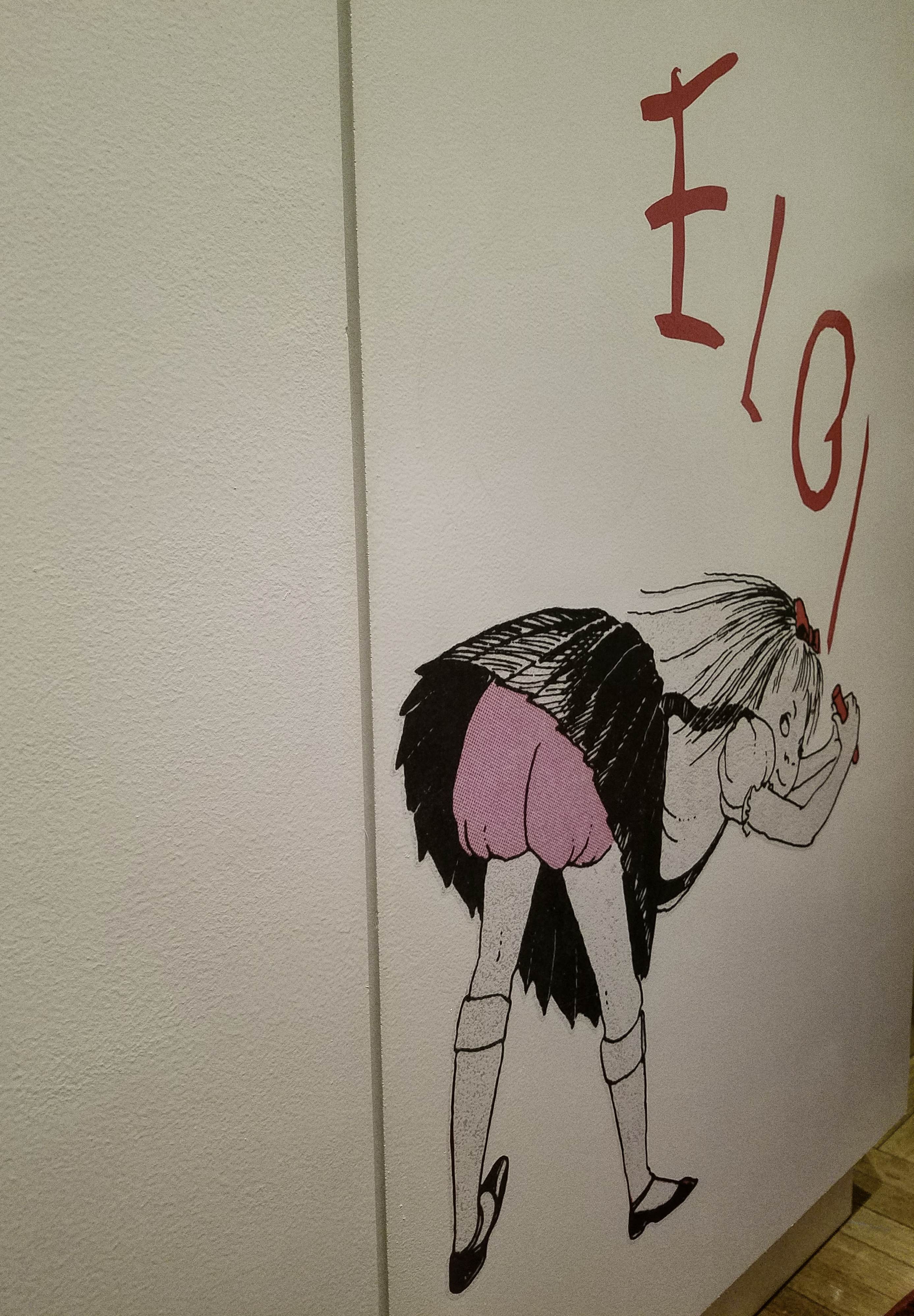
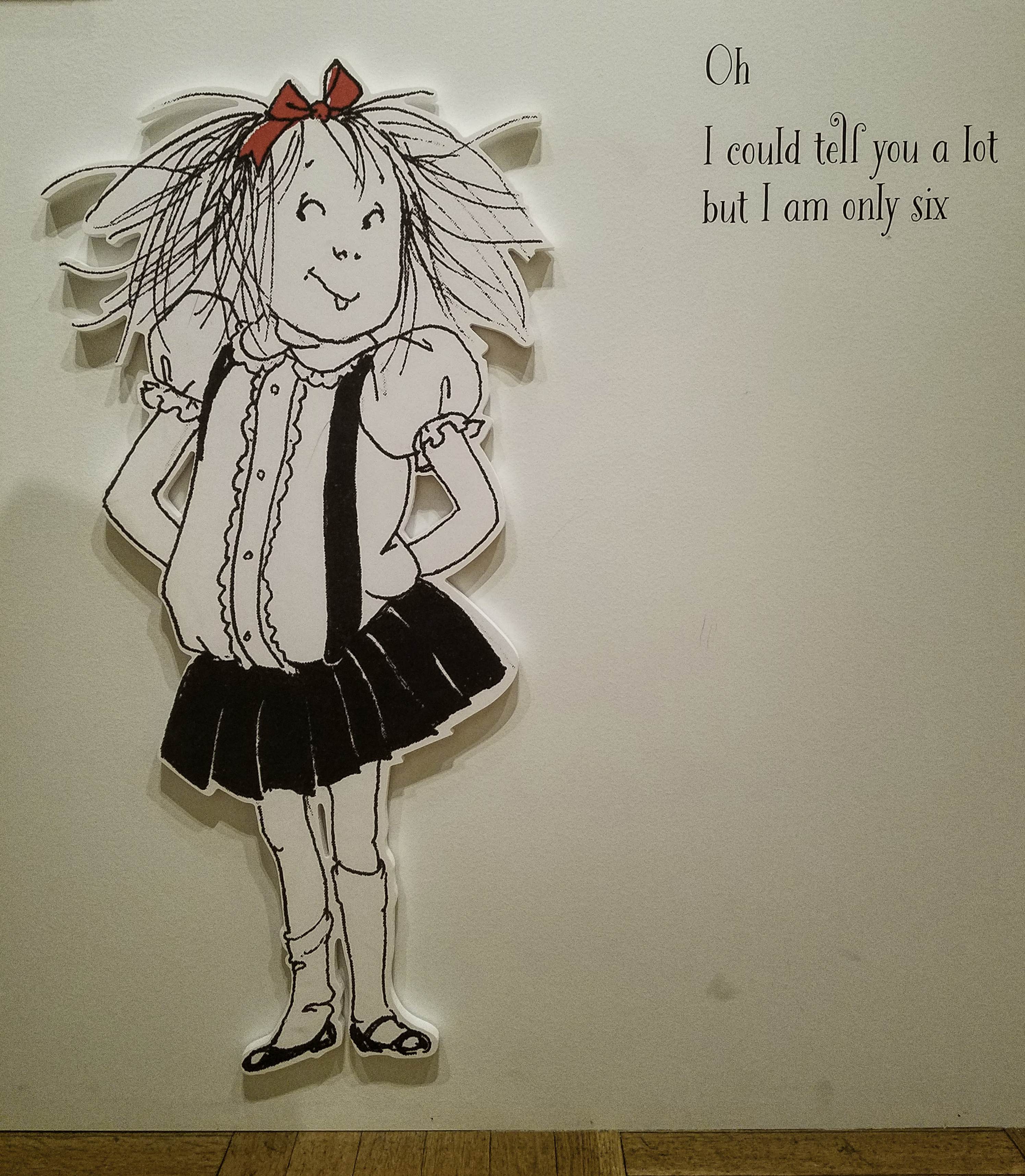
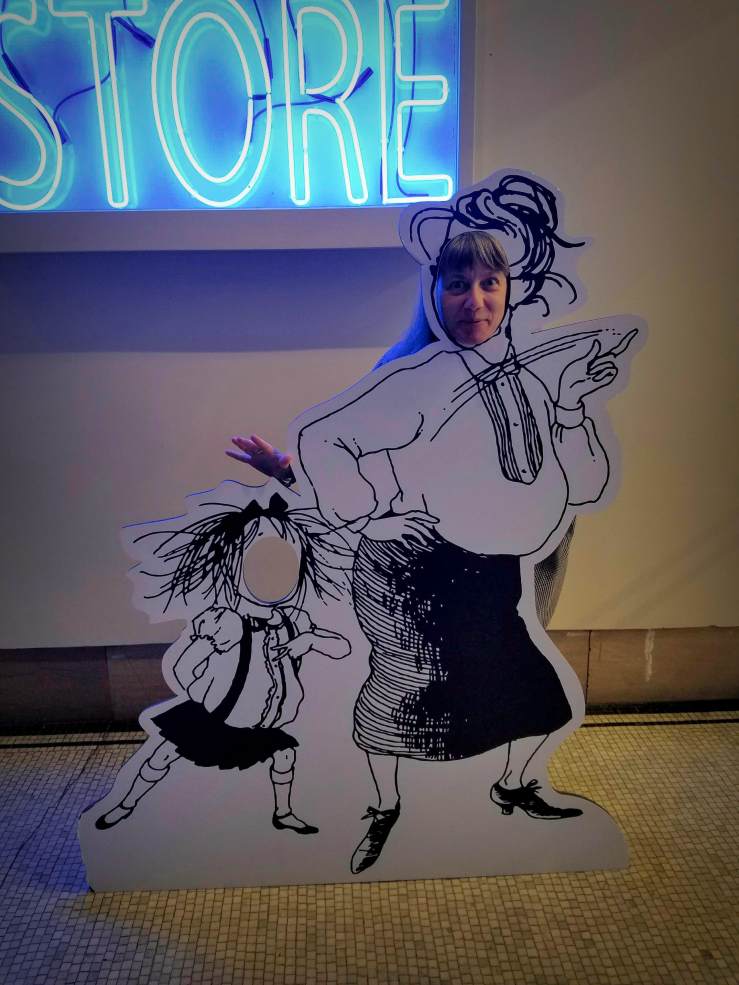
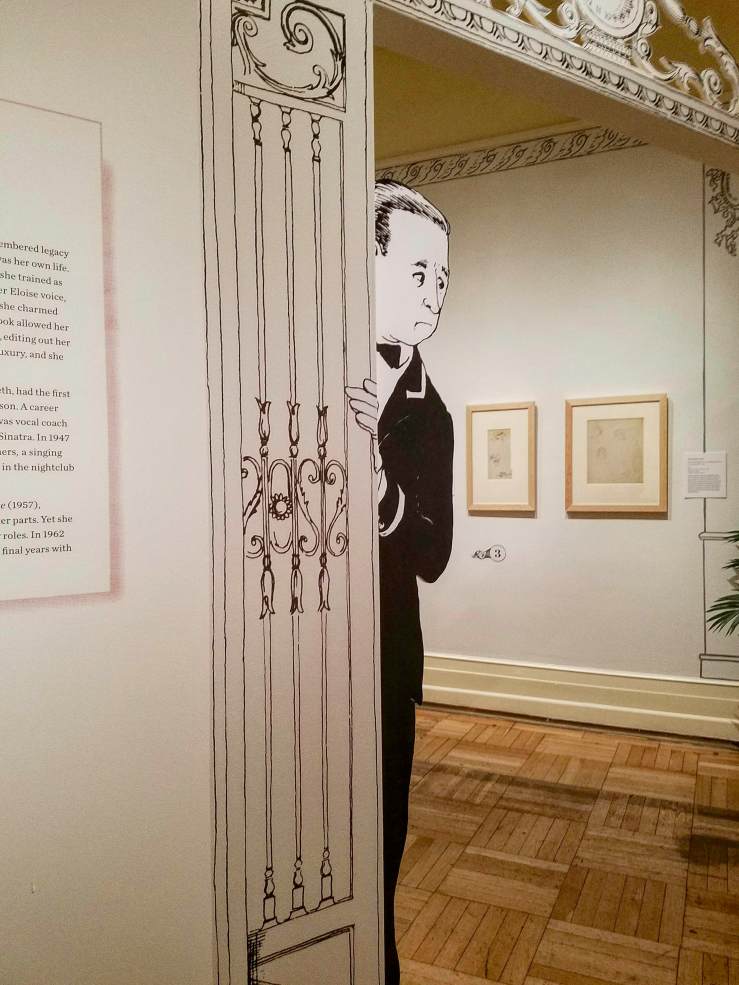
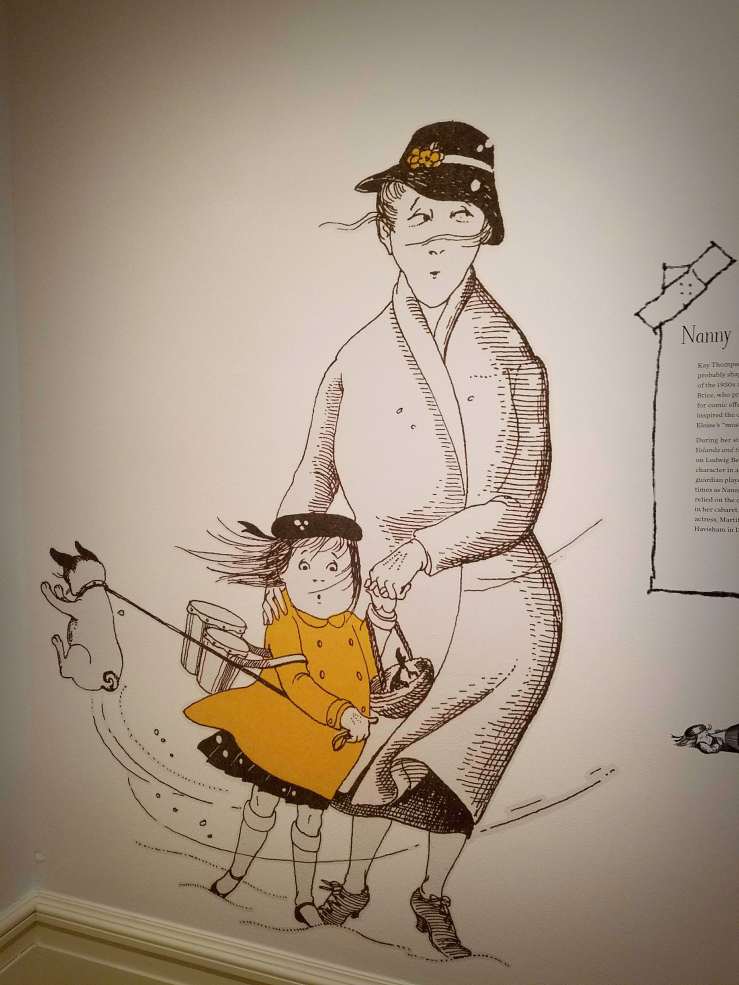
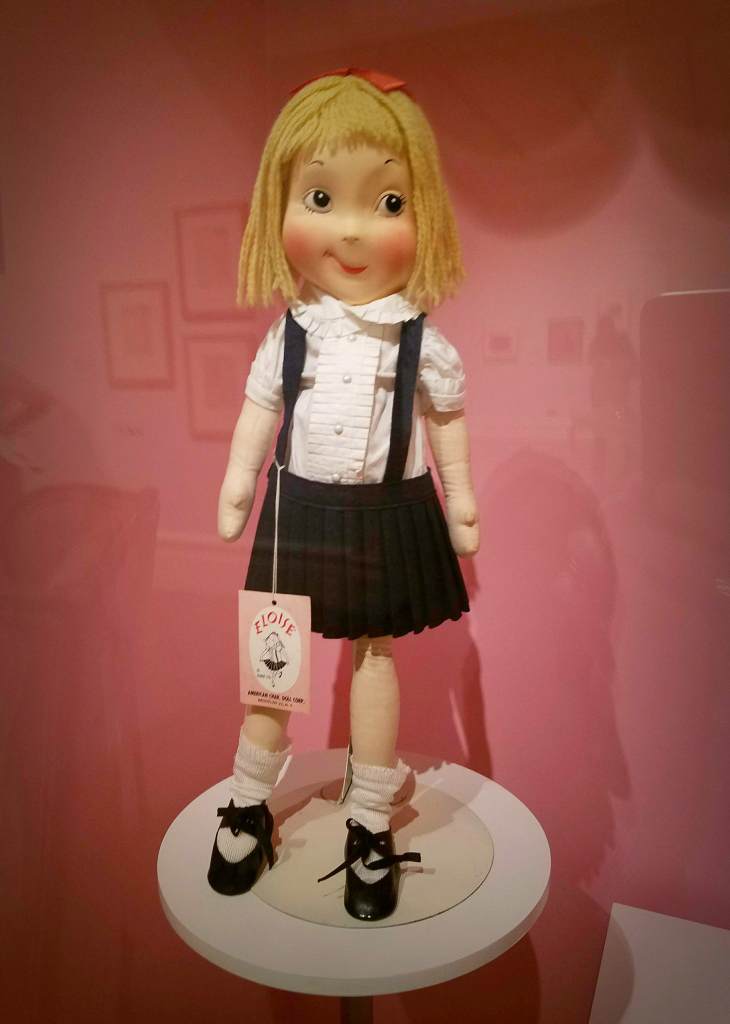
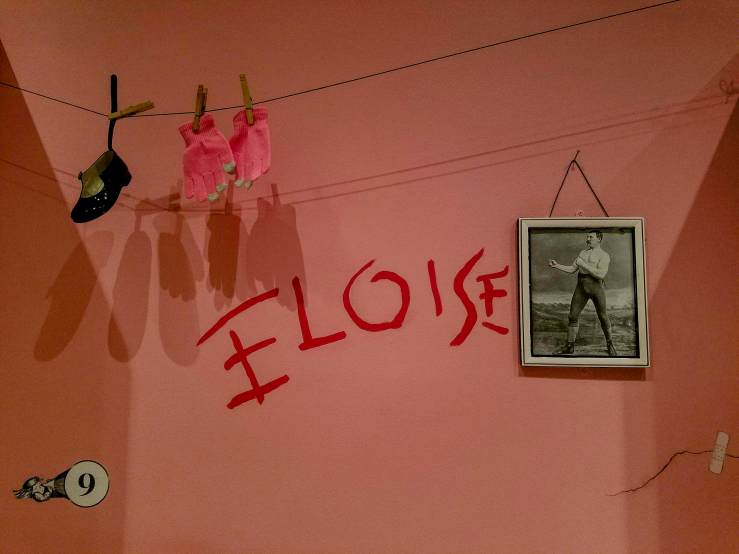
So what if I haven’t read any of her stories? Who wouldn’t want to meet Eloise, a mischievous, annoying, adorable little girl, a native New Yawker, and one who lives in the “room on the tippy-top floor” of the Plaza with her Nanny, her dog Weenie and her turtle Skipperdee, at that. So, put on your comfy slacks and your fancy pink flats, and let’s go see what she has in store for us, shall we? Hilary Knight
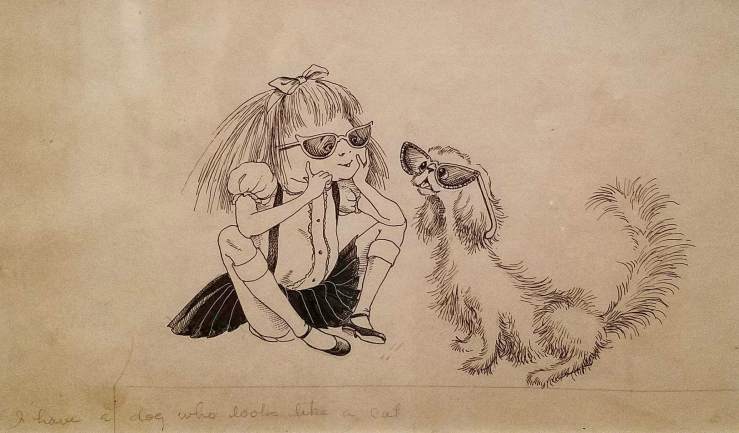
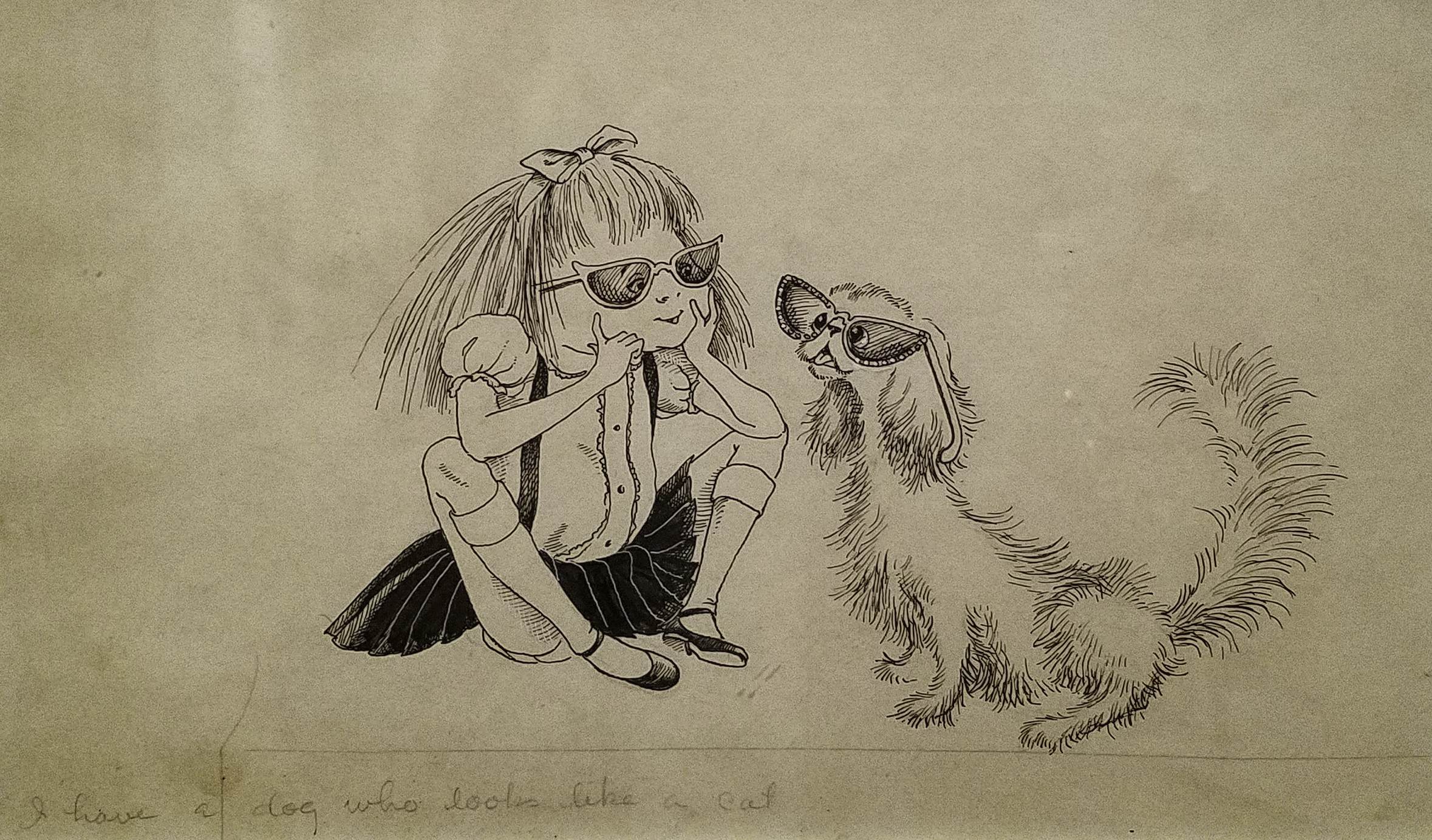
Study for ”I have a dog that looks like a cat”, 1955
Pen and ink on paper
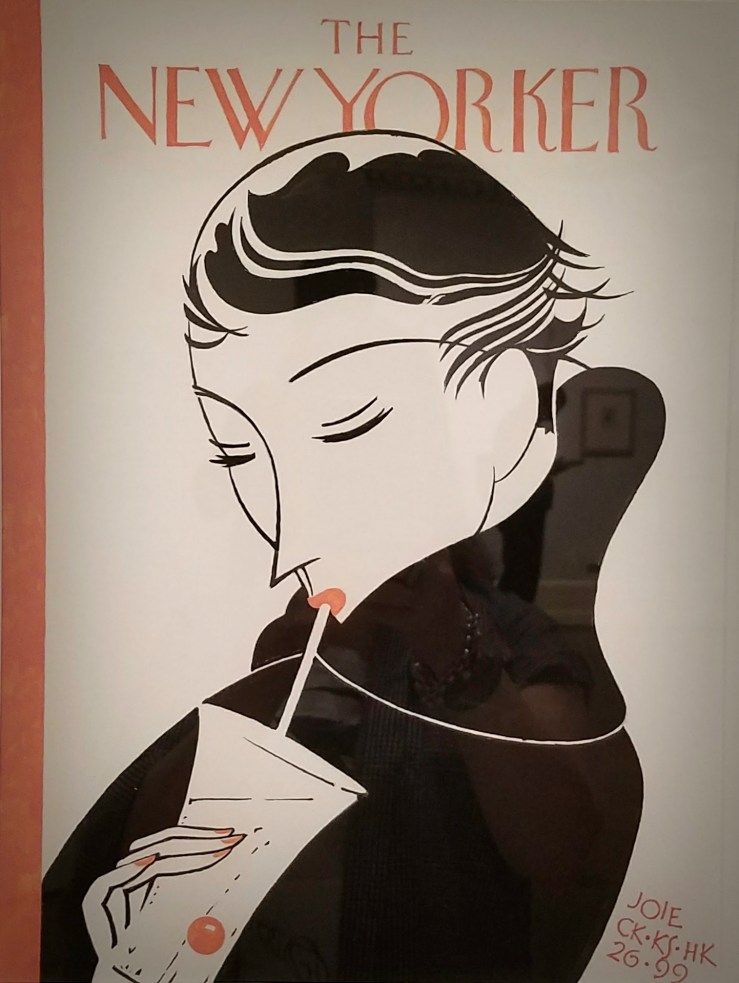

Hilary Knight
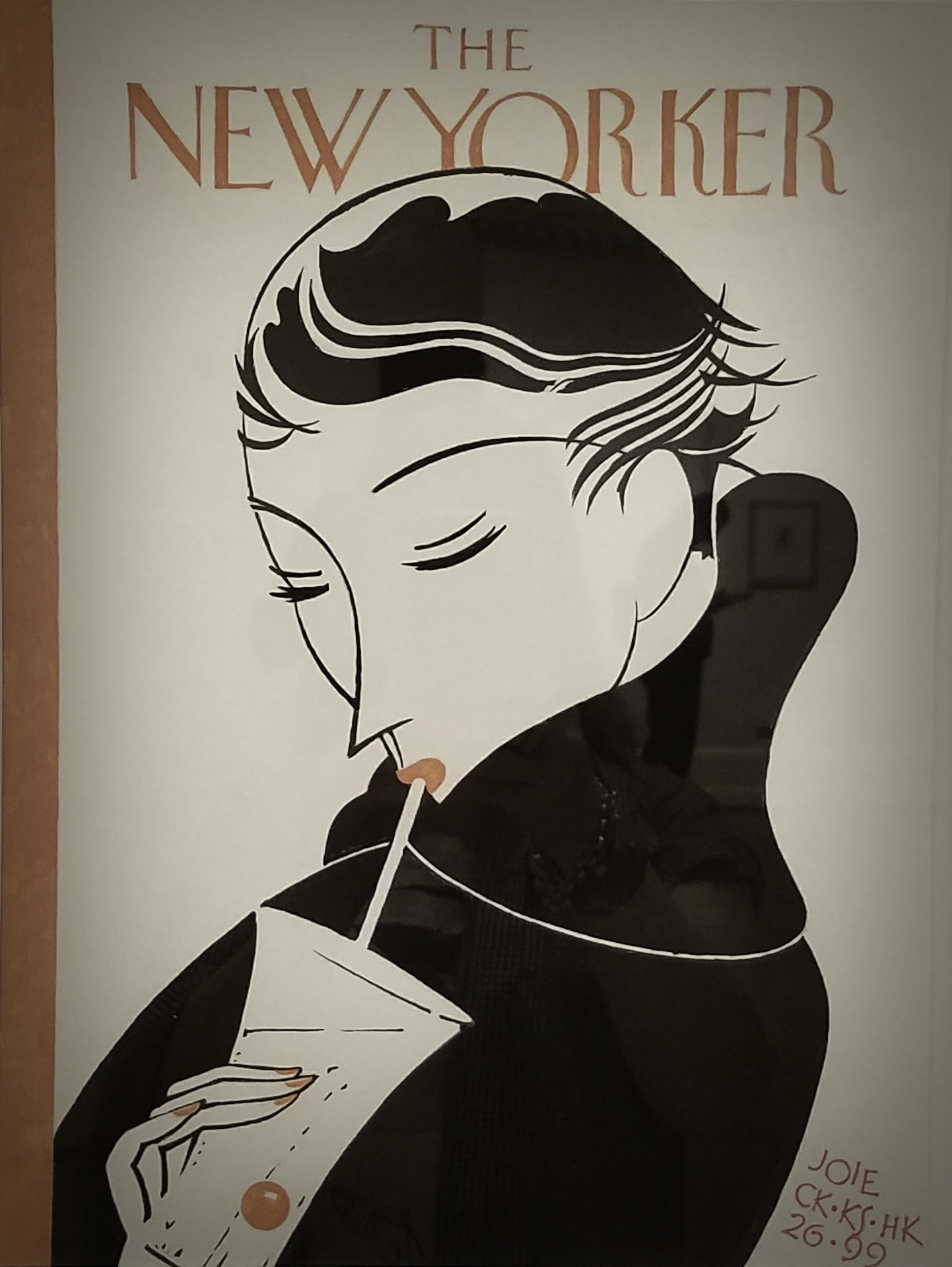
After Clayton Knight (1891-1969) and Katharine Sturges Knight (1890-1979)
Cover of The New Yorker, April 17, 1926, 1996
Gouache

Knight’s father, Clayton, specialised in aviation art. A pilot with the British Royal Air Force in World War I, he survived a crash landing in 1918 and went on to illustrate and write numerous books on the history of aviation. Clayton often collaborated with his wife, as in their cover for The New Yorker. Years later, Knight’s colour scheme for Eloise echoed its palette. His hand-painted copy of the cover is an homage to his parents’ work.
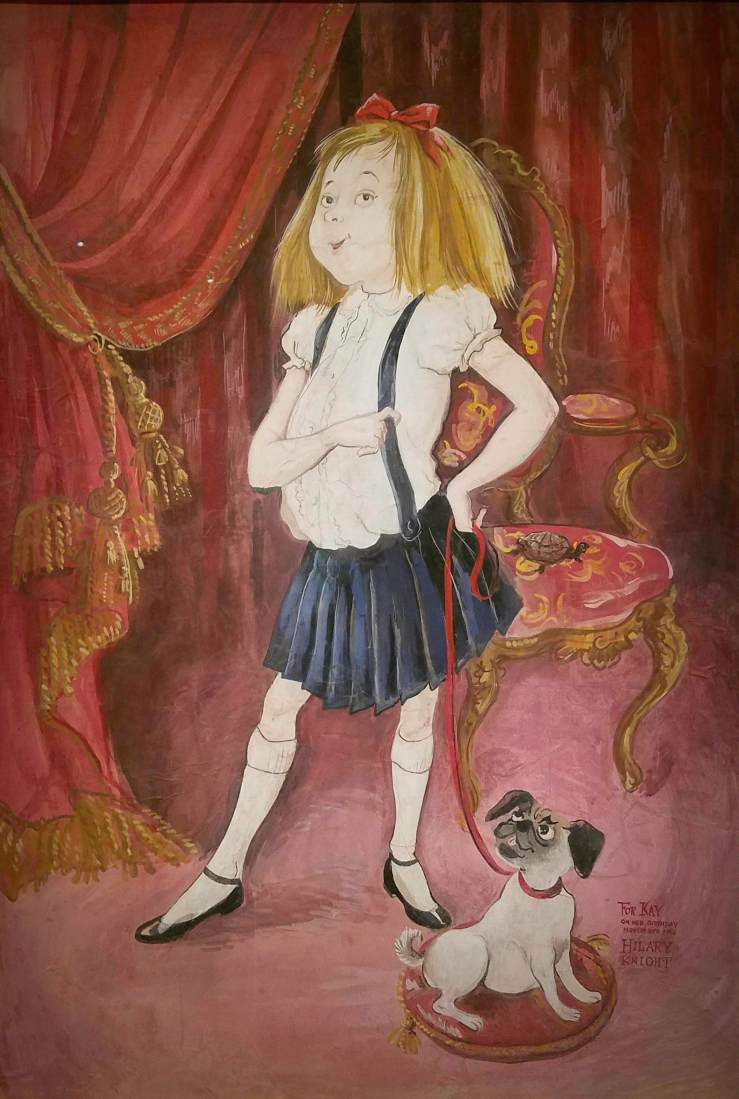

Hilary Knight
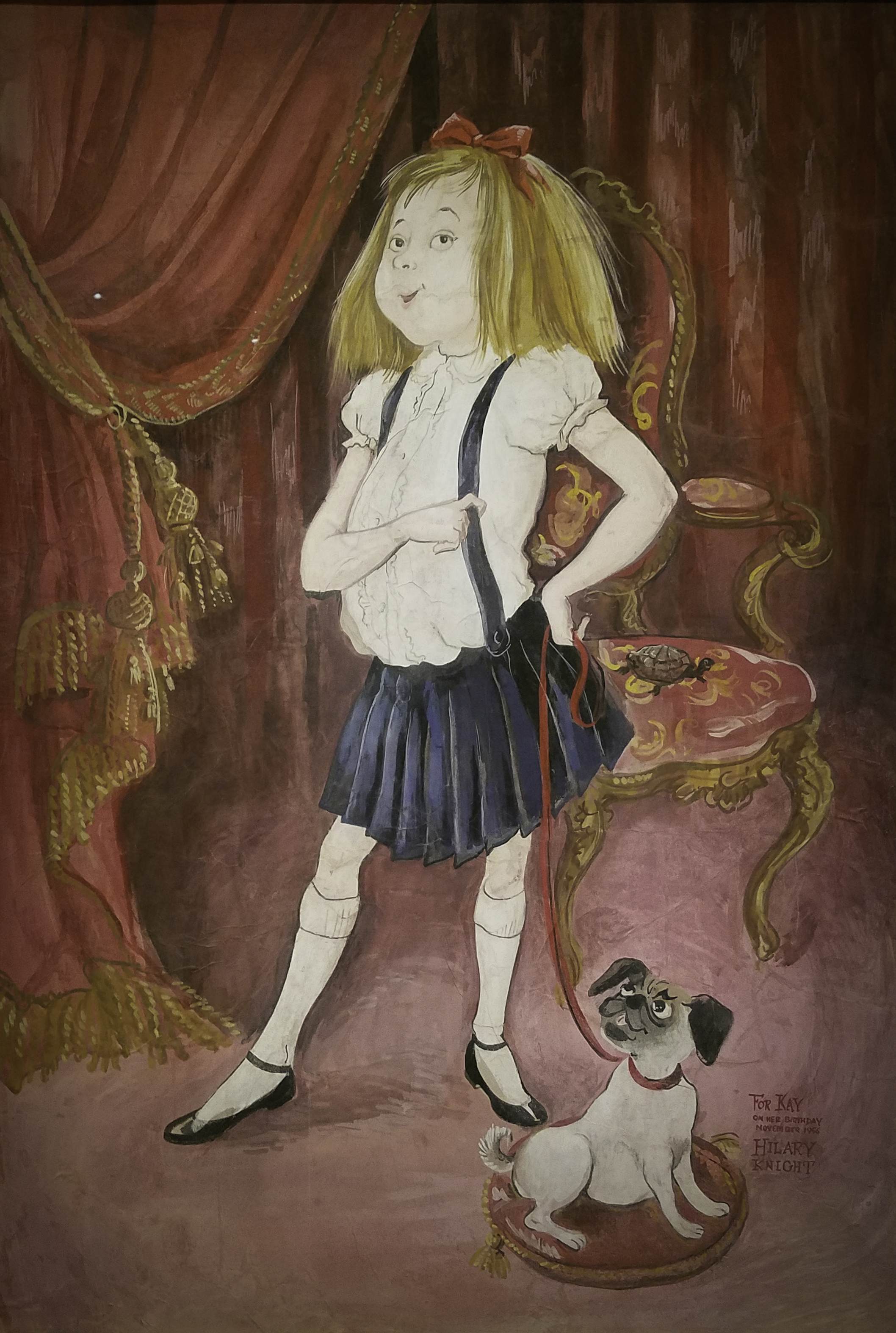
Eloise, 1956
Tempera on paper

A mystery surrounds this Eloise portrait. Painted in 1956 as a birthday gift for Kay Thompson, it vanished from the Plaza Hotel on November 23, 1960, the night of a Junior League debutante ball. ”Eloise kidnapped!” announced Walter Cronkite on CBS Evening News. In spite of Thompson’s offer of a reward, the painted failed to surface.

Two years later, Hilary Knight received a call. A muffled voice told him where his artwork was: in a dumpster, ripped to pieces. Devastated, he retrieved the ruined work and put in a closet.

But the puzzle remained. Who stole Eloise? In retrospect, Thompson herself was the only person who benefited from its disappearance. This may have been the stunt of her career, giving her ample press and a dramatic exit for the character she was done with. Staging a media moment and destroying Knight’s work underlined the primacy of the author’s voice. A final clue came when Thompson confessed in a 1993 interview that she had found the portrait ”on Eight-something Street… torn up.” There’s so much we’ll never know about Kay Thompson – and that’s just how she liked it.
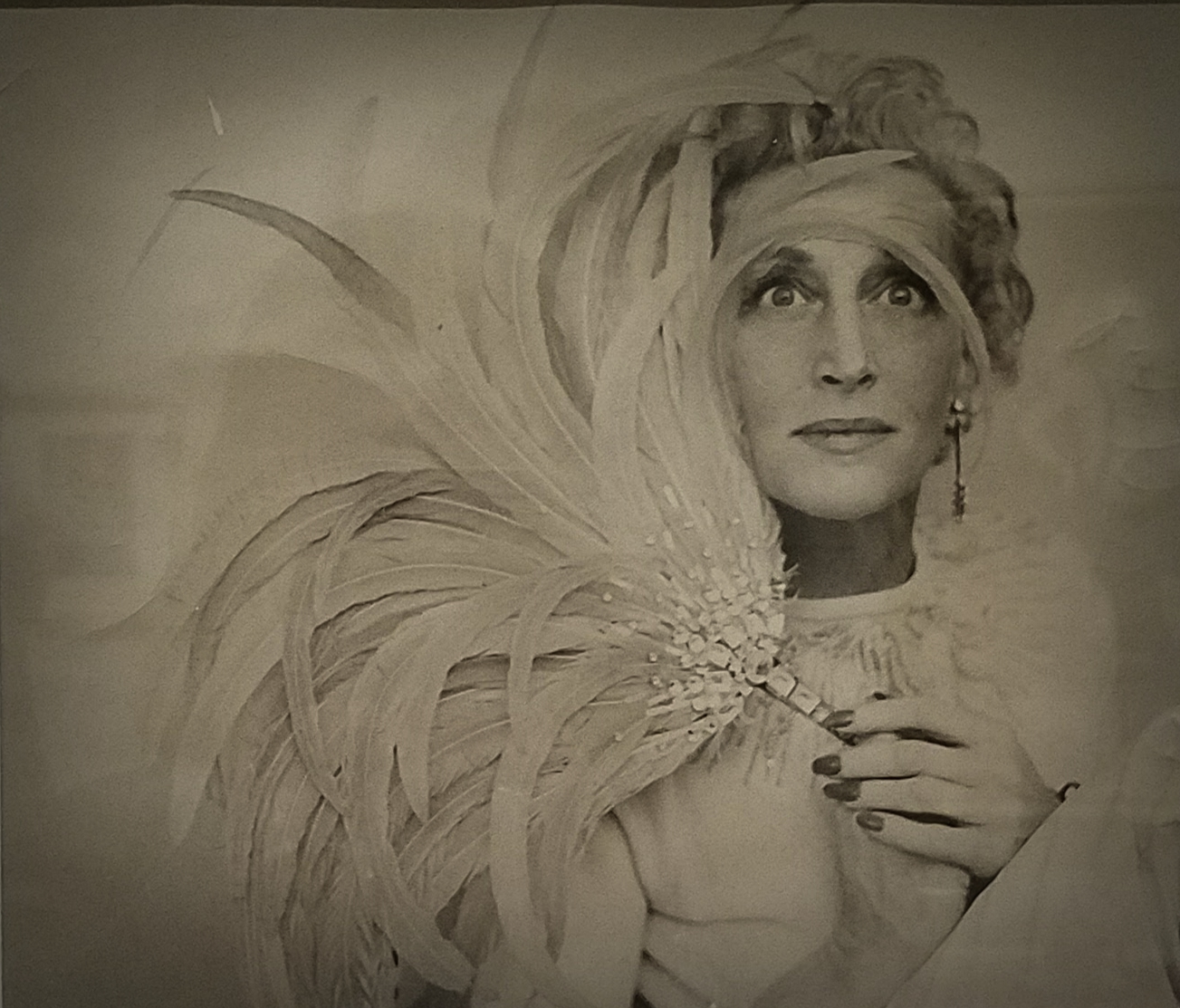
Richard Avedon
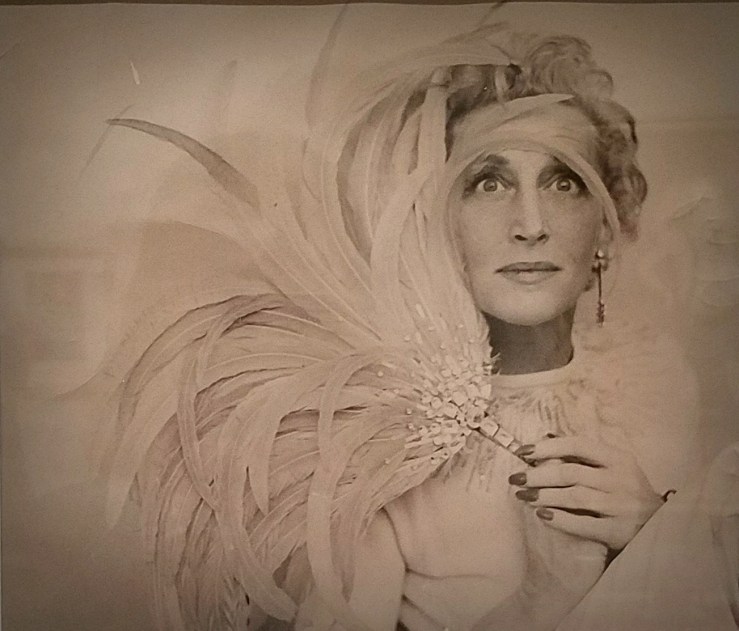
Kay Thompson, 1951
Photograph

For her session with Richard Avedon, Thompson held a sequinned fan made by Knight. But the had not met yet! D.D. Dixon, Avedon’s assistant for the shoot, had borrowed the prop from Knight, her across-the-hall neighbour. Four years later, Dixon suggested to Thompson that her Eloise voice might make a good book, if she could find the right illustrator. She introduced Knight to Thompson at the Plaza’s Persian Room, in December 1954.
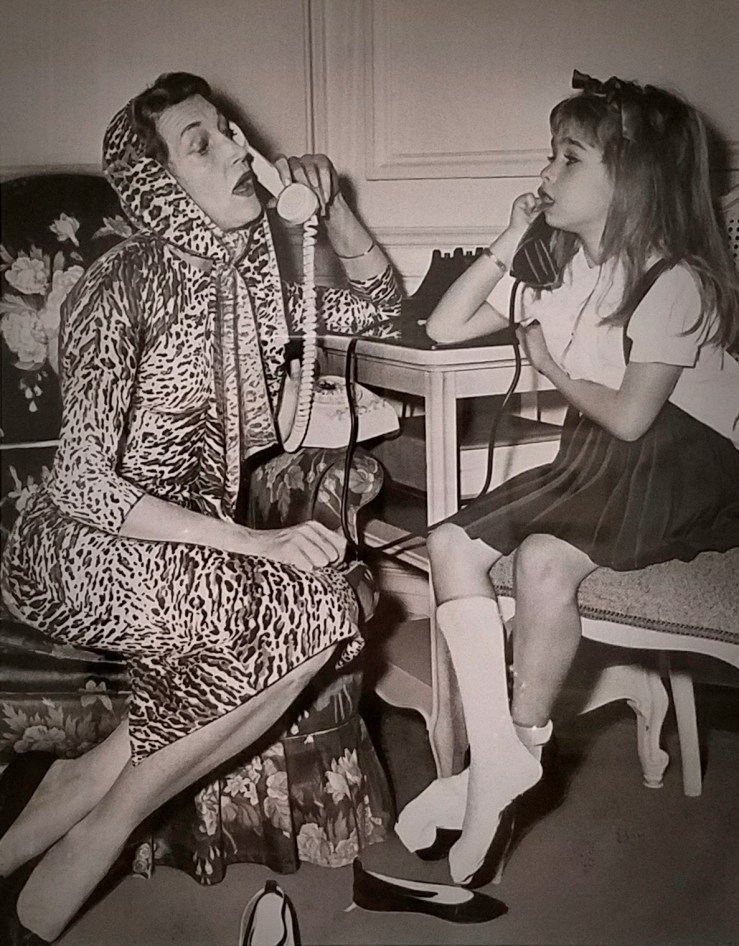

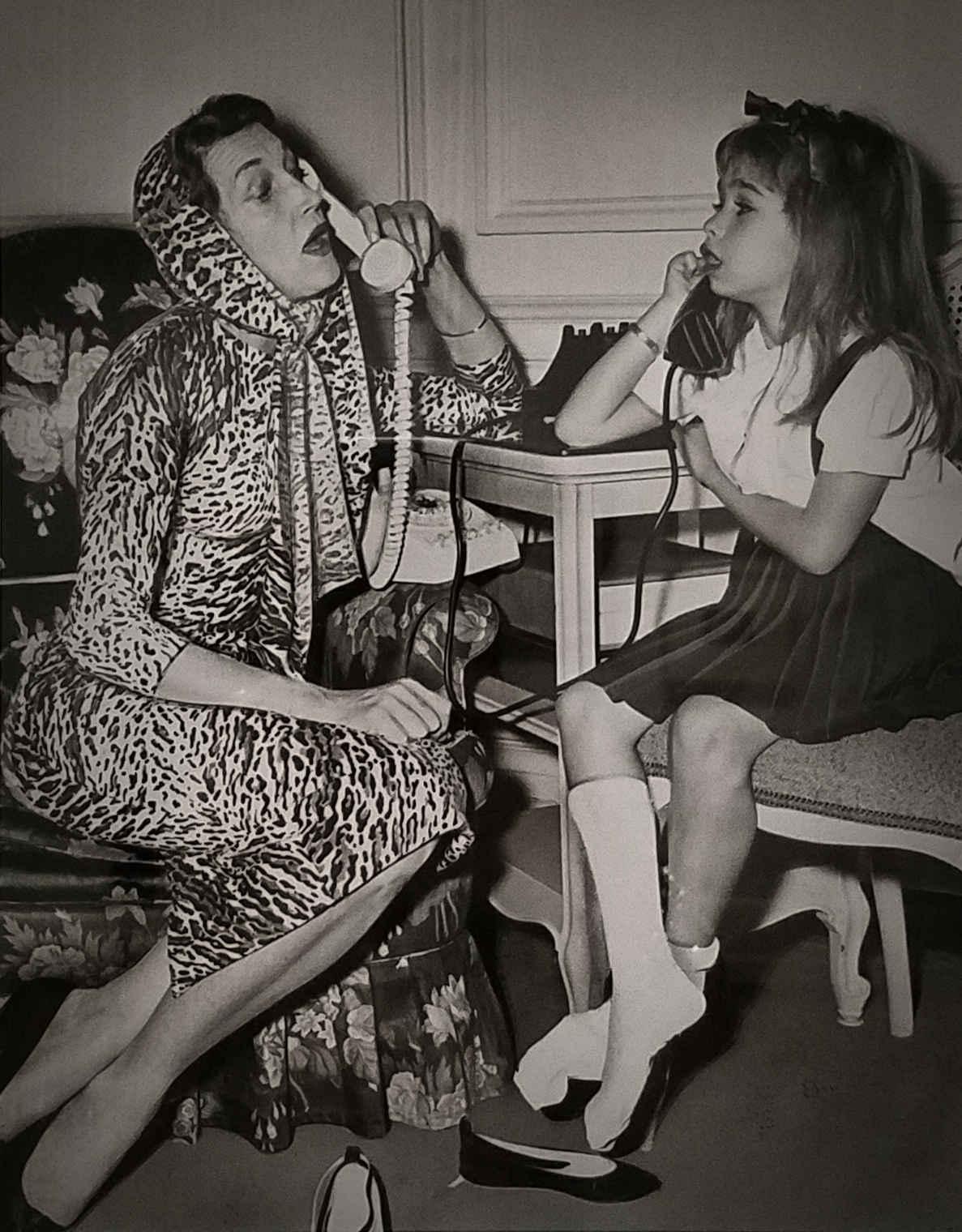
Kay Thompson and Evelyn Rudie, publicity still from the Playhouse 90 movie Eloise, 1956

Hilary Knight
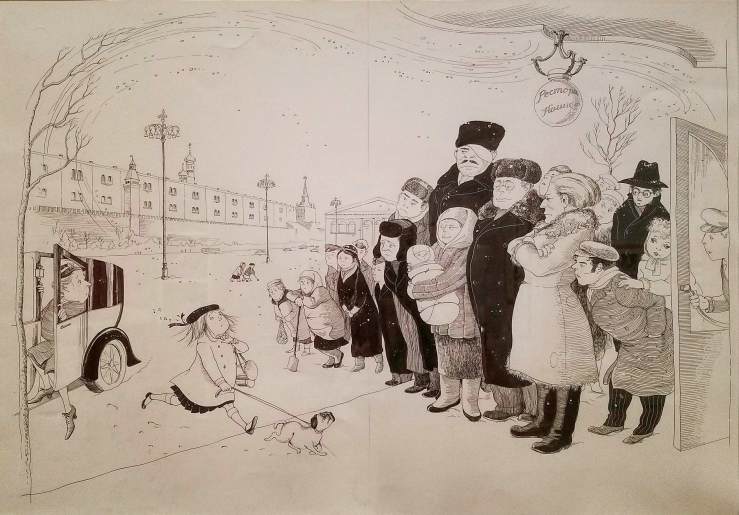
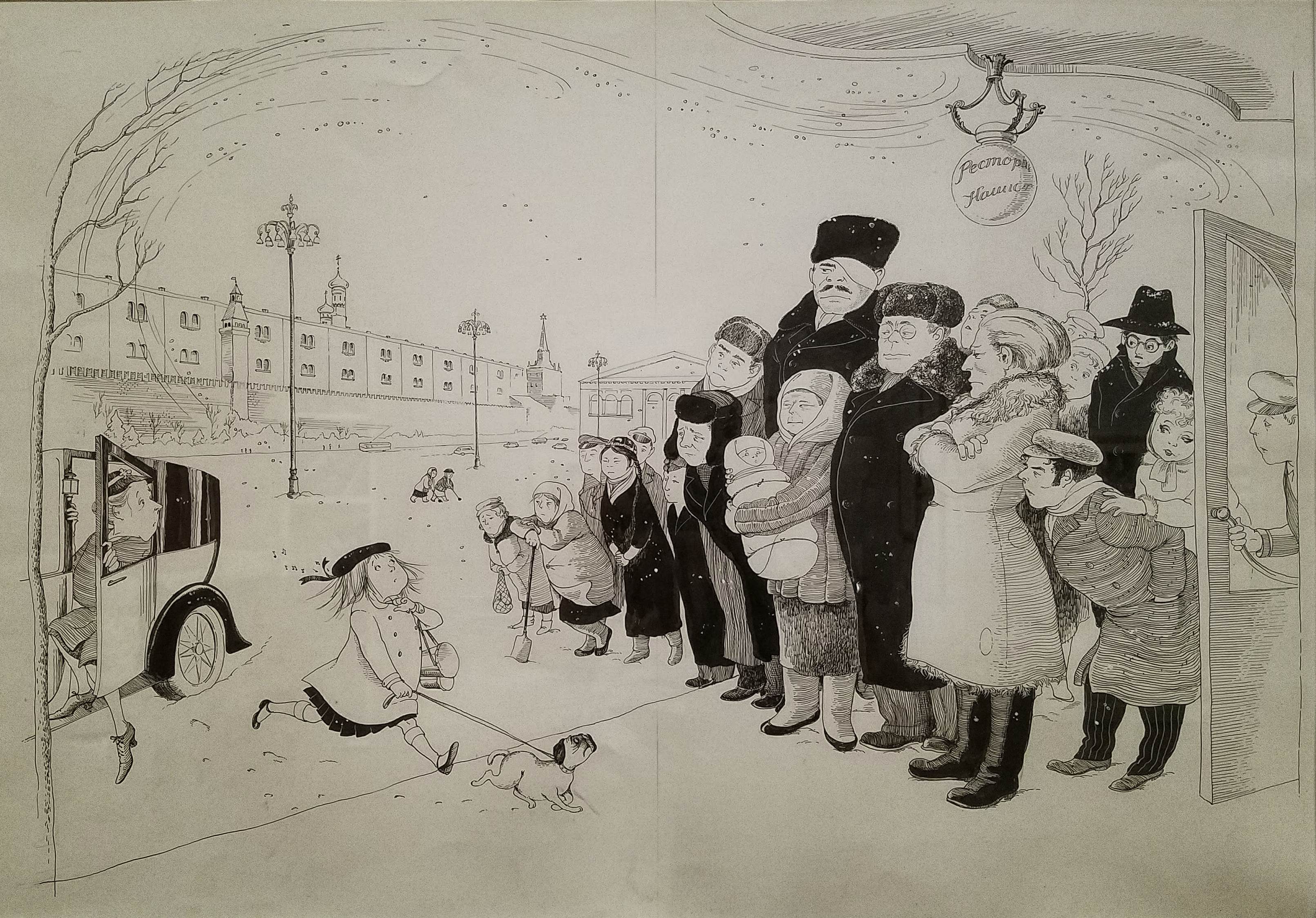
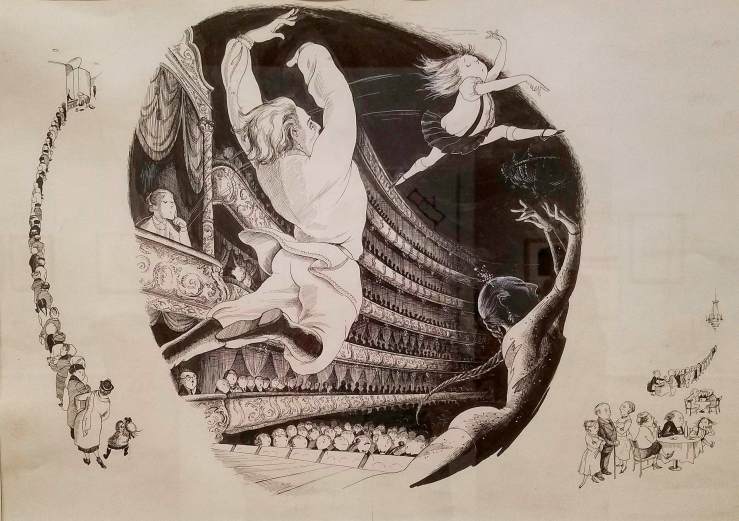
Final illustration for ”I always stay at the National whenever I am in Moscow”, 1959
Pen &brush and ink & graphite on paper
Hilary Knight
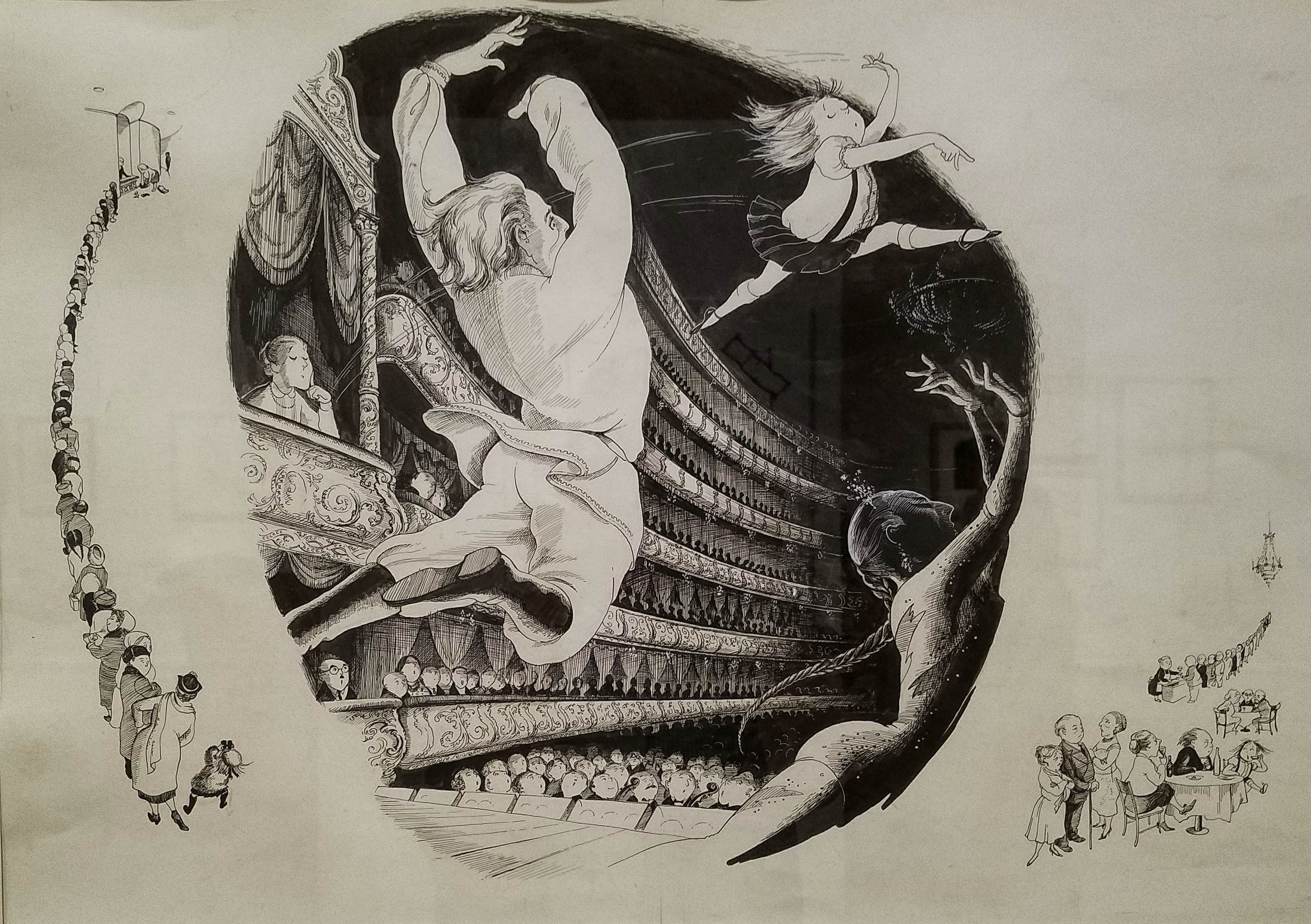
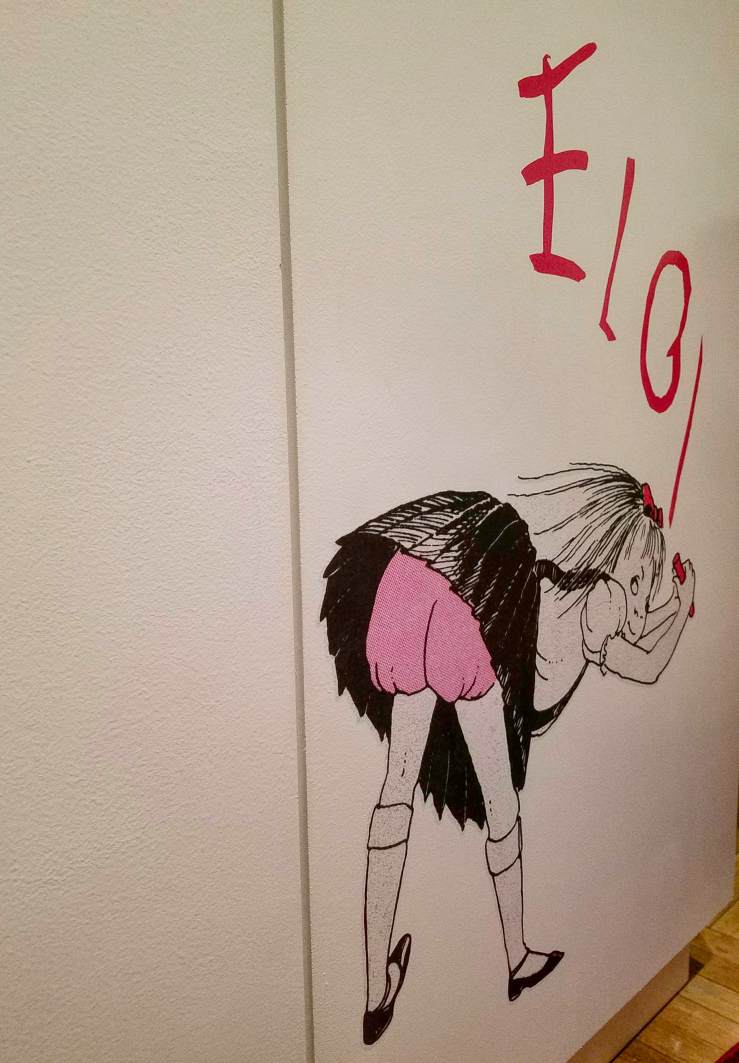
Final illustration for ”Here’s what we did a lot of”, 1959
Graphite & pen and brush & ink with gouache on paper
rawther fluzzery picture, don’t you see?

Hilary Knight
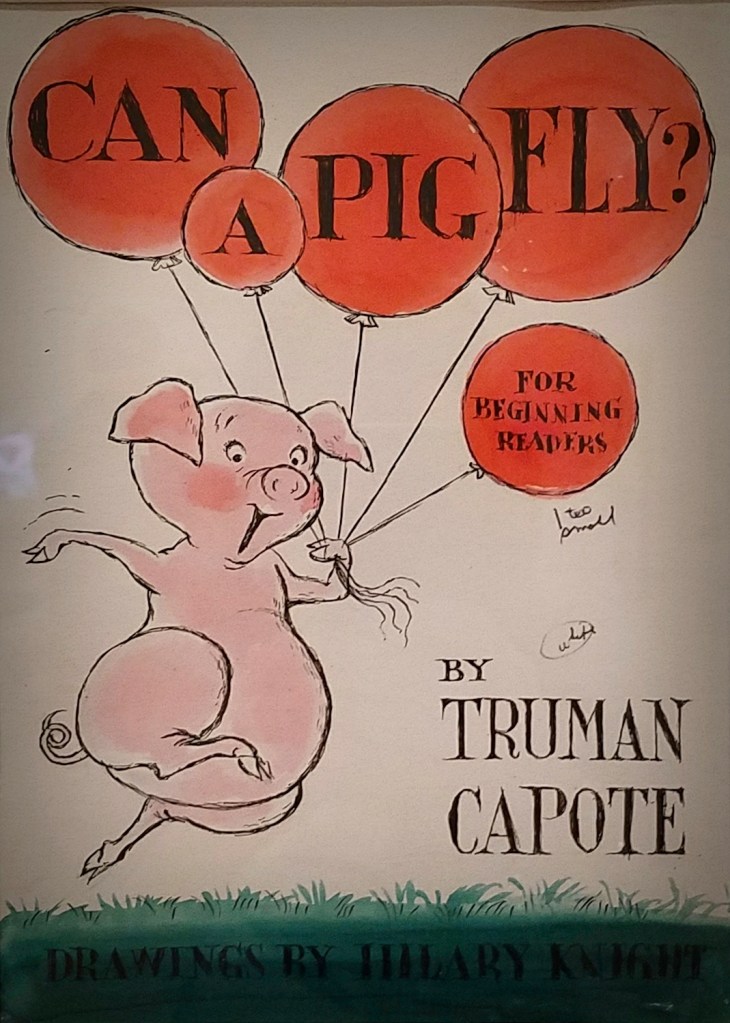
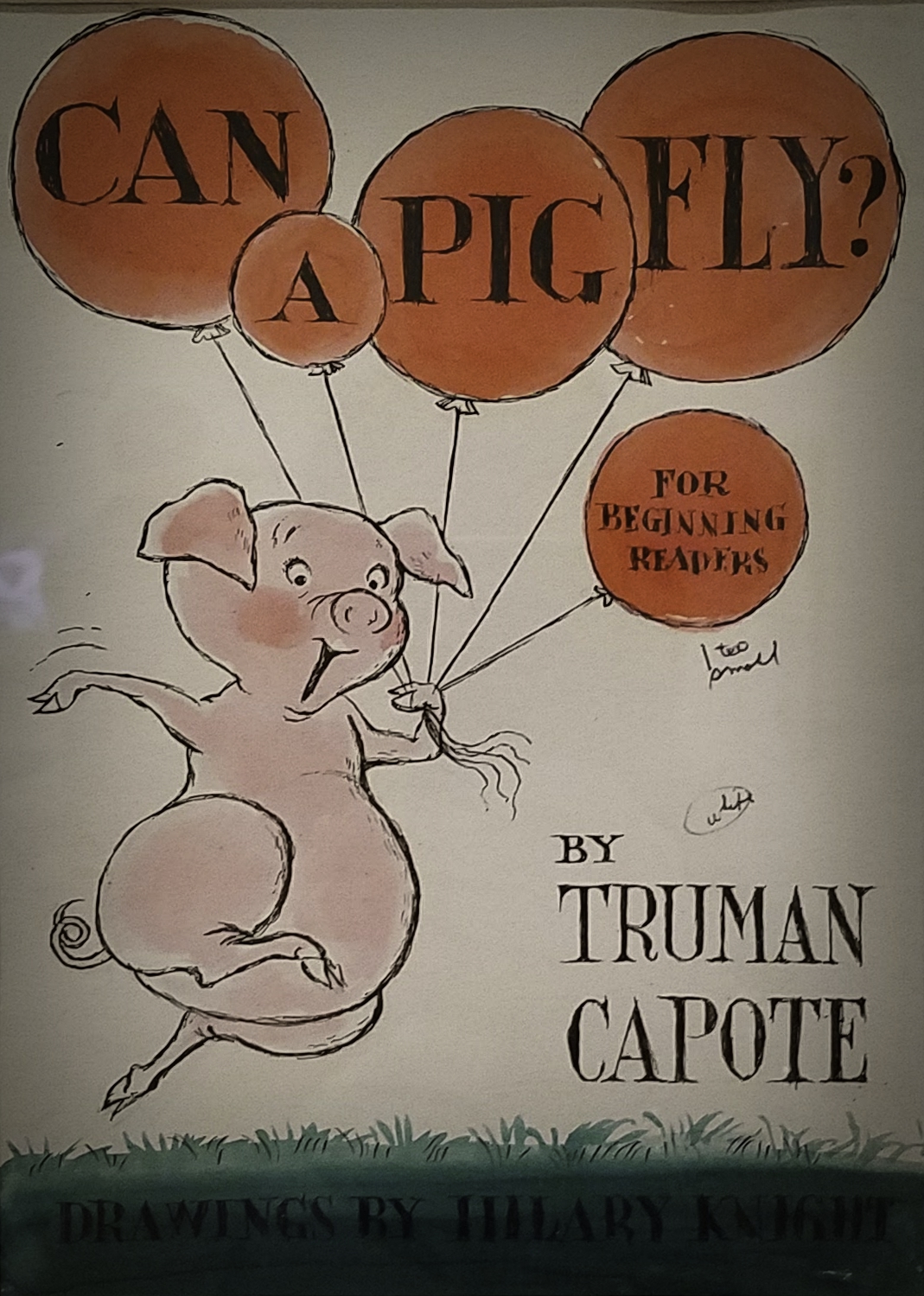
Cover illustration for Truman Capote’s manuscript Can a Pig Fly?, 1958
Pen and ink and watercolour on paper

A curious project that never saw publication was Knight’s collaboration with the Truman Capote. The success of Dr. Seuss’ easy reader The Cat in the Hat in 1957 prompted the editors at Random House, its publisher, to ask their entire author list to try this popular new form. None made it to completion, but Knight and Capote enjoyed working together on sketches and notes.
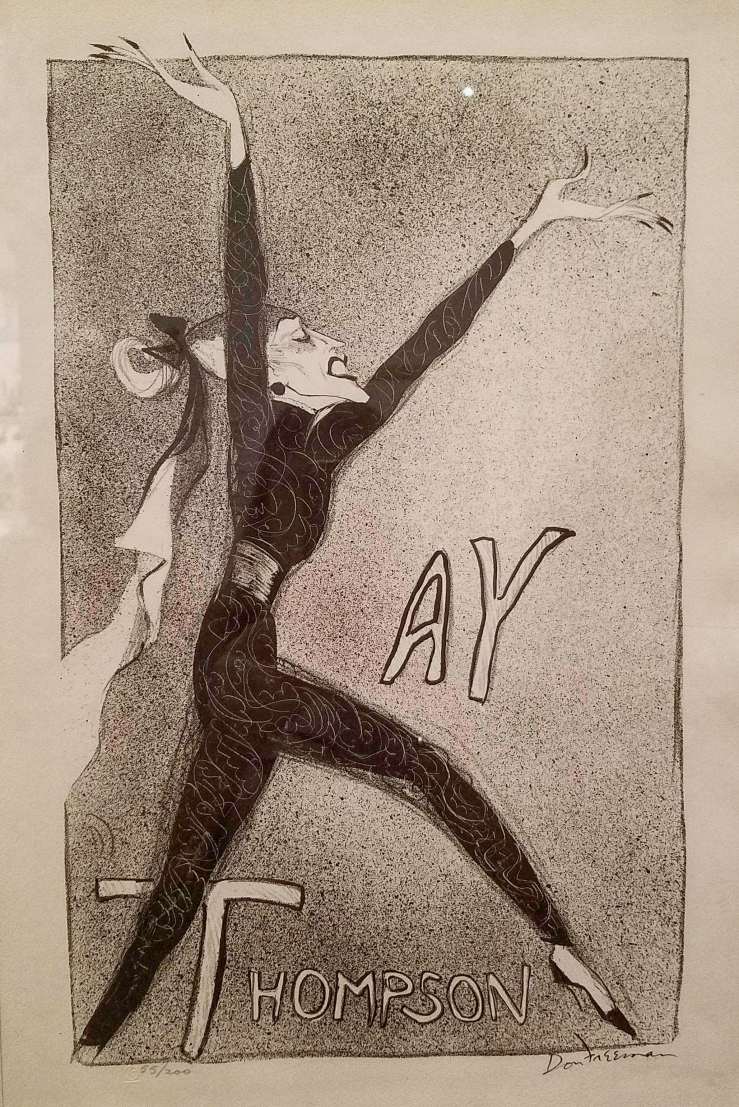

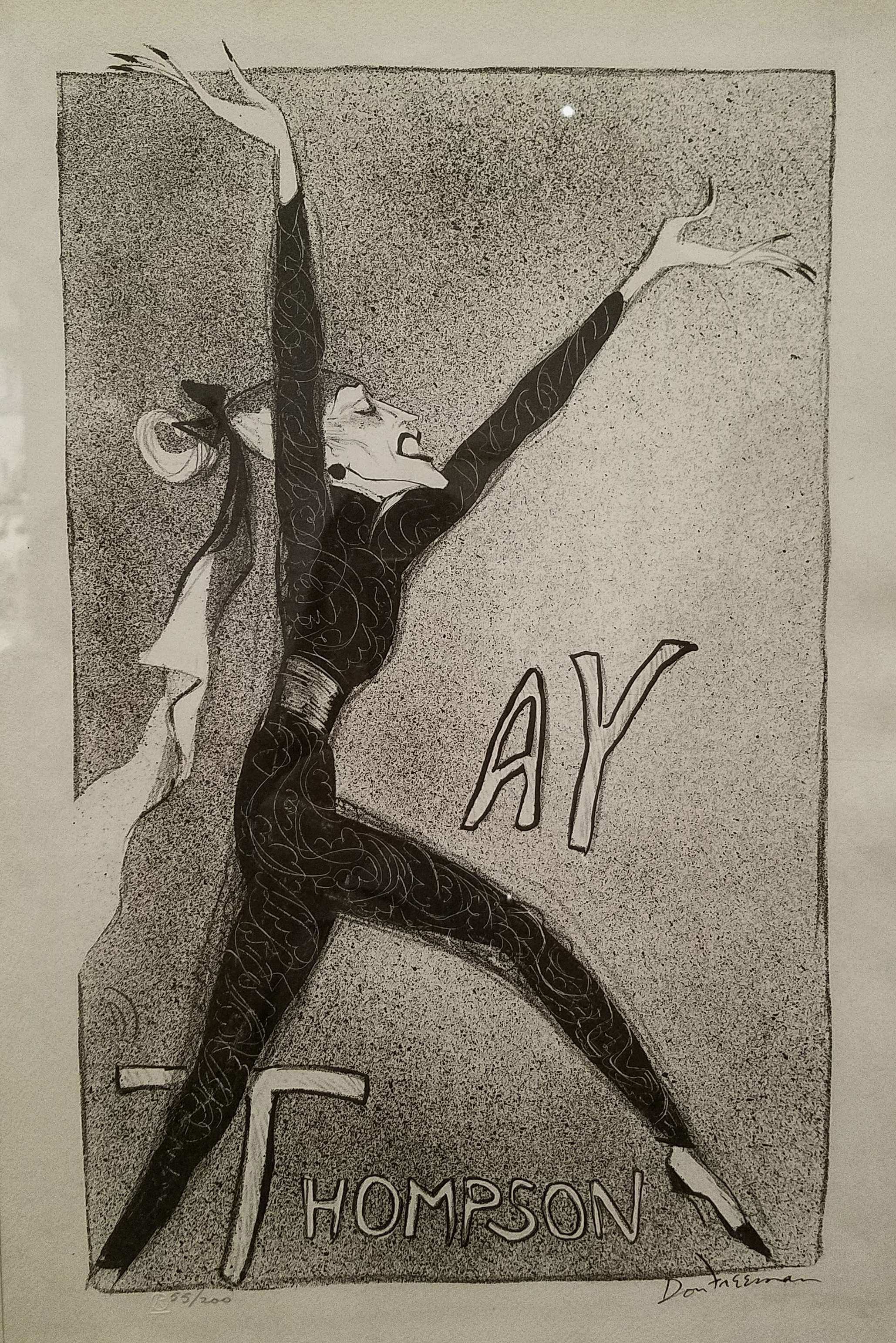
Don Freeman
Kay Thompson, 1951
Lithograph on paper
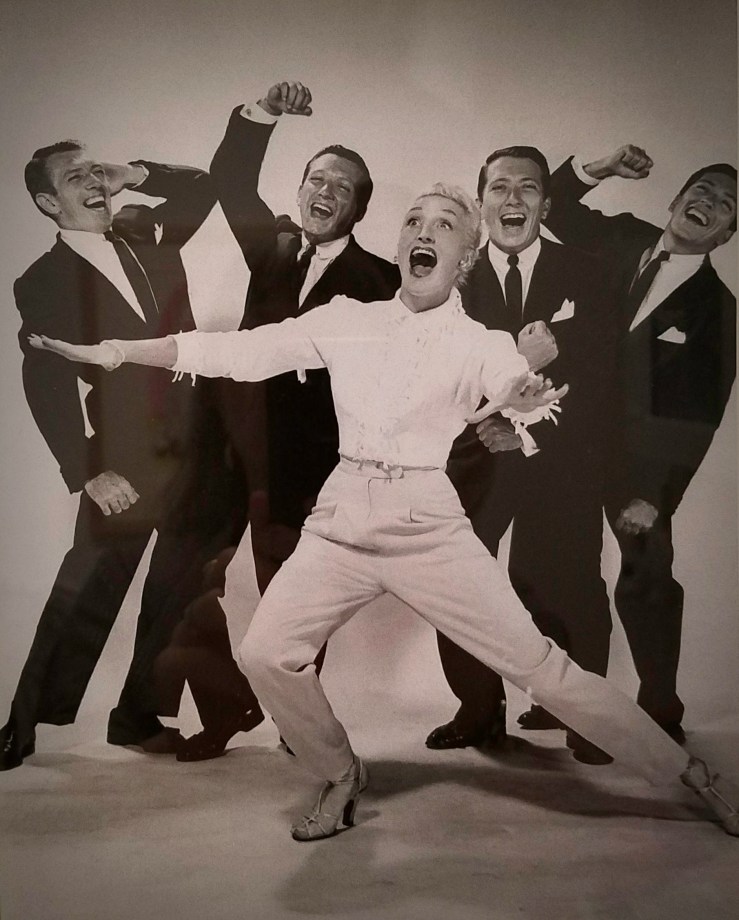

Unidentified photographer
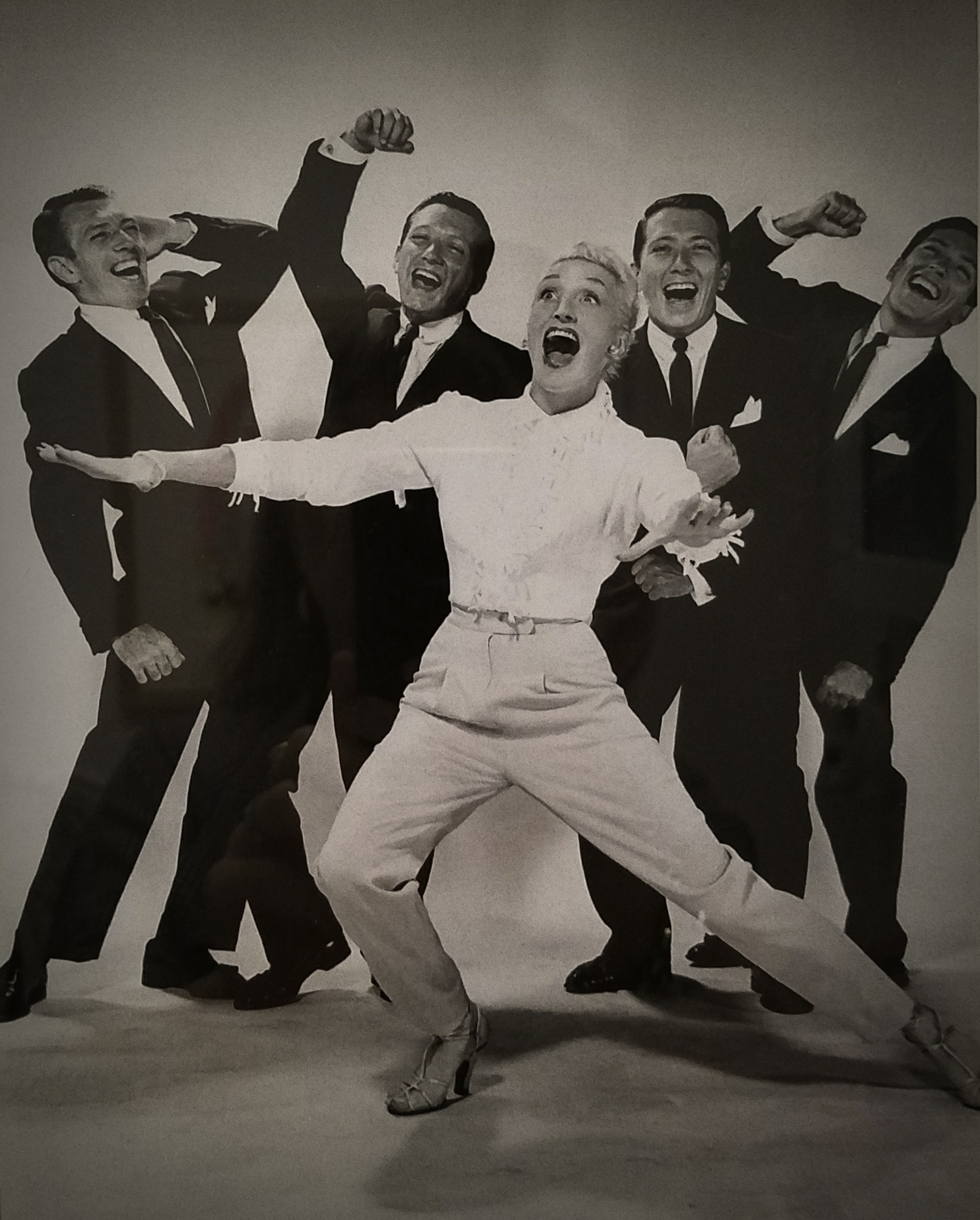
Kay Thompson and the Williams Brothers, ca. 1948

Eight songs, forty minutes and no encore. Thompson’s athletic act with the Williams Brothers was innovative, witty, and a smash success. Taking the concept of the overhead boom mike used on movie sets, Thompson had microphones strung all over the ceiling to allow the five performers to move freely about the stage. ”There’d never been an act like it”, Andy Williams said.
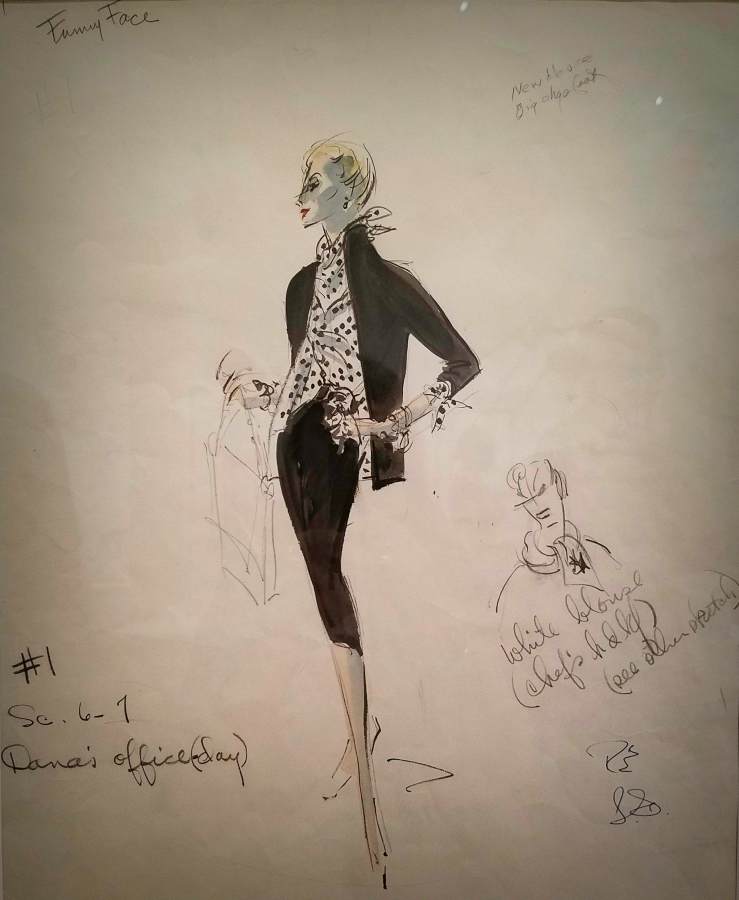

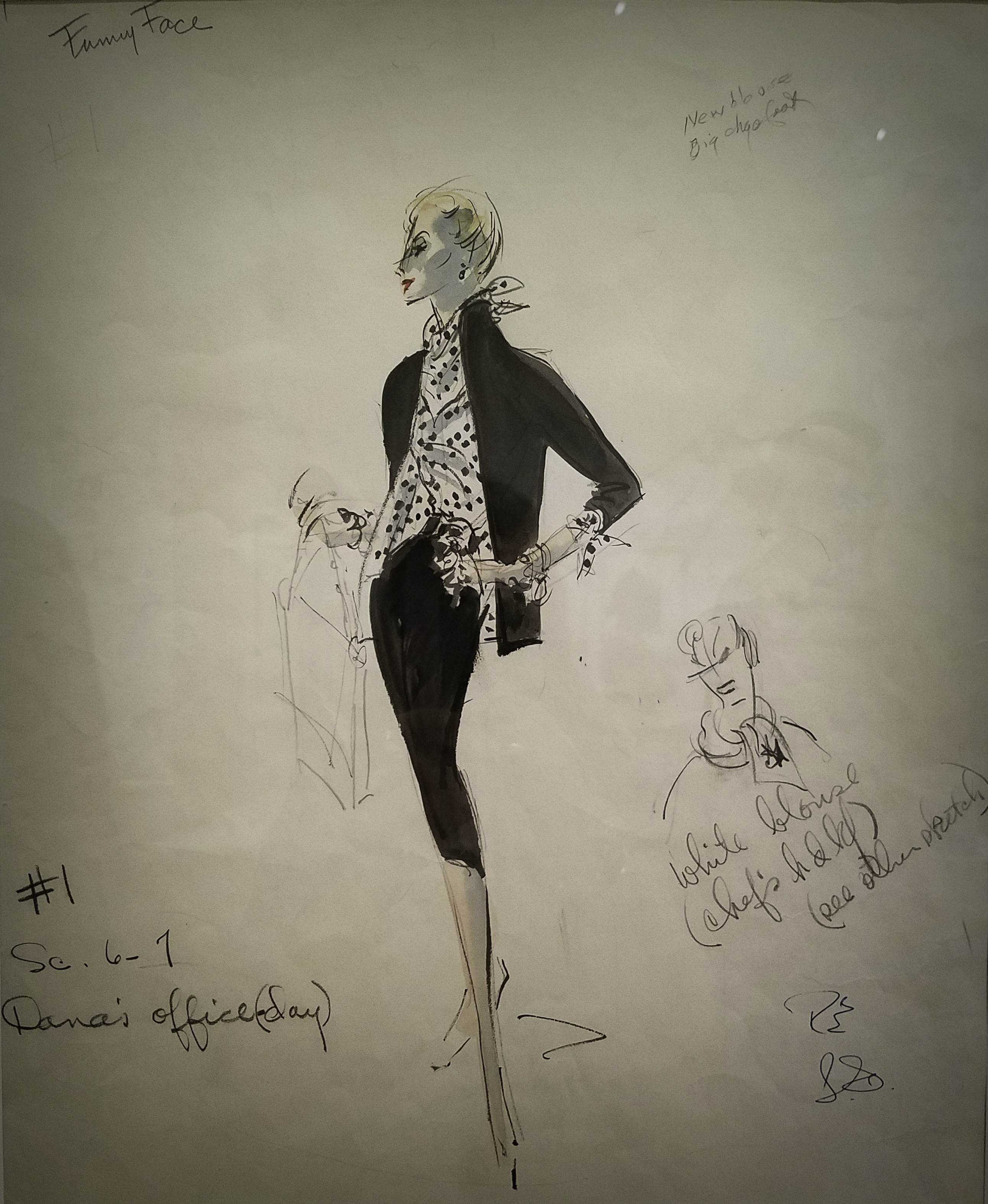
Edith Head
Kay Thompson’s office costume for Funny Face, 1956
Pen, ink and watercolour on paper

This meticulously detailed working drawing from Edith Head’s studio documents the cost of Thompson’s office outfit: $480 and another $65 for accessories.
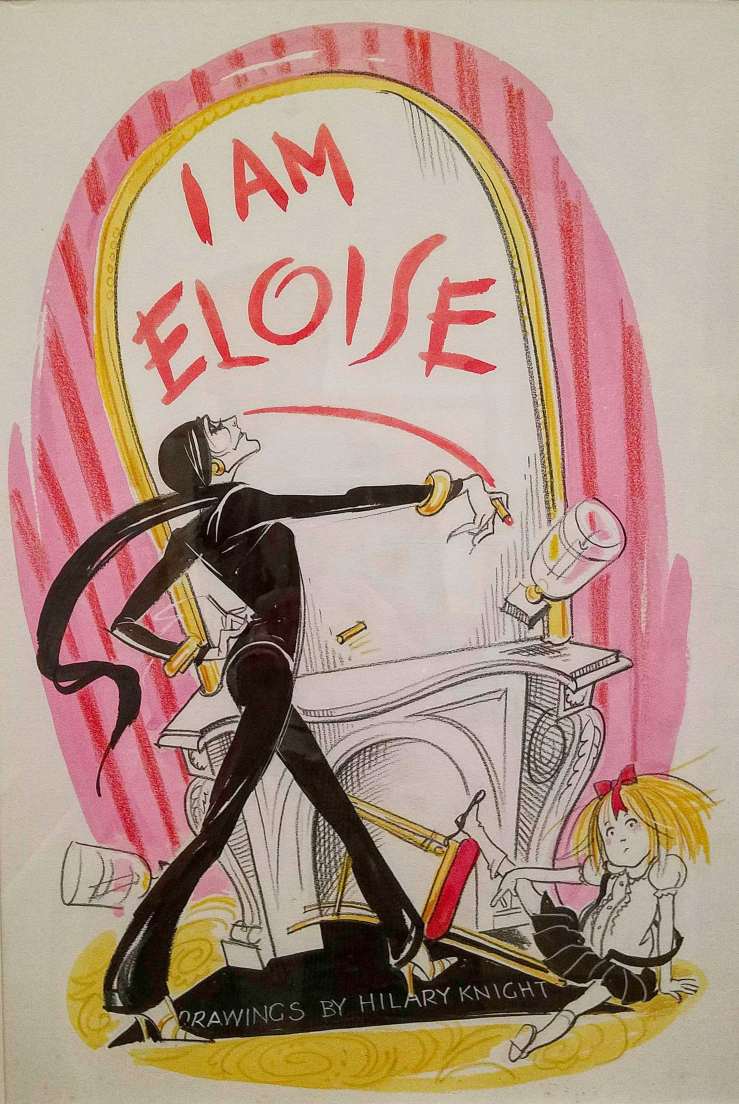

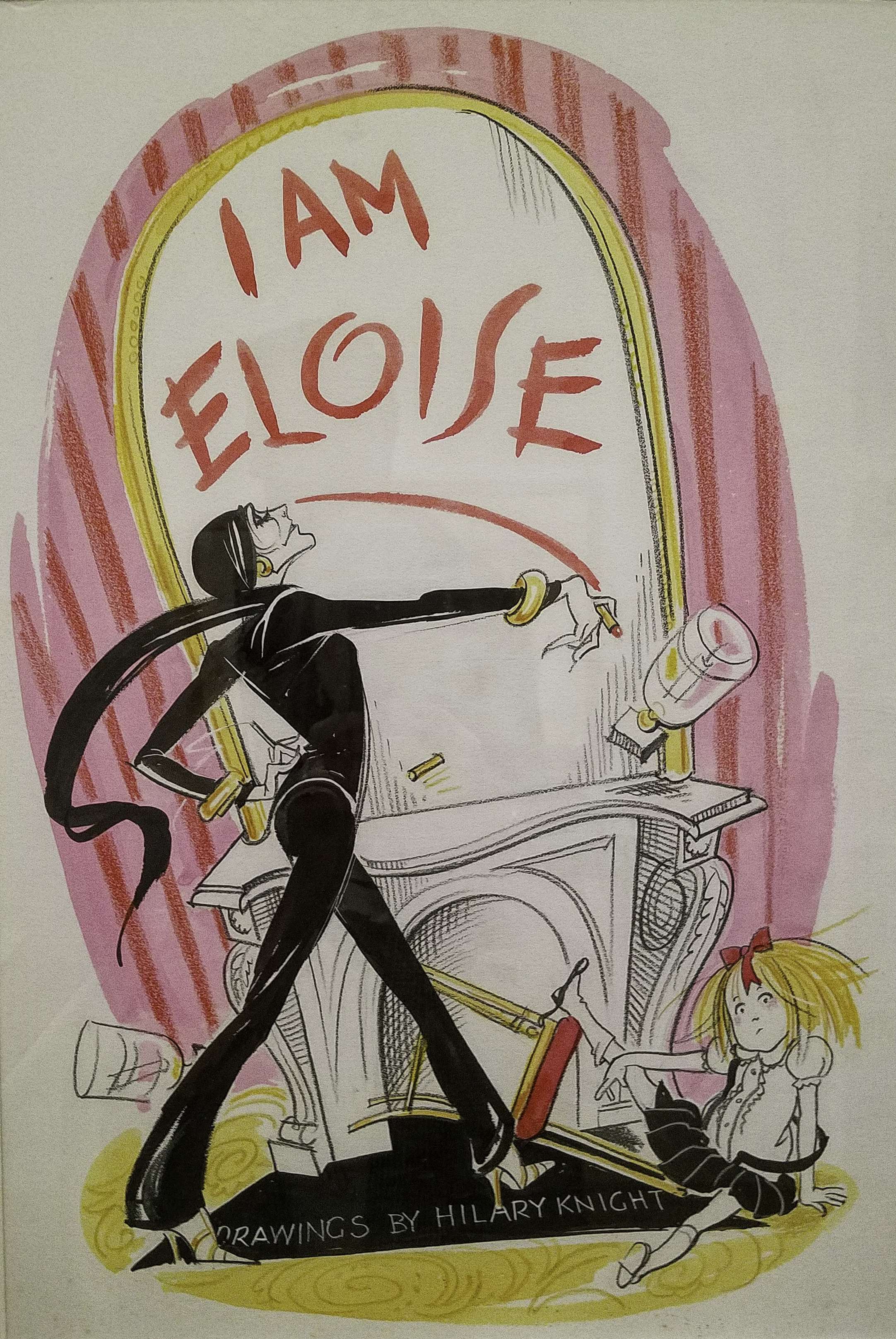
Hilary Knight
Sketch for ”I AM ELOISE”, 1996
Watercolour, brush and ink, crayon and graphite on Bristol board
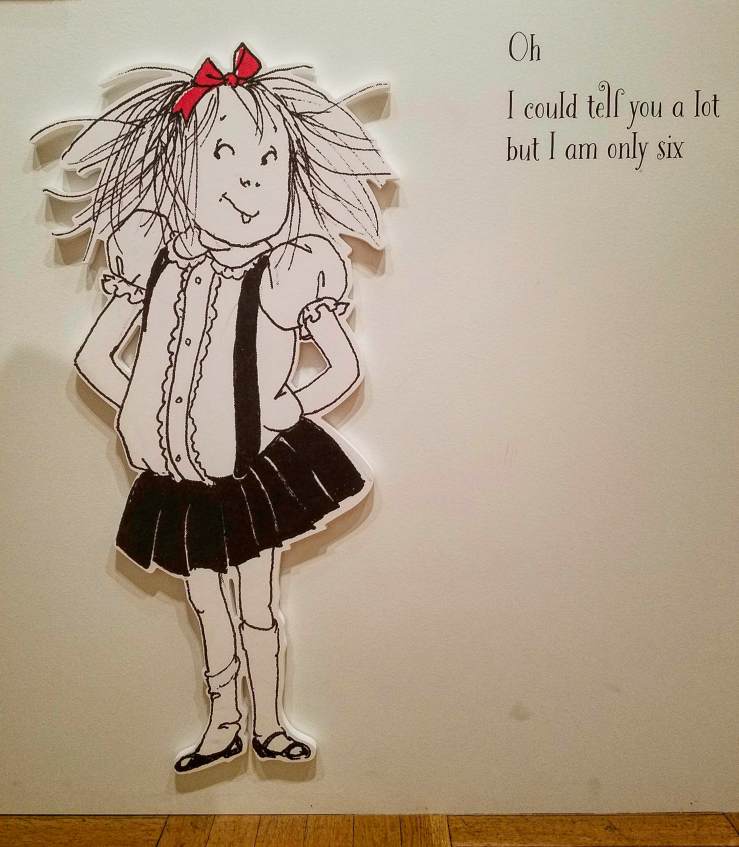

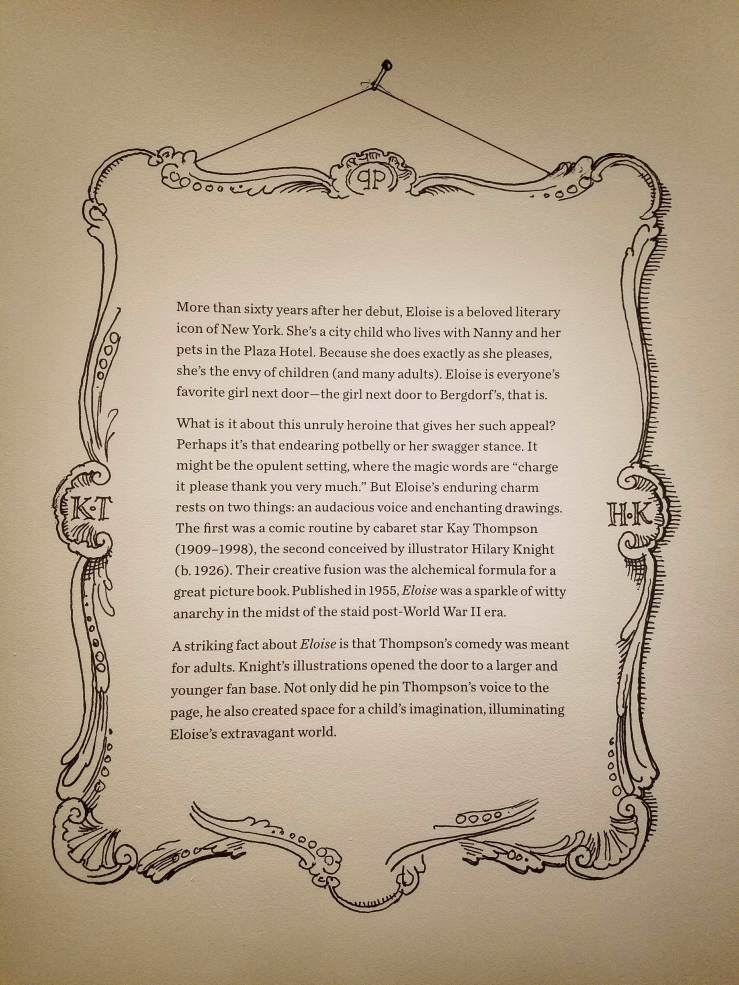
Eloise is the alter ego of cabaret star Kay Thompson (1909–1998), best known for her role as fashion magazine editor in Funny Face (1957), and her collaboration with writer and illustrator Hilary Knight (b. 1926), best known as the Man who Drew Eloise.

These and many more objects, manuscript pages, sketchbooks, portraits, photographs and vintage dolls were on view at the New-York Historical Society, back in 2017. If you missed it fret not. Think Pink and head over to the Plaza. You may just catch a glimpse of the elusive enfant terrible skibbling down the hallway. 

New-York Historical Society

September 23rd, 2017
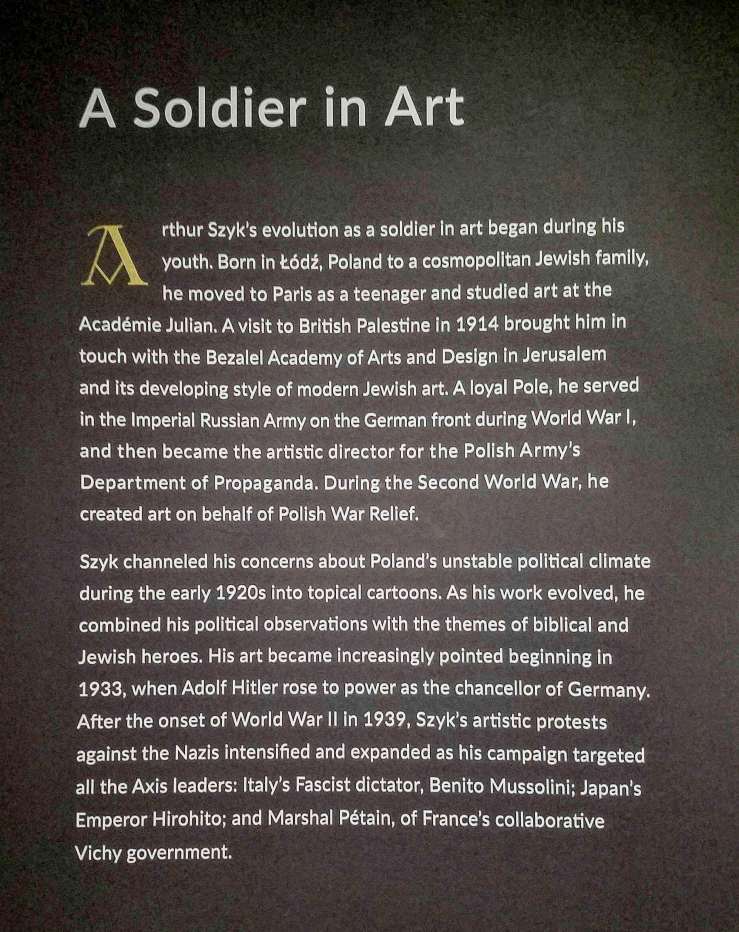
Fighting War with Art || Arthur Szyk: A Soldier in Art

The work of a Polish artist on show at the New-York Historical Society?  That seemed strange at first, but a quick read of the introduction shed light on the artist’s relation with the United States and his deep admiration of, and dedication to American democratic values – those same values that are under thread today, shaking American society to its core.

Arthur Szyk fought the demons of WWII in his own creative way, by focusing on political cartooning and producing works that were published as magazine covers, reproduced as posters, and exhibited in art galleries. Among the many admirers of his work during this period was Eleanor Roosevelt, who wrote in her newspaper column My Day: “In its way [Szyk’s work] fights the war against Hitlerism as truly as any of us who cannot actually be on the fighting fronts today.” [source]

Arthur Szyk was so dedicated to American democratic values that he actually became an American citizen in 1948. These are some of the artworks he made during his years in New York City.  FDR’s Soldier in Art, 1944
Pencil, watercolour, pen and ink on paper

Szyk’s lively portrait of Franklin Delano Roosevelt (1882-1945) conveyed the artist’s reverence for the US and its principles of freedom and justice, and his belief that the president would lead the Allies – United States, Great Britain and Russia – in defeating the Axis powers. He dedicated the portrait to Eleanor Roosevelt in 1946 following the president’s death. Mrs. Roosevelt admired Szyk and mentioned his artistic crusade in her newspaper columns on several occasions.


We’re running short of Jews!…, 1943
Ink and graphite on paper

The drawing responded to an announcement made by the World Jewish Congress in November 1942 that confirmed the Nazis’ plan to annihilate Europe’s Jewish population. Szyk later dedicated the drawing to his mother, who died at the Chelmno extermination camp near the Łódź ghetto.


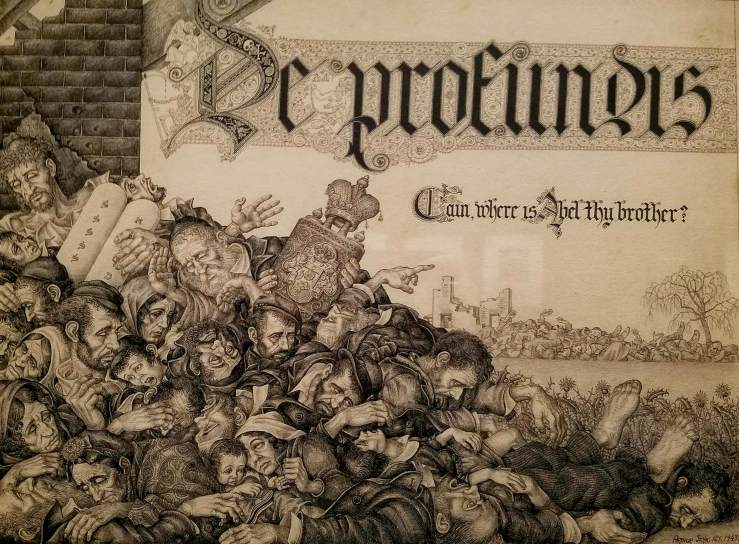
De Profundis. Cain, where is Abel thy Brother?, 1943
Ink and graphite on board


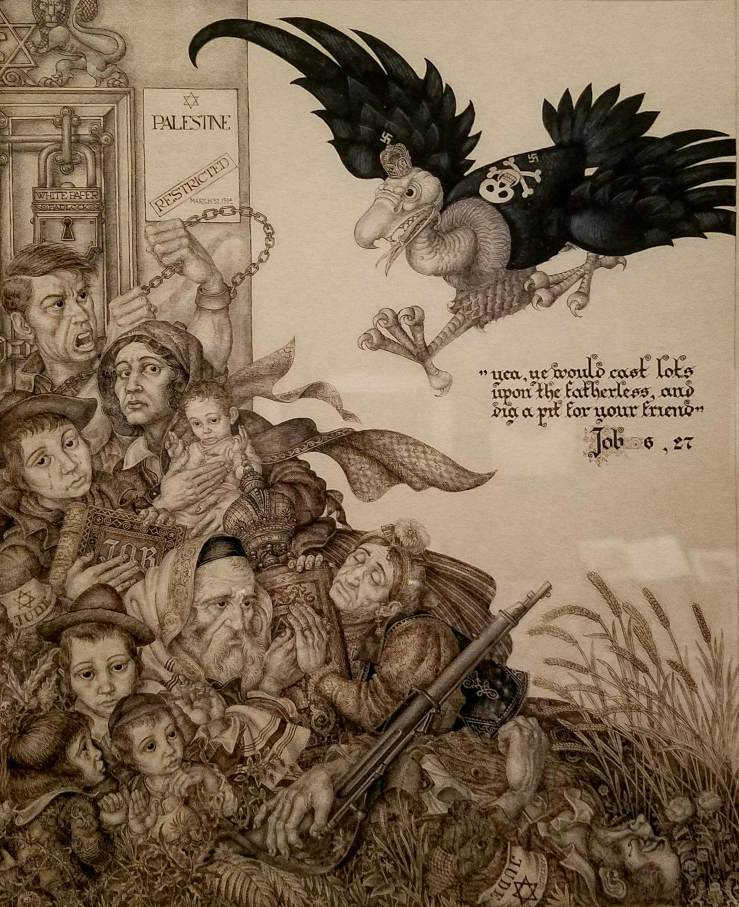
Palestine Restricted, 1944
Pen, ink and pencil on paper

Palestine Restricted furthered Szyk’s condemnation of the White Paper by likening it to a fierce vulture descending on masses of dead and dying men, women and children. The notation, March 31, 1944, marks the date when the British further tightened Jewish immigration, requiring the consent of Palestinian Arabs.


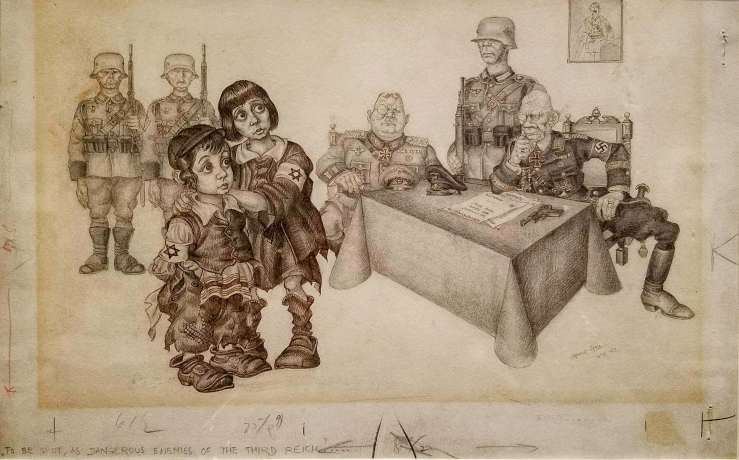
To be shot, as Dangerous Enemies of the Third Reich!, 1943
Ink and graphite on card

Szyk’s biting depiction of Heinrich Himmler declaring innocent Jewish children as enemies of the Third Reich emphasized the senselessness of Nazi anti-Semitism.


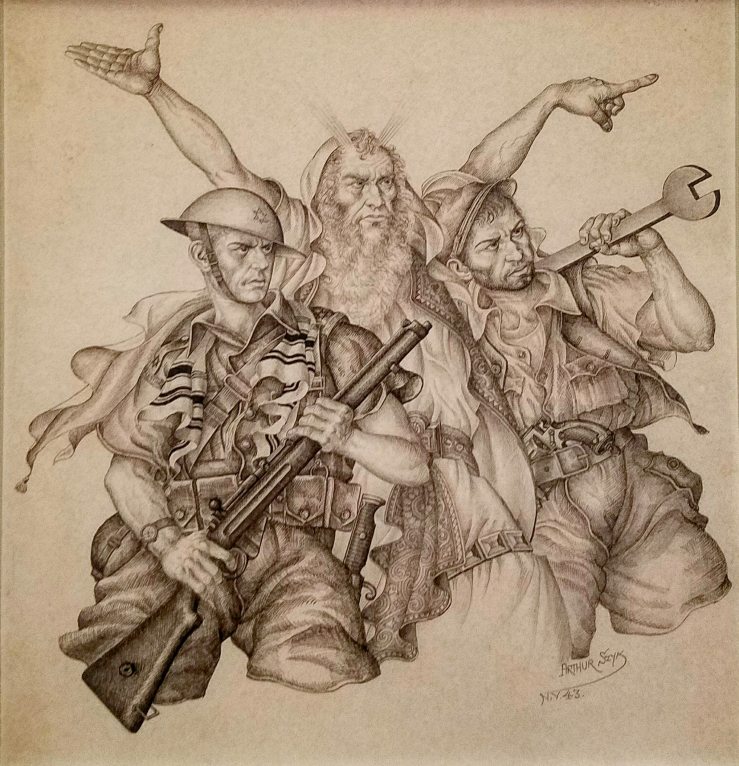
Modern Moses, 1944
Pen, ink and pencil on paper


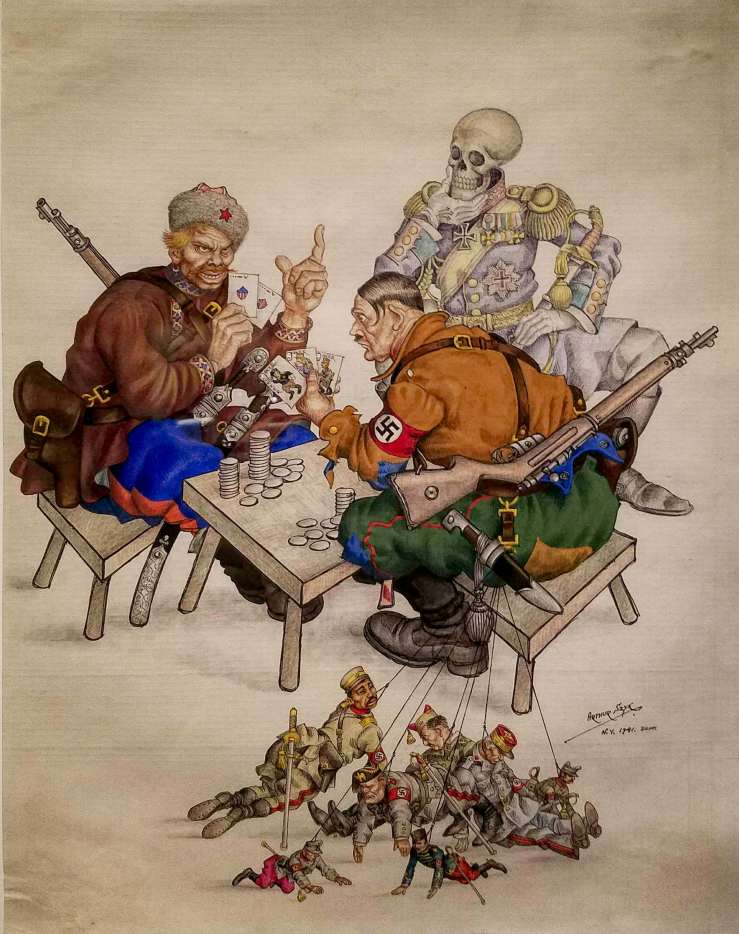
Untitled (The Silent Partner), September 1941
Watercolour, gouache, ink and graphite on paper

Szyk anticipated the US entry into WWII and Hitler’s eventual downfall in this depiction of a decorated figure of Death observing a dangerous poker game between Hitler and ”Ivan”, a pre-Soviet Union Russian leader. Gambling with the fate of the world, Hitler’s cards represent his alliance with Italy, Japan and Vichy France. Ivan’s hand includes the US and Great Britain. Seven puppets, the collaborating leaders of Hungary, Finland, Japan, Italy, Vichy France and Spain, hang from Hitler’s belt. The painting appeared on the cover of Collier’s on November 1, 1941, one month before the US entered the war.


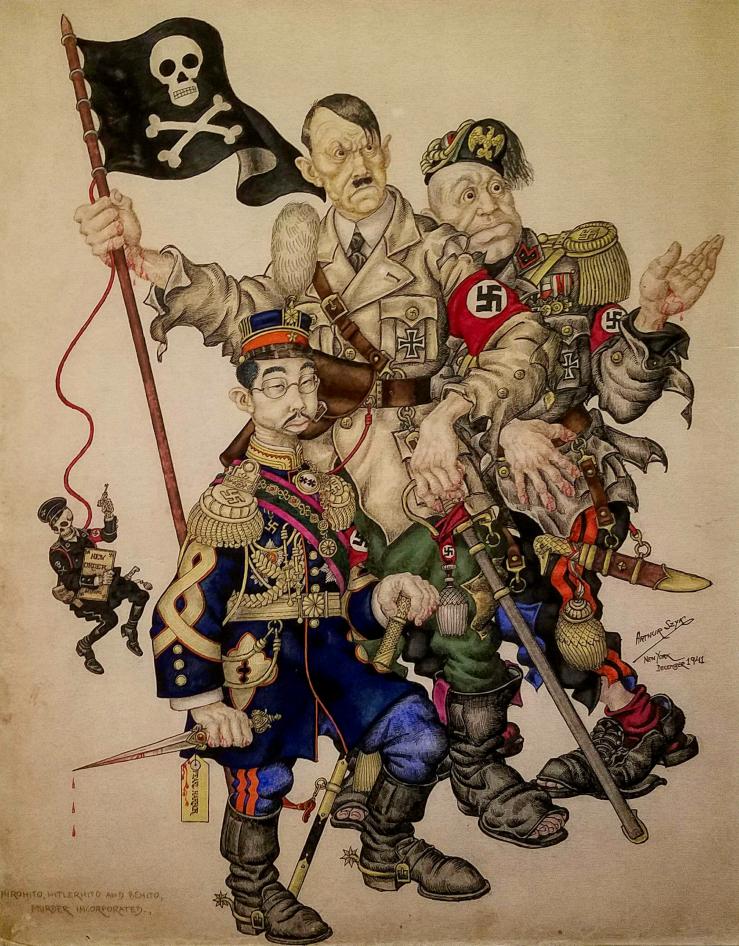
Murder Incorporated: Hirohito, Hitlerhito, Benito, December 1941
Watercolour and gouache on paper


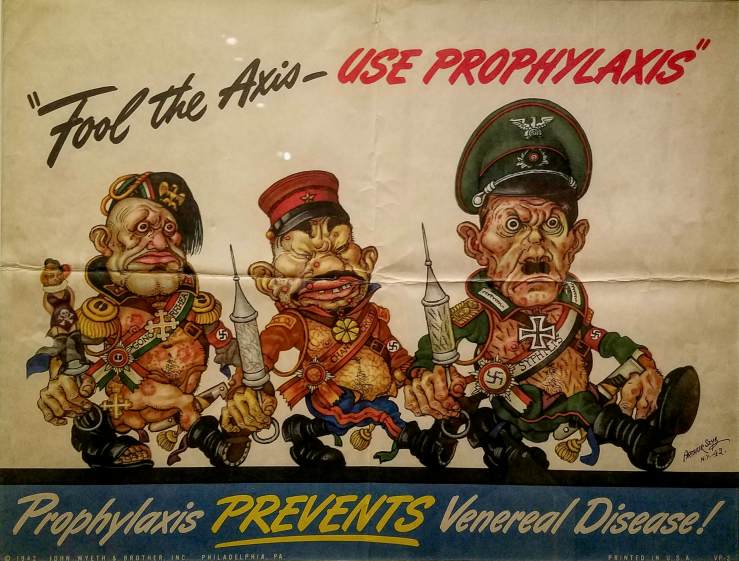
Offset lithograph. Here, Szyk characterizes Mussolini, Hirohito and Hitler as venereal diseases, offering perfect incentive to stay healthy and fight in the war effort.


More than 40 artworks by illustrator and miniaturist Arthur Szyk (1894–1951), were on view at the New-York Historical Society between September 2017 and January 2018.

New-York Historical Society

September 23rd, 2017
Jack & Jackie

(and Ethel & Bob)

Photos from happy times, when life was a field of infinite possibilities.

Orlando Suero (b. 1928)
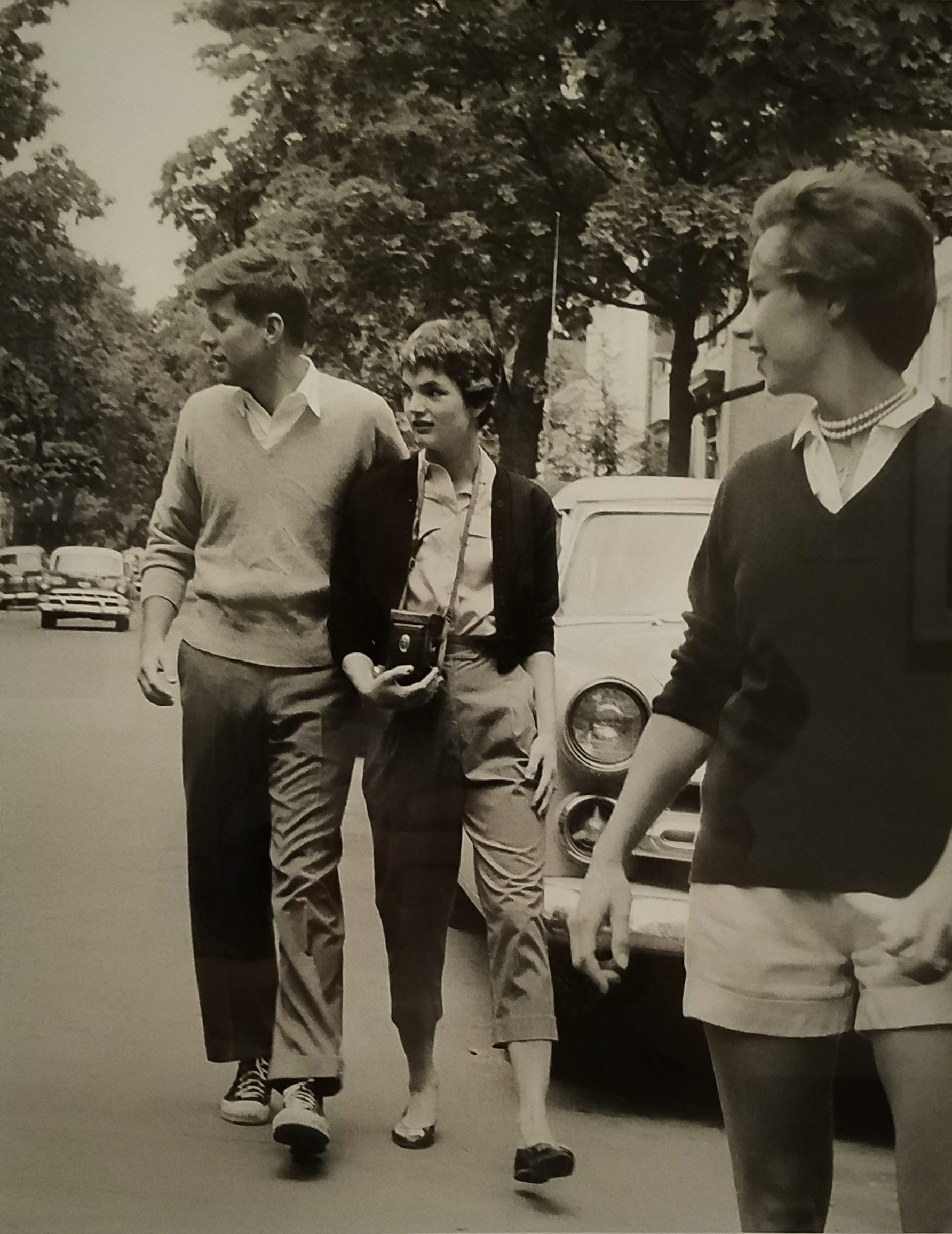
Jack and Jackie stroll with Ethel Kennedy in Georgetown, Washington D.C., May 8, 1954

Prior to meeting Jack, Jackie worked for the Washington Times-Herald as a reporter and photographer for a daily Q&A feature. Previously, she had studied at the University of Grenoble in France, the Sorbonne in Paris and earned a Bachelor of Arts degree in French literature from George Washington University.


Unidentified photographer
Traveling to Europe on break from college, The Hague, 1937

During high school Kennedy’s instructors often remarked that he was a disorganized student whose work rarely matched his abilities, but an astute teacher noted: ”When he grows up enough to gain seriousness of purpose, he will make a real contribution.”


Paul Schutzer (1930-1967)
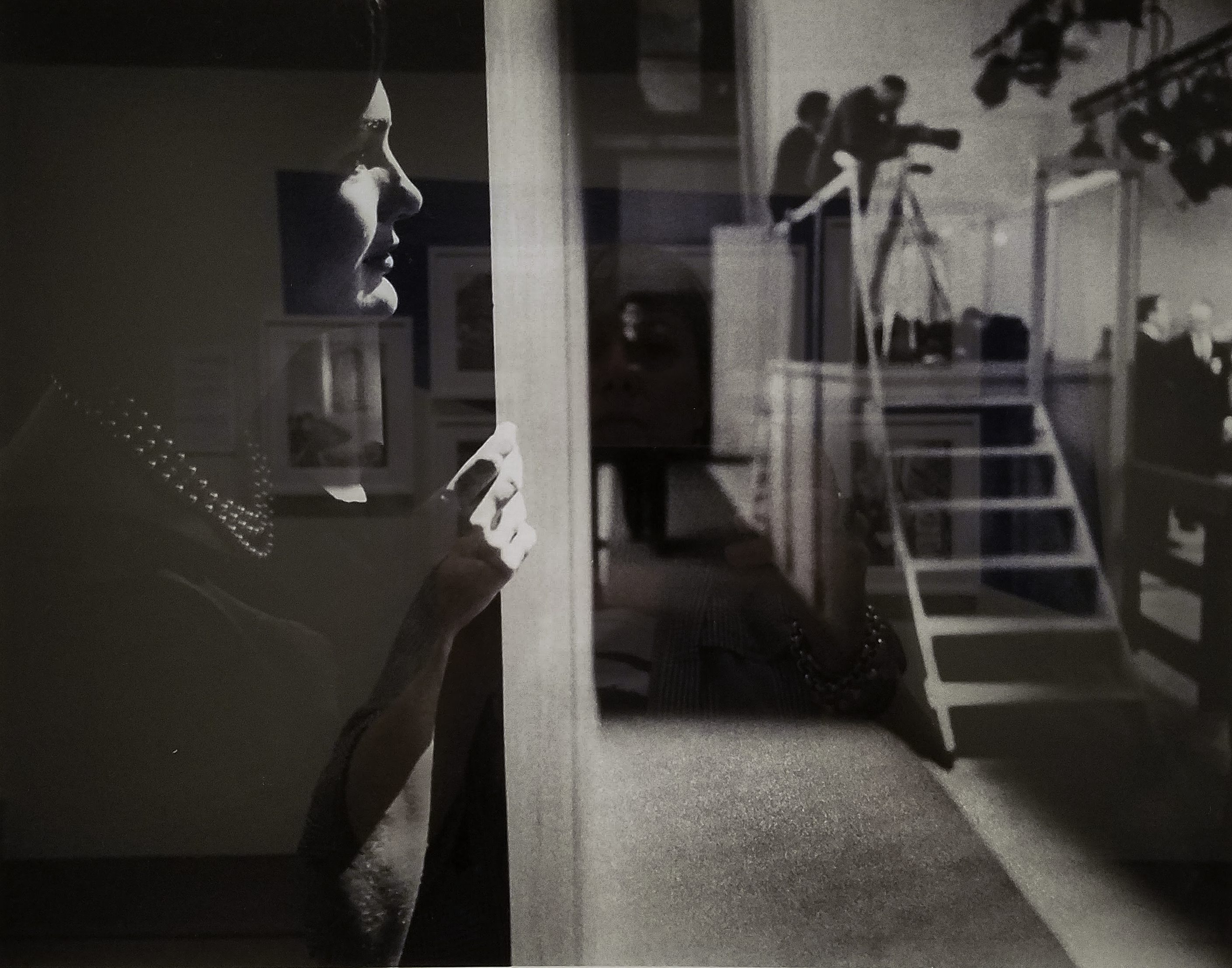
Jacqueline Kennedy watching the forth Kennedy-Nixon debate from the wings, New York City, October 21, 1960

The Kennedy-Nixon debates were the first to be televised, striking a new an indivisible union between politics and media. Kennedy later acknowledged that ”It was TV more than anything else that turned the tide.”


Jacques Lowe (1930-2001)
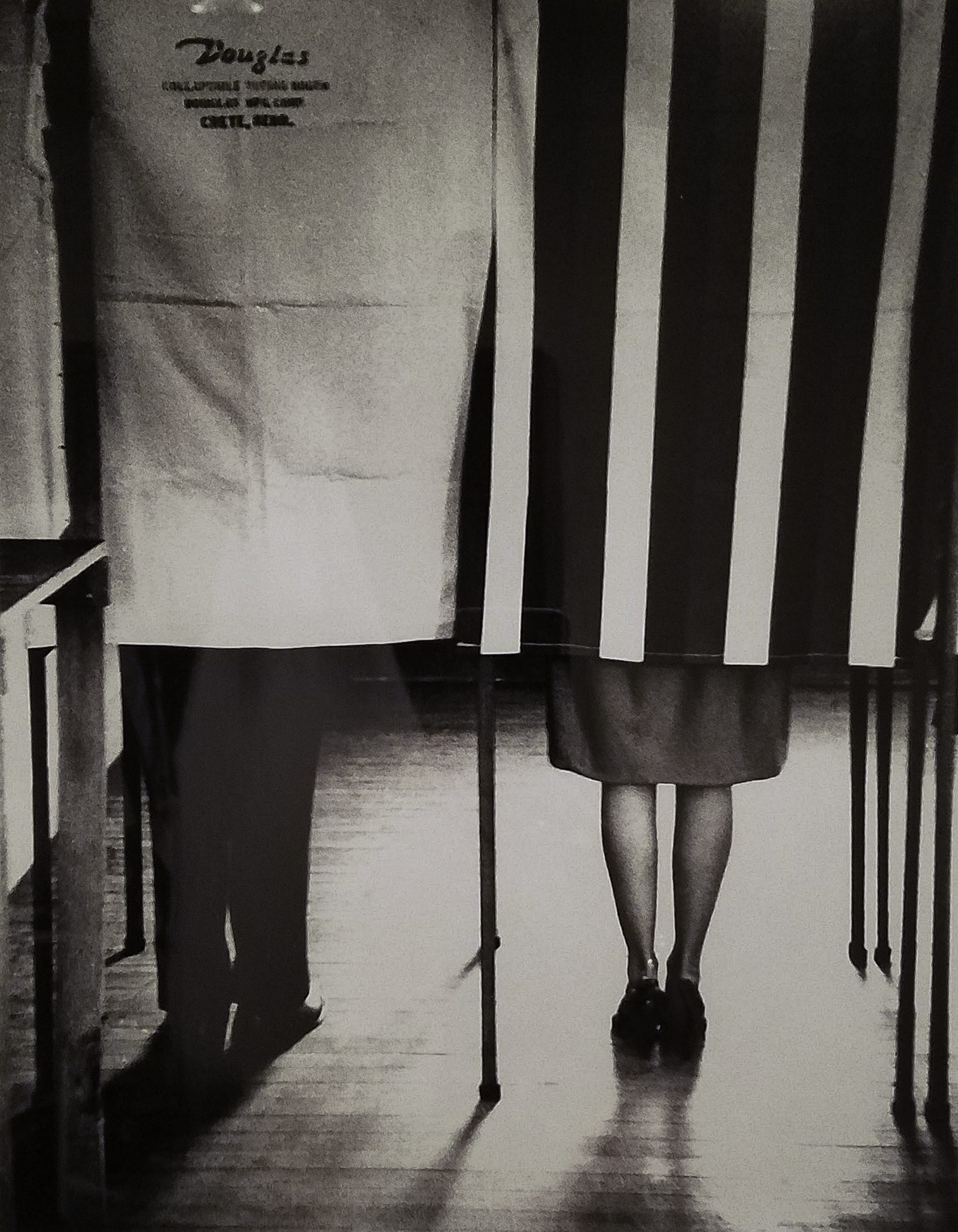
Bobby and Ethel Kennedy casting their votes, Hyannis Port, November 8, 1960


Abbie Rowe (1905-1967)
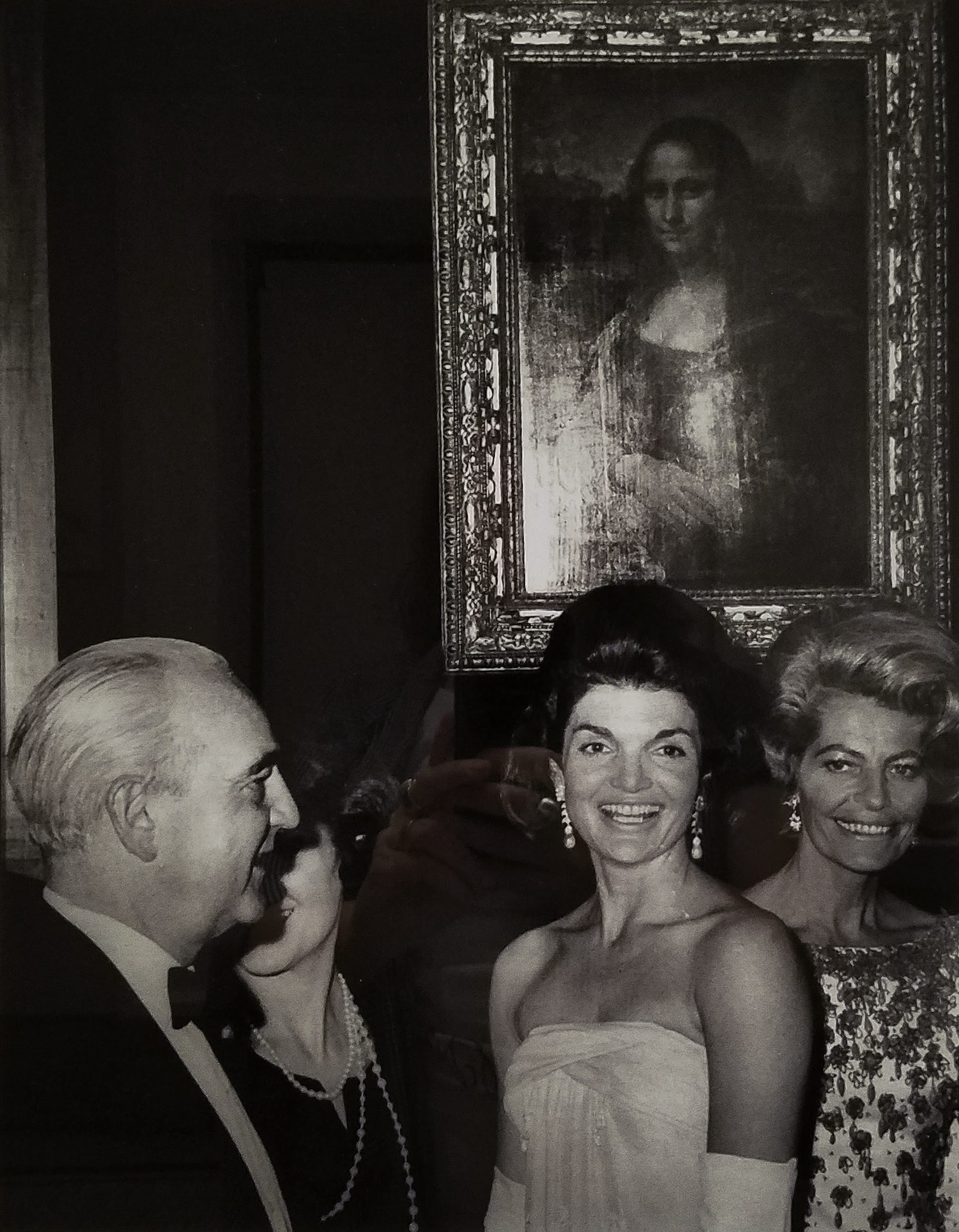
Opening of the Mona Lisa Exhibit, National Gallery of Art, Washington D.C., January 8, 1963


Jacqueline Kennedy and the French Minister of Cultural Affairs, André Malraux, facilitated the loan of the Mona Lisa to Washington D.C. for an historic three-week exhibition. This was the first time the painting traveled to America.

Then, on Monday February 4, 1963 – exactly 56 years ago today – the masterpiece entered the Metropolitan Museum of Art where it remained for three and half weeks.

Nearly two million people clamoured to view the Mona Lisa during her short stay in America.

Photos were on view in the New-York Historical Society

September 23rd, 2017

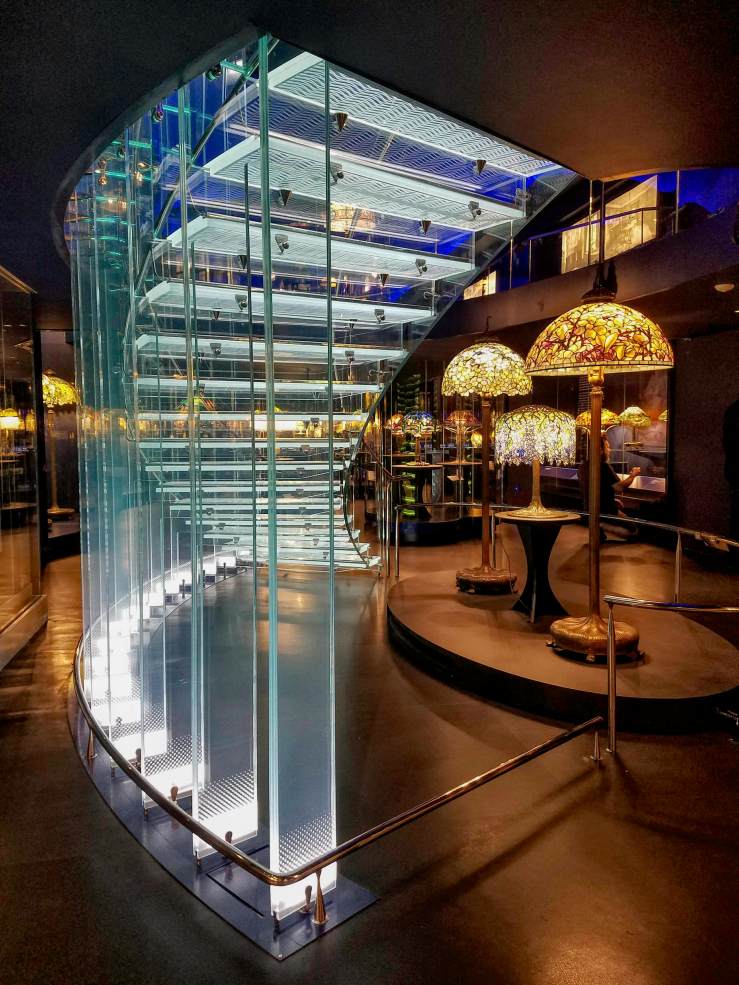
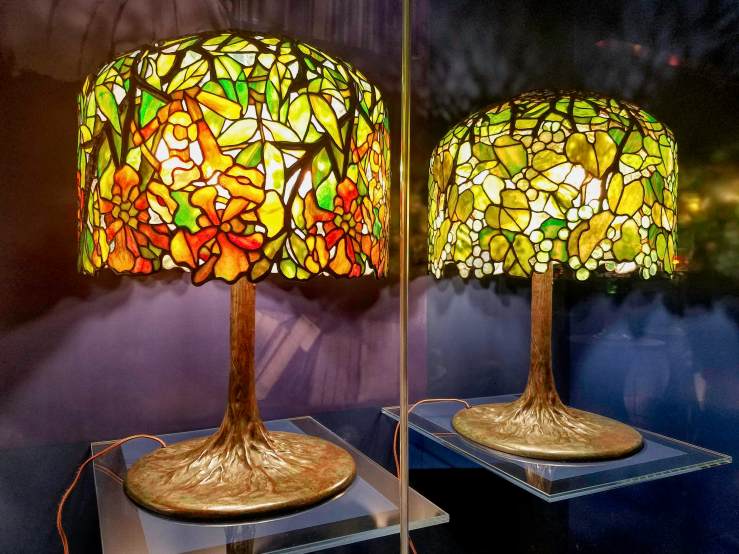
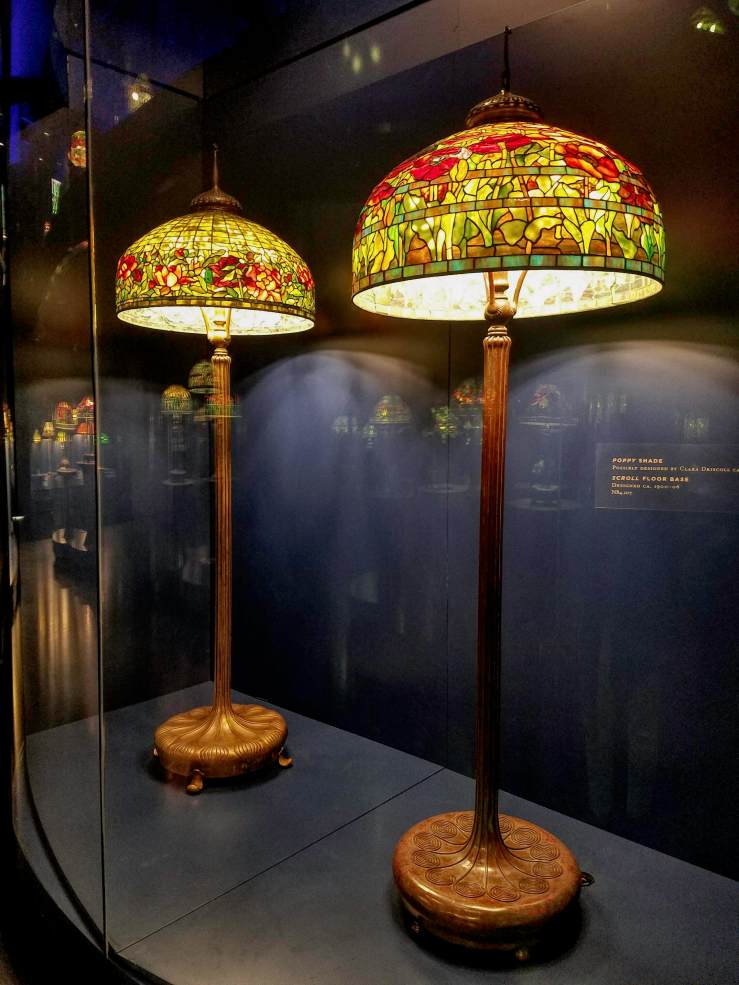
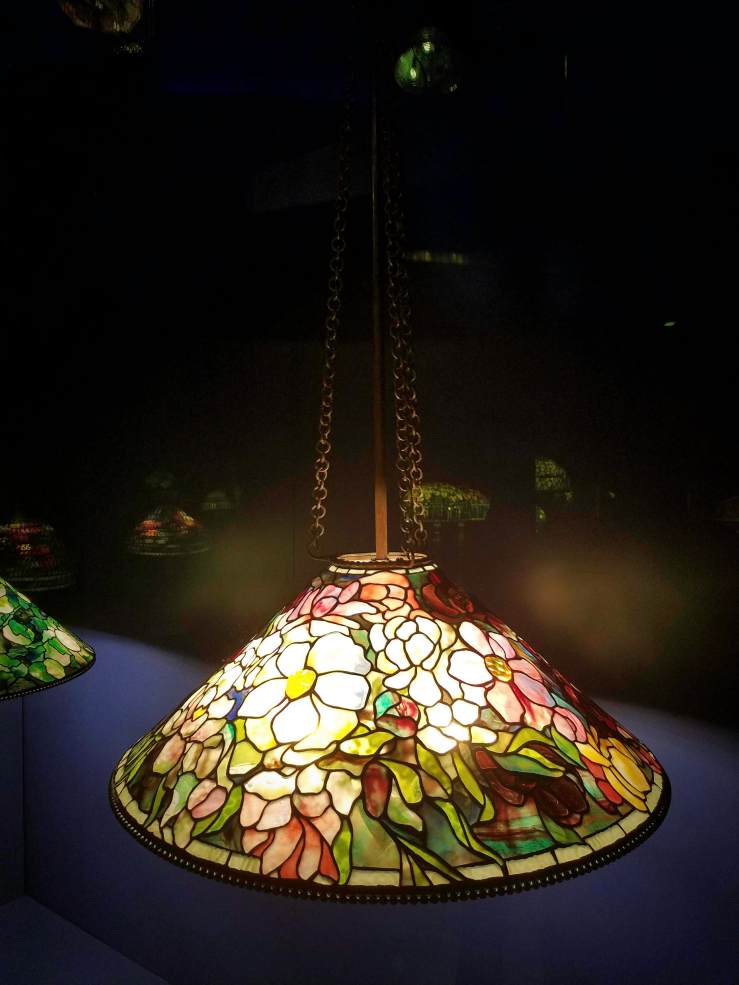
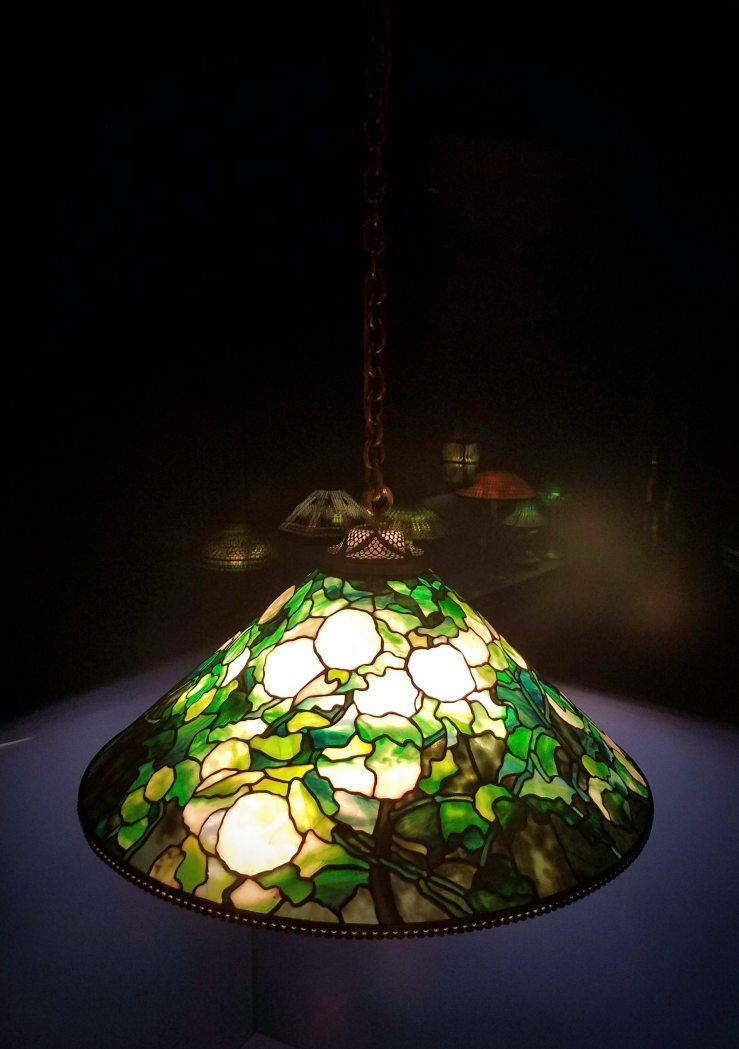
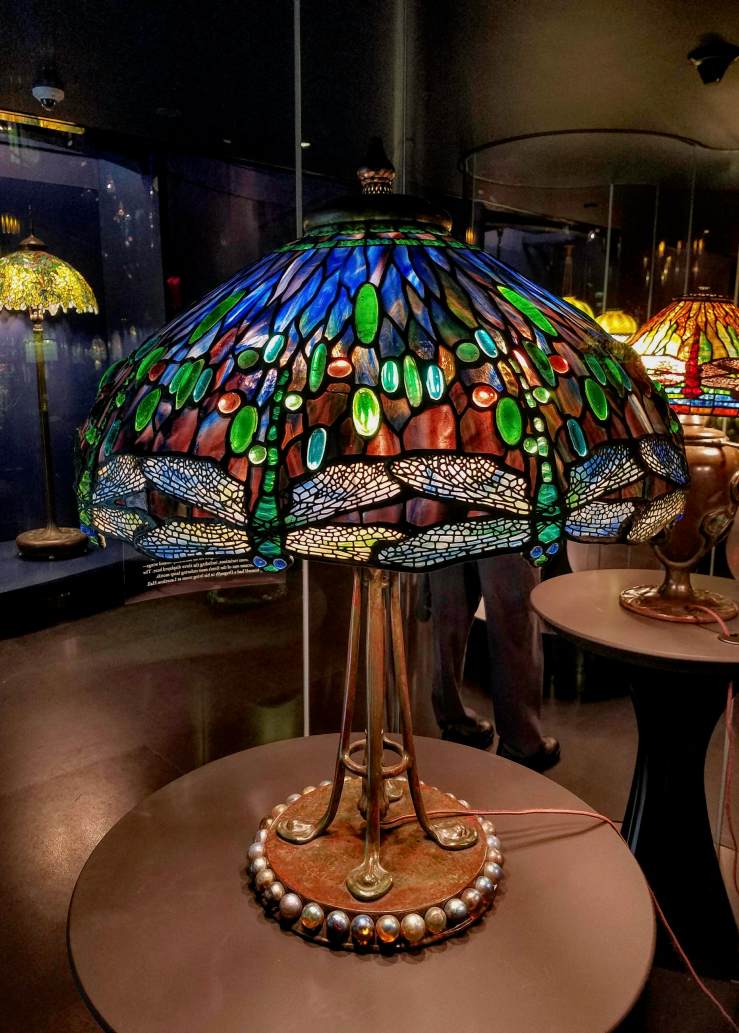
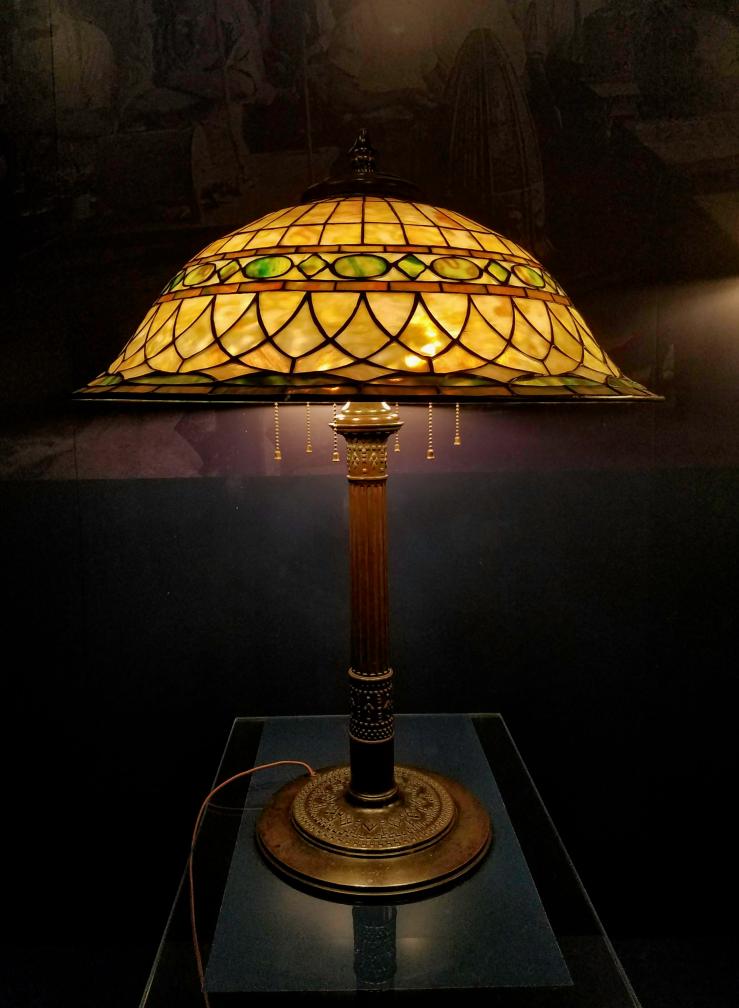
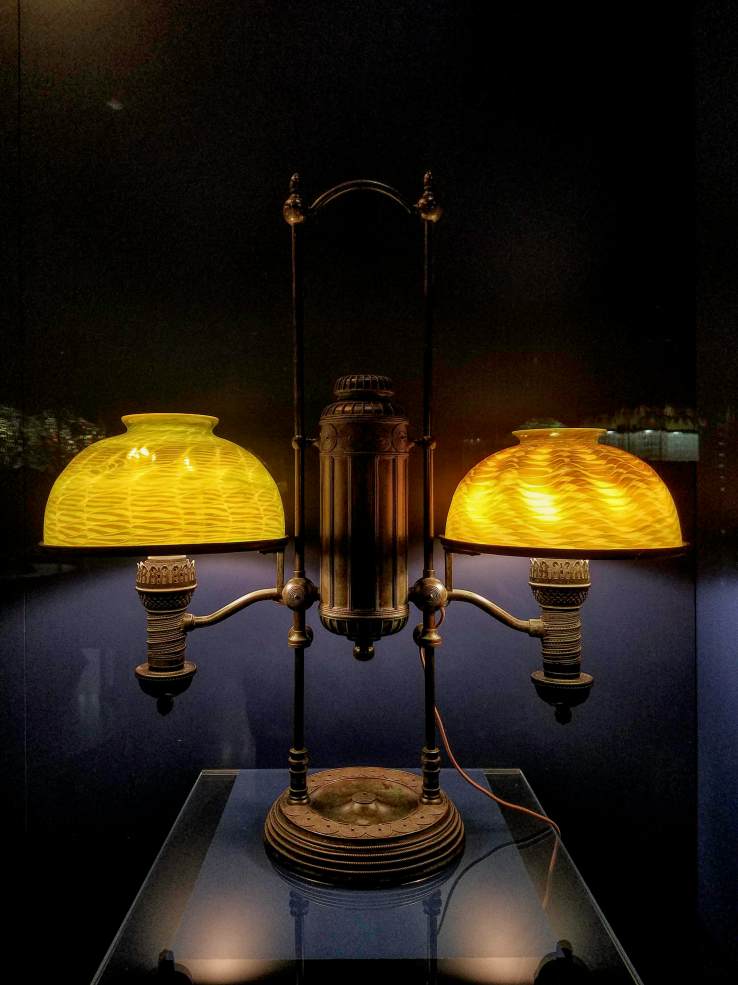
The Scintillating Gardens of Tiffany Studios

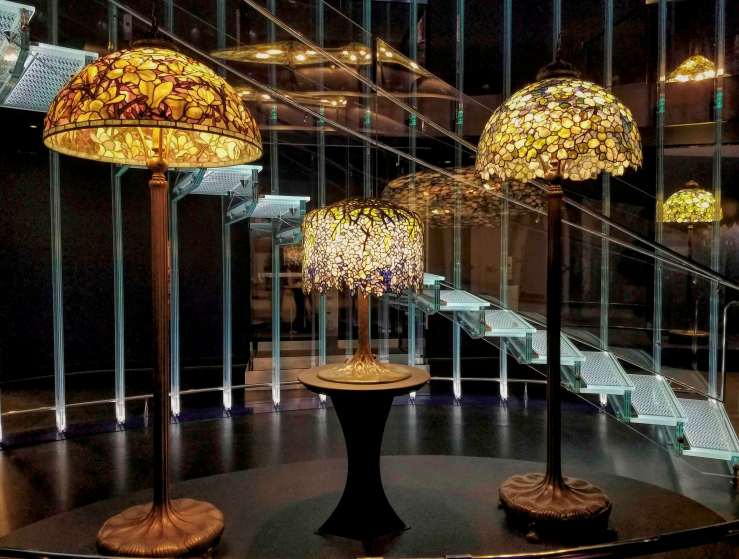
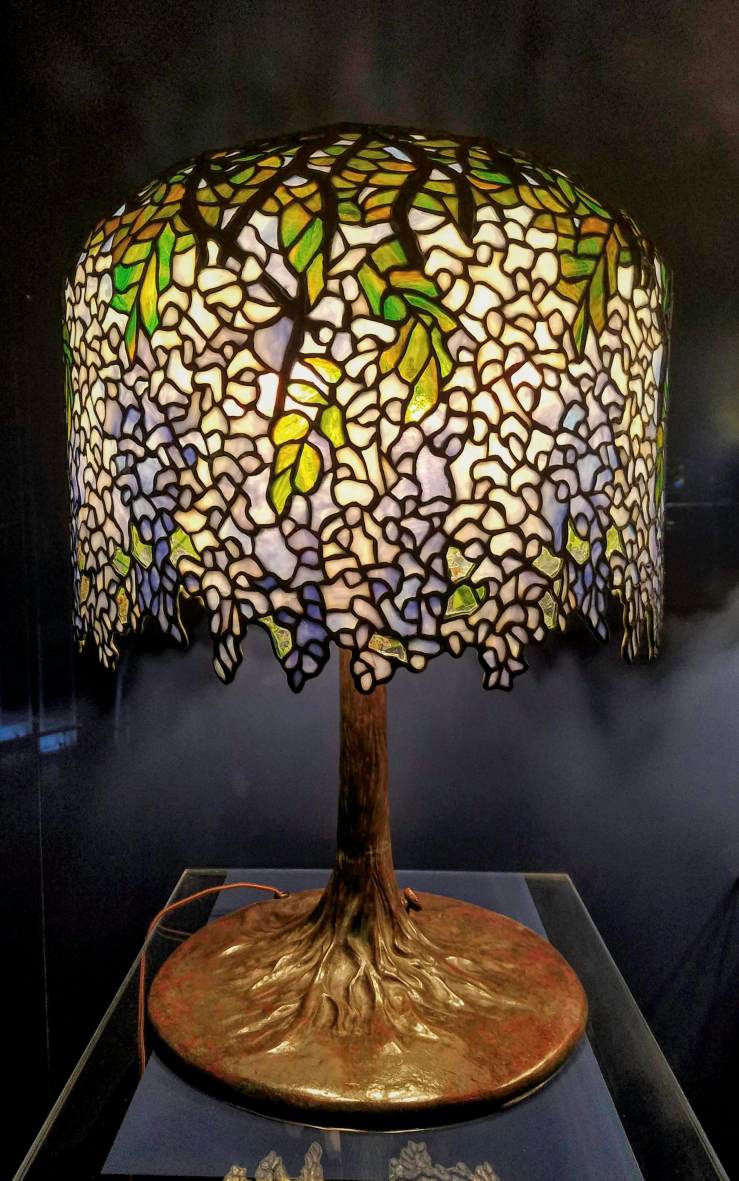
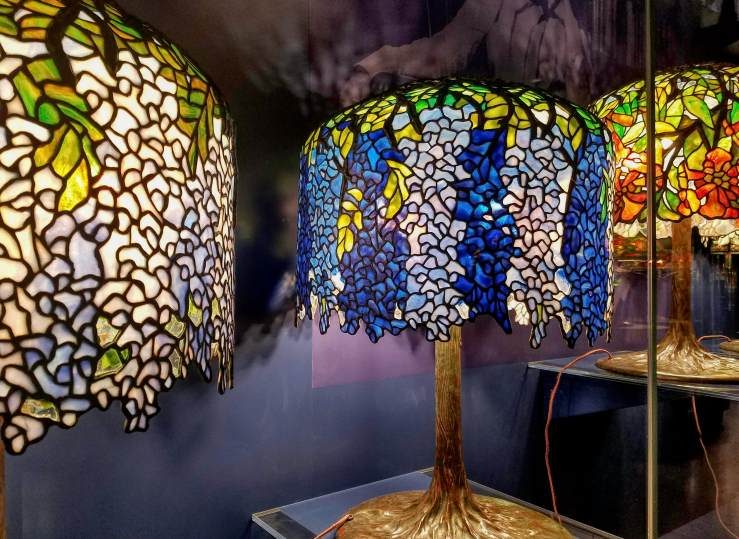
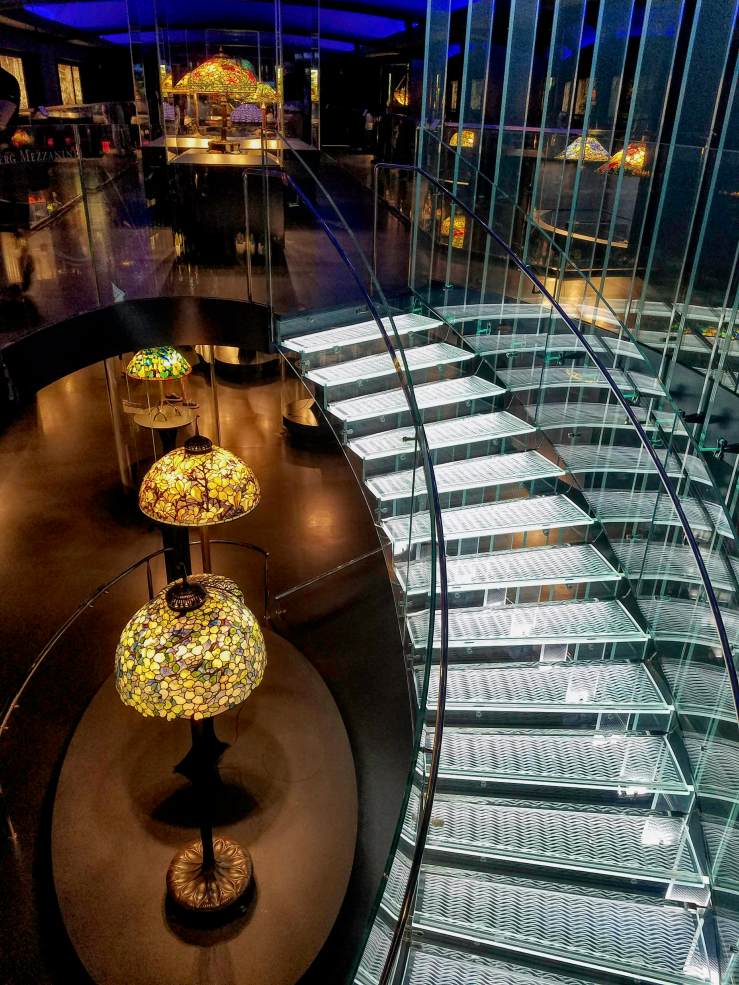
These Tiffany artifacts don’t necessarily involve breakfast. Equally brilliant, precious and a tad more colourful, they are at their best and brightest at dinner. They are also part of the New-York Historical Society’s permanent collection and light up an entire – recently renovated – floor. 

The New-York Historical Society’s extensive collection of Tiffany Studios lamps was the gift of pioneering collector Dr. Egon Neustadt (1898-1984), an Austrian immigrant an orthodontist. Along with his wife, Hildegard Steininger (1911-1961), Neustadt began buying Tiffany lamps at a time when Americans scorned them as passé. Shortly after their marriage in 1935, the couple, looking for affordable furnishings for their Queens home, found a ”strange, old-fashioned” Daffodil lamp in  Greenwich Village antique shop and purchased it for $12.50. That modest discovery sparked a decades-long quest in which the Neustadts amassed more than 200 Tiffany lamps, perhaps the largest and most encyclopedic collection in the world. 

September 23rd, 2017

The Duchess of Carnegie Hall

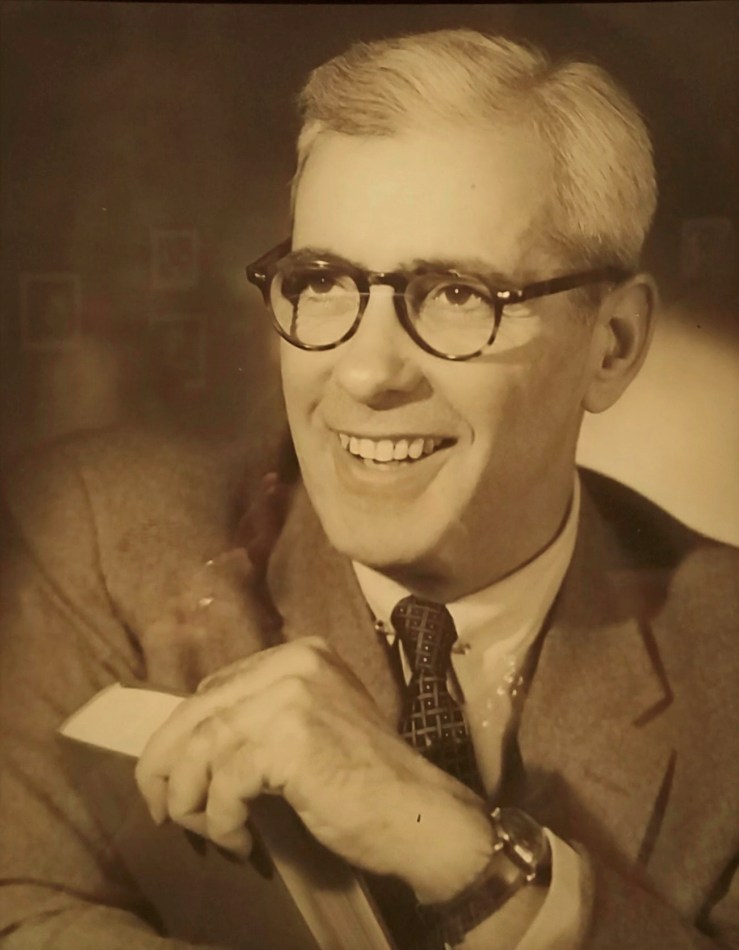
Ashley Montagu (1905-1999), undated
Gelatin silver print

Montagu was a humanist and anthropologist who studied human character and issues of race and gender. Among matters he addressed were the meaning of race as a defining term and what he saw as the superiority of women over men. About death, he famously said that ”the idea is to die young as late as possible.”


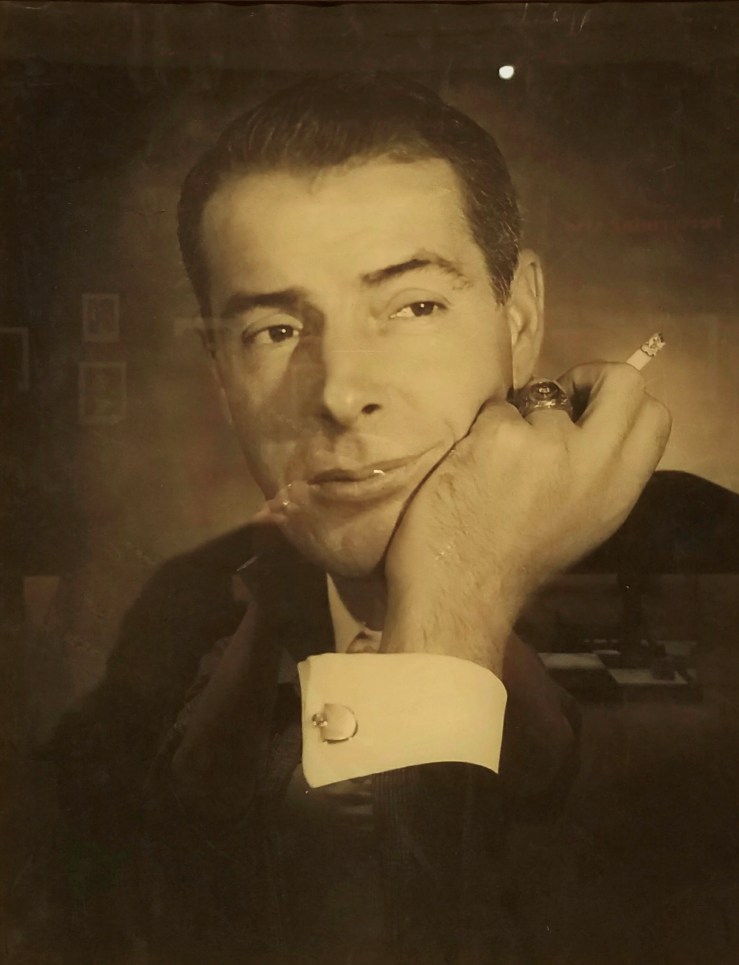
Joe DiMaggio (1914-1999), 1955
Gavelux print

Joe DiMaggio, also known as ”The Yankee Clipper”, played baseball for the New York Yankees from 1936 until 1951 (with a four year gap between 1943 and 1947 when he served in the military). He led the Yankees to nine world championships.


Gertrude Lawrence (1898-1952), undated
Gelatin silver print

British actor Gertrude Lawrence played Anna in the first production of The King and I, a role created expressly for her. This was not the first time – Noël Coward, a longtime friend, wrote the play Private Lives (1931) specifically for her.


Lillian Gish (1893-1993), undated
Gelatin silver print

Lillian Gish first appeared on the stage when she was just six years old. She met director D. W. Griffith in 1912 and made over twenty-five silent films with him in the next few years. Gish turned to the stage when ”talkies” took over Hollywood in the 1920s but became involved with film again in the 1940s,


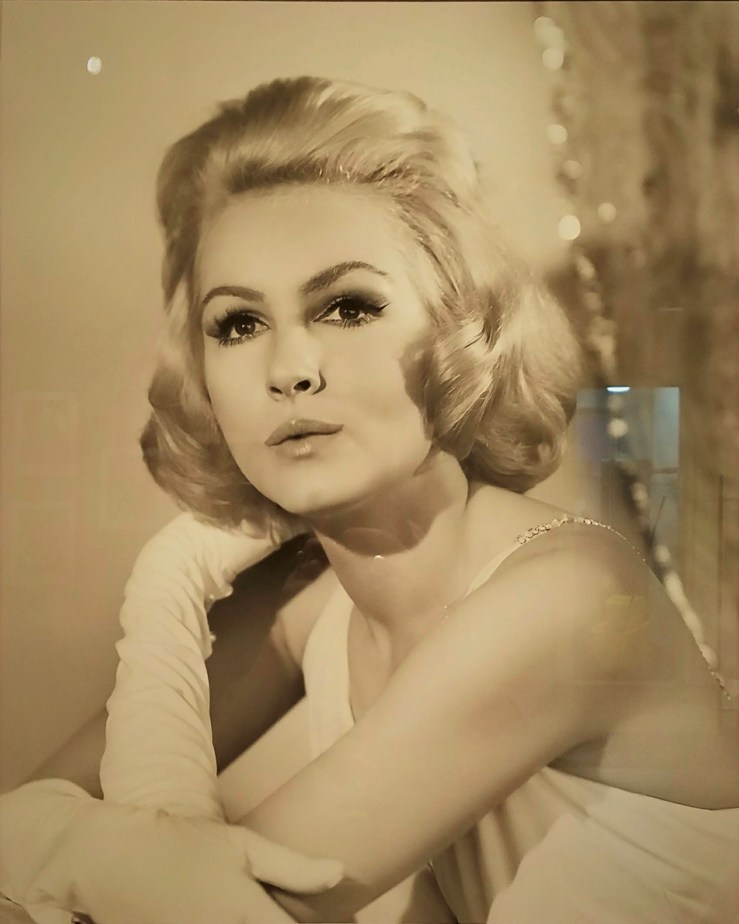
Julie Newmar (b. 1933), undated
Gelatin silver print

Julie Newmar grew up in Los Angeles and came to New York City in 1955 to pursue a career on Broadway. Eventually she would also turn to movies and television and was cast as Catwoman in the Batman television series which premiered in 1966.


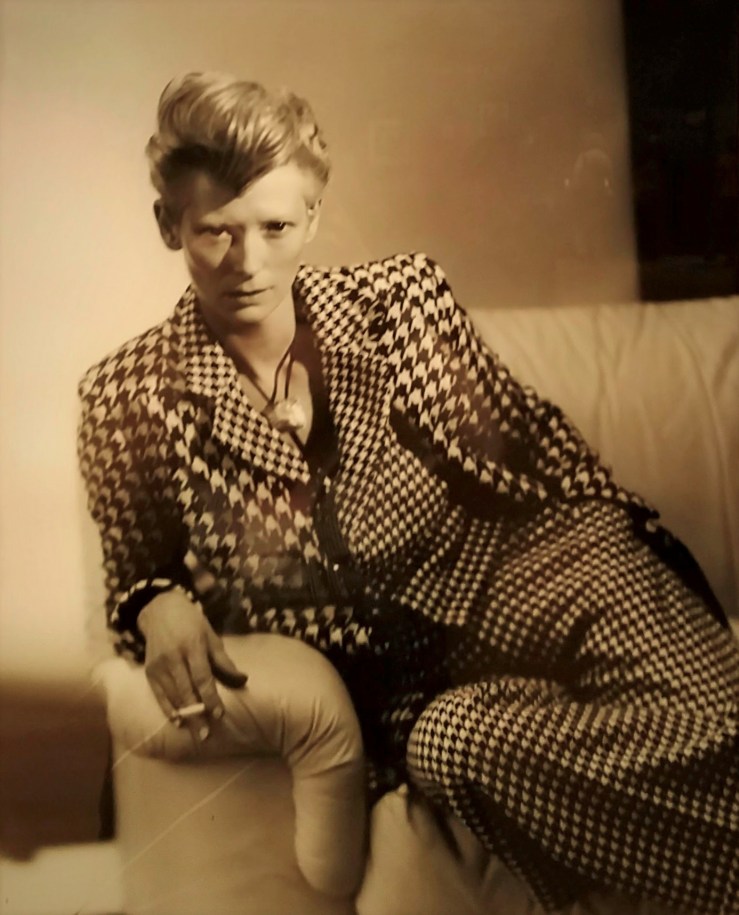
Tilda Swinton (b. 1960), undated
Gelatin silver print

Oscar winner Tilda Swinton has been acting since she was a student at Cambridge University. Among her credits are the Curious Case of Benjamin Button (2006), The Grand Budapest Hotel (2014) and Trainwreck (2014).


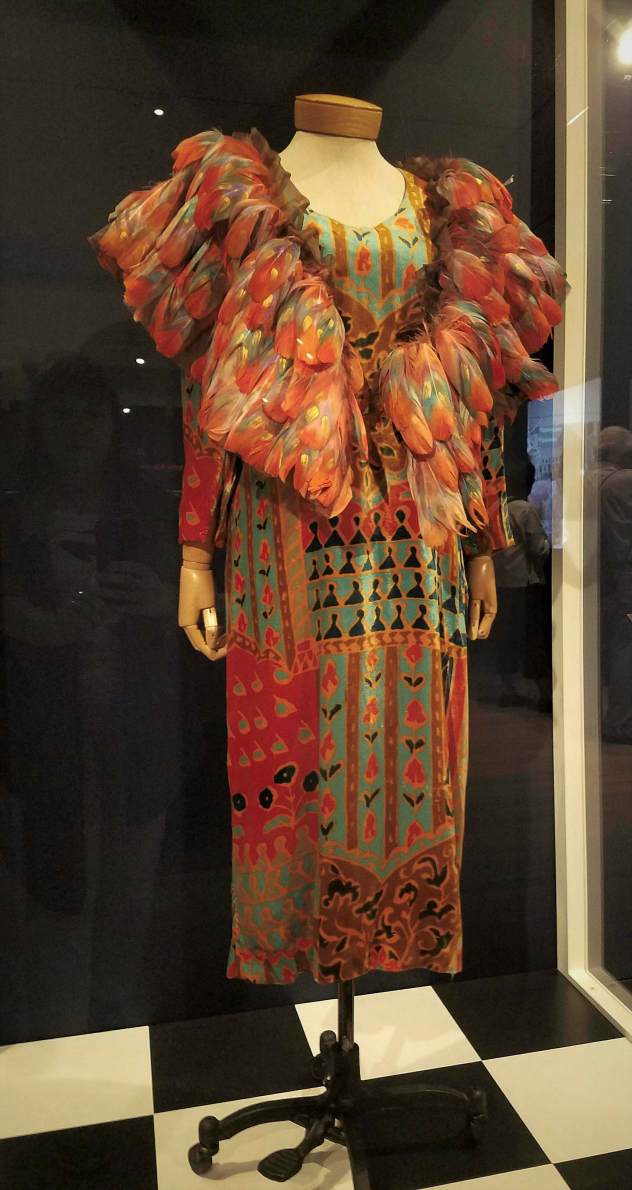
Bill Blass (1922-2002)
Dress an feather trim, ca. 1970
Silk (pile velvet exterior), synthetic (lining), polychrome and gilded feathers adhered to silk

The feather ”shawl” was originally a trim at the bottom edge of this dress. Sherman had it cut off and used it as a shawl.


Exhibit note:

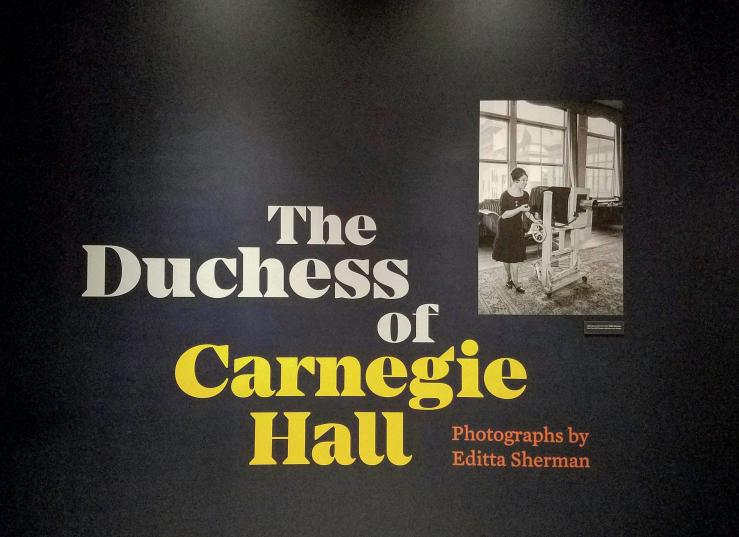
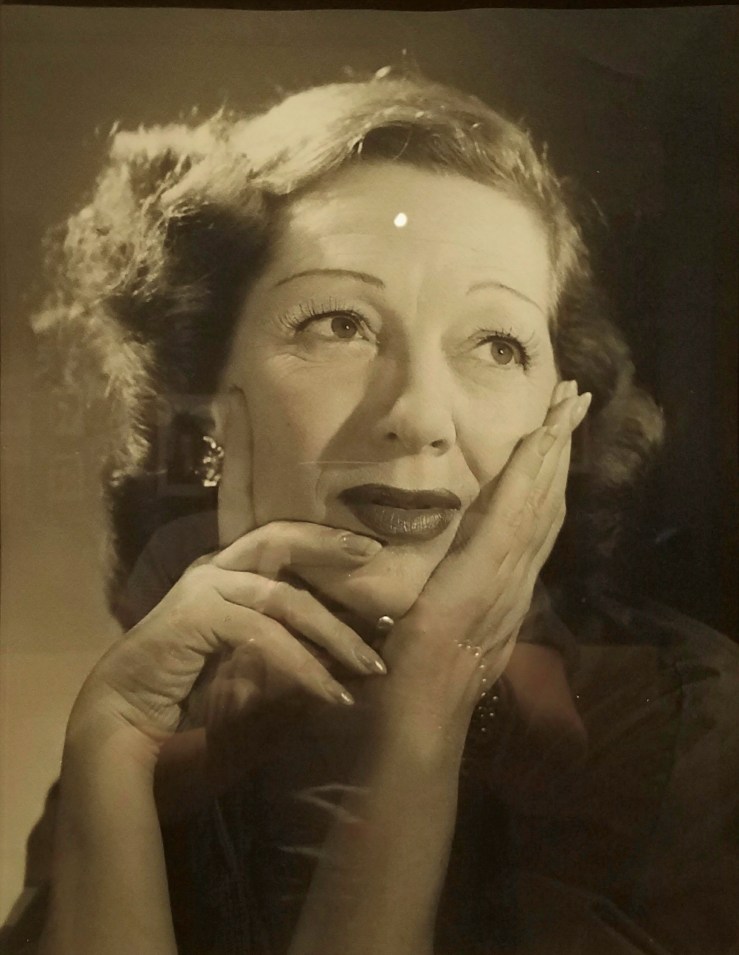
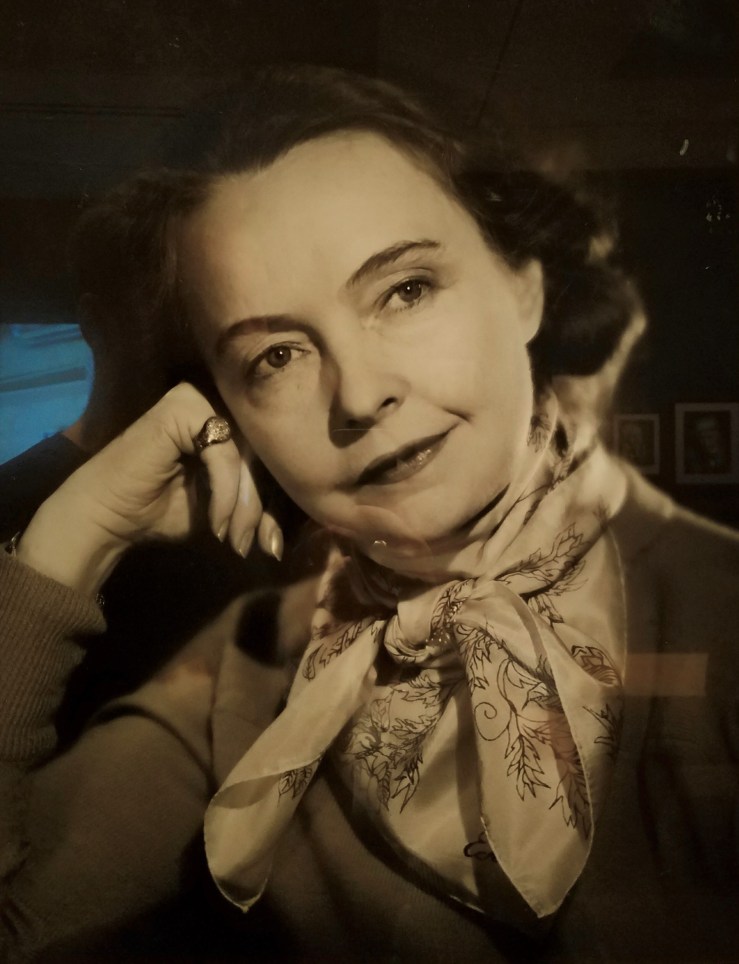
Portraitist Editta Sherman (1912-2013) was ”the duchess of Carnegie Hall” – a moniker, by some accounts, dreamed up by fellow-photographer Bill Cunningham, her longtime friend and neighbour at the Carnegie Hall Studios. ”A seasoned human being and a seasoned performer” in the words of the New York Times, she had a career that spanned over a half-century and a larger-than-life persona that also transcended the ages.

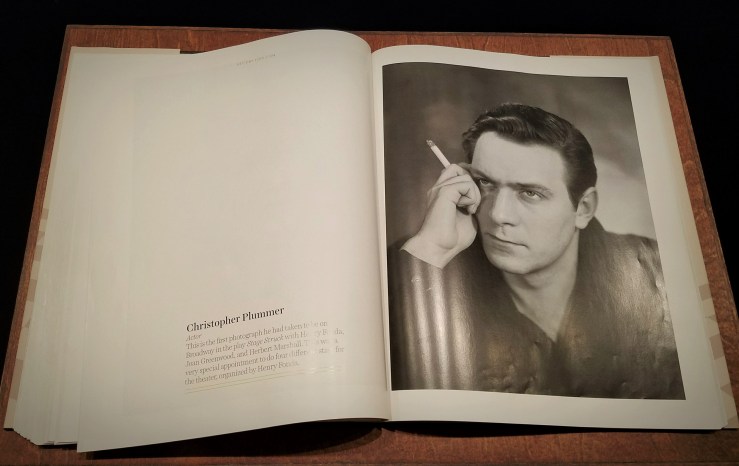
Born in Philadelphia in 1912 to Italian immigrants, she learned her trade from her father, also a portrait photographer. She turned  professional in the 1940s to help support her family after her husband Harold fell ill. He ventured out seeking sitters, first on Martha’s Vineyard where they opened their first photography studio and then in New York City. Although constantly worried about food and lodging, they were able to hold it together, raising five children, until the early 1950s when they found a healthier environment for the children outside the city. Their hopes were to reunite the family when finances permitted. Harold died in 1954 and, relying on his contacts while tirelessly drumming up new business, Sherman once remarked, ”the general feeling at that time was that women were amateurs, no matter how well-known you were.” She thus tried to look order ”and very professional.”. Editta Sherman lived and performed feminism. Although she faced a constant struggle, eventually her reputation as a premier portrait photographer grew and, with it, her business.

Sherman loved being in front of the camera as much as behind it. Her free spirit dominated the photographs of Bill Cunningham’s eight-year project ”Façades”, a series that depicted Sherman in period costume juxtaposed against New York City’s architectural masterpieces.

You can read more about Façades on one of my earlier posts on ”Lia in Brussels”. 

Extracts from “The Duchess of Carnegie Hall”, New-York Historical Society, August-October 2017

September 23rd, 2017

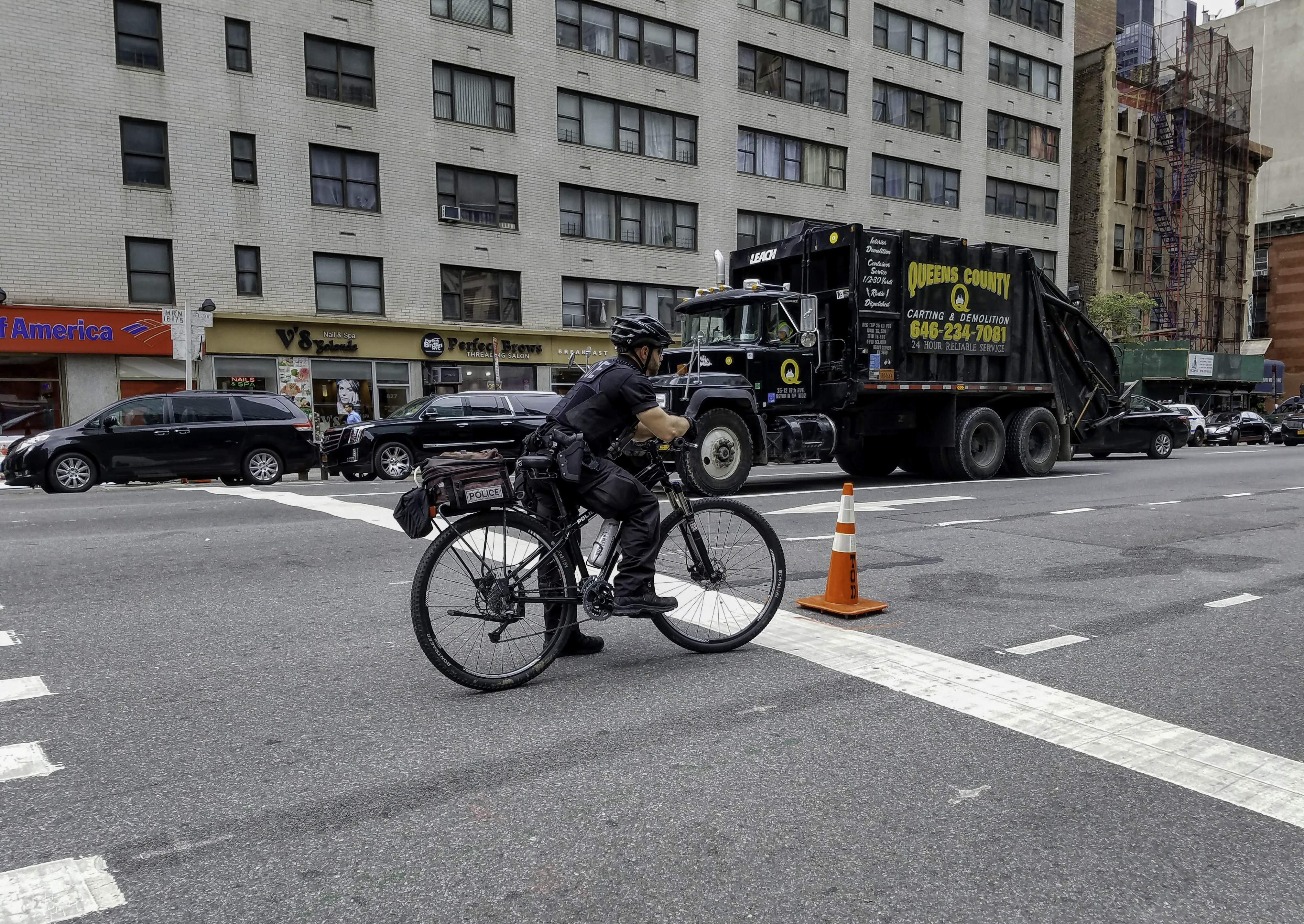
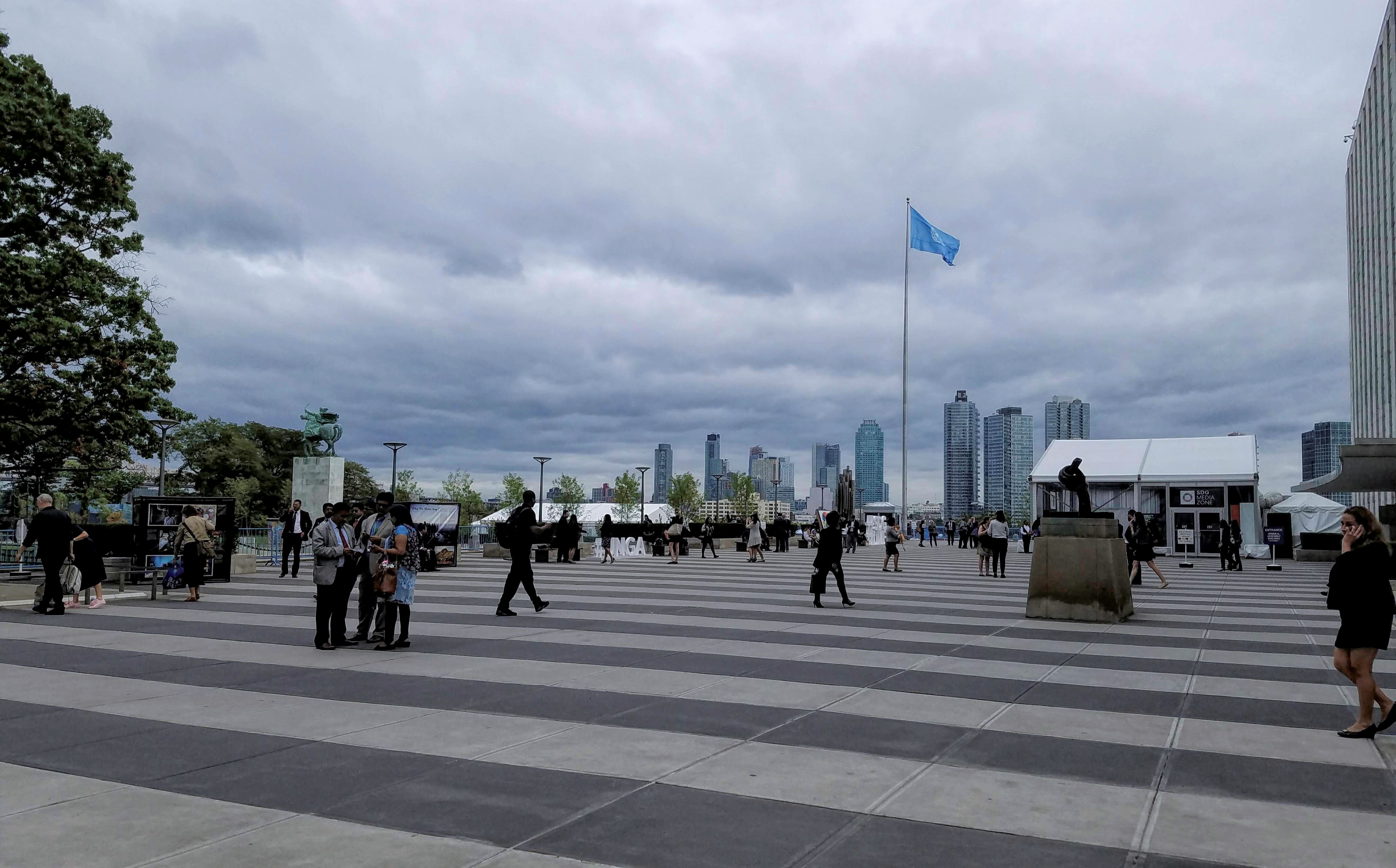
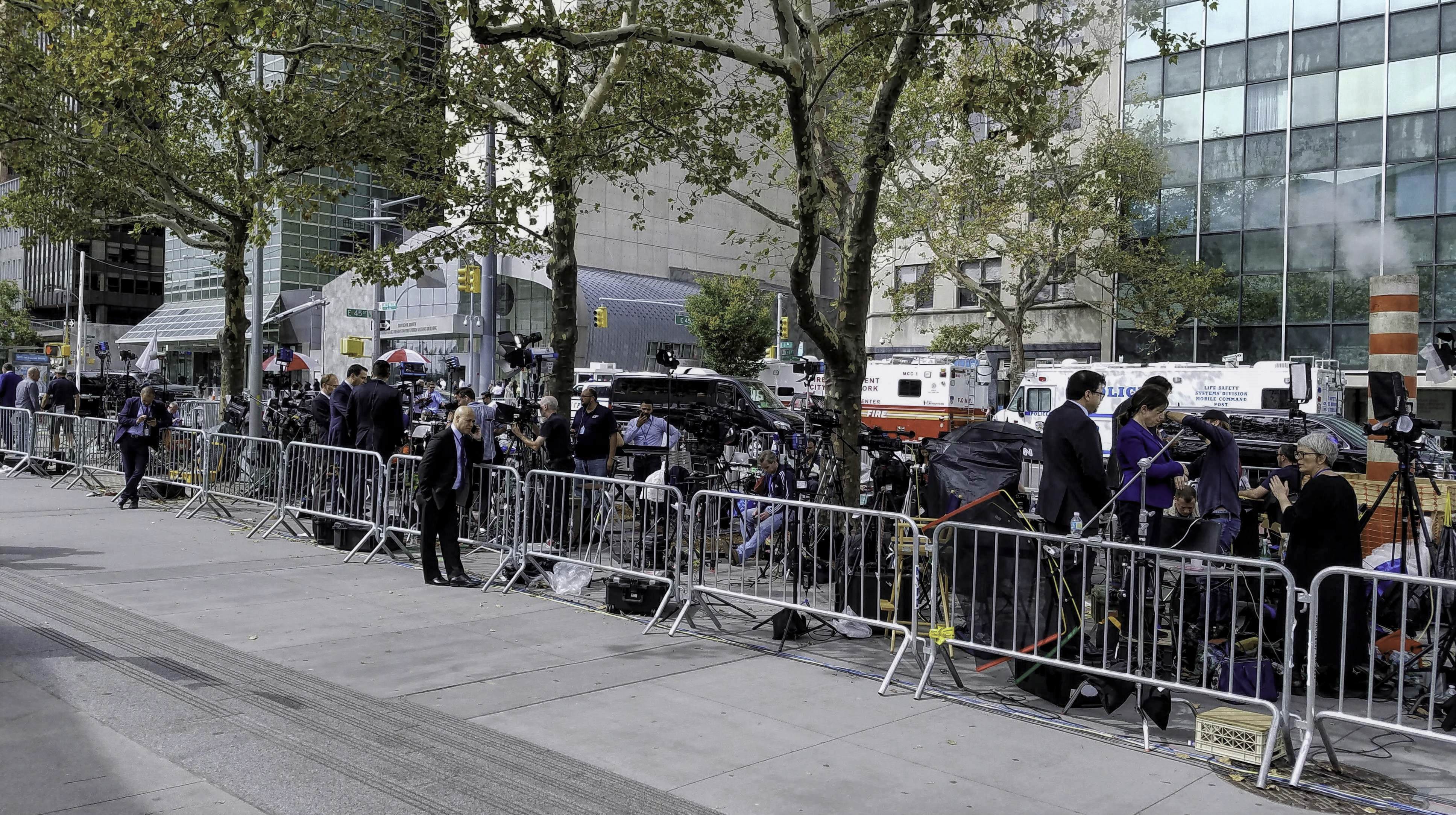
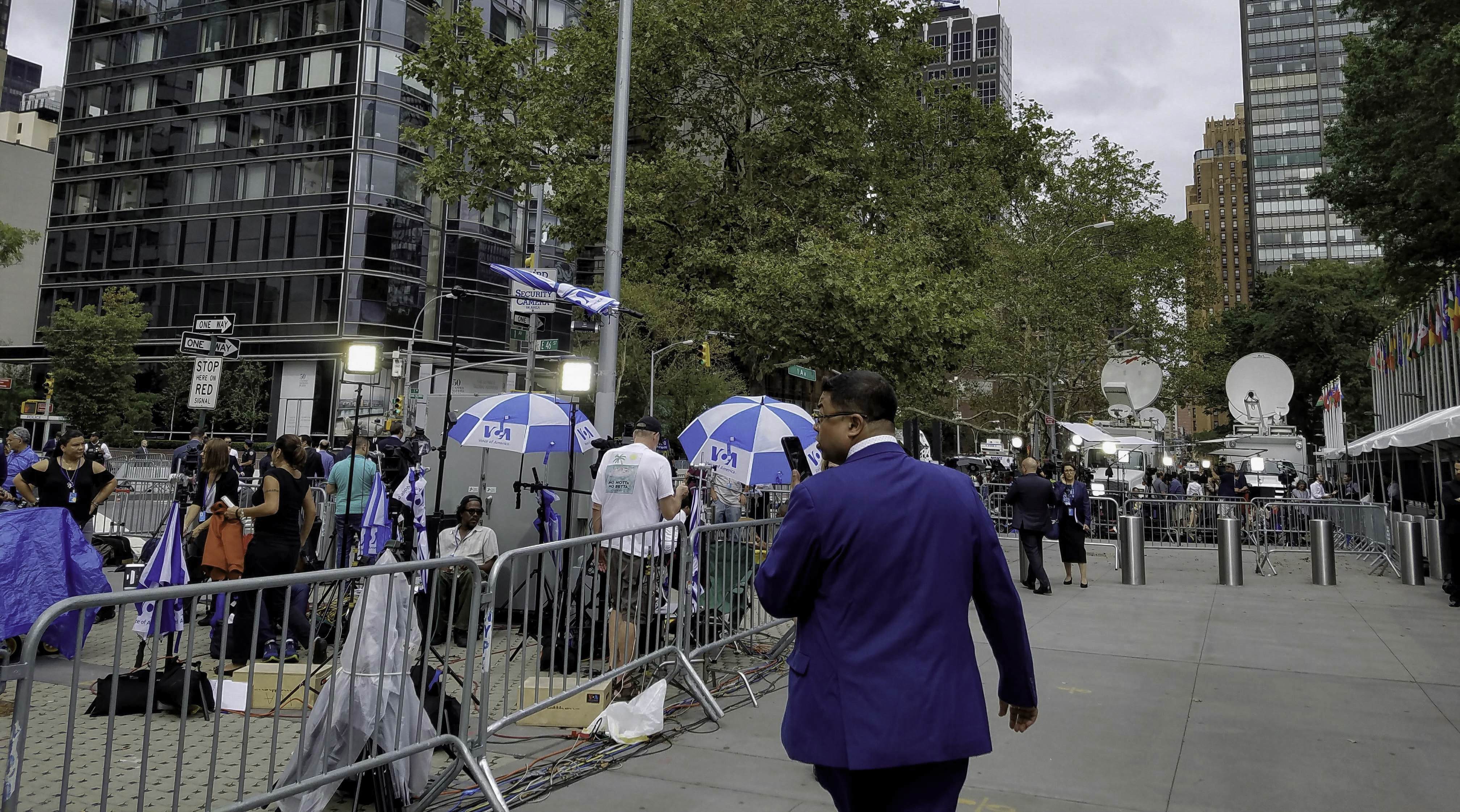
Invasion

Just another day’s work. UNGA72.

Outside UNHQ. The time of the year when the whole world lands in New York for the United Nations General Assembly and life, as locals know it, is put on hold for a week. Locals know what they should do by now: keep calm and avoid the area, unless you have business in the UN.

September 20th, 2017