After Paris, Tokyo and Seoul, it had to make a stop in New York City.
Curated by Olivier Saillard and designed by artistic director and set designer Robert Carsen, the exhibition ”retraces the adventure of the House of Louis Vuitton from 1854 to the present” in ten chapters (previously they were nine but for New York a tenth one has been added, entirely devoted to America and the City).
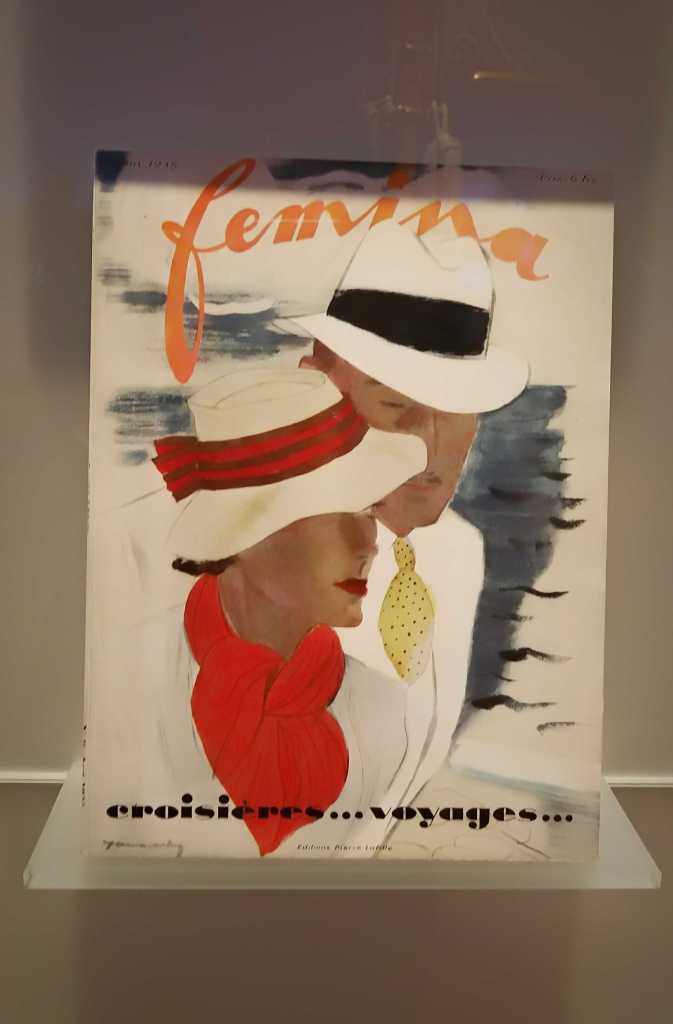
So, let’s pack our bags and Fly, Sail, Travel for a few days, together with LV. Adventure and grand style guaranteed. What say you? We’ll start with a cruise…
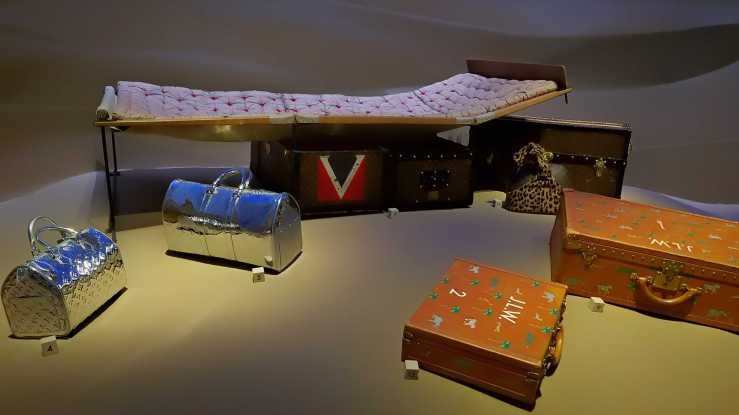 Bed trunk in damier canvas once belonging to Gaston-Louis Vuitton, 1892
Speed bag in monogram miroir vinyl, F/W ’06-’07
Sylvie Fleury Vuitton bag, 2001
Azzedine Alaïa, Panthère Alma bag, 1996
Alzer suitcase in nomade natural leather, created for Wes Anderson’s film ”The Darjeeling Limited”, 2006
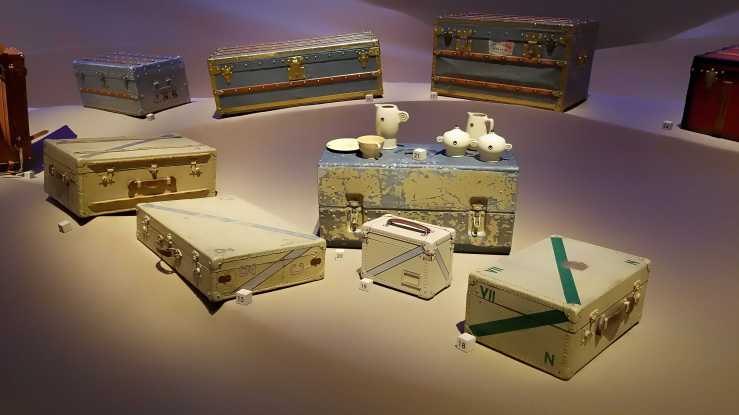 Back to front:
Steamer trunk in zinc once belonging to the Count de Pimodan, 1895
Special trunk in zinc, 1899
Suitcase in coated canvas, custom-made for the Yellow Journey, 1930
Louis Vuitton by Nicolas Ghesquière, Boîte Promenade Croisière in canvas, F/W ’15-’16
Jean Luce for the Manufacture de Sèvres china tea set bearing the Croissant d’Argent Imprint, emblem of Louis Audoin-Dubreuil, ca. 1920-1930
It sits on a Yellow Journey bed trunk in duralumin, 1930
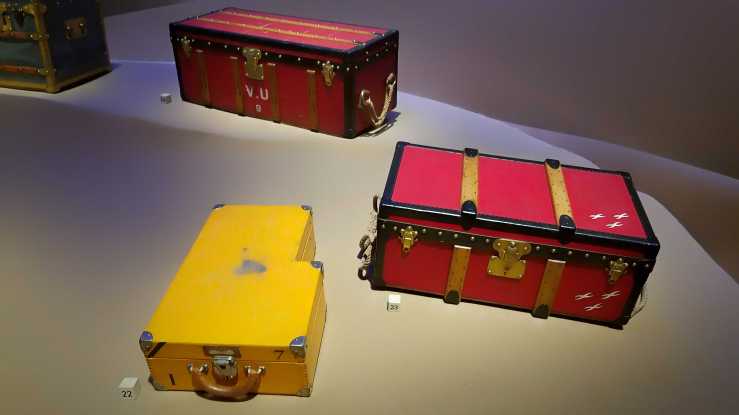 Special car trunk in coated canvas, custom-made for the Black Journey, 1924
Special photographer’s trunk in vuittonite canvas once belonging to Albert Kahn, 1929
Special trunk in vuittonite canvas, 1906
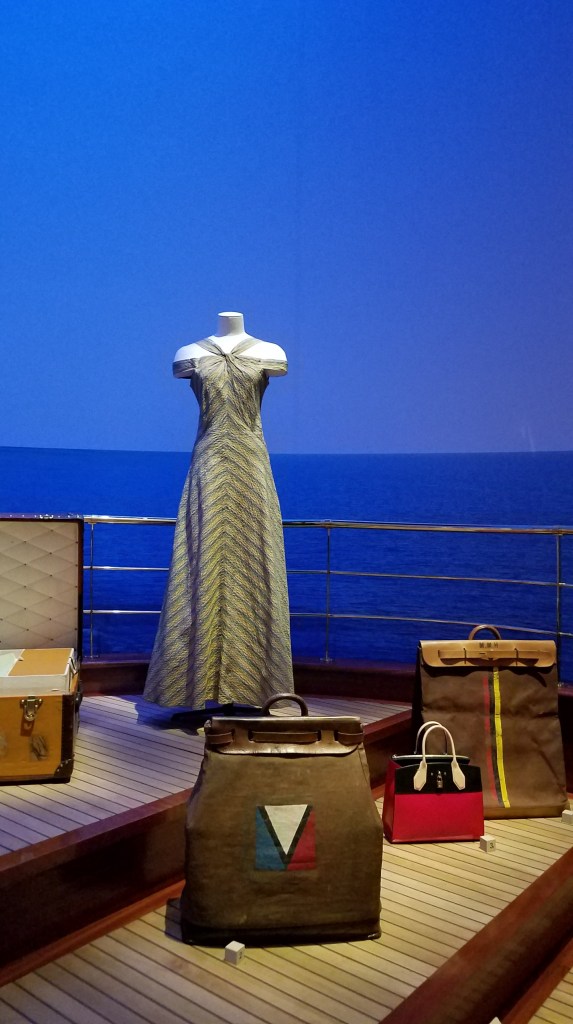 Steamer bag in cotton canvas once belonging to Gaston-Louis Vuitton, ca. 1901
Louis Vuitton by Nicolas Ghesquière City Steamer bag in leather, Cruise 2016
Steamer trunk in vuittonite canvas once belonging to Lili Damita, 1928
Lucien Lelong evening gown, 1937
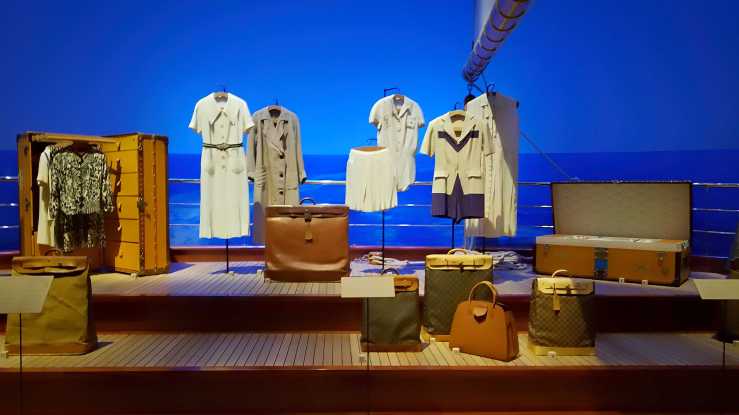
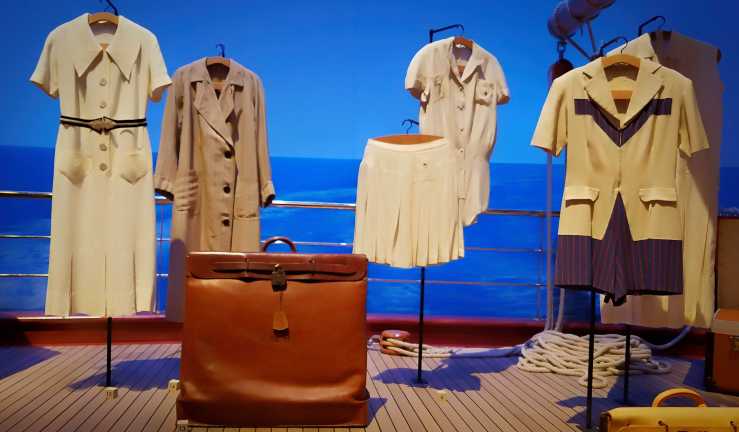 Tennis shorts once-piece, ca. 1930
Beach shorts once-piece, ca. 1930
Old England coat with belt, ca. 1930
Summer dress with belt, ca. 1930-32
Steamer bag in leather, 1938
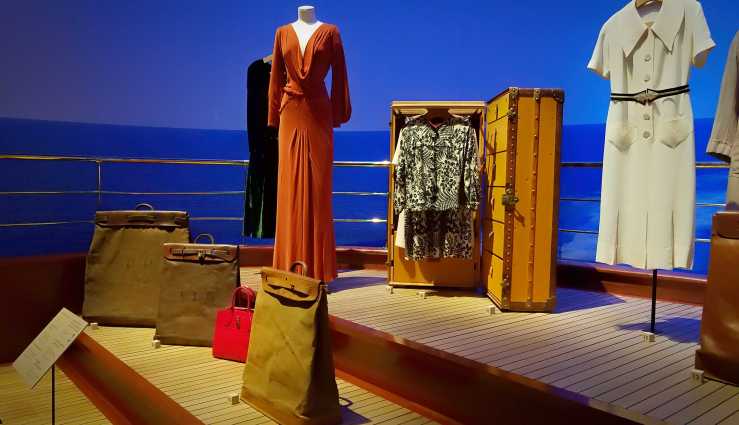 Ensemble in crêpe de chine with a black and ivory pattern, ca. 1935
Steamer bags in cotton canvas, 1901
Callot Soeurs evening gown in rust-coloured silk velvet, ca. 1935
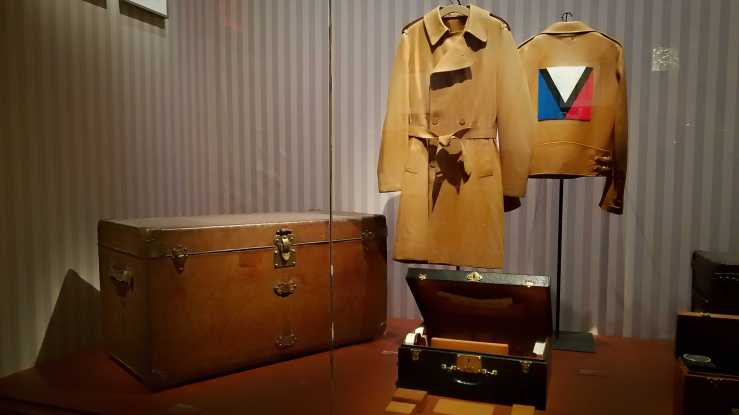
at the American Stock Exchange Building, through January 7th, 2018.
Admission is free
November 12th, 2017

 March 30th, 2017

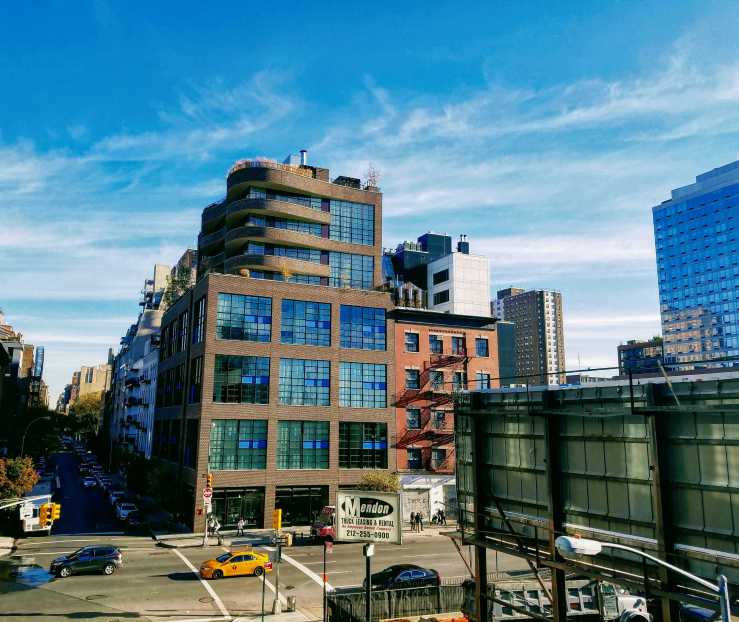 From the High Line, 19th St.
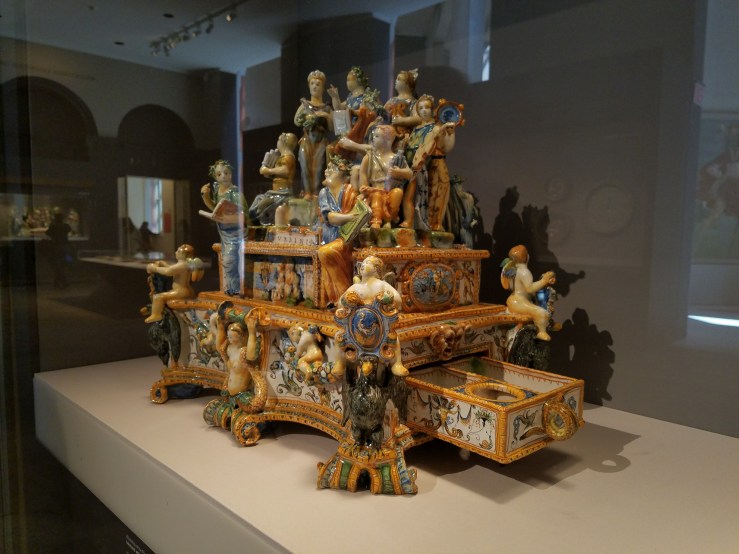 Inkstand with Apollo and the Muses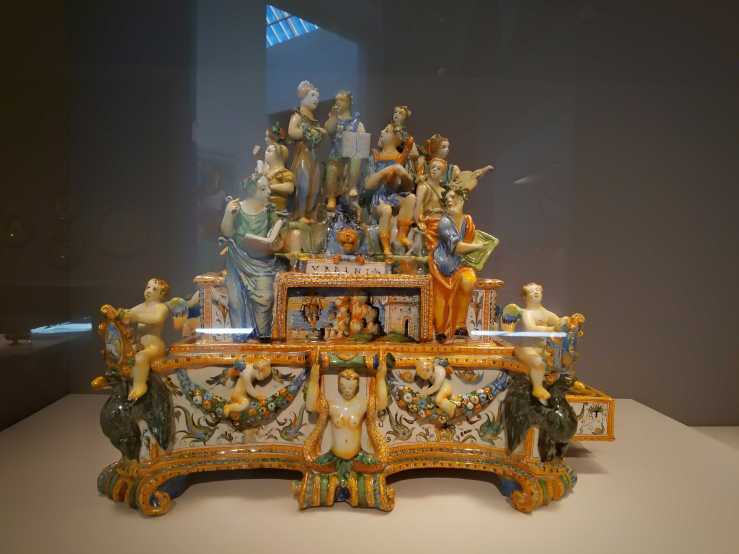
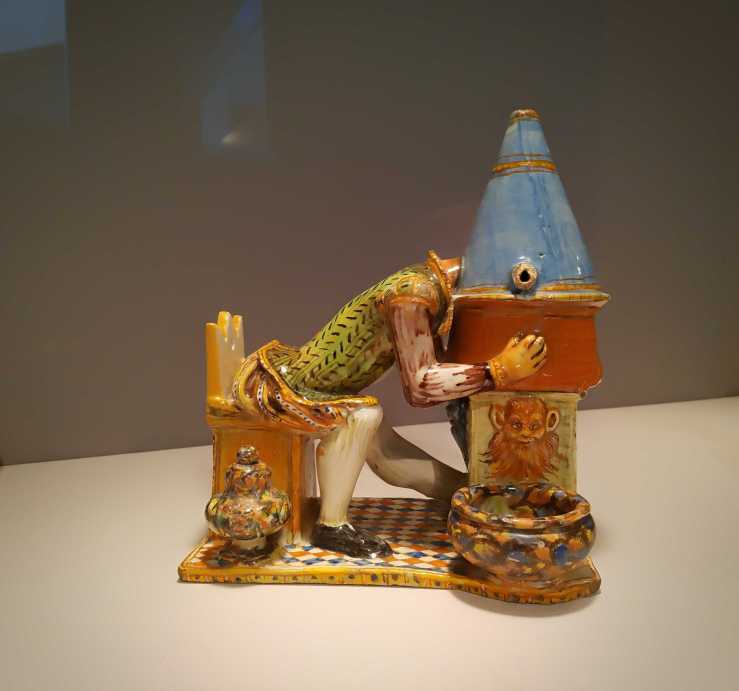 Inkstand with A Madman Distilling His Brains, ca. 1600
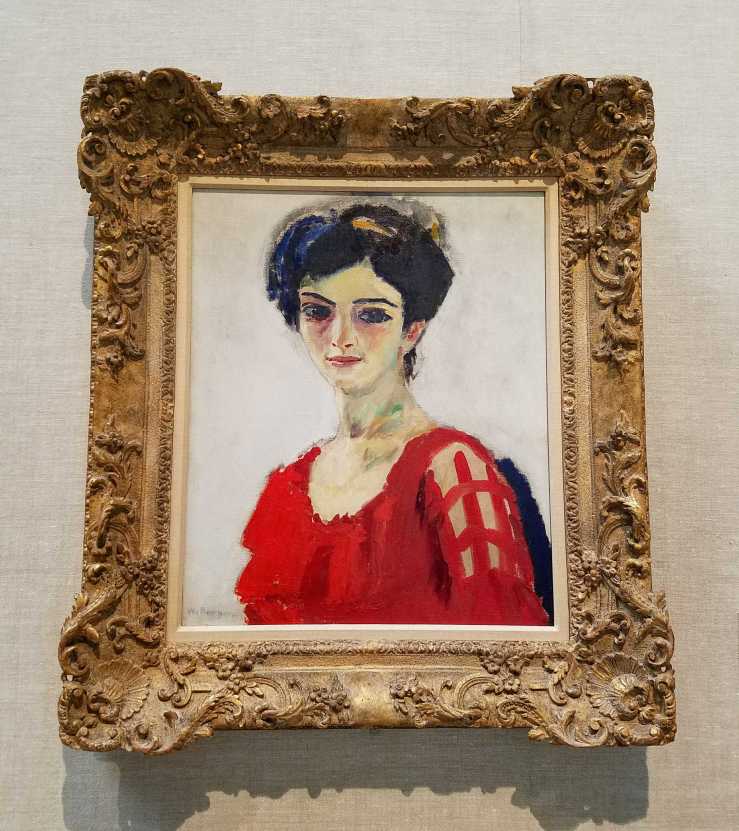 Maria, 1907-10
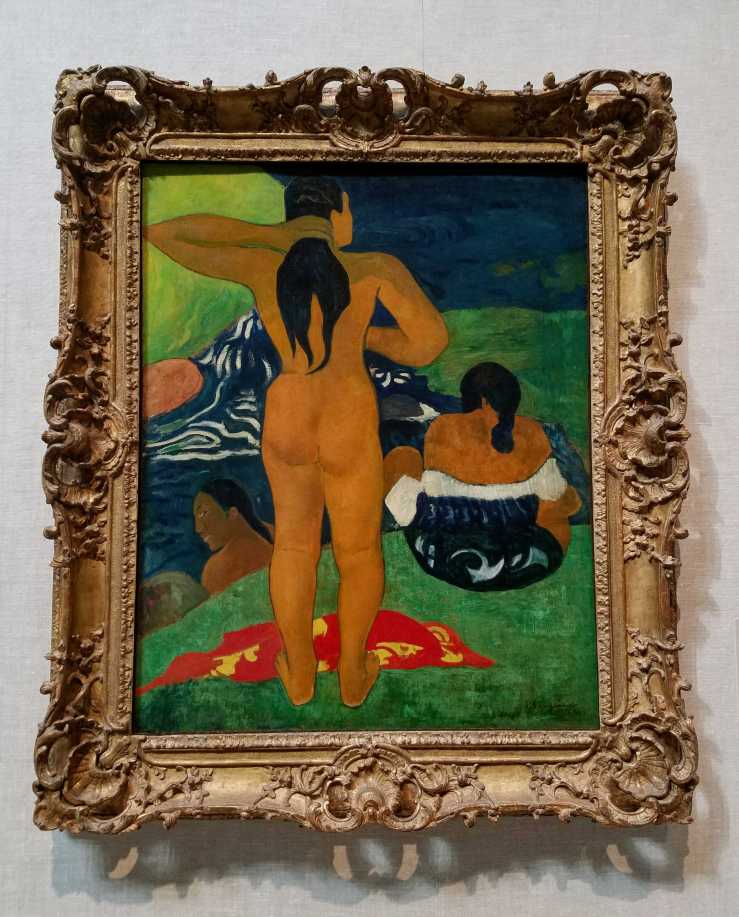 Tahitian Women Bathing, 1892
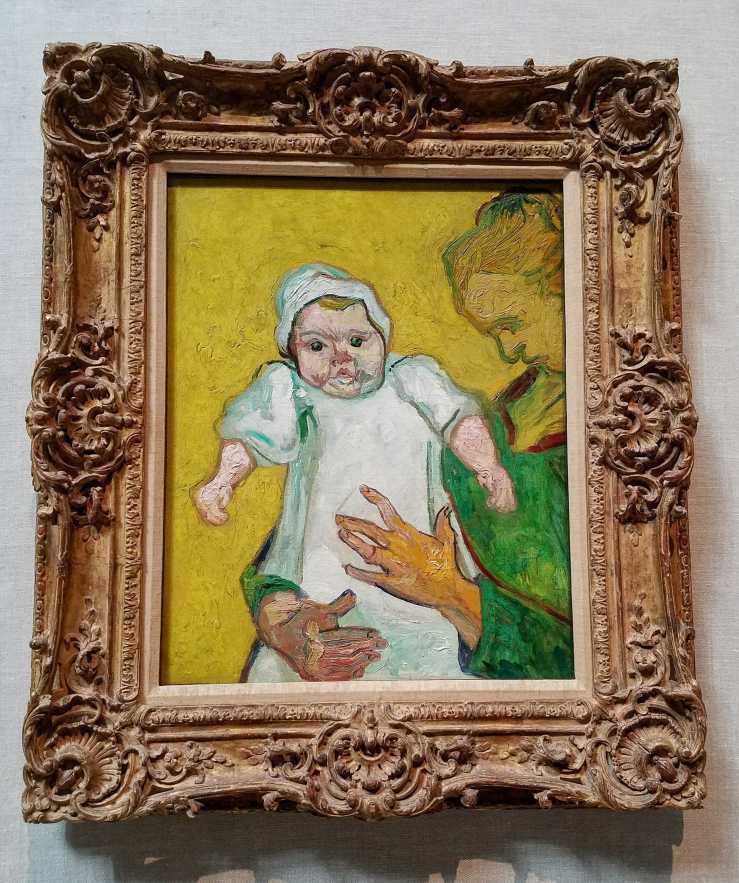 Madame Roulin and Her Baby, 1888
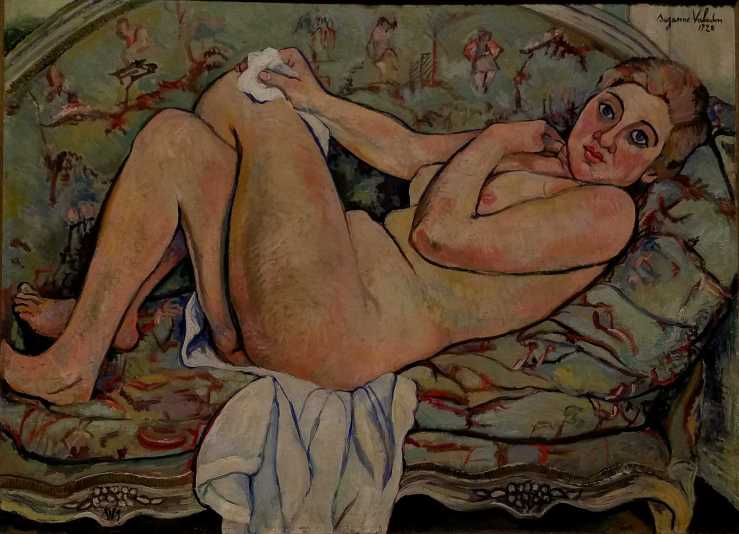 Reclining Nude, 1928
 The Humble Fabulist