The sad, whatthehellamIdoingIdon’tbelonghere look in Pink Panther’s eyes when they locked with Magritte’s Portrait.
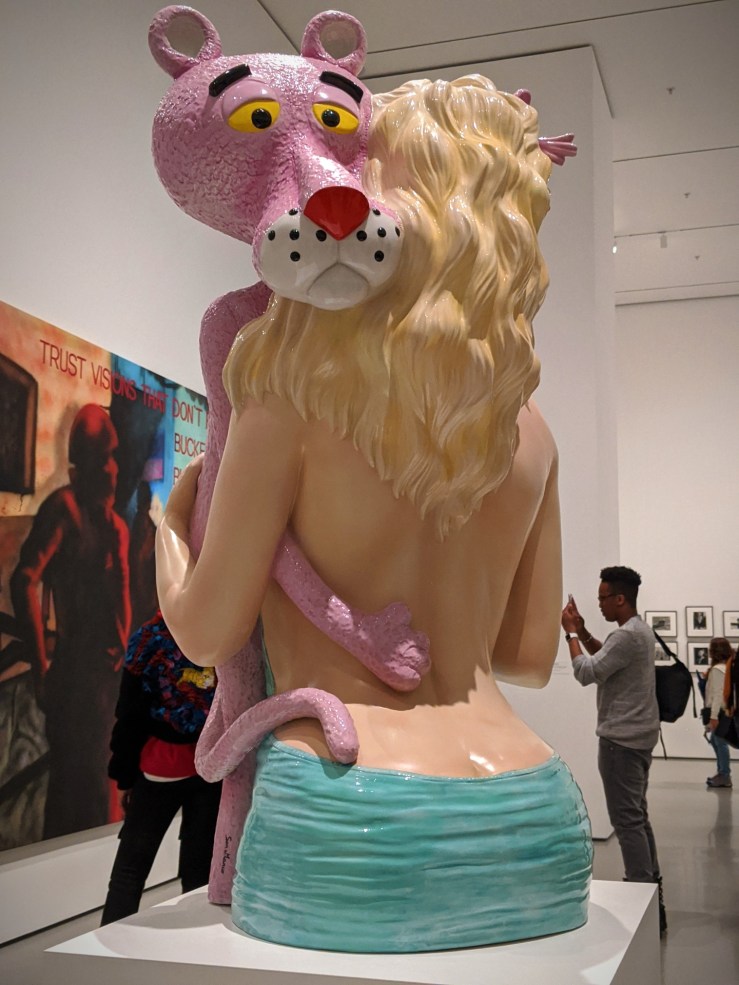
Jeff Koons || Pink Panther, 1988 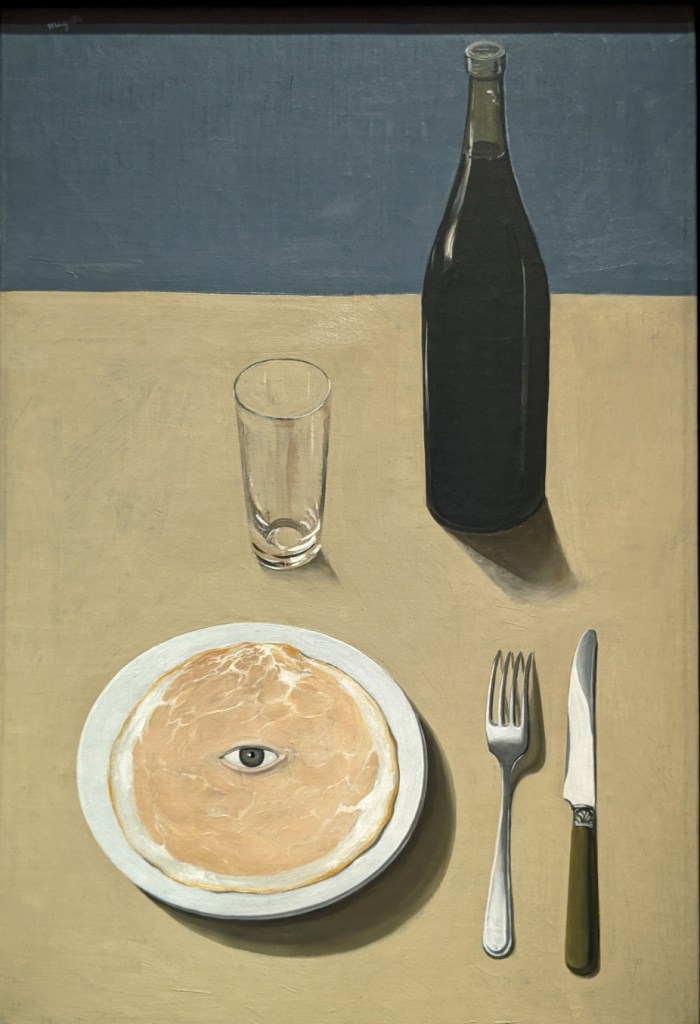
René Magritte || The Portrait, 1935
MoMA, New York
February 7th, 2020
The sad, whatthehellamIdoingIdon’tbelonghere look in Pink Panther’s eyes when they locked with Magritte’s Portrait.
MoMA, New York
February 7th, 2020
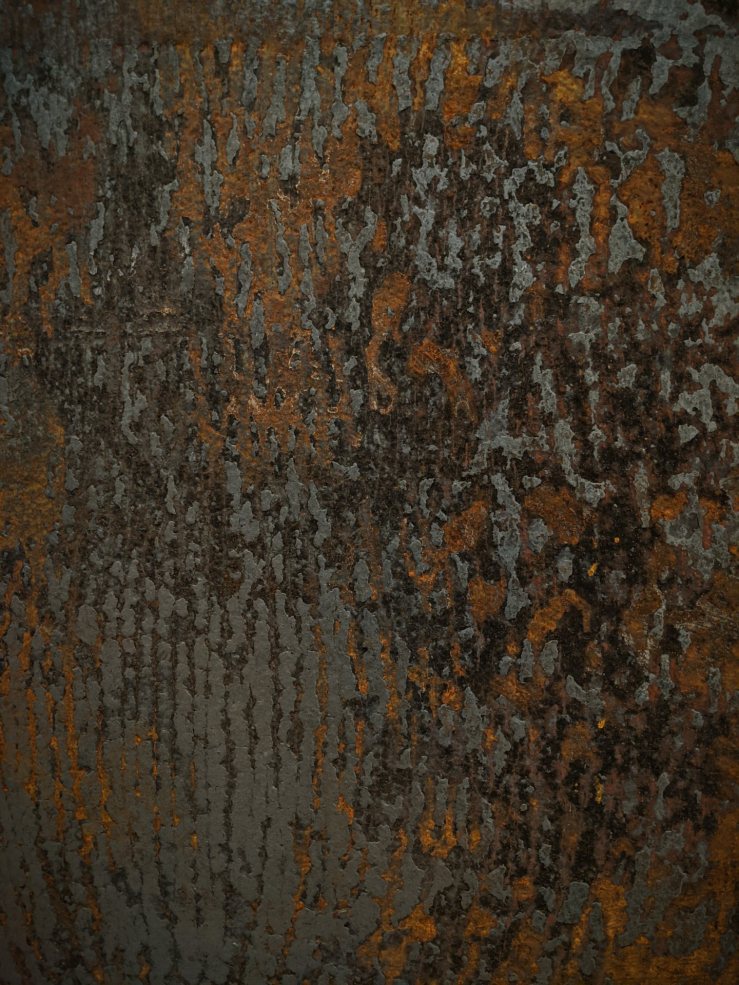
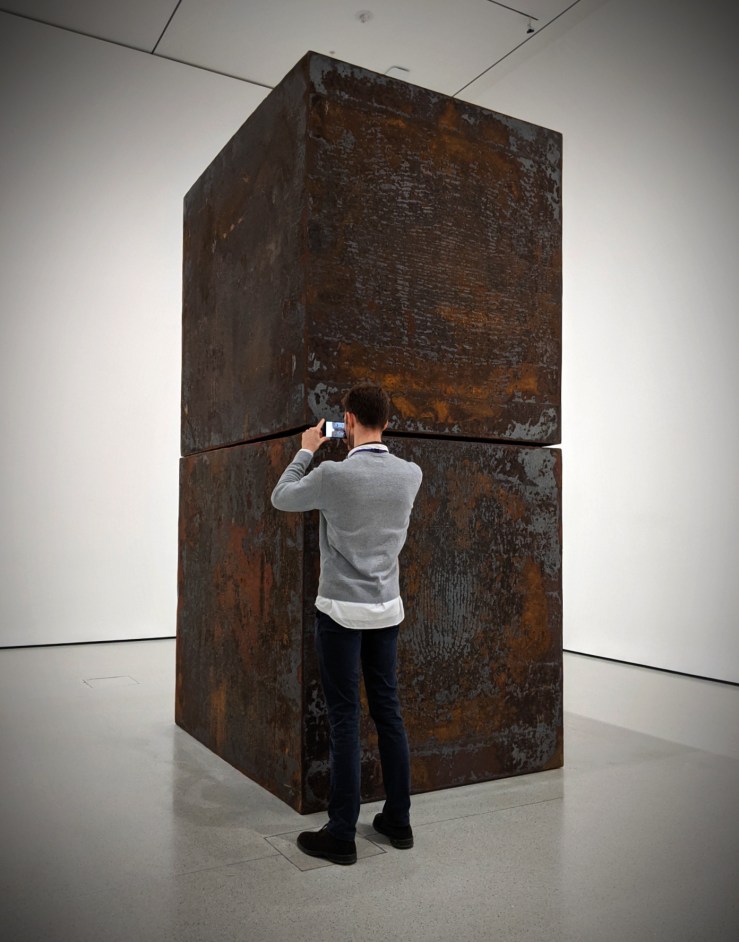
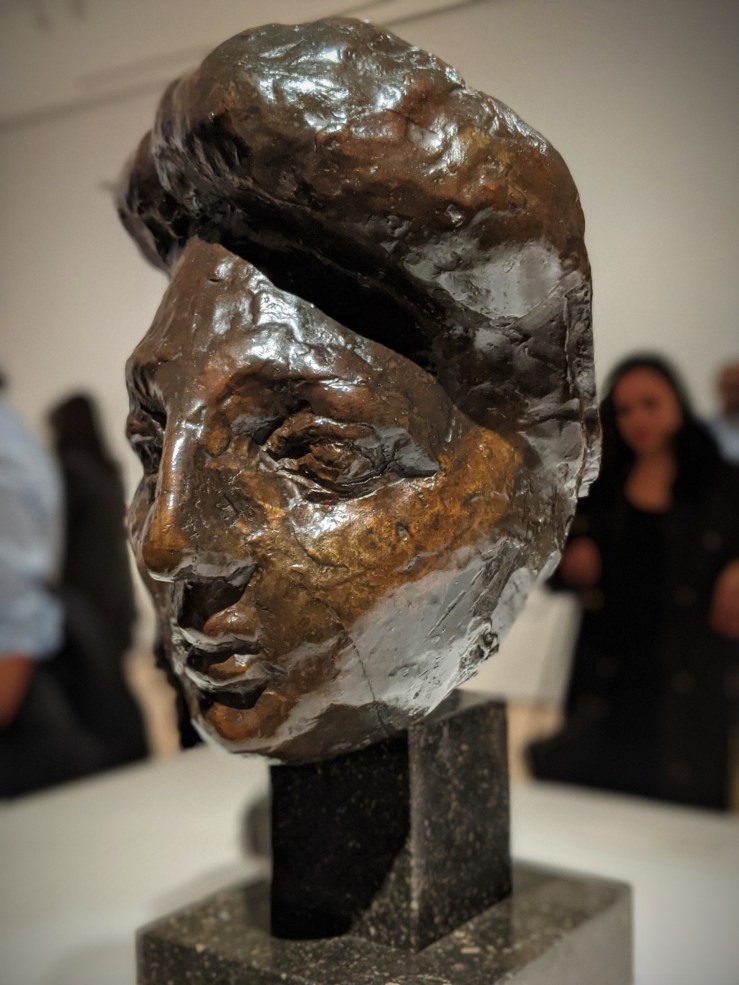

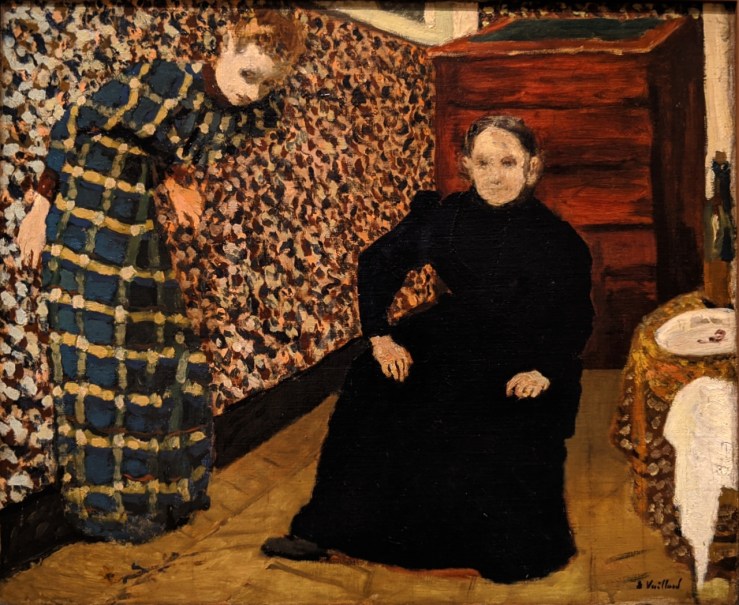
MoMA, New York
February 7th, 2020
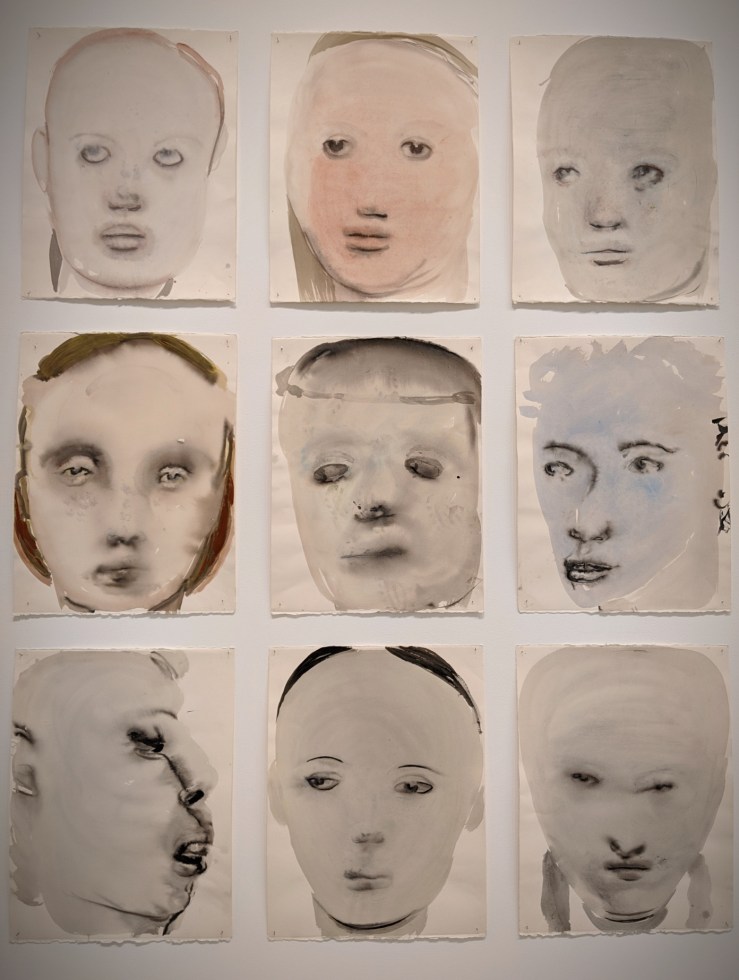
Reaping the benefit of having MoMA at walking distance between home & work.
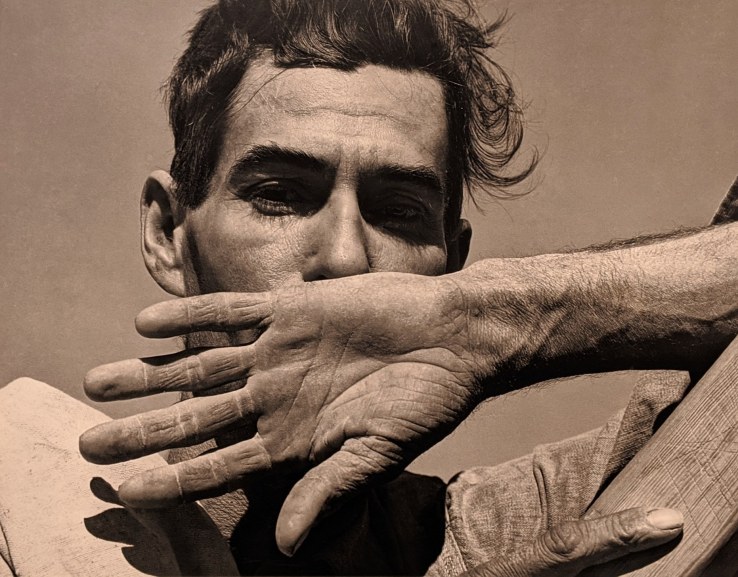
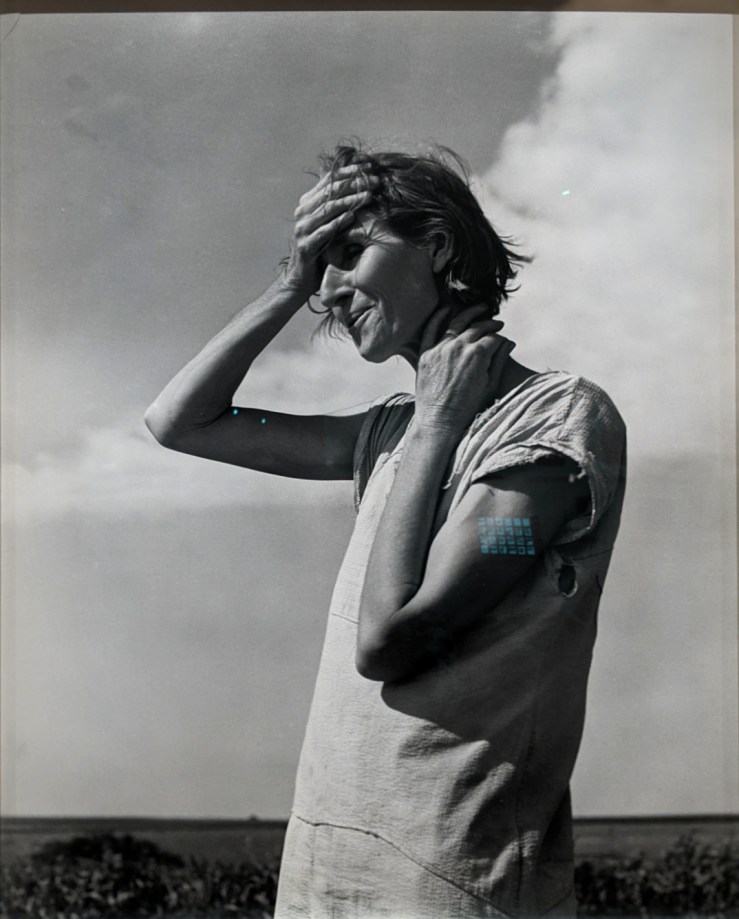
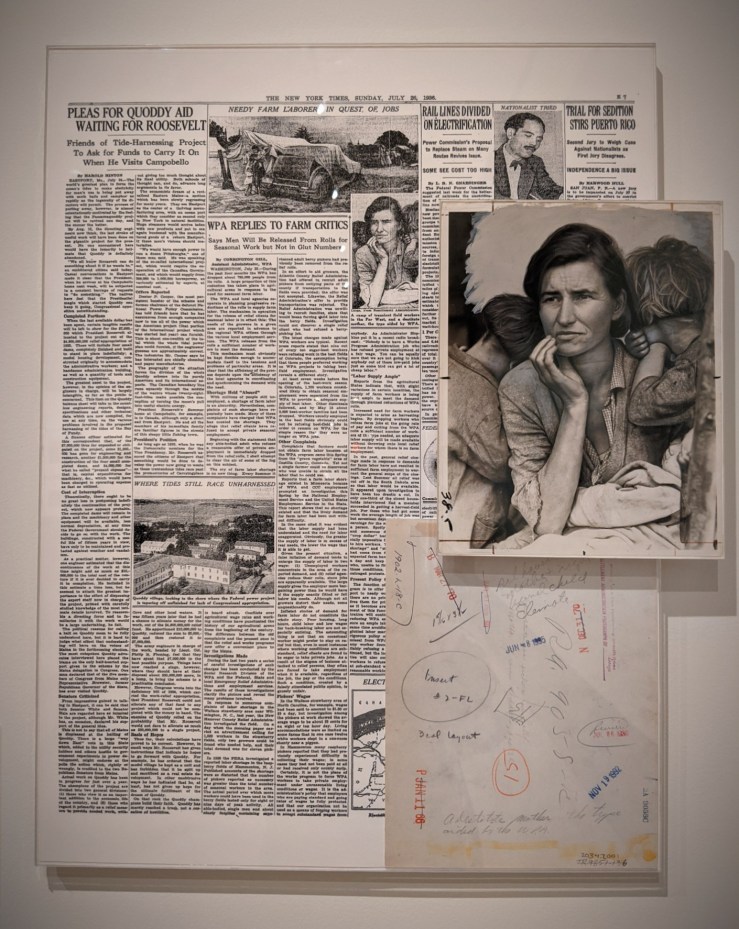
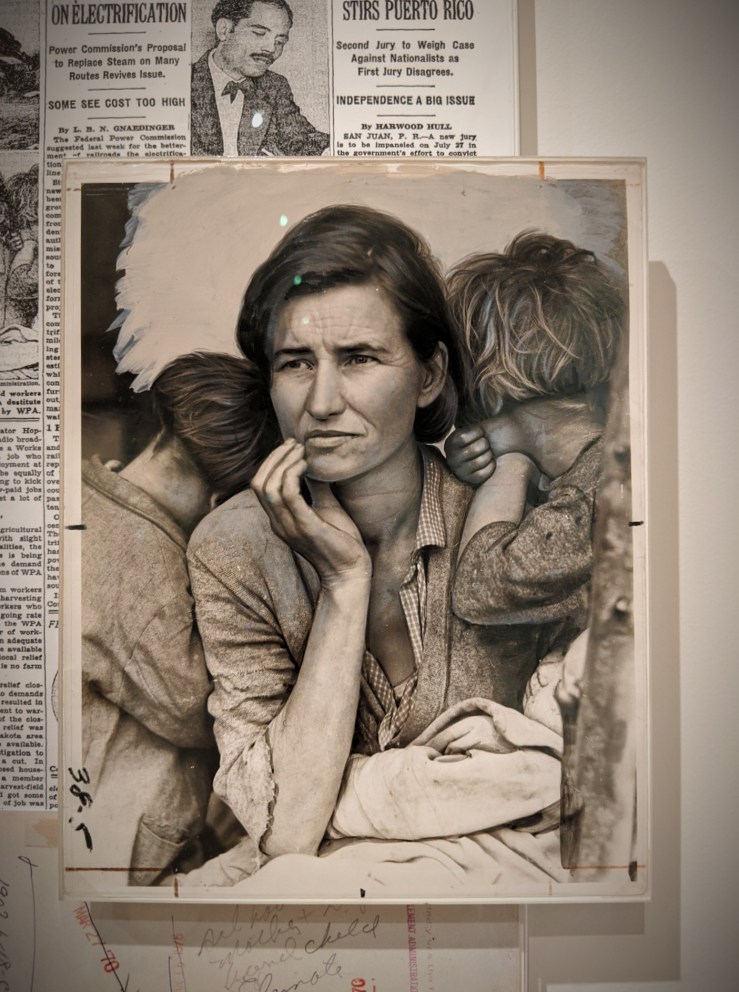
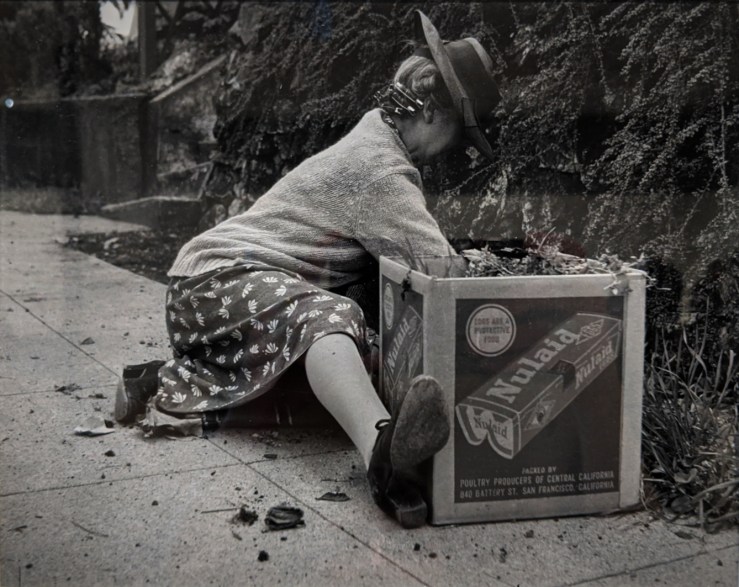
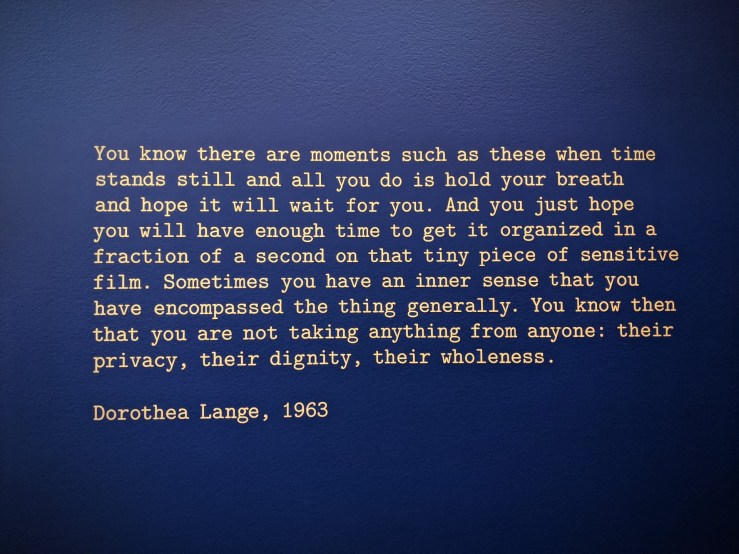
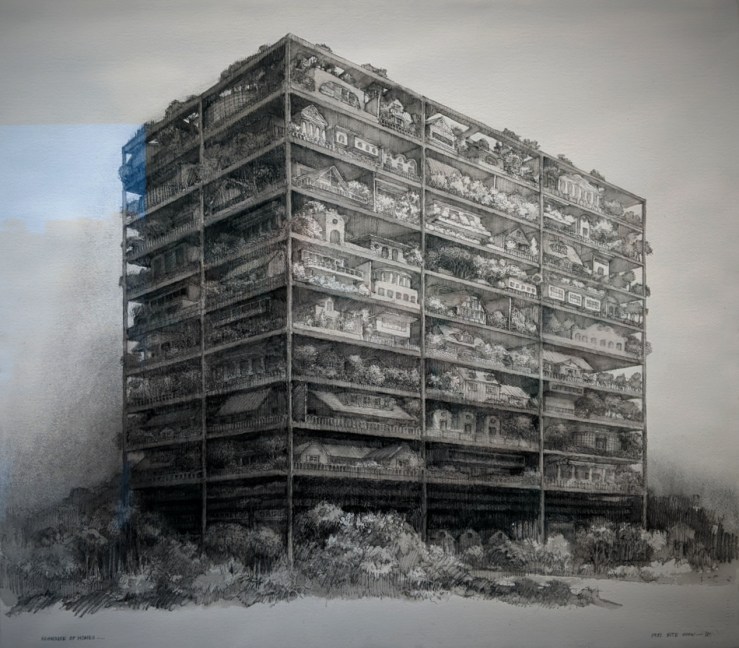
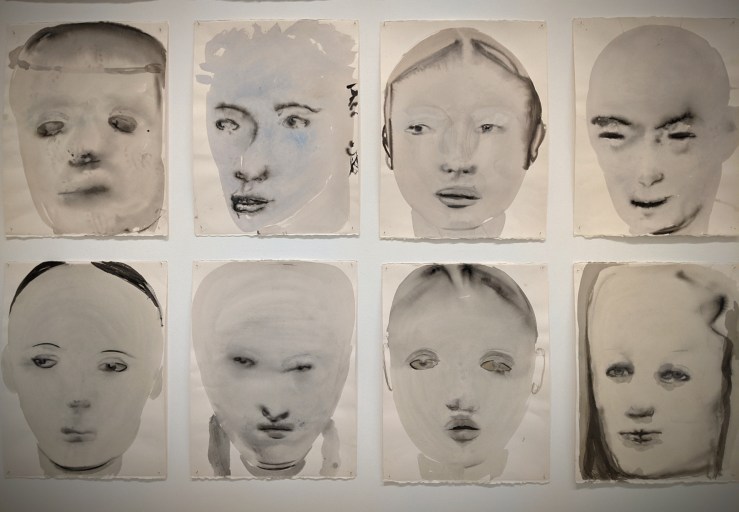
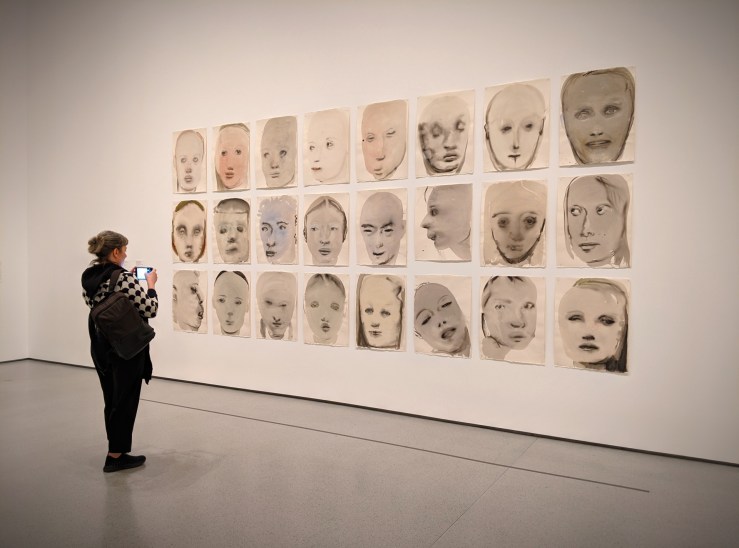
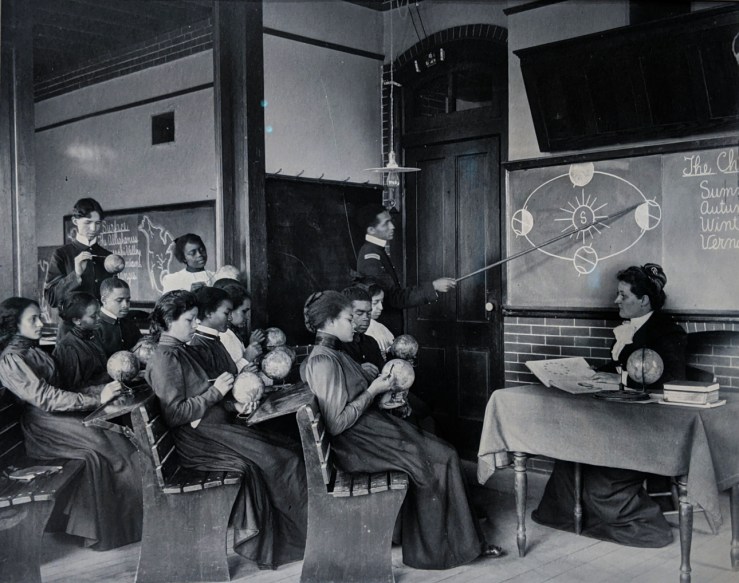
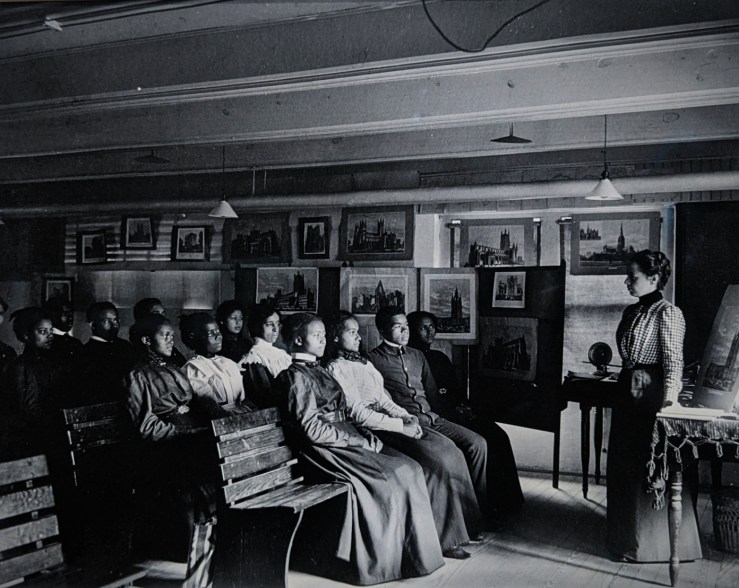
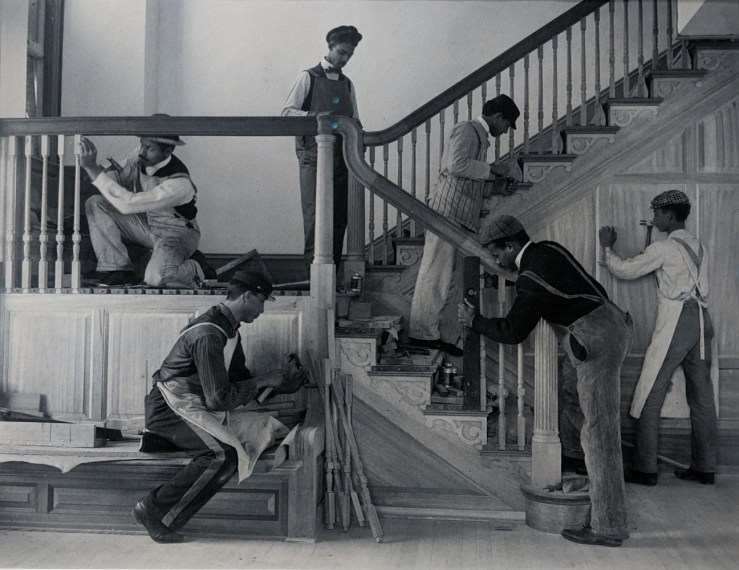
”After setting up her own photography studio in 1894, in Washington, D.C., Frances Benjamin Johnston was described by The Washington Times as “the only lady in the business of photography in the city.” Considered to be one of the first female press photographers in the United States, she took pictures of news events and architecture and made portraits of political and social leaders for over five decades.
In 1899, the principal of the Hampton Normal and Agricultural Institute in Virginia commissioned Johnston to take photographs at the school for the 1900 Exposition Universelle in Paris. The Hampton Institute was a preparatory and trade school dedicated to preparing African American and Native American students for professional careers. Johnston took more than 150 photographs and exhibited them in the Exposition Nègres d’Amerique (American Negro Exhibit) pavilion, which was meant to showcase improving race relations in America. The series won the grand prize and was lauded by both the public and the press.
Years later, writer and philanthropist Lincoln Kirstein discovered a leather-bound album of Johnston’s Hampton Institute photographs. He gave the album to The Museum of Modern Art, which reproduced 44 of its original 159 photographs in a book called The Hampton Album, published in 1966.” [source]
February 7th, 2020
In New York, you can get it just by looking from the ground up.

February 5th, 2020
And the moon was the cherry on the cake
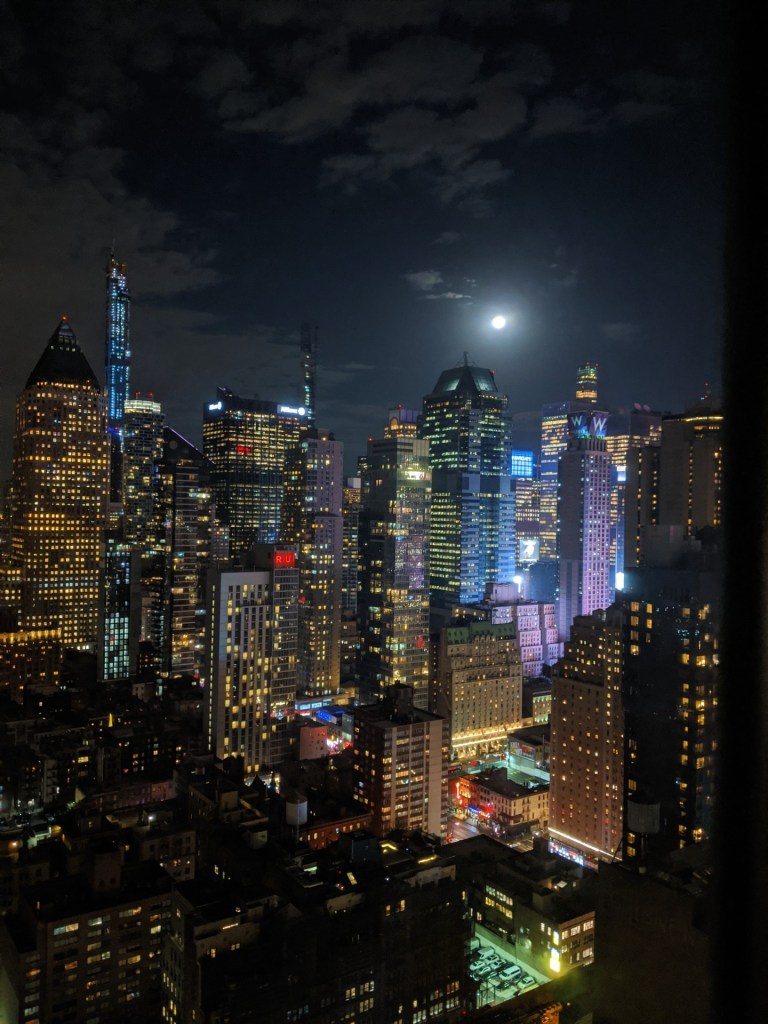
Manhattan Midtown West
January 10th, 2020
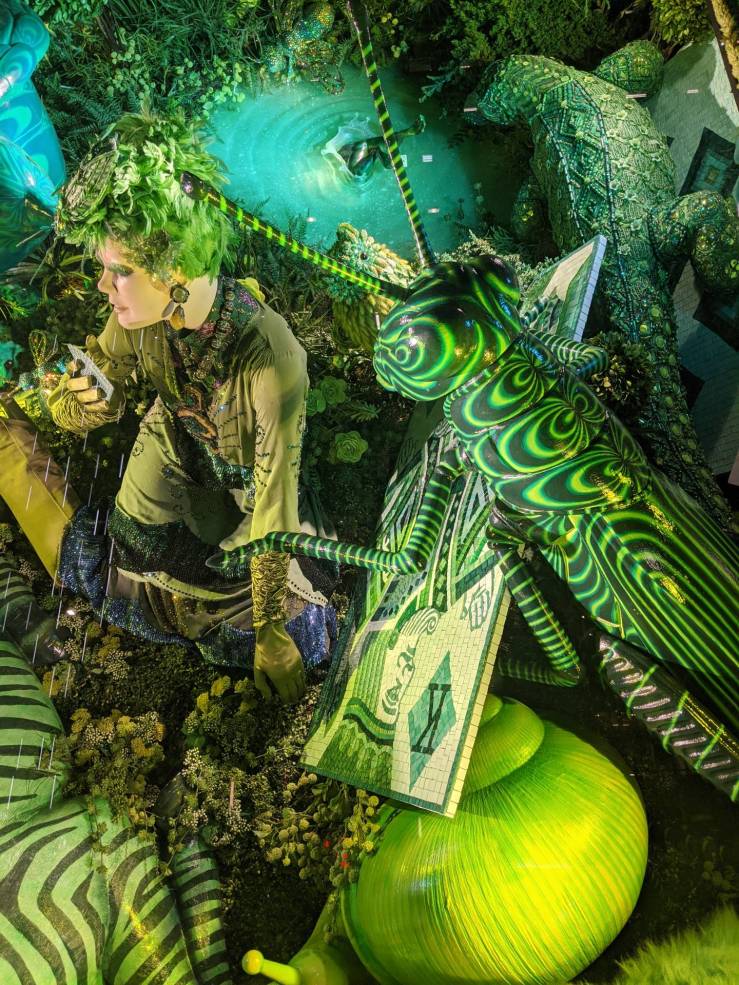
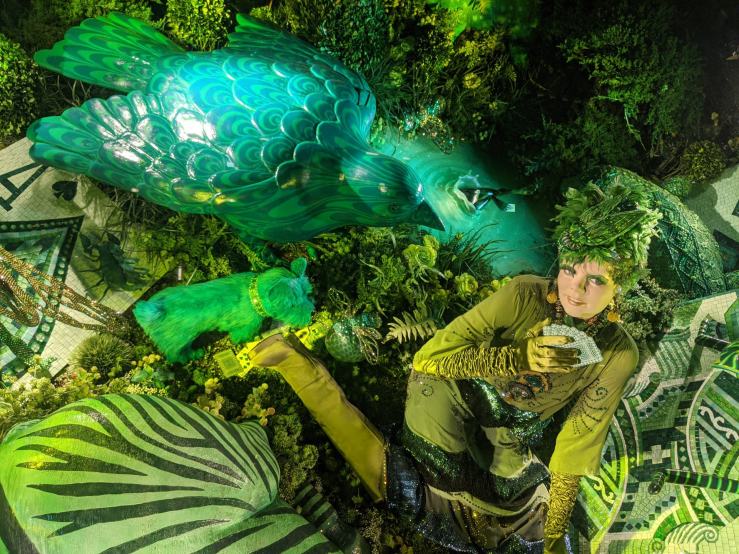
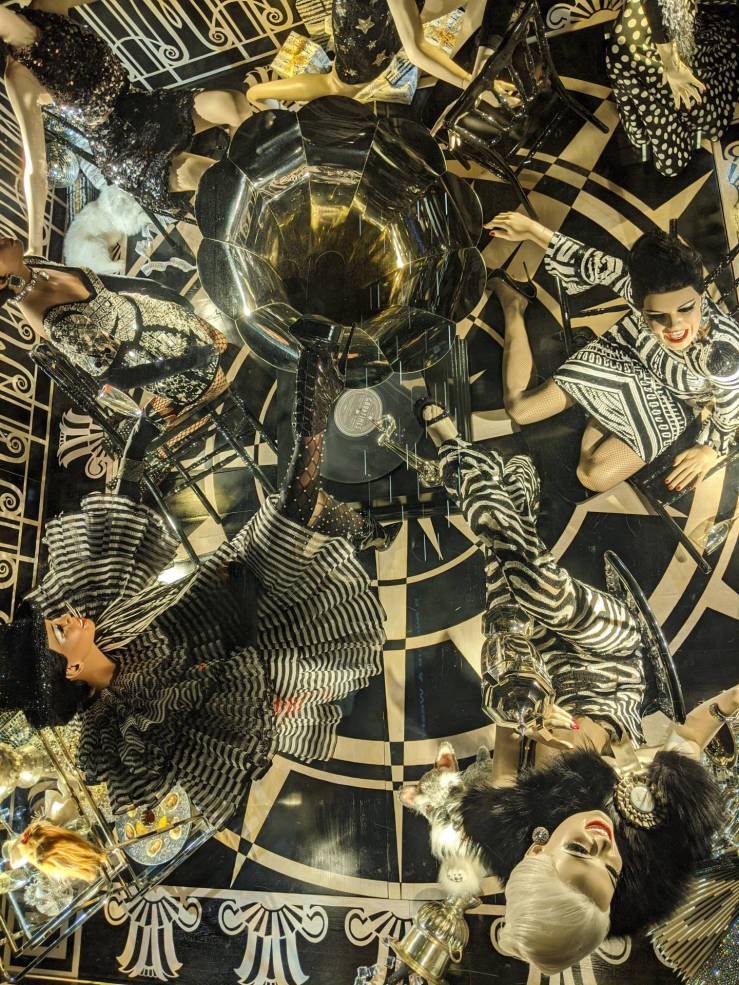
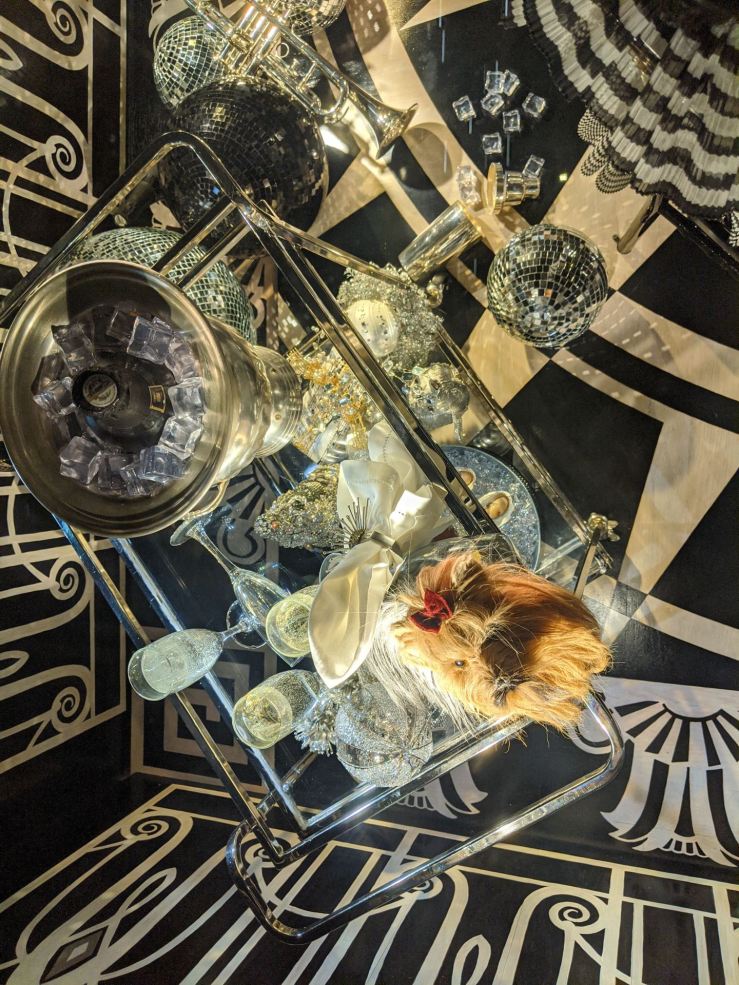
As in, Bergdorf Goodman-going-overboard-with-their-holiday-windows. Their 2019/2020 dizzying display made it seem like you were looking down from up above, a feat of craftmanship in itself.
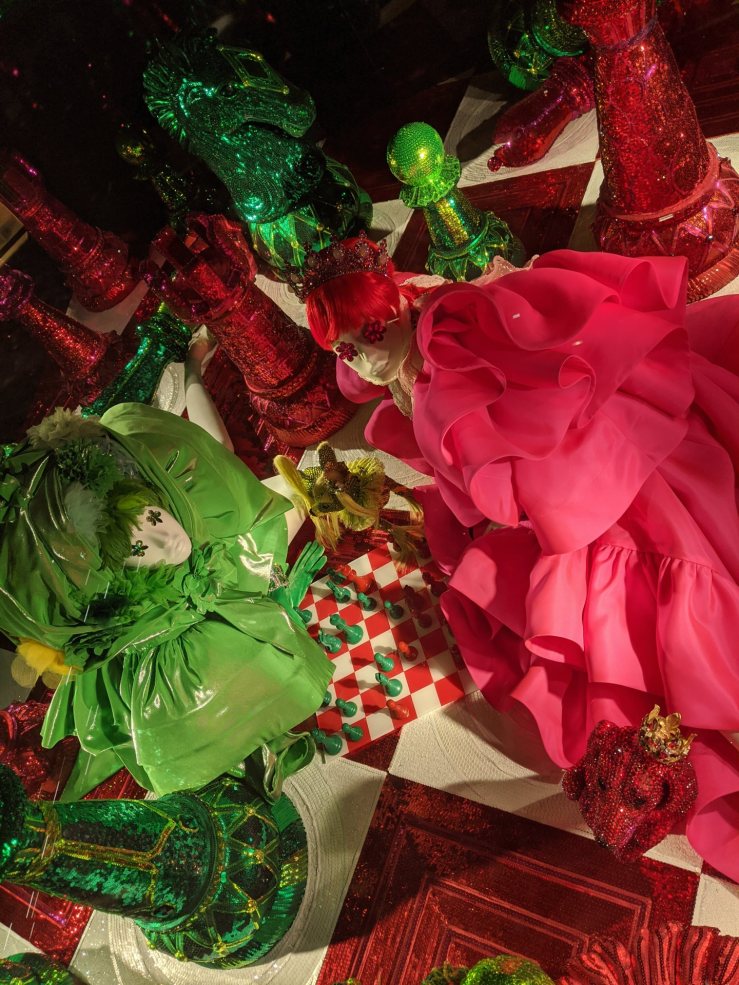
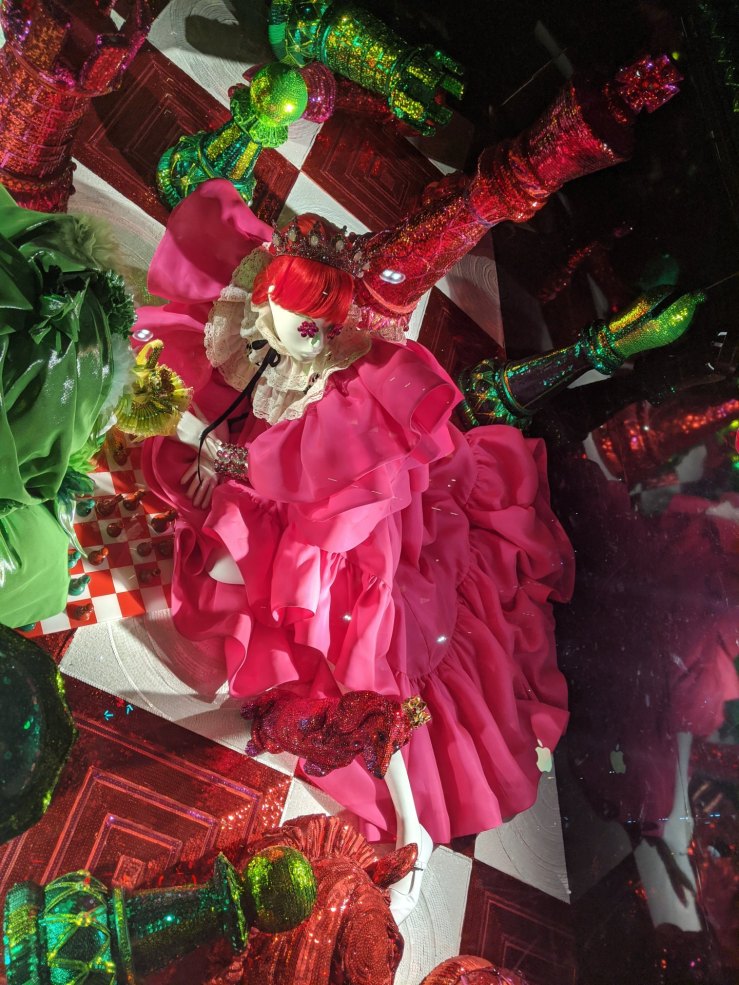
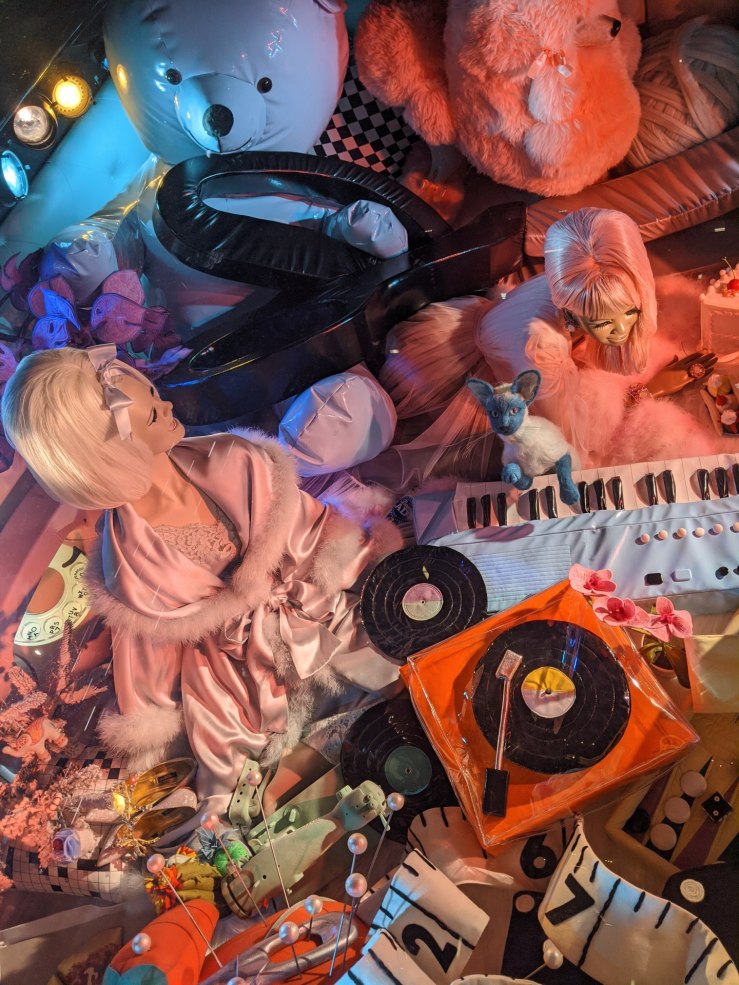
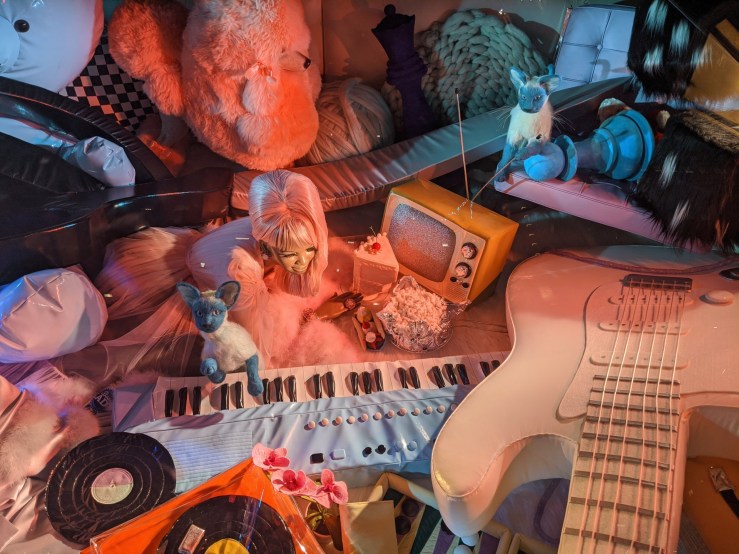
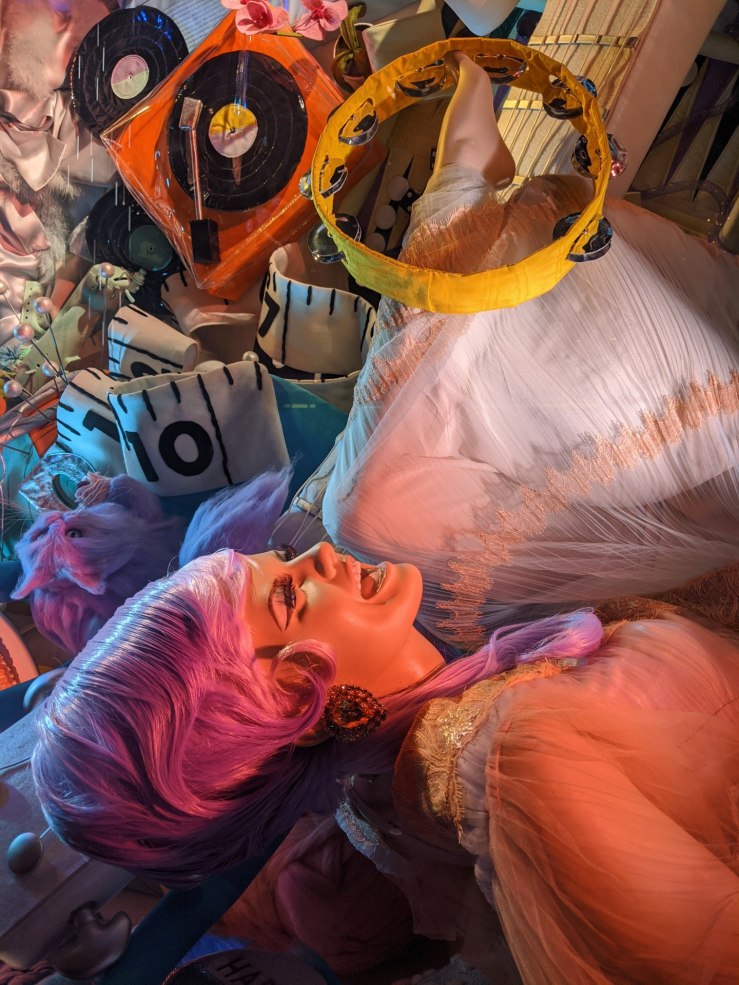
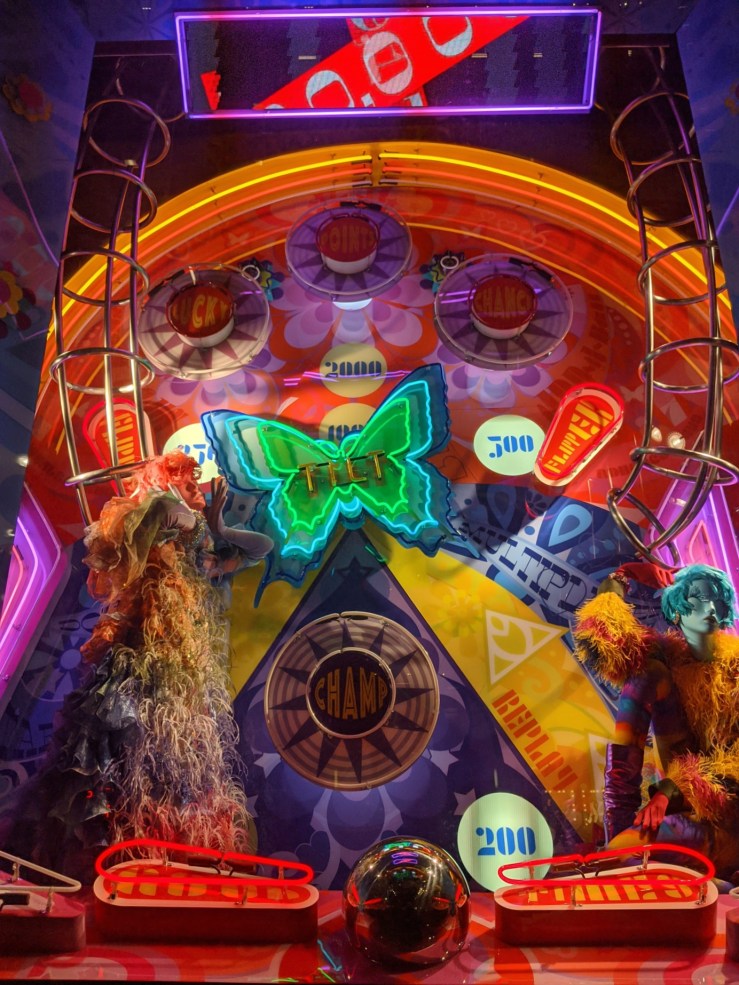
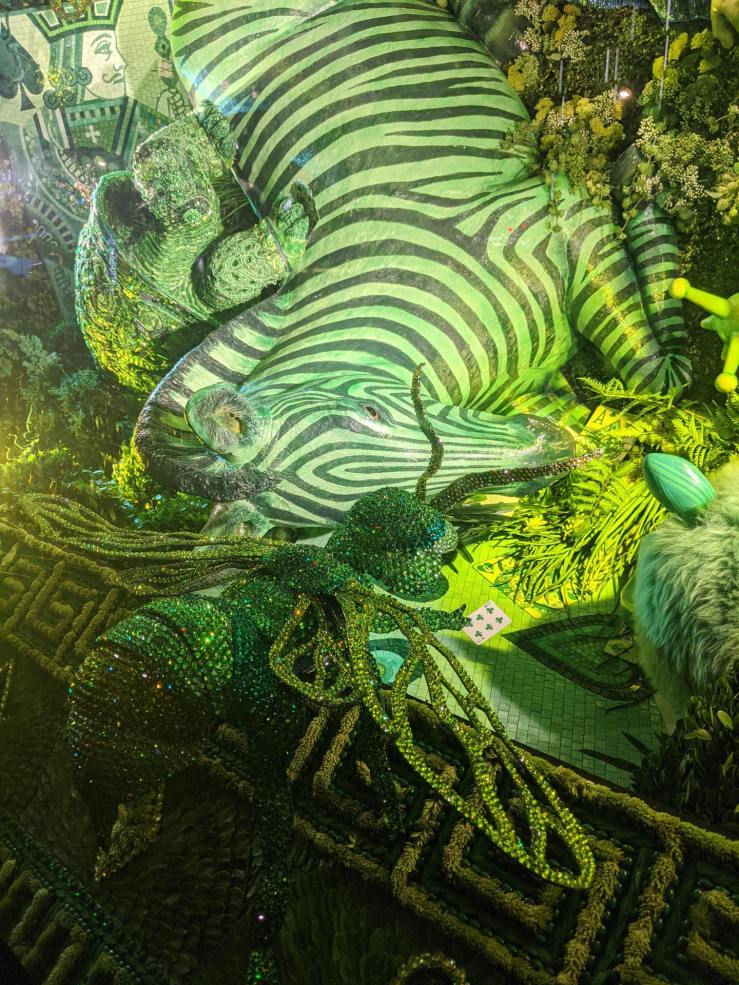
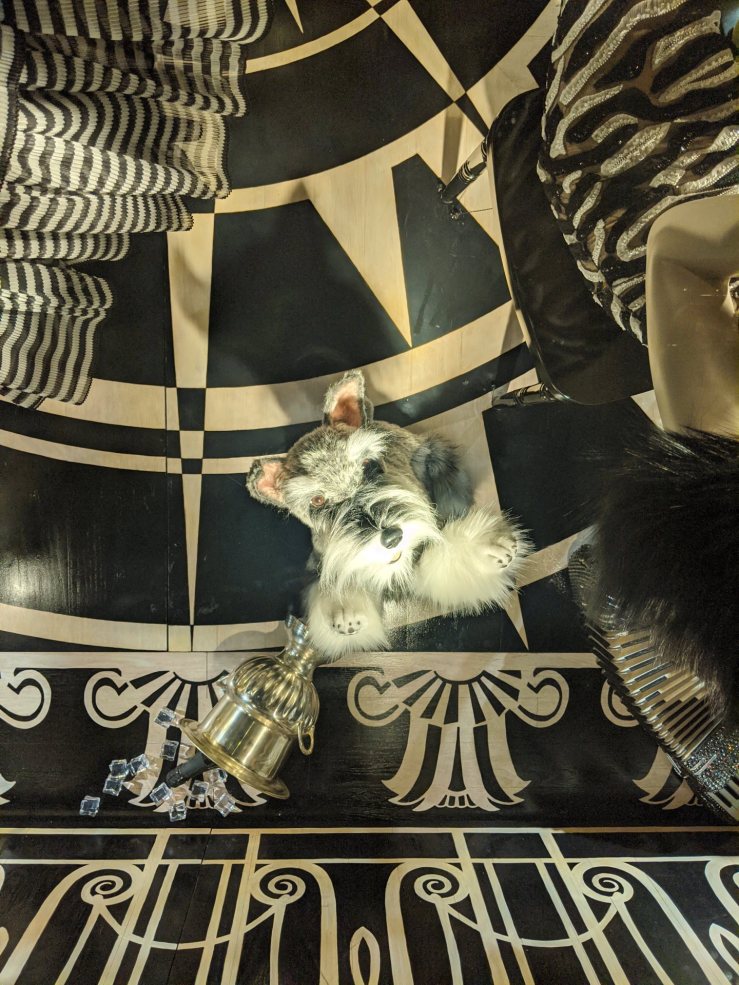
January 2nd, 2020
DownUp
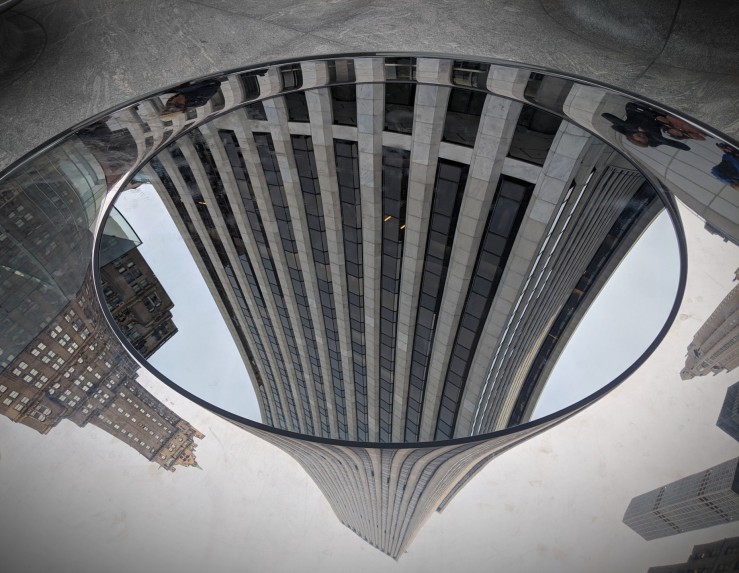

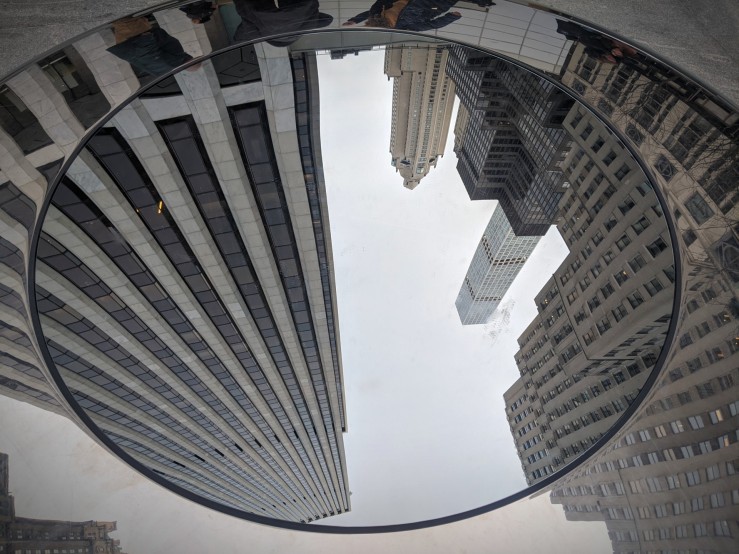

59th St. on 5th Avenue
January 2nd, 2020
A golden sunset bringing the first day of the year to a quiet end. Little did we know then how much our lives were about to change in a couple of months…
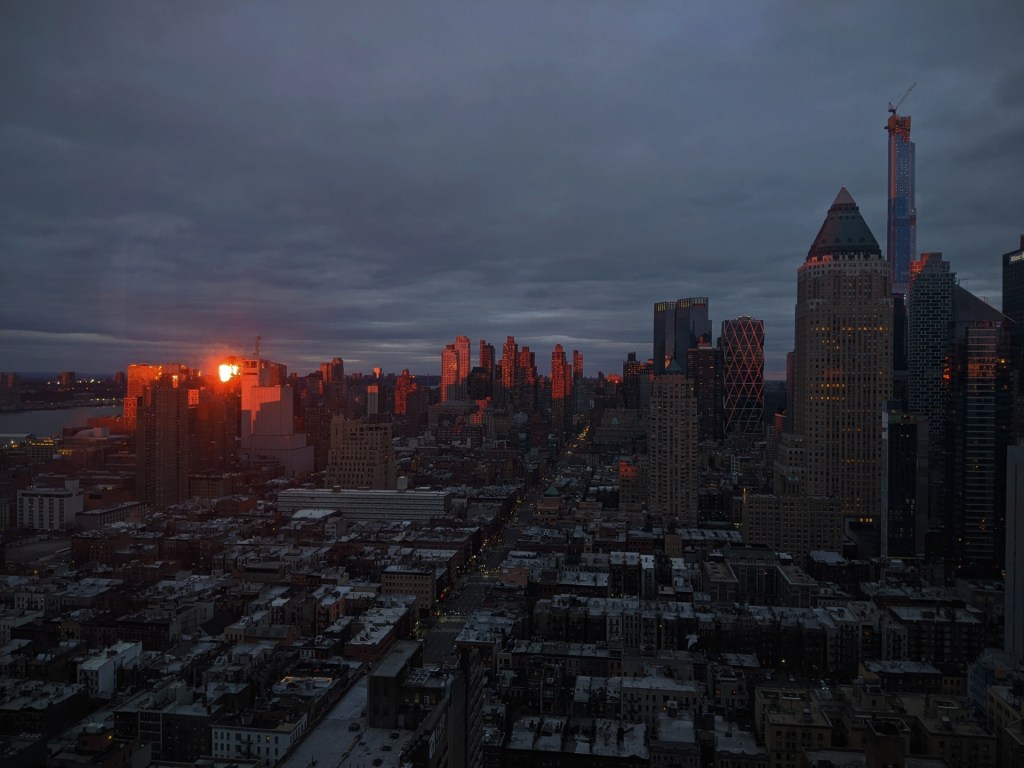
Hell’s Kitchen, NYC
January 1st, 2020
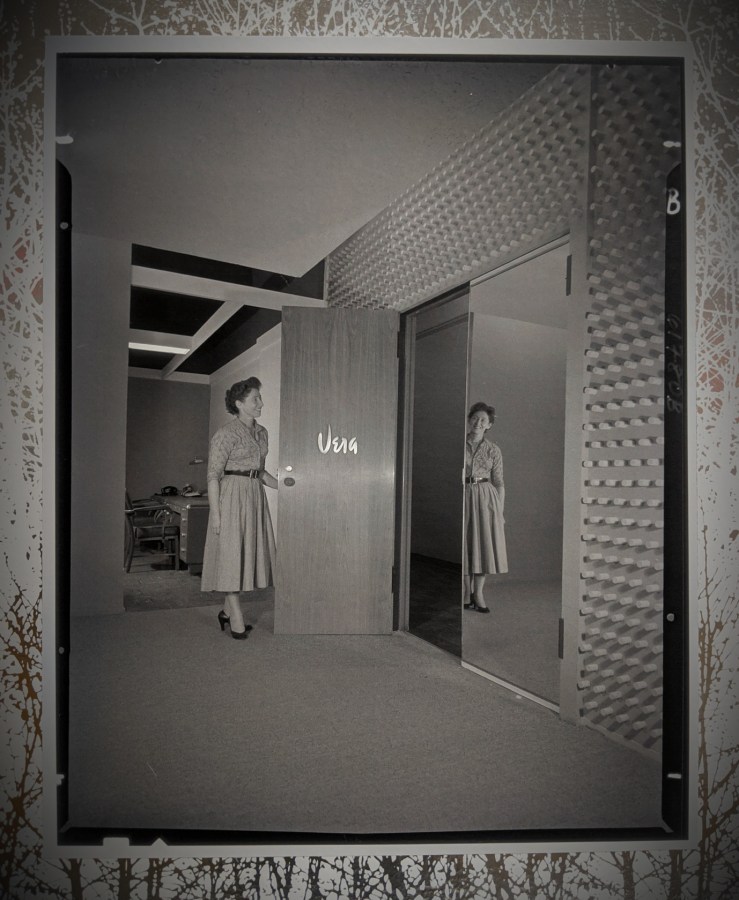
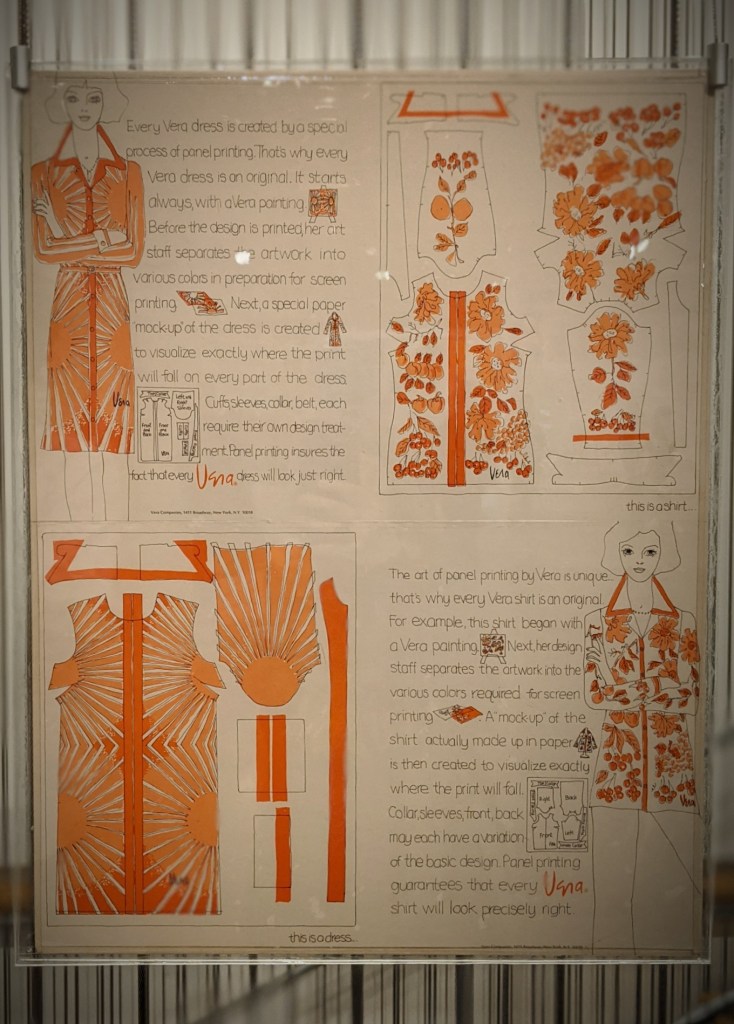
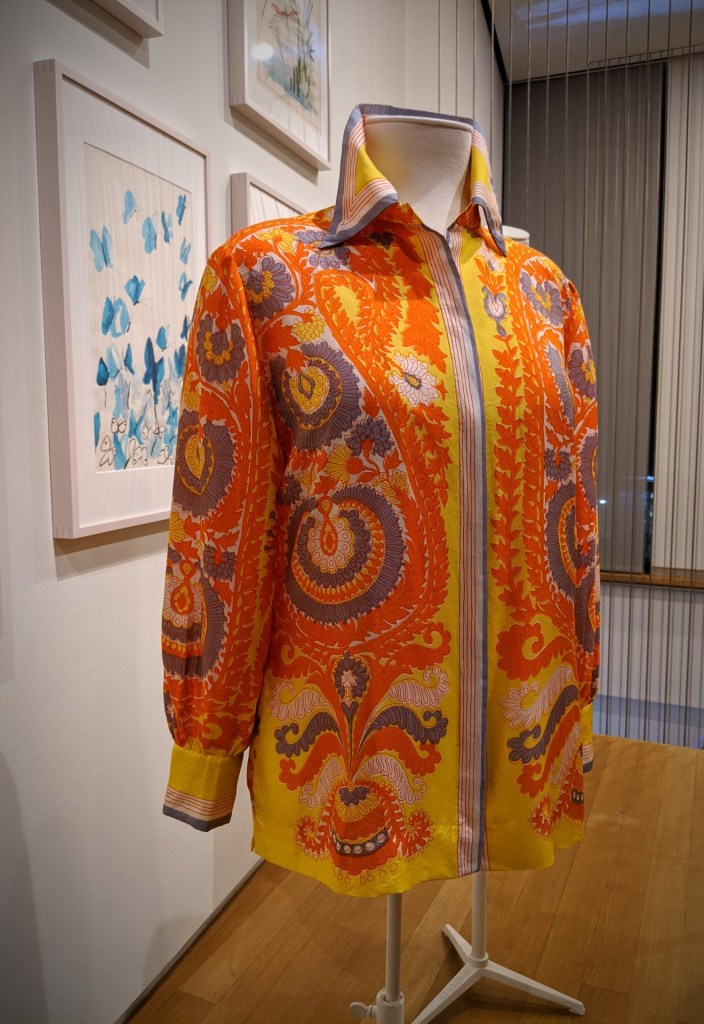
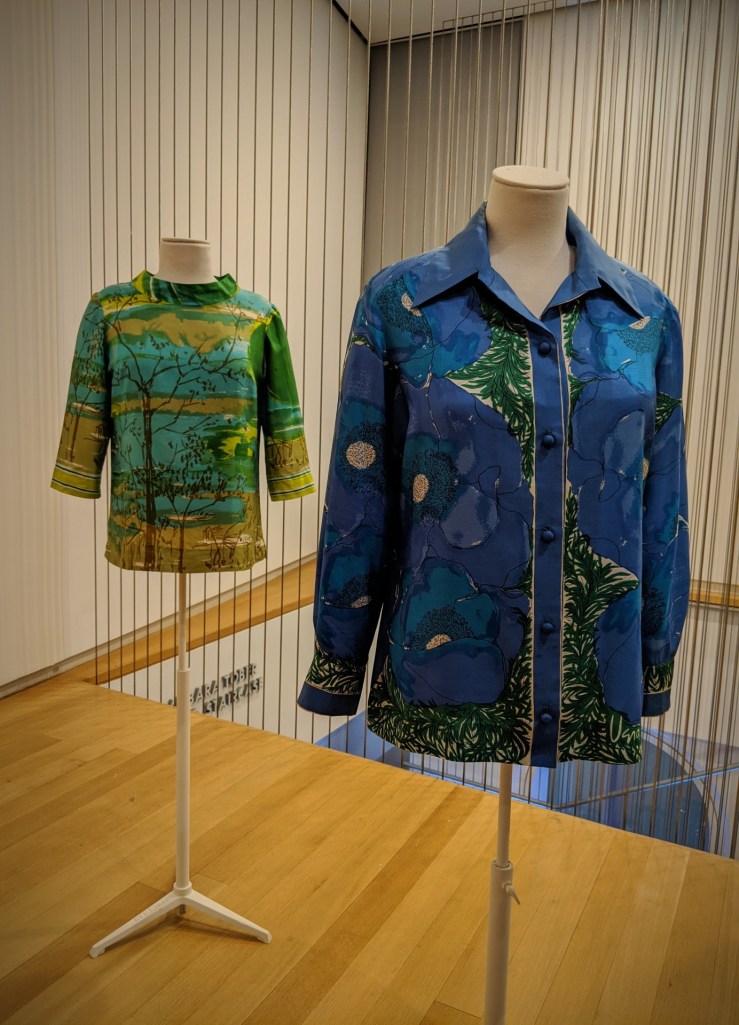
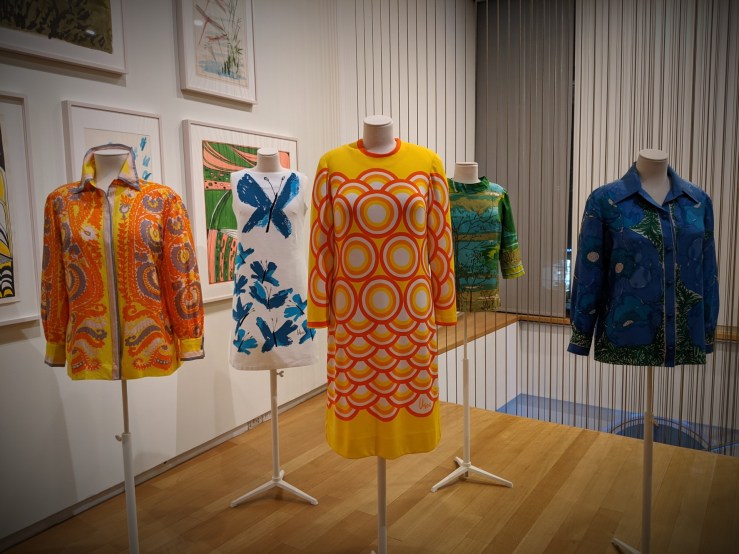
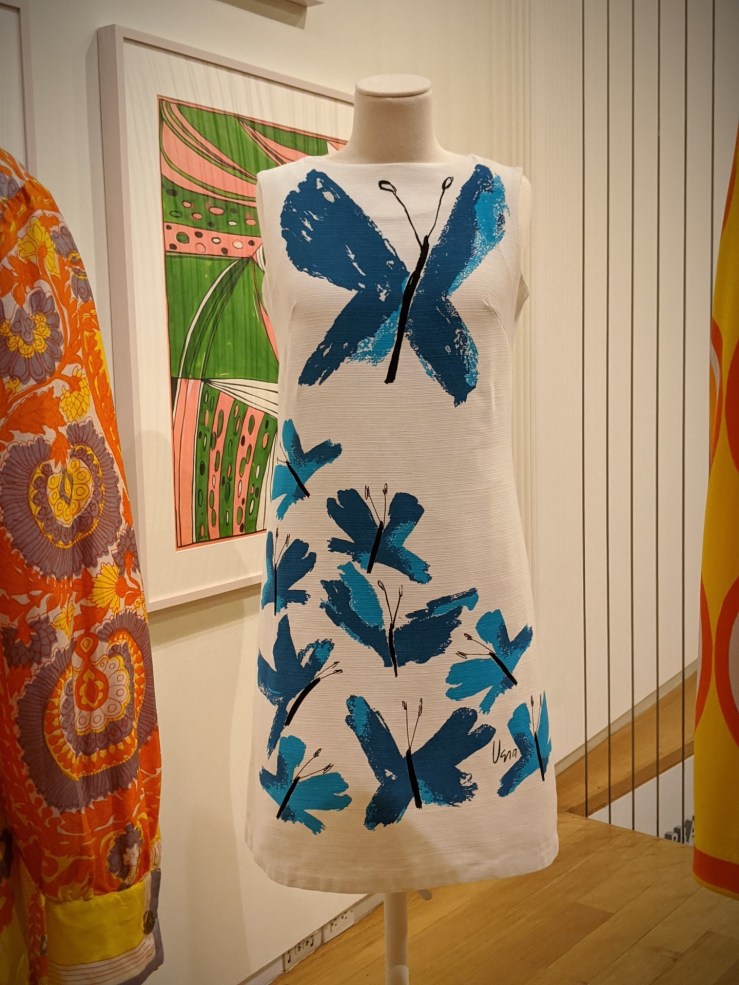
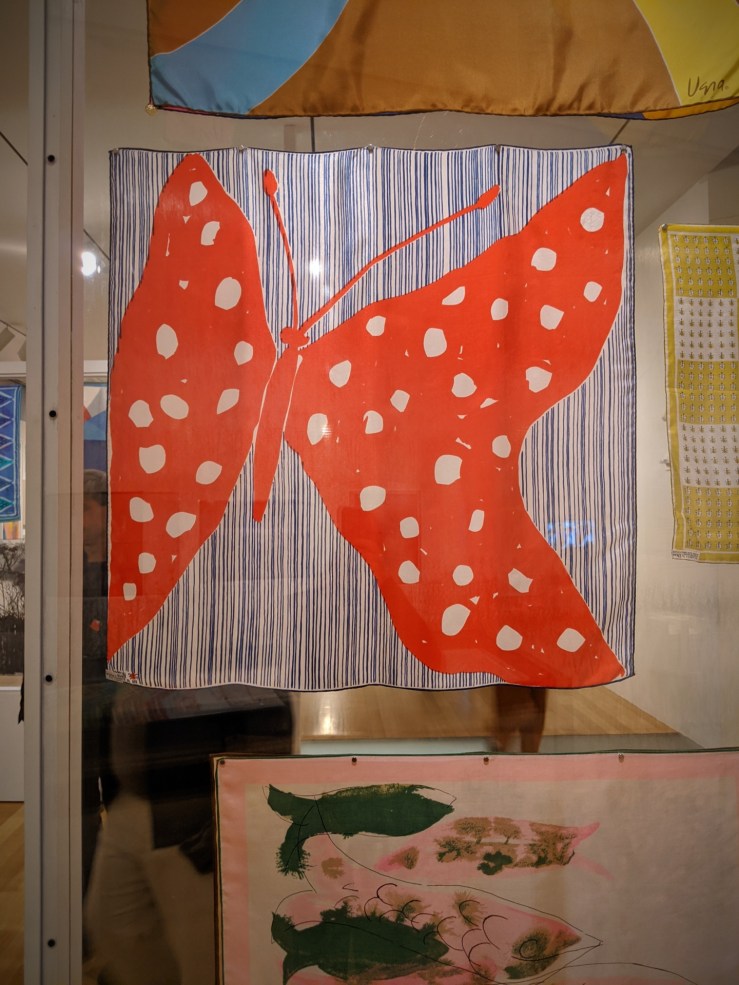
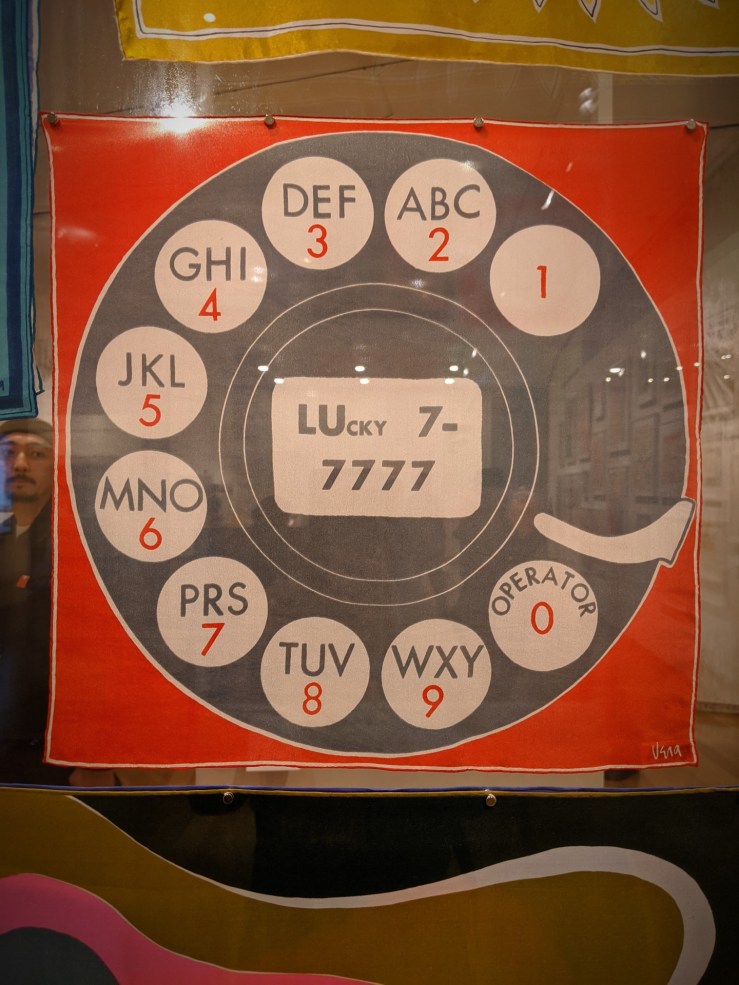
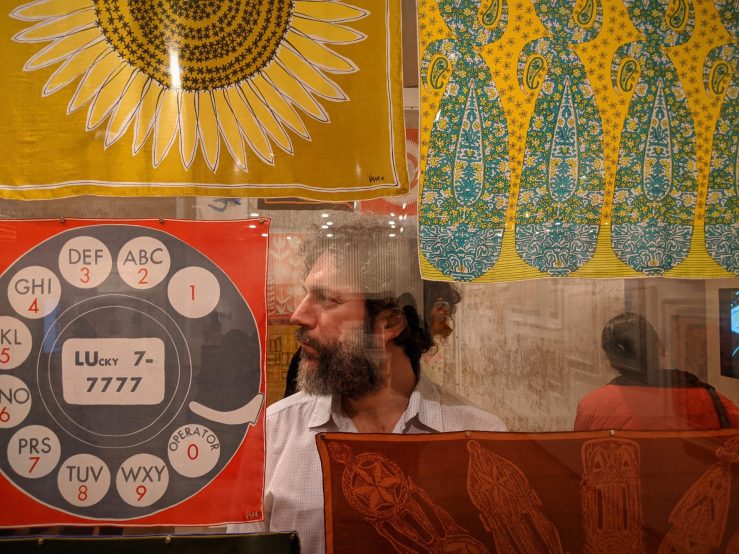
”Vera Paints a Scarf was a selection of the work of artist Vera Neumann (1907-1993) and her contributions to the field of American design. Neumann was among the most successful female design entrepreneurs of the 20th century, and an originator of the American lifestyle brand. Over the course of her career, which spanned from her label’s debut in 1942 to her death in 1993, Neumann produced an iconic line of women’s scarves all signed with a cursive “Vera” and stamped with a ladybug, as well as thousands of textile patterns based on her drawings, paintings, and collages. This exhibition was the first to comprehensively examine her career—and highlights the keys to her success: her joyful and inventive aesthetic, democratic design ethos, fusion of craft and mass production, and clever marketing.”

Museum of Arts and Design (MAD)
December 26th, 2019
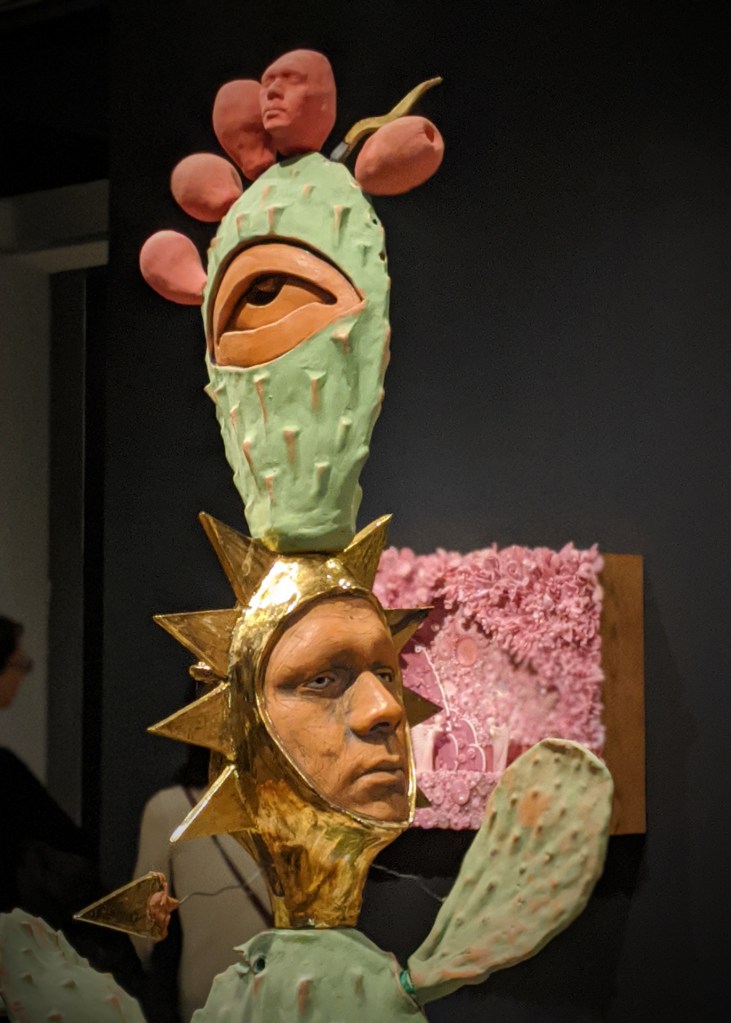
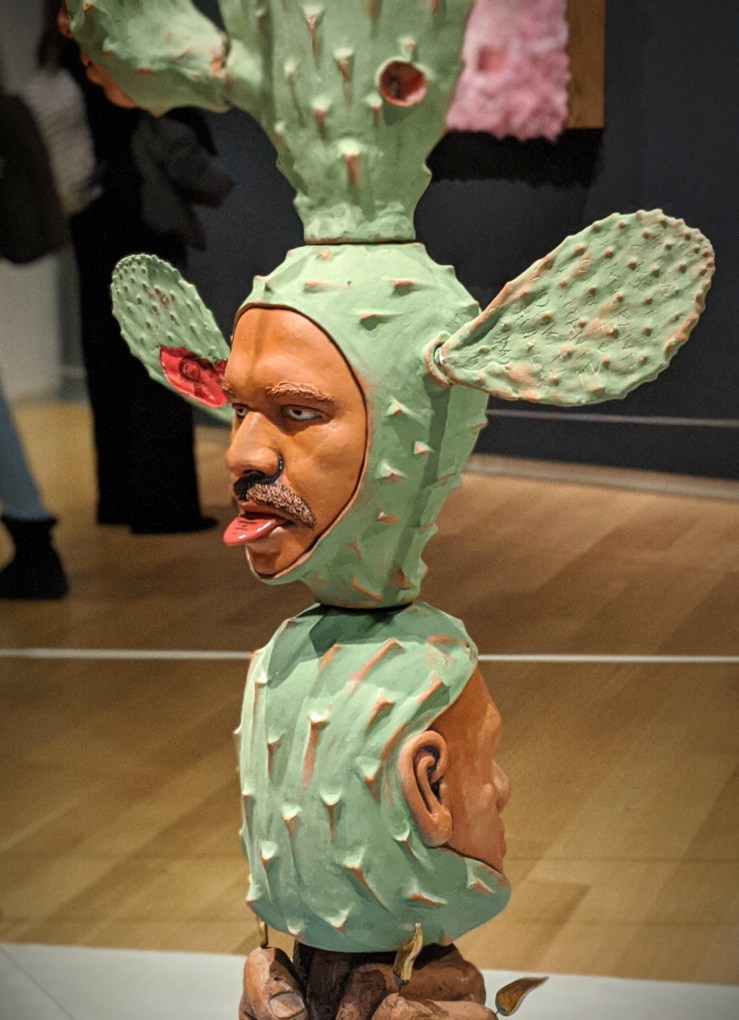
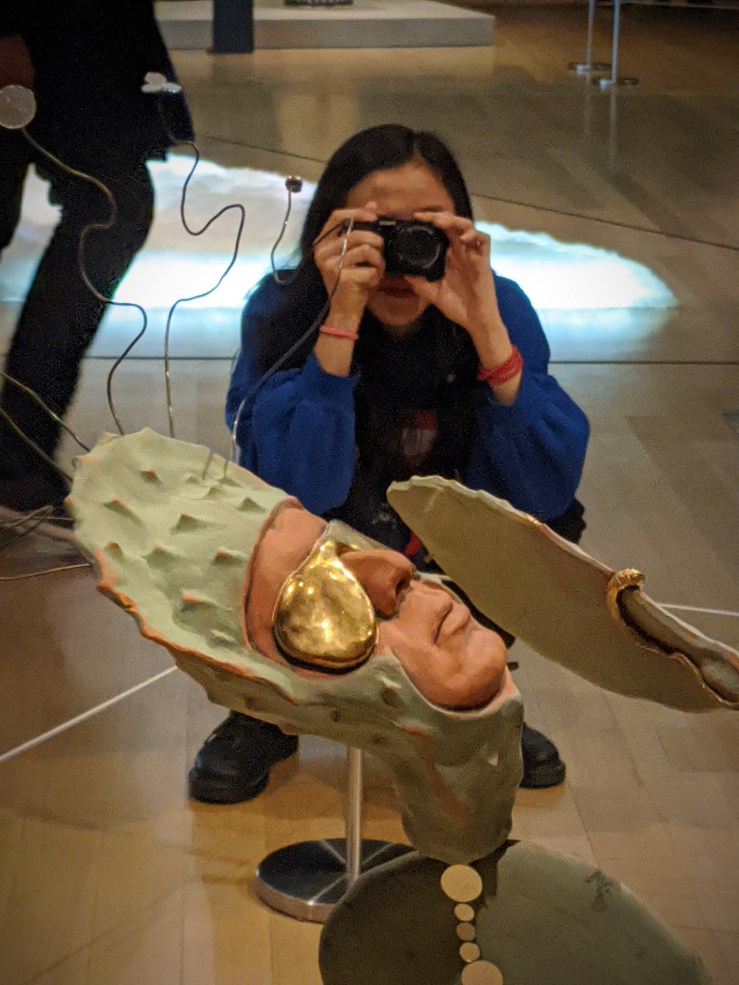
Artworks
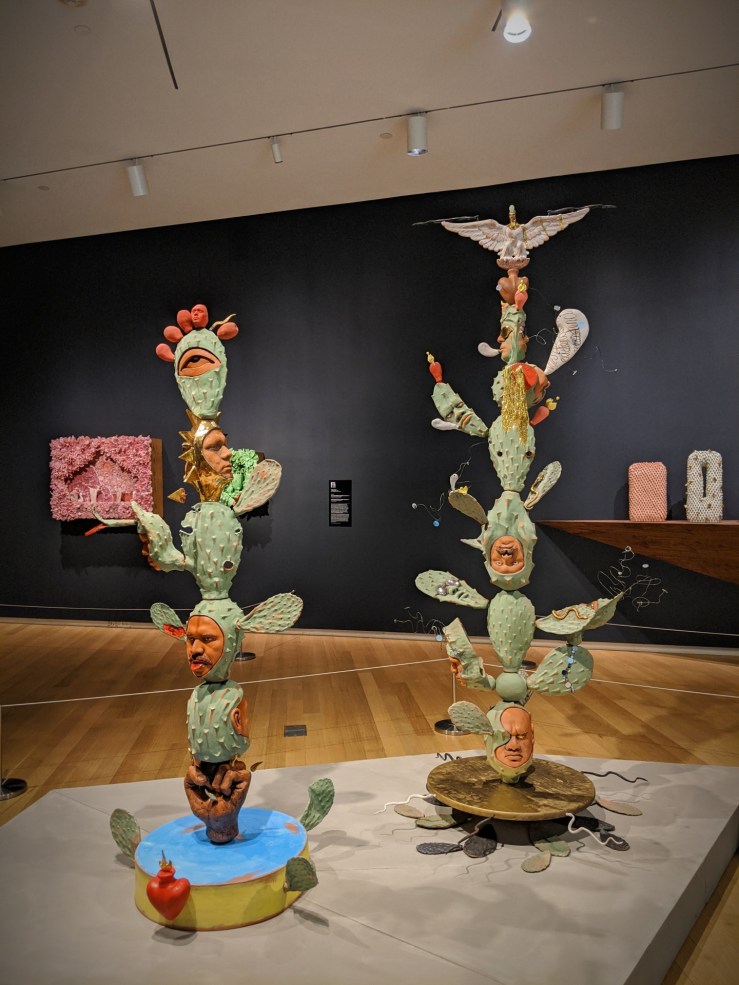
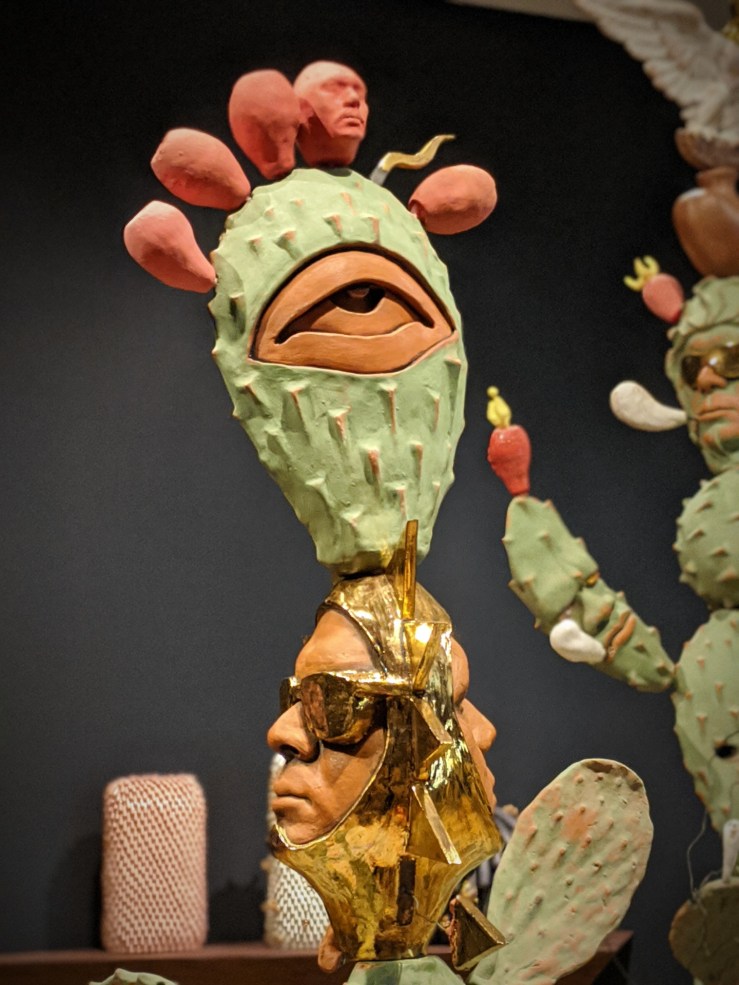
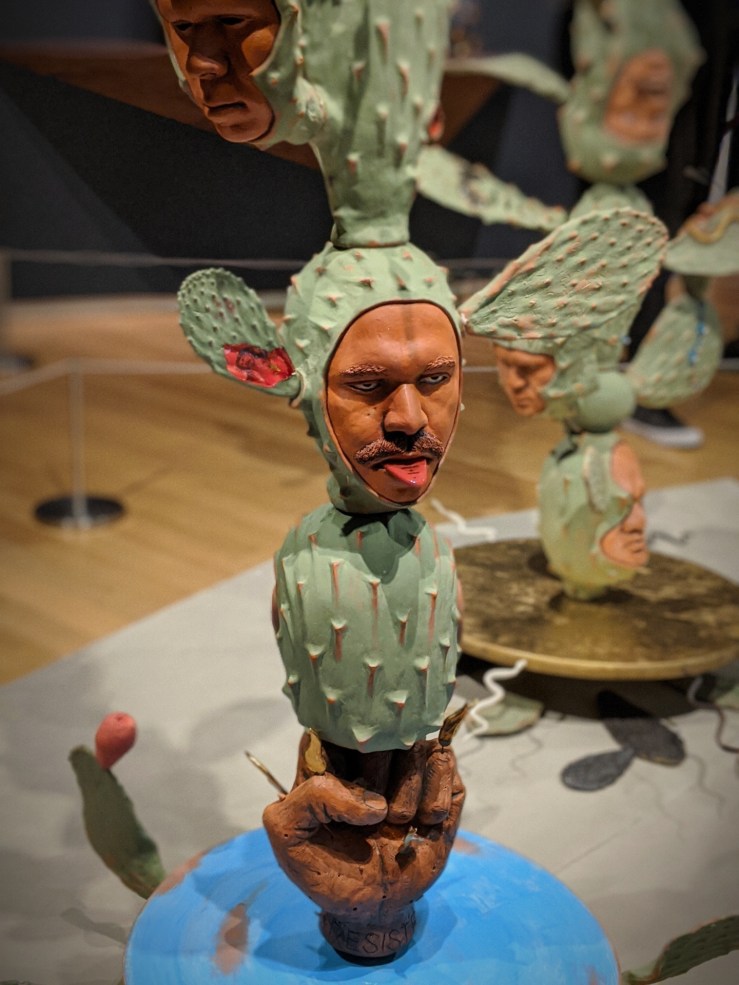
Salvador Jiménez-Flores
Nopales híbridos: An Imaginary World of a Rascuache-Futurism, 2017
Terra cotta, porcelain, underglazes, gold luster, and terra cotta slip
When Jiménez-Flores moved to the United States he spoke limited English. Art became his primary method of communication and means of commemorating his heritage. His practice prioritizes the depiction of Latinx people to ensure their representation in art for future generations. The “Nopales” series (nopales is Spanish for “prickly-pear cacti”) uses humor to challenge existing Latinx stereotypes in the United States. Likenesses of the artist, wearing shiny sunglasses and sticking out his tongue, are portrayed on cactus pads made of terra cotta and porcelain. This irreverent aesthetic references the work of Robert Arneson, father of funk ceramics, and also draws on the rich history of portraiture in Latin American visual culture, from Frida Kahlo’s paintings to Peruvian Moche vessels. The nopal, notable for its resilience in extreme conditions, is an important icon in Mexican culture—so much so that it is emblazoned on the country’s flag. For the artist, the cactus’s endurance symbolizes hope for the future.
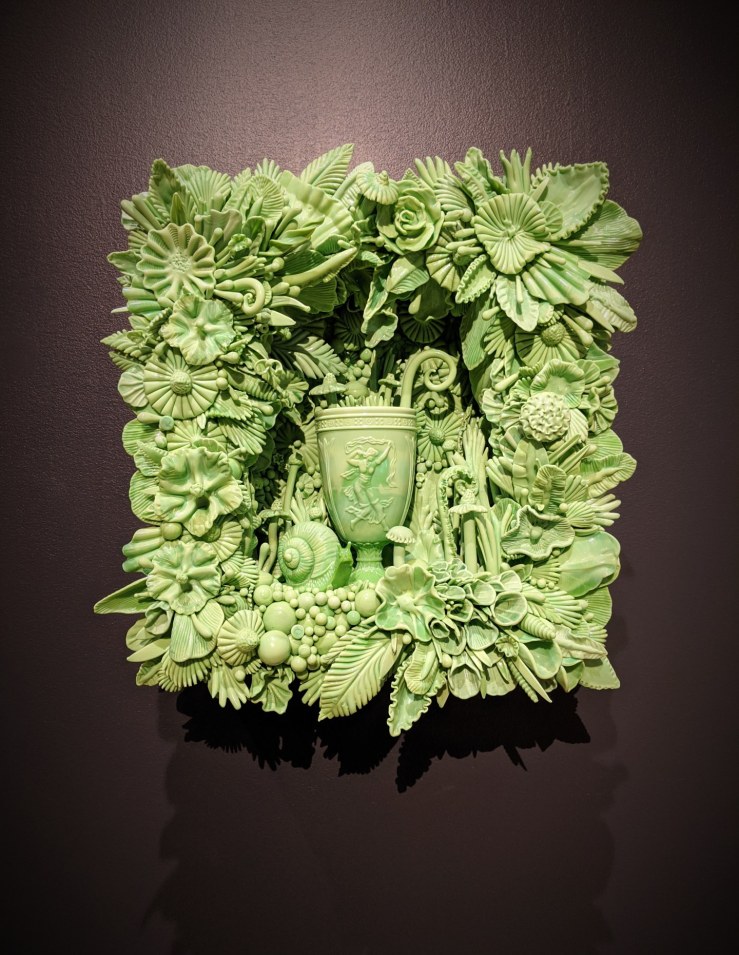
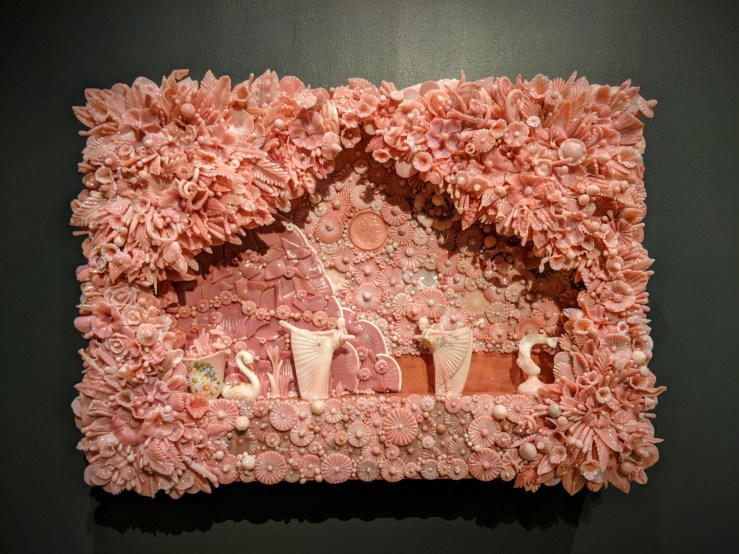
Amber Cowan
Dance of the Pacific Coast Highway at Sunset, 2019, Flameworked American pressed glass
Snail Passing Through the Garden of Inanna, 2019, Flameworked American pressed glass
Two of the finalists for the Burke Prize 2019, in recognition of an artist’s extraordinary achievement in craft.
Museum of Arts and Design (MAD)
December 26th, 2019
subjective worldview
Actor, writer, cook and author
Travel experiences & Strasbourg city guide
Writer
joy, happiness, travel, adventure, gratitude
"Rêve onirique & Bulle d'évasion"
makes pretty things on paper
This WordPress.com site is Pacific War era information
Welcome to my curious world of words....
Photographs, music and writing about daily life. Contact: elcheo@swcp.com
Free listening and free download (mp3) chill and down tempo music (album compilation ep single) for free (usually name your price). Full merged styles: trip-hop electro chill-hop instrumental hip-hop ambient lo-fi boombap beatmaking turntablism indie psy dub step d'n'b reggae wave sainte-pop rock alternative cinematic organic classical world jazz soul groove funk balkan .... Discover lots of underground and emerging artists from around the world.
A 365 analogue photography project
Barcelona's Multiverse | Art | Culture | Science
Een digitaal atelier aan de (zee)slag.
‘Doodling Ambiguity’s in Ink.’
Miscellaneous photography
Glimpses along the way on a journey of discovery into symmetry...
 The Humble Fabulist