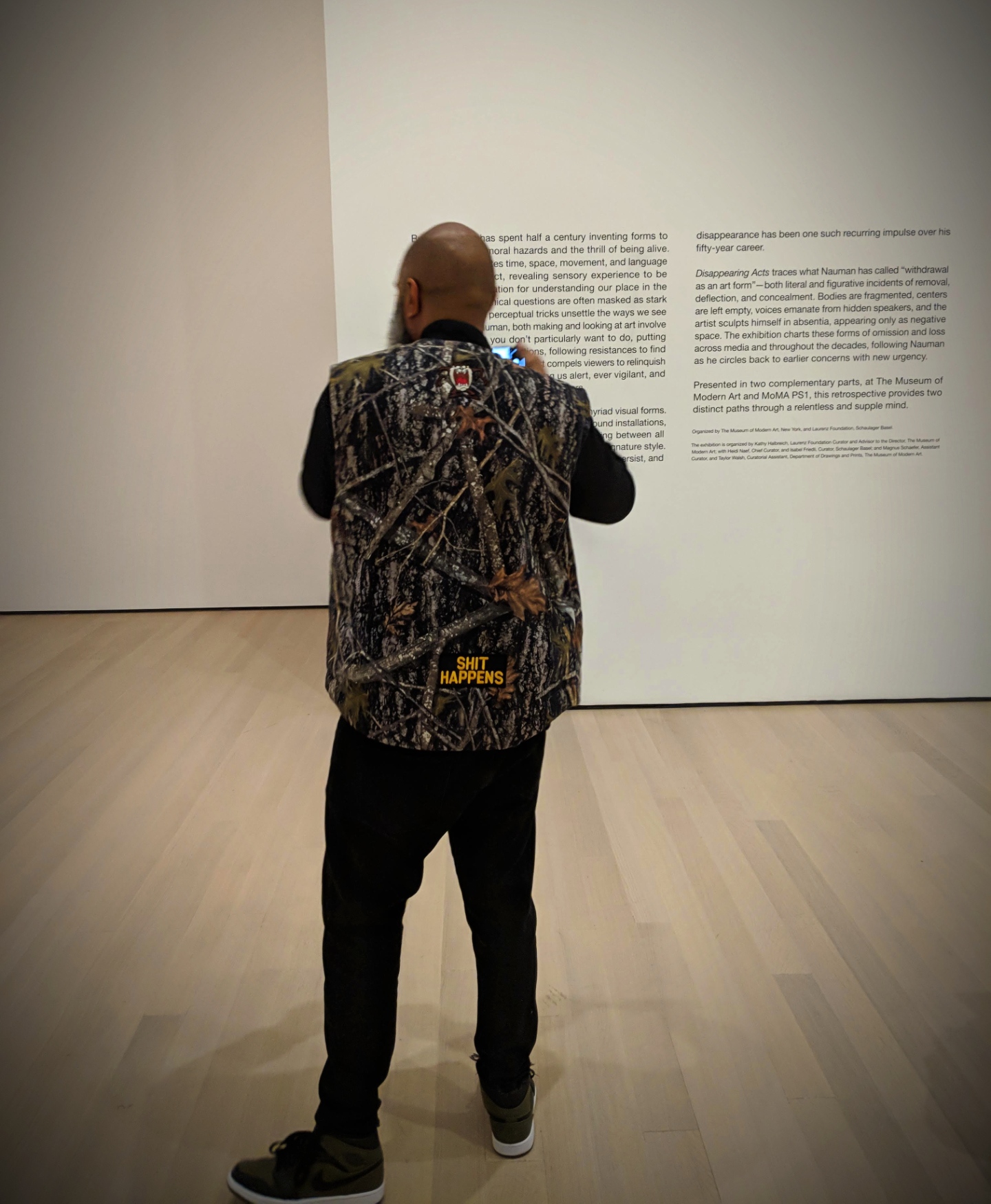
Shit Happens

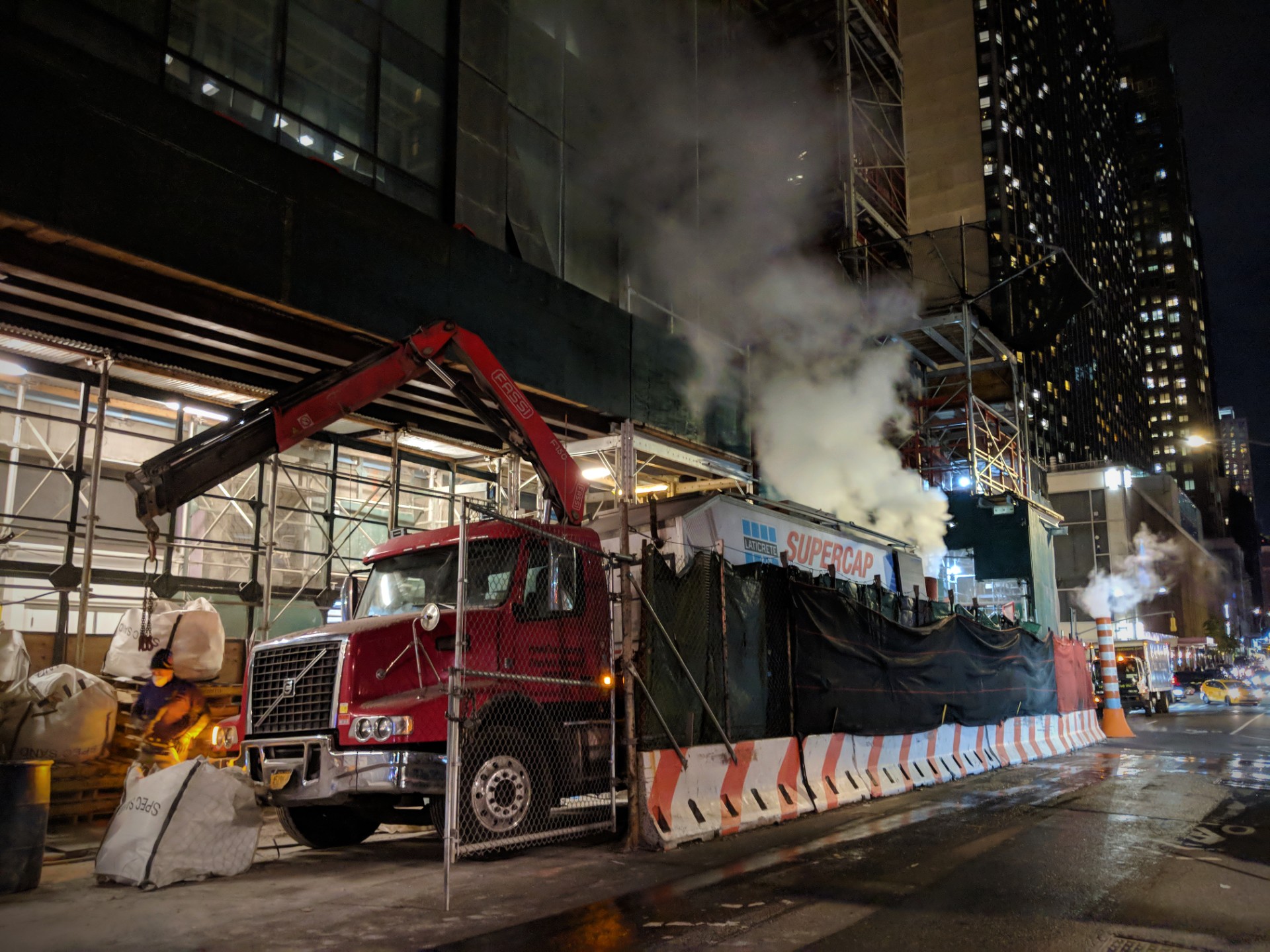
One hundred thousand. Shit that could have been avoided.

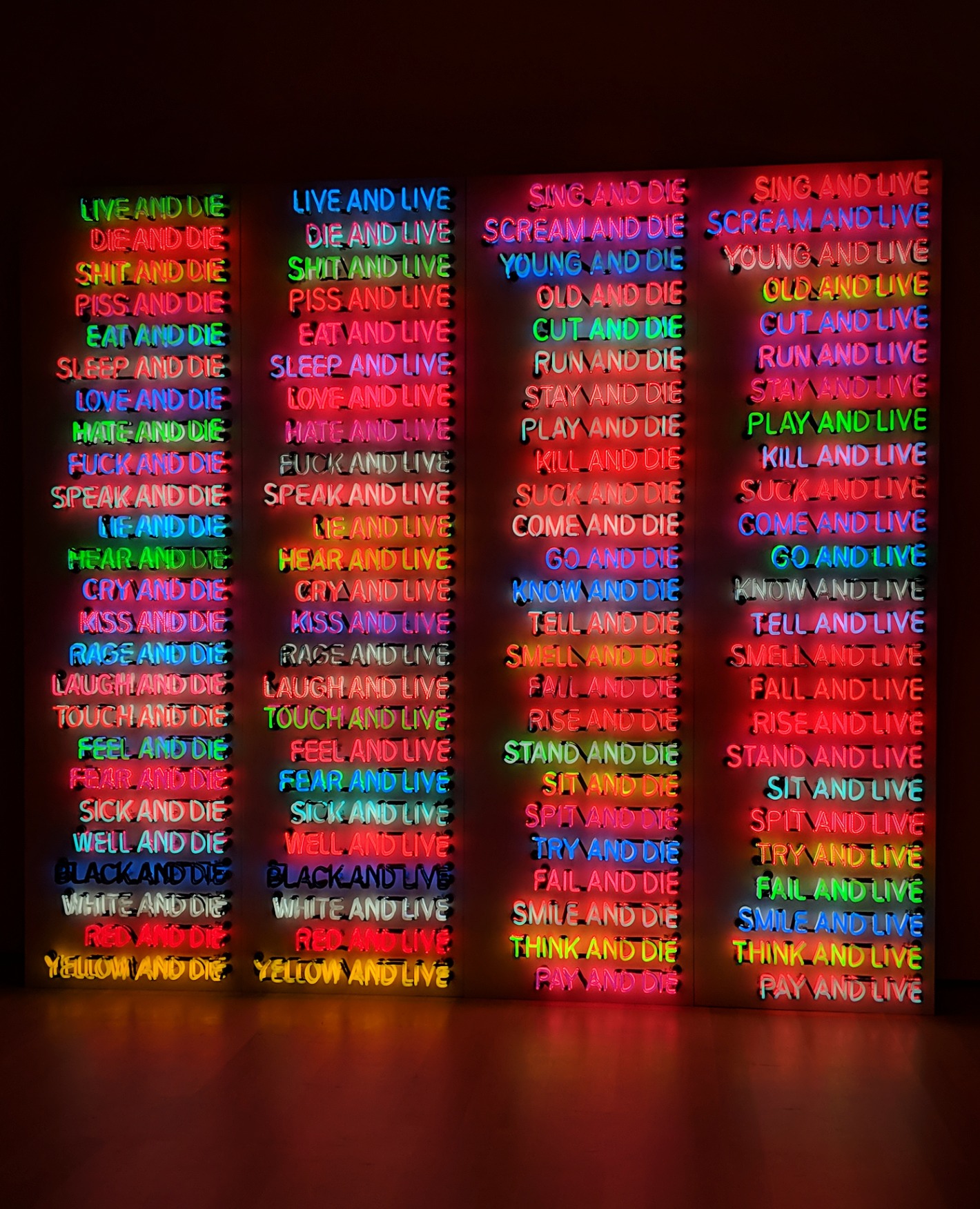
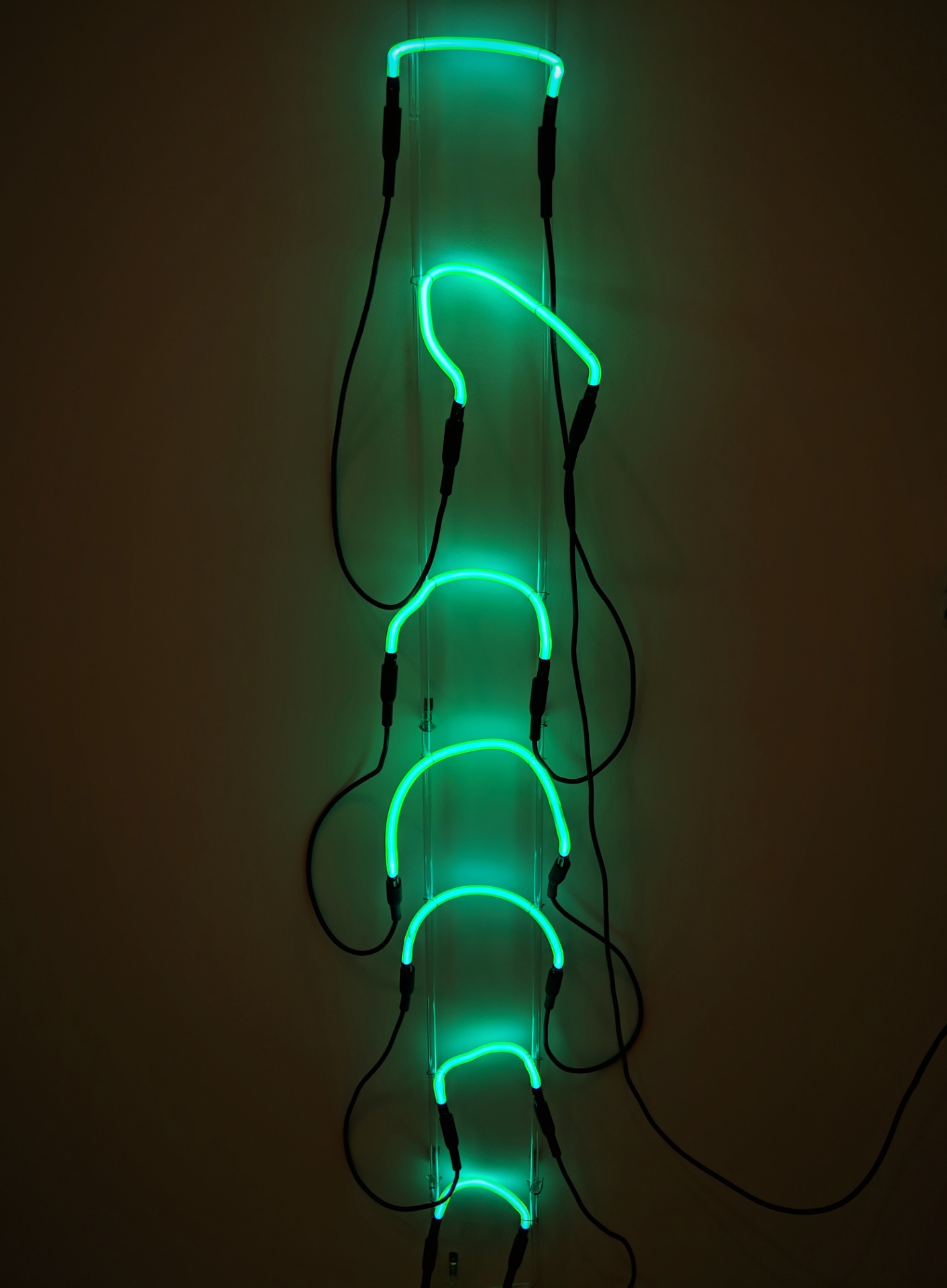
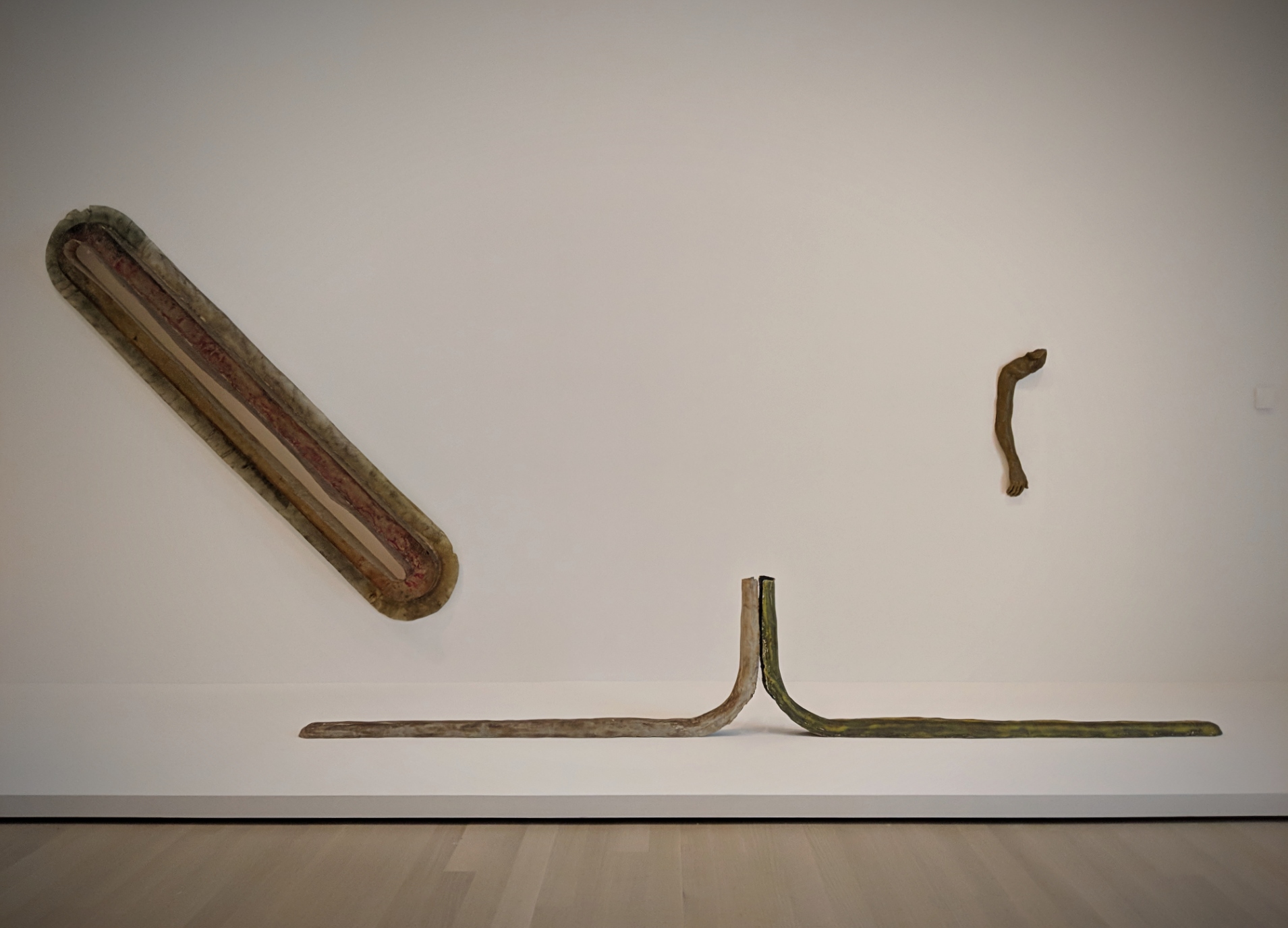
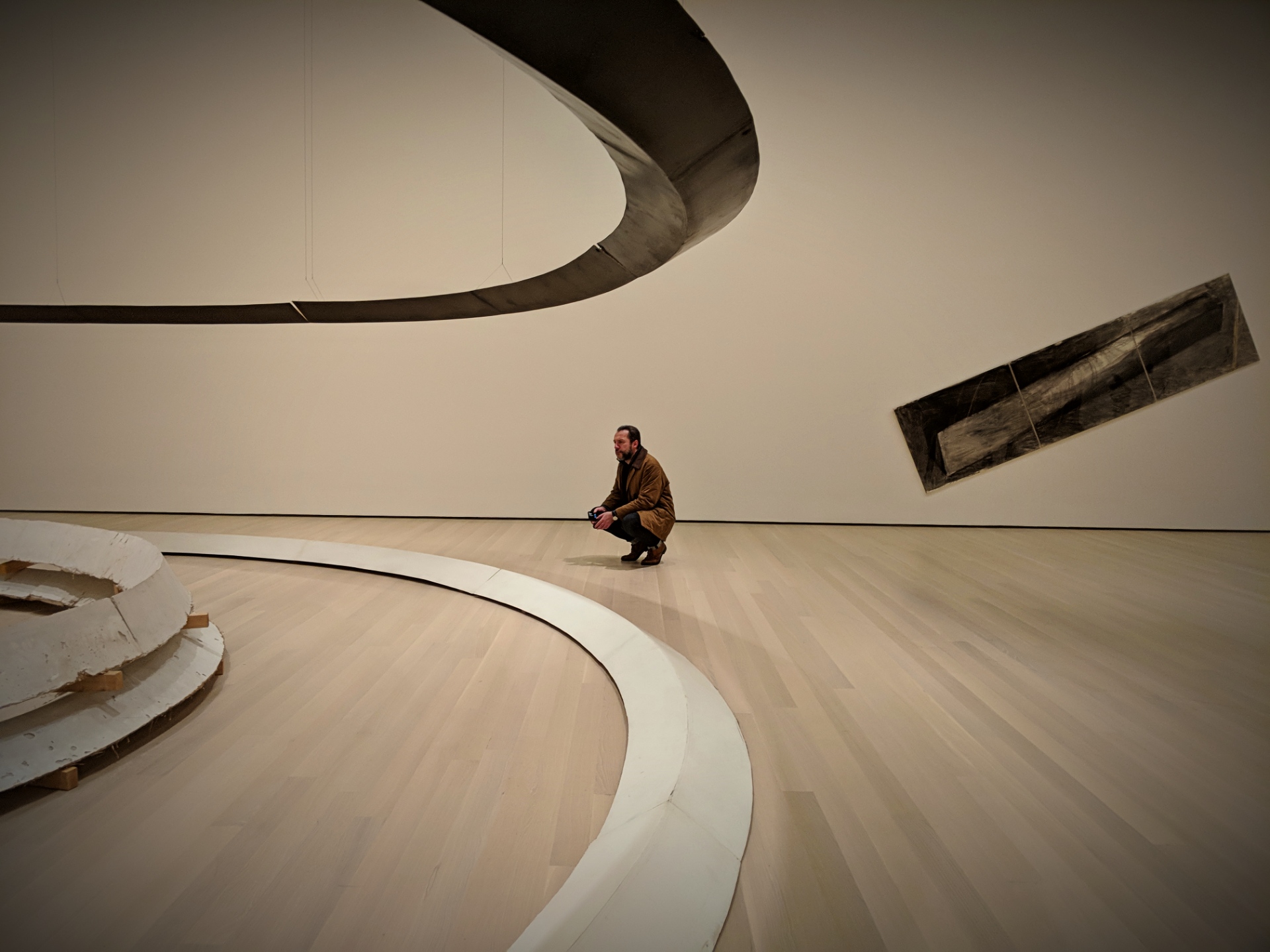
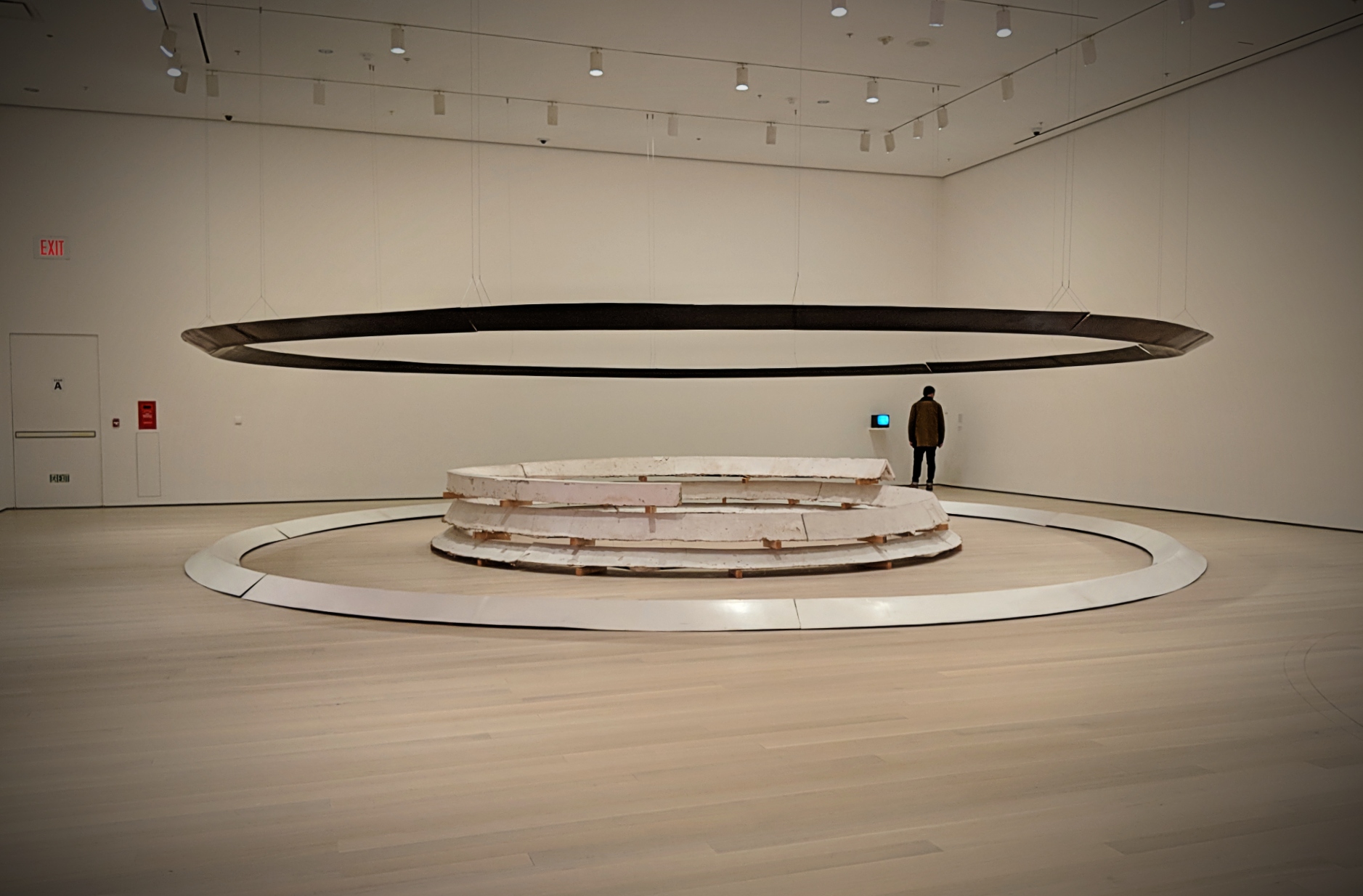
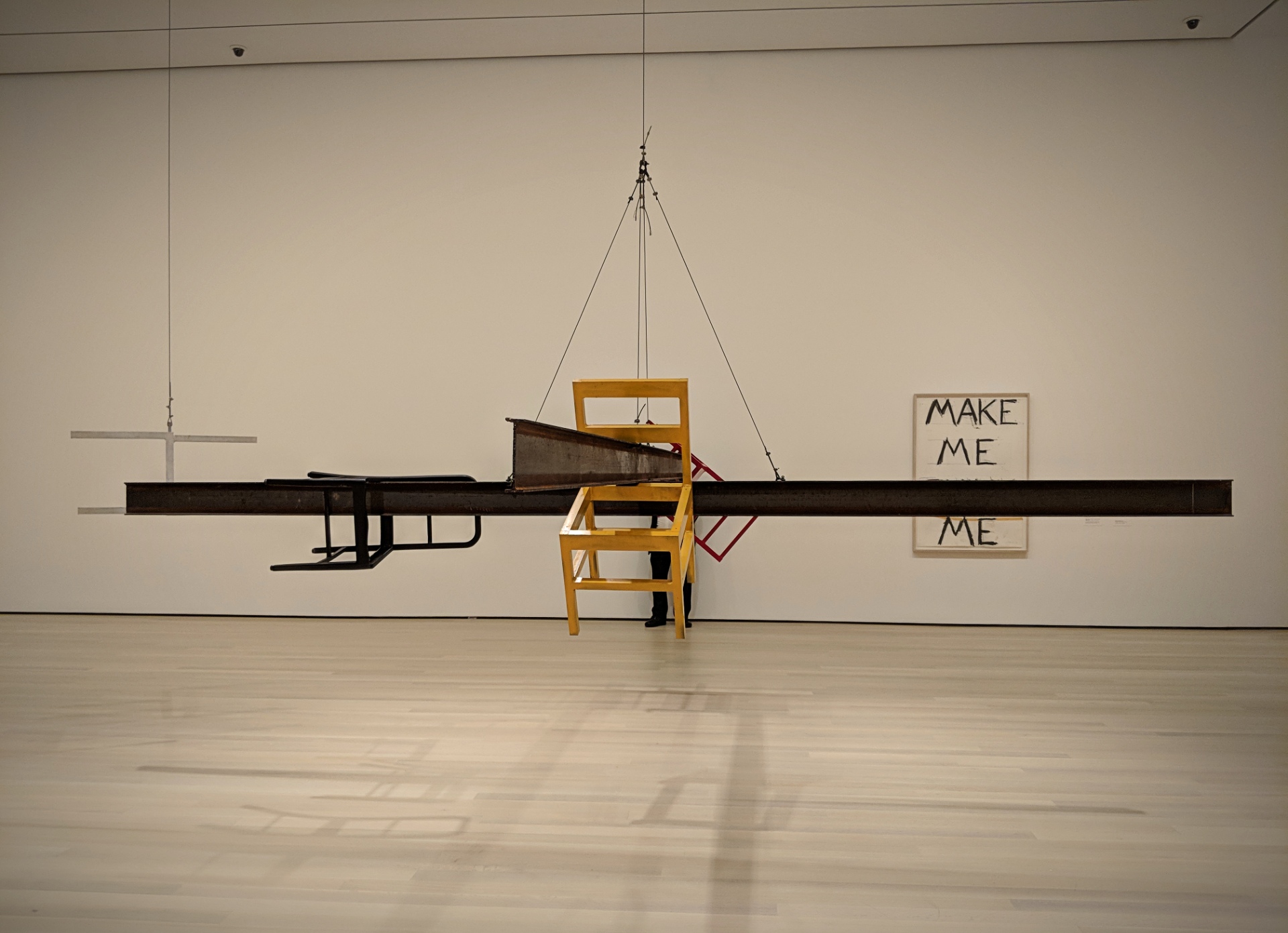
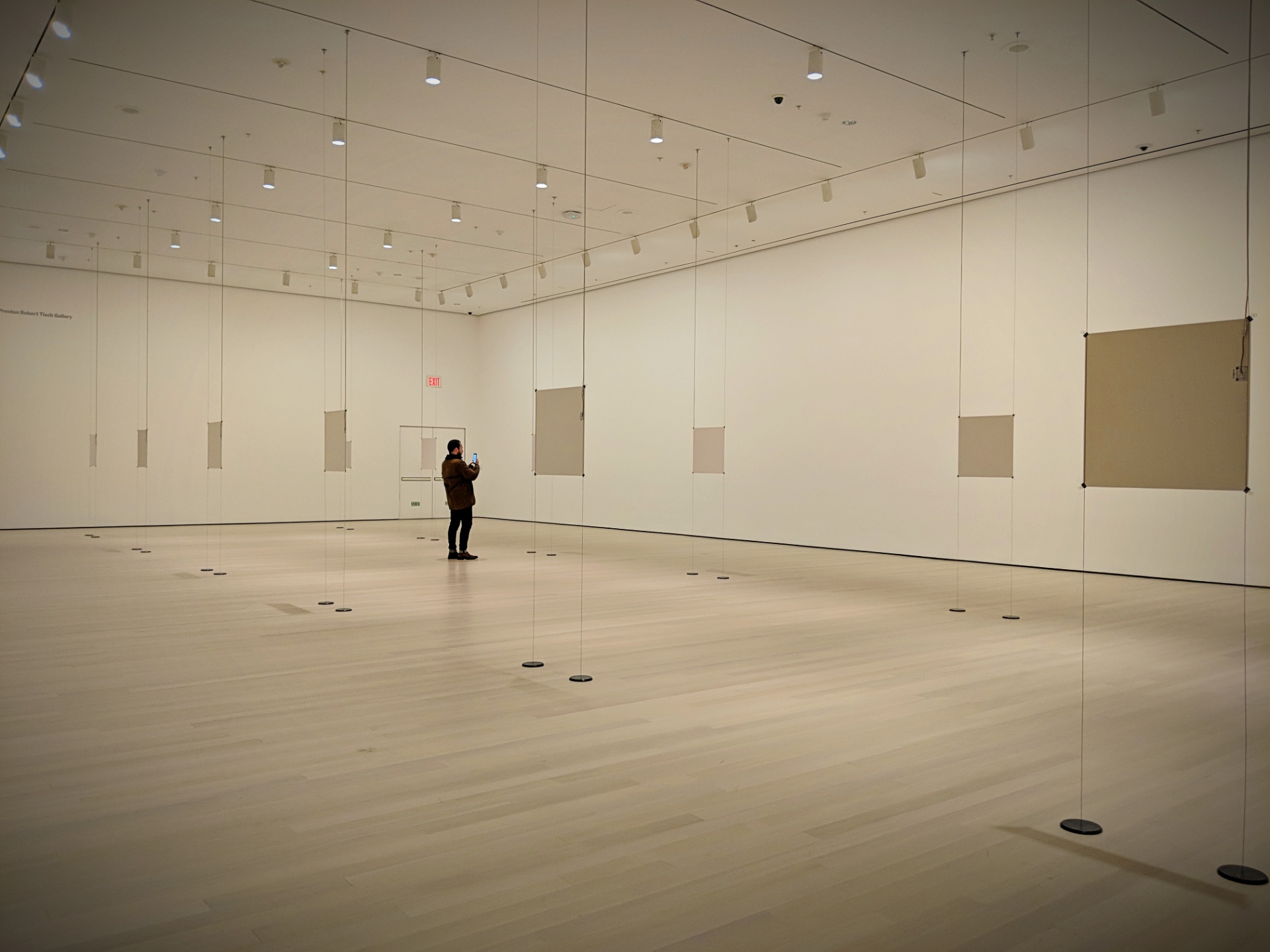
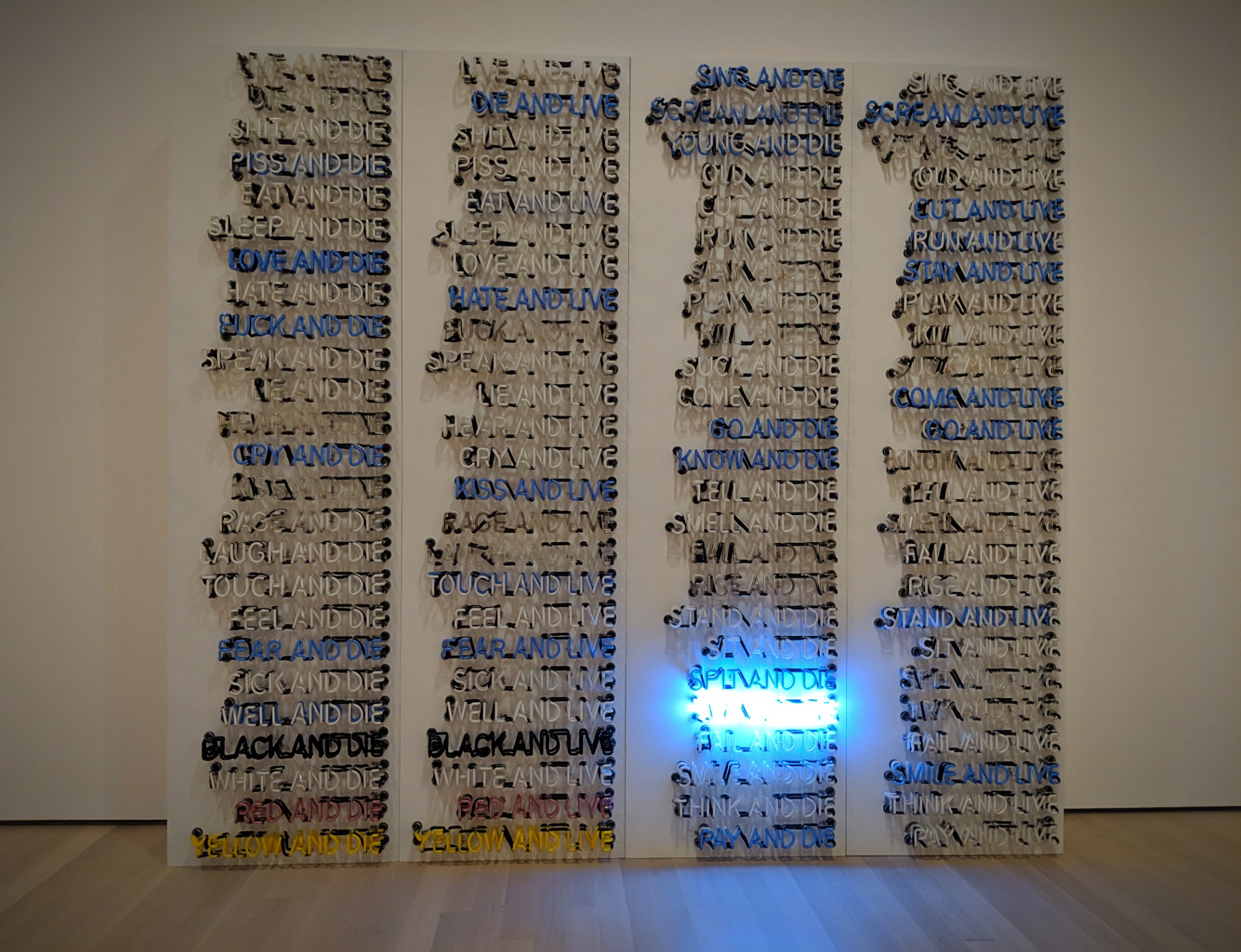
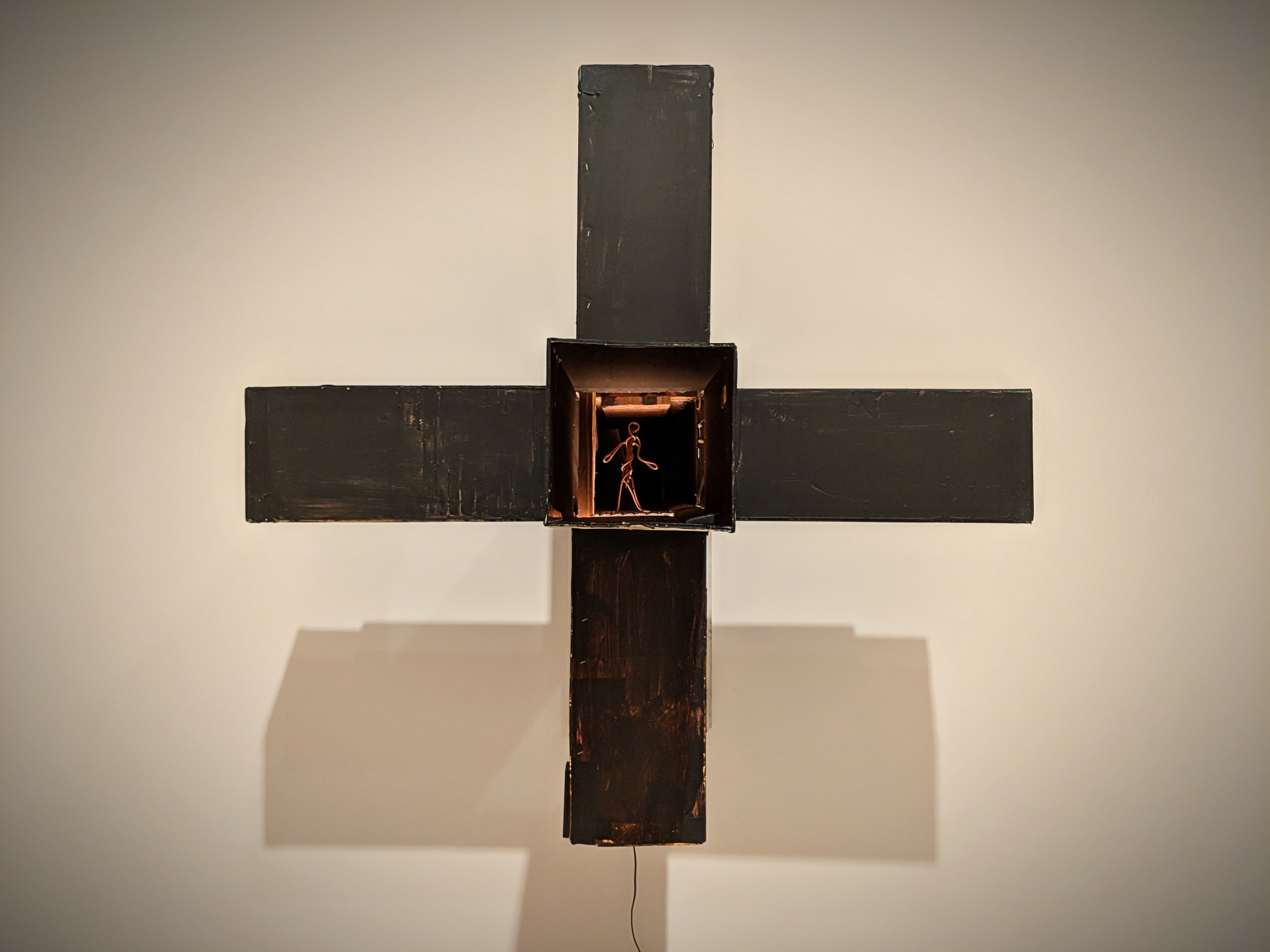
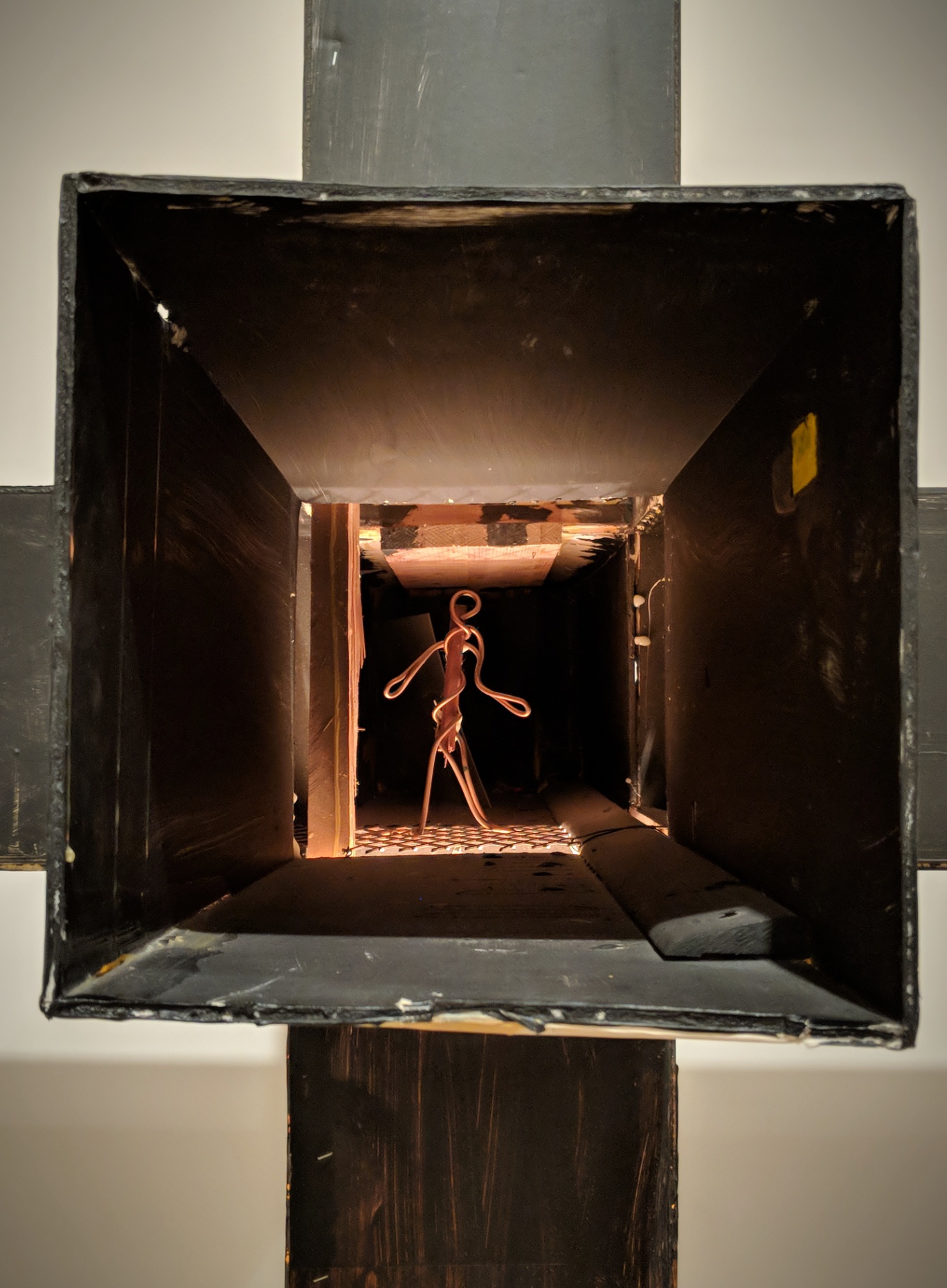
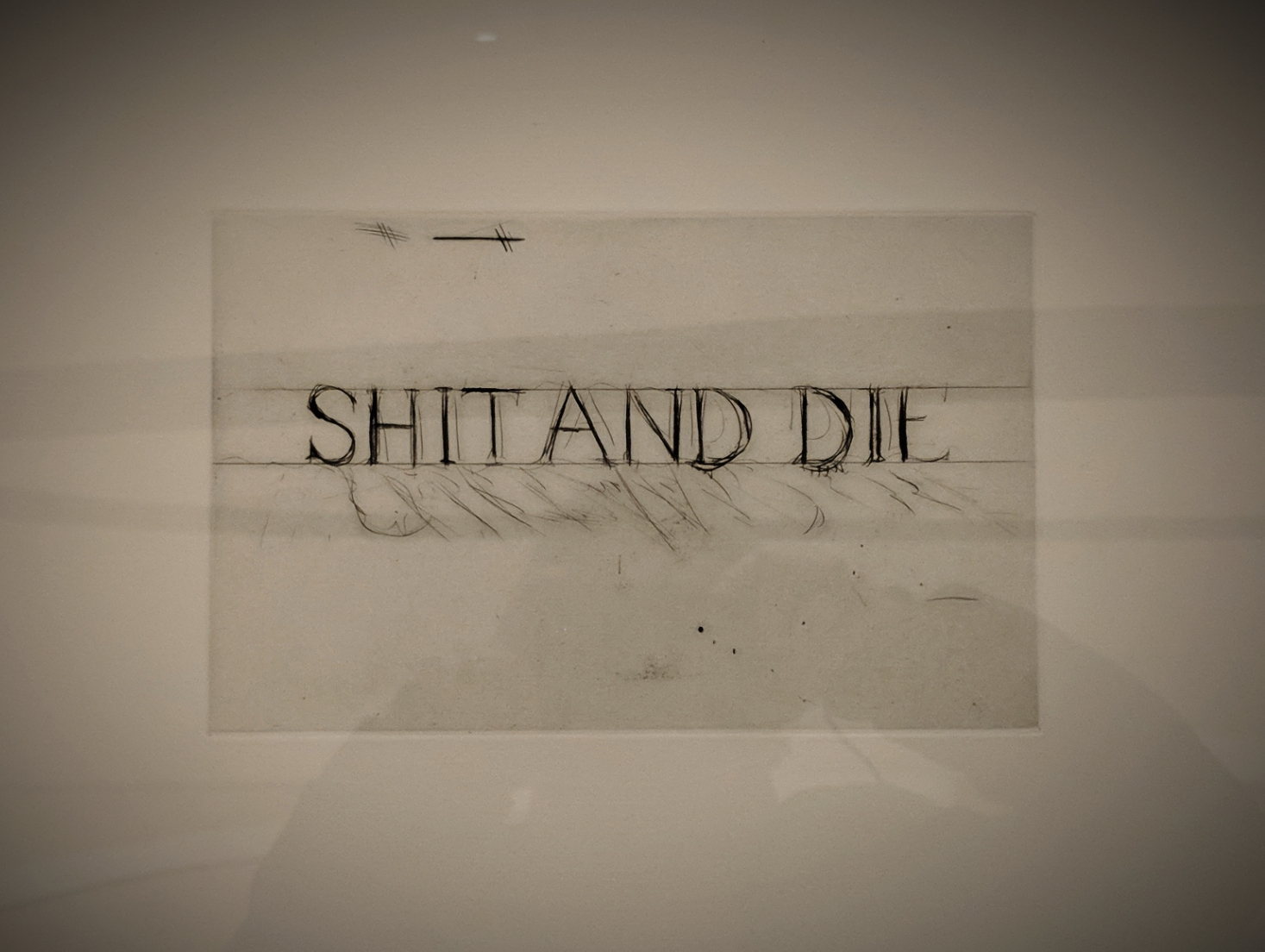
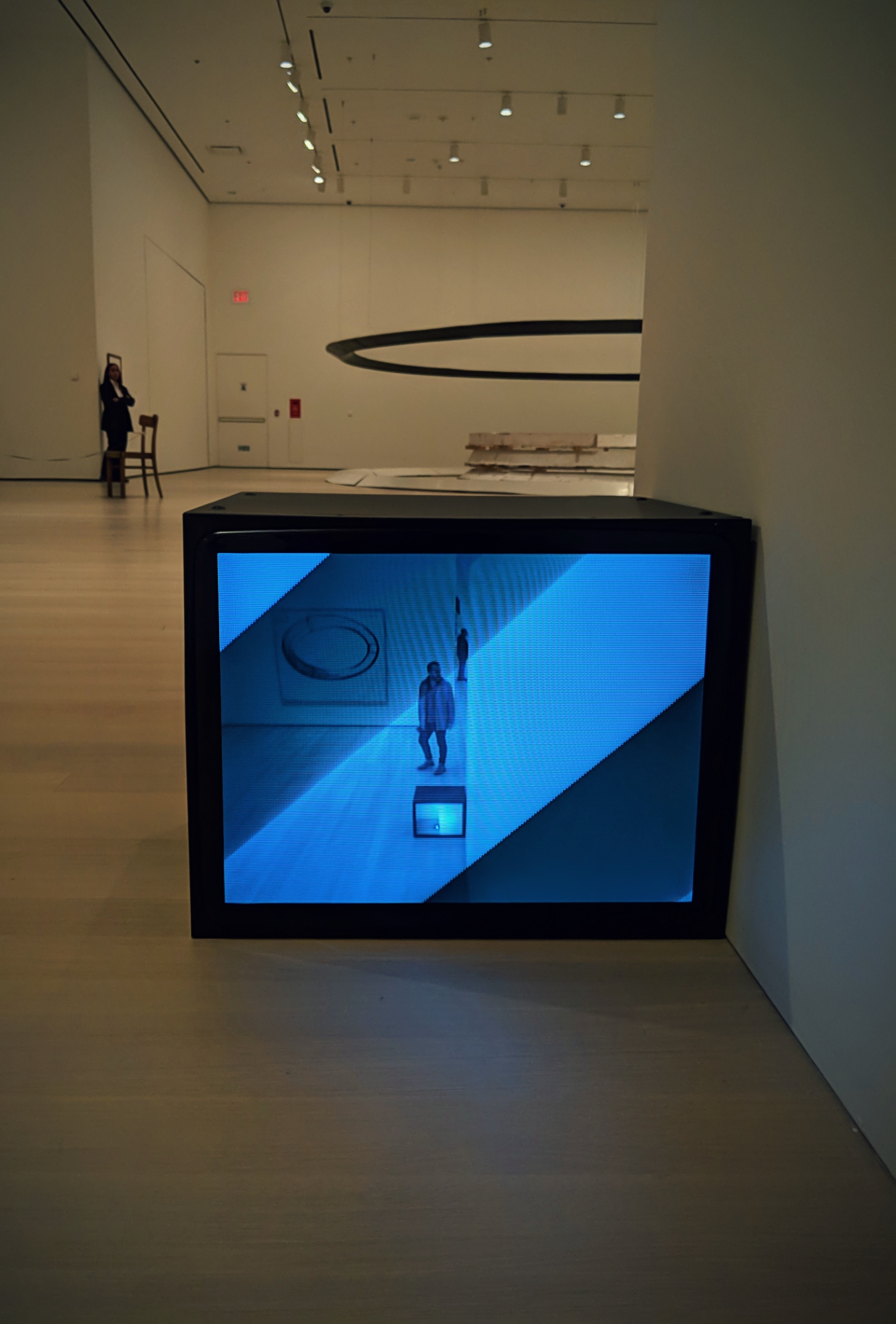
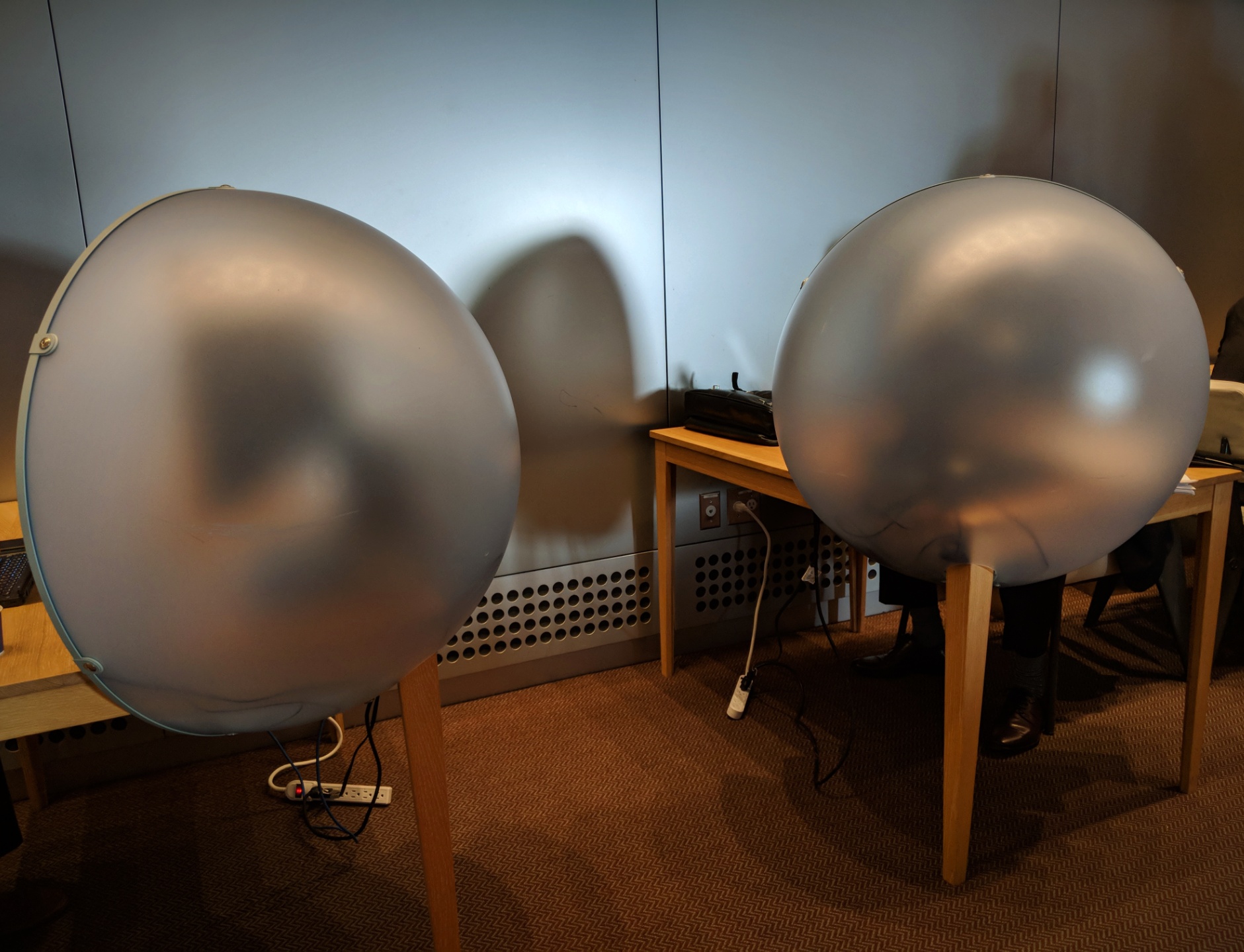
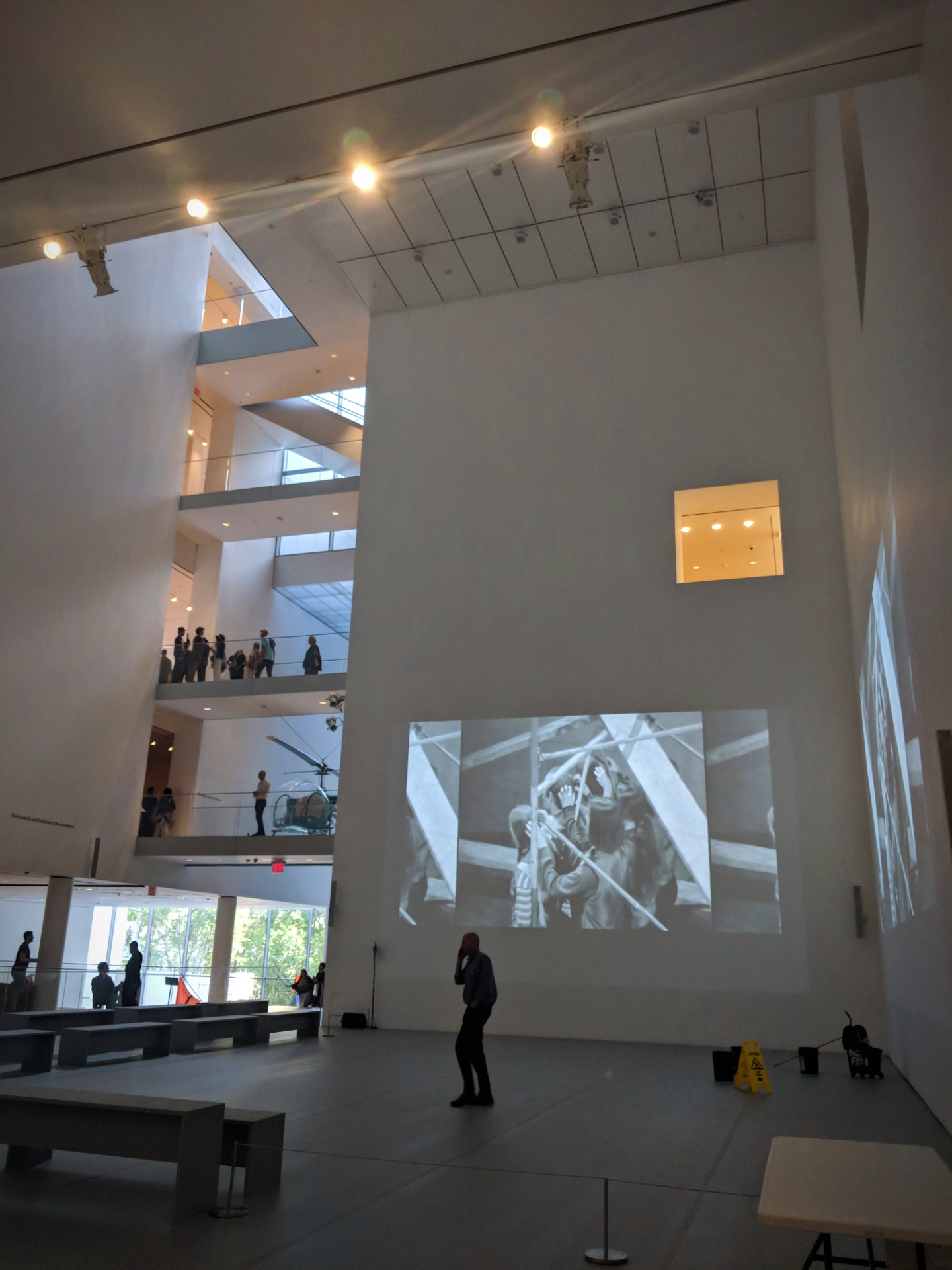
Images from Disappearing Acts, a Bruce Nauman retrospective that was presented in two parts, in MoMa and MoMA PS1.

”Disappearing Acts traces what Nauman has called “withdrawal as an art form”—both literal and figurative incidents of removal, deflection, and concealment. Bodies are fragmented, centers are left empty, voices emanate from hidden speakers, and the artist sculpts himself in absentia, appearing only as negative space. The retrospective charts these forms of omission and loss across media and throughout the decades, following Nauman as he circles back to earlier concerns with new urgency. Presented in two complementary parts, at The Museum of Modern Art and MoMA PS1, this is the most comprehensive exhibition of the artist’s work ever assembled.” [source: MoMA]

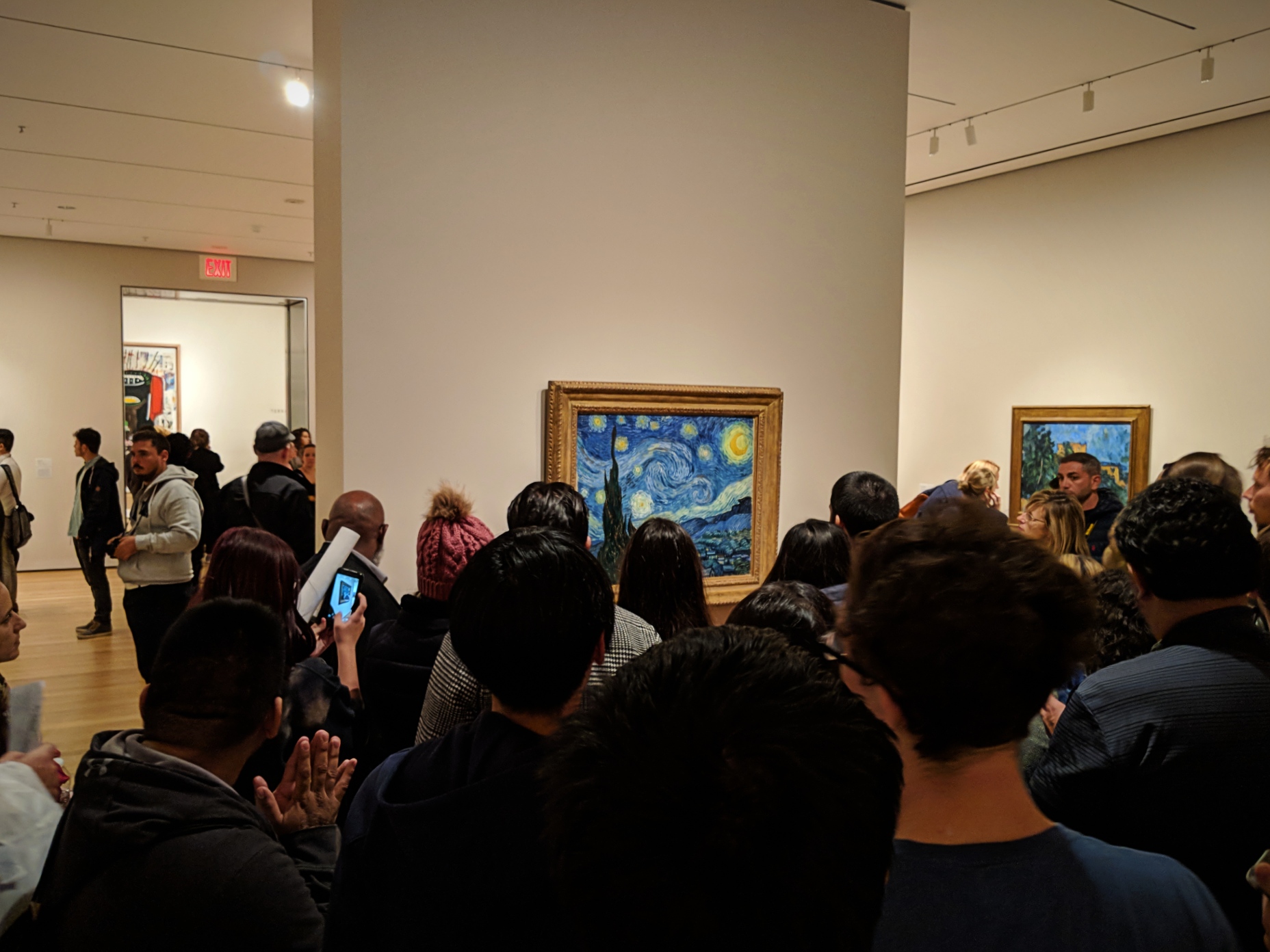
Last photo (not) showing the Starry Night, by Vincent van Gogh; I wonder when (or even if) will we ever see crowds like this anymore…

October 19th, 2018

The UN Bubble

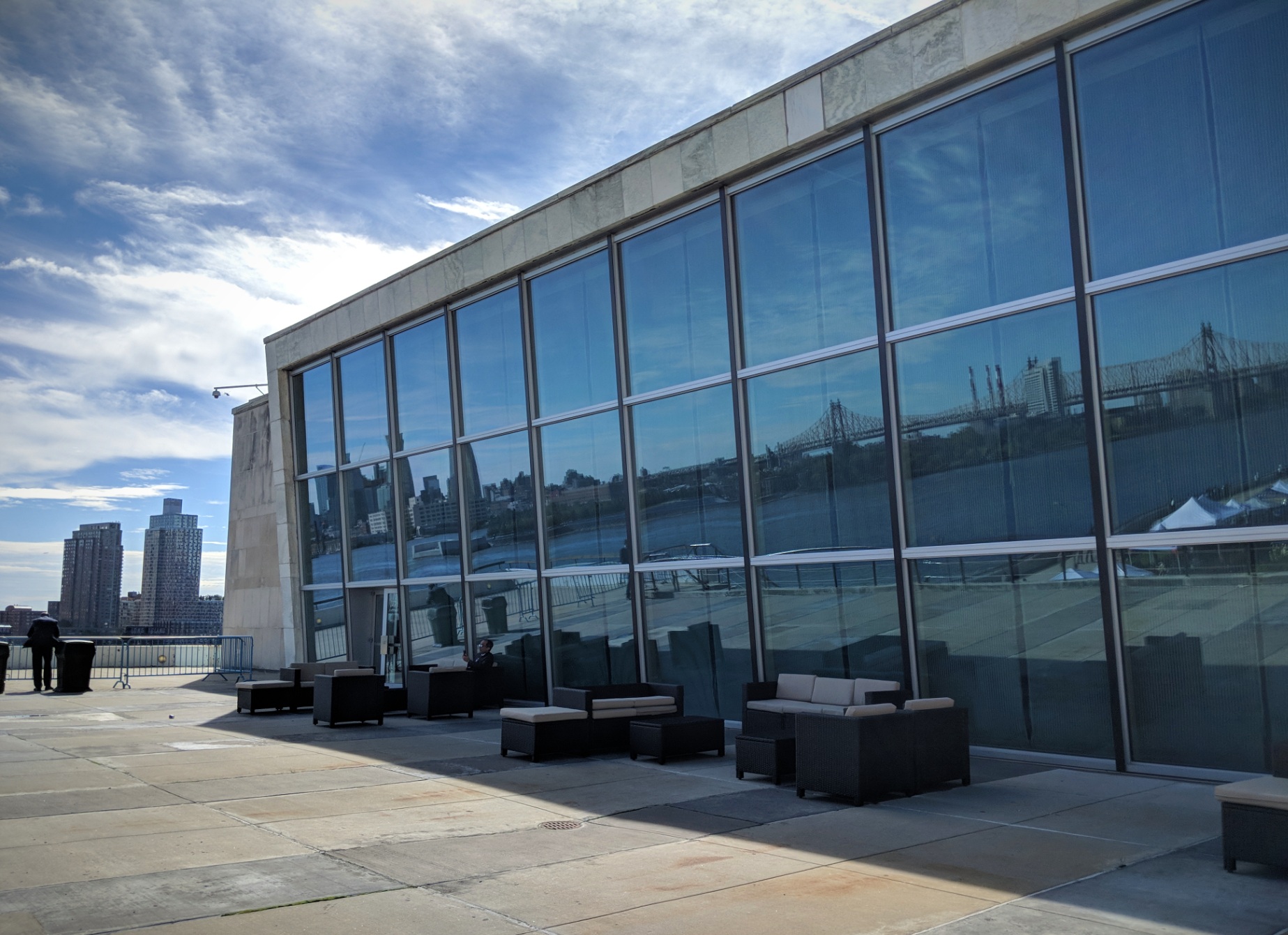
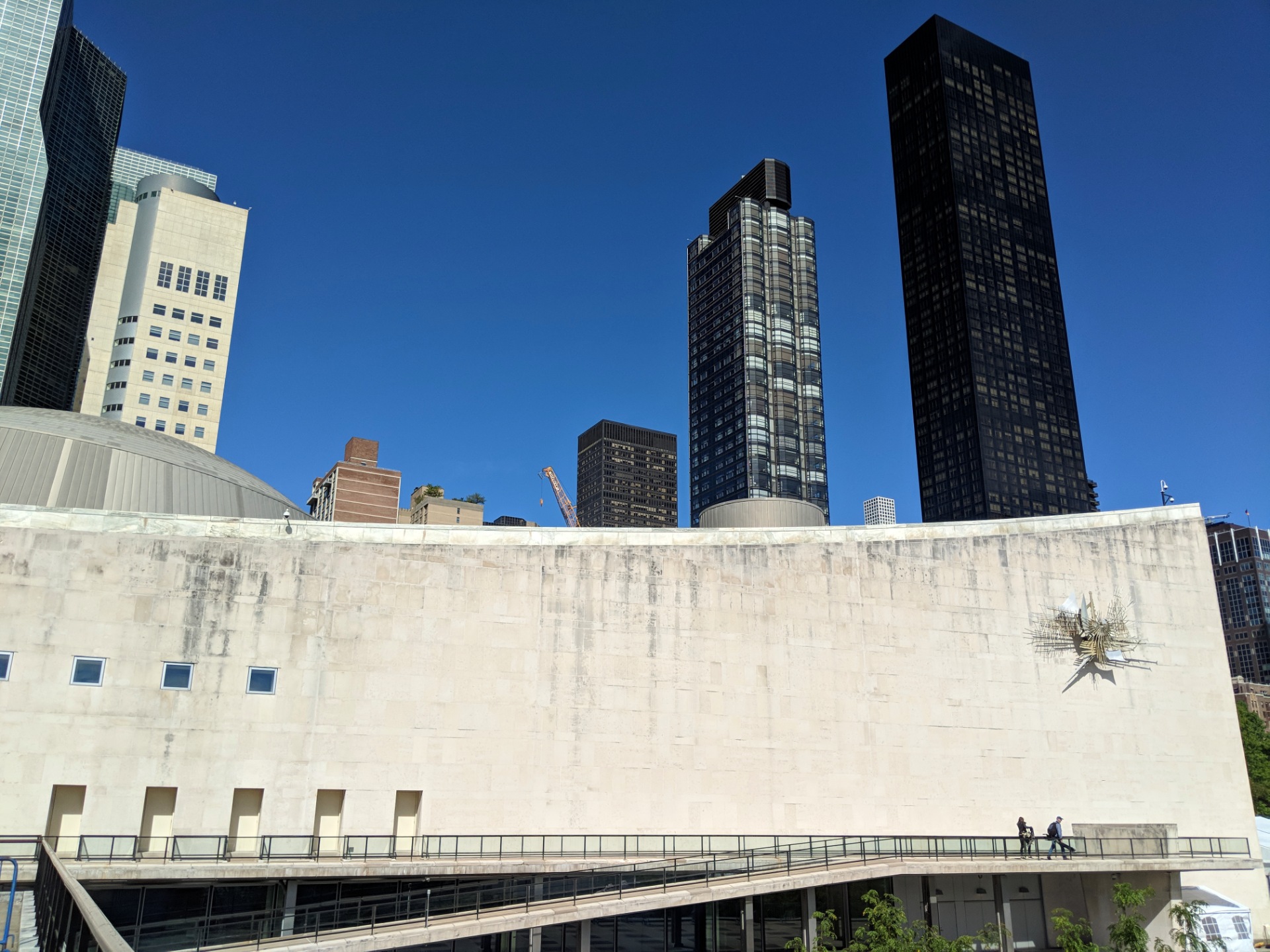
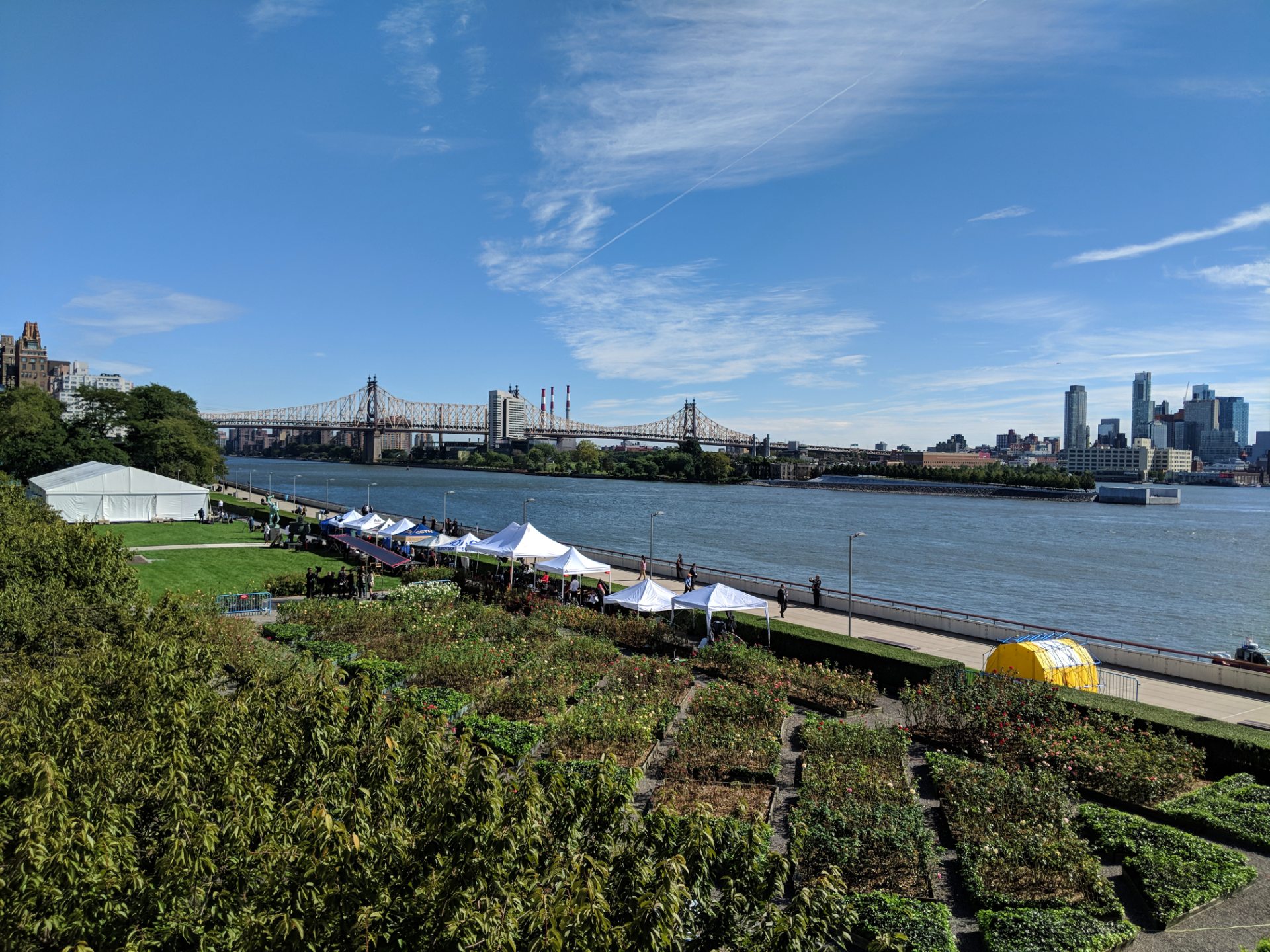
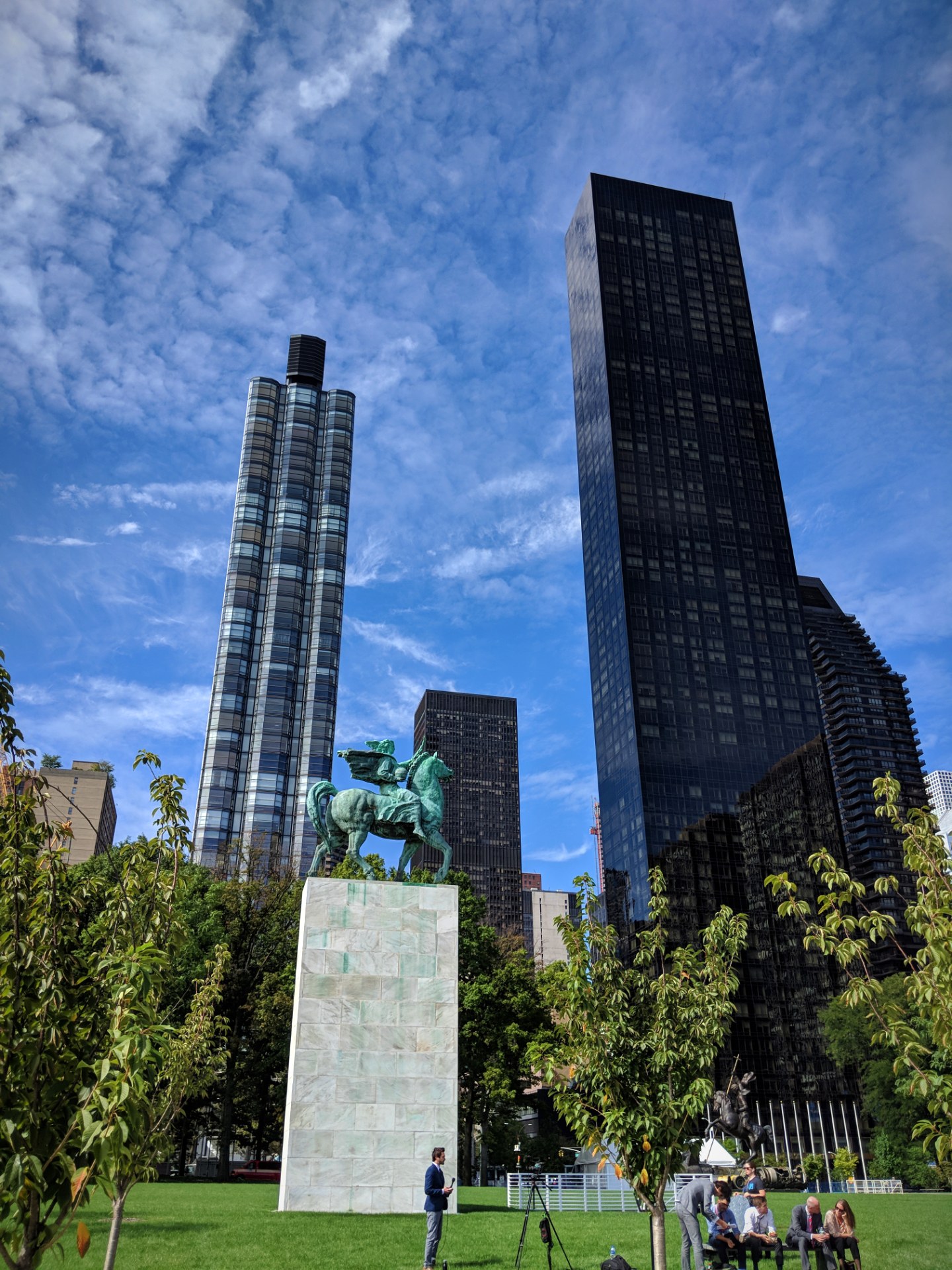
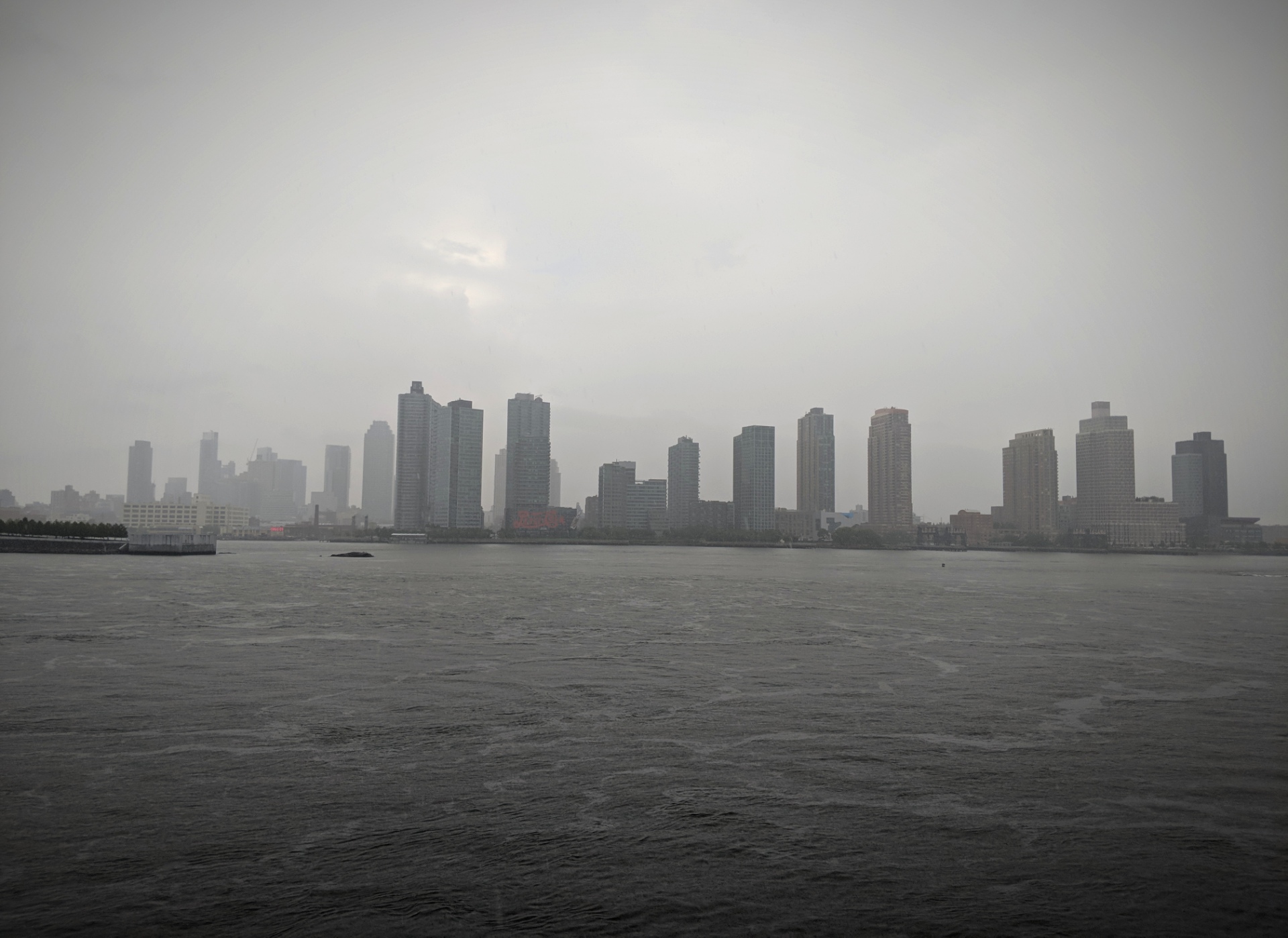
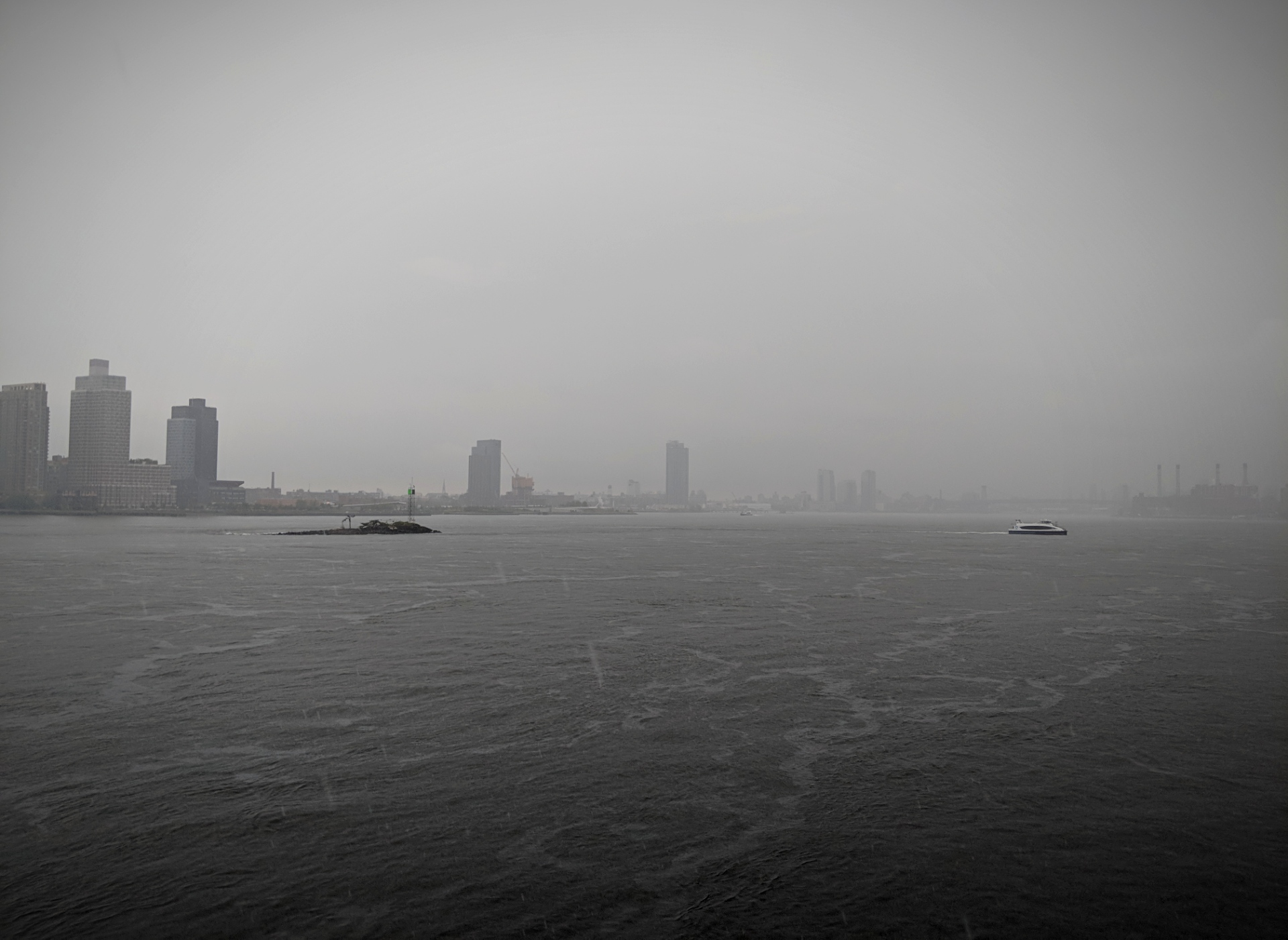
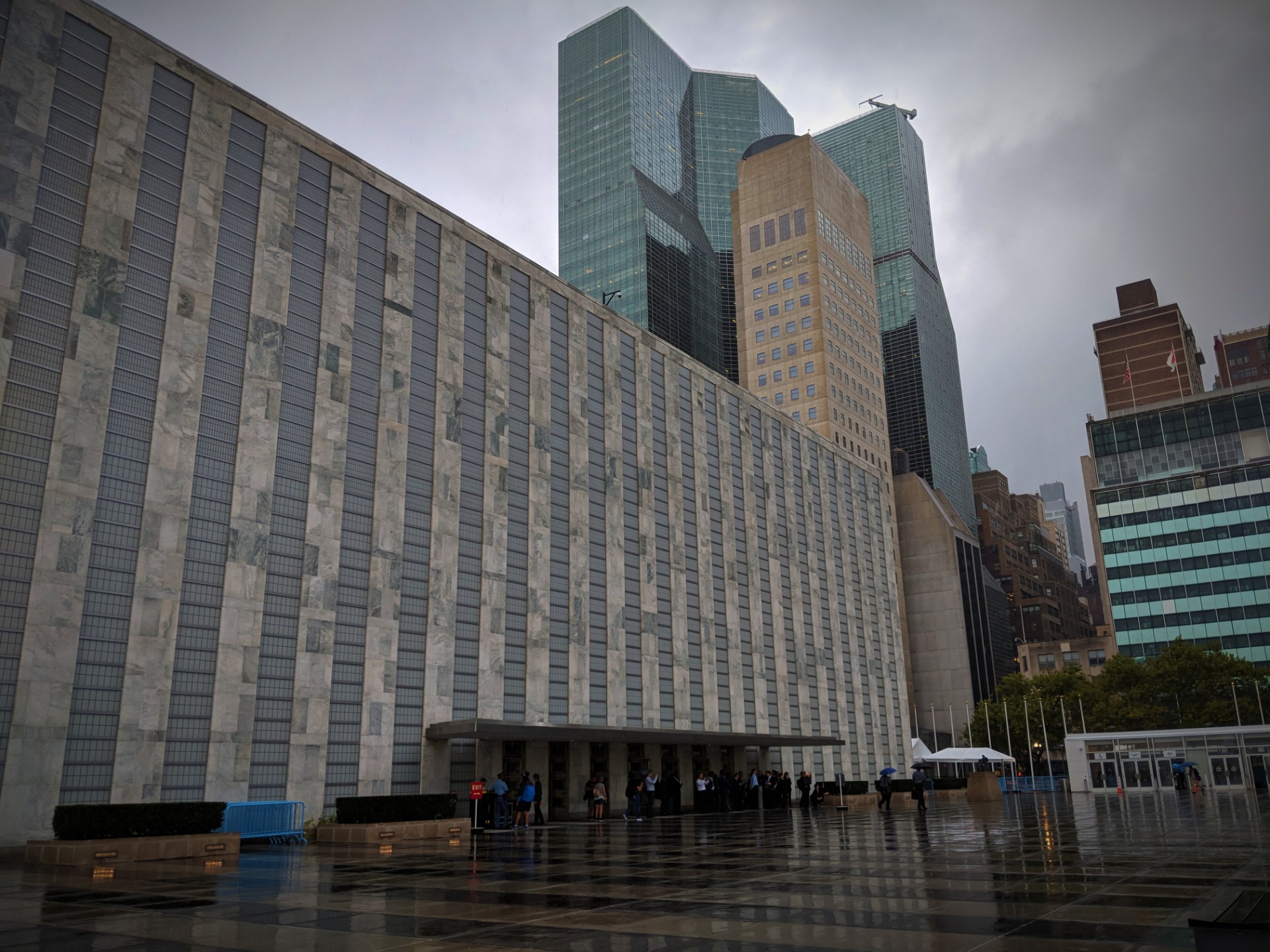
Visiting the site of UN Headquarters is like walking into a bubble; a microcosm of our world within my reach, coming to terms with the knowledge I’m no longer walking in New York City but on the grounds of an international territory.

The site of UN Headquarters is owned by the United Nations. It is an international territory. No federal, state or local officer or official of the United States, whether administrative, judicial, military or police, may enter UN Headquarters, except with the consent of and under conditions agreed to by the Secretary-General of the Organization.

United Nations Headquarters remains both a symbol of peace and a beacon of hope – in the present troubled times, more than ever.

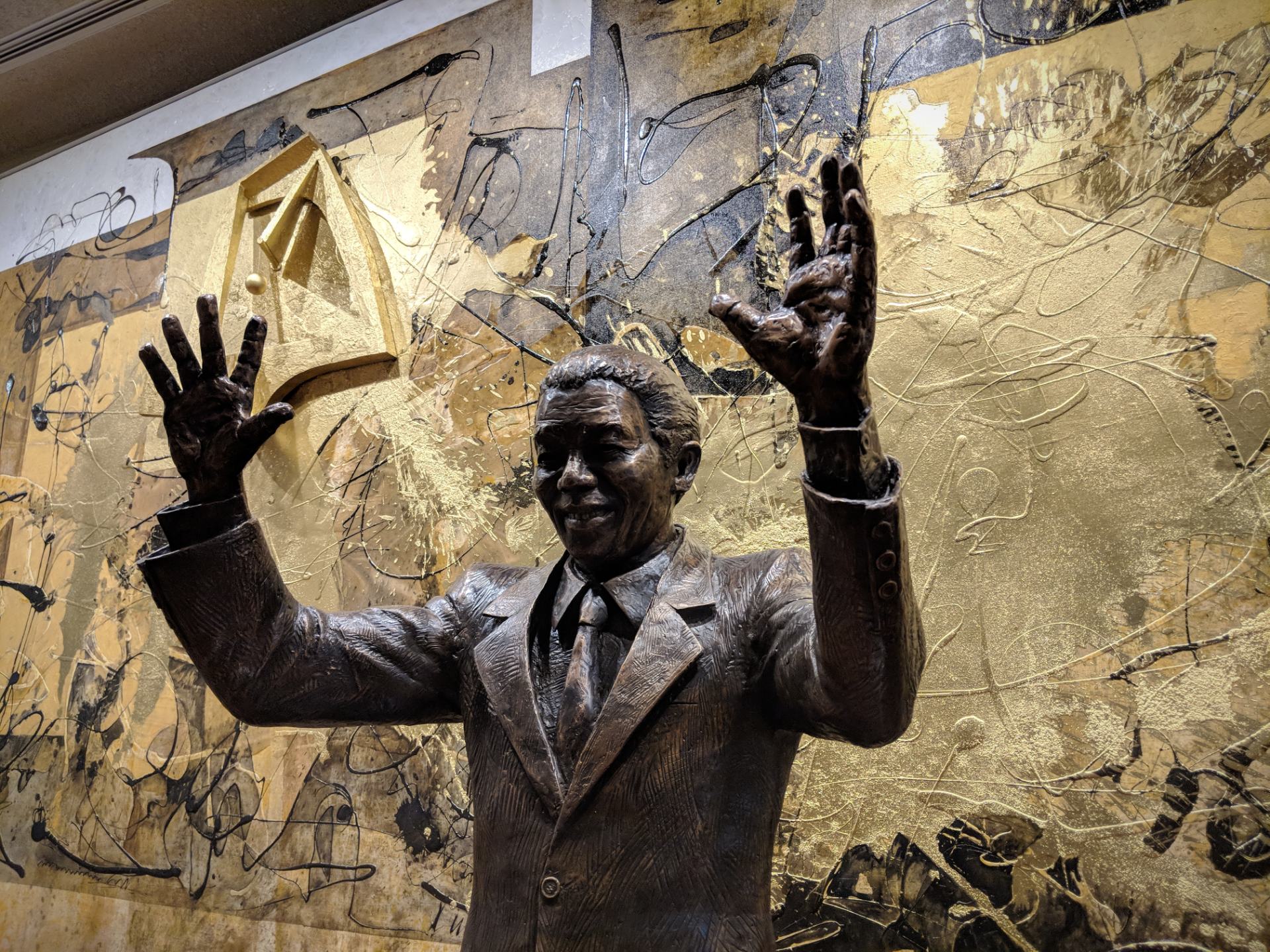
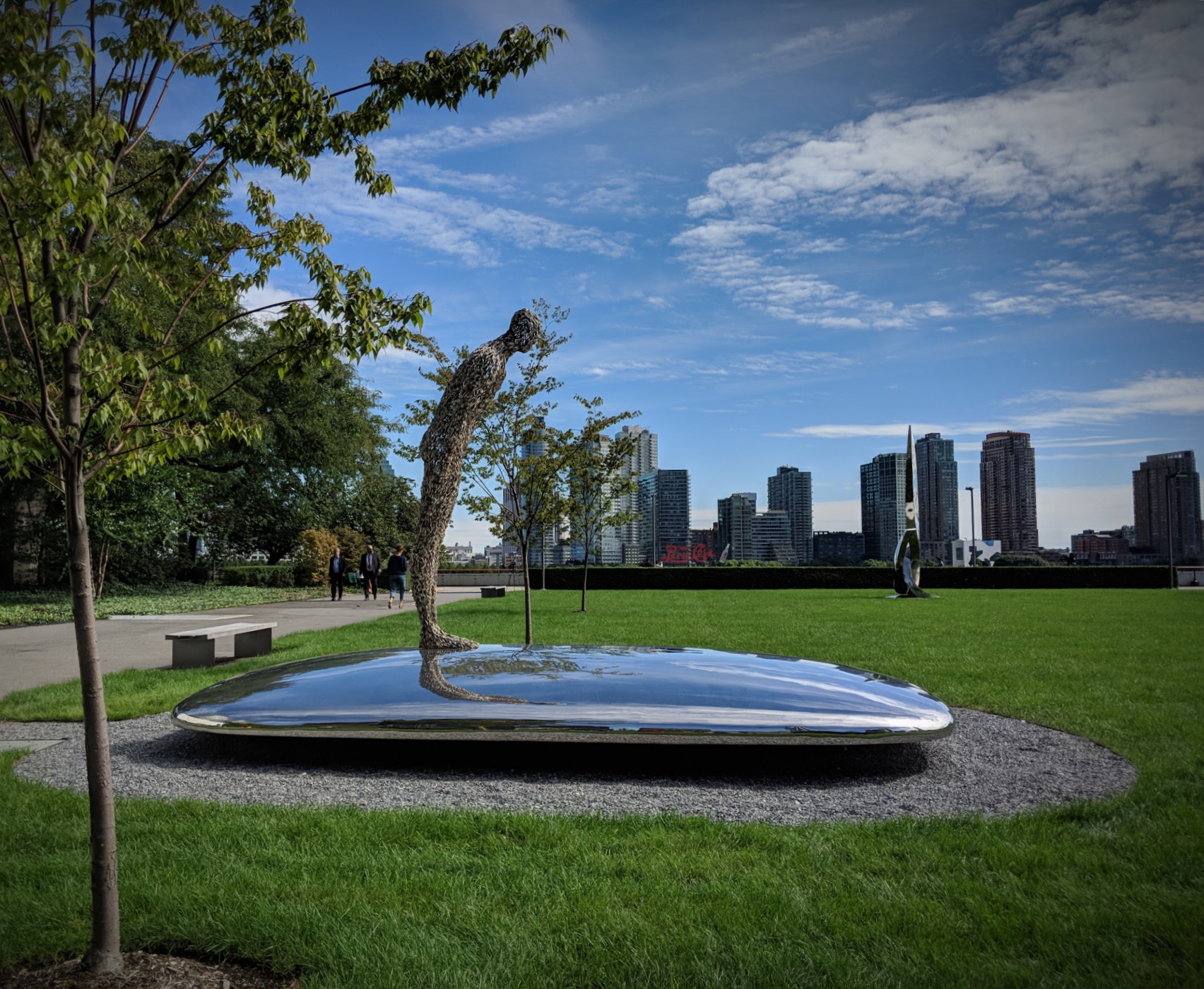
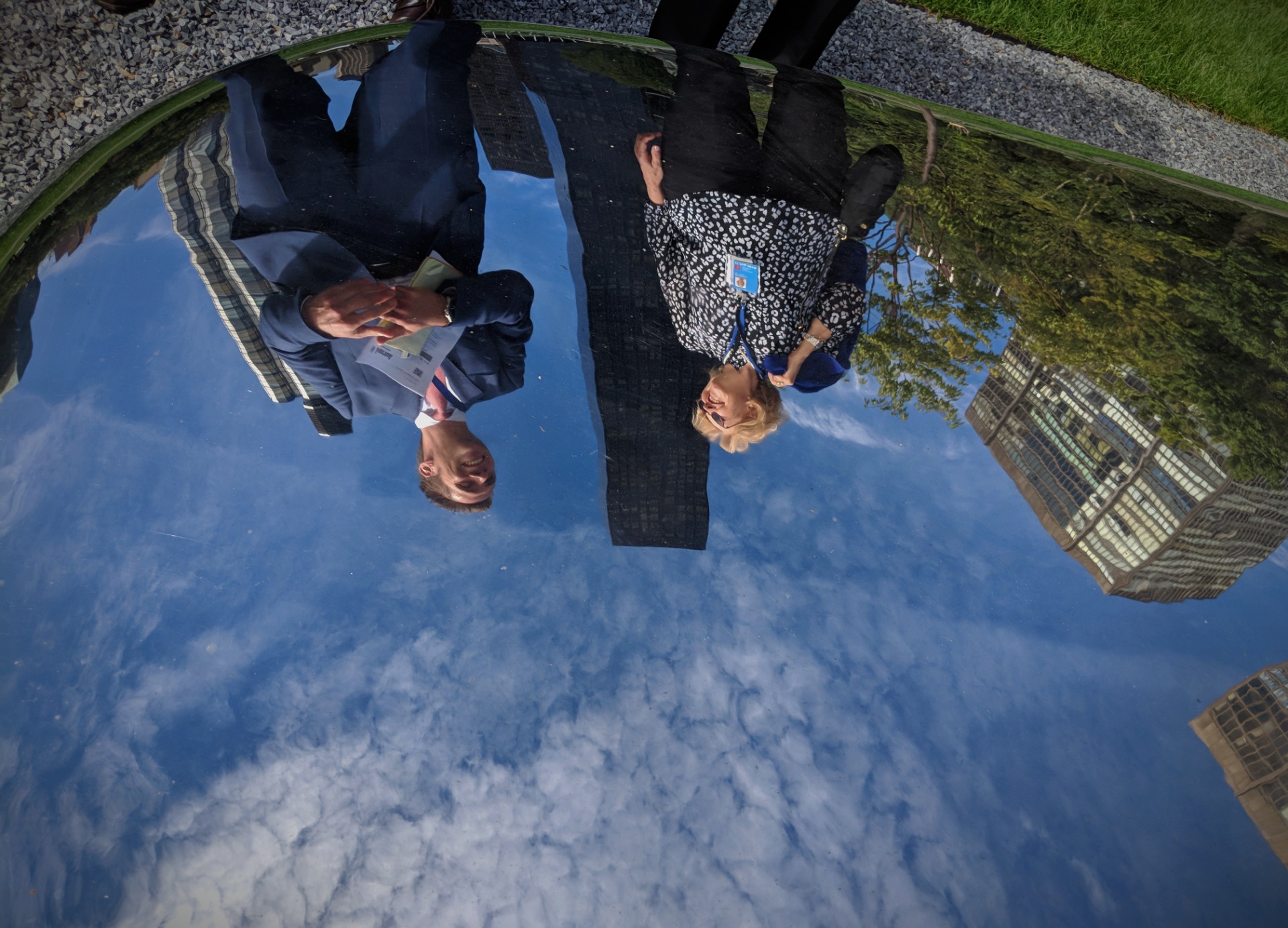
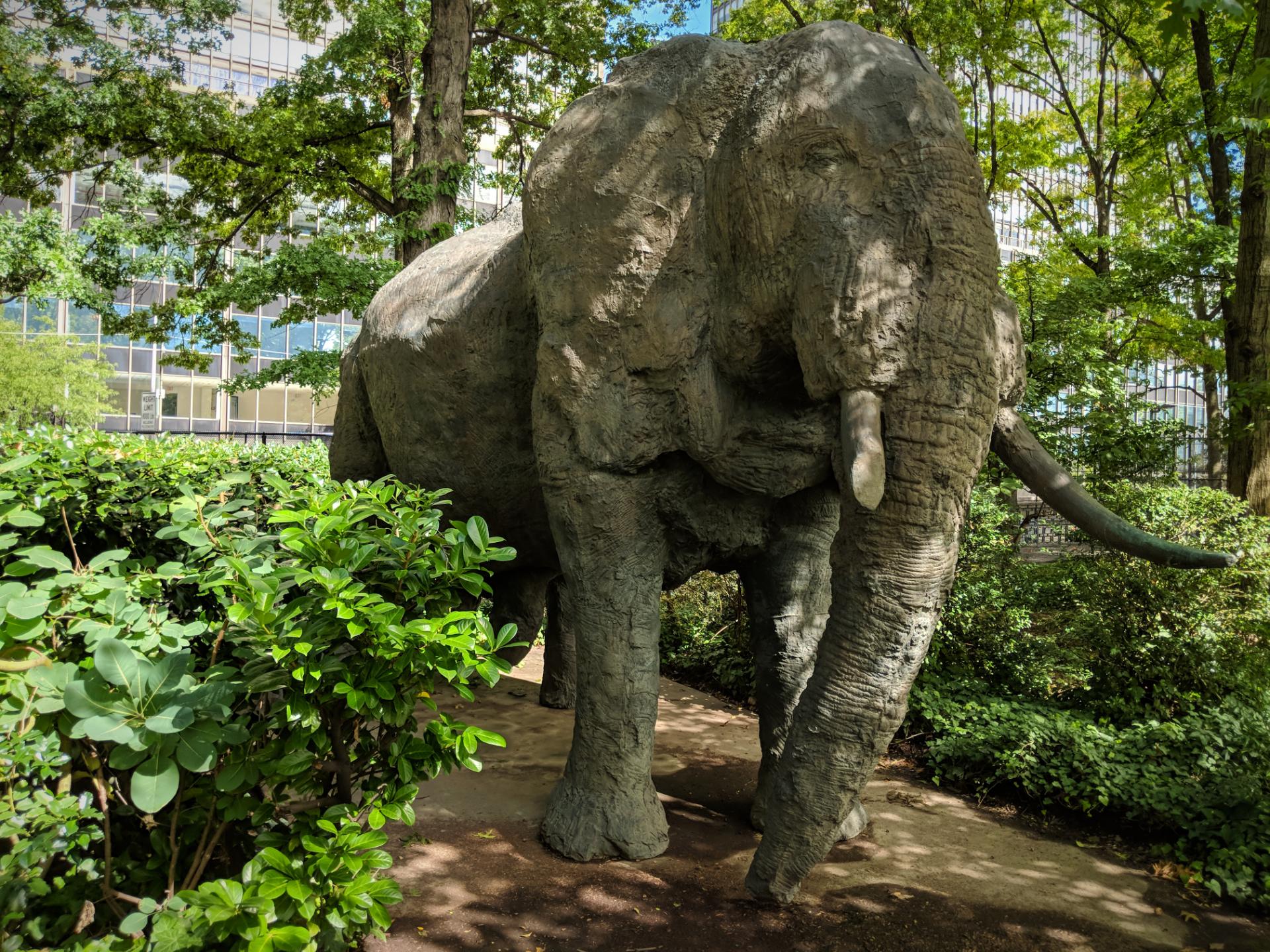
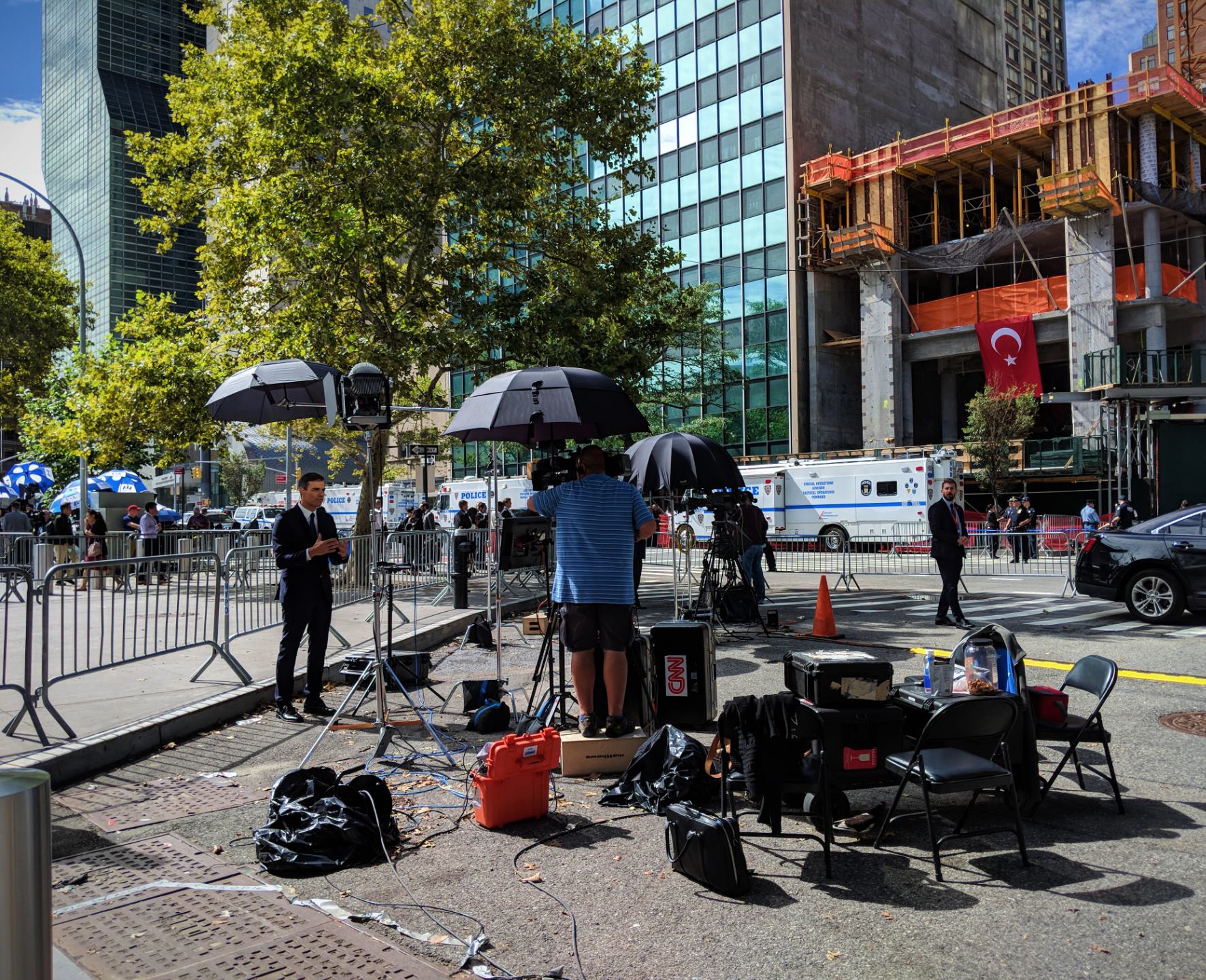
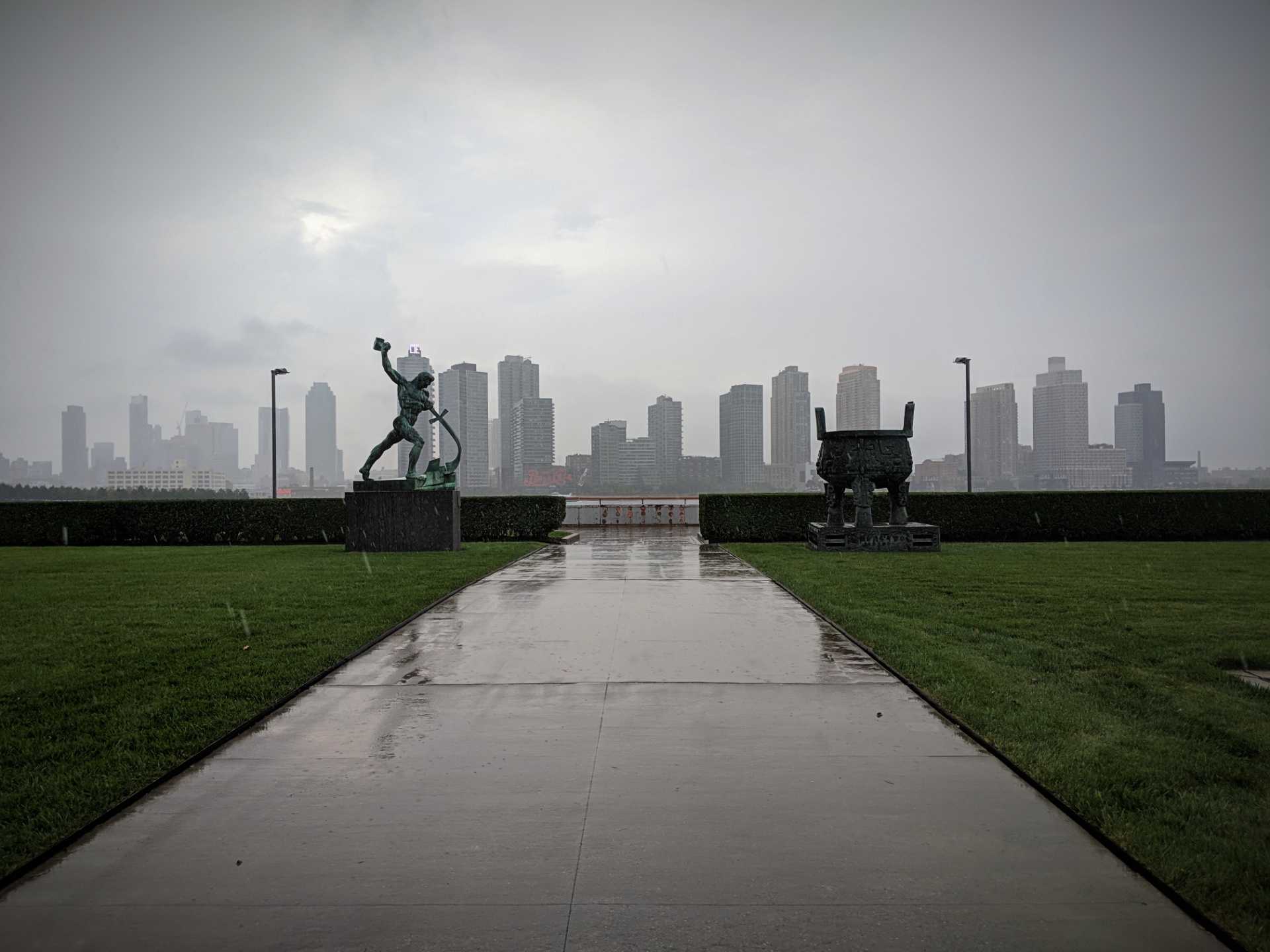
Images taken during the 73rd Session of the UN General Assembly (UNGA 73)

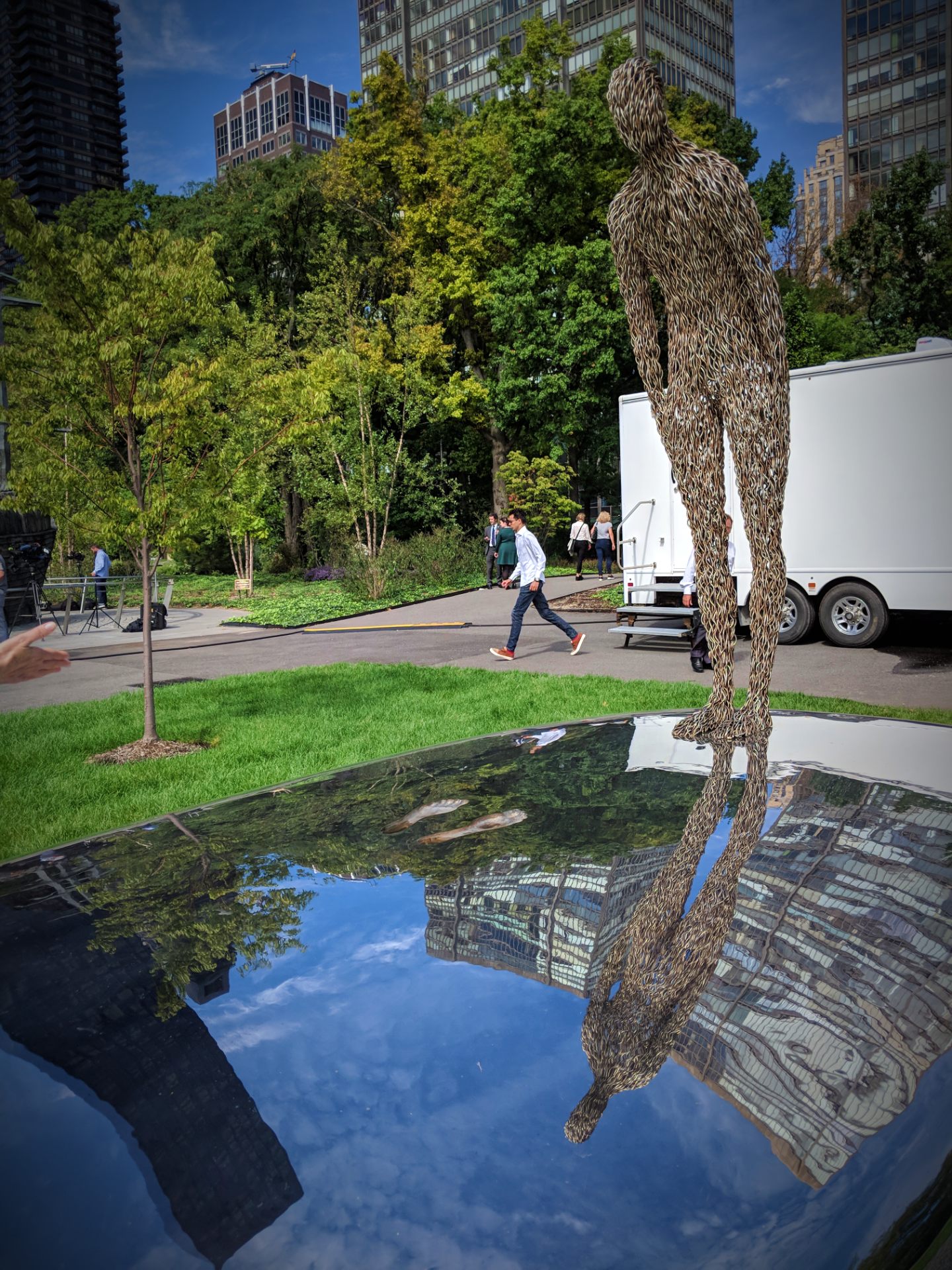
Sculpture: “Consciousness”  by Mongolian artist Ochirbold Ayurza, a gift from Mongolia to the United Nations

September 27th, 2018

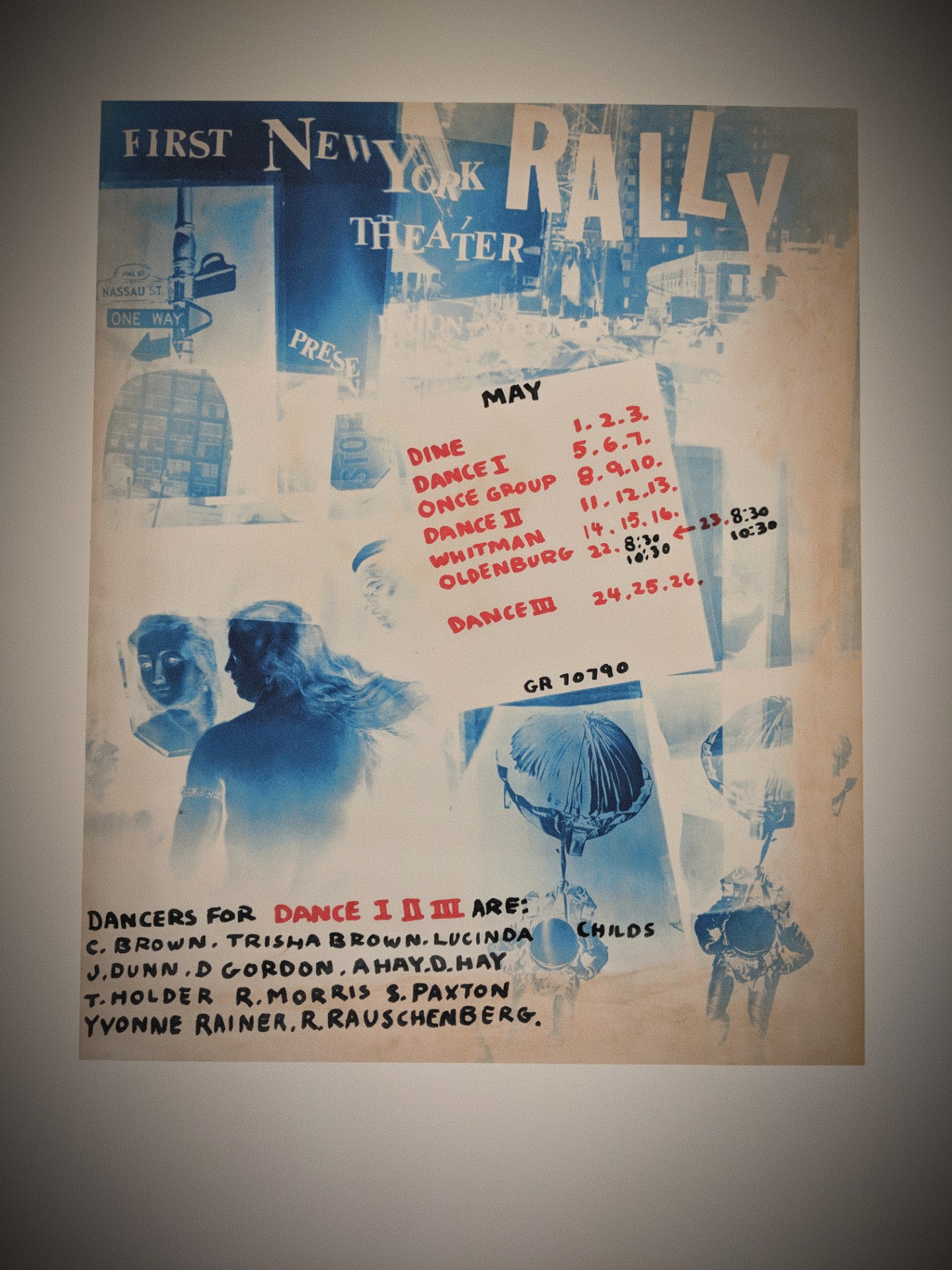
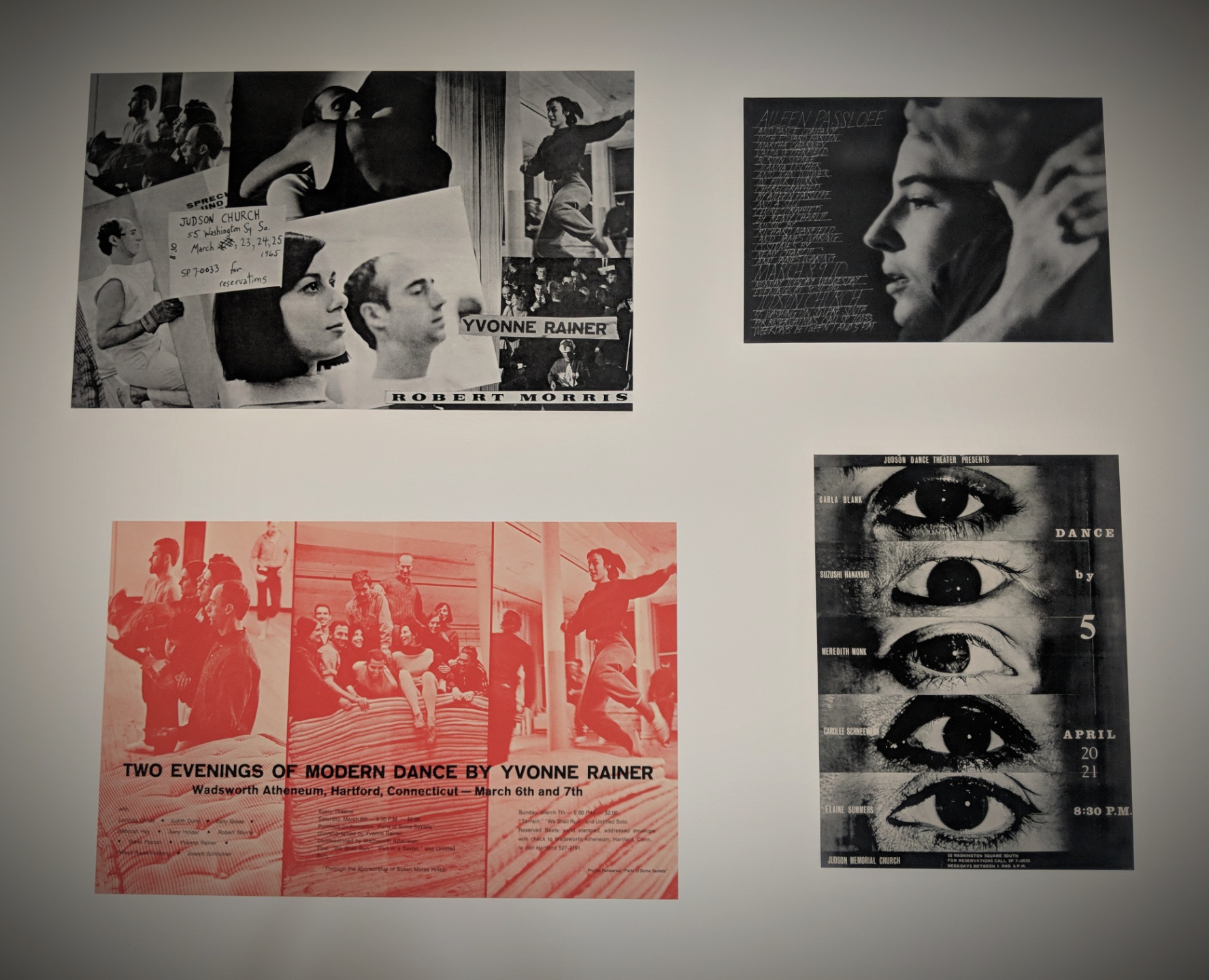
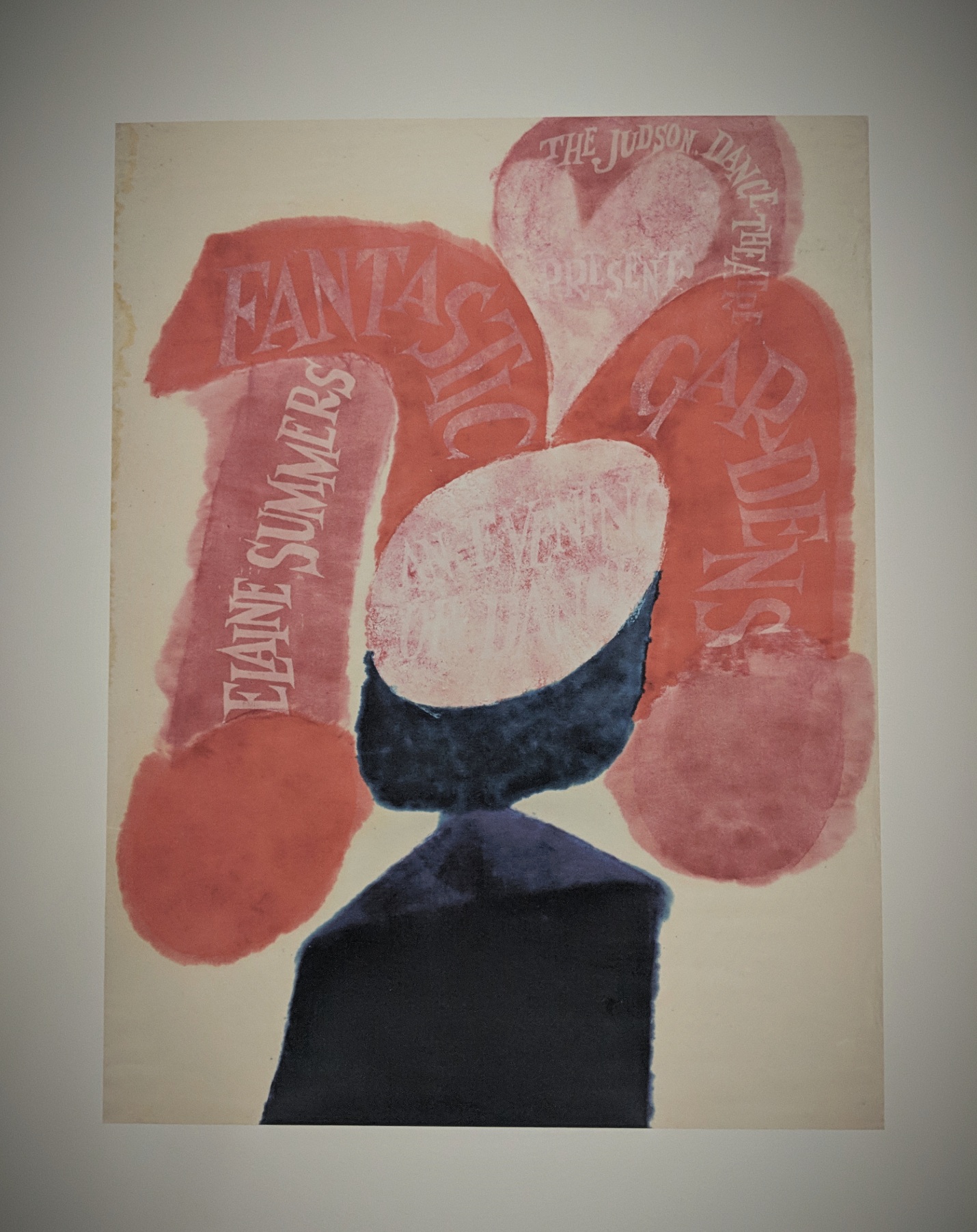
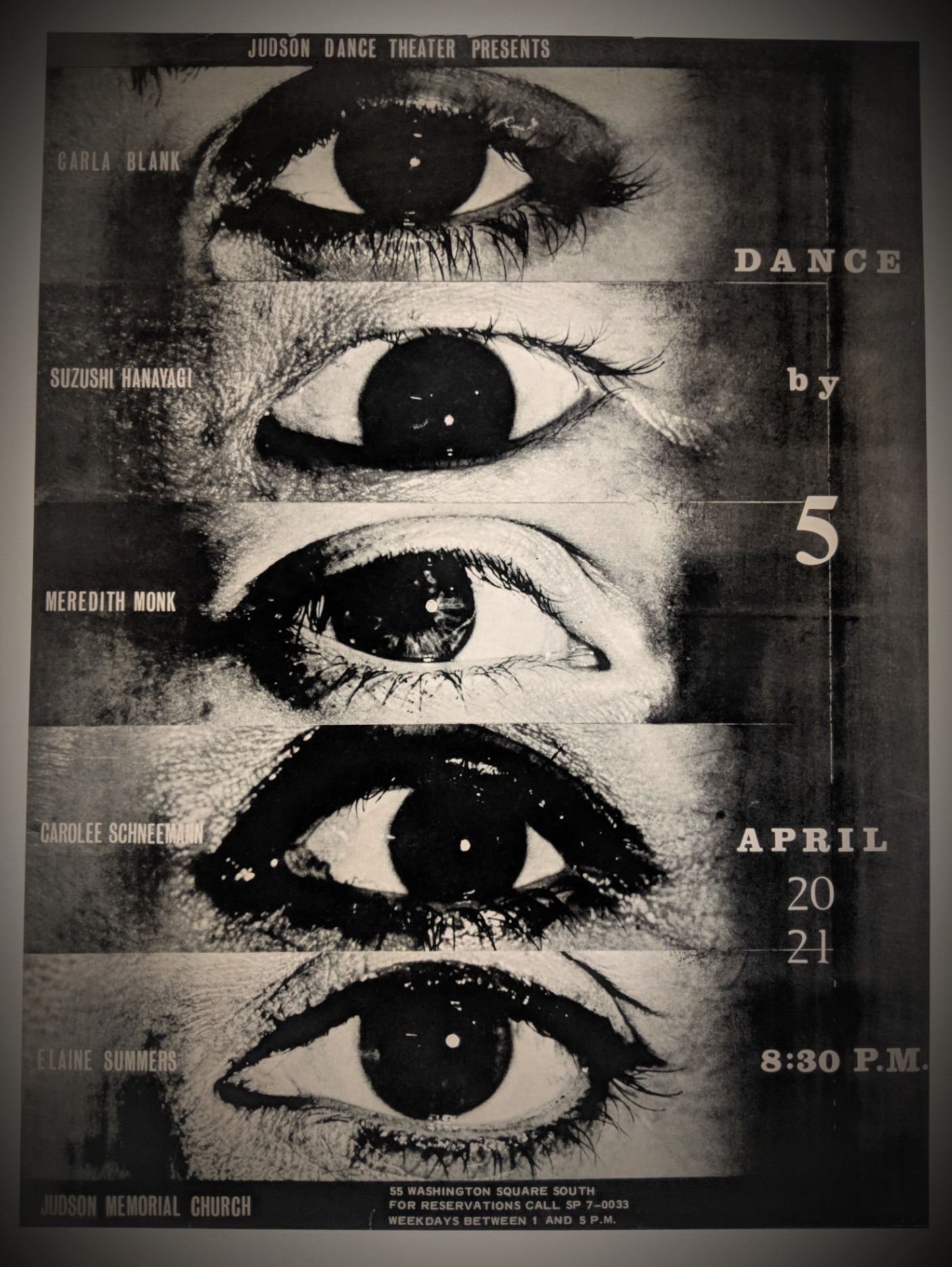
Judson Dance Theater: The Work Is Never Done [@MoMA]

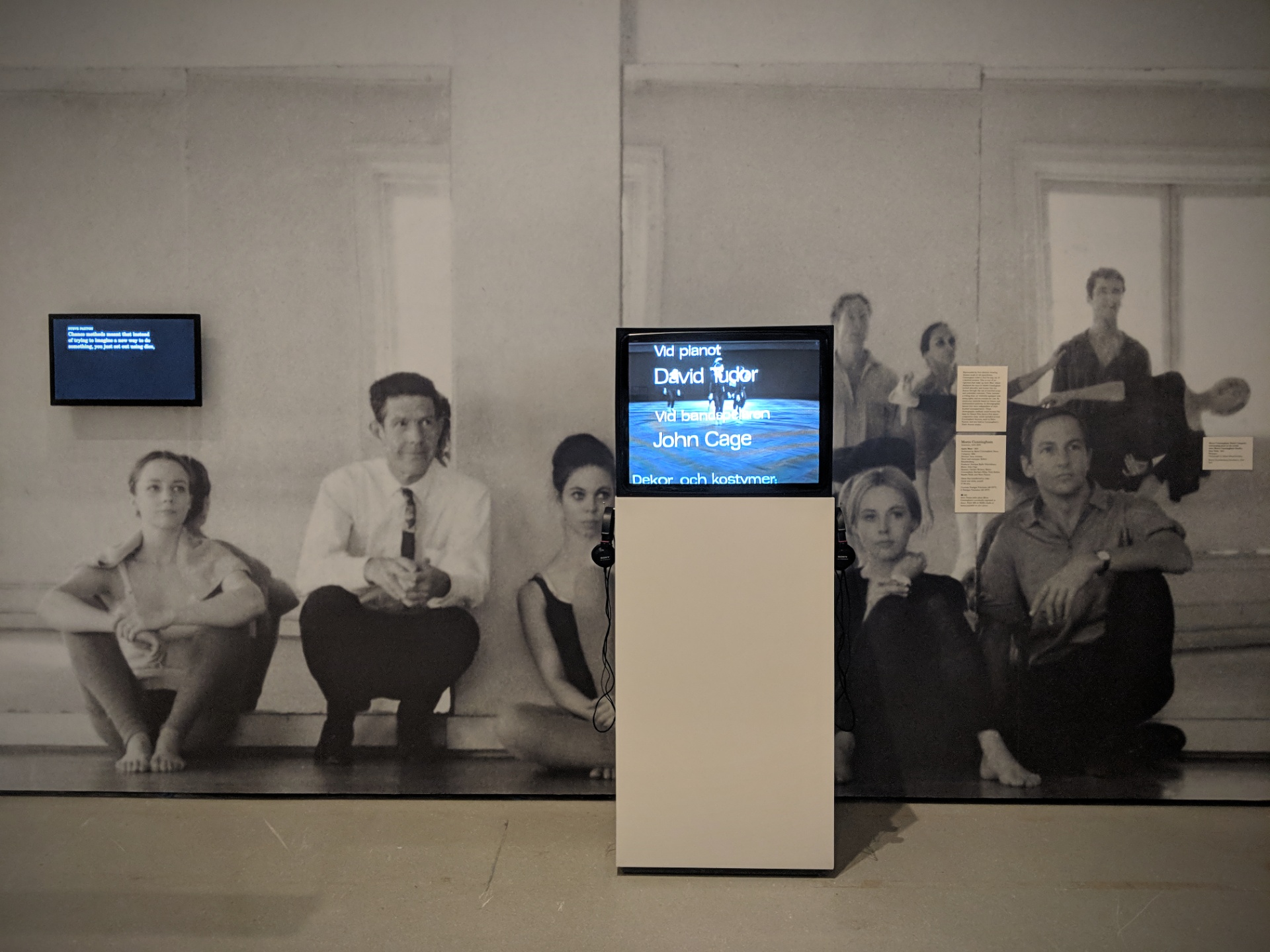
”For a brief period in the early 1960s, a group of choreographers, visual artists, composers, and filmmakers gathered in Judson Memorial Church, a socially engaged Protestant congregation in New York’s Greenwich Village, for a series of workshops that ultimately redefined what counted as dance. The performances that evolved from these workshops incorporated everyday movements—gestures drawn from the street or the home; their structures were based on games, simple tasks, and social dances. Spontaneity and unconventional methods of composition were emphasized. The Judson artists investigated the very fundamentals of choreography, stripping dance of its theatrical conventions, and the result, according to Village Voice critic Jill Johnston, was the most exciting new dance in a generation.” – [source: MoMA]

Judson Dance Theater: The Work Is Never Done was a walk through the history of Judson Dance Theater with performances, films, photographs, posters and other archival materials. It was also an introduction to the very beginnings of the life and work of artists I have been admiring for some time – and others that were completely new to me.

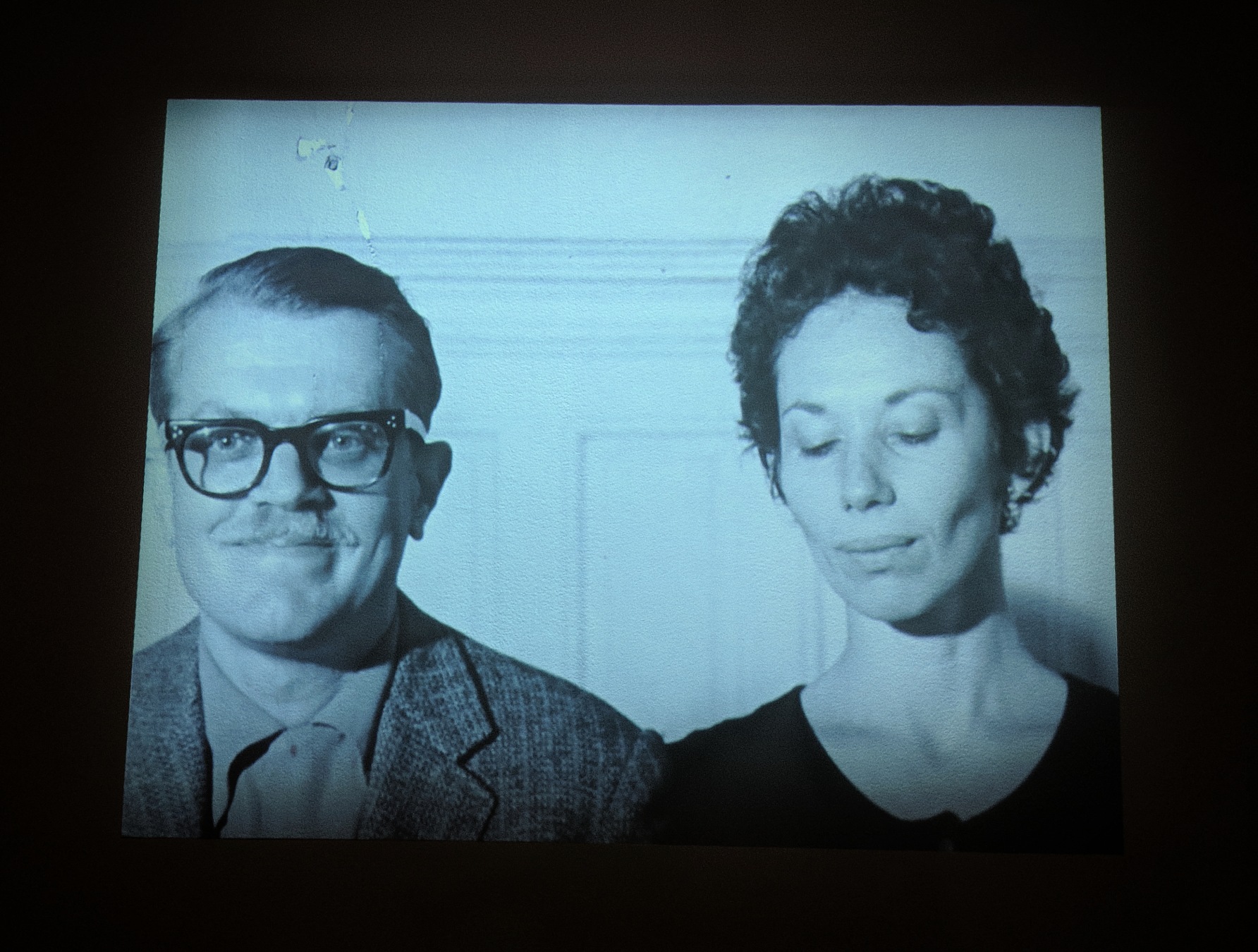
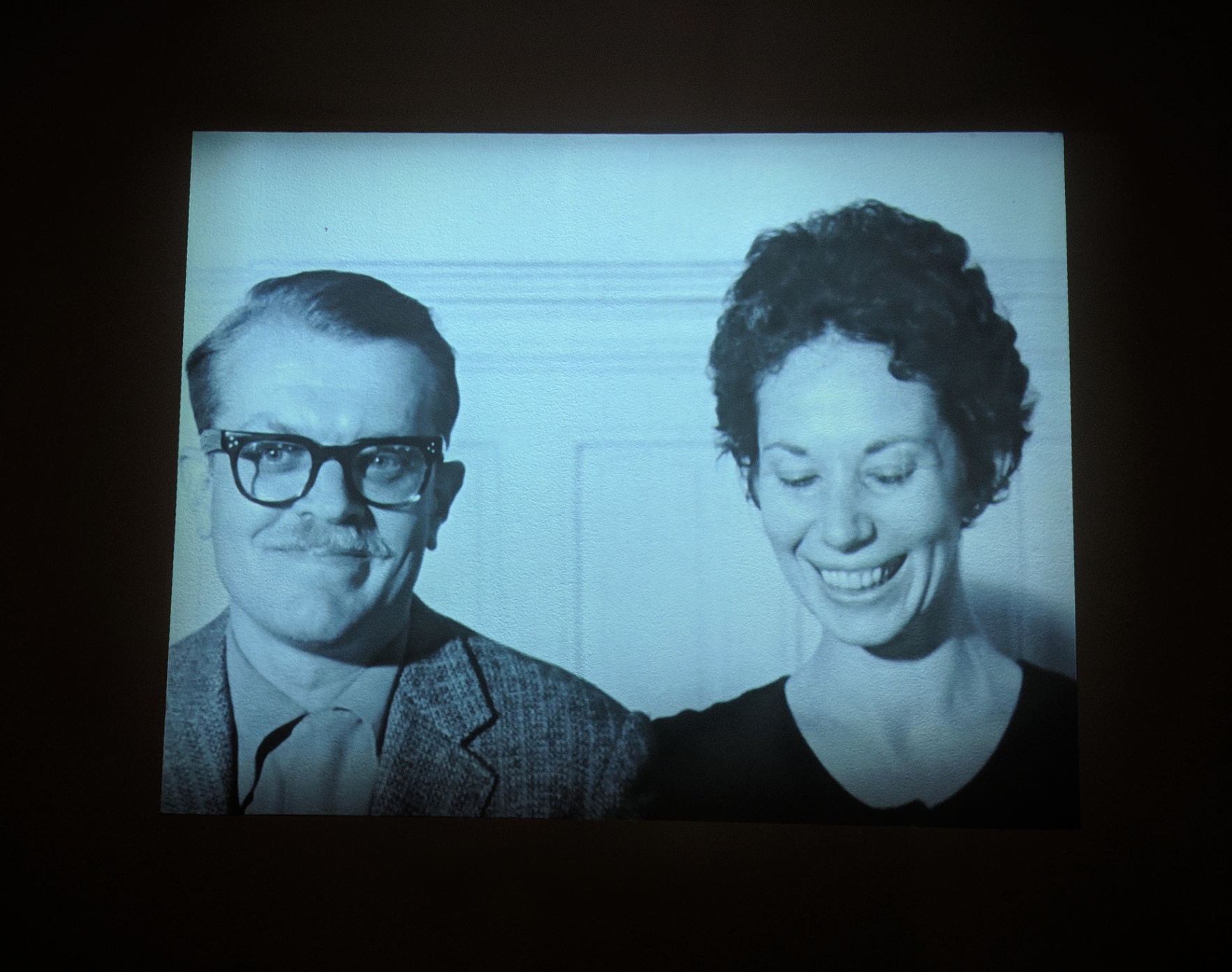
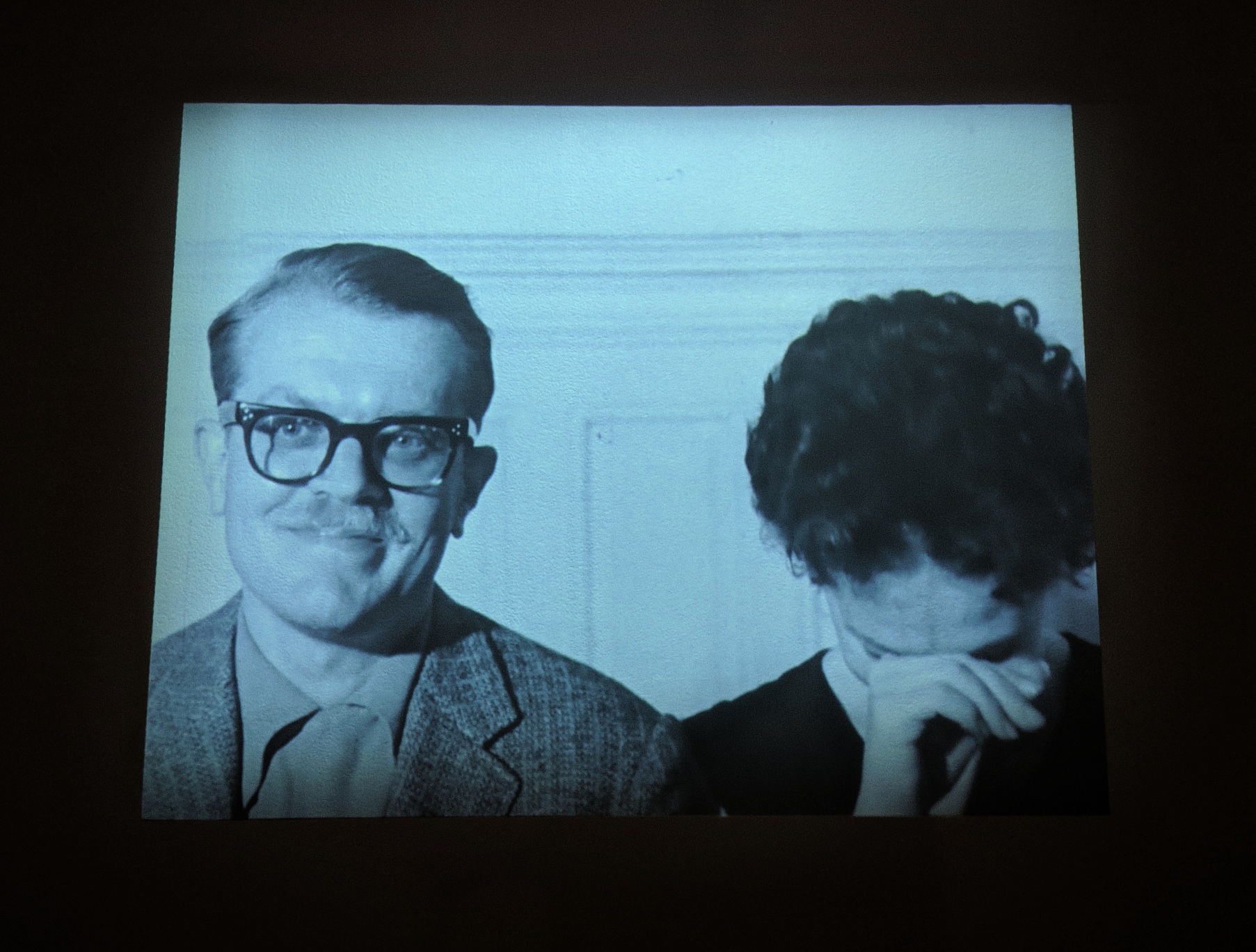
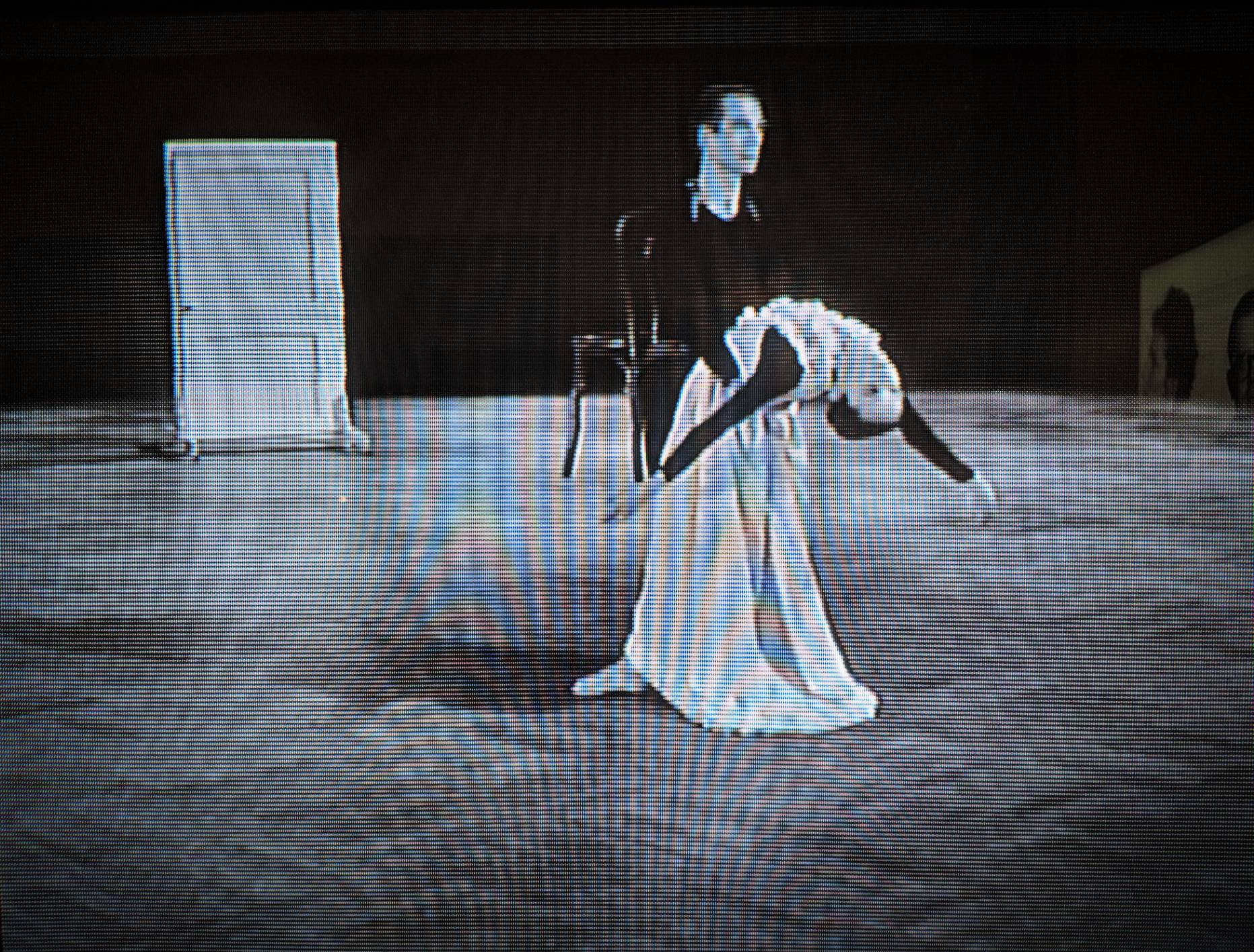
Instructed by the filmmaker Gene Friedman not to talk or hide their faces, Judith Dunn and Robert Ellis Dunn looked directly at the camera with deadpan expressions until they both broke into laughter. Judith Dunn was a choreographer and member of Merce Cunningham’s company, while Robert Dunn was a teacher and Cunningham’s accompanist.

Gene Friedman
Excerpt from Heads, 1965
16mm film transferred to video


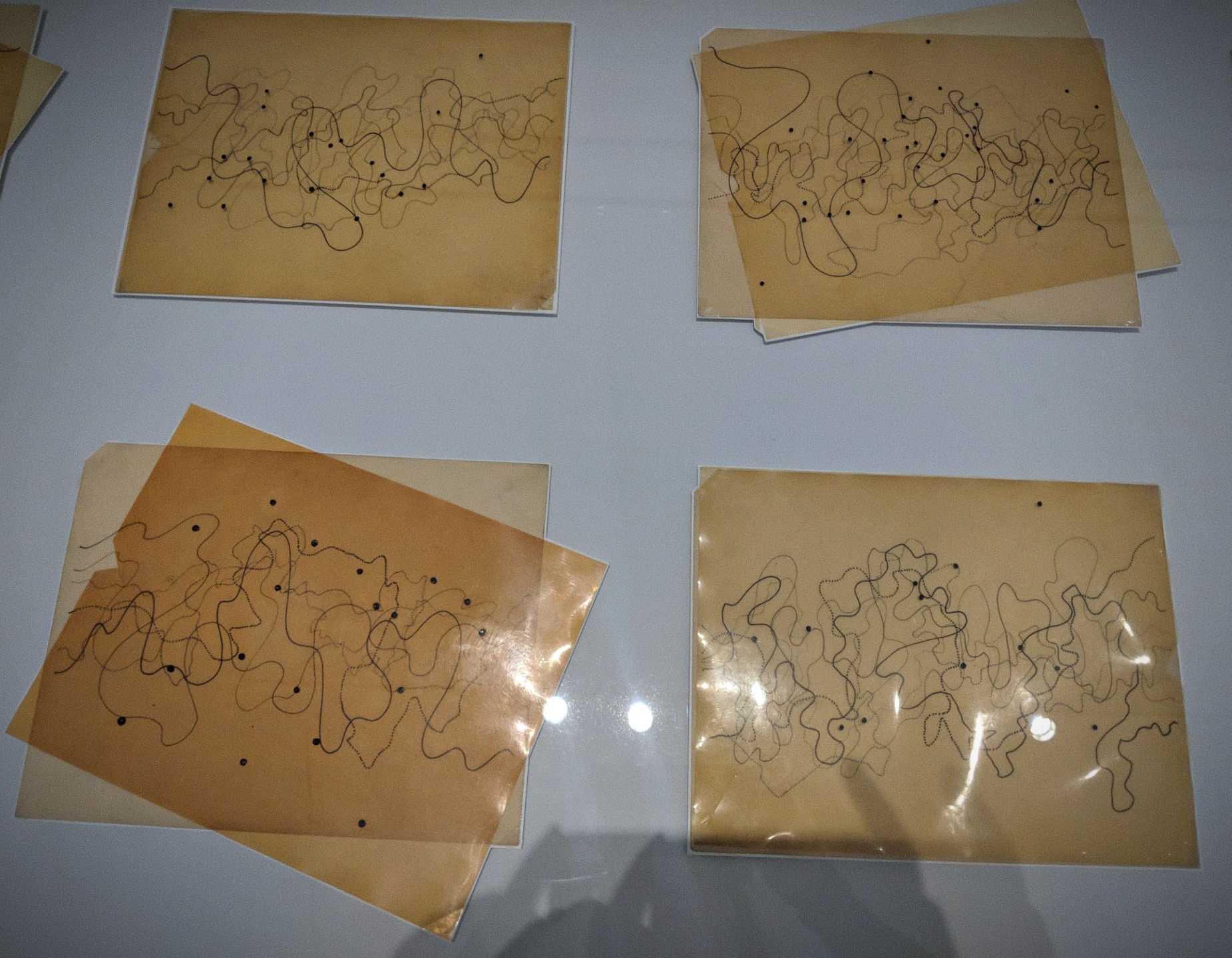
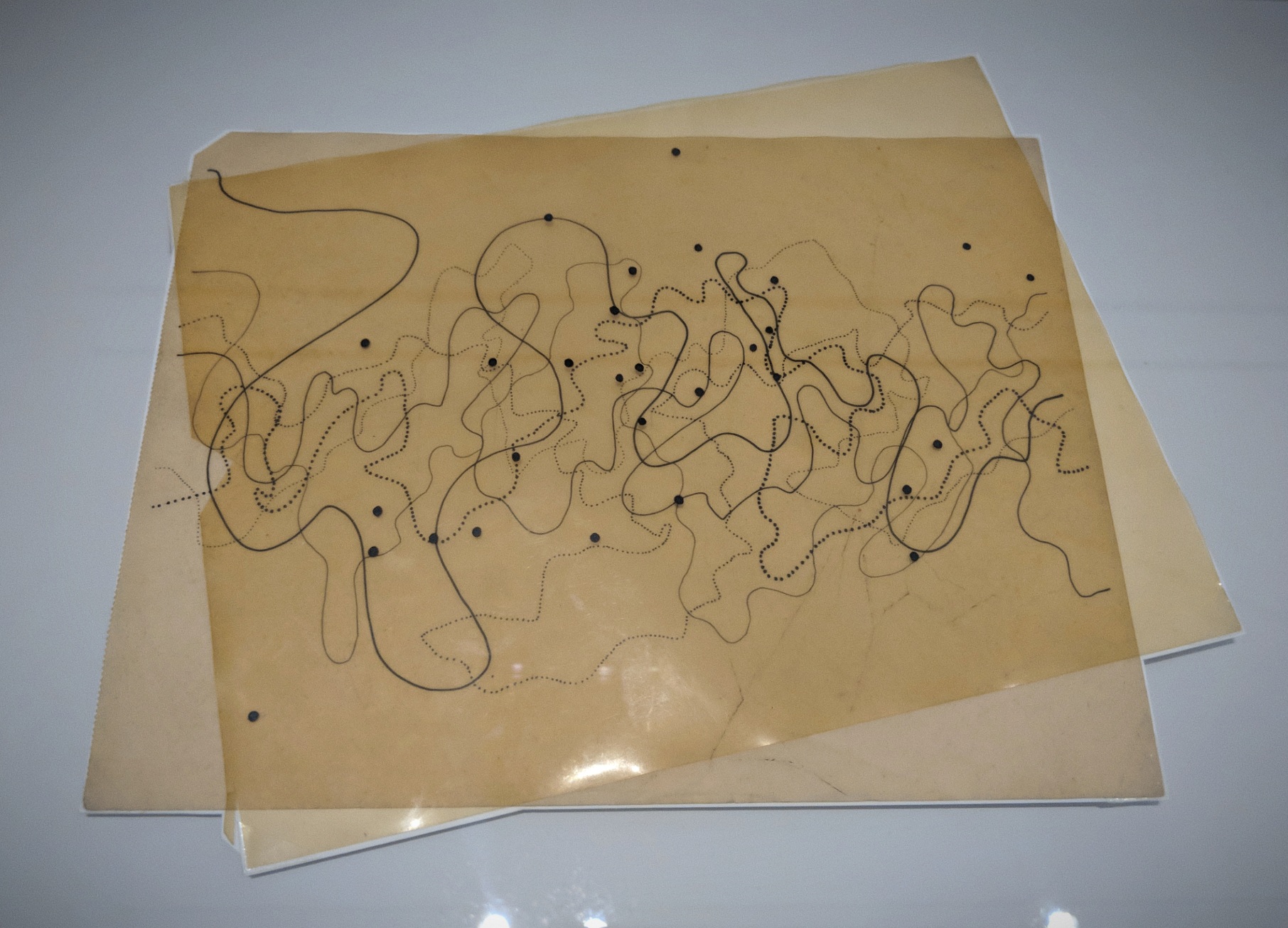
In his workshops, Robert Ellis Dunn presented his students with Cage’s score for ”Fontana Mix” and asked them to use it as inspiration for a performance. The score instructed performers to layer transparencies containing lines and dots over a grid to create a random visual arrangement, with they then interpreted using a variety of movements and actions. This exercise exposed the students to chance operations, a composition technique popularized by Cage that introduced randomness into the art-making process.

John Cage
Fontana Mix, 1958
Ink on paper and transparent sheets


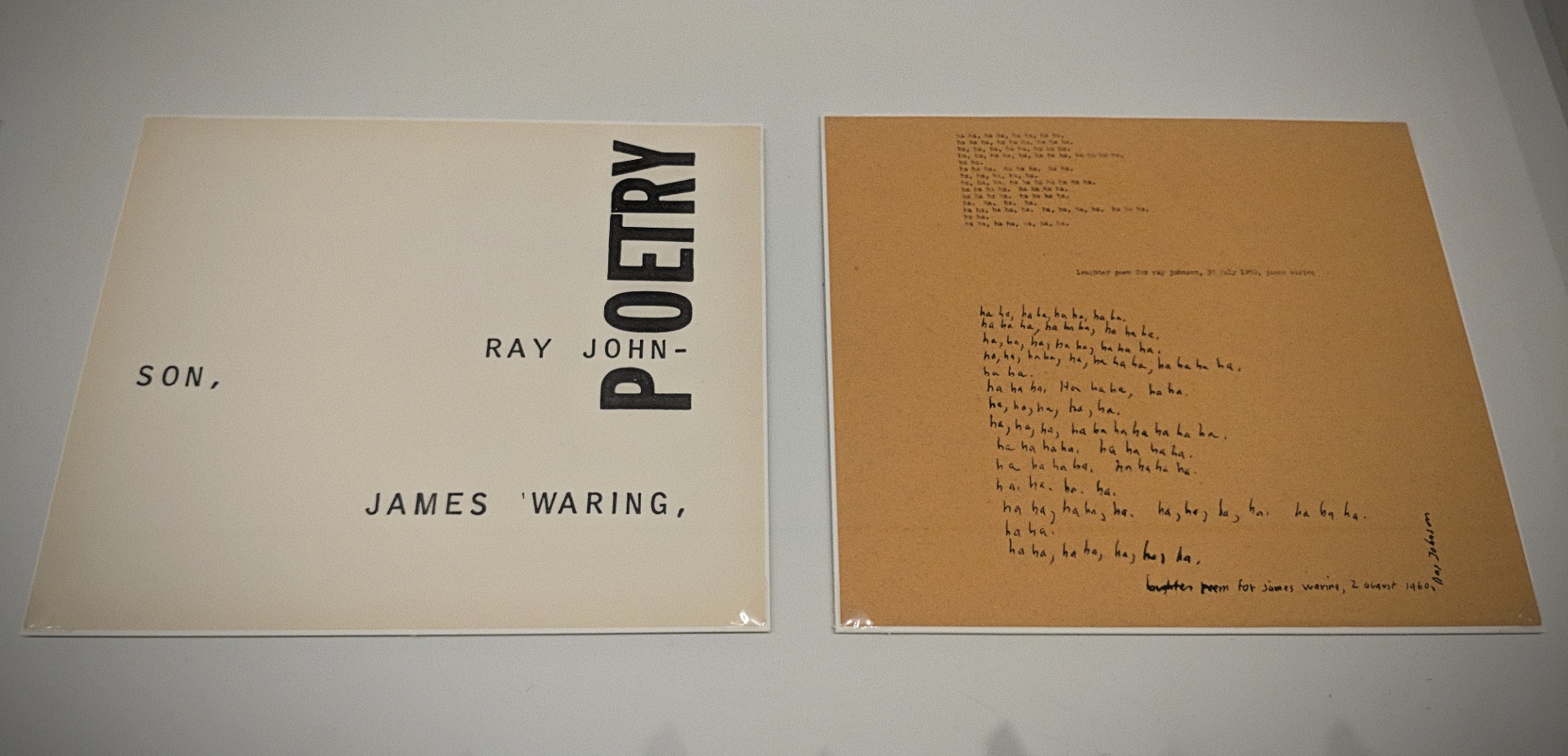
Laughter poem* for James Waring, 2 August 1960, by Ray Johnson


*If you are curious to know how a laughter poem sounds, please click on this page: Atlanta Poets Group to find out. You can also listen to the first one: Laughter poem for Ray Johnson, 30 July 1960, by James Waring
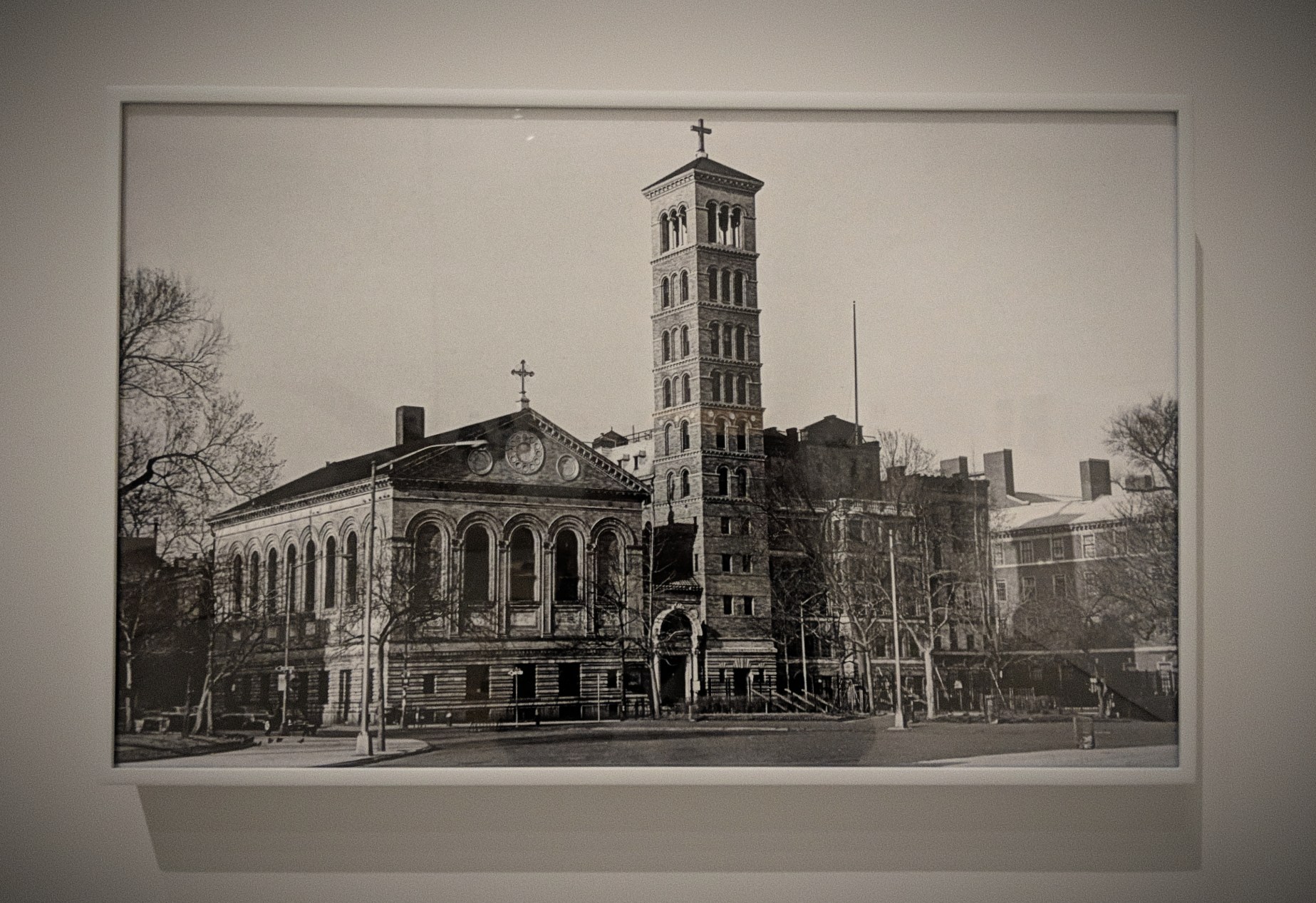
Judson Memorial Church, New York – March 16, 1966
Fred W. McDarrah


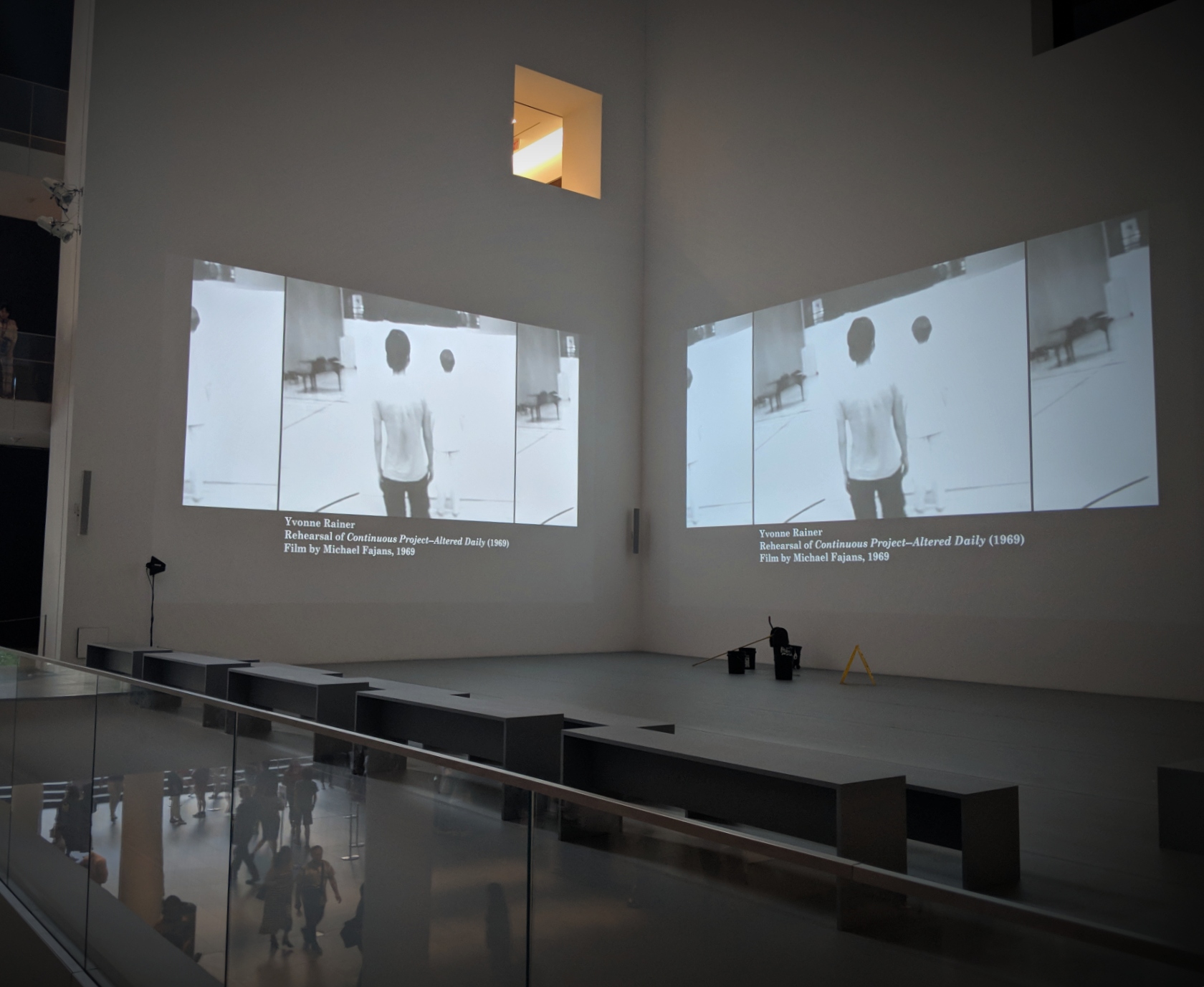
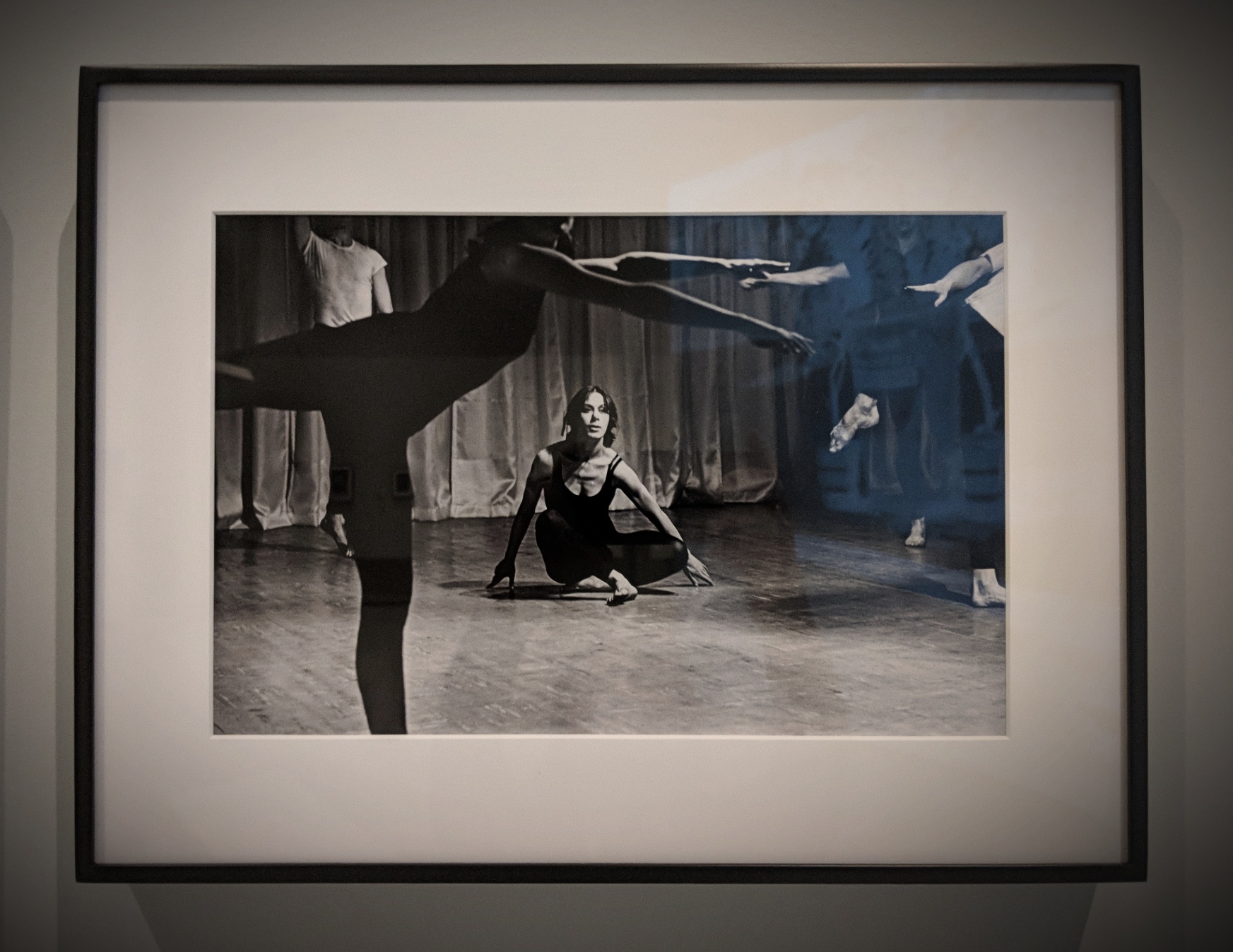
Yvone Rainer
”Bach” From Terrain, 1963
Performed at Judson Memorial Church, April 28th, 1963
By Trisha Brown, William Davis, Judith Dunn, Steve Paxton, Yvonne Rainer and Albert Reid

Rainer’s first evening-length work Terrain, was a five-part dance for multiple performers. Some of the sections were choreographed, while others were structured like a game, with rules and strategies that defined each dancer’s behavior but still allowed for spontaneity and improvisation.

Lucinda Childs
Geranium, 1965. Performed at 940 Broadway, January 29th, 1965
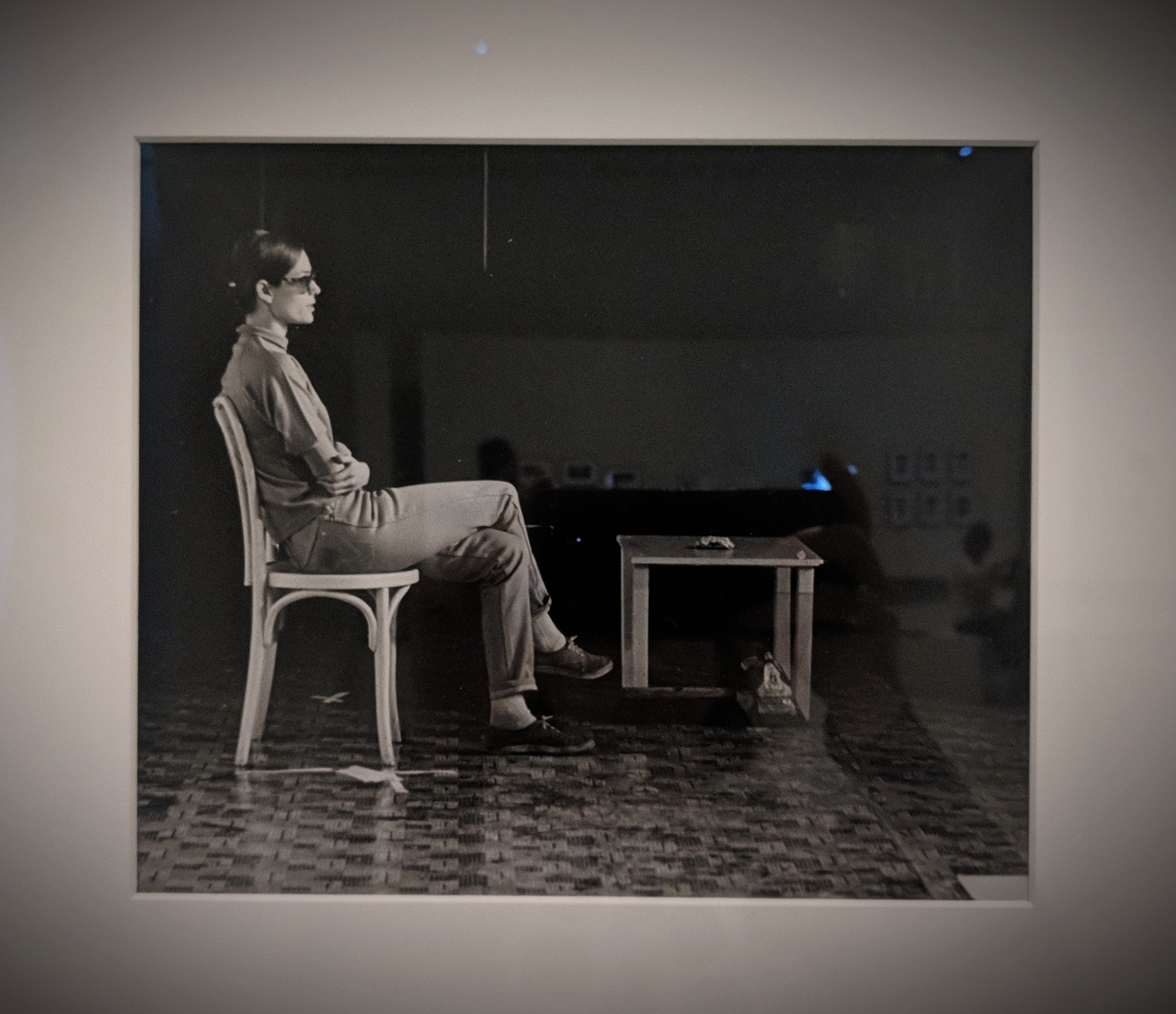
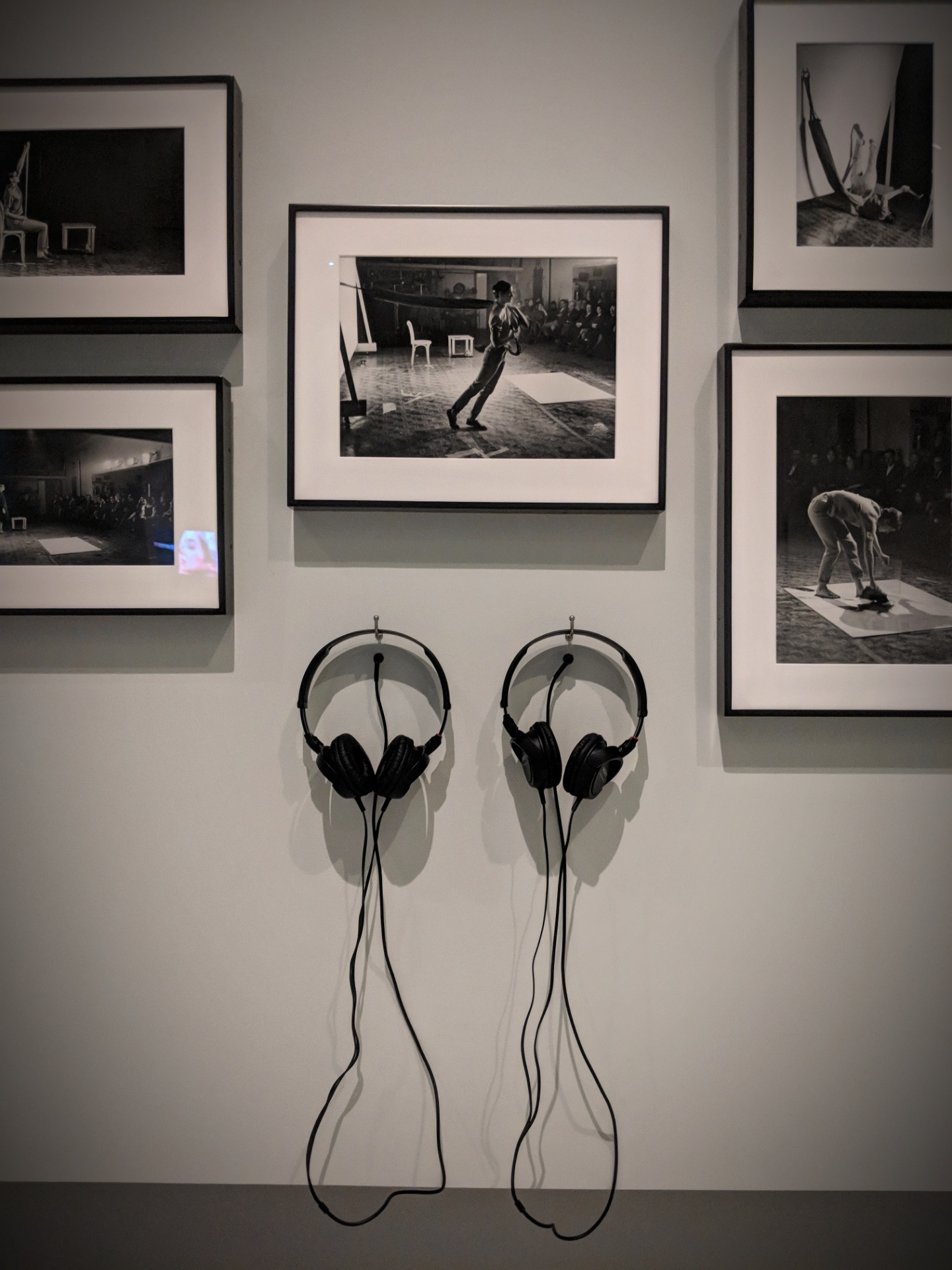
Geranium was set to the sounds of a championship football game, complete with sports commentators describing the action on the field, to which Childs added her imitation of sports broadcasting and intervals of music. Using the tape as a score and its sounds as cues, Childs interacted with objects including a wooden pole, a tinfoil scrap, a hammer and a pound of soil. She used a hammock to support her weight as she performed, in slow motion, the movement of a football player who – according to the broadcast – raced toward the ball, stumbled and fell.

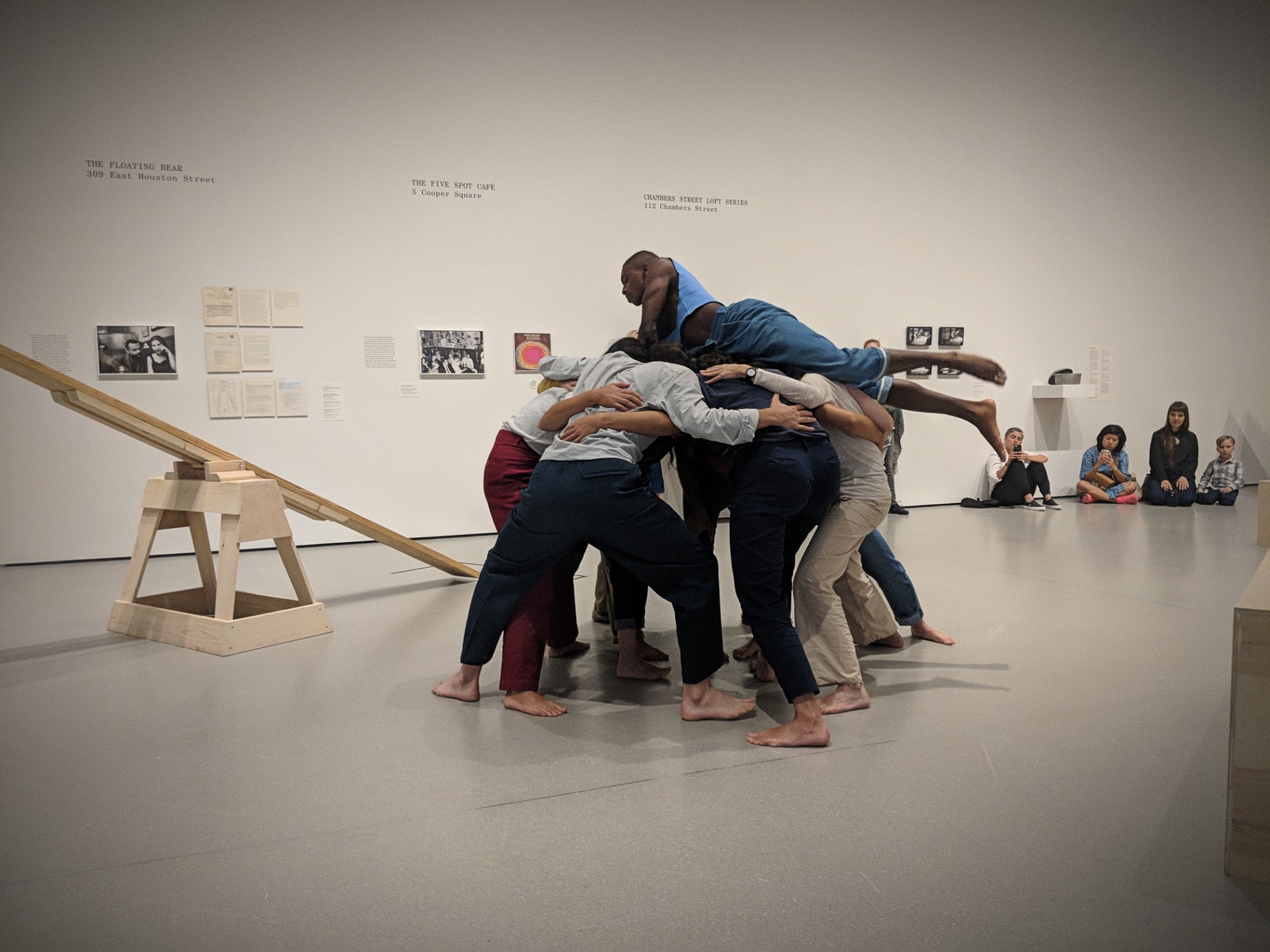
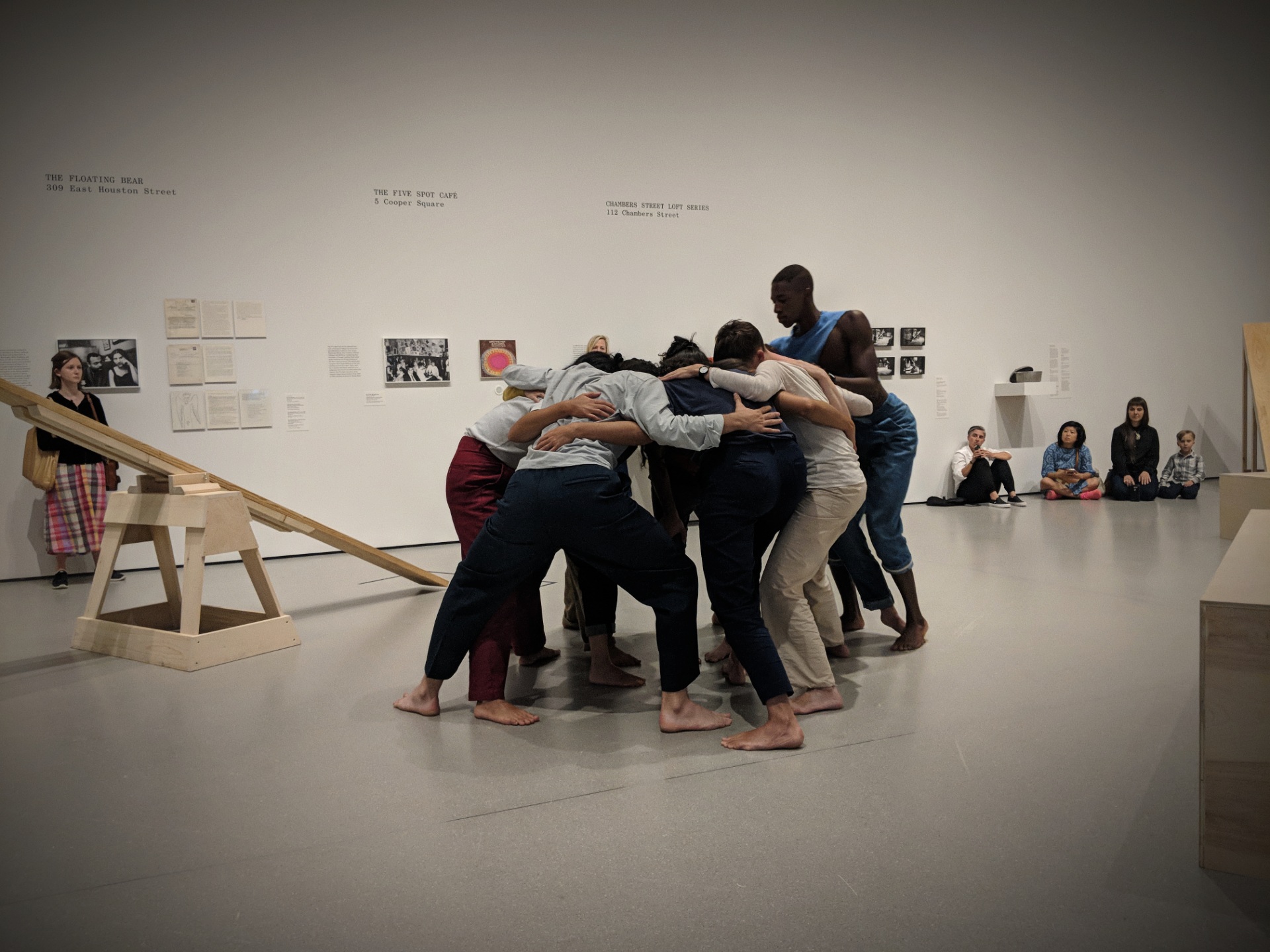
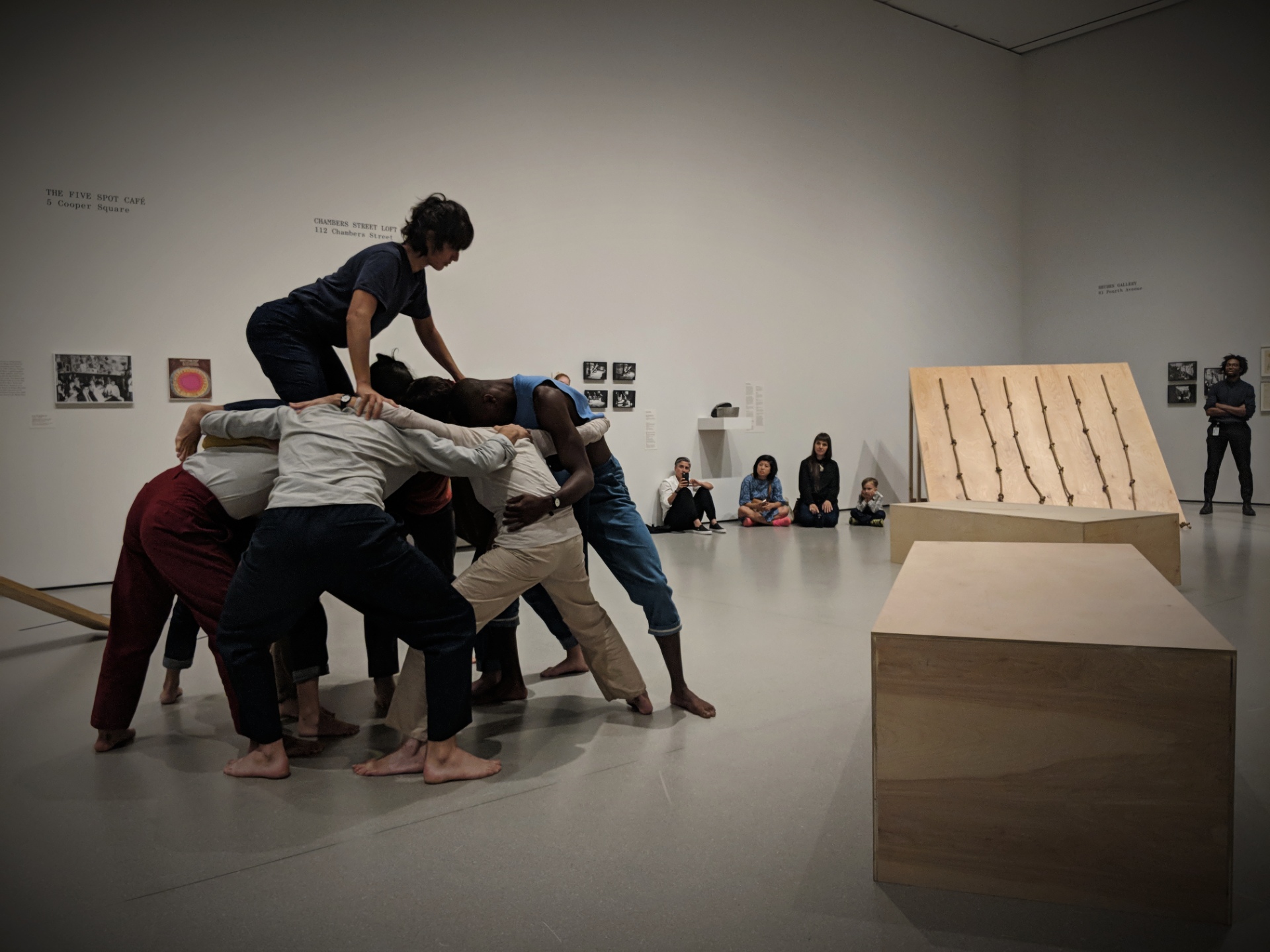
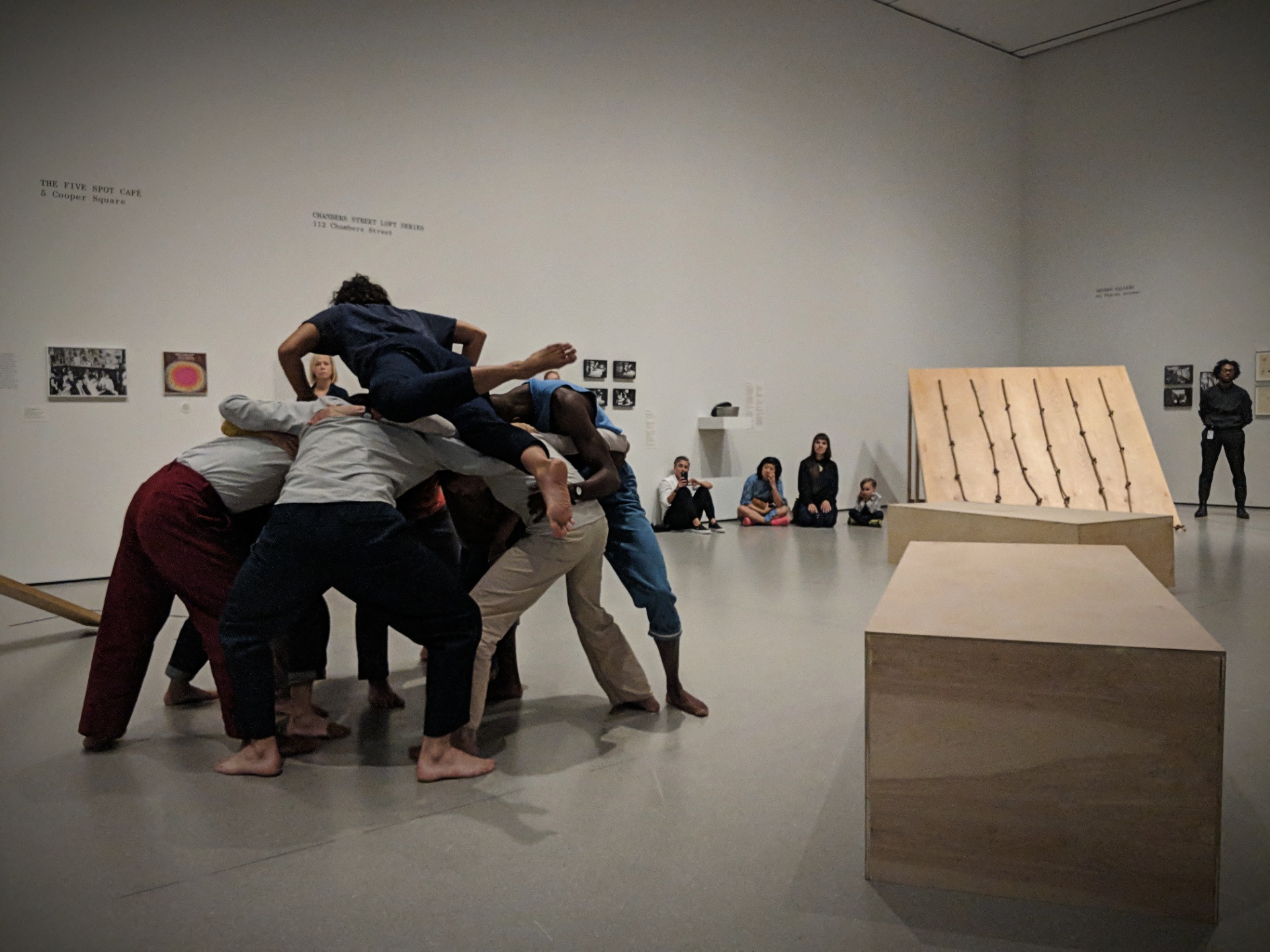
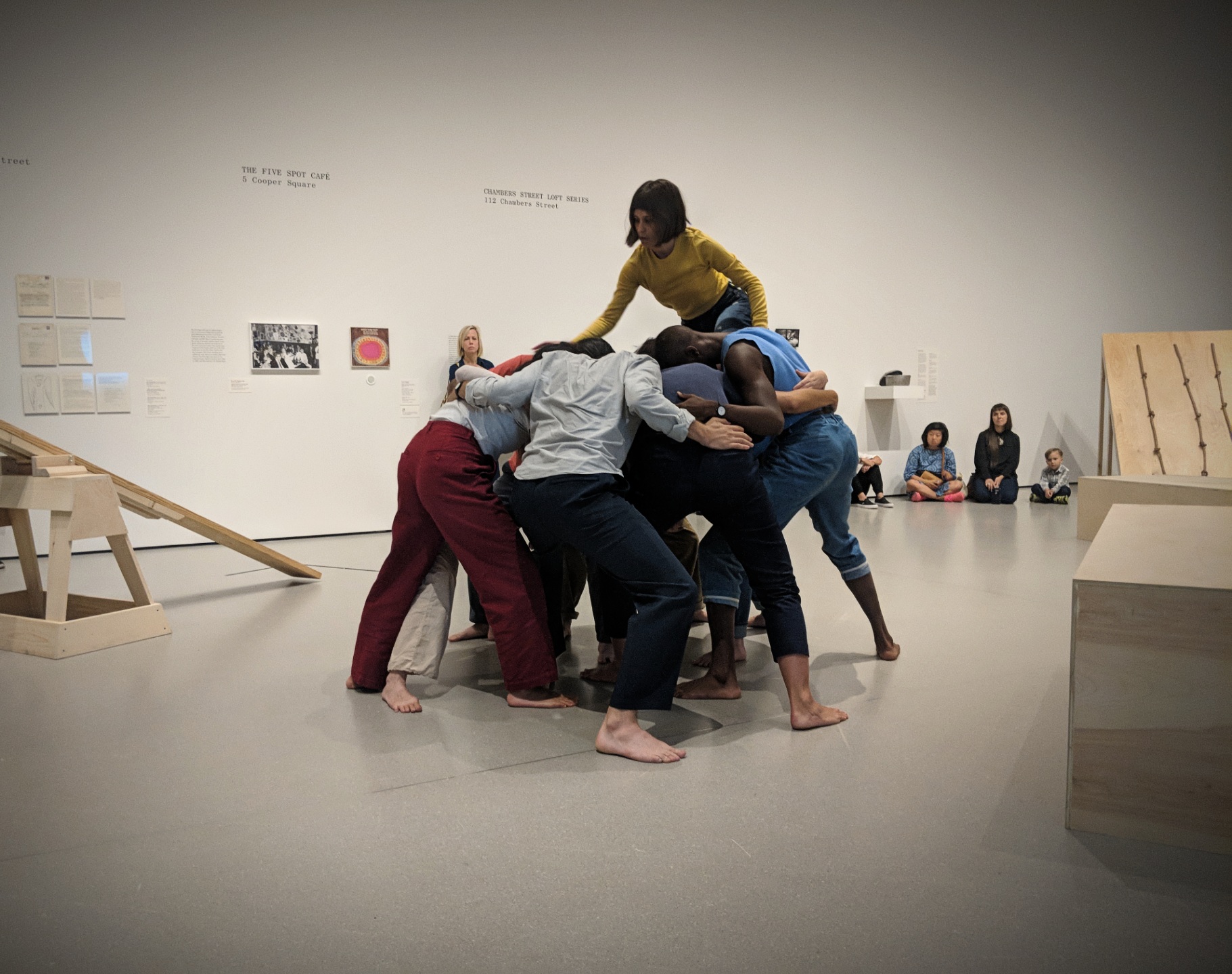
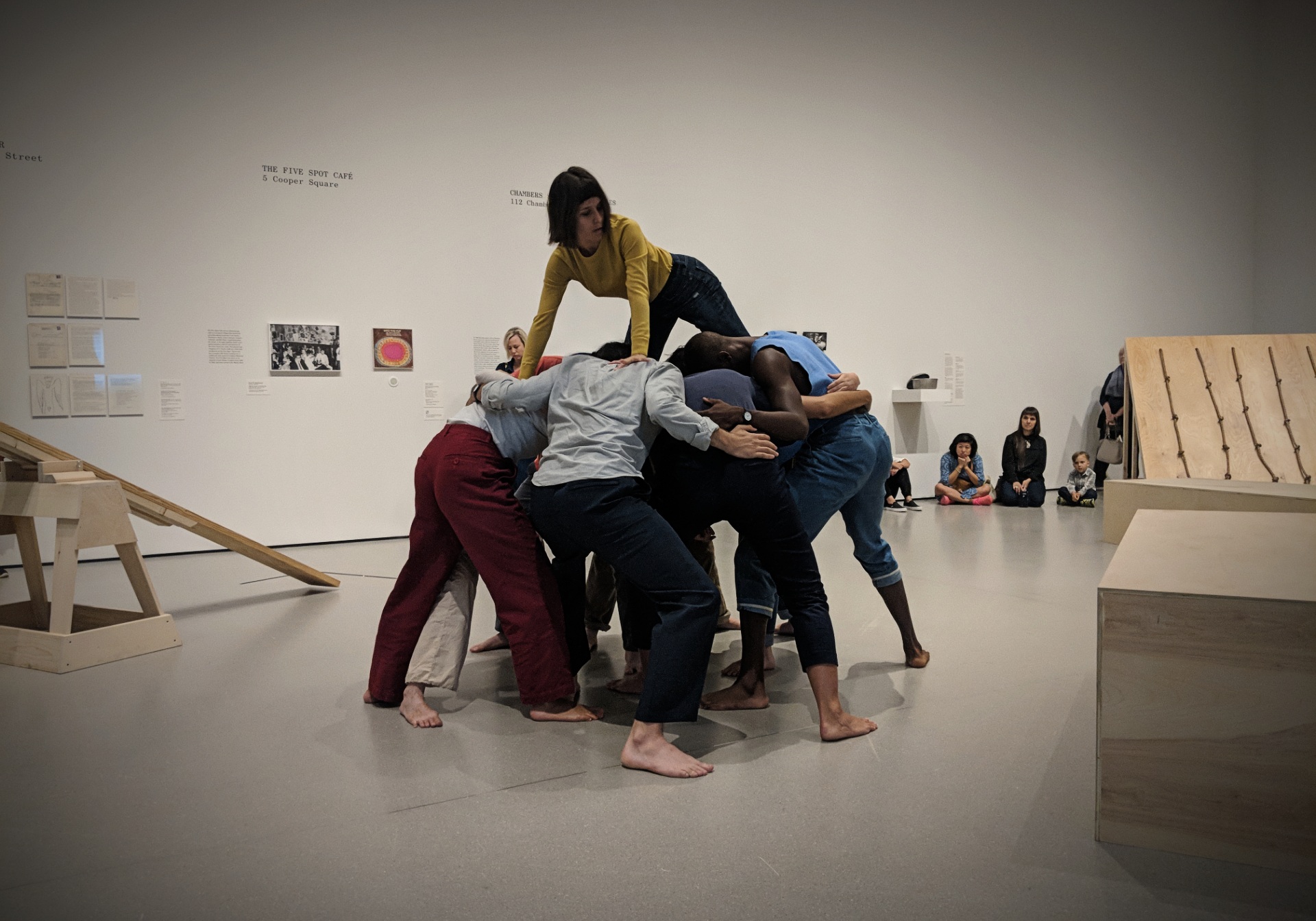
Huddle is part of Simone Forti’s Dance Constructions (1960-61), a continually shifting mass of bodies. Seven to nine performers create a solid base and take turns climbing over the group. In doing this, they create a sculptural form Forti has often described as a mountain.

Simone Forti’s Dance Constructions (1960–61) were key forerunners to Judson Dance Theater. Made from inexpensive materials, including plywood and rope, each “construction” prompts actions such as climbing, leaning, standing or whistling. Simultaneously sculptures and performances, the works were first presented at Reuben Gallery and the artist Yoko Ono’s loft, both in New York.

Huddle was performed live in intervals, throughout the exhibition.

September 15th, 2018

City Views || Tudor City

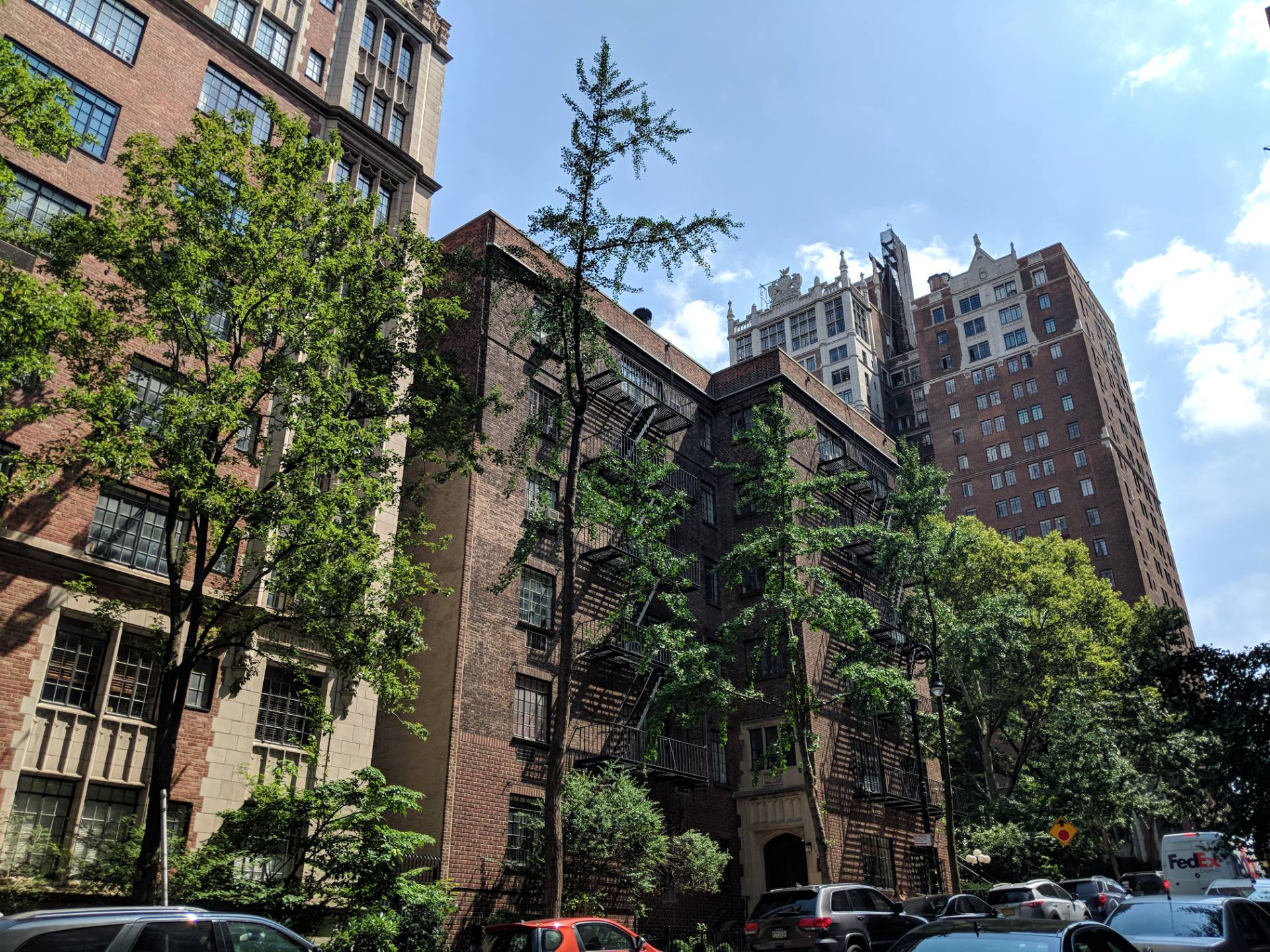
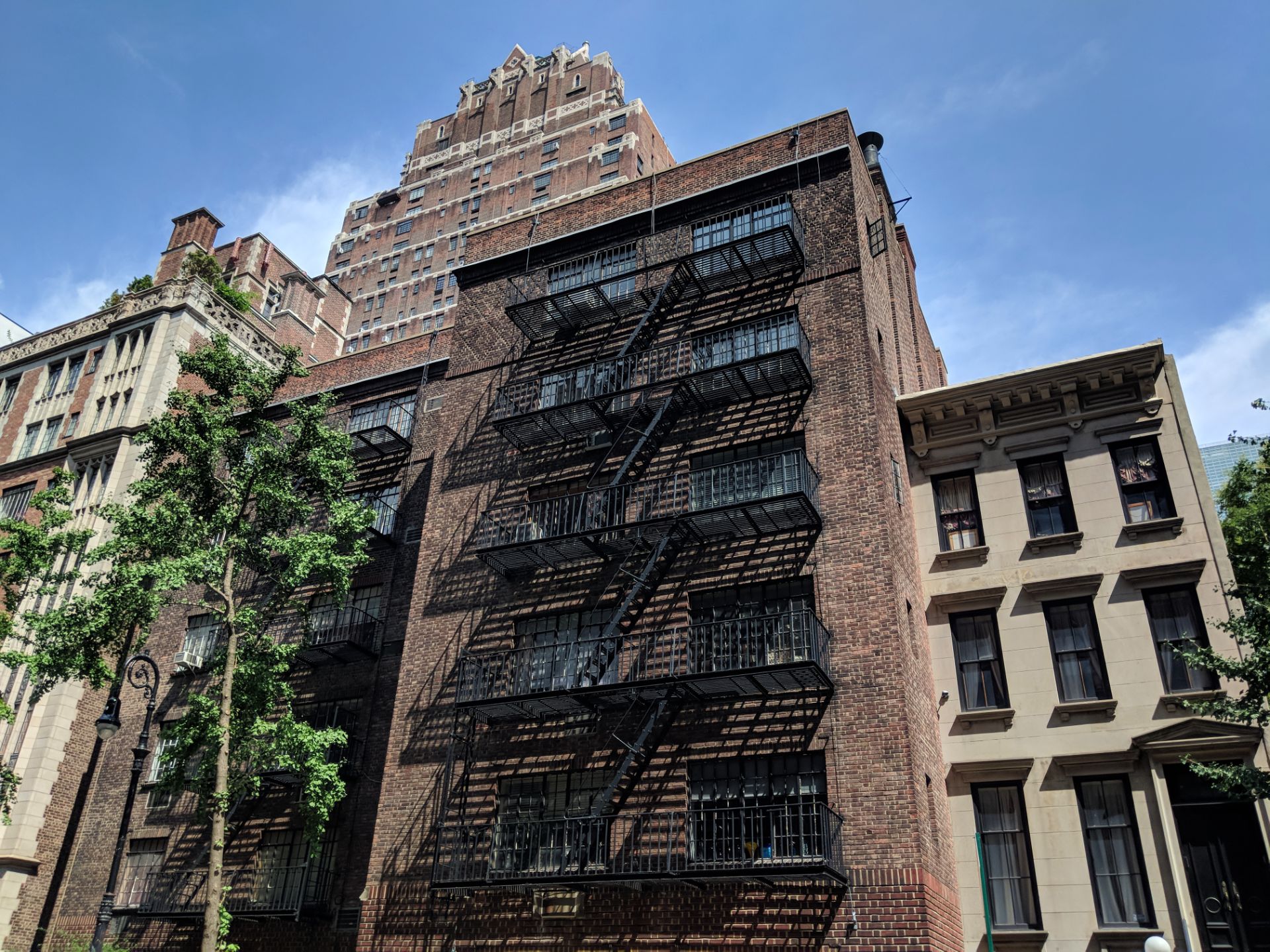
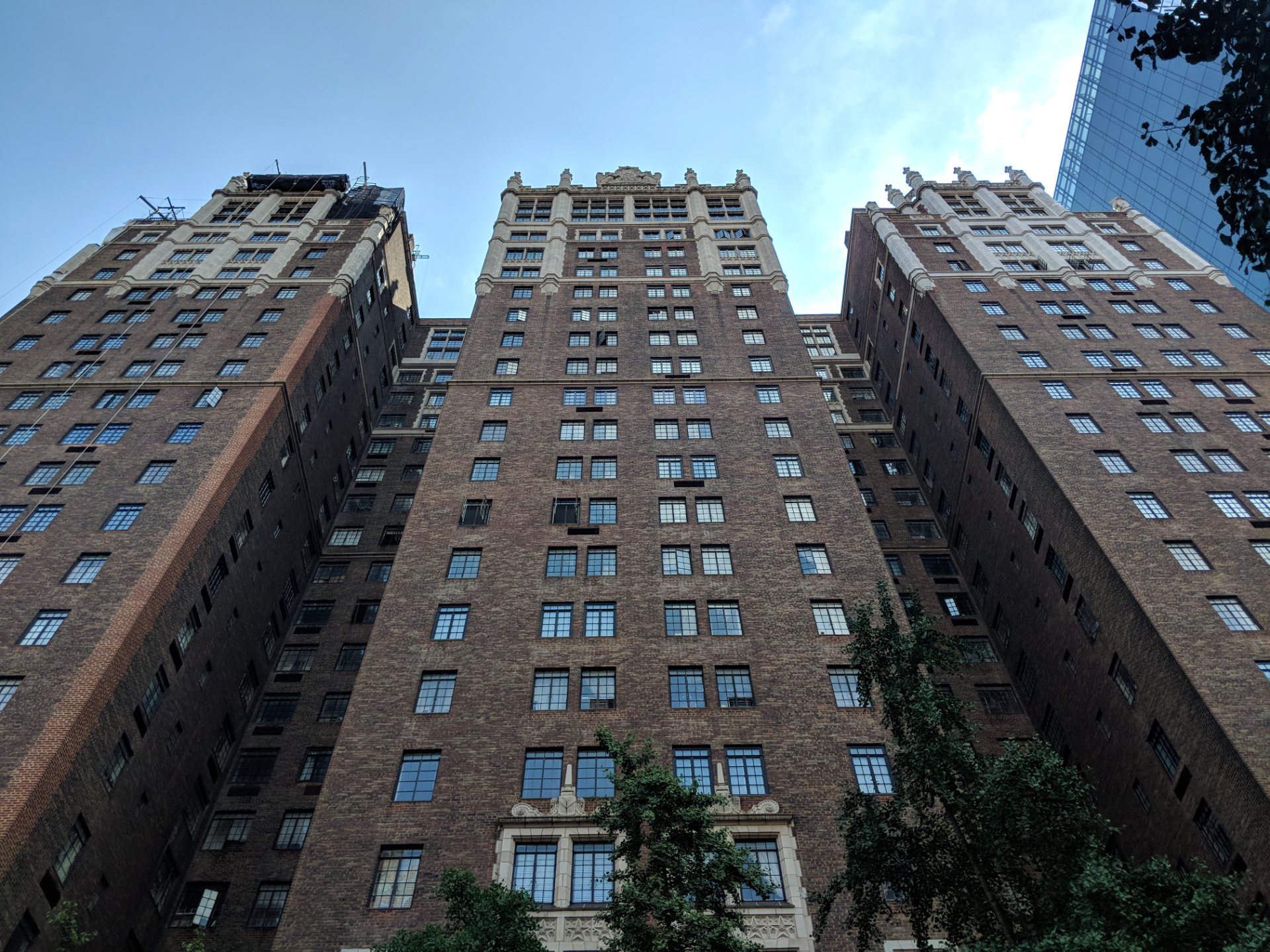
Sitting on a cliff between 40th and 43rd Streets, overlooking First Avenue and the United Nations Headquarters, Tudor City is a red brick apartment complex with wonderful stonework, that took its name from its architectural style: Tudor Revival. A massive – yet far from oppressive – enclave, a heaven of tranquility amidst one of noisiest, busiest parts of the City.

Midtown Manhattan East

August 25th, 2018

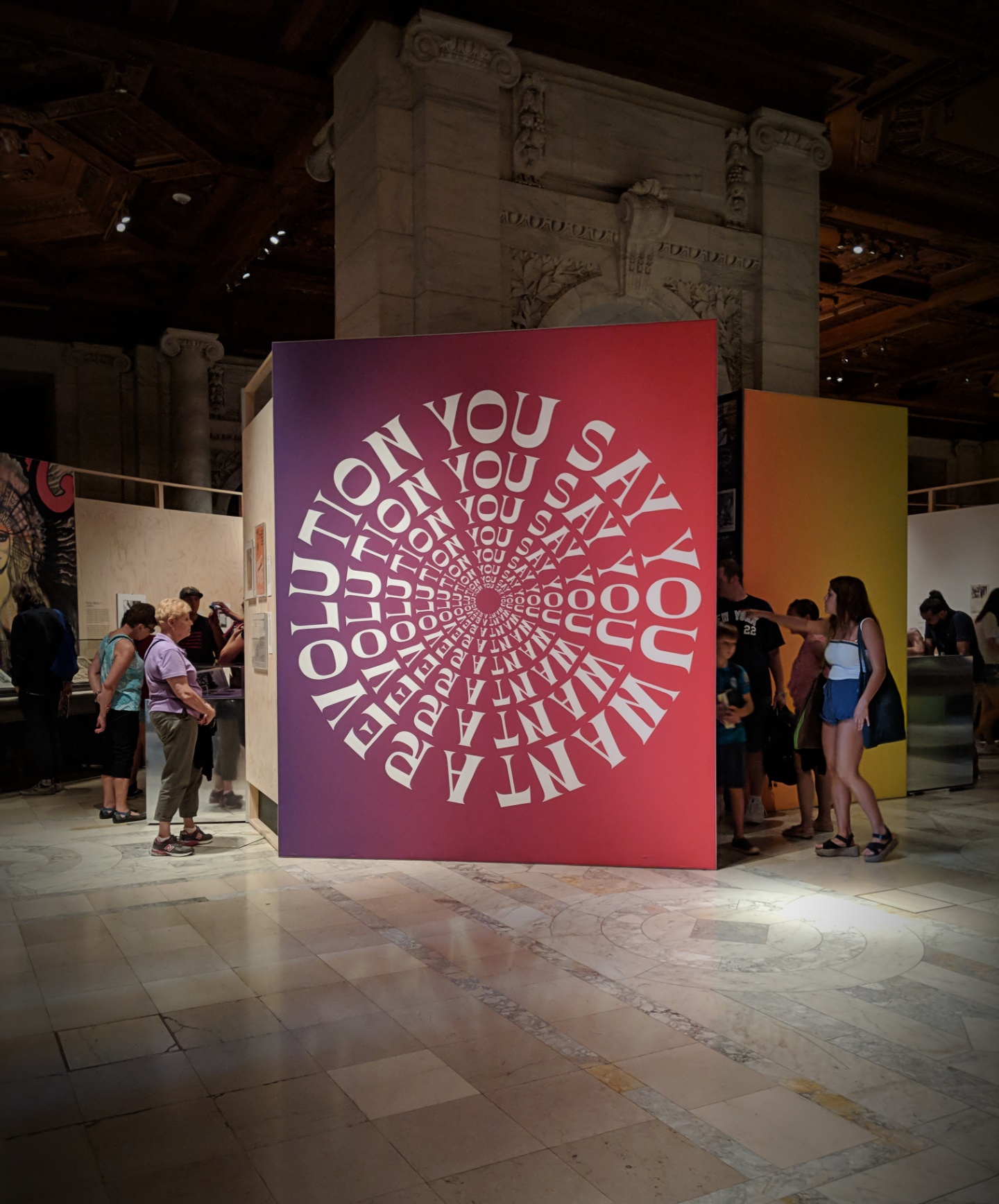
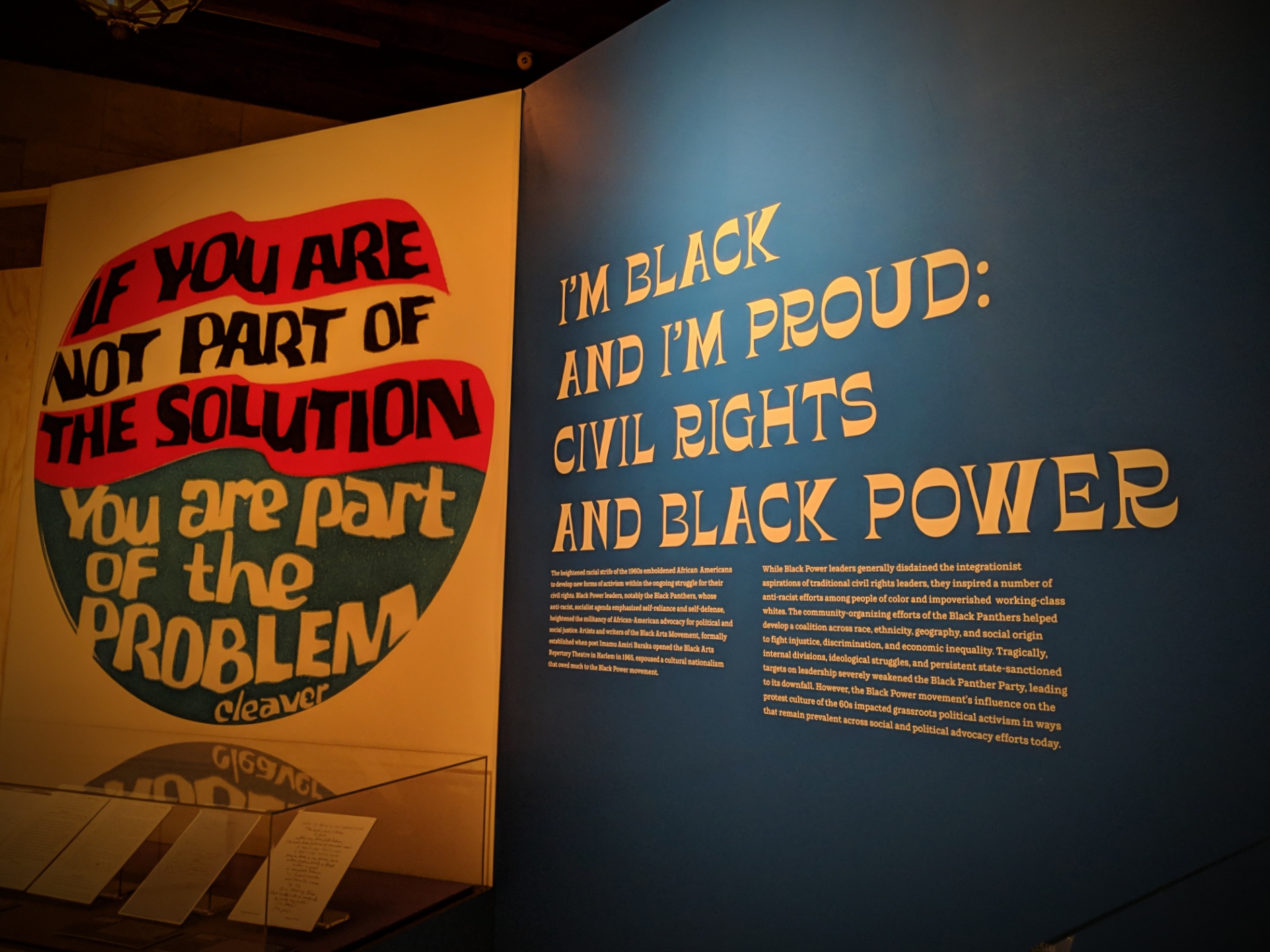
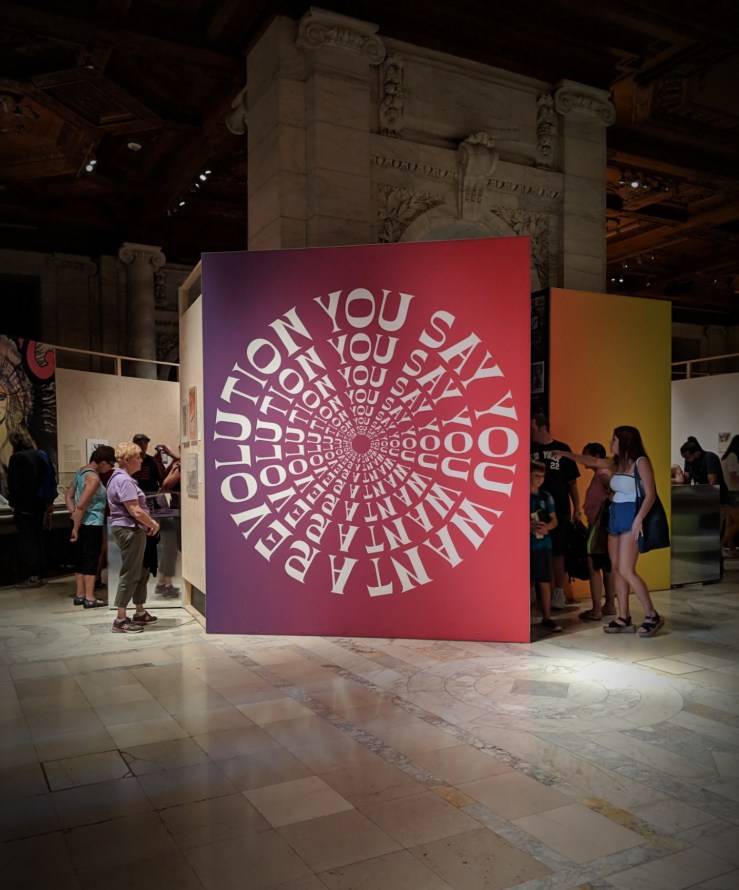
You Say You Want A Revolution: Remembering the 60s

Any excuse to visit the New York Public Library is a good excuse. And this exhibition featuring material exclusively from the Library’s collections, on show on the ground floor of the Stephen A. Schwarzman Building, the main Library branch in Bryant Park, was also an excellent lunch-time break. It was summertime and the livin’ was easy (in retrospect).
Terry Southern
The novelist, screenwriter and essayist Terry Southern was one of postwar America’s foremost satirists. Tom Wolfe credits him with having pioneered the New Journalism with the publication of ”Twirling at Ole Miss” in the February 1963 issue of Esquire. In addition to his satirical novels Candy (1958), based on Voltaire’s Candide, and The Magic Christian (1959), Southern is best known for his screenplays for the Counterculture classics Dr. Strangelove (1964) and Easy Rider (1969), the latter co-written with actors Dennis Hopper and Peter Fonda. Candy, published by Olympia Press, was banned by the Paris vice squad. Its republication in the U.S., in 1965, made Southern both a mainstream and a Counterculture celebrity.
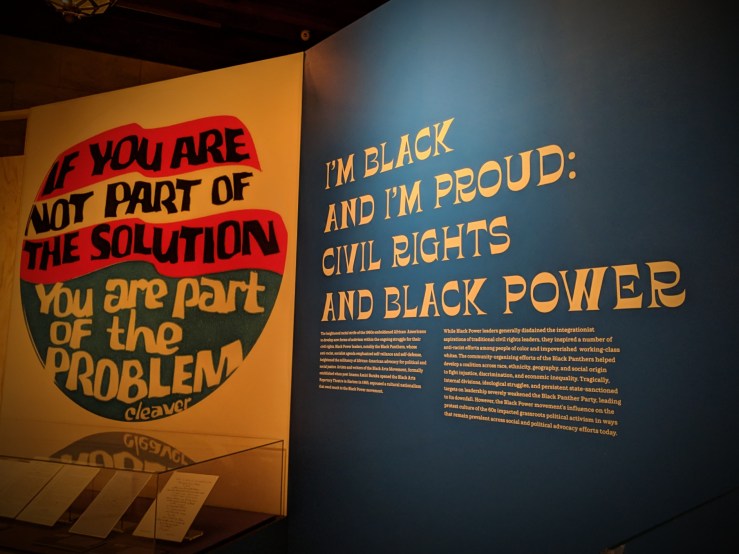

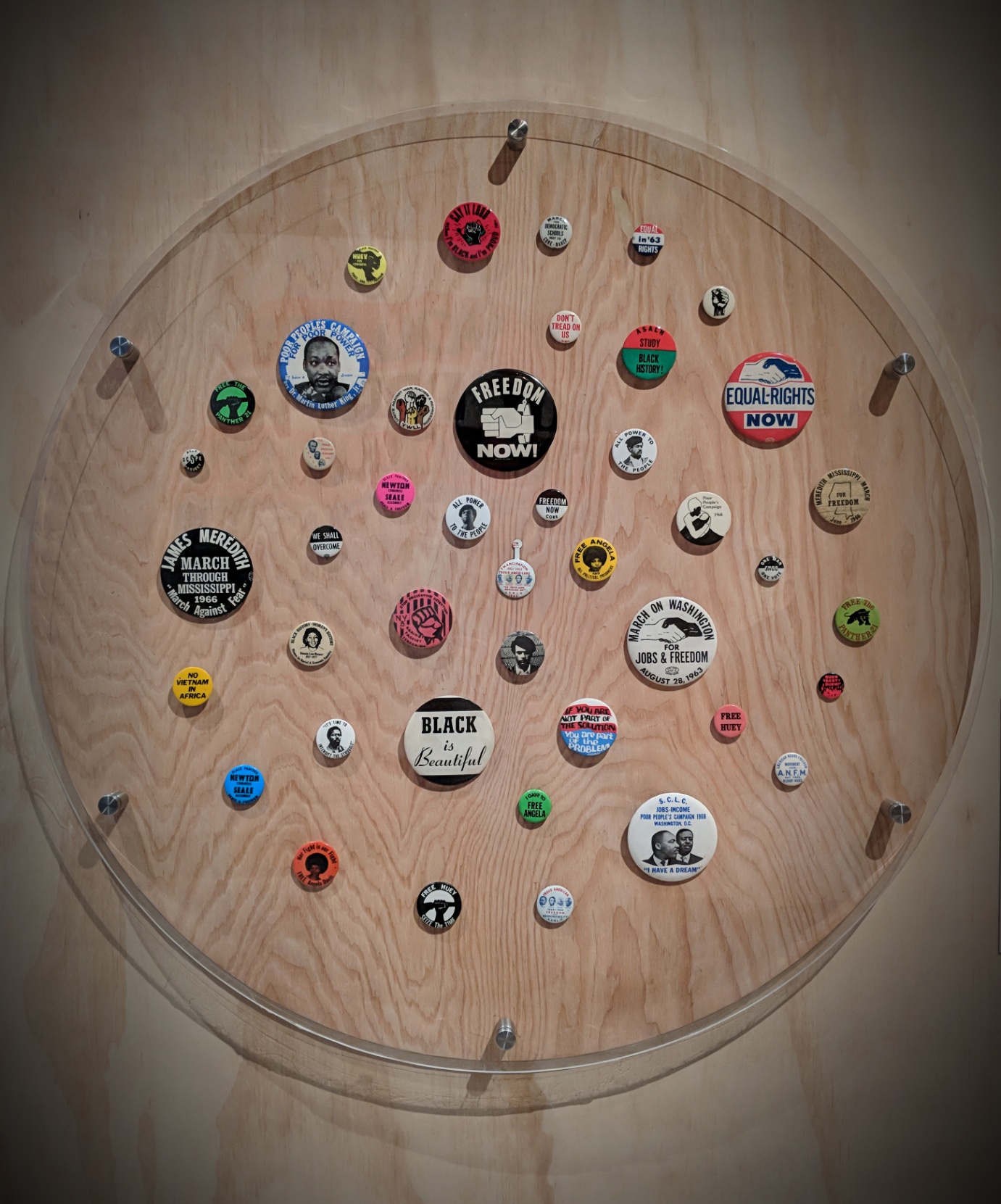
Selections from the United States Social Political Button Collection, dating from 1958 to the late 1970s.
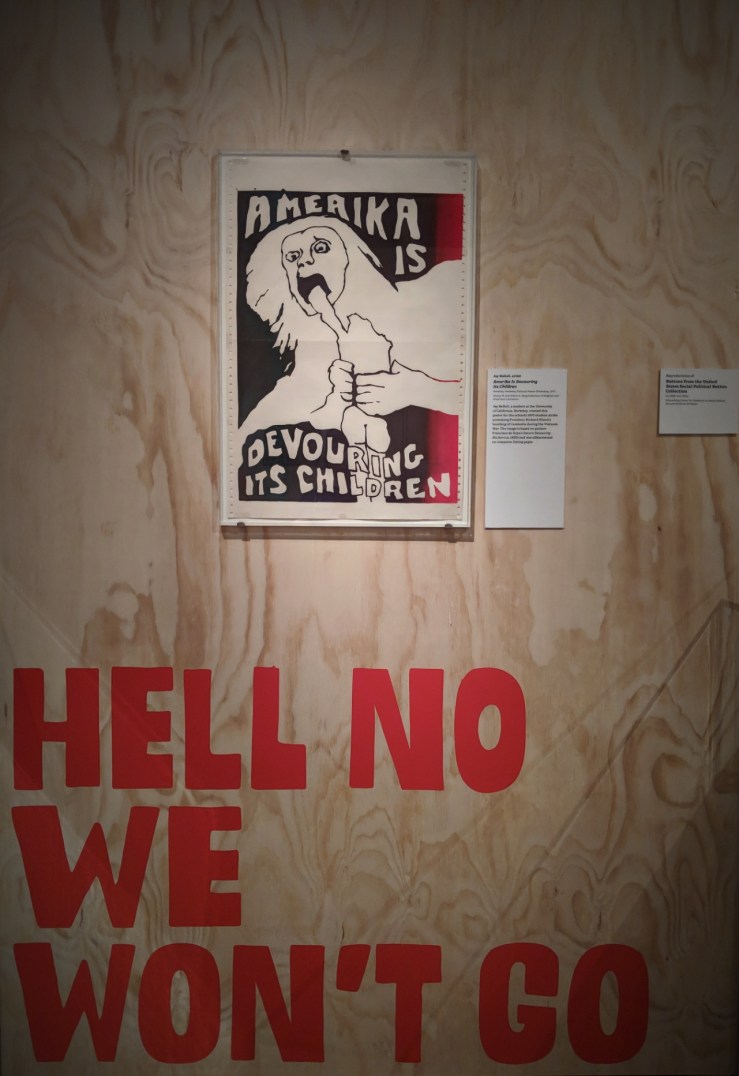

Jay Belloli
Amerika is Devouring Its Children, 1970

Jay Belloli, a student at the University of California, Berkeley, created this poster for the school’s 1970 student strike protesting President Richard Nixon’s bombing of Cambodia during the Vietnam War. The image is based on painter Francisco de Goya’s Saturn Devouring His Son (ca. 1820) and was silkscreened on computer listing paper.
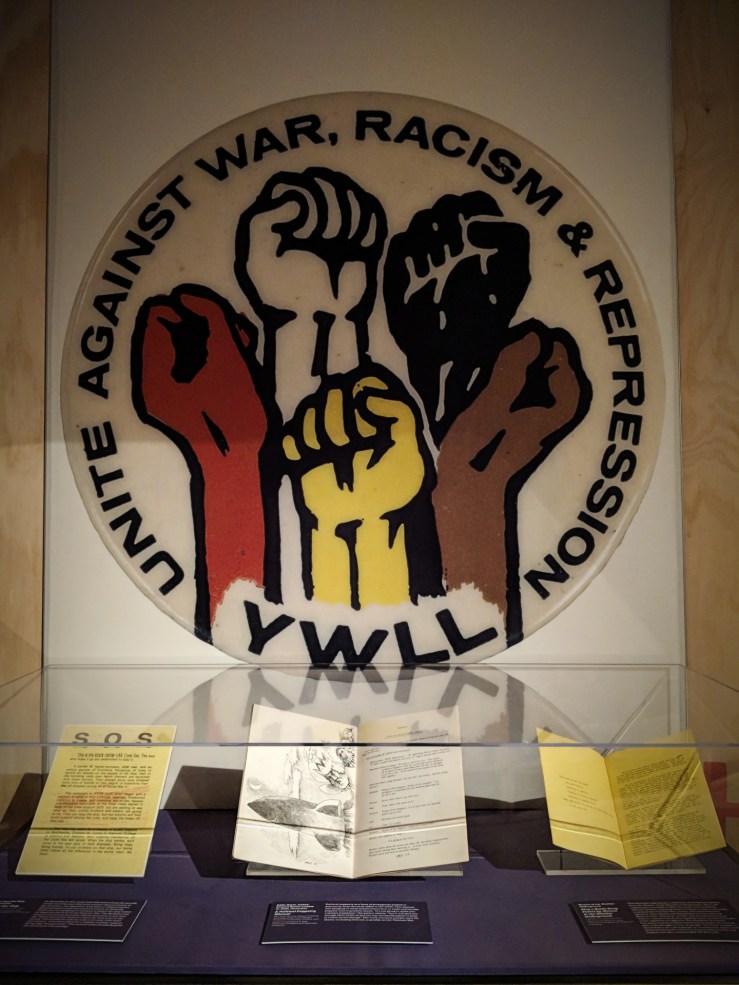
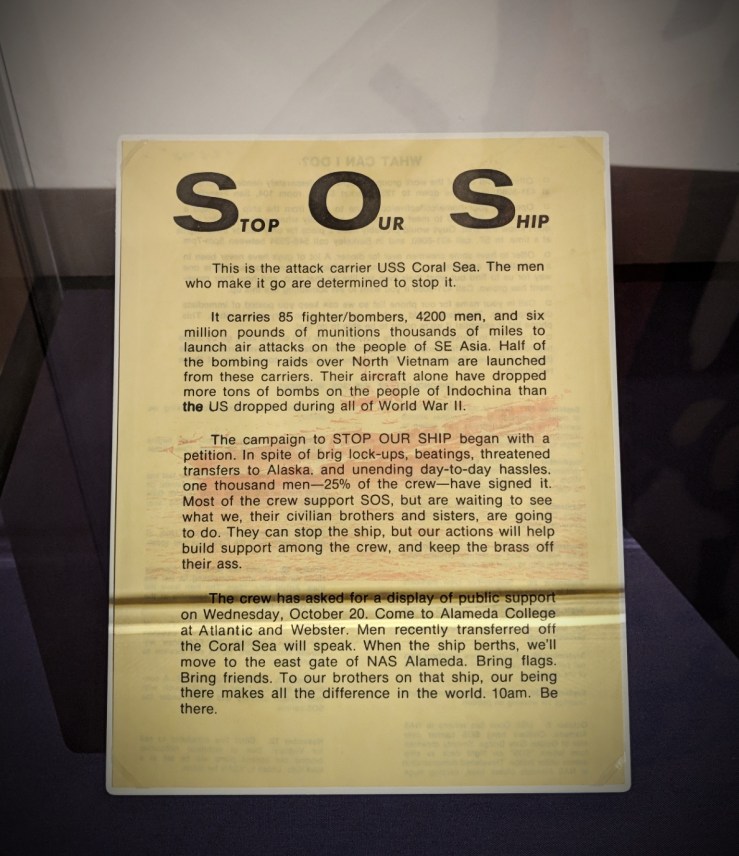
The Stop Our Ship Movement, Oakland, CA, November 1971

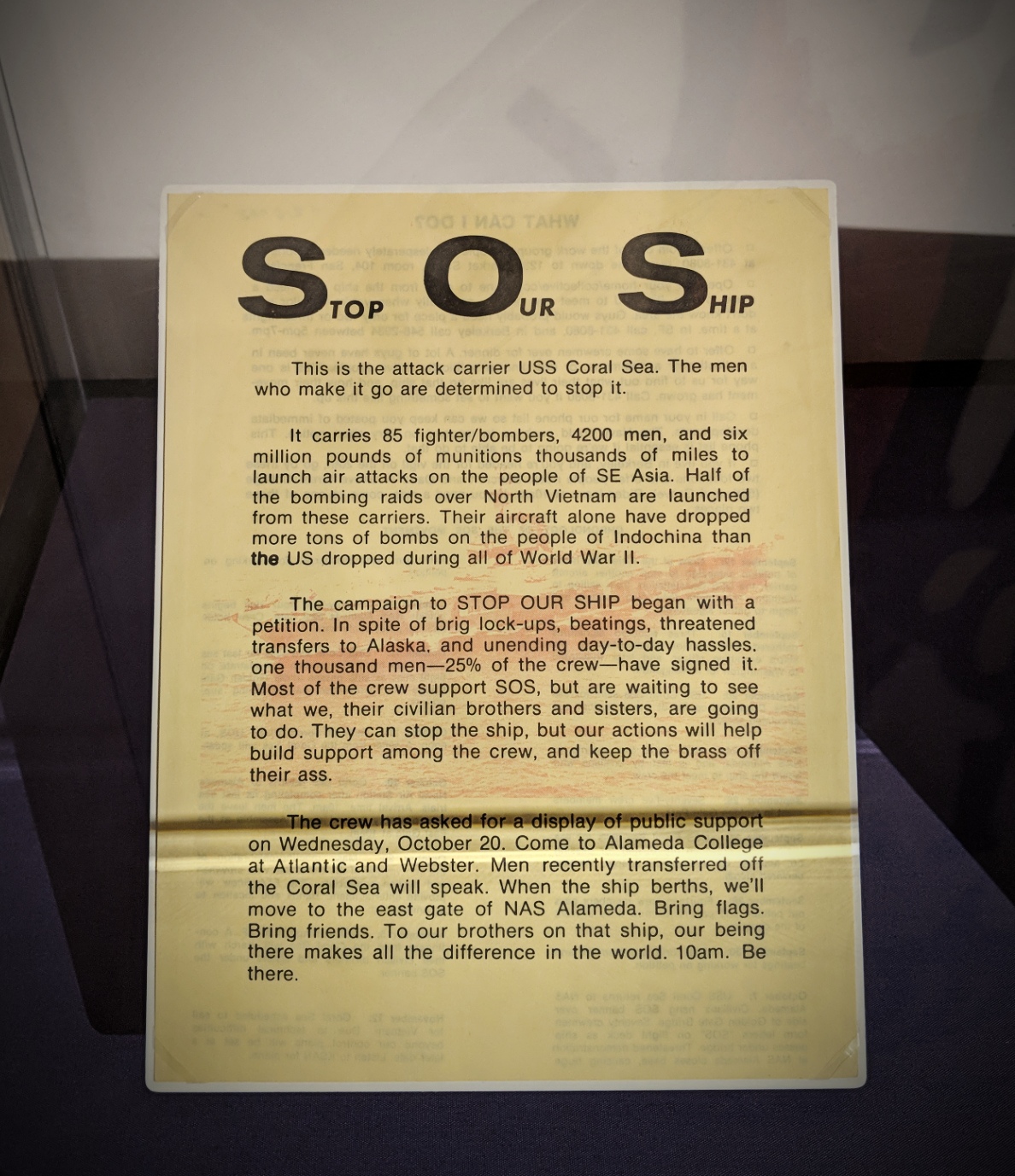
On November 6, 1971, more than 300 sailors from the aircraft carrier Coral Sea marched in an antiwar demonstration in San Francisco. Six days later, from 600 to 1200 protesters demonstrated outside the naval air station in Alameda, California, encouraging servicemen to desert the ship before its departure for duty in the Vietnam War. The Berkeley City Council and 10 area churches offered sanctuary to any who did. Thirty-five sailors failed to report for duty prior to the sailing. This broadside calls for a show of unity with those servicemen, ”who have asked for a display of public support. Bring Flags. Bring friends.”
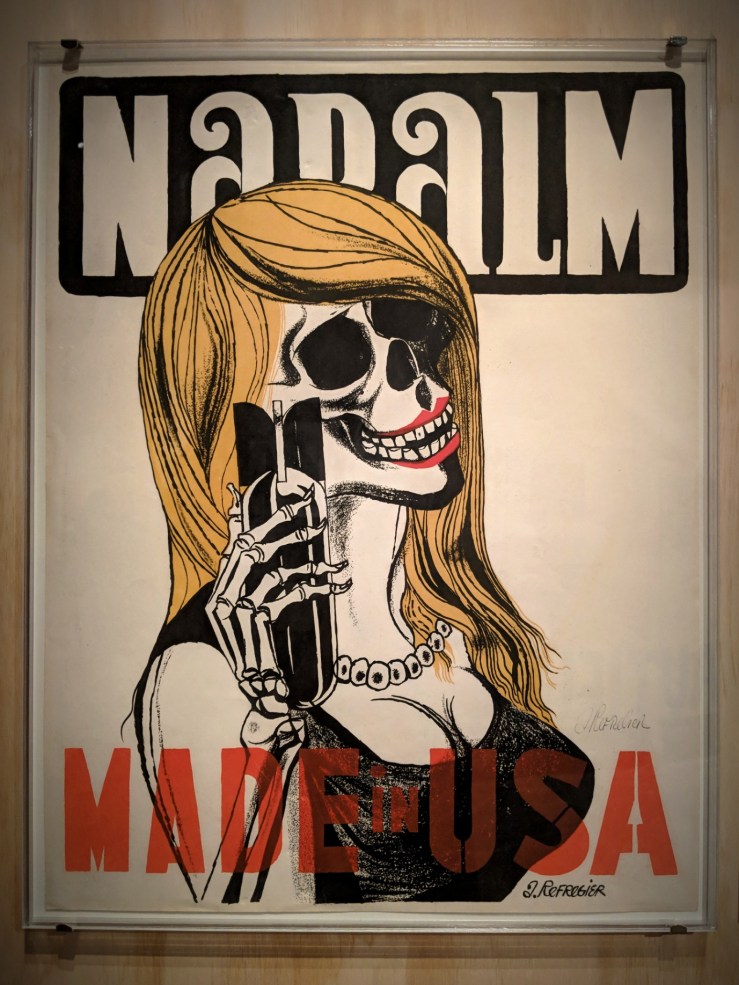

Anton Refregier
Napalm/Made in USA, 1968

Napalm was a chemical used heavily by the U.S. in the Vietnam War. It is a mixture of plastic polystyrene, hydrocarbon benzene and gazoline, which creates a jelly-like substance that, when ignited, adheres to virtually any surface and burns for as long as ten minutes, generating temperatures of 1,500 °F to 2,200 °F. Its effects on the human body are excruciating and almost always cause death. It was first used by U.S. troops with flamethrowers, to burn down sections of forest that provided cover for Viet Cong guerillas. Later, it was dropped as bombs, as were other incendiary devices. Images of civilians, including children, who had been burned by napalm fueled American revulsion against the war.


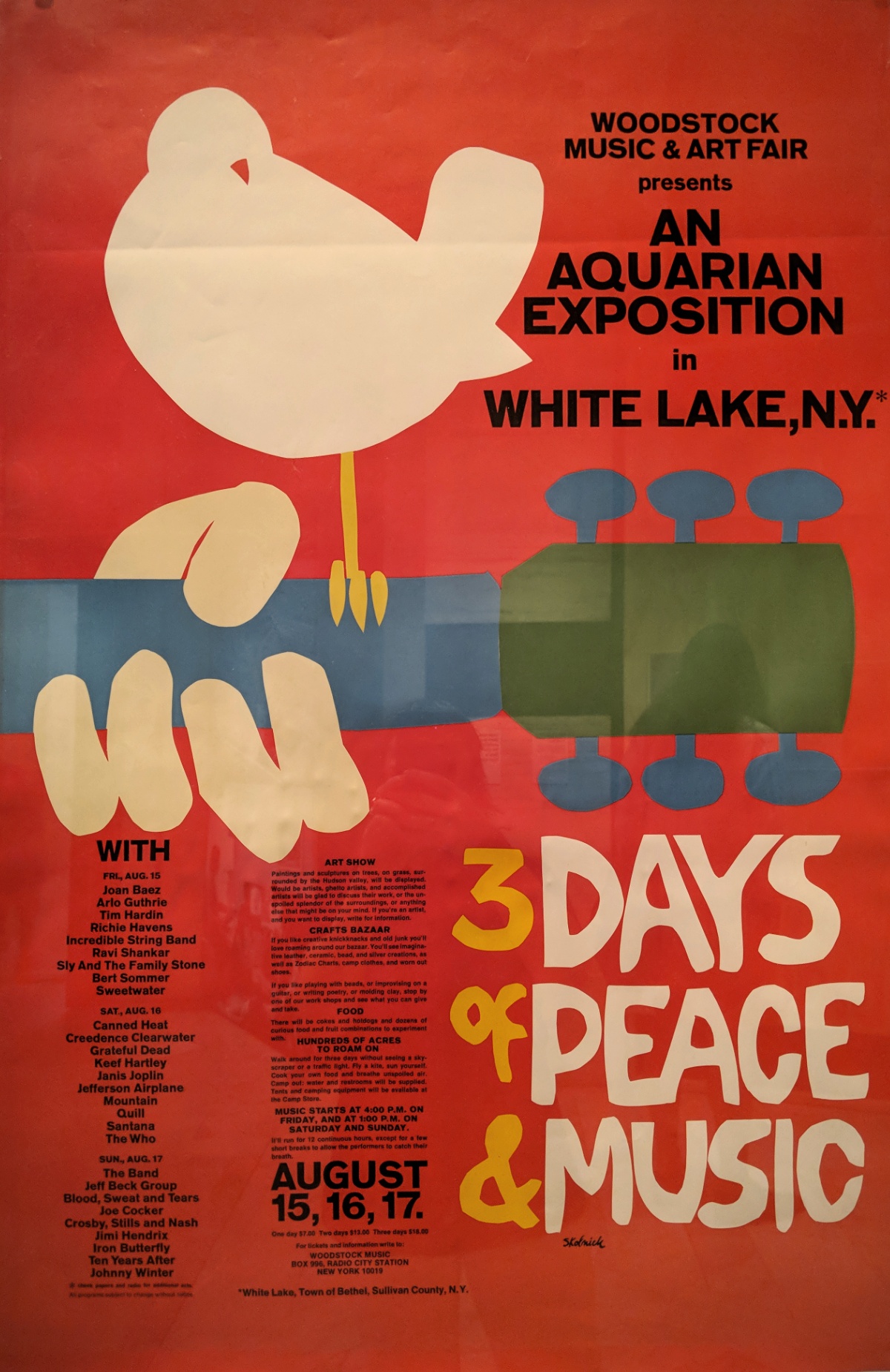
Arnold Skolnick
Woodstock, 1969


John Judkins
Bob Dylan
London: I Was Lord Kitchener’s Valet, 1969

I Was Lord Kitchener’s Valet was a Notting Hill clothing boutique that achieved fame in 1966, the heyday of ”Swinging London”, by promoting vintage military uniforms as fashion. Among its customers were The Beatles, Eric Clapton, Mick Jagger, and The Who. Jimi Hendrix bought his well-known hussar-style coat there. Peter Blake, who designed the album sleeve for Sgt. Pepper’s Lonely Hearts Club Band, reportedly got the idea for The Beatles’ outfits while passing by the shop, which also issued promotional posters, several by John Judkins.
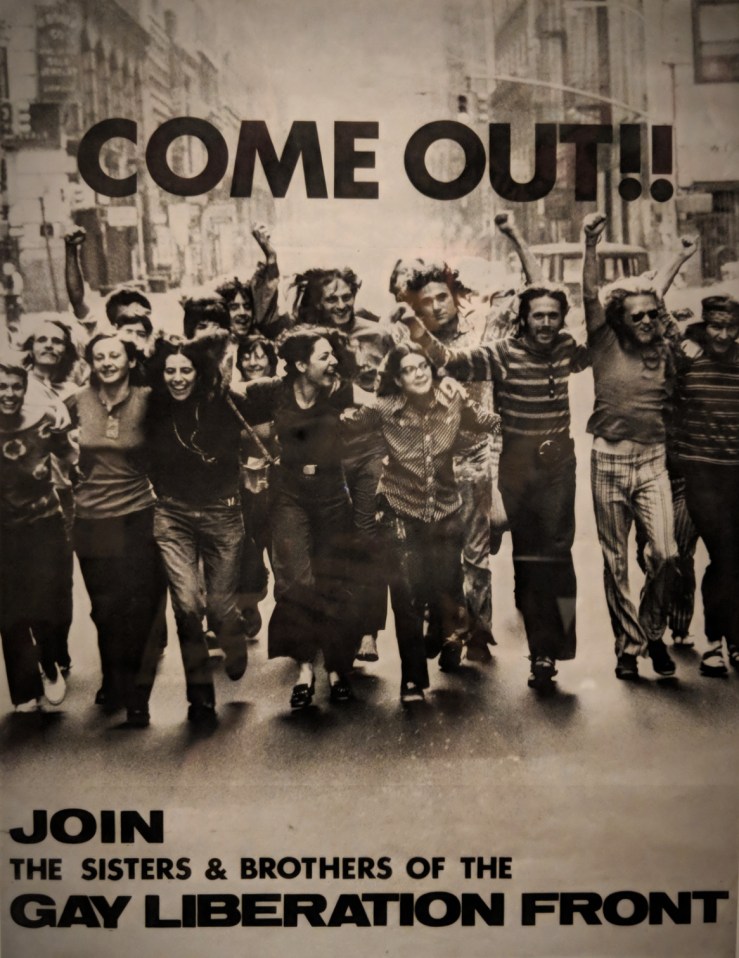

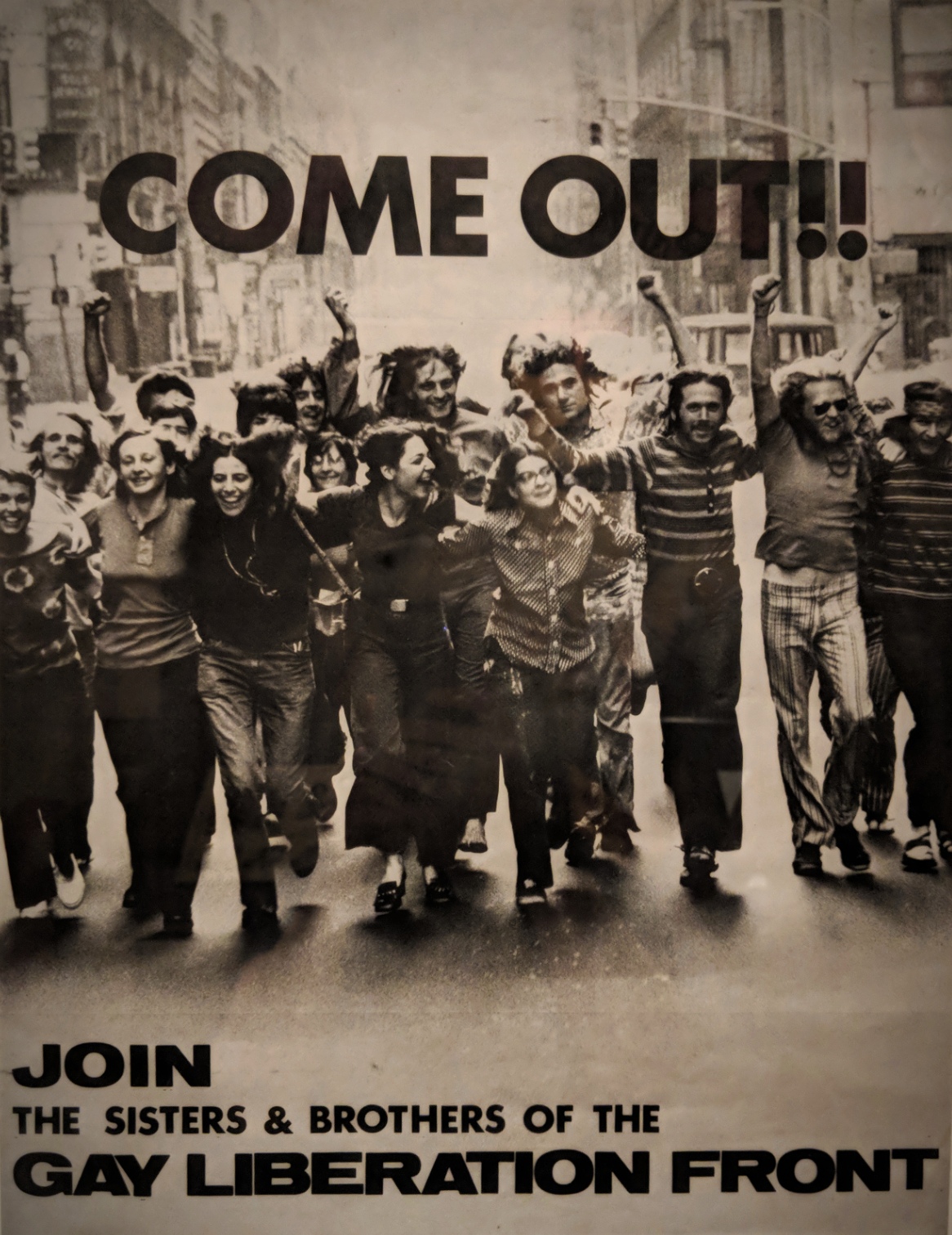
Gay Liberation Front
Peter Hujar, photographer

Come Out!! Join the Sisters and Brothers of the Gay Liberation Front, New York ca. 1972-73
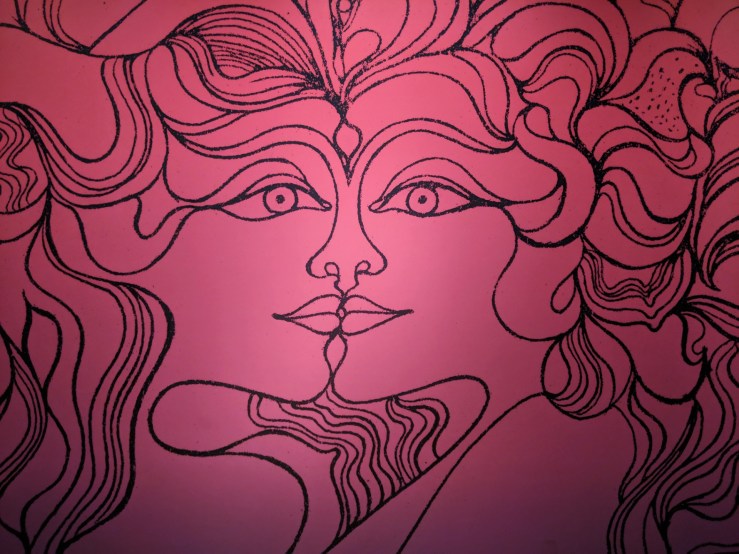

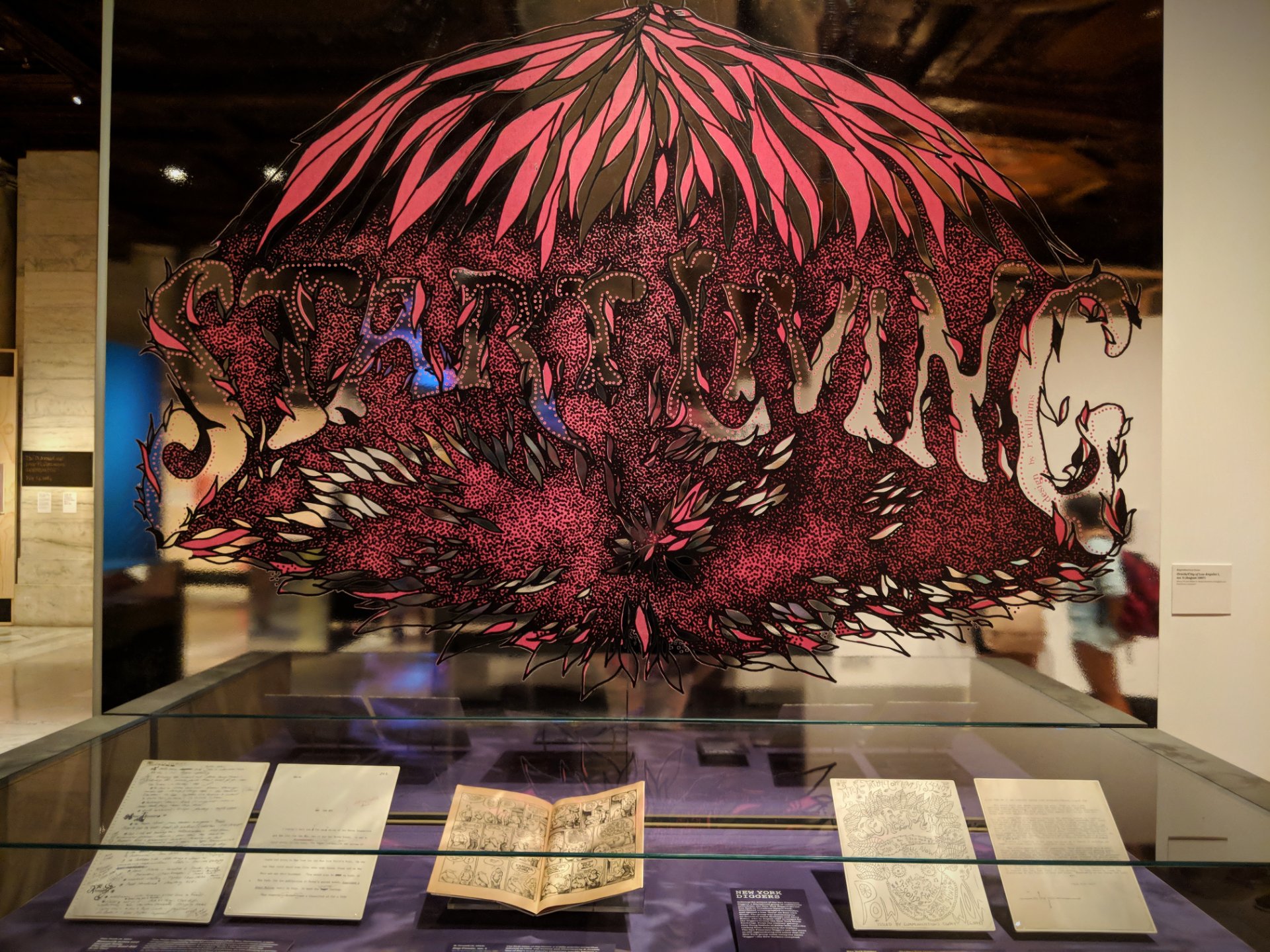
Reproduction of Jutta Werner’s Artwork in Fire, no. 2 (March 1968)  – detail
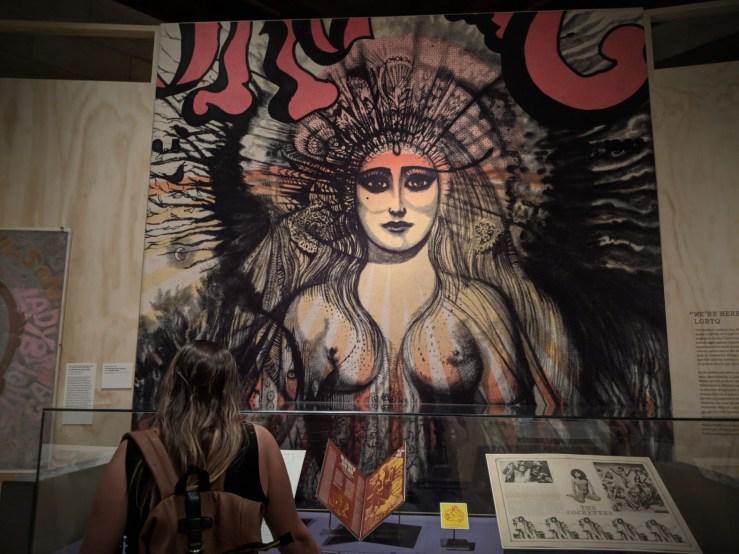

Reproduction from: Oracle/City of Los Angeles 1, no. 5 (August 1967)
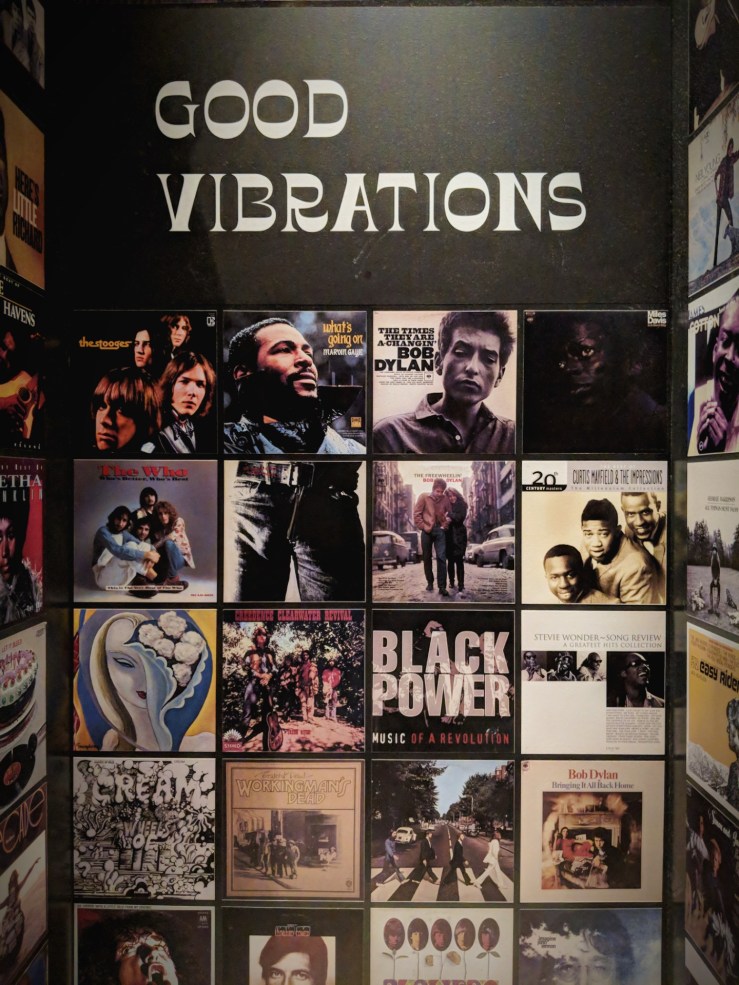

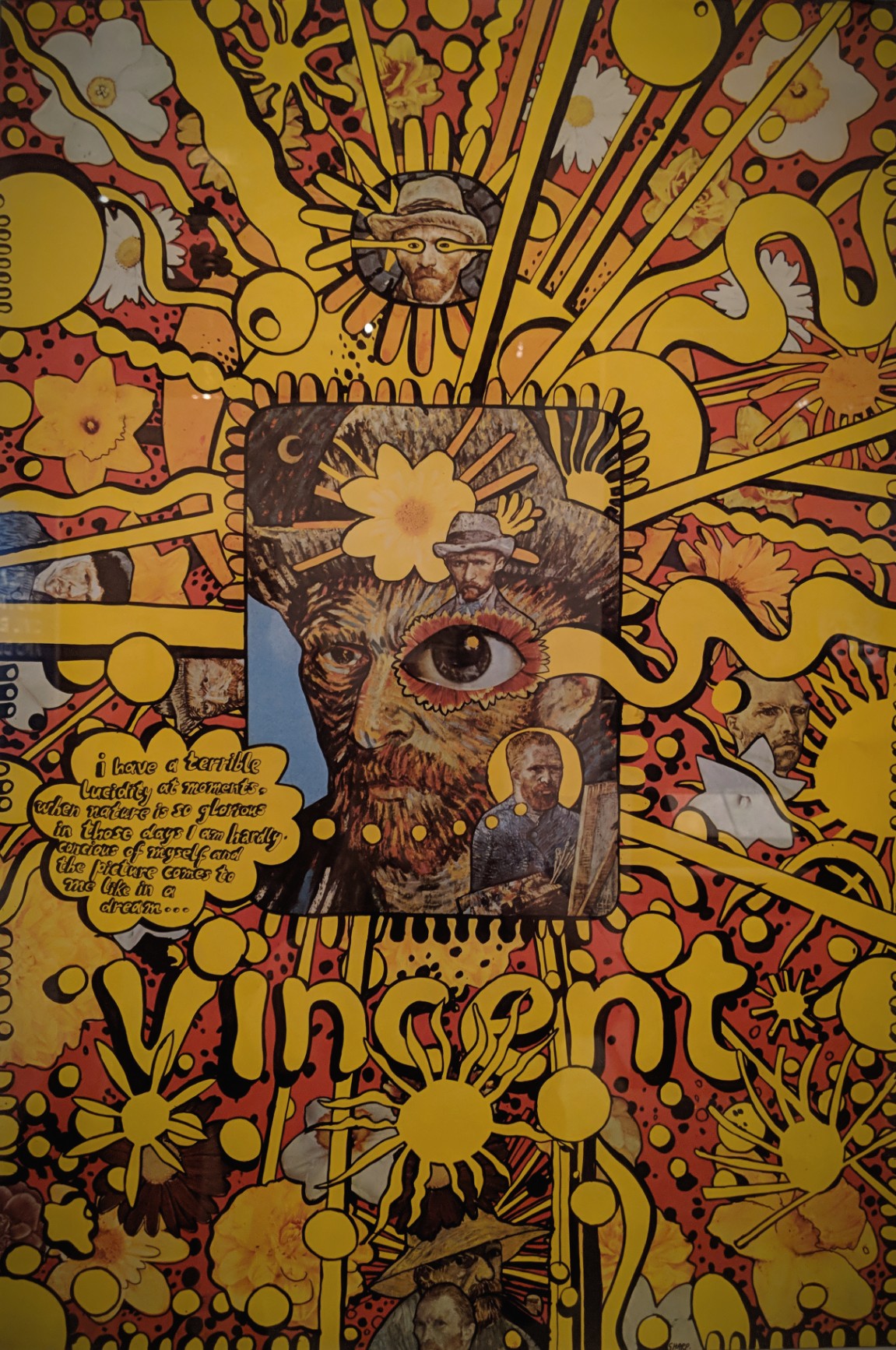
Martin Sharp
Vincent


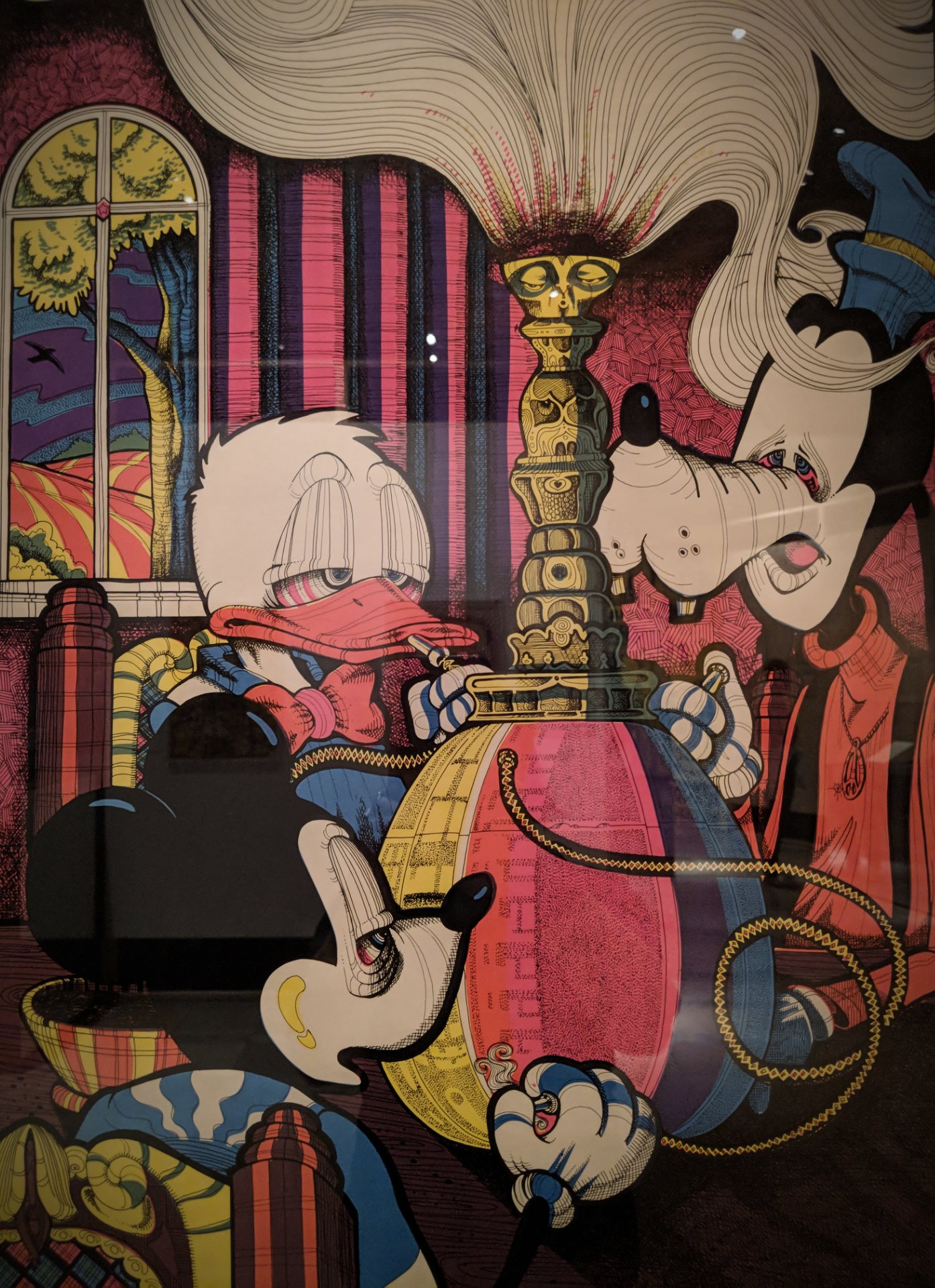
Joe Petagno
Ain’t Gonna Work on Dizzy’s Farm No More (1970)

This poster, the title of which play on Bob Dylan’s anti-establishment song ”Ain’t Gonna Work on Maggie’s Farm No More”, depicts three of Disney’s most famous characters – Donald Duck, Mickey Mouse and Goofy – seated around a smoke-billowing hookah, filled, presumably, with hashish. Each smoker holds a mouthpiece, his eyelids drooping over bloodshot eyes and mouth agape. Disney Studios responded with a copyright-infringement lawsuit, resulting in the destruction of most of the print run. The poster is signed ”Petagno III”, the early signature of artist Joe Petagno, best known for his album covers for psychedelic and heavy-metal bands, including Pink Floyd, Led Zeppelin, Motörhead and Nazareth.
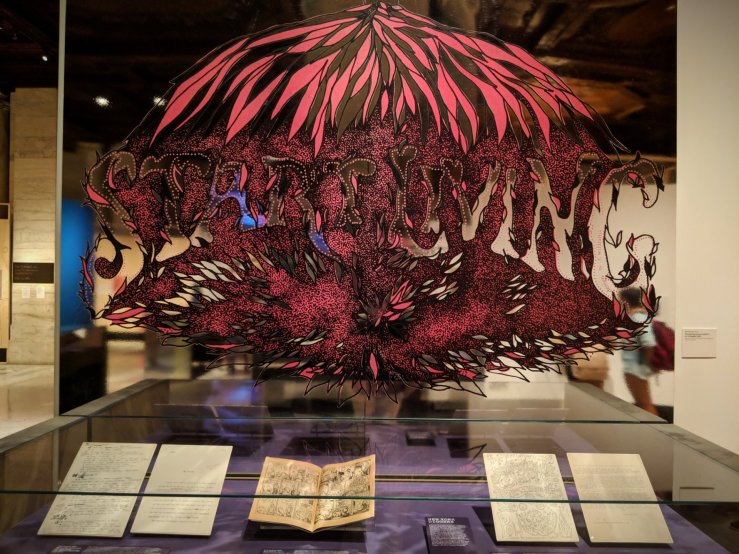
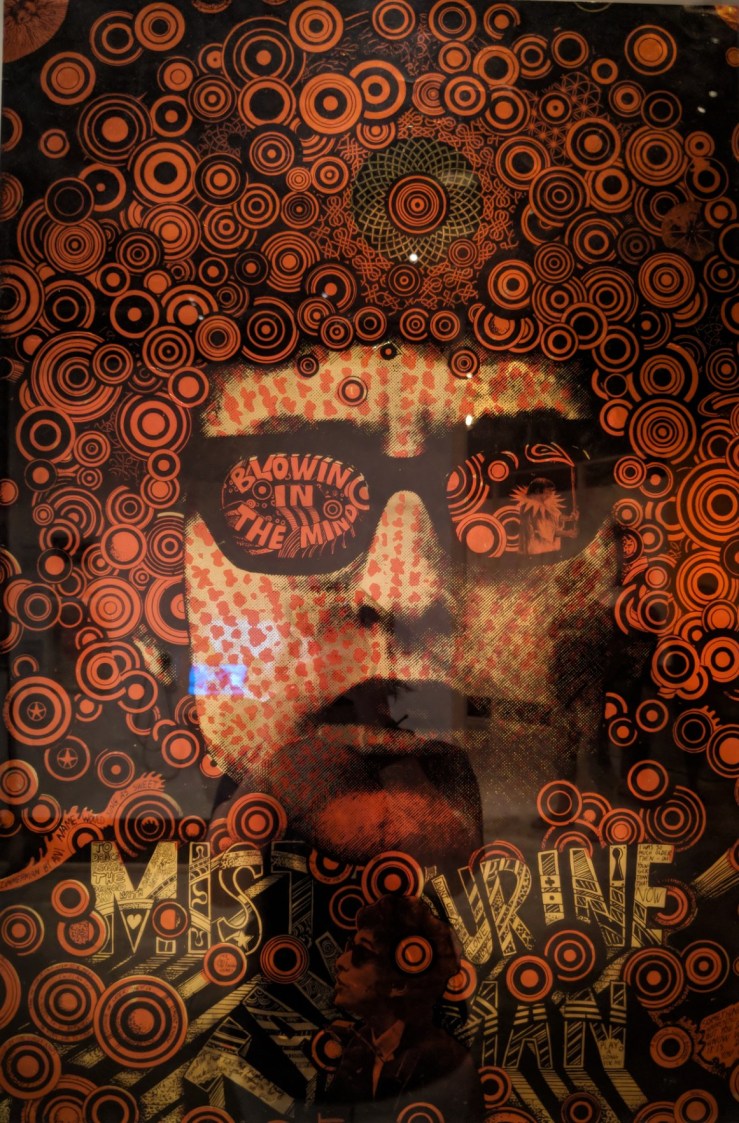
Martin Sharp
Blowin’ in the Mind/Mister Tambourine Man


The New York Public Library

August 16th, 2018