Outside the MFA.
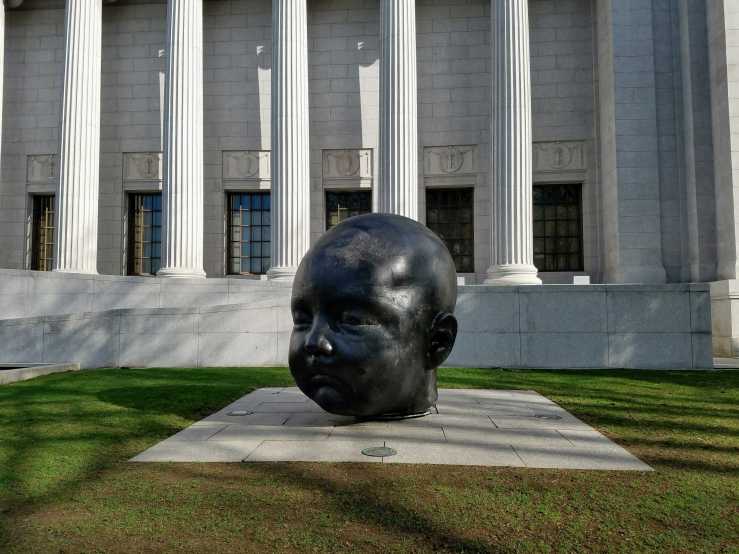
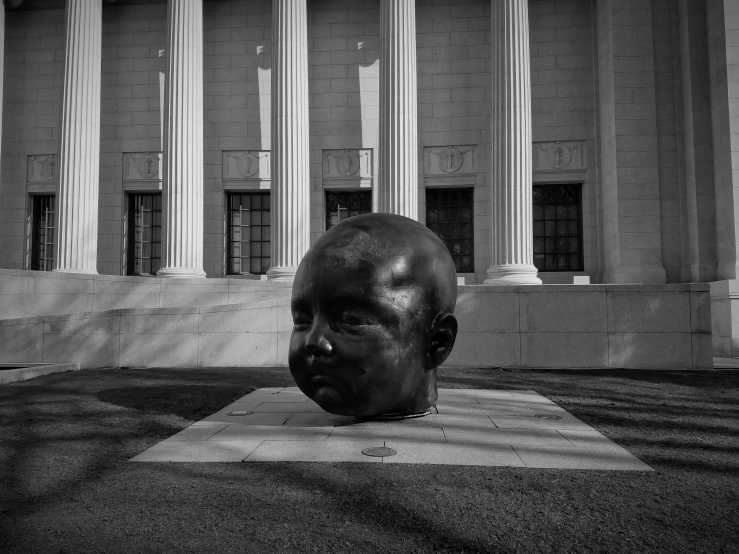
“Over the past several decades, Antonio Lopez Garcia has become known as the finest Spanish painter of his generation. His intensely realistic paintings-ranging in subject from grimy bathroom sinks to expansive Madrid cityscapes-often take him years of meticulous work to complete. These sculptures, and several other recent works by Lopez, were inspired by the birth of his grandchildren. When his second grandchild, Carmen, was a few months old, Lopez began modeling two portraits of her head, one depicting her awake and the other asleep.”
Source: CultureNOW



The full sculpture of the Hunter, however, depicts him hunting a antelope – not heads!
“Paul Manship designed Indian and Pronghorn Antelope to span the length of the mantelpiece in his New York City apartment. He expertly used the negative space created by the separation of the hunter and his prey to capture the drama of the hunt. The work represents a compromise between historical artistic traditions and modern tendencies toward abstraction: the smooth planes and stylized renderings recall ancient Greek statues, while the arresting linear design and suggestion of movement reflect Manship’s own innovations. Small-scale statuettes such as these were popular for interior decoration, and Manship’s style was immediately accepted by the public.” Source: Art Institute Chicago
While this particular cast adorns the Fenway entrance lawn of the Museum of Fine Arts, a quick search on line shows a number of others being in permanent collections of various museums in America, such as The Met in New York, Joslyn Art Museum in Omaha Nebraska, Buffalo Center of the West Wyoming, The Art Institute of Chicago, Detroit Institute of Arts.
Antonio López García
Day & Night, 2008
Bronze
Paul Manship
Indian Hunter, 1917, this cast 2002
Bronze
Museum of Fine Arts, Boston
May 2nd, 2017

 There is a bunny hiding in this picture; an adorable little troublemaker, disrupting the peace.













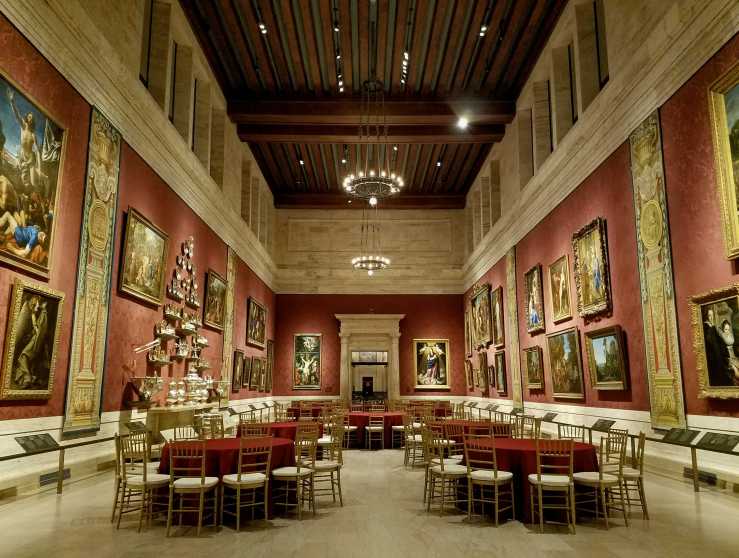 … it leads to the Monet gallery. The MFA boasts one of the largest collections of Claude Monet’s work outside France, with a whole gallery dedicated to the artist! Below, just two of the works I particularly enjoy – the first, for its virtuosity and splendid kimono and the second, for its hazy, dreamy mood:
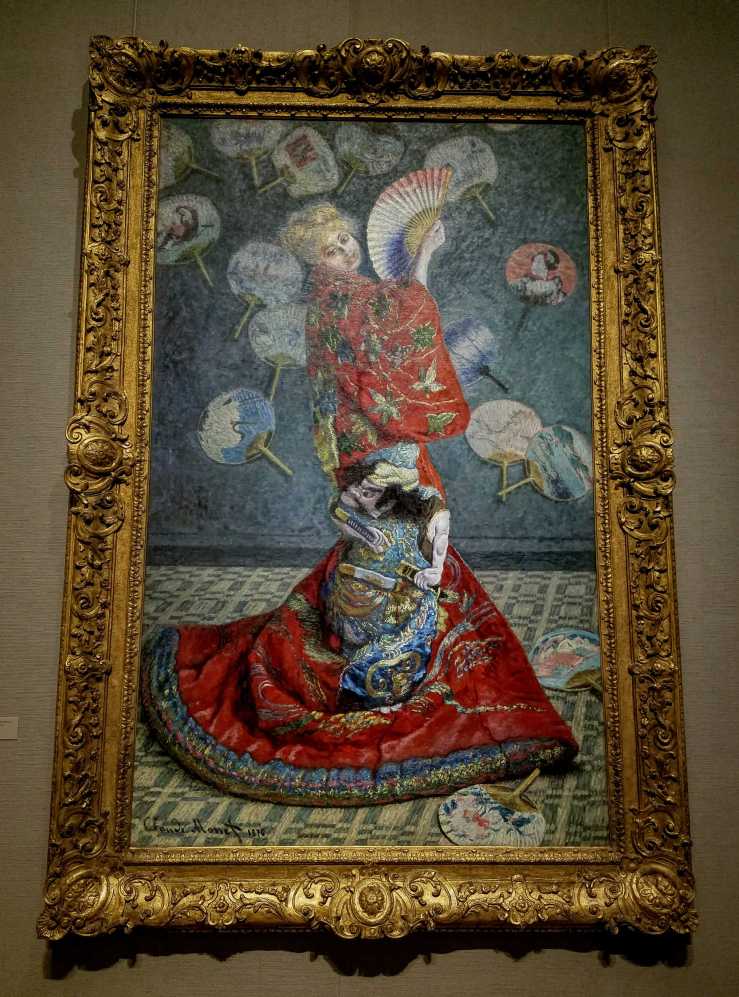 Claude Monet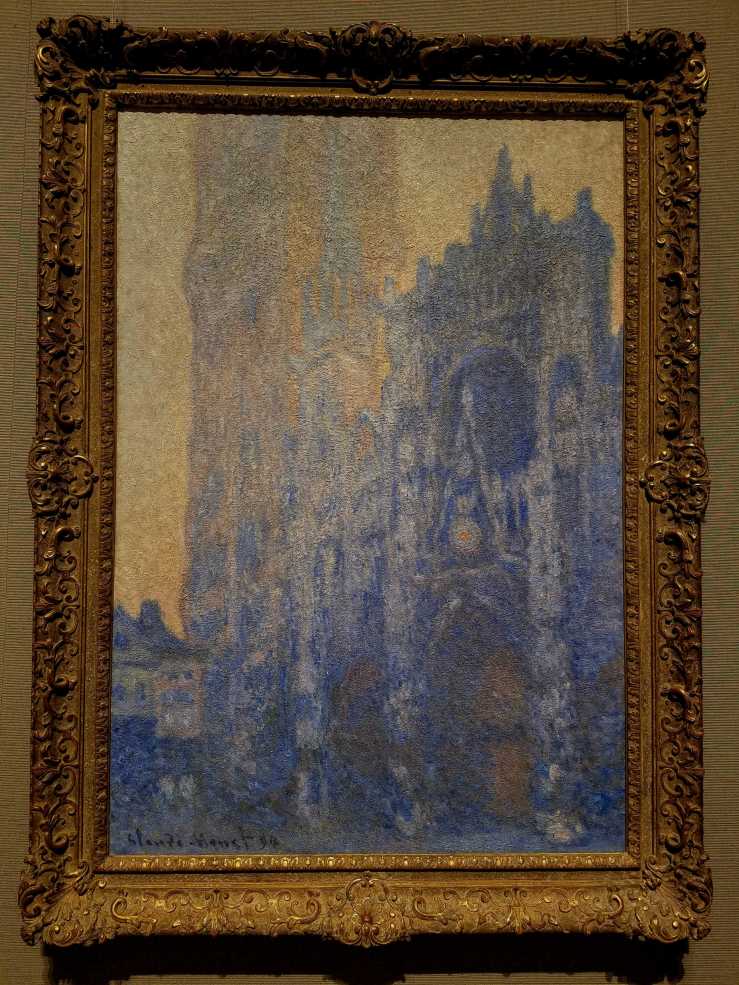




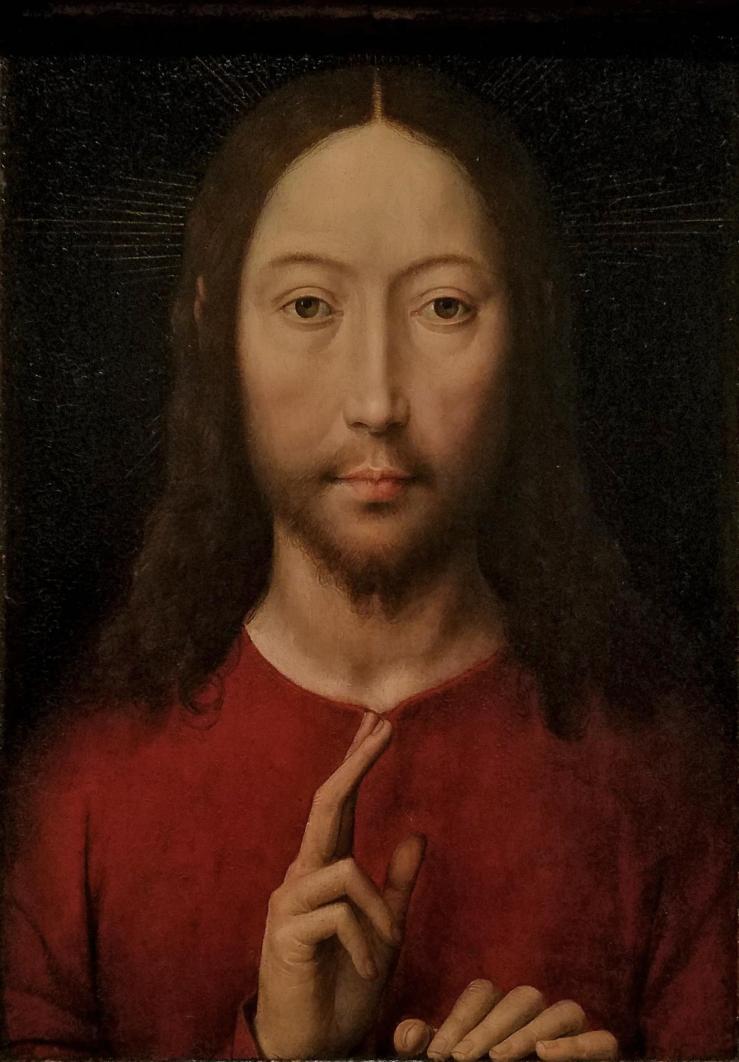 Hans Memling

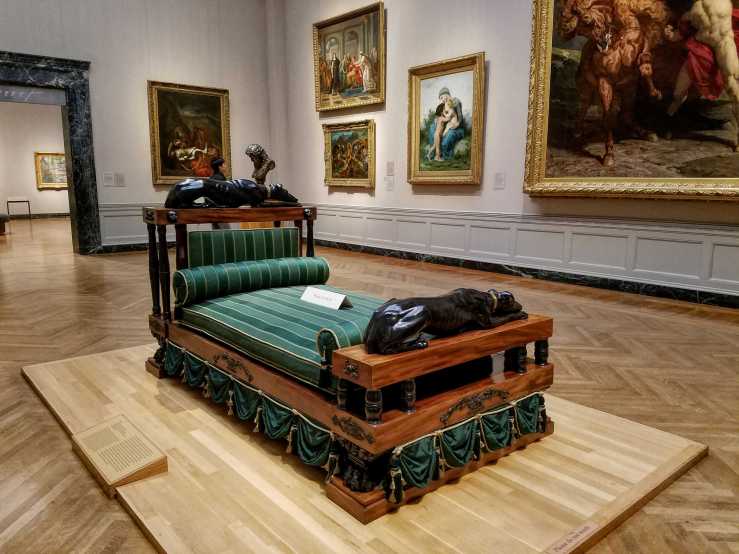 Bed
Bed  This bed is among the most original pieces of English Regency furniture. Dominant in English interiors from about 1800 to 1830, the Regency style perpetuated the classical taste of the late 18th century but was more academic and archaeologically correct. This bed closely resembles furnishings designed by Thomas Hope – collector, connoisseur and a pivotal figure in the classical revival of Regency England- for one of his residences. Its architectural form and bronze mounts derive from ancient and Renaissance models. The greyhounds, however, are inspired by medieval tomb sculpture and exemplify the more romantic interpretation of historical sources characteristic of Hope’s influential furniture designs. The bed may have been used for resting – a day bed – or for sleeping.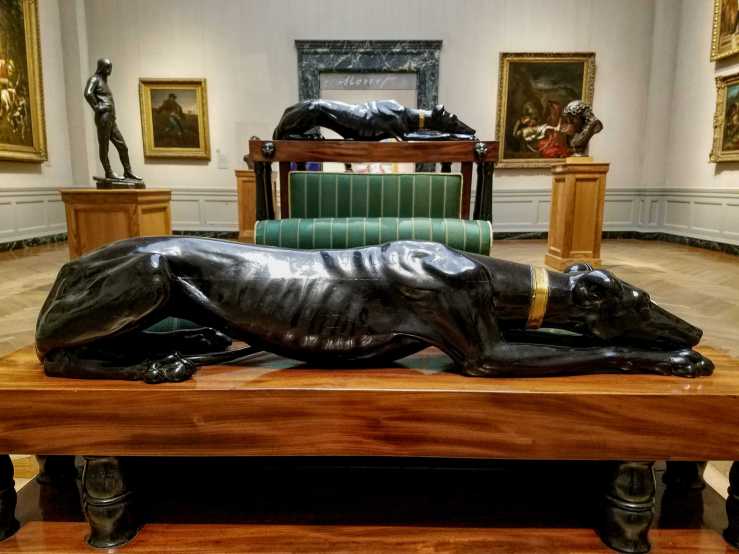

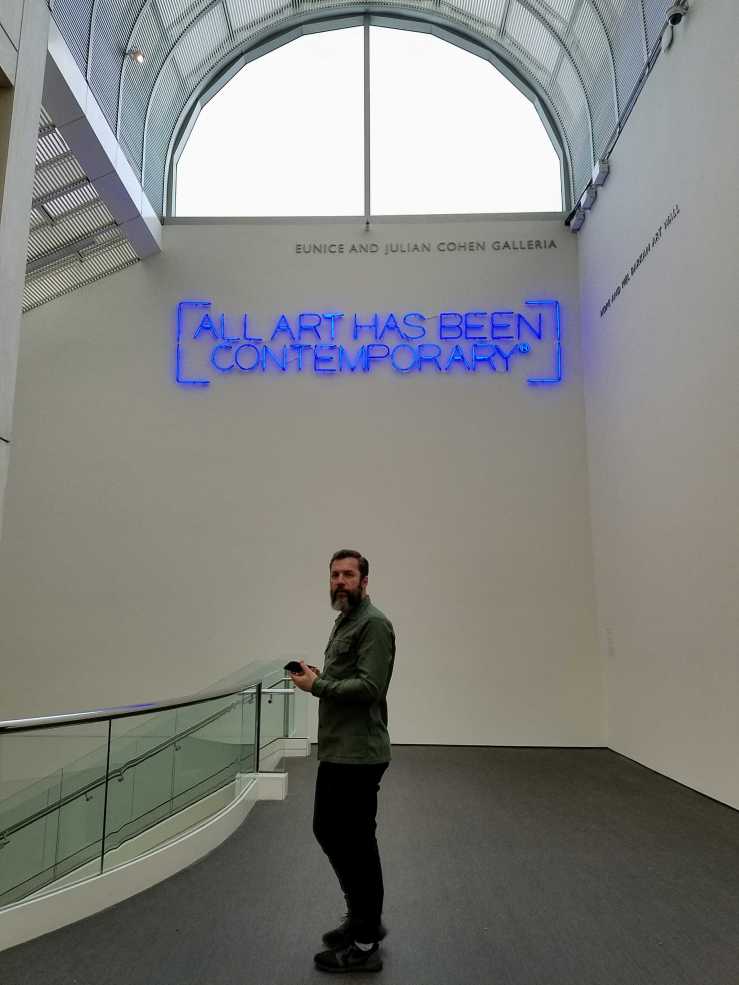

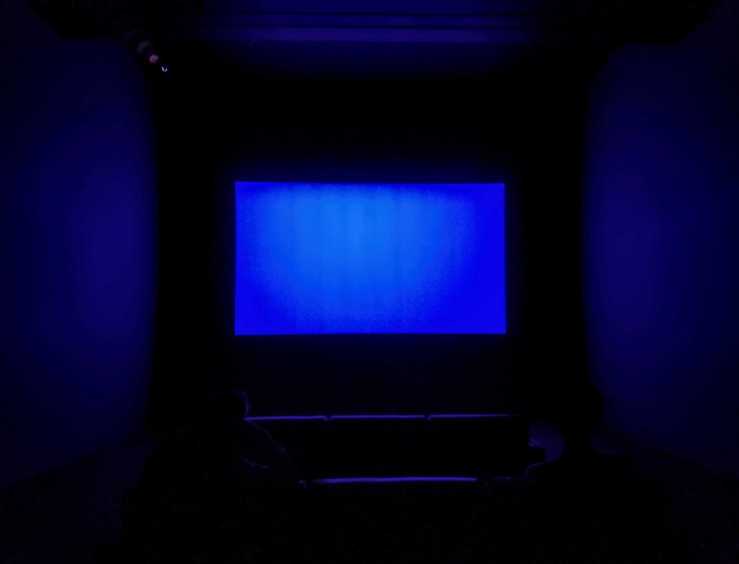








 Judy Dater
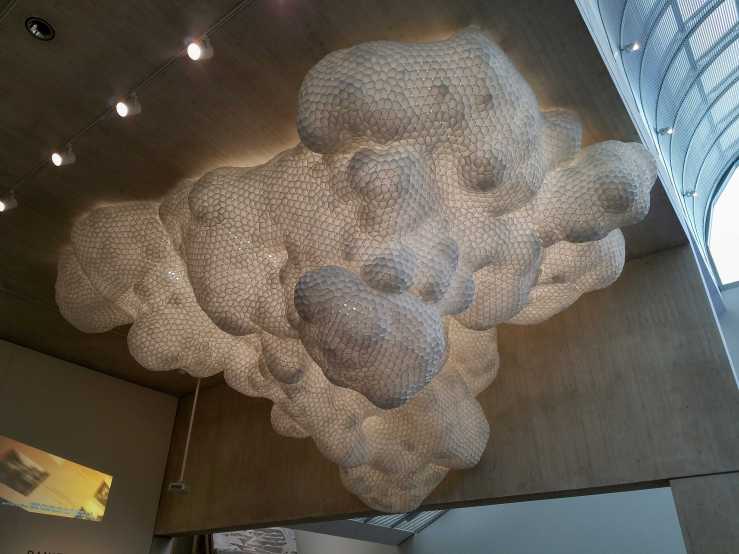 Tara Donovan
 Jonathan Borofsky
 The Humble Fabulist