Let 2020 be a happy & healthy year; let us all remember to slow down, breathe, love ourselves, love the planet, love one another. We’ve only got one chance!
Lia
January 1st, 2020
Let 2020 be a happy & healthy year; let us all remember to slow down, breathe, love ourselves, love the planet, love one another. We’ve only got one chance!
Lia
January 1st, 2020
In celebration of the album’s 10th anniversary, Sigur Rós vocalist Jónsi and his partner, musician Alex Somers performed Riceboy Sleeps, live for the first time, together with the Wordless Music Orchestra and Choir, in some of the most beautiful theatres across North America. Last night they were in Kings Theatre, Brooklyn. It was their final stop. And the best possible way to celebrate Halloween.

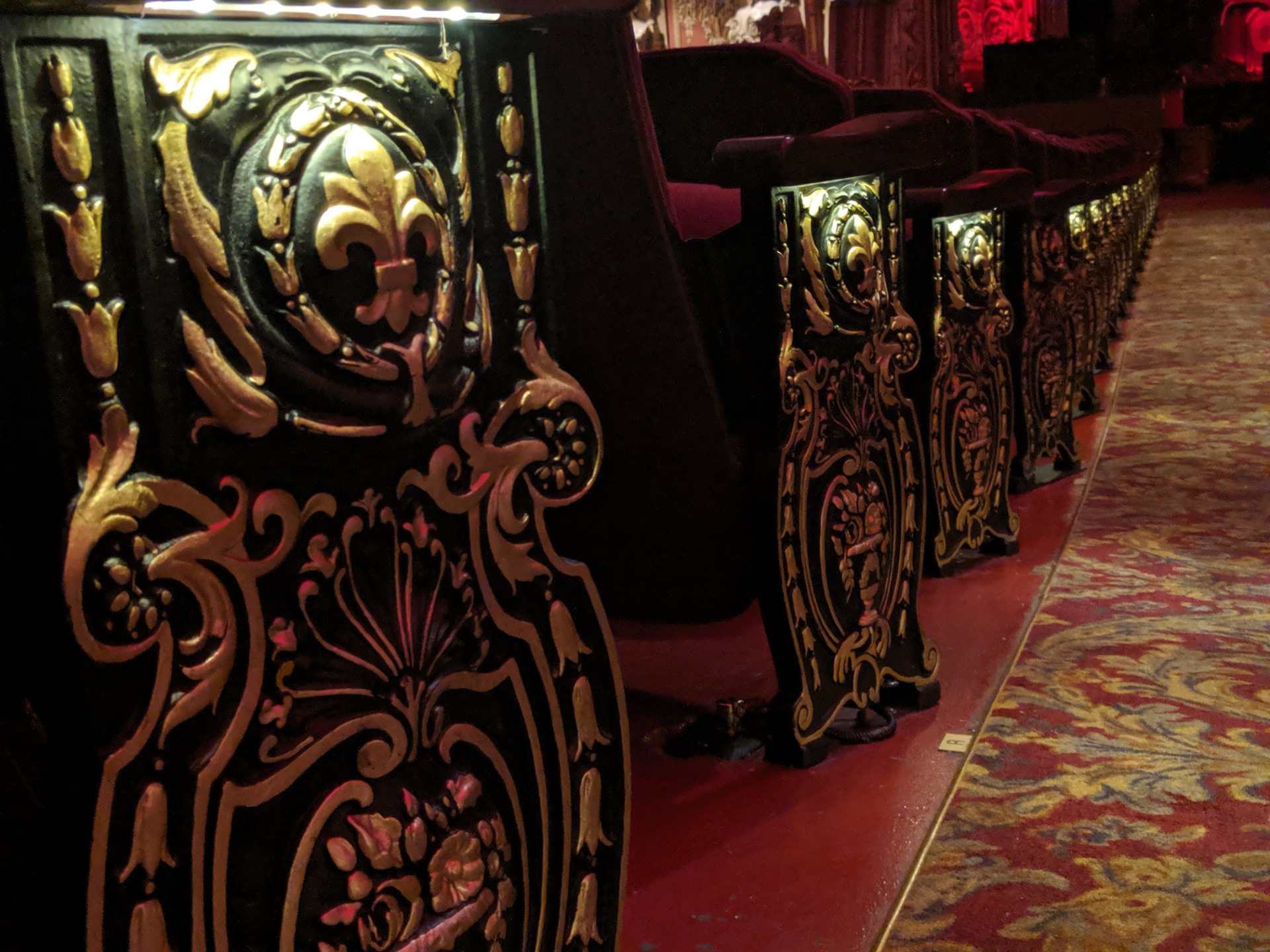


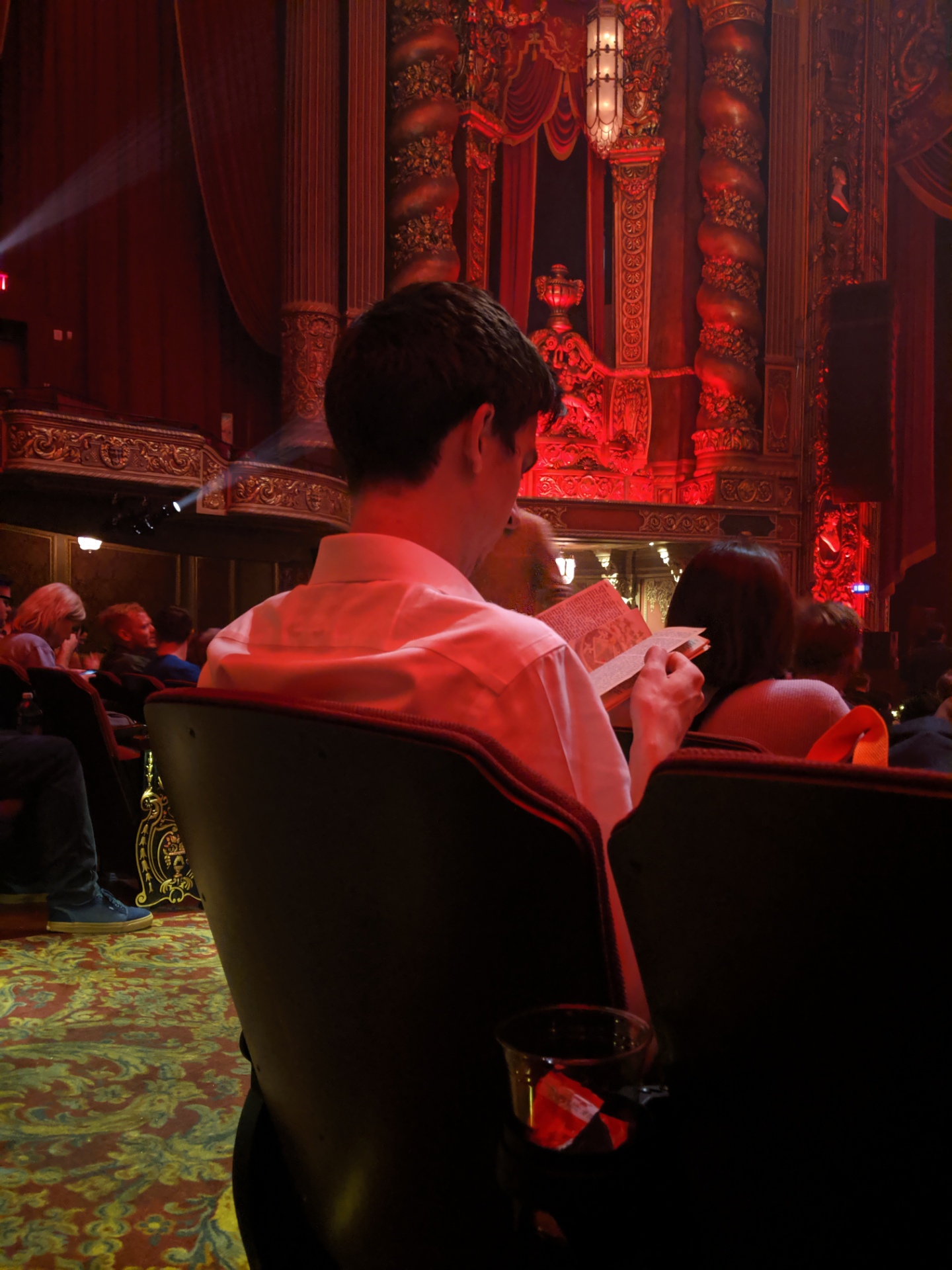

Below, a part of their live performance in Sydney. If the Northern Lights were emitting music, this would have been it!
October 31st, 2019
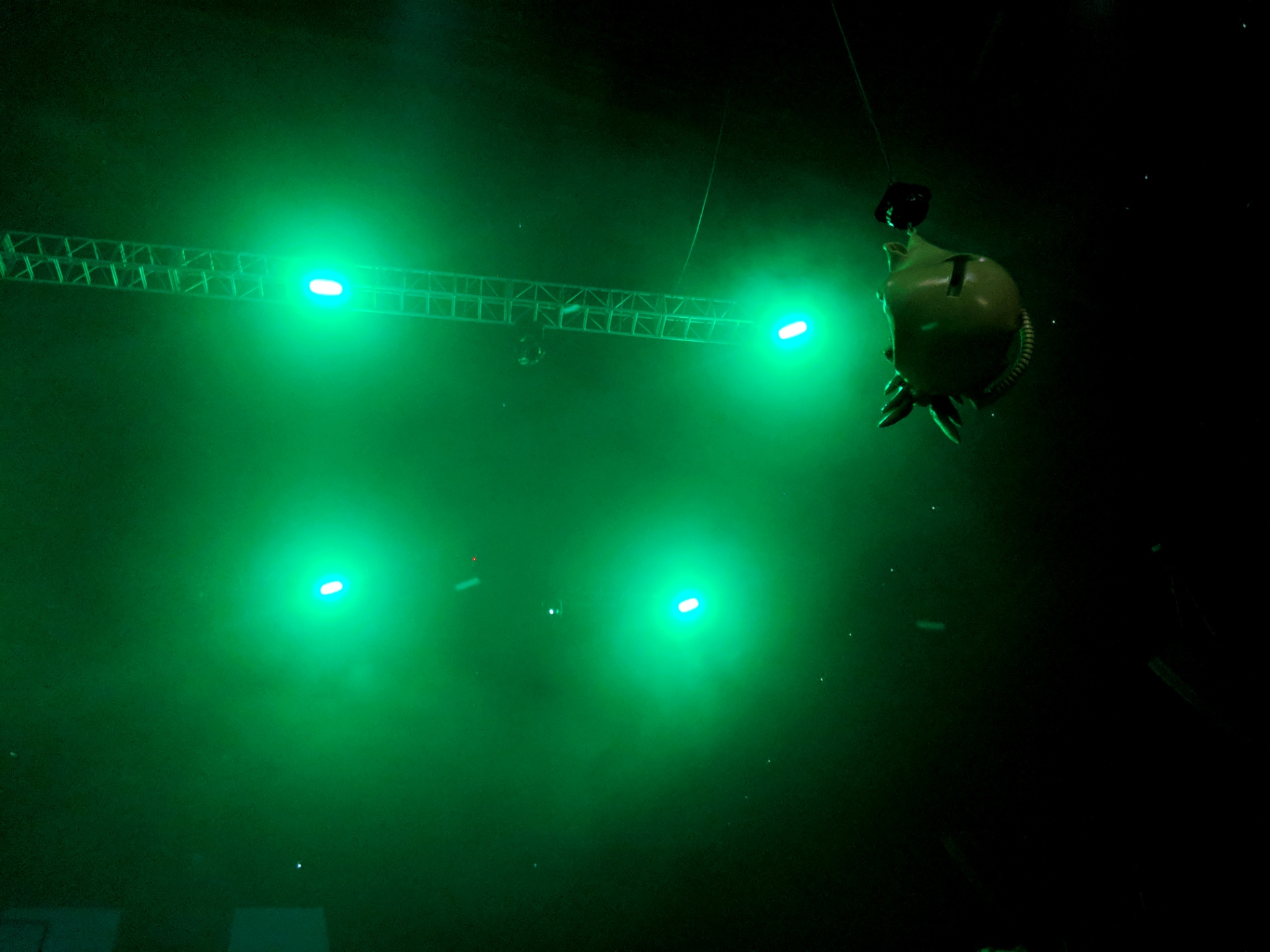
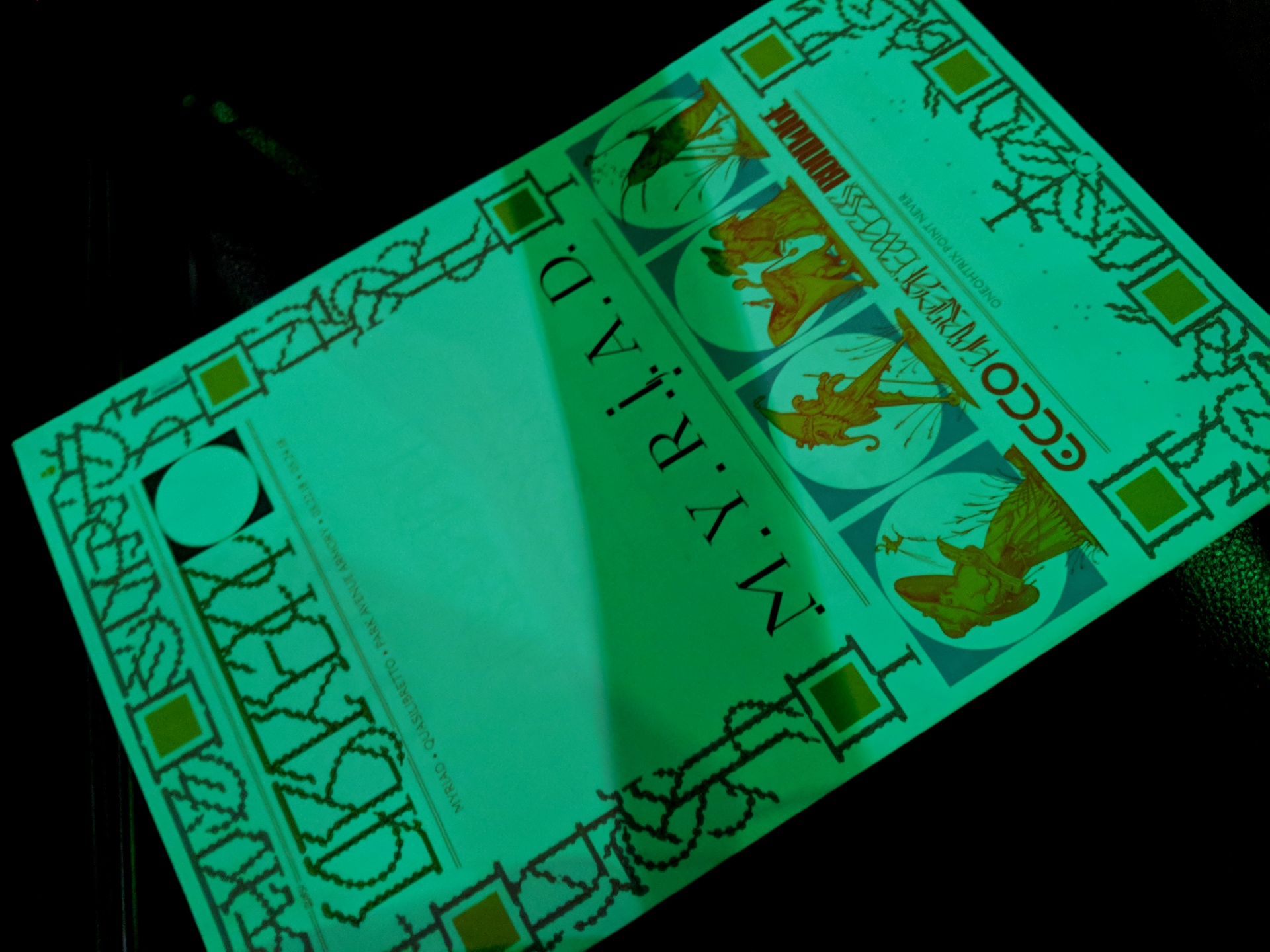
Immersing into one of Oneohtrix Point Never’s site-specific concertscapes. This one was his most ambitious yet, imagined from the perspective of an alien intelligence and was presented in Park Avenue Armory.
May 24th, 2018
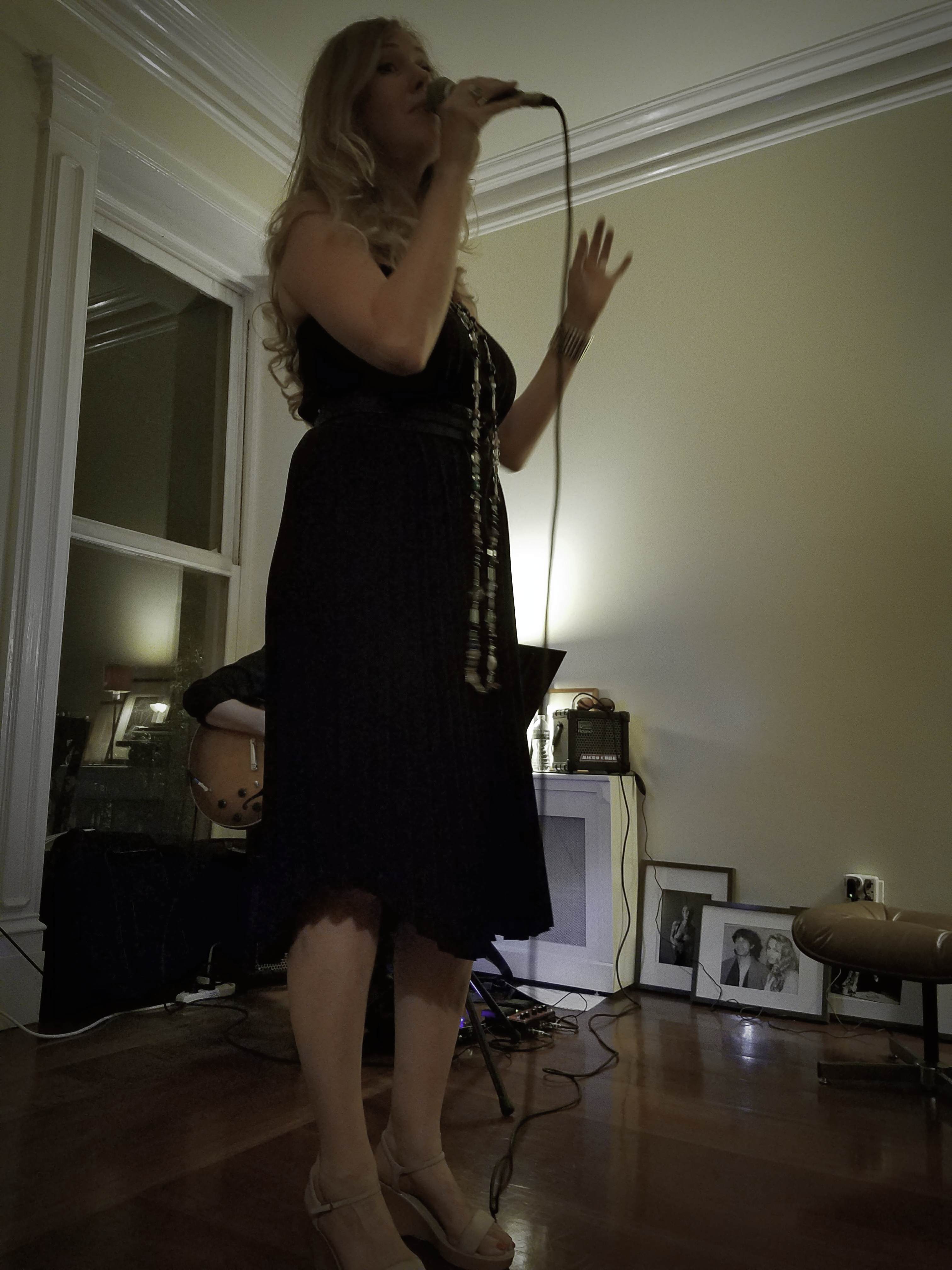
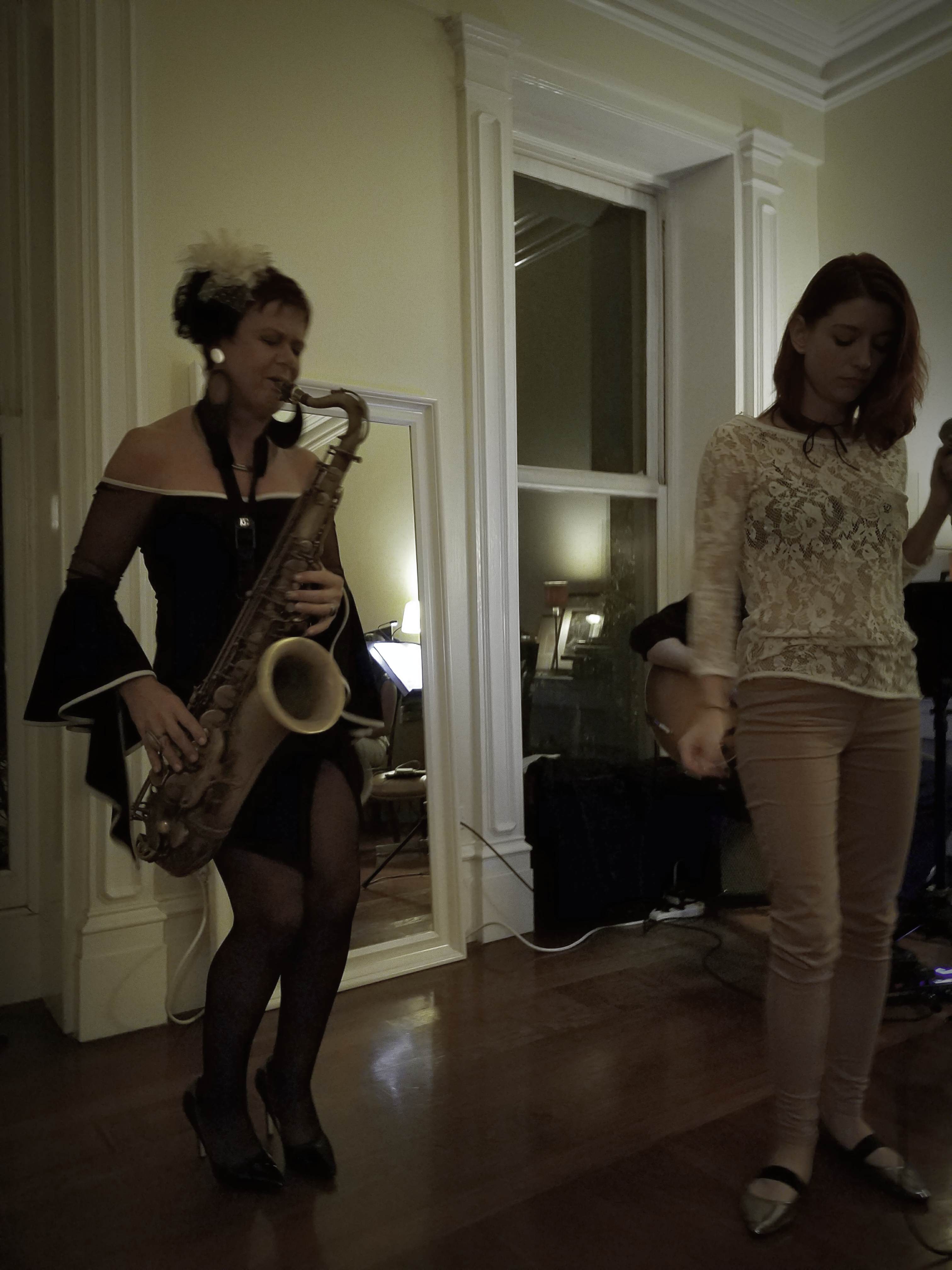
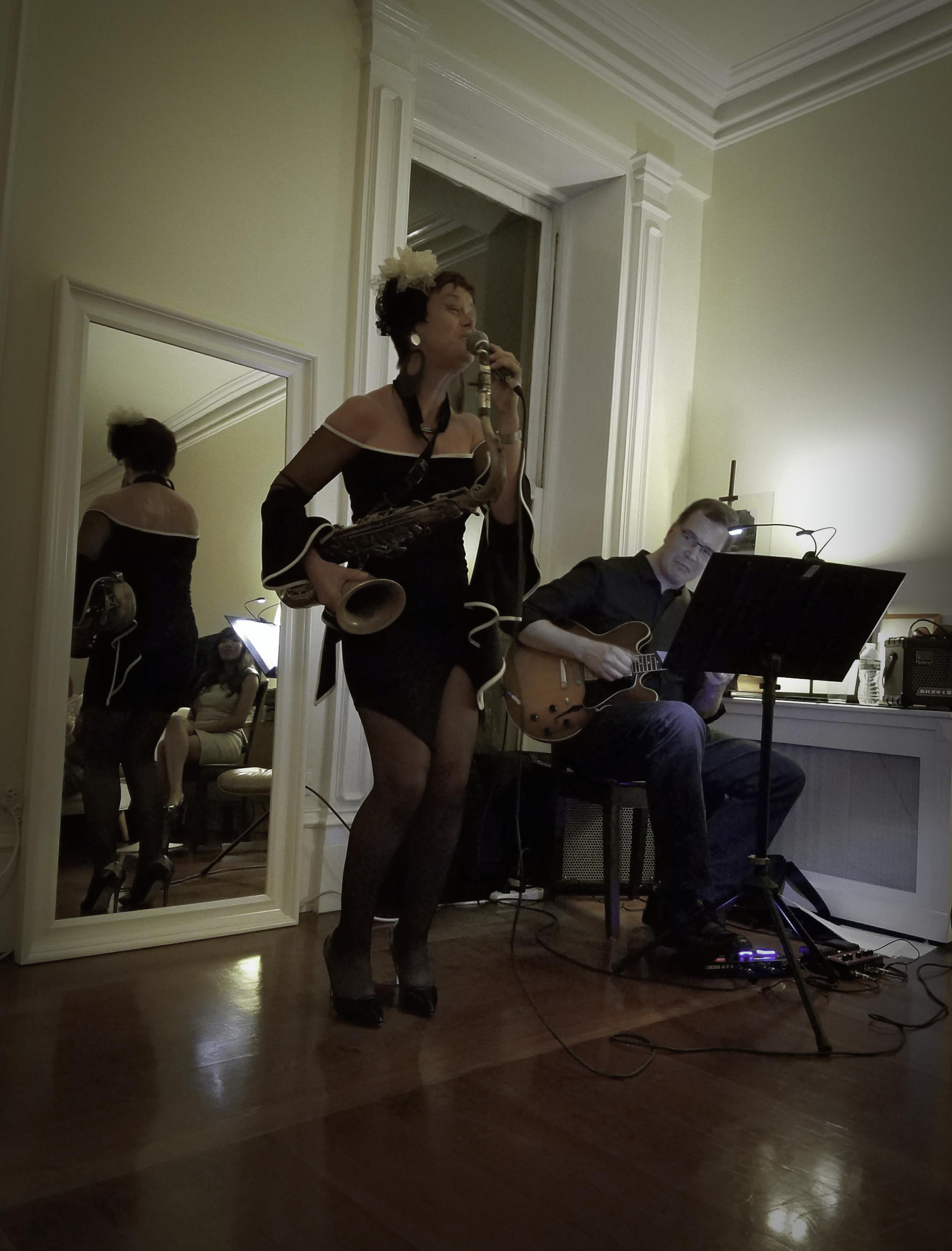
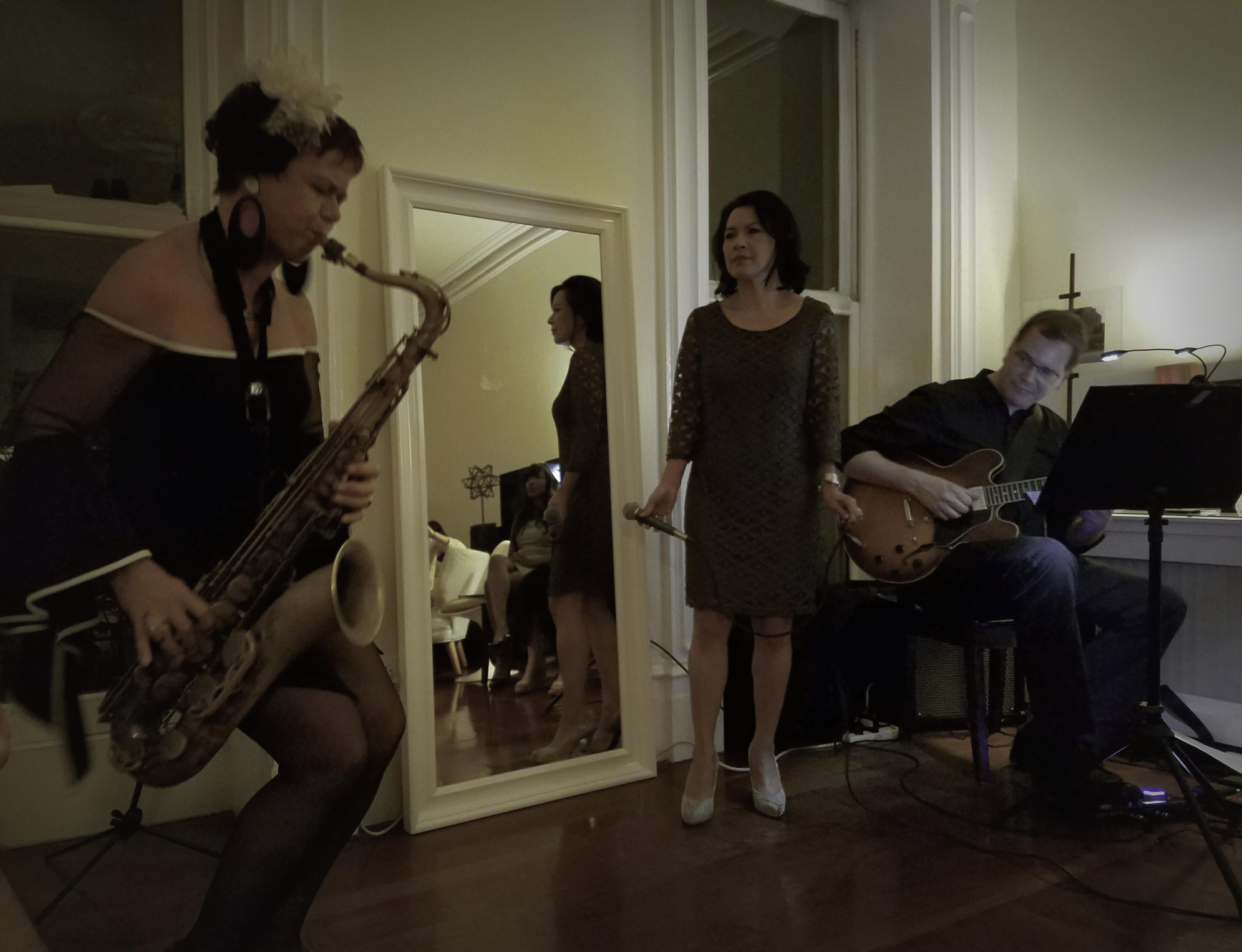
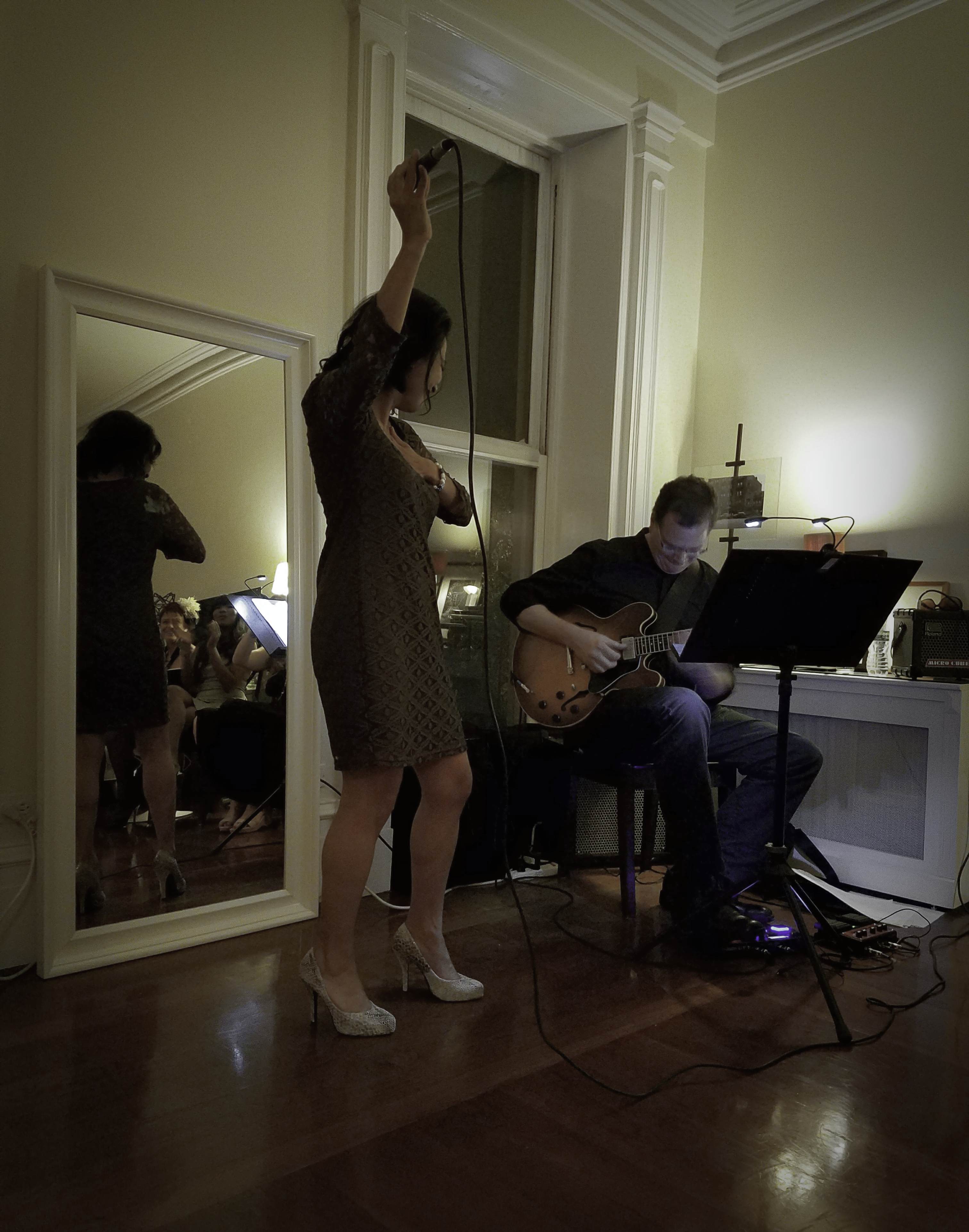
They came all the way from The Netherlands for some gigs at the Blue Note Jazz Club. But before that, as a warm-up, they gave a house concert in one of Chelsea’s charming townhouses, just for friends (and friends of their friends).
Guess who was the star of the show?
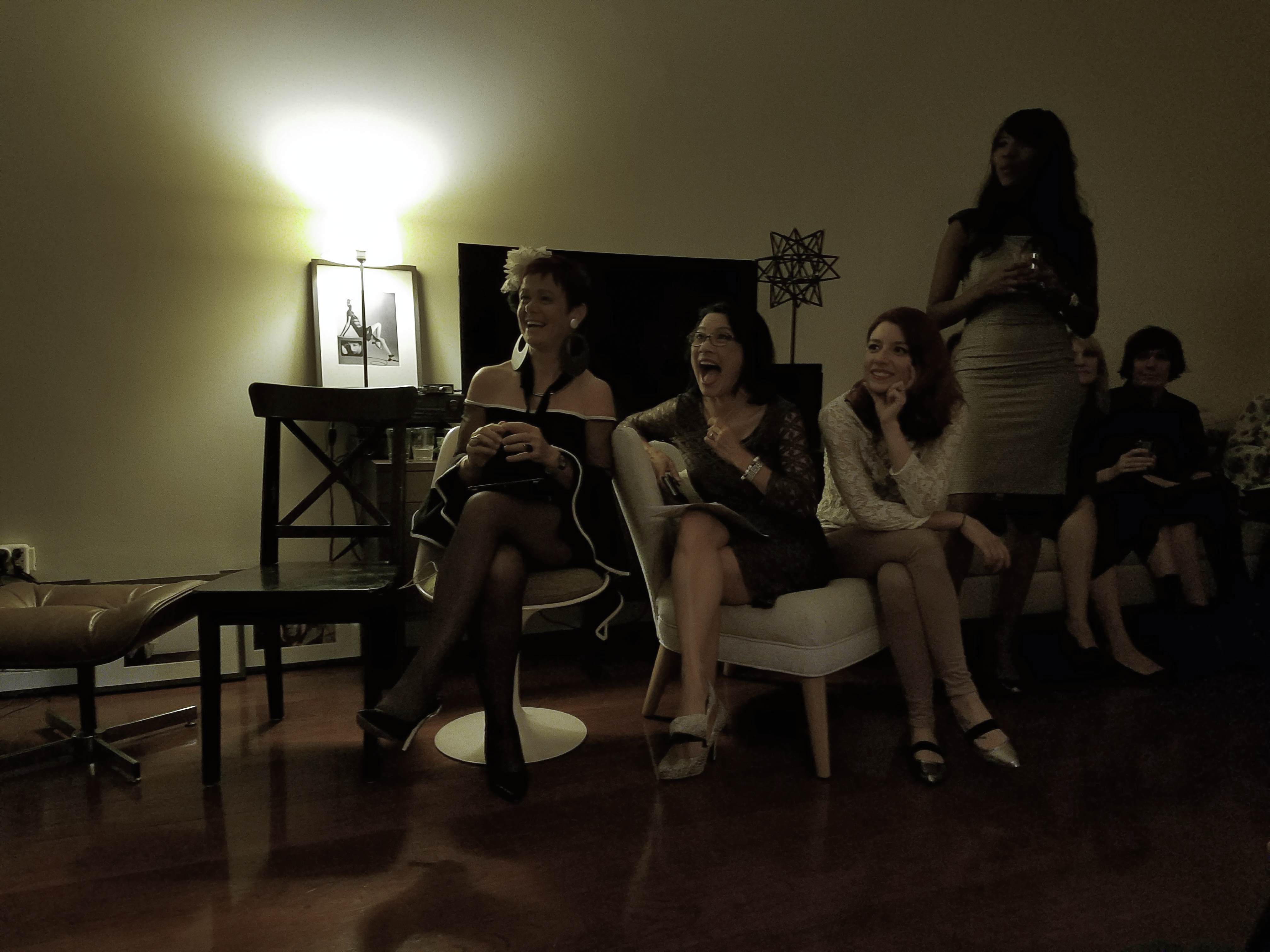
September 28th, 2017
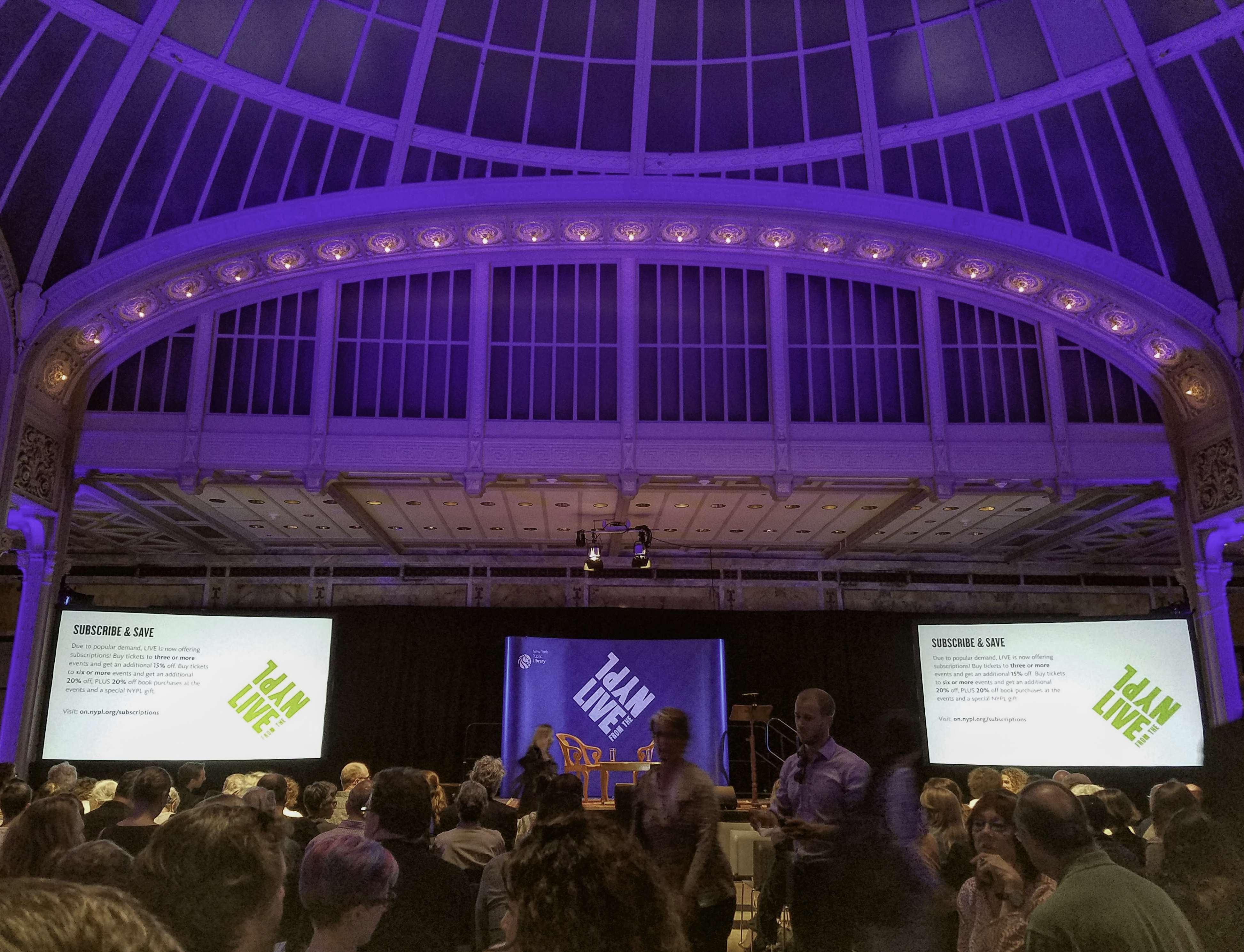
We were there too, with a couple of hundred more admirers, sharing the same space with one of the most important musical minds of the century – and the century before, enjoying a casual conversation about his life, friends, lineage [”covers a lot of things… but the important thing about lineage is the connectiveness”], lessons learned from his father, Ben, like mental chess or, the most important of them all, how to listen…
[”Father had a record store…”] [”…After a whole day in a music store he went home and listened to music. If he had records in the store and couldn’t sell them, he wanted to see what’s wrong with them. So he brought them home and listened to them. His idea was, if he could find out what’s wrong with them he could buy the right records… Pieces he brought home were mostly modern pieces; it could be Shostakovich… Bartók, and he would listen to them over and over… he became kind of expert on modern music… and his little store in Baltimore became the place to go when you were looking for modern music…”]
 Paul: ”I love the story of John Cage saying to you: ”It’s good… But there are too many notes!”
Philip: ”No, he never said it was good…! Don’t make it better than it was!” ”He said: ”Philip…. Too many notes!” And I said: ”John, I’m one of your children whether you like it or not…”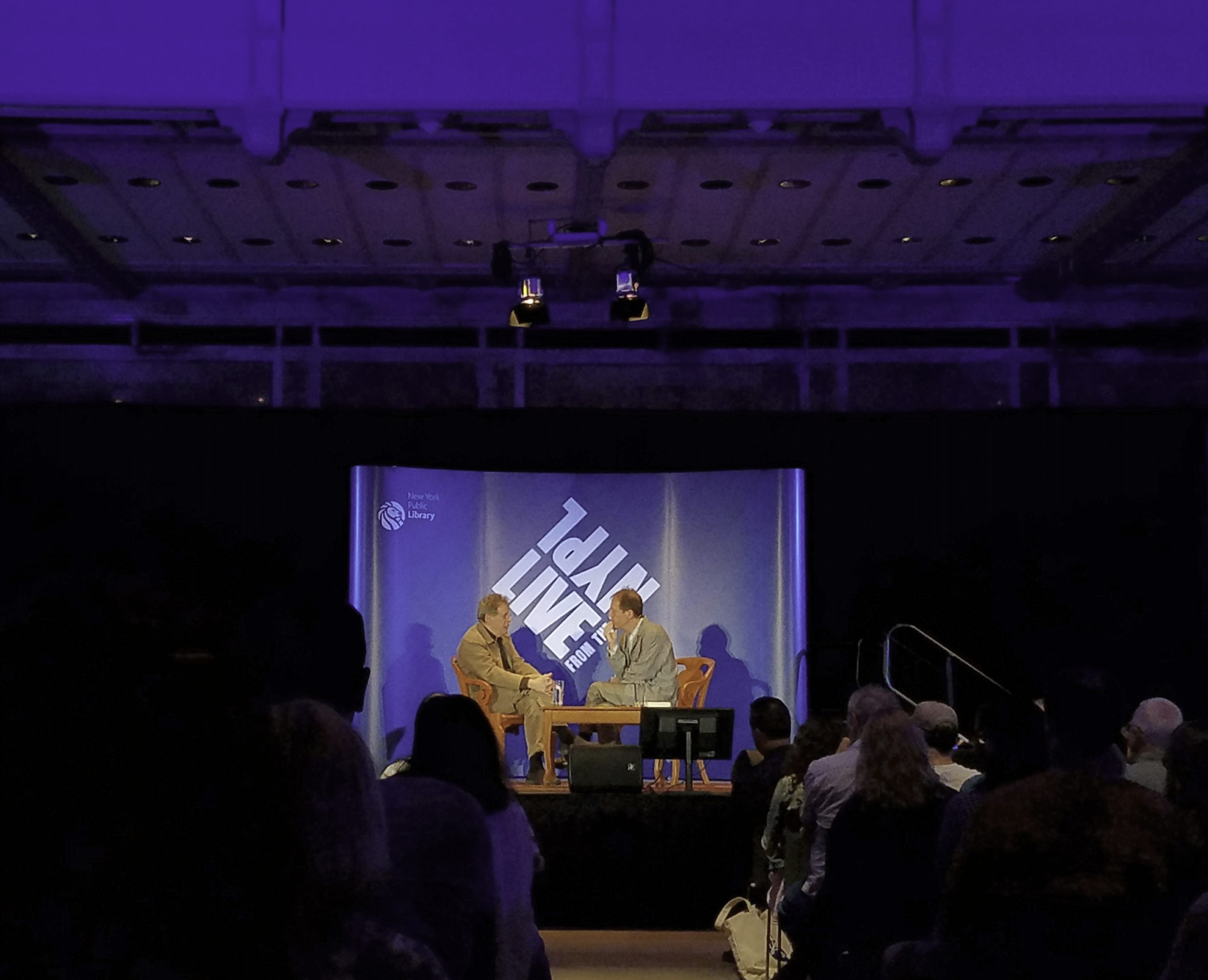 Thoughts, pauses, reflections, life fragments, anecdotes, friends; his epic Einstein on the Beach; the inspiration he took from Rothko’s vision; his creative combination of live performance with film in La Belle et la Bête; his memories of Moondog, the mighty Viking of 6th Avenue… the fact that he worked as a plumber and, more adventurously, as a taxi driver to fund his music.
 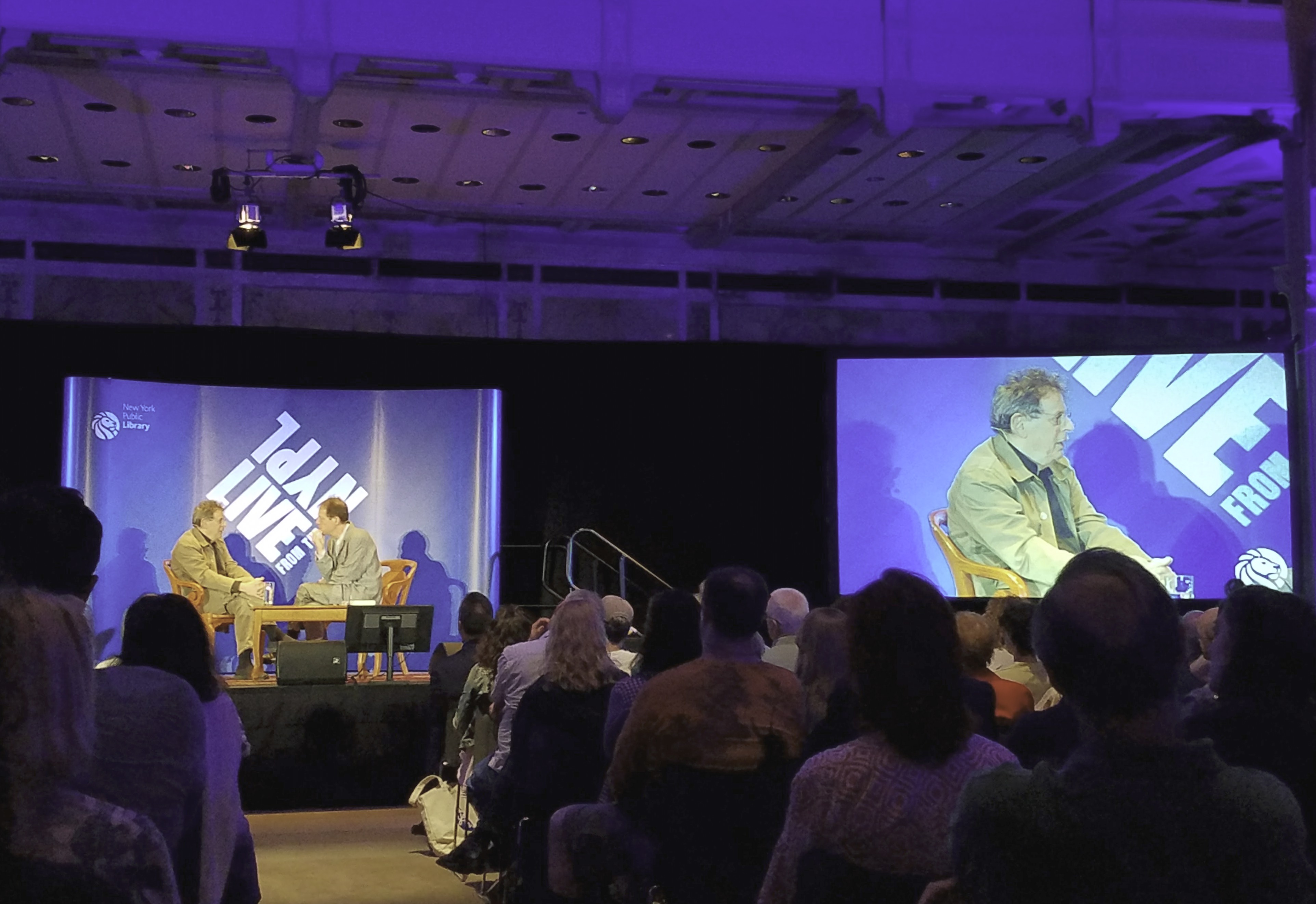 [”At some point, I began to ask myself where did the music come from; then, I decided to write music because it would be a way to learn where it came from. But it turned out not to be true… I spent the rest of my life trying to answer that question… and I still can’t…”]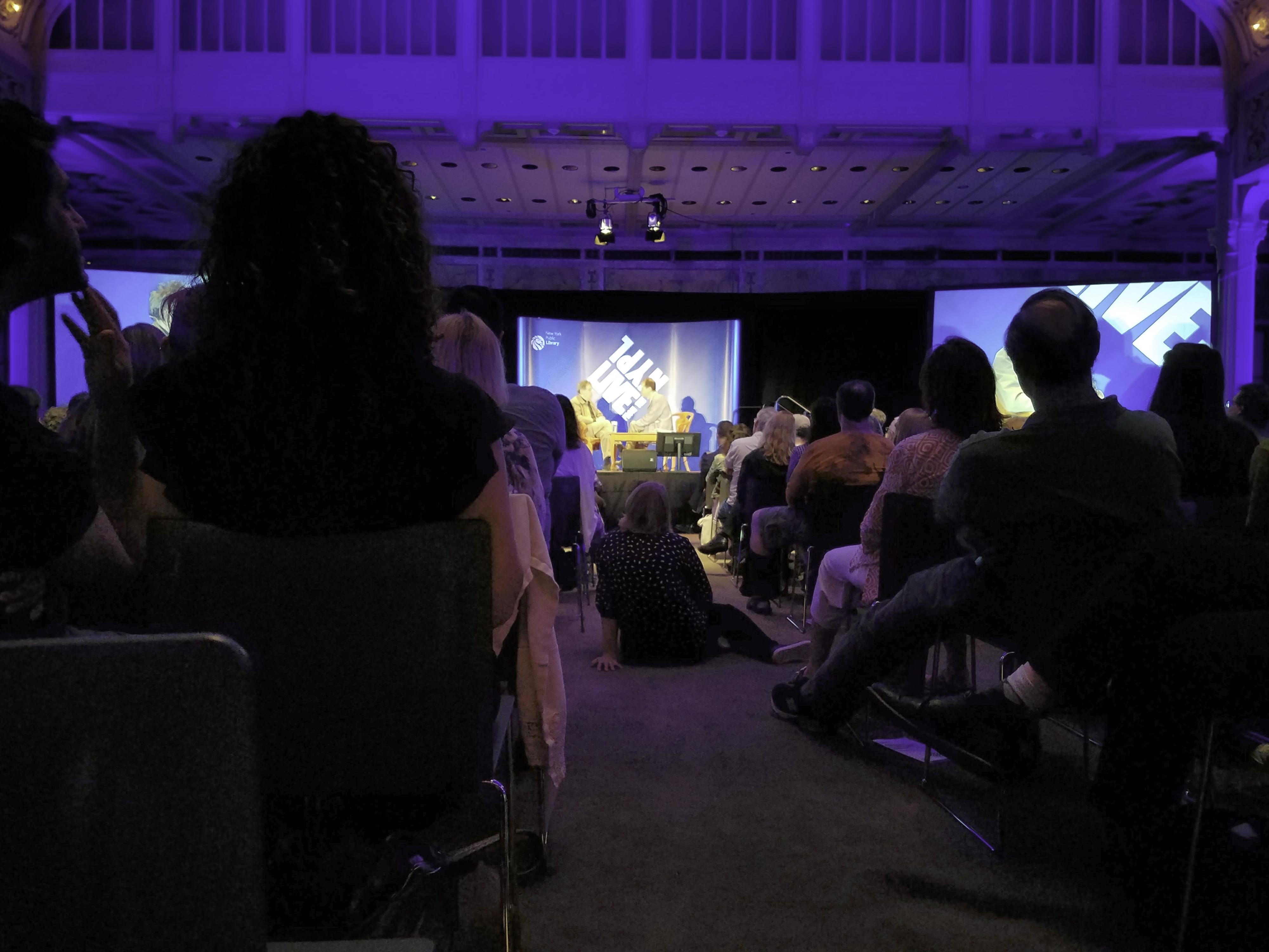
Paul Holdengräber, founder and director of Live from the NYPL talk series, was the host.
Philip Glass | A Mind of Music, NYPL
June 15th, 2017
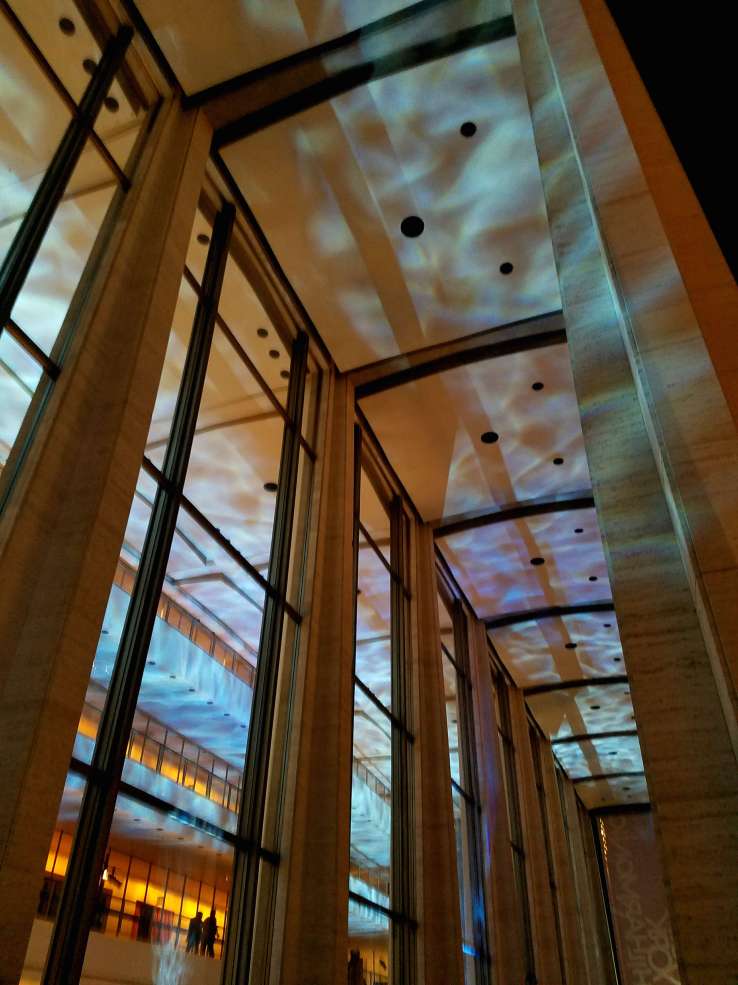
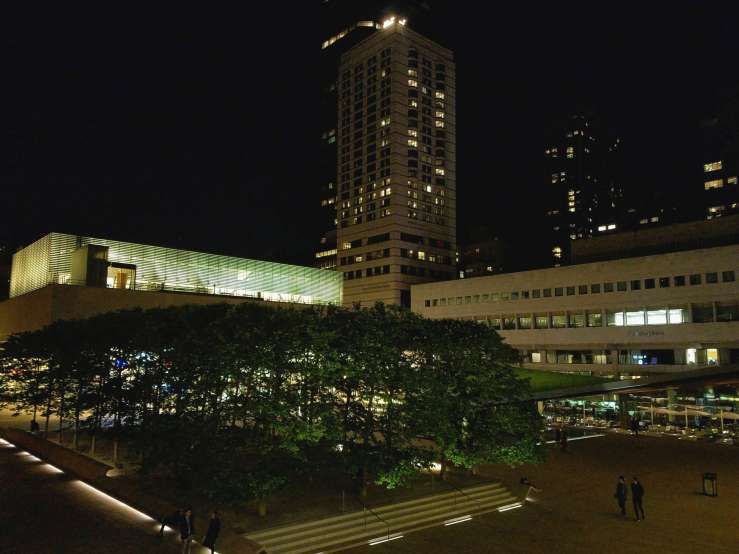
in Lincoln Center.
With music and drinks, followed by more music in an evening tagged as ”born of ice and fire”.
With the New York Premiers of Finnish composer Esa-Pekka Salonen’s Wing on Wing, written for and featuring soprano sisters Anu and Piia Komsi, and Icelandic composer Anna Thorvaldsdottir’s etherial Aeriality (ice) –
and a superb performance by the New York Philharmonic’s Artist-in-Residence for 2016-2017, renowned violinist Leonidas Kavakos, who played Brahms’ Violin Concerto (fire).
After the concert, we were joined by some of the Philharmonic musicians who, following the ”obligatory” Q&A session, simply mingled with the guests for some more music and drinks.
No, Mr. Kavakos was not among them.



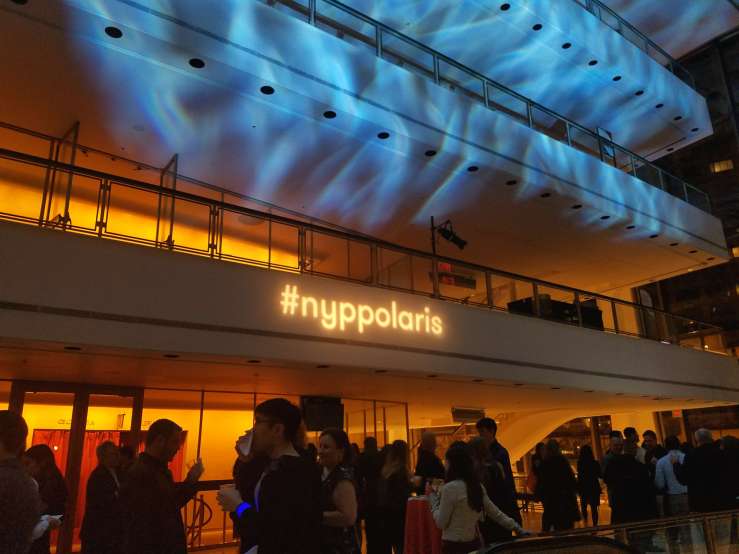


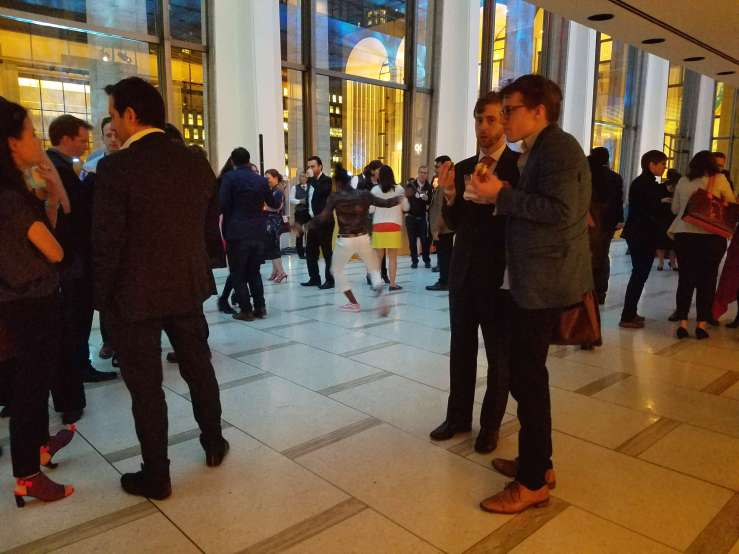
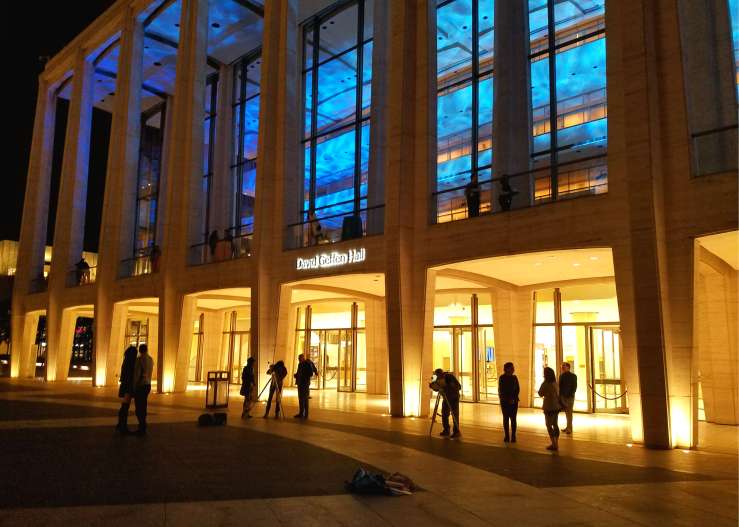


#nyppolaris
May 20th, 2017
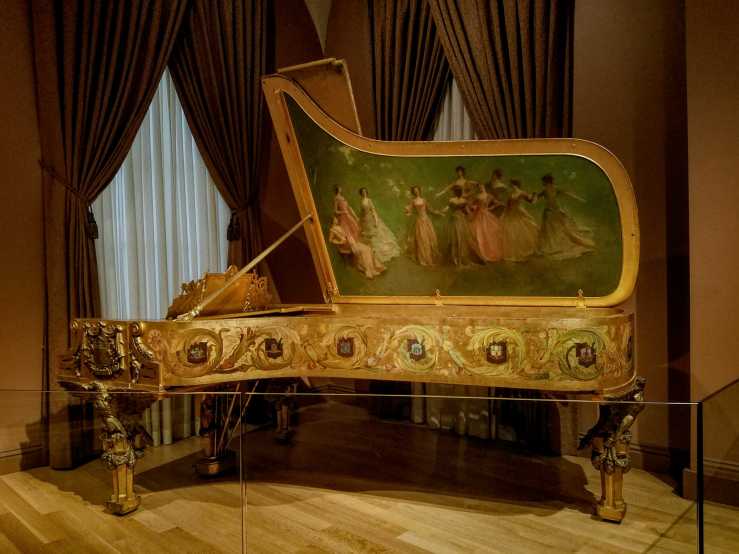

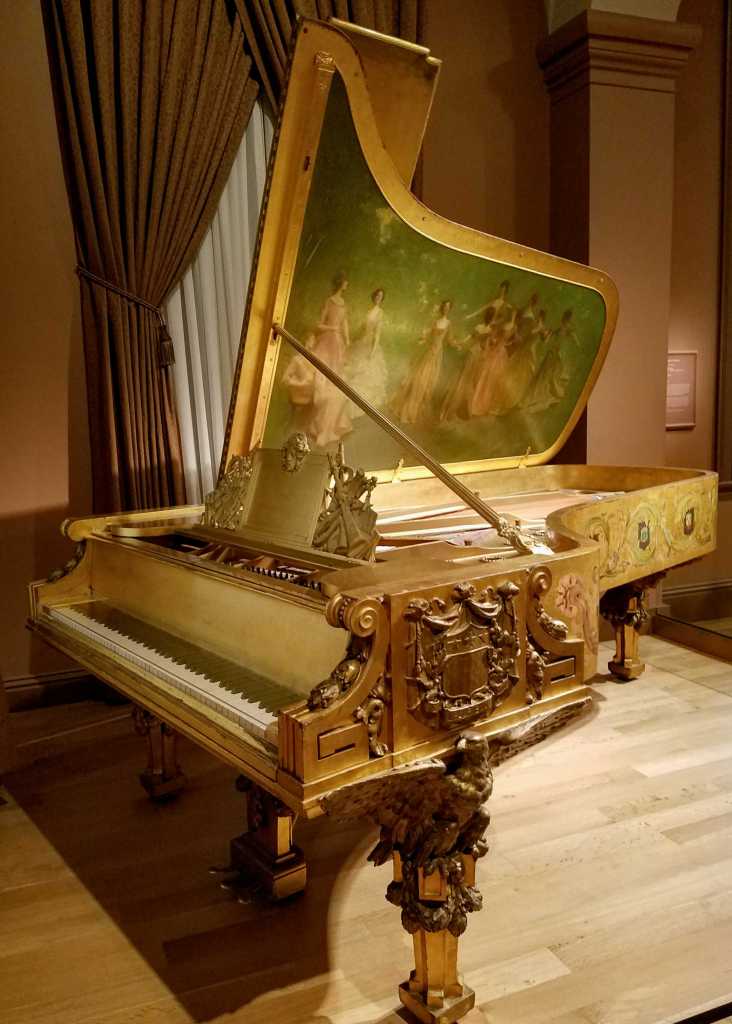

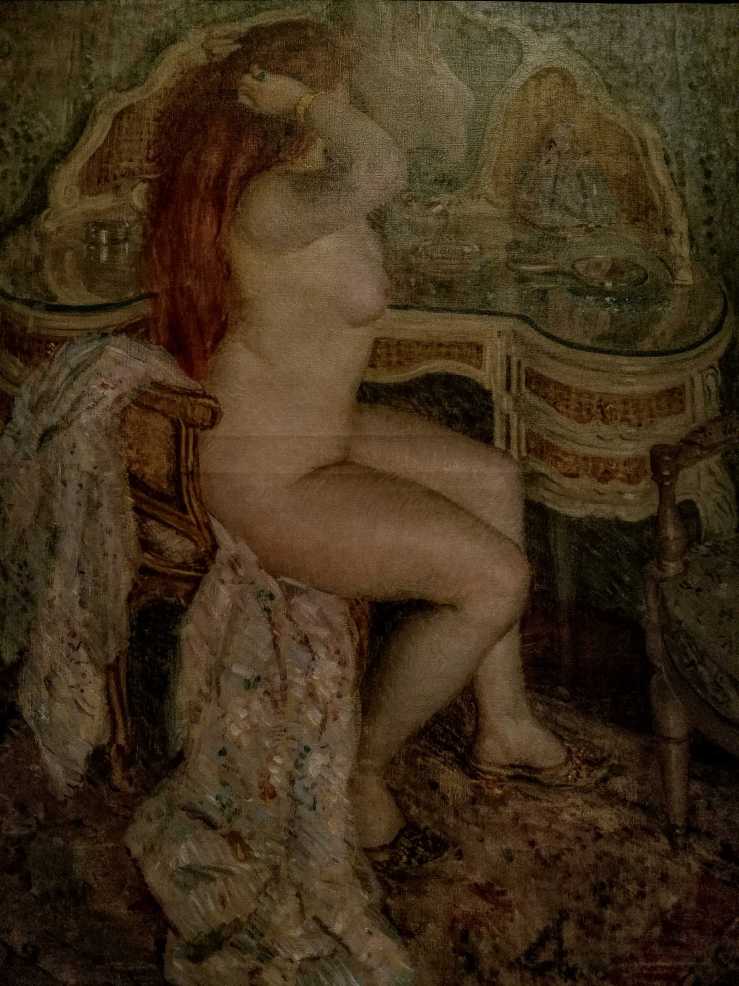
 Nude Seated at Her Dressing Table, 1909, oil on canvas
Frederick Carl Frieseke (1874-1939)
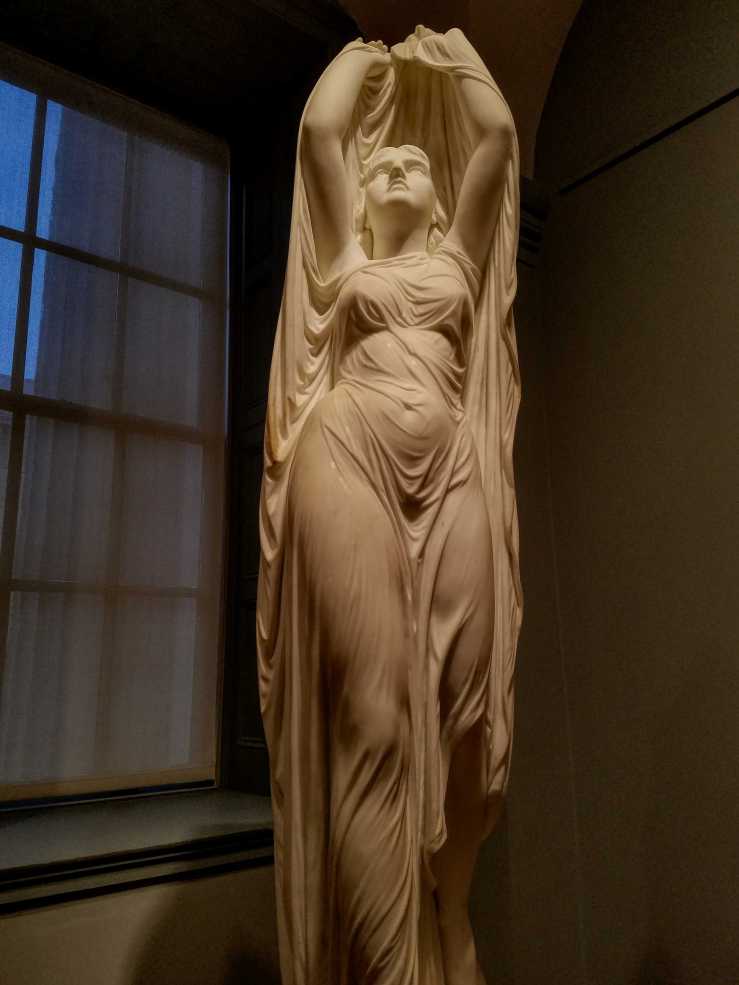 Undine, modeled about 1880, carved 1884, marble
Chauncey Bradley Ives (1810-1894)
 Illusions, before 1901, oil on canvas
Henry Brown Fuller (1867-1934)
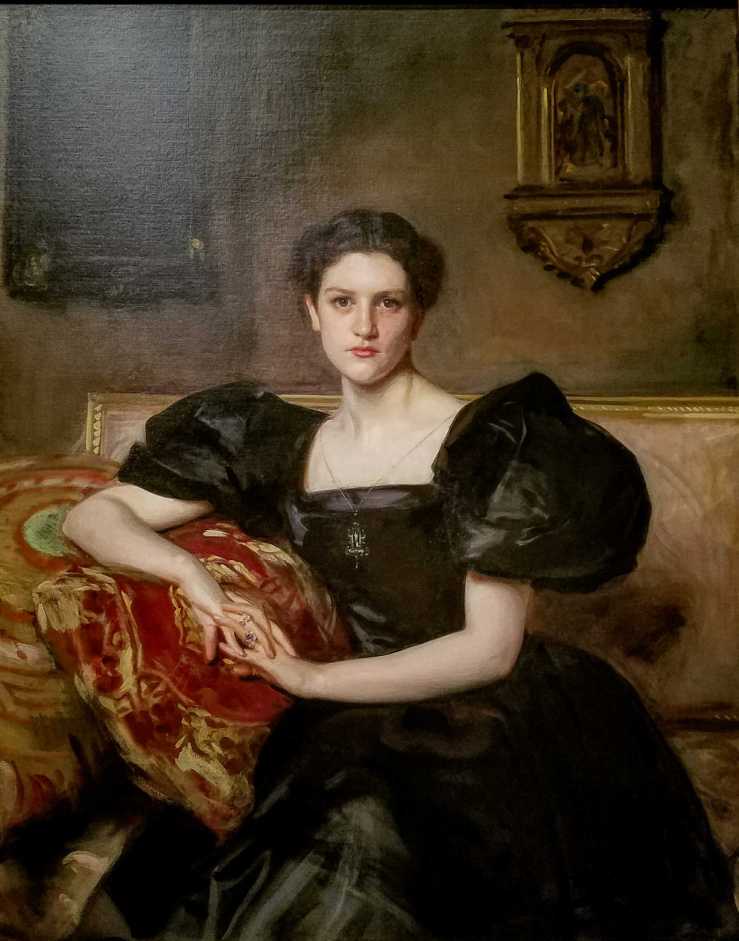 Elizabeth Winthrop Chanler (Mrs. John Jay Chapman), 1893, oil on canvas
John Singer Sargent (1856-1925)
According to the artist, twenty-six-year-old Elizabeth Chanler had ”the face of the Madonna and the eyes of a child.” This portrait shows a beautiful, well-bred woman who has learned to be strong. When Elizabeth was still a girl, her mother died, leaving her to help care for seven younger brothers and sisters.
Sargent has portrayed her in the elegant interior of his London studios decorated with two paintings that frame the circumstances of Elizabeth’s life: a Madonna and Child, and a figure of an old woman copied from a portrait by Frans Hals. Perhaps the artist wished to show Elizabeth as a woman who, despite early hardships, was neither maiden nor matron. Sargent was often dismissed by his contemporaries as a ”society portraitist”, but his paintings never fail tot convey the human story behind the image.
April 24th, 217

In 1946, Jean Cocteau directed a dark, poetic film adaptation of La Belle et la Bête, the story written in 1757 by Jeanne-Marie Leprince de Beaumont.
In 1994, Philip Glass removed the film’s original dialogue and score and replaced them with his own musical score, performed live by members of the Philip Glass Ensemble. The singers, perfectly synchronized with the actors, become an extension of the story.
In April 2017, this masterful production was presented at the Town Hall following a brief discussion between Philip Glass and his friend and collaborator, Errol Morris.

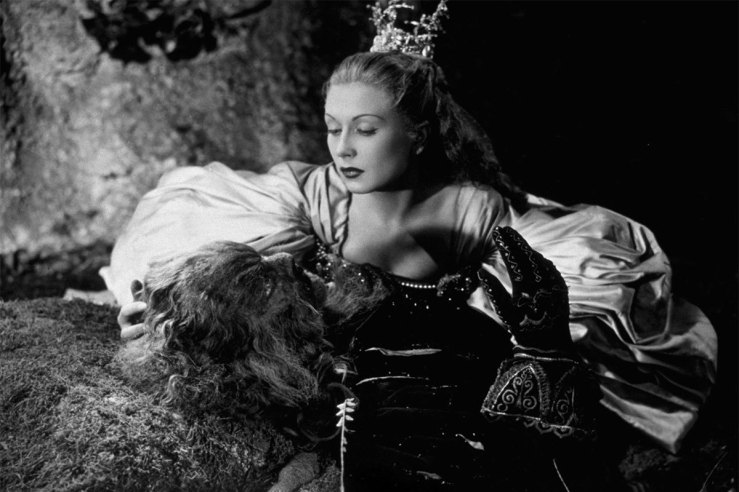
”In the scene when Belle begs La Bête for permission to visit her father, La Bête, moved by her plea, decides to let her go, but requires her, at the cost of his own life, to return in a week. He explains to her that his magic exists by the force of five power objects—the rose, the key, the mirror, the glove, and the horse. These five are the root of La Bête’s creativity and magic. The point is, if a young artist were to ask Cocteau directly what he would need to pursue the life and work of an artist, these five elements would be the answer. The rose represents beauty. The key represents technique—literally, the means by which the “door” to creativity is opened. The horse represents strength and stamina. The mirror represents the path itself, without which the dream of the artist cannot be accomplished. The meaning of the glove eluded me for a long time, but finally, and unexpectedly, I understood that the glove represents nobility. By this symbol Cocteau asserts that the true nobility of mankind are the artist-magician creators. This scene, which leads directly to the resolution of the fairy tale, is framed as the most significant moment of the film and is the message we are meant to take away with us: Cocteau is teaching about creativity in terms of the power of the artist, which we now understand to be the power of transformation.” 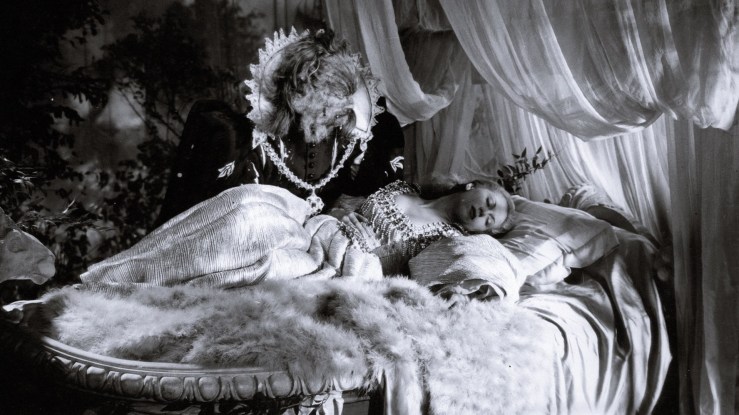

“The past is reinvented and becomes the future. But the lineage is everything.”
”If you remember your lineage, you will never feel lonely.”

All mages from Pinterest, except last one from the – well deserved – standing ovation.
Quotations by Philip Glass.
April 20th, 2017
Moderat are Modeselektor and Apparat.
Hardly anybody has brought electronic music from Berlin to the farthest flung corners of the world with more passion and enthusiasm than these two heavyweights. […]
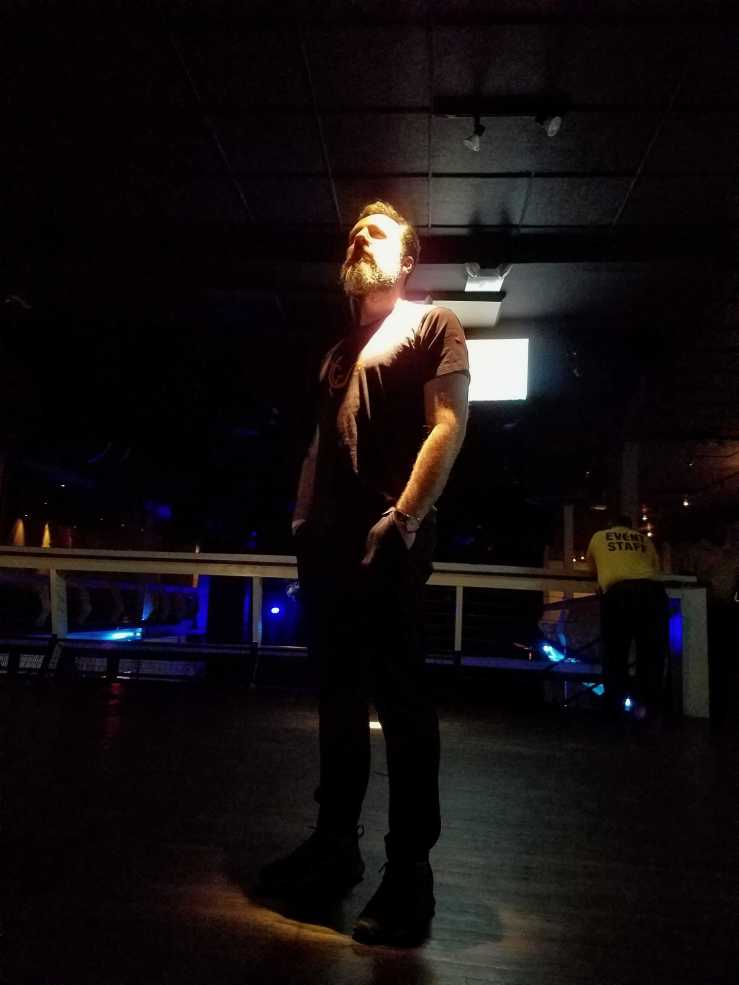
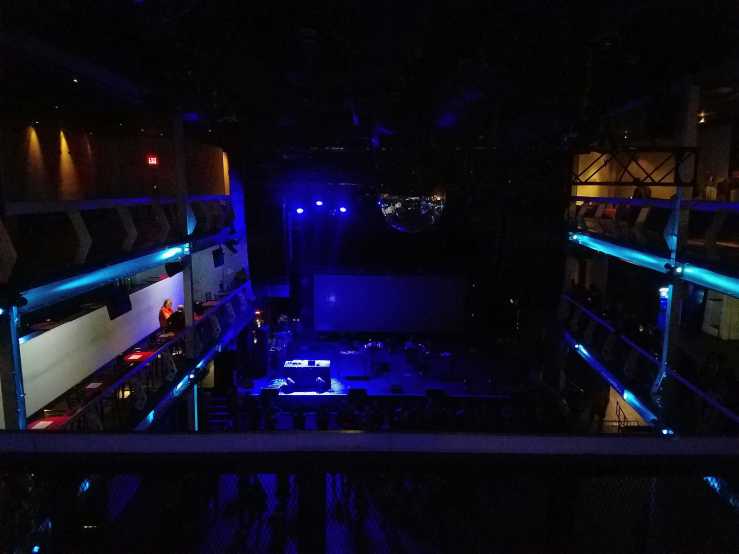
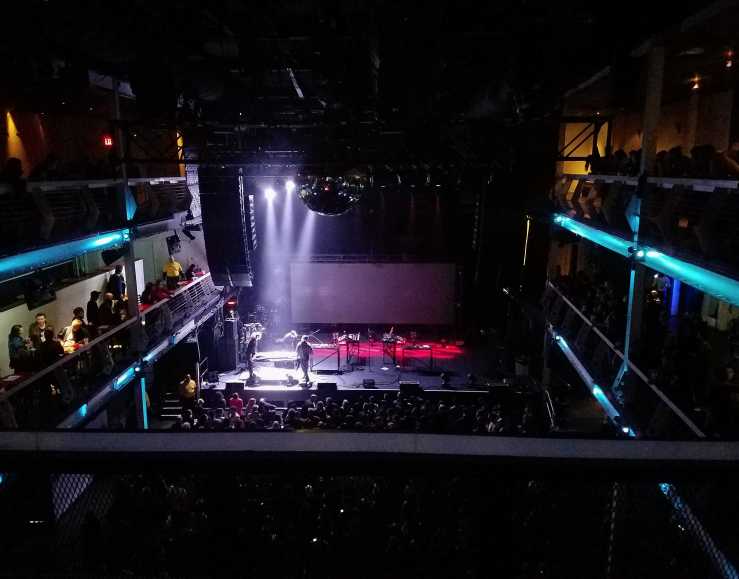
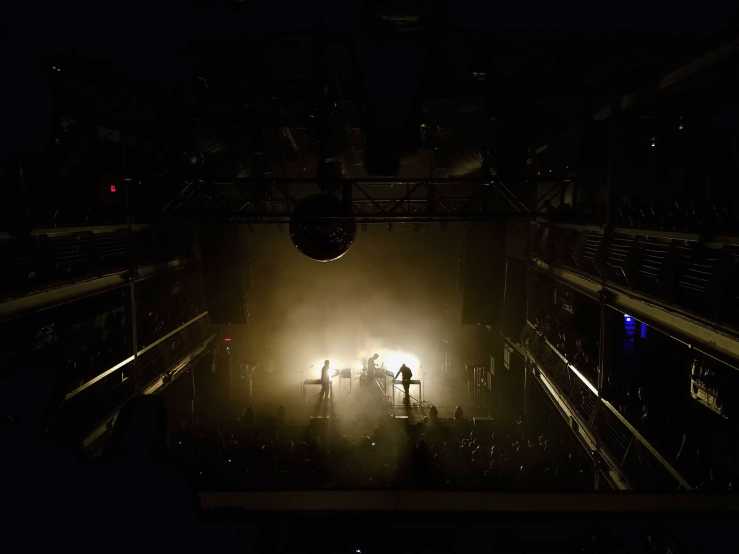
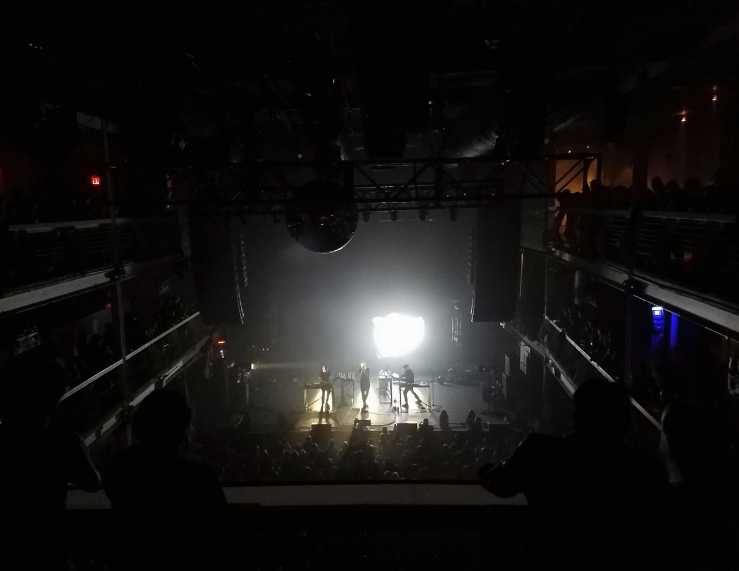
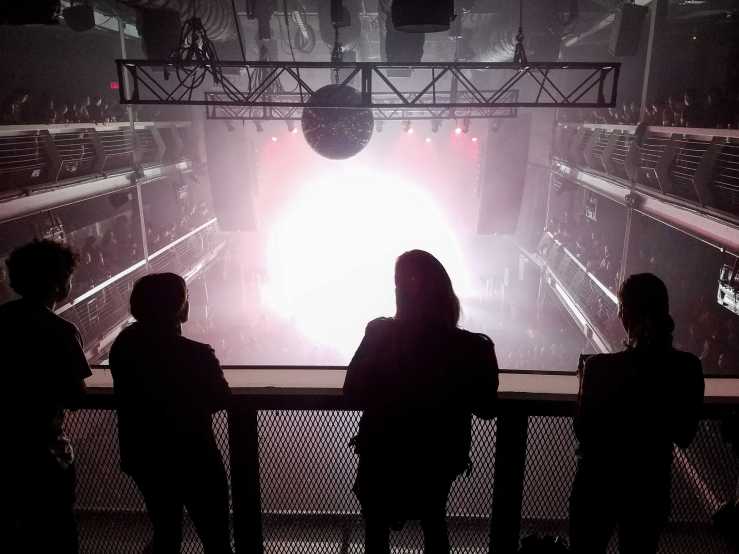
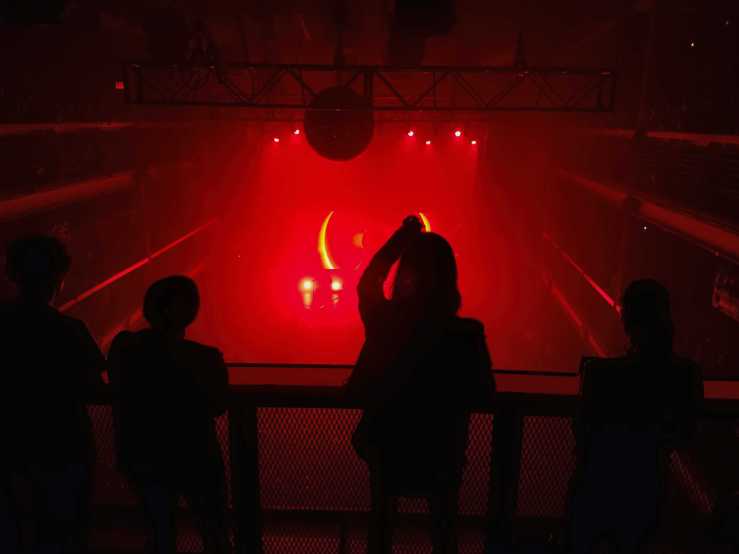
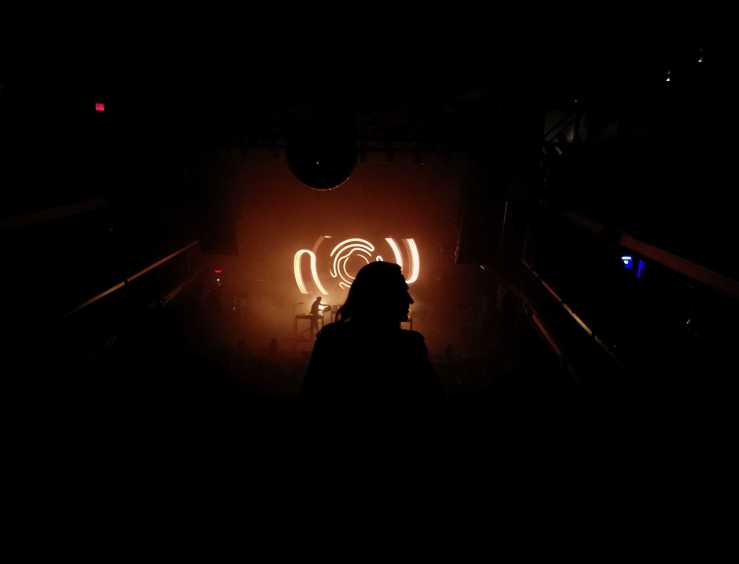
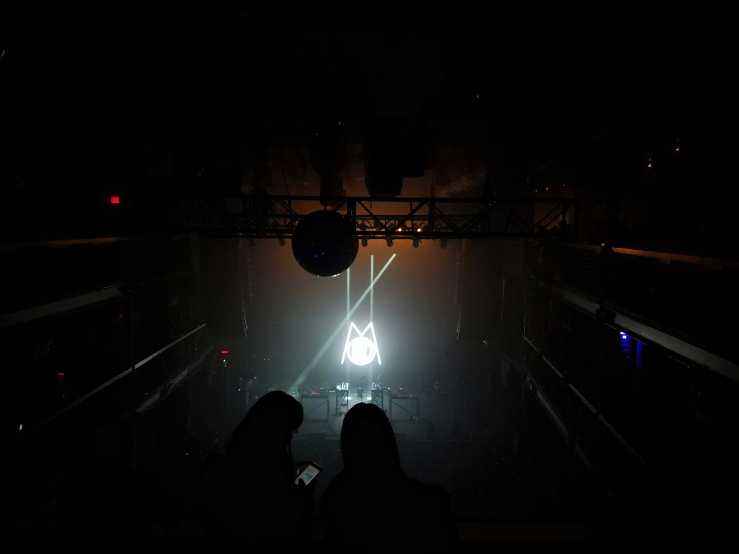
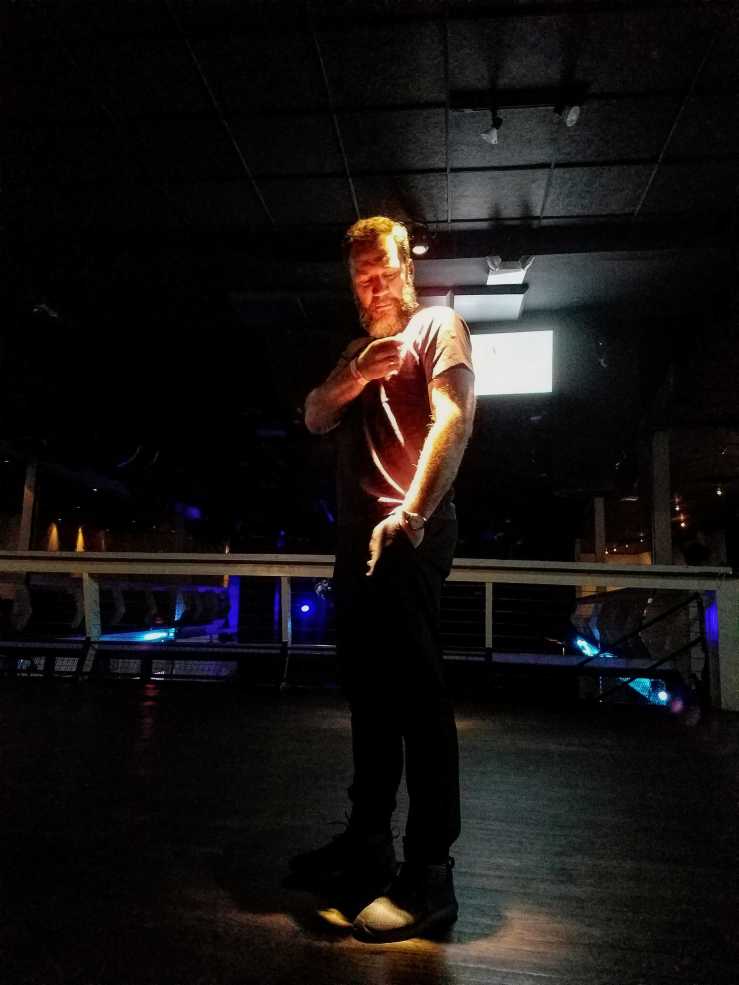
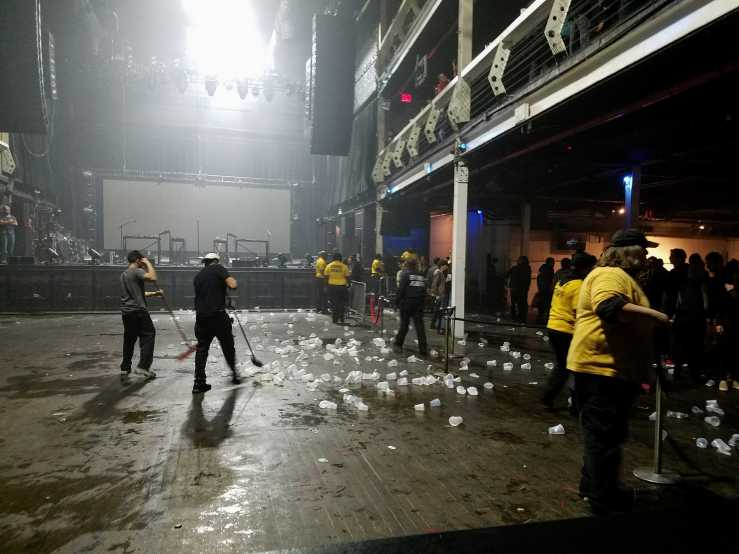
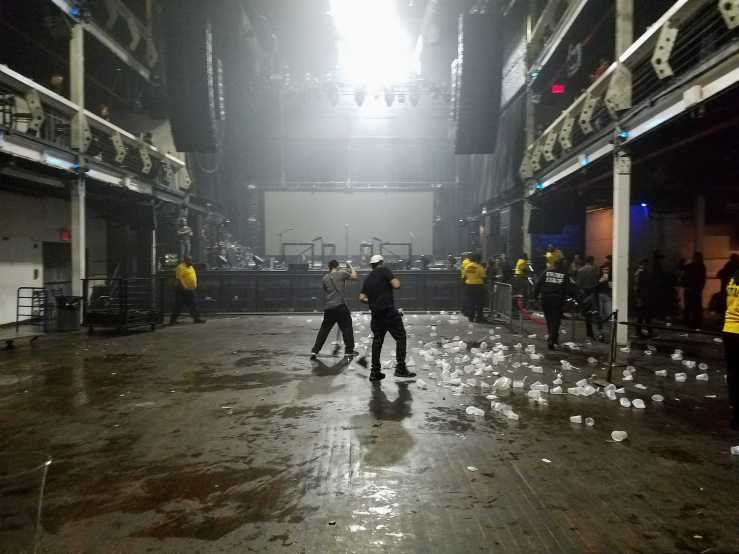
Moderat were in Terminal 5 and there was nowhere else we’d rather be that evening.
April 19th, 2017
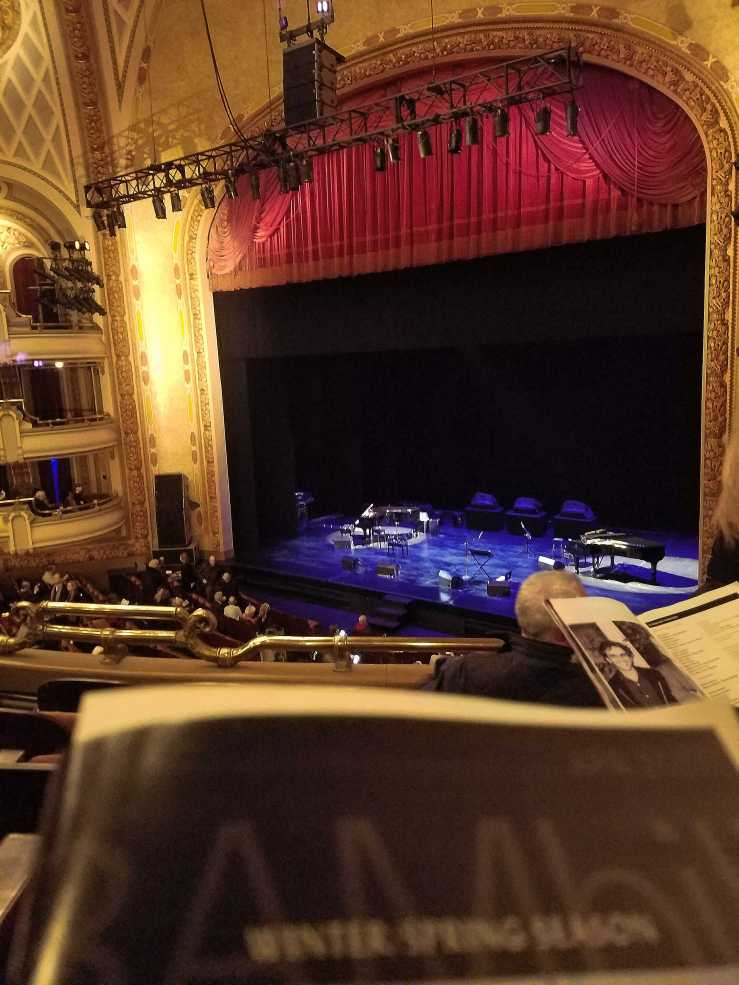
I’m going back in time. I have to, for if this blog is to continue doubling up as my journal, I can’t be skipping events. Even the not so memorable ones like those two, almost back-to-back performances at BAM.
First, the utterly forgettable performance by Doug Varone and Dancers, emphatically described as: ”Doug Varone and Dancers celebrate 30 years of impassioned choreography with three works representing the past, present, and future of this peerless company.” By the third work I was convinced I’m never watching another Doug Varone performance again. Art is subjective and a matter of chemistry, and unfortunately it didn’t work for me this time.
Next, ”A Nonesuch Celebration, a stellar lineup of musical luminaries” that came together ‘‘for one night only to pay tribute to Bob Hurwitz, who for the past three decades has served as the visionary architect of Nonesuch Records”. I had not heard of Mr Hurwitz before, but the idea of watching live performances by (among others) Pat Metheny, Kronos Quartet, k.d. lang and Mandy Patinkin all in one evening, seemed very appealing. I did enjoy myself but it seemed like the hosts were enjoying themselves much more which made me feel a bit awkward, like crashing a private party.
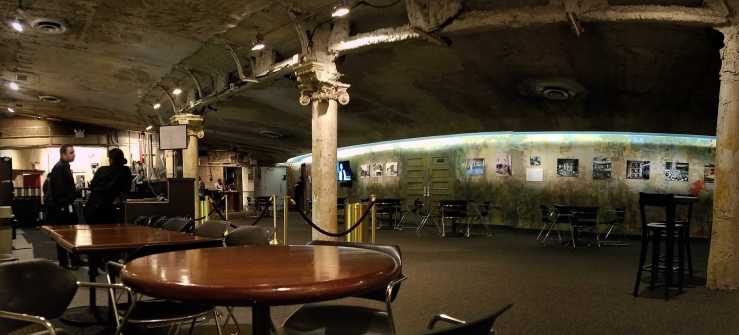
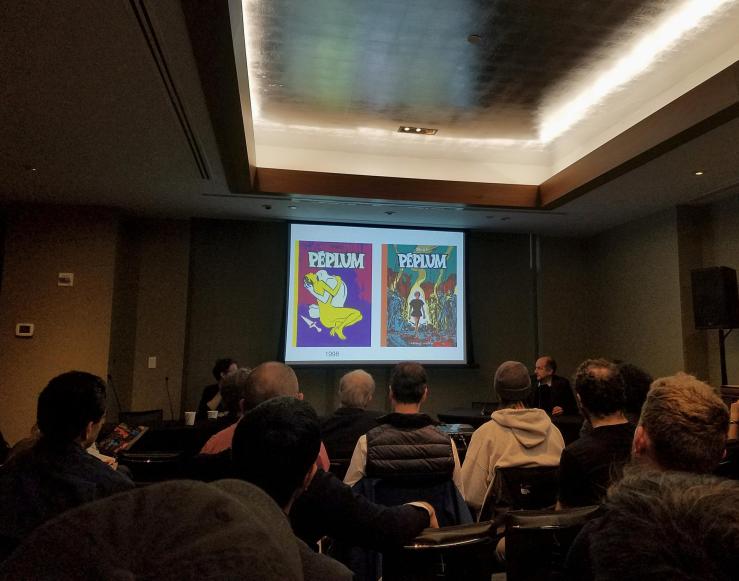
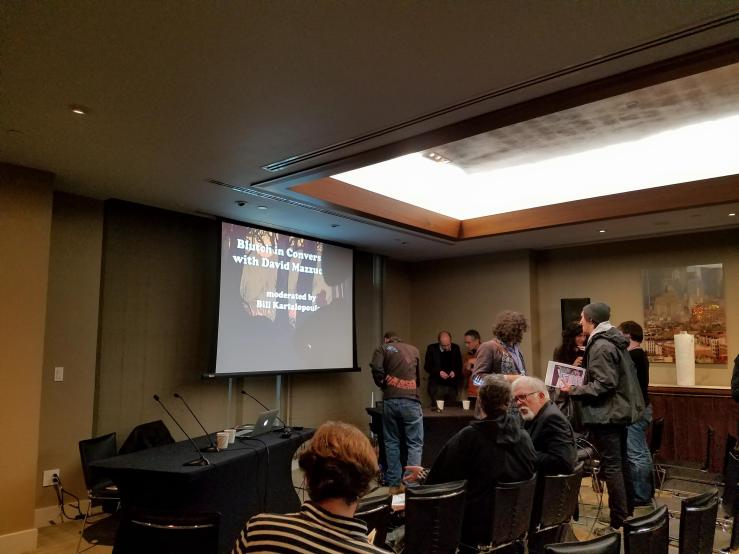
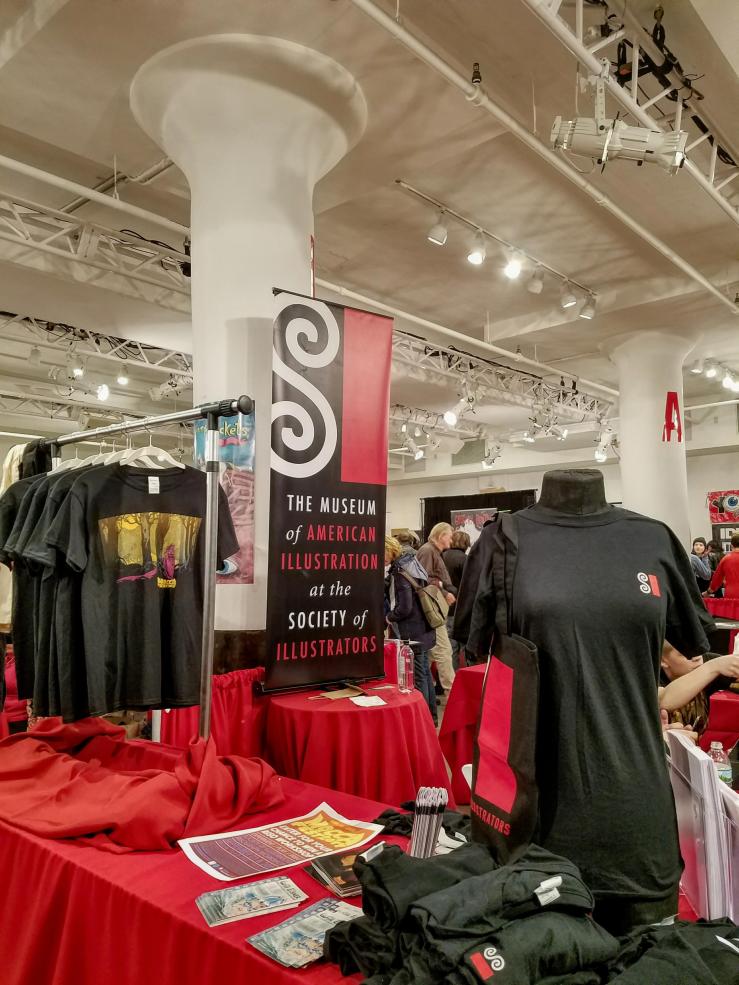
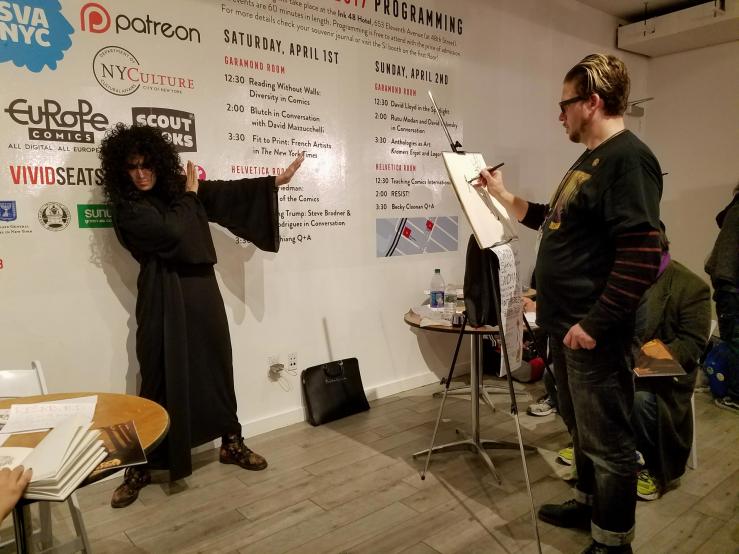
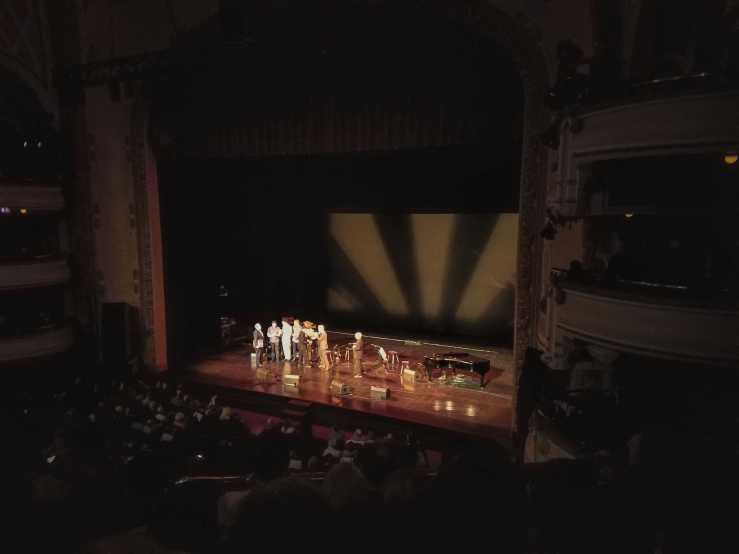 But then, on 1-2 April, it was time for the annual MoCCA Arts Festival. A multimedia event organised by the Society of Illustrators with workshops, film screenings, exhibitions and panels, MoCCA is Manhattan’s largest independent comics, cartoon and animation festival and my first chance to meet two rather brilliant gentlemen, artists and friends: Blutch in Conversation with David Mazzucchelli – and the weekend couldn’t get any better.
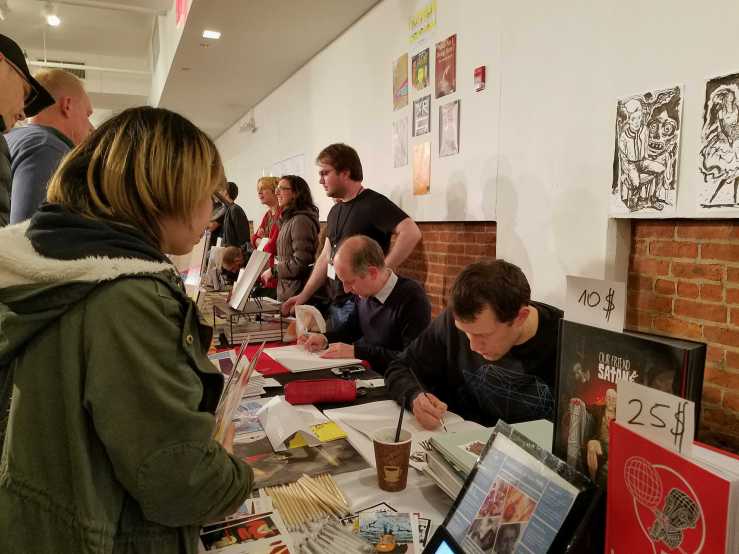 But wait… there’s more! Here come the real superheroes, those early comic book creators from the industry’s early years (1935-1955), lovingly depicted by their colleague, American cartoonist Drew Friedman in his two recent books Heroes of the Comics and More Heroes of the Comics.
The Society of Illustrators presented 100 original colour illustrations by the artist, who was also featured as a guest of honour at the MoCCA 2017.
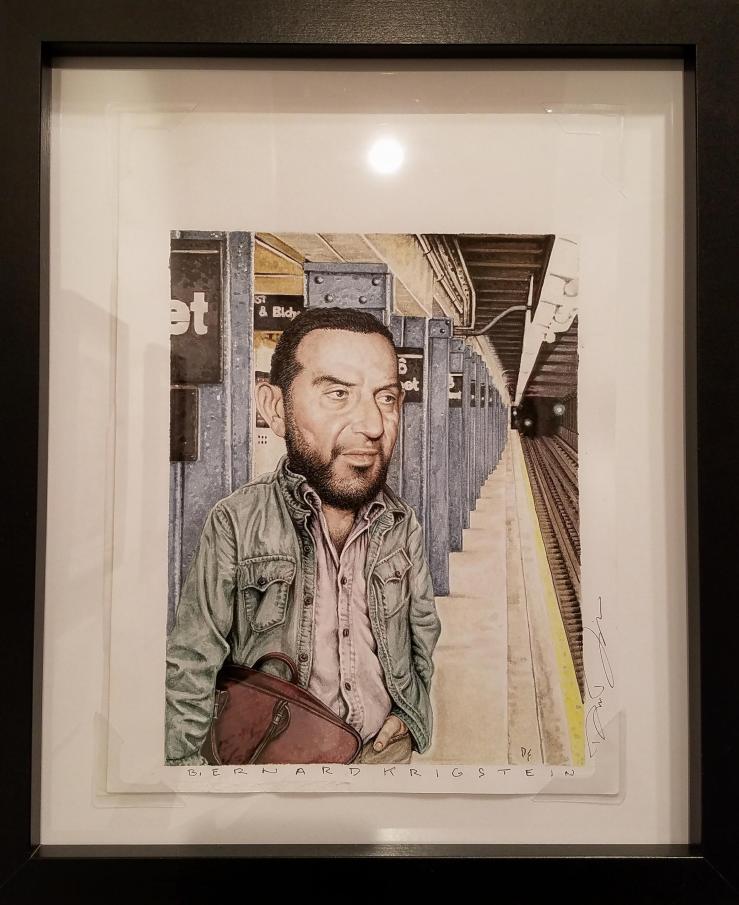 Bernard Krigstein, 1919-1990
He approached comics as a serious art form and his innovative, beautifully composed, almost cinematic use of panels have never been equaled in comics. Following Harvey Kurtzman’s invitation to illustrate one of his EC war stories, Krigstein became a regular contributor to EC, illustrating a total of 47 stories for them, including several pieces for MAD, highlighting his brilliant gift for caricature. 1955’s ”Master Race”, appeared in the debut issue of EC’s ”New Direction” comic Impact and was his masterpiece, a groundbreaking triumph of sequential storytelling.
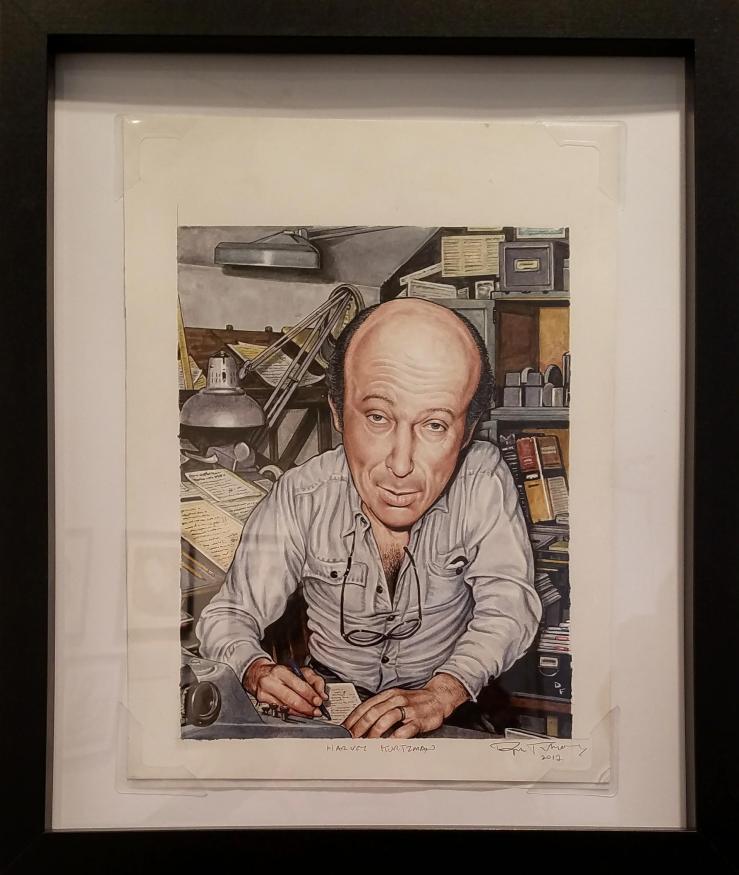 Harvey Kurtzman (1924-1993)
Cartoonist, writer, editor, satirist and teacher, he was the founder and creator of MAD – as well as Trump, Humbug, Help, etc. Along with his long-time partner, cartoonist Will Elder, he spent almost 30 years producing the lushly painted comic strip ”Little Annie Fanny” for Playboy. Kurtzman has had a huge, almost unmeasurable influence on several generations of cartoonists and humorists, among them Robert Crumb and the (Monty) Pythons.
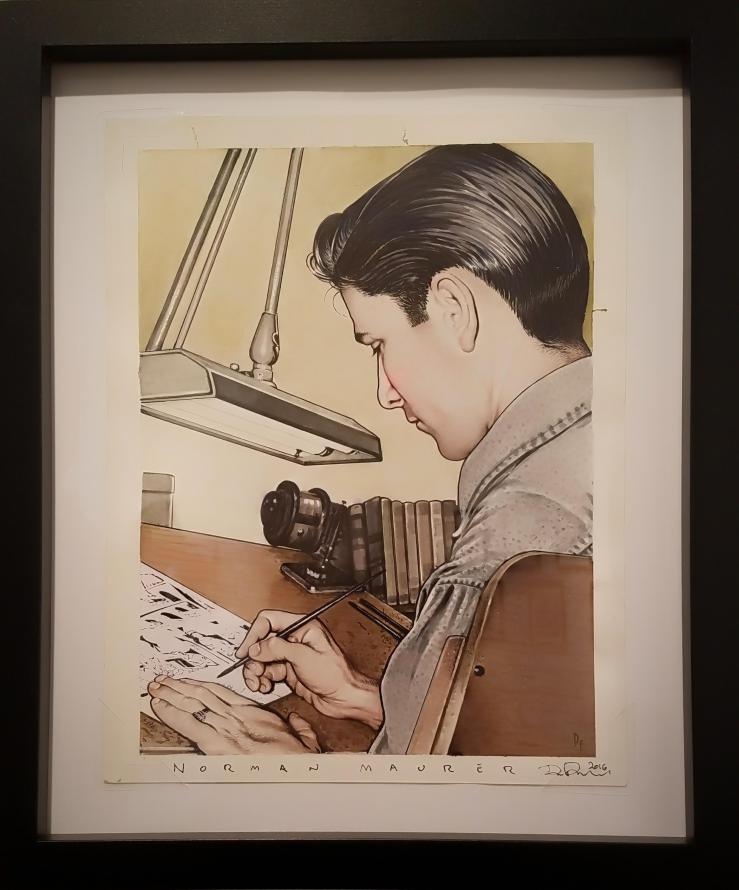 Norman Maurer (1926-1986)
Born in Brooklyn, he started working in comic books while still a teenager. His marriage to Joan Howard, daughter of Moe Howard of the Three Stooges, in 1947 kicked-off his lifelong association with the comedy team.
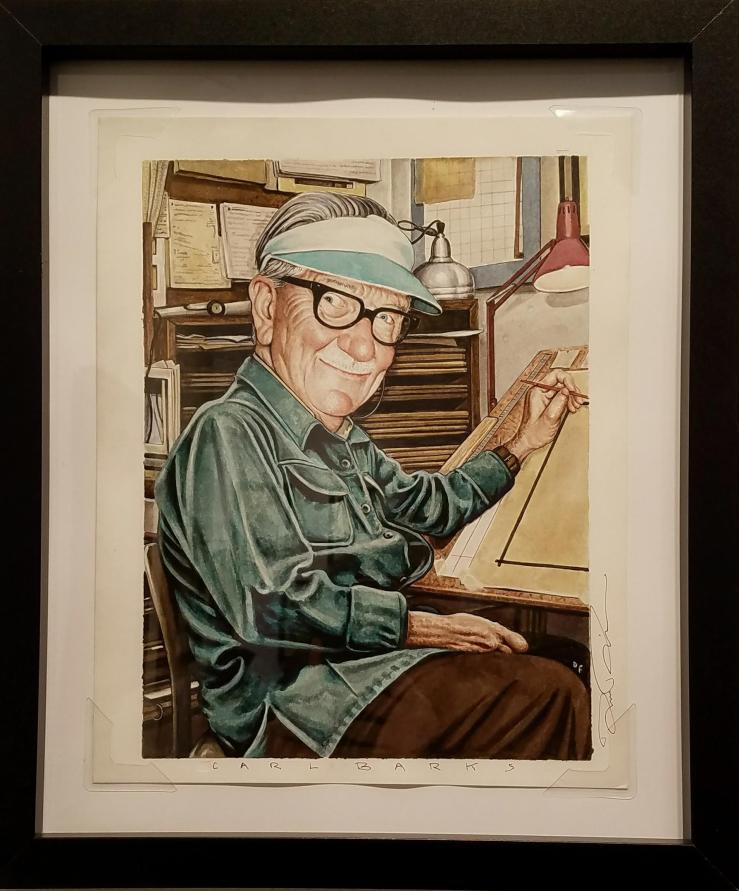 Carl Barks (1901-2000)
His cartoon adventures of Donald Duck were published anonymously for decades. Barks drew the Donald Duck story for the front of Walt Disney’s Comics, the most popular post-War II comic book being published. In 1935 he has hired as a full-time writer at the Disney film studios only to quit in 1942 and become a full-time artist for their comic book line – which included the bimonthly Donald Duck. In his later years, Barks would recreate in oil large paintings of his beloved ducks, some of them now fetching hundreds of thousands of dollars.
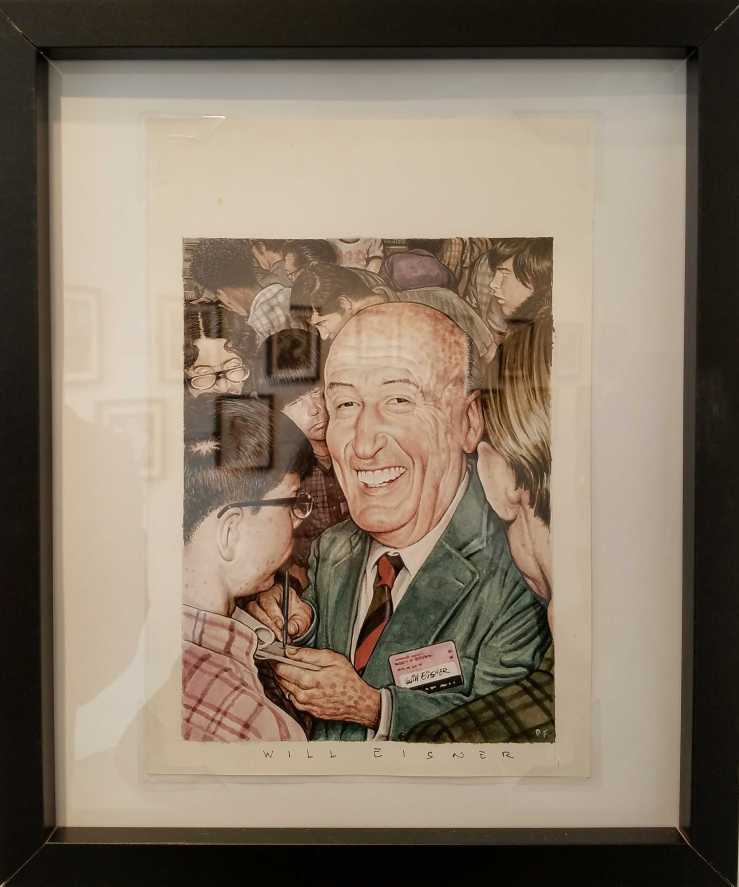 William Erwin ”Will” Eisner (1917-2005)
Eisner grew up in the Bronx dreaming of someday becoming a successful cartoonist. In 1936, Eisner’s friend from Dewitt Clinton high school, Bob Kane, suggested he sell some of his cartoons to a new tabloid-sized magazine called WOW, What a Magazine!, edited by cartoonist and letterer Jerry Iger. Although Iger was 12 years older than the 19-year old Eisner, they both clicked. They opened together the Eisner-Iger studio in New York, a mass production comic book factory in 1937. It was a great financial success but Eisner, who was more interested in concentrating on his writing and drawing, would sell his interest in the shop in 1939 to pursue an offer to create a syndicated newspaper comics section of his own. His first 16-page The Spirit insert episode ran in 1940.
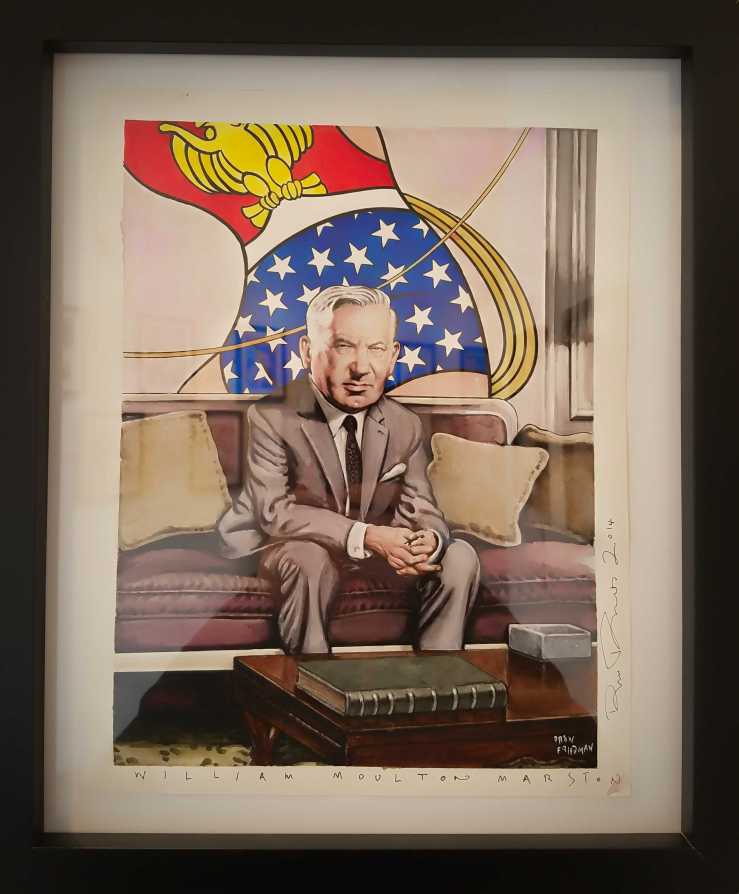 William Moulton Marston (1893-1947)
Marston’s relatively short life was filled with fascinating, seemingly at first, unrelated accomplishments. He attended Harvard and received a Ph.D in Psychology, became a teacher and briefly, in 1929, the director of public services for Universal Studios in Hollywood. Marston was also a lawyer and inventor, and is credited as the creator of the Systolic Blood Pressure Test, which would help lead to the invention of the modern Polygraph machine. He also authored several self-help books and was a champion of women’s causes, writing that he was convinced that women were ”more honest and reliable than men, and could work faster and more accurately.” He also recognized and wrote of the ”great educational potential” of the new medium of comic books and in the early forties he was hired by publisher Max Gaines to be an ”educational consultant” for National Periodicals and All-American Publications which would soon merge into DC comics. Marston’s wife Elizabeth gave him the idea to create a female superhero in the then male dominated world of comics; he developed the character ”Suprema” soon called ”Wonder Woman” basing her to an extend on his own wife and her appearance on his polyamorous partner, a former student of his who now lived with the couple in an open marriage, named Olive Byrne.
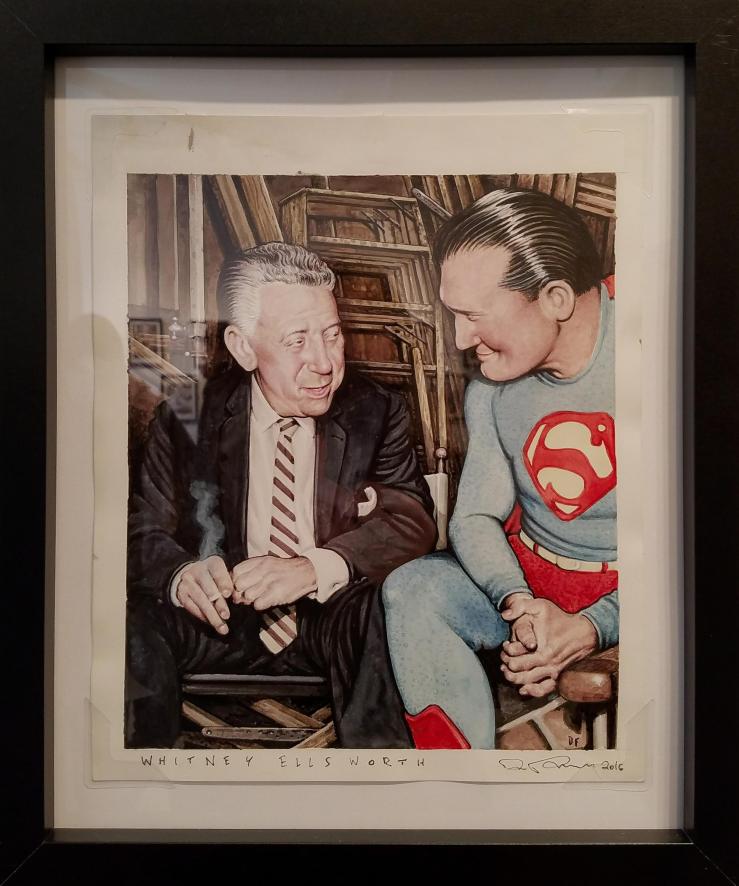 Whitney Ellsworth (1908-1980)
Writer and artist for DC comics, he became their Hollywood liaison. He had a hands-on role in script and production for the 1951 feature Superman and the Mole Men which led directly to 1952’s The Adventures of Superman, starring George Reeves.
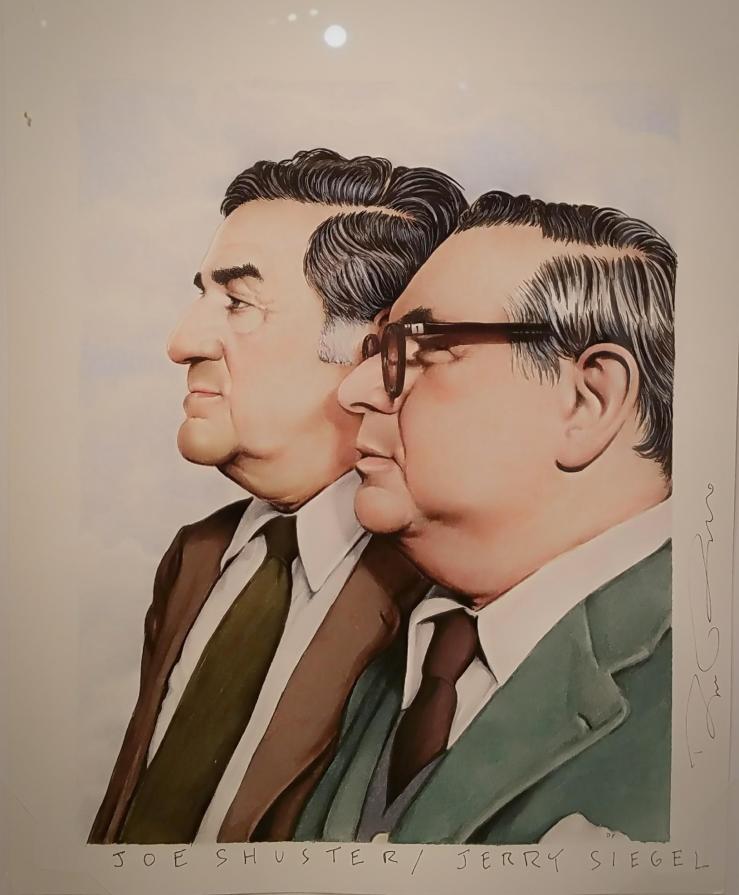 Joe Shuster (1914-1992) & Jerry Siegel (1914-1996)
They met at 16 at Glendale high school in Cleveland, Ohio. The two young, shy Jewish teenagers discovered they shared much in common, Siegel dreaming of writing science fiction stories for Pulp magazines and the shy, bespectacled Shuster also sharing a love for science fiction and dreaming of working as a Pulp artist. Siegel conceived a superhero character he called ”The Superman” and together with Shuster’s art, began a frustrating four-year quest to get it published as a comic. Another of their characters, Slam Bradley, debuted in National’s Detective Comics #1 in 1937. In 1938 Max Gaines urged National’s new publishers, Harry Donefeld and Jack Liebowitz to publish Superman, and after four years of submissions and rejections, the character finally debuted as the cover feature for National’s Action Comics #1 in June 1938. It was an instant sensation. By endorsing a check for $130 (the total amount of the check was for more than $400, other monies owed to the team was padded on to no doubt make the signing more enticing), assuring them that they would be the primary artist and writer for Superman and the upcoming syndicated Superman newspaper comic, and without any advice from a lawyer, Siegel & Shuster forever signed away all their rights to a character that would soon become one of the most commercially successful and iconic characters of the 20th century.
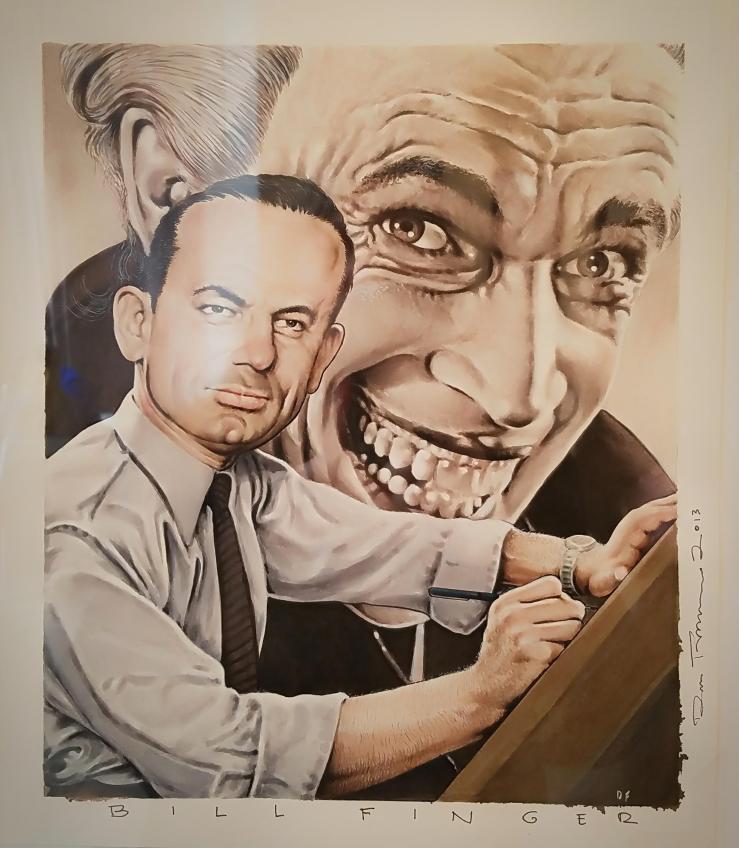 Bill Finger (1914-1974)
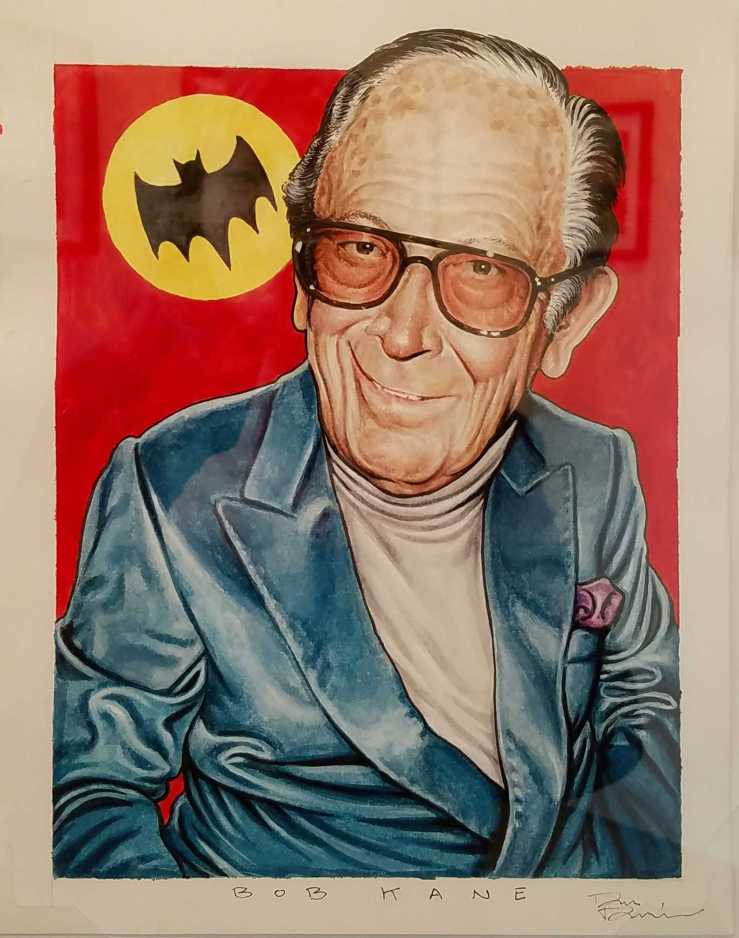 Bob Kane (1915-1988)
He was the controversial artist who posed for almost half a century as the sole creator of Batman. In 1938, after the character created by Jerry Siegel and Joe Shuster named Superman caused a sensation in Action Comics #1, National sought more super-heroes to add to their roster and Kane soon conceived a character he called ”The Batman”. He showed his flimsy conception drawings to his writer Bill Finger, who he had hired to work for him and Finger suggested specific changes to redesign the character into the now familiar Dark Knight persona. The completed Batman debut finally appeared in Detective Comics #27, in May 1939. It became a hit and was soon starring in his own series, featuring his sidekick ”Robin”, conceived by Finger and artist Jerry Robinson. Kane worked out a cozy deal with National where he would receive sole credit as the writer and artist behind Batman, even though the character was essentially created by Bill Finger.
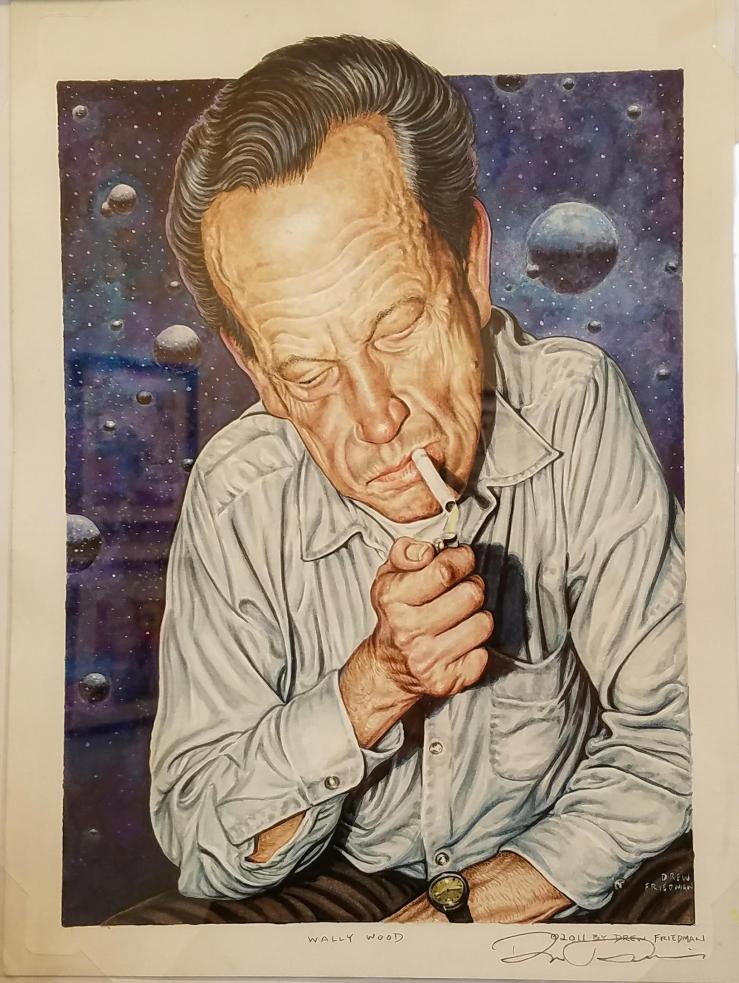 Wally Wood (1927-1981)
“Wally may have been our most troubled artist, but he may have been our most brilliant” – William M. Gaines
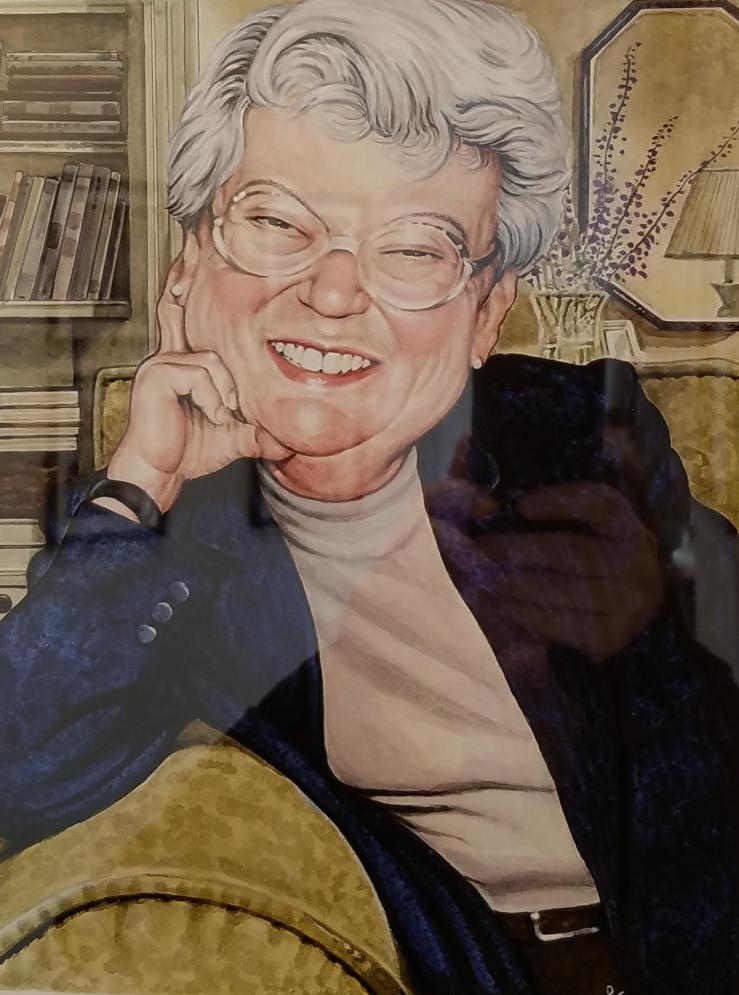 Marie Severin (b. 1929)
As EC’s colorist and the only creative woman on staff, and a very moral catholic, she was known for often colouring a particularly gruesome panel dark blue to help tone down the gore. Marie Severin’s older brother John first invited her to work as his colourist at EC in 1949 and soon she was colouring all of their comics, including the notorious horror titles.
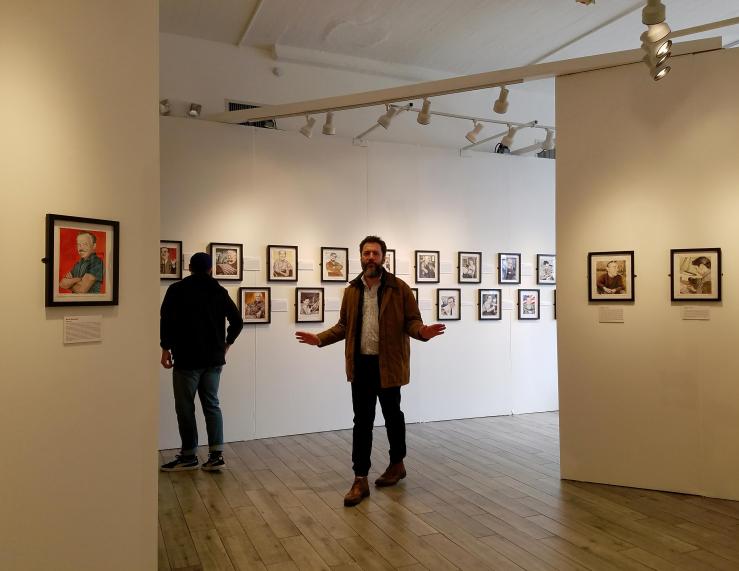
Doug Varone and Dancers, BAM
March 30th, 2017
A Nonesuch Celebration, BAM
April 1st, 2017
MoCCA Arts Festival
April 1st, 2017
subjective worldview
Actor, writer, cook and author
Travel experiences & Strasbourg city guide
Writer
joy, happiness, travel, adventure, gratitude
"Rêve onirique & Bulle d'évasion"
makes pretty things on paper
This WordPress.com site is Pacific War era information
Welcome to my curious world of words....
Photographs, music and writing about daily life. Contact: elcheo@swcp.com
Free listening and free download (mp3) chill and down tempo music (album compilation ep single) for free (usually name your price). Full merged styles: trip-hop electro chill-hop instrumental hip-hop ambient lo-fi boombap beatmaking turntablism indie psy dub step d'n'b reggae wave sainte-pop rock alternative cinematic organic classical world jazz soul groove funk balkan .... Discover lots of underground and emerging artists from around the world.
A 365 analogue photography project
Barcelona's Multiverse | Art | Culture | Science
Een digitaal atelier aan de (zee)slag.
‘Doodling Ambiguity’s in Ink.’
Miscellaneous photography
Glimpses along the way on a journey of discovery into symmetry...
 The Humble Fabulist