Oh, how I long for those mellow autumn evenings, sun setting over Central Park, light turning golden before turning red before turning purple before turning blue…
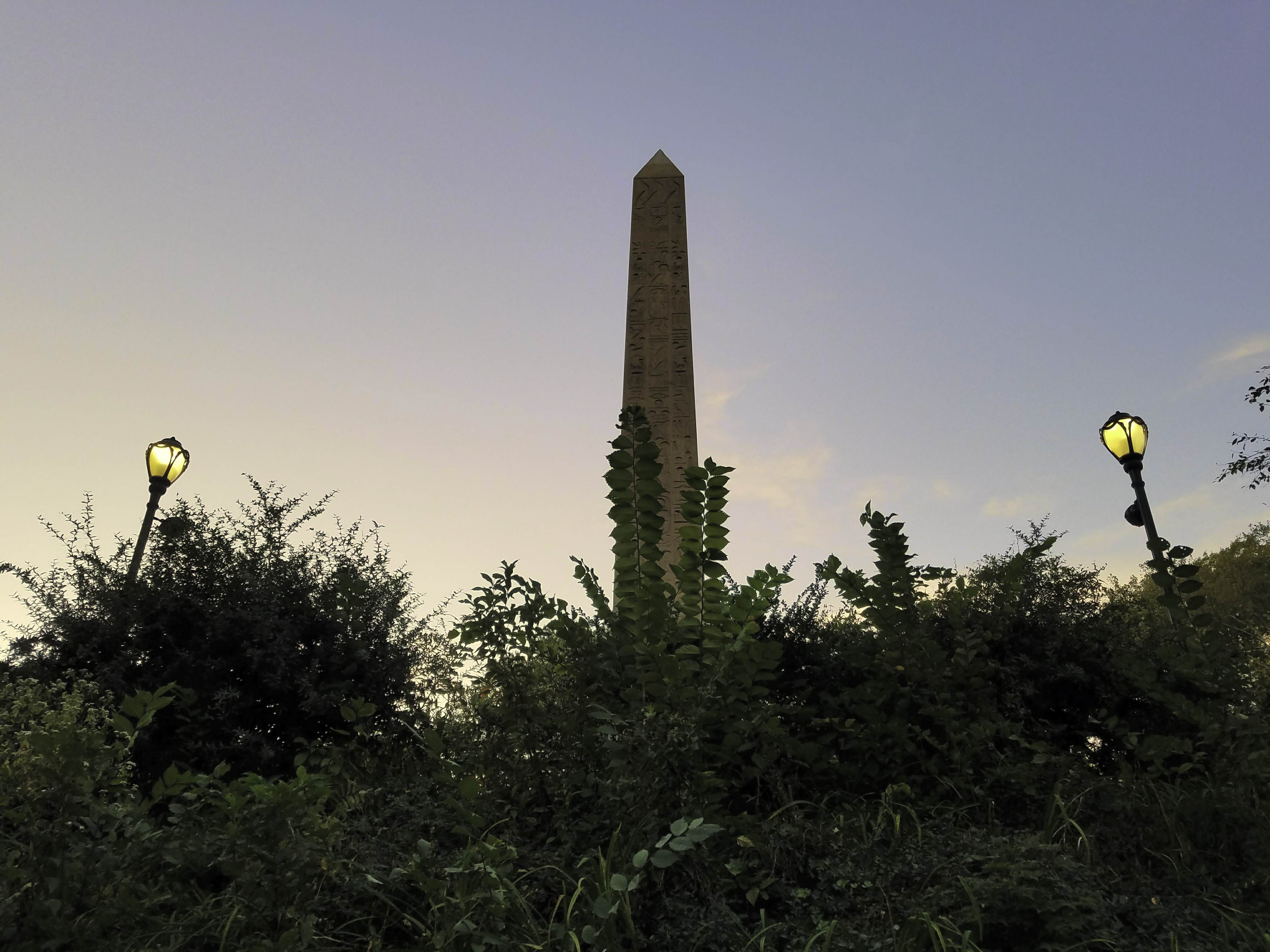
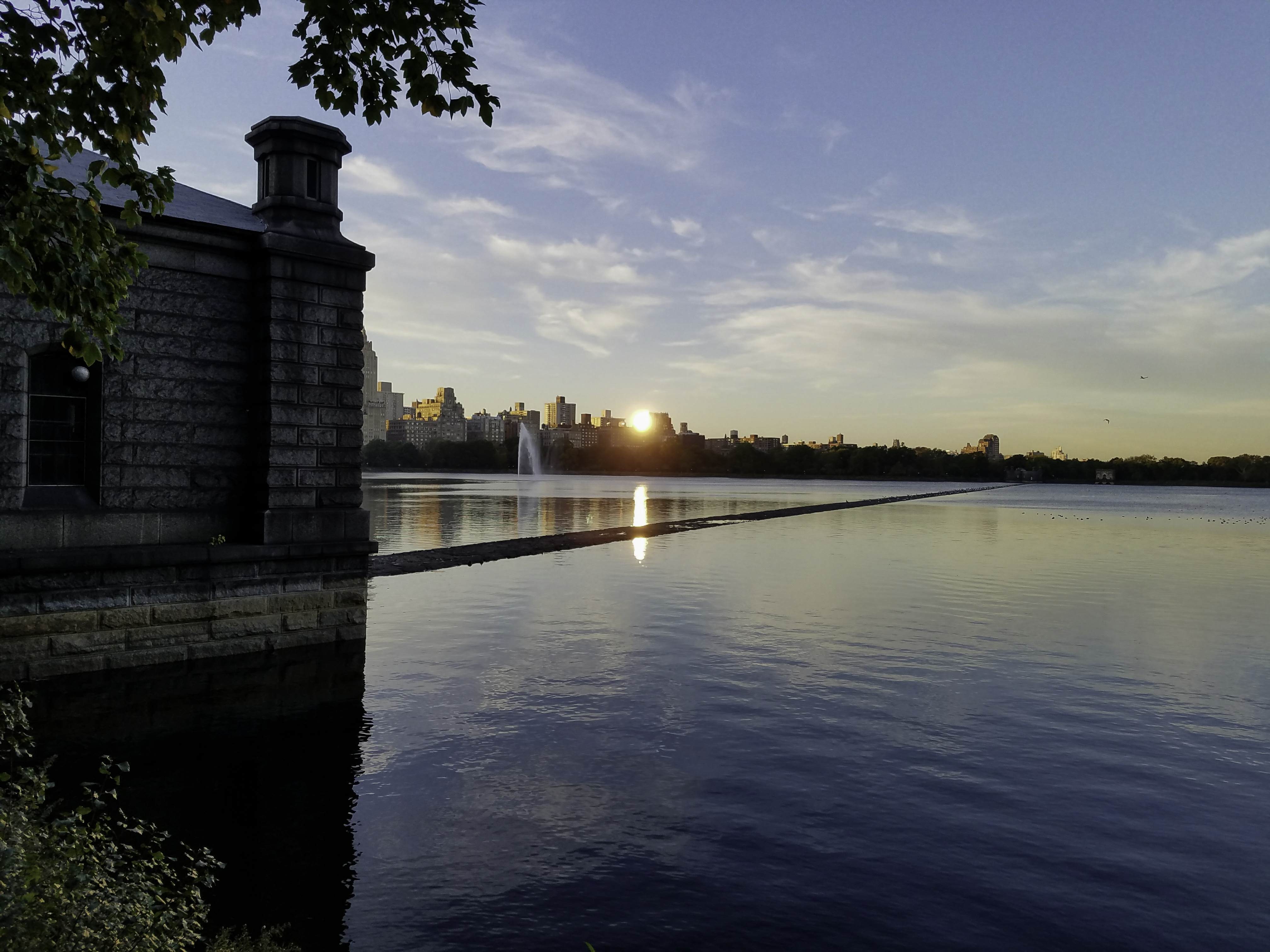
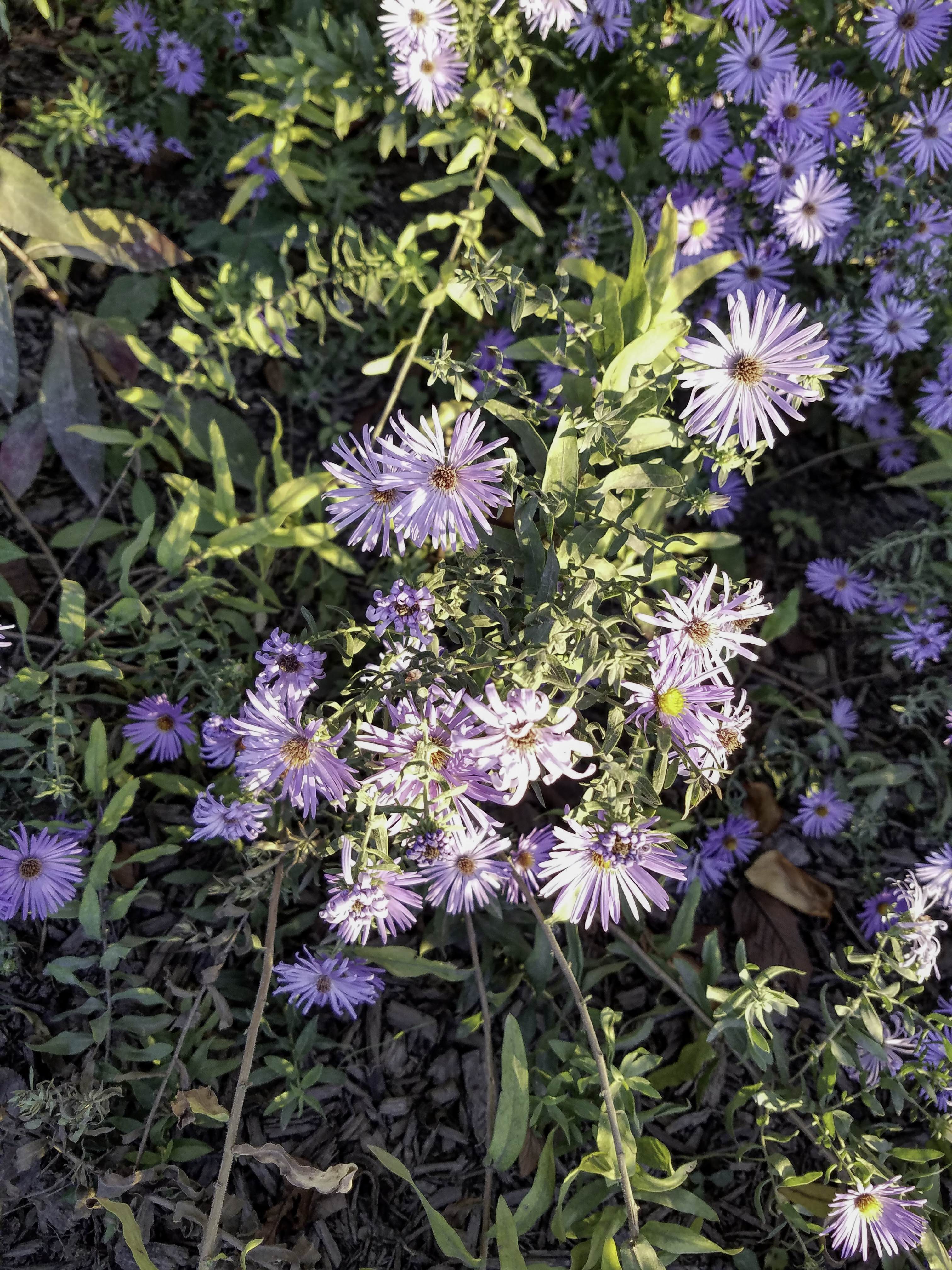
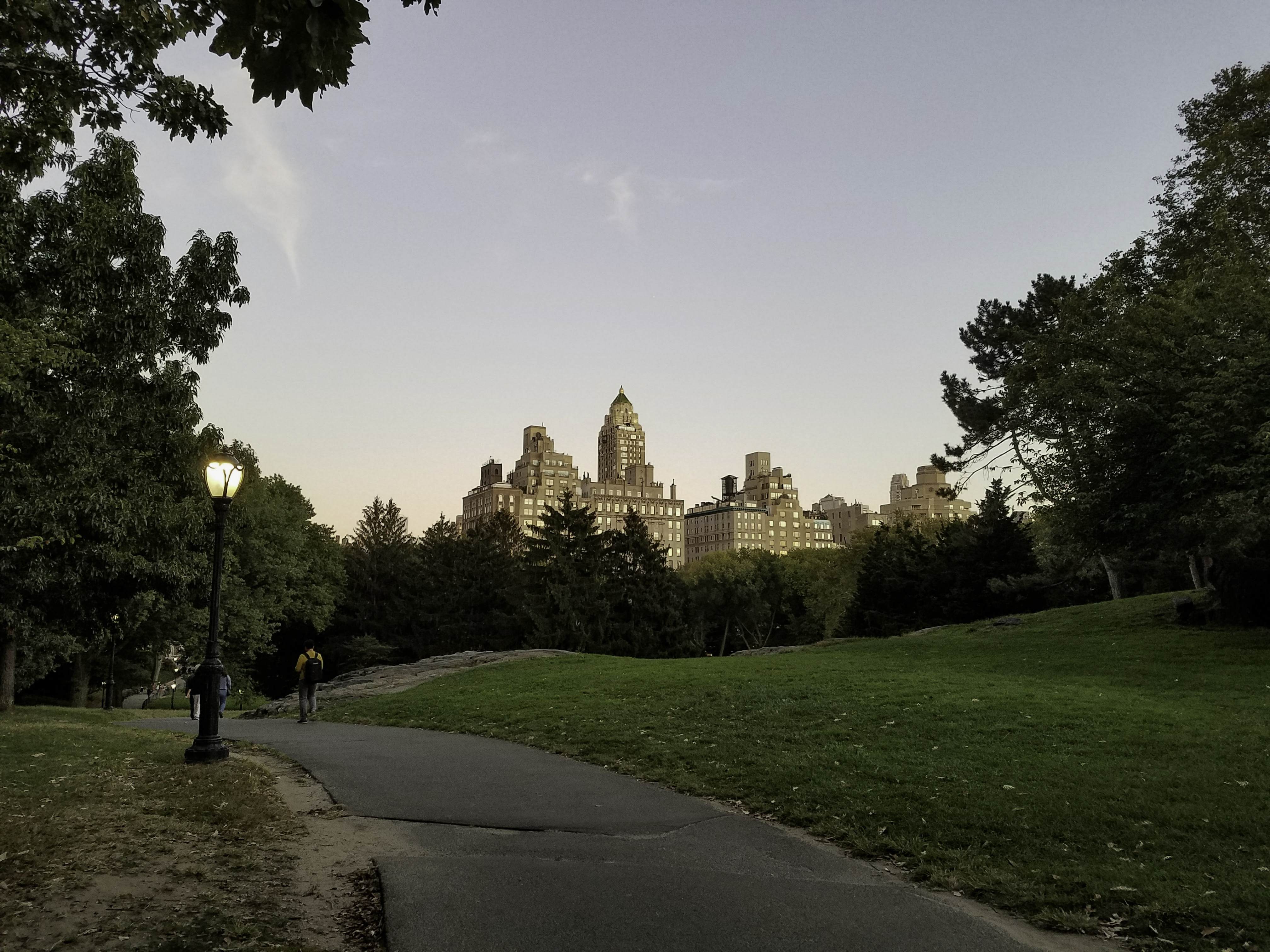
October 19th, 2017
Oh, how I long for those mellow autumn evenings, sun setting over Central Park, light turning golden before turning red before turning purple before turning blue…
October 19th, 2017
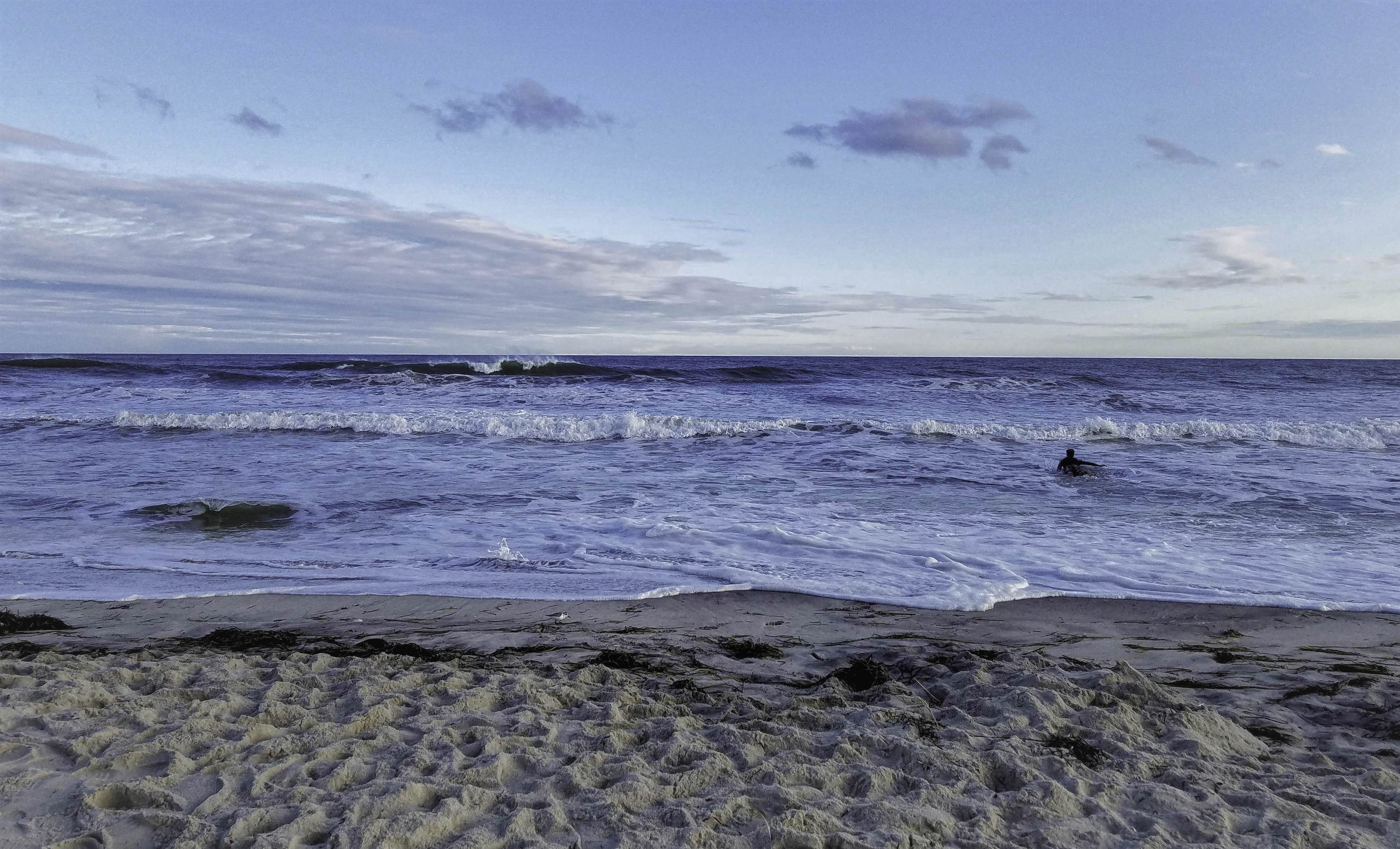
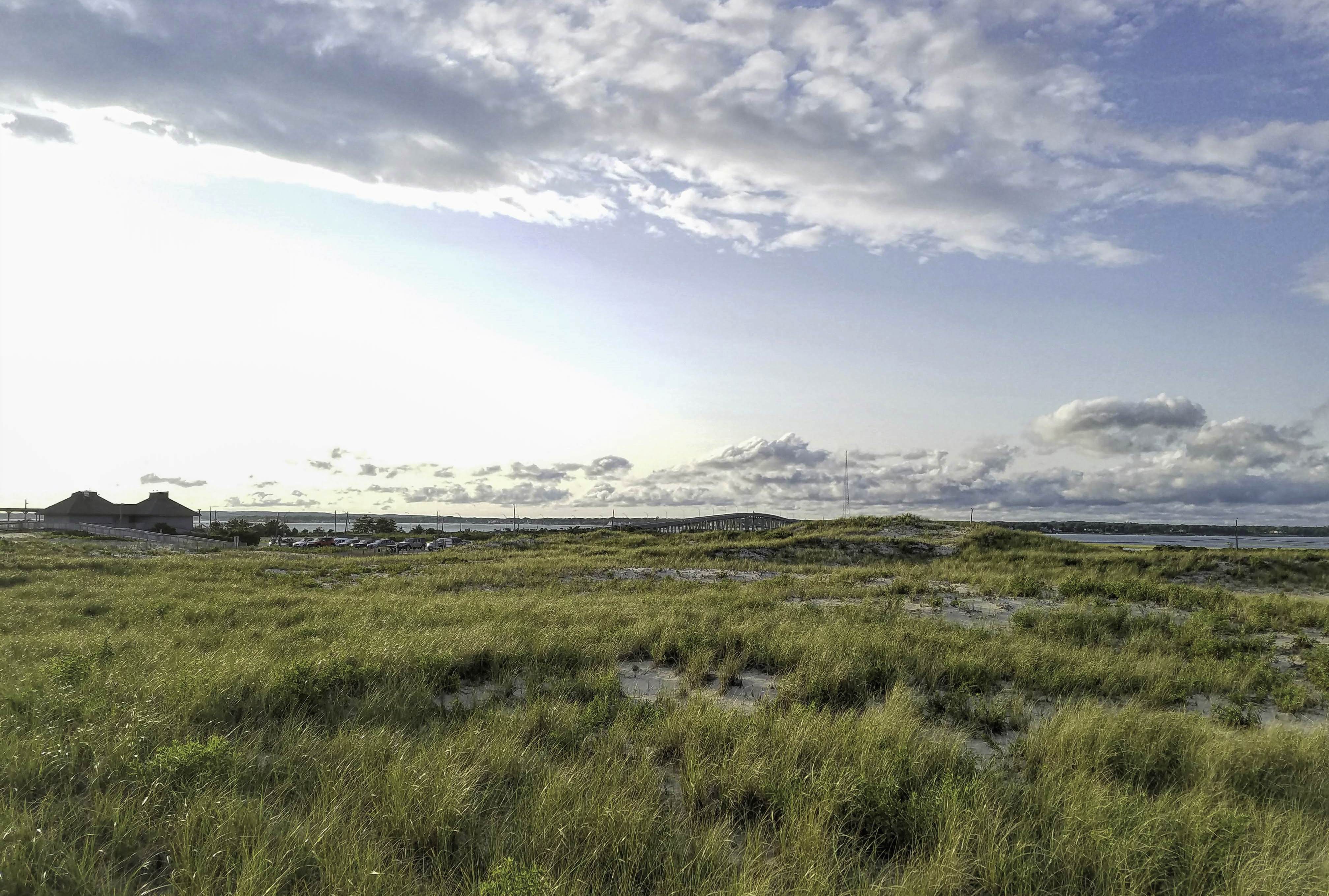
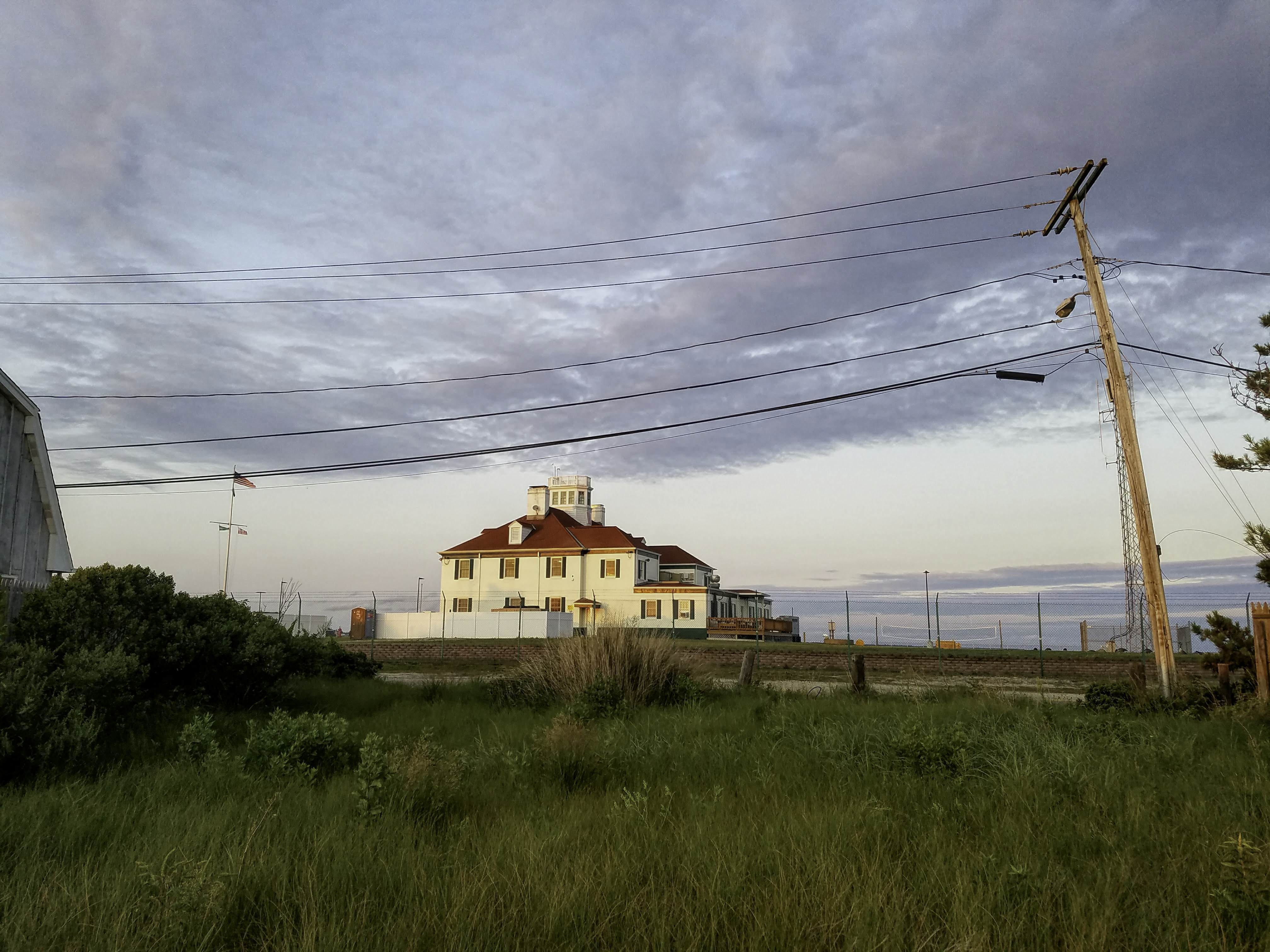
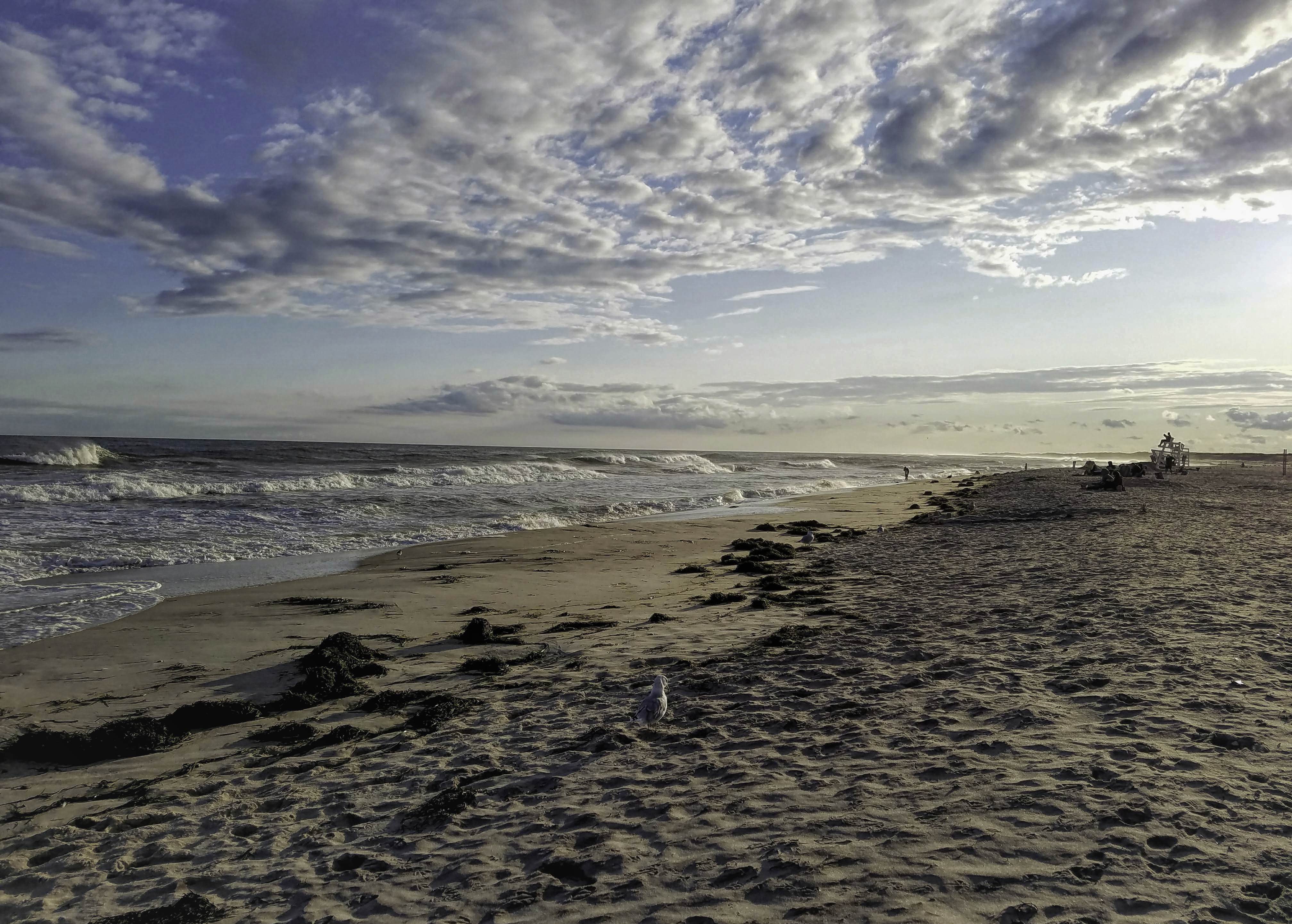
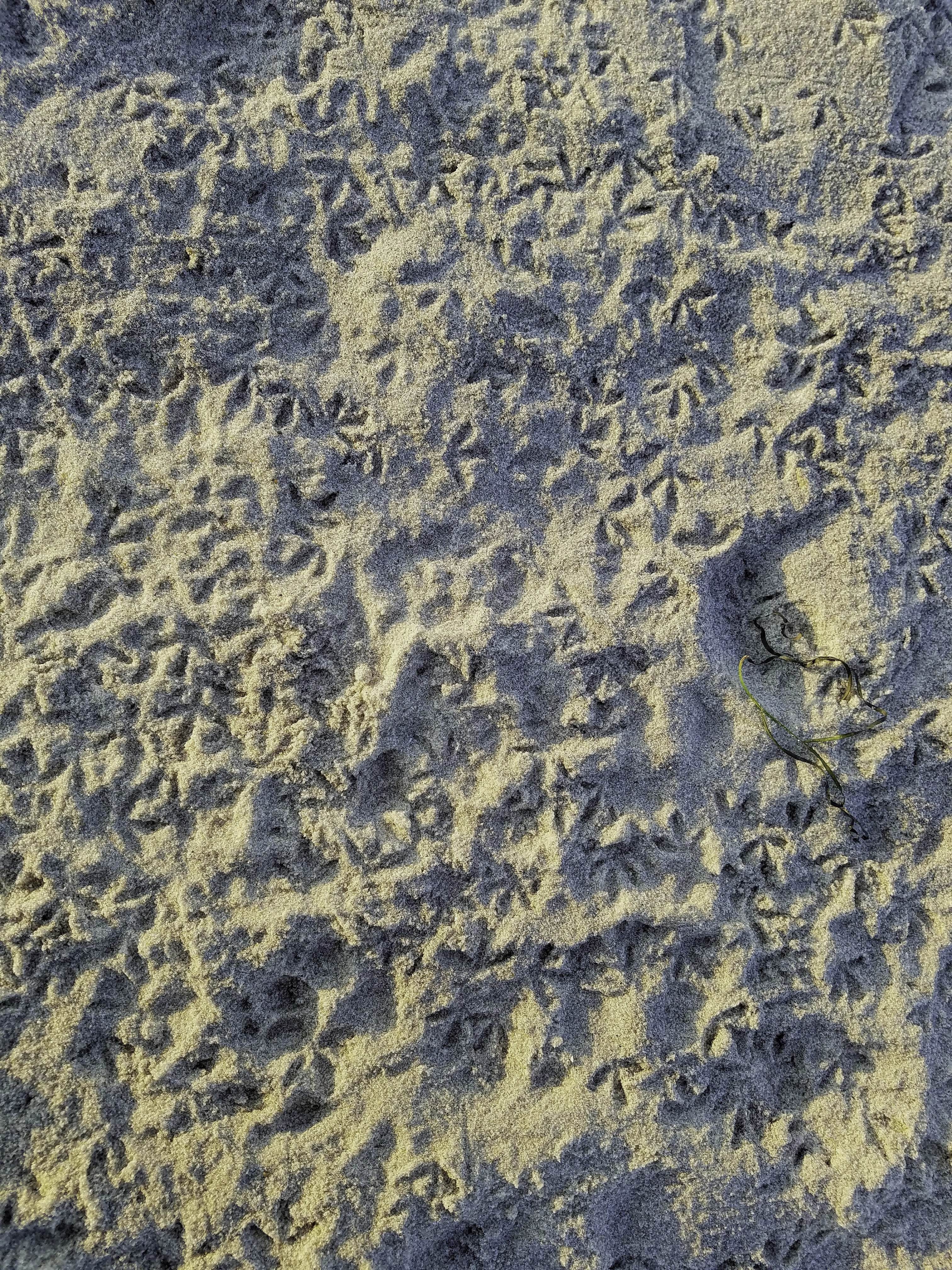
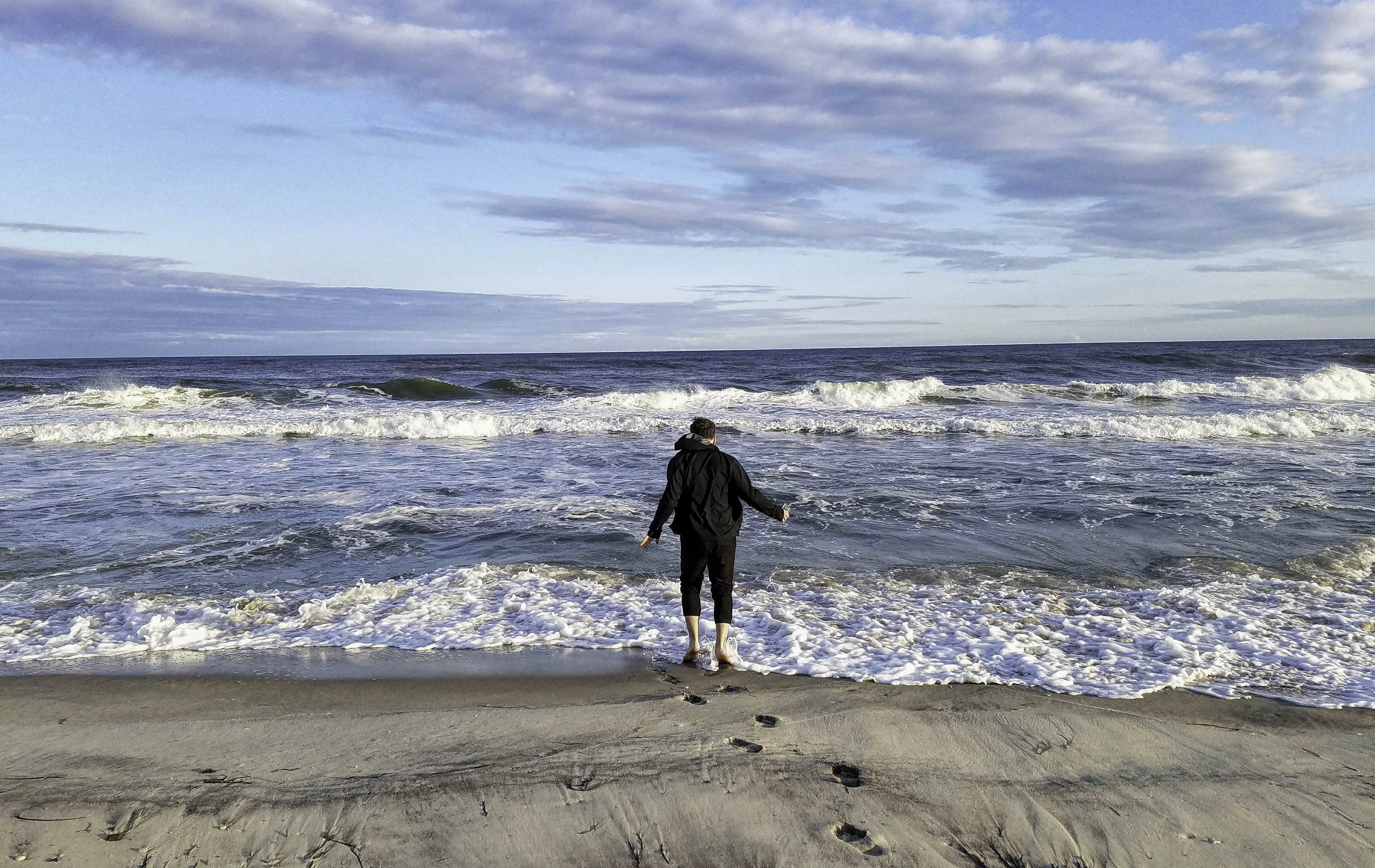
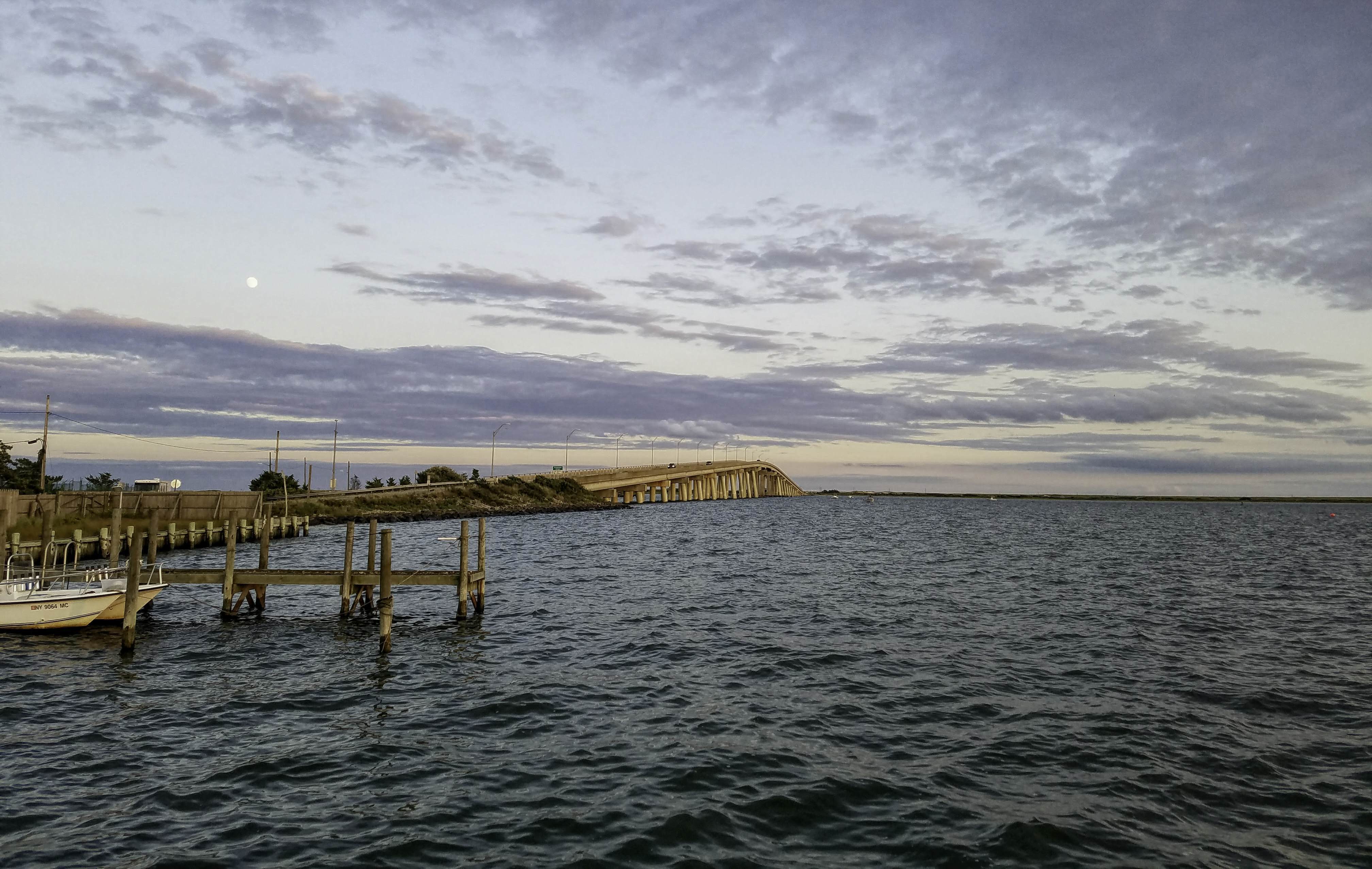
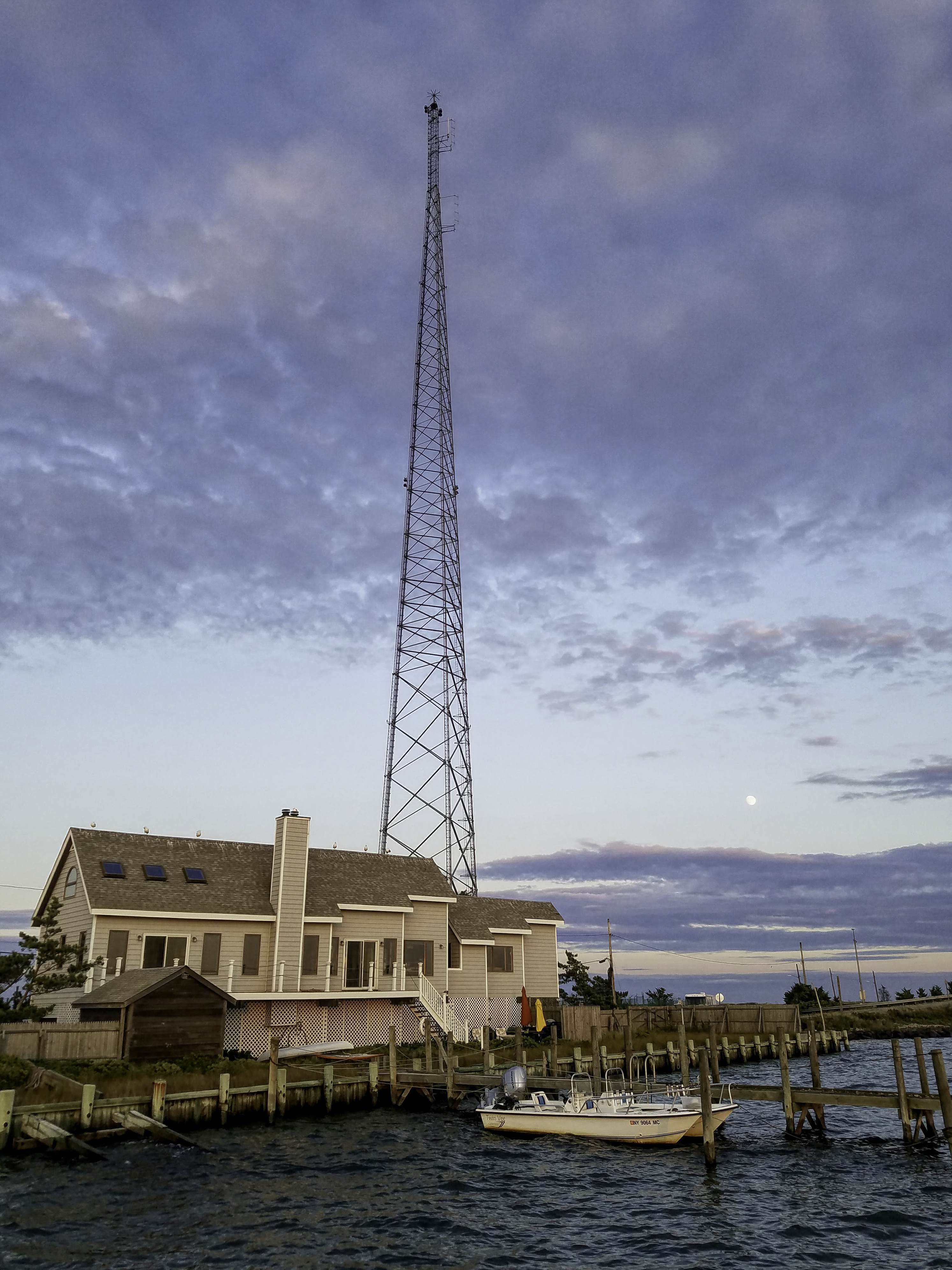
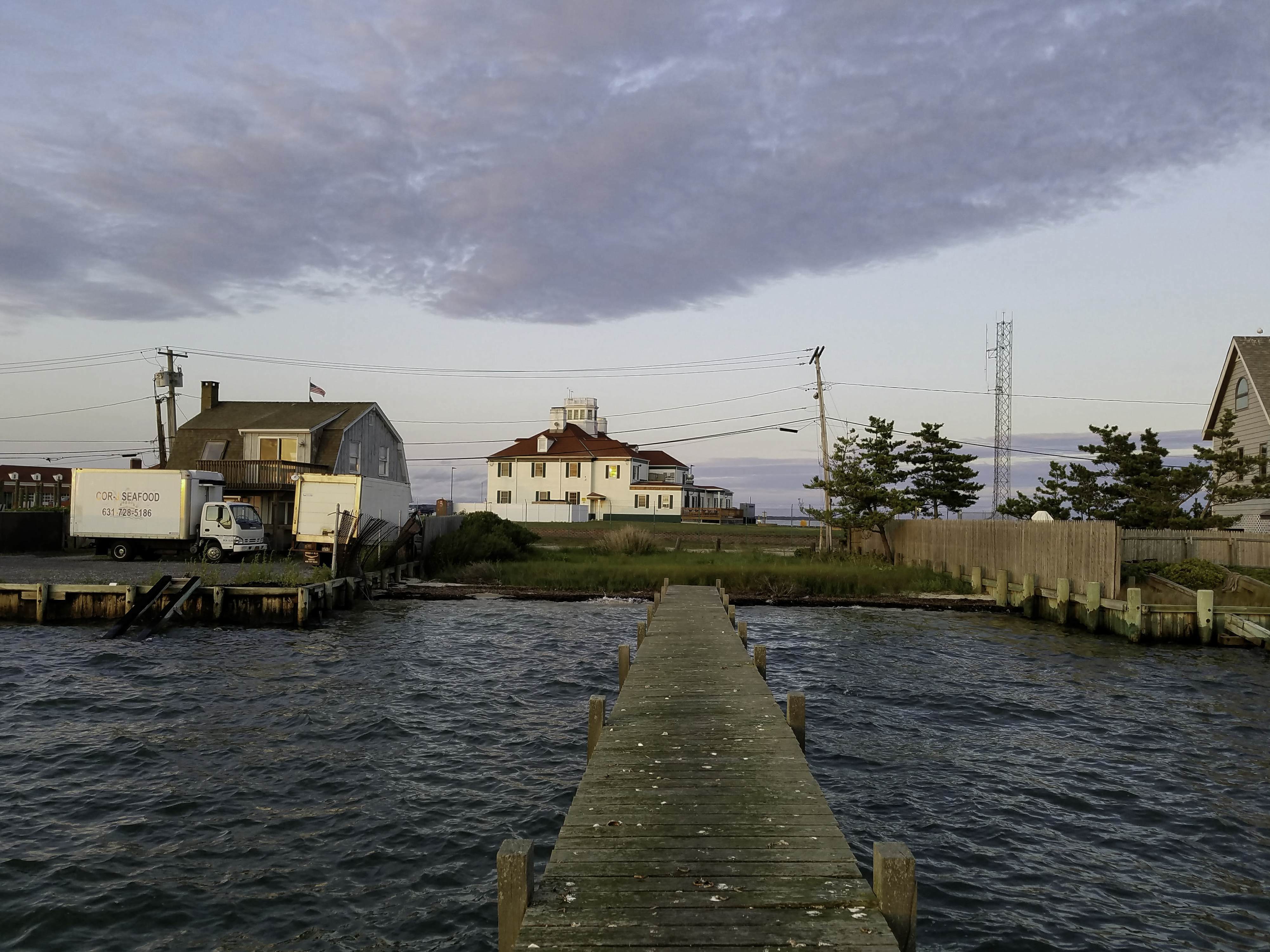
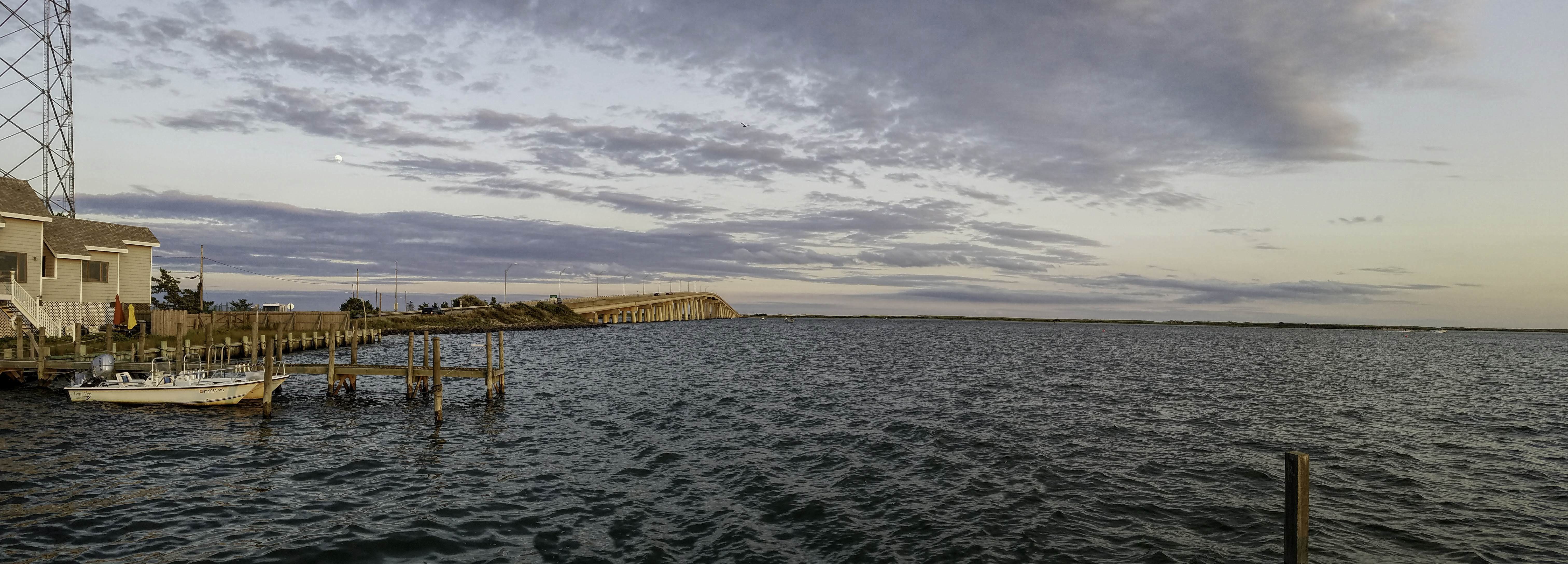
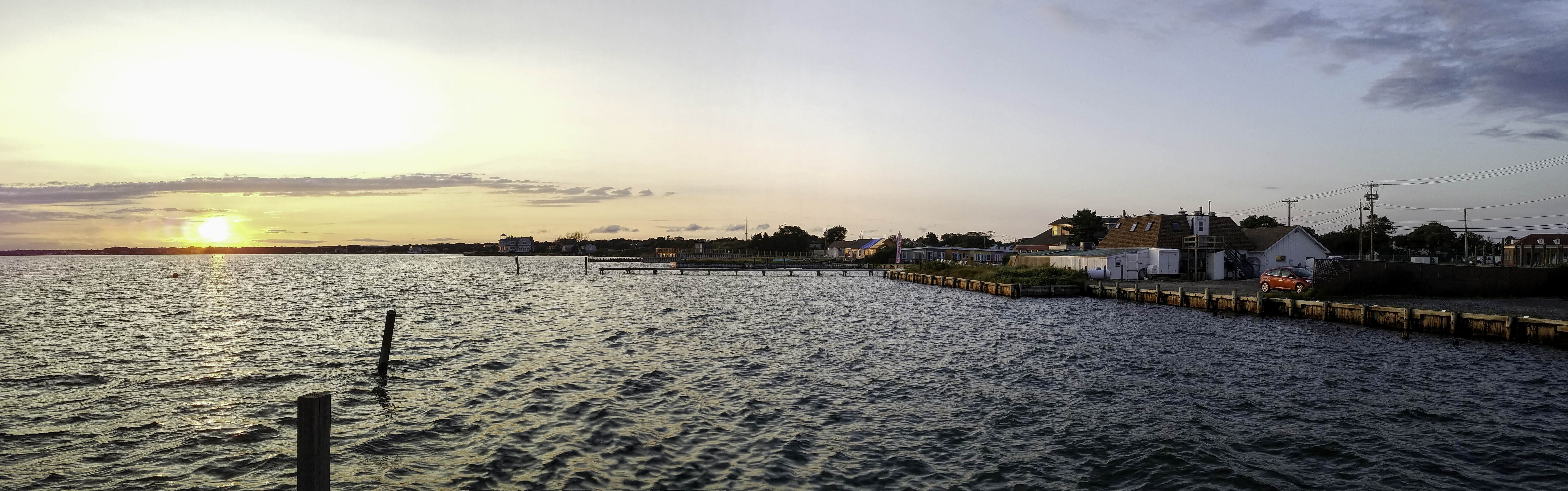
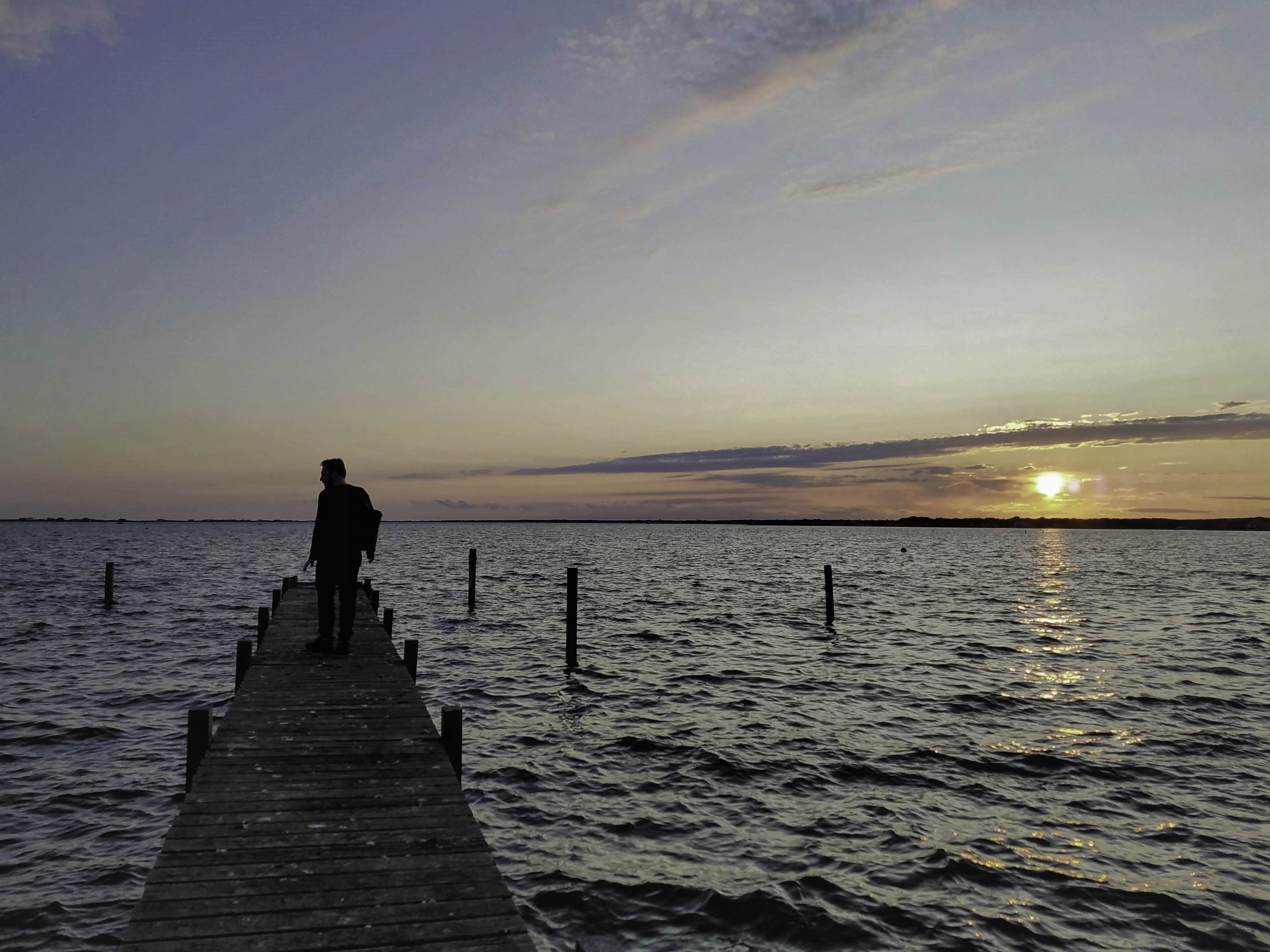
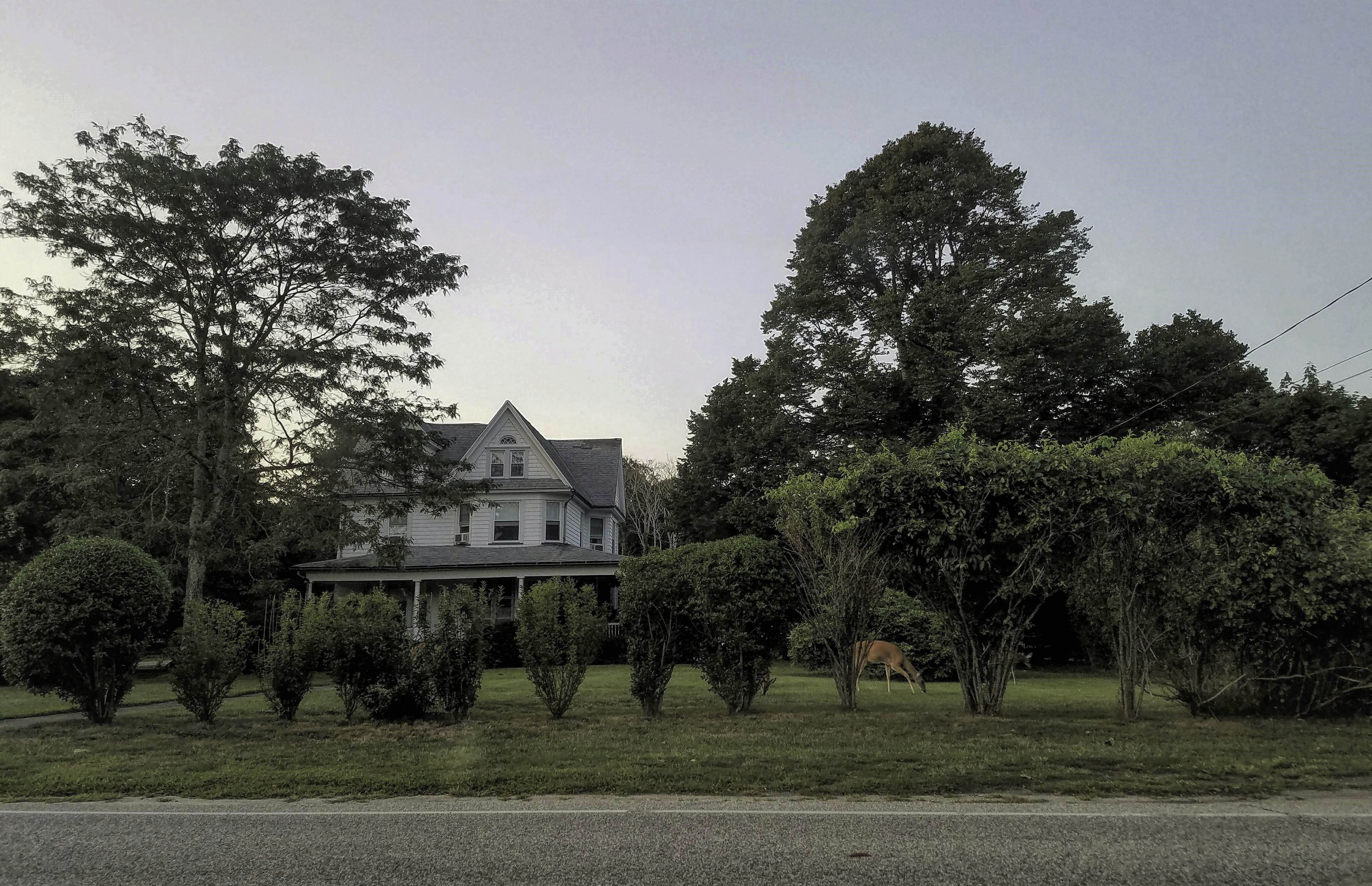
Ponquogue Beach, Shinnecock Bay
Hampton Bays
September 3rd, 2017
A laboratory for the arts and humanities, a unique space for artists to explore, create and present their work, the brainchild of visual artist Robert Wilson and, for the two of us, an uplifting, almost spiritual experience.
It was Sunday, beginning of September and the Watermill Center was resting after a summer of buzzing activity. No one else was around, the grounds were ours to explore. In a strange, calming way we did not feel lonely; for the artists may have been absent but their essence still lingered in the air. And in the many totems scattered in the woods.
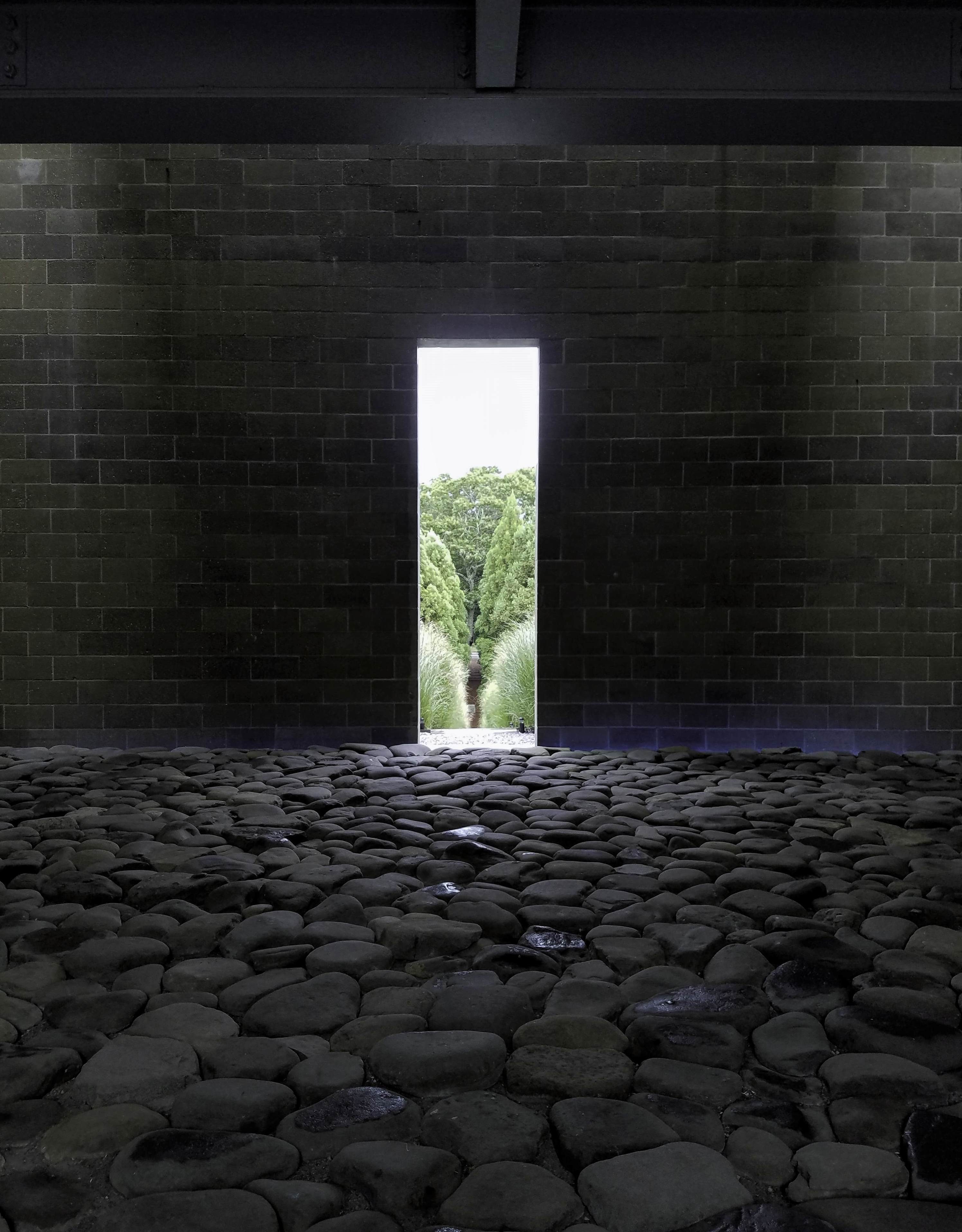
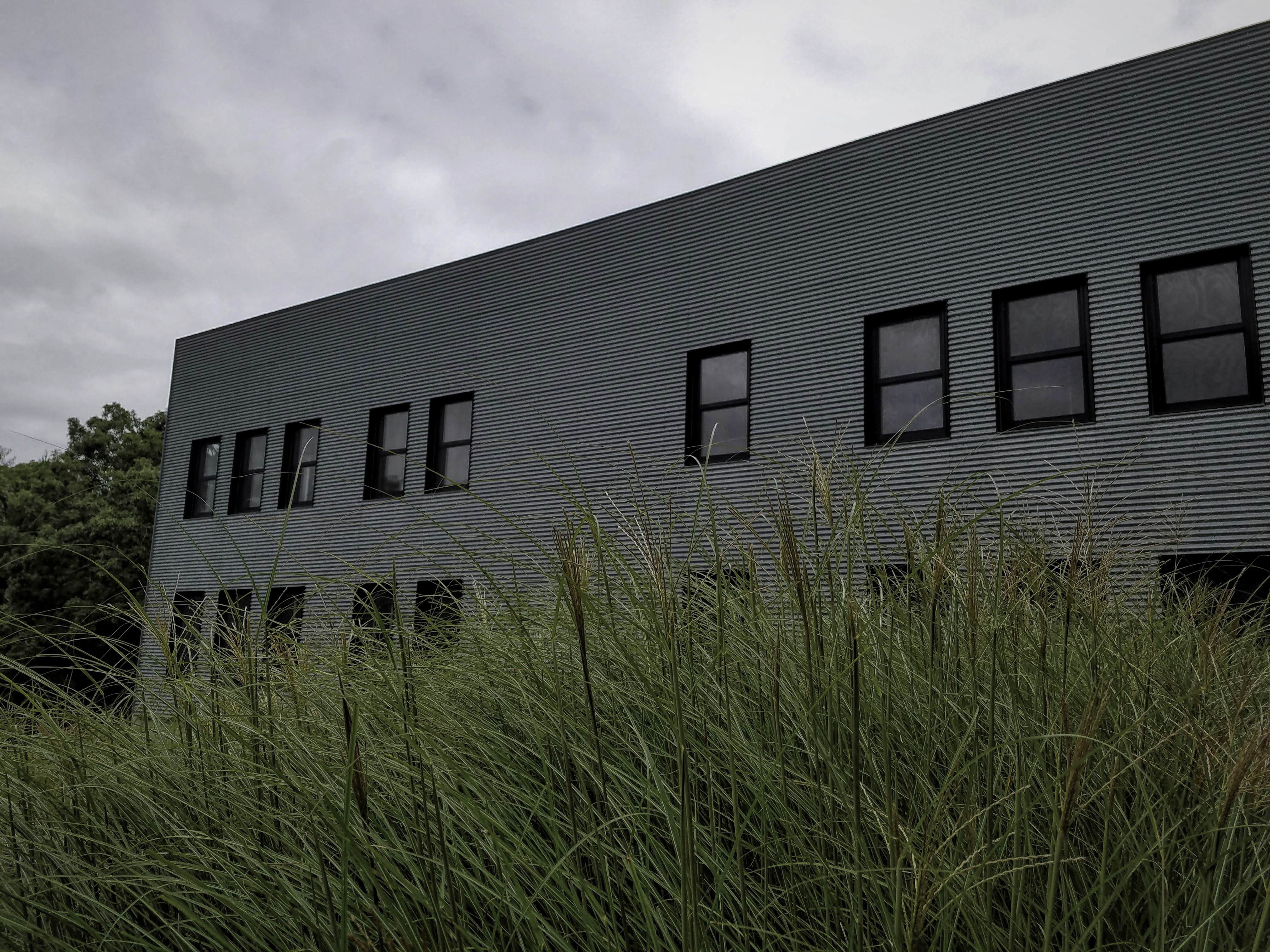
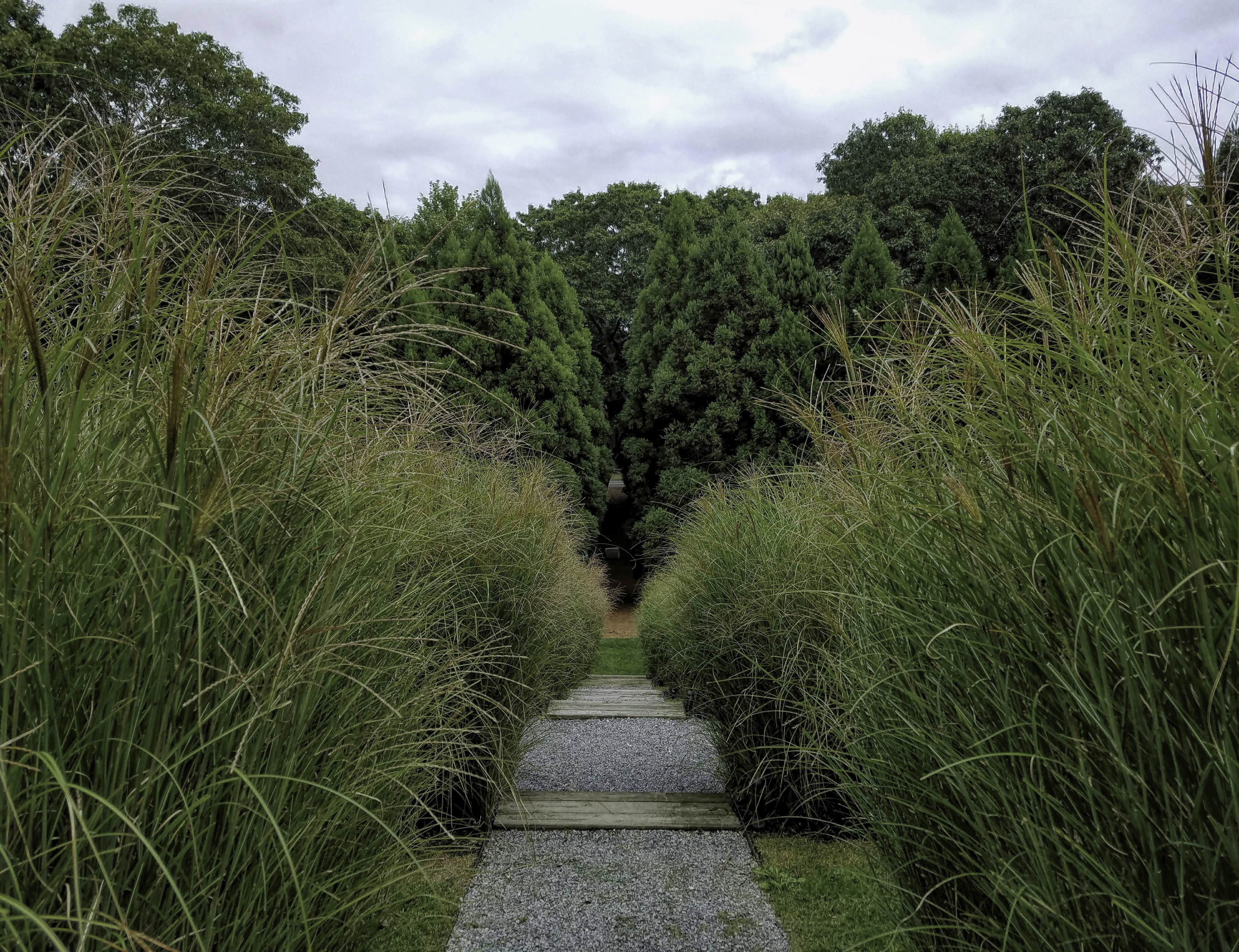
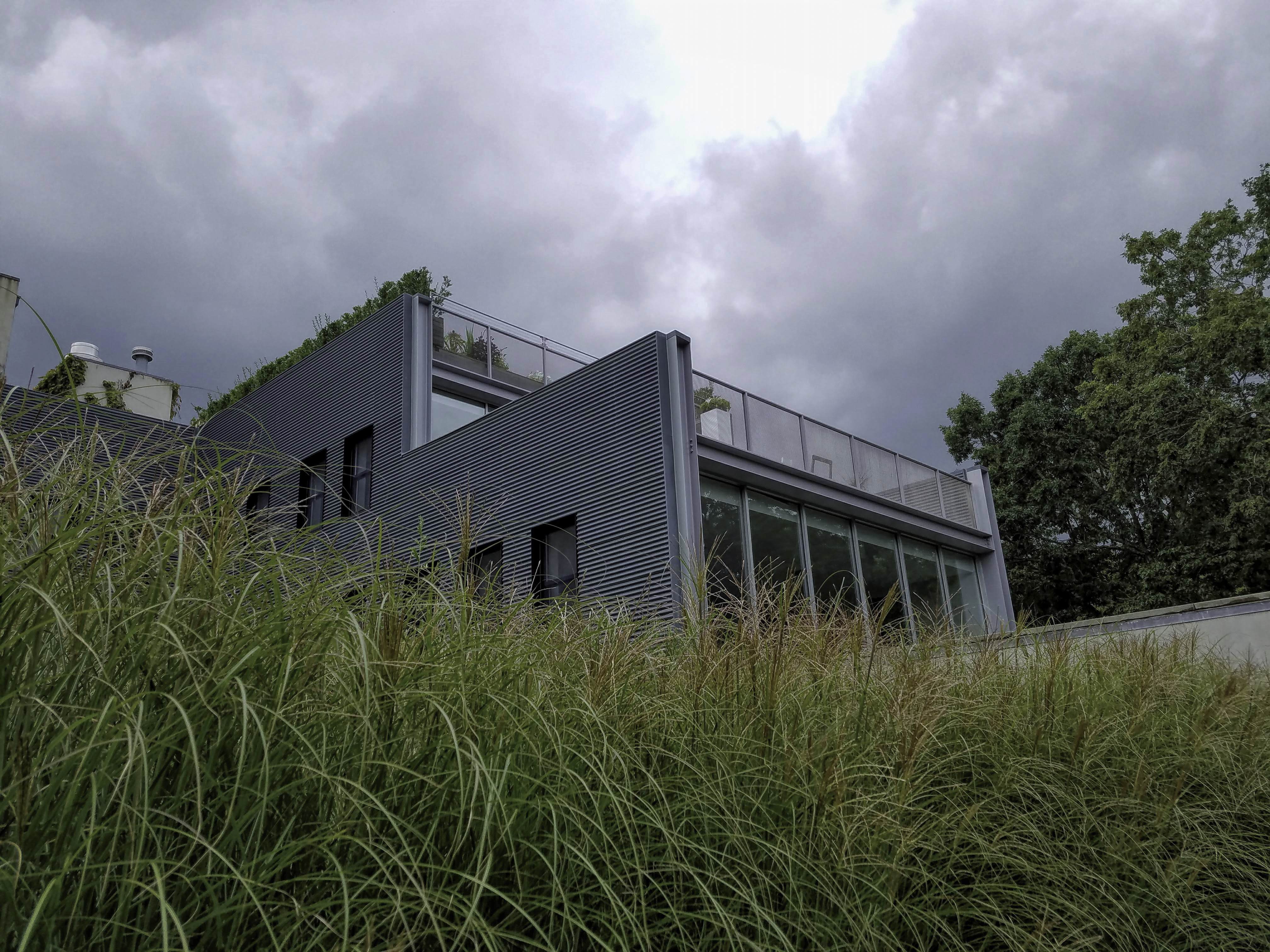
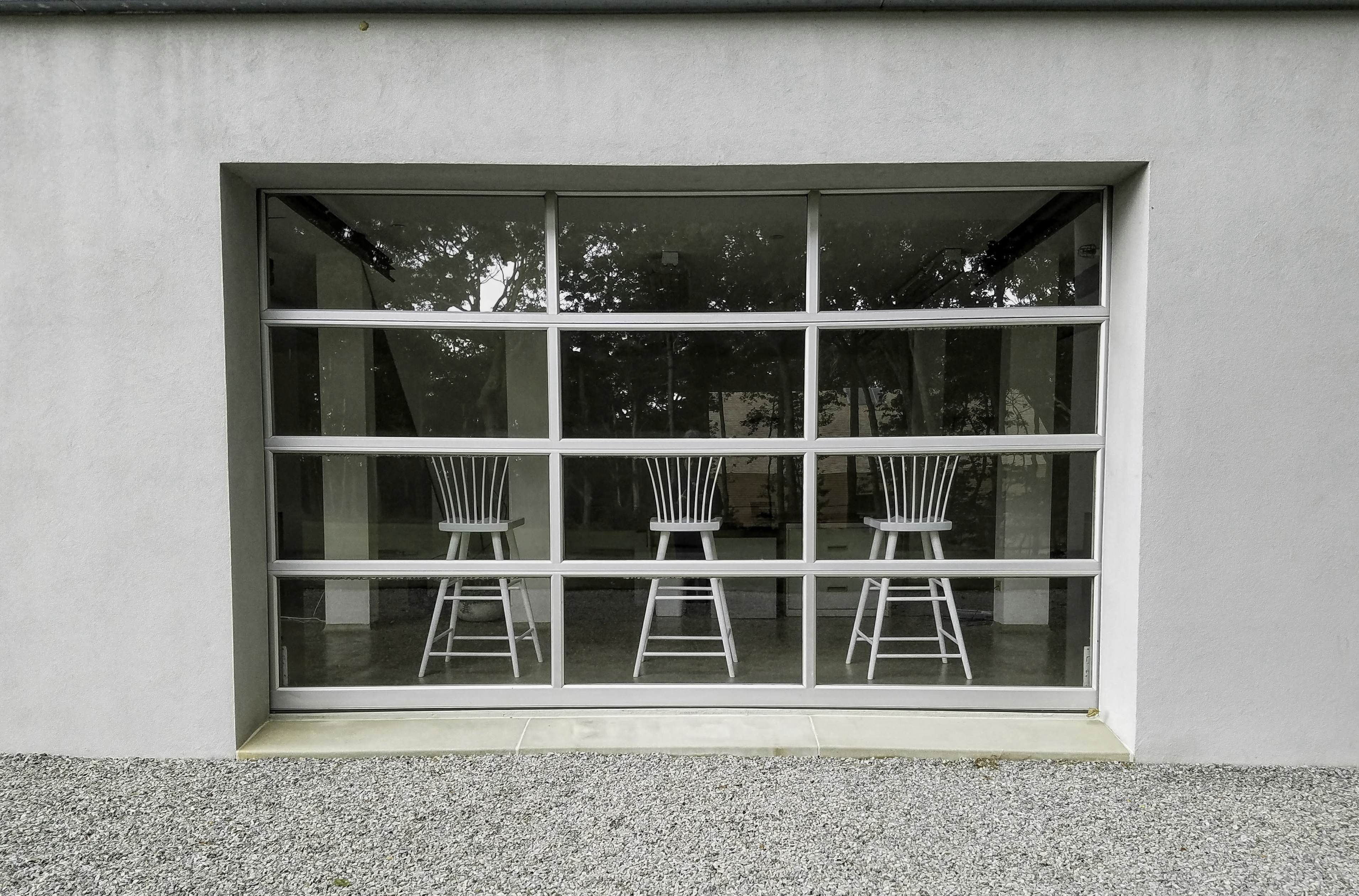
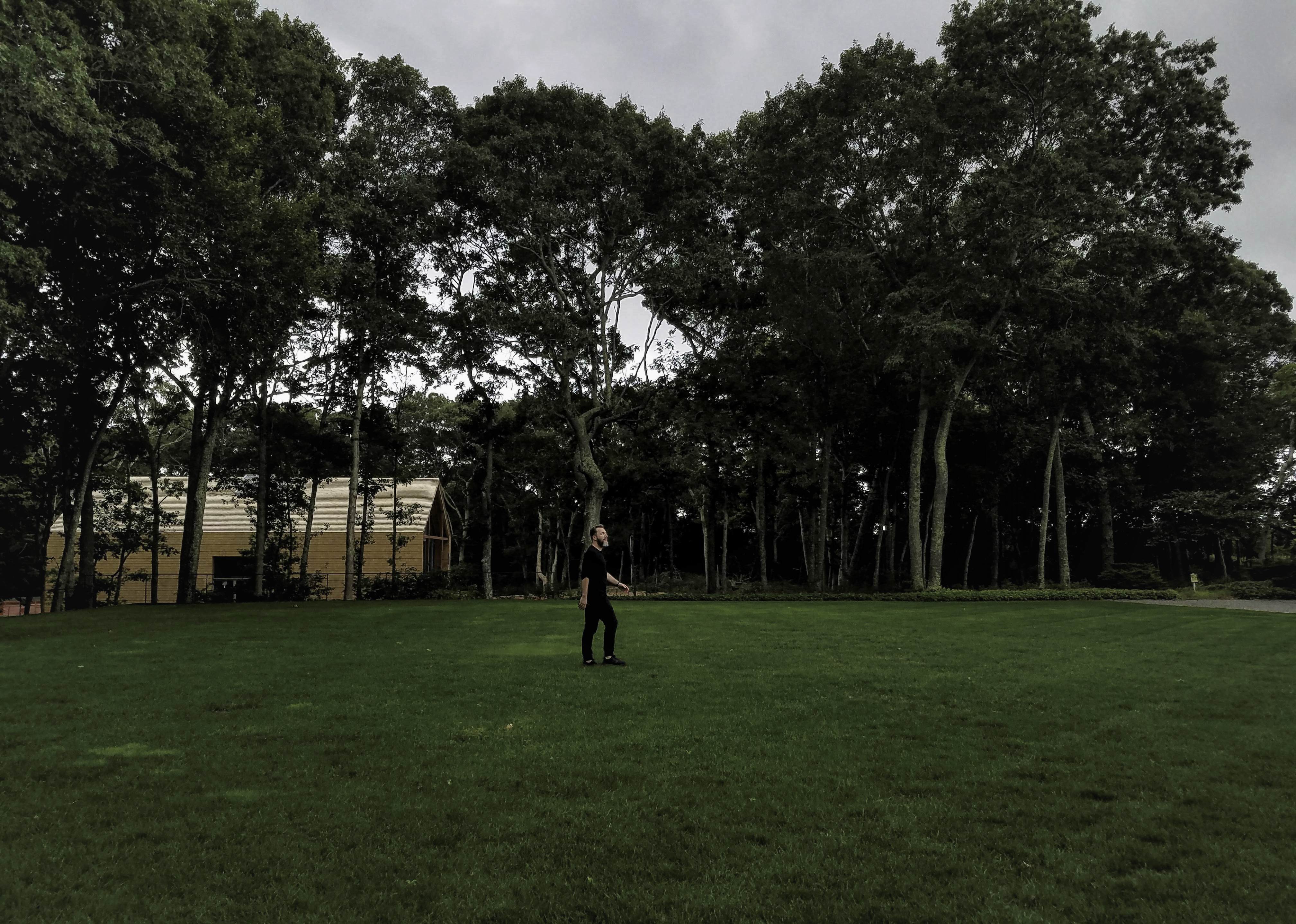
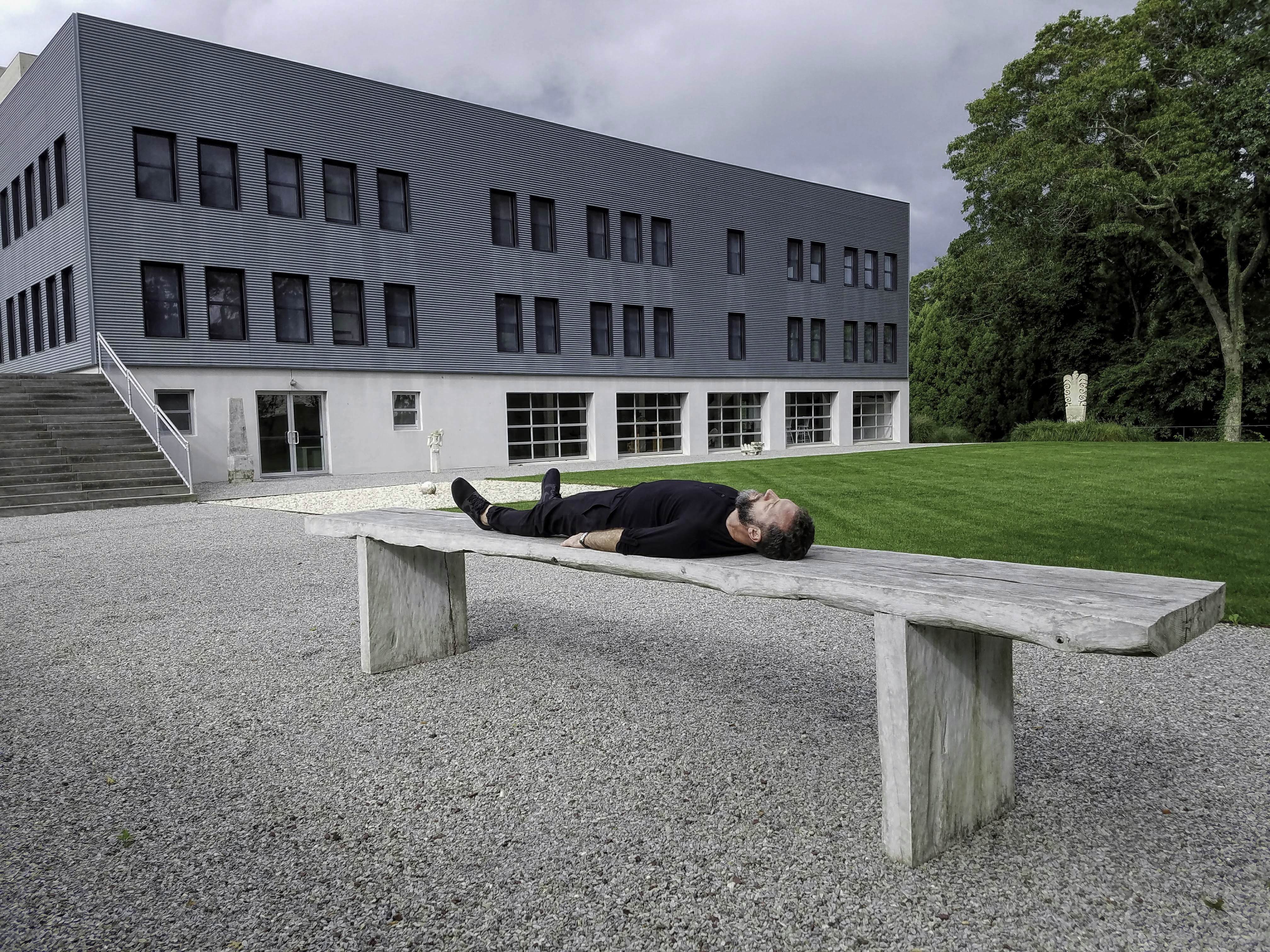
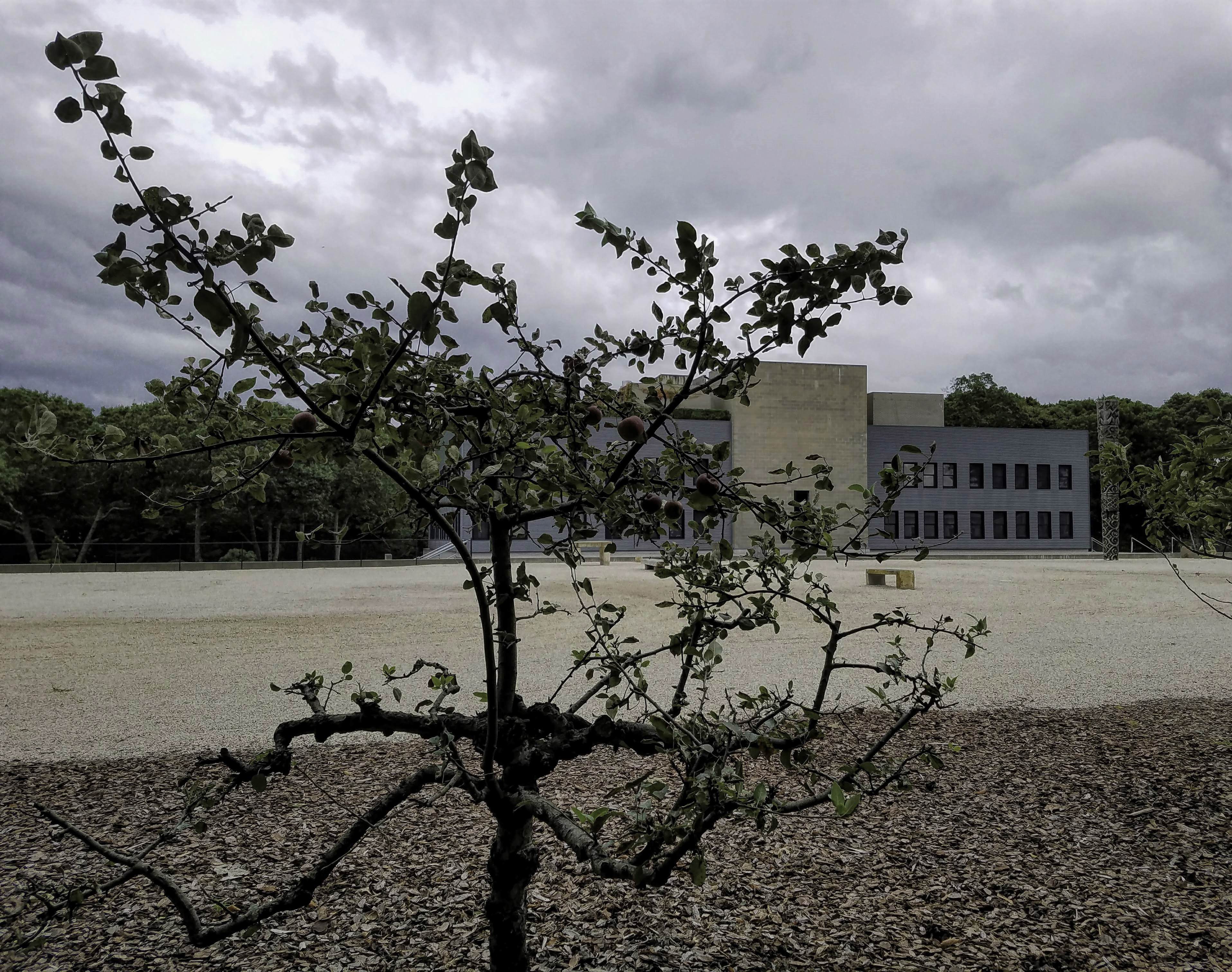
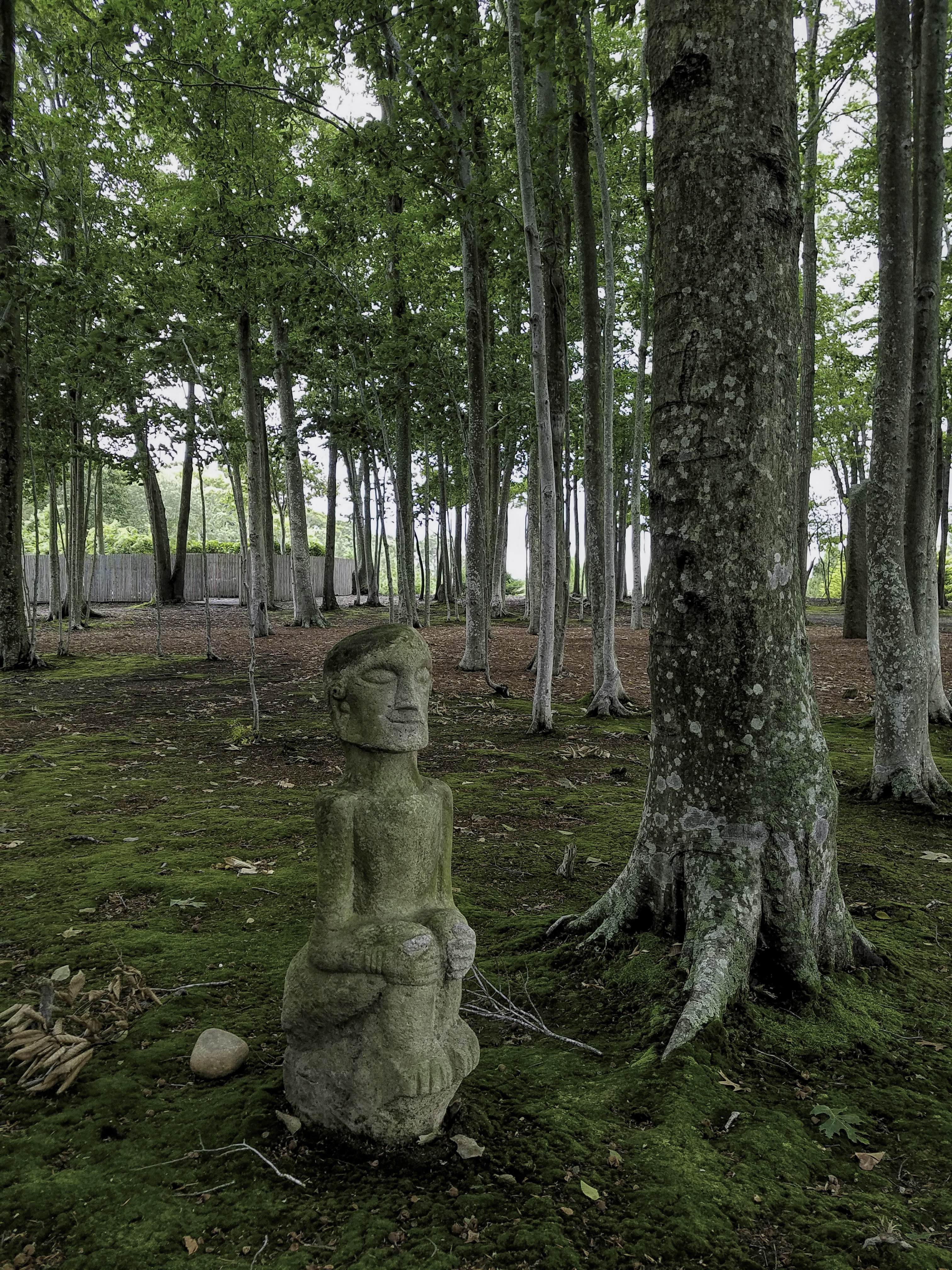
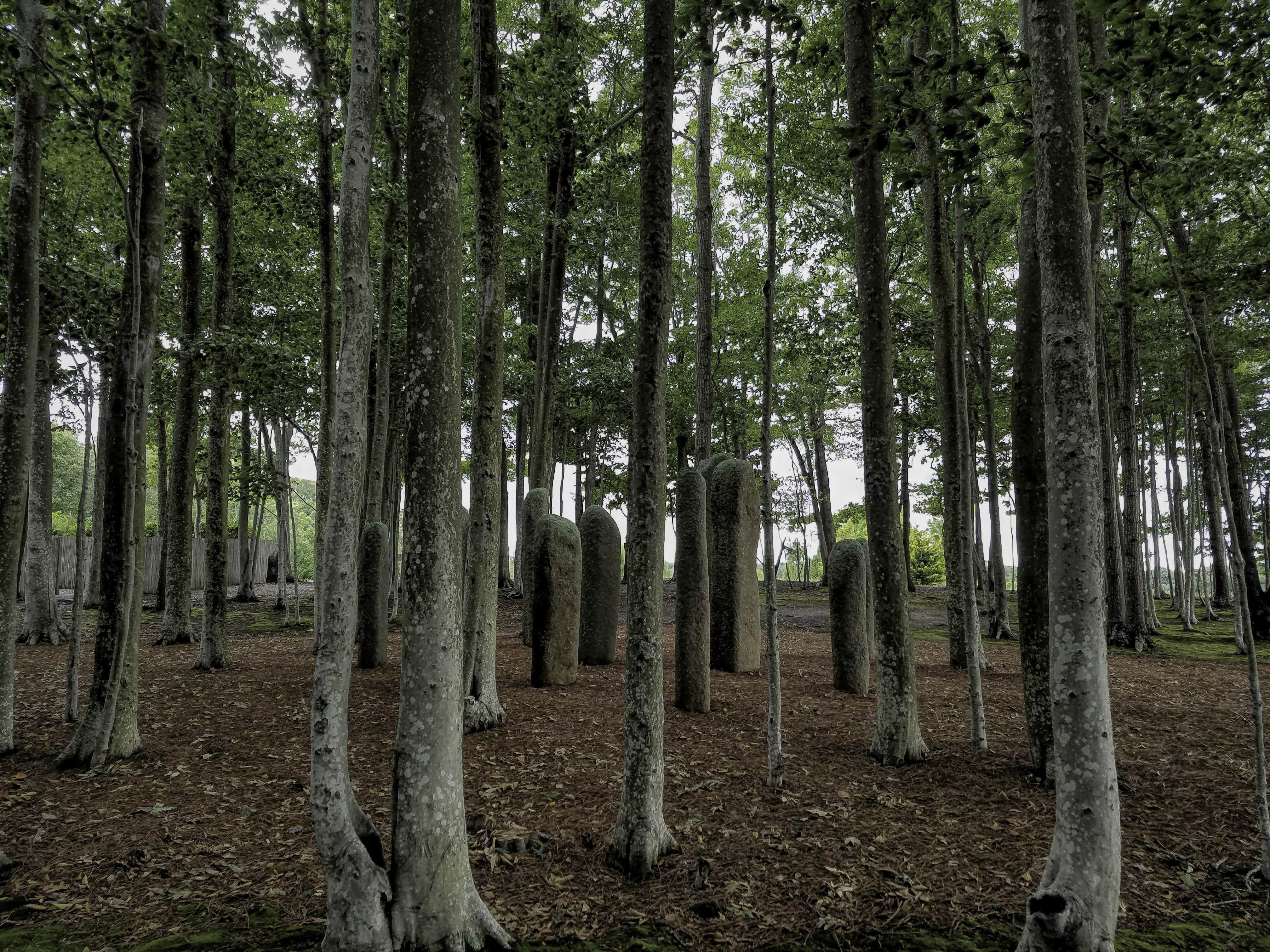
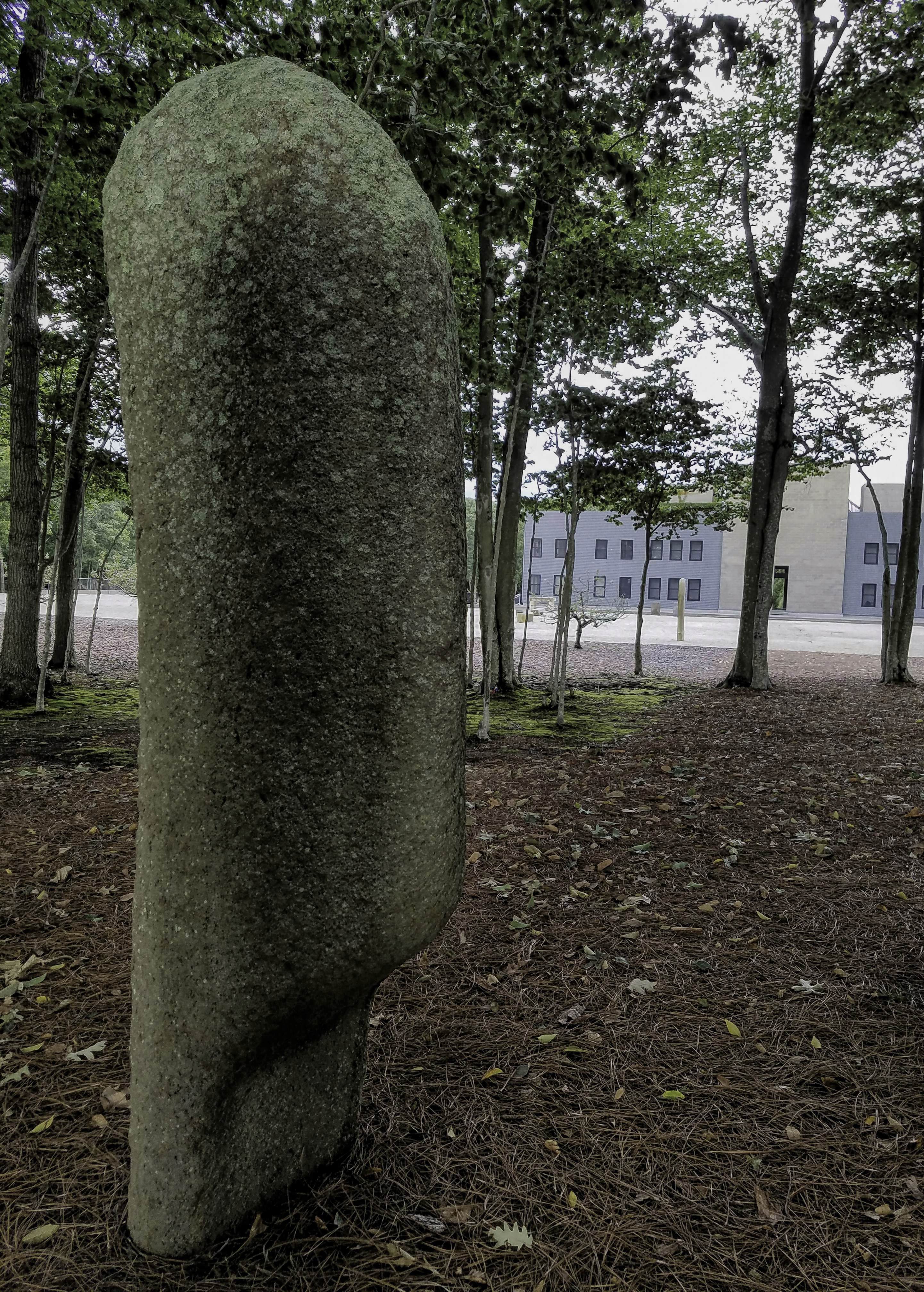
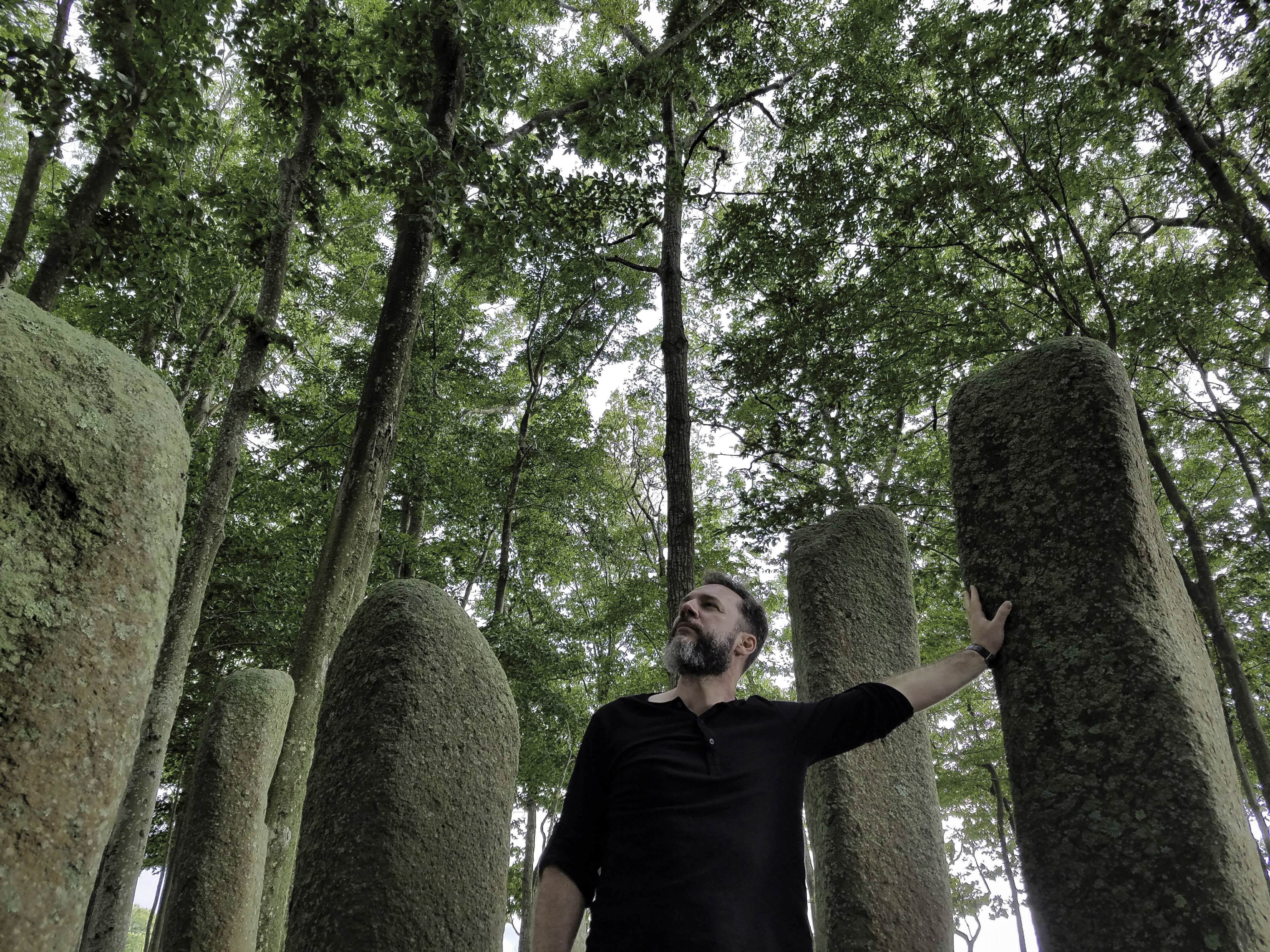
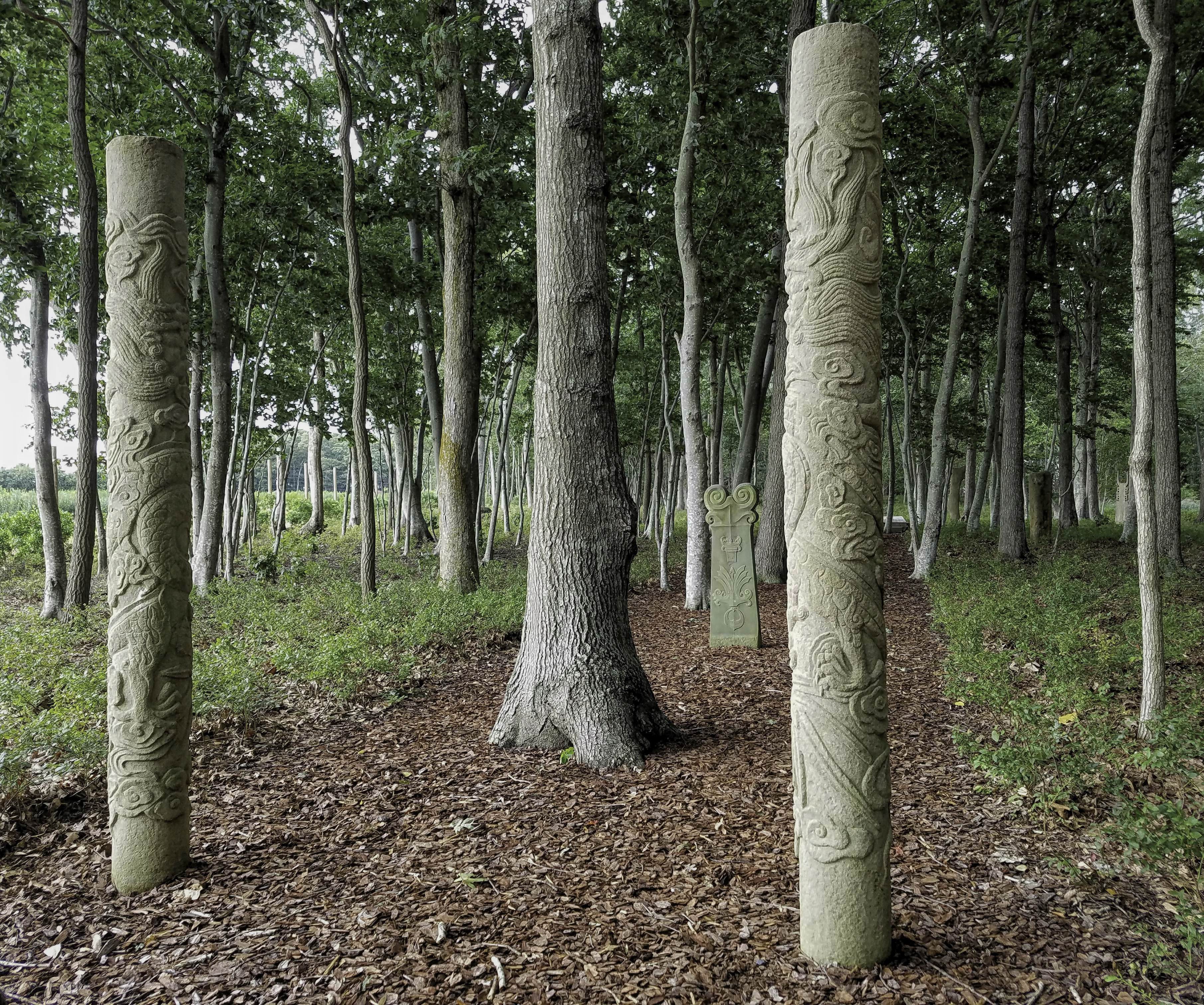
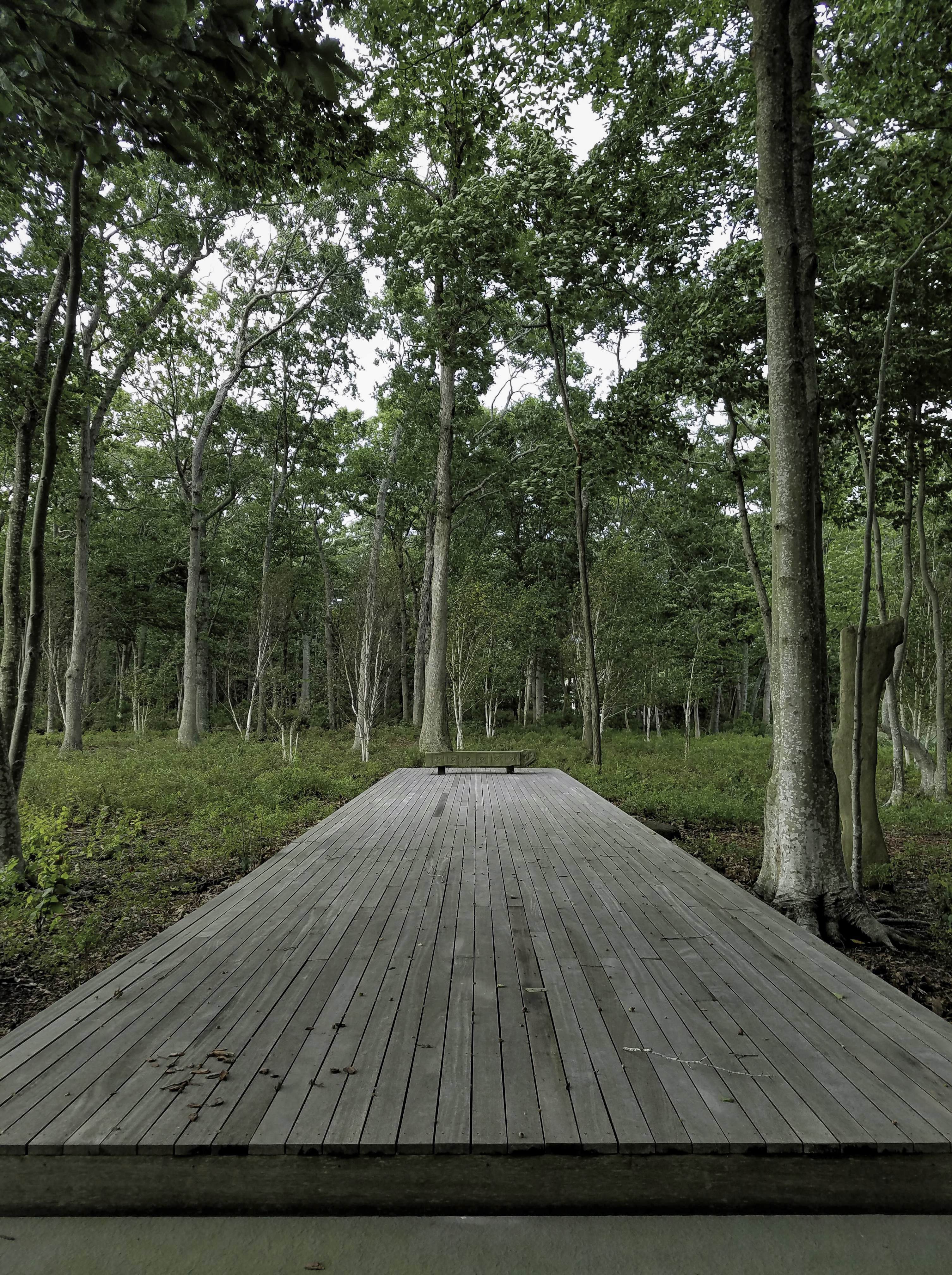
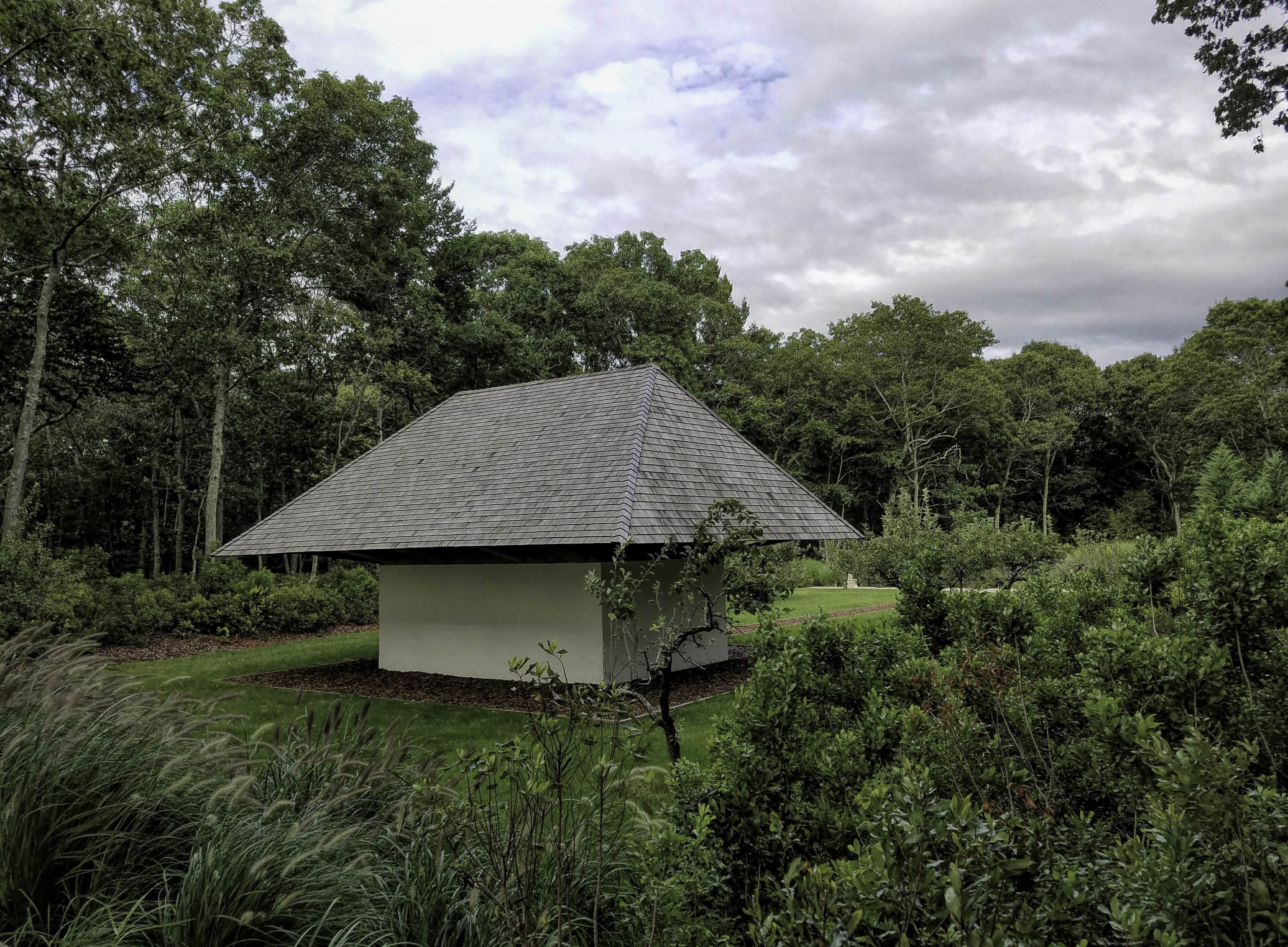
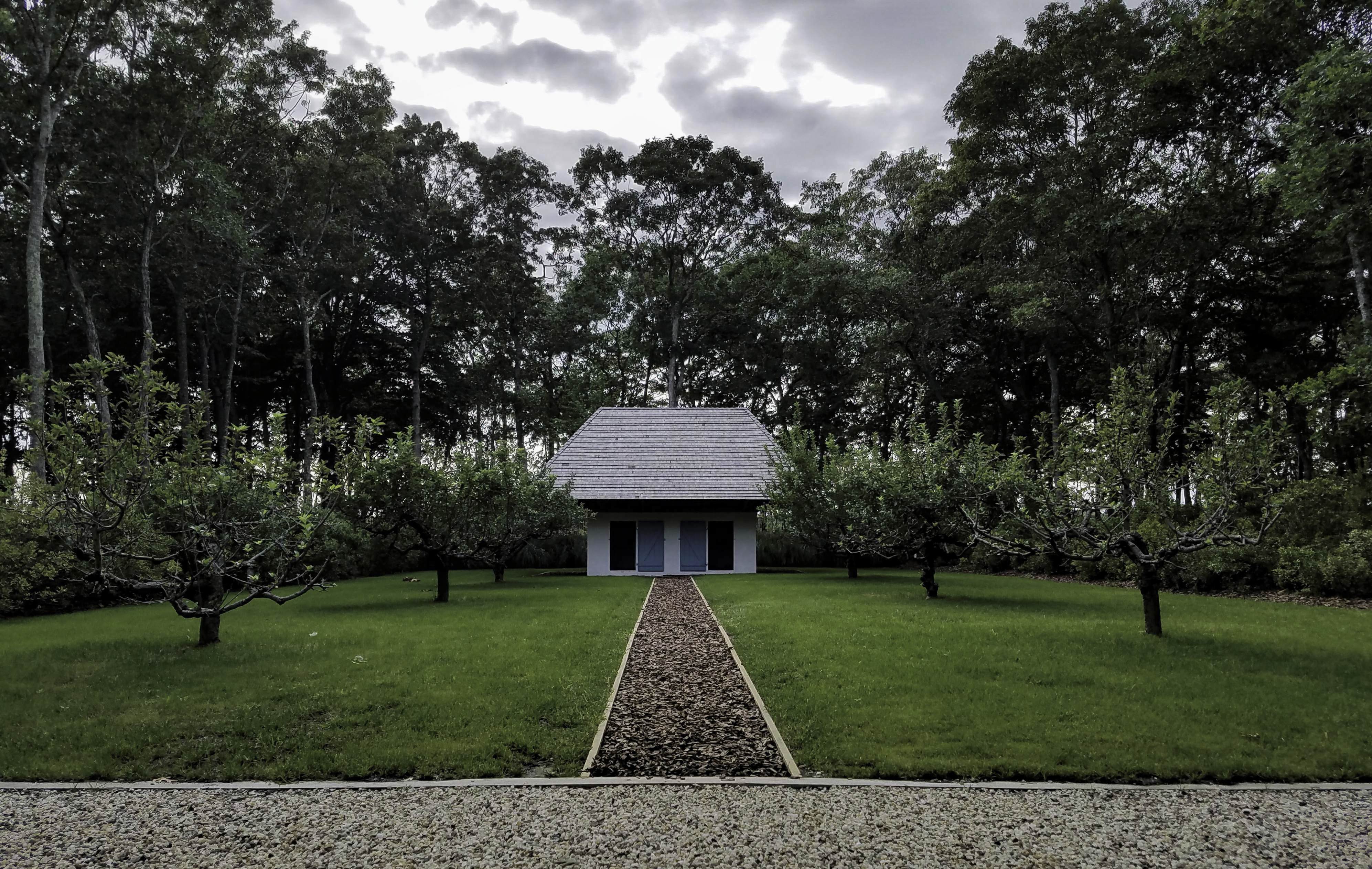
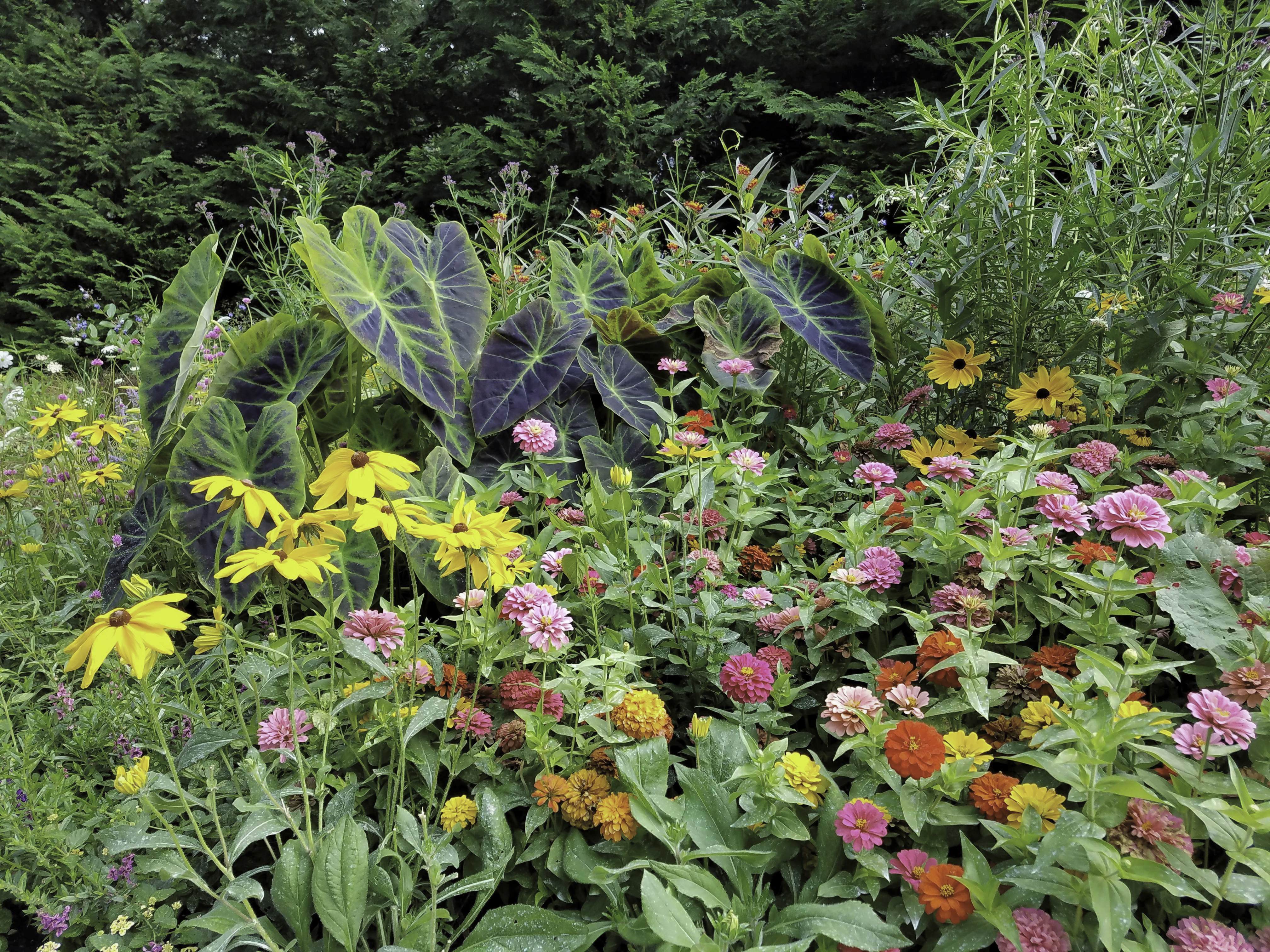
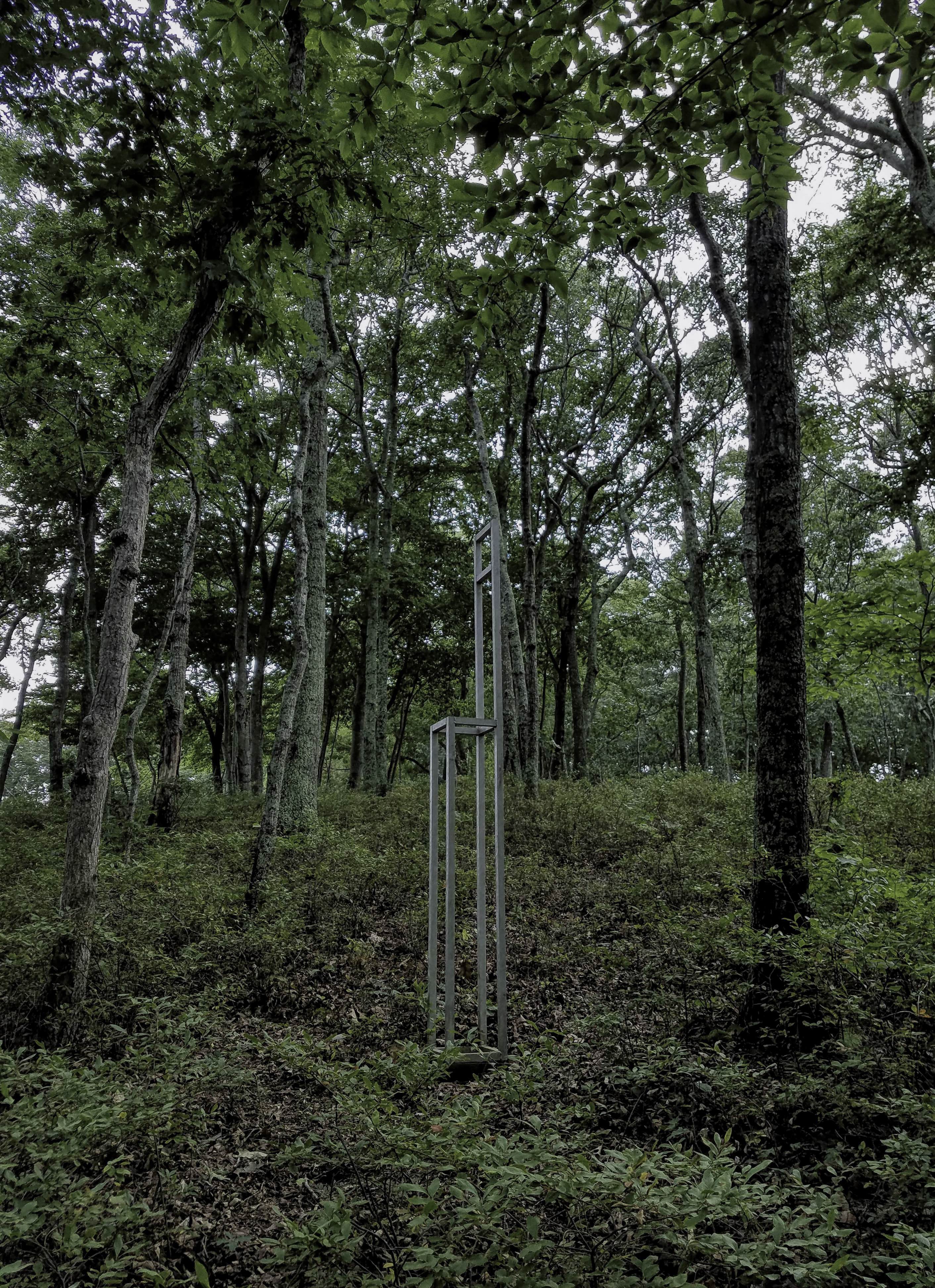
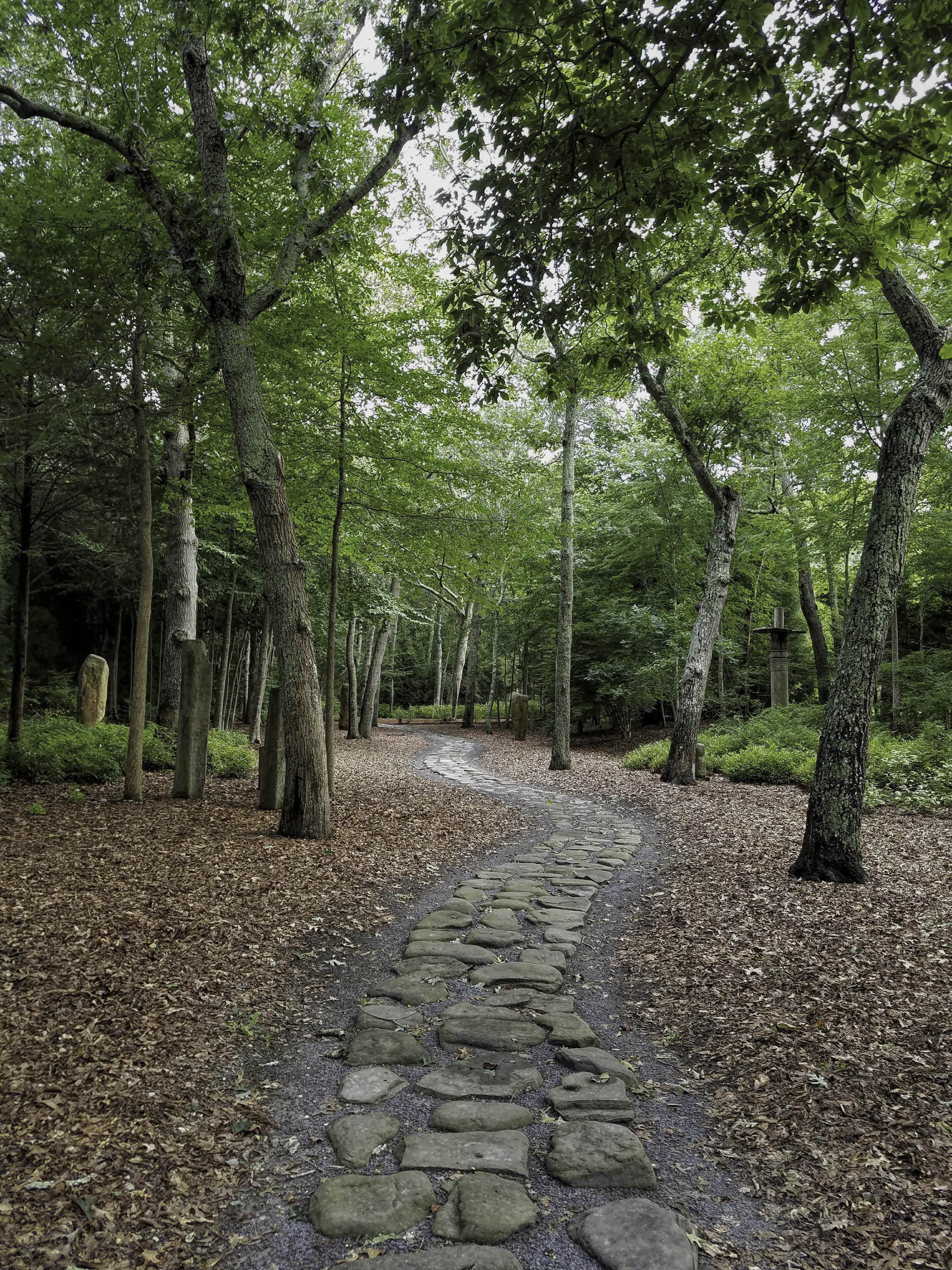
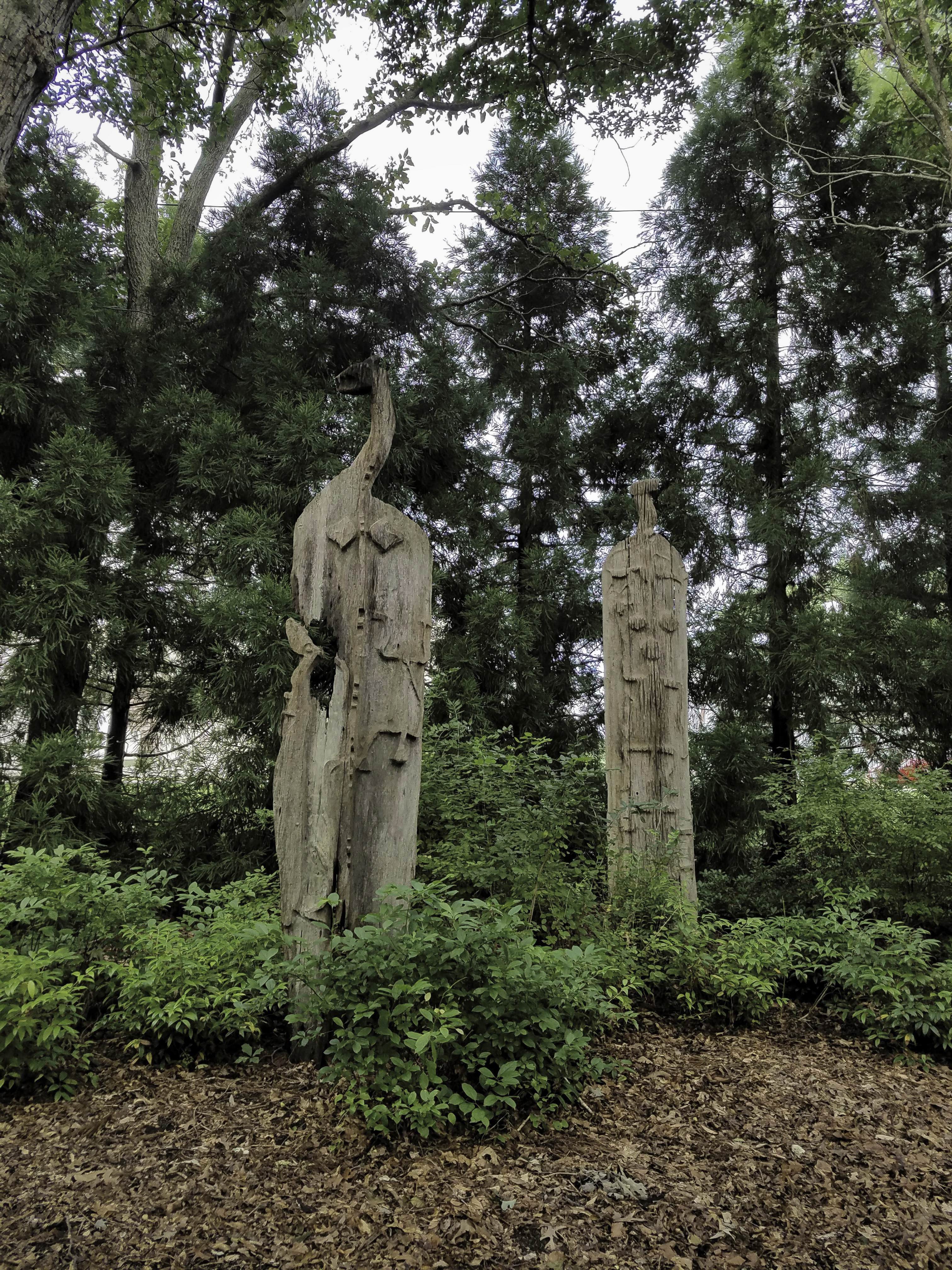
The Watermill Center, is a mere 5′ drive from the Parrish Art Museum and a 2-hour drive from Manhattan.
September 3rd, 2017
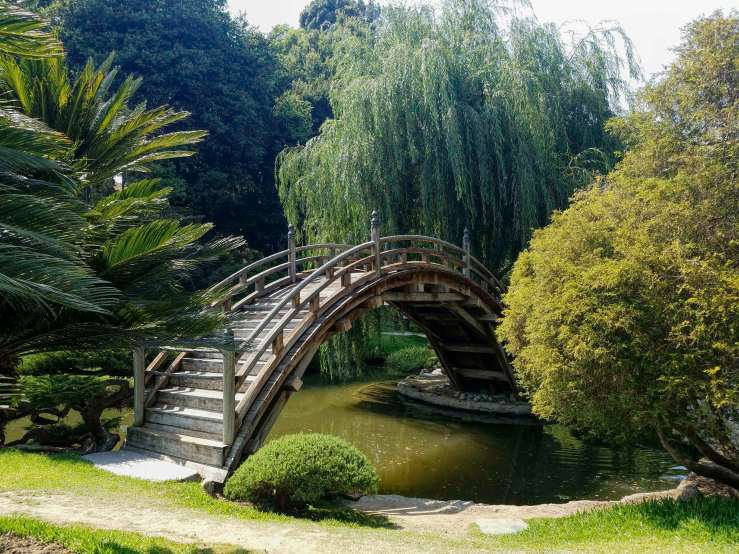
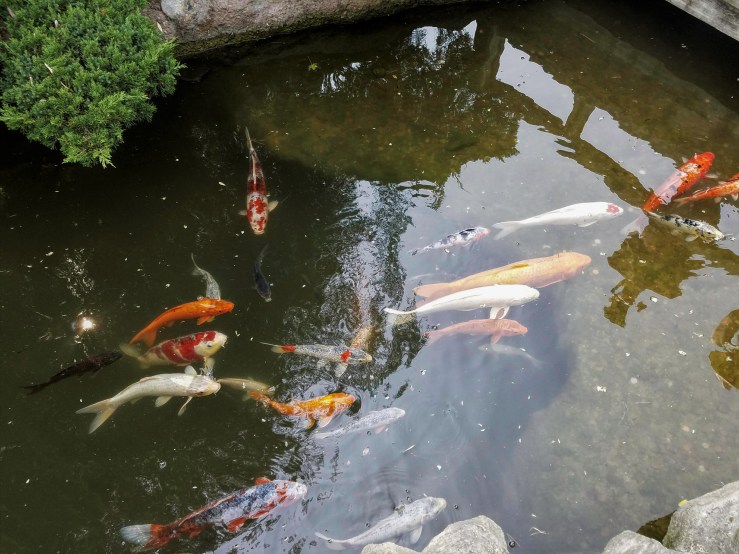
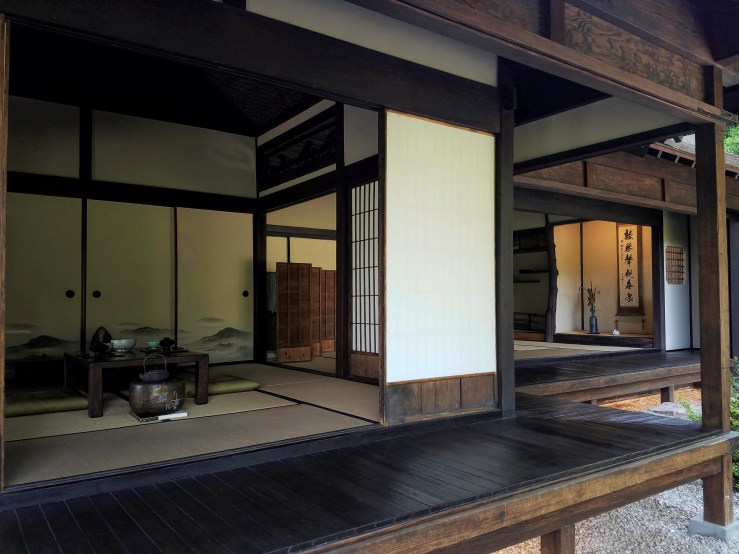
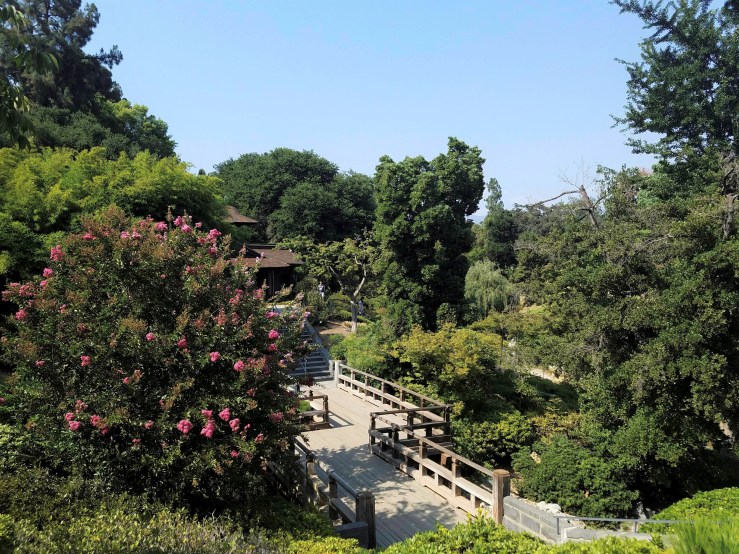
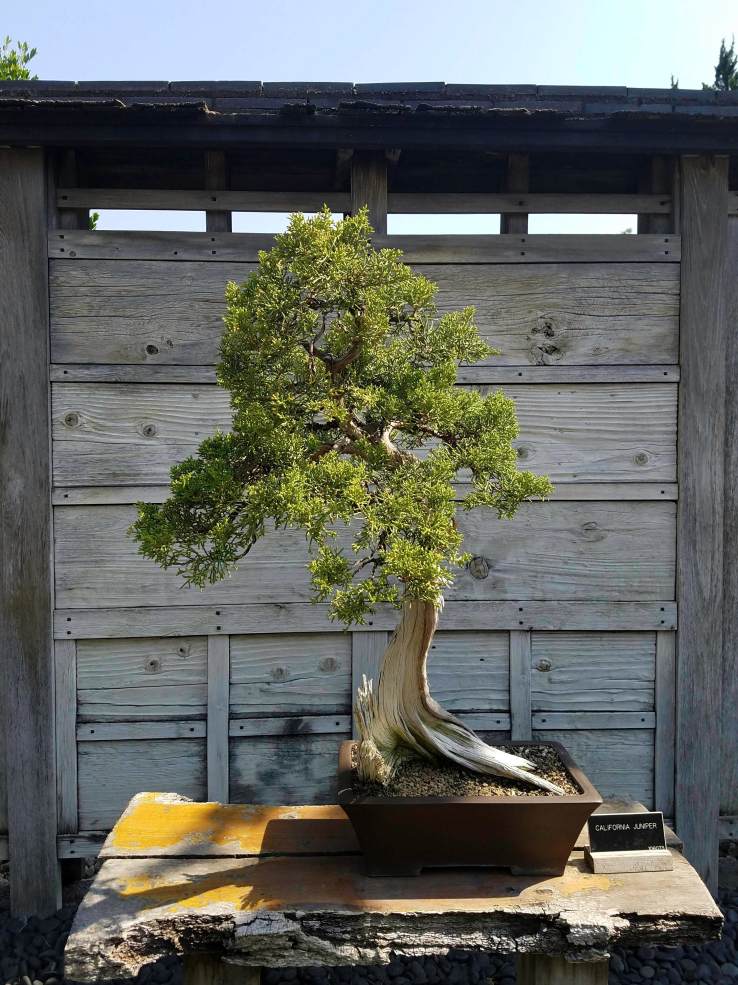
At the Huntington Japanese & Chinese Gardens.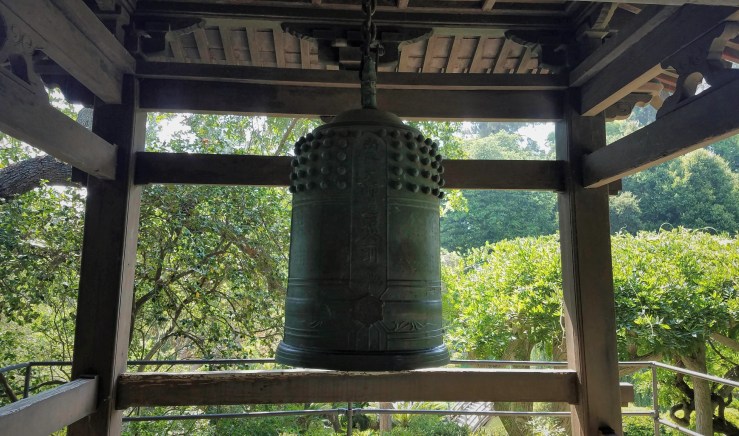







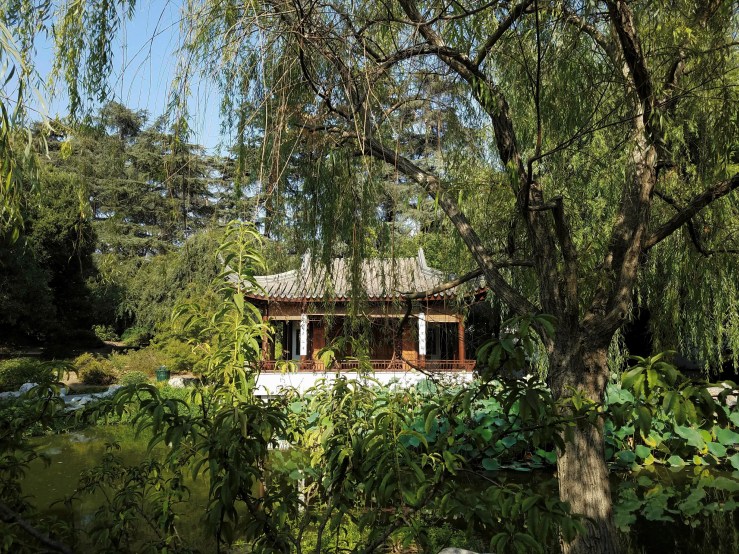

July 16th, 2017
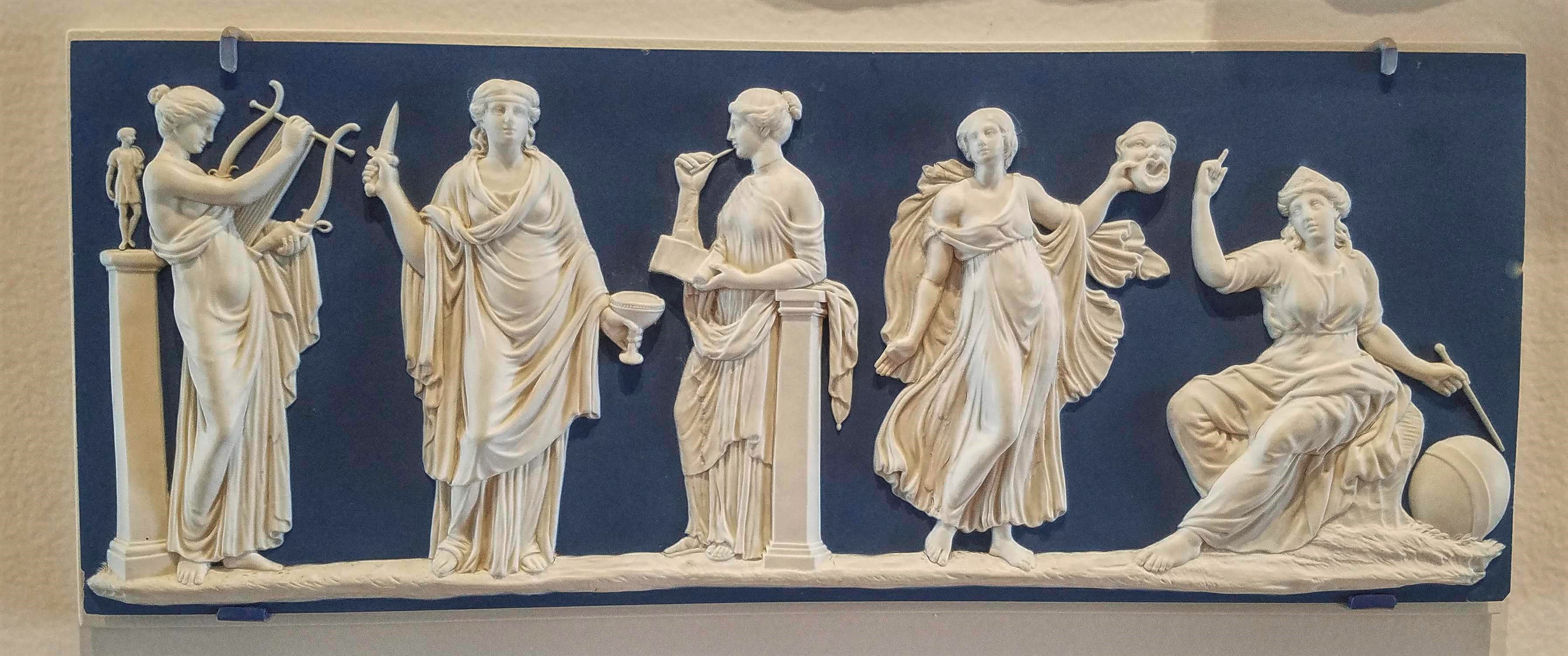
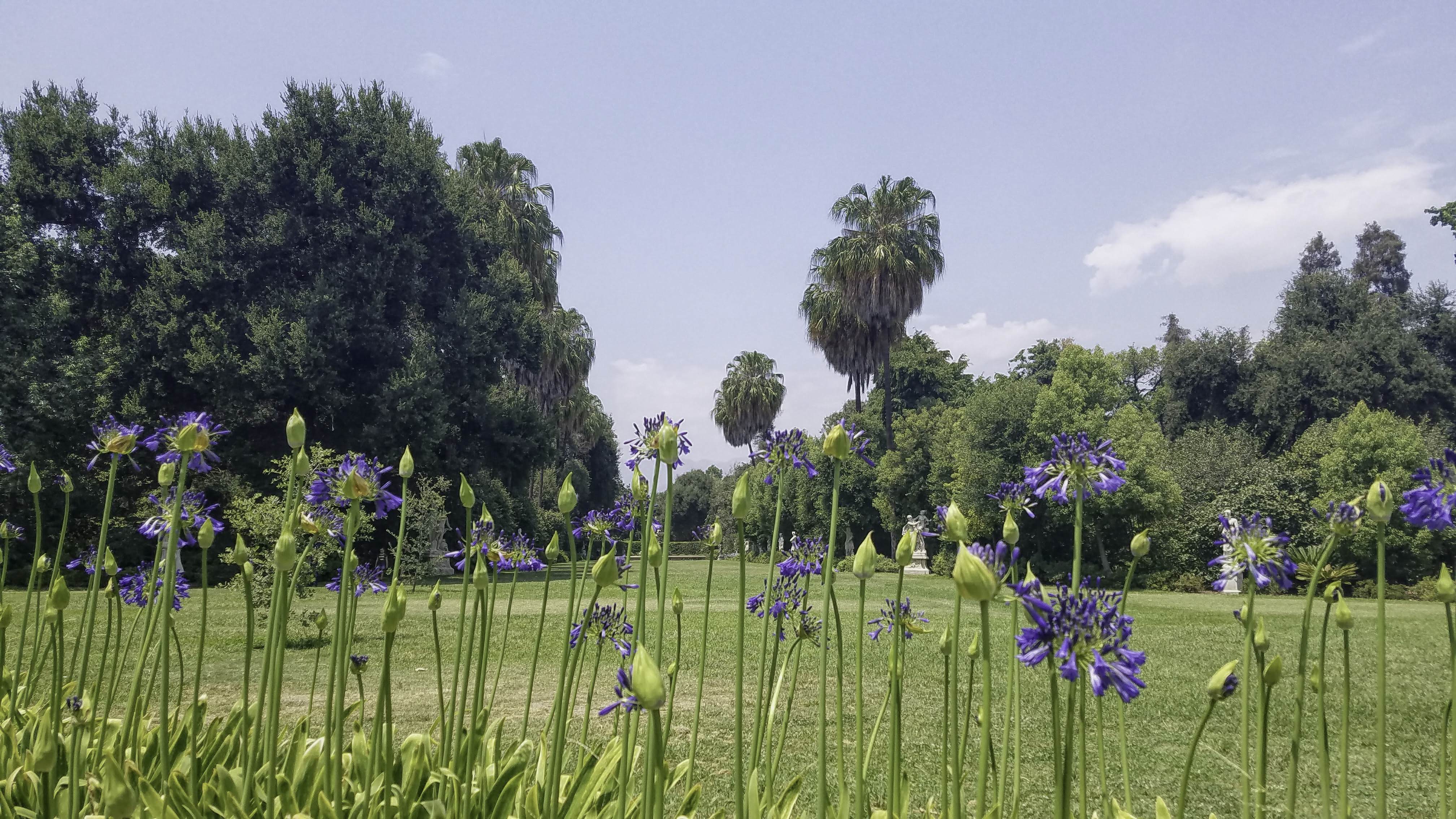

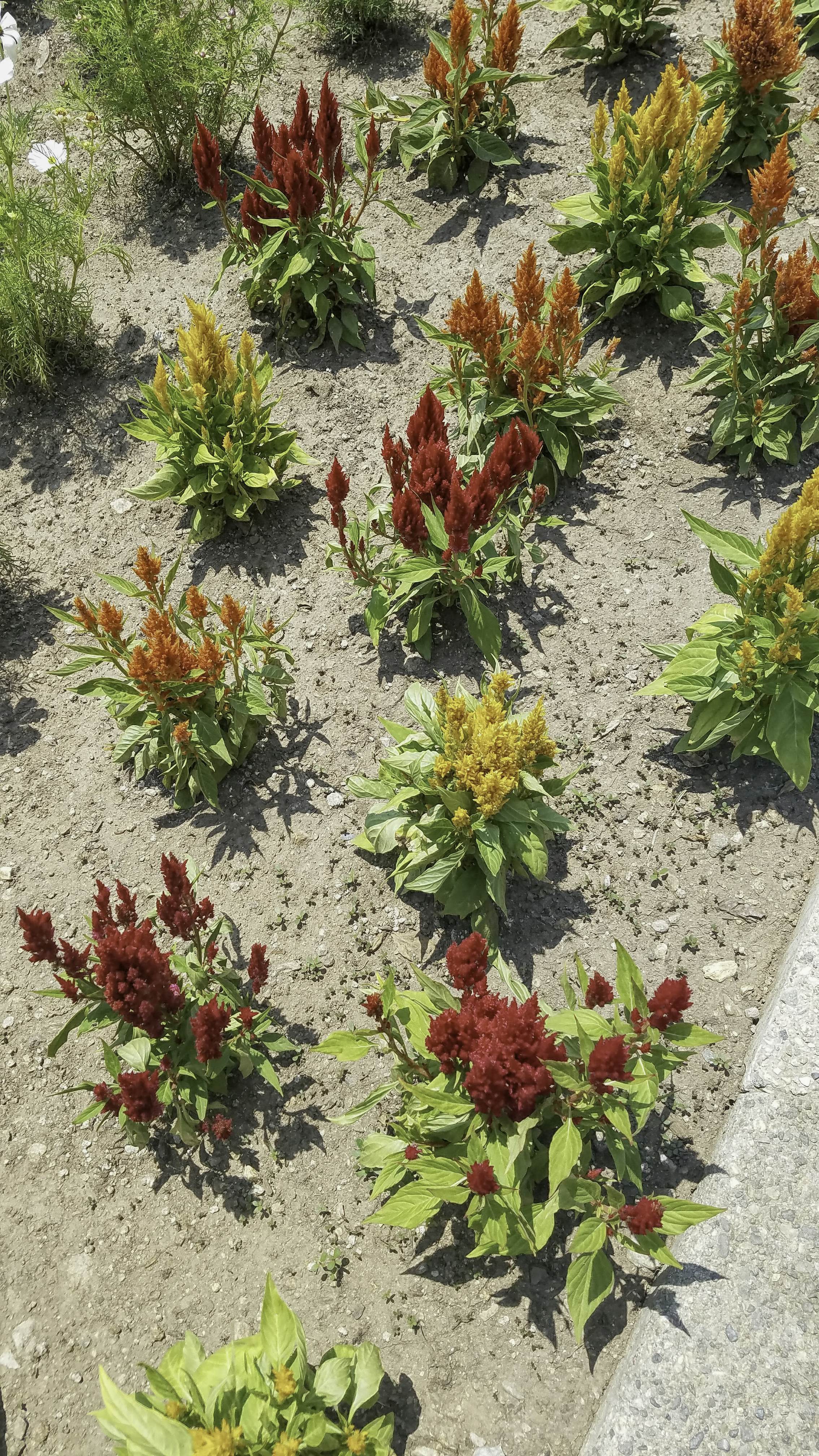




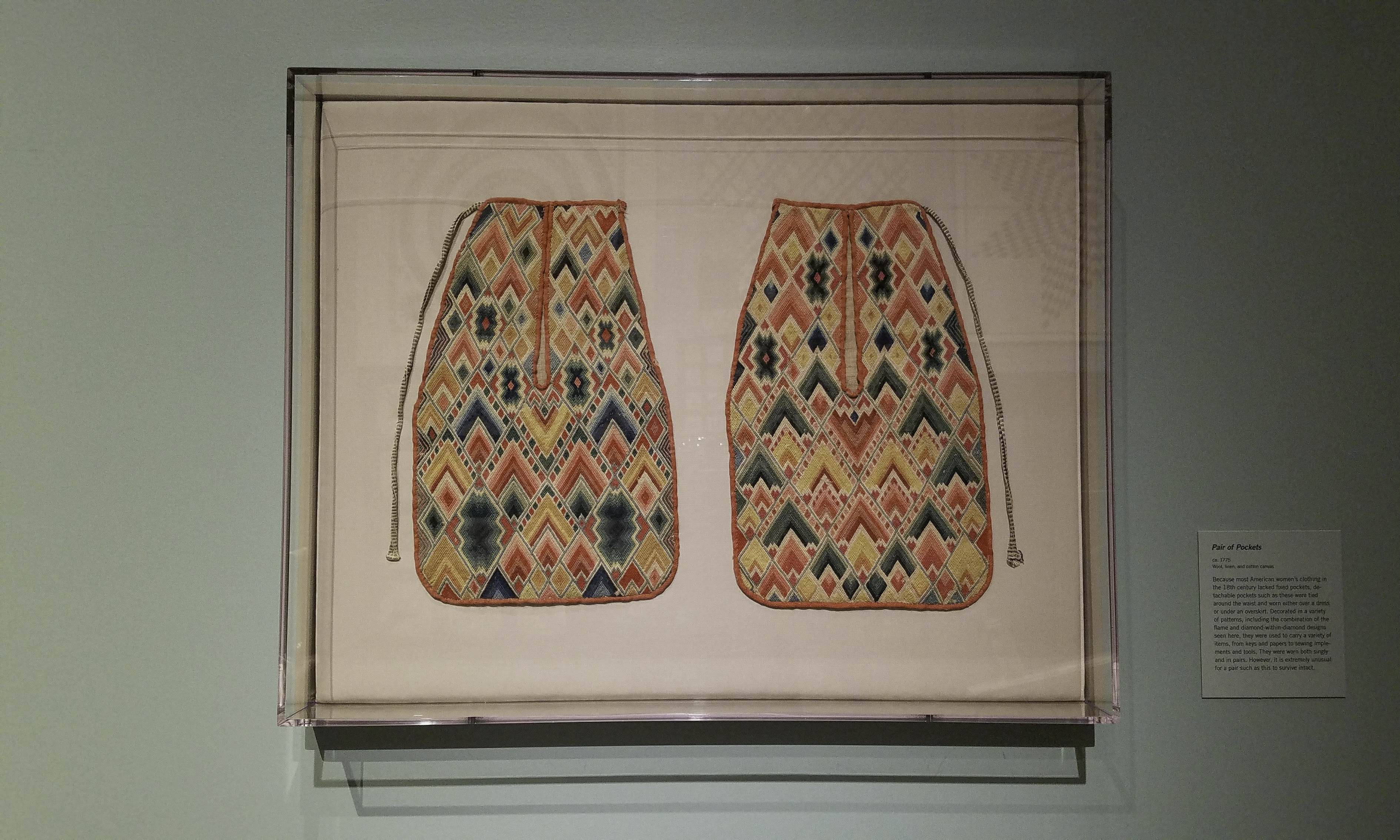

Credits in sequence:
Blue Jasper Plaque with Apollo and the Muses, ca. 1778-80
Manufactured by Wedgwood and Bentley, Stoke-on-Trent, England
\\
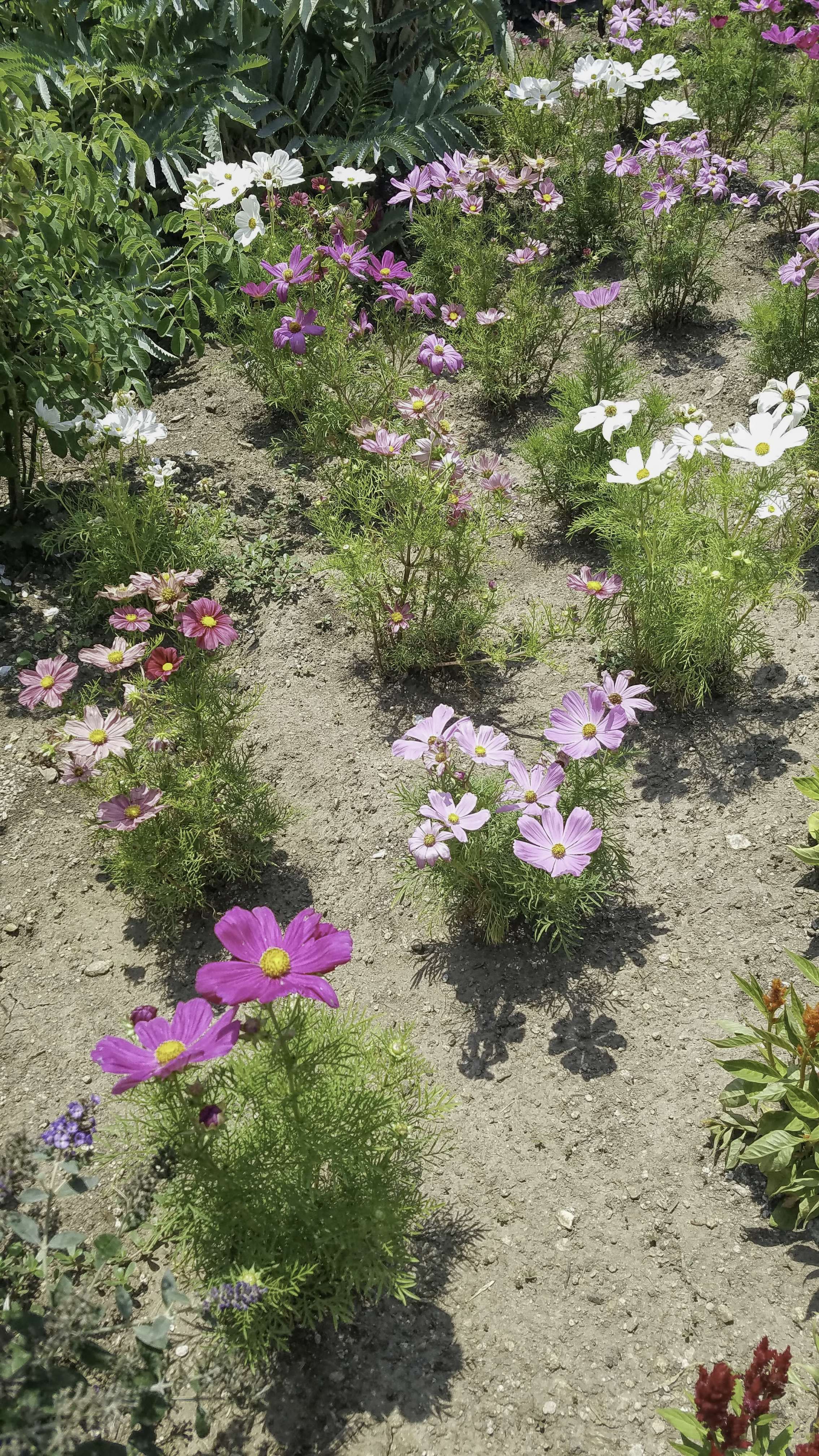
The Huntington Gardens
\\
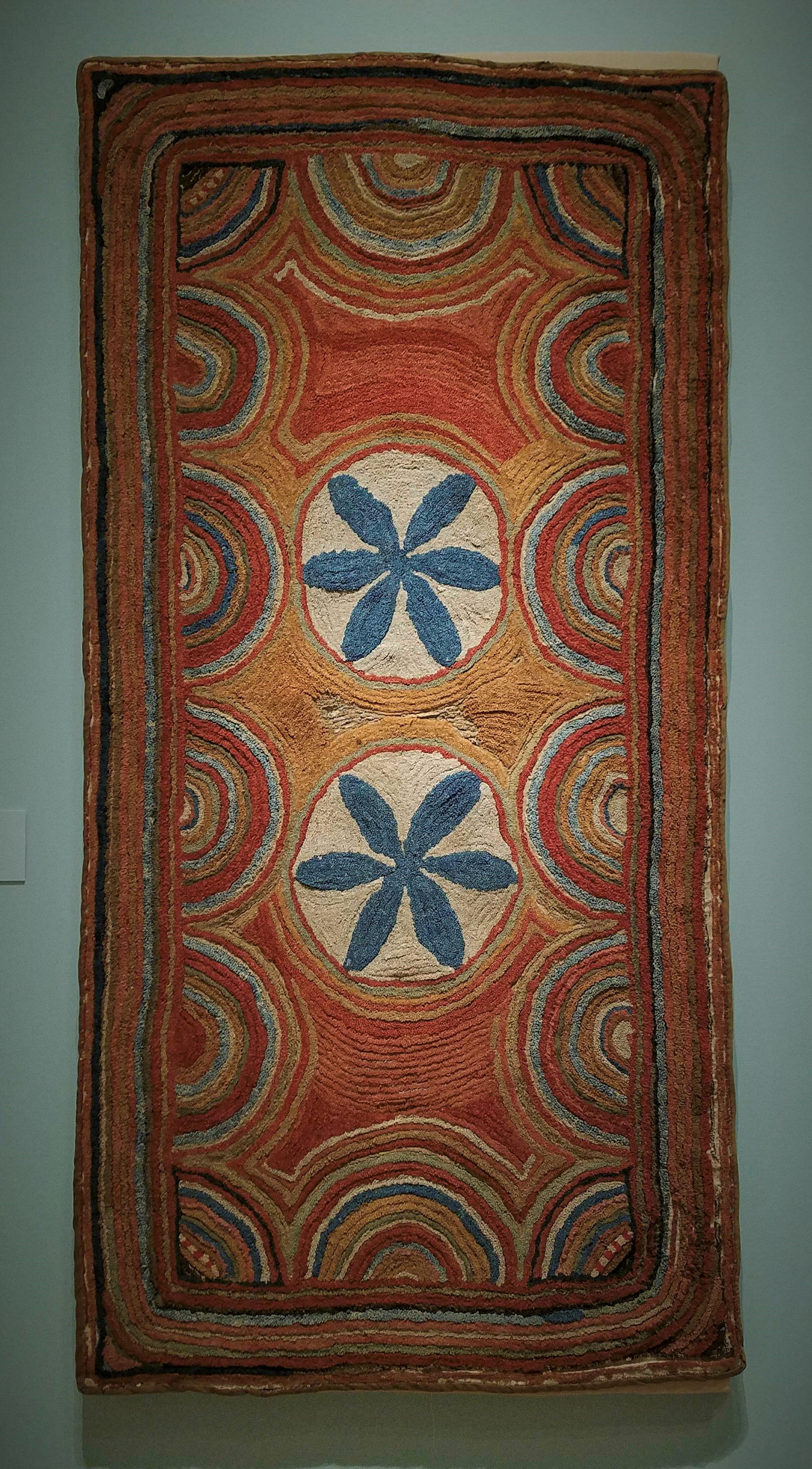
Geometric Hearth Rug, ca. 1800
Attributed to Mary Peters Hewins
\\
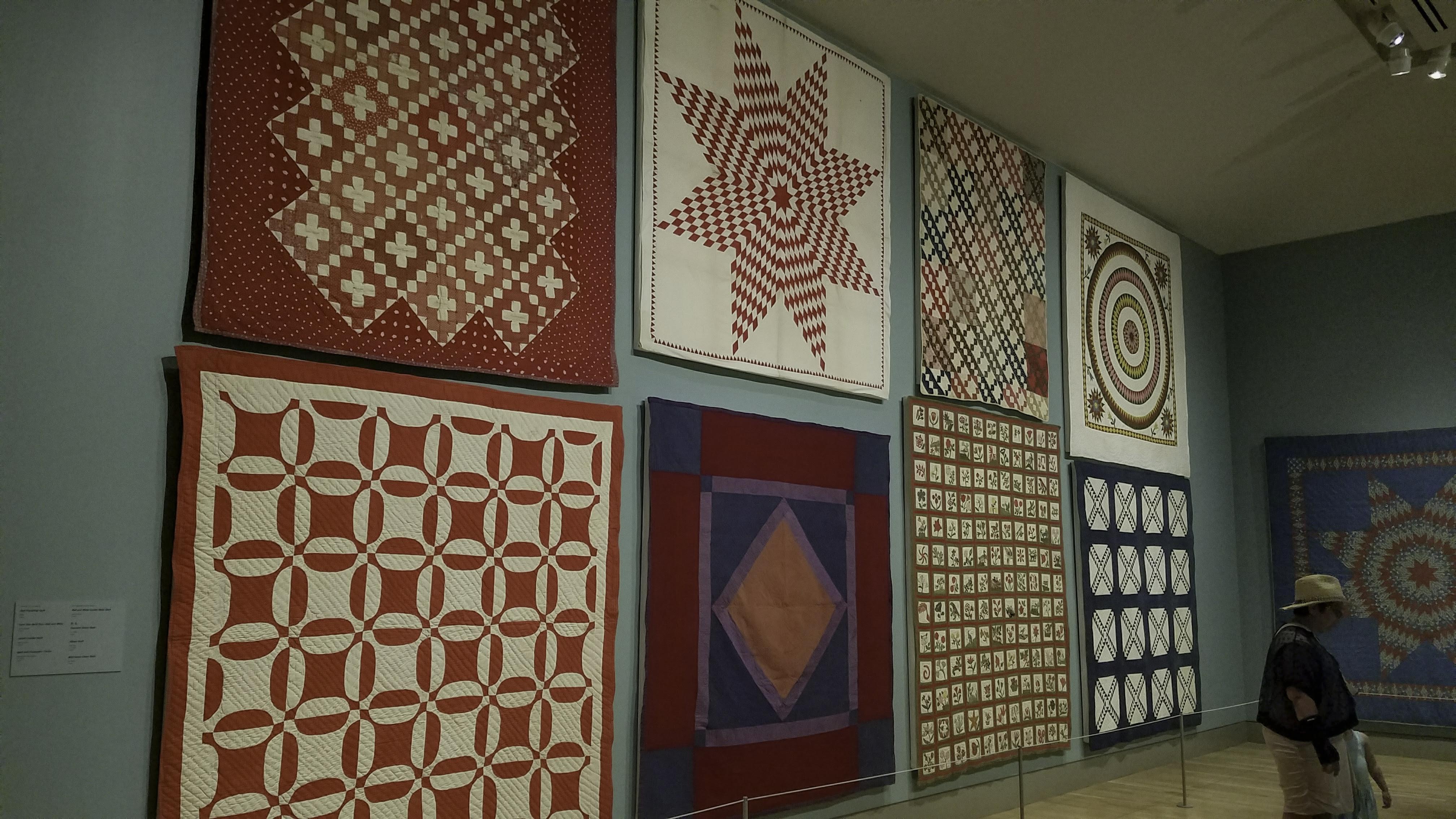
Quilts made between 1850-1896
\\
Drunkard’s Path Quilt, ca. 1880-90
(the large red square one with the yellow pattern)
\\
Pair of Pockets, ca. 1775
Because most American women’s clothing in the 18th century lacked fixed pockets, detachable pockets such as these were tied around the waist and worn either over a dress or under an overskirt. They were worn both singly and in pairs. It is extremely unusual for a pair such as this to survive intact. I urgently need two pairs!
\\
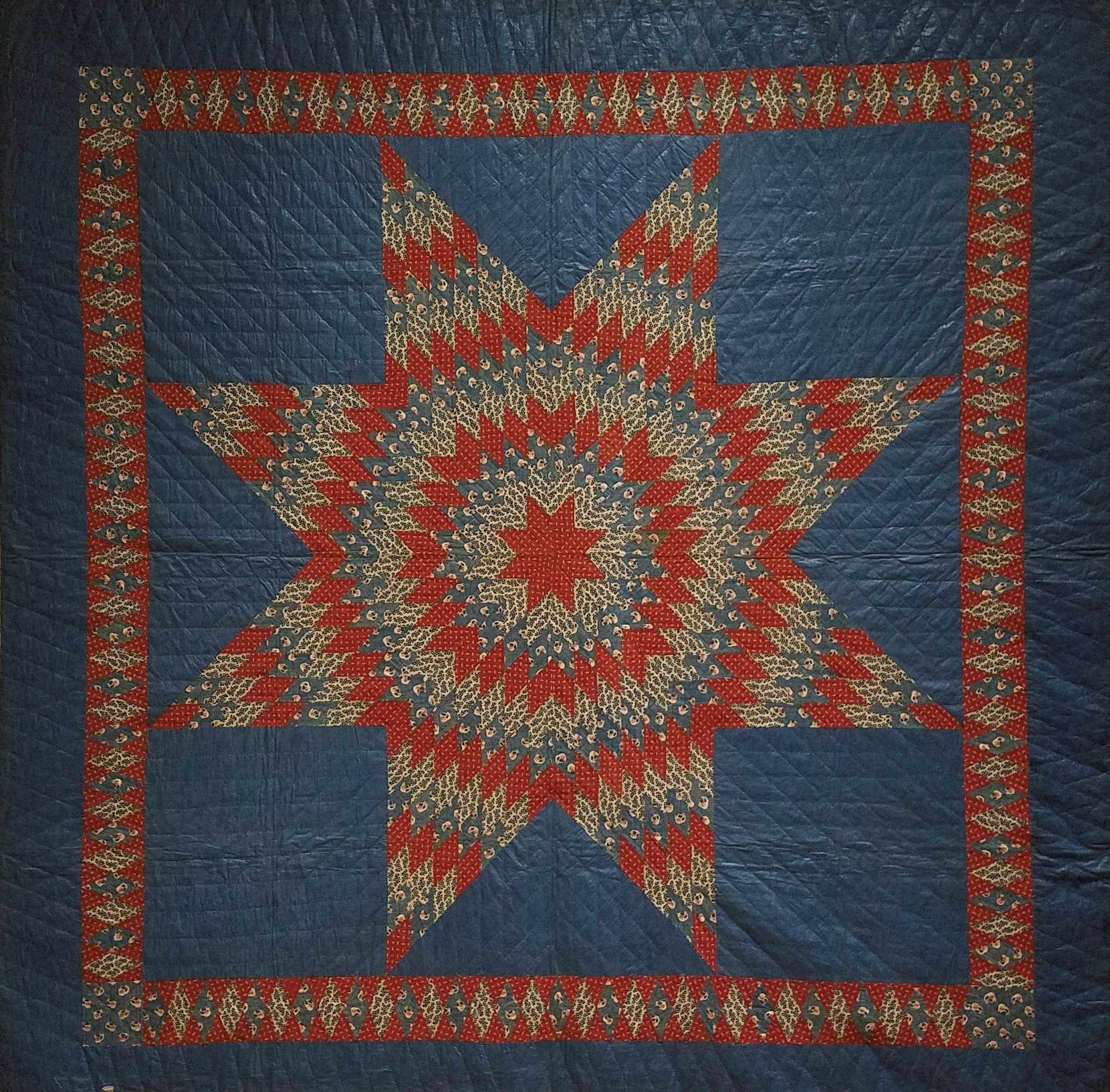
Helen E. Hatch
Folk Art Crazy Quilt, 1885
July 16th, 2017
Who would have thought that just minutes away from all the excitement surrounding the Burbank studios or the tourist-packed downtown Hollywood, one could enjoy such views of the Hollywood Hills, the peaceful waters of the Reservoir and, in the distance, the most iconic L.A. sign of all times, in virtual solitude?
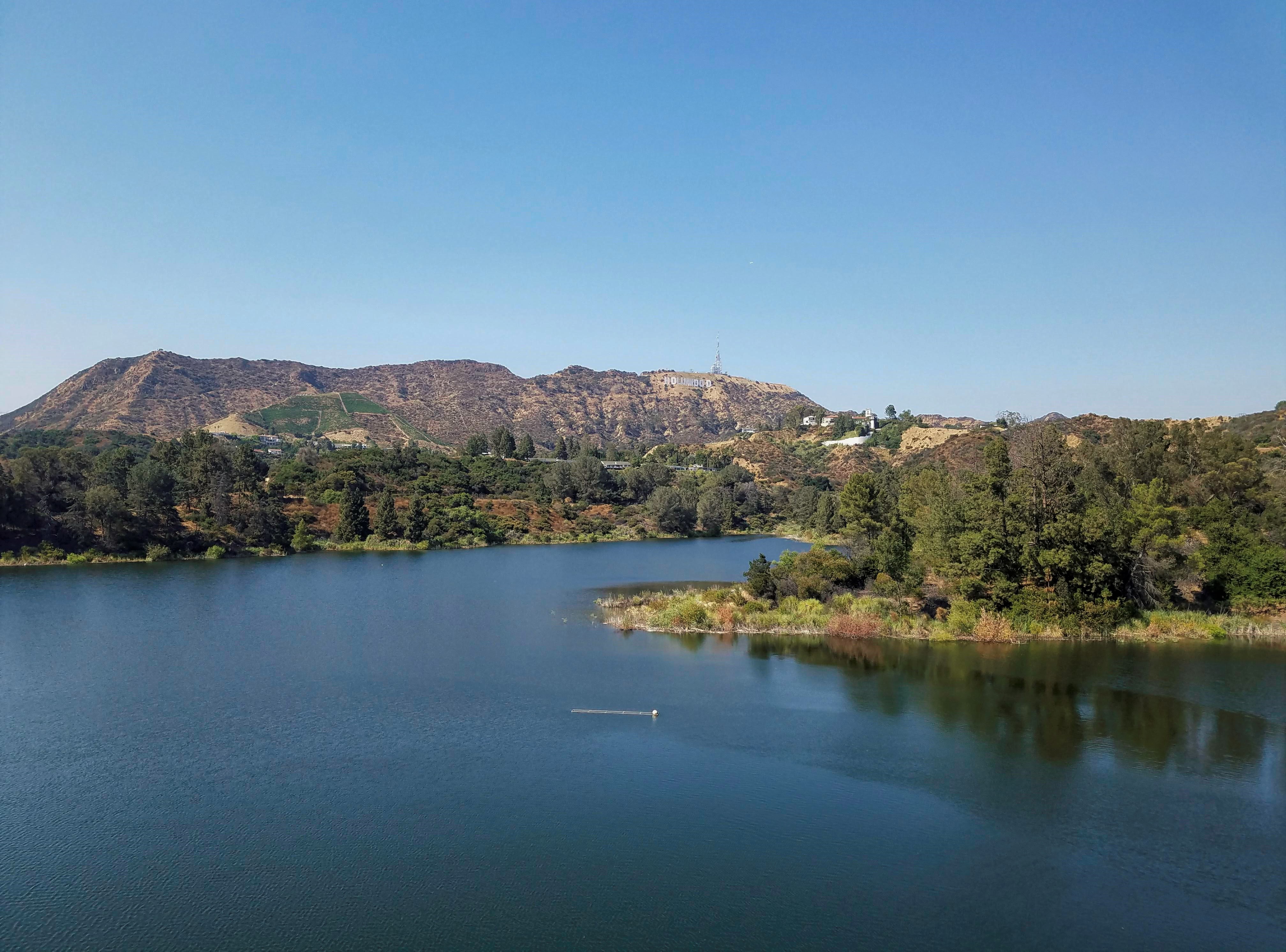
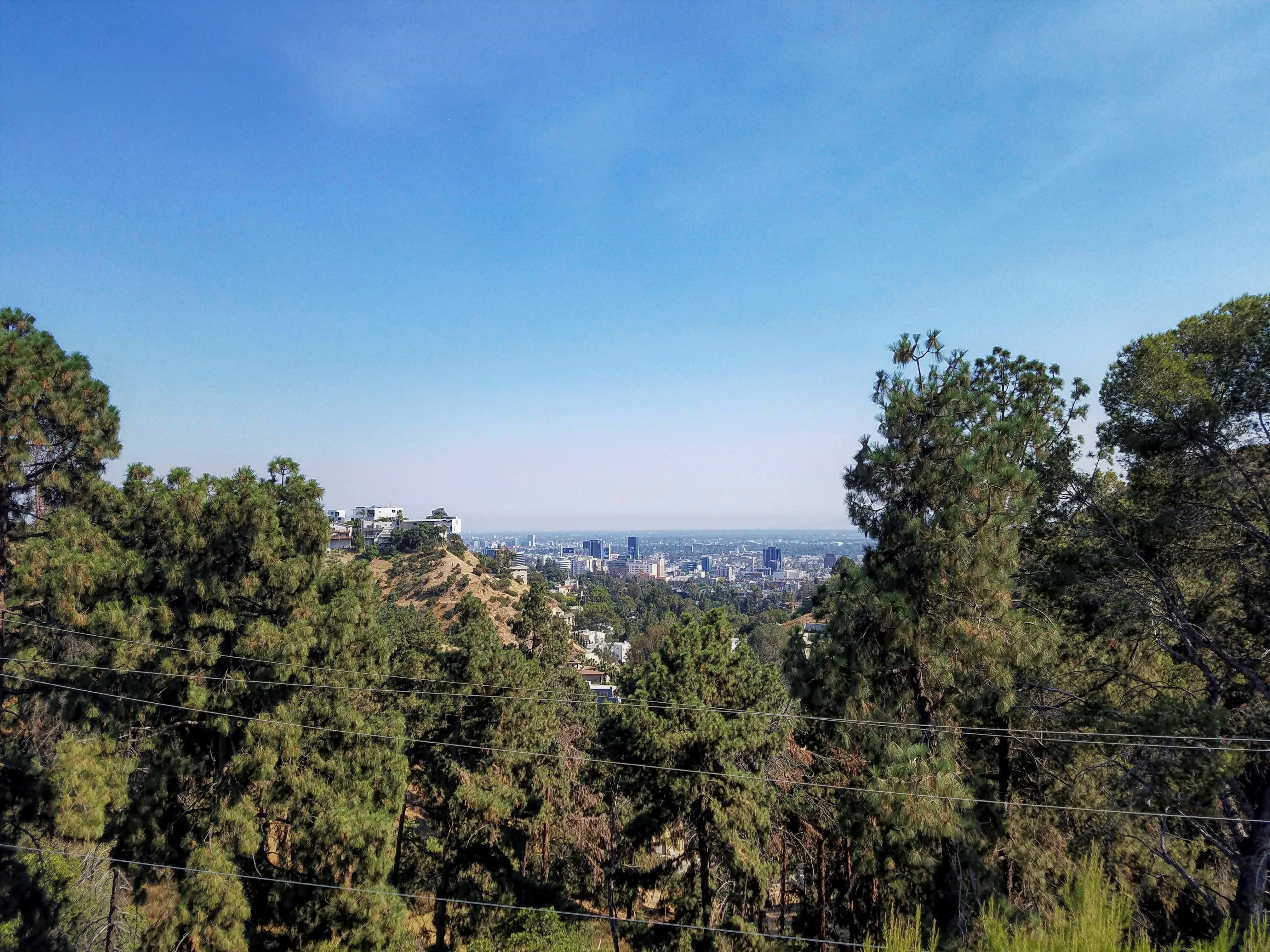
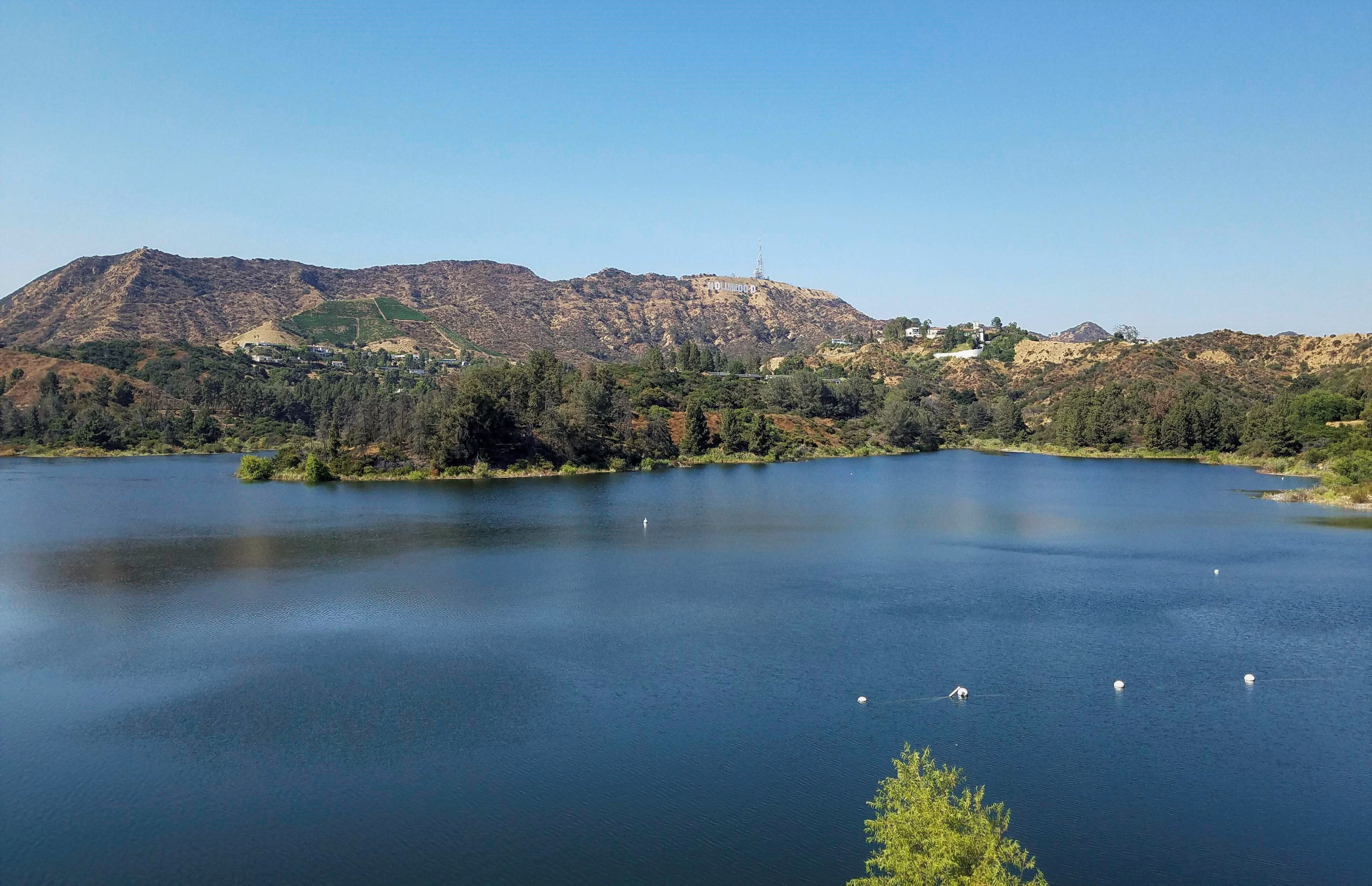
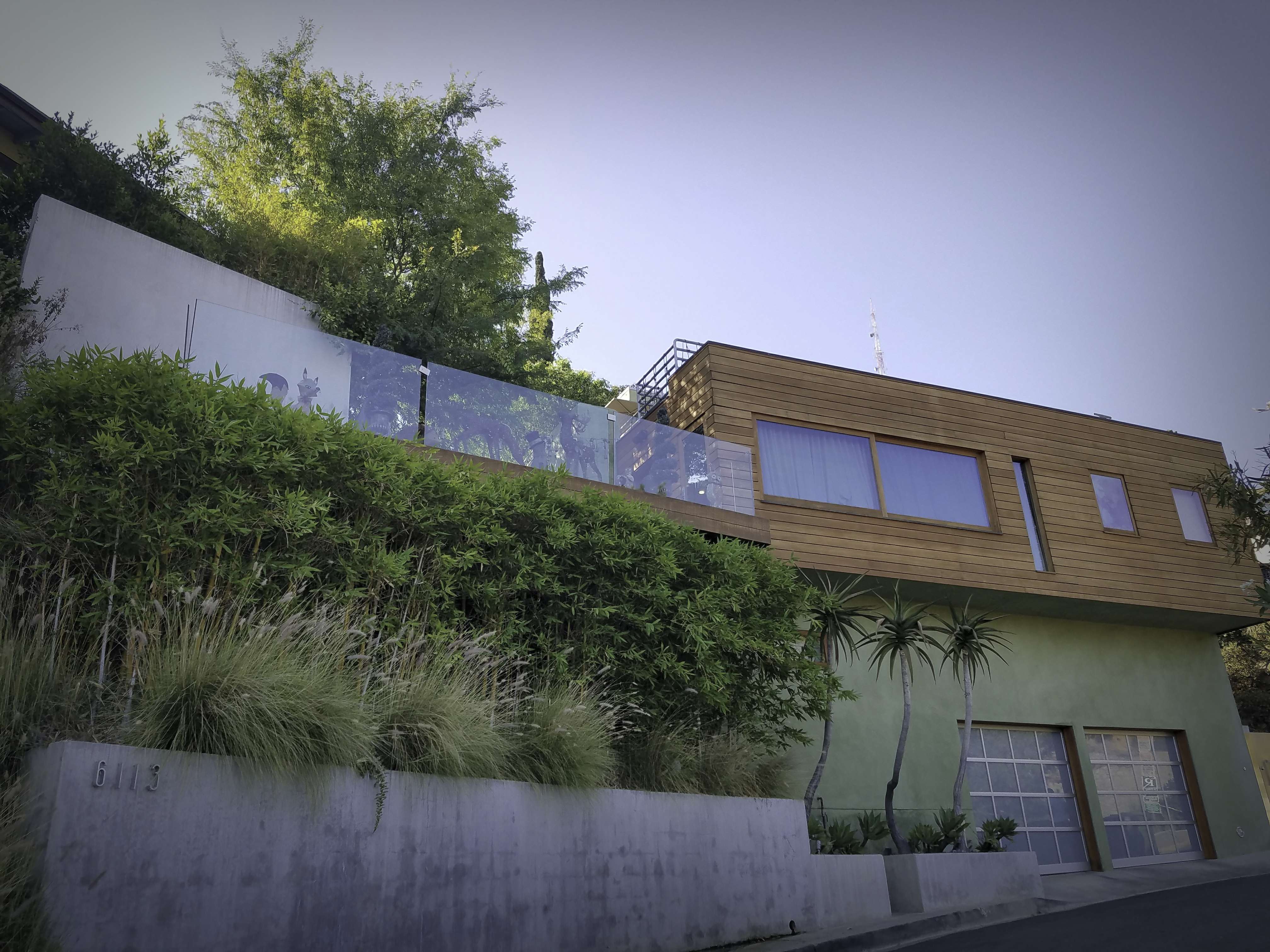
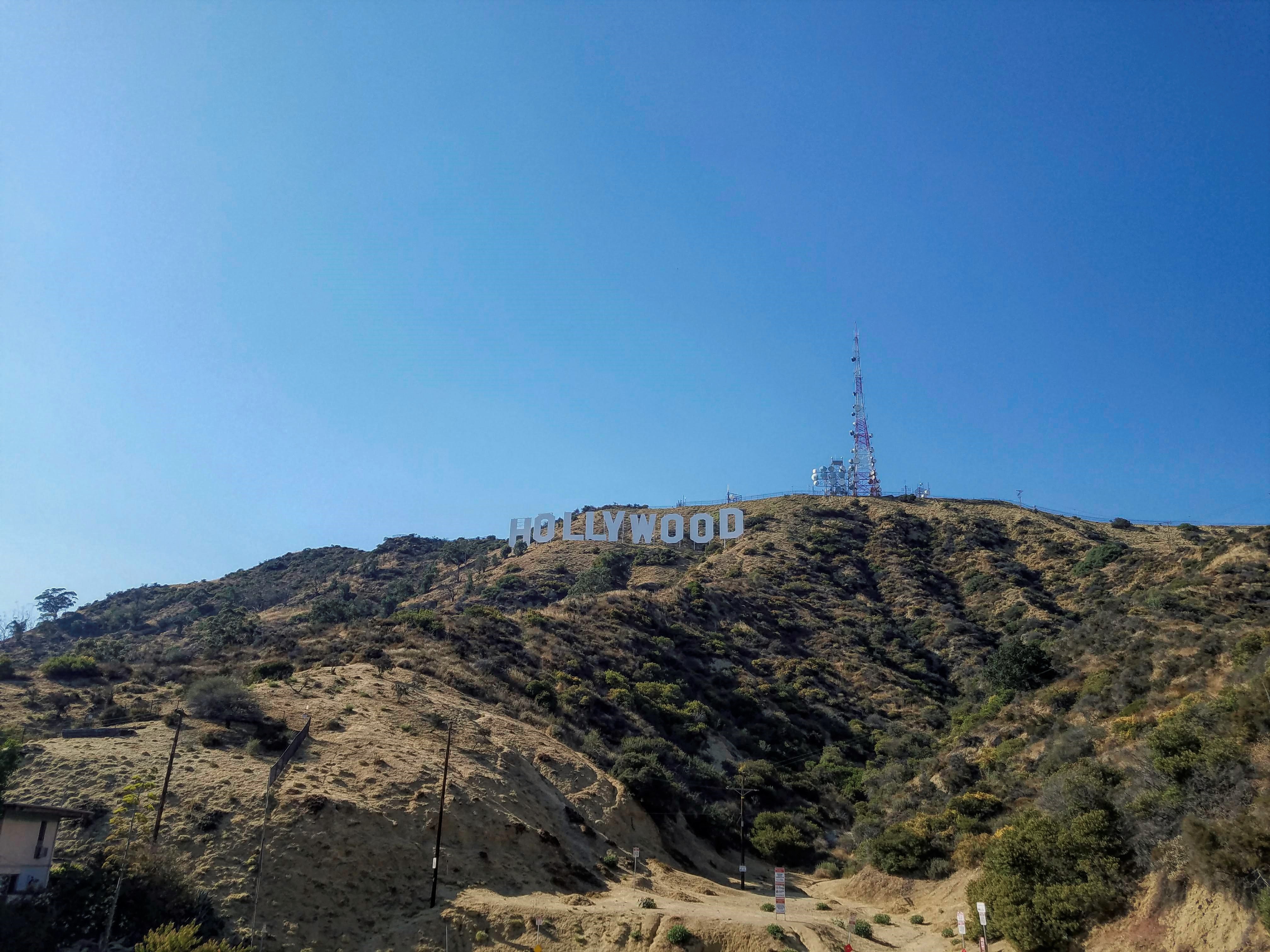
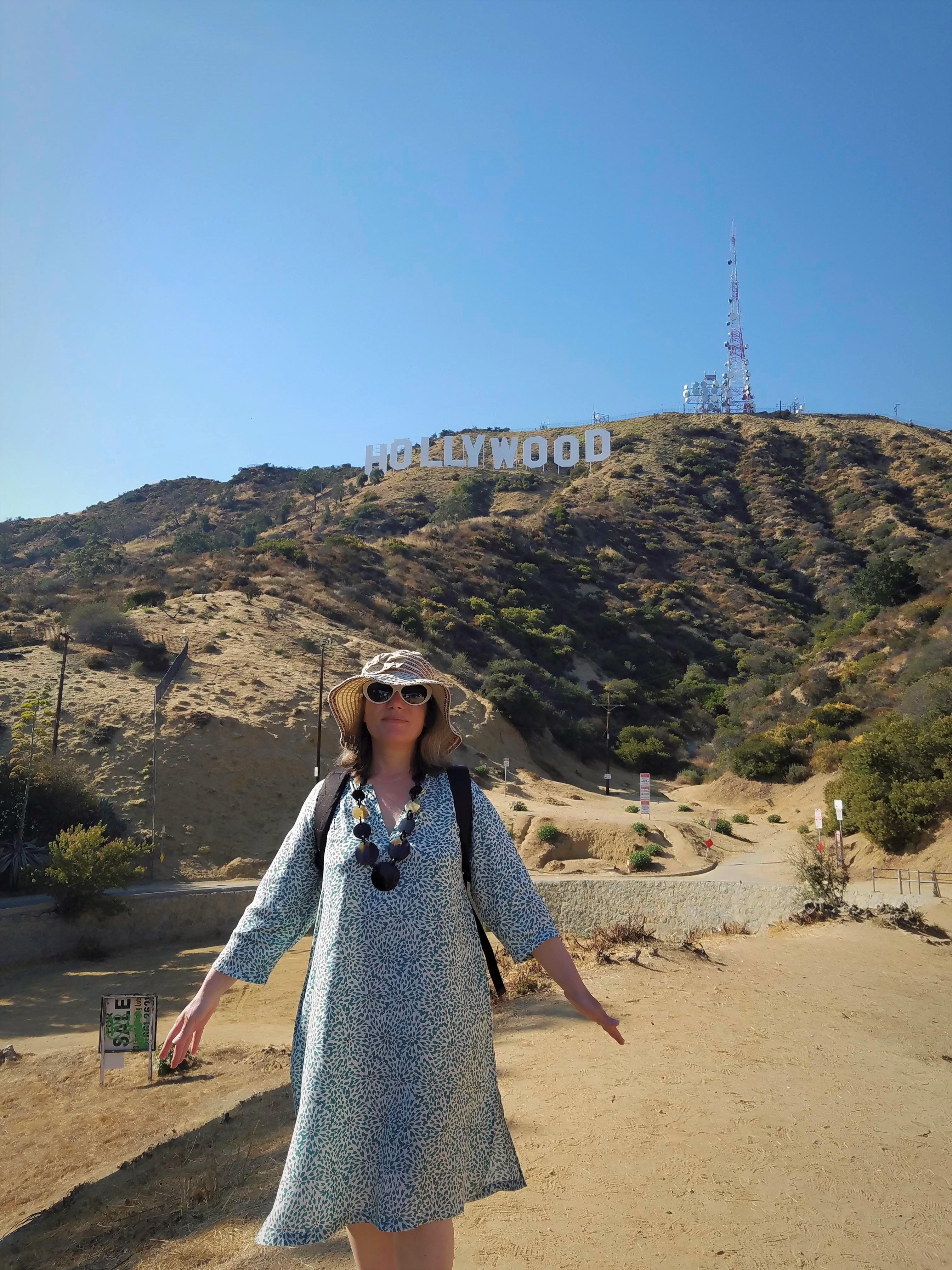
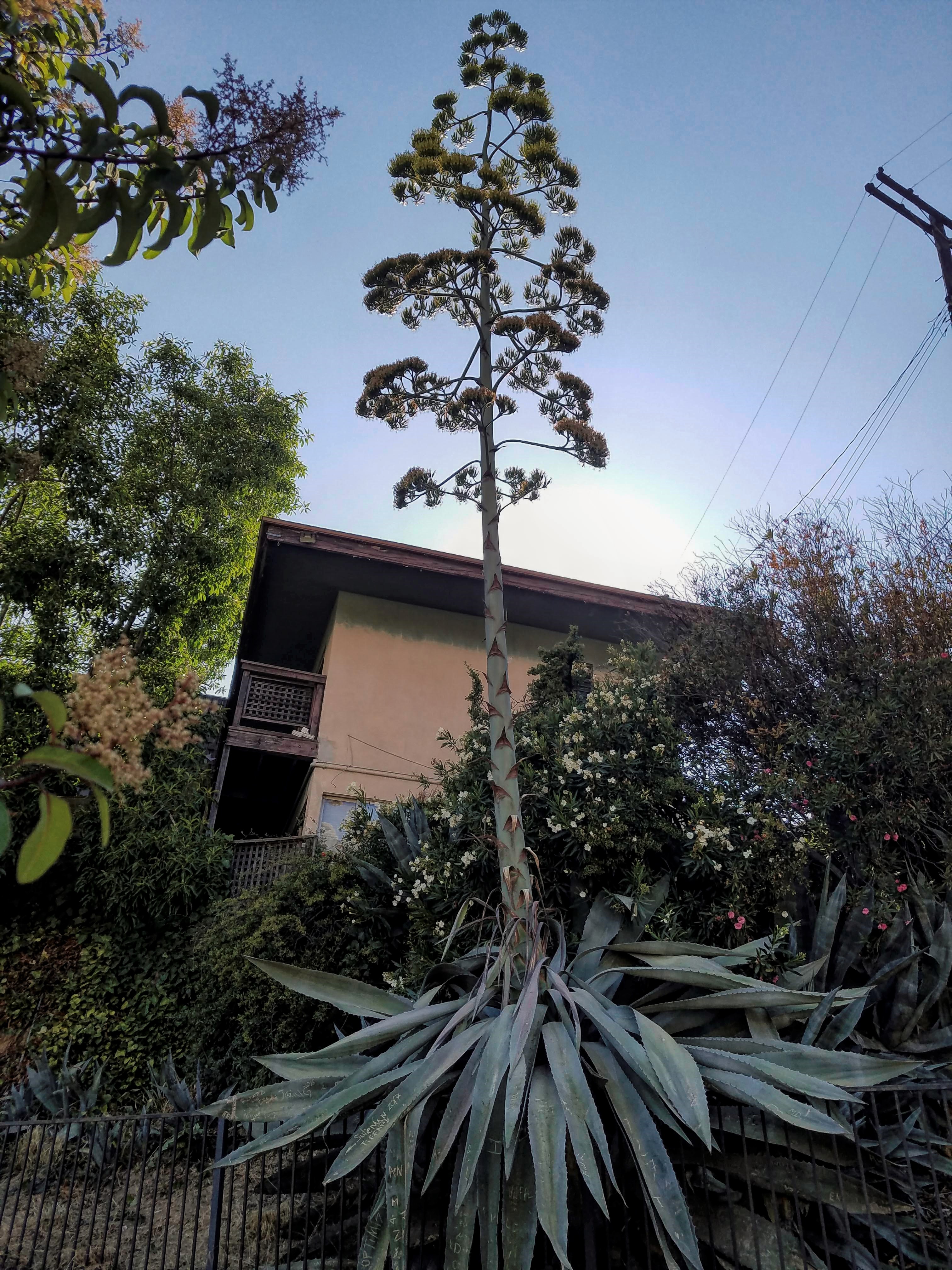
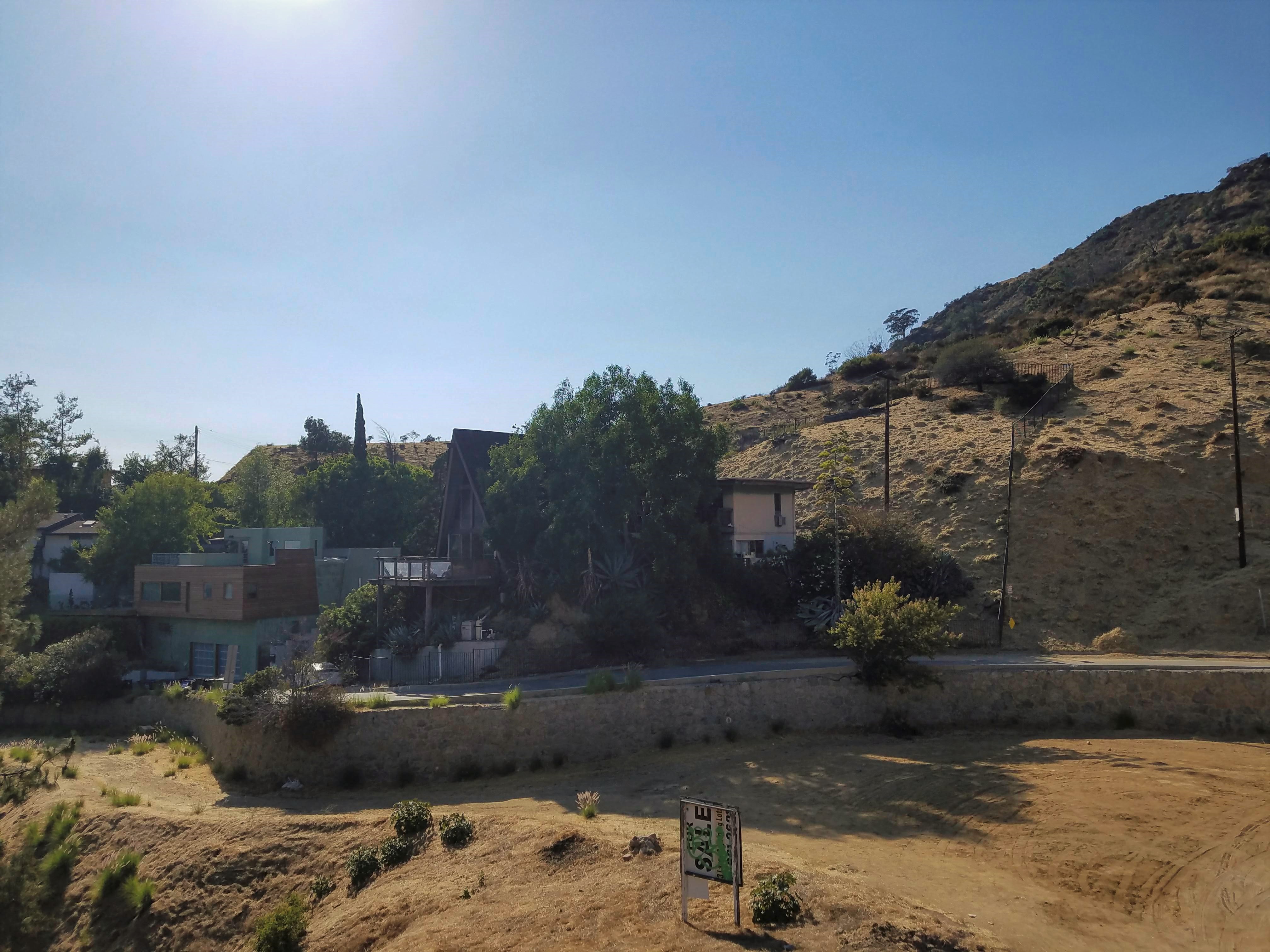
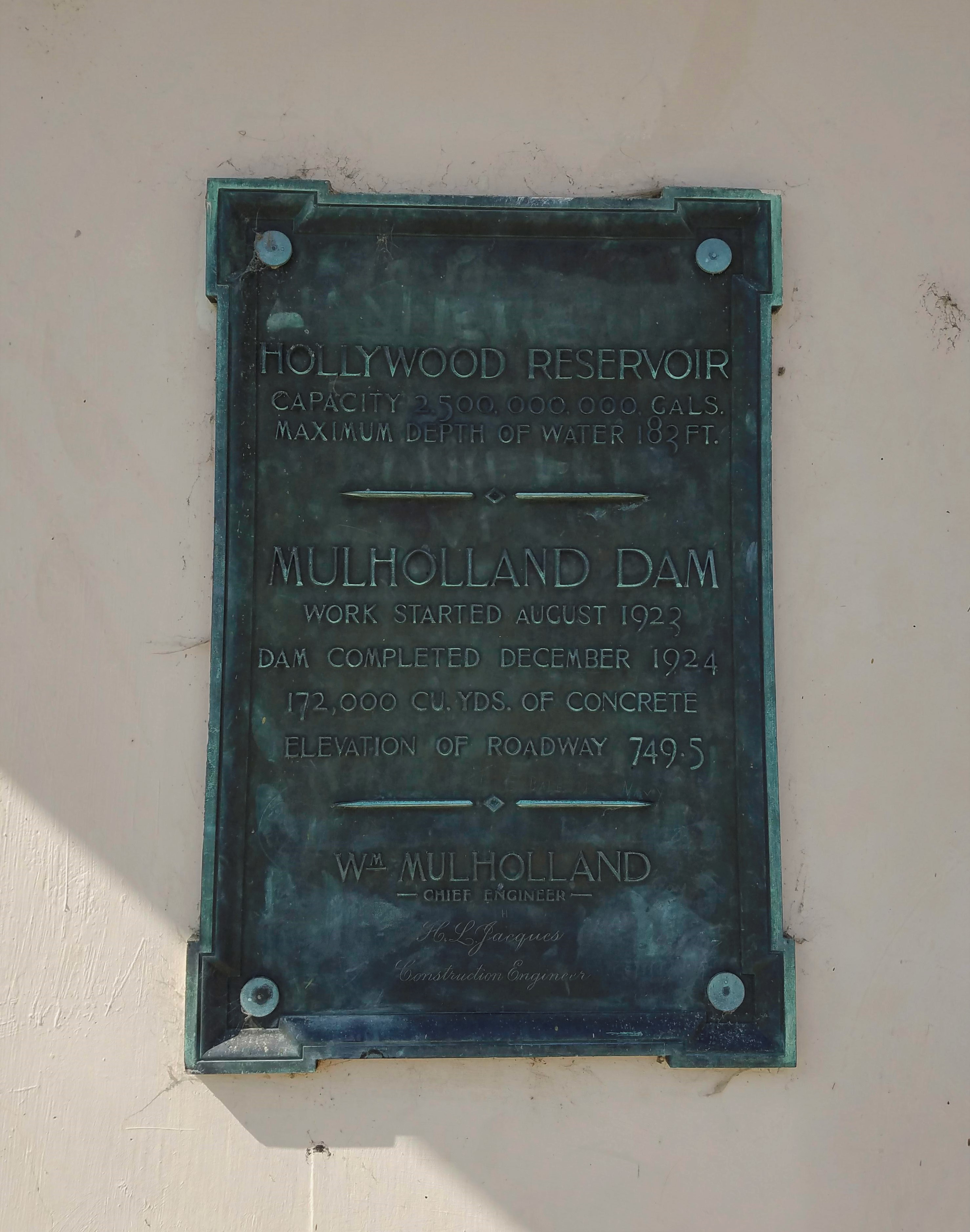
Views of the Reservoir and Hollywood Hills are from the Mulholland Dam.
Close-ups of the Hollywood sign were taken from Mulholland Highway, at a spot called ”The Last House on Mulholland”, which is the closest one can get to the sign, by car. See that ”Sale” sign standing at an empty dirt patch? That must be where the ”Last House” will stand in the future for, as far as I understand, it is still a project (see about the concept here).
Attention: parking is not allowed anywhere on the site; one has to leave the car further downhill and walk up. Since I couldn’t bear the thought of walking all the way up in that heat (L.A., 5 p.m. in July – hello?!?) I ignored the ”No Parking” signs thinking it wouldn’t hurt just for a few minutes, which resulted in my portrait being the most expensive one yet, having cost me a $65 parking ticket. But it was worth every penny of it!
Hollywoodland
July 14th, 2017
It must be lonely at the top.
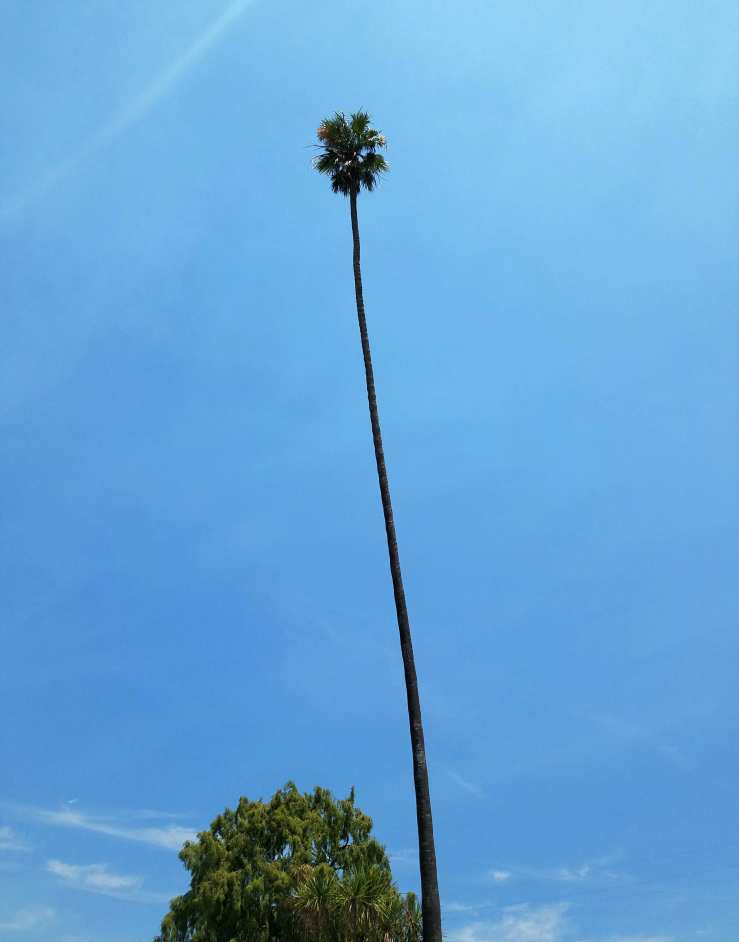
Santa Barbara, CA
July 13th, 2017
Following his mother’s death in 1919, media magnate William Randolph Hearst inherited thousands of acres around San Simeon and later on purchased even more, until the land he owned extended further than the eye could see. Captivated by the beauty of the landscape, and probably tired of lodging in platform tents whenever he visited his ranch, Hearst hired architect Julia Morgan and asked her to build ”something that would be more comfortable” than the tents.
Throughout his life, Hearst dreamed of building a castle similar to those he had seen on his European tour as a boy. 28 years, 68,500 square feet, 38 bedrooms, 30 fireplaces, 42 bathrooms and 14 sitting rooms later (and that is only Casa Grande, the main building of the complex), his dream came true. He called his castle La Cuesta Encantada—Spanish for “Enchanted Hill” and, after a two-hour tour of the Grand Rooms, guest suites, gardens and the spectacular Roman Pool, I can affirm that this mythical structure of epic proportions is definitely ”something more comfortable” than Mr. Hearst’s tents.
During construction, Hearst used the Castle as his residence and it was there he exhibited his extraordinary art collection and entertained his friends. The elite of Hollywood, politics and sports – everyone who was anyone, has stayed in these rooms. Construction was still ongoing in 1947, when Hearst had to leave the castle because of his fragile health which required continuous medical care. Parts of the castle still remain unfinished.
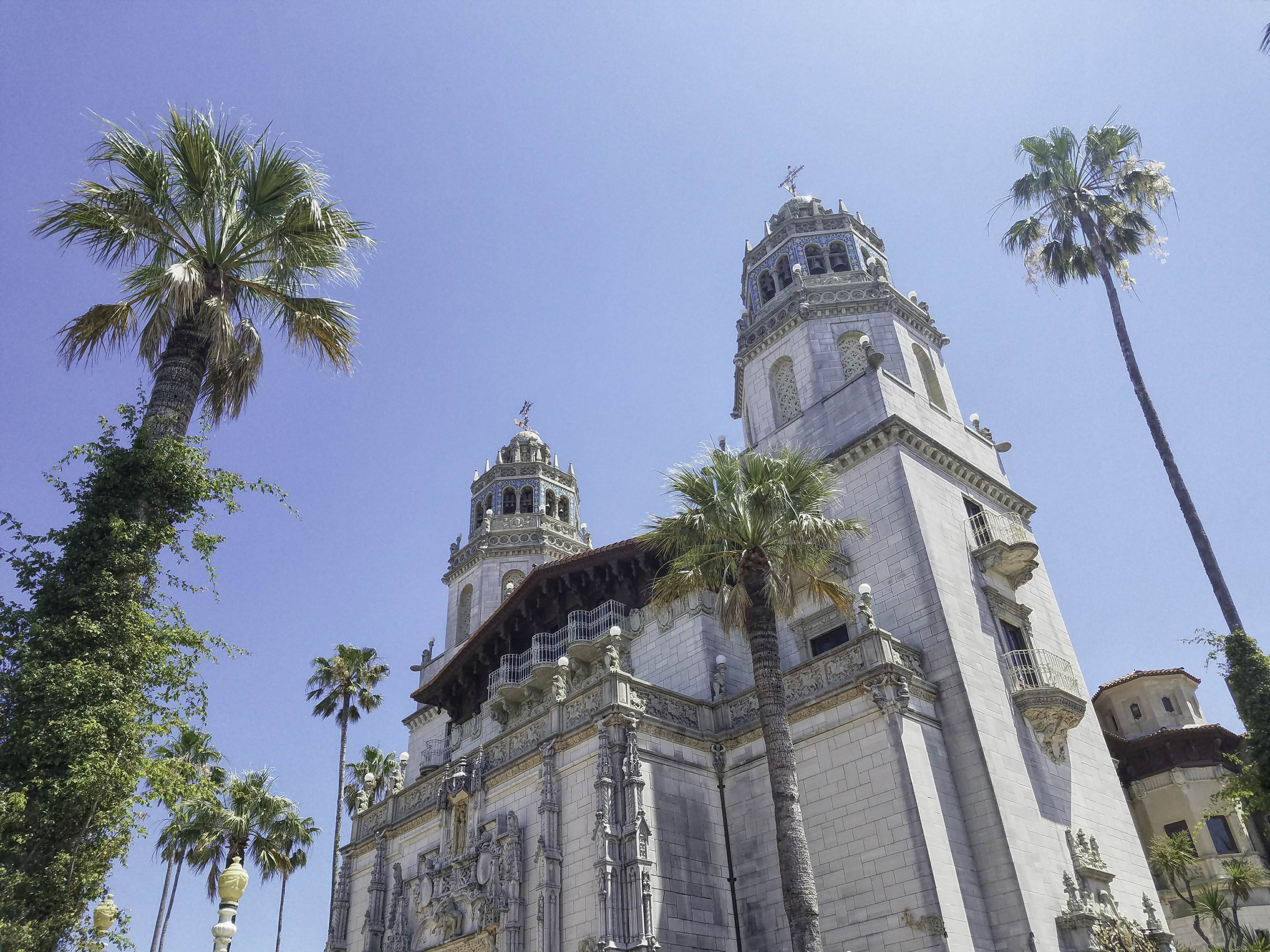
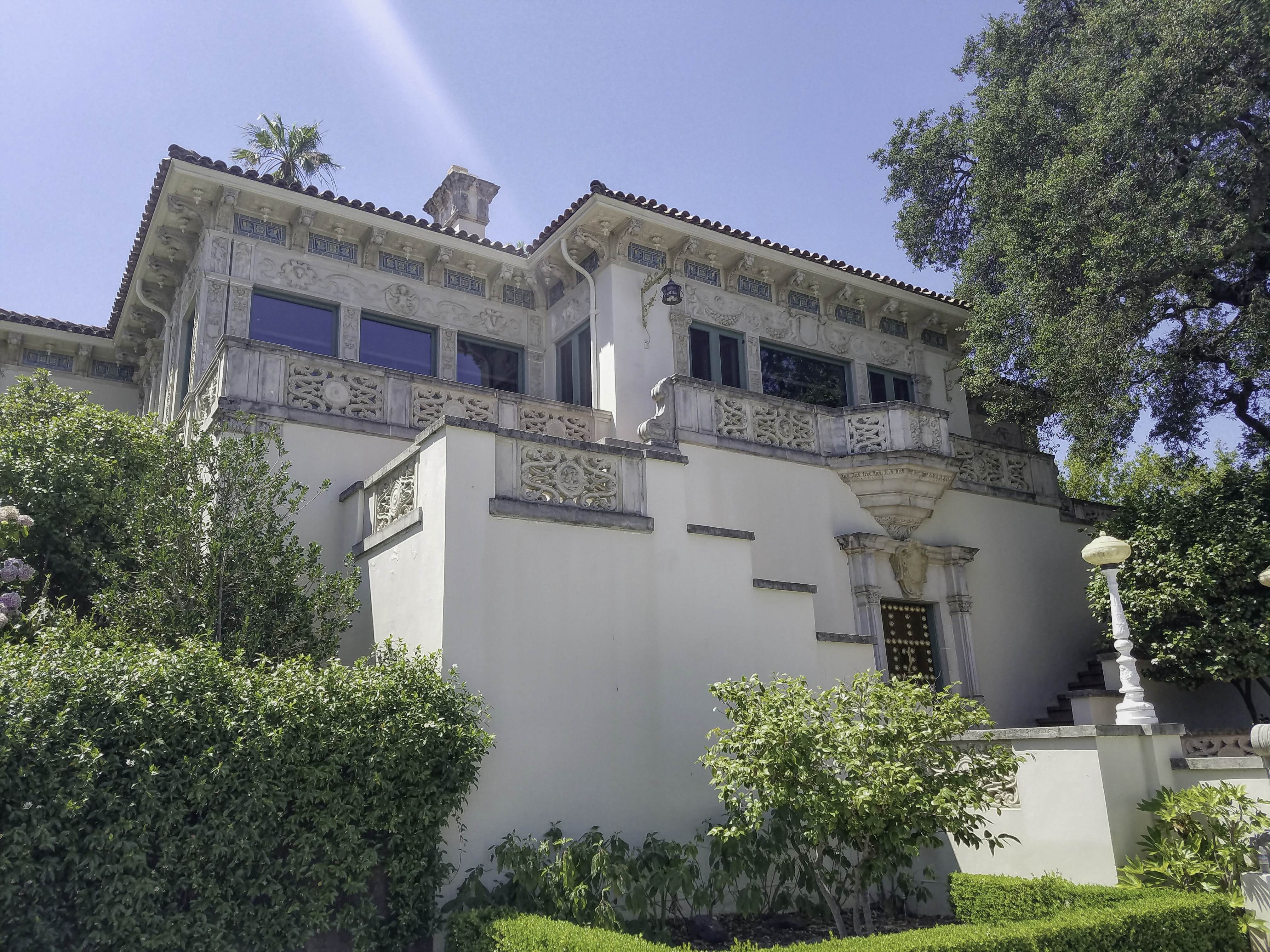
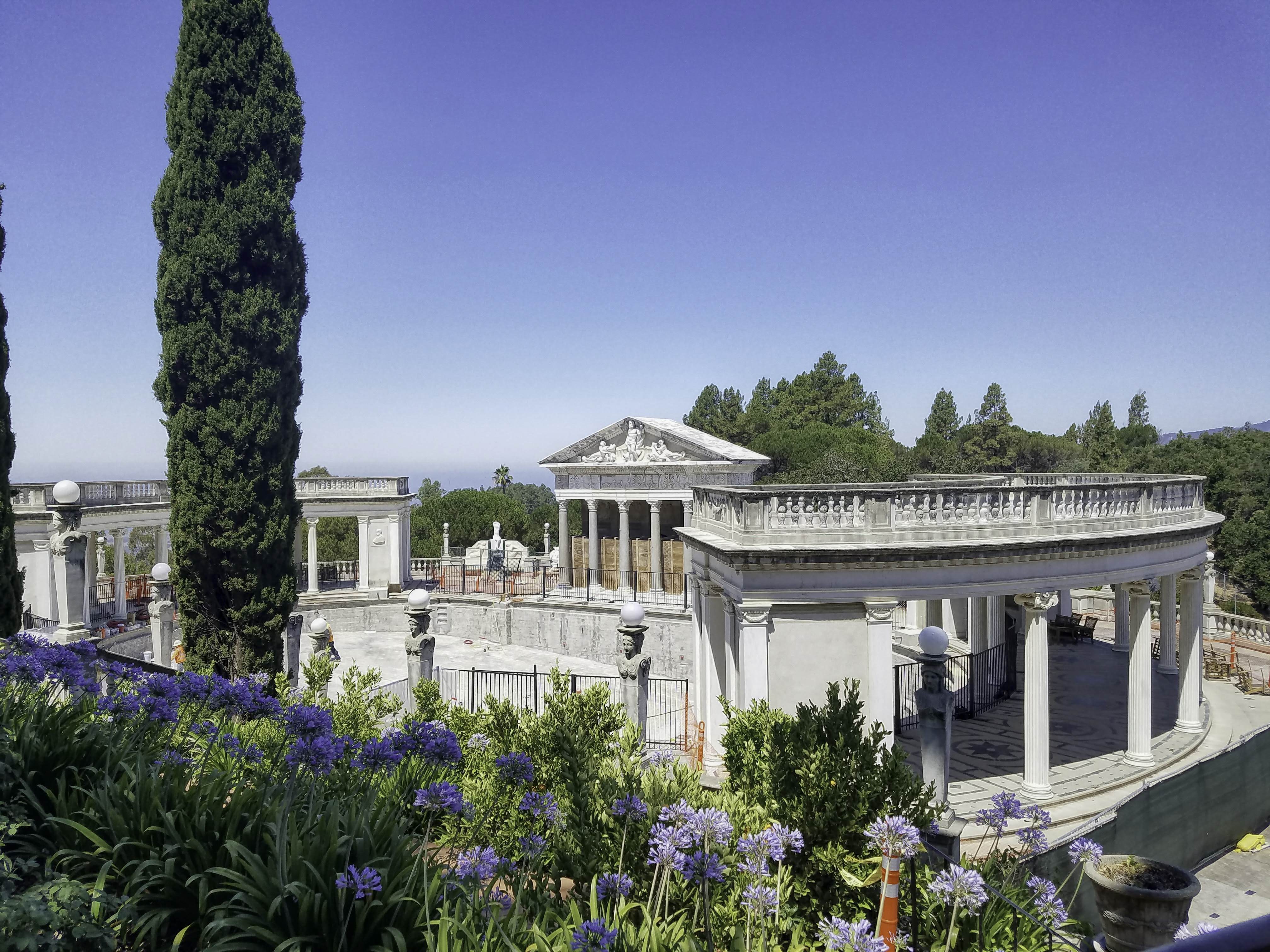
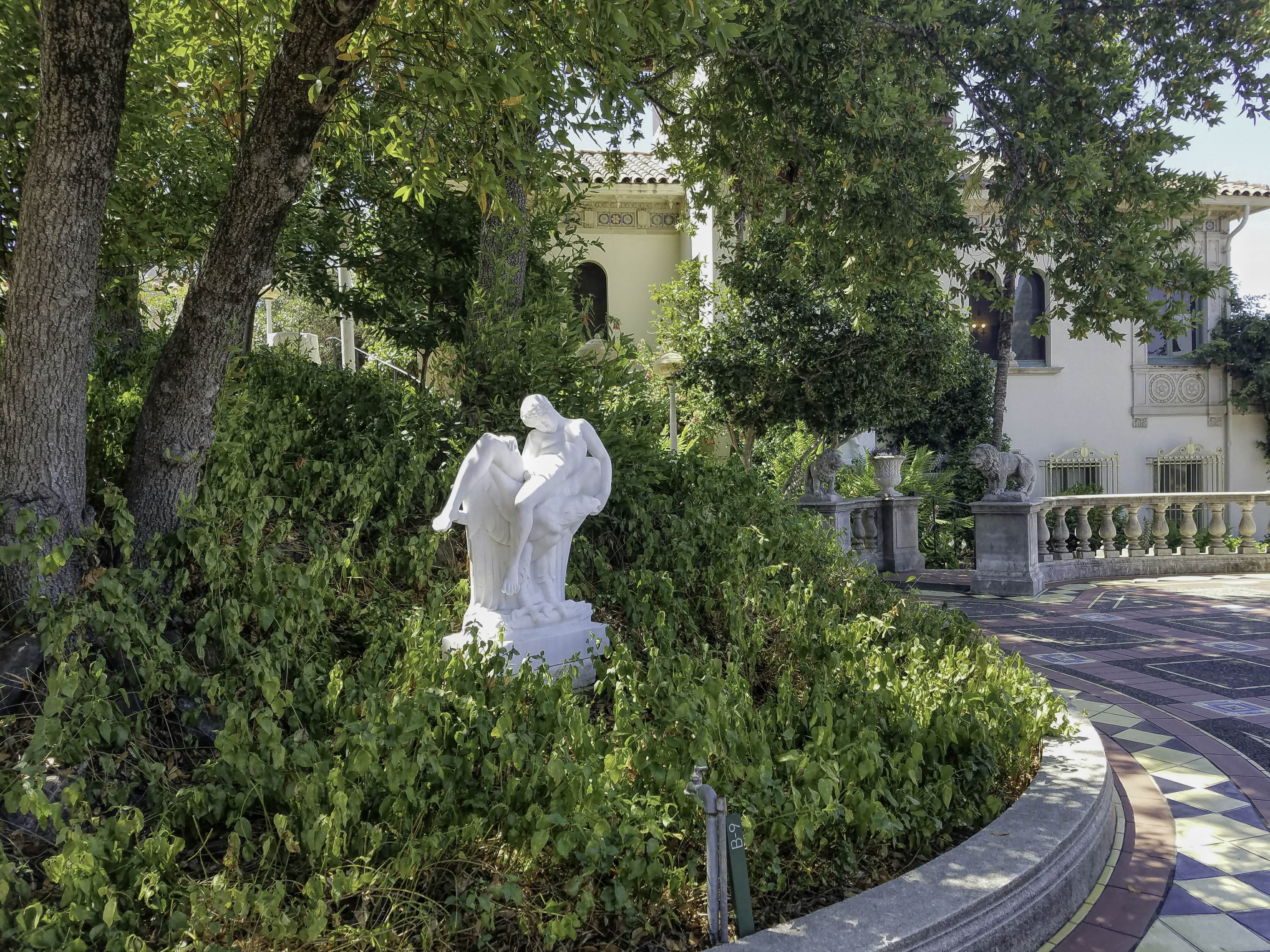
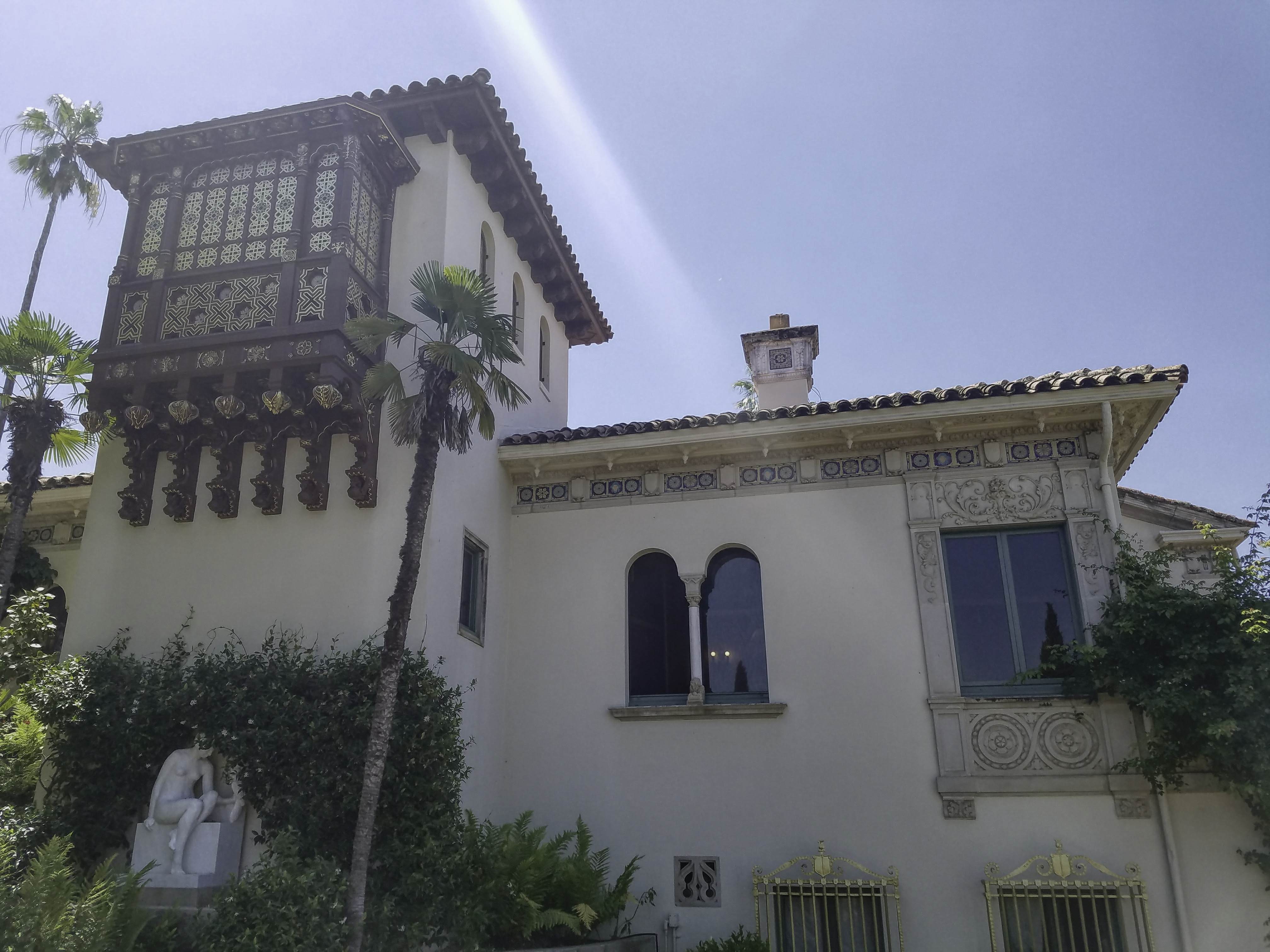
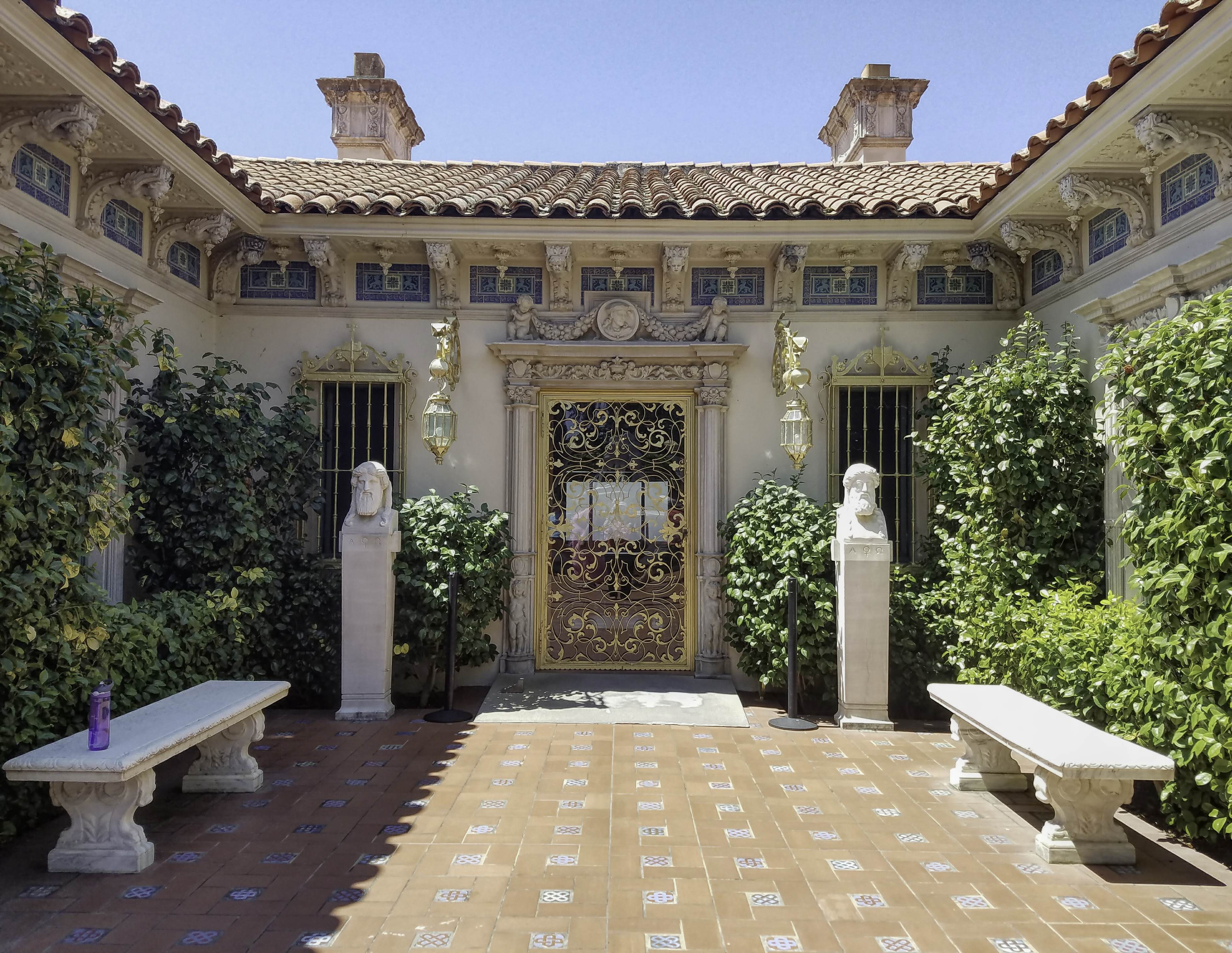
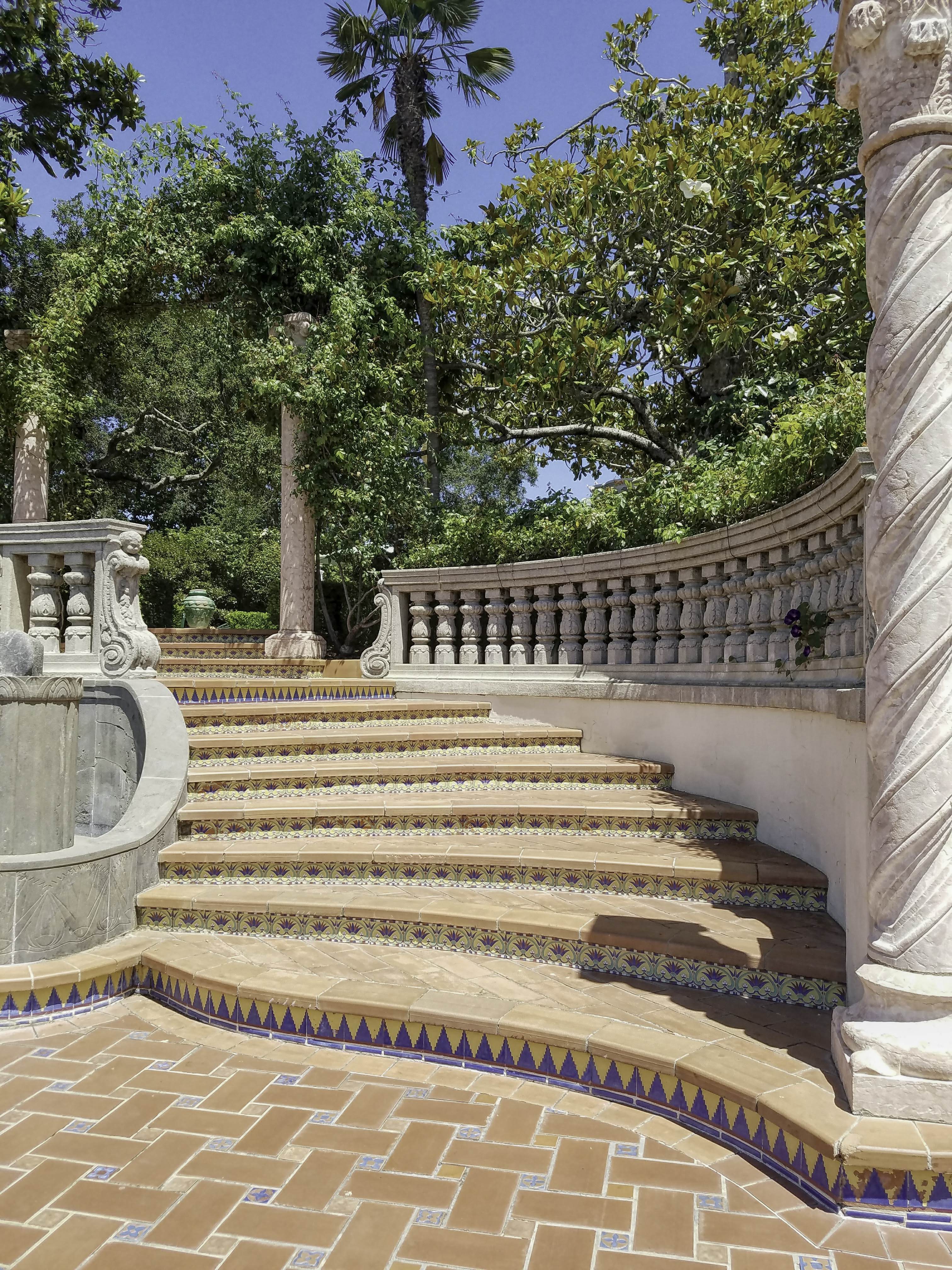
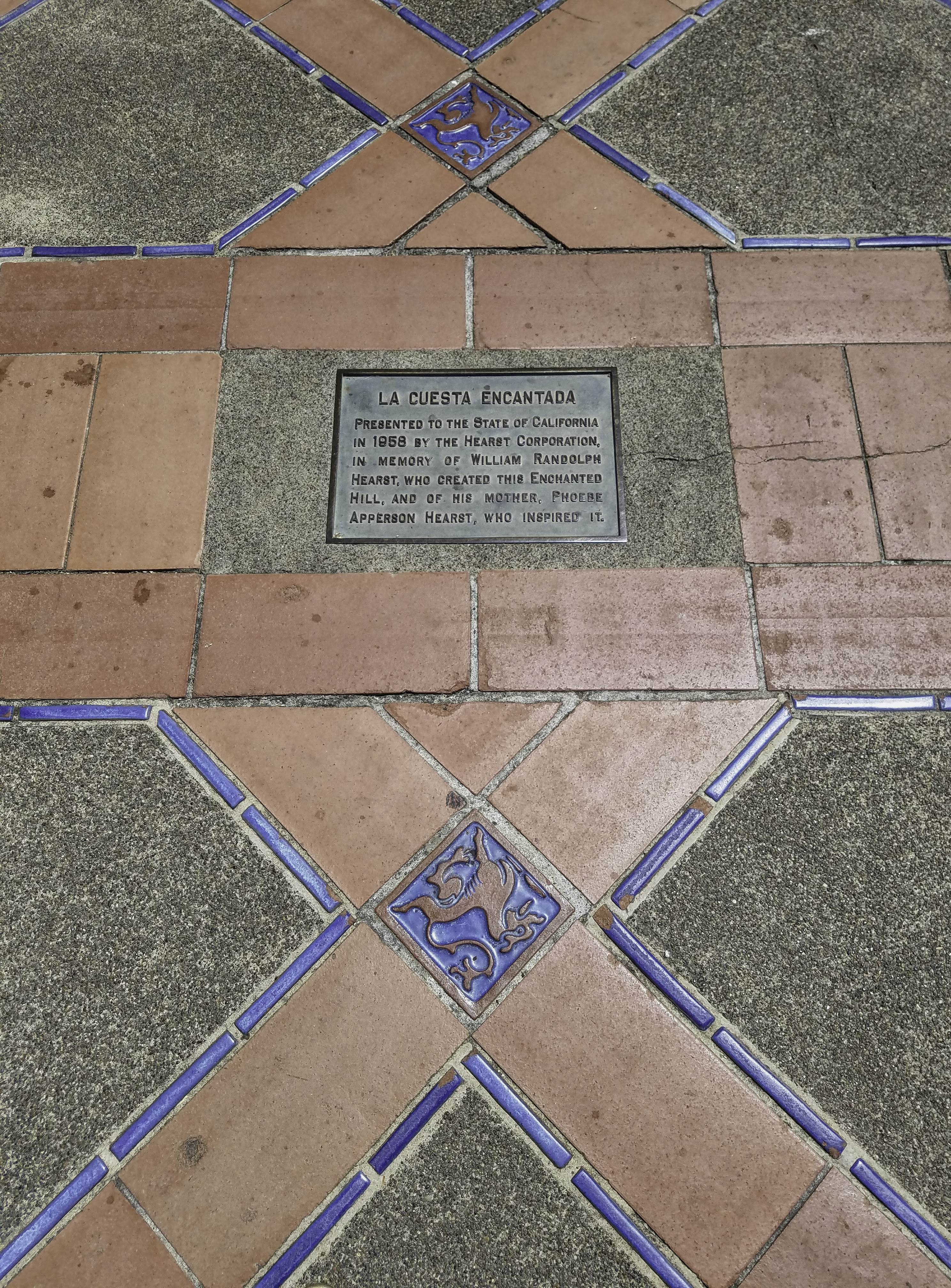
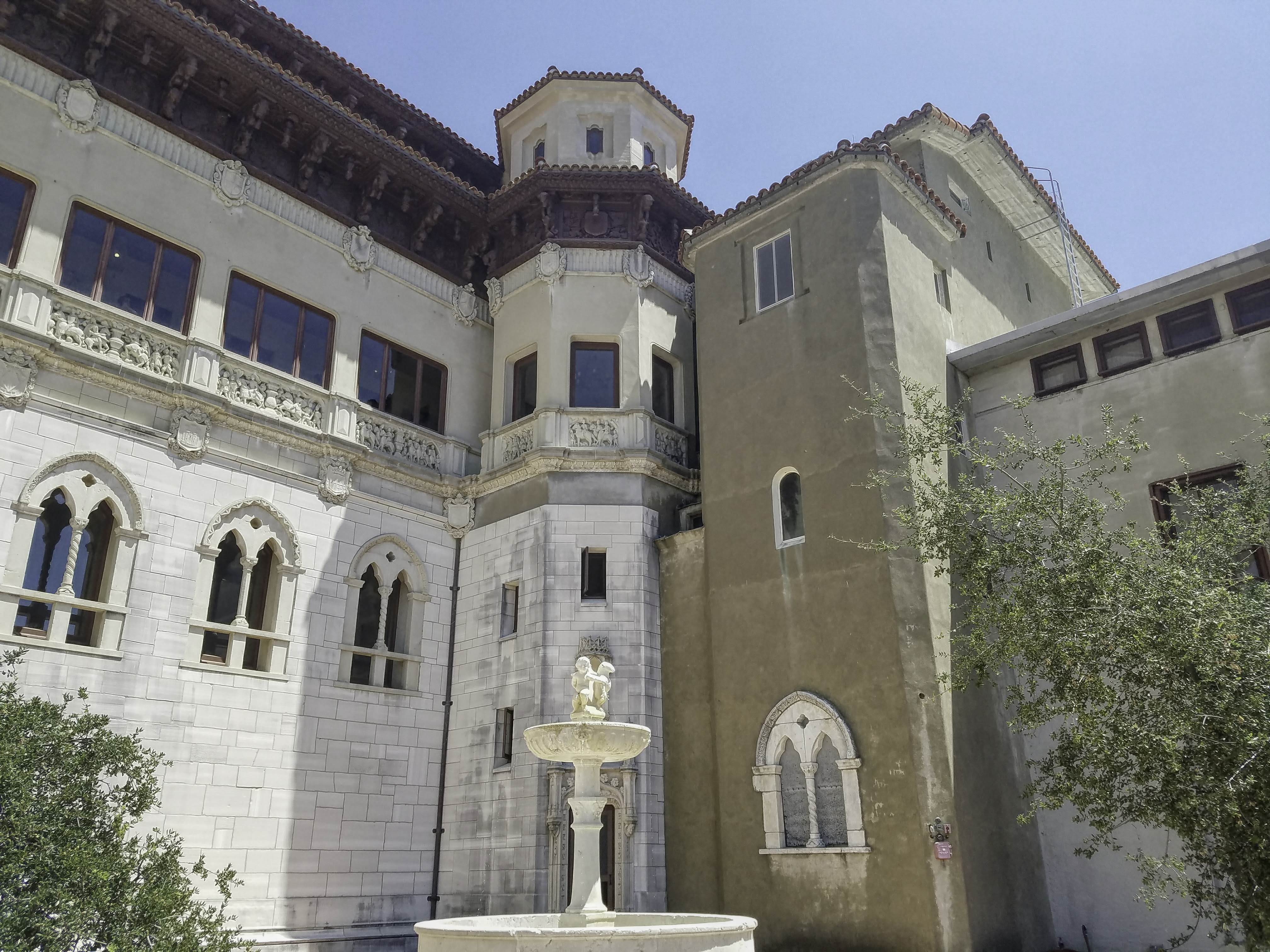
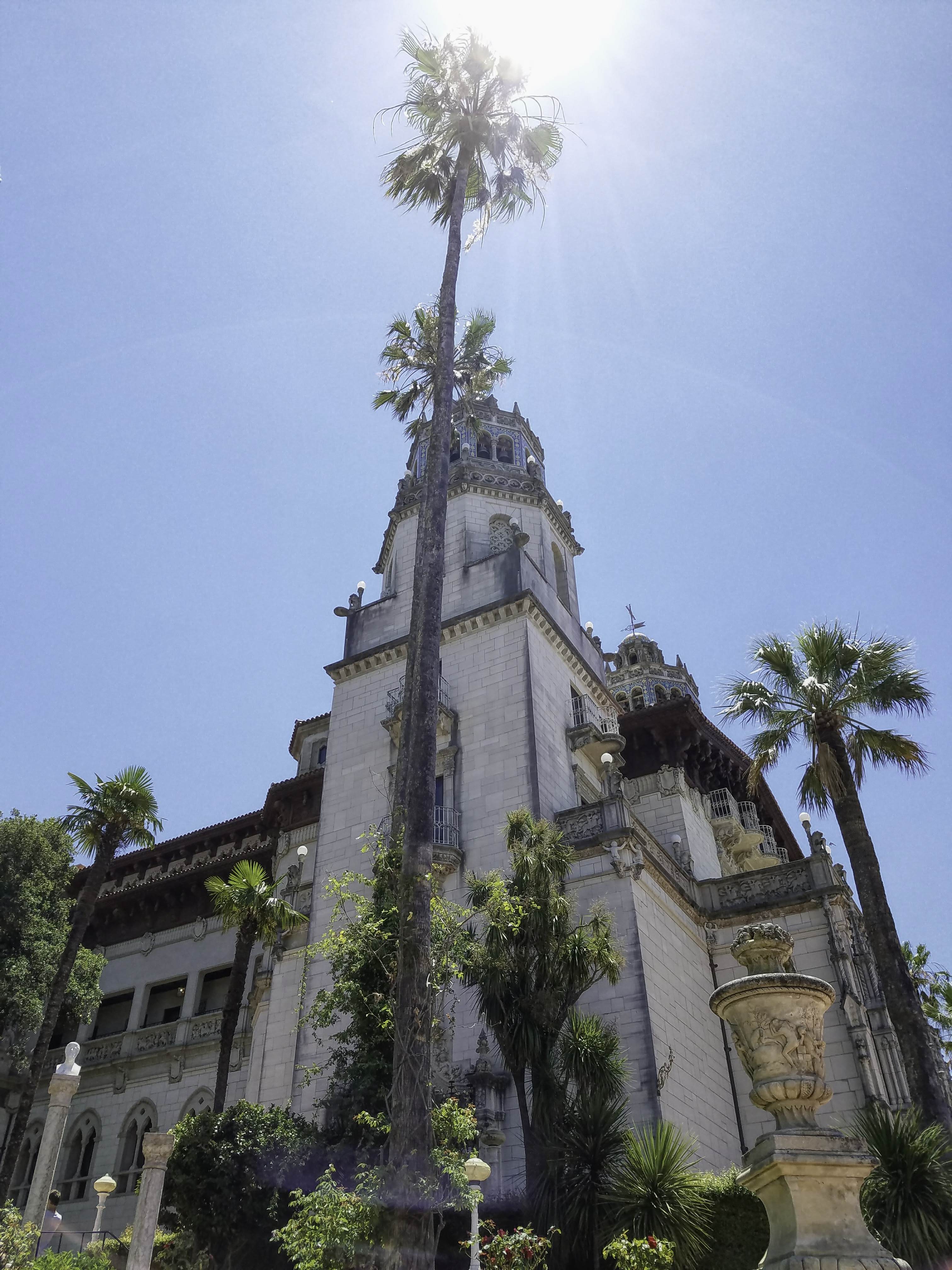
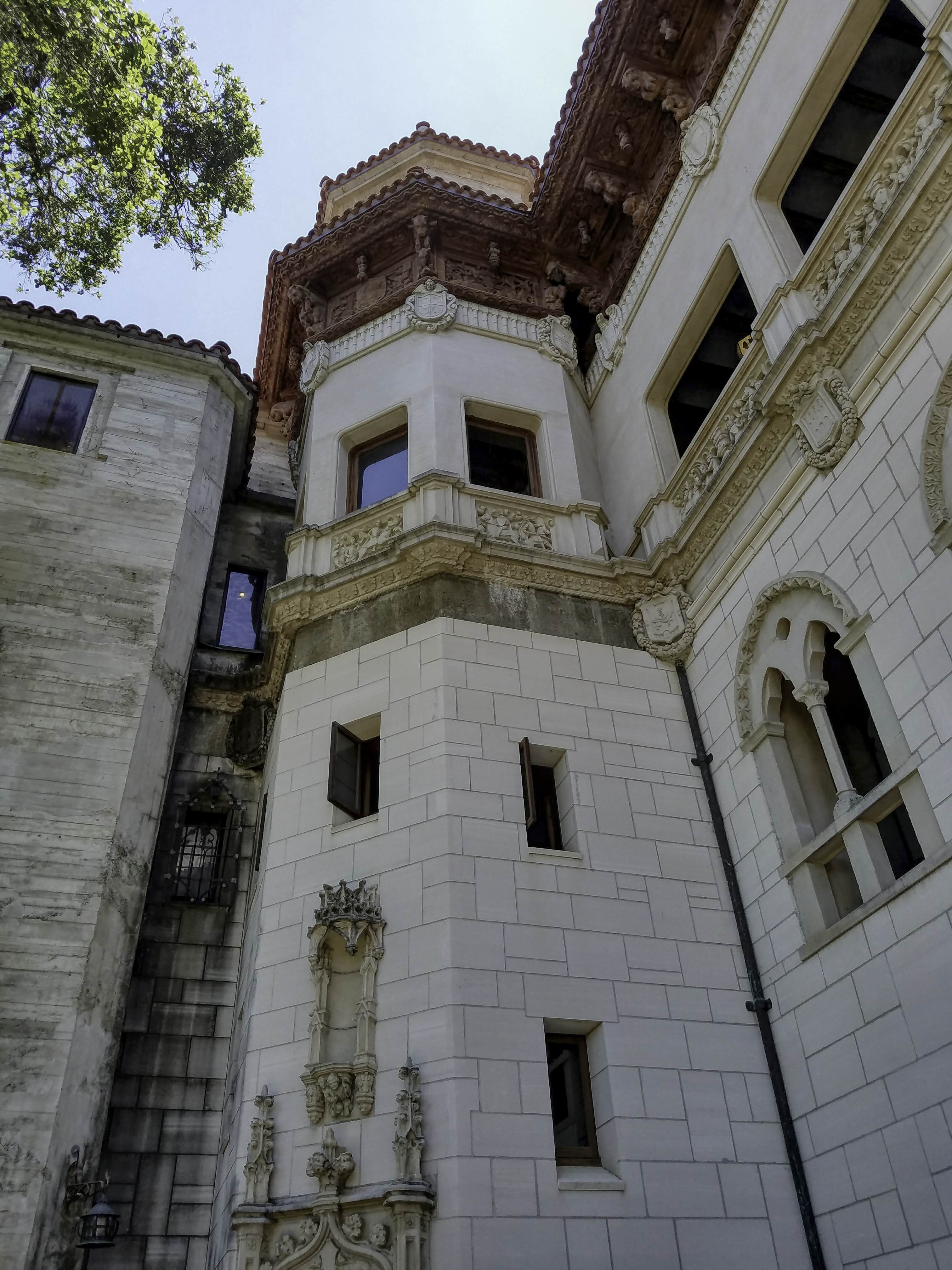
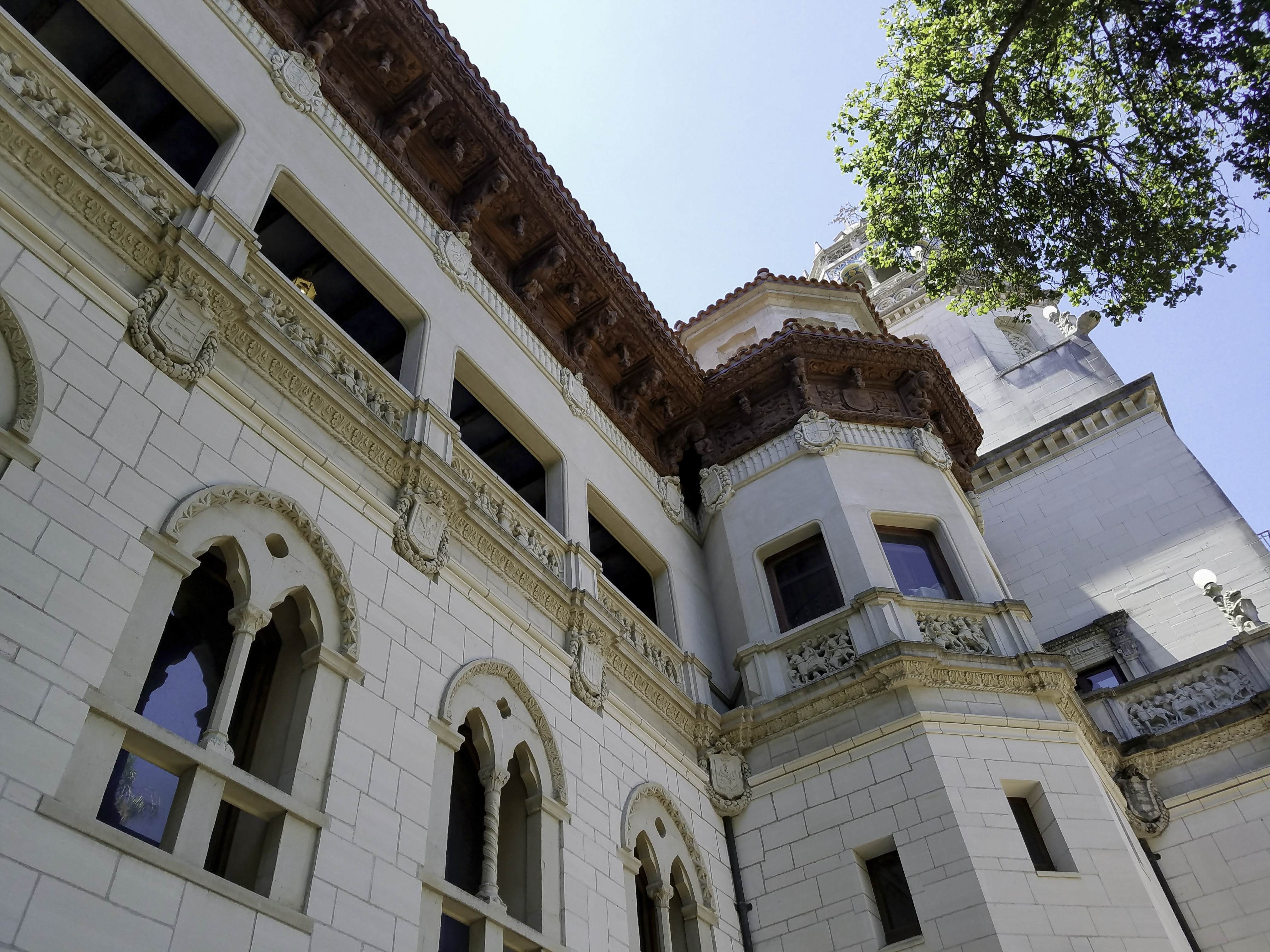
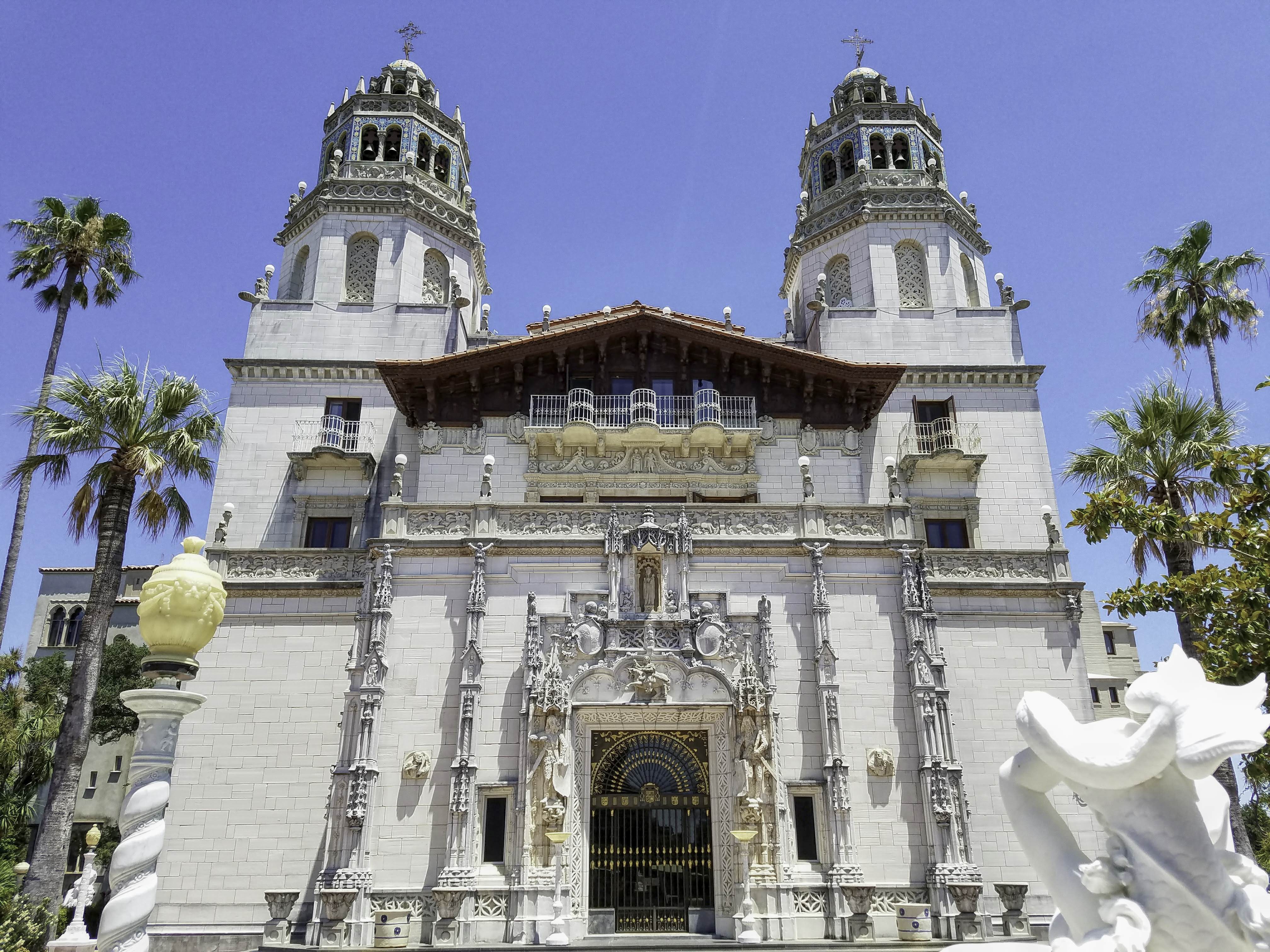
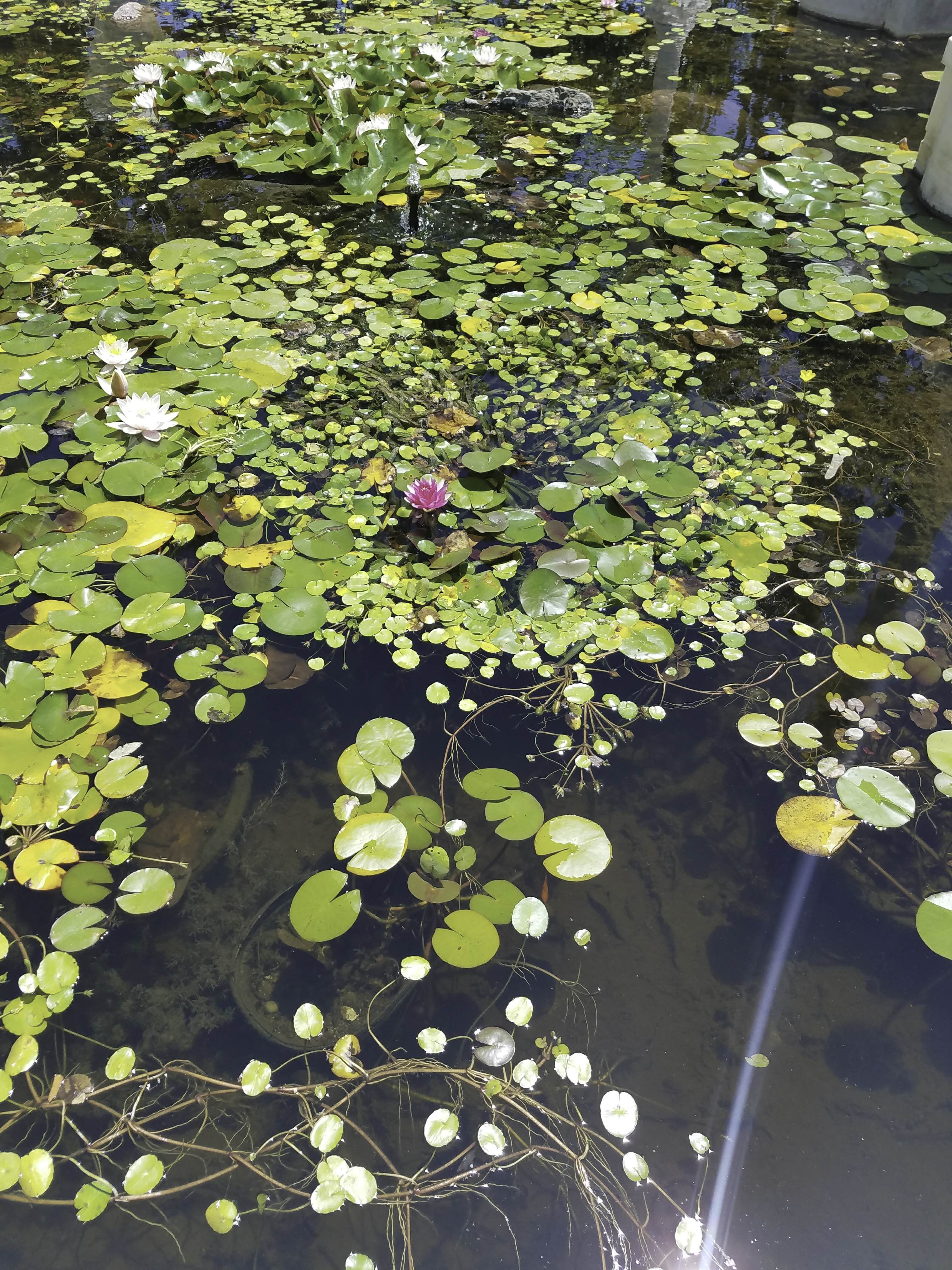
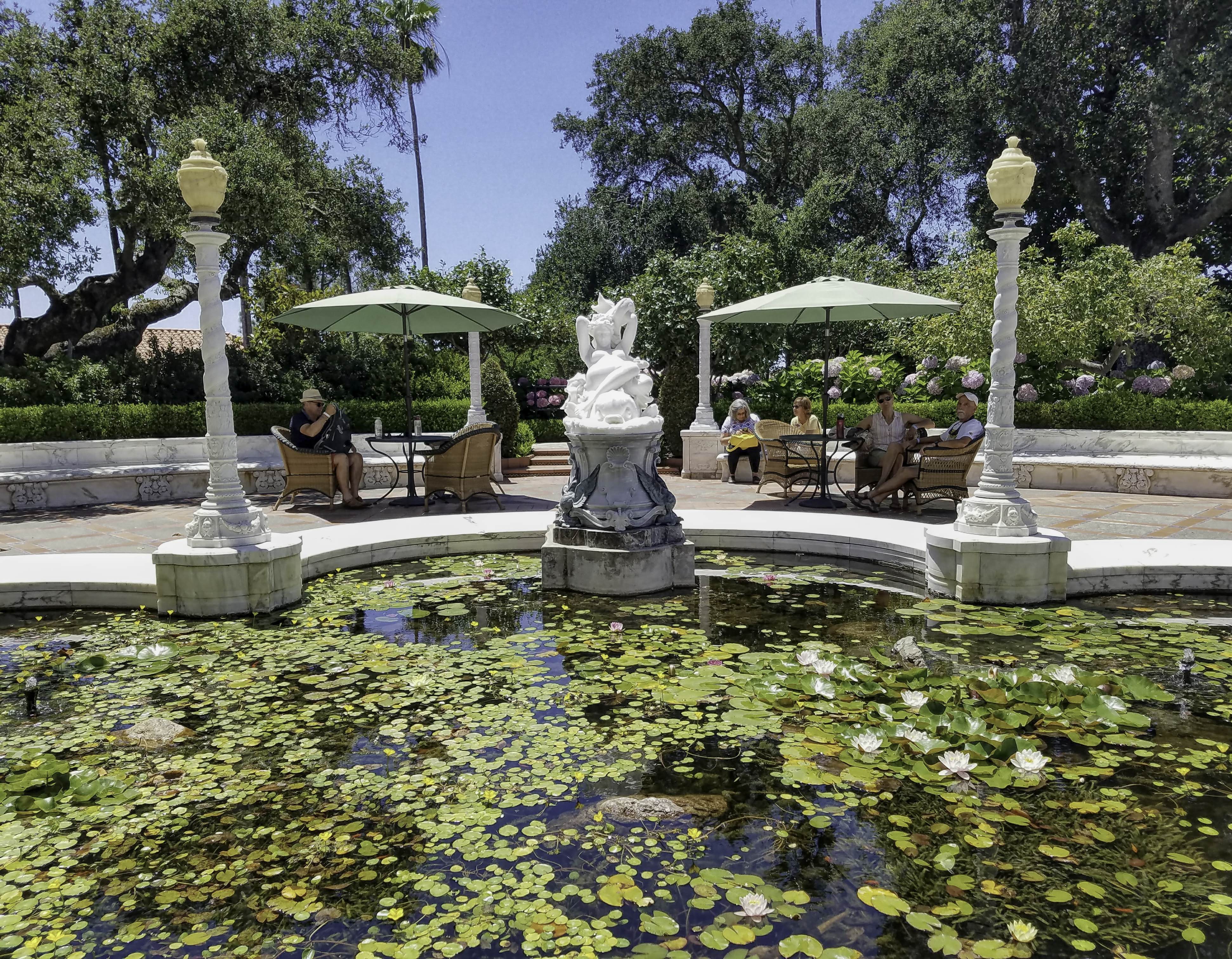
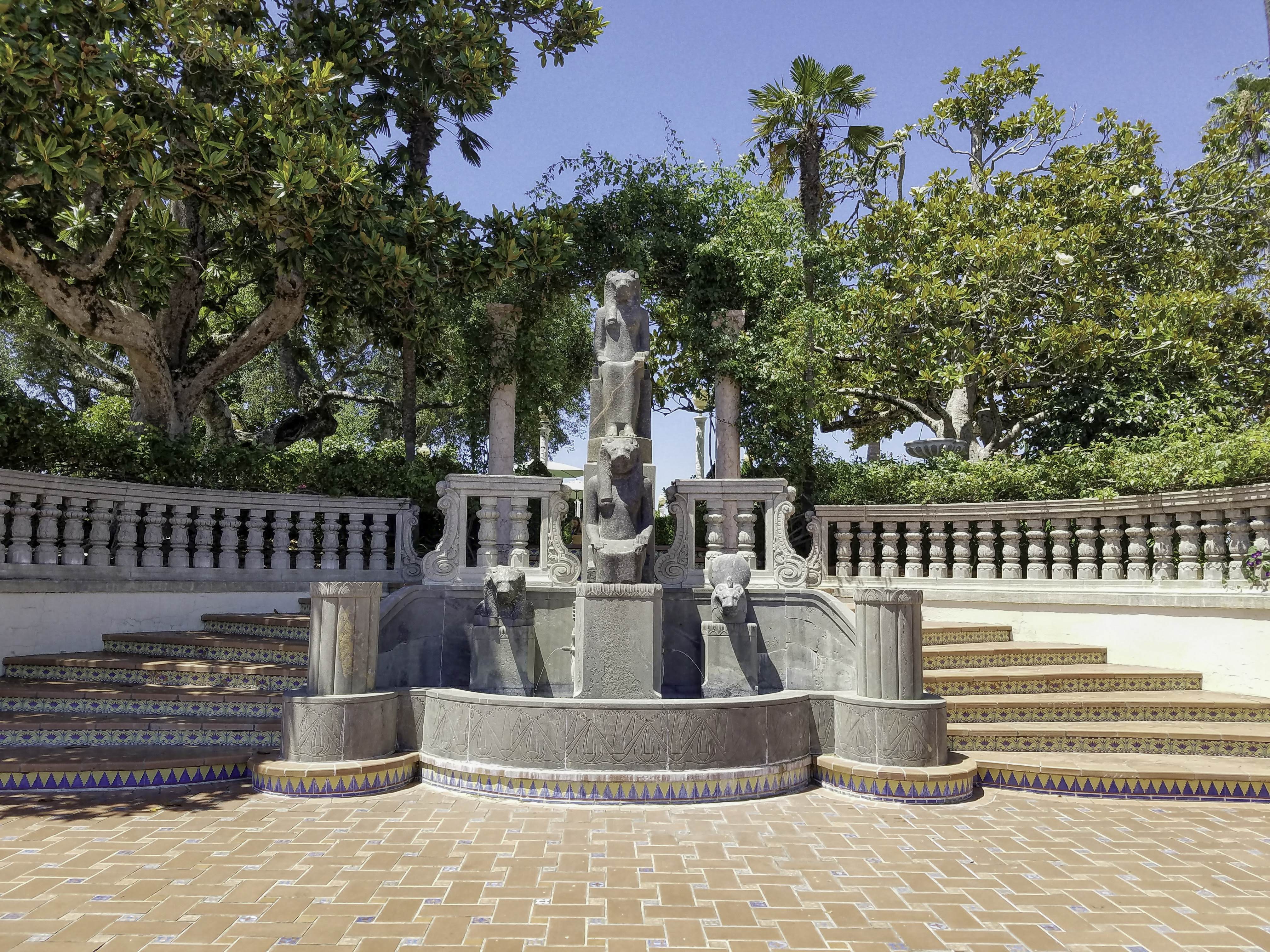
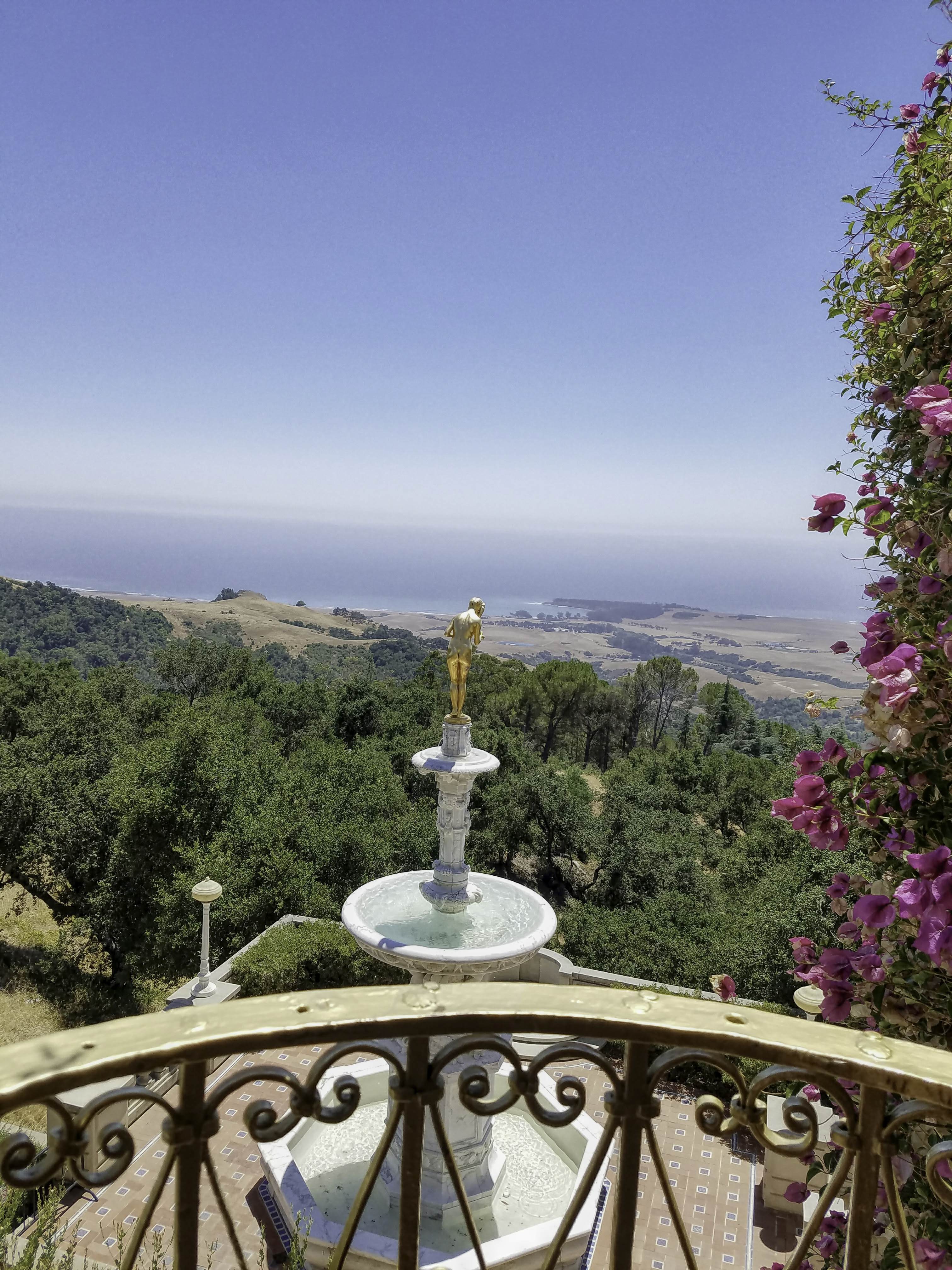
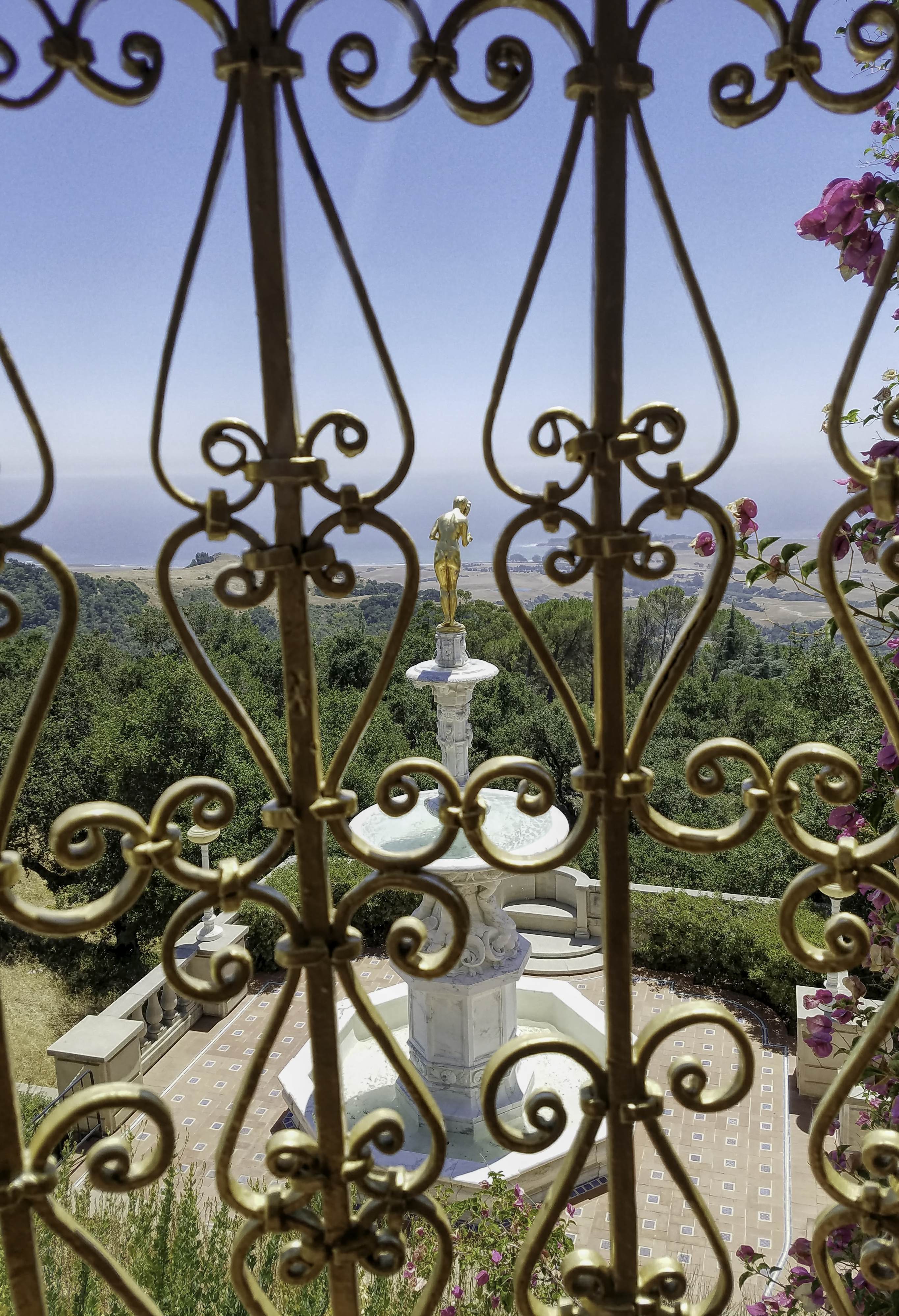
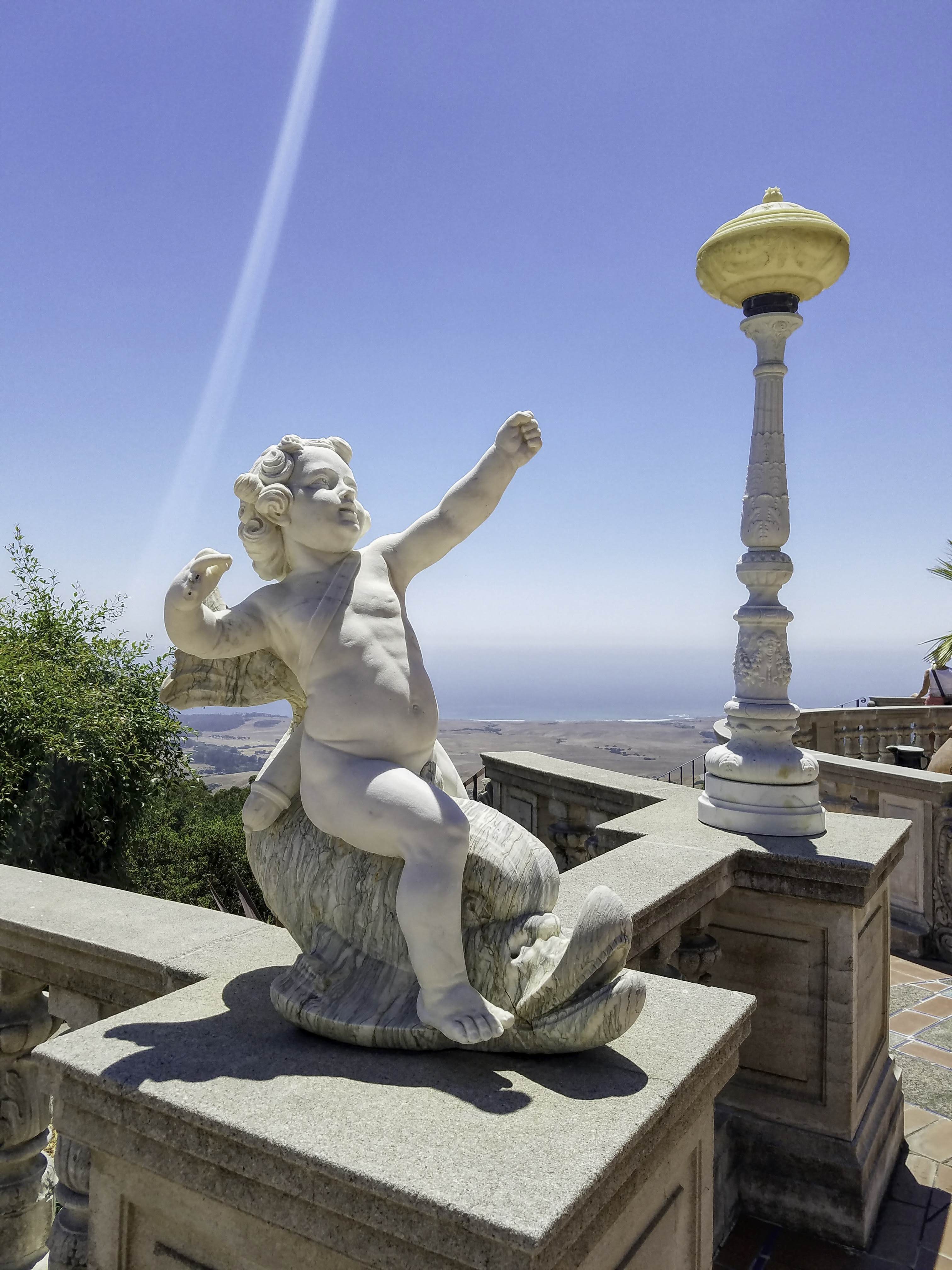
If you enjoyed this virtual walk of the gardens, wait till we go indoors; coming up, views from the Grand Rooms and guest suites.
July 12th, 2017
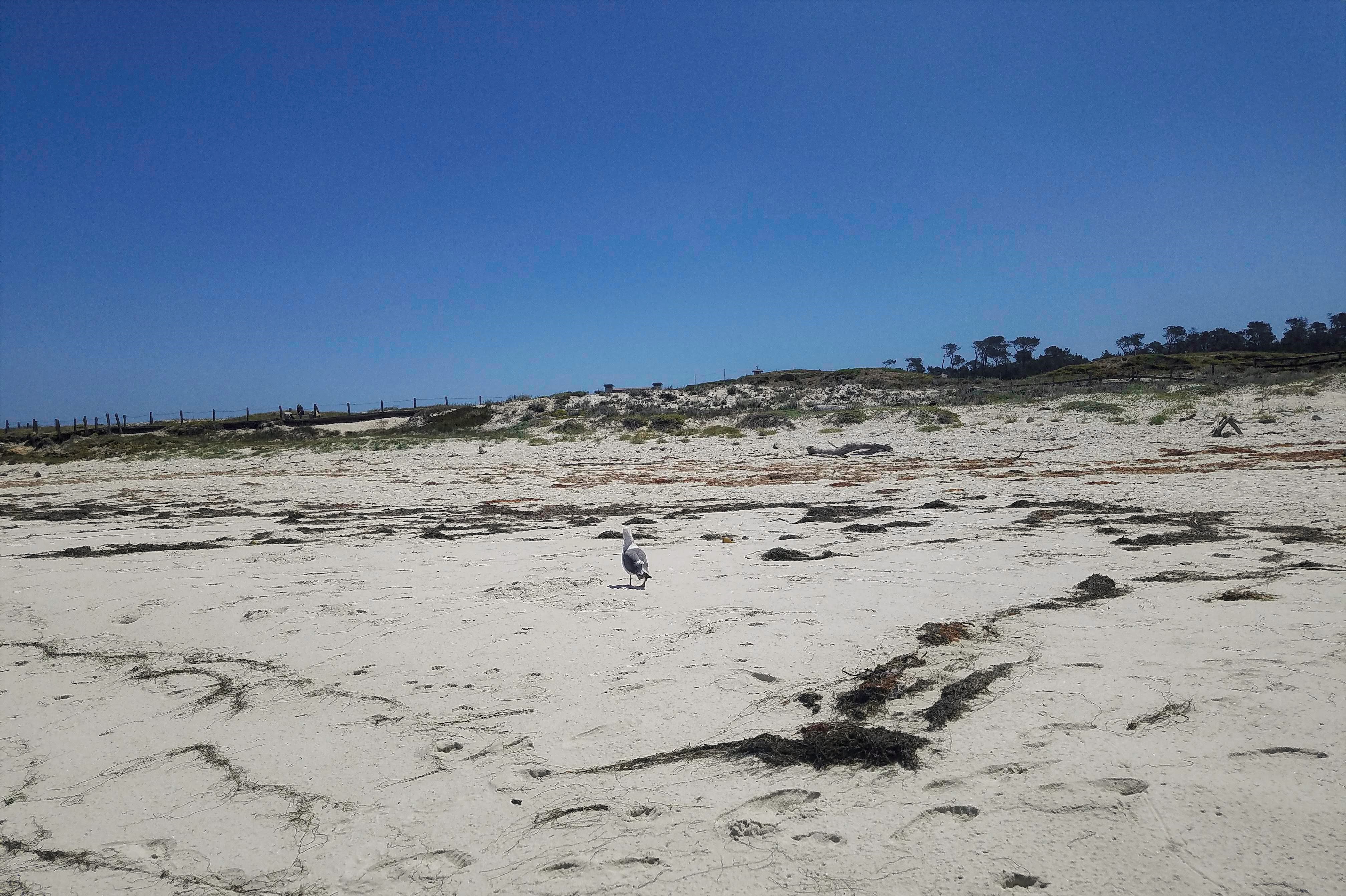
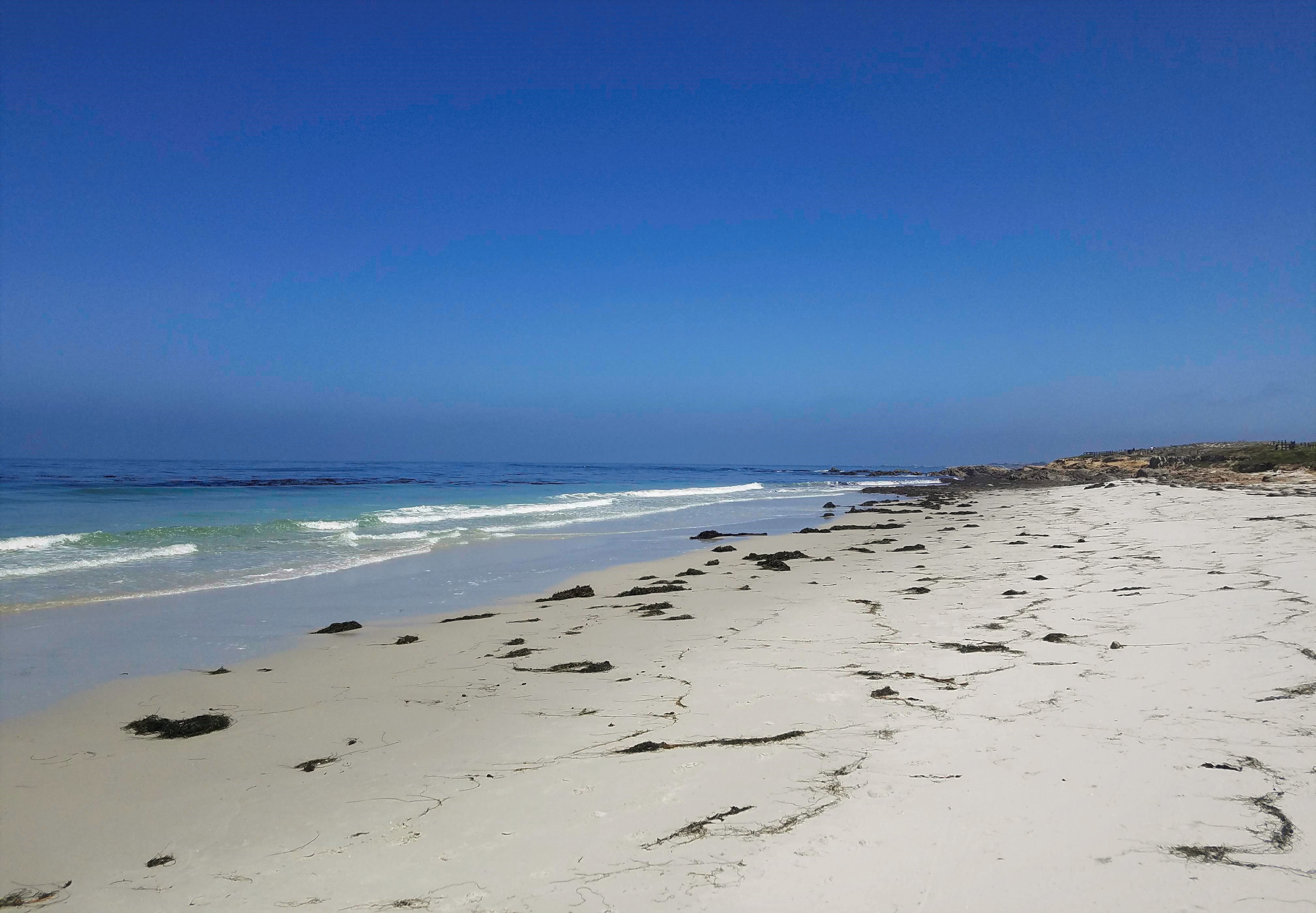
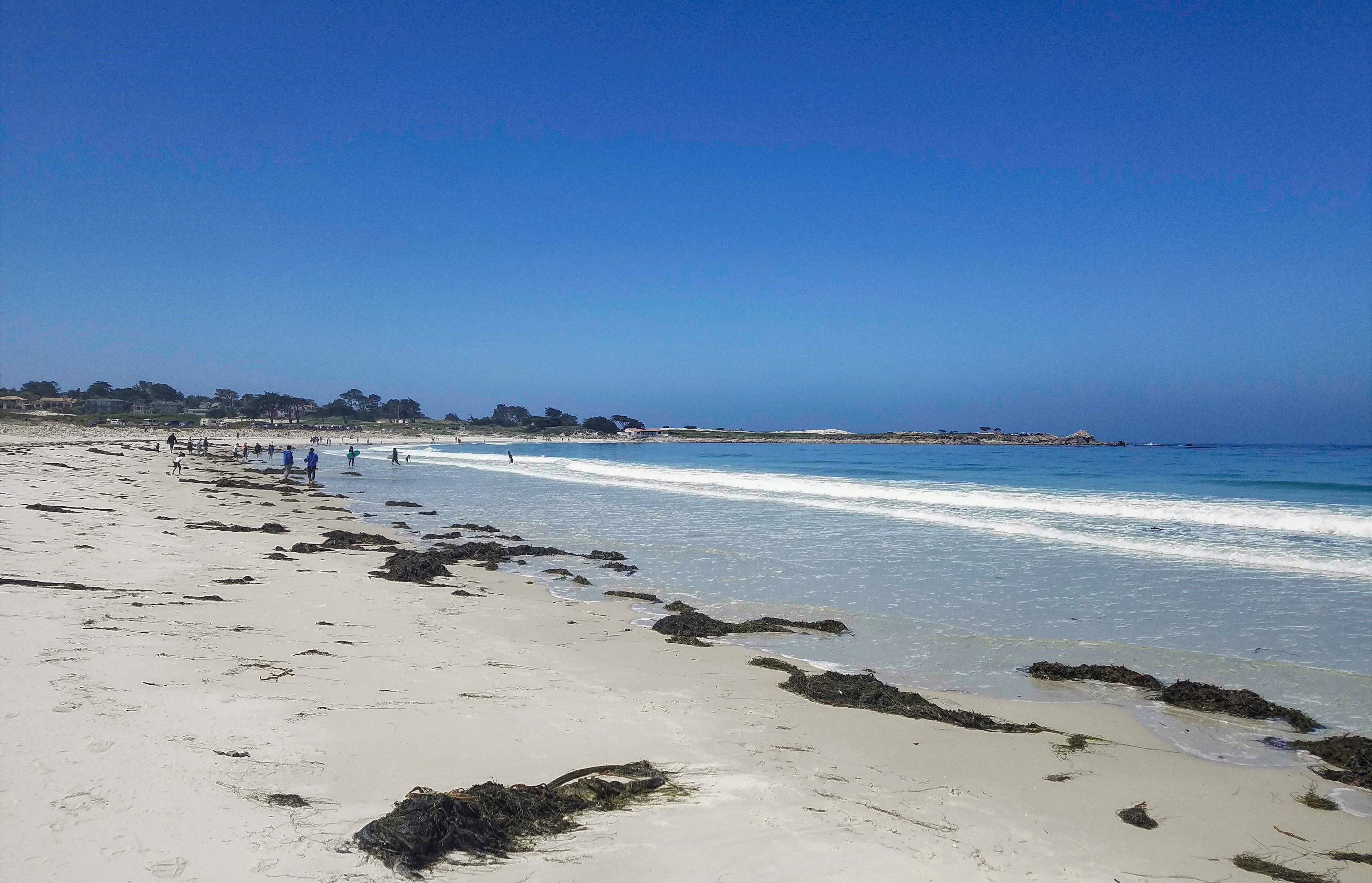
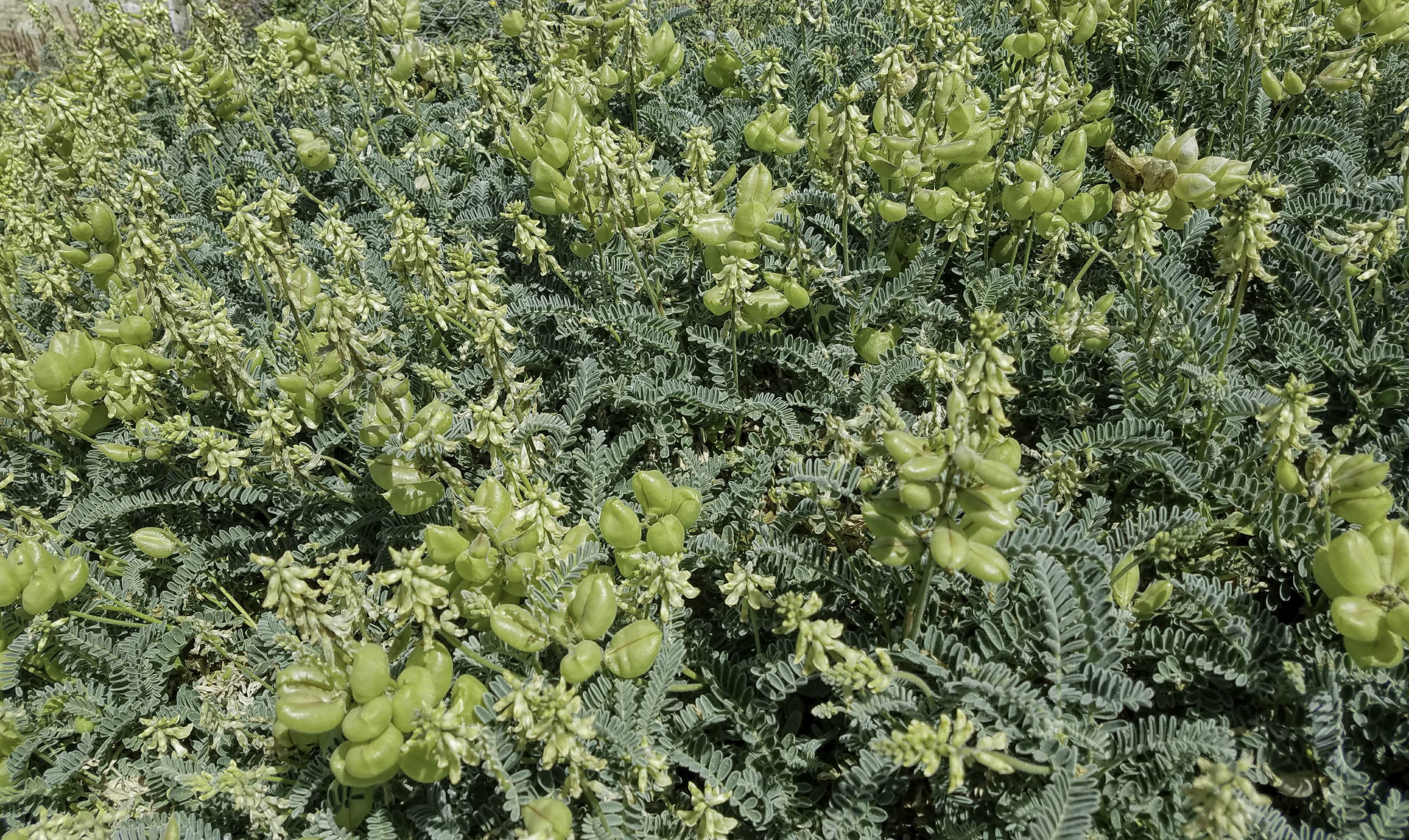
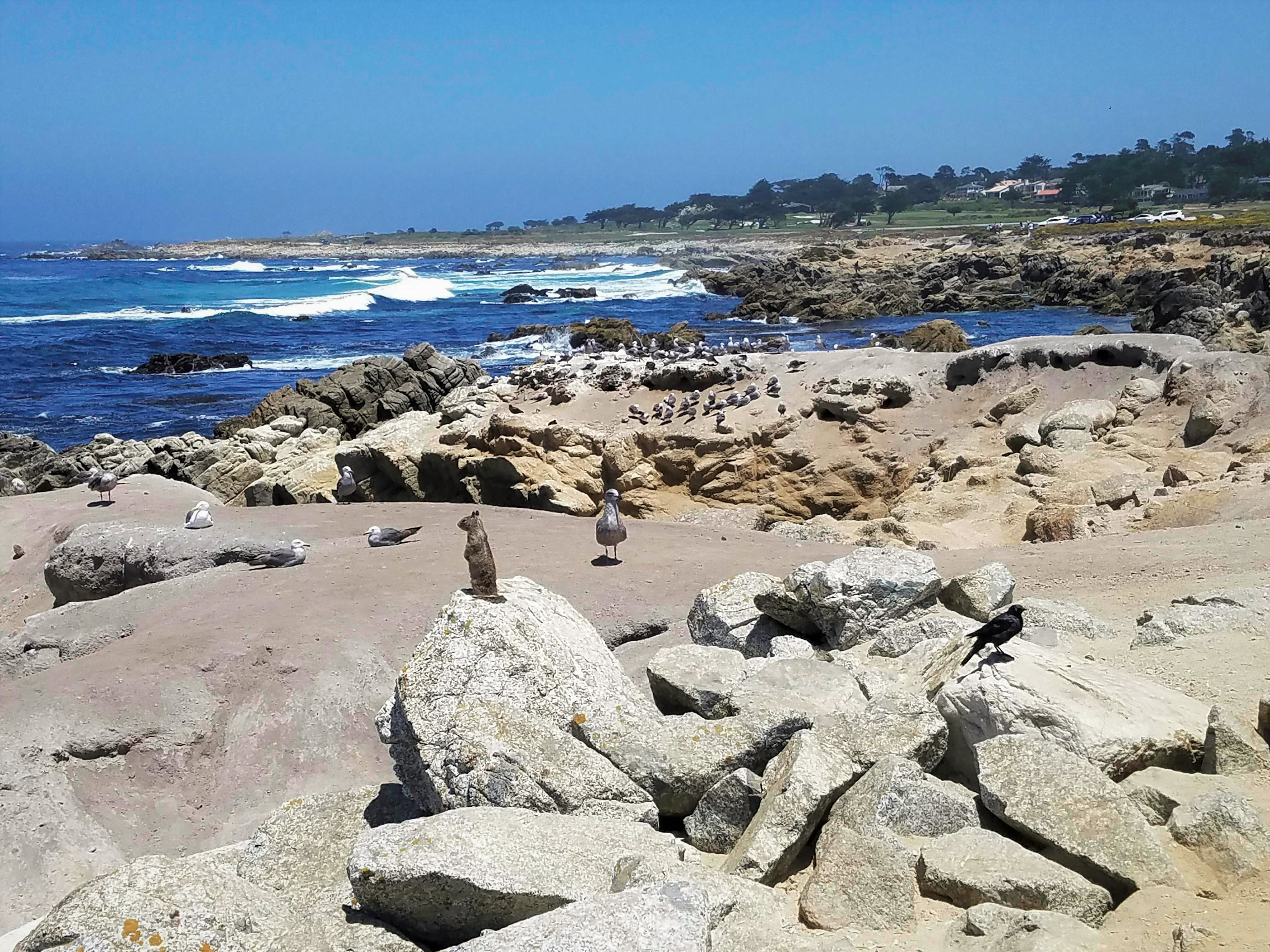
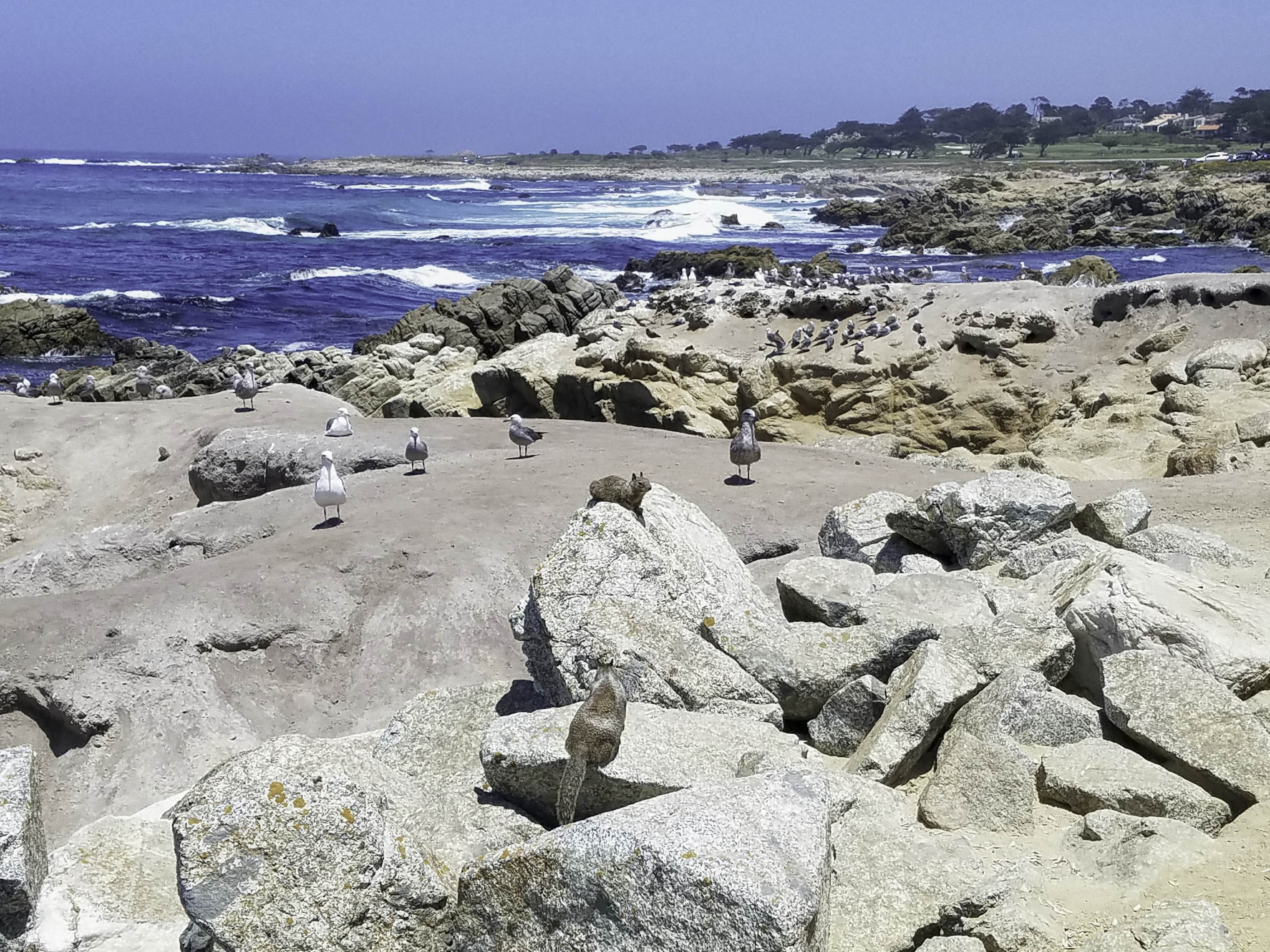
The difference a day makes. Exploring parts of the 17 mile drive, a scenic route through Pebble Beach and Pacific Grove on the Monterey Peninsula. Blue skies, calm seas, slightly higher temperatures, off with the rain jackets, sunglasses, sunscreen, still ended up with a sunburned nose, this was getting closer to the California Summer I had in mind.
Views from Restless Sea to the Bird Rock Vista Point which is teeming with wildlife in all its possible forms and sizes – some more photogenic than others.






subjective worldview
Actor, writer, cook and author
Travel experiences & Strasbourg city guide
Writer
joy, happiness, travel, adventure, gratitude
"Rêve onirique & Bulle d'évasion"
makes pretty things on paper
This WordPress.com site is Pacific War era information
Welcome to my curious world of words....
Photographs, music and writing about daily life. Contact: elcheo@swcp.com
Free listening and free download (mp3) chill and down tempo music (album compilation ep single) for free (usually name your price). Full merged styles: trip-hop electro chill-hop instrumental hip-hop ambient lo-fi boombap beatmaking turntablism indie psy dub step d'n'b reggae wave sainte-pop rock alternative cinematic organic classical world jazz soul groove funk balkan .... Discover lots of underground and emerging artists from around the world.
A 365 analogue photography project
Barcelona's Multiverse | Art | Culture | Science
Een digitaal atelier aan de (zee)slag.
‘Doodling Ambiguity’s in Ink.’
Miscellaneous photography
Glimpses along the way on a journey of discovery into symmetry...
 The Humble Fabulist