The Bittersweet Past of Domino Park

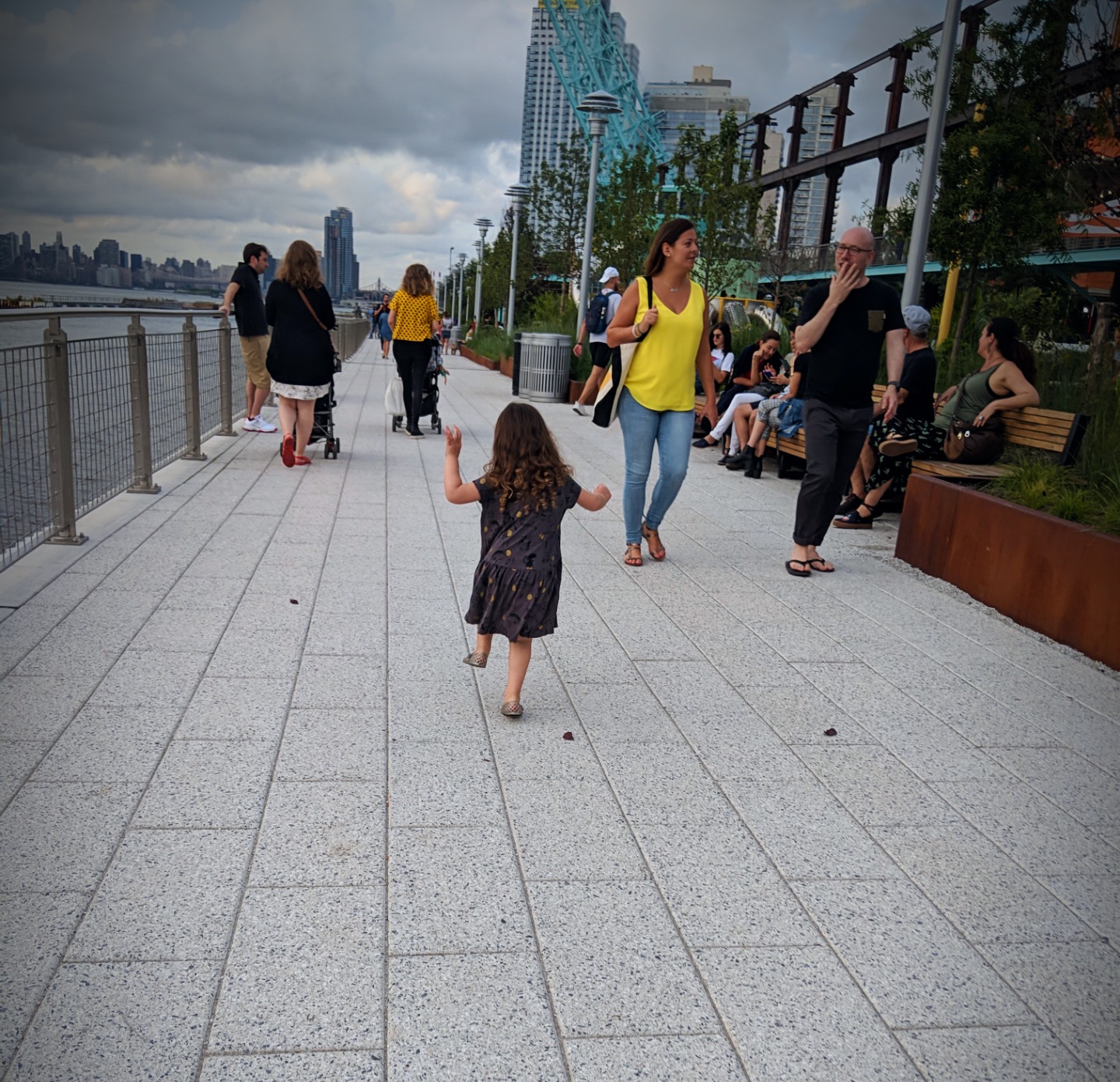
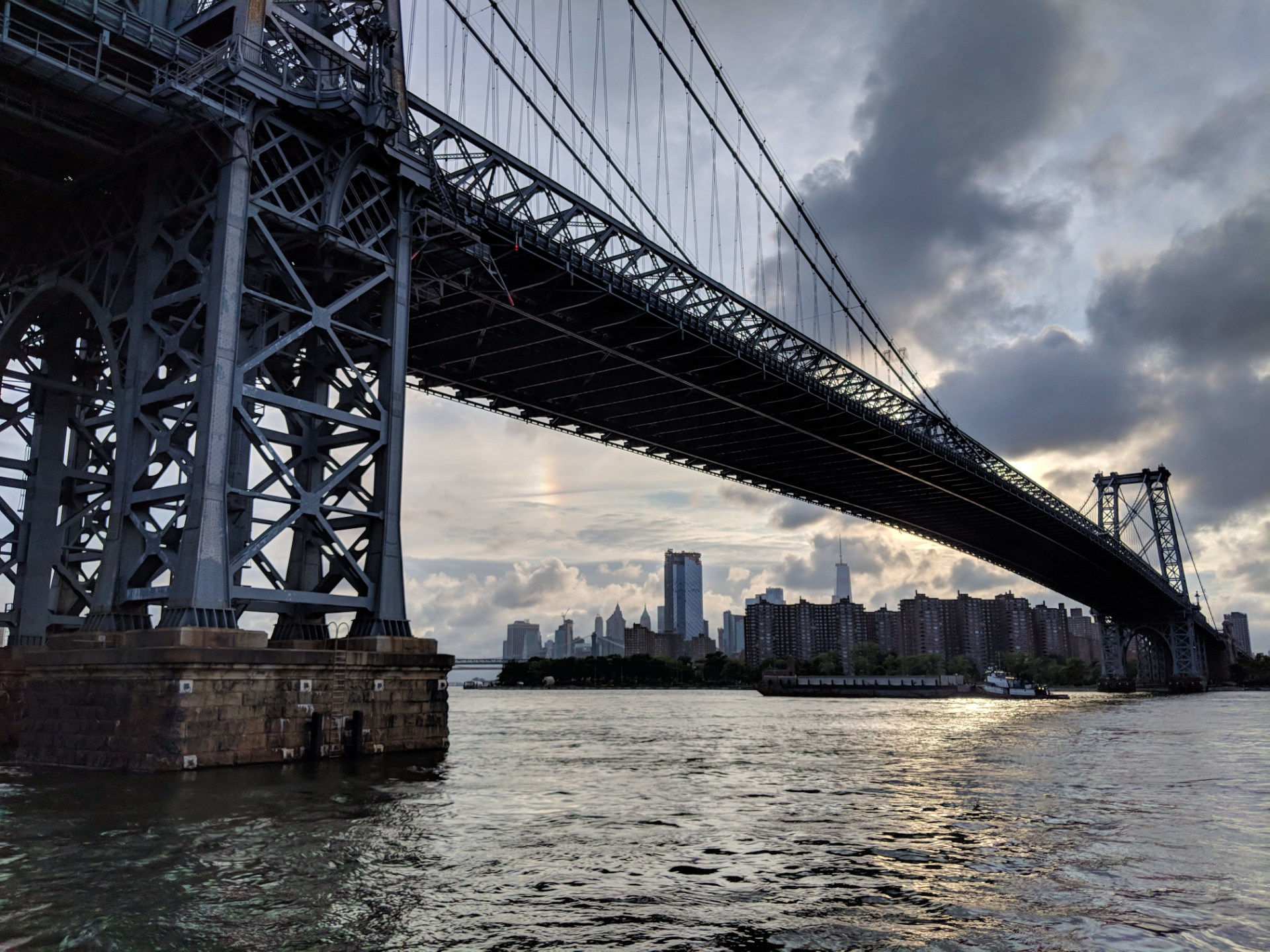
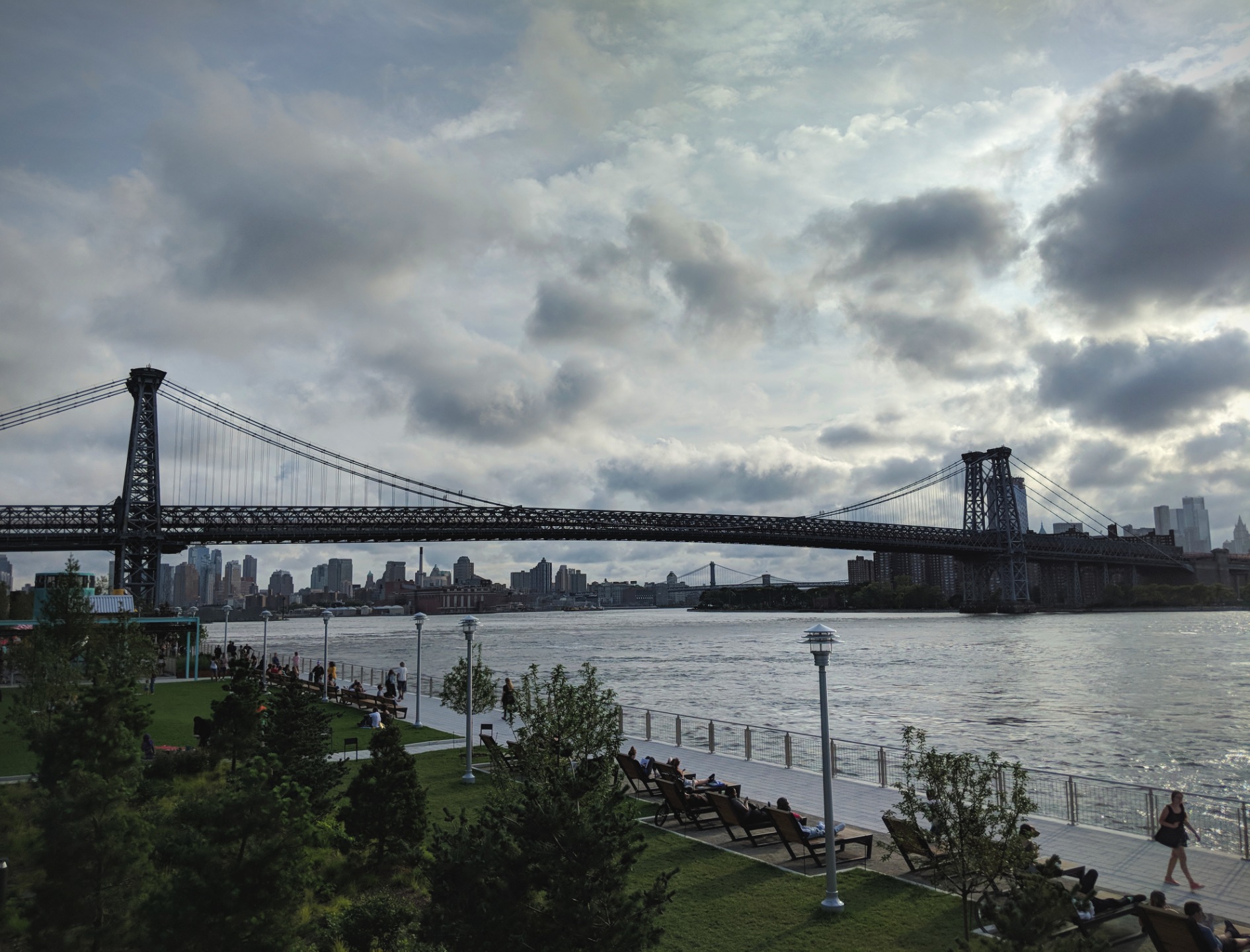
The Dancing Cranes and Disappearing Act you saw yesterday and the day before, are some of the historic features that render a walk along the Domino Park all the more fun.

The 80-foot tall Gantry Cranes were used to unload bulk sugarcane from freight ships for storage at the Raw Sugar Warehouse, 21 columns of which stand in their original place along the Elevated Walkway (not pictured).

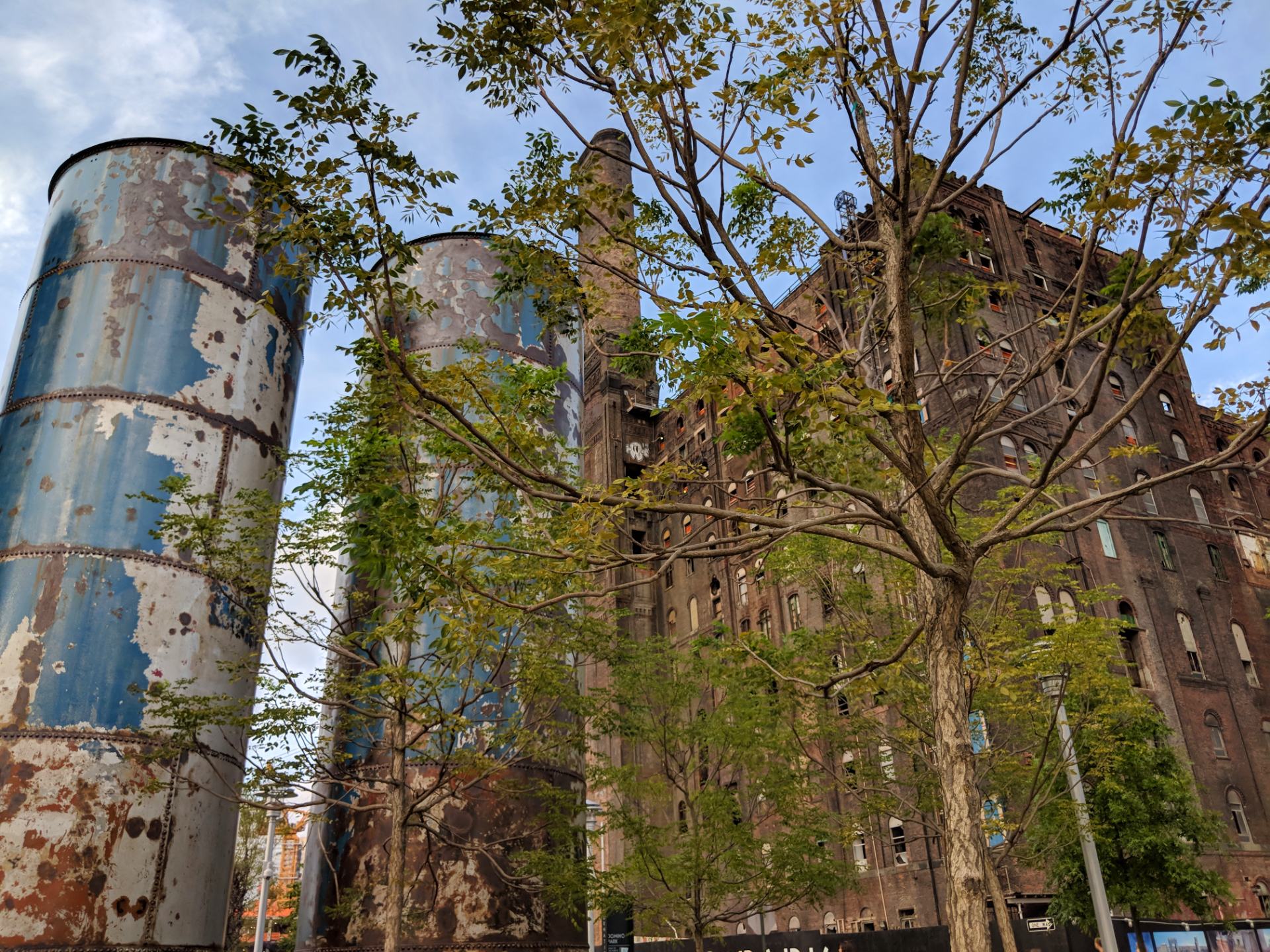
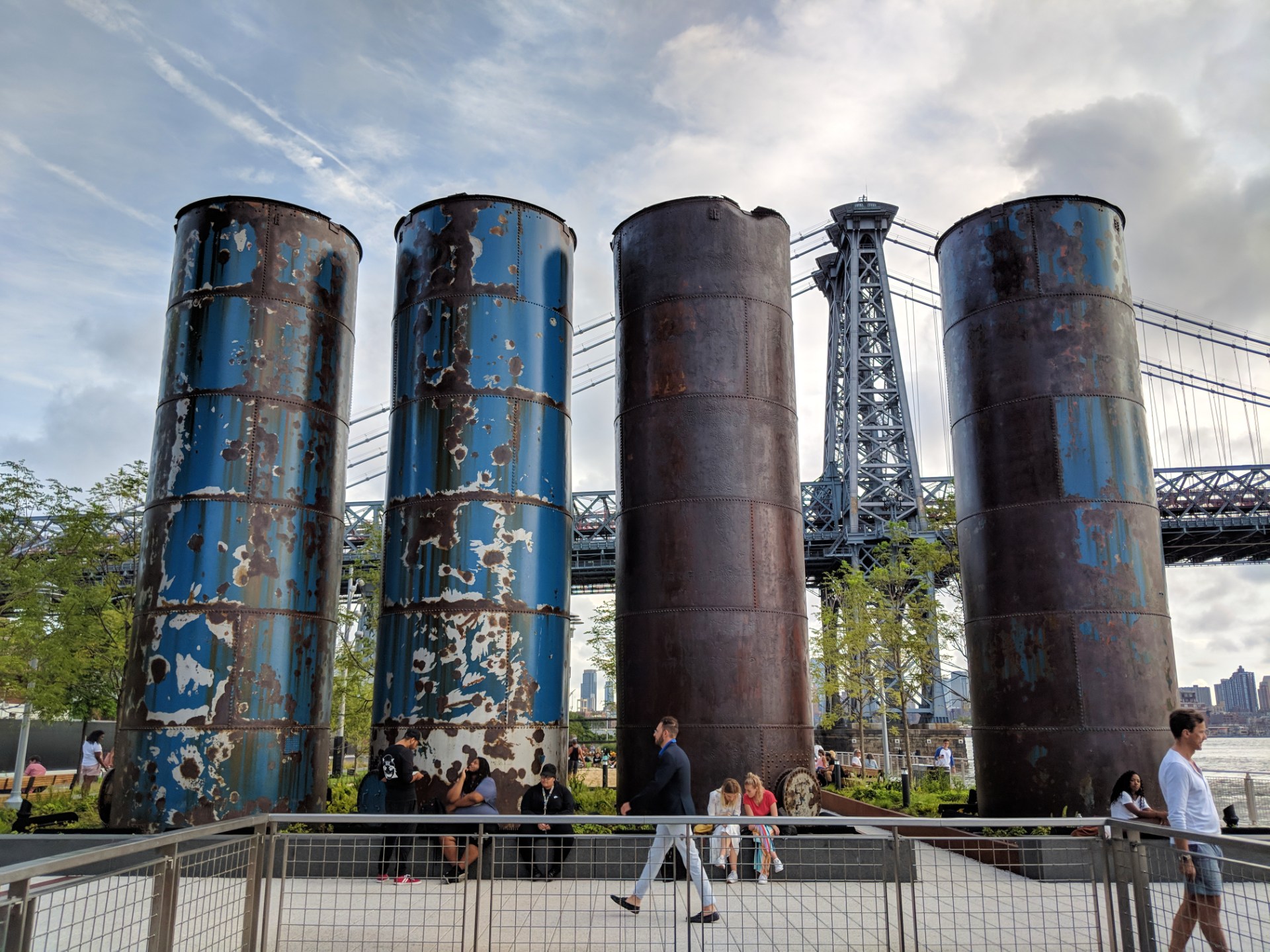
The bridge with the misters performing the Disappearing Act, stands in front of the Syrup Tanks, four of the fourteen large-scale tanks that were used to collect high volumes of liquid sweetener generated in sugar processing, dating back to the 1950s.

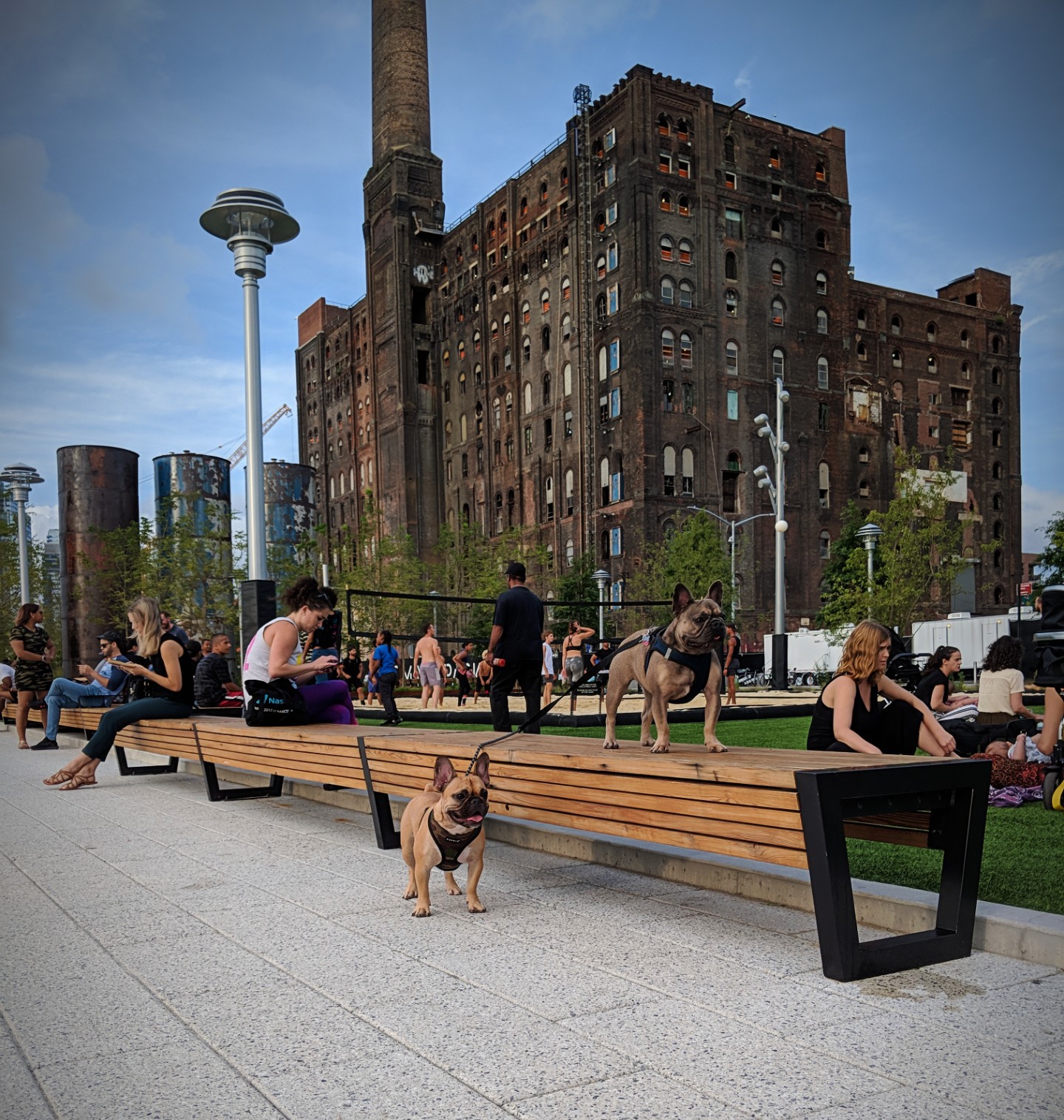
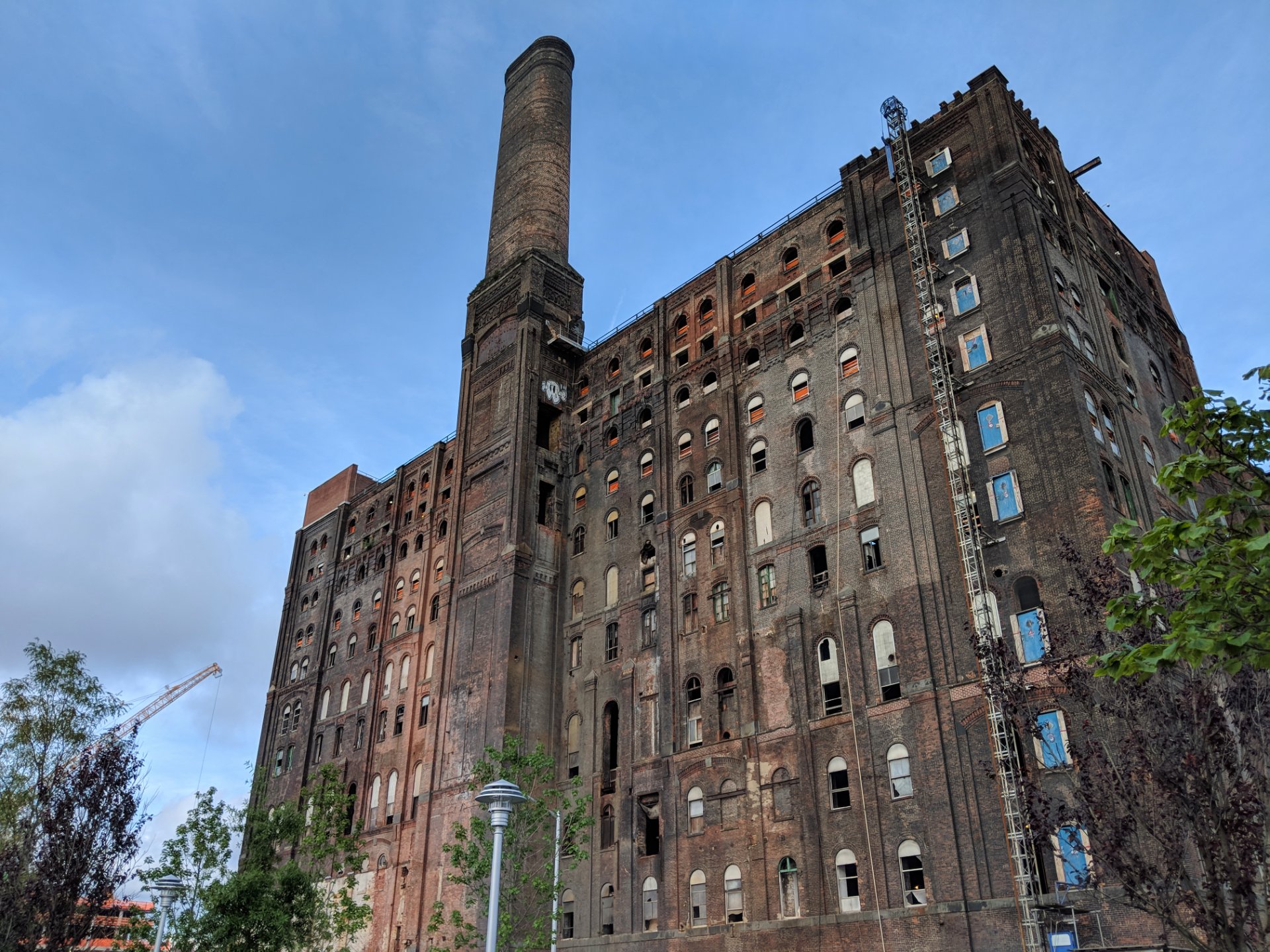
And the magnificent industrial brick giant you see below is none other than the Domino Sugar Refinery, closed in 2004 after 150 years production of the white sweet crystals we now love to hate. The entire building is undergoing renovation, with the facade being preserved in its entirety and the interior converted into ”creative office space”.

The Domino Park website shows many of the park’s features today next to black & white photos of their original use accompanied by historical notes, from where the following  excerpt:

“Because of its ease of access by larger shipping vessels, Frederick C Havemeyer Jr. selected this area in 1856 to establish the F. C. Havemeyer & Company refinery, which would eventually become known as the Domino Sugar Refinery. At its peak in 1919, the Domino Sugar Refinery employed approximately 4,500 workers from a wide range of backgrounds and ethnicities.

Immigrants from Germany, Poland, Ireland and other European countries — and in its later years — Puerto Ricans, Dominicans, and other people of Caribbean descent as well as African Americans all endured difficult working conditions at the Refinery in search of opportunity and prosperity. While the Refinery figured prominently in the explosive growth of Williamsburg’s industry and economy, it is the diversity of community surrounding this site that has become its lasting legacy.”
August 21st, 2018

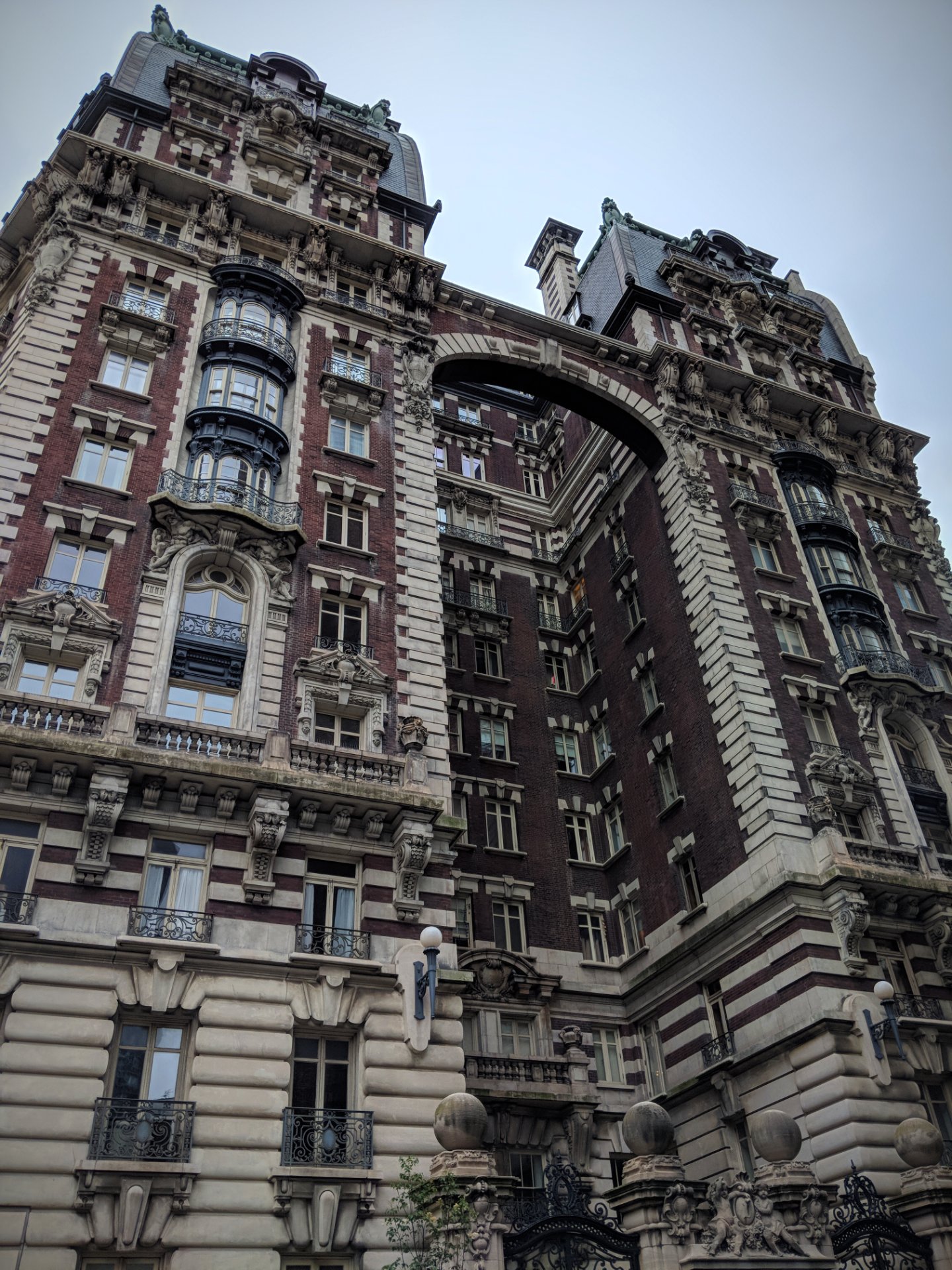
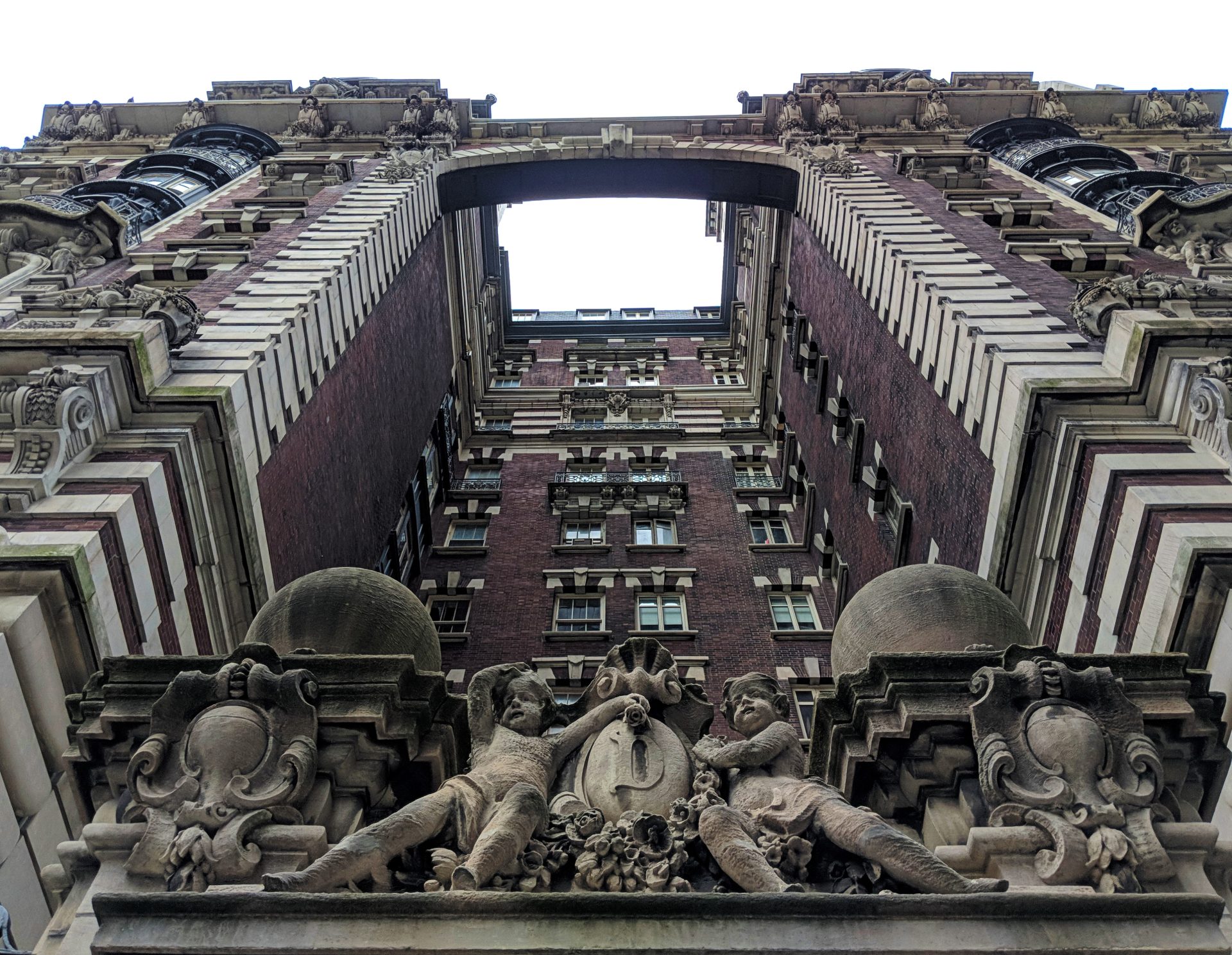
The Delectable Dorilton

That looks like an ornate, luxurious birthday cake.

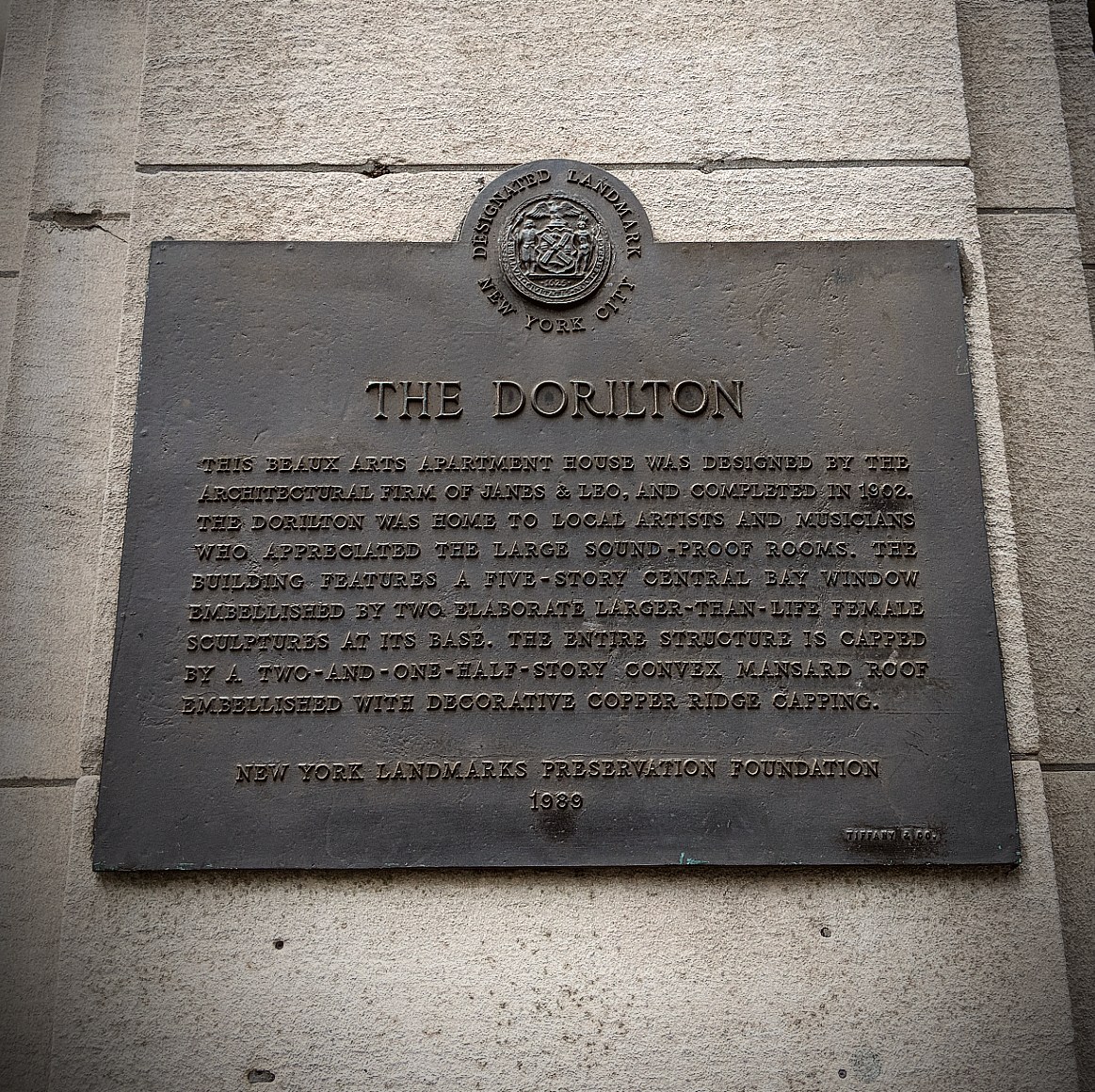
The plaque reads:

THE DORILTON
THIS BEAU ARTS APARTMENT HOUSE WAS DESIGNED BY THE
ARCHITECTURAL FIRM OF JANES & LEO, AND COMPLETED IN 1902.
THE DORILTON WAS HOME TO LOCAL ARTISTS AND MUSICIANS
WHO APPRECIATED THE LARGE SOUND-PROOF ROOMS. THE
BUILDING FEATURES A FIVE-STORY CENTRAL BAY WINDOW
EMBELLISHED BY TWO ELABORATE LARGER-THAN-LIFE FEMALE
SCULPTURES AT ITS BASE. THE ENTIRE STRUCTURE IS CAPPED
BY A TWO-AND-ONE-HALF-STORY CONVEX MANSARD ROOF
EMBELLISHED WITH DECORATIVE COPPER RIDGE CAPPING.
NEW YORK LANDMARKS PRESERVATION FOUNDATION
1989


W 71st Street & Broadway, Manhattan, New York City

June 23rd, 2018

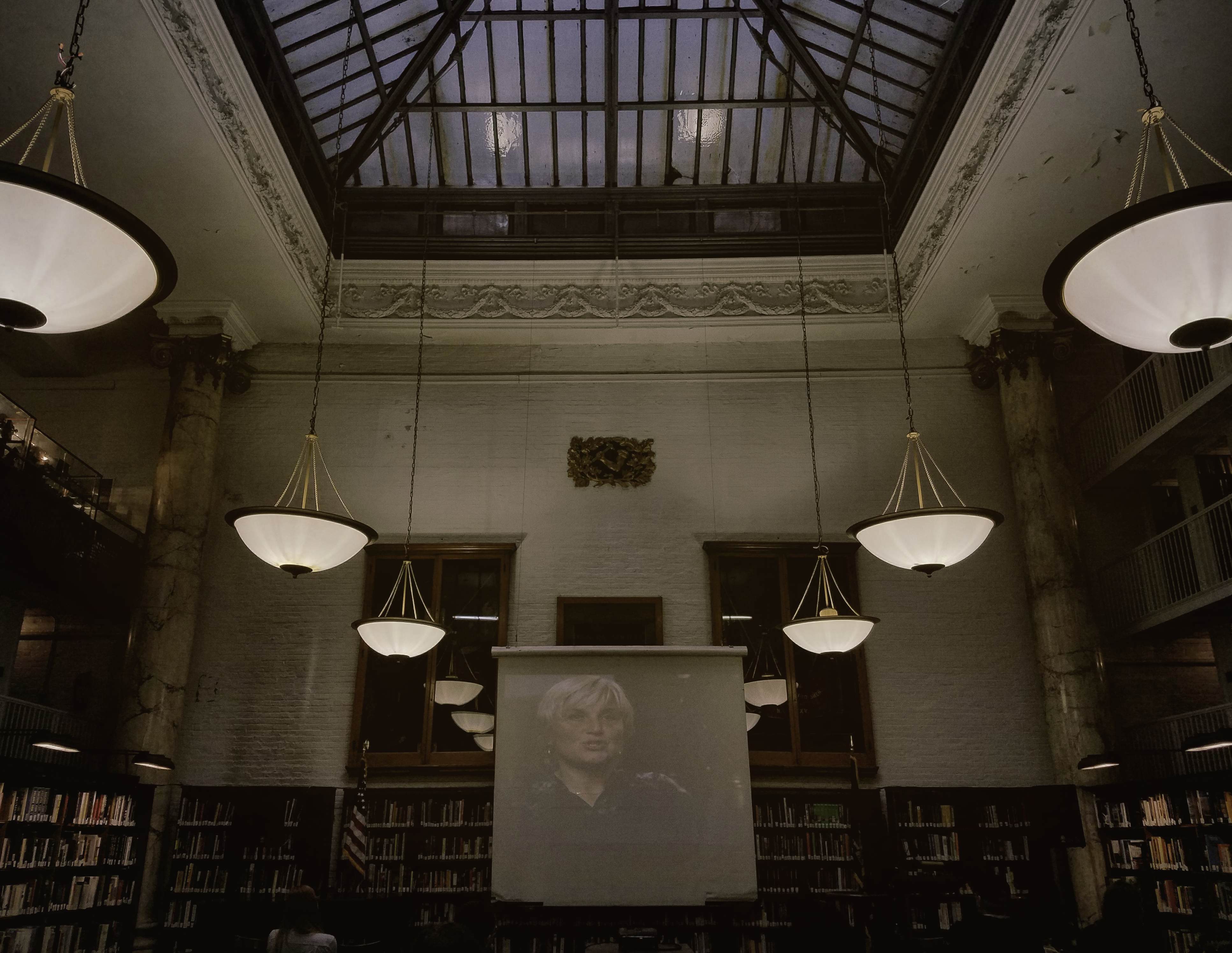
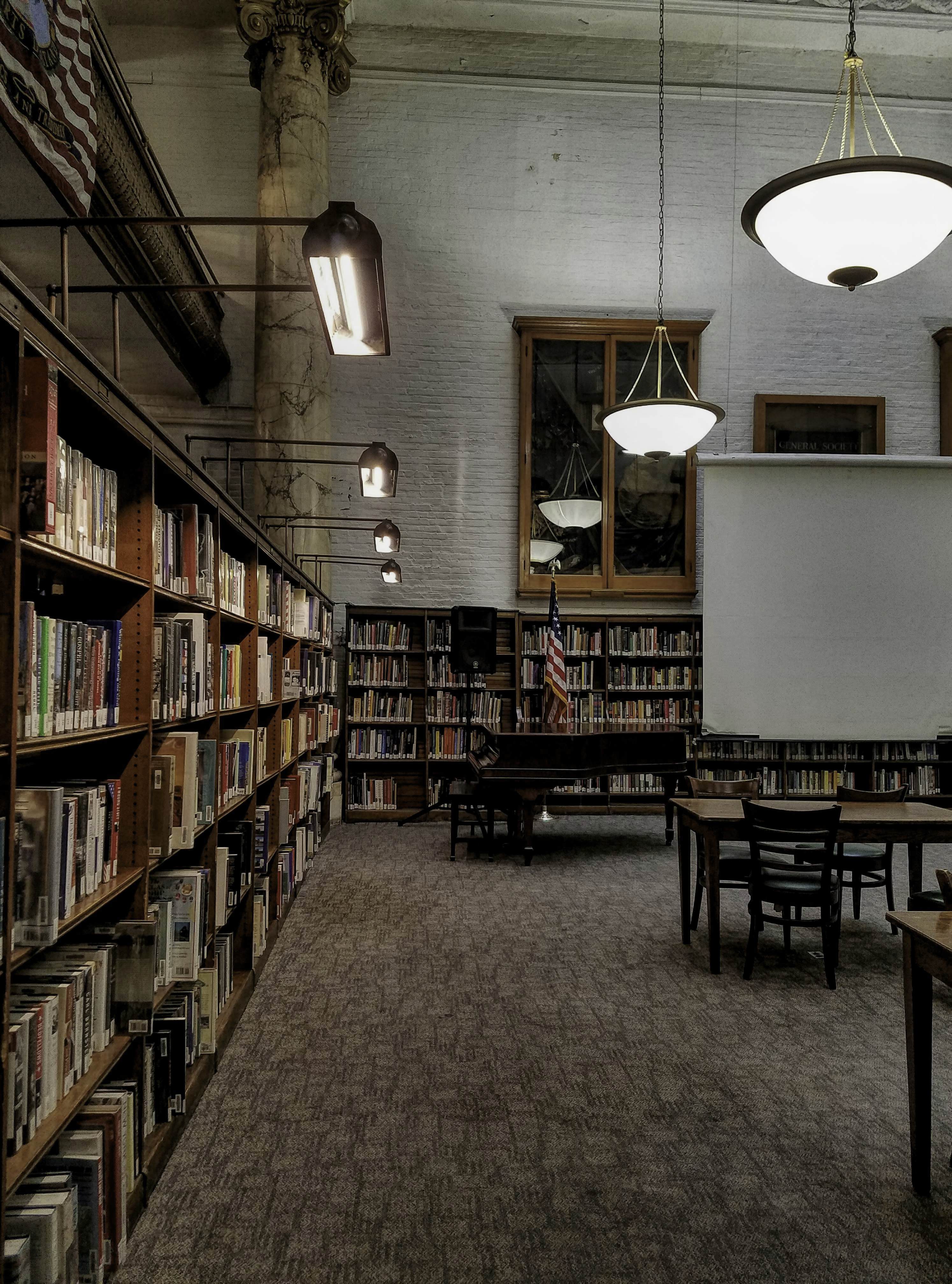
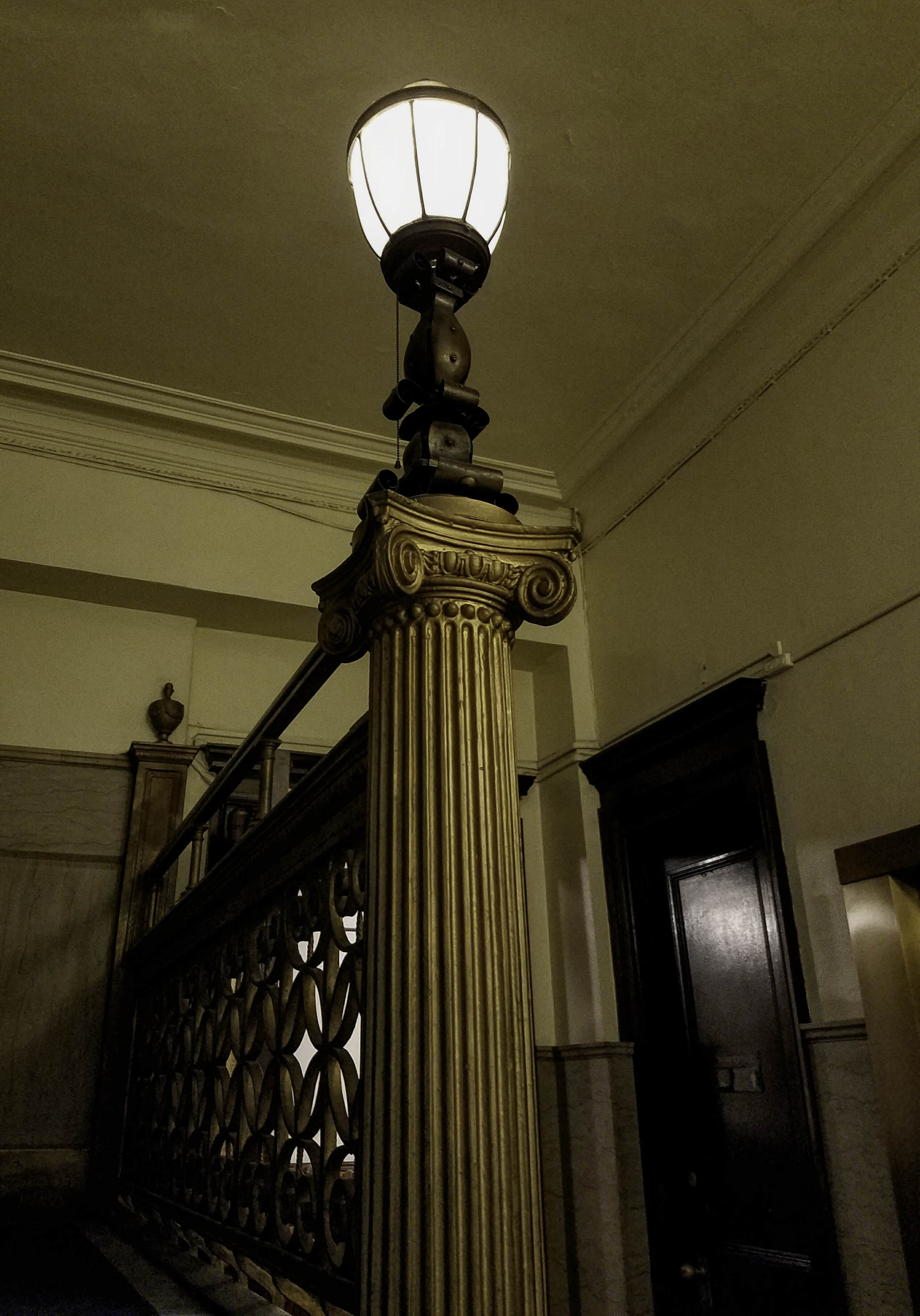
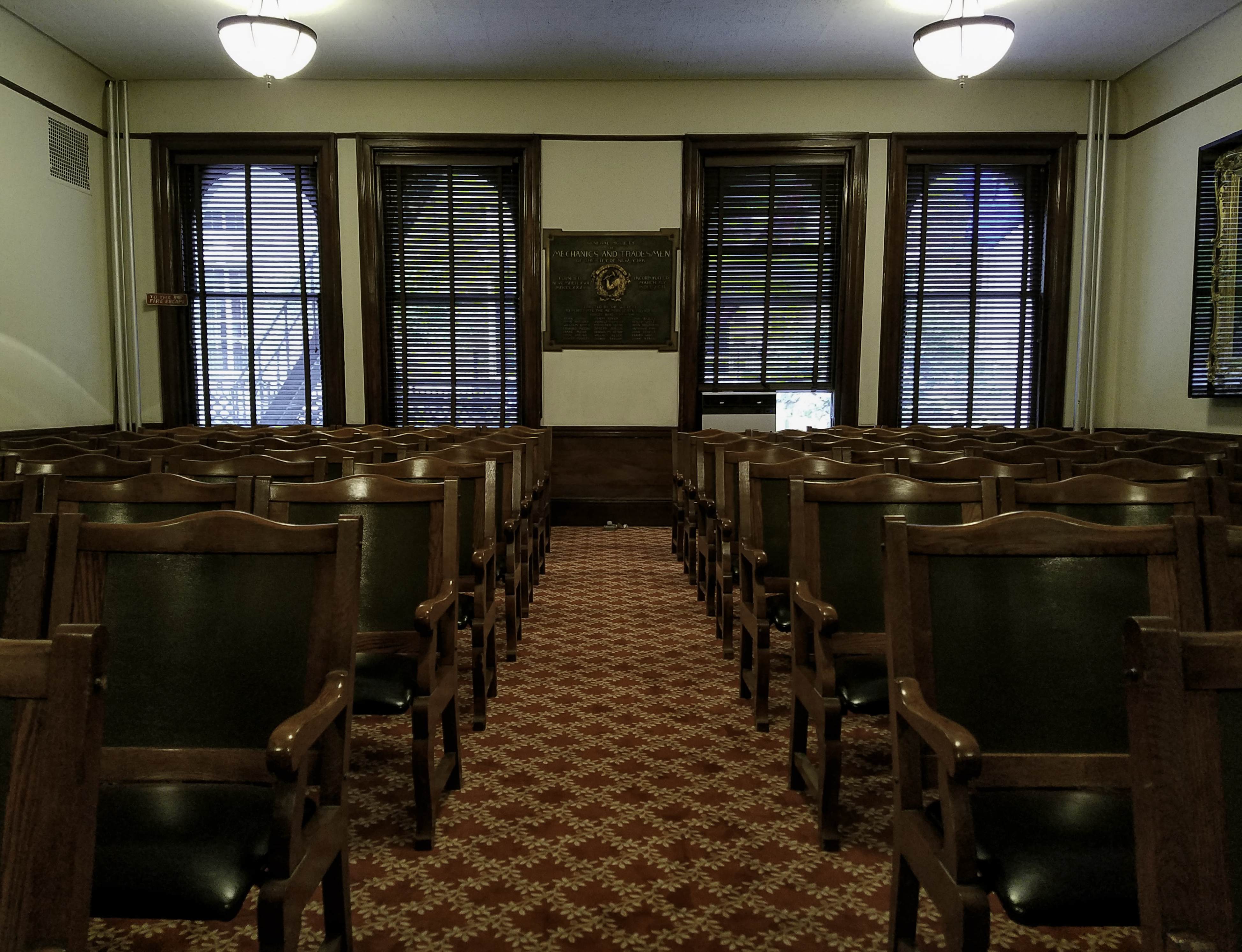
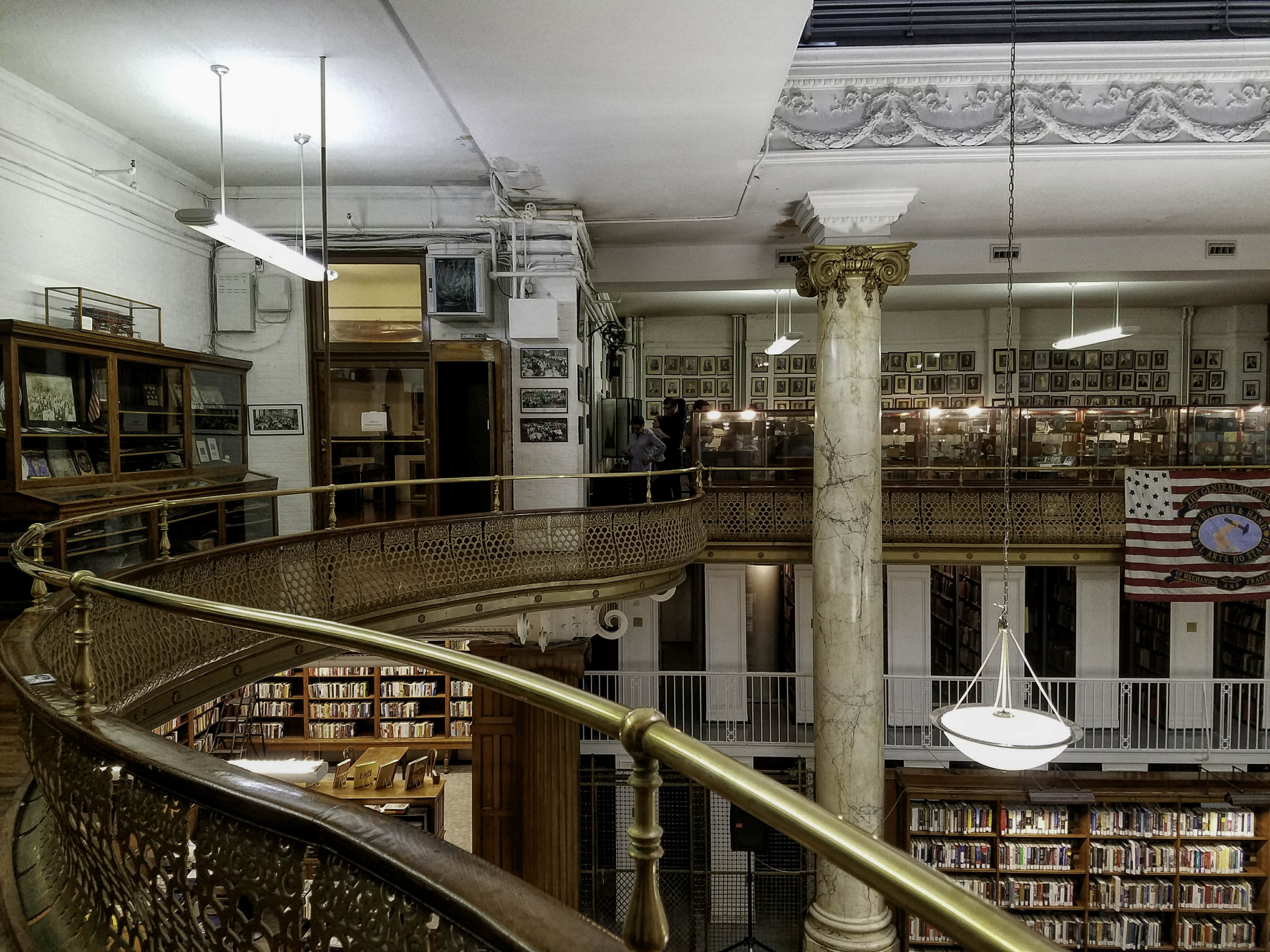
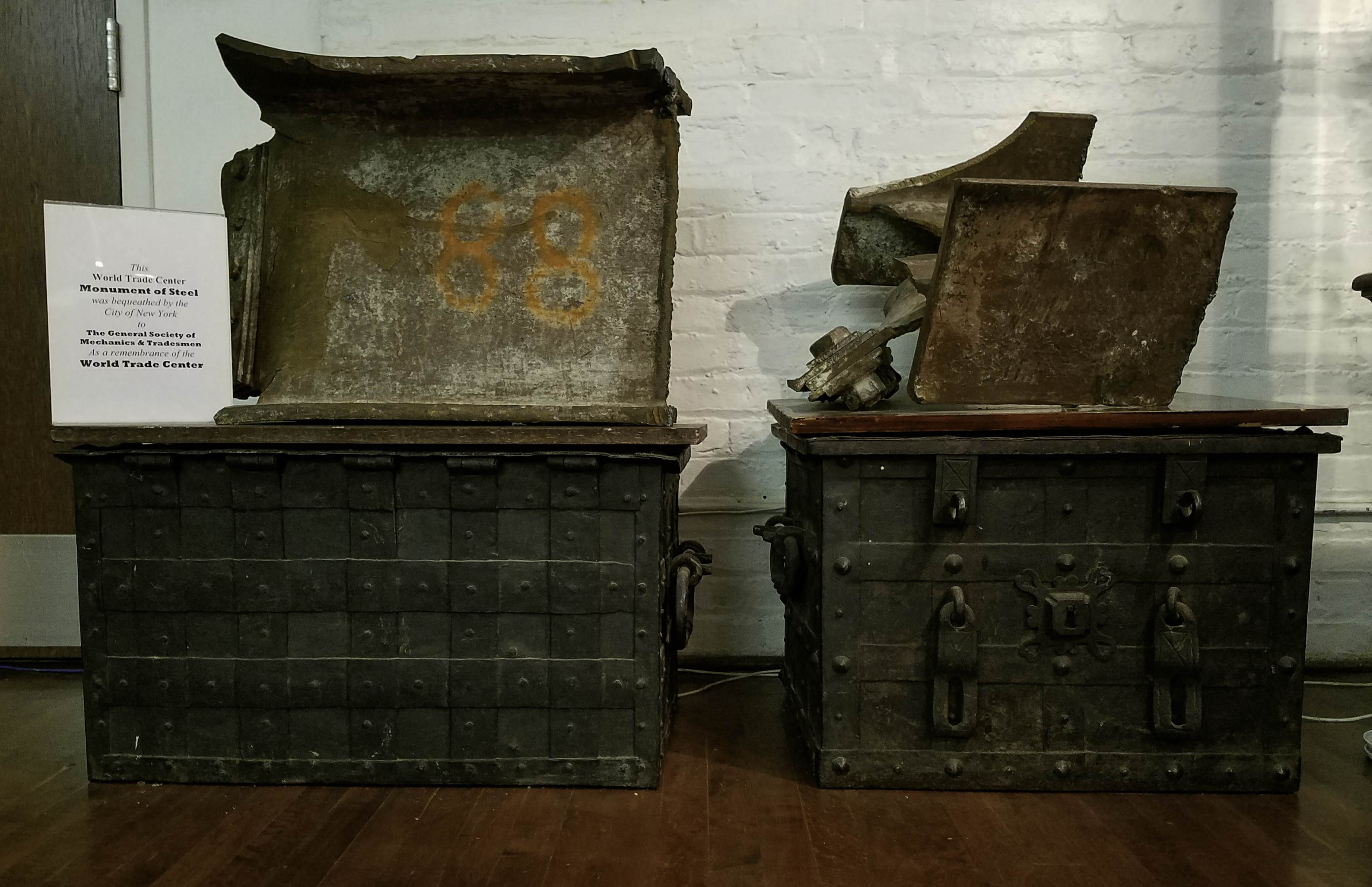
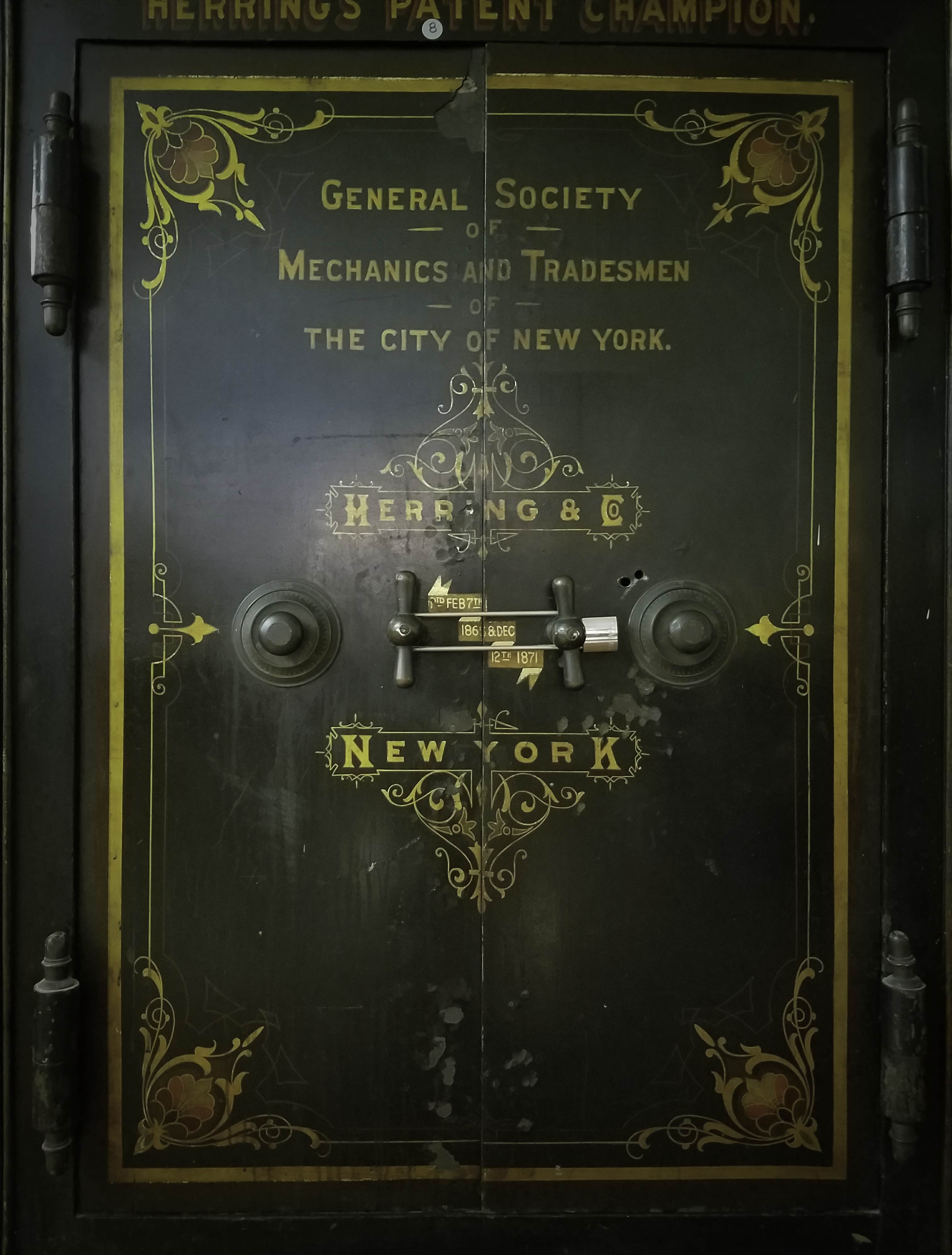
The General Society of Mechanics & Tradesmen of the City of New York

[The General Society of Mechanics & Tradesmen of the City of New York], as their website helpfully informs us, [was founded in 1785 by the skilled craftsmen of the City. Today, this 233-year old organization continues to serve and improve the quality of life of the people of the City of New York through its educational, philanthropic and cultural programs including its tuition-free Mechanics Institute, The General Society Library, and its nearly two-century-old Lecture Series]

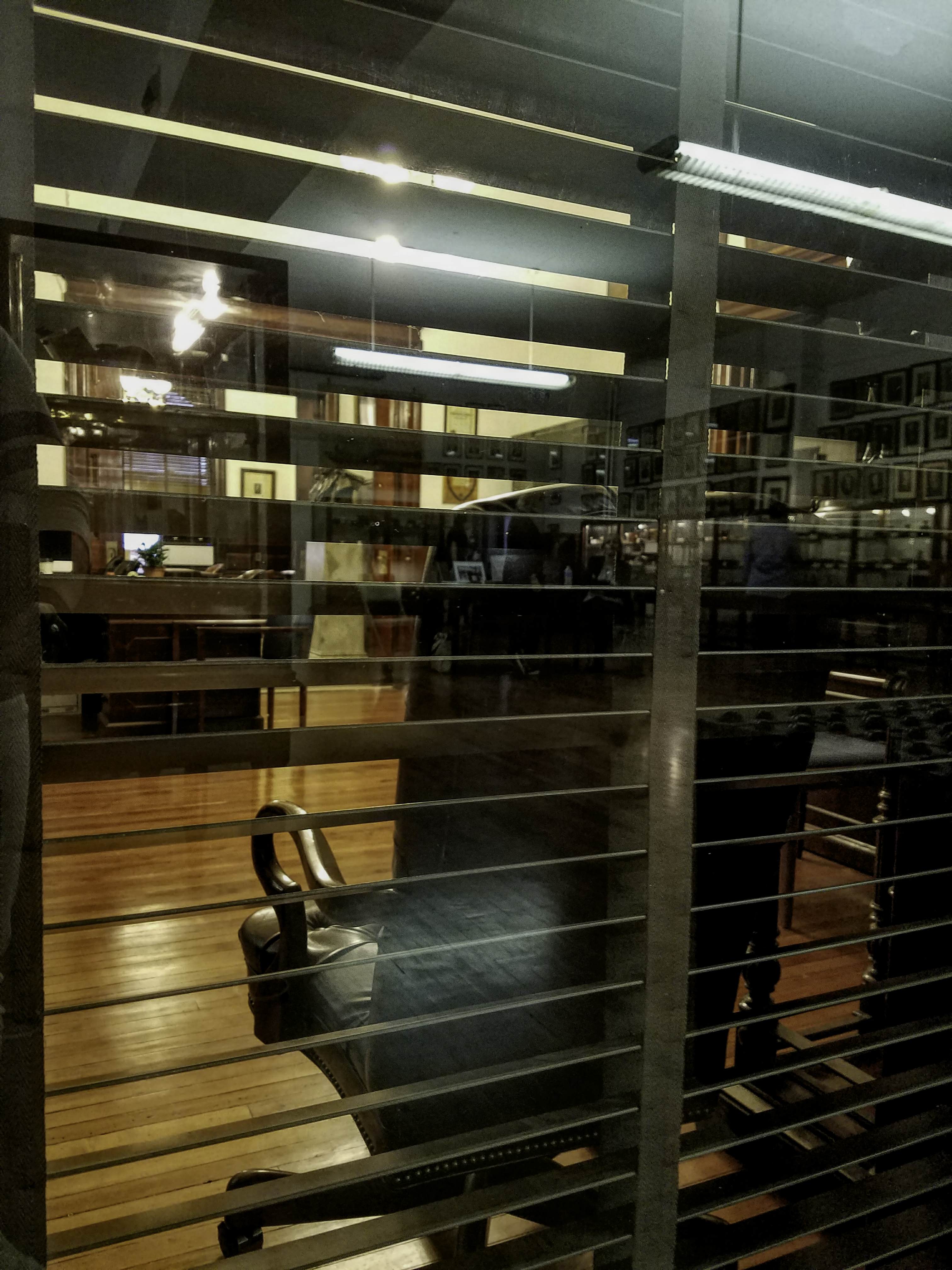
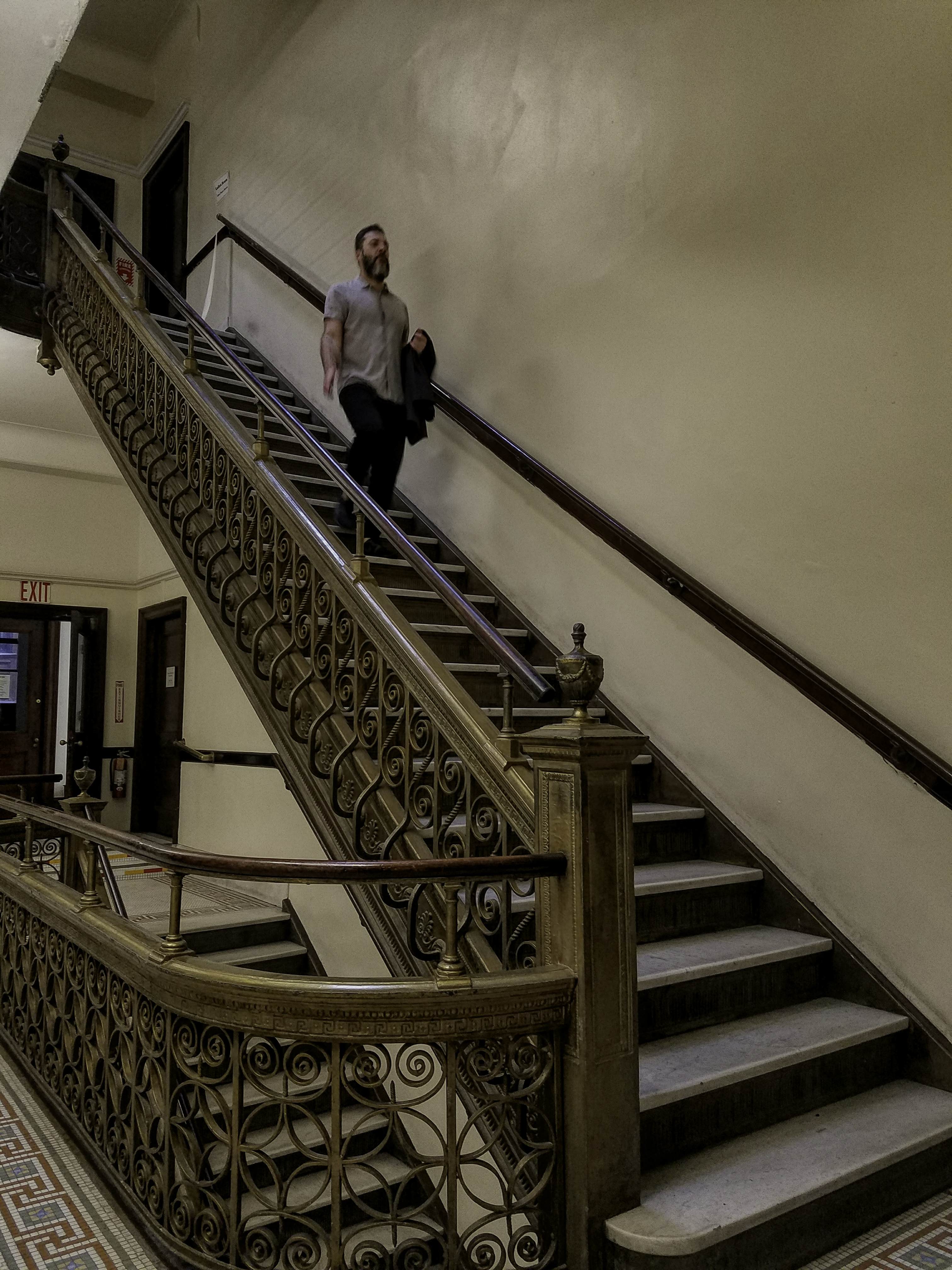
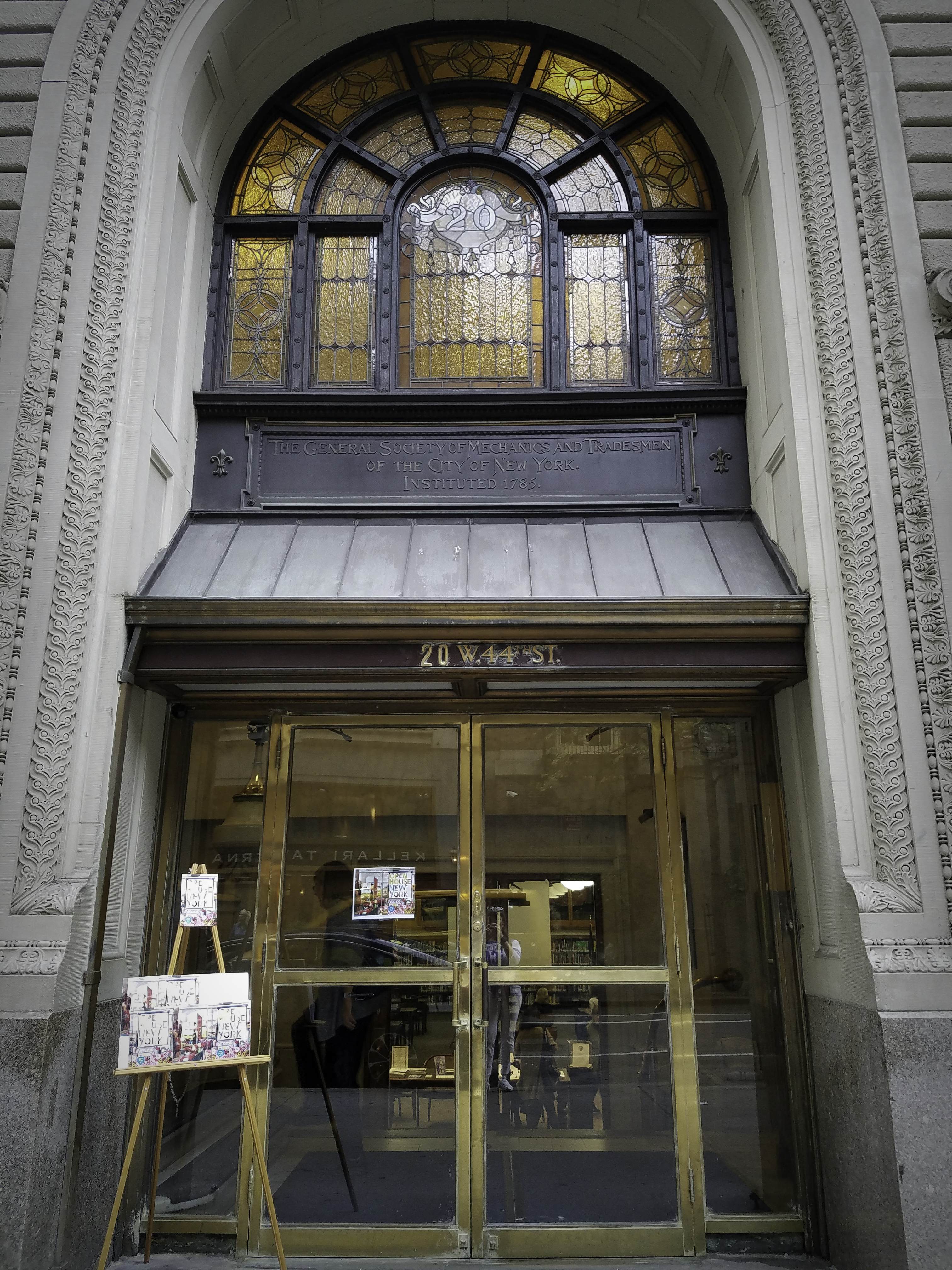
How many times have I walked past it, I can’t say for sure. What I do know for certain is, had it not been for the Open House New York Weekend (OHNY), I would still walk past it without ever suspecting the treasures that lay inside this Renaissance-style building, initially constructed in 1890 as a private school for boys.

I would never have suspected that walking through its unassuming door I would enter into the second oldest library in the City (the oldest is the New York Society Library on the Upper East Side).

I would never have learned of the Society’s role in tuition-free education, with programmes that continue to this day.

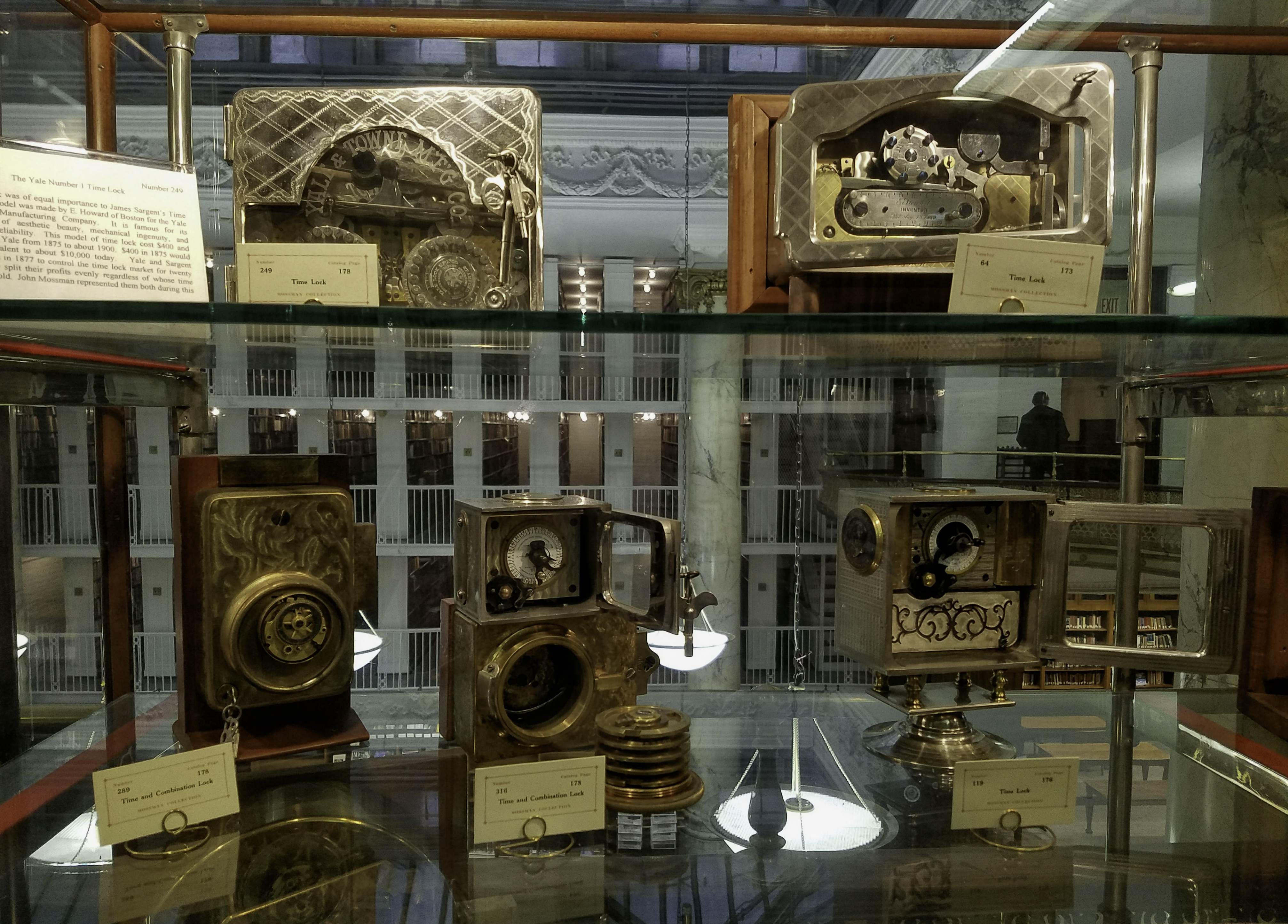
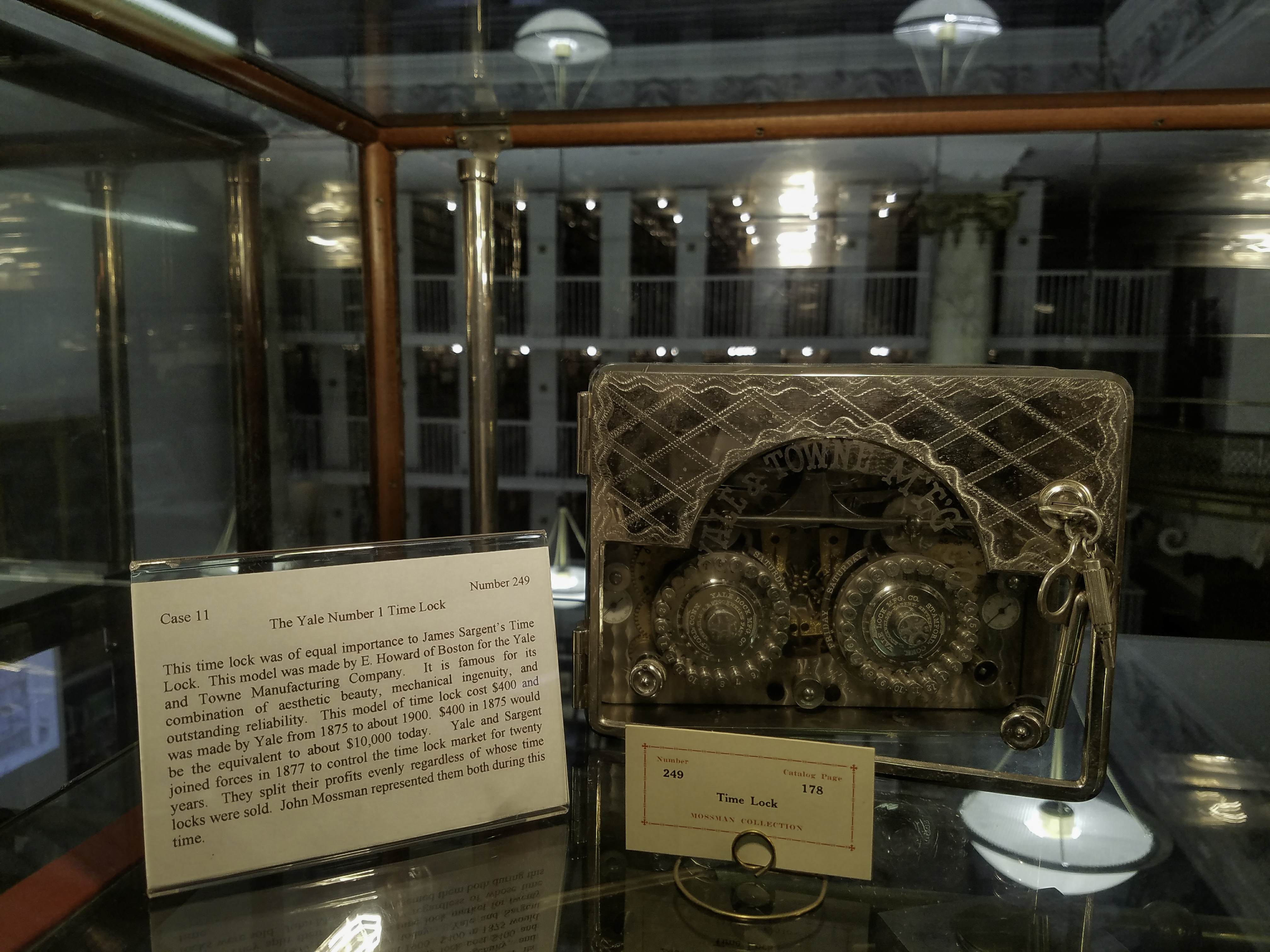
I would never have laid eyes on every steampunk lover’s dream, the John M. Mossman Lock Collection which consists of more than 370 locks, keys and tools, dating from 4000 B.C. to the early 20th-century.

I would never have walked up to the 6th floor where the Institute of Classical Architecture & Art (ICAA) was welcoming visitors to its Cast Hall which houses their collection of rare plaster casts, commissioned by the Metropolitan Museum of Art in the 1880’s-90’s.

But, thanks to OHNY, I am now privy to some of the City’s ”best kept secrets” – and only too happy to share them with you. Hope you enjoy this virtual discovery tour.

In this series we will revisit three – out of the dozens of – buildings and sites that opened their doors during OHNY weekend, on October 14 & 15th, 2017:

The General Society of Mechanics & Tradesmen of the City of New York
The Consulate General of France & Albertine
The Eldridge Street Synagogue

***

Open House New York weekend takes place every year in October.
Next series coming up:  October 19-20, 2019.