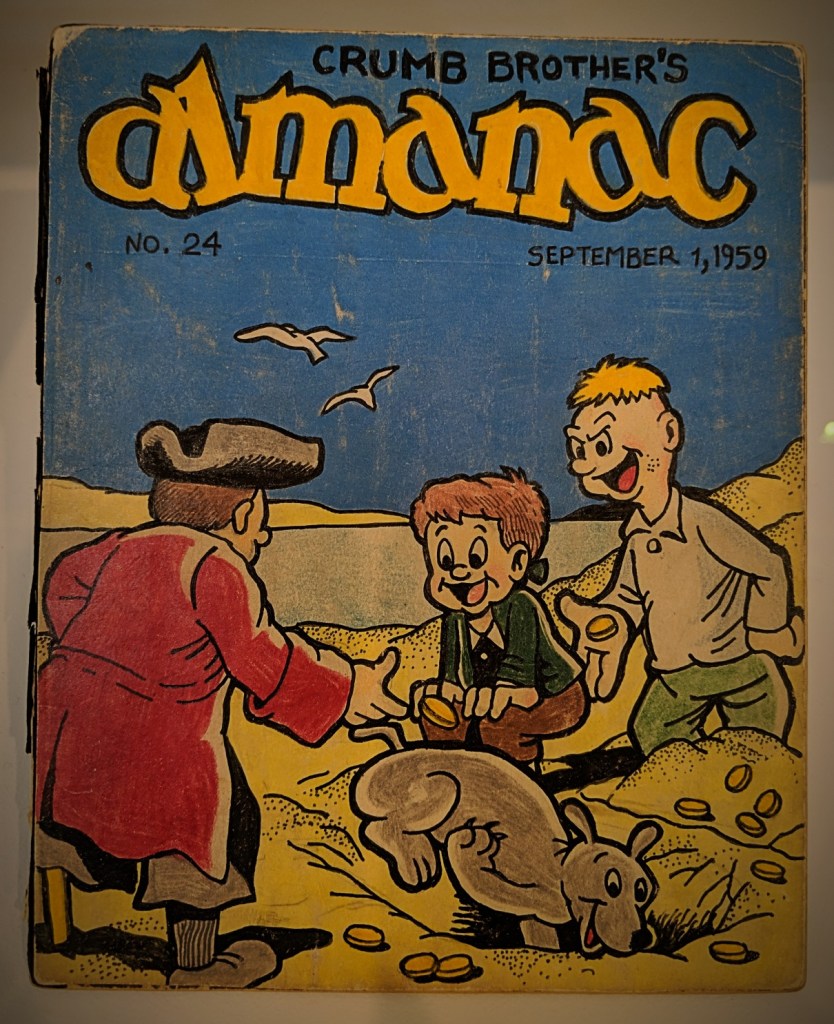
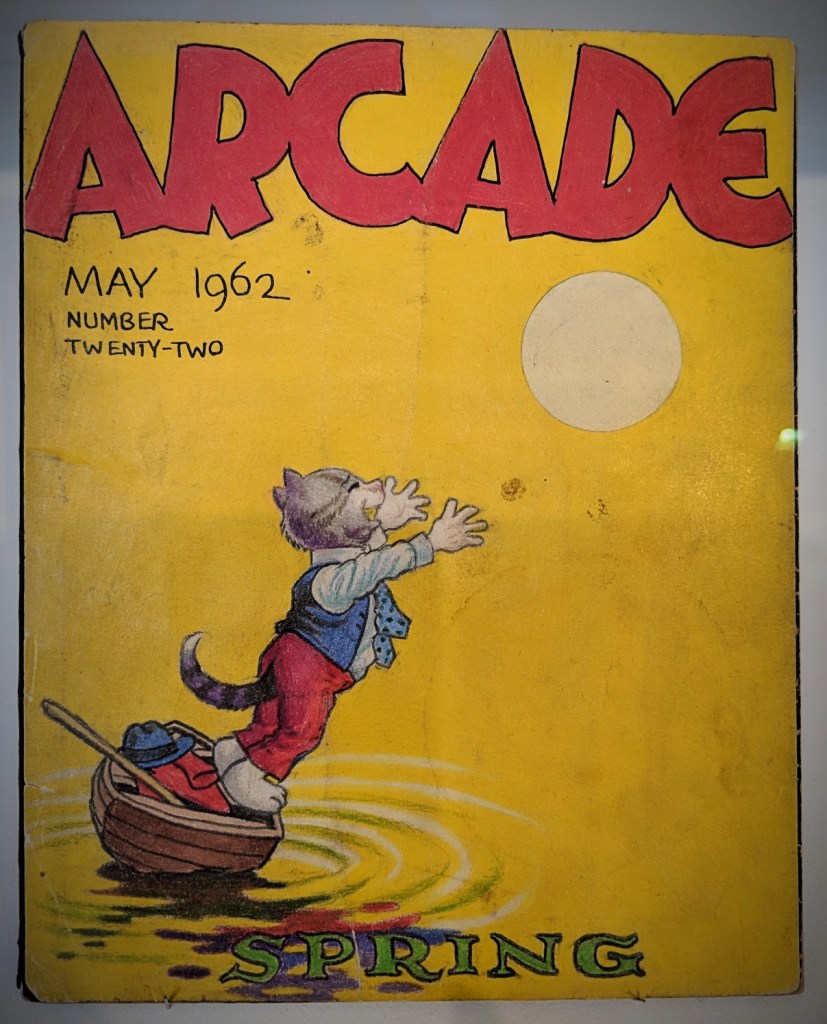
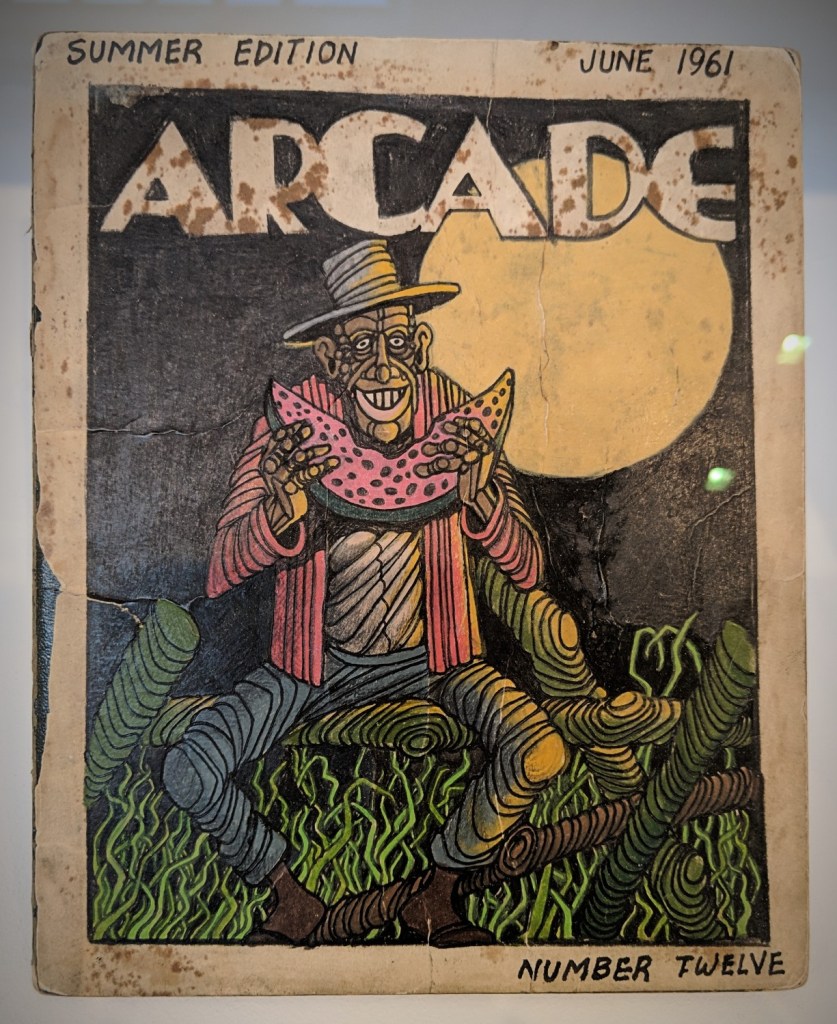
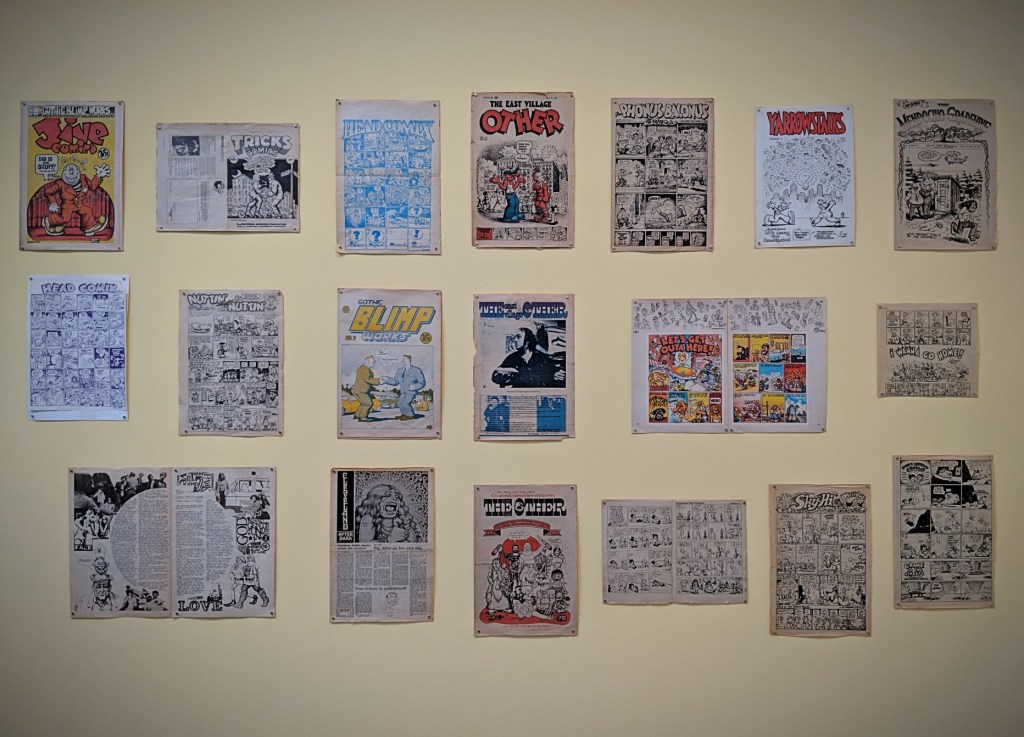
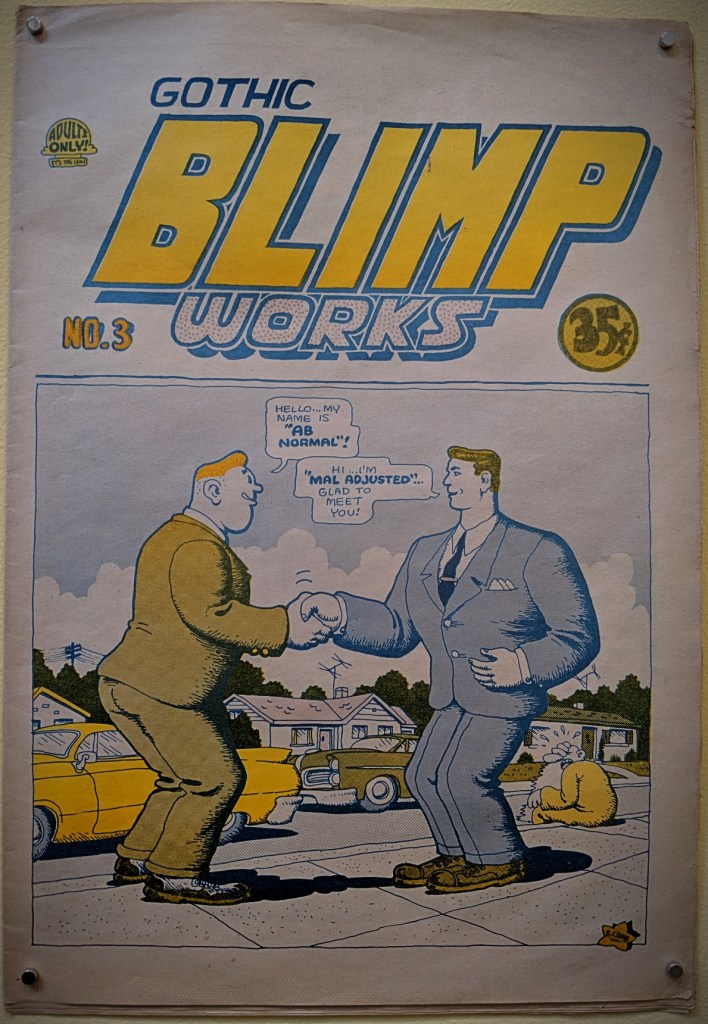
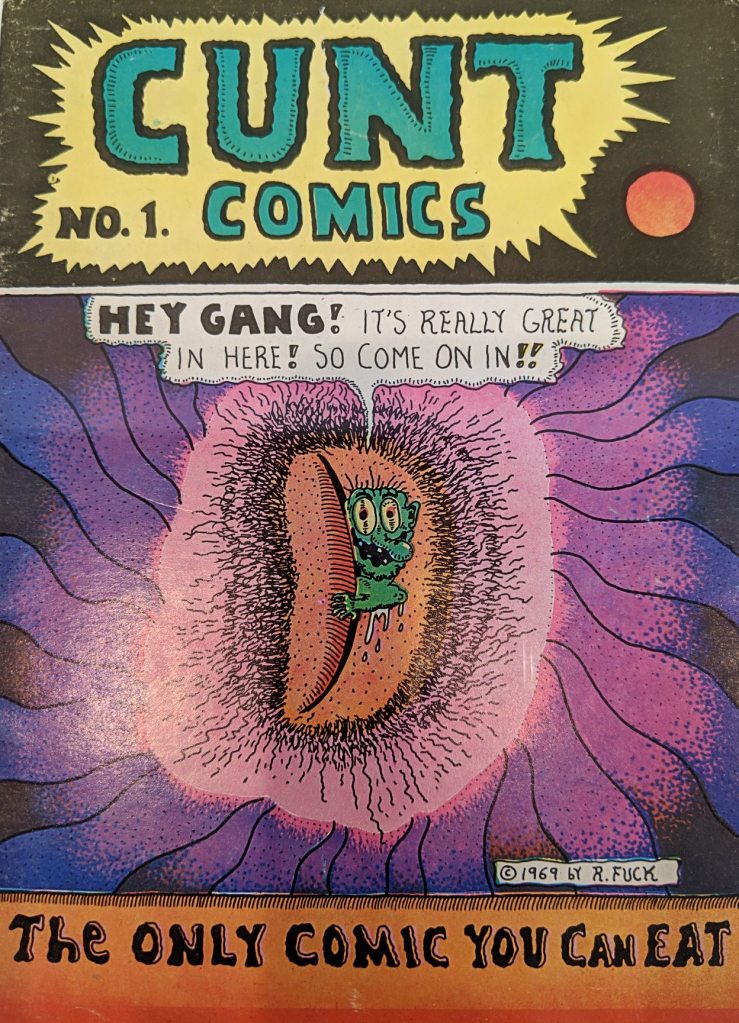
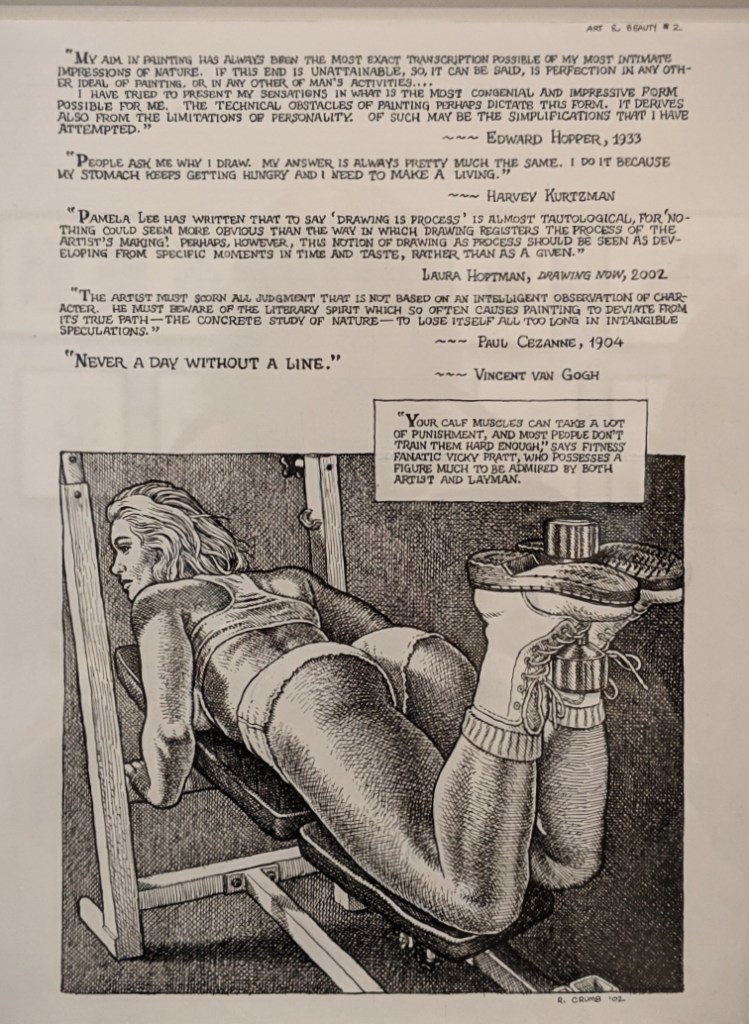
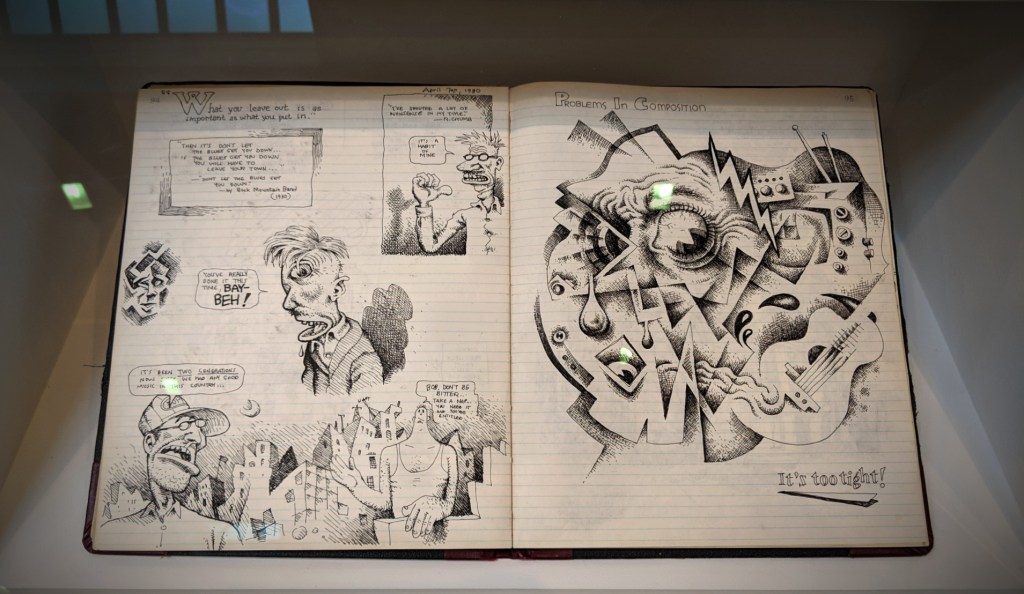
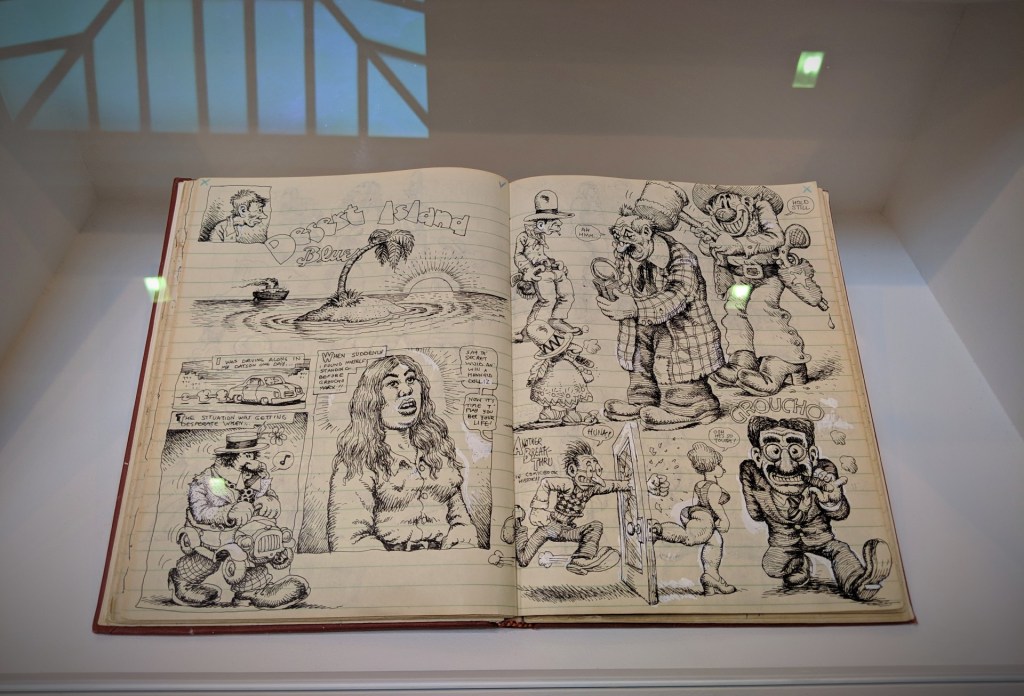
Robert Crumb is an unblinking witness to and graphic critic of the dysfunctional strangeness of the Disunited States. He is peerless in that regard because there’s simply no one like him and no one is as ”far out”. – Robert Storr
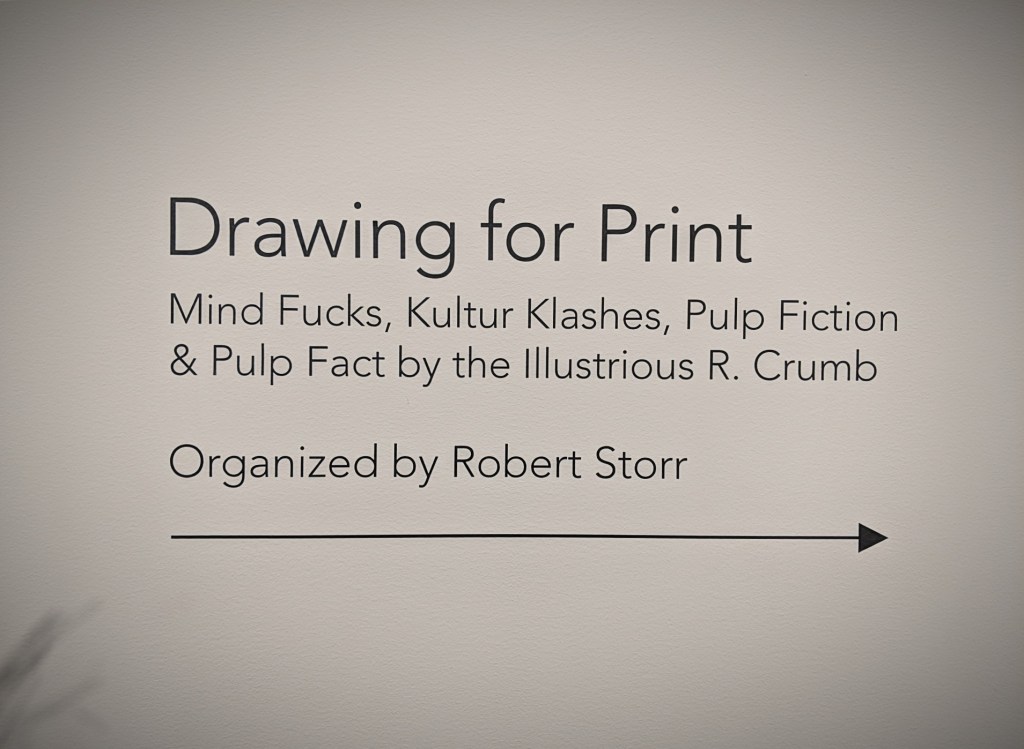
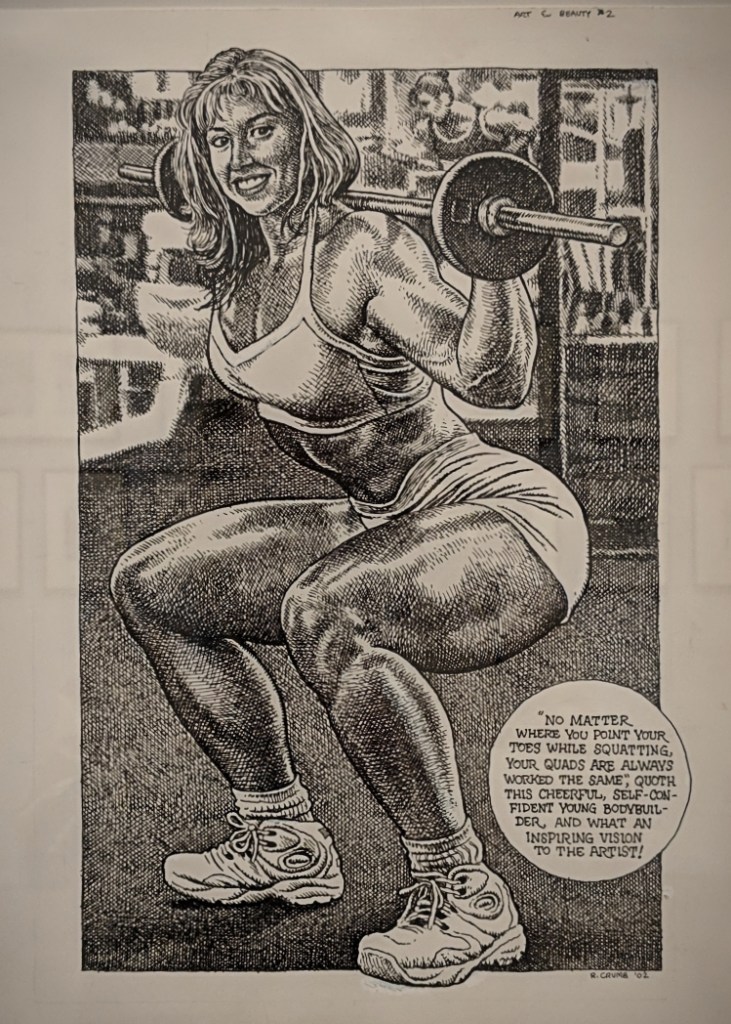
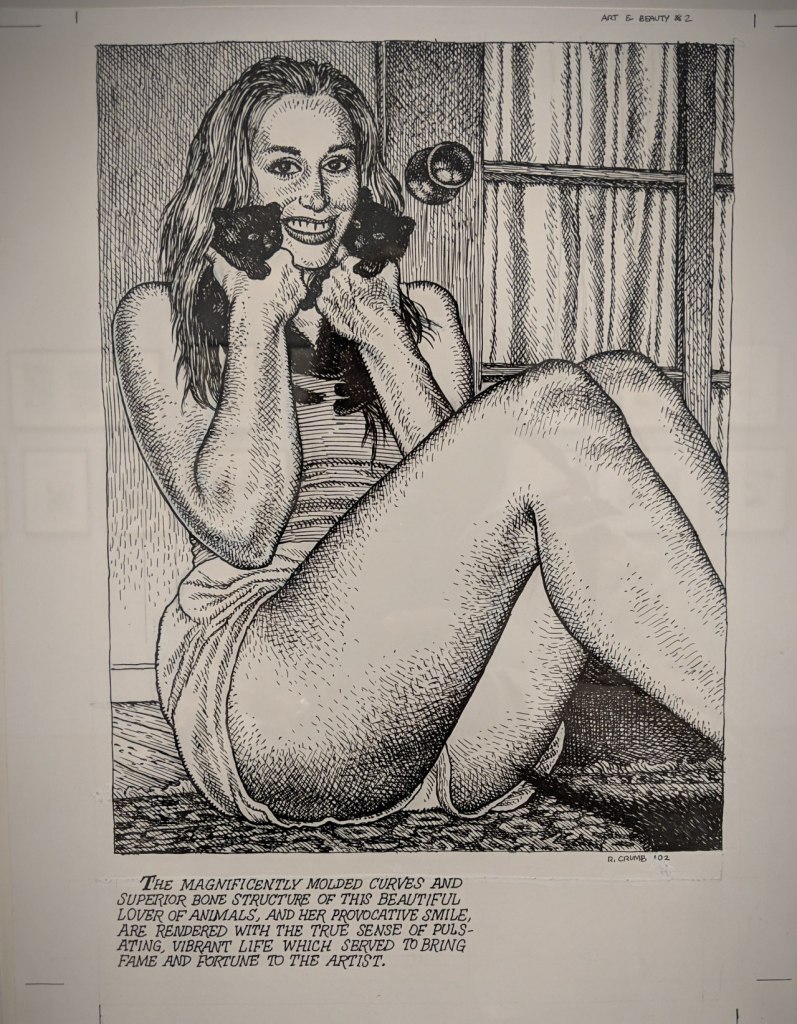
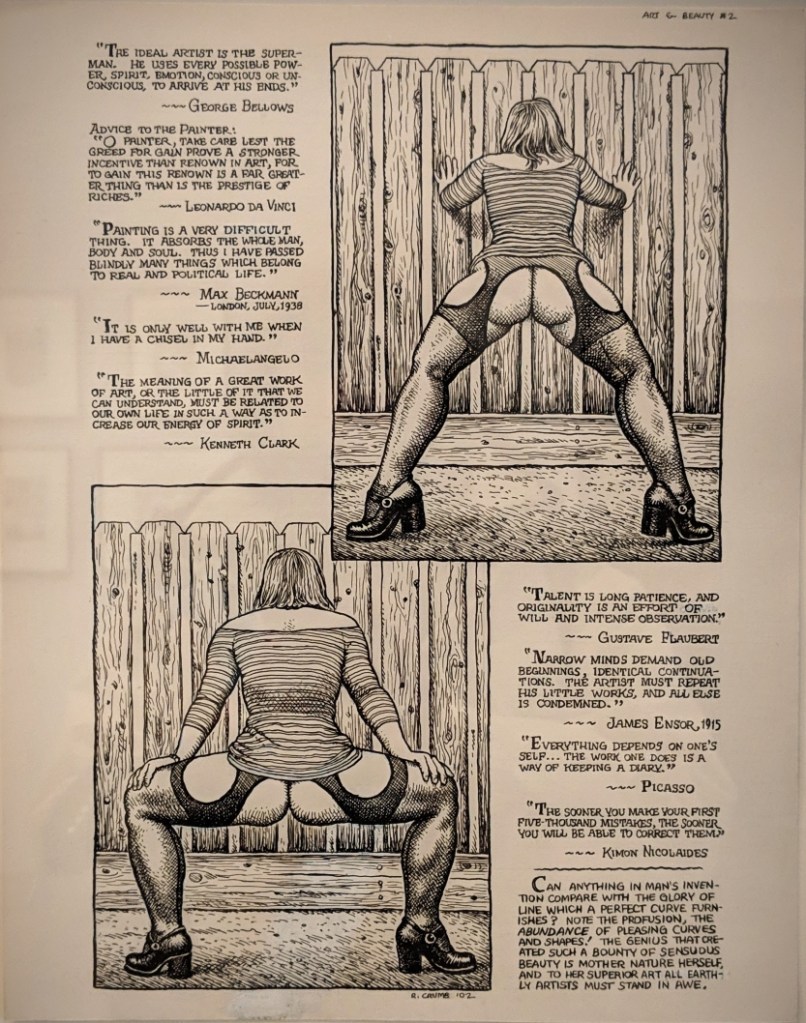
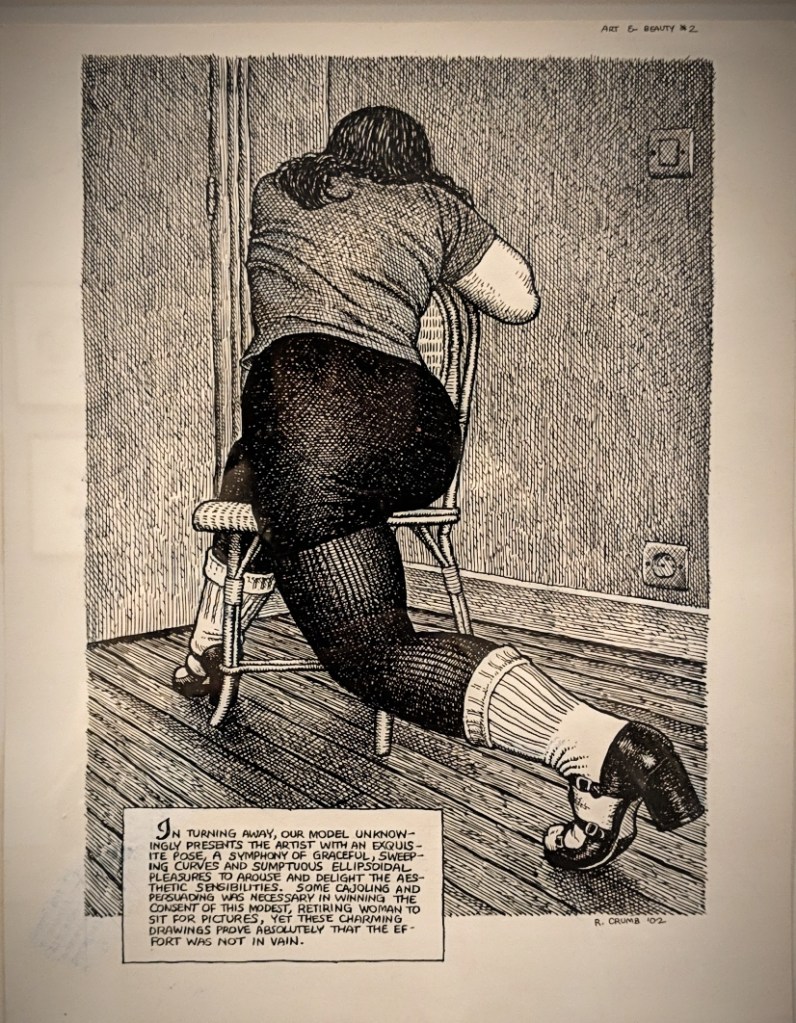
Drawing for Print: Mind Fucks, Kultur Klashes, Pulp Fiction & Pulp Fact by the Illustrious R. Crumb
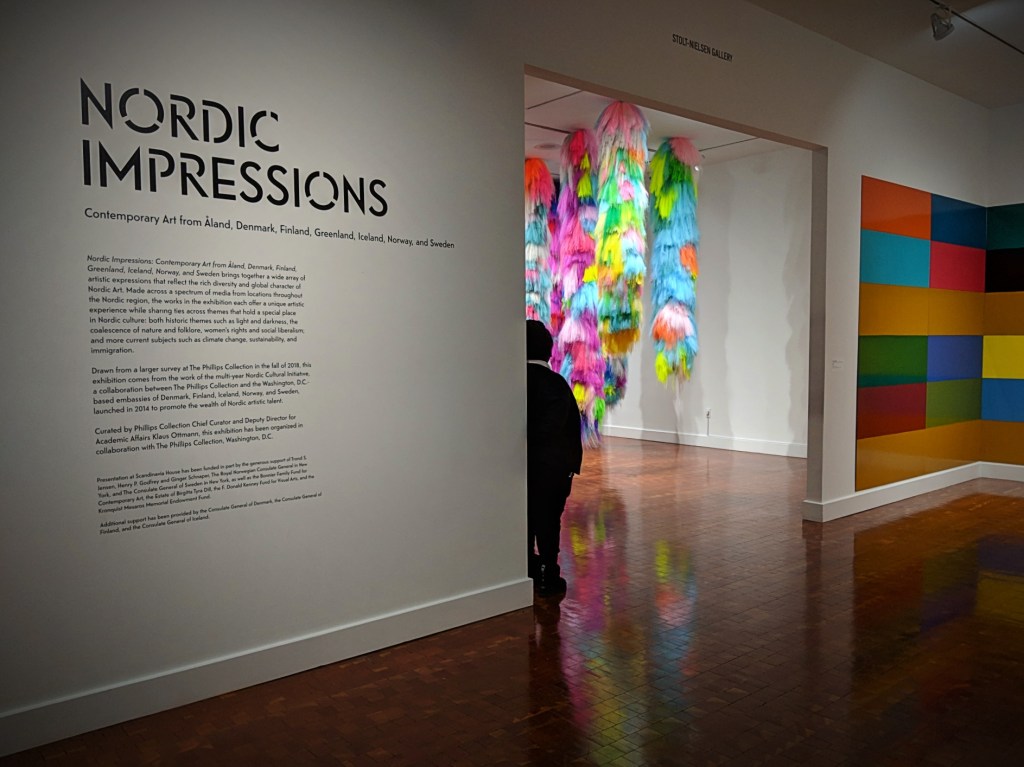
CONTEMPORARY ART FROM ÅLAND, DENMARK, FINLAND, GREENLAND, ICELAND, NORWAY, AND SWEDEN
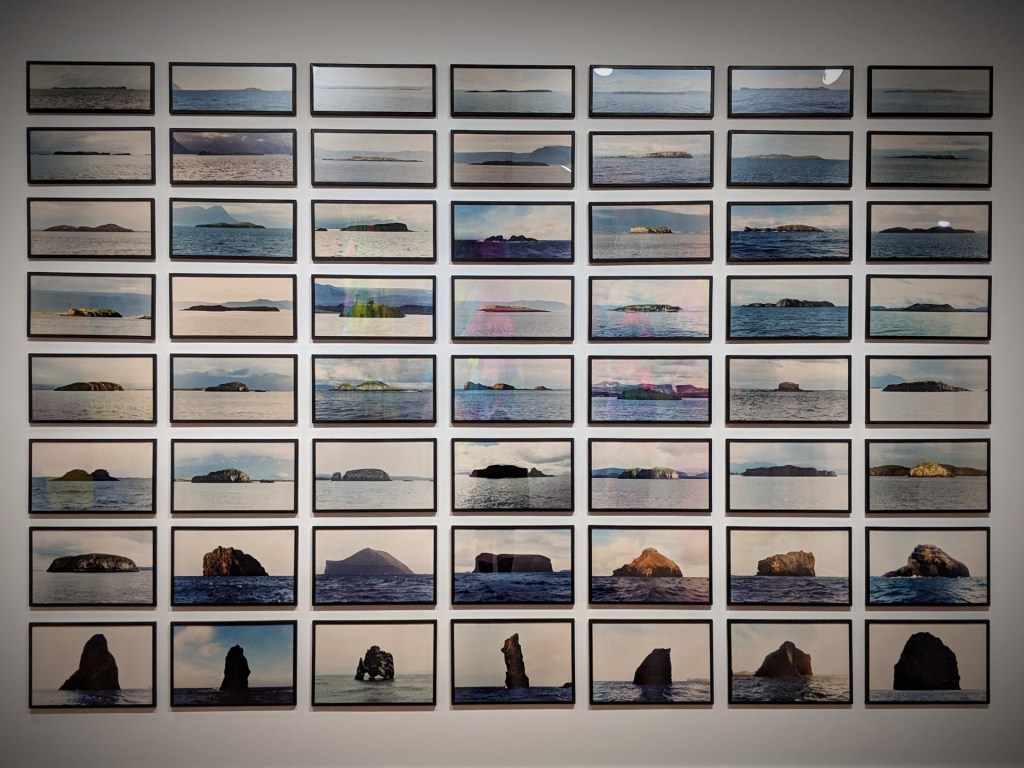
Ólafur Elíasson (b. 1967, Denmark) The Island Series, 1997 56 framed C-prints
For The Island Series, Eliasson photographed the islands that surround Iceland. Sequenced according to island size, the photographs are reminiscent of the faithful depictions of nature – and its elements of water, sky, light, and colour – by the 19th-century Danish Golden Age painters.
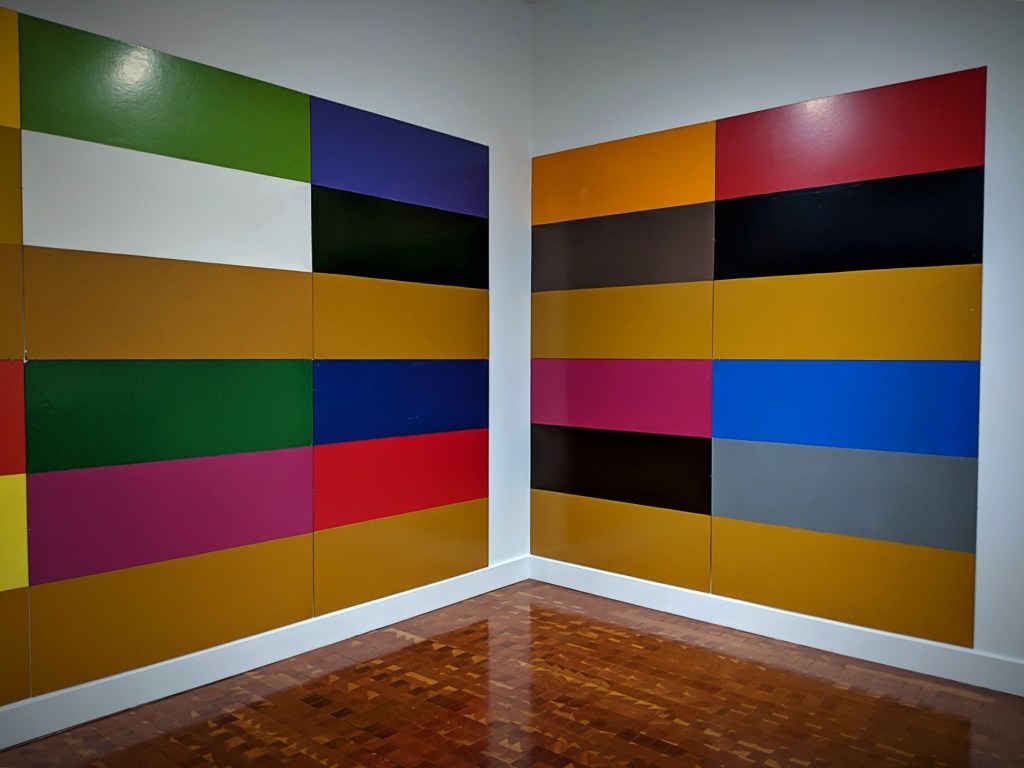
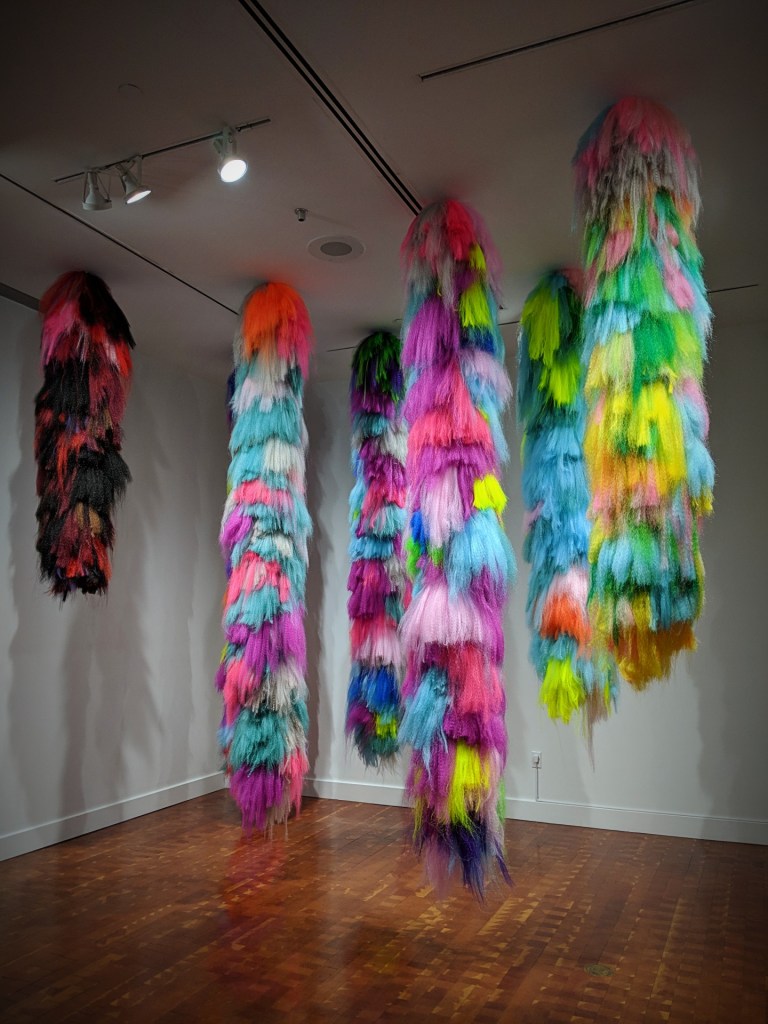
Poul Gernes (b. 1925, Denmark; d. 1996, Sweden) Untitled, 1965 Enamel on masoniteHrafnhildur Arnardóttir / Shoplifter (b. 1969, Iceland) Nervelings I-V, 2018 Synthetic hair and rope
Brooklyn-based artist Hrafnhildur Arnardóttir, who goes by Shoplifter, experiments with artificial hair that she dyes into a rainbow of hypernatural colours and arranges into organic sculptures or massive landscapes.
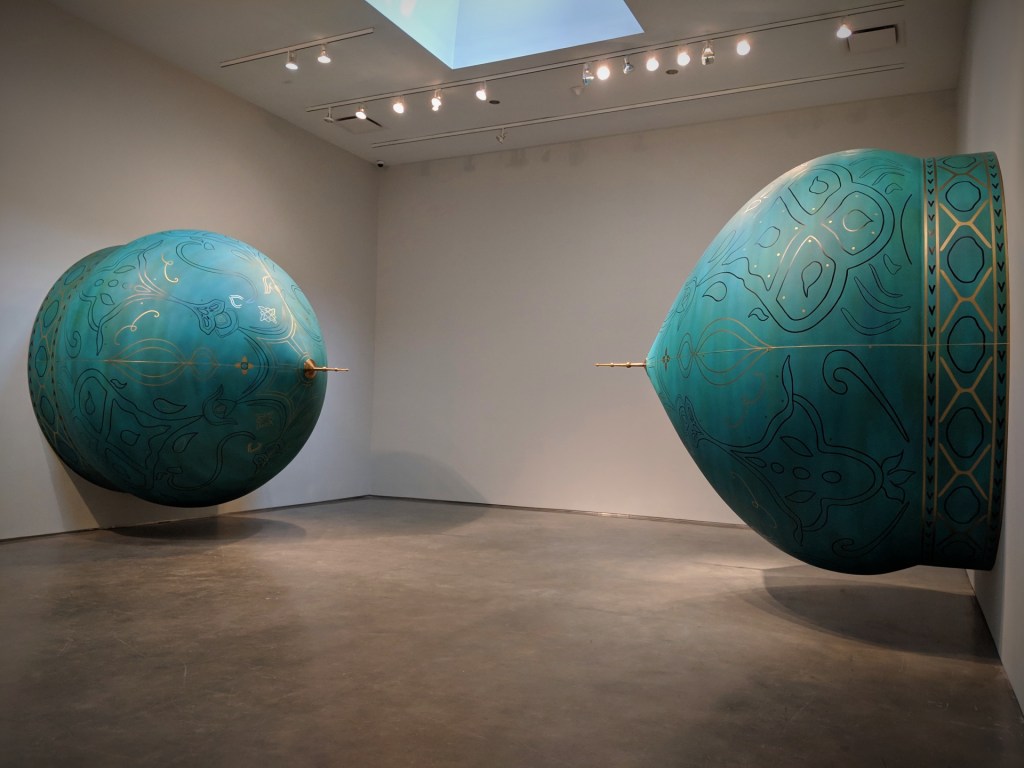
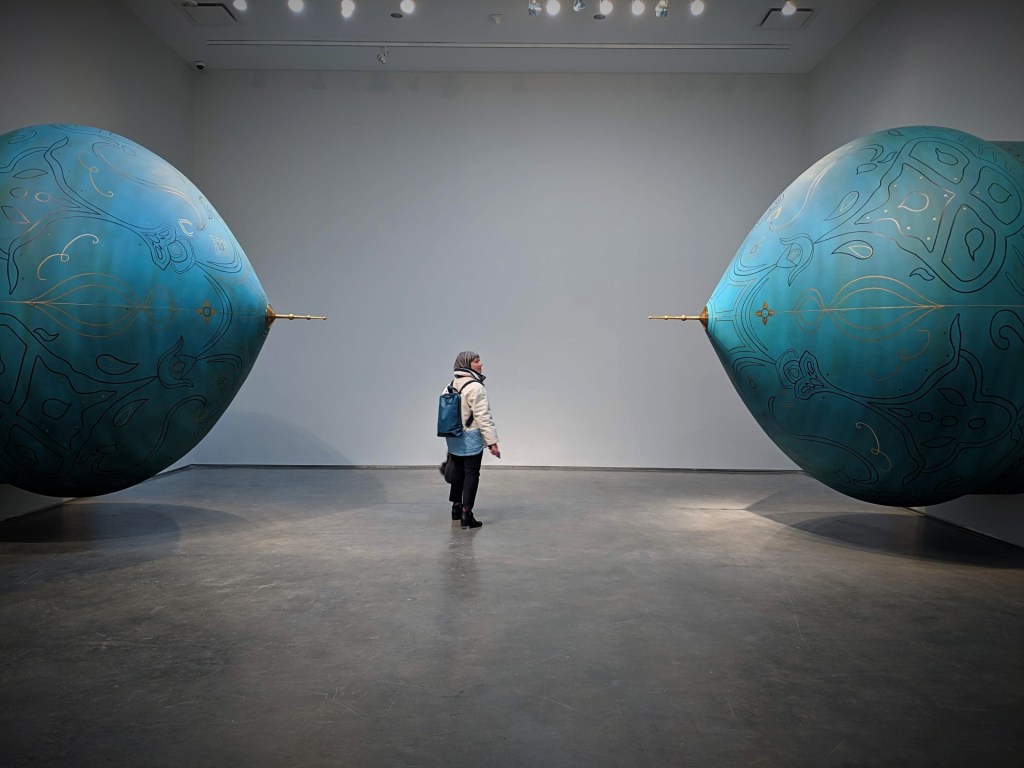
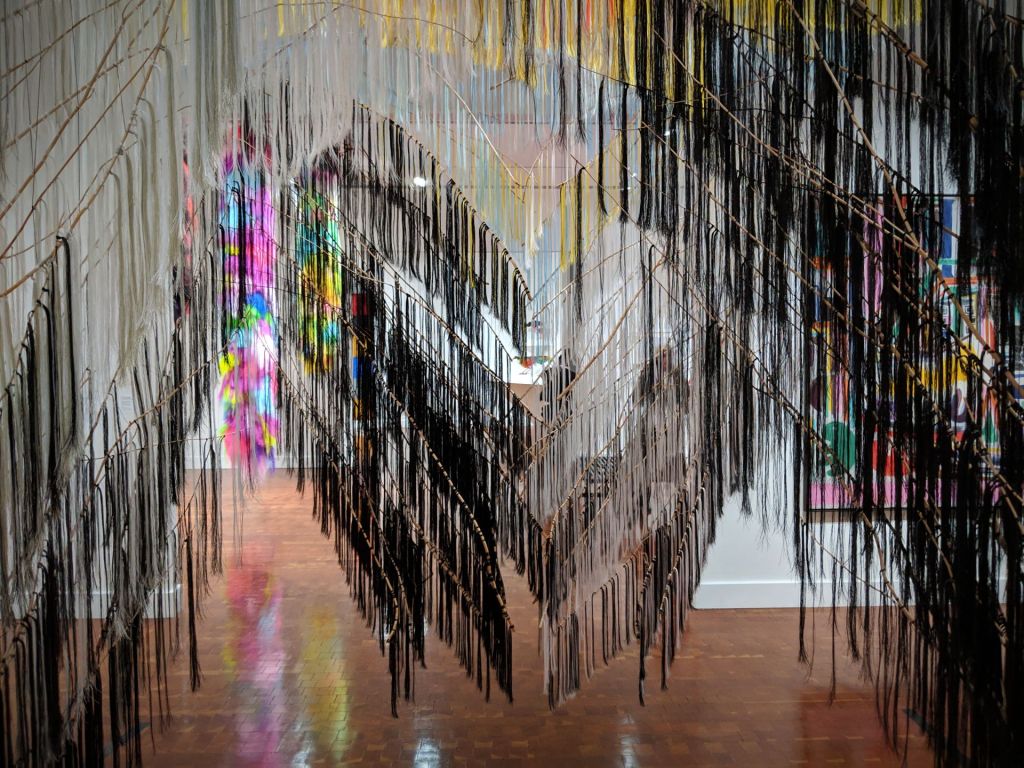
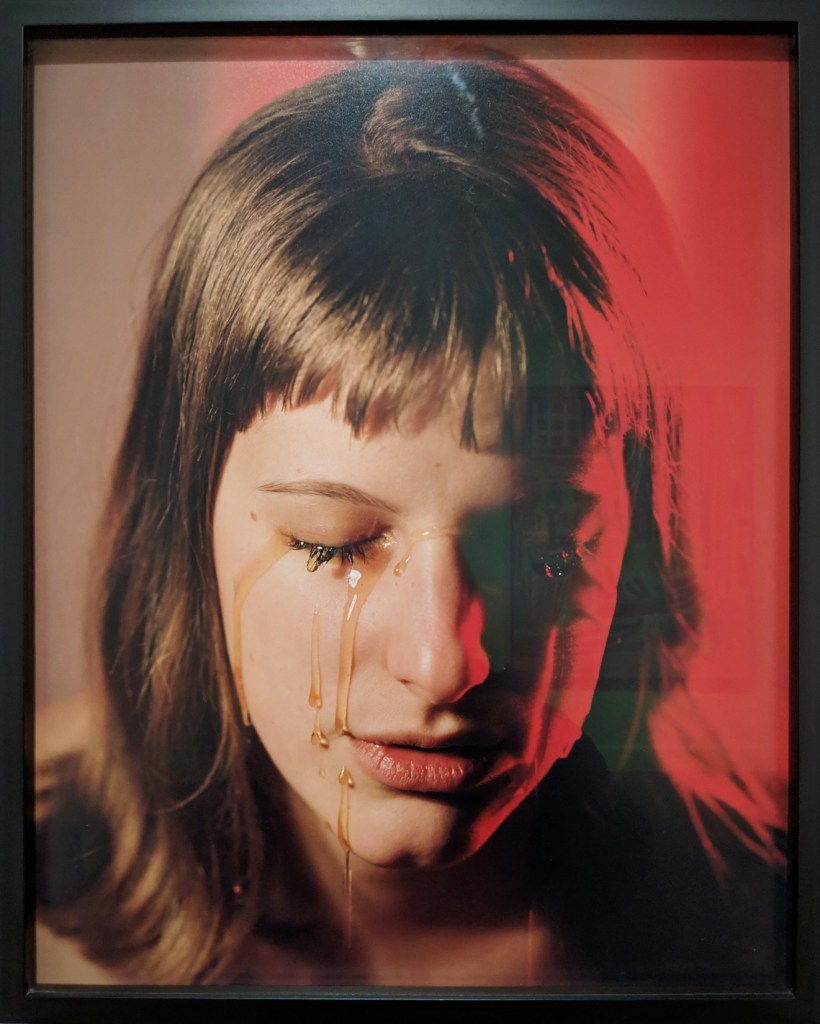
Outi Pieski (b. 1973, Finland) Crossing Paths, 2014 Wood and threadsTorbjørn Rødland (b. 1970, Norway) Golden Tears, 2002 Colour coupler (chromogenic) print mounted on aluminumEggert Pétursson (b. 1956, Iceland) Untitled, 2012-2013 Oil on canvasHenry Wuorila-Stenberg (b. 1949, Finland) Self-Portrait, 2015 Charcoal on paperTori Wrånes (b. 1978, Norway) Ancient BabyPANAM plaque embedded in the walkway Library Way
One of the 96 bronze plaques on East 41st Street, between Madison and Fifth Avenues.
From an exhibition at Scandinavia House on 58 Park Avenue, February through June 2019.
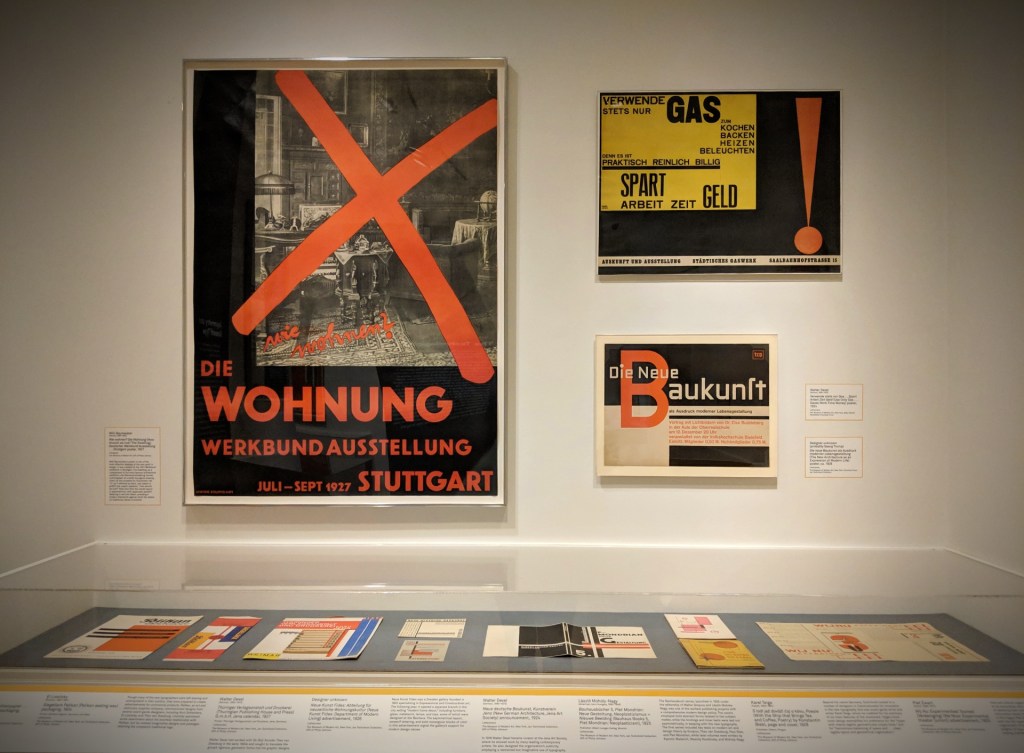
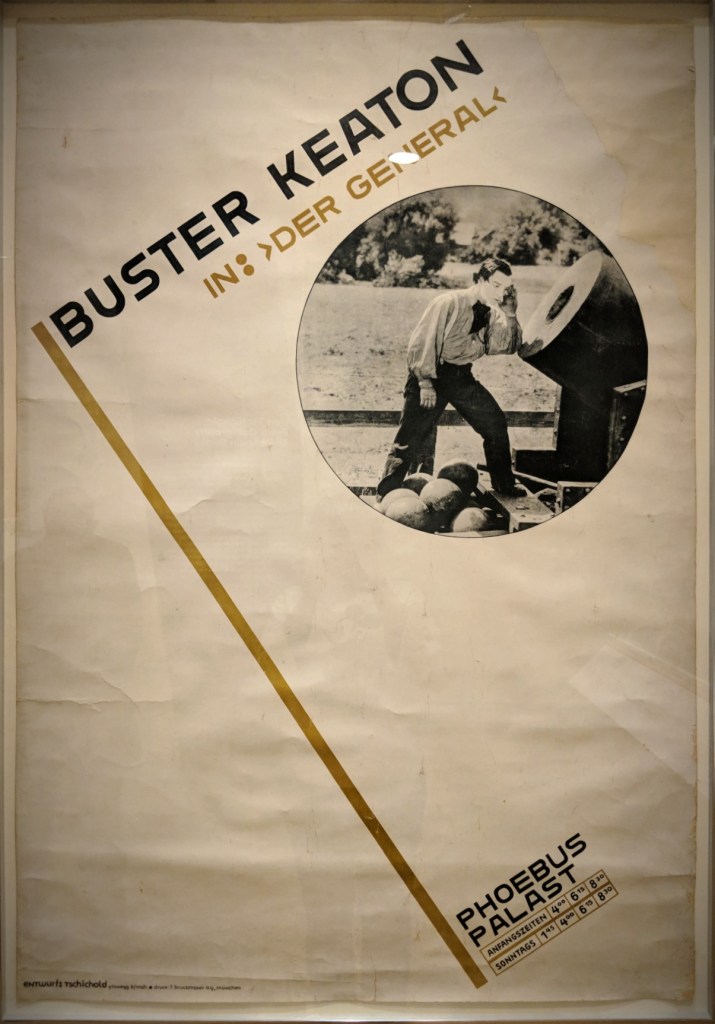
Jan Tschichold was the most important typographer of the twentieth century; his career framed many of the great debates in graphic design. Trained as a calligrapher in German Gothic script, he rejected this ”nationalist” approach in favor of a style inspired by avant-garde Constructivist art. He even briefly changed his name to ”Ivan” in sympathy with Soviet art and politics. His writings helped define the New Typography, a movement that sought to make printed text and imagery dynamic, efficient, and attuned to the demands of modern life. Tschichold’s designs and theories were controversial and provoked hostility from conservative critics. Imprisoned by the Nazis in 1933, Tschichold and his family escaped to Switzerland, where he began to question the values of modernism. By 1947, when he was appointed design director of Penguin Books in London, he was advocating a return to classical design principles: orderliness, clarity, and uniformity.
In March 1947, Tschichold became design director of Penguin Books in London, the world’s largest paperback publisher. To ensure consistency across the firm’s books, one of his first tasks was to standardize the horizontal grid and color schemes that Edward Young had established in 1935: orange for fiction, green for crime, purple for biography, etc.
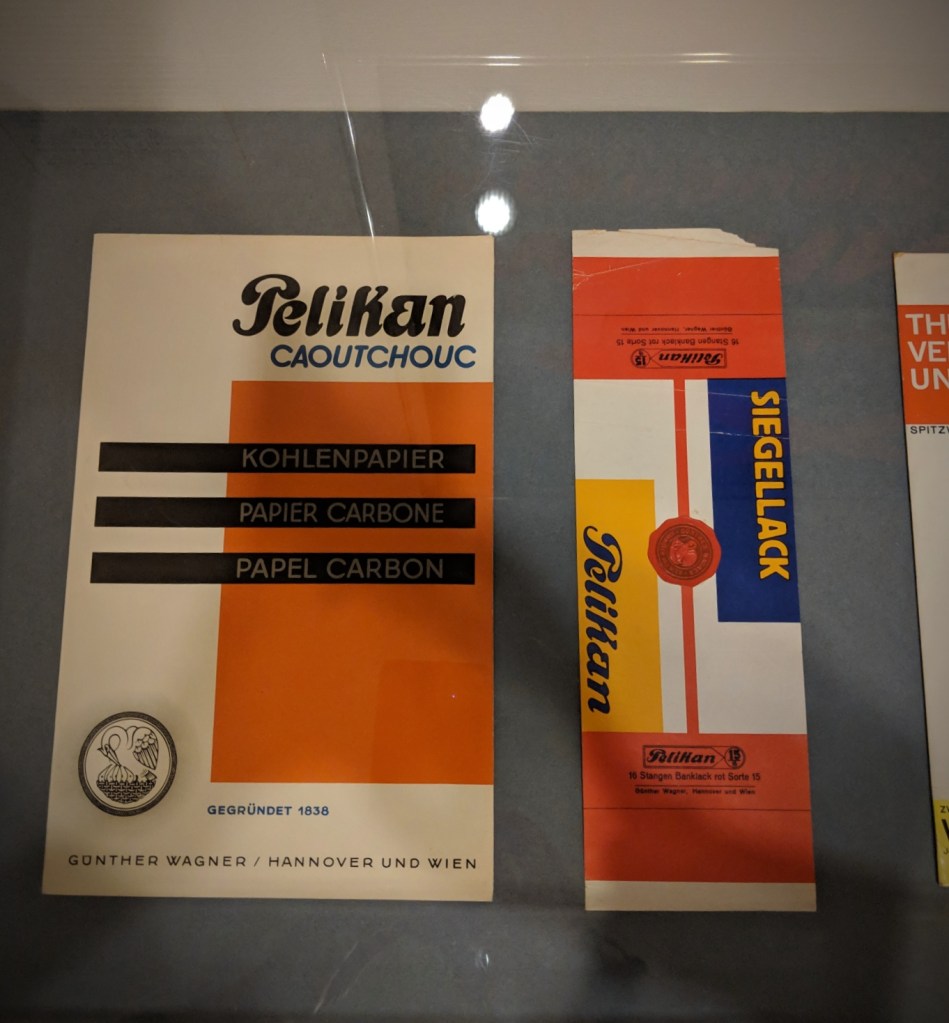
Designer unknown Pelikan carbon paper packaging, after 1928 The Museum of Modern Art, New York, Jan Tschichold Collection
9949Jan Tschichold (Swiss German, 1902-1974) Buster Keaton in: ”Der General” Phoebus-Palast Poster, 1927 The Museum of Modern Art, New York
Jan Tschichold (Swiss German, 1902-1974) Phoebus-Palast: Music and Film Performances by rank; program, 1927 The Museum of Modern Art, New York
Johannes Molzahn (German, 1892-1965) Dwelling and Workplace poster, 1929 The Museum of Modern Art, New York, Jan Tschichold Collection
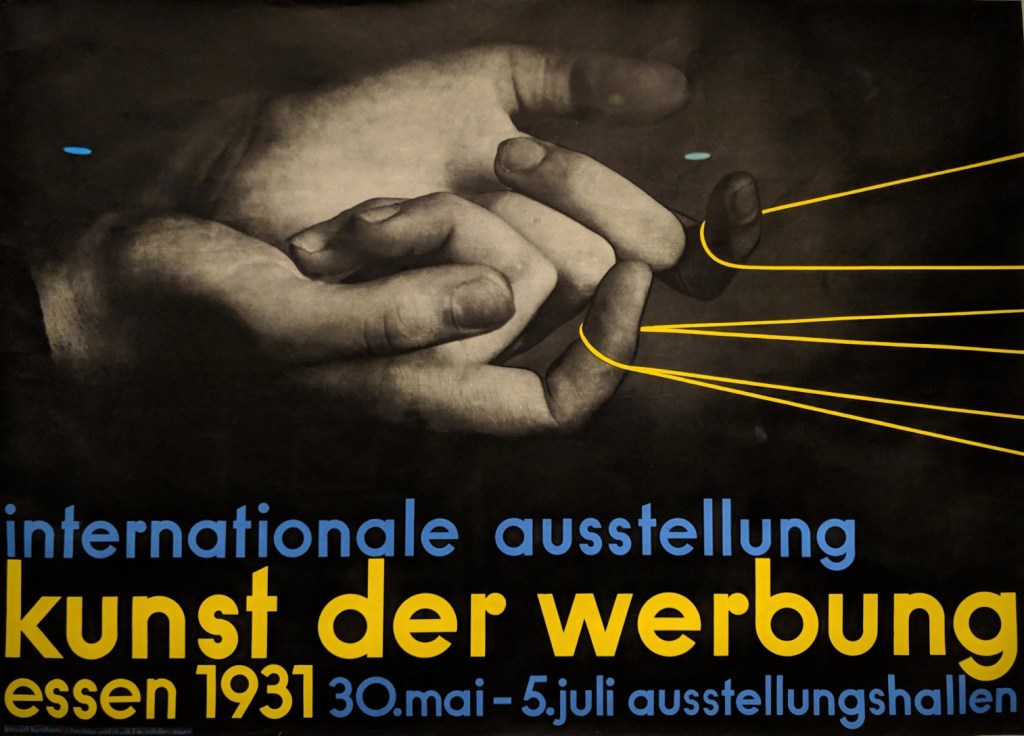
Max Burchartz (German, 1887-1961) International Exhibition: Art of Advertising poster, Essen 1931 The Museum of Modern Art, New York
Paul Schuitema (Dutch, 1897-1973) Nutricia, le lait en poudre advertisement, 1927-28 The Museum of Modern Art, New York, Jan Tschichold Collection
The New Typography was a movement based in Germany during the period of the Weimar Republic (1918-33) that sought to make printed text and imagery a dynamic expression of modern life. Proponents advocated adopting asymmetrical layouts, sanserif letterforms, and integrating photography with text in a manner that expressed a new sensibility, shaped by advertising and the mass media. Jan Tschichold, a young typographer trained in Leipzig, was the author of the landmark texts ”elementare typographie” (1925) and Die neue Typographie (1928), which did much to define the movement. Tschichold contacted many leading artist-designers throughout Europe and the Soviet Union to acquire examples of their finest designs and added them to his personal collection, most of which is now in the Museum of Modern Art in New York.
From the ”Jan Tschichold and the New Typography” exhibition @ Bard Graduate Center (February – July 2019)
250 cubic yards of earth (197 cubic meters)
3,600 square feet of floor space (335 square meters)
22 inch depth of material (56 centimeters)
Total weight of sculpture: 280,000 lbs. (127,300 kilos)
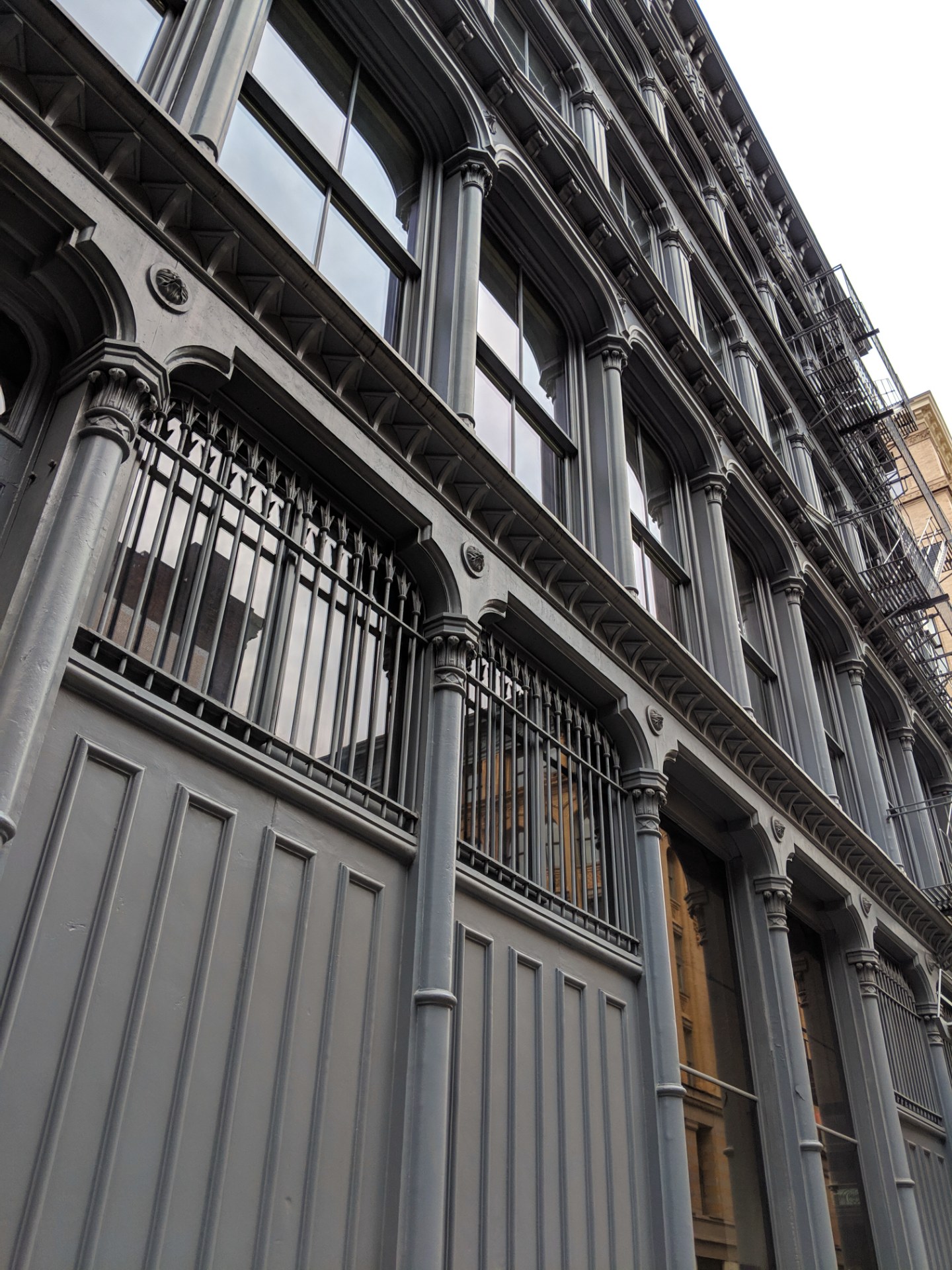
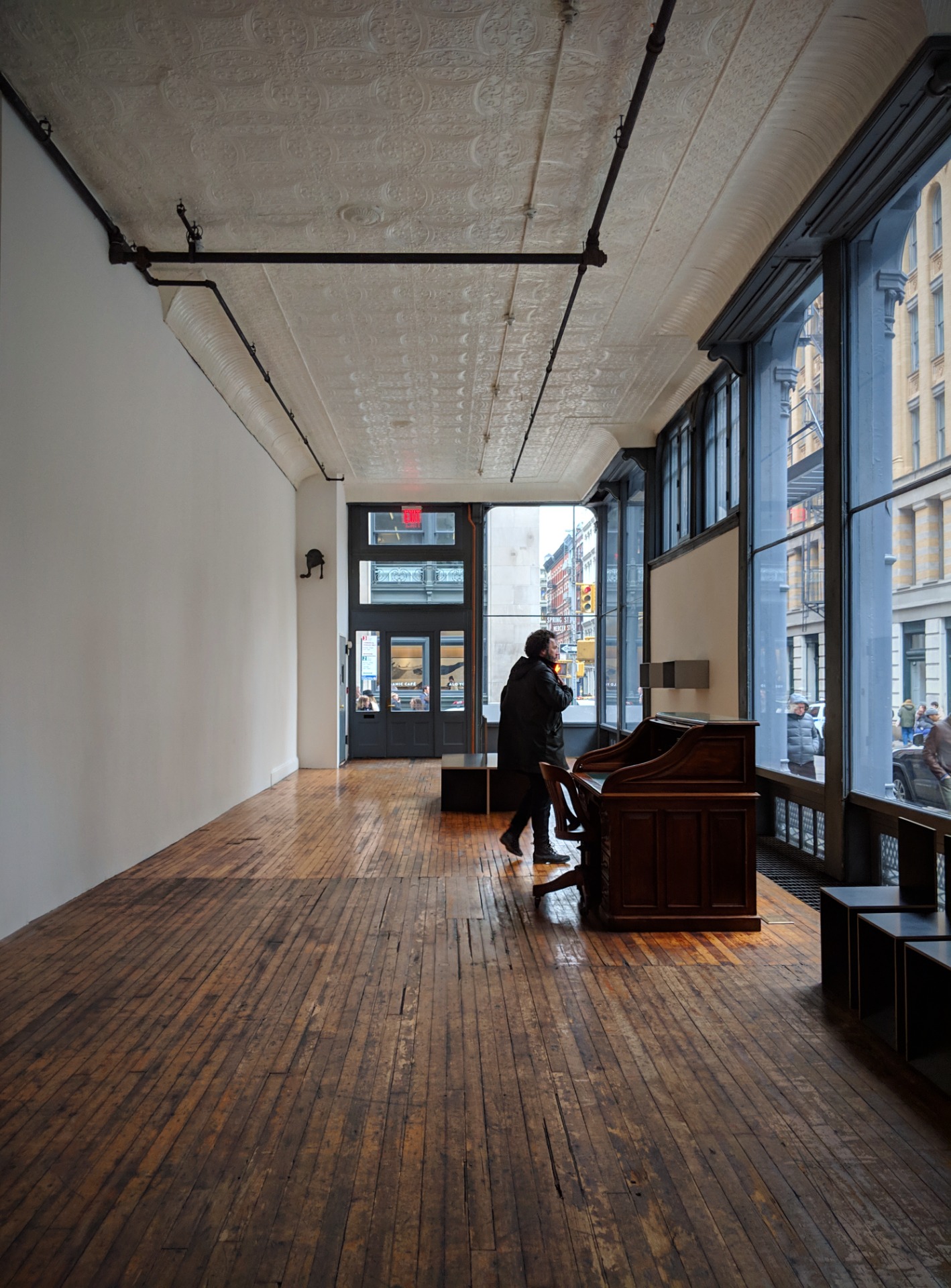
In a loft at 141 Wooster Street, Manhattan
And a glimpse of ”The Broken Kilometer”, 1979. Located at 393 West Broadway in New York City, is composed of 500 highly polished, round, solid brass rods, each measuring two meters in length and five centimeters (two inches) in diameter. The 500 rods are placed in five parallel rows of 100 rods each. The sculpture weighs 18 3/4 tons and would measure 3,280 feet if all the elements were laid end-to-end.
”The New York Earth Room” and ”The Broken Kilometer” are works by Walter De Maria, both managed by Dia: Photography is not permitted, but you can find better images and notes on the Dia: website
Free listening and free download (mp3) chill and down tempo music (album compilation ep single) for free (usually name your price). Full merged styles: trip-hop electro chill-hop instrumental hip-hop ambient lo-fi boombap beatmaking turntablism indie psy dub step d'n'b reggae wave sainte-pop rock alternative cinematic organic classical world jazz soul groove funk balkan .... Discover lots of underground and emerging artists from around the world.


















 The Humble Fabulist