Obsession || Nudes by Klimt, Schiele and Picasso *Safe For Telework*

From the Scofield Thayer Collection.

Scofield Thayer (1889-1982) was editor and co-owner of the Dial, a journal that published writing and art by the European and American avant-garde from 1919 to 1926. An aesthete, he was a brilliant abstract thinker and a complex, conflicted personality. In the early 1920s, Thayer underwent psychoanalysis with Sigmund Freud in Vienna. While in Europe, he assembled a large collection of some six hundred artworks – mostly works on paper – with staggering speed, acquiring them from artists and dealers in Vienna, London, Paris and Berlin.

While Pablo Picasso’s work had been shown in America, Gustav Klimt and Egon Schiele were unknown in this country at that time. Both artists were remarkable for their frank portrayals of female nudity and sexuality.

In 1924 a selection from Thayer’s collection was exhibited at a New York gallery and won acclaim, but it found little favour when shown in his native city of Worcester, Massachusetts. Offended by intolerant views toward provocative art, Thayer drew up his will in 1925, leaving his collection to The Met before retreating from public life until his death in 1982.

An exhibition of the bequest has been planned since its arrival at the Museum in 1984, but its diversity, unevenness and vast quantity proved a challenge. While a select group of paintings by artists of the School of Paris is always on view, the light-sensitive watercolours, drawings and prints have been rarely displayed. This exhibition, held on the centenary of the 1918 deaths of Klimt and Schiele, presented these erotic and evocative works together for the first time.

It ran from July through October 2018 at The Met Breuer.
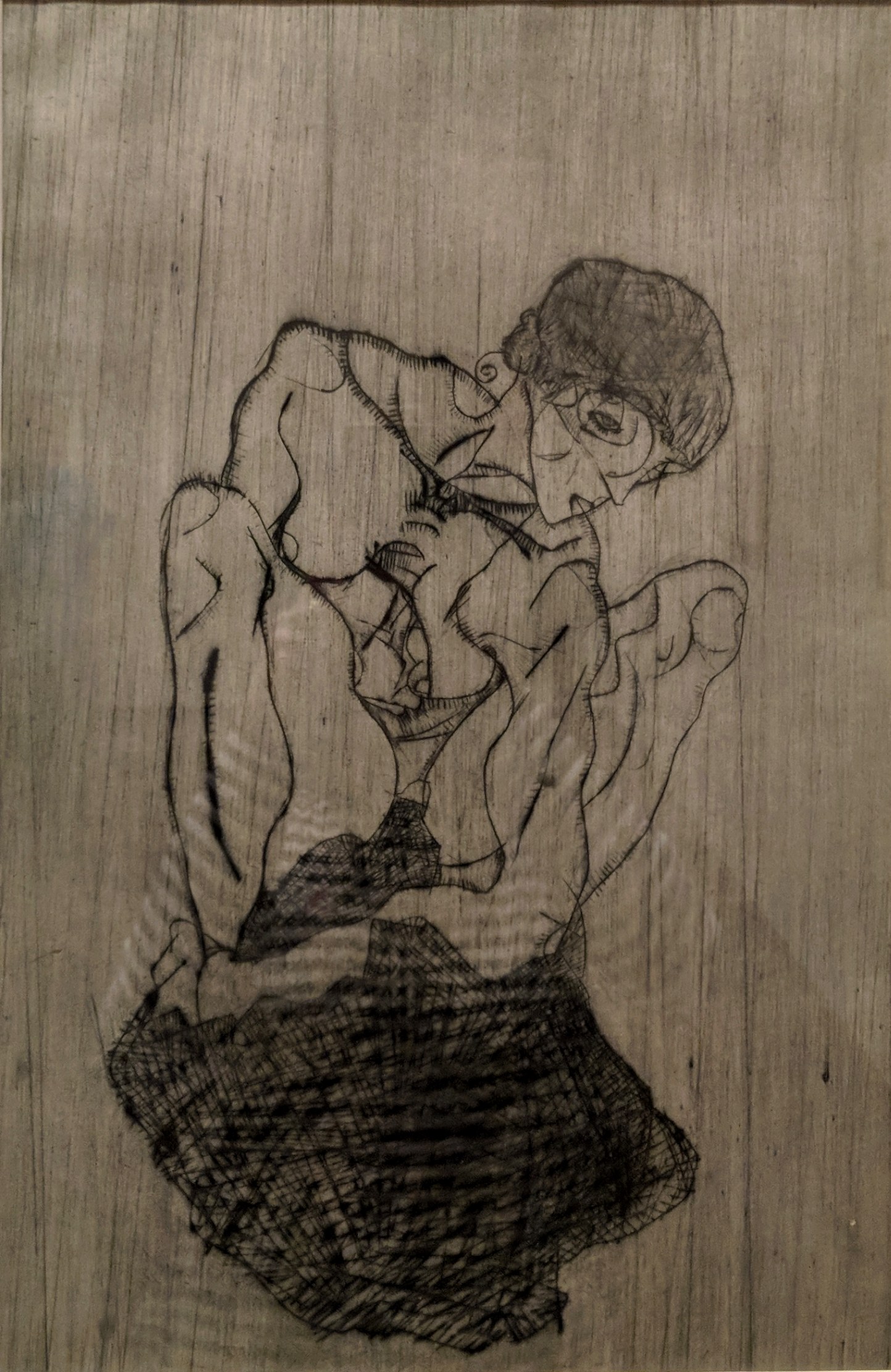
Egon Schiele || Sorrow, 1914 || Drypoint
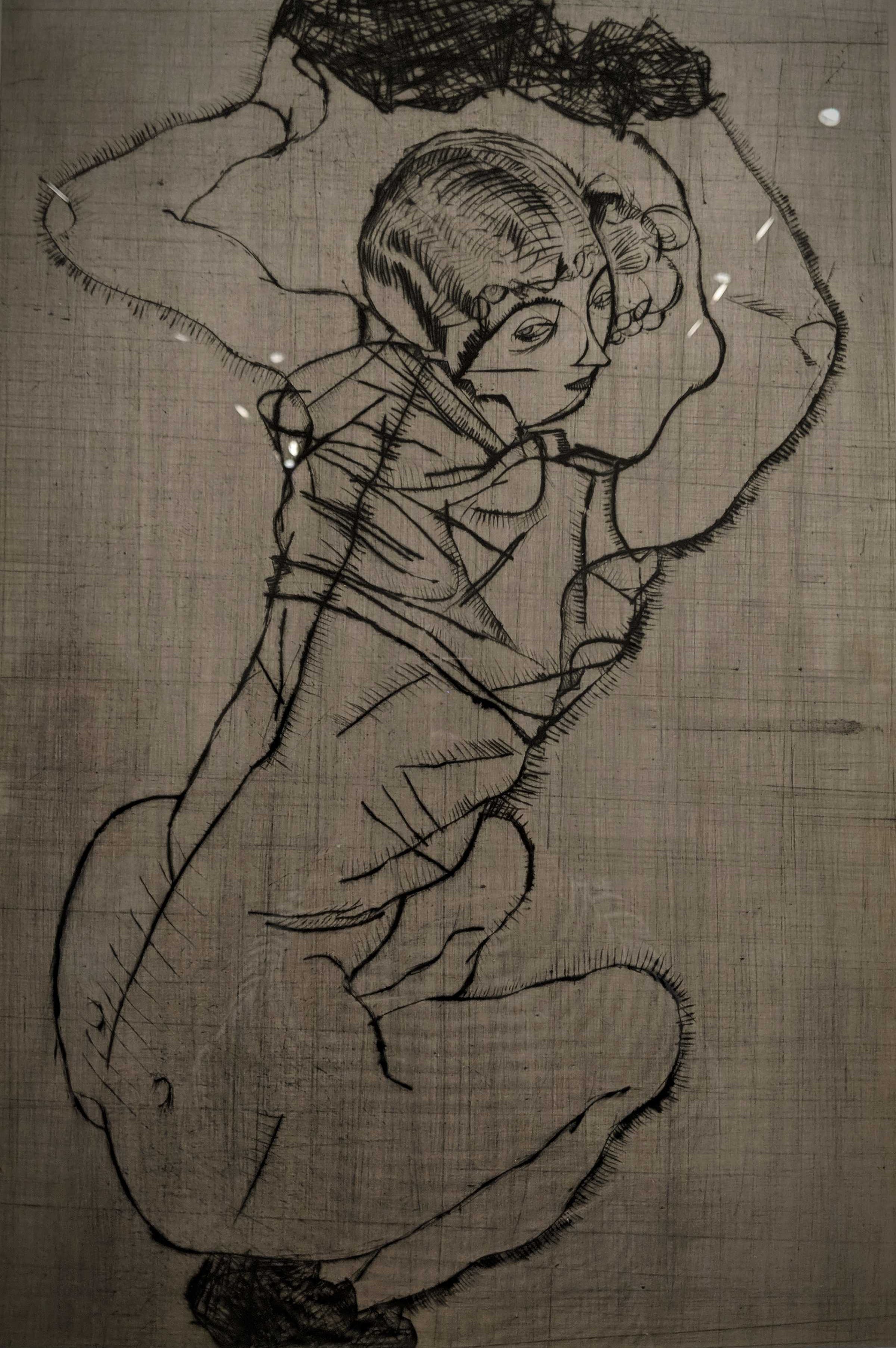

Egon Schiele || Squatting Woman, 1914 || Drypoint
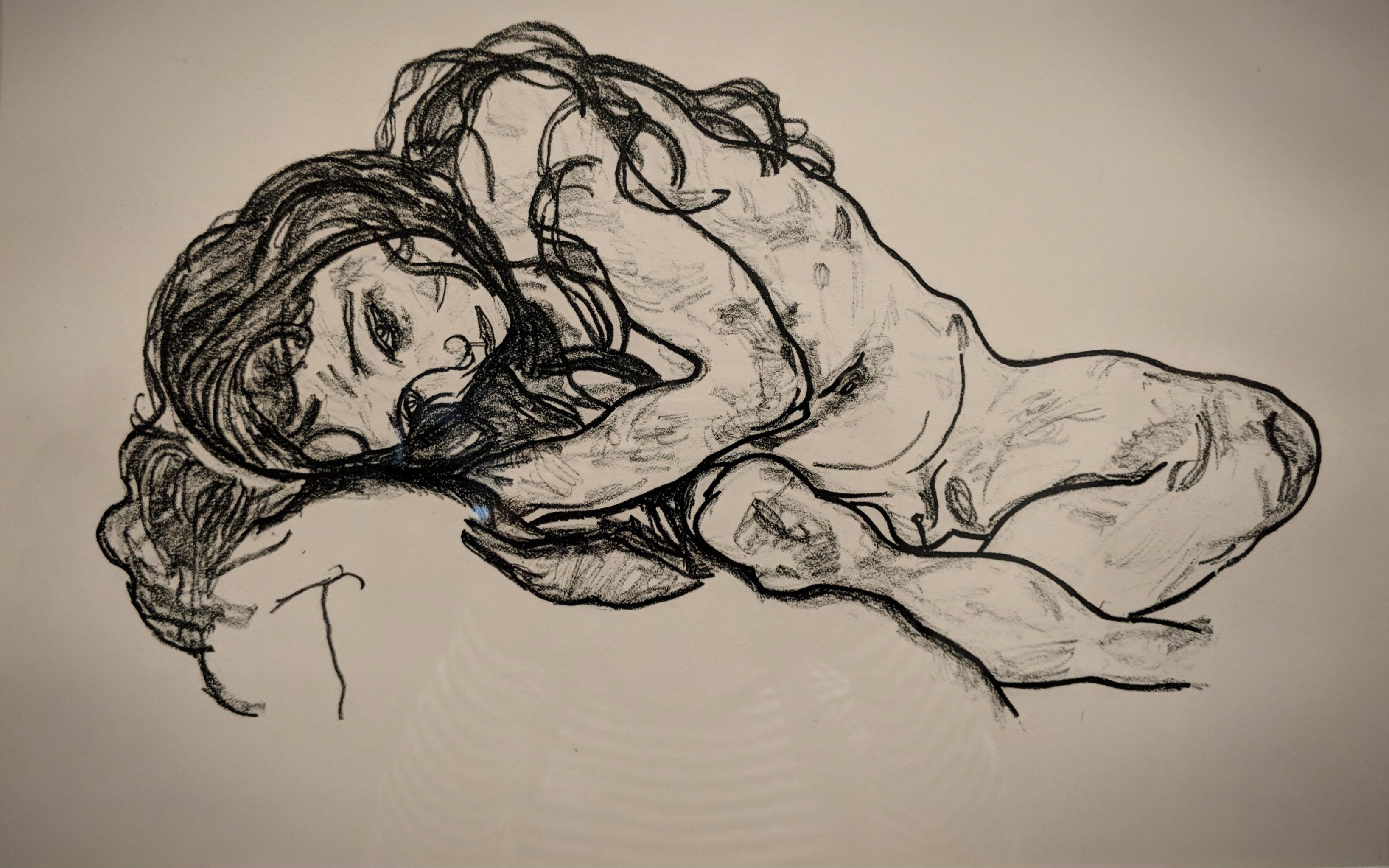

Egon Schiele || Girl, 1918 || Lithograph
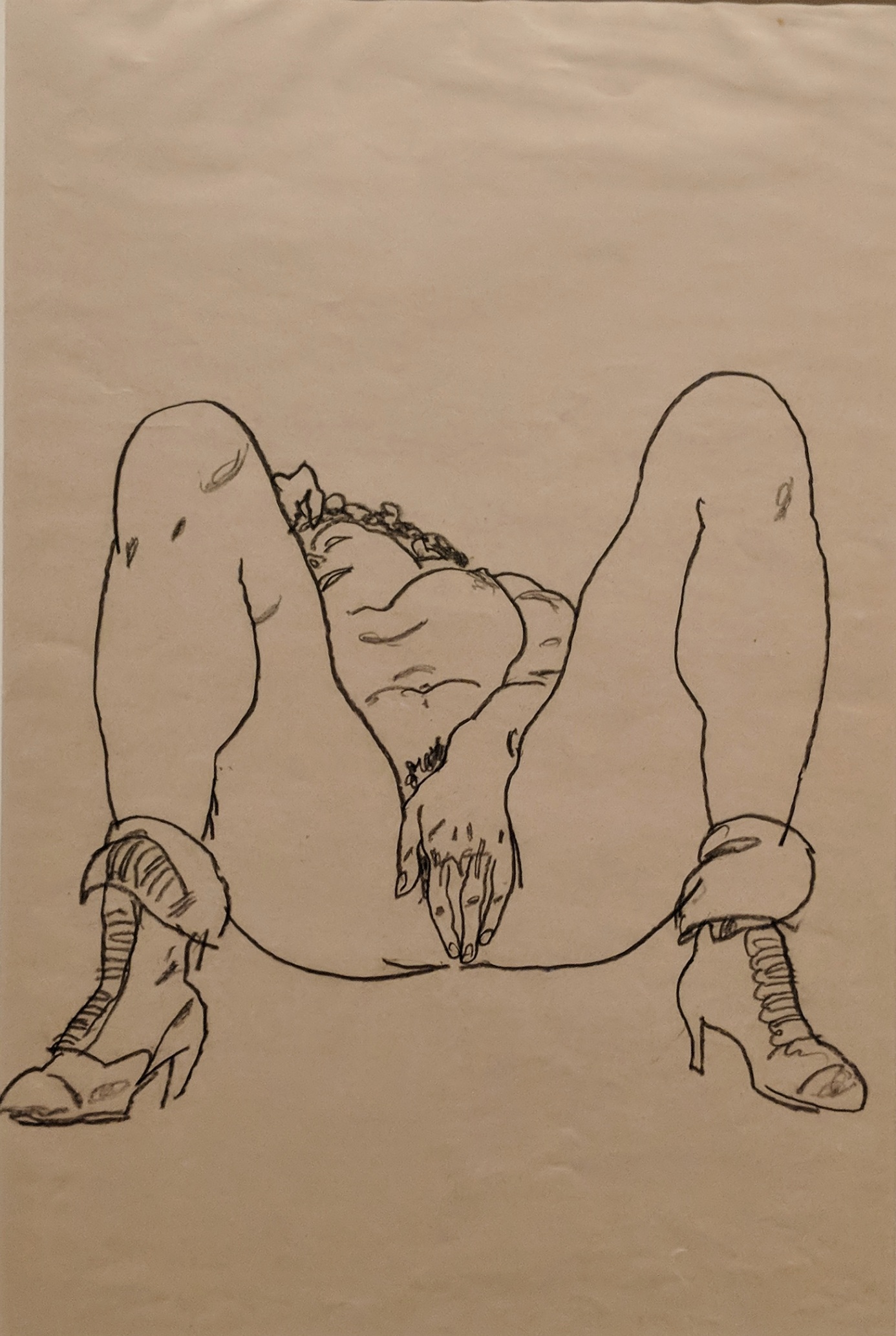

Egon Schiele || Reclining Nude with Boots, 1918 || Charcoal on paper
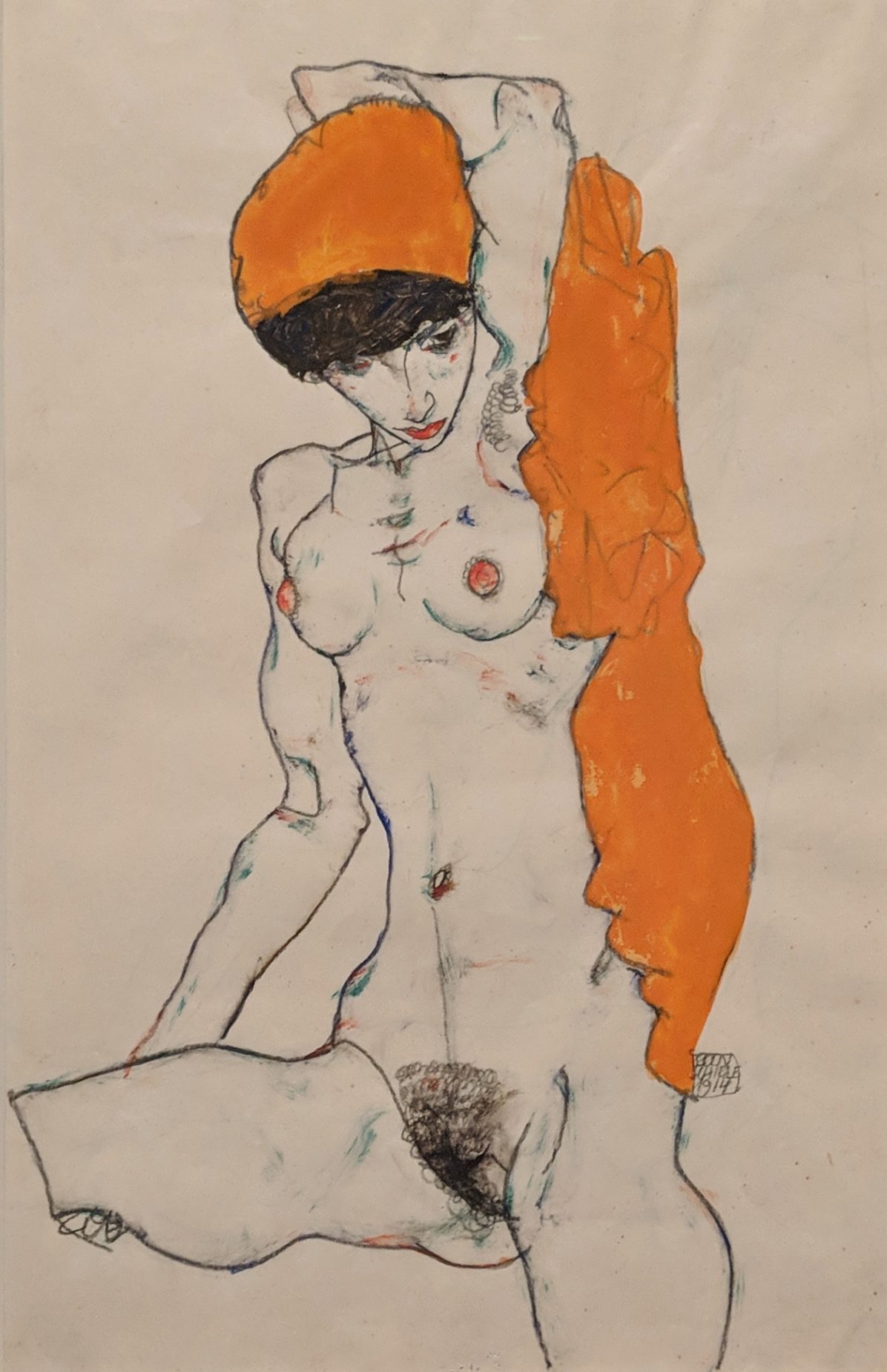

Egon Schiele || Standing Nude with Orange Drapery (recto): Study of Nude with Arms Raised (verso), 1914 || Watercolor, gouache and graphite on paper
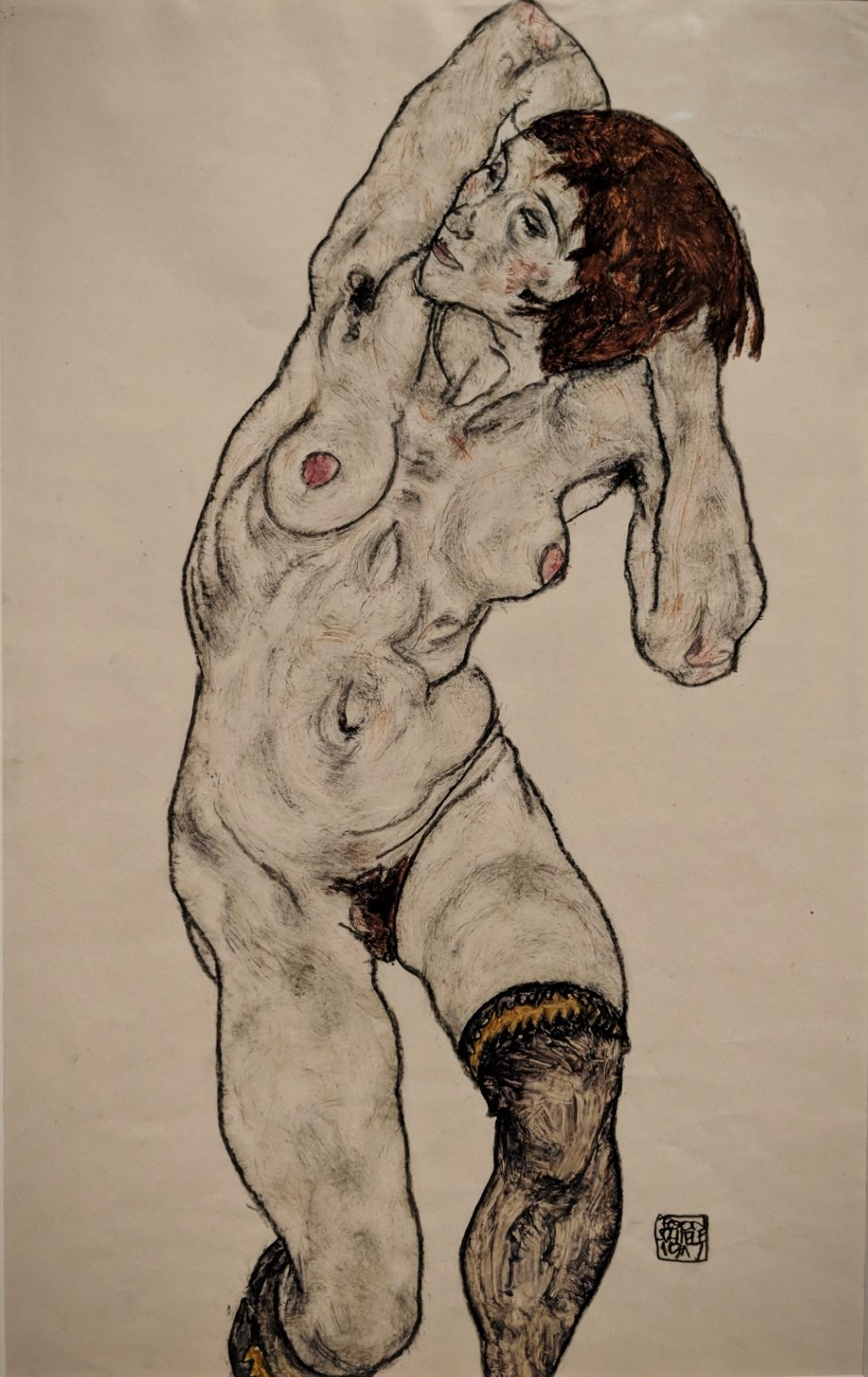

Egon Schiele || Nude in Black Stockings, 1917 || Watercolor and charcoal on paper
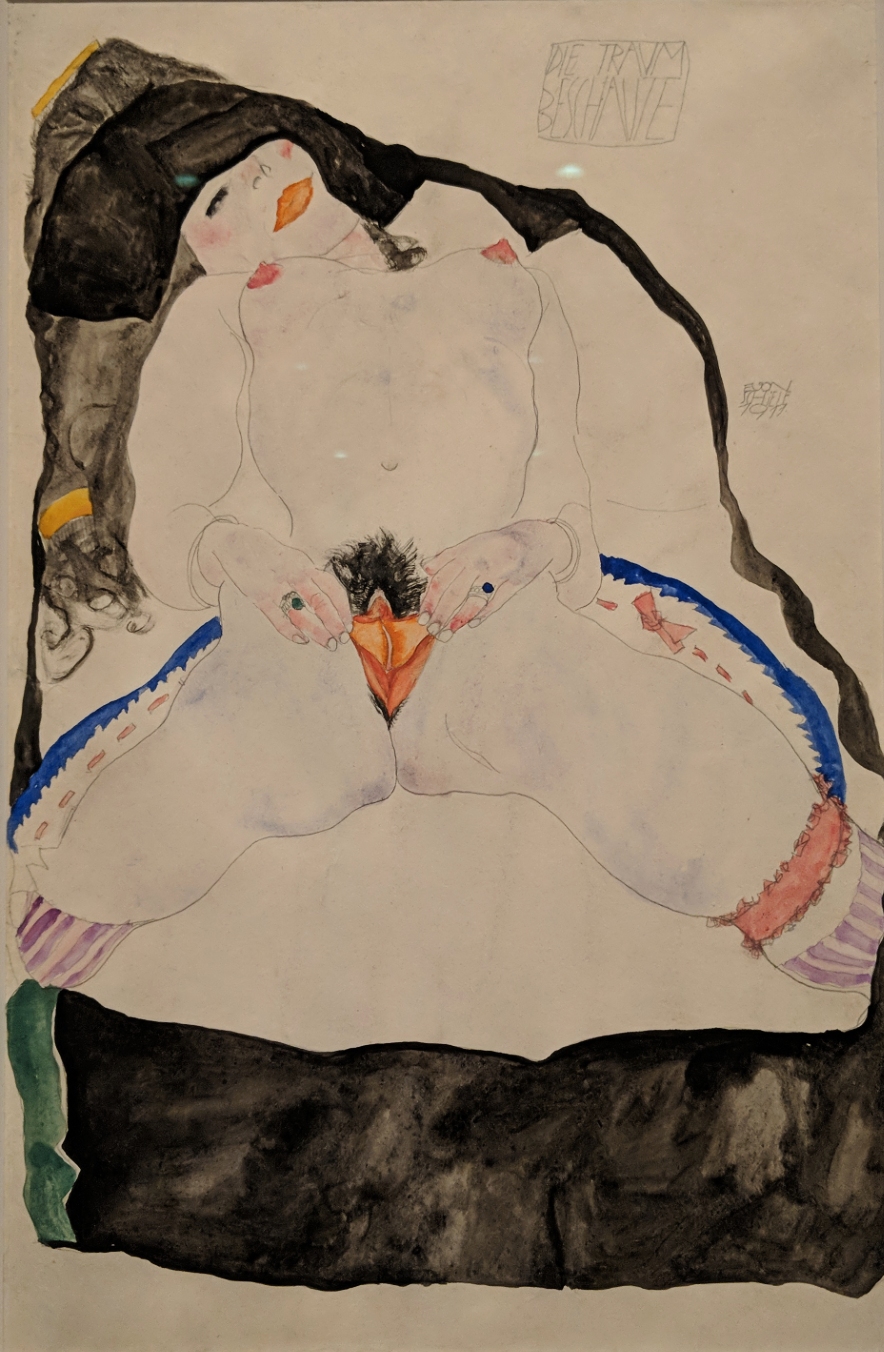

Egon Schiele || Observed in a Dream, 1911 || Watercolor and graphite on paper
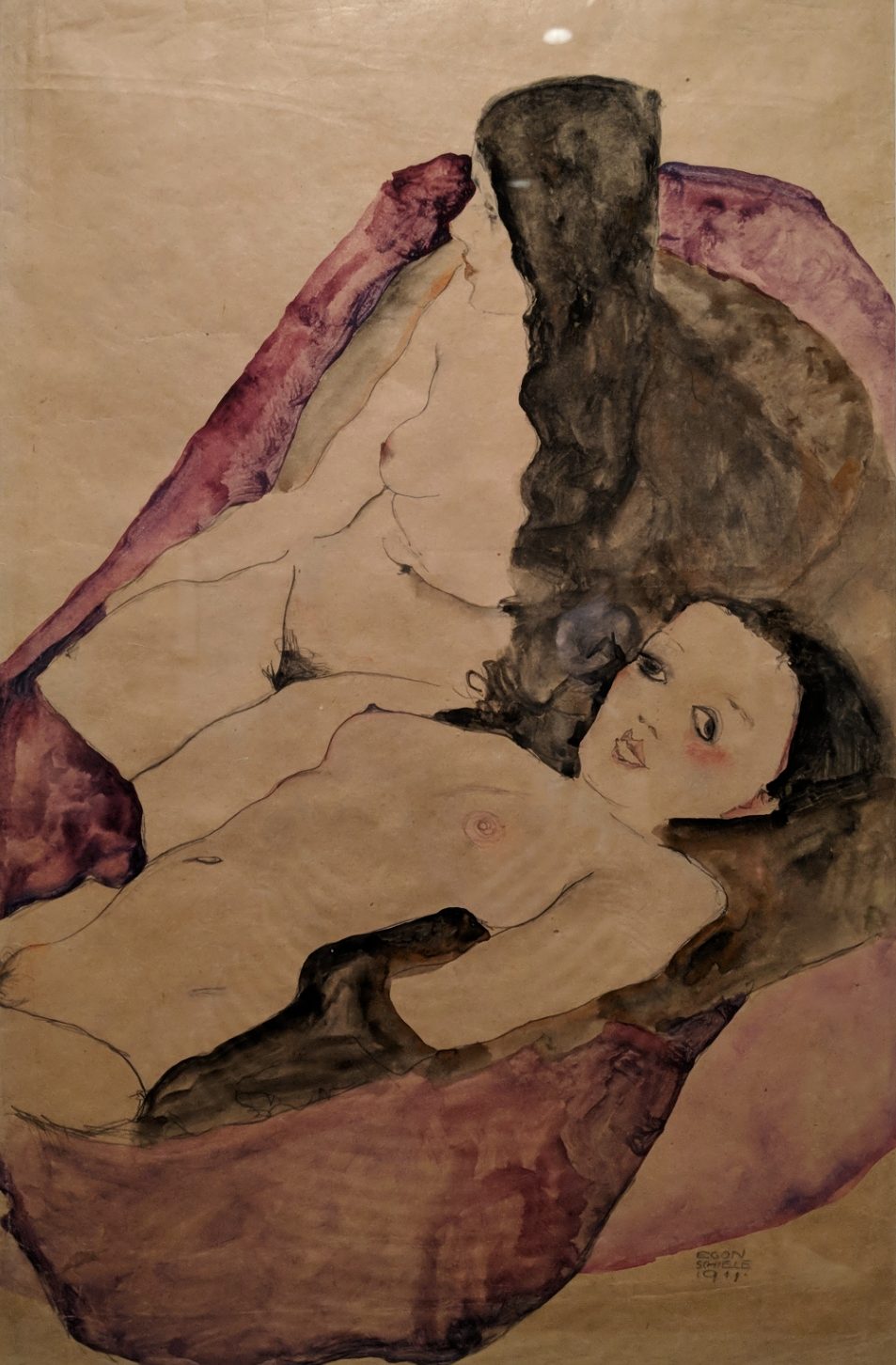

Egon Schiele || Two Reclining Nudes, 1911 || Watercolor and graphite on paper
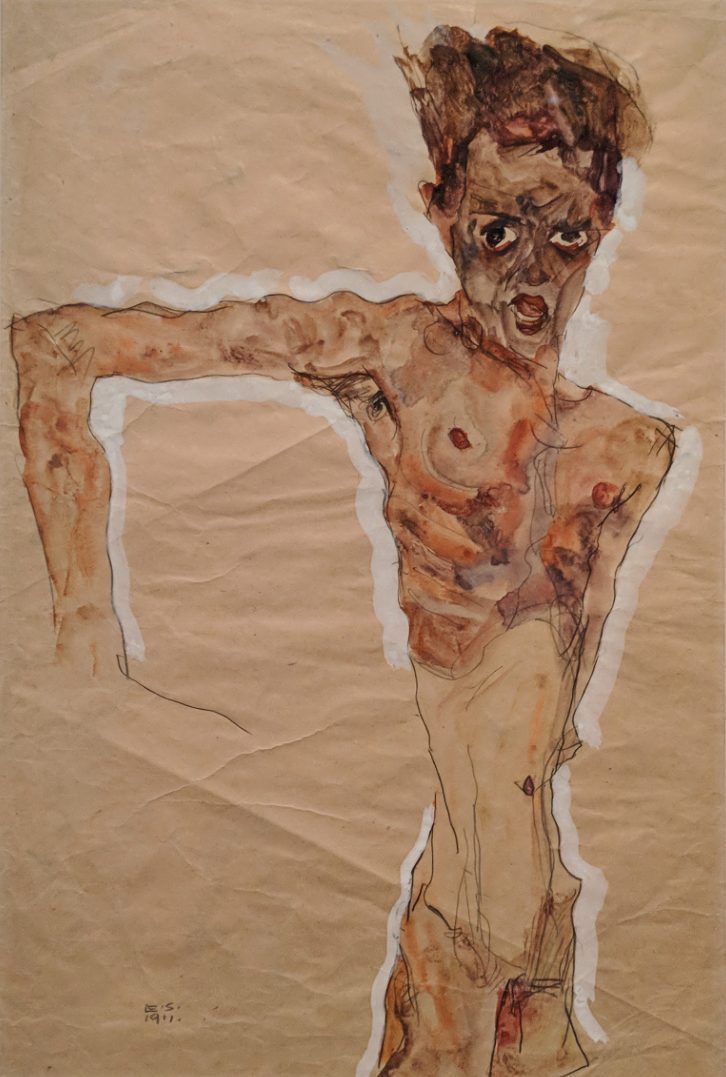

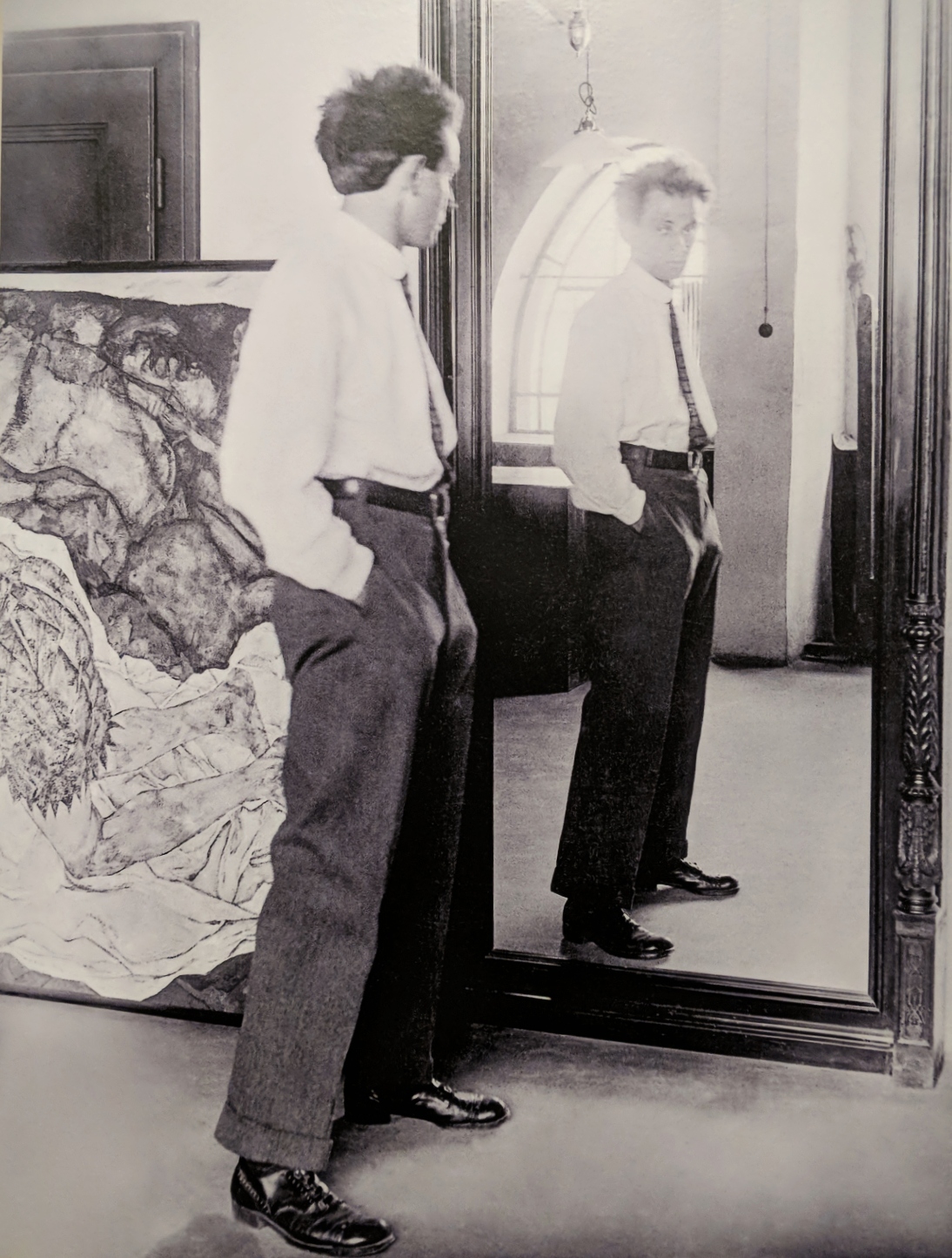
Egon Schiele || Self-Portrait, 1911 || Watercolor, gouache, and graphite on paper
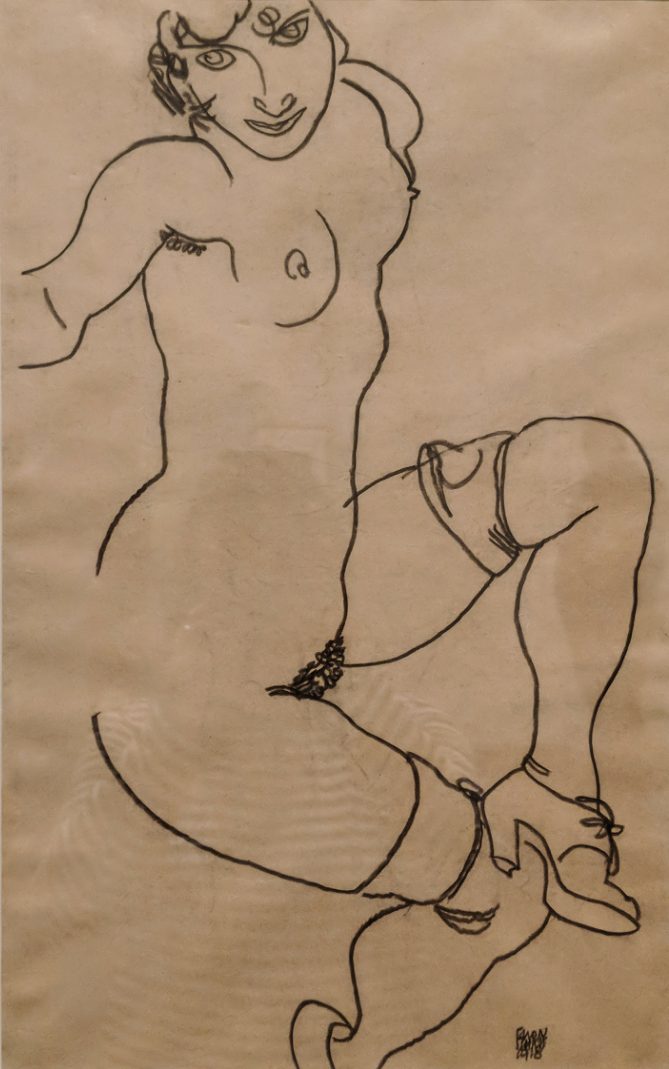

Egon Schiele || Seated Nude in Shoes and Stockings, 1918 || Charcoal on paper
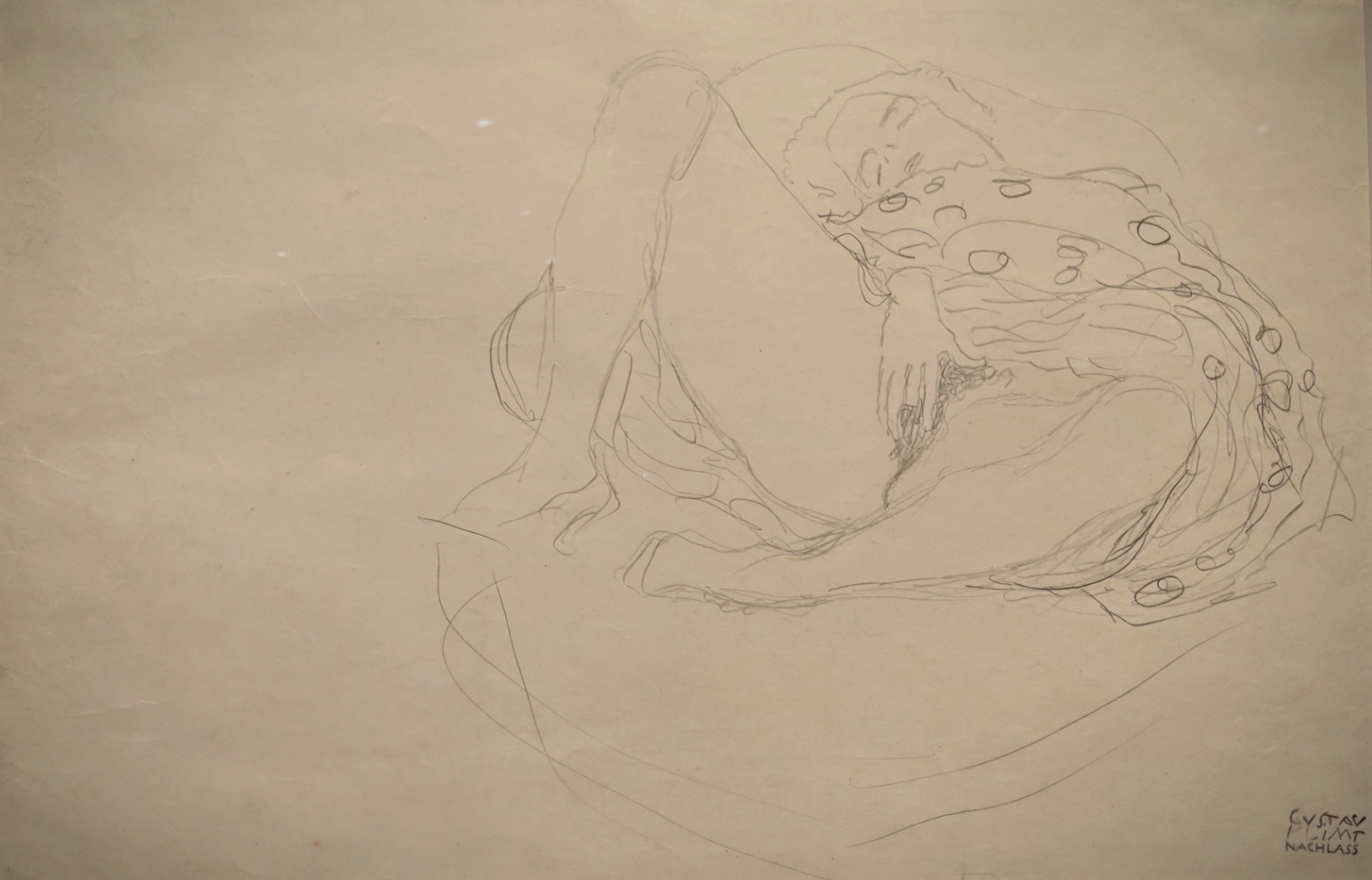

Gustav Klimt || Reclining Nude with Drapery, 1912-13 || Graphite
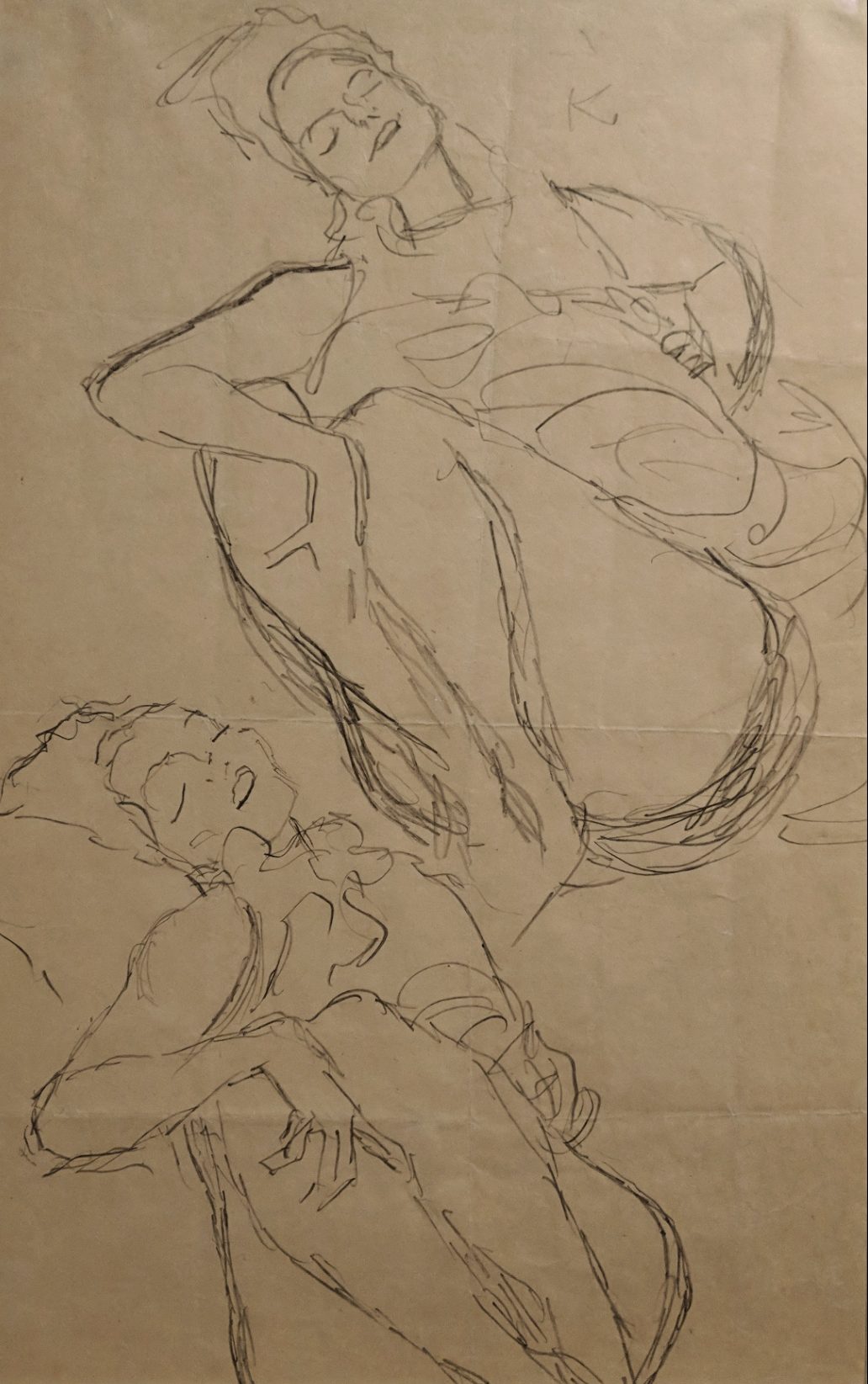

Gustav Klimt || Two Studies for a Crouching Woman, 1914–15 || Graphite
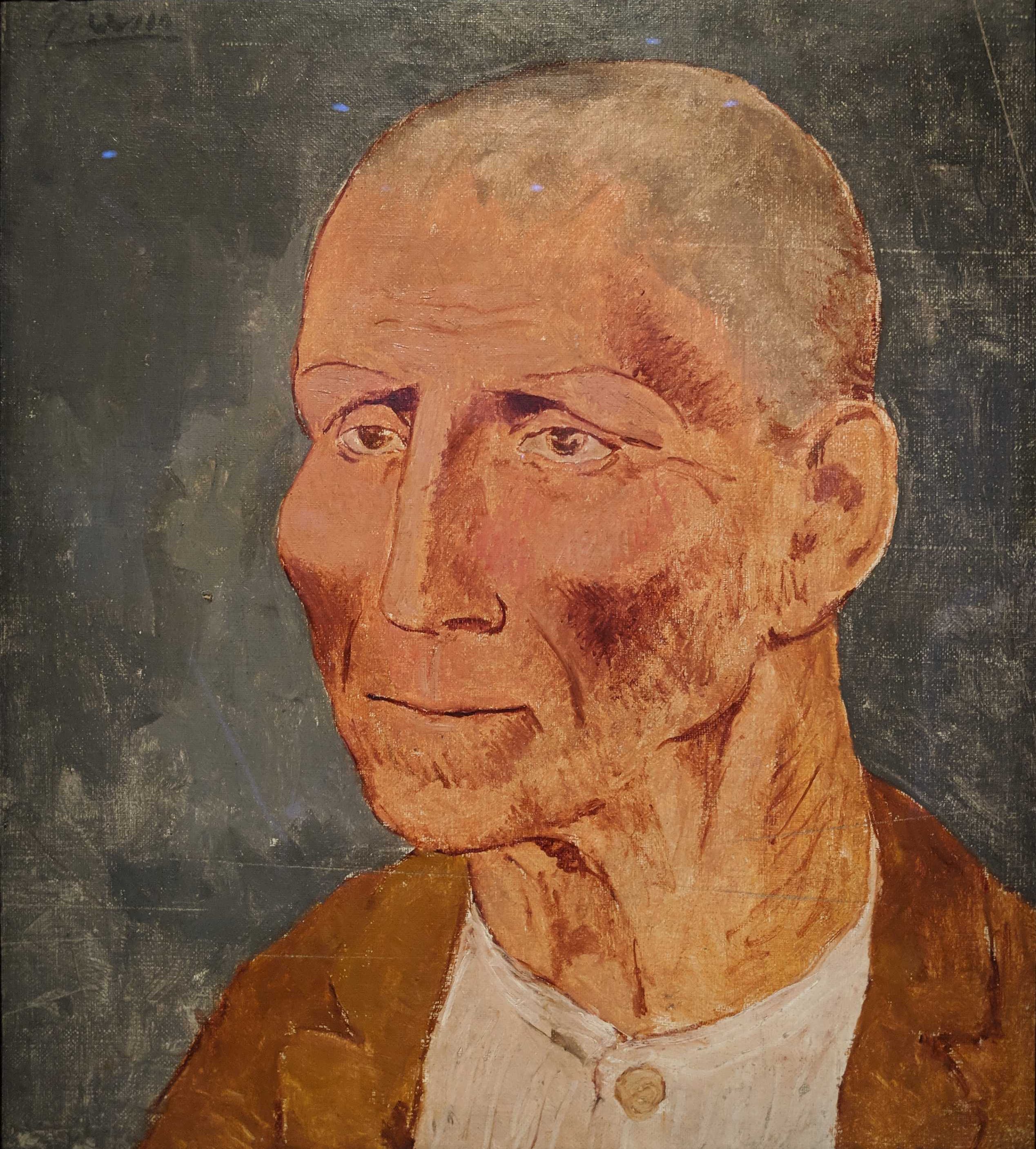

Pablo Picasso || Fondevila, 1906 || Oil on canvas
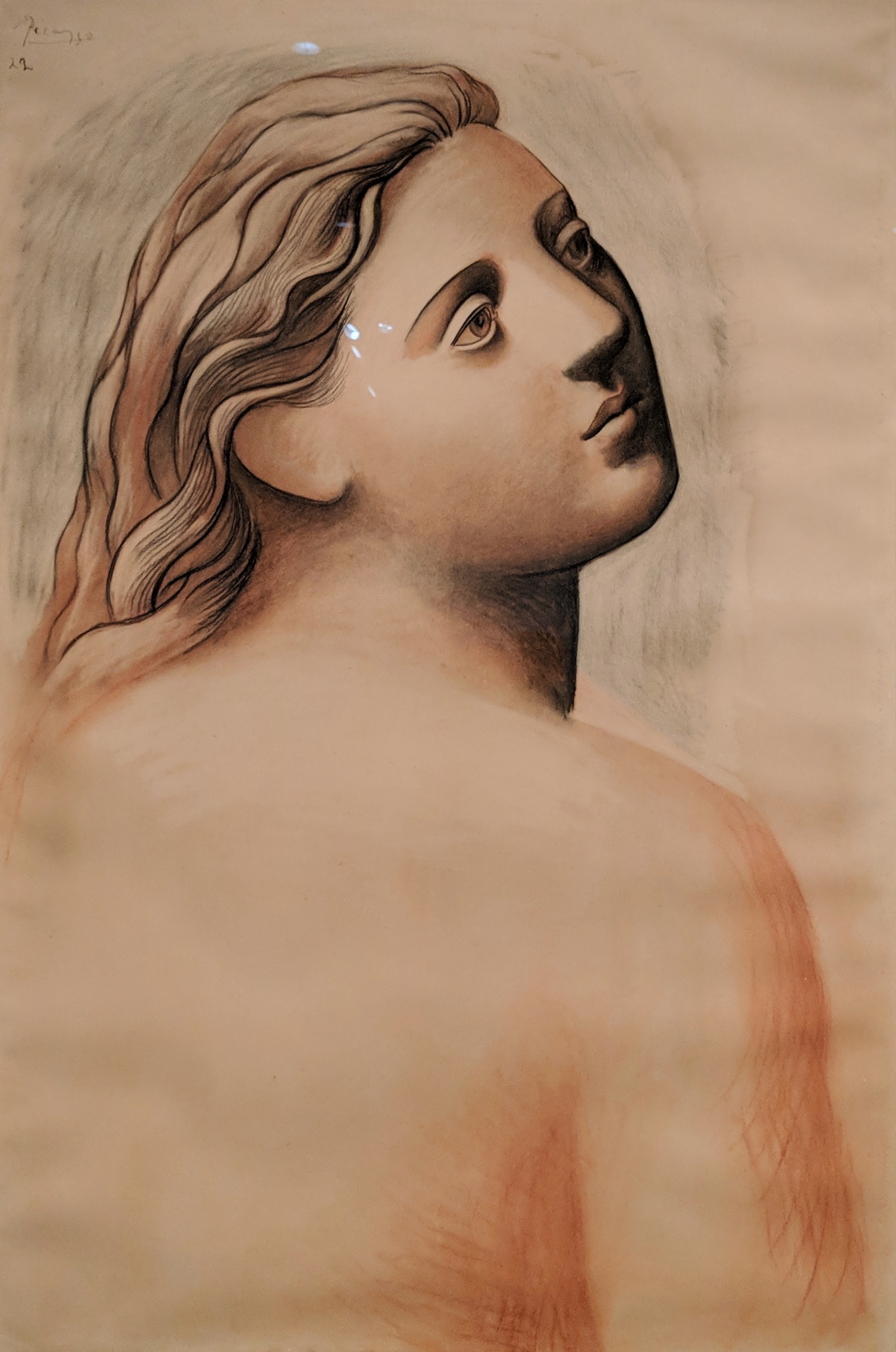

Pablo Picasso || Head of a Woman, 1922 || Chalk on paper
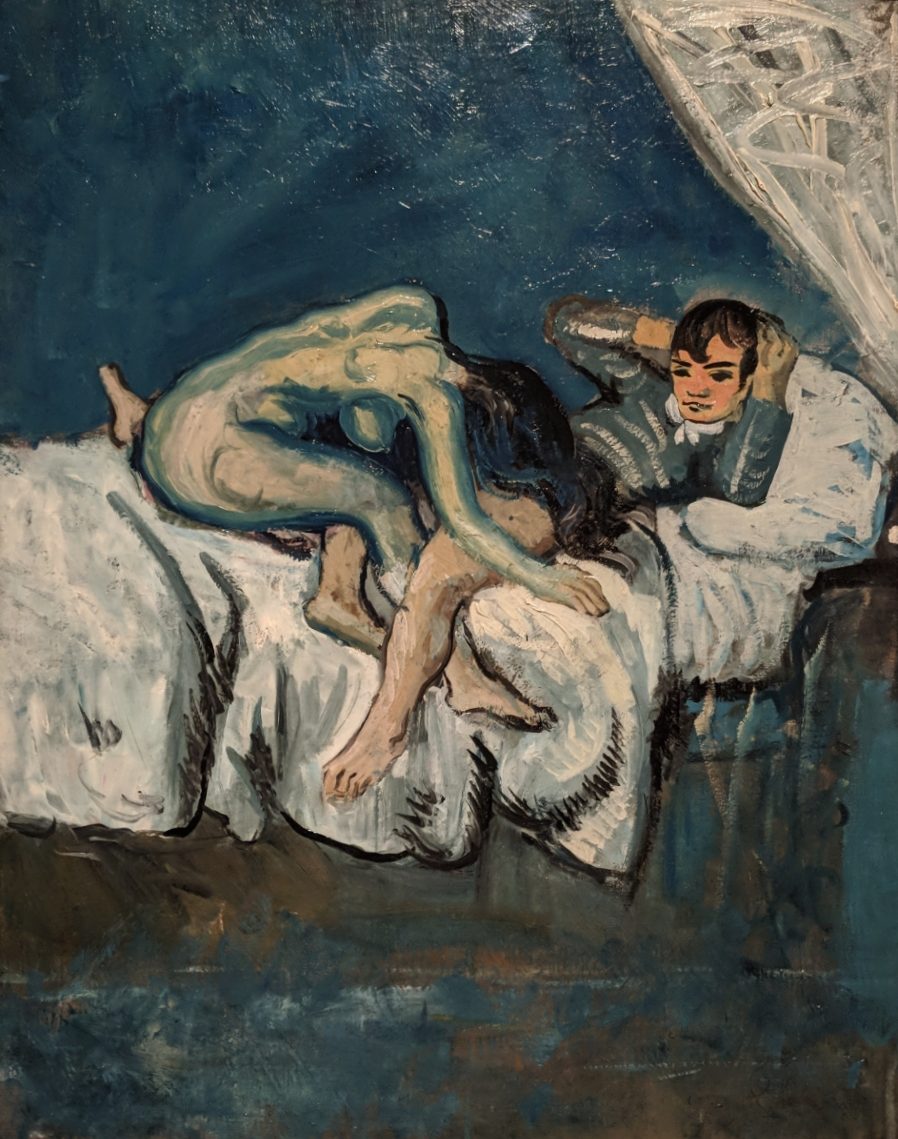

Pablo Picasso || Erotic Scene (La Douceur), 1903 || Oil on canvas


The Met Breuer

August 19th, 2018
Chasing Games

Let the kids go chasing partridges in the Met while grown ups enjoy a wild-goose chase in Mad Ave.

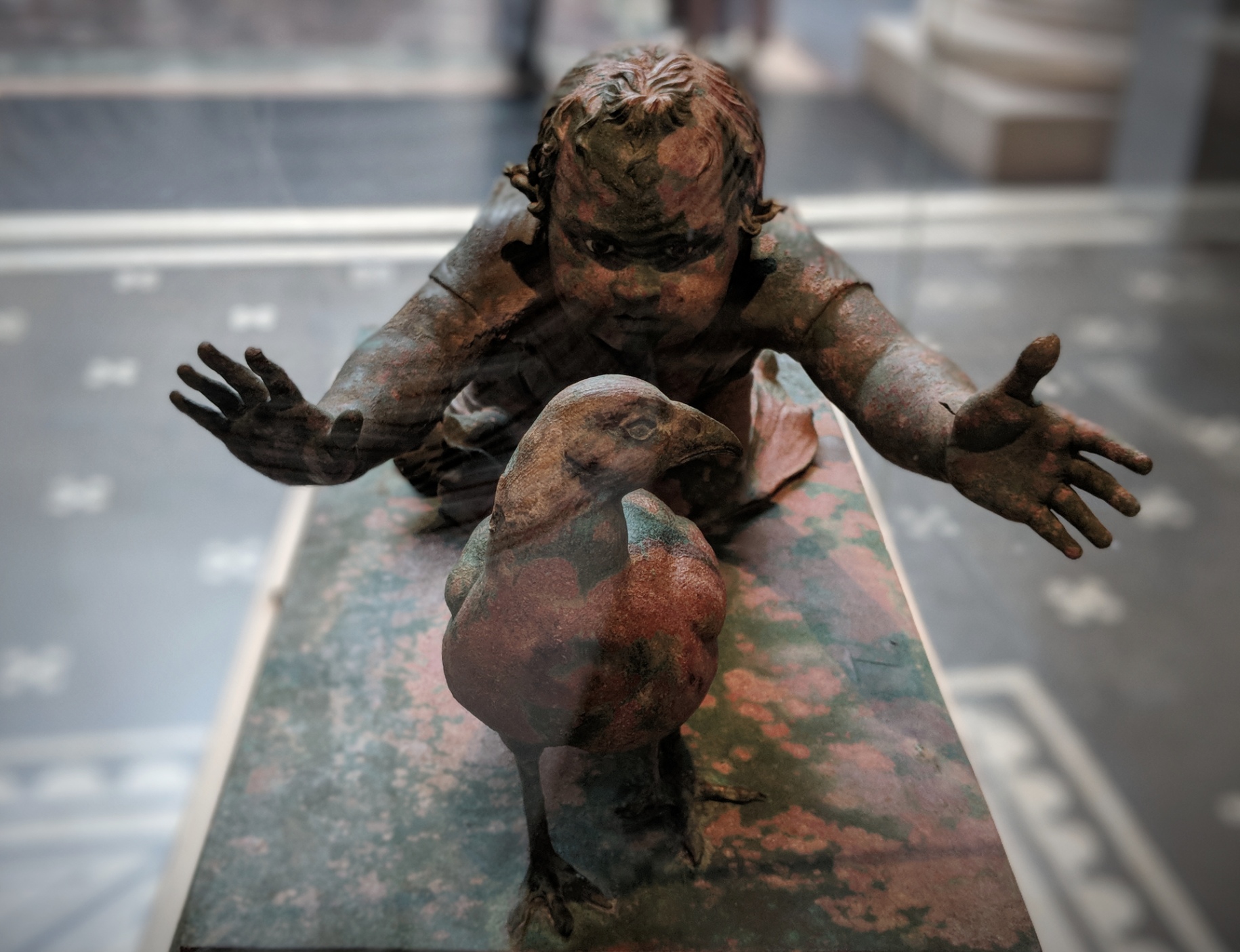
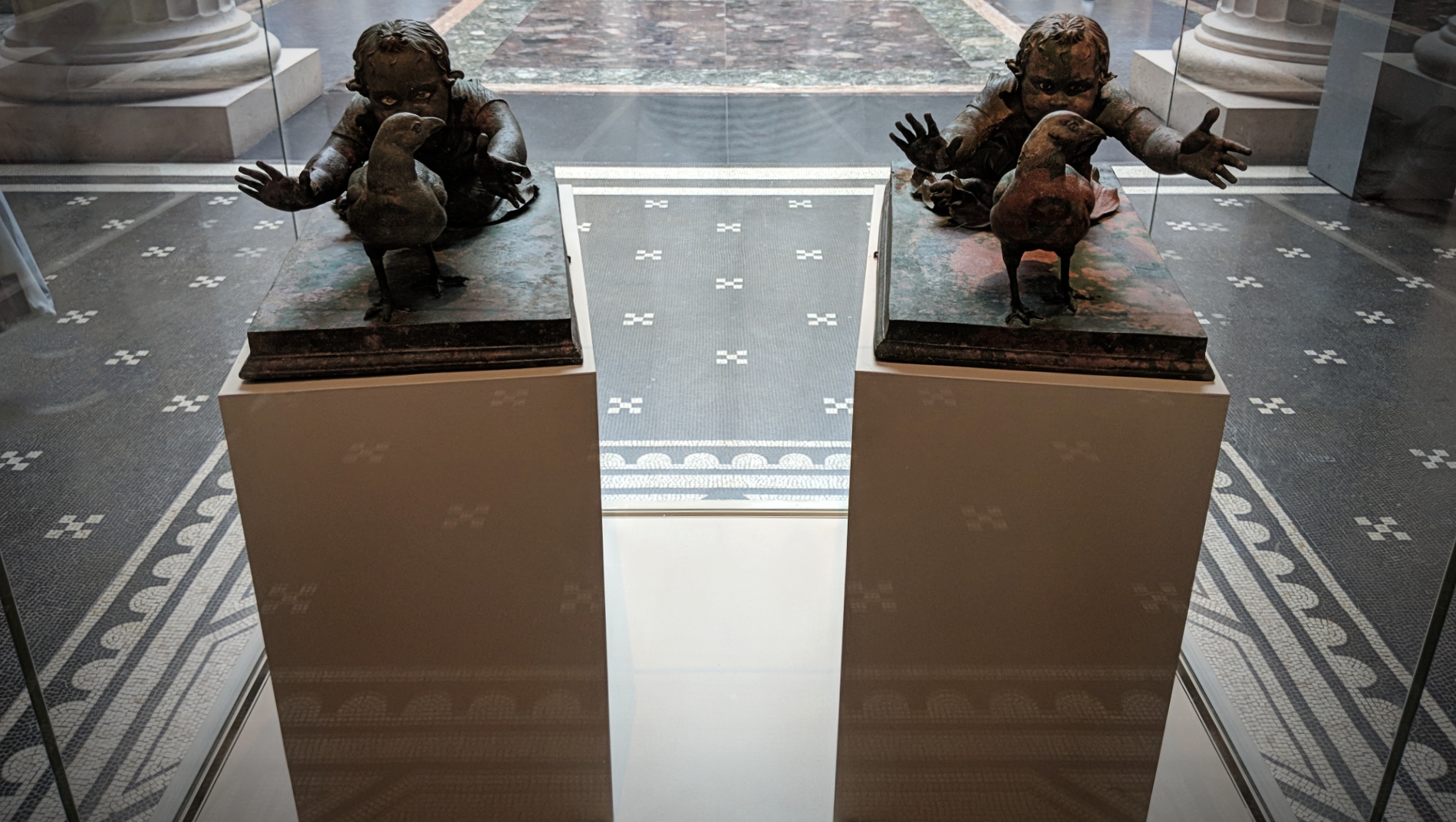
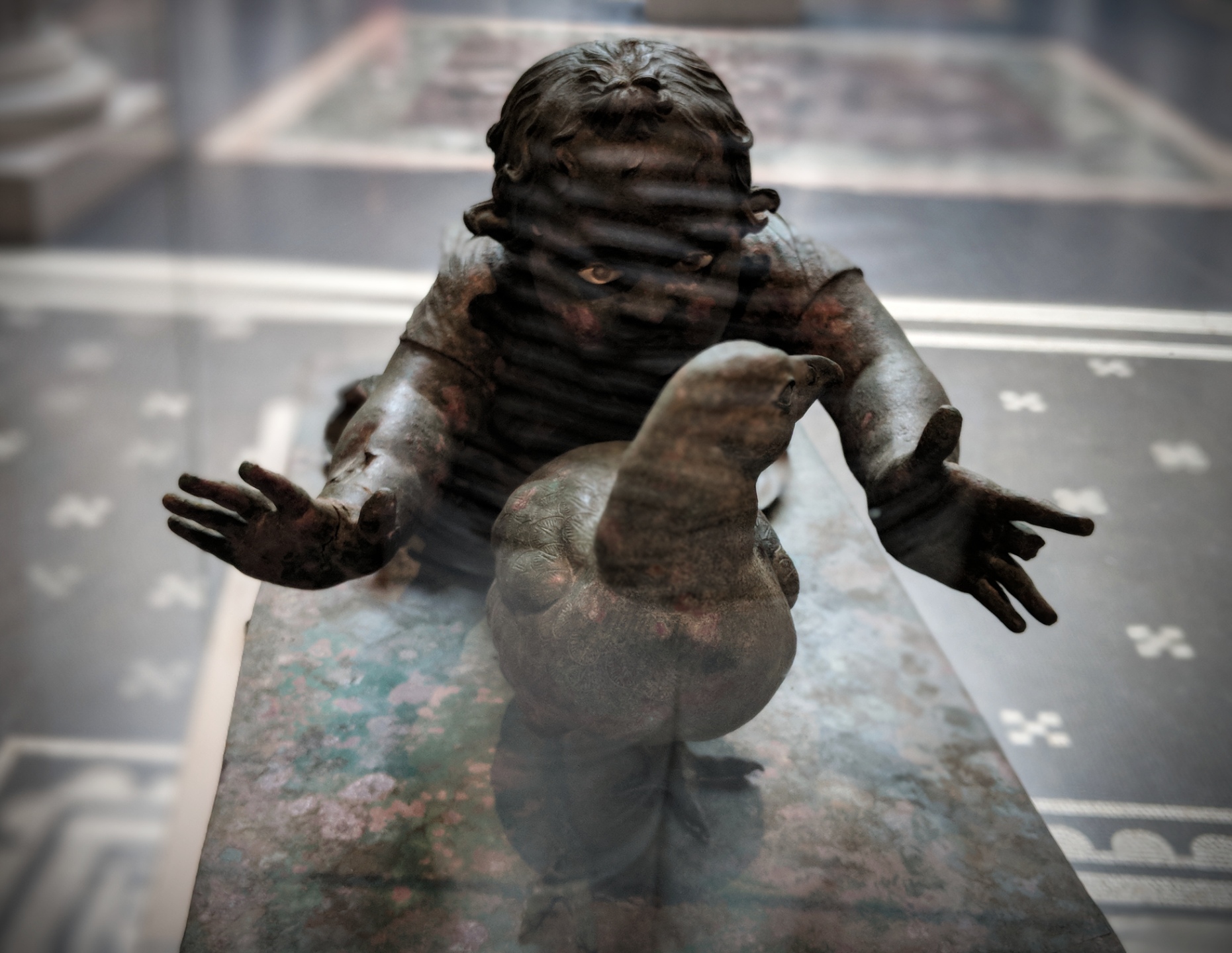
Two bronze statues of girls chasing partridges
Roman, Early Imperial, late 1st century b.c. or early 1st century a.d. 

Children playing with animals became a popular genre type in  Greek and Roman art. These sculptures are remarkable for their large size, excellent state of preservation and careful workmanship. This is the only known symmetrically pendant pair of bronze sculptures, perfectly preserved down to the plinth. 

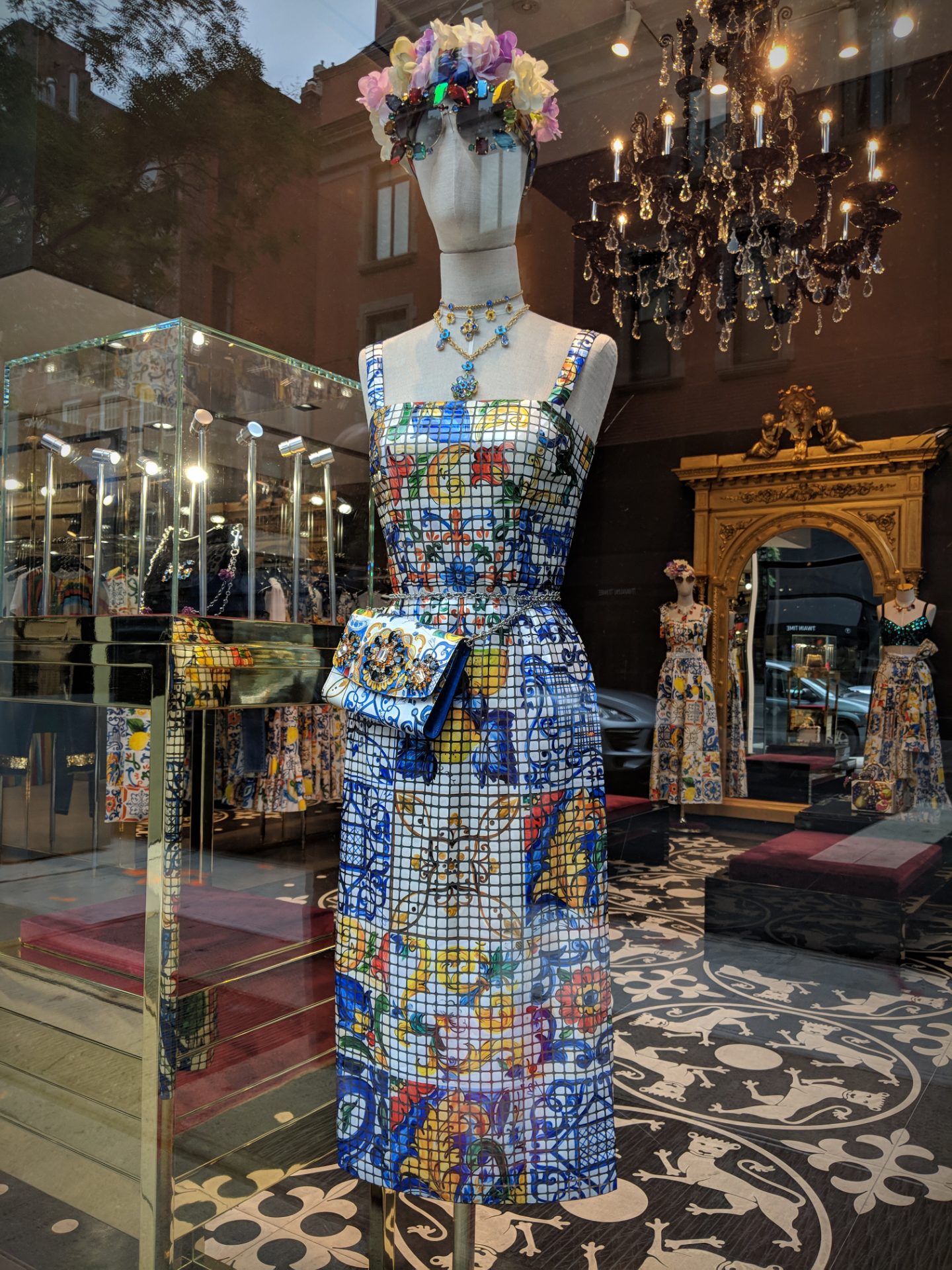
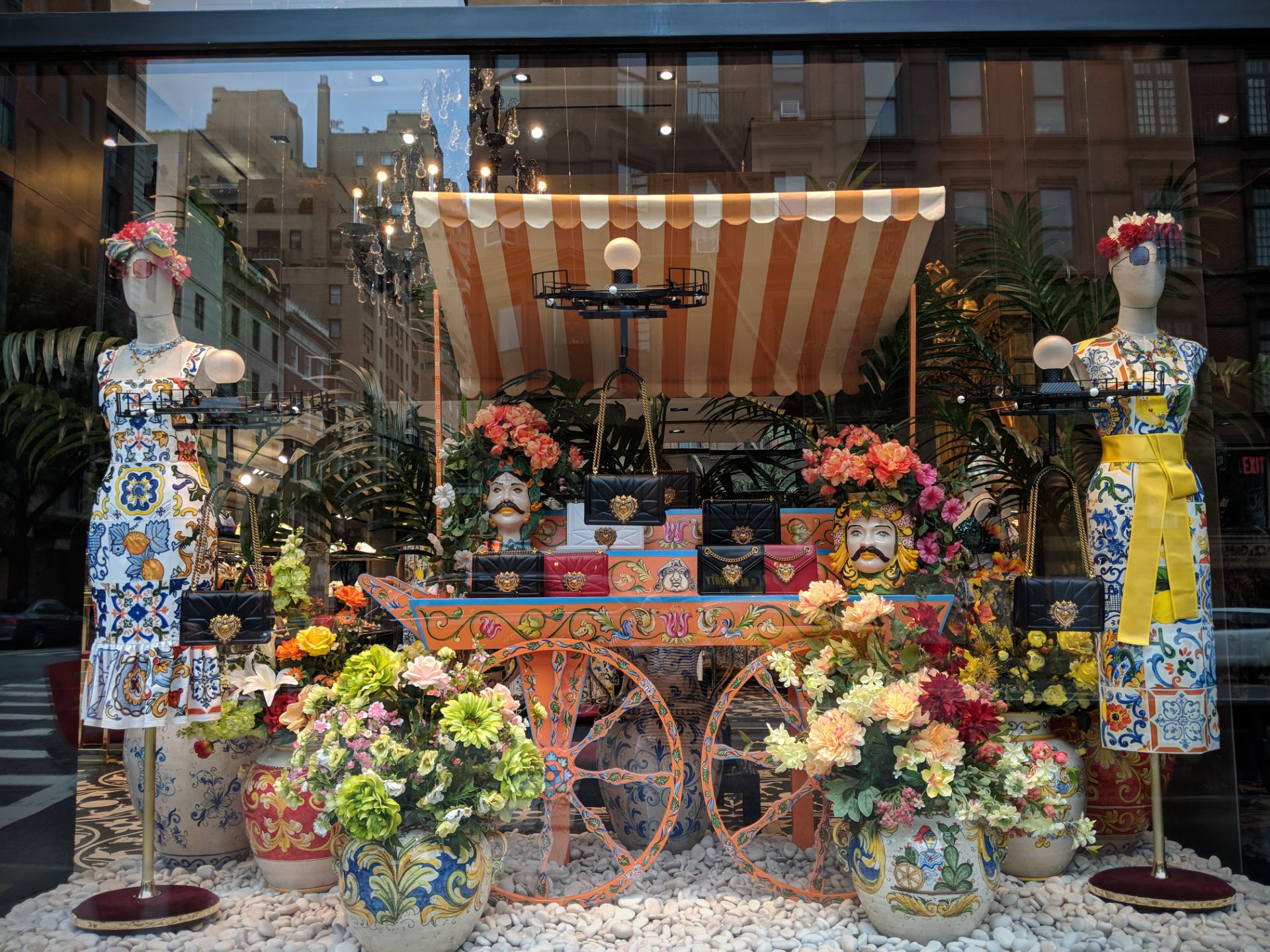
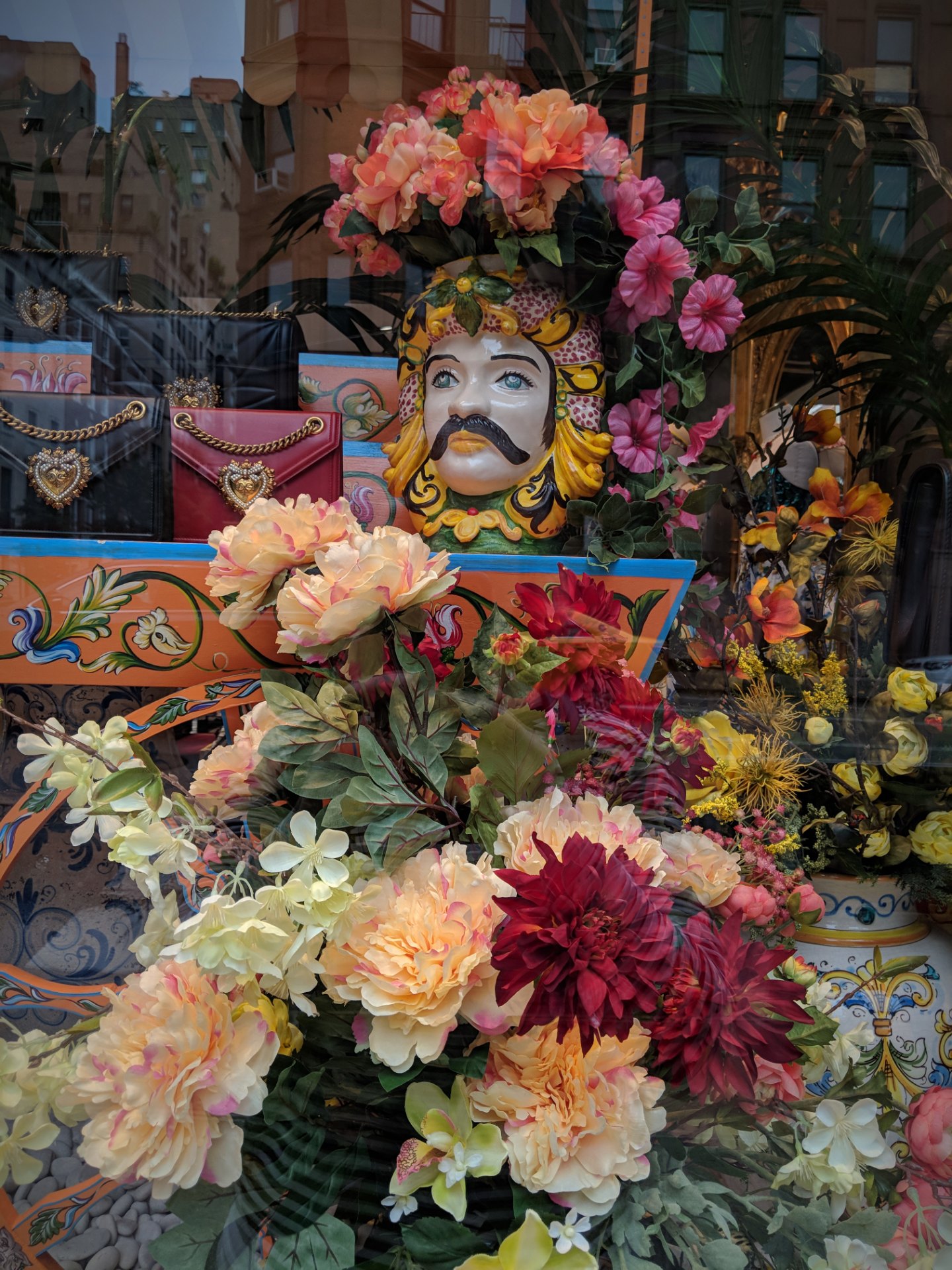
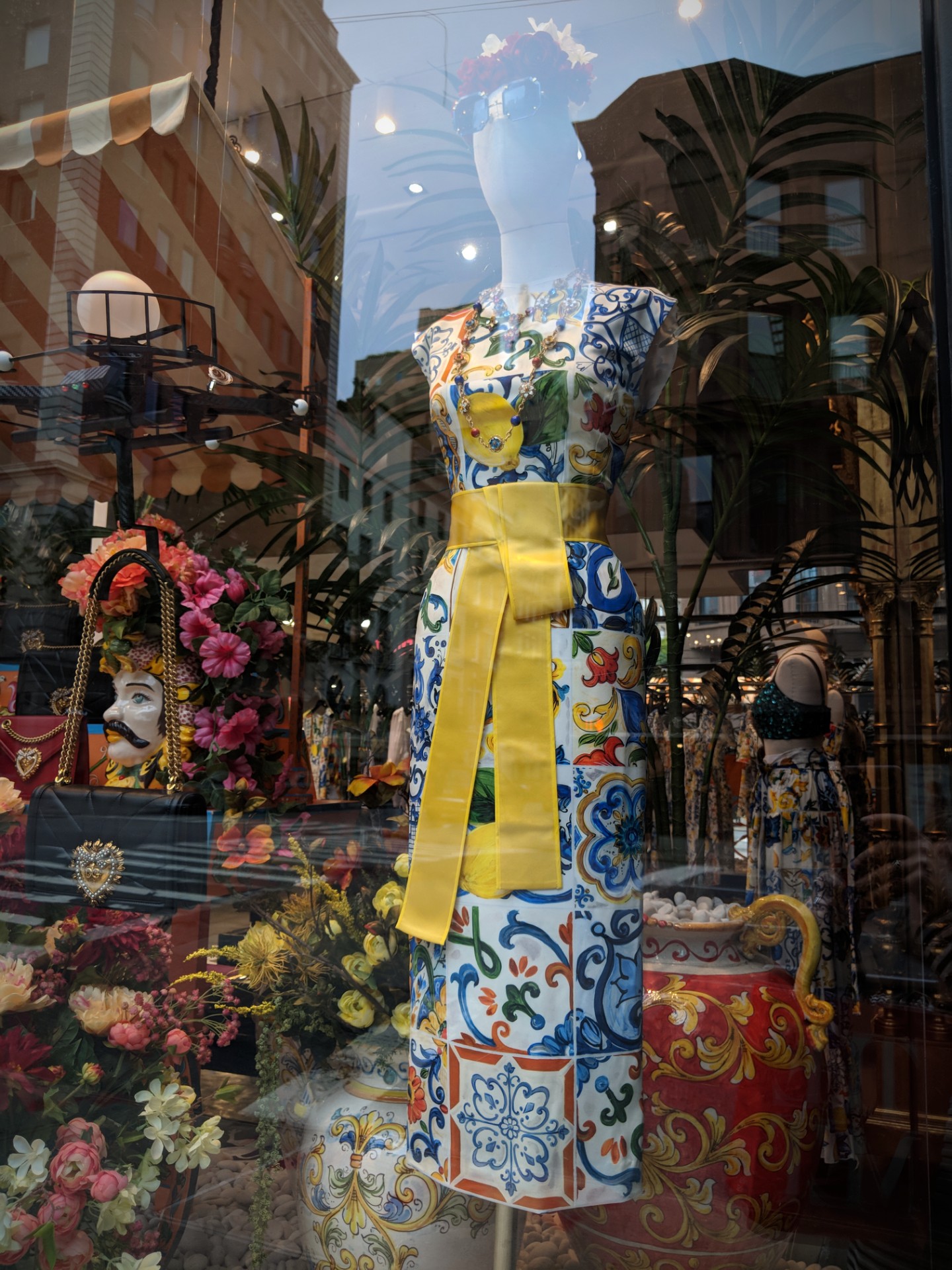
The Metropolitan Museum of Art & window-shopping on Madison Avenue

August 19th, 2018 (with many thanks to M. – mvschulze, for spotting my unintentional time travel to 2028… wouldn’t that be fun though!)
Carving Gods and Nobles

In noble materials
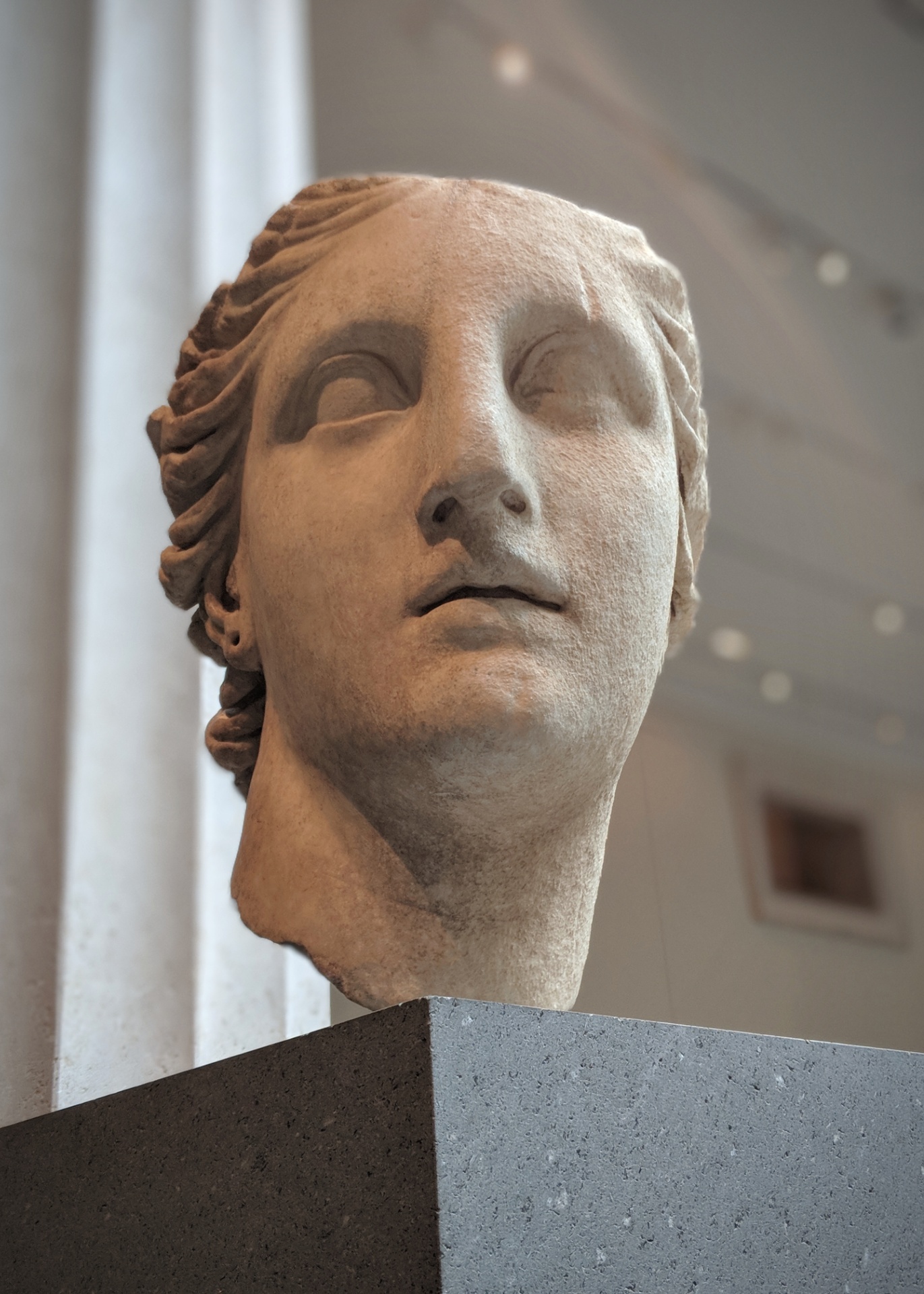
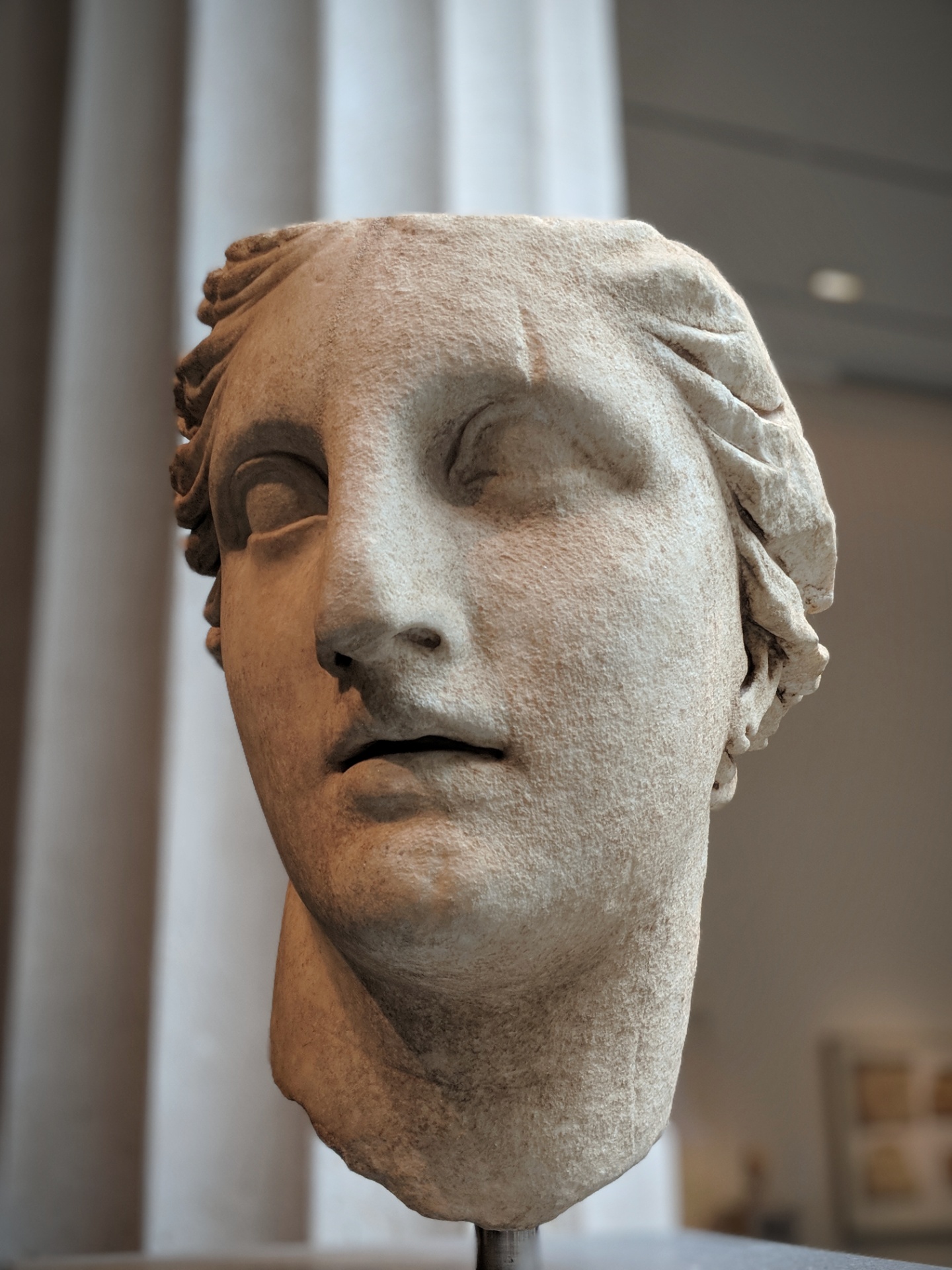
Marble head of Athena
Greek, Hellenistic, ca. 200 b.c. 

The goddess originally wore a helmet of marble or bronze, added separately. The ears are pierced for metal earrings. The head comes from an over-life-sized statue that possibly represented the goddess striding forward. The statue may have stood outdoors, as a monumental votive image of the warrior goddess in her role as protectress of a city rather than within a temple as a cult statue.

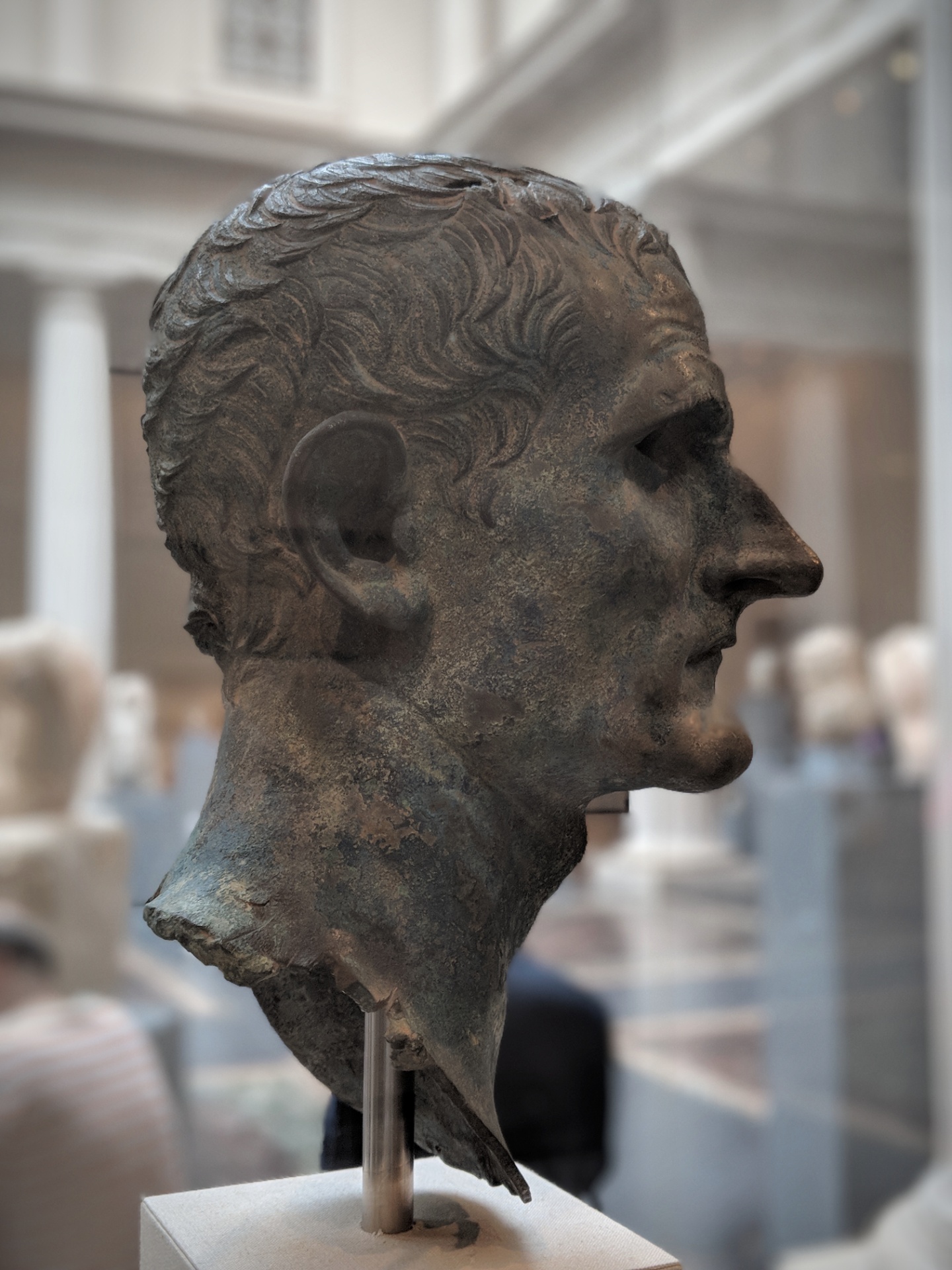
Bronze portrait of a man
Roman, Late Republican or Early Imperial, ca. 1st century b.c.

In the early first century b.c. Greek artists were fashioning portraits of Roman patrons that presented a straightforward image of their subjects in a veristic style. This phenomenon existed across the ever-expanding Roman world, but the finest and largest group of such portraits in marble survives on the Cycladic island of Delos, which was an important commercial centre in the Late Republican period and home to numerous Roman merchants. 

The portrait exhibited here is a good example of the veristic style, which appealed to Roman citizens who valued individuality. Bronze was the preferred medium for Roman honorific statues because of its ability to achieve the closest possible fidelity to nature. 

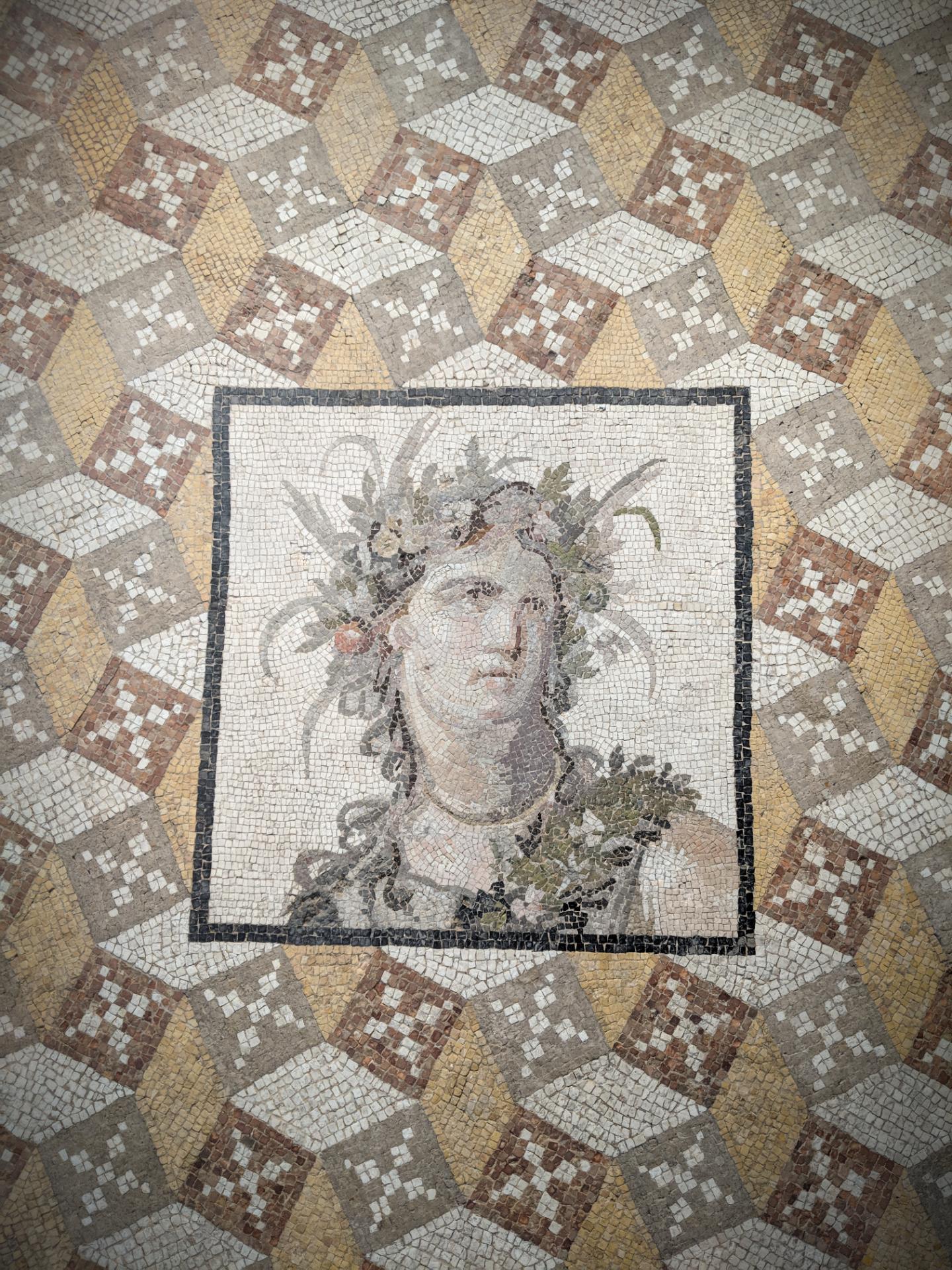
Mosaic floor panel
Roman, Imperial, 2nd century a.d.
Stone, tile and glass
Excavated from a villa at Daphne near Antioch (modern Antakya, Turkey), the metropolis of Roman Syria

The rectangular panel represents the entire decorated area of a floor and was found together with another mosaic (now in the Baltimore Museum of Art) in an olive grove at Daphne-Harbiye in 1937. In Roman times, Daphne was a popular holiday resort, used by the wealthy citizens and residents of Antioch as a place of rest and refuge from the heat and noise of the city. 

The Metropolitan Museum of Art

August 19th, 2018
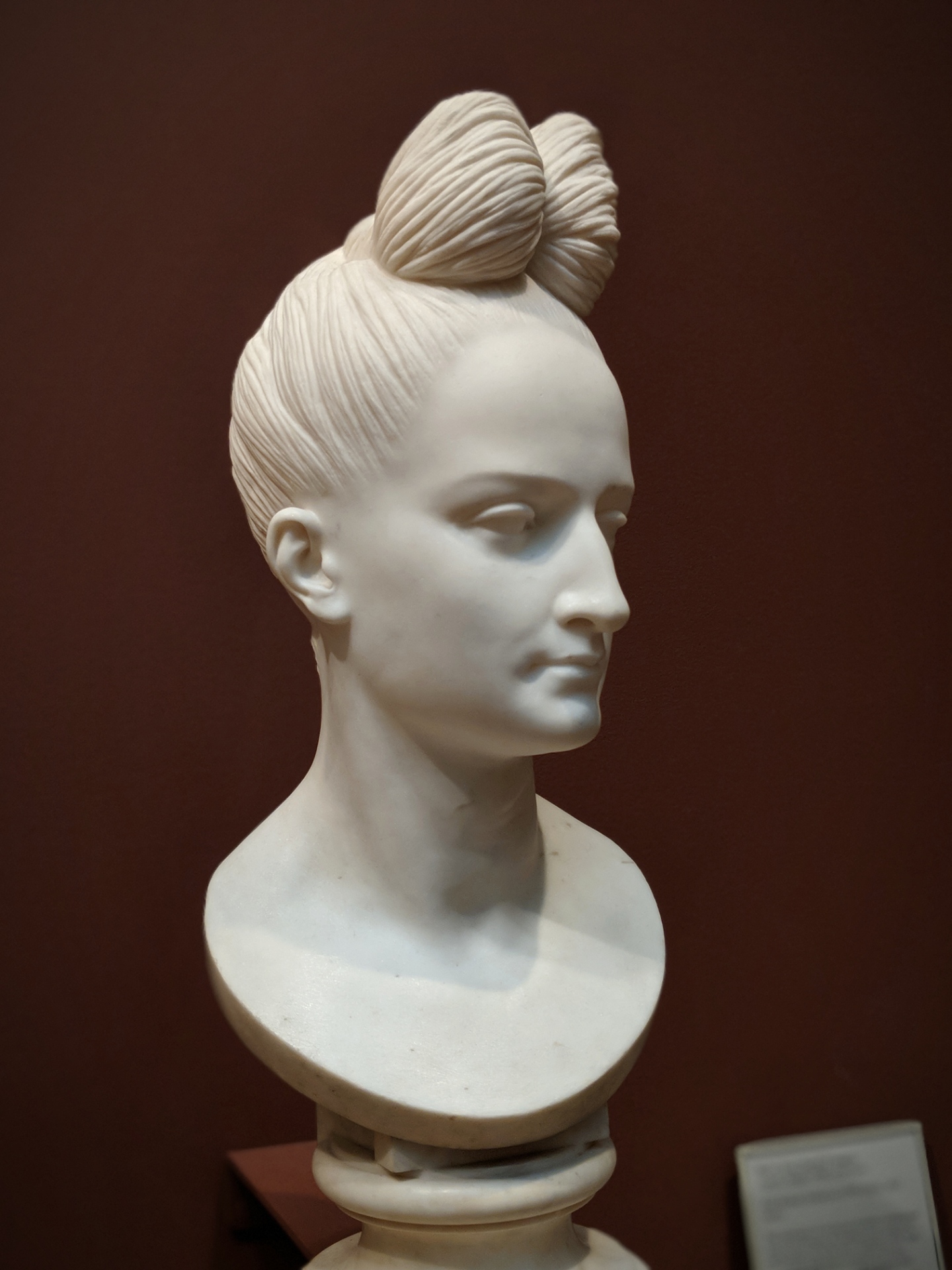
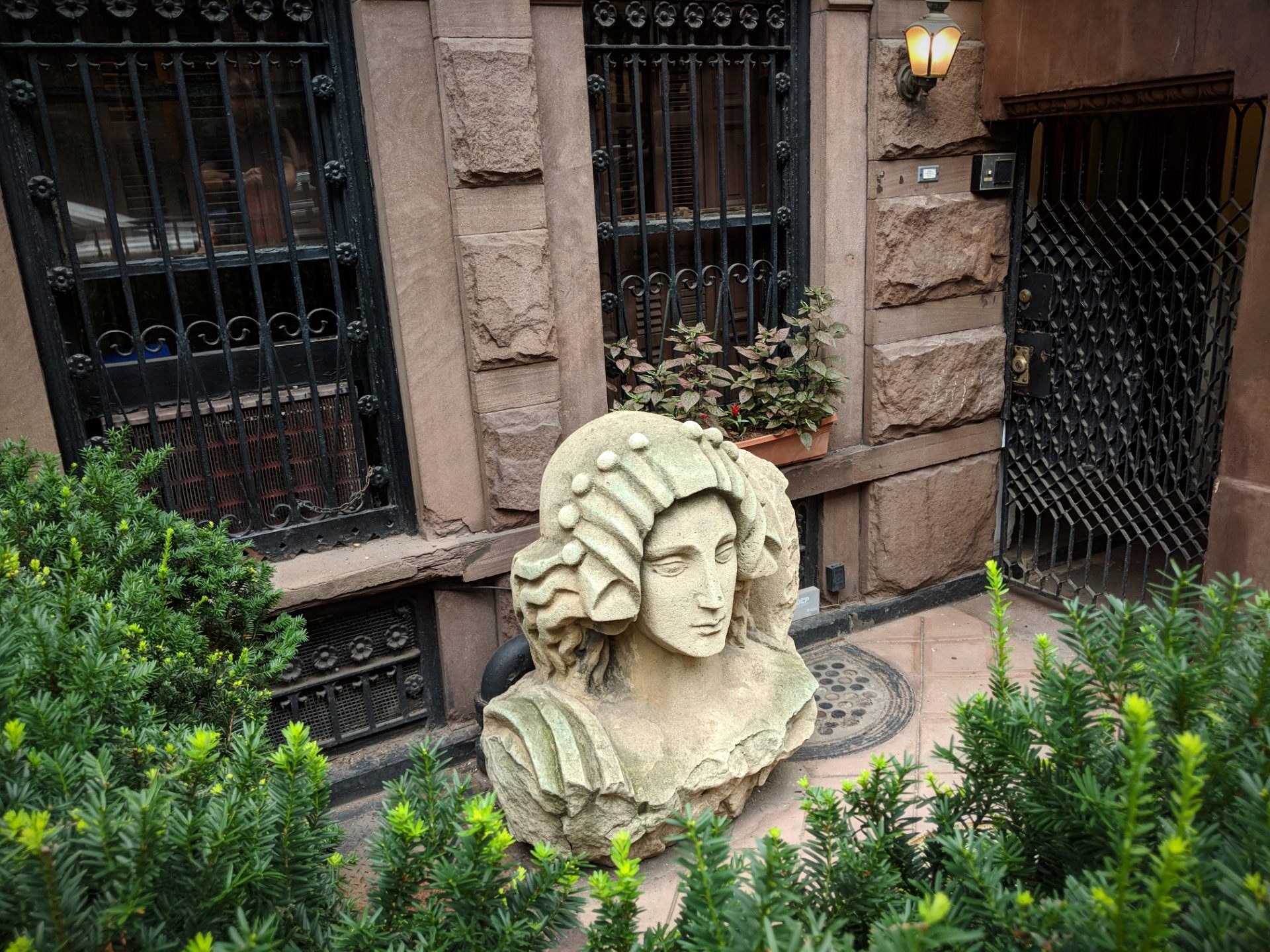
Hair Styles for the Zoom Era: Tie the Knot

No hair stylist? No problem!

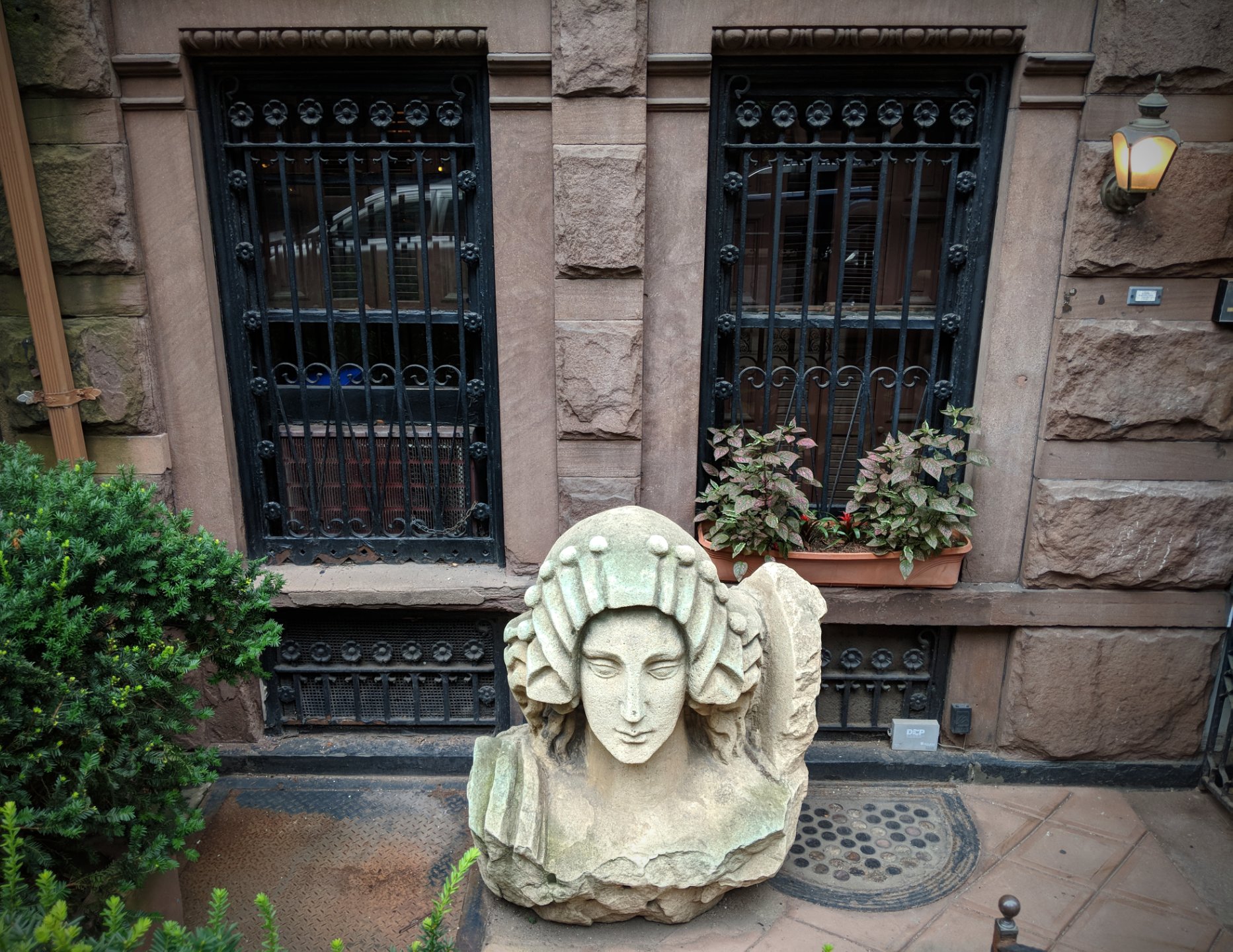
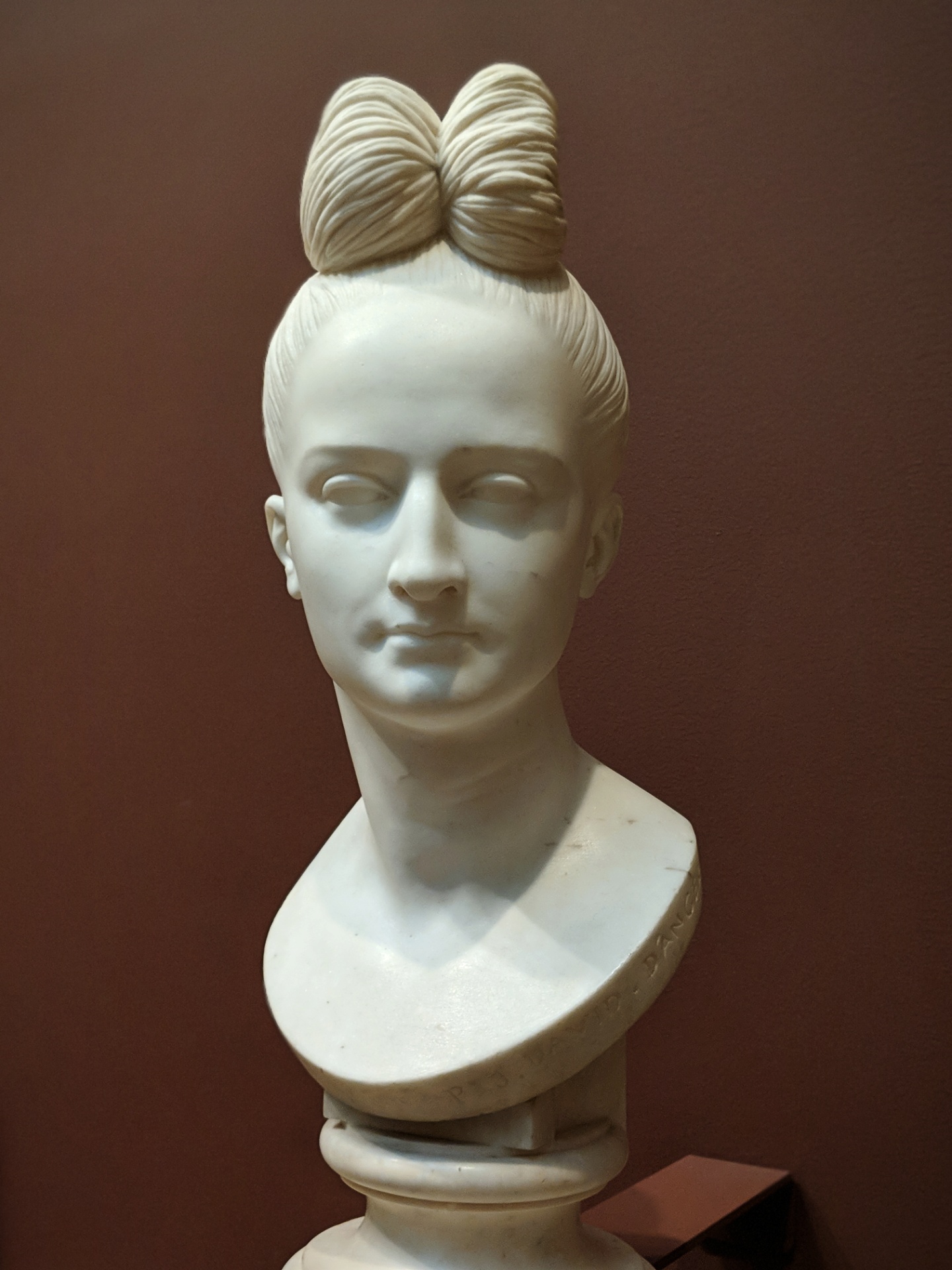
Pierre Jean David d’Angers (1788-1856)
Ann Buchan Robinson, 1831
Marble

This masterpiece of carving was probably commissioned from David d’Angers, the leading portrait sculptor of the Romantic era, by the sitter’s husband, a New York entrepreneur with business connections in France. Formal purity is paramount: nothing distracts from the transition between smooth skin and the swept up coils of an extraordinary hairstyle that was the height of fashion about 1830. The tilt of the head and slightly pouted lips impart refined lifelikeness to the portrait. Robinson’s idealized serenity is typical of David d’Angers’s female portrait busts; those depicting men tend to reveal far more about the sitters’ inner personality. 

Lent to the Metropolitan Museum of Art by the Museum of the City of New York

August 19th, 2018
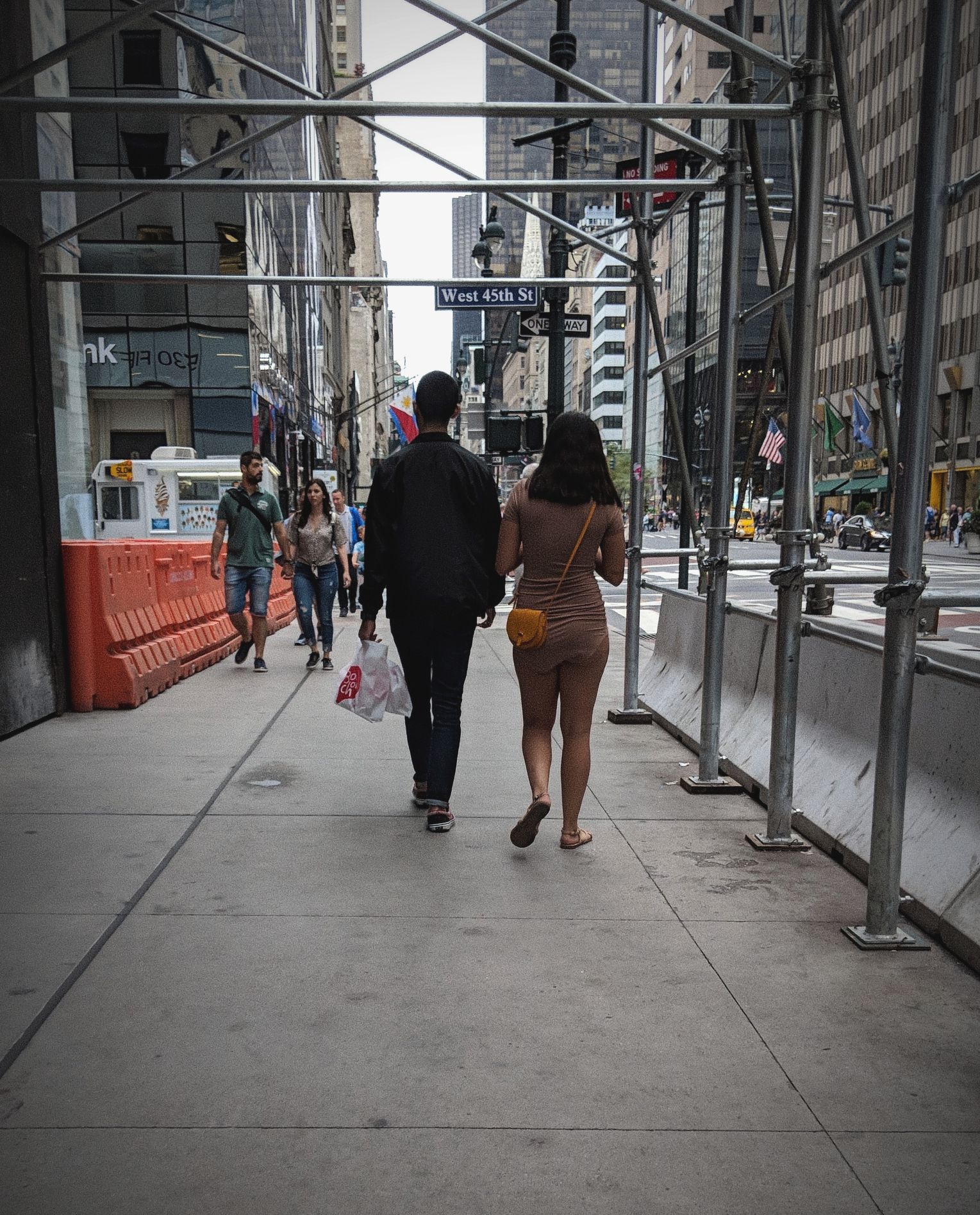
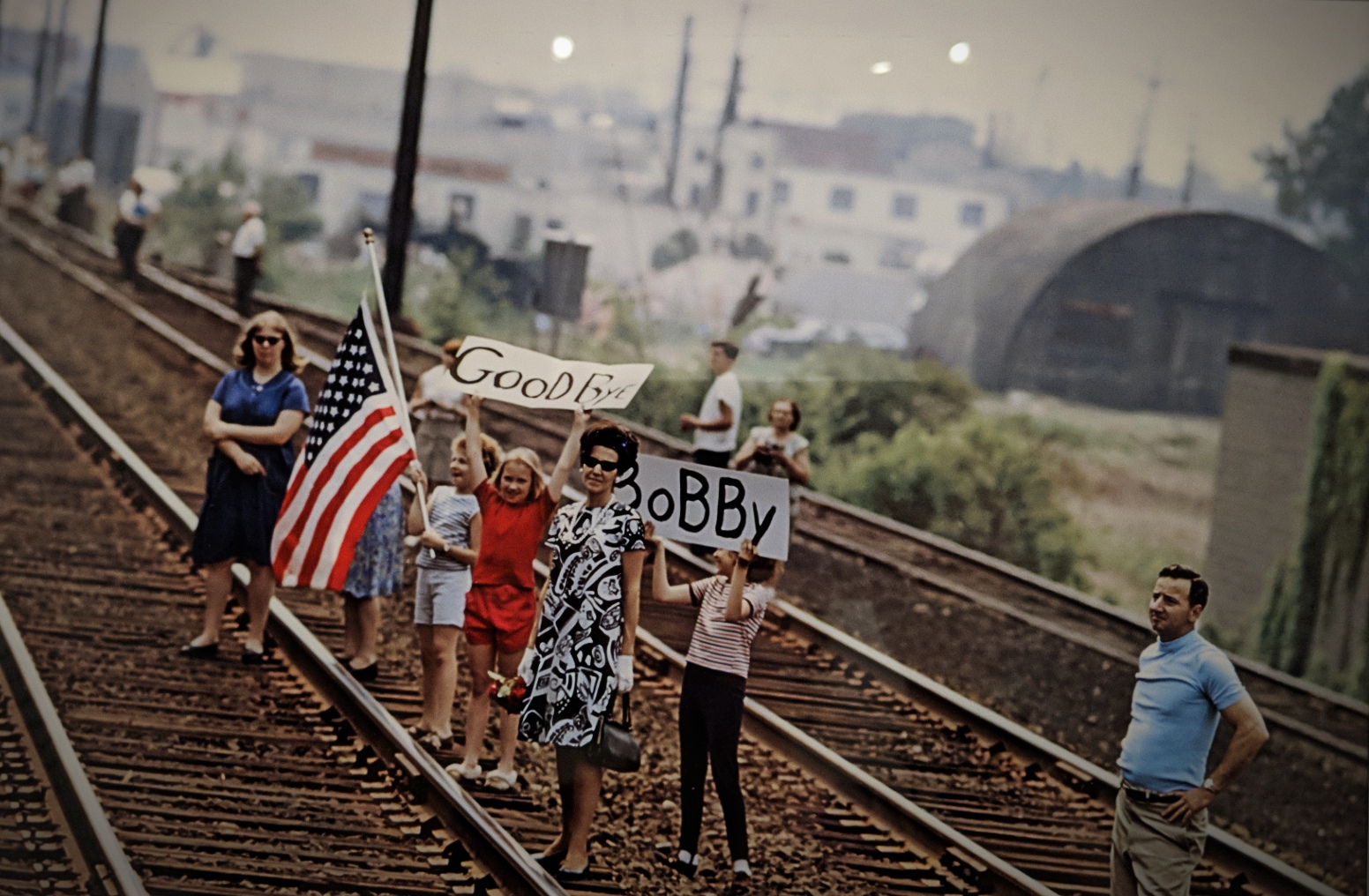
ICP Museum || Good Bye BoBBy

On June 8, 1968, thousands of people lined the train tracks from New York to Washington, DC, paying their last respects and expressing bewilderment and sorrow at the assassination of Robert F. Kennedy. The train carrying the senator’s body took eight hours to make the trip toward Kennedy’s final resting place, Arlington National Cemetery. Photographer Paul Fusco documented the funeral train’s journey and his images have become emblematic of the loss of idealism during a period of political upheaval in the United States. Dutch visual artist, photographer, and filmmaker Rein Jelle Terpstra has been tracking down the bystanders’ views of this day. He has collected more than two hundred images, including snapshots and home movies of the train. In RFK Funeral Train: The People’s View, Terpstra combines a multiscreen video projection that stitches together this collection of vernacular photographs and audio and video remembrances of these mourners with prints by Fusco. Through this project, Terpstra adds a new chapter to a collective memory that is slowly disappearing.

ICP Museum, Lower East Side, Manhattan

August 16th, 2018
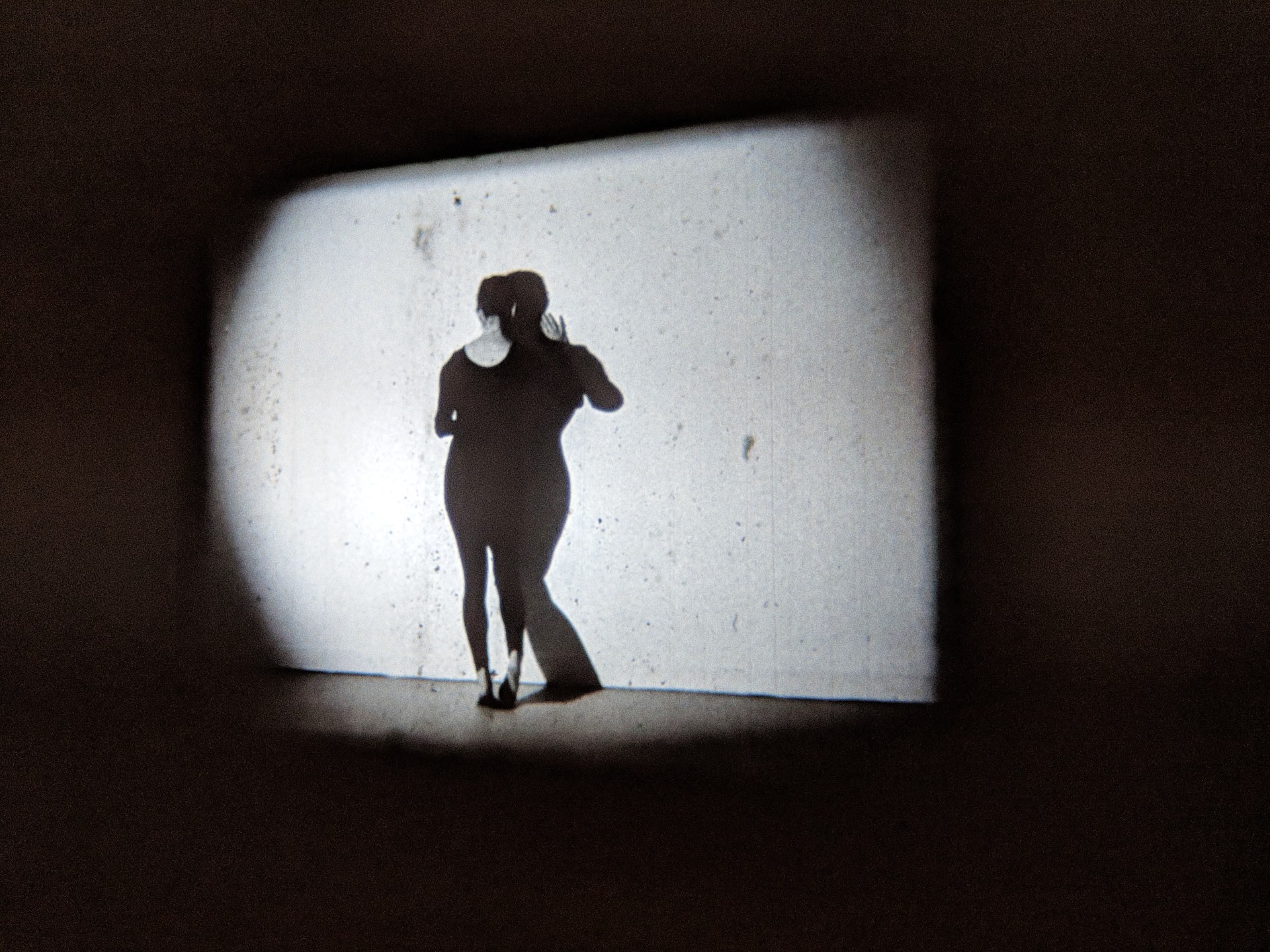
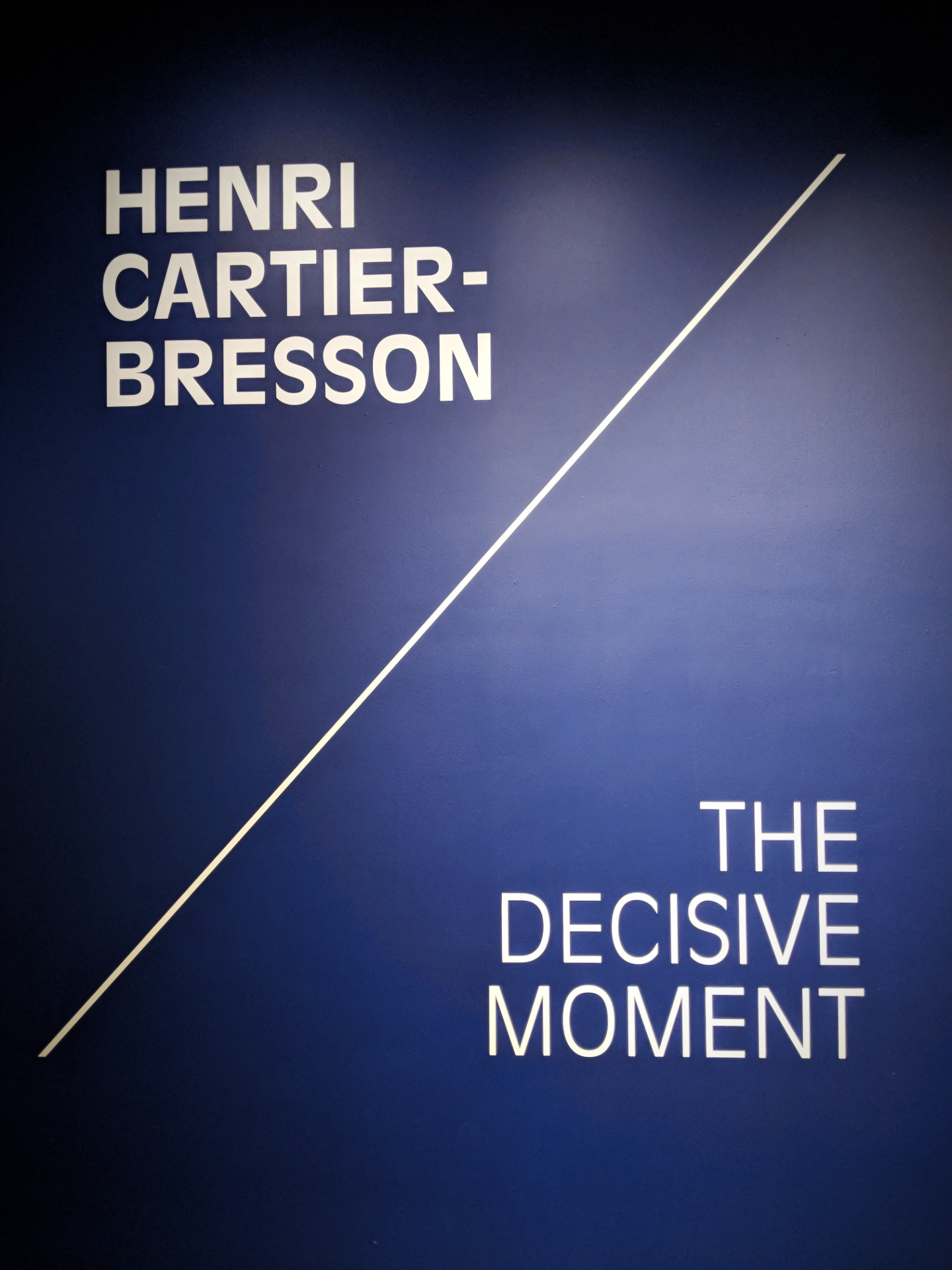
ICP Museum || The Decisive moment

Sometimes it happens that you stall, delay, wait for something to happen. Sometimes you have the feeling that here are all the makings of a picture – except for just one thing that seems to be missing. But what one thing? Perhaps someone suddenly walks into your range of view. You follow his progress through the viewfinder. You wait and wait, and then finally you press the button – and you depart with the feeling (though you don’t know why) that you’ve really got something. Later, to substantiate this, you can take a print of this picture, trace it on the geometric figures which come up under analysis, and you’ll observe that, if the shutter was released at the decisive moment, you have instinctively fixed a geometric pattern without which the photograph would have been both formless and lifeless. – Henri Cartier-Bresson

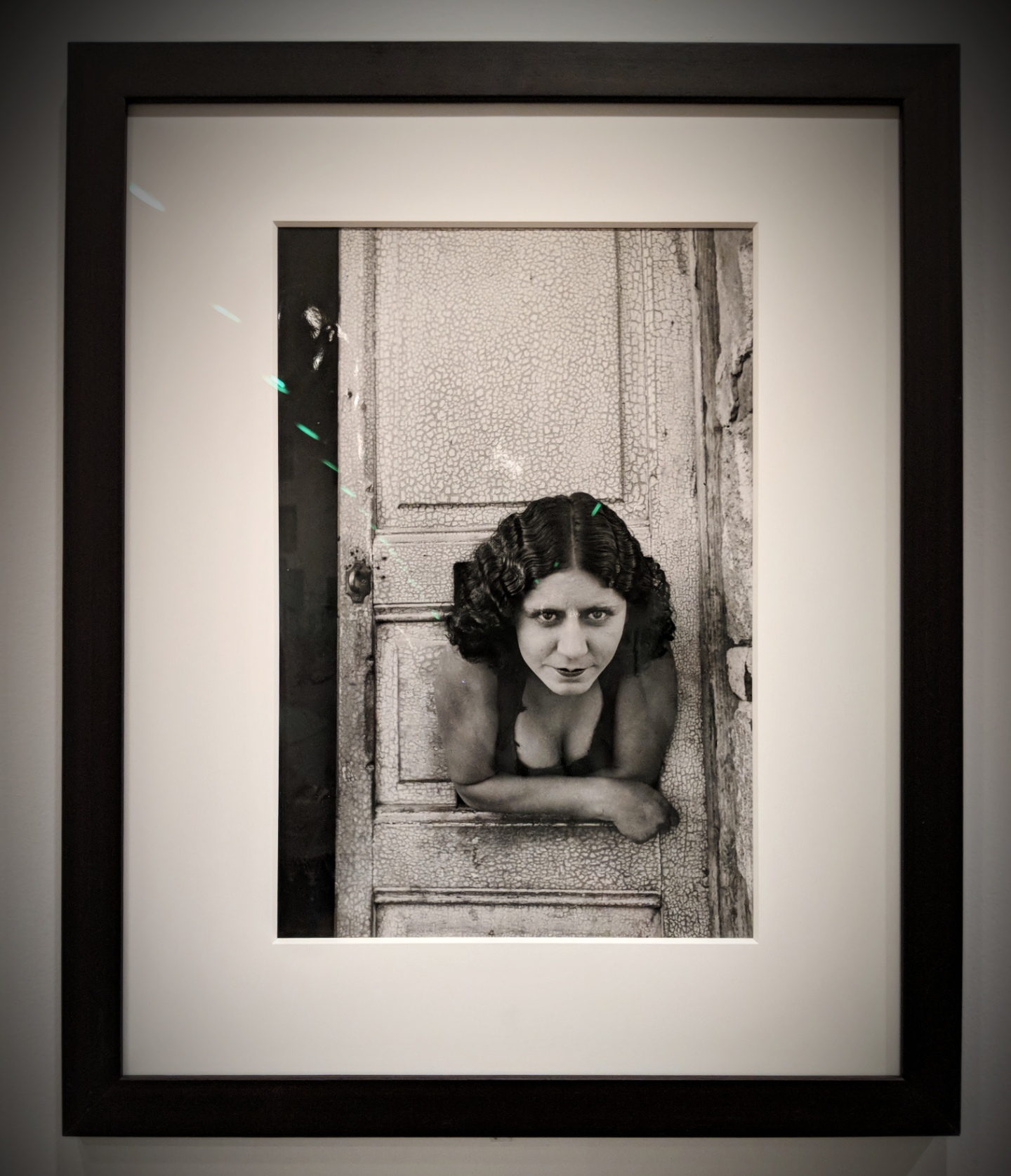
Prostitute, Calle Cuauhtemoctzin, Mexico City, 1934


Behind the Gare St. Lazare, Place de  l’Europe, Paris, 1932


Coronation of King George VI, Trafalgar Square, London, May 12, 1937


Dessau, Germany, May-June 1945


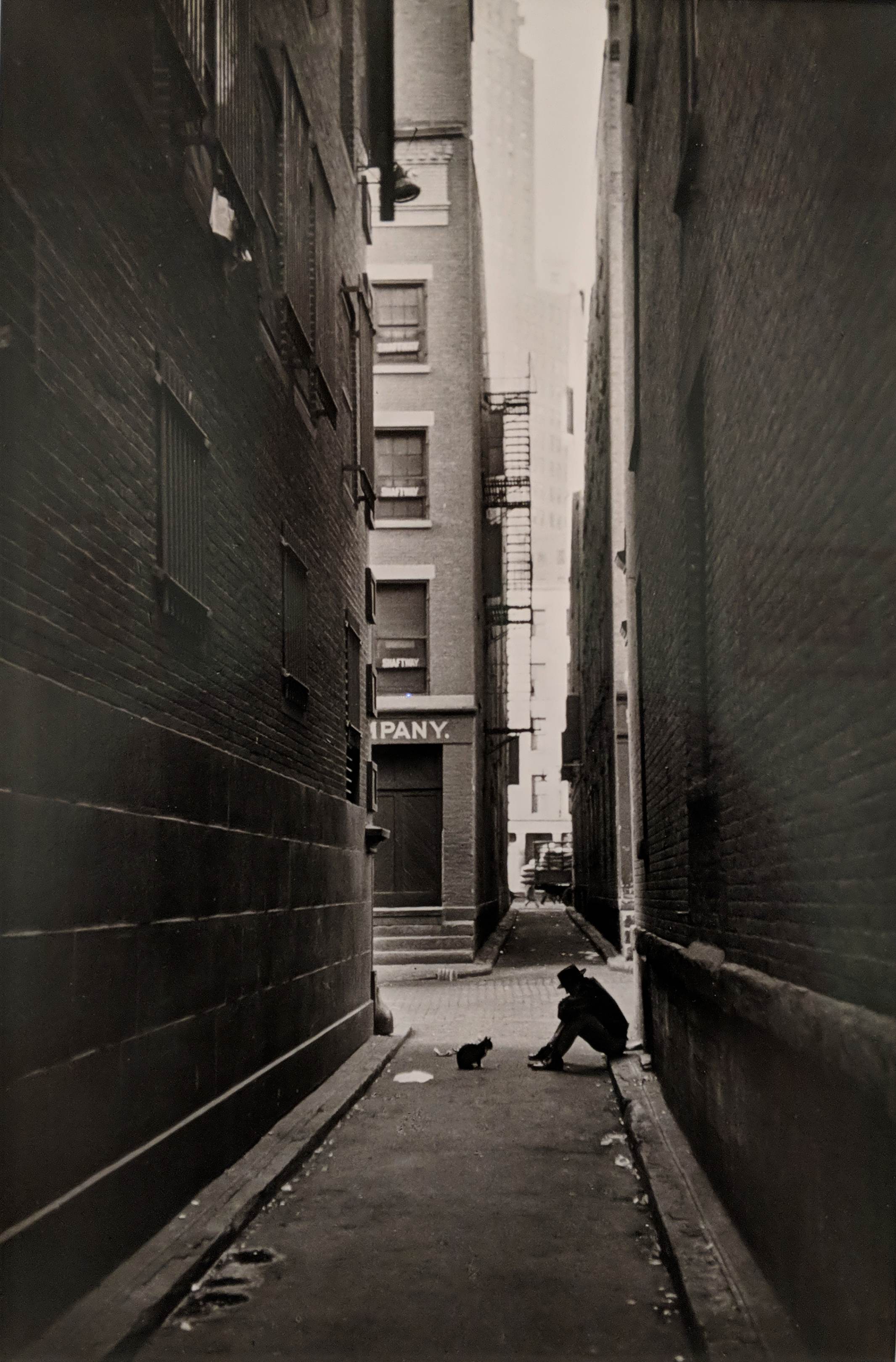
Downtown, Manhattan, New York, 1947


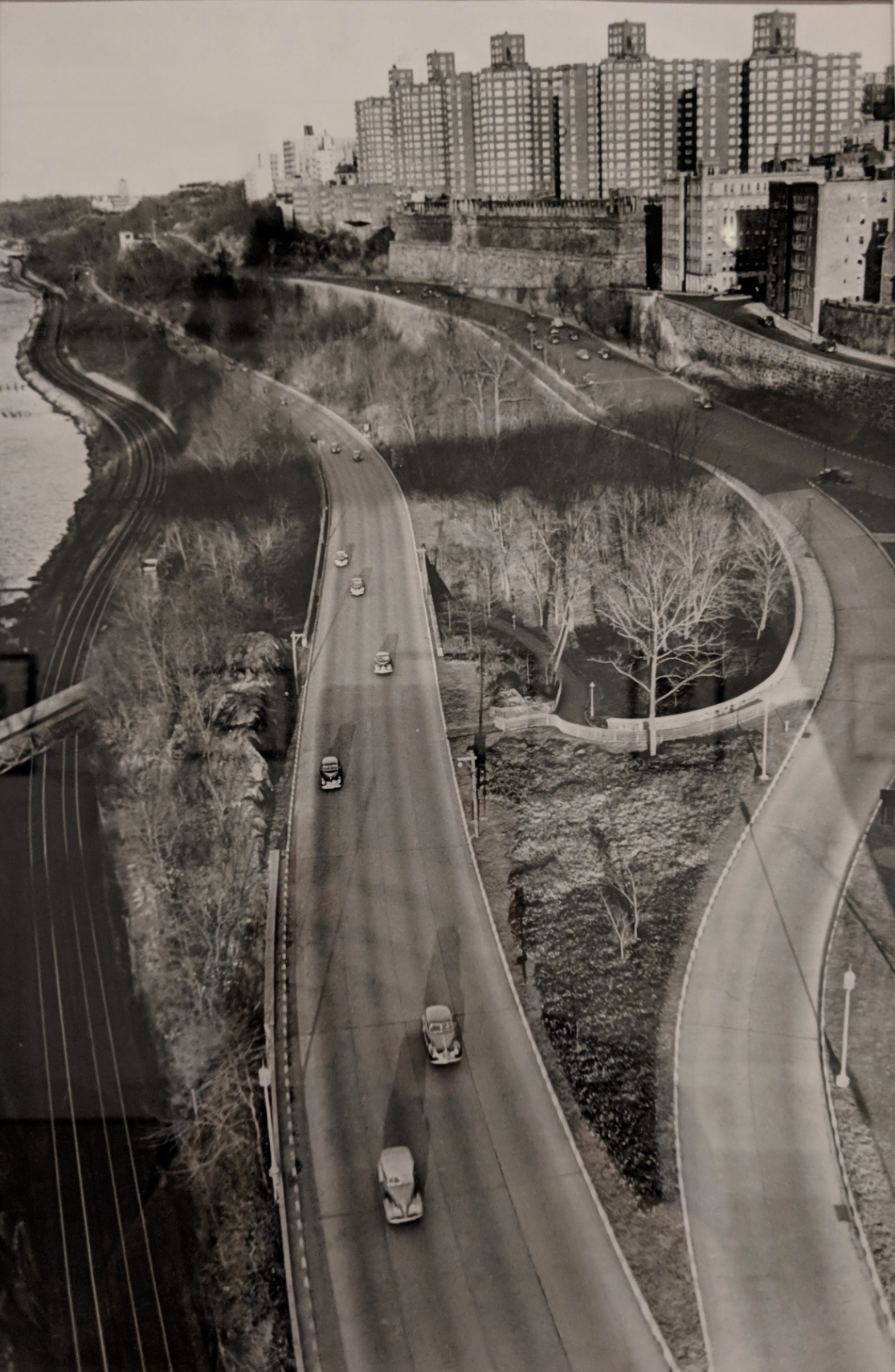
Manhattan, New York, 1947


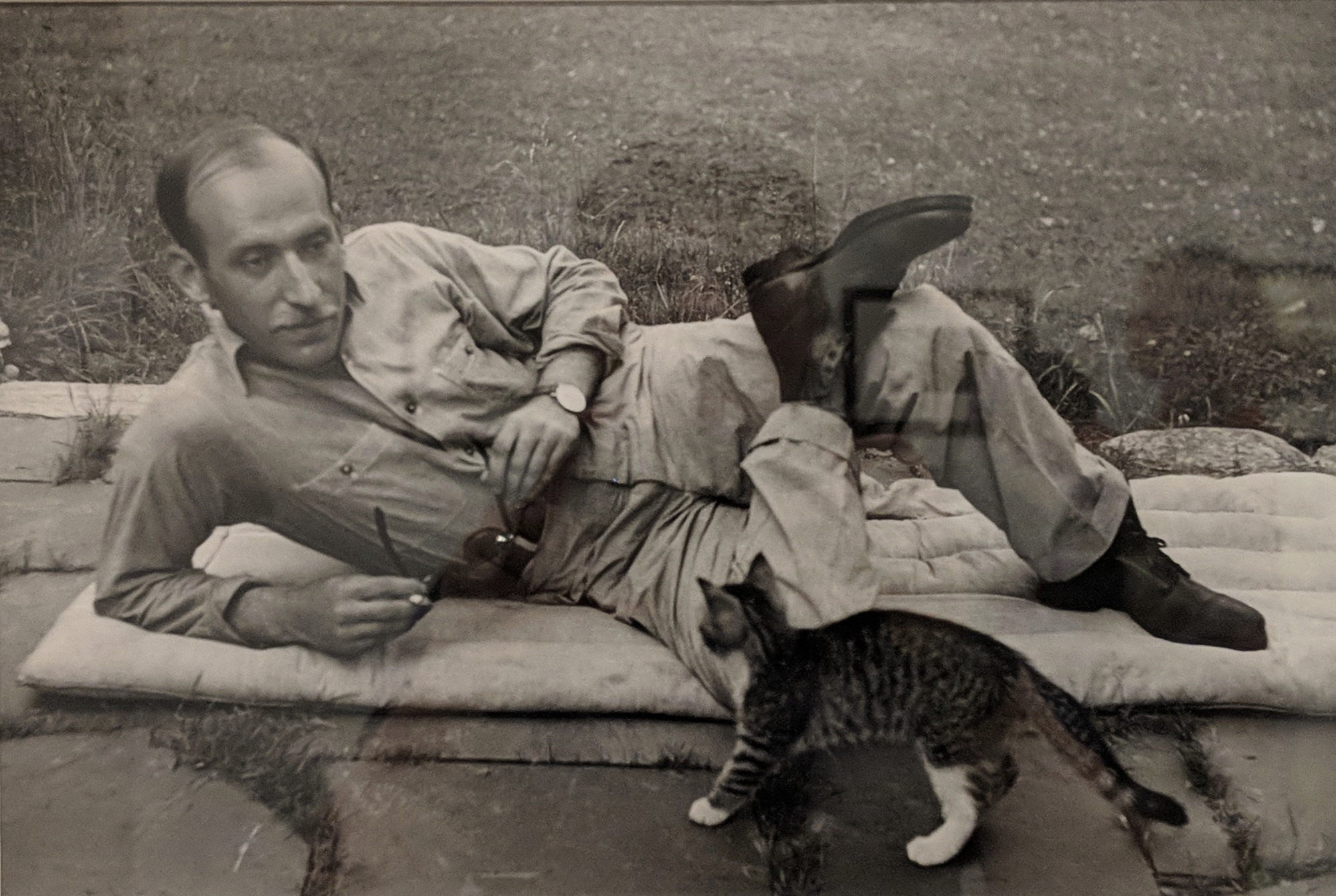
Saul Steinberg, Vermont, 1947


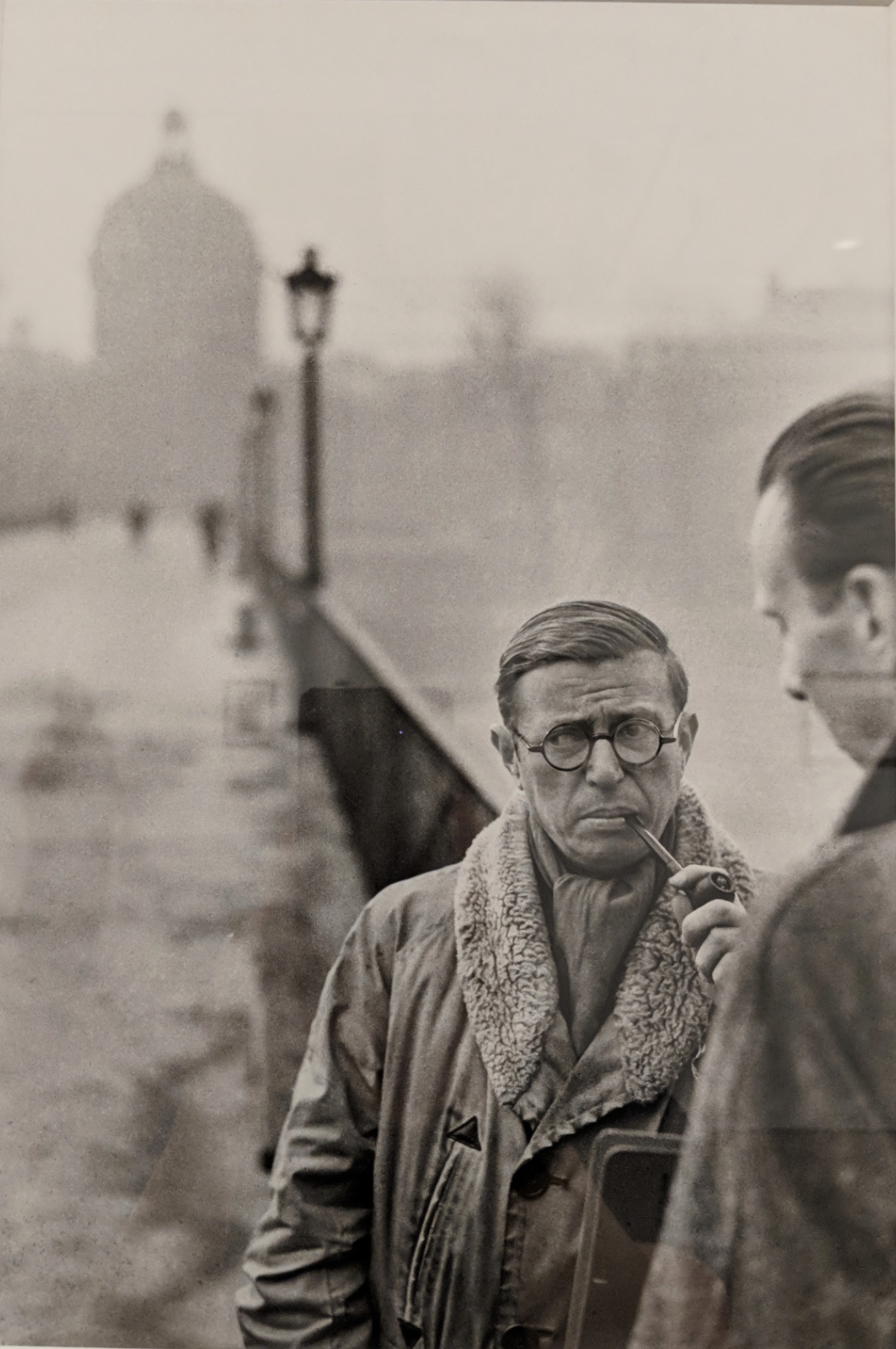
Jean-Paul Sartre, Le Pont des Arts, Paris, 1946


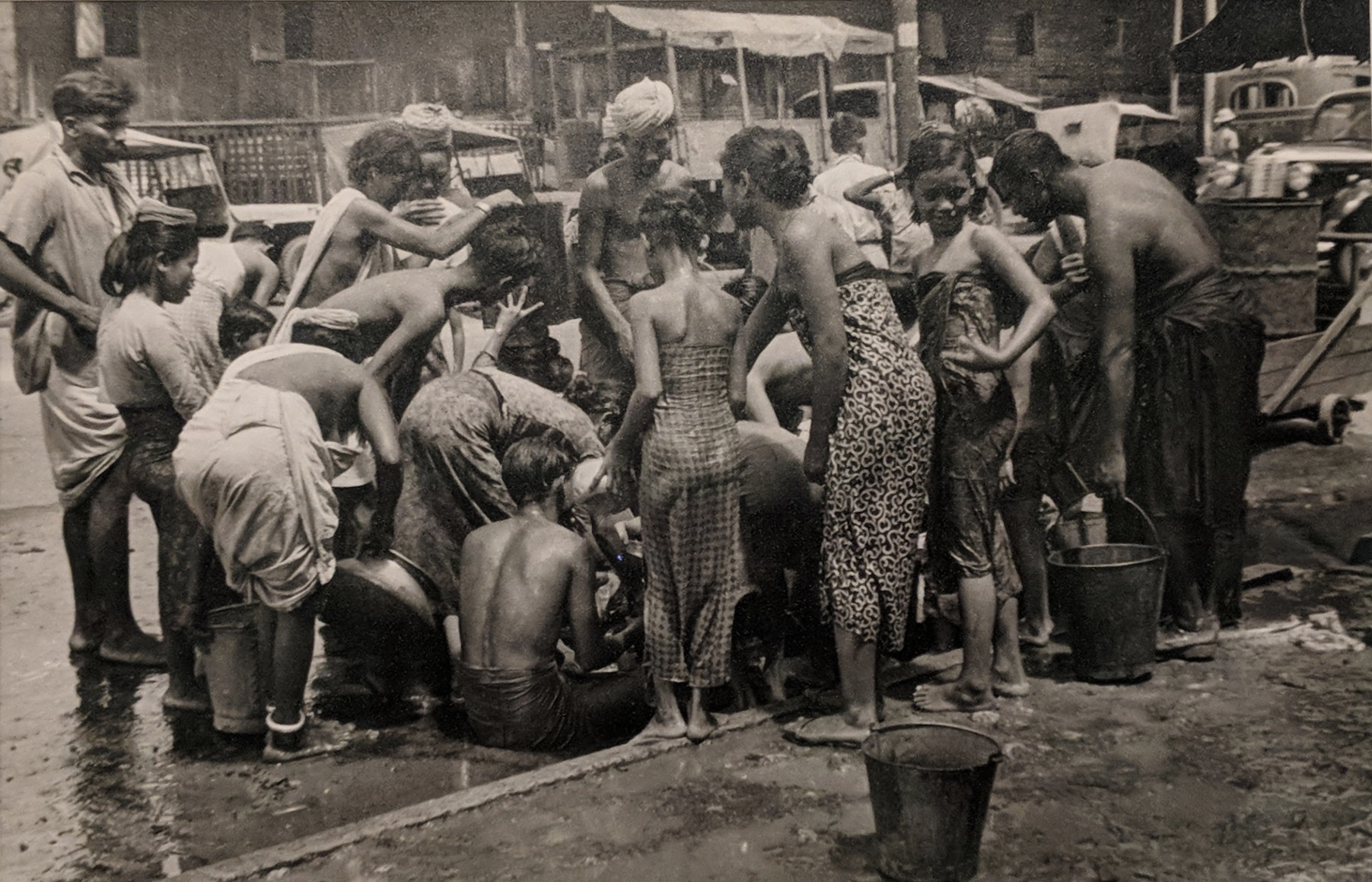
Rangoon, Burma, 1948


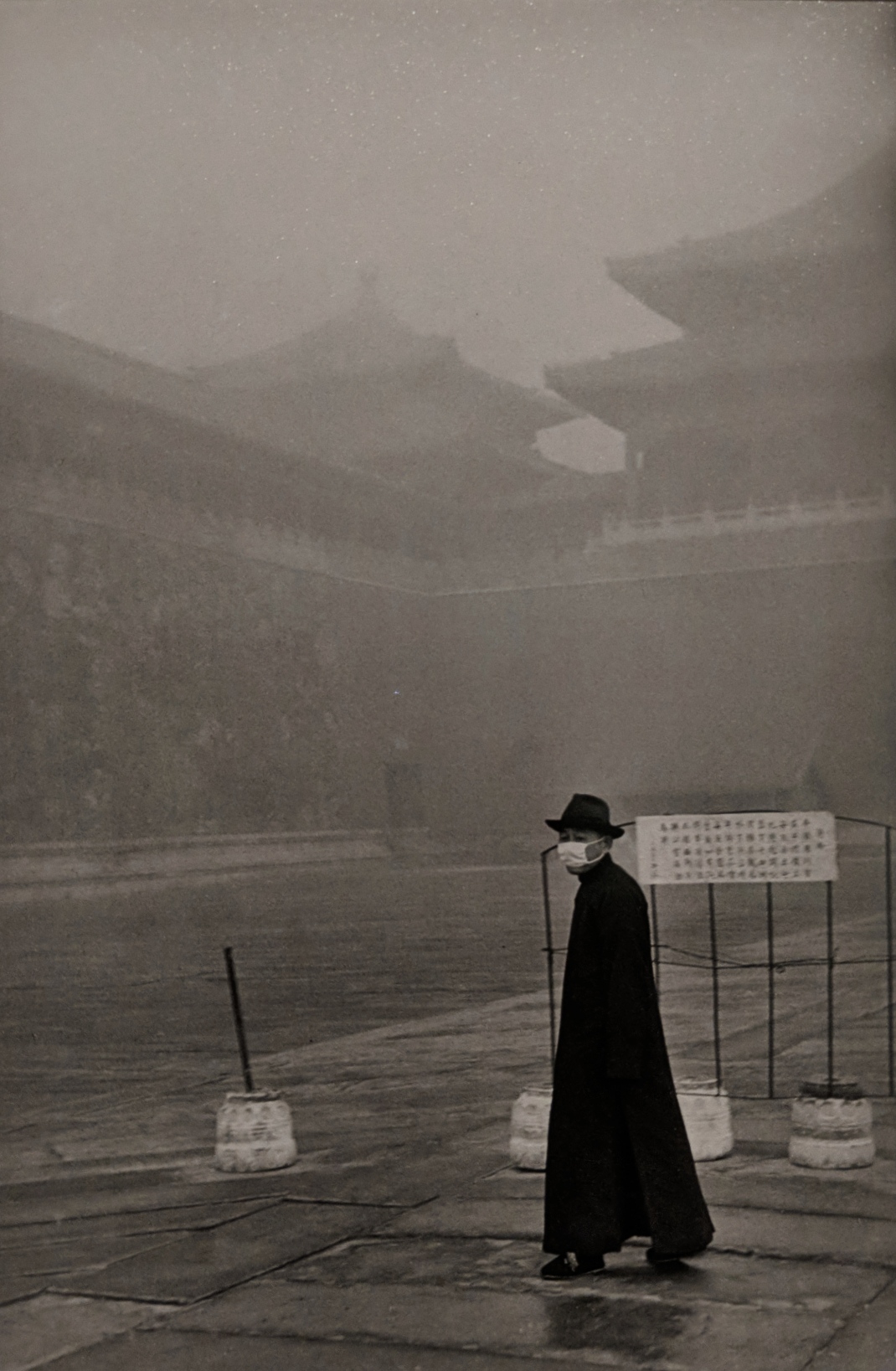
The Forbidden City, Beijing, December 1948


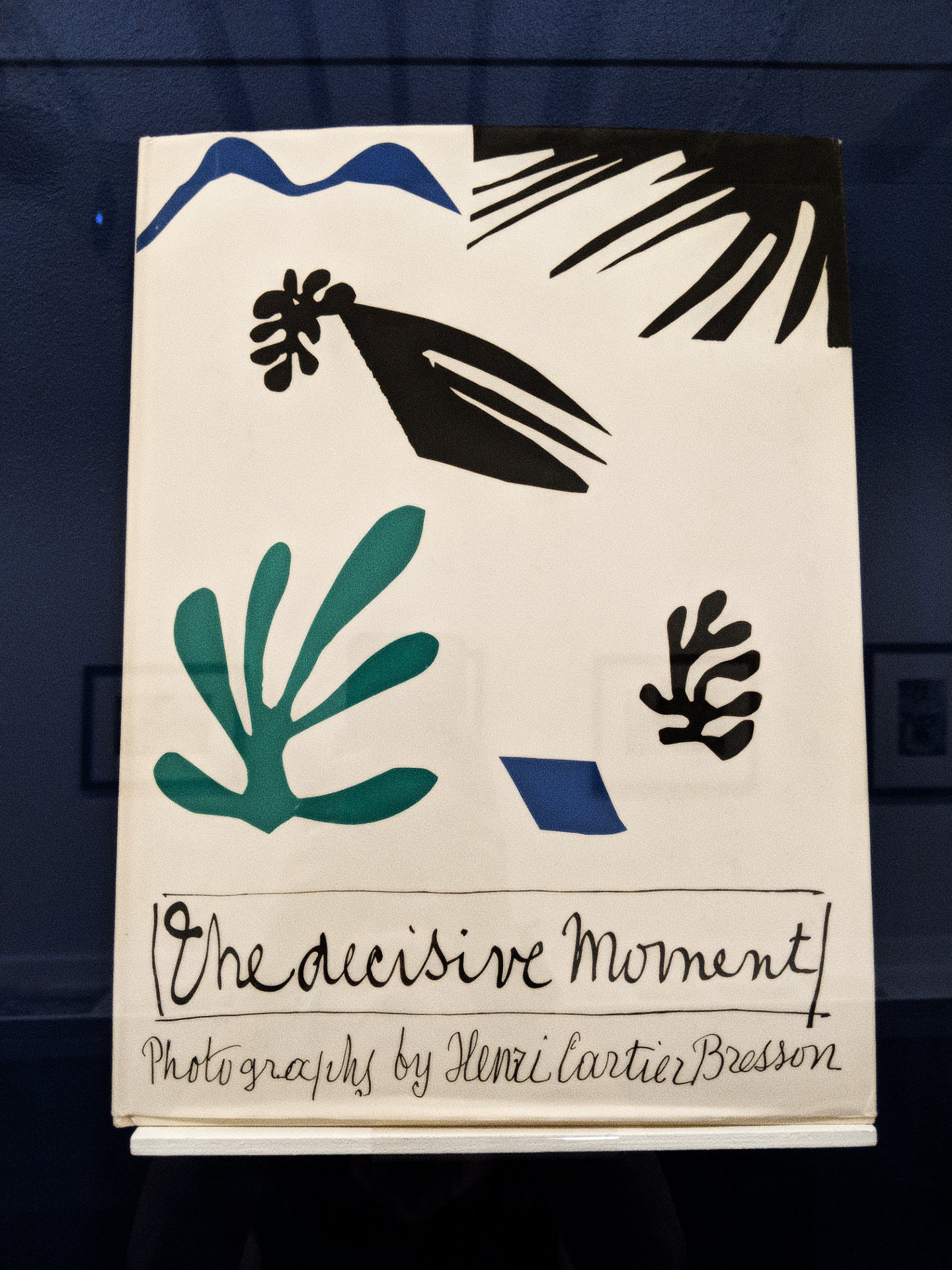
Henri Cartier-Bresson: The Decisive Moment examined Cartier-Bresson’s influential publication, widely considered to be one of the most important photobooks of the twentieth century. Pioneering for its emphasis on the photograph itself as a unique narrative form, The Decisive Moment was described by Robert Capa as “a Bible for photographers.” Originally titled Images à la Sauvette (“images on the run”) in French, the book was published in English with a new title, The Decisive Moment, which unintentionally imposed the motto which would define Cartier-Bresson’s work. – International Center of Photography (ICP)

August 16th, 2018

ICP Museum || The Fun Moment

Christina Fernandez, Untitled Esposure


Roni Horn
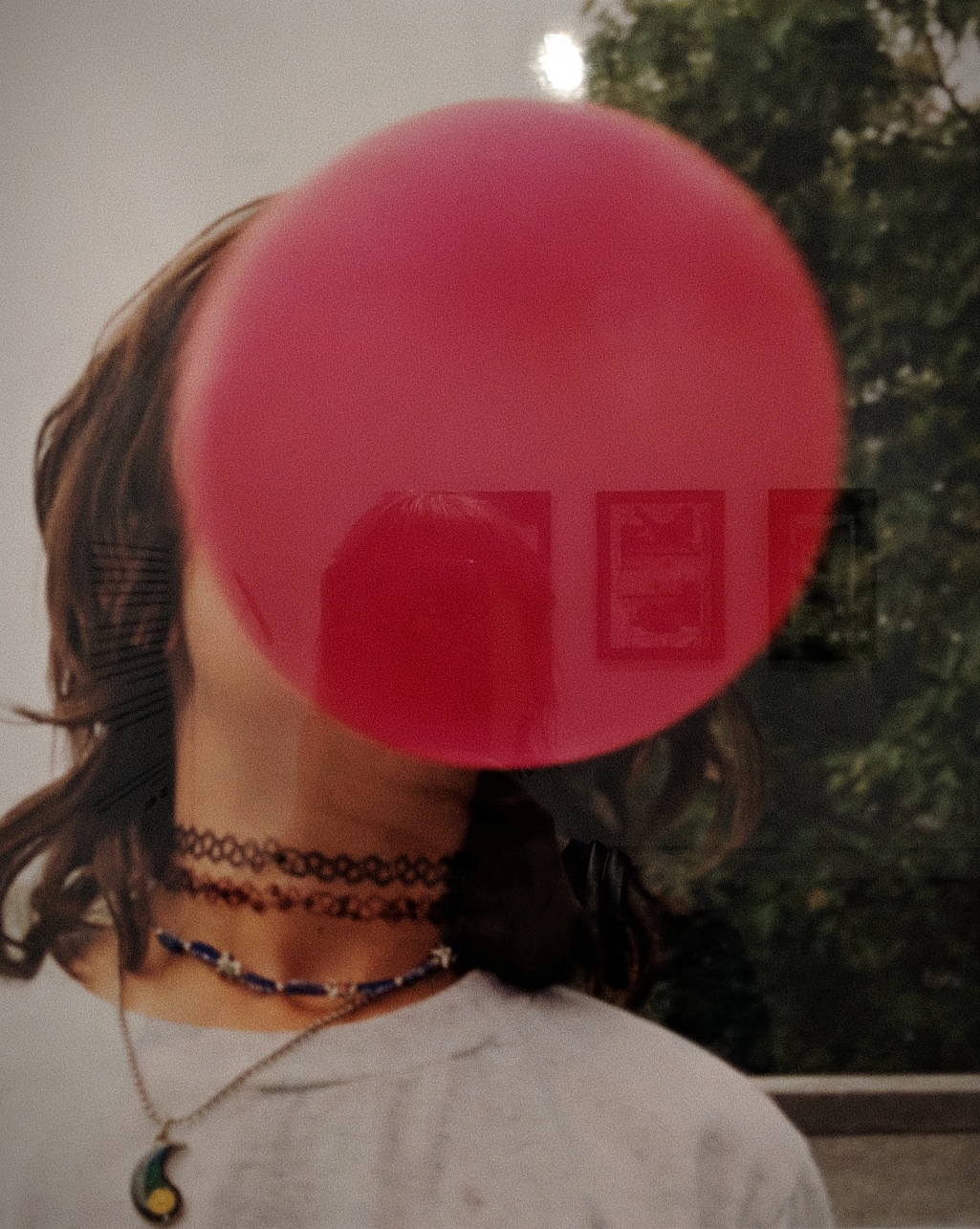
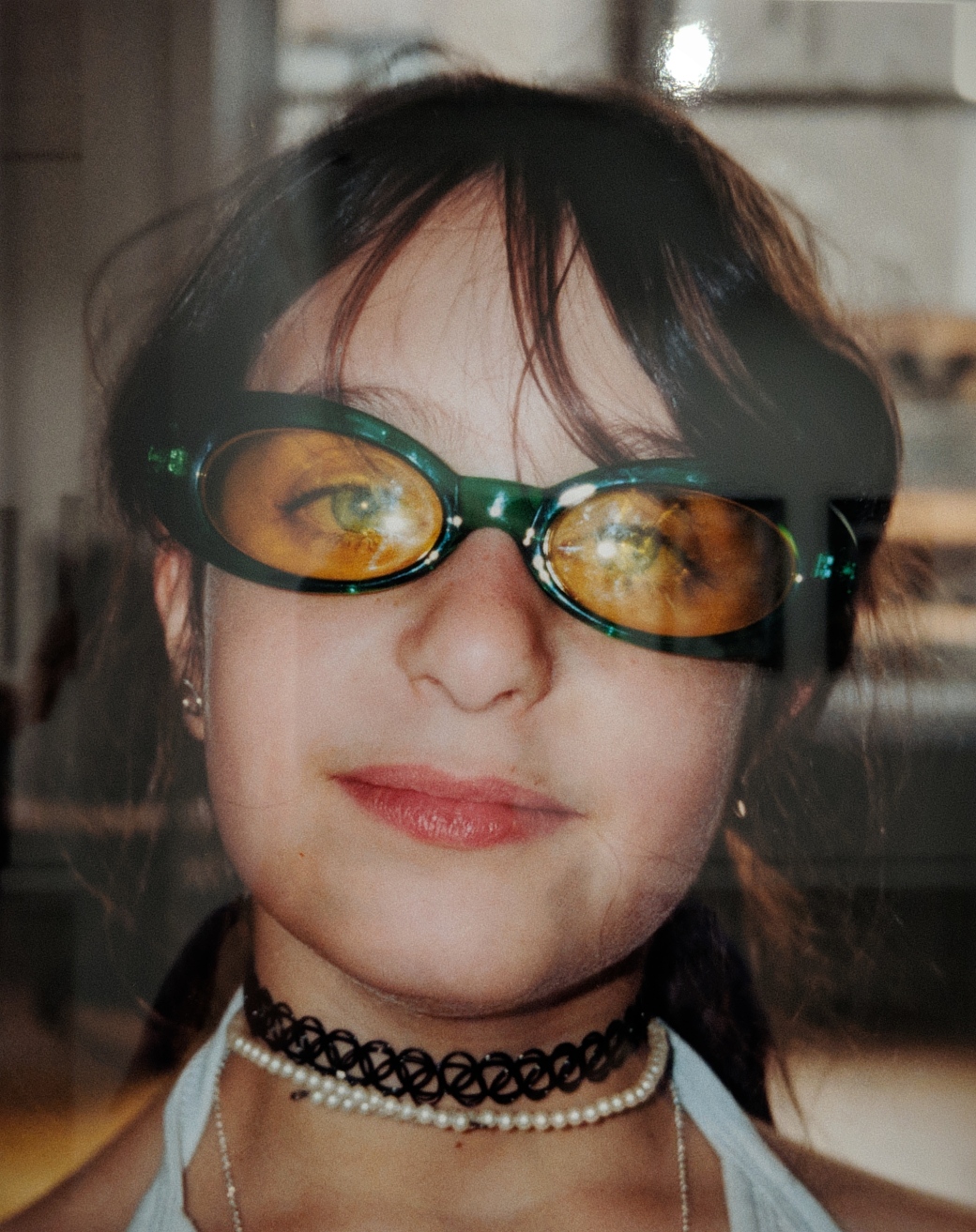
This is Me, This is You (1997-2000) – 48 pairs of photographs the artist took of her niece Georgia Loy between childhood and adolescence (detail)
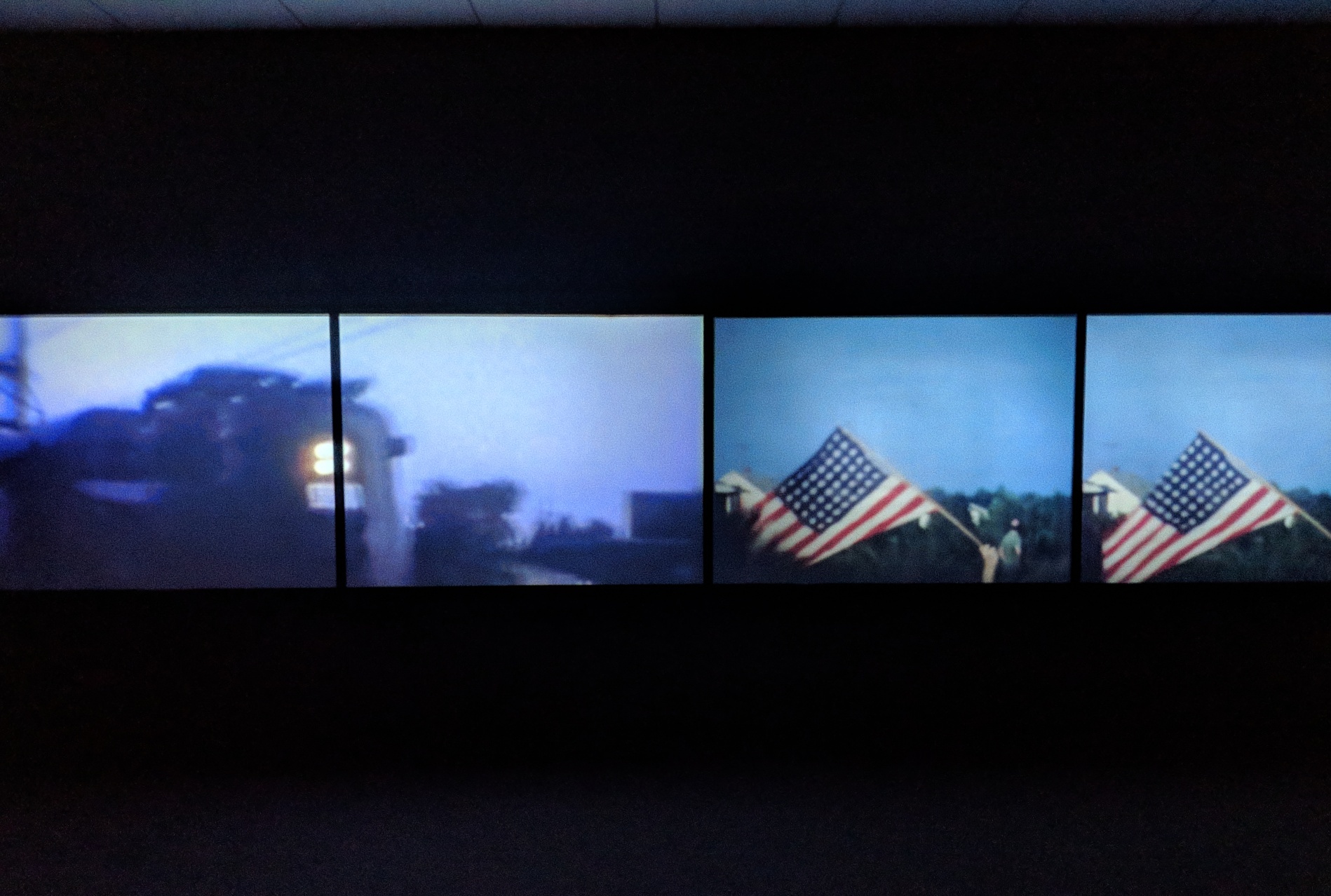

Roni Horn
This is Me, This is You (1997-2000) – 48 pairs of photographs the artist took of her niece Georgia Loy between childhood and adolescence (detail)


ICP Museum, Lower East Side, Manhattan

August 16th, 2018