Master Drawings @ The Morgan Library

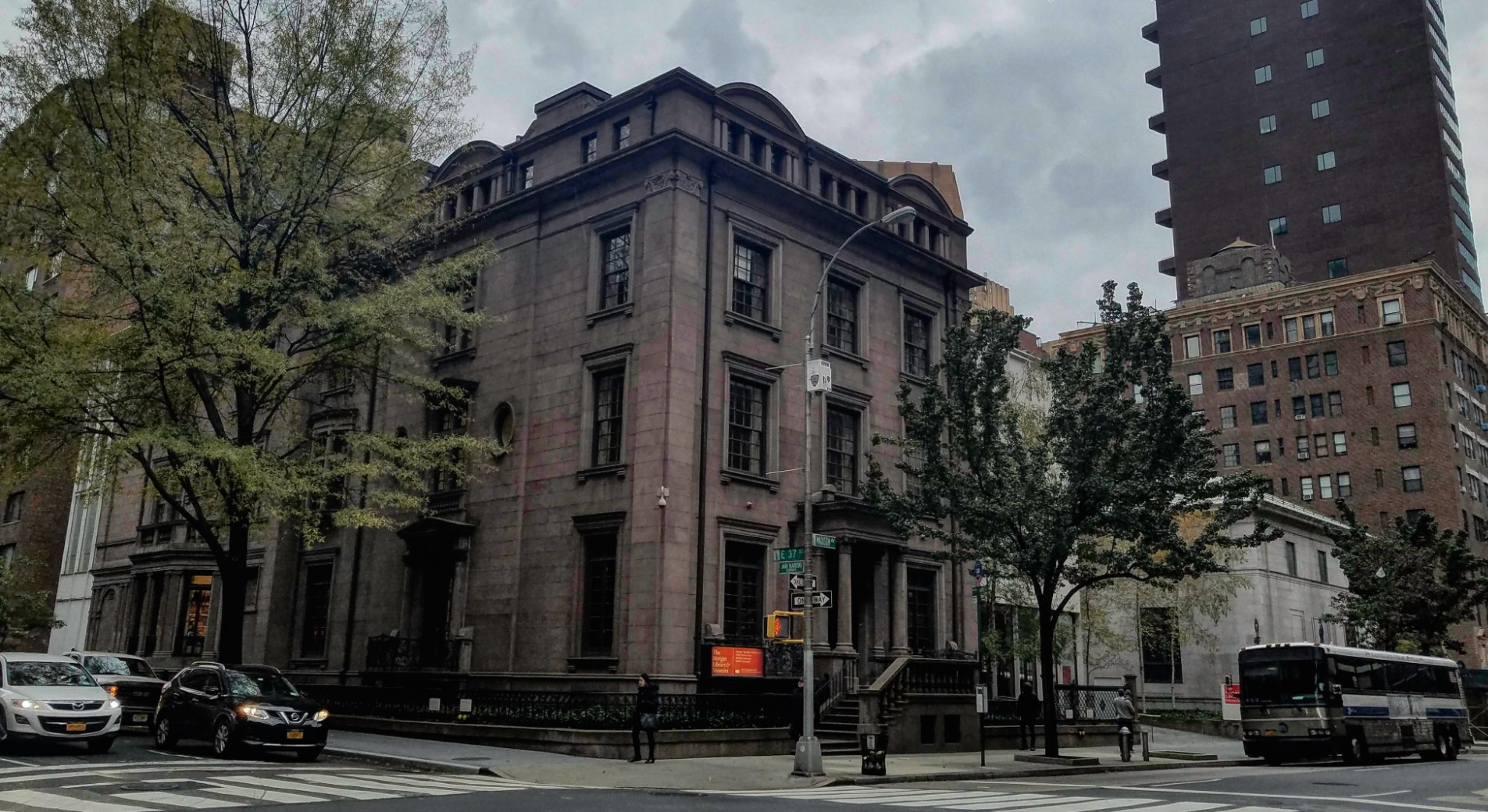
We were back at The Morgan to see the magnificent Old Masters’ drawings from the Thaw Collection, that were displayed at the time.

These are some highlights, which I hope you’ll enjoy.
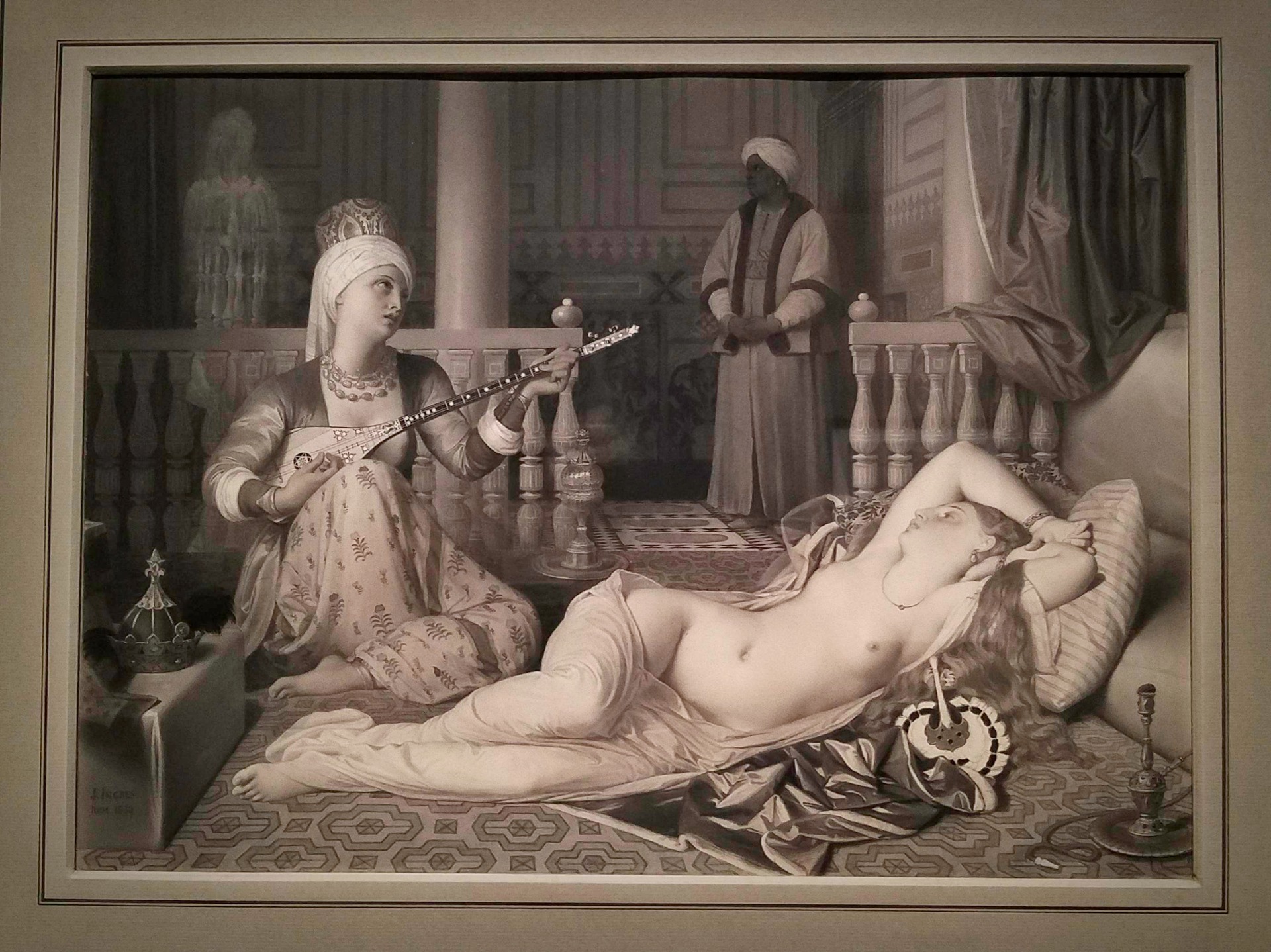
Odalisque with Slave, 1839
Jean-Auguste-Dominique Ingres (1780-1867) and Jean-Charles Thévenin (1819-1869)
Black chalk and graphite, black and brown wash with white and grey opaque watercolour
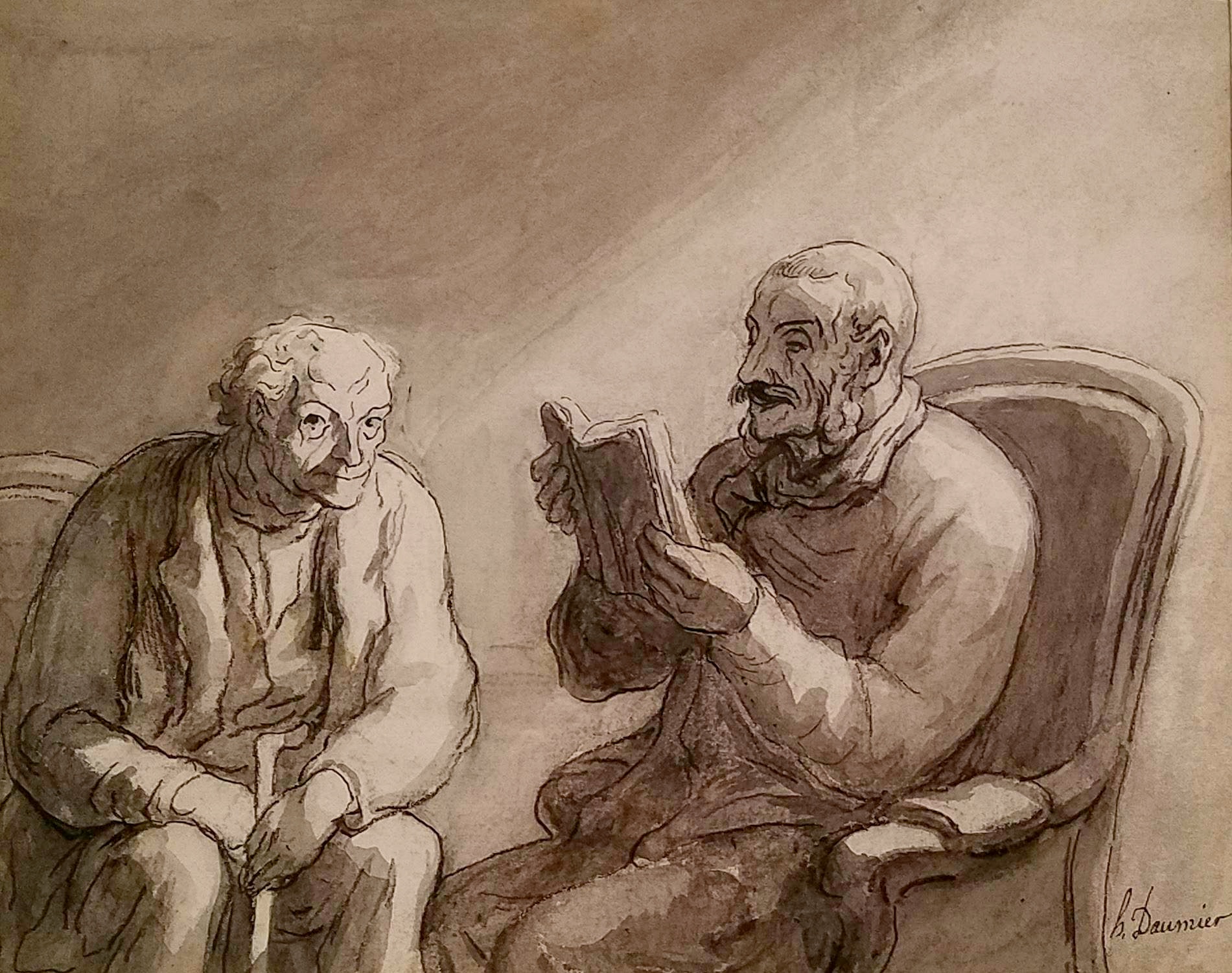

Reading, ca. 1860
Honoré Daumier (1808-1879)
Pen and black ink and grey wash with black fabricated chalk over charcoal
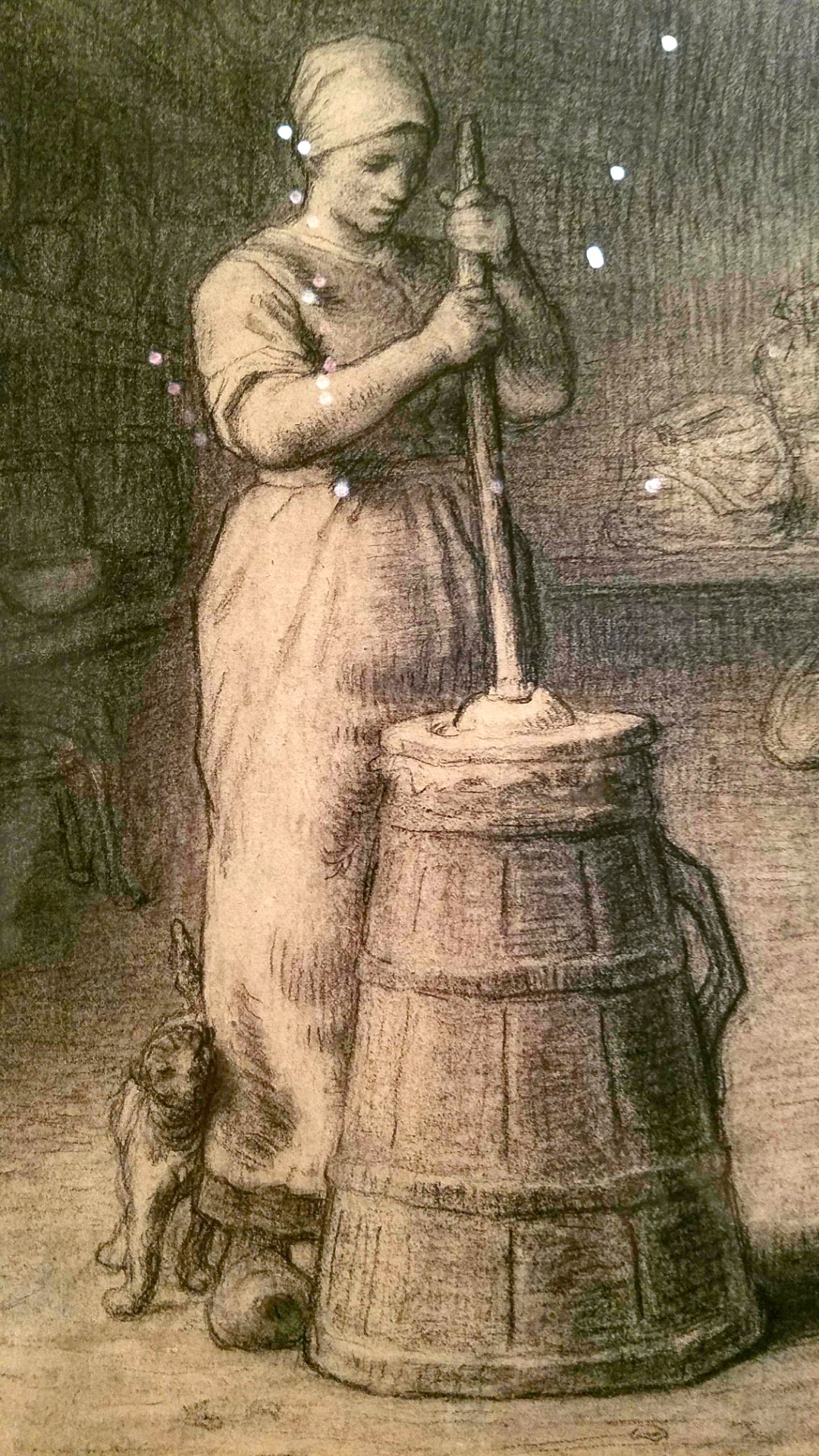

Woman Churning Butter, ca. 1855-58
Jean-François Millet (1814-1875)
Black Conté crayon
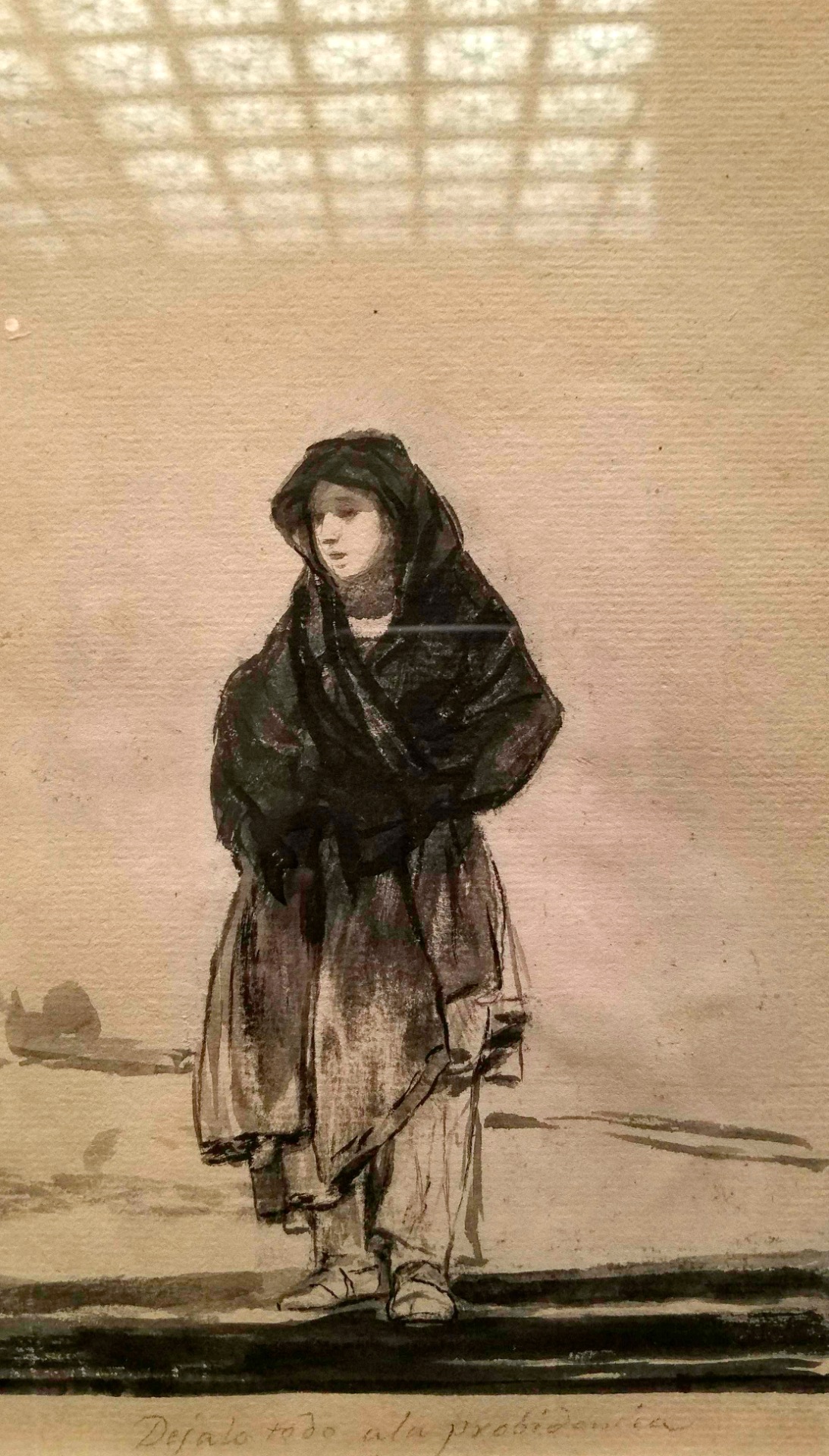

Leave It All to Providence, from the Black Border Album, 1816-20
Francisco de Goya (1746-1828)
Black ink and grey wash
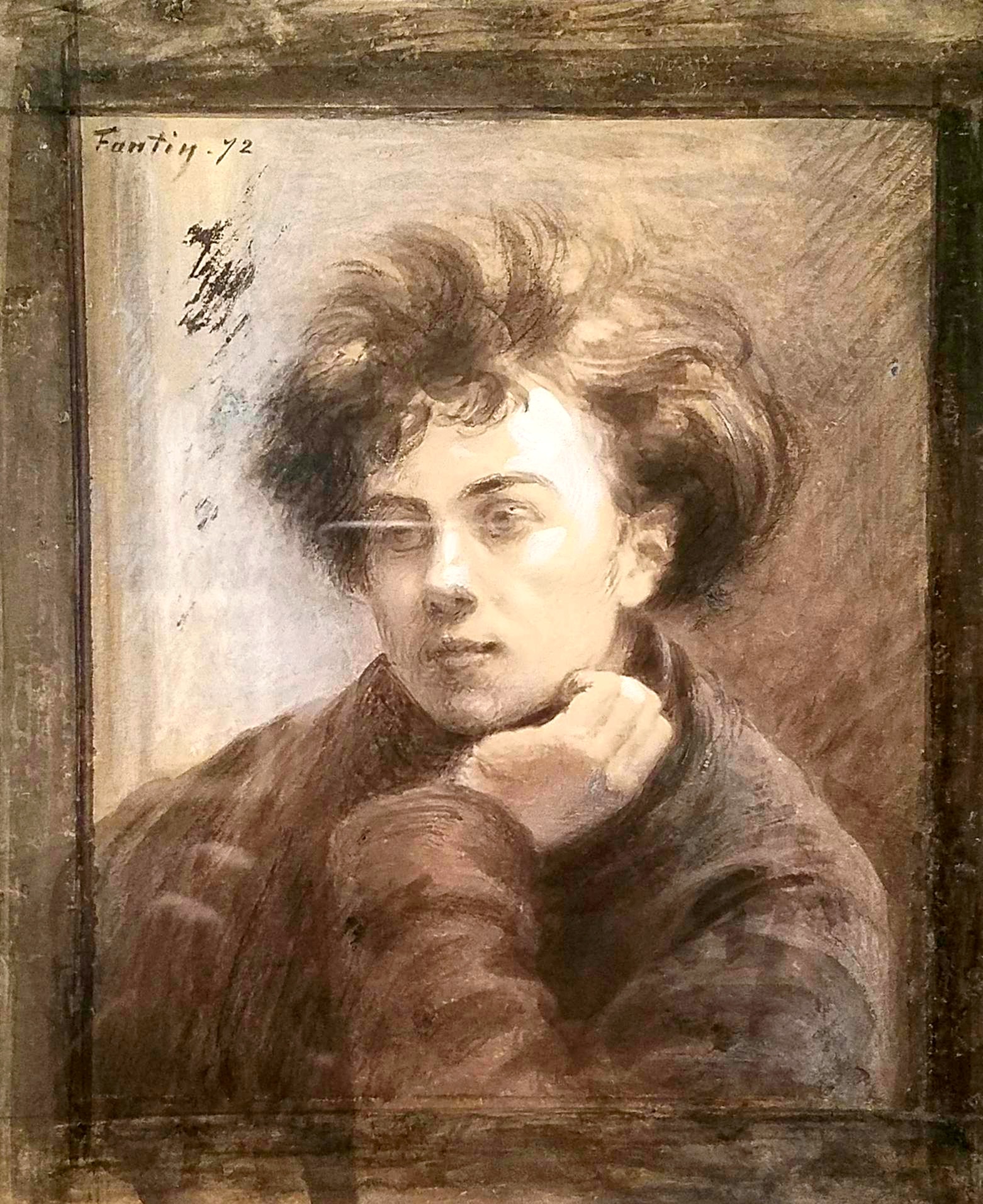

Portrait of Arthur Rimbaud, 1872
Henri Fantin-Latour (1836-1904)
Watercolour and white opaque watercolour over black chalk on light brown paperboard


The Spider, 1902
Odilon Redon (1840-1916)
Charcoal and black pastel
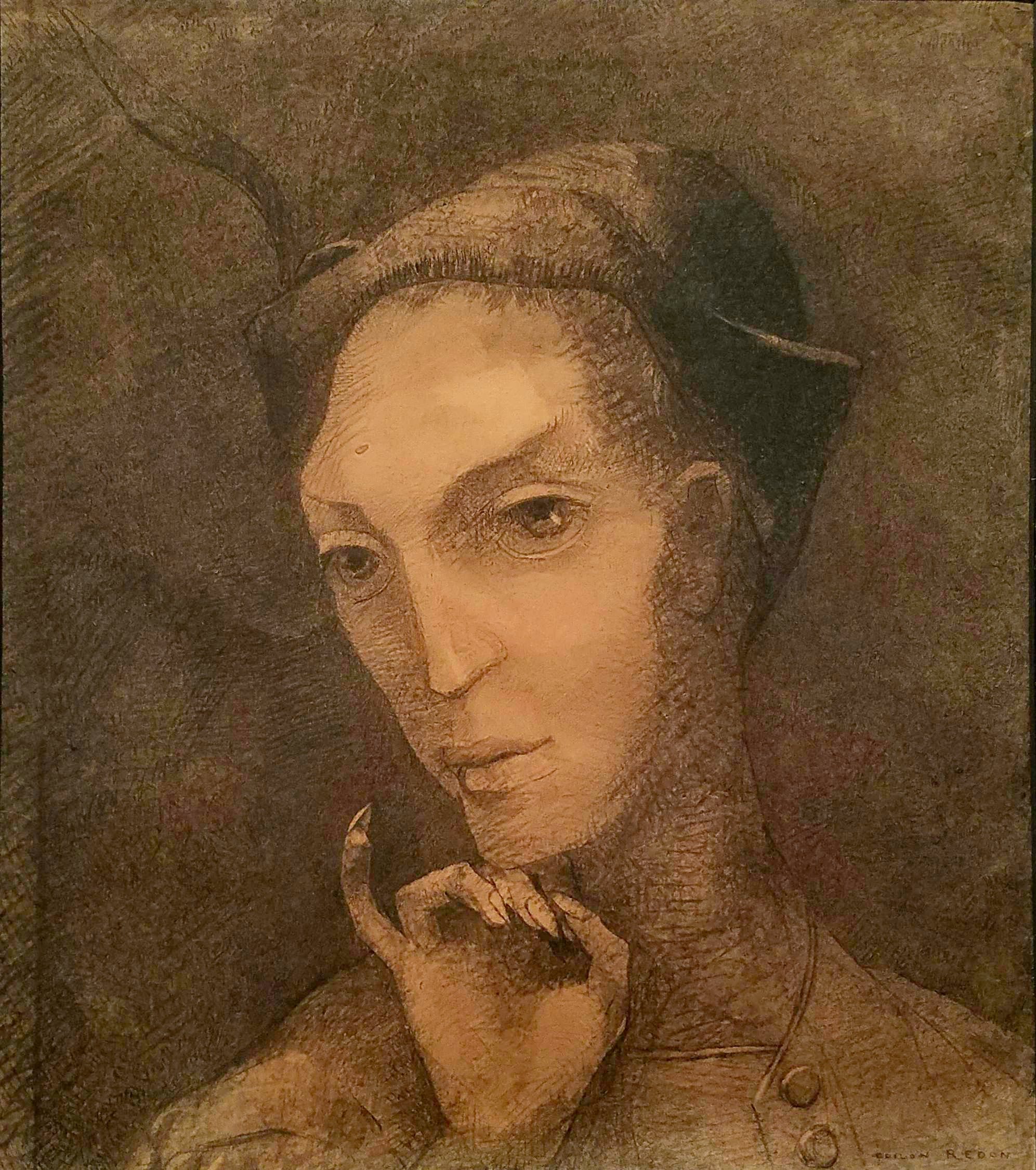

The Fool, 1877
Odilon Redon (1840-1916)
Charcoal with black chalk and fixative on light brown paper
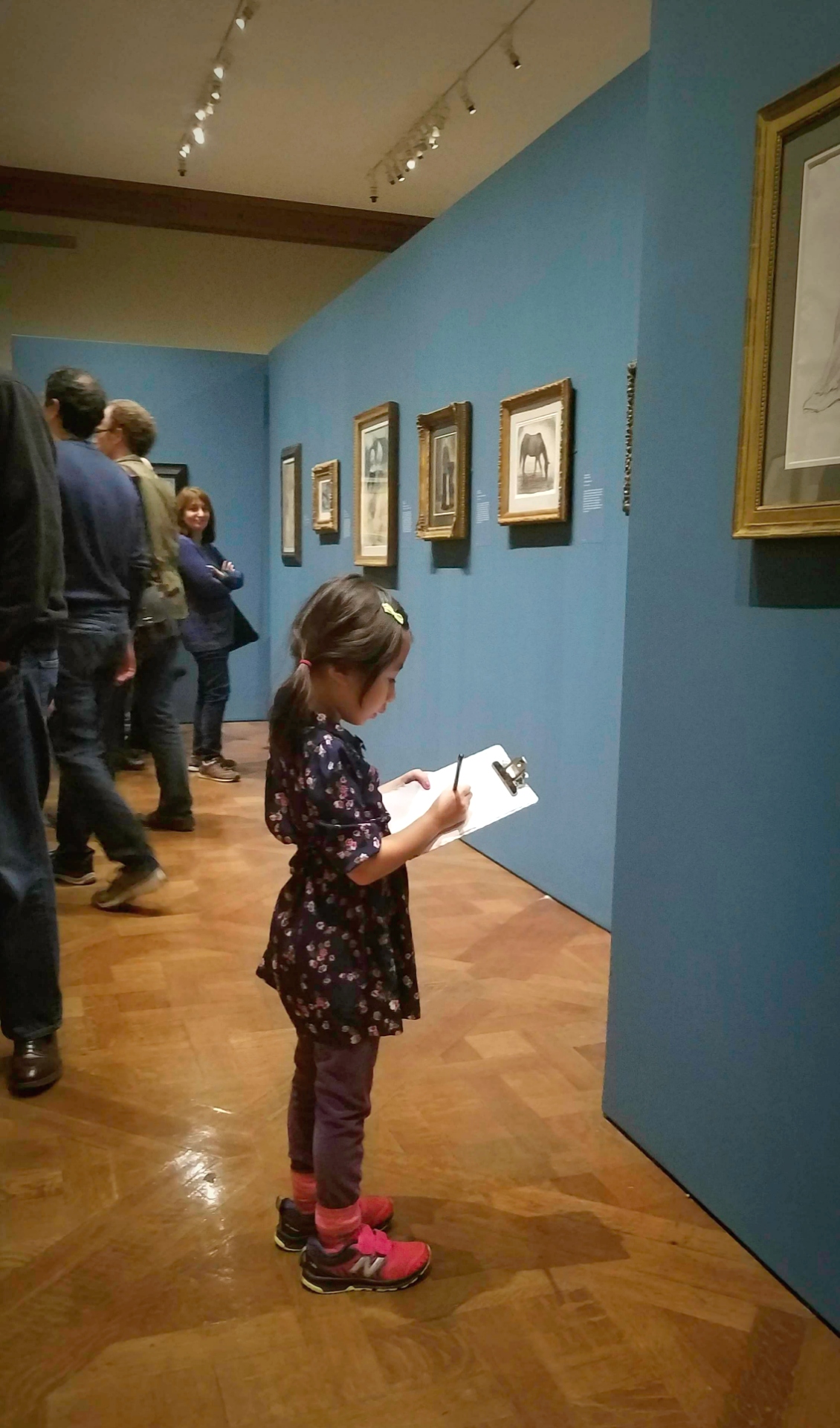

Artist in the making


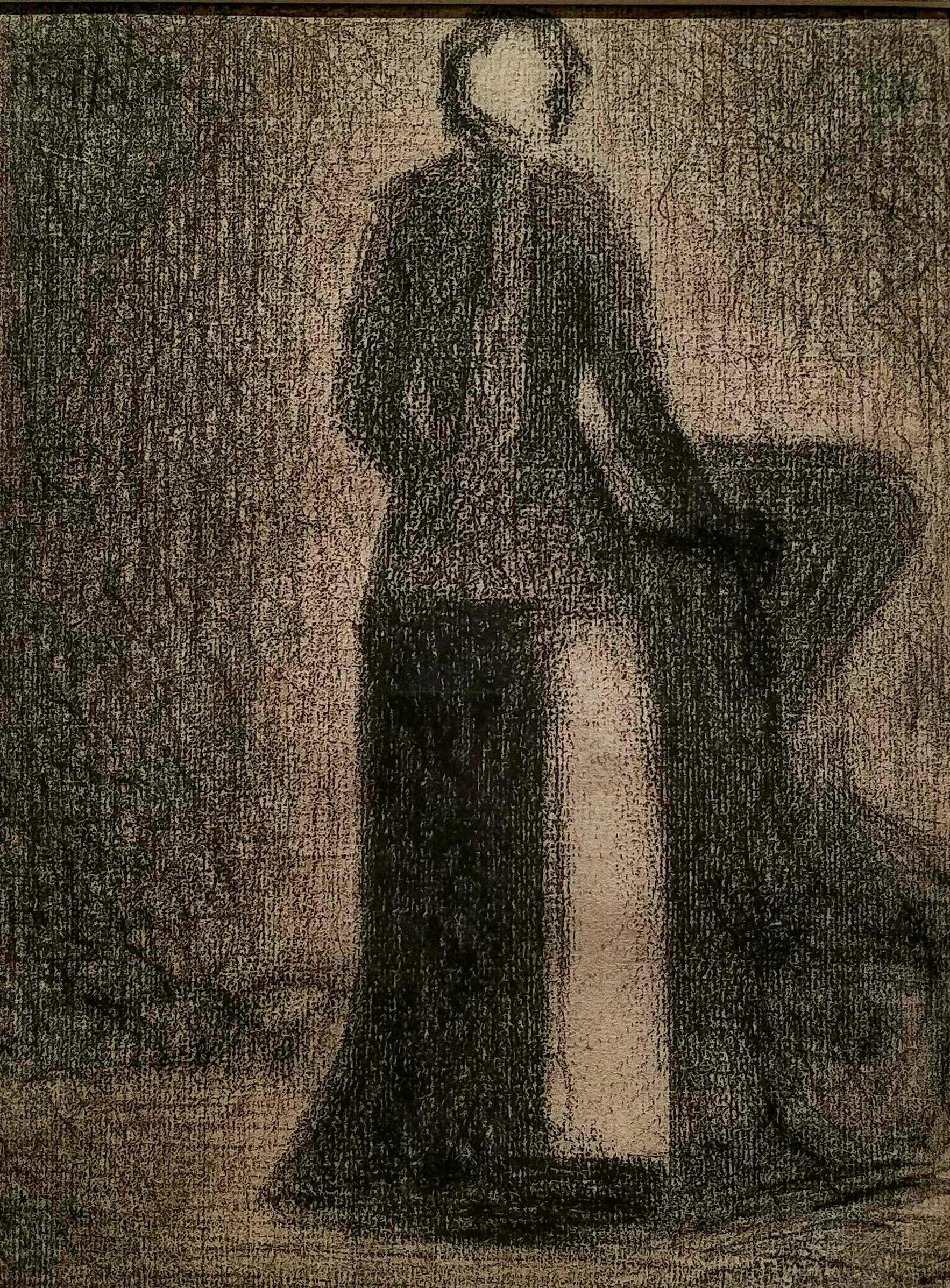
Nurse with a Child’s Carriage
Georges Seurat(1859–1891)
Conté crayon on Ingres paper

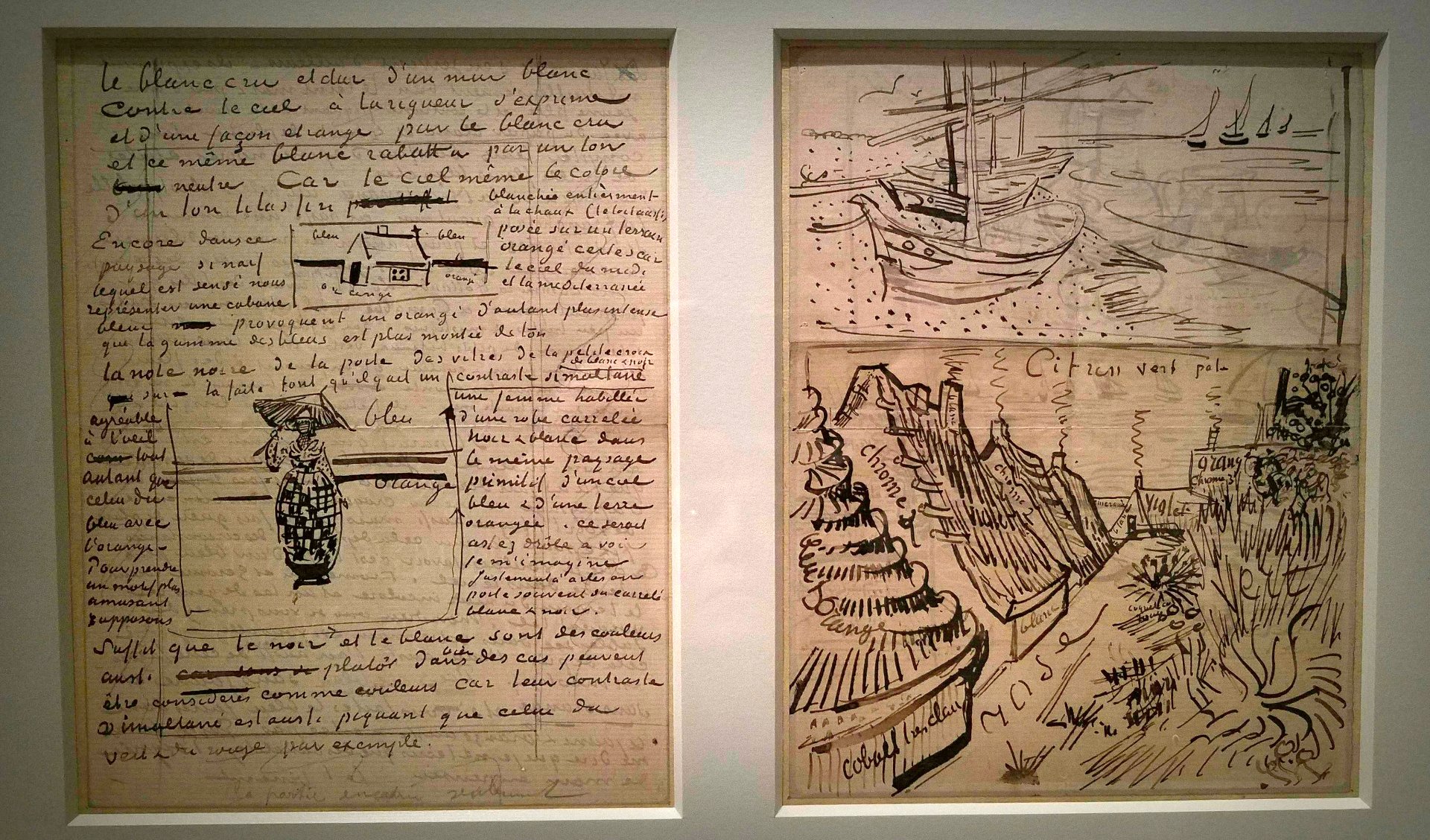
Vincent van Gogh
Letter to Émile Bernard, 7 June 1888

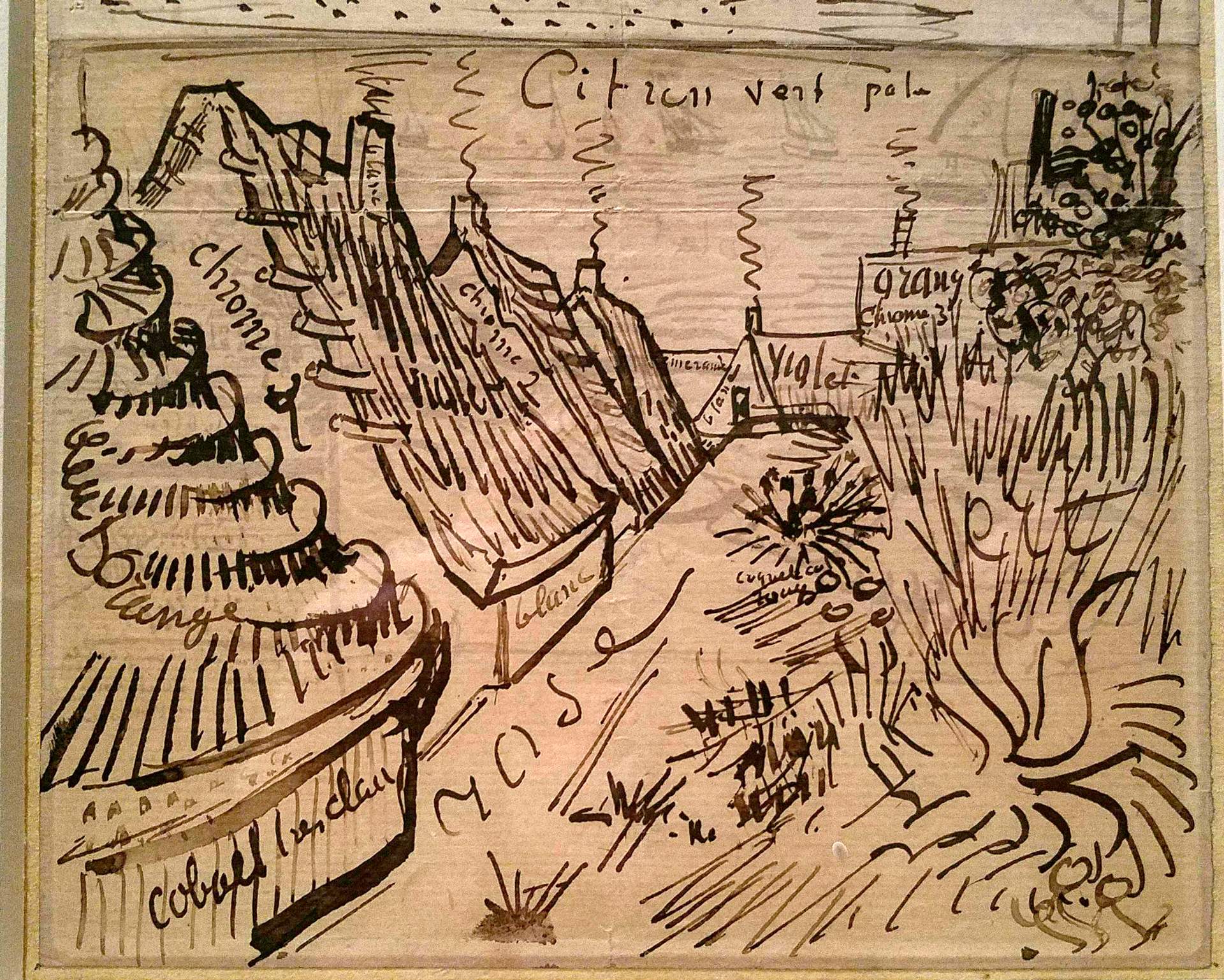
Energized by his visit to the seaside town of Saintes-Maries-de-la-Mer, van Gogh wrote enthusiastically to Bernard about his explorations of complementary colours (“No blue without yellow and without orange“) and his consideration of black and white as colours. He included several sketches to explain his ideas and enclosed a sheet containing drawings of canvasses in progress.
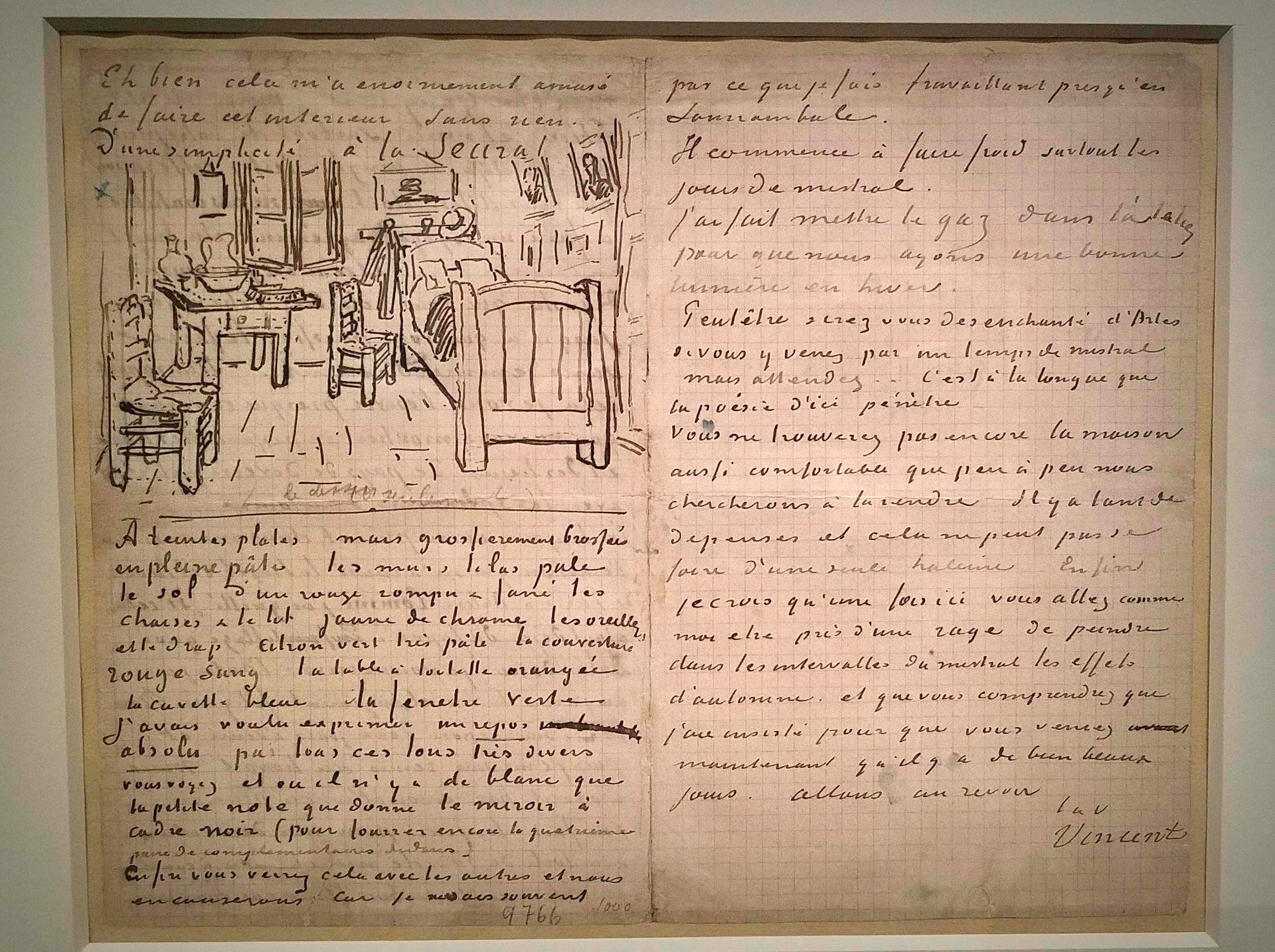

Vincent van Gogh
Letter to Paul Gauguin, 17 October 1888

Writing to Gauguin, who was to arrive later that month, van Gogh extolled the attractions of Arles and chronicled his progress on one of his masterpieces from the period, Bedroom at Arles (1888; Van Gogh Museum, Amsterdam), even including a sketch.
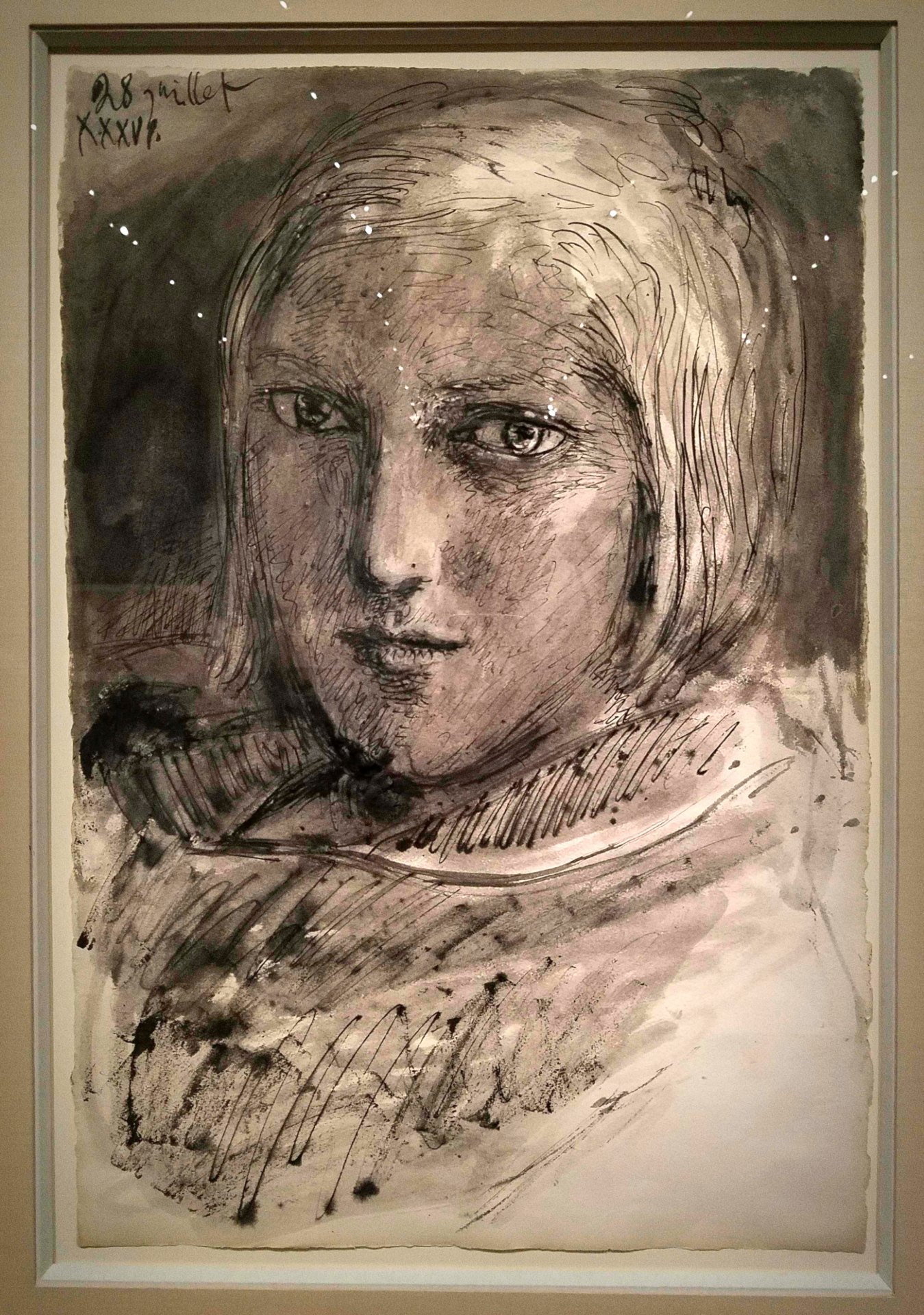

Portrait of Marie-Thérèse Walter, 1936
Pablo Picasso (1881-1973)
Pen and black ink and wash
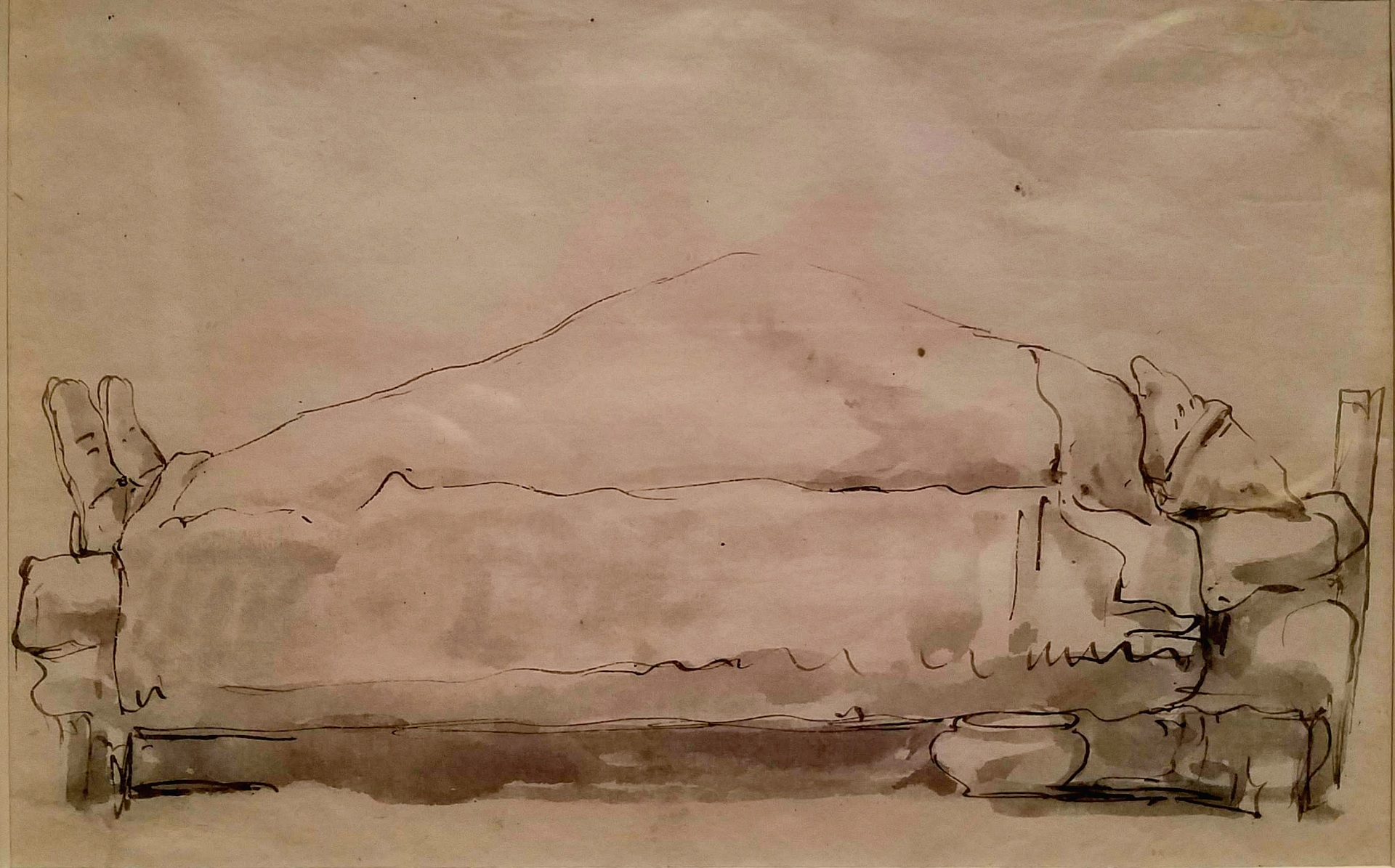

Caricature of a Sleeping Man, ca. 1755-60
Giovanni Battista Tiepolo (1696-1770)
Pen and black ink and wash
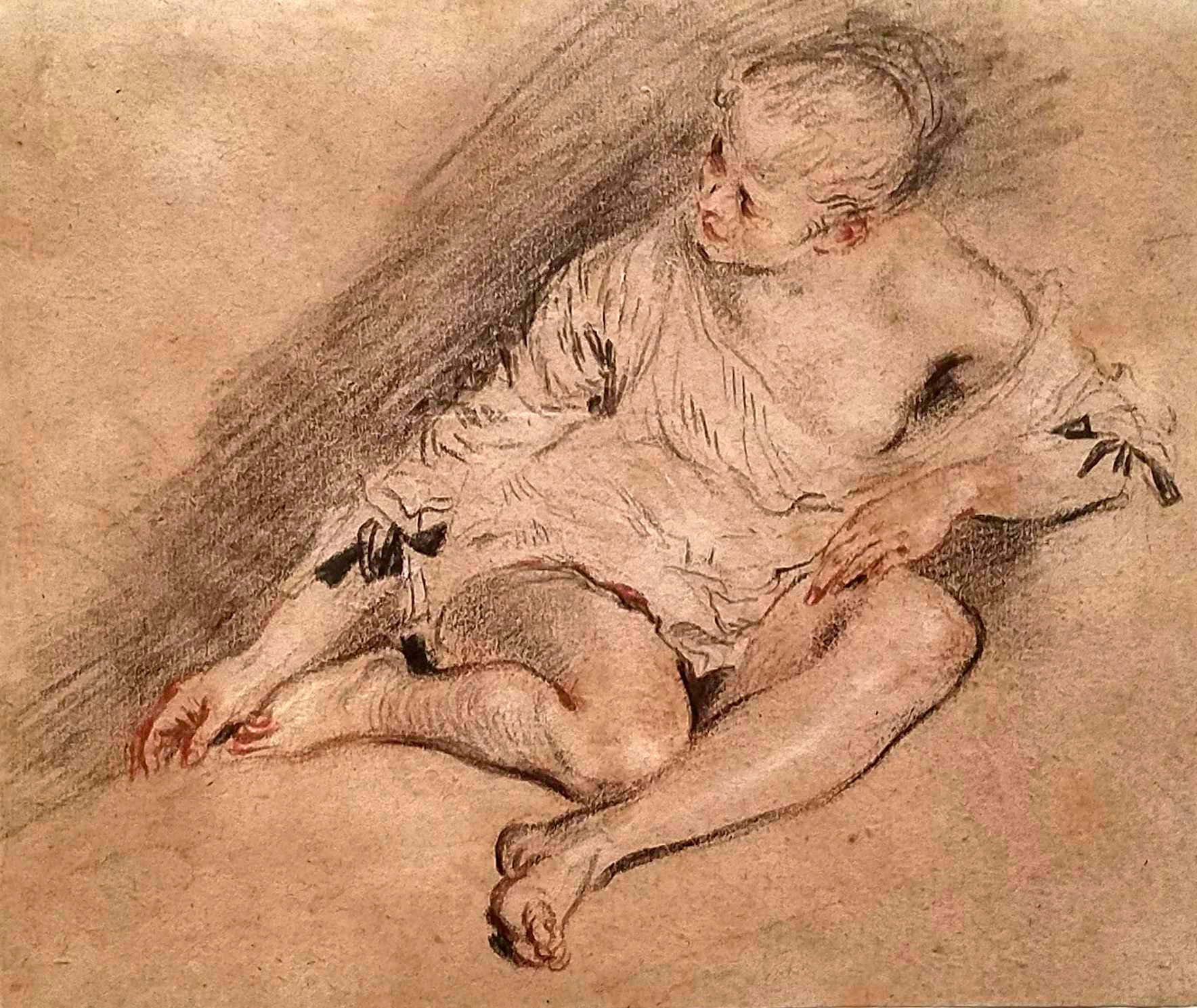

Young Woman Wearing a Chemise, ca. 1718
Antoine Watteau (1684-1721)
Black, red and white chalk
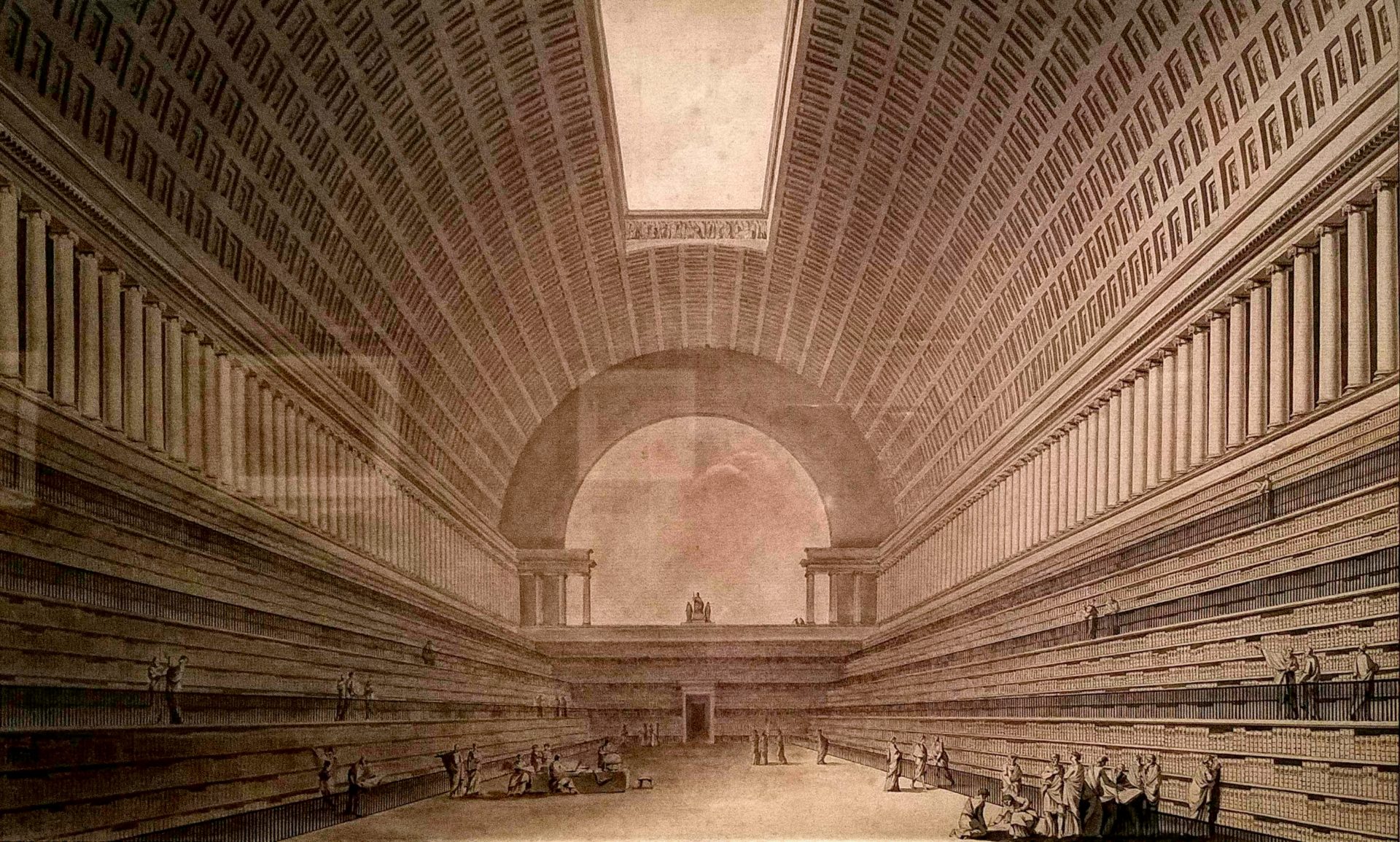

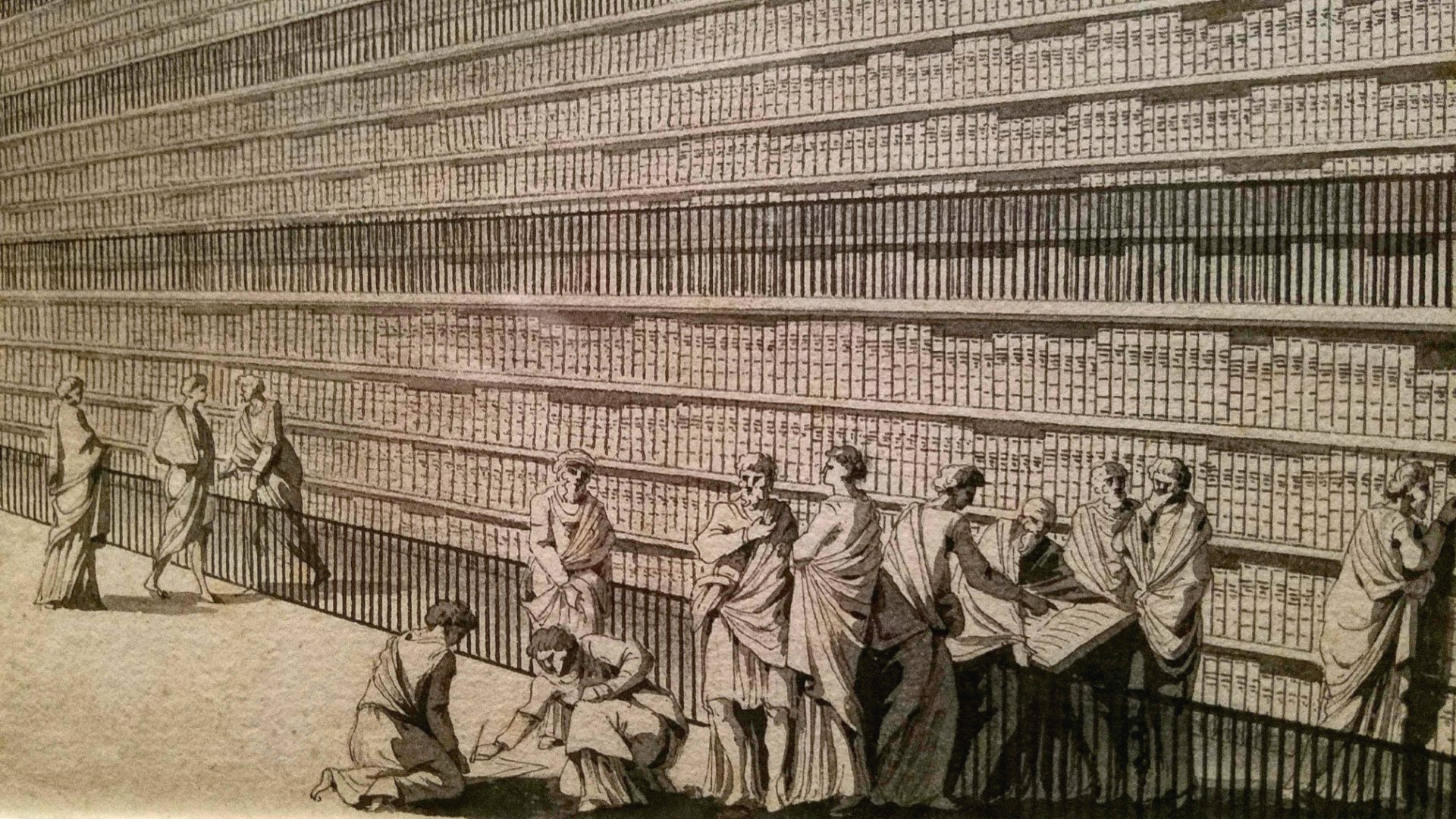
Interior of a Library, ca. 1780-85
Étienne-Louis Boullée (1728-1799)
Pen and black and brown ink and washes over graphite with black chalk
November 18th, 2017


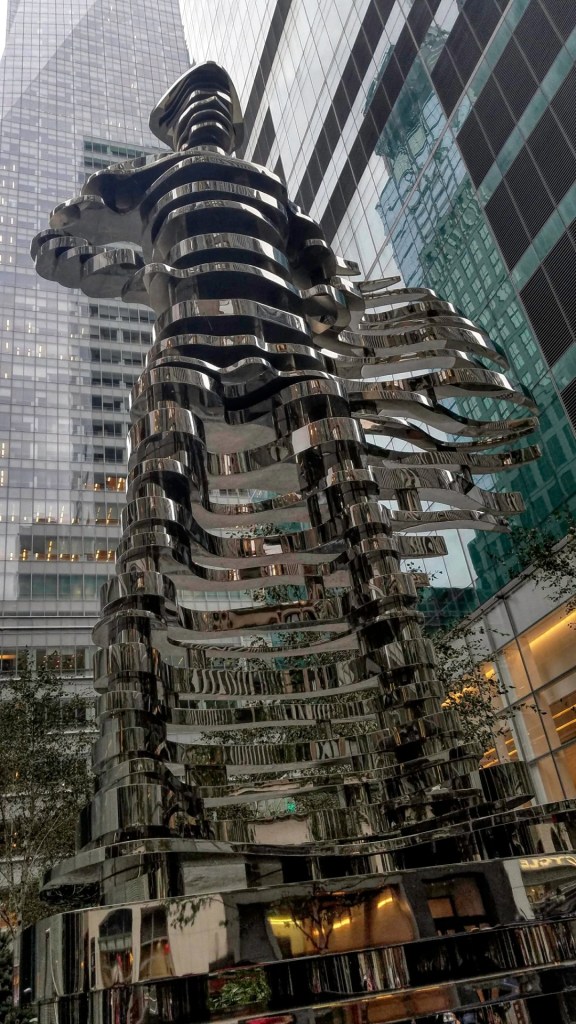
Guardians

of the Gotham Galaxy

About the art:

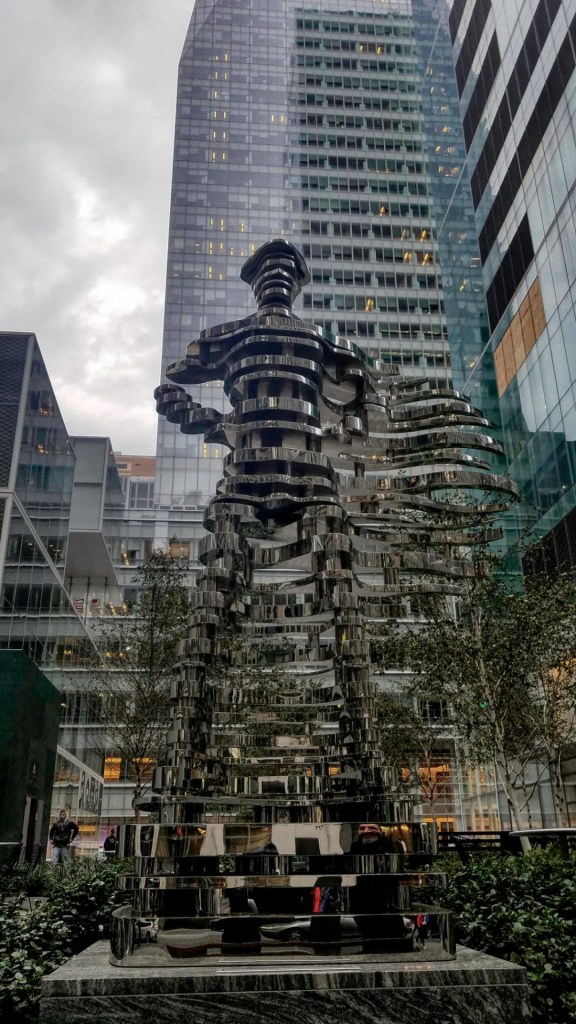
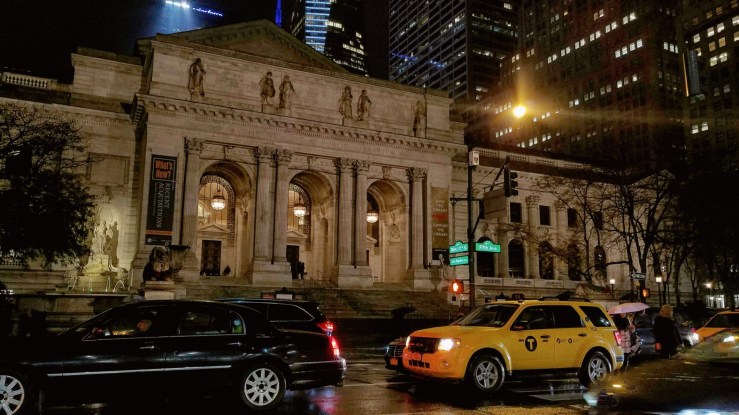
Public art sculpture >> The Guardians: Superhero (2013) by Antonio Pio Saracino, in Three Bryant Park

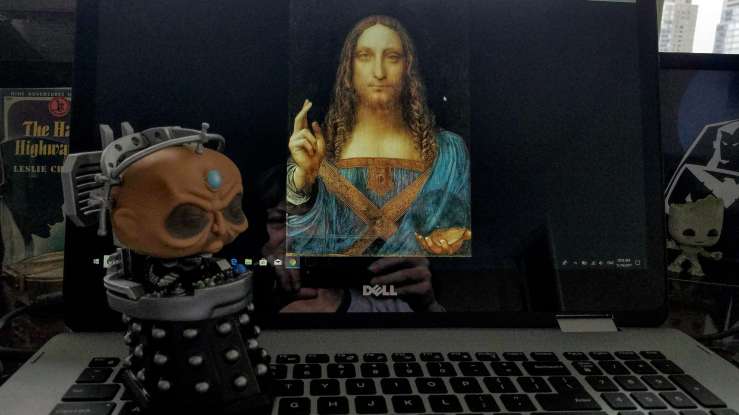
From my collection >> Davros and Baby Groot reading the news about Salvator Mundi by Leonardo da Vinci, which had just been sold at Christie’s for a staggering $450 million, the most expensive painting in the world ever sold in an auction. The buyer was a Saudi prince and the painting was supposed to go on display at the Louvre Abu Dhabi but he exhibition was cancelled without any explanation. Salvator Mundi has gone missing from the public eye ever since. Its whereabouts but also its authenticity are subjects of much debate and speculation.

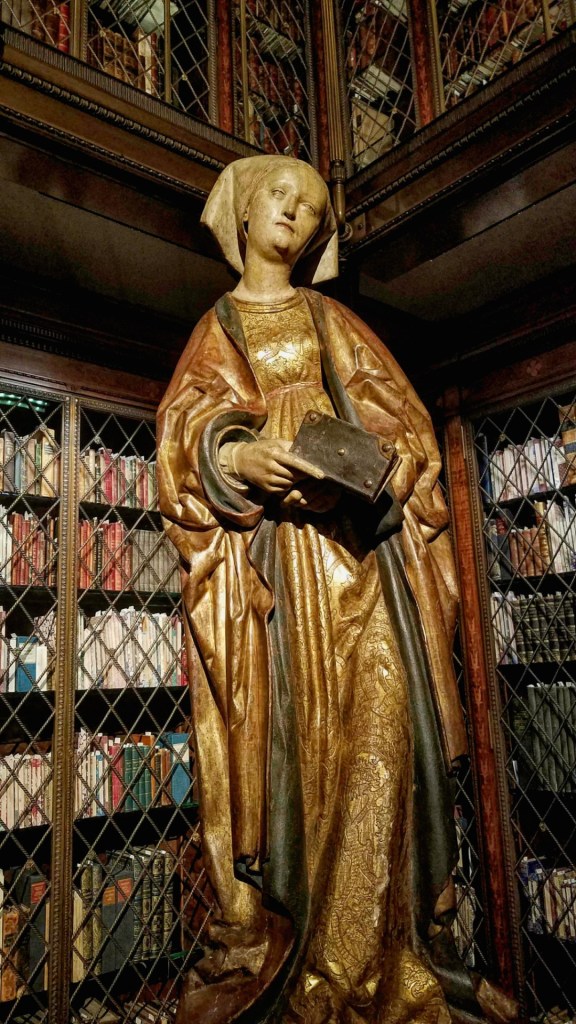
At the Morgan Library >> An early sixteenth century figure of St. Elizabeth of Schoenau (1129-1165), a German nun who published three volumes describing her divine visions, probably the reason she is shown here holding a book.

November 16-18, 2017

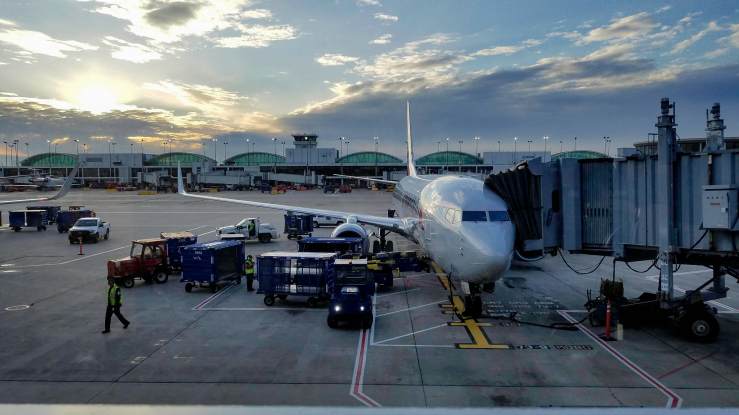
Bye-bye Chicago

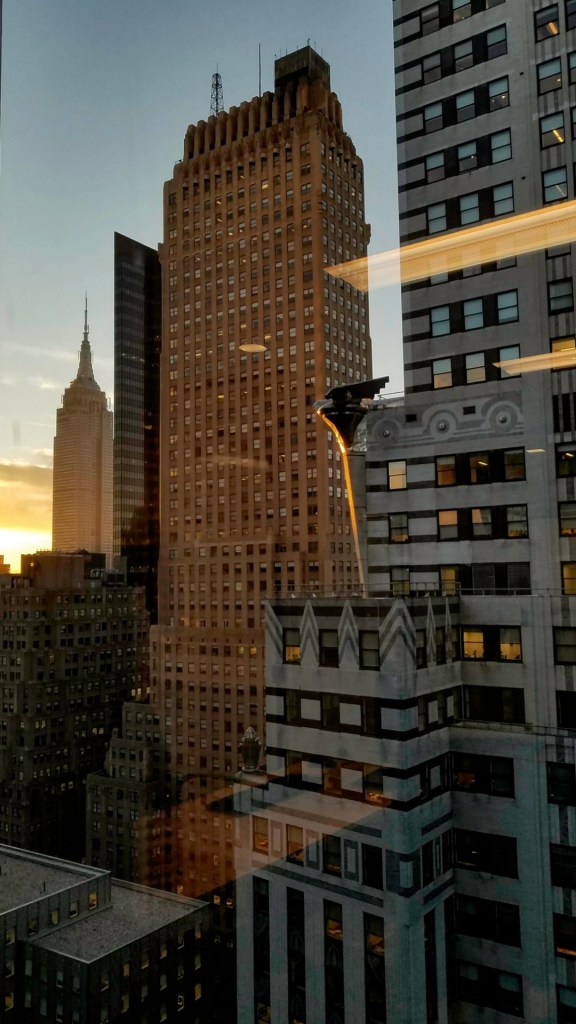
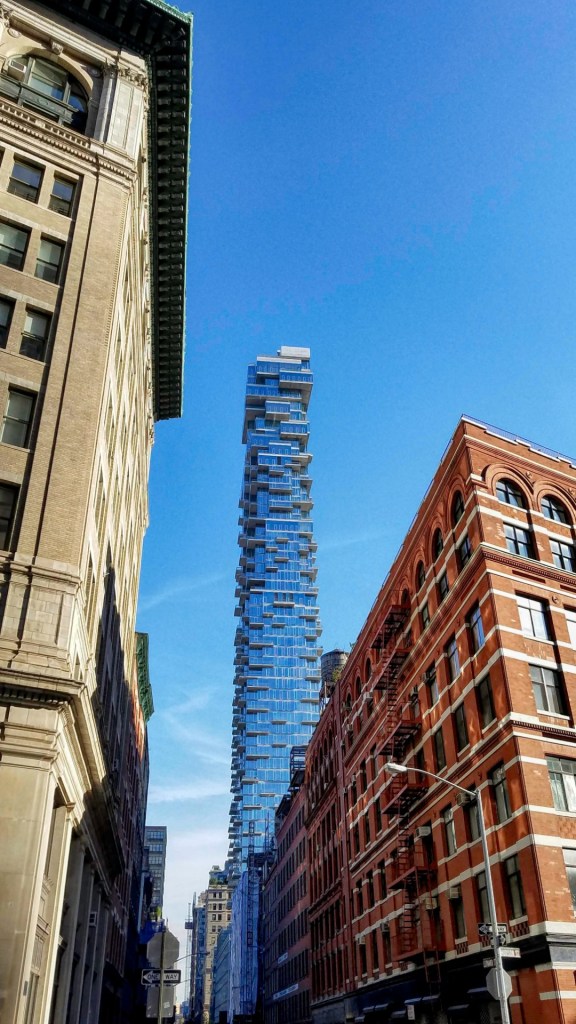
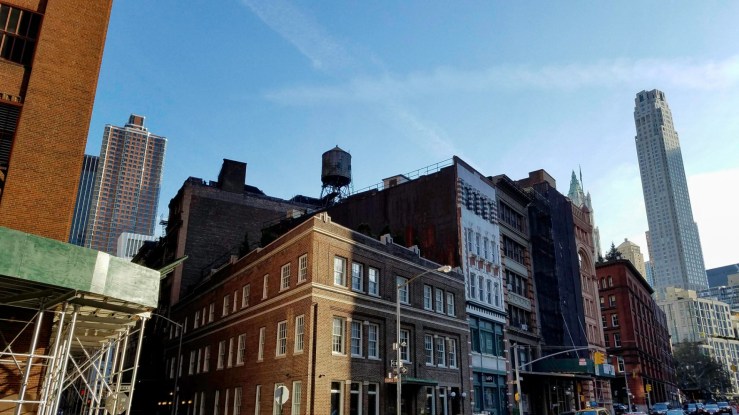
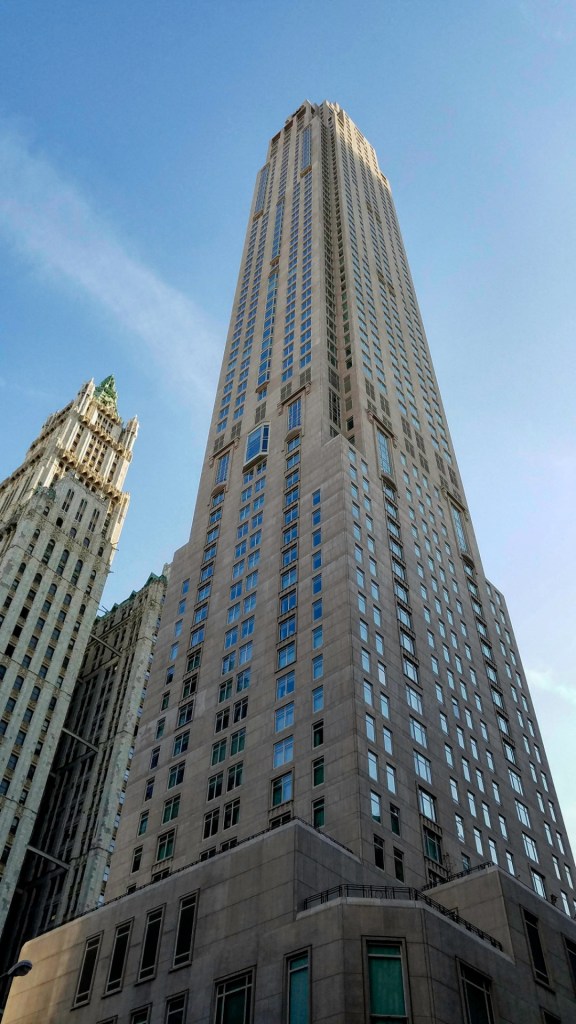
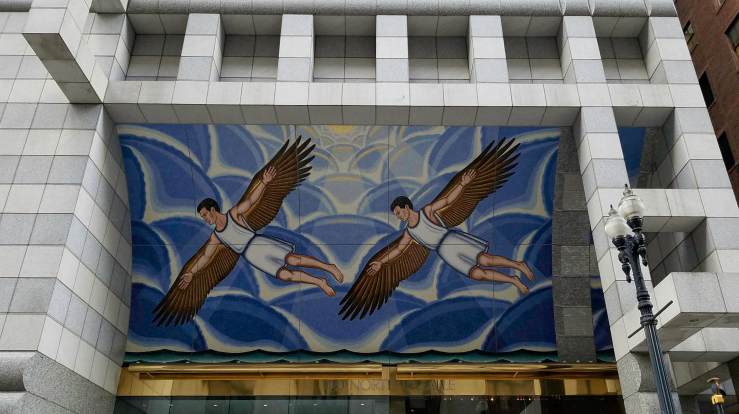
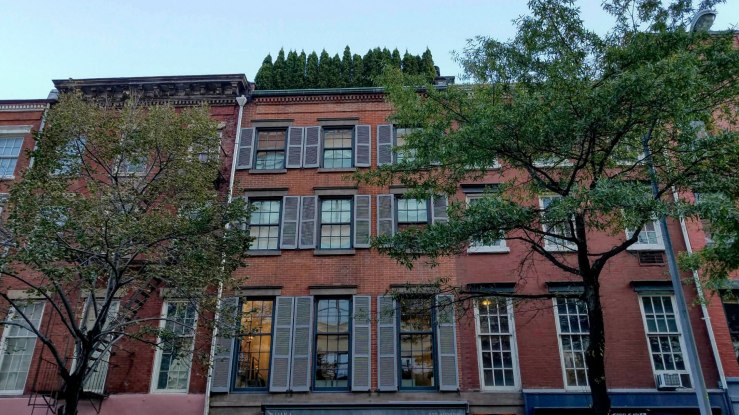
It’s been a great trip, started in Ithaca and Cayuga Lake, went on to Buffalo and Niagara Falls, round Lake Ontario to Gananoque and the Thousand Islands, a few hours spent in Ottawa and finally, in Chicago. Here we are in 120 North La Salle Street, under a Daedalus and Icarus mosaic, father and son together in flight, their wings spread wide, as if to tell us it is time to take off. And took off we did, so here we are, back to base with a little walk in Tribeca, taking in Manhattan’s crazy architecture. Hello New York!
November 5th, 2017 – Chicago: Daedalus & Icarus mosaic designed by Roger Brown and painstakingly installed by Costante Crovatto.

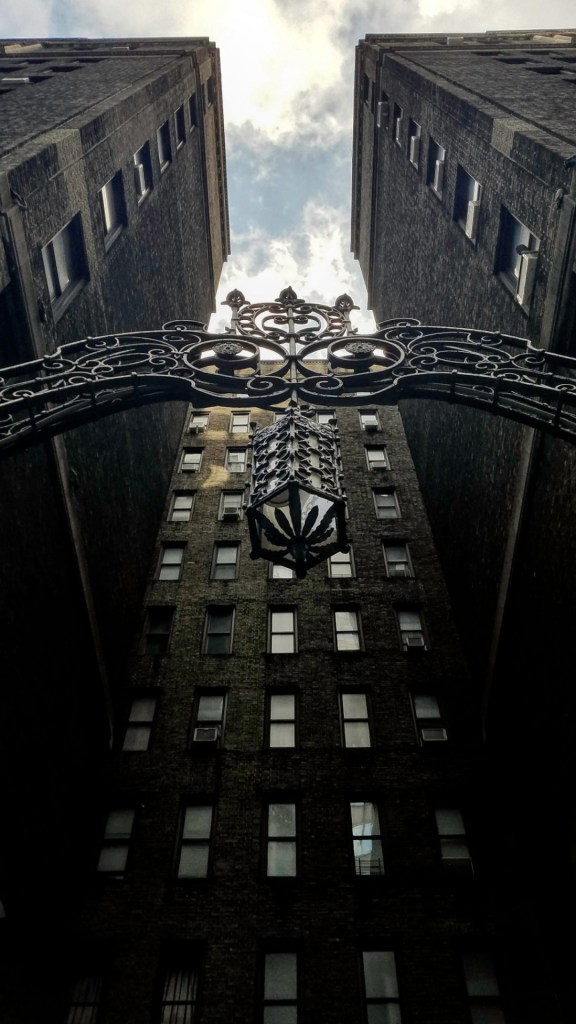
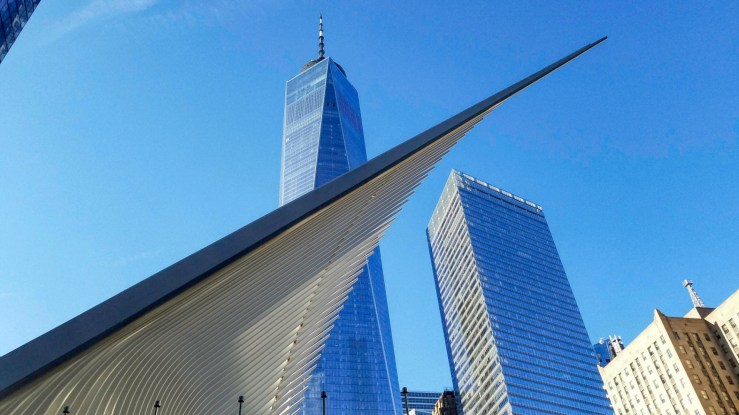
November 12th, 2017 – Manhattan: walking in Tribeca towards the One World Trade Center, here seen behind the wing of Oculus.


The Museum at Eldridge Street

From the posh Fifth Avenue establishments overlooking Central Park on the Upper East Side, the third – and final – leg of our discovery OHNY weekend brought us south, to one of New York’s first neighbourhoods where millions of immigrants from all over the world came to settle and where, by 1900, more than 700 people per acre were living in an area lined with tenements and factories, according to the Library of Congress.

Between 1880 and 1924, 2,5 million mostly impoverished Ashkenazi Jews came to the U.S. and nearly 75 percent took up residence on the Lower East Side. (source)

After years of makeshift gatherings in tenements, a dedicated place of worship had become a necessity. Thus the Eldridge Street Synagogue opened its doors in 1887 to New York City Jews from all walks of life. The crowds on holy days were so great that police on horseback had to impose crowd-control. But then came the 1920s with a series of laws to limit the flow of immigrants, the number of worshipers began to decline, many moved to the suburbs and so the Synagogue fell into disuse – and later in complete disrepair.

A sign inside the Museum reads:

‘On a narrow street in Chinatown, in a bustling and ever-changing neighbourhood, the Eldridge Street Synagogue stands – a vestige of another era. It is among the last remaining markers of a time when the Lower East Side was the largest Jewish community in the world. As the first grand synagogue built in America by immigrants from Eastern Europe, it is a repository of its founders’ pride, traditions and spirit. And it is a testament to the struggles of the generations that followed, as well as to the dedication of a new community that gathered to save and renew it.

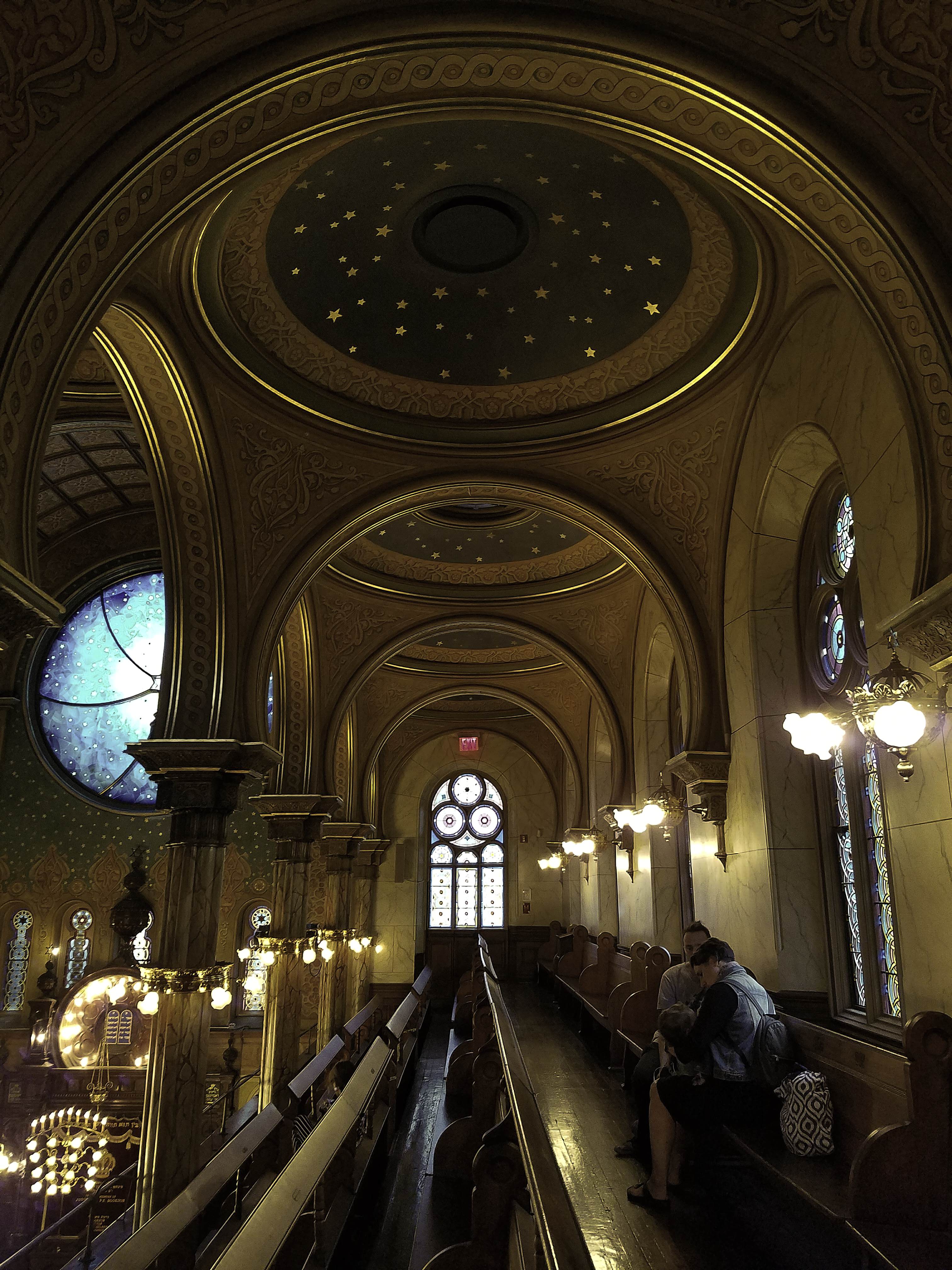
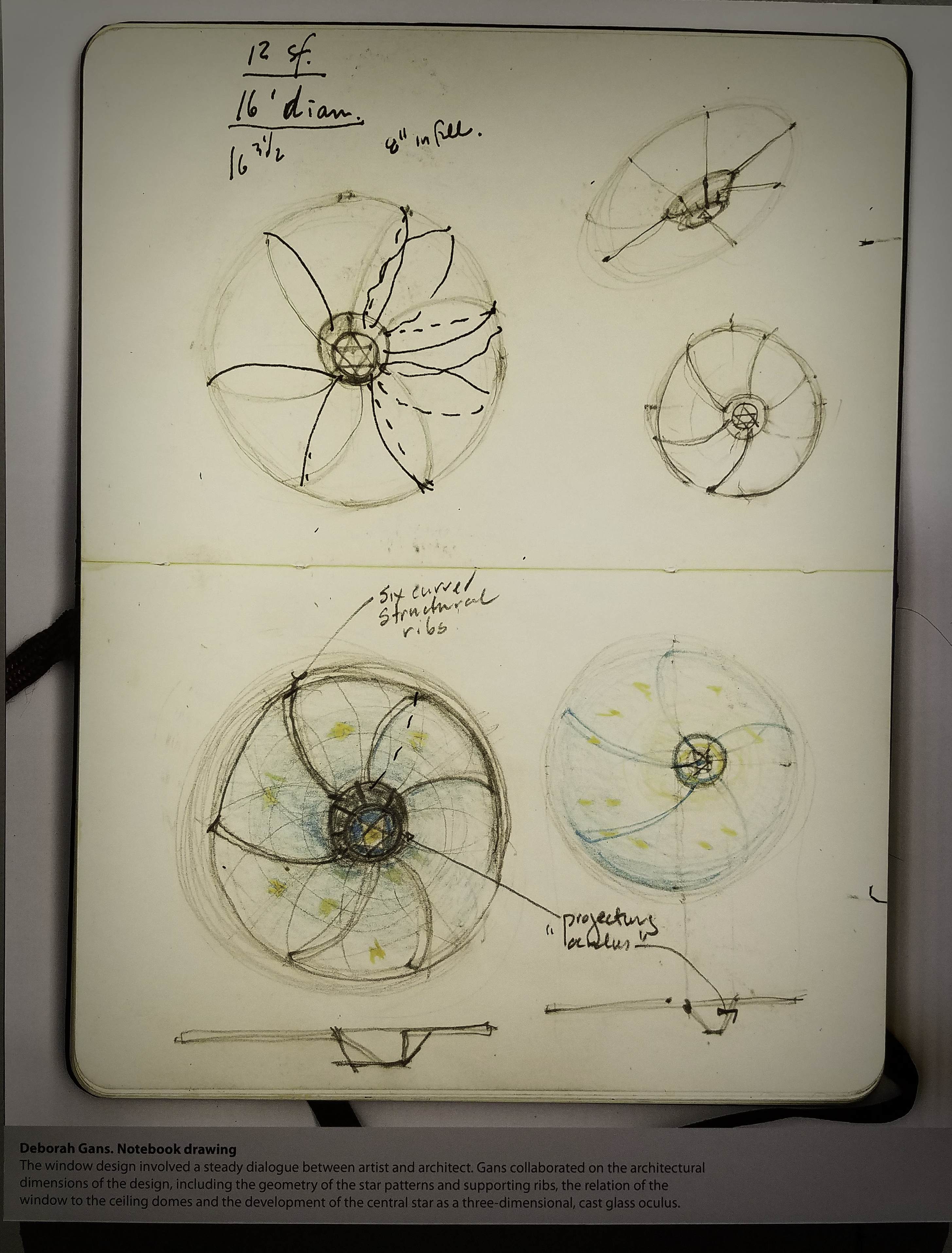
In December 2007, the restoration of the Synagogue was completed. It took twenty years to bring it back from the brink of ruin to the awe-inspiring landmark it is today, bathed in a soft light pouring from the rose glass window, on the one side, and Kiki Smith’s starry stained-glass, on the other.

For more about the Synagogue’s painstaking restoration please check the Museum’s webpage (before and after photos). The difference is simply astonishing.

Another sign inside the Museum reads:

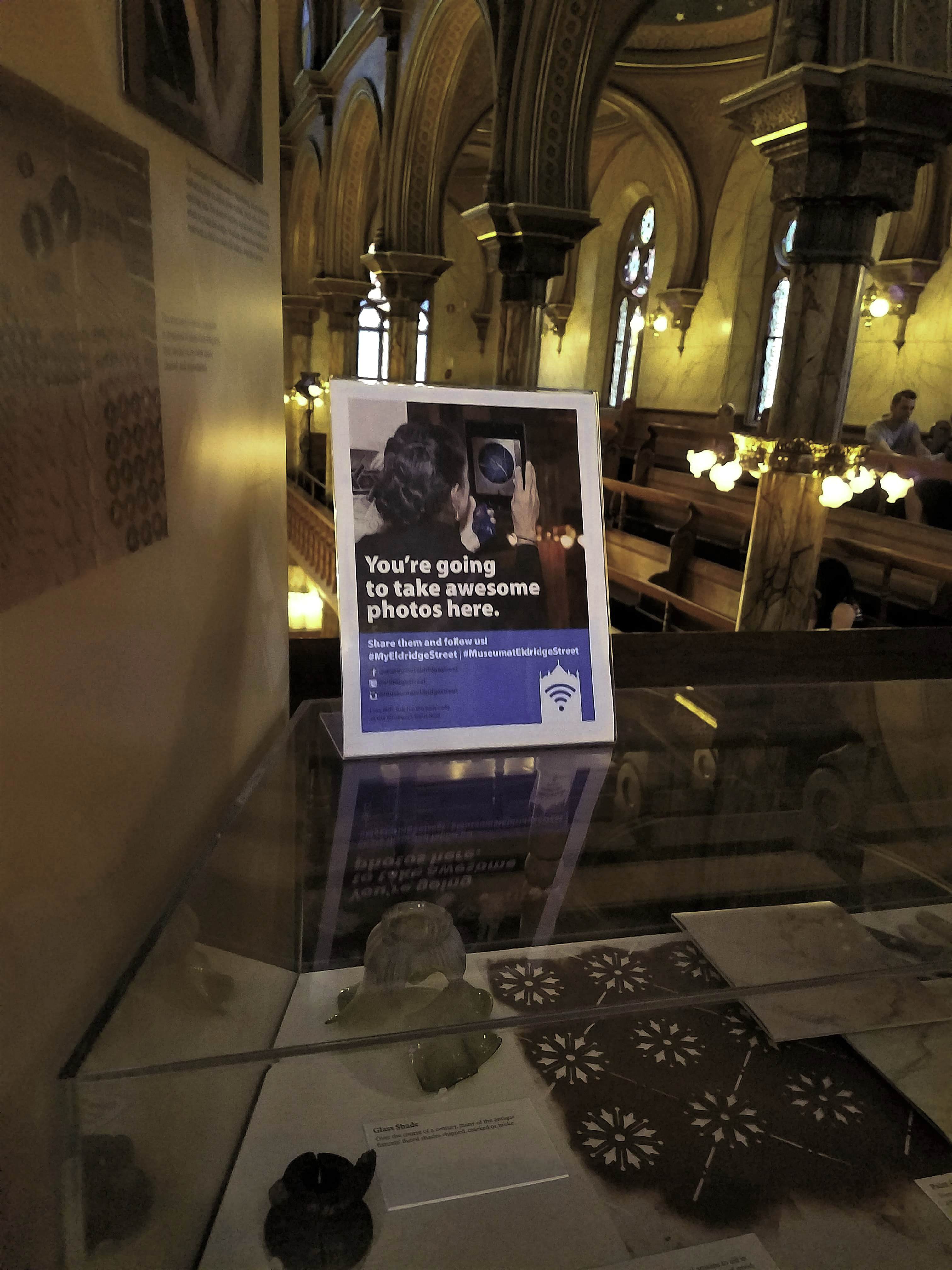
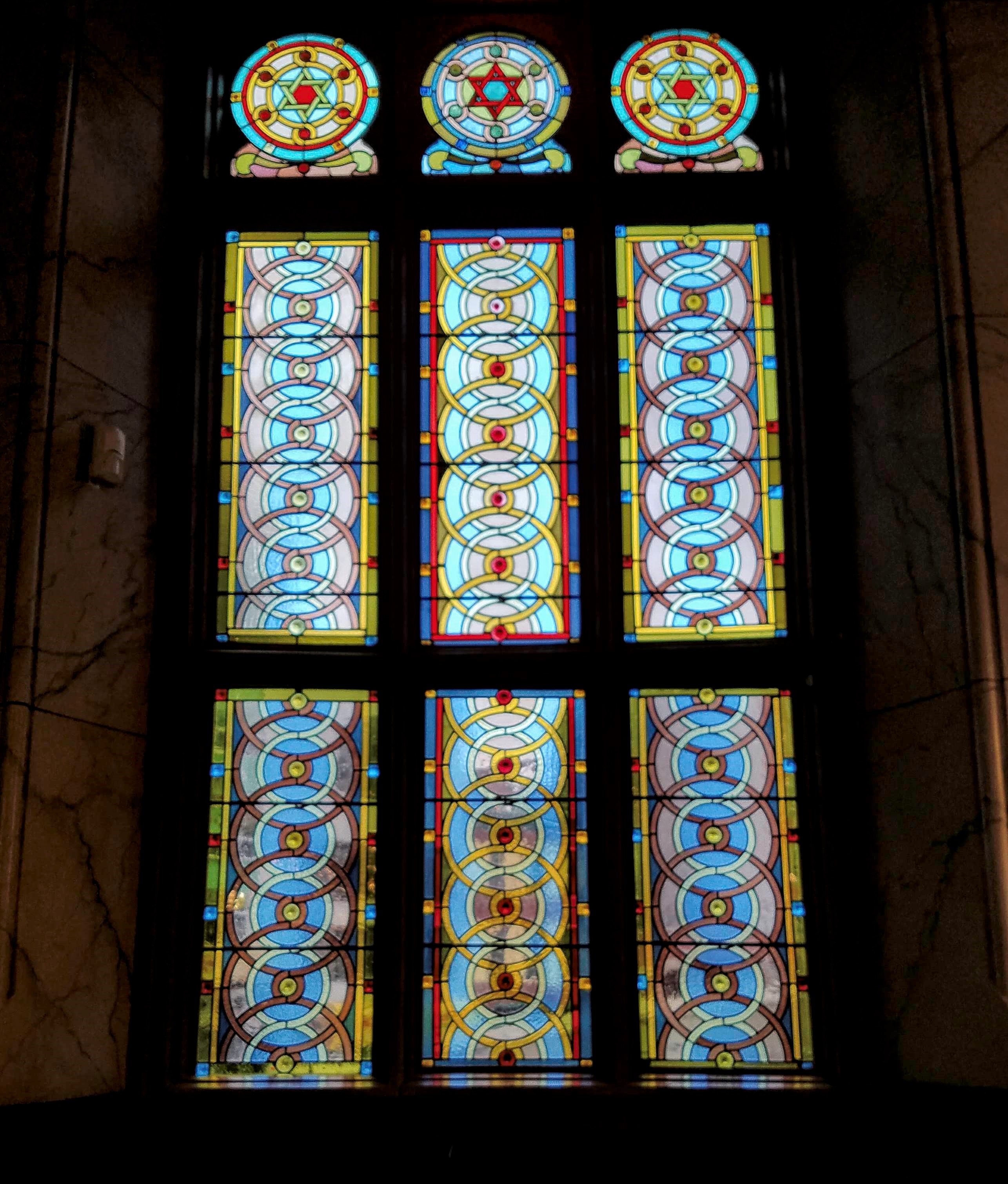
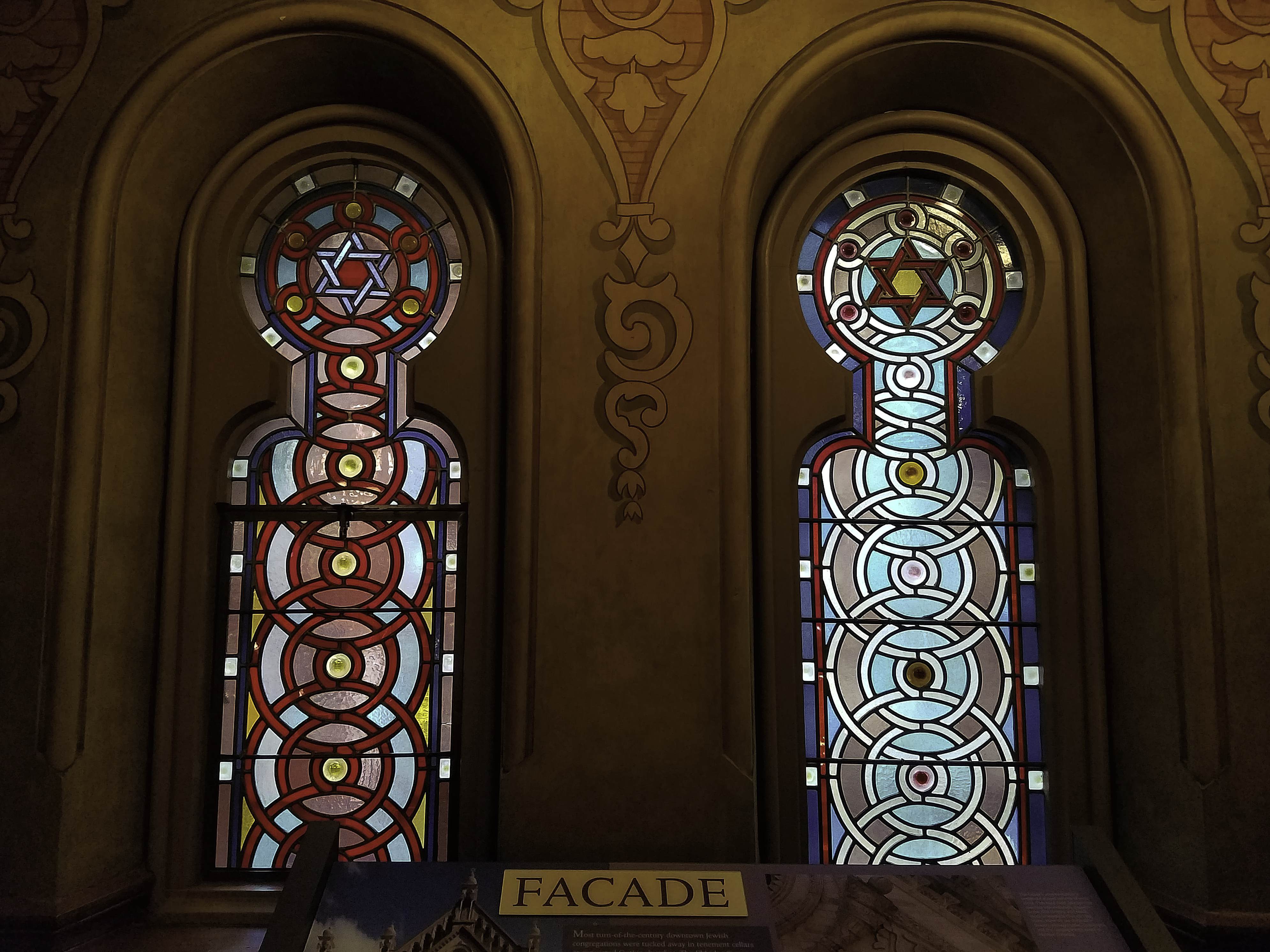
I don’t know about my photos but the place is wonderfully photogenic – that much is true:

In this series we revisited three – out of the dozens of – buildings and sites that opened their doors during OHNY weekend, on October 14 & 15th, 2017:

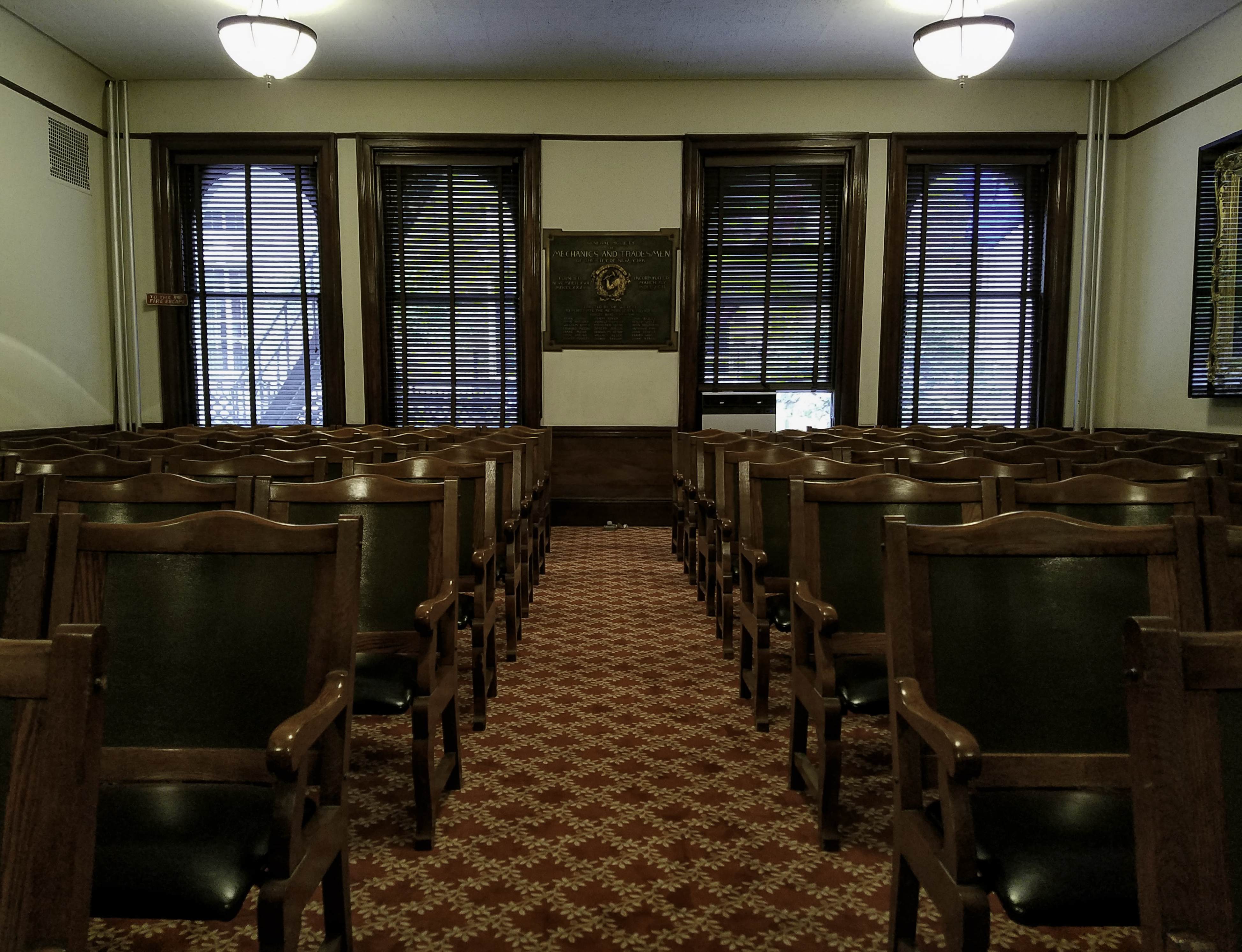
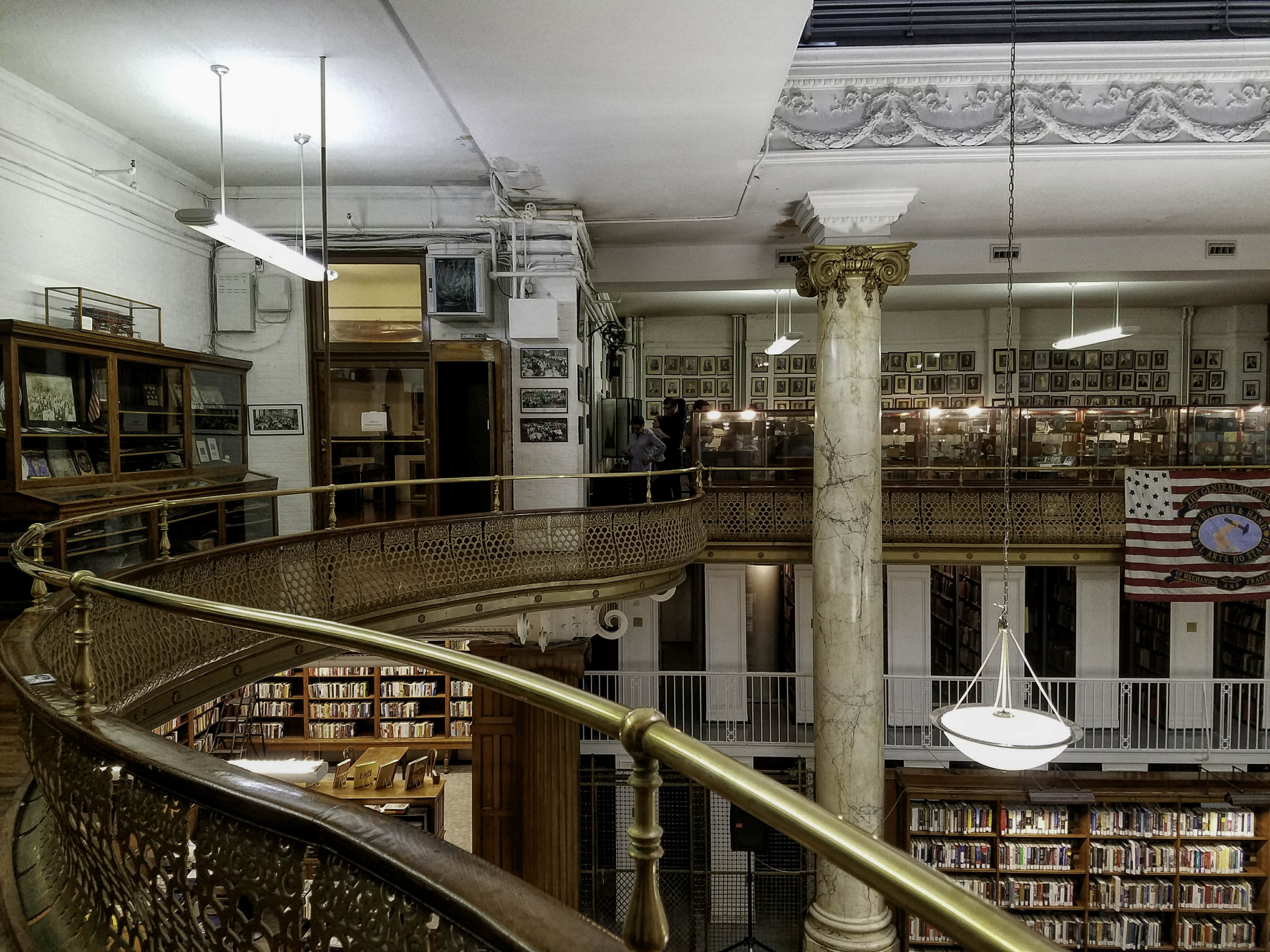
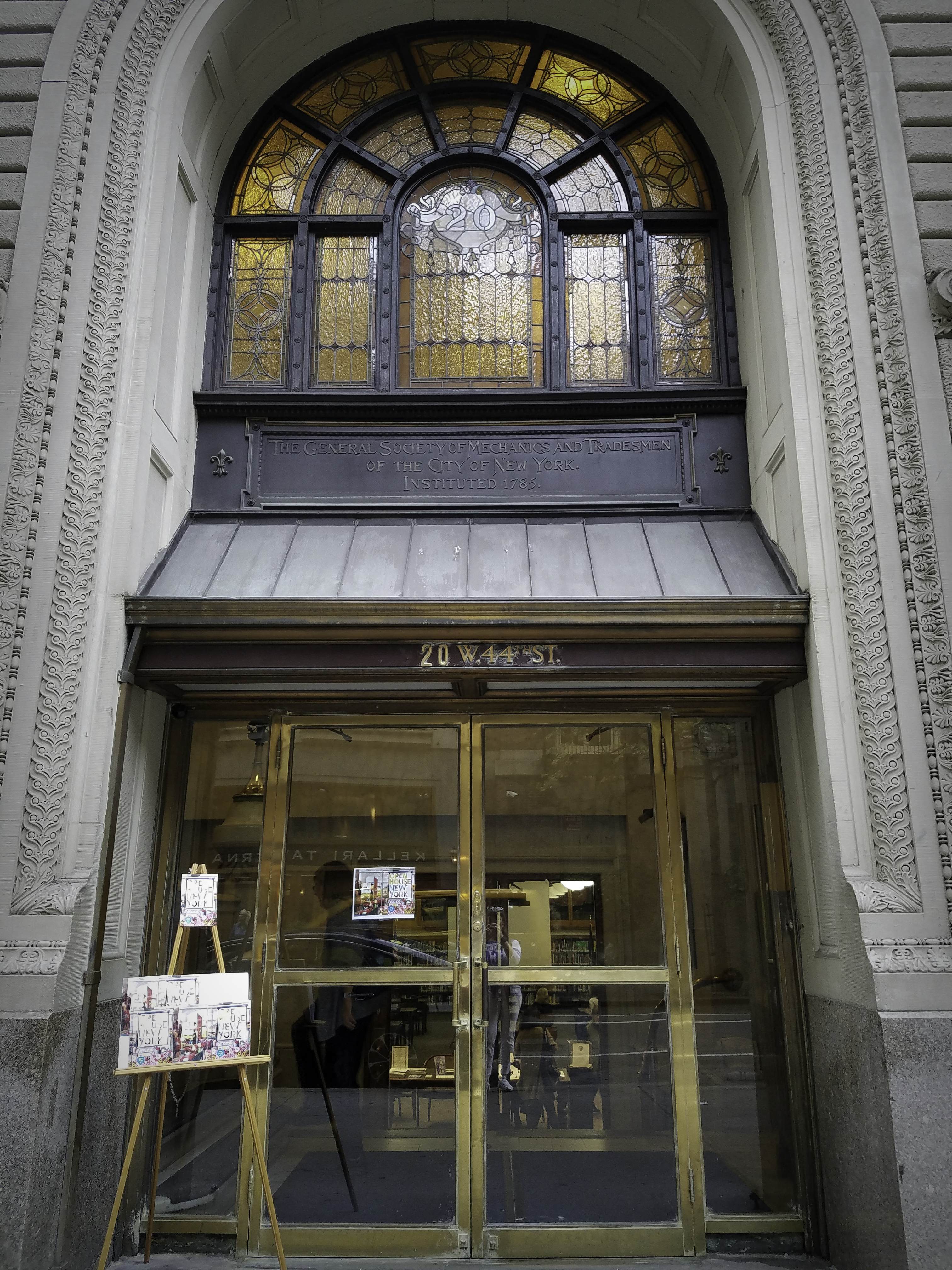
The General Society of Mechanics & Tradesmen of the City of New York
Cultural Services of the French Embassy & Albertine
The Eldridge Street Synagogue

***

Open House New York weekend takes place every year in October.
Next series coming up:  October 19-20, 2019.

The General Society of Mechanics & Tradesmen of the City of New York

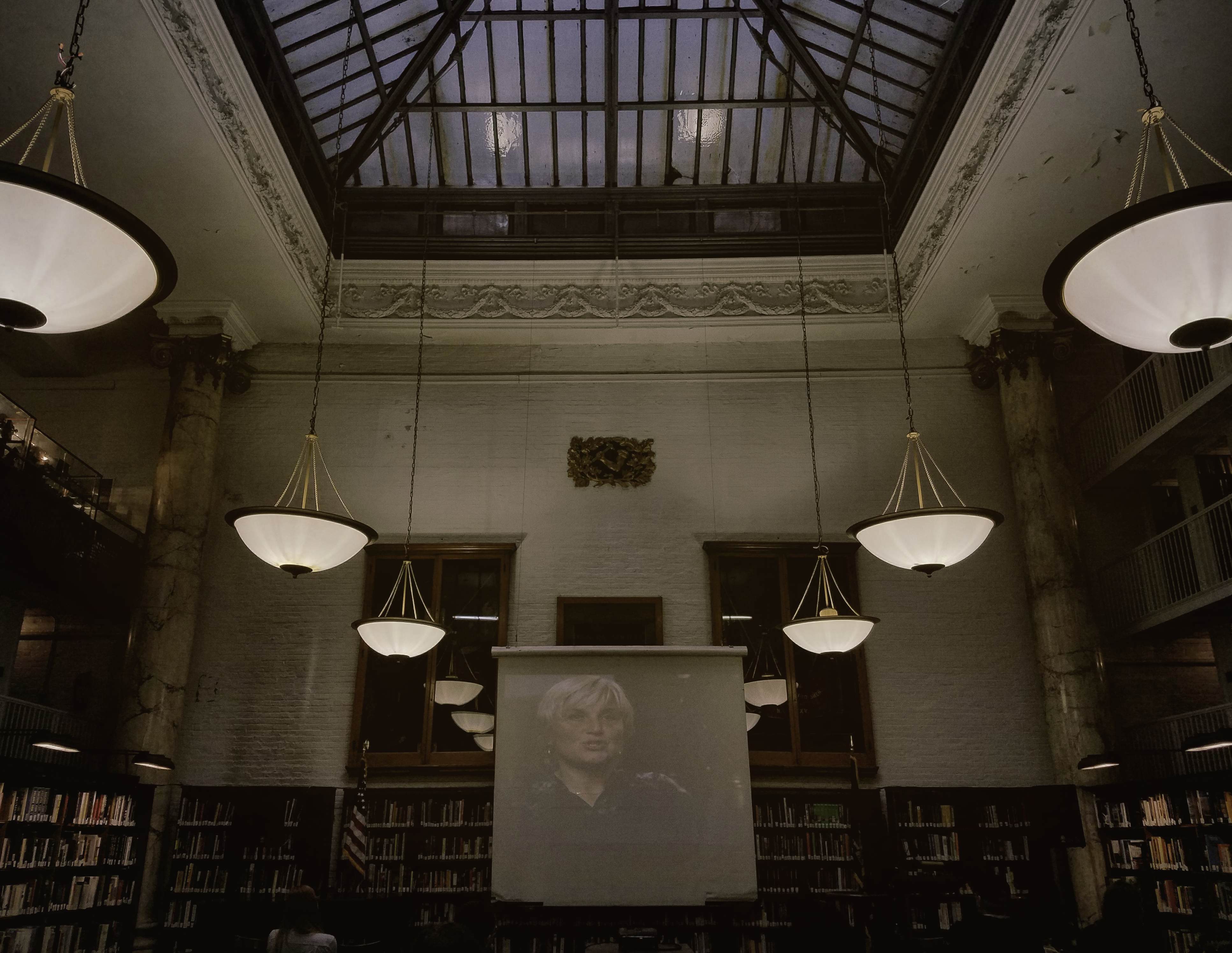
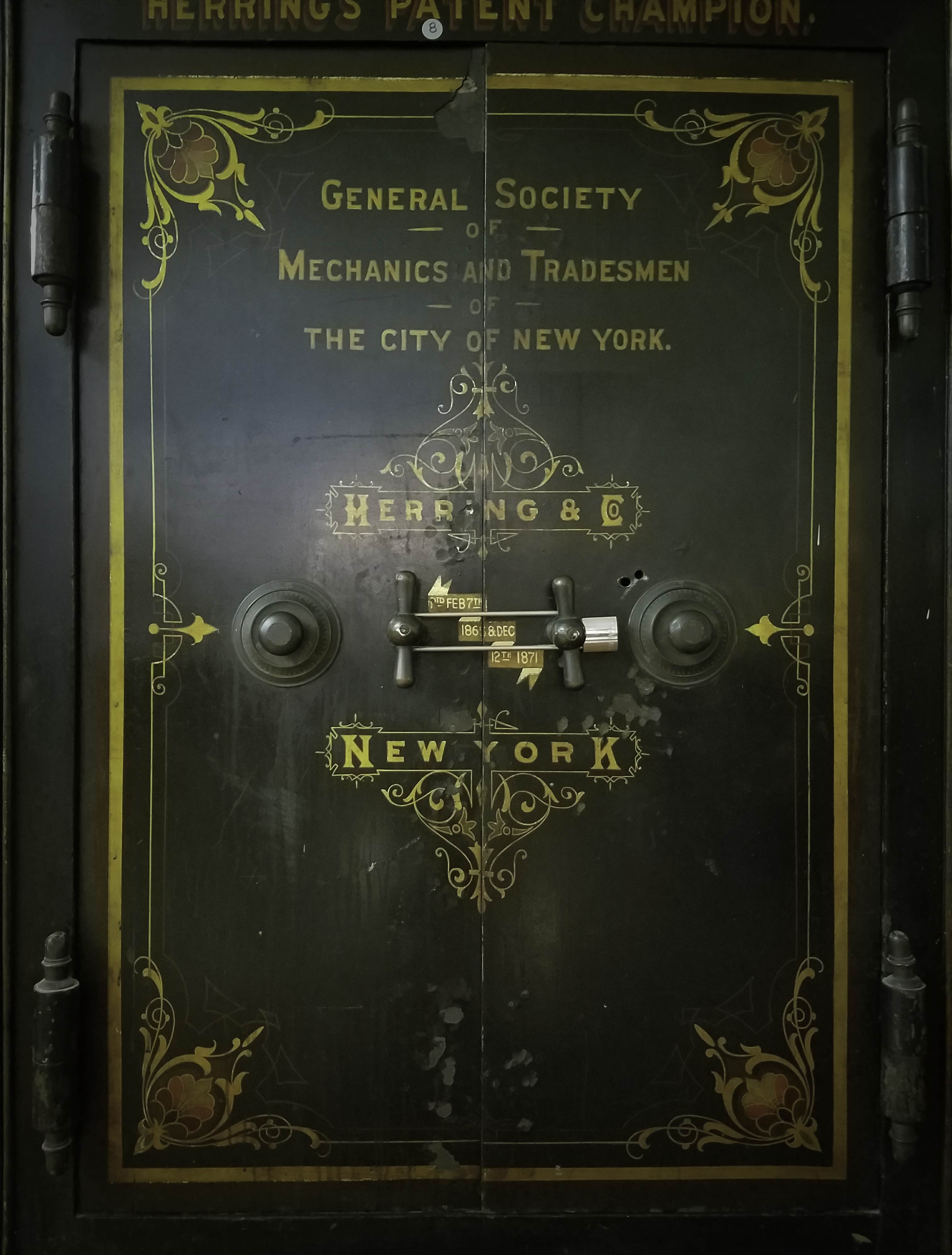
[The General Society of Mechanics & Tradesmen of the City of New York], as their website helpfully informs us, [was founded in 1785 by the skilled craftsmen of the City. Today, this 233-year old organization continues to serve and improve the quality of life of the people of the City of New York through its educational, philanthropic and cultural programs including its tuition-free Mechanics Institute, The General Society Library, and its nearly two-century-old Lecture Series]

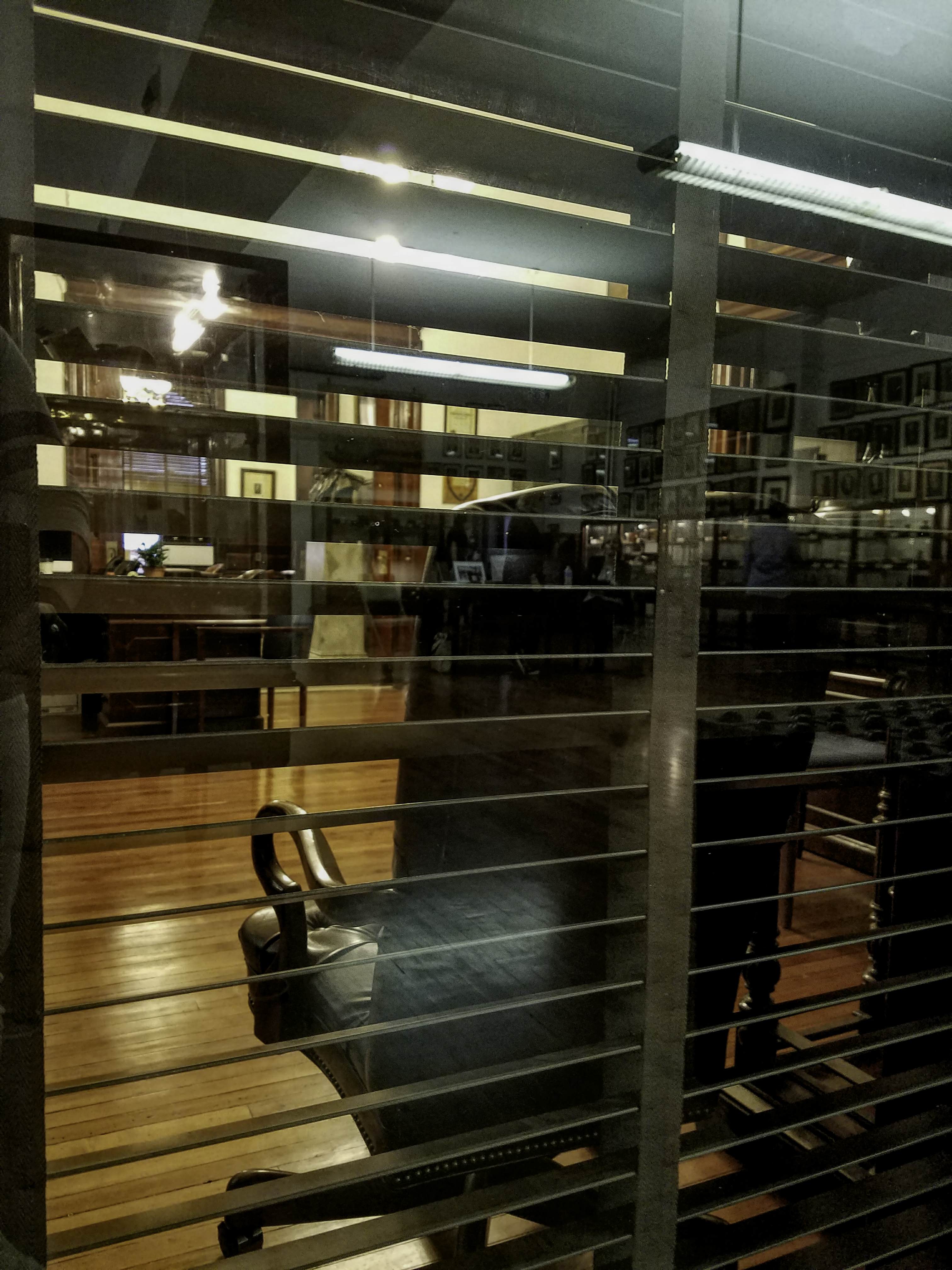
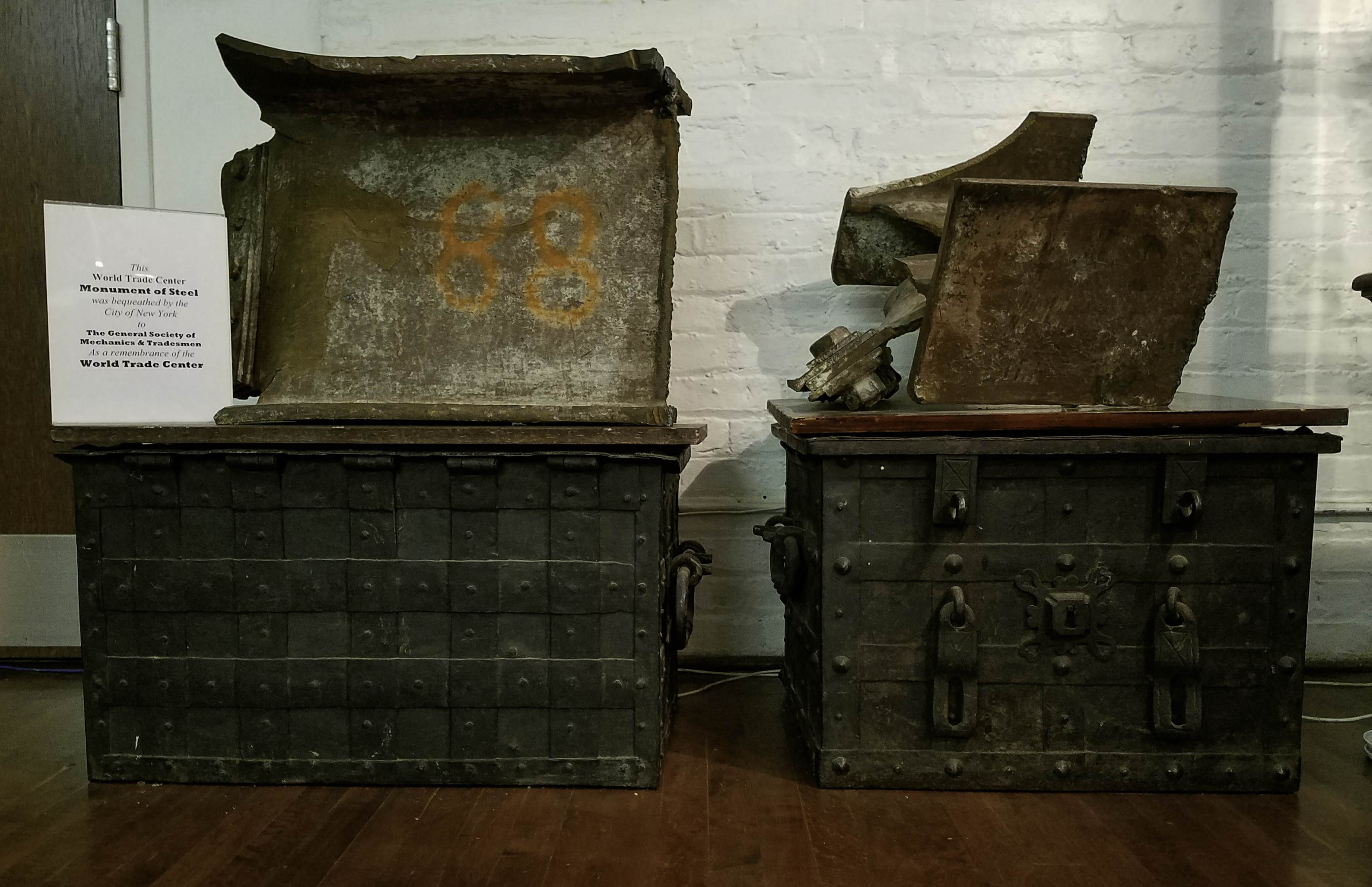
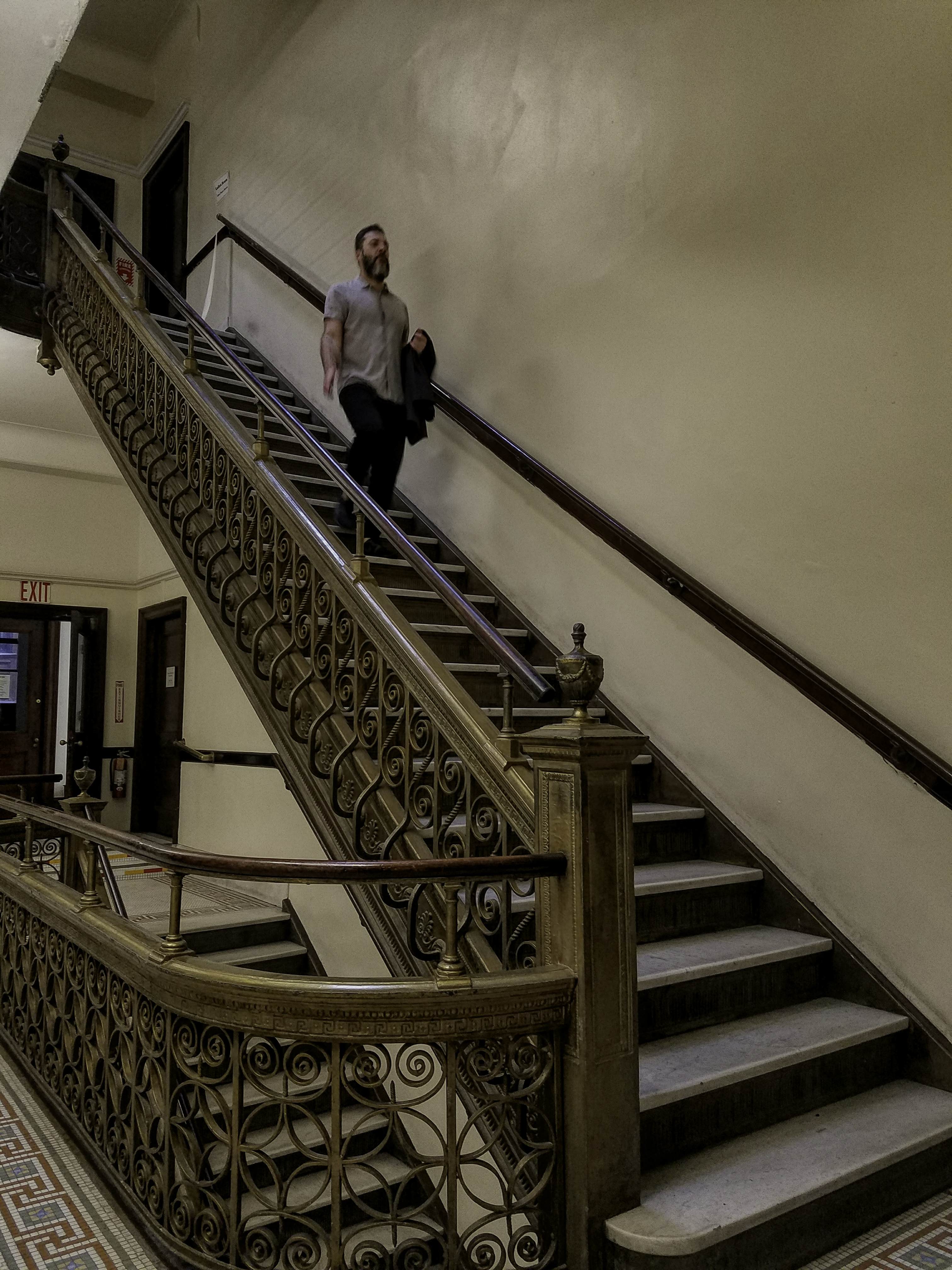
How many times have I walked past it, I can’t say for sure. What I do know for certain is, had it not been for the Open House New York Weekend (OHNY), I would still walk past it without ever suspecting the treasures that lay inside this Renaissance-style building, initially constructed in 1890 as a private school for boys.

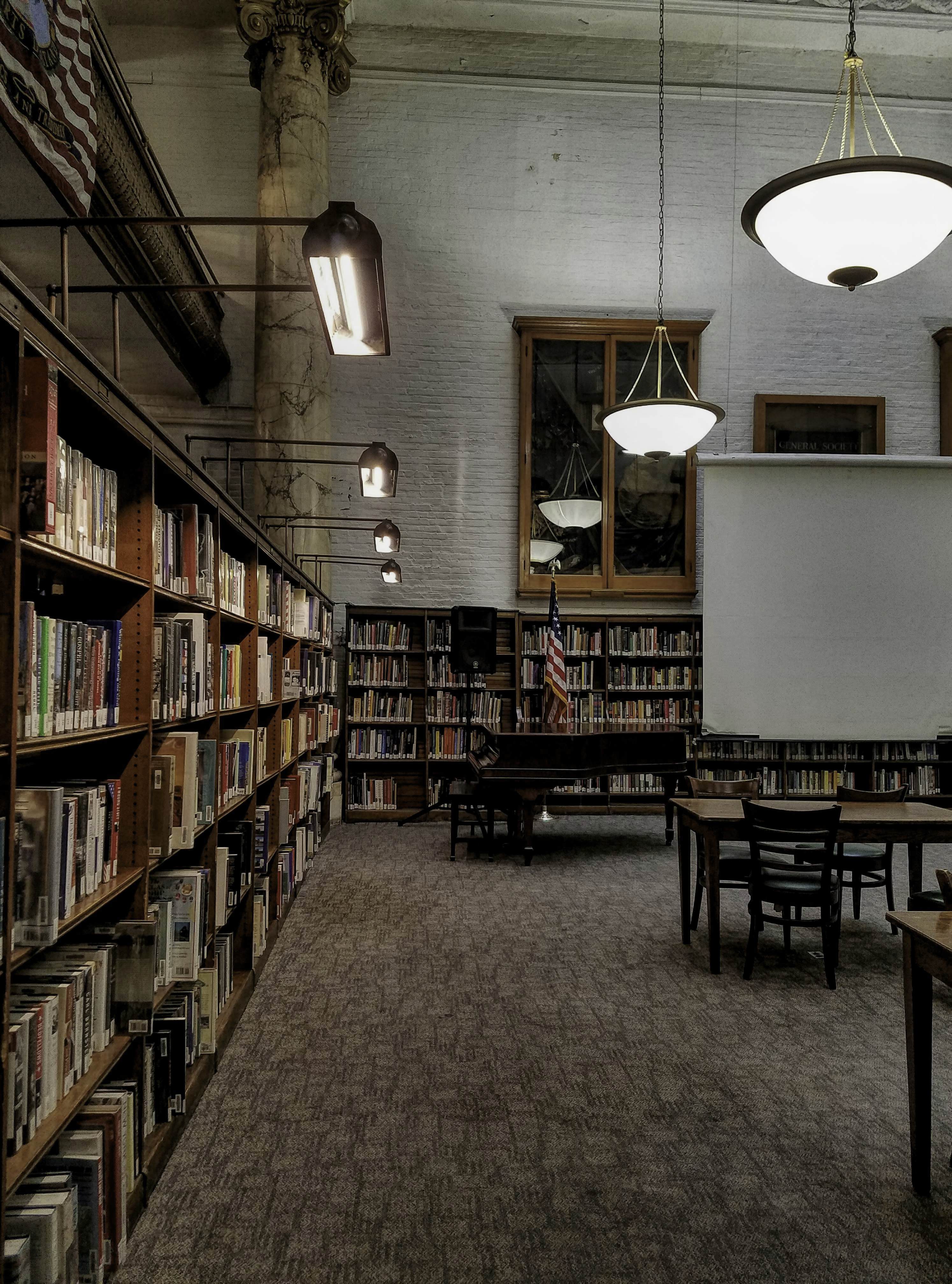
I would never have suspected that walking through its unassuming door I would enter into the second oldest library in the City (the oldest is the New York Society Library on the Upper East Side).

I would never have learned of the Society’s role in tuition-free education, with programmes that continue to this day.

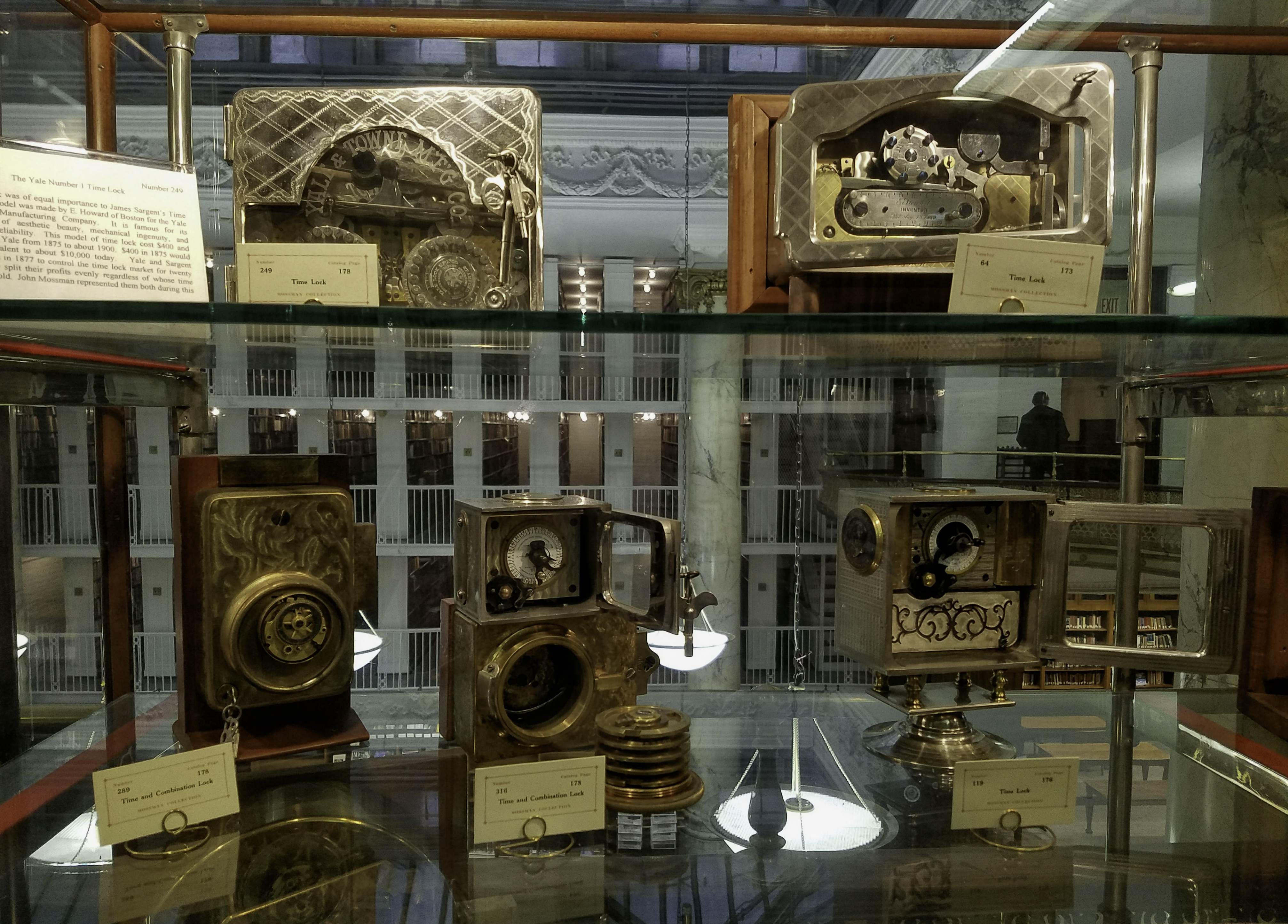
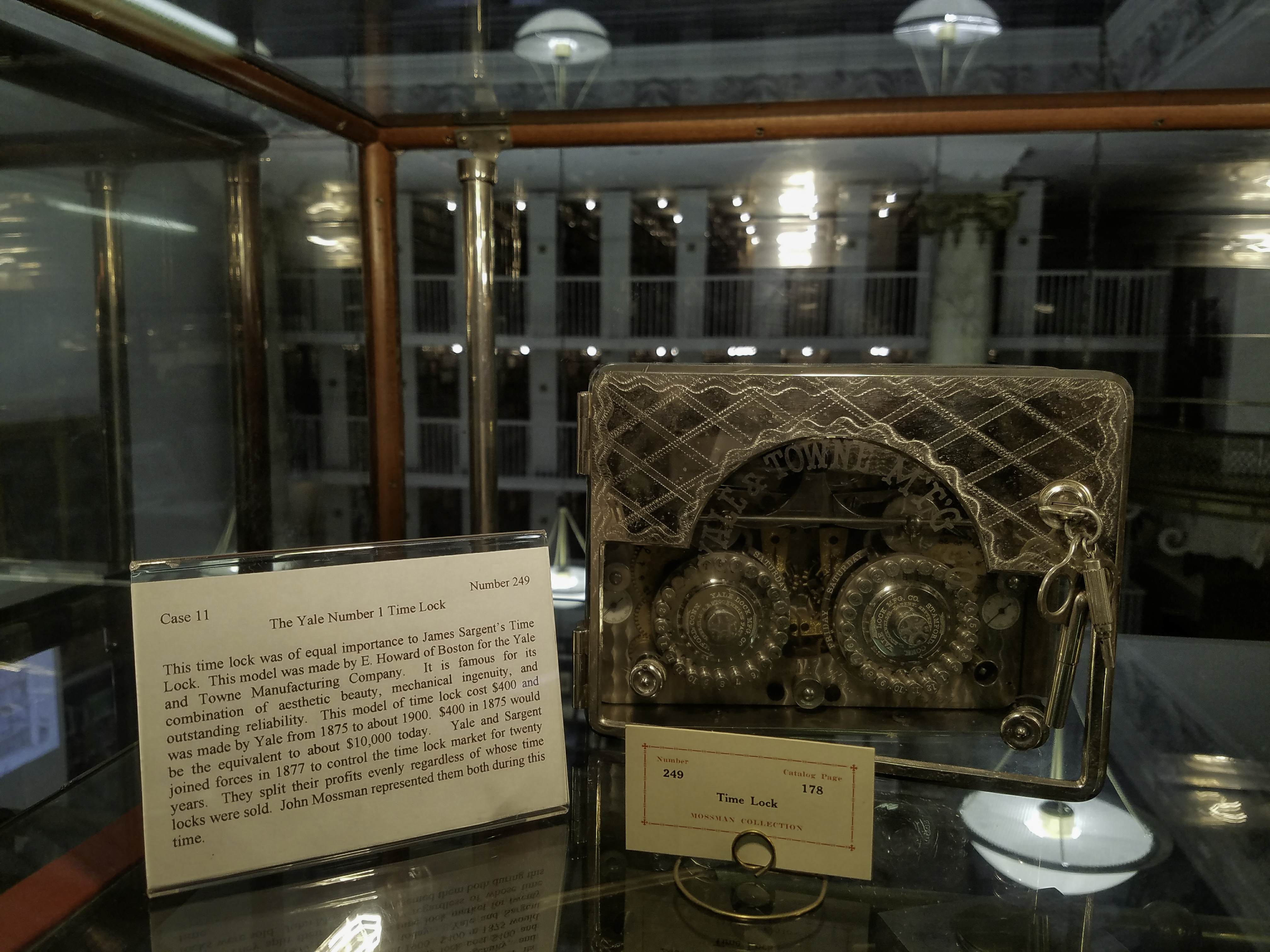
I would never have laid eyes on every steampunk lover’s dream, the John M. Mossman Lock Collection which consists of more than 370 locks, keys and tools, dating from 4000 B.C. to the early 20th-century.

I would never have walked up to the 6th floor where the Institute of Classical Architecture & Art (ICAA) was welcoming visitors to its Cast Hall which houses their collection of rare plaster casts, commissioned by the Metropolitan Museum of Art in the 1880’s-90’s.

But, thanks to OHNY, I am now privy to some of the City’s ”best kept secrets” – and only too happy to share them with you. Hope you enjoy this virtual discovery tour.

In this series we will revisit three – out of the dozens of – buildings and sites that opened their doors during OHNY weekend, on October 14 & 15th, 2017:

The General Society of Mechanics & Tradesmen of the City of New York
The Consulate General of France & Albertine
The Eldridge Street Synagogue

***

Open House New York weekend takes place every year in October.
Next series coming up:  October 19-20, 2019.