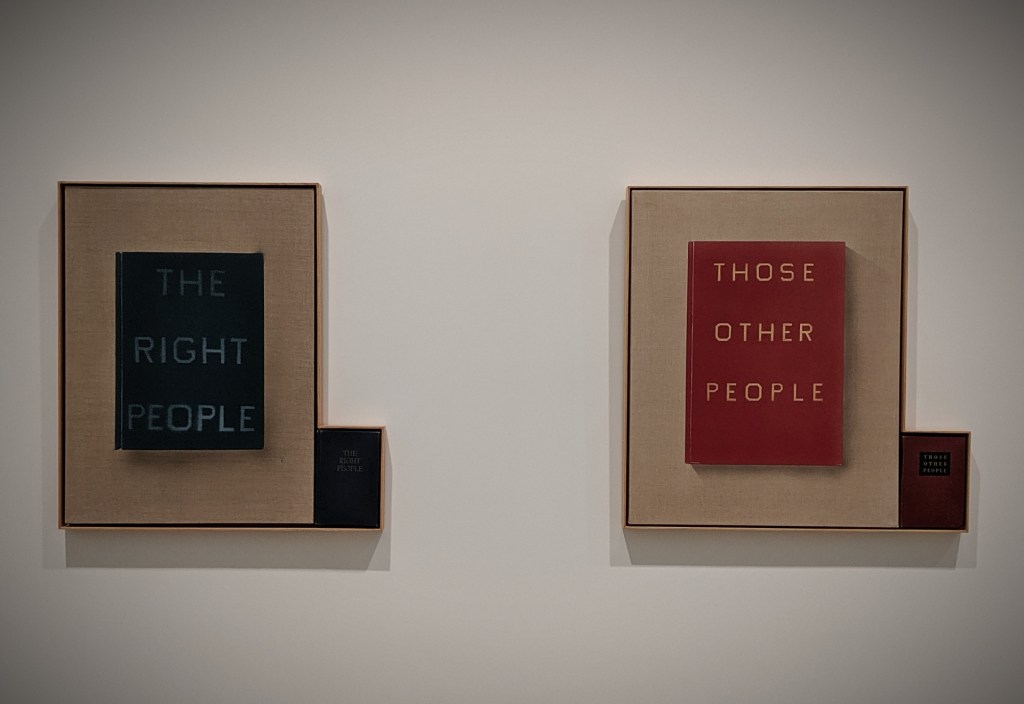
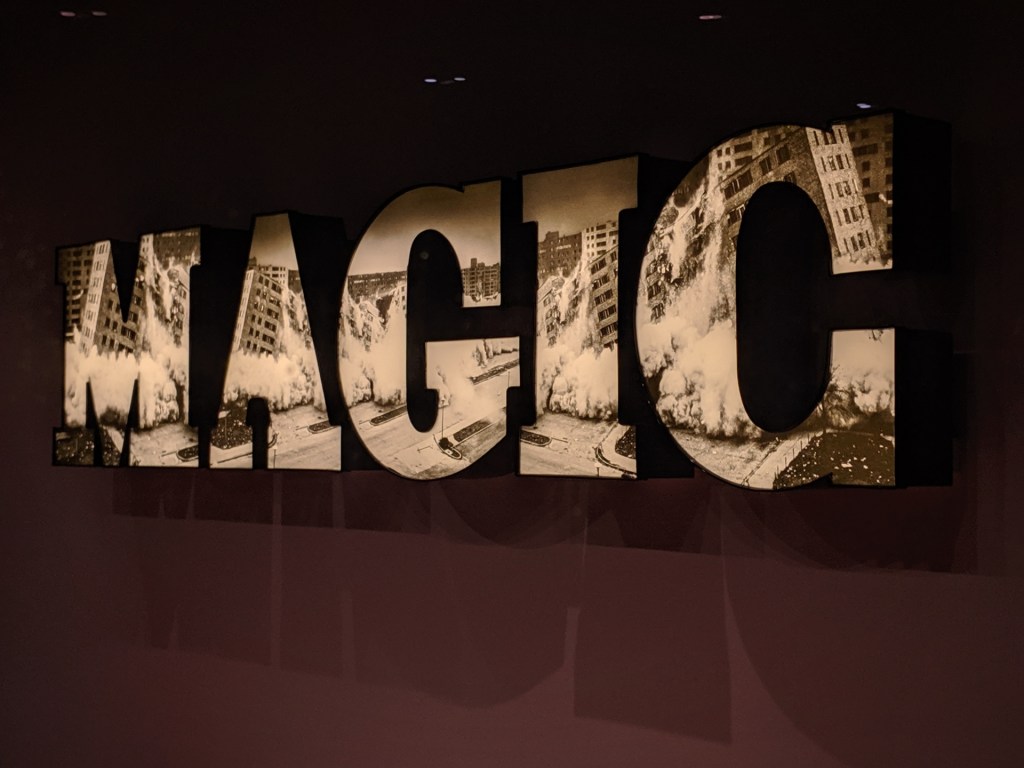
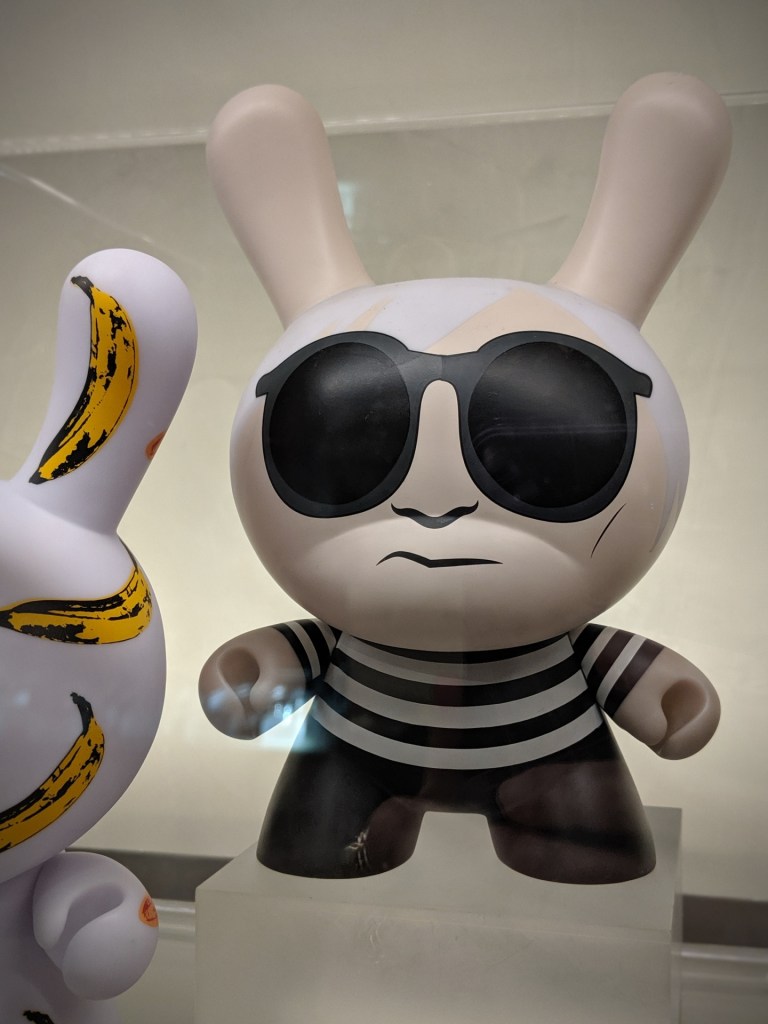
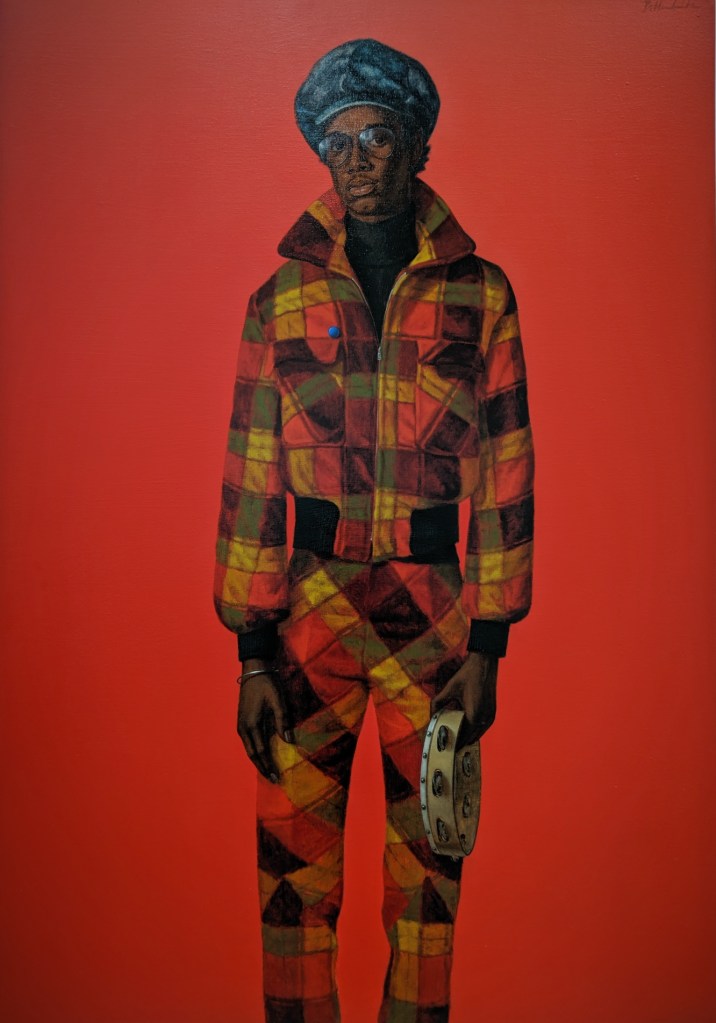
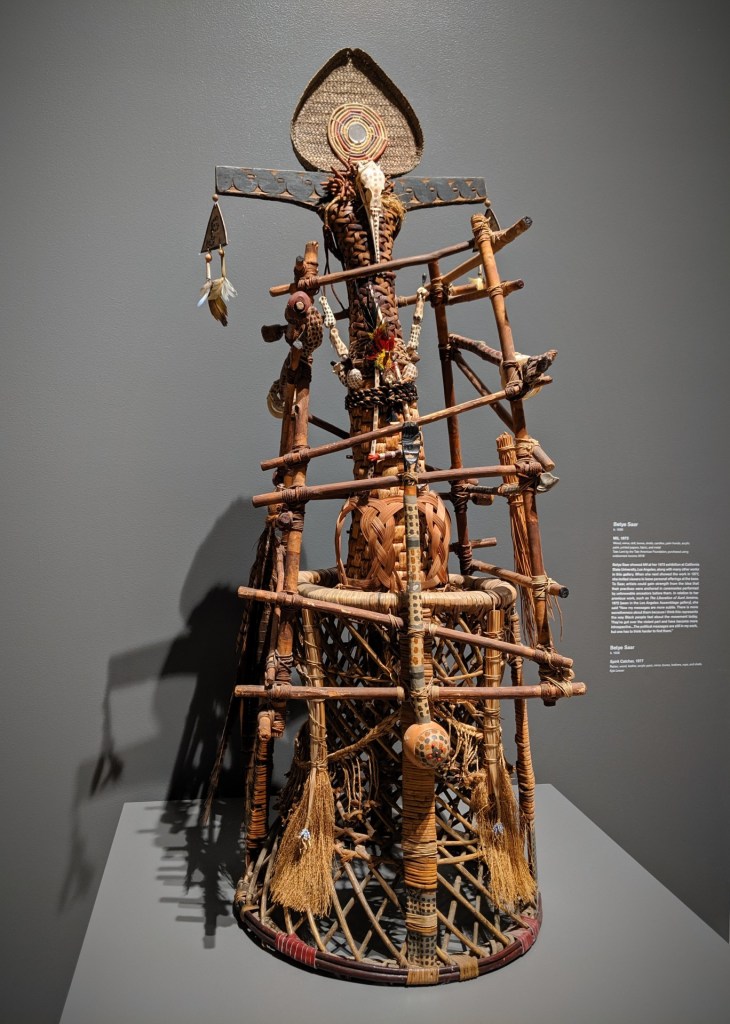
Downtown L.A.
May 9th, 2019
Downtown L.A.
May 9th, 2019


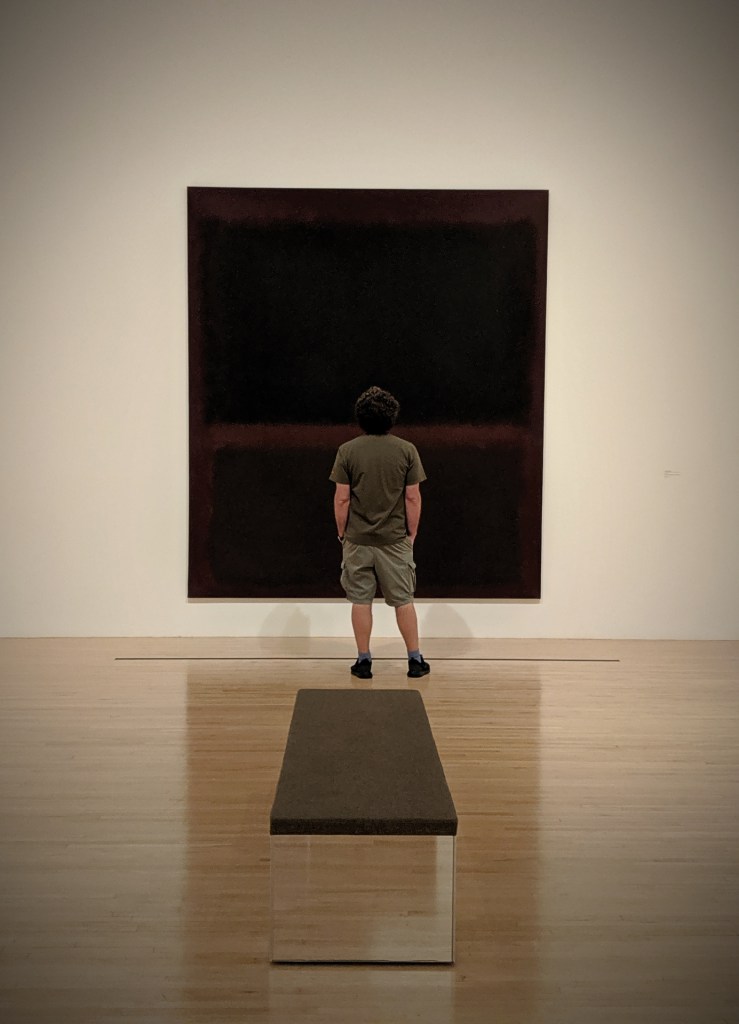
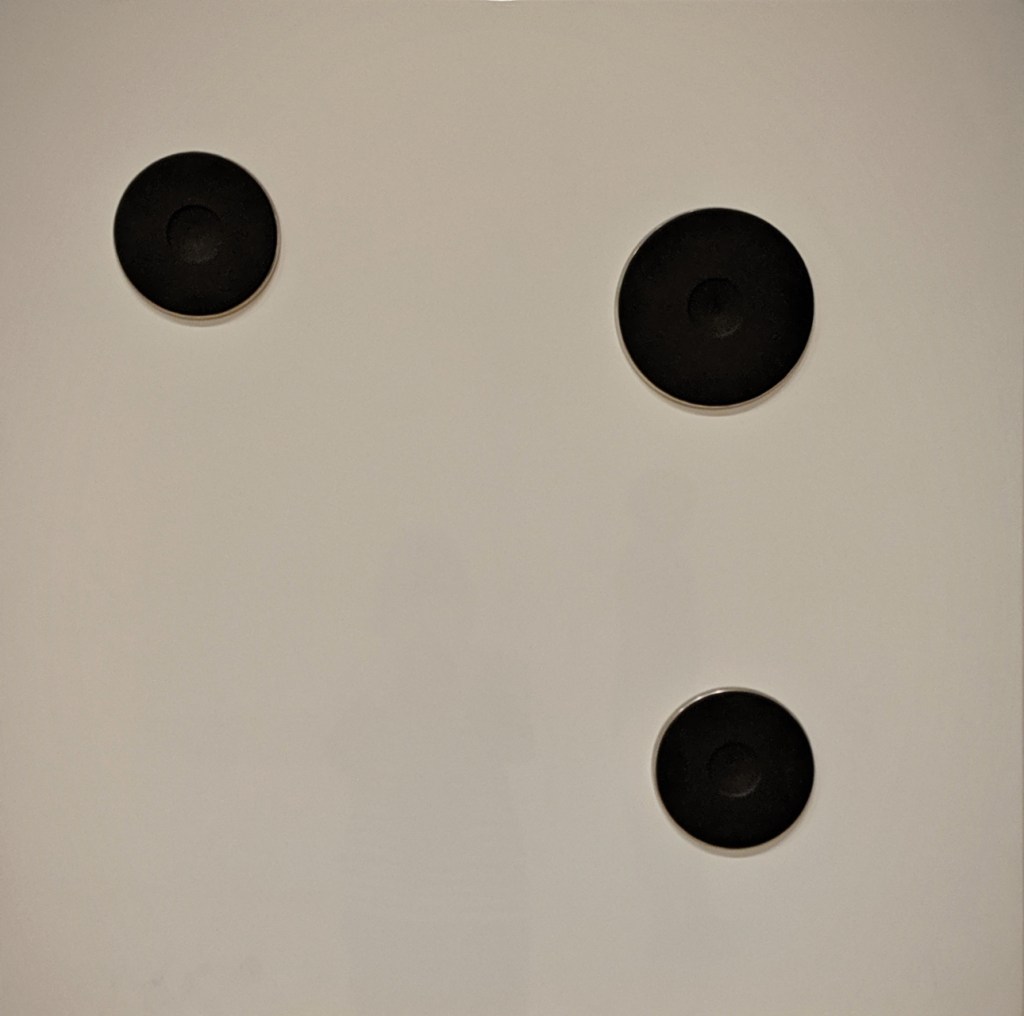
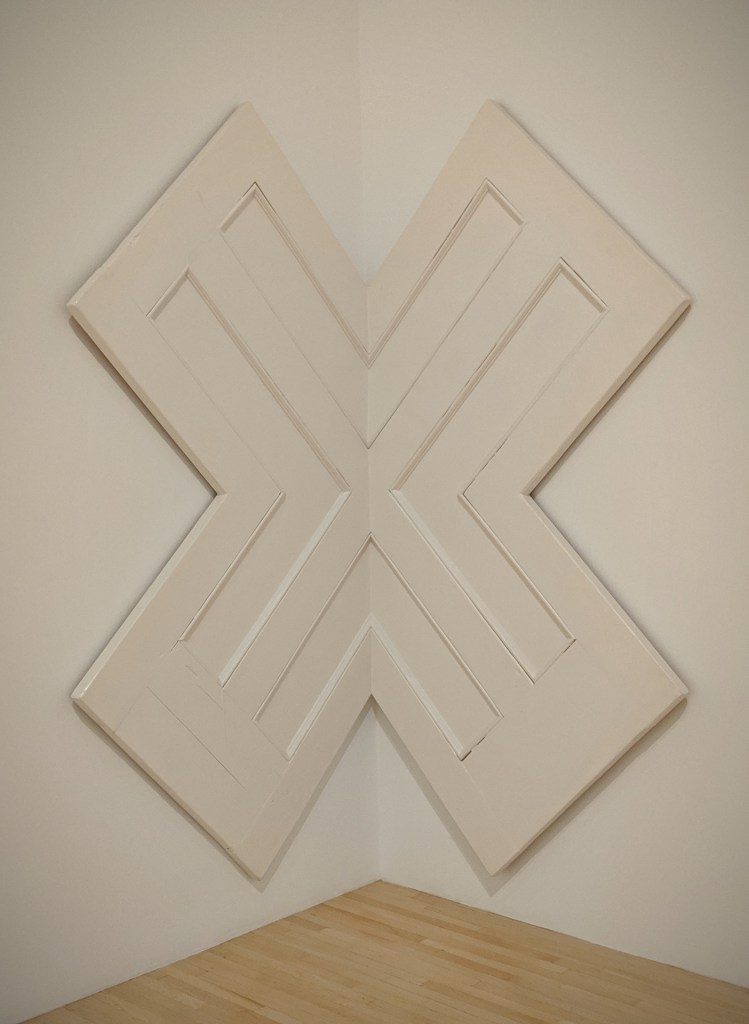
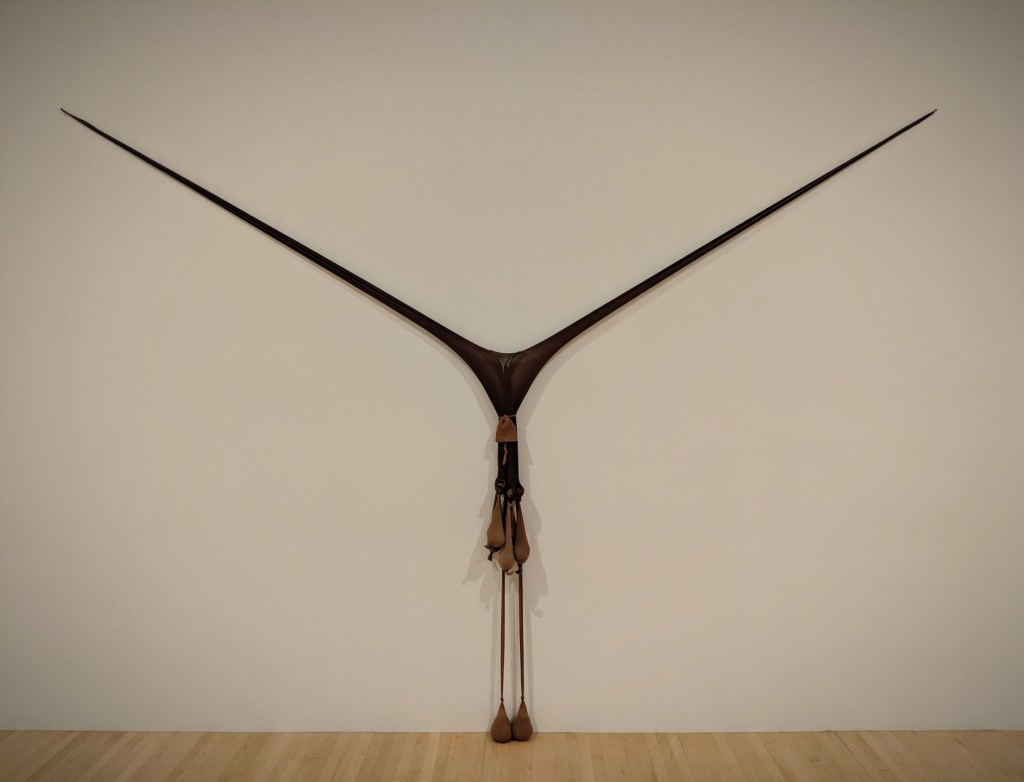
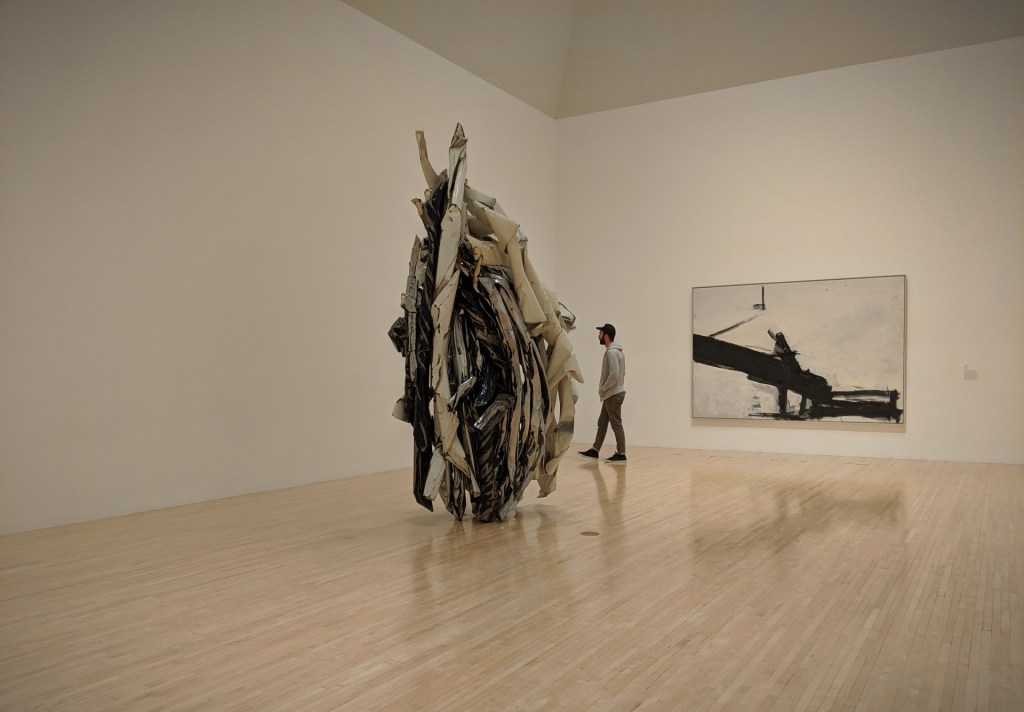
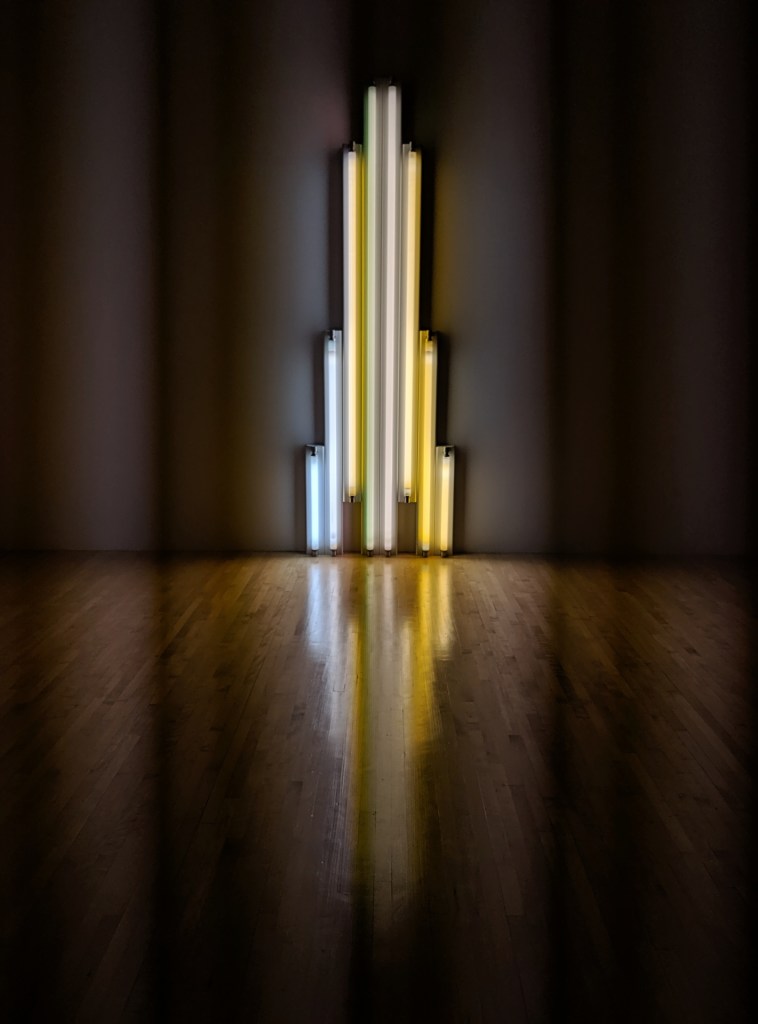
”Flavin’s work generates ambient light that reaches into the viewer’s space. The form, resembling a skyscraper, refers to a never-realized, but nonetheless influential, monument to an organization supporting Communist revolution designed by the Russian constructivist artist Vladimir Tatlin in 1920. It was to be a spiraling steel framework thirteen hundred feet tall in which rotating glass rooms would be suspended. Though utterly impractical engineering-wise, it remains an influential symbol of the artist’s efforts to combine art and technology. Flavin’s “monument,” despite its low-tech, small-scale nature, pays homage to Tatlin’s futuristic, utopian ideals.” [source: MOCA]
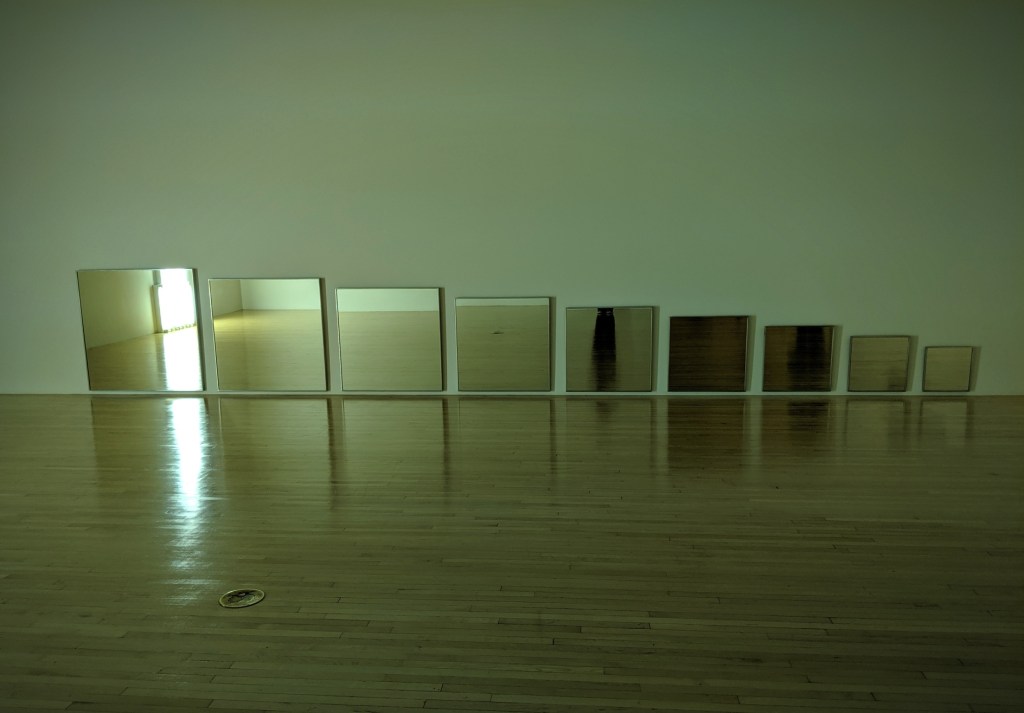
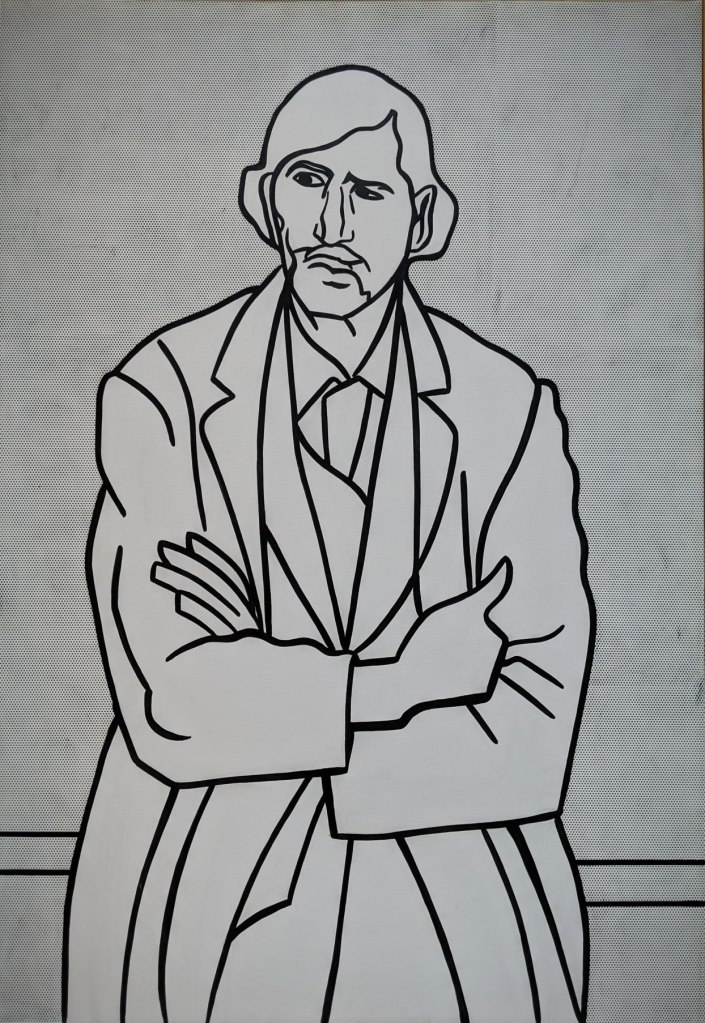
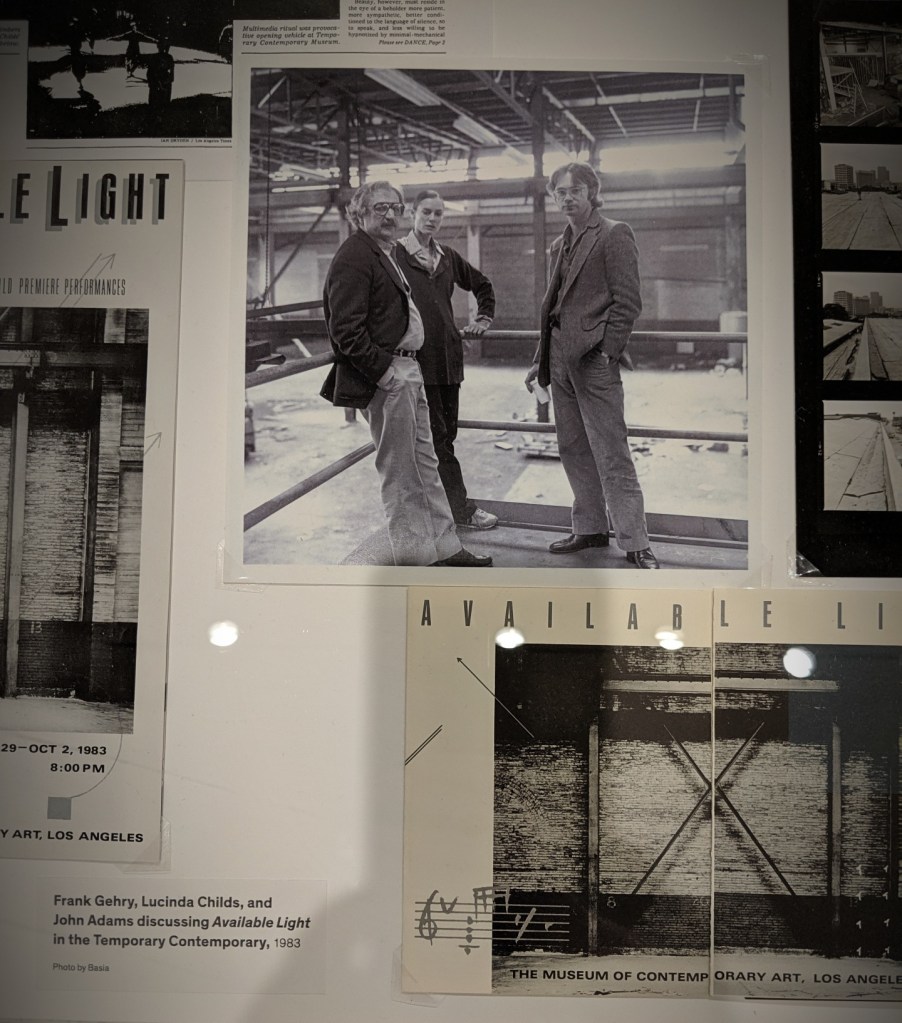
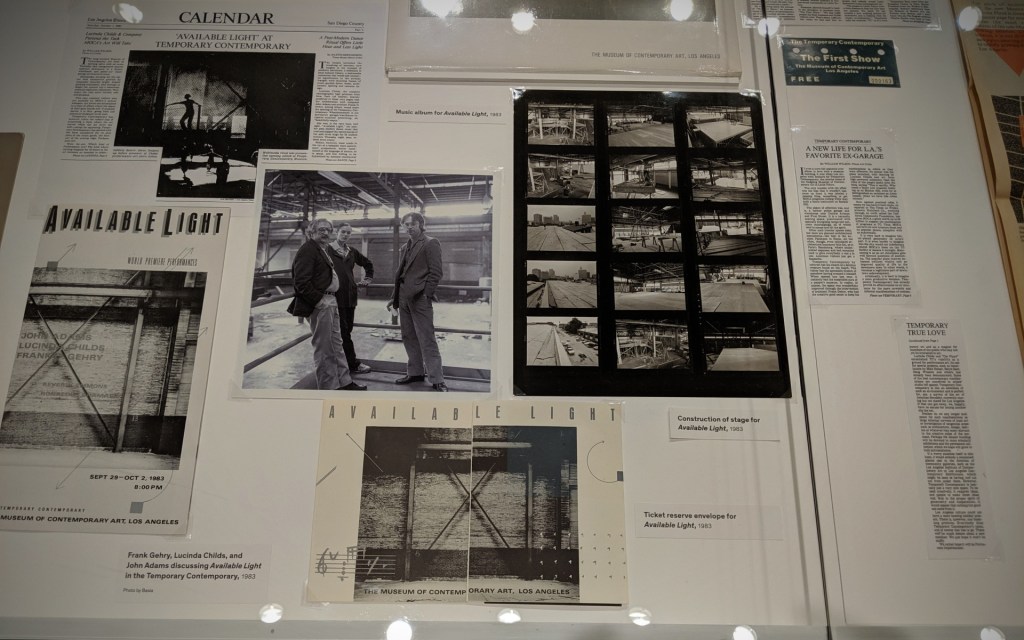
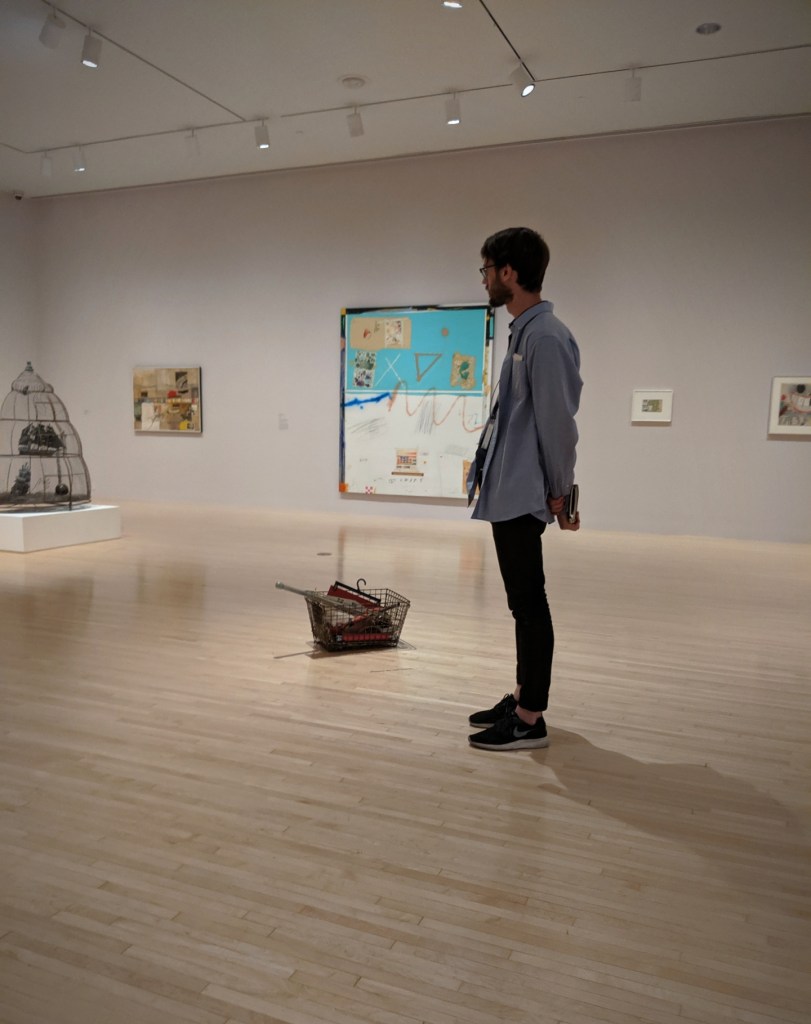
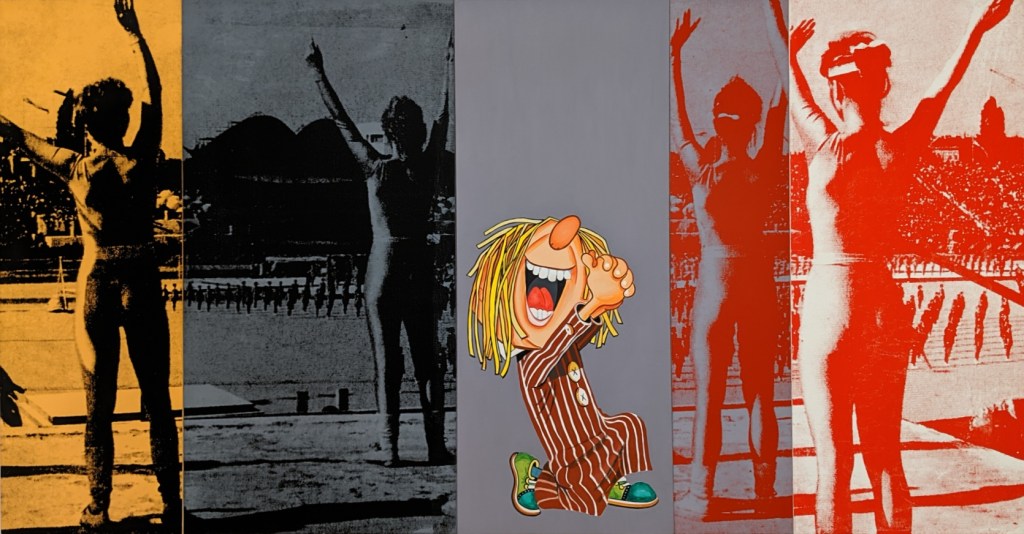
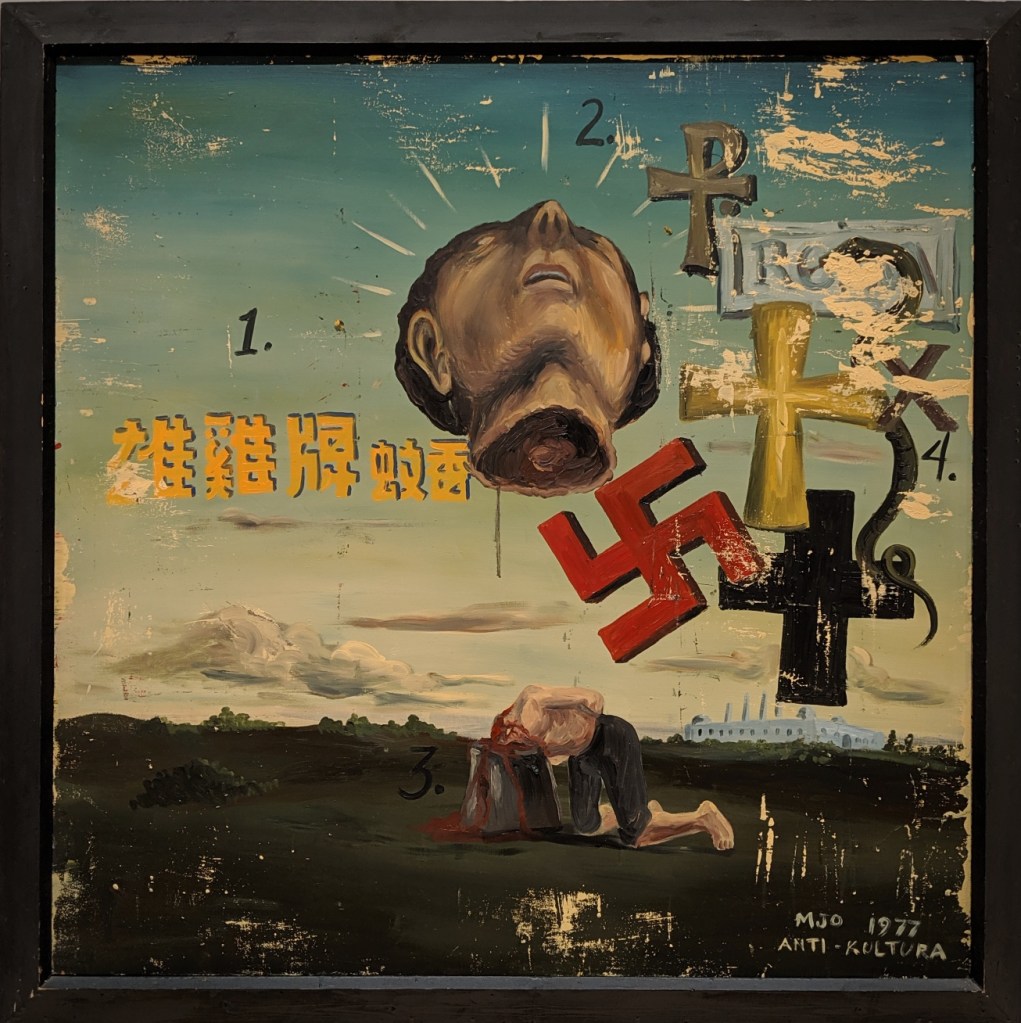
The Museum of Contemporary Art, Los Angeles
May 9th, 2019
And a pleasant surprise, as we wandered through the galleries of LACMA, those ones that remained open during the museum’s extensive renovation and expansion. The surprise was finding out that Magritte’s ”Ceci n’est pas une pipe” belongs to LACMA; for some reason, I was convinced it would belong to the permanent collection of the Magritte Museum in Brussels. What a fittingly surreal connection between my two favourite cities in the world!
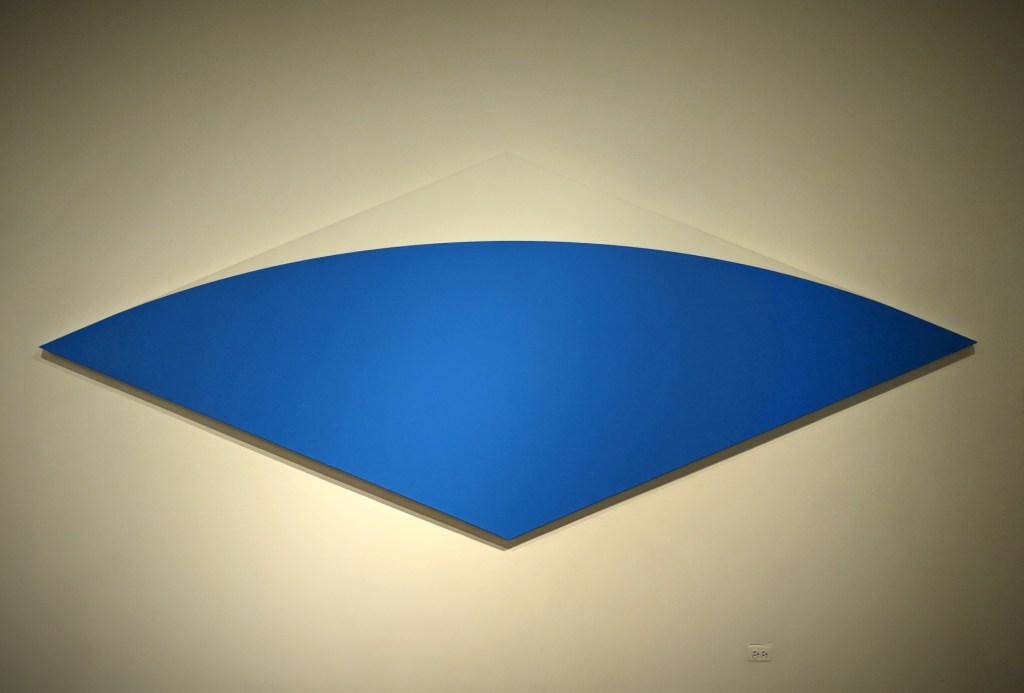
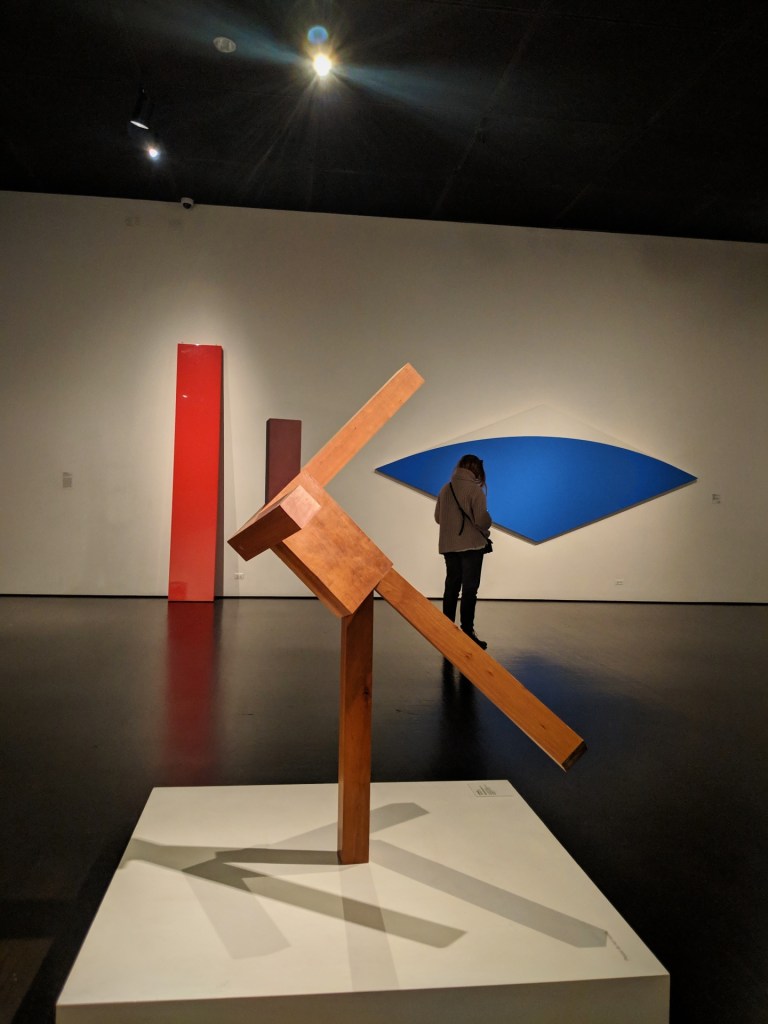

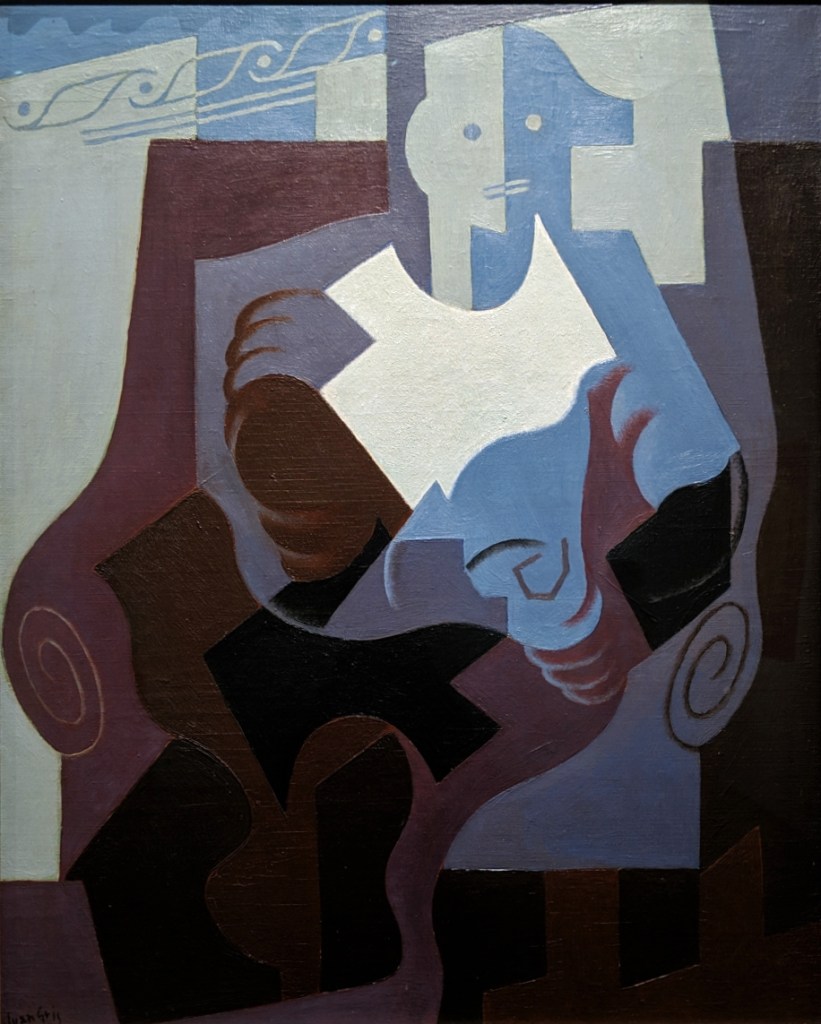


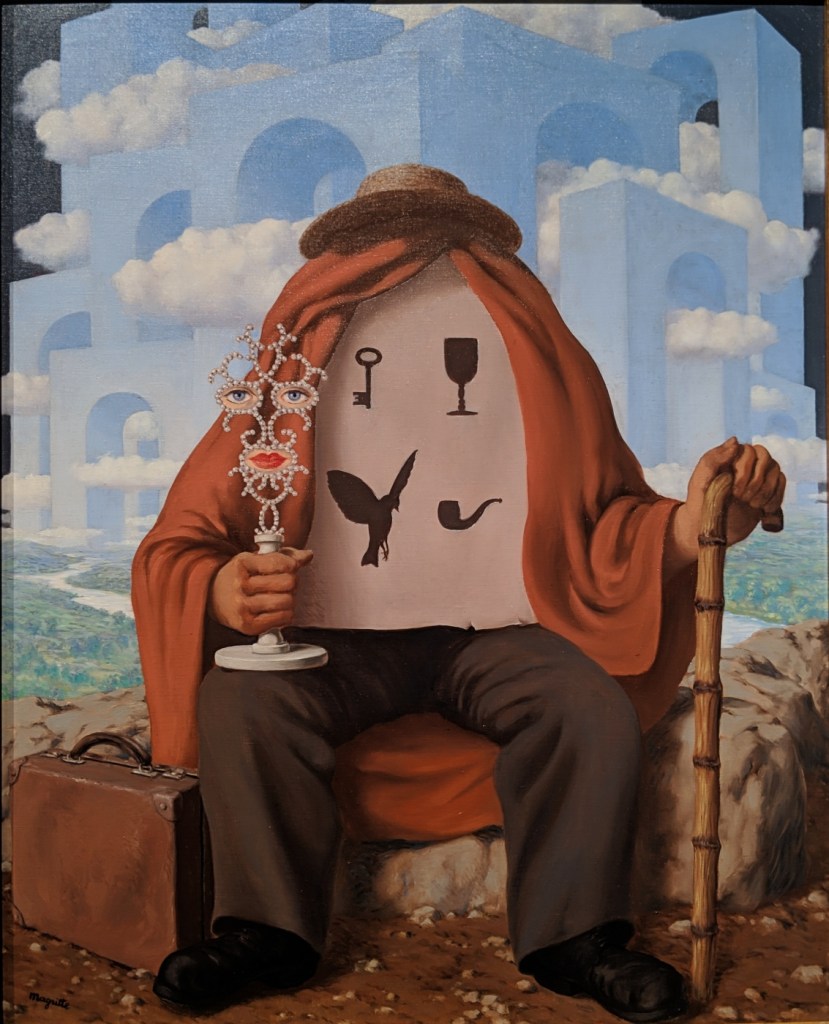

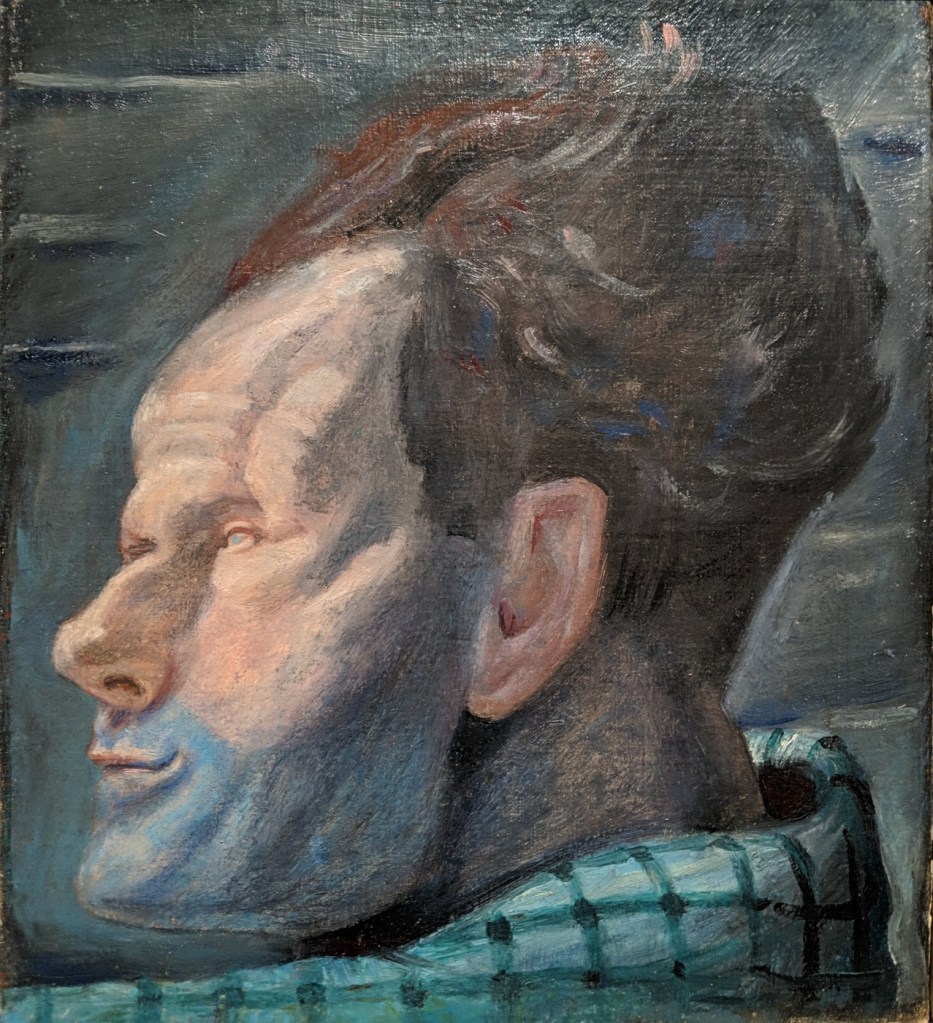

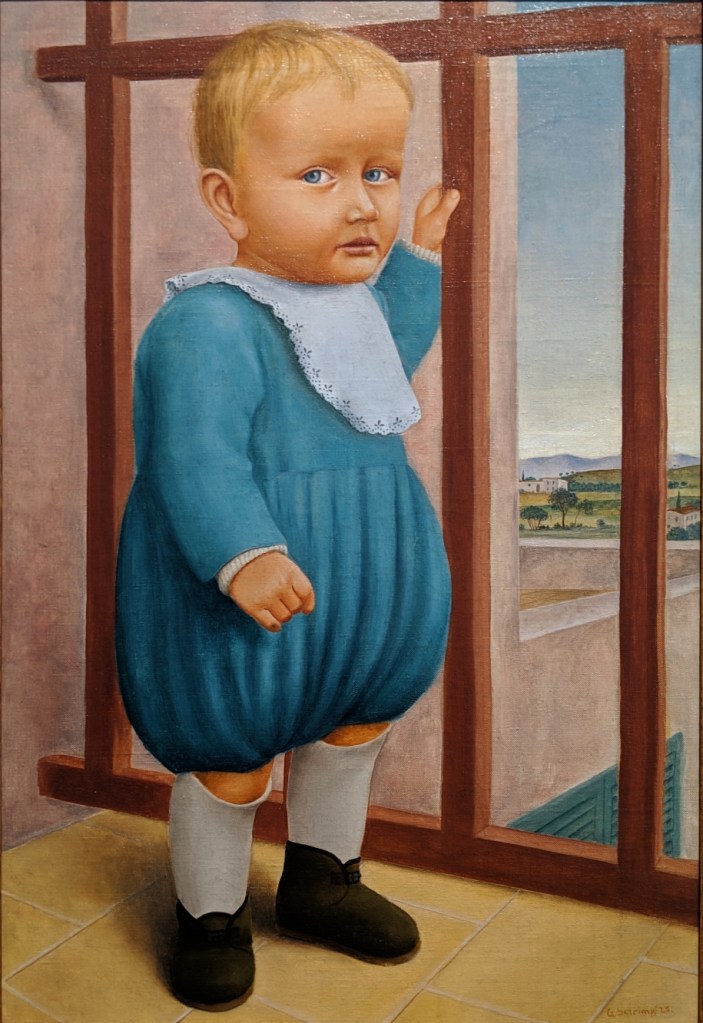

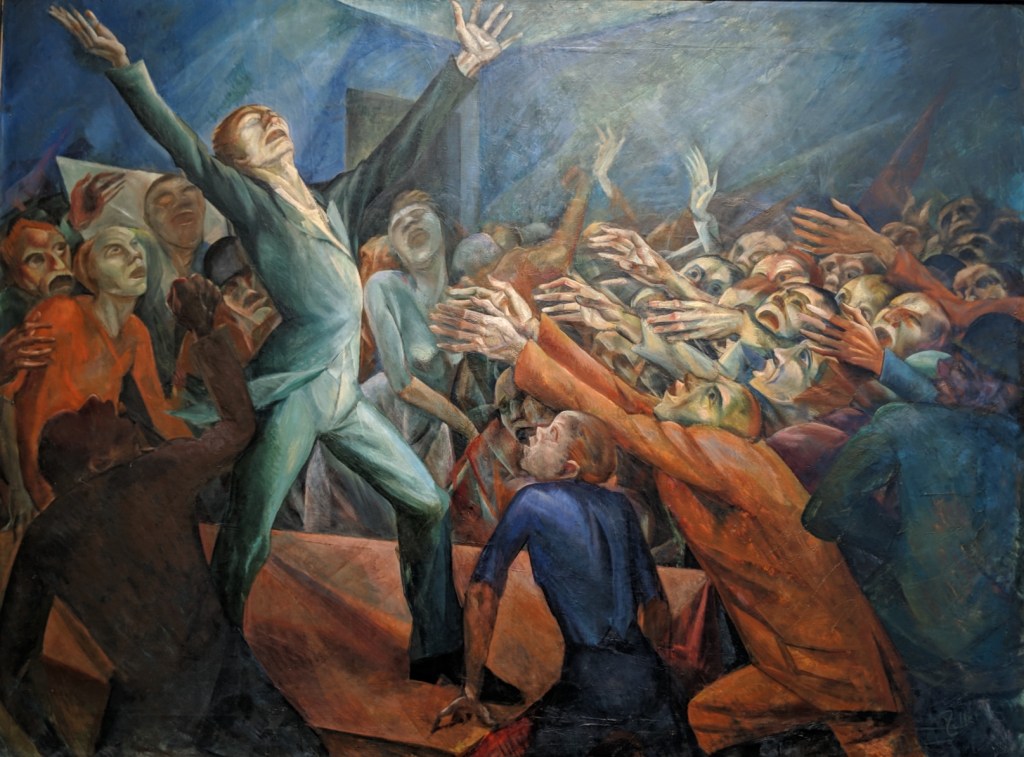


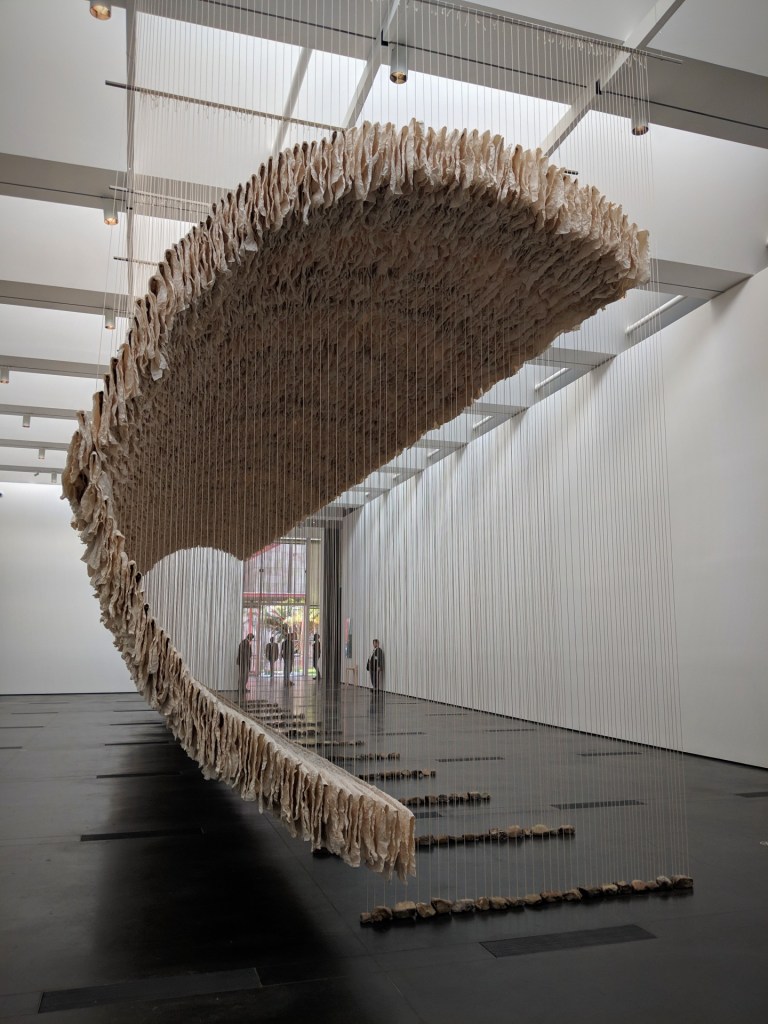
Los Angeles County Museum of Art (LACMA)
May 7th, 2019

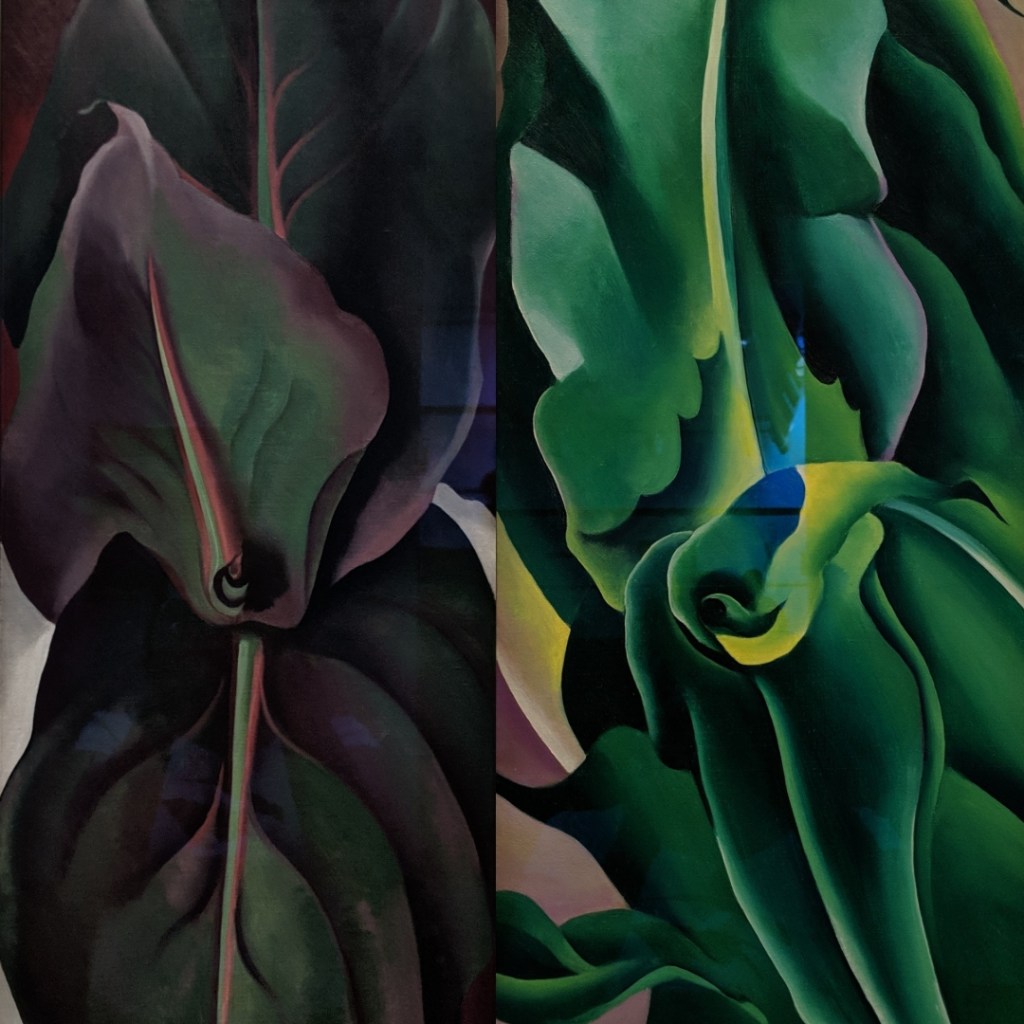


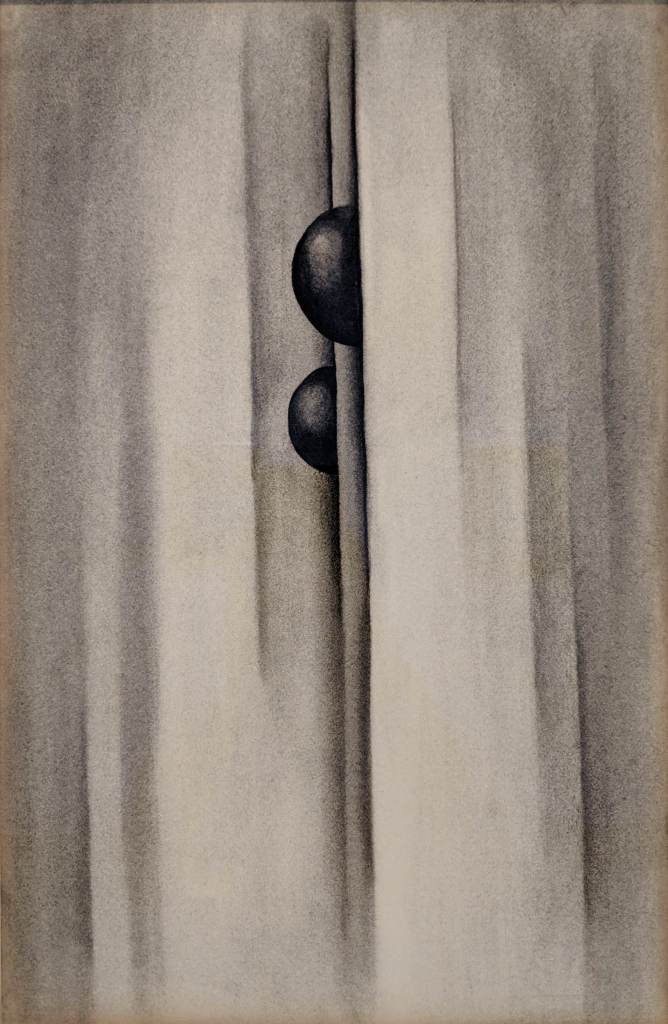


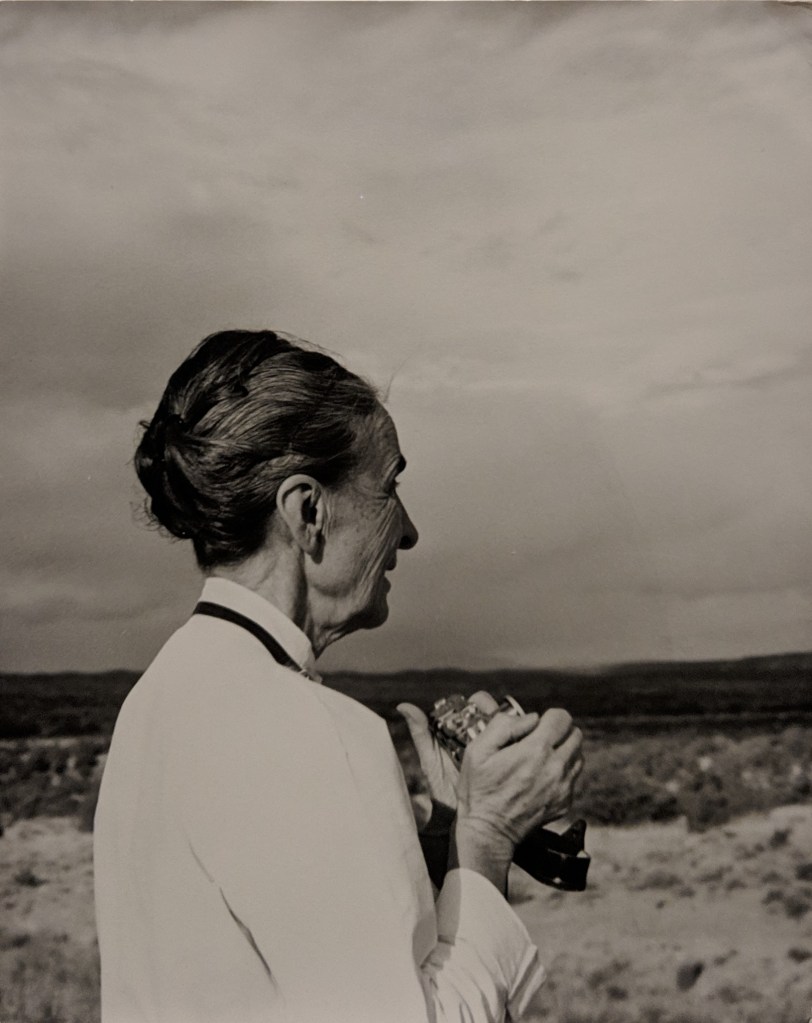
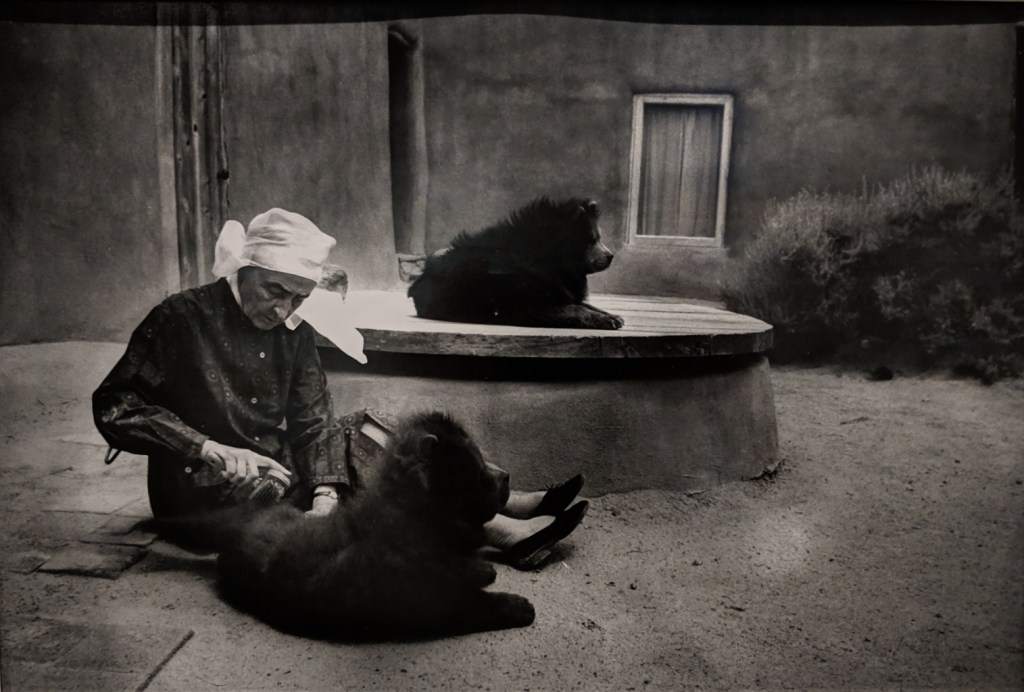


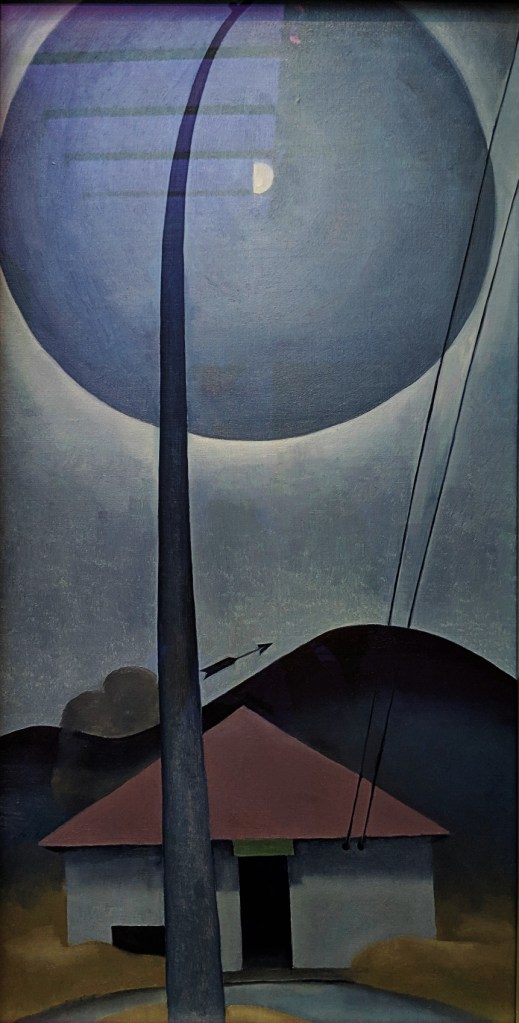


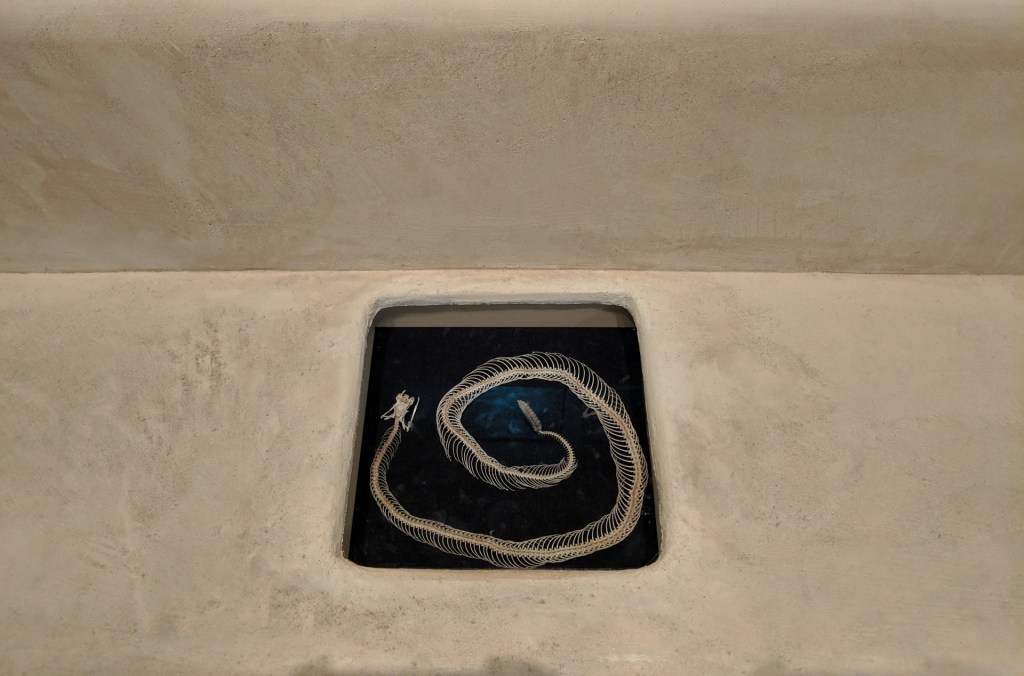


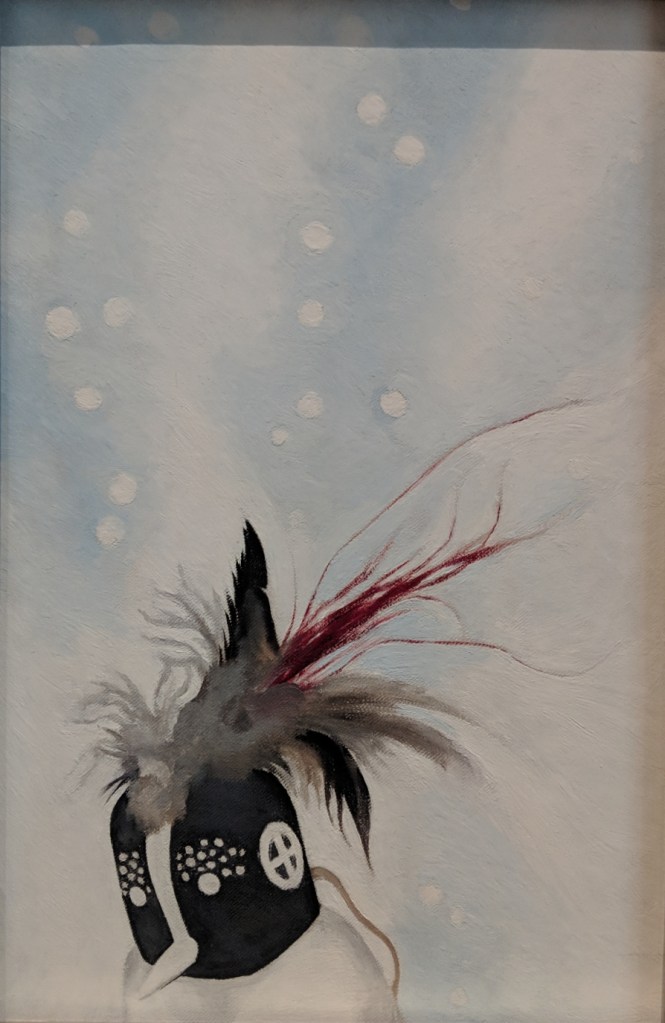
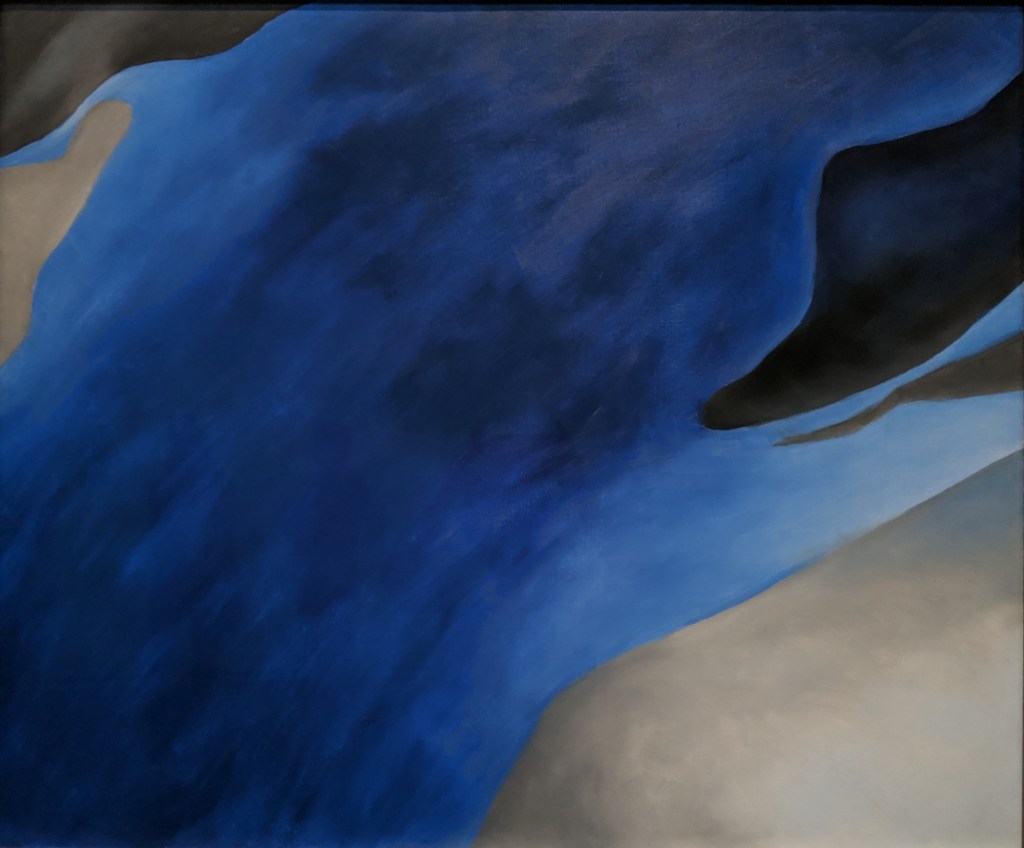

A Great American Artist ~ A Great American Story
Georgia O’Keeffe Museum, Santa Fe
April 27th, 2019
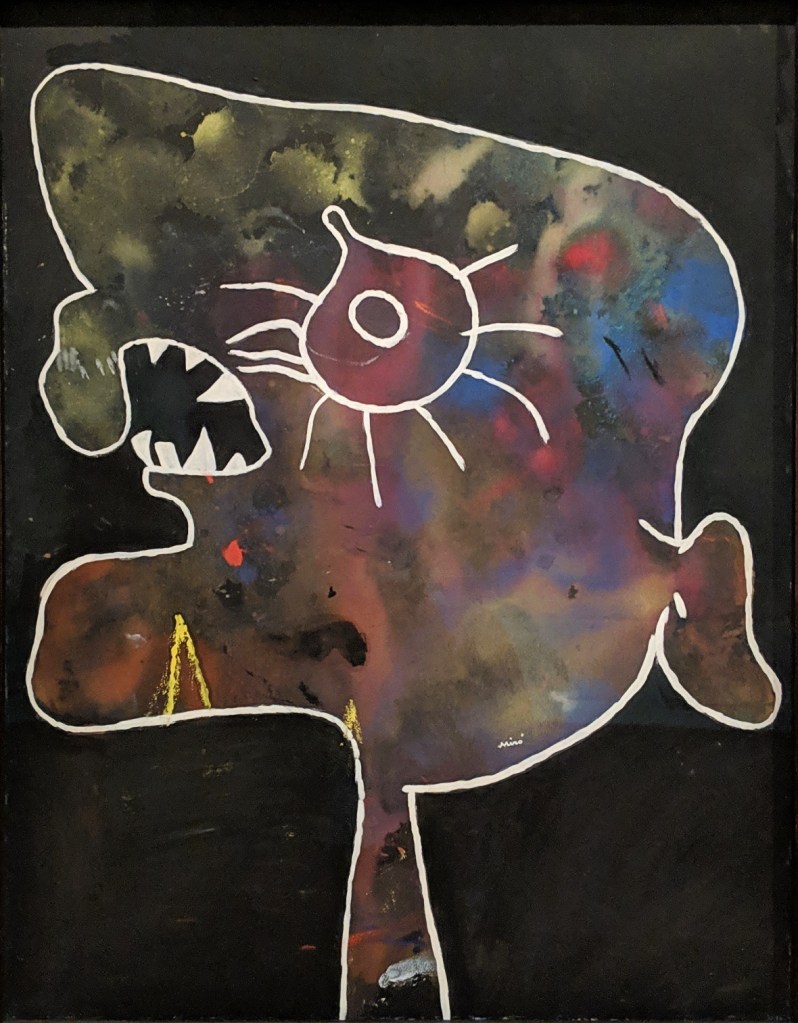
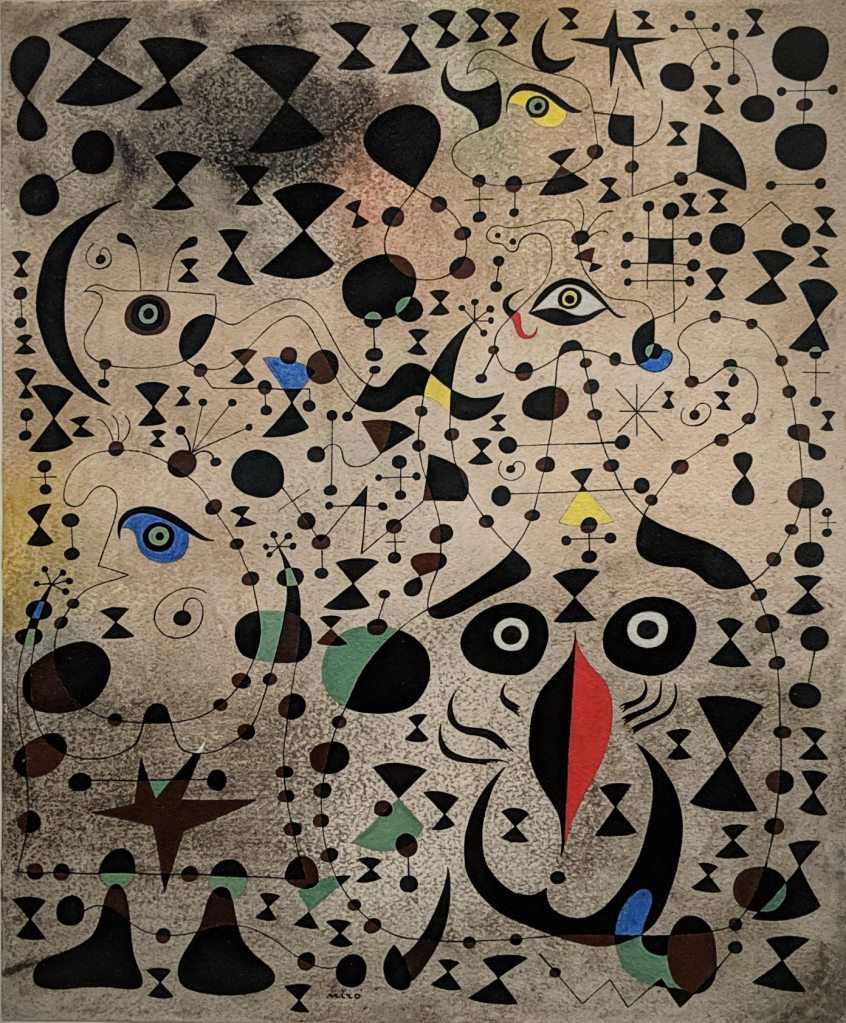
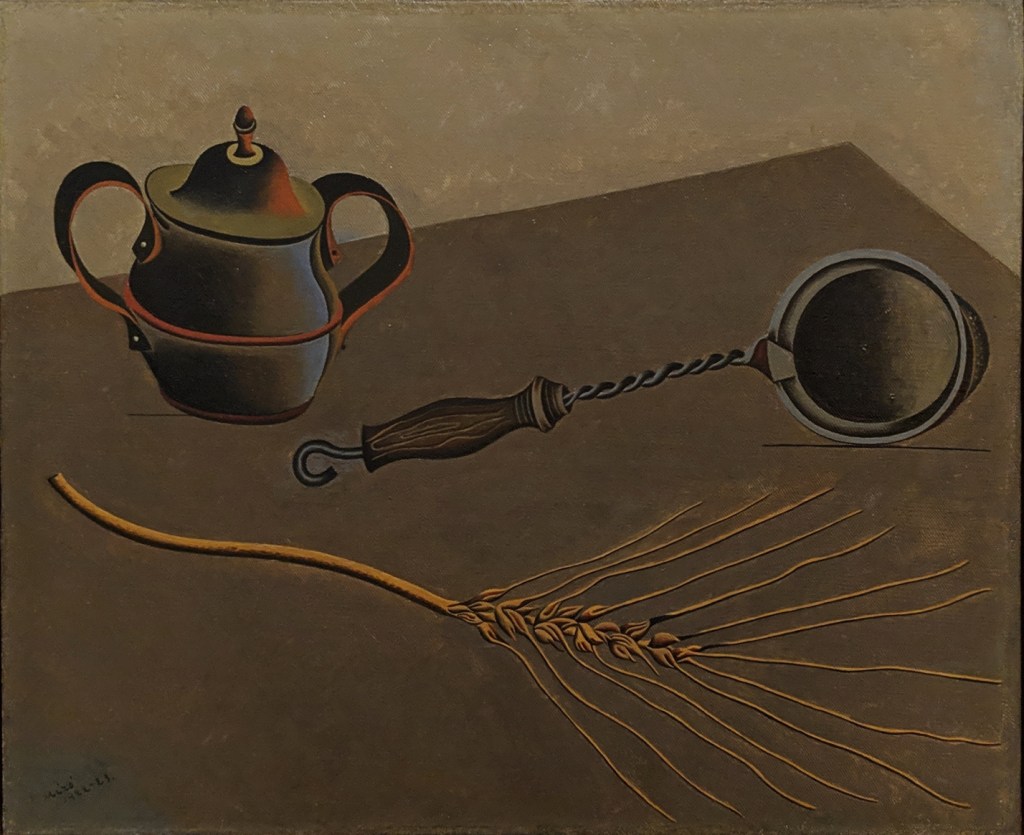
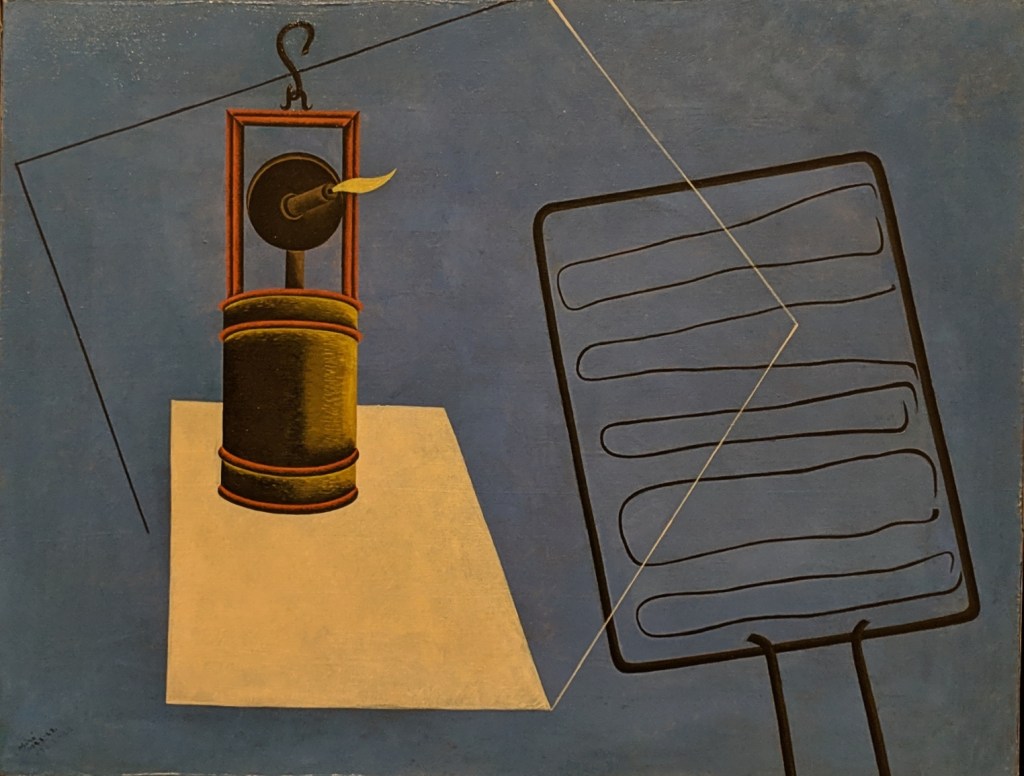
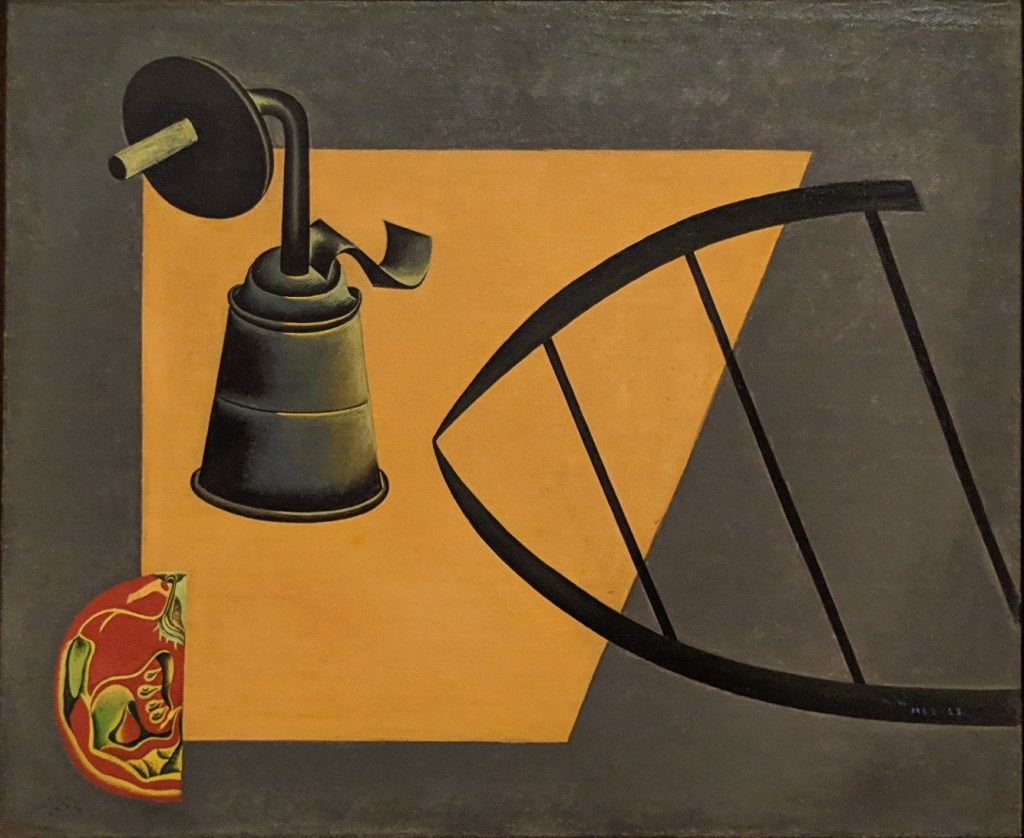
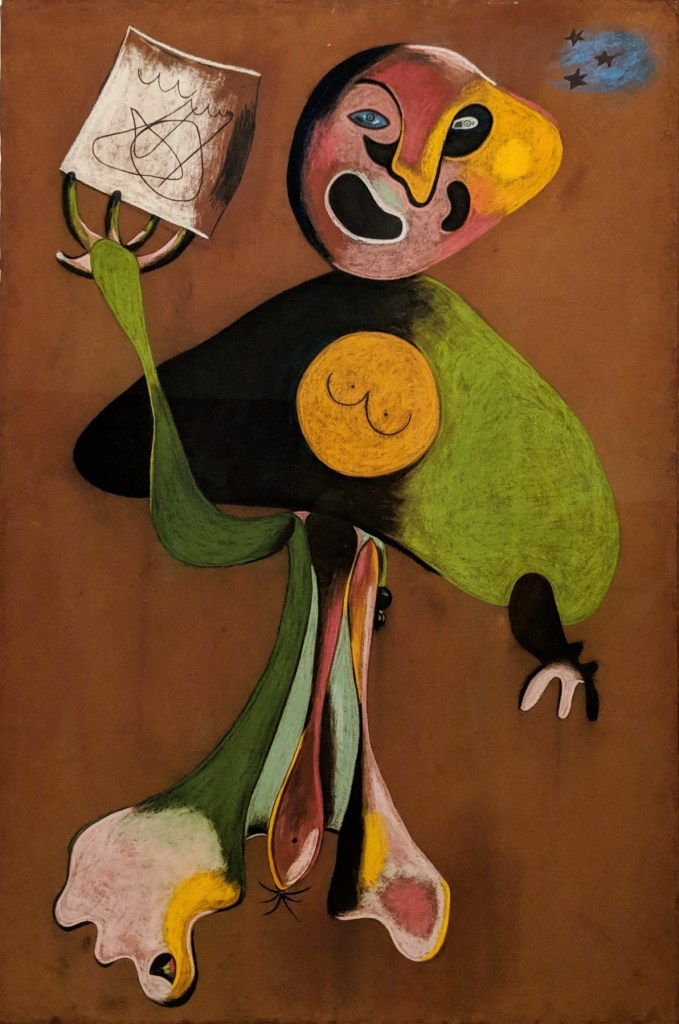
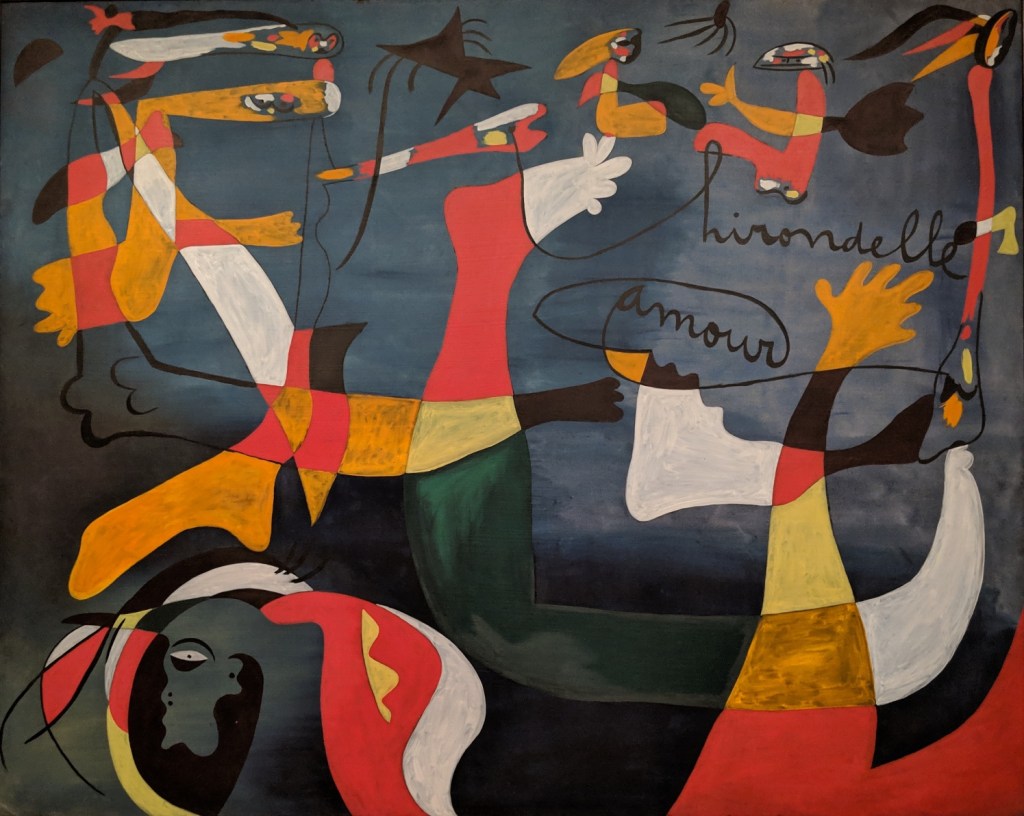
“You and all my writer friends have given me much help and improved my understanding of many things,” Joan Miró told the French poet Michel Leiris in the summer of 1924, writing from his family’s farm in Montroig, a small village nestled between the mountains and the sea in his native Catalonia. The next year, Miró’s intense engagement with poetry, the creative process, and material experimentation inspired him to paint The Birth of the World.
In this signature work, Miró covered the ground of the oversize canvas by applying paint in an astonishing variety of ways that recall poetic chance procedures. He then added a series of pictographic signs that seem less painted than drawn, transforming the broken syntax, constellated space, and dreamlike imagery of avant-garde poetry into a radiantly imaginative and highly inventive form of painting. He would later describe this work as “a sort of genesis,” and his Surrealist poet friends titled it The Birth of the World. [source: MoMA]
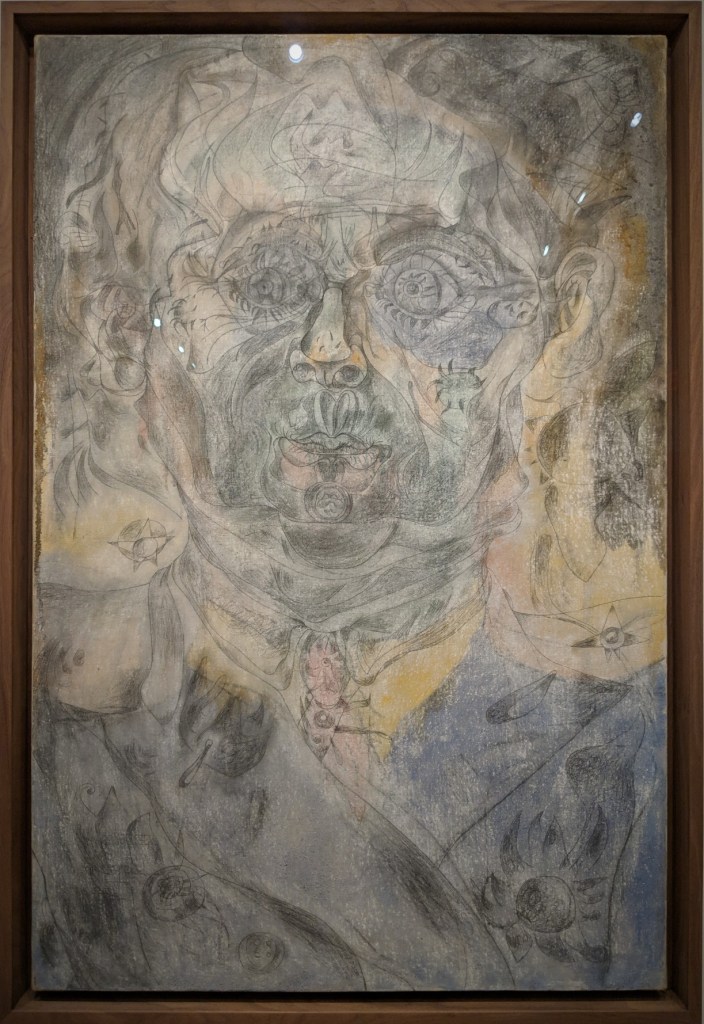
The exhibition ran between February-June 2019 and featured artwork from the Museum of Modern Art’s collection of Miró’s works, which is one of the finest and most comprehensive in the world. However, the most comprehensive selection of Miró’s oeuvre actually on view has to be that of the Fundació Joan Miró, in Barcelona, a dedicated space created by Joan Miró himself with the idea of making art accessible to all.
MoMA, New York City
April 4th, 2019

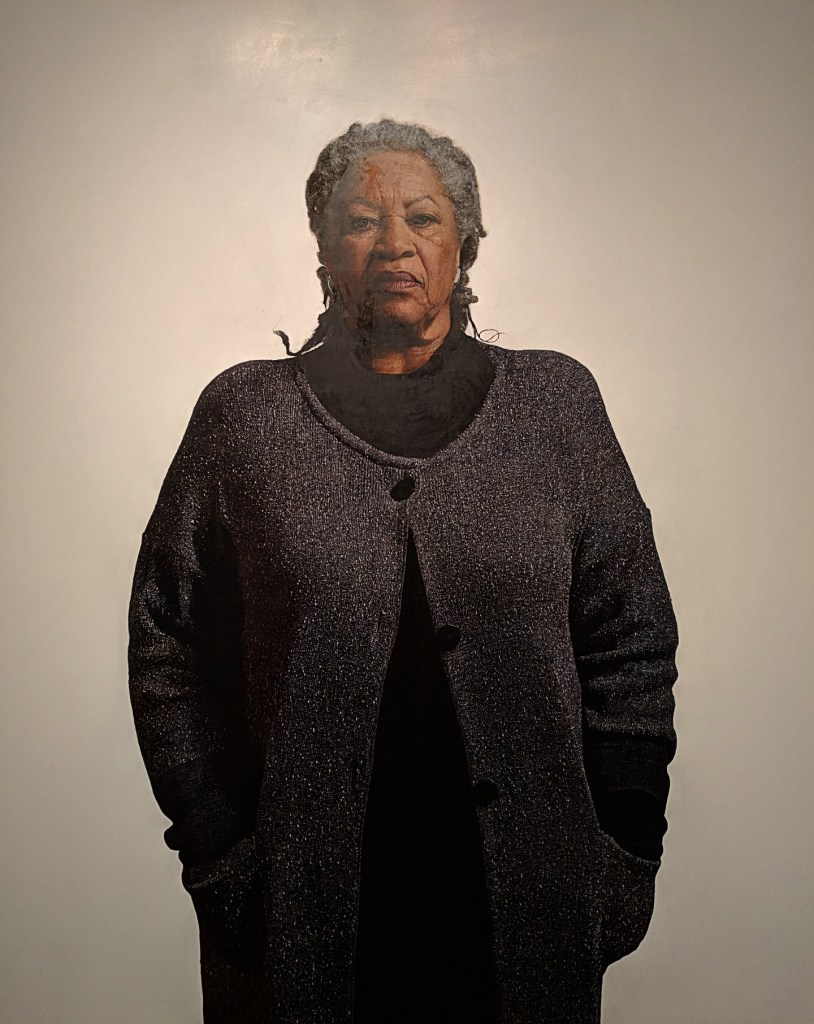
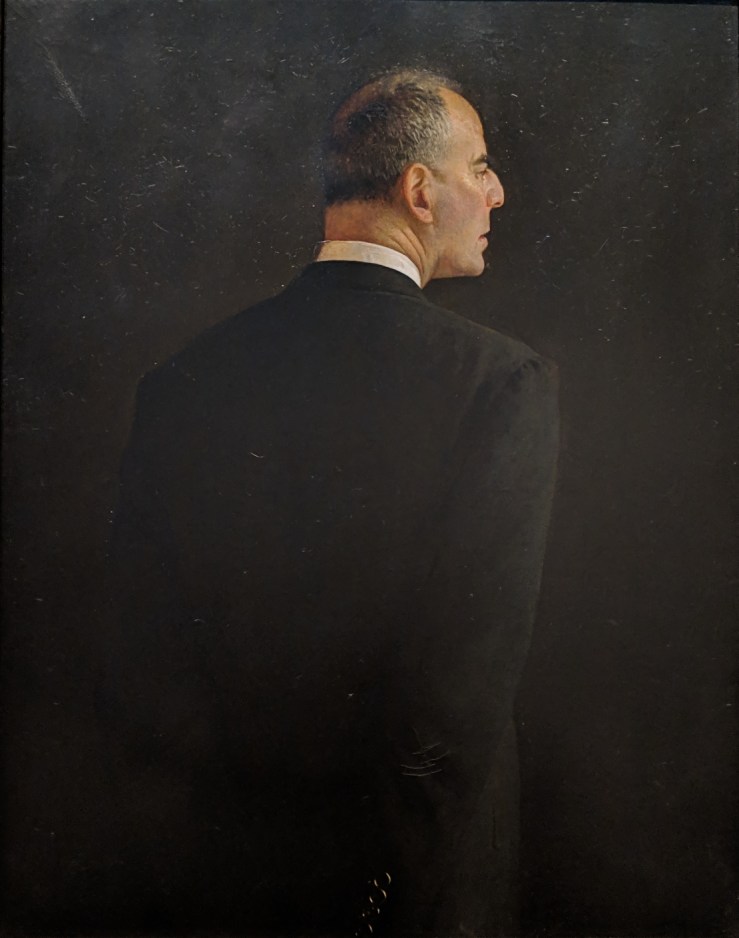
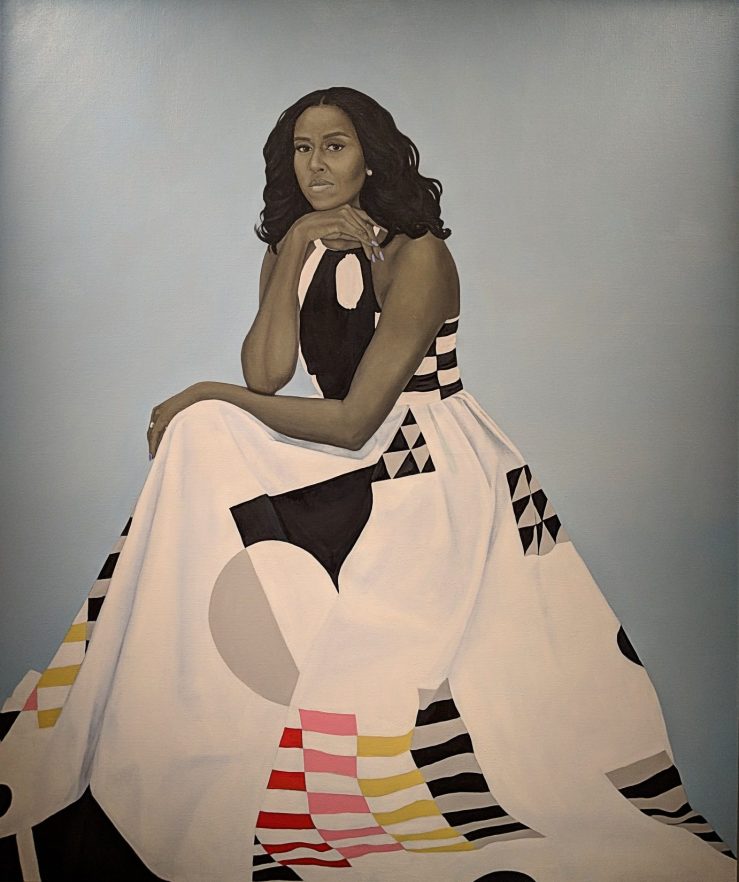
National Portrait Gallery, Washington, D.C.
March 22nd, 2019
Four Ladies by Thomas Dewing; with added shine in gold gilded frames, or frameless in all their plain glory.
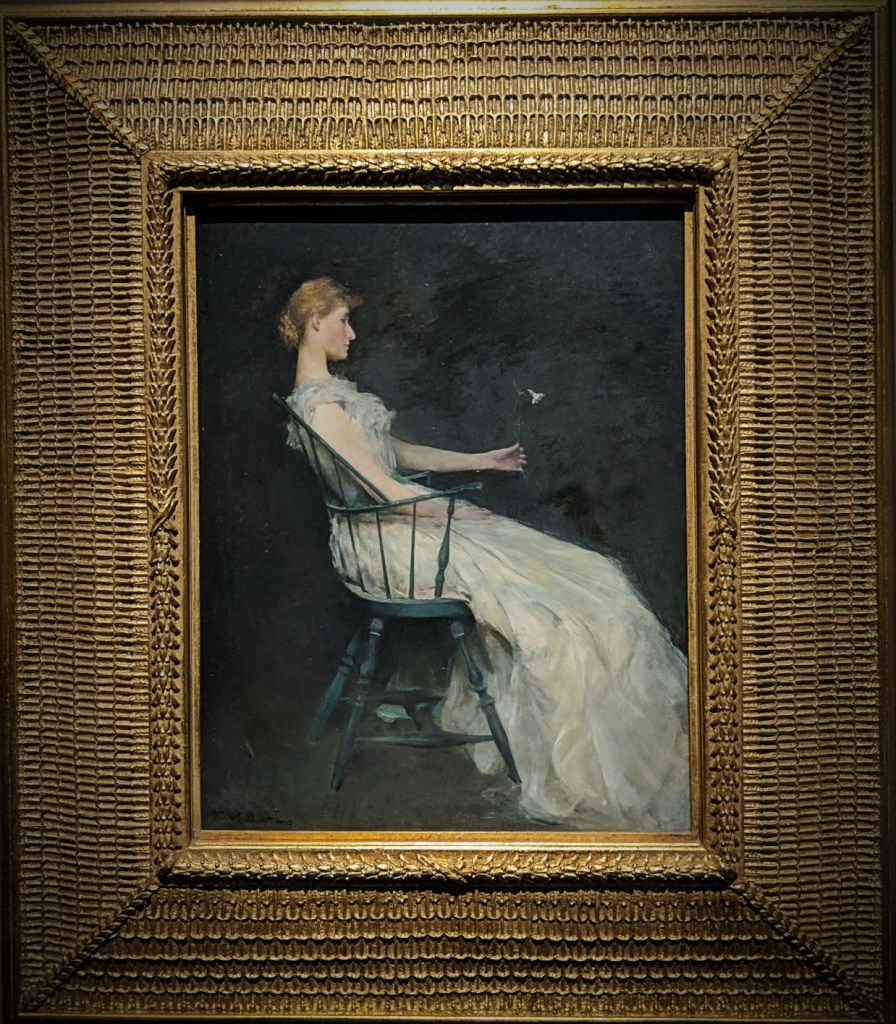


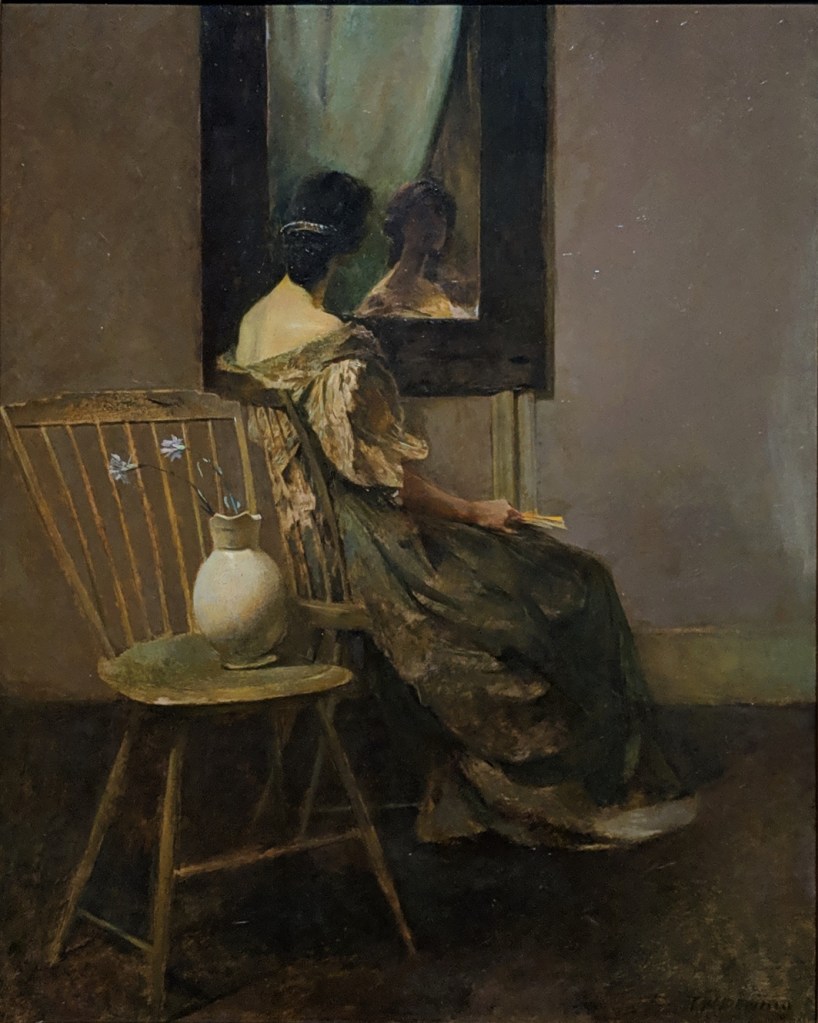
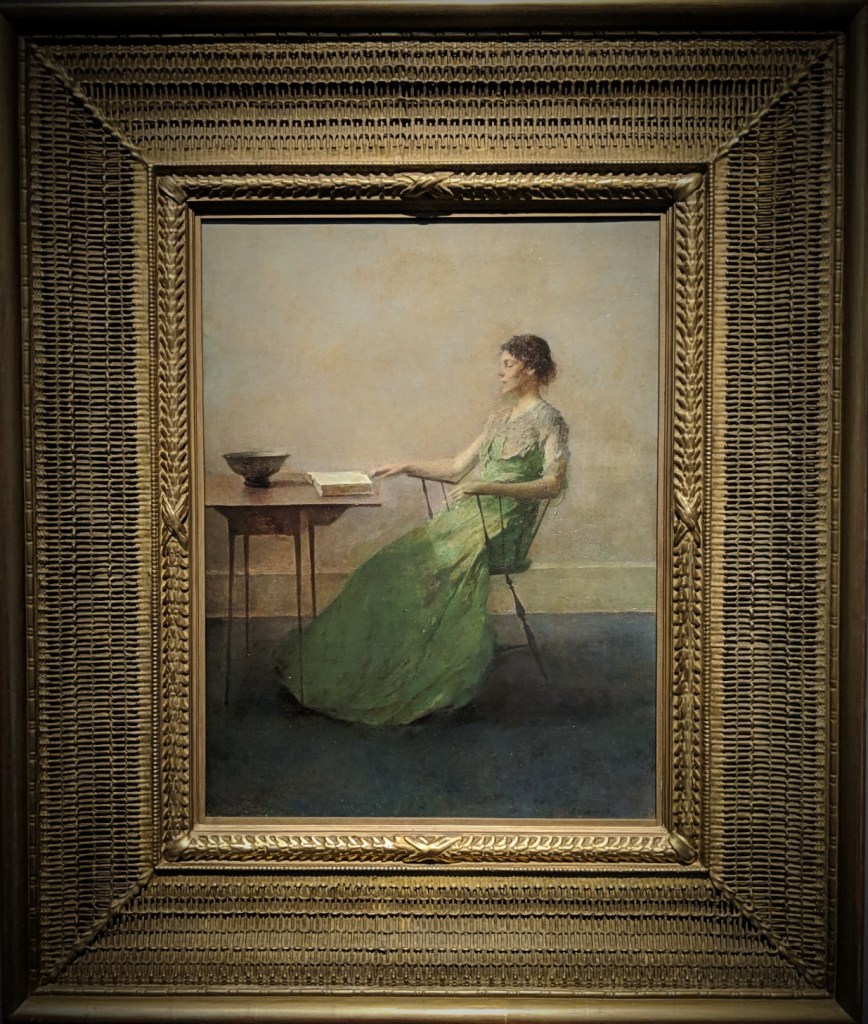
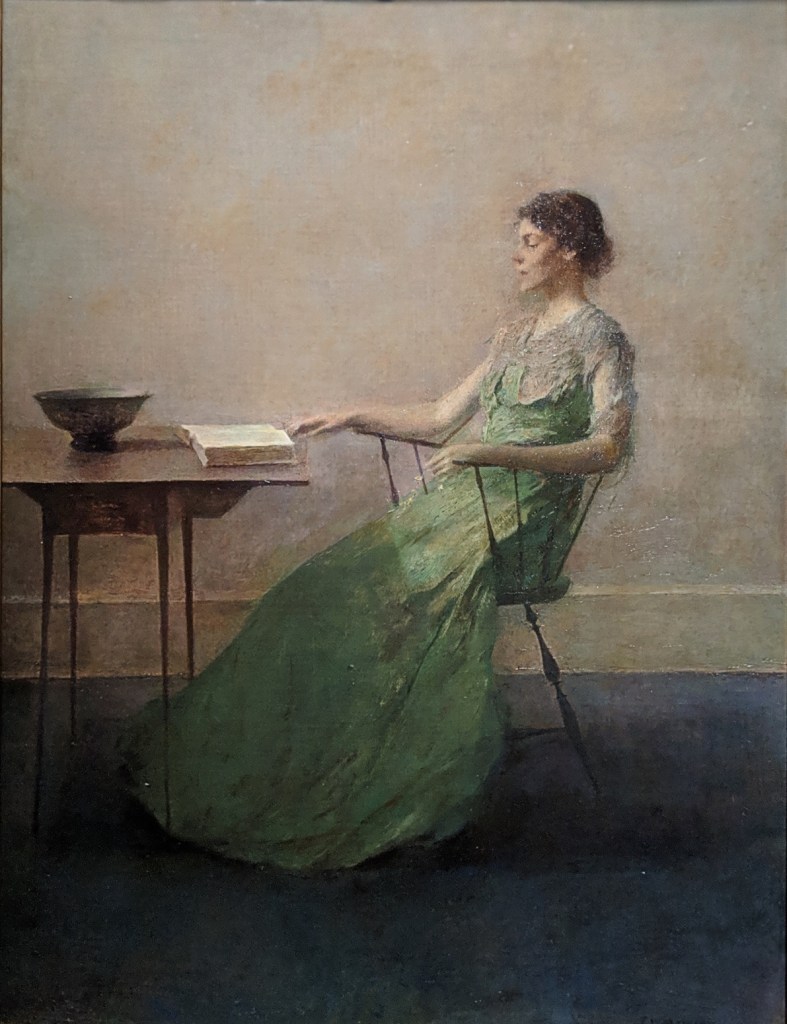
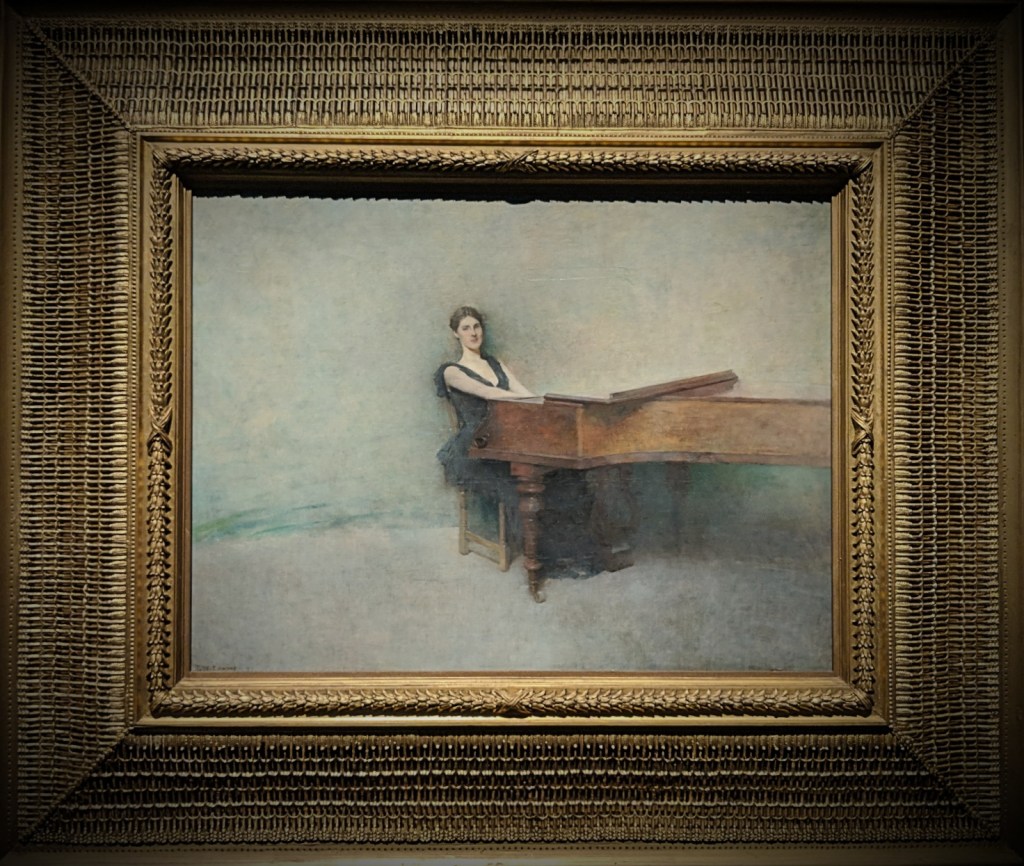
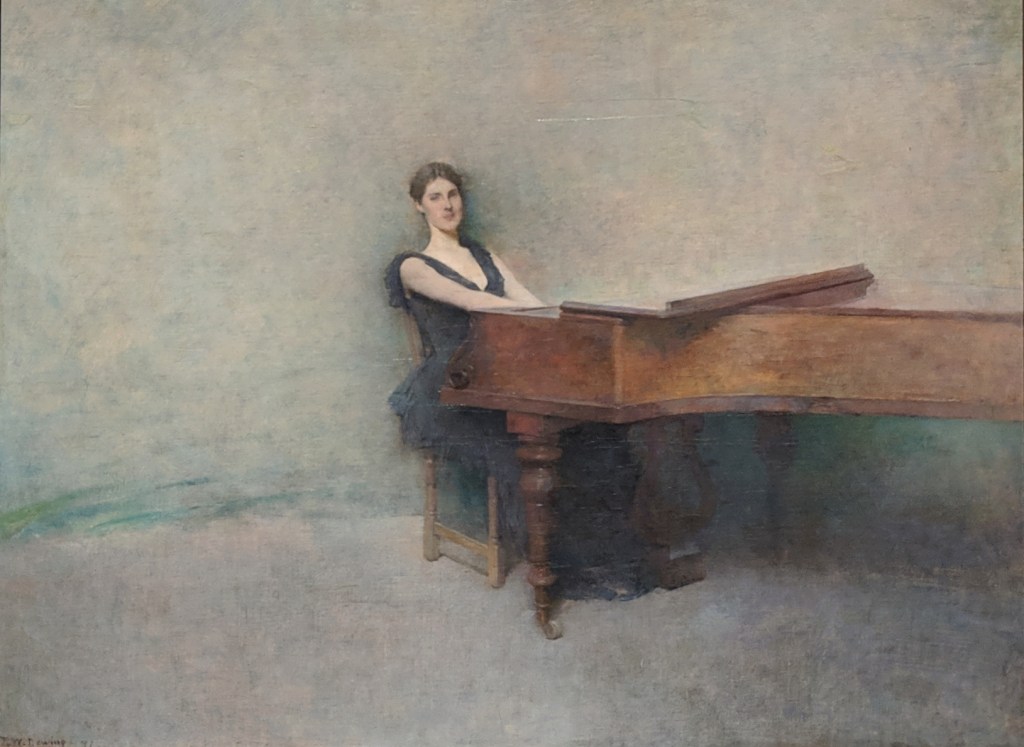
Frames designed by Stanford White (1853-1906)
Freer Gallery of Art, Washington D.C.
March 21st, 2019
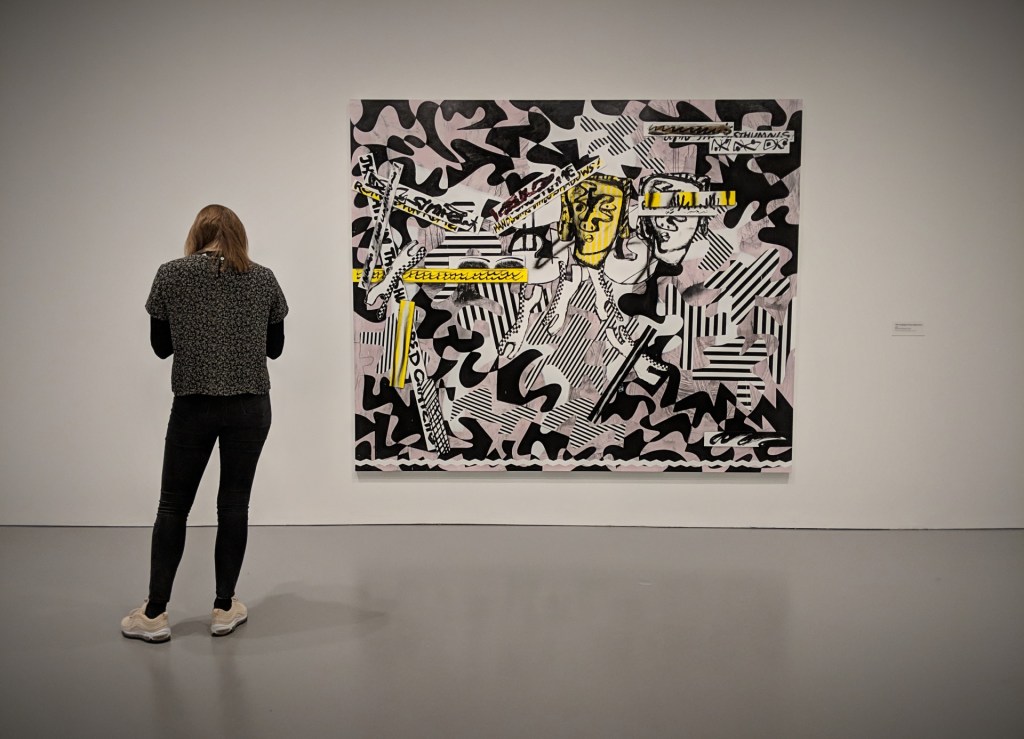
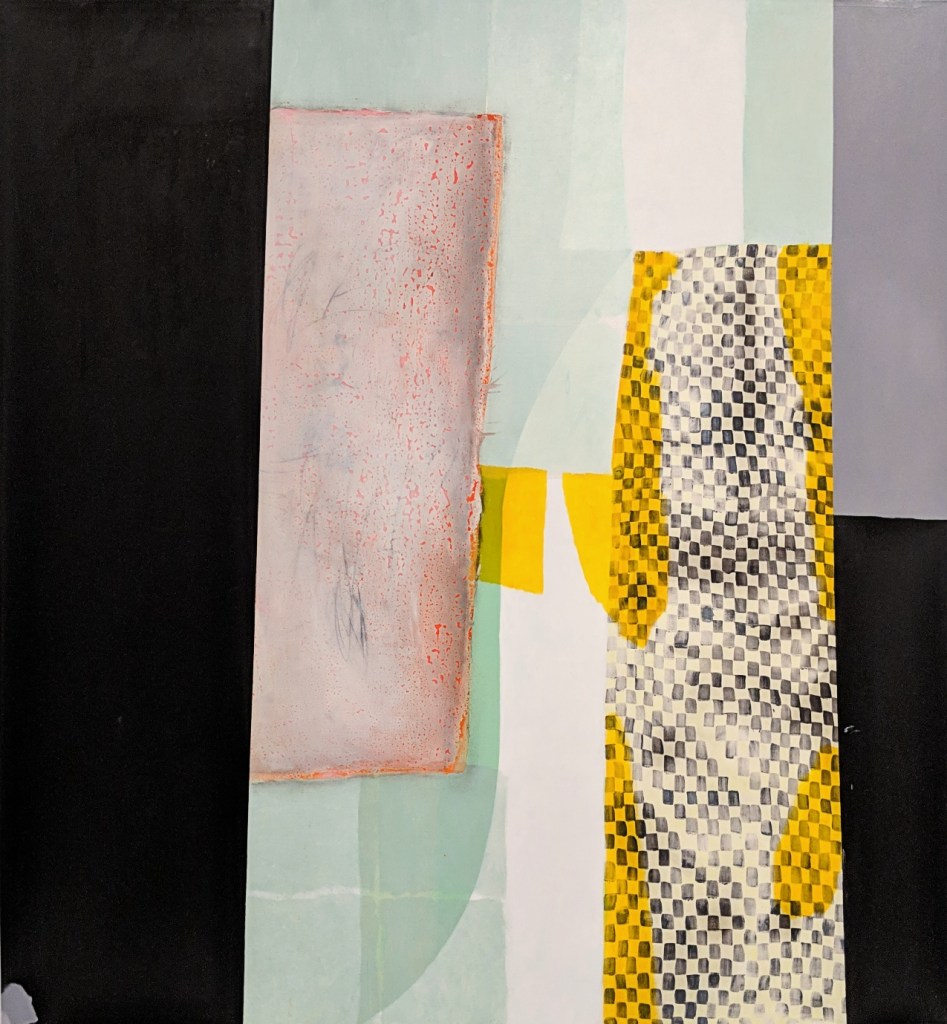
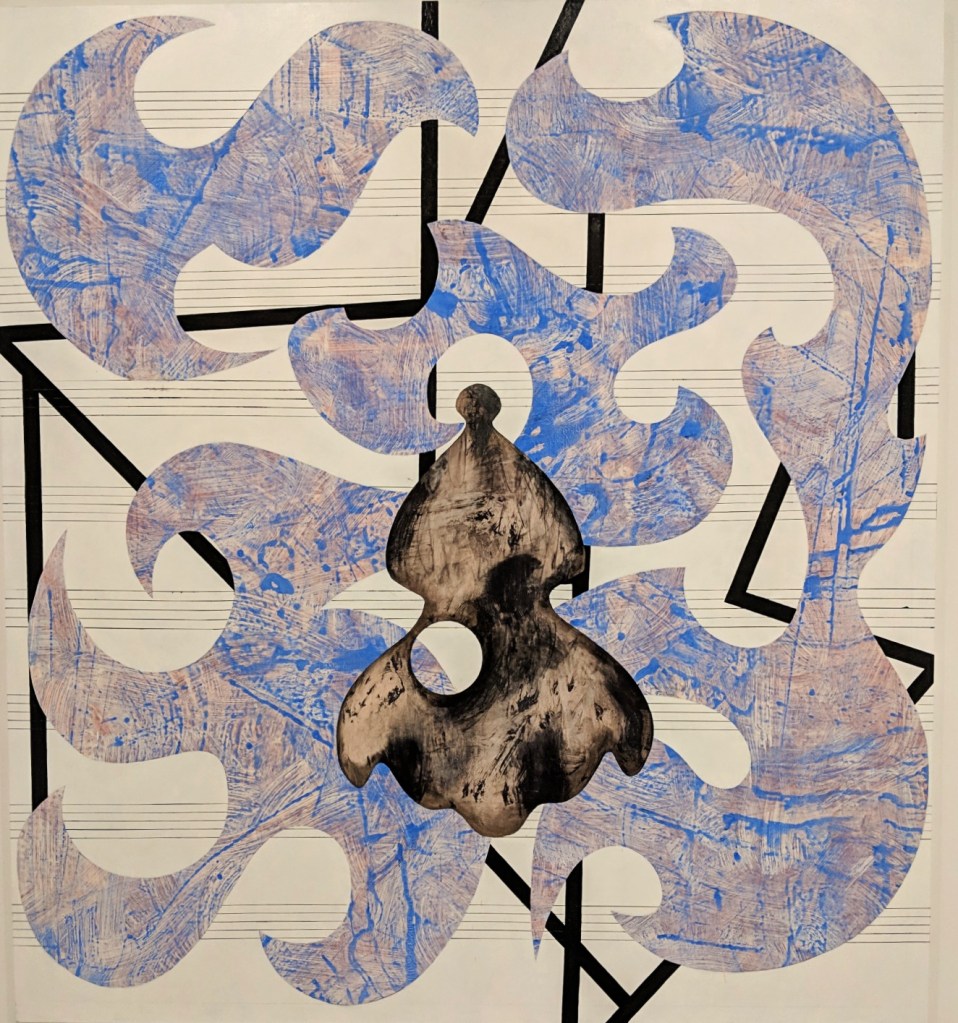
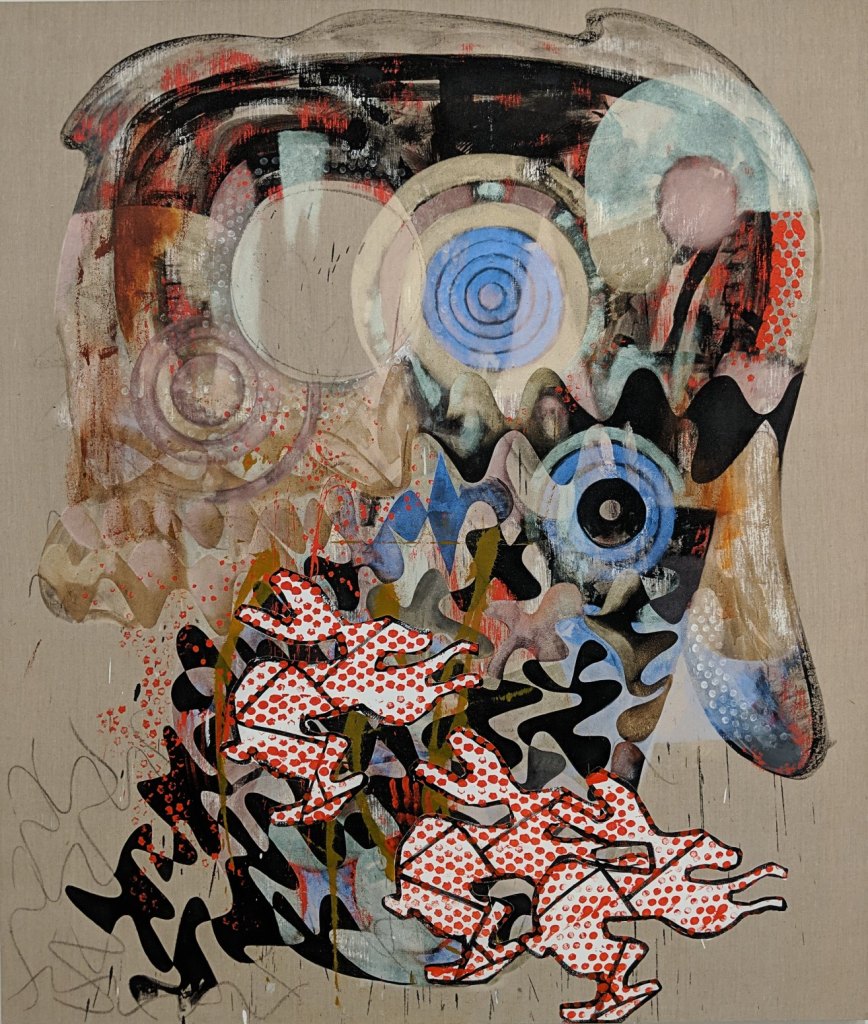
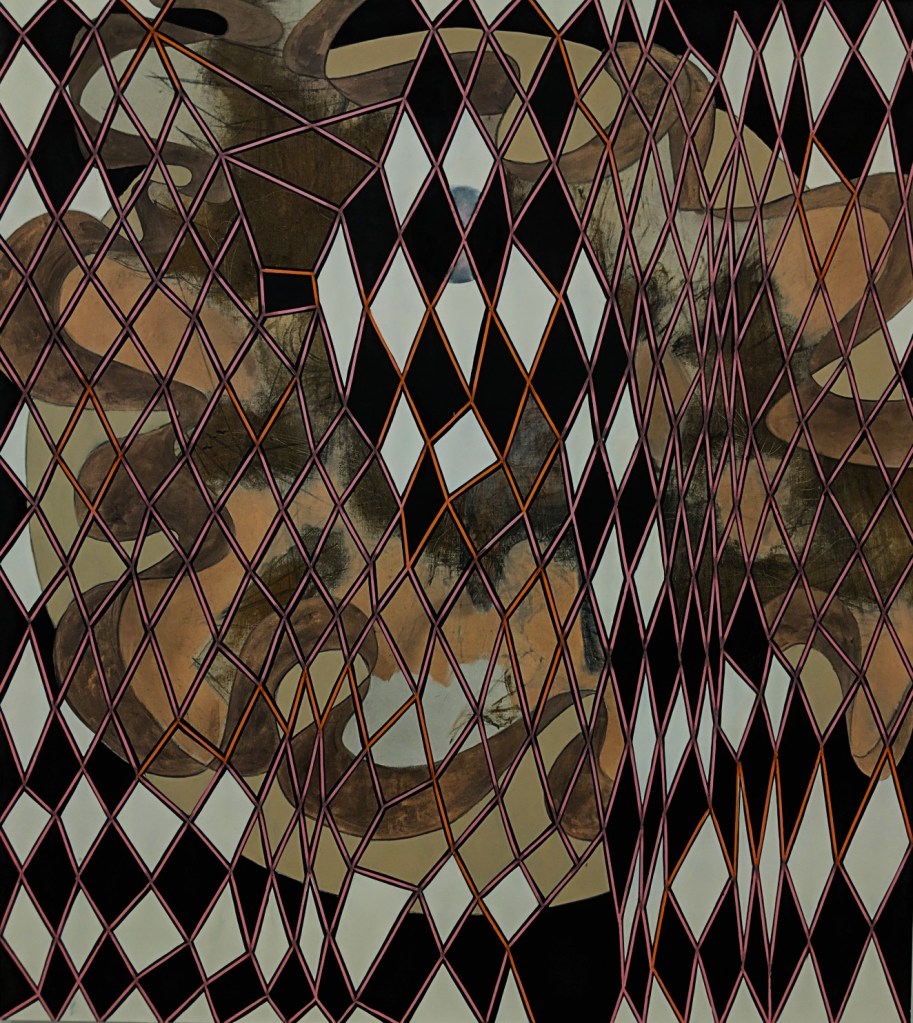
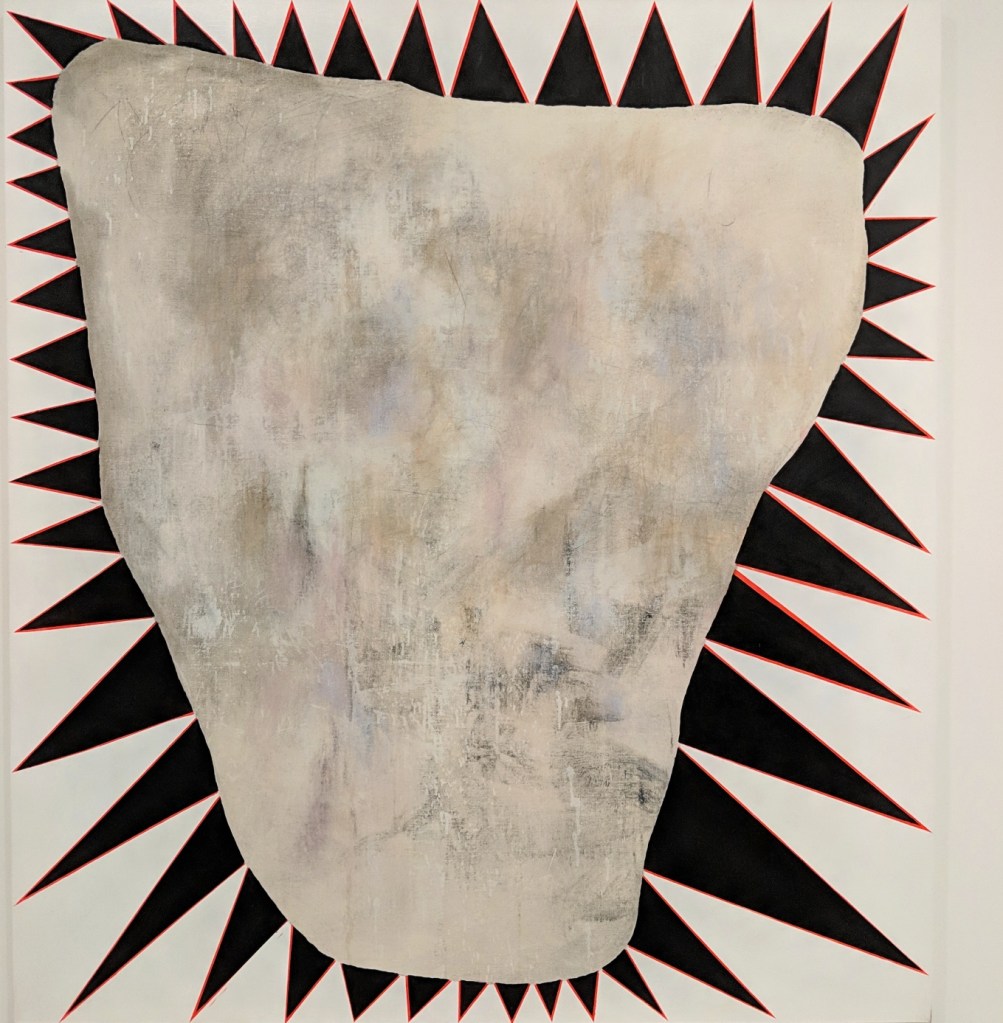
The largest US museum survey of this pioneering artist to date, Charline von Heyl: Snake Eyes featured more than thirty large-scale paintings that revealed the artist’s considerable influence in the field of contemporary art.
One of the most inventive artists working today, von Heyl has earned international acclaim for continually rethinking the possibilities of contemporary painting. Her cerebral yet deeply visceral artworks upend longstanding assumptions about composition, beauty, and narrative. Drawing inspiration from a vast and surprising array of sources—including literature, pop culture, metaphysics, and personal history—von Heyl creates paintings that are seemingly familiar yet impossible to classify, offering, in her words, “a new image that stands for itself as fact.”
In studios in New York and Marfa, Texas, von Heyl combines a rigorous, process-based practice that demands each painting develop through the act of painting itself. The spellbinding results invite viewers to explore a unique visual language that is both exuberant and insistent.
Snake Eyes ran at The Hirshhorn from November 2018 to April 2019.
March 18th, 2019
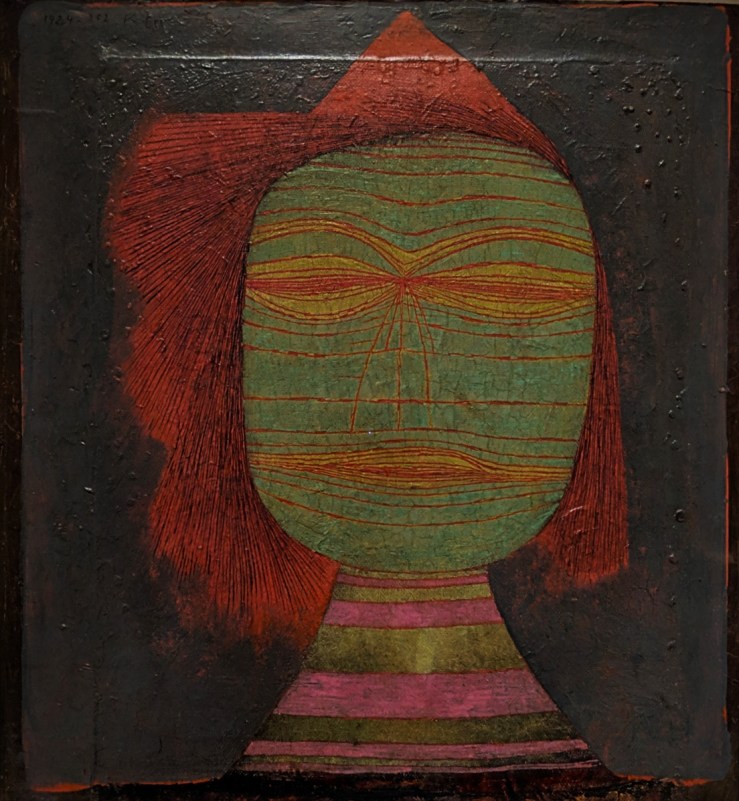
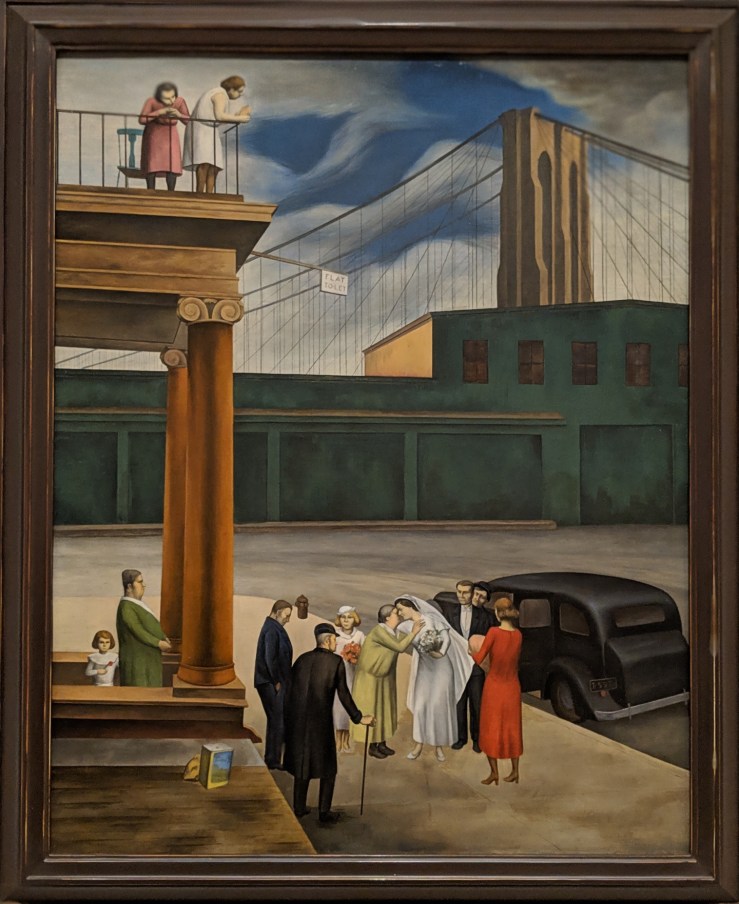
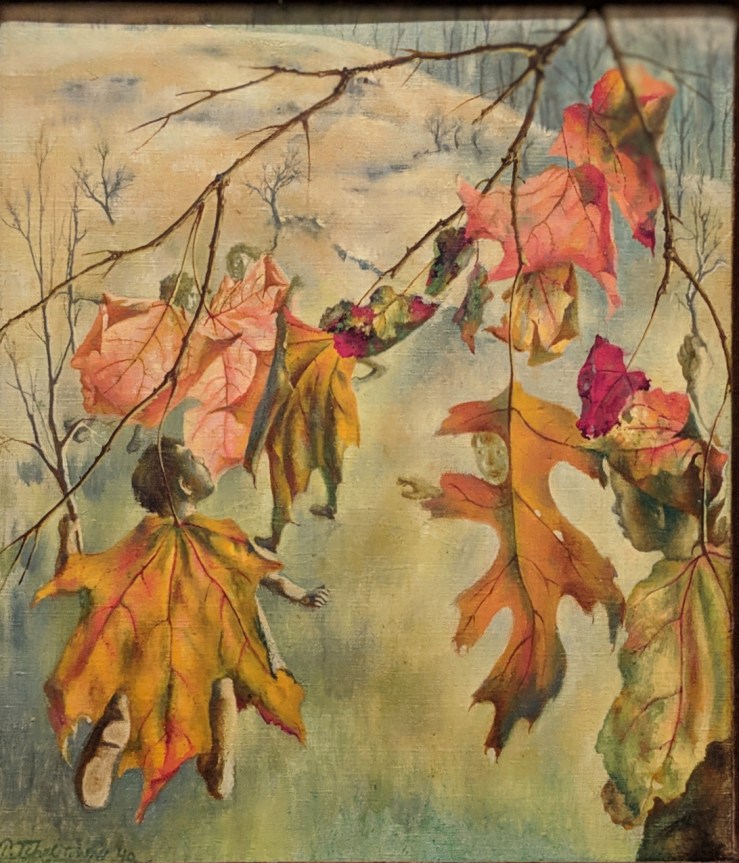
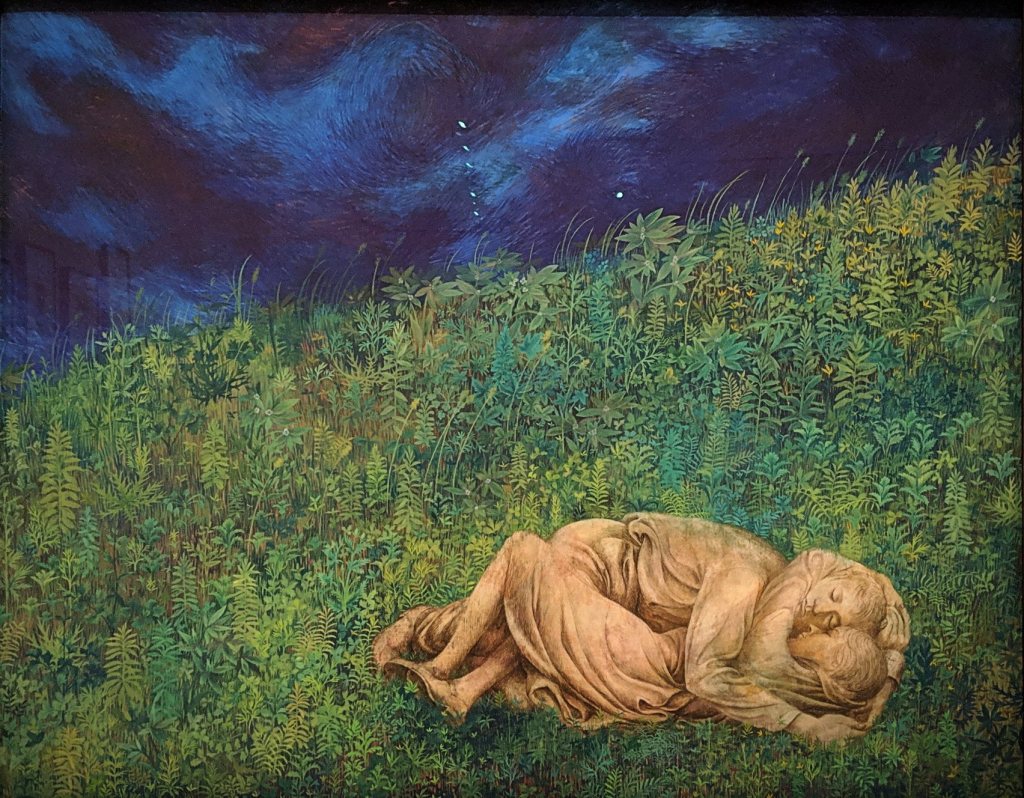
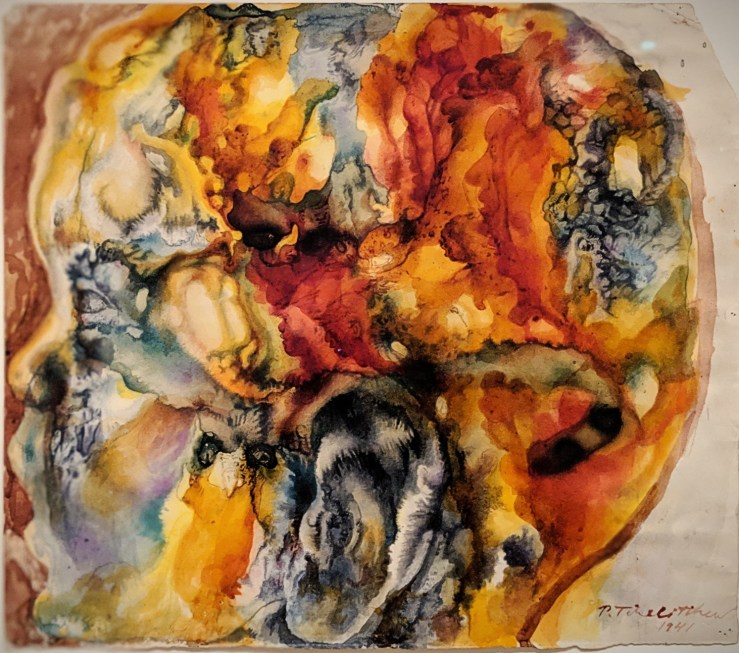
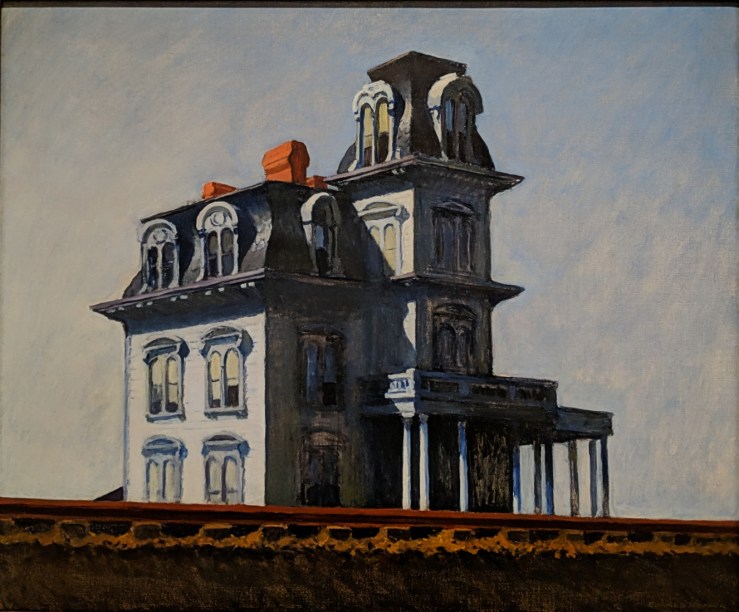
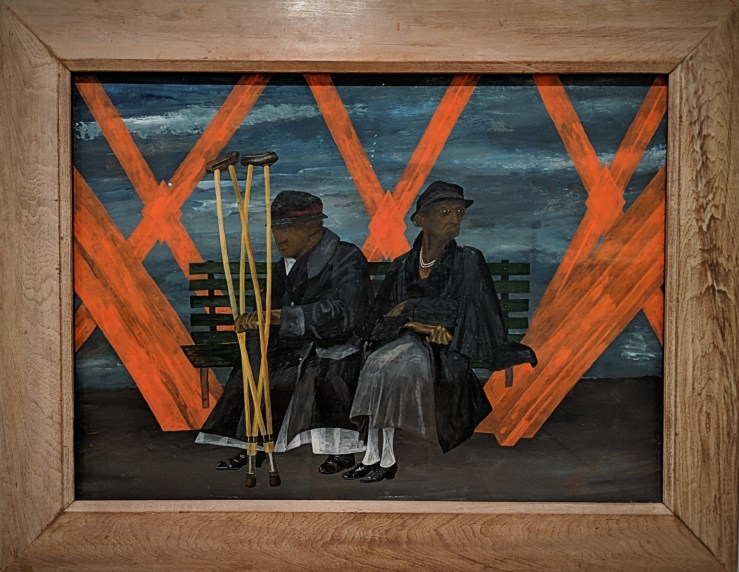
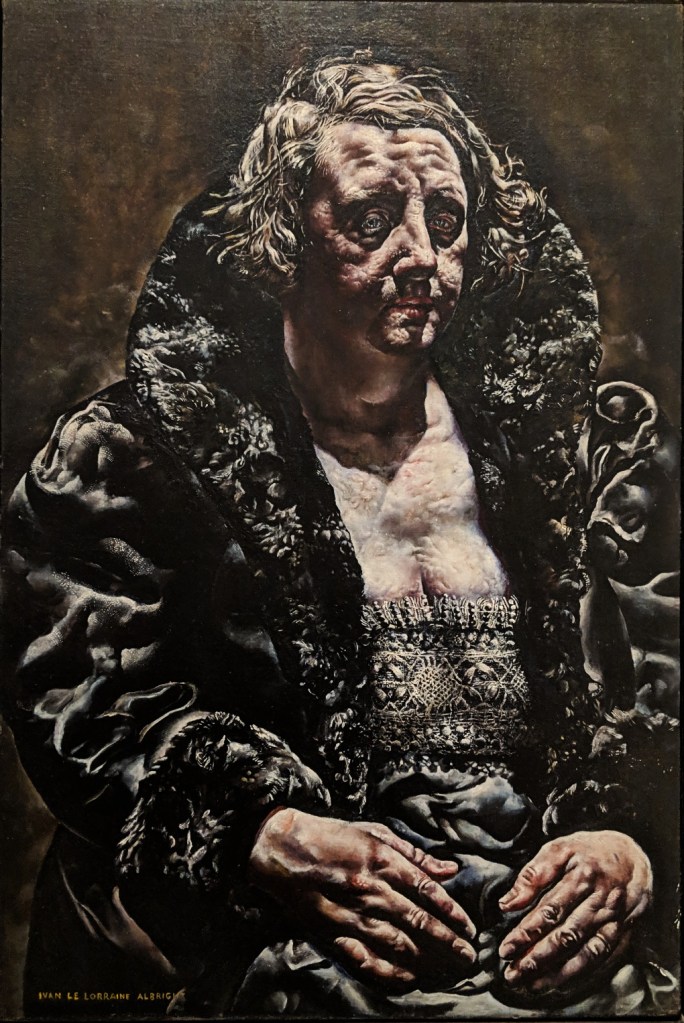
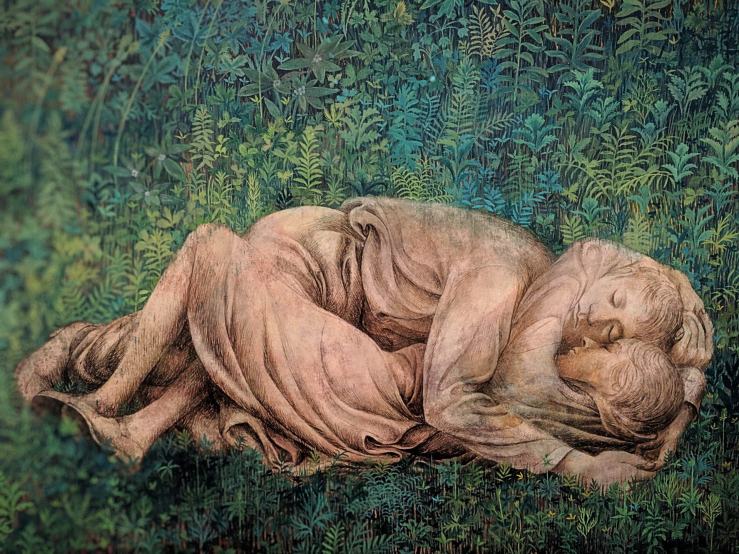
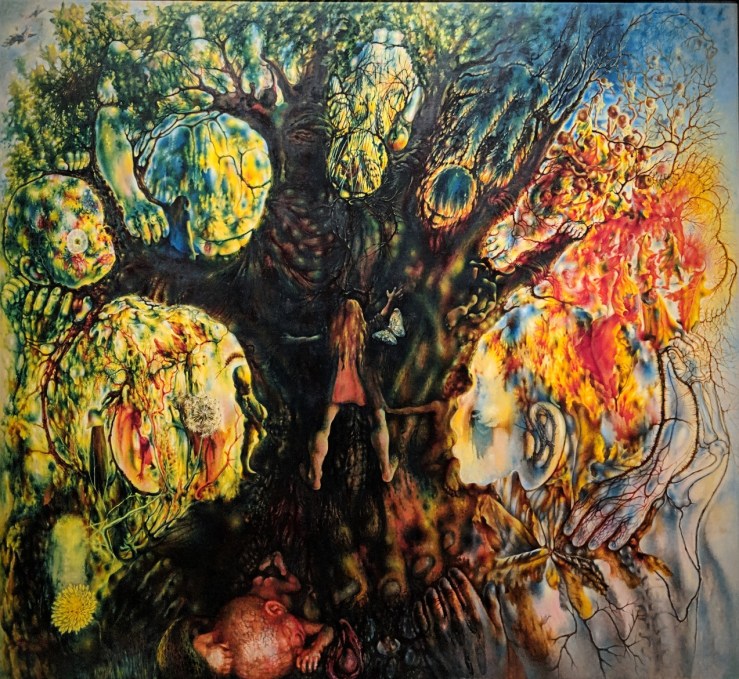
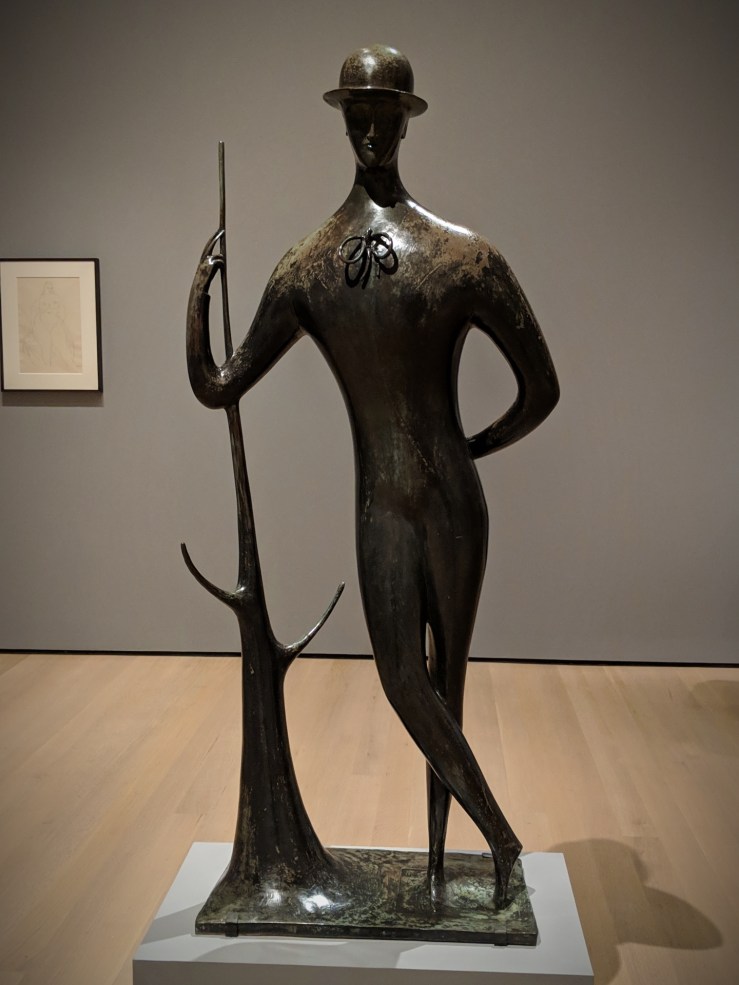
MoMA, Mar-Jun 2019
March 15th, 2019
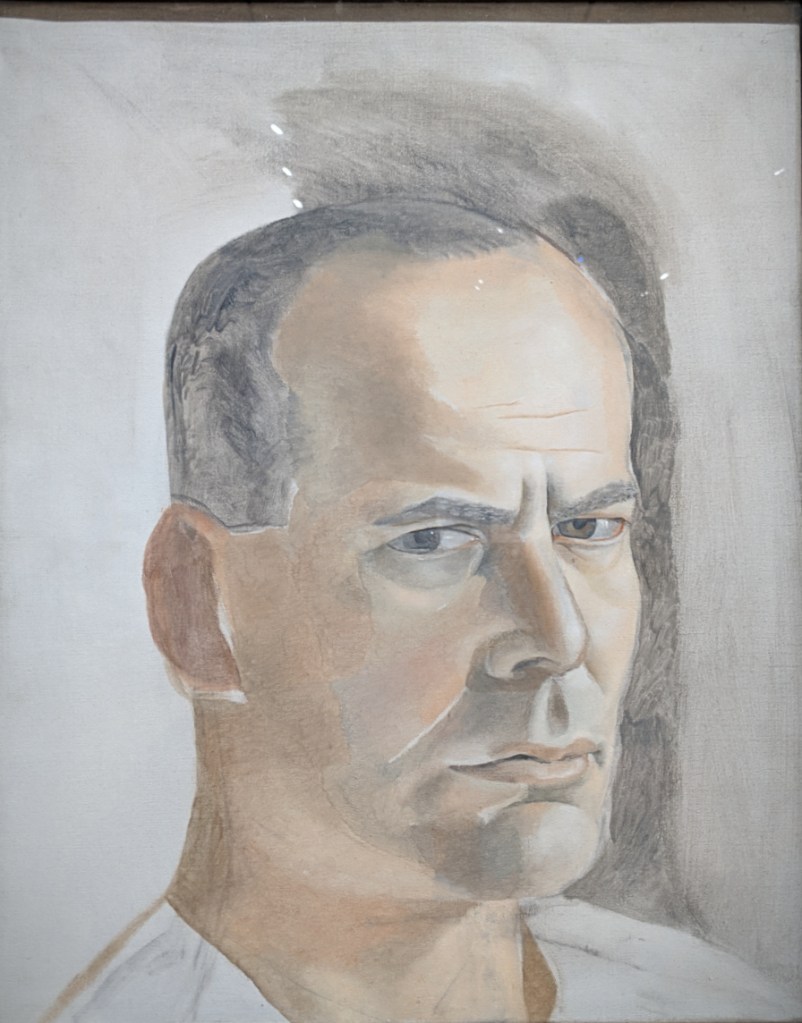
Kirstein sat for this portrait while he was in London for a New York City Ballet performance at Covent Garden and to organize the exhibition Symbolic Realism in American Painting: 1940-1950 at the Institute of Contemporary Arts.
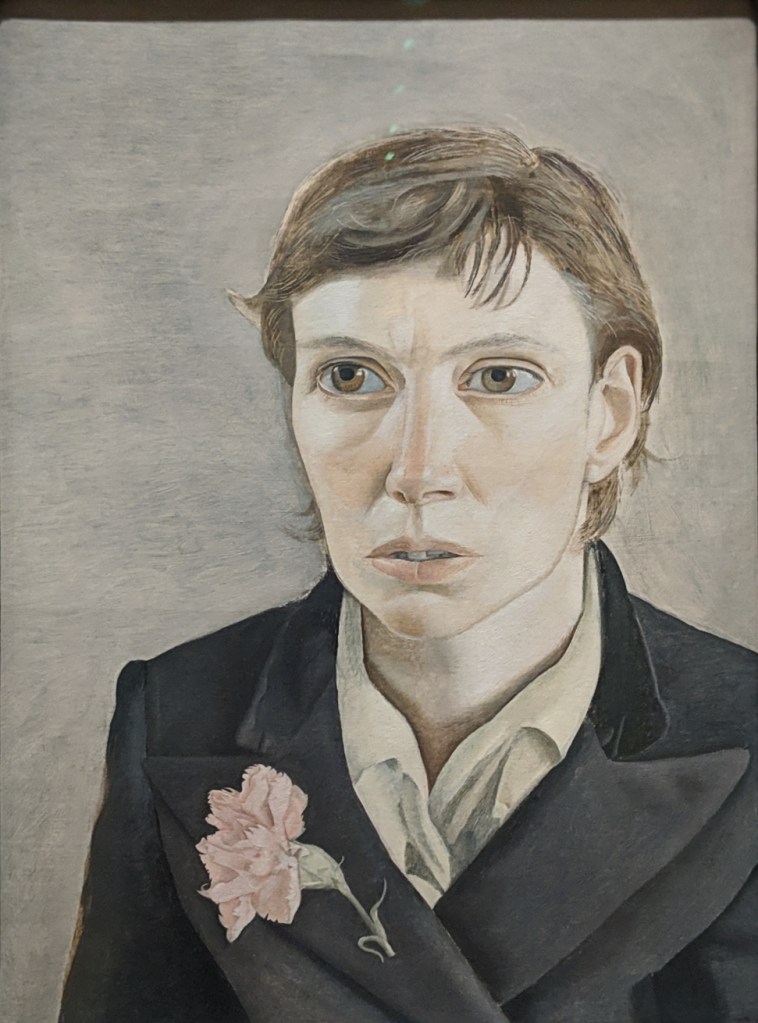
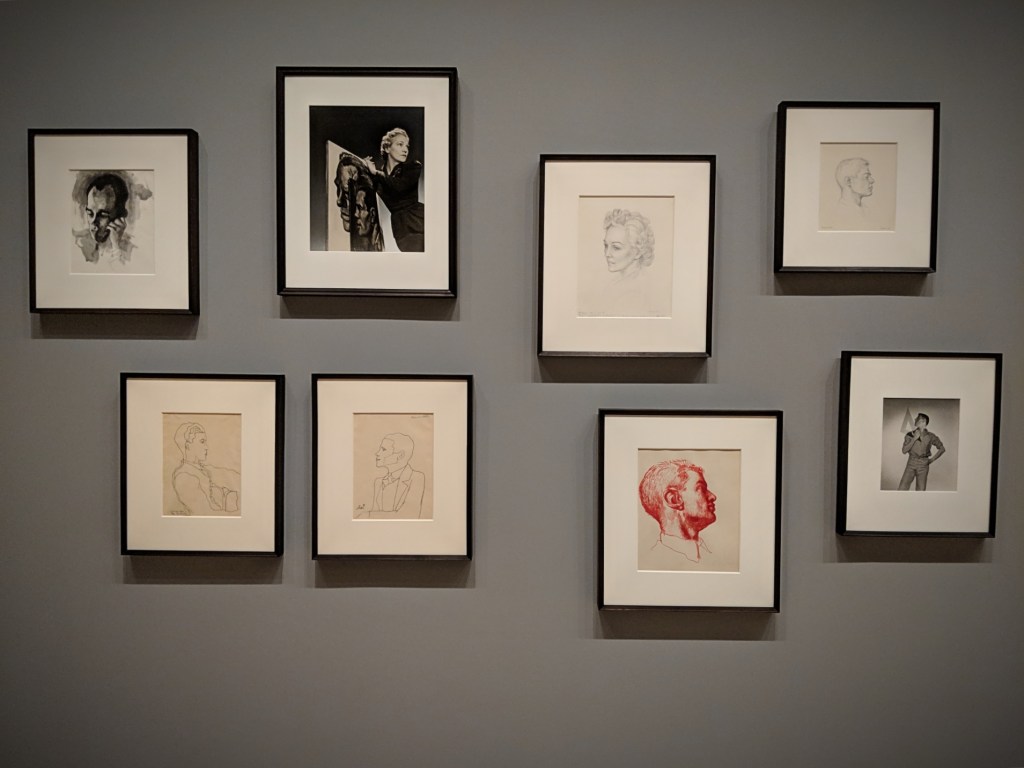
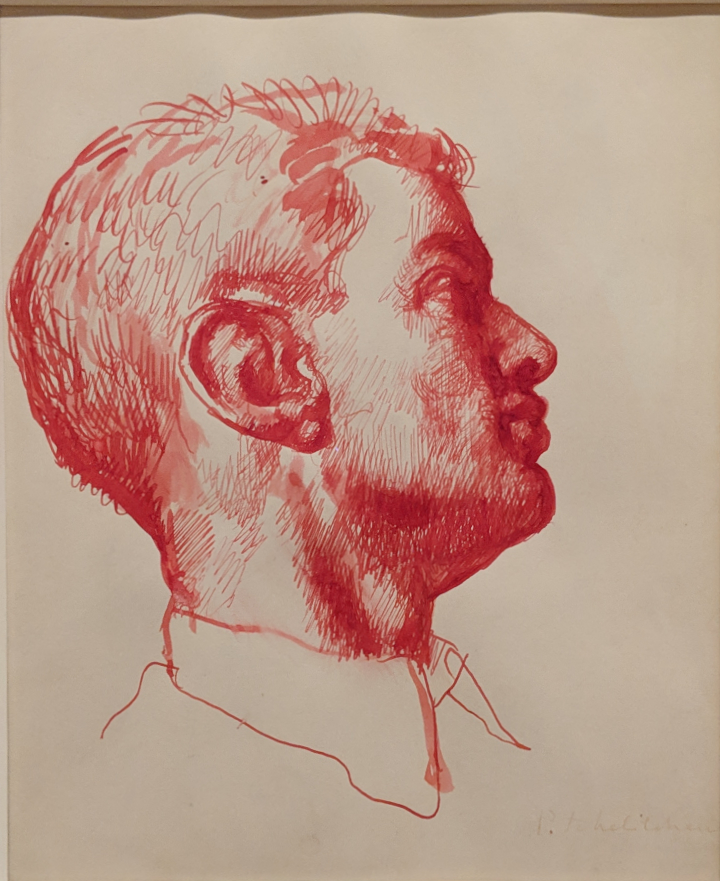
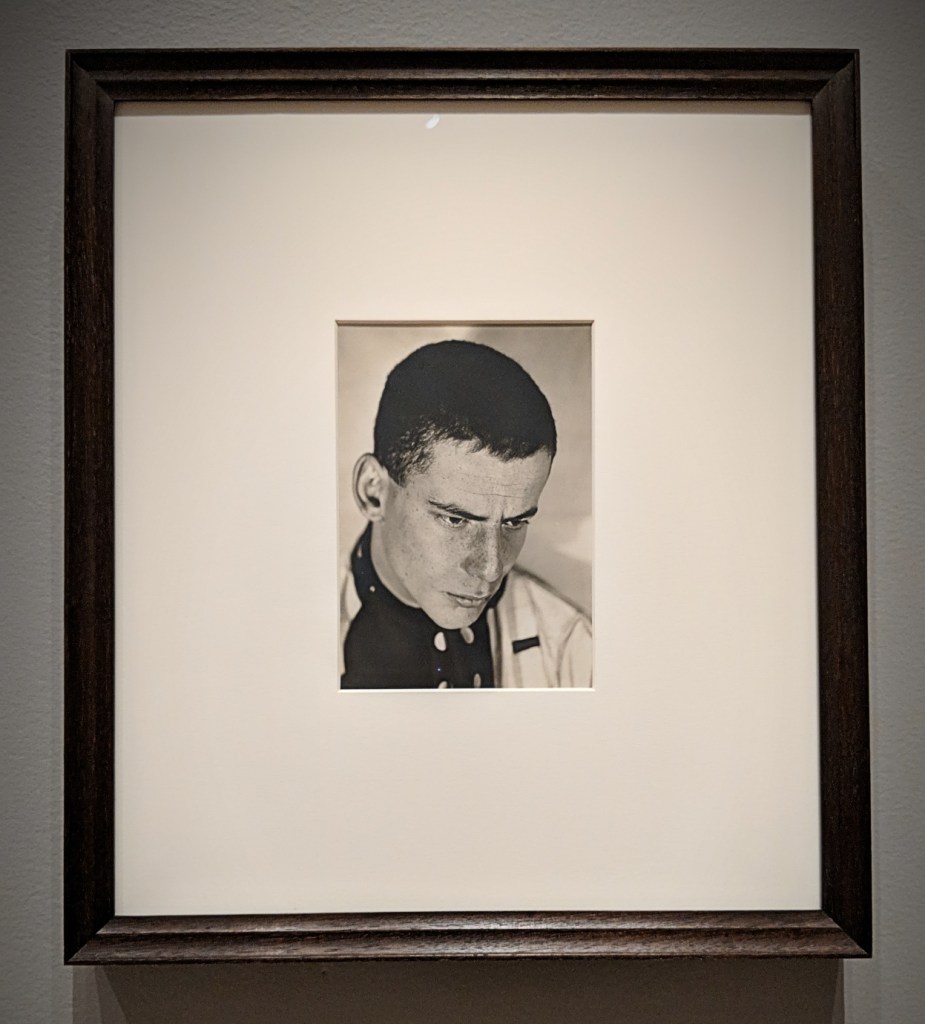
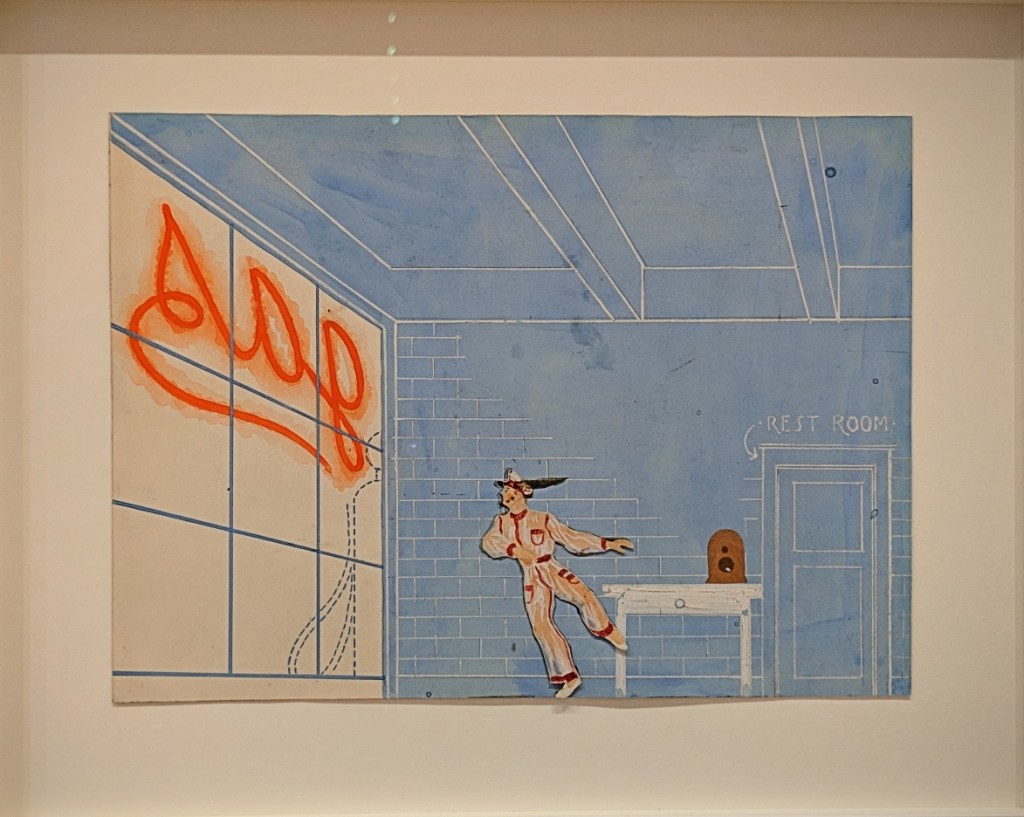
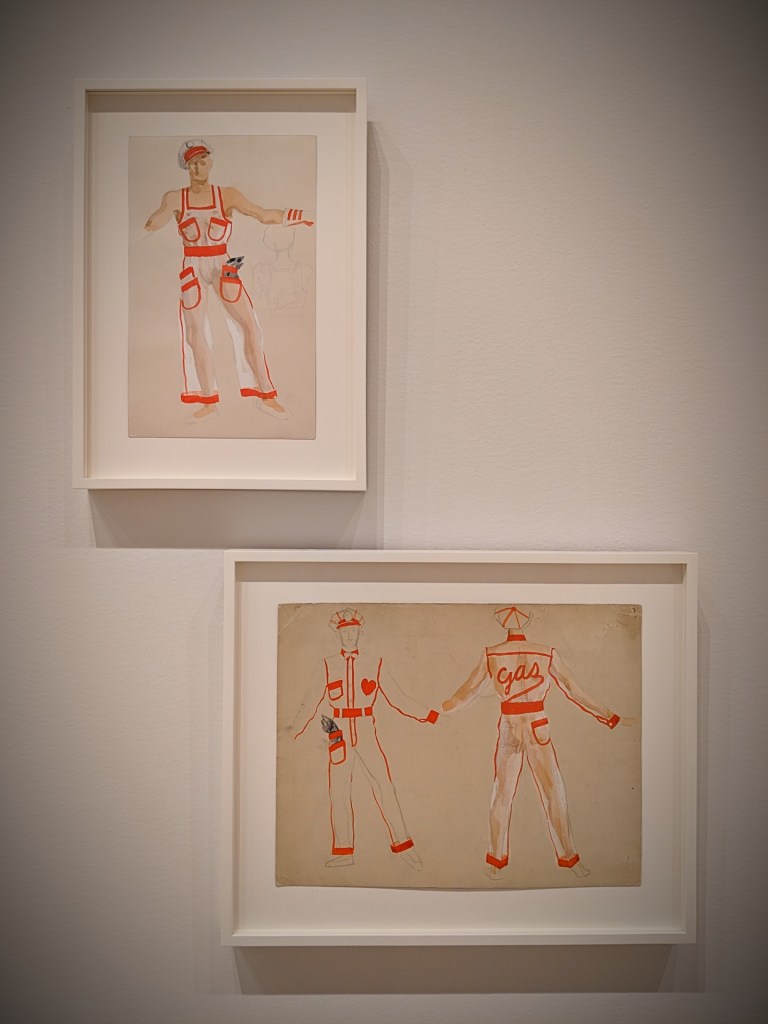
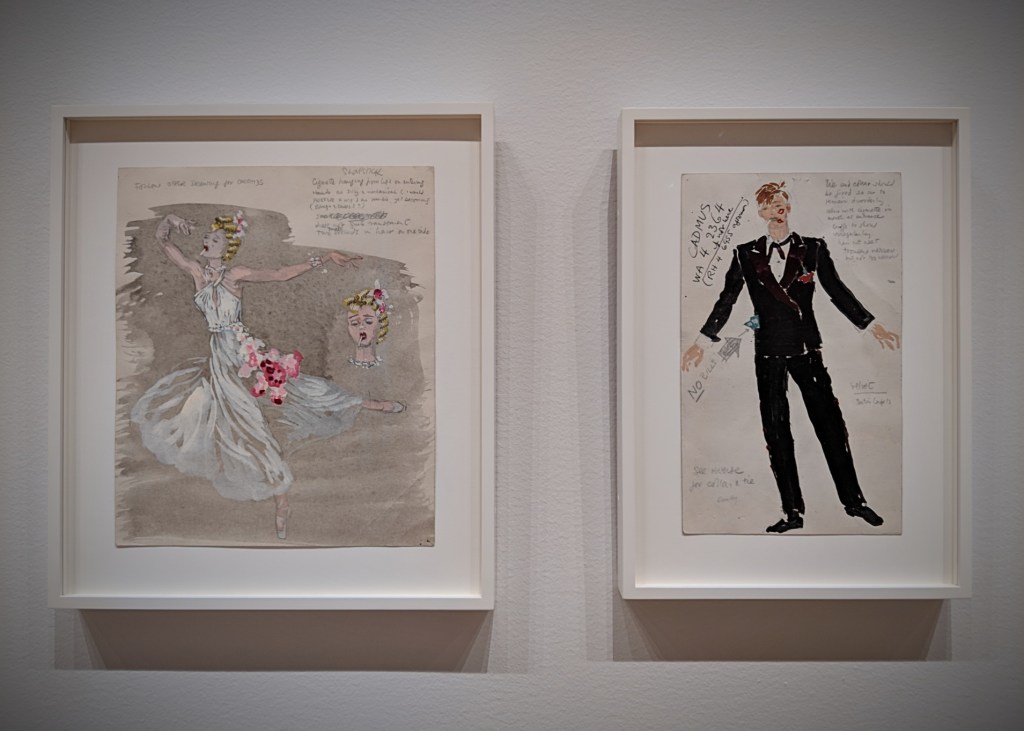
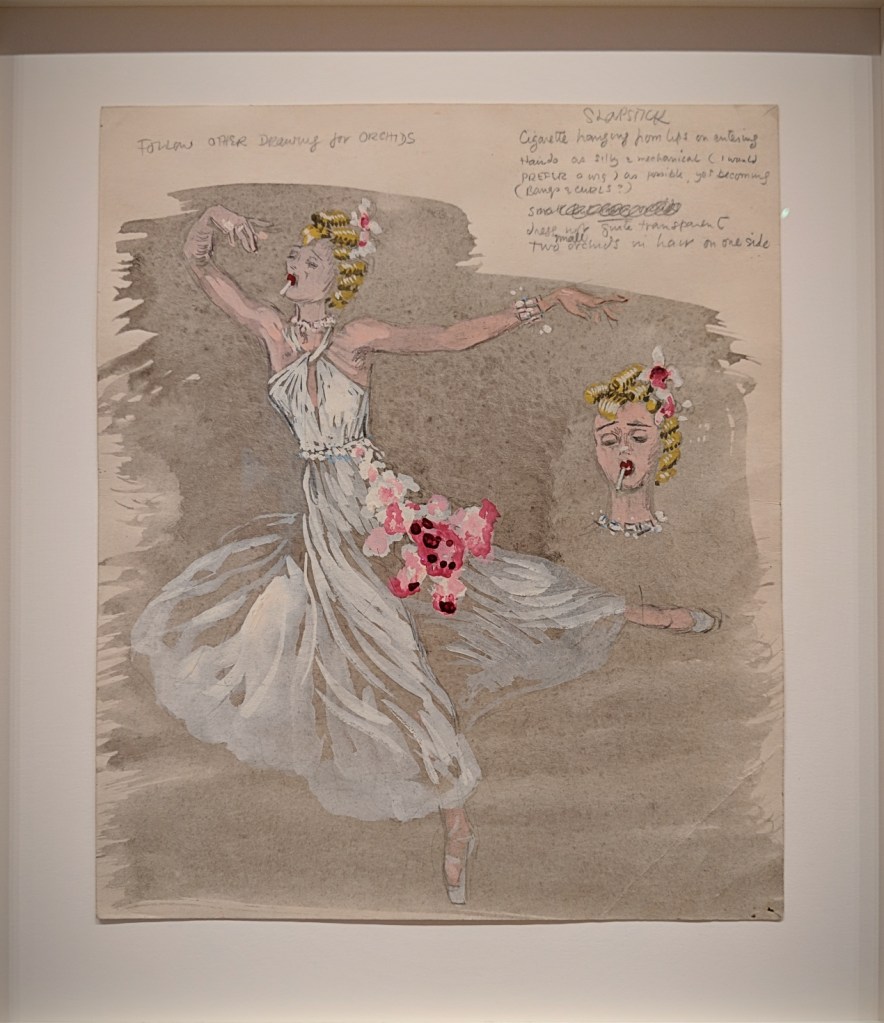
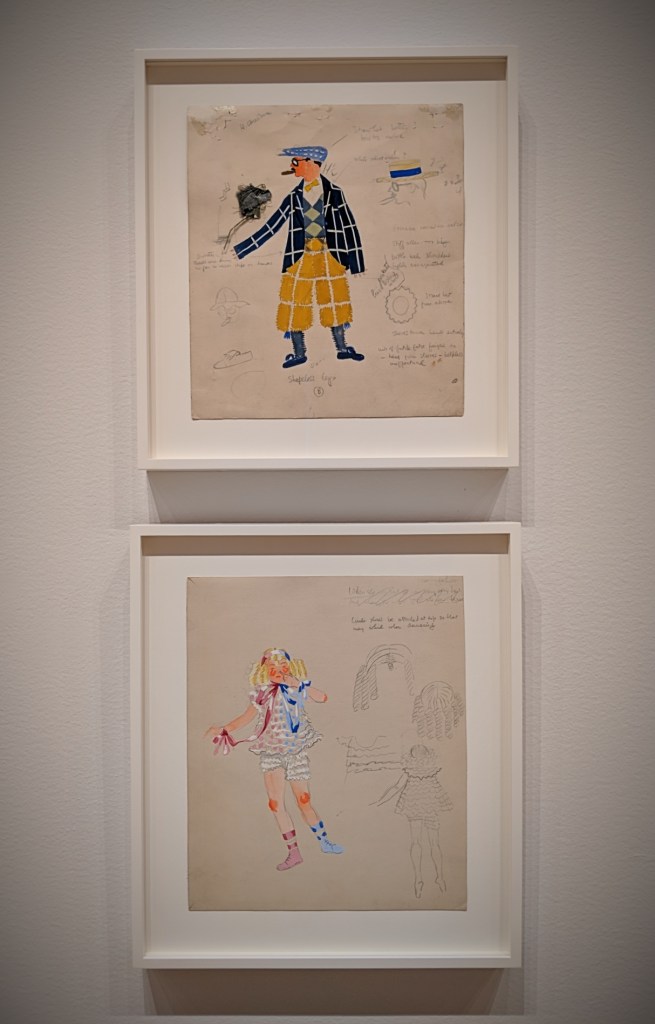
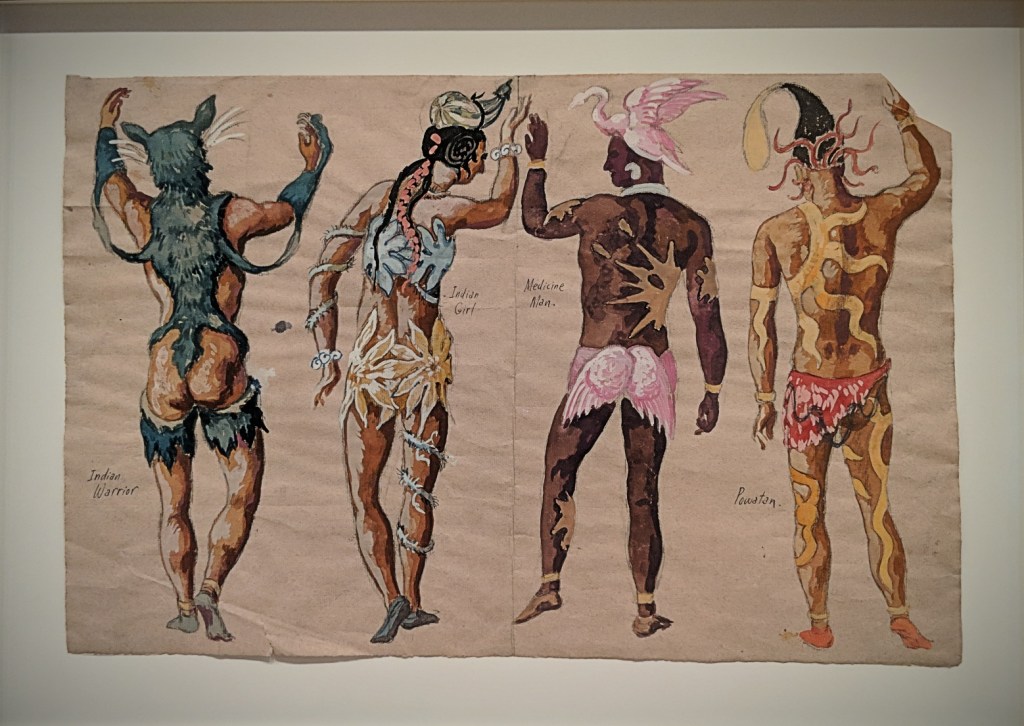
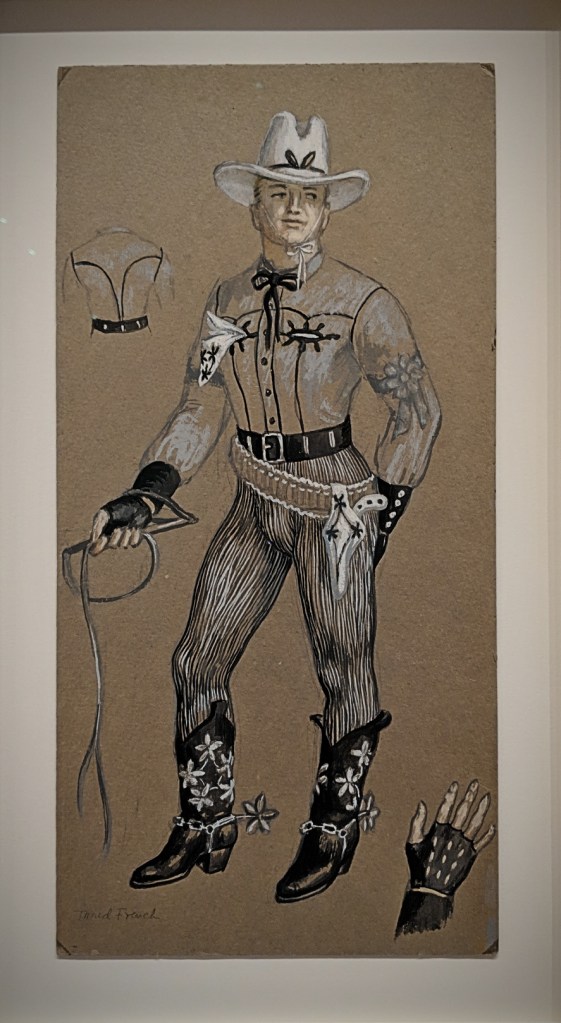
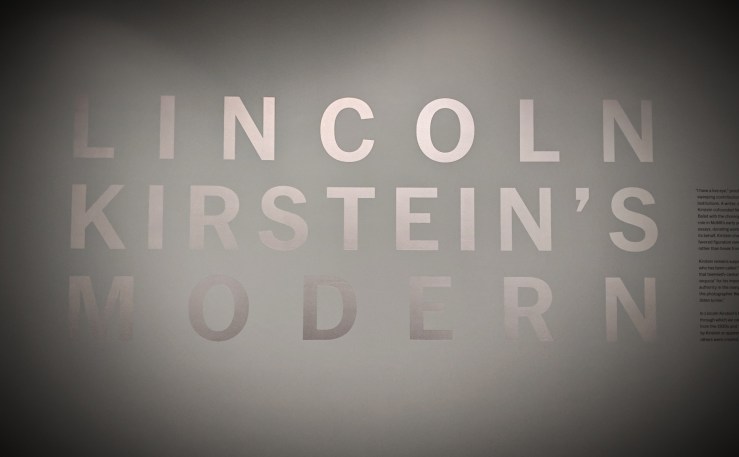
“I have a live eye,” proclaimed Lincoln Kirstein, signaling his wide-ranging vision. Lincoln Kirstein’s Modern explored this polymath’s sweeping contributions to American cultural life in the 1930s and ’40s. Best known for cofounding New York City Ballet and the School of American Ballet with George Balanchine, Kirstein (1907–1996), a writer, critic, curator, impresario, and tastemaker, was also a key figure in MoMA’s early history. With his prescient belief in the role of dance within the museum, his championing of figuration in the face of prevailing abstraction, and his position at the center of a New York network of queer artists, intimates, and collaborators, Kirstein’s impact remains profoundly resonant today. [source: MoMA]
Lincoln Kirstein’s Modern
MoMA, Mar-Jun 2019
March 15th, 2019
subjective worldview
Actor, writer, cook and author
Travel experiences & Strasbourg city guide
Writer
joy, happiness, travel, adventure, gratitude
"Rêve onirique & Bulle d'évasion"
makes pretty things on paper
This WordPress.com site is Pacific War era information
Welcome to my curious world of words....
Photographs, music and writing about daily life. Contact: elcheo@swcp.com
Free listening and free download (mp3) chill and down tempo music (album compilation ep single) for free (usually name your price). Full merged styles: trip-hop electro chill-hop instrumental hip-hop ambient lo-fi boombap beatmaking turntablism indie psy dub step d'n'b reggae wave sainte-pop rock alternative cinematic organic classical world jazz soul groove funk balkan .... Discover lots of underground and emerging artists from around the world.
A 365 analogue photography project
Barcelona's Multiverse | Art | Culture | Science
Een digitaal atelier aan de (zee)slag.
‘Doodling Ambiguity’s in Ink.’
Miscellaneous photography
Glimpses along the way on a journey of discovery into symmetry...
 The Humble Fabulist