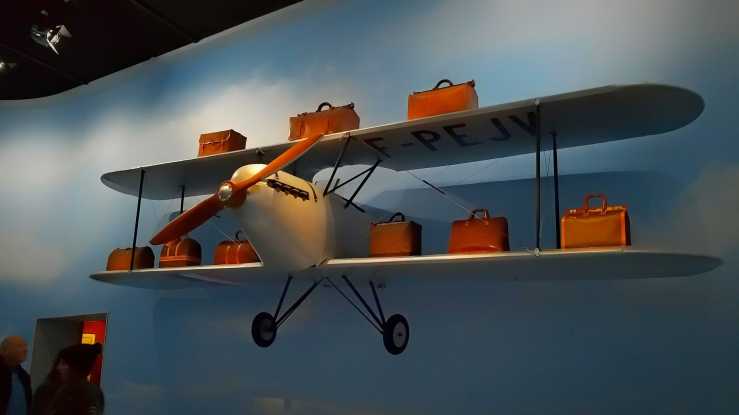
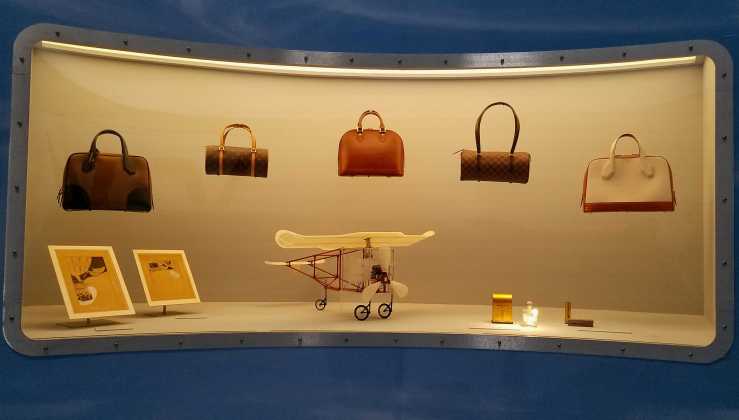
In the early twentieth century, Louis Vuitton closely followed innovators who, from the airship to the airplane, blazed new trails in the air. To equip aviators and then passengers, the Aéro trunk could hold ”2 pieces of clothing, 1 overcoat, 10 shirts, 3 nightgowns, 3 pairs of underwear, 3 waistcoats, 6 pairs of socks, 12 handkerchiefs, 1 pair of shoes, 18 detachable collars, gloves, ties and hats” all weighing less than 57 pounds. Its dimensions were identical to the Aviette, a more feminine version.
The dimensions of the Aéro trunk were:
H12.99in x W32.28in x D18.11in
H33 cm x W82 cm x D46 cm
All things considering, an early twentieth century Aéro trunk would still be every airline’s darling, even in today’s ever restrictive rules and shrinking space.
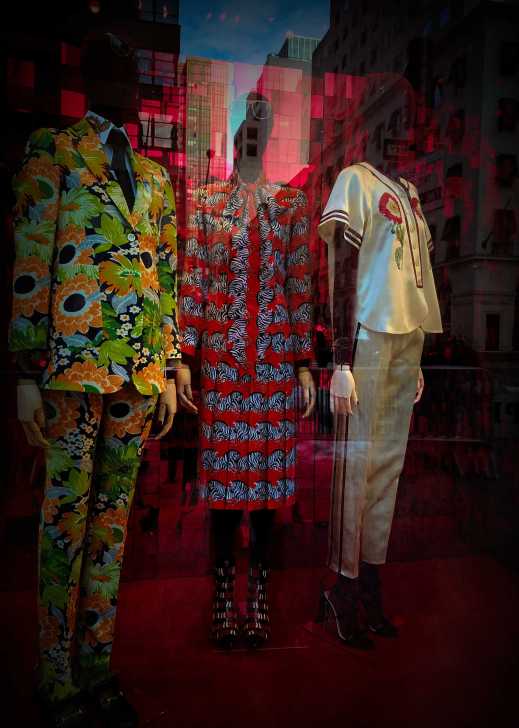
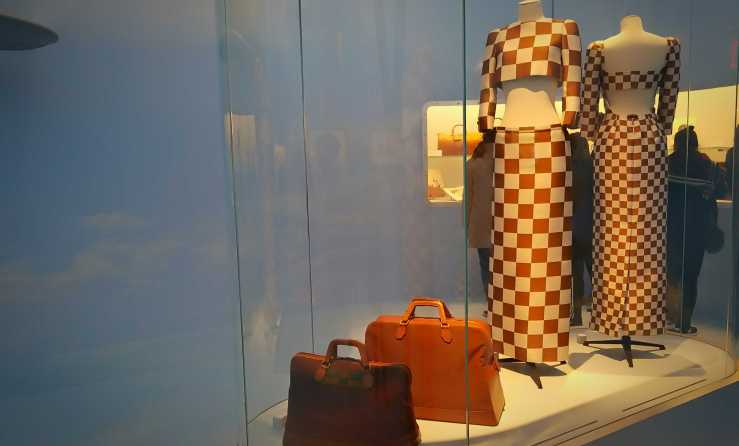 Louis Vuitton by Marc Jacobs long dress and cropped jacket with long skirt, S/S 2013
Marceau travel bag in cotton canvas, attributed to Dora Maar, c. 1950
Champs-Élysées travel bag in cotton canvas, once belonging to Madame Henry-Louis Vuitton, ca. 1950
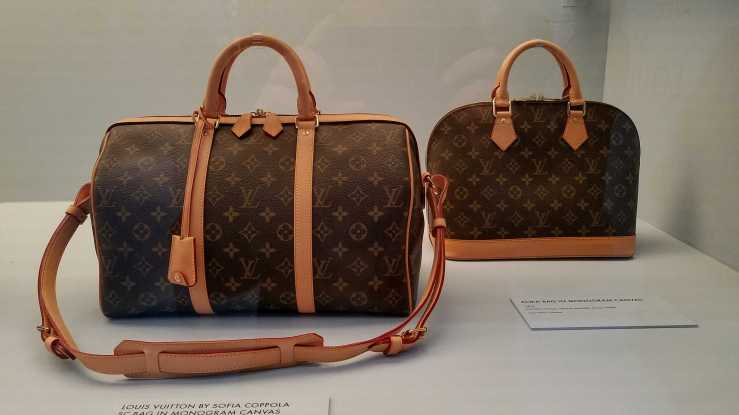 Louis Vuitton by Sofia Coppola, SC Bag in monogram canvas, 2009
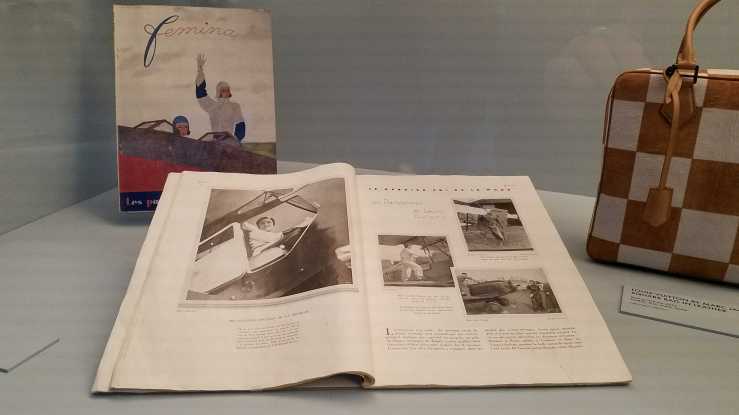
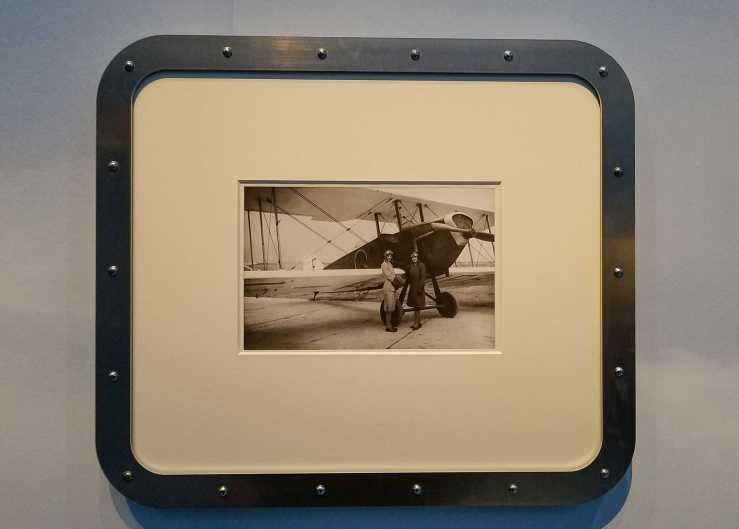 Boris Lipnitzki
Outfits by Paul Caret, next to a Nieuport airplane equipped with a Delage motor, Le Bourget (Seine-Saint-Denis), 1929
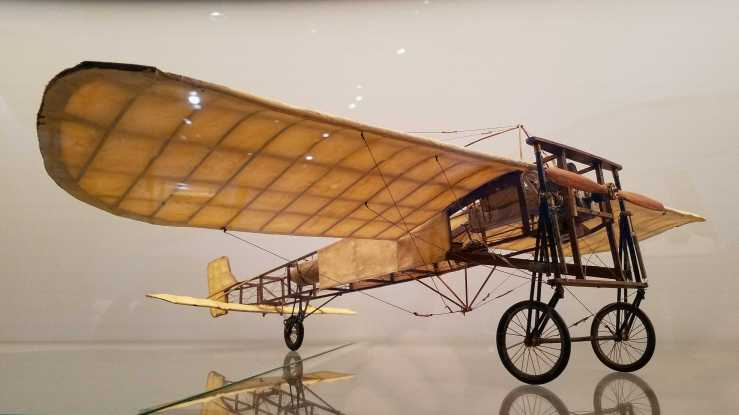 Model of the Blériot XI airplane, 20th century
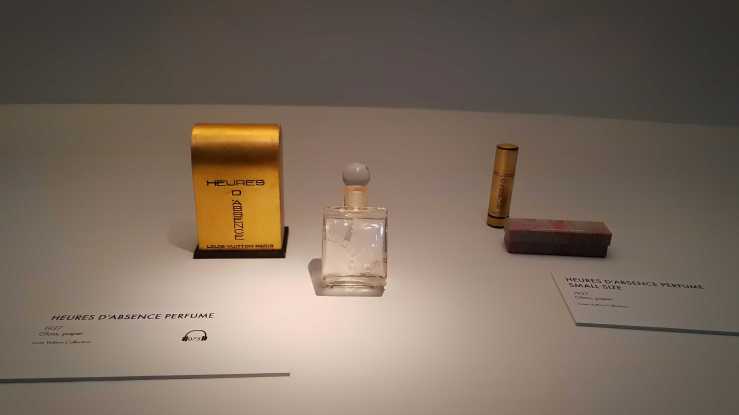 Heures d’absence perfume, 1927
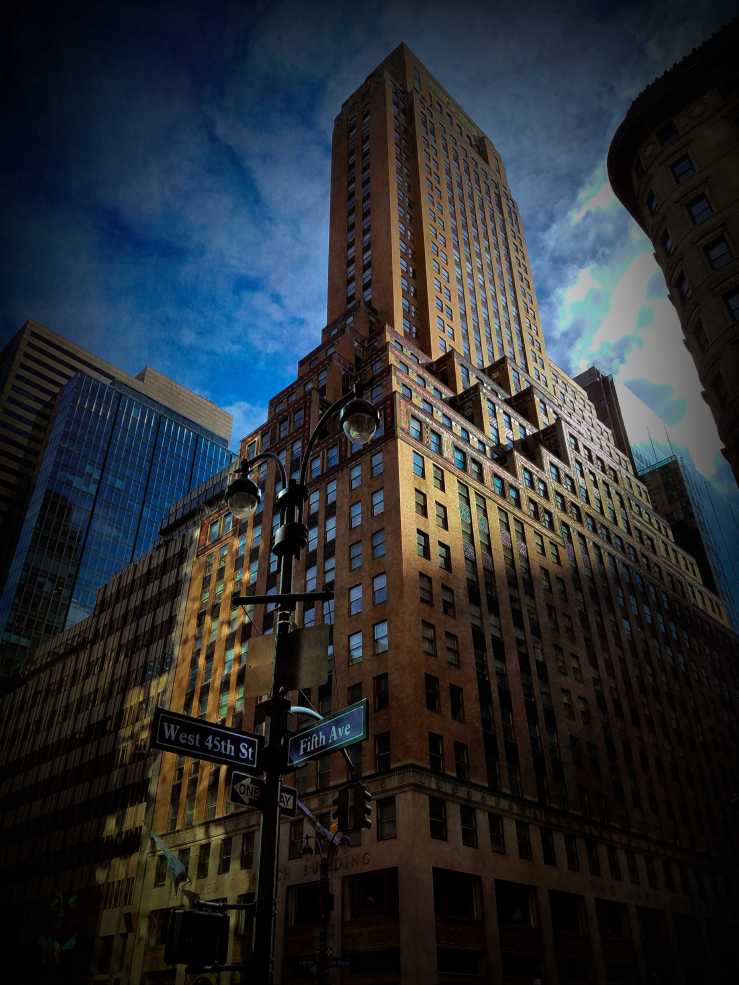
at the American Stock Exchange Building, through January 7th, 2018.
Admission is free
November 12th, 2017
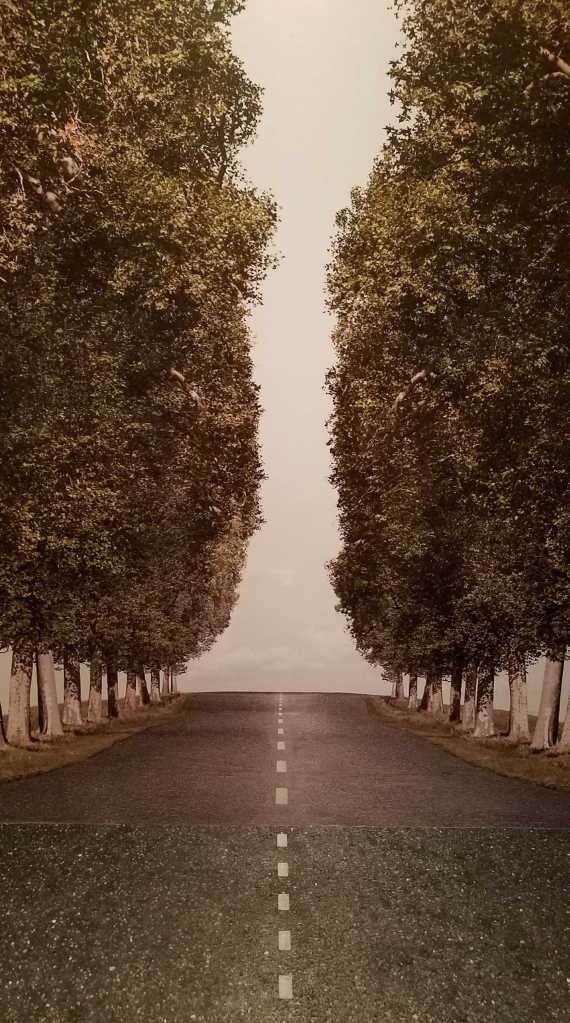
 Chauffeur’s kit in vuittonite canvas, 1910
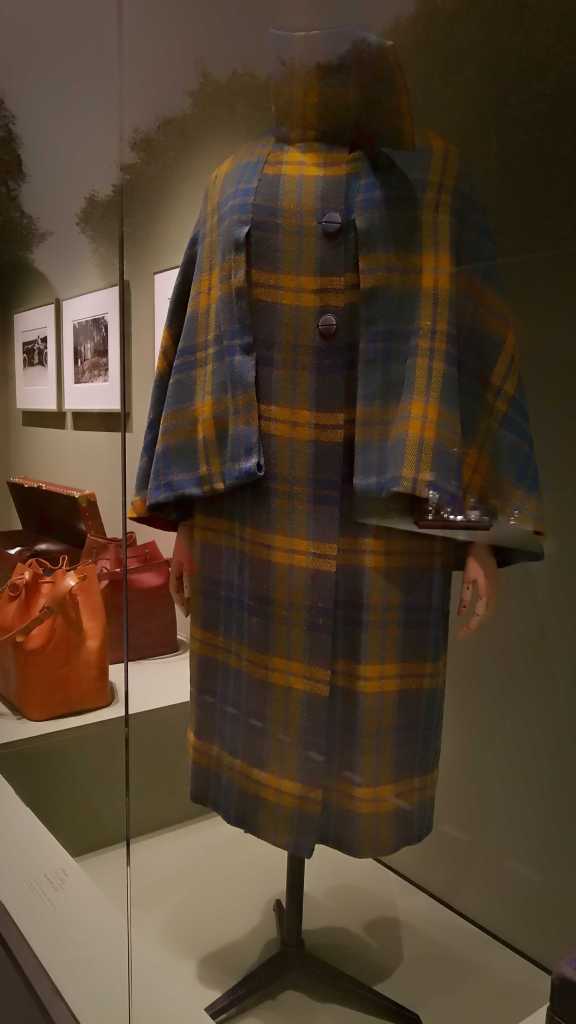 Dornac, 100 à l’heure travelling coat in Scottish wool twill, ca. 1923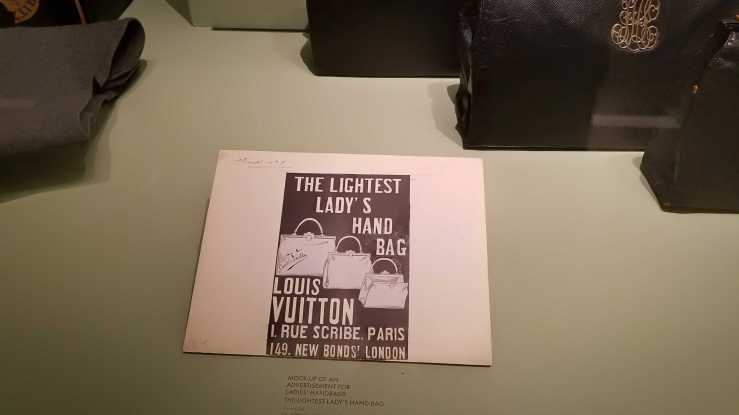
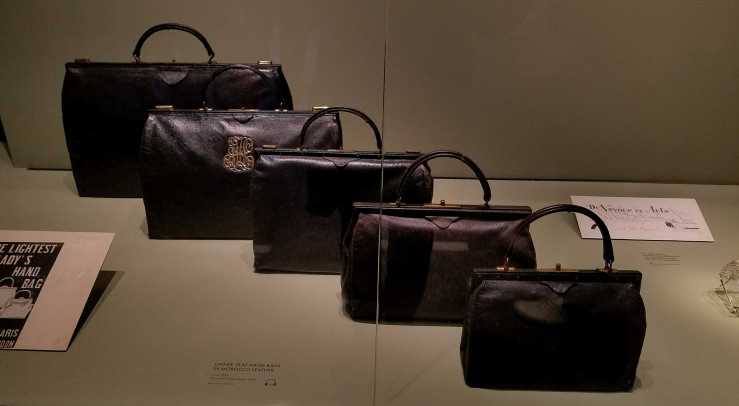 Ladies’ flat hand bags in Morocco leather, ca. 1910
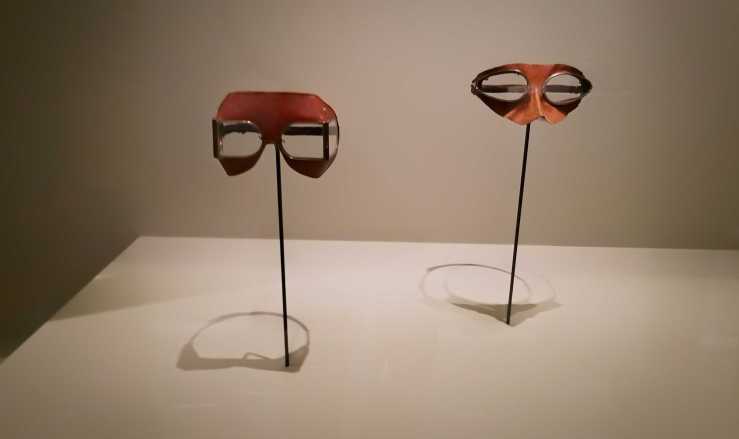 Driving googles, ca. 1900
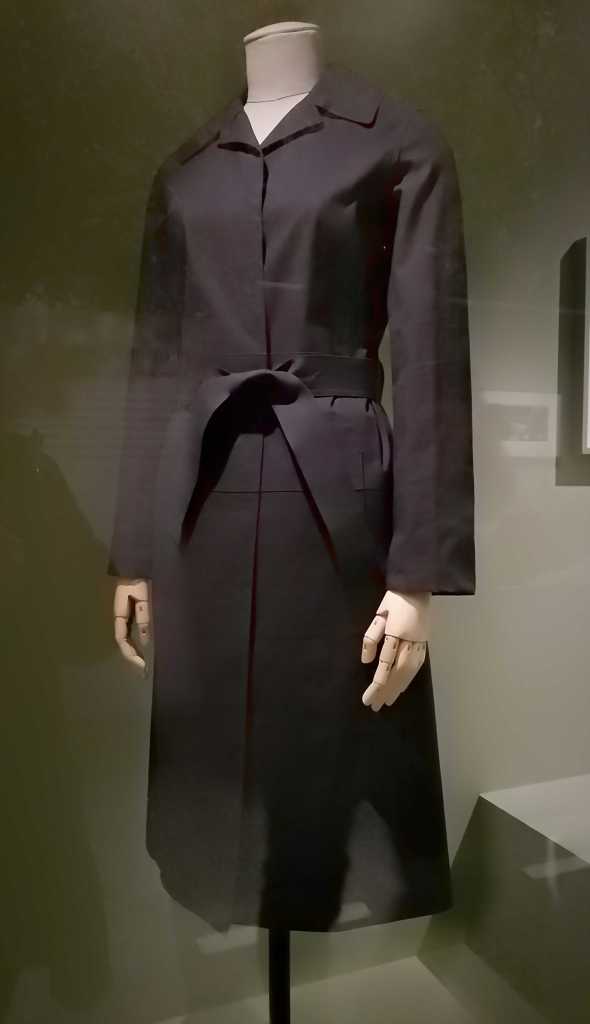 Louis Vuitton by Marc Jacobs coated cotton coat, F/W 1998-99
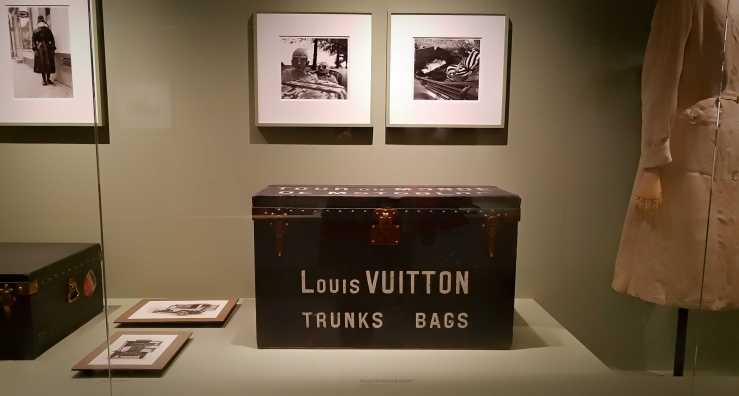 Special car trunk for motobloc vehicles in vuittonite canvas, ca. 1908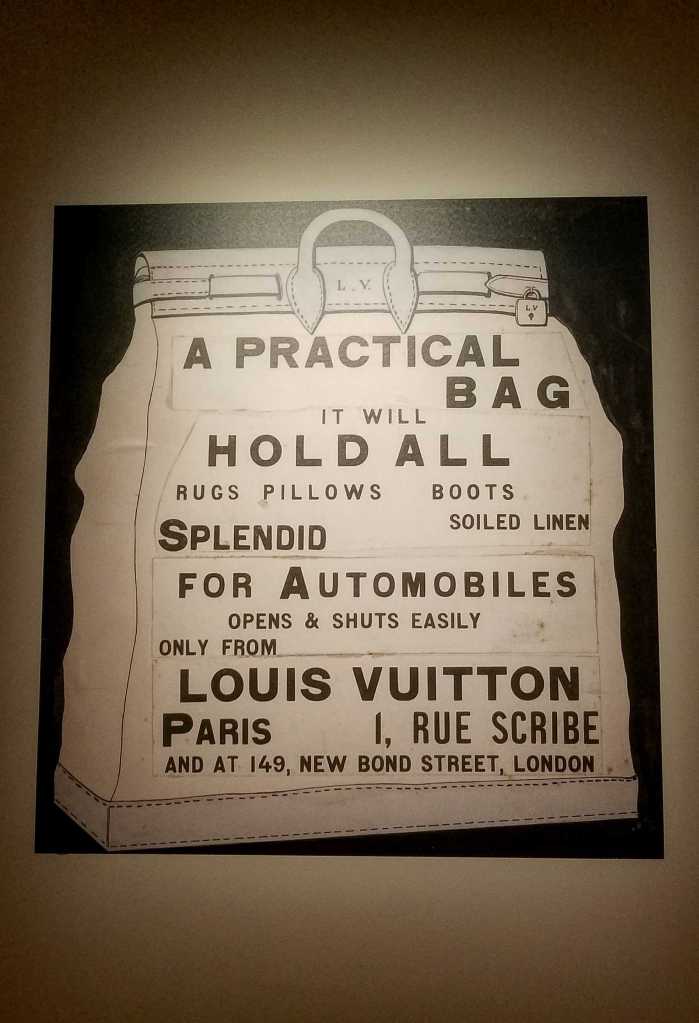
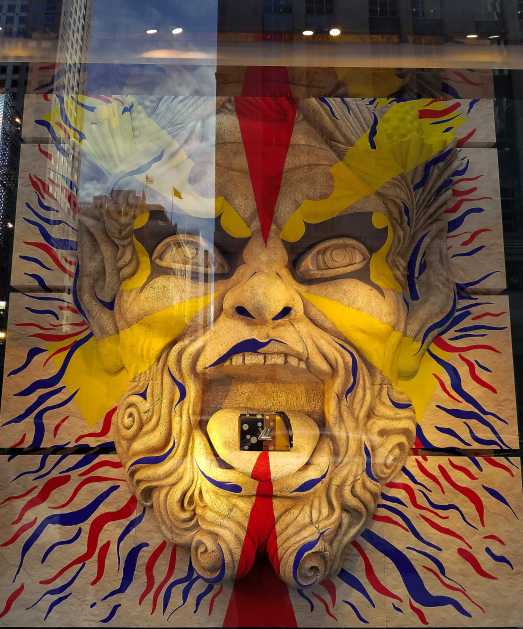
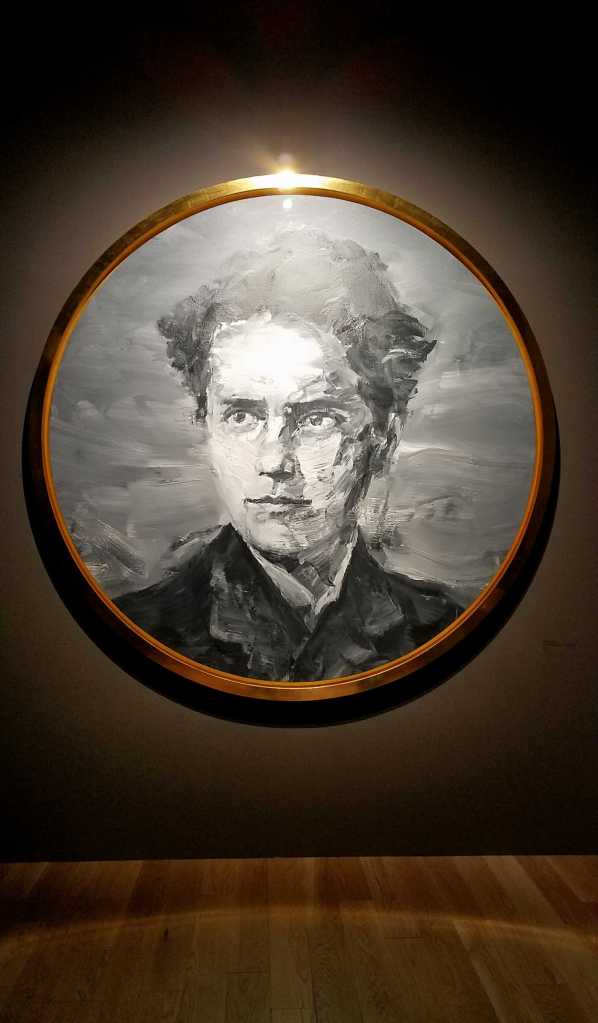 Yan Pei-Ming
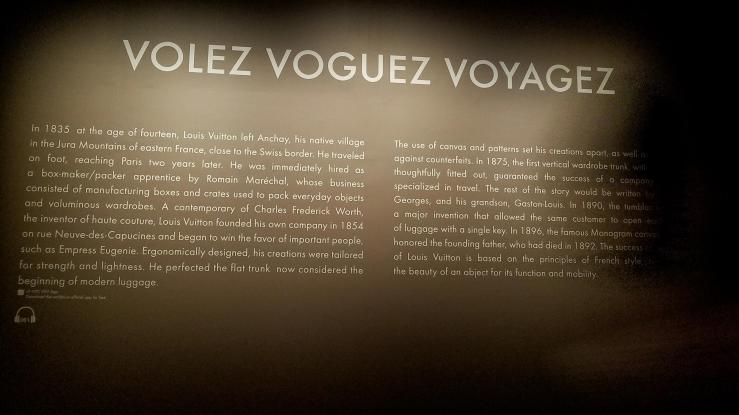
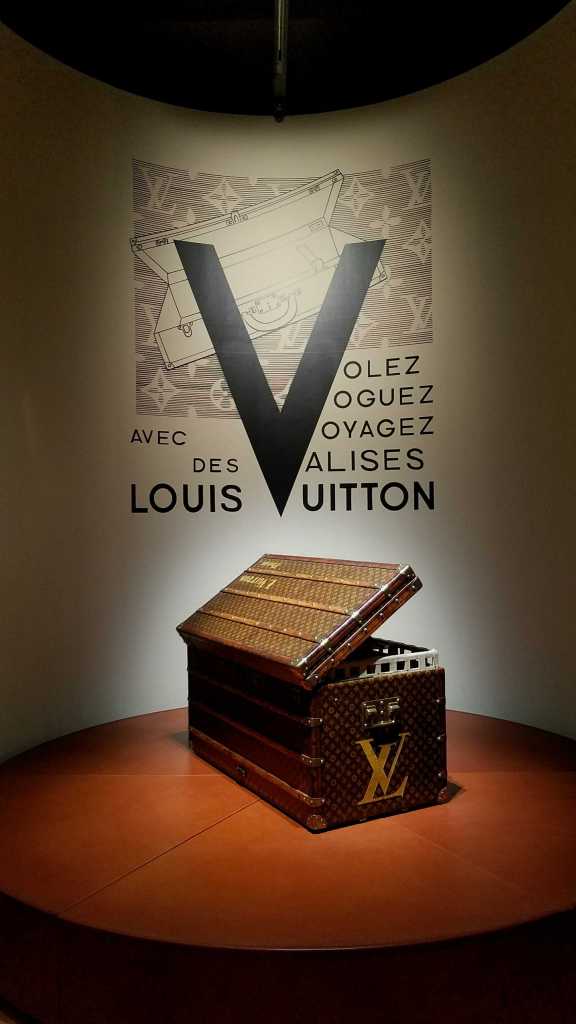 In 1906, a reference catalogue precisely inventoried items and luggage from Louis Vuitton. The trunks that would make the House a success were already there.
 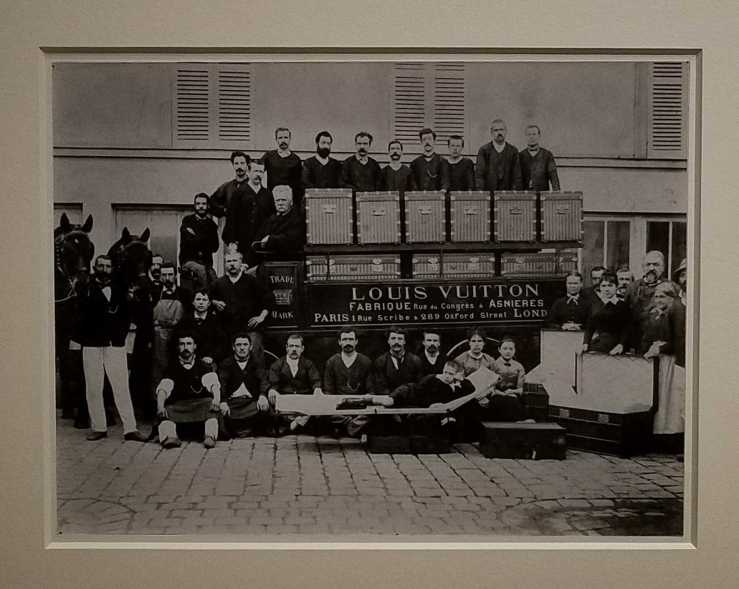 Louis, Georges and Gaston-Louis Vuitton posing with craftsmen in the courtyard of the Asnières-sur-Seine workshops, ca. 1888
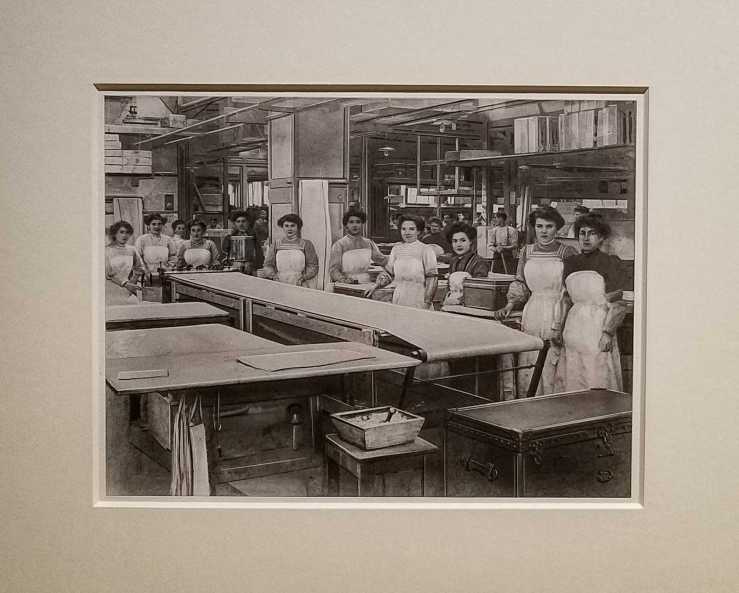 Collage workshop at Asnières-sur-Seine, ca. 1903
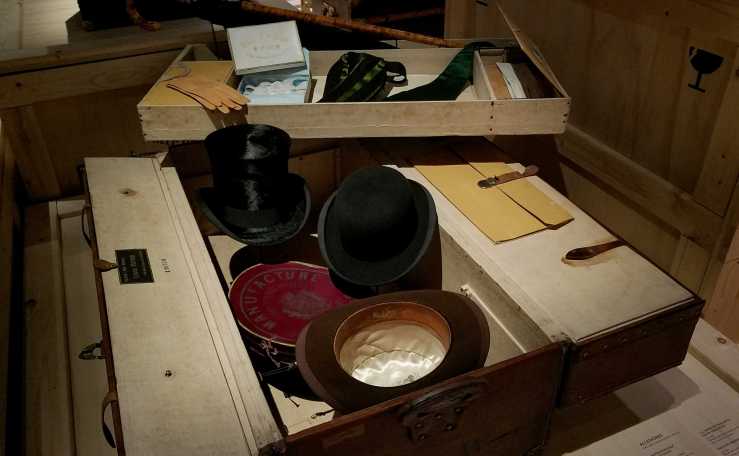 Ideale trunk in natural cowhide, ca. 1903 with accessories from the 1900s
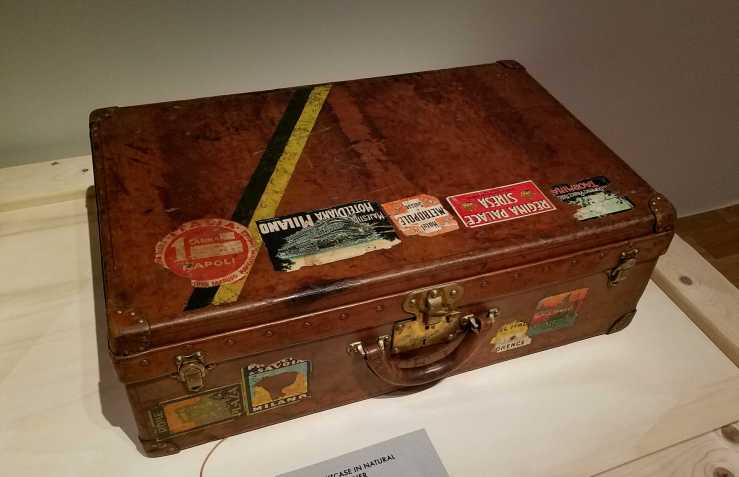 Paris suitcase in natural cowhide leather, 1914
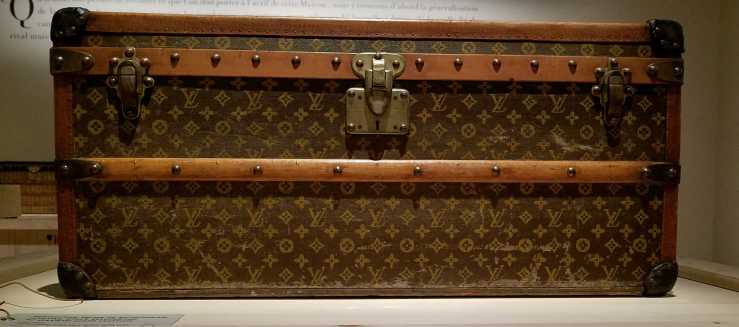 Restrictive trunk in monogram canvas, once belonging to Gaston-Louis Vuitton, ca. 1925
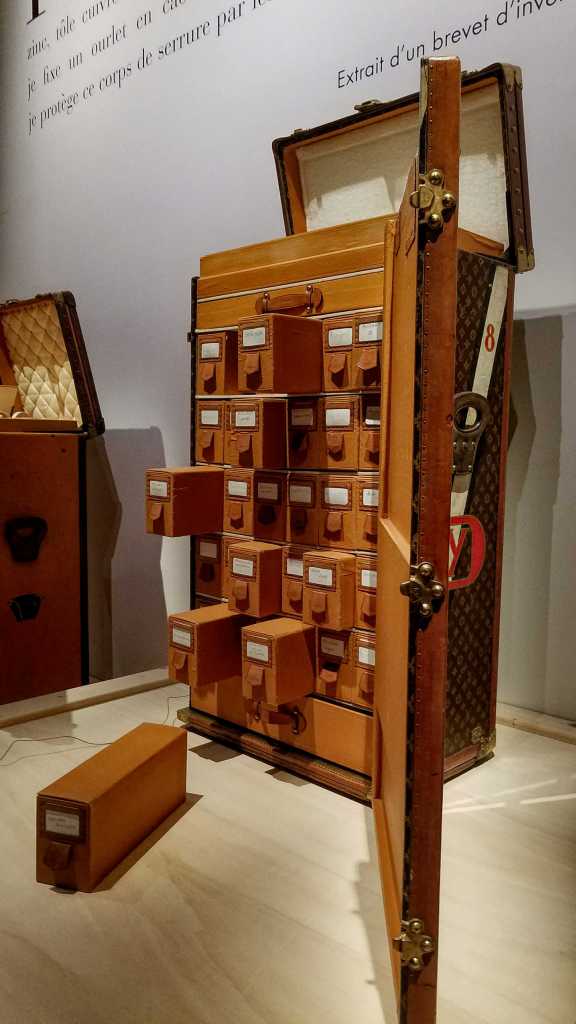 Shoe trunk for thirty pairs of shoes in monogram canvas, once belonging to Yvonne Printemps, 1926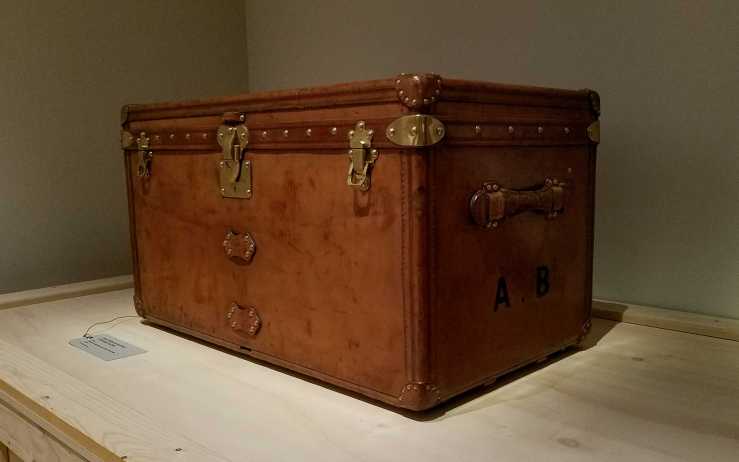
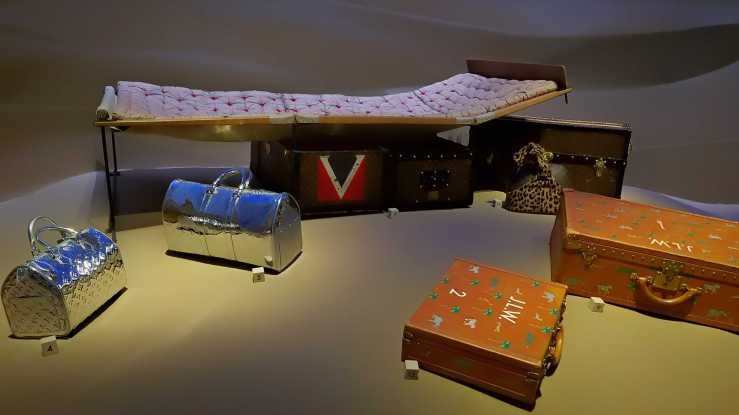 Bed trunk in damier canvas once belonging to Gaston-Louis Vuitton, 1892
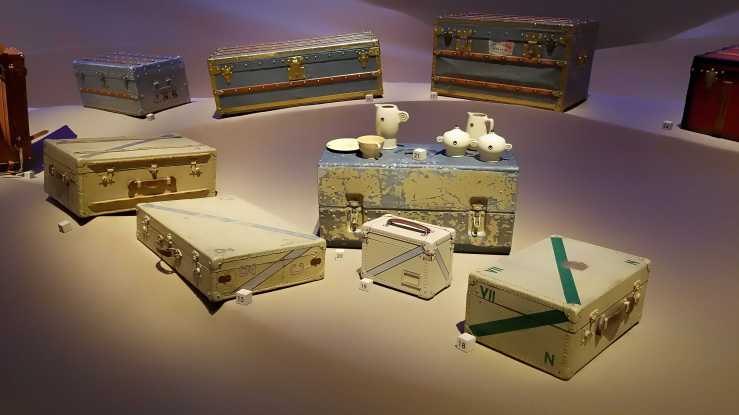 Back to front:
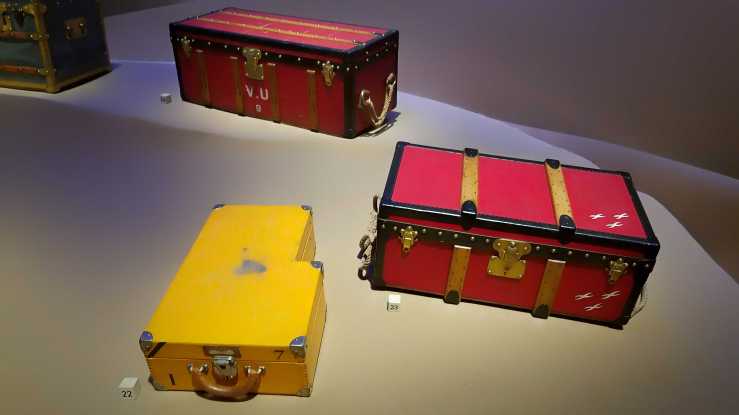 Special car trunk in coated canvas, custom-made for the Black Journey, 1924
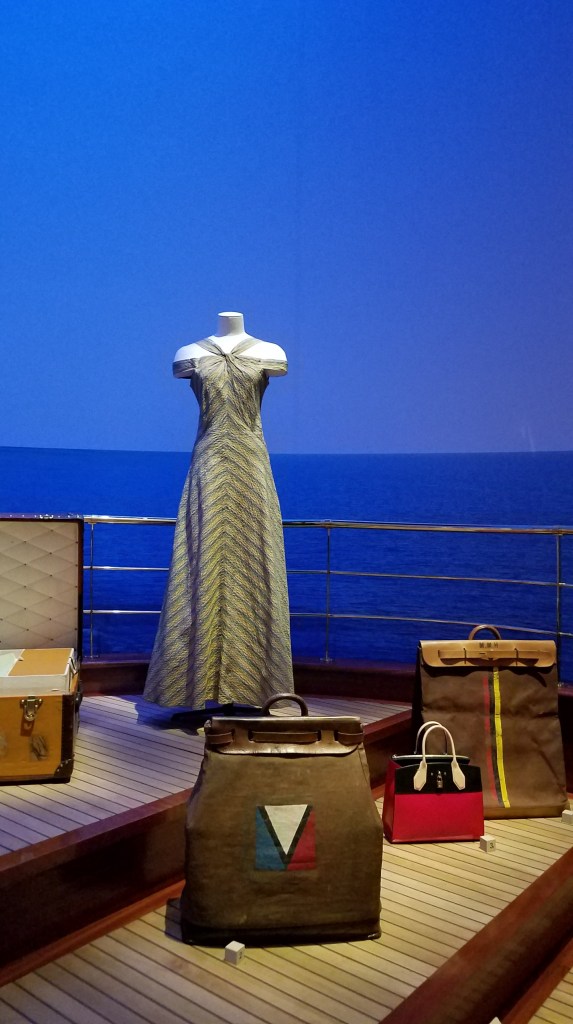 Steamer bag in cotton canvas once belonging to Gaston-Louis Vuitton, ca. 1901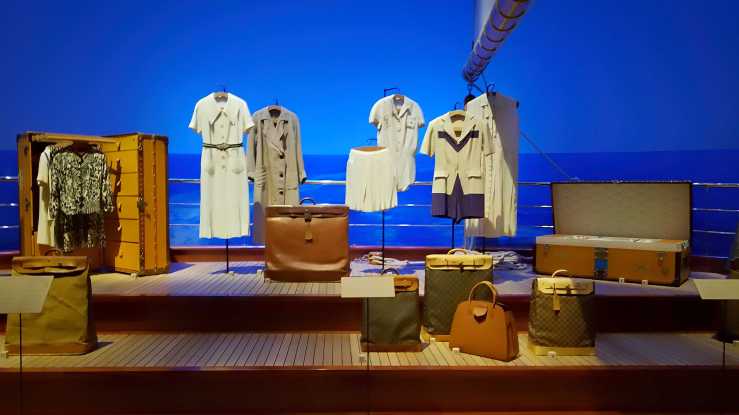
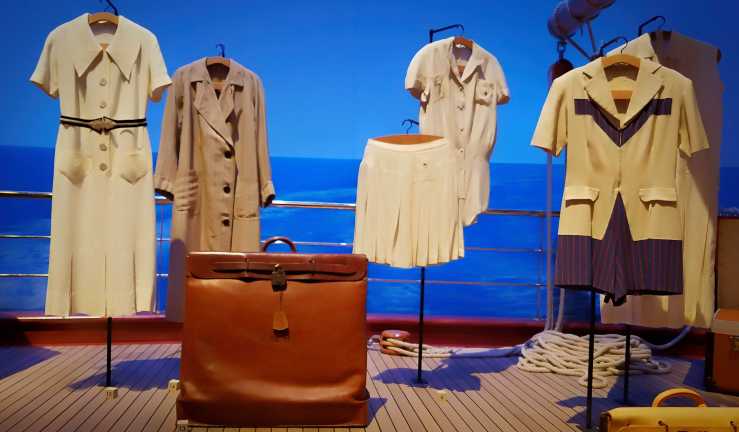 Tennis shorts once-piece, ca. 1930
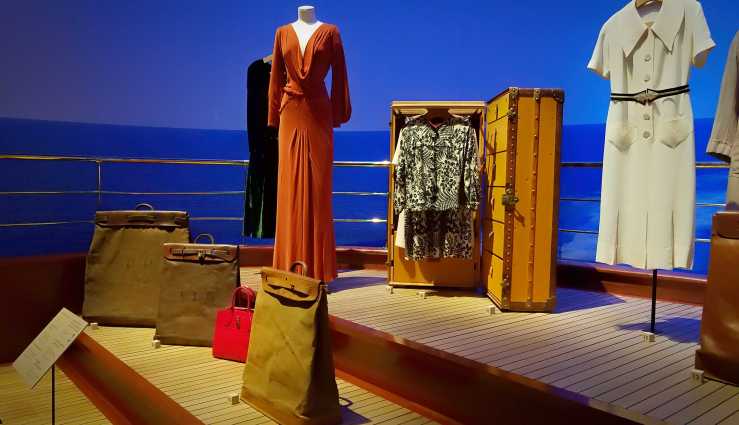 Ensemble in crêpe de chine with a black and ivory pattern, ca. 1935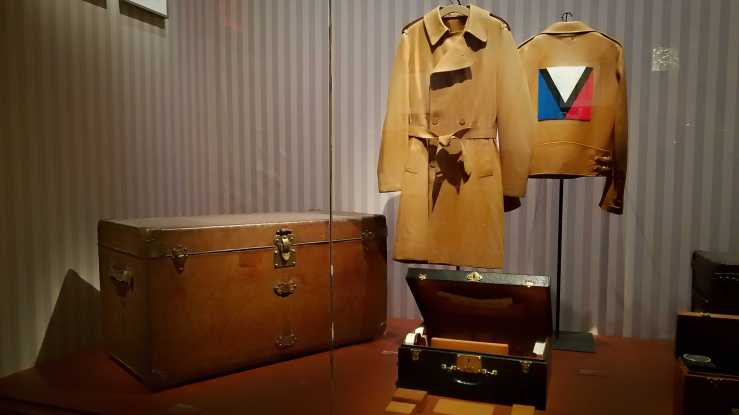

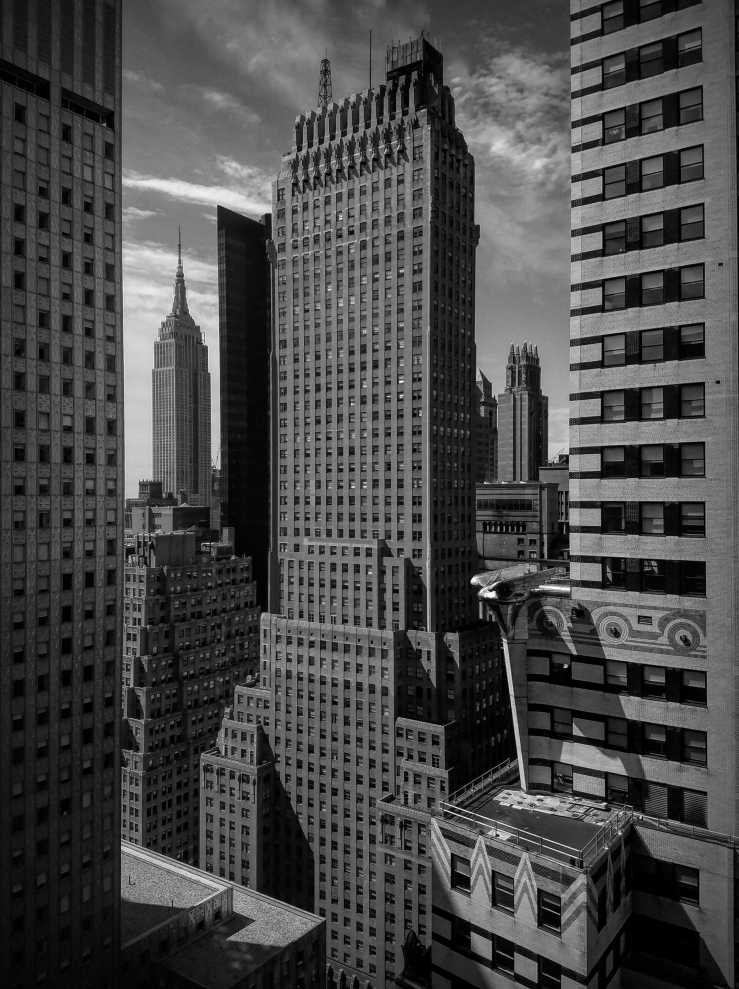 March 30th, 2017
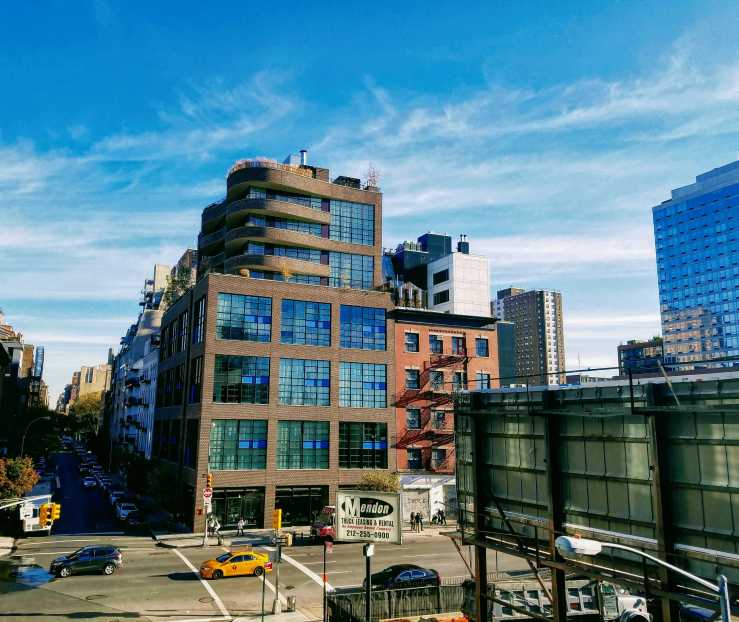 From the High Line, 19th St.
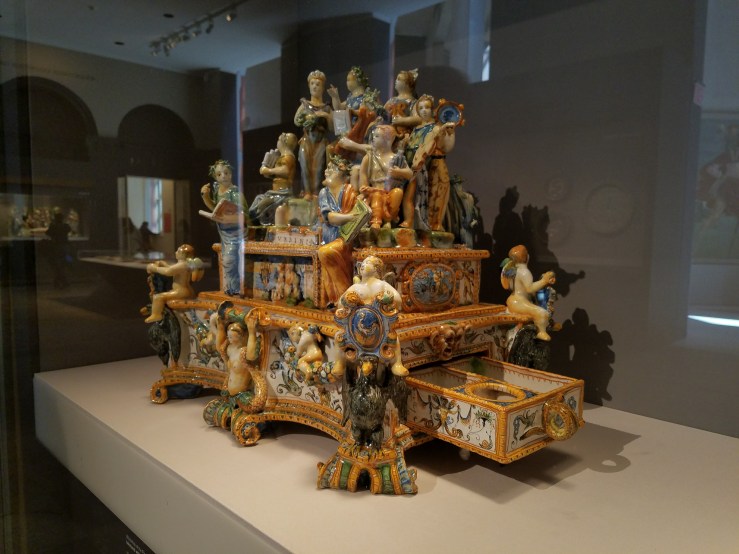 Inkstand with Apollo and the Muses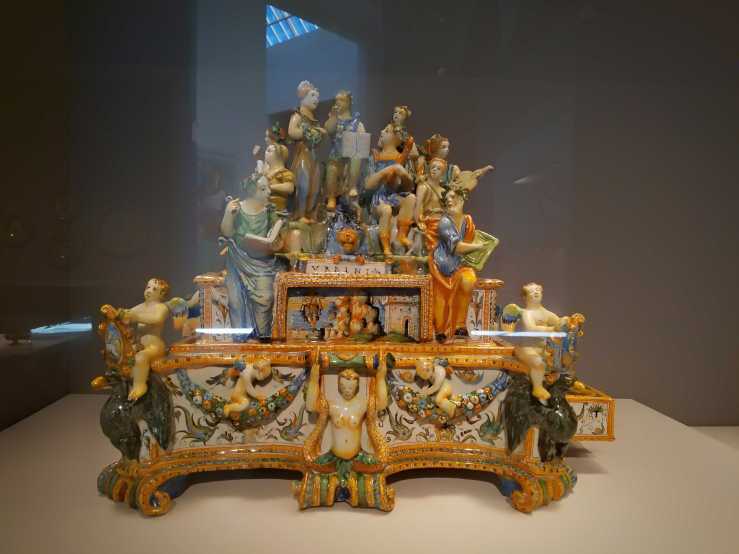
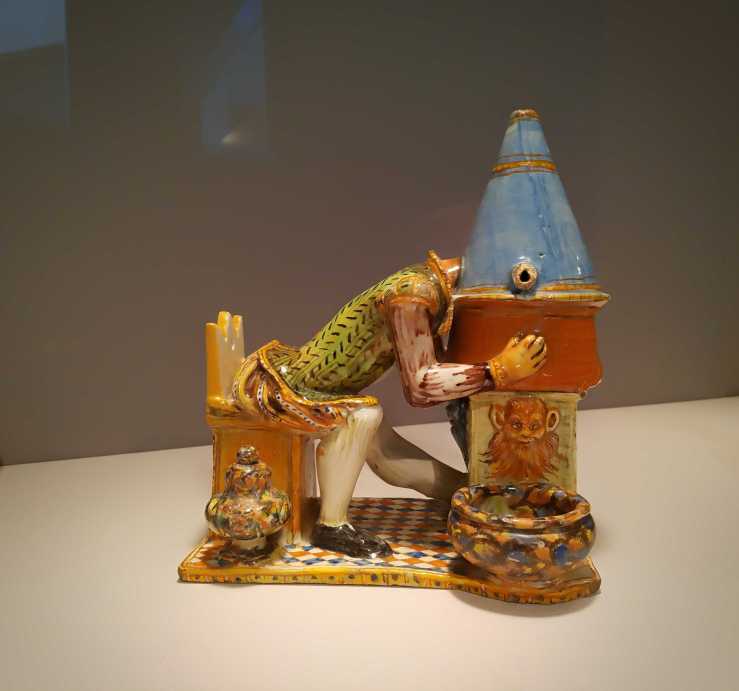 Inkstand with A Madman Distilling His Brains, ca. 1600
