Counter-Couture @ MAD

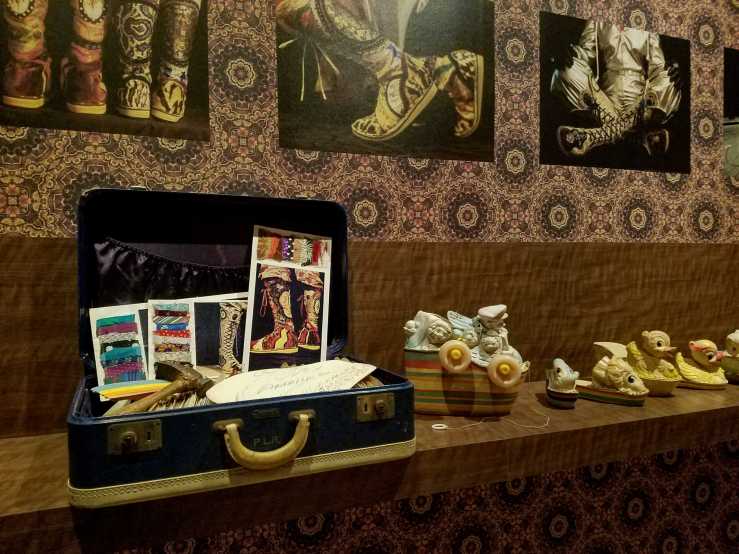
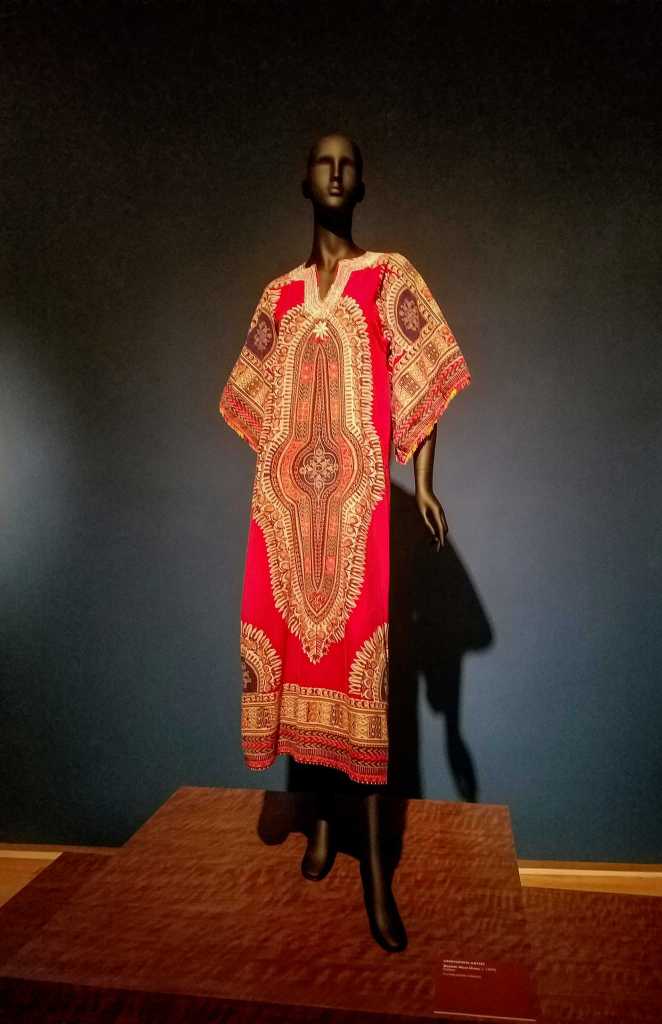
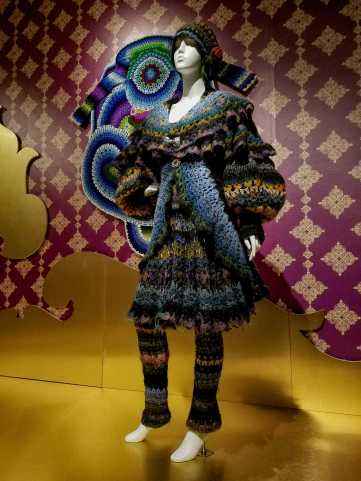
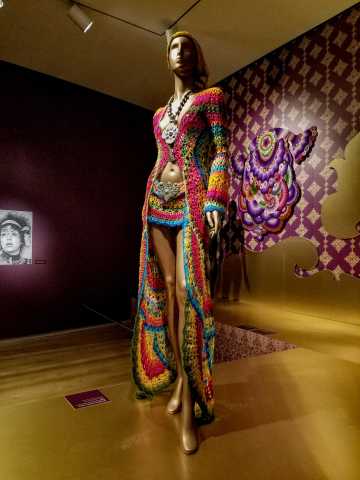
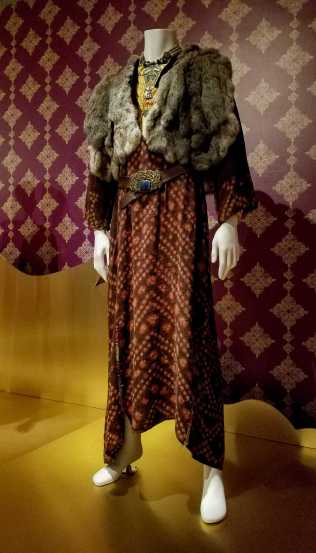
Mid-March was icy-cold here in New York; the City was covered in snow. But spring was around the corner and summer a hop, skip and a jump away. And not just any summer – this year marked the 50th anniversary of the legendary San Francisco Summer of Love, in 1967.  There would be a ton of events to celebrate it on West Coast later on but, here we were, in New York City, in full winter attire, off to see ”Counter-Couture: Handmade Fashion in an American Counterculture”, an exhibition of handmade dresses and accessories made by those free-spirited crafts-men and women who, in their rejection of the establishment of conformism, materialism and consumerism, went on to create some of the most original, superbly crafted designs, examples of which you are about to see below. They were the Hippies, the Flower Children, those young, idealists who struggled for equality and peace but got lost in their quest to reach those higher – LSD infused – levels of consciousness. They were men and women of my generation and they helped shaped me – and others like me – into the characters we have become today. Imagine how the world would have been, had they not got lost on their way.

Images from the exhibition

Michael Fajans
Hand-embroidered and appliqué Army Coat, 1967
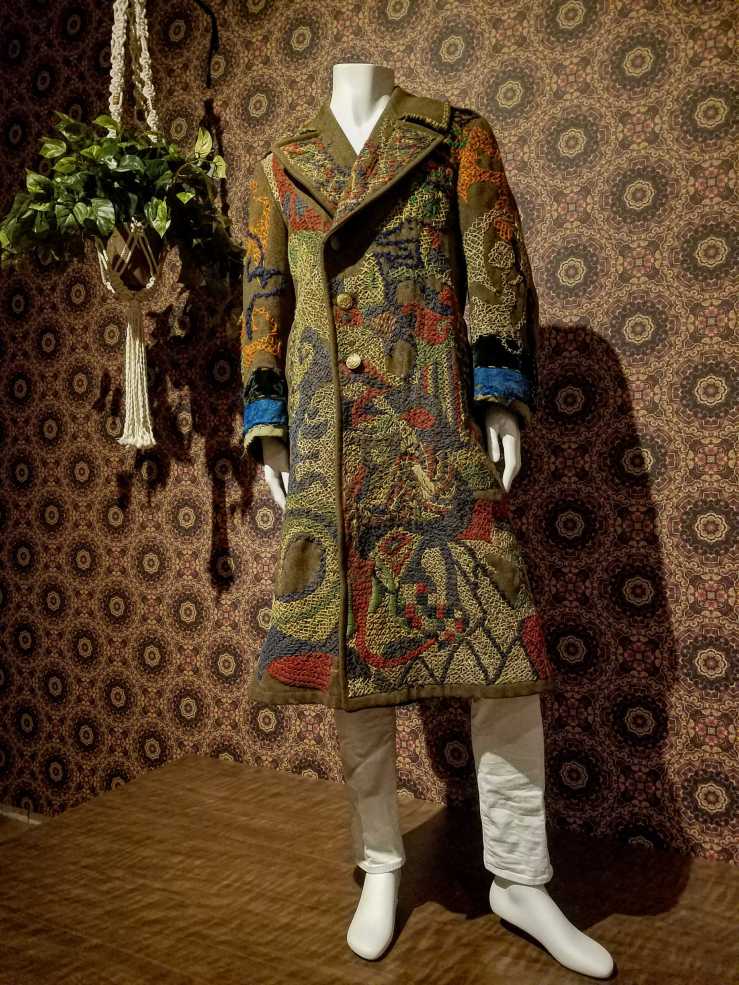
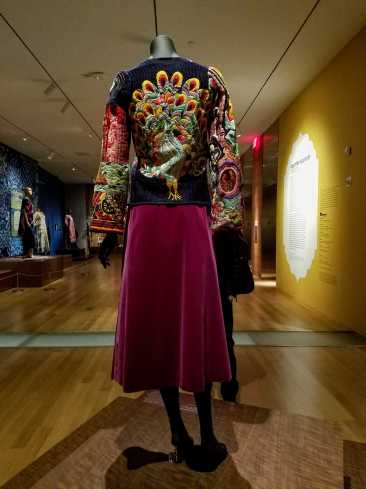
Janet Lipkin
”Paisley”: Coat for Sylvia Bennett, c. 1970

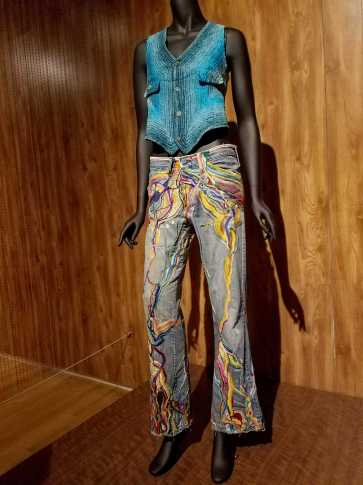
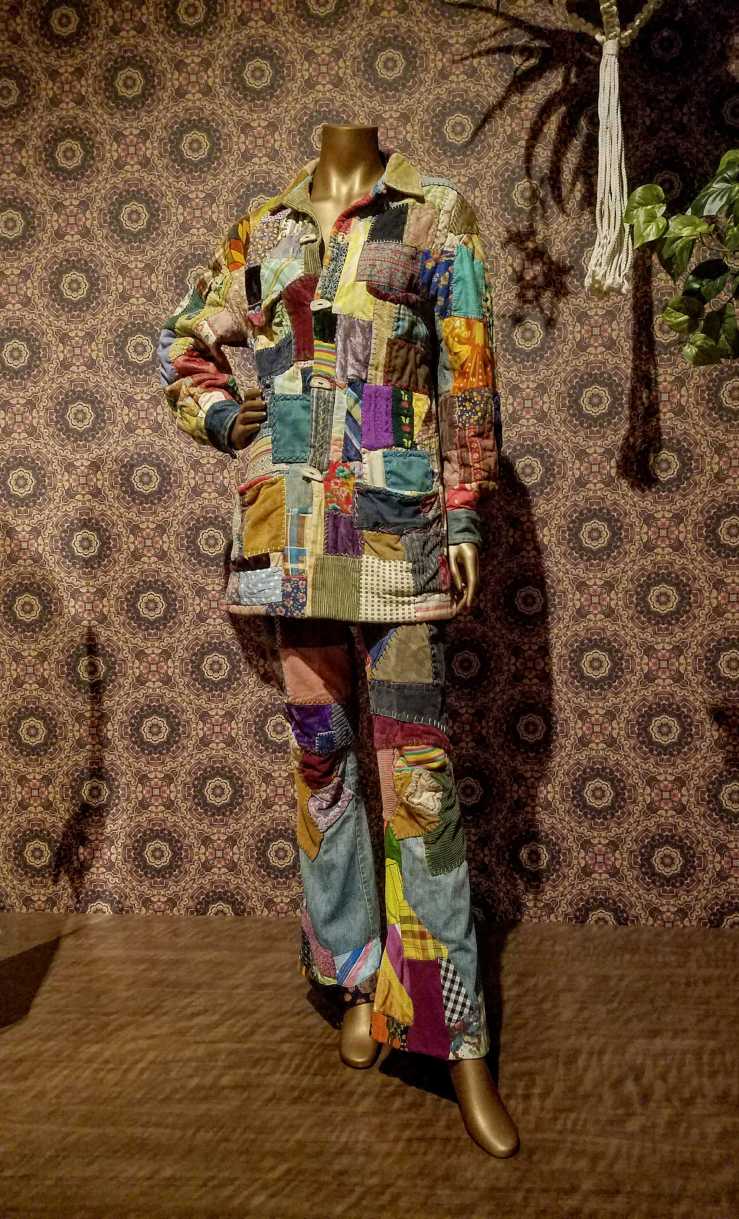
Barbara Ramsey’s coat and jeans exemplify the Counterculture’s resourcefulness and need for self-expression. Each small patch bears a story or memory of its own and forms a scrapbook of life experiences – worn by the person who lived them.

In 1971 Ramsey was given a ragged, wool-lined coat that she patched with fabric. As time passed, she sewed layers of patches made from other worn-out clothes onto the coat. Ramsey applied a similar process to a pair of jeans and eventually completed the outfit.

Barbara Ramsey
Medical School Outfit, 1971-75  
   

100% Birgitta (Birgitta Bjerke)’s crocheted coats for Roger Daltrey of The Who and his then wife Heather recall the psychedelic visual culture of the 1960s rock-and-roll scene. Displayed flat on the wall, the garments – constructed in fan shapes – vibrate with kaleidoscopic colours that suggest blossoming flowers, Tibetan mandalas, and patterns inspired by Indian textile traditions.

Dancepiece by Leslie Correll, 1971
Hammered brass, Turkish beads, African (Venetian) trade beads mounted on old Indonesia batik fabric
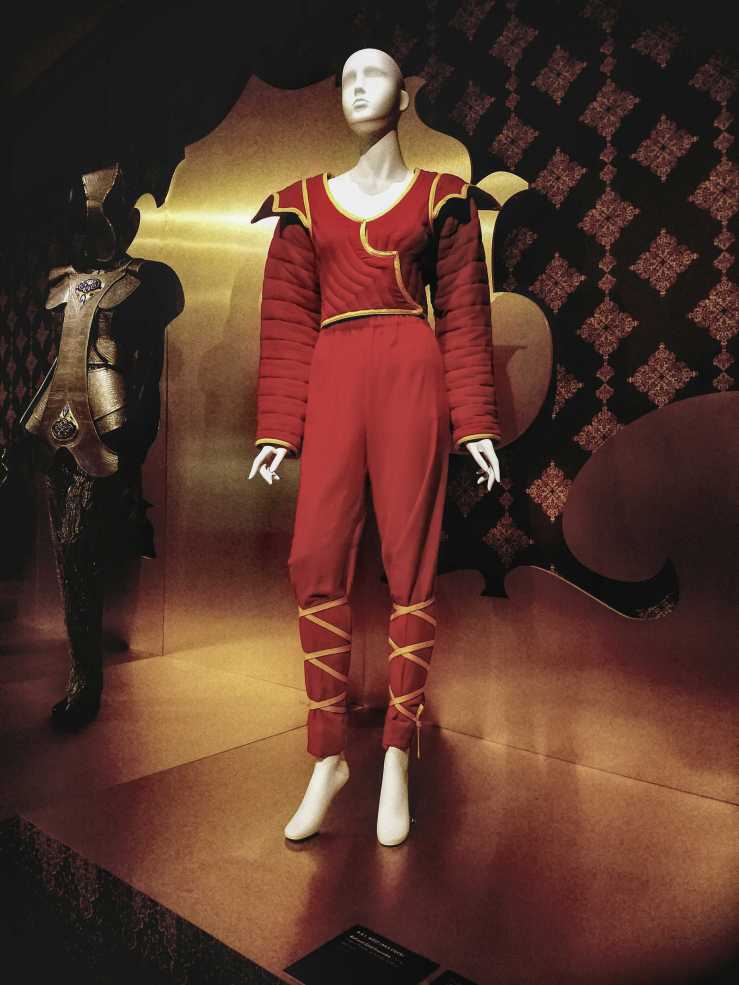
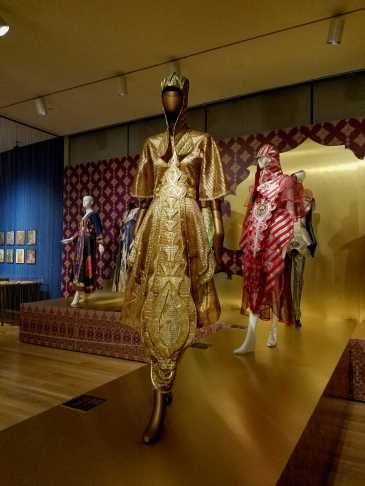
 

Kaisik Wong’s evening ensembles (above) and Yellow and Green Ray dress and headdress (below) from the ”Seven Ray” series, 1974. 

Mama Cass Elliot Dress (below left) c. 1967.
Cass Elliot was a member of The Mamas & the Papas. The panne velvet dress she wore, with its gentle ombré gradient colour, brings to light the dreamy character of her stage presence. Celebrated as a sex symbol and role model for young women of her generation, Elliot donned theatrical styles that showcased her dynamic personality and held the attention of her audiences and fans. The appliqué sunburst on the front of the bodice depicts Virgo, Elliot’s astrological sign, while reflecting the Counterculture’s interest in self-exploration through the study of cosmology. 

SAS Colby – Ruffle My Feathers, 1972

Fayette Hauser, Cosmic Gypsy Ensemble, 1970

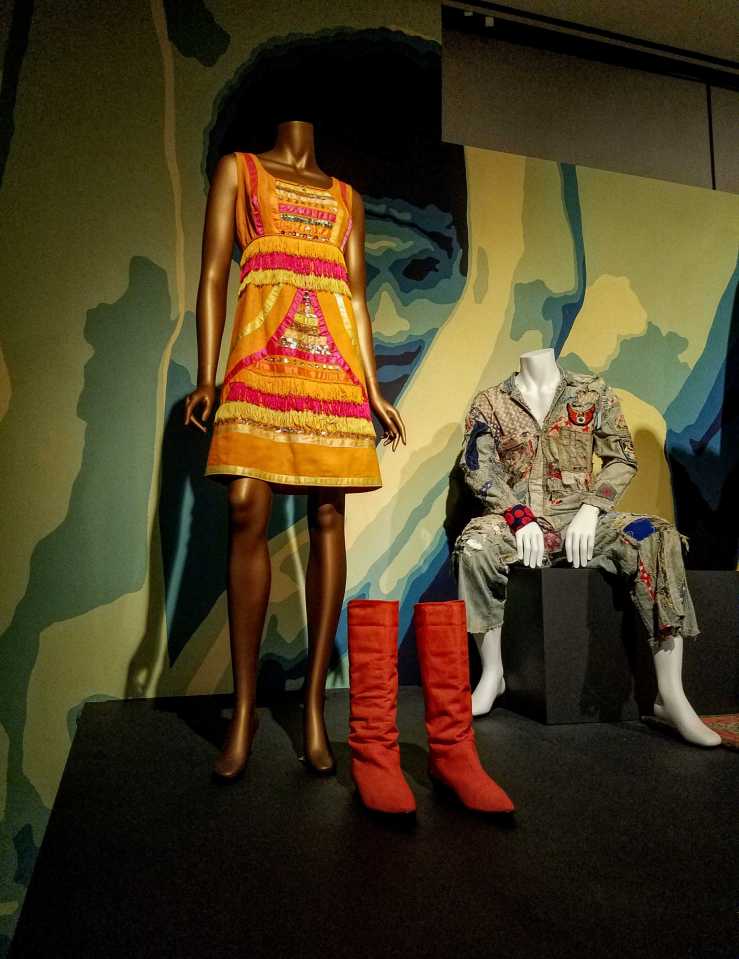
Gretchen Fetchen (Paula Douglas). Acid Test Dress and Boots, 1965.

Gretchen Fetchen was one of the early participants in the San Francisco Acid Test happenings organized by Ken Kesey’s Merry Pranksters in the mid-1960s. The events were designed as gatherings to promote consciousness expansion and creativity through the use of LSD which was then legal. 
Counter-Couture: Handmade Fashion in an American Counterculture was on show at

The Museum of Arts and Design (MAD)
2, Columbus Circle
New York City

March 12th, 2017
Business as usual

Closed.

That was yesterday, Thursday November 24th, when America celebrated Thanksgiving.
I am a European. In Europe, there is no concept of Thanksgiving – not in this sense, anyway. We eat our turkey on Christmas day.

I didn’t go to Macy’s Parade this year either. Still not brave enough to face the crowd. Apparently it is enormous and it scares me, to be honest. I’ll have to devise a plan for next year. As of now, I have 364 days to make it work.

I did cook though. Roasted chicken and (sweet) potatoes with rosemary. This is a feat in itself, for I don’t think I cooked more than – say – ten times, since we came to New York. It was delicious.

We ate watching Francis Bacon: A Brush with Violence.  A film where friends and acquaintances speak freely, some for the first time, offering their views and revealing truths about the myth that is Francis Bacon. My favourite artist.

Cheerio then,
Lia

November 23rd, 2017

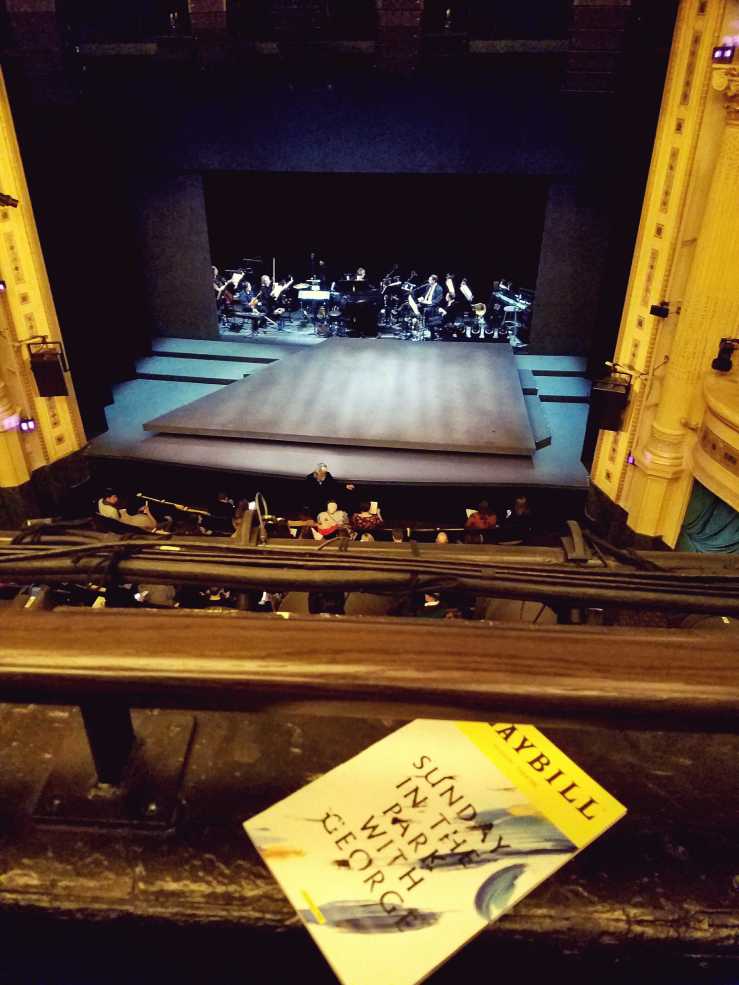
Sunday in the park with George

On a Saturday evening at the Hudson Theatre, exactly one month after its reopening on February 11th, 2017.

First opened in 1903 it served many a purpose: theatre, radio & television studio, club, porn cinema, events venue and, making a full round, a theatre again. And a Broadway one at that.

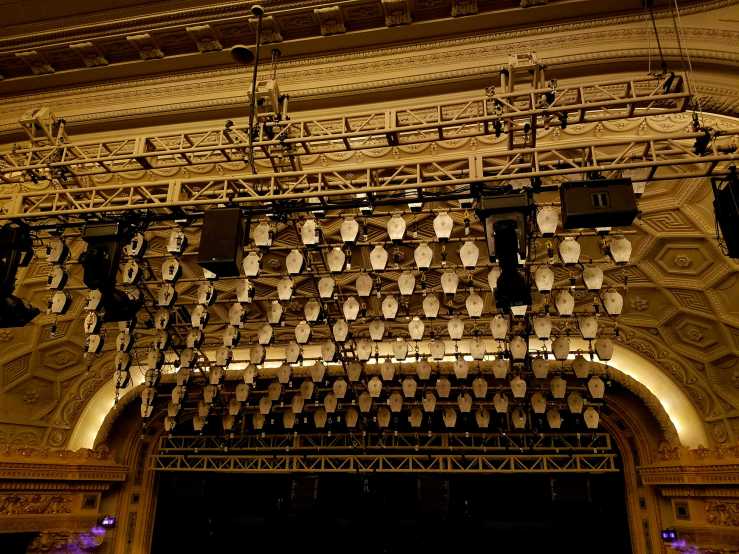
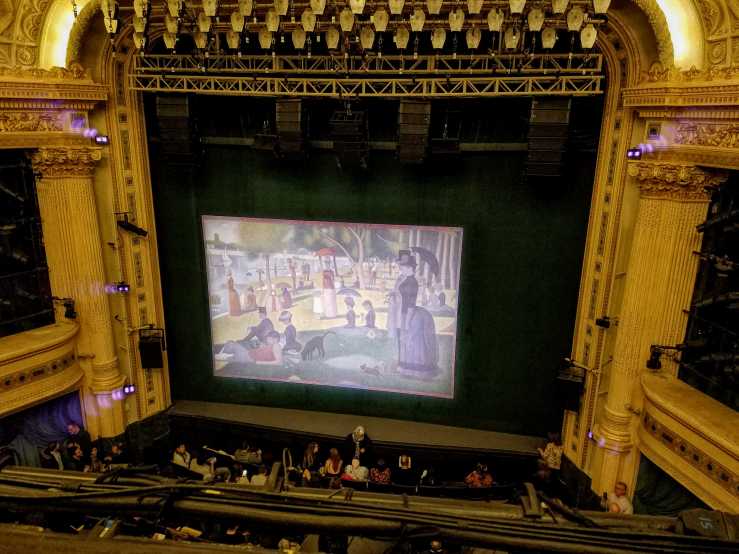
Many of its original features have been lovingly restored, like this magnificent Tiffany glass ceiling. But the seating has been completely redesigned with chairs adjusted to fit the average human measurements and not the other way round as in most (or all) other Broadway theatres.

It opened with the revival of ”Sunday in the Park with George”, a play inspired by George Seurat’s masterpiece A Sunday Afternoon on the Island of La Grande Jatte.

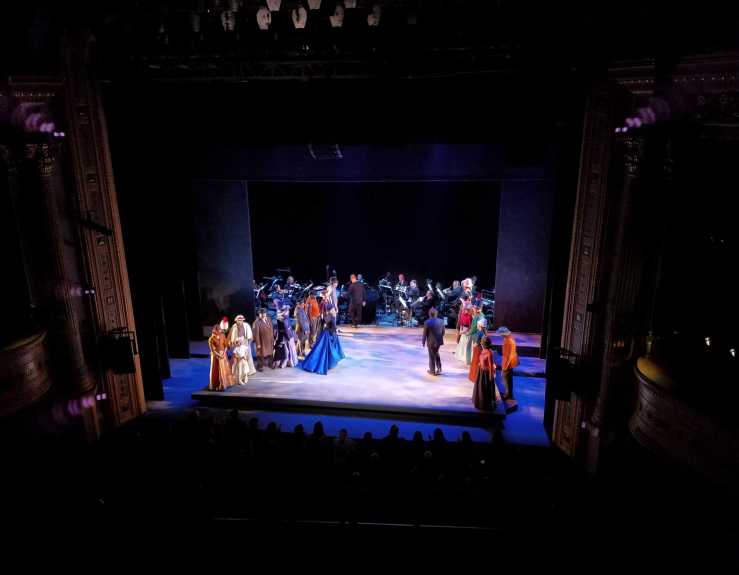
Jake Gyllenhaal embodied the master of pointillism and, on his side, Annaleigh Ashford performed the role of his muse and lover, Dot. The story unfolds with the perfectionist master obsessing over his work to such an extend that he ends up alienating the bourgeoisie, his peers and even his lover. His relationship is damaged, his fellow artists have rejected him, and yet…

Nothing will stop him from his quest to ”finish the hat”.

The story kicks off like this:

ACT I
Time: 1884.
A white stage. George, an artist, is sketching.

GEORGE
White. A blank page or canvas.
The challenge: bring order to the whole. (As he continues to speak, the white stage is transformed into a park on the island of La Grande Jatte. Trees descend onto the grass; a bottle glides into view; a cut out couple appear in the distance. The lighting gives the impression of early morning.)
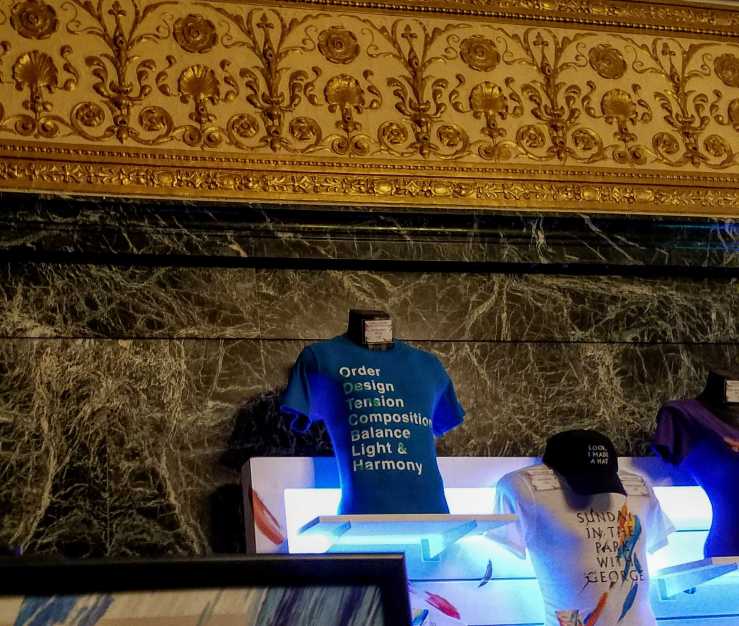
Through design.
Composition.
Tension.
Balance.
Light.
And harmony.

1. SUNDAY IN THE PARK WITH GEORGE
George is sketching. Dot is posing.

DOT
George. (no response) Why is it you always get to sit in the shade while I have to stand in the sun? (still no response) Hello, George? There is someone in this dress! (twitches slightly, sighs, mutters to herself)
A trickle of sweat.
The back of the head.
He always does this.
(hisses)
[…]

Until the painting was complete.

[…]
Forever
By the blue
Purple yellow
red water
On the green
Orange violet mass
Of the grass

DOT
In our perfect park

GEORGE
Made of flecks of light
And dark

ALL
(except George end Dot)
And Parasols…

People strolling through the trees
Of a small suburban park
On an island in the river
On an ordinary Sunday…
(All begin to leave very slowly, except Dot, who remains in the park, and George, who steps outside the park.)
Sunday… (A blank white canvas descends.)

GEORGE
(looking in the book again)
“White. A blank page of canvas. His favorite. So many possibilities…”
(He looks up and sees Dot disappearing behind the white canvas.)

Sunday in the Park with George
Music: Stephen Sondheim
Lyrics: Stephen Sondheim
Book: James Lapine

The Hudson Theatre, Broadway
March 11th, 2017
Philadelphia – For Brothers. For Sisters. For Love

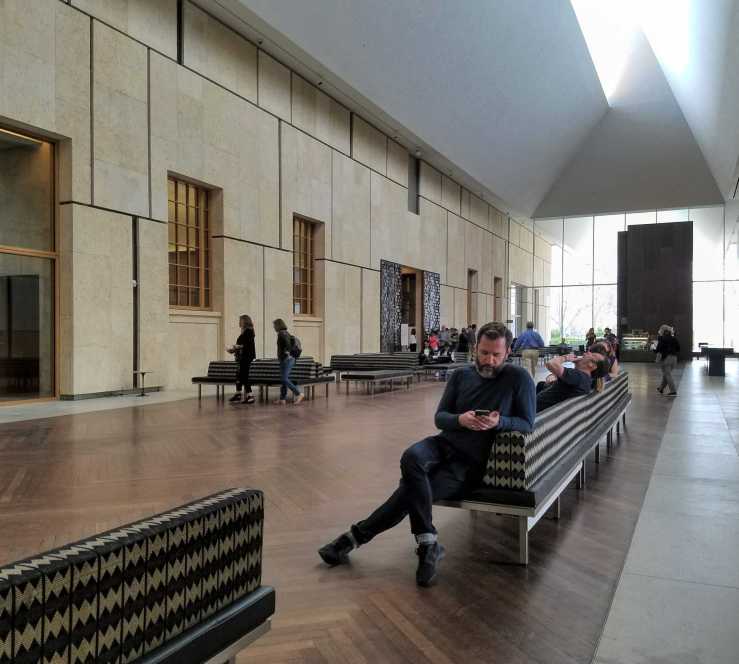
A lovely coincidence it was, two Greeks in their first trip outside New York, to a city with a Greek name. From philos > φίλος > friend and adelphos  > αδελφός > brother; who knows what Penn was thinking when he named her. One thing is sure, he did have good intentions. 

Philly sparkled as she waived goodbye that night. Penn would have been proud.

Philadelphia
February 25th, 2017
Philadelphia – A City Street || An Institution

Albert Barnes taught people to look at works 
of art primarily in terms of their visual relationships.

The Barnes is home to one of the world’s greatest collections of impressionist, post-impressionist, and modern European paintings, with especially deep holdings in Renoir, Cézanne, Matisse, and Picasso. Assembled by Dr. Albert C. Barnes between 1912 and 1951, the collection also includes important examples of African art, Native American pottery and jewelry, Pennsylvania German furniture, American avant-garde painting, and wrought-iron metalwork.

The minute you step into the galleries of the Barnes collection, you know you’re in for an experience like no other. Masterpieces by Vincent Van Gogh, Henri Matisse, and Pablo Picasso hang next to ordinary household objects—a door hinge, a spatula, a yarn spinner. On another wall, you might see a French medieval sculpture displayed with a Navajo textile. These dense groupings, in which objects from different cultures, time periods, and media are all mixed together, are what Dr. Barnes called his “ensembles.”

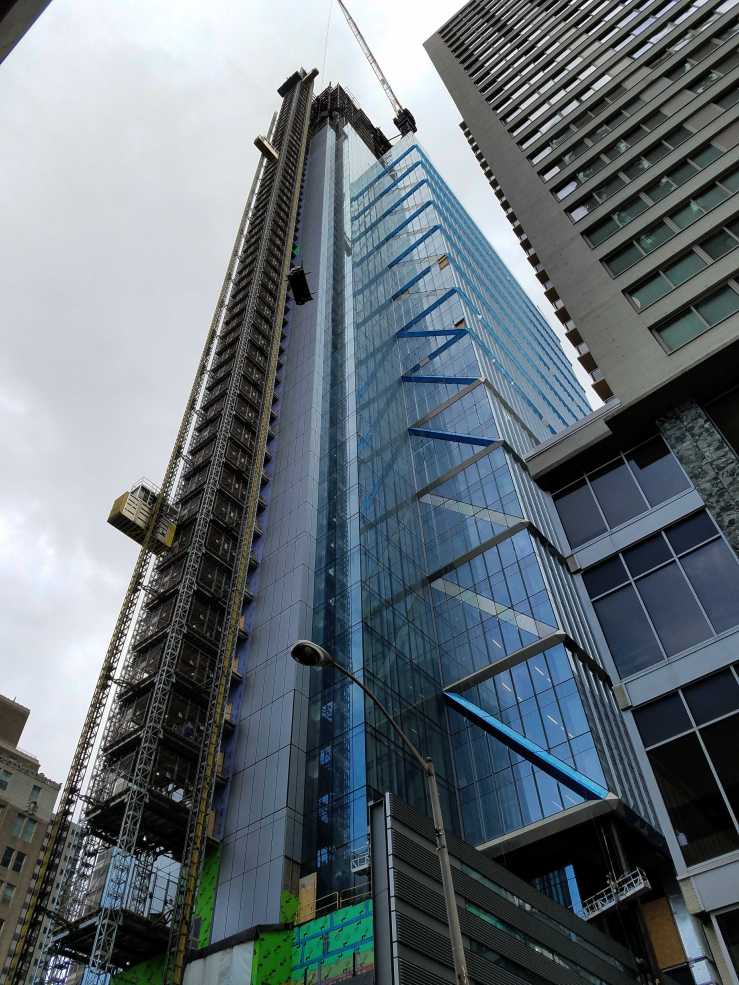
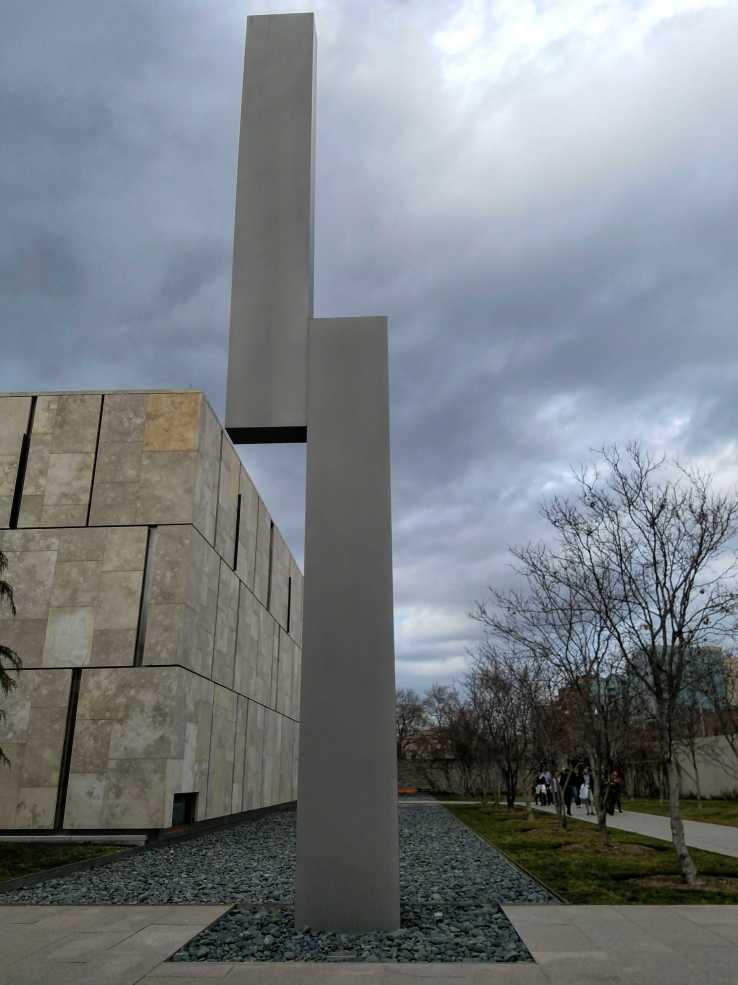
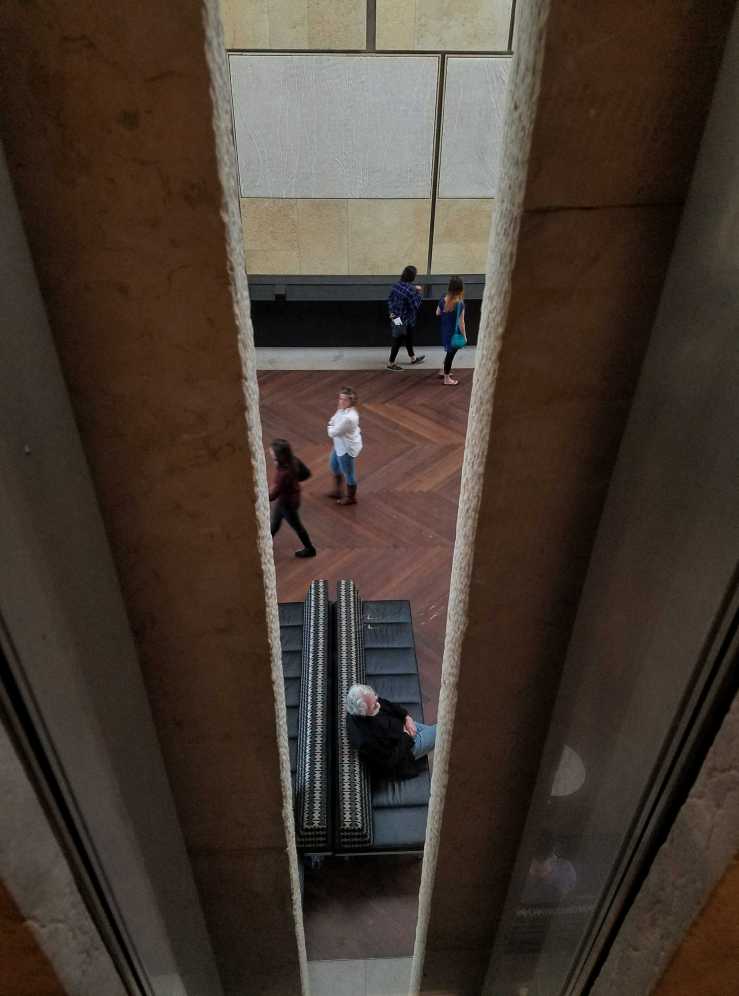
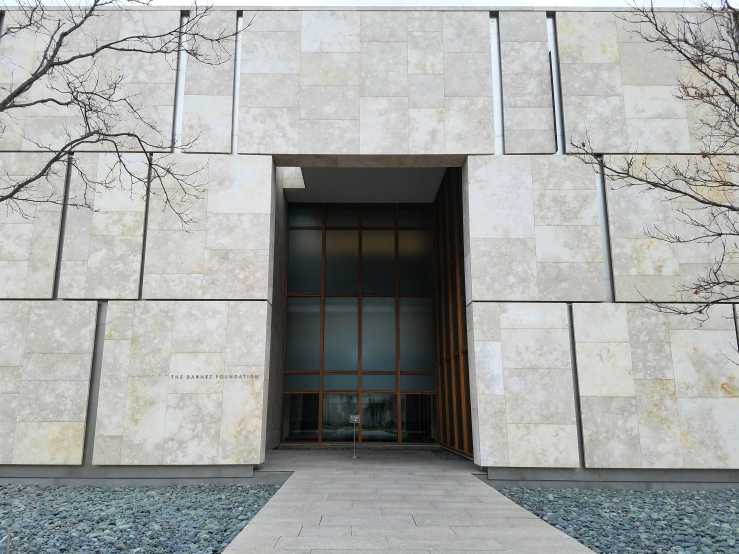
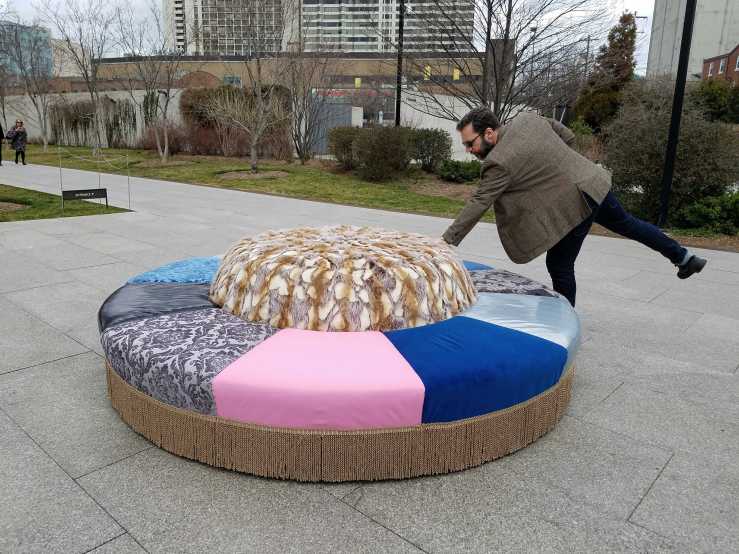
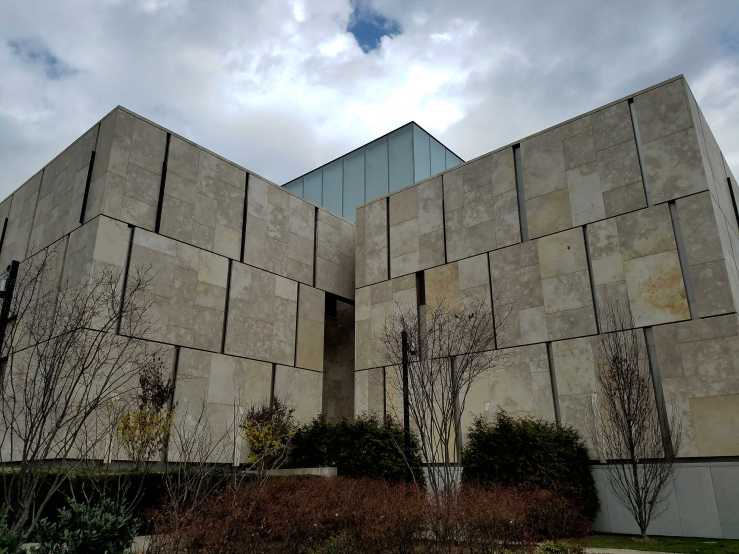
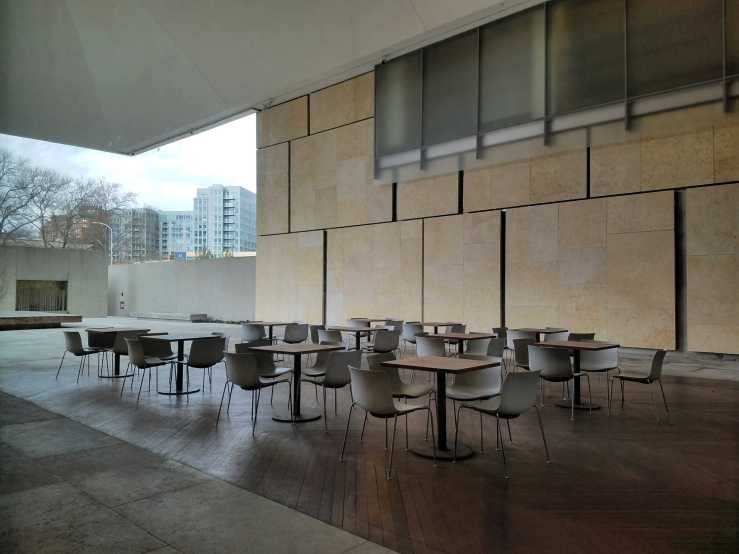
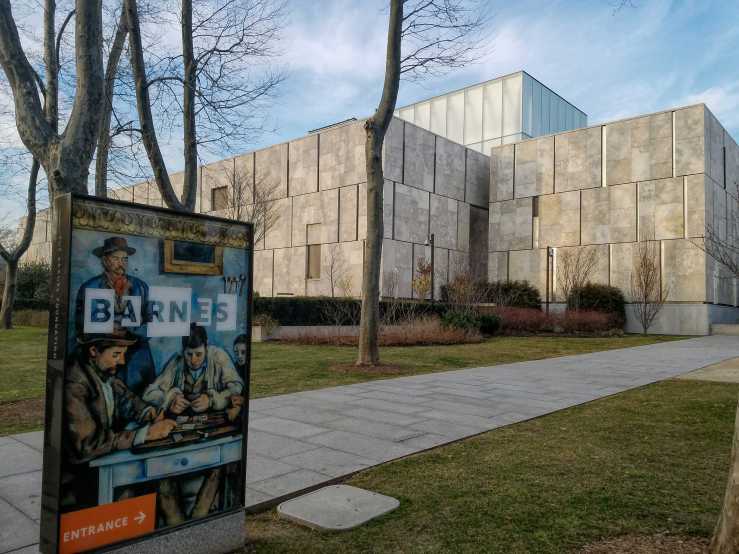
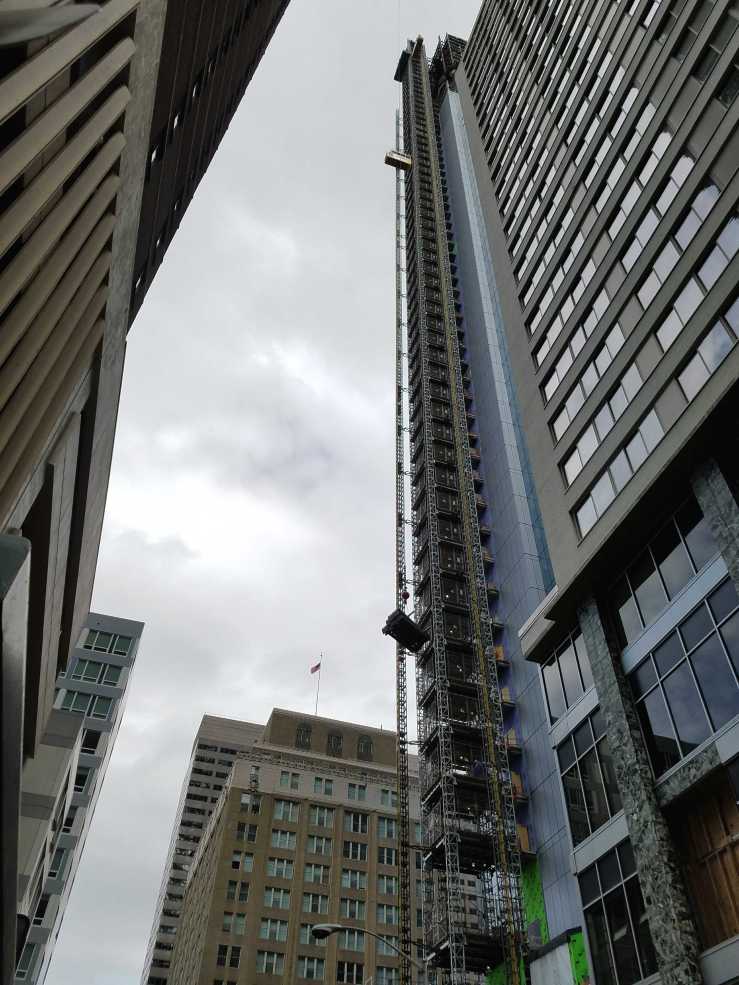
In this spirit, here is an ”ensemble” of my own, a compilation of images from the up and coming Comcast Technology Center – with its dangerous-looking platform lift – and the Barnes Foundation. Photography inside the galleries is not permitted and, for once, I understand. With its small rooms and artworks arranged over the entire length and width of the walls, the ”ensembles” are not easy to capture – at least not by the casual photographer.

The Barnes Foundation
Philadelphia

February 25th, 2017
Philadelphia – The Ben Franklin Bridge

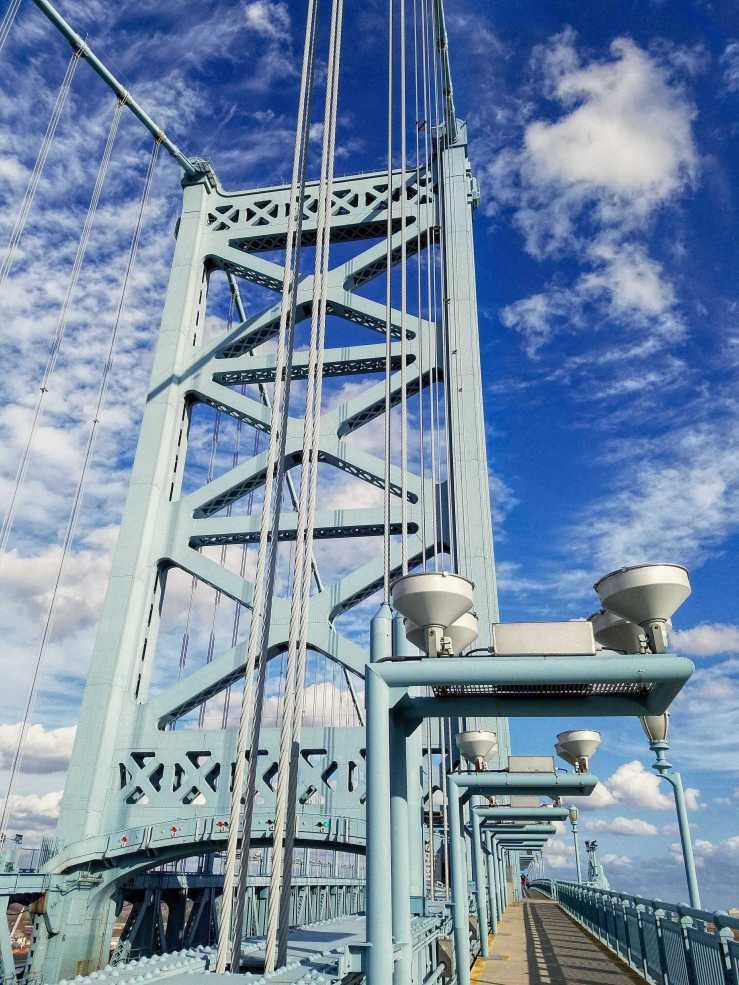
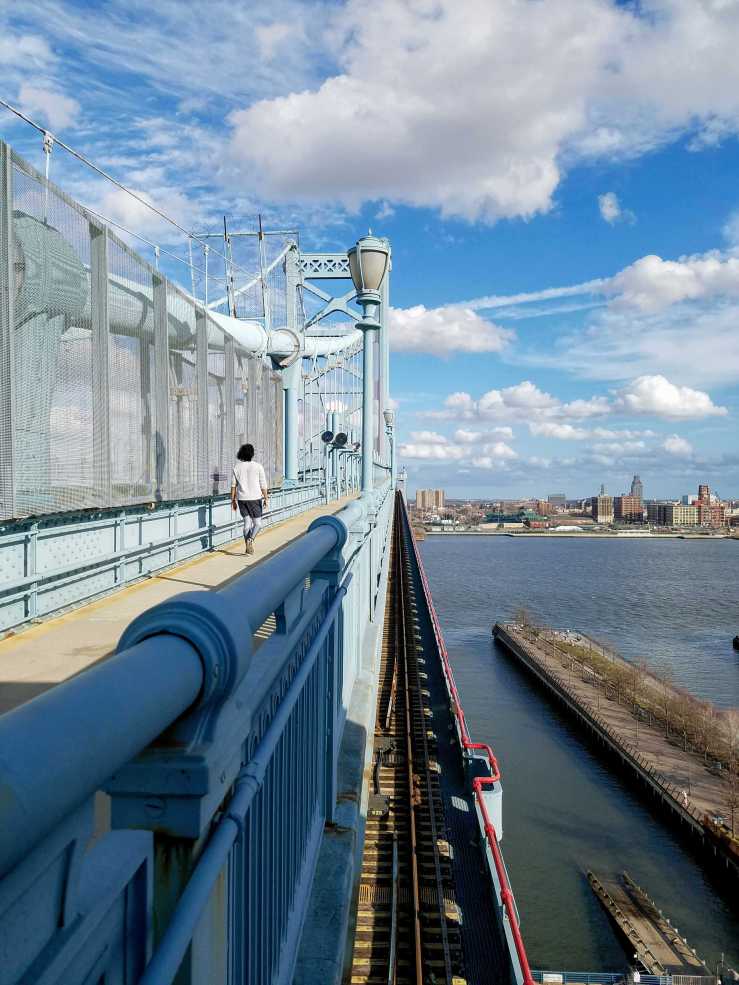
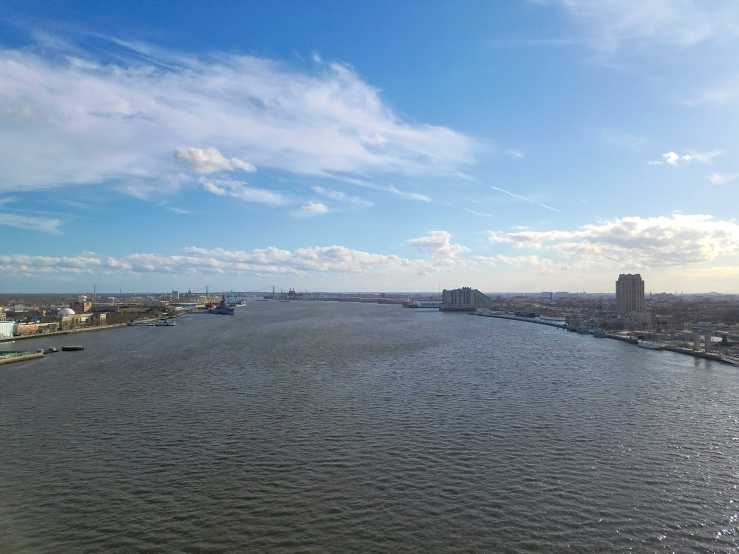
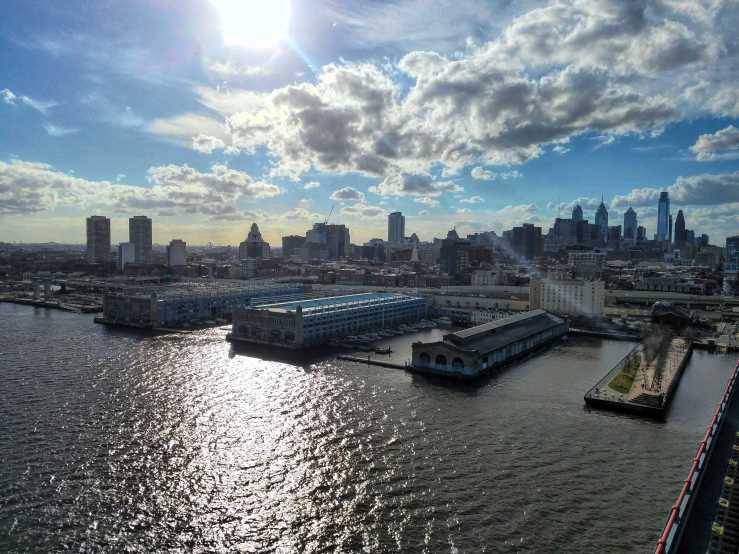
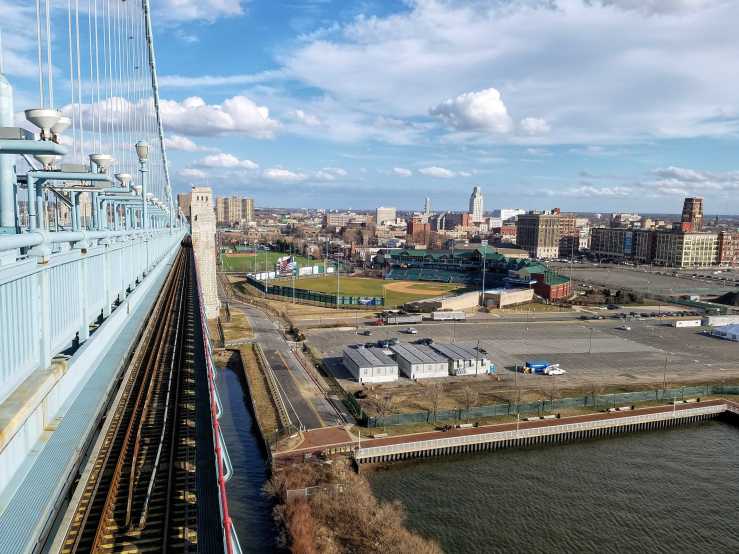
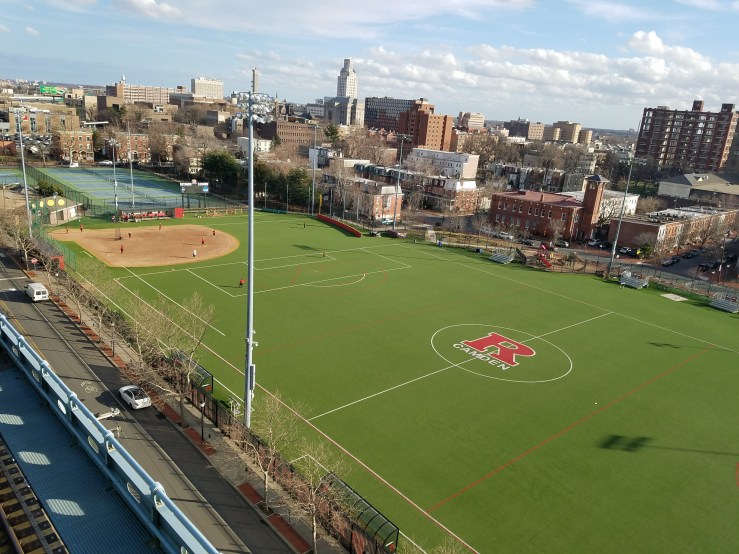
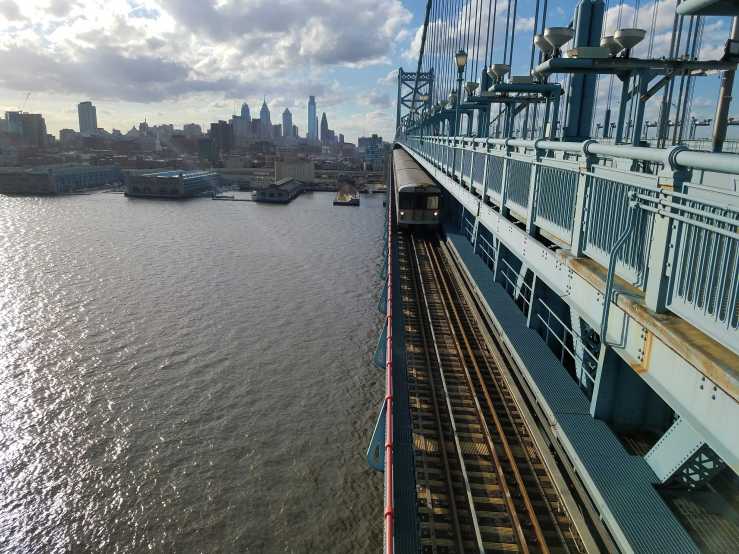
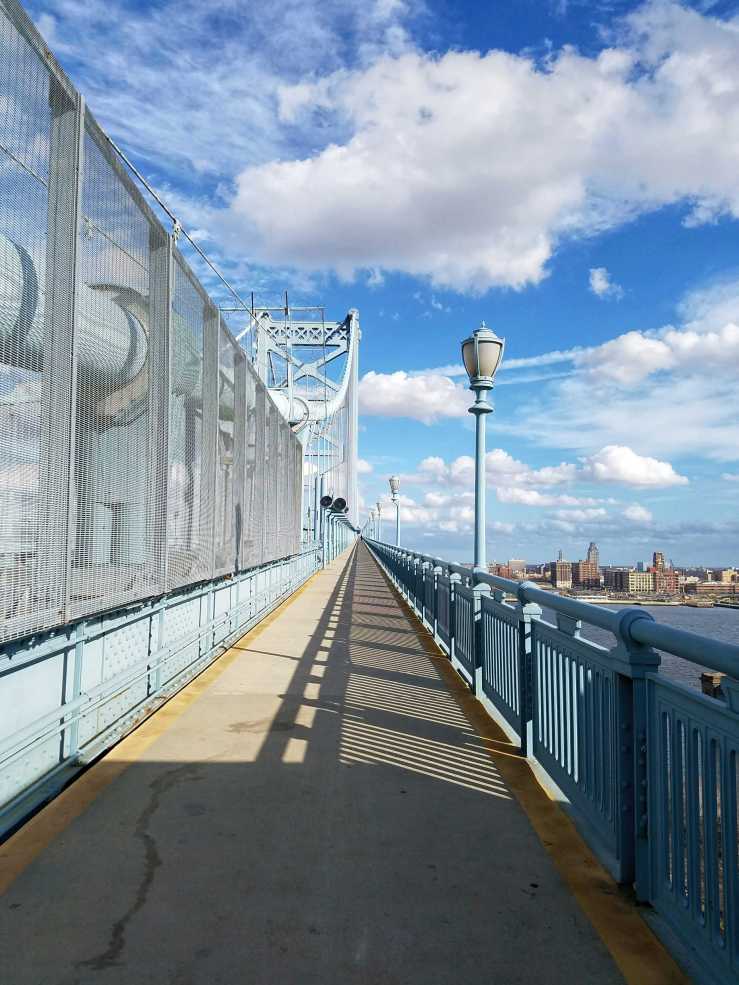
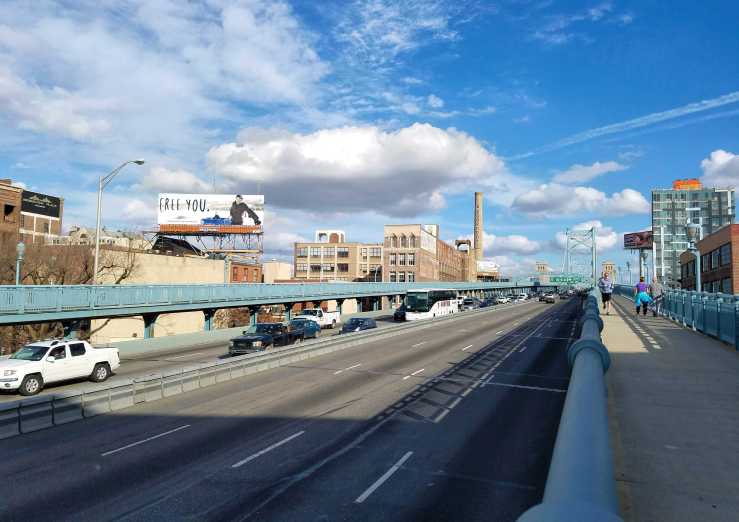
Dear Ben is omnipresent in Philadelphia. Monuments, museums, his memorial, this bridge, they all honour one of America’s most illustrious figures.The bridge named after Benjamin Franklin spans across Delaware River and connects two Cities and two States: Philadelphia, Pennsylvania and Camden, New Jersey. It can be crossed by car, train, bike or, like we did, on foot. Around 1,3 miles or 30′ walk, longer if you pose to take photos, soak up the views, try to identify Philly’s tall buildings in the background or just take deep breaths of fresh air. Or maybe watch a game.Camden Waterfront, on the other side, was undergoing a major redevelopment and didn’t look too welcoming at the time so we just turned back without exiting the bridge. 

The Ben Franklin Bridge
Philadelphia

February 24th, 2017
Philadelphia – The House of Edgar Alan Poe

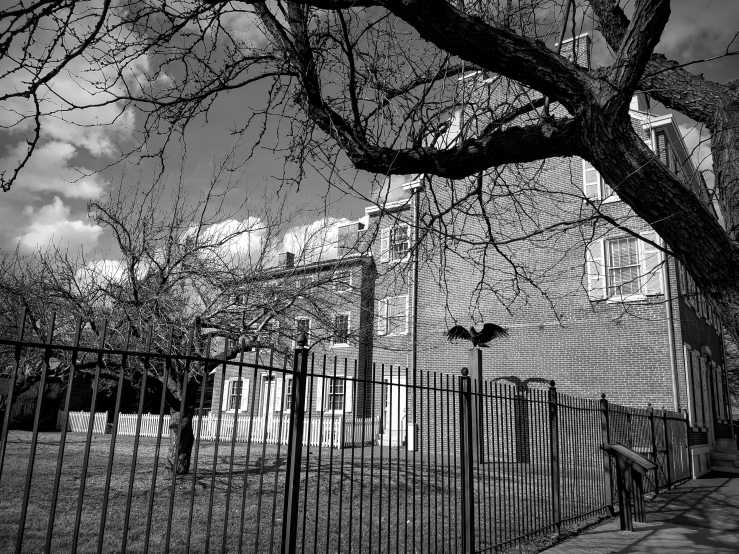
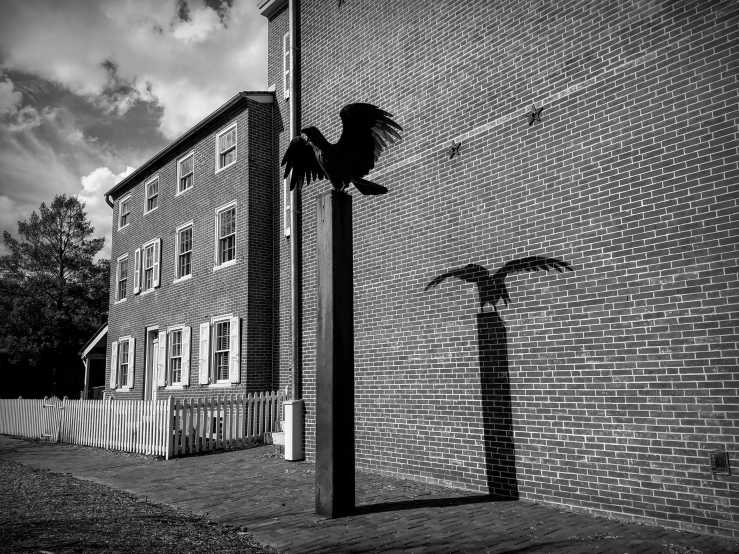
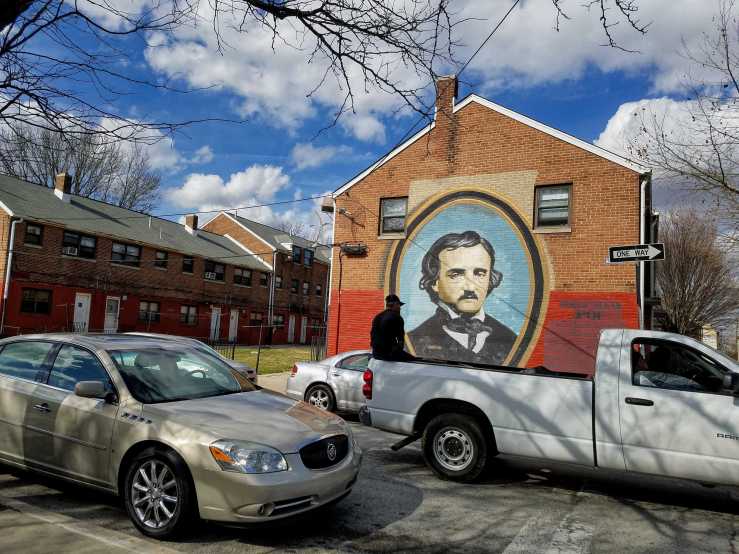
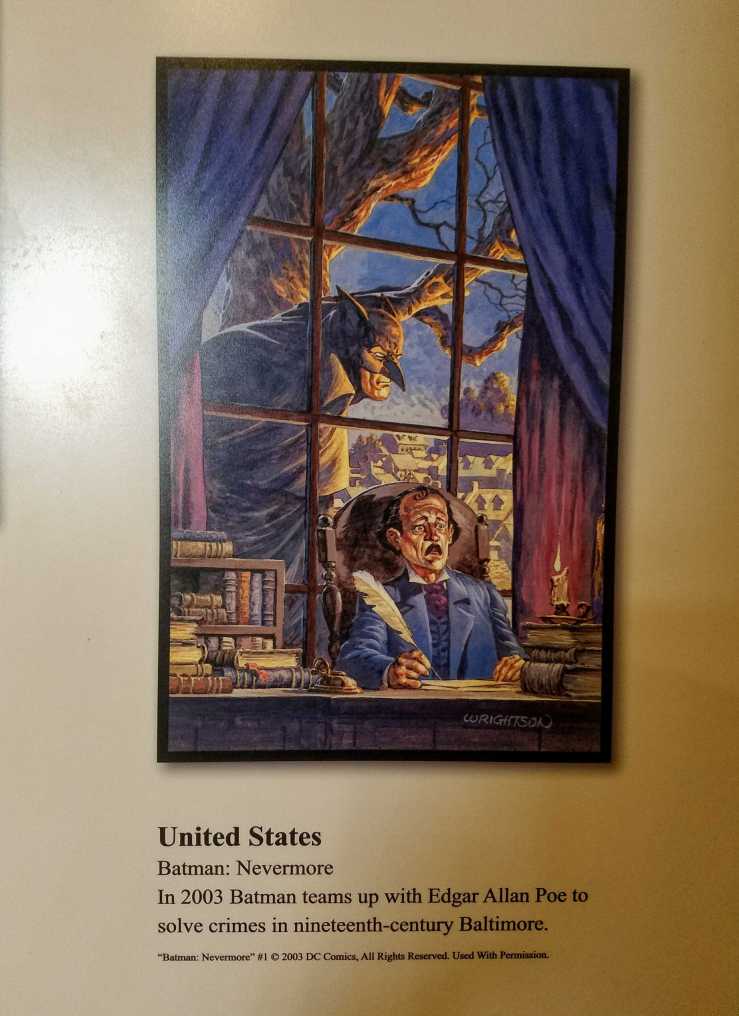
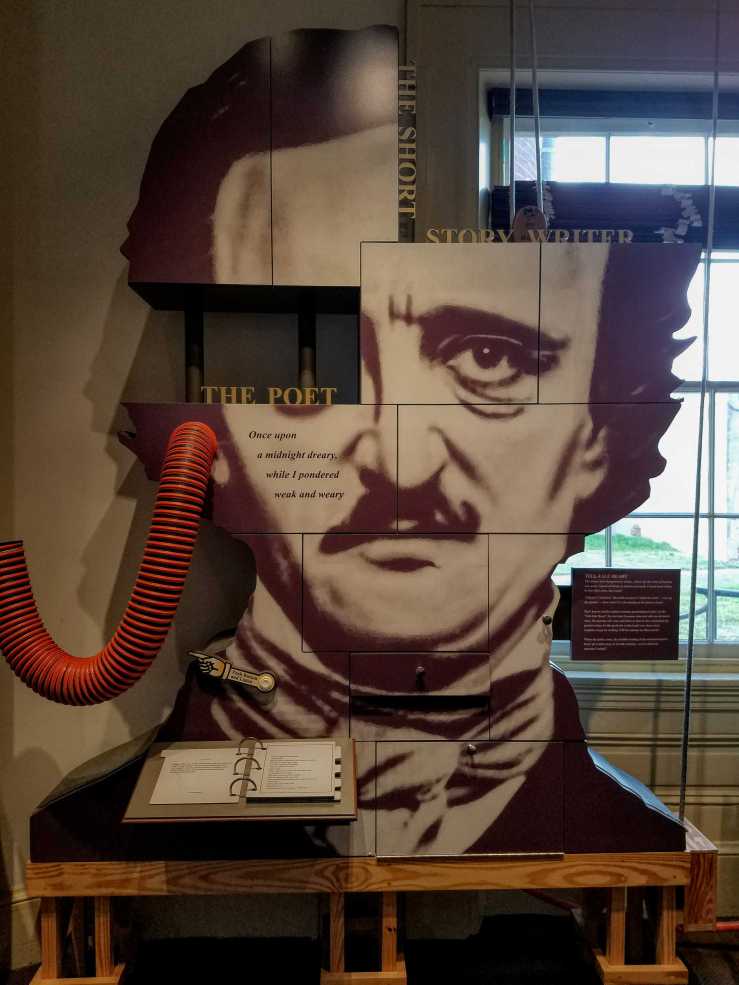
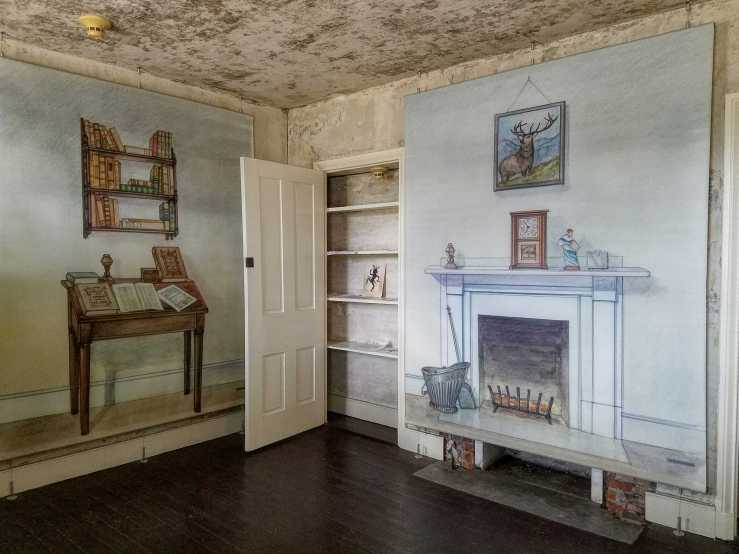
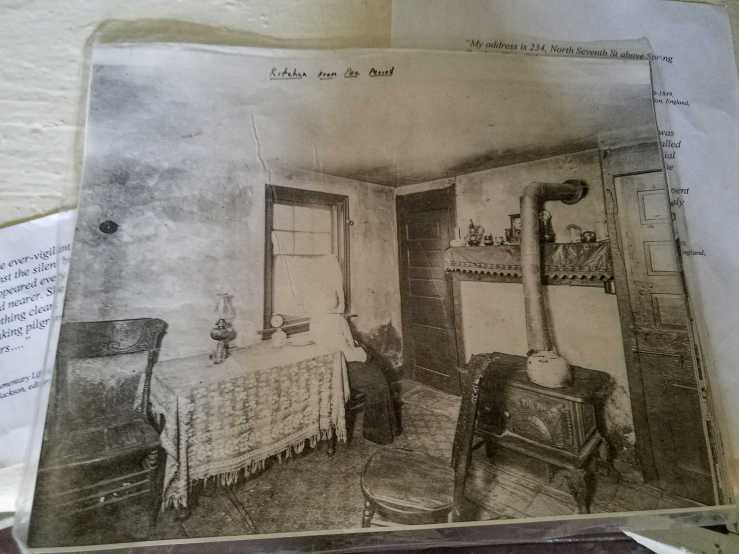
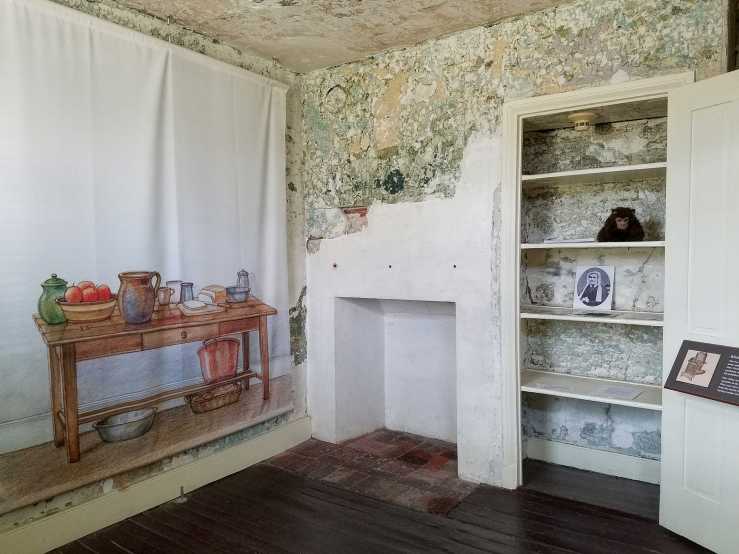
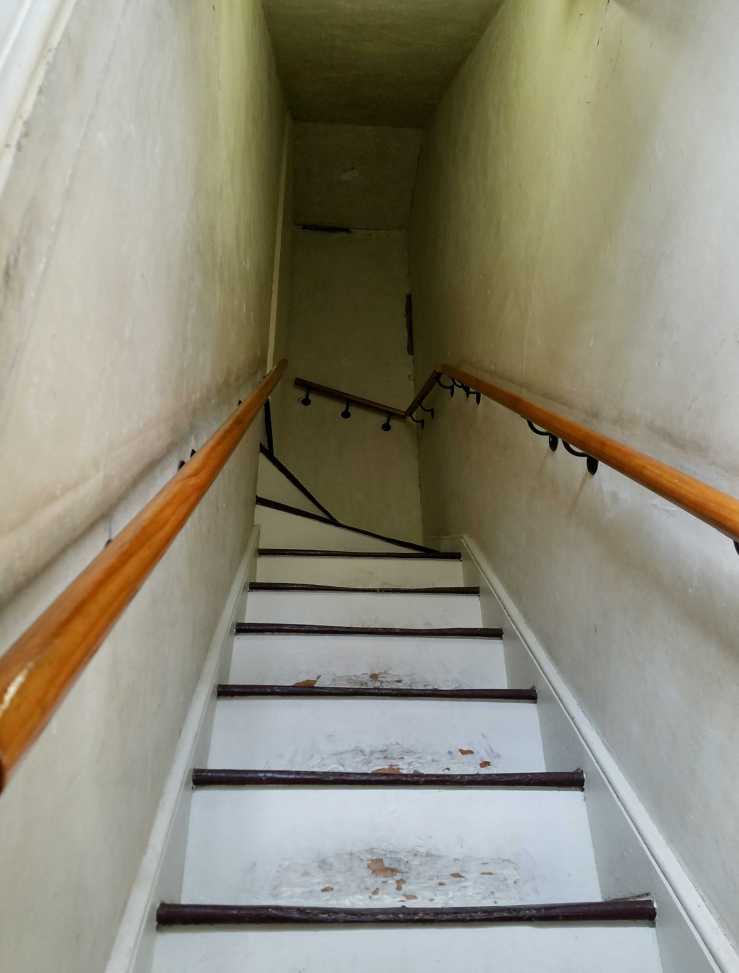
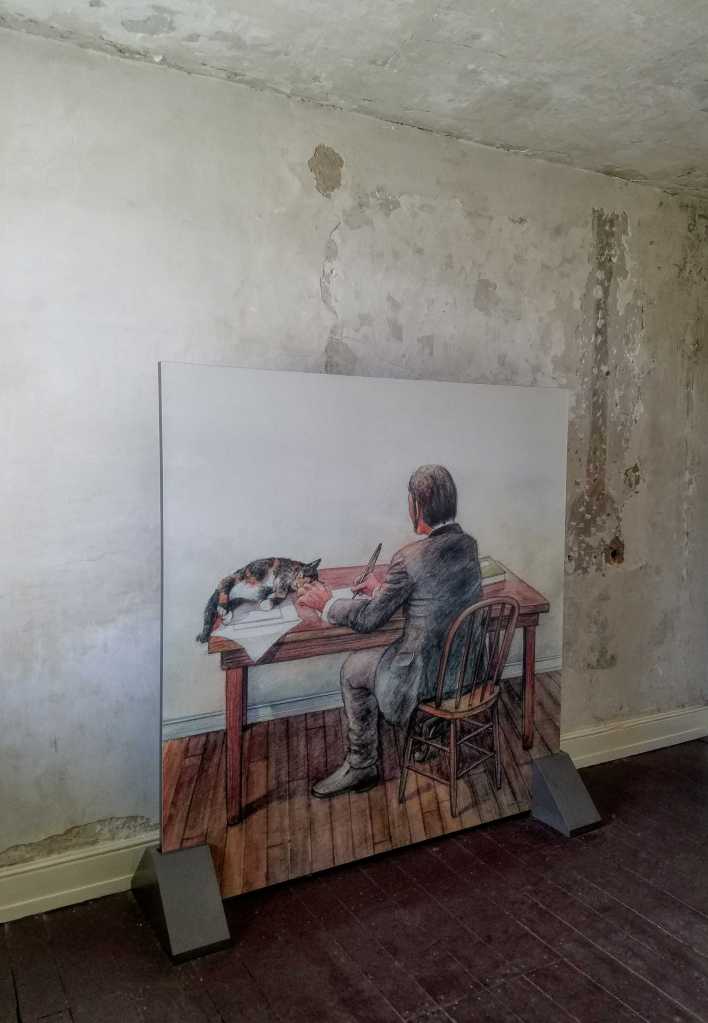
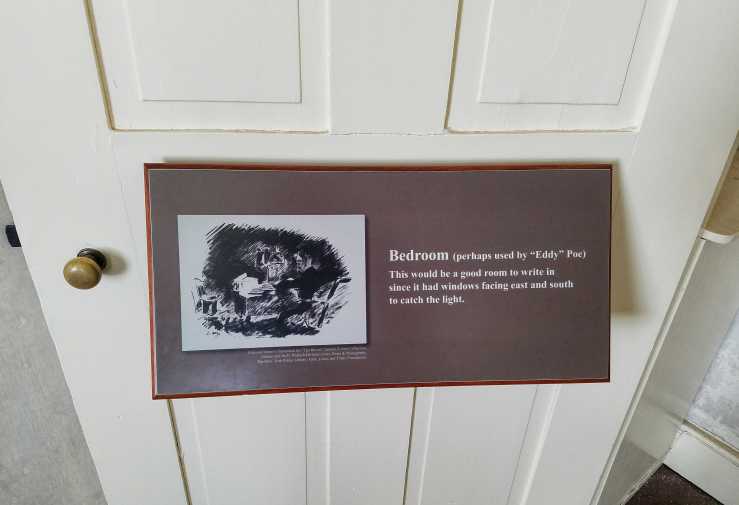
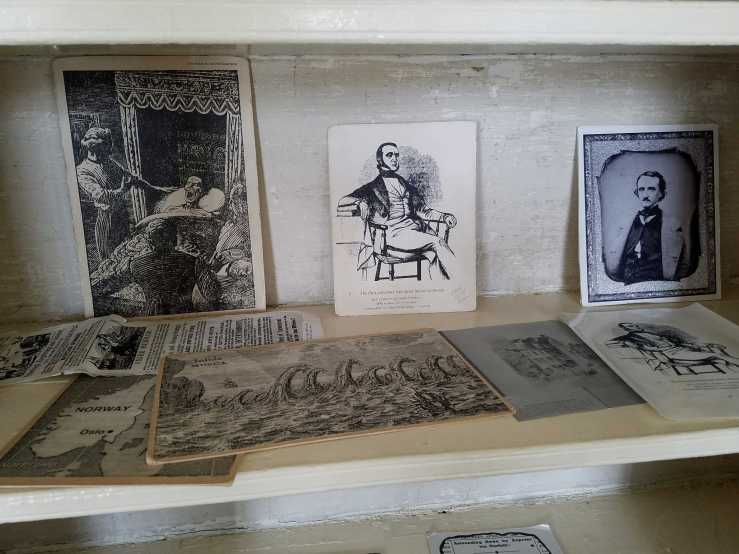
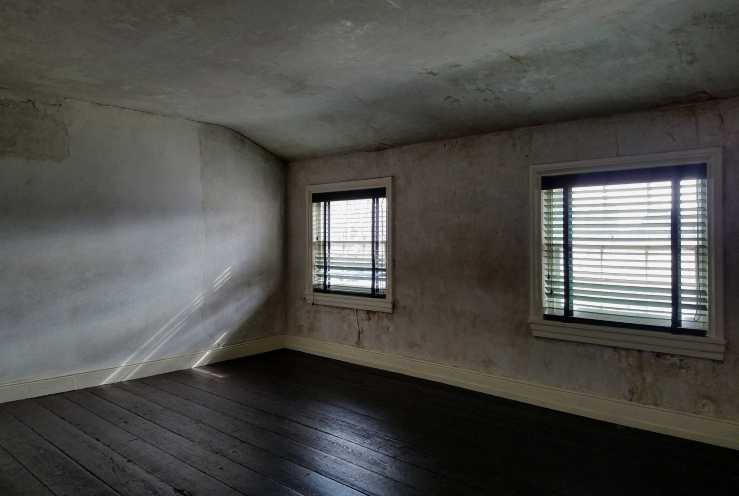
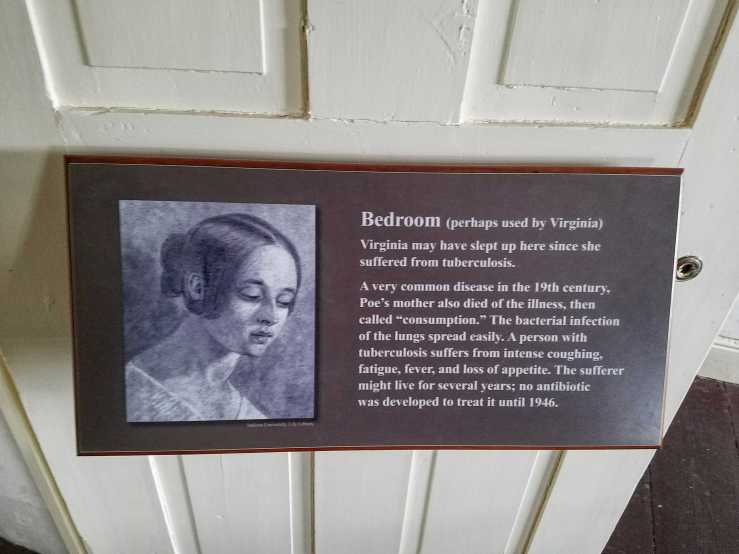
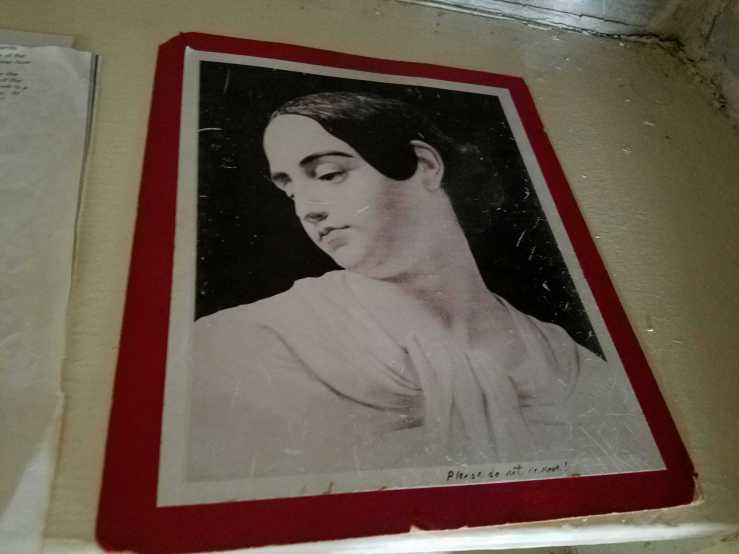
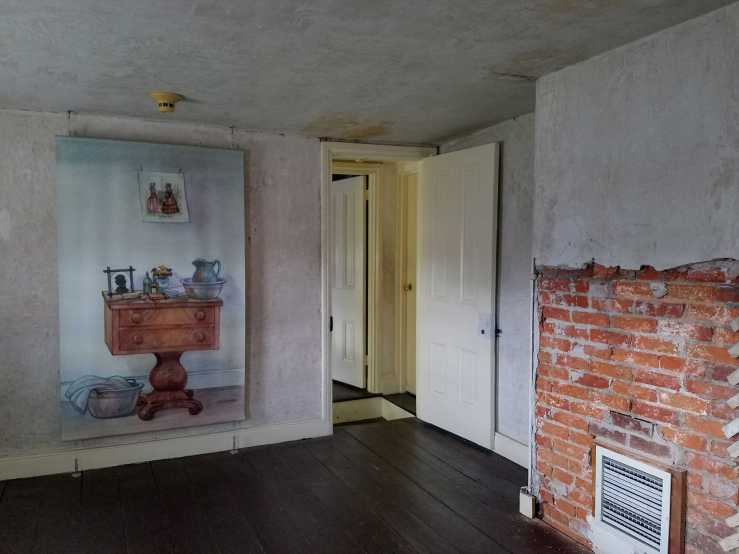
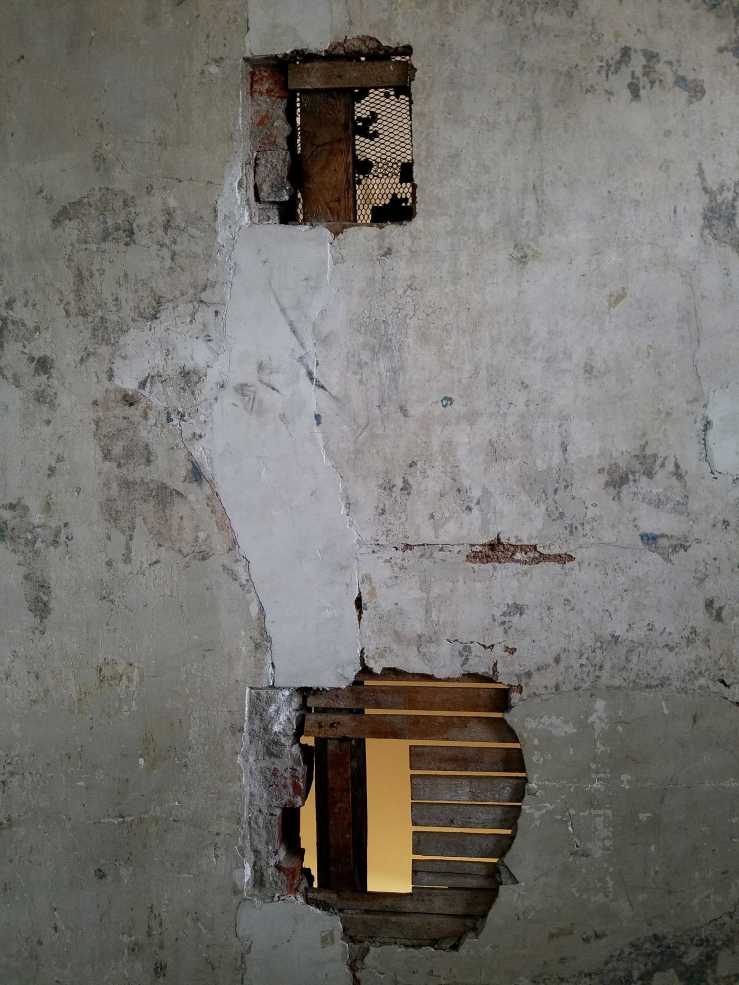
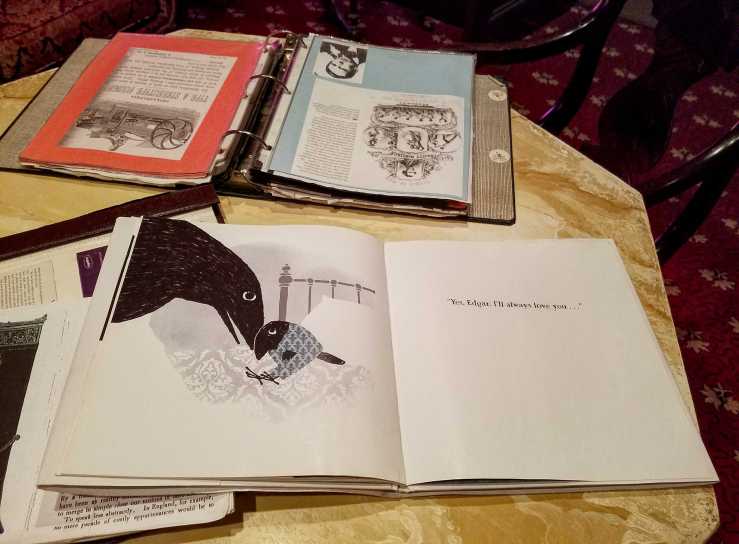
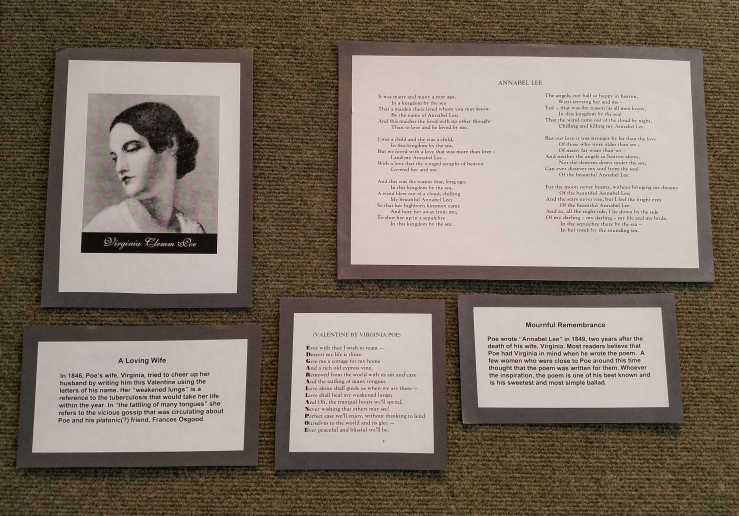
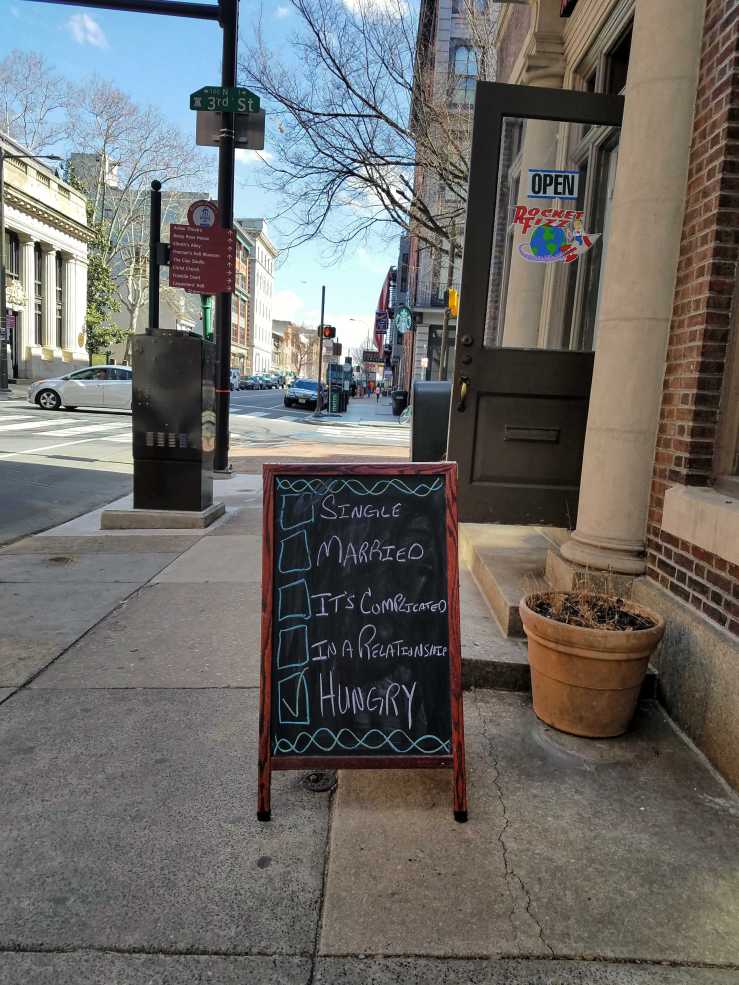
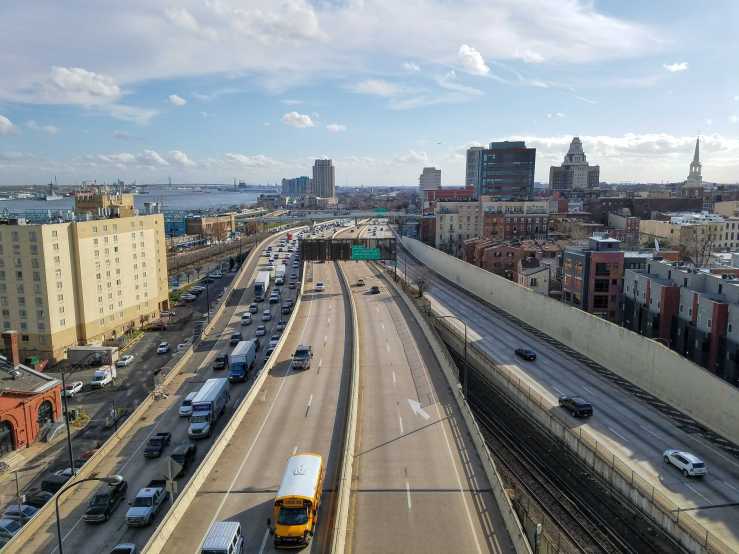
For all its charm and history, Elfreth’s Alley was not our destination – just a passage to Philadelphia’s most poetic home. A thirty minute walk beyond the Expressway to an area I wouldn’t like to find myself after dark, and there it was. Poe lived in different houses during his six-year residence in Philadelphia, but this is the only one still standing. Poe lived here with his beloved wife Virginia and devoted mother-in-law Maria Clemm who was an excellent housekeeper, a great help to the couple especially while Virginia was in declining health. The house is stripped bare; no objects or furniture belonging to Poe because nothing was left behind when the family moved on to their next home in the Bronx. Only drawings and period photographs indicate how it would have looked back then.  Narrow staircases and tiny rooms always make me wonder how much we and our living spaces have expanded over the years.
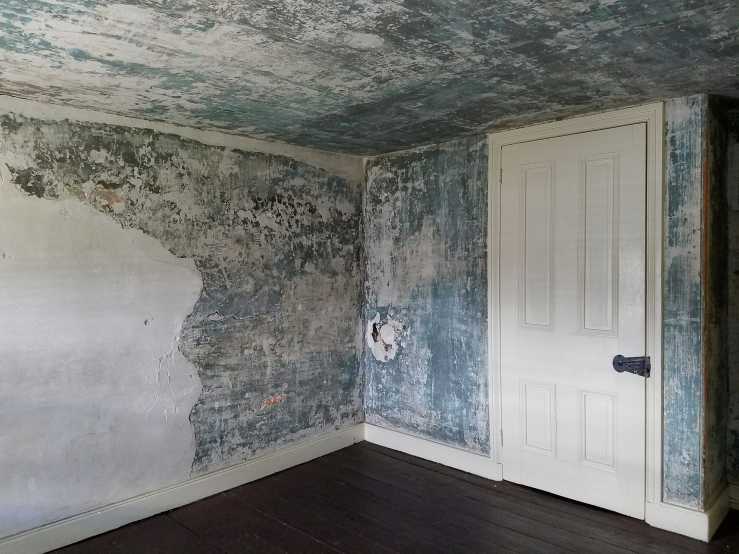
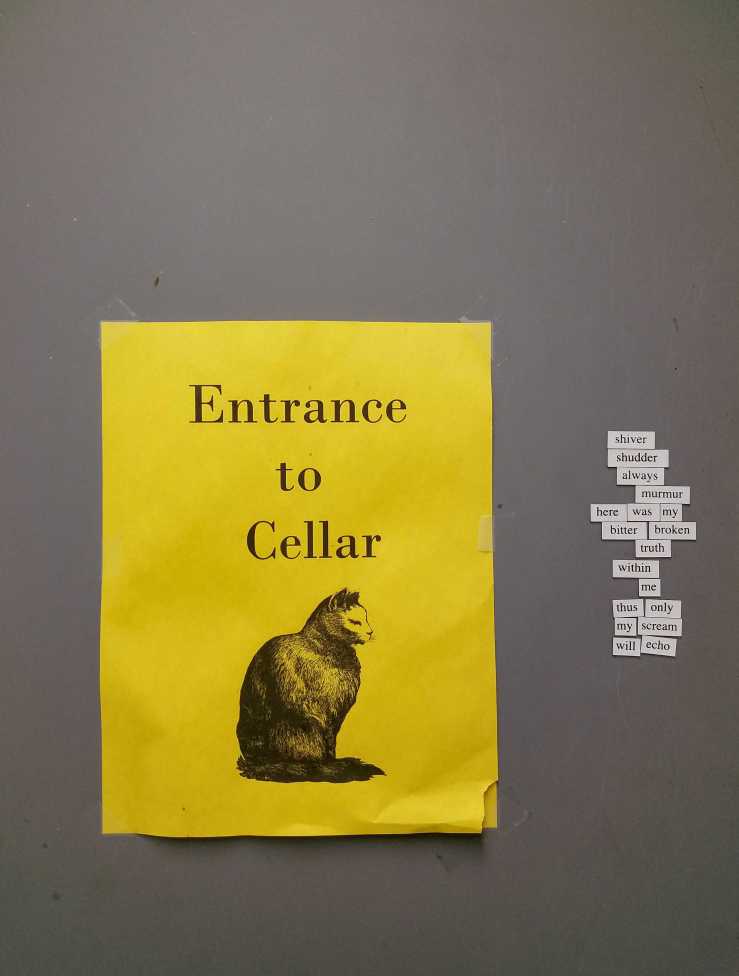
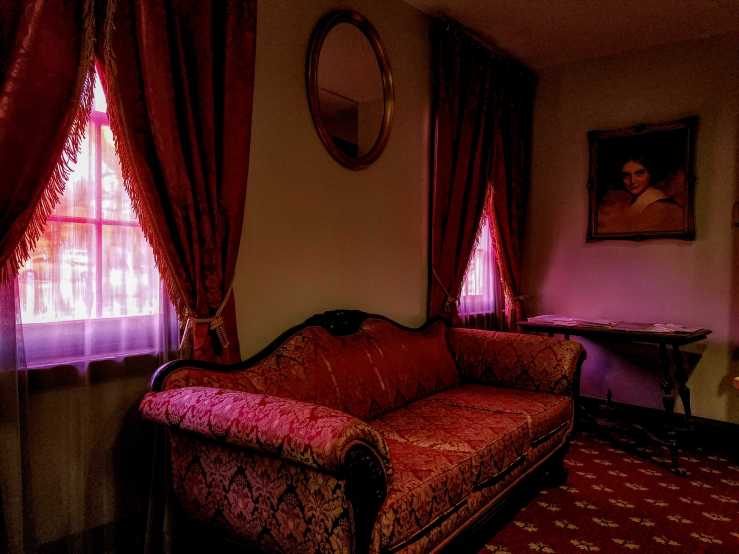
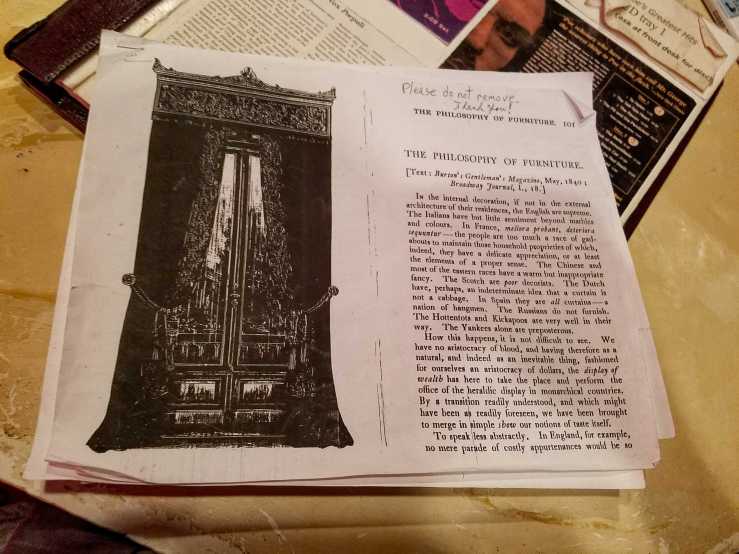
The cellar, that is said to have been described in “The Black Cat” (1843), a short story written here, in Philadelphia. The reading room, the only furnished one in the house and decorated according to Poe’s ”The Philosophy of furniture”. A library with the full body of Poe’s work is available and visitors are warmly encouraged to sit comfortably and indulge to their heart’s content. Plan ahead though: admission is free but the house is open only Friday through Sunday, from 9am – 12noon, and 1pm -5pm. And they do take their lunch break seriously! Edgar Allan Poe’s House
532 N. 7th Street
Philadelphia

February 24th, 2017
Betsy Ross & Elfreth’s Alley

Leaving the ”Keys to Community” in the capable hands, or should I say bust, of Mr. Franklin we followed Arch Street towards 2nd Street, finding some quaint little shops along the way.

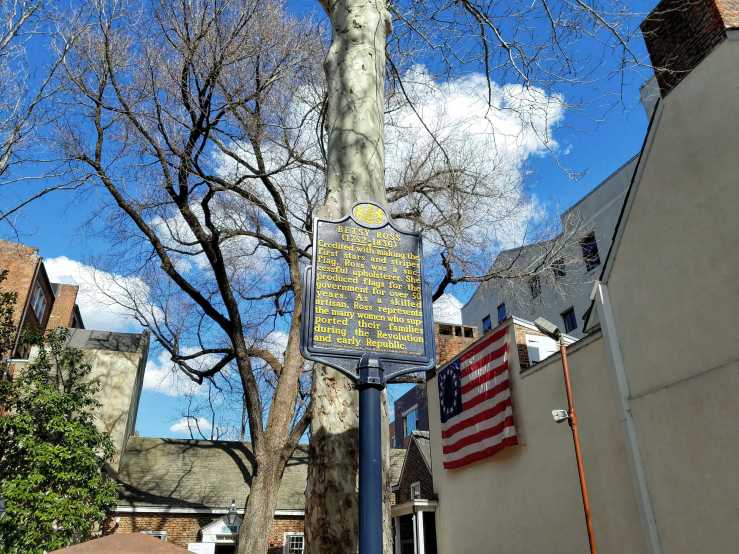
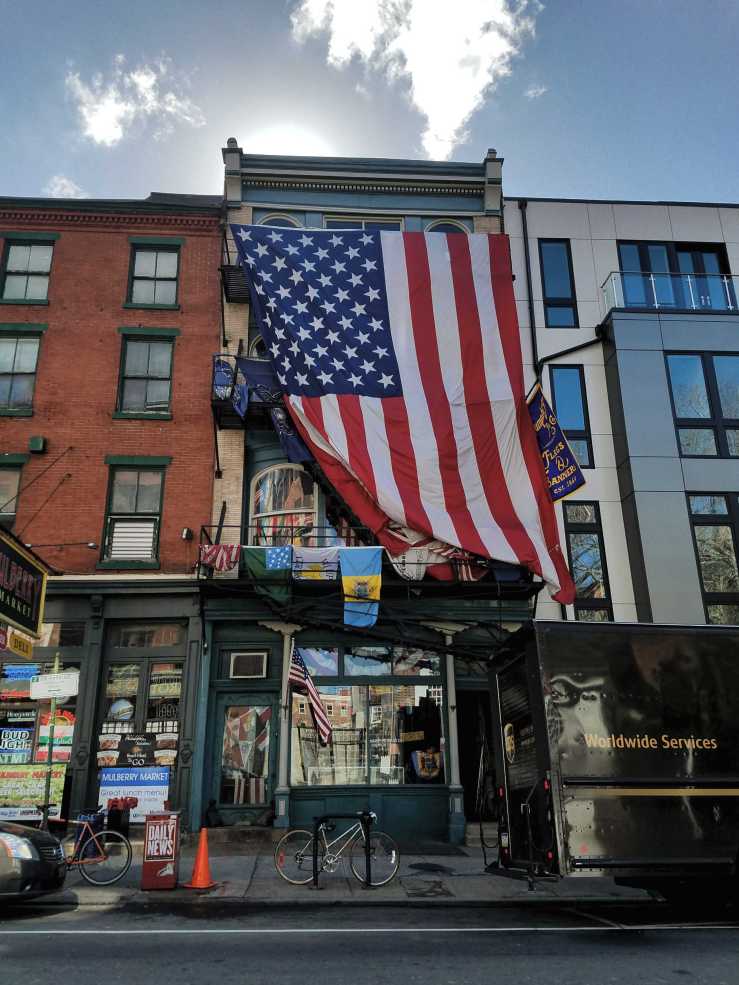
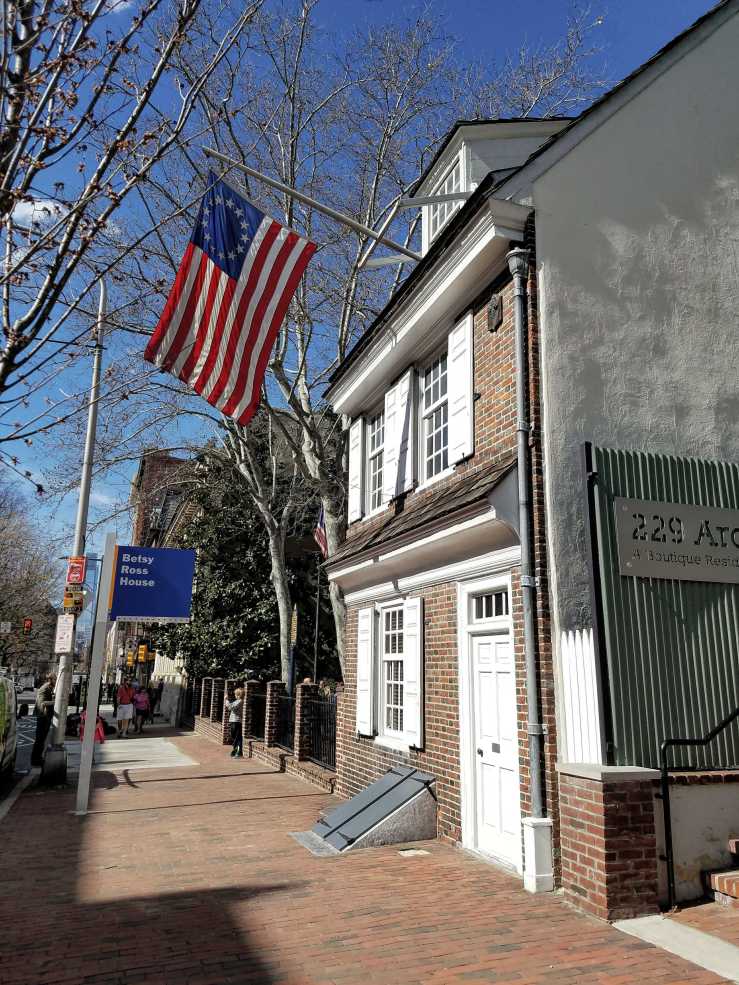
To Betsy Ross’ House. Ms Ross was a seamstress, credited with sewing the first American flag – to Mr. Francis Hopkinson’s design, as we learned from his epitaph earlier. While no proof exists of Ms. Ross’ accomplishment, the fact remains that she is a beloved figure and her legend lives strong. And, right across her house, a giant flag. Can you get more patriotic than that? 

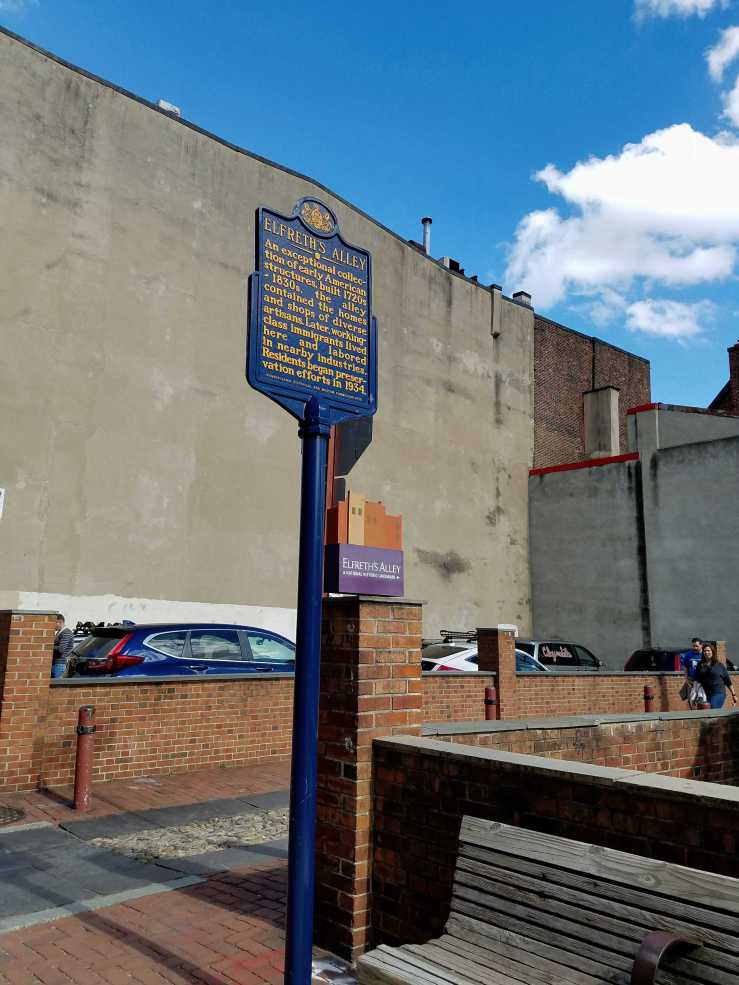
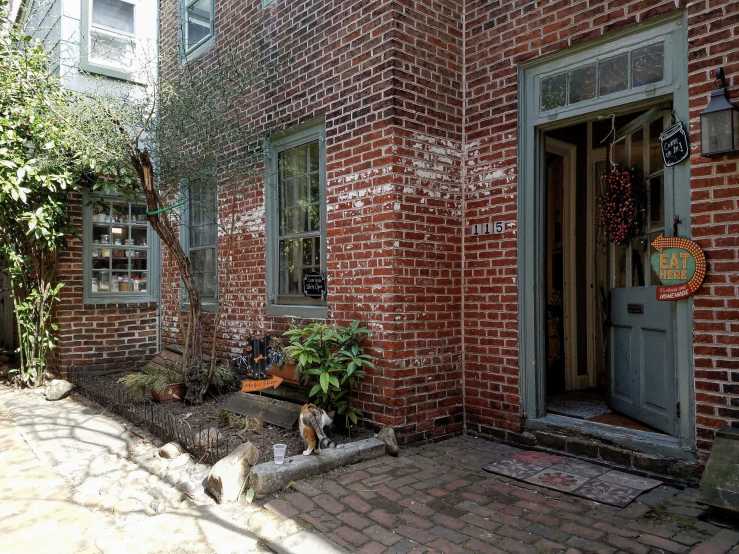
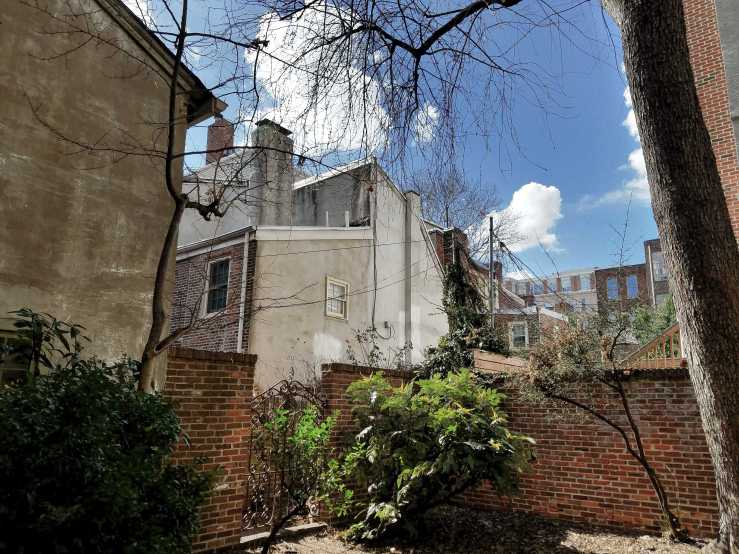
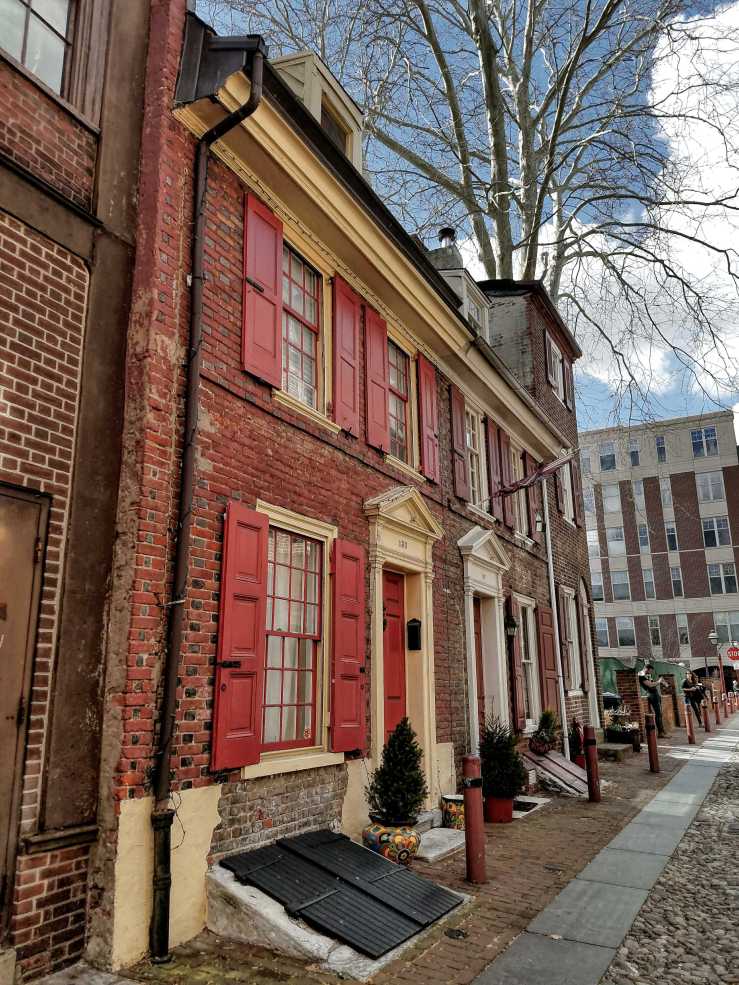
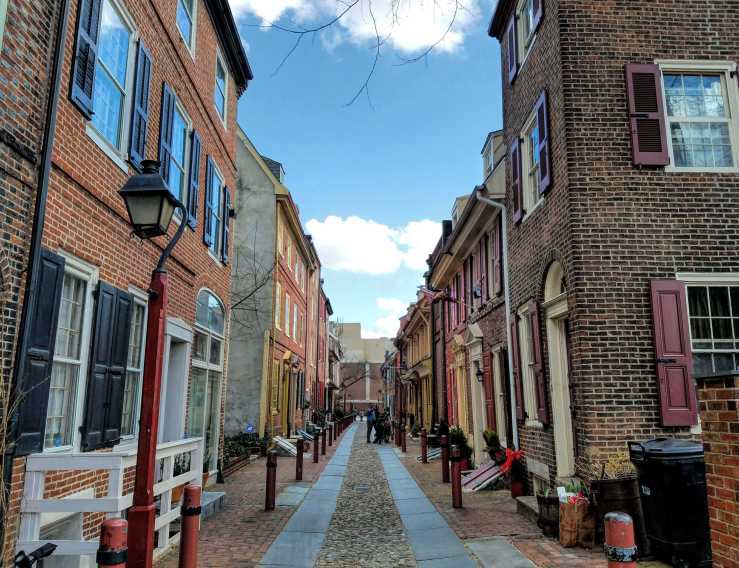
Yes, you can – by way of preserving your city’s history for generations to come. Like Elfreth’s Alley. Connecting N 2nd Street with N Front Street, it has been there since the 1700s – the oldest residential street in the United States, only because of the efforts of its very residents. Built by merchants and tradesmen to house their families, later welcoming working class immigrants, today impeccably preserved by its community of artists, artisans, educators and entrepreneurs. A street with its own history, its own architecture and website, a little world of its own.

With the most charming dwellers, indeed.

Philadelphia
February 24th, 2017
Philadelphia – Benjamin Franklin

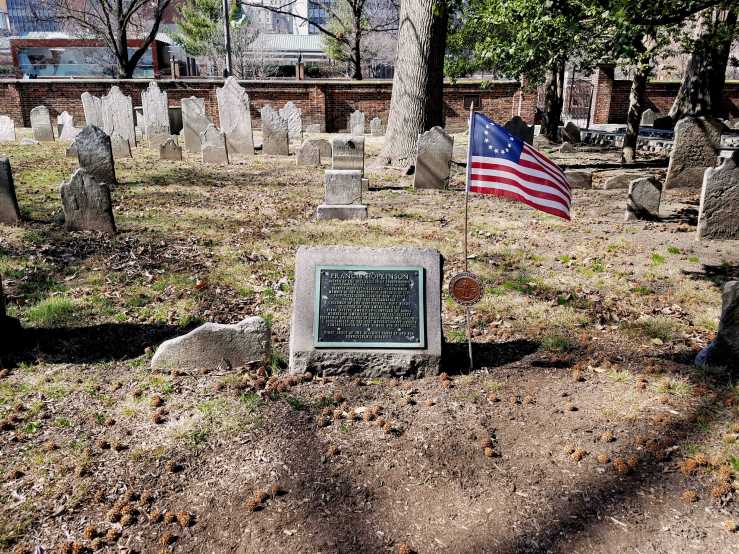
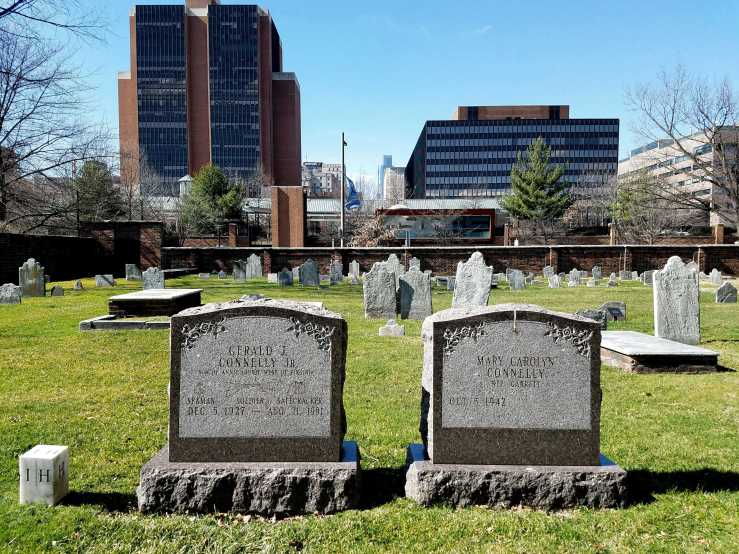
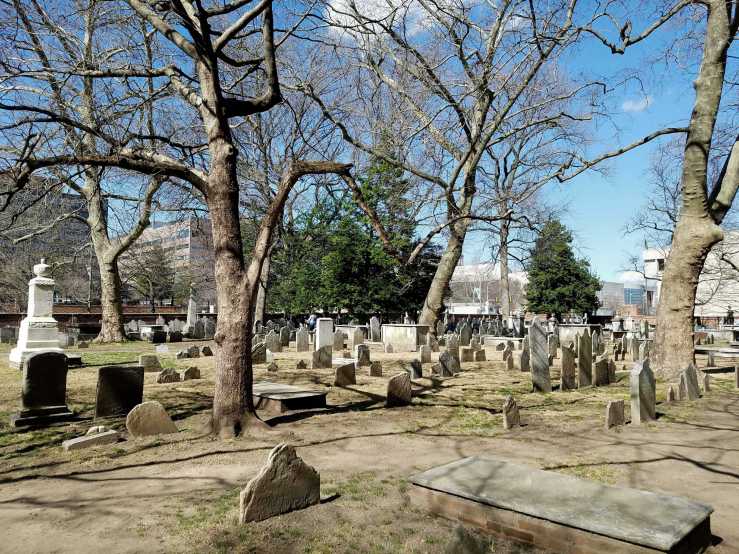
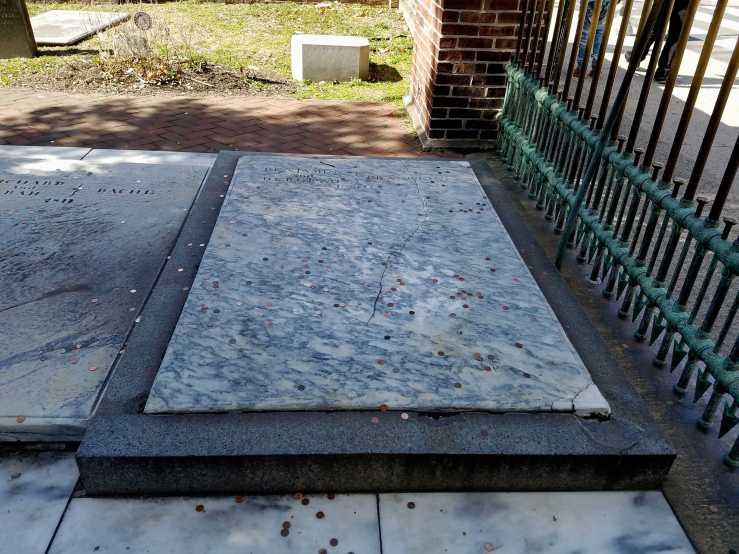
Back in Philadelphia, on to more agreeable sights, starting with Benjamin Franklin’s resting place, in Christ Church Burial Ground. The great man sleeps close to other patriots and prominent figures like Francis Hopkinson, designer of the first official American flag:

And Gerald Connely, a Seaman, Soldier, Safecracker. Wait… Safecracker?!? Was Gerald Connely Philadelphia’s most prominent crook? A quick research showed that actually, Connelly was a world-class locksmith who was cooperating with the FBI whenever his expertise was needed. He was also a very funny guy who knew, when we was writing his parting words, that he would get people looking twice.

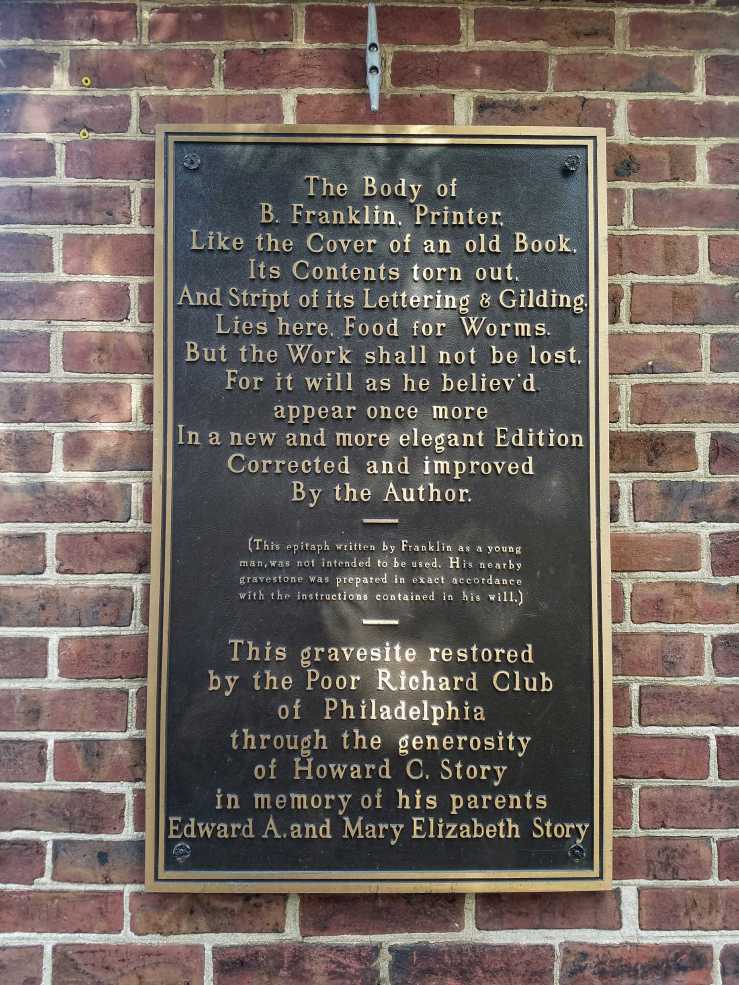
Finally, Mr. Franklin. He was just 22 when he wrote his epitaph. I wonder what made a man think about writing an epitaph at such a young age:

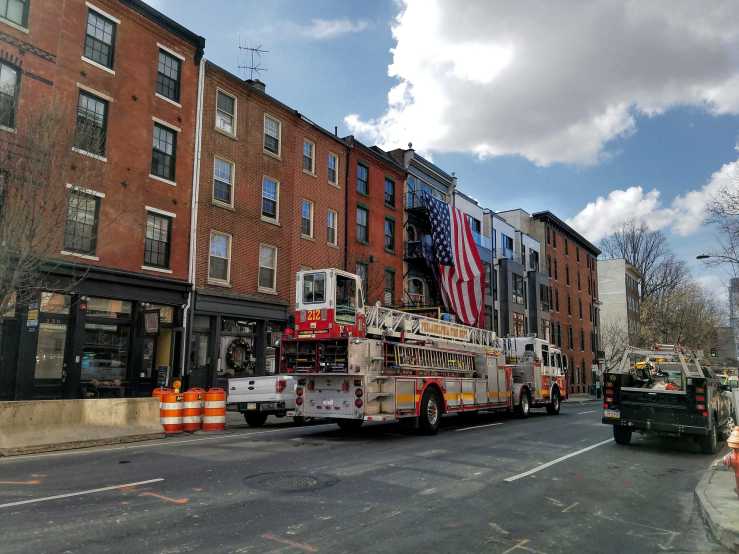
On the way out, a fire engine, descendant of the service that Franklin helped create in 1736, the Union Fire Company, one of the first volunteer firefighting companies in America: 

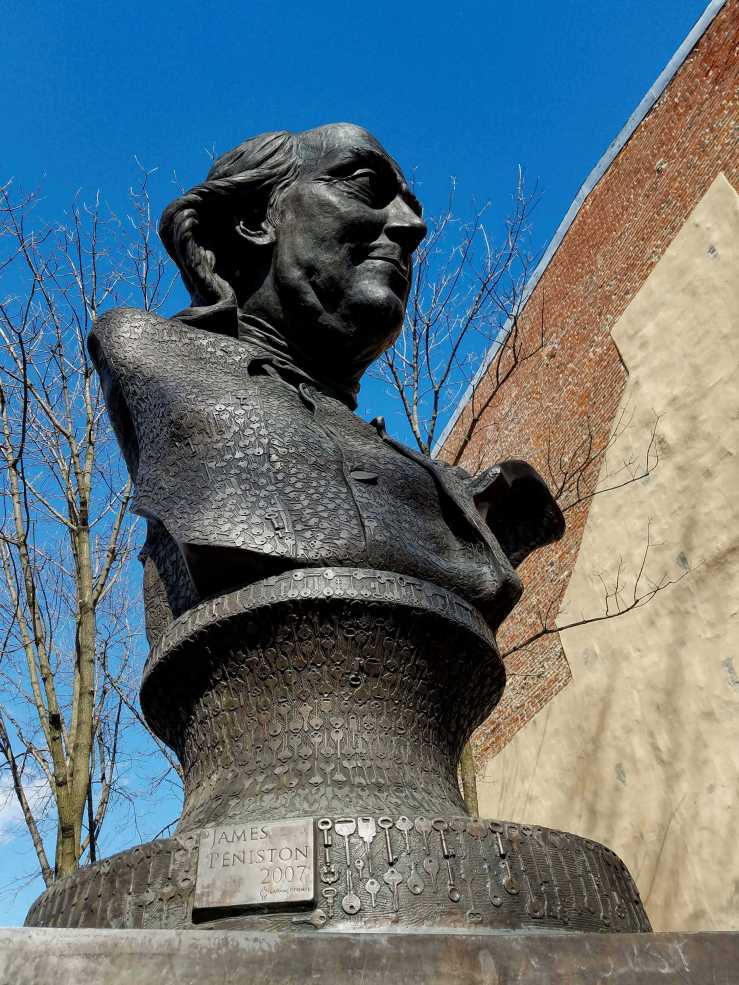
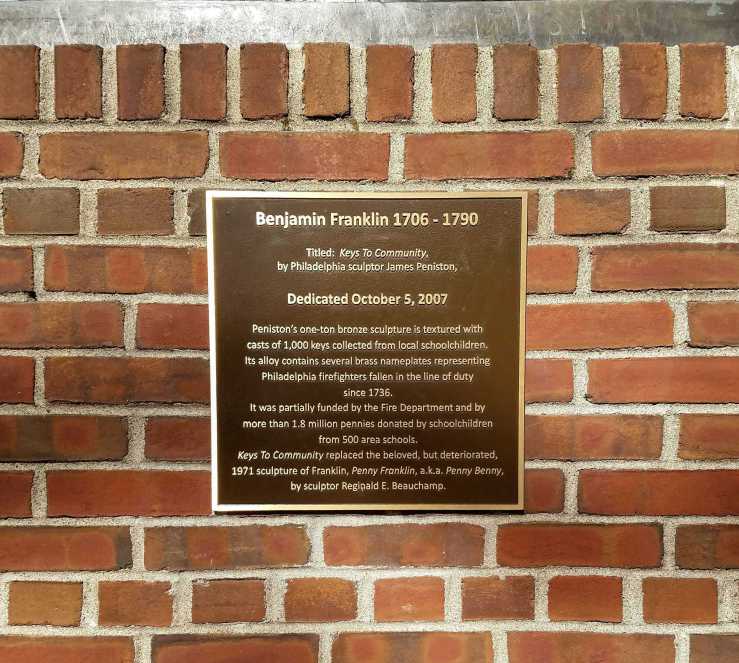
Here is Mr. Franklin again, his bust sculpted by James Peniston, covered with casts of 1.000 keys collected from local schoolchildren. ”Keys To Community” also contains several brass nameplates representing Philadelphia firefighters fallen in the line of duty since 1736: Philadelphia
February 24th, 2017