Dress For Distress

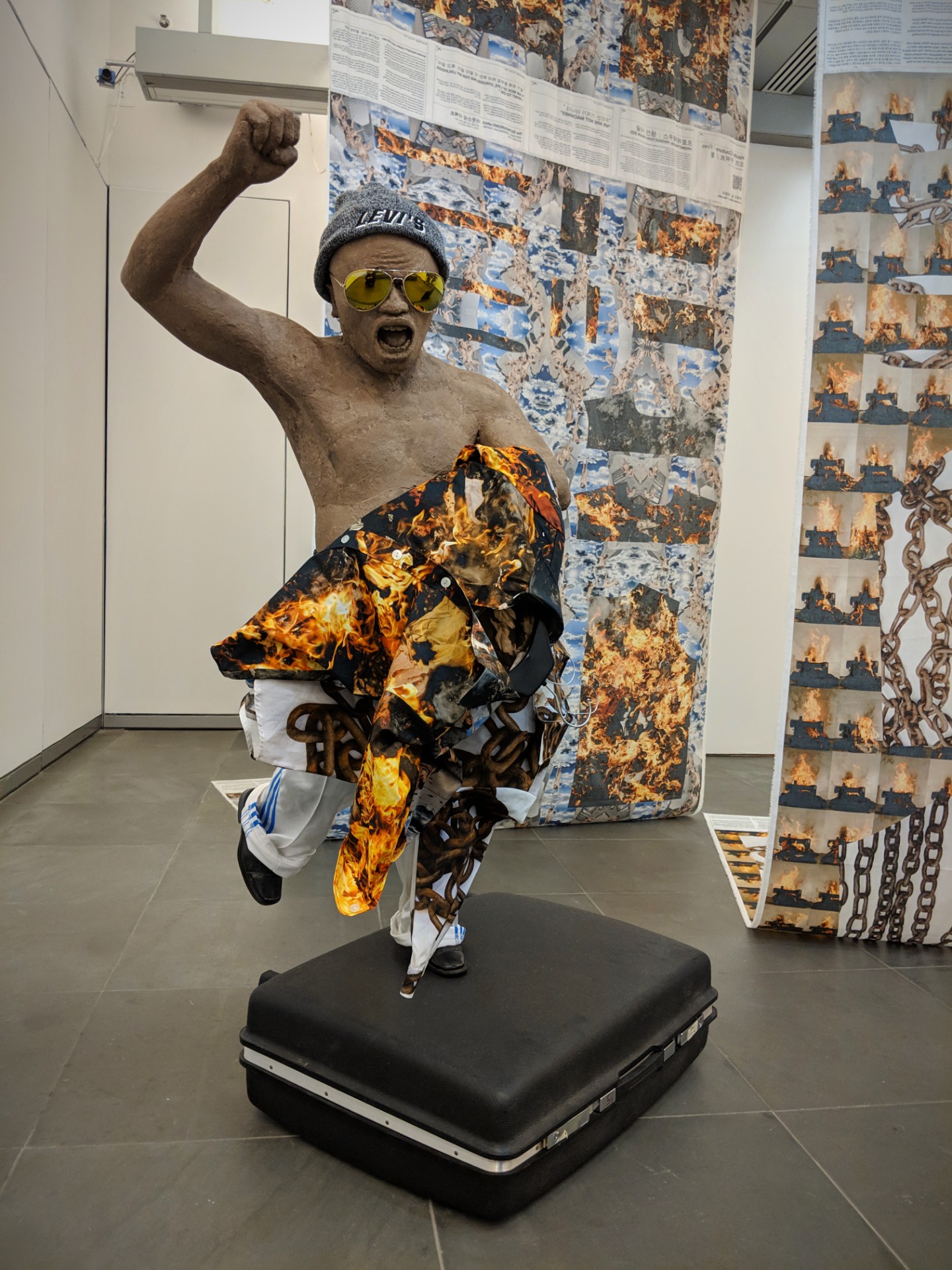
Ines Doujak, Not Dressed for Conquering: 01 Fires, 2015. Installation with various materials

WE ARE NOT MACHINES

Chun Tae-il, textile worker, setting himself alight, Seoul 1970 in protest at the ultra-exploitation of the mostly women workers in clothing factories.

“The labourer supplies himself with necessaries in order to maintain his labour-power, just as coal and water are supplied to the steam engine and oil to the wheel.” Karl Marx: Das Kapital Volume I, 1866

“In some cases the young seamstresses did not undress during nine consecutive days and nights, and could only rest a moment or two upon a mattress, where food was served to them ready cut up in order to require the least possible time for swallowing.” Friedrich Engels: The condition of the Working Class in England, 1887

BURN-OUT

“I AM SICK OF LIFE, STRUGGLING FOR MY LIVLIHOOD.
I WANT TO DIE.”

Diary of Sammi, worker at the Greenhill Textile Company, Seoul, who did die along with 21 other workers on 25th March 1988 in a locked in dormitory when a fire broke out in the factory below.

“My main finding is that the garment industry is so bad for women’s health that they cannot continue for more than 4 or 5 years. Often they leave as invalids. It’s just too strenuous.” Dr. Pratima Paul Majumber, Bangladesh

“Because we have no holidays, night shift is too tiring and so our bodies become exhausted. Therefore we take ’Timing’ a medicine to keep us awake. Some of us have eaten too many and are addicted to these pills. If we fall asleep we are reprimanded, beaten and shaken.” A public statement by women workers at Pangrim textiles in Korea in 1978

The OUTSOURCING effect:

“OVERLOADED, OVERSTRETCHED, OVERTIME…and OVER THERE”

24 workers were killed and many more injured at the Mirpur clothing factory, Dhaka, in a fire caused by sparks from an overloaded electricity circuit board on the 6th floor. They were doing enforced overtime and the emergency gates were locked.

“If you didn’t do overtime they would dismiss you, it didn’t matter if it was night or day.” Sophal, Cambodian clothing worker

Haute Couture 01 Fires is in progress.

***

From WOMEN.NOW, a group exhibition showcasing contemporary female artists based in Austria and the United States. On view from September 2018 to February 2019, the show united artists from different generations, commenting on women’s role in society and the arts.

Austrian Cultural Forum

December 8th, 2018
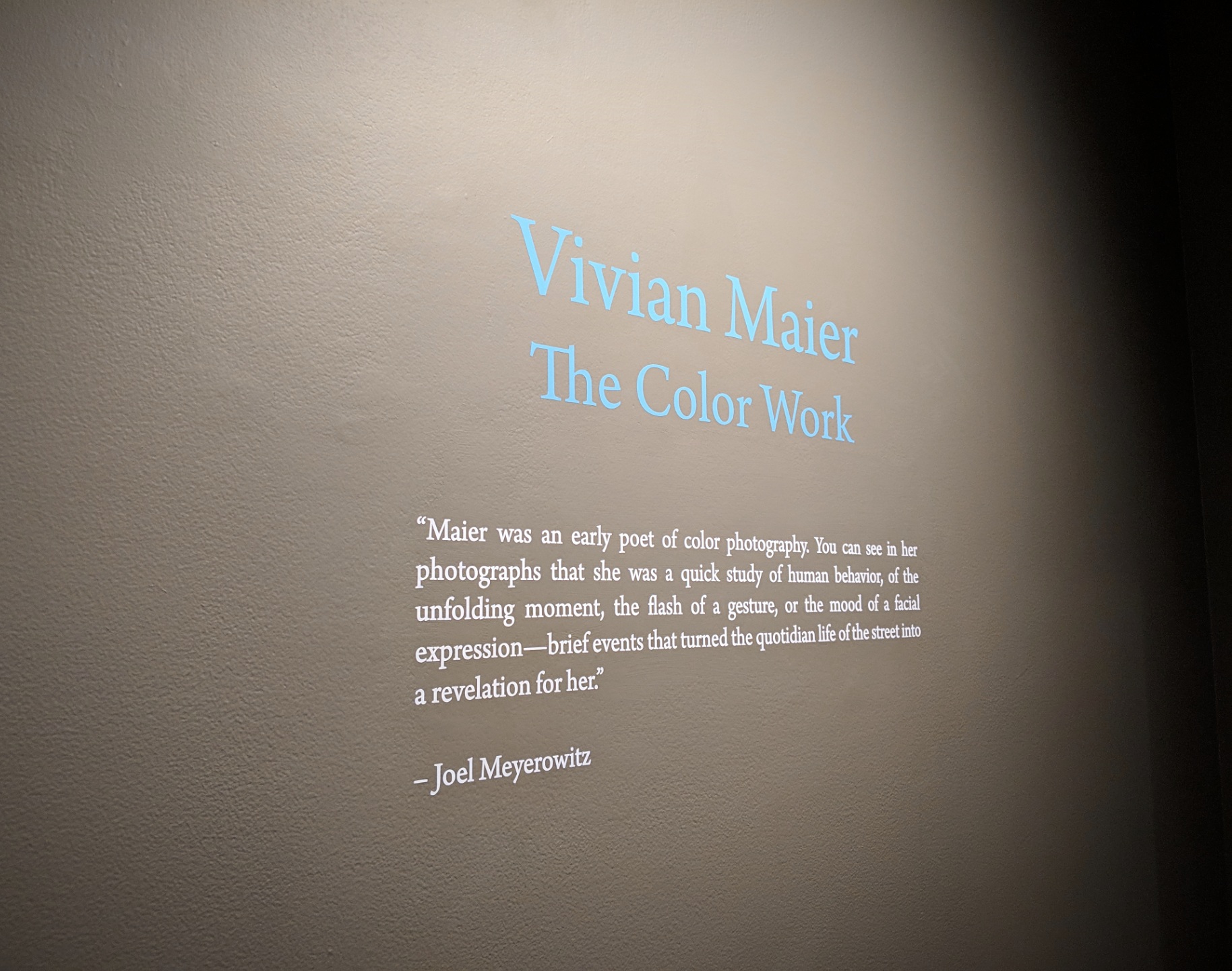
Vivian Maier || The Color Work

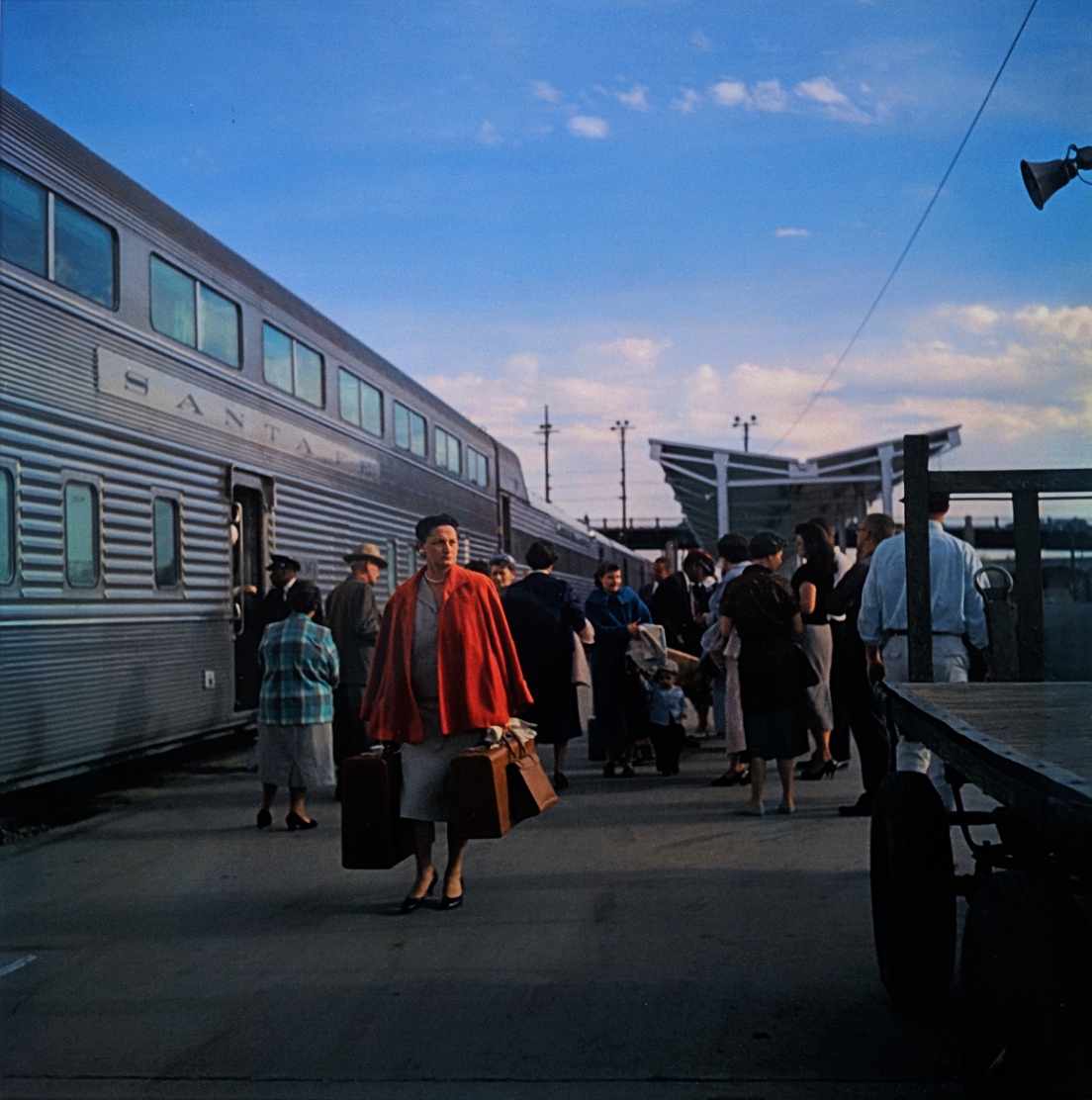
If I were a photographer, I’d wish my photos would look like these.

From an exhibition at Howard Greenberg Gallery (November 2018 – March 2019), which coincided with the publication of ”Vivian Maier: The Color Work”, the first book devoted to her colour images.

Vivian Maier (1926 – 2009)


I remember

being a part of you

Body-Self
by Tia Forsman

Body-Self references a 1994 paper, ”How Bodies Remember: Social Memory and Bodily Experience of Criticism, Resistance and Delegitimation following China’s Cultural Revolution” by Arthur and Joan Kleinman.

Tia Forsman graduated from Brown University in May 2019.

∼.∼

Brown University – The List Art Building

Providence, RI

November 24th, 2018
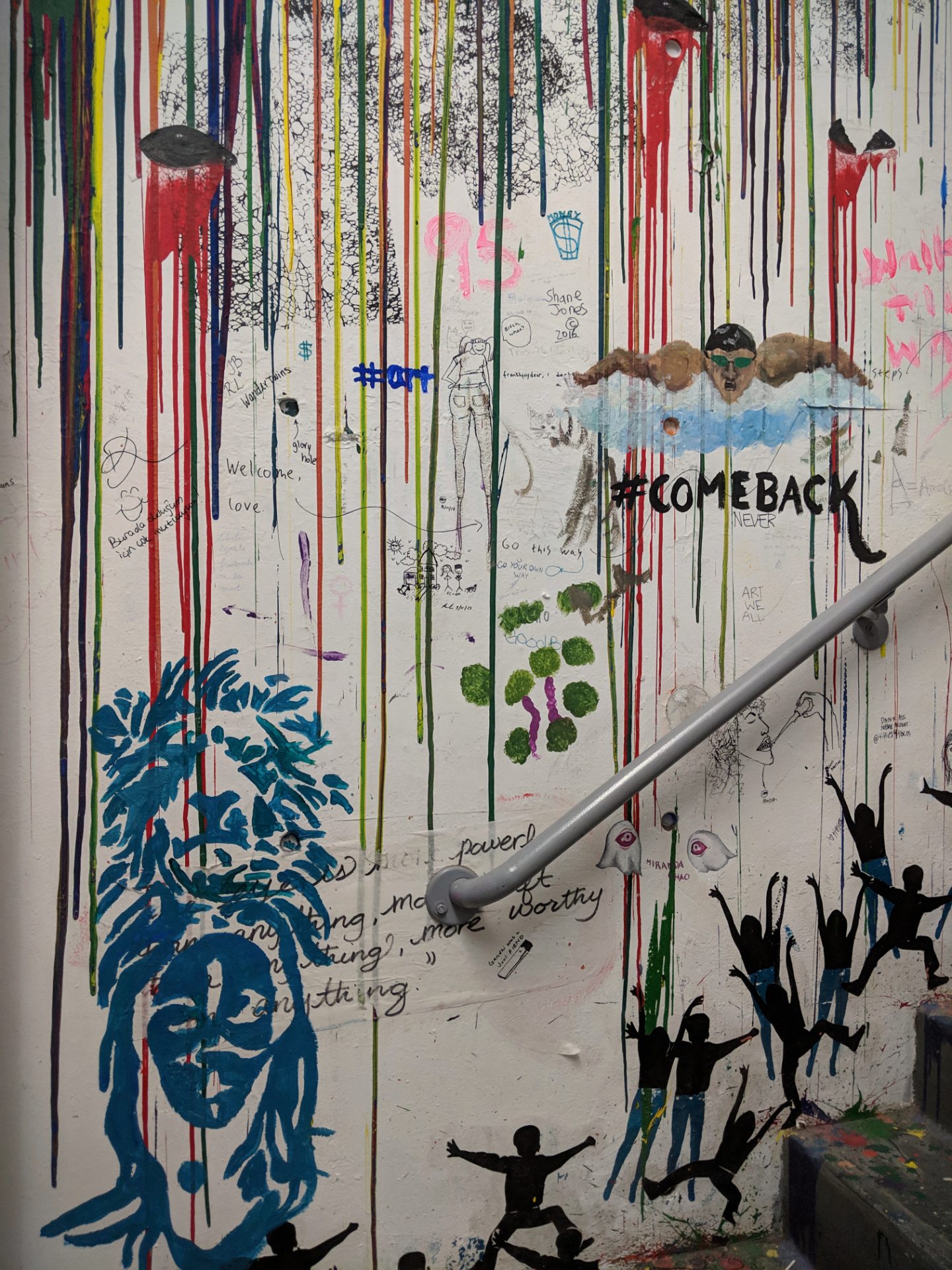
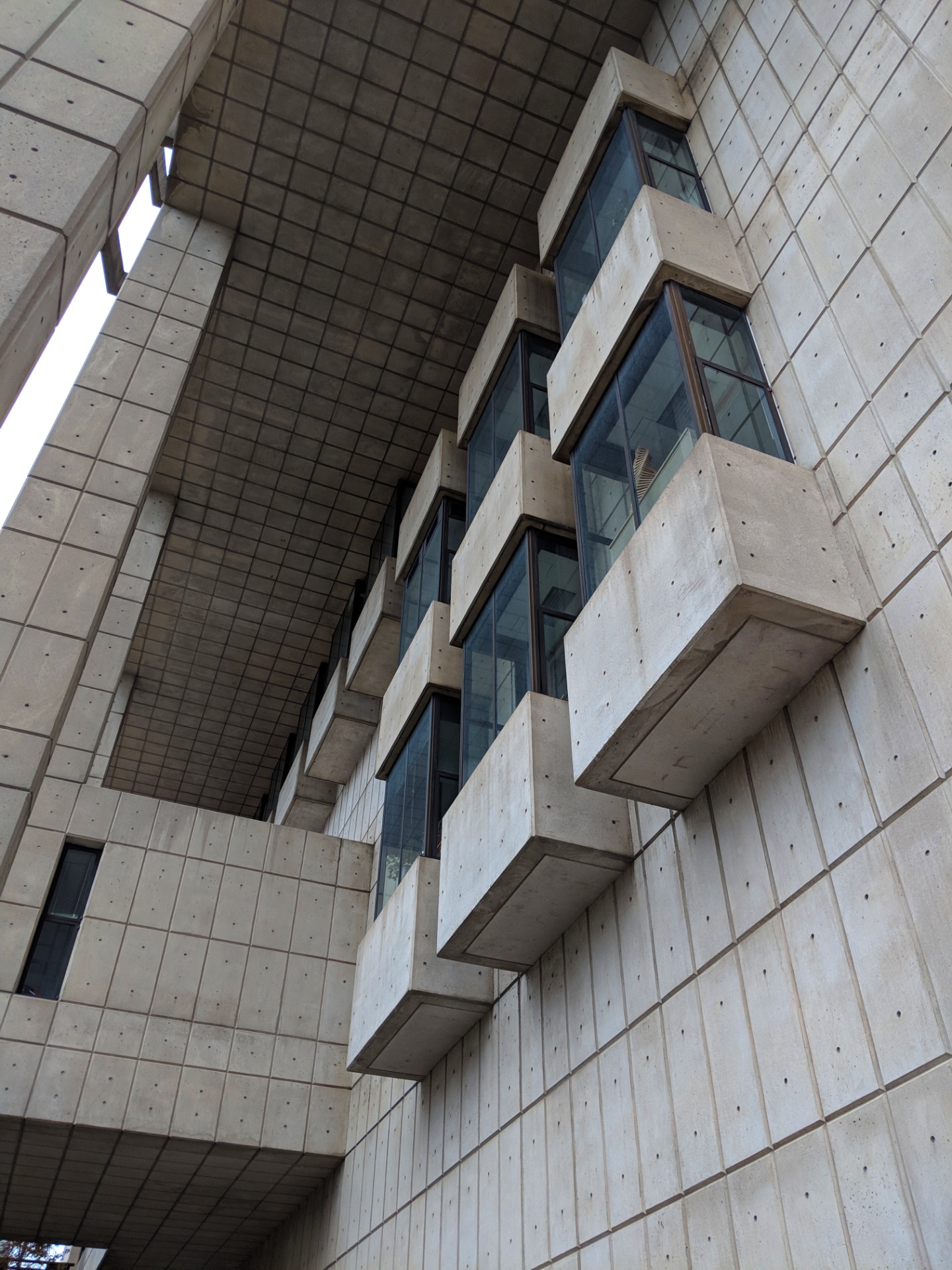
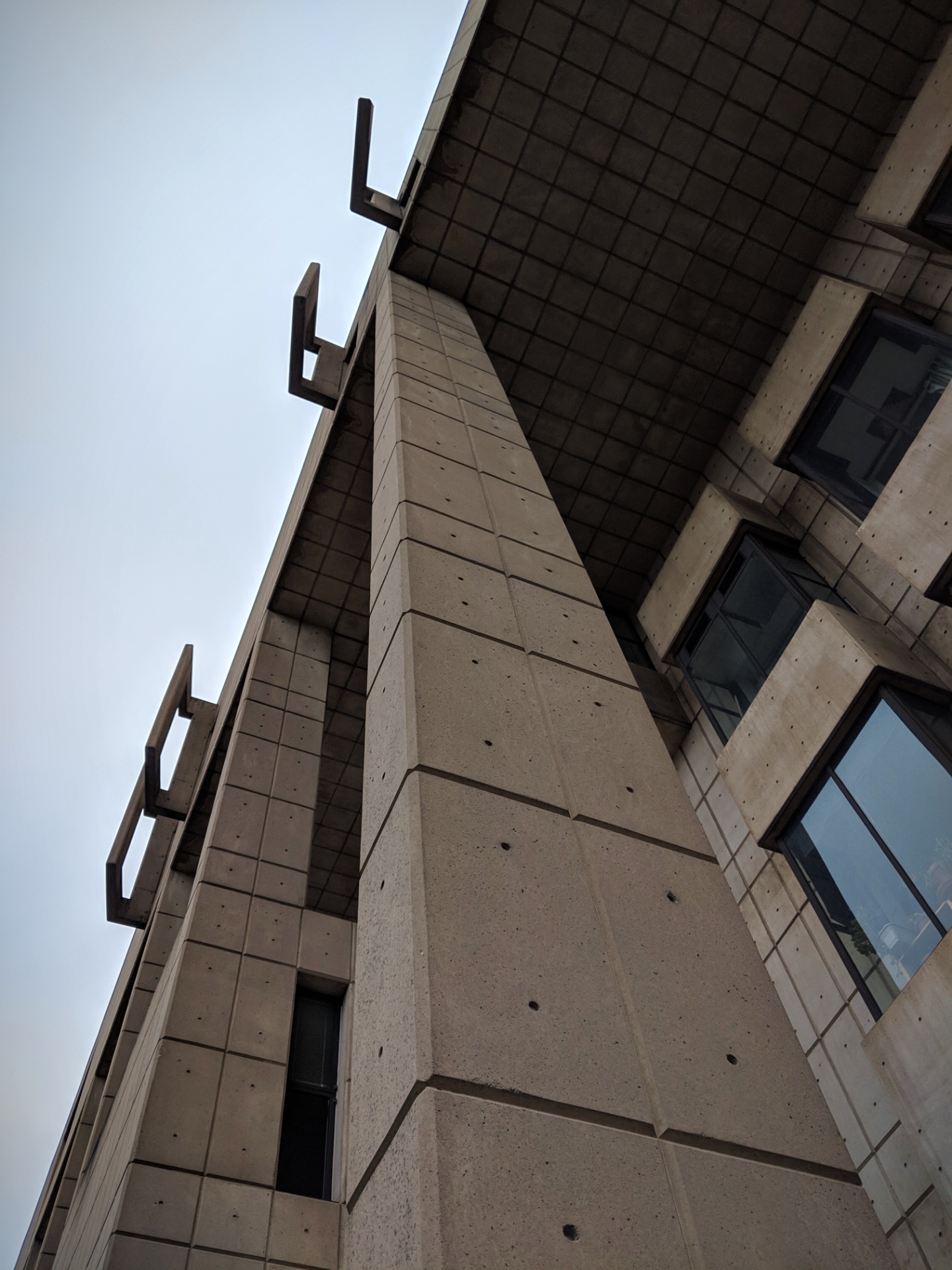
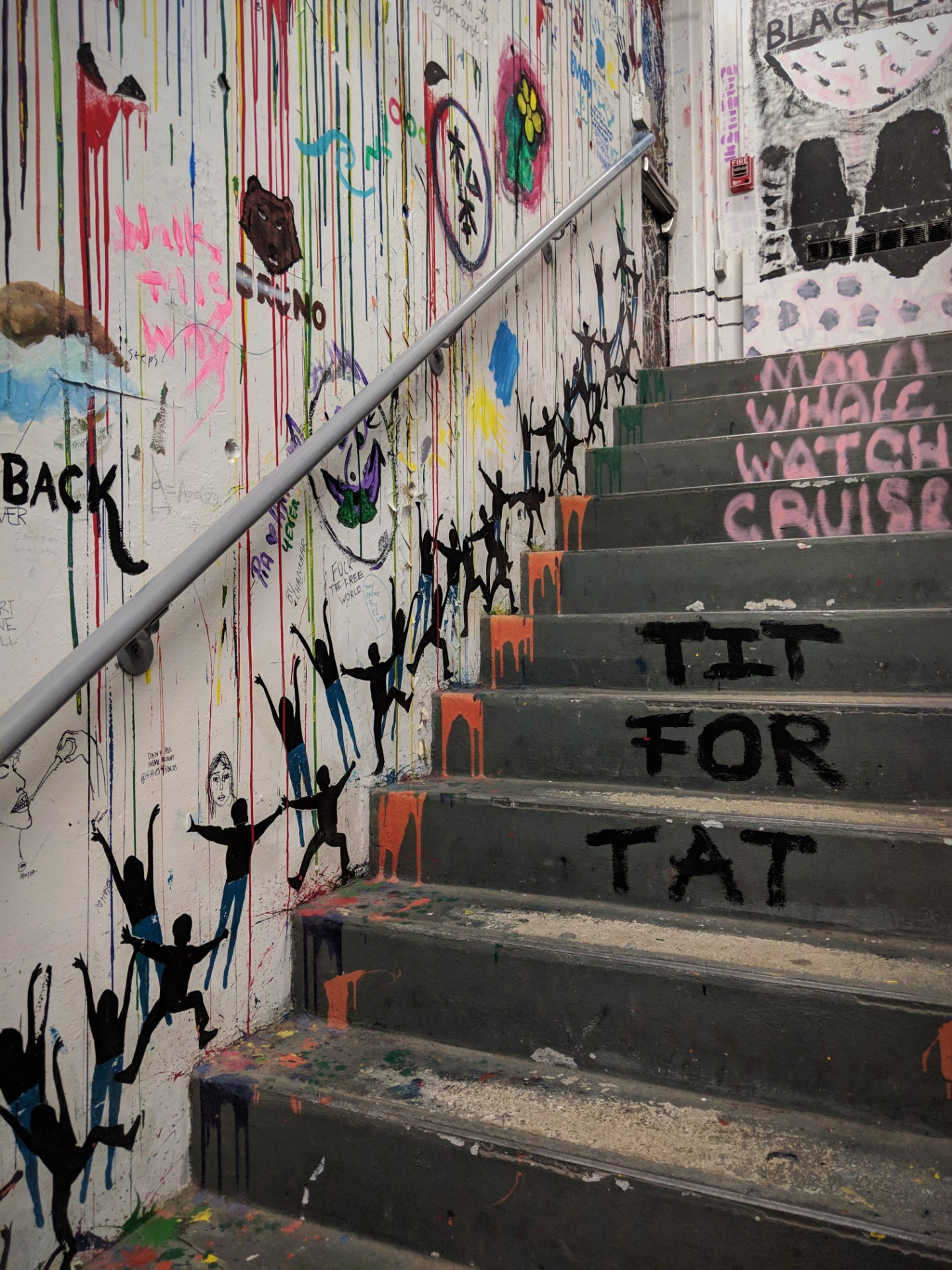
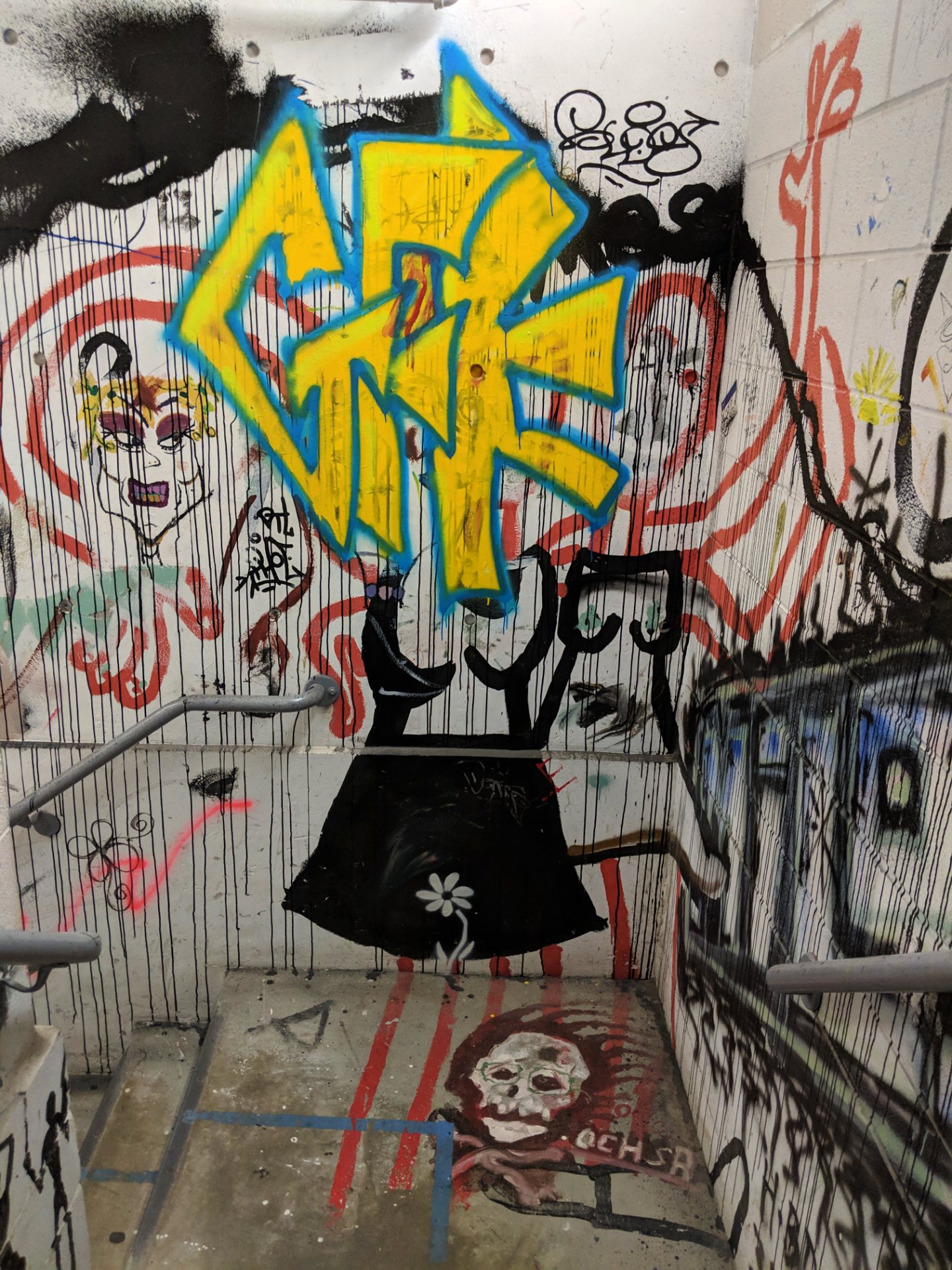
Concrete

The List Art Building, home to Brown’s Visual Arts and Art History departments is a love-it-or-hate-it work of art in reinforced concrete designed by Philip Johnson, in sharp contrast to his glass structures.

Completed in 1971.

Brown University

Providence, RI

November 24th, 2018
Gradations

of light

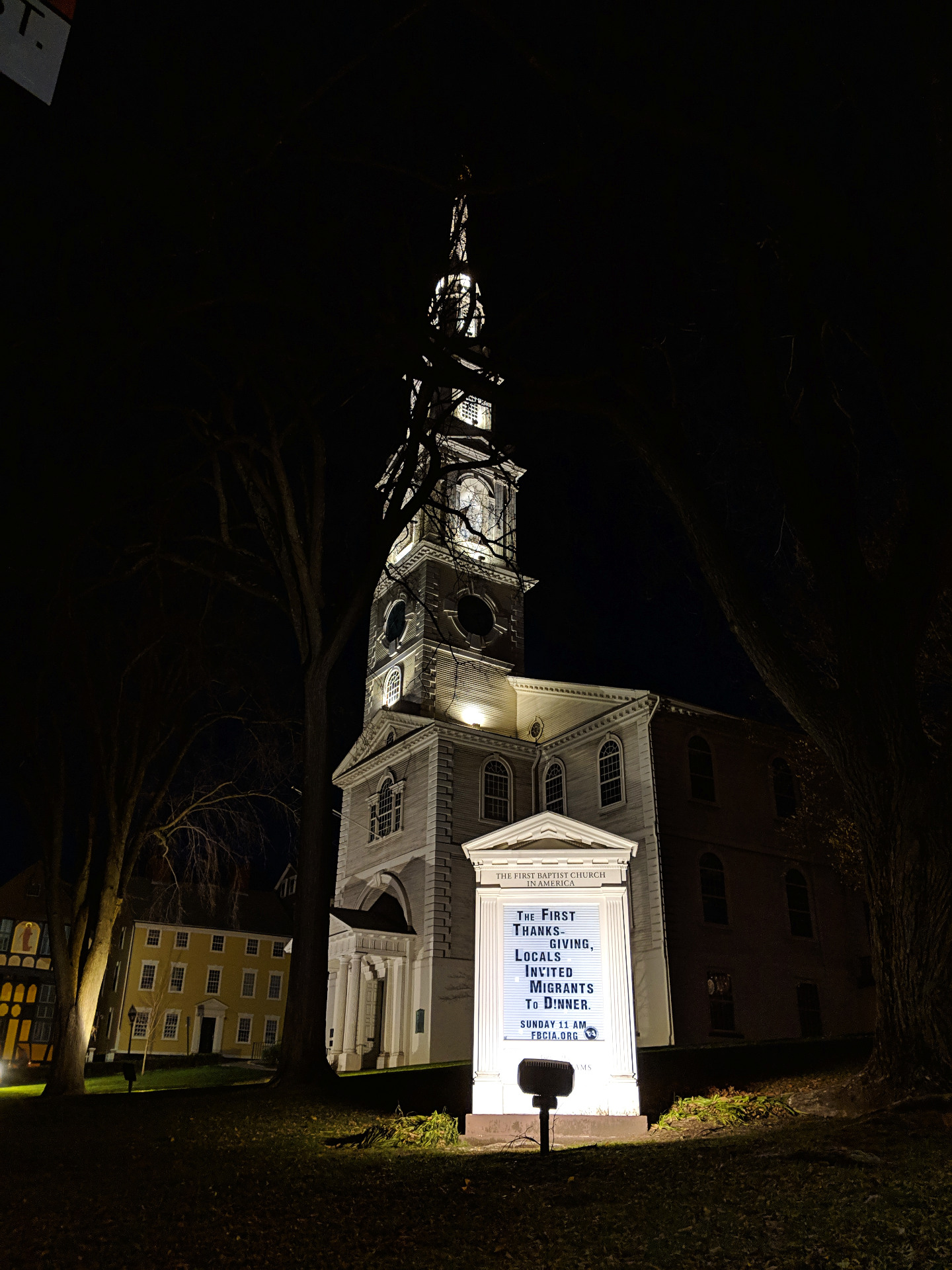
The First Baptist Church in America.

Lovecraft, who had decided to quit the church by age five and had become an atheist by age eight, “Hated this church, but… loved this building.” [source]

Not surprisingly, it was there that the 2015 NecronomiCon Providence, the celebration of the work of H.P. Lovecraft, kicked off its convention.

November 24th, 2018


Walking in Providence

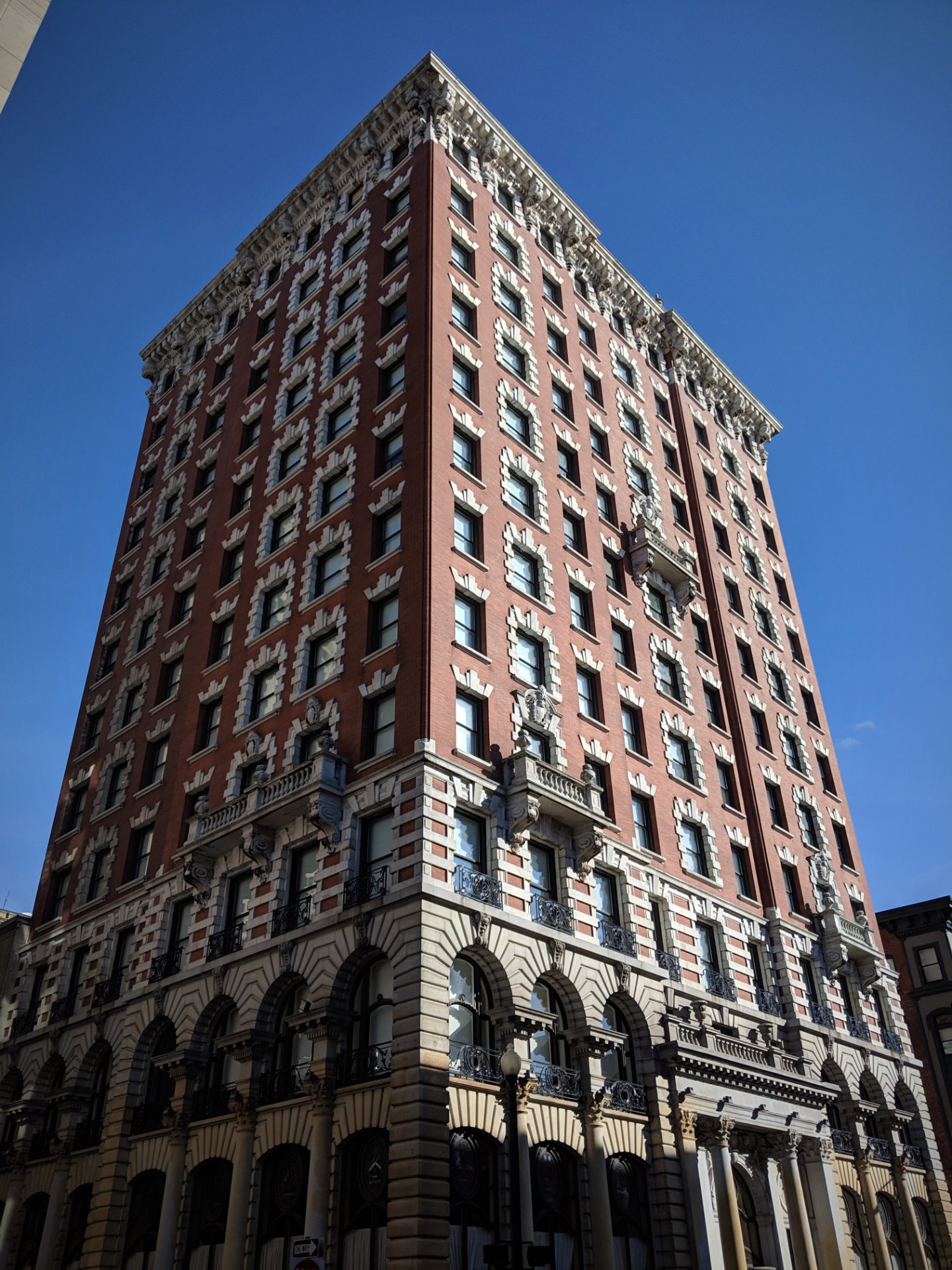
Following H.P. Lovecraft’s stepsThe majestic Union Trust Company Building, once home to the homonym Providence-based bank, now in the National Register of Historic Places, still a commercial building, but the upper floors have been converted to residences. 

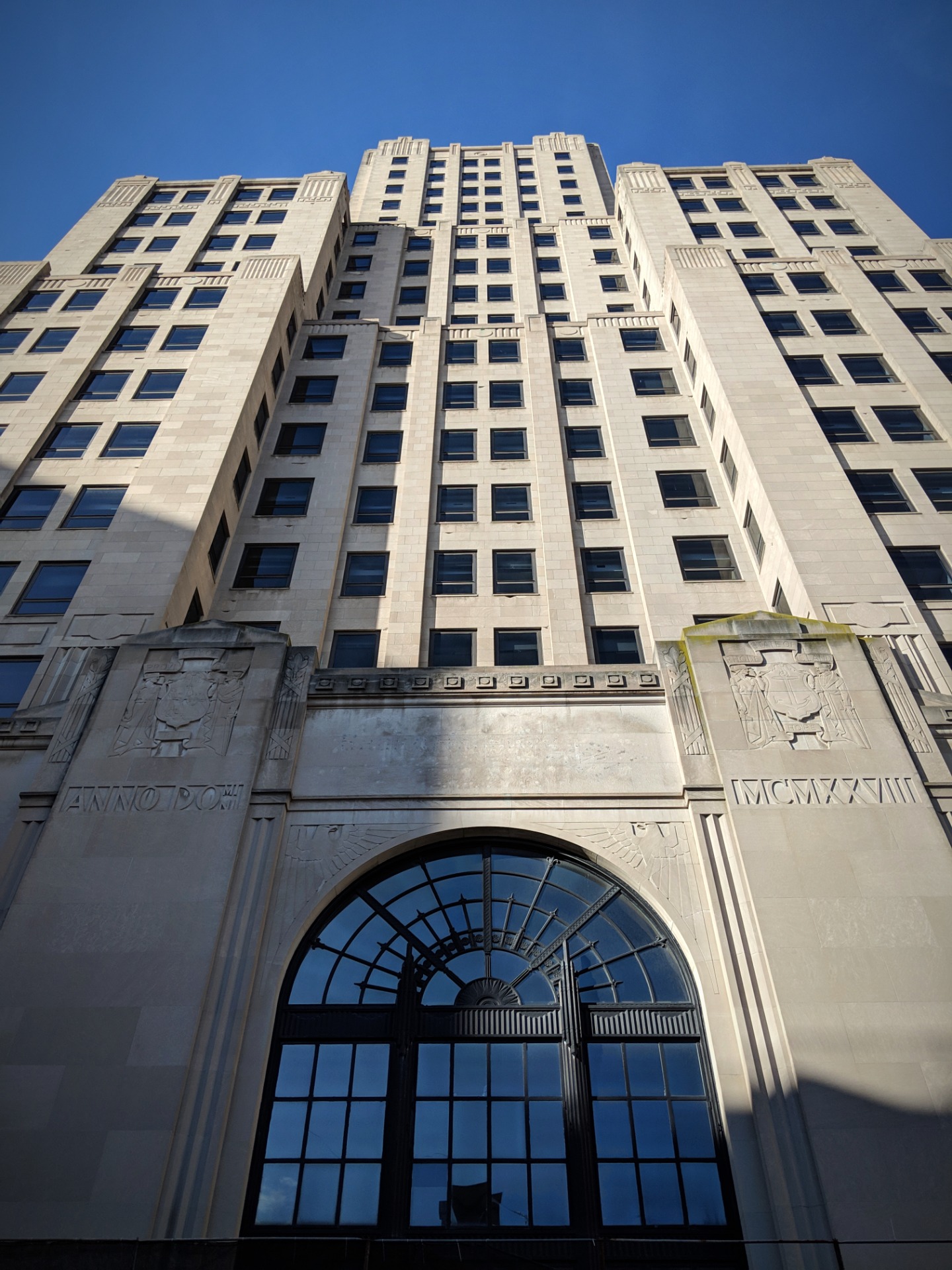
The massive Art Deco ”Superman” Building, aka Industrial National Bank Building standing empty since 2013! 

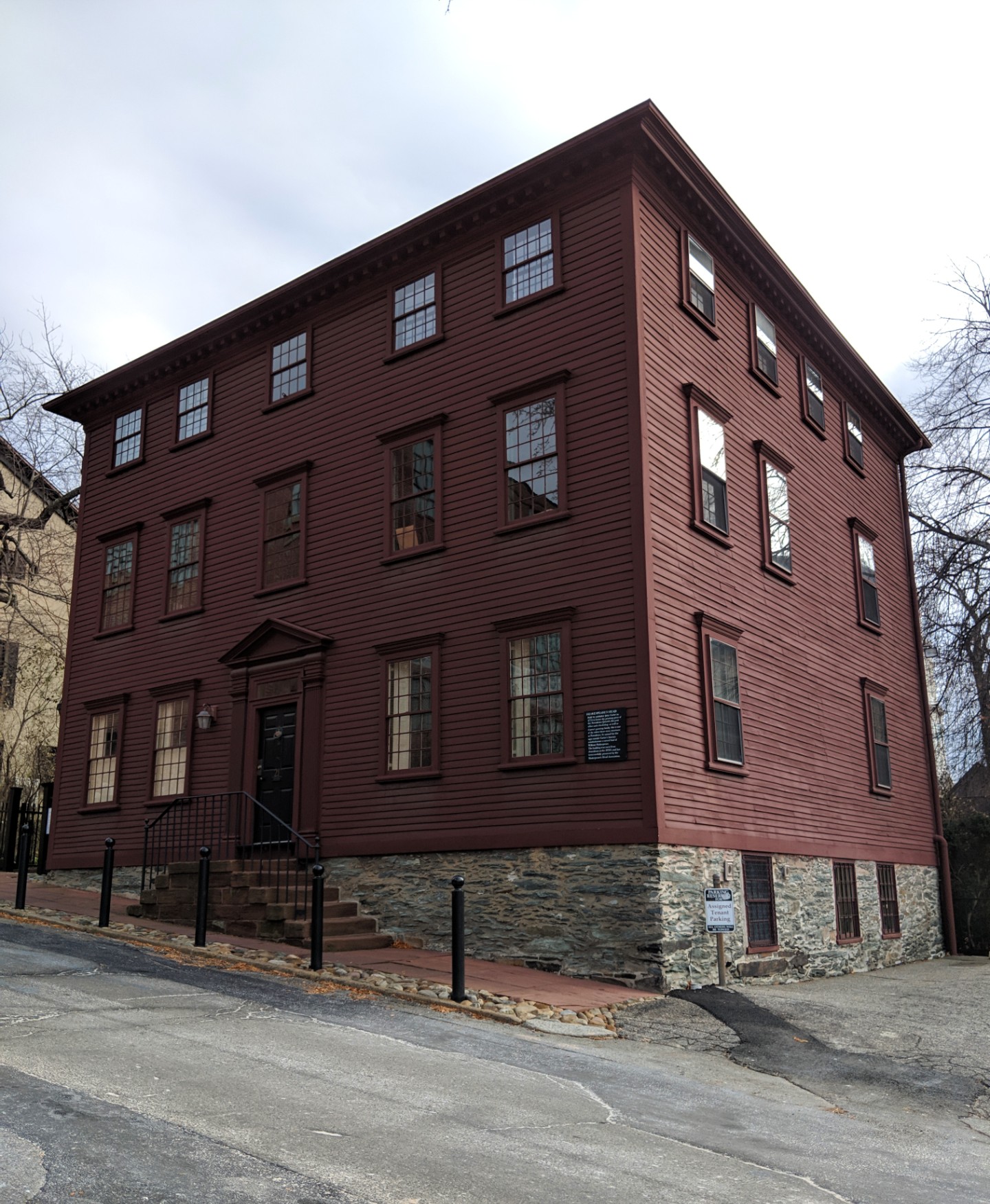
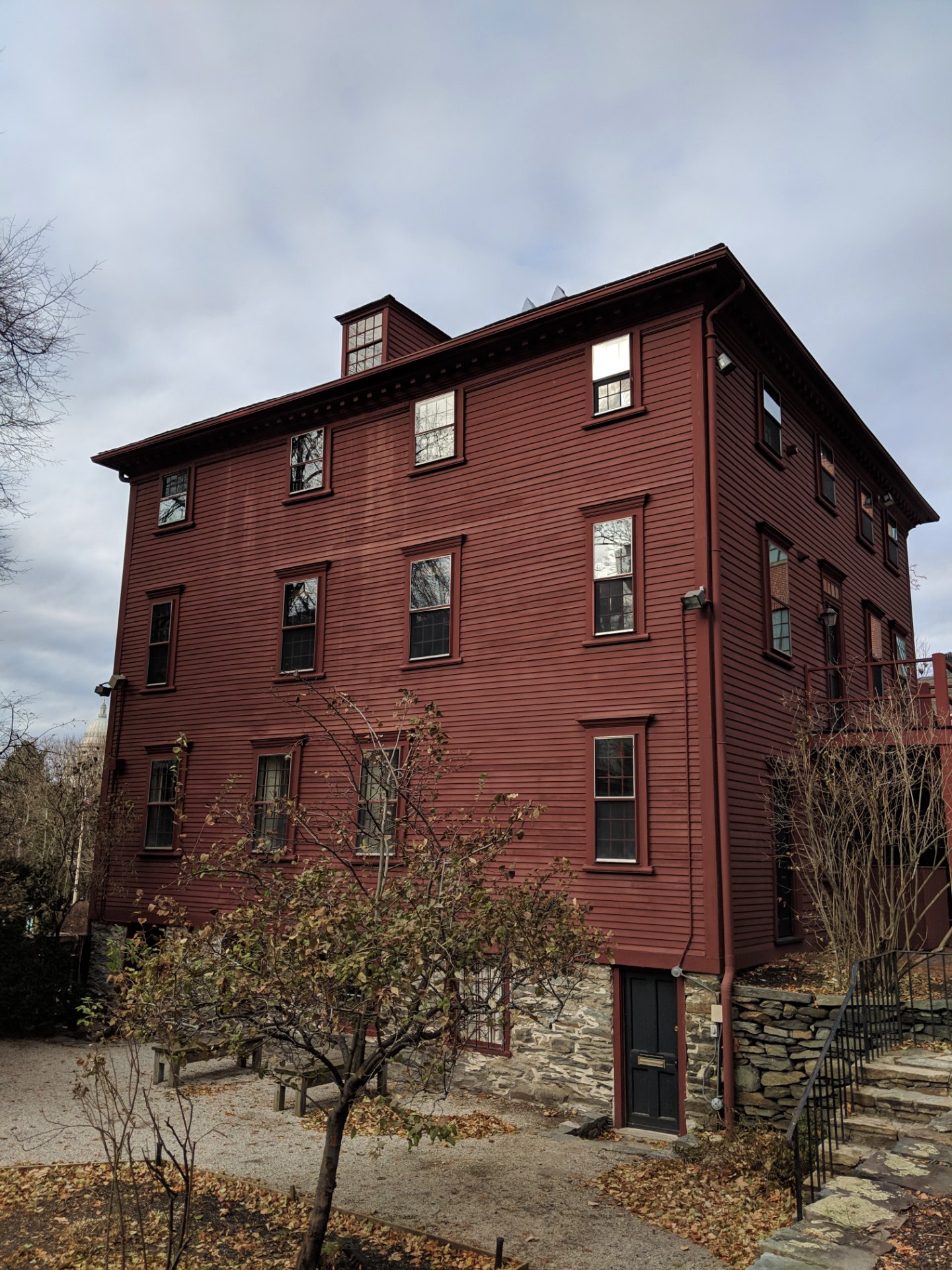
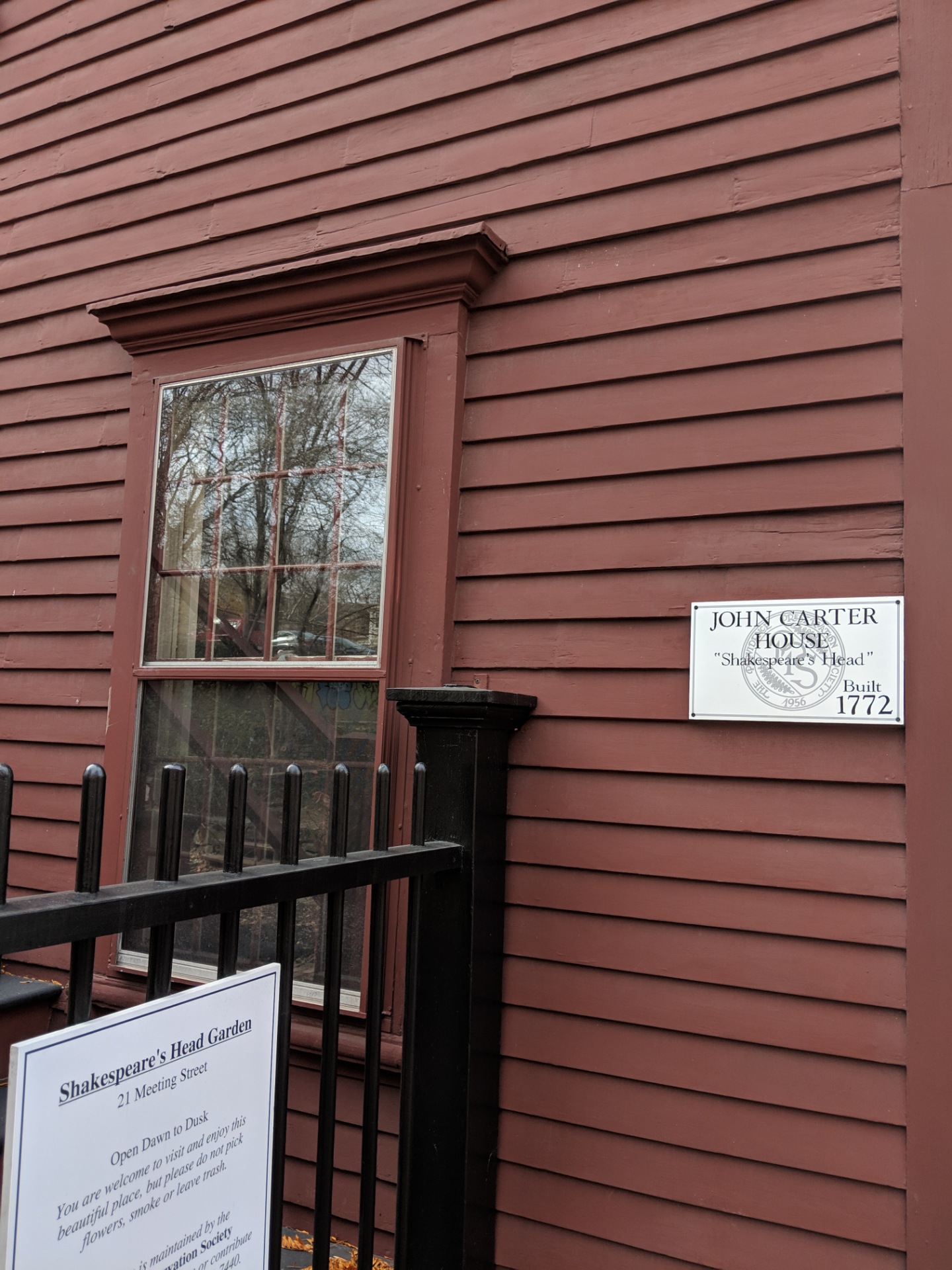
The ”John Carter House”, in 21 Meeting Street, aka ”Shakespeare’s Head” since colonial times when the building was used as a print shop and post office by John Carter, who had trained with Benjamin Franklin in Philadelphia. The enterprises were advertised by a sign featuring the head of Shakespeare on a pole outside the building. This is where the city’s first newspaper, The Providence Gazette, was printed until 1793.  

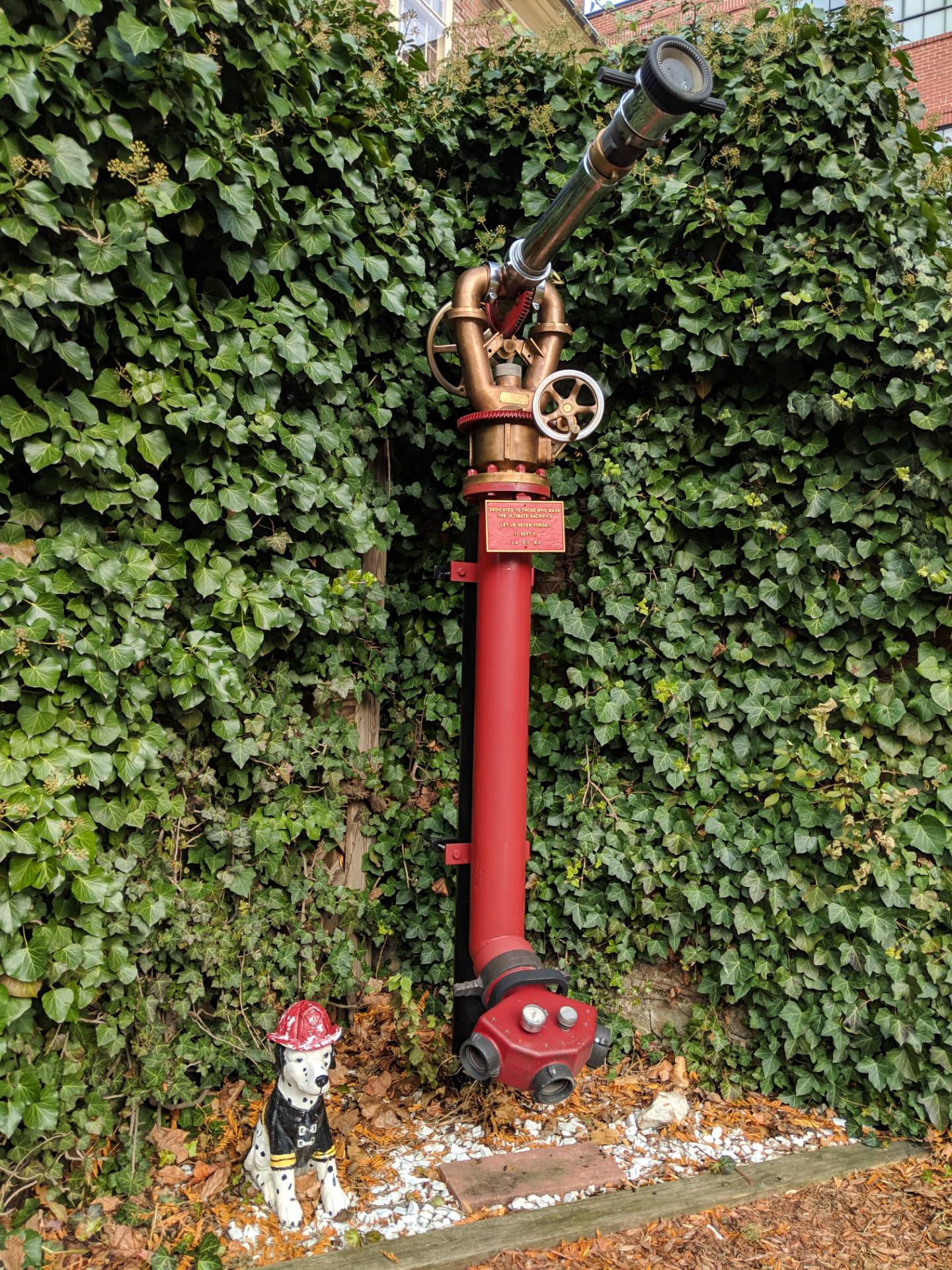
A lovely dedication to the firefighters who lost their lives on duty – 9/11/2001

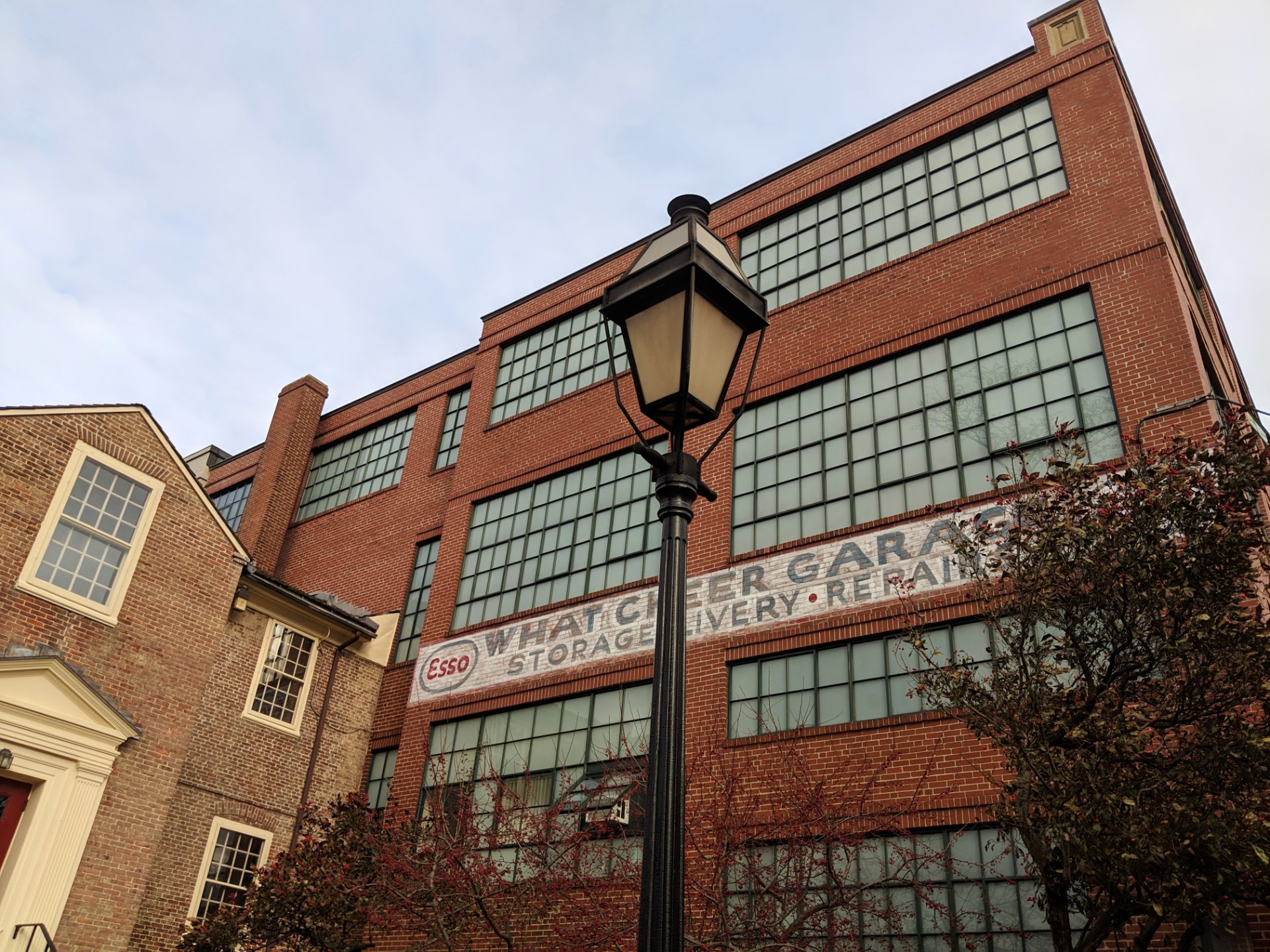
What Cheer Garage is now a studio for RISD. ”What Cheer” refers to the Narragansett Indians’ greeting to Roger Williams on his landing at Providence (a contraction of “What cheer with you?,” the seventeenth-century equivalent of “How are you?”). Many Rhode Island businesses perpetuate the historic greeting. [source]

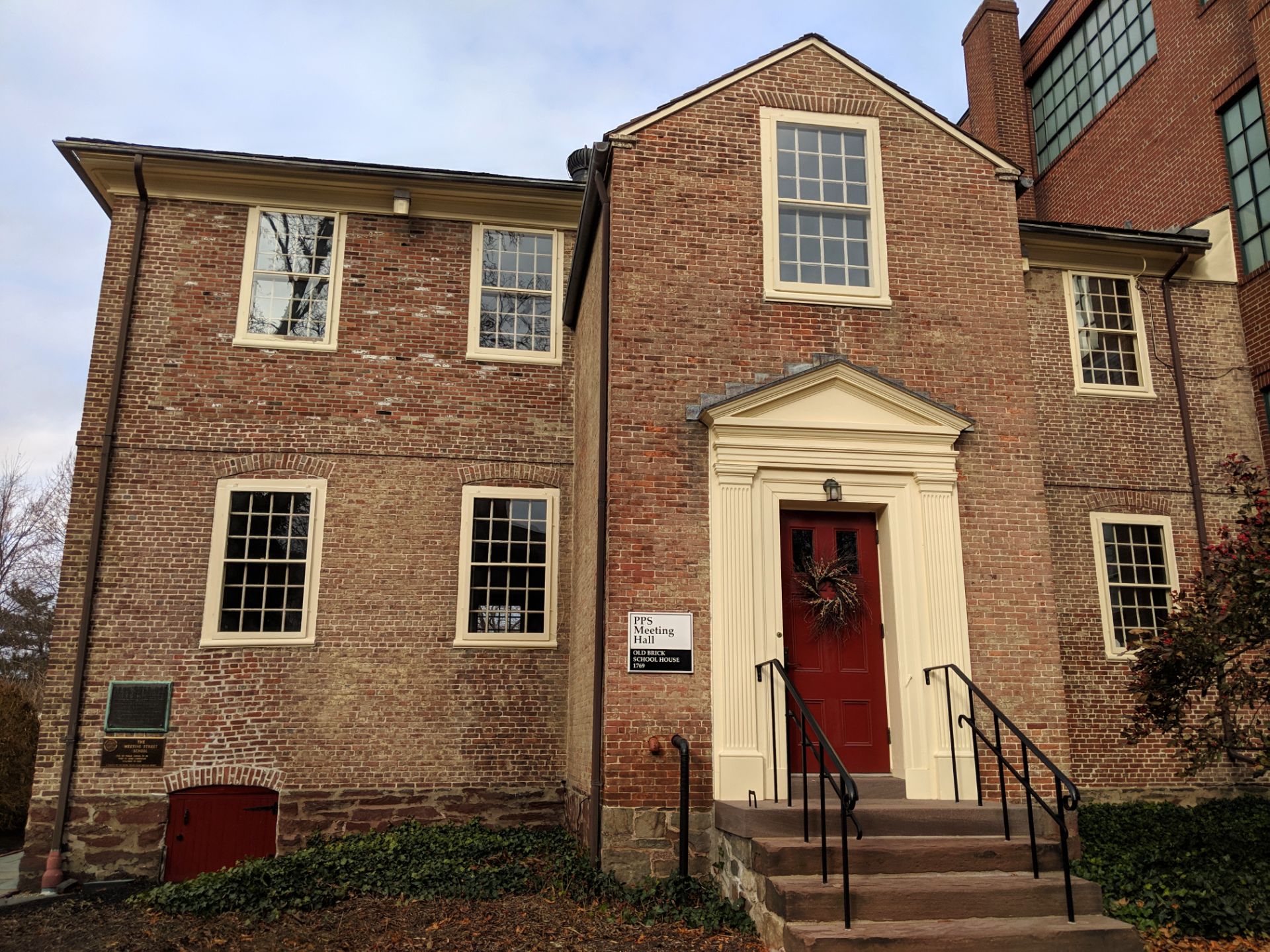
The Old Brick School House, 1769 (PPS Office & Meeting Hall)

Climbing Meeting Street

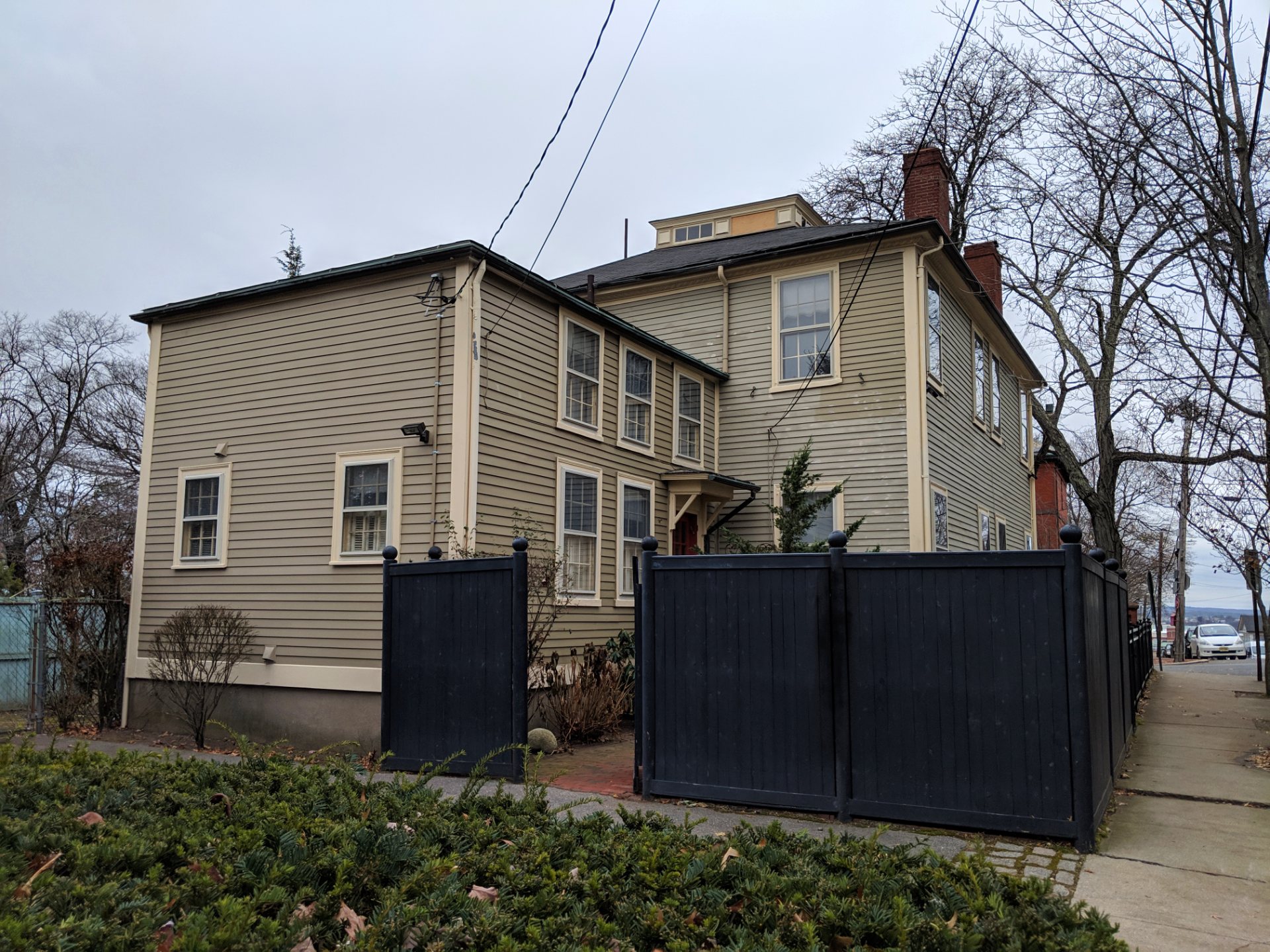
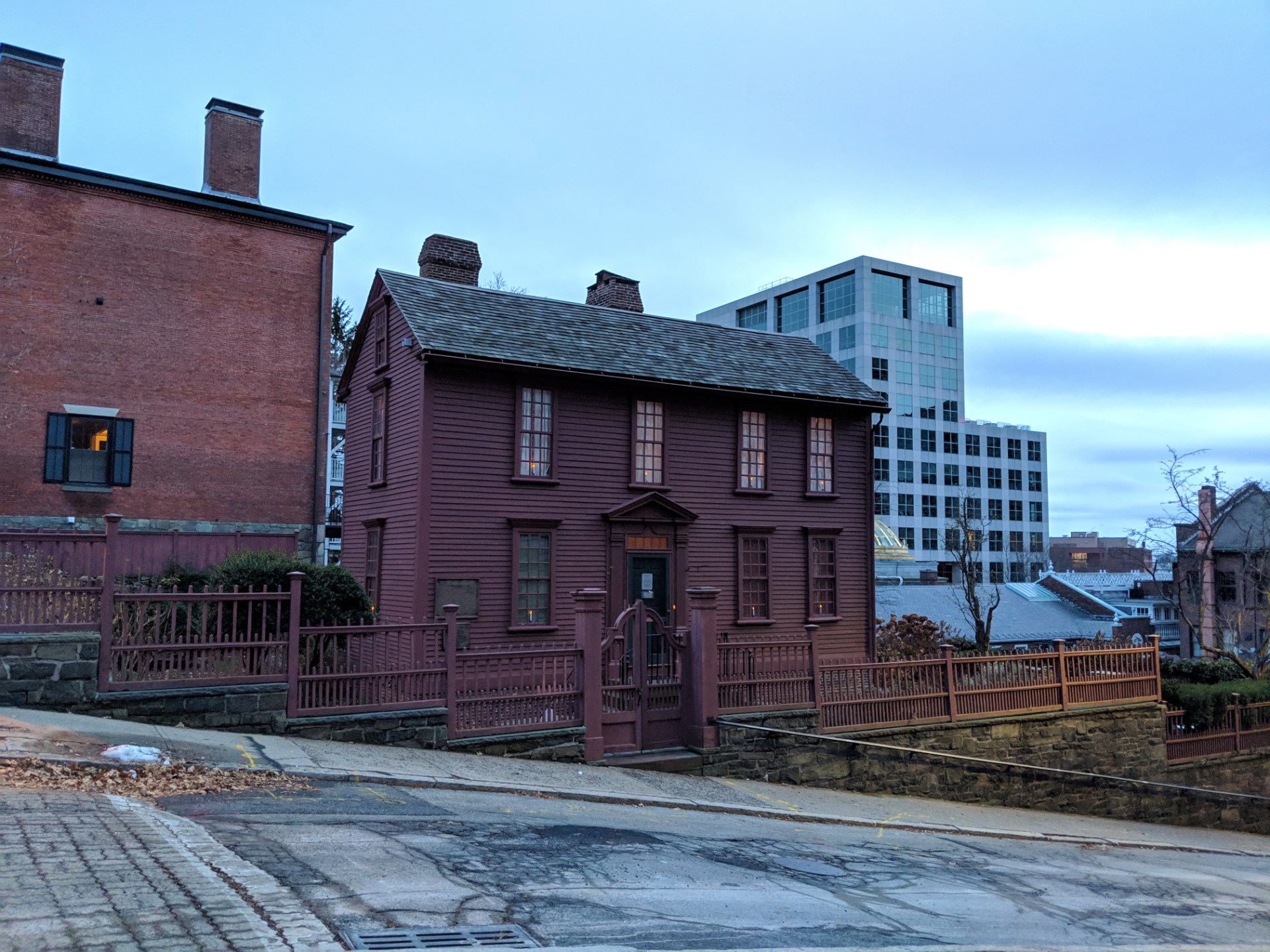
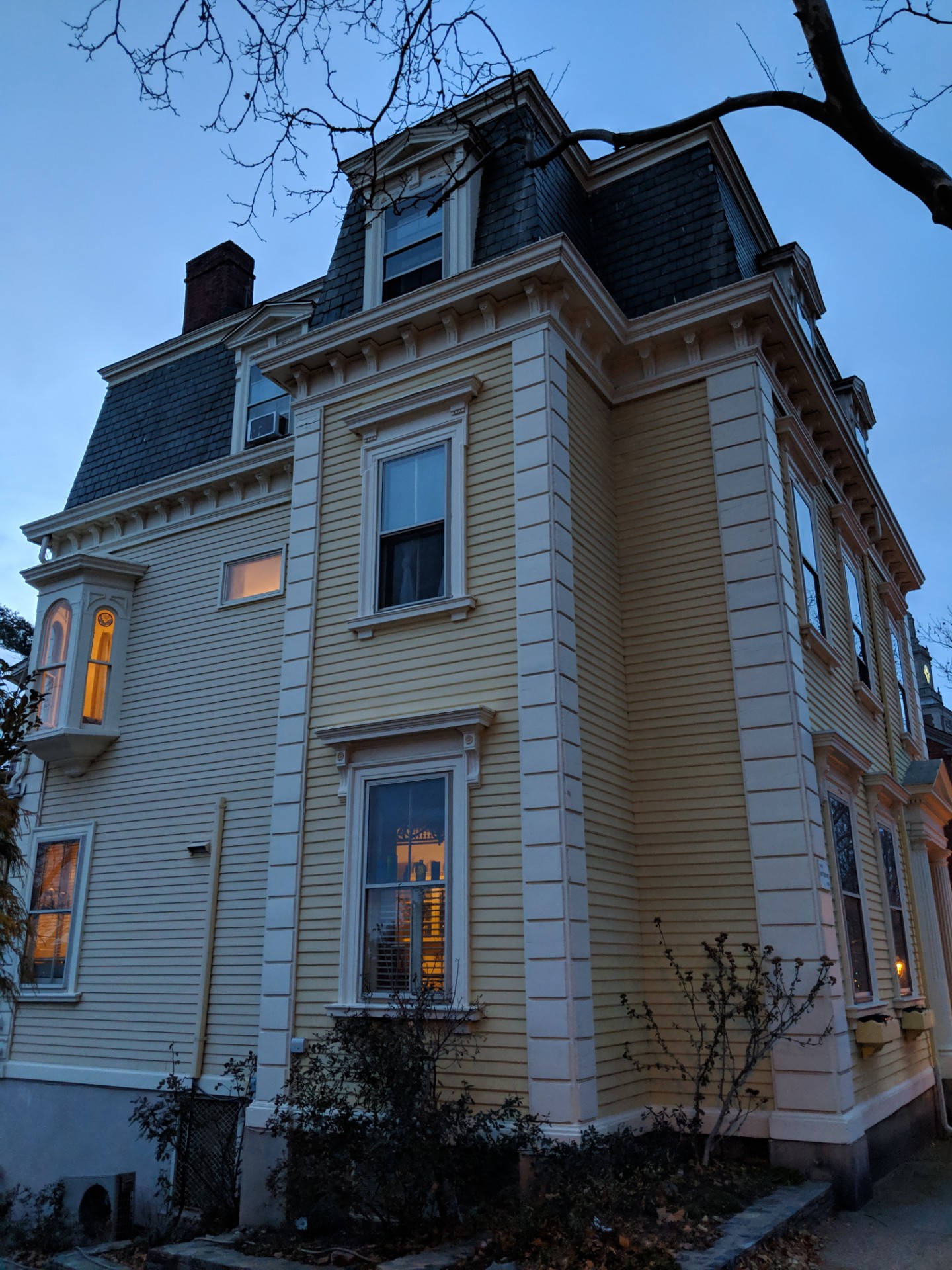
H.P. Lovecraft’s last home – still standing. Originally located at 66 College Street, it was moved to 65 Prospect Street to make space for an expansion of Brown University.

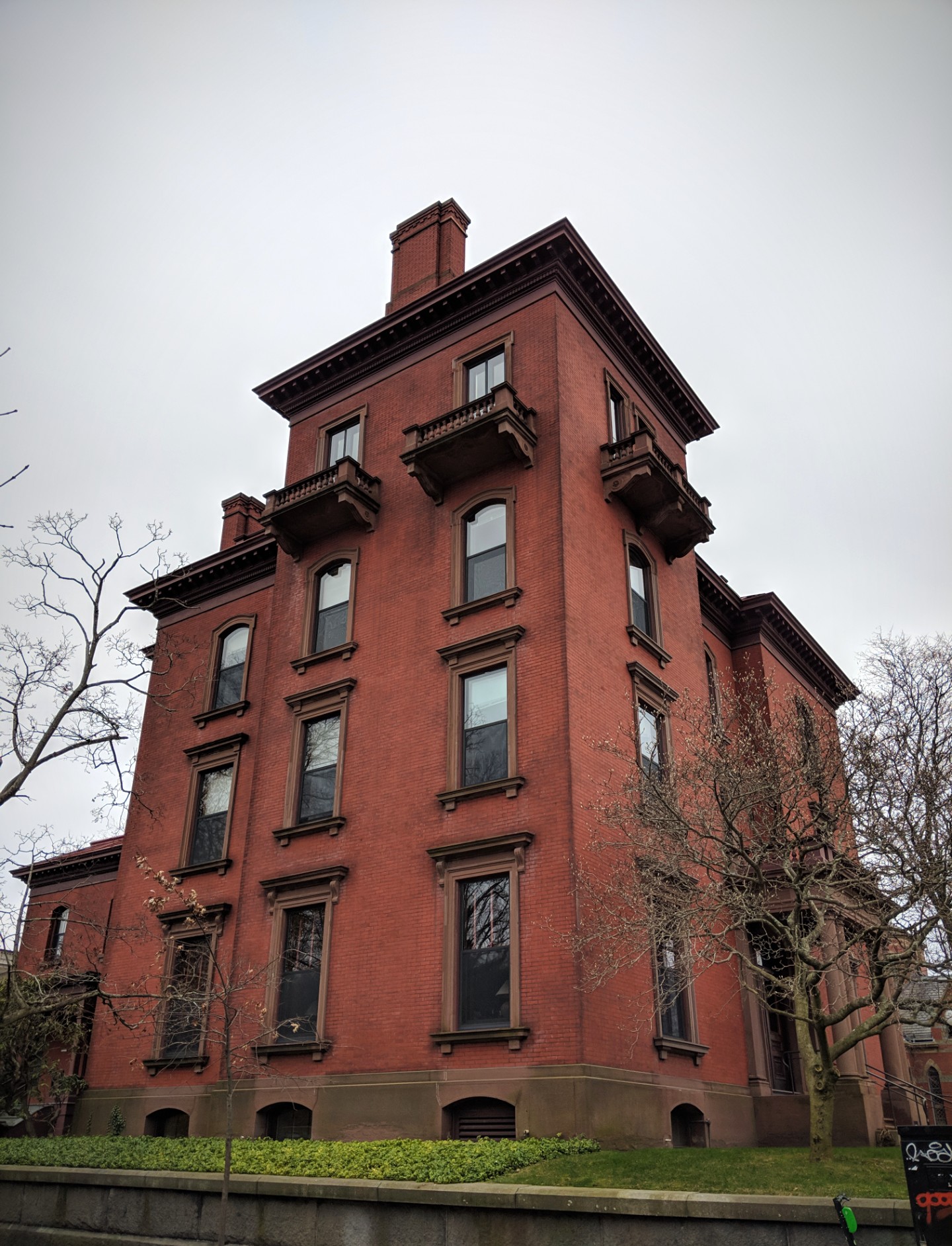
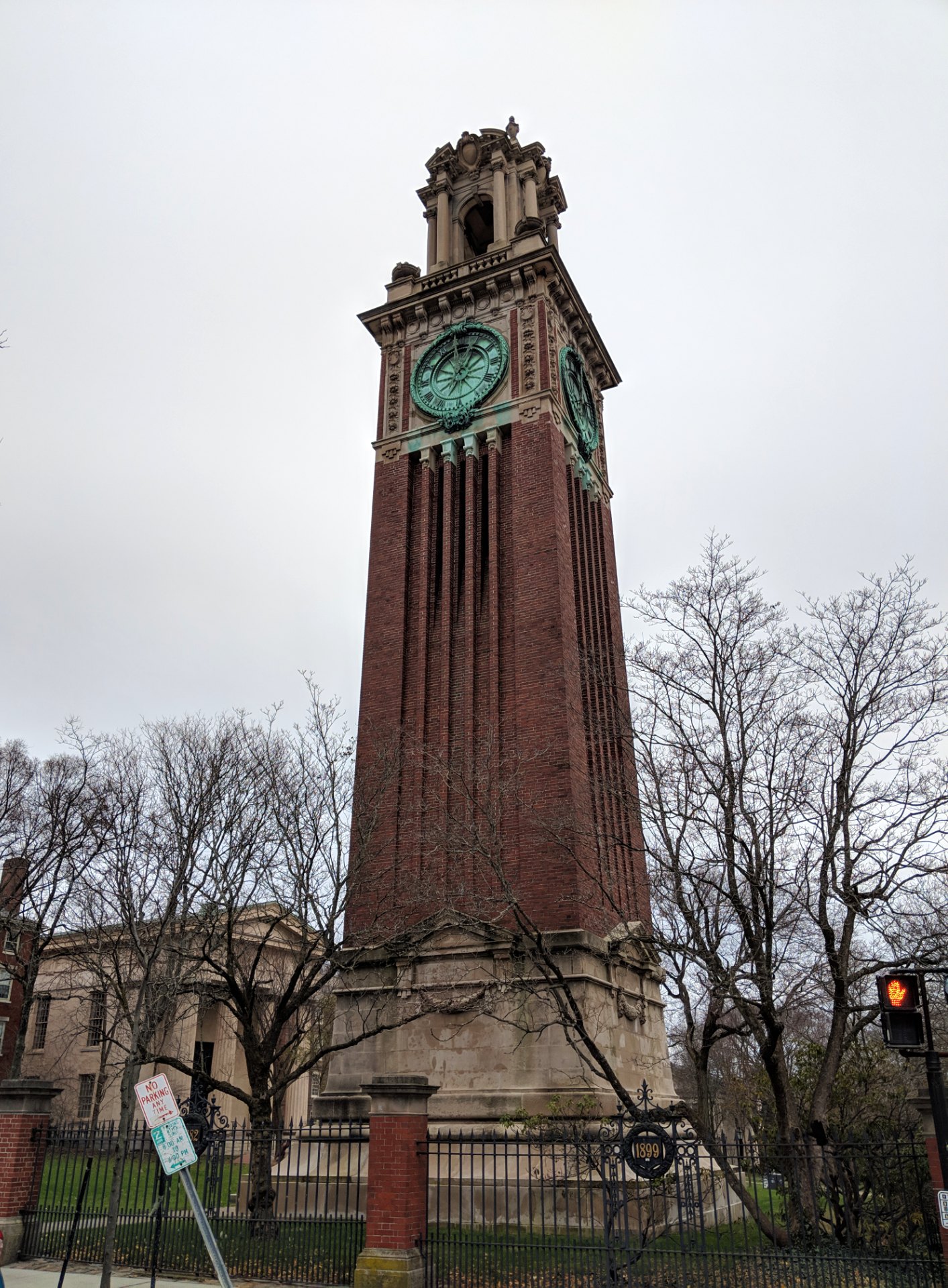
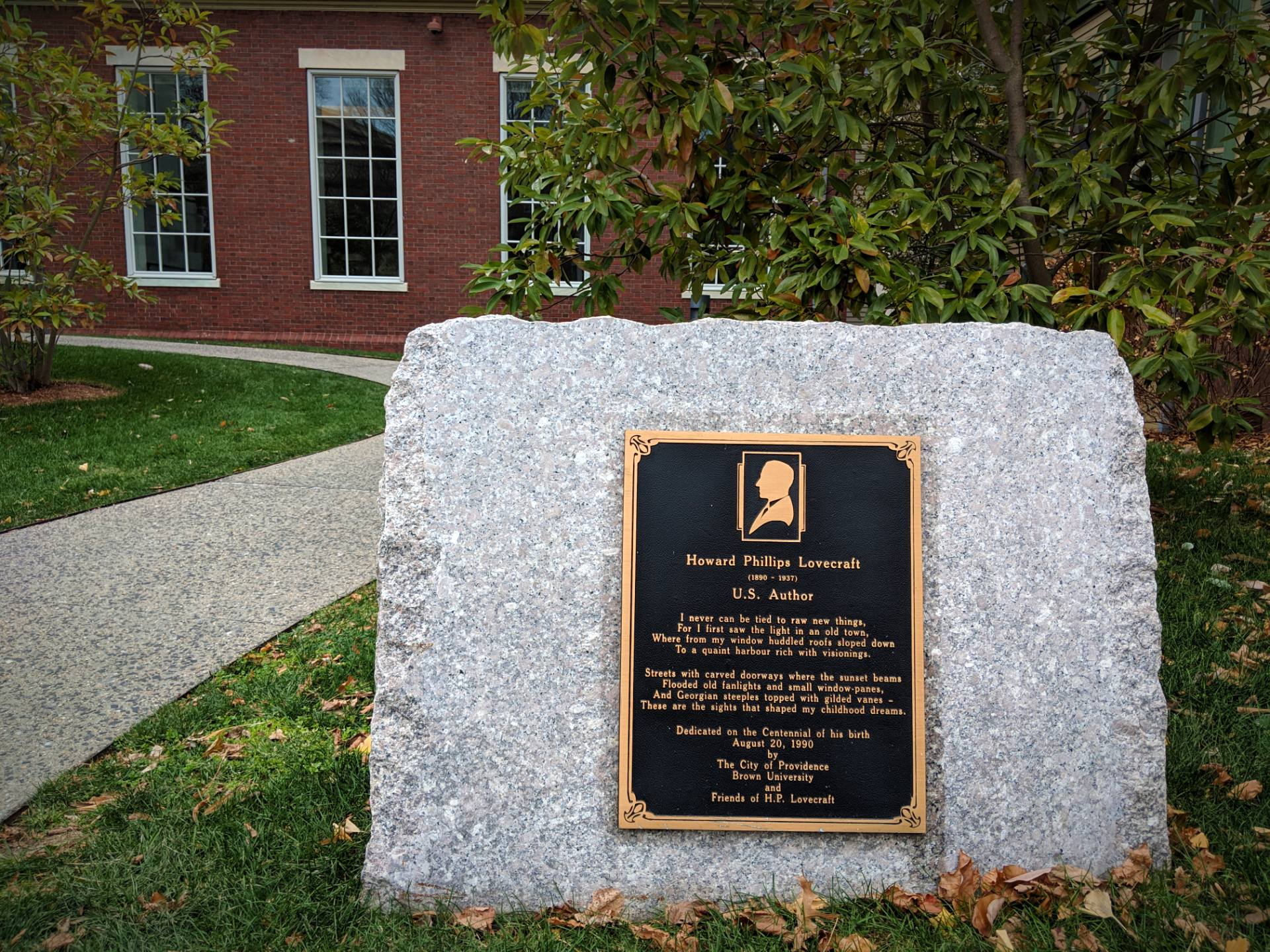
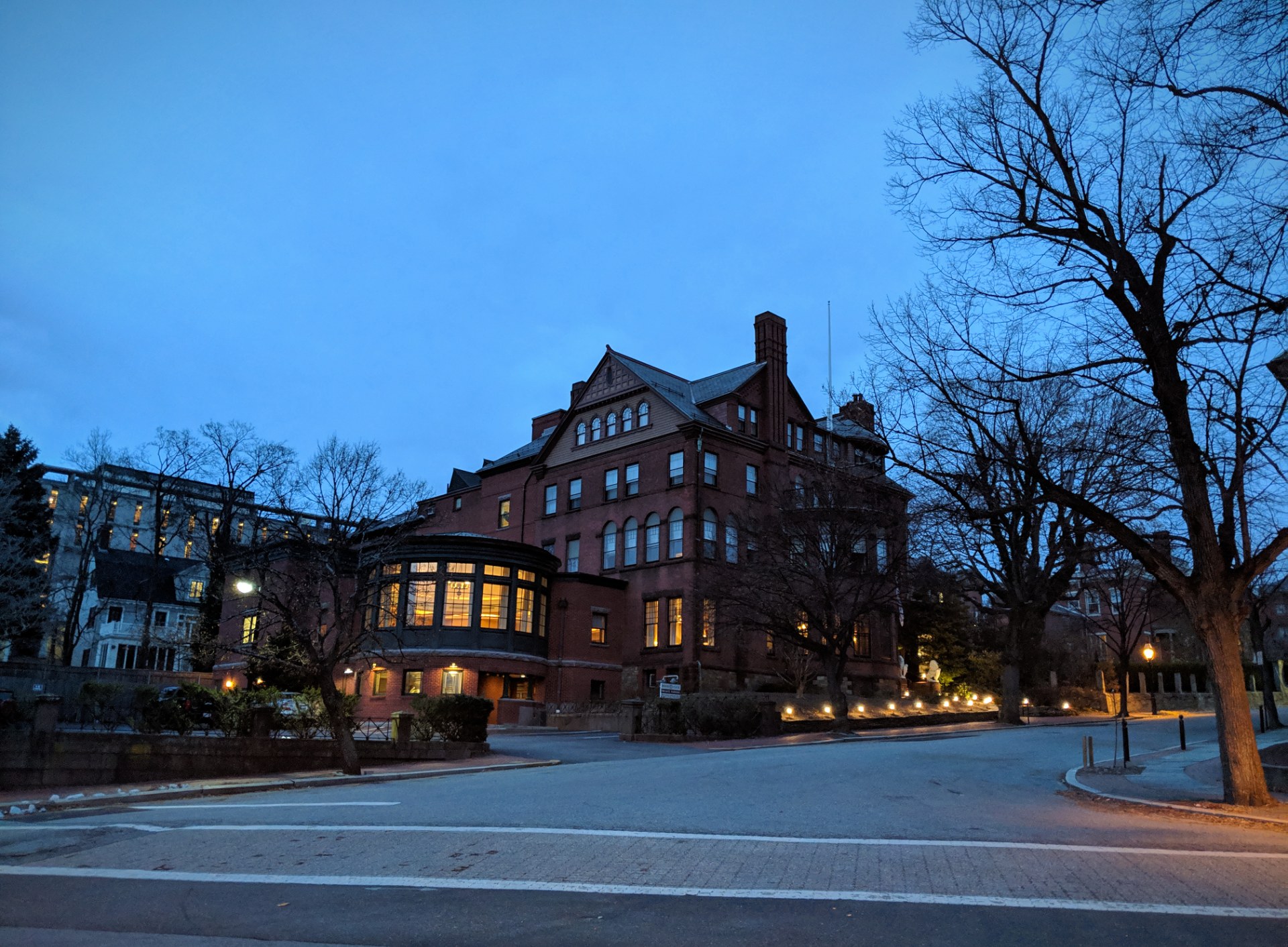
Brown University. Lovecraft walked among it’s buildings most of his life. 

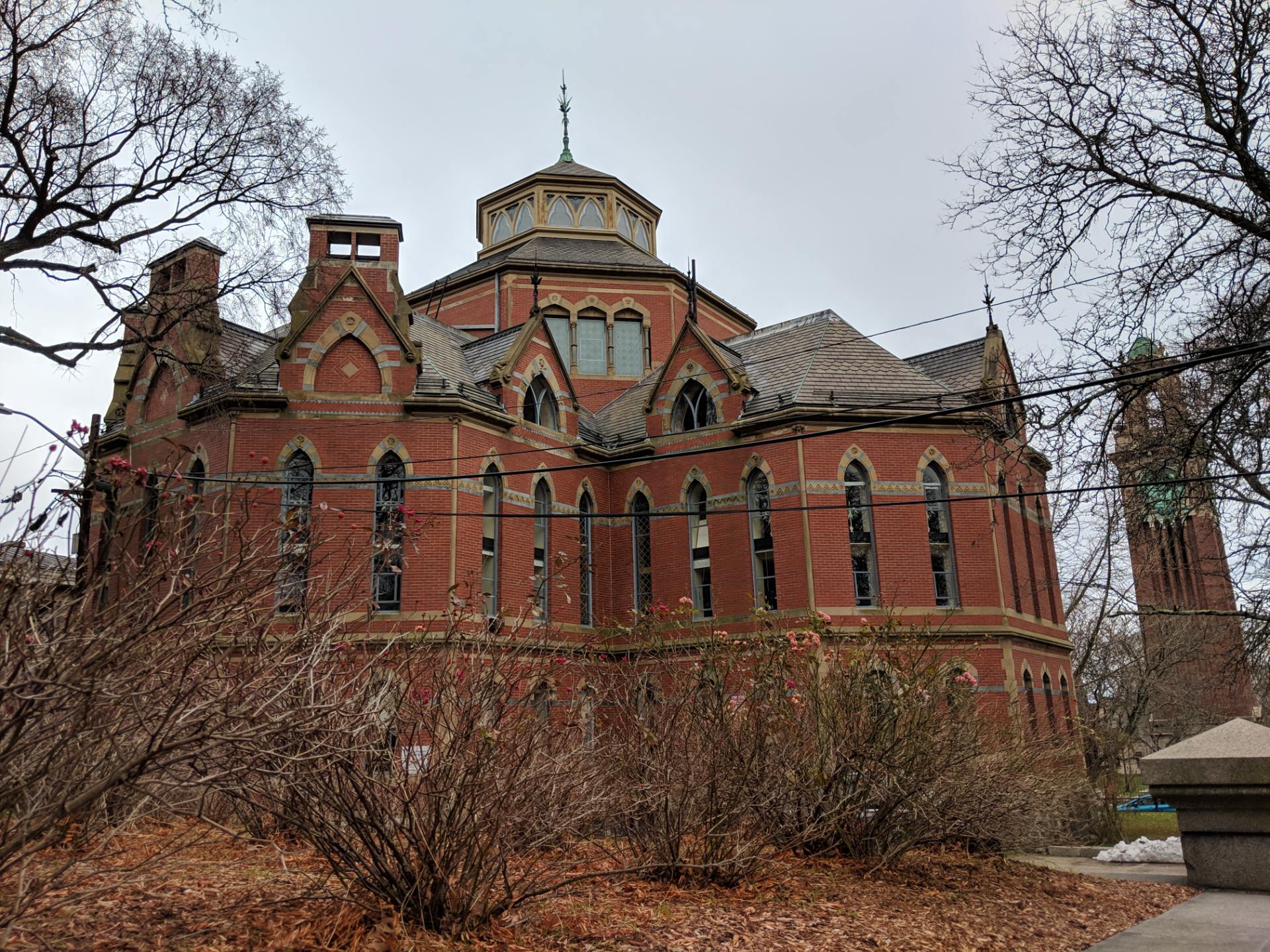
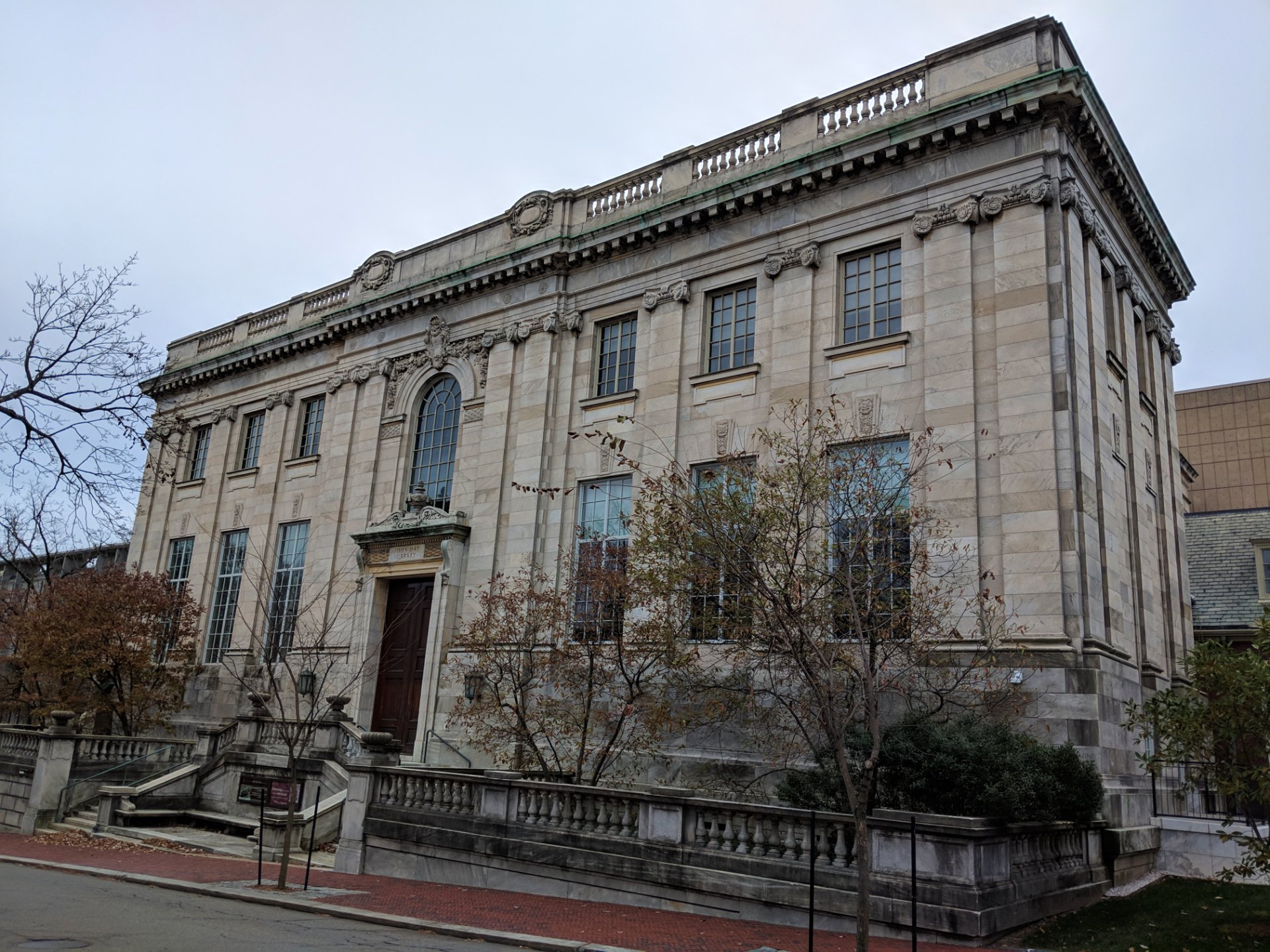
The John Hay Library at Brown University, home to the largest collection of H. P. Lovecraft materials in the world.

Providence, RI

November 24th, 2018