The Chinati Foundation || Marfa

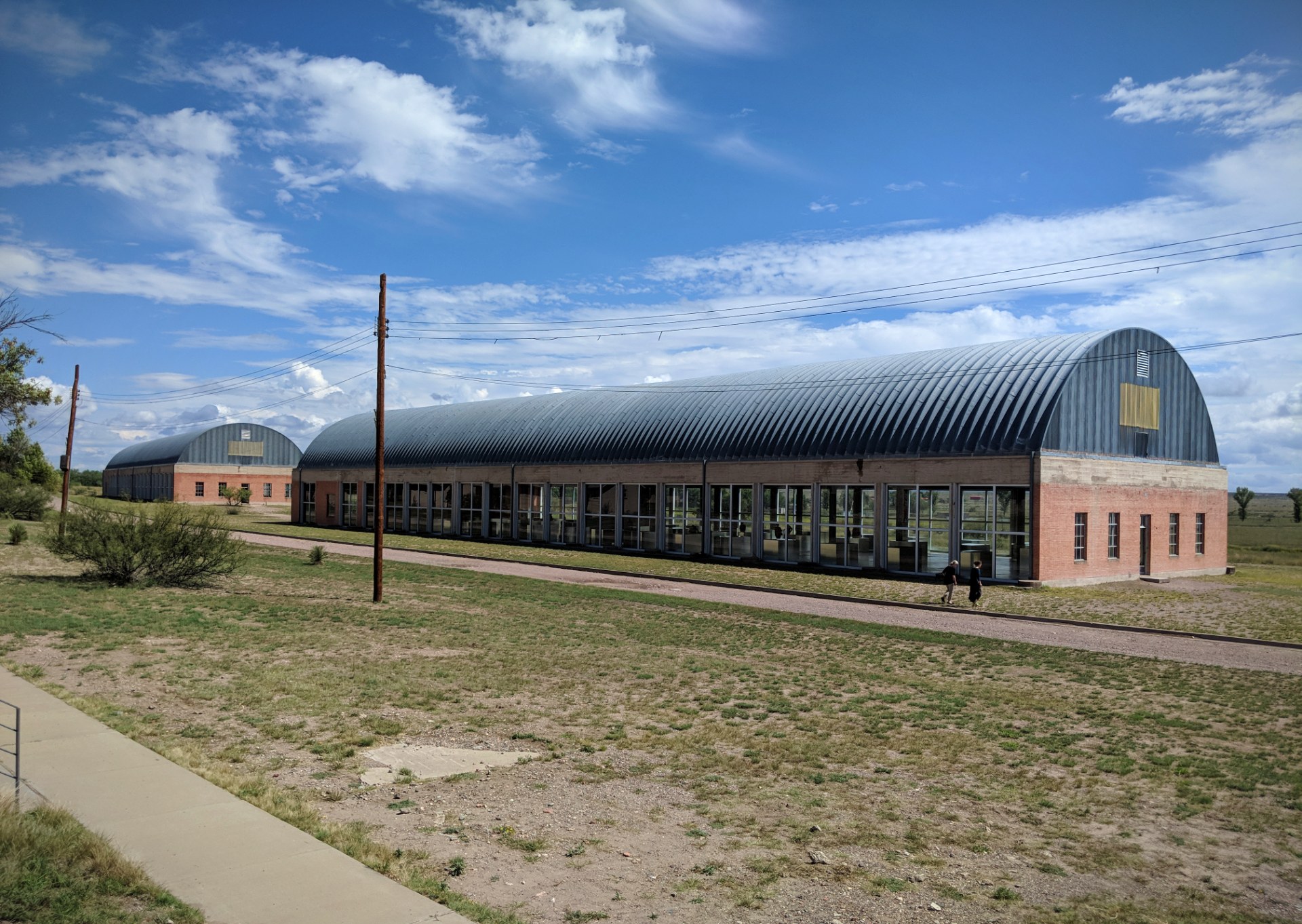
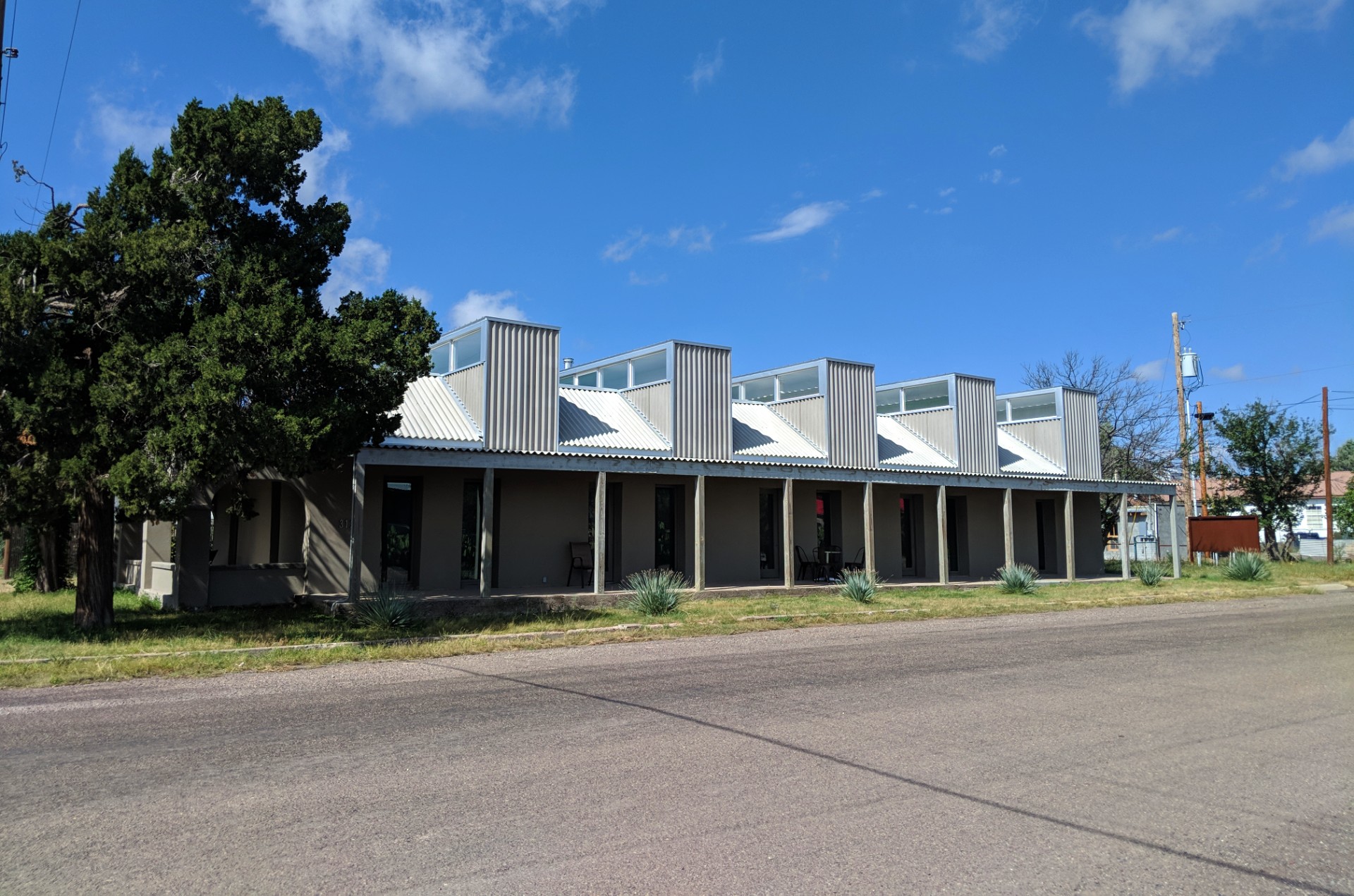
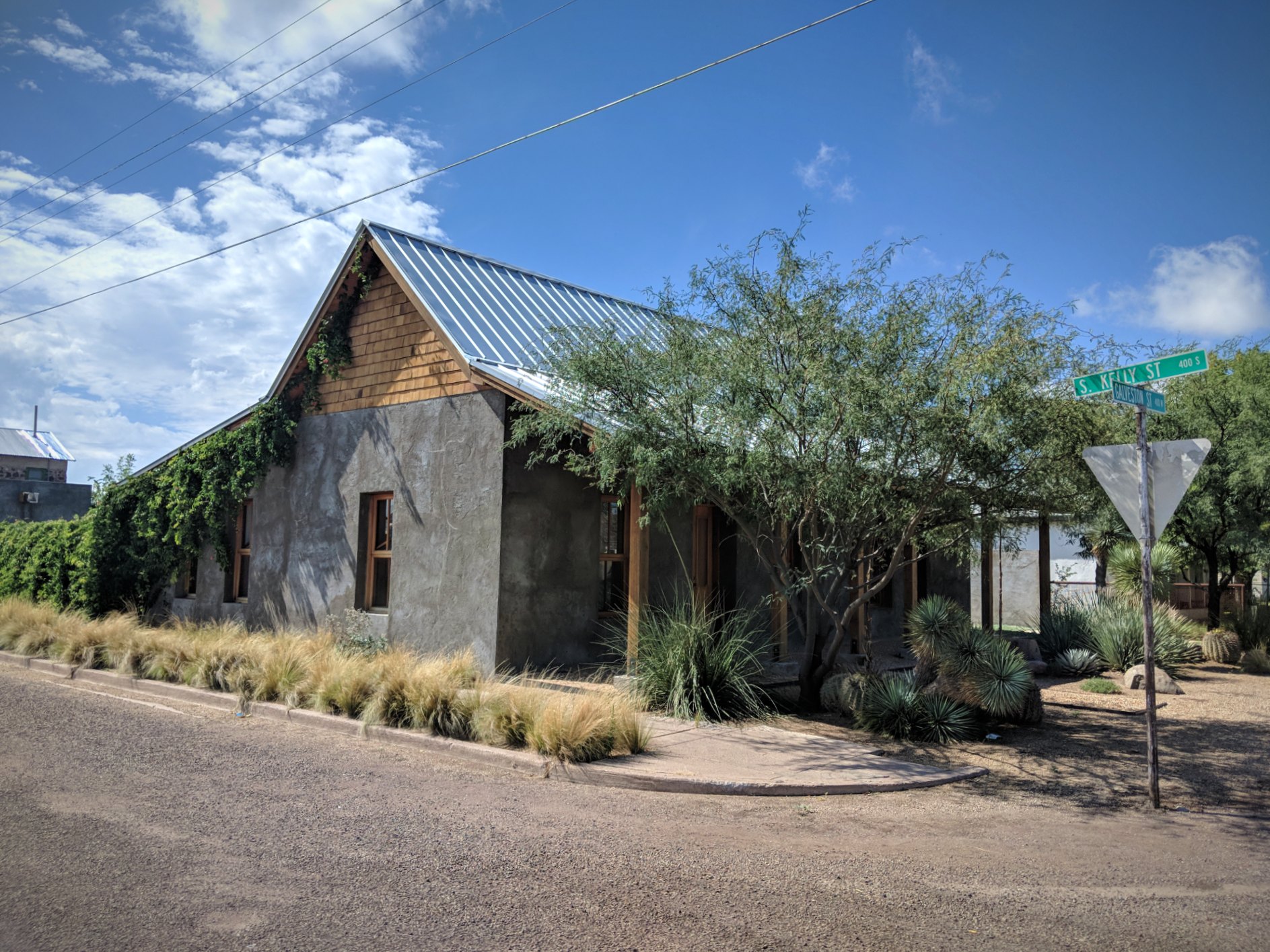
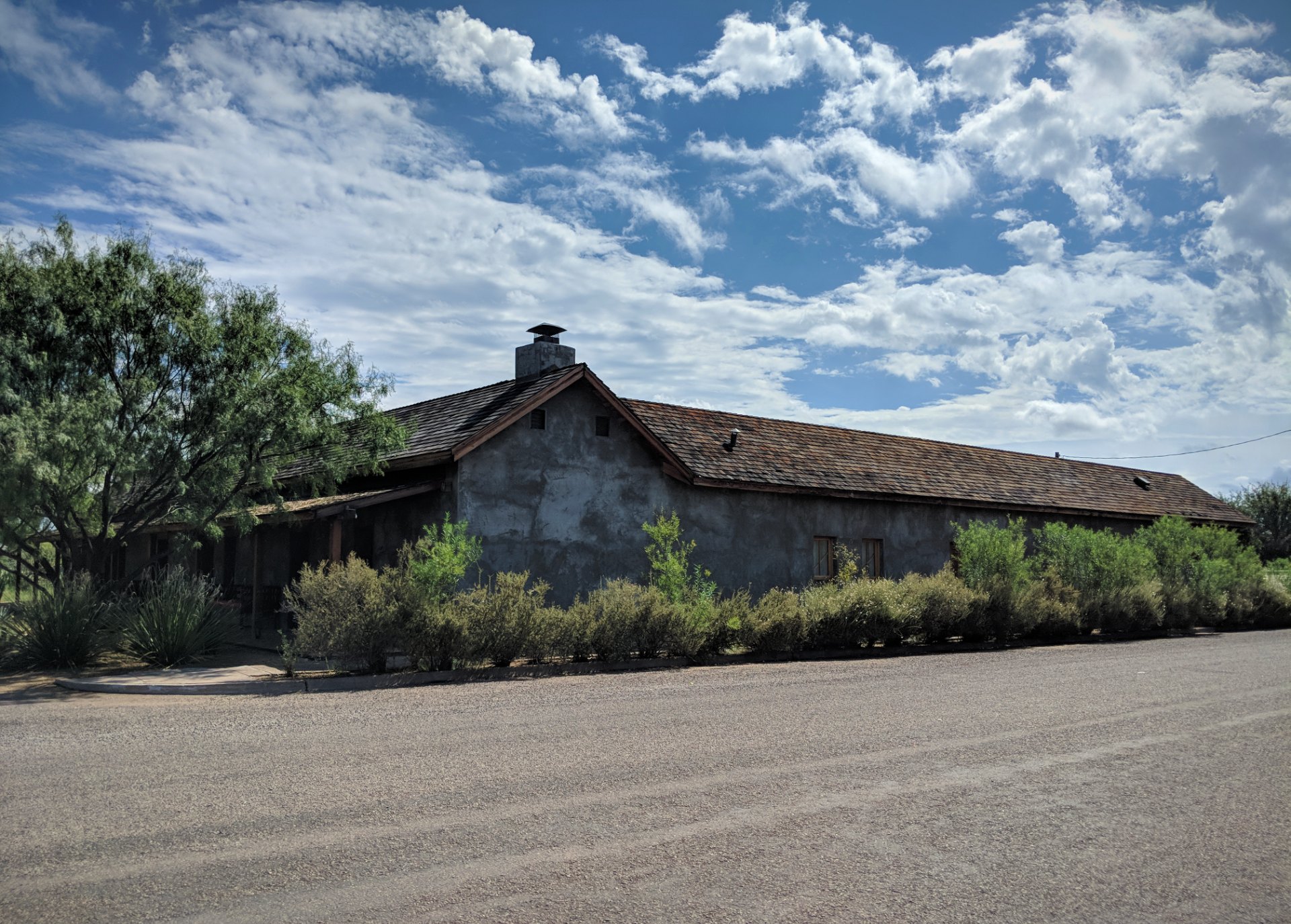
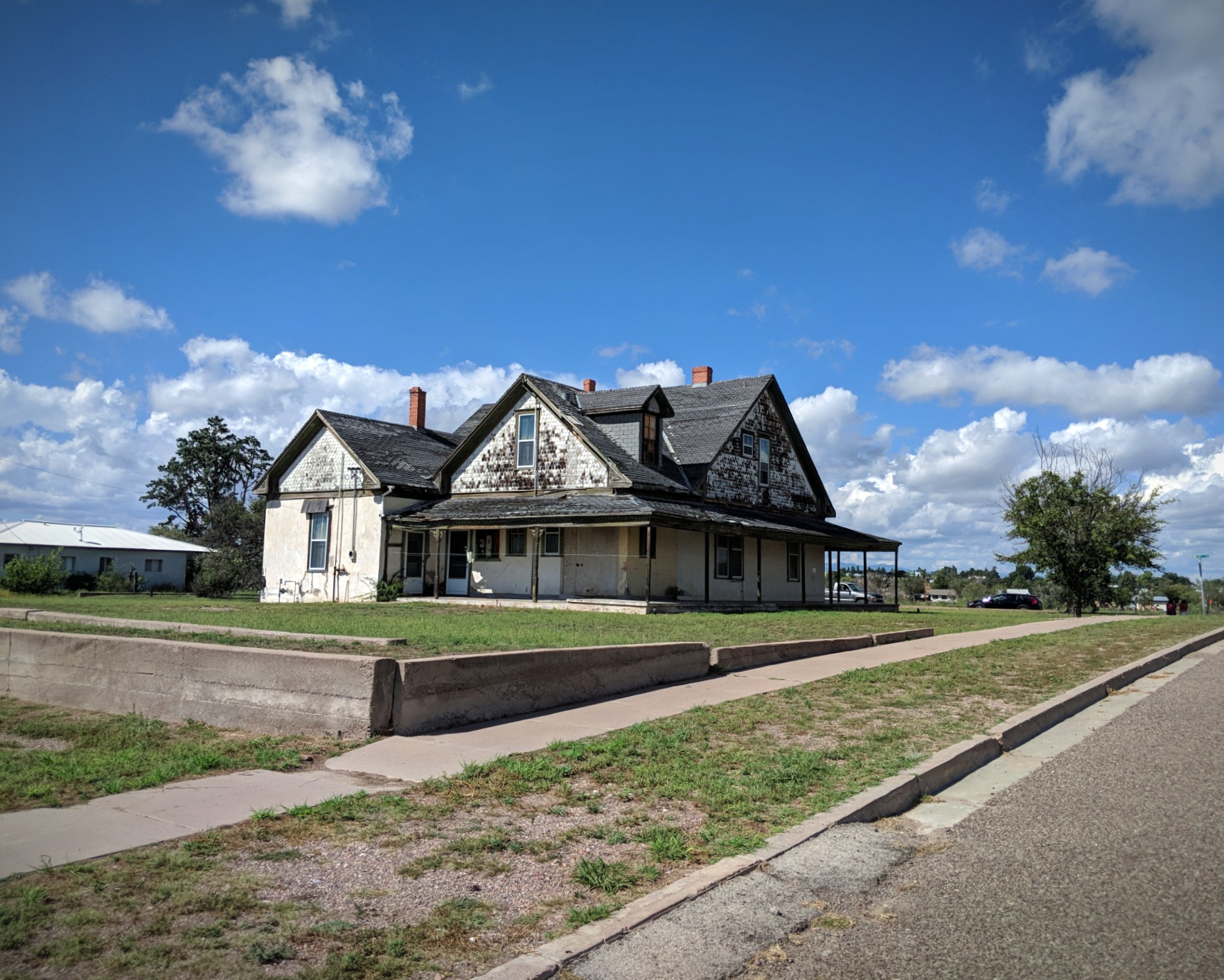
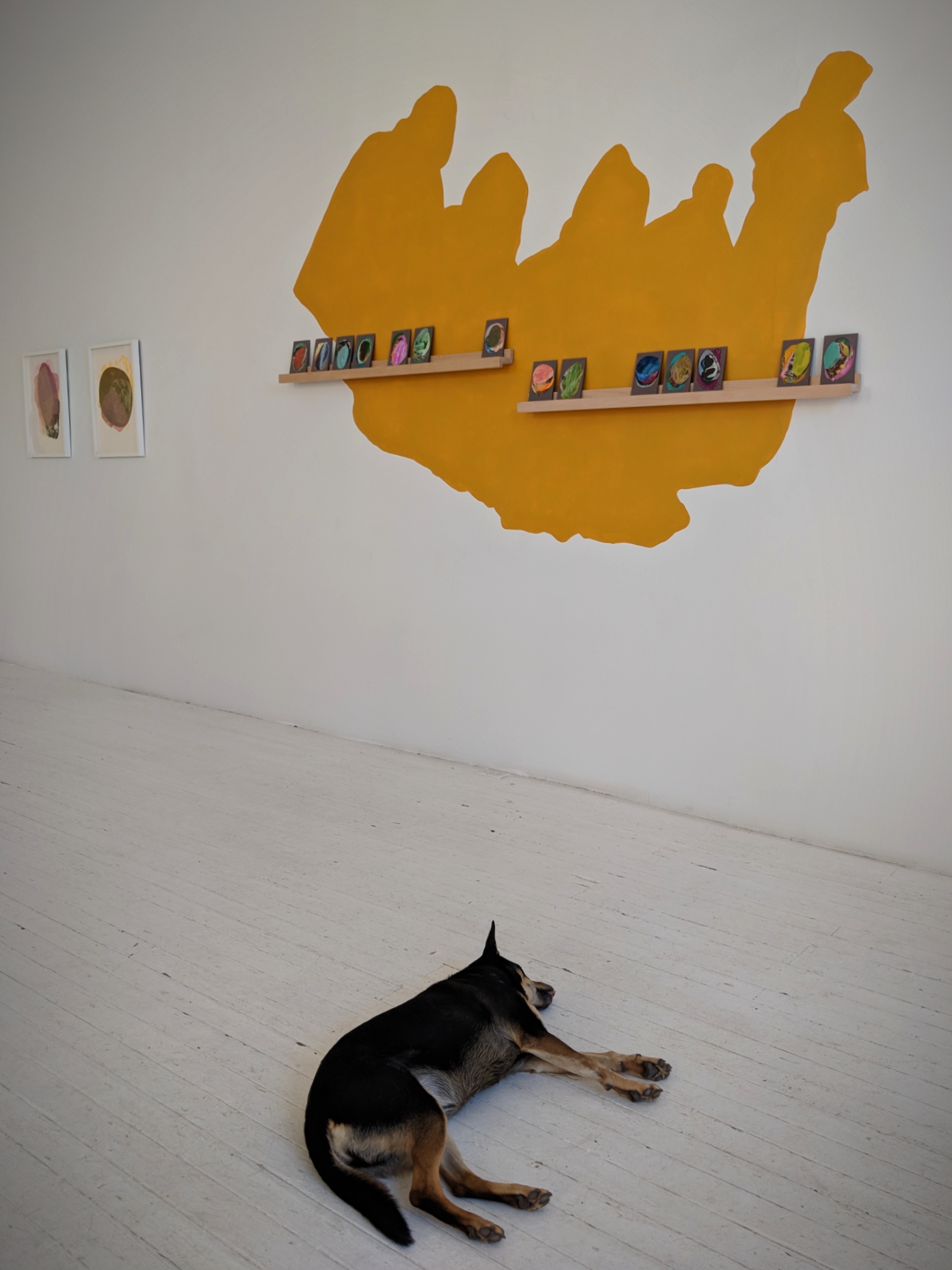
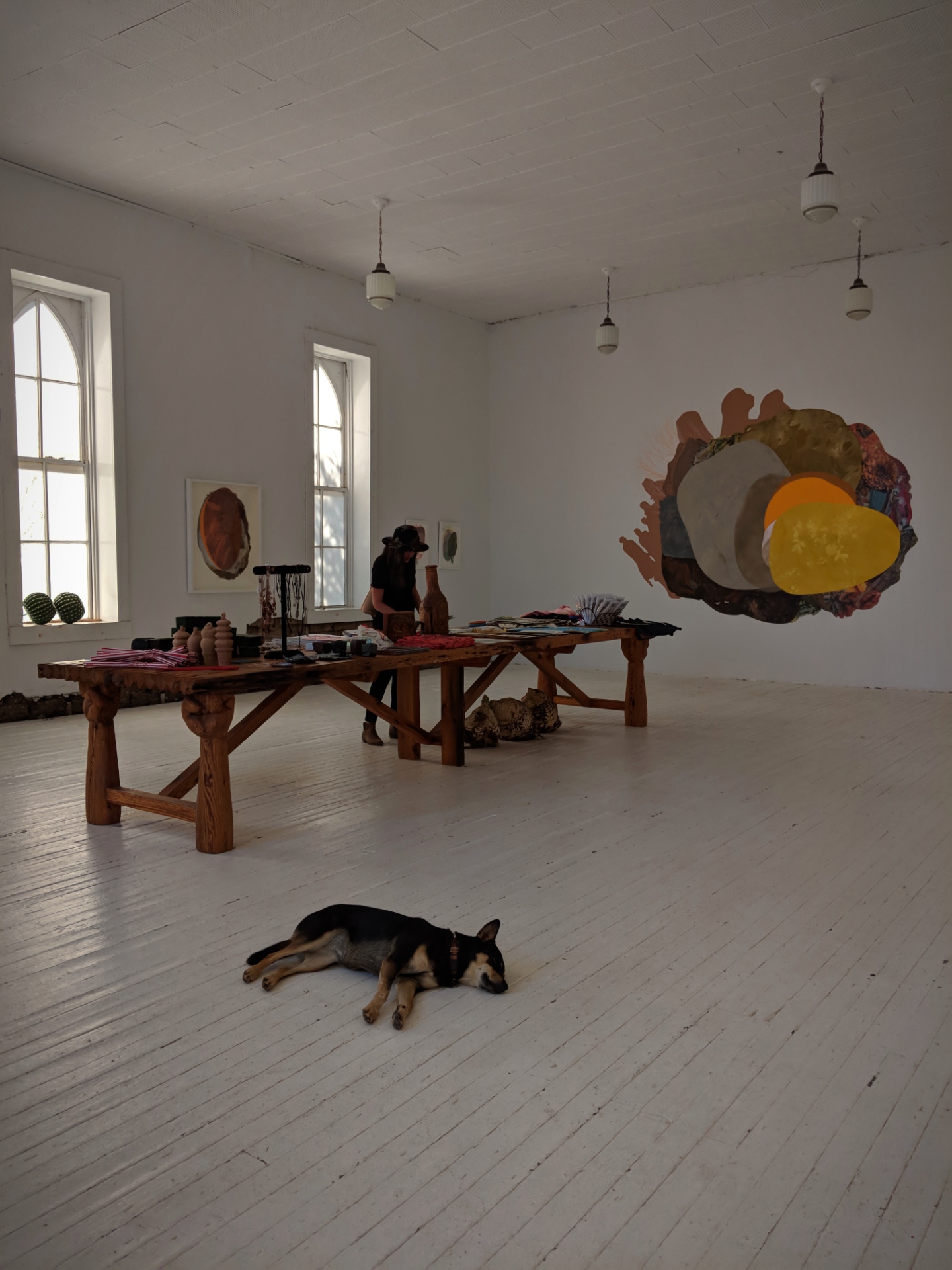
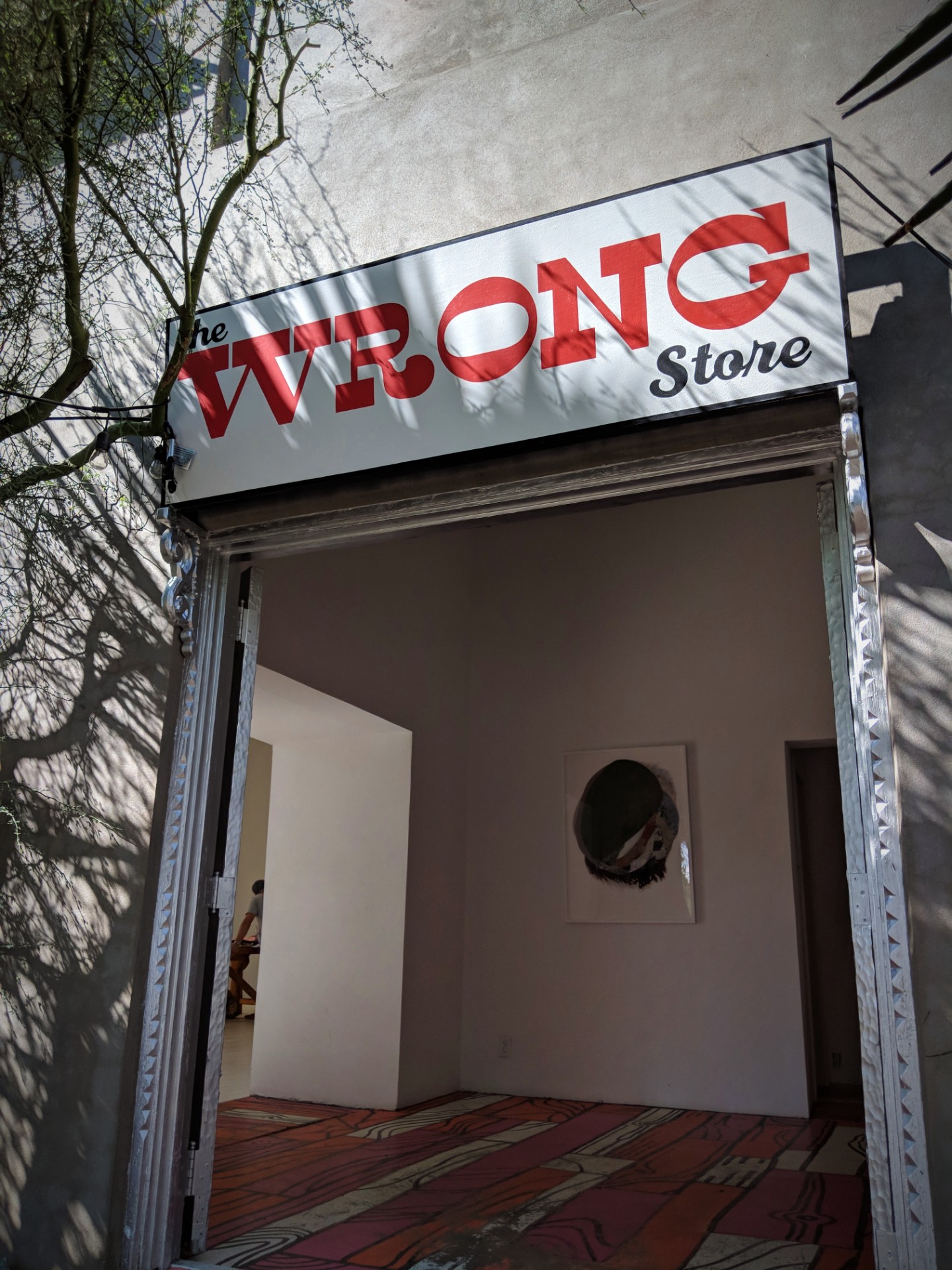
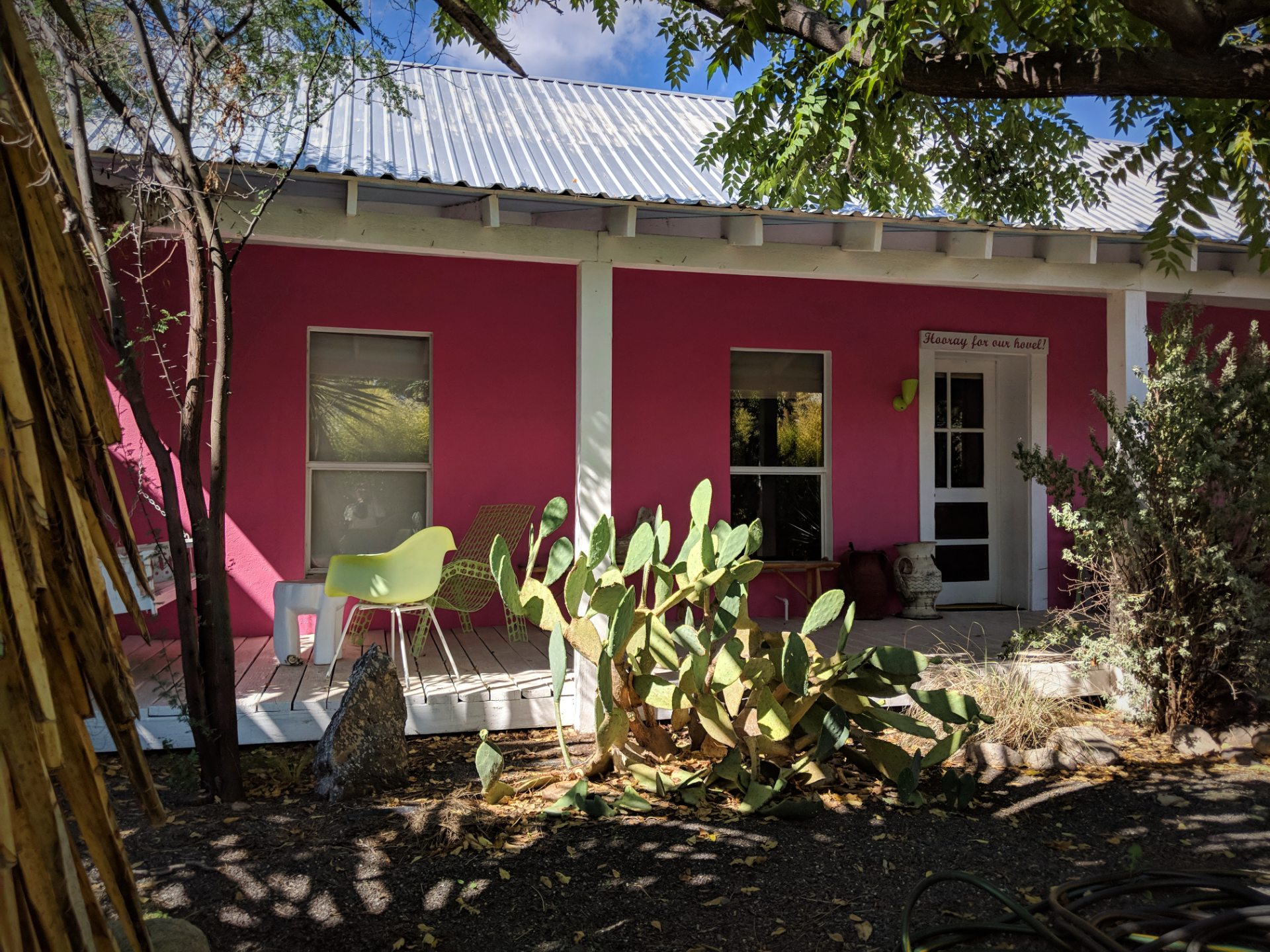
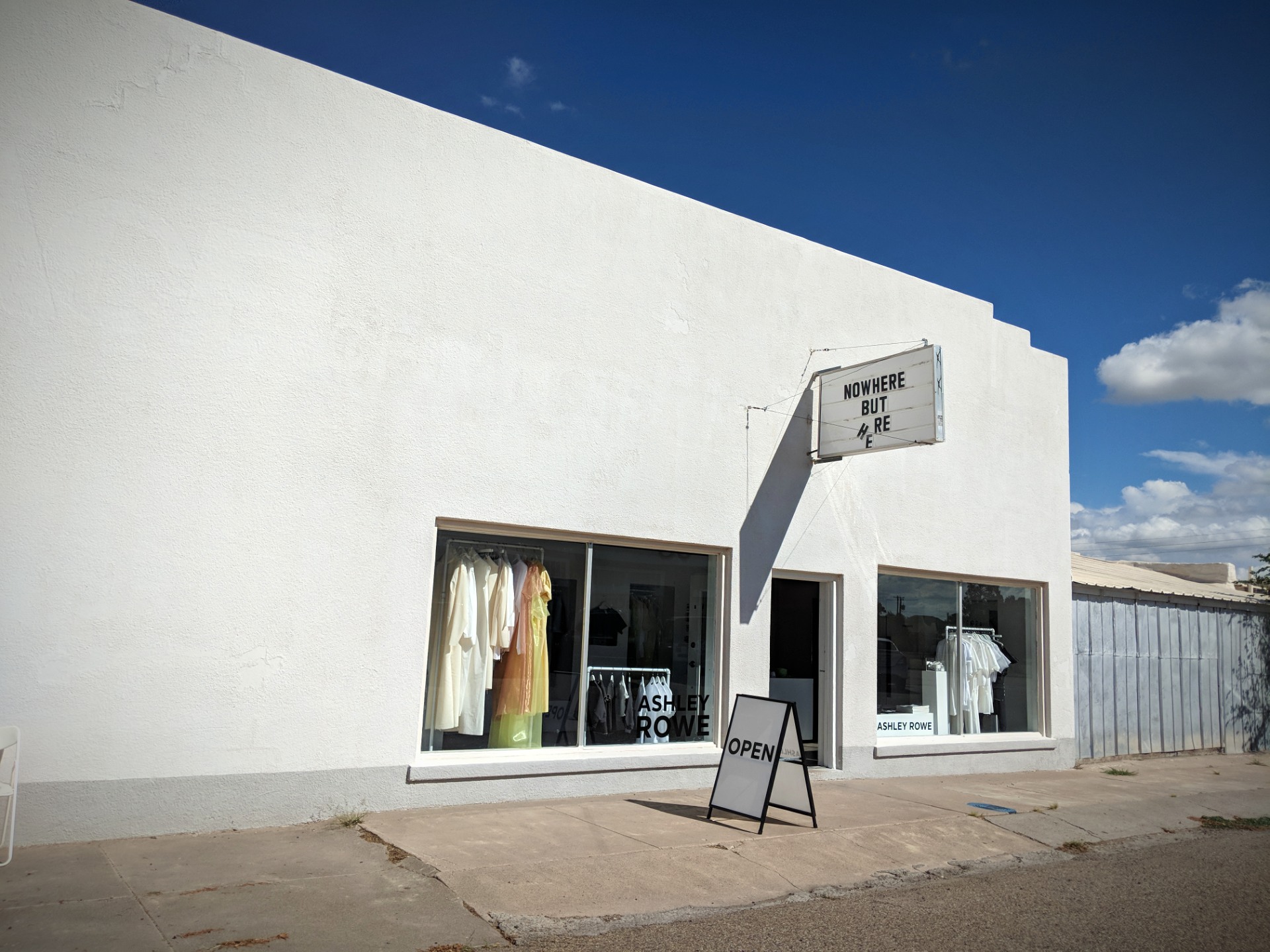
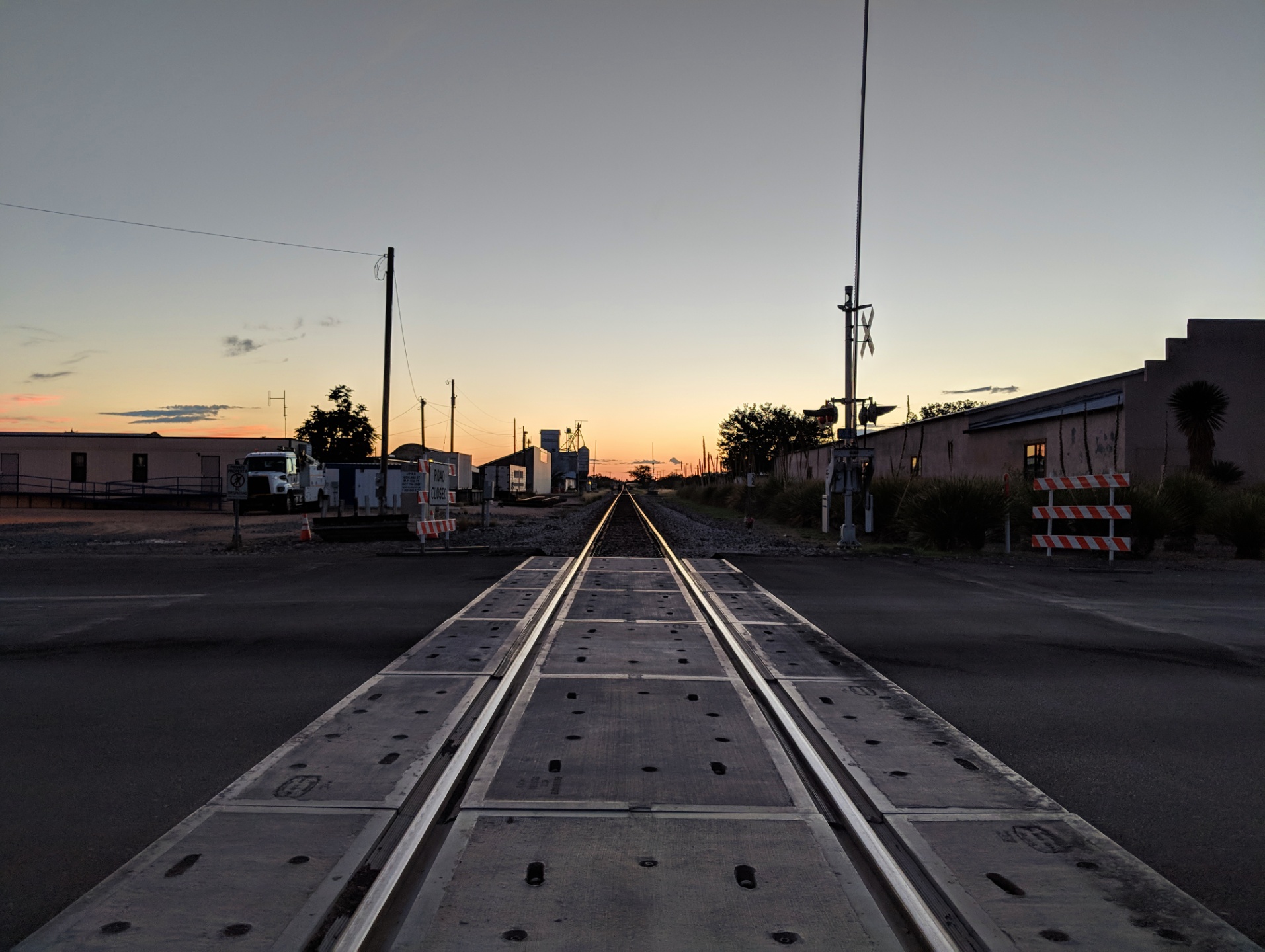
Marfa, a tiny and remote desert town of only about 2.000 people in West Texas, is the most unlikely  cultural centre for contemporary art I could think of. Yet, it is full of art galleries, cool shops that look like art galleries, cool artists that live and work in said art galleries, calling Marfa their home. And in the centre of it all is The Chinati Foundation/La Fundación Chinati, a contemporary art museum founded by Donald Judd.

It was in the early 1970s when Judd decided he wanted out of New York and its art scene, too constrictive for his projects, and look for a place where his work could be installed and never be moved again. In other words, he needed space.

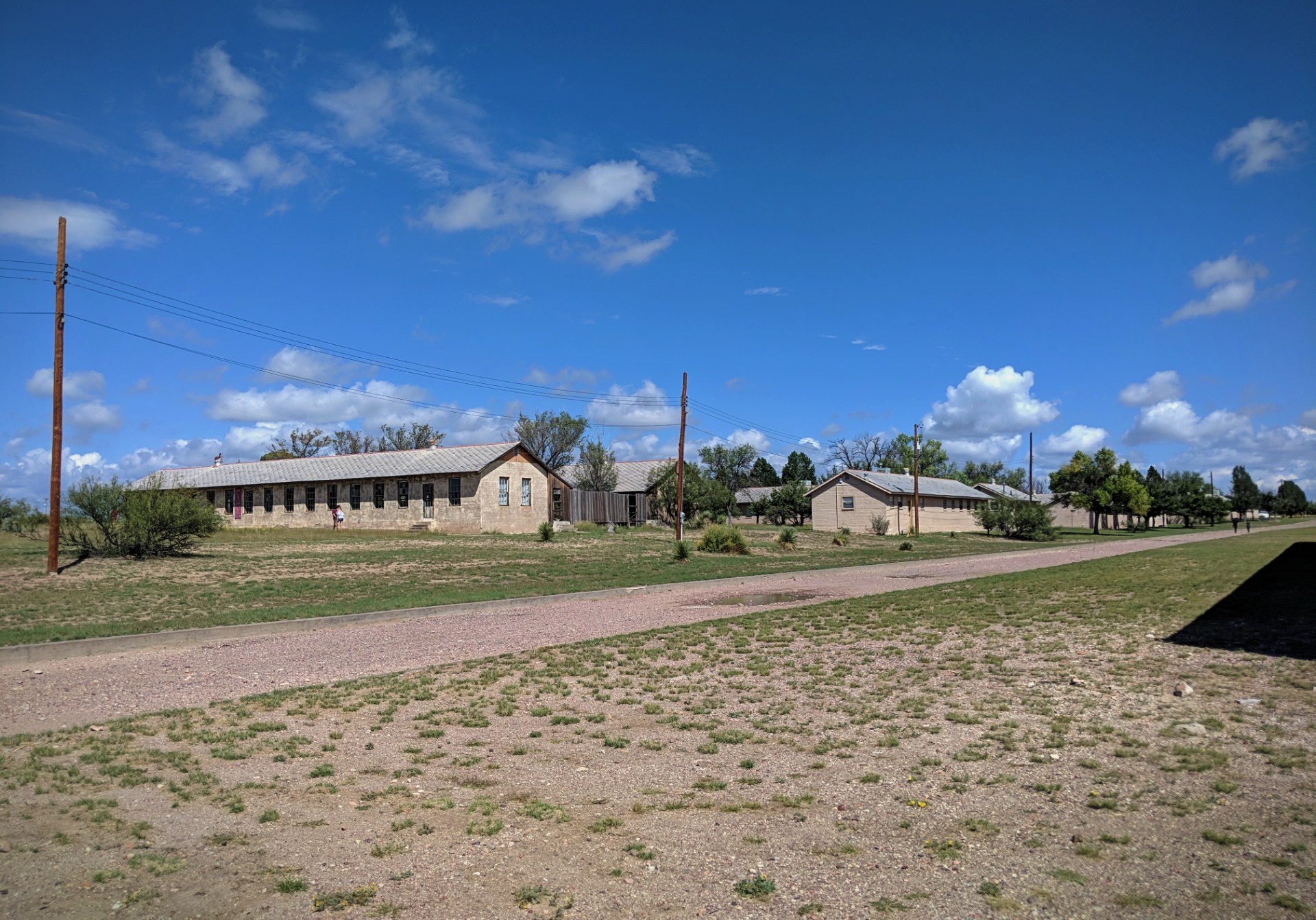
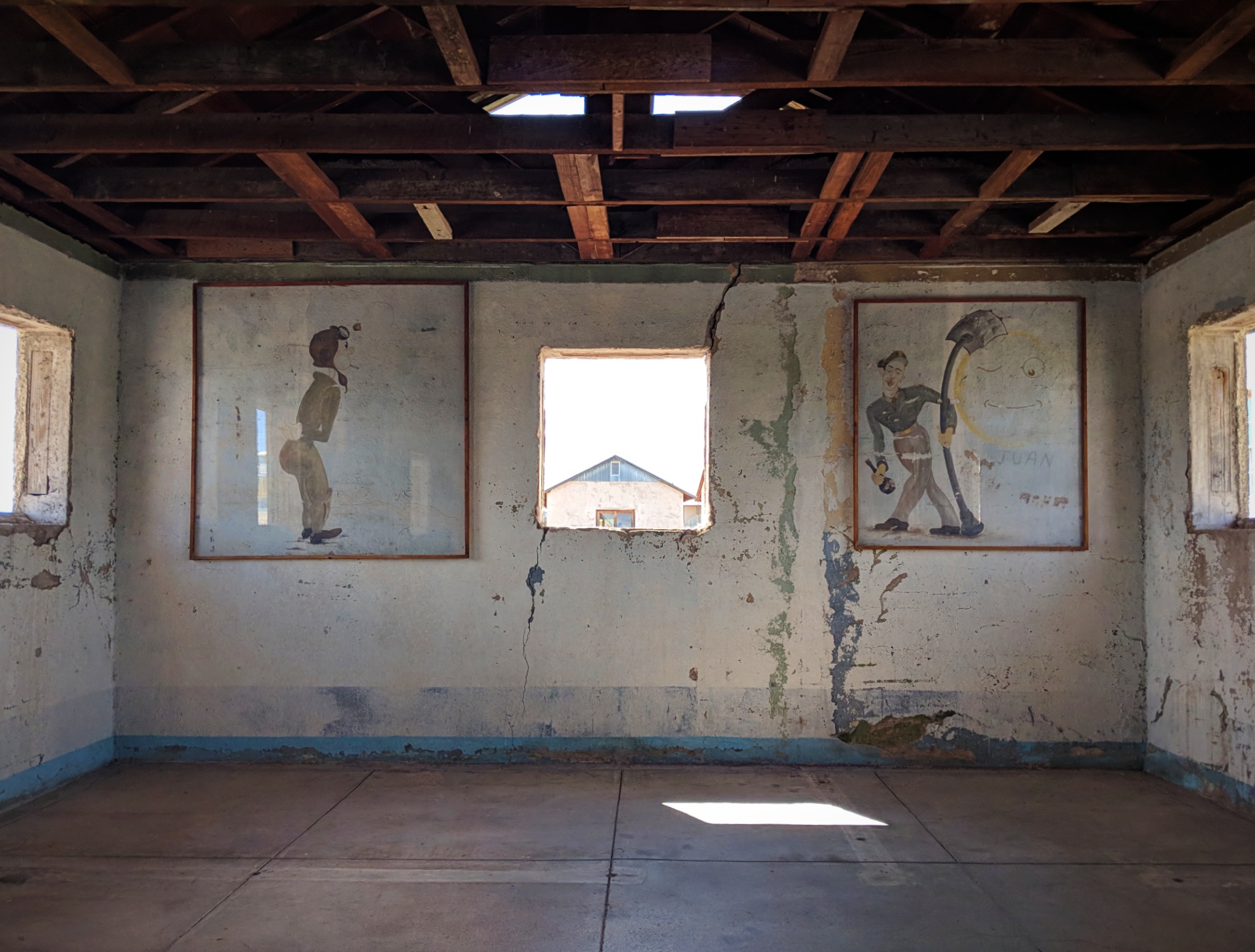
Judd rented a house in 1971 in Marfa, took one look around and bid farewell to New York forever. He began to purchase properties in 1973, which would include living quarters, studios and ranches where his work would be permanently installed, every move leading to the purchase of a 340 acres of land on the site of former Fort D.A. Russell, in 1978.

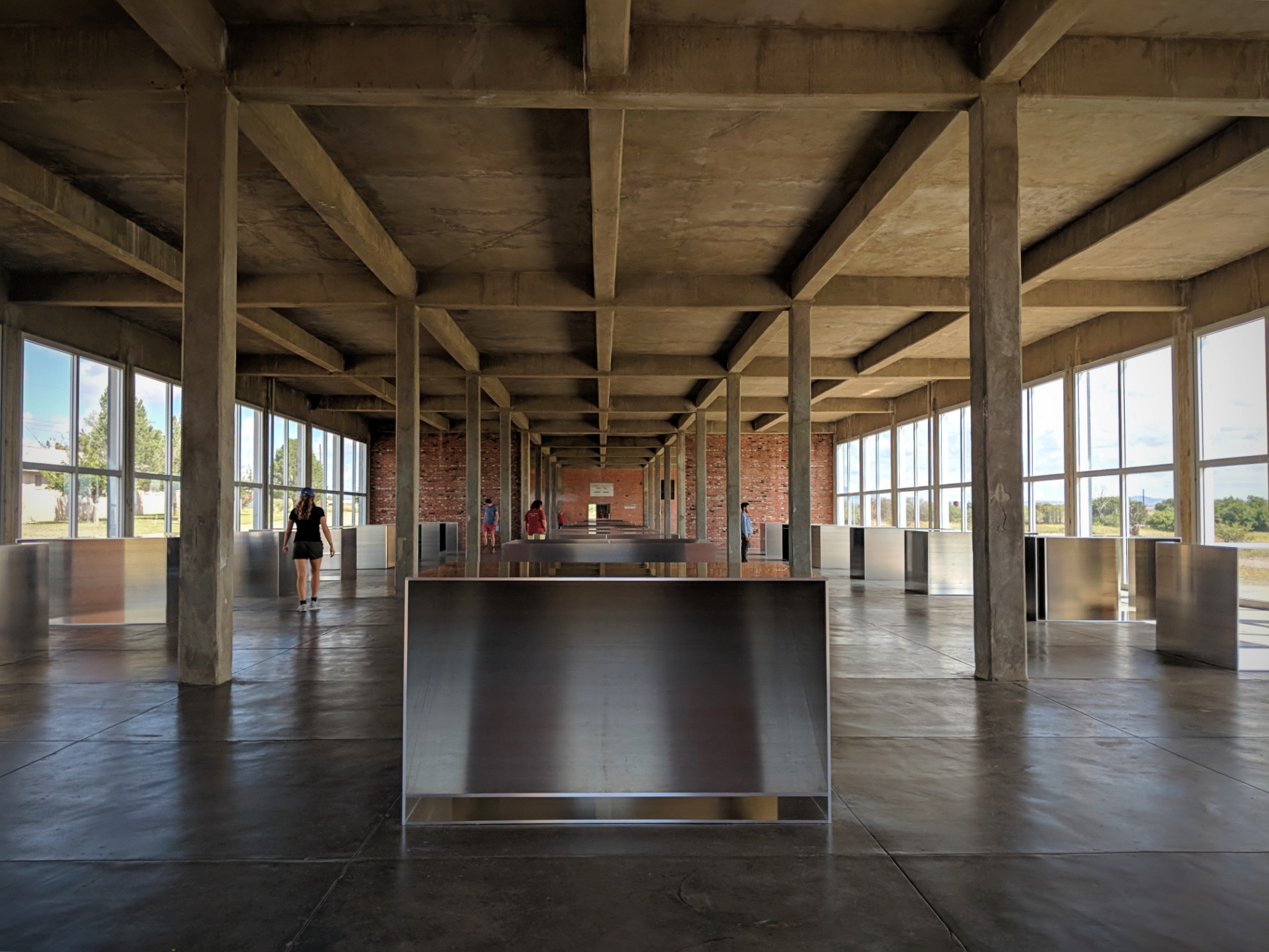
The Chinati Foundation opened to the public in 1987 as a museum hosting permanent collections of works by Donald Judd as well as by his friends, Dan Flavin and John Chamberlain (with 25 sculptures in a renovated wool warehouse in downtown Marfa). Judd later expanded the collection to include works by Claes Oldenburg and Coosje van Bruggen, Richard Long, Roni Horn, David Rabinowitch, Ilya Kabakov, and Ingólfur Arnarsson. Following Judd’s death in 1994, the museum completed additional projects: an installation of poems by Carl Andre (1995); a gallery of paintings by John Wesley (2004); and Robert Irwin’s untitled (dawn to dusk) (2016).

The Chinati Foundation is open year-round, but if you love mingling with the art crowd – or are fond of crowds in general – you may want to time your visit to coincide with the Chinati Weekend, an annual weekend-long event, the one time of year when all installations are open for self-guided viewing and the museum presents special exhibitions, talks, and performances, all free to the public.

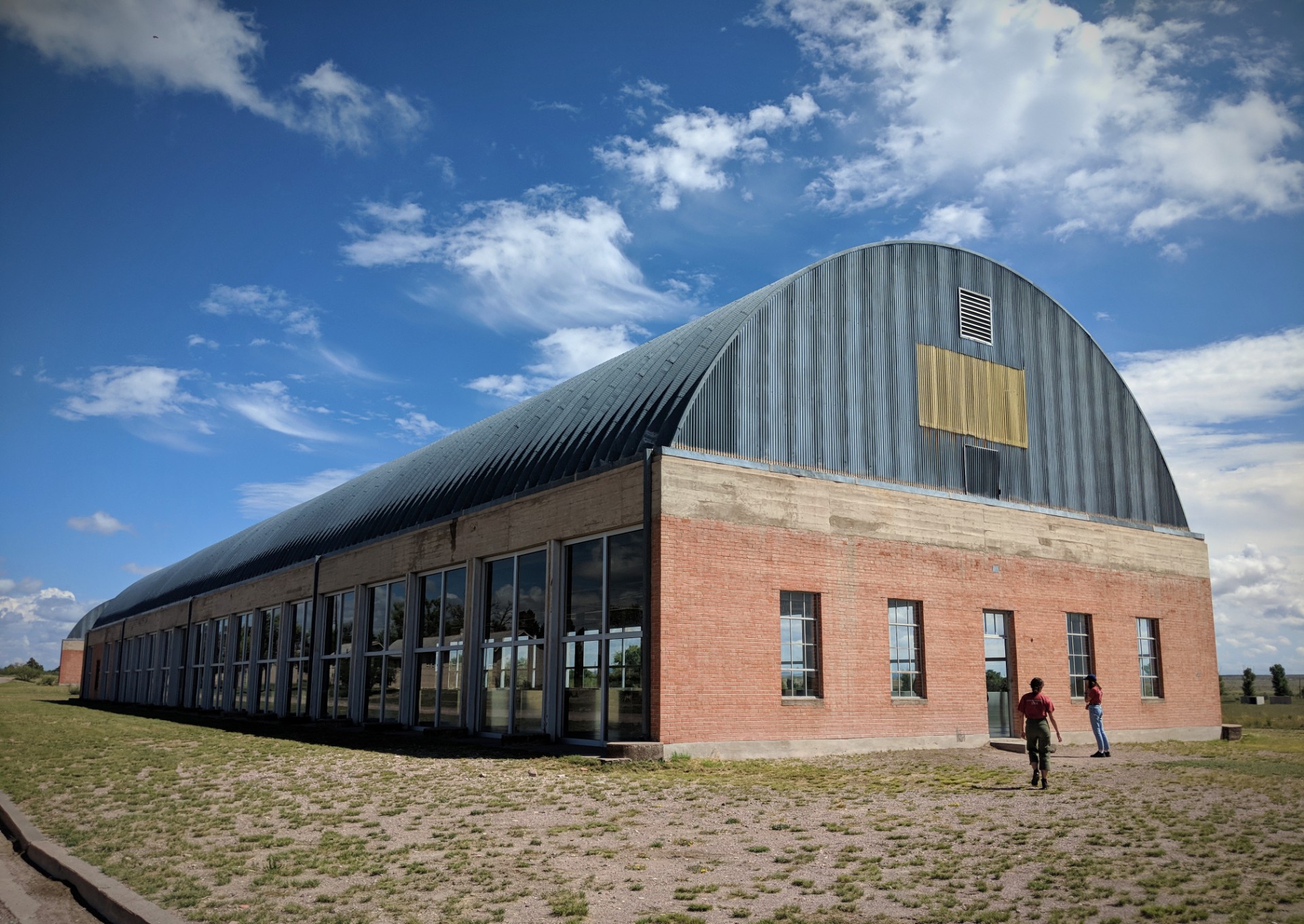
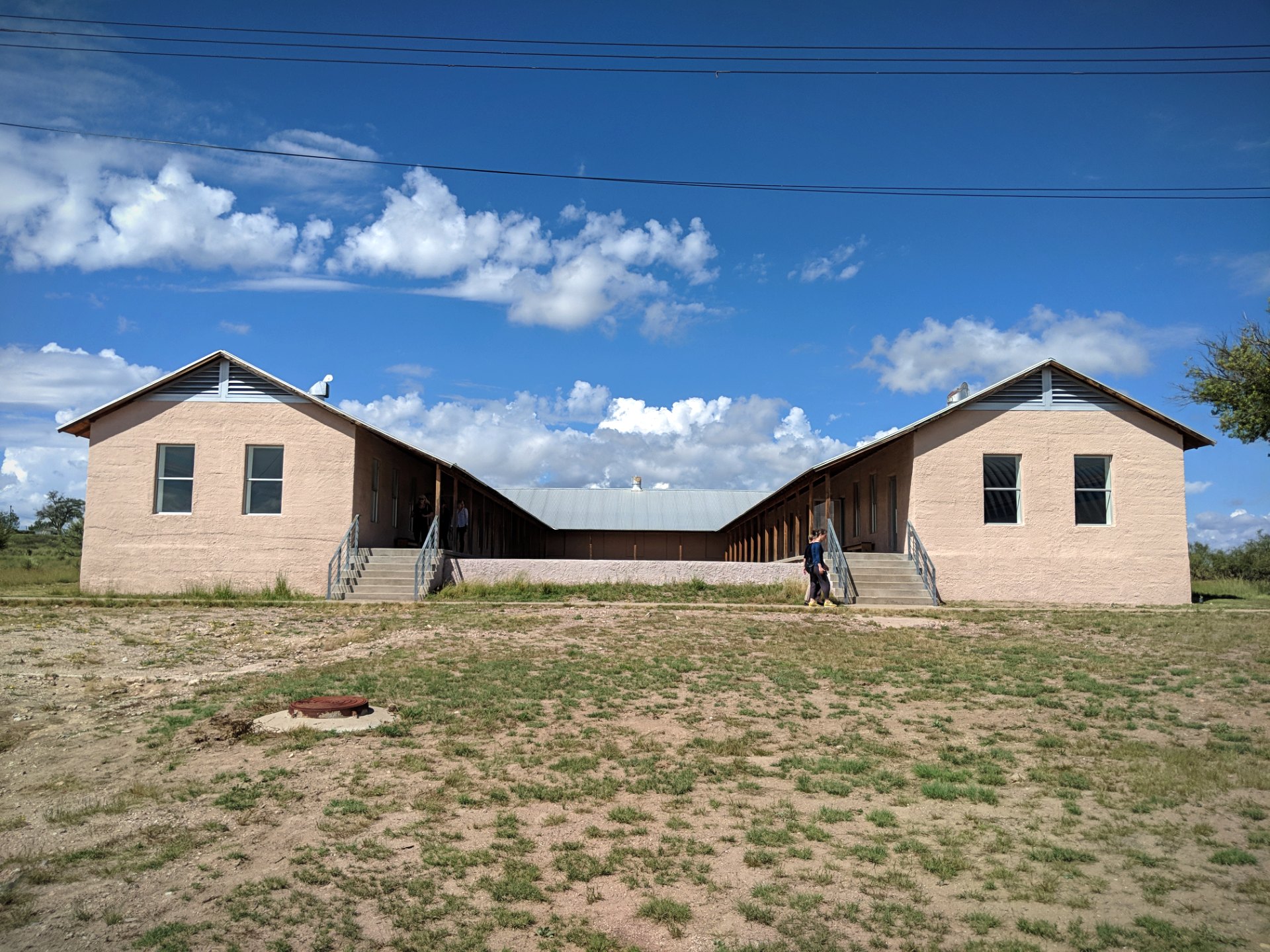
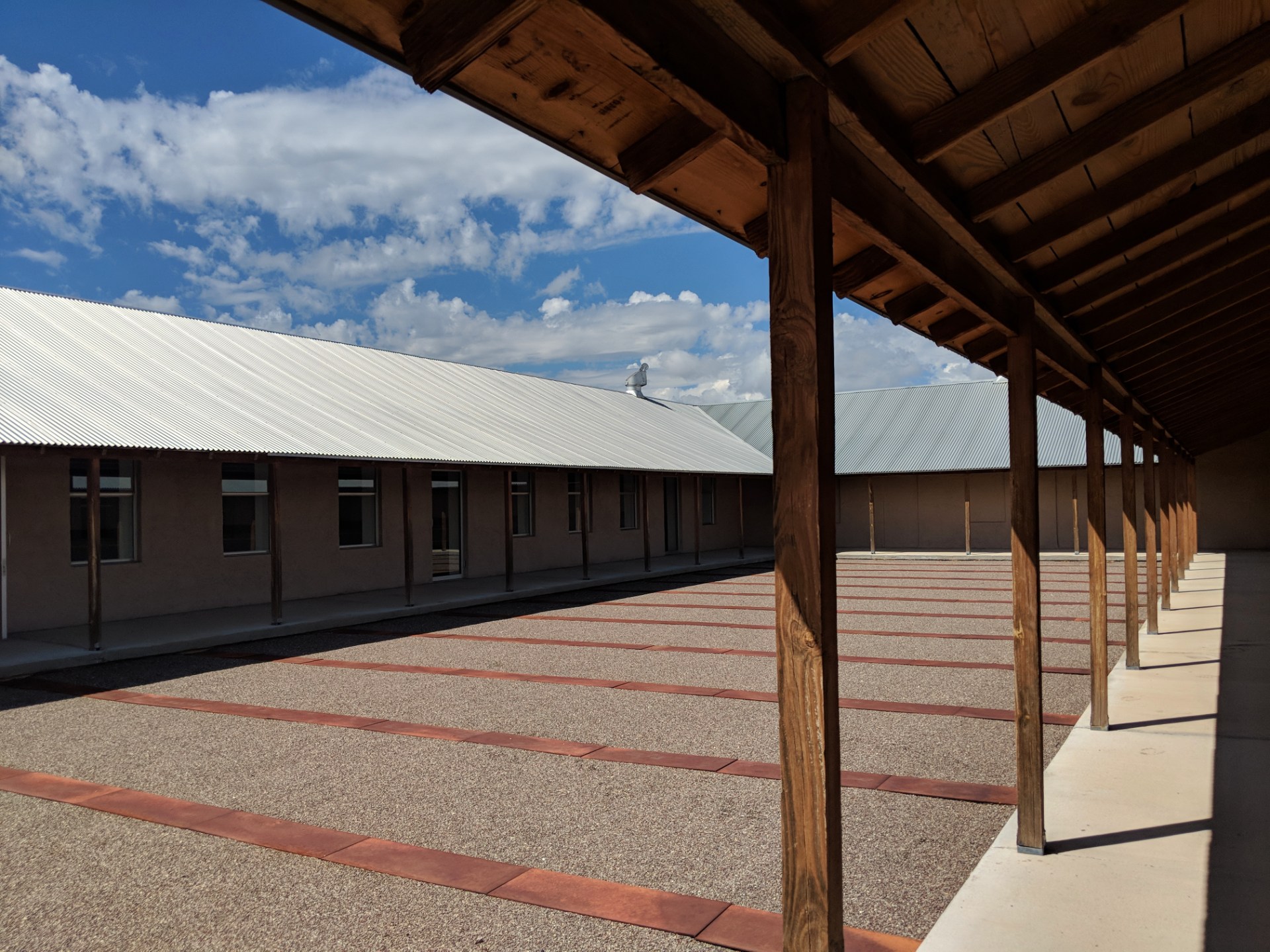
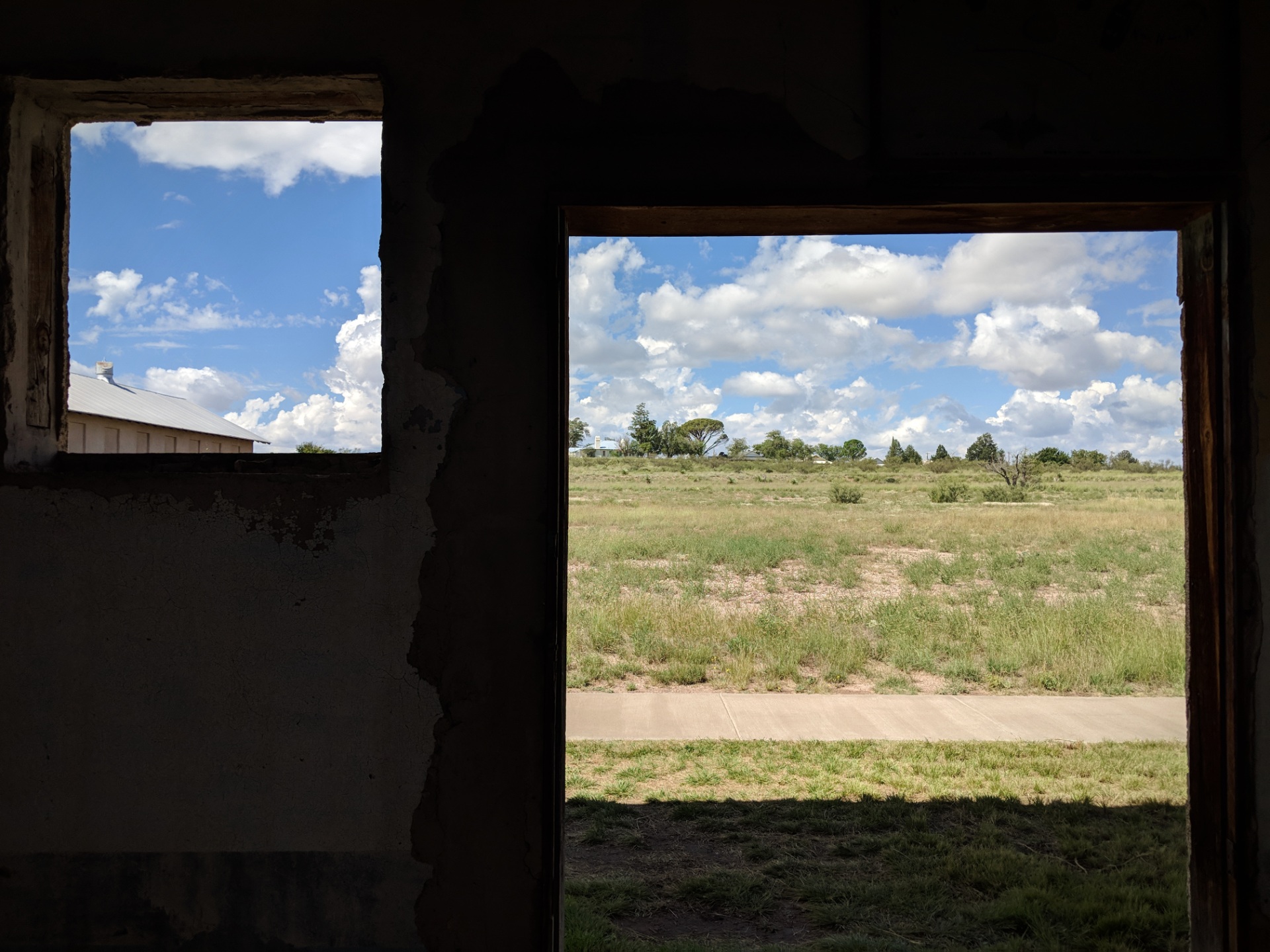
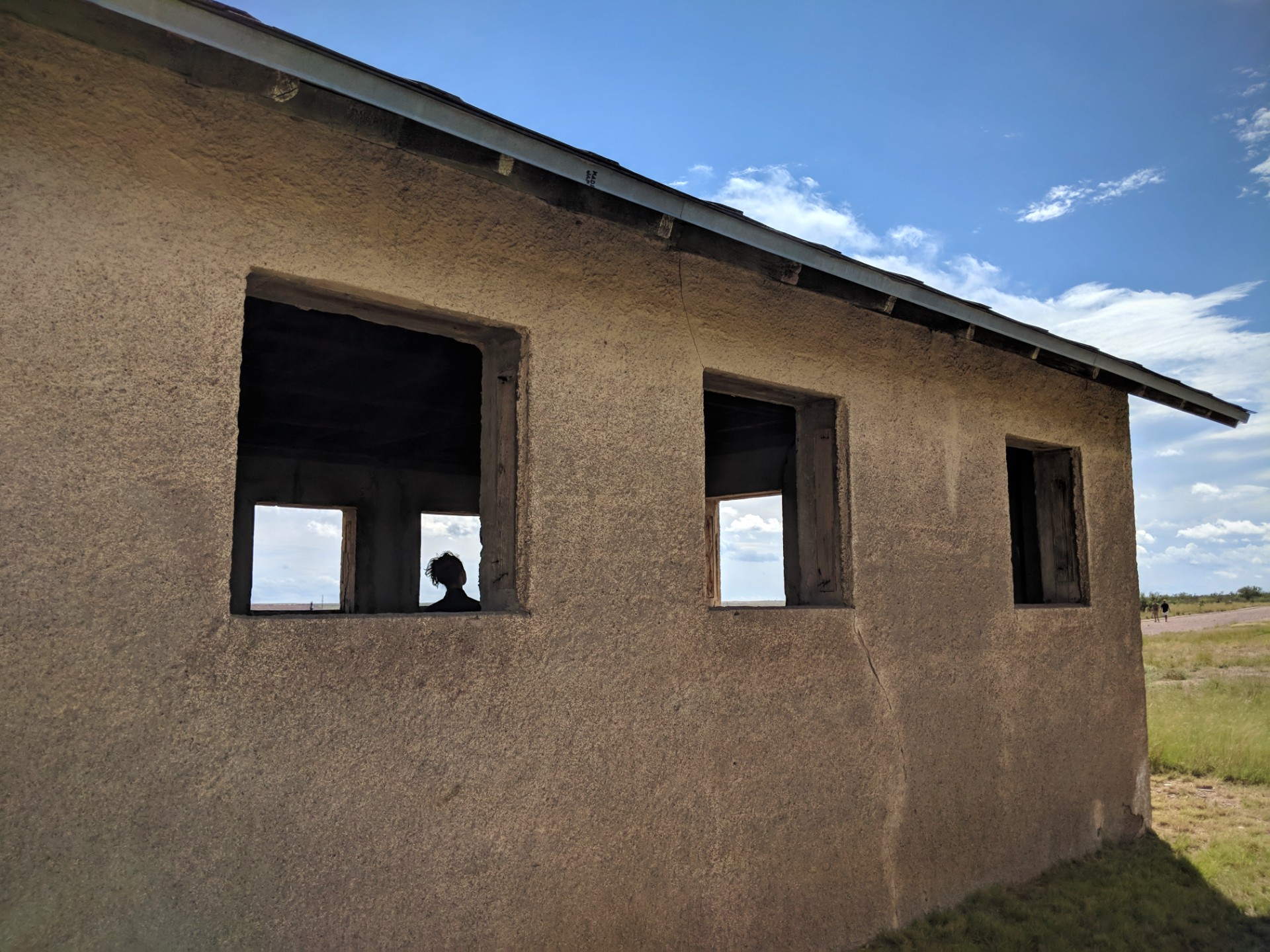
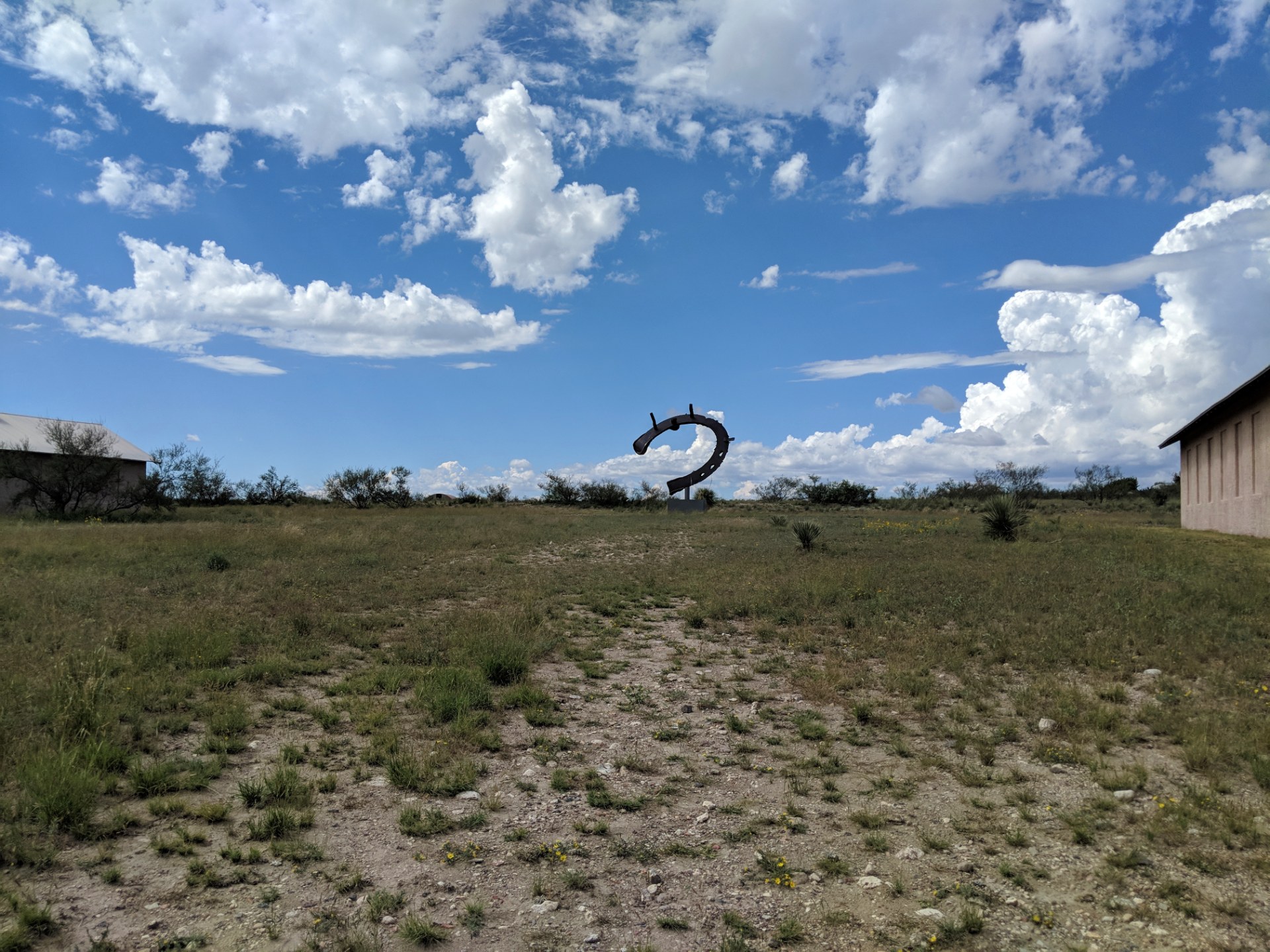
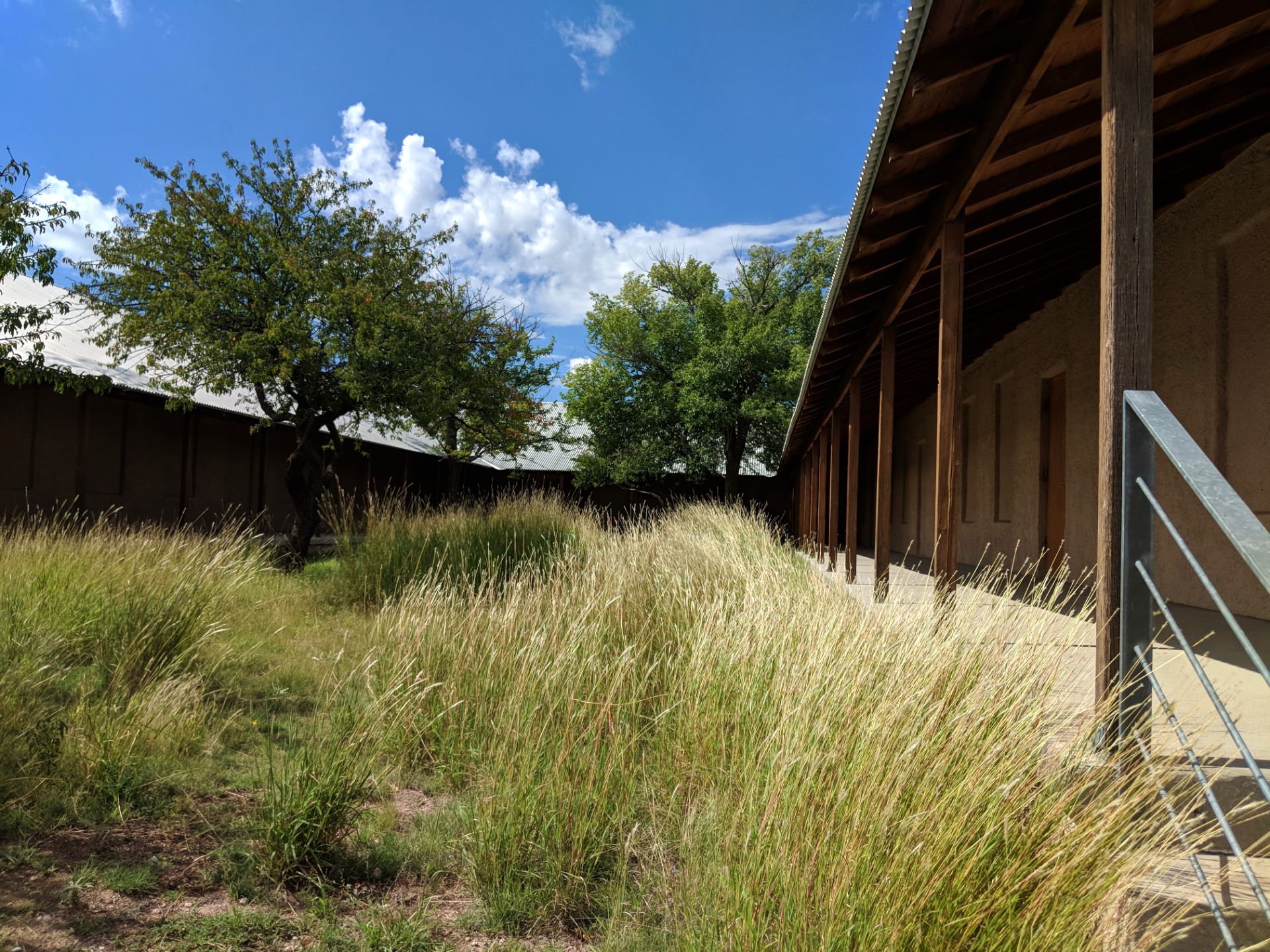
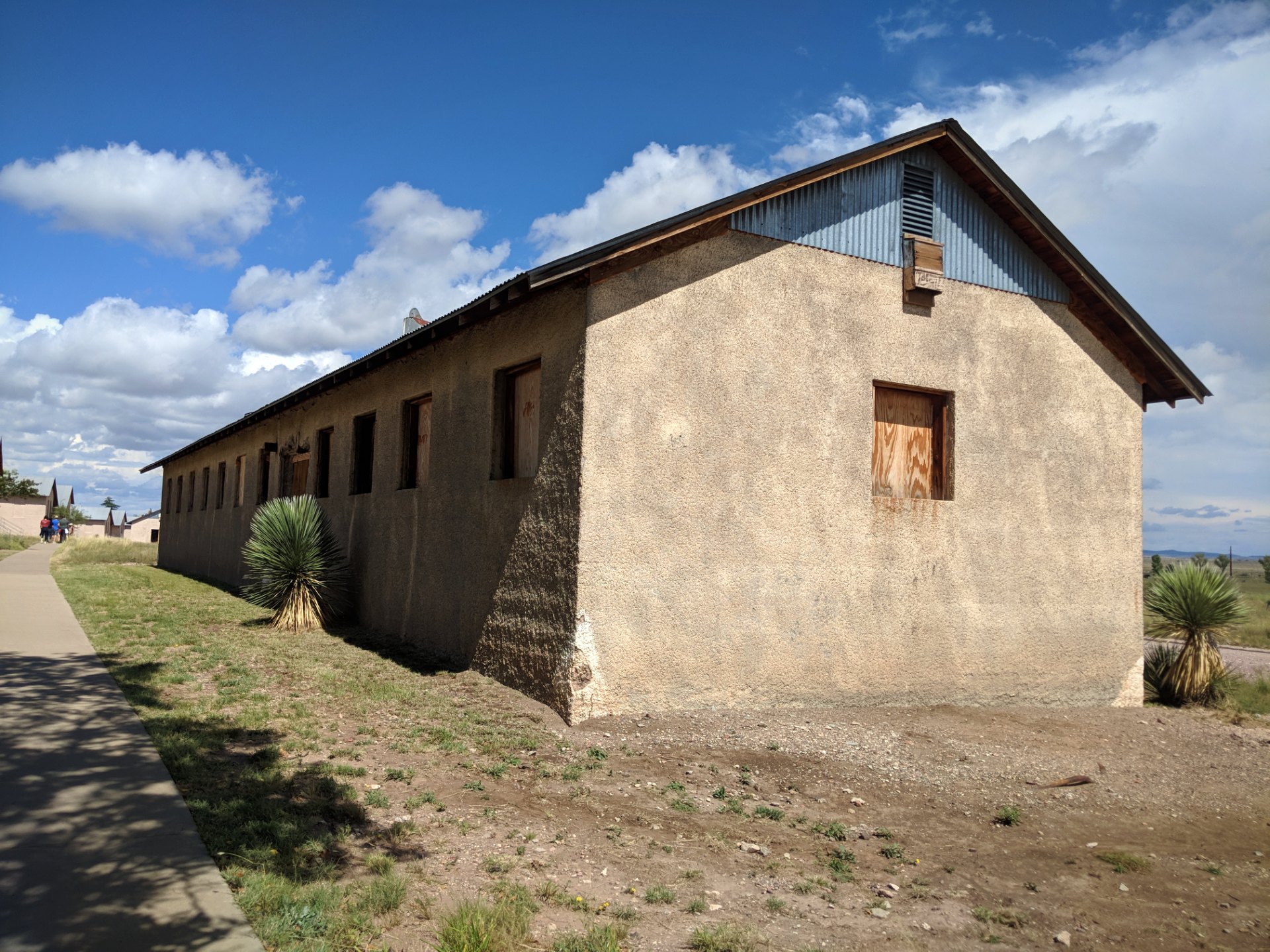
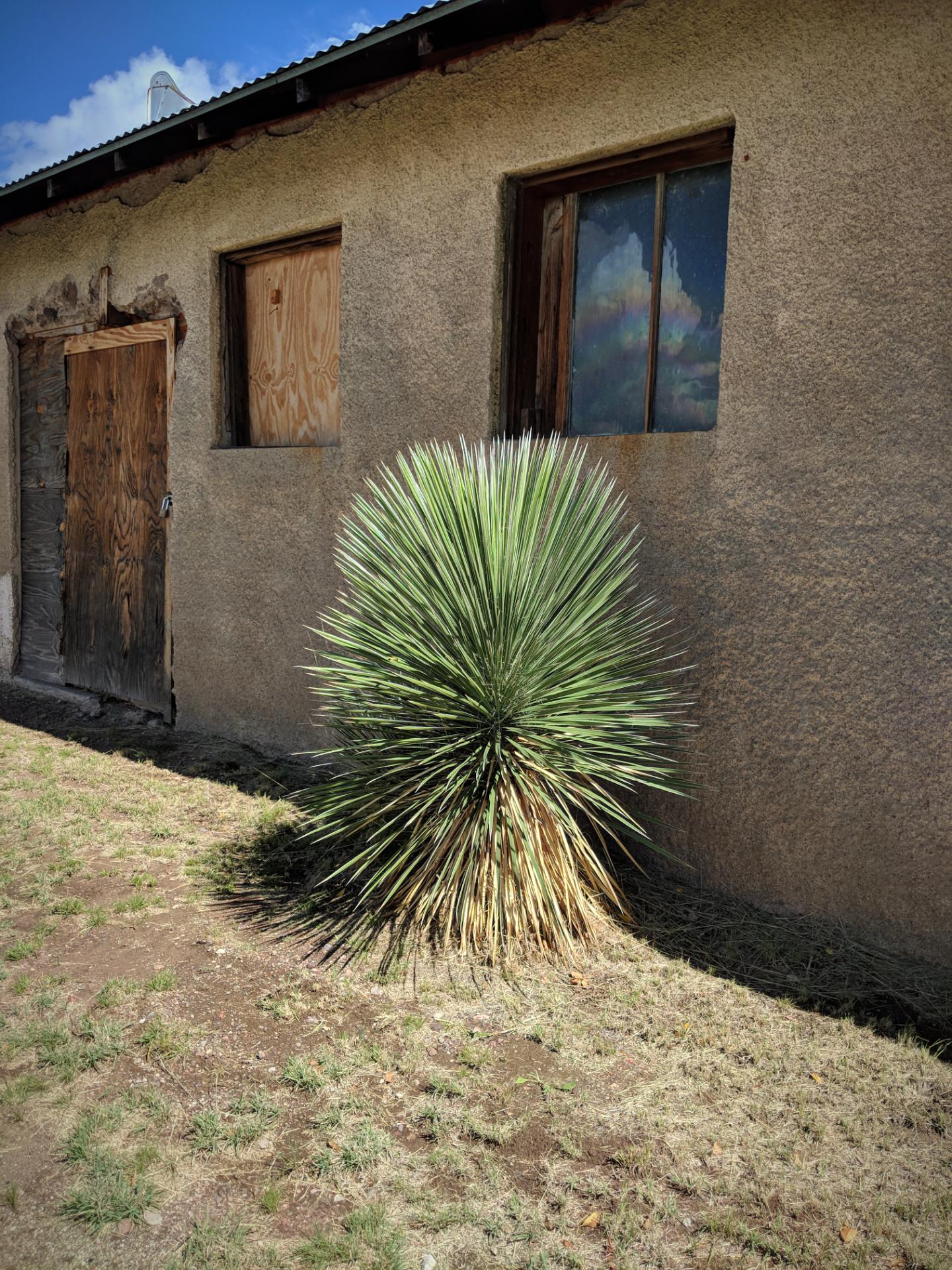
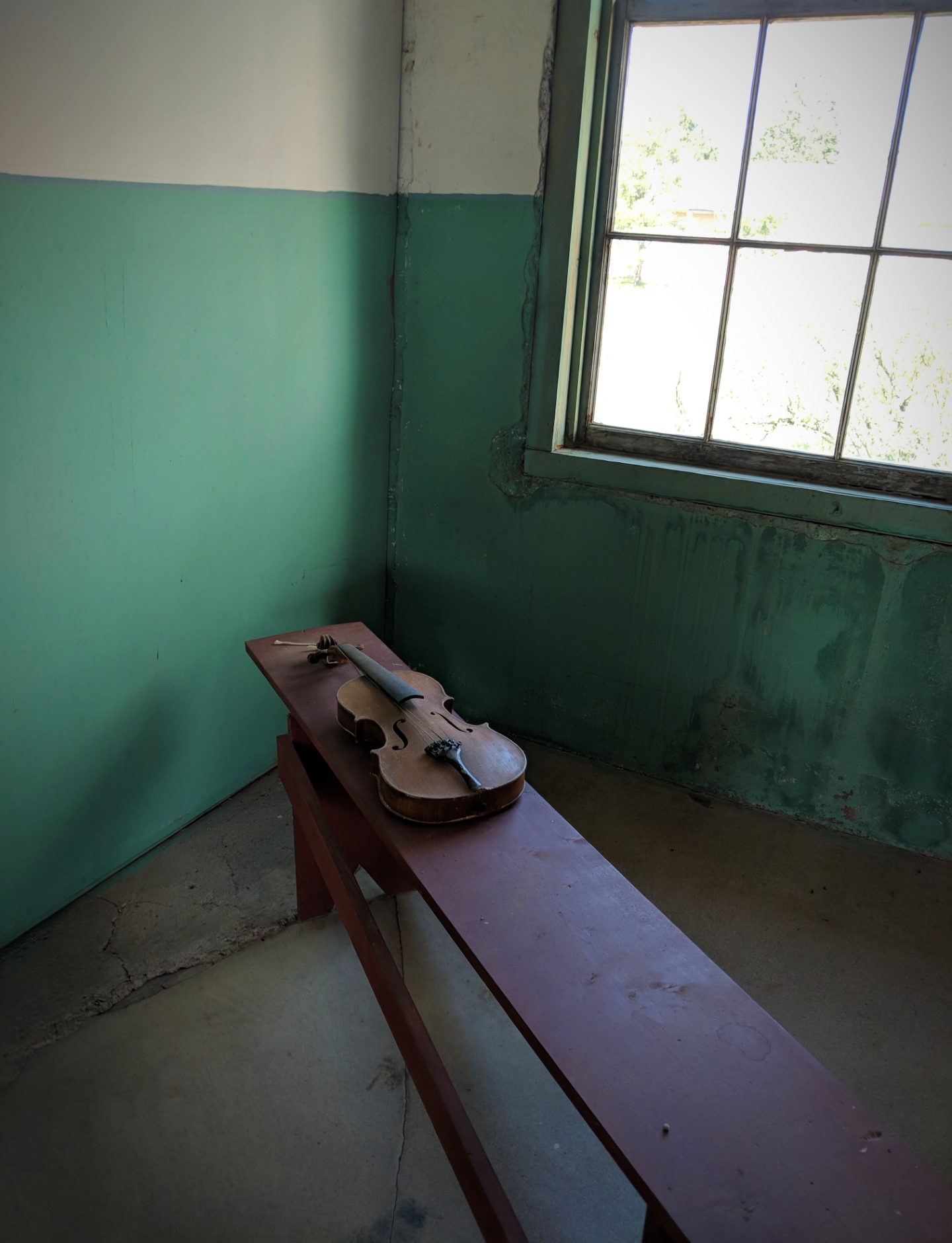
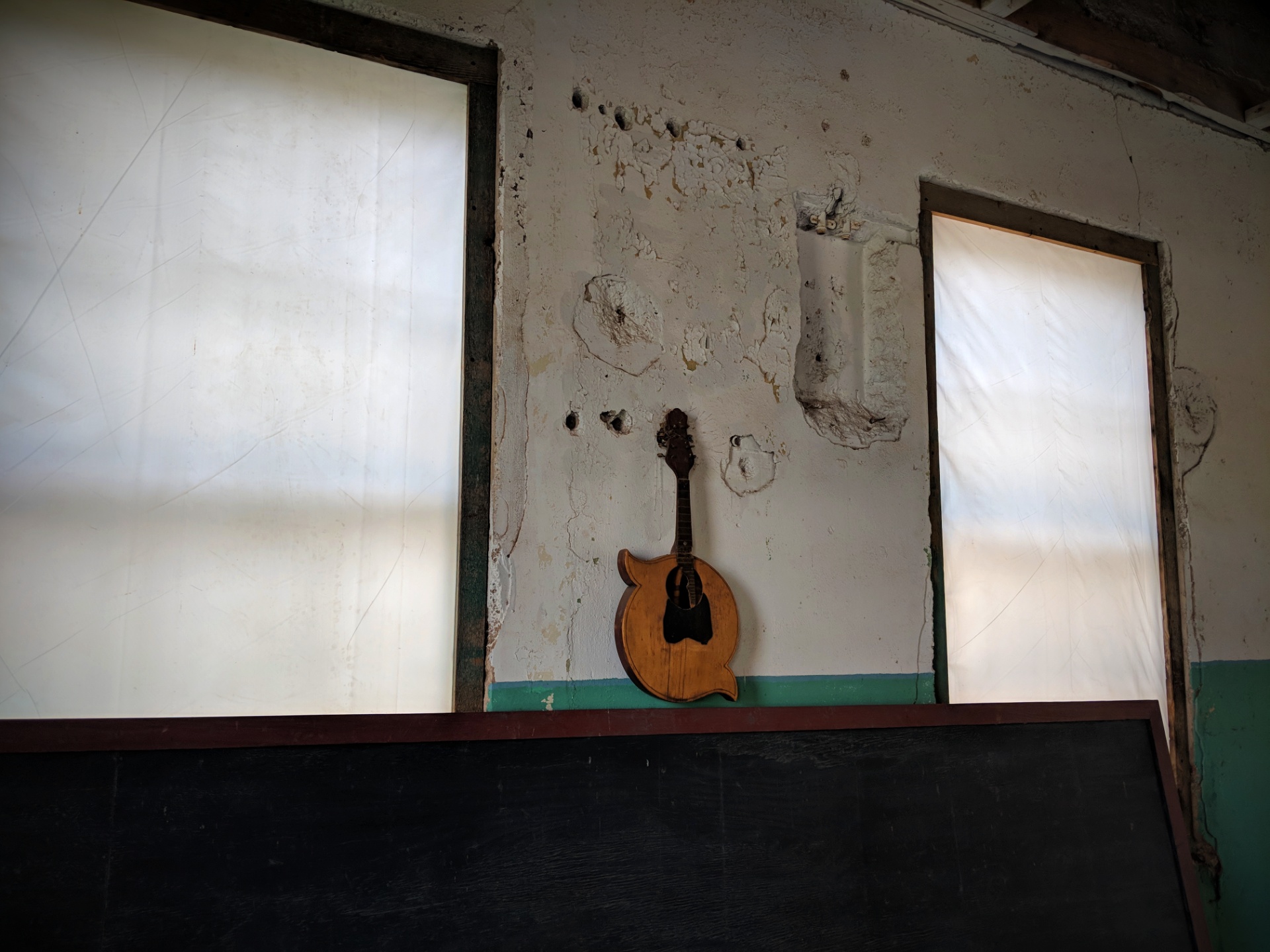
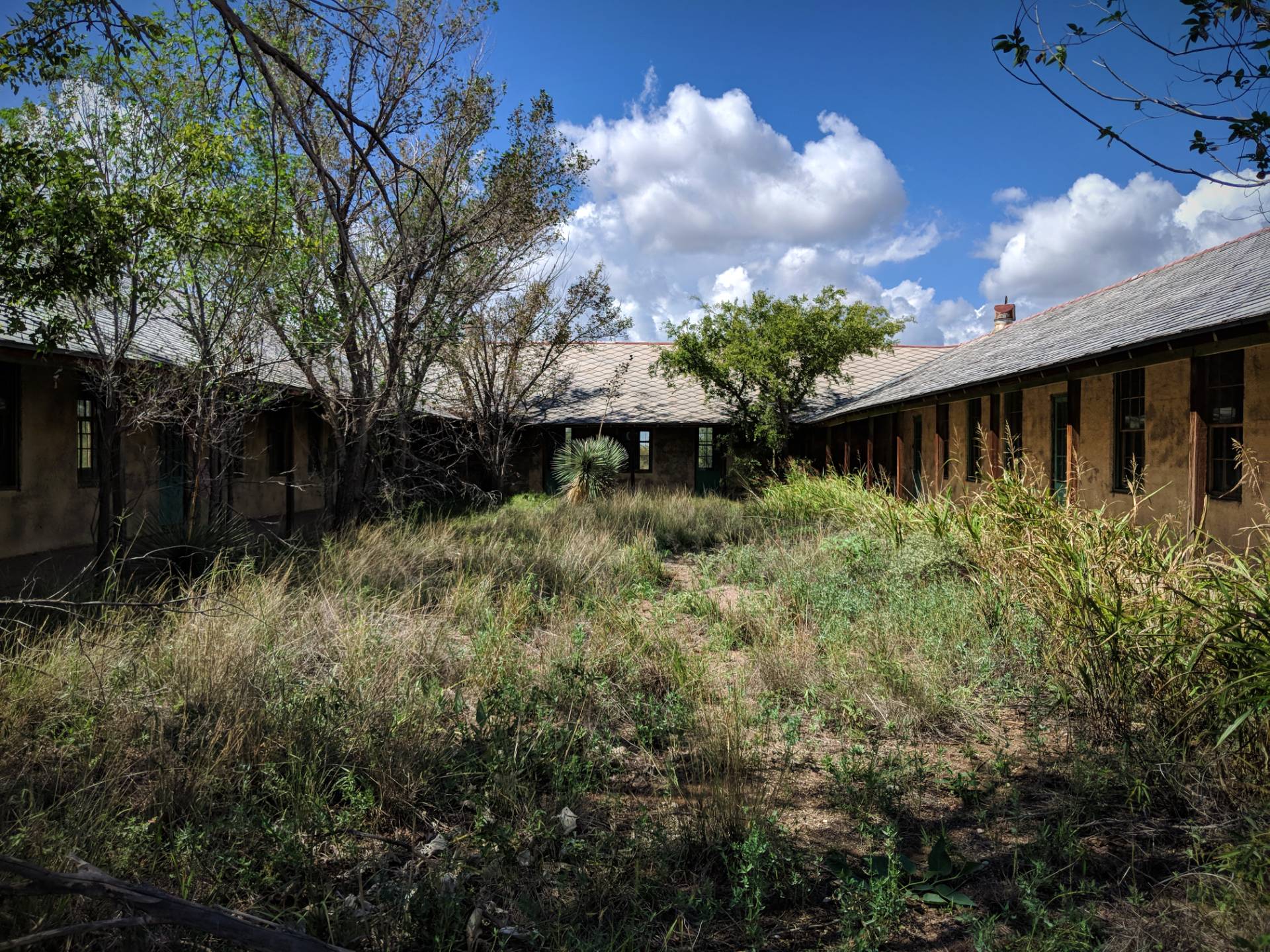
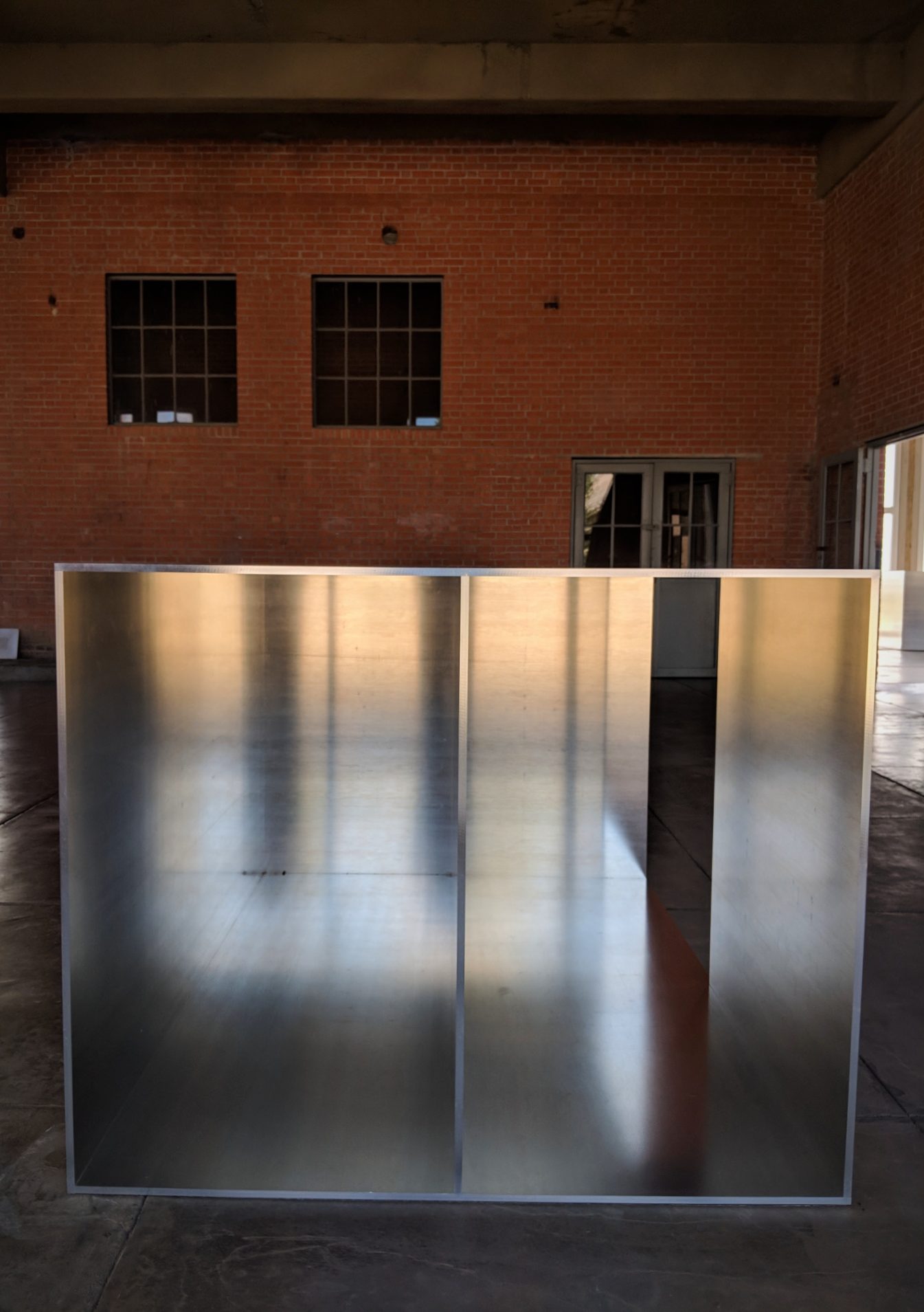
Photography in the galleries is not permitted ”to preserve the quality of experience for all visitors”, but there is always a way to sneak-a-pic, as a keepsake. I was also fascinated by the character and monumental size of the buildings themselves, all which house permanent art installations. Needless to mention, we needed two days to see everything.
Marfa, TX

October 6th, 2018
You can go to hell — I’m going to Marfa

With Davy Crockett’s more famous quote in our minds we hopped on a cab to La Guardia, then on a plane to Atlanta, followed by another plane to El Paso; two planes, one airport car rental and twelve-and-a-half hours later, we arrived in the middle of nowhere and into a Twilight Zone episode about a giant art gallery that had mysteriously appeared in the desert. Was this a dimension as vast as space and as timeless as infinity, or just another sleepy small time Texas town? The answer was left open to our imagination. We had three days to find out and not a moment to lose.

Episode 1 – Prada

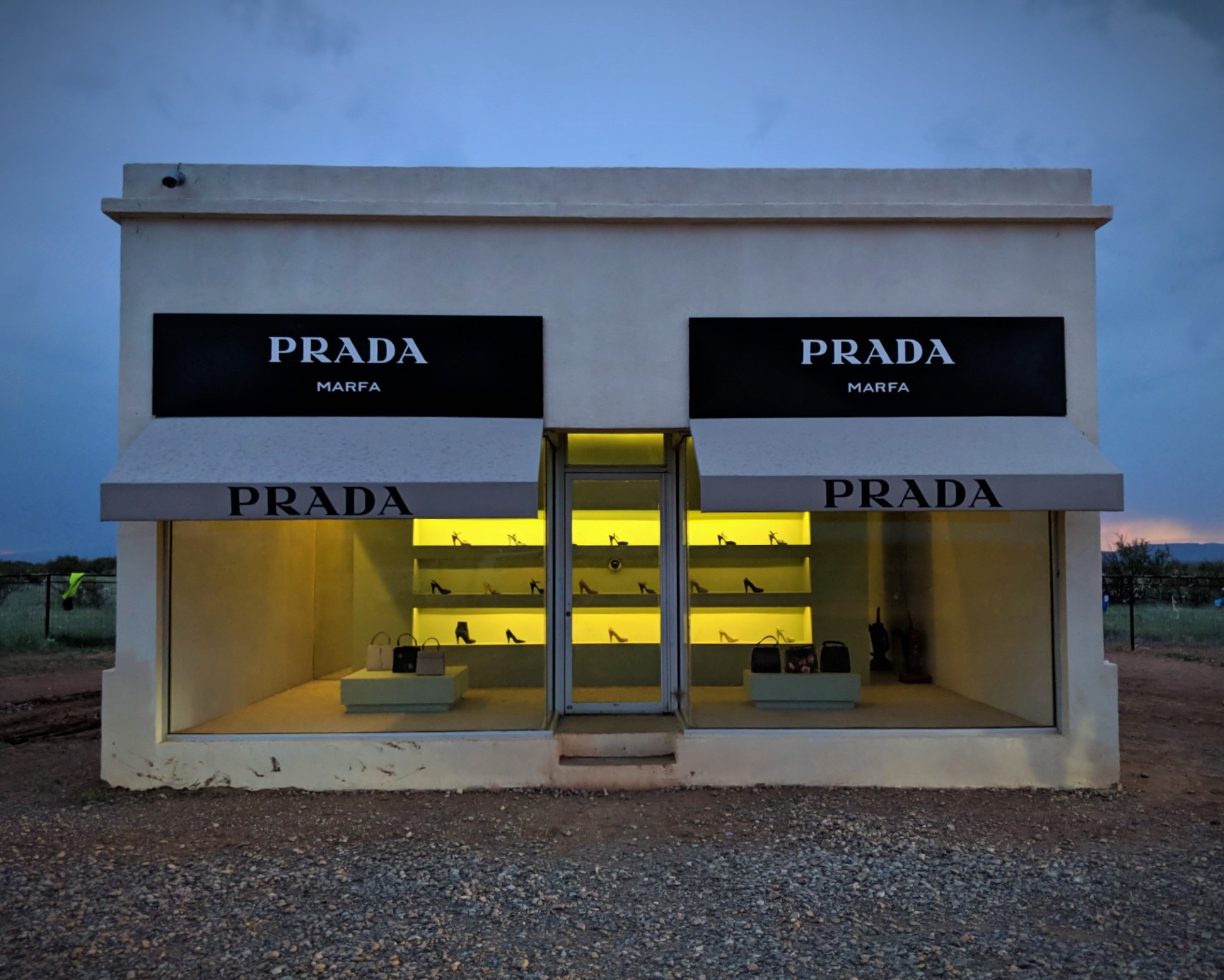
Marfa’s charming weirdness extends beyond it’s boundaries. Just off US 90, about 26 miles northwest of the town, expect the unexpected.

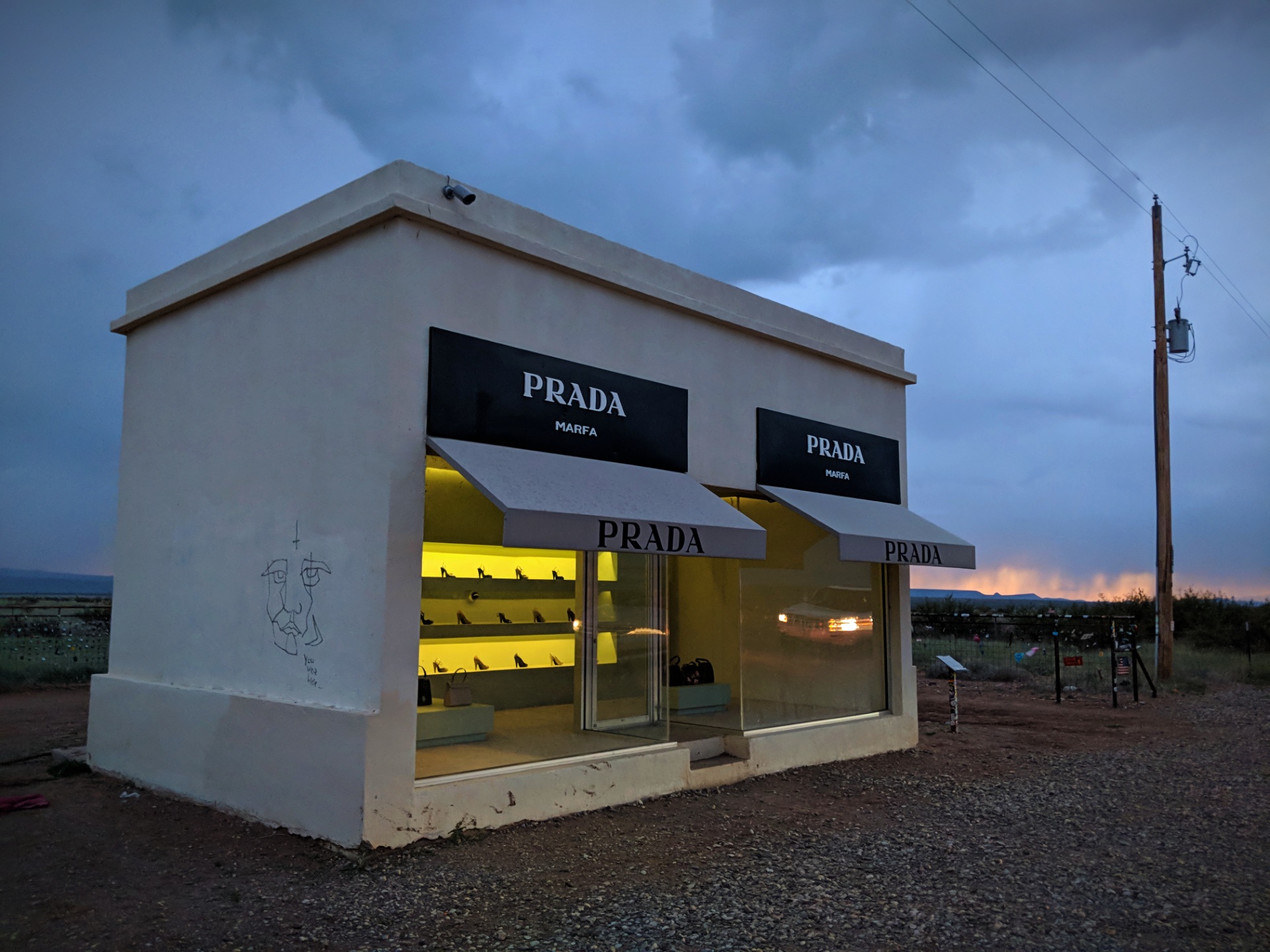
Prada Marfa is a permanent installation by artists Elmgreen and Dragset.

Built in 2005, with the intention to let it fall into decay, it has since been broken into, its contents stolen (the very night it was completed), vandalised, graffitied, created controversy when Playboy erected a 40-foot-tall neon bunny nearby, attracting the attention of the Texas Department of Transportation, became an Instagram sensation and reclassified as a museum, with the Prada Marfa as its only exhibit.

Both the bunny and Prada Marfa were considered illegal advertisements according to the 1965 Highway Beautification Act and the reclassification of the structure as Museum would exempt it from the signage rules. The bunny has since been removed.

Episode 2 – Marfa

Tough to Get Here. Tougher to Explain. But Once You Get Here, You Get It.

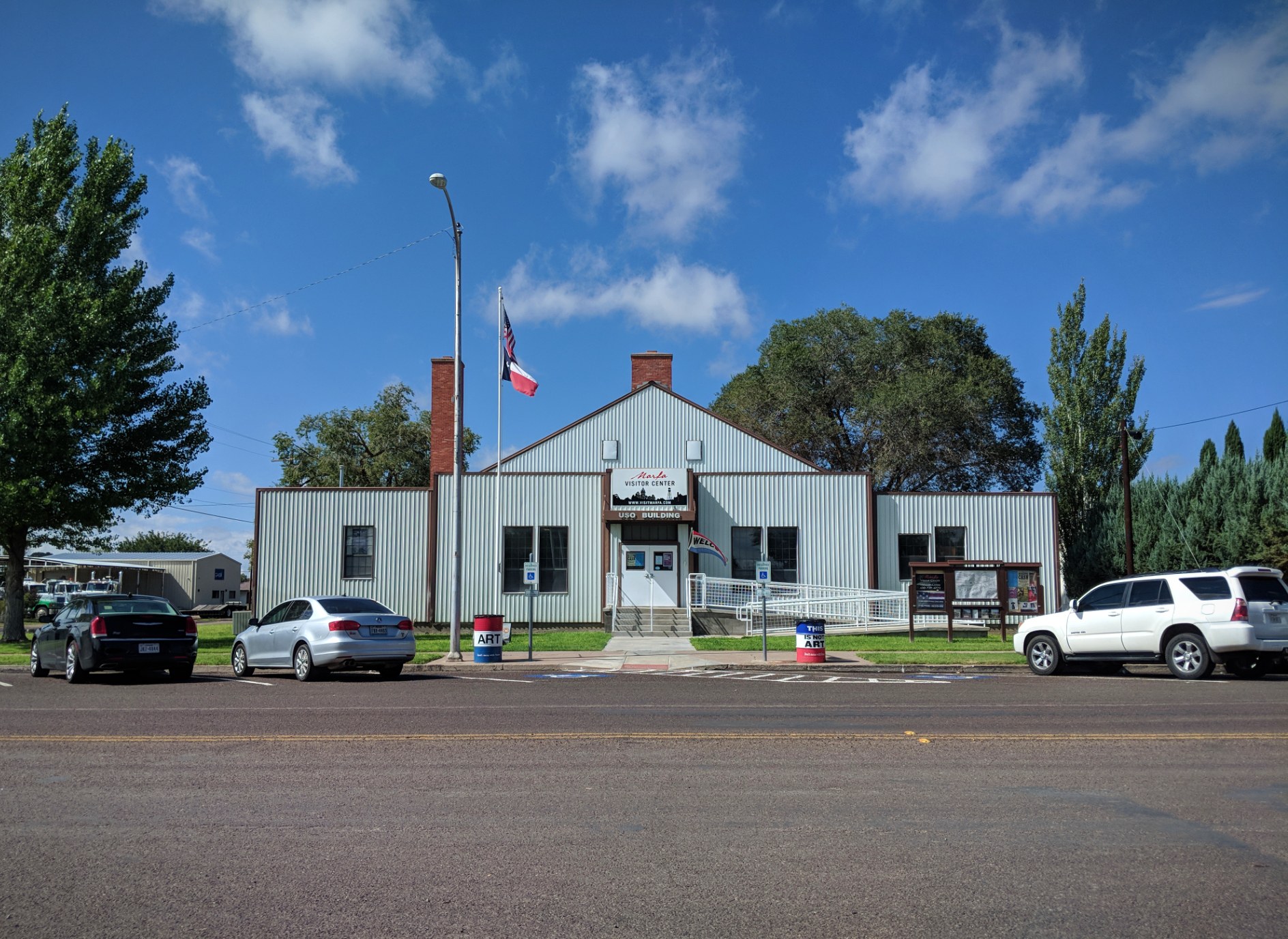
Marfa Visitor Center, inside the Historic USO Building.

Episode 3 – The Notable Features

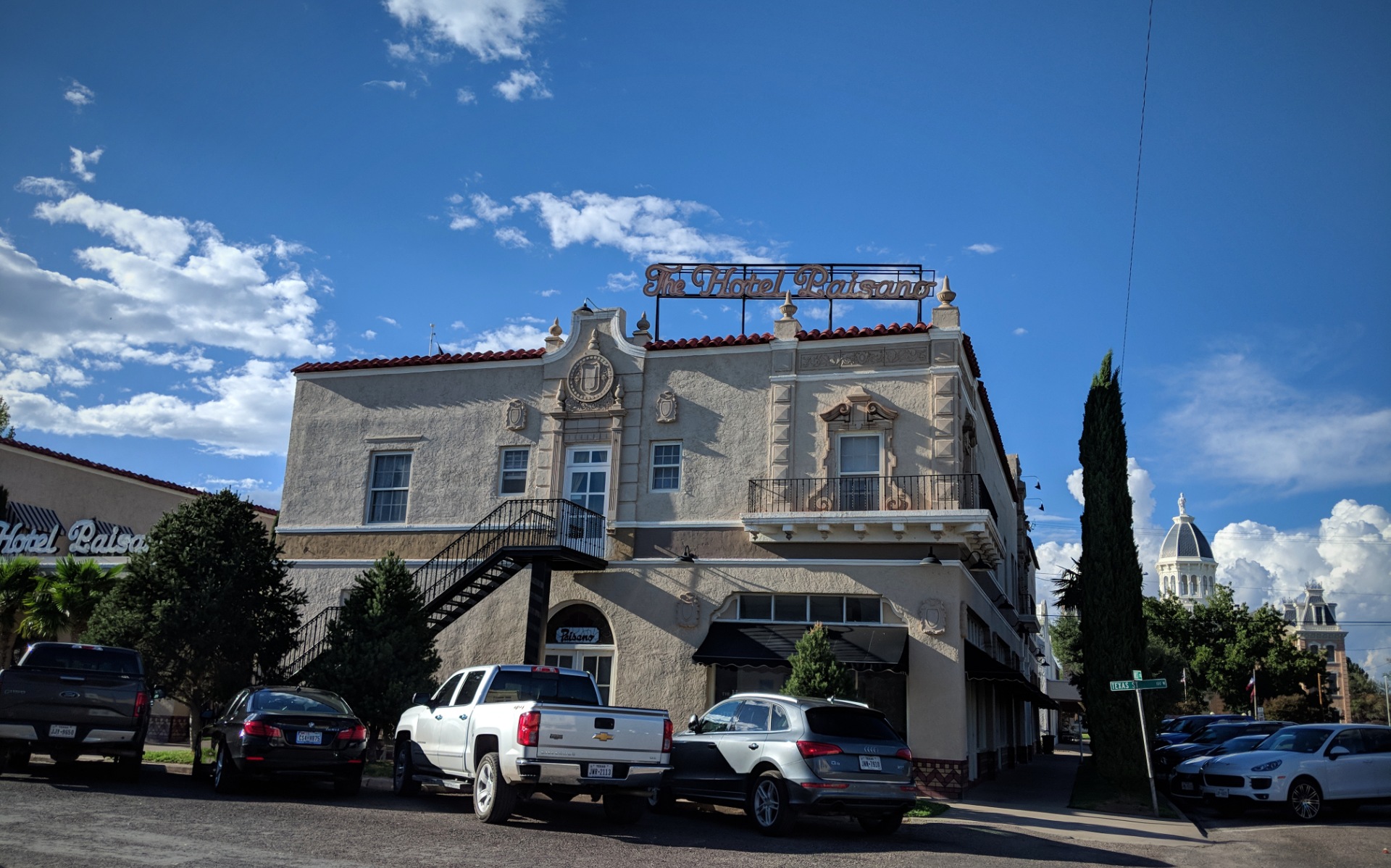
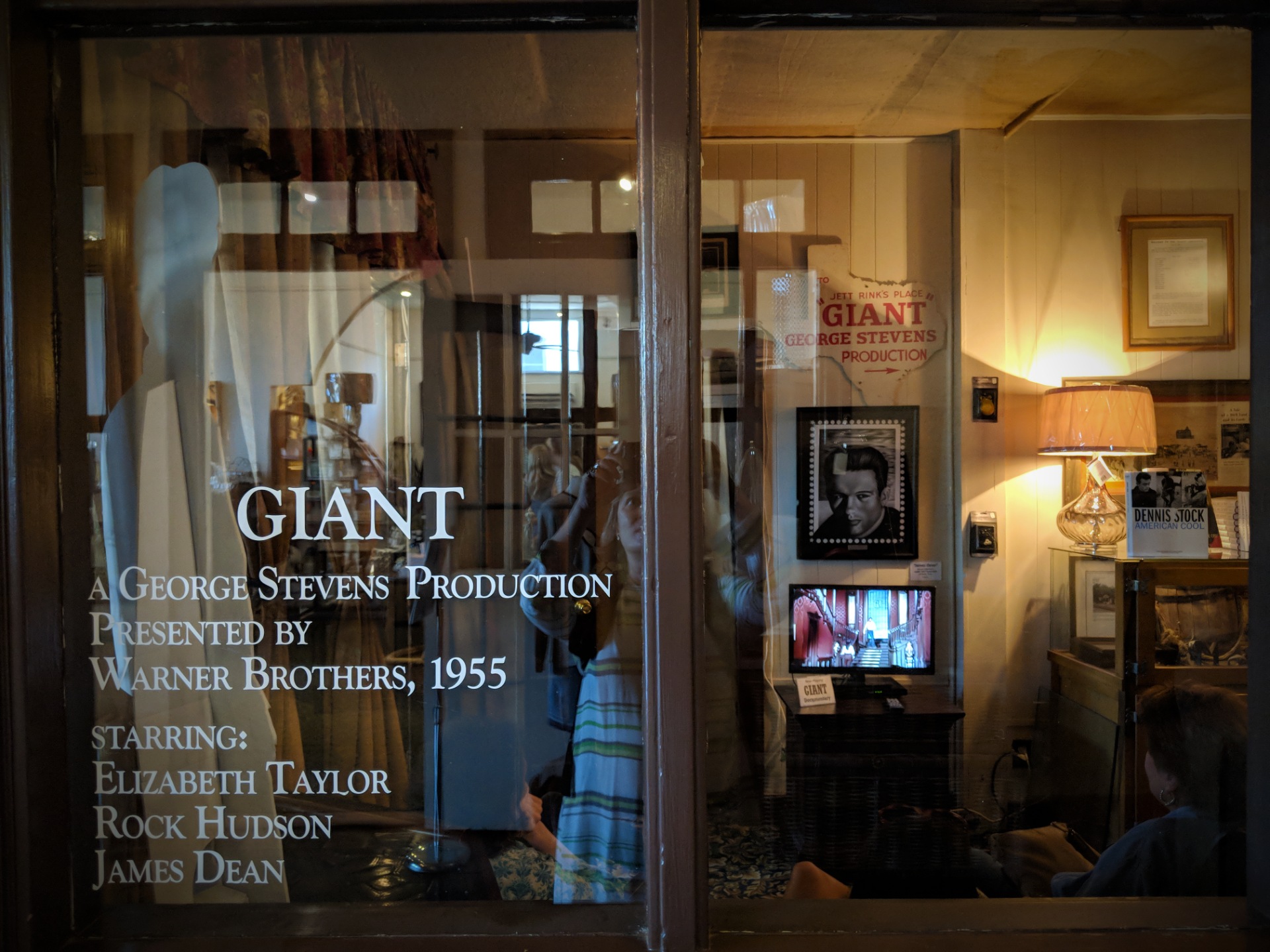
The Hotel Paisano, aka headquarters for the cast and crew filming Giant in the summer of 1955.

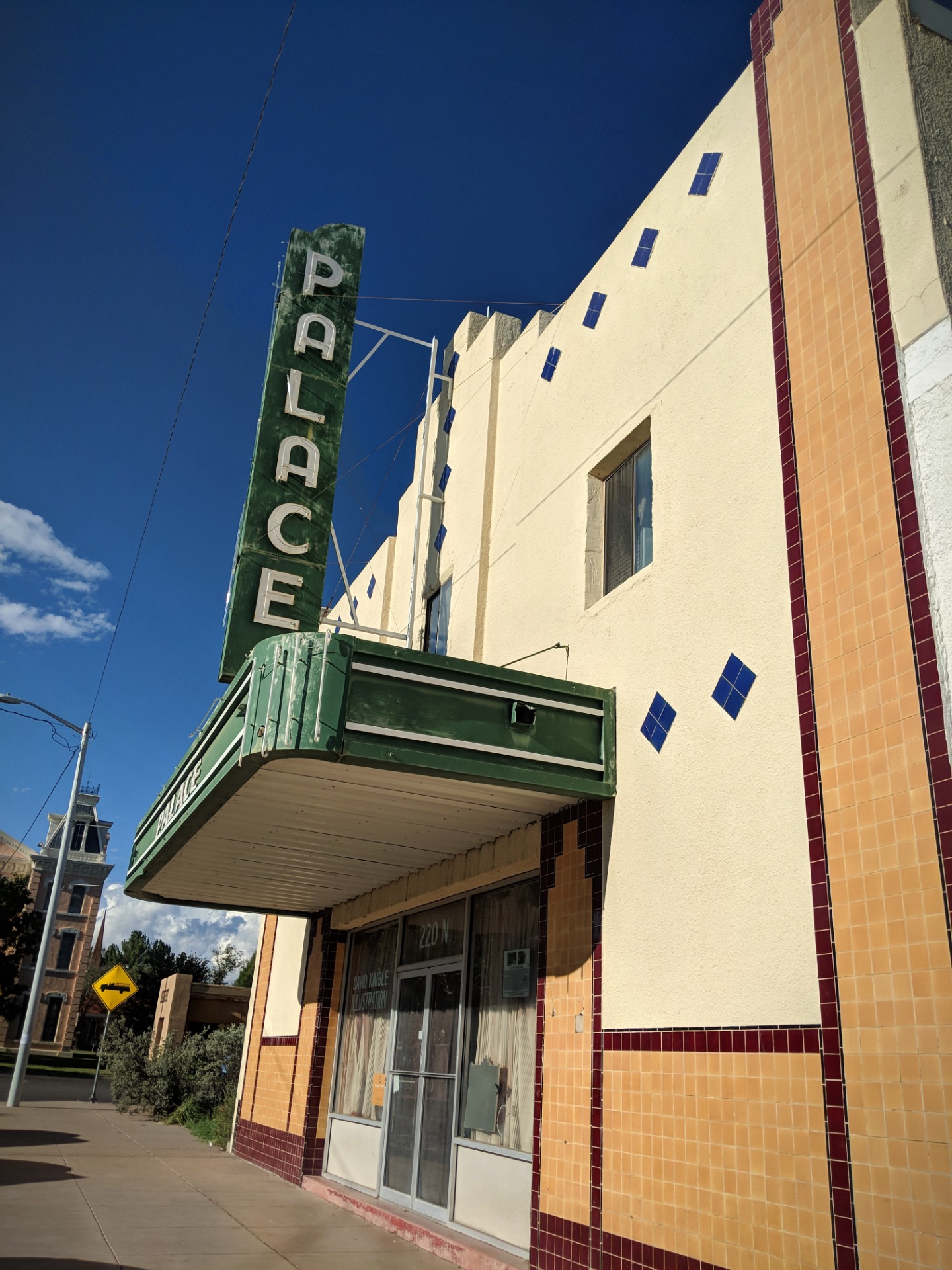
The Art Deco Palace Theater, aka Marfa Opera House. Later, it became a movie theatre but has been closed since the 1970s.

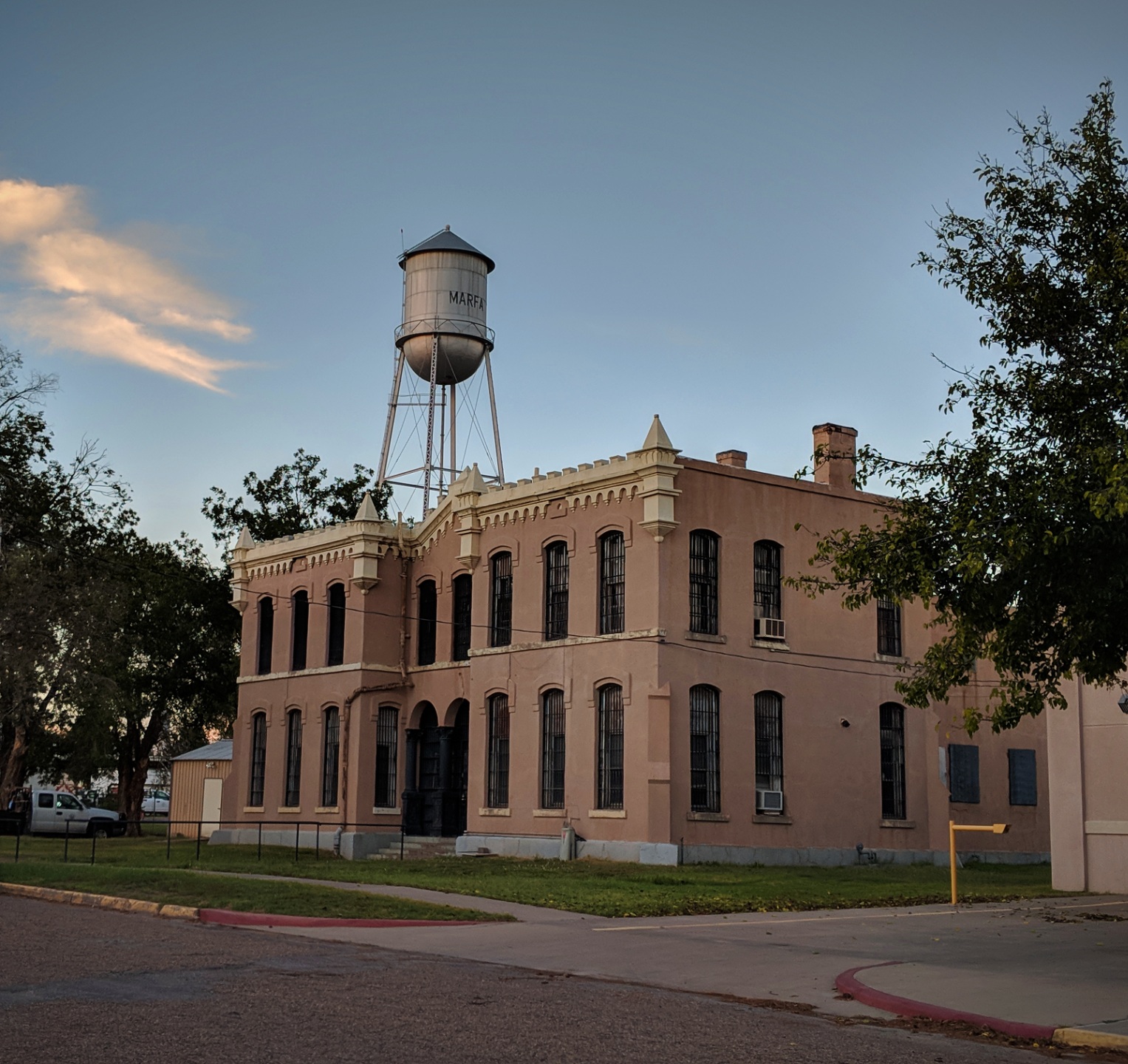
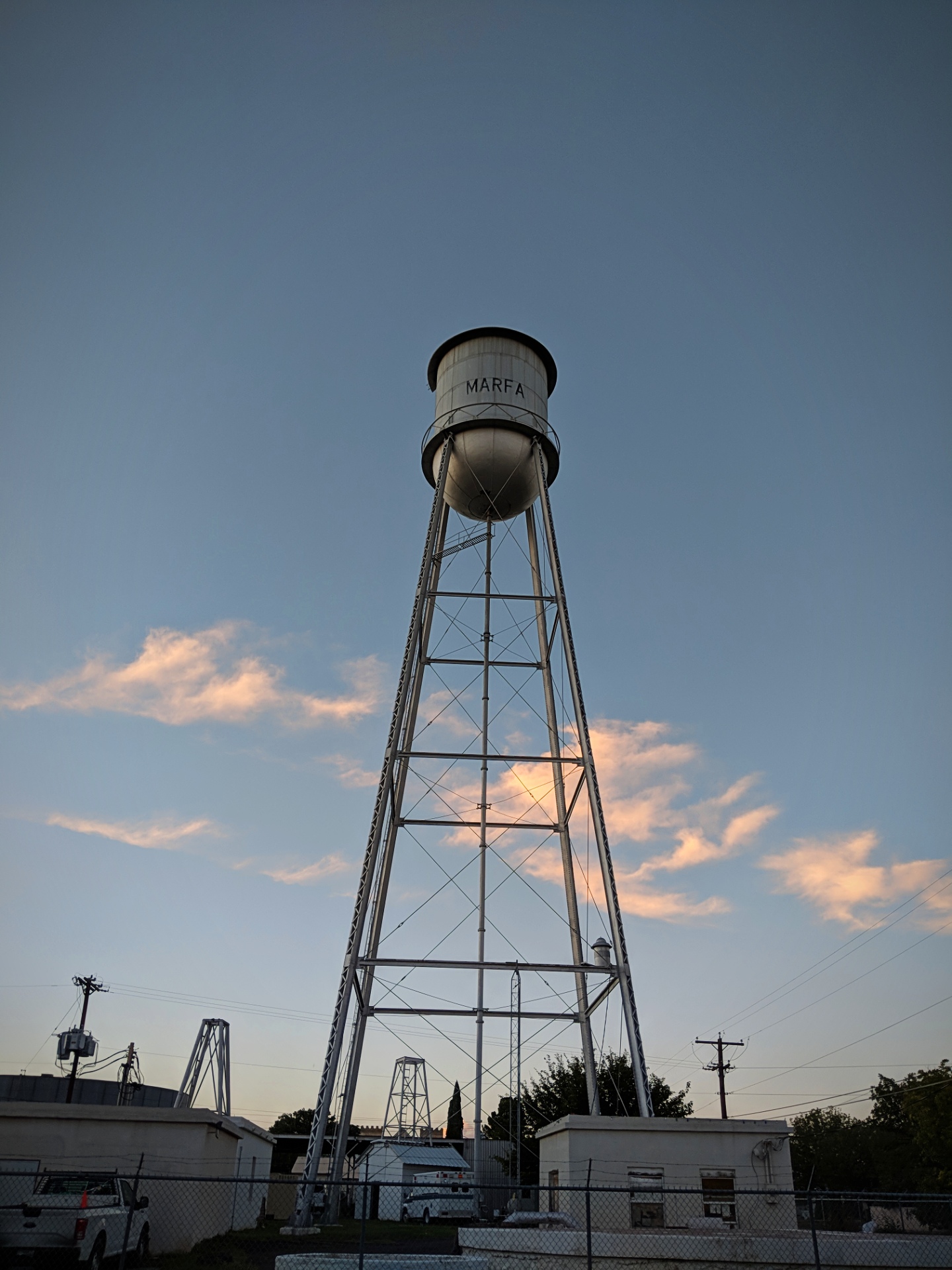
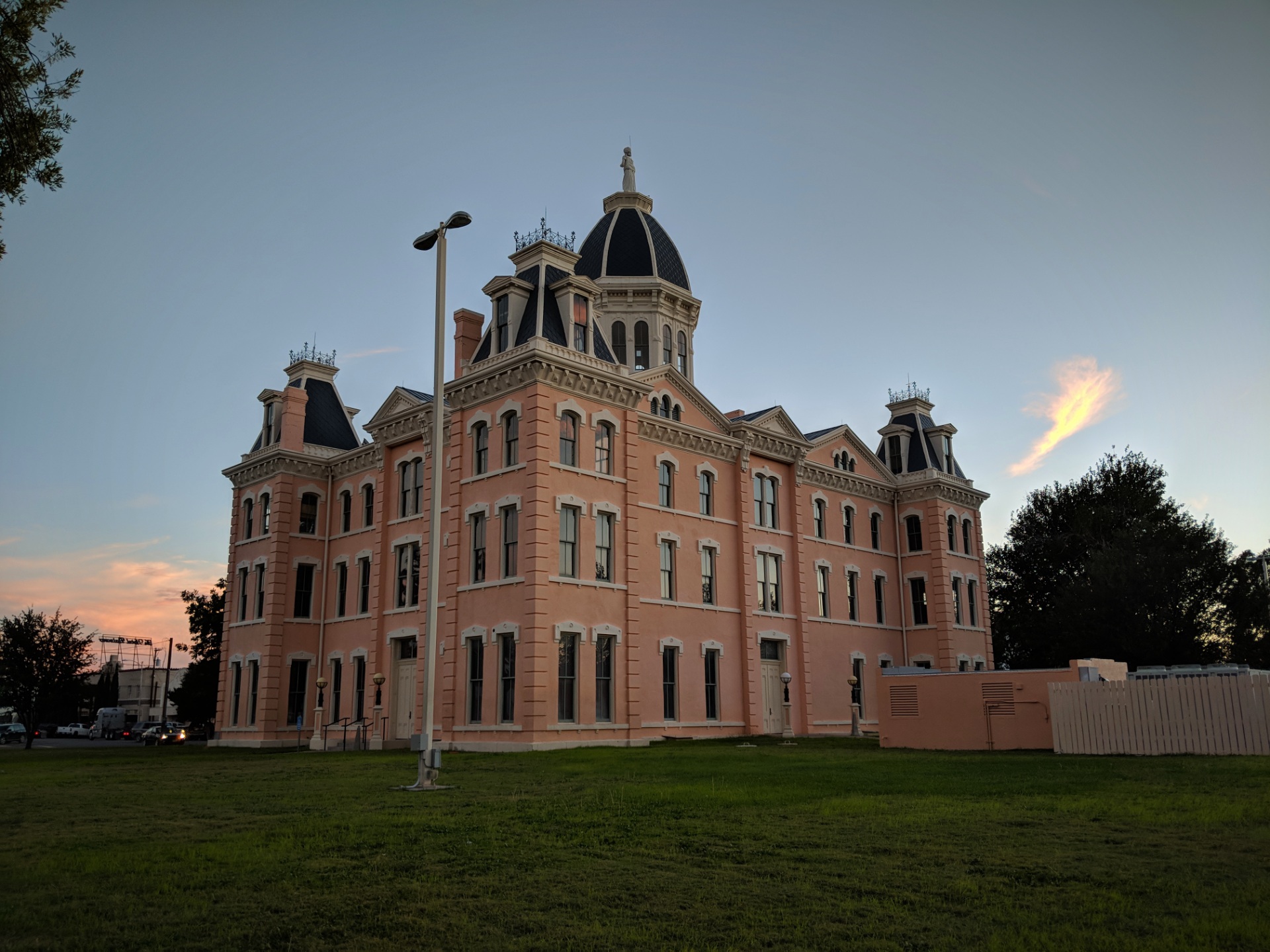
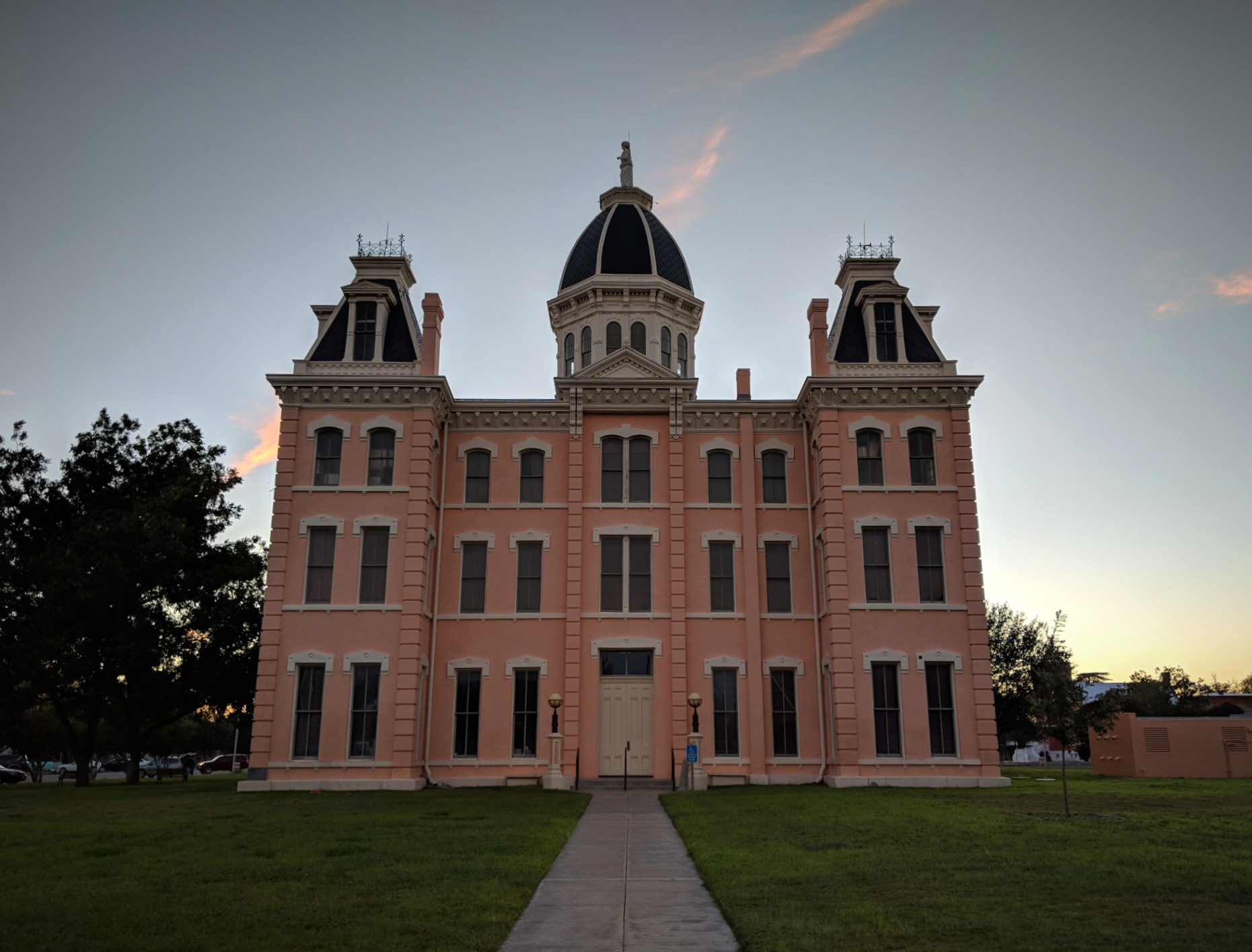
The Marfa Water Tower and the Presidio County Courthouse. Both can be seen from almost everywhere in Marfa, since they are the tallest structures in town.

Marfa, TX

October 6th, 2018
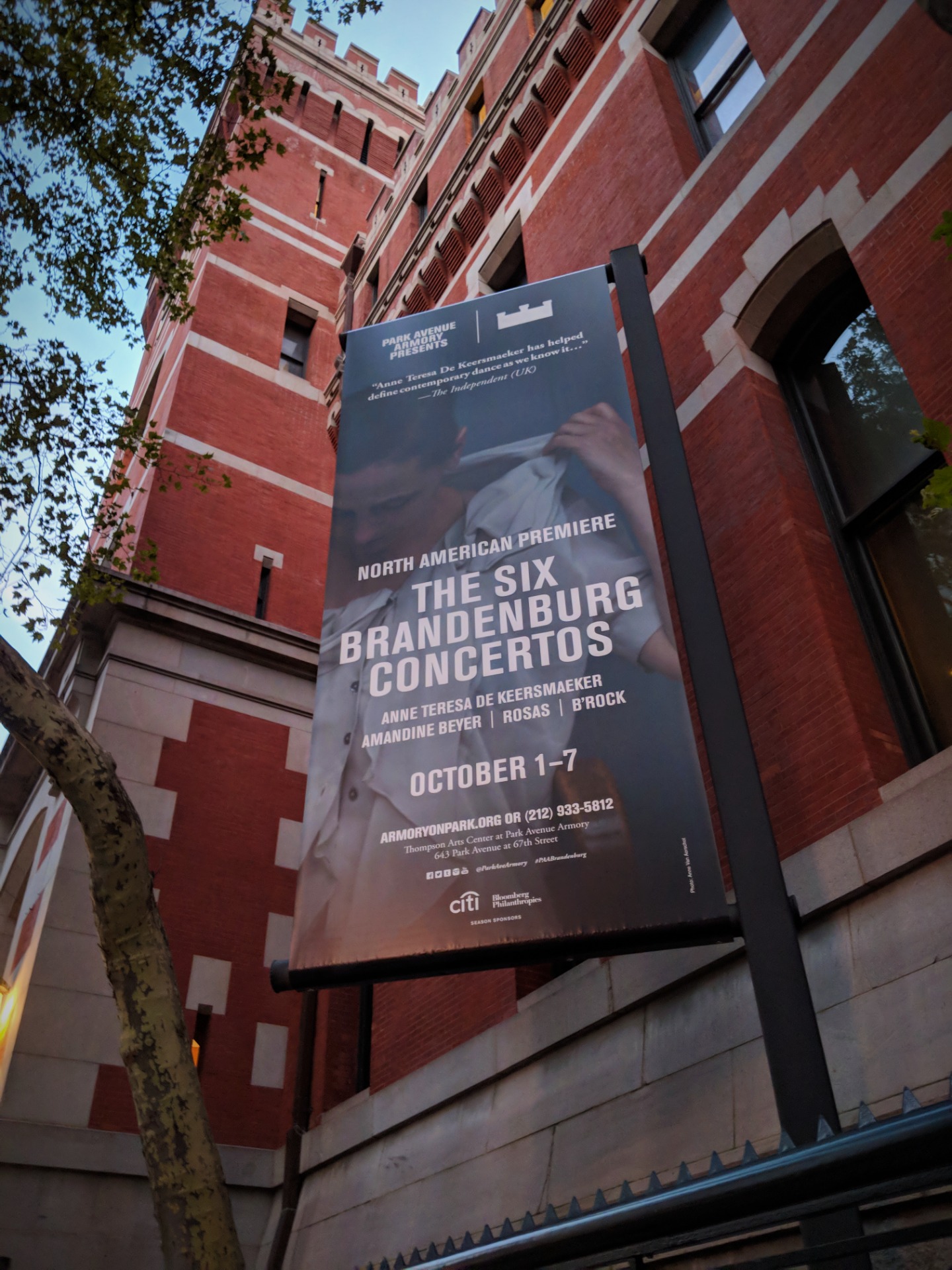
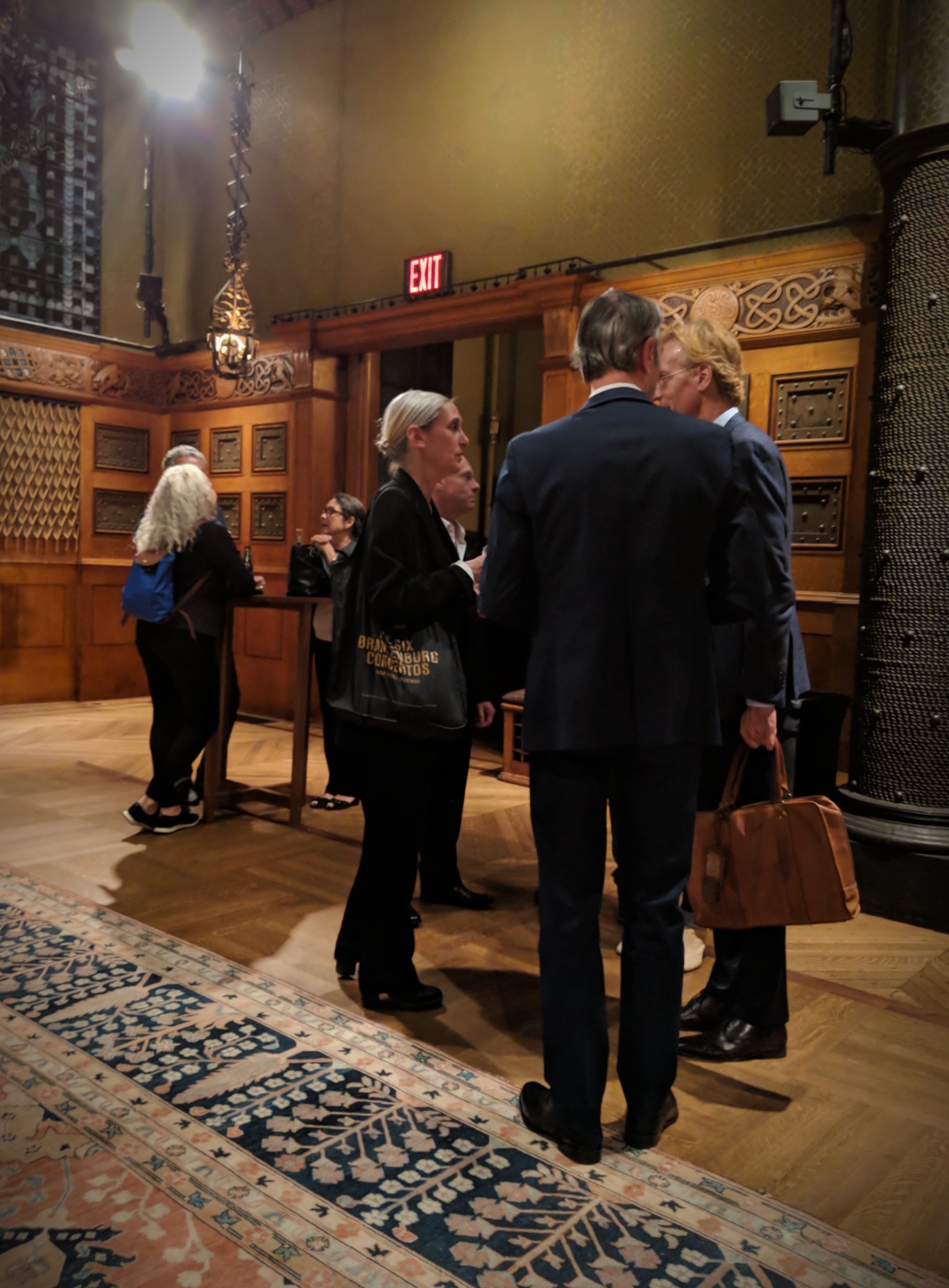
The Six Brandenburg Concertos @Park Avenue Armory

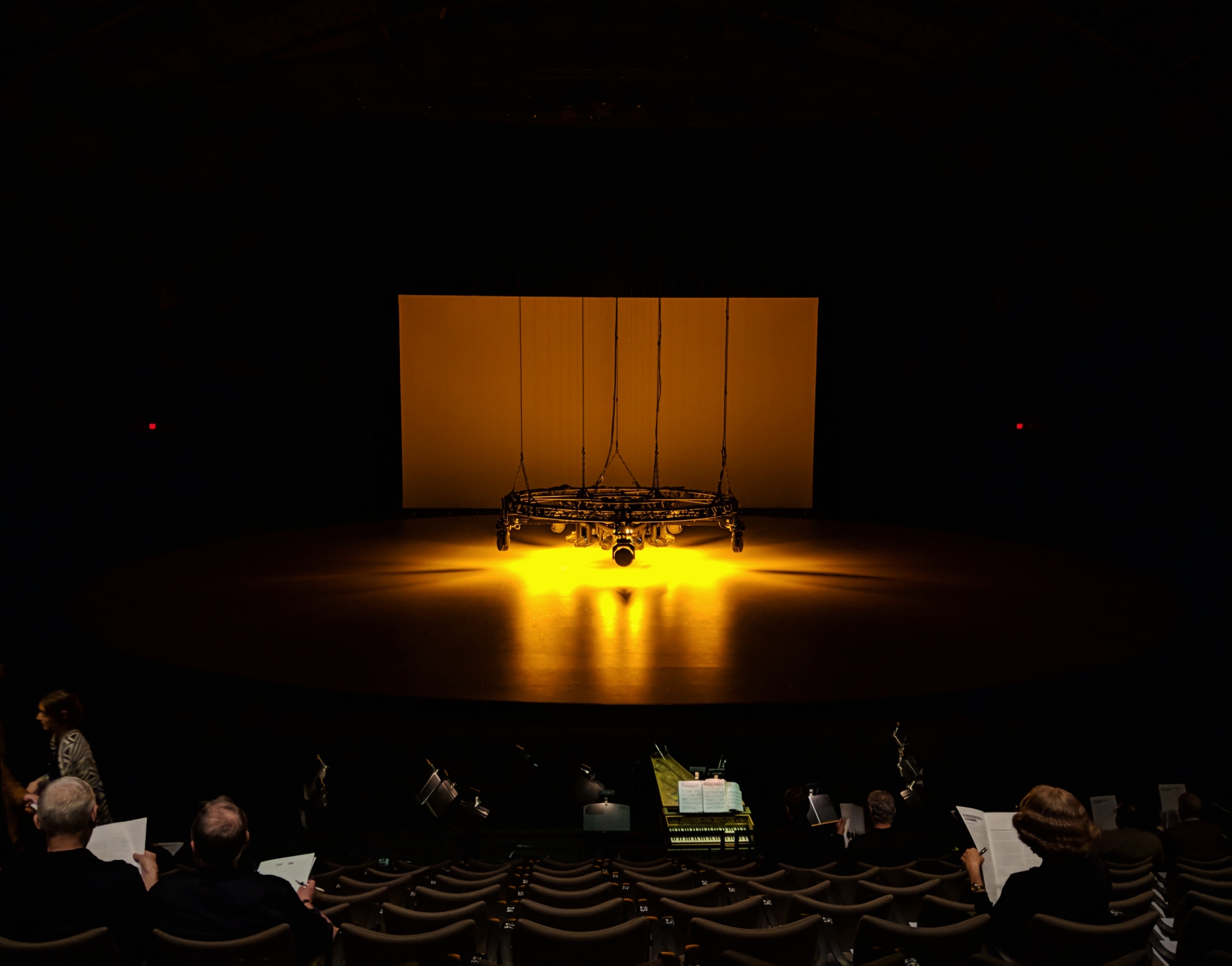
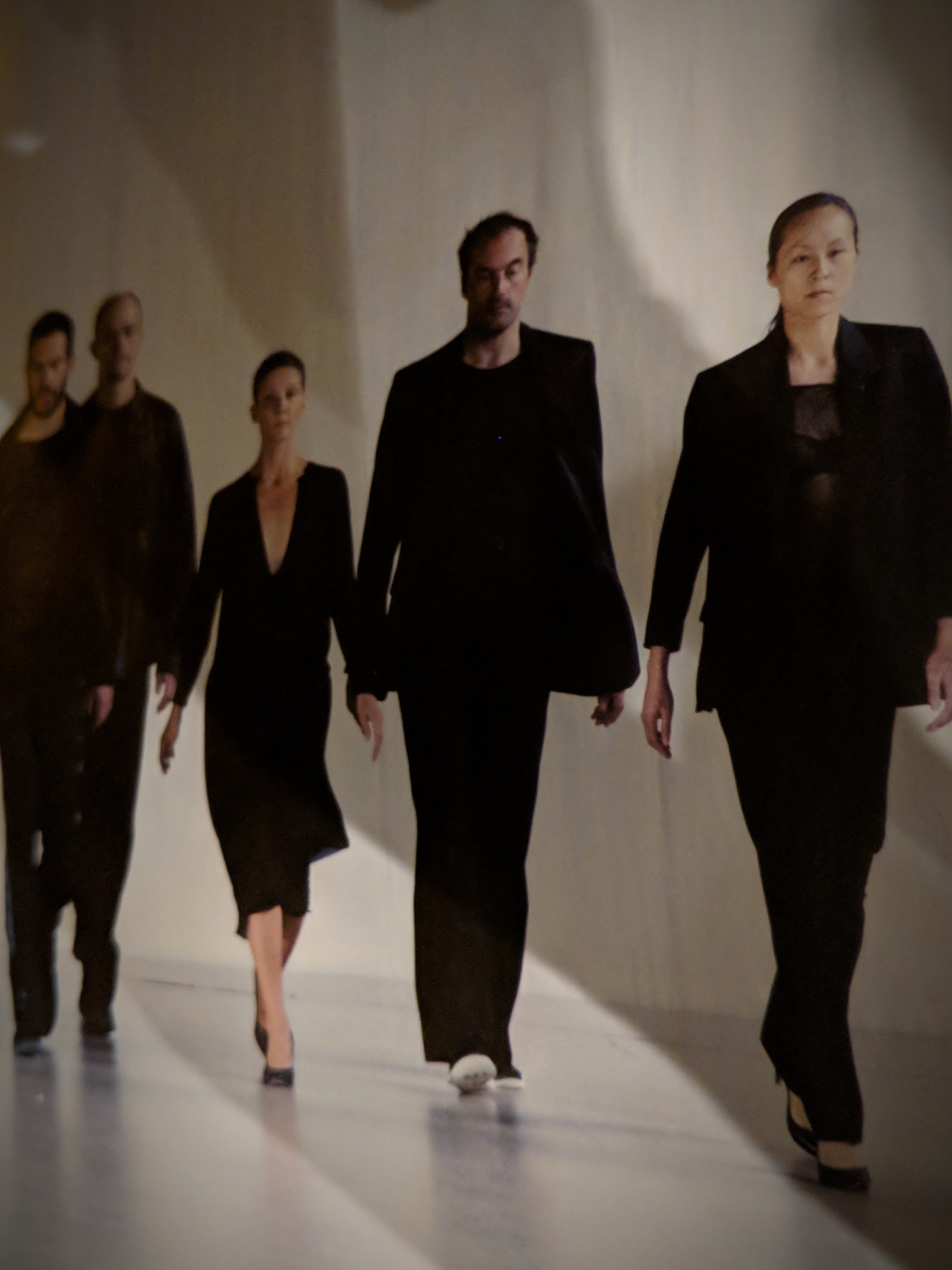
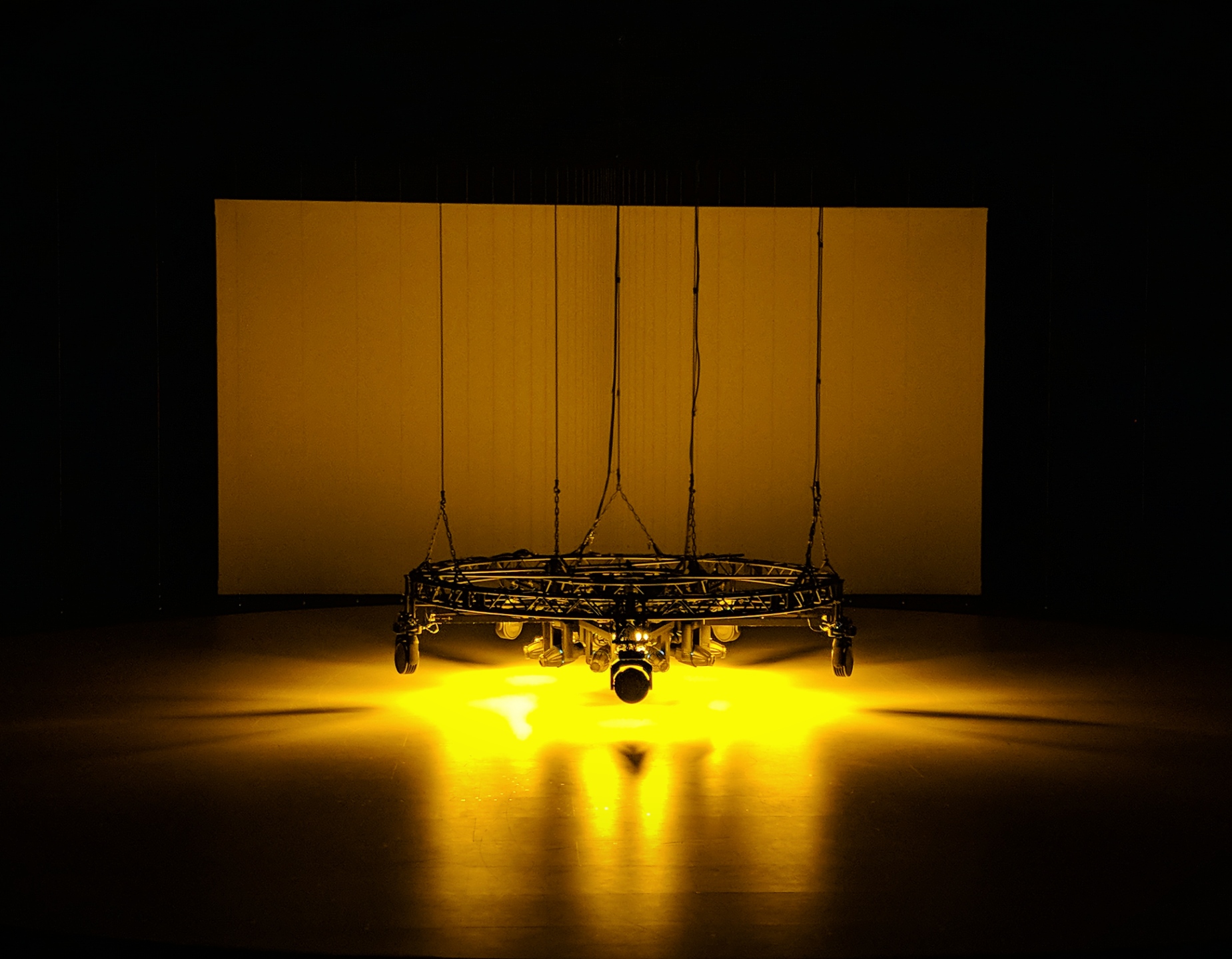
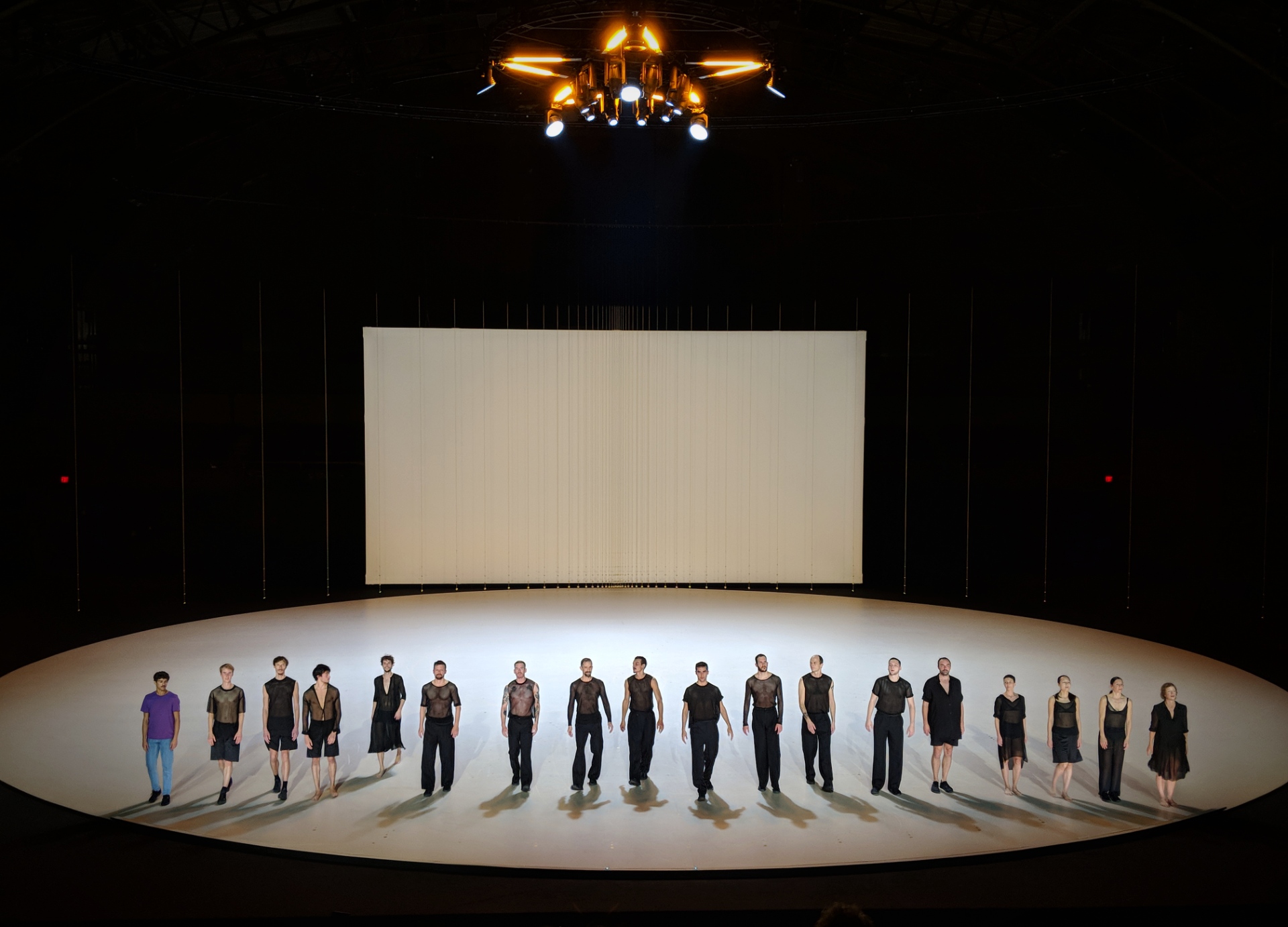
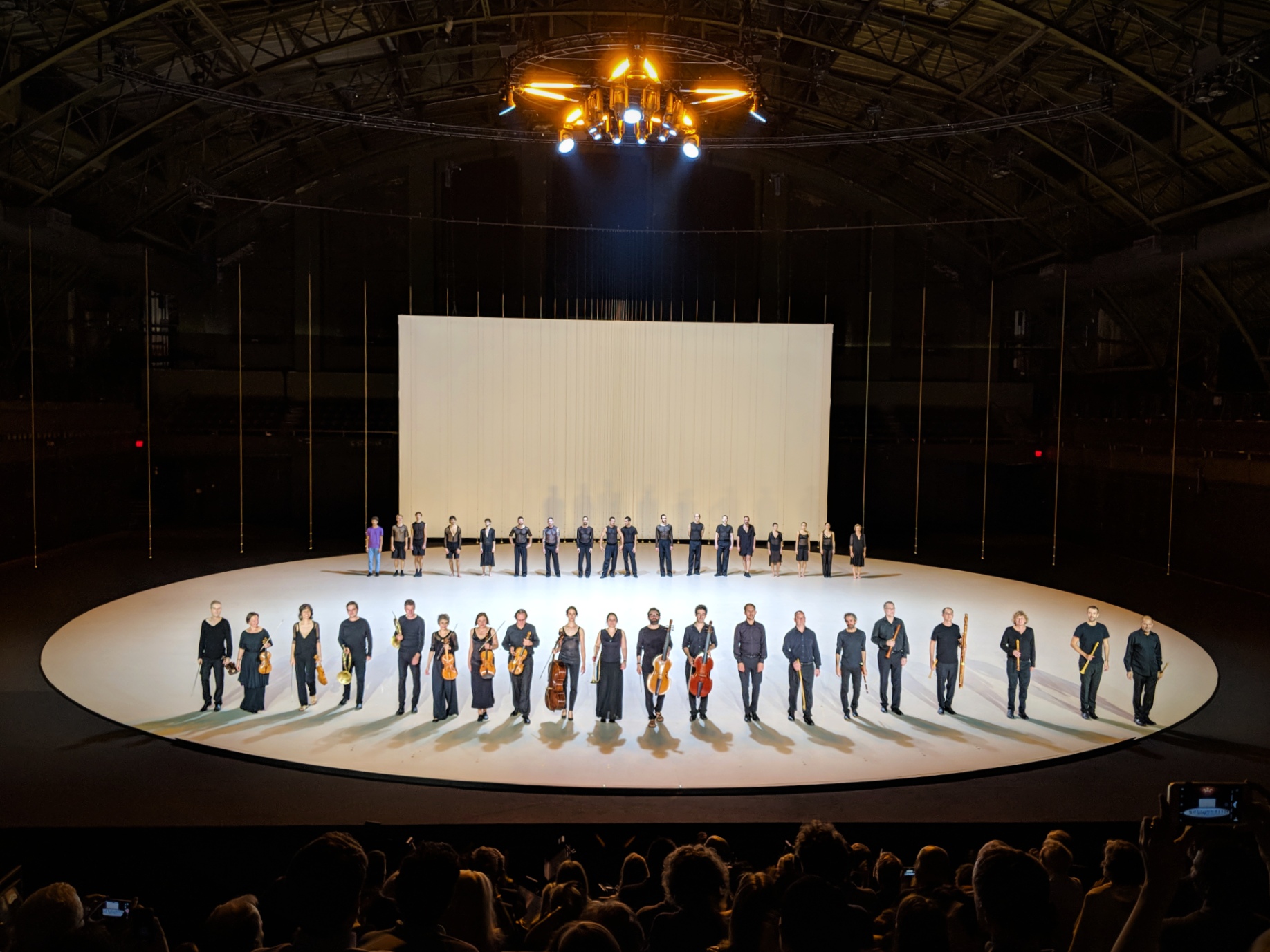
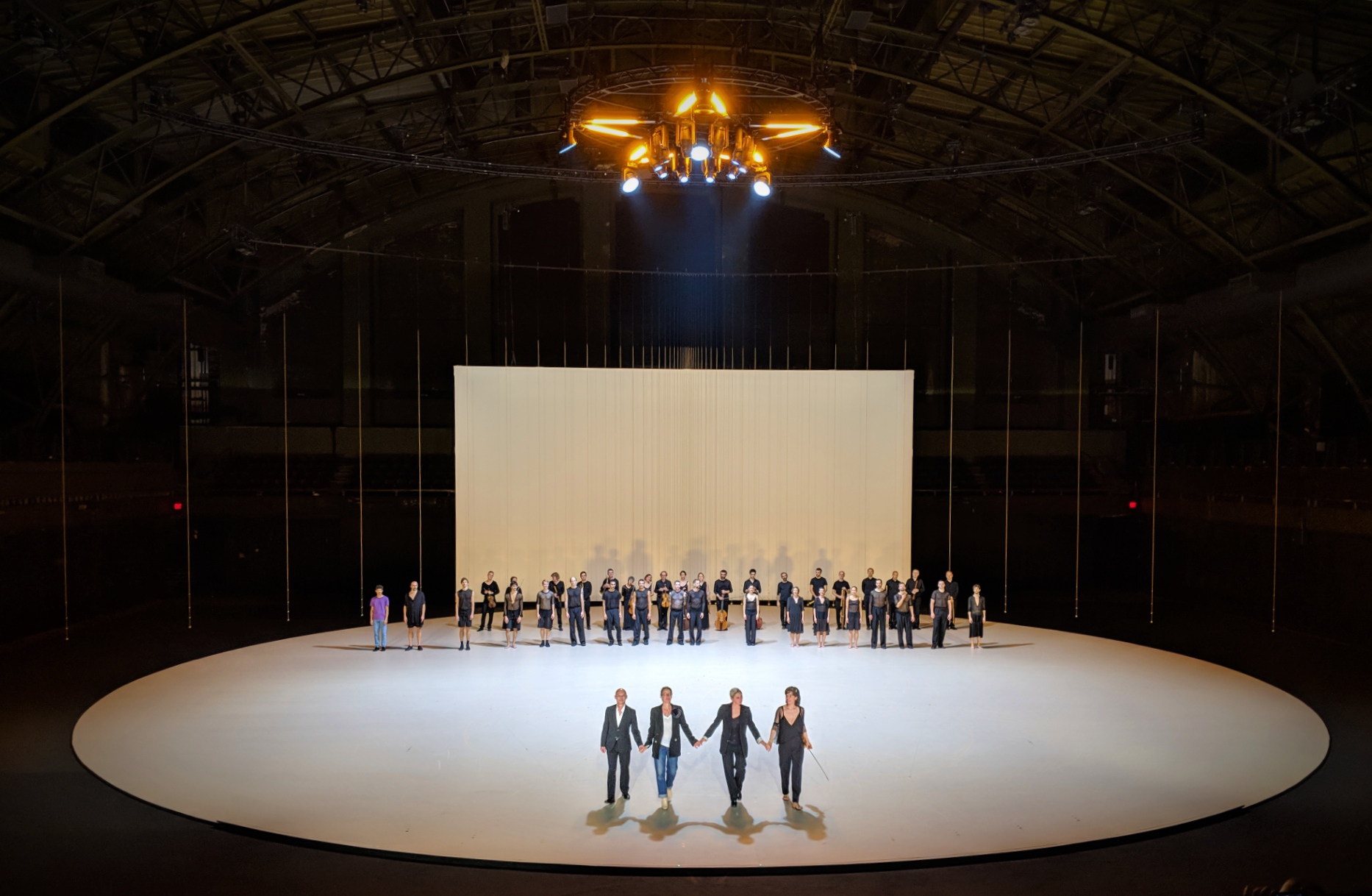
The Six Brandenburg Concertos, one of J.S. Bach’s most iconic masterpieces meet Anne Teresa De Keersmaeker, one of the world’s most acclaimed choreographers meet Park Avenue Armory, one of New York’s most iconic venues.  A winning combination and one of the highlights of the year.

”The Brandenburg Concertos consist of six concerti grossi, in which Bach deploys the instruments from the baroque orchestra in different, often audacious constellations. Against this backdrop, De Keersmaeker sets sixteen dancers originating in different Rosas generations. Following the premiere of Mitten wir im Leben sind/Bach6Cellosuiten De Keersmaeker approaches, as in Vortex Temporum (2013), Bach’s music as if it were a ready-made score for a dance piece, embodying Bach’s polyphonic mastery. The concertos are played live by the baroque ensemble B’Rock. Violinist Amandine Beyer, with whom De Keersmaeker previously co-operated for Partita 2, will conduct the orchestra.” – [source: Rosas]

October 1st, 2018

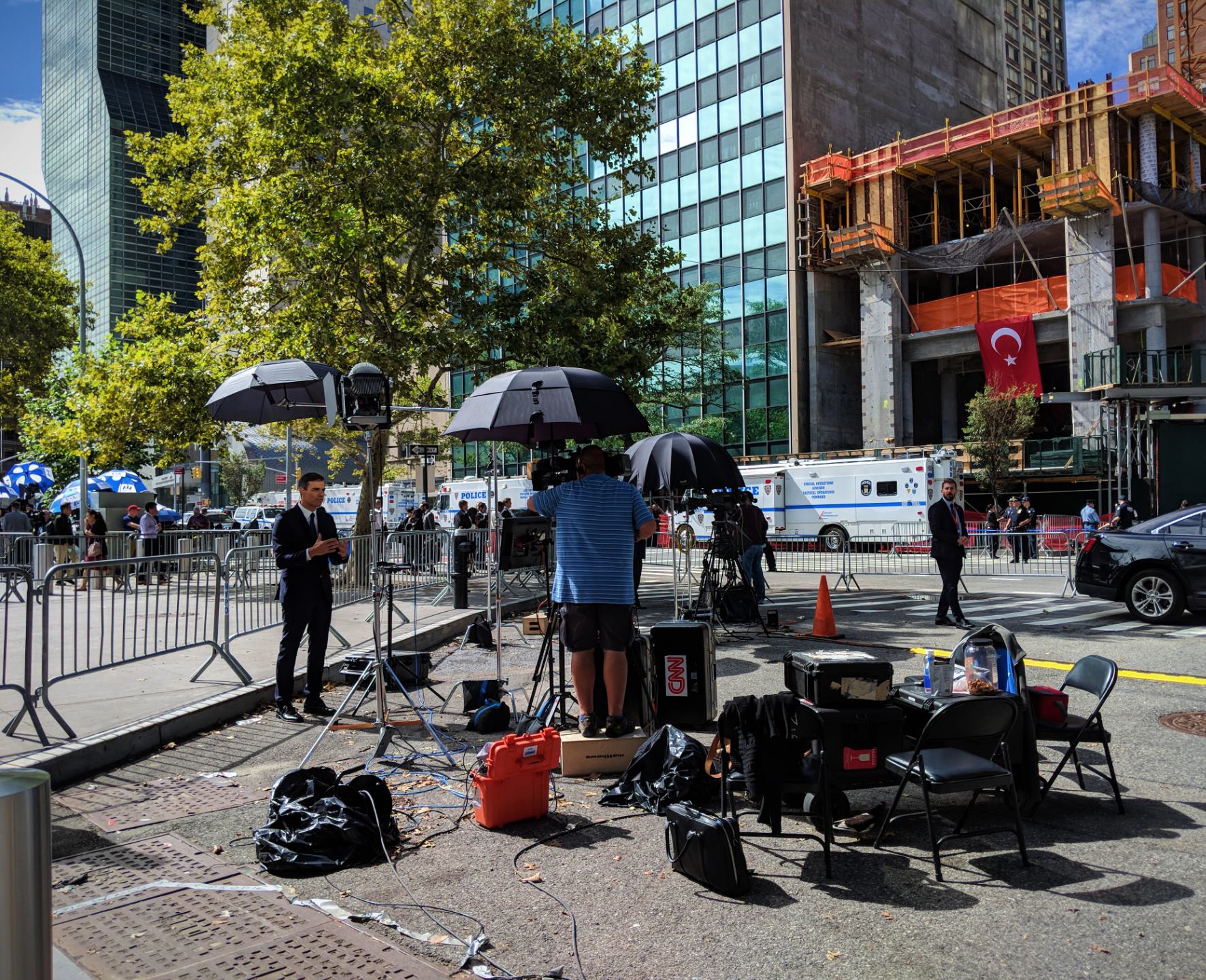
The UN Bubble

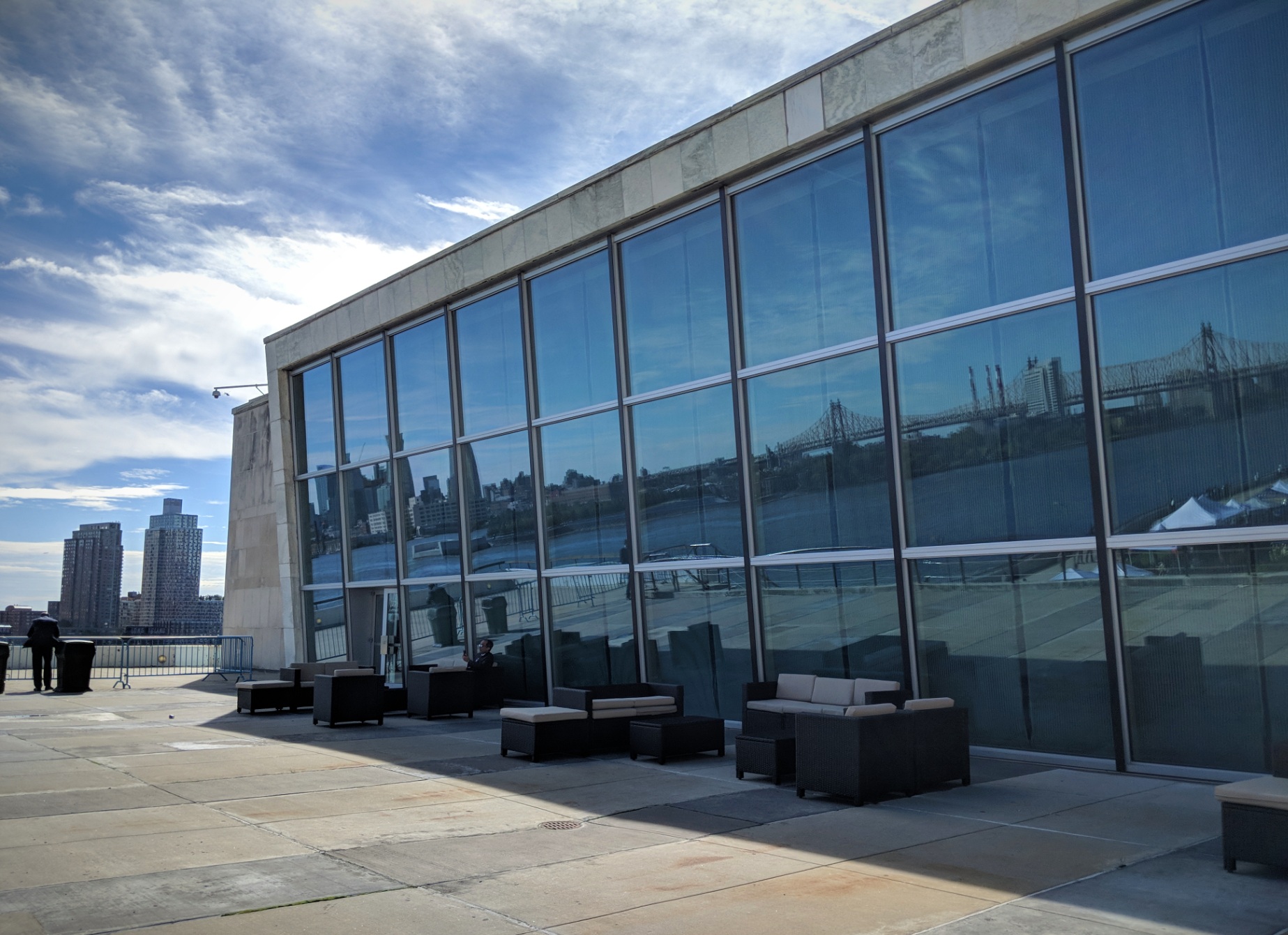
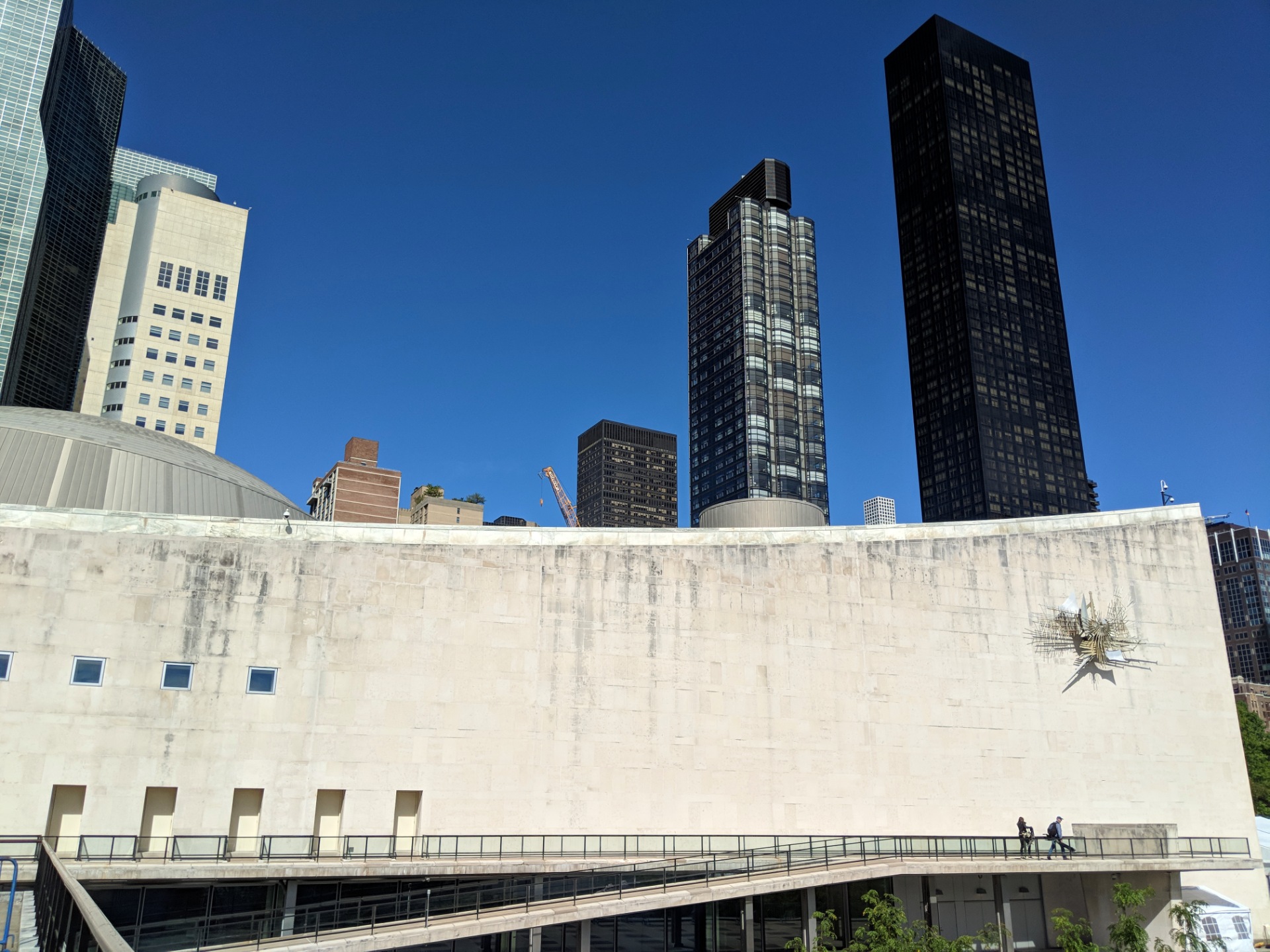
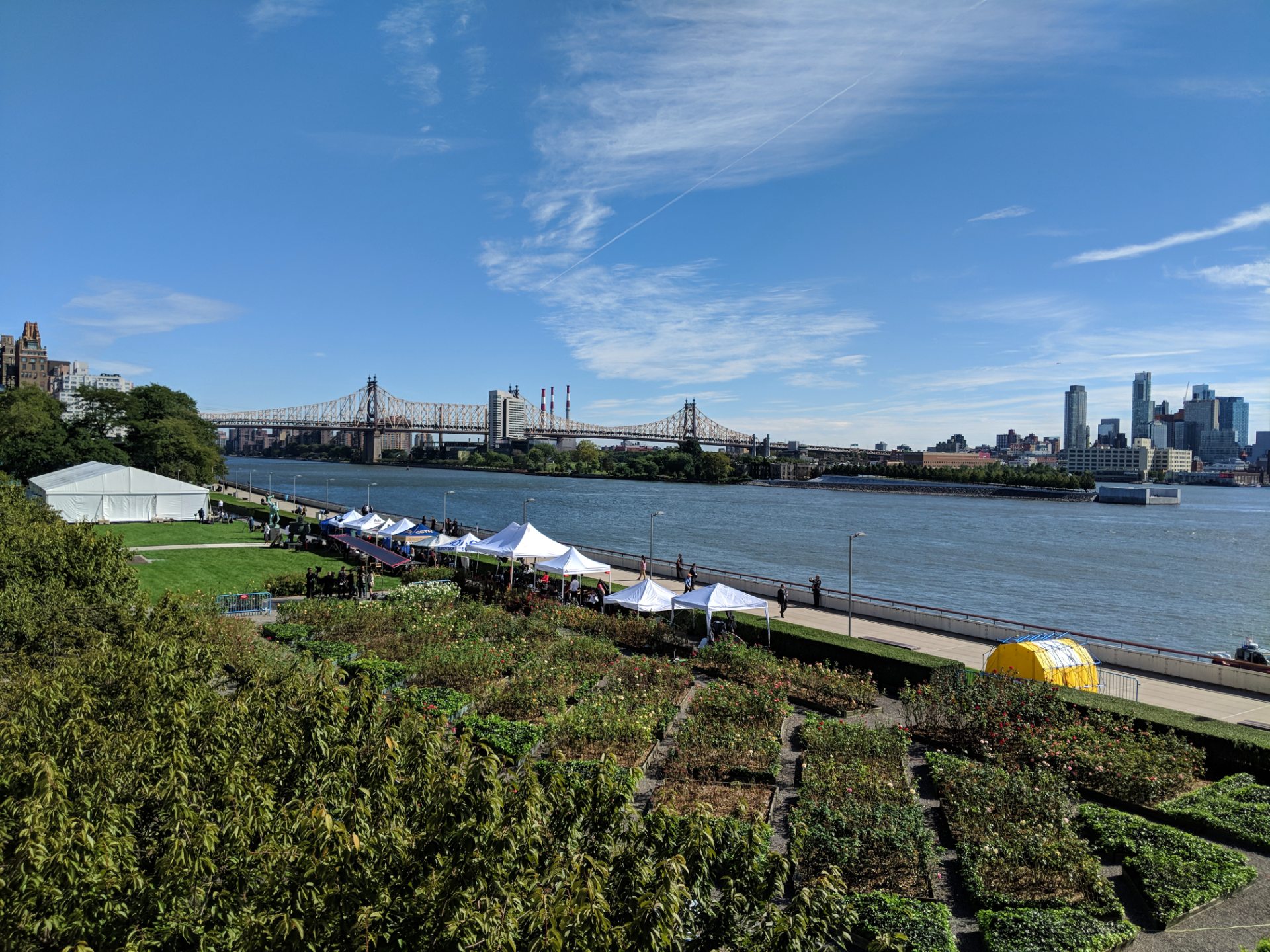
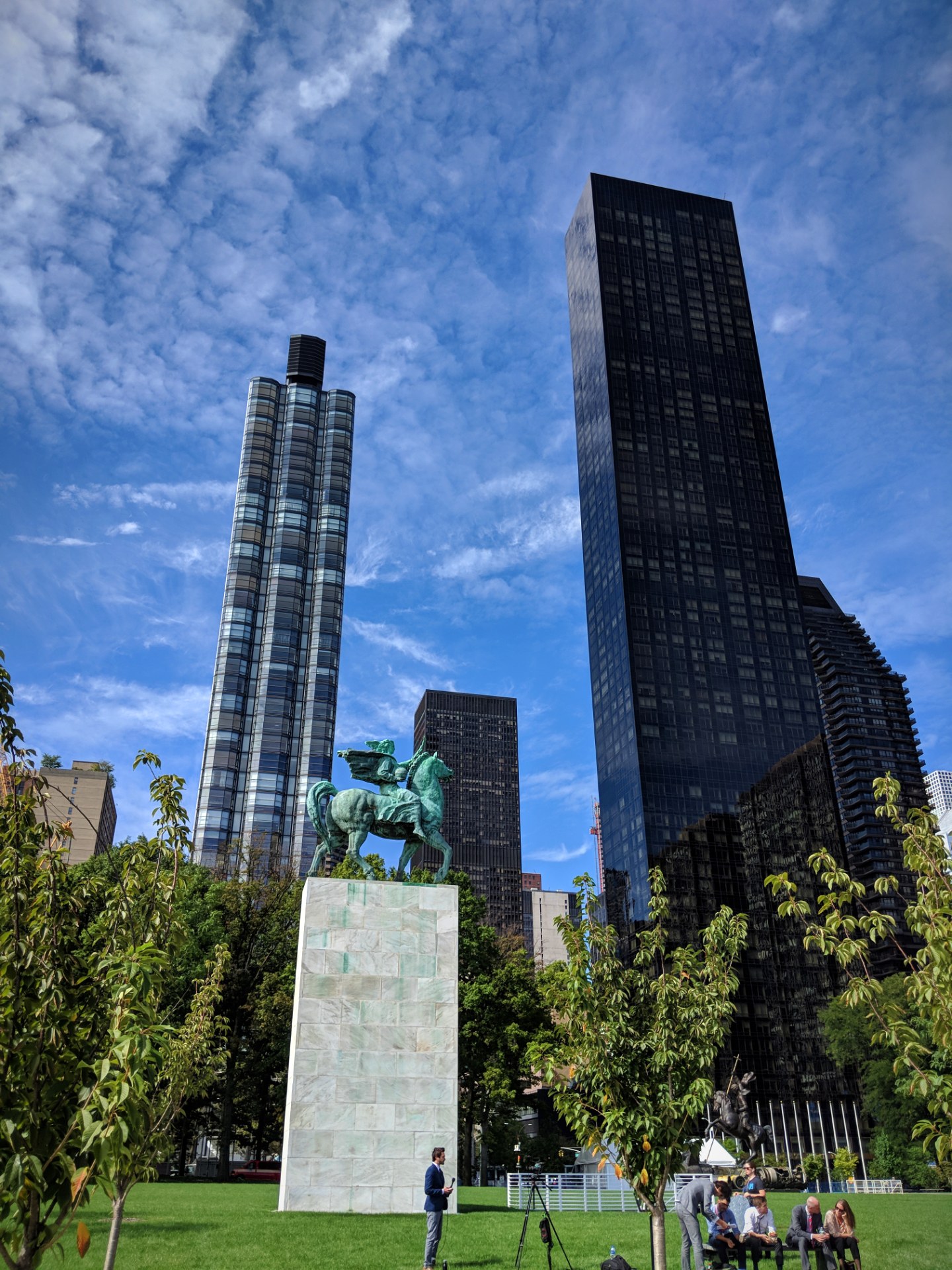
Visiting the site of UN Headquarters is like walking into a bubble; a microcosm of our world within my reach, coming to terms with the knowledge I’m no longer walking in New York City but on the grounds of an international territory.

The site of UN Headquarters is owned by the United Nations. It is an international territory. No federal, state or local officer or official of the United States, whether administrative, judicial, military or police, may enter UN Headquarters, except with the consent of and under conditions agreed to by the Secretary-General of the Organization.

United Nations Headquarters remains both a symbol of peace and a beacon of hope – in the present troubled times, more than ever.

Images taken during the 73rd Session of the UN General Assembly (UNGA 73)

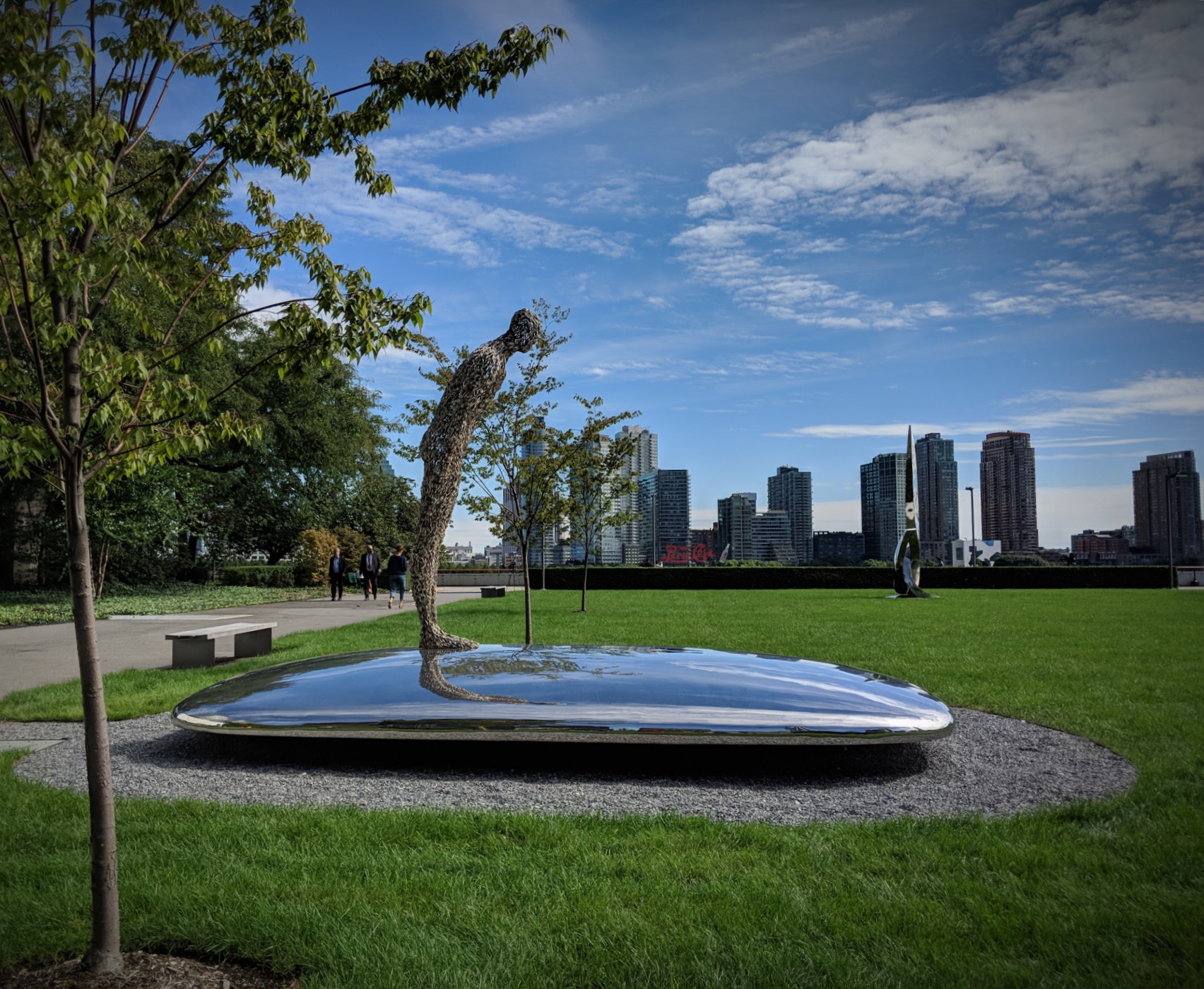
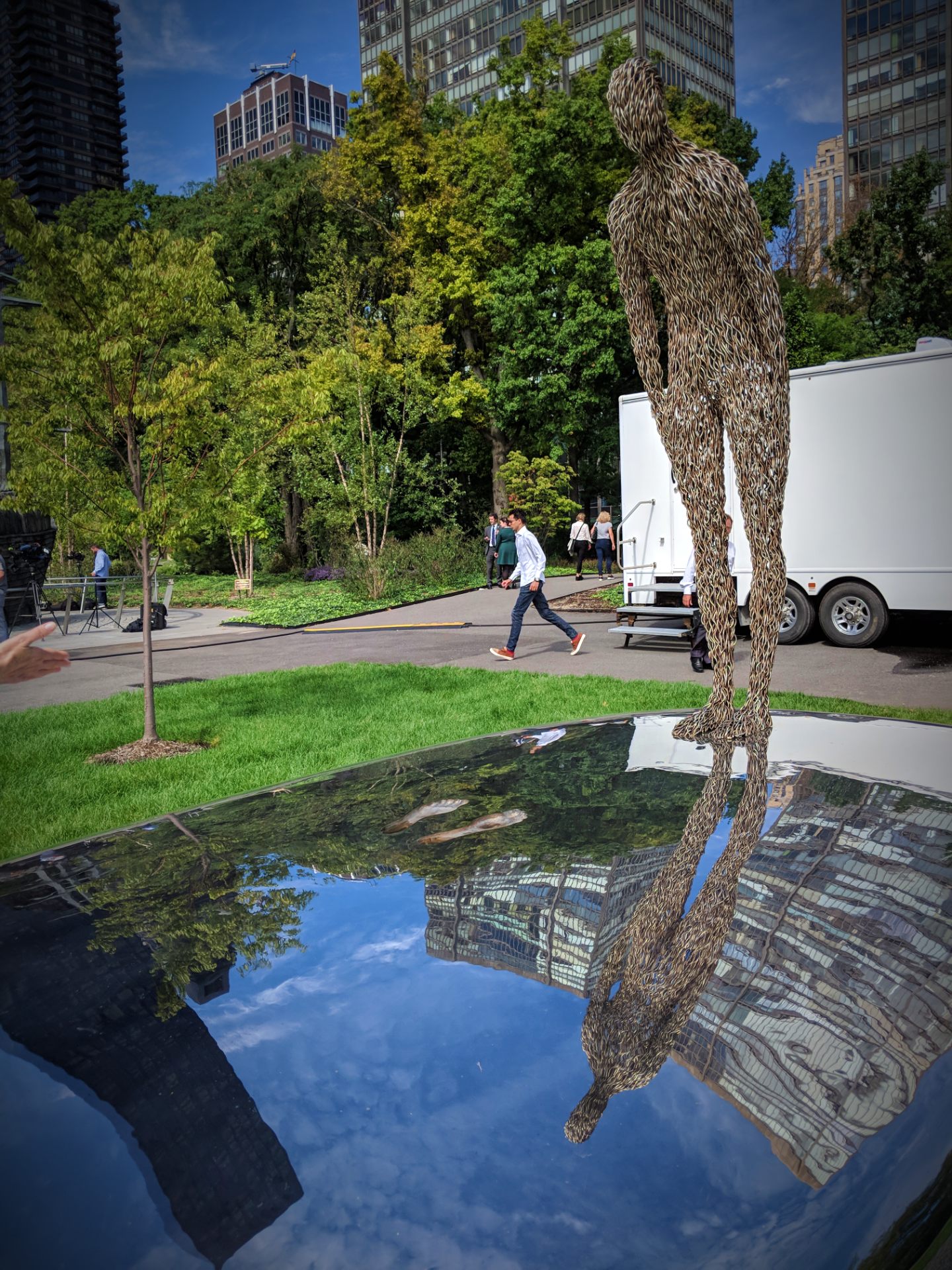
Sculpture: “Consciousness”  by Mongolian artist Ochirbold Ayurza, a gift from Mongolia to the United Nations

September 27th, 2018

A Blessed Ghost

Oh sleep! it is a gentle thing,
Beloved from pole to pole!
To Mary Queen the praise be given!
She sent the gentle sleep from Heaven,
That slid into my soul.

The silly buckets on the deck,
That had so long remained,
I dreamt that they were filled with dew;
And when I awoke, it rained.

My lips were wet, my throat was cold,
My garments all were dank;
Sure I had drunken in my dreams,
And still my body drank.

I moved, and could not feel my limbs:
I was so light—almost
I thought that I had died in sleep,
And was a blessed ghost.

Excerpt from The Rime Of The Ancient Mariner,

a poem by Samuel Taylor Coleridge

Listen to the reading by Deborah Warner

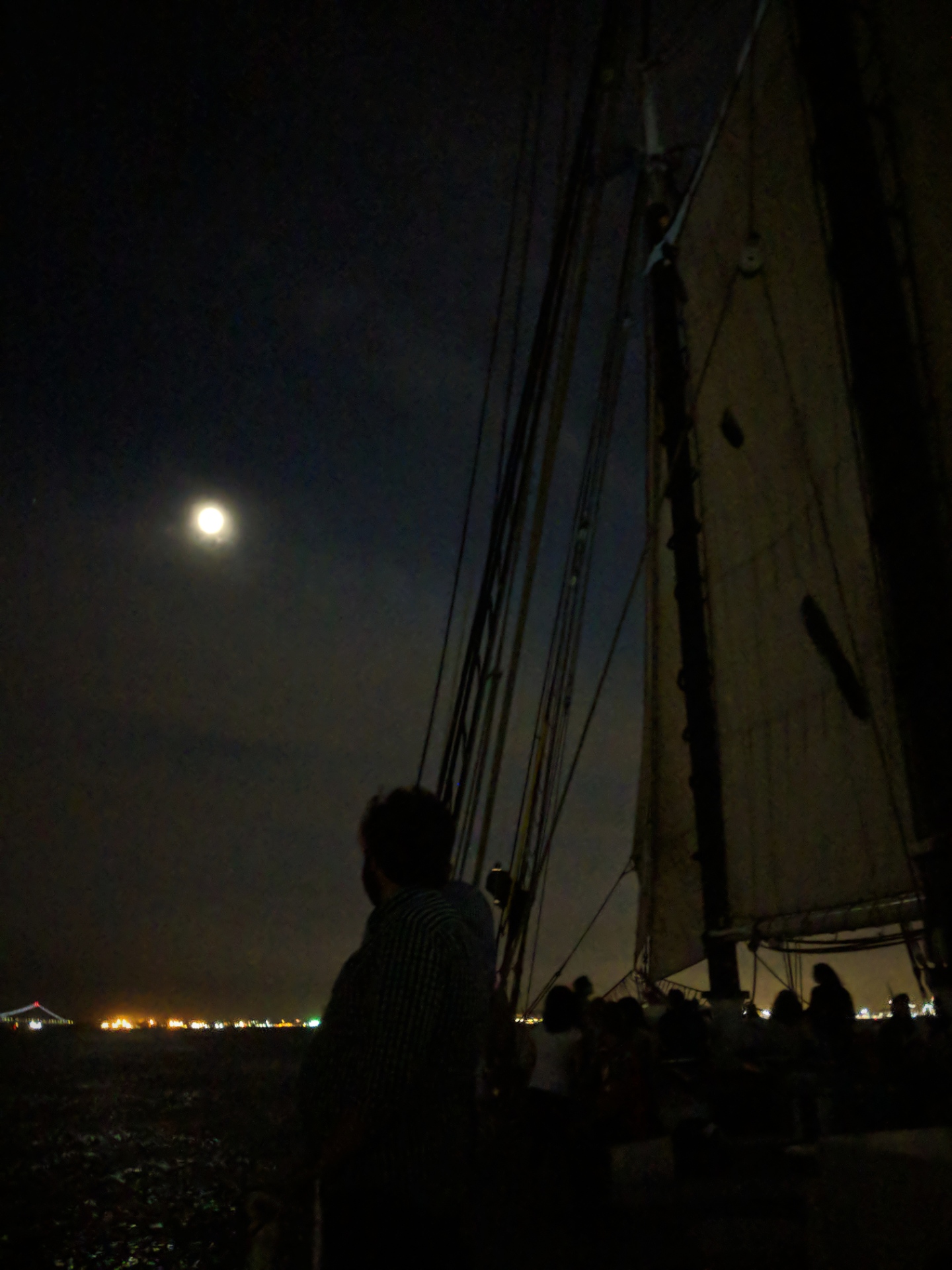
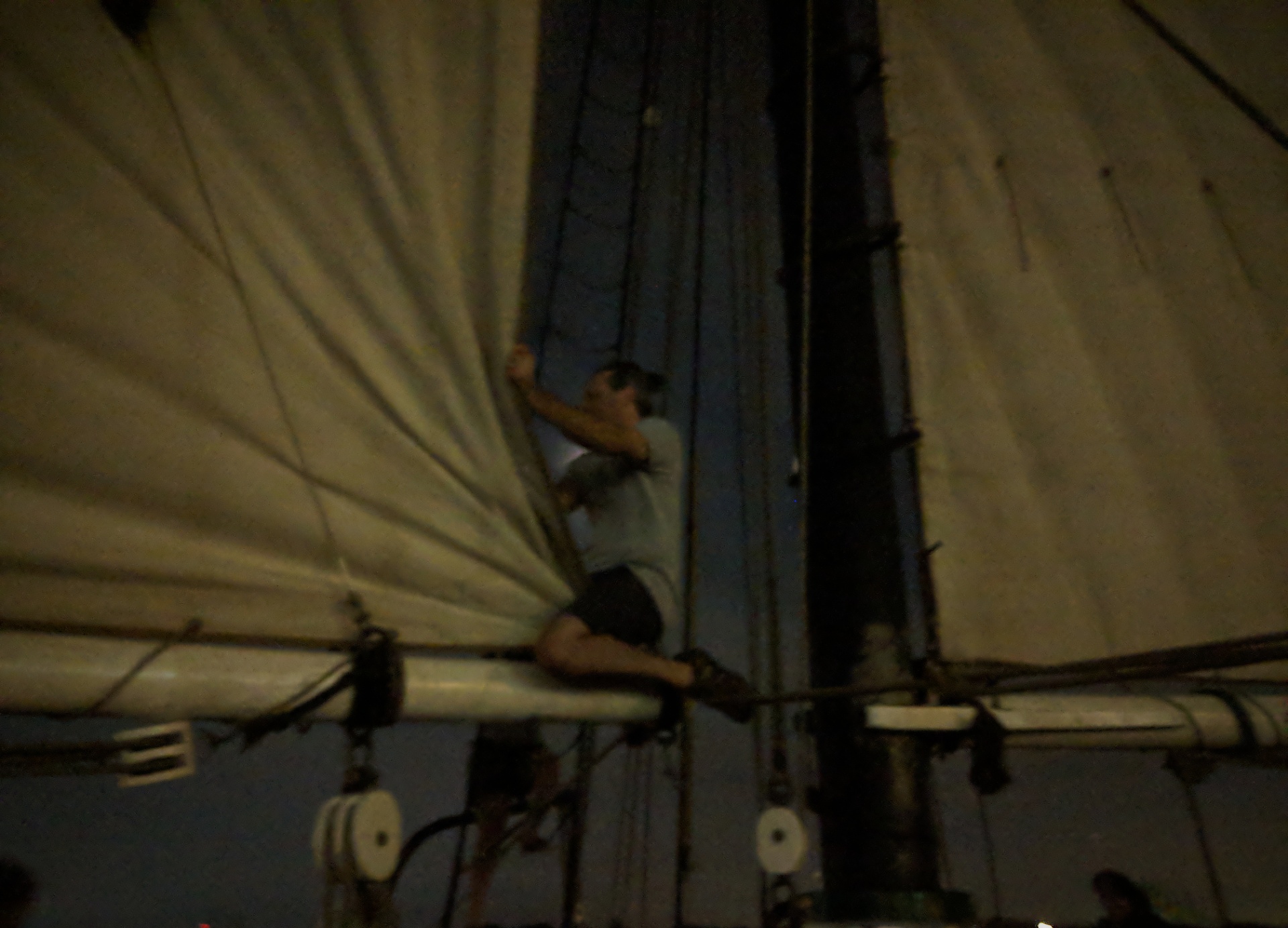
September 16th, 2018 – Aboard the Schooner Pioneer
 

Hoist your Sail when the Wind is Fair

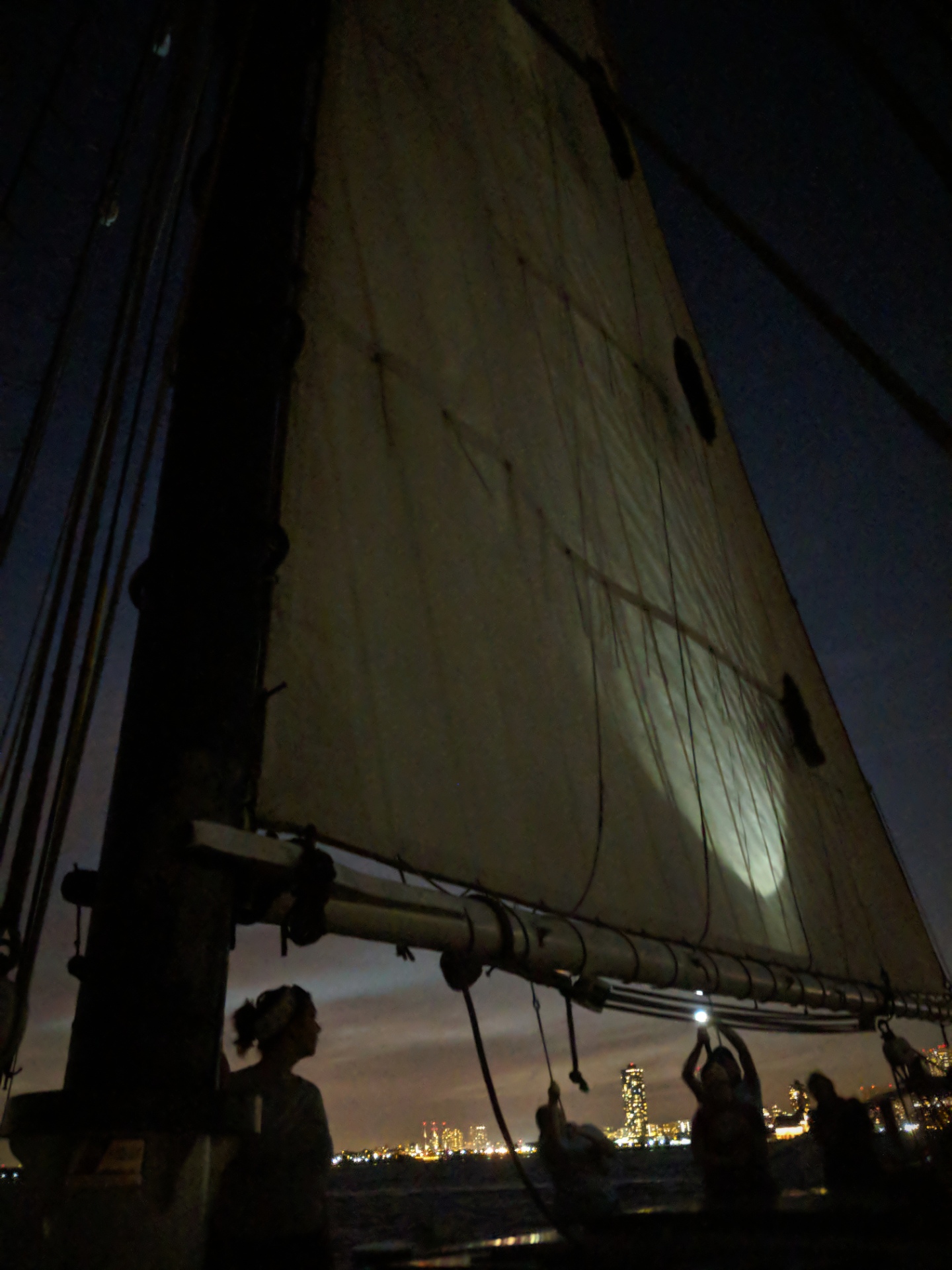
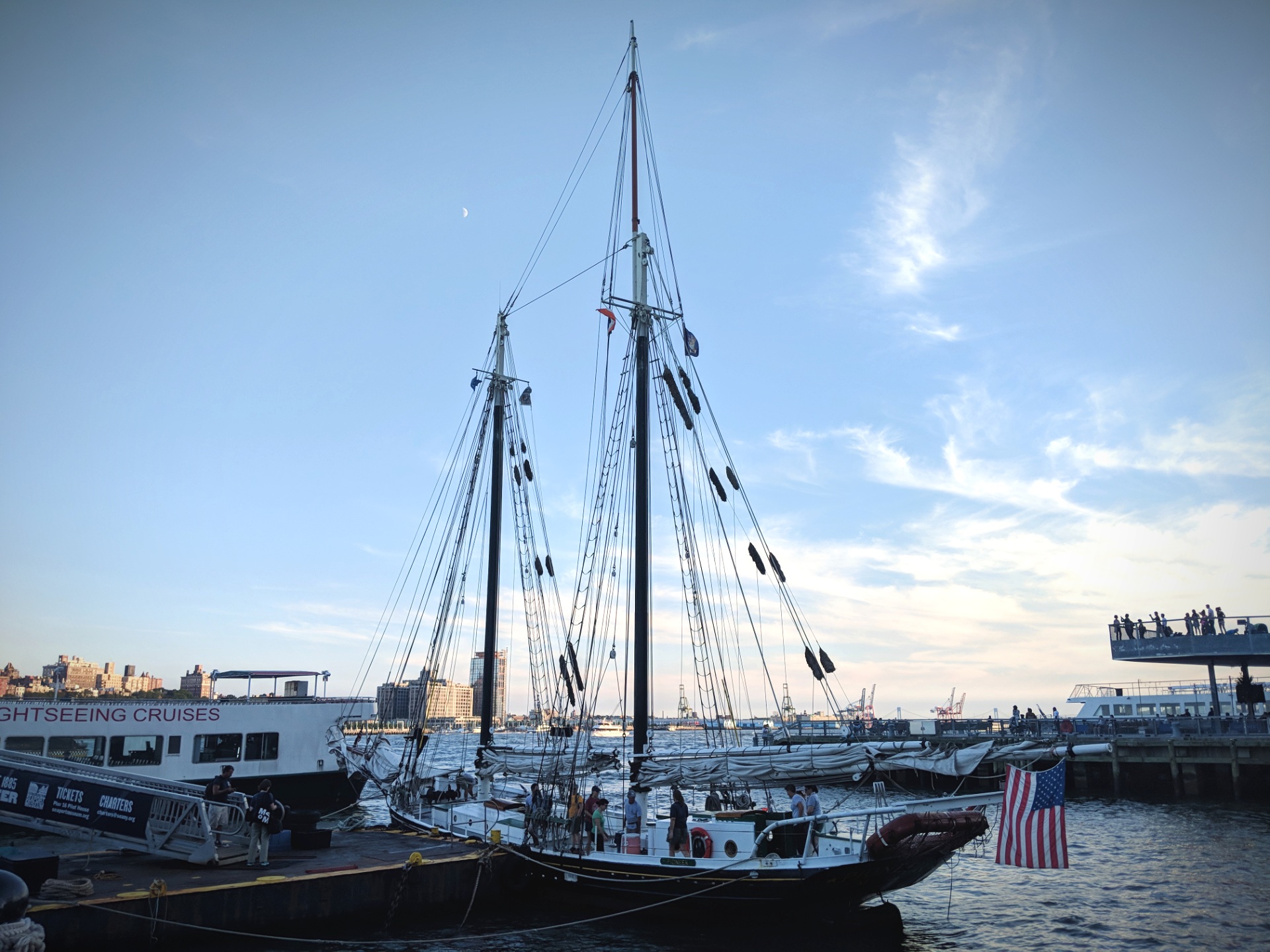
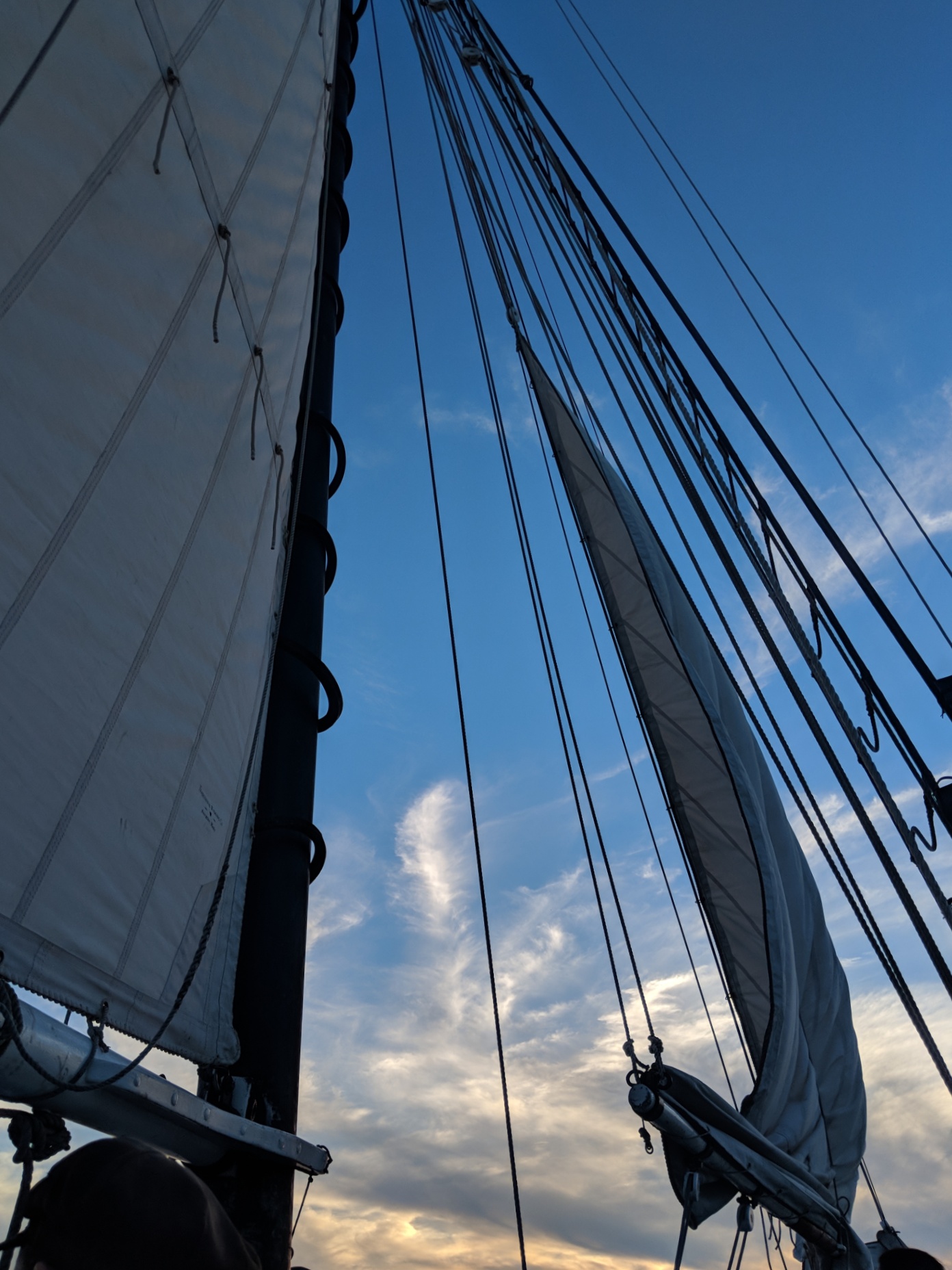
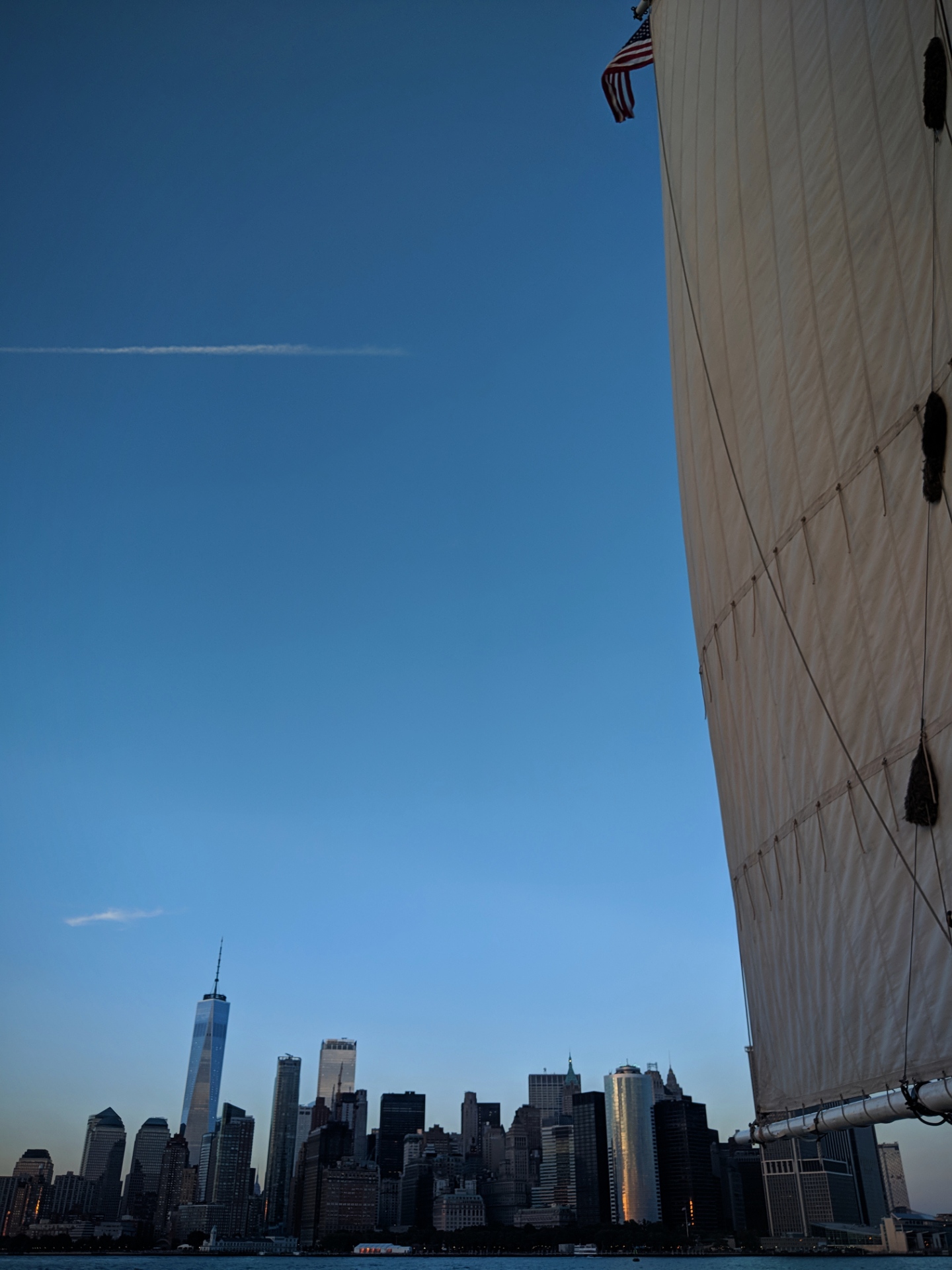
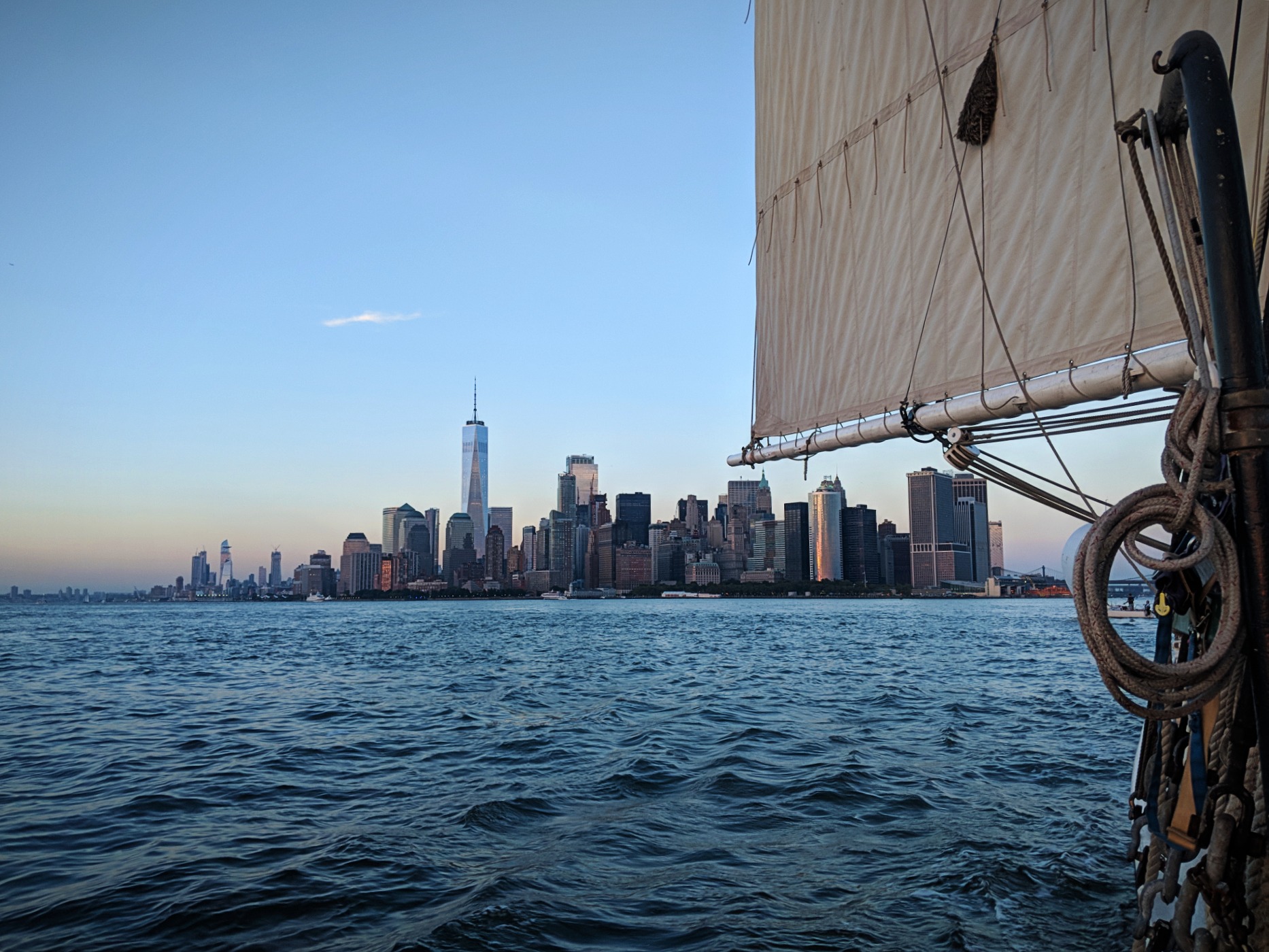
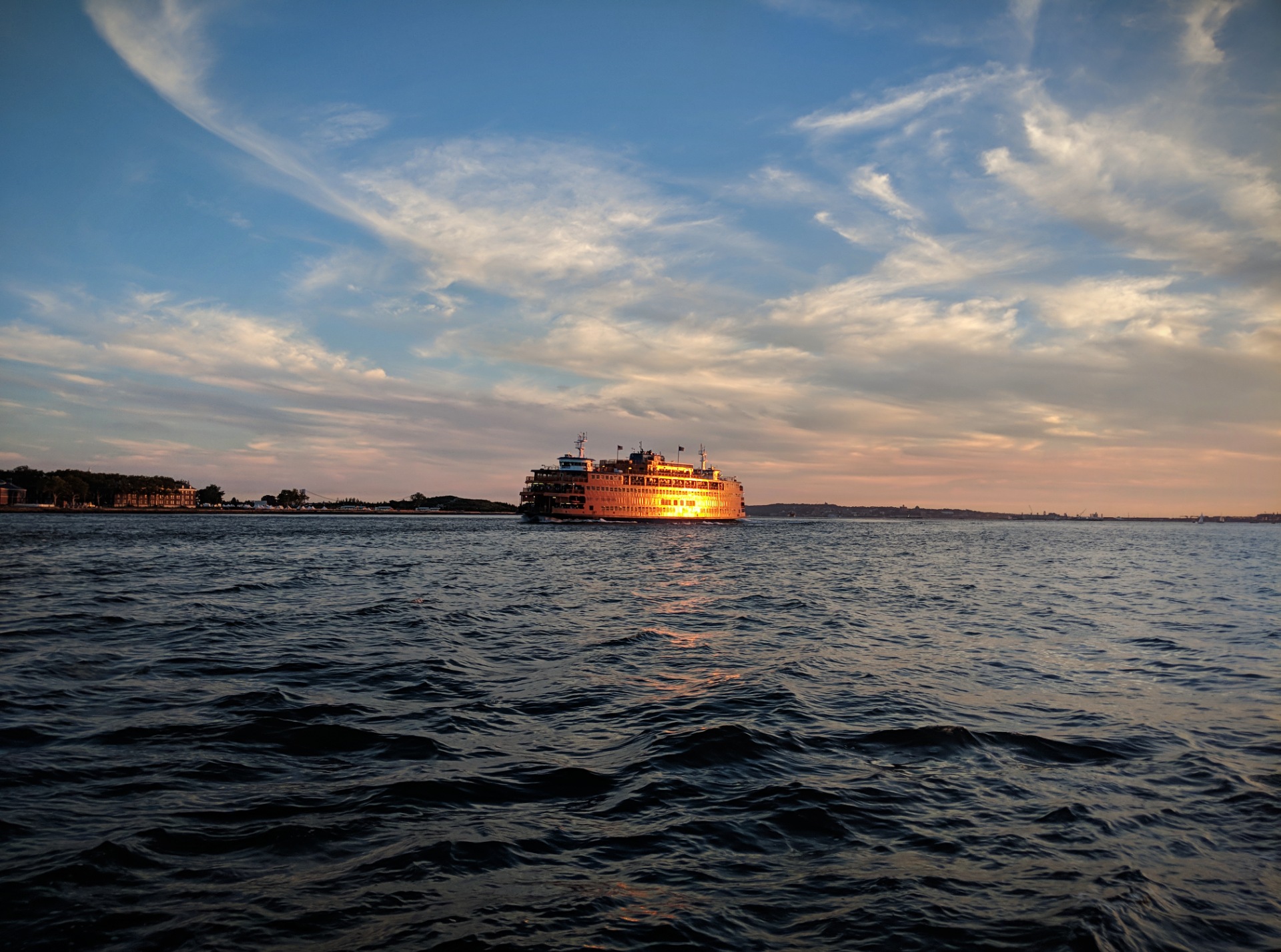
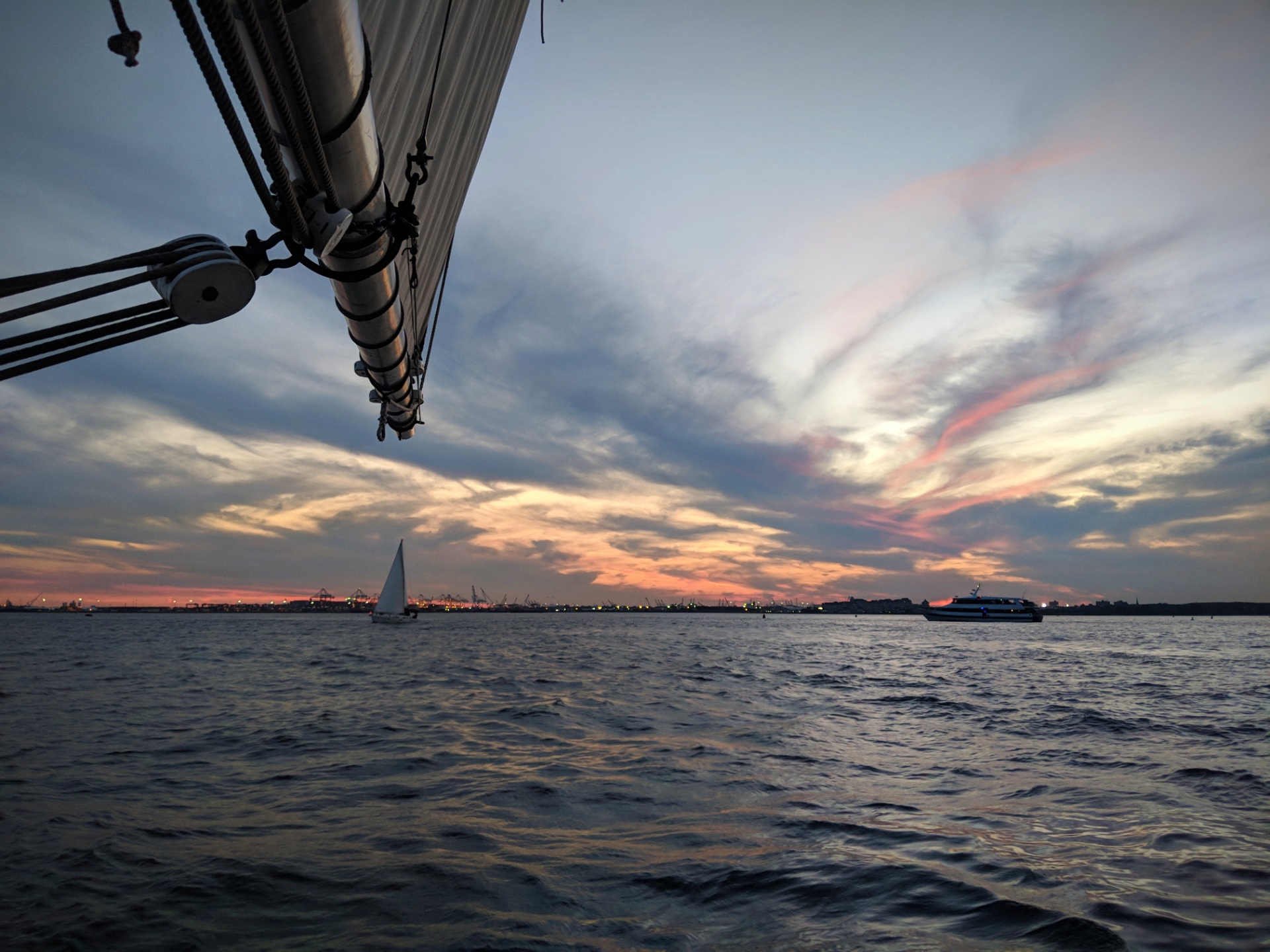
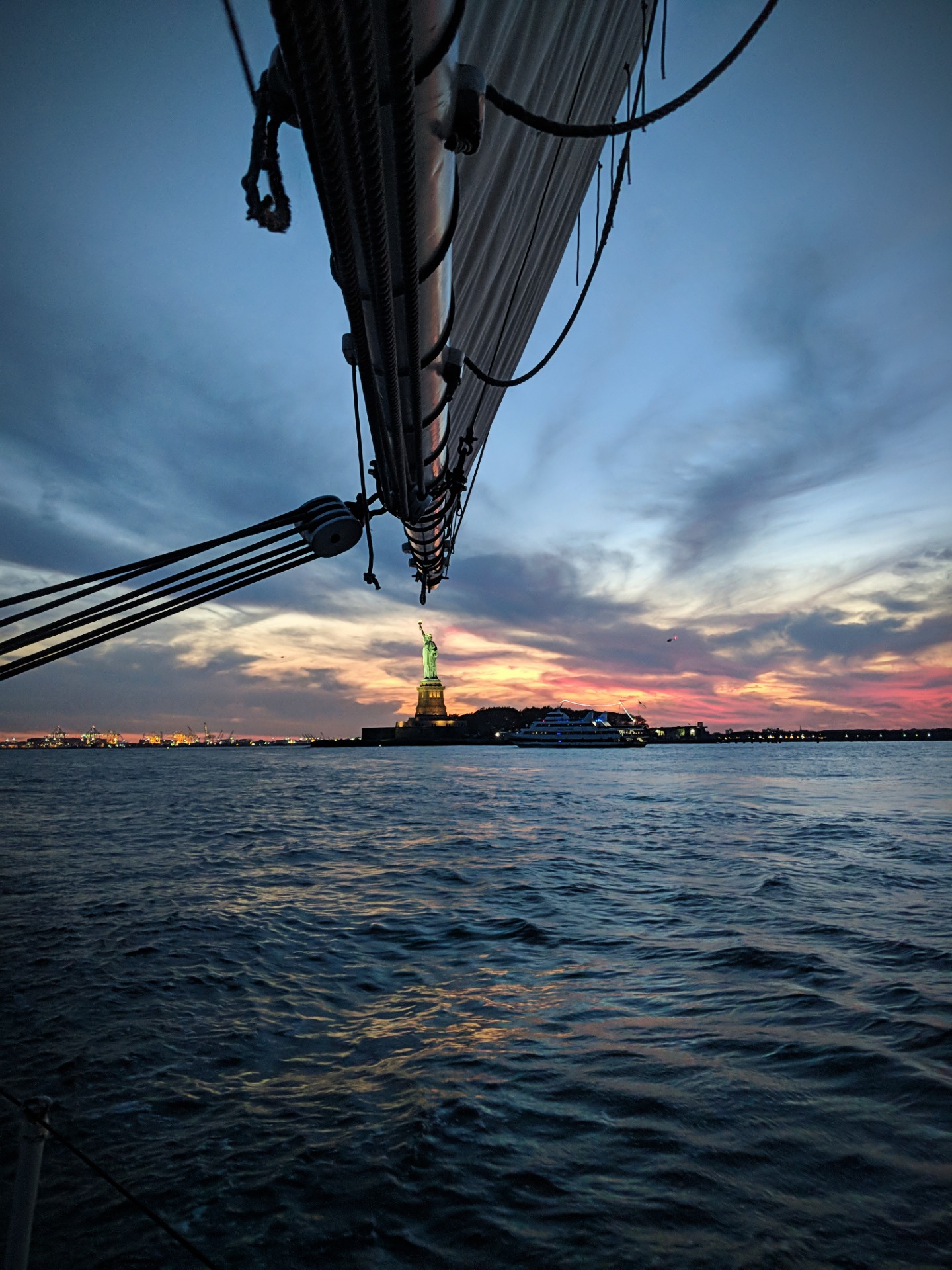
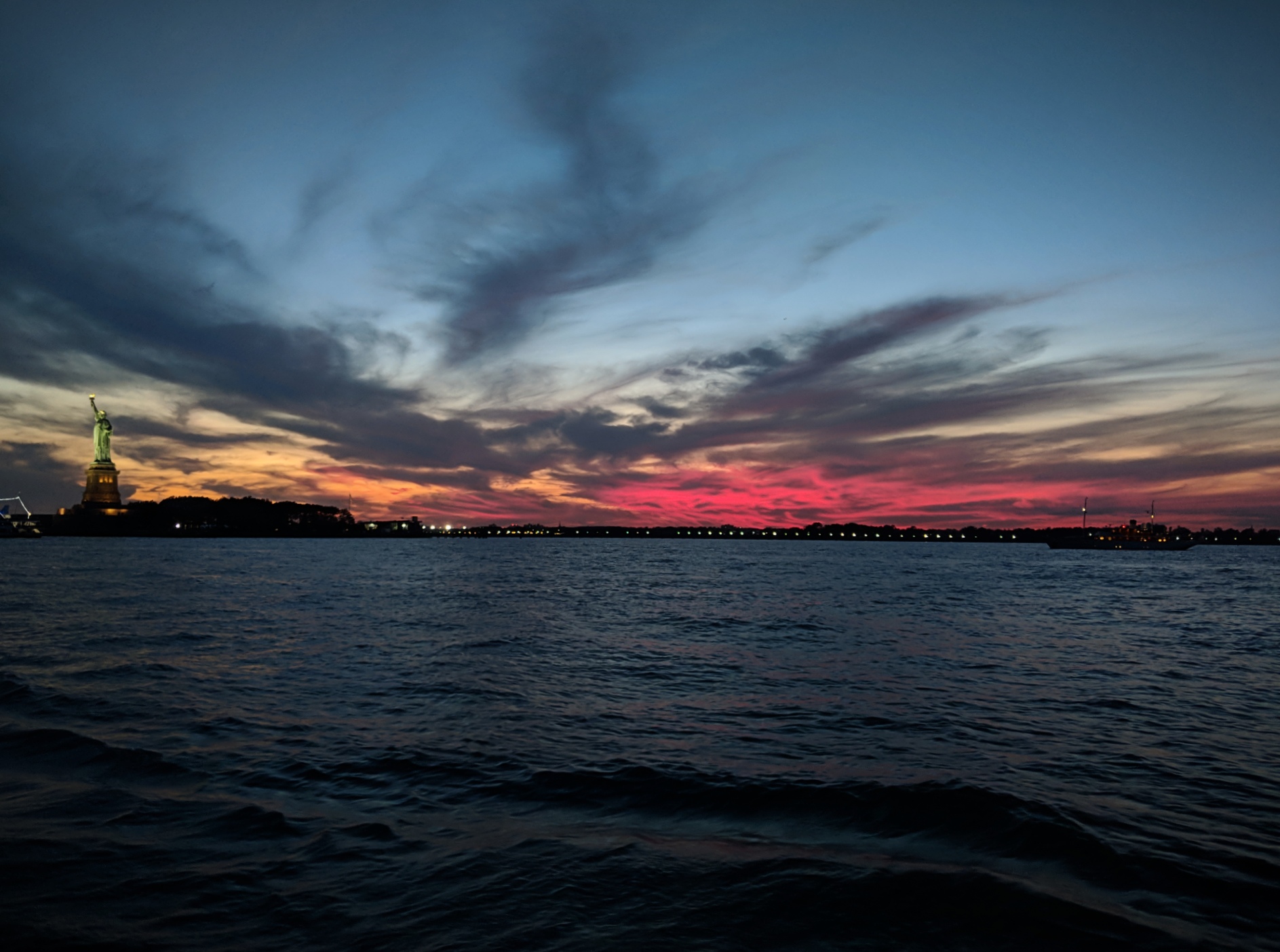
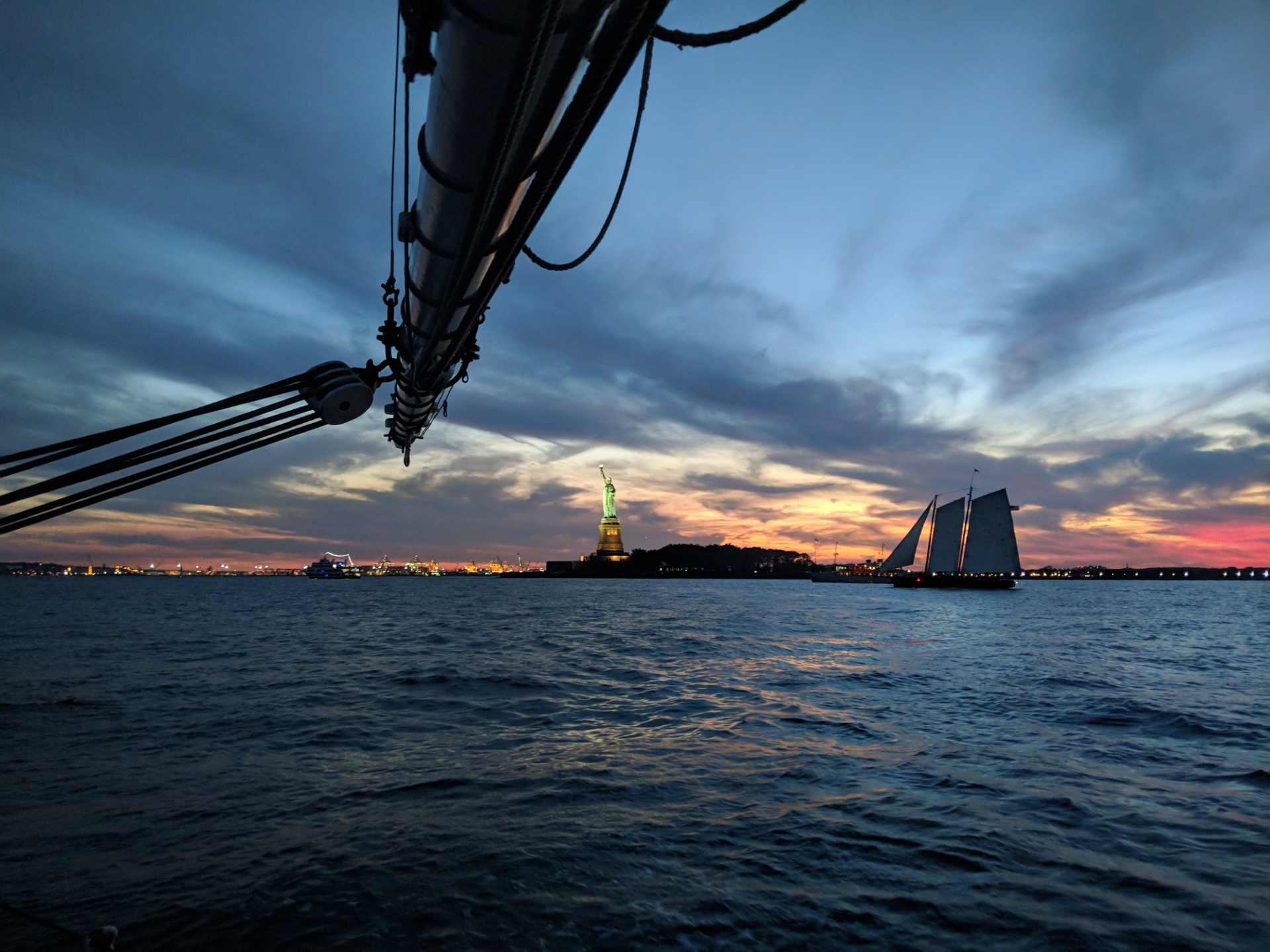
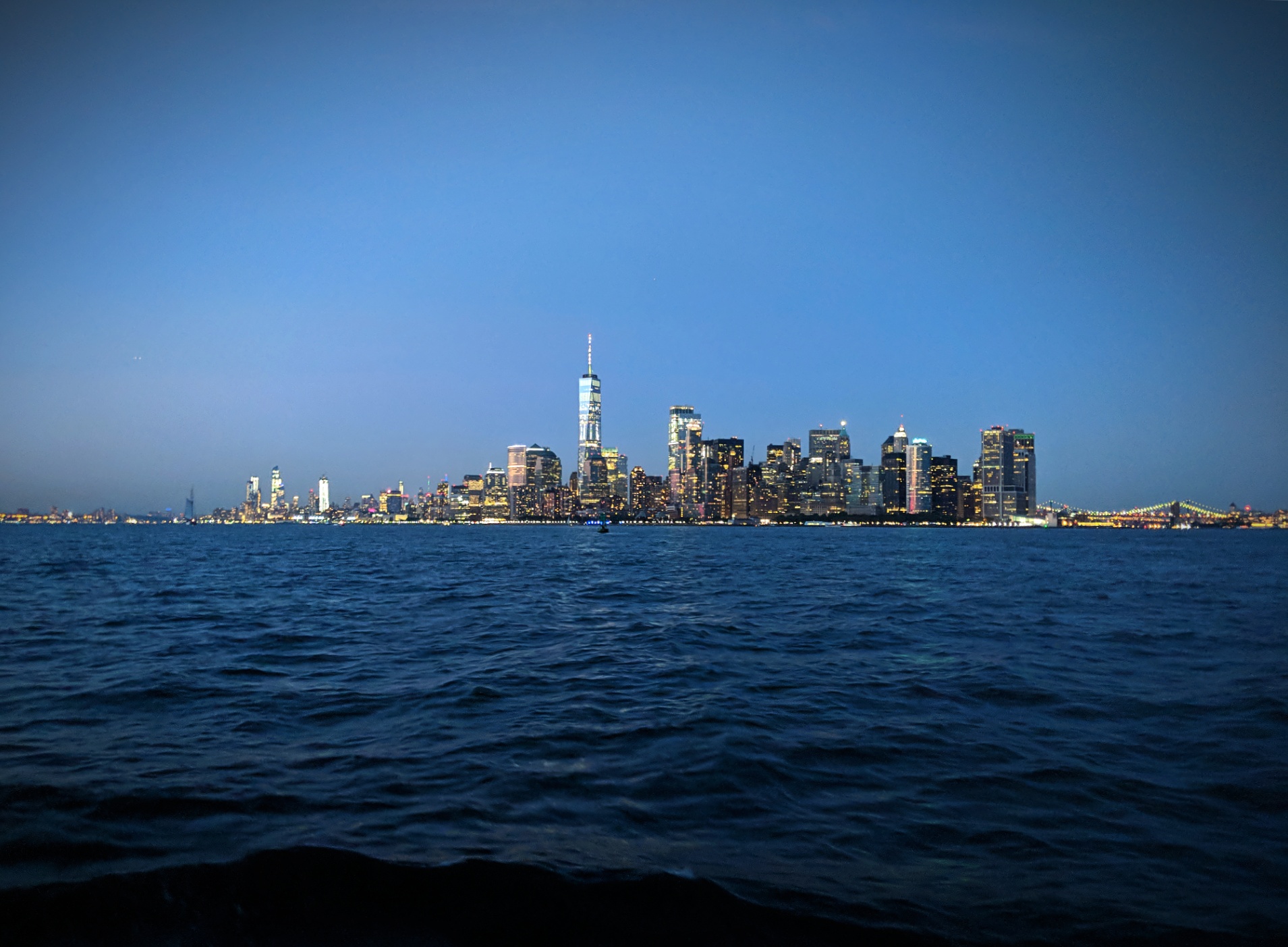
All aboard for a two-hour sunset sail on New York Harbor – on 1885 Schooner Pioneer!


About Schooner Pioneer

In the days before paved roads, small coastal schooners such as Pioneer were the delivery trucks of their era, carrying various cargoes between coastal communities: lumber and stone from the islands of Maine, brick on the Hudson River, and oyster shell on the Chesapeake Bay. Almost all American cargo sloops and schooners were wood, but because she was built in what was then this country’s center of iron shipbuilding, Pioneer had wrought-iron hull. She was the first of only two cargo sloops built of iron in this country, and is the only iron-hulled American merchant sailing vessel still in existence.

By 1930, when new owners moved her from the Delaware River to Massachusetts, she had been fitted with an engine, and was no longer using sails. In 1966 she was substantially rebuilt and turned into a sailing vessel once again. Today she plies the waters of NY Harbor carrying adults and children instead of cargo in her current role as a piece of “living history.”

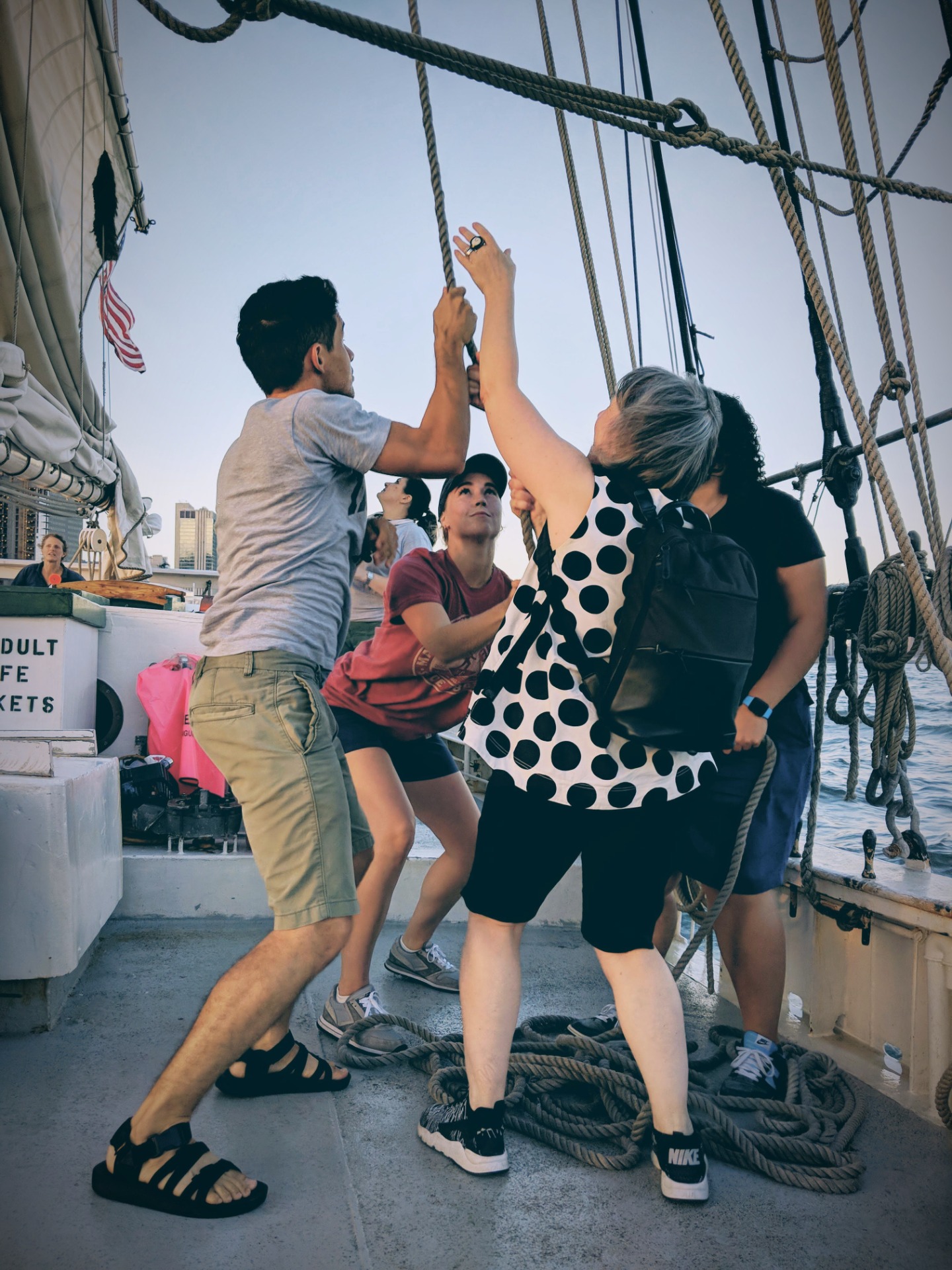
Today Pioneer is an award winning sail training vessel teaching volunteers of all kinds, traditional maritime skills, and the art of tall ship sailing. [source: South Street Sea Seaport Museum]

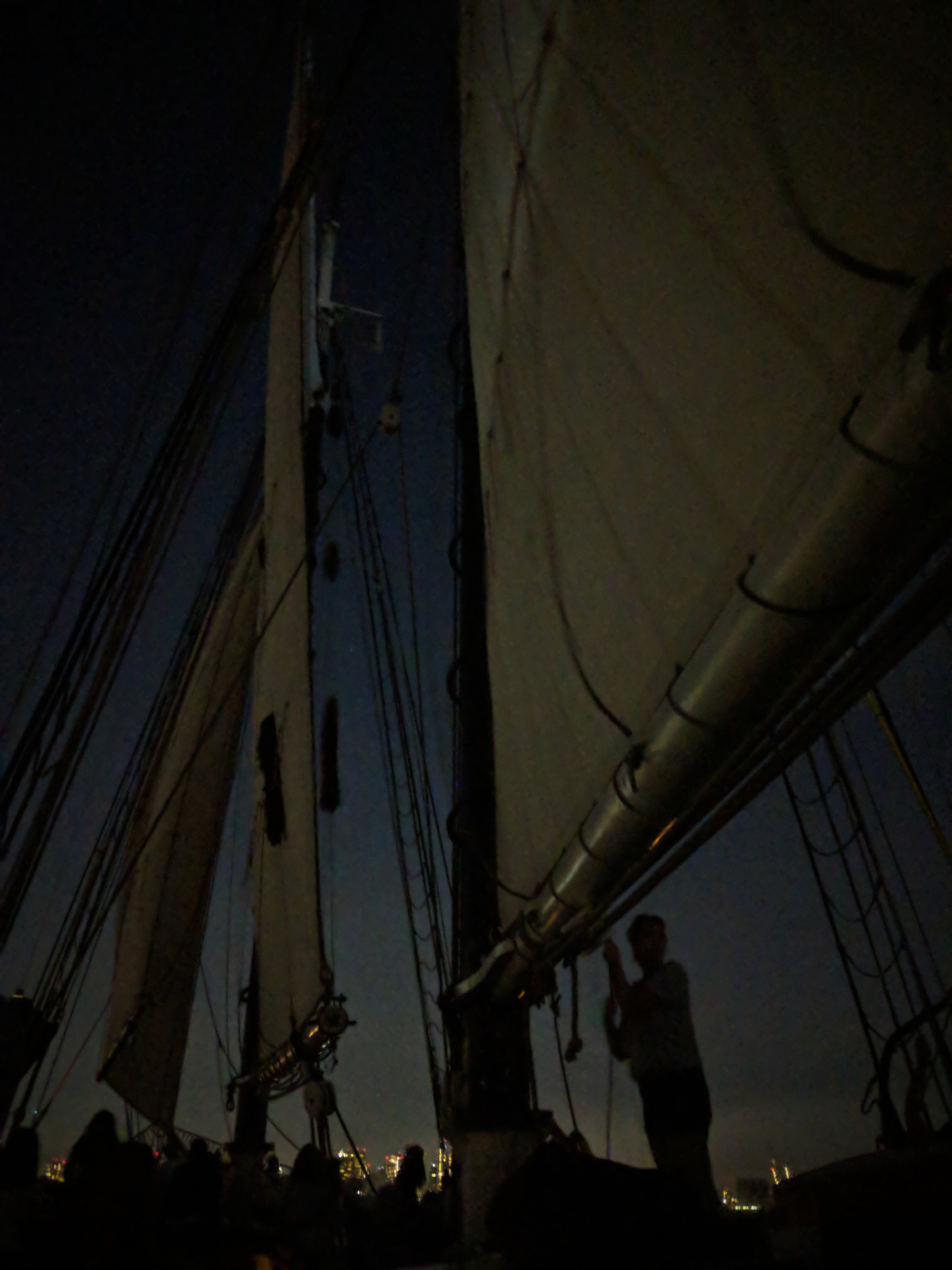
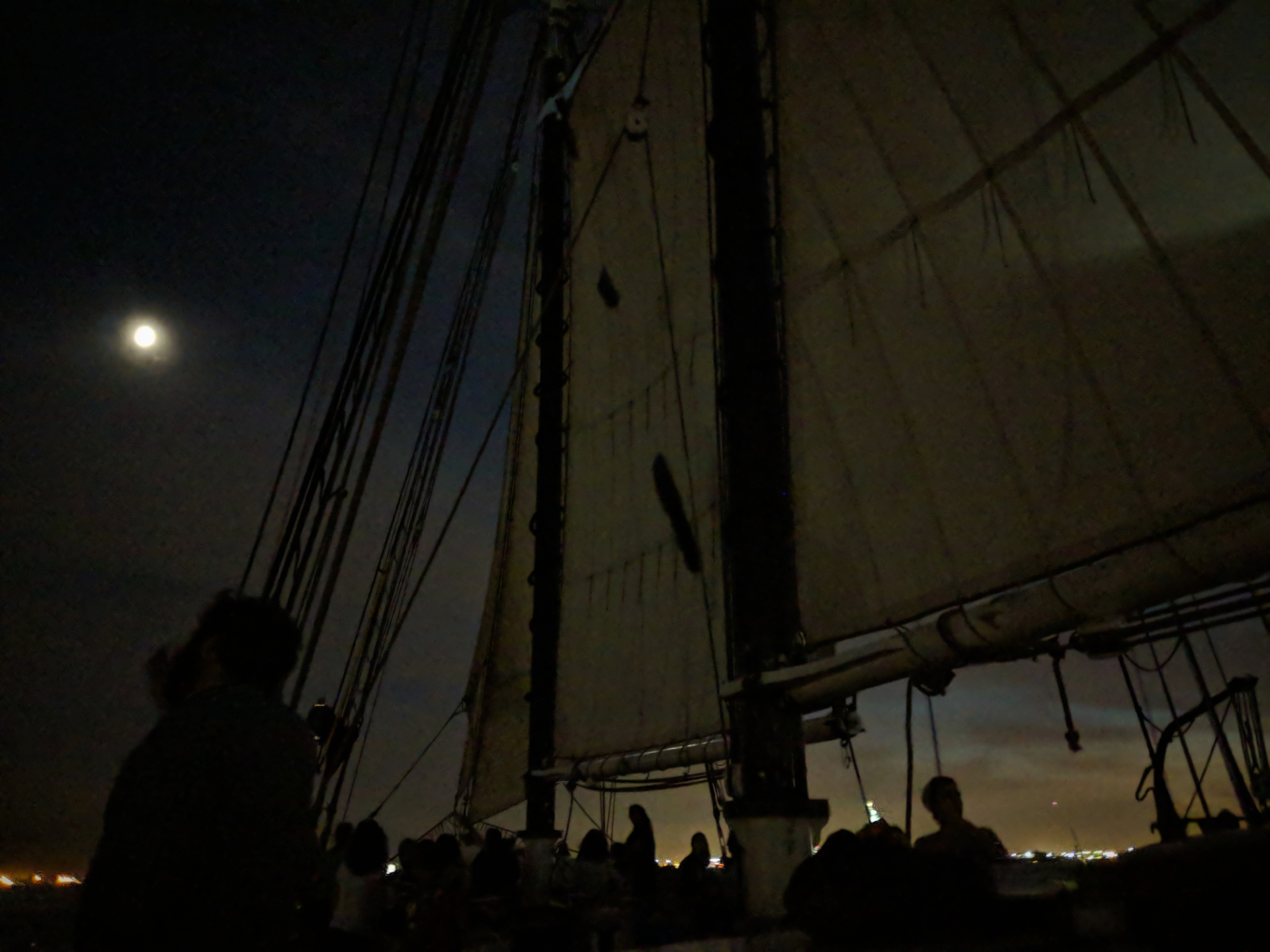
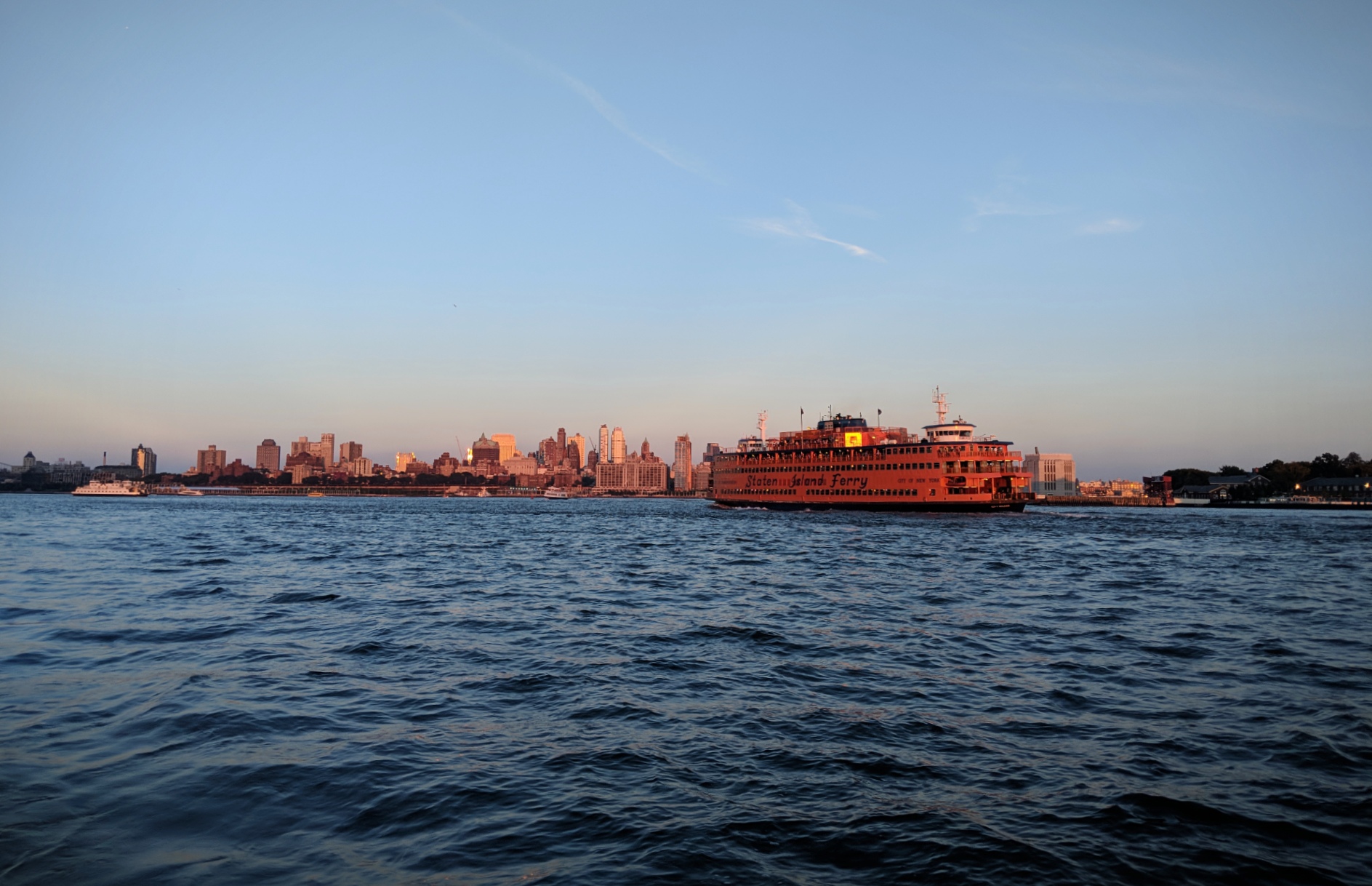
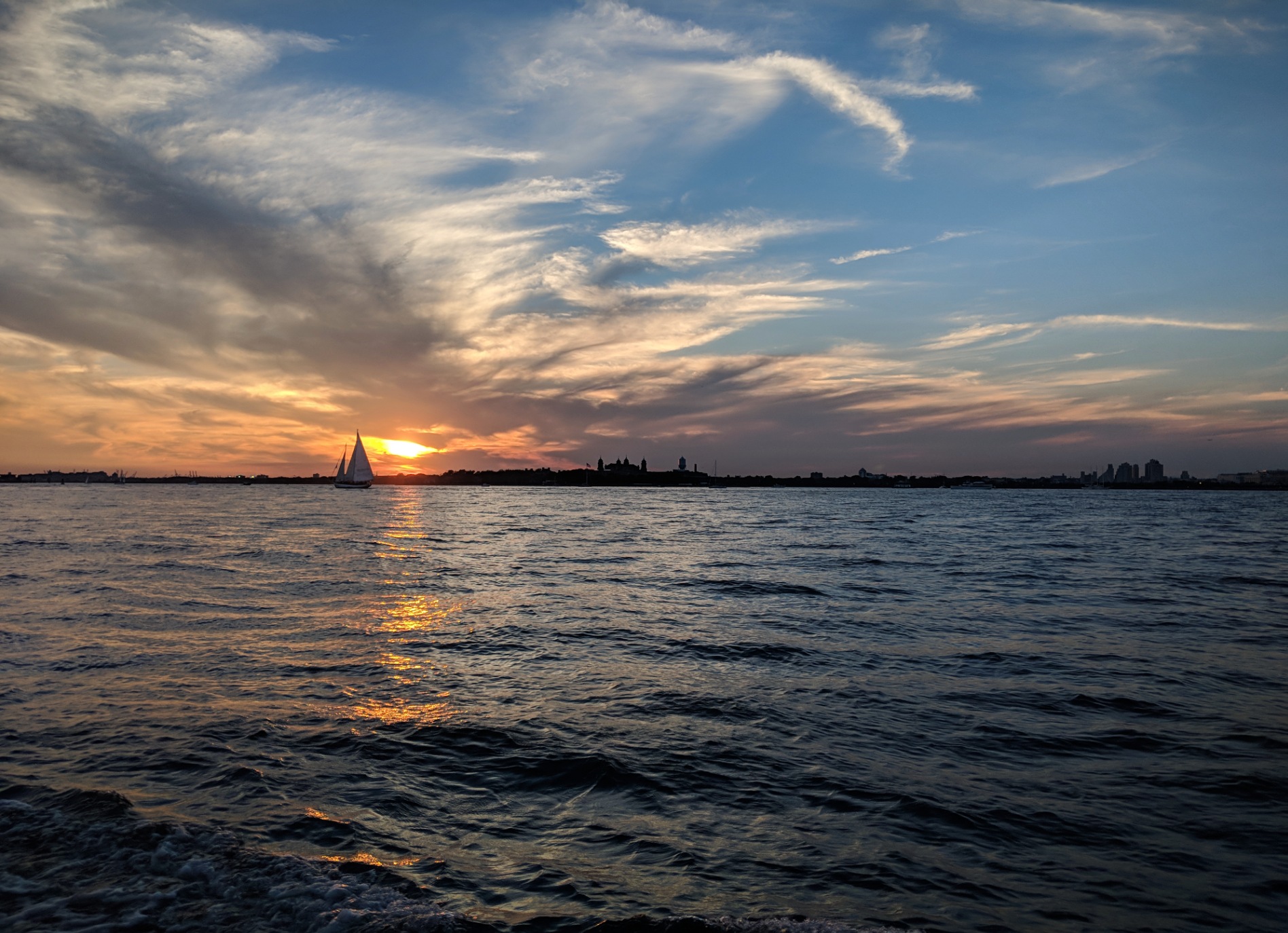
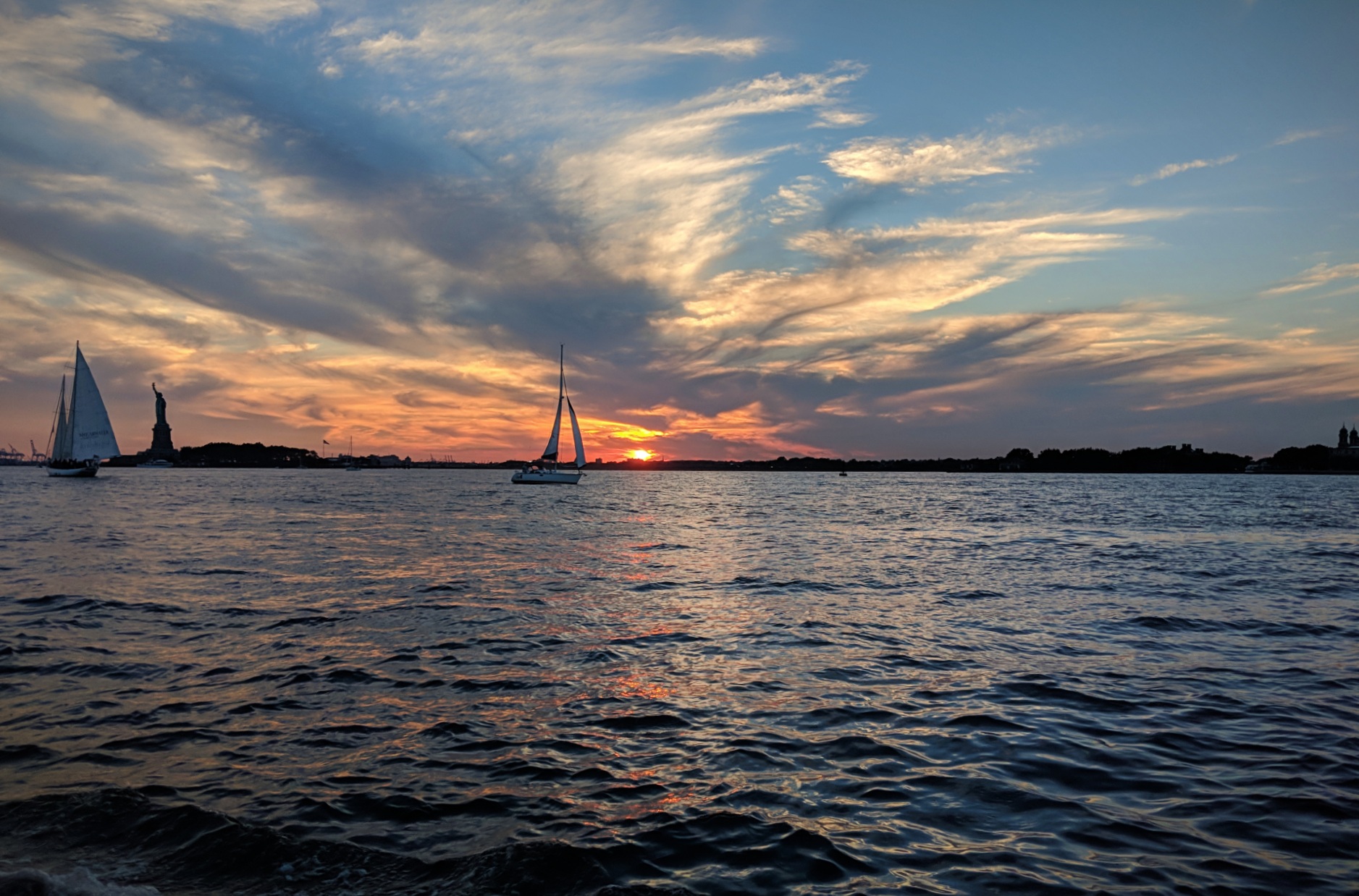
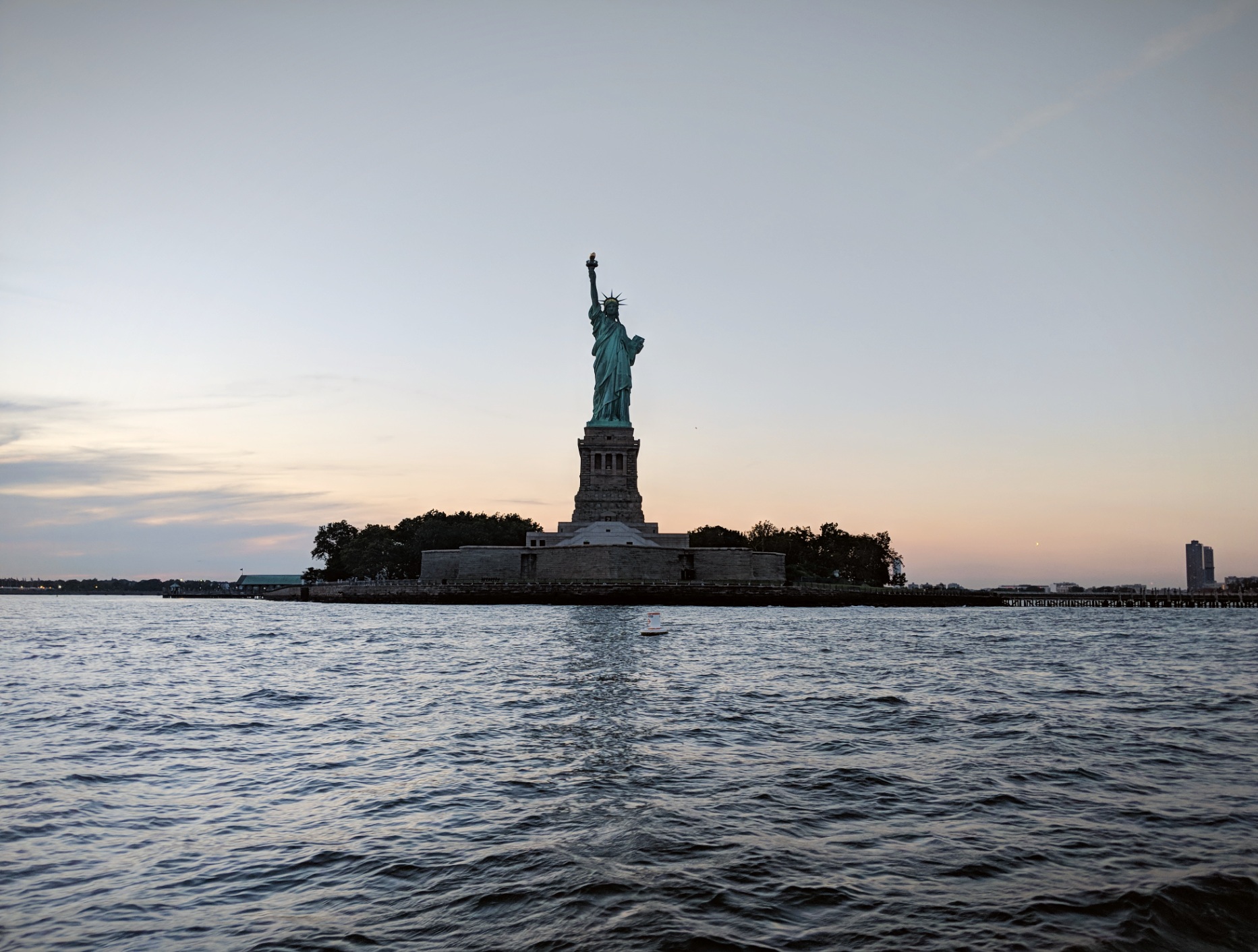
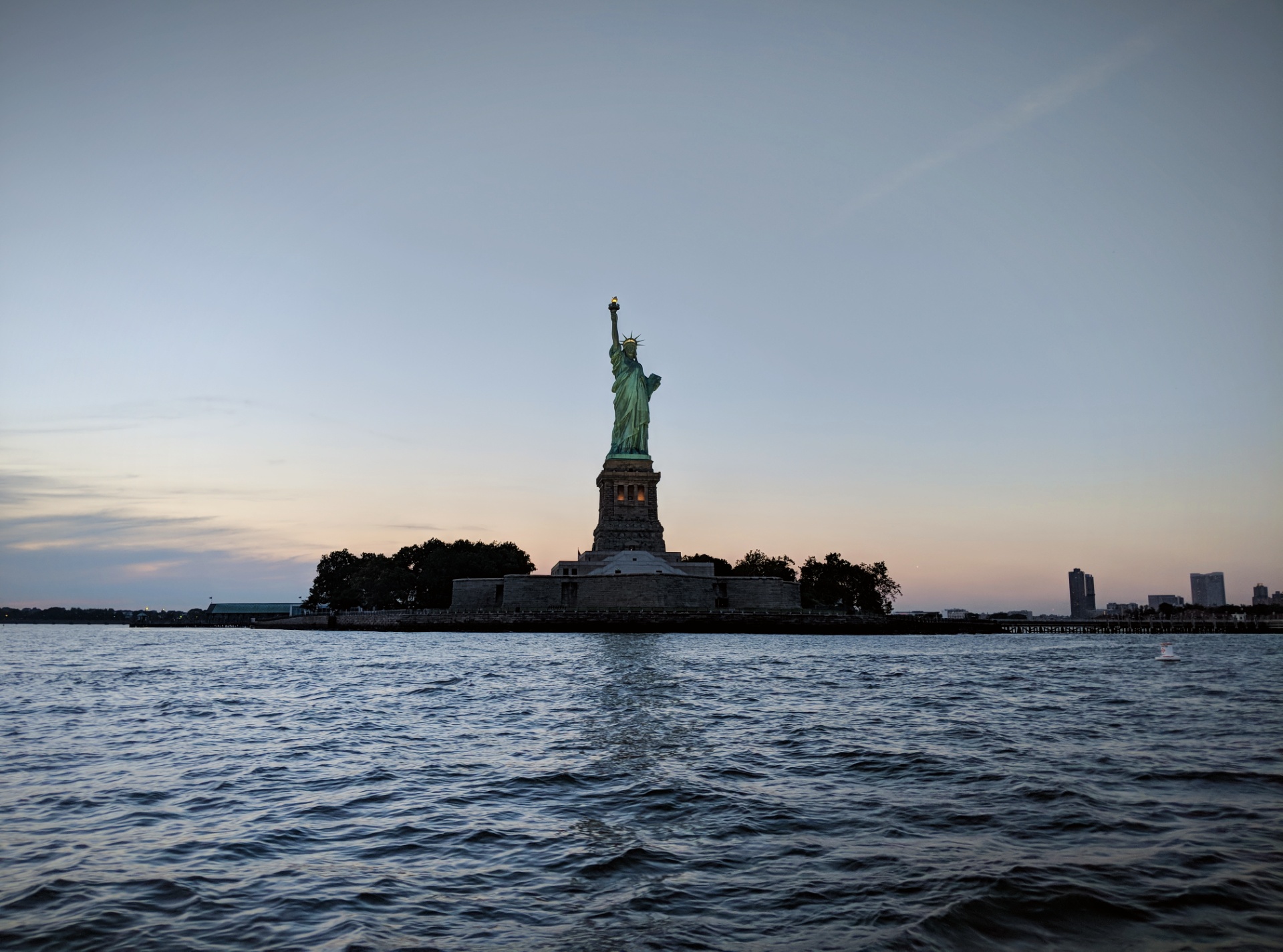
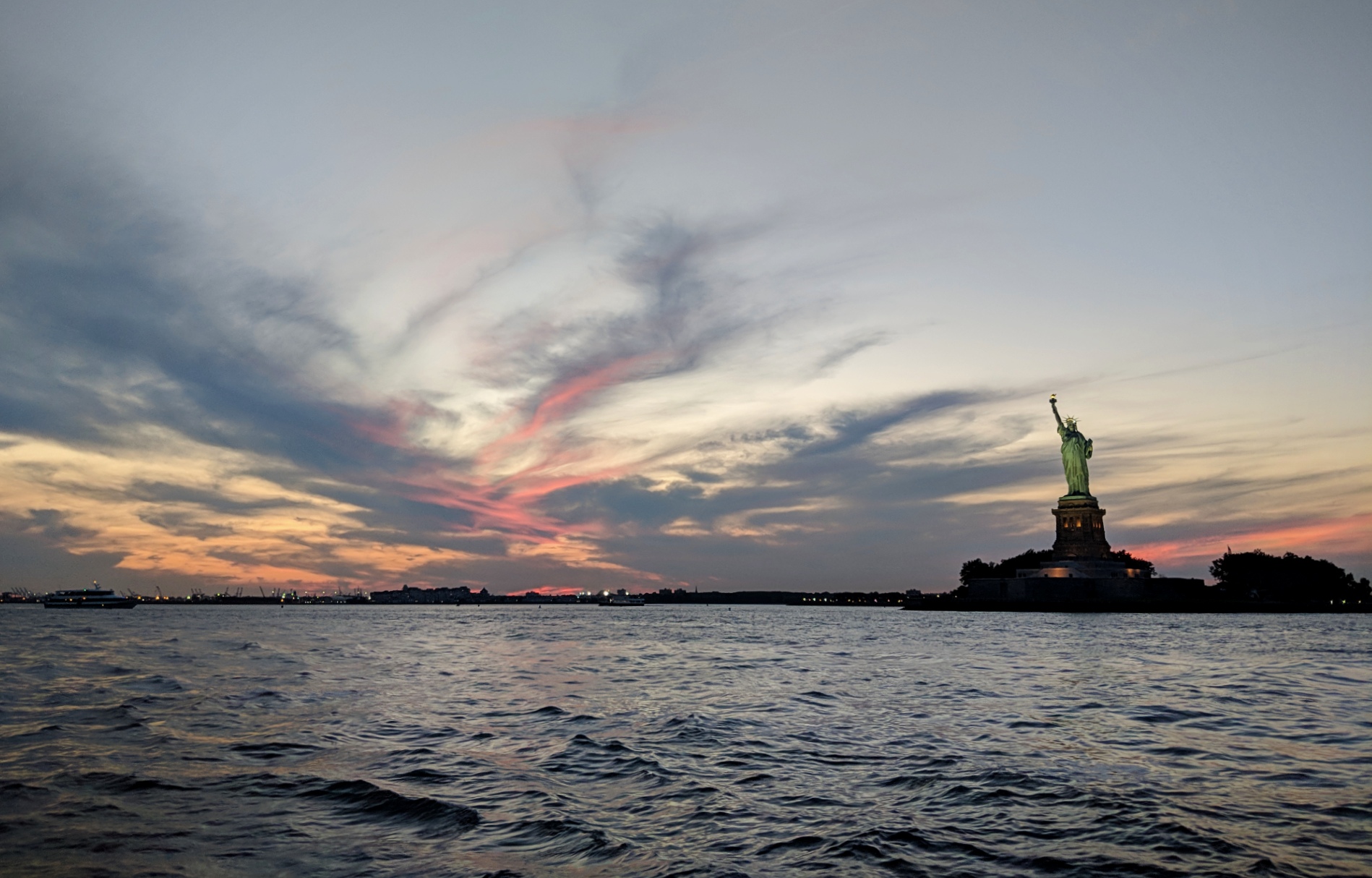
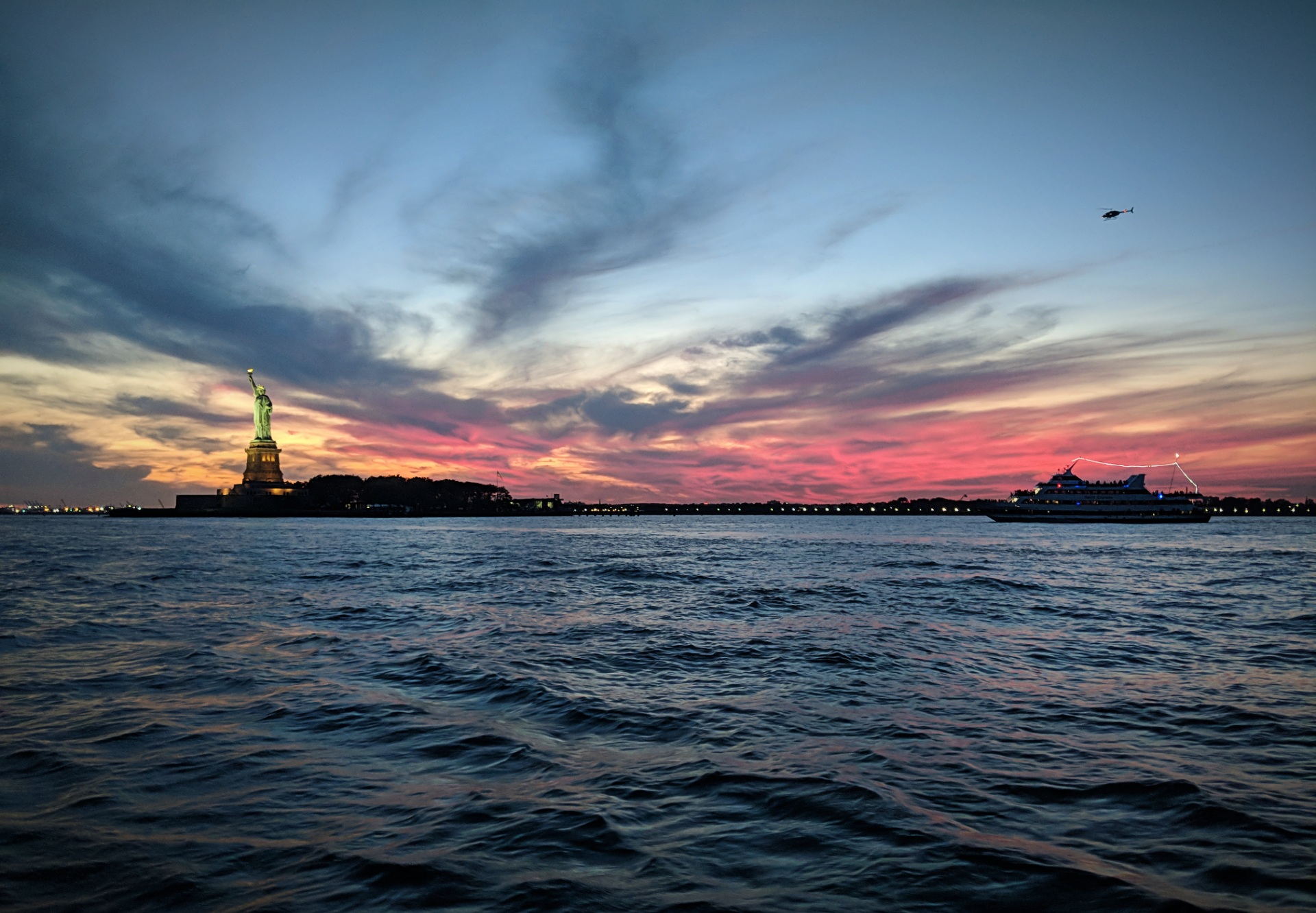
Watching Lady Liberty light up, the sky catching fire as the golden hour gave way to the blue and the blue turned to midnight; those two hours on the deck of an 1885 schooner were the most tranquil and peaceful we’d experienced in the City thus far.

New York City Harbor

September 16th, 2018
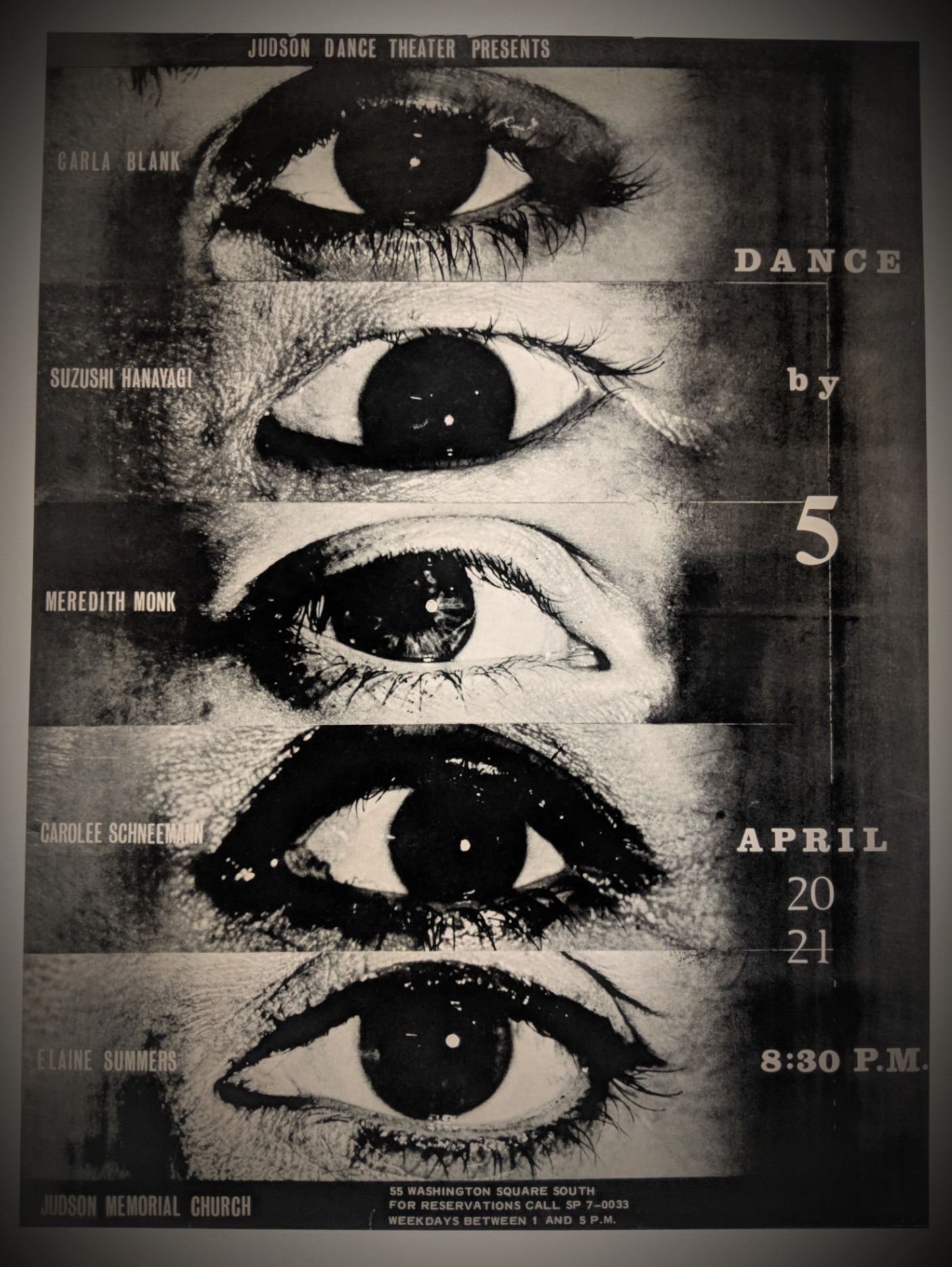
Judson Dance Theater: The Work Is Never Done [@MoMA]

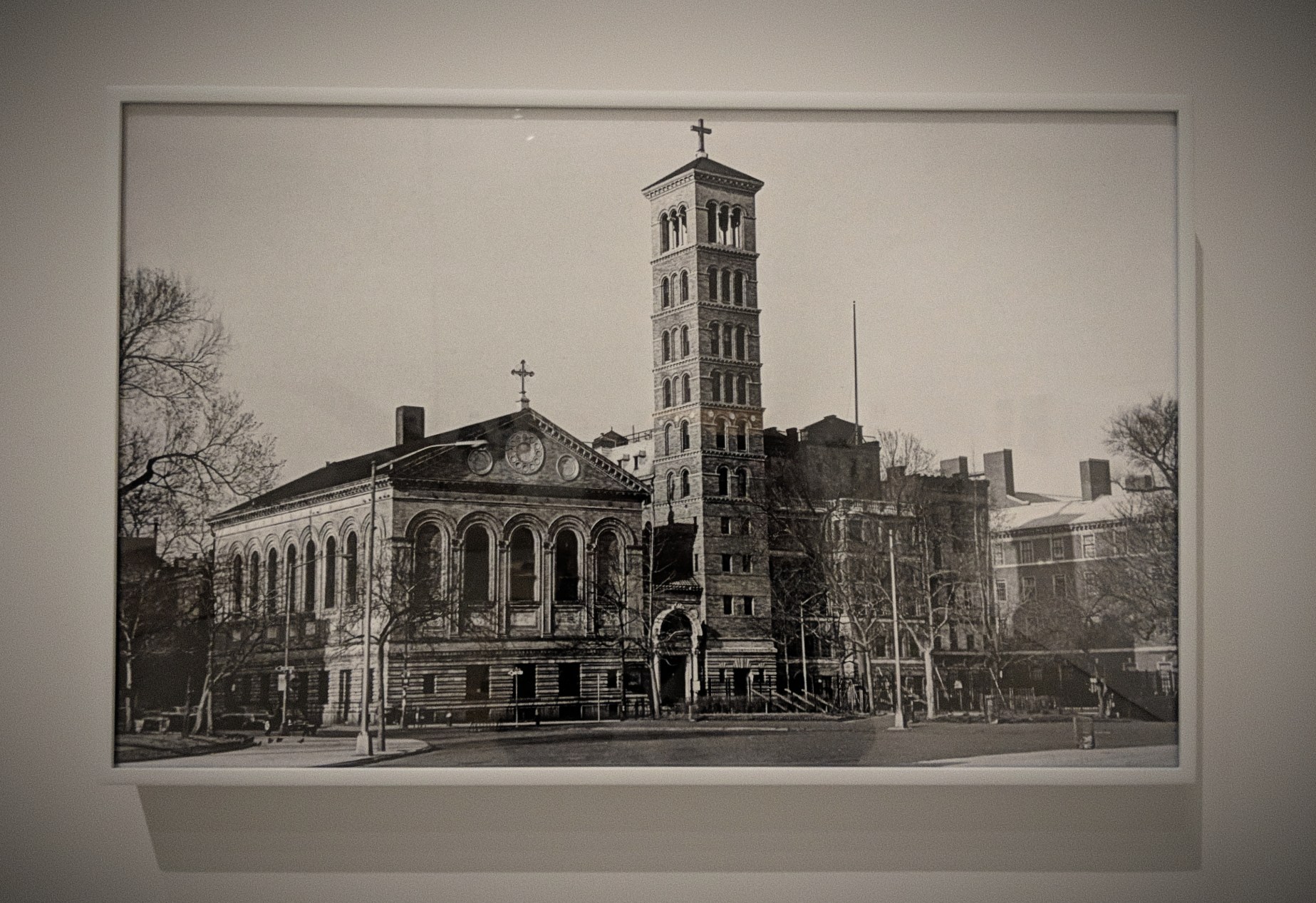
”For a brief period in the early 1960s, a group of choreographers, visual artists, composers, and filmmakers gathered in Judson Memorial Church, a socially engaged Protestant congregation in New York’s Greenwich Village, for a series of workshops that ultimately redefined what counted as dance. The performances that evolved from these workshops incorporated everyday movements—gestures drawn from the street or the home; their structures were based on games, simple tasks, and social dances. Spontaneity and unconventional methods of composition were emphasized. The Judson artists investigated the very fundamentals of choreography, stripping dance of its theatrical conventions, and the result, according to Village Voice critic Jill Johnston, was the most exciting new dance in a generation.” – [source: MoMA]

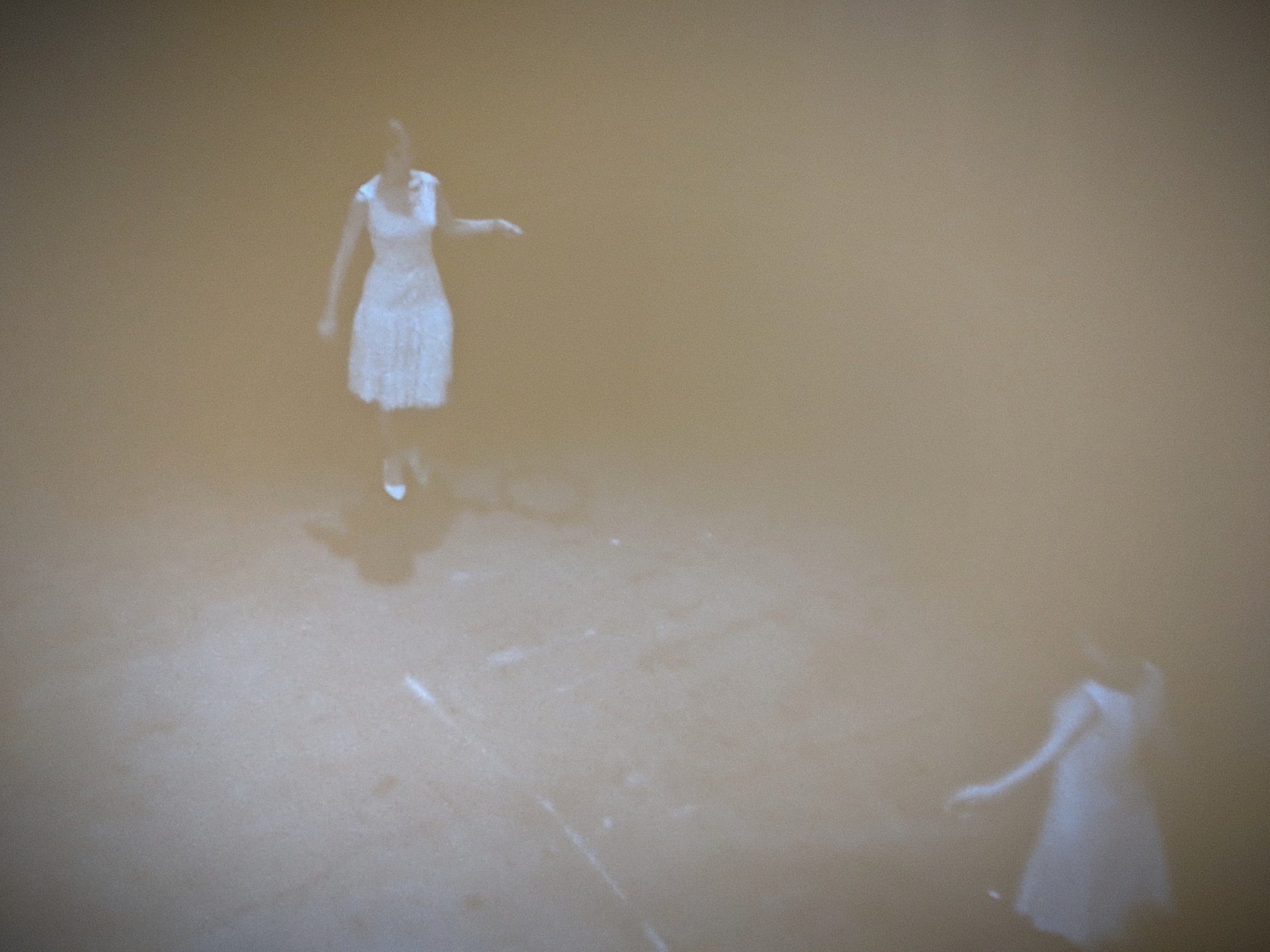
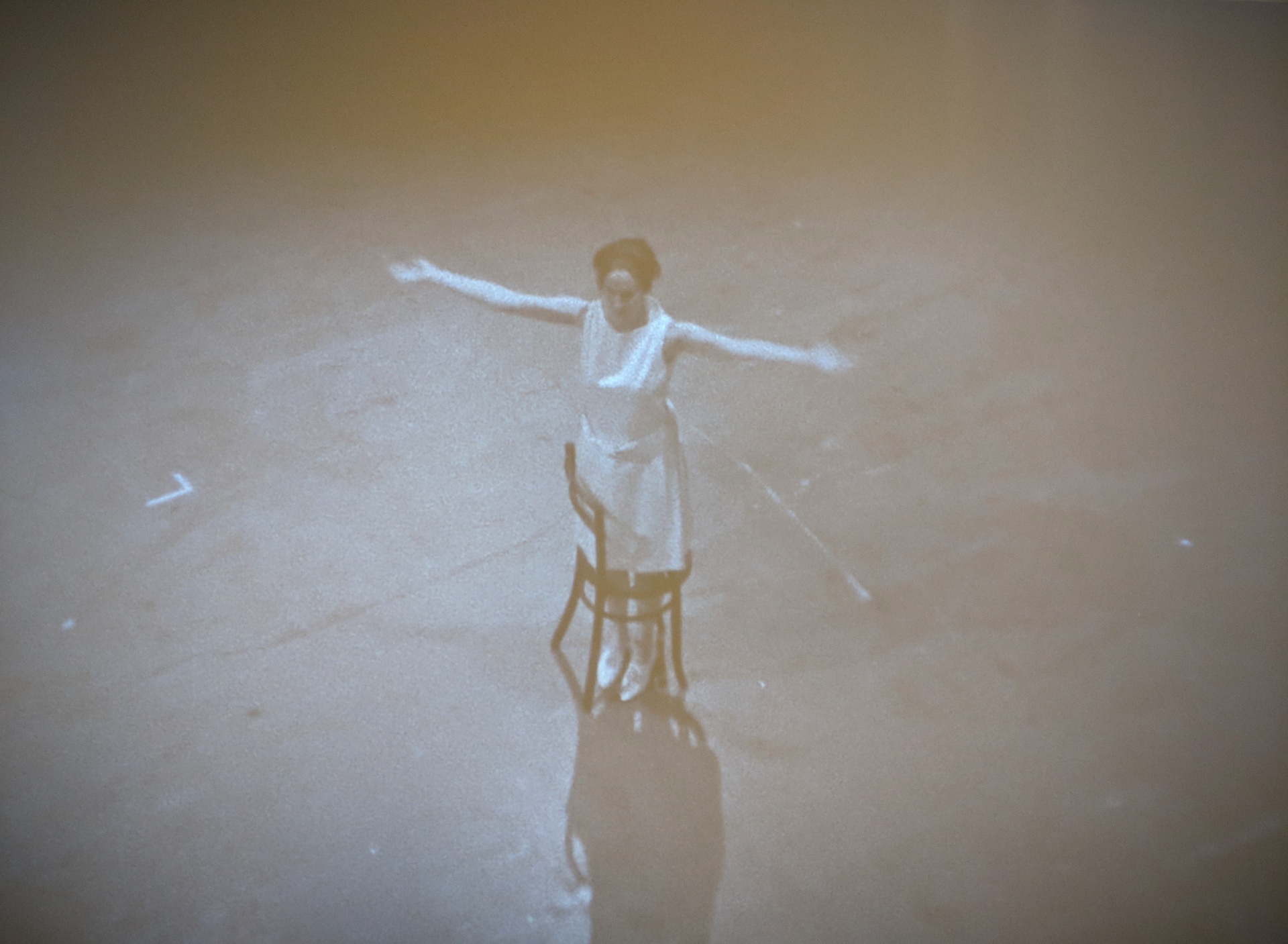
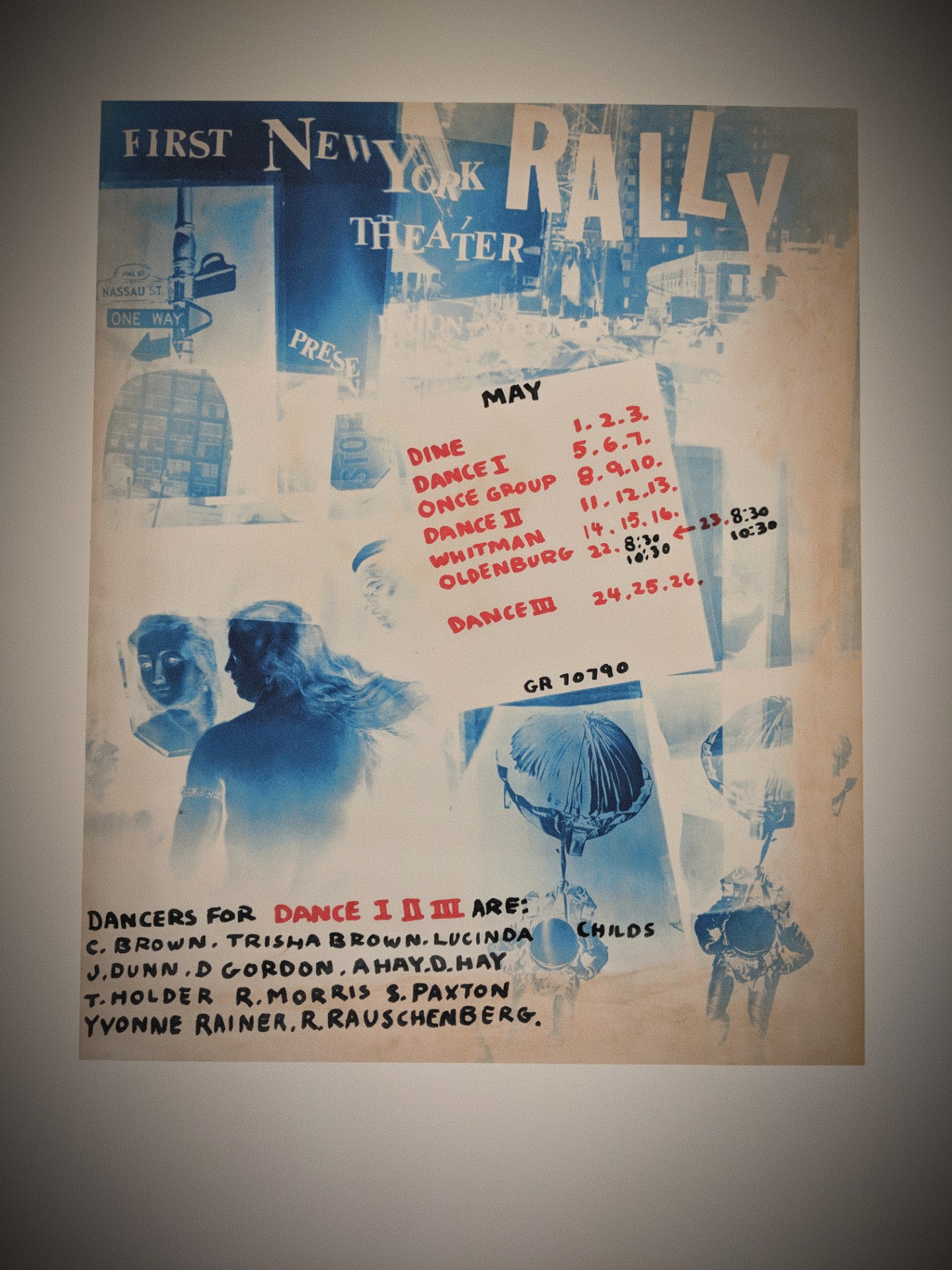
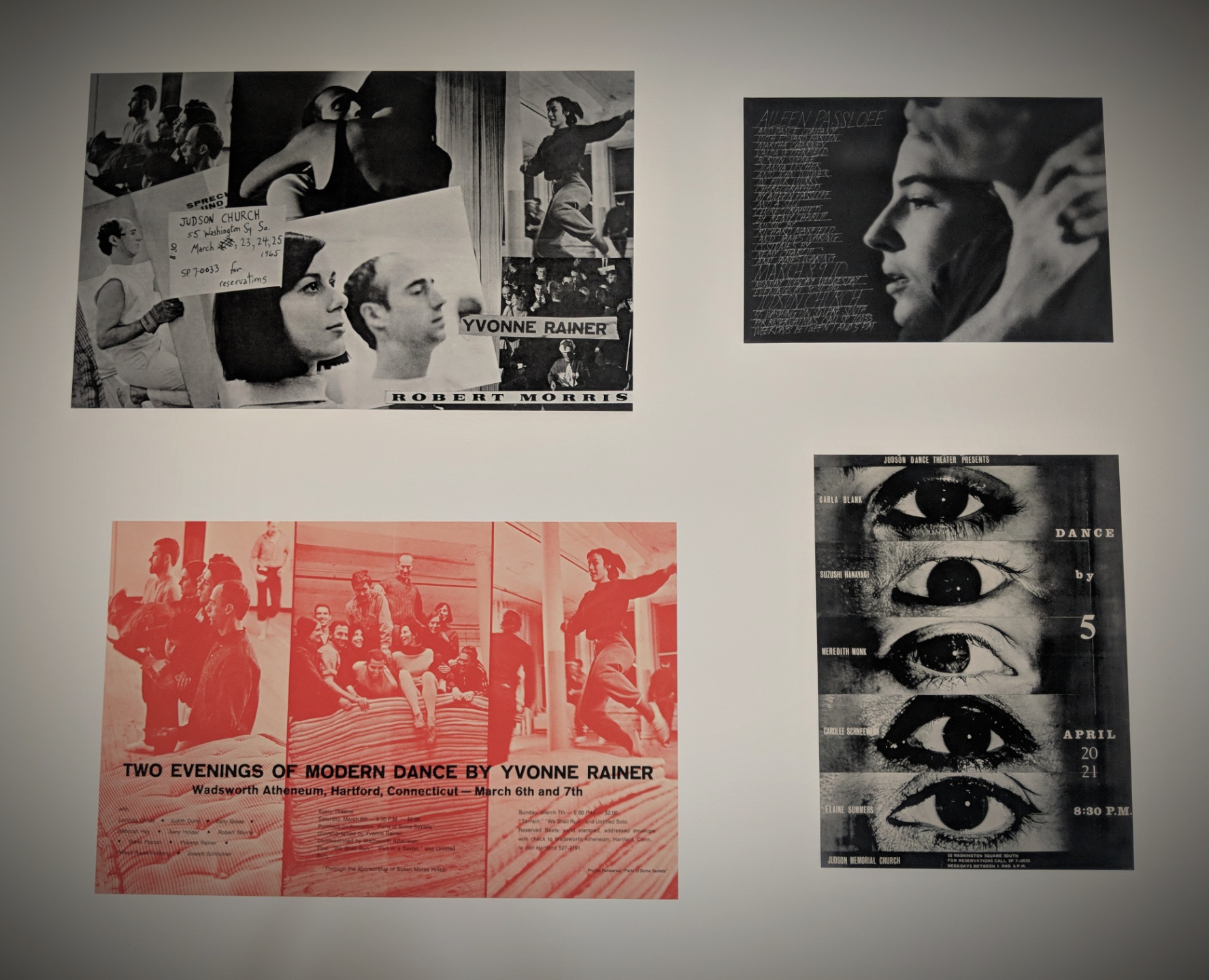
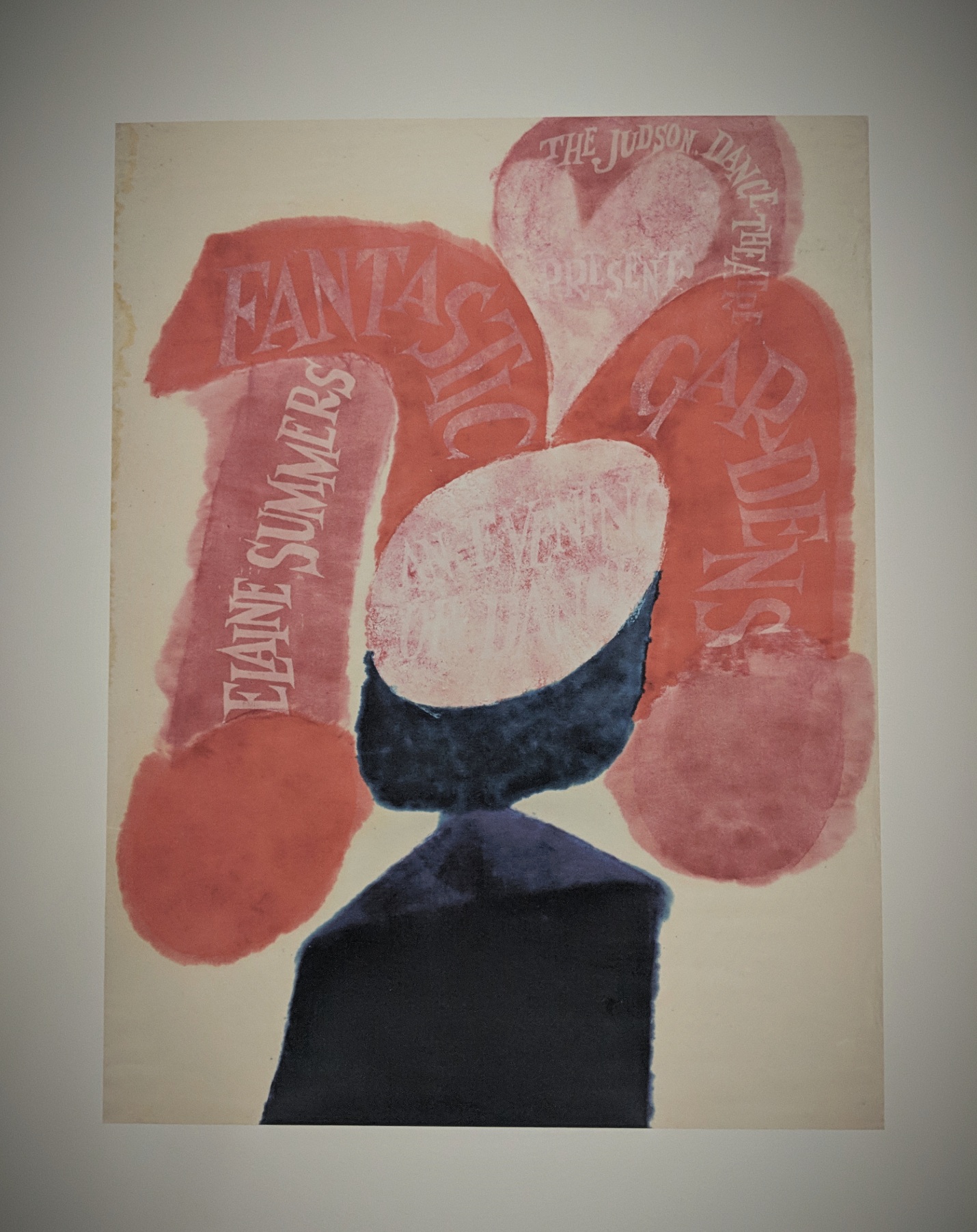
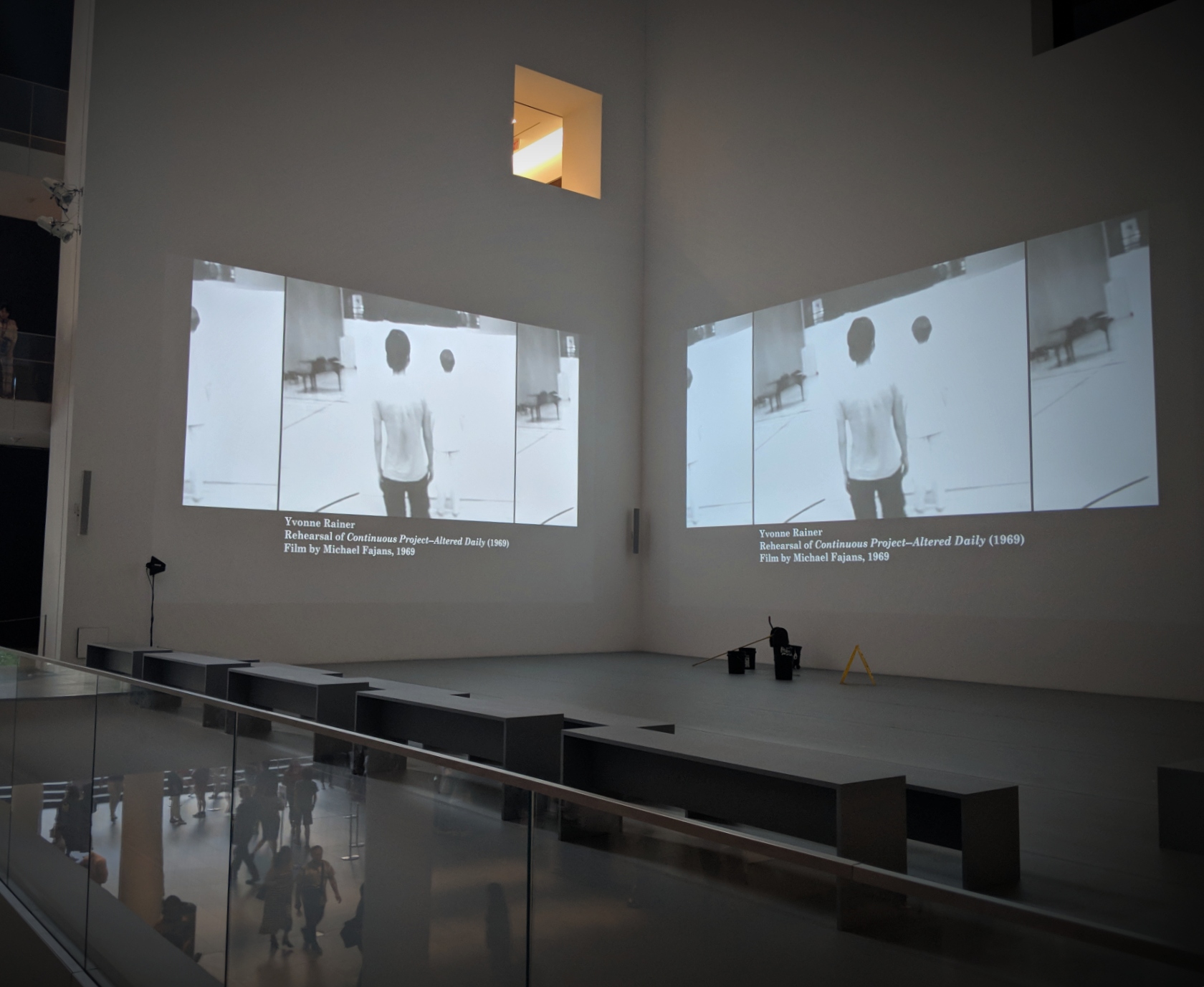
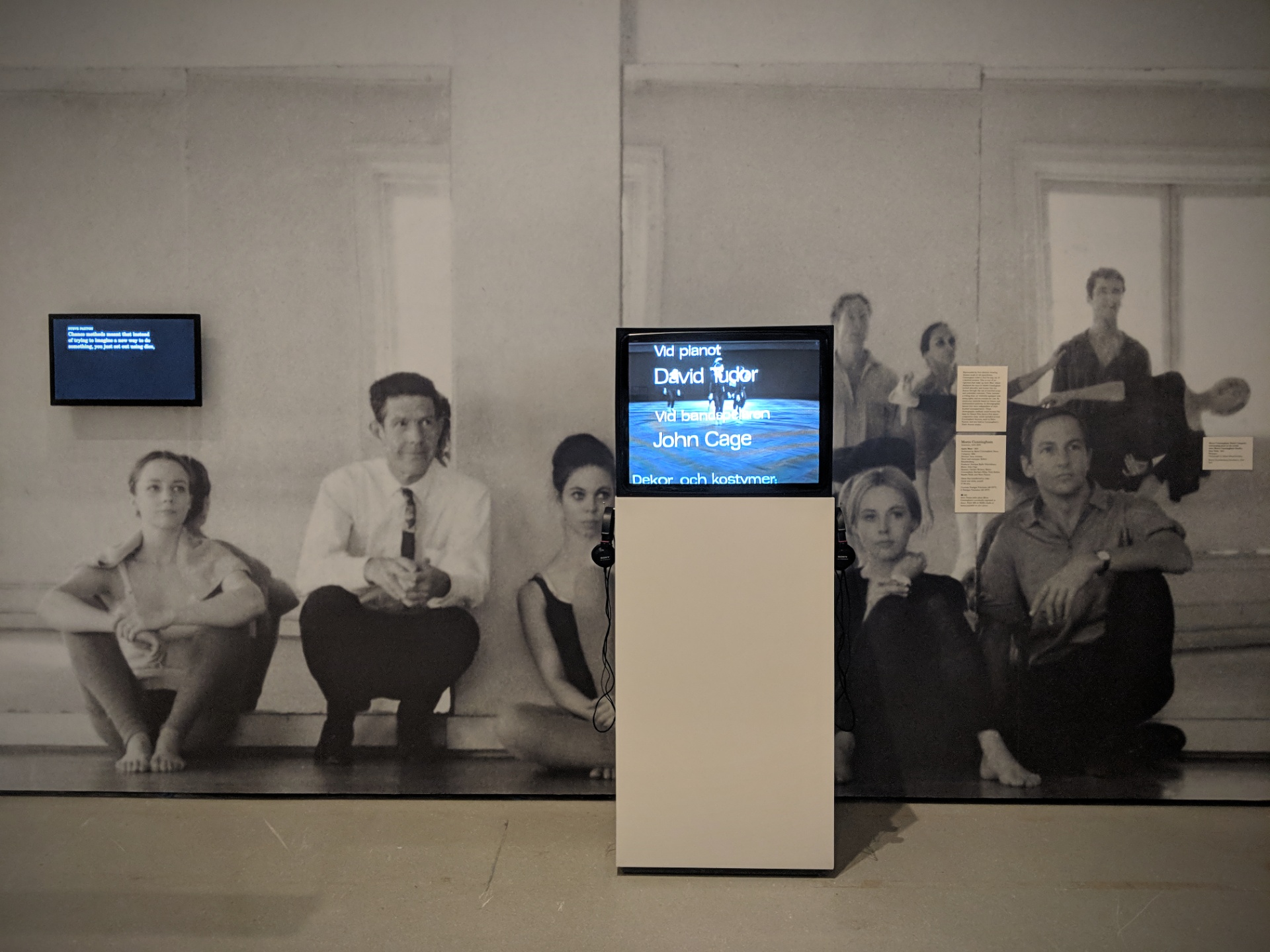
Judson Dance Theater: The Work Is Never Done was a walk through the history of Judson Dance Theater with performances, films, photographs, posters and other archival materials. It was also an introduction to the very beginnings of the life and work of artists I have been admiring for some time – and others that were completely new to me.

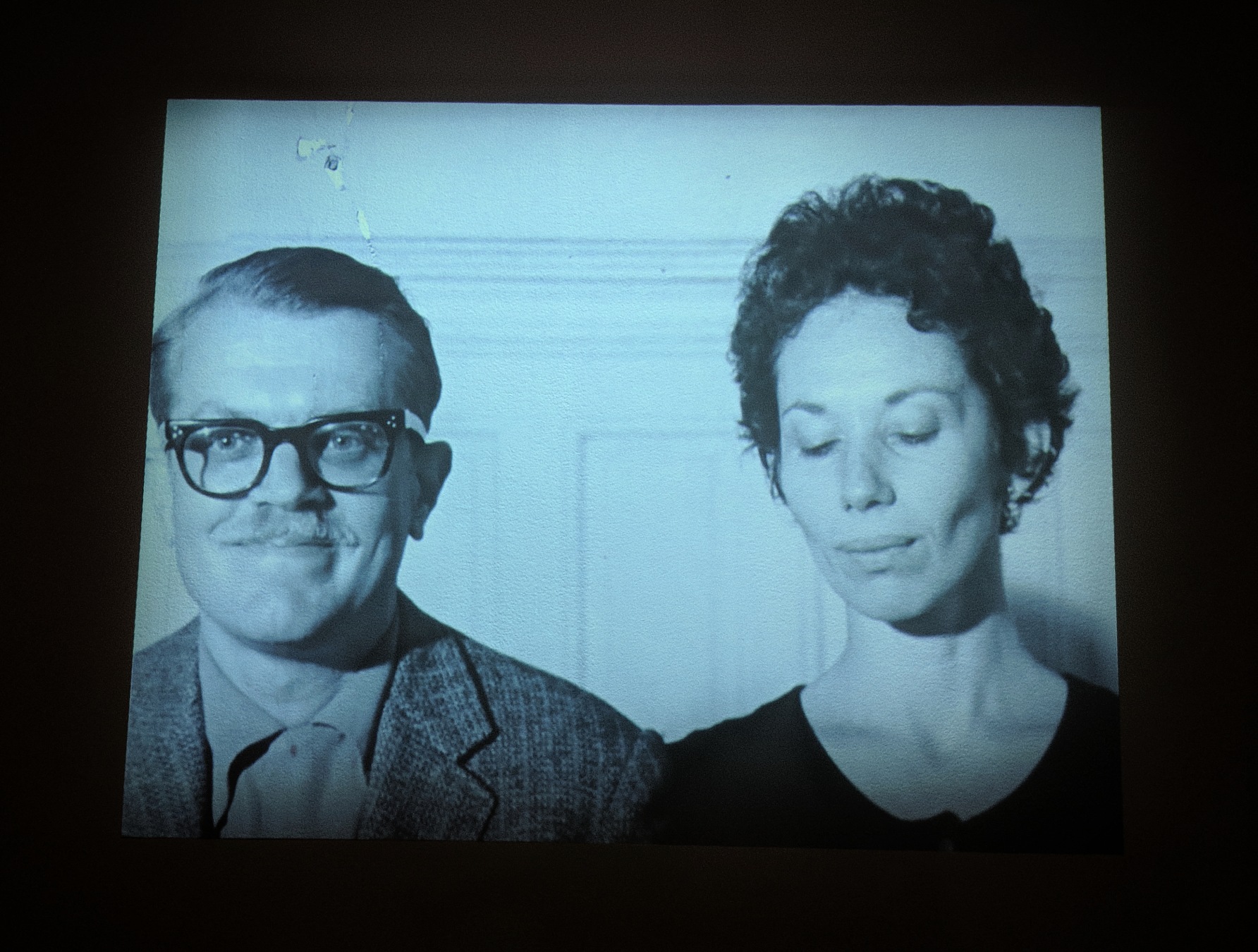
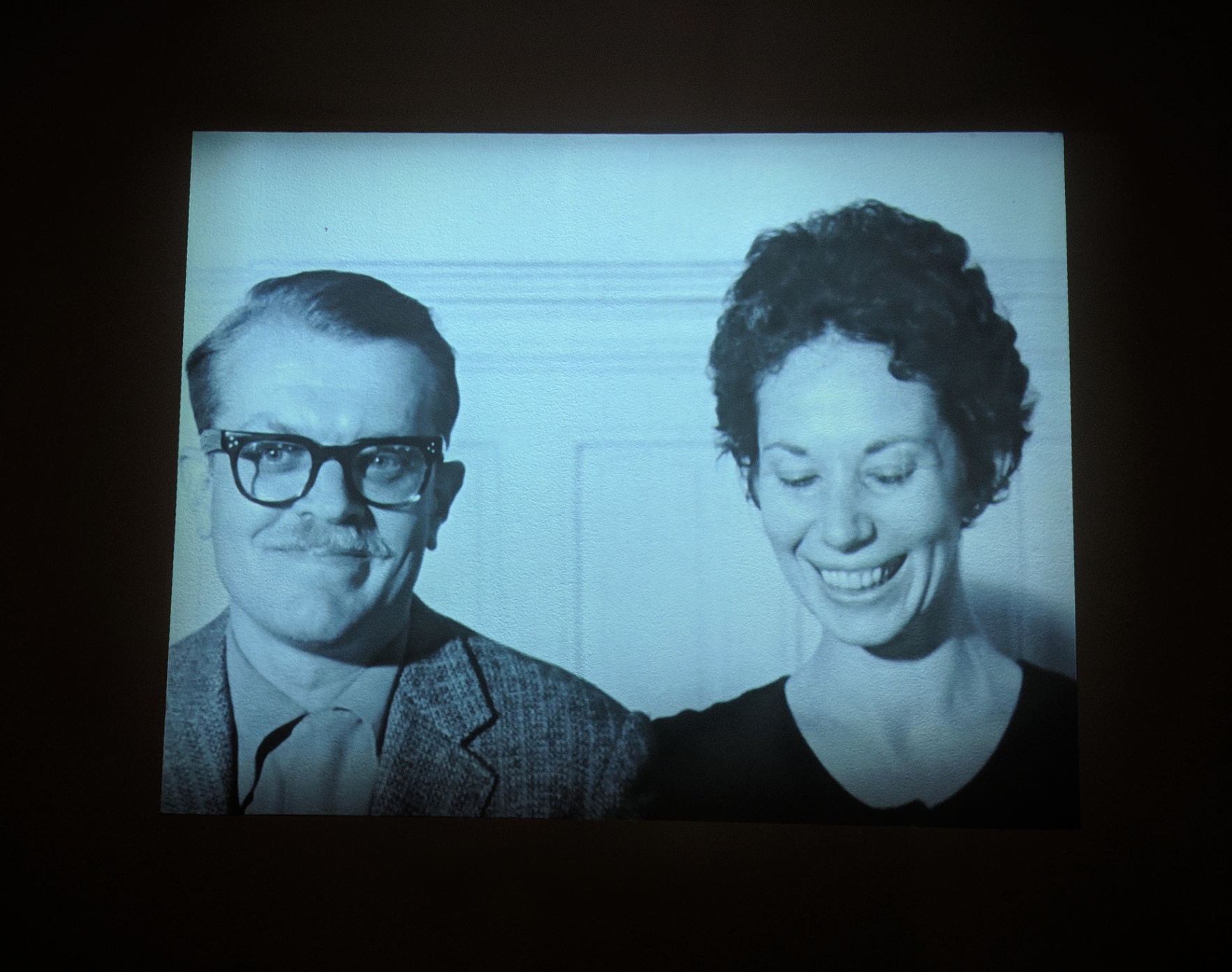
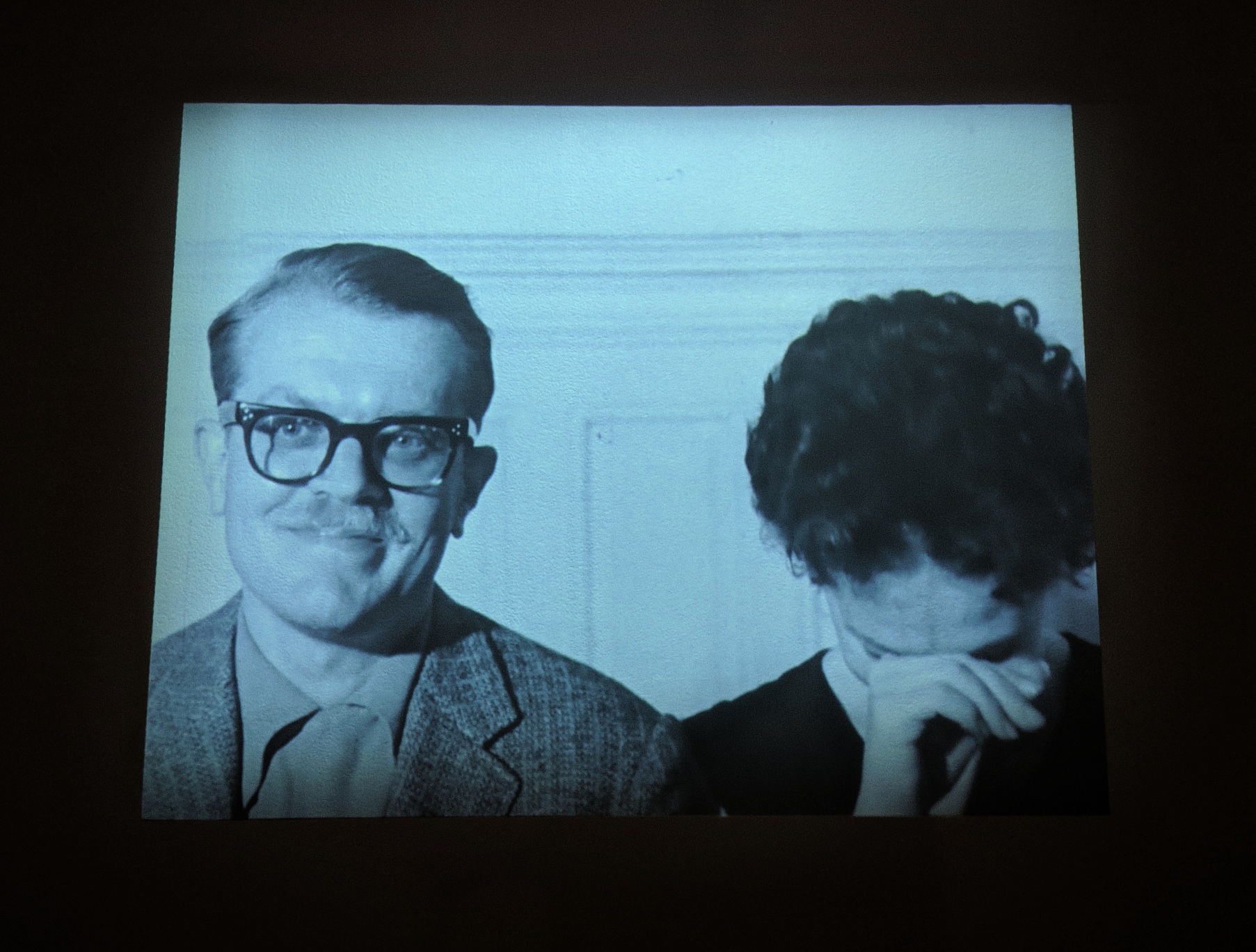
Instructed by the filmmaker Gene Friedman not to talk or hide their faces, Judith Dunn and Robert Ellis Dunn looked directly at the camera with deadpan expressions until they both broke into laughter. Judith Dunn was a choreographer and member of Merce Cunningham’s company, while Robert Dunn was a teacher and Cunningham’s accompanist.

Gene Friedman
Excerpt from Heads, 1965
16mm film transferred to video


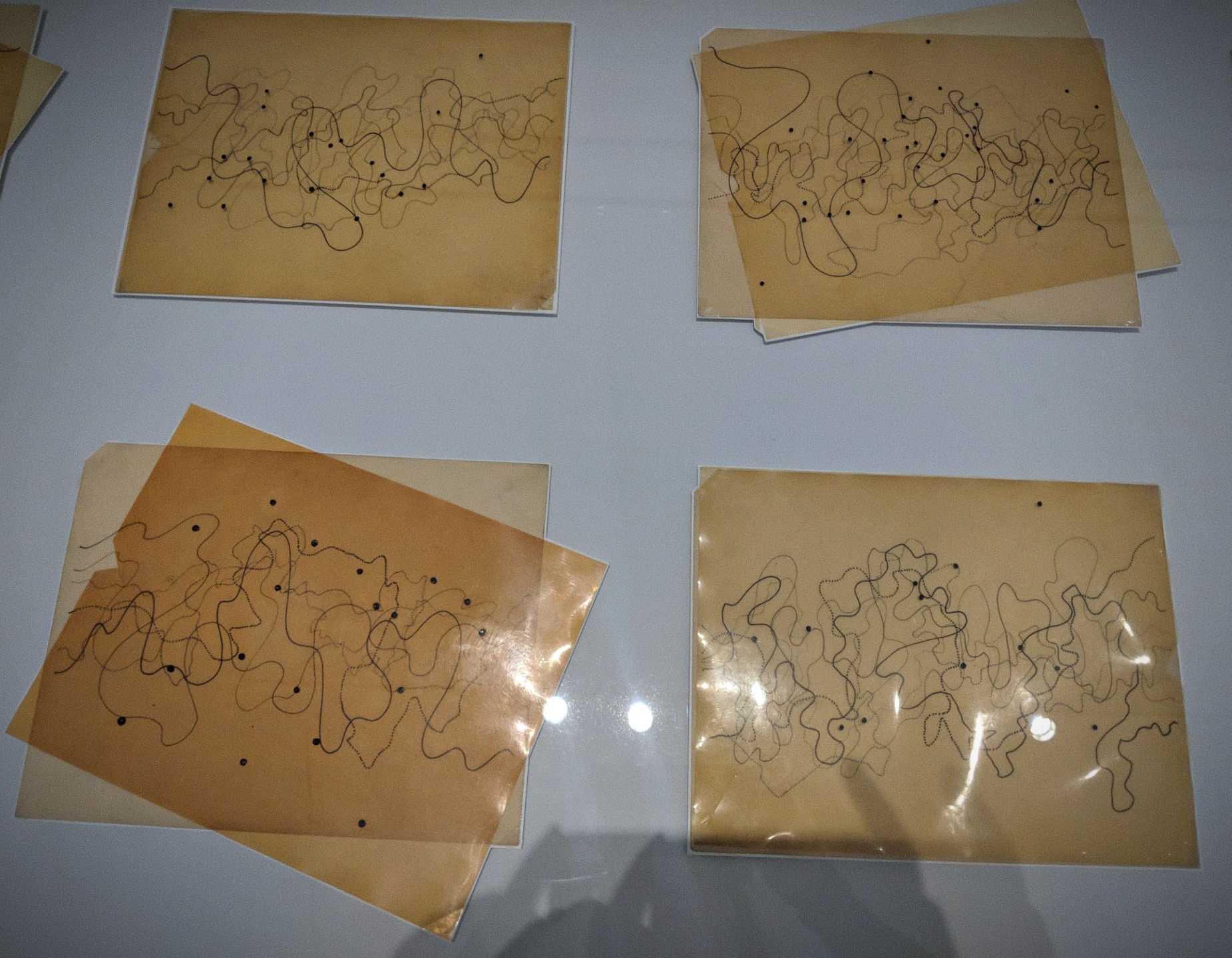
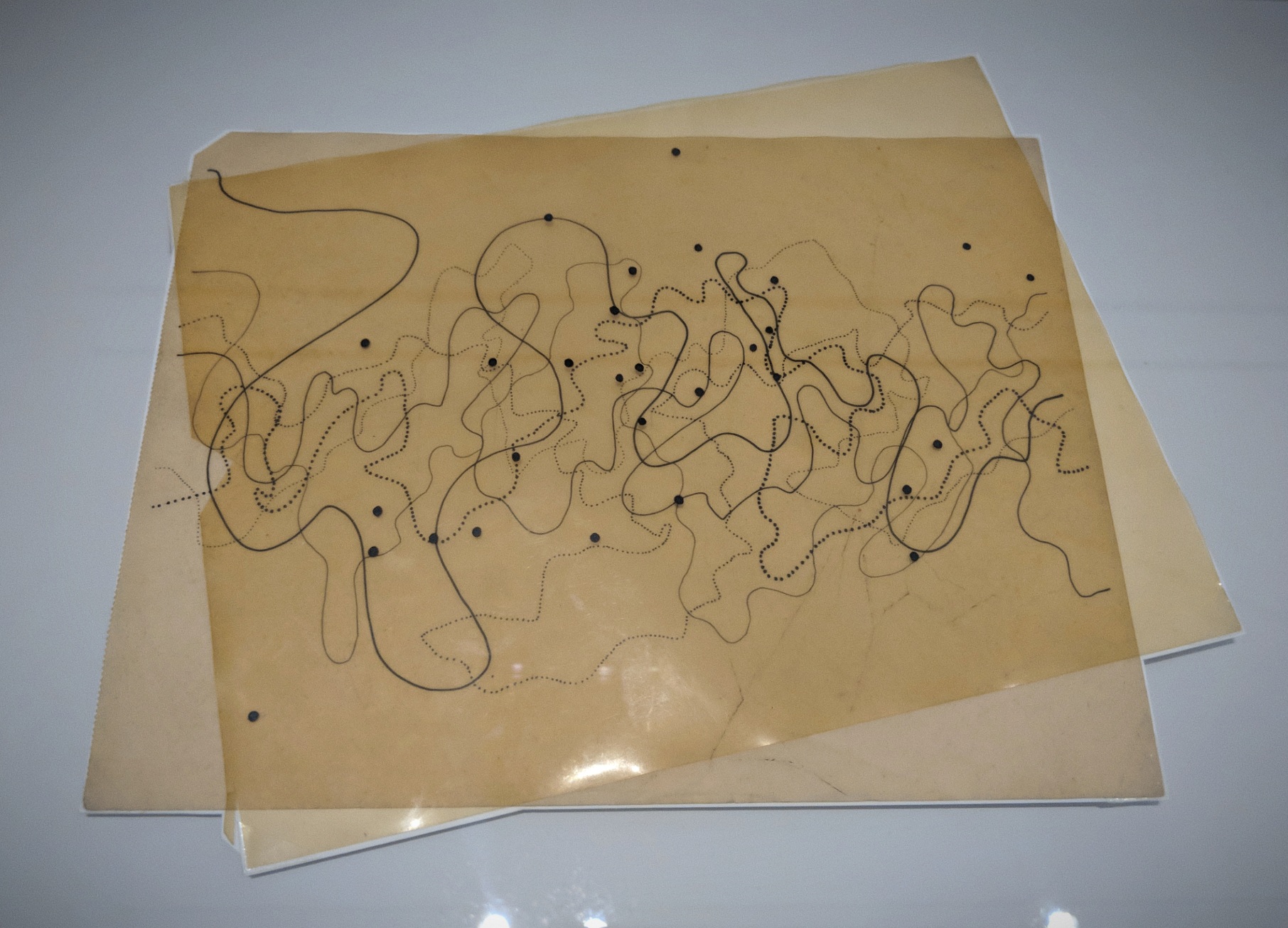
In his workshops, Robert Ellis Dunn presented his students with Cage’s score for ”Fontana Mix” and asked them to use it as inspiration for a performance. The score instructed performers to layer transparencies containing lines and dots over a grid to create a random visual arrangement, with they then interpreted using a variety of movements and actions. This exercise exposed the students to chance operations, a composition technique popularized by Cage that introduced randomness into the art-making process.

John Cage
Fontana Mix, 1958
Ink on paper and transparent sheets


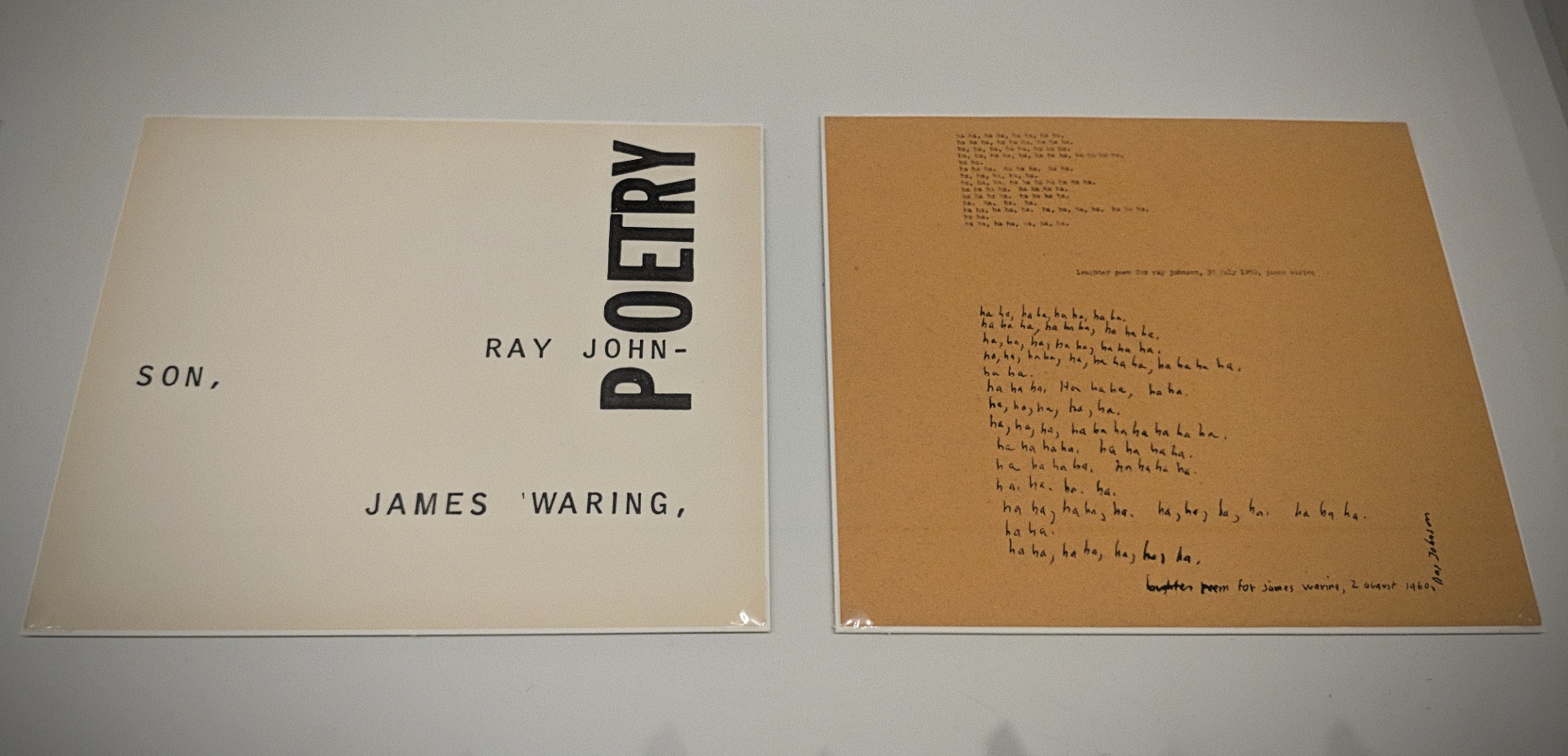
Laughter poem* for James Waring, 2 August 1960, by Ray Johnson


*If you are curious to know how a laughter poem sounds, please click on this page: Atlanta Poets Group to find out. You can also listen to the first one: Laughter poem for Ray Johnson, 30 July 1960, by James Waring
Judson Memorial Church, New York – March 16, 1966
Fred W. McDarrah


Yvone Rainer
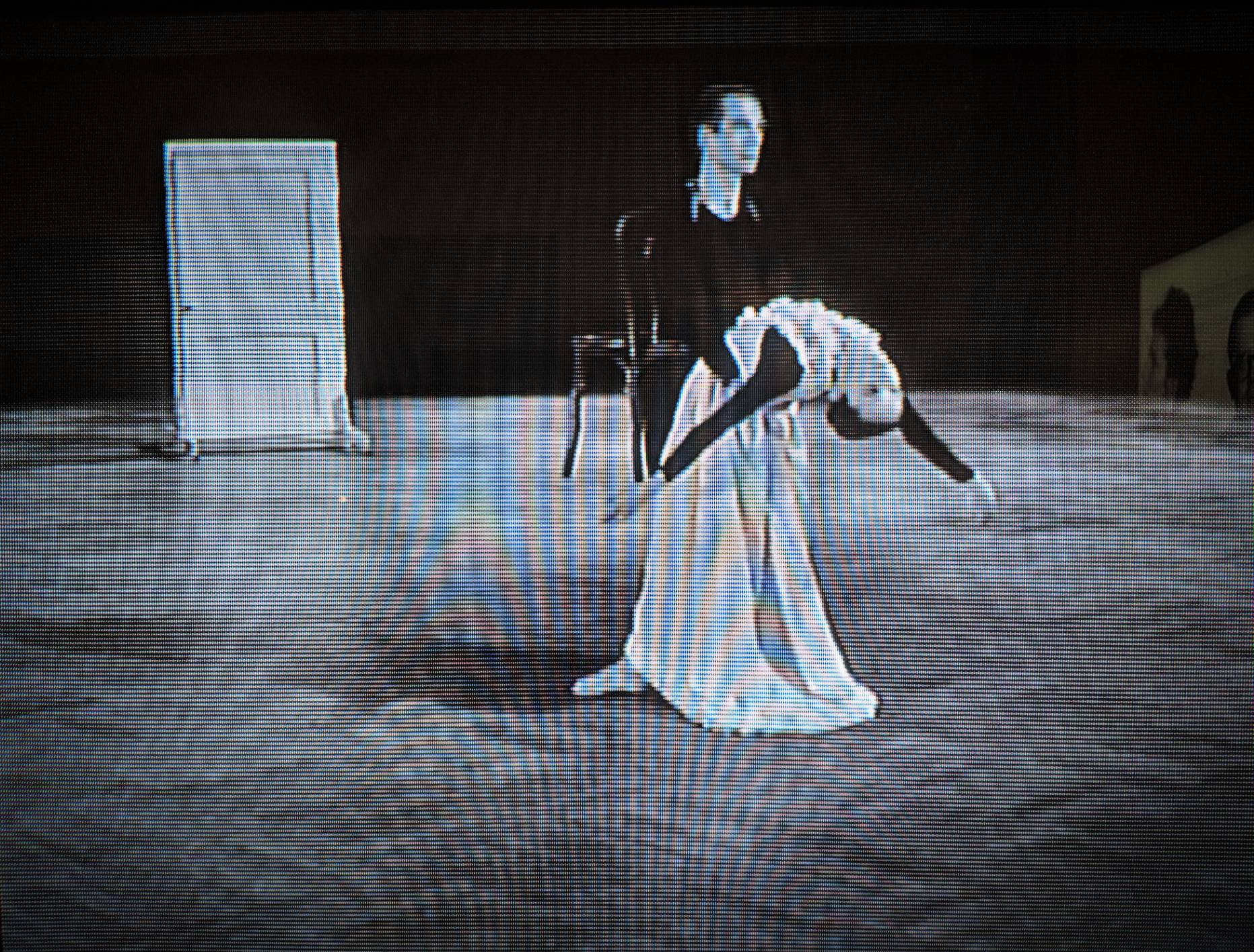
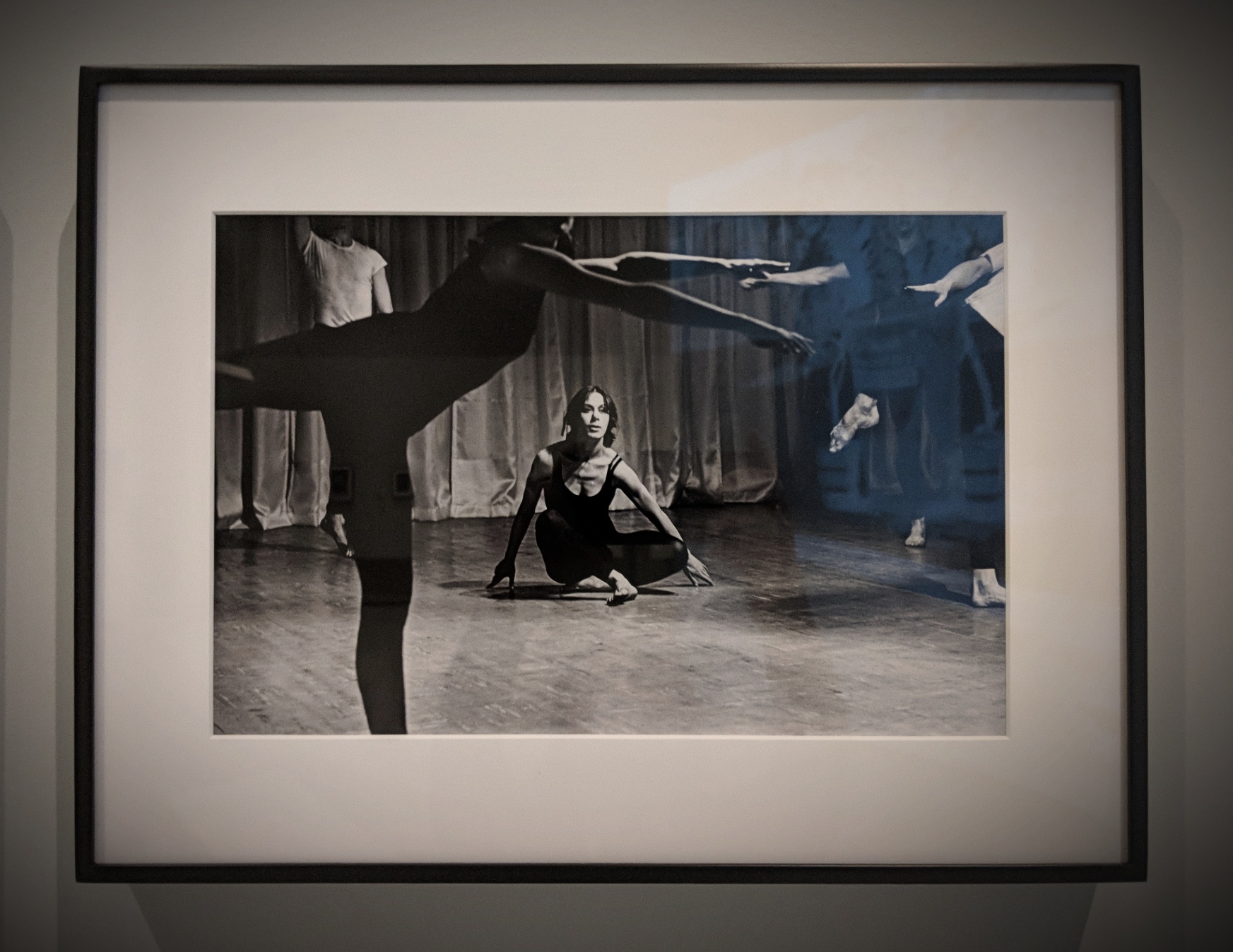
”Bach” From Terrain, 1963
Performed at Judson Memorial Church, April 28th, 1963
By Trisha Brown, William Davis, Judith Dunn, Steve Paxton, Yvonne Rainer and Albert Reid

Rainer’s first evening-length work Terrain, was a five-part dance for multiple performers. Some of the sections were choreographed, while others were structured like a game, with rules and strategies that defined each dancer’s behavior but still allowed for spontaneity and improvisation.

Lucinda Childs
Geranium, 1965. Performed at 940 Broadway, January 29th, 1965
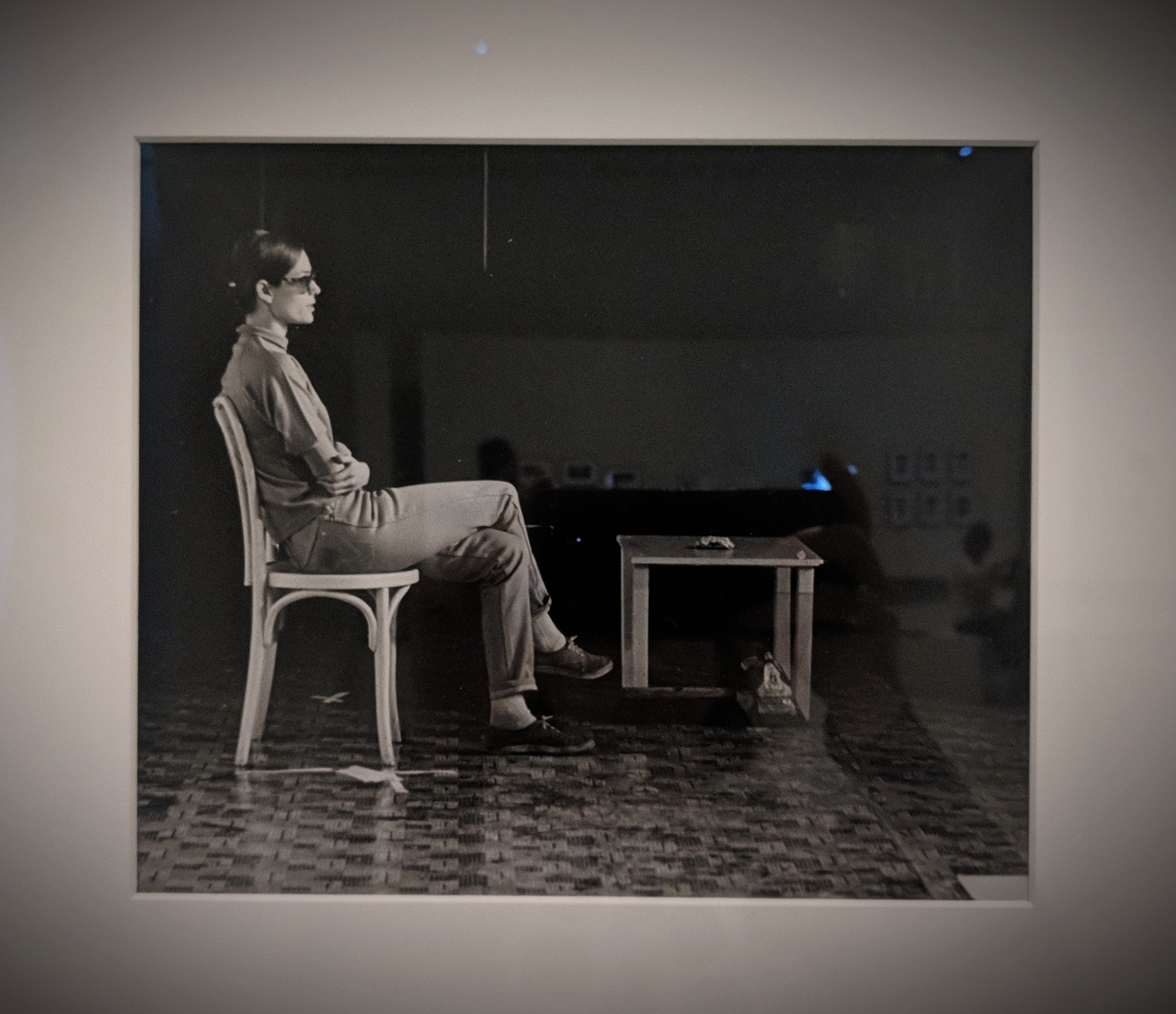
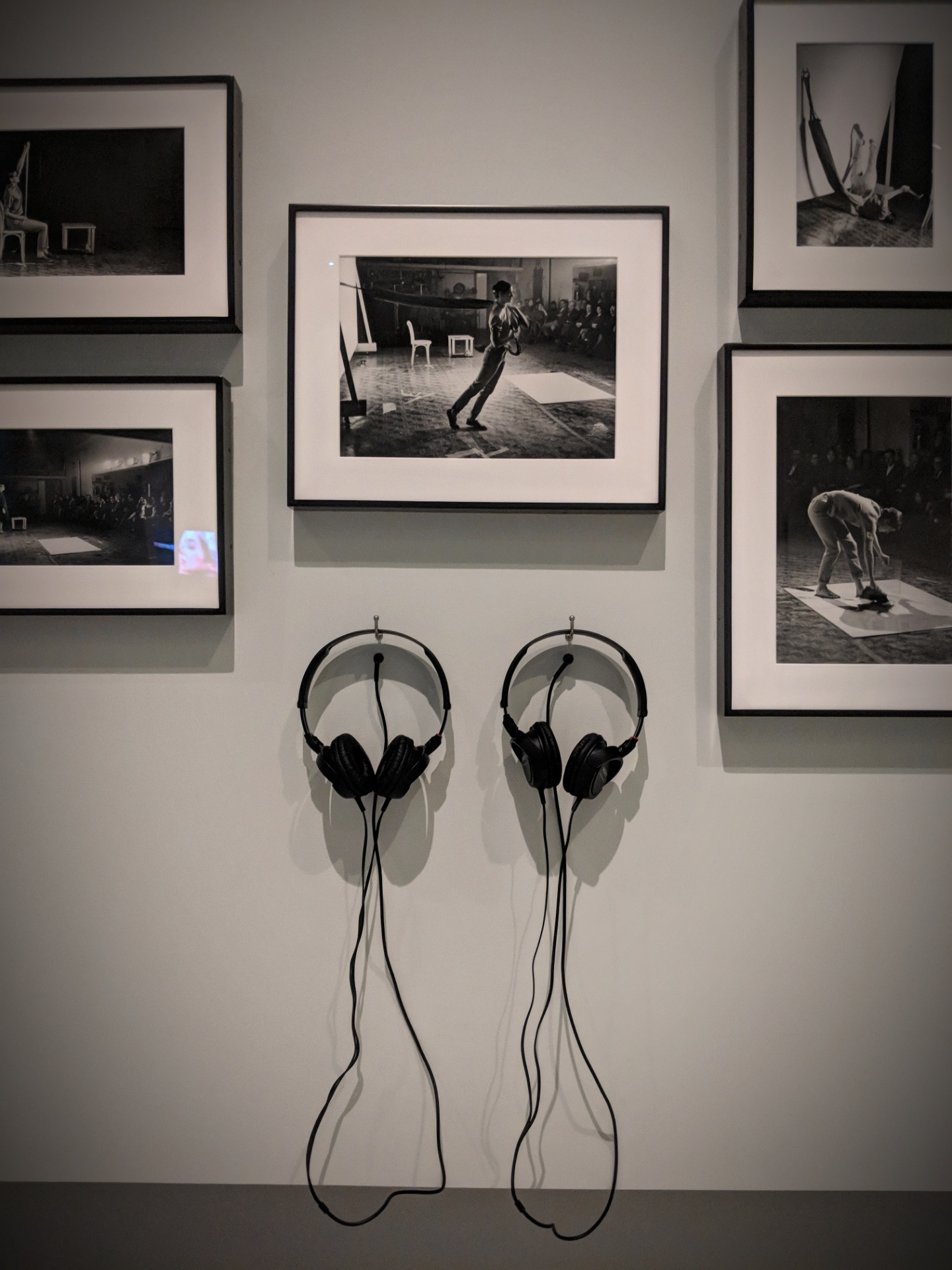
Geranium was set to the sounds of a championship football game, complete with sports commentators describing the action on the field, to which Childs added her imitation of sports broadcasting and intervals of music. Using the tape as a score and its sounds as cues, Childs interacted with objects including a wooden pole, a tinfoil scrap, a hammer and a pound of soil. She used a hammock to support her weight as she performed, in slow motion, the movement of a football player who – according to the broadcast – raced toward the ball, stumbled and fell.

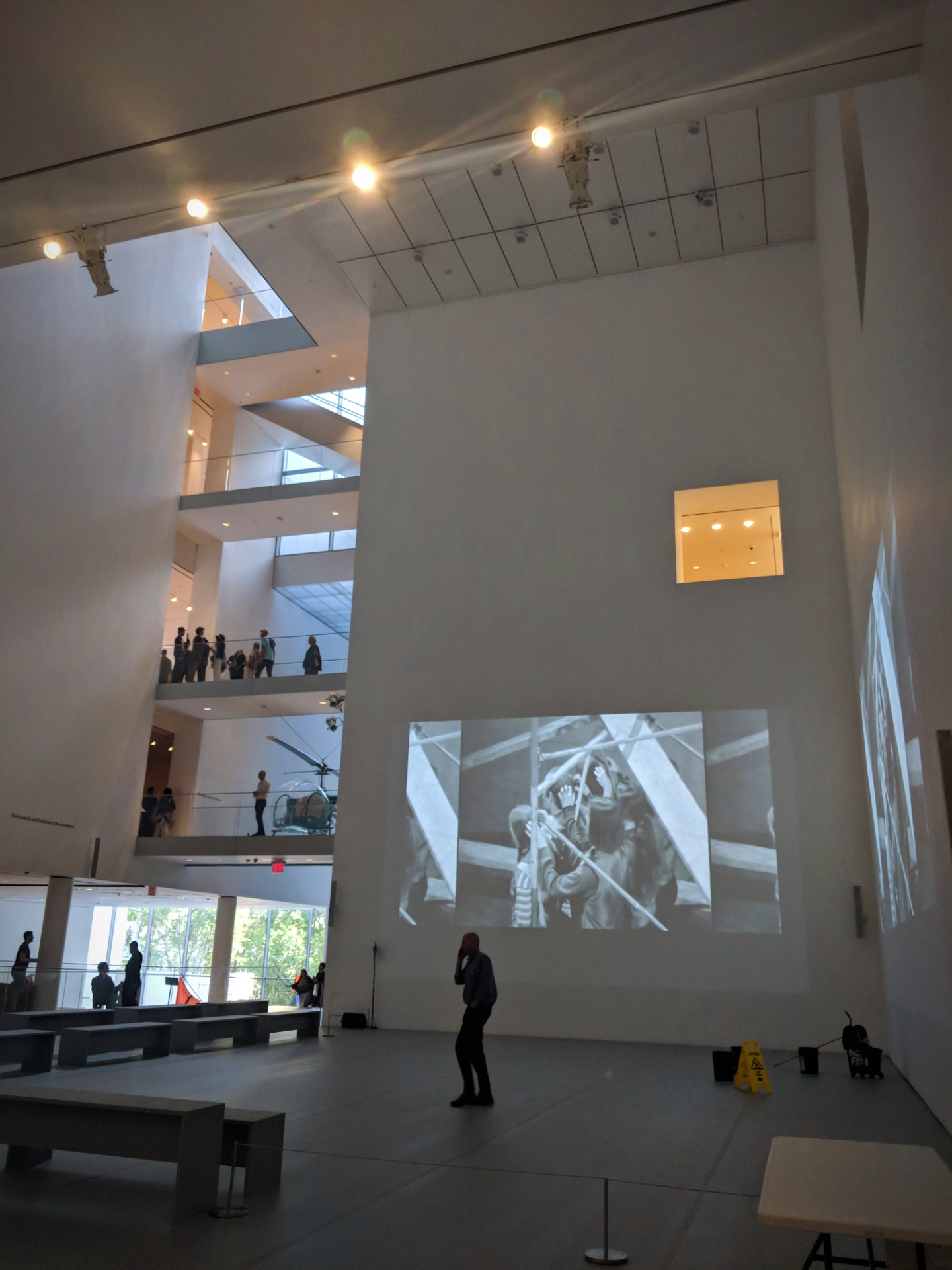
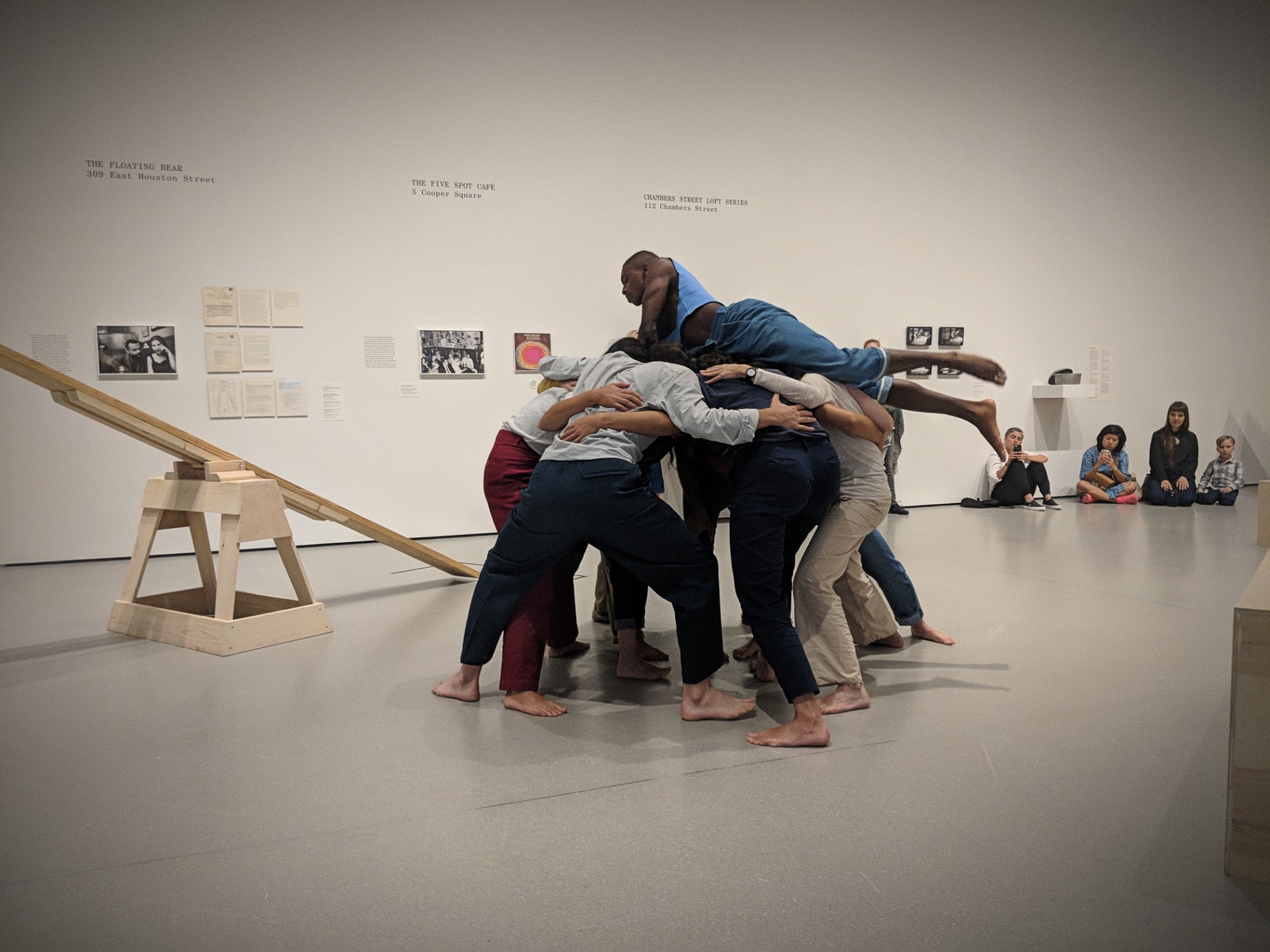
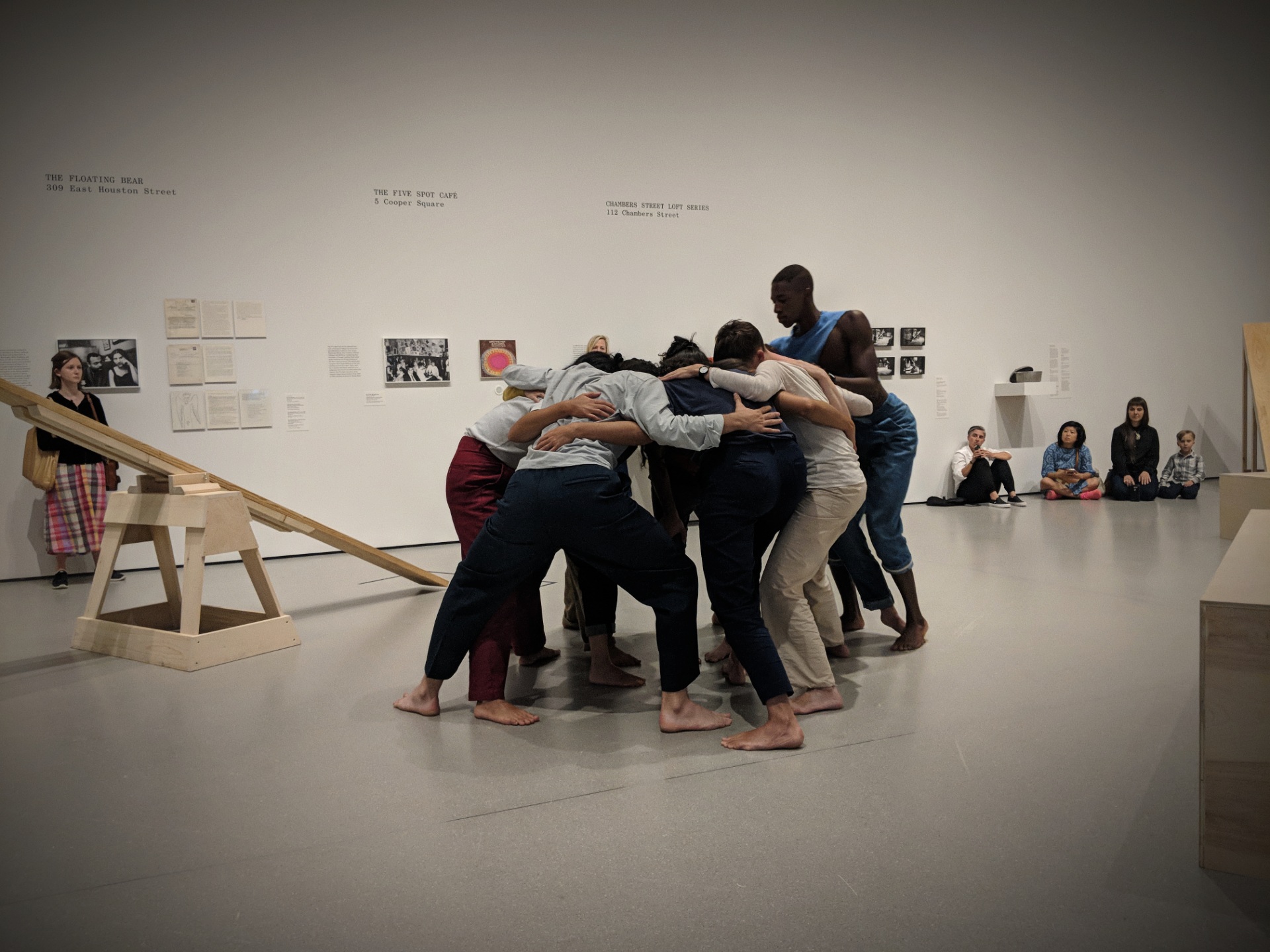
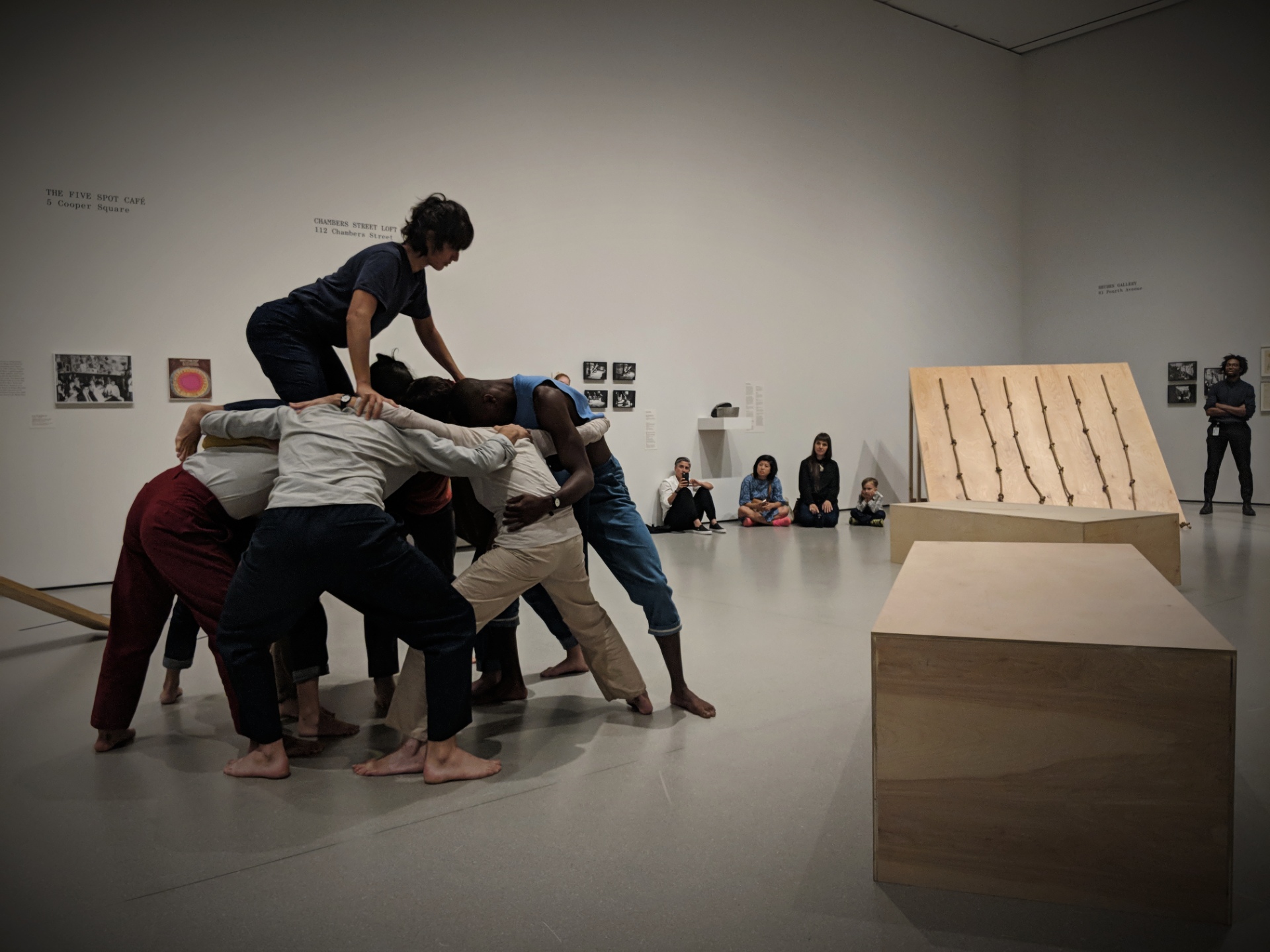
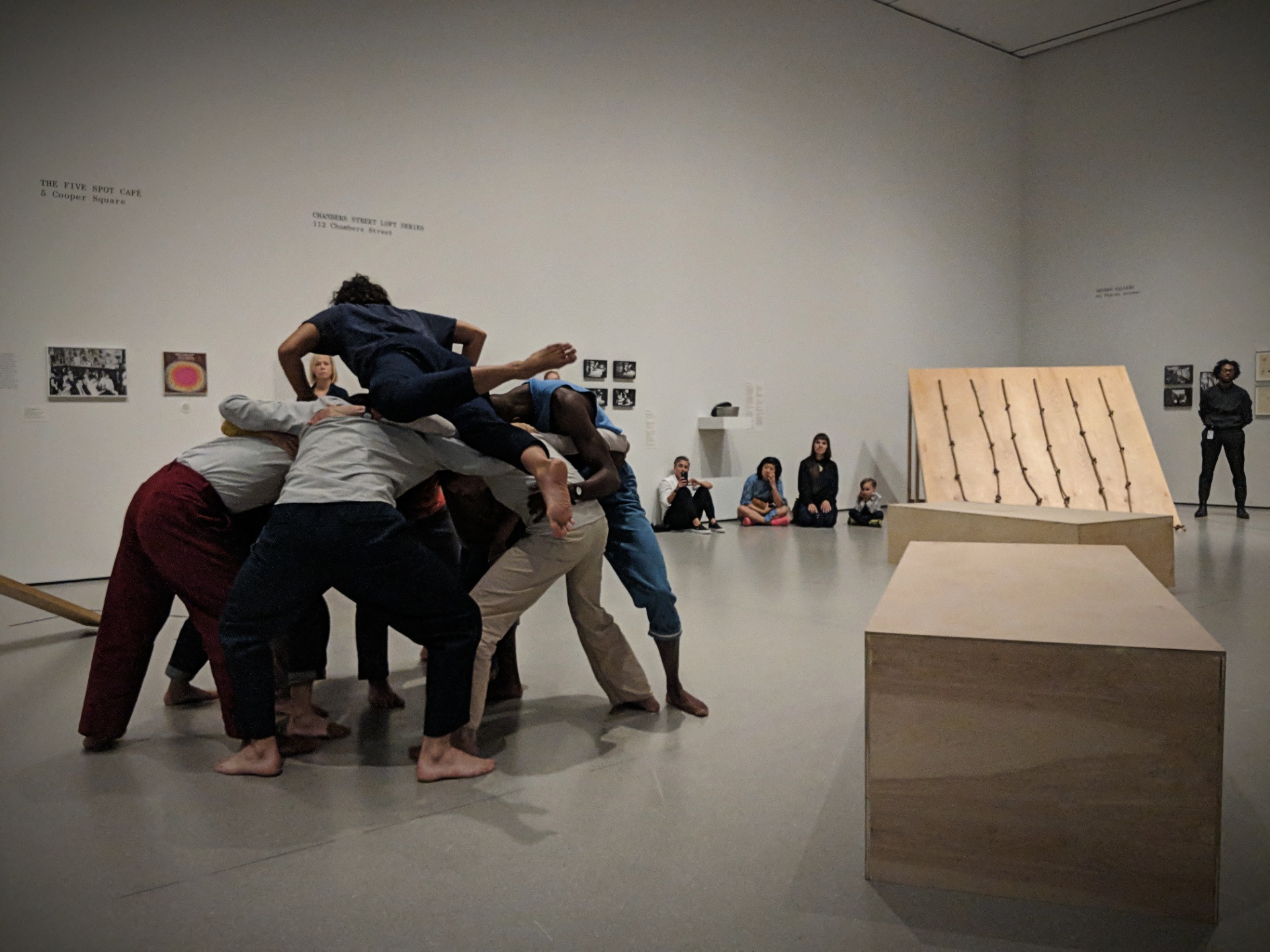
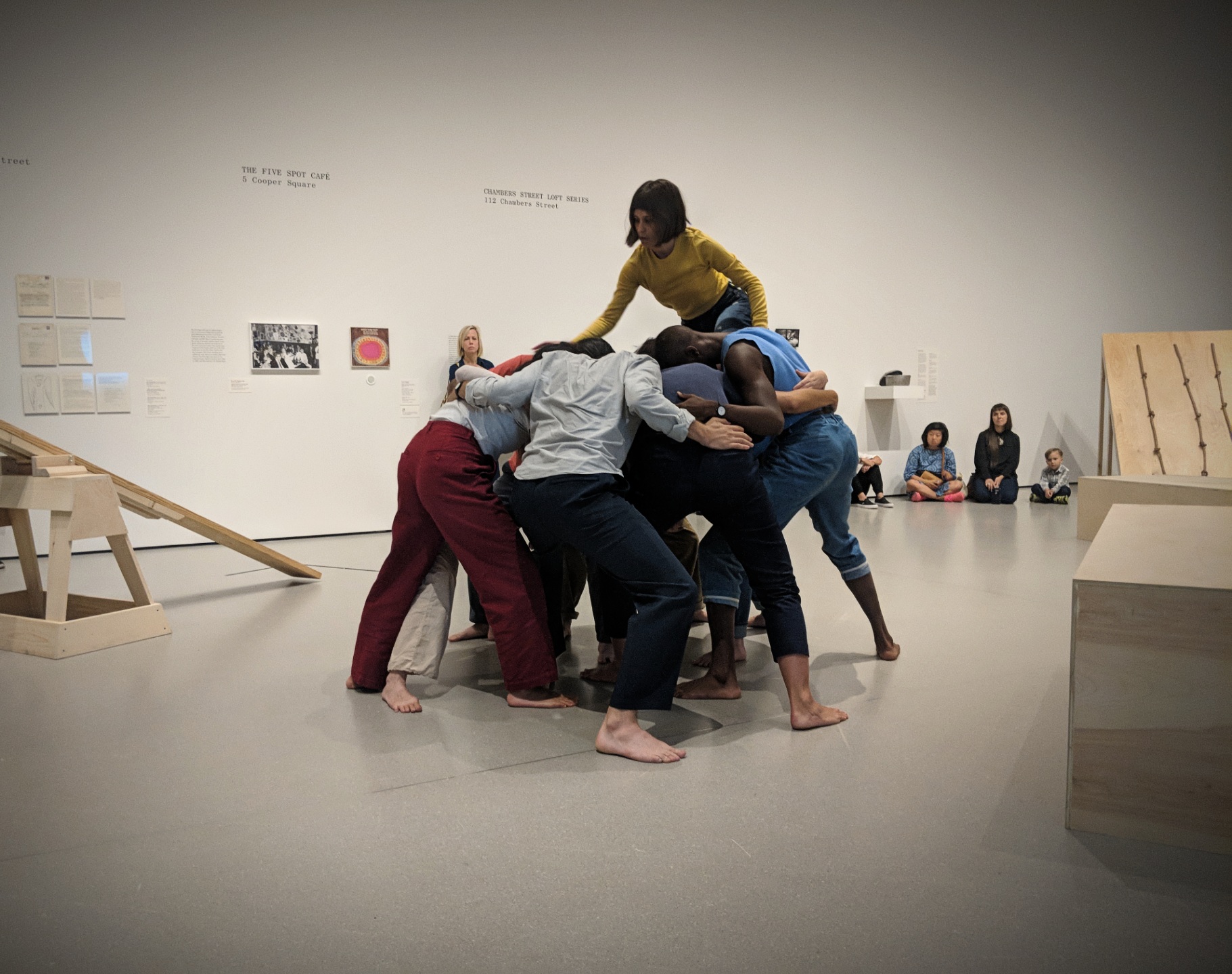
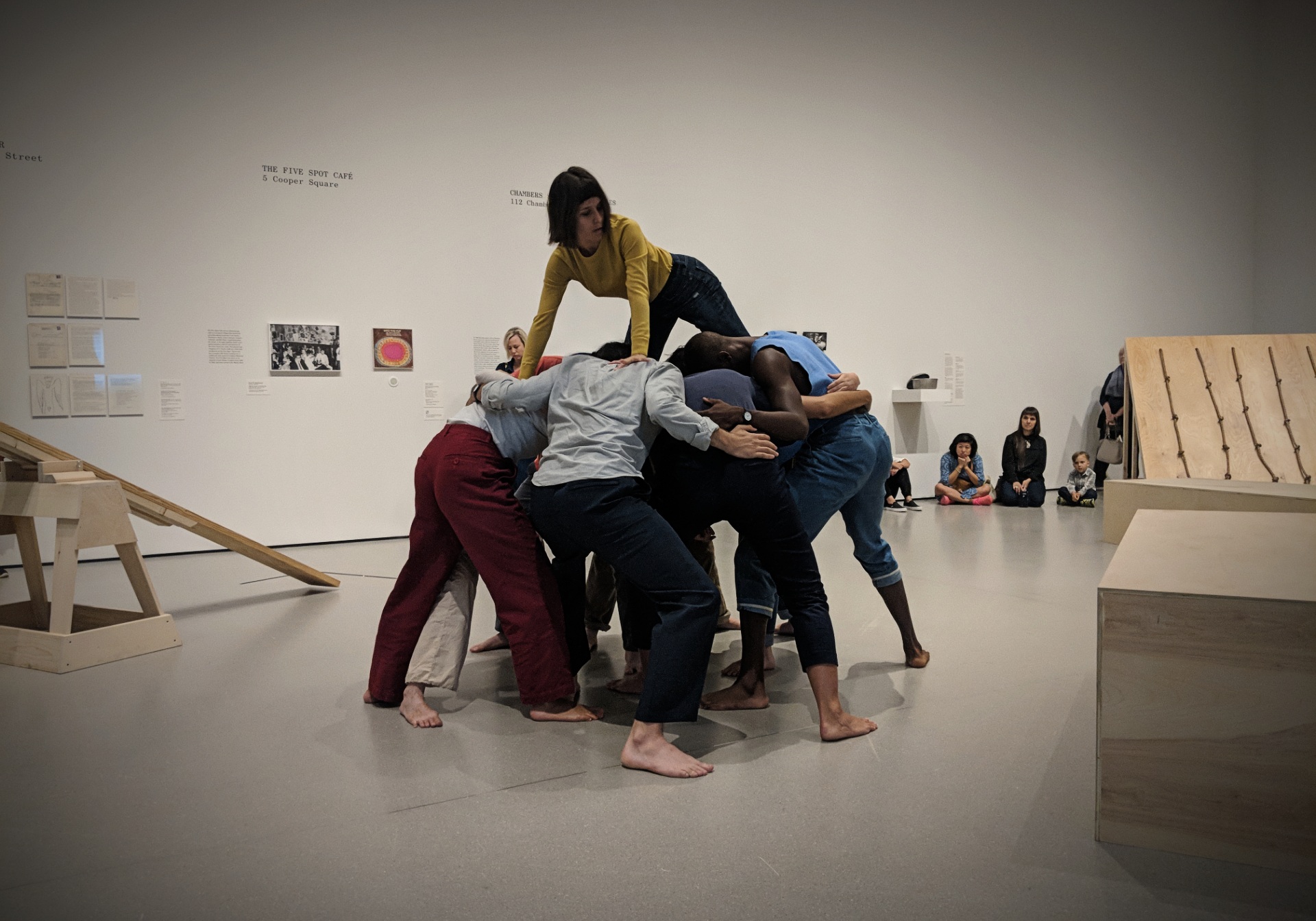
Huddle is part of Simone Forti’s Dance Constructions (1960-61), a continually shifting mass of bodies. Seven to nine performers create a solid base and take turns climbing over the group. In doing this, they create a sculptural form Forti has often described as a mountain.

Simone Forti’s Dance Constructions (1960–61) were key forerunners to Judson Dance Theater. Made from inexpensive materials, including plywood and rope, each “construction” prompts actions such as climbing, leaning, standing or whistling. Simultaneously sculptures and performances, the works were first presented at Reuben Gallery and the artist Yoko Ono’s loft, both in New York.

Huddle was performed live in intervals, throughout the exhibition.

September 15th, 2018