A noble shade fit for Queens.

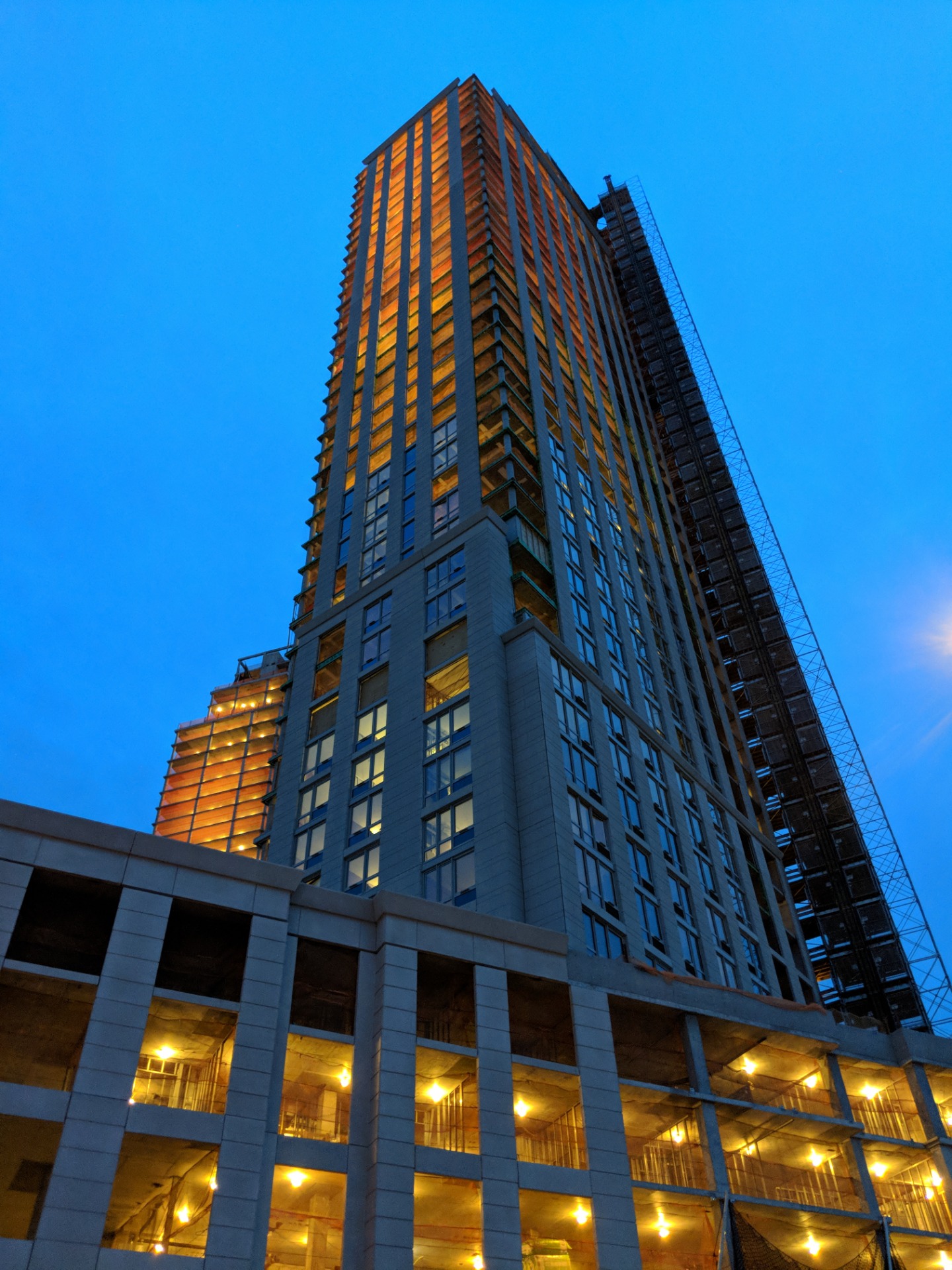
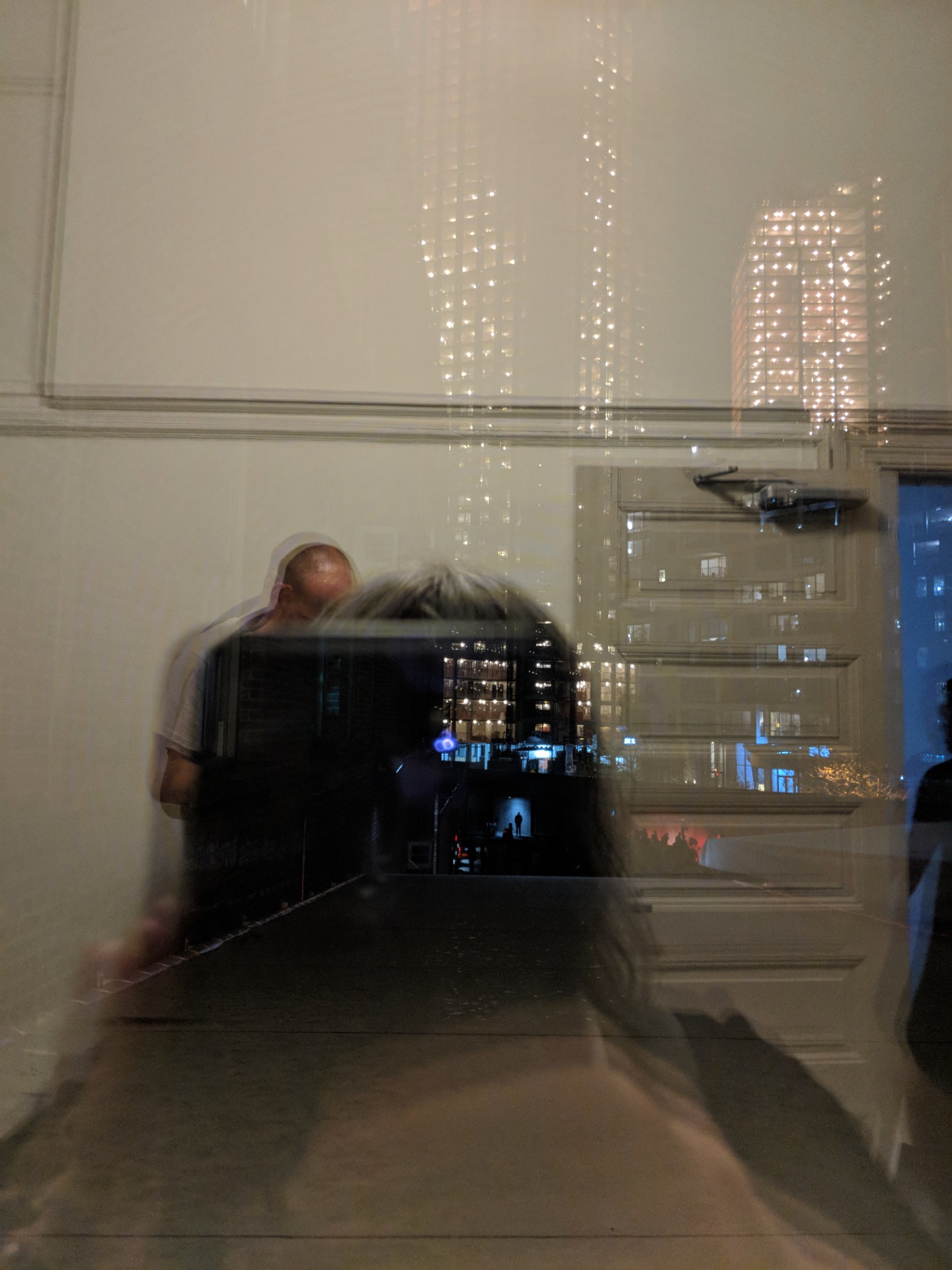


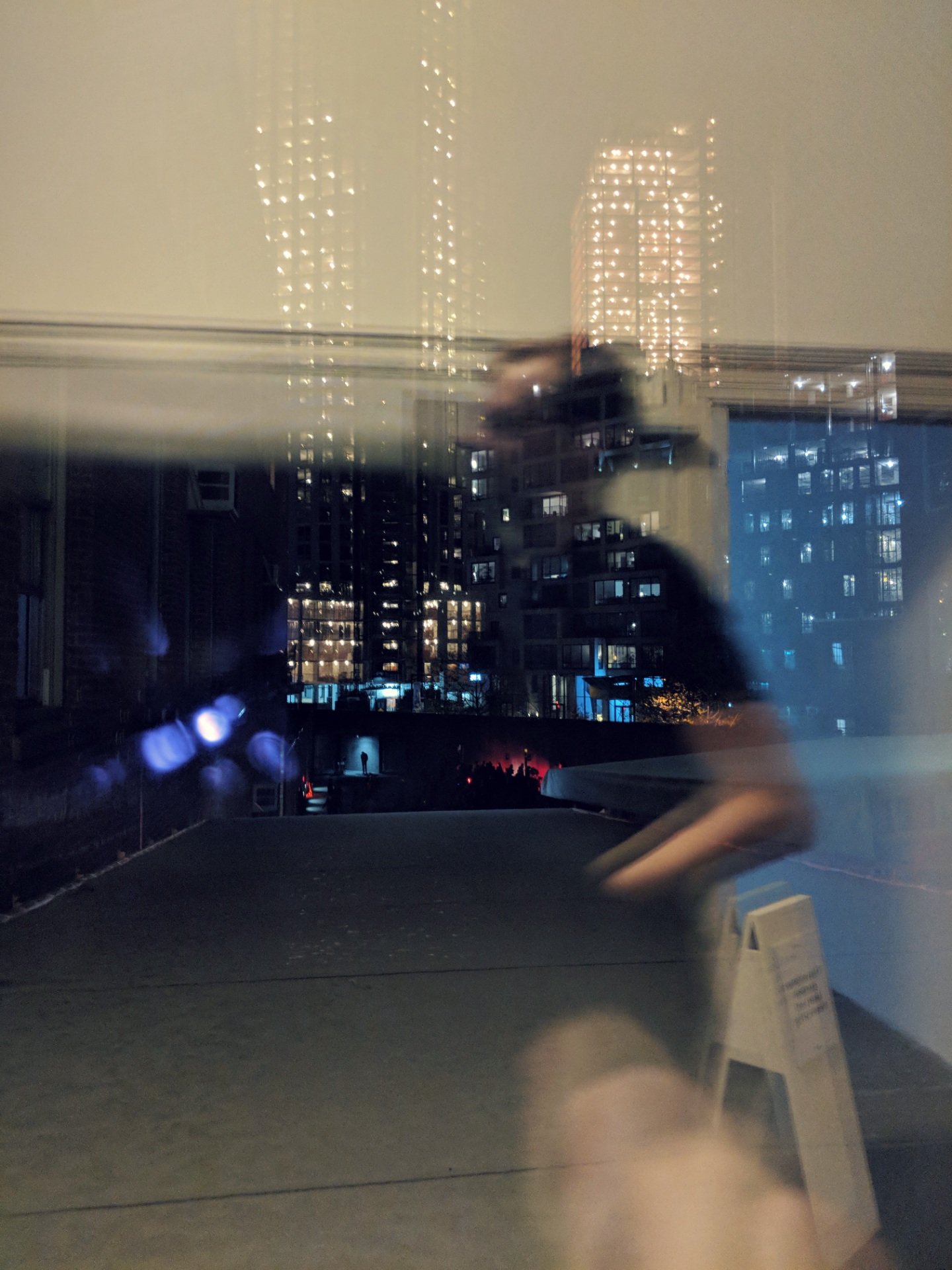
MoMA PS1, Queens
May 5th, 2018
A noble shade fit for Queens.
MoMA PS1, Queens
May 5th, 2018
with a touchscreen
(what is wrong with this picture?)
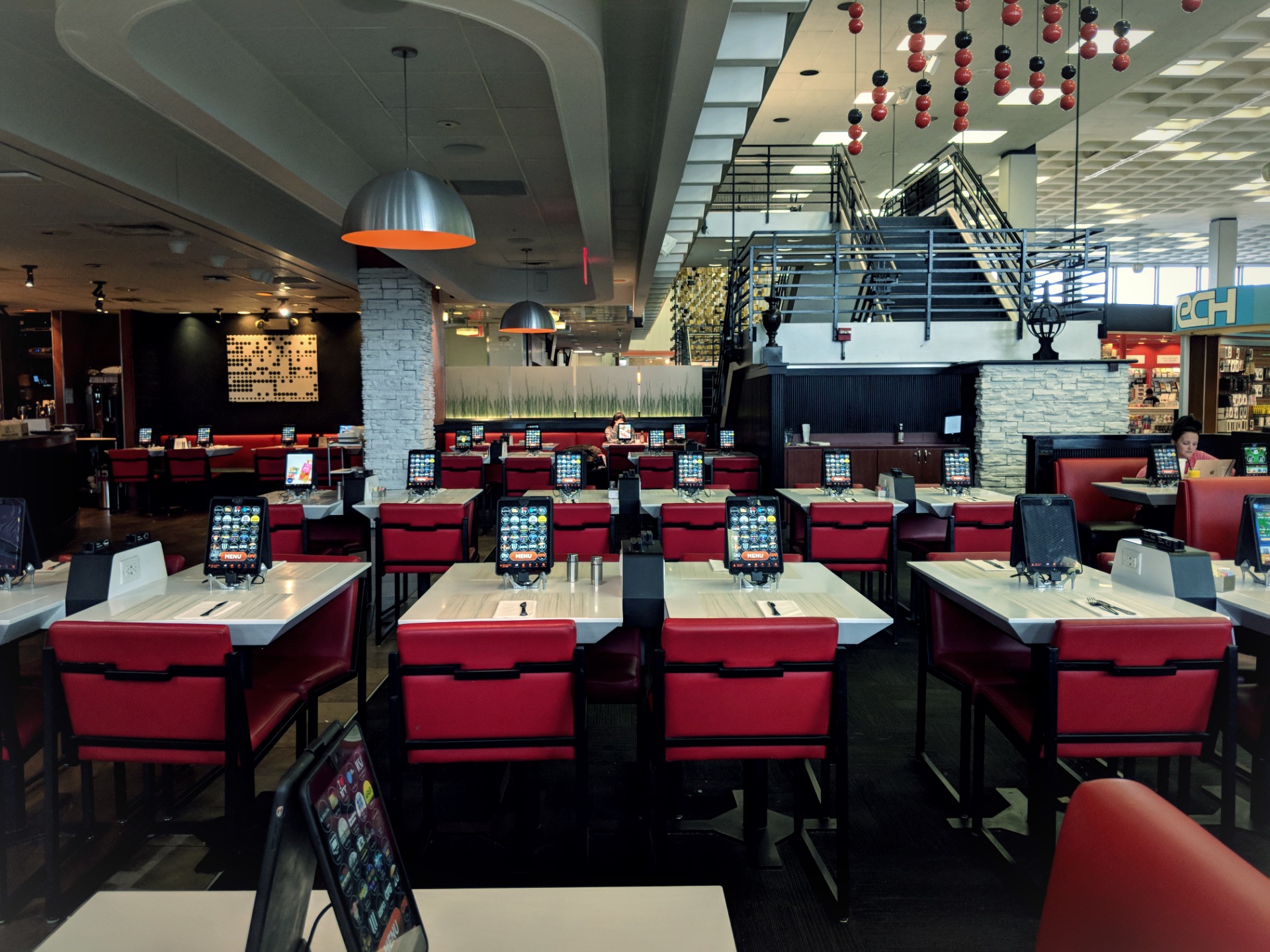
@JFK airport
April 1st, 2018
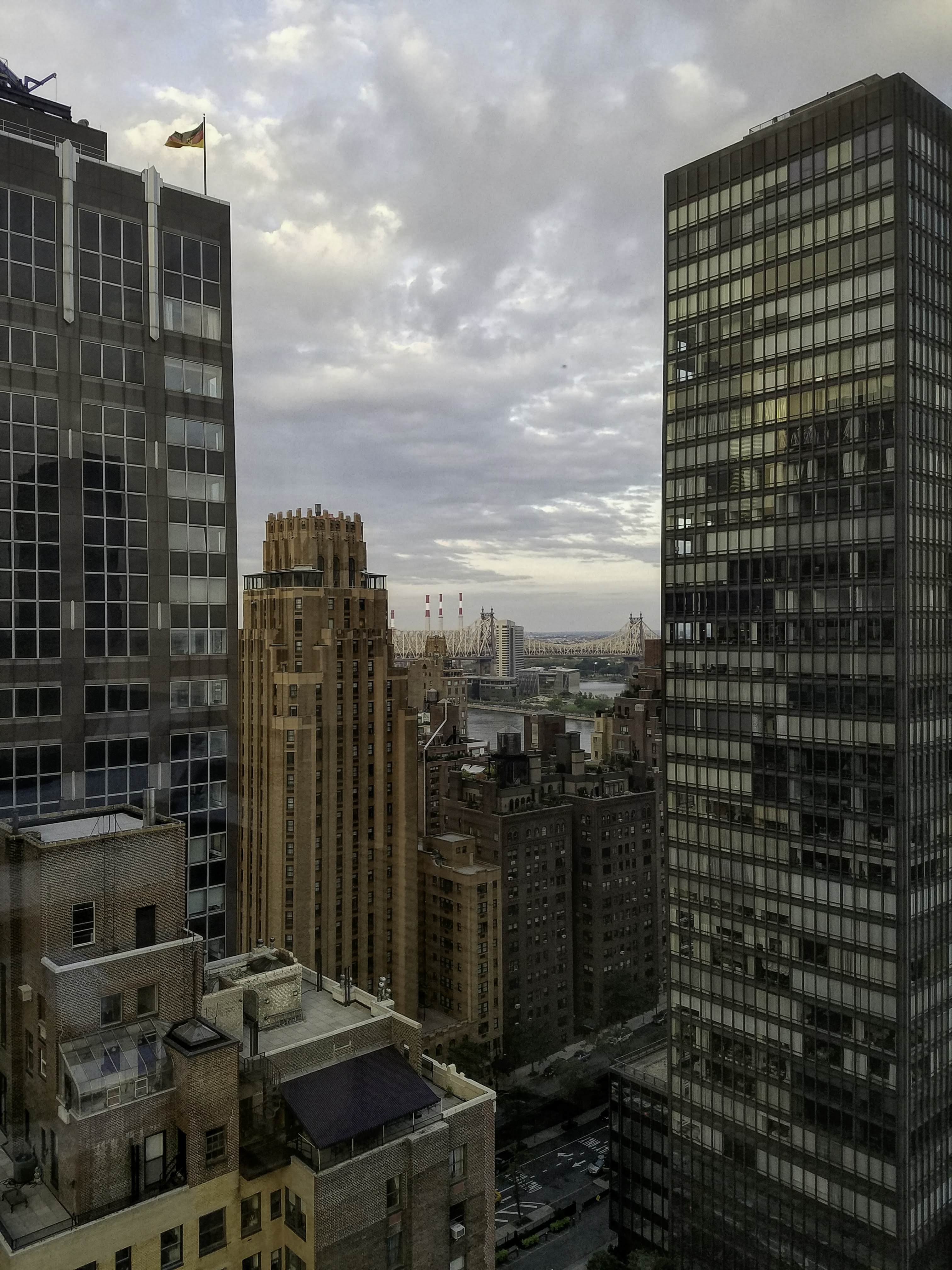
September 15th, 2017
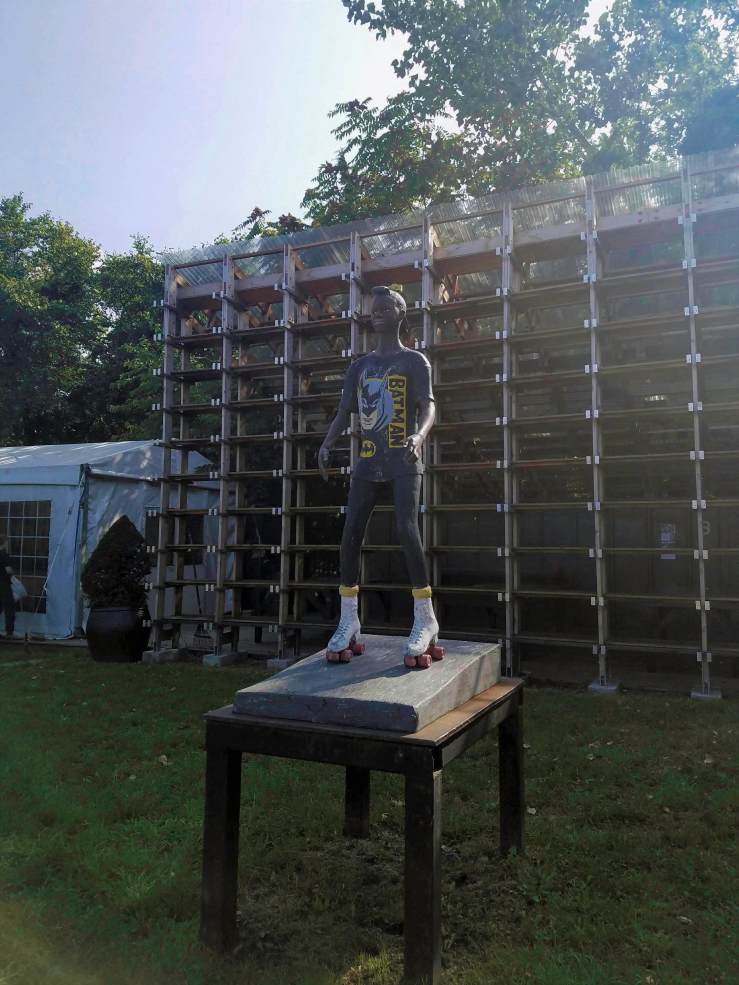
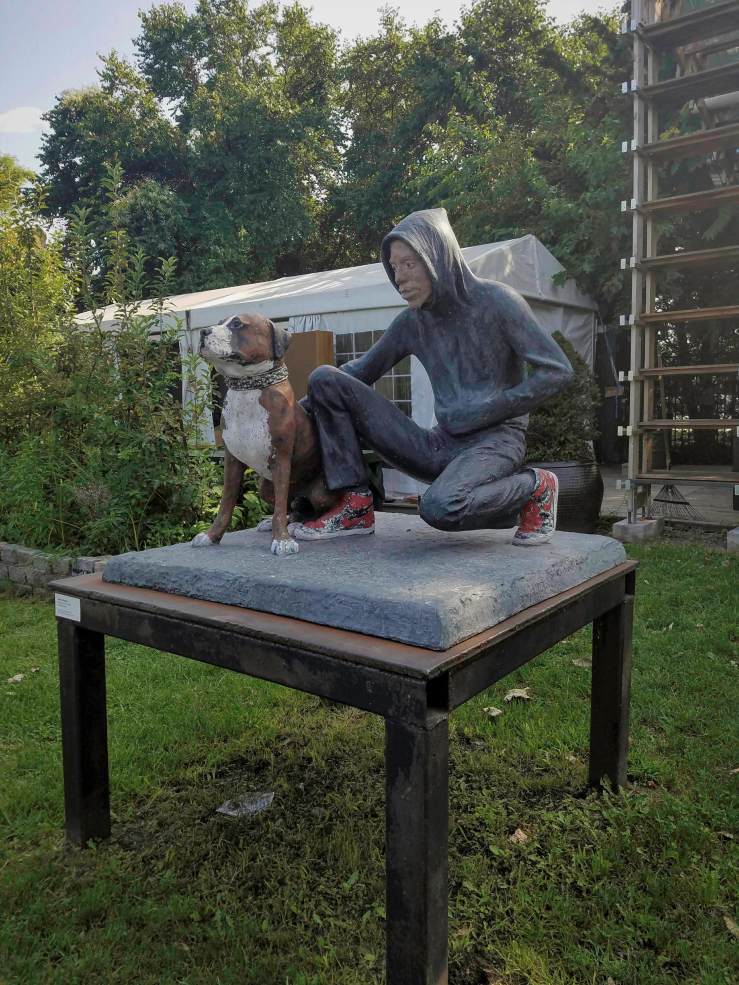
Reading about how the local community took the initiative to save this abandoned space, between Long Island City and Astoria, by converting it into a sculpture park – and being the first to applaud such creative initiatives, I thought I owed it to myself to take a closer look, not least because it is named after Socrates (470-399 B.C.), the great Greek philosopher, which is not surprising considering New York’s largest Greek community is in Astoria.
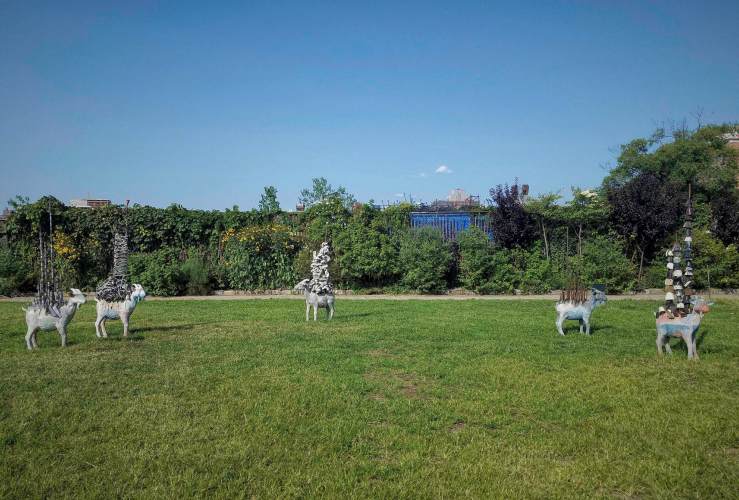
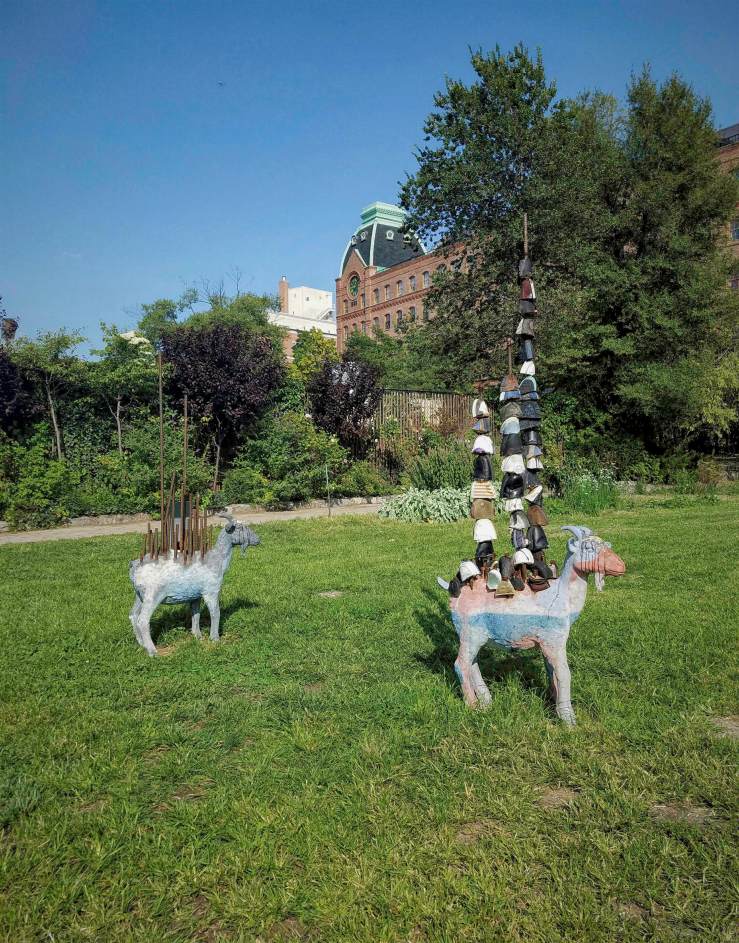
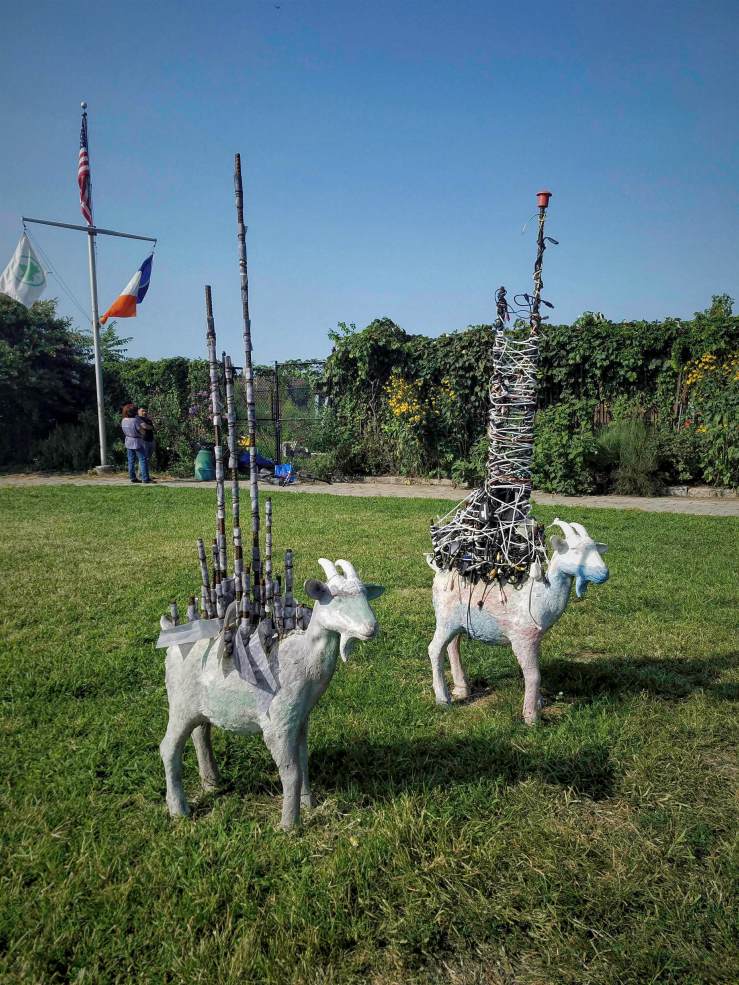
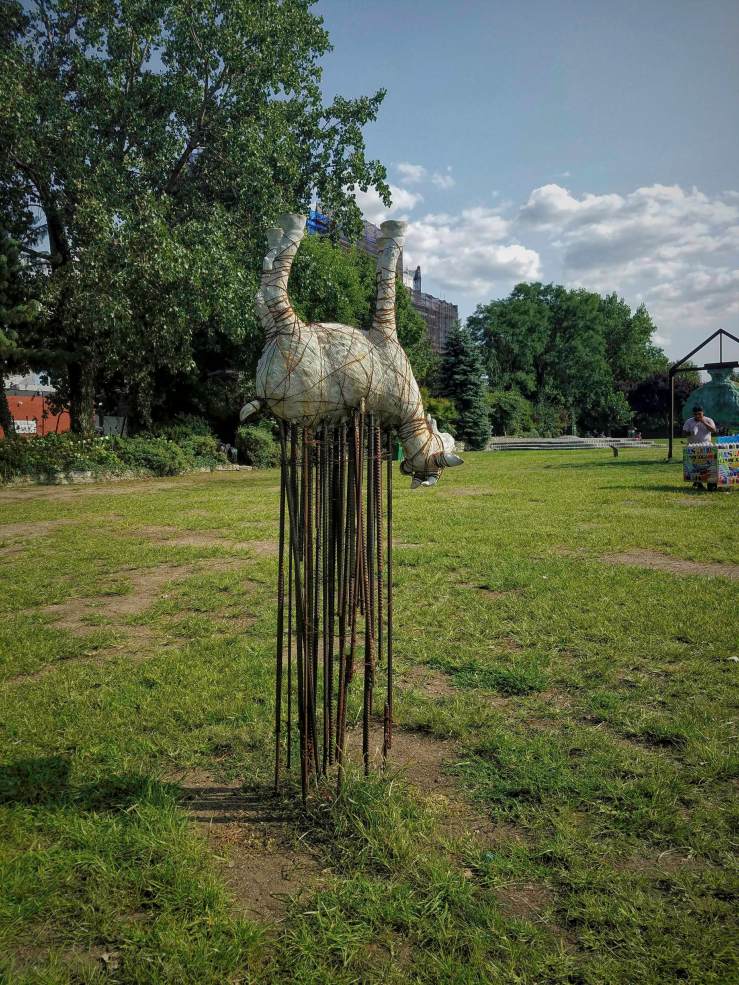
The exhibition on view those days was Nari Ward: G.O.A.T., again, G.O.A.T. being an acronym for Greatest of All Time, a phrase commonly used in American sports. The exhibition examined ‘‘how hubris creates misplaced expectations in American cultural politics. This exhibition also brought new insight into the artist’s exploration of identity, social progress, the urban environment, and group belonging.”
While it was difficult for me to grasp the higher meaning behind the flock of goats carrying stuff on their backs, I found the artist’s explanation ”… articulation of social dynamics, conjuring the animal’s attributes and symbolic connotations, from an ambitious climber of great heights to an outcast” equally puzzling.
On the other hand, the Apollo/Poll sign, that read ‘APOLLO’, the letters ‘A’ and ‘O’ blinking on and off to spell out “POLL” was easier to interpret even without the help of the artist (but here it is anyway): ”… The size and font of the red LED-lit letters are inspired by those of the iconic neon beacon hanging over Harlem’s Apollo Theater, a renowned venue for African American entertainers. The word ‘POLL’ suggests not only the theater’s well-known amateur night in which the audience decides the winner, but also the democratic election process.”
I wonder what would Socrates have made out of all this…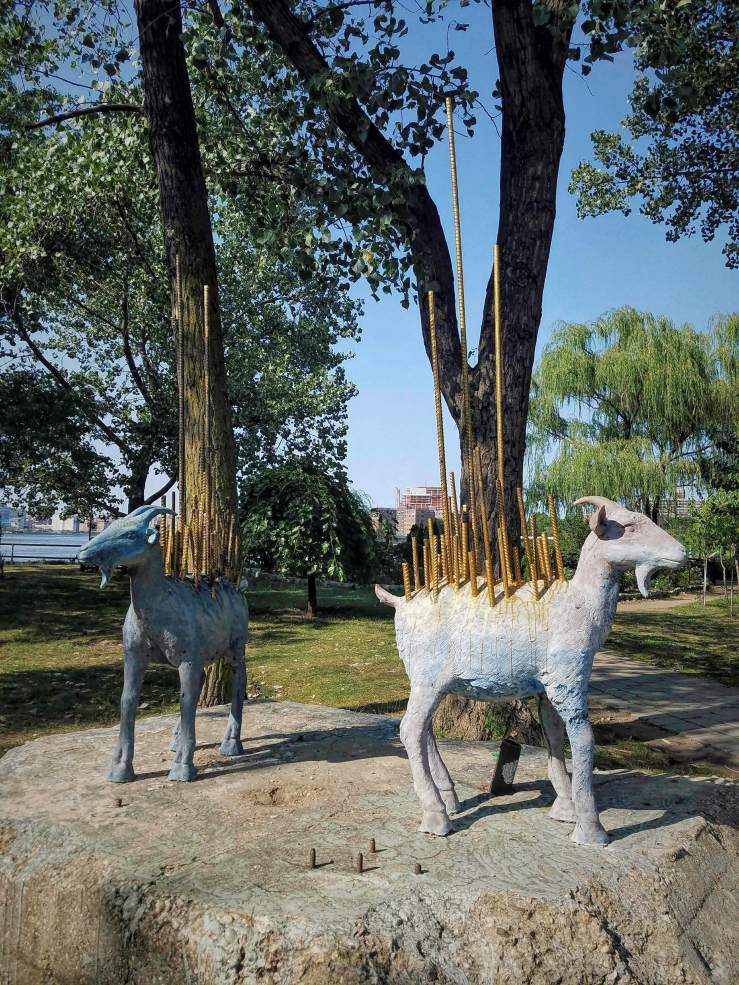
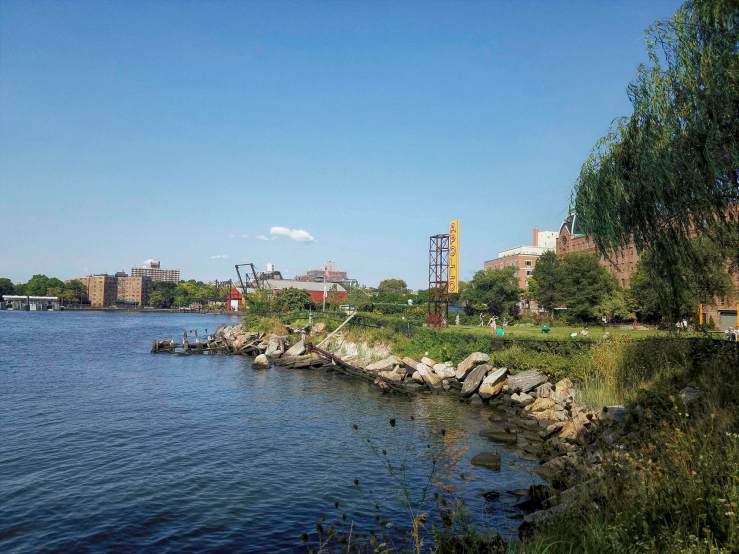
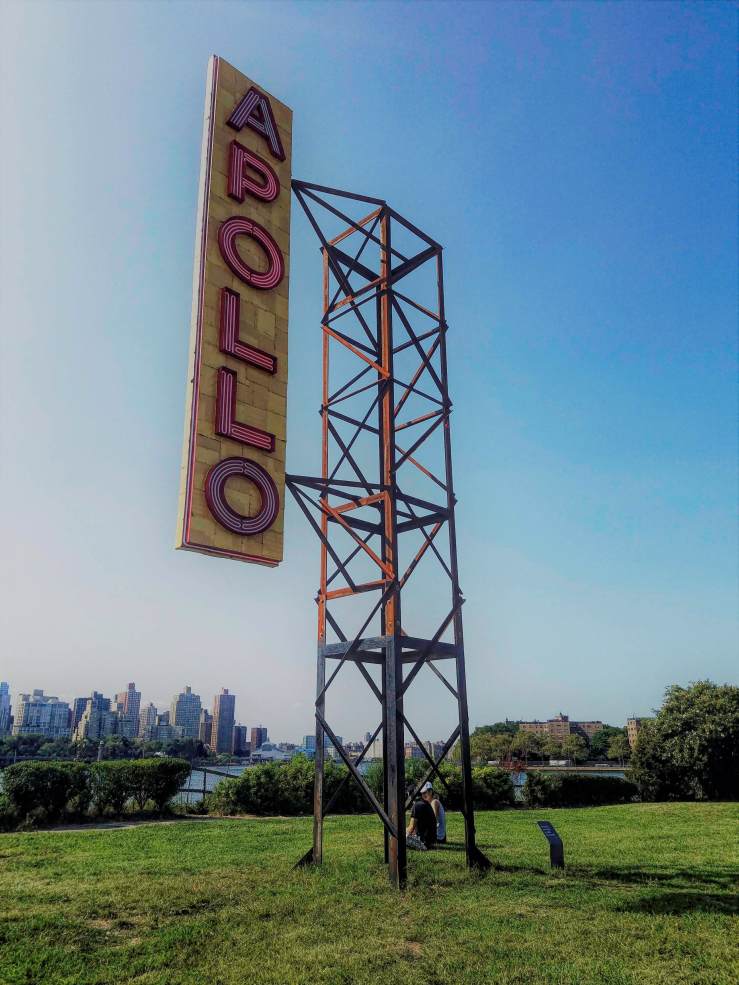
August 26th, 2017
It was Tuesday then, too.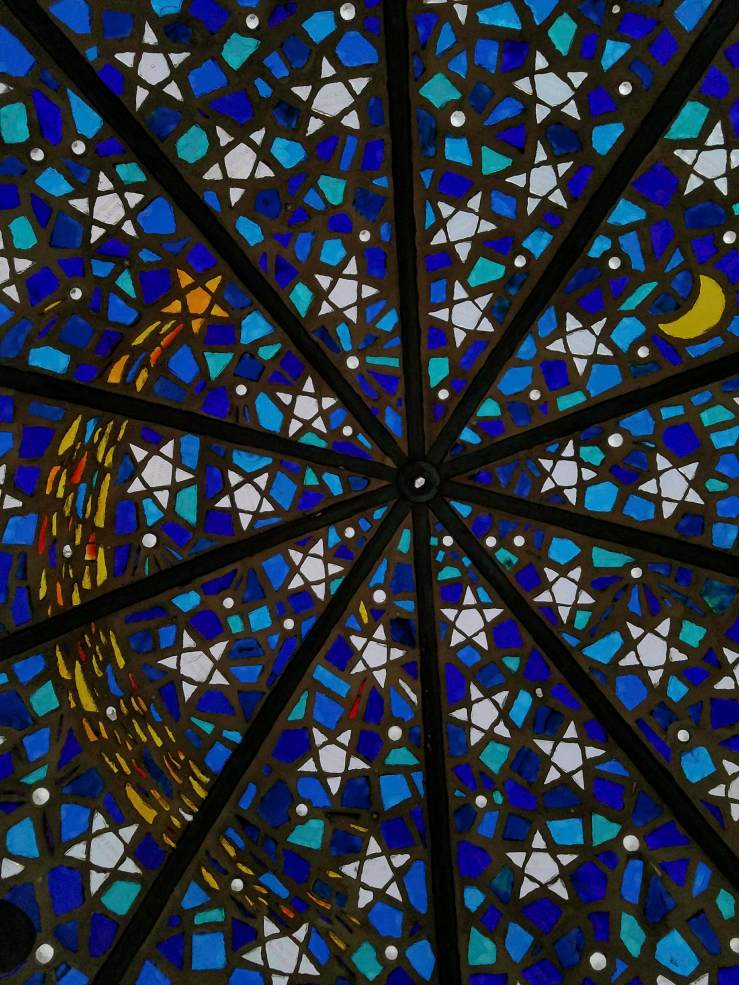 This waterfront park in the Rockaways serves as a tribute to those in the neighborhood who died because of the attacks of September 11. The park is scenic and quiet, a lovely spot for visitors and community members to stop and reflect, and to find peace.
Tribute Park was an empty lot on September 11, 2001. The Twin Towers were visible from the spot, and hundreds of local residents stood here and watched the tragedy unfold. With help from the community, this serene park was built to commemorate the day. It includes a mosaic centerpiece, a cupola, and a granite rock engraved with the names of all 343 firefighters who died on September 11.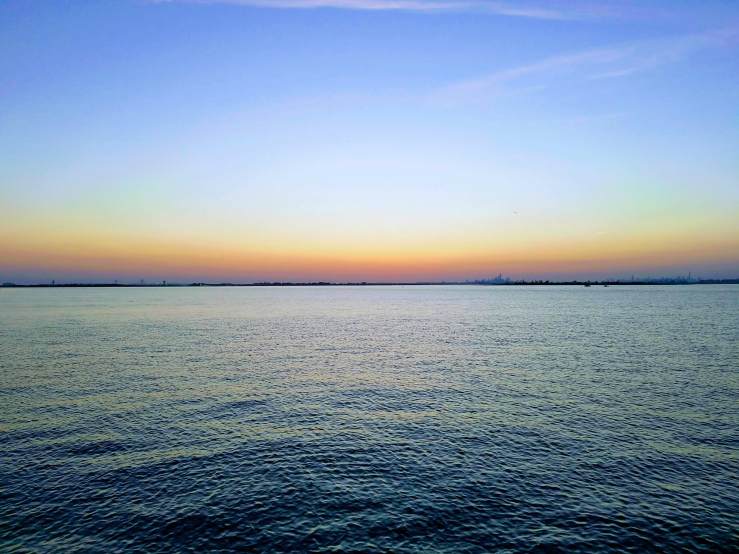
From a walk on June 11th, 2017
About last summer
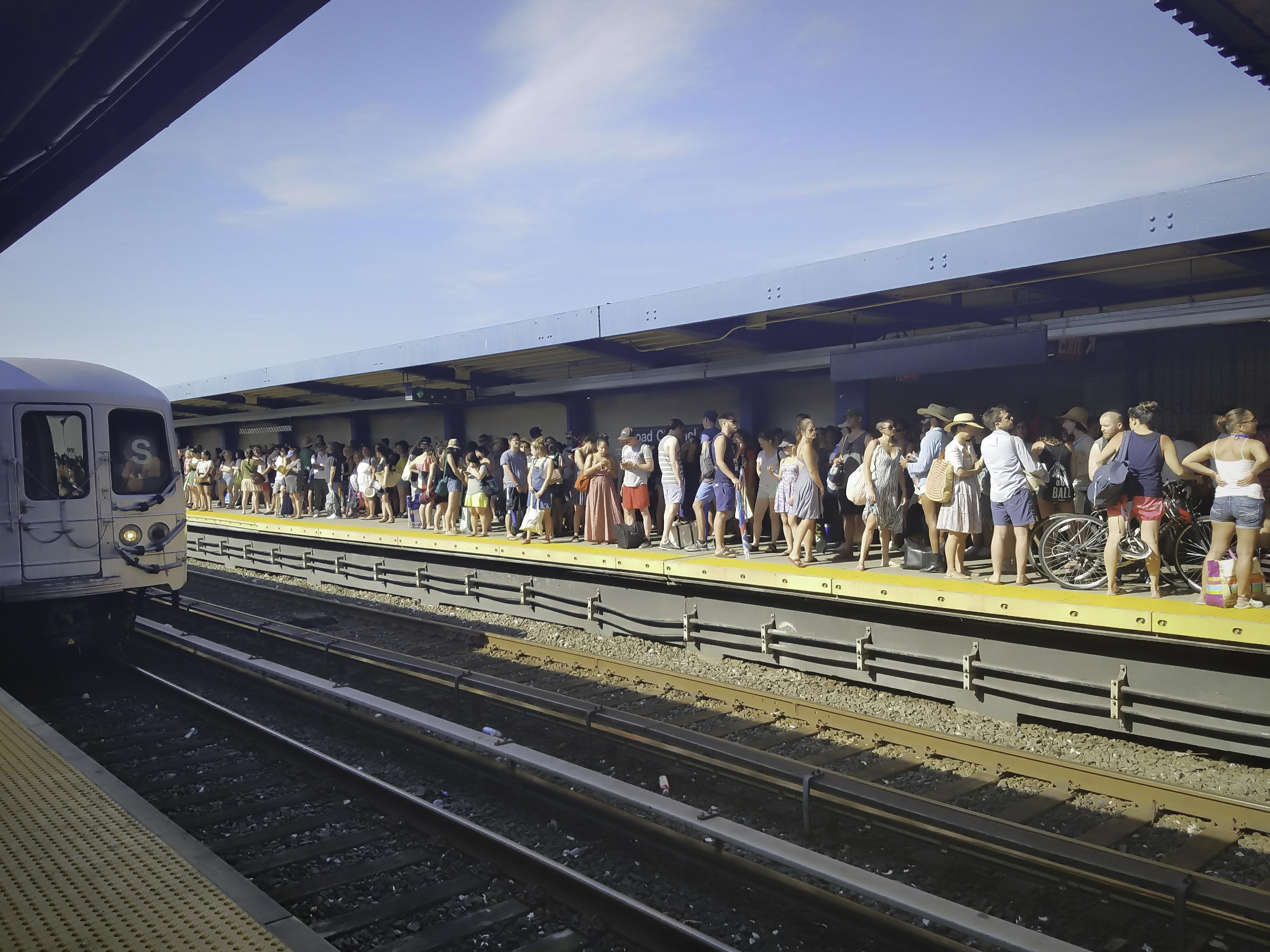
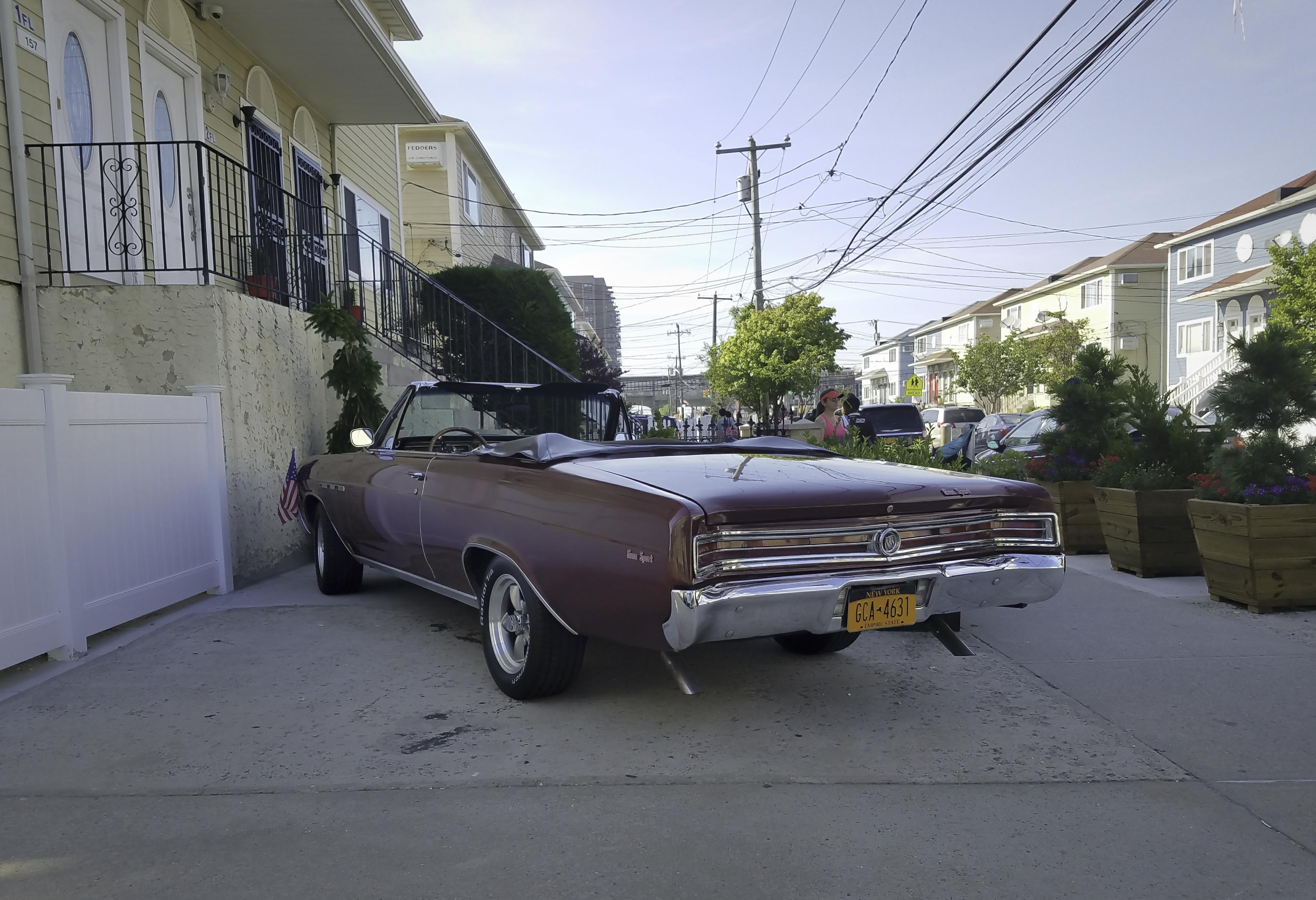
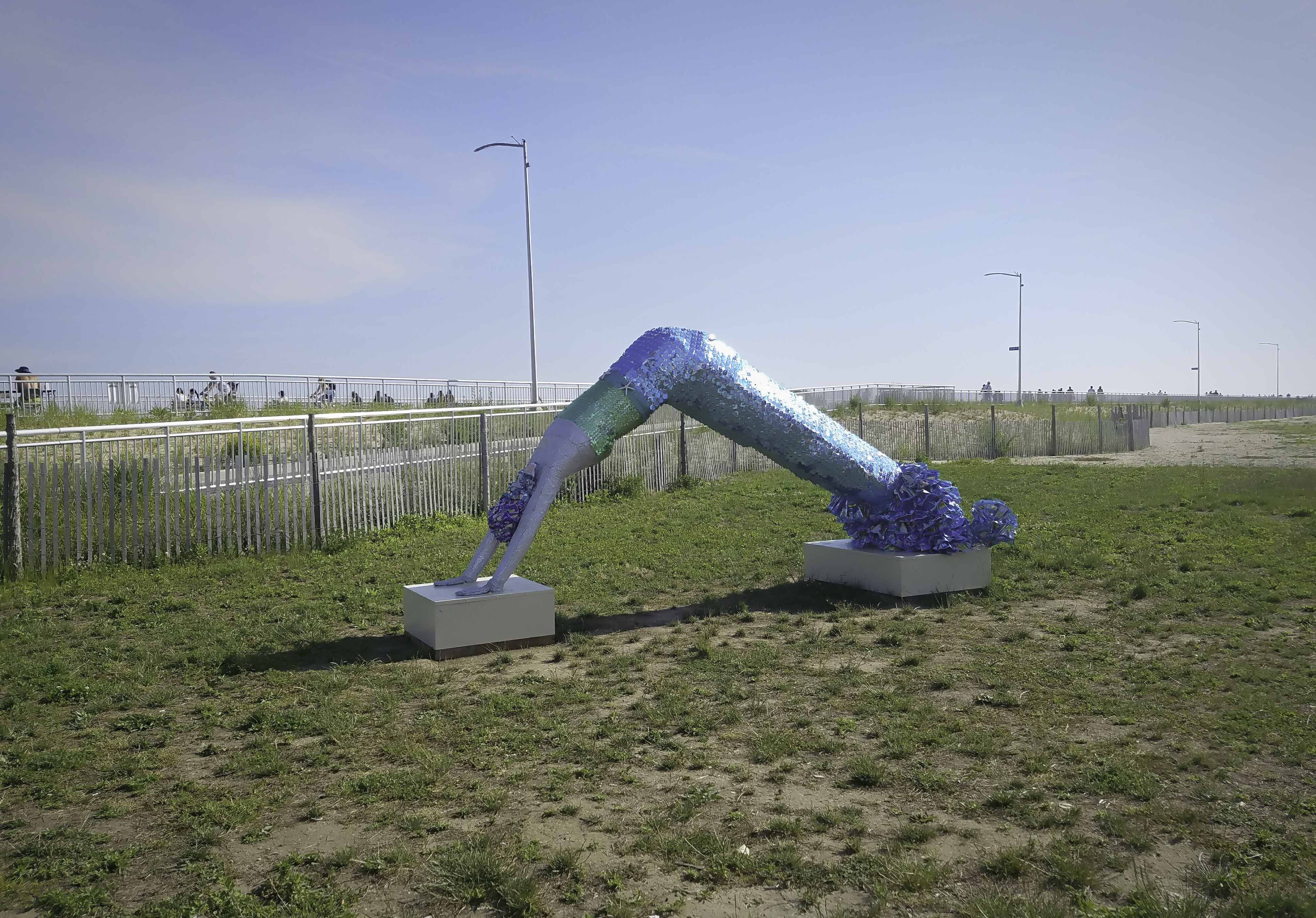
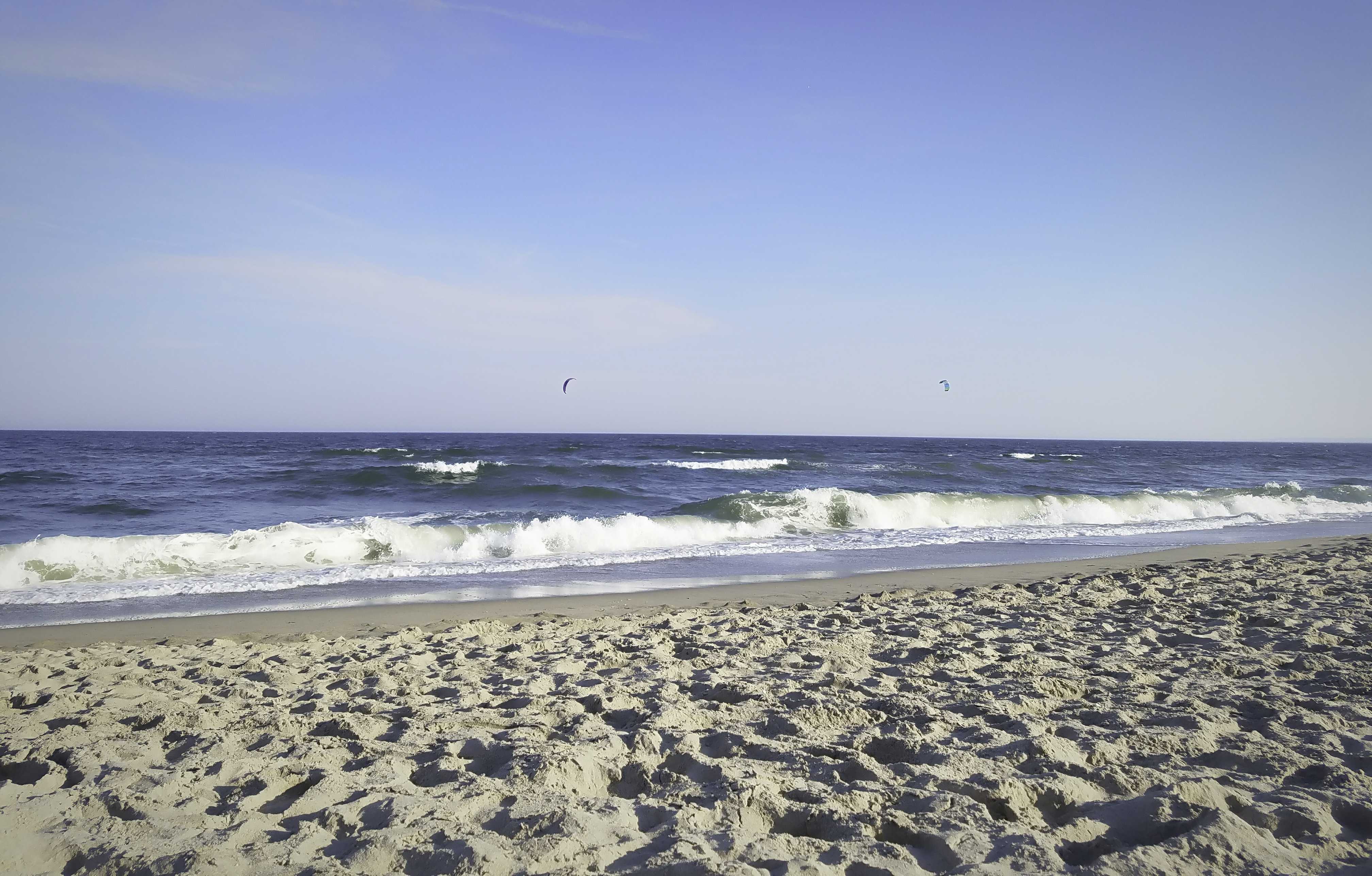
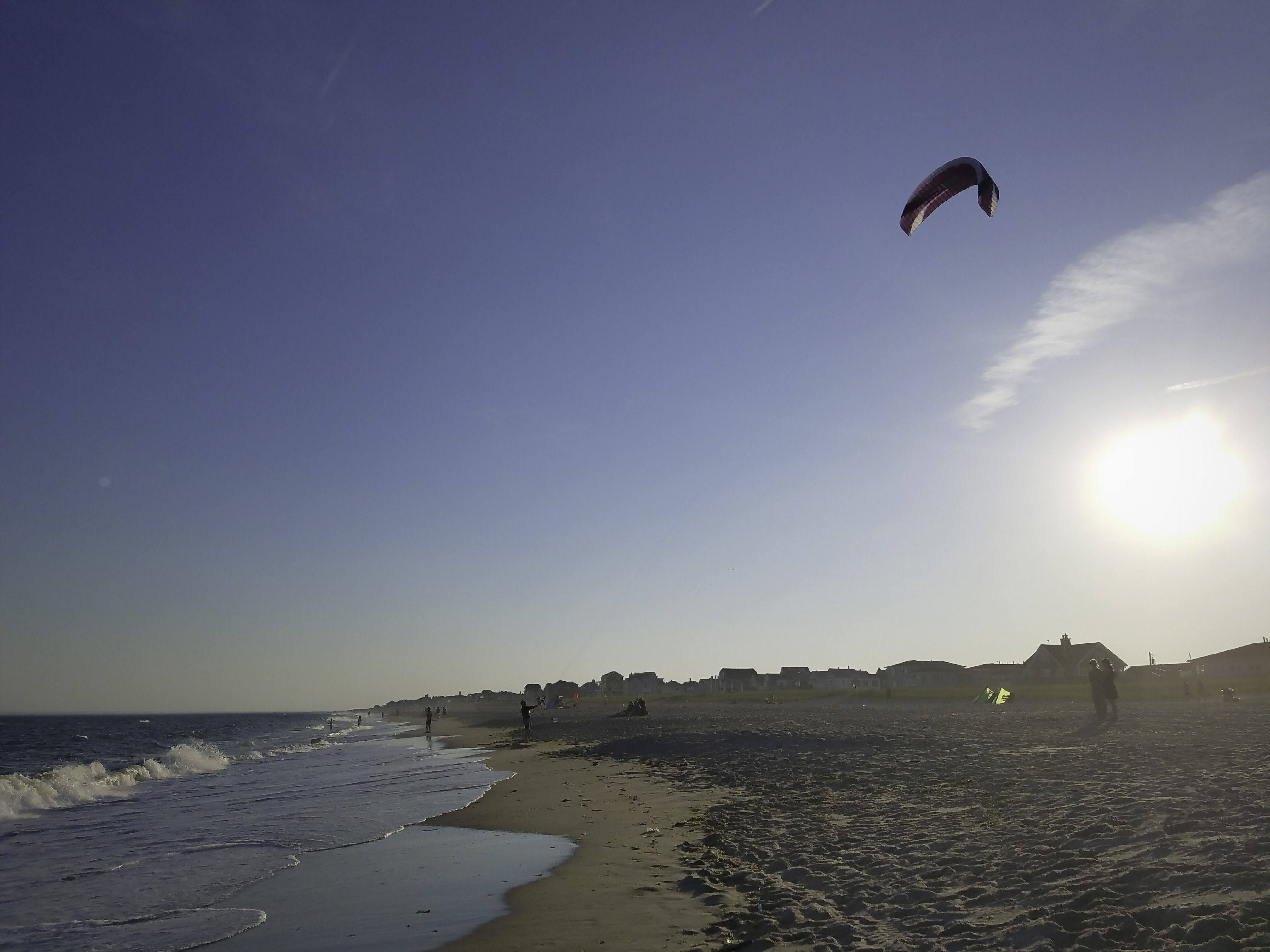
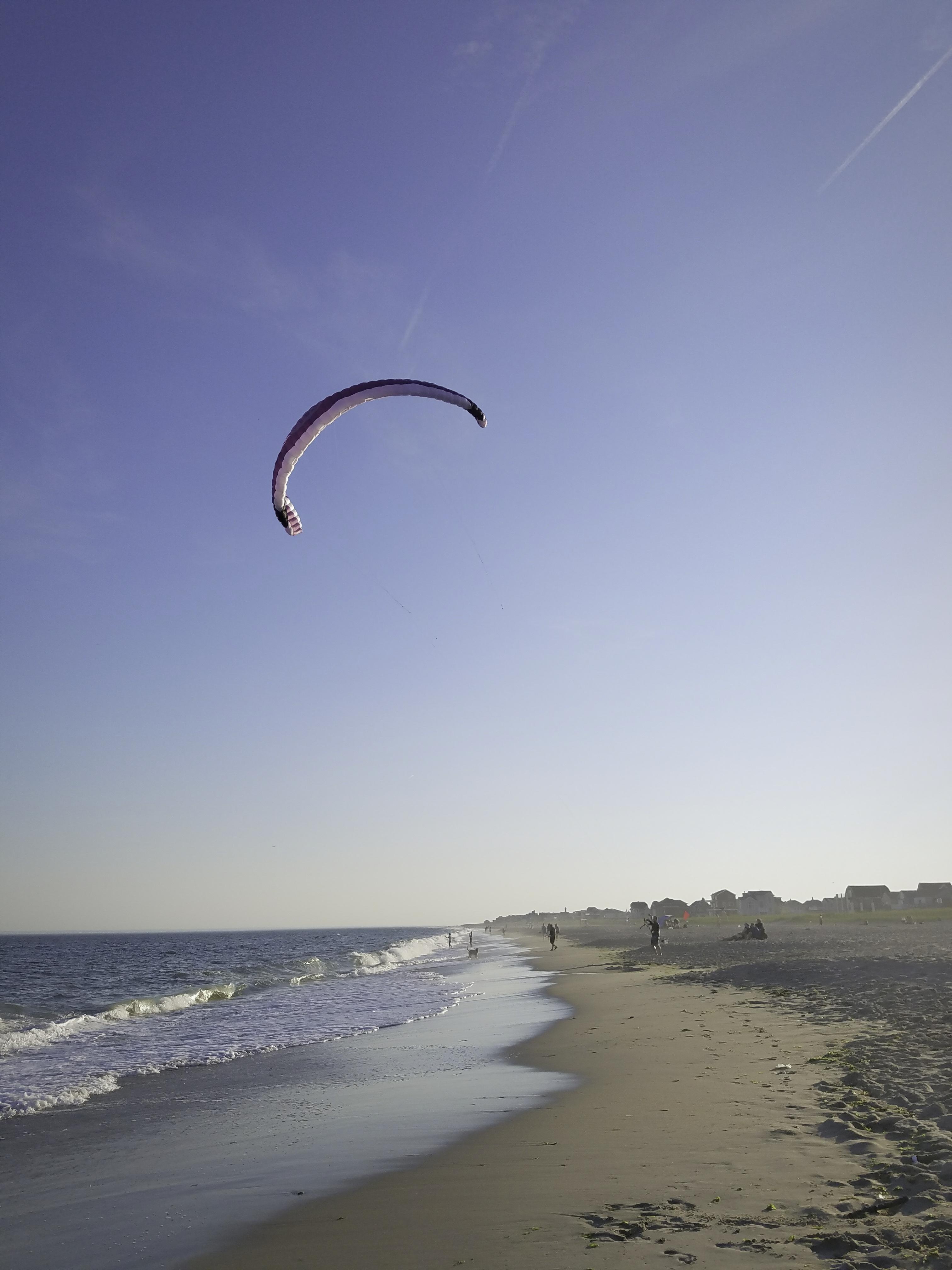
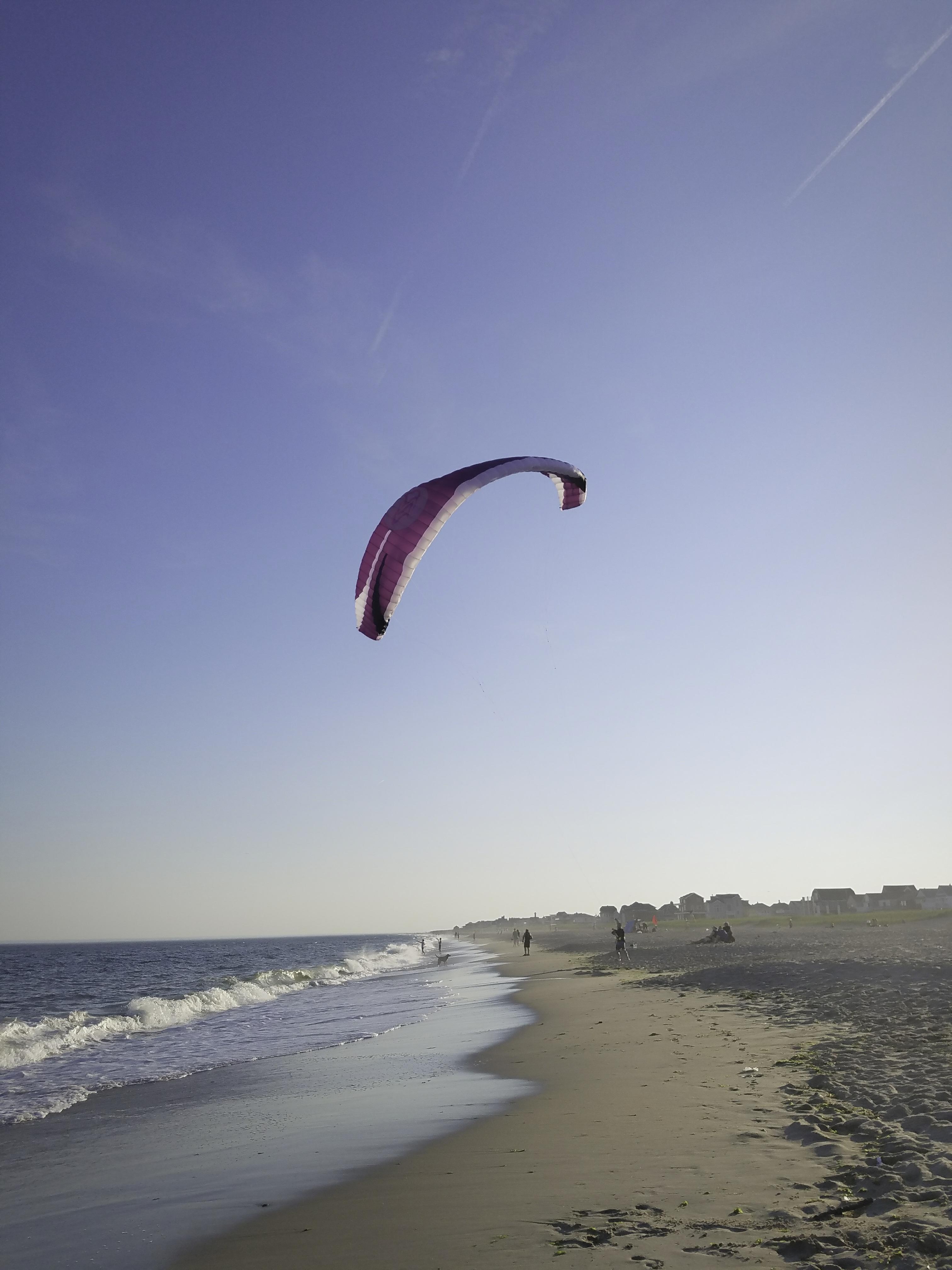
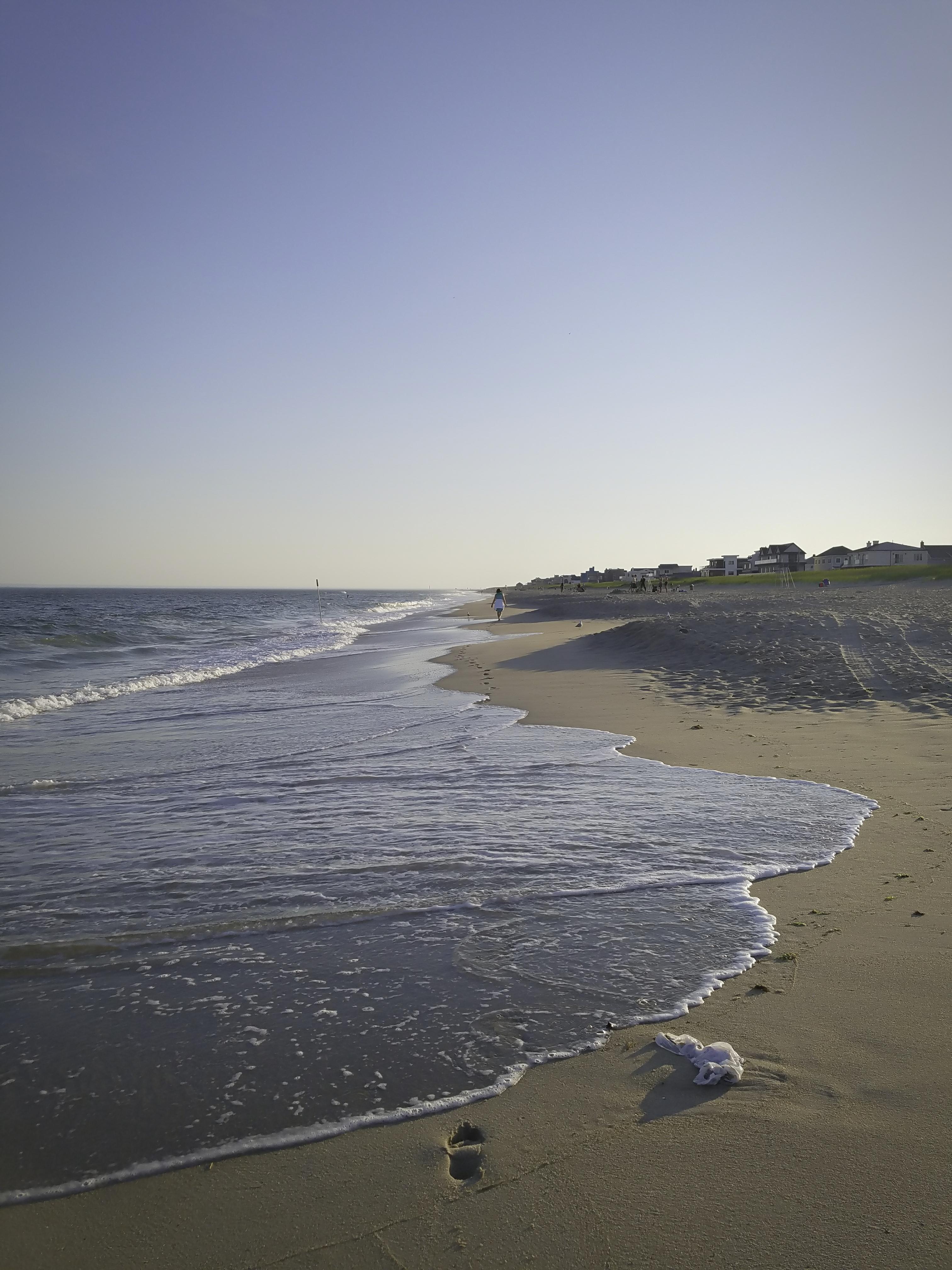
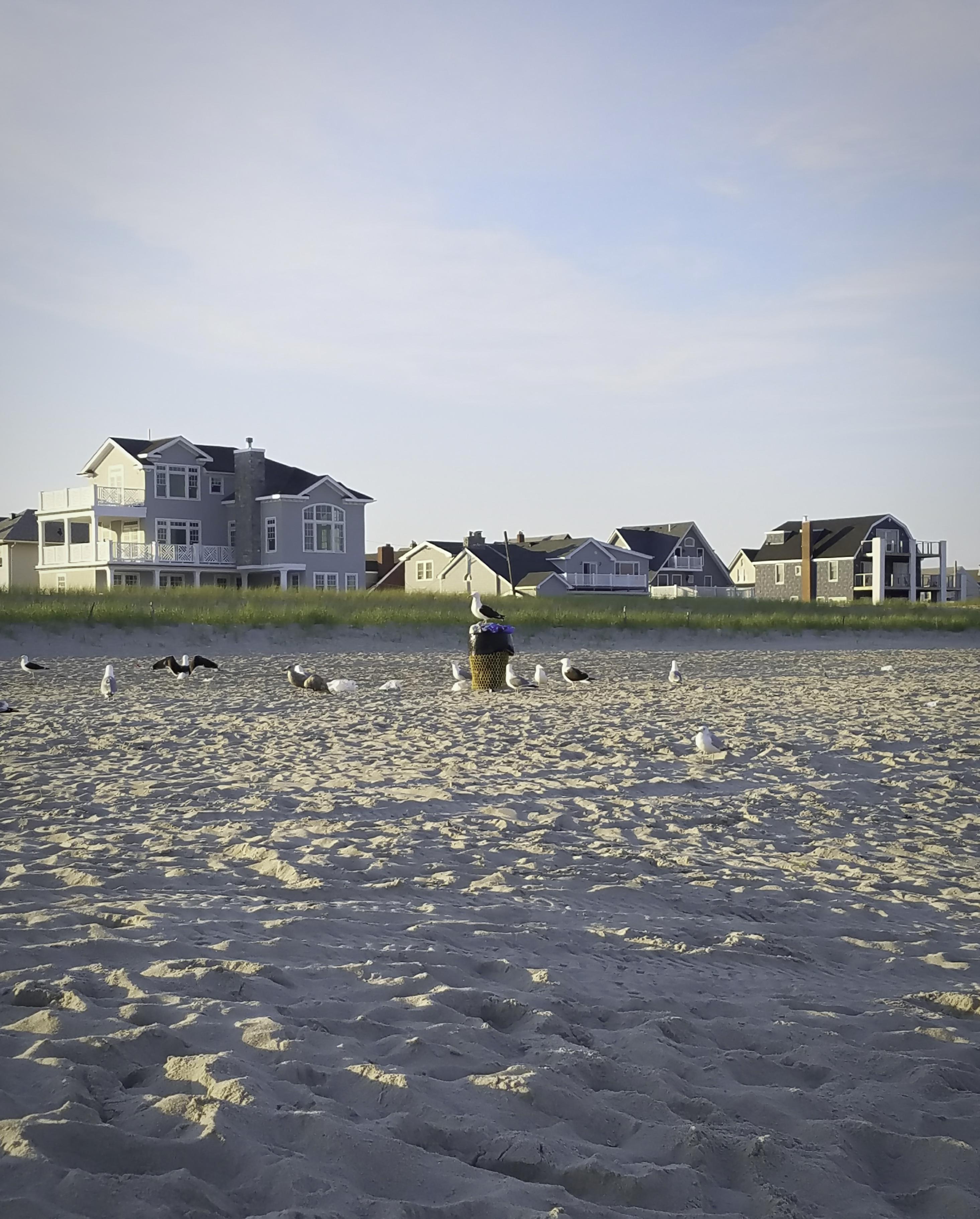
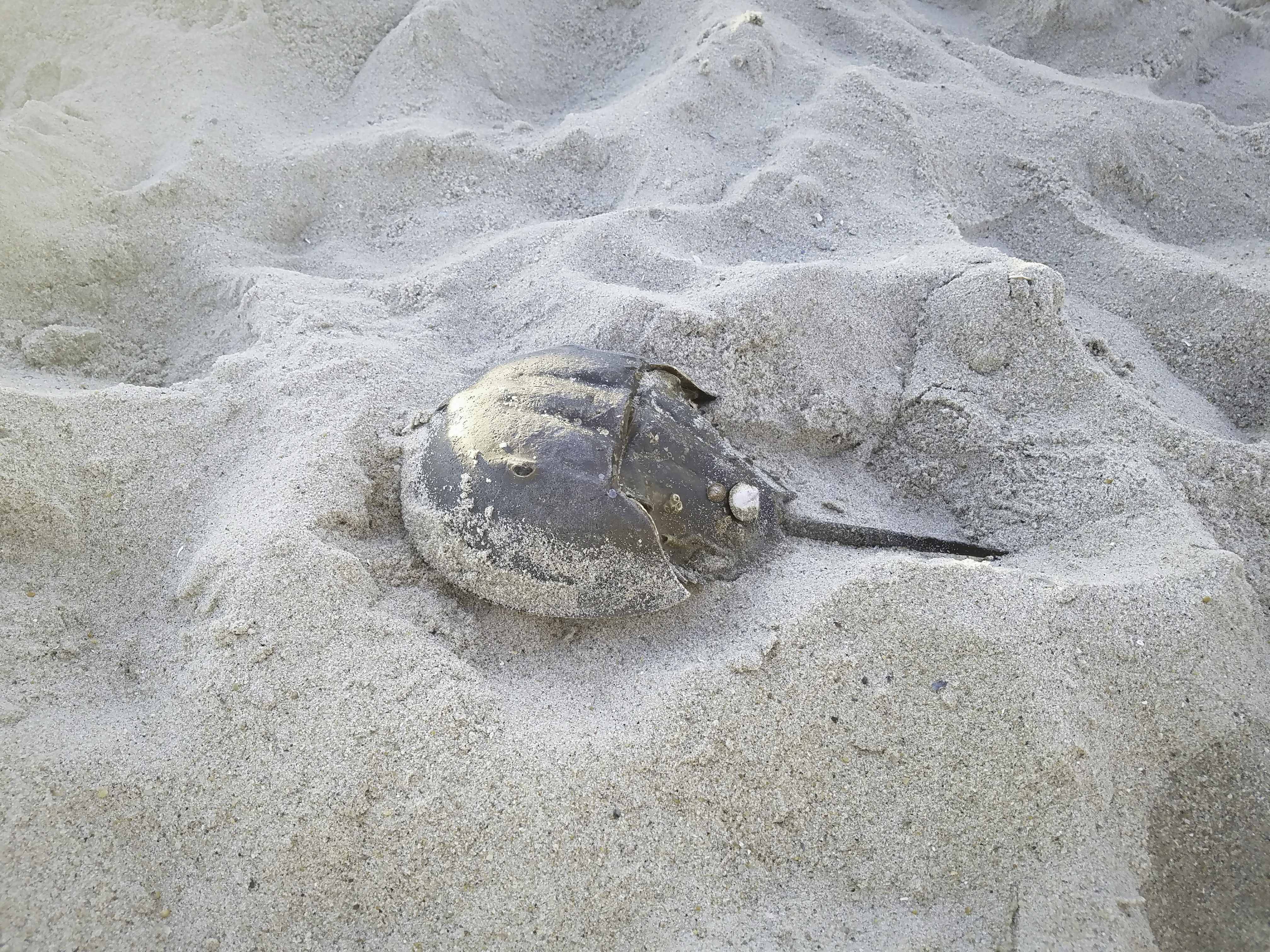
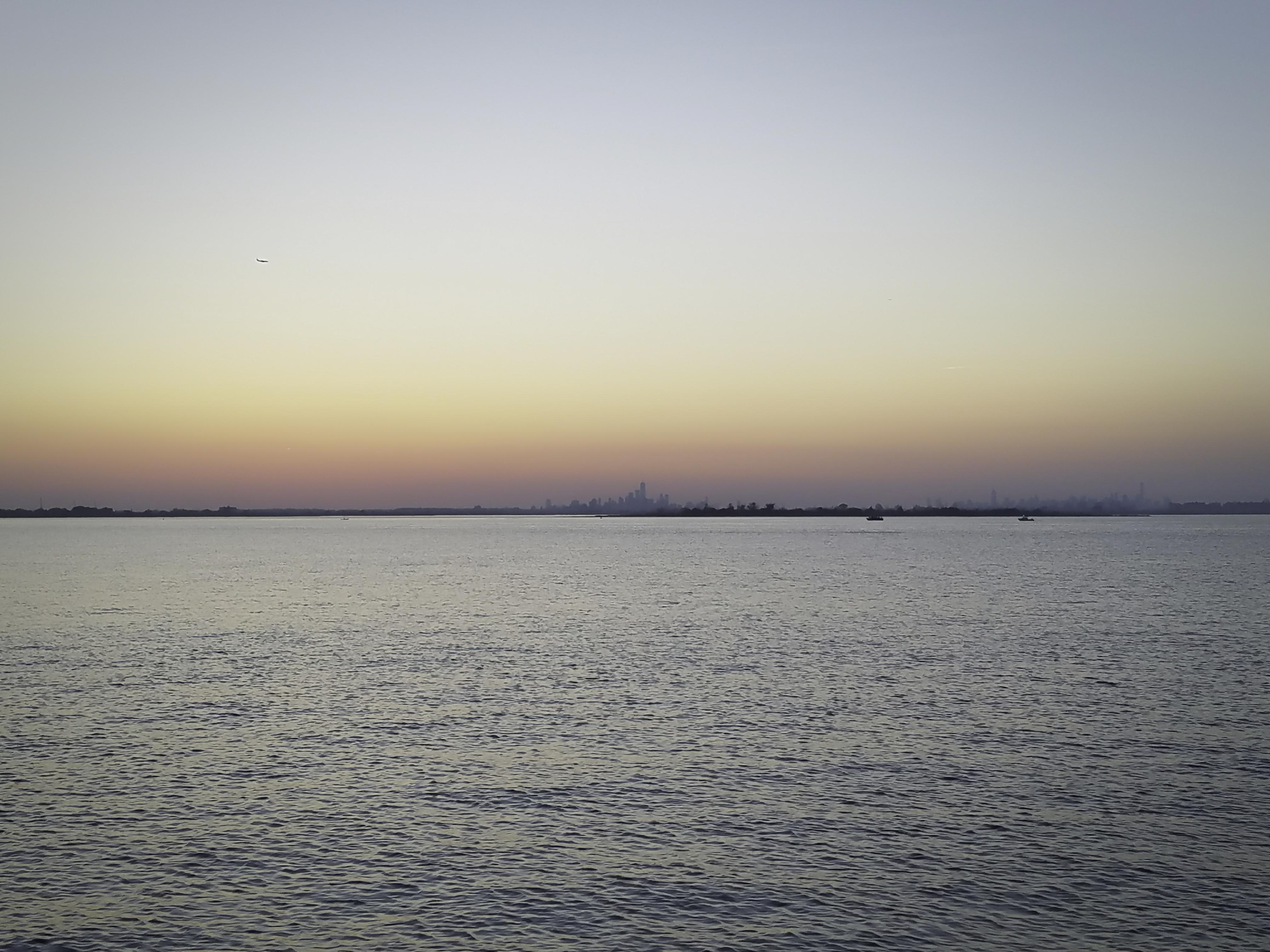
The A train brought us to the beach in 1 hour and 15 minutes from 42nd St. Port Authority. I thought this must be the longest subway line in the City – and it is! It actually stretches all the way from 207th St. in Northern Manhattan to Far Rockaway, in Queens. A 2 hour and 15 minutes trip – on a subway train! Isn’t this amazing?
We won’t be doing it again, though. While the trip to the beach was fairly smooth for NYC Subway standards, on the way back we found ourselves tightly squeezed (read: trapped) among groups of hopelessly loud teenagers high on creative cocktails of soft drugs, alcohol and, well, life. That’s totally fine, of course, as long as we can keep at a safe distance and save our unacquainted ears from the hazardous effects of such extreme noise exposure levels.
Next time, we’ll take the ferry.
June 11th, 2017 – A Sunday afternoon in Rockaway Beach
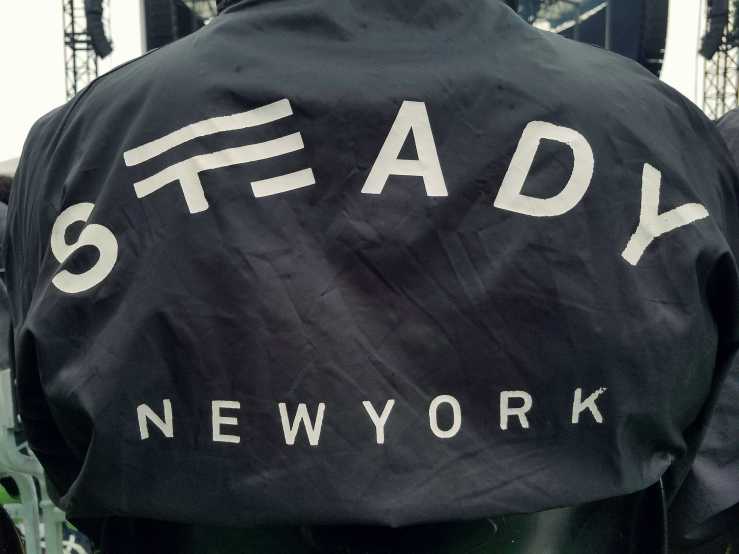
For yet another transcendent experience. Even – or maybe because of – the rain. Even in an open stadium with loads of crazed New Yorkers who are completely unable to stand still and be quiet for longer than thirty seconds.
But for those of us who did listen, it was a two-hour beautiful, emotional, powerful, interstellar trip to the centre of the universe. Thank you Sigur Rós for showing us the way to the stars!


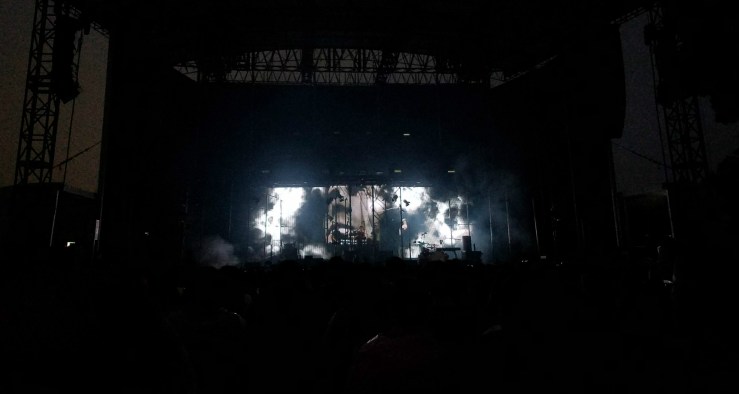


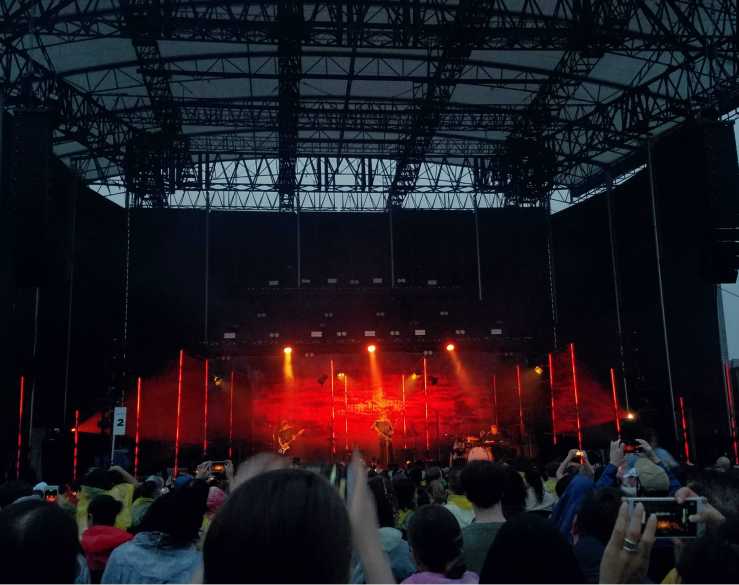

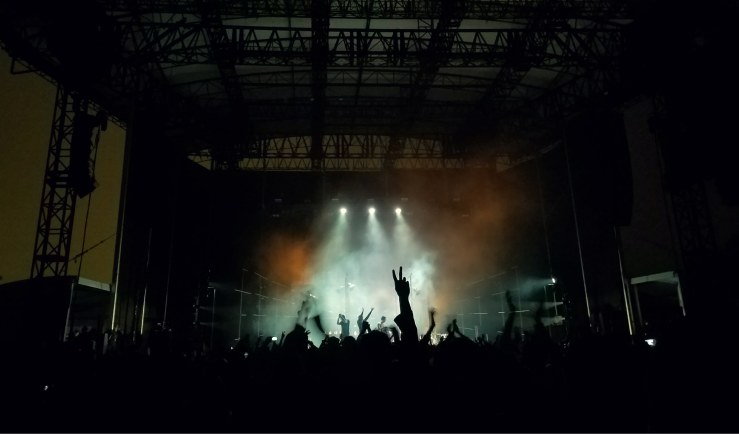

Until next time.
Forrest Hills Stadium
Queens
June 17th, 2017
of the Ravenswood Generating Station, or Big Allis to friends. Actually there are four, but only three are visible from this angle.
When it opened in 1965, it was the “world’s first million kilowatt unit…big enough to serve 3.000.000 people”. In today’s figures, it has the capacity of providing around 20% of the electricity consumed by New York City.
At the time of its installation, it was also the world’s largest steam energy generating facitly. Today, when necessary, steam is supplied from the plant to the Manhattan steam system via the Ravenswood tunnel which runs under the East River.
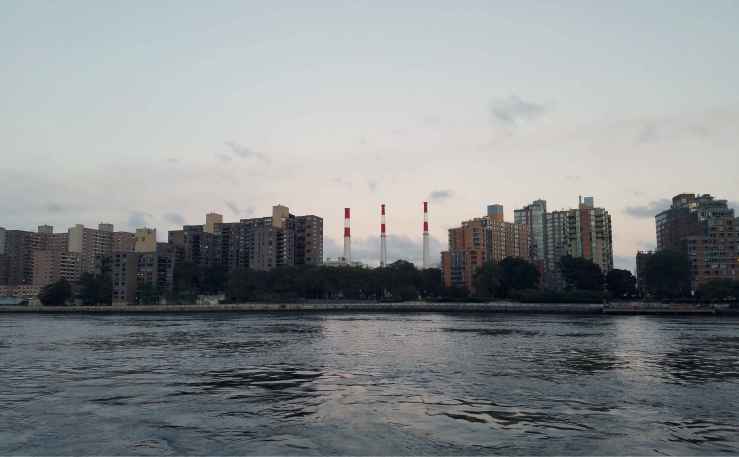
Taken from the John Finley Walk on the Upper East Side. The trees and buildings left and right are actually closer, on Roosevelt Island; Big Allis is located further away on Vernon Blvd and 36th Avenue, in Queens.
September 17th, 2016
subjective worldview
Actor, writer, cook and author
Travel experiences & Strasbourg city guide
Writer
joy, happiness, travel, adventure, gratitude
"Rêve onirique & Bulle d'évasion"
makes pretty things on paper
This WordPress.com site is Pacific War era information
Welcome to my curious world of words....
Photographs, music and writing about daily life. Contact: elcheo@swcp.com
Free listening and free download (mp3) chill and down tempo music (album compilation ep single) for free (usually name your price). Full merged styles: trip-hop electro chill-hop instrumental hip-hop ambient lo-fi boombap beatmaking turntablism indie psy dub step d'n'b reggae wave sainte-pop rock alternative cinematic organic classical world jazz soul groove funk balkan .... Discover lots of underground and emerging artists from around the world.
A 365 analogue photography project
Barcelona's Multiverse | Art | Culture | Science
Een digitaal atelier aan de (zee)slag.
‘Doodling Ambiguity’s in Ink.’
Miscellaneous photography
Glimpses along the way on a journey of discovery into symmetry...
 The Humble Fabulist