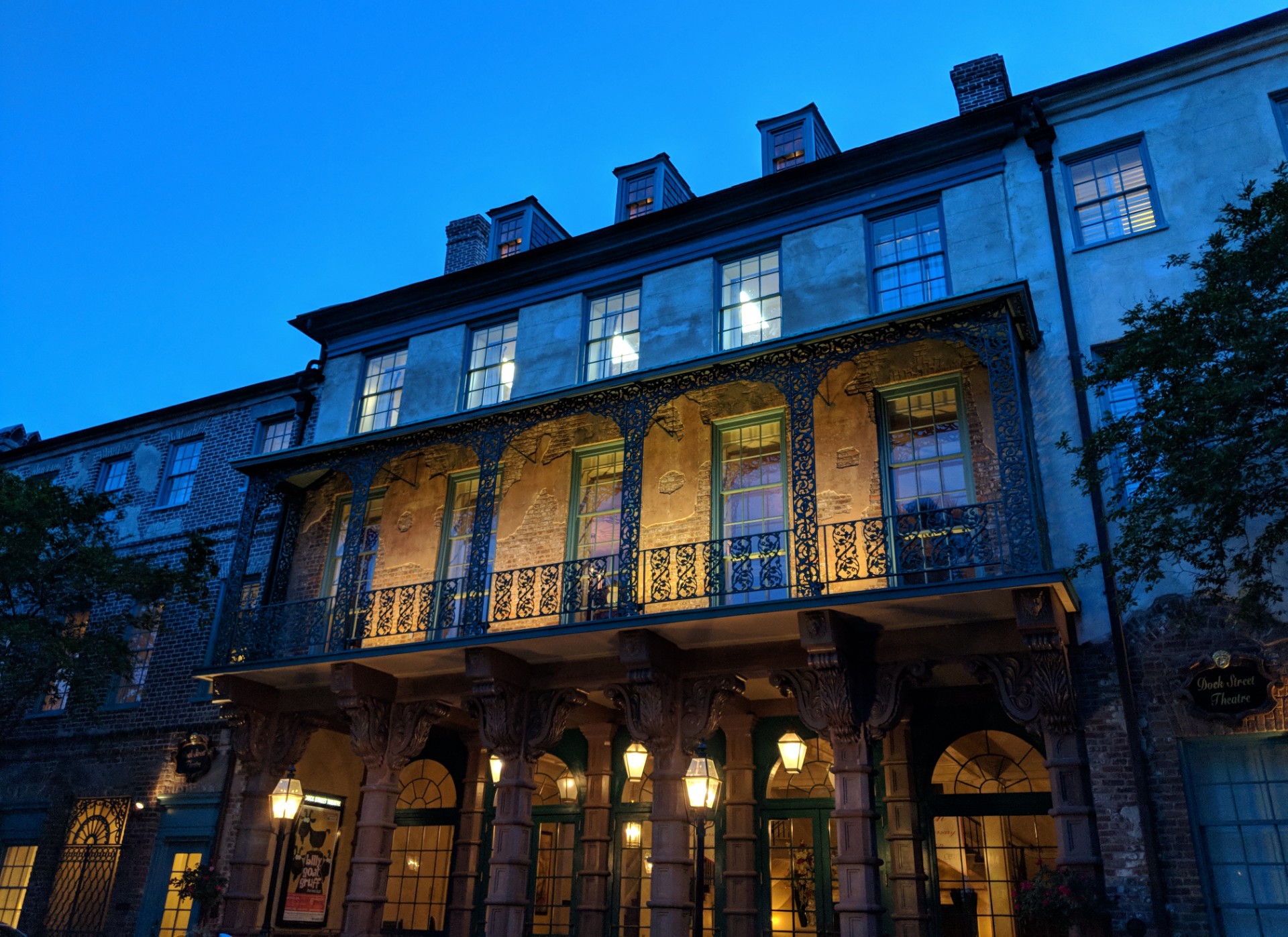
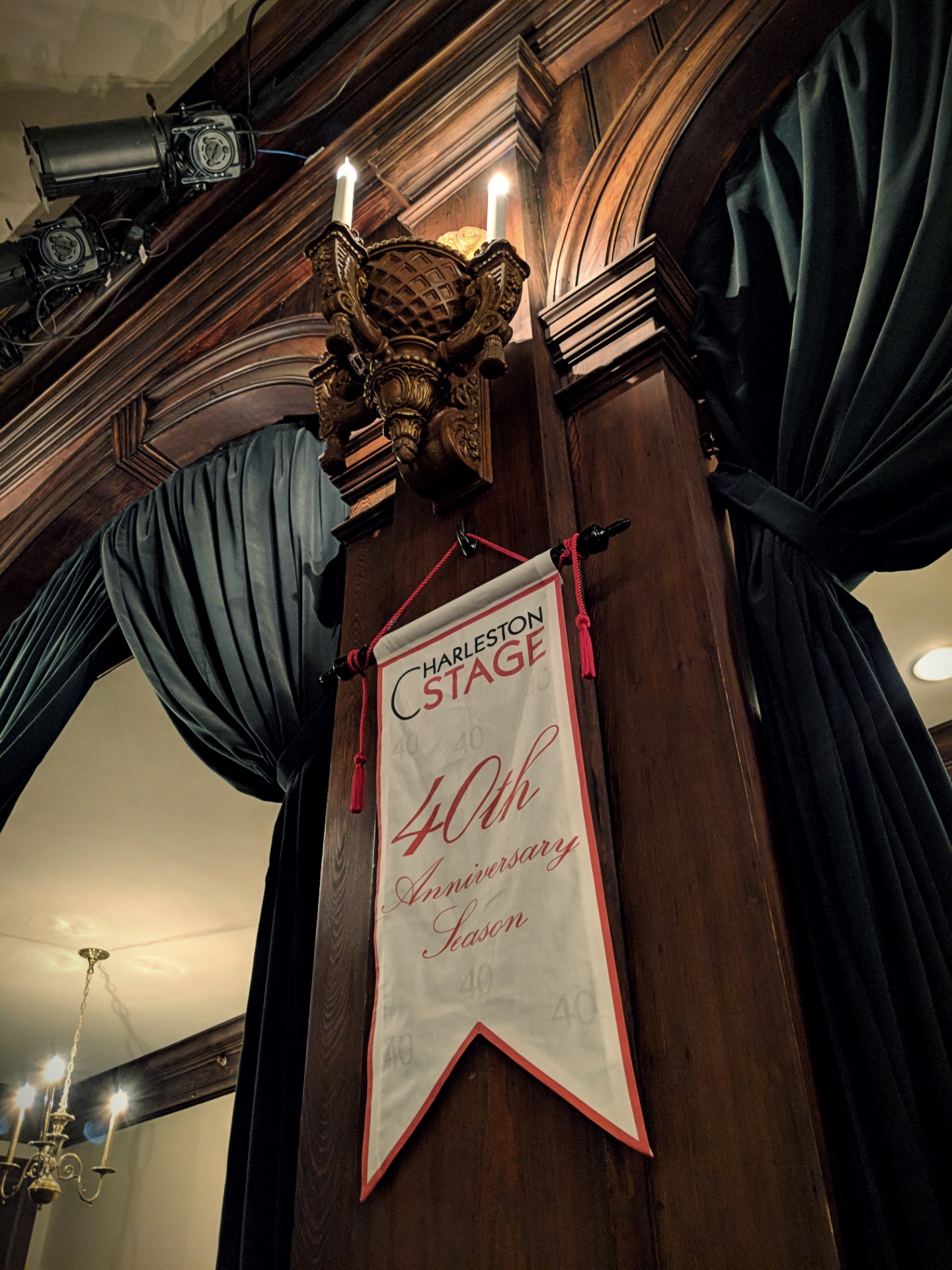
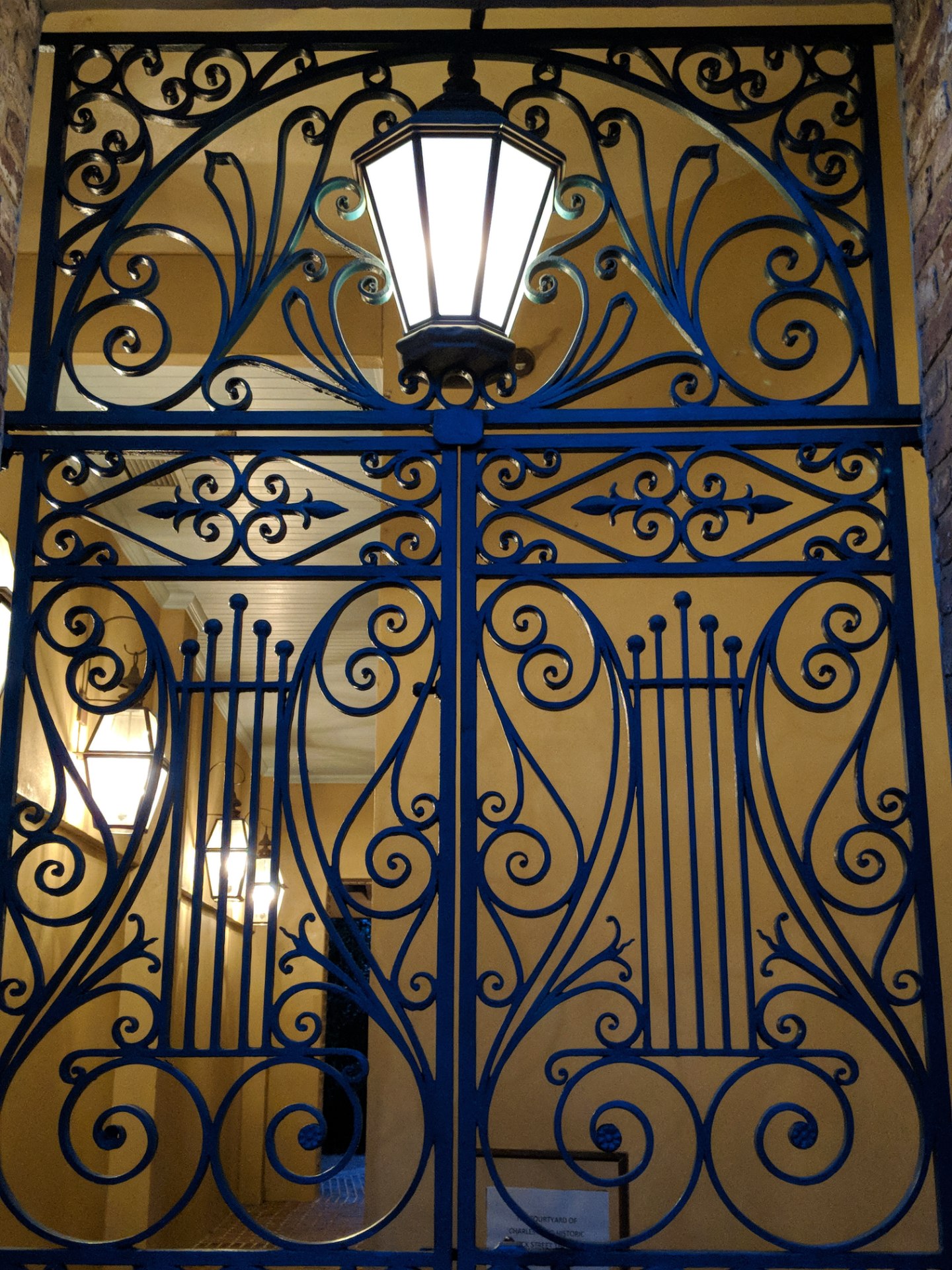
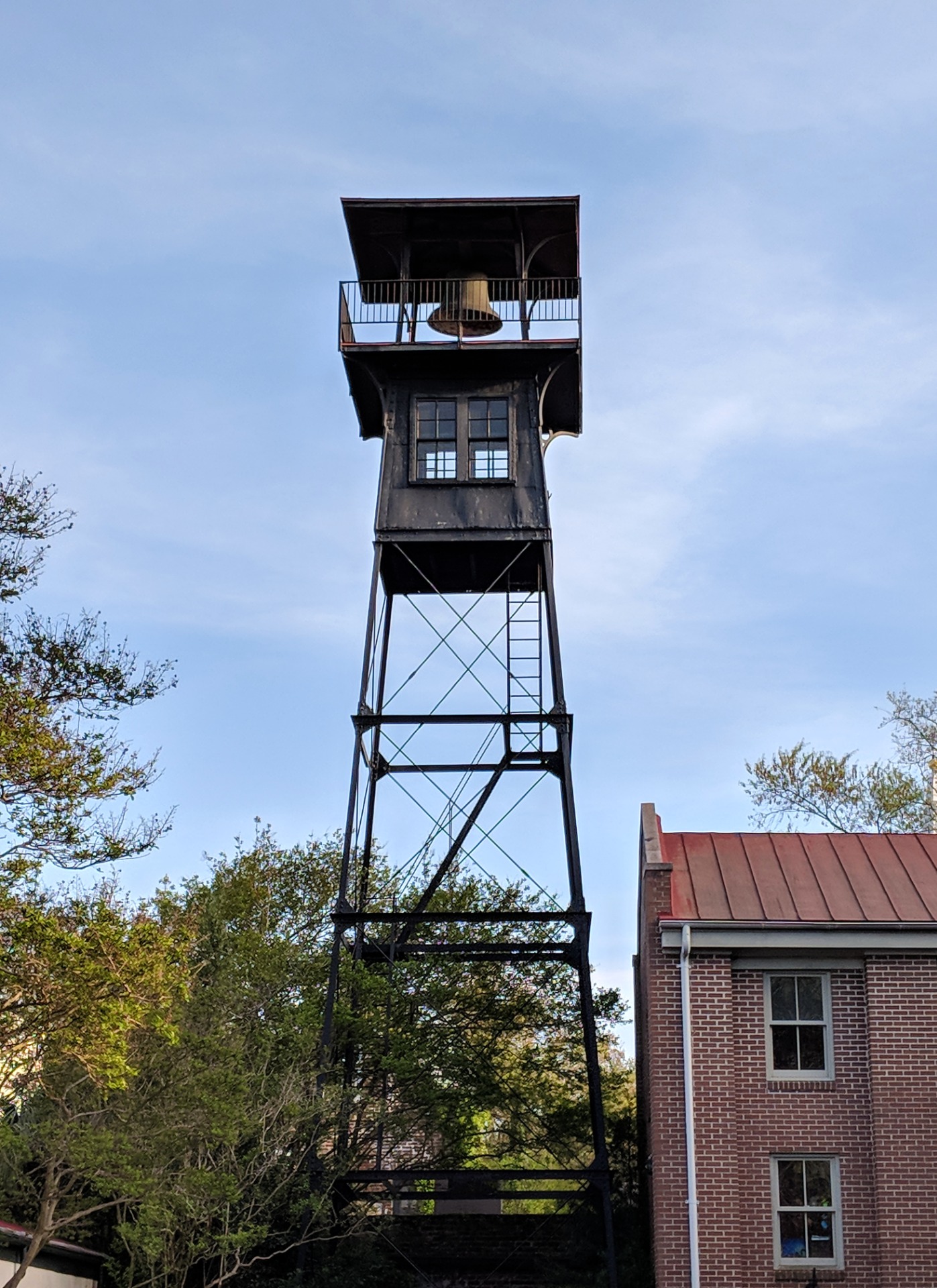
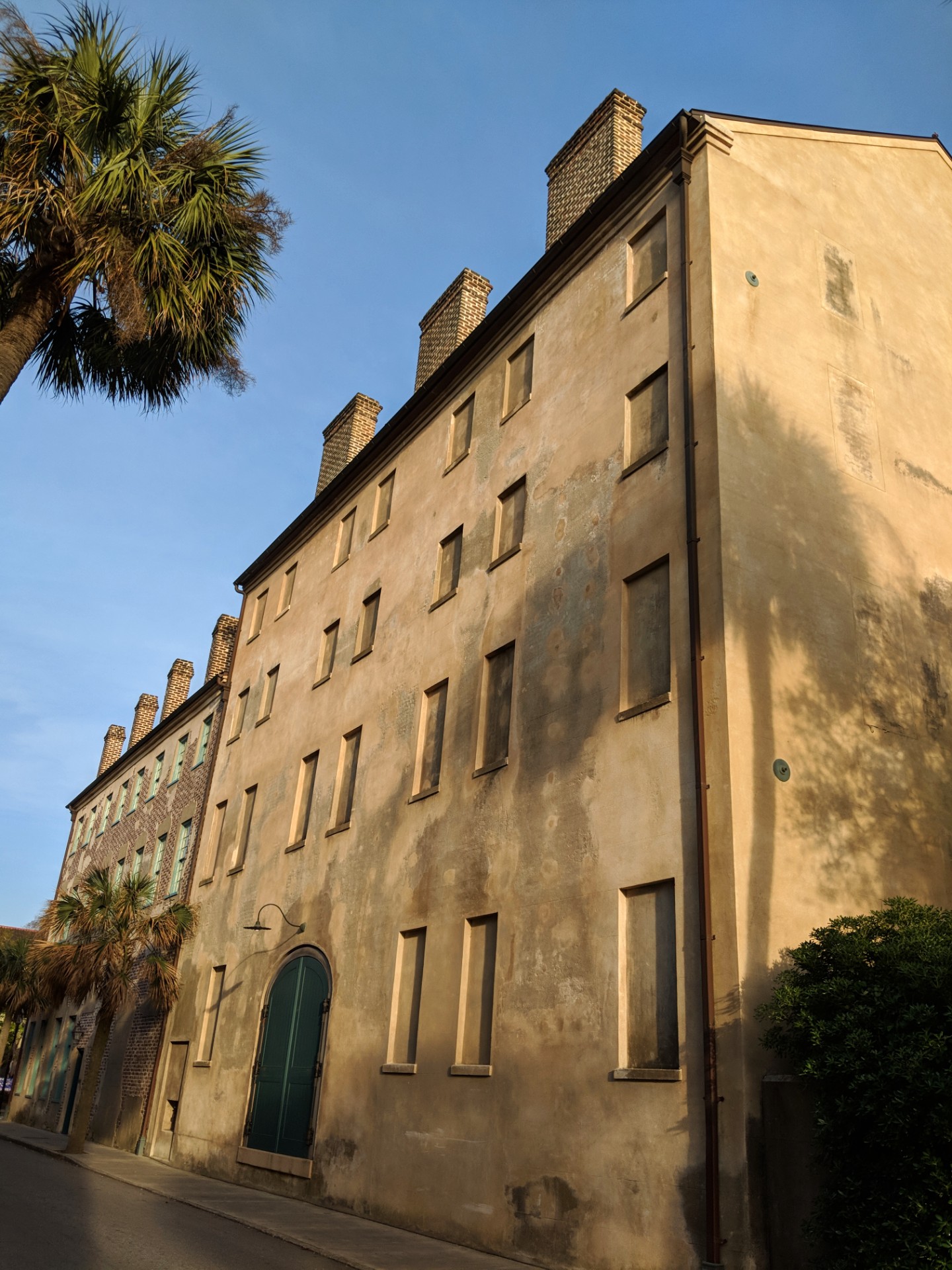
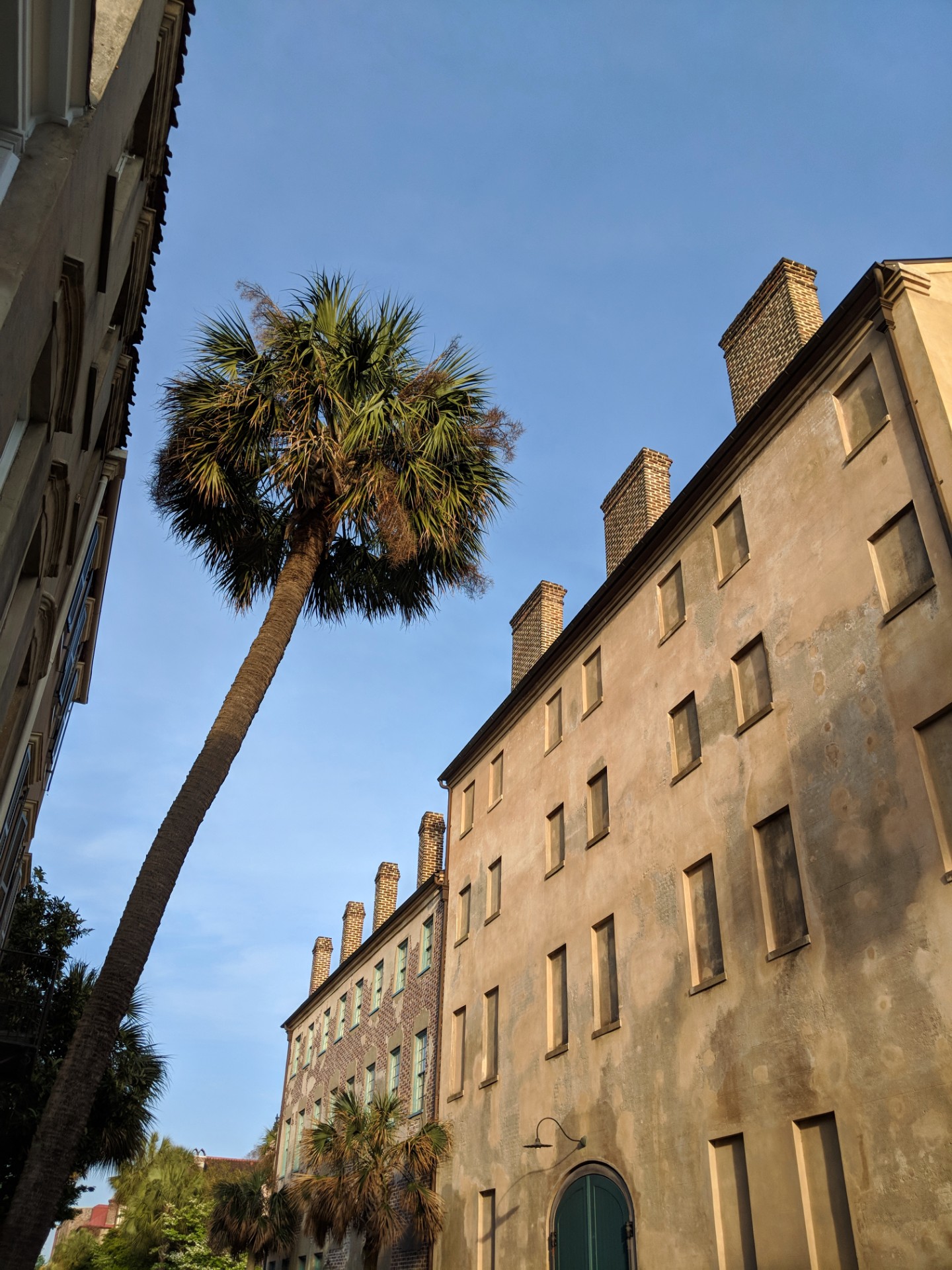
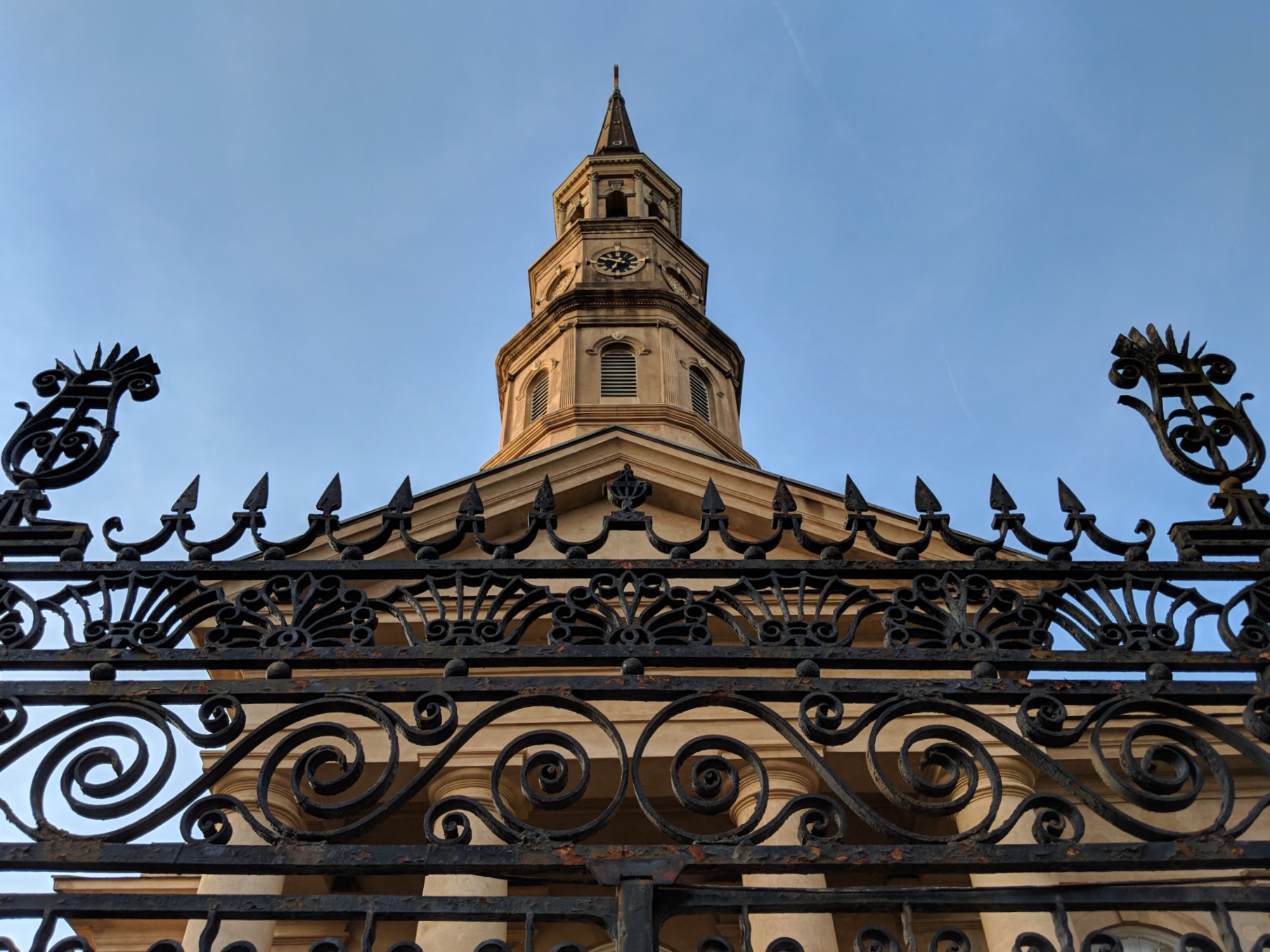
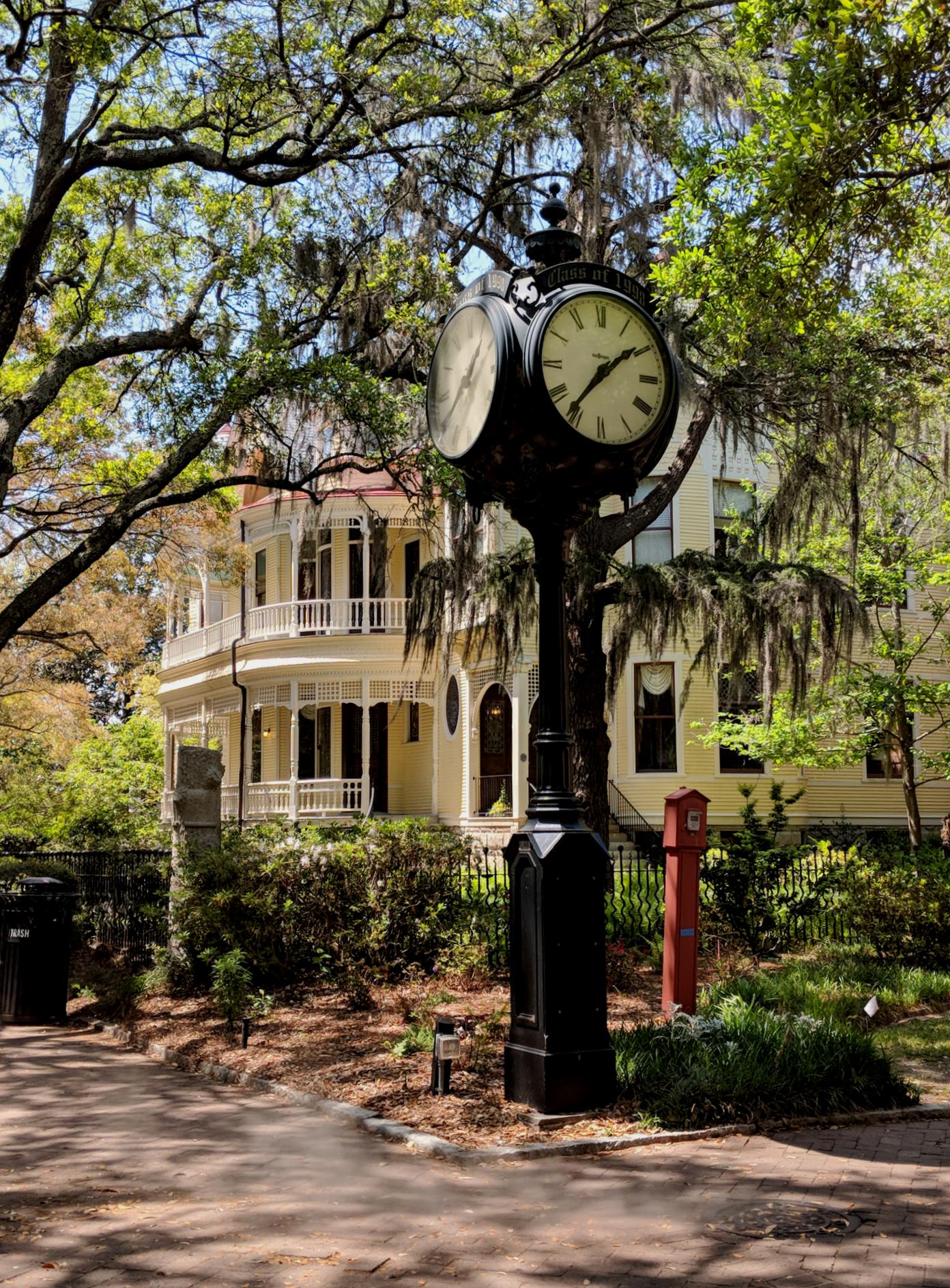
Charleston || The Dock Street Theatre

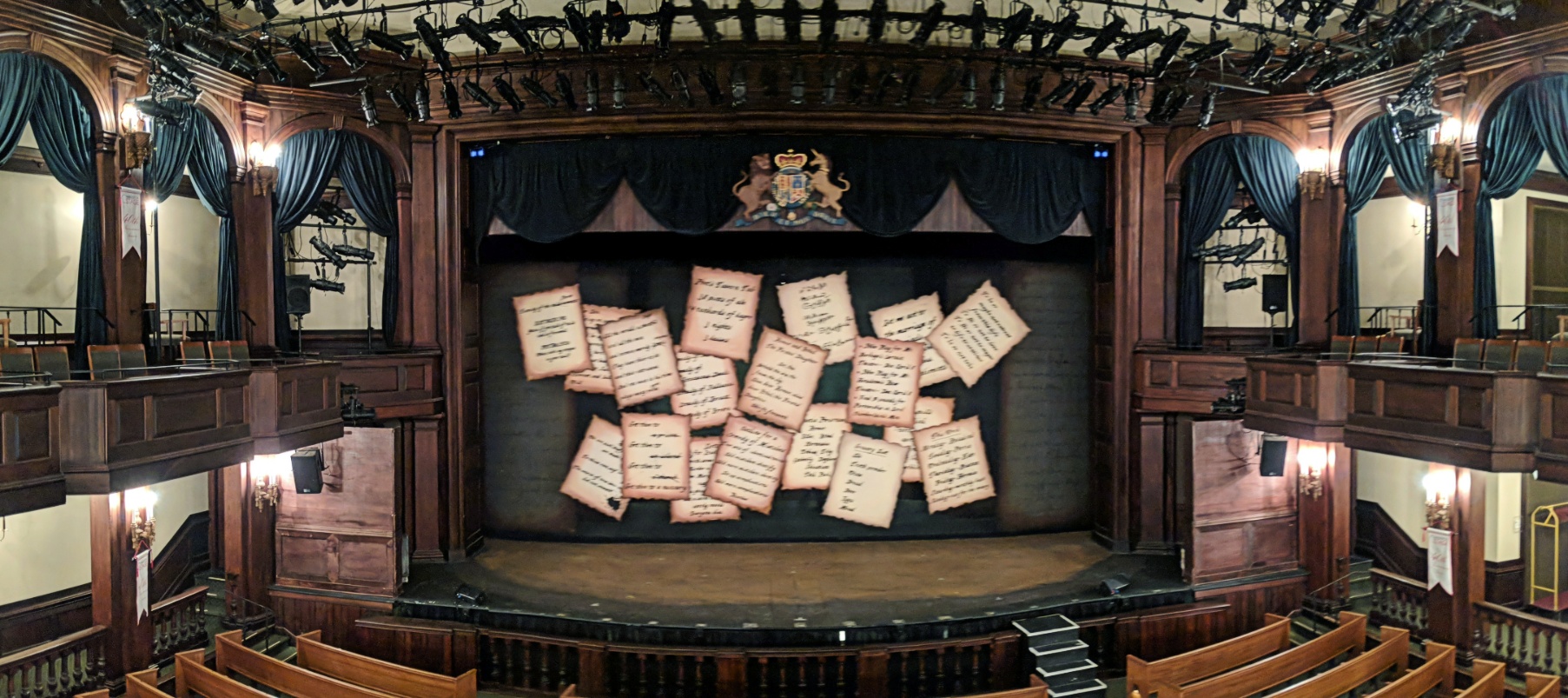
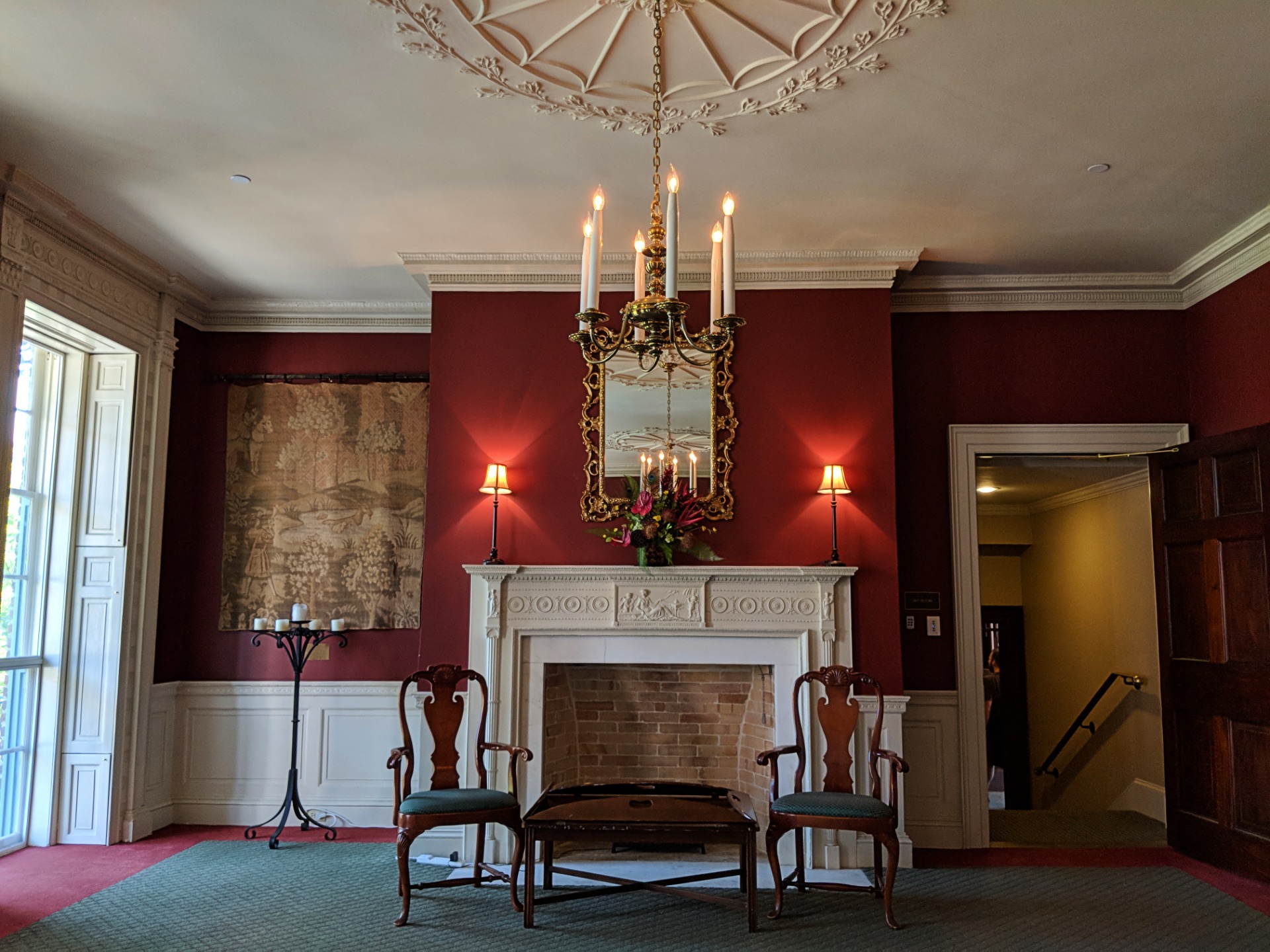
”On February 12, 1736 the Dock Street Theatre opened with a performance of The Recruiting Officer. Built on the corner of Church Street and Dock Street (now known as Queen Street), the Historic Dock Street Theatre was the first building in America built exclusively to be used for theatrical performances. Flora, the first opera performance in America, took place at the Historic Dock Street Theatre.”

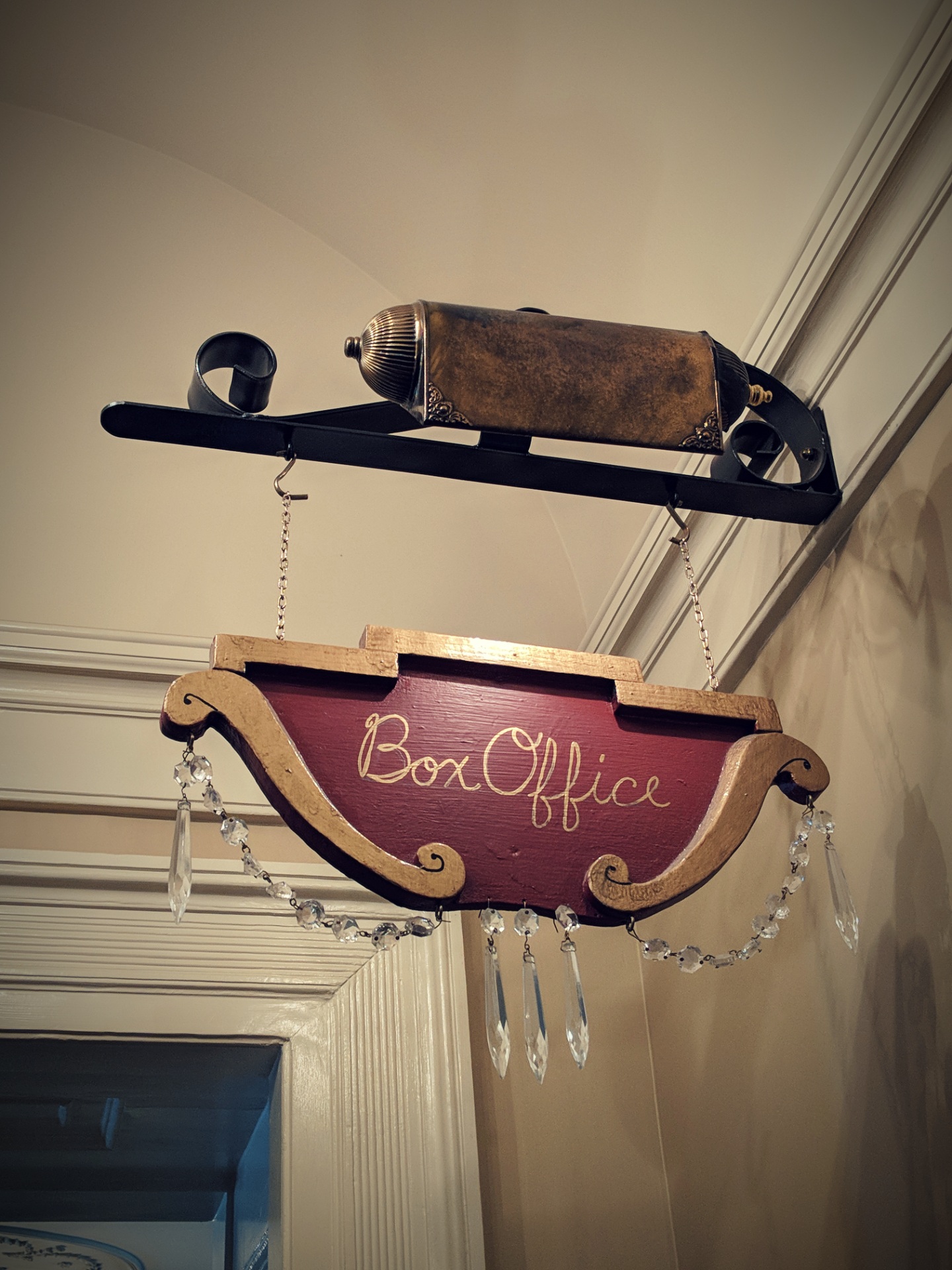
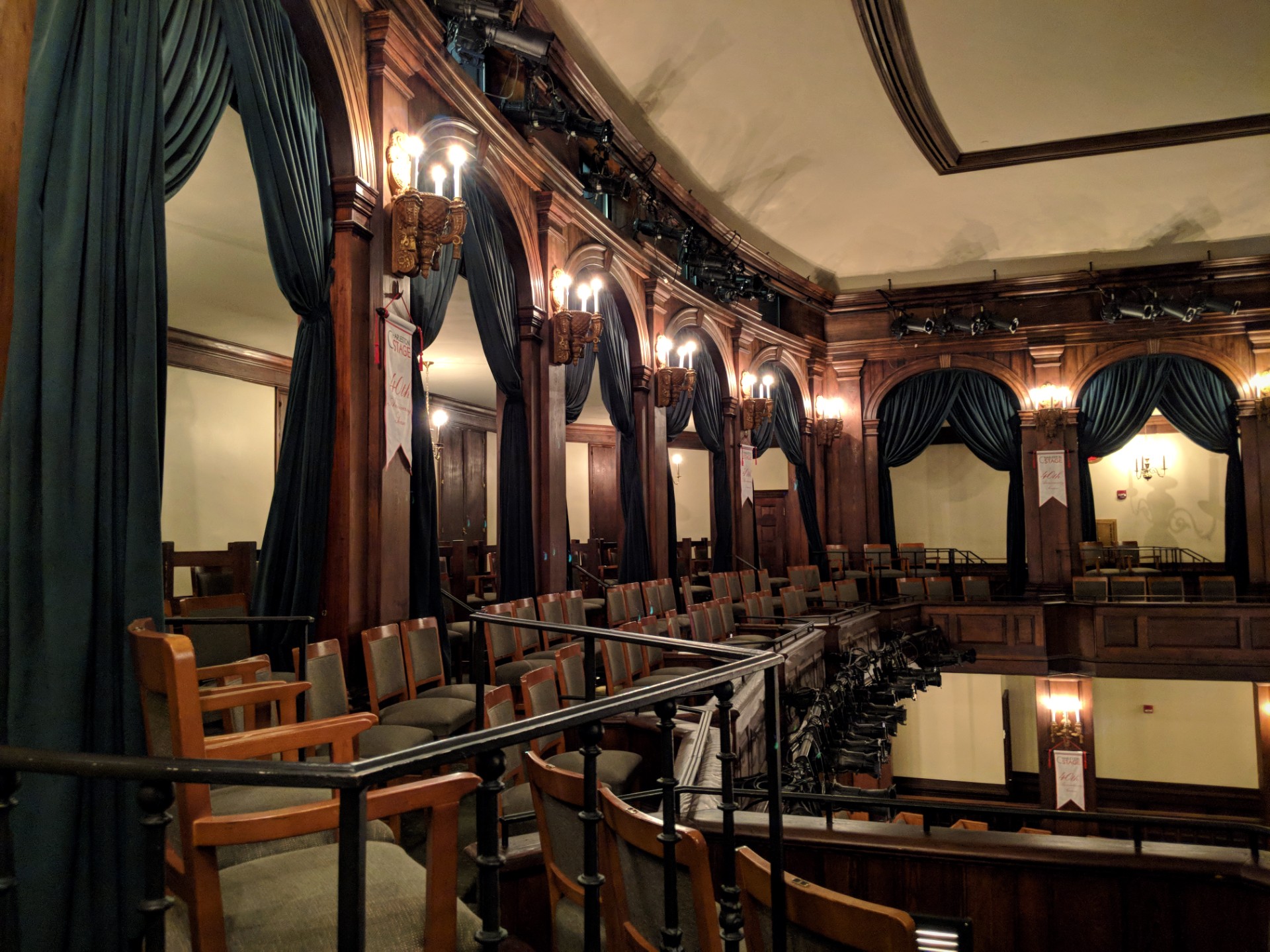
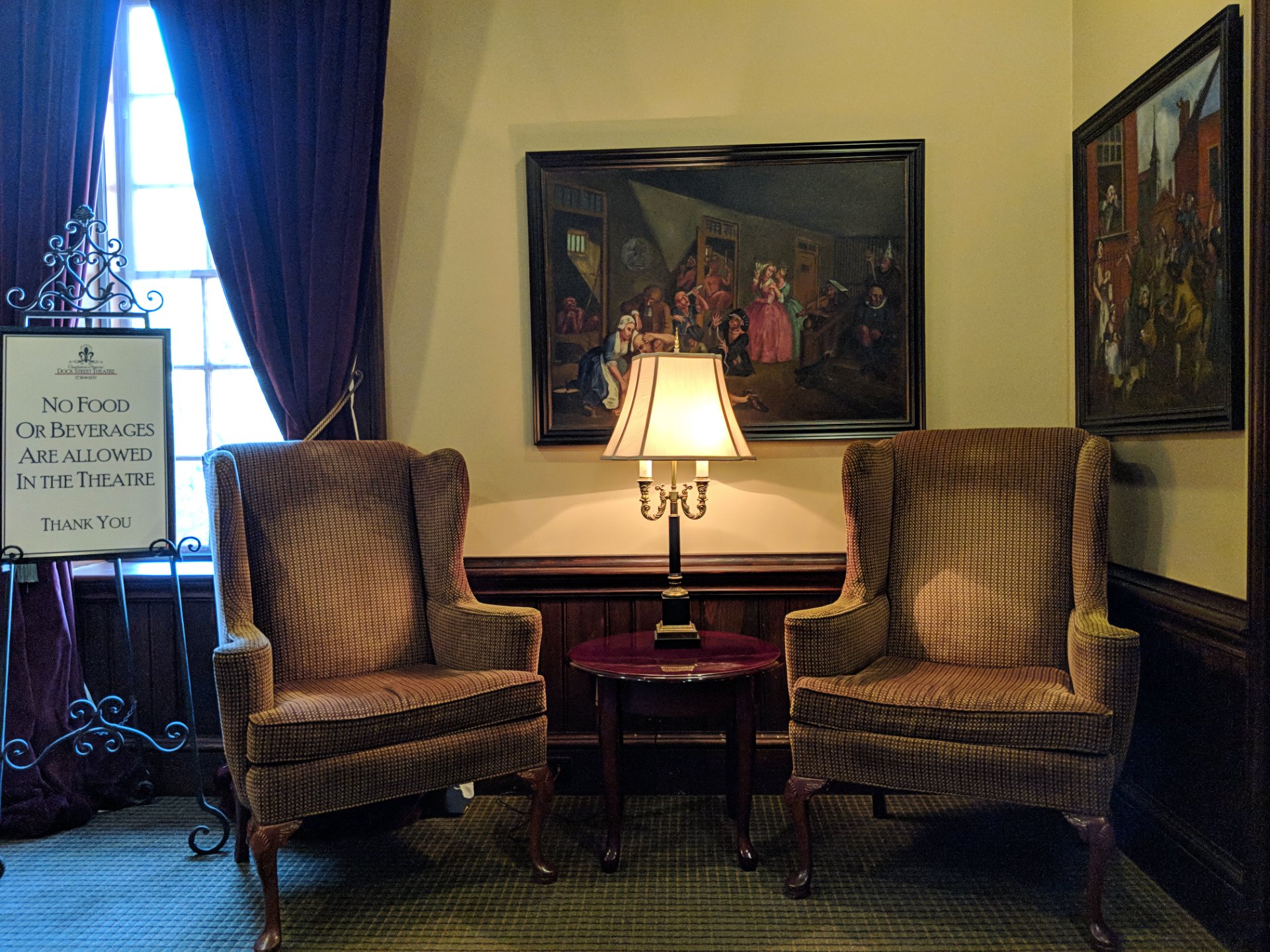
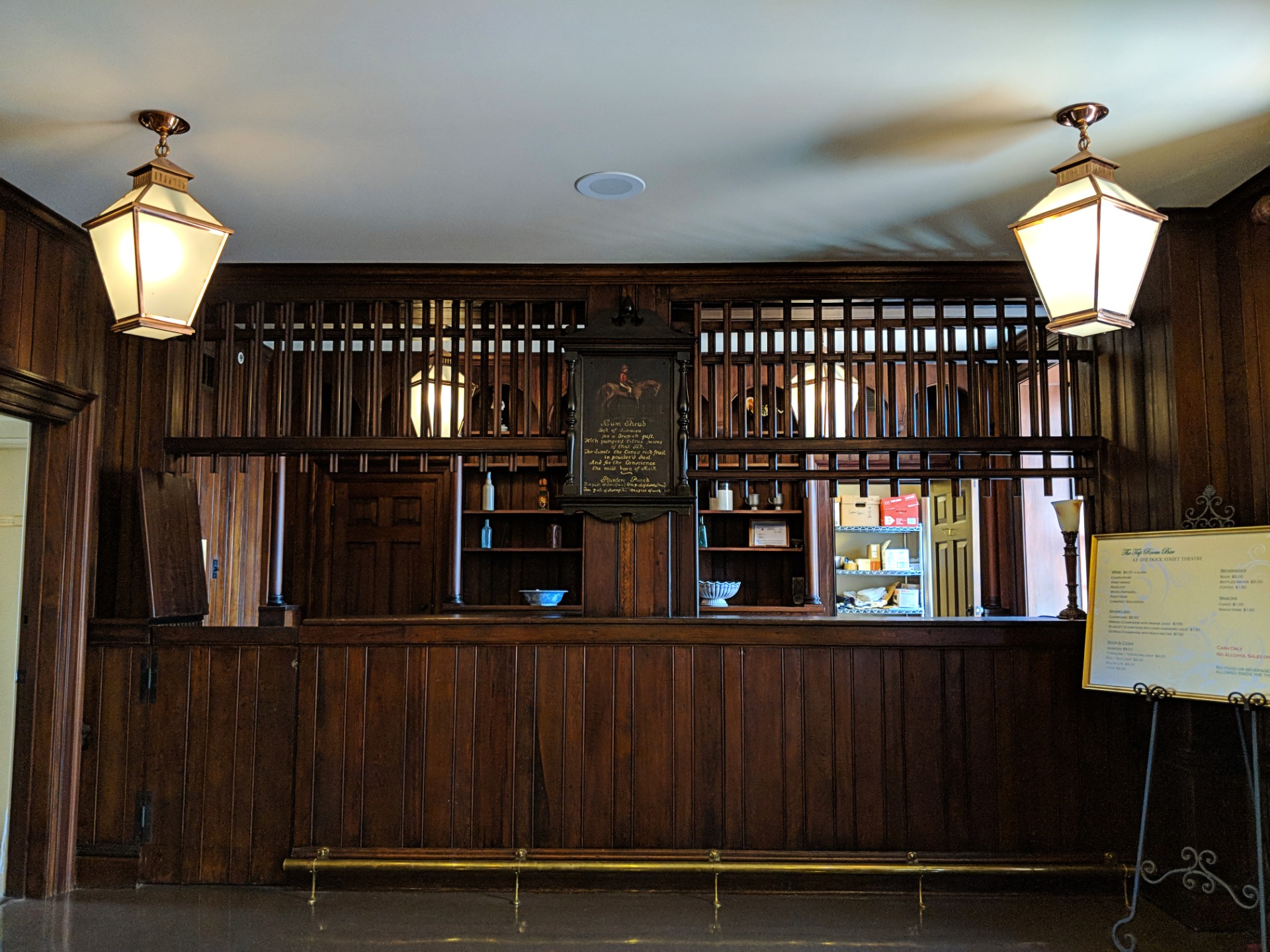
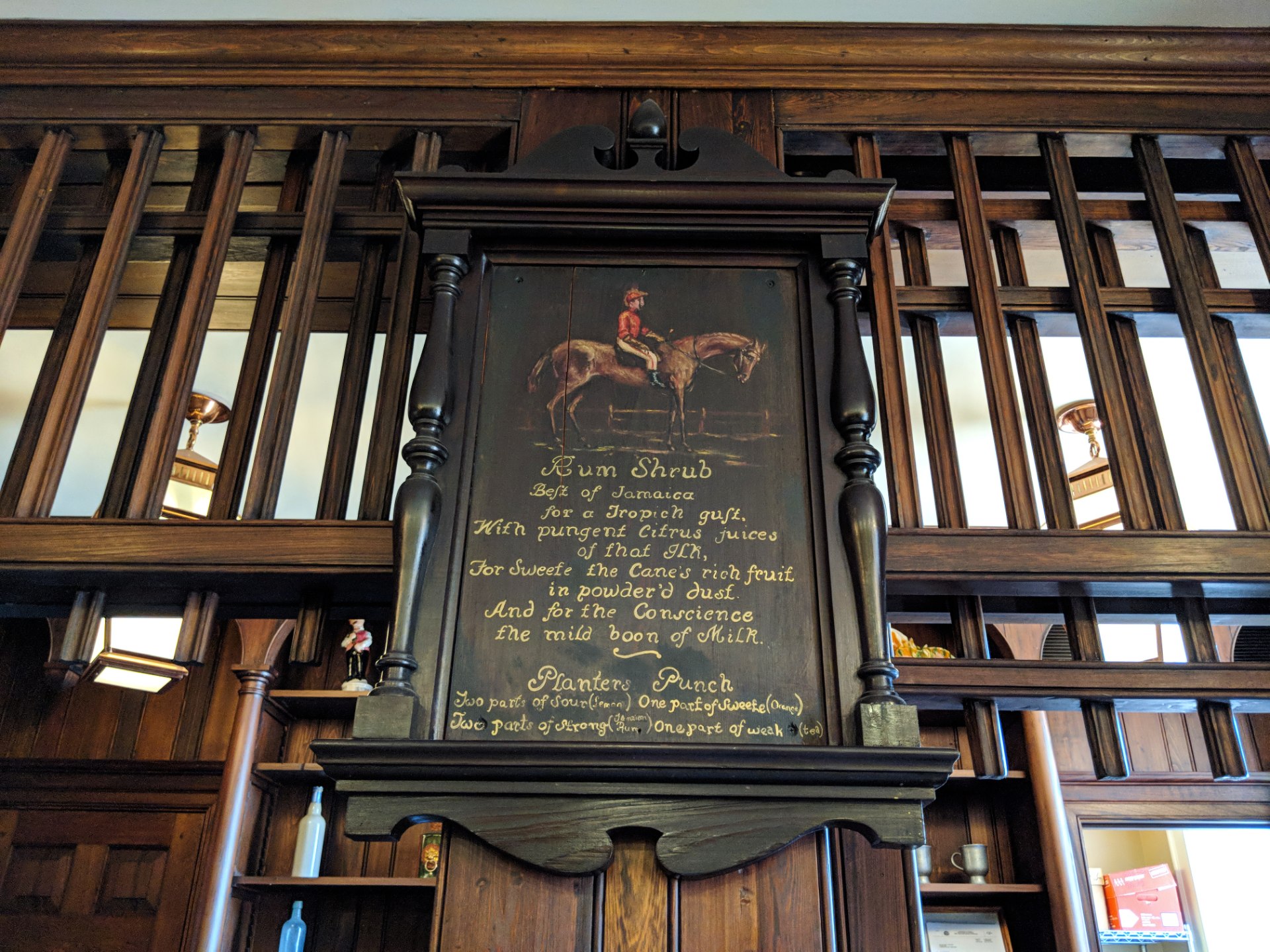
In the mornings, when there is no show, you can walk inside, take a sit and enjoy the silence.

Dock Street Theatre – Charleston, SC

April 12th, 2018

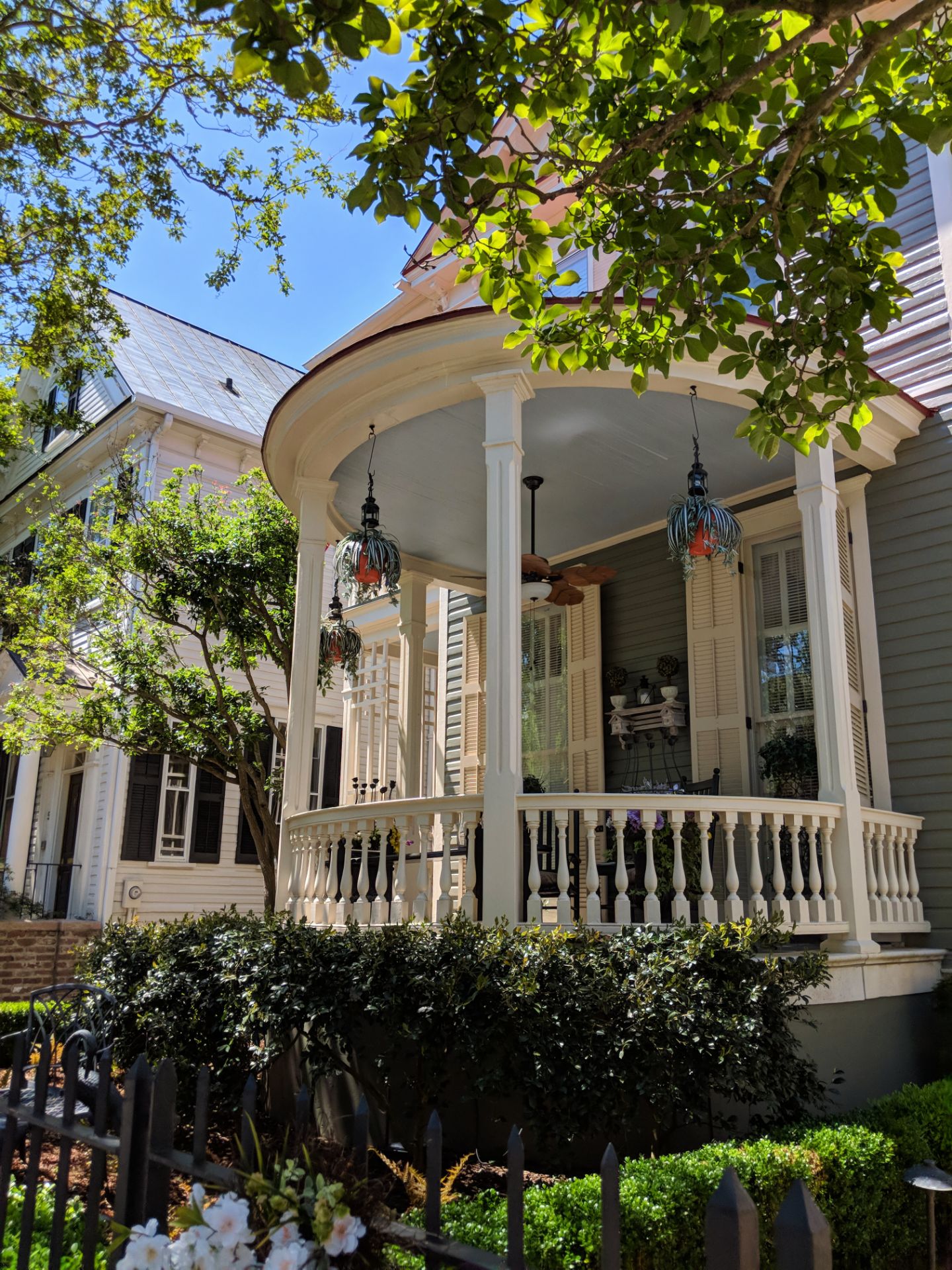
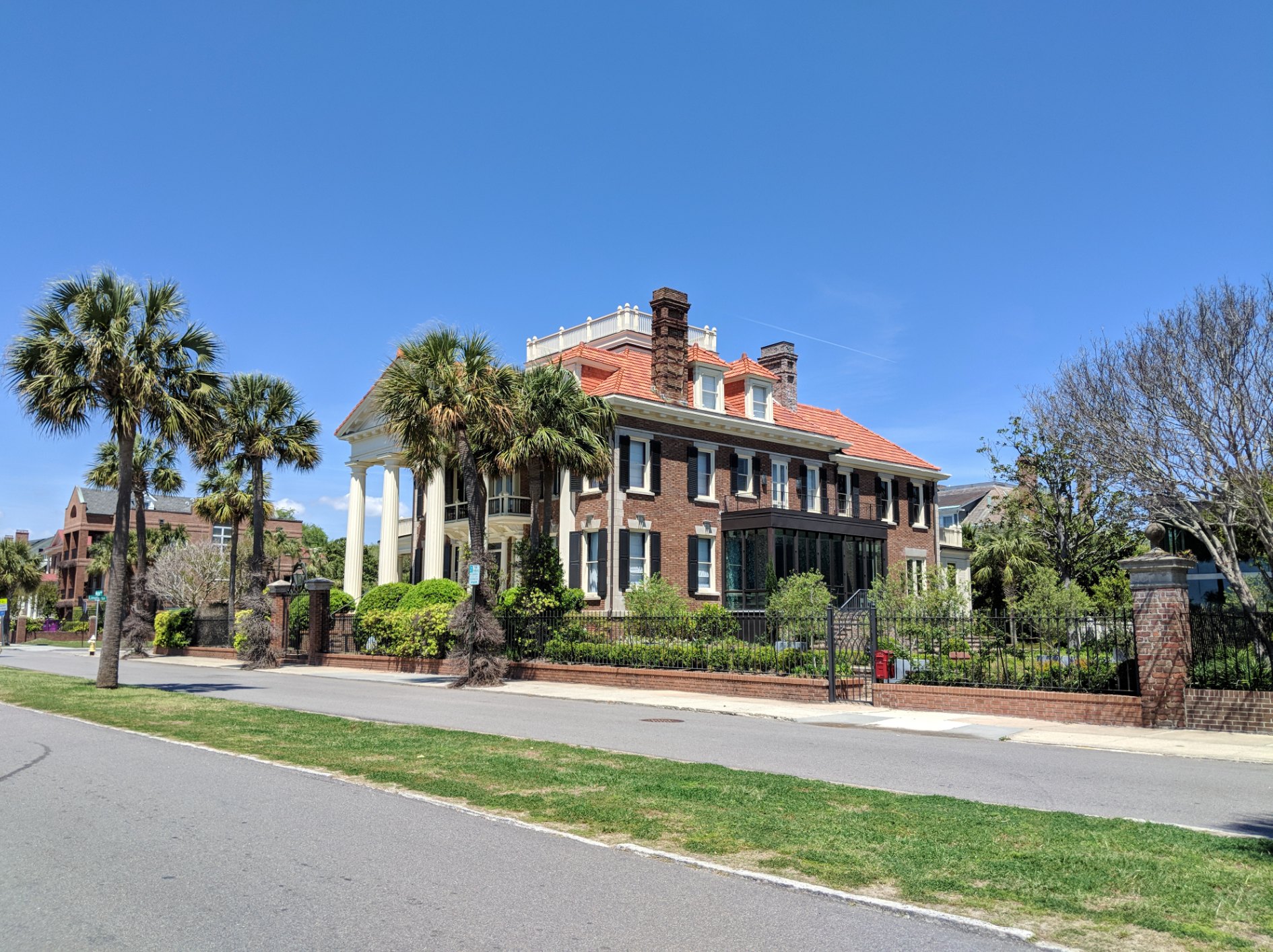
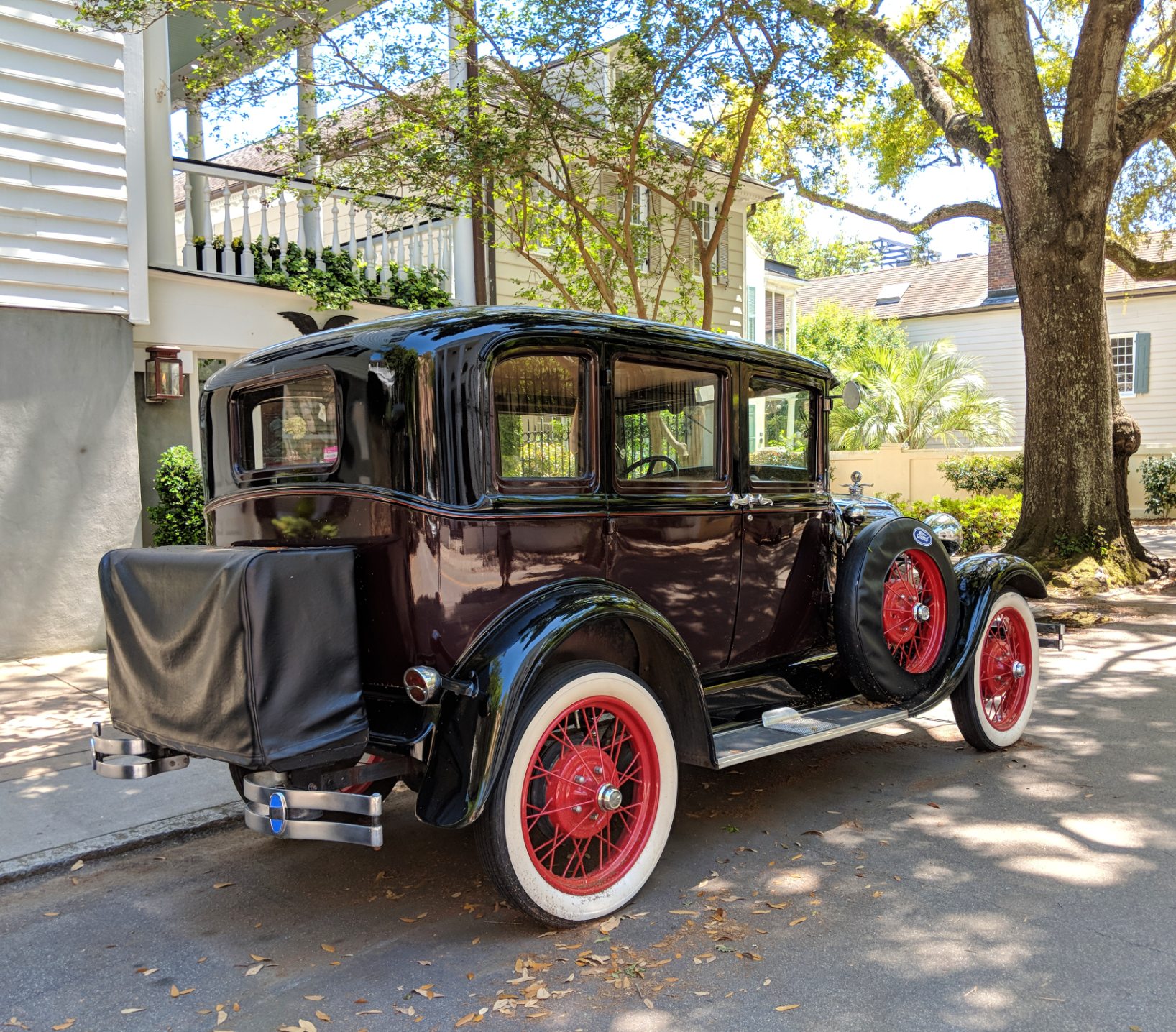
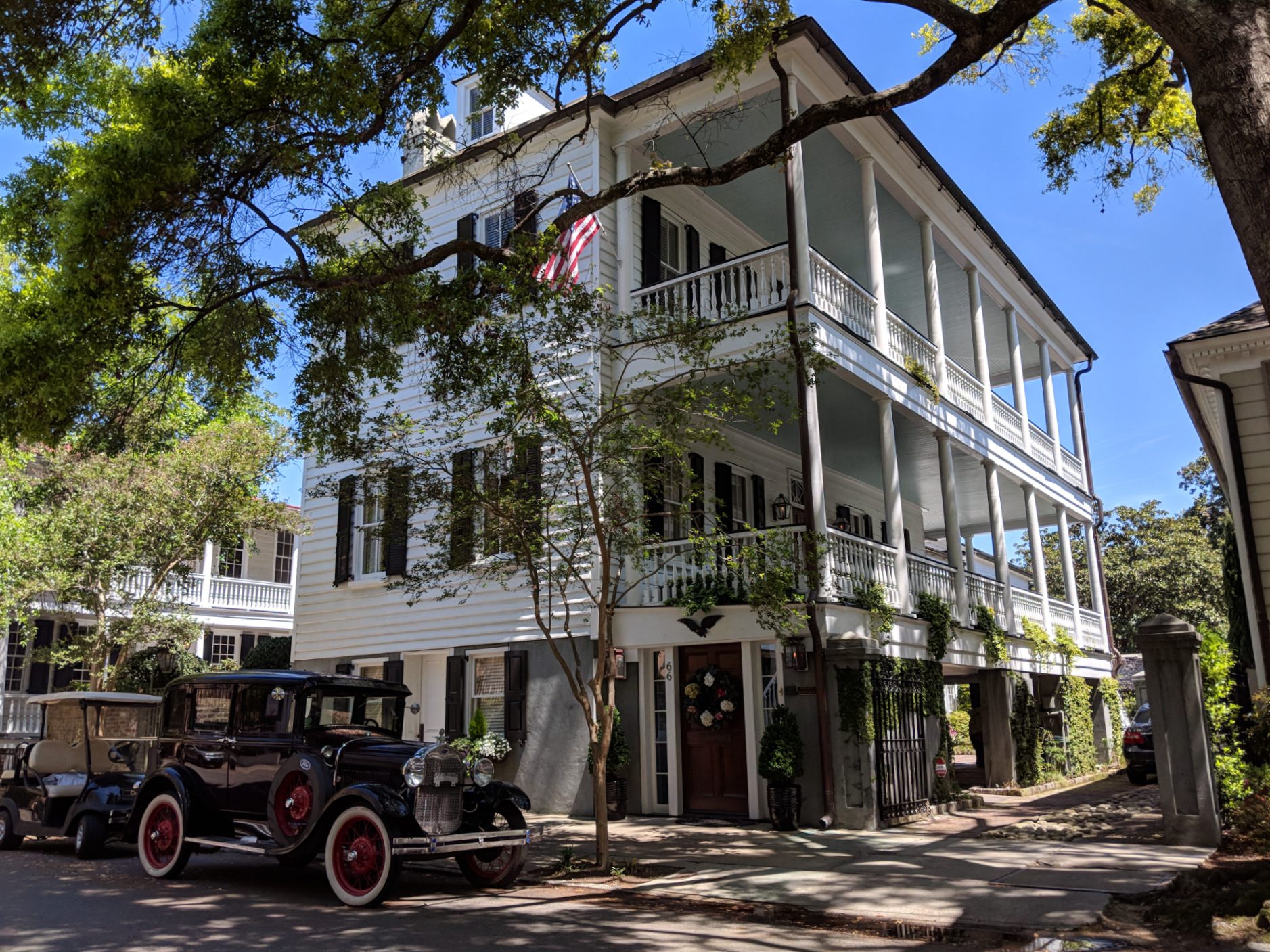
Charleston || Perspectives

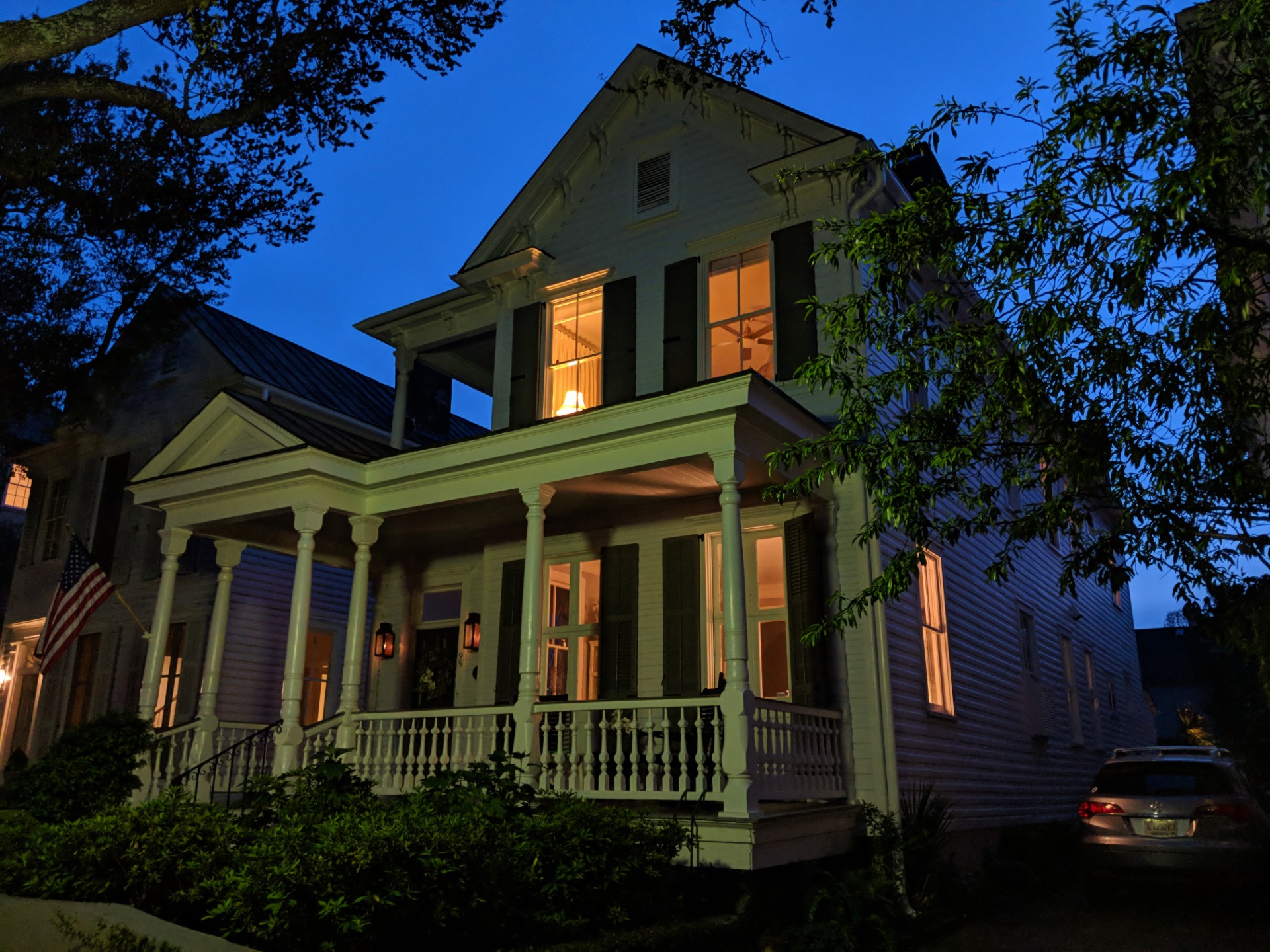
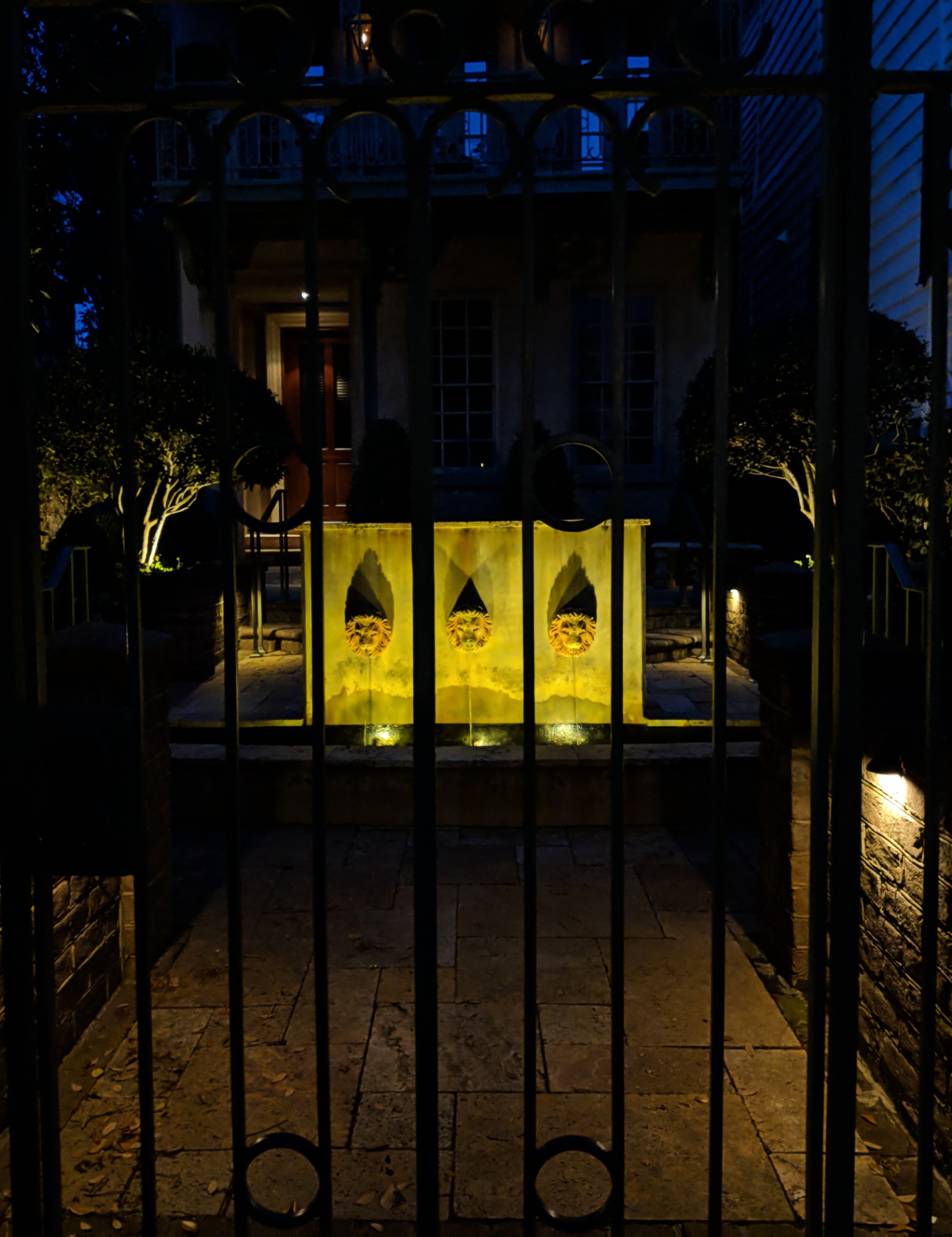
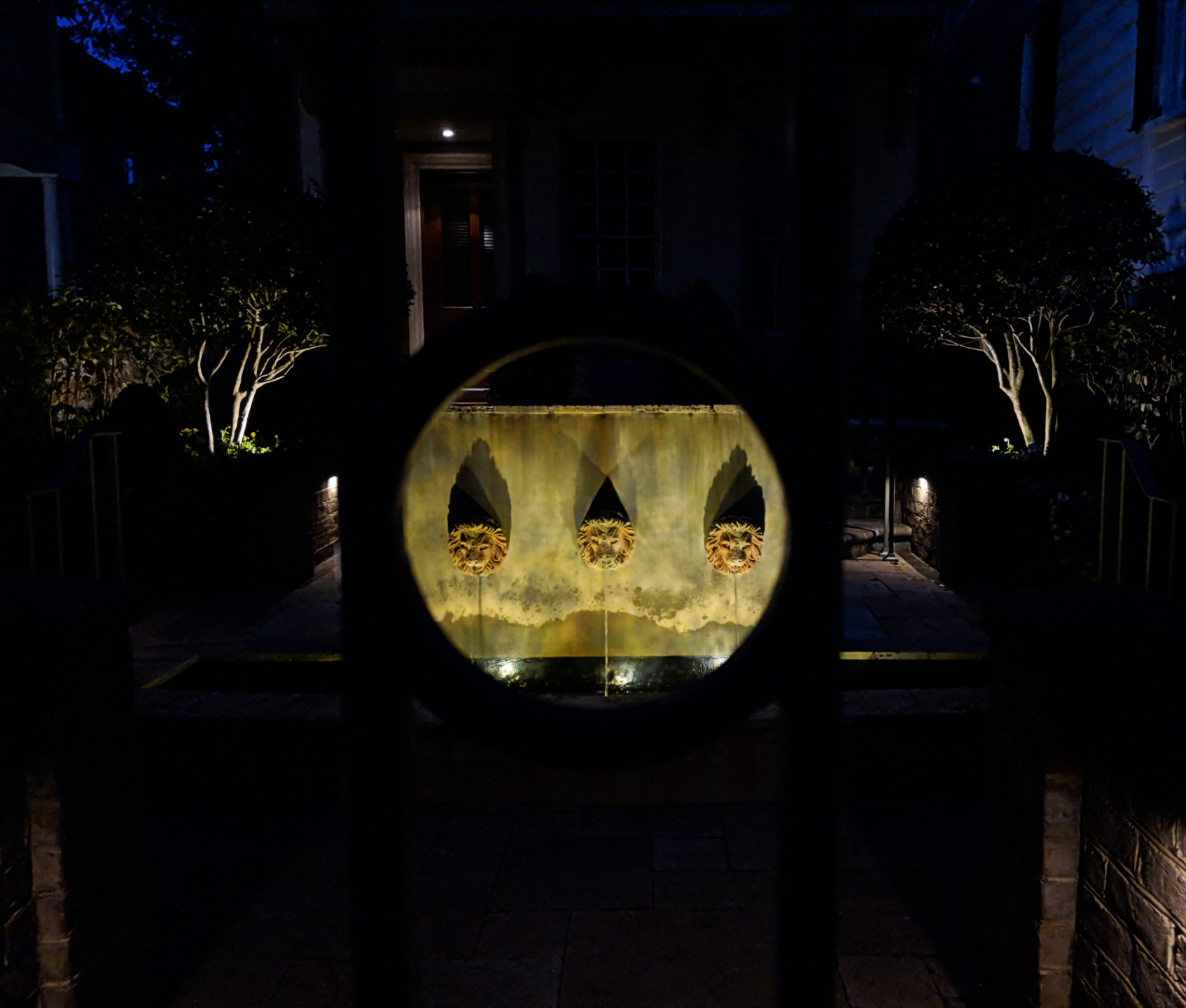
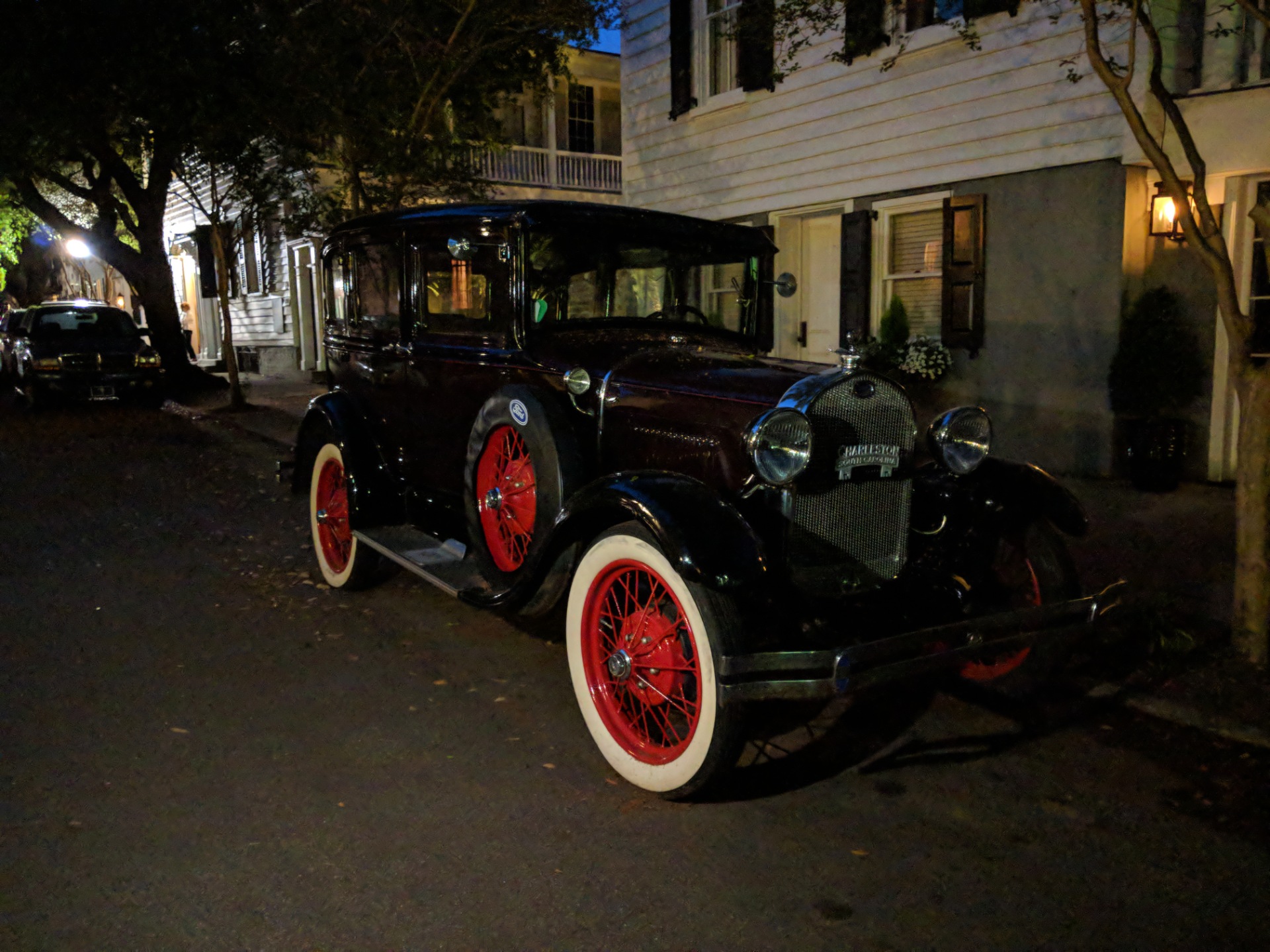
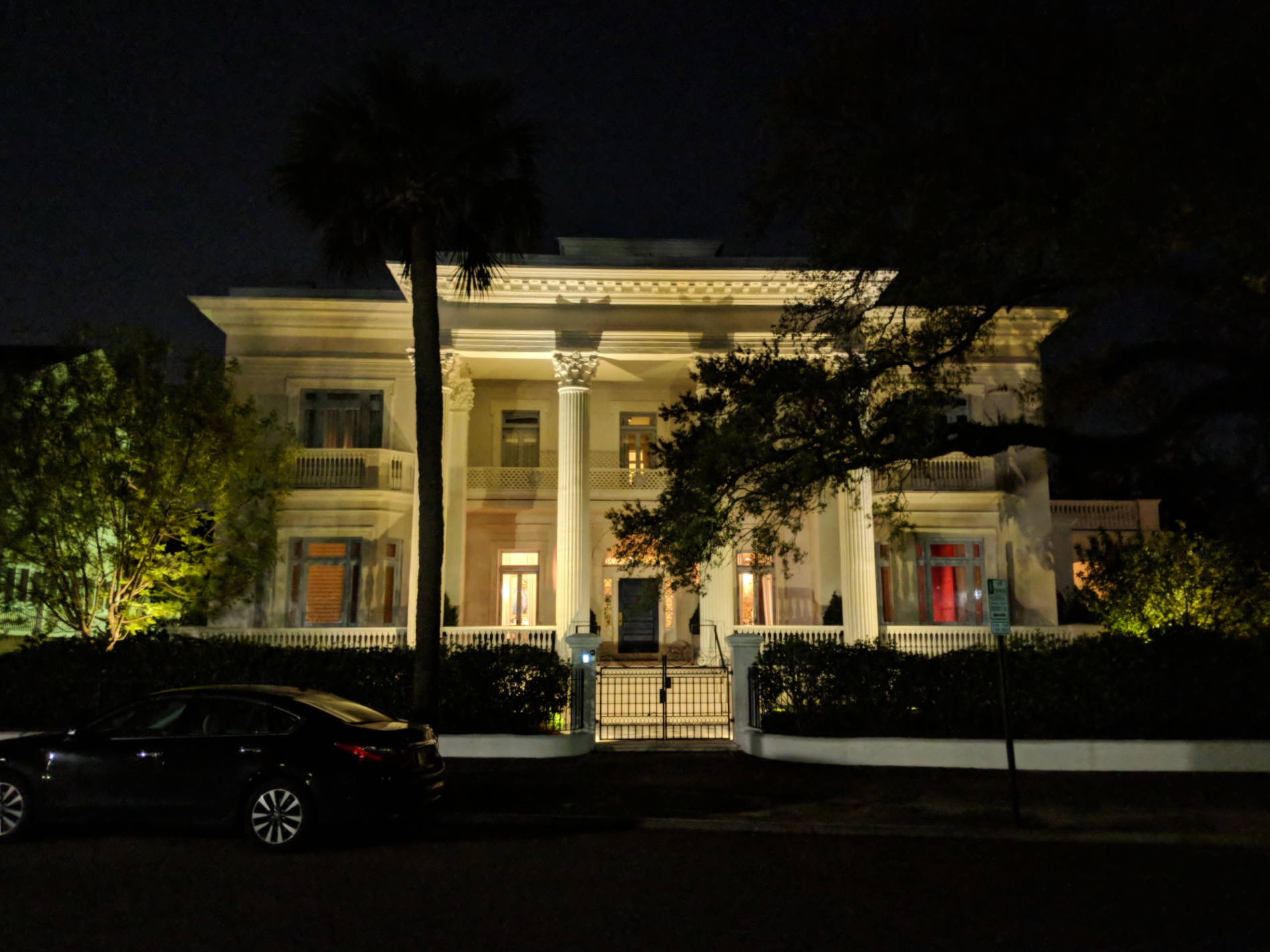
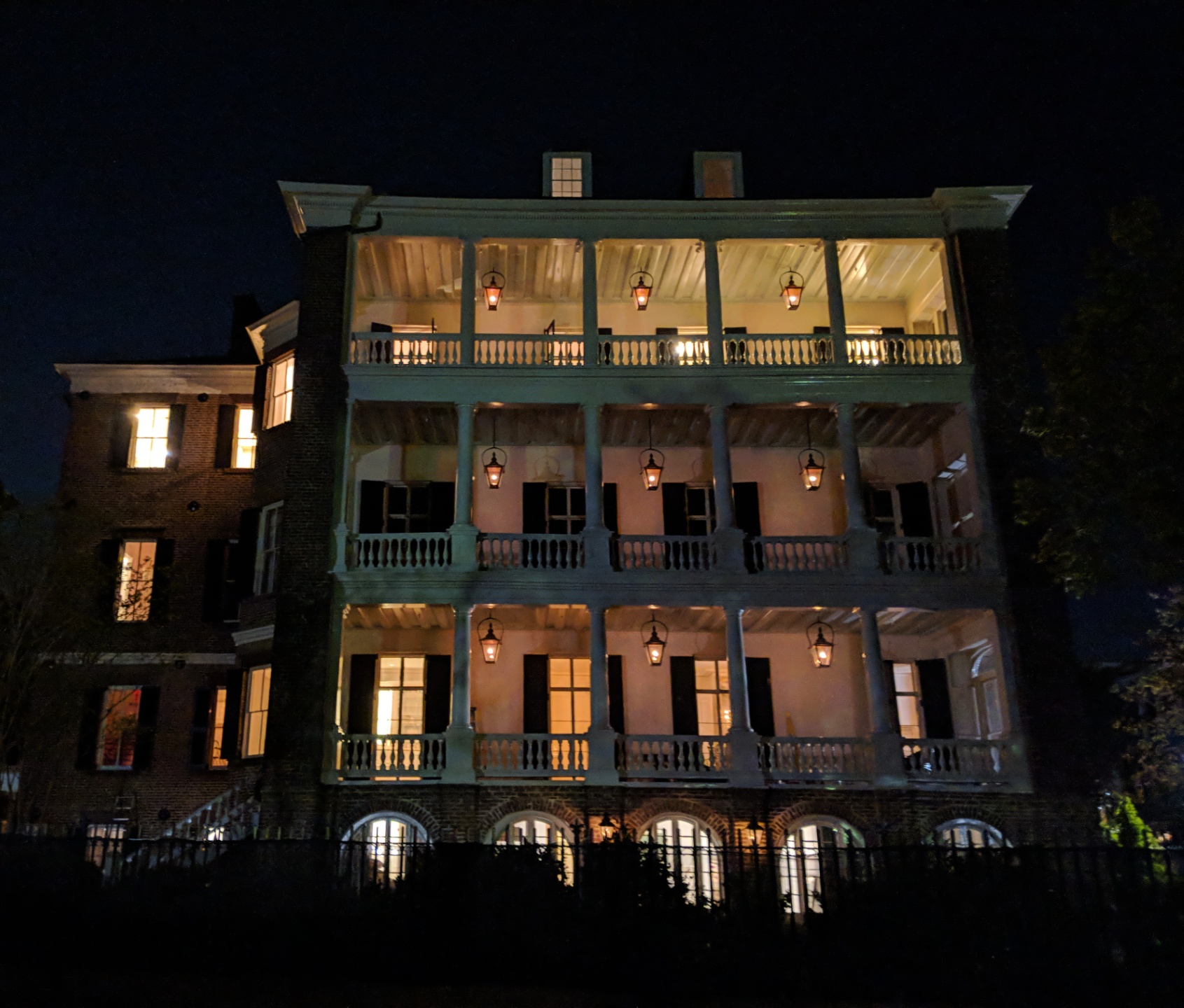
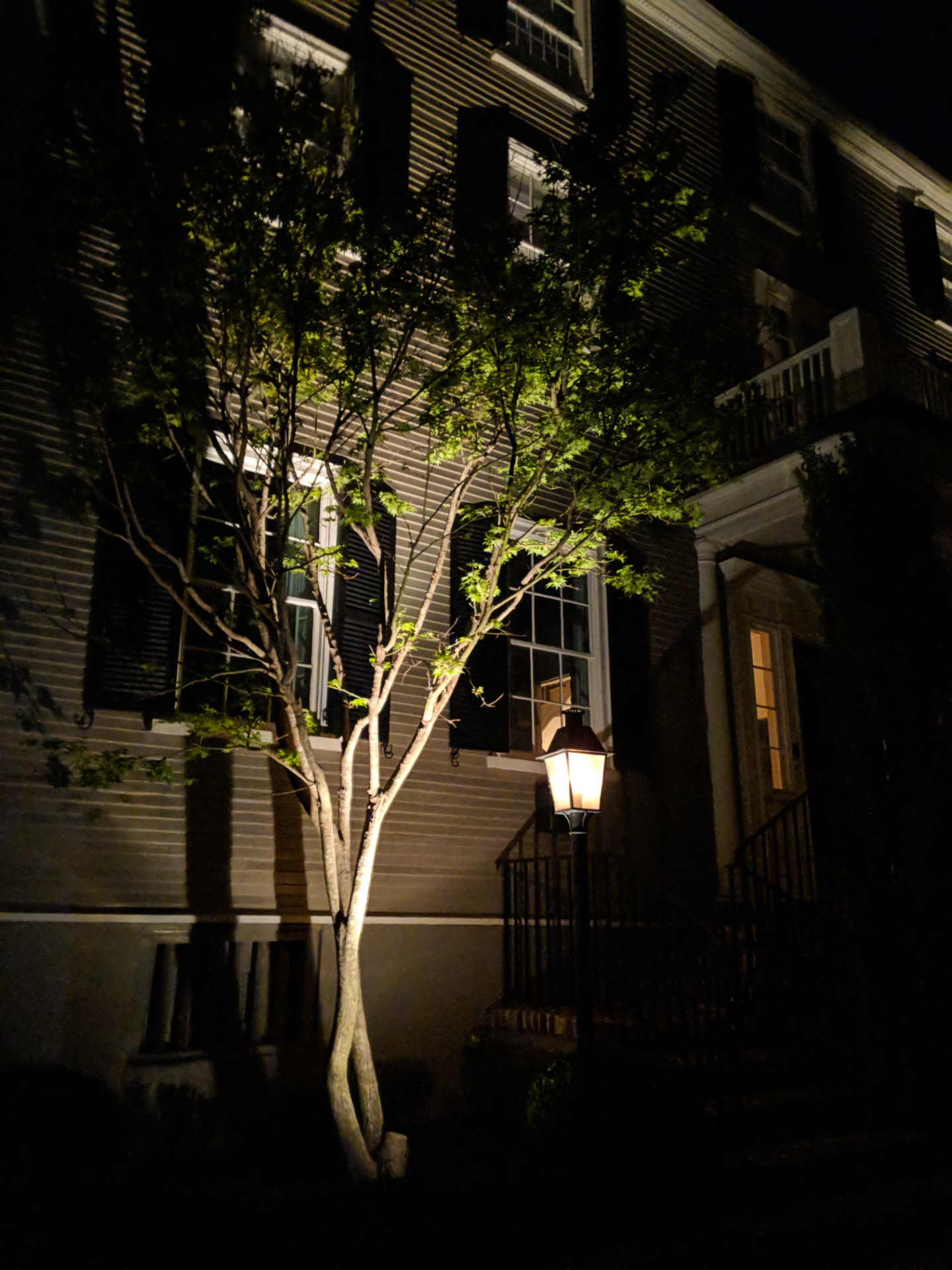
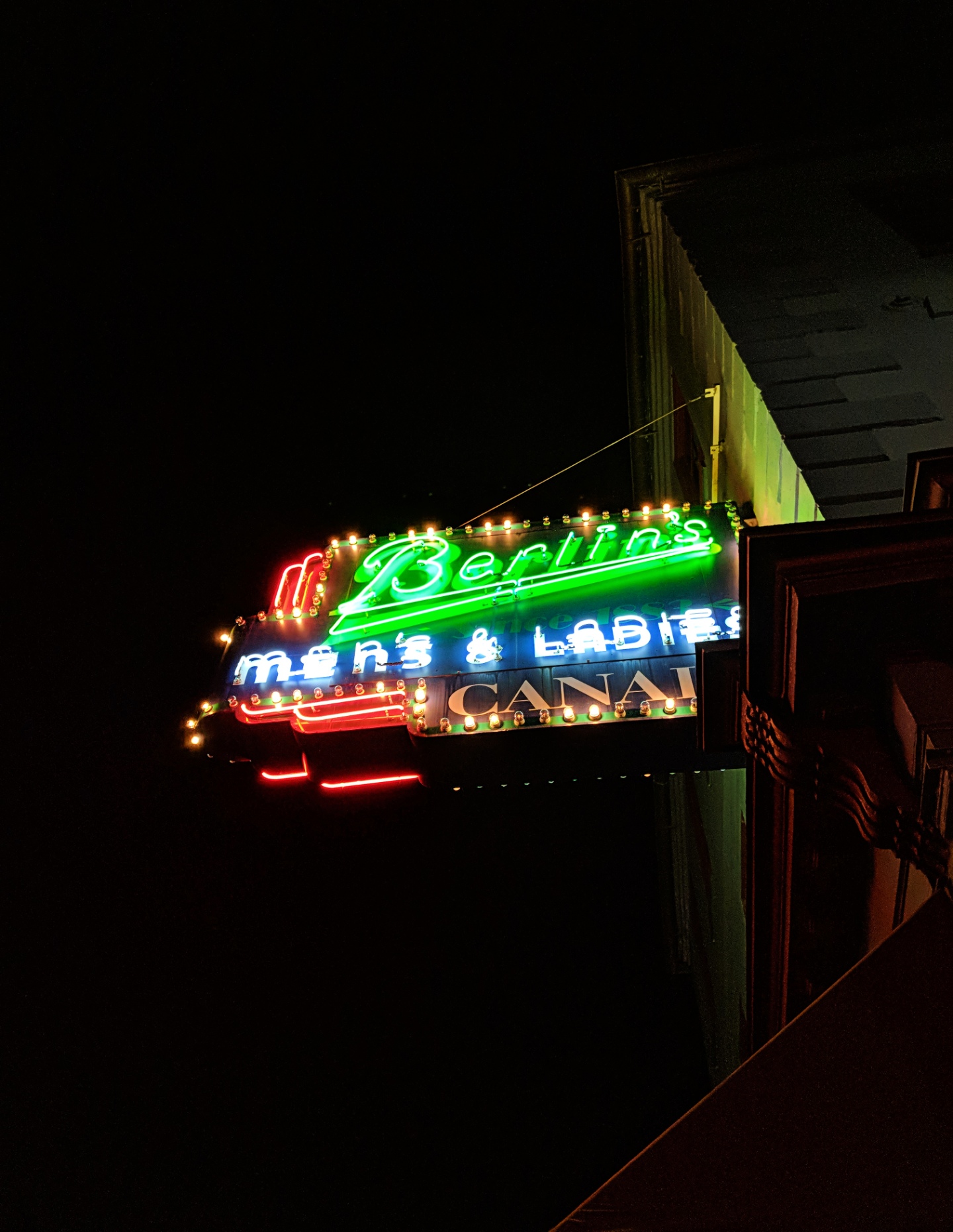
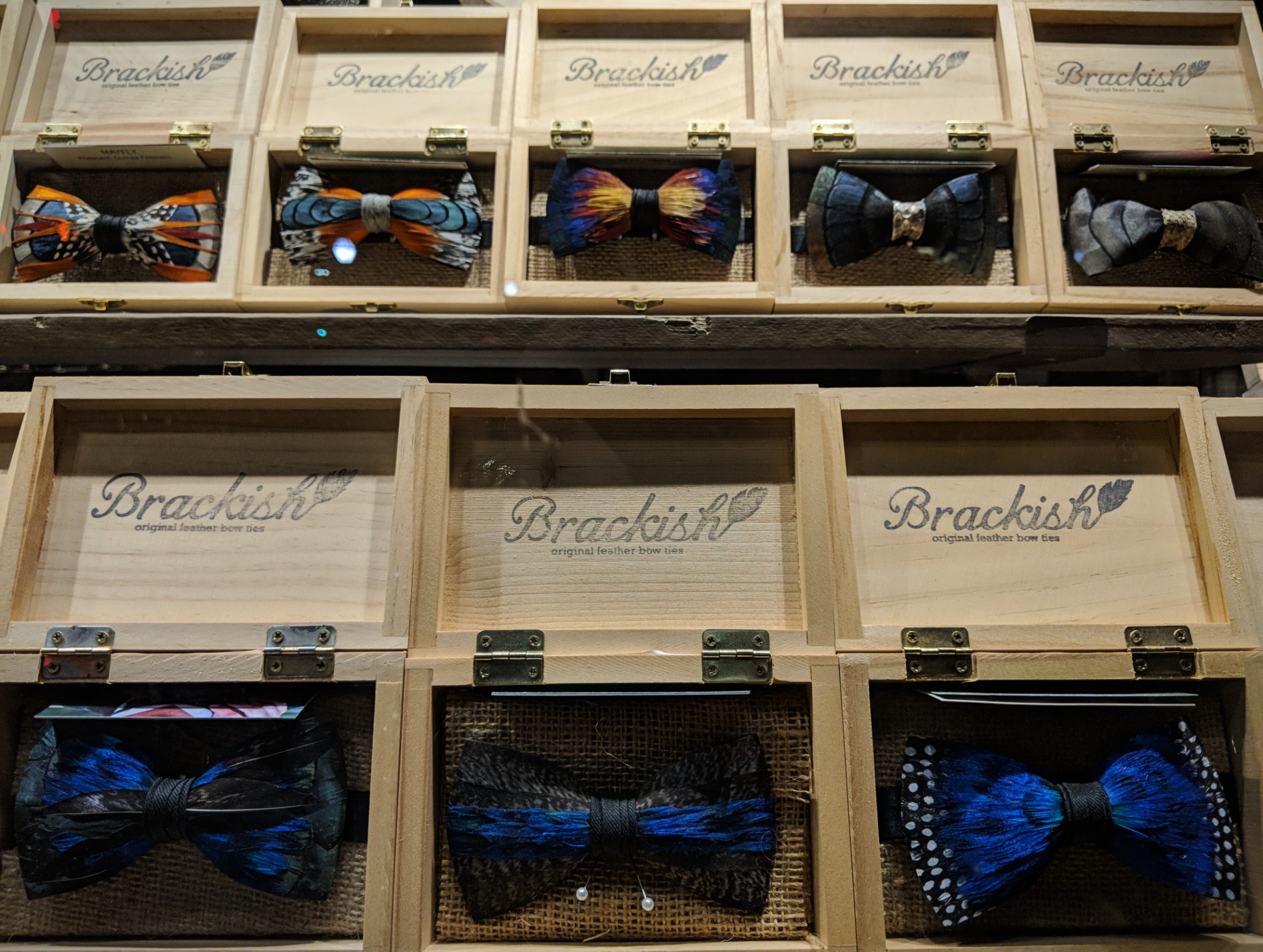
Looking up, ahead and into the night. Charleston is always dressed to the nines.

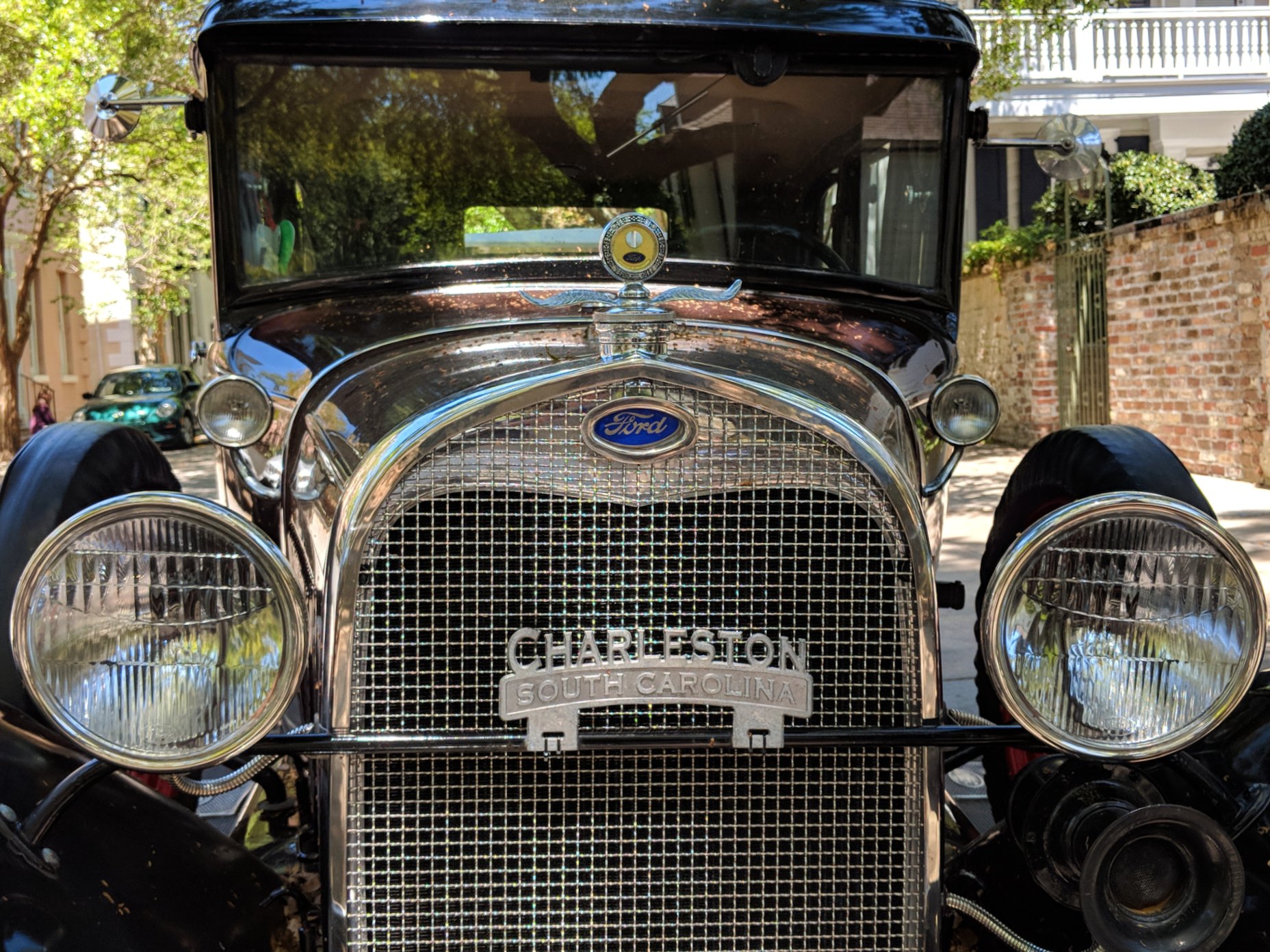
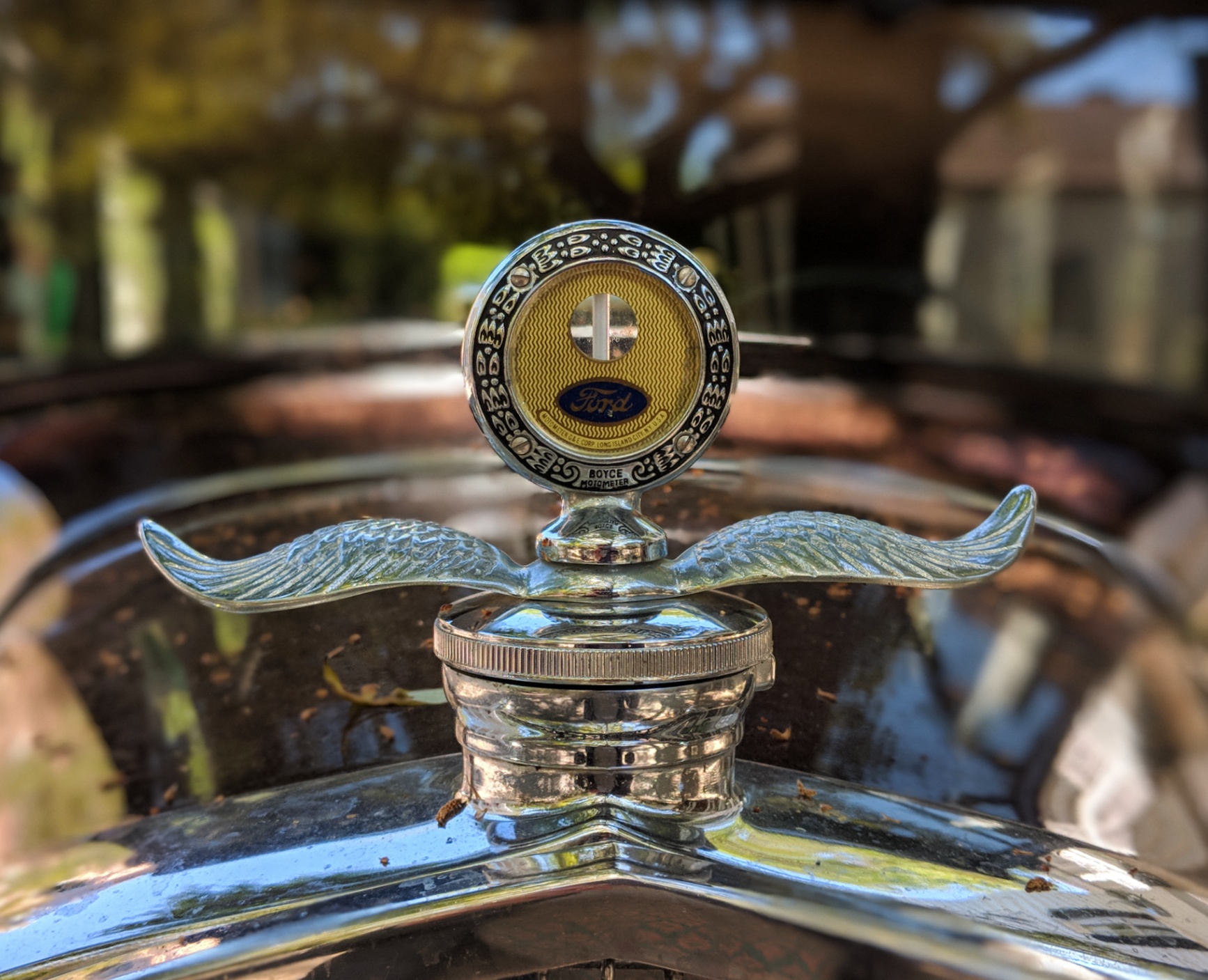
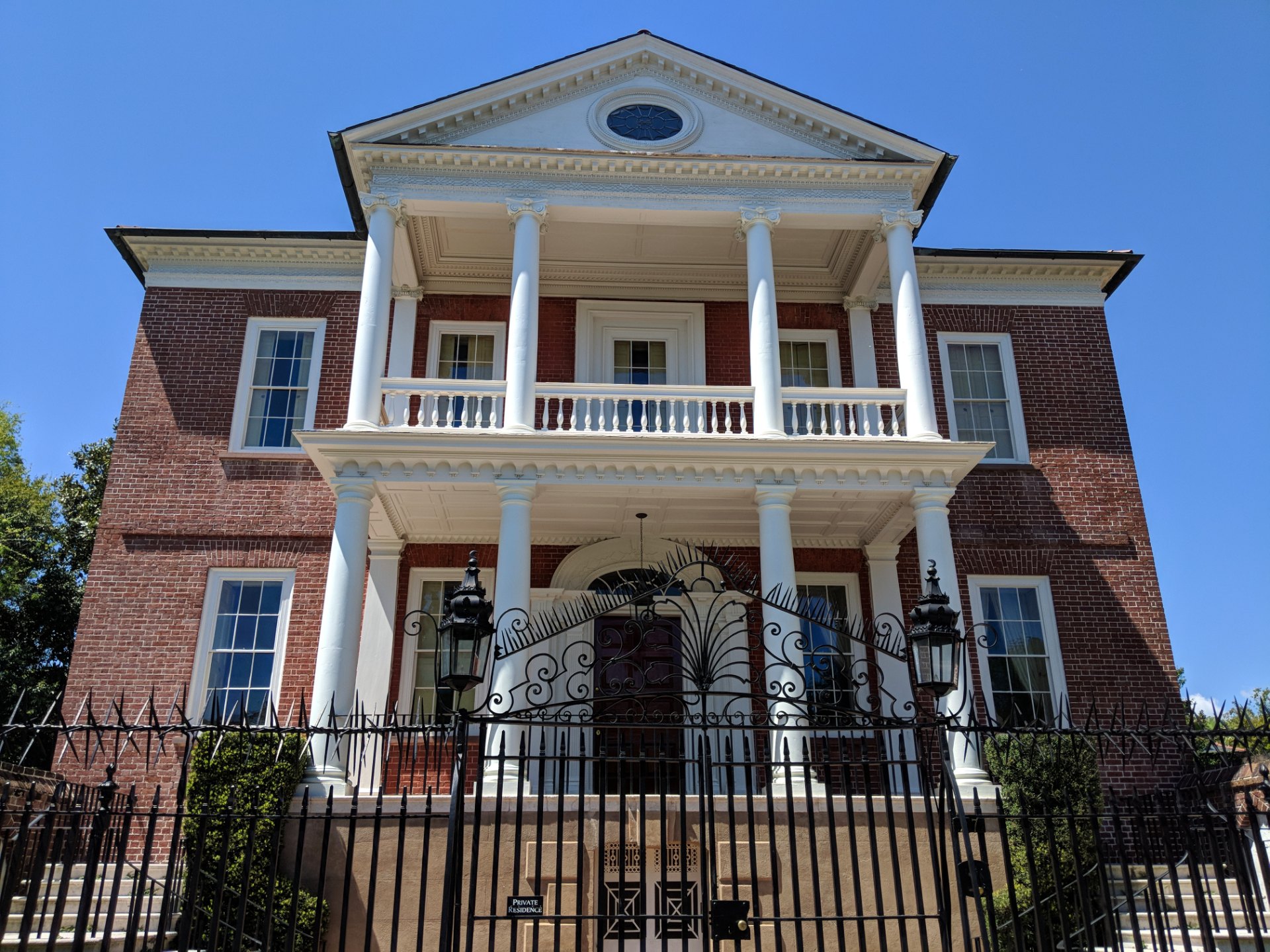
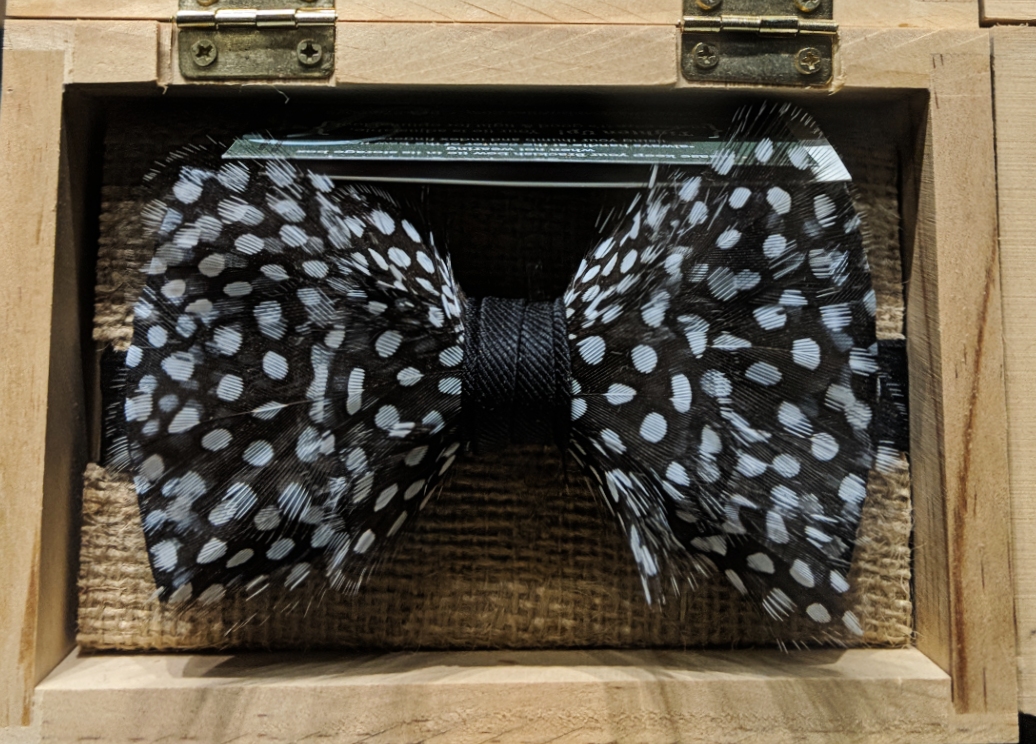
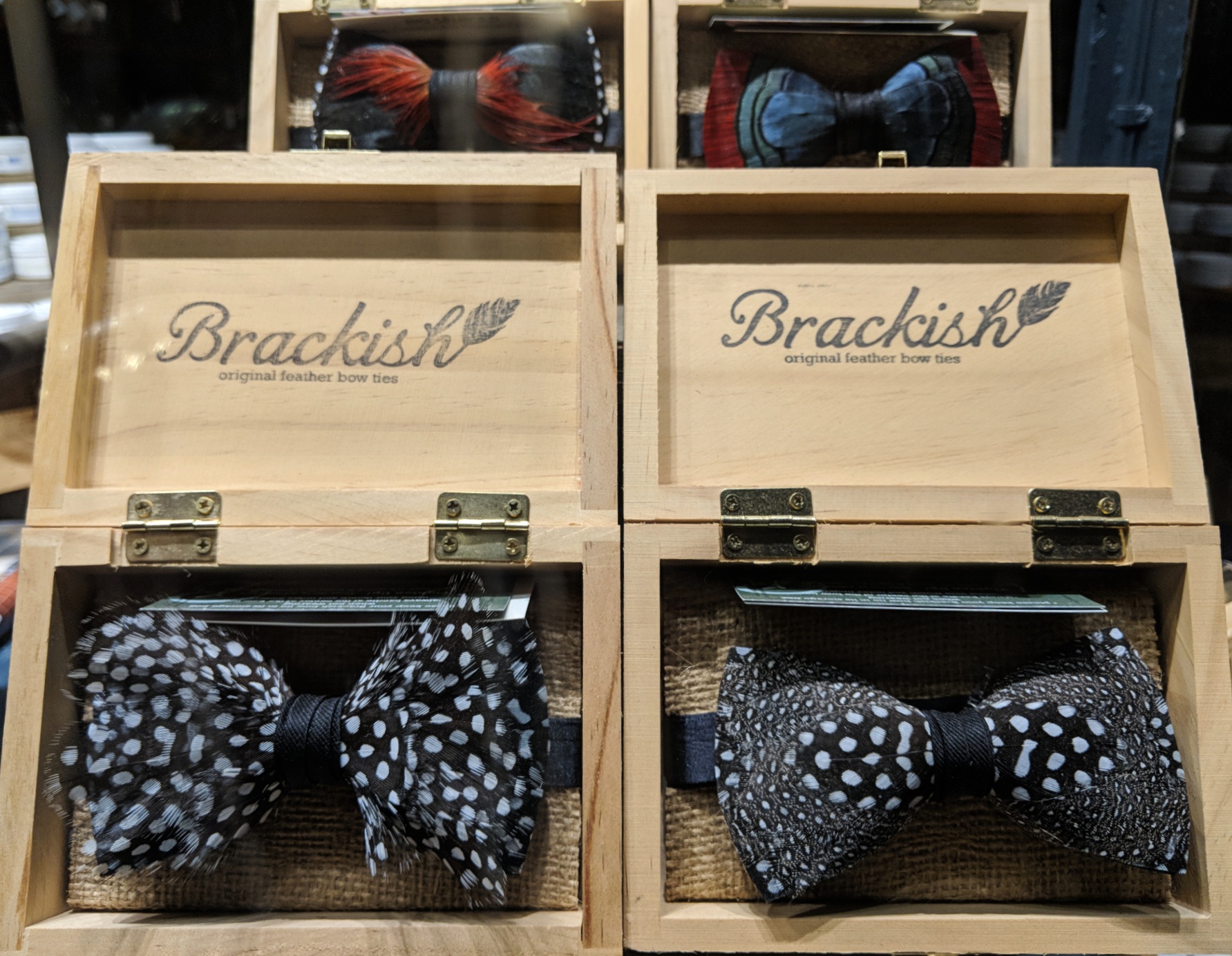
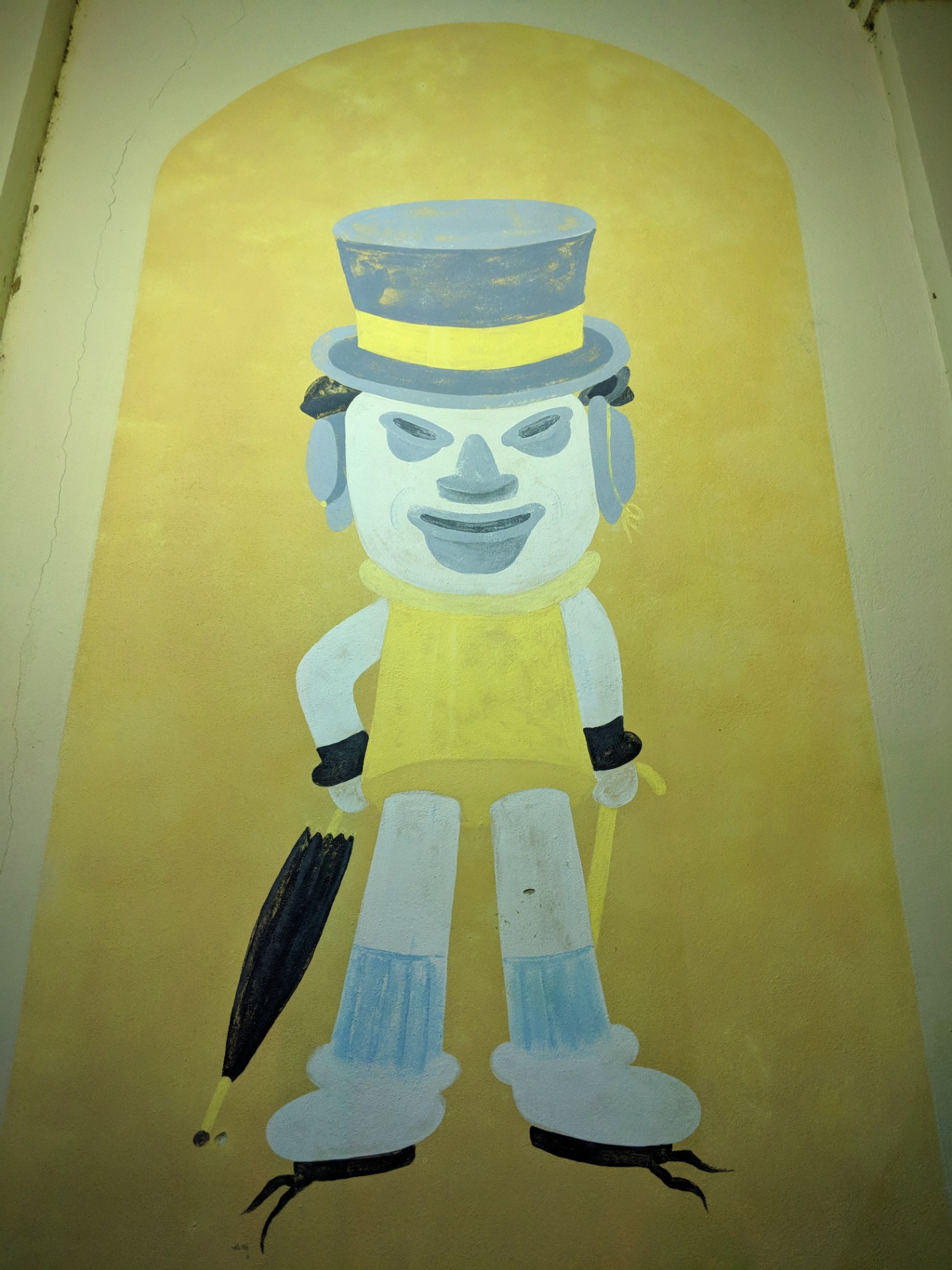
An evening walk along Church Street and The Battery; grand mansions, gas lights, a classic car casually parked outside, feather bow ties. The iconic Hat Man on Church Street corner with 47 Broad Street. Look carefully: how many hats can you count?

Charleston, SC

April 11th, 2018


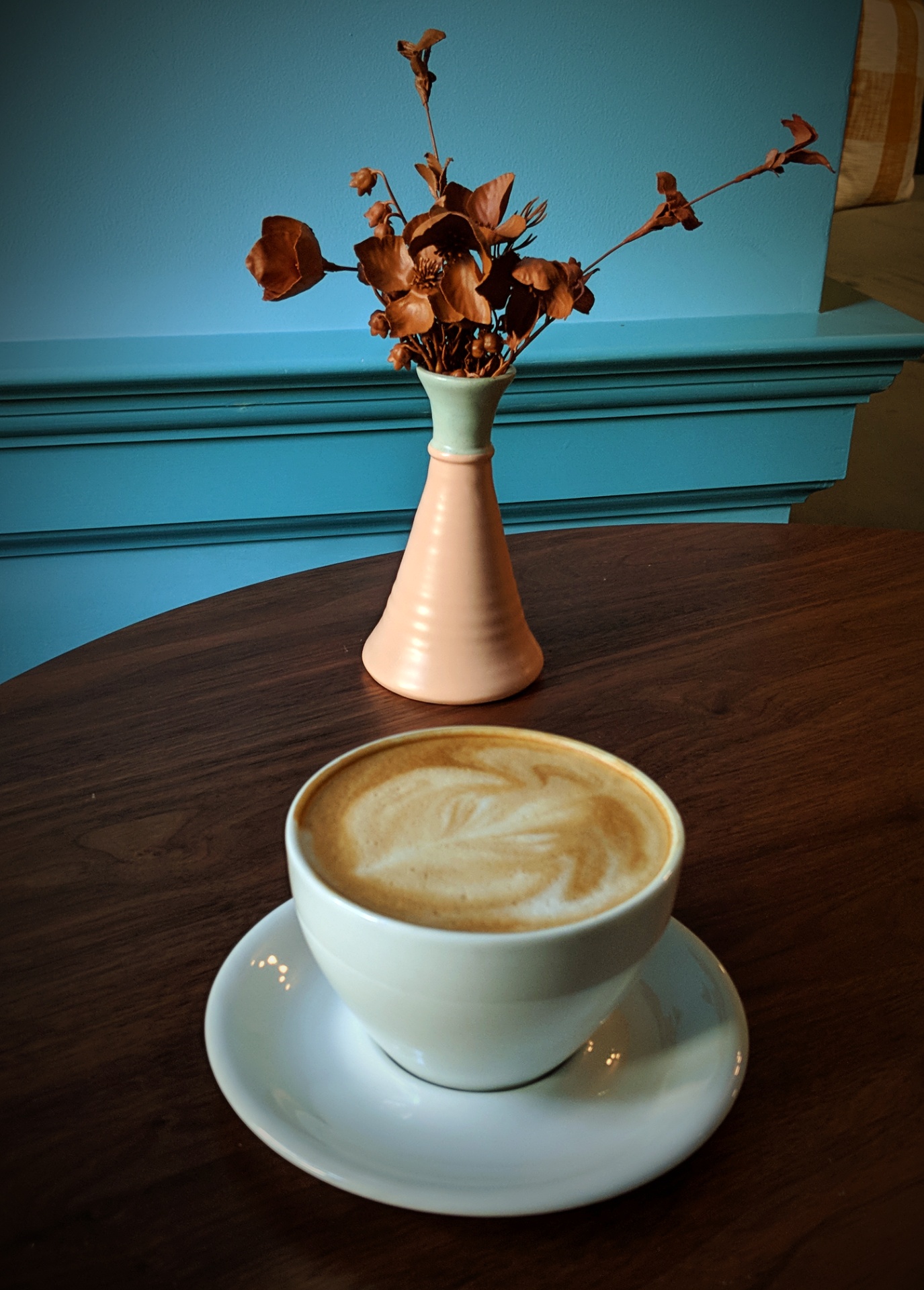
Bring Back the Large Coffee Cups

*Resident Posting* on the bulletin board of my building’s website:

BRING BACK THE LARGE COFFEE CUPS – Please complain to building management

Friday, February 8, 2019 9:25:00 AM · in Topics > General

”Fellow residents,

To the huge disappointment to fellow coffee drinkers, the building management has decided to move to a meager 8oz cup to limit our consumption of coffee from the machine in the lounge. This is a critical bottleneck when we are trying to grab a cup of latte on the run, only to be limited to a meager 8oz beverage. I’ve asked them to bring back the larger cups but they have refused.

If you want the larger cups brought back, please complain directly to [name deleted for prevention of sanity].”

***

A great day to you, my friends, from the entitled and rightfully outraged residents, here at the top of the Hell’s Kitchen Towers!

PS: photo from the lovely cafe at the The Gibbes Museum of Art in Charleston, SC

April 11th, 2018

Dude, did I hear you say Art…?

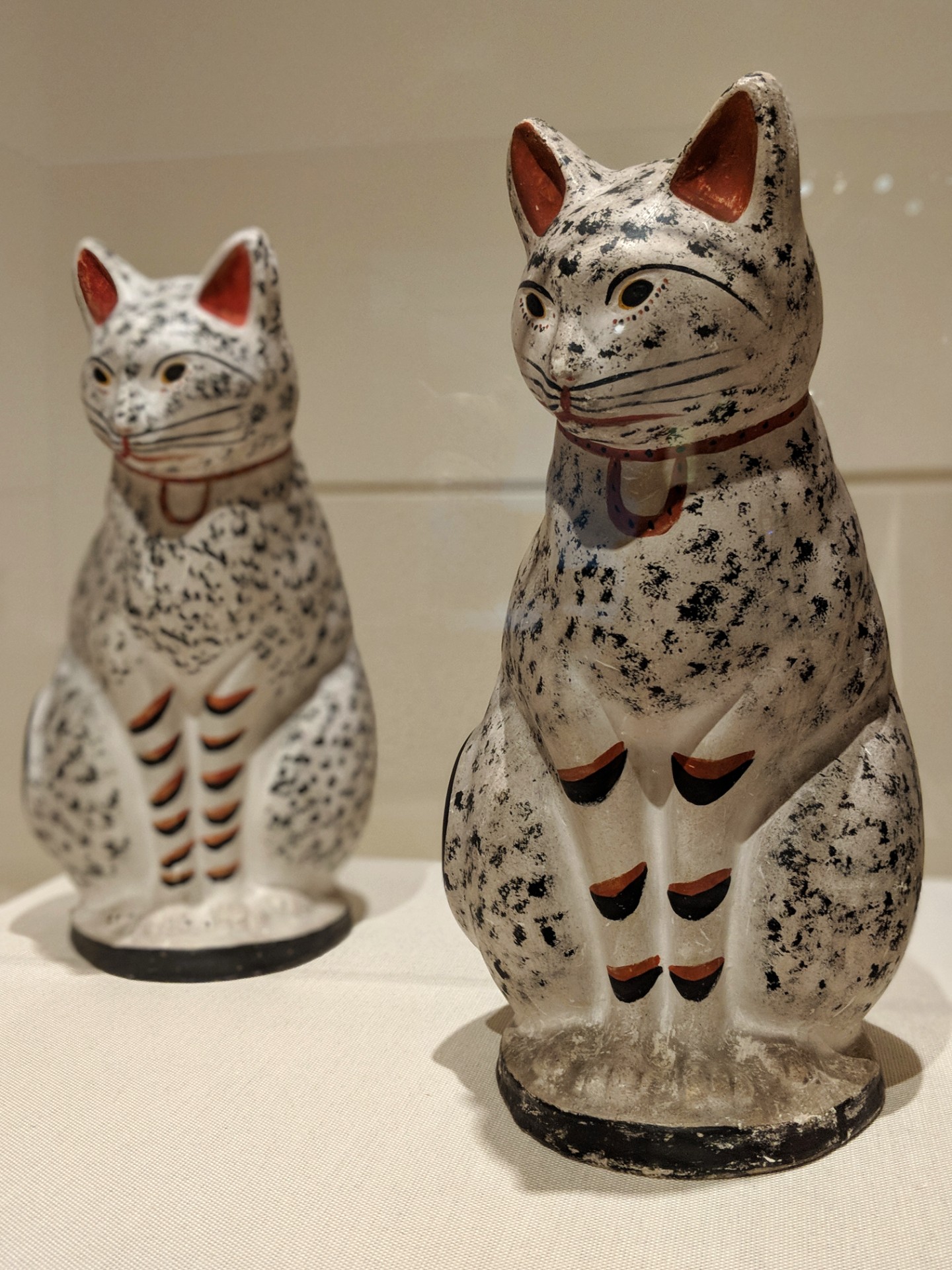
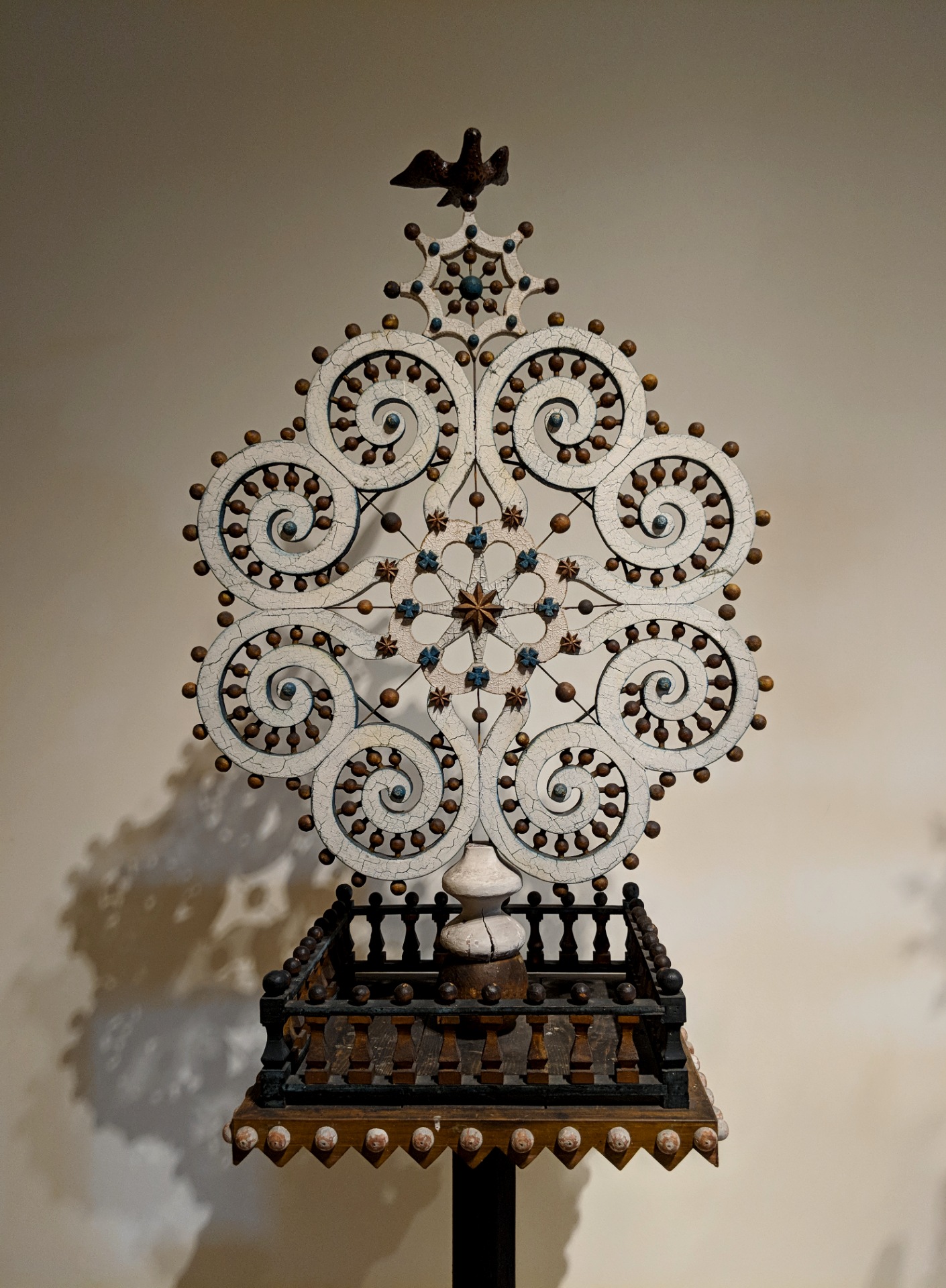
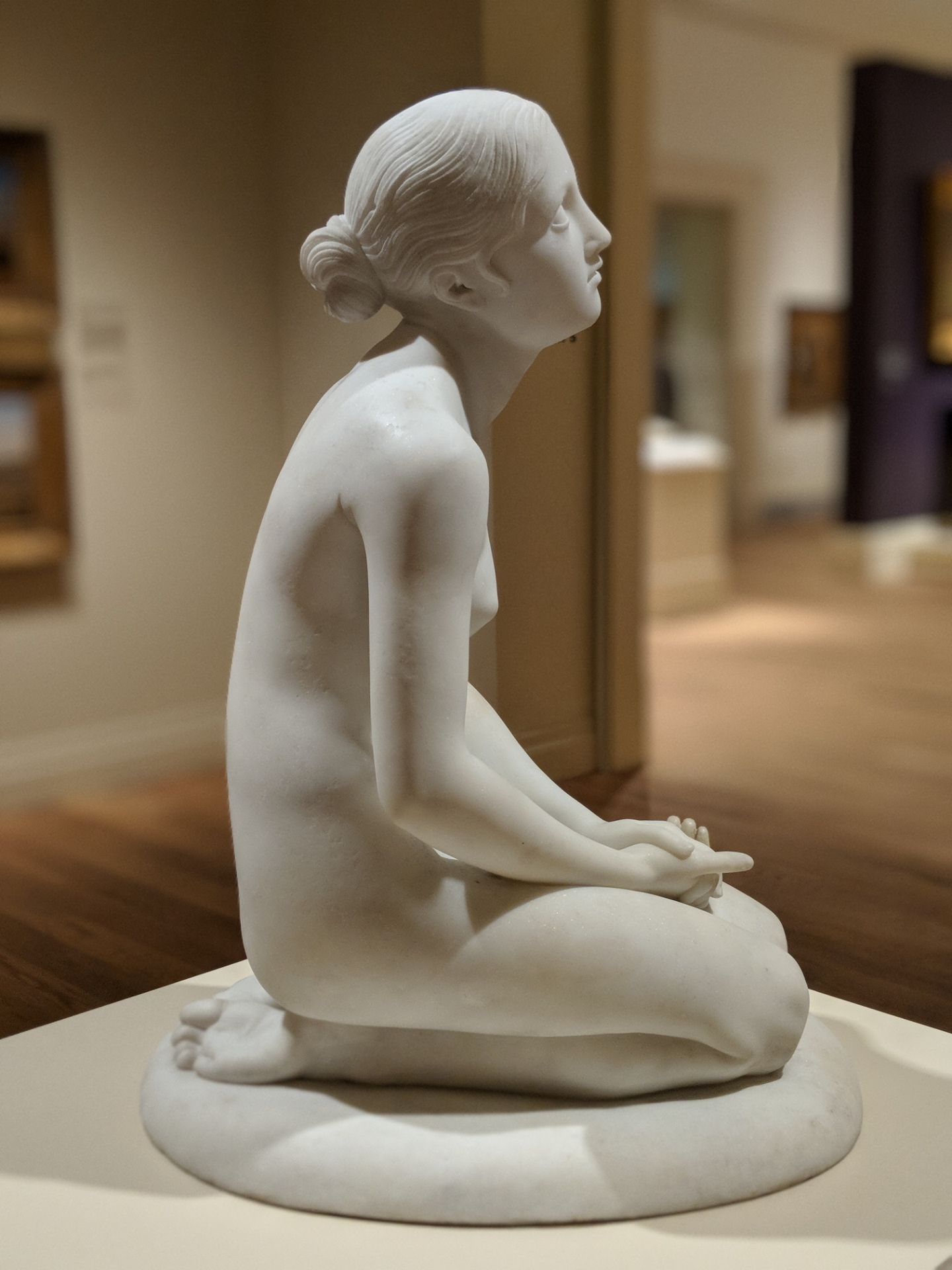
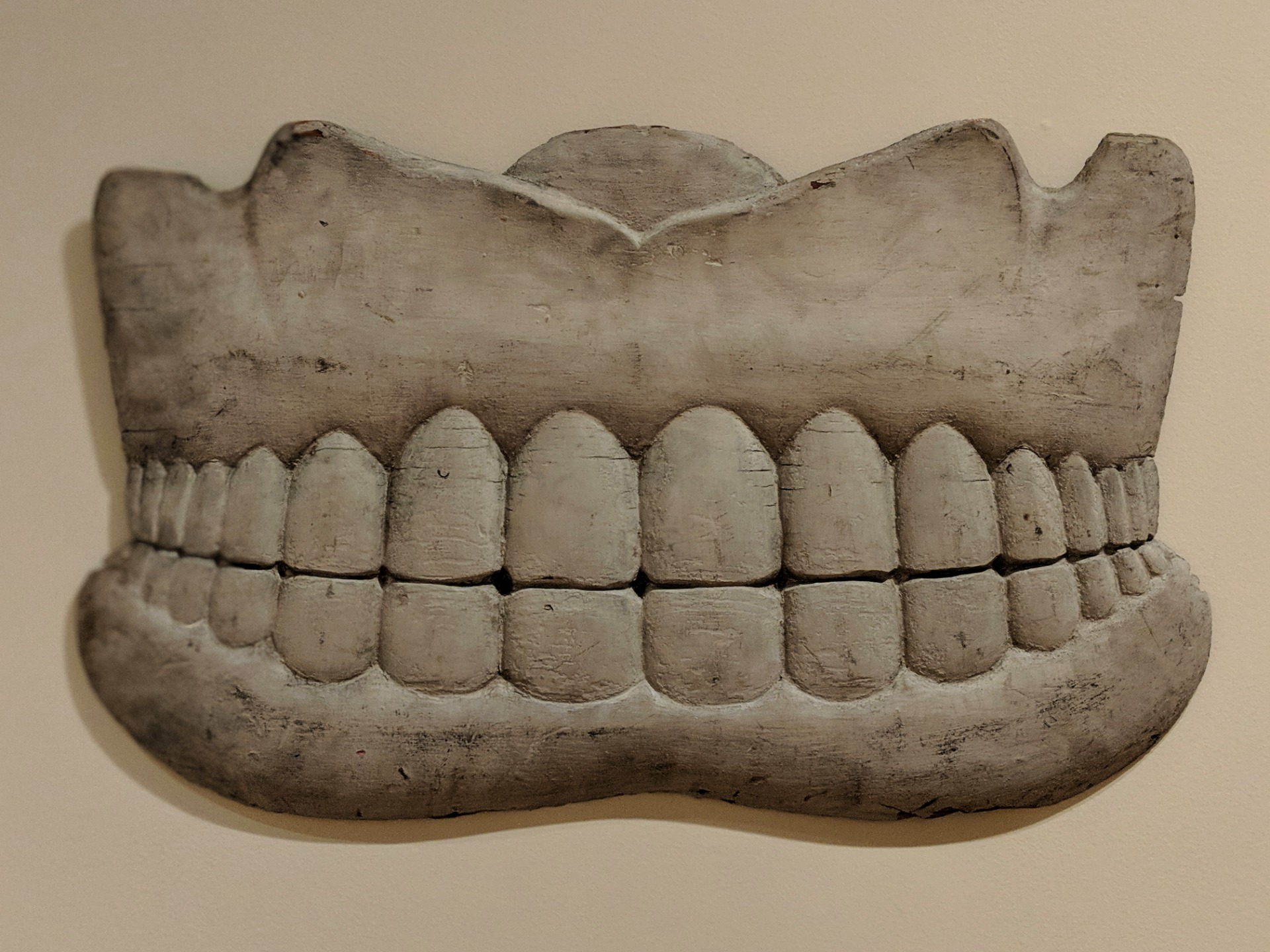
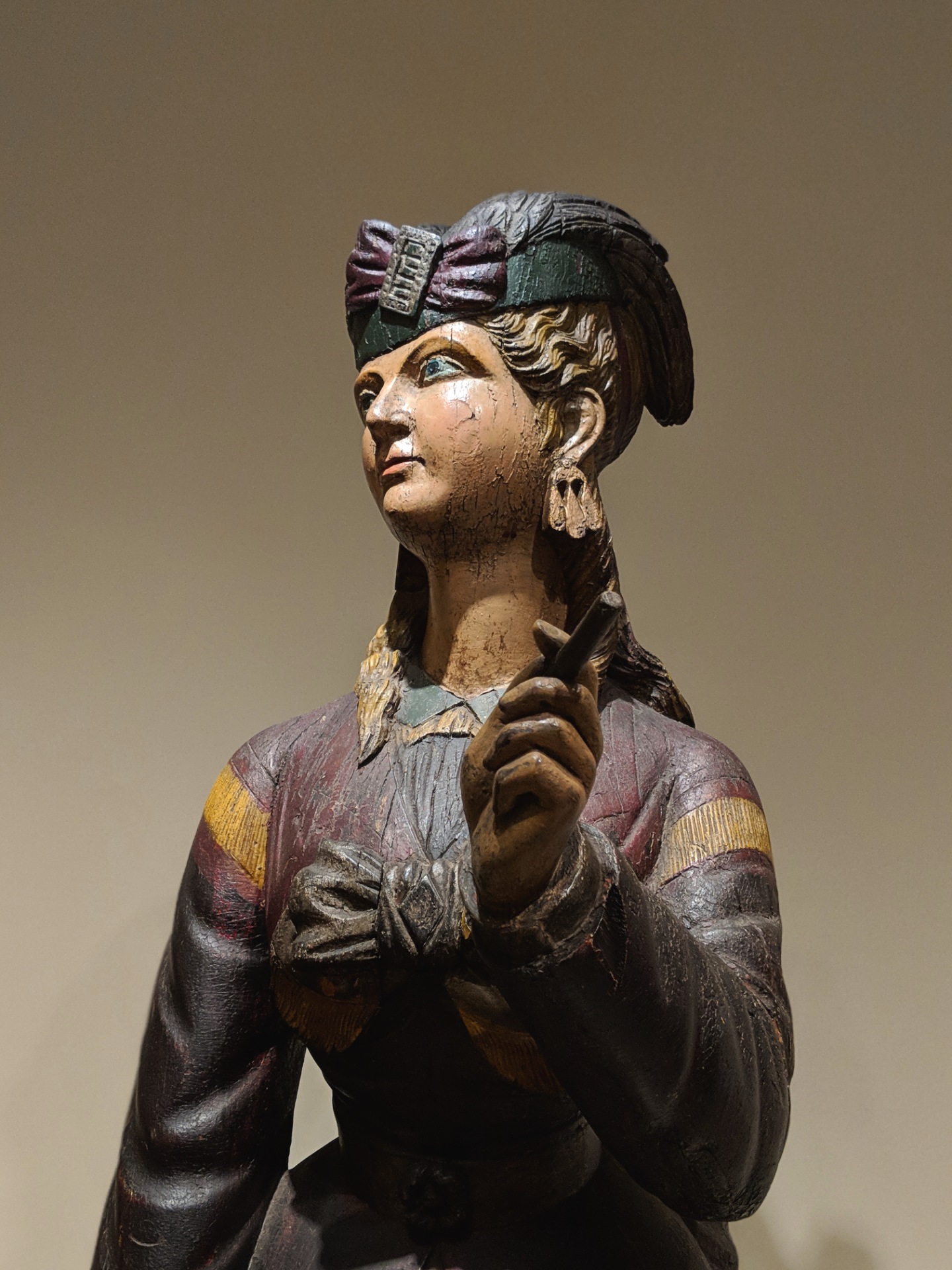
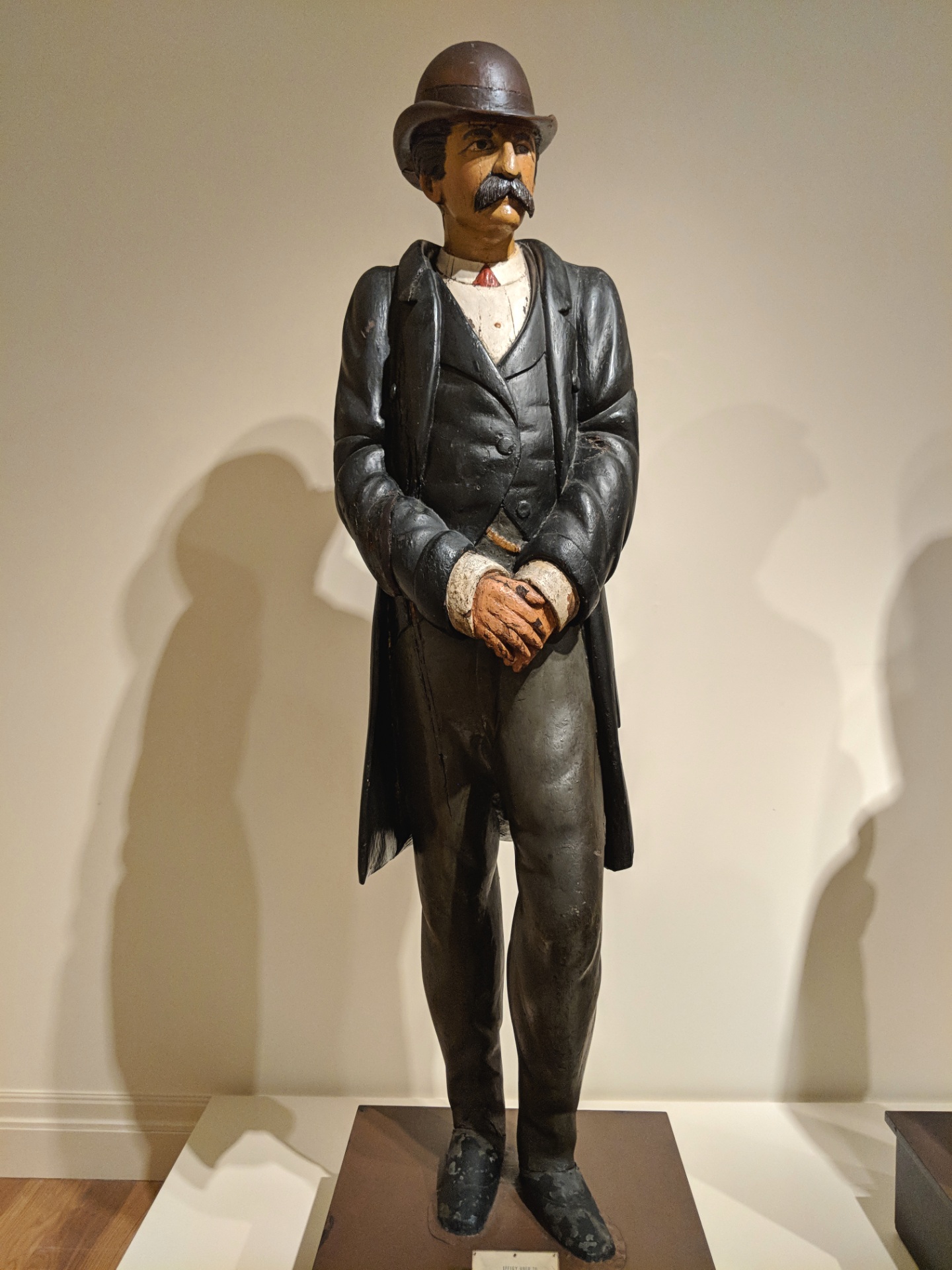
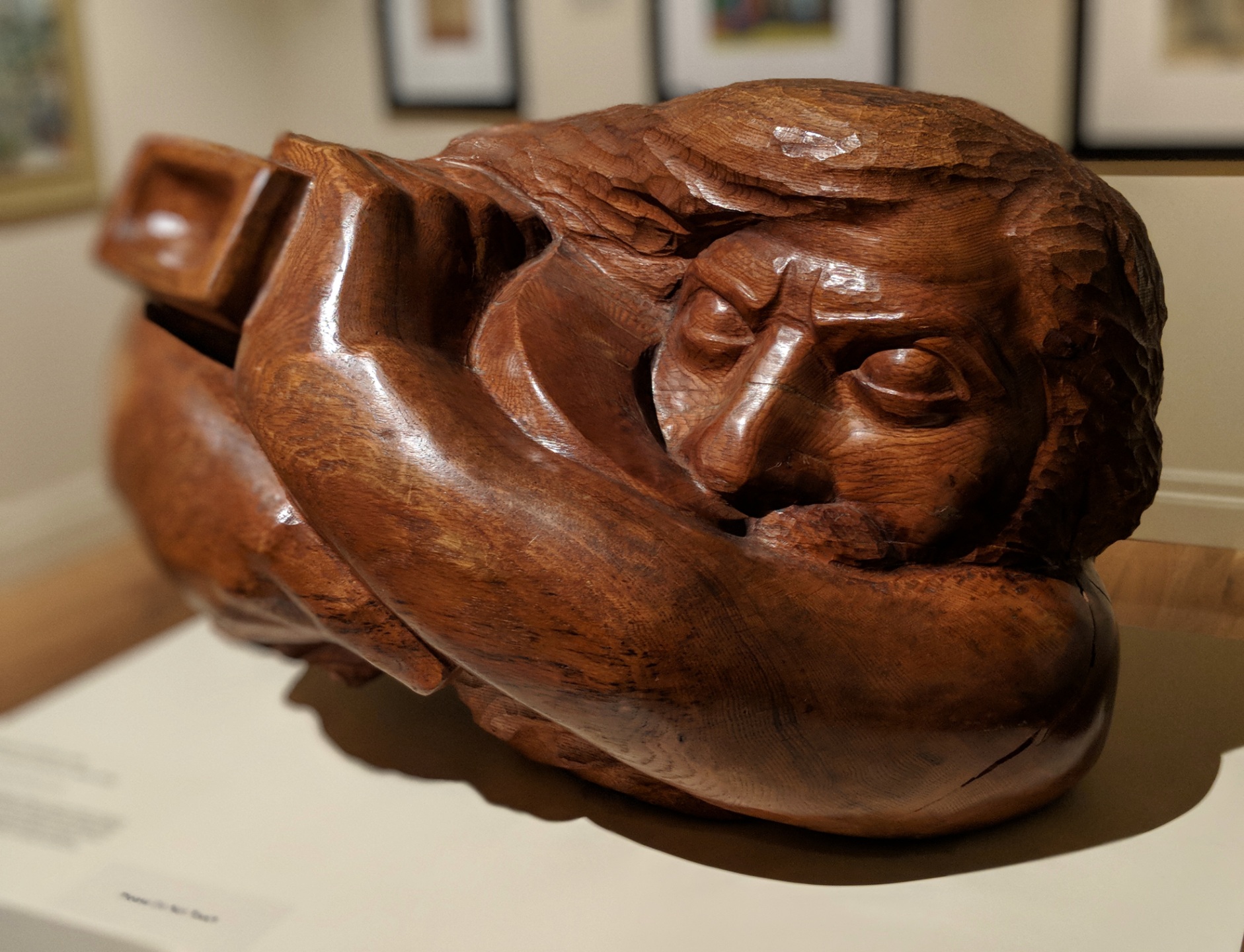
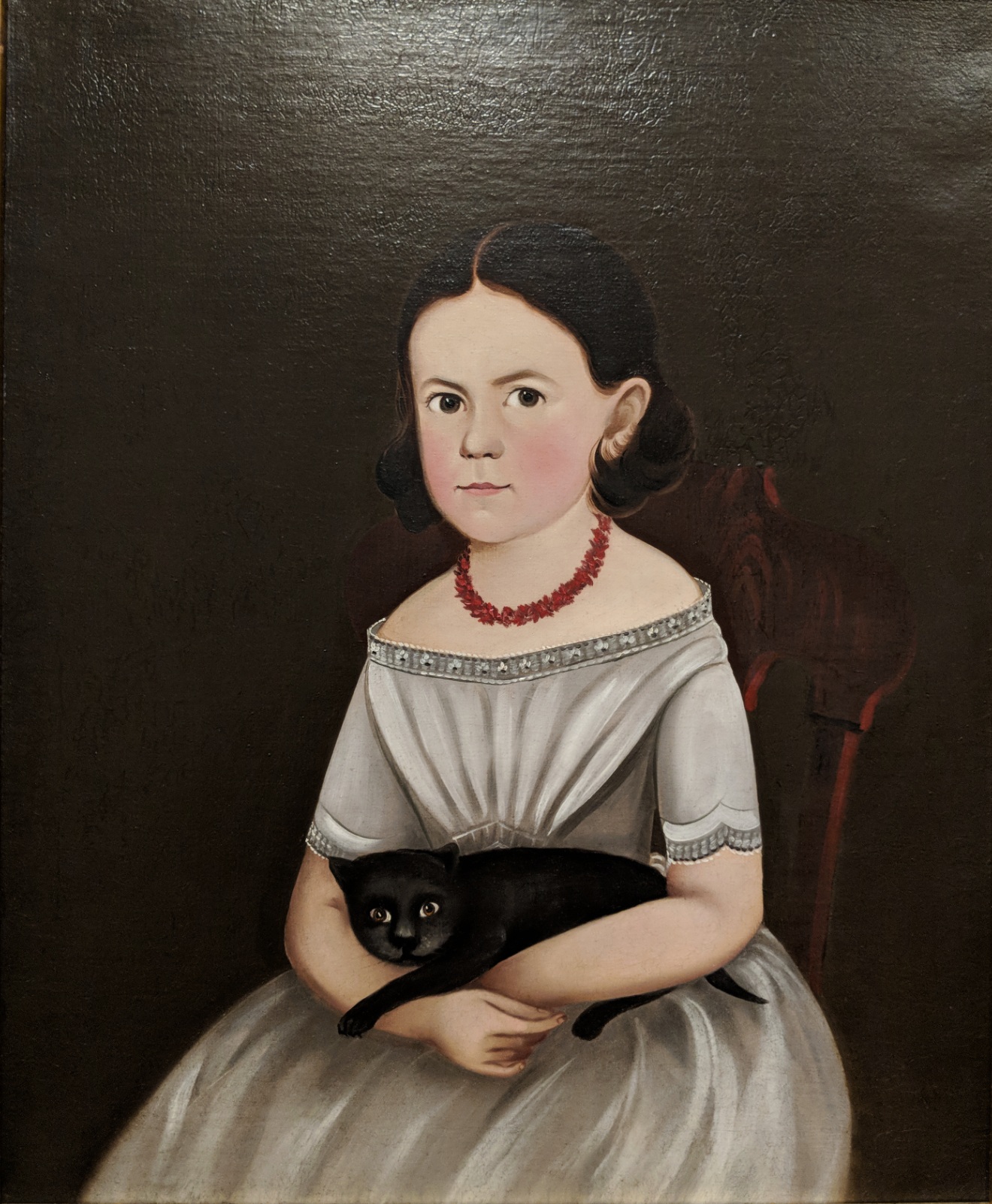
A woman smoking a cigar (an absolute no-no in her time), a ”dude” throwing disapproving looks at her under his bowler hat, an innocent girl stoically enduring the scene, Joshua carrying a ram’s horn, all set to ”sound the trumpets of Jericho”, a faceless denture literally showing its teeth; they all seem to enjoy themselves, totally oblivious to a pair of cats silently judging one and all… 

A gallery of art that loves life – and the feeling is mutual…! Chalkware Cats, 1850-1900
Possibly made in Pennsylvania


Trust in God, ca. 1836
By Lorenzo Bartolini (1777-1850)
Marble


Dentist’s Trade Sign, ca. 1890
Tulip poplar and paint
Made in New England

In an era when the most common remedy for a toothache was extraction, this dentist’s trade sign promoted dentures as an aesthetically pleasing alternative to a mouth with missing teeth.


Girl of the Period, 1870-85
Possible by the workshop of Samuel Robb (1851-1928)
White pine and paint
Made in New York, New York

This sculpture is an example of what trade figure carvers called the ”Girl of the Period”. Sculptures such as this advertised tobacconist, milliner and dressmaker shops. Although it was taboo for women to smoke cigarettes in the 1880s, a sculpture of a stylish young woman holding a cigarette placed outside a tobacconist shop may have enticed male customers. It may have also appealed to progressive women.


Dude, 1885-1900
White pine and paint
Made in New York, New York

Carvers of trade figures often created caricatures of an urban type known as a ”Dude”. Stylish dudes of the late 1800s sported sizable moustaches and fashionable clothes. This dude is unique in comparison to others, because he appears careworn and lacks a broad smile. He may depict a portion of the American population that was now struggling despite previous success. As such, this quality makes this particular dude both an advertisement and a commentary on contemporary urban life.


Joshua at Jericho, 1950
By Willard Hirsch (1905-1982)
Red Oak


The Gibbes Museum of Art, Permanent Collection

Charleston, SC

April 11th, 2018

The Gibbes Shades of Green

”Because when we open ourselves to art, we open ourselves to the world – to people and ideas, to beauty, craft, process and detail, to different cultures, to pain and pleasure, to questions, expression and emotion, to truth and transcendence.” 

”The Gibbes Museum of Art is home to the foremost collection of American art that incorporates the story of Charleston. The Museum connects the city and region’s artistic past to a vibrant contemporary art scene. This is what we believe.” 

– The Gibbes Museum of Art
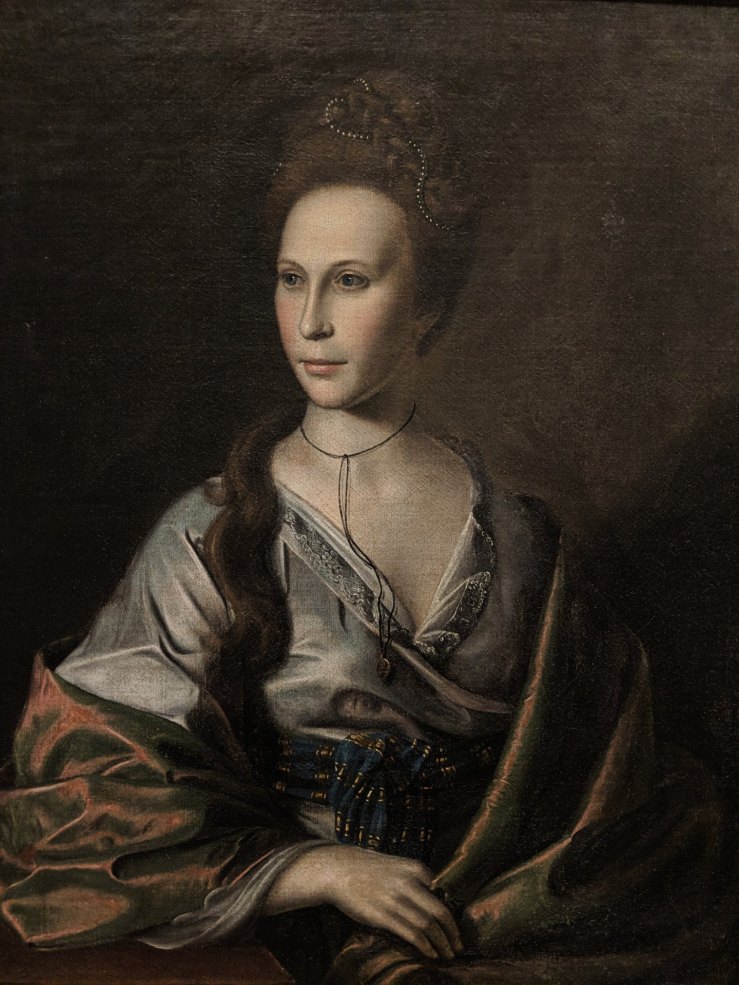
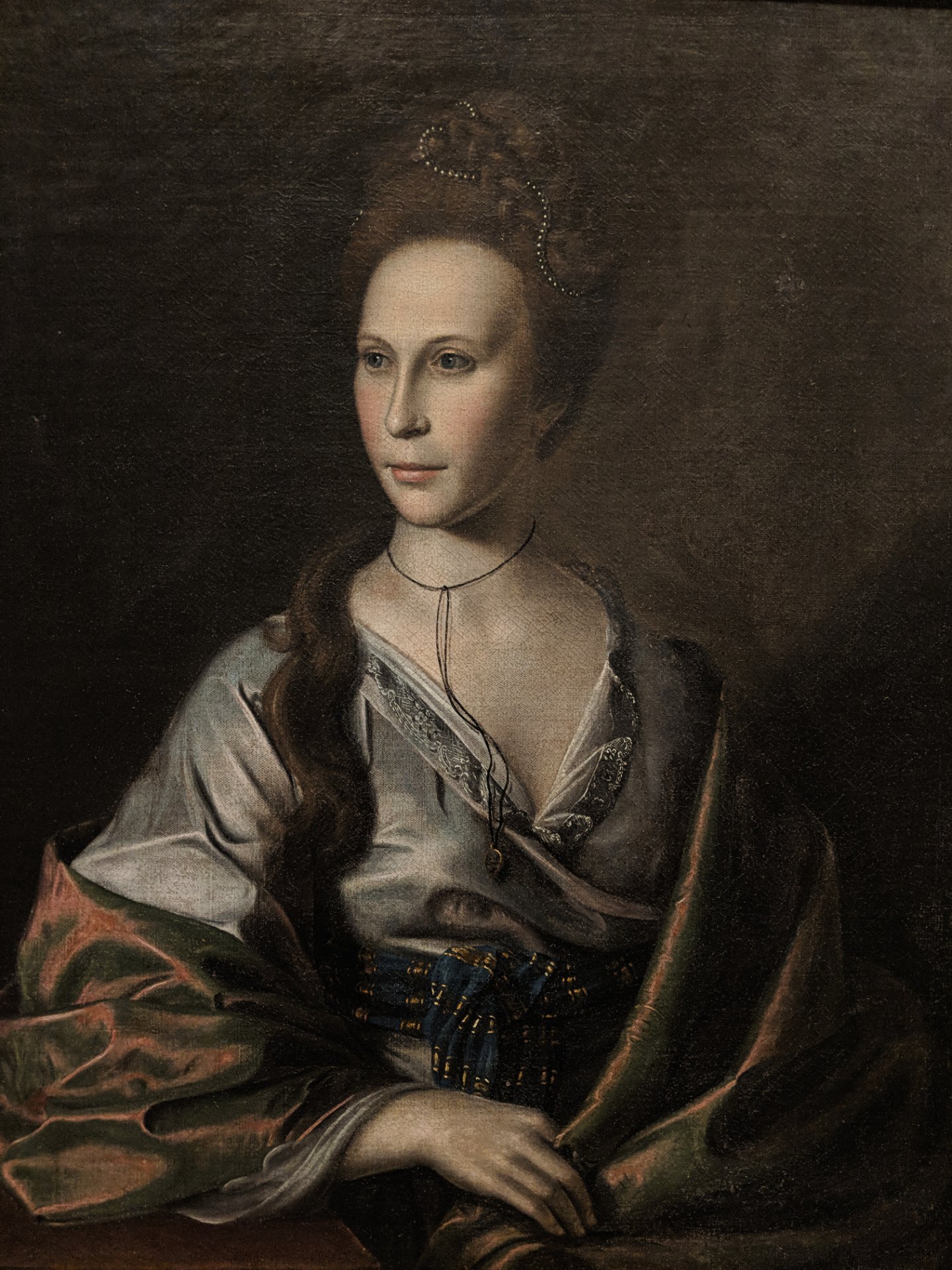
Mrs. Elizabeth Digby Peale Polk, 1770
By Charles Willson Peale (1741-1827)
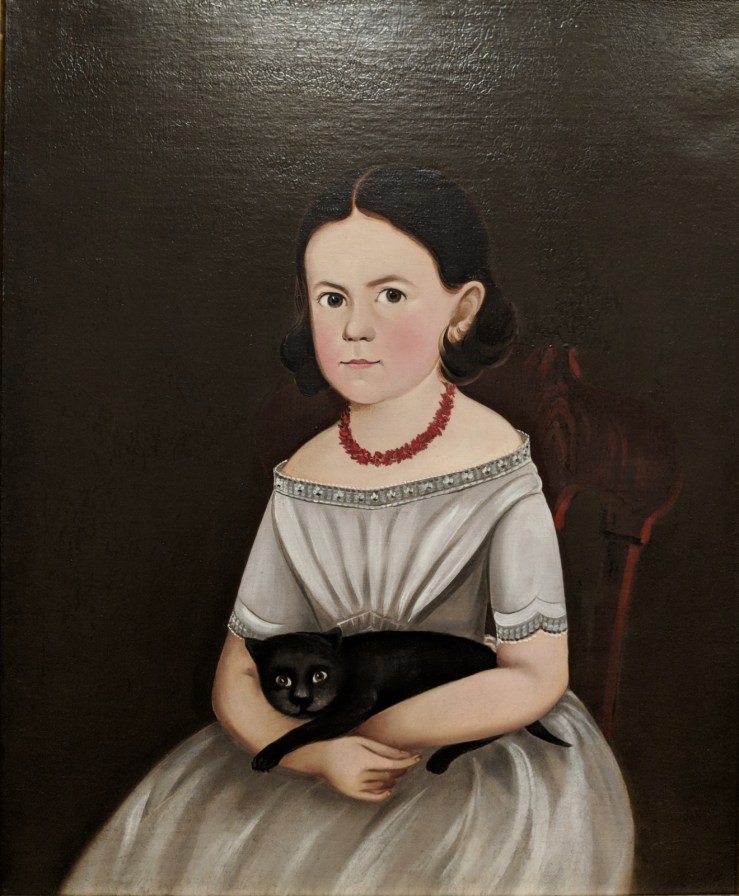

Girl with Cat, ca. 1845-50
By unidentified artist (painted in New England)
Oil on canvas
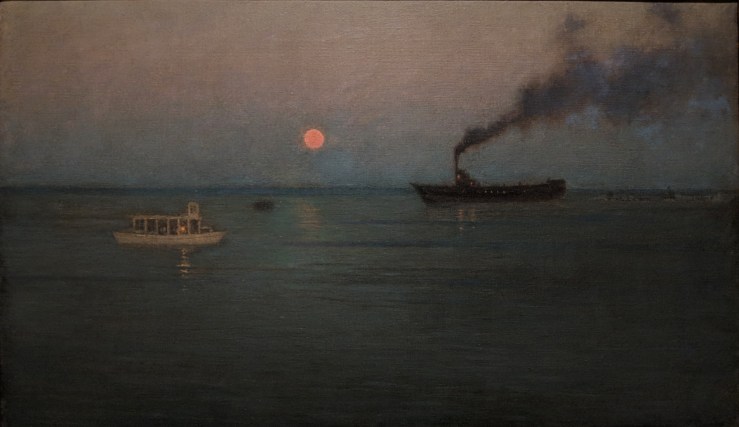

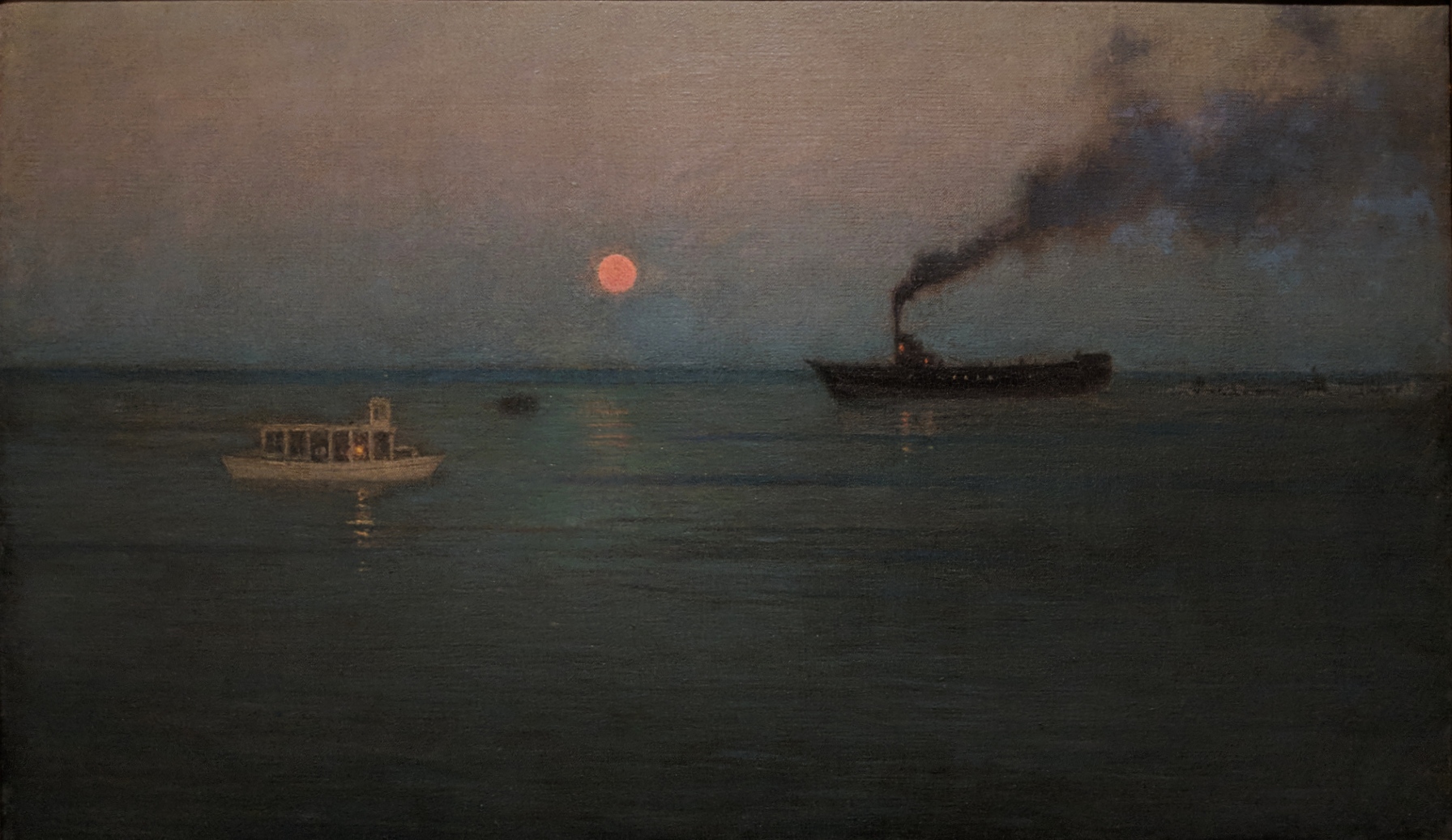
Rosy Moon off Charleston Harbor, ca. 1908-1916
By Birge Harrison (1854-1929)
Oil on masonite
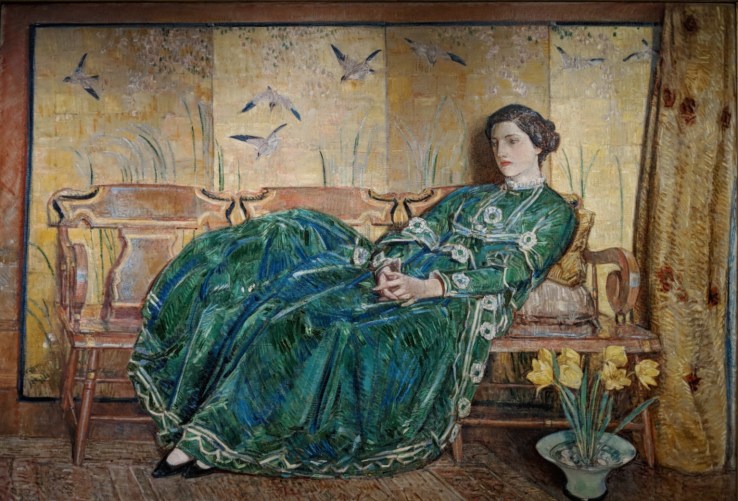

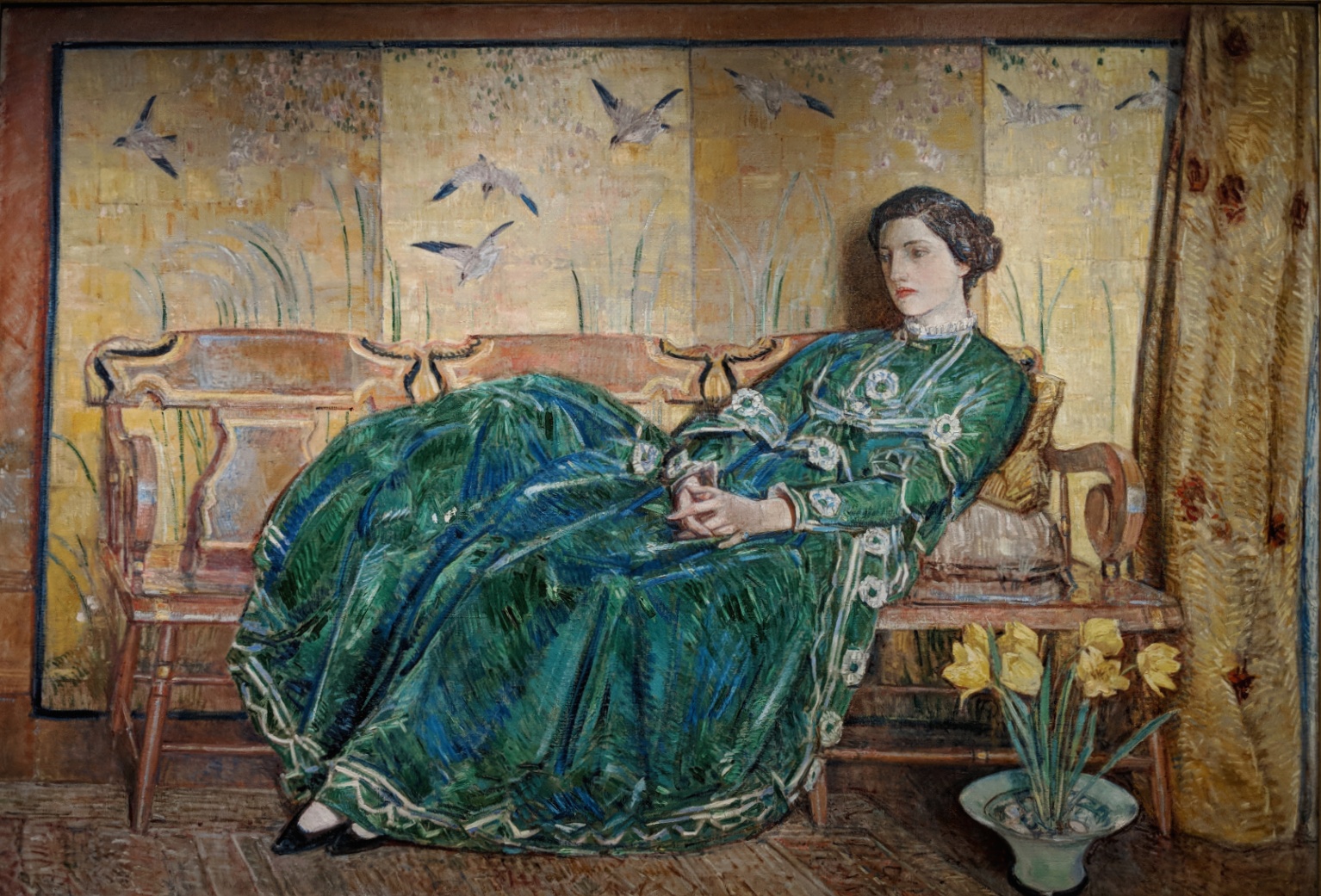
April (The Green Gown), 1920
By Childe Hassam (1859-1935)
Oil on canvas

Originally titled April 1859, this painting is believed to be a portrayal of the artist’s mother, Rosa Hawthorne Hassam, pregnant with her son. In April 1859 she would have been three months pregnant with Hassam, who was born on October 17, 1859.
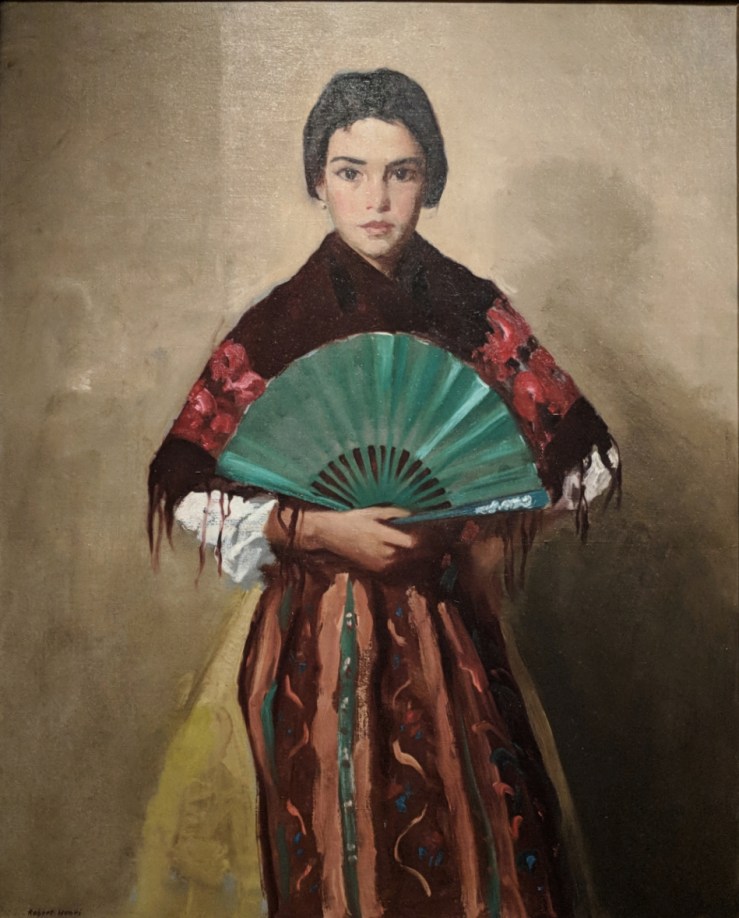

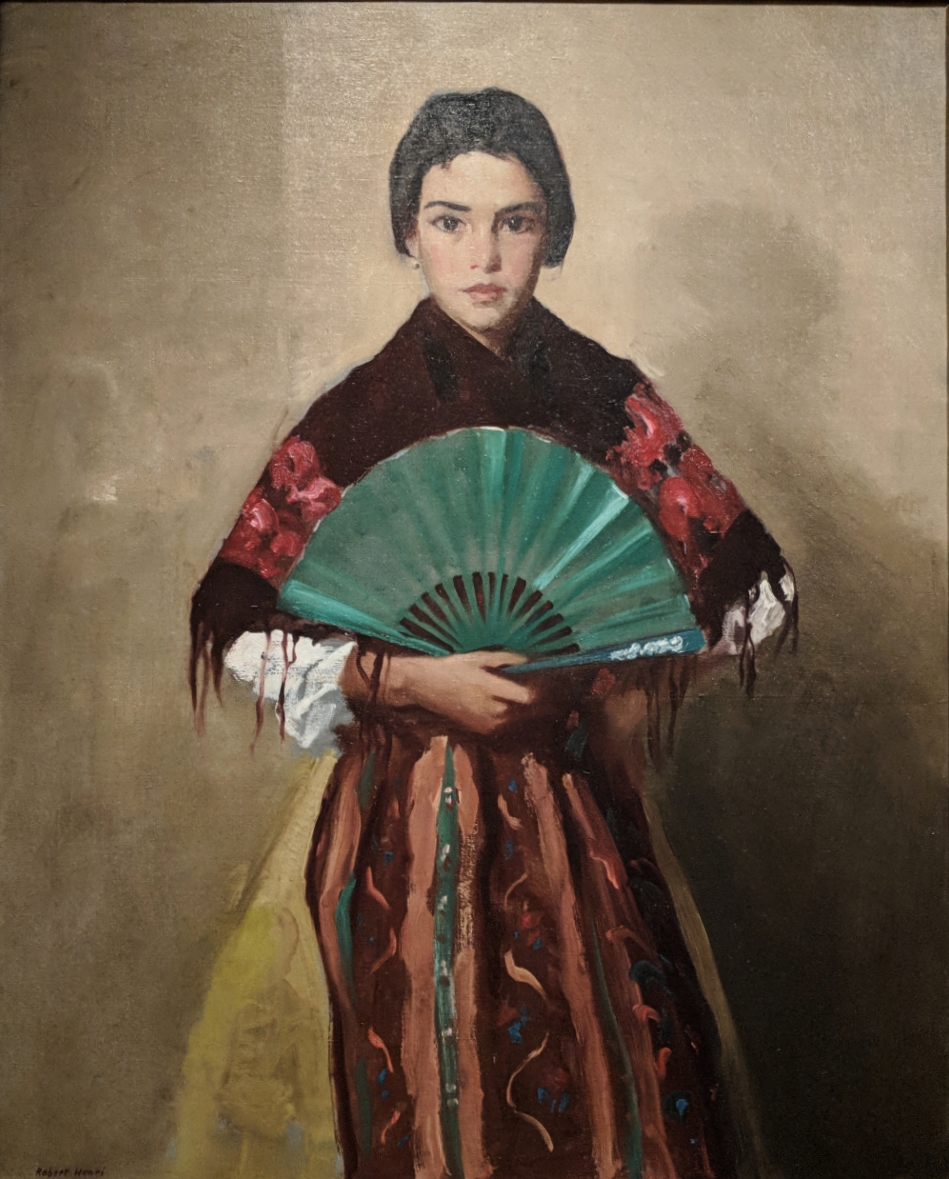
The Green Fan (Girl of Toledo, Spain), 1912
By Robert Henri (1865-1929)
Oil on canvas
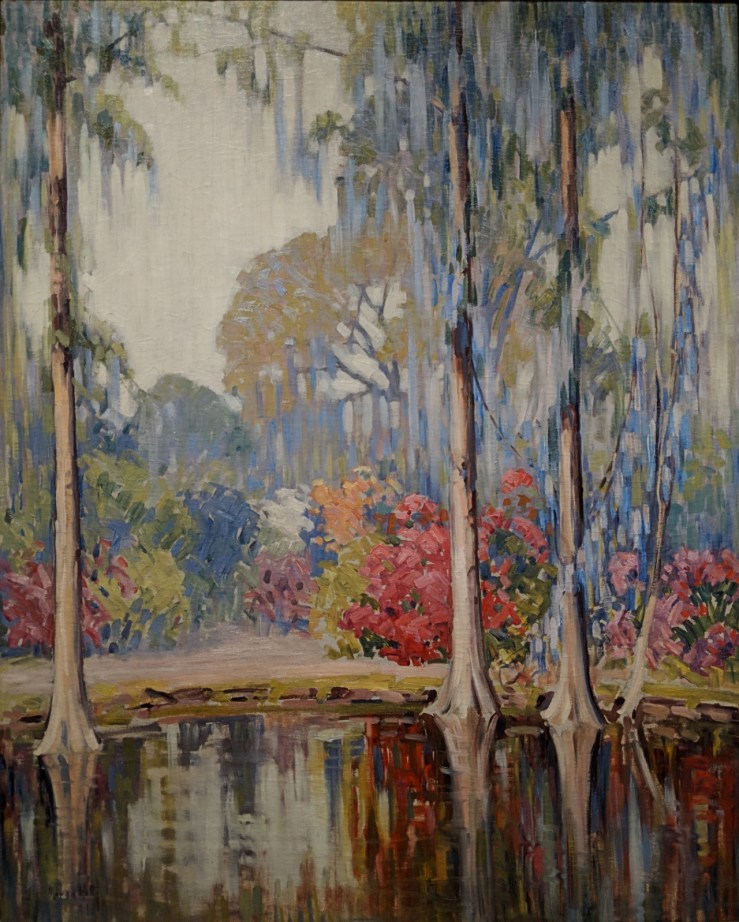

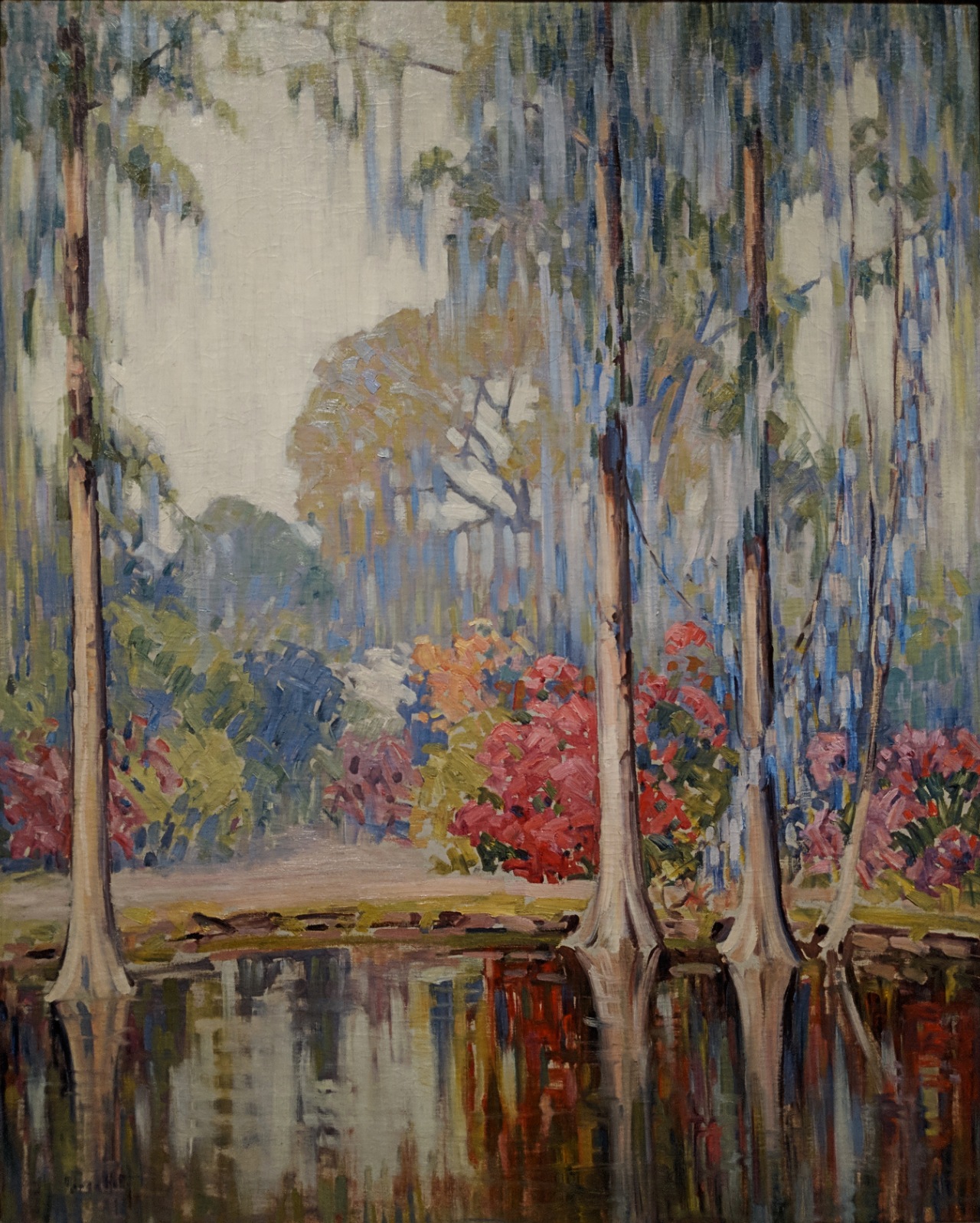
Magnolia Gardens, ca. 1920
By Alfred Hutty (1877-1954)
Oil on canvas

Alfred Hutty traveled to Charleston for the first time in 1920 to teach a season of painting classes at the Gibbes Museum of Art. Overwhelmed by the city’s beauty, he returned every winter for the next thirty years.


Designs, Wrightsville Beach, 1968
By Minnie Evans (1892-1987)
Collage with oil, crayon and pencil on canvas
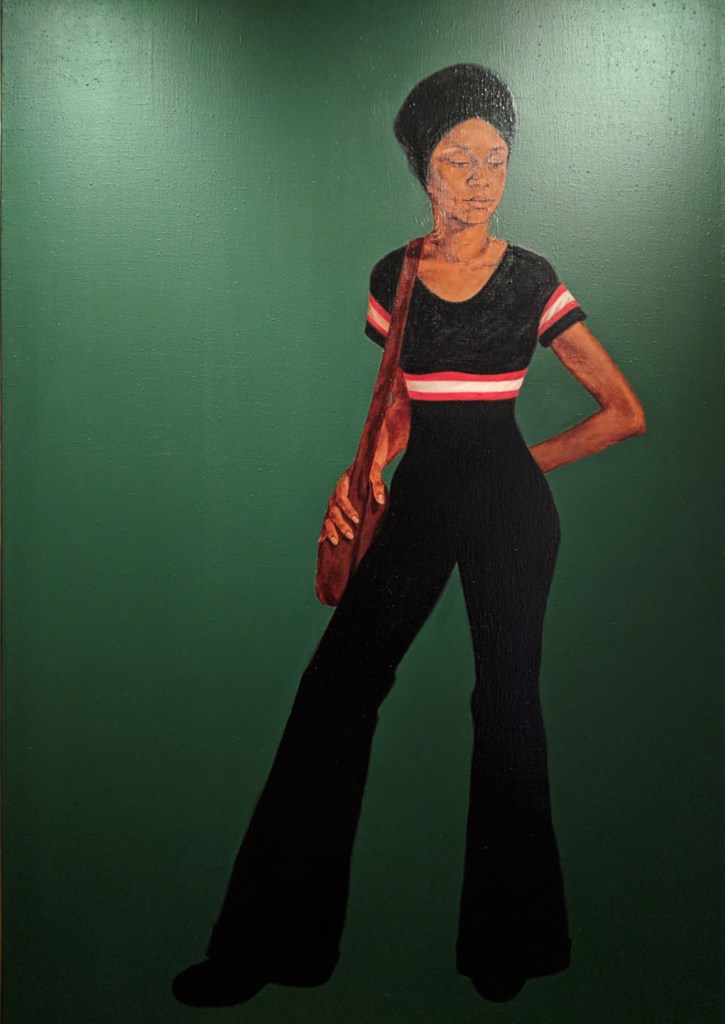

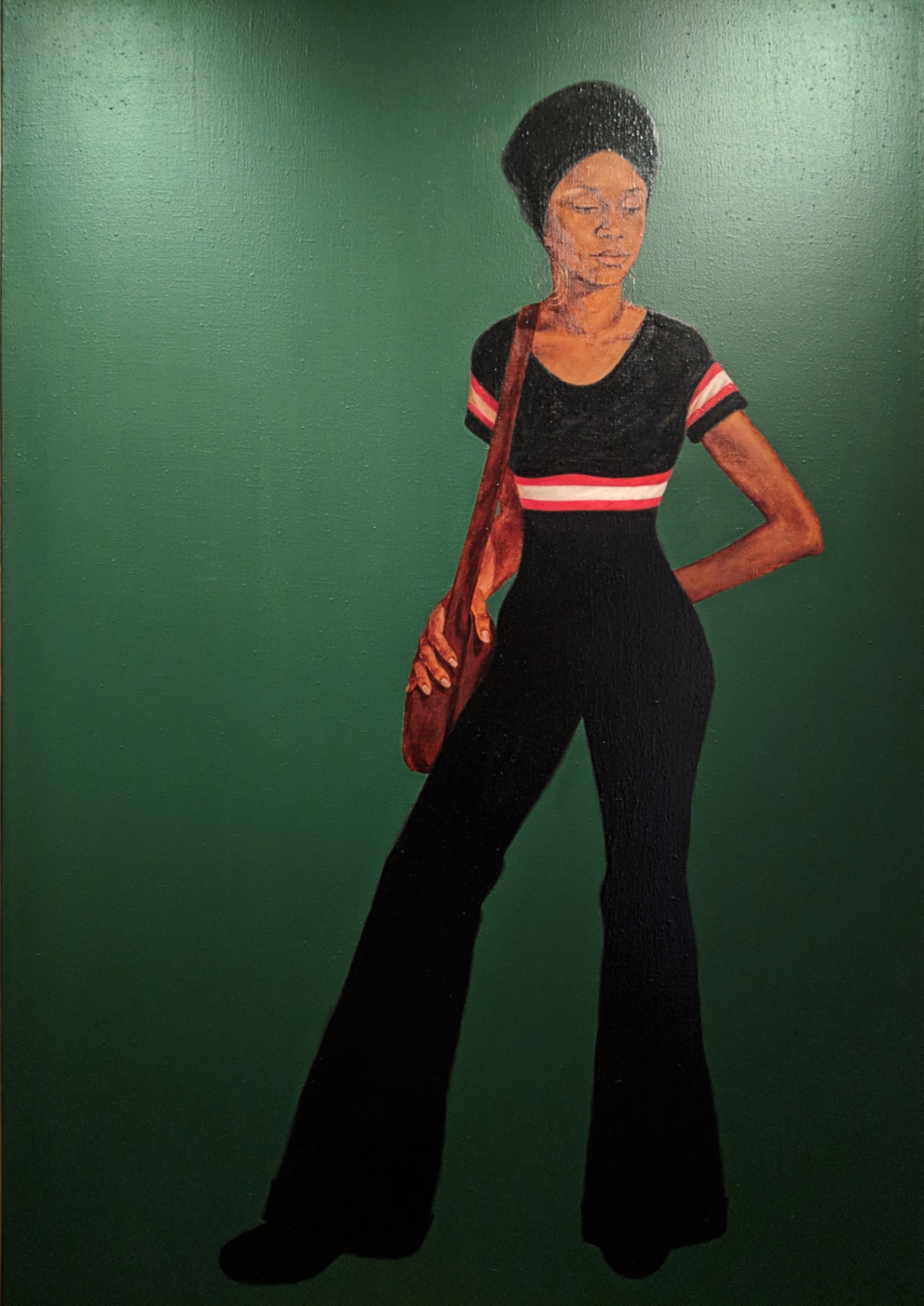
Ms. Johnson (Estelle), 1972,
By Barkley Hendricks (b. 1945)
Oil and acrylic on linen canvas
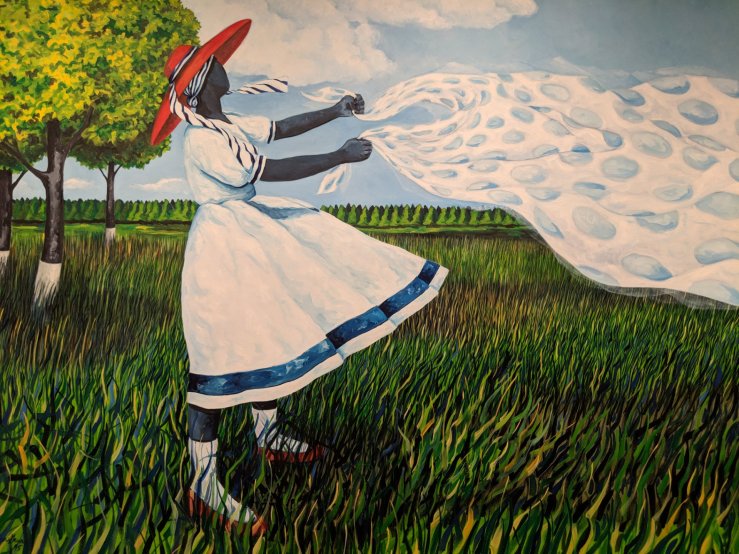

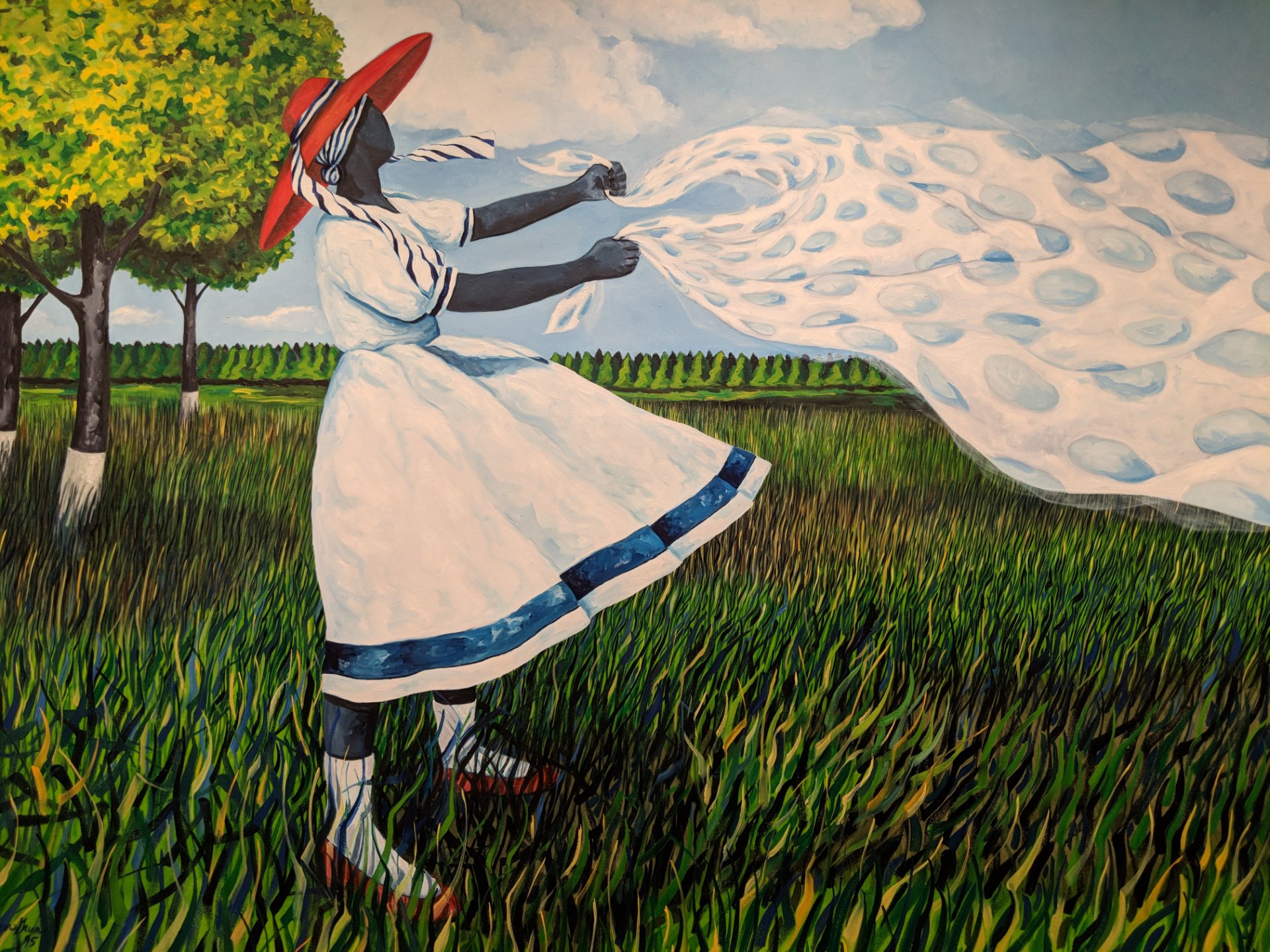
Corene, 1995
By Johathan Green (b. 1955)
Oil on canvas
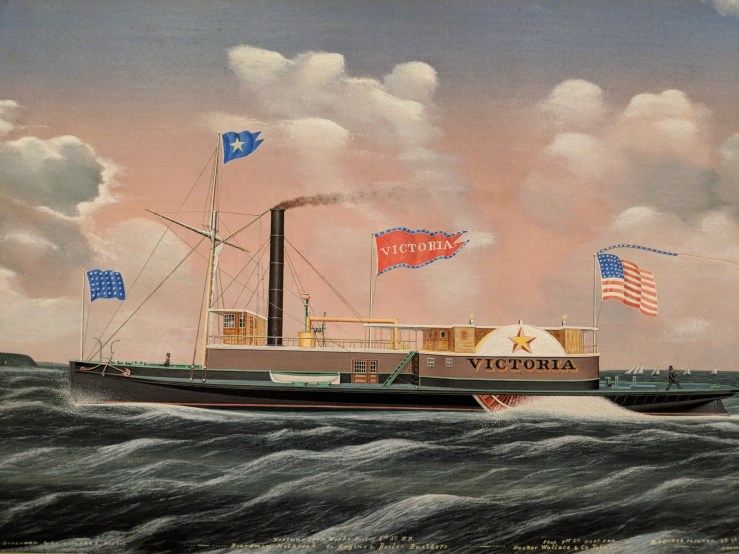

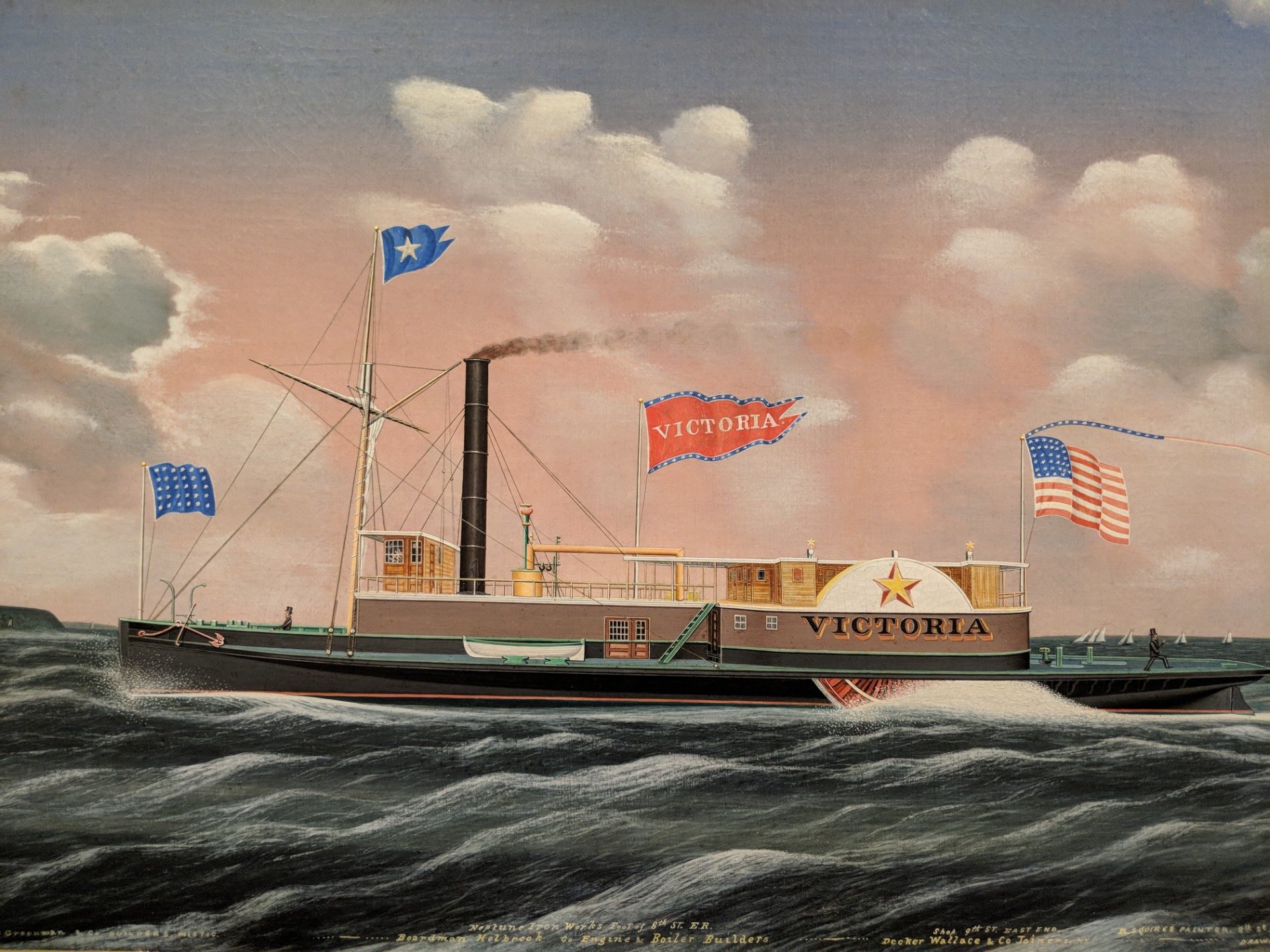
Steamboat ”Victoria”, 1859
By James Bard (1815-1897)
Oil on canvas


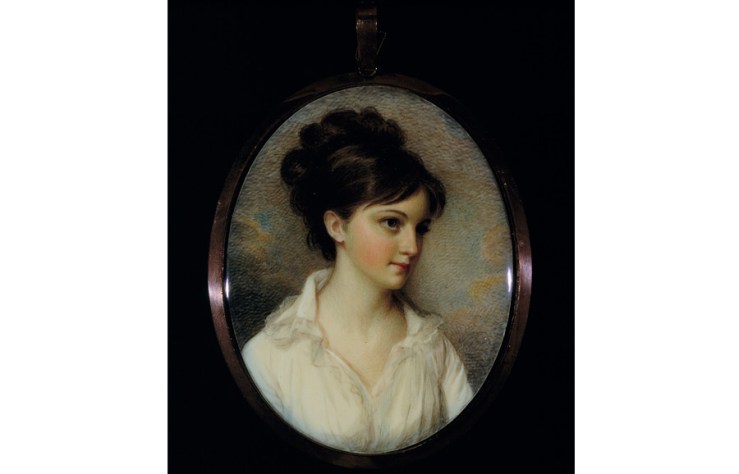
Among the various treasures, a small sample you have seen – and hopefully enjoyed – above, there is a very interesting collection of miniature portraits such as the one below, of the fair Eliza Izard (Mrs. Thomas Pinckney, Jr.), painted by Malbone & dated 1801.

This is where we learned that the first American miniature portraits were painted in Charleston, and the Gibbes’ collection is one of the most important portrait miniature collections in the United States. Containing more than six hundred objects, it spans nearly two hundred years and represents the work of over a hundred artists.

The miniatures, too small to be photographed with a smartphone camera, are not just tiny masterful works of art, but also remembrances of loved ones in the age before photography. They are tokens of love and affection, passed down to us through generations and, as such, should be treasured for ever.  
The Gibbes Museum of Art – Charleston, SC

April 11th, 2018
The art of ageing gracefully

1/
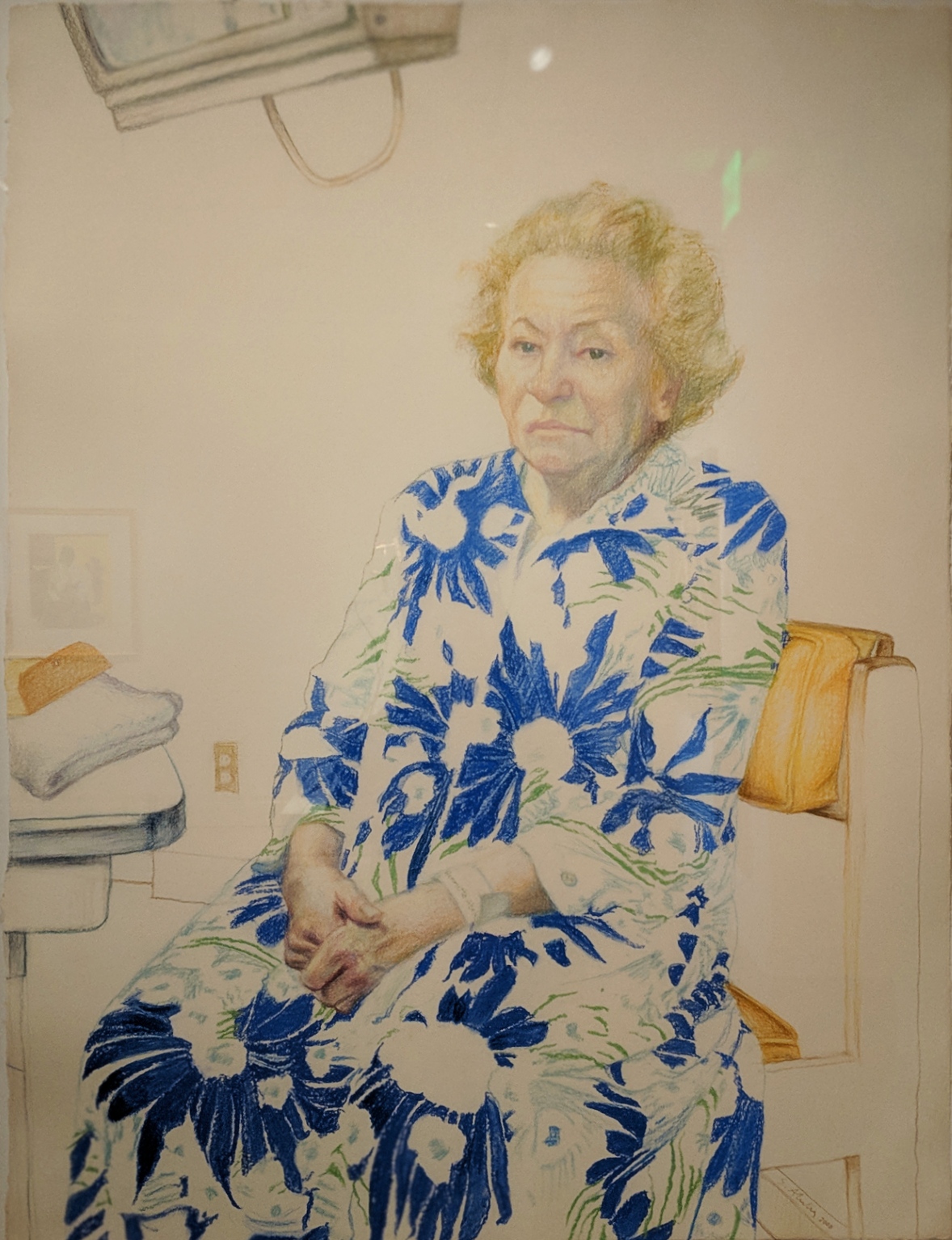
Mama, You Known I Never Paid Matisse
No Never Mind, 2000
By Sigmund M. Abeles (b. 1934)
Pastel on handmade paper

Sigmund Abeles captures the very essence of old age in this portrait of his mother shown seated in a nursing home setting. The portrait was painted from a photograph shortly after the sitter’s death.

2/
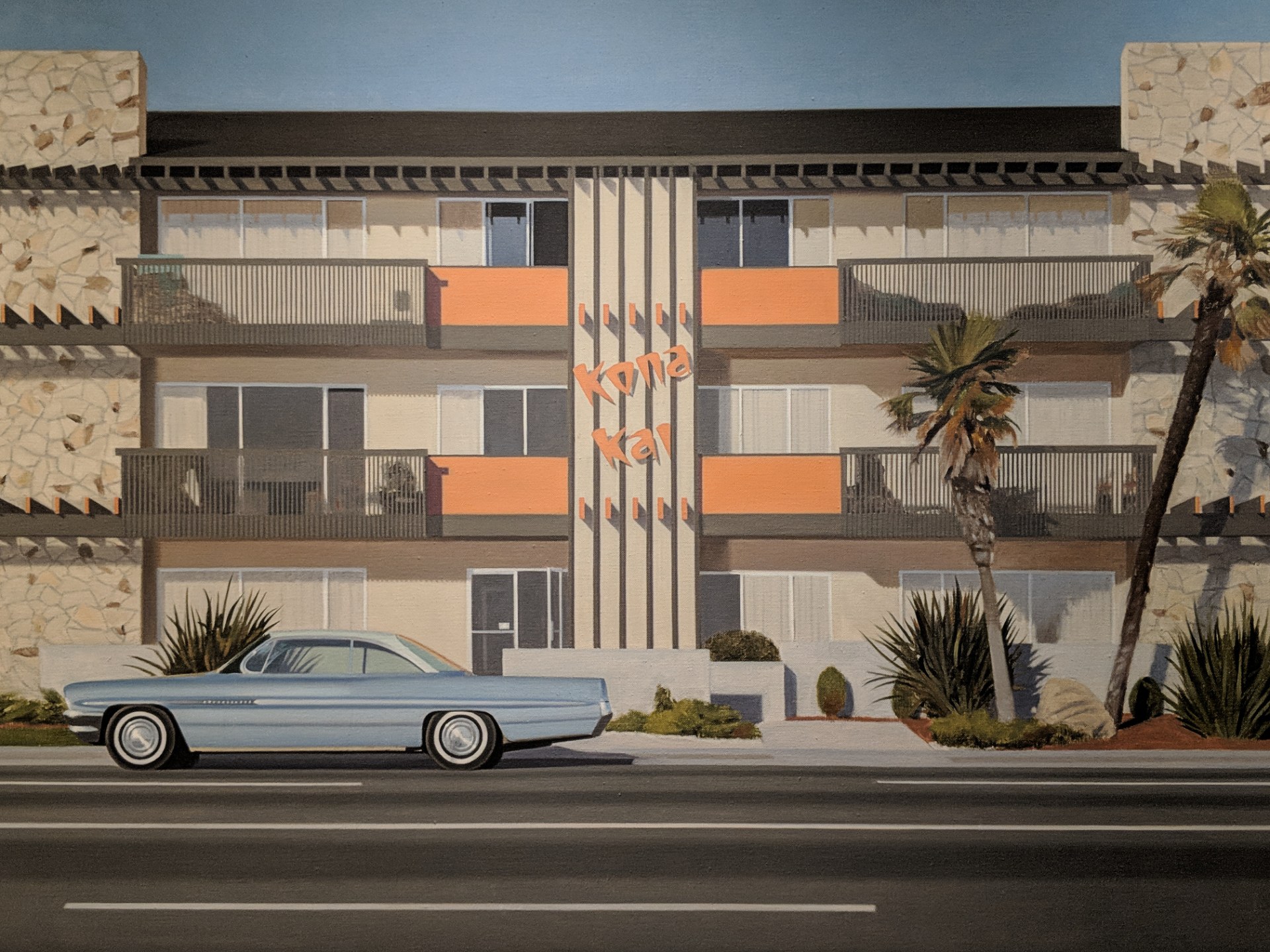
Kona Kai, 1967
By Robert Bechtle (b. 1932)
Oil on canvas

3/
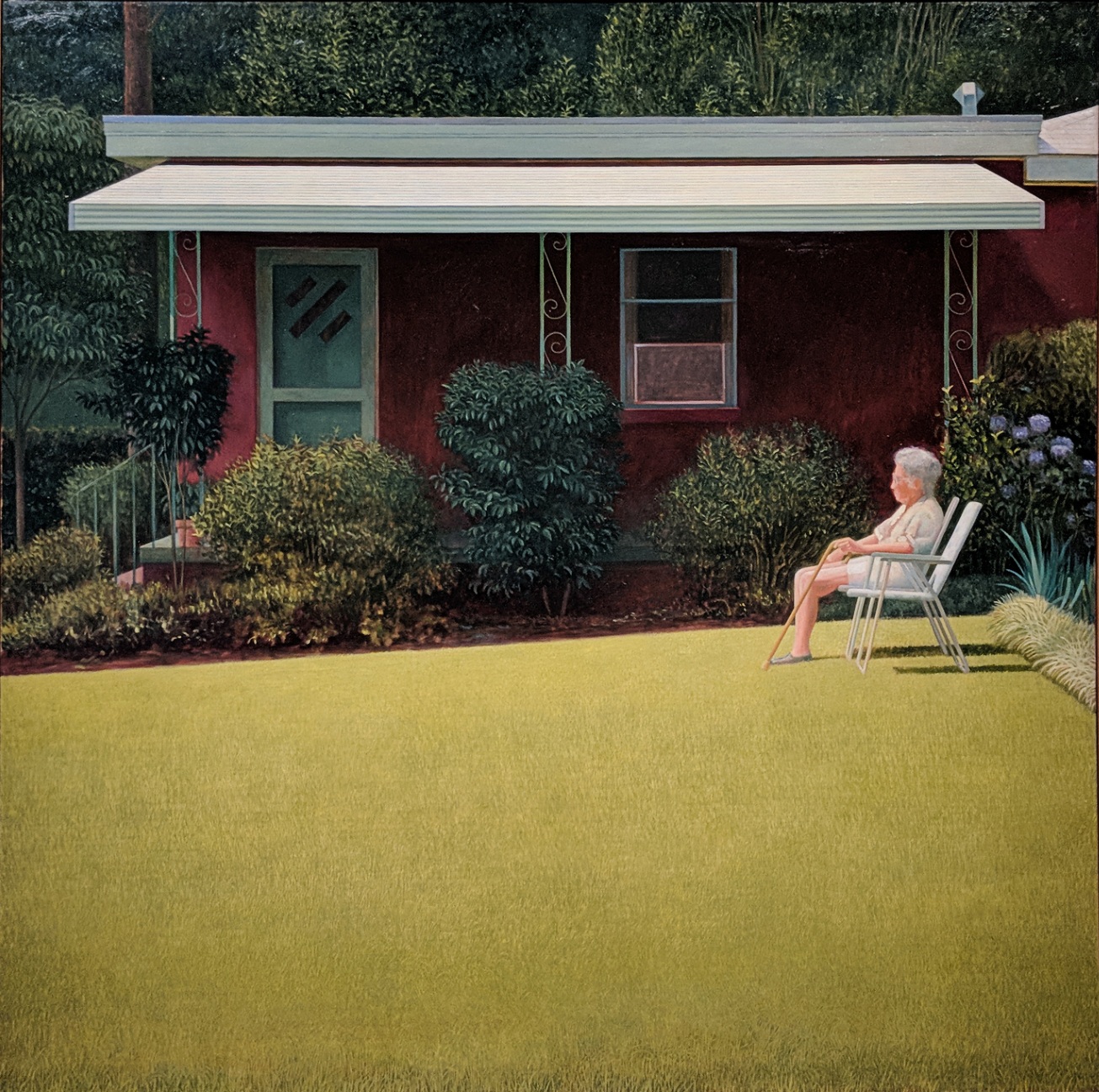
502 Lucerne Street, ca. 1983-86
By Edward Rice (b. 1953)
Oil on canvas

Rice is well known for his ultra-realistic paintings of architecture, often picturing southern locales with which he has a personal relationship. 502 Lucerne Street was at one time the home of his grandmother. The building, located in North Augusta, South Carolina, originally served as the city jail and is now the artist’s studio

4/ & 5/
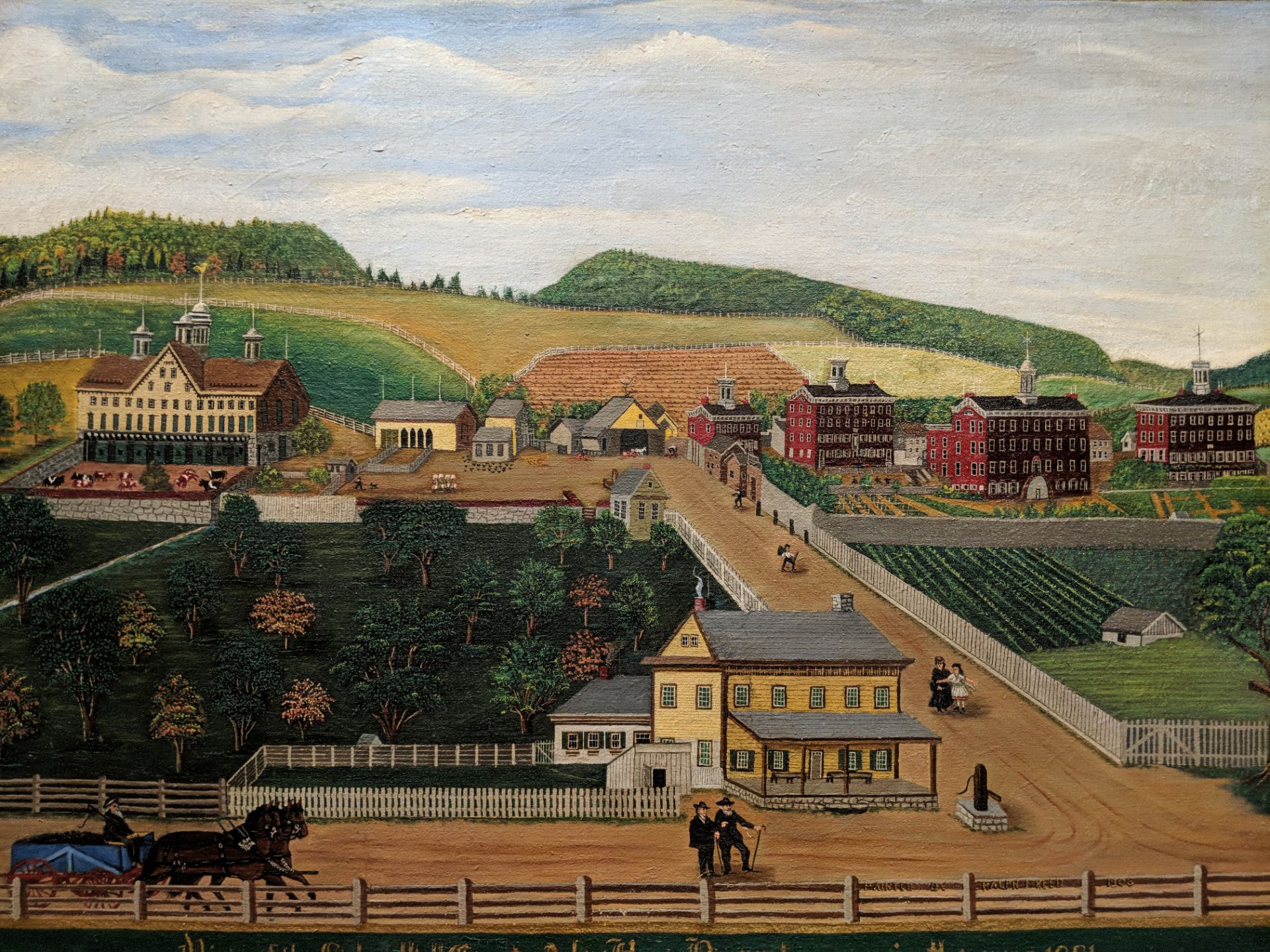
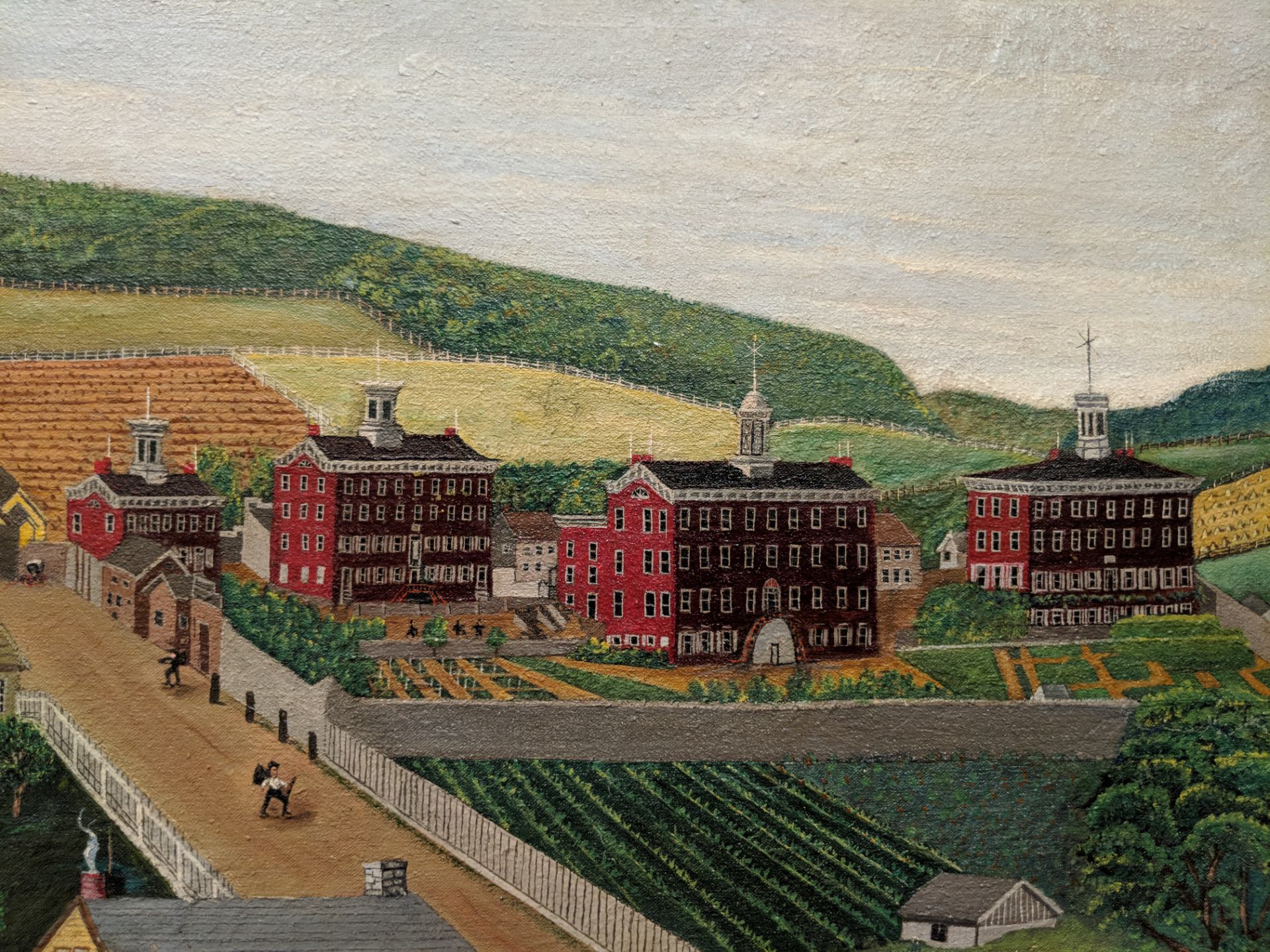
View of the Schuylkill County Almshouse
Property of the Year 1881, 1908
By Ralph F. Reed (1884-1966)
Oil on canvas

The Gibbes Museum of Art

Charleston, SC

April 11th, 2018
Charleston || And now for some Art…

@ the Gibbes Museum of Art.

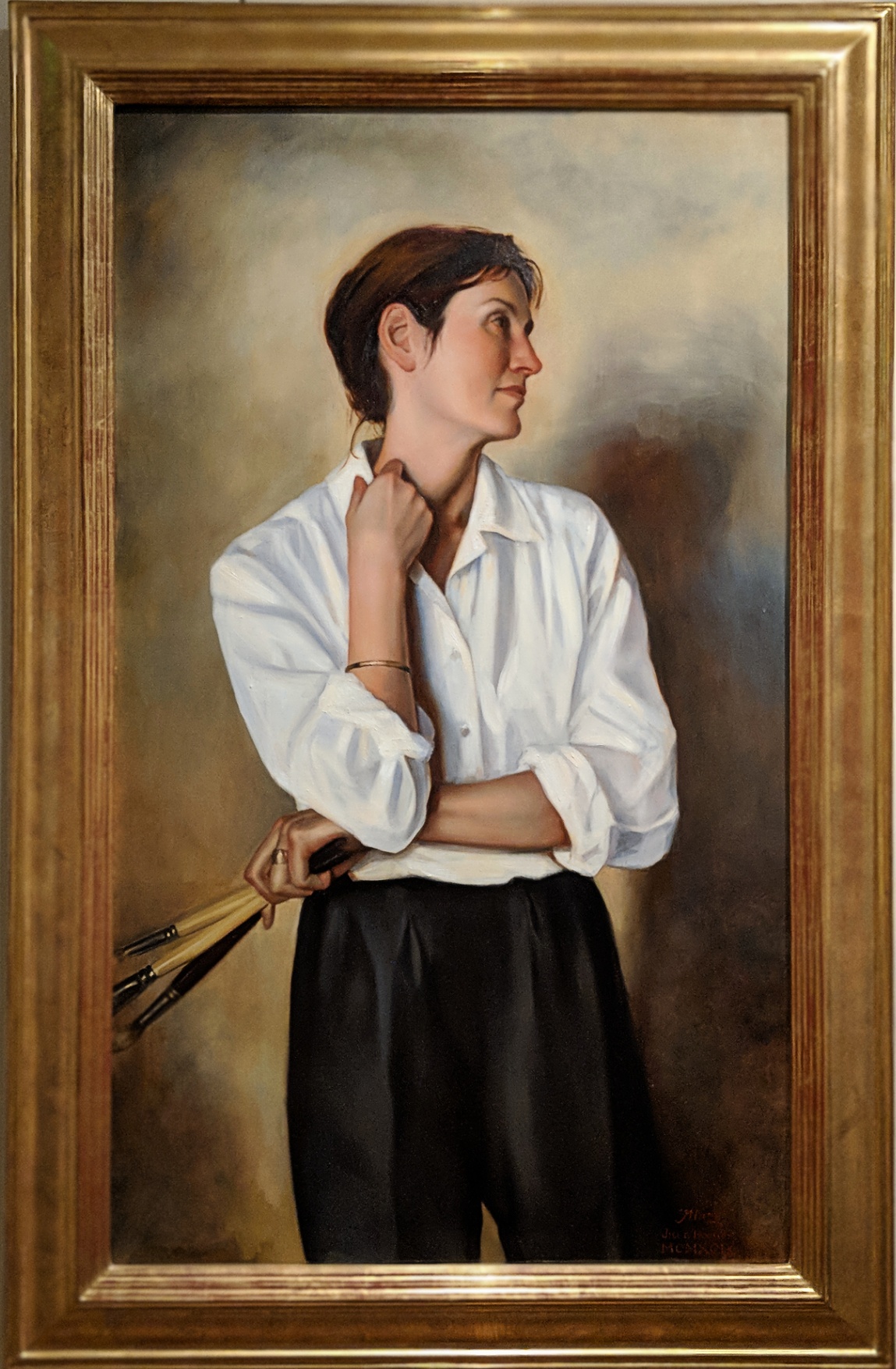
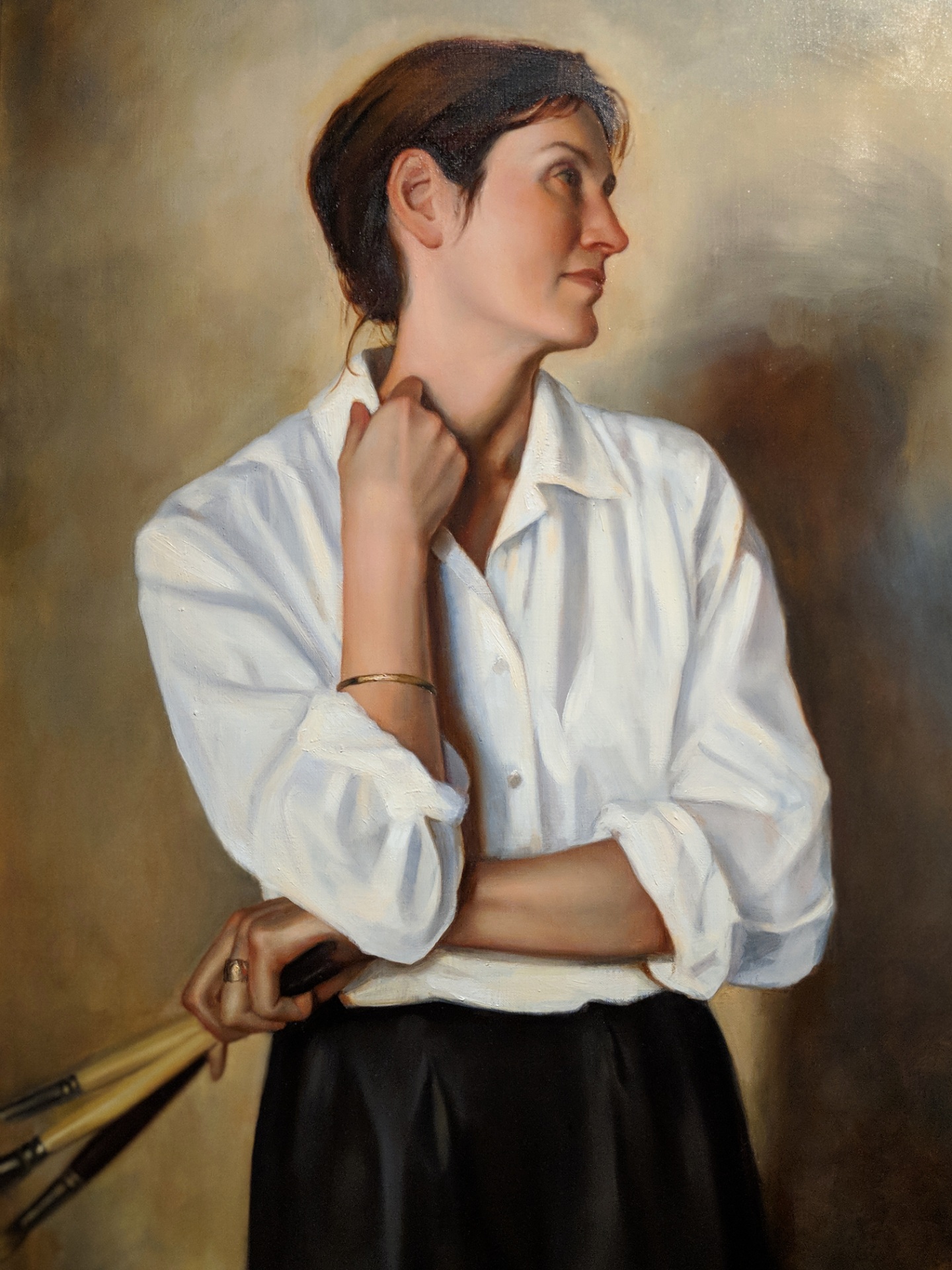
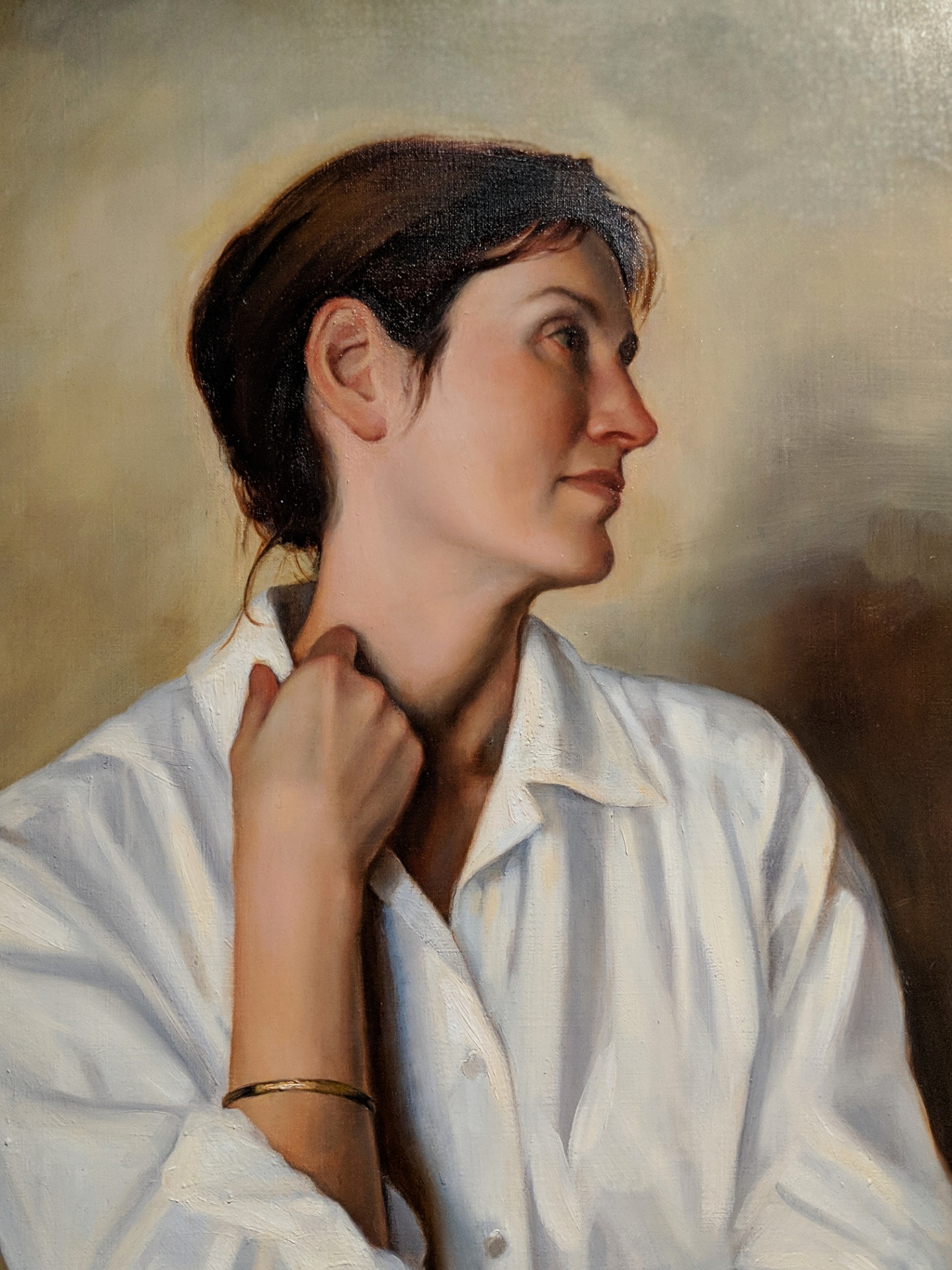
We will have a better view of the galleries tomorrow but, today, I wanted to share with you the one portrait that stood out from the entire collection of the Museum, in my eyes at least. I can’t explain why, but the longer I look at her, the more she captivates me.

Mary Whyte, 1999
by Jill Hooper (b. 1970)
Oil on canvas

A classically-trained painter, Jill Hopper has earned acclaim for her portraits, landscapes and still-life paintings. She paints from life with natural light and attentive engagement with her subjects is the hallmark of Hooper’s work. This portrait conveys Hooper’s deep respect for fellow Charleston artist Mary Whyte. Posed holding the tools of her trade, Whyte is clearly identified as an artist. 

Gibbes Museum of Art, Charleston, SC

April 11th, 2018
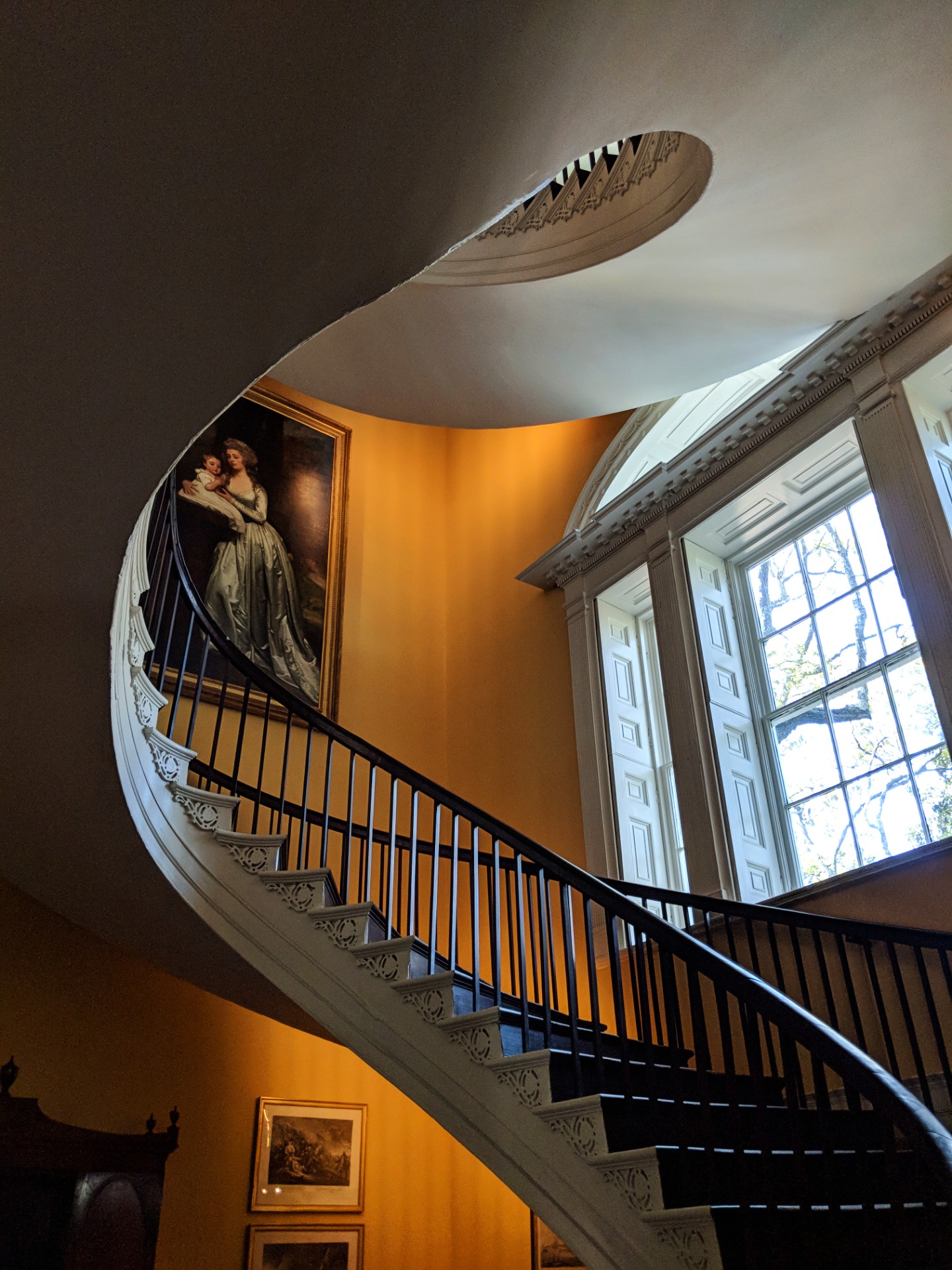
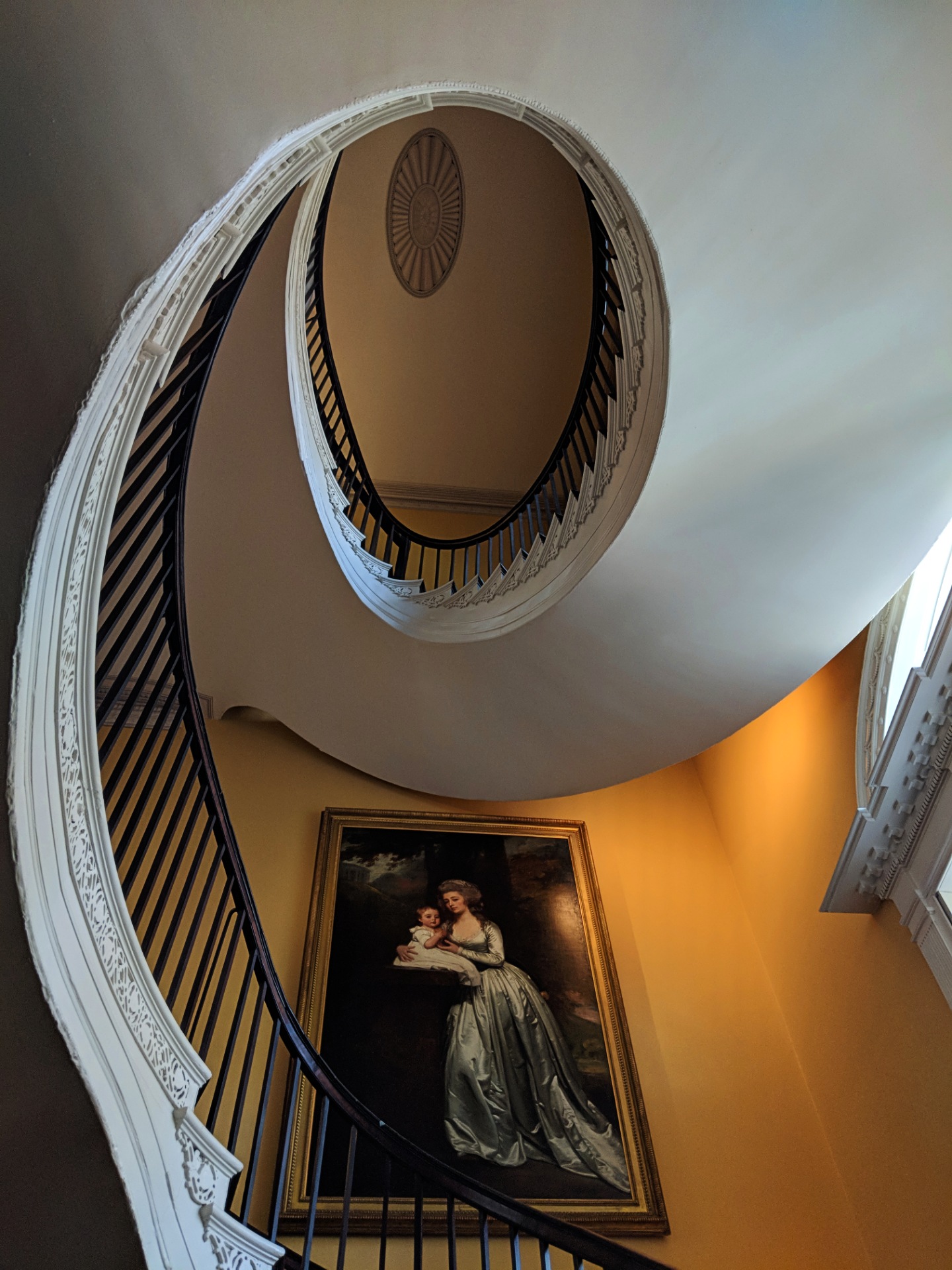
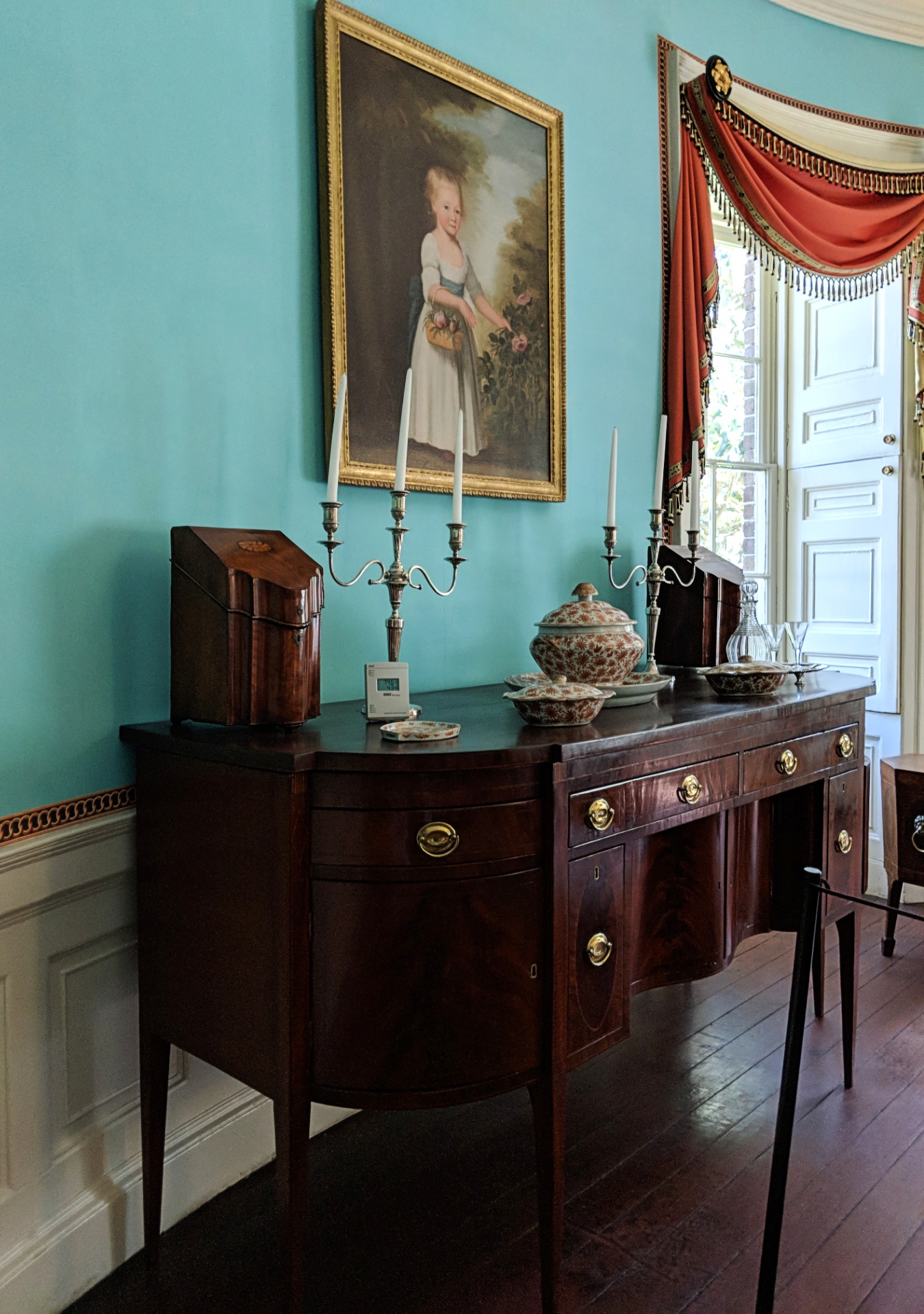
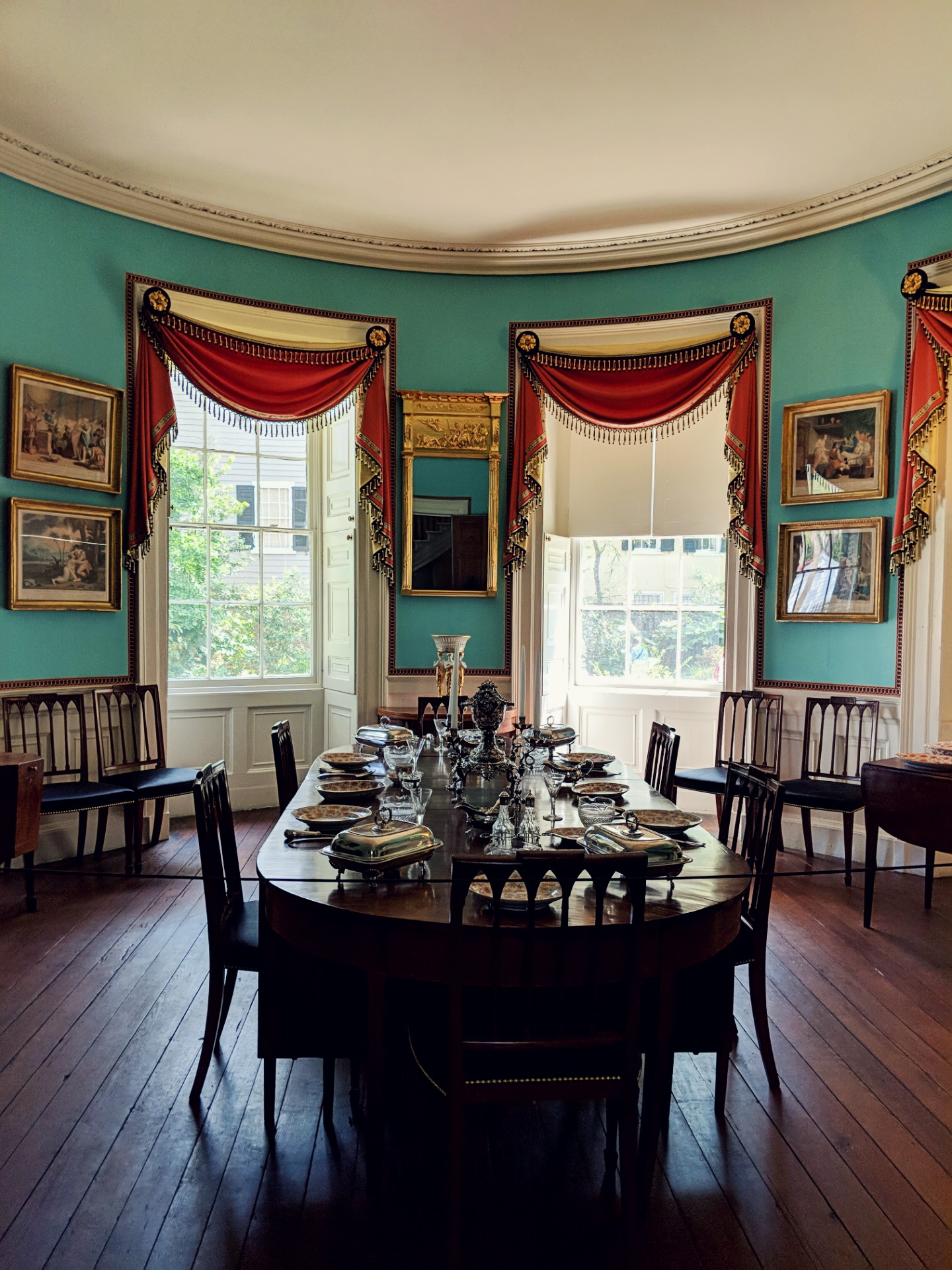
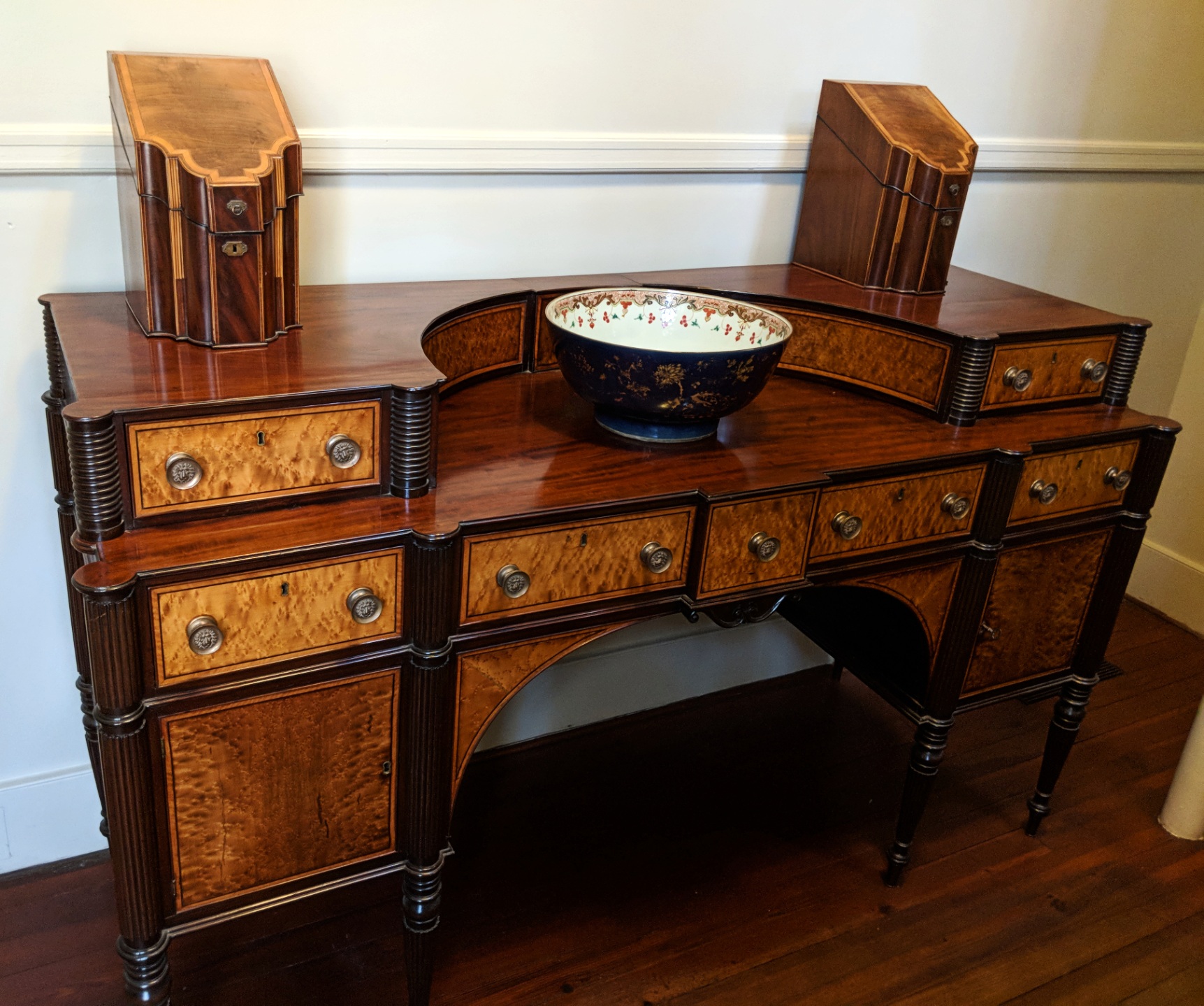
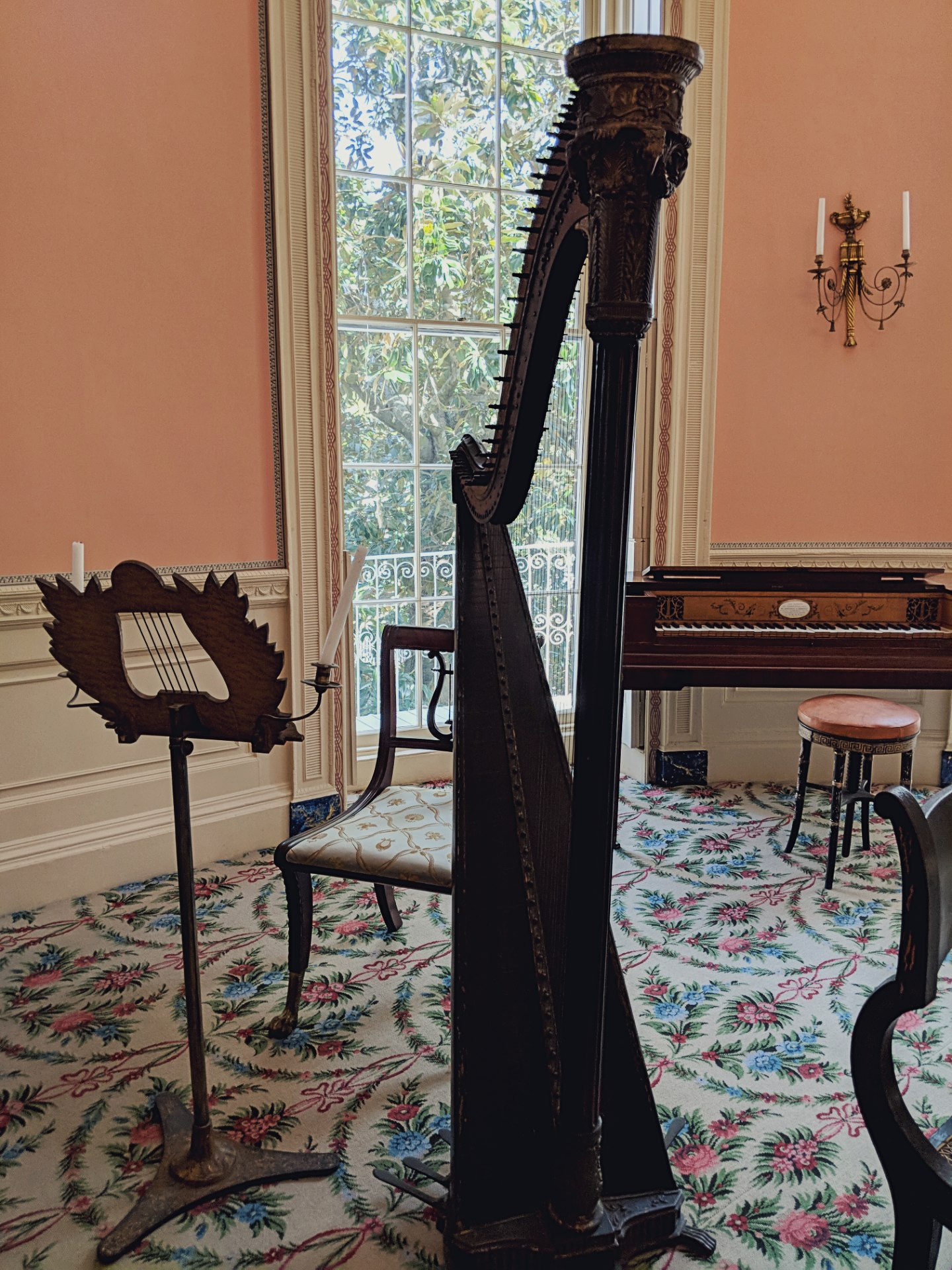
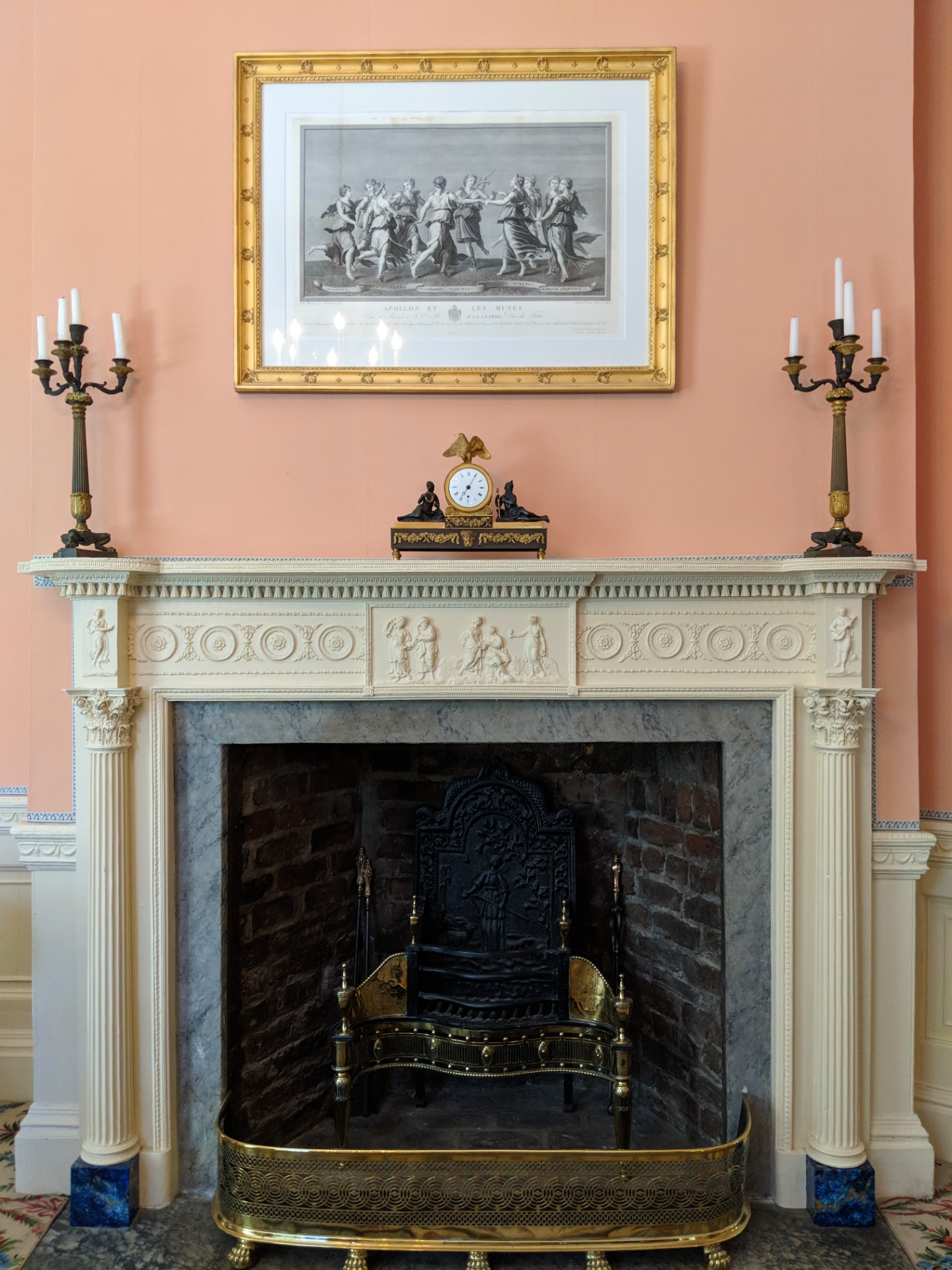
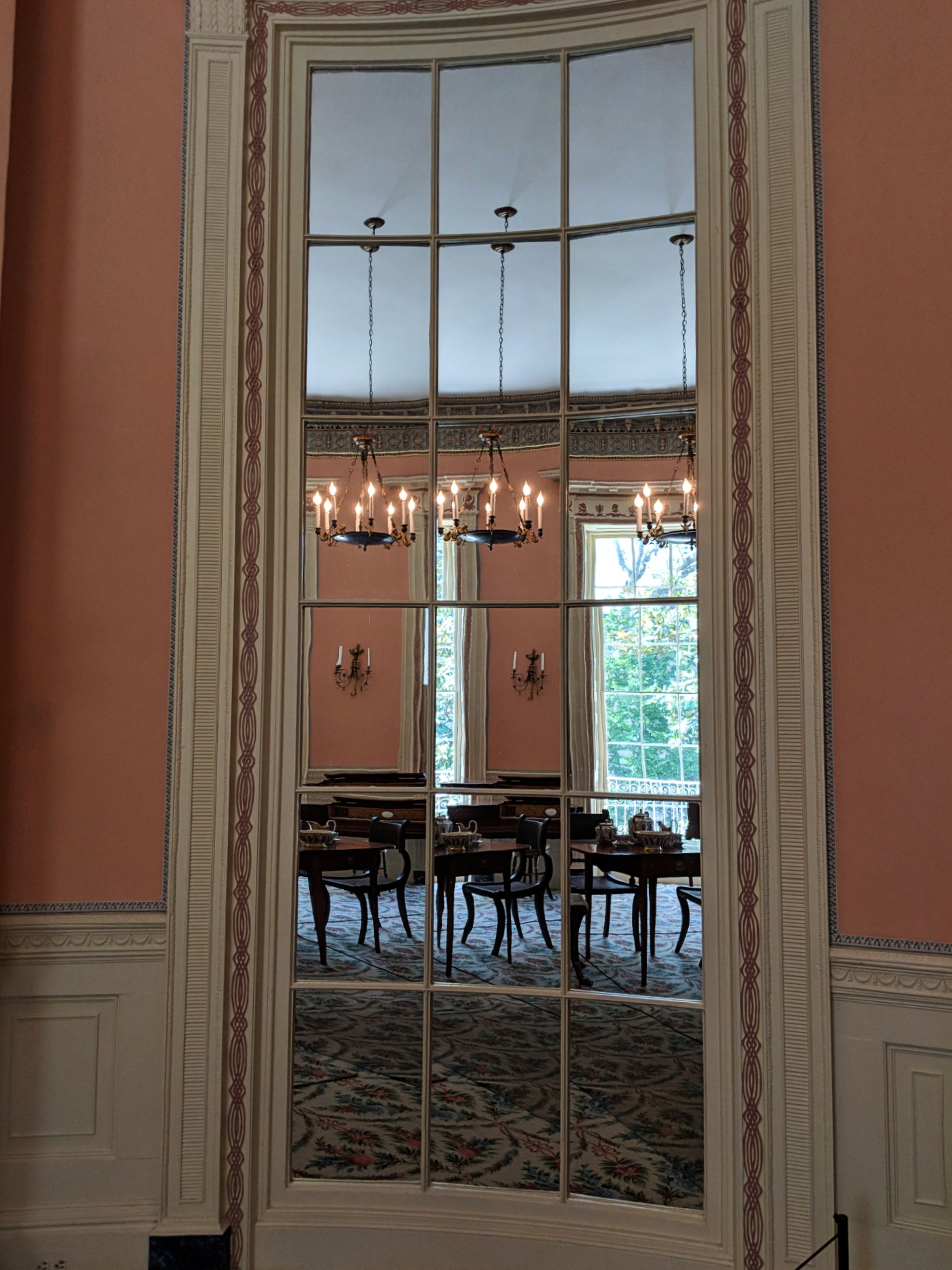
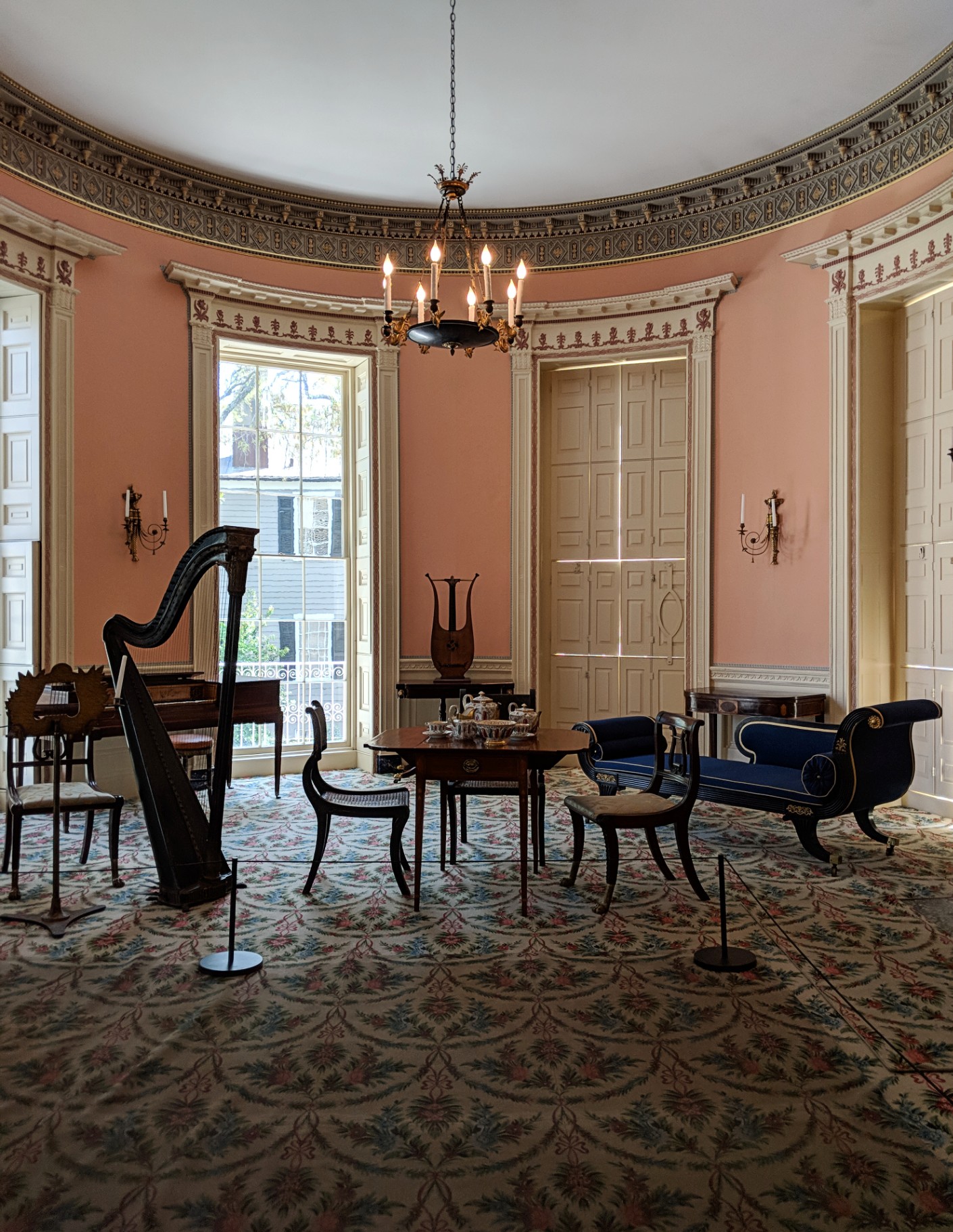
Charleston || The Nathaniel Russell House

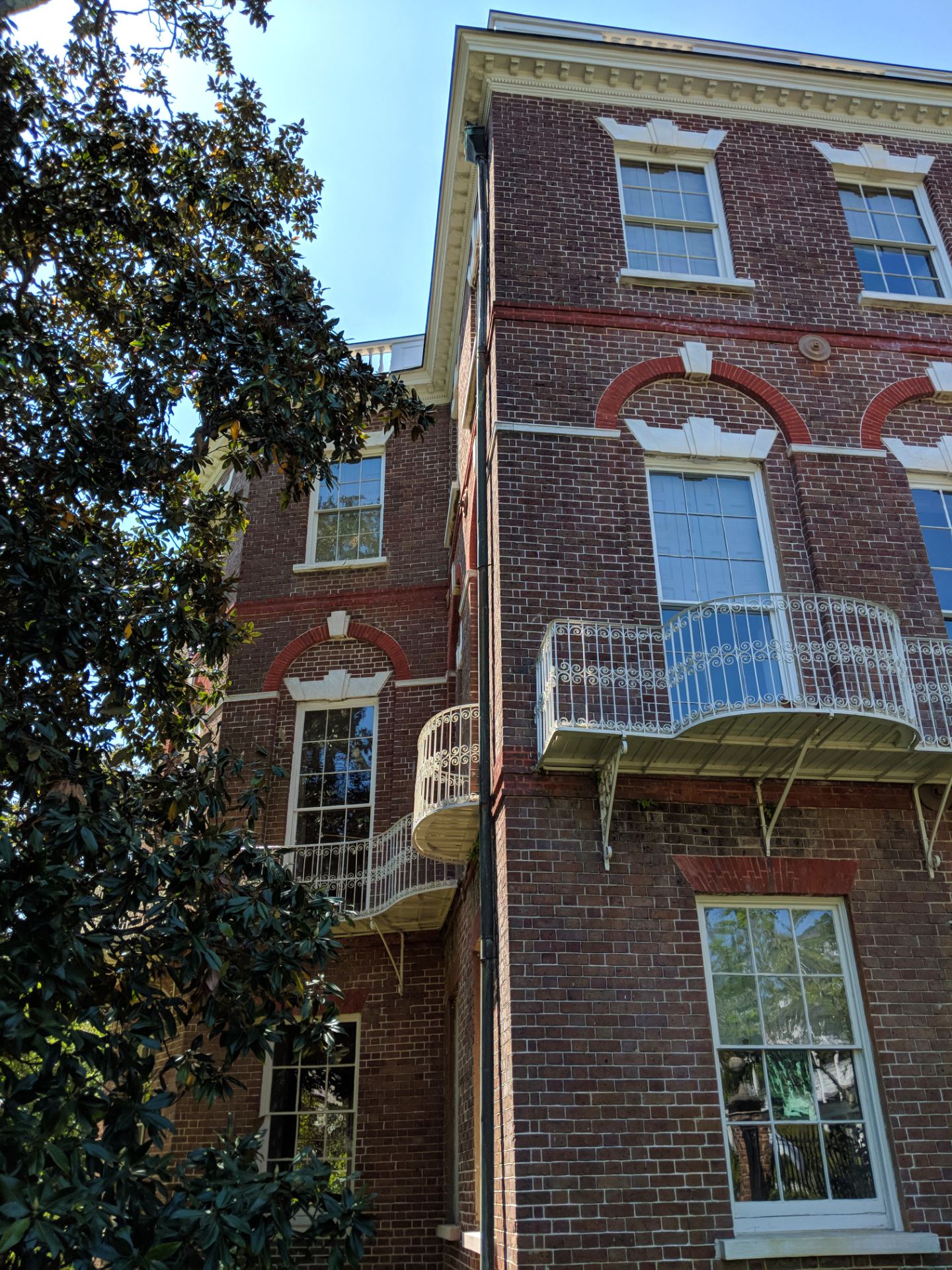
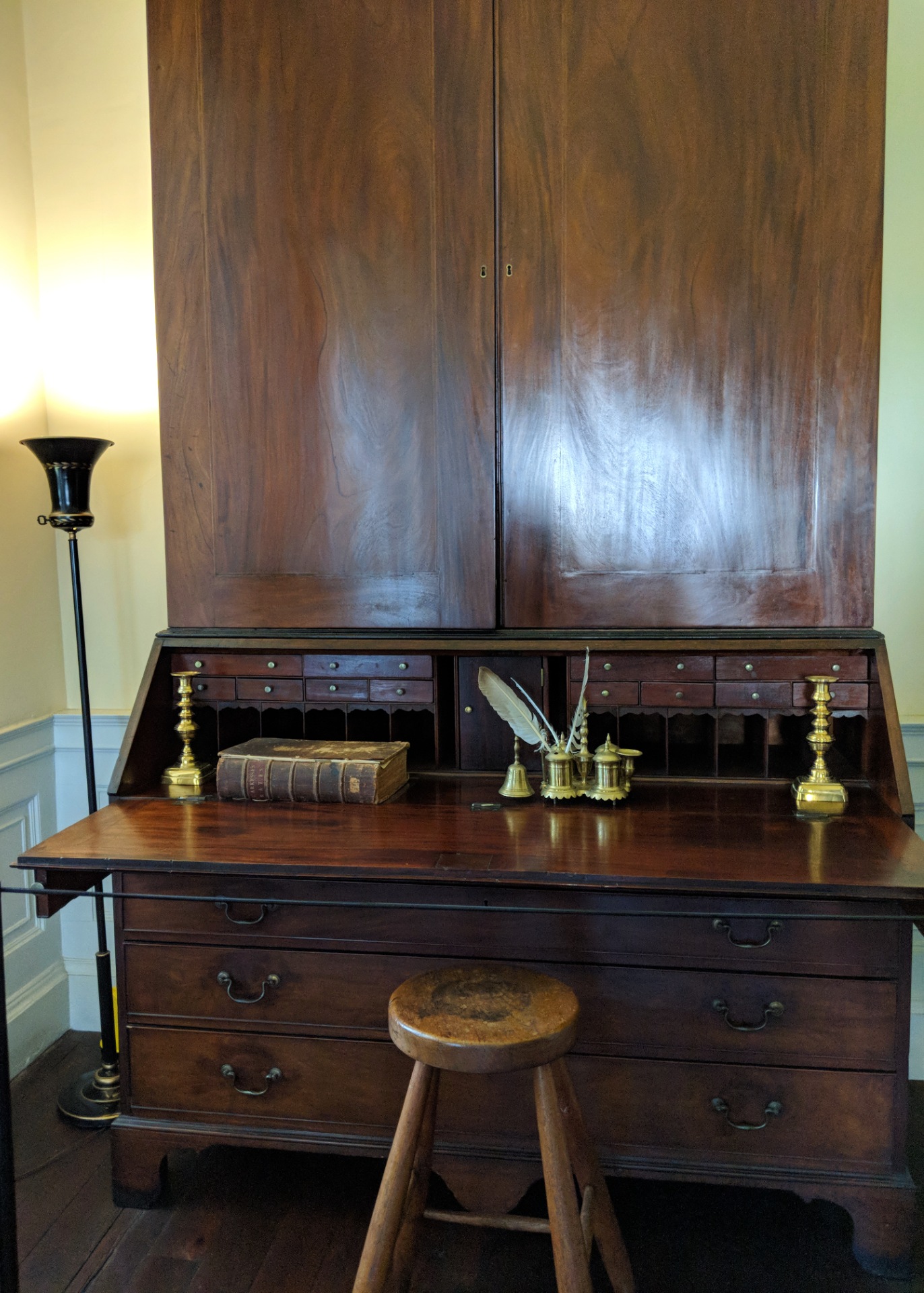
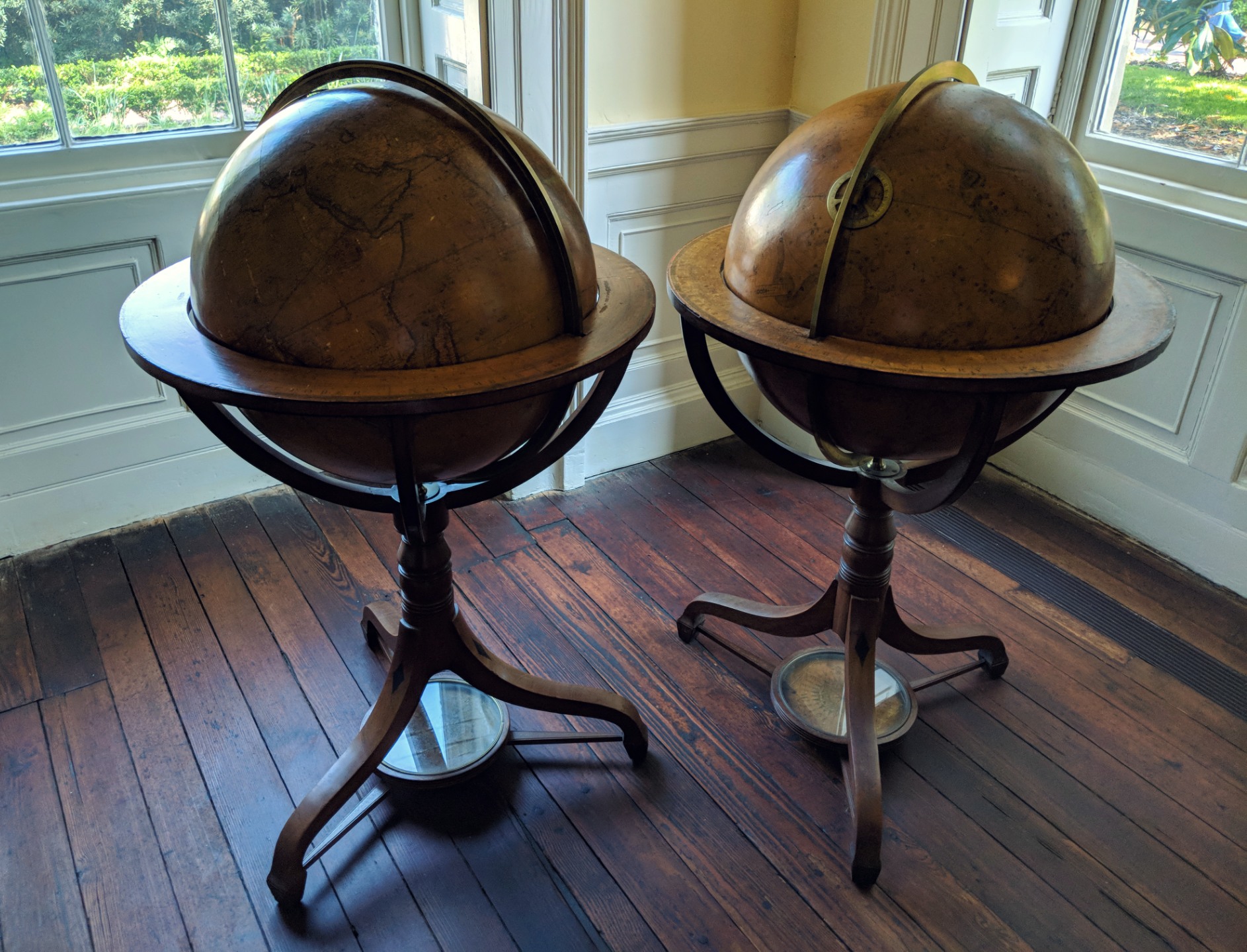
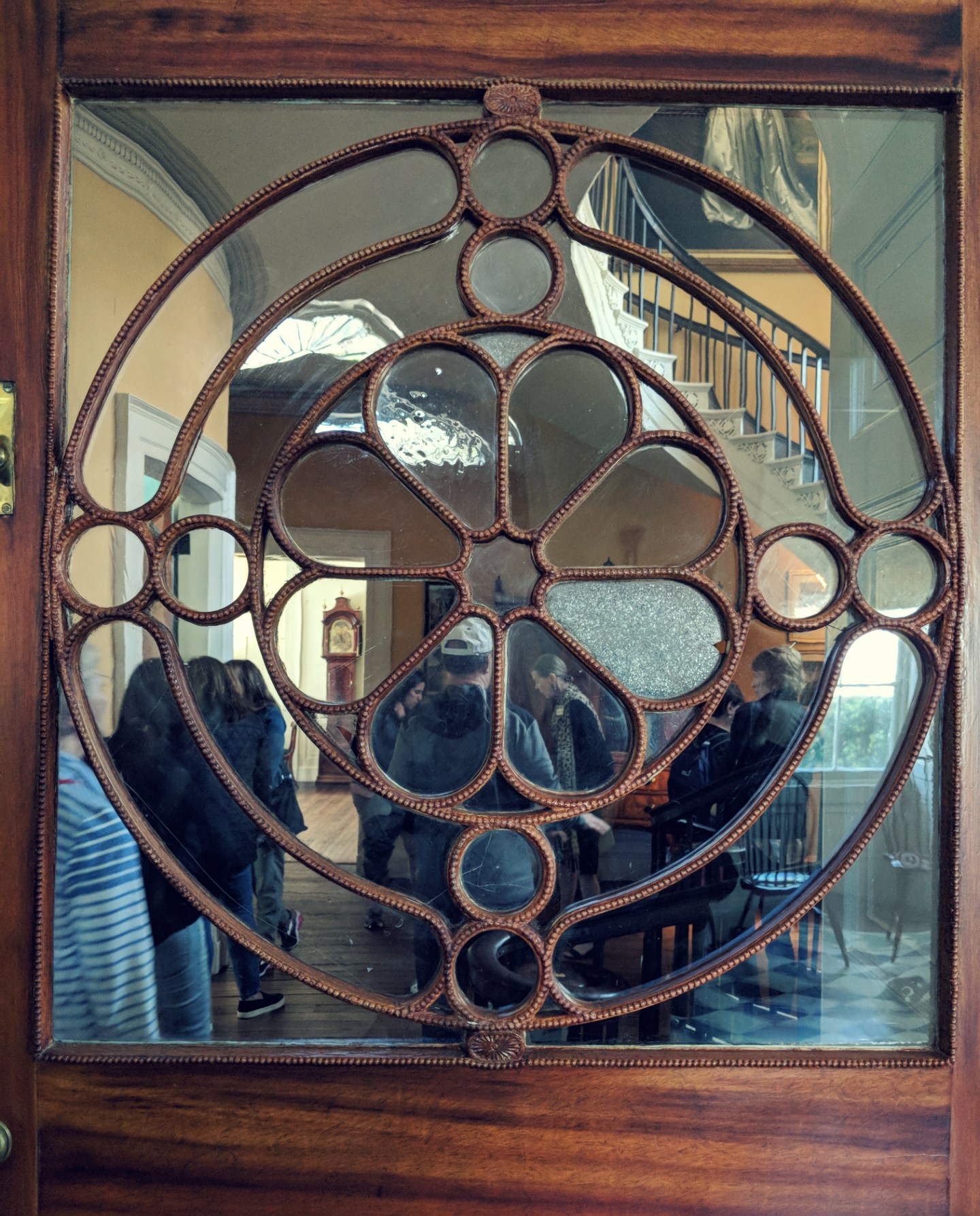
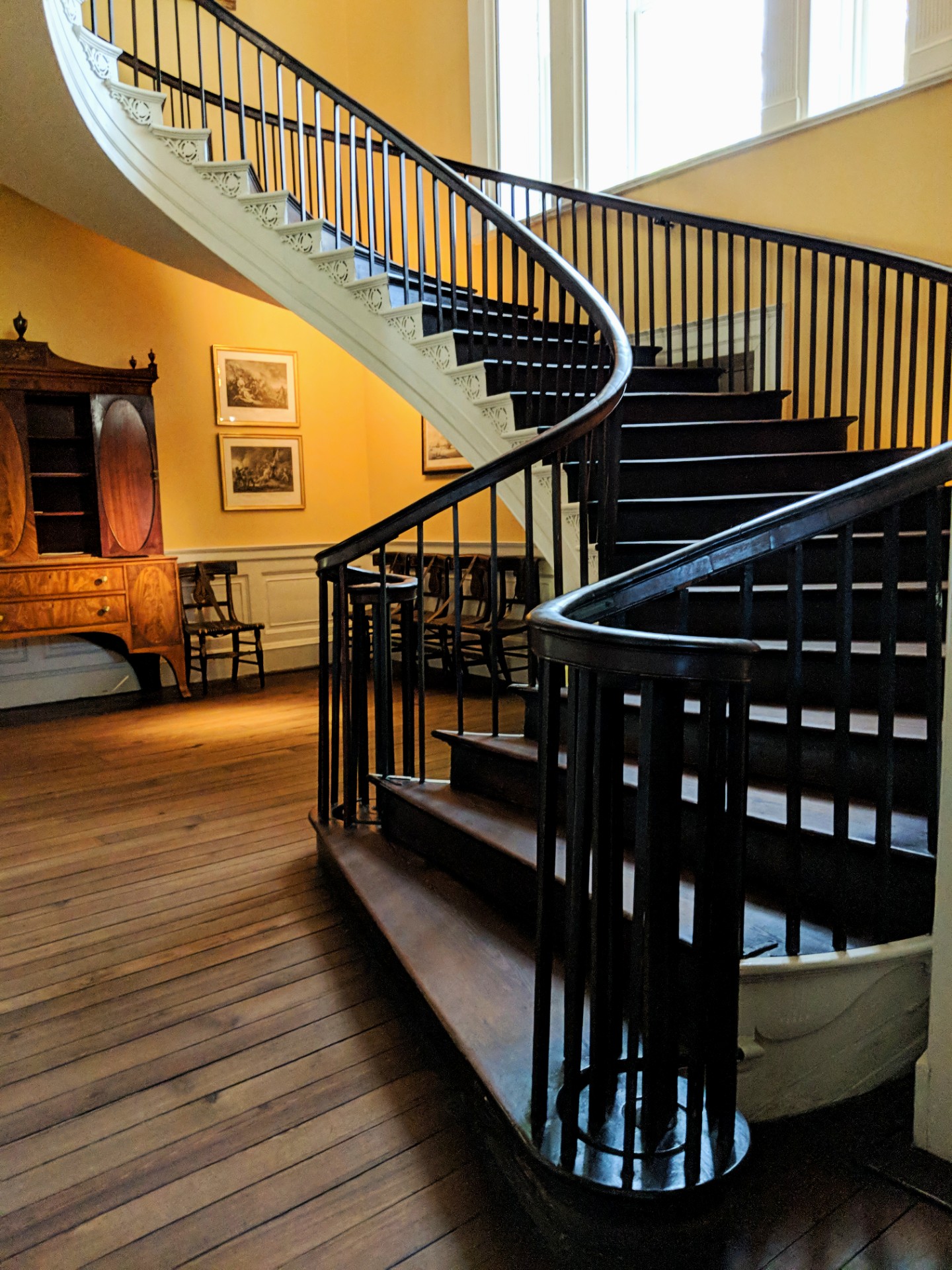
The one with the stunning, free-flying staircase that will have you stand there gawking for a long moment, at least until your guide rushes you on to the next room, to make space for the next group. There are quite a few magnificent mansions in Charleston but if you only have time for one, the Nathaniel Russel House is your absolute must-see.

”A National Historic Landmark, the Nathaniel Russell House Museum was built over a five-year period and completed in 1808 by Charleston merchant Nathaniel Russell. The house cost $80,000 to build, at a time when the average value of a home was $262. The home’s graceful, free-flying, three-story staircase is an architectural marvel with each cantilevered step supporting the one above and below it.” [source]
Charleston, SC

April 11th, 2018