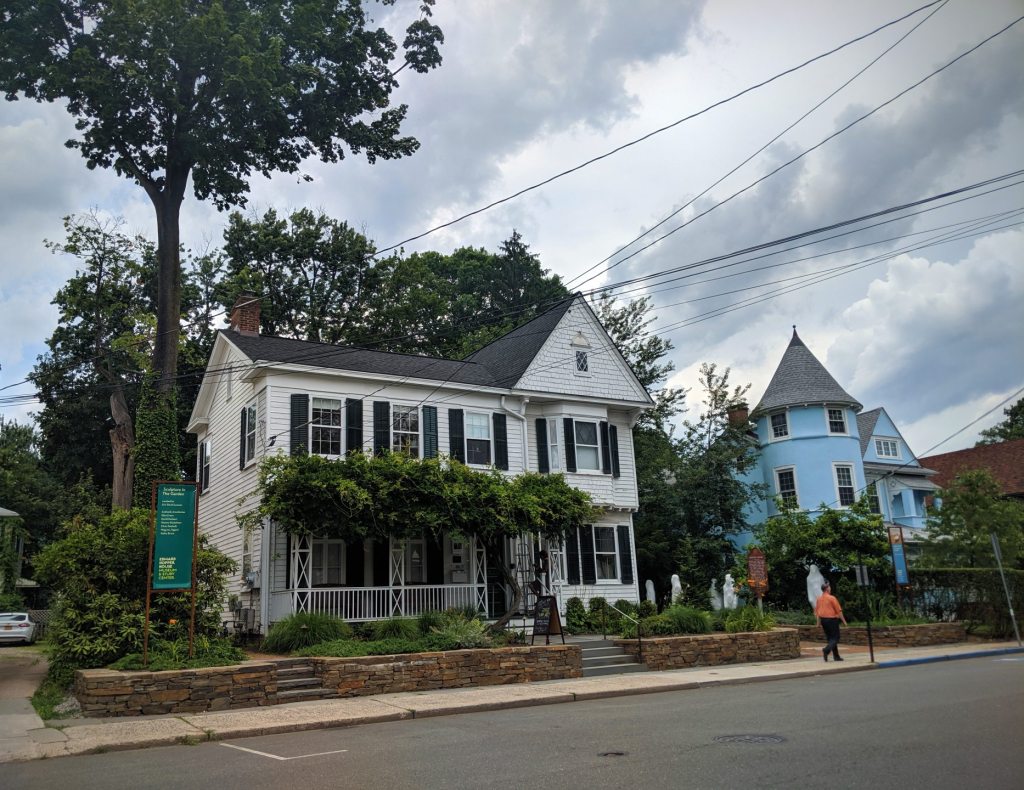
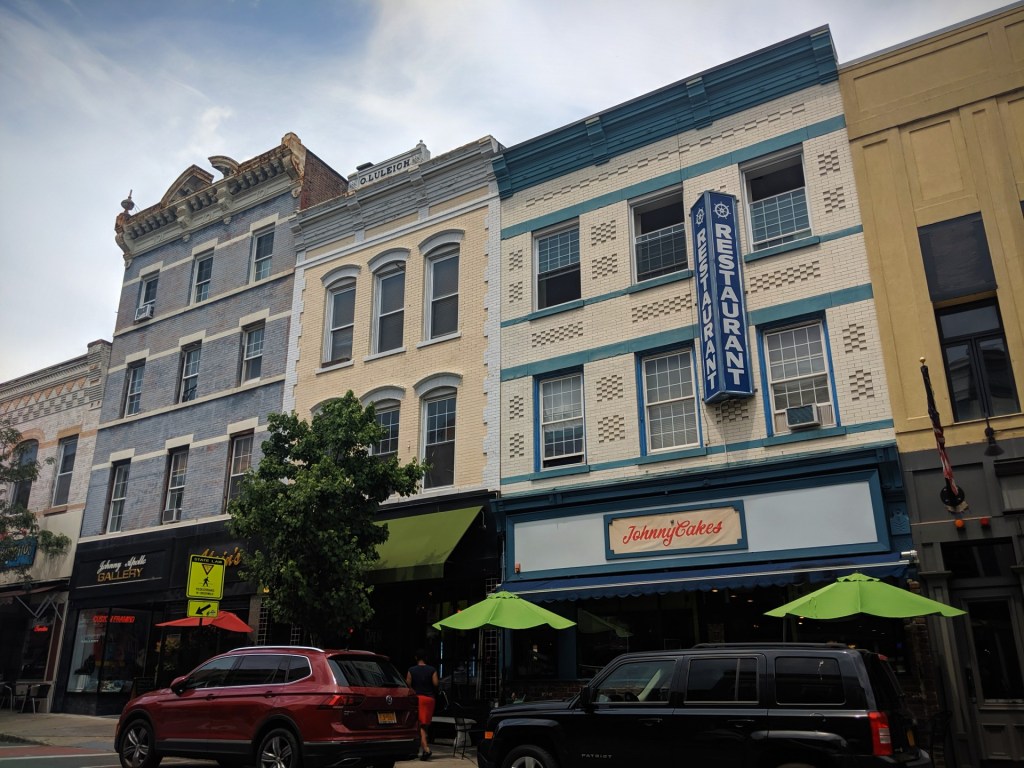
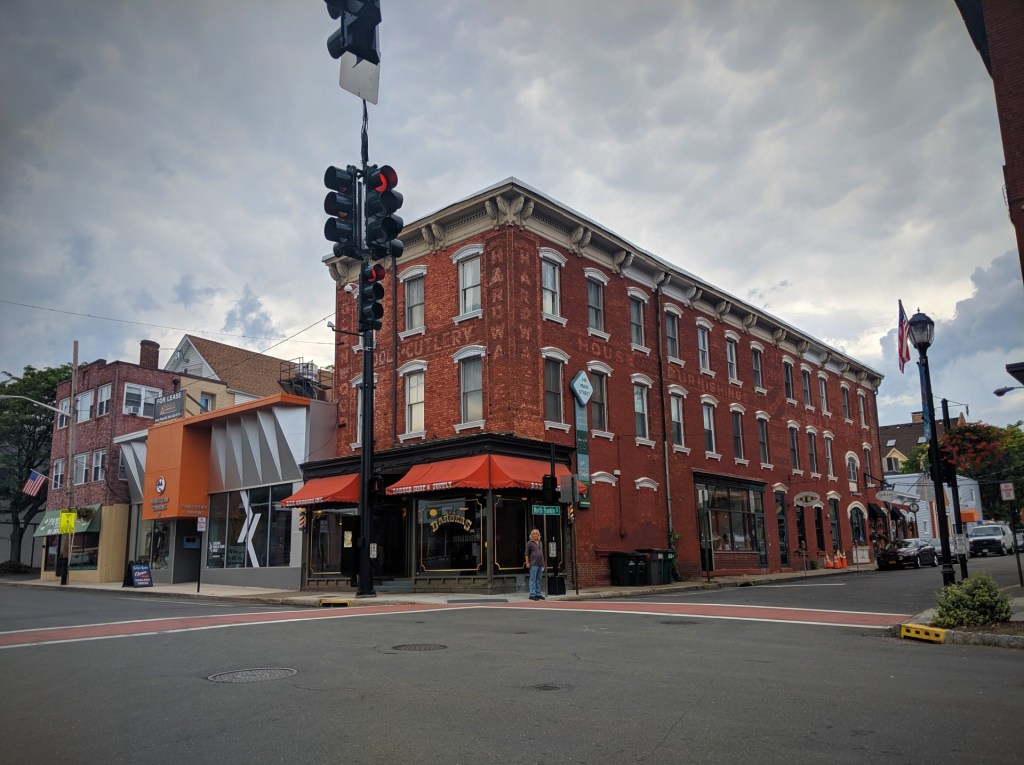
We wanted so much to walk in Hopper’s steps around town, down to the waterfront and up to the Oak Hill Cemetery, following a map provided by the Museum, but it was so damn hot that day, we just had to give up and seek shelter. As you can see, there were only a couple of people in the streets, mad enough to brave the heat.
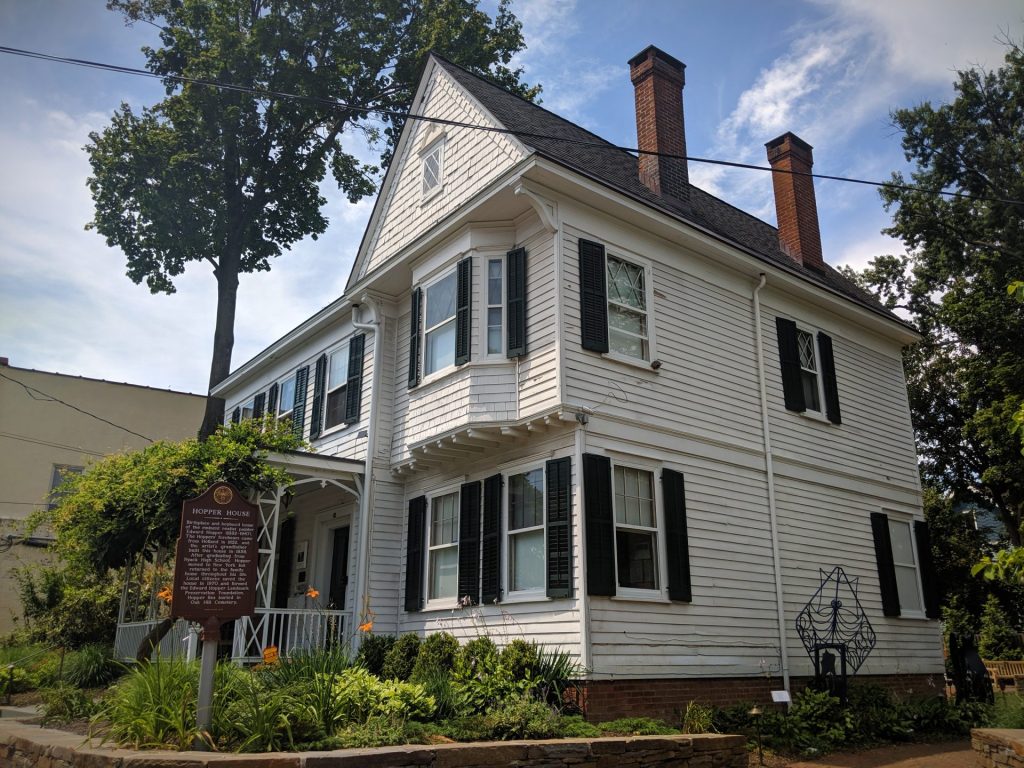
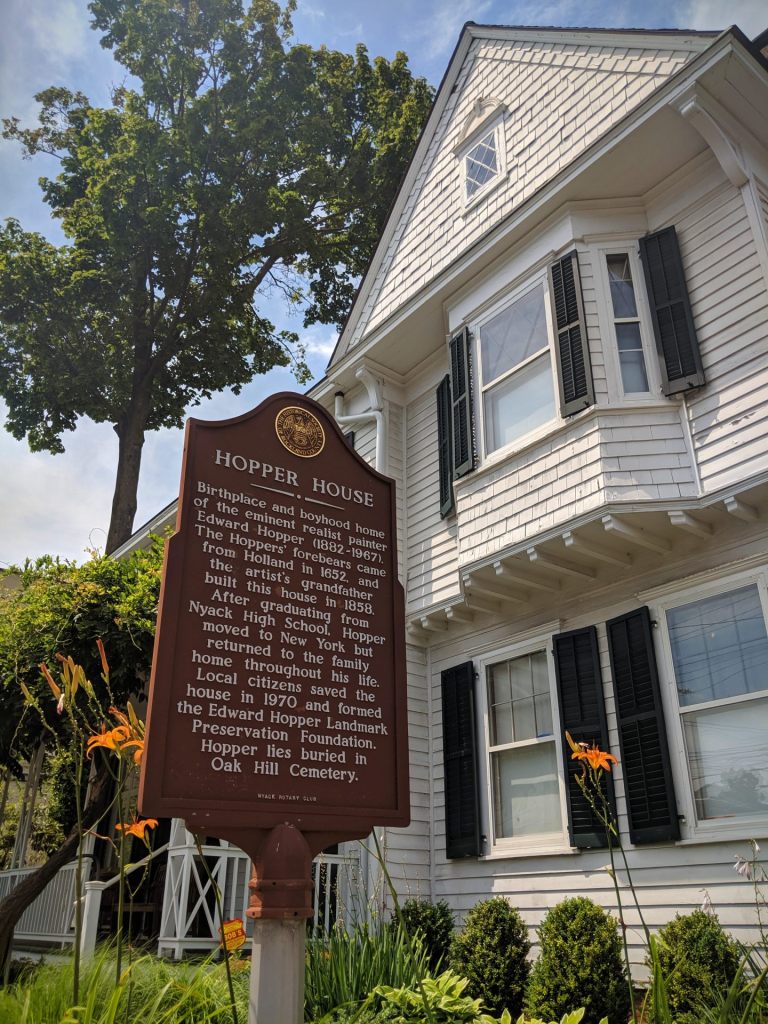
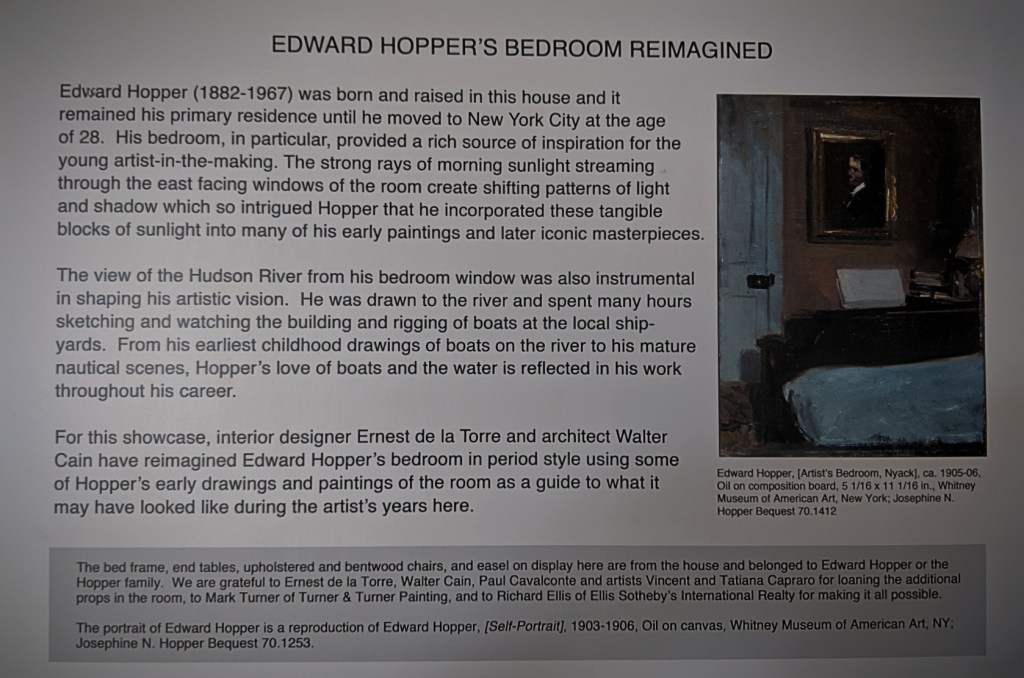
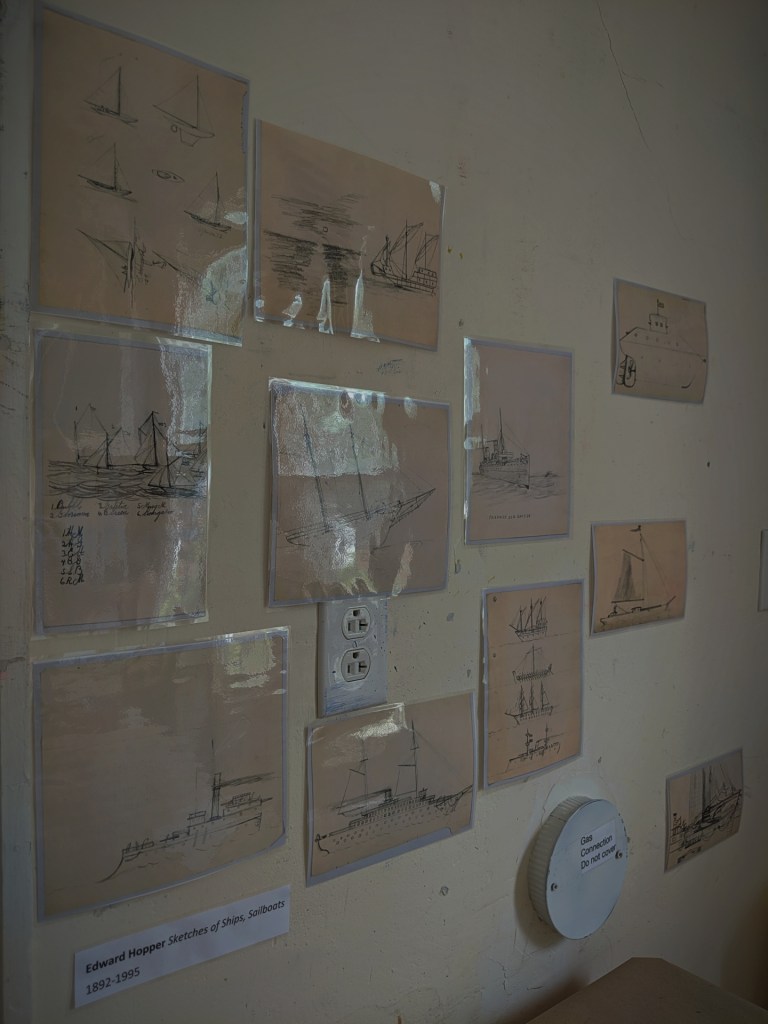
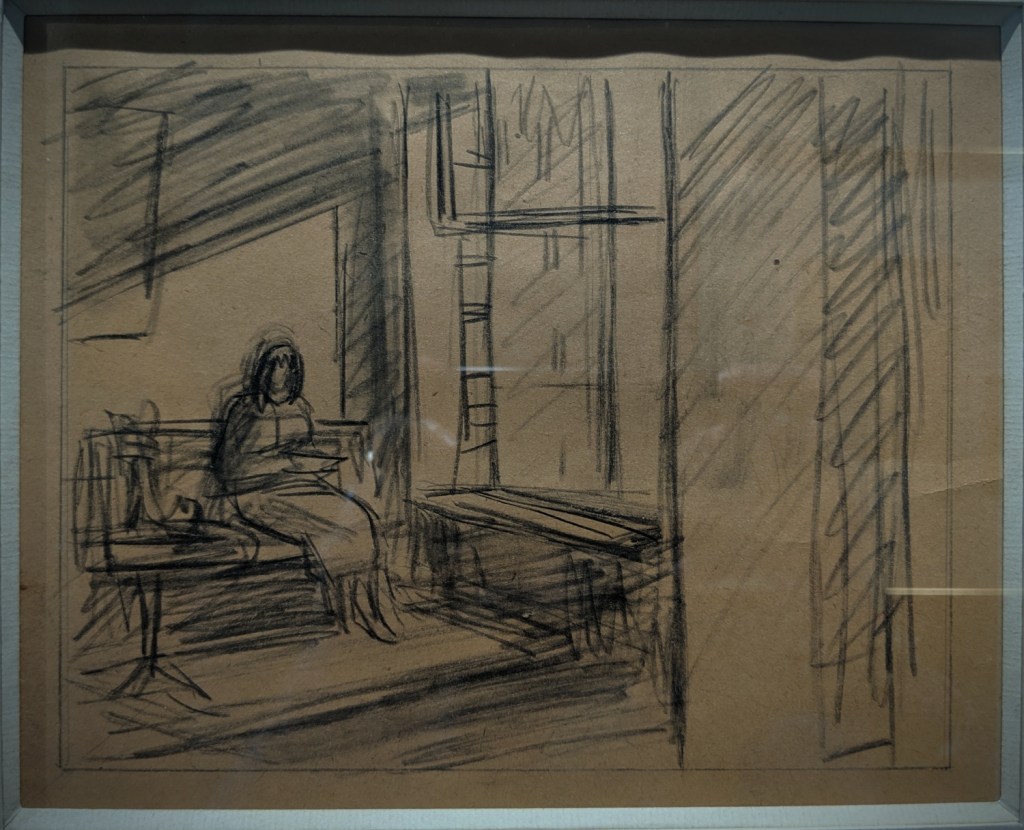
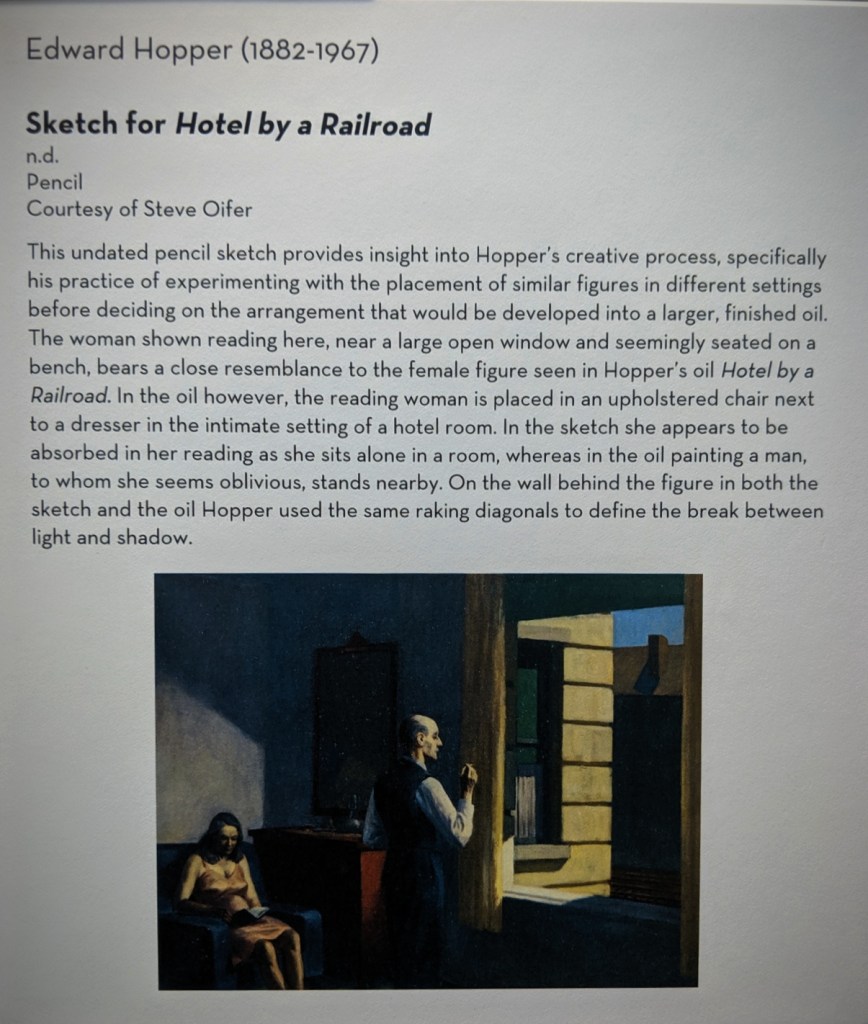
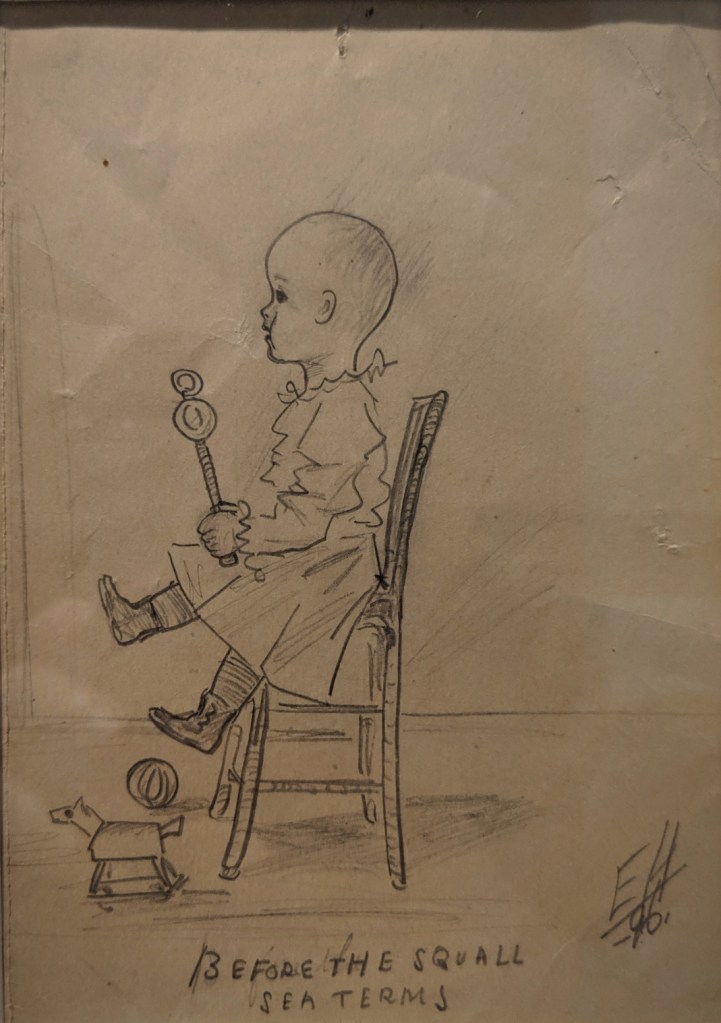
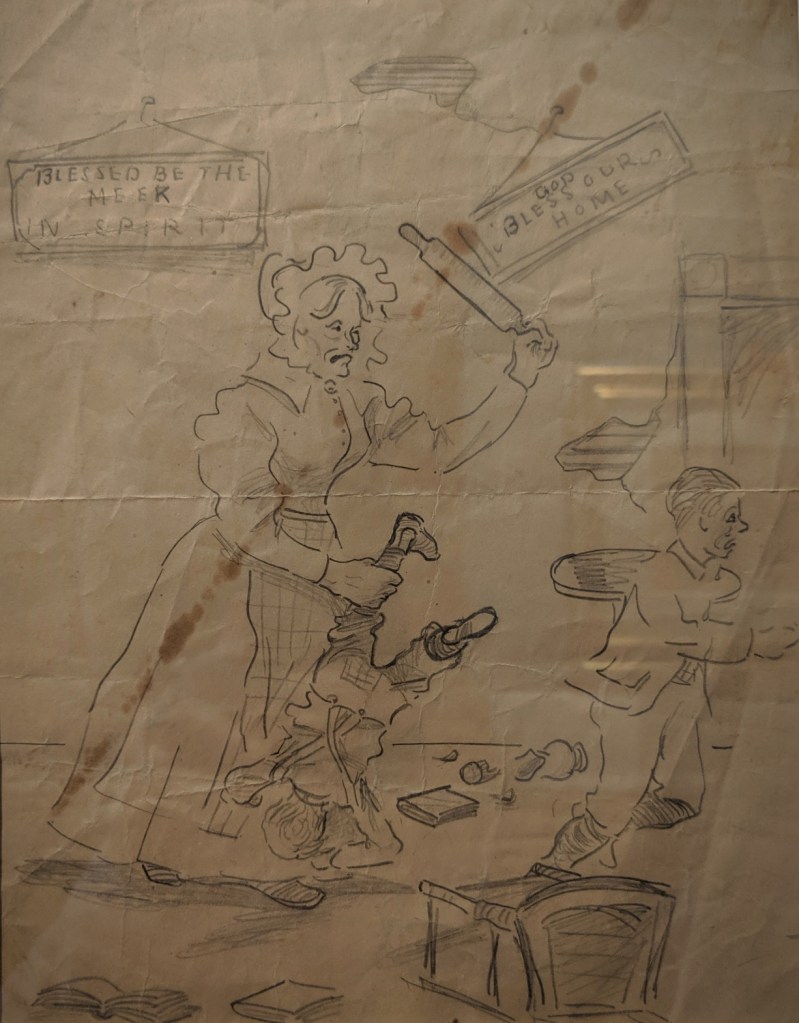
Where he was born and grew up, drew his first impressions and sketches, pictures that were imprinted on his memory working to make him the artist he became.
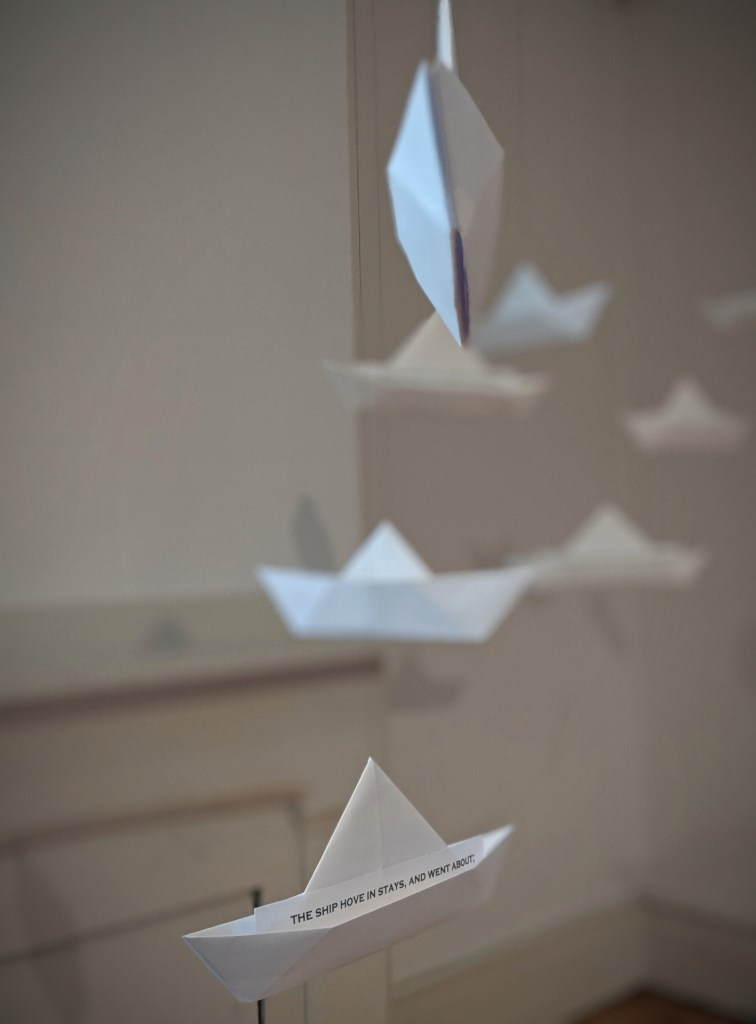
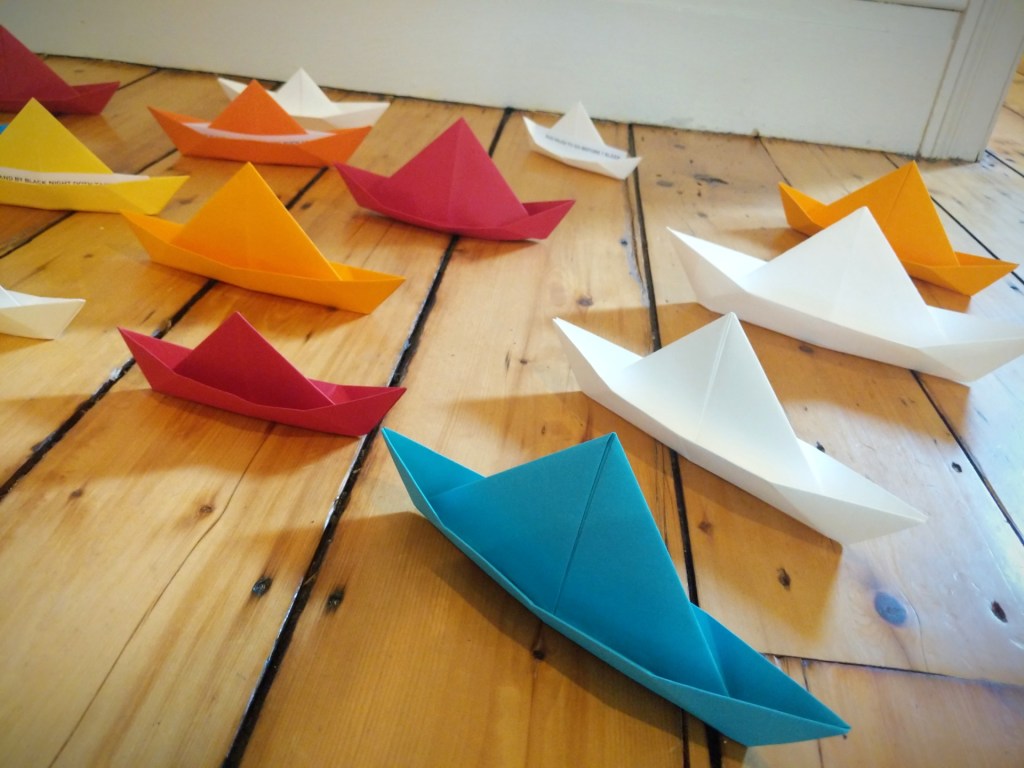
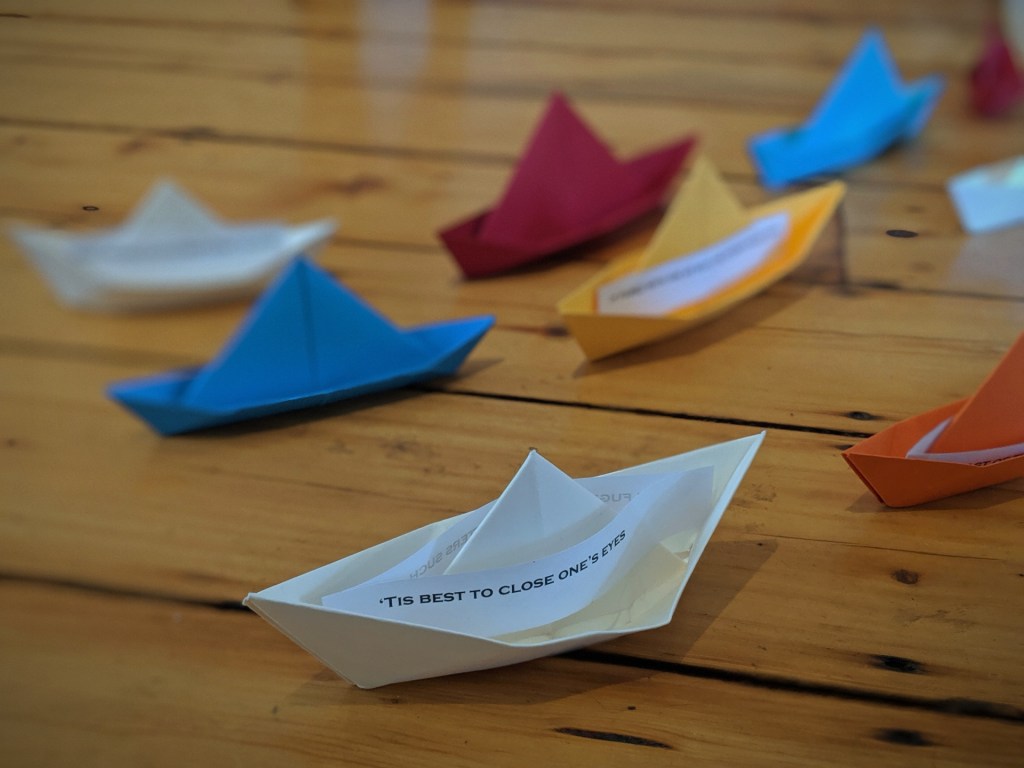
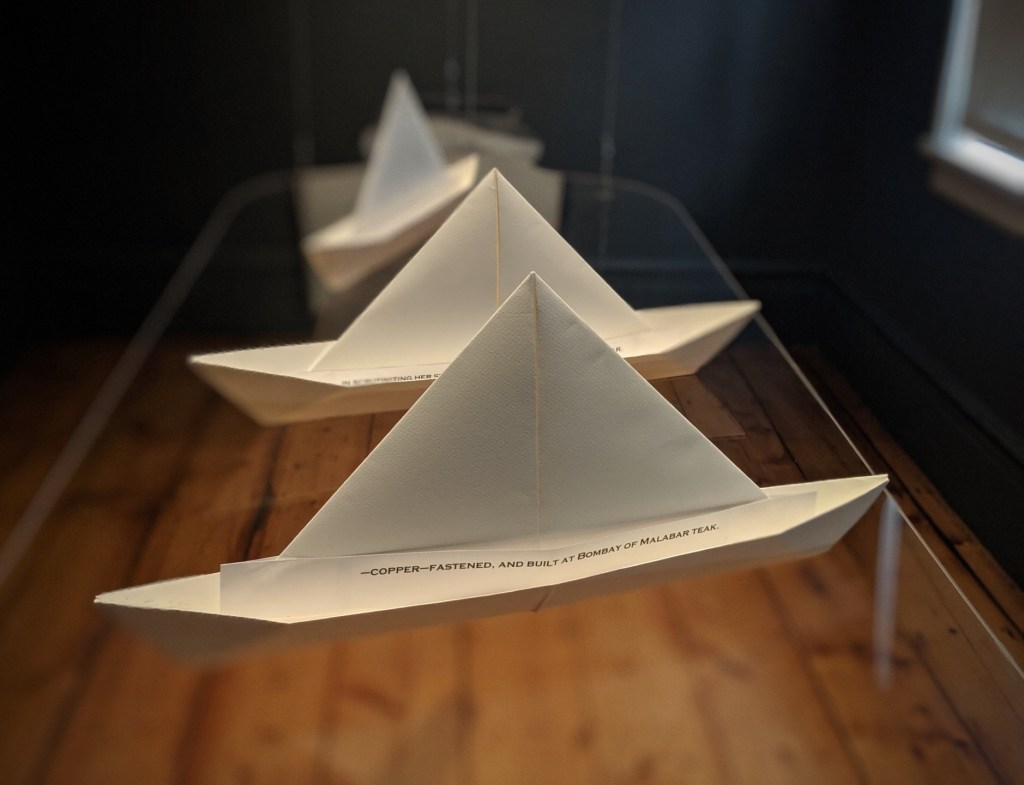
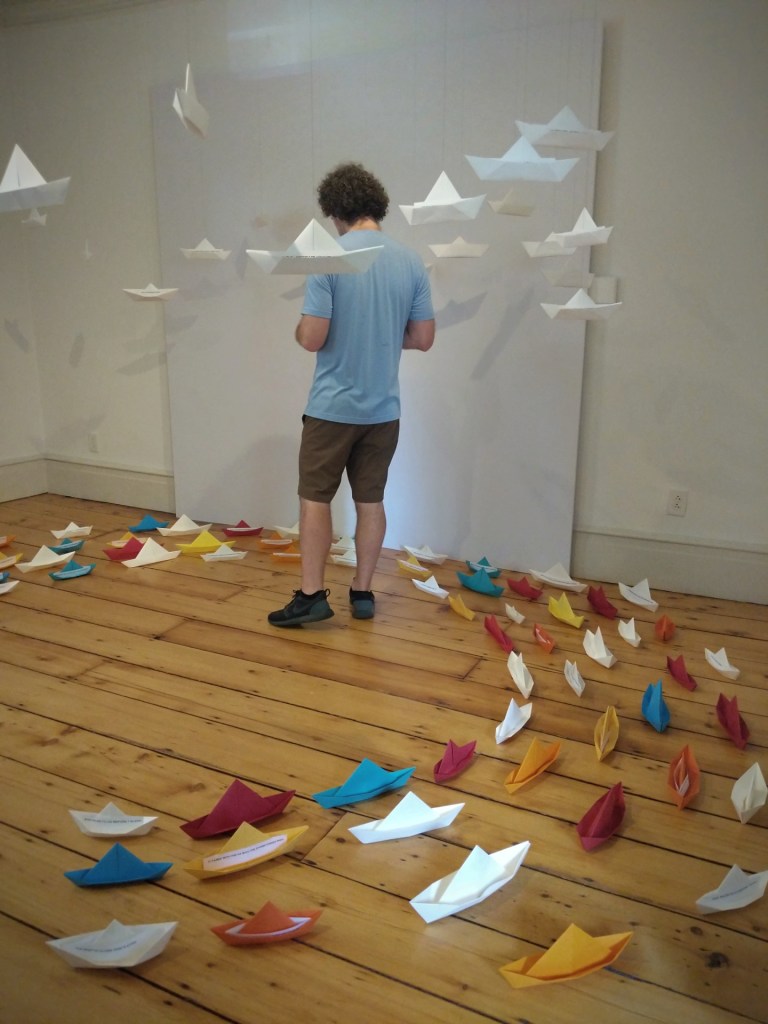
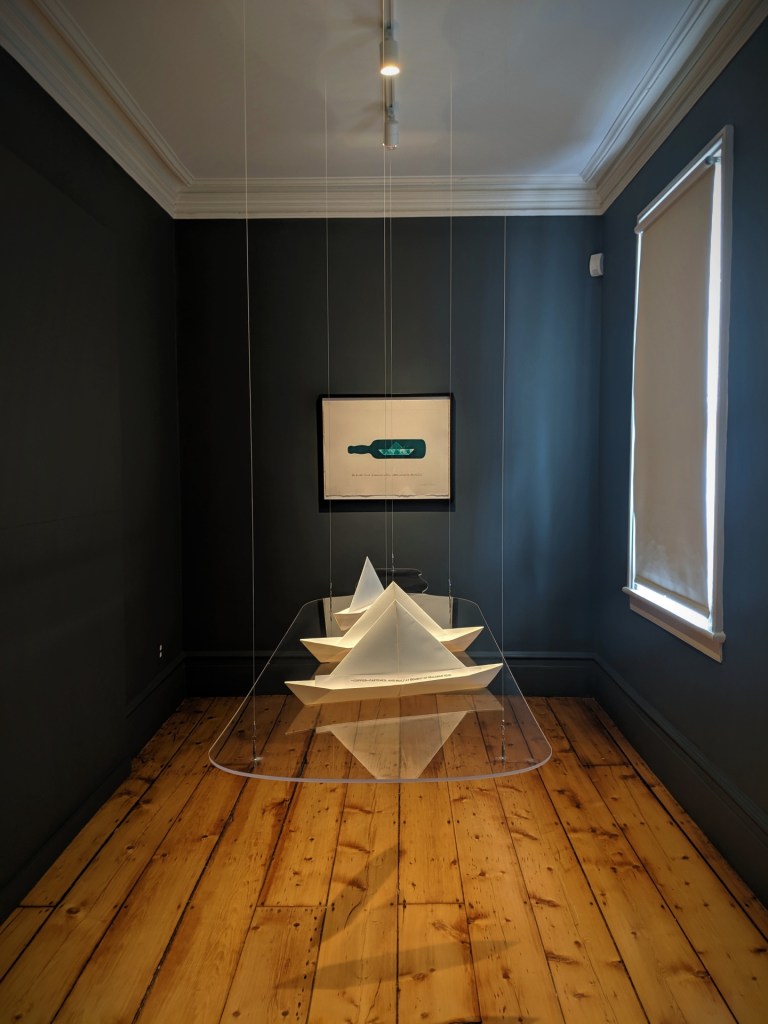
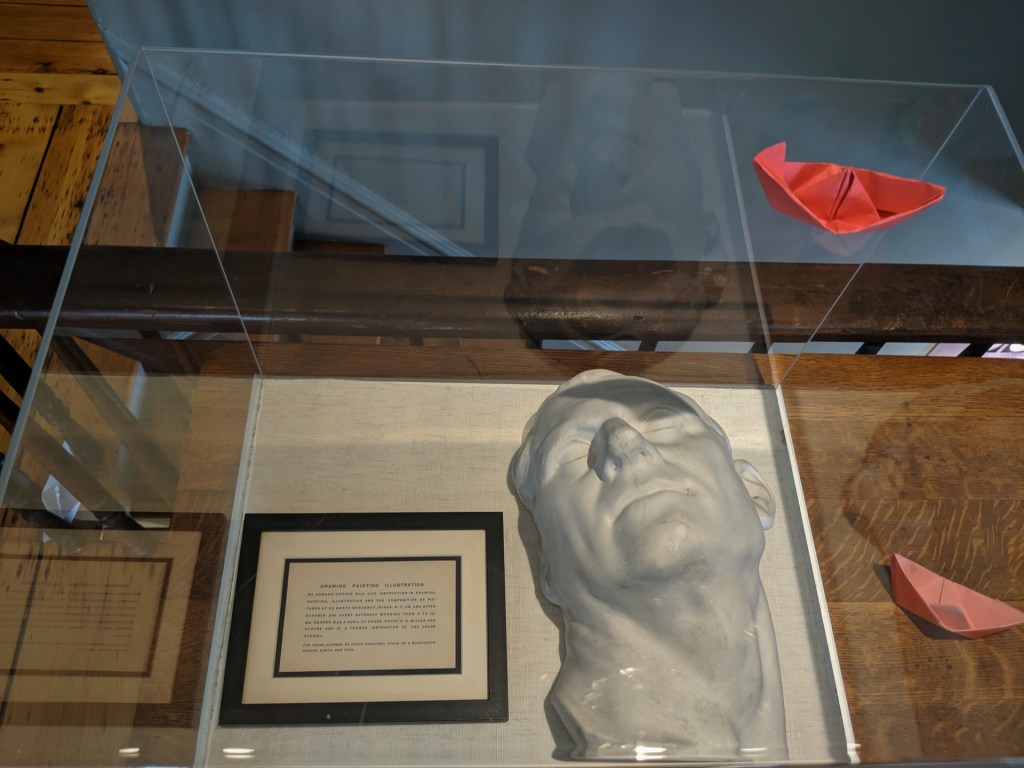
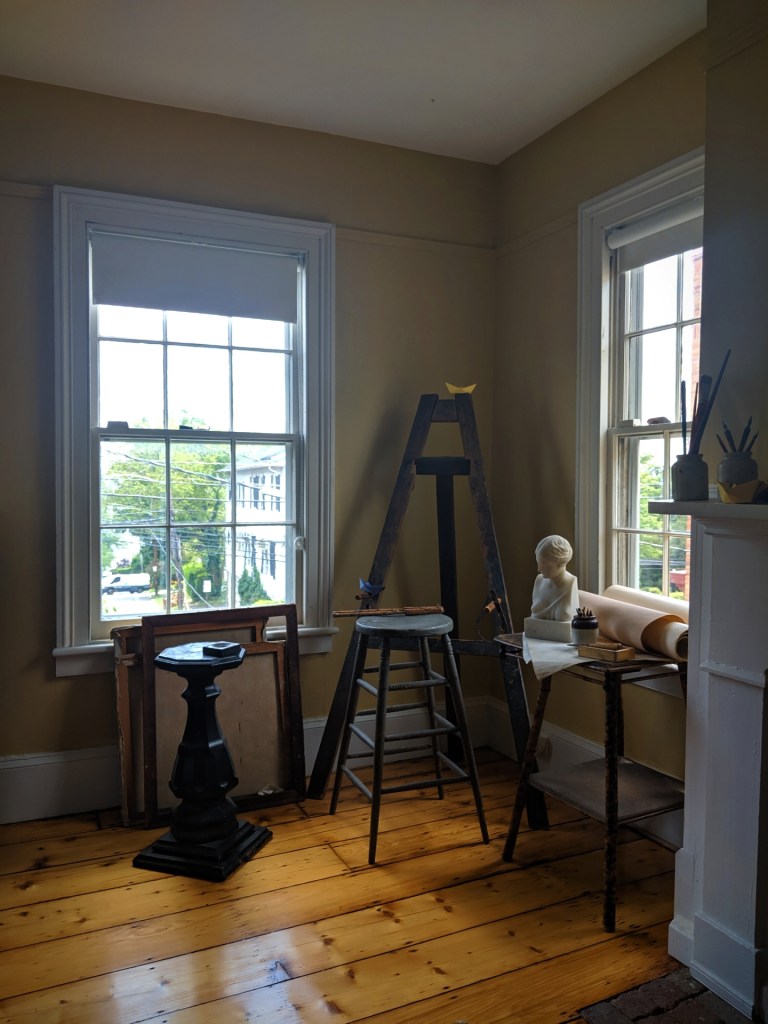
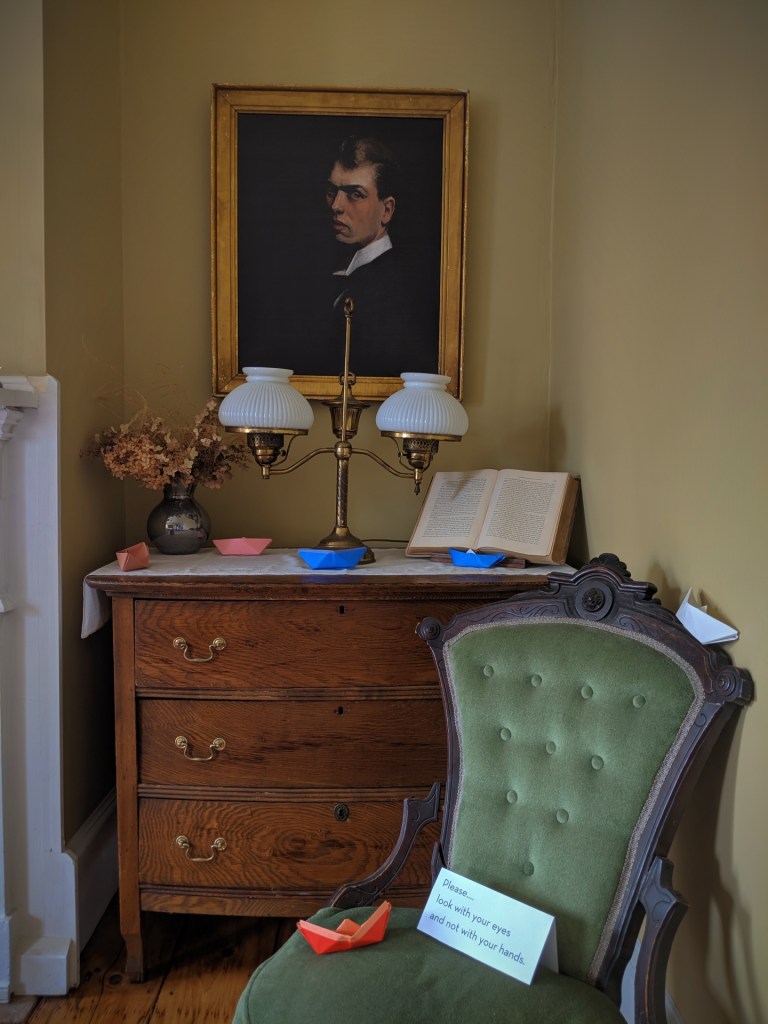
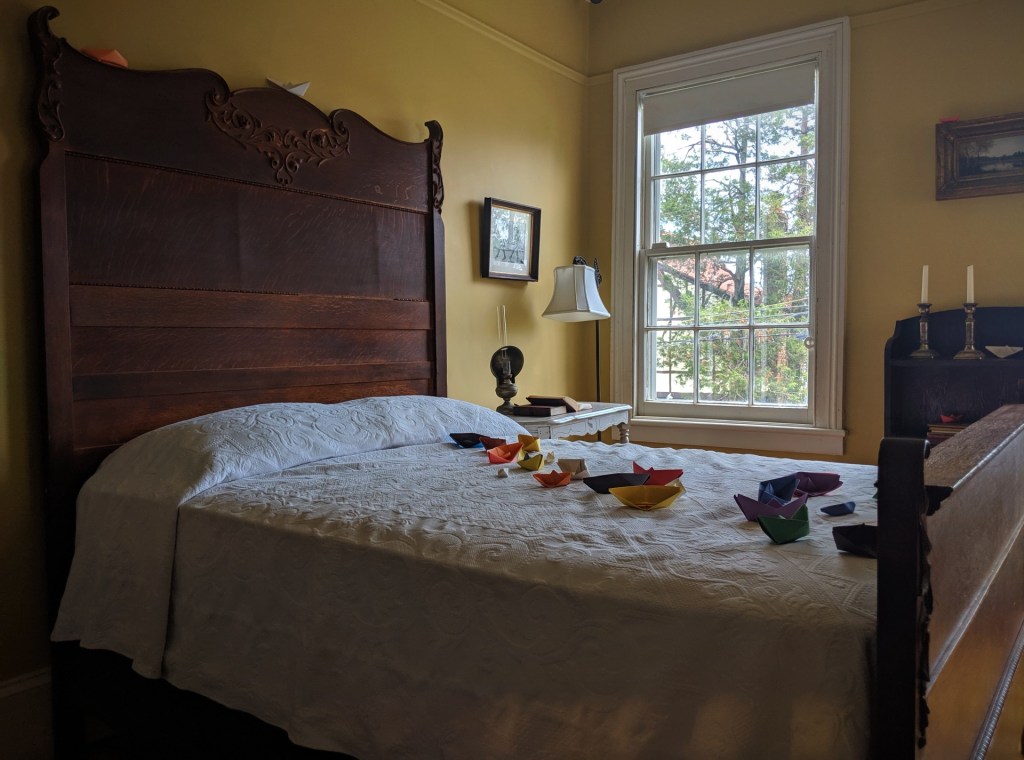
On the ground floor, an additional exhibition of works by Alastair Noble, inspired by Hopper’s boyhood fascination with yachts and other sailing boats; an installation of paper boats and poetic messages, a weightless flotilla flowing across the gallery.
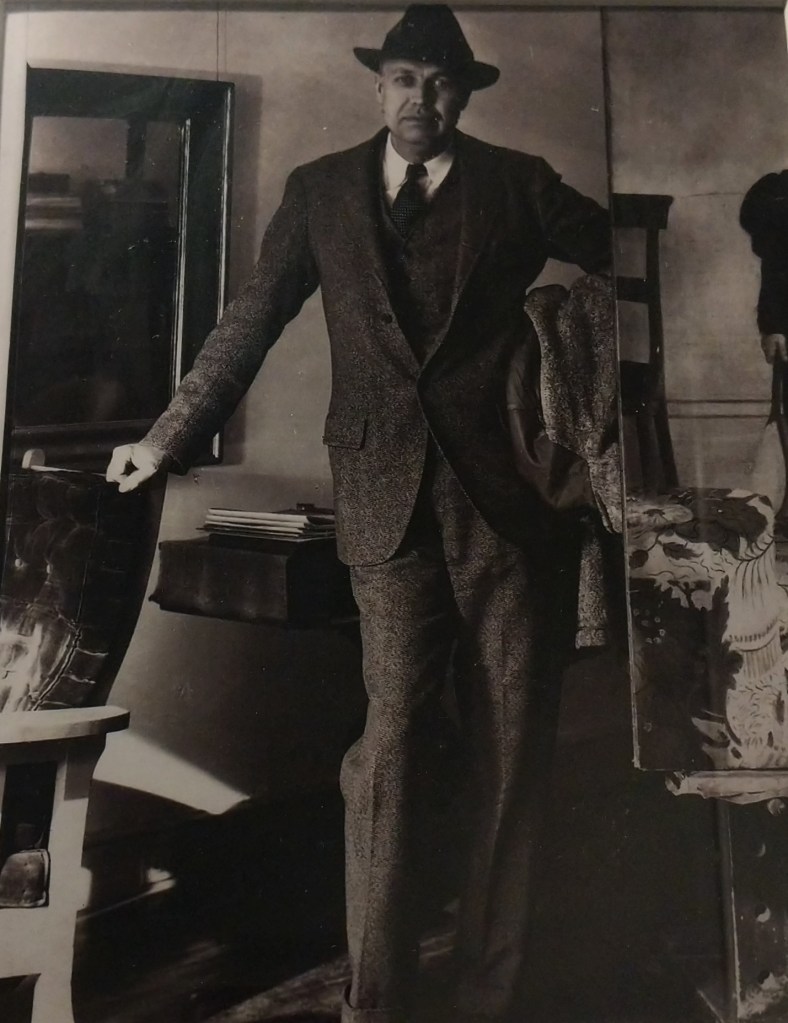
Edward Hopper, 1933 photo by Louise Dahl-Wolfe
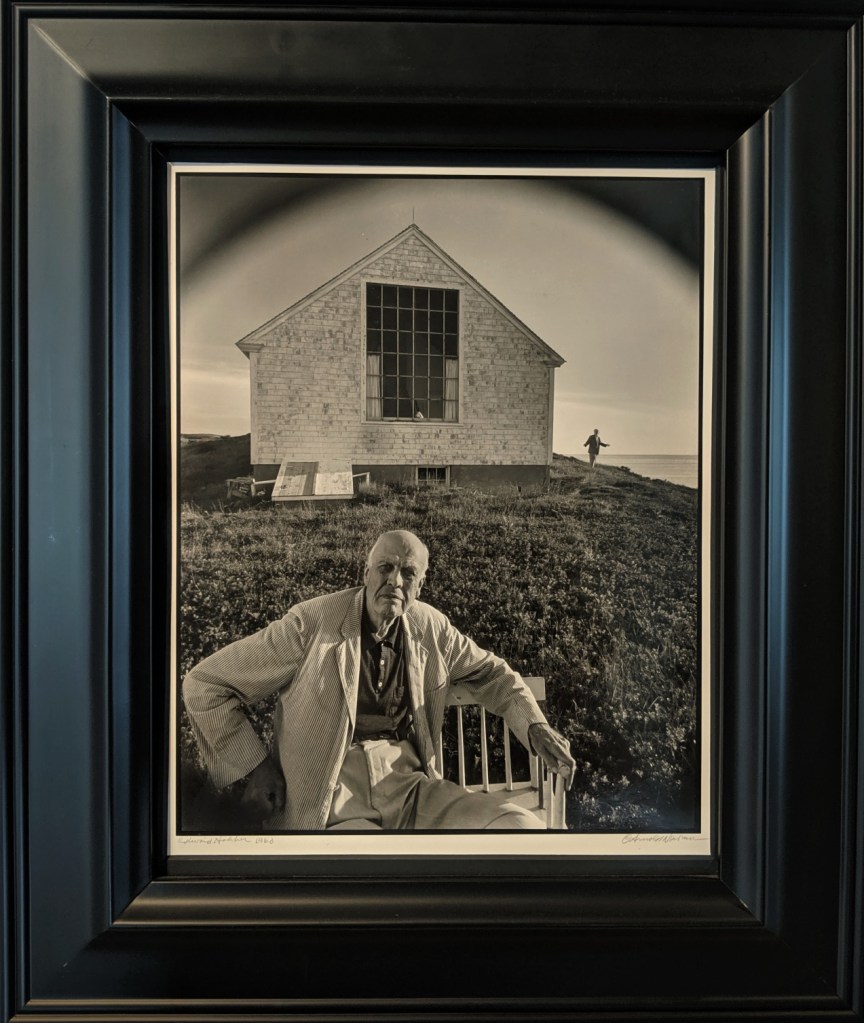
Edward Hopper, Truro, Massachusetts, 1960 photo by Arnold Newman
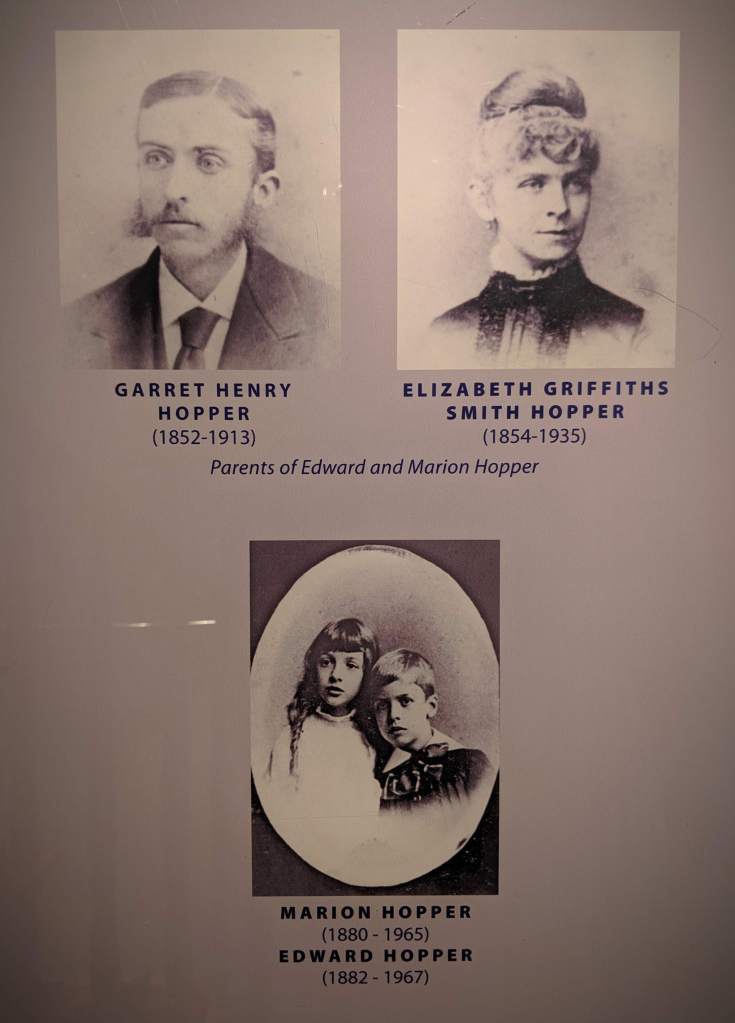
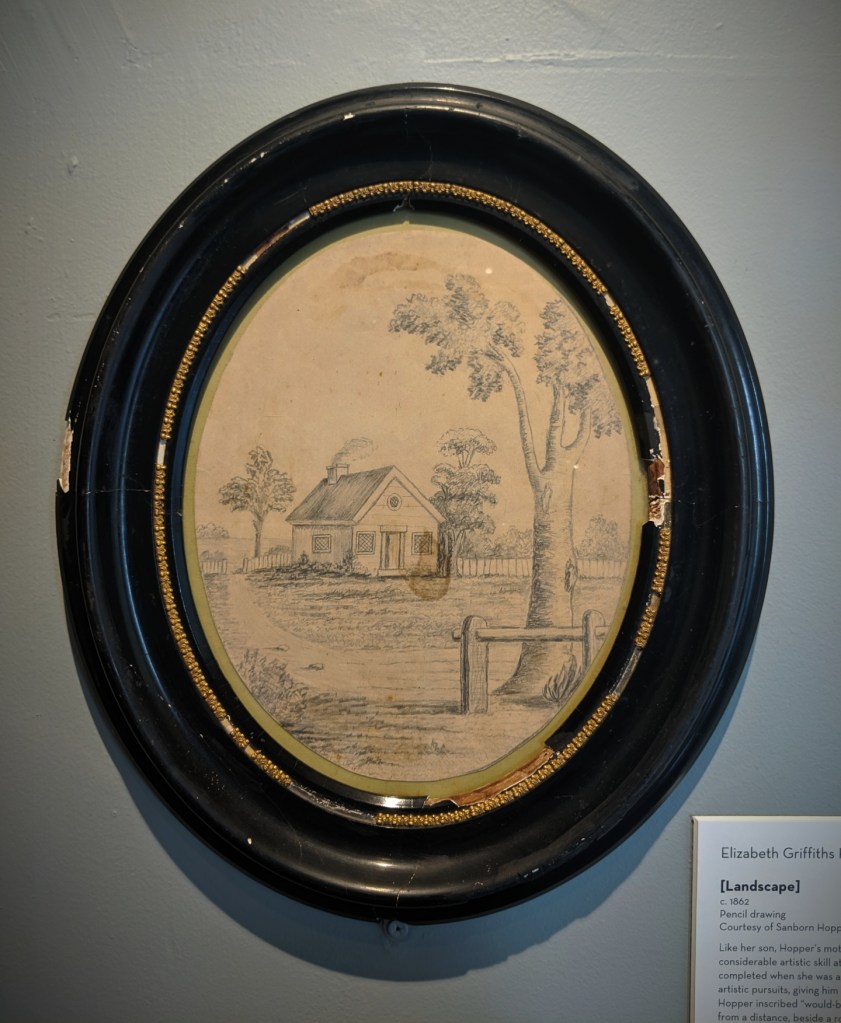
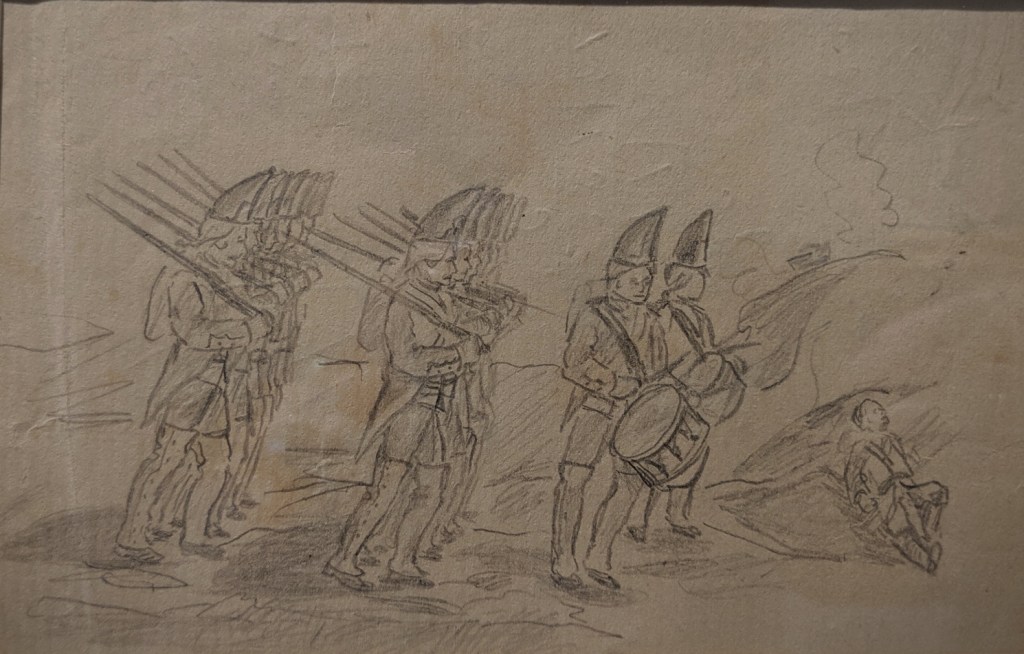
Talent ran in the family: Pencil drawing by the artist’s mother, Elizabeth Griffiths Hopper, Landscape, c. 1862
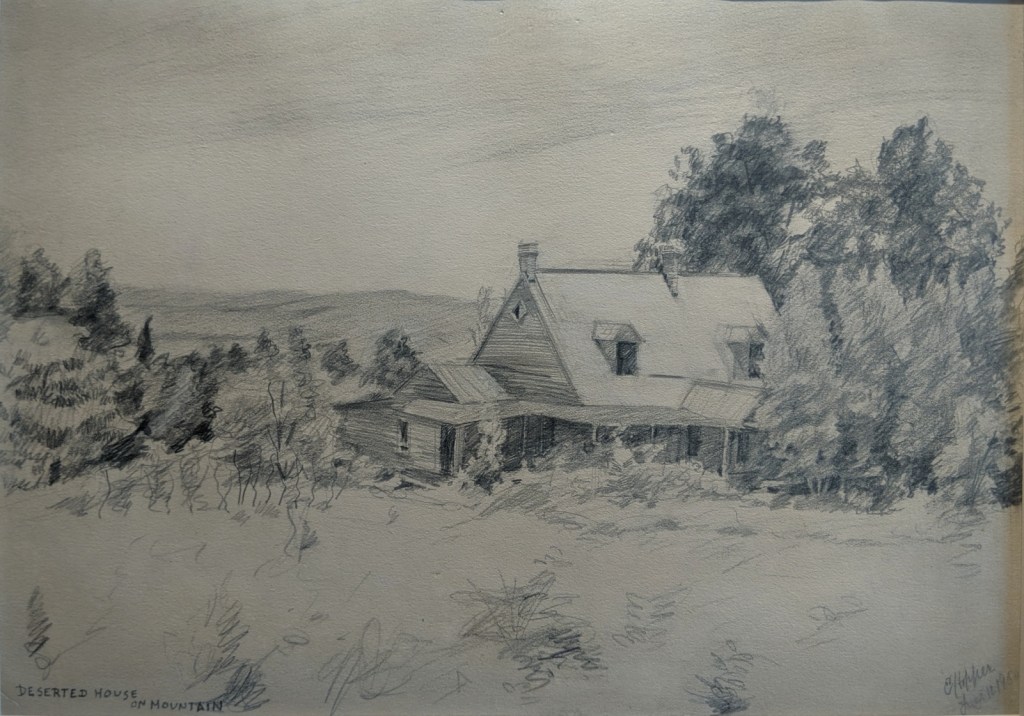
Edward Hopper, Deserted House on a Mountain, c. 1900, pencil
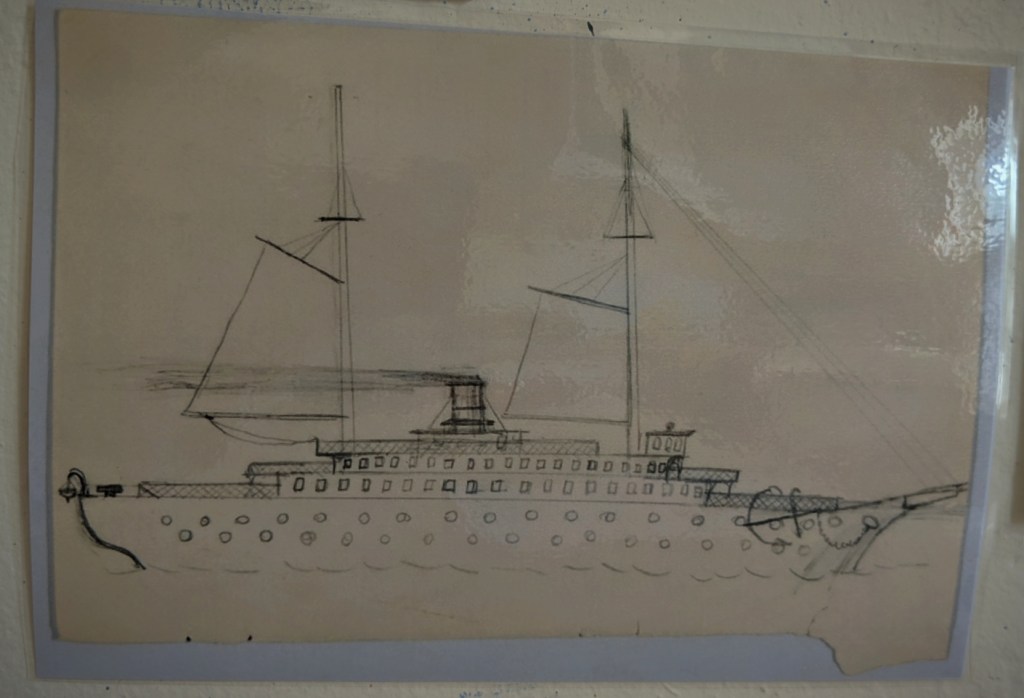
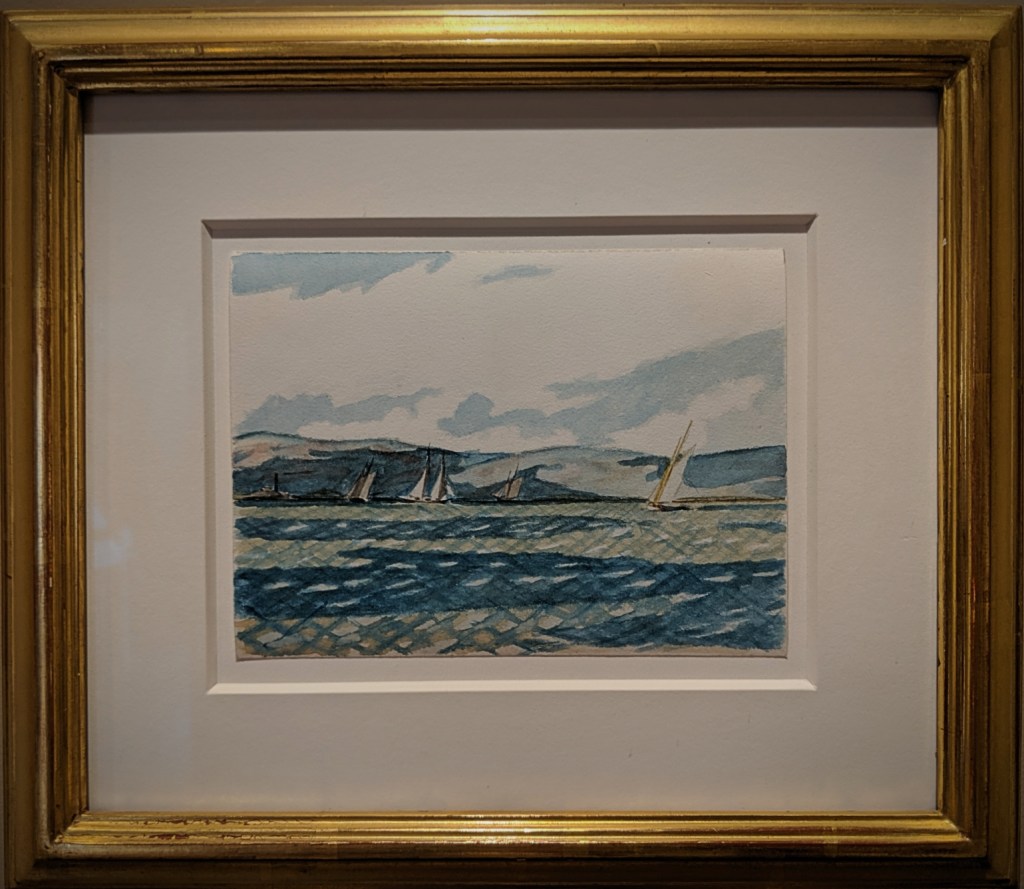
Edward Hopper, Yachting Scene, c. 1905, a rare early watercolour of what became Hopper’s lifelong passion for maritime subjects.
Just the end of our walk in one of the largest art museums of contemporary art we’d seen so far, one that leaves breathing space for the art to expand and feel totally at home, as if it were borne to be there.
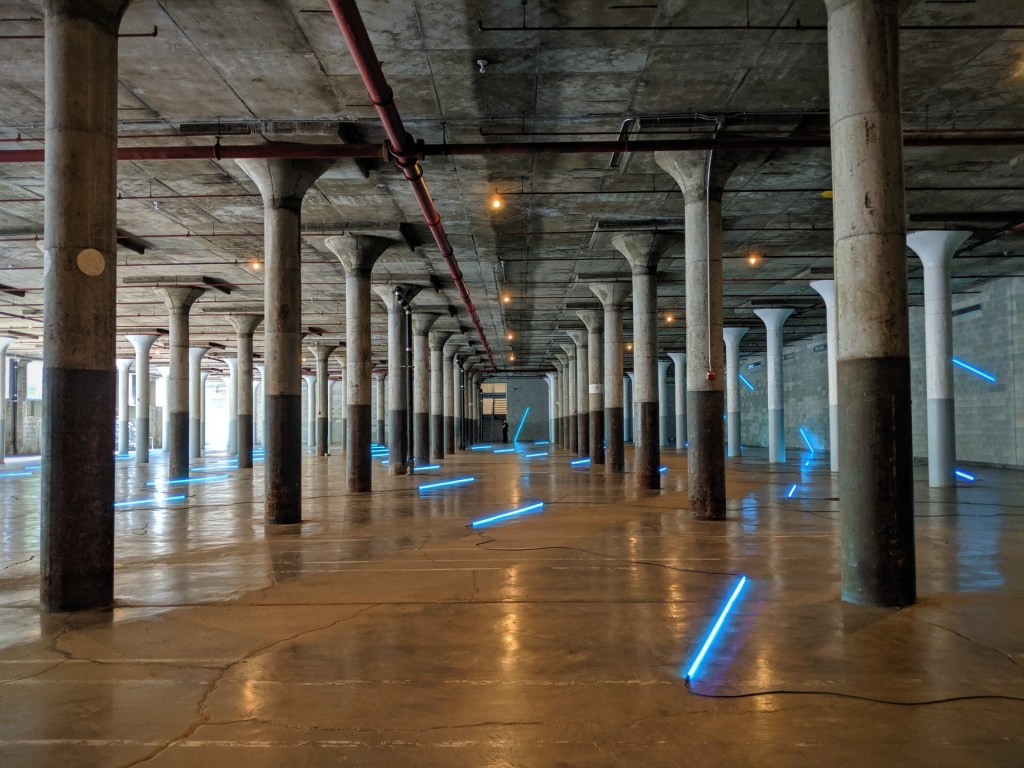
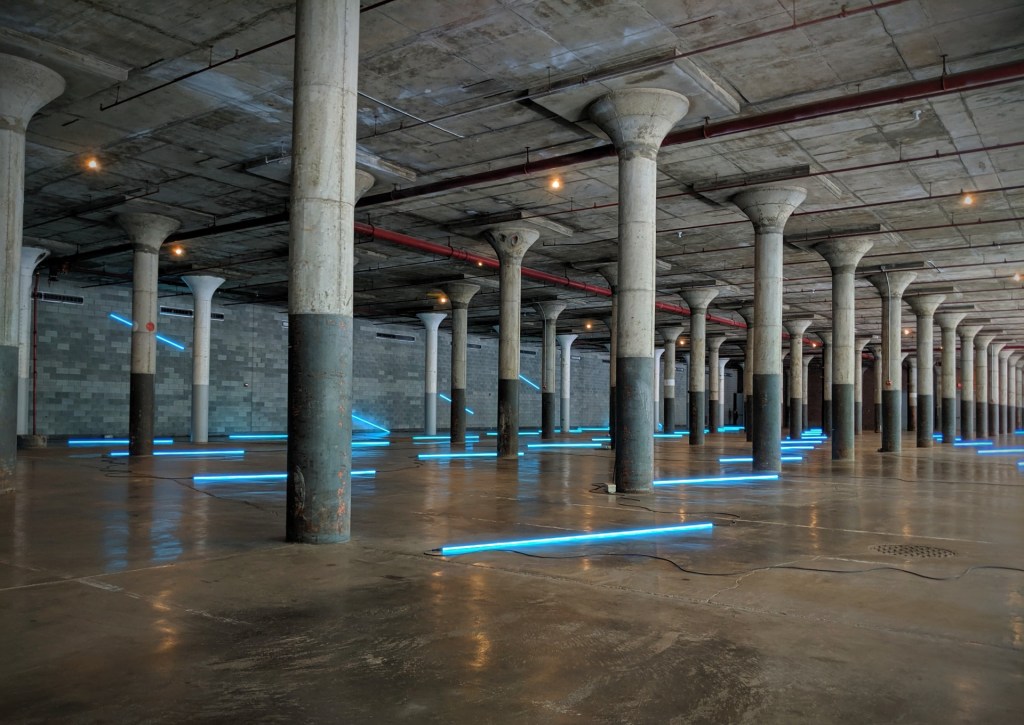
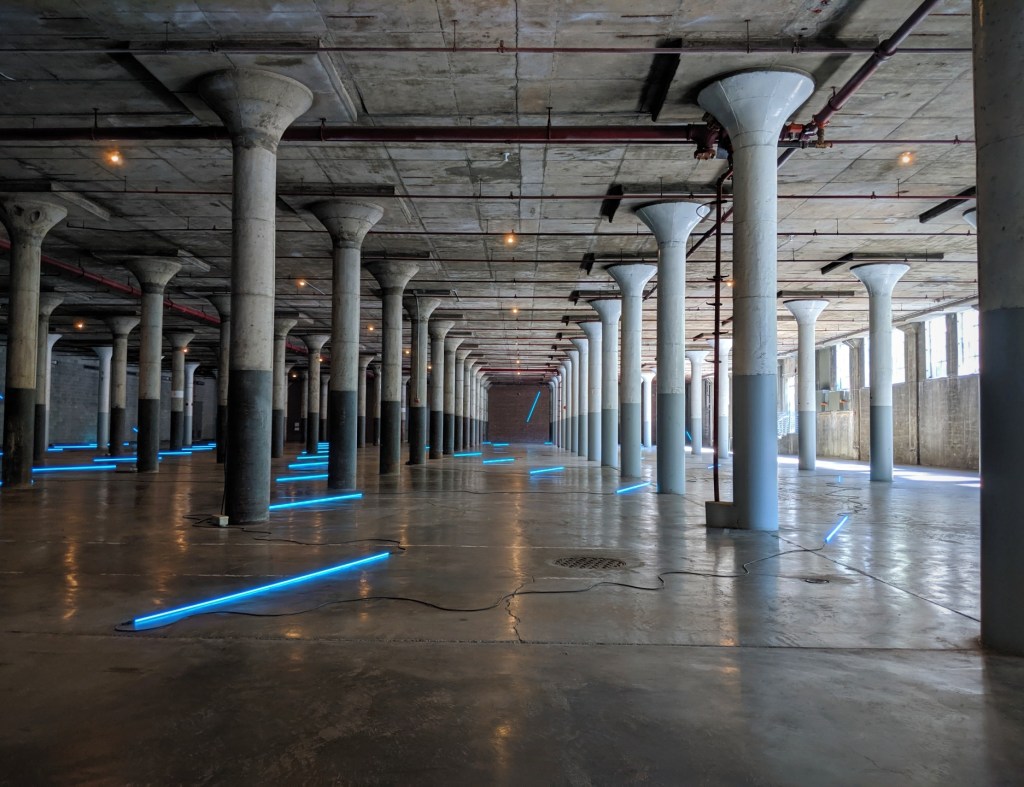
François Morellet, “No End Neon,” 1990/2017
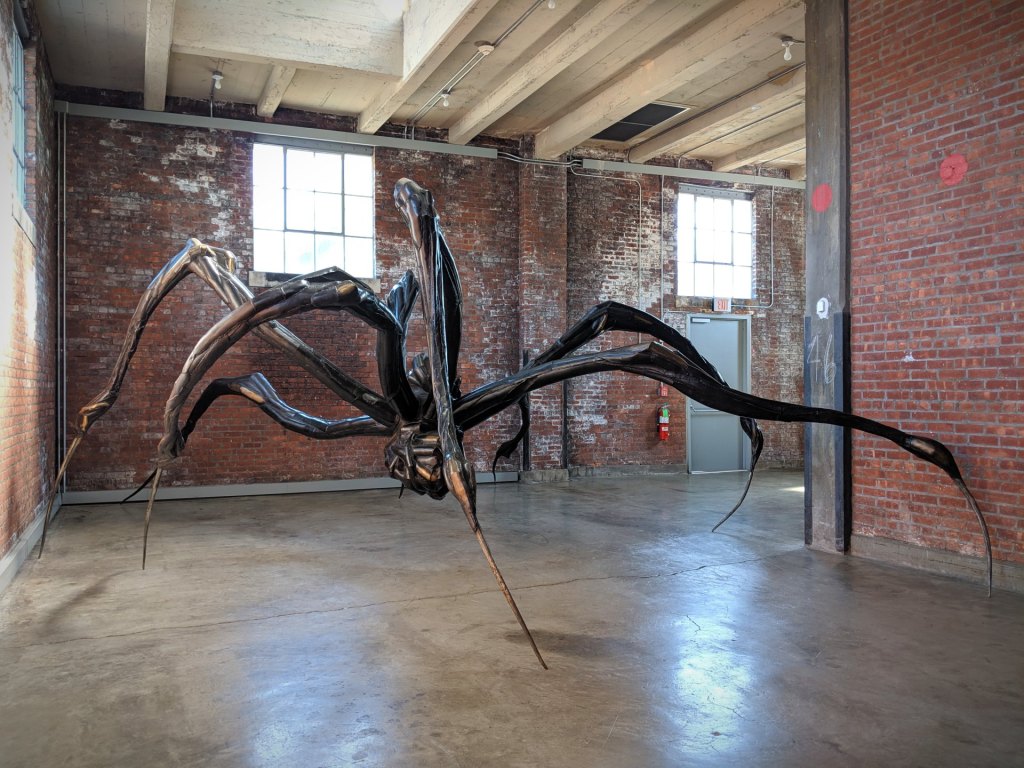
Louise Bourgeois, Crouching Spider, 2003.
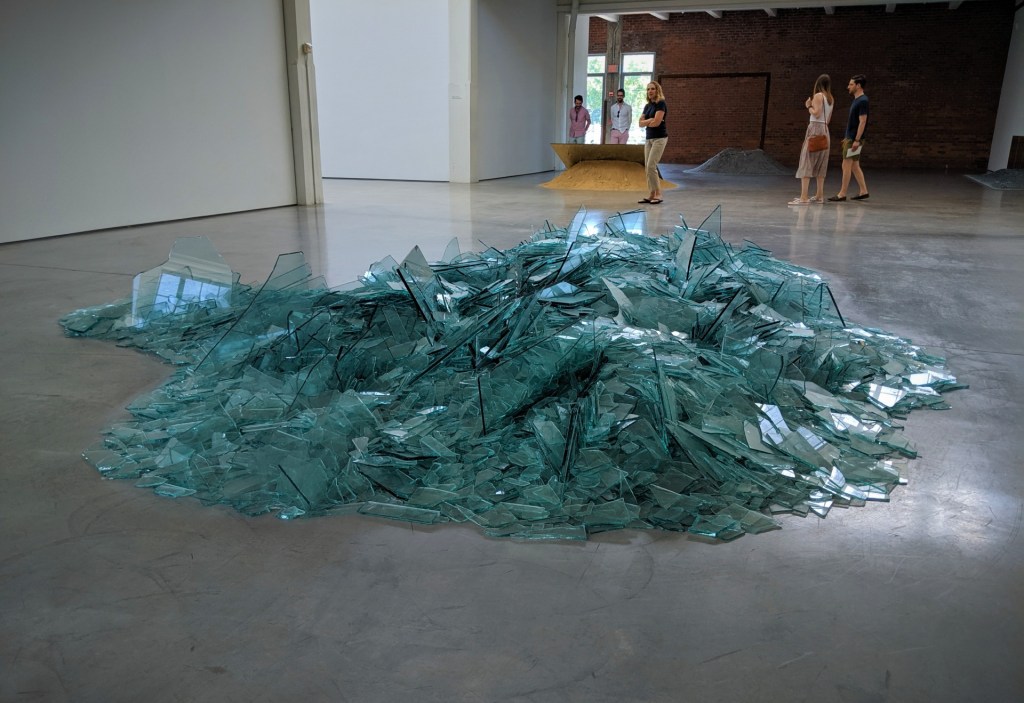
Robert Smithson, Map of Broken Glass (Atlantis), 1969
Top: Installation by Dan Flavin (untitled, 1970), a work that was conceived as an edition of three, but only two were produced. The other one is installed in Donald Judd Foundation, 101 Spring Street Space, in New York City, the first building Judd owned, where he worked and lived with his family. It was created specifically to illuminate the family’s bedroom, at a time that the two artists and friends were working so closely together that, for a while, they had become Flavin & Judd.
The gorgeous windows behind Flavin’s installation are part of Robert Irwin’s design for Dia: Beacon, Beacon Project (1999–2003) that conceived the museum as a work of art itself.
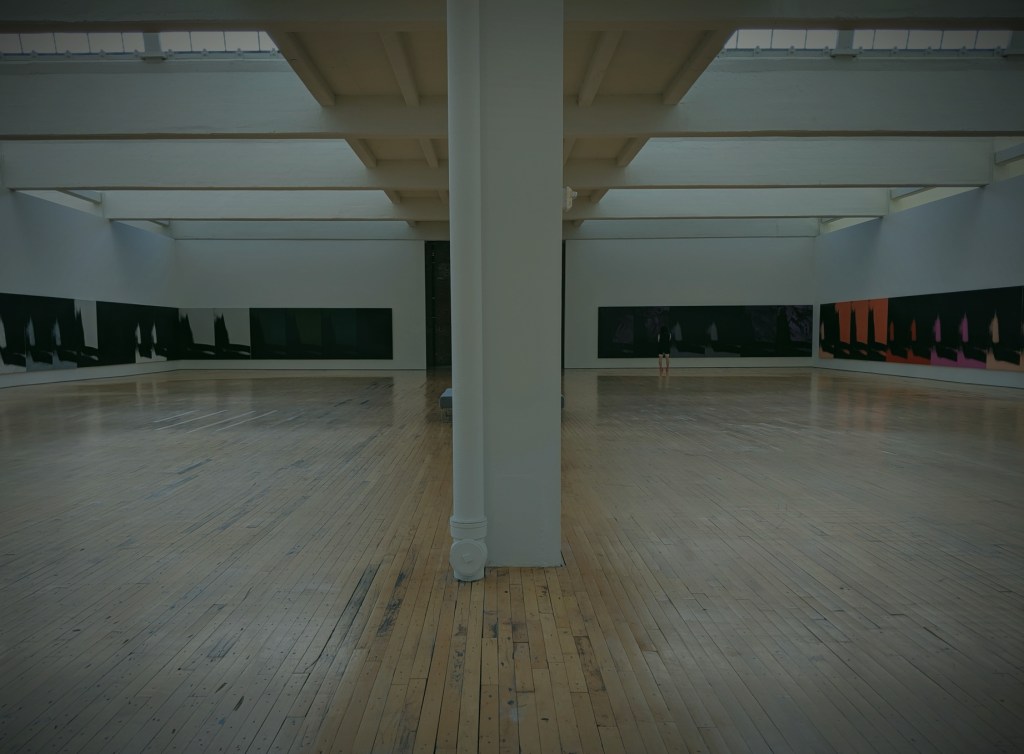
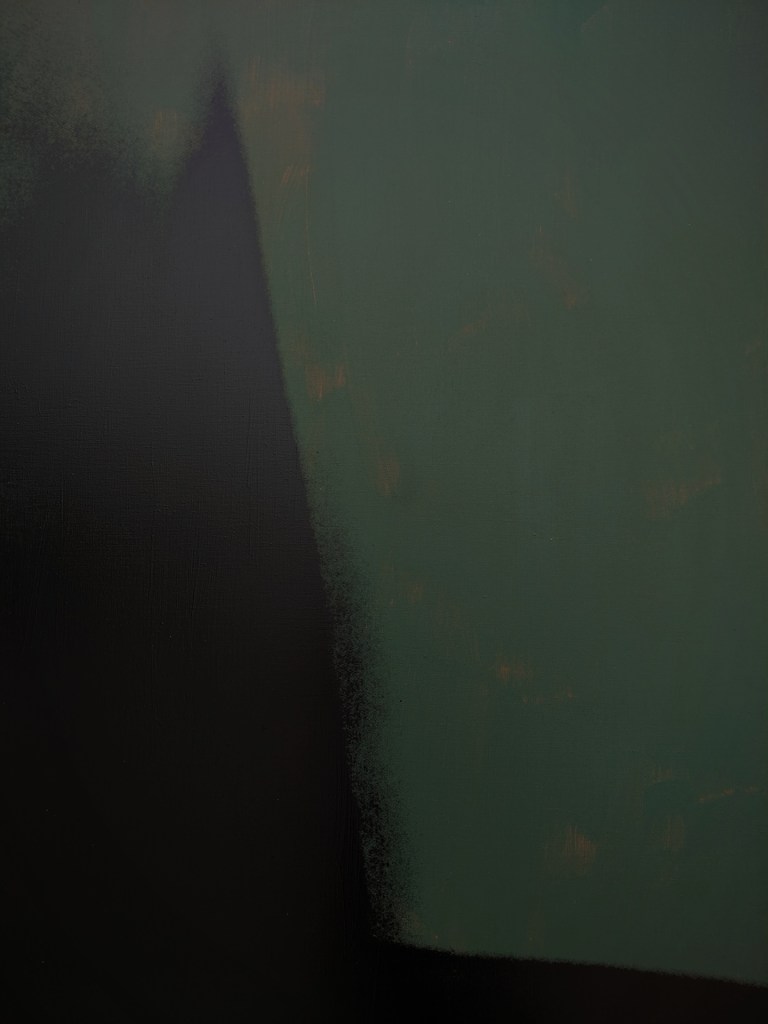
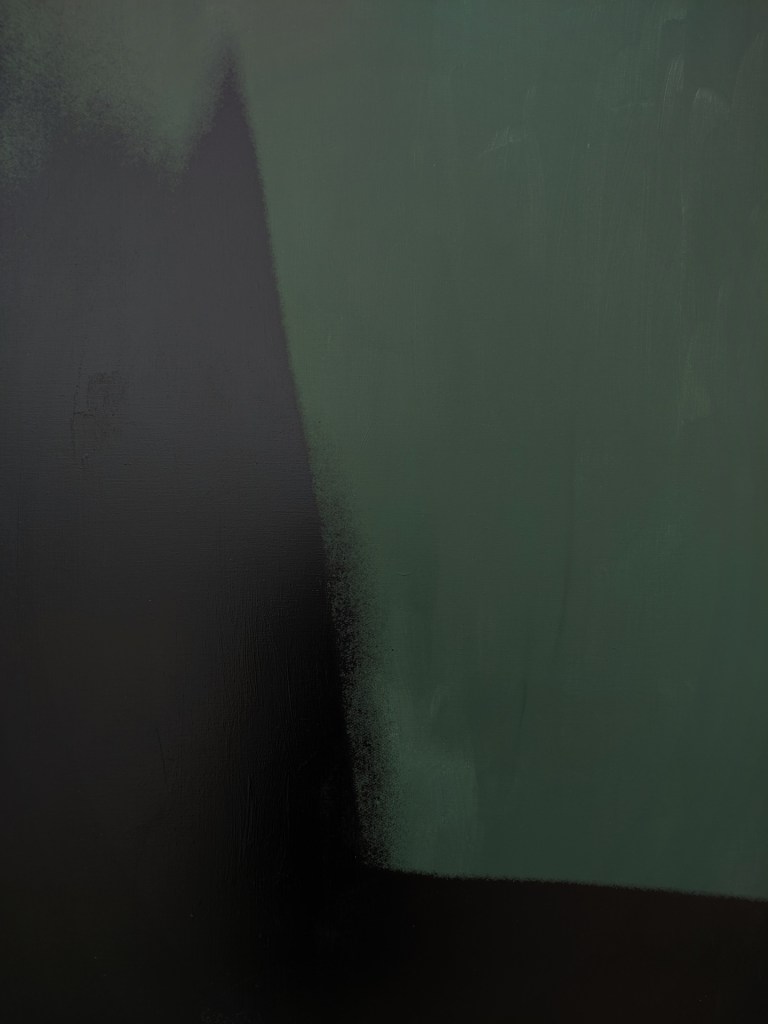
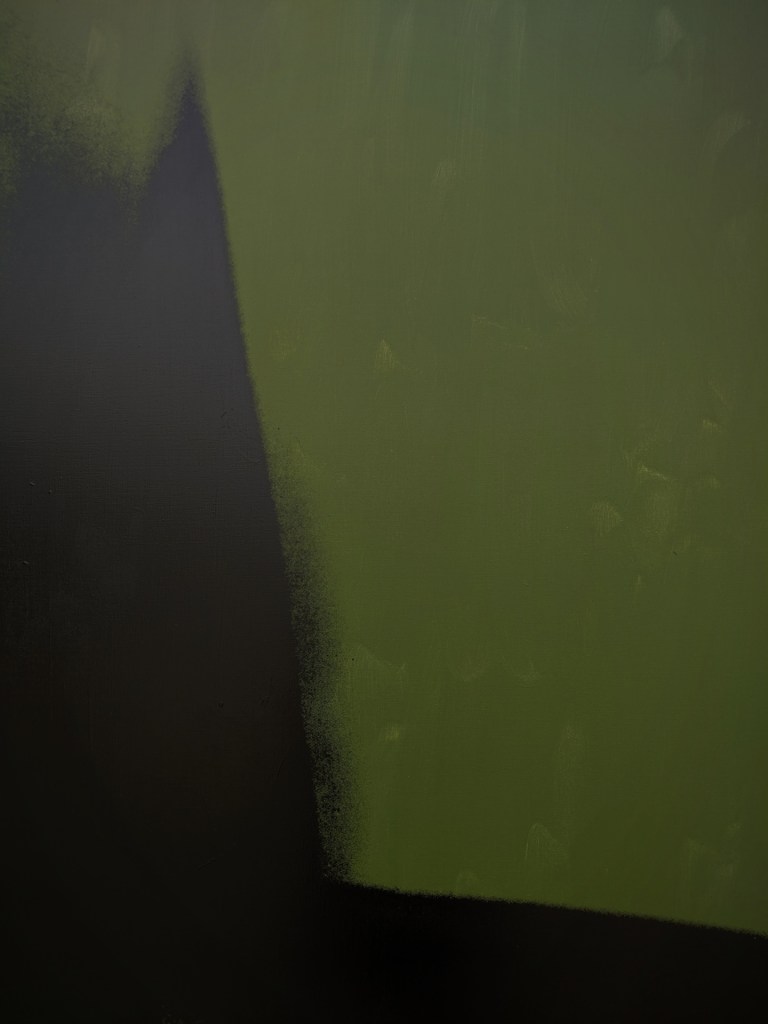
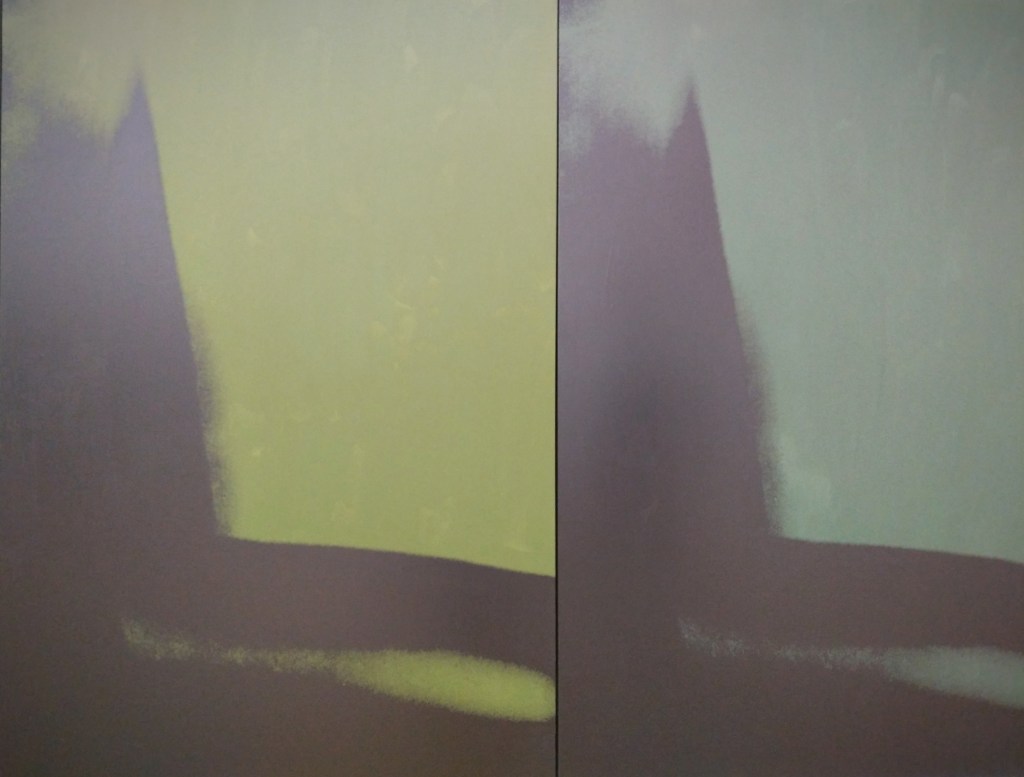
”In 1979 Andy Warhol presented Shadows at the New York City gallery of Dia Art Foundation cofounder Heiner Friedrich. The installation featured the environmentally scaled painting in multiple parts, which the artist created between 1978 and 1979. As “one painting,” Shadows consists of 102 equally sized canvases hung edge to edge and low to the ground (but not too low to be kicked, as Warhol noted in his review of his 1979 show for New York magazine). While fixed by these physical terms, Shadows is nonetheless contingent in its presentation. Since the number of panels shown and the order of their arrangement varies according to the size of the exhibition space, the work in total contracts, expands, and recalibrates each time that it is installed.” [source]
I don’t know about you, but I think it would make a super cool wallpaper.
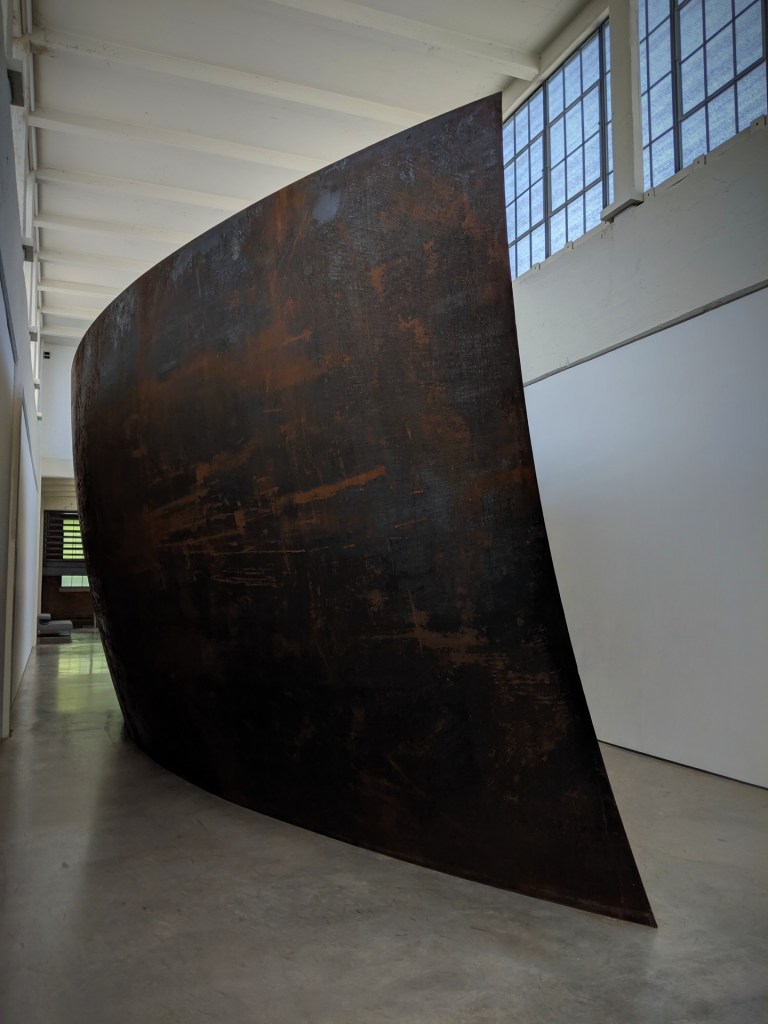
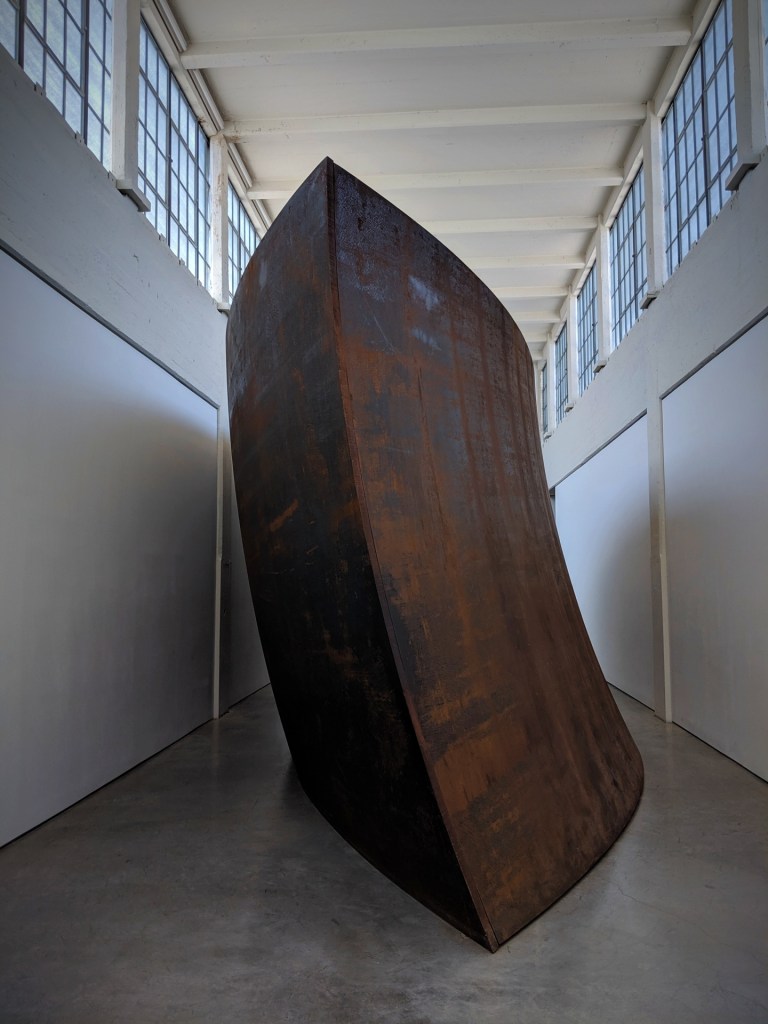
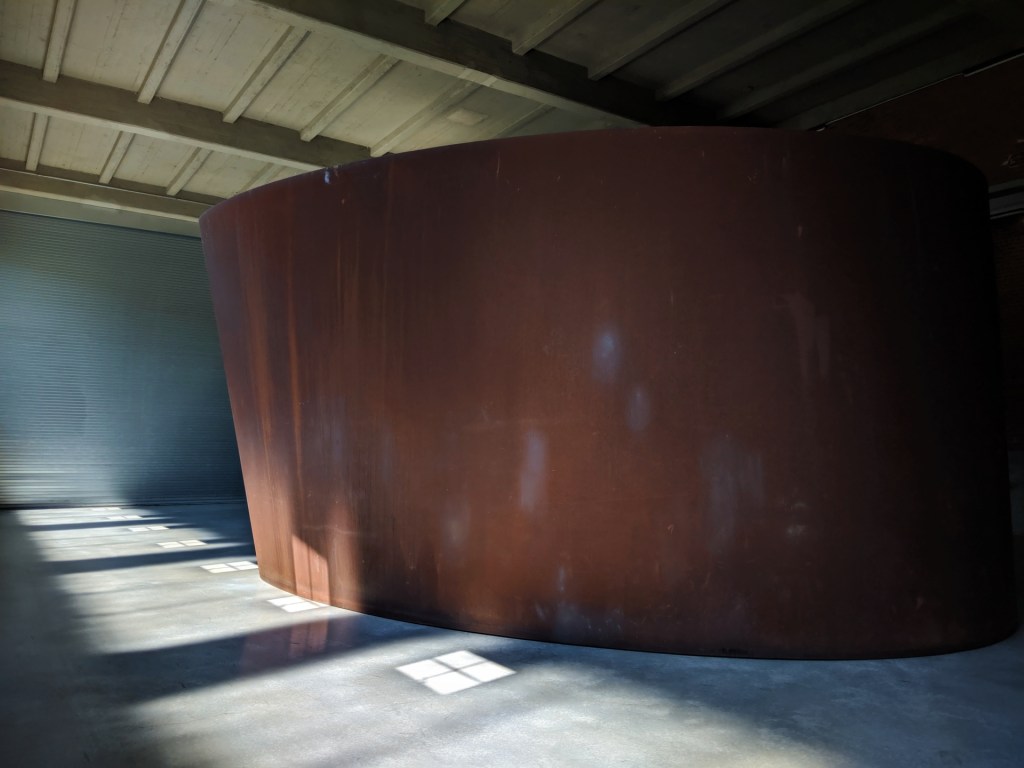
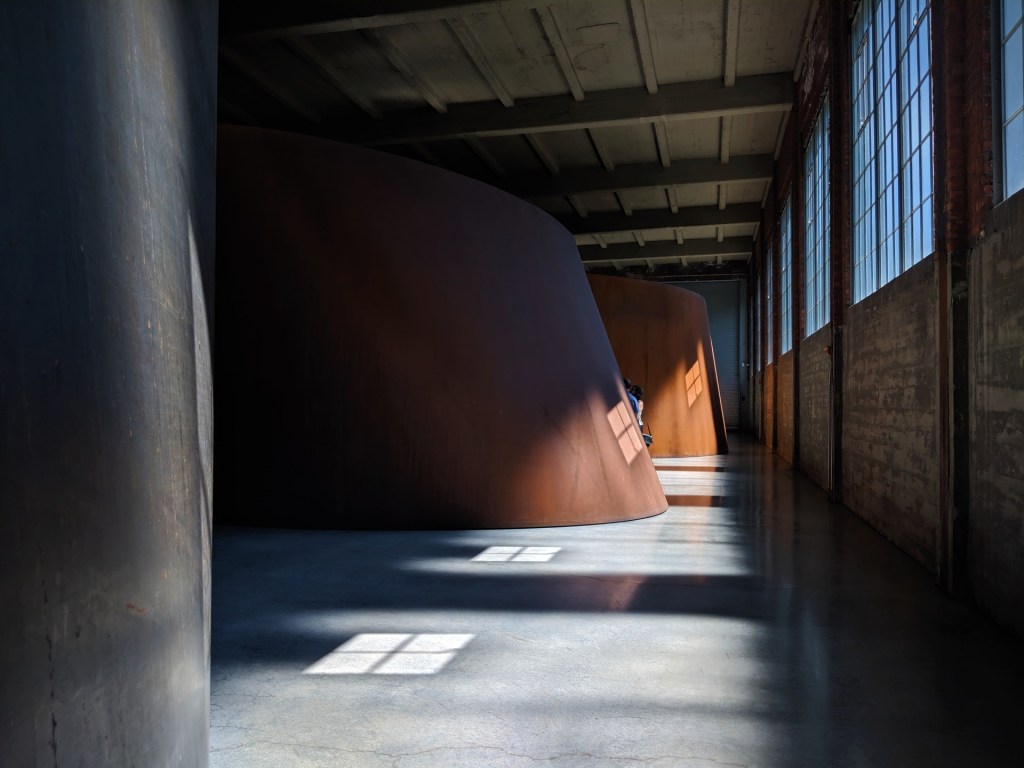
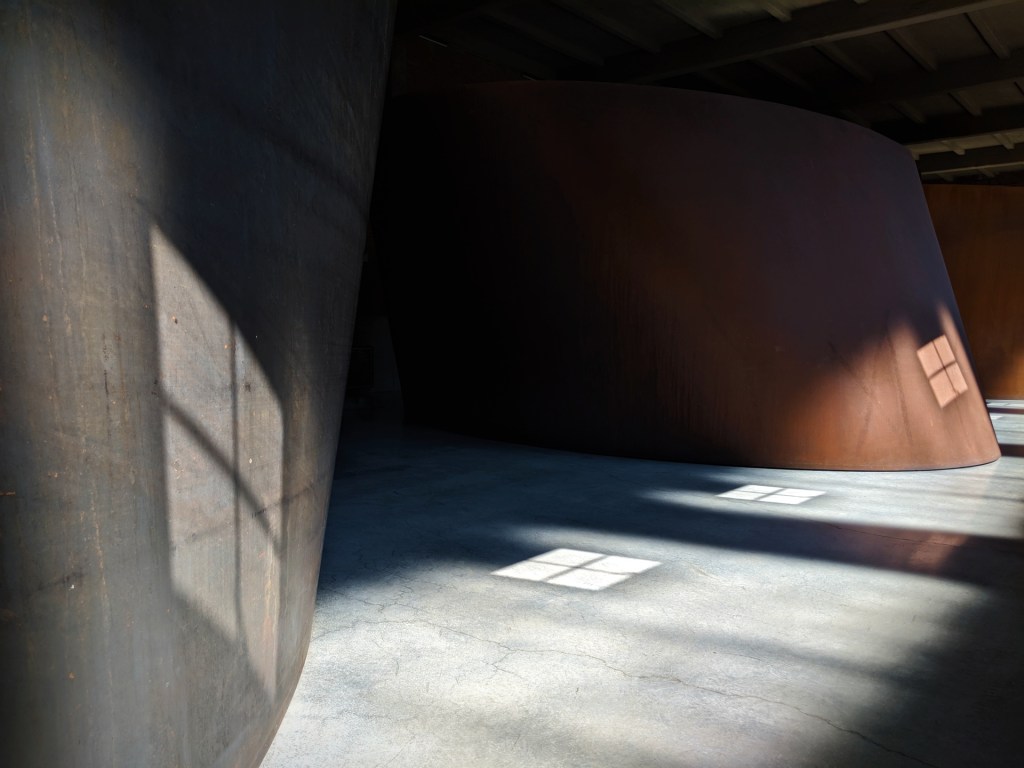
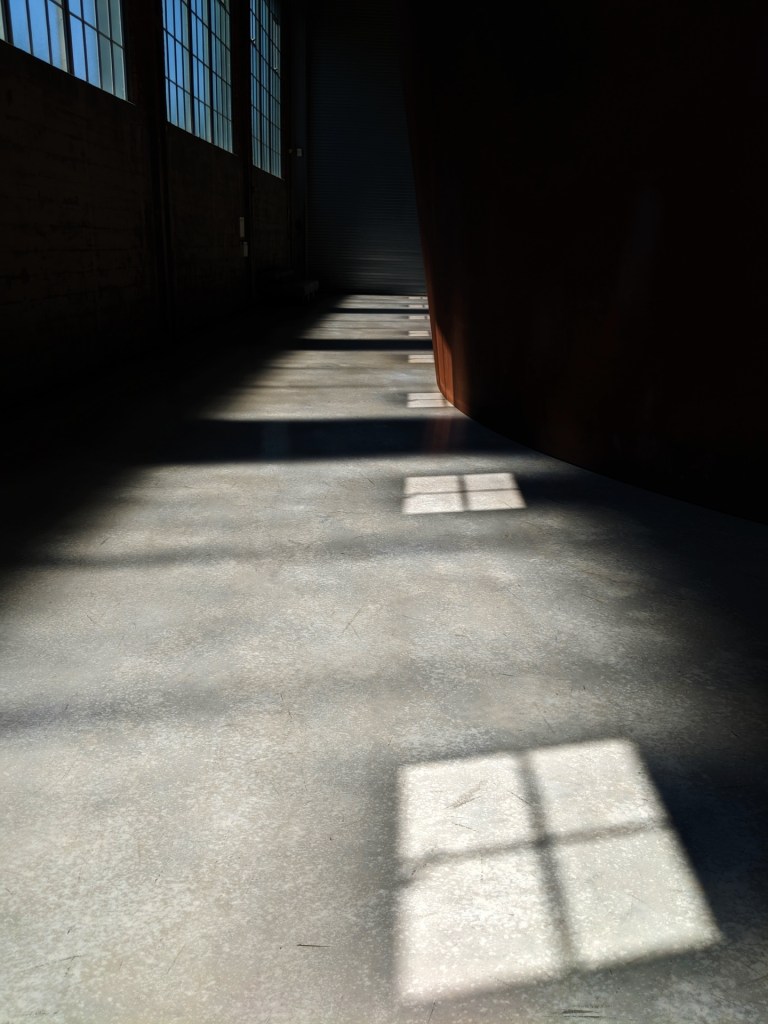
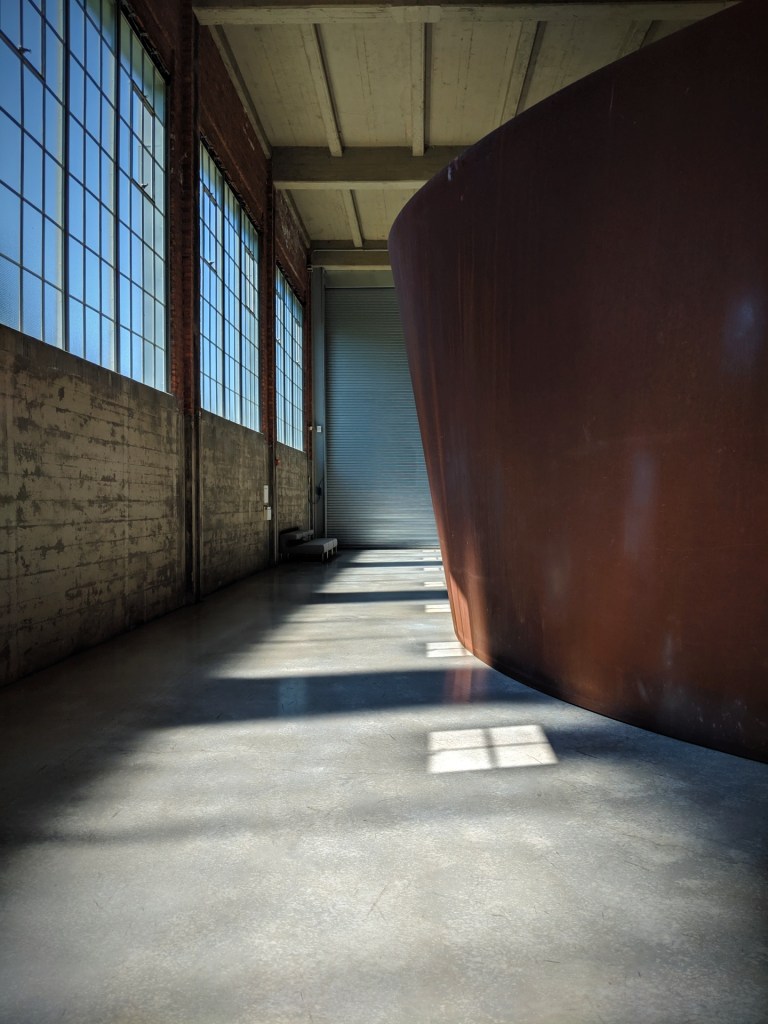
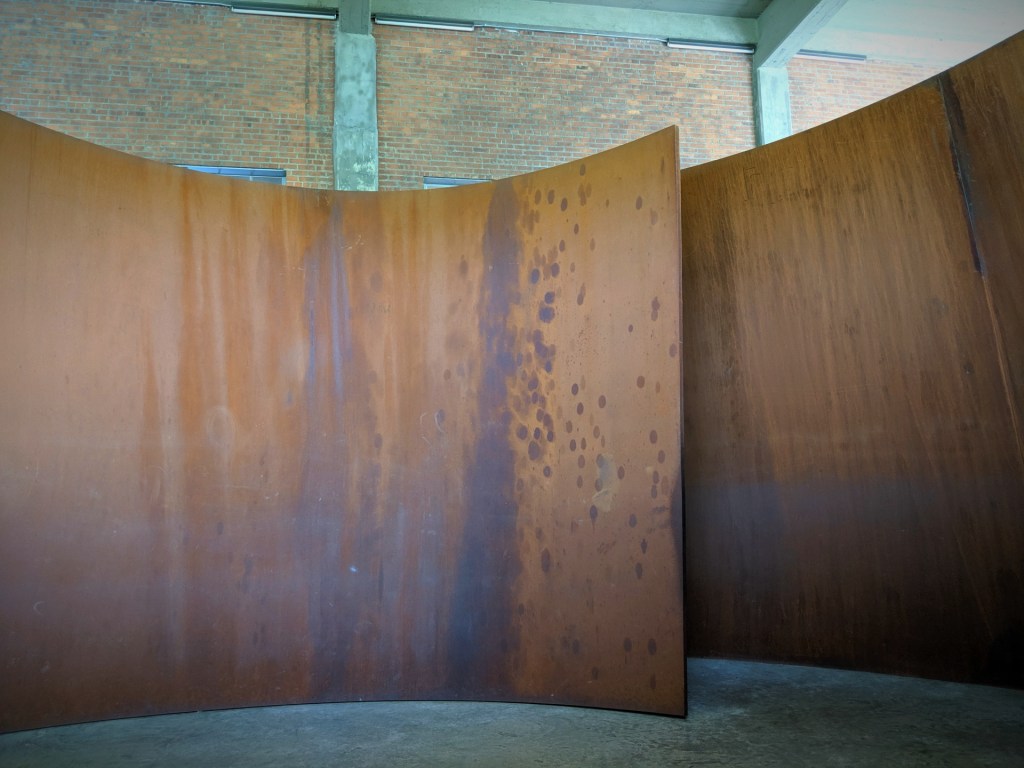
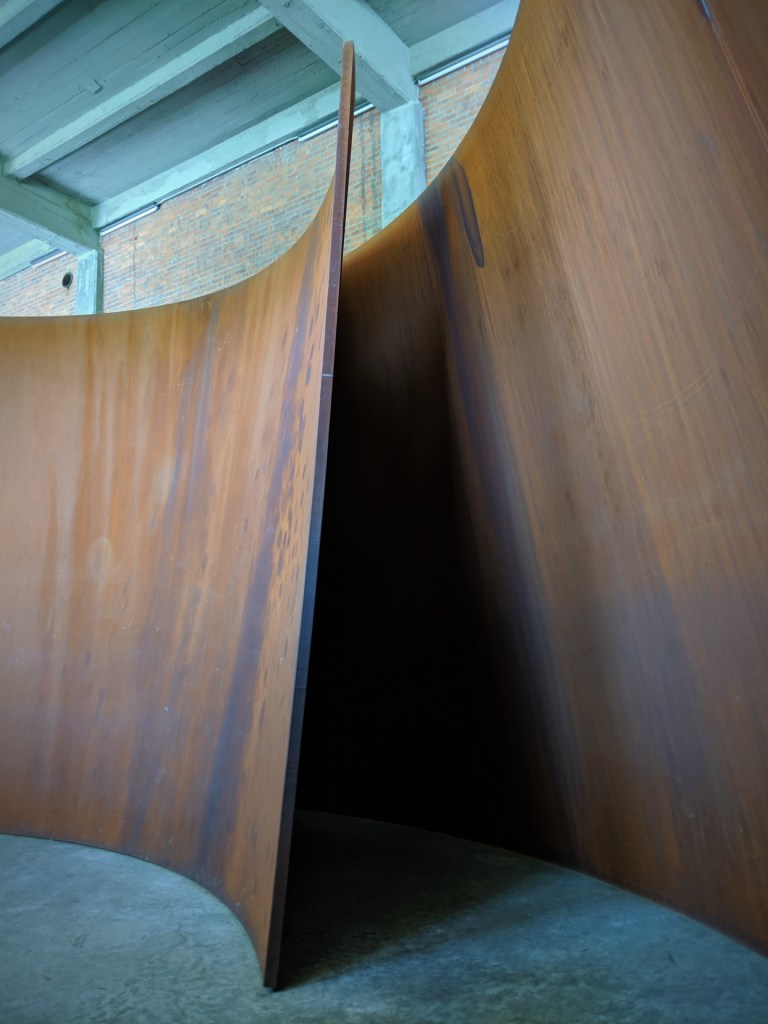
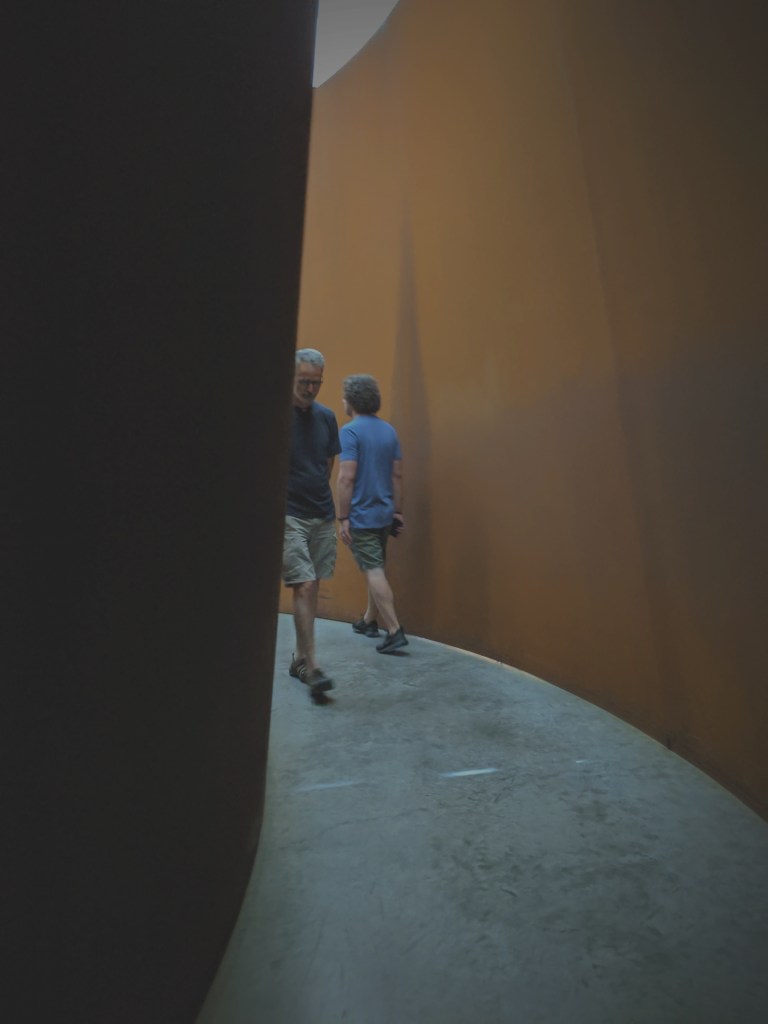
Richard Serra’s gigantic Torqued Ellipses found their ideal home in this gallery that used to be a railway depot when Dia:Beacon was still a Nabisco box printing factory.
Free listening and free download (mp3) chill and down tempo music (album compilation ep single) for free (usually name your price). Full merged styles: trip-hop electro chill-hop instrumental hip-hop ambient lo-fi boombap beatmaking turntablism indie psy dub step d'n'b reggae wave sainte-pop rock alternative cinematic organic classical world jazz soul groove funk balkan .... Discover lots of underground and emerging artists from around the world.









 The Humble Fabulist