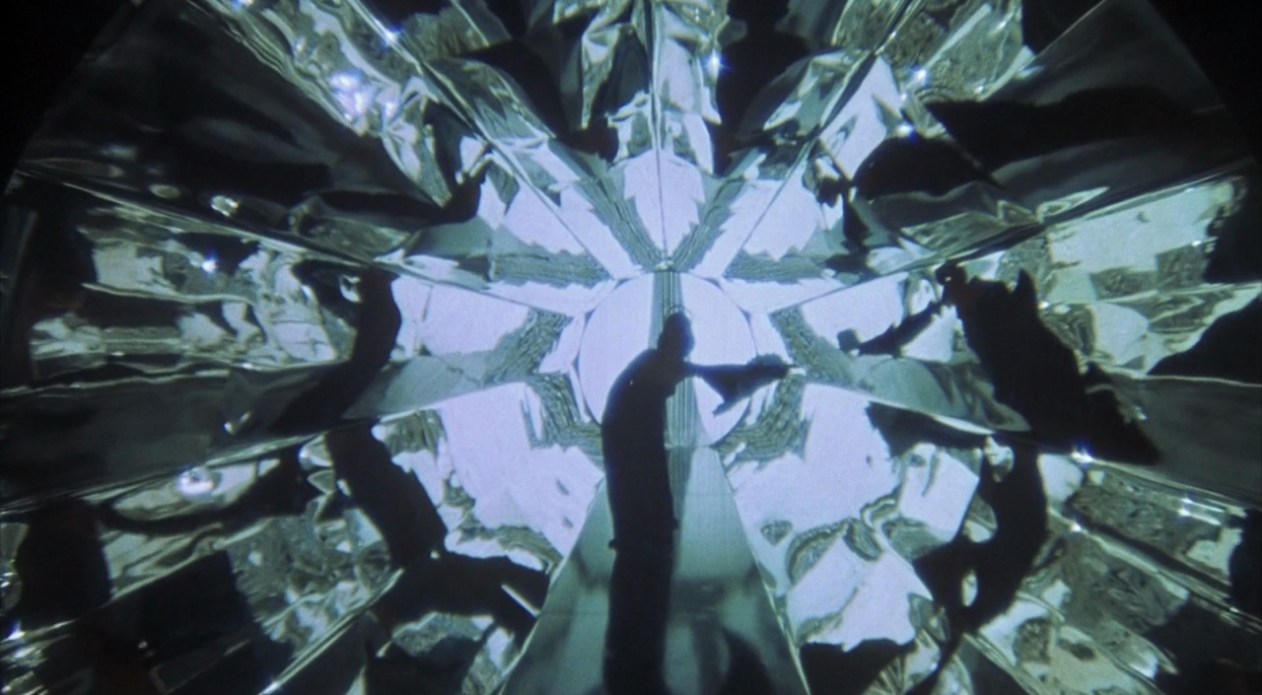
Relay with Riley

Getting things straight
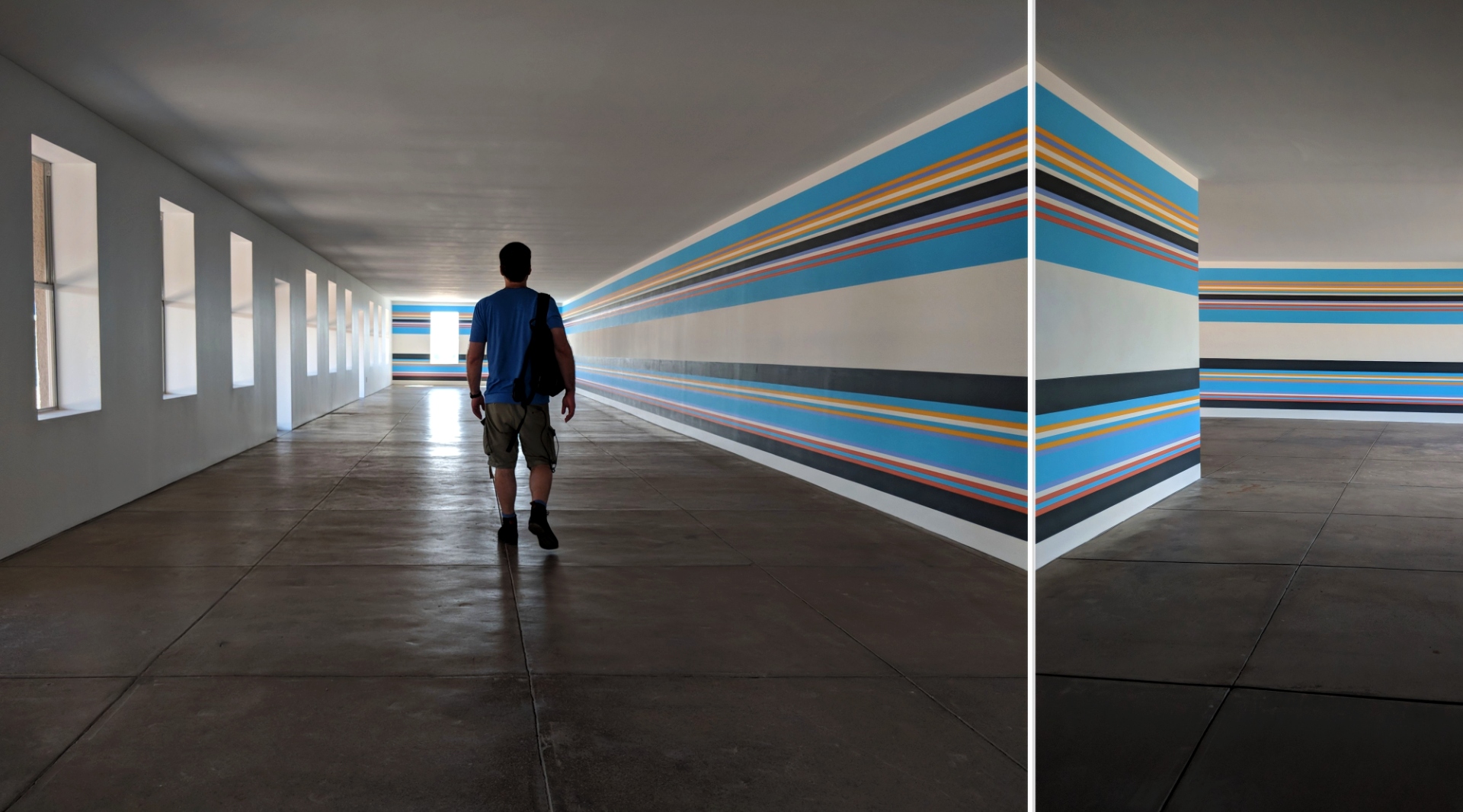
Bridget Riley, Royal Liverpool University Hospital, 1983, as wall painting, Bolt of Colour, 2017

Riley’s first wall painting was made in response to a 1979 invitation from the Royal Liverpool Hospital to conceive a work for its walls. Riley devised a visual scheme featuring horizontal ribbons of color, running the lengths of the hospital corridors. The palette, like that of her paintings at the time, was inspired by a 1980 trip to the pyramids and tomb paintings of ancient Egypt. Of this color scheme Riley later wrote: “The Ancient Egyptians had a fixed palette. They used the same colors—turquoise, blue, red, yellow, green, black and white—for over 3,000 years….In each and every usage these colors appeared different but at the same time they united the appearance of the entire culture. Perhaps even more important, the precise shades of these colors had evolved under a brilliant North African light and consequently they seemed to embody the light and even reflect it back from the walls.”

Riley completed the design for the Royal Liverpool Hospital in 1983. In the years since, she has made many more wall paintings, including a work for two floors of St. Mary’s Hospital in London in 1987, with a third floor completed in 2014. In addition to these commissions, Riley has made wall drawings for numerous museum and gallery exhibitions and collections in the U.S., the U.K., and Europe.

Riley’s wall painting for Chinati will be the artist’s largest work to date and span six of the eight walls of the building. As referenced in the work’s title/description, Royal Liverpool University Hospital, 1983, as wall painting, Bolt of Colour, 2017, the mural revisits Riley’s Egyptian palette and establishes a continuity between the design for the Royal Liverpool Hospital and the new work for Chinati. It is inspired in part by similarities in size and spatial orientation in the sites of each project and affinities between the brilliant light and palette the artist witnessed in Egypt and the high desert landscape in which the Chinati Foundation is situated. [Source: Chinati Foundation]

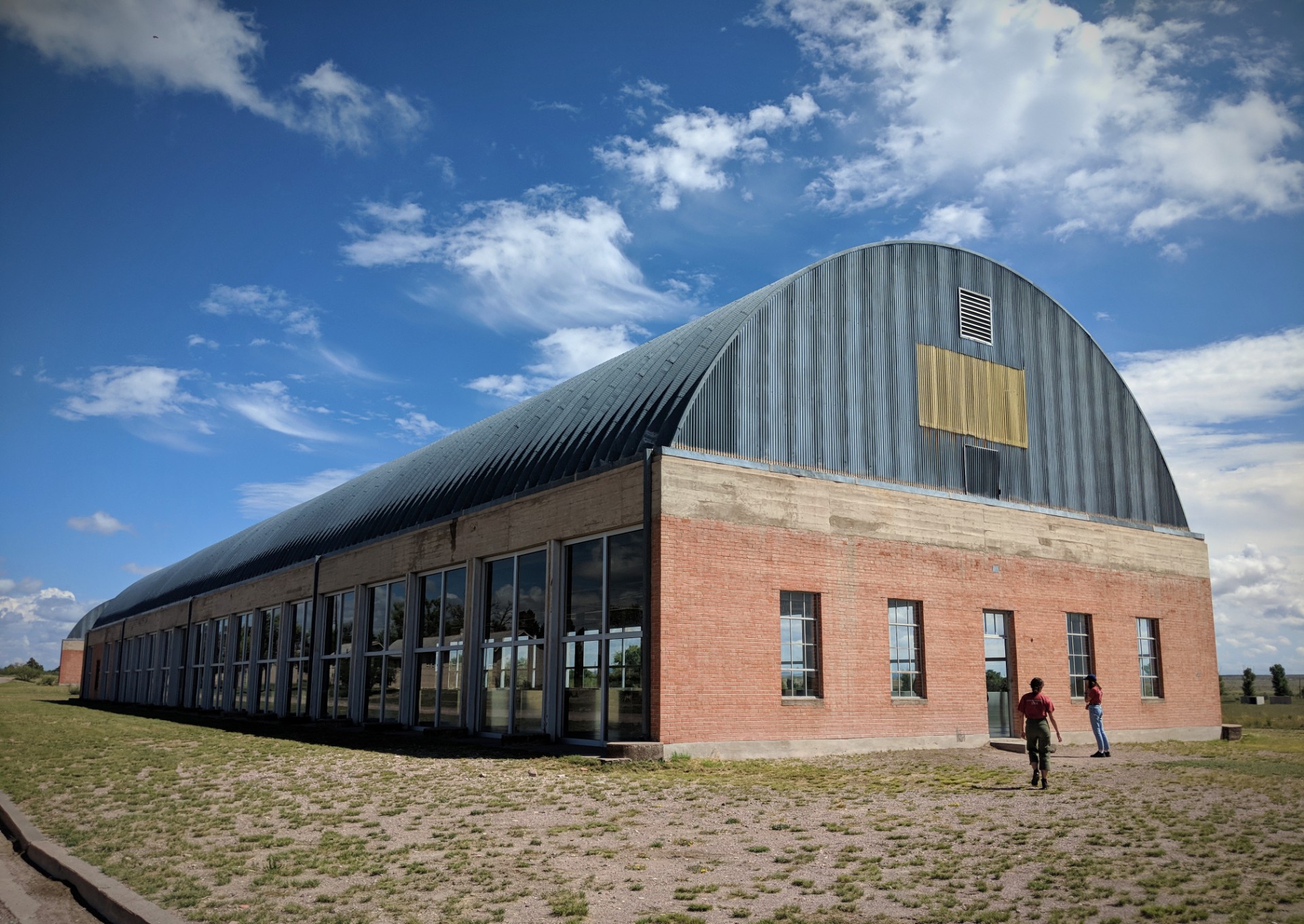
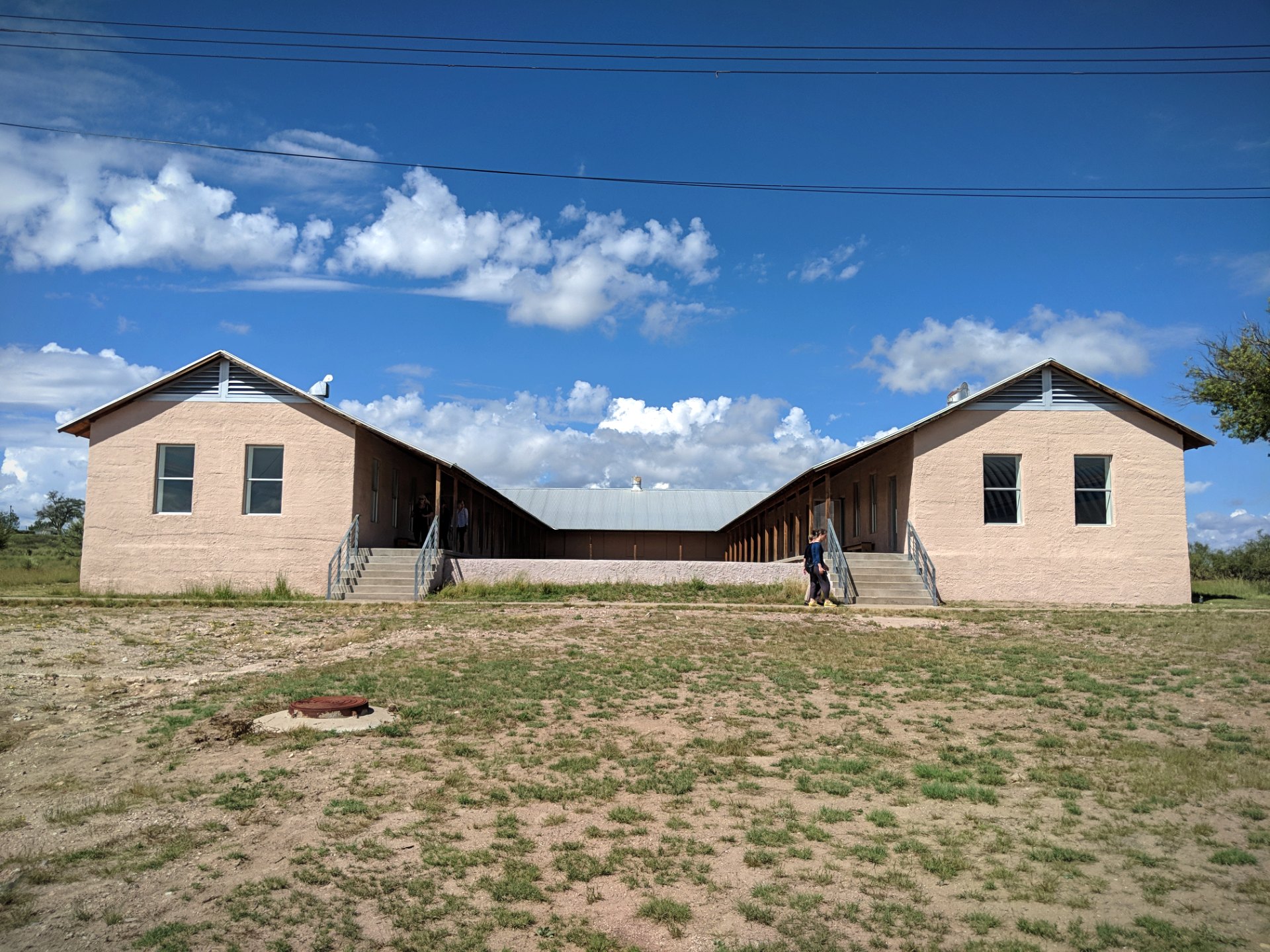
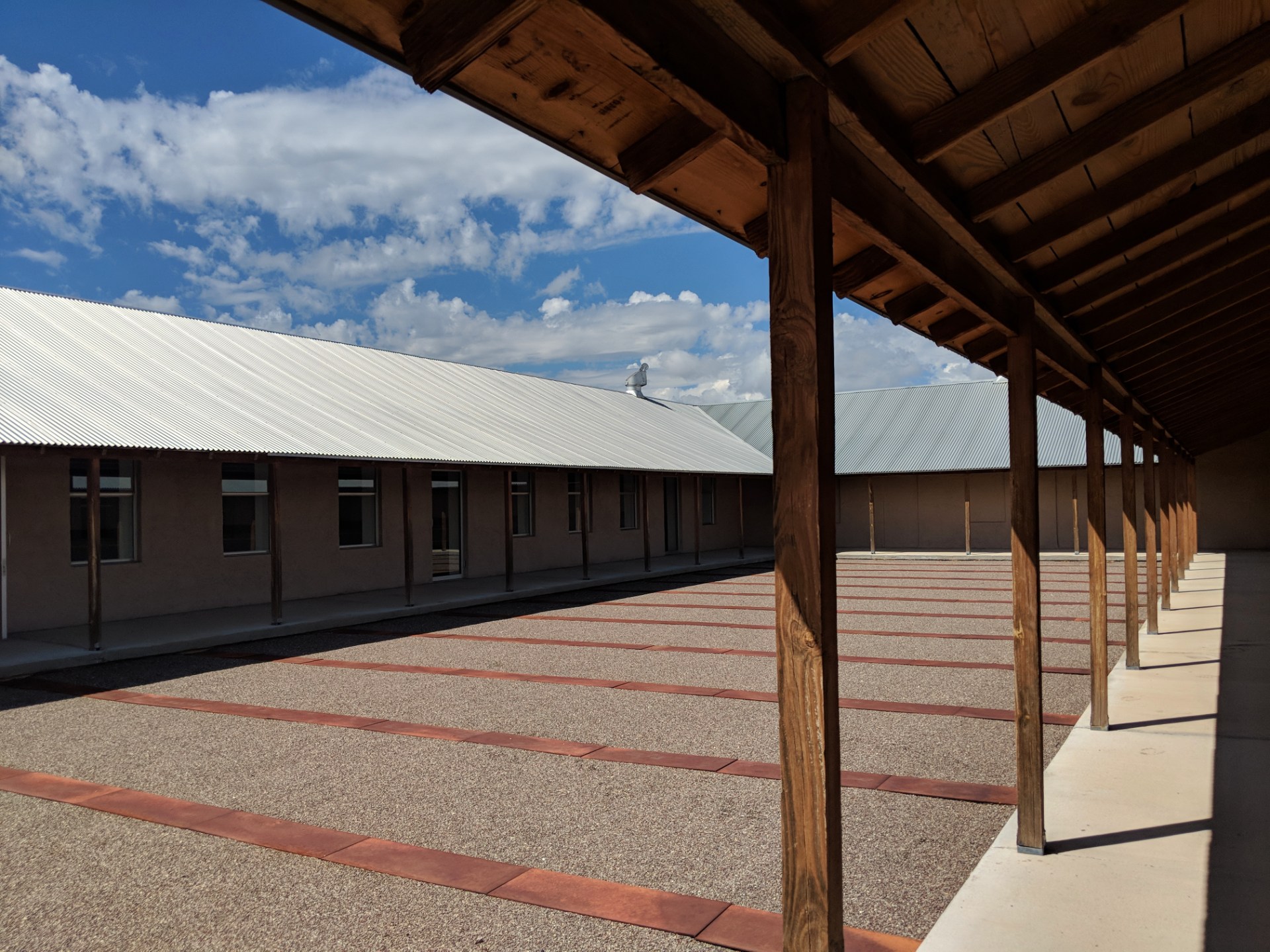
The artwork was conceived specifically for the museum’s special exhibition building, encompassing it’s entire U-shaped enclosure. It was inaugurated in October 2017 and remained on view through 2019.

Chinati Foundation – Μarfa, ΤΧ

October 6th, 2018
Playin’ with Flavin

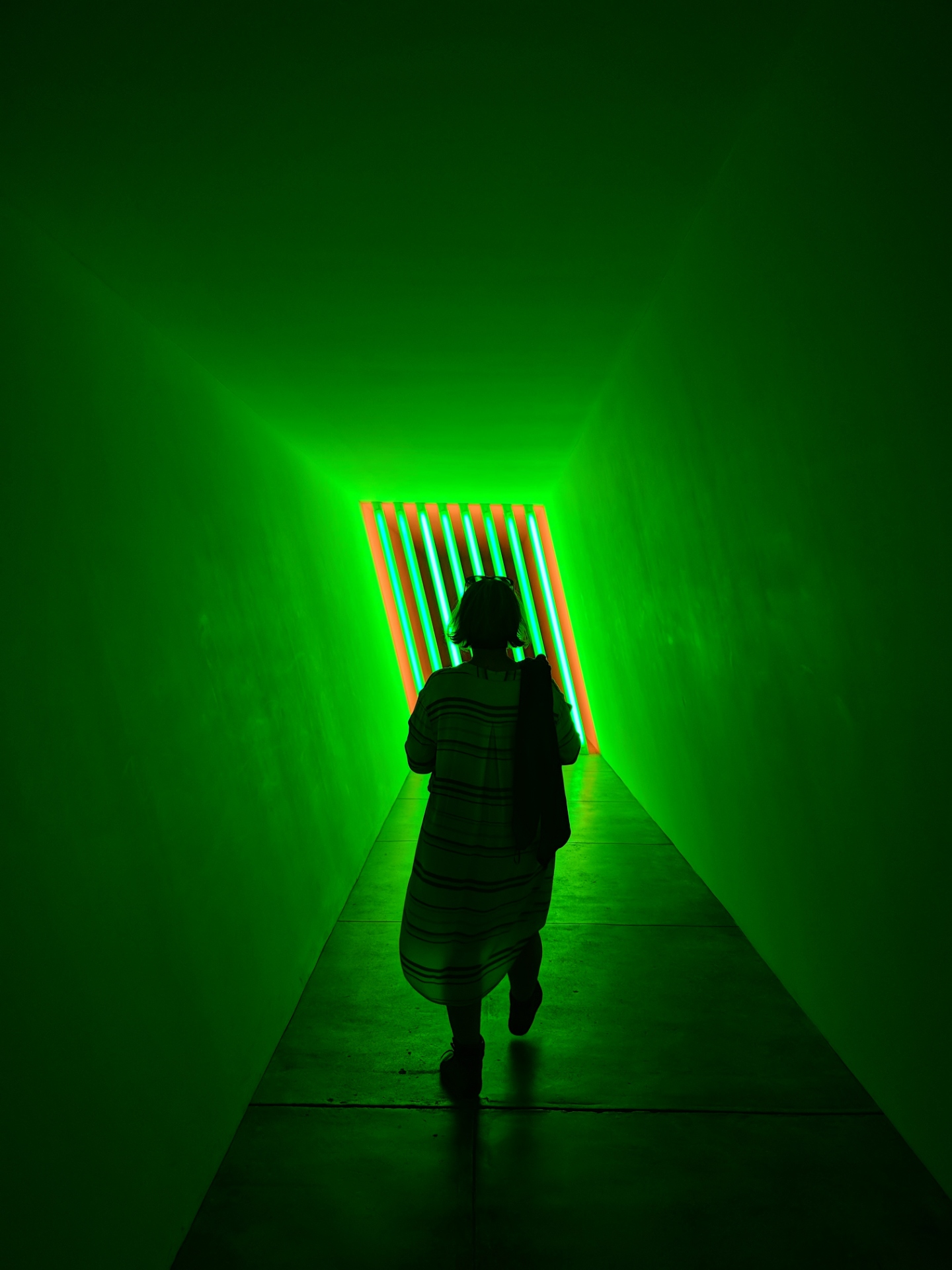
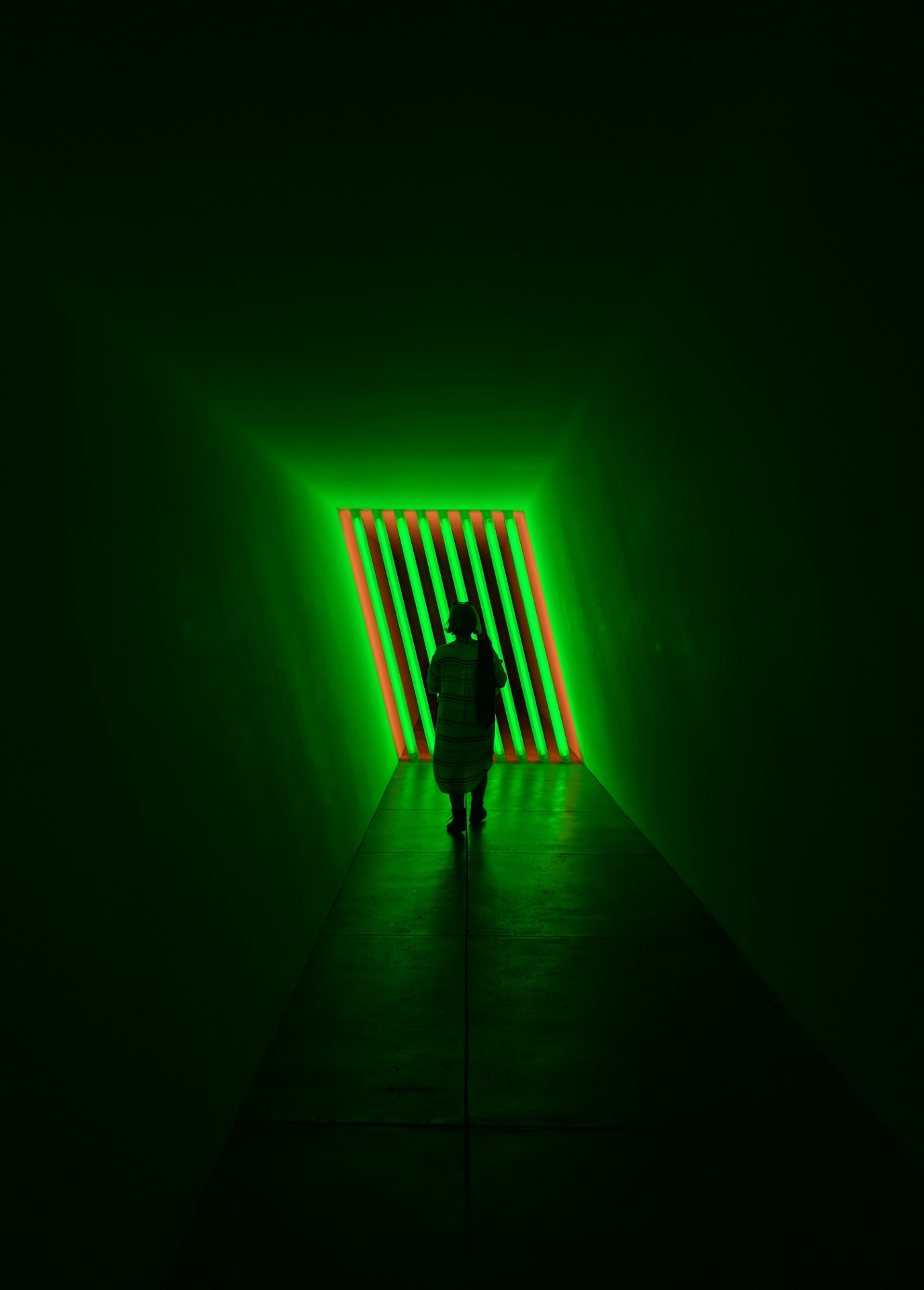
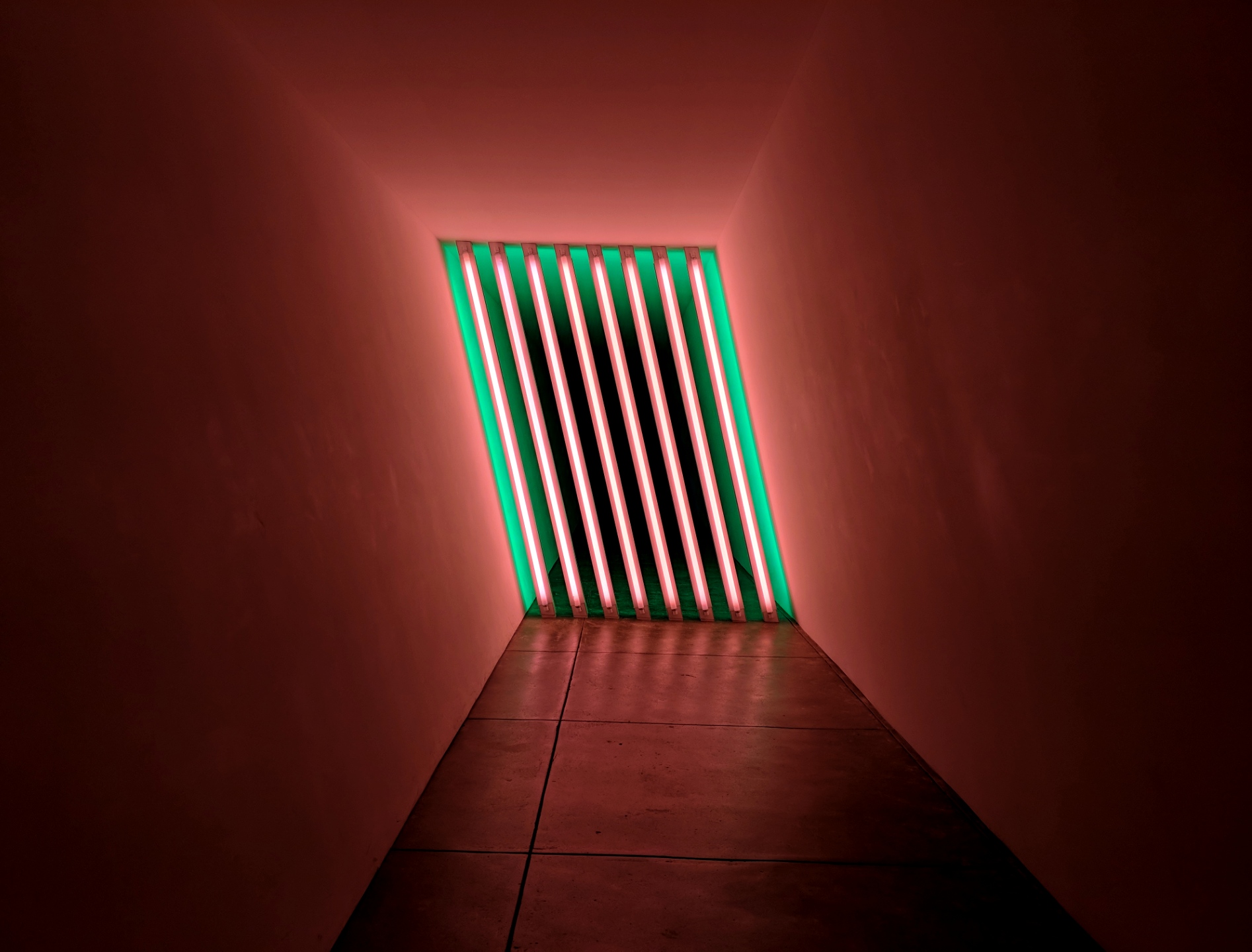
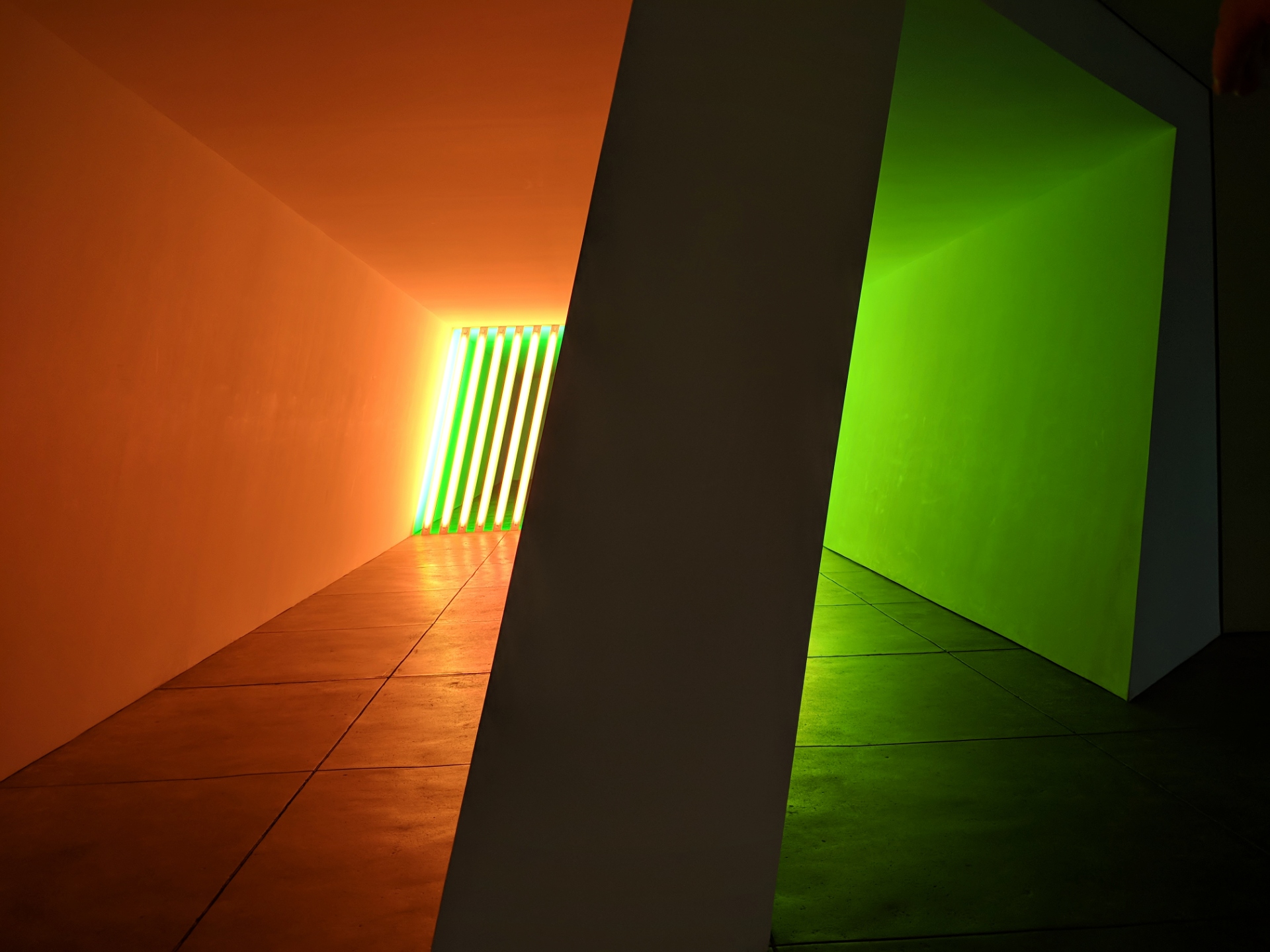
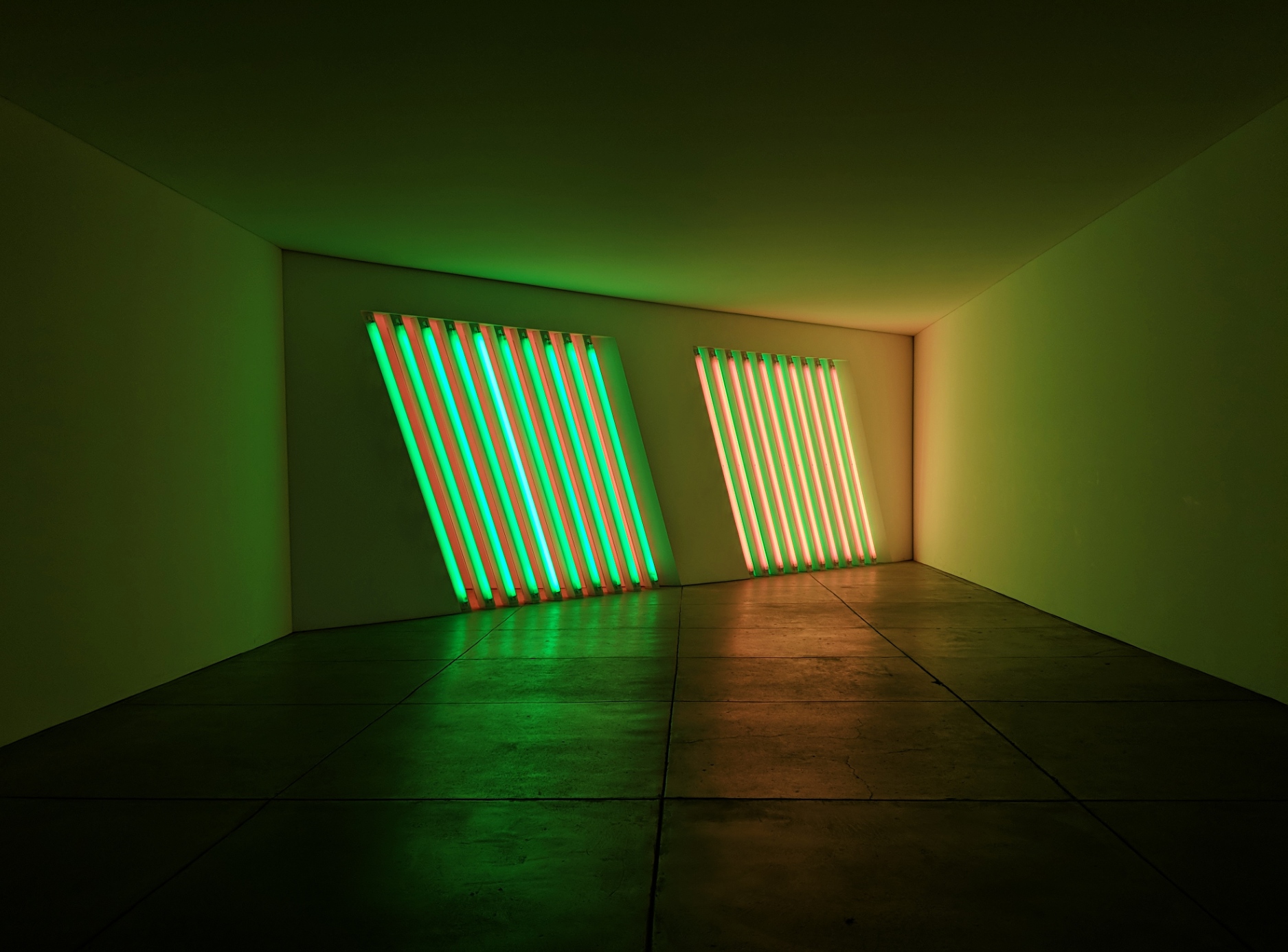
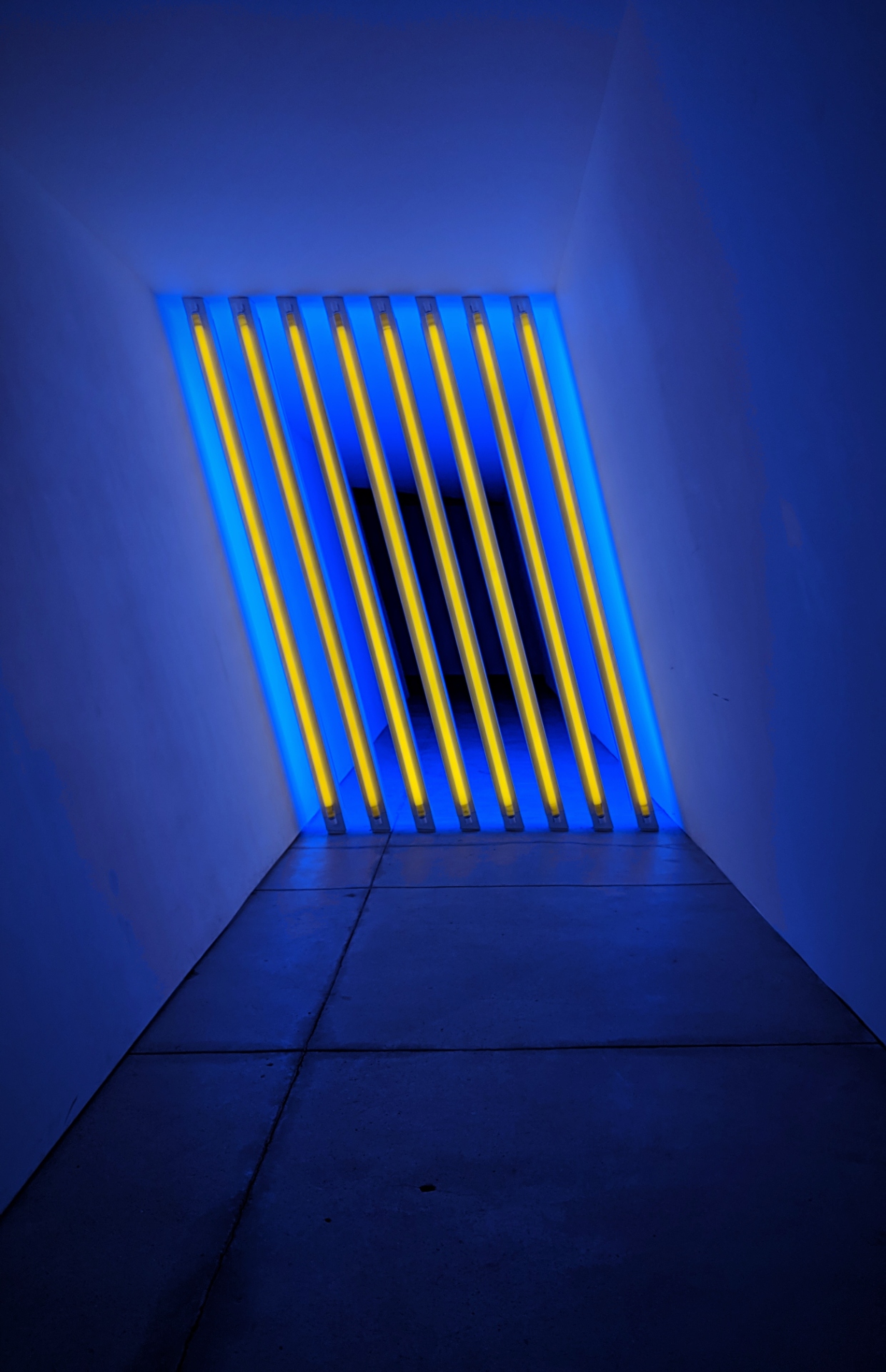
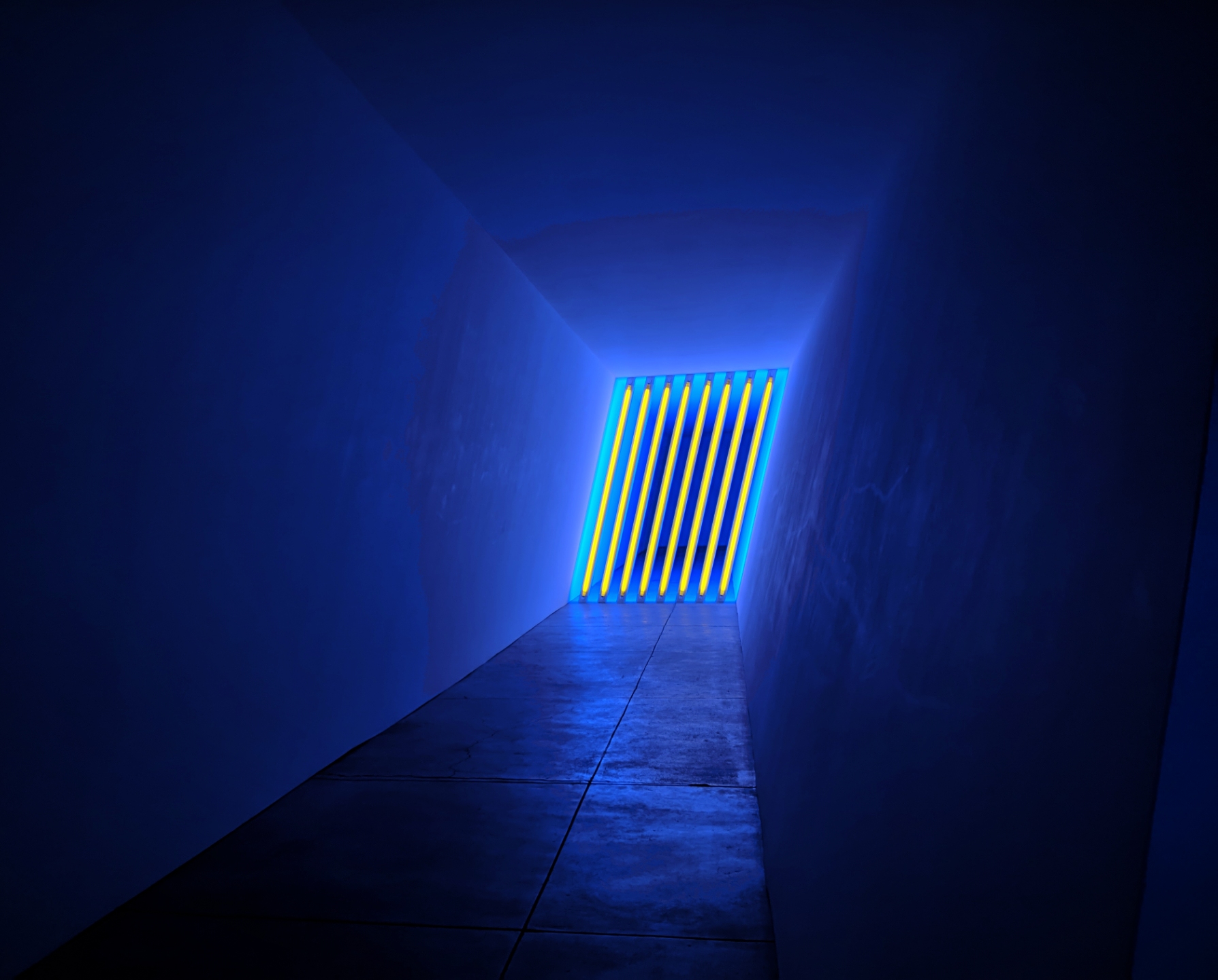
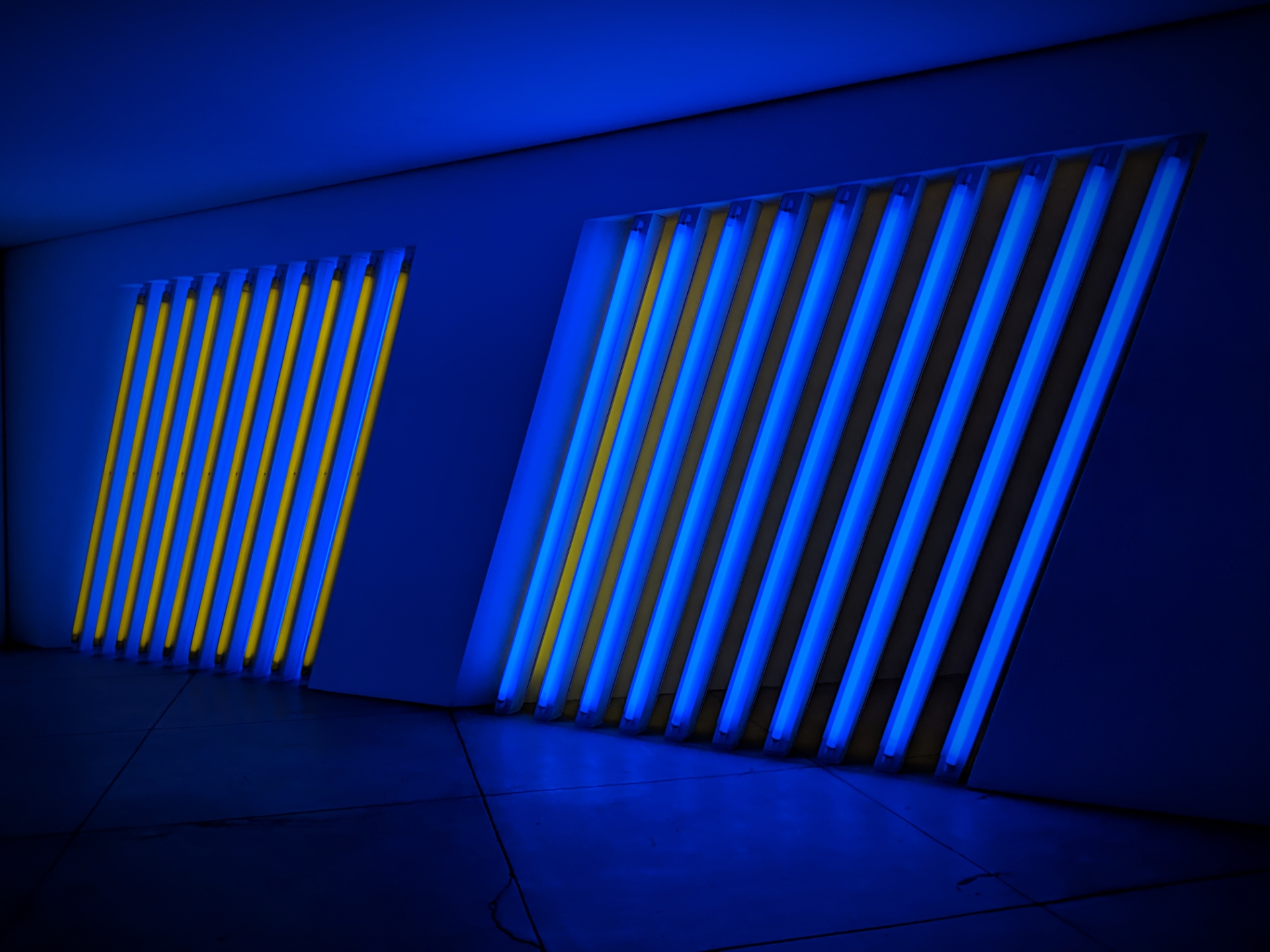
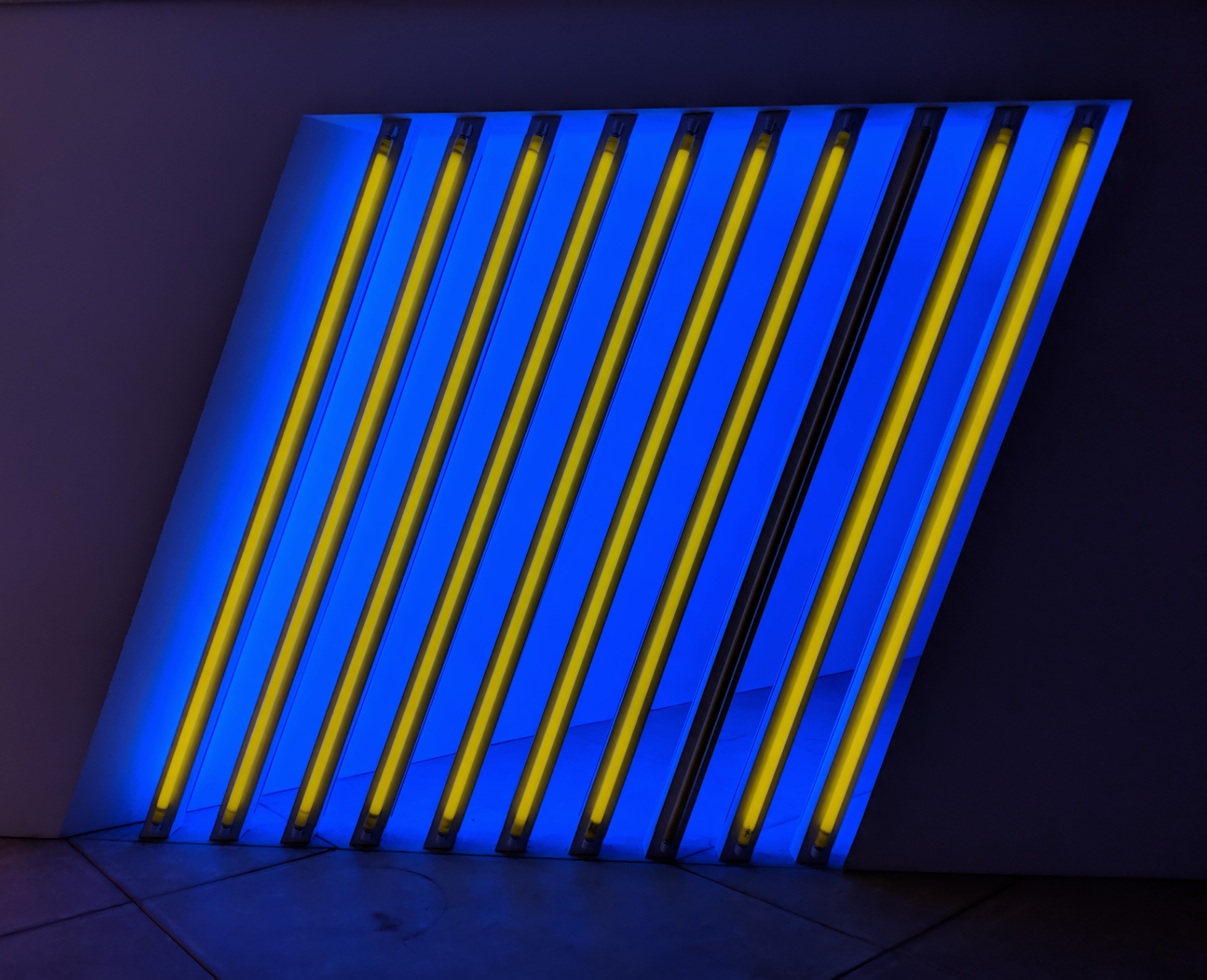
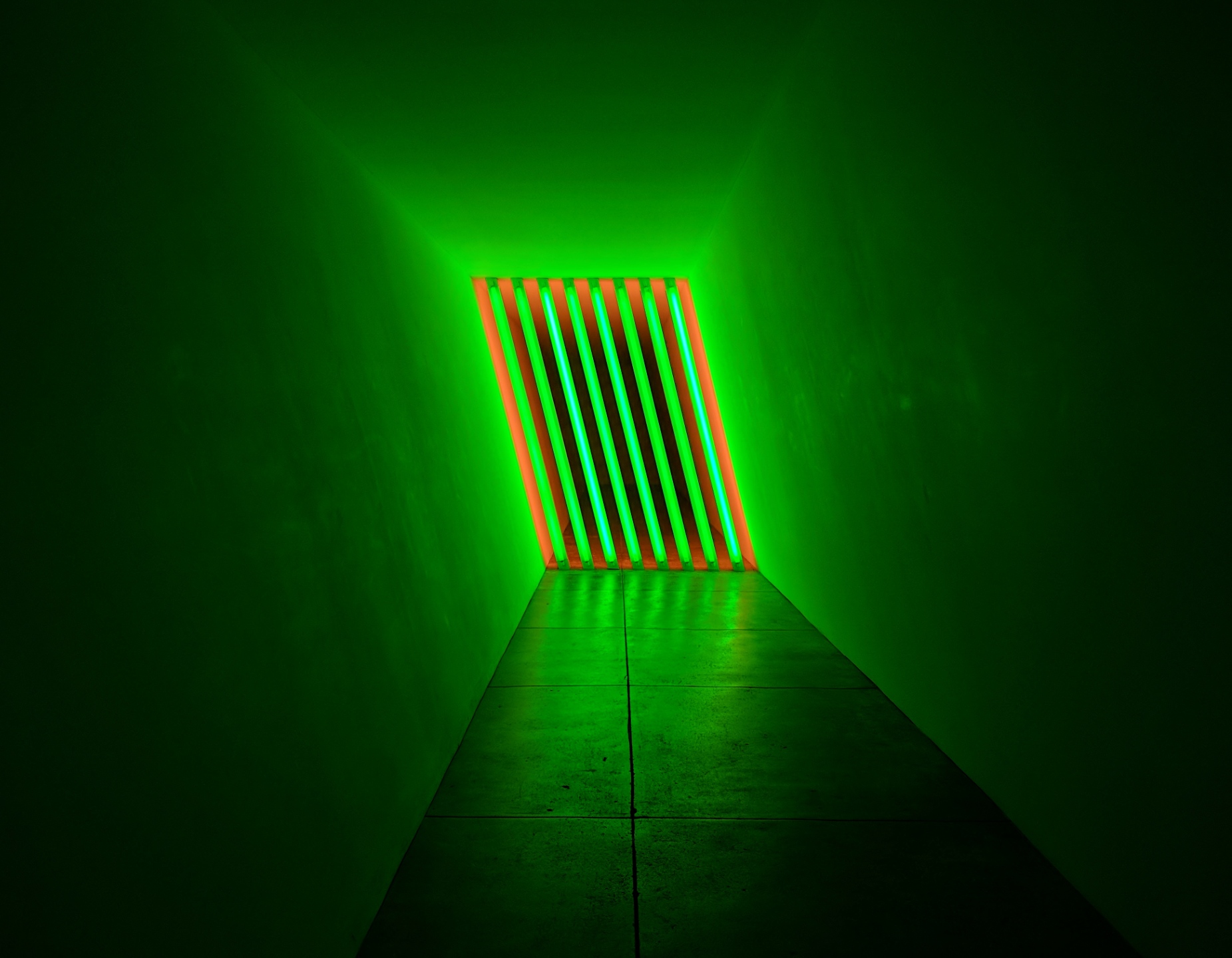
Dan Flavin’s large-scale work in colored fluorescent light for six buildings at the Chinati Foundation was initiated in the early 1980s, although the final plans were not completed until 1996. The work was inaugurated at the museum’s annual Open House in October 2000.

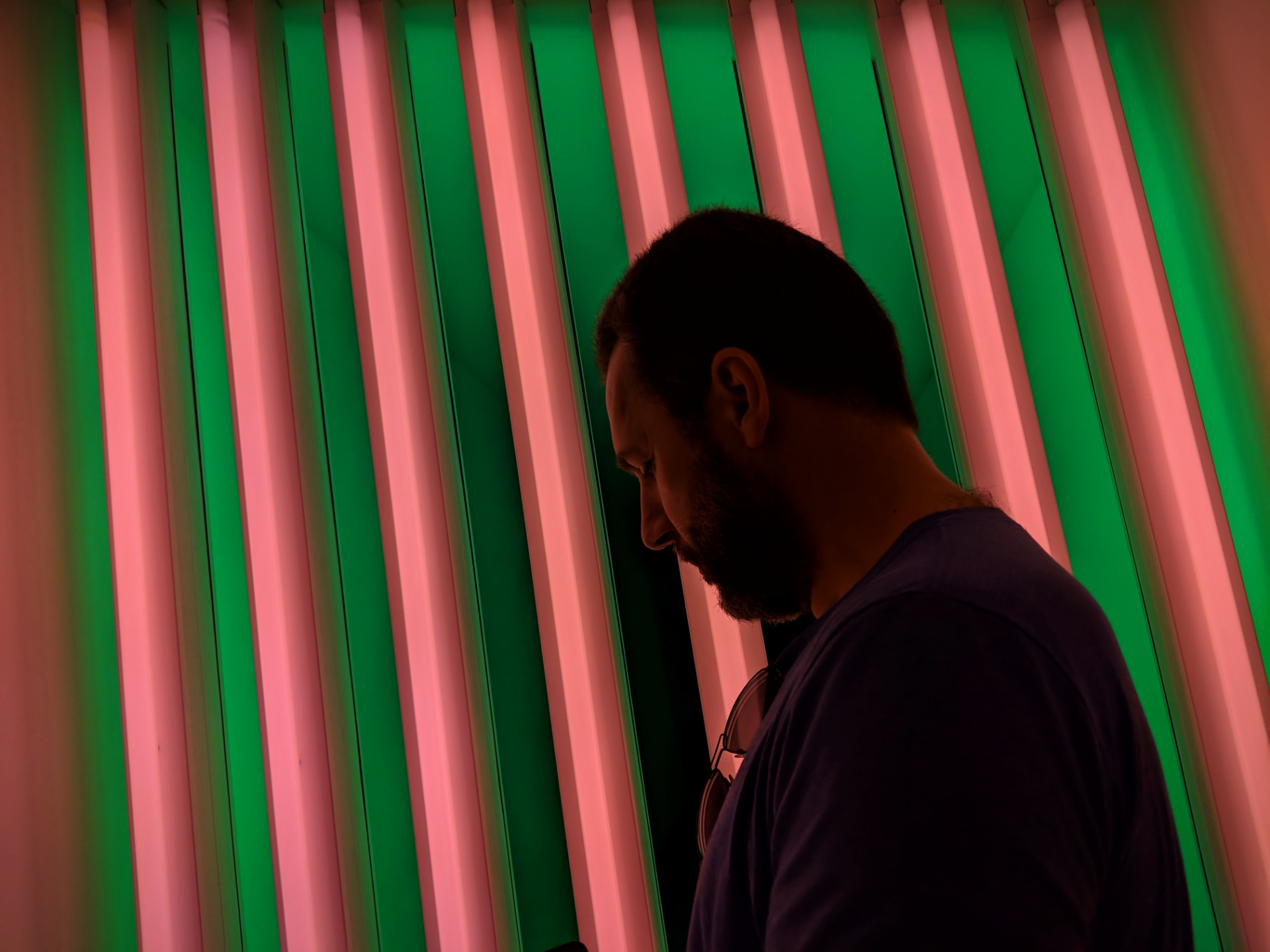
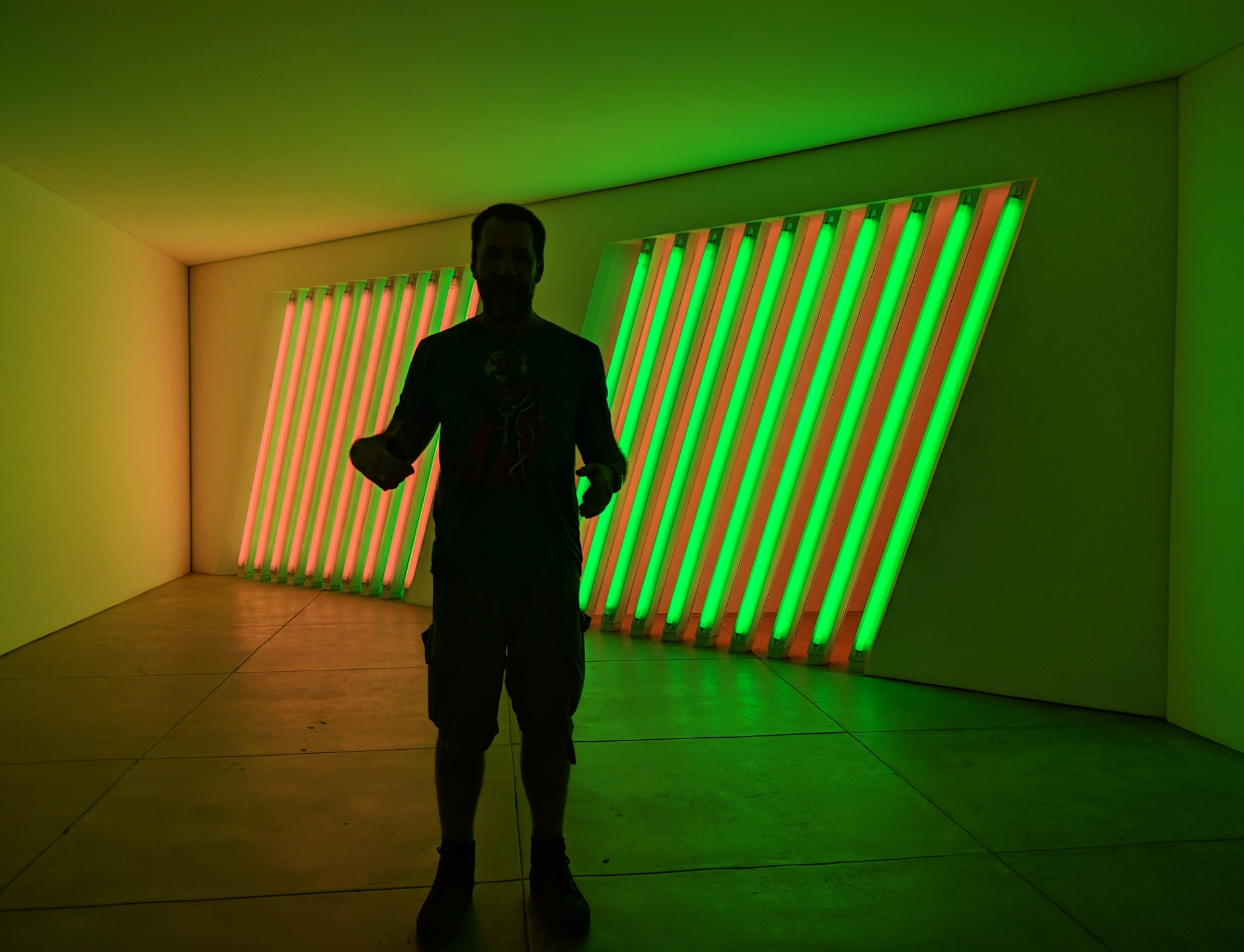
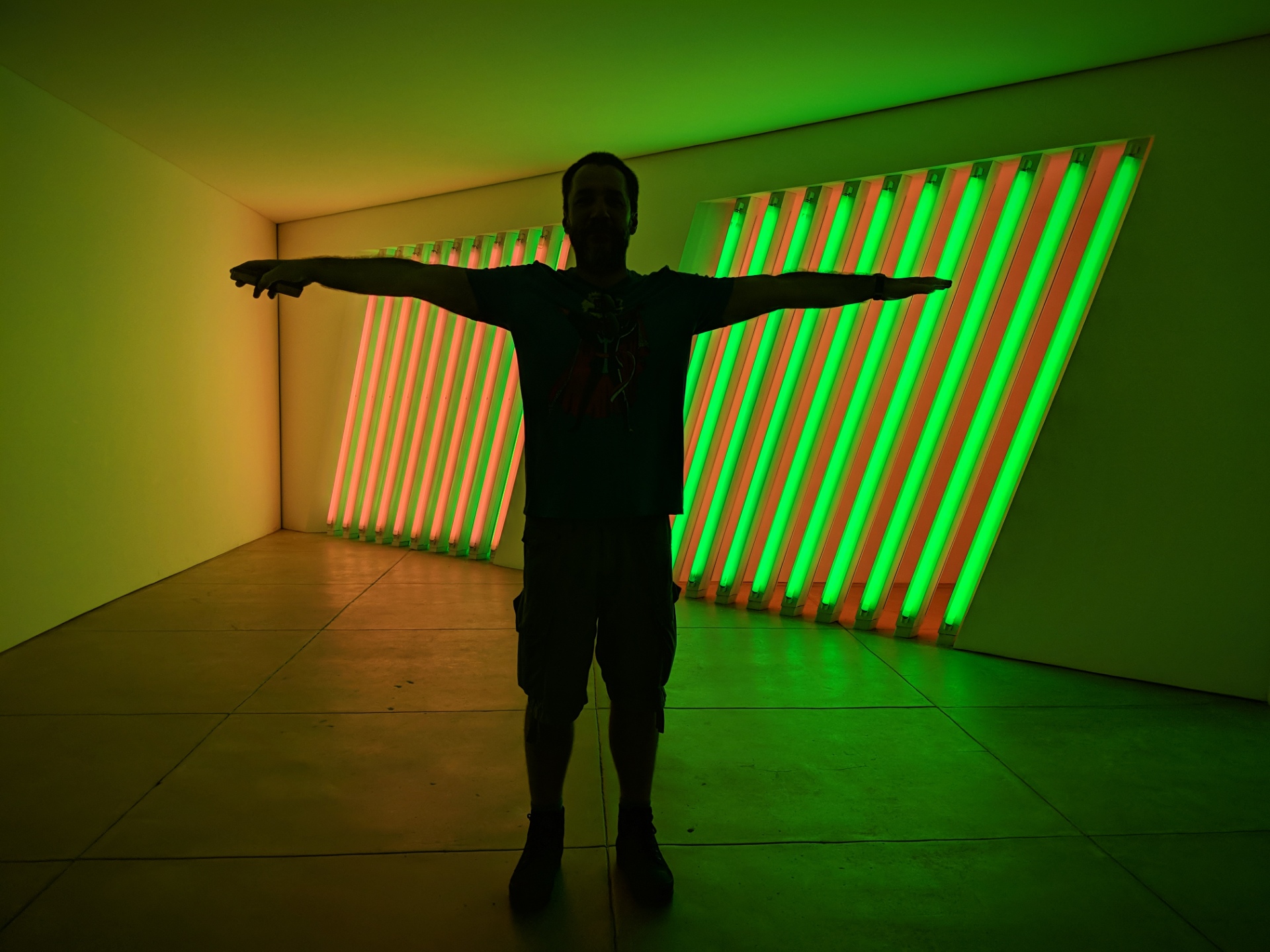
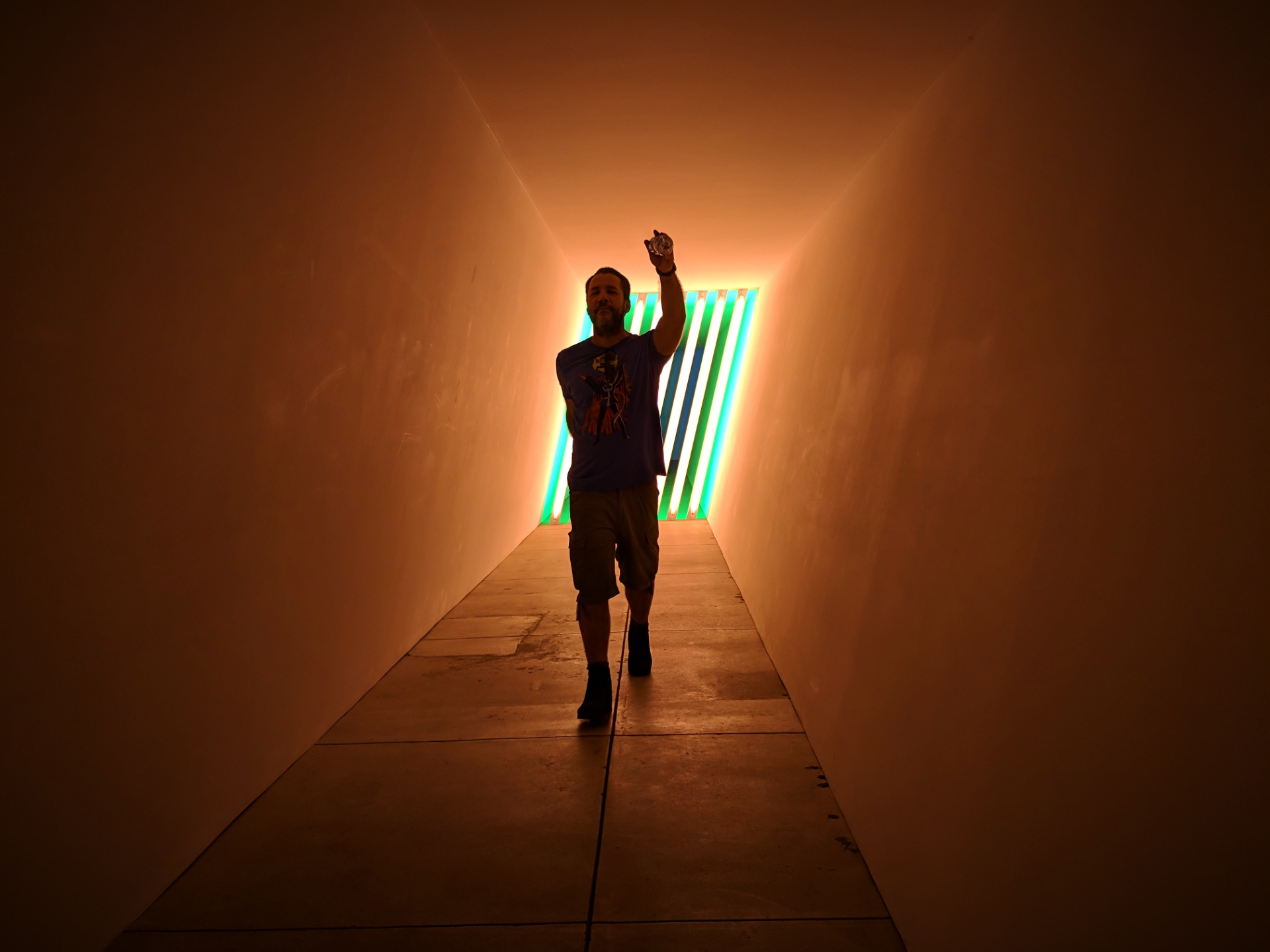
Two parallel tilted corridors are constructed at the connecting arms of each U-shaped building. These corridors contain light barriers that are placed either in the center or at the end of each corridor. The barriers consist of eight-foot-long fluorescent light fixtures, occupying the entire height and width of the corridor. The tubes are installed with space between them, allowing a view through the barrier. Each fixture holds two differently colored bulbs shining in opposite directions. The barriers in the six buildings utilize four colors: pink, green, yellow, and blue. The first two buildings use pink and green, the next two yellow and blue, and the last two buildings bring all four colors together. Two windows at the end of each long arm of the U allow daylight to enter the building and permit a view into the vast landscape – [source: The Chinati Foundation]

It is impossible not to be drawn into Flavin’s sculptures, like a fly attracted to light.

Dan Flavin
untitled (Marfa project), 1996

The Chinati Foundation – Marfa, TX

October 6th, 2018
The Chinati Foundation || Marfa

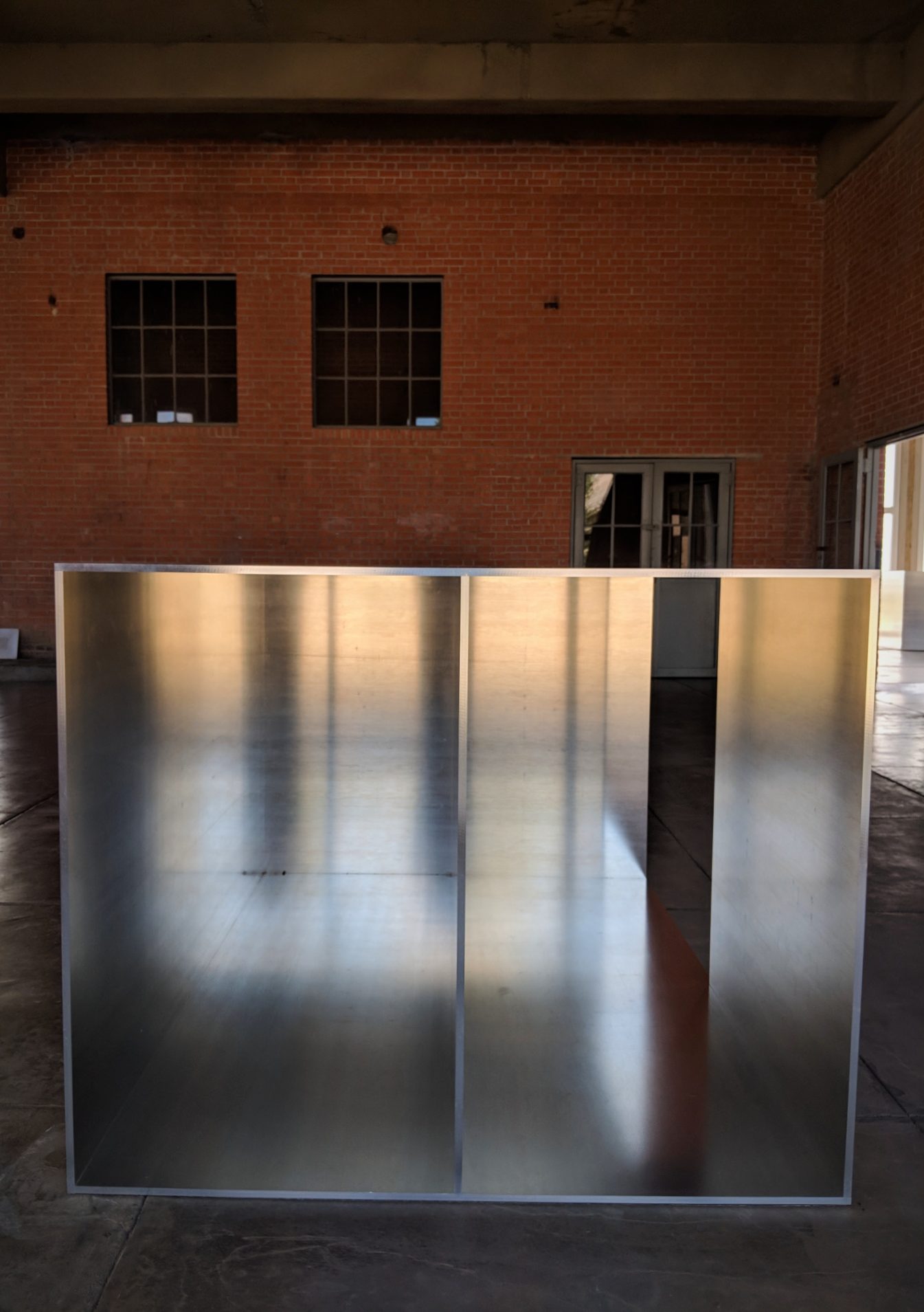
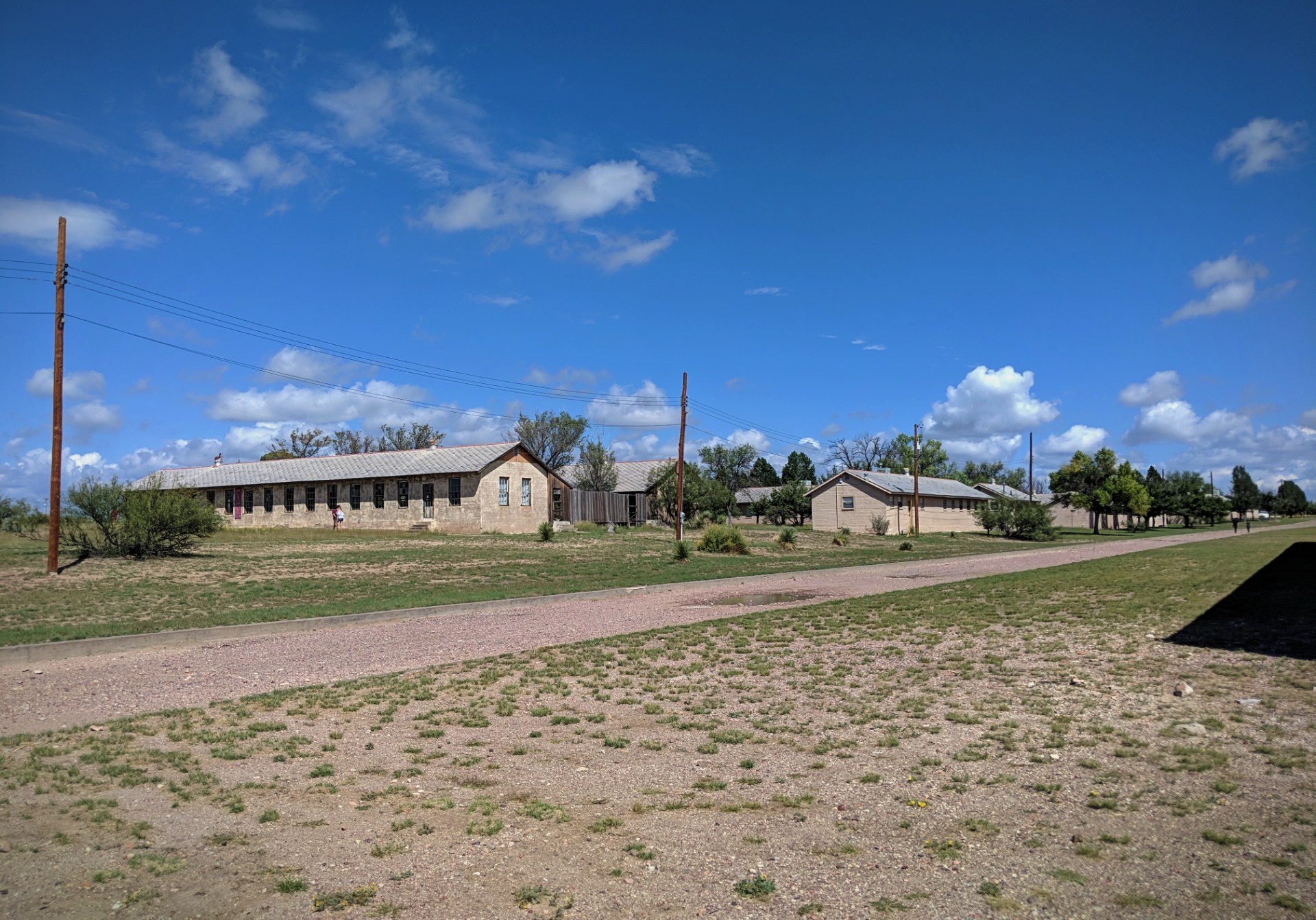
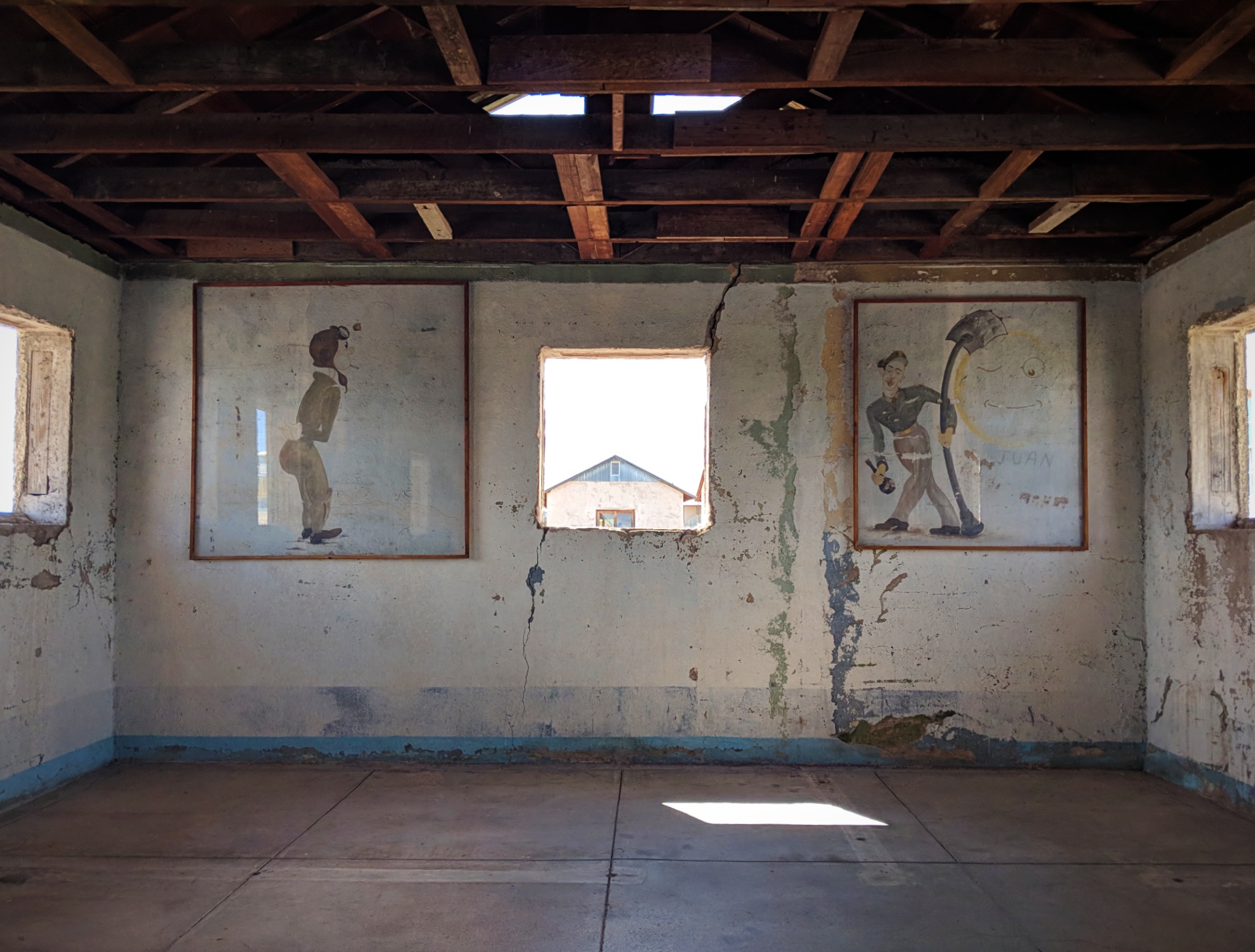
Marfa, a tiny and remote desert town of only about 2.000 people in West Texas, is the most unlikely  cultural centre for contemporary art I could think of. Yet, it is full of art galleries, cool shops that look like art galleries, cool artists that live and work in said art galleries, calling Marfa their home. And in the centre of it all is The Chinati Foundation/La Fundación Chinati, a contemporary art museum founded by Donald Judd.

It was in the early 1970s when Judd decided he wanted out of New York and its art scene, too constrictive for his projects, and look for a place where his work could be installed and never be moved again. In other words, he needed space.

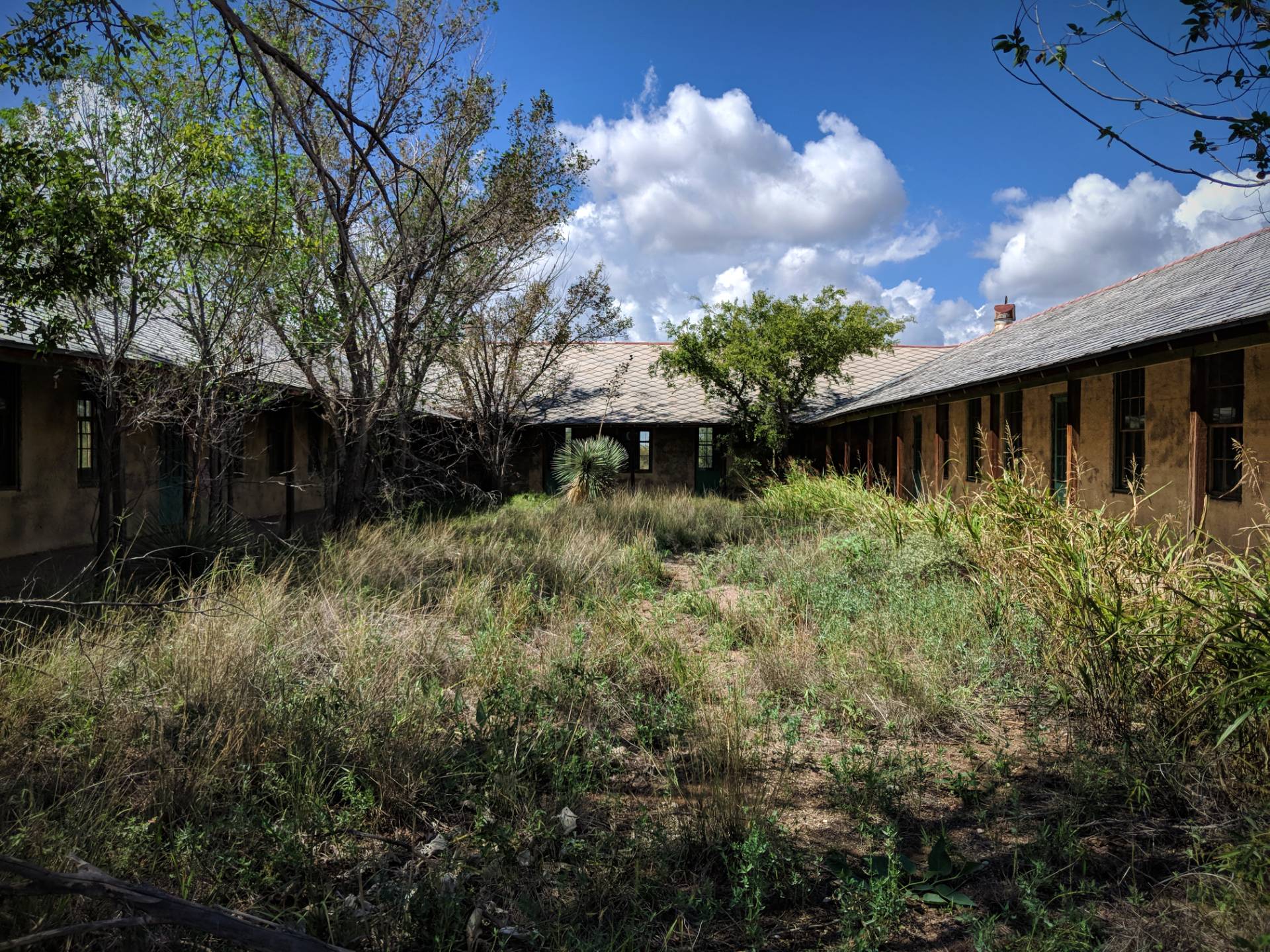
Judd rented a house in 1971 in Marfa, took one look around and bid farewell to New York forever. He began to purchase properties in 1973, which would include living quarters, studios and ranches where his work would be permanently installed, every move leading to the purchase of a 340 acres of land on the site of former Fort D.A. Russell, in 1978.

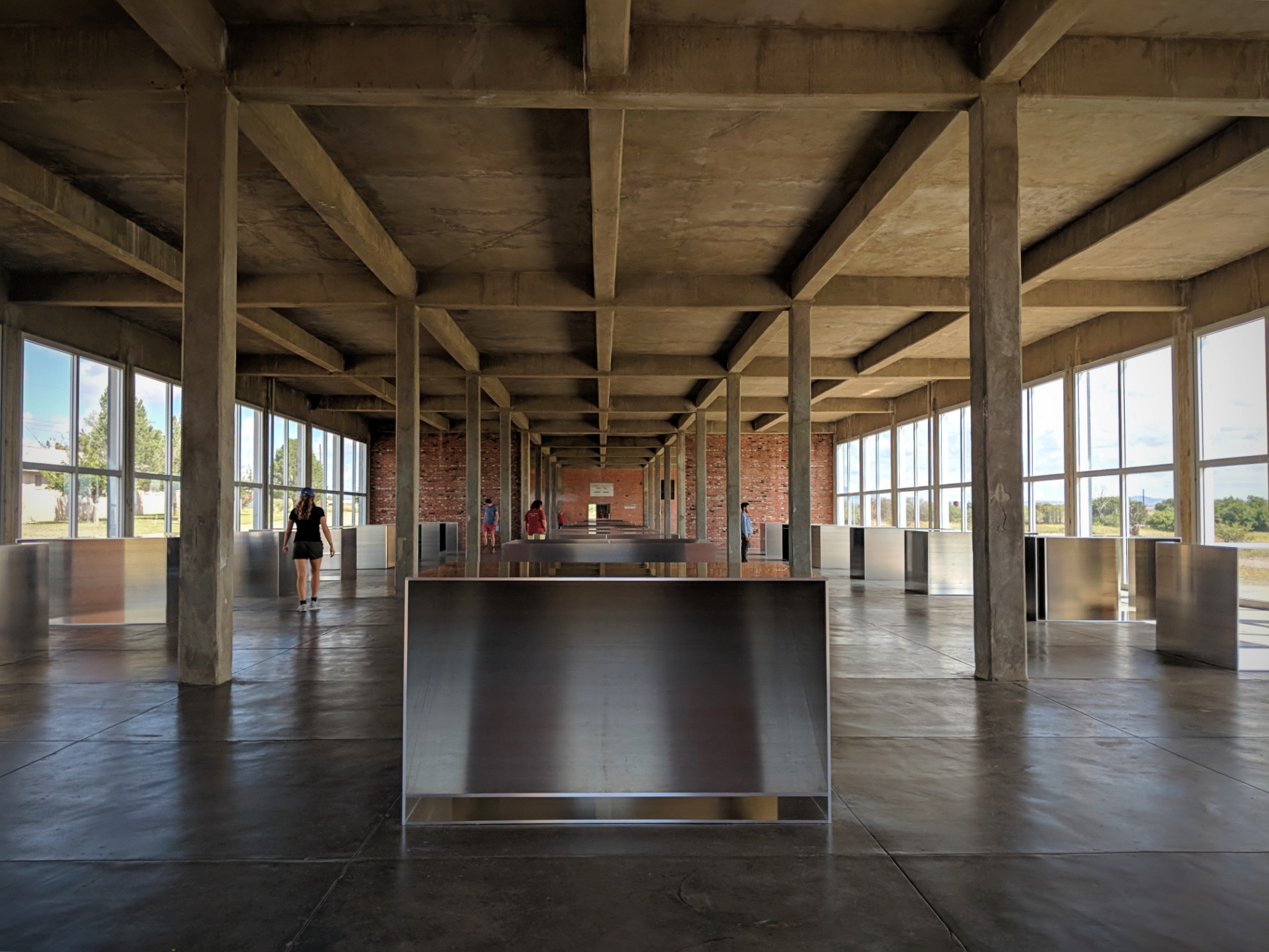
The Chinati Foundation opened to the public in 1987 as a museum hosting permanent collections of works by Donald Judd as well as by his friends, Dan Flavin and John Chamberlain (with 25 sculptures in a renovated wool warehouse in downtown Marfa). Judd later expanded the collection to include works by Claes Oldenburg and Coosje van Bruggen, Richard Long, Roni Horn, David Rabinowitch, Ilya Kabakov, and Ingólfur Arnarsson. Following Judd’s death in 1994, the museum completed additional projects: an installation of poems by Carl Andre (1995); a gallery of paintings by John Wesley (2004); and Robert Irwin’s untitled (dawn to dusk) (2016).

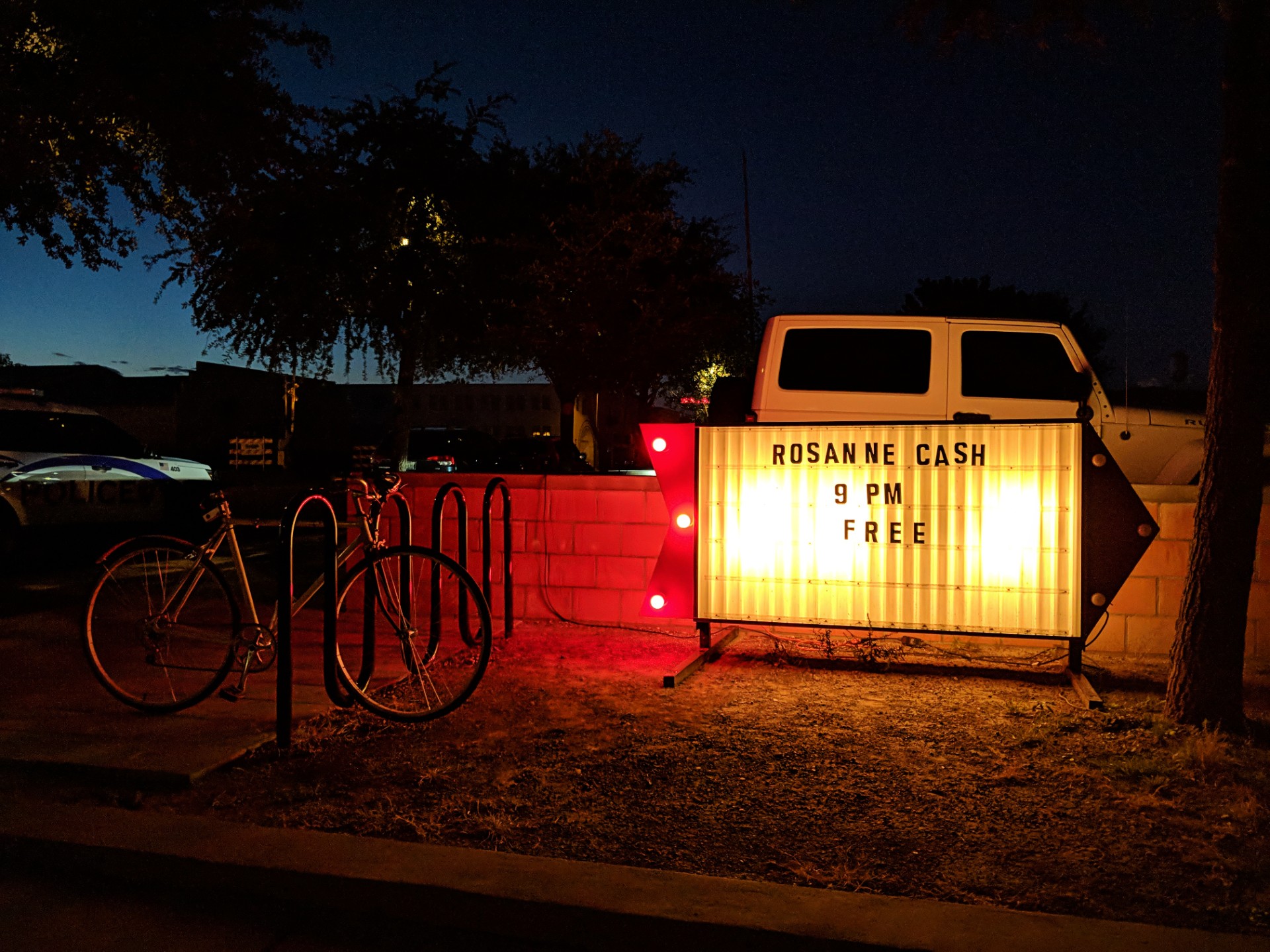
The Chinati Foundation is open year-round, but if you love mingling with the art crowd – or are fond of crowds in general – you may want to time your visit to coincide with the Chinati Weekend, an annual weekend-long event, the one time of year when all installations are open for self-guided viewing and the museum presents special exhibitions, talks, and performances, all free to the public.

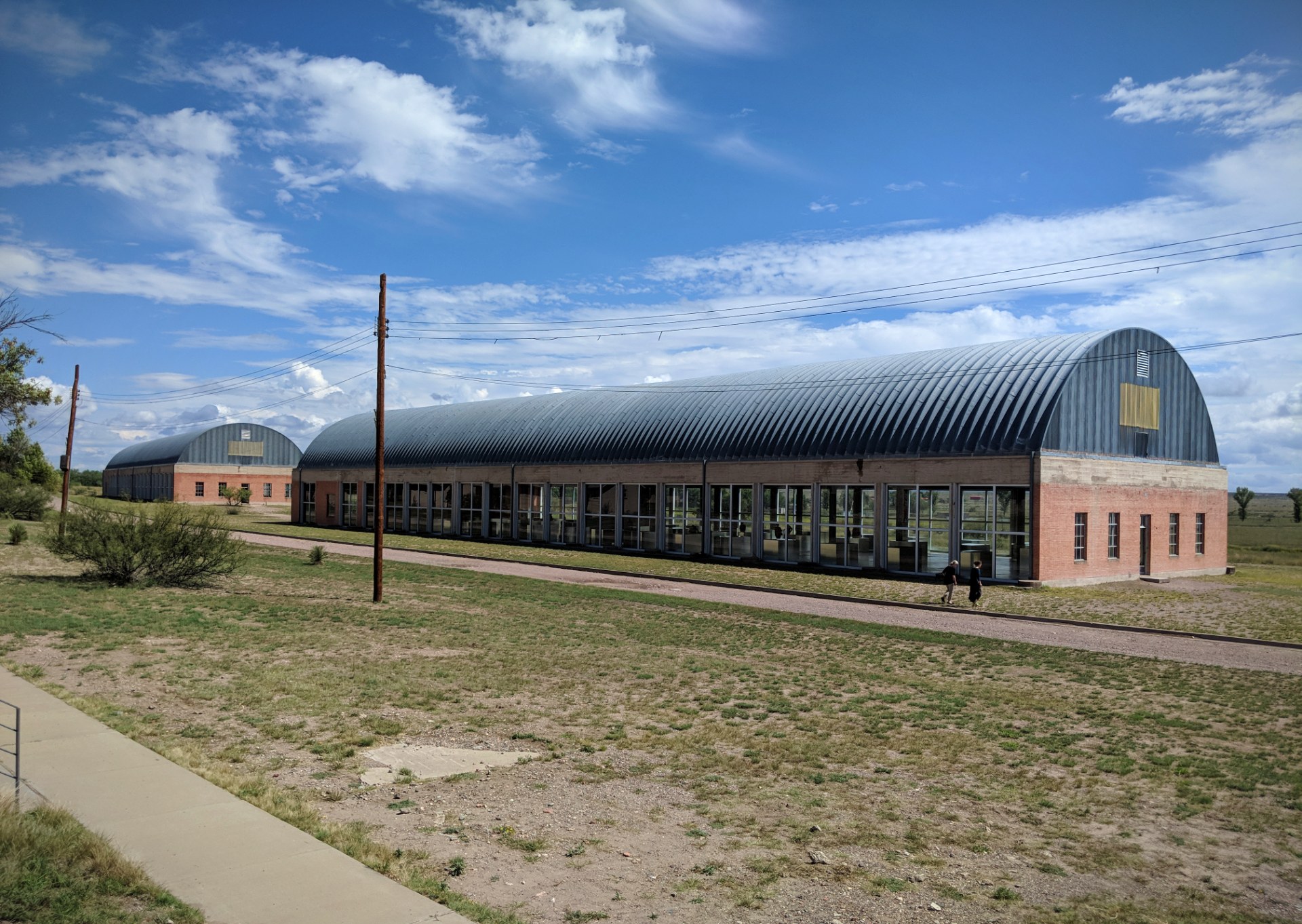
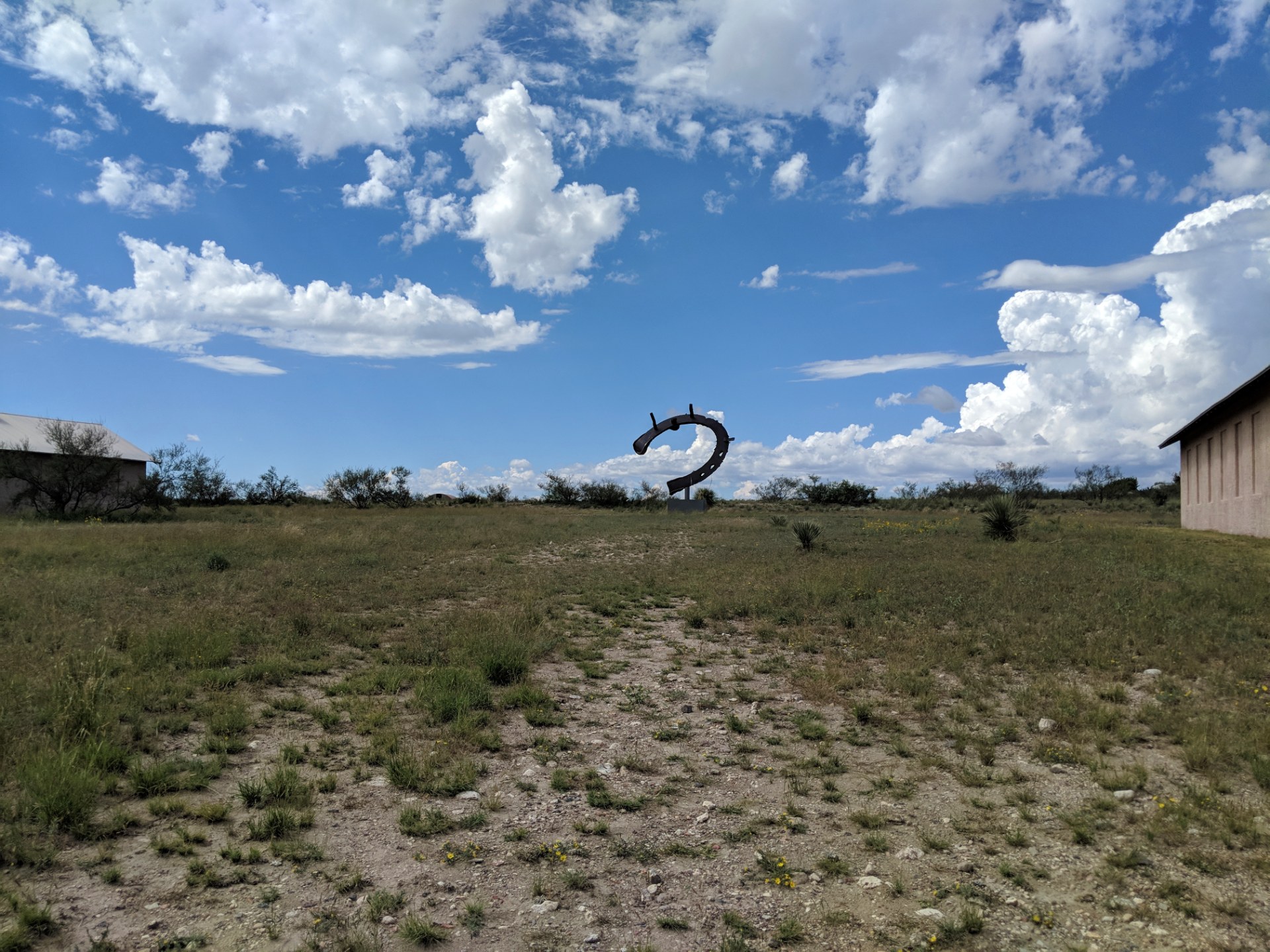
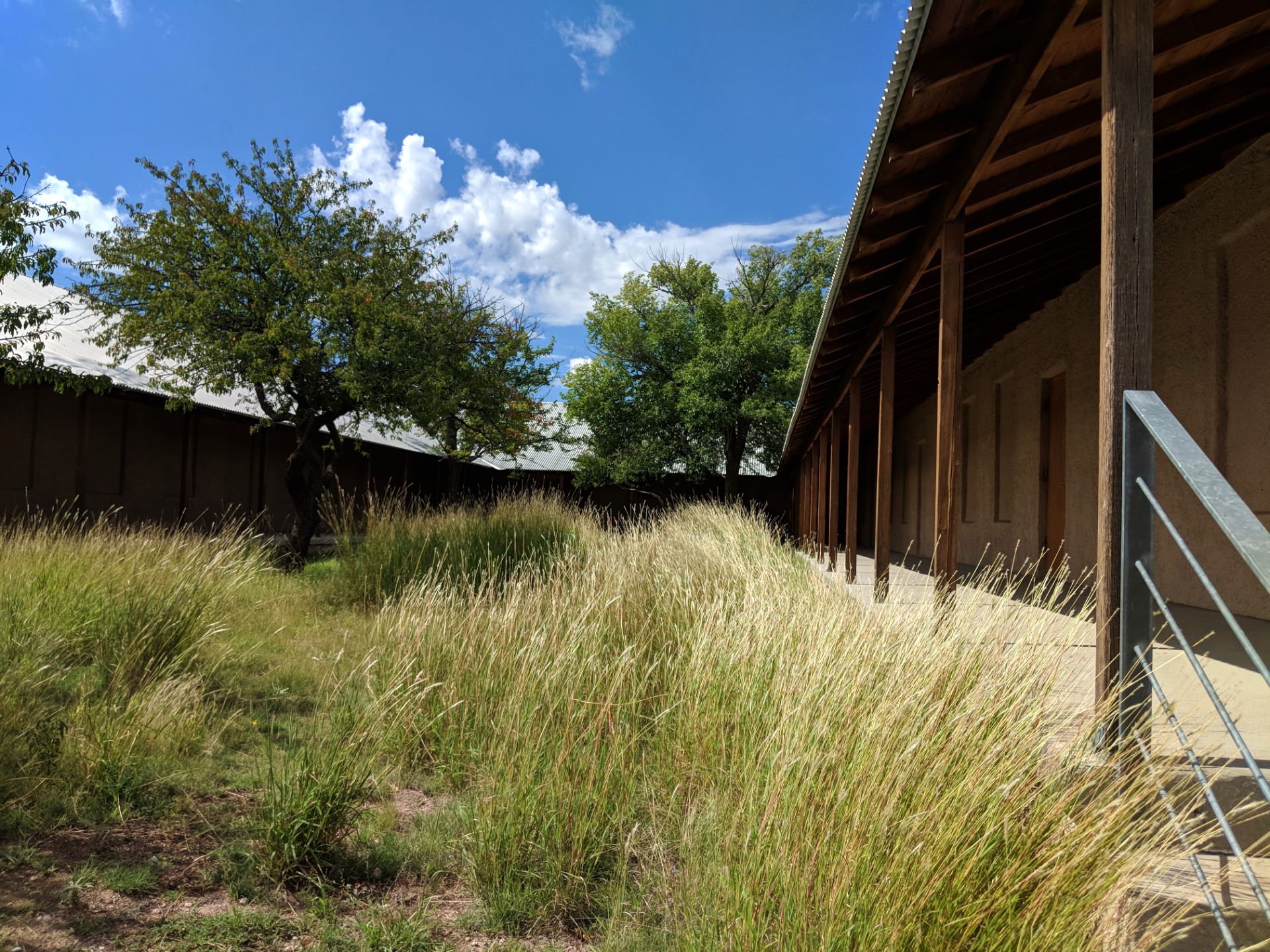
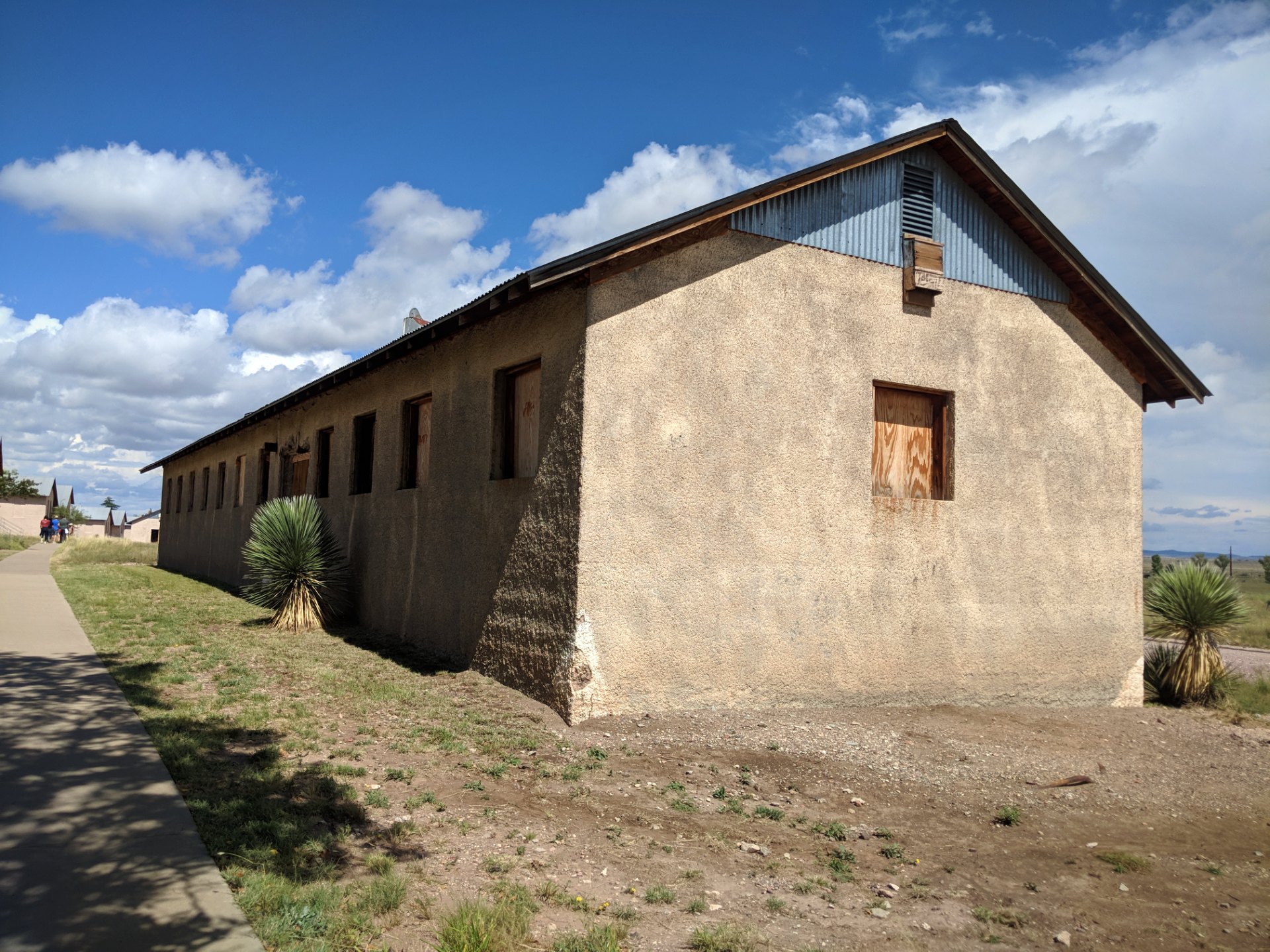
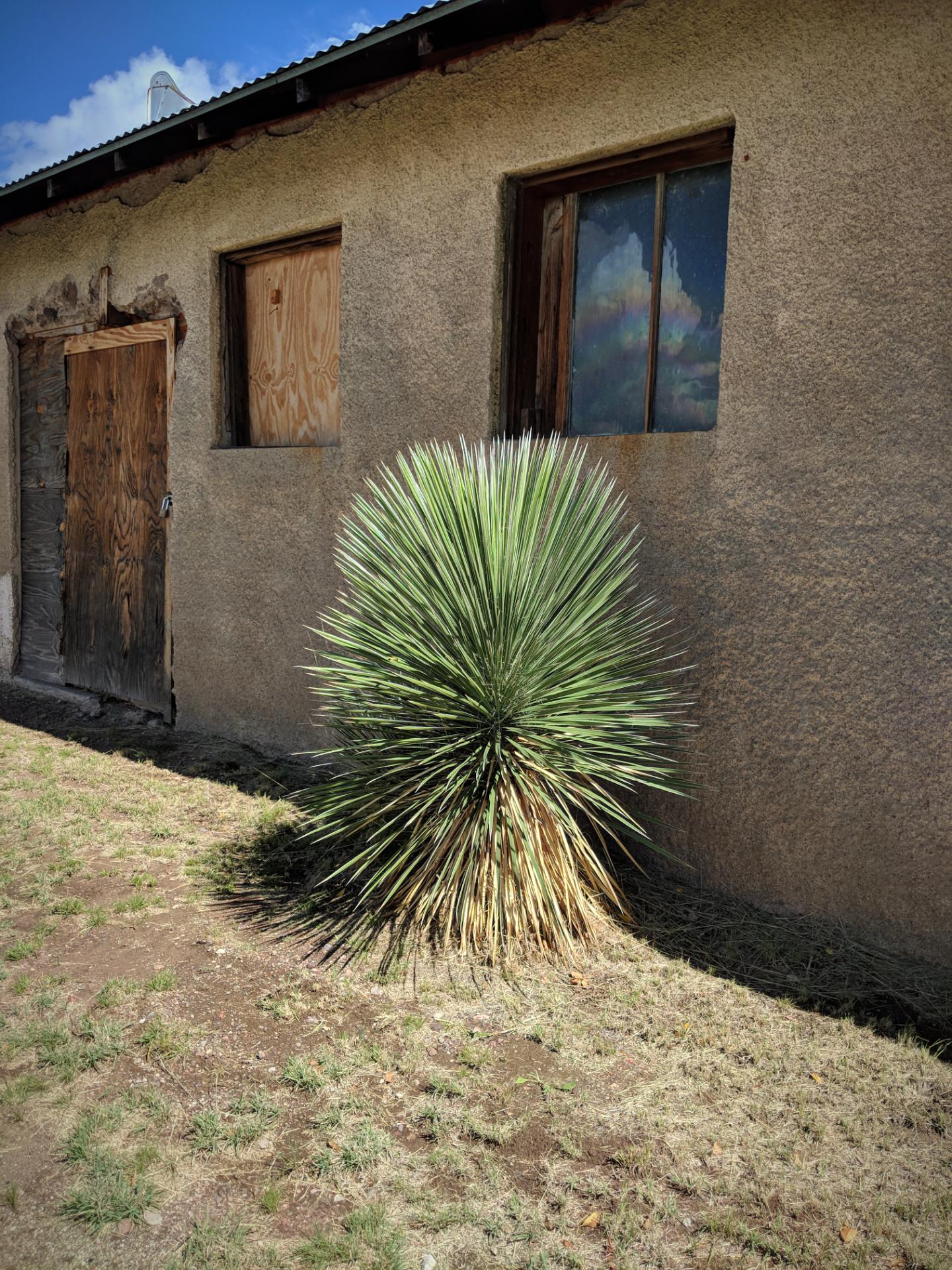
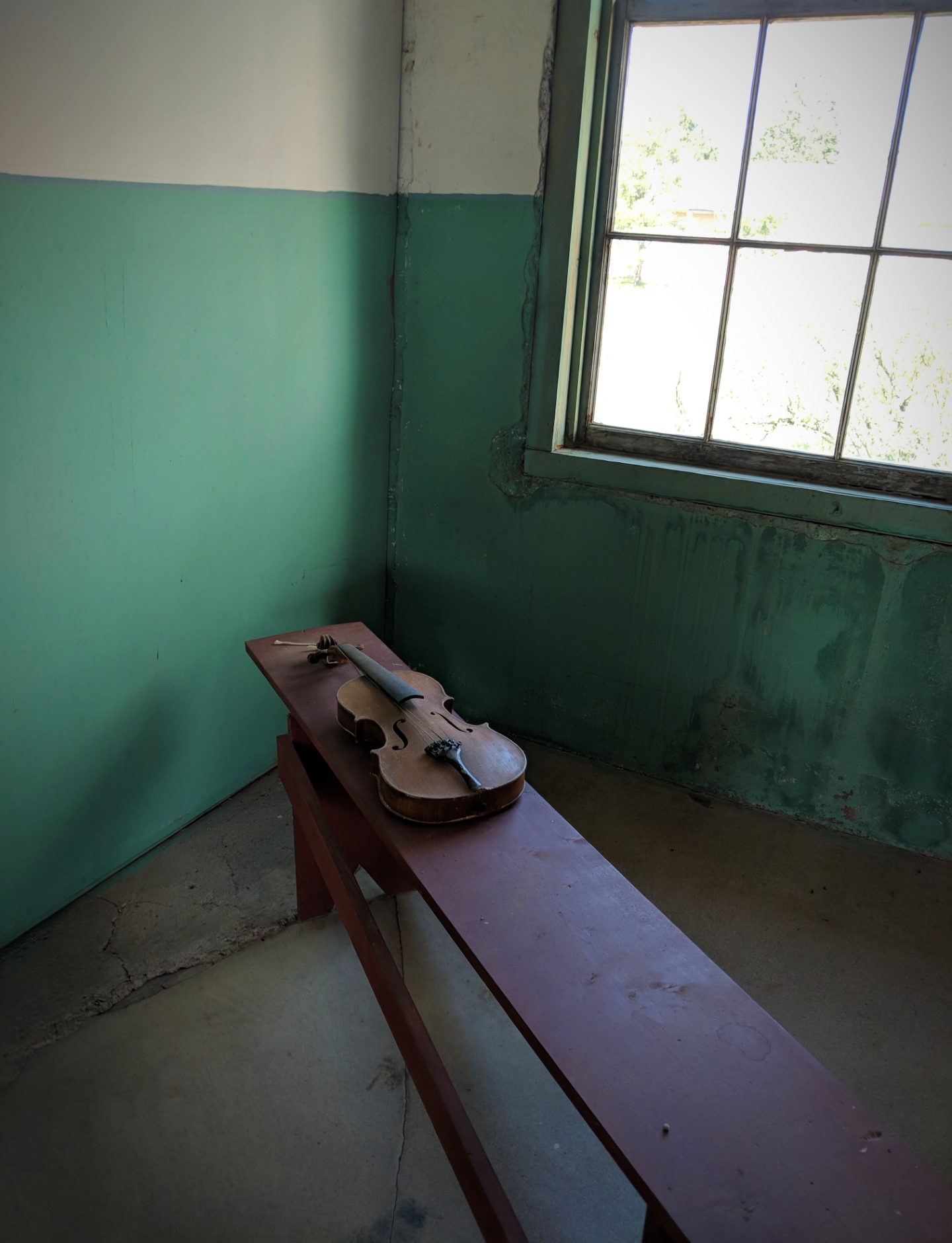
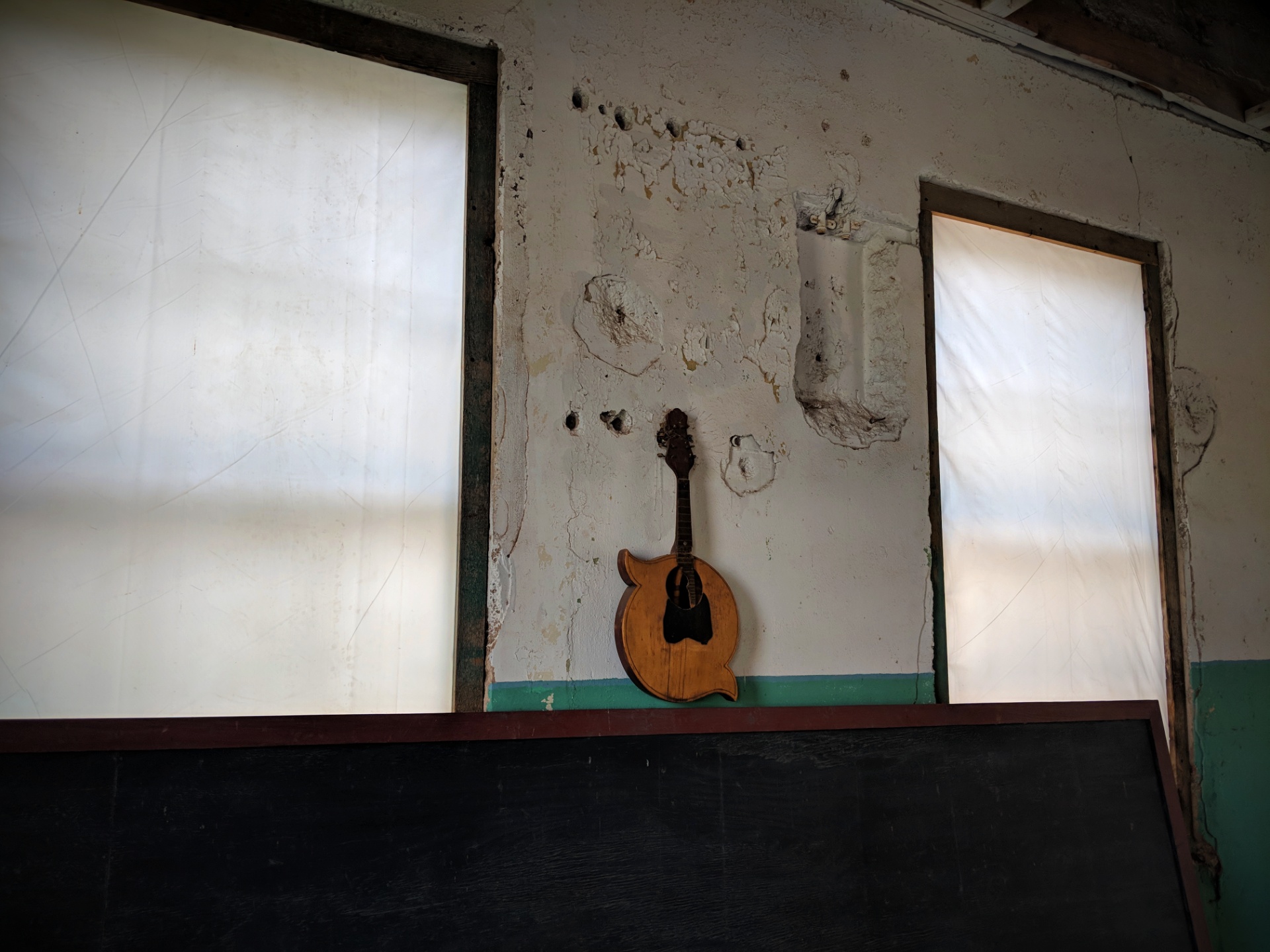
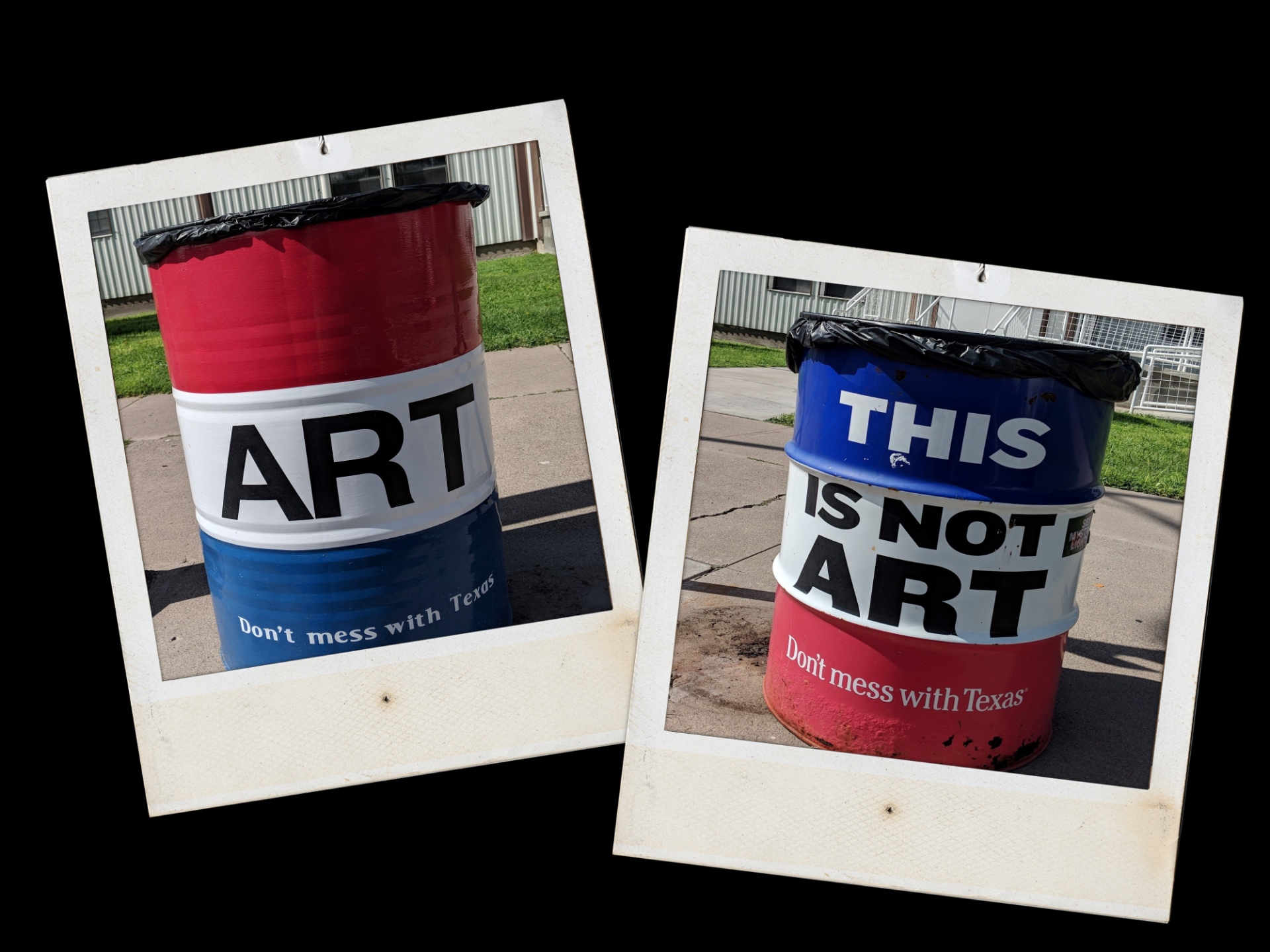
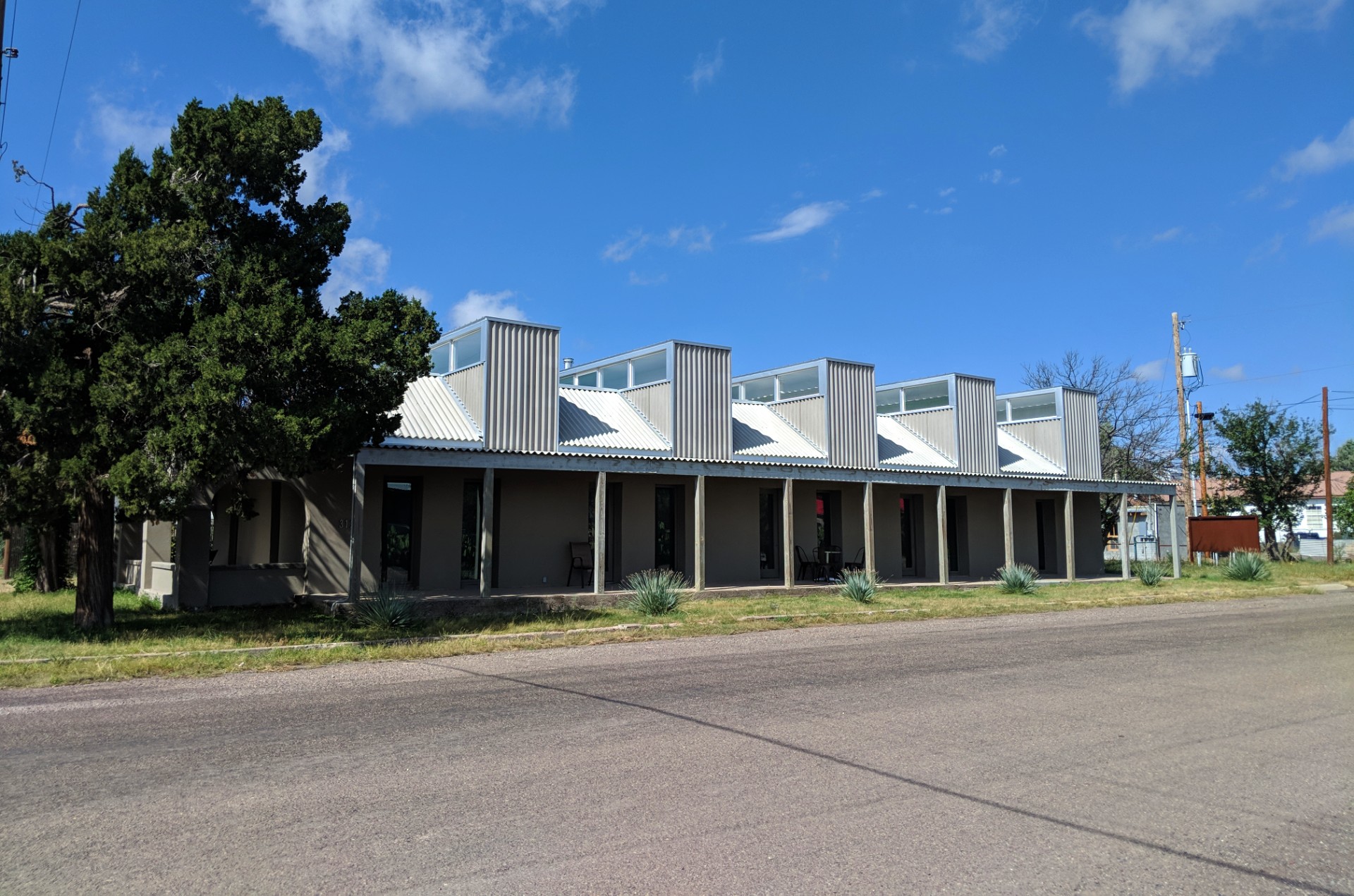
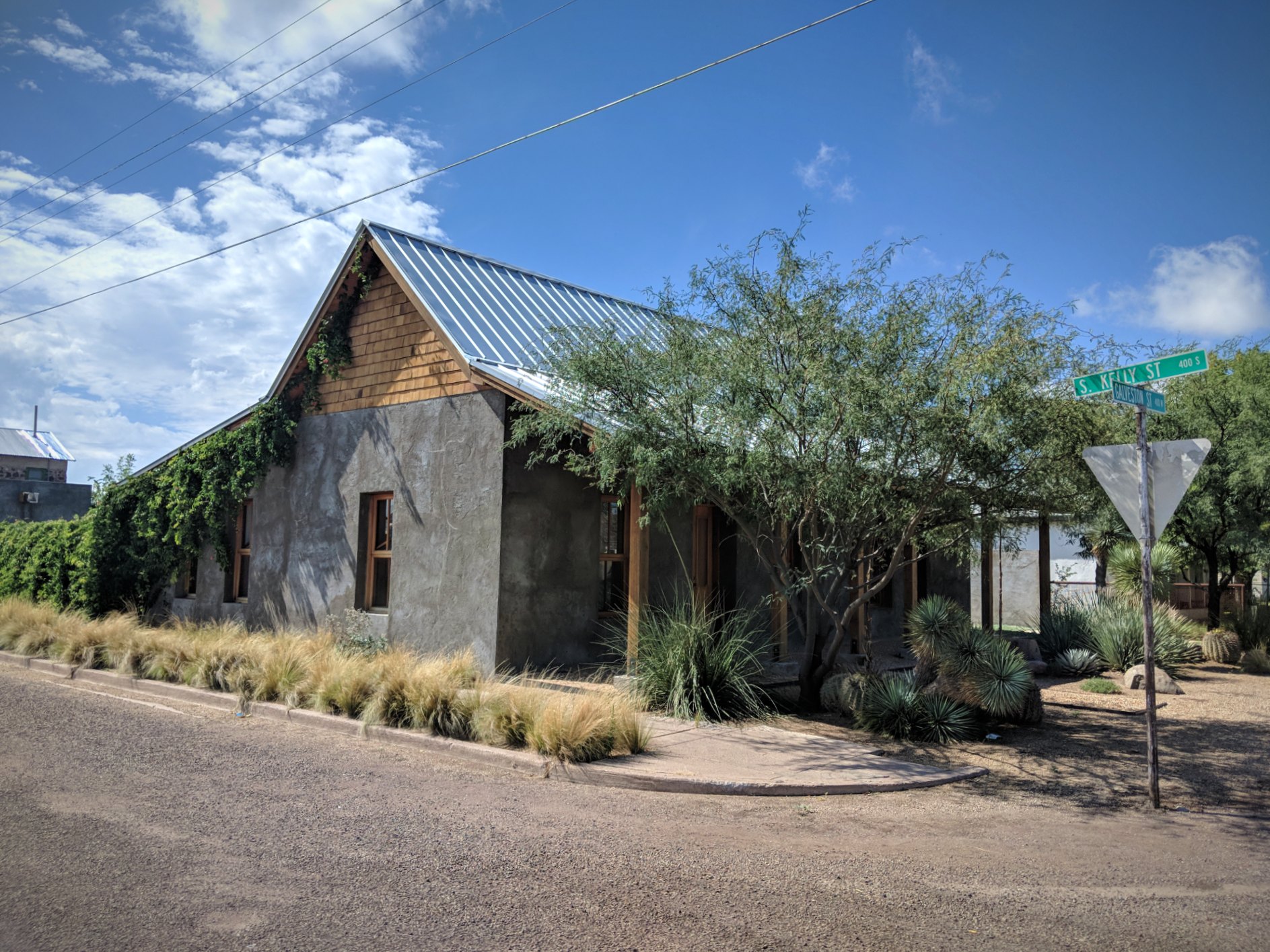
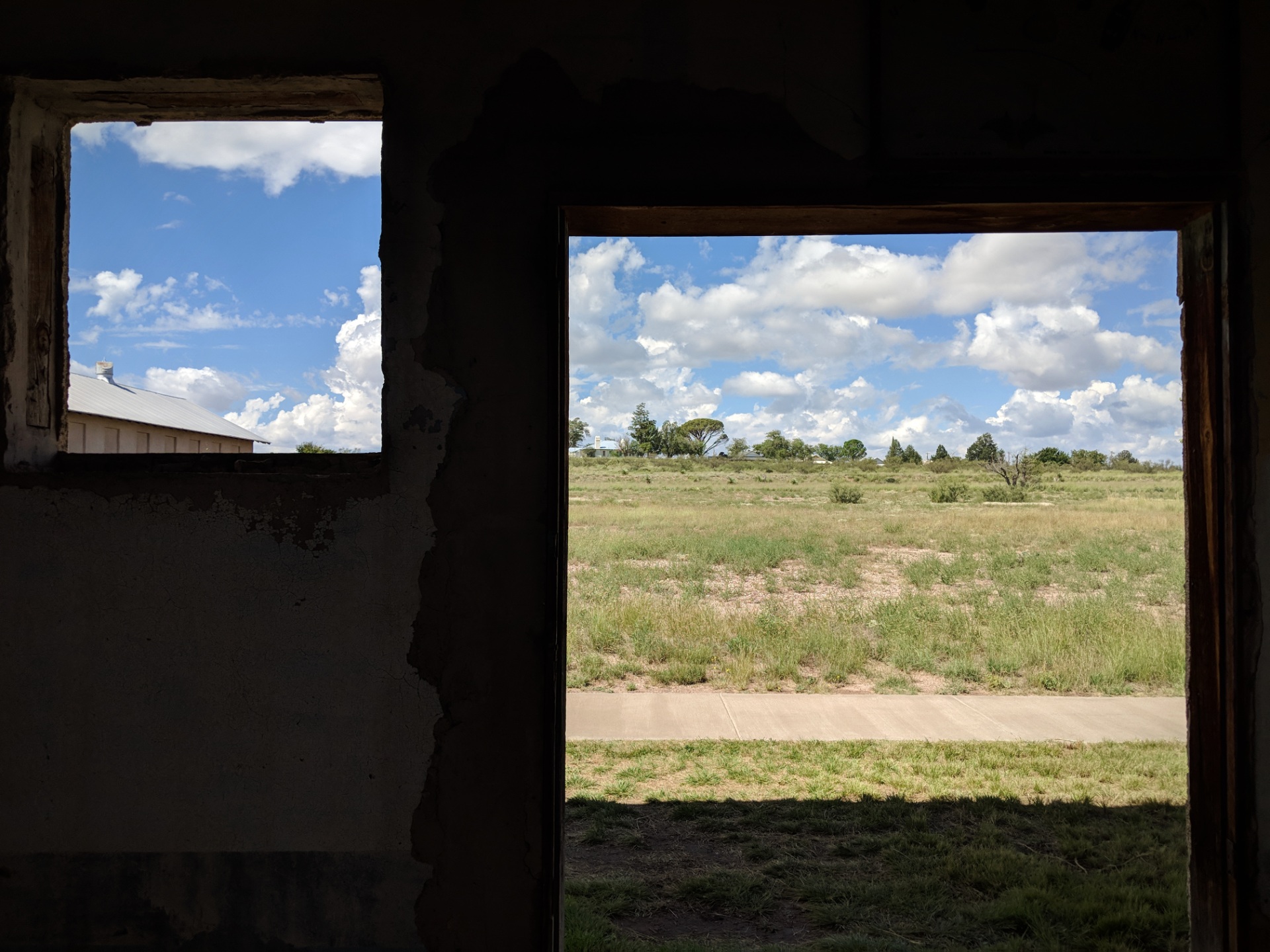
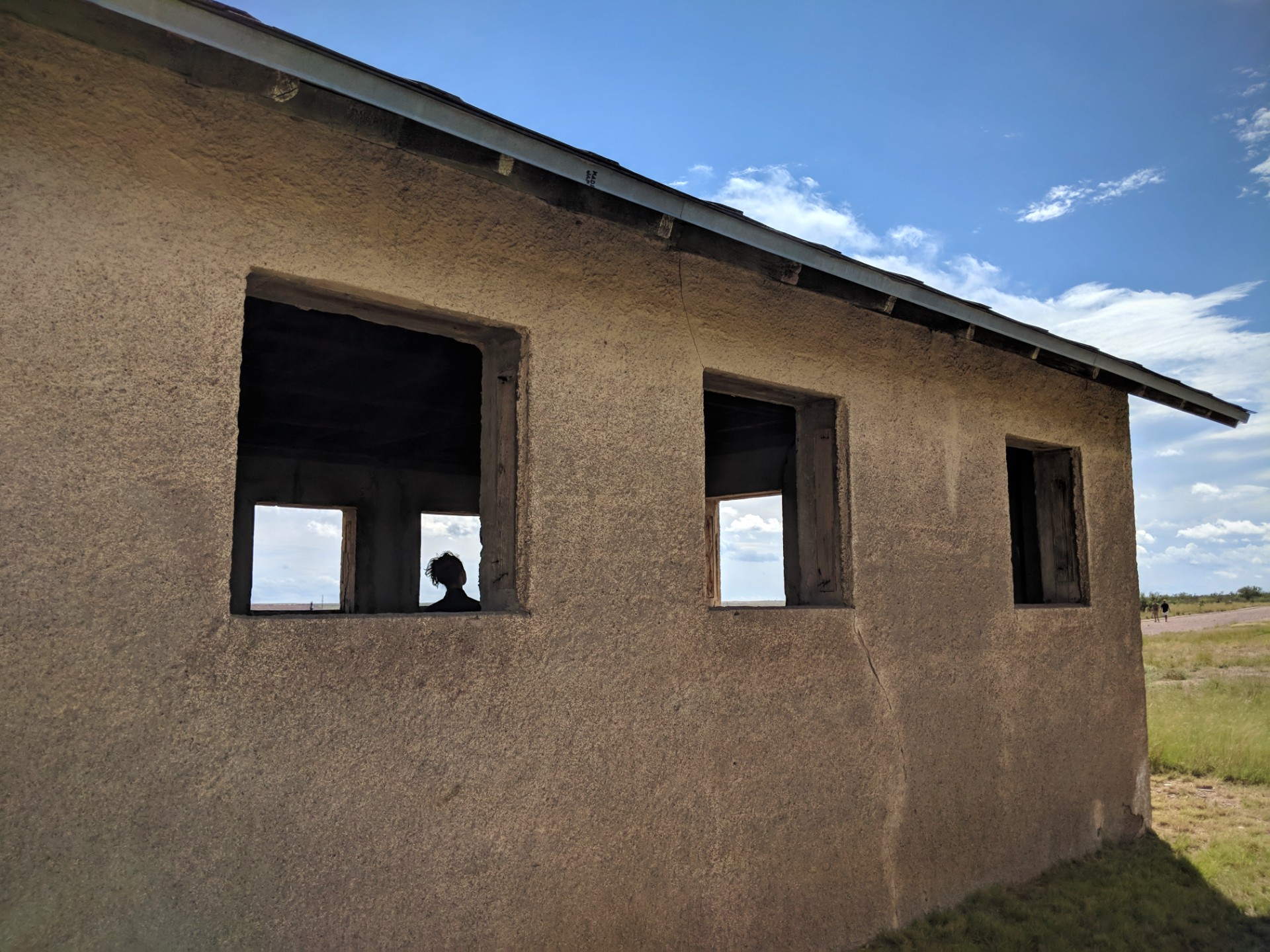
Photography in the galleries is not permitted ”to preserve the quality of experience for all visitors”, but there is always a way to sneak-a-pic, as a keepsake. I was also fascinated by the character and monumental size of the buildings themselves, all which house permanent art installations. Needless to mention, we needed two days to see everything.

Marfa, TX

October 6th, 2018
You can go to hell — I’m going to Marfa

With Davy Crockett’s more famous quote in our minds we hopped on a cab to La Guardia, then on a plane to Atlanta, followed by another plane to El Paso; two planes, one airport car rental and twelve-and-a-half hours later, we arrived in the middle of nowhere and into a Twilight Zone episode about a giant art gallery that had mysteriously appeared in the desert. Was this a dimension as vast as space and as timeless as infinity, or just another sleepy small time Texas town? The answer was left open to our imagination. We had three days to find out and not a moment to lose.

Episode 1 – Prada

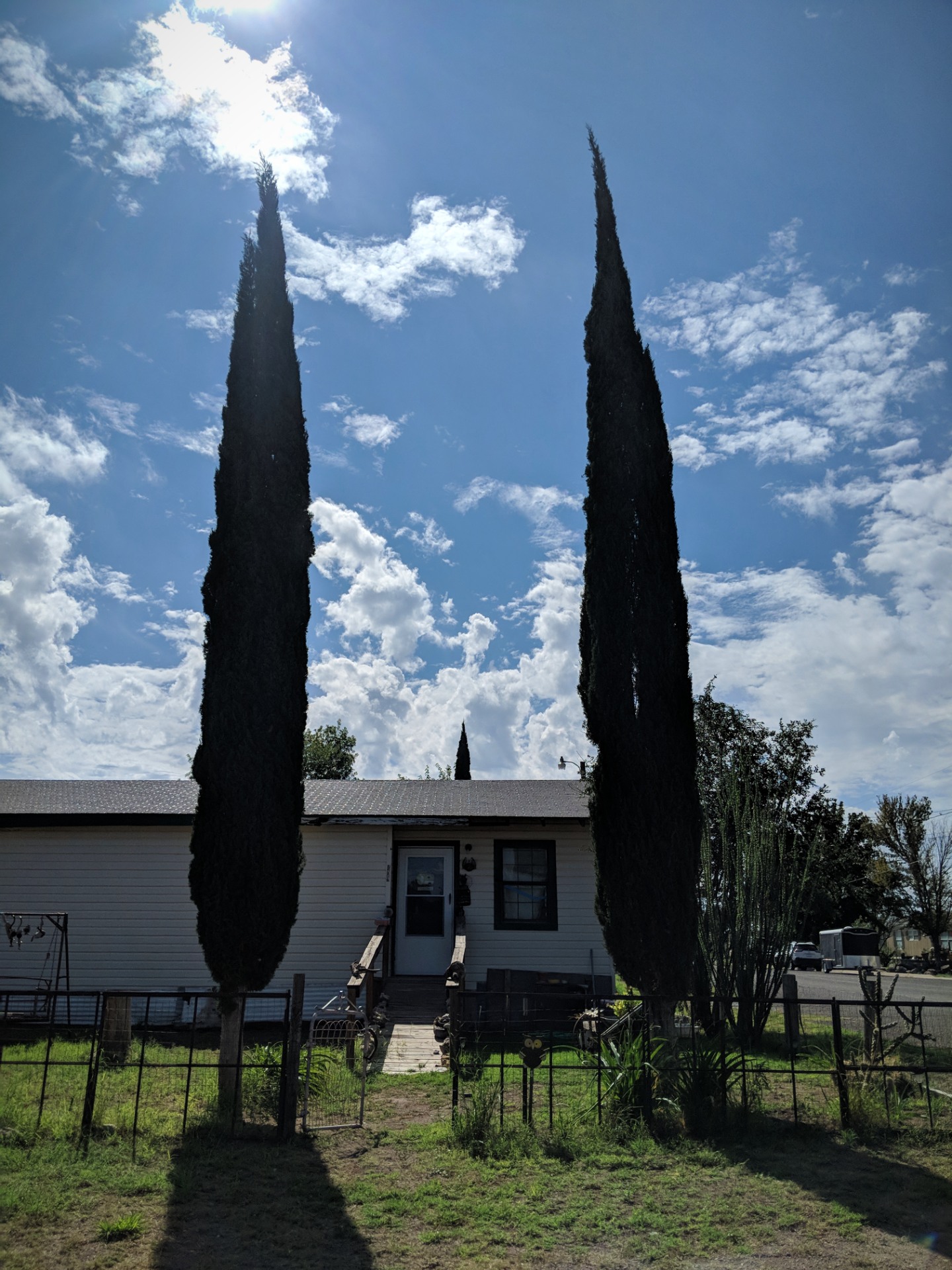
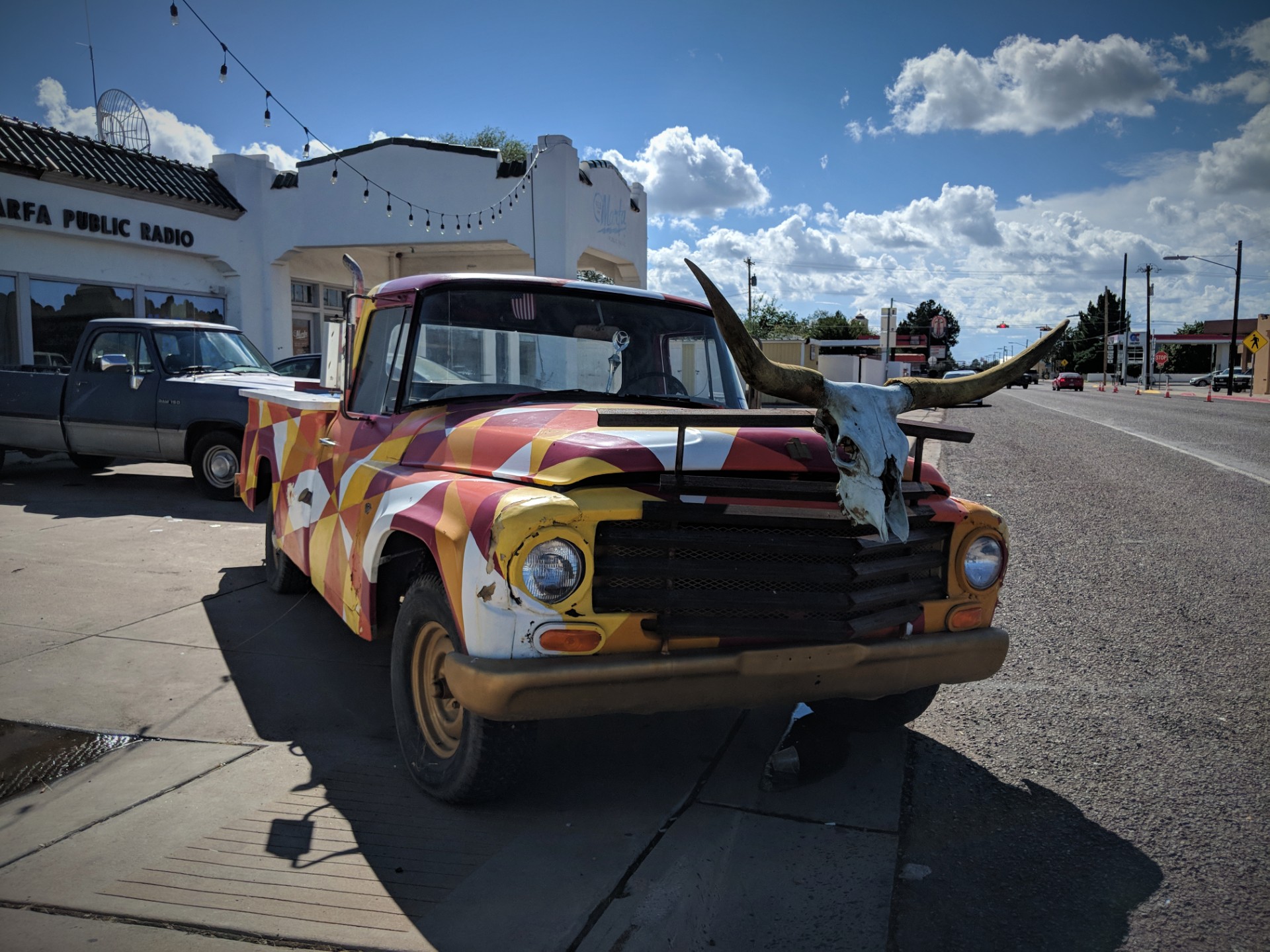
Marfa’s charming weirdness extends beyond it’s boundaries. Just off US 90, about 26 miles northwest of the town, expect the unexpected.

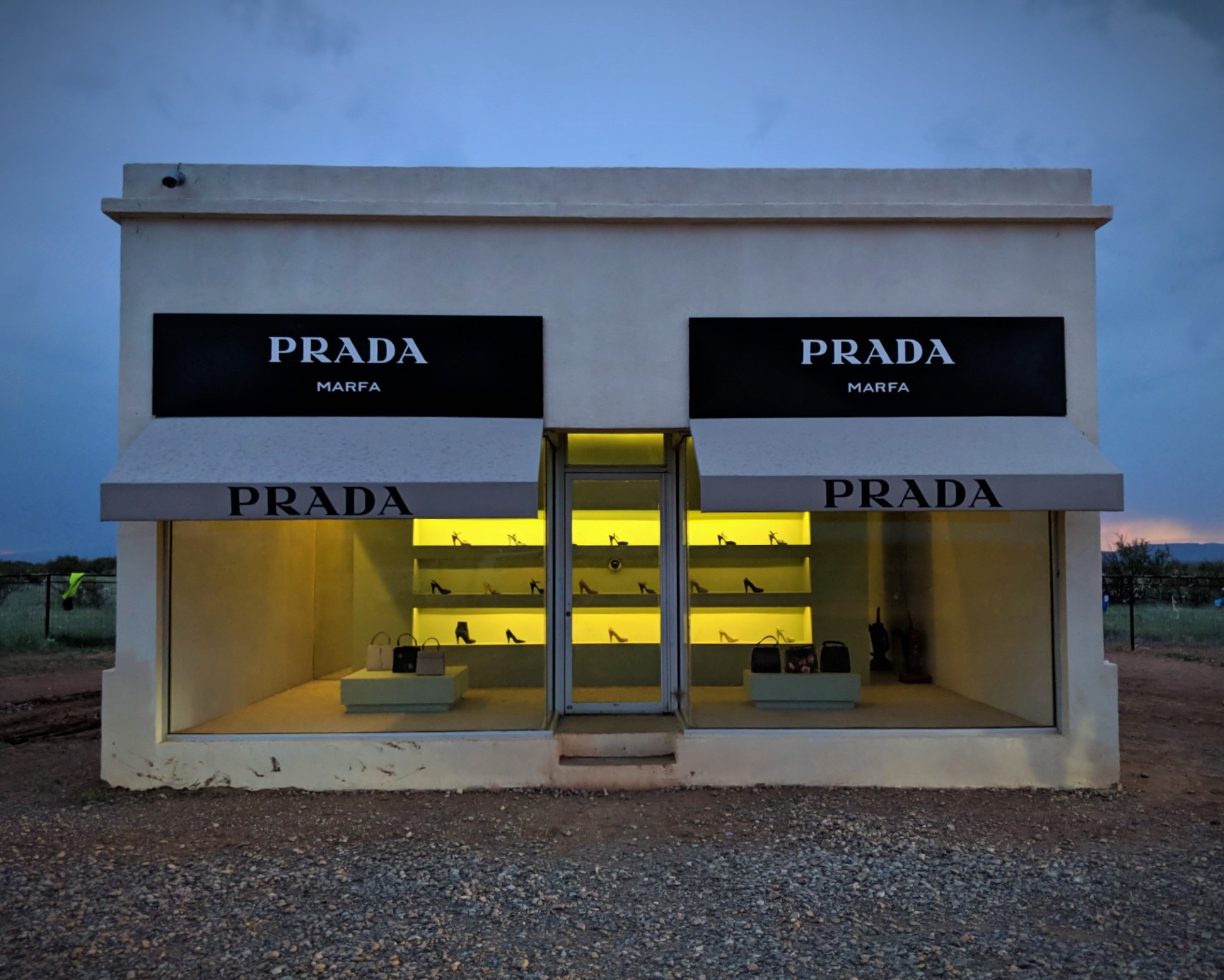
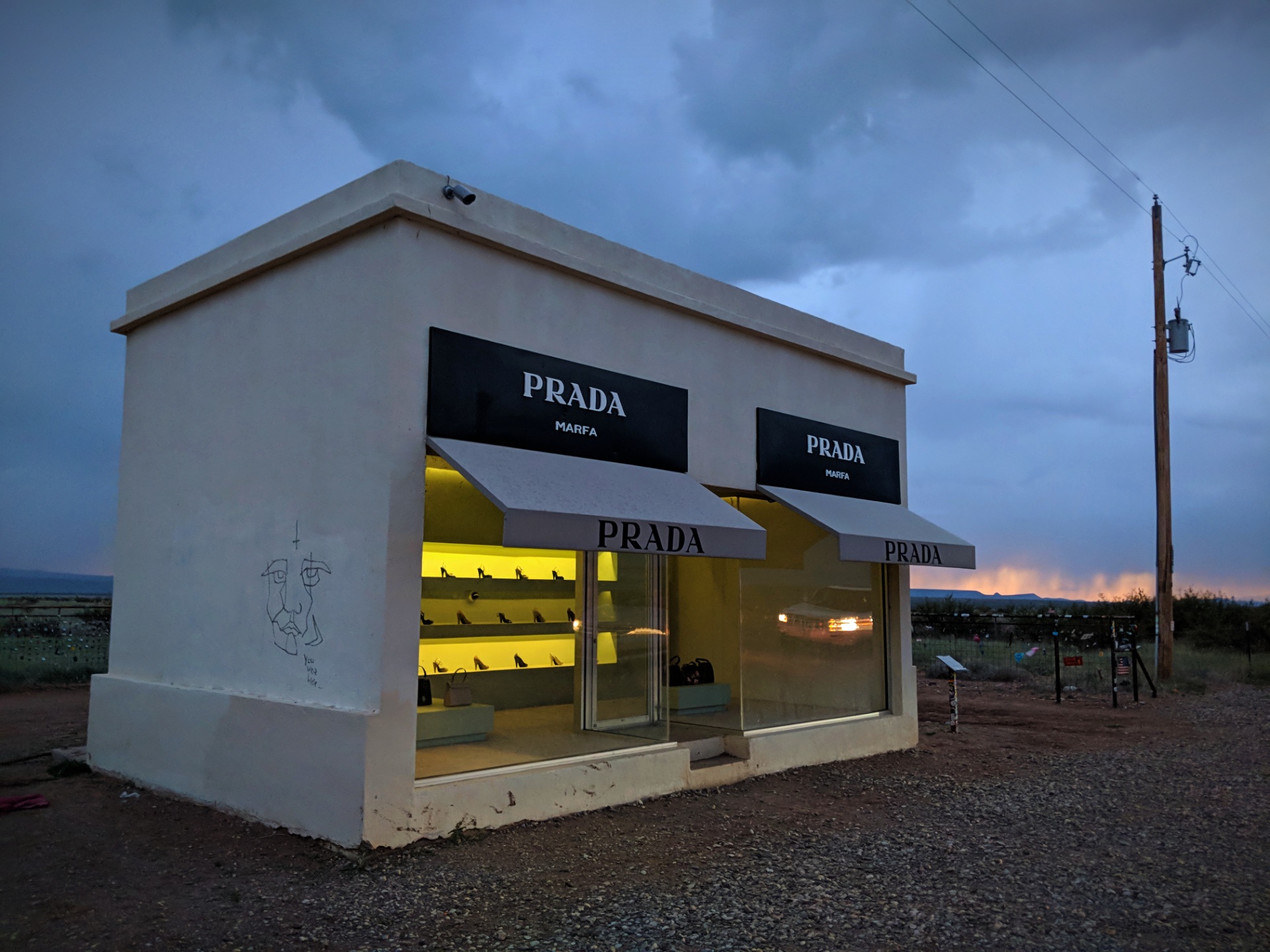
Prada Marfa is a permanent installation by artists Elmgreen and Dragset.

Built in 2005, with the intention to let it fall into decay, it has since been broken into, its contents stolen (the very night it was completed), vandalised, graffitied, created controversy when Playboy erected a 40-foot-tall neon bunny nearby, attracting the attention of the Texas Department of Transportation, became an Instagram sensation and reclassified as a museum, with the Prada Marfa as its only exhibit.

Both the bunny and Prada Marfa were considered illegal advertisements according to the 1965 Highway Beautification Act and the reclassification of the structure as Museum would exempt it from the signage rules. The bunny has since been removed.

Episode 2 – Marfa

Tough to Get Here. Tougher to Explain. But Once You Get Here, You Get It.

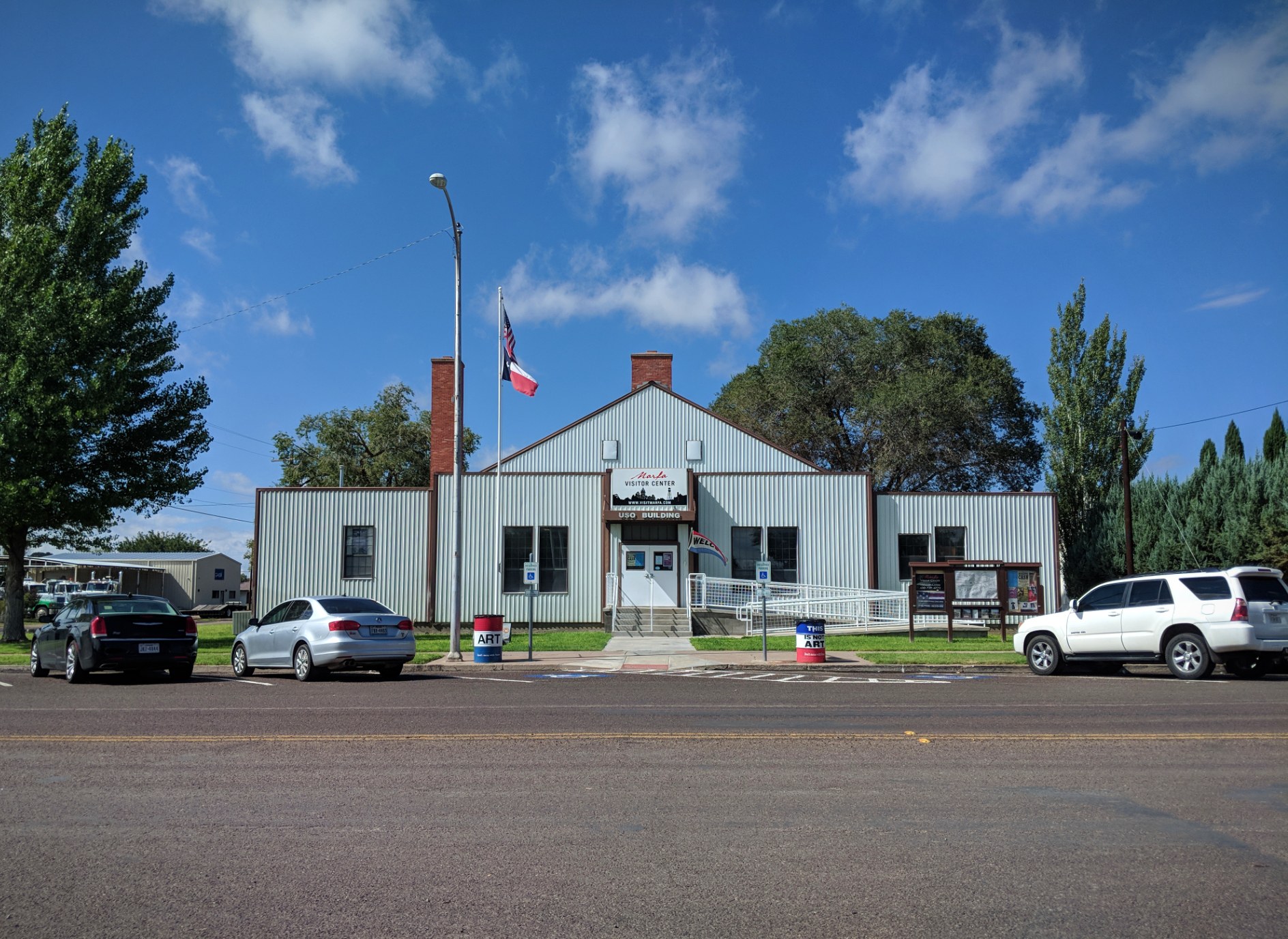
Marfa Visitor Center, inside the Historic USO Building.

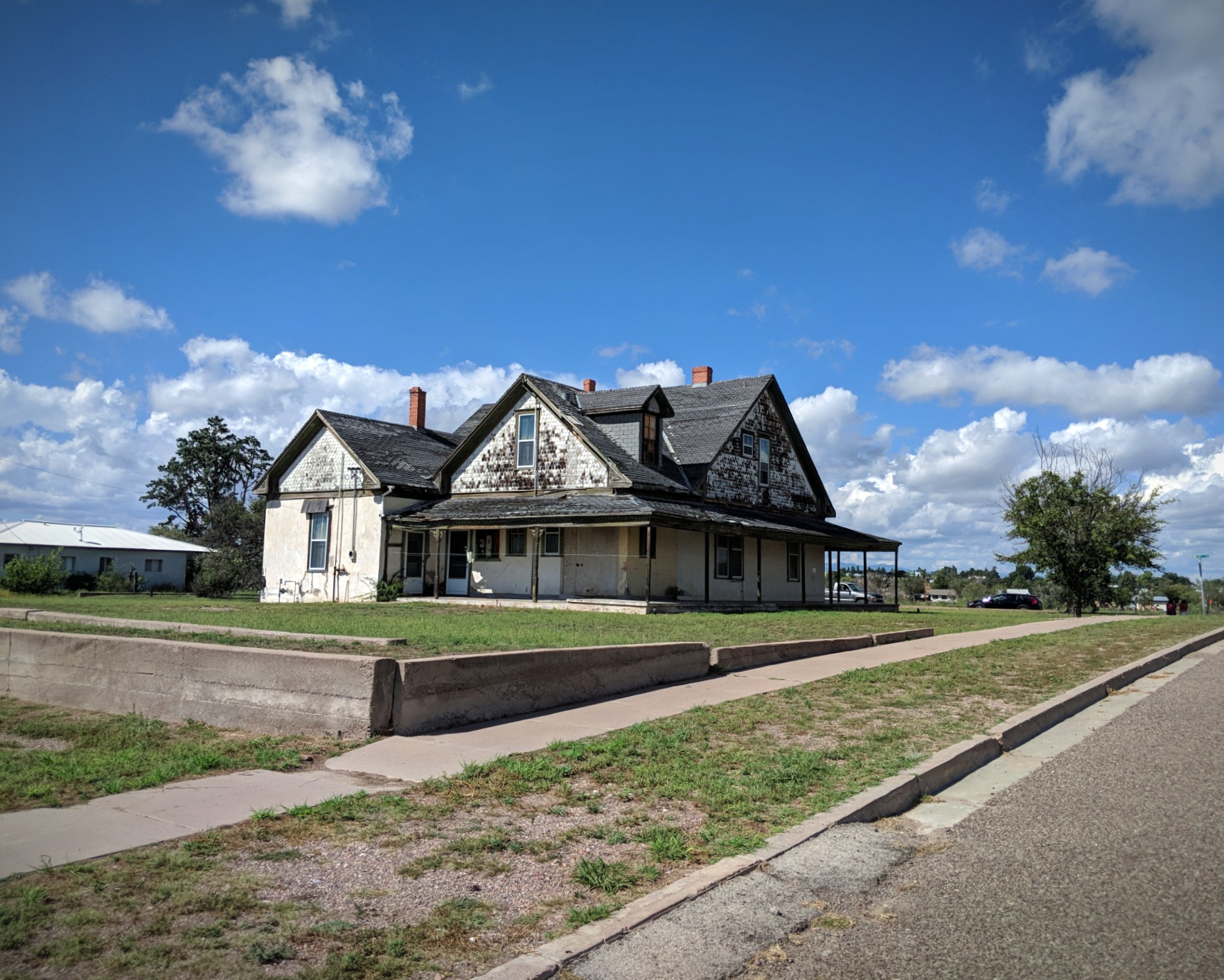
Episode 3 – The Notable Features

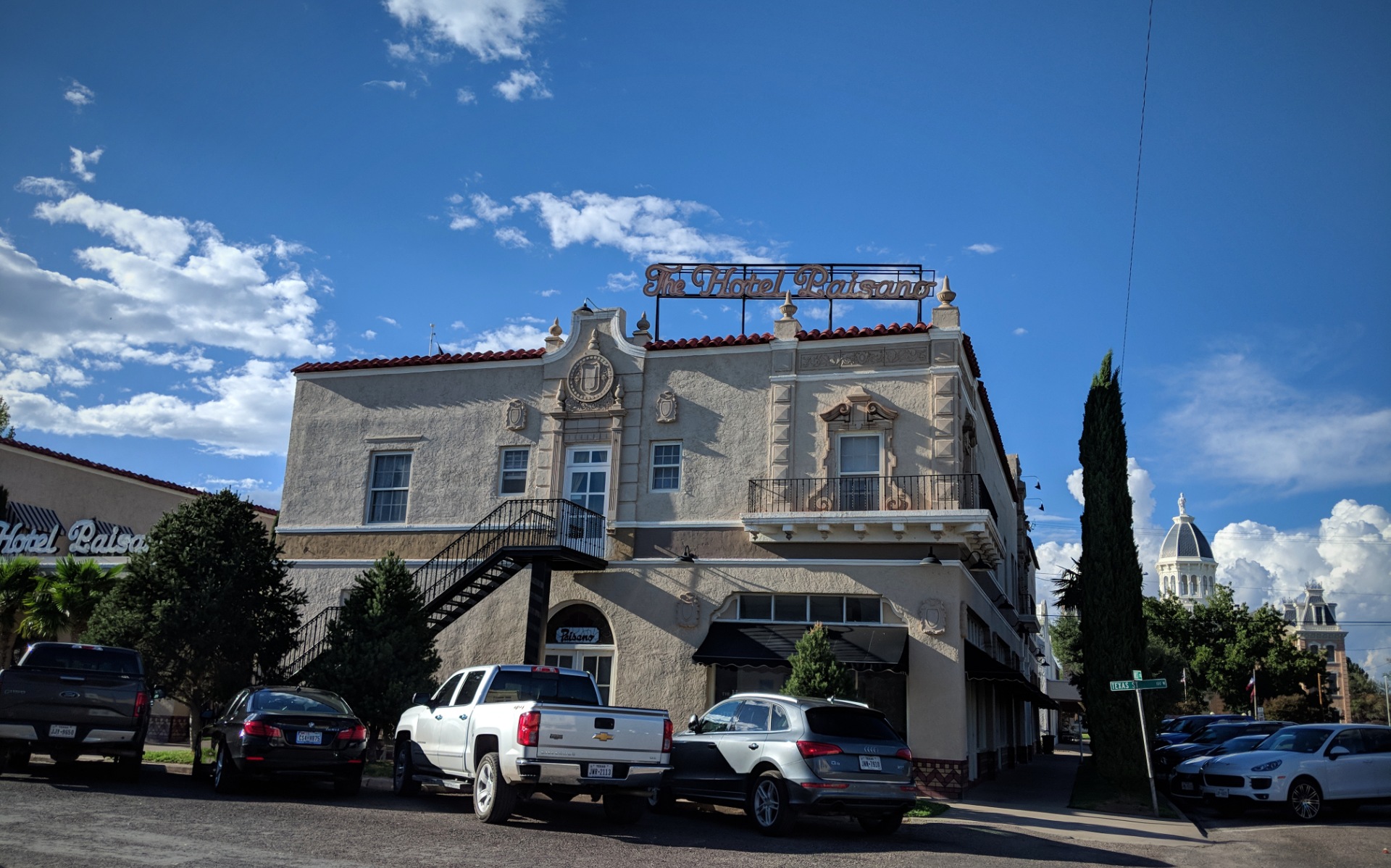
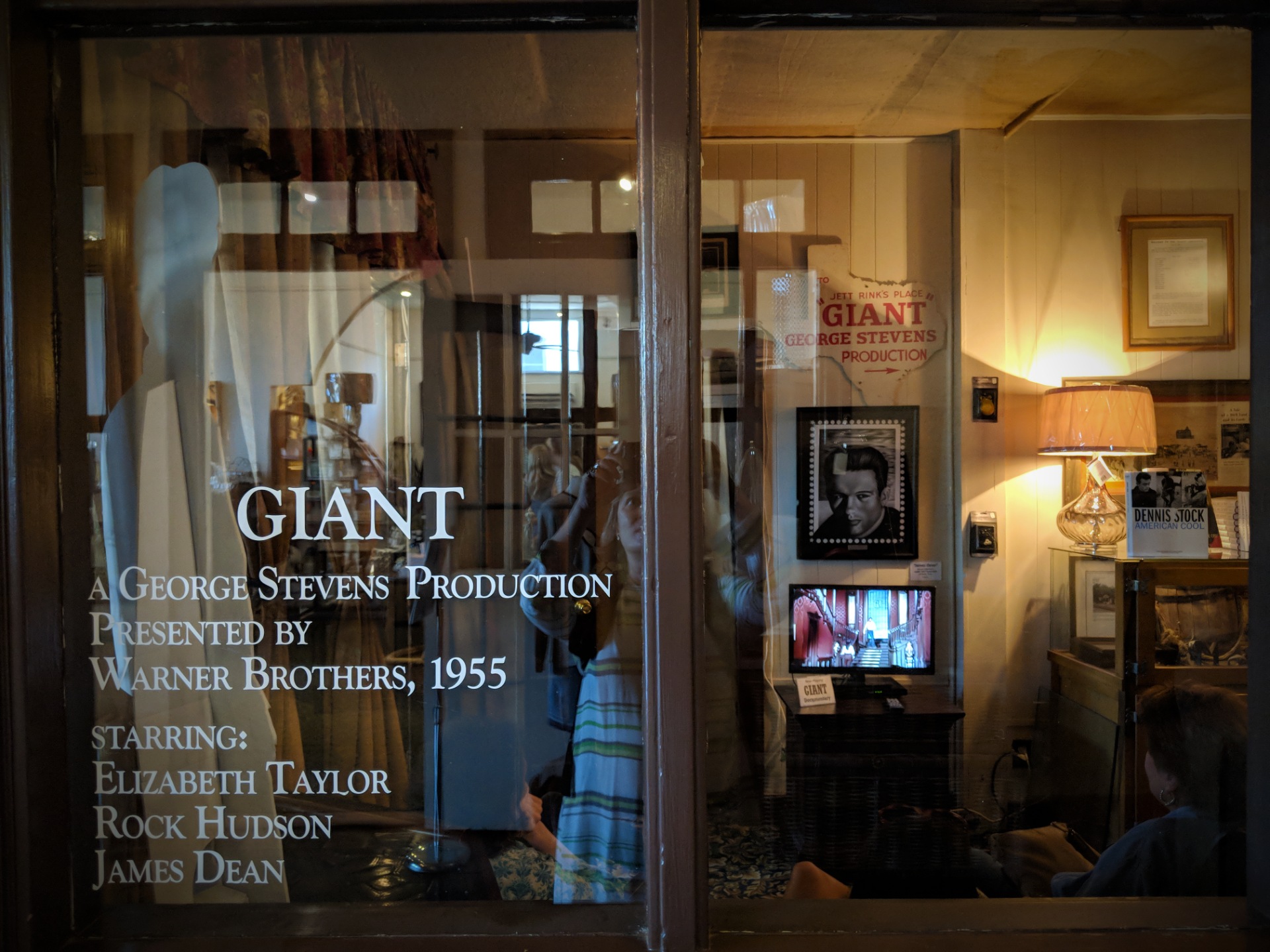
The Hotel Paisano, aka headquarters for the cast and crew filming Giant in the summer of 1955.

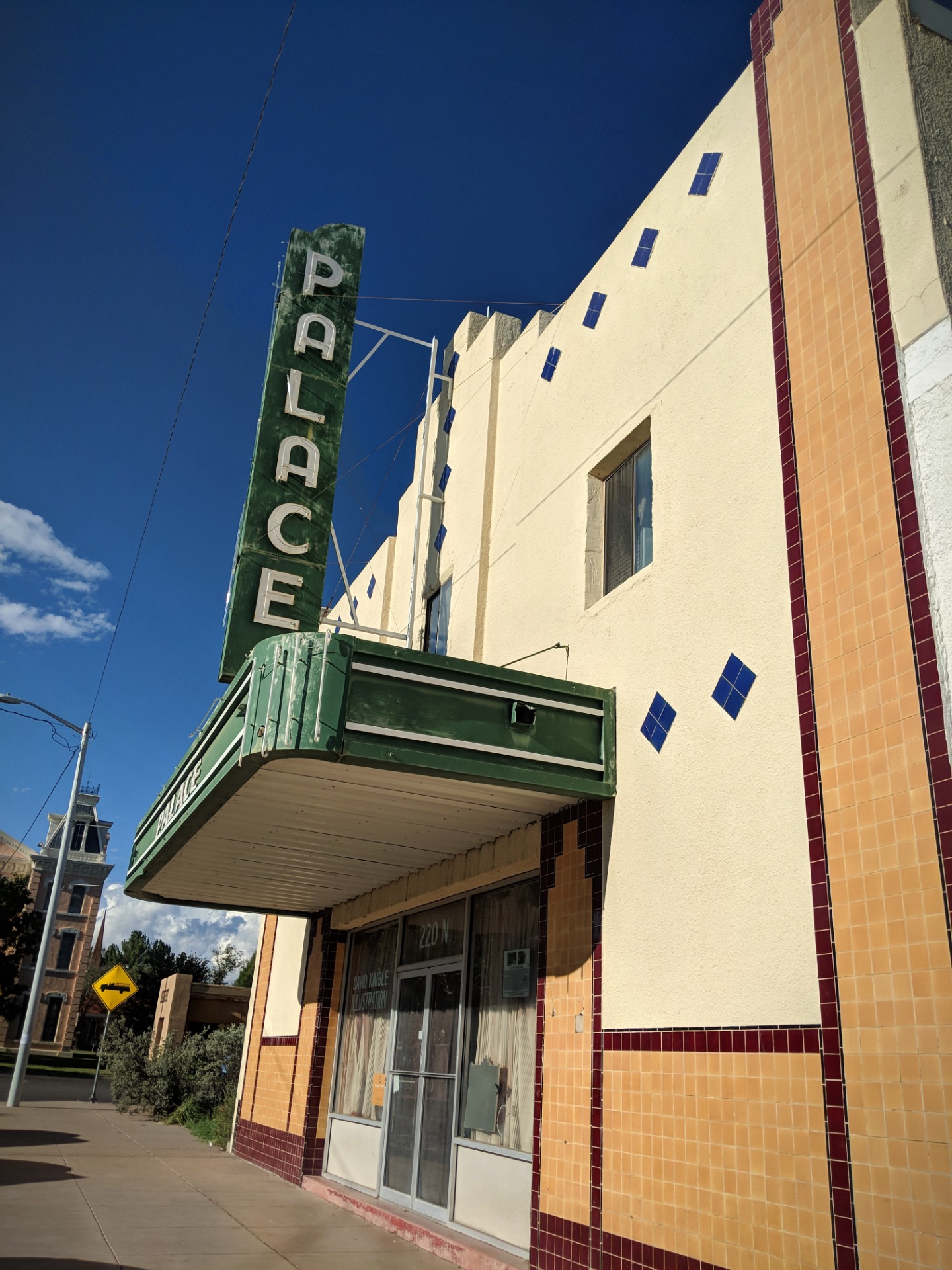
The Art Deco Palace Theater, aka Marfa Opera House. Later, it became a movie theatre but has been closed since the 1970s.

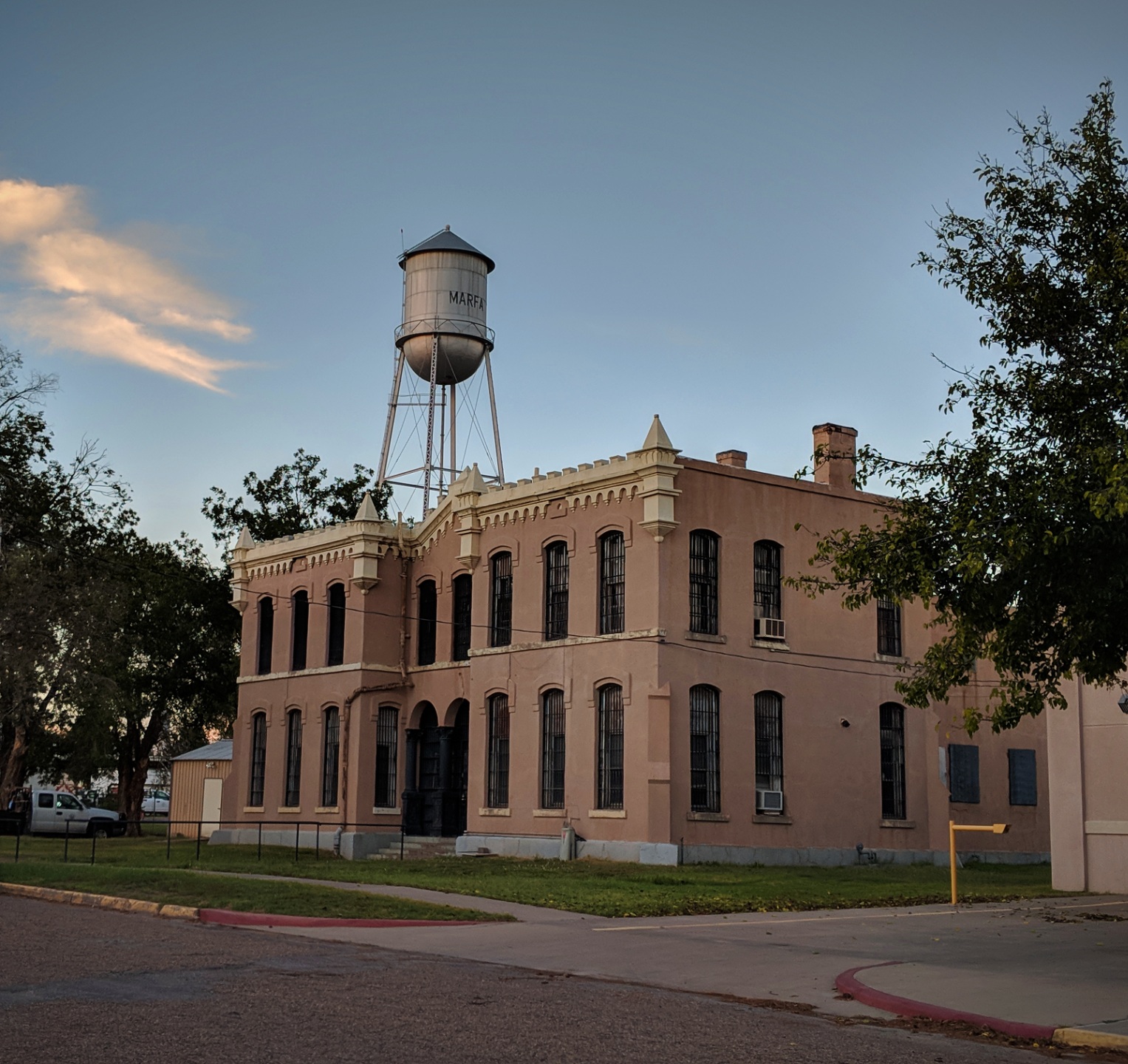
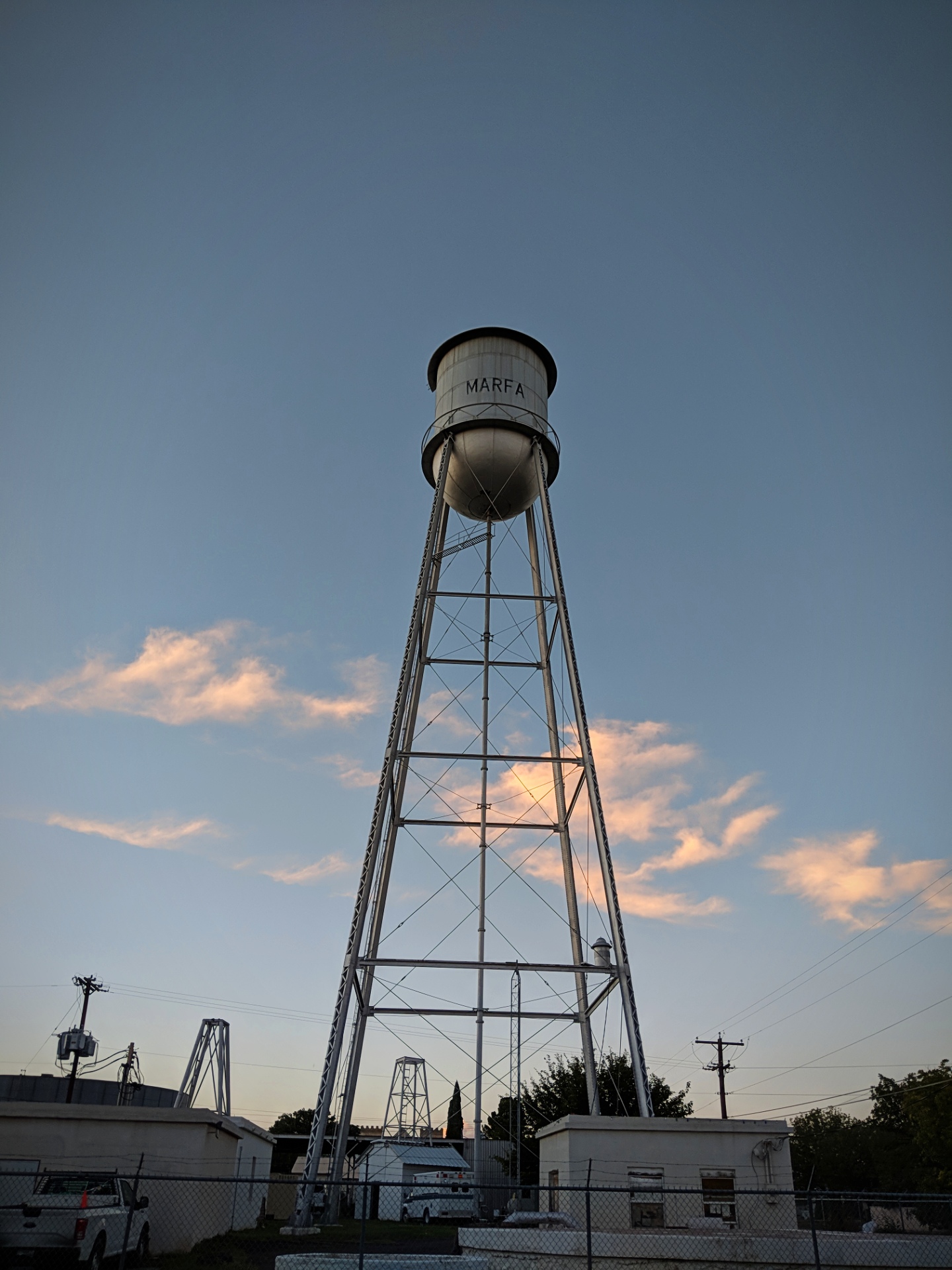
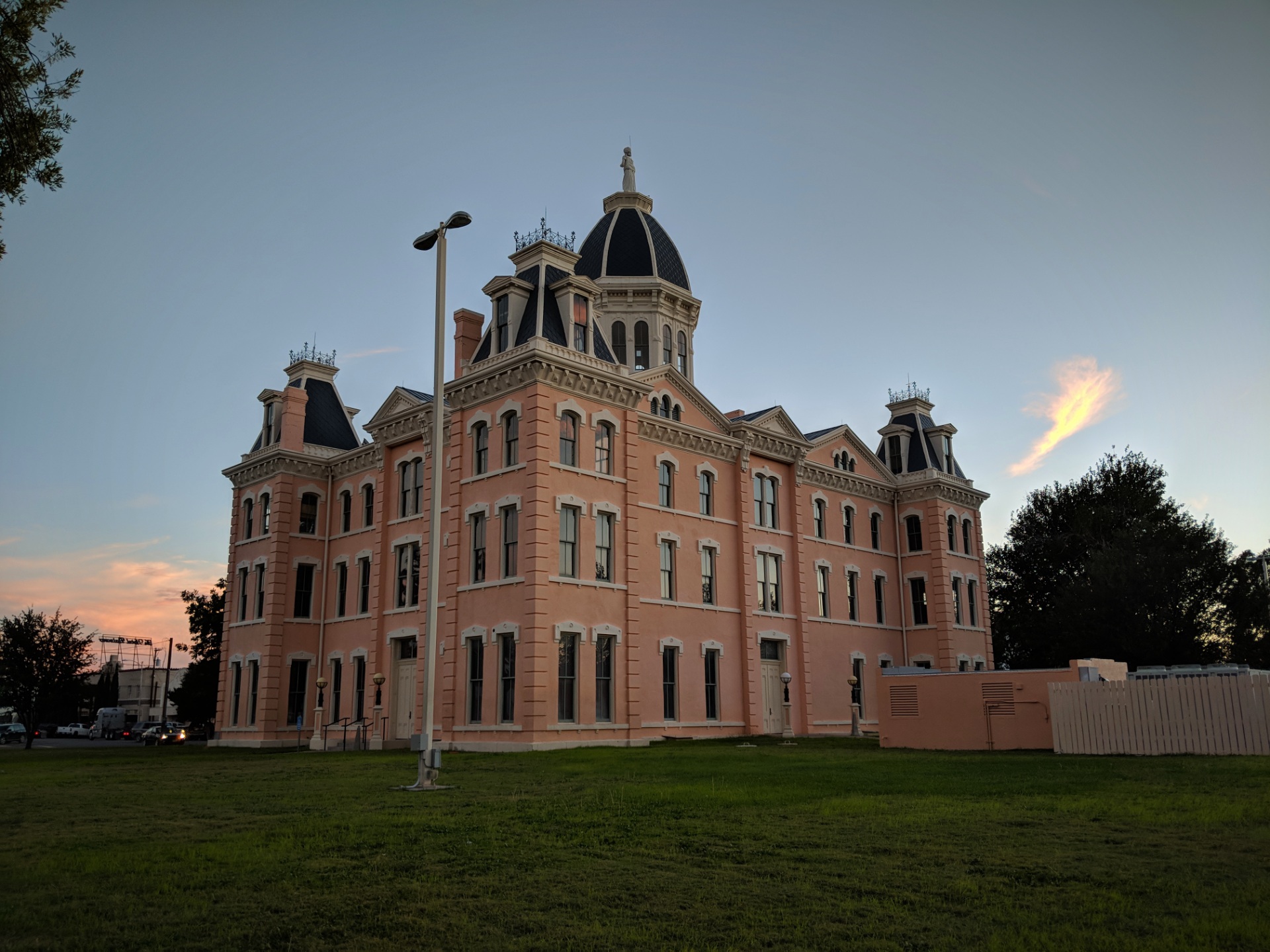
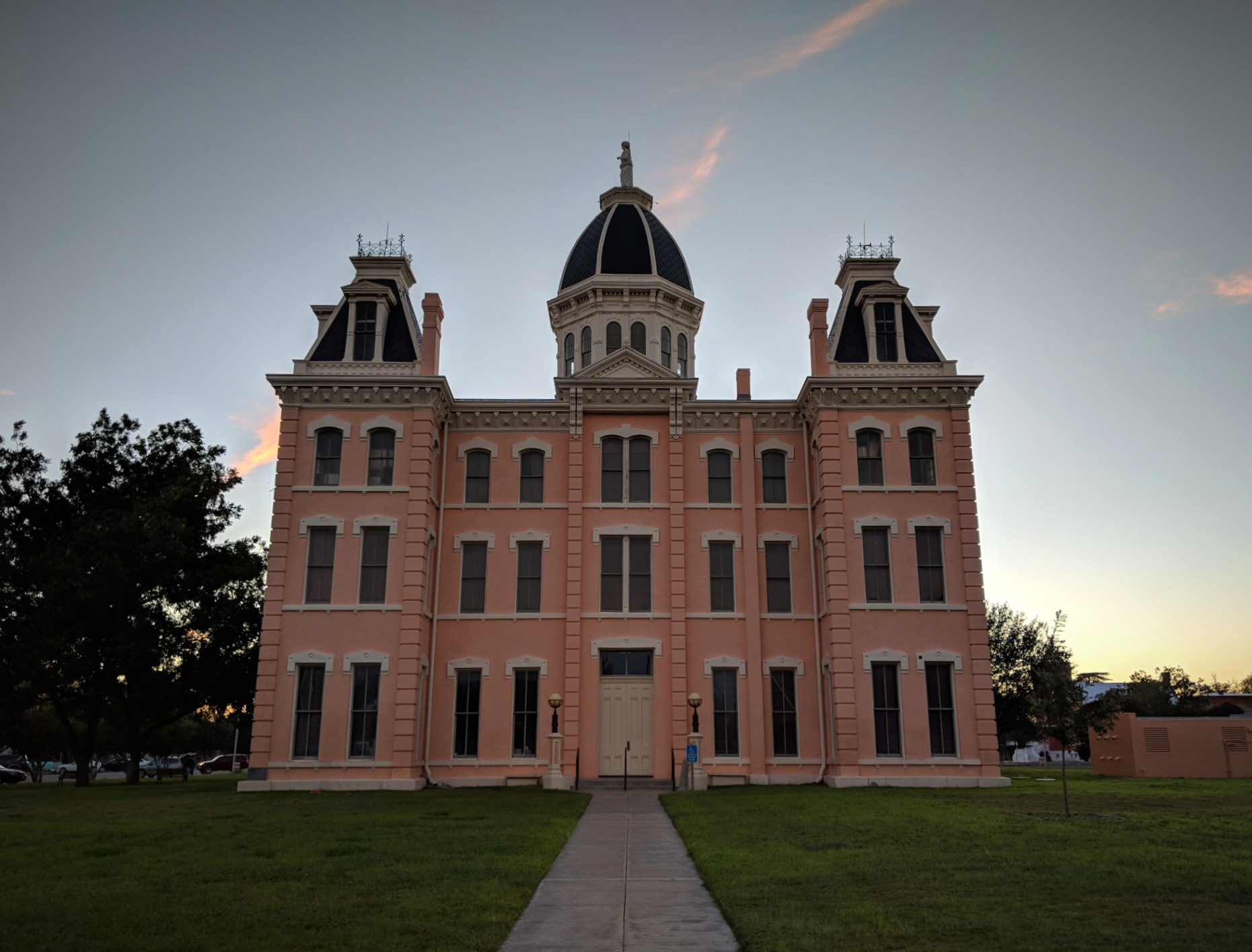
The Marfa Water Tower and the Presidio County Courthouse. Both can be seen from almost everywhere in Marfa, since they are the tallest structures in town.

Marfa, TX

October 6th, 2018
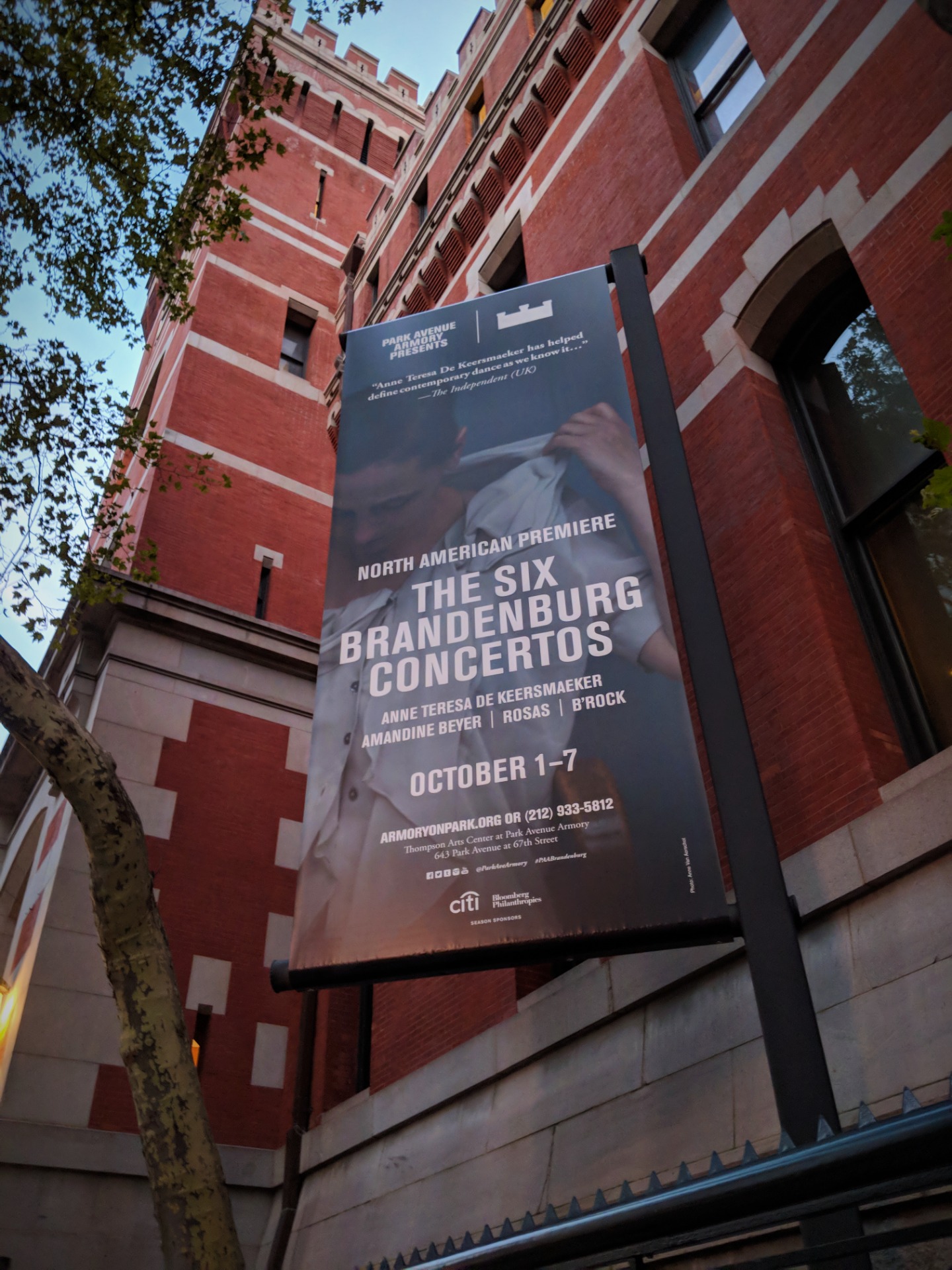
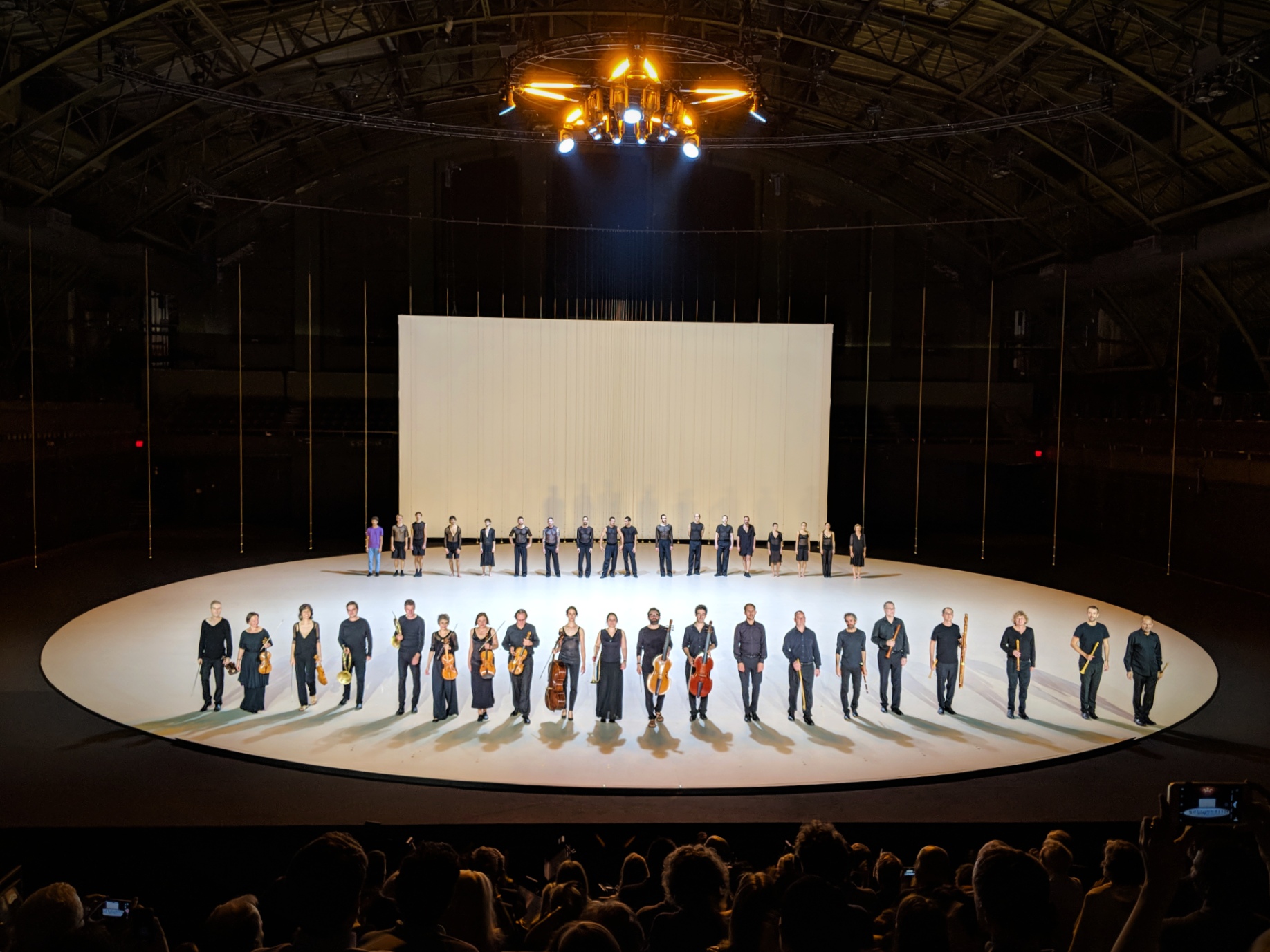
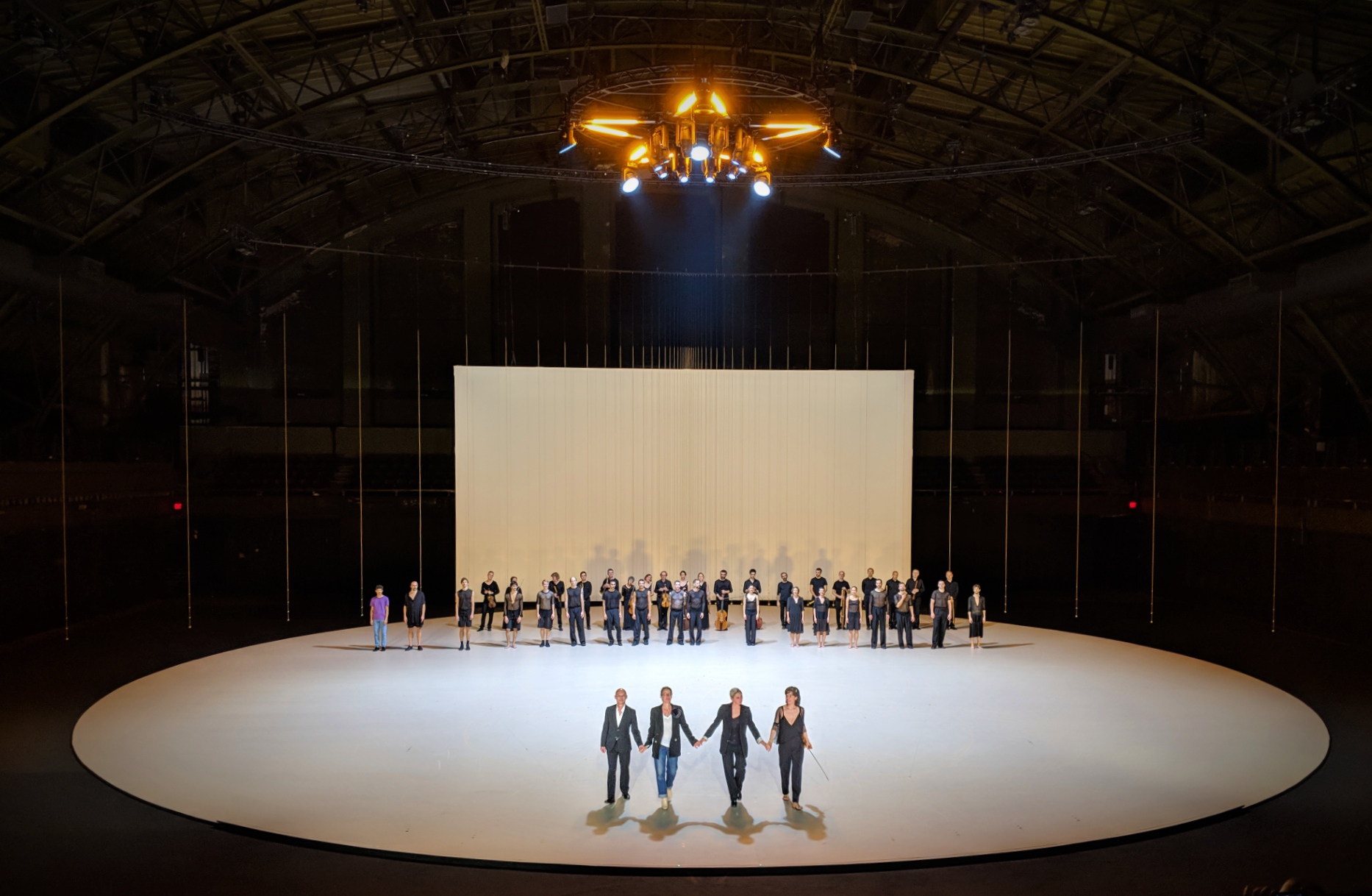
The Six Brandenburg Concertos @Park Avenue Armory

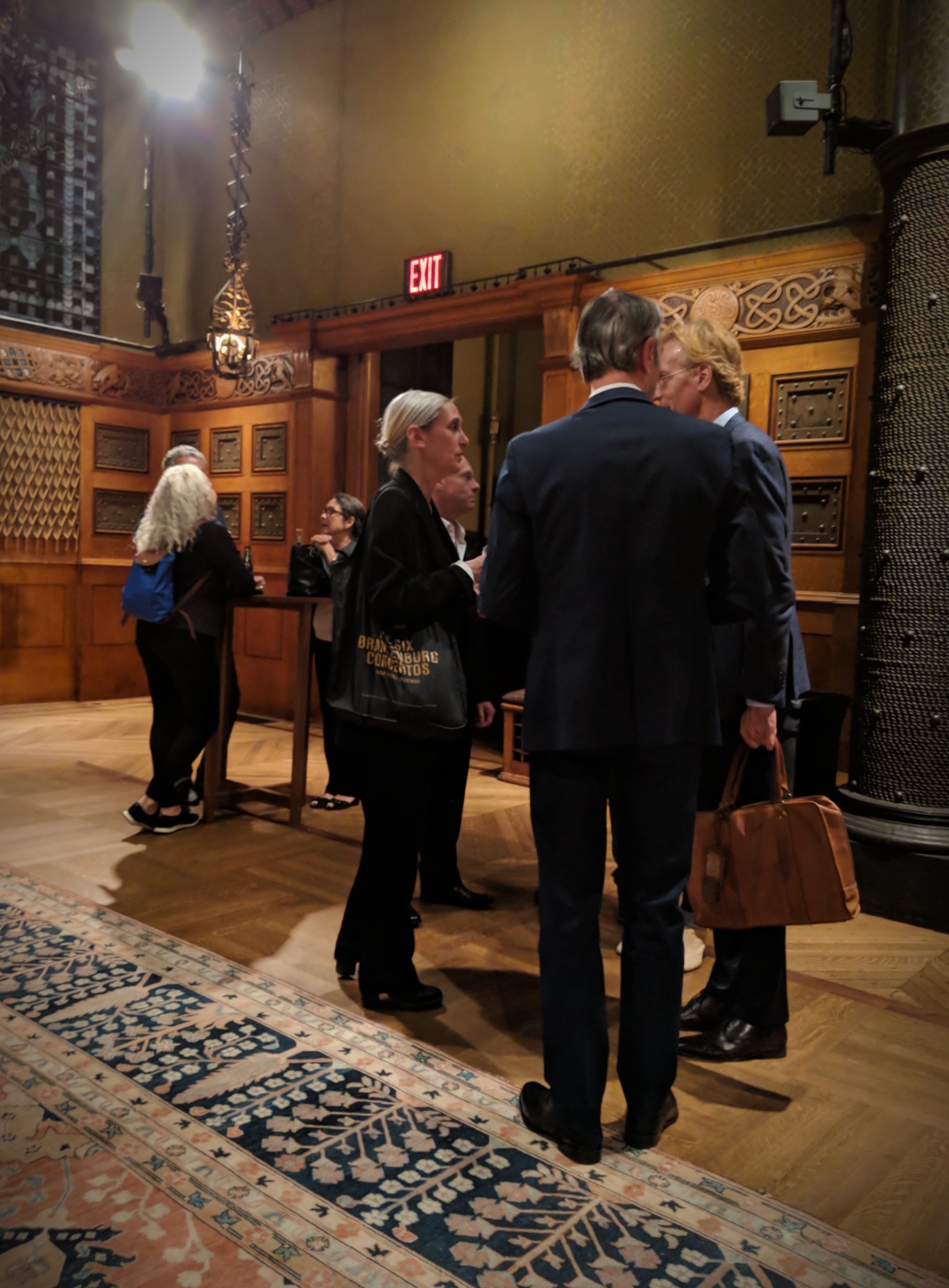
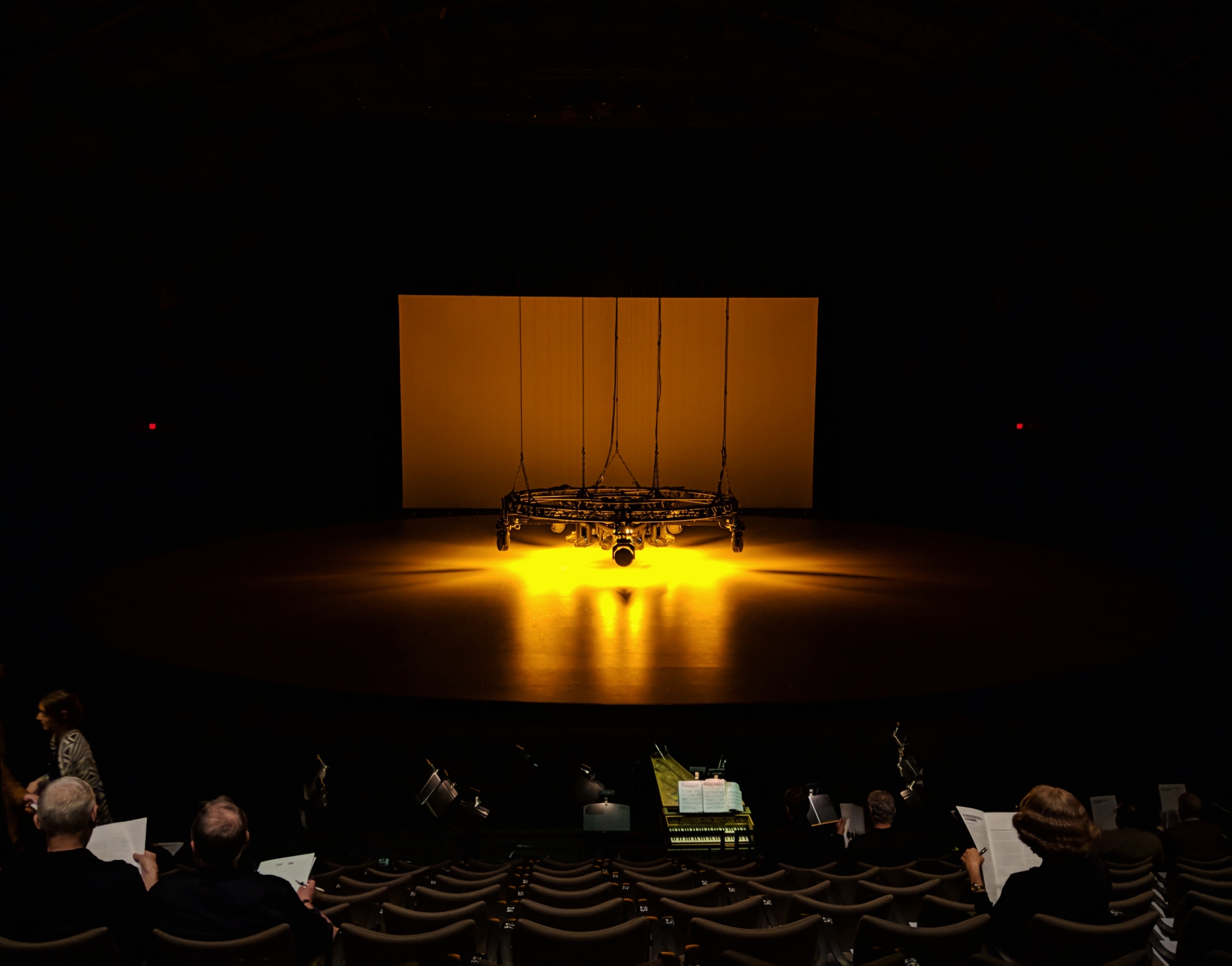
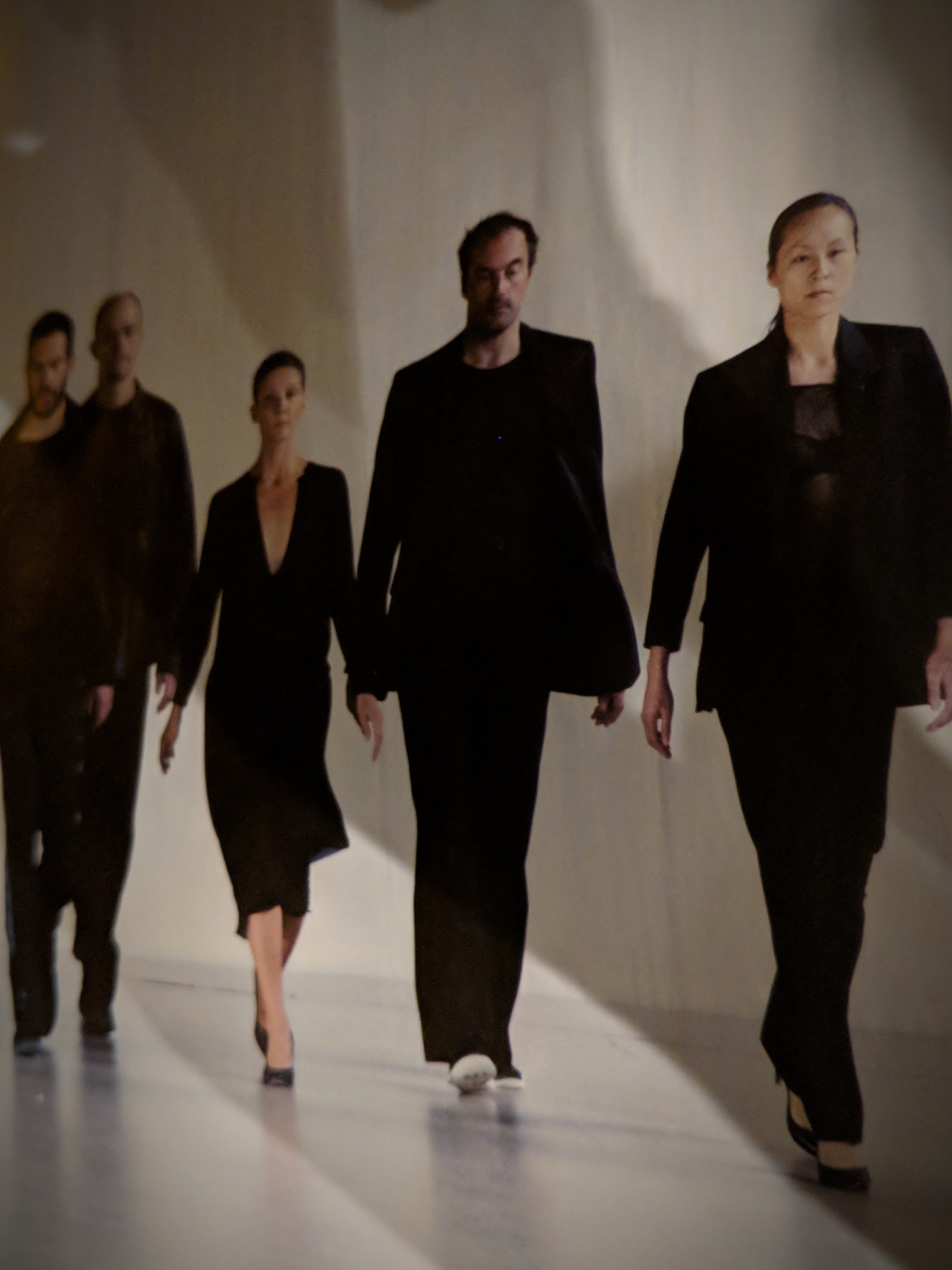
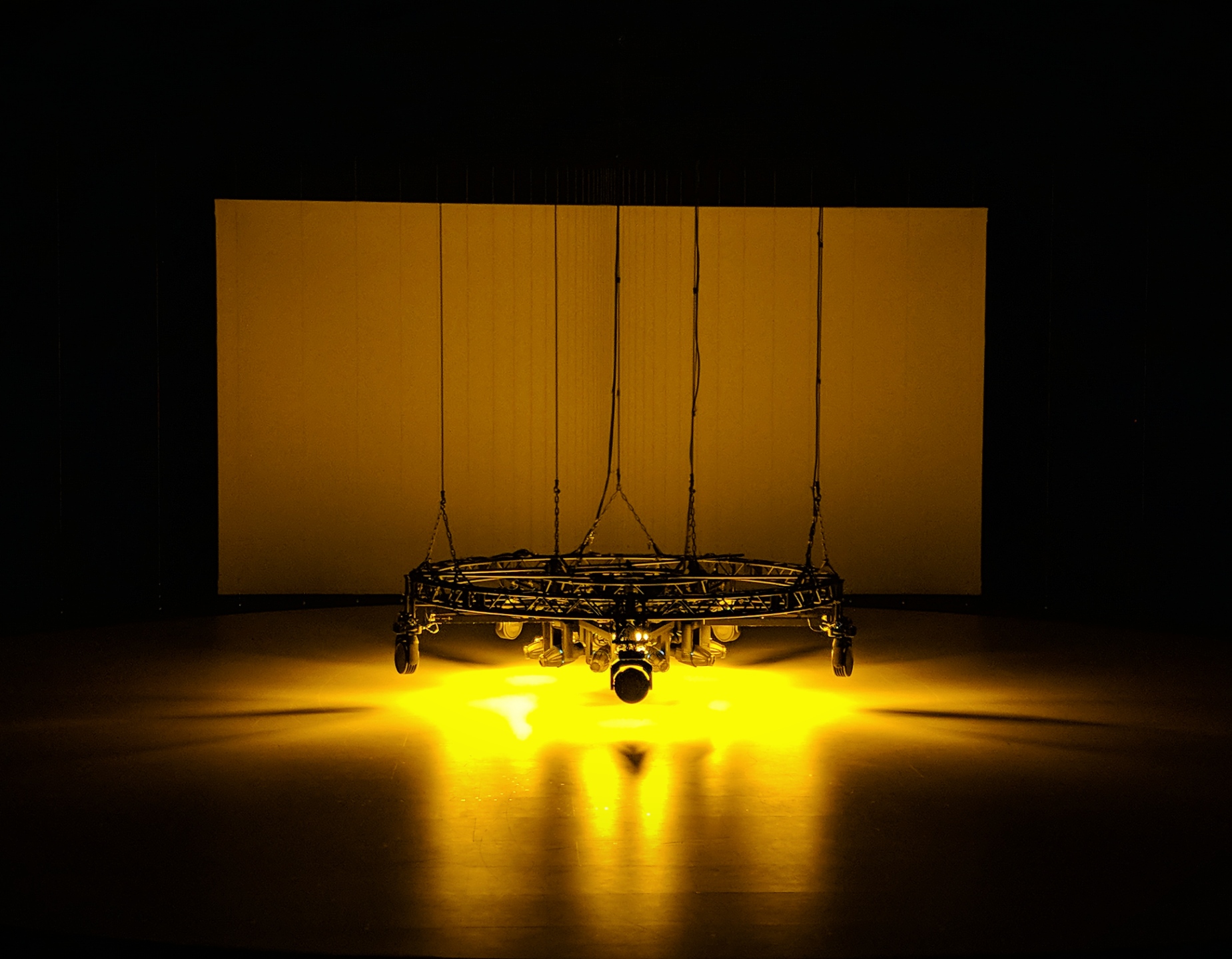
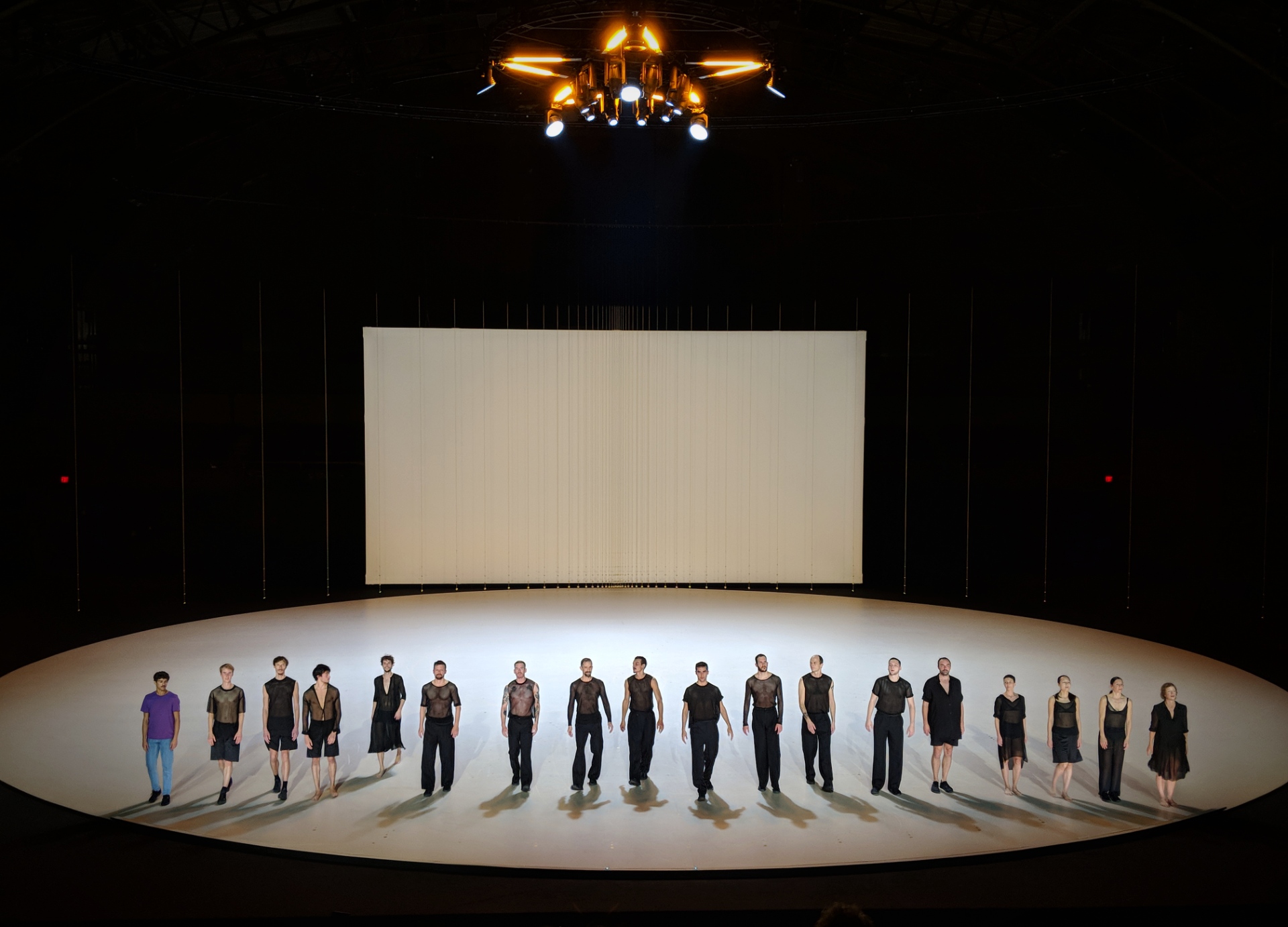
The Six Brandenburg Concertos, one of J.S. Bach’s most iconic masterpieces meet Anne Teresa De Keersmaeker, one of the world’s most acclaimed choreographers meet Park Avenue Armory, one of New York’s most iconic venues.  A winning combination and one of the highlights of the year.

”The Brandenburg Concertos consist of six concerti grossi, in which Bach deploys the instruments from the baroque orchestra in different, often audacious constellations. Against this backdrop, De Keersmaeker sets sixteen dancers originating in different Rosas generations. Following the premiere of Mitten wir im Leben sind/Bach6Cellosuiten De Keersmaeker approaches, as in Vortex Temporum (2013), Bach’s music as if it were a ready-made score for a dance piece, embodying Bach’s polyphonic mastery. The concertos are played live by the baroque ensemble B’Rock. Violinist Amandine Beyer, with whom De Keersmaeker previously co-operated for Partita 2, will conduct the orchestra.” – [source: Rosas]

October 1st, 2018
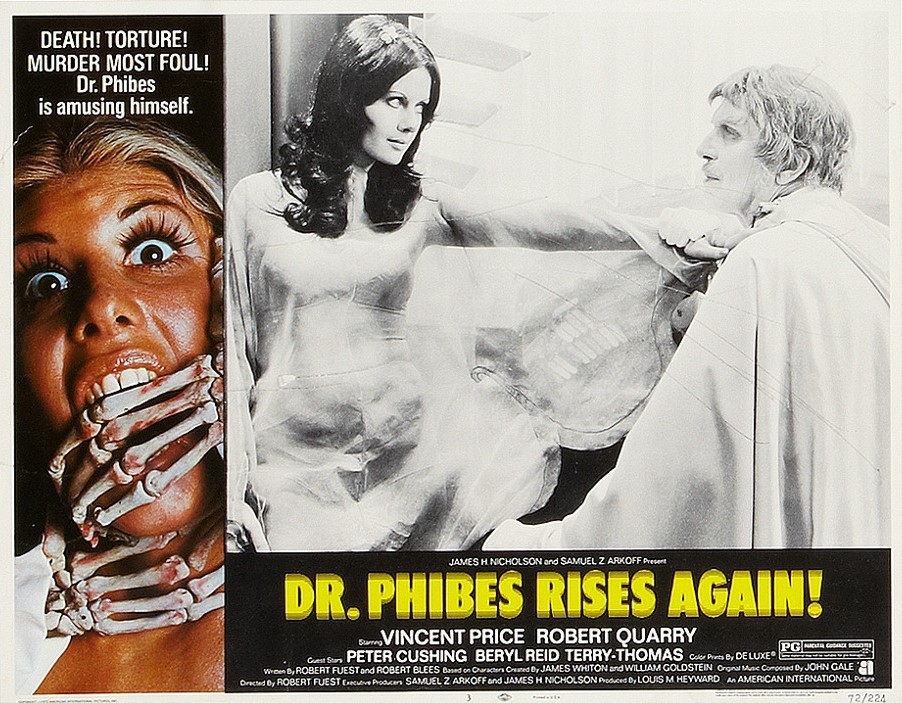
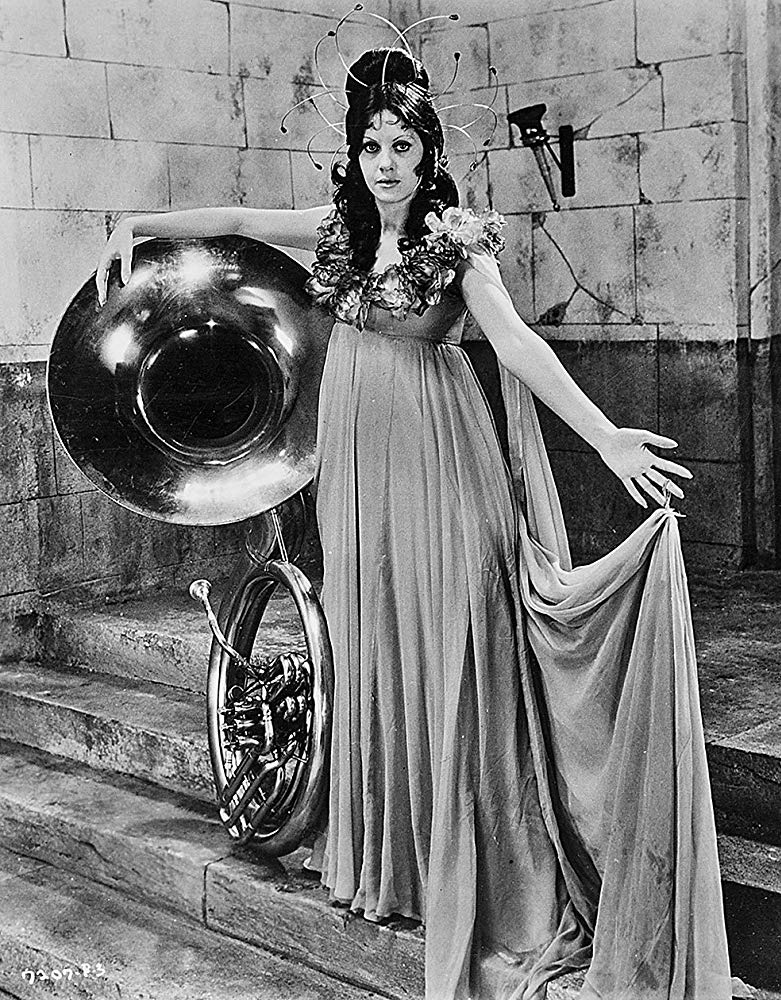
Dr. Phibes Rises Again

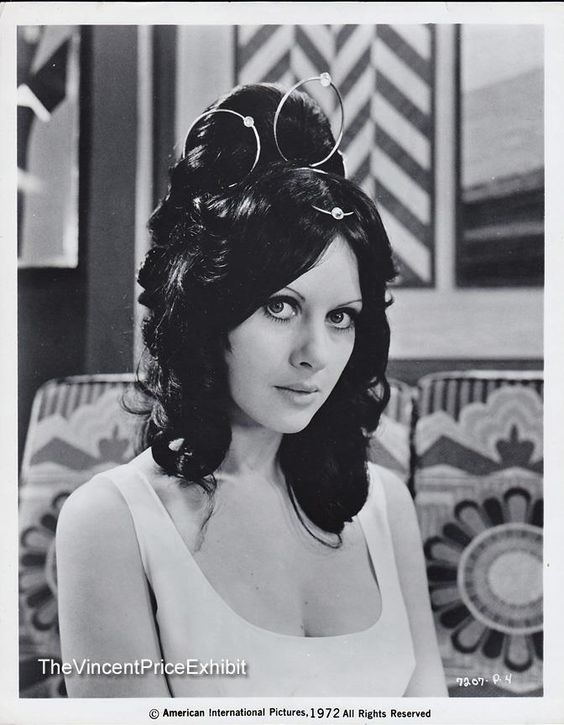
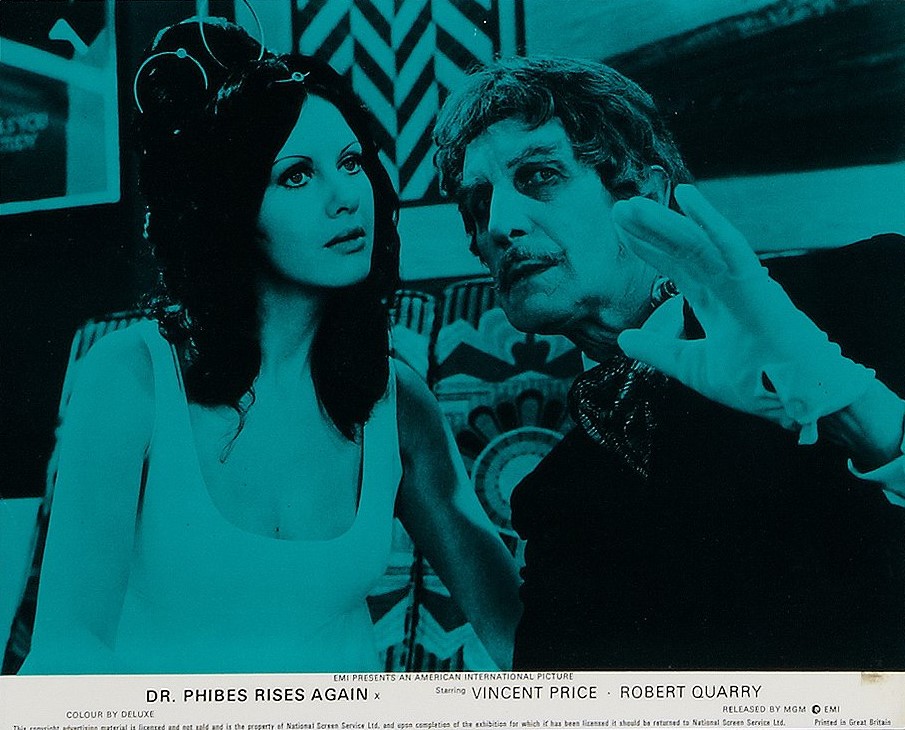
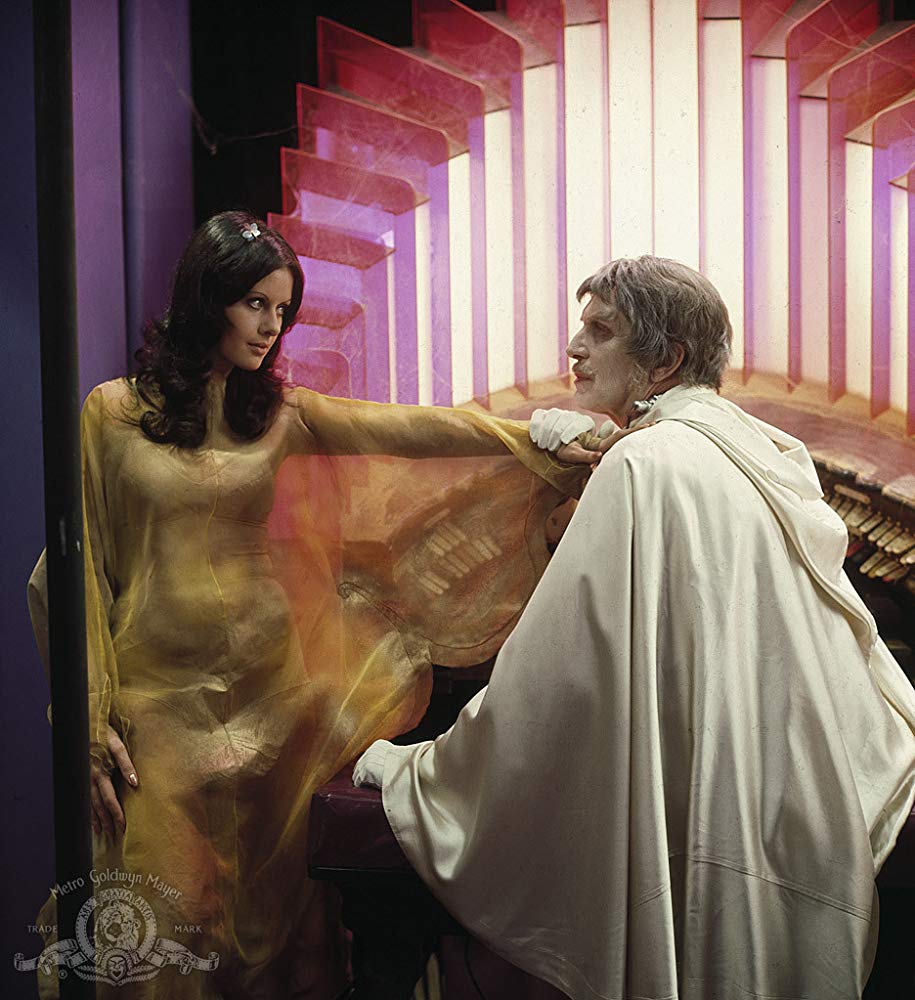
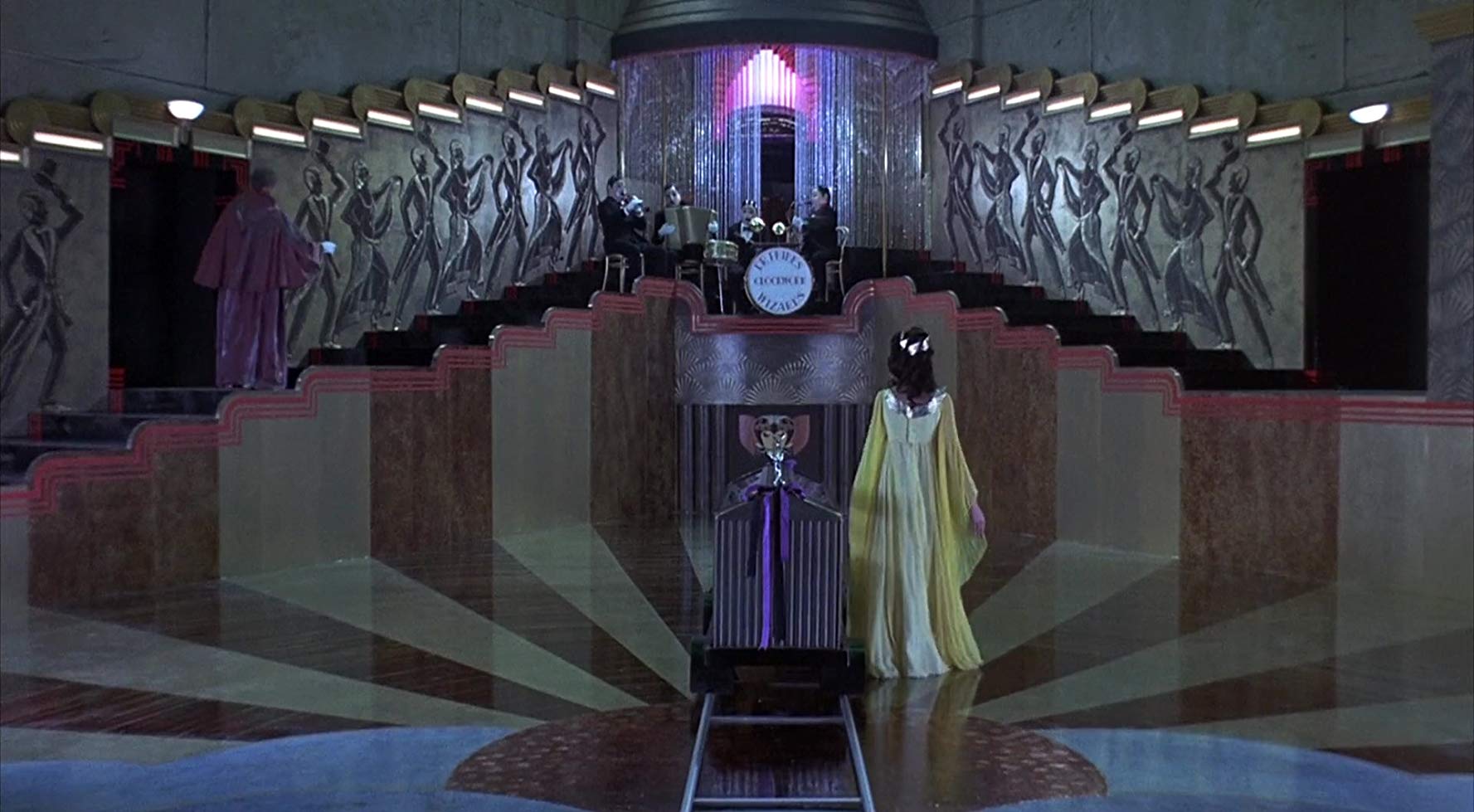
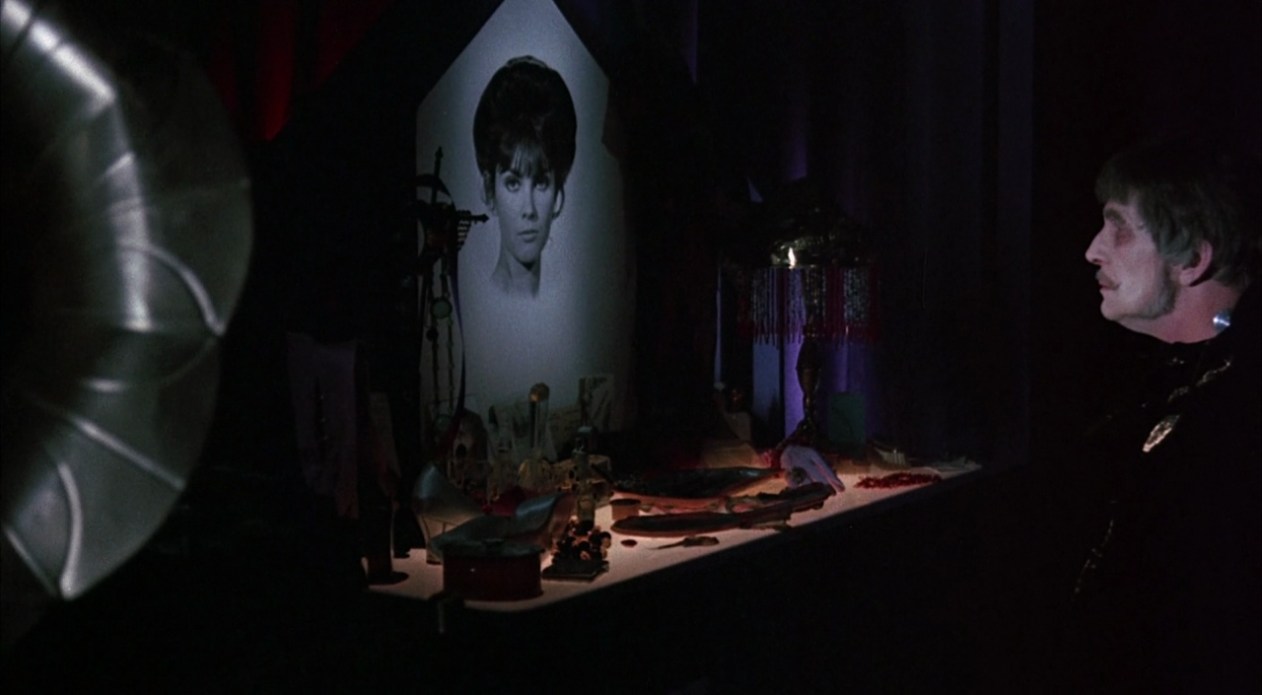
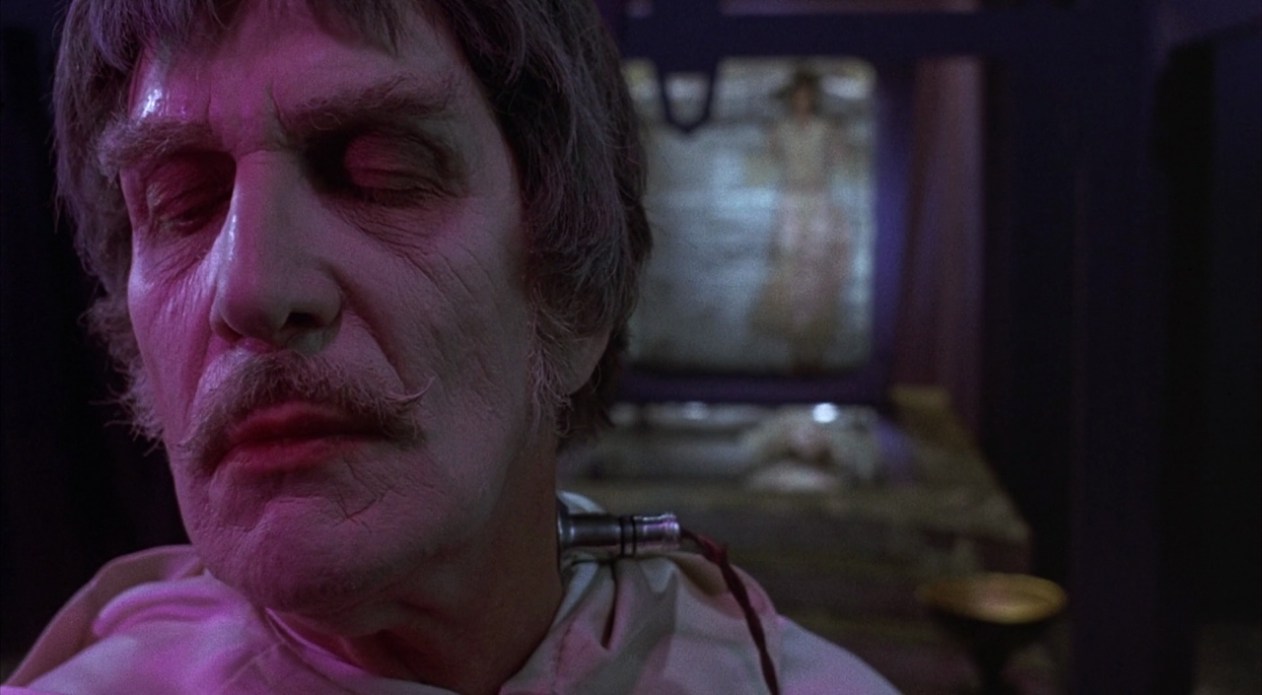
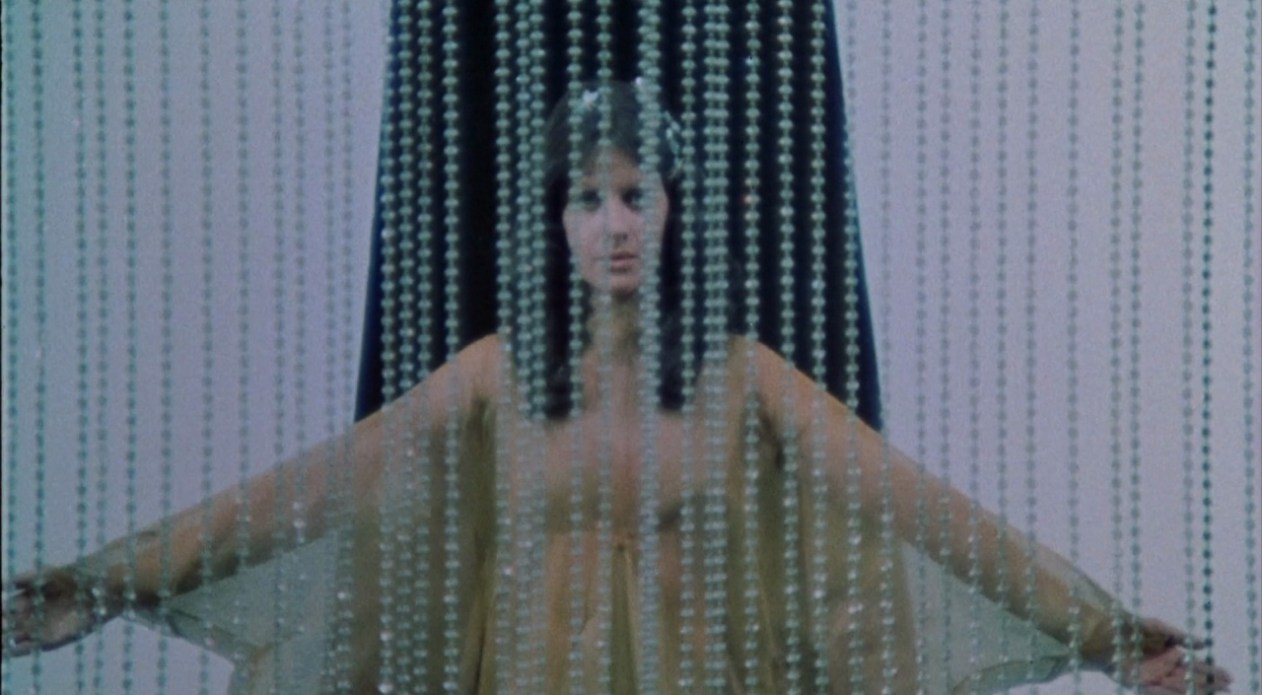
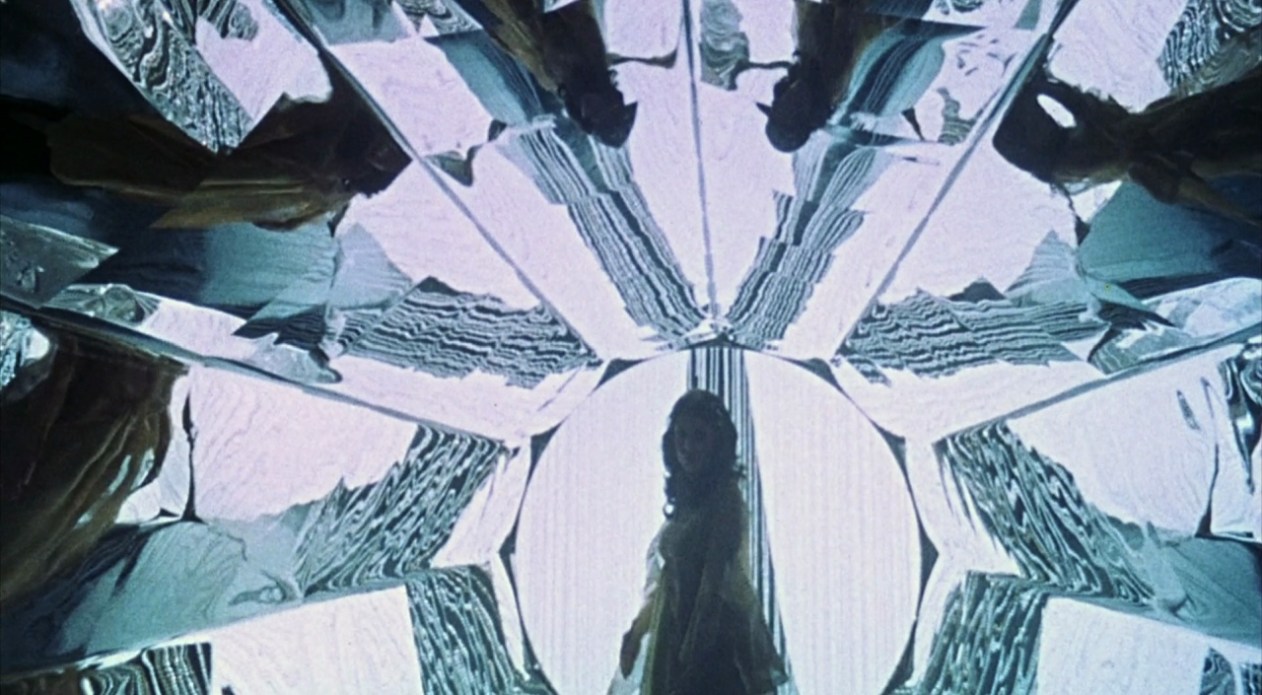
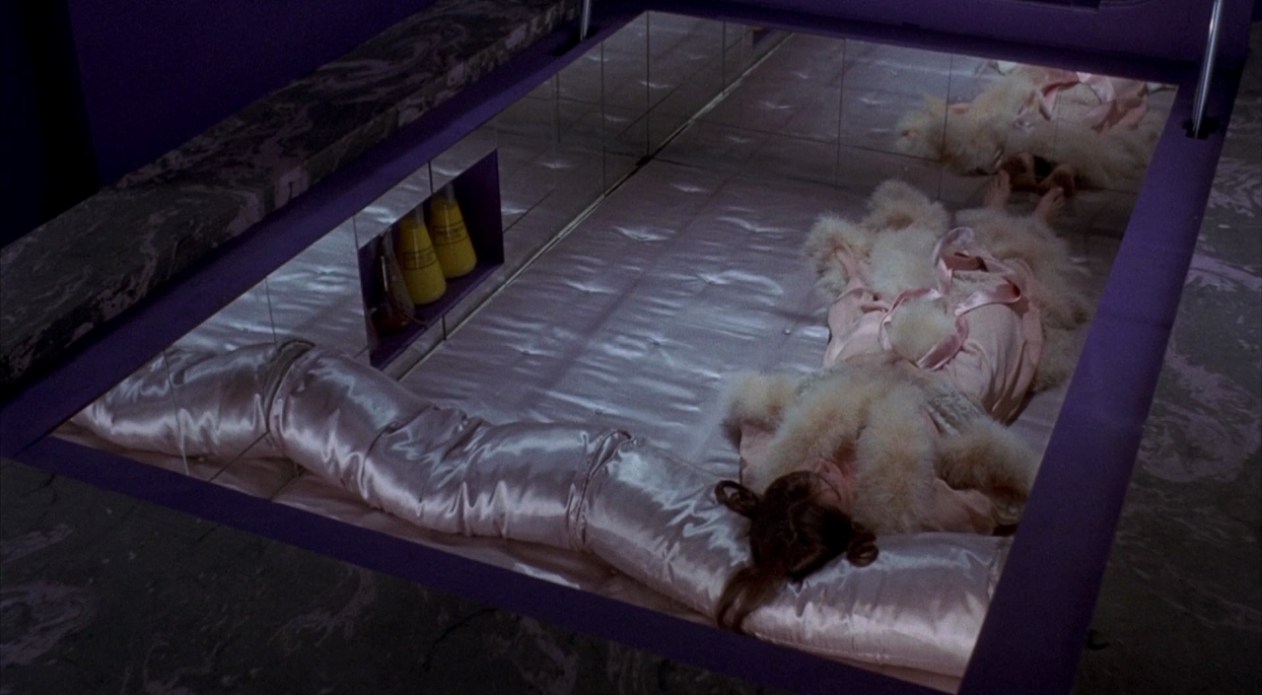
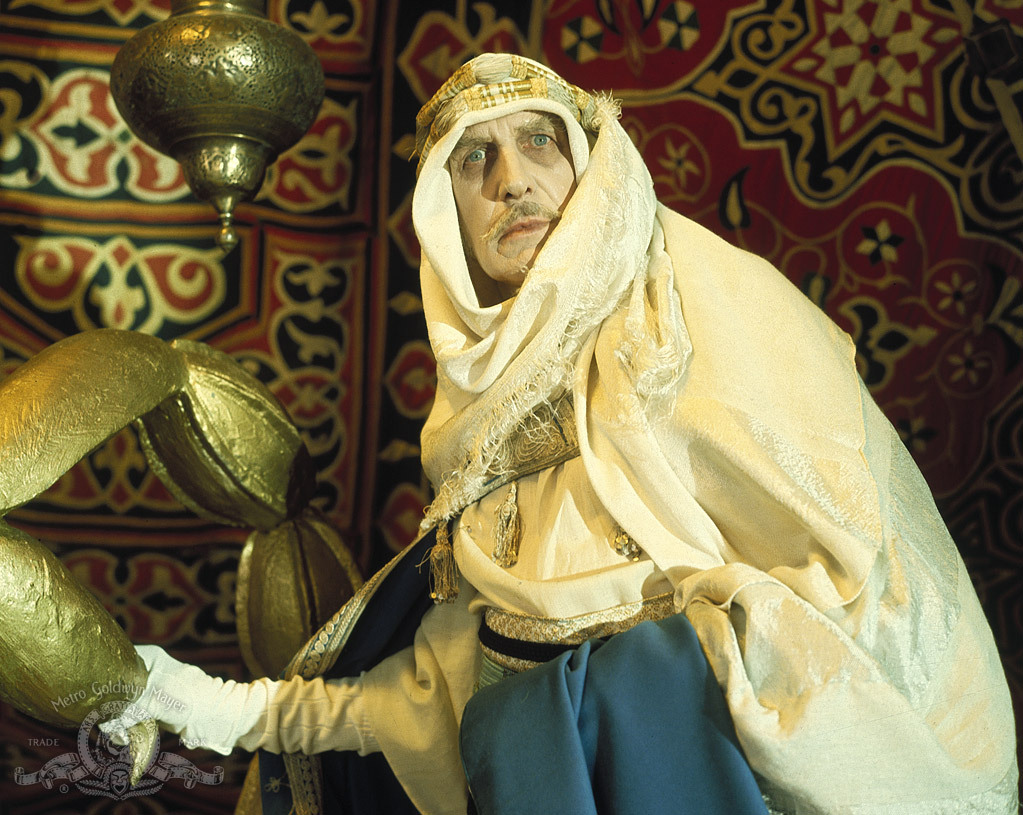
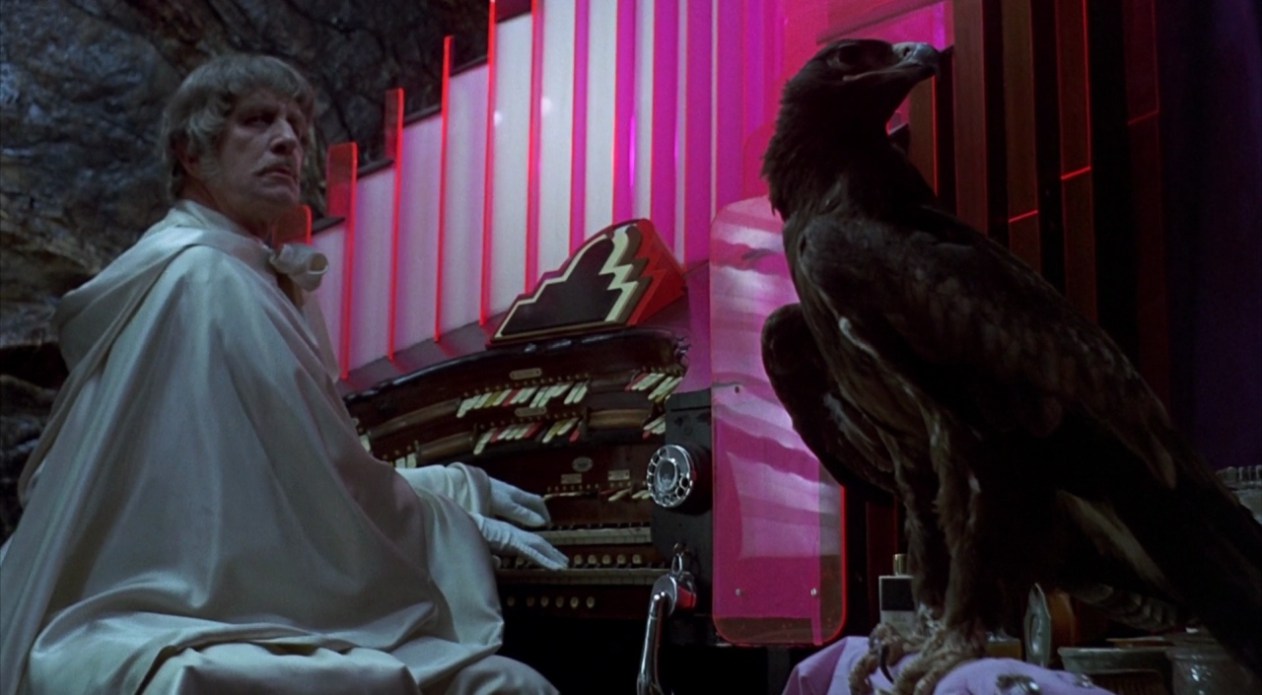
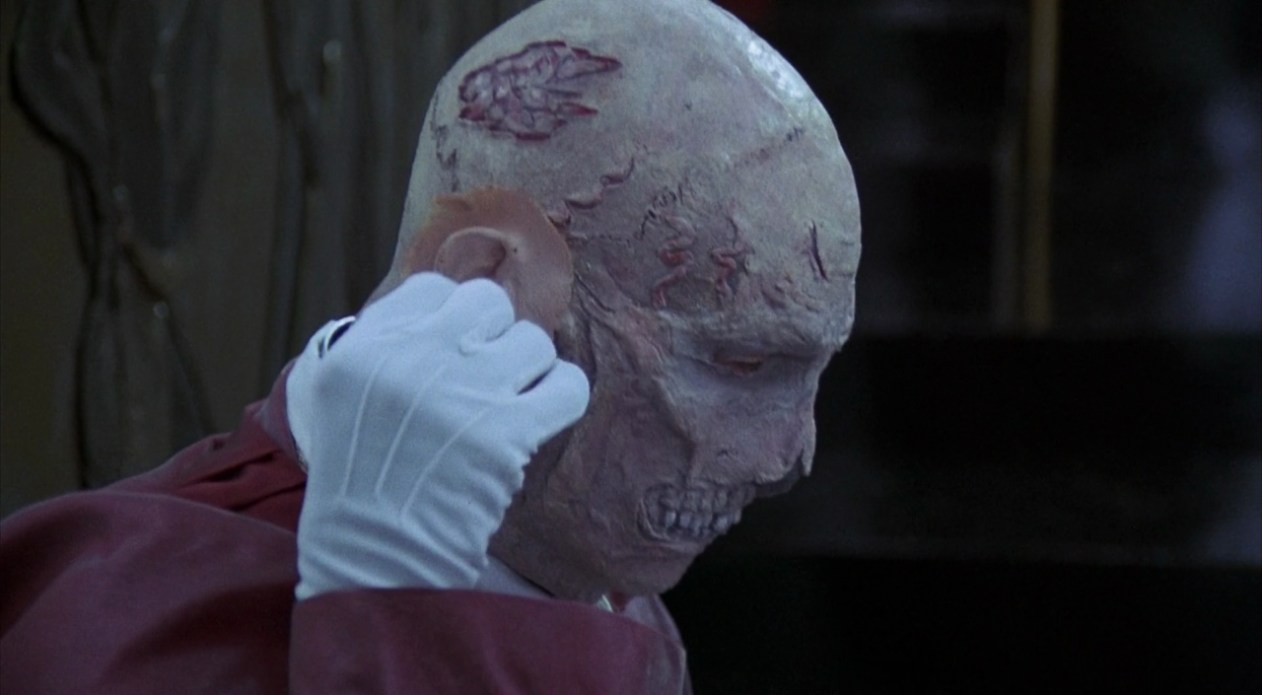
Following his murderous quest for vengeance against the doctors he believes responsible for the death of his beloved wife, Victoria, the fiendish Dr. Phibes enters the crypt where he has enshrined her, ”incredibly maintained neither alive nor completely dead”. And there he places himself in suspended life, like her, until it will be time to rise again. And there he lays in darkness, next to her body, in a splendid satin sarcophagus, until the moon, aligning with the eternal planets, shines upon the sarcophagus – once every 2.000 years – signalling the opening of the crypt. And then, the fiendish Dr. Phibes rises again from his deep sleep and, together with his trusted aid, Vulnavia, prepares to take Victoria to Egypt where, years ago, in a mountain overlooking the Valley of the Pharaohs, he prepared a wondrous shrine, ”unknown by any living man”. There, under a secret temple, the River of Life flows, promising resurrection for Victoria and eternal life for them both.

Three years have passed, and now it is time for their greatest adventure. But, to his utter horror, Dr. Phibes finds his house has been destroyed and his papyrus scrolls stolen, the very scrolls that would lead him back to the secret temple in Egypt.

#current_mood
#three_days_to_Halloween
#now_watching
#dr_phibes_rises_again

Stills from imdb and filmgrab archives

Dr. Phibes Rises Again (1972)

October 27th, 2018