Shit Happens

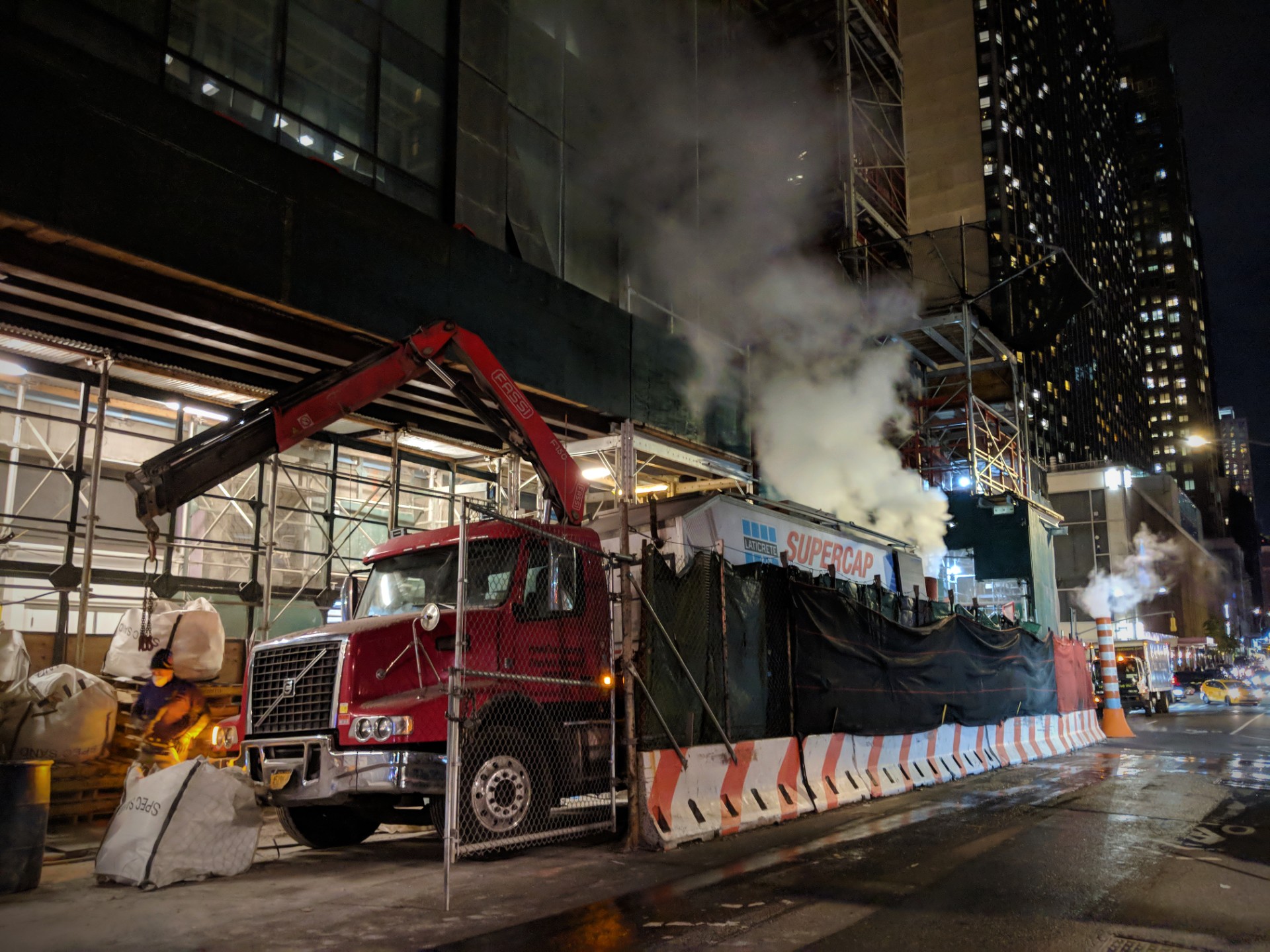
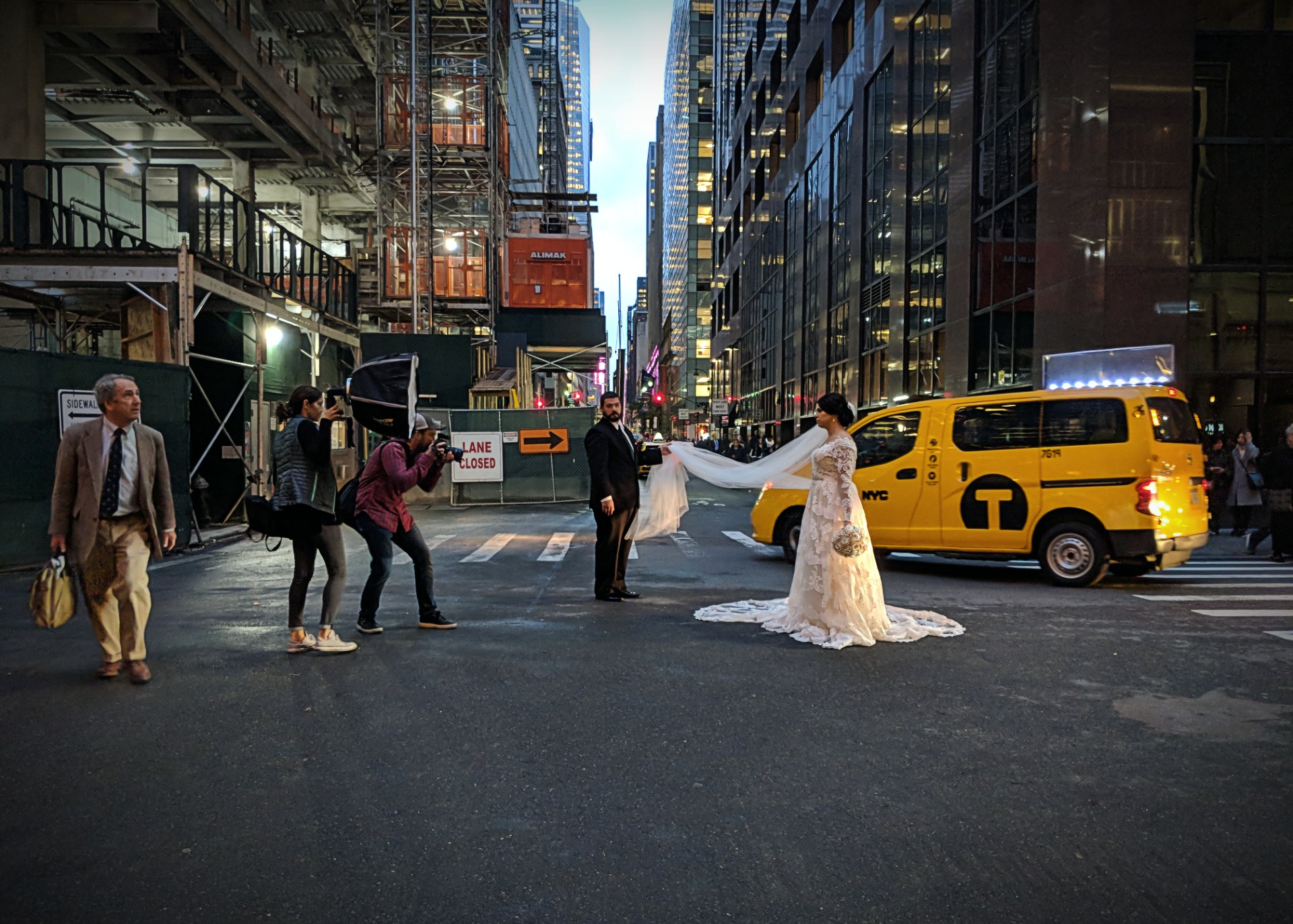
One hundred thousand. Shit that could have been avoided.

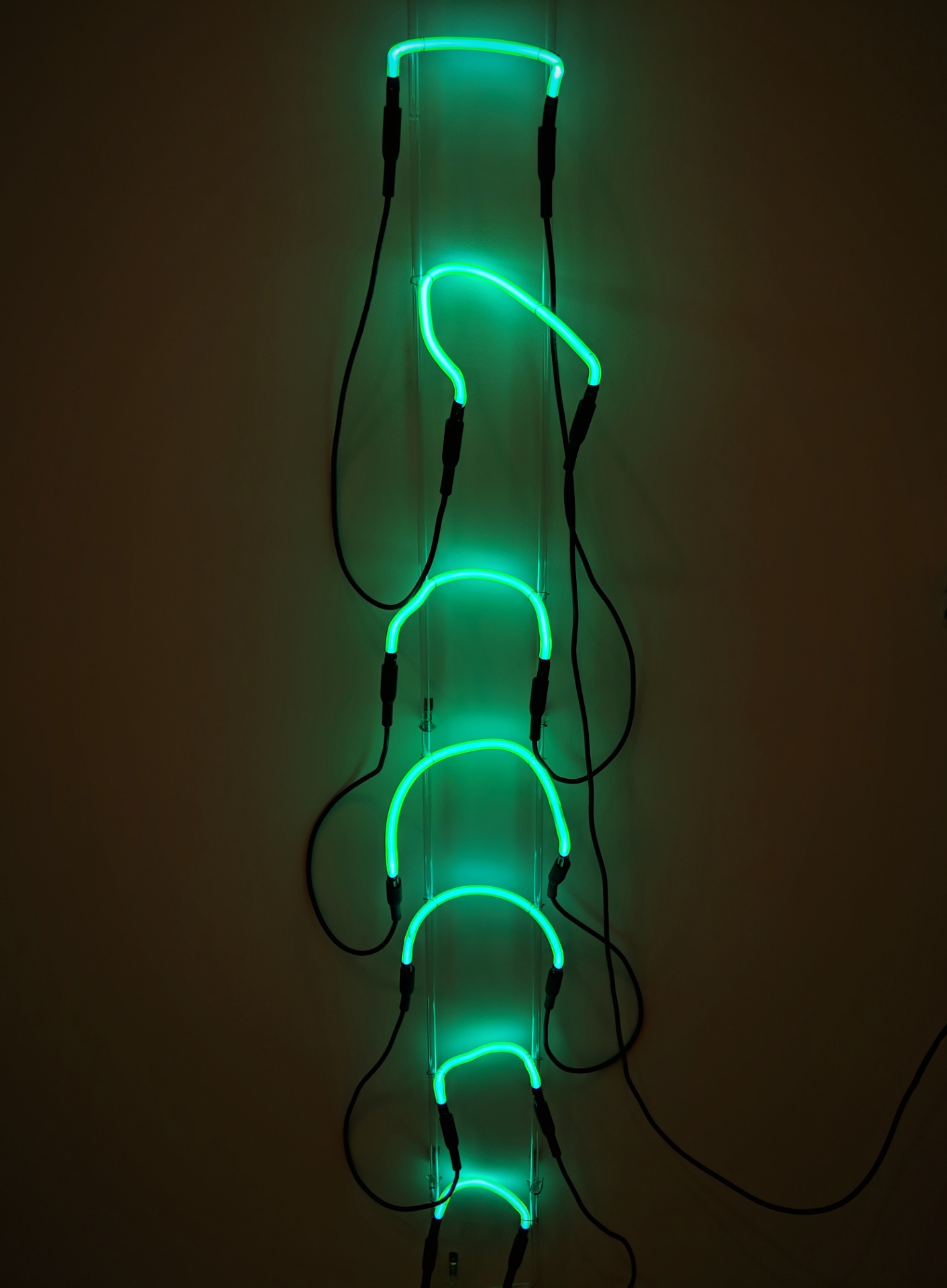
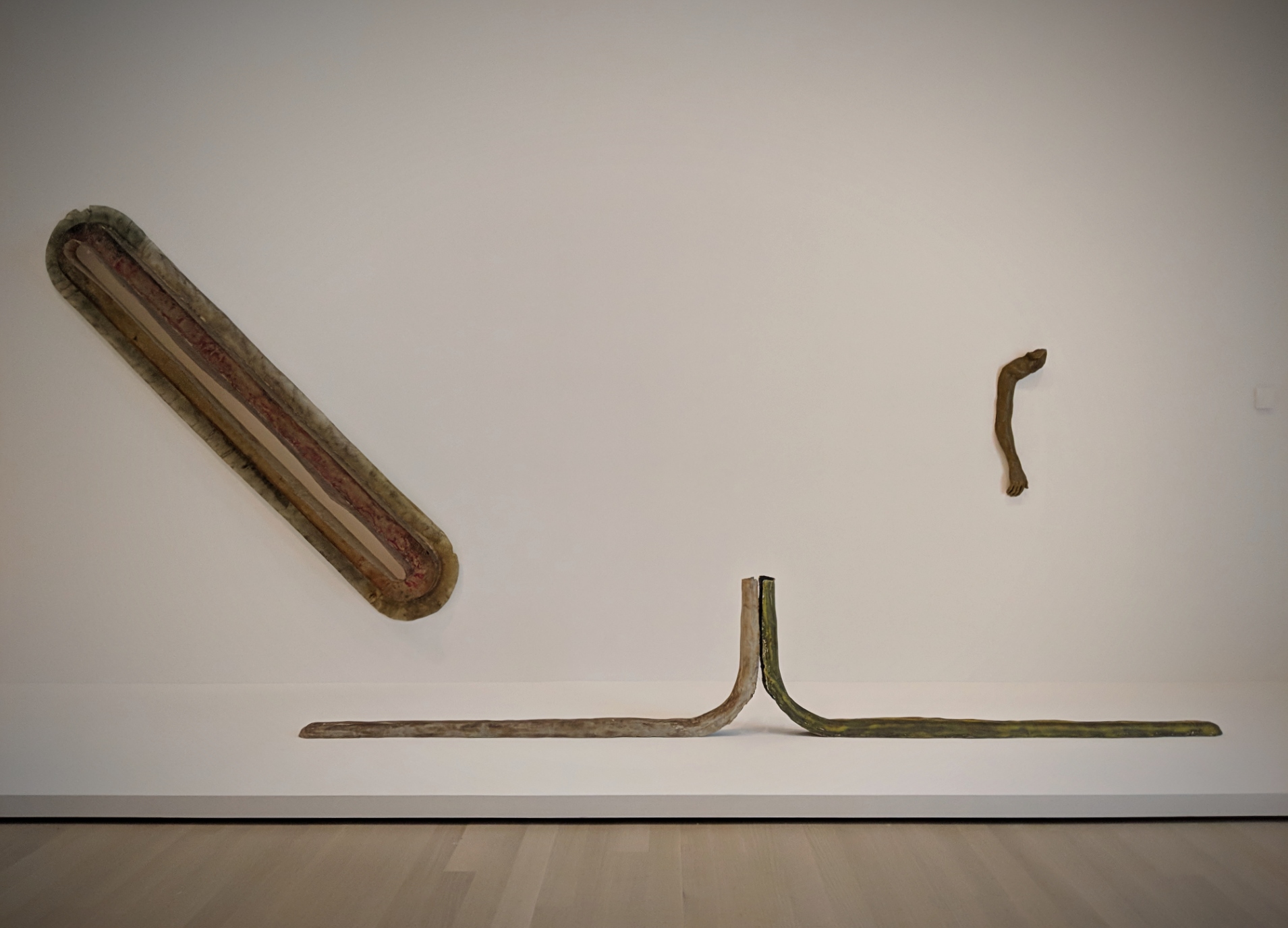
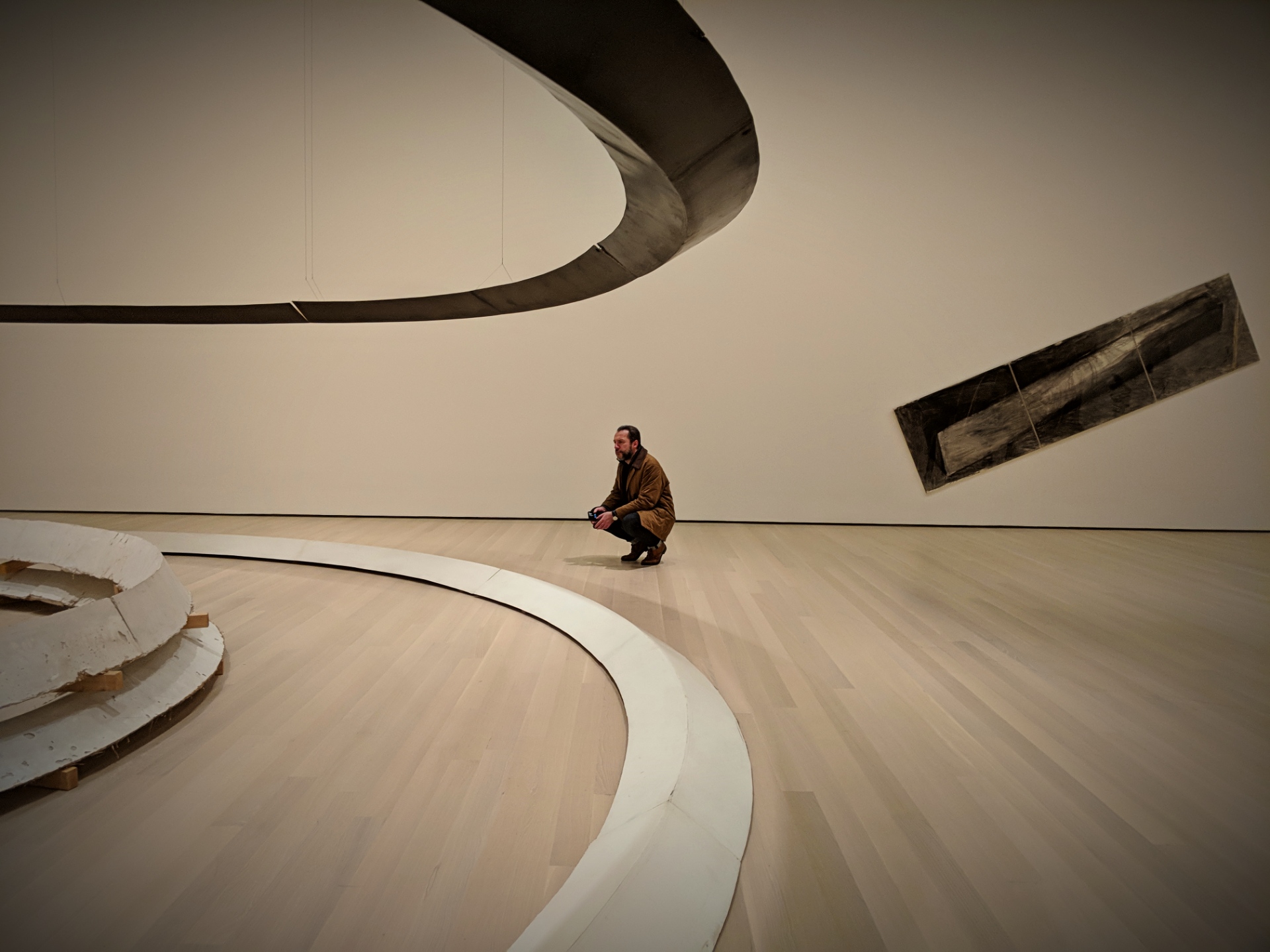
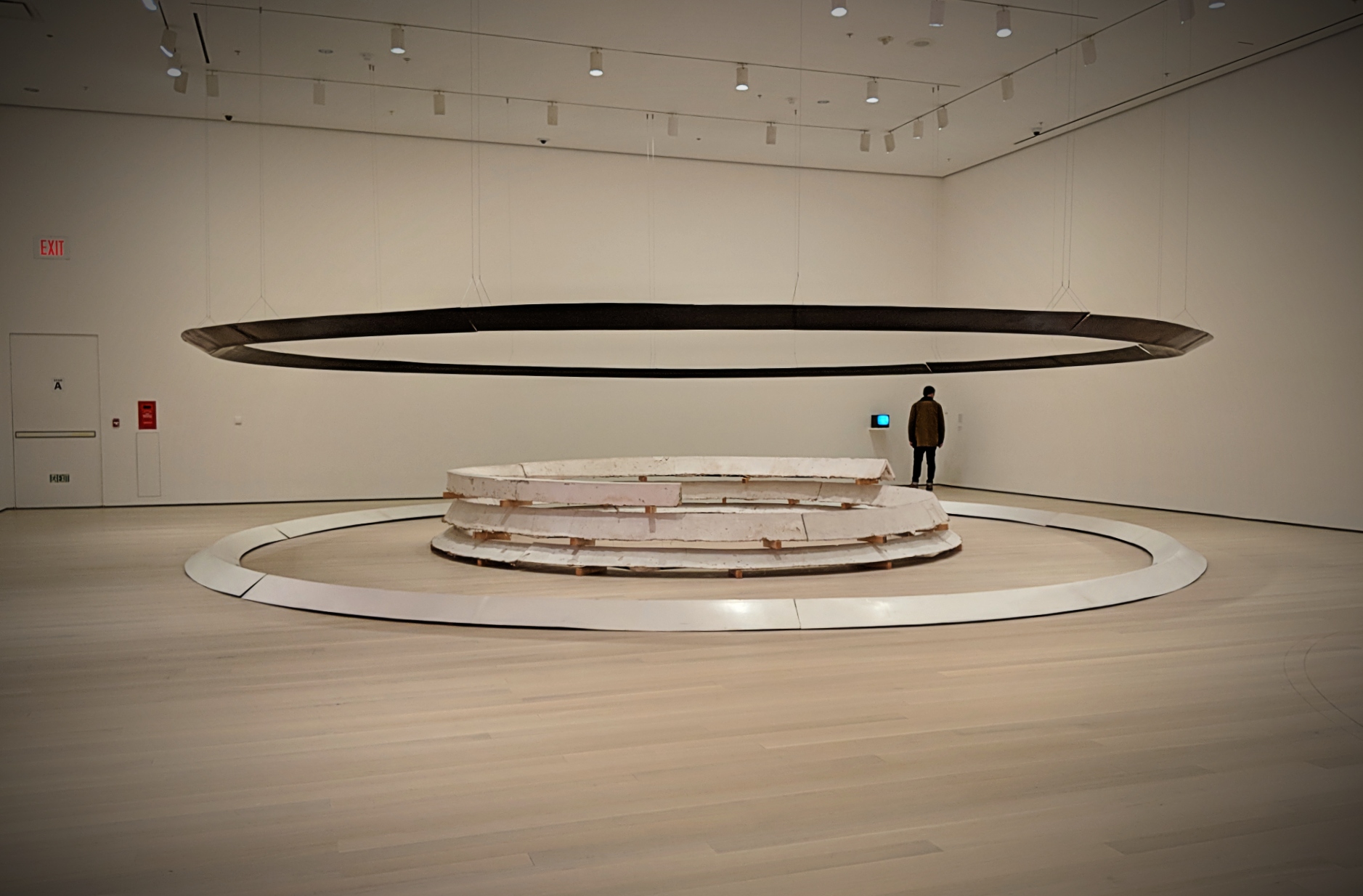
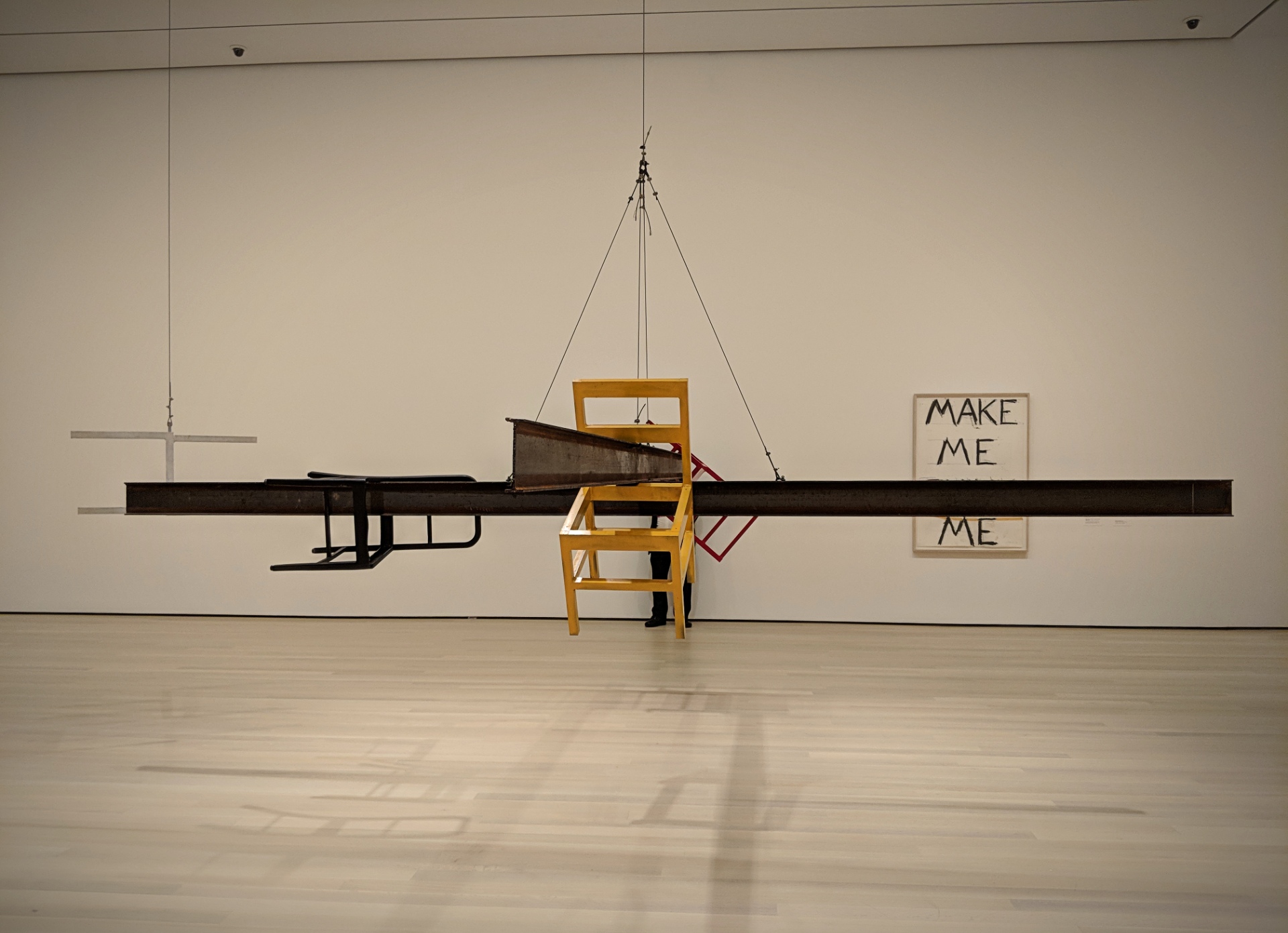
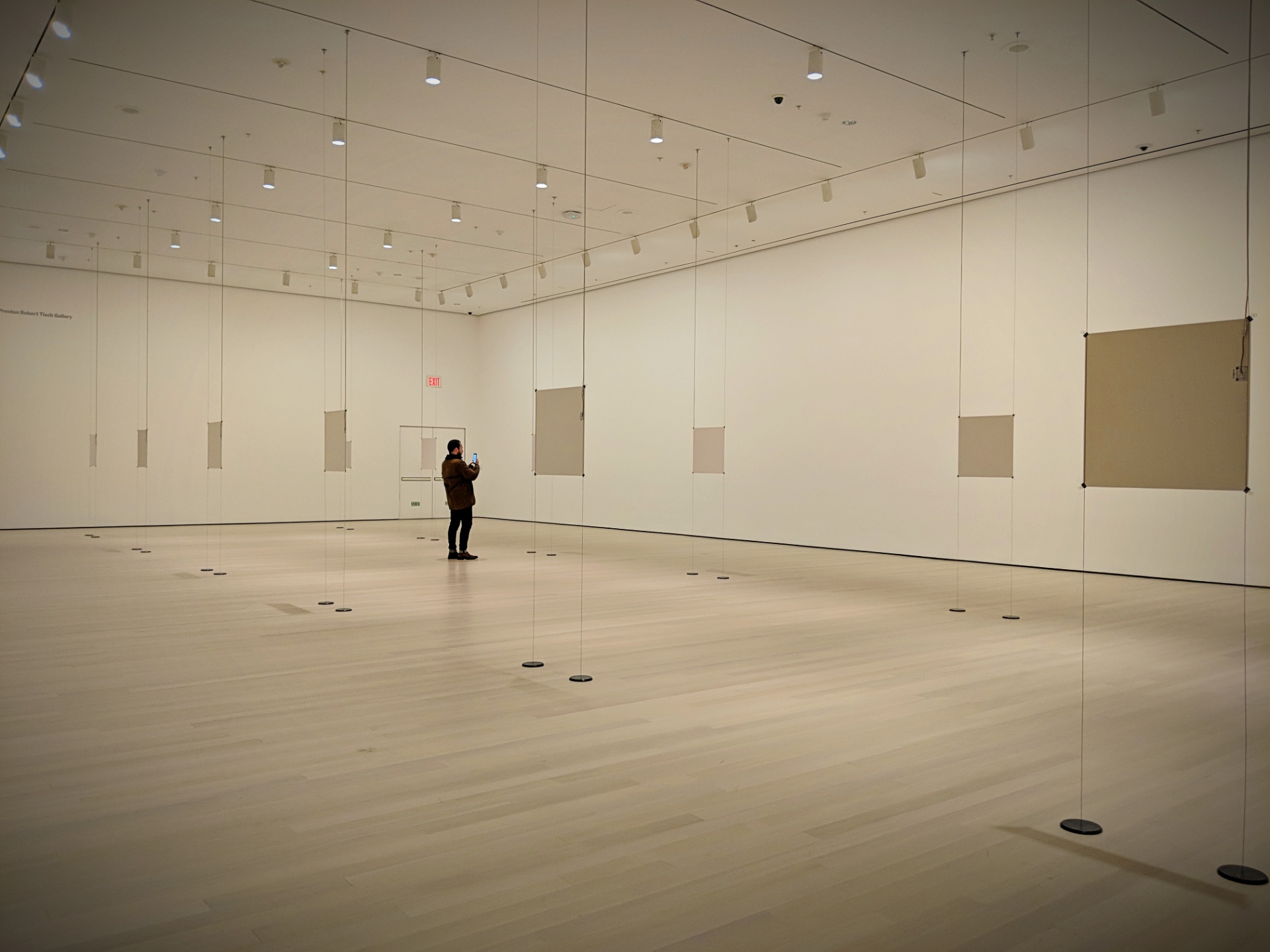
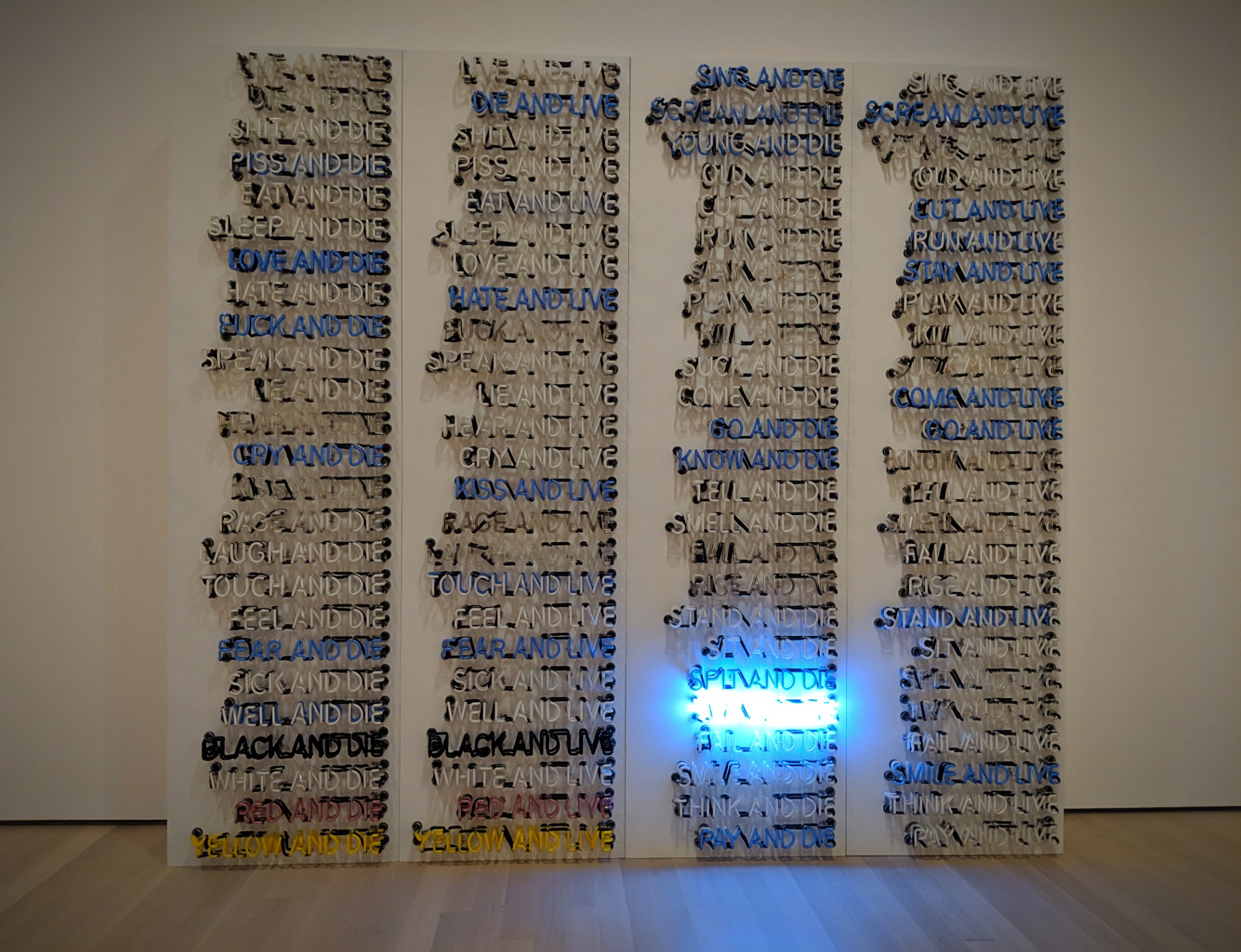
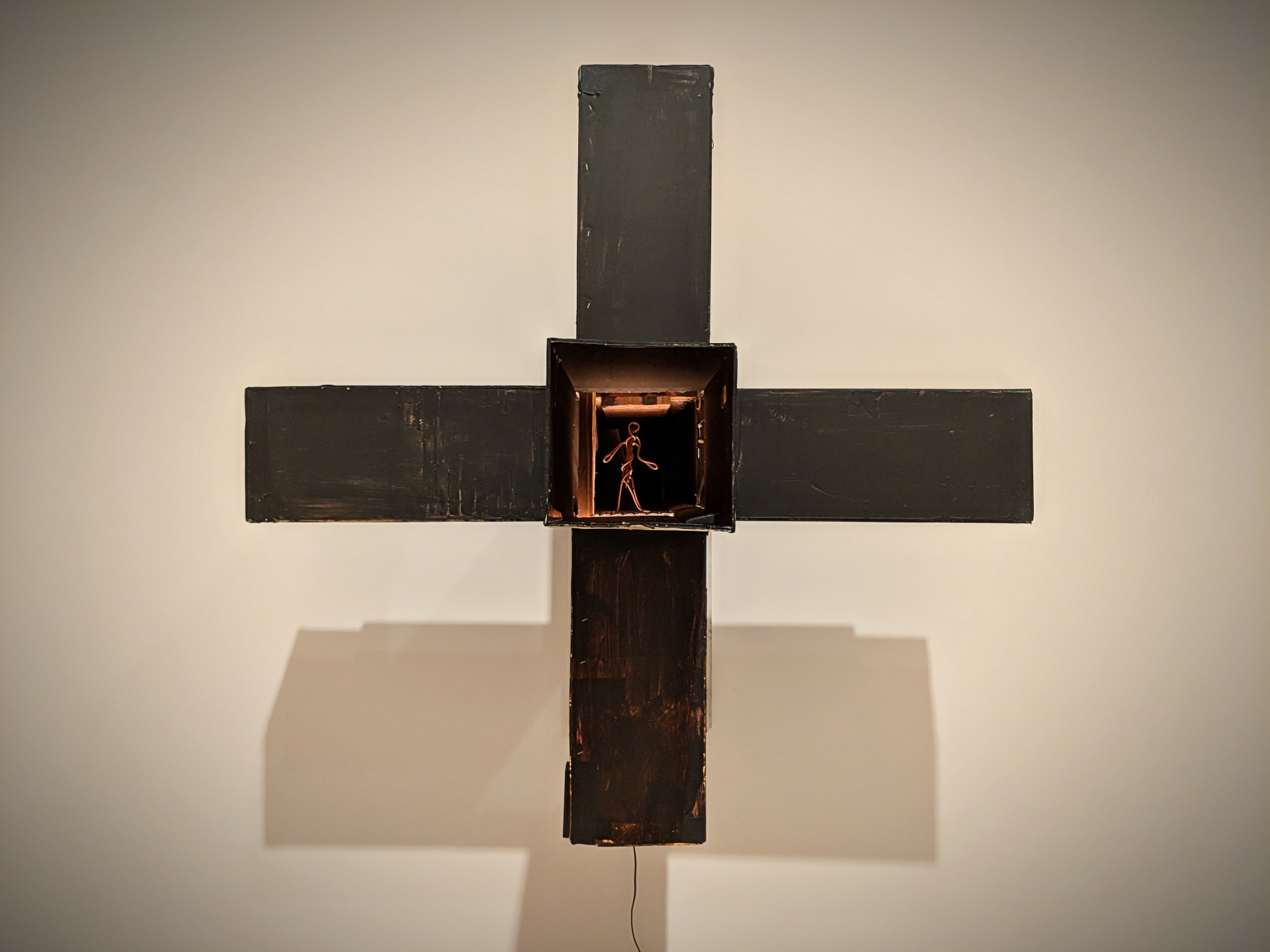
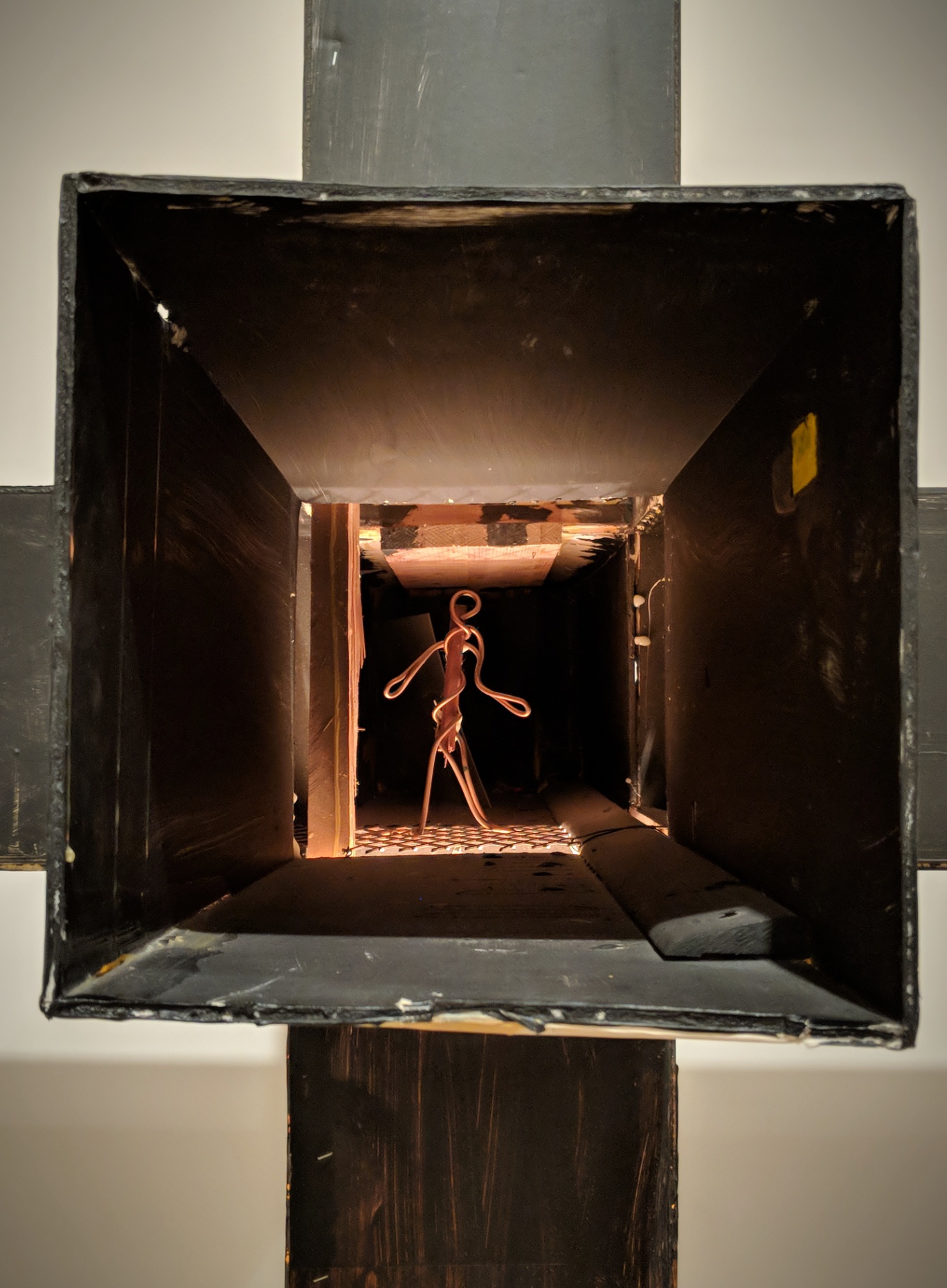
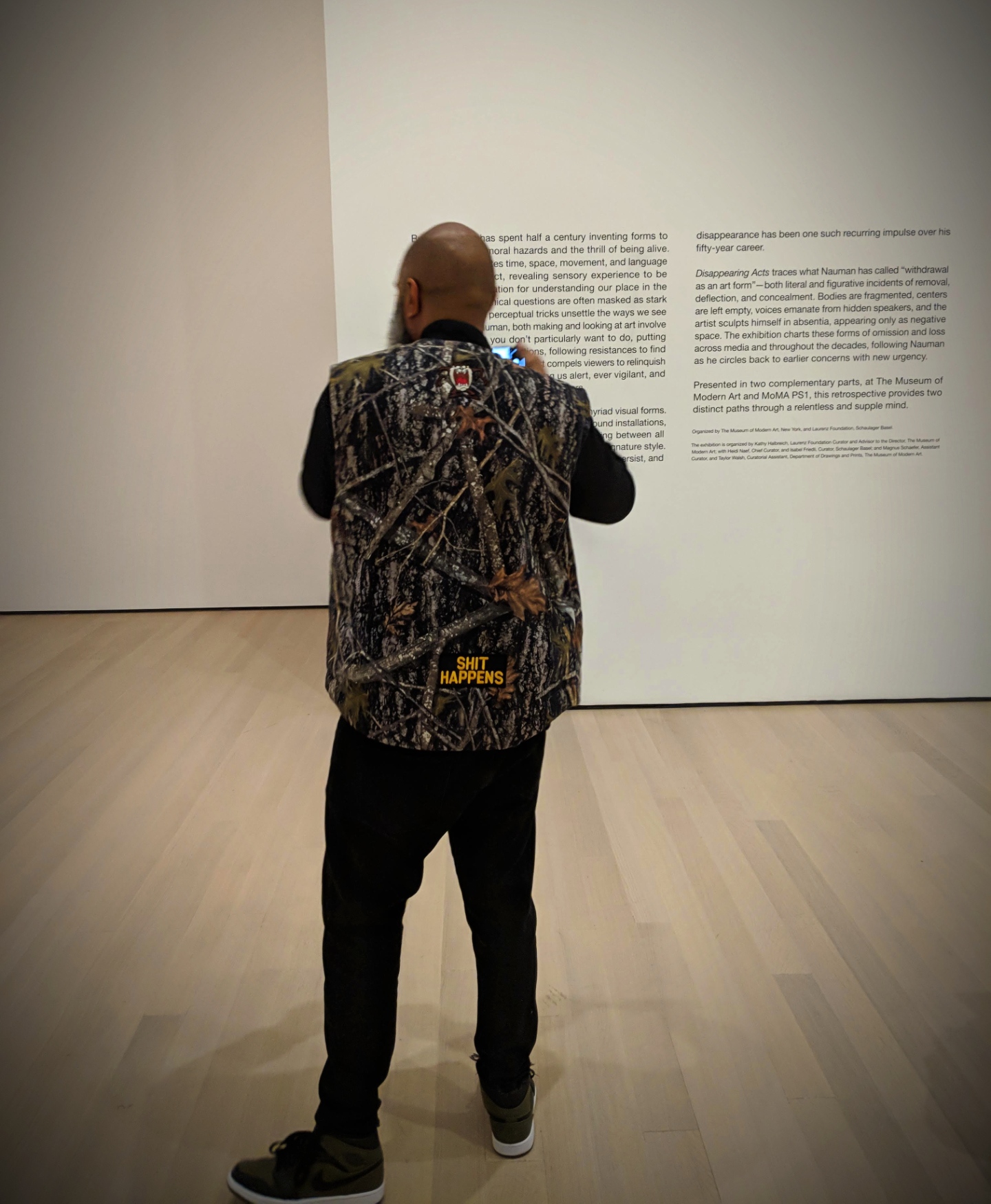
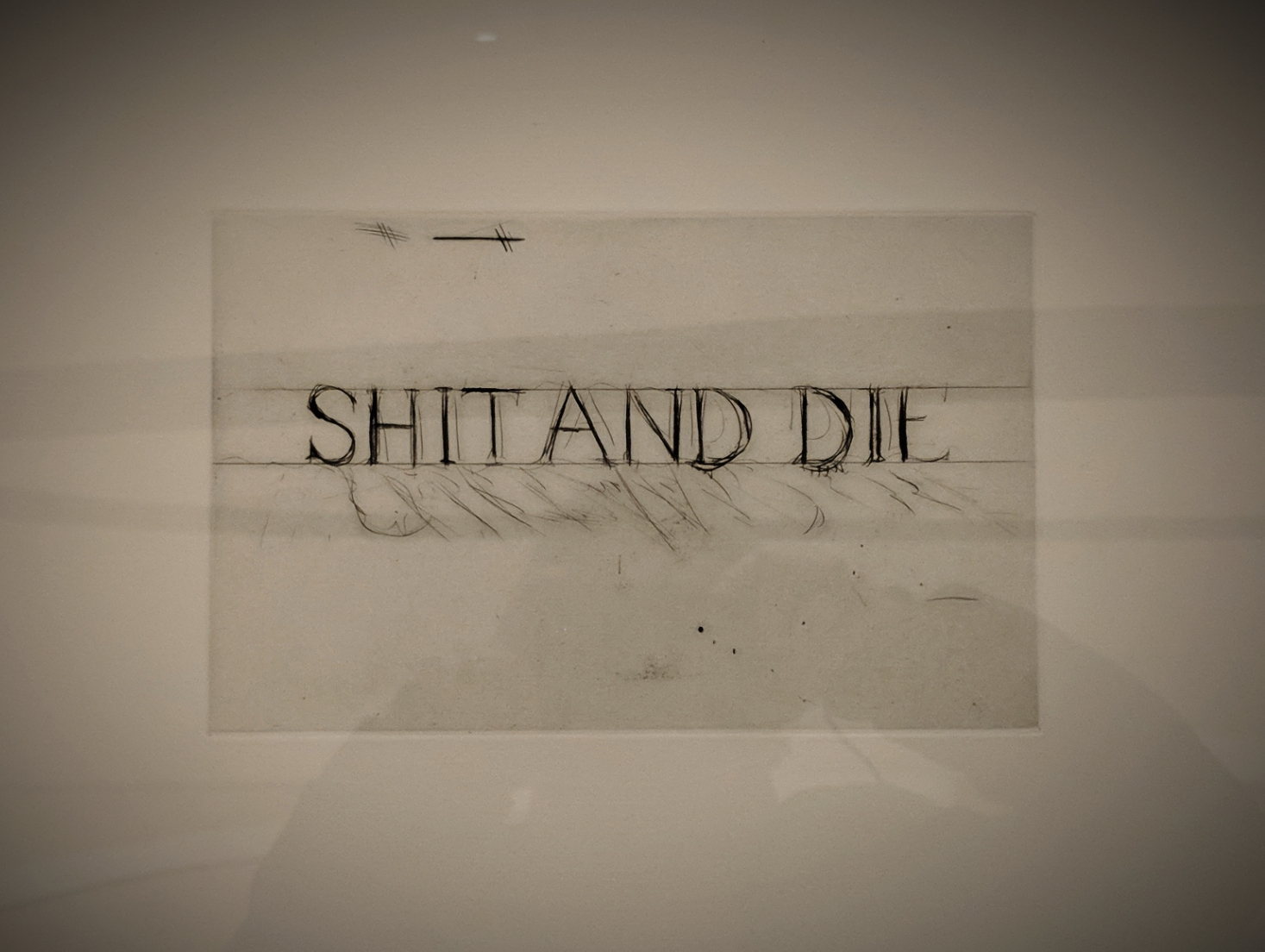
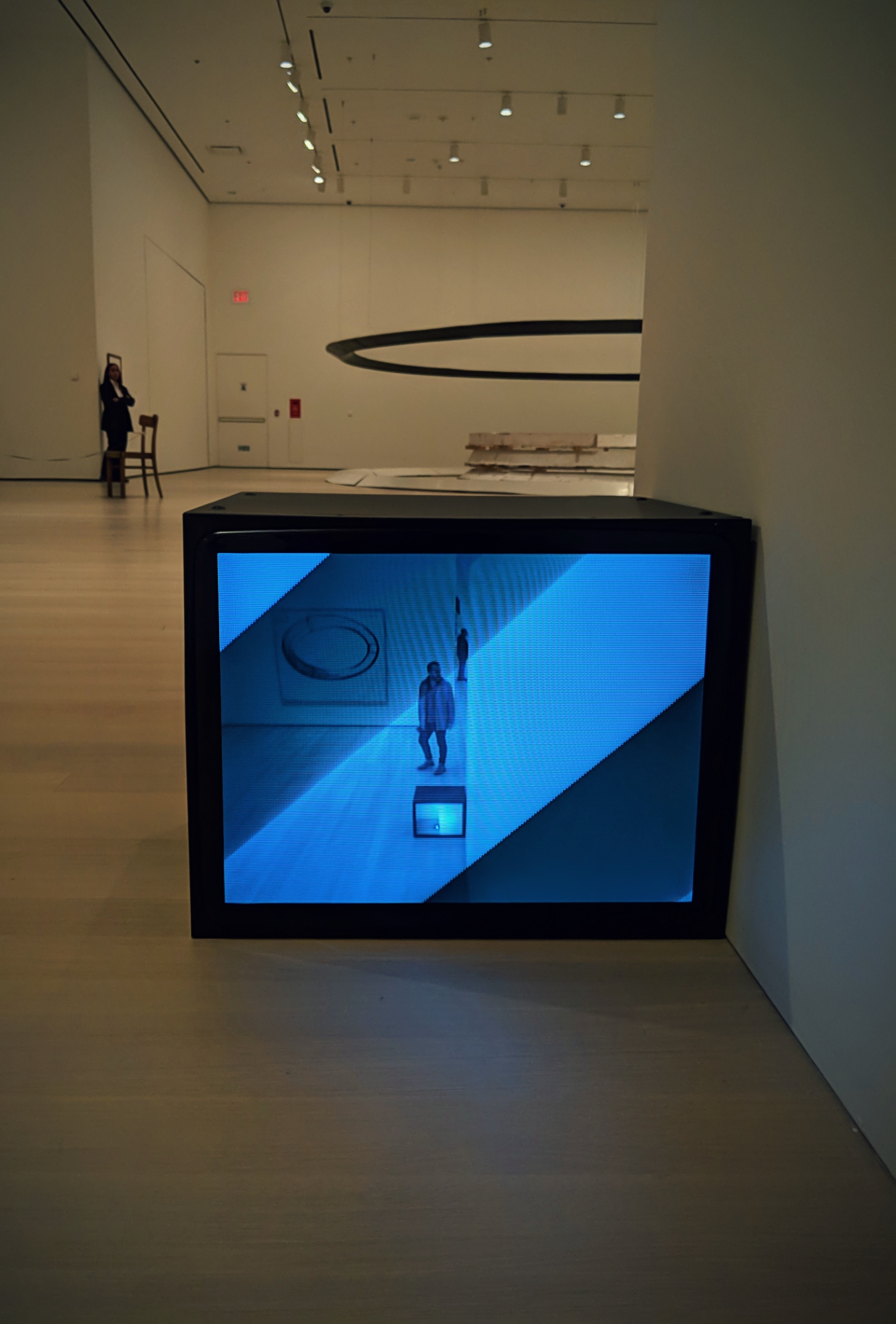
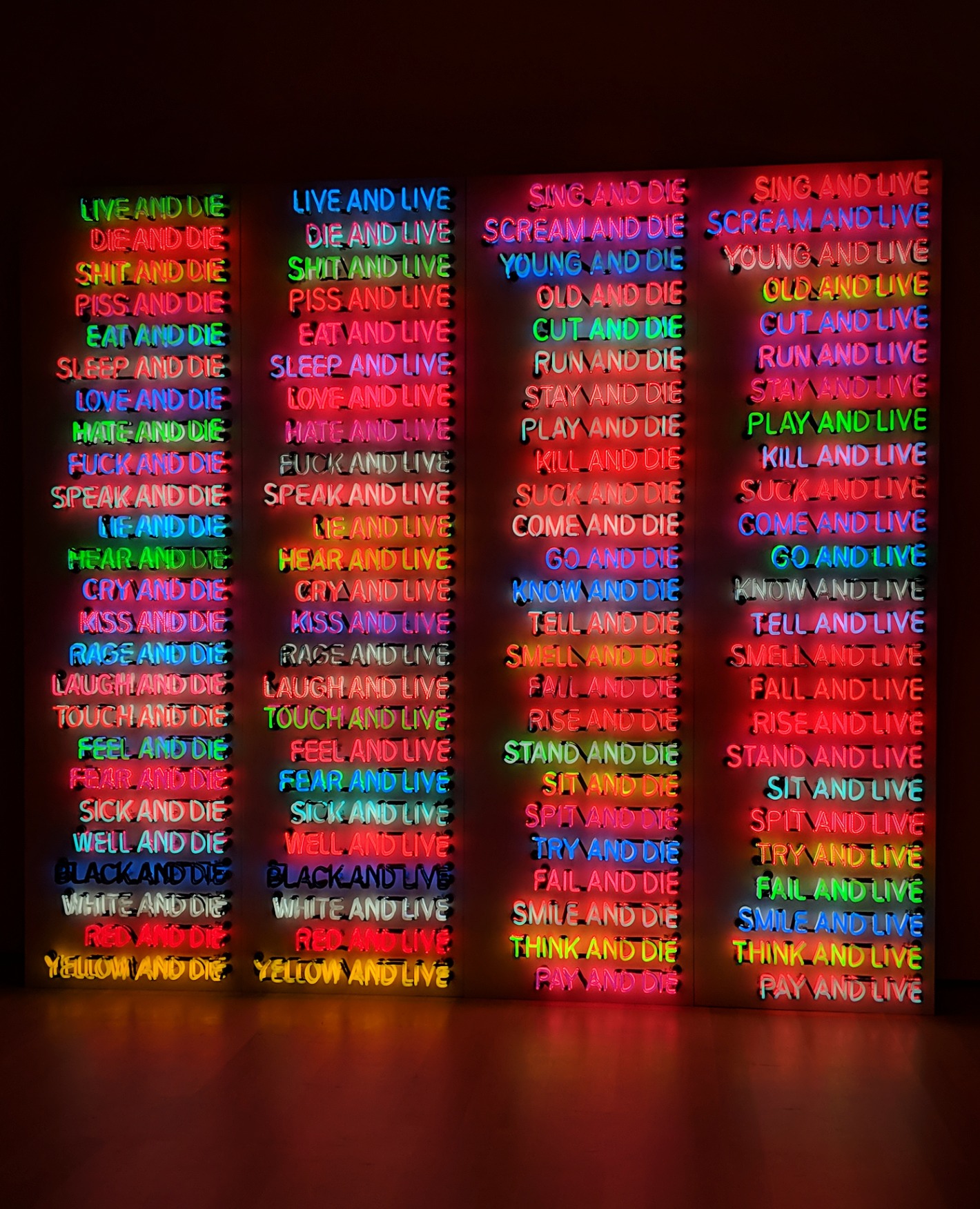
Images from Disappearing Acts, a Bruce Nauman retrospective that was presented in two parts, in MoMa and MoMA PS1.

”Disappearing Acts traces what Nauman has called “withdrawal as an art form”—both literal and figurative incidents of removal, deflection, and concealment. Bodies are fragmented, centers are left empty, voices emanate from hidden speakers, and the artist sculpts himself in absentia, appearing only as negative space. The retrospective charts these forms of omission and loss across media and throughout the decades, following Nauman as he circles back to earlier concerns with new urgency. Presented in two complementary parts, at The Museum of Modern Art and MoMA PS1, this is the most comprehensive exhibition of the artist’s work ever assembled.” [source: MoMA]

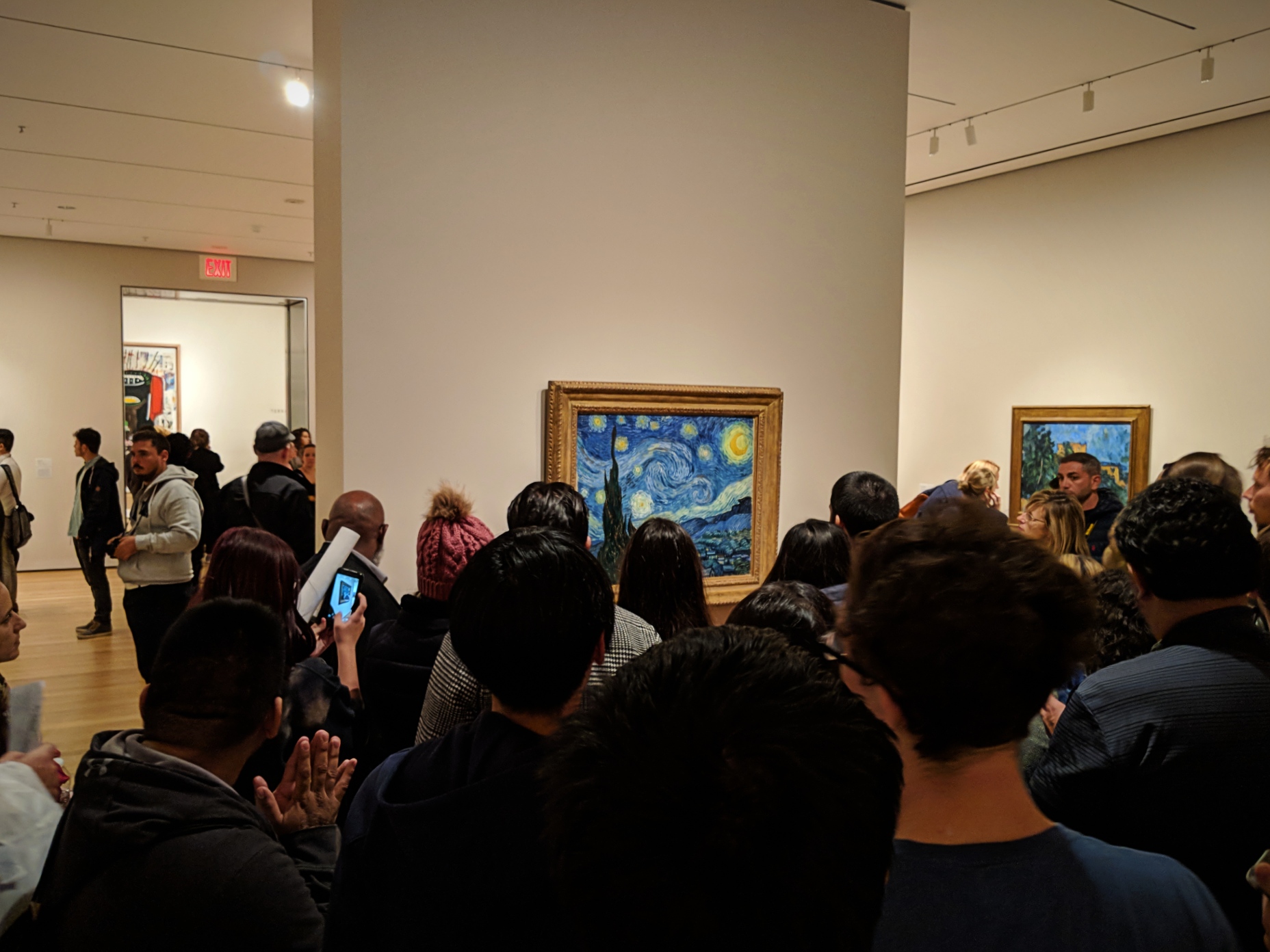
Last photo (not) showing the Starry Night, by Vincent van Gogh; I wonder when (or even if) will we ever see crowds like this anymore…

October 19th, 2018

Portraits || El Paso Museum of Art

Today, America honours the men and women who died while serving in the U.S. military.

On this very special Memorial Day, let us also take a moment to reflect on the lives of all our fellow humans that were cut short – more recently, in the Covid-19 pandemic. They were someone’s husband, wife, mother, father, son, daughter, friend.

Let us all remember and raise our voices for peace.

Silence the guns. The time is now.

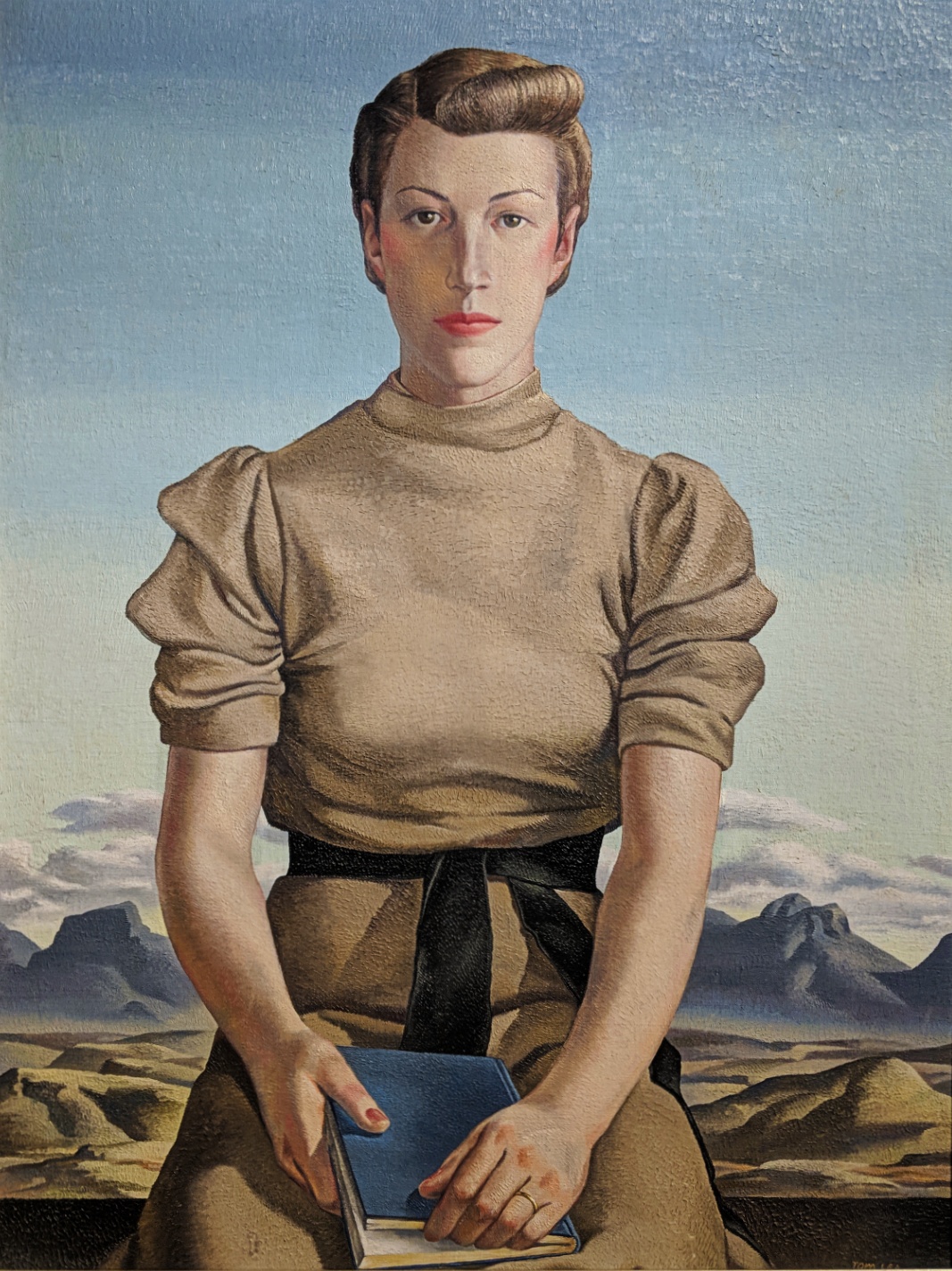
Tom Lea
Sarah (Portrait of the Artist’s Wife), 1939
Oil on canvas


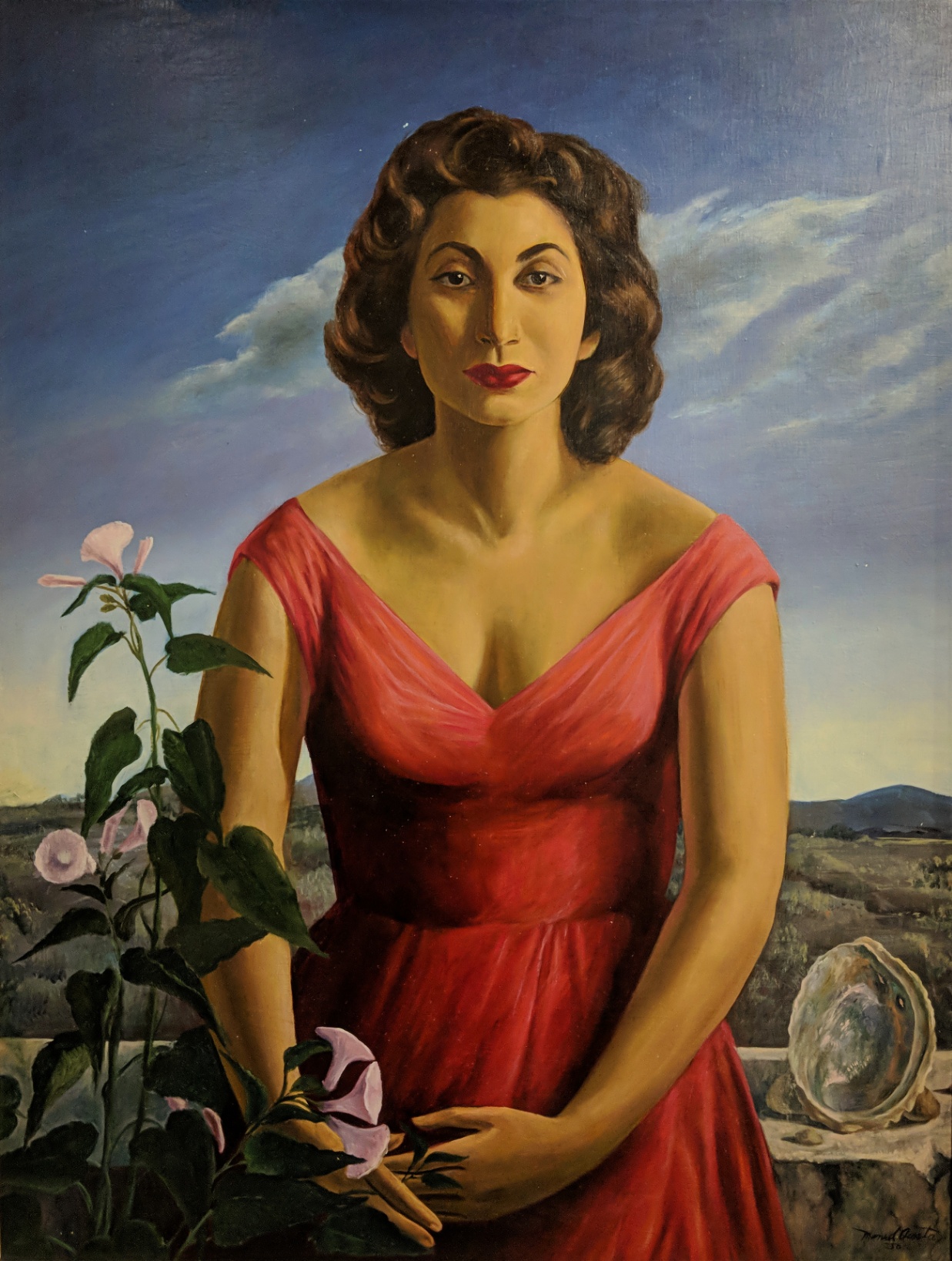
Manuel Acosta
Yolanda, 1956
Oil on canvas


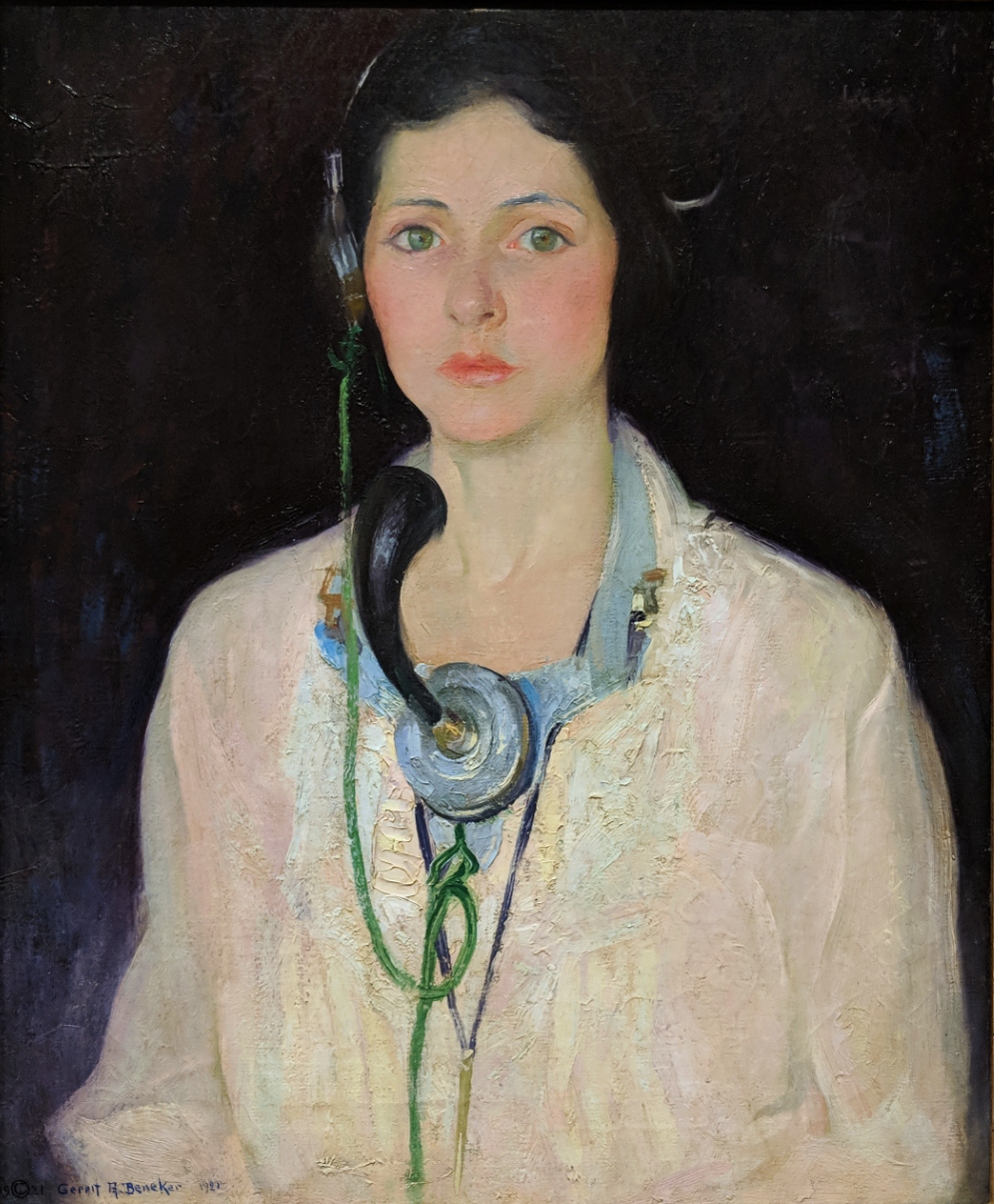
Gerrit Beneker
Telephone Operator, 1921
Oil on canvas


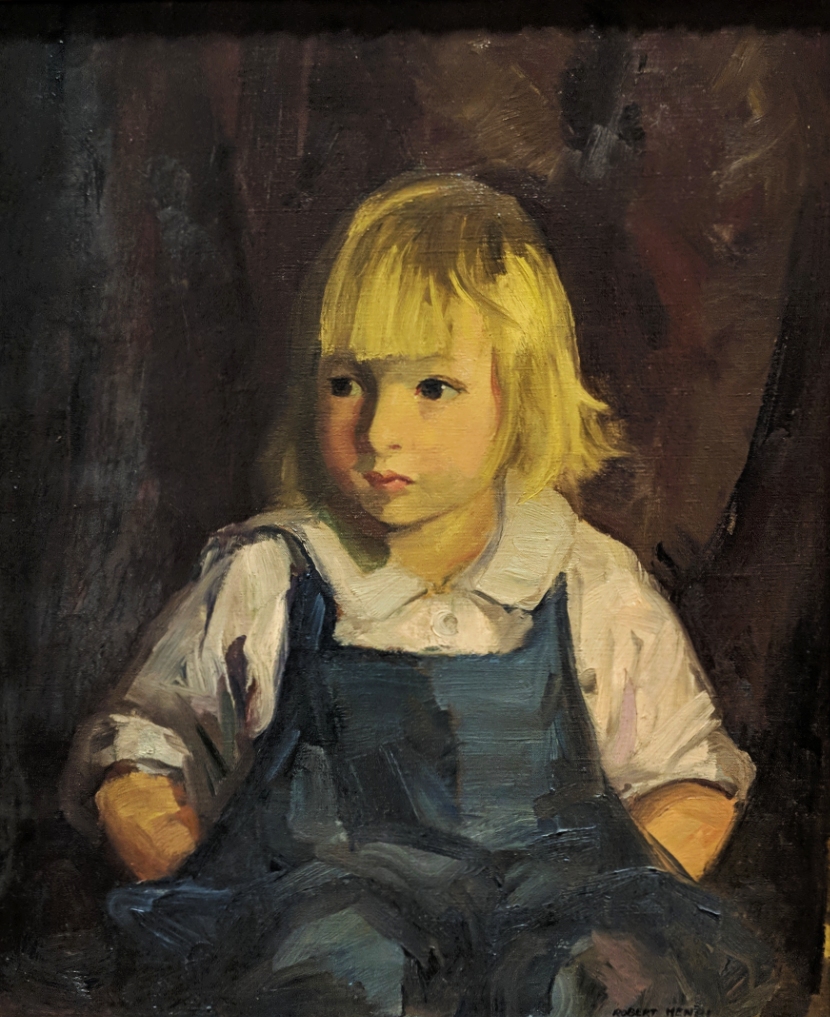
Robert Henri
Carl (Boy in Blue Overalls), 1921
Oil on canvas


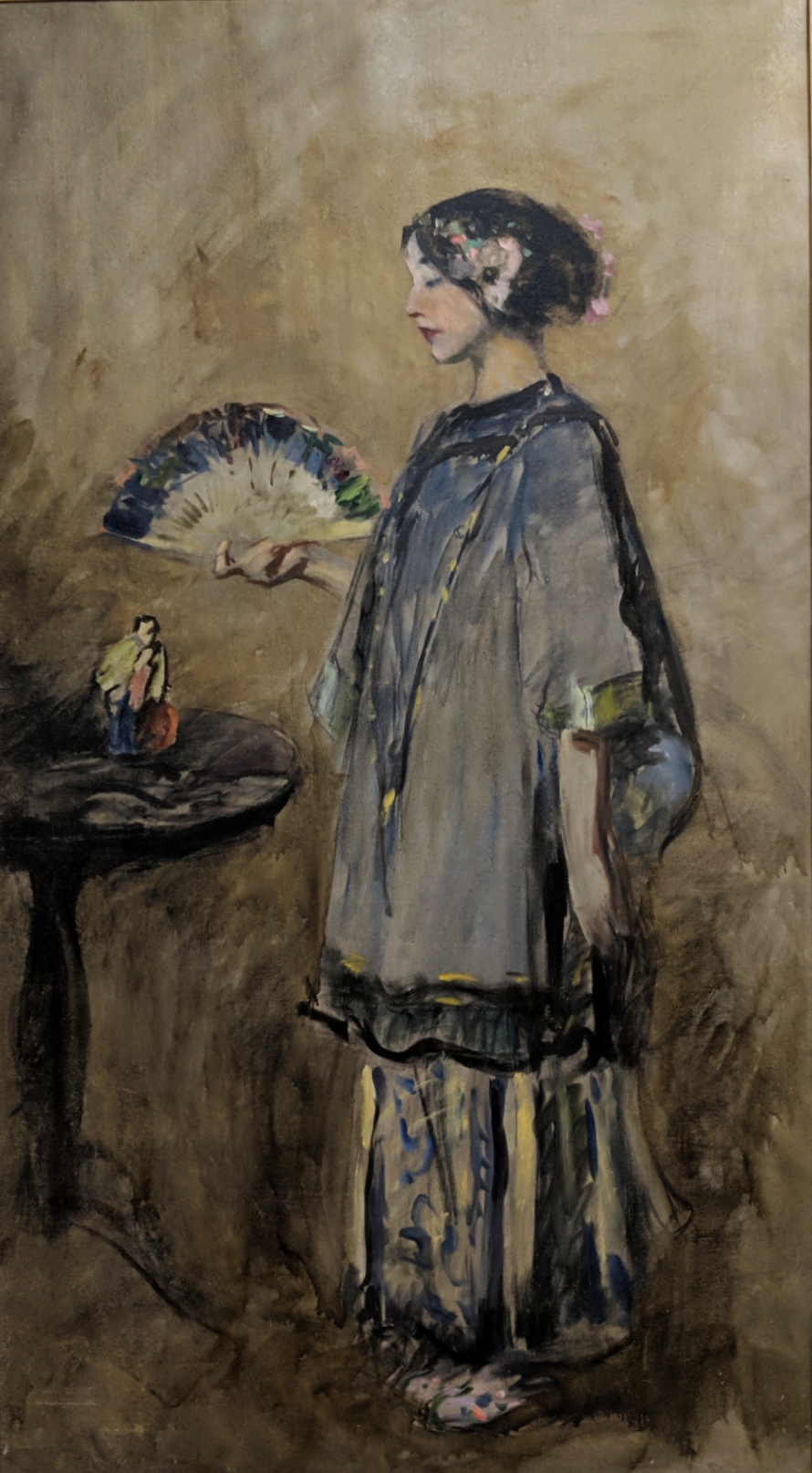
Irving Ramsey Wiles
Gladys in Chinese Robes, 1920-29
Oil on canvas


El Paso Museum of Art, TX

October 12th, 2018

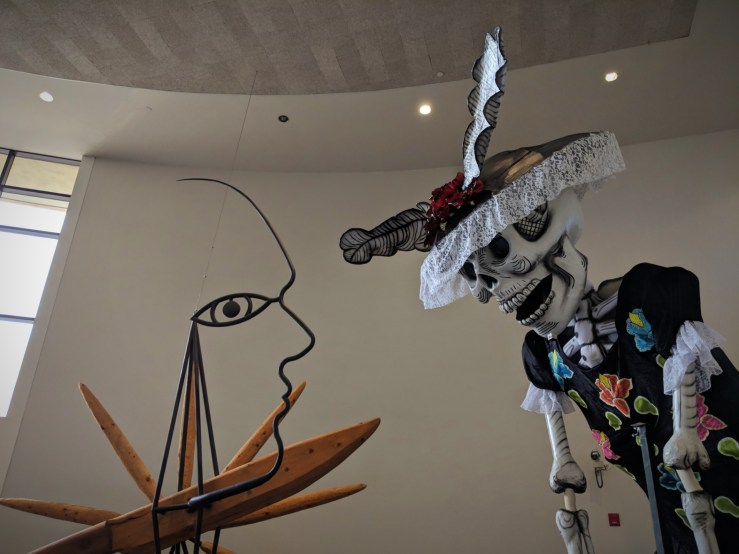
El Paso Museum of Art

An Art Institution in a binational, bilingual city like El Paso could showcase nothing less than an eclectic collection, rich in history, diverse in technique, open-minded and thought provoking, drawing inspiration from both sides of the Americas.

EPMA is the only American Alliance of Museums-accredited art museum within a 200-mile radius, one of the only accredited museums in all of West Texas, and serves as a major cultural and educational resource for West Texas, New Mexico, and Northern Mexico with nearly 100,000 visitors each year. The demographic characteristics of this region are diverse and unique among large cities in the United States because of the nature of its fluid, binational population which sees inhabitants working, learning, and socializing across international and state borders on a daily basis. El Paso and its sister city Ciudad Juárez, Mexico share three international bridges that bring 75,000 people from Juárez to El Paso each day (Bureau of Transportation Statistics, 2016). According to Customs and Border Protection, 600 to 1,000 children legally cross the Paso del Norte bridge to go to school every day. Moreover, over 80% of residents identify as Mexican, Hispanic, or Mexican-American. [sourge: EPMA]
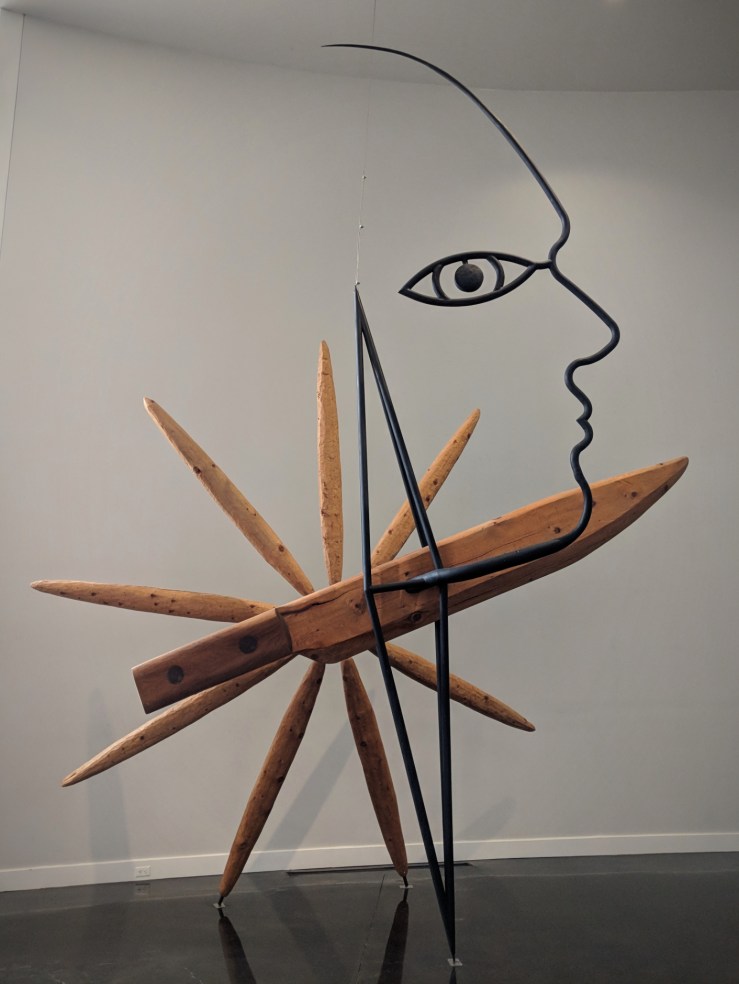
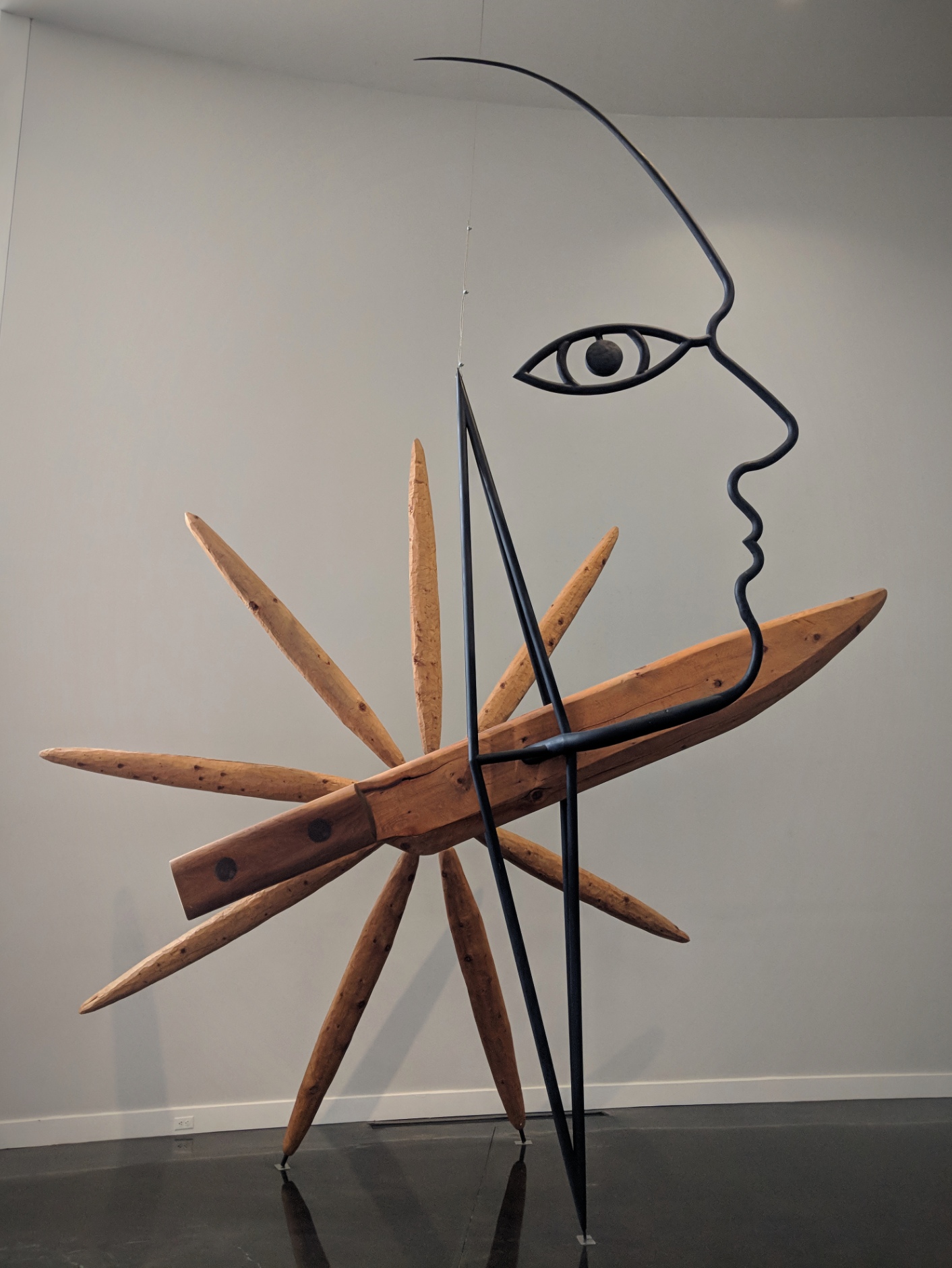
James Surls
Me, Knife, Diamond and Flower, 1999
Pine, poplar and steel

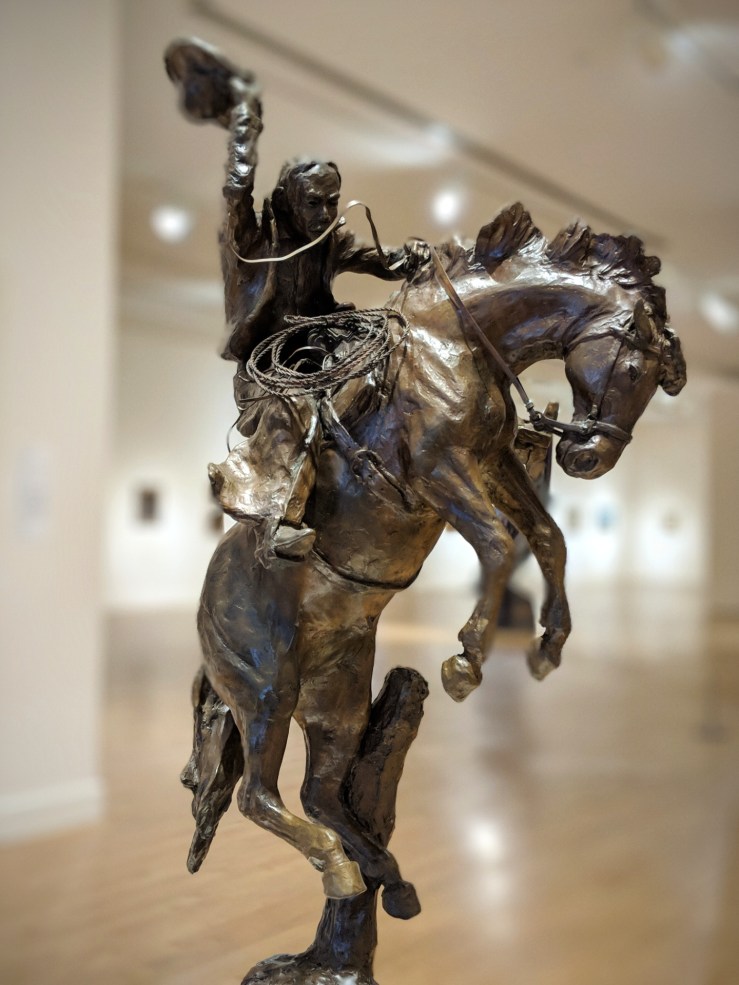
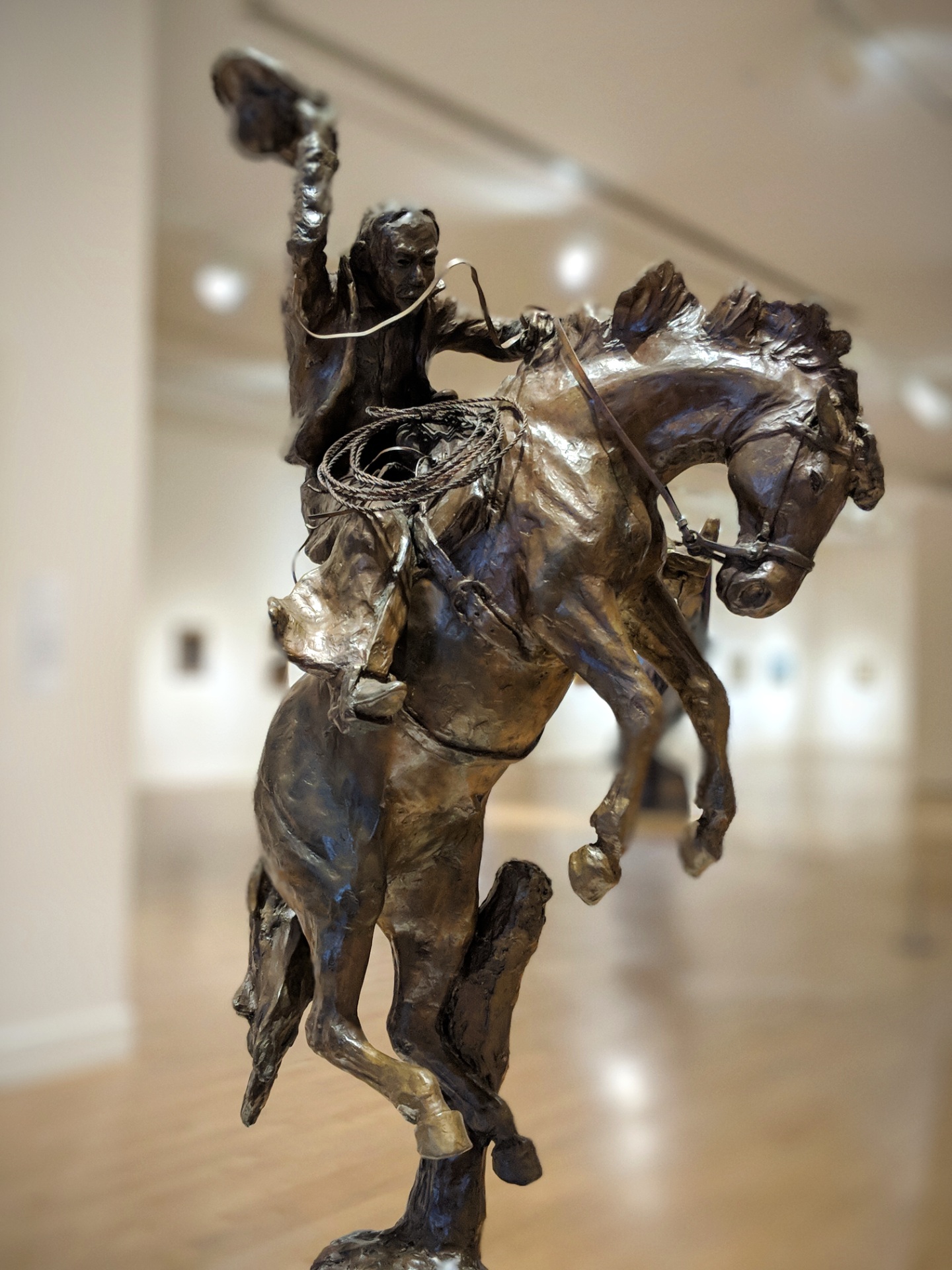
Tom Knapp
Springtime in the Rockies, 1978
Bronze

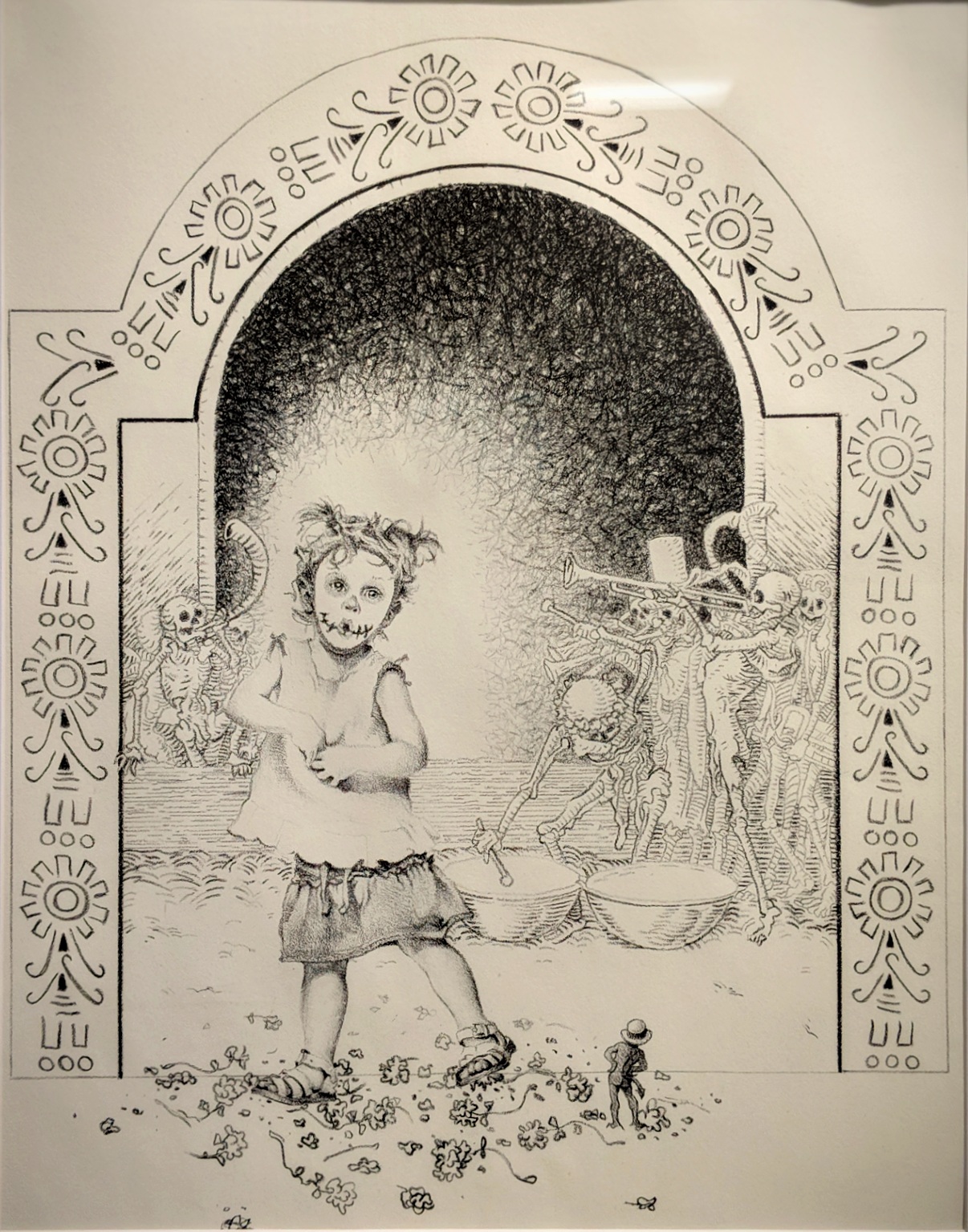
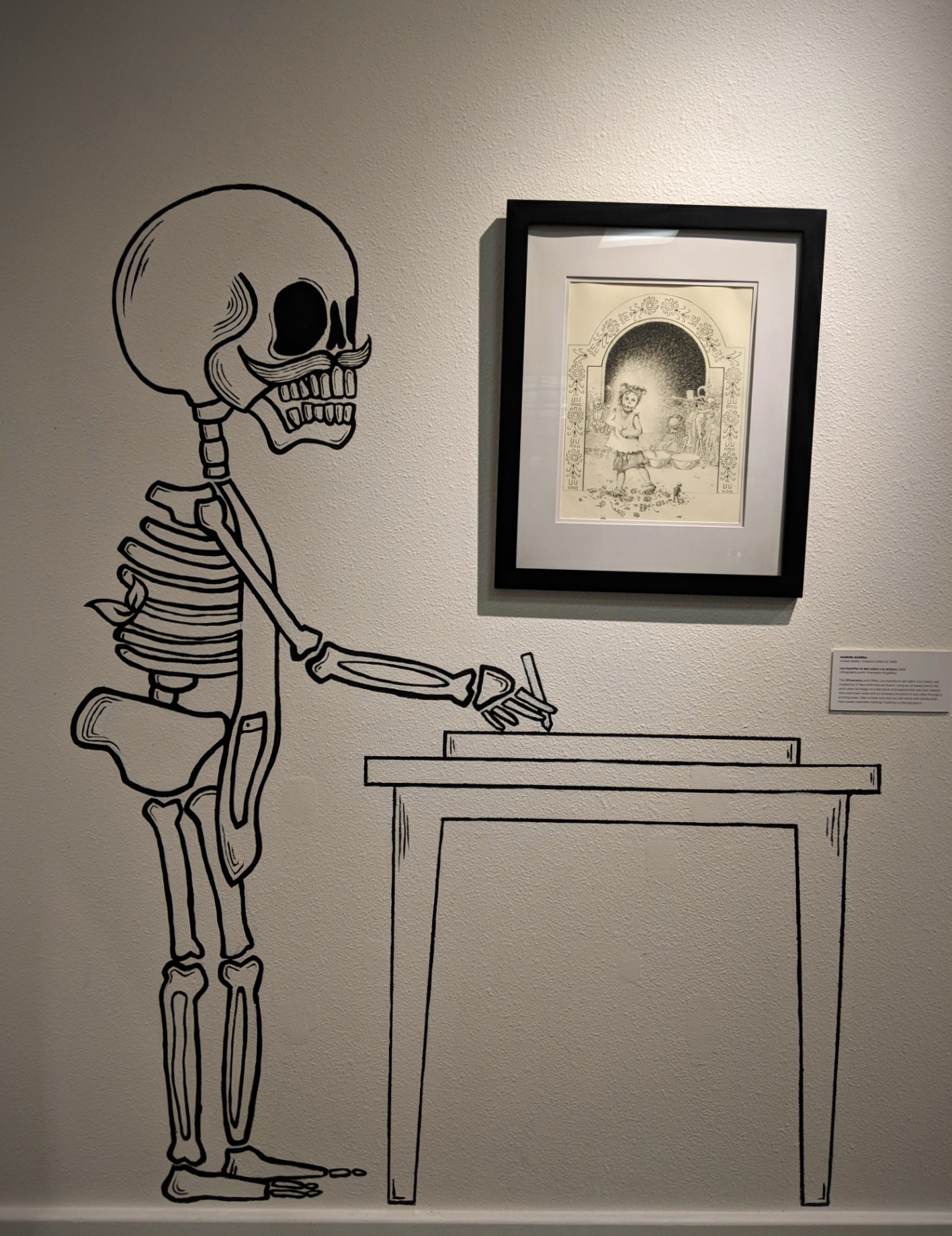
Manuel Guerra
Los huecitos le dan sabro a la música, 2008

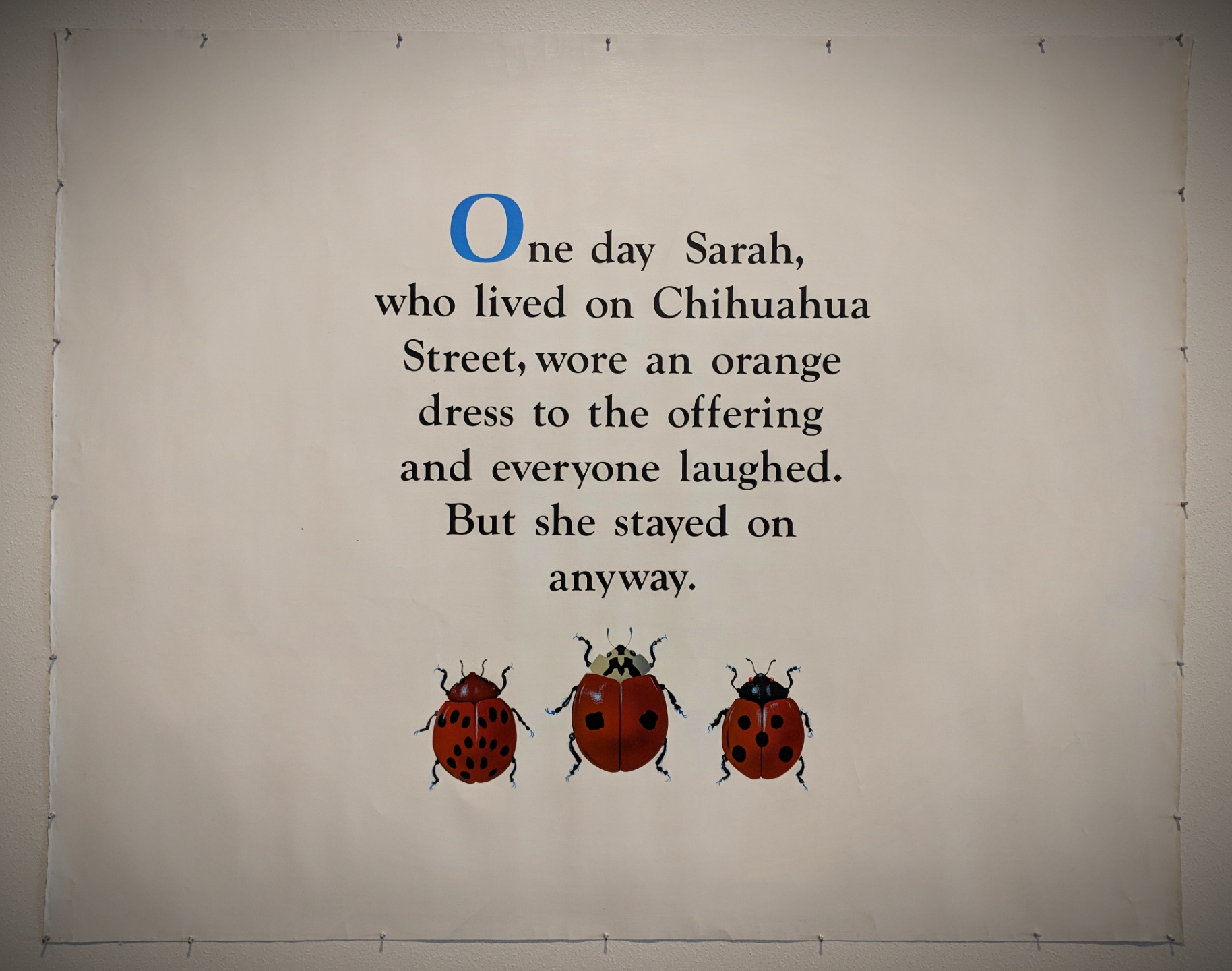
Celia Álvarez Muñoz
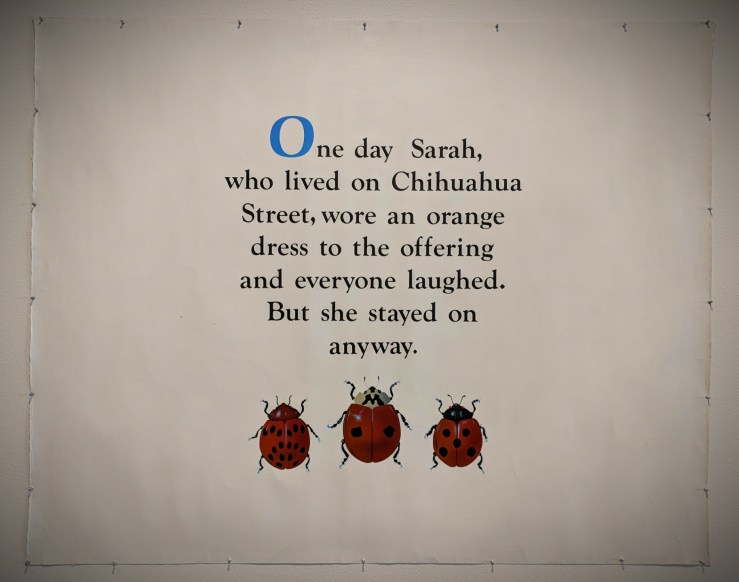
Postcards: Sweet Orange, Oh! Chihuahua and Street Signs
Acrylic on canvas and metal street signs
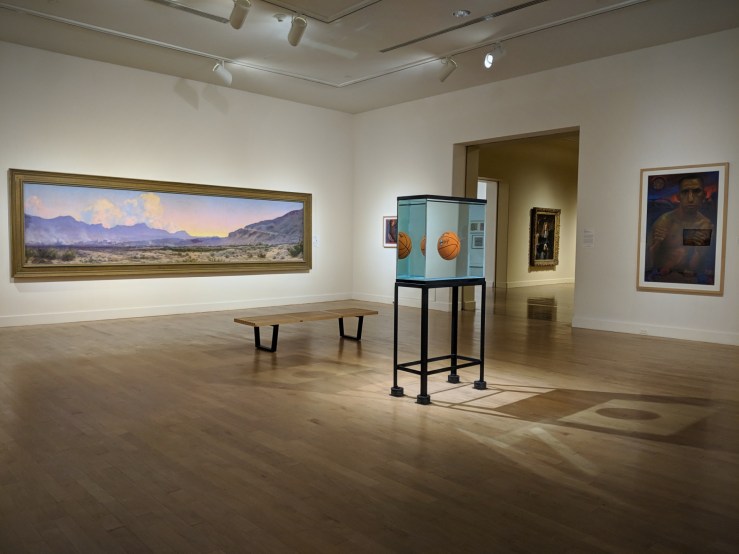
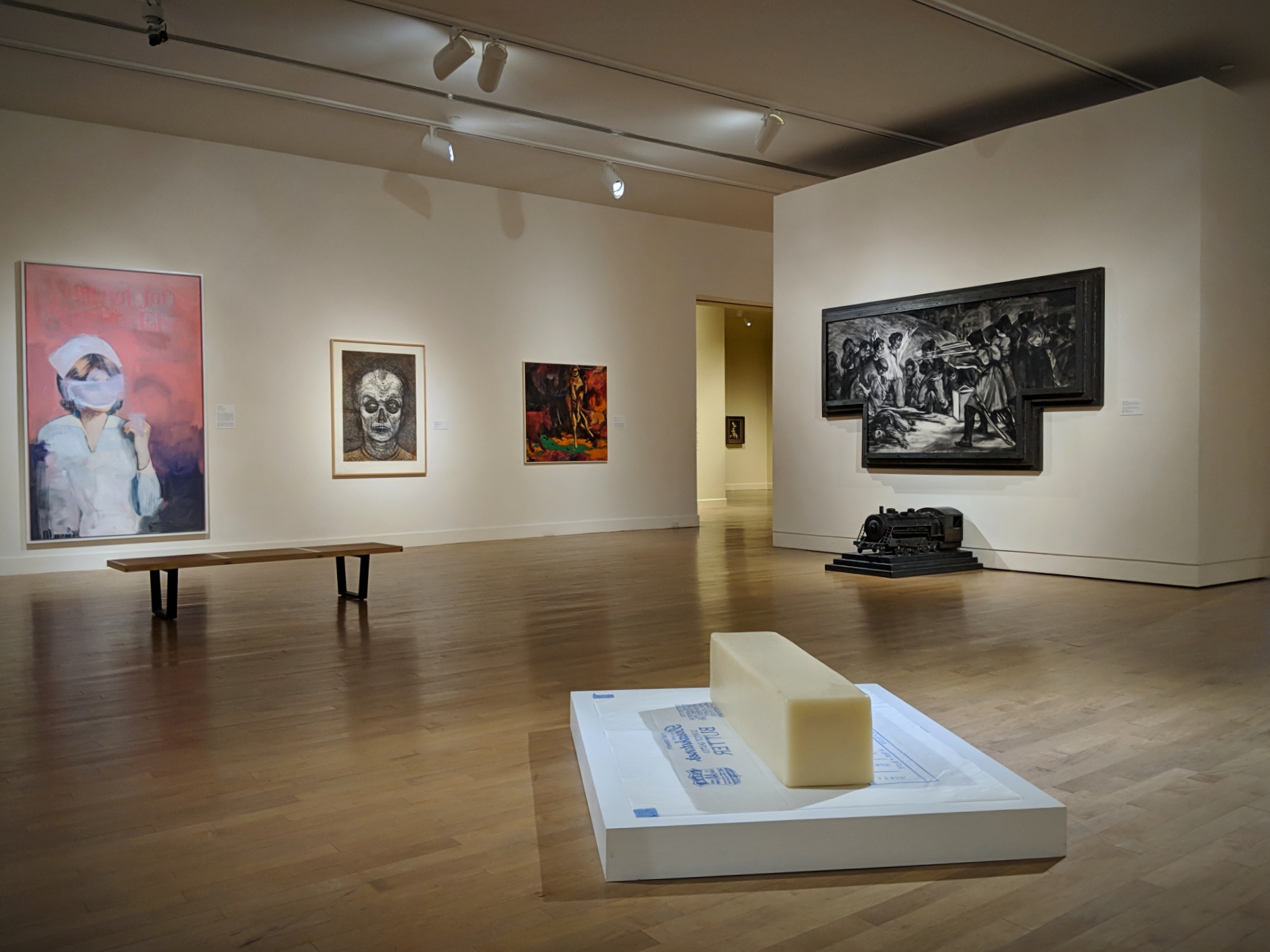
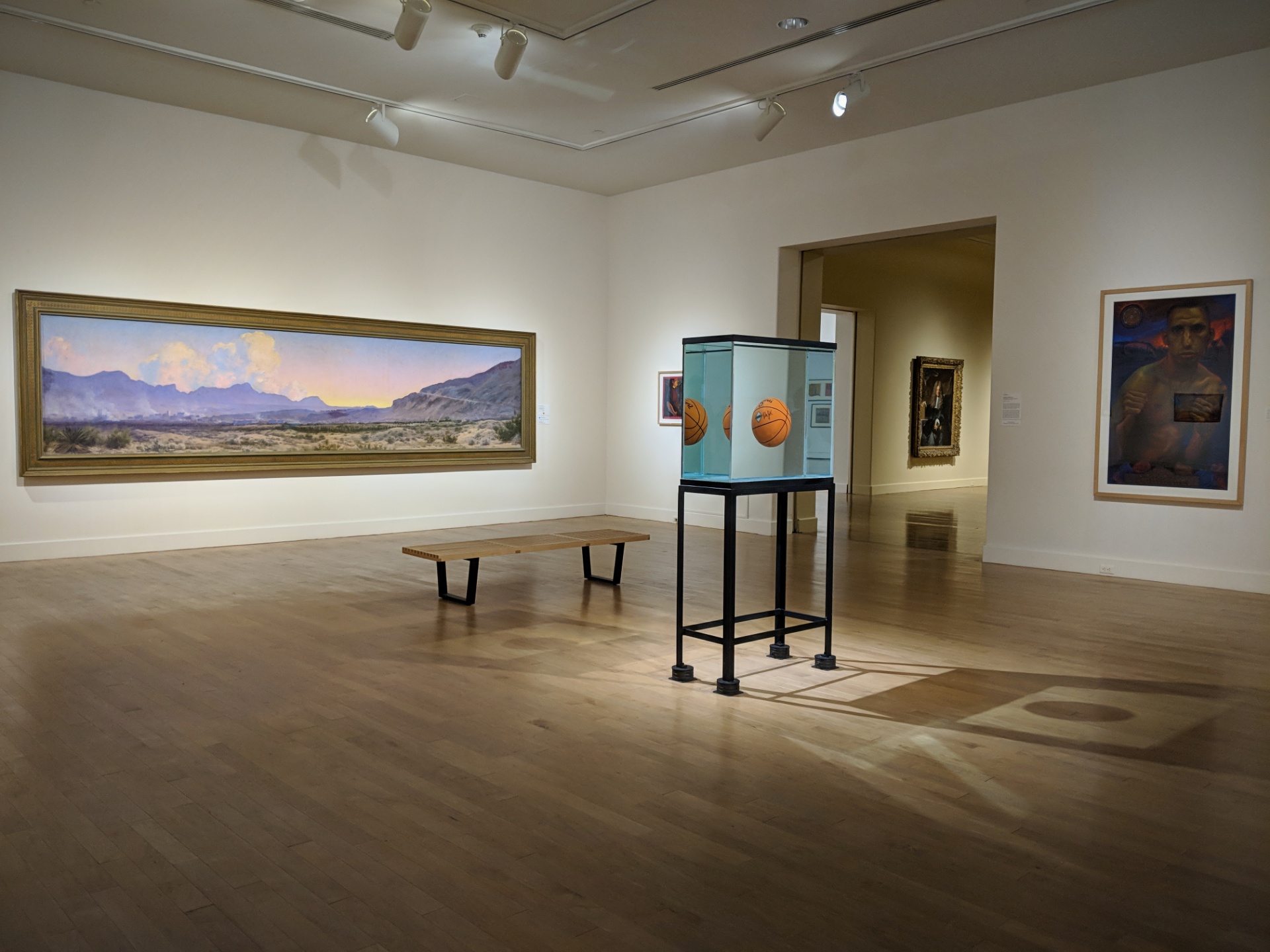
Jeff Koons is omnipresent in American museums – here is a view of his One Ball Total Equilibrium Tank
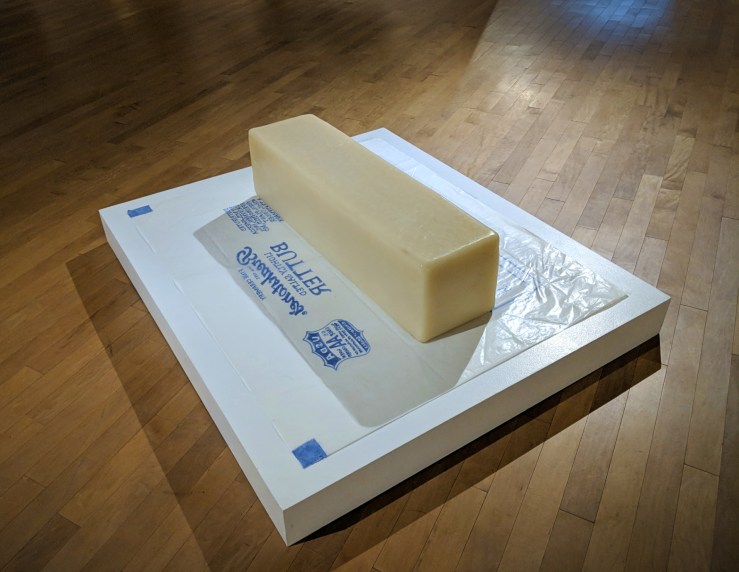

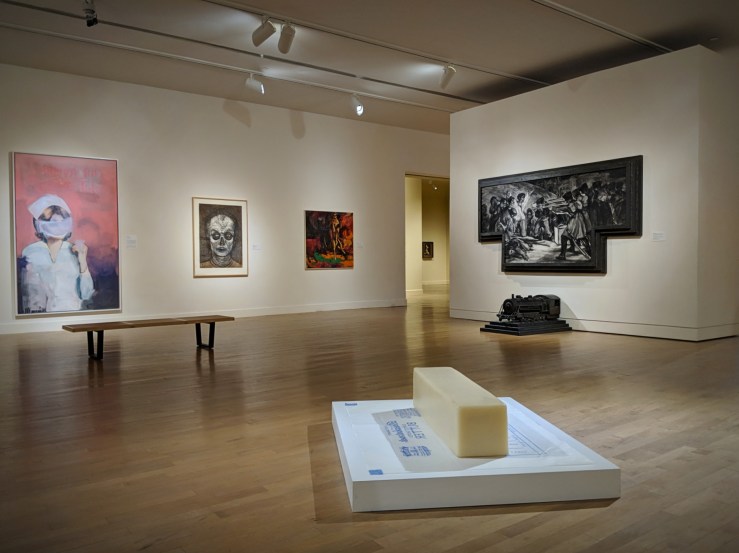
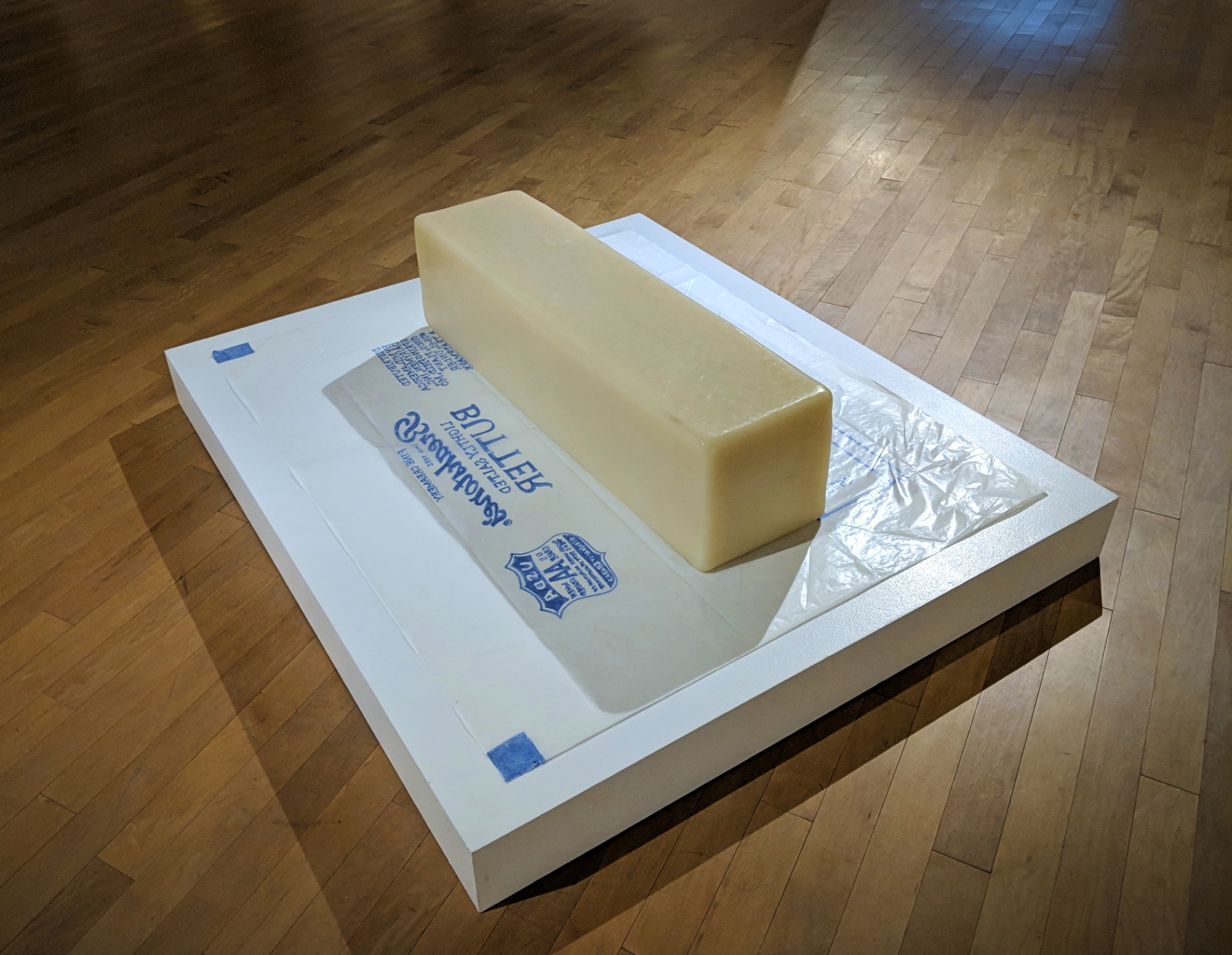
Robert Gober
Untitled, 1993-94
Beeswax, wood, glassine and felt-tip marker pen ink

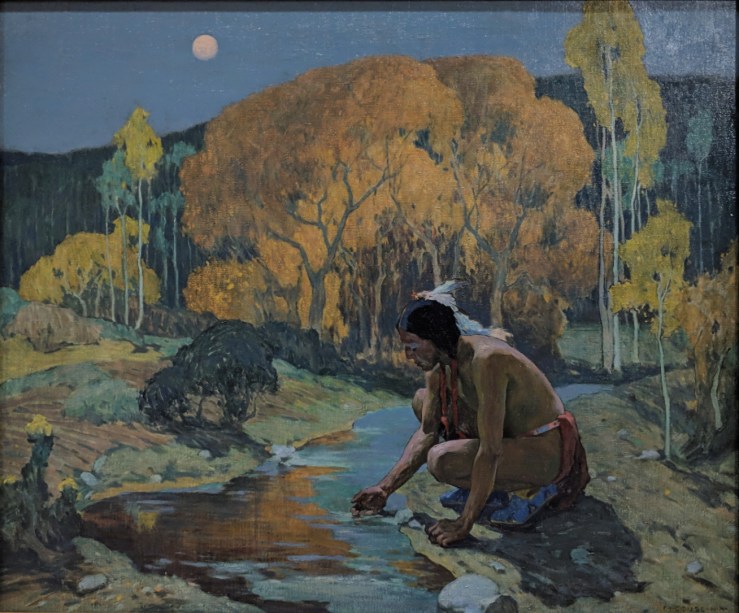
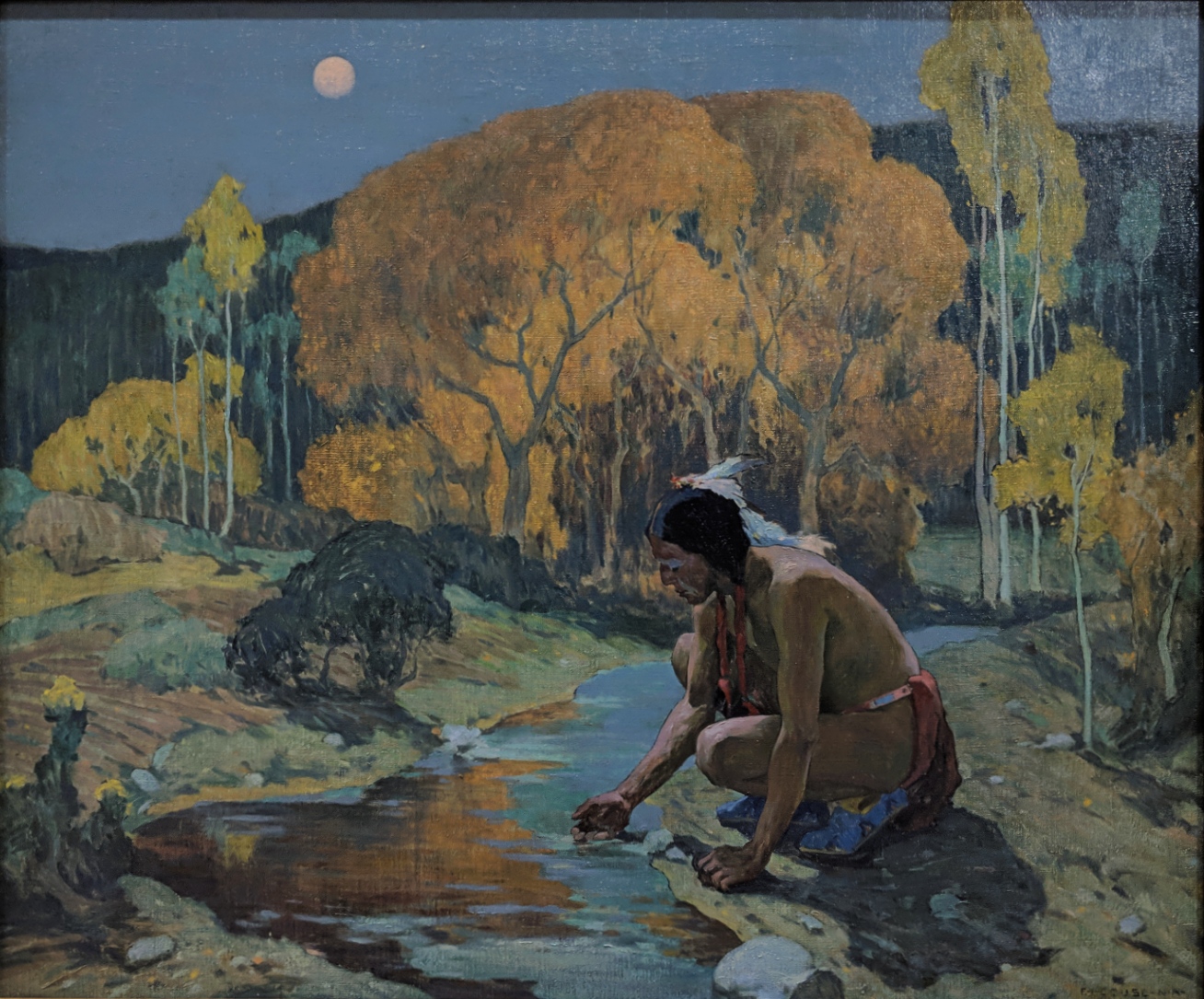
Eanger Irving Couse
Autumn Moon, 1927
Oil on canvas
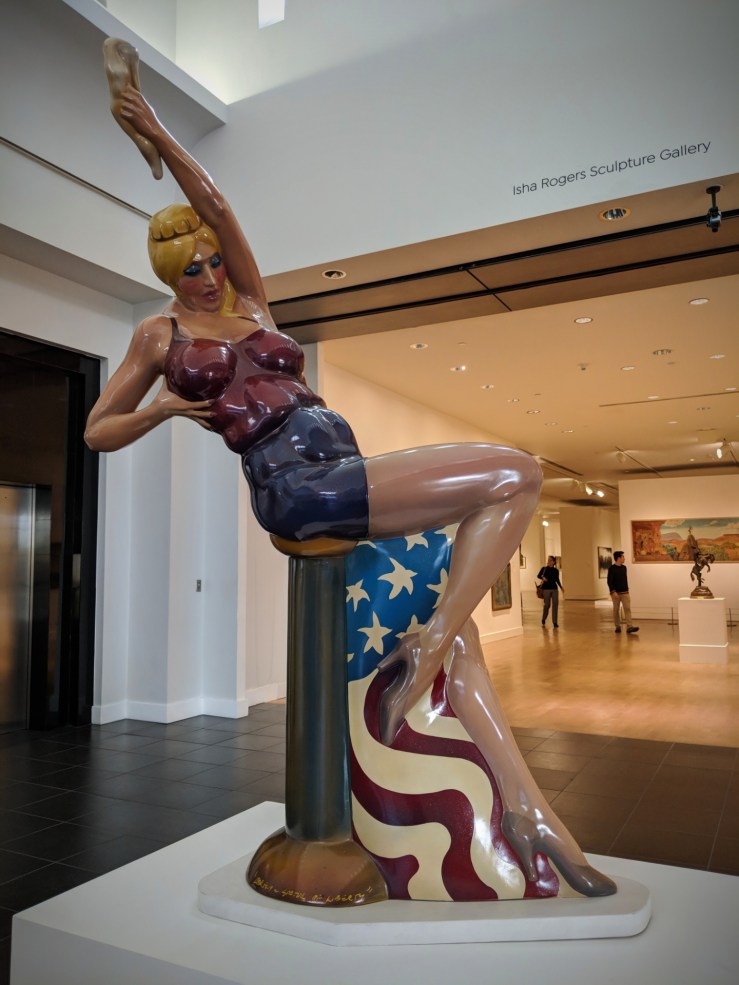

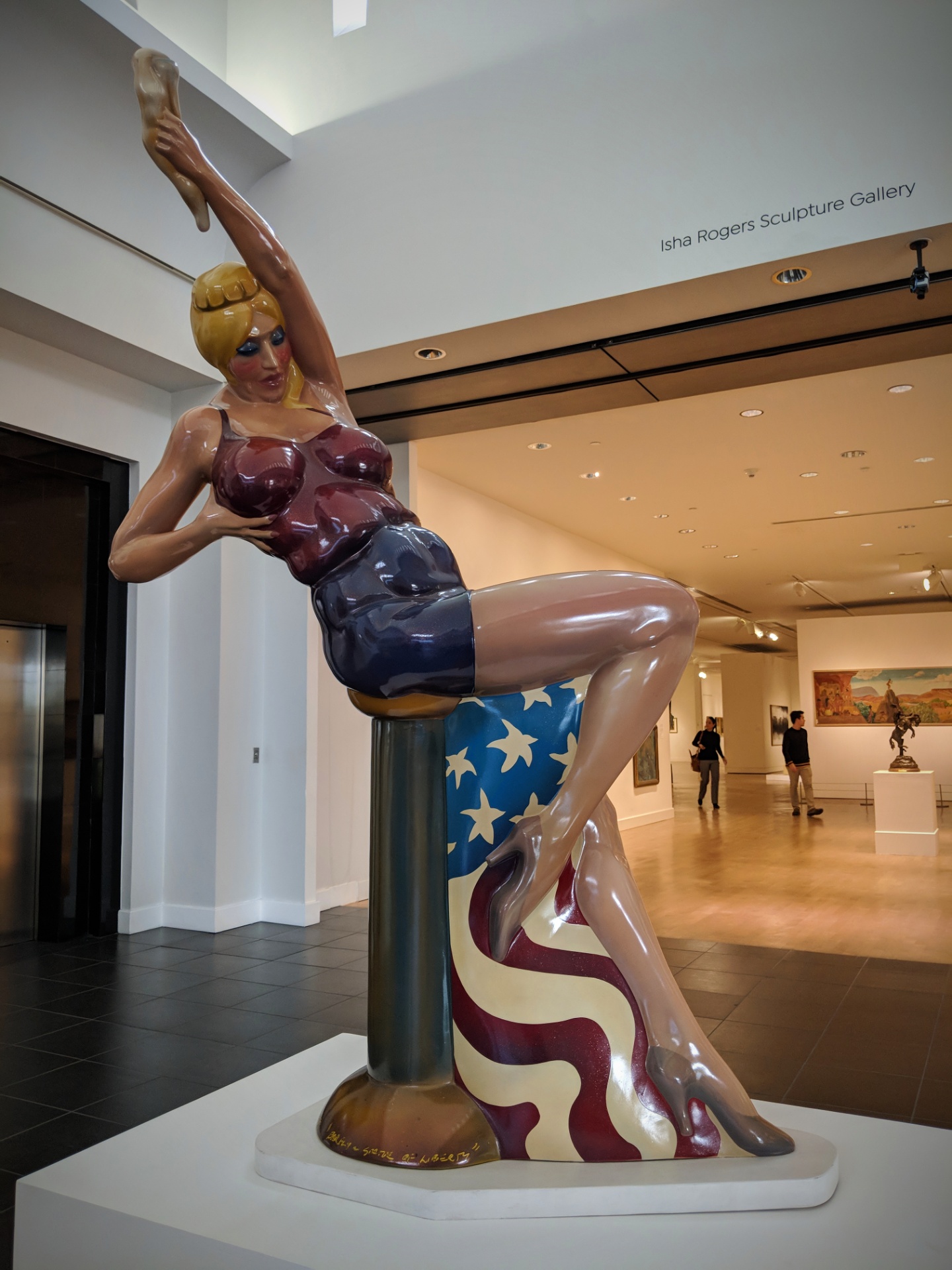
Luis Jiménez
Barfly – Statue of Liberty, 1969 – 1974
Acrylic on fiberglass
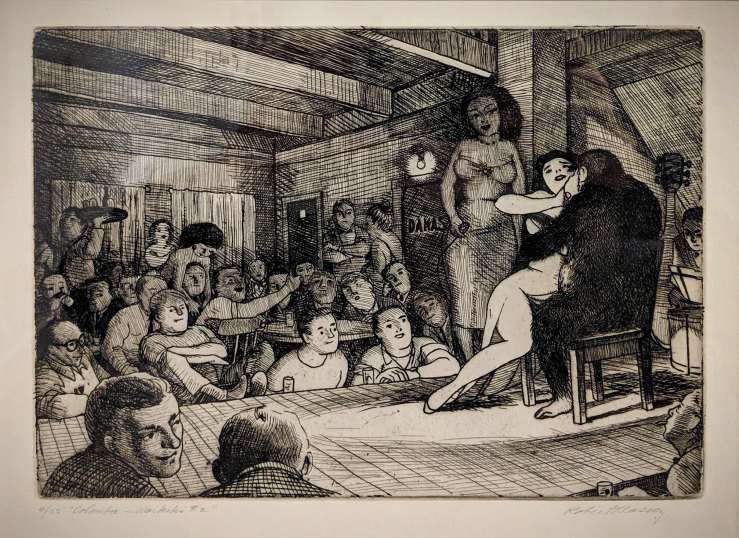

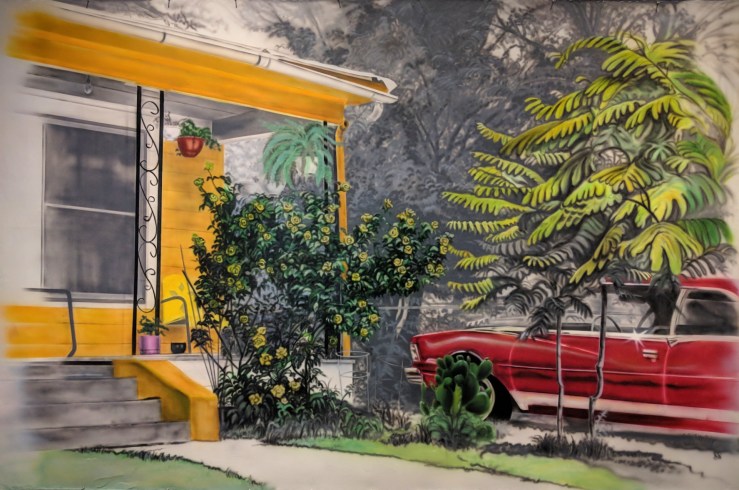
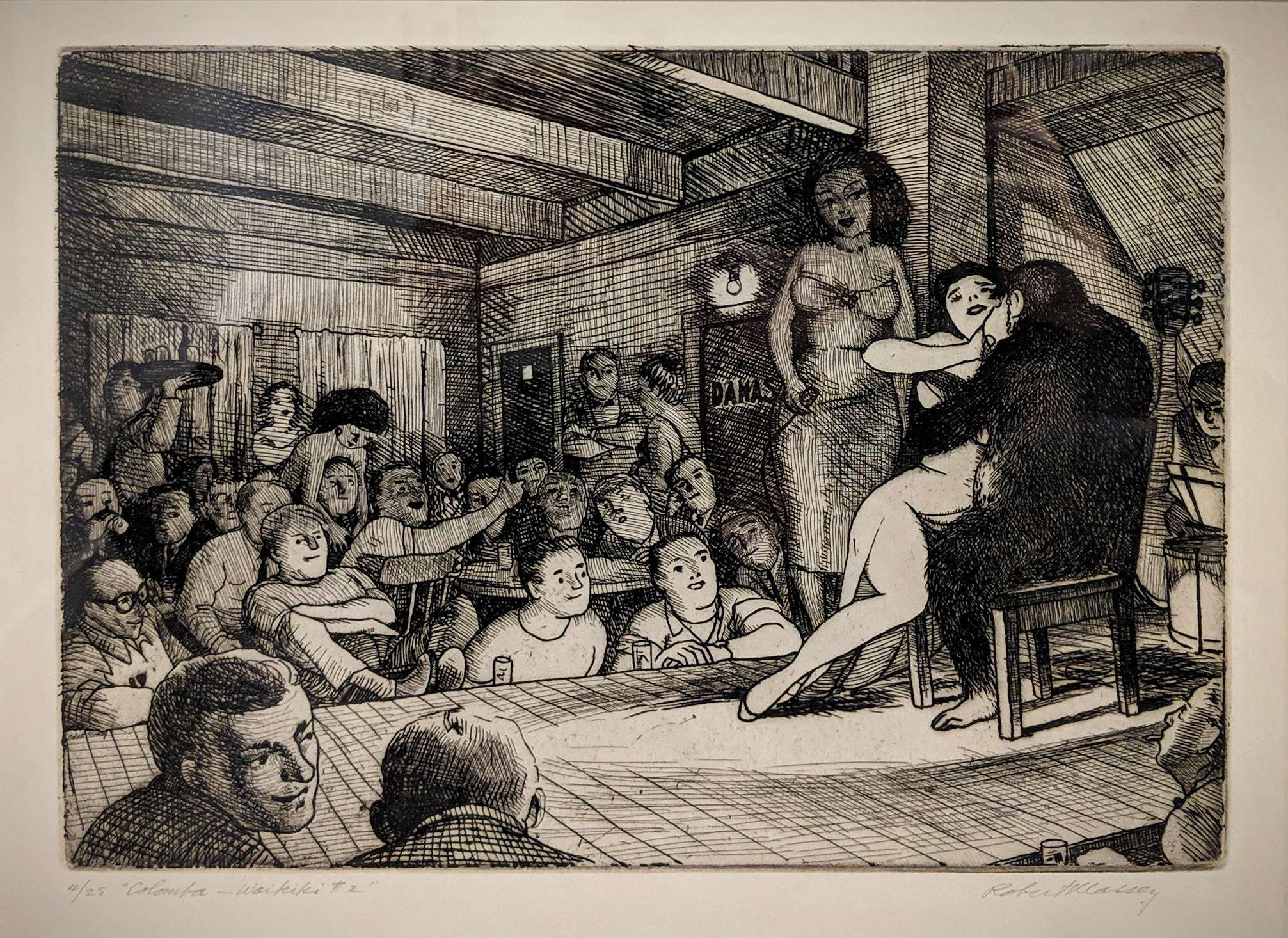
Robert Massey
Colomba – Waikiki #2, undated
Etching on paper
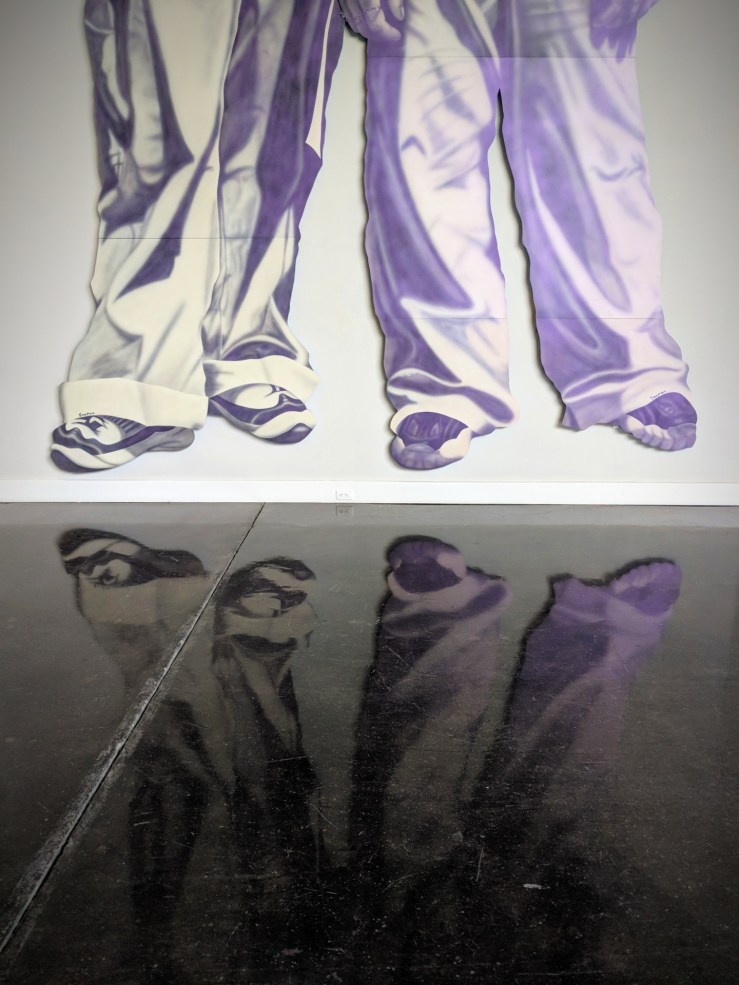

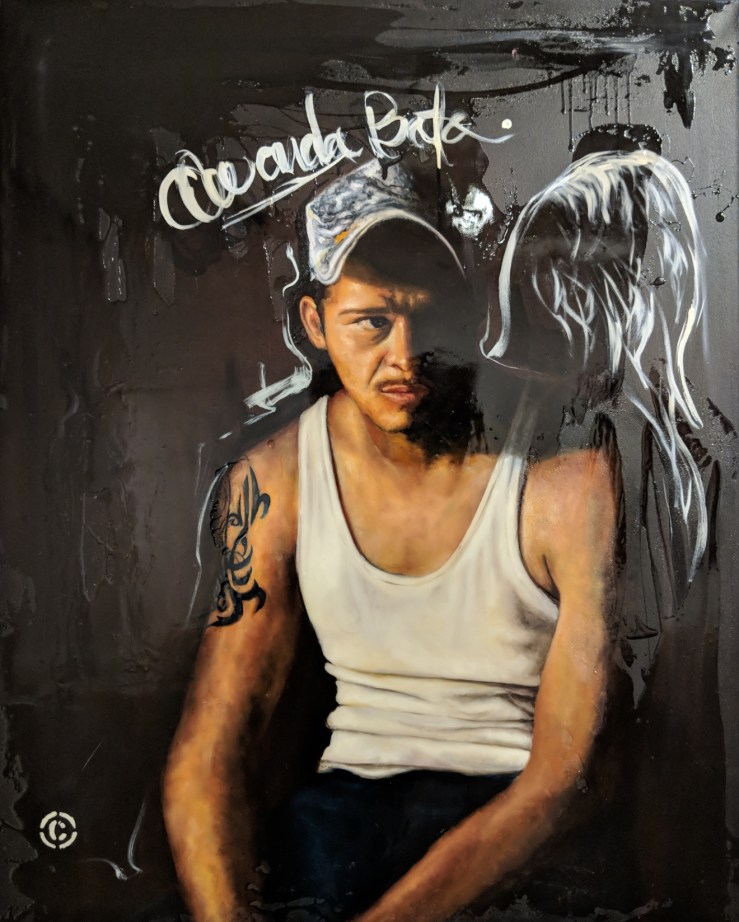
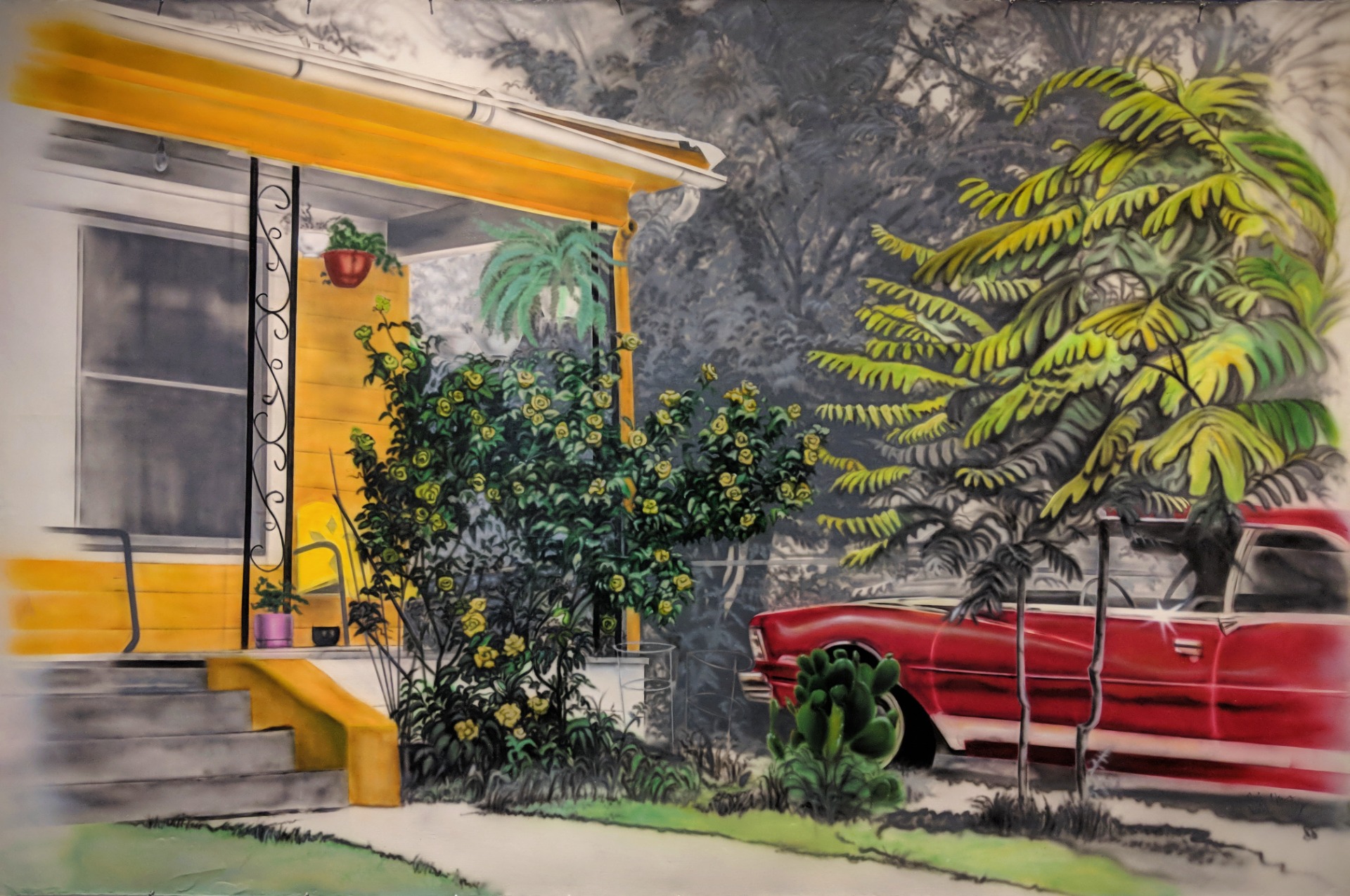
Paola Rascón
Jaciel, 2012
Oil and mixed media on canvas
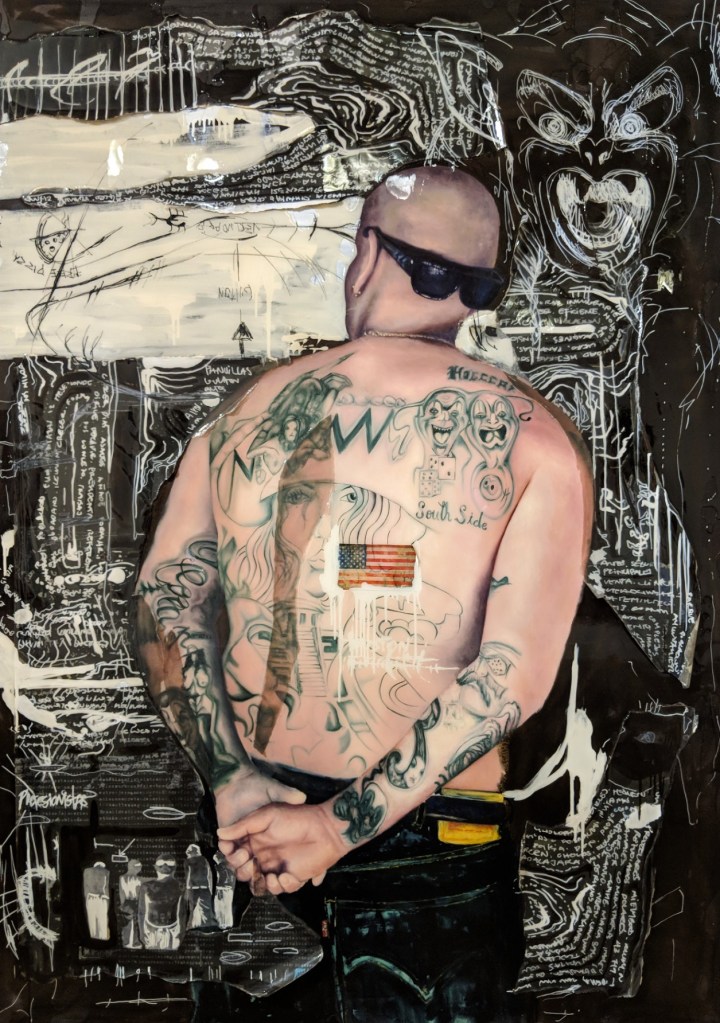

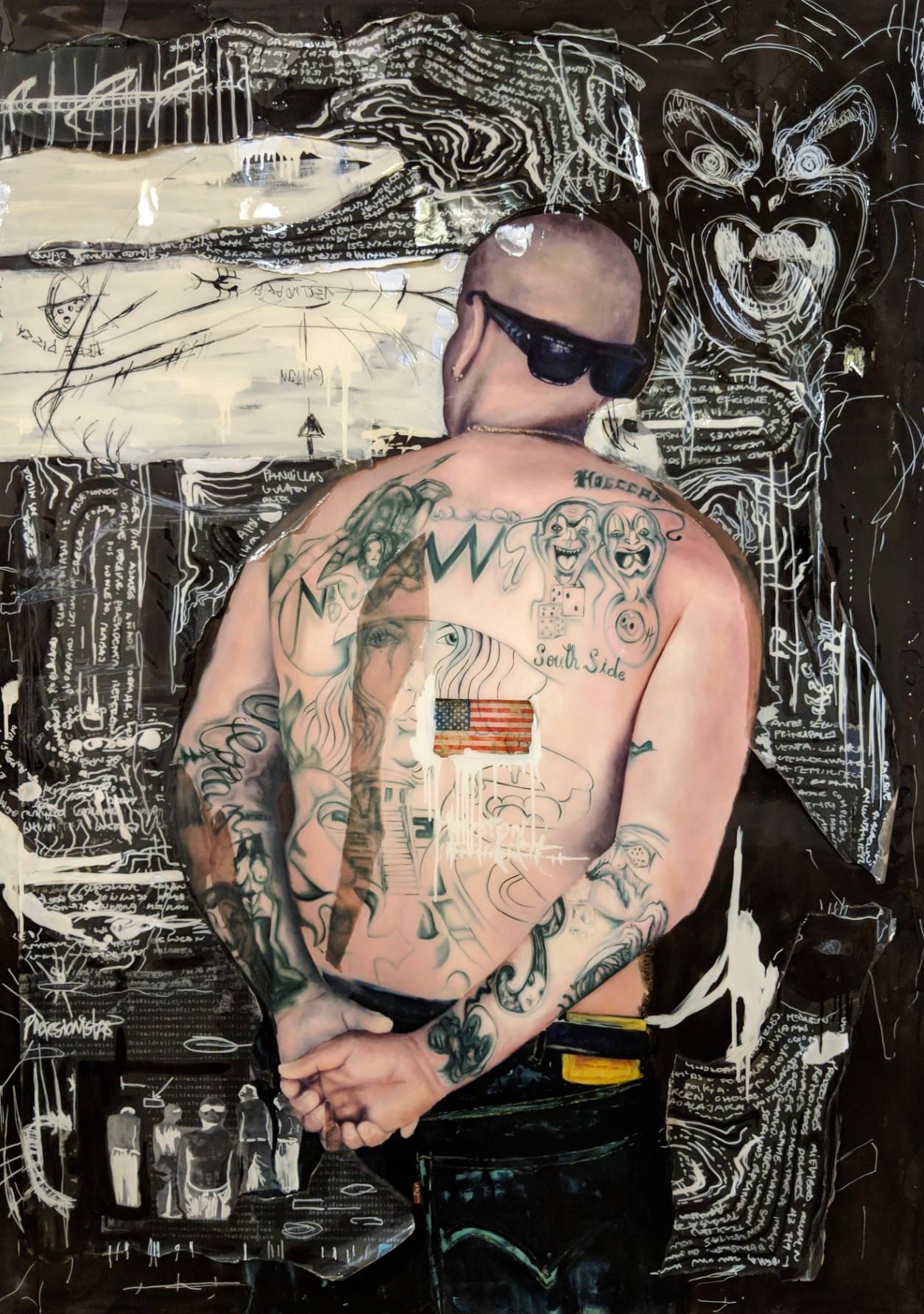
Paola Rascón
USA, 2015
Oil and mixed media on canvas
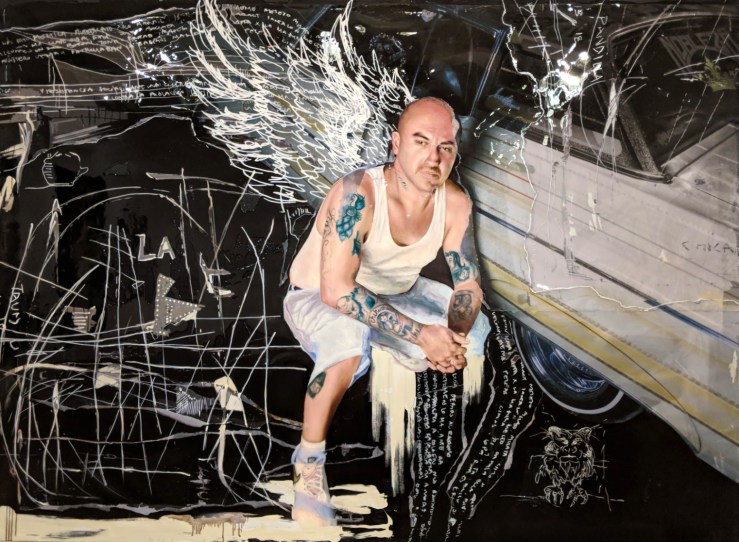

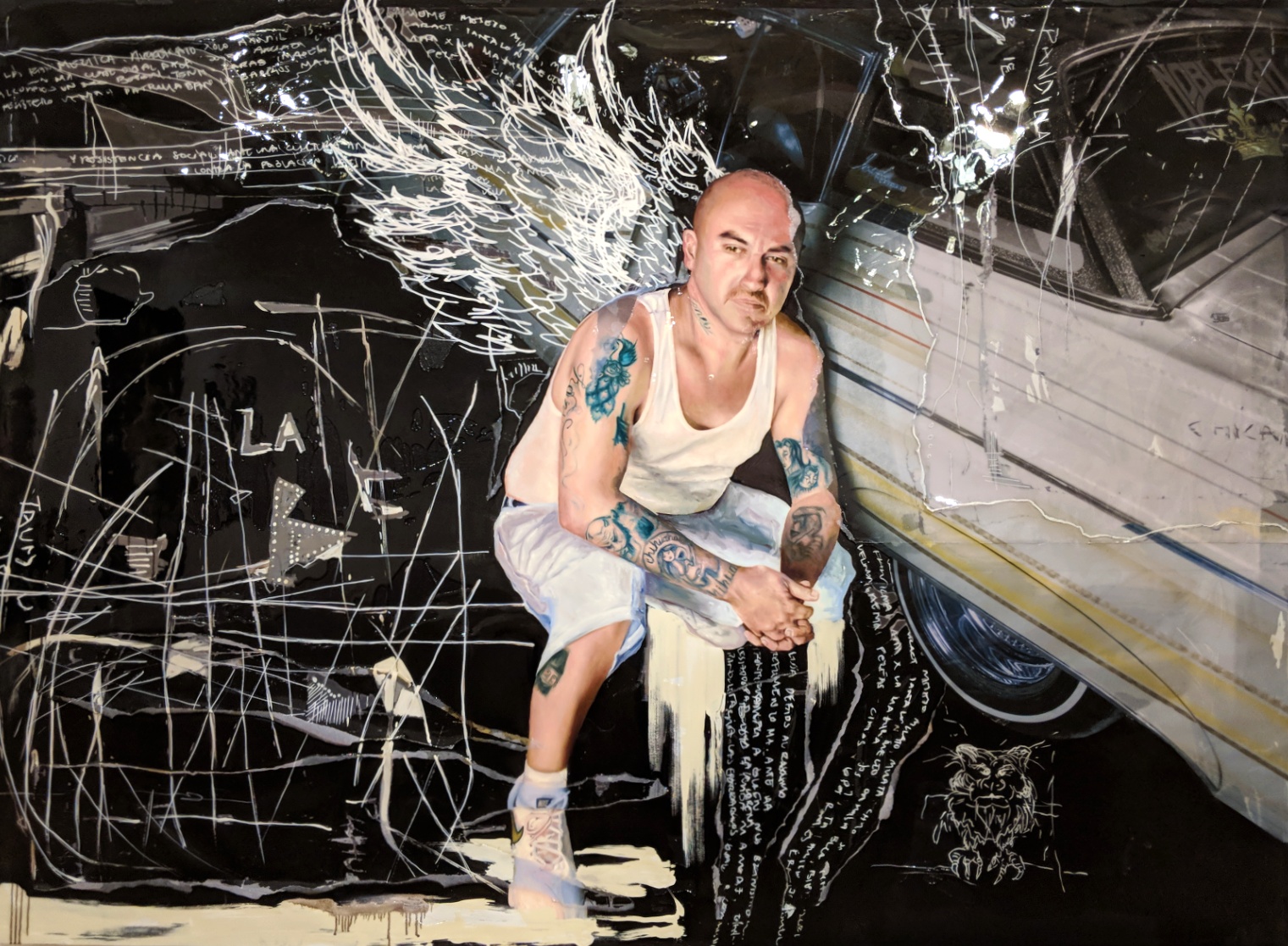
Paola Rascón
Low Rider
Oil and mixed media on canvas
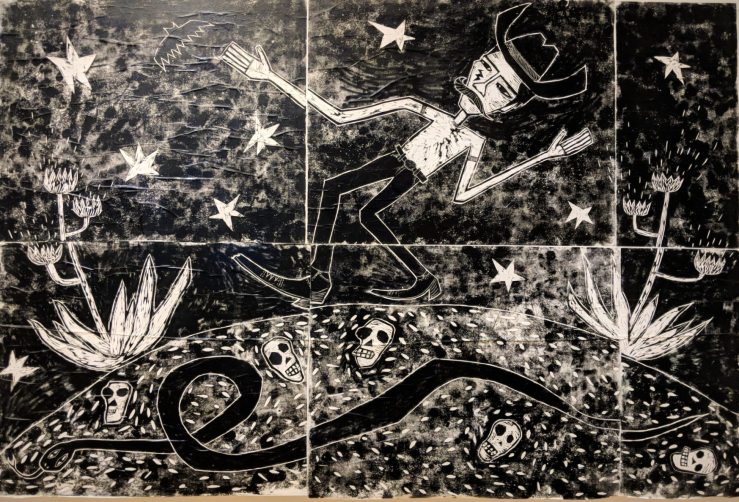

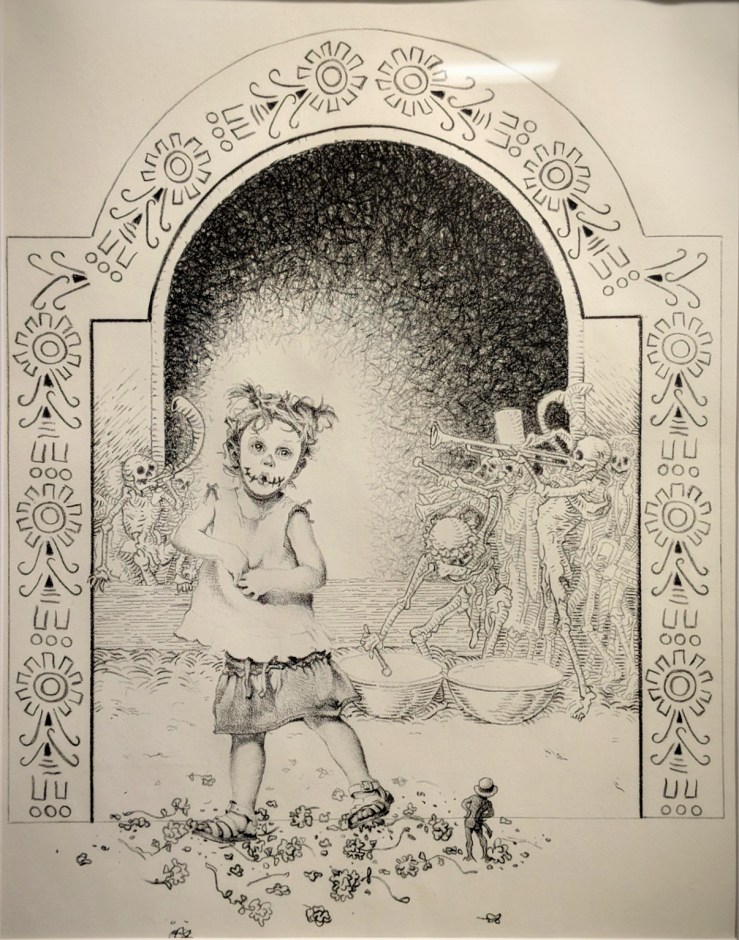
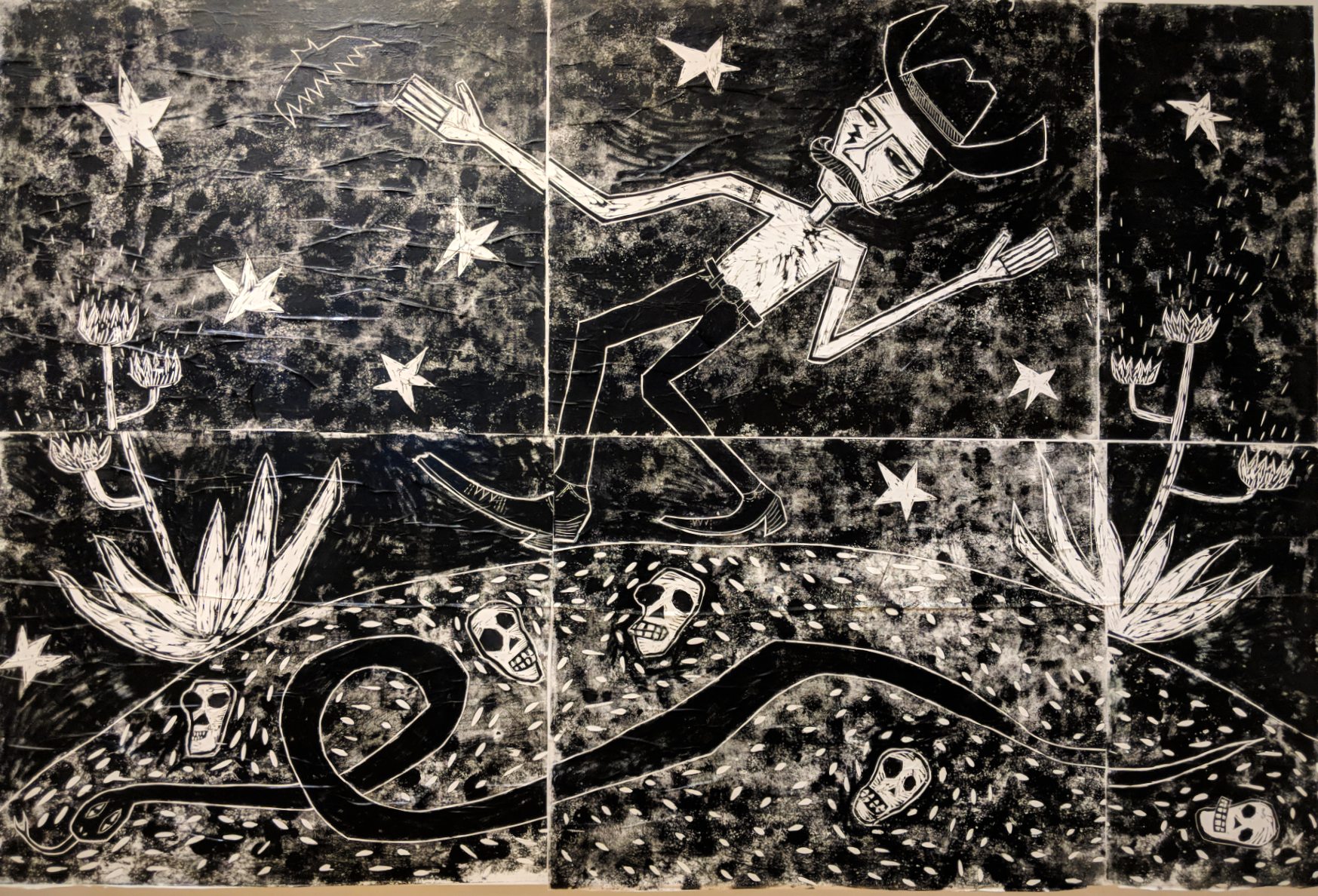
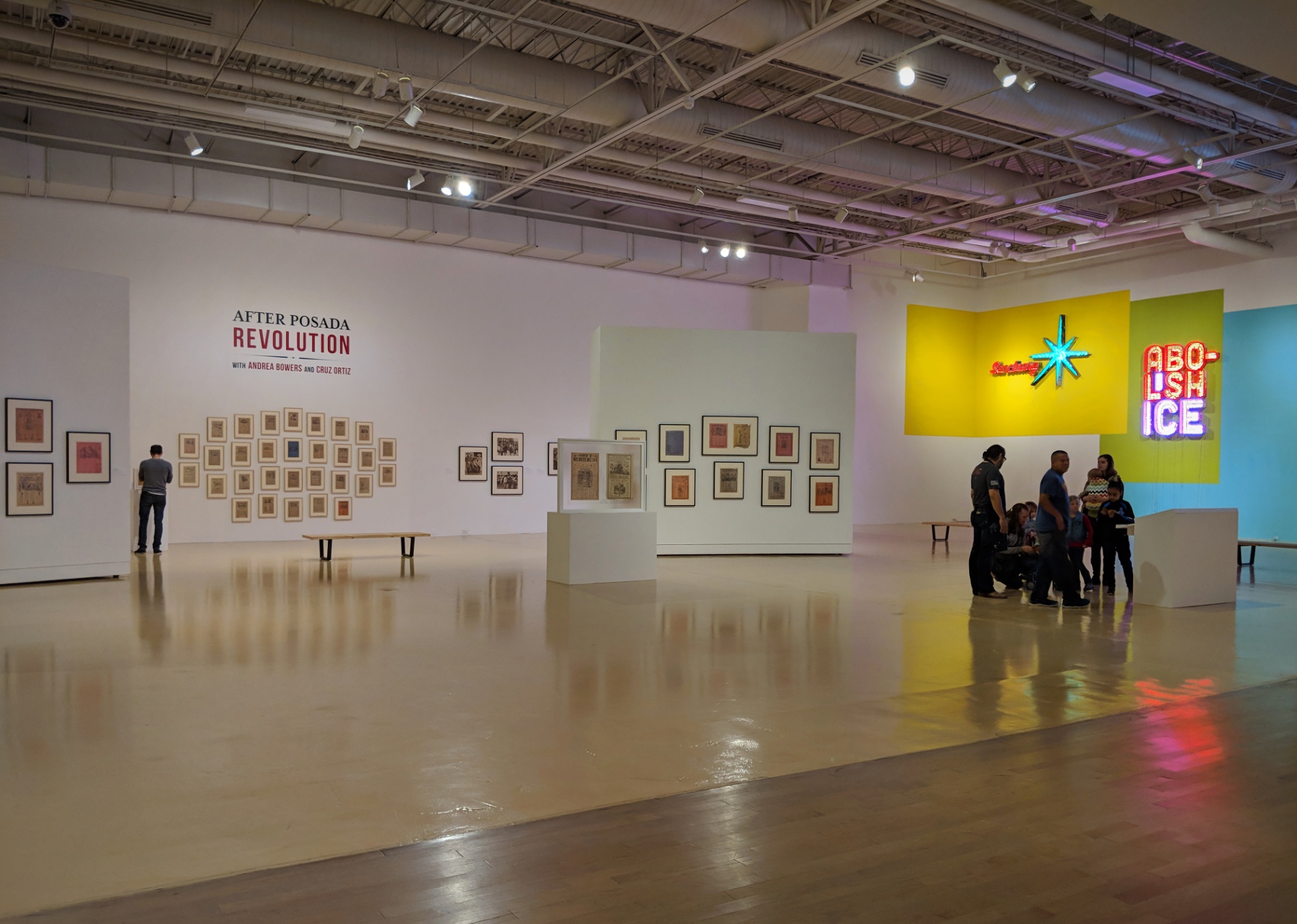
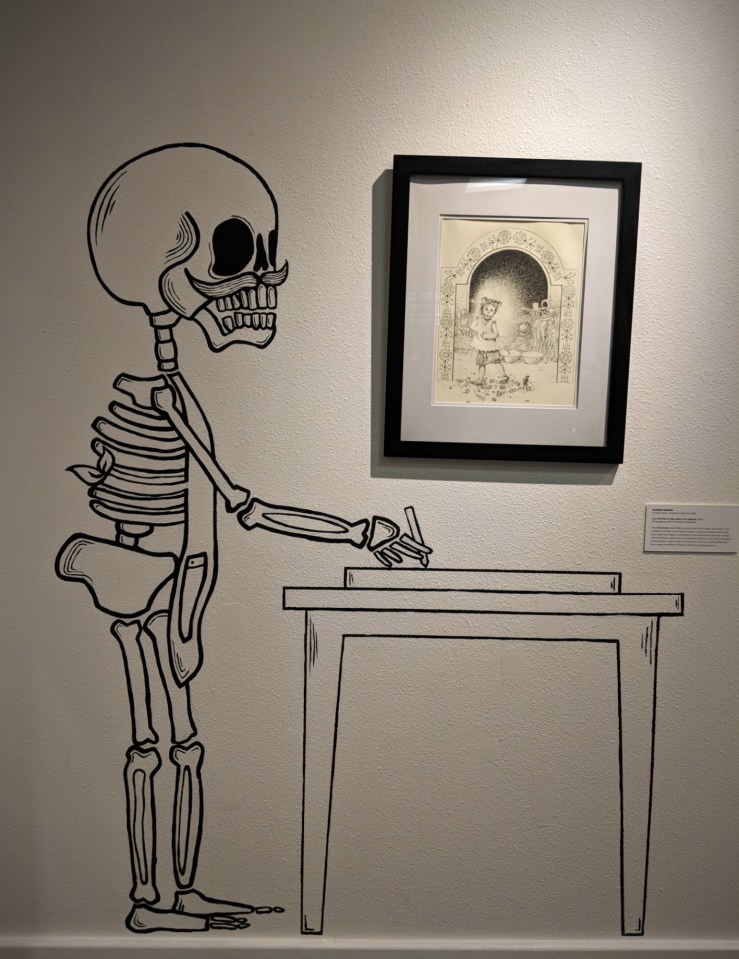
Cruz Ortiz
After Posada: Revolution
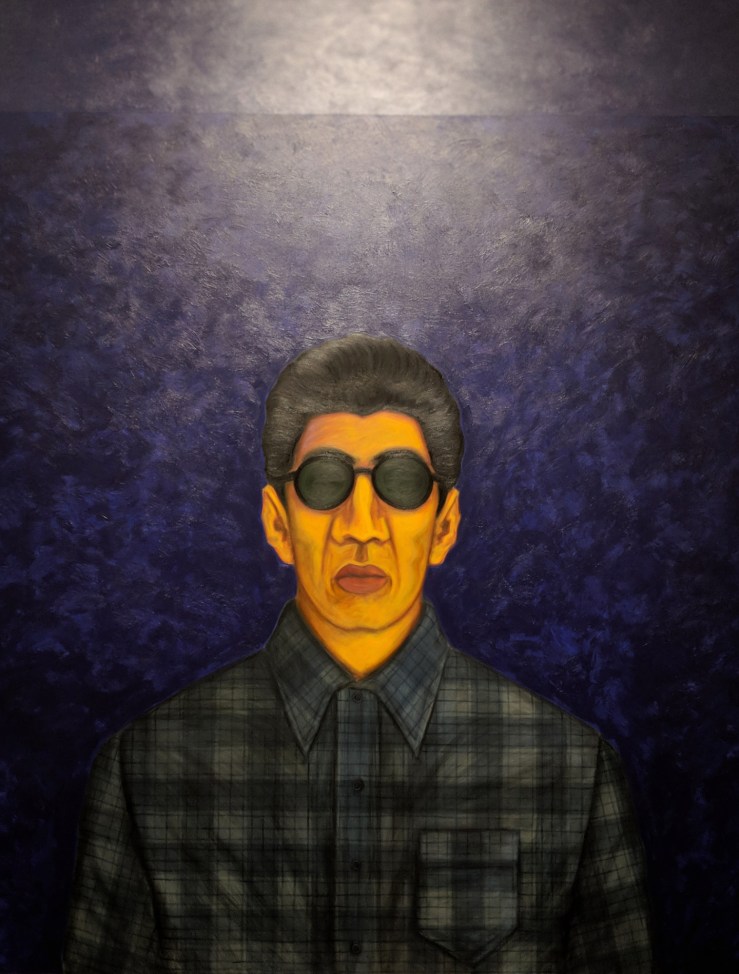

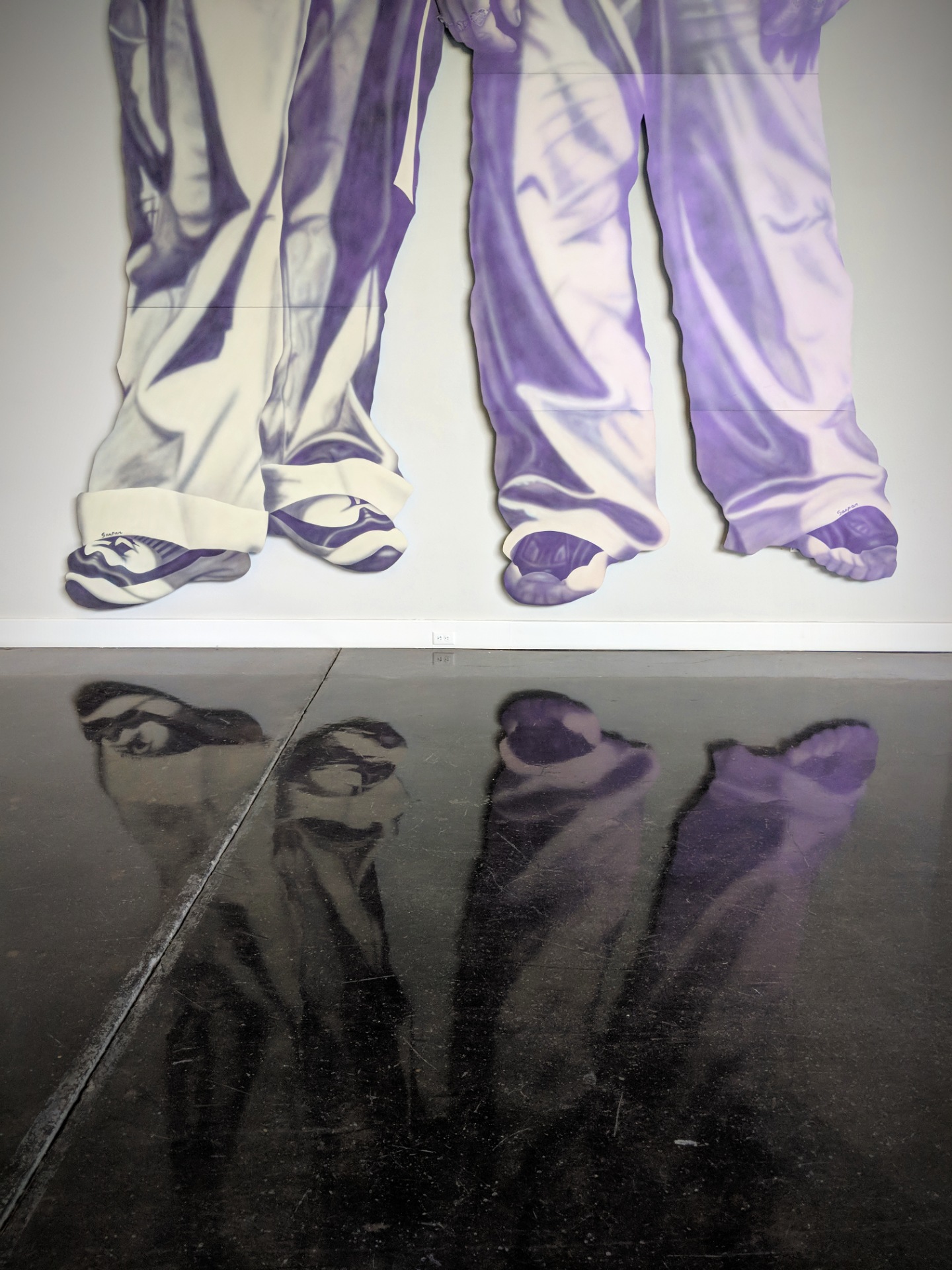
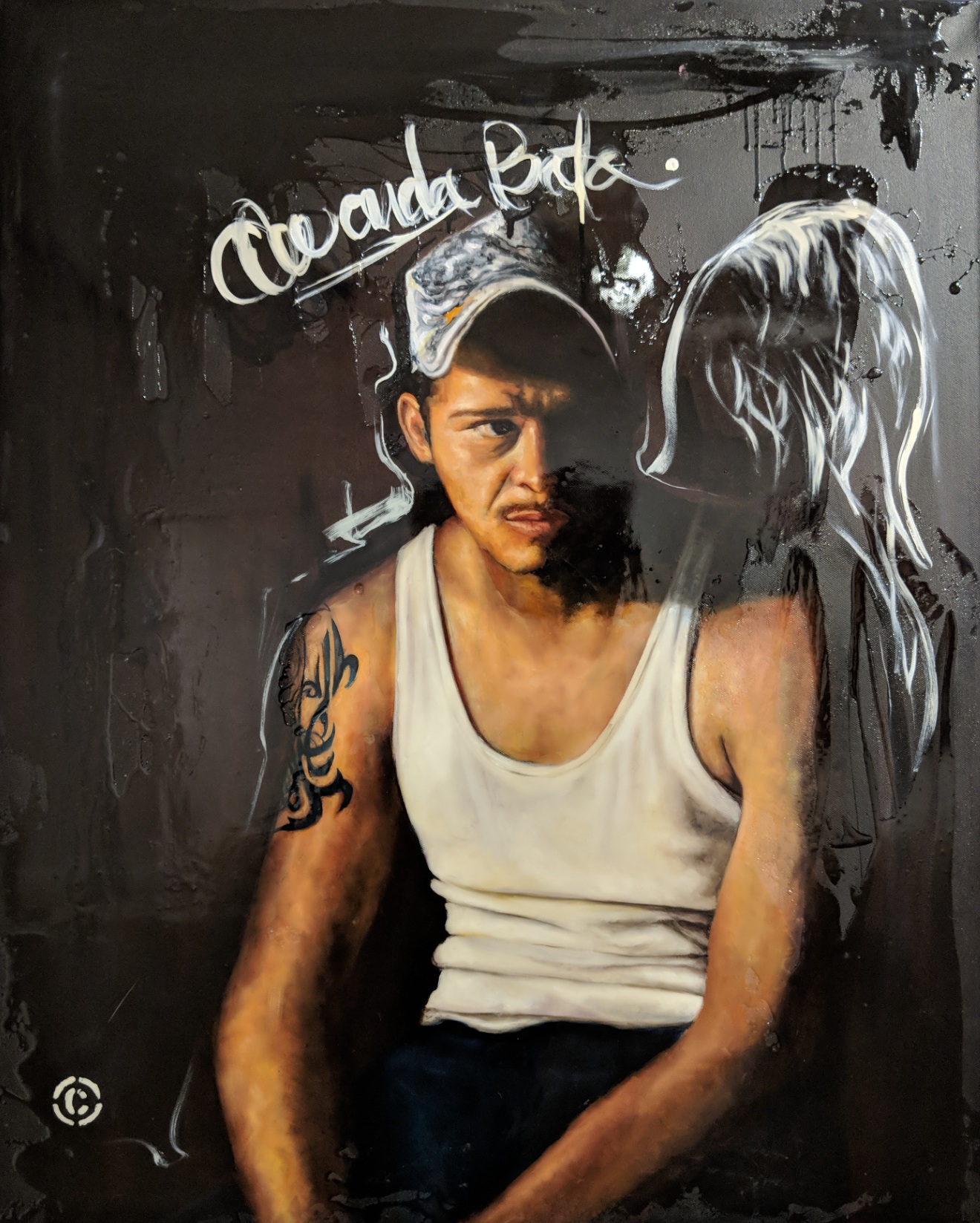
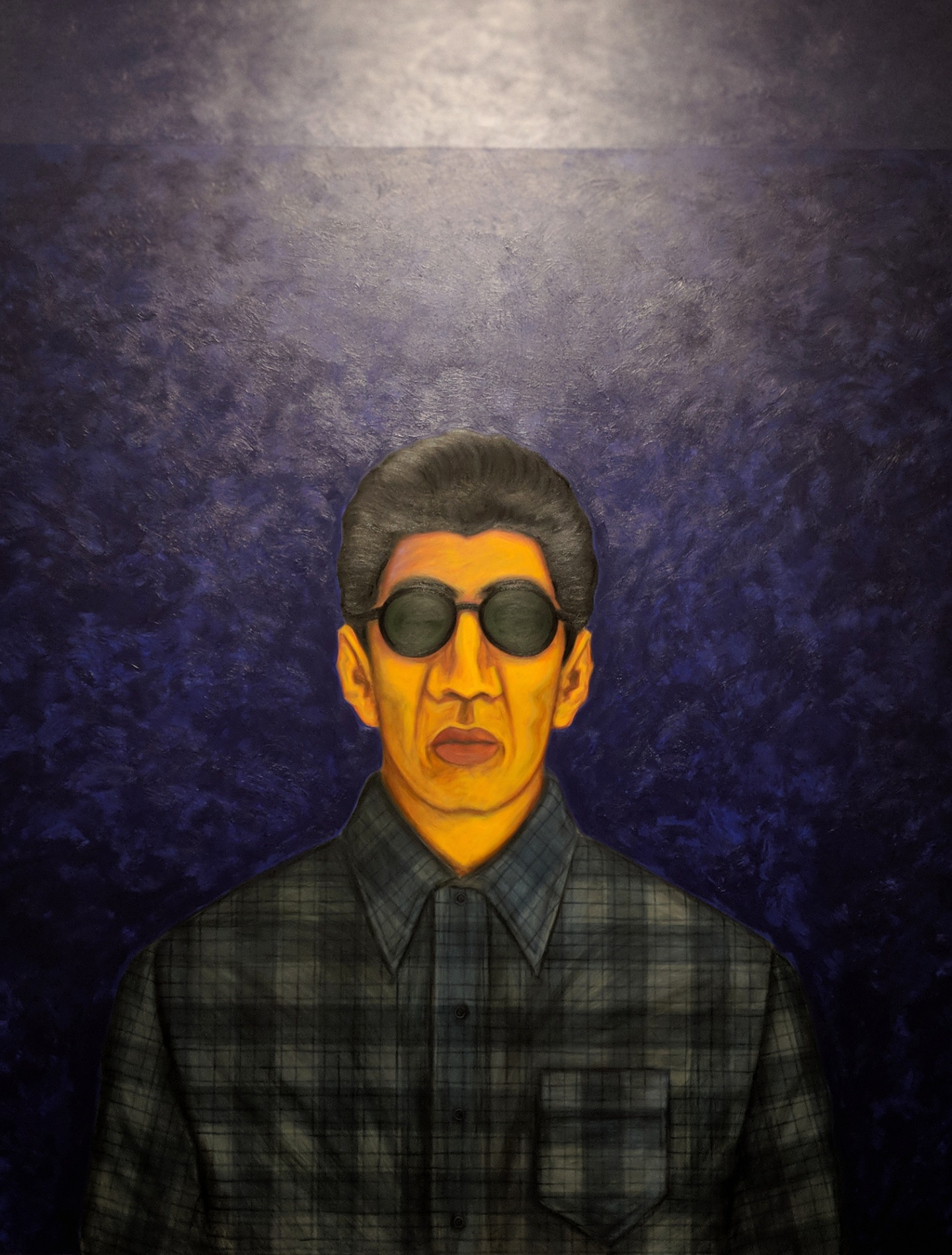
César A. Martínez
Bato con Sunglasses, 2011
Acrylic on muslin
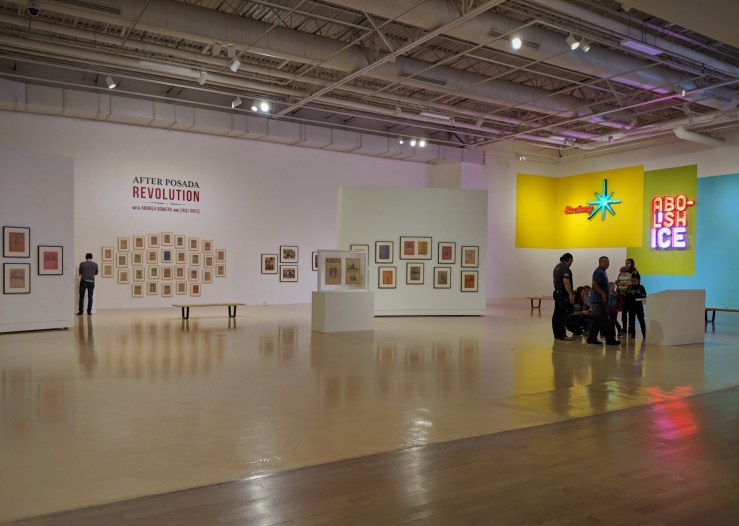

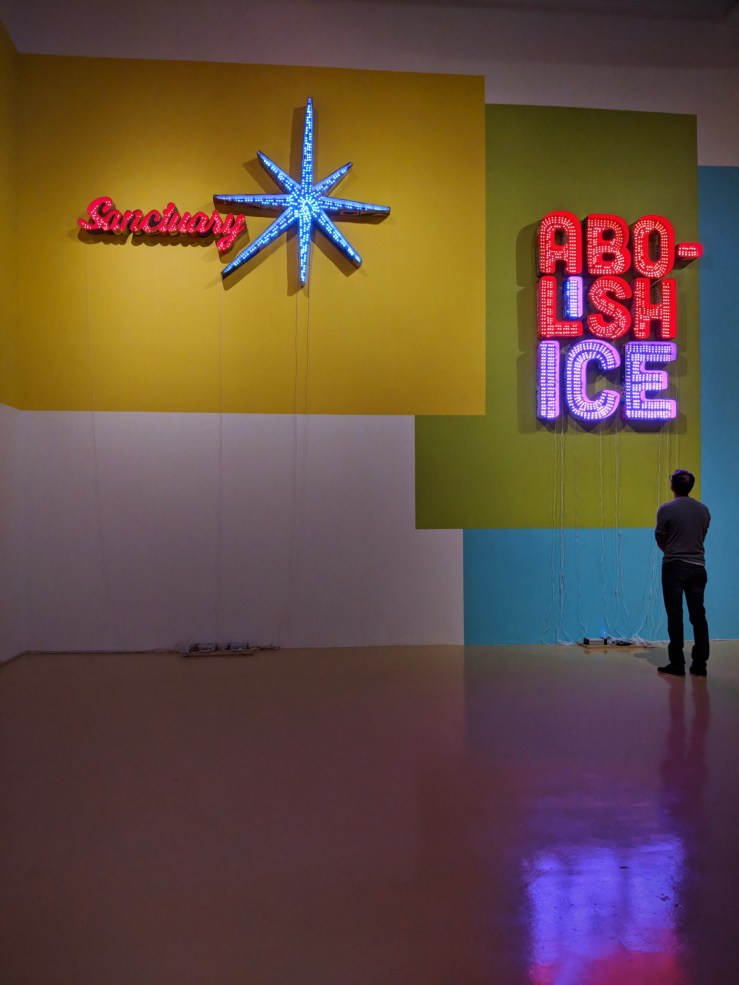
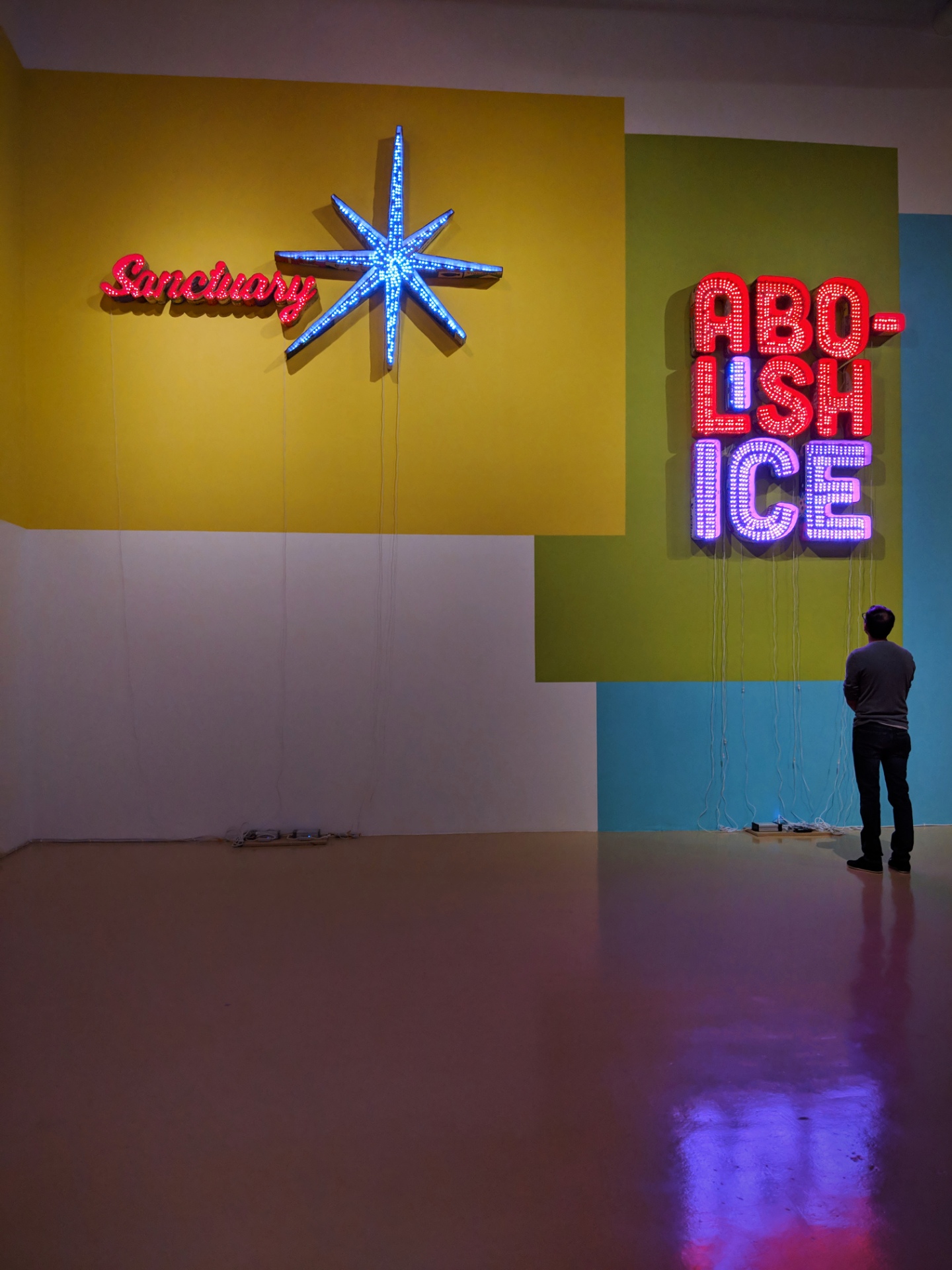
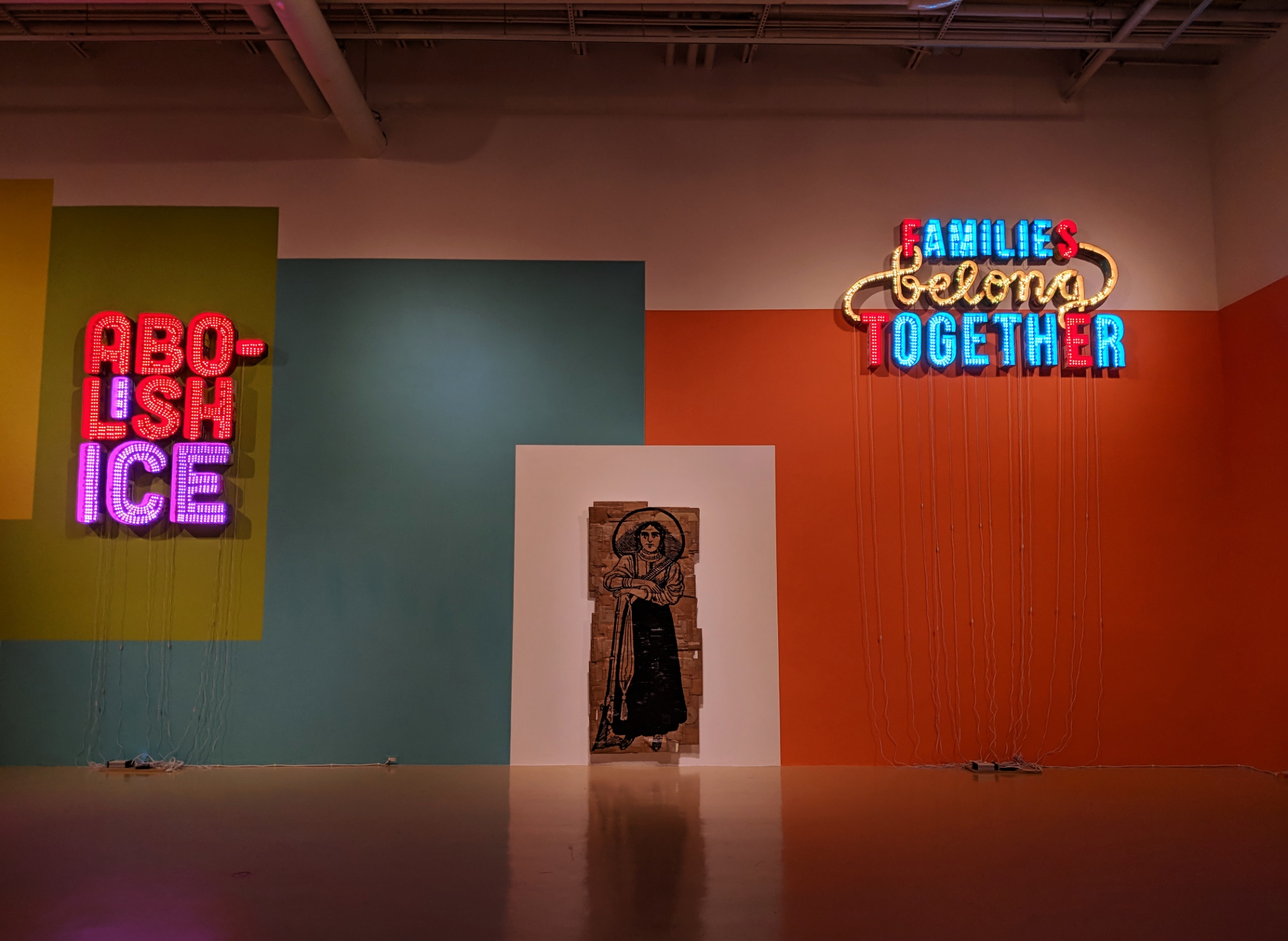
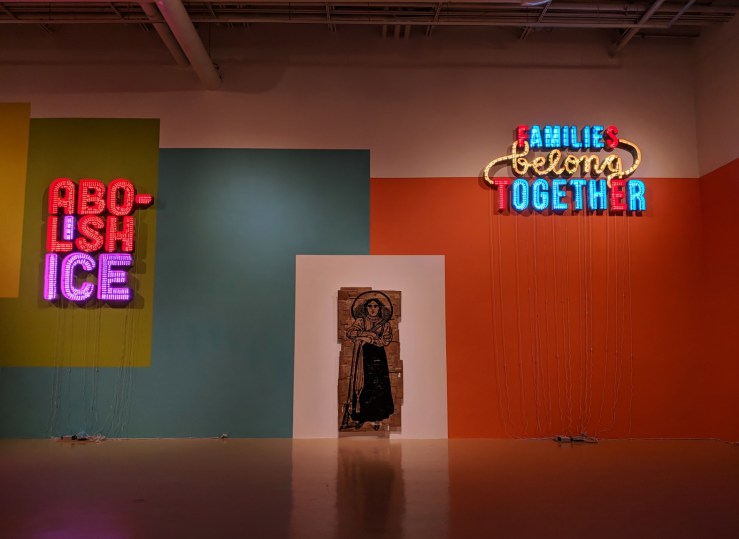
Andrea Bowers
Abolish Ice & Families Belong Together, 2018
Cardboard, LED lights
After Posada: Revolution
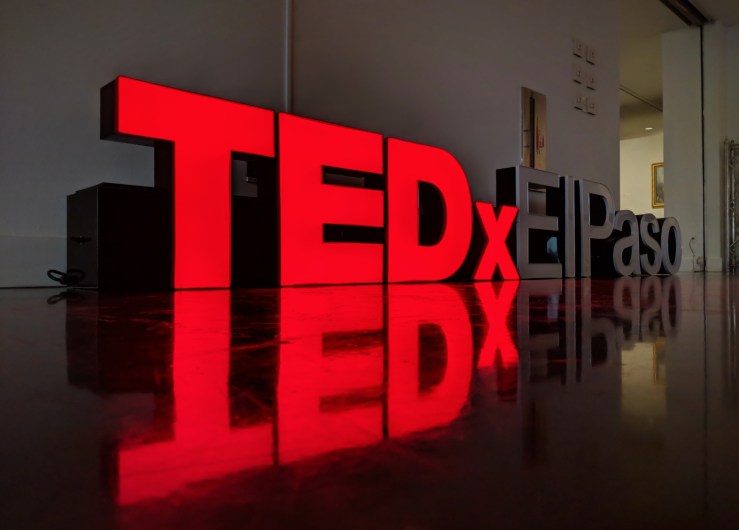
El Paso Museum of Art, TX

October 12th, 2018
 

The Sugar House of El Paso

“You are visiting El Paso…? No one visits El Paso, people come here for work or to catch a flight – no one stays here”… said a man who first came in El Paso thirty years ago!

Where are you from?” People kept asking us, as if tourists are few and far between in this part of the world. The truth is, we didn’t see any either. Maybe because it was foggy and rainy and people stayed inside. Or maybe because we only stayed for a day-and-a-half.

What we did see was a delightful Mexican touch, evident everywhere: the food, the people, the history, the culture.

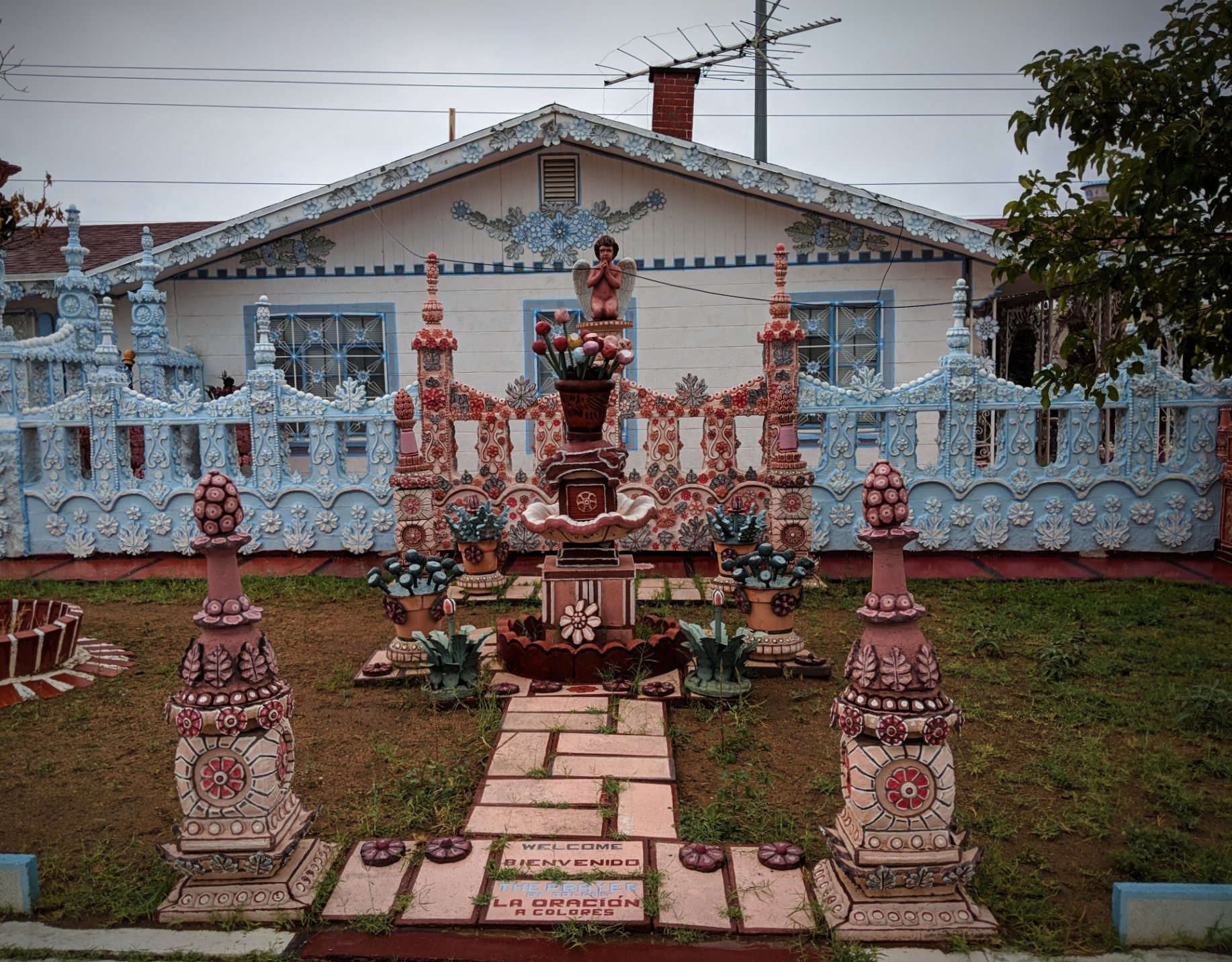
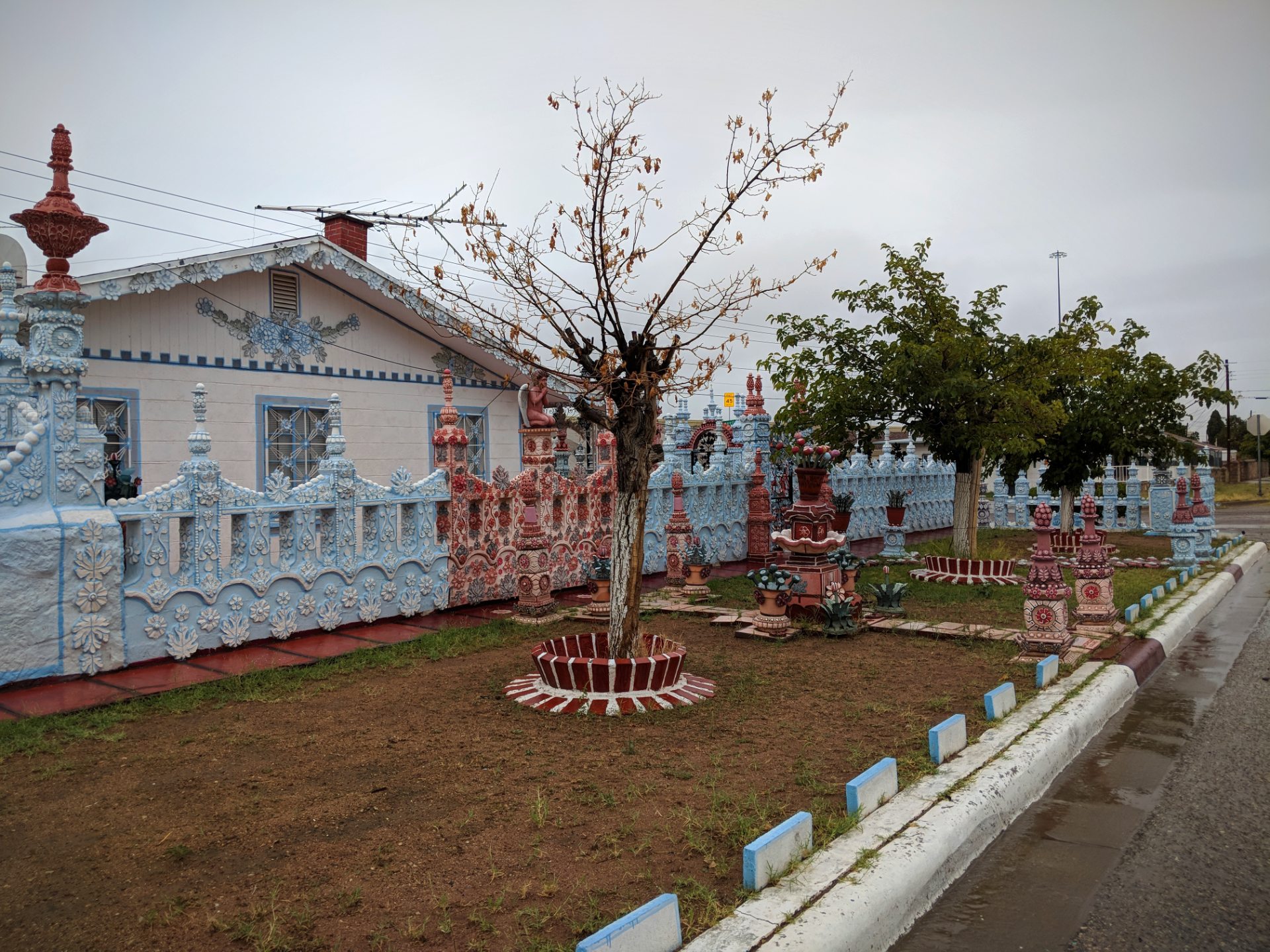
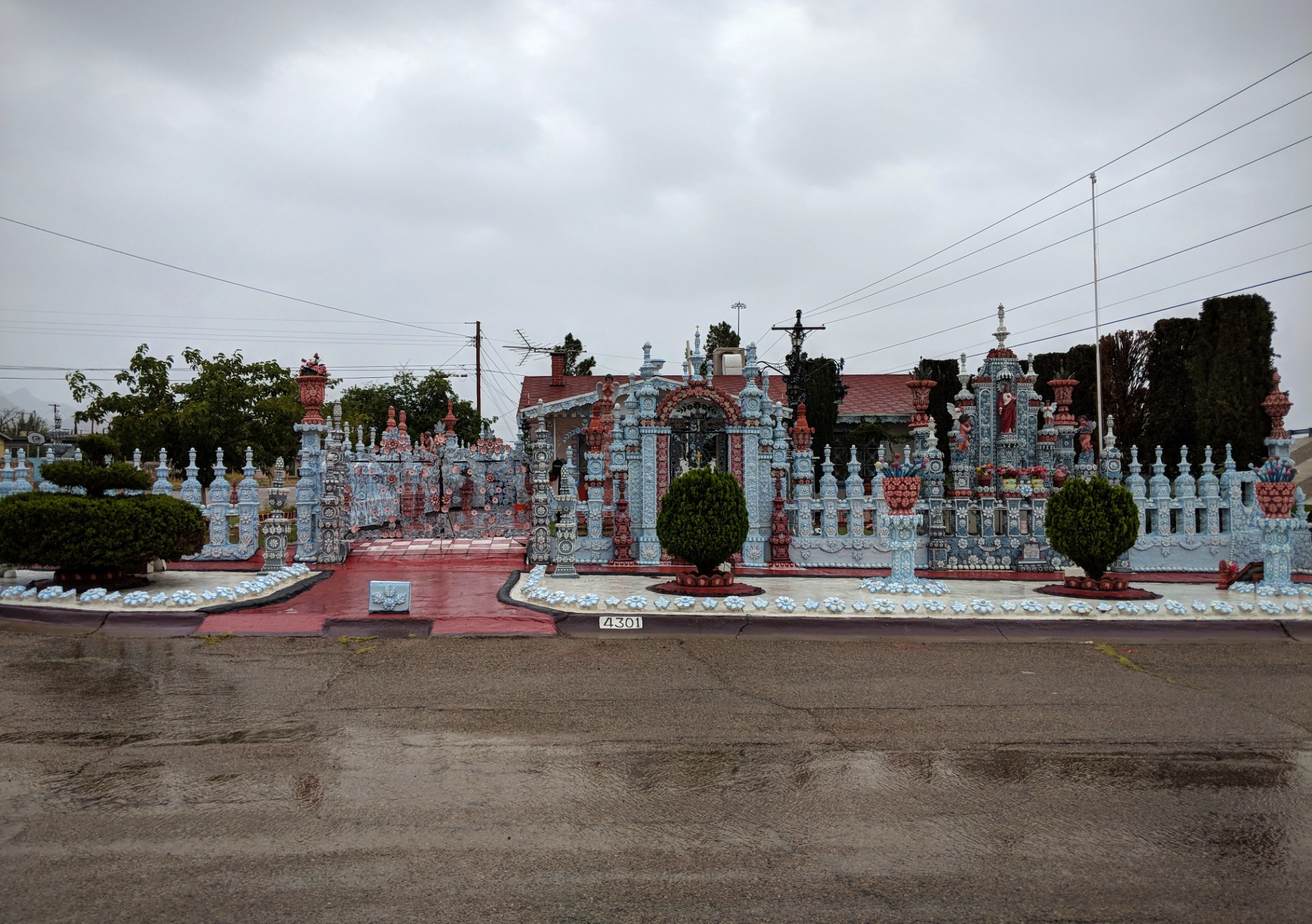
And this house.

In an otherwise dull neighbourhood, close to a busy highway, Rufino Loya Rivas, a Levi Strauss worker from Mexico and his wife Celia, bought a modest house. Deciding he would add a personal touch, Rivas began to carve and paint these intricate designs that soon surrounded the house, spending twenty five years and hundreds of hours of work and devotion to his project.

Art can be found in the most unexpected places.

El Paso, TX

October 12th, 2018

Truth or Consequences?

I’ll take both…

Starting point for a drive to the Very Large Array or White Sands National Park, this little town in Sierra County, New Mexico, boasts not only the strangest possible name, but also a large number of geothermal hot springs and luxury spas for the weary city people. In fact, the town was called ”Hot Springs” before changing its name to the catchier ”Truth or Consequences”, all because of a radio game!?!

Here is the hard-to-believe-but-true story: ”The city changed its name to “Truth or Consequences” as the result of a radio show contest. In March 1950, Ralph Edwards, the host of the popular NBC Radio quiz show Truth or Consequences, announced that he would air the program on its 10th anniversary from the first town that renamed itself after the show; Hot Springs officially changed its name on March 31, 1950, and the program was broadcast from there the following evening. Edwards visited the town during the first weekend of May for the next 50 years.”

It could have also changed its name to ”Turner Town” judging by the extensive presence of Turner Enterprises, with the Ladder Ranch and Sierra Grande Retreat (where we stayed) dominating the area.

Having had no prior knowledge of the media mogul’s work on the protection and conservation of ecosystems, it was interesting to learn that:

”With approximately two million acres of personal and ranch land, Ted Turner is the second largest individual landholder in North America. Turner lands are innovatively managed to unite economic viability with ecological sustainability. Turner ranches operate as working businesses, relying on bison, hunting and fishing, and ecotourism as principal enterprises. In addition, Turner ranches support many progressive environmental projects including water resource and timber management, and the reintroduction of native species to the land.

Turner Enterprises also manages over 51,000 bison across the various Turner ranches.”*

*The ranges span two million acres in nine states and in Argentina.

**No photos from ToC, except these two from the Reserve because, the Truth is we never really walked this town as a Consequence of being awestruck by the VLA and White Sands.

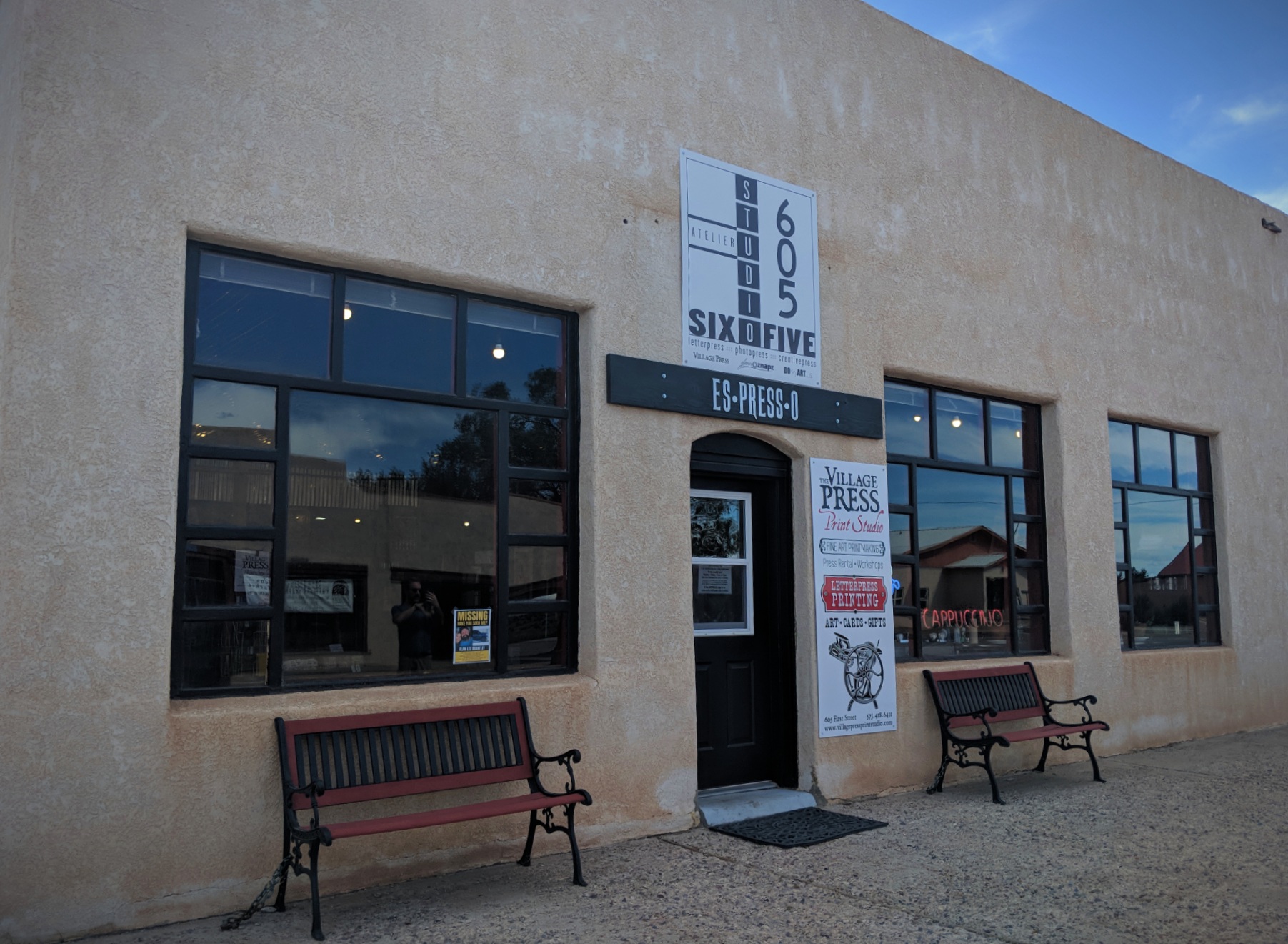
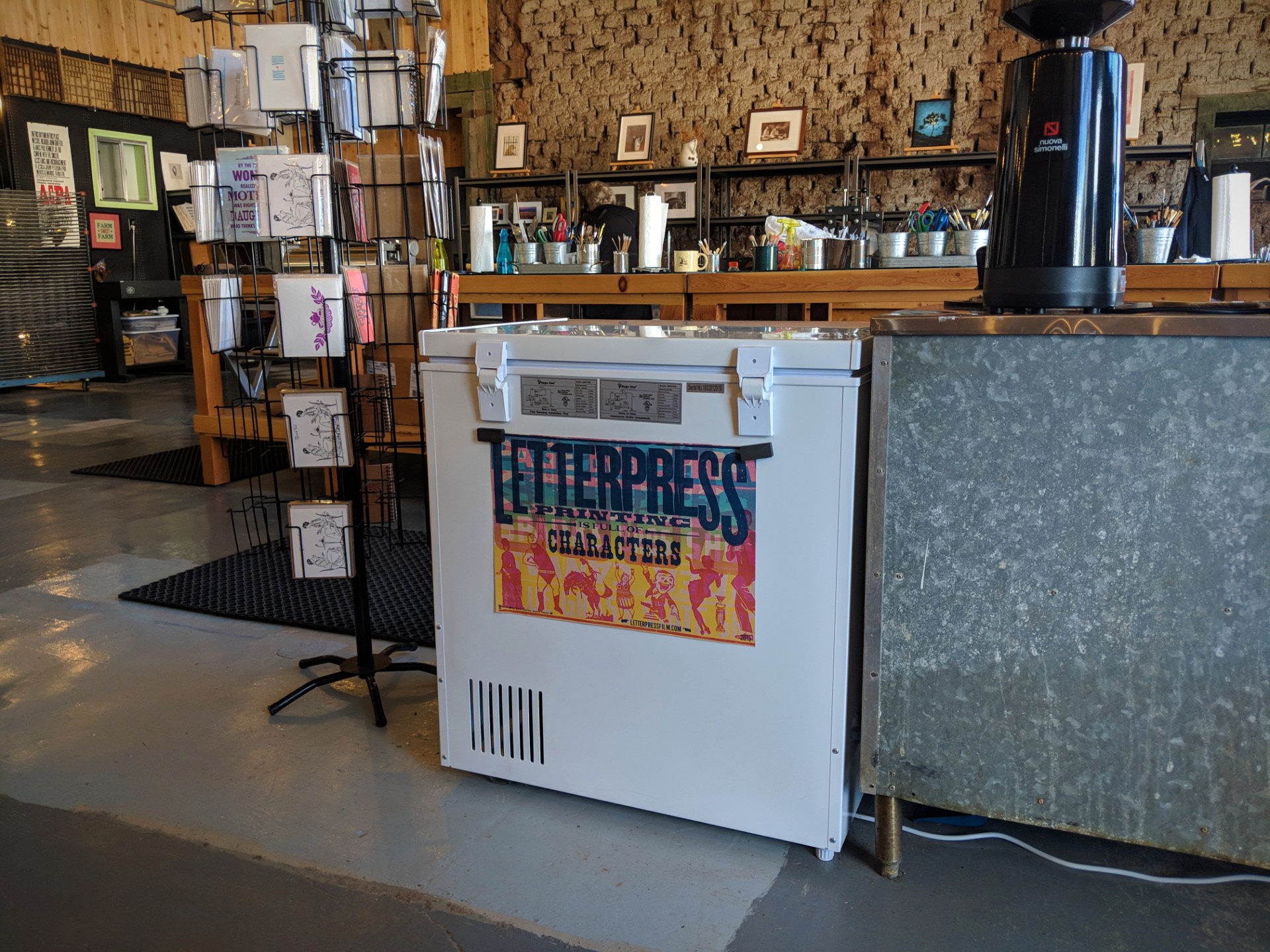
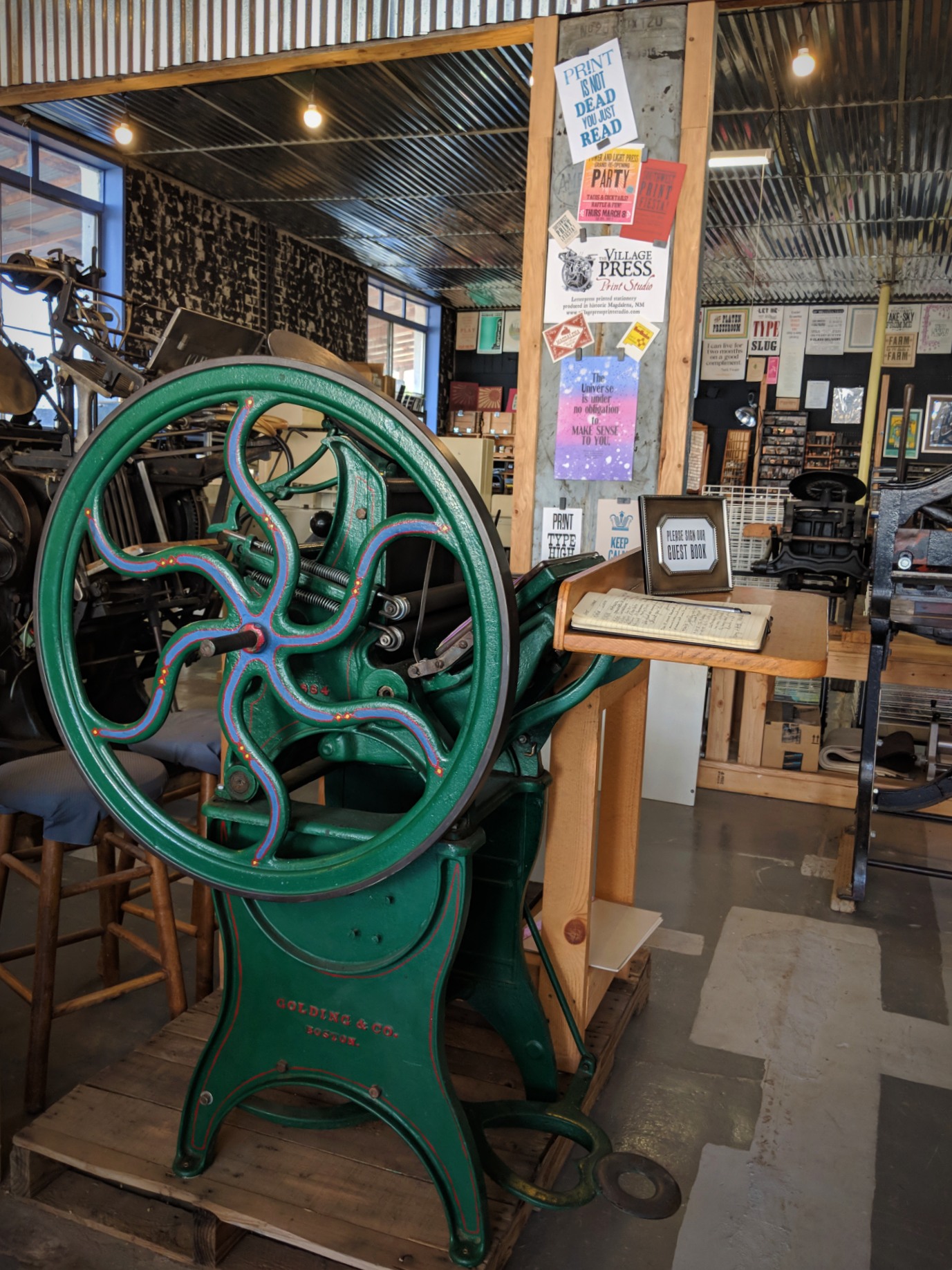
A quick stop for coffee in the last village before reaching the Very Large Array, was as surprising as the rest of the trip: Atelier Studio 605 ES•PRESS•O, is an art and printmaking space in disguise with etching presses, a studio for printmaking classes and workshops, and some fine antique presses still in use.

P.S.: The coffee is fresh from the press, and great too!

Truth or Consequences to Magdalena, NM

October 10th, 2018
We Stand in Awe

In White Sands.

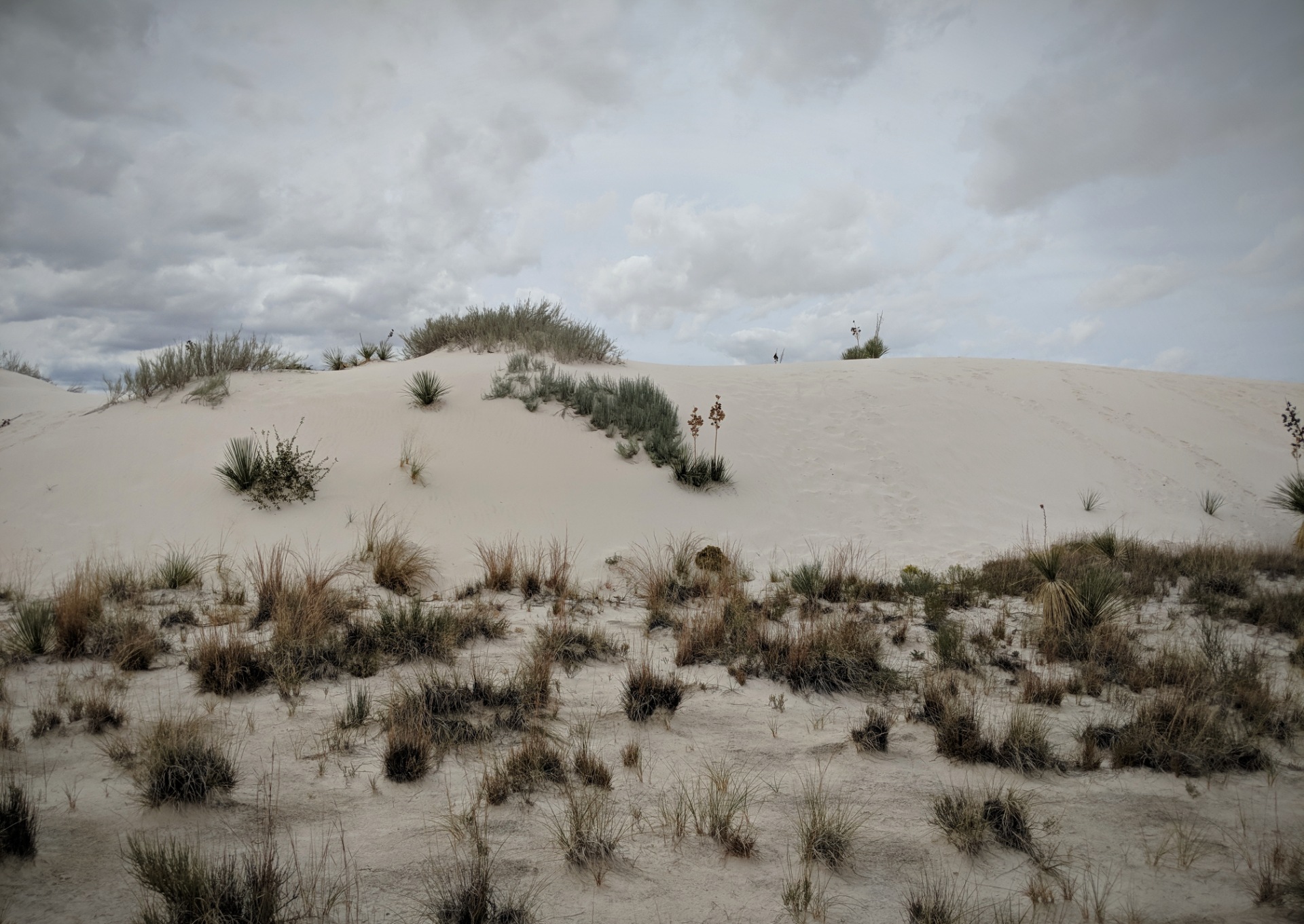
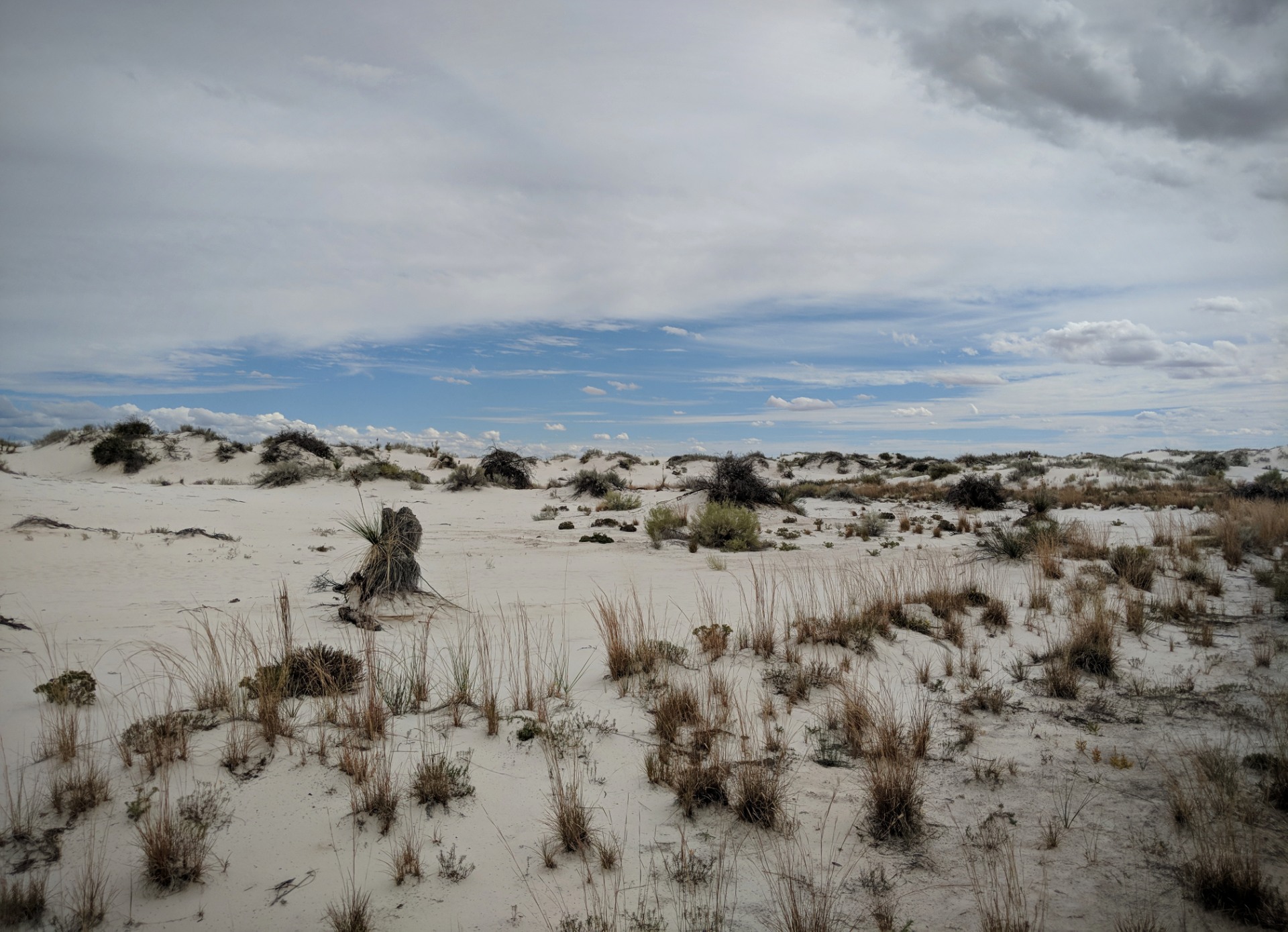
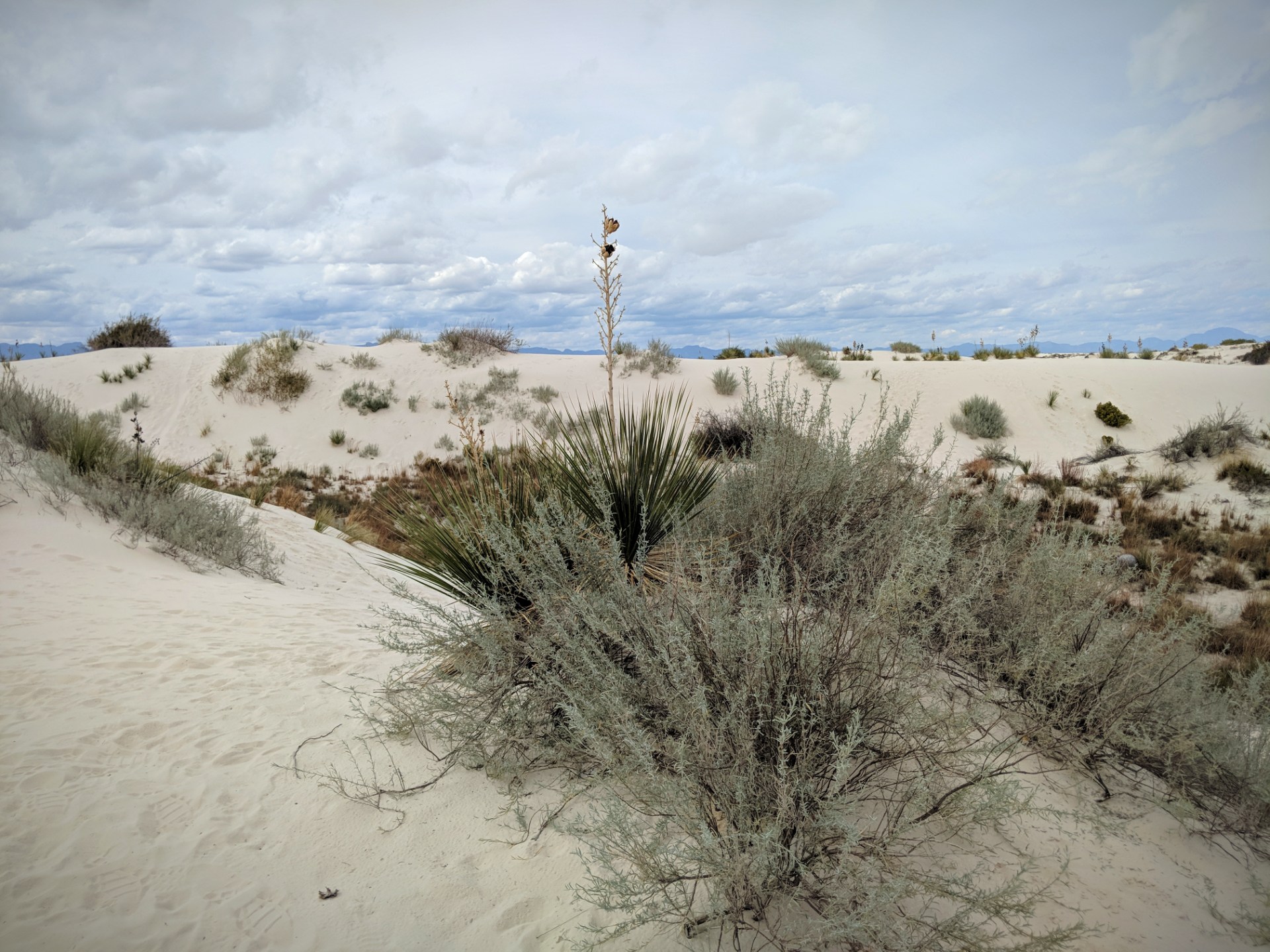
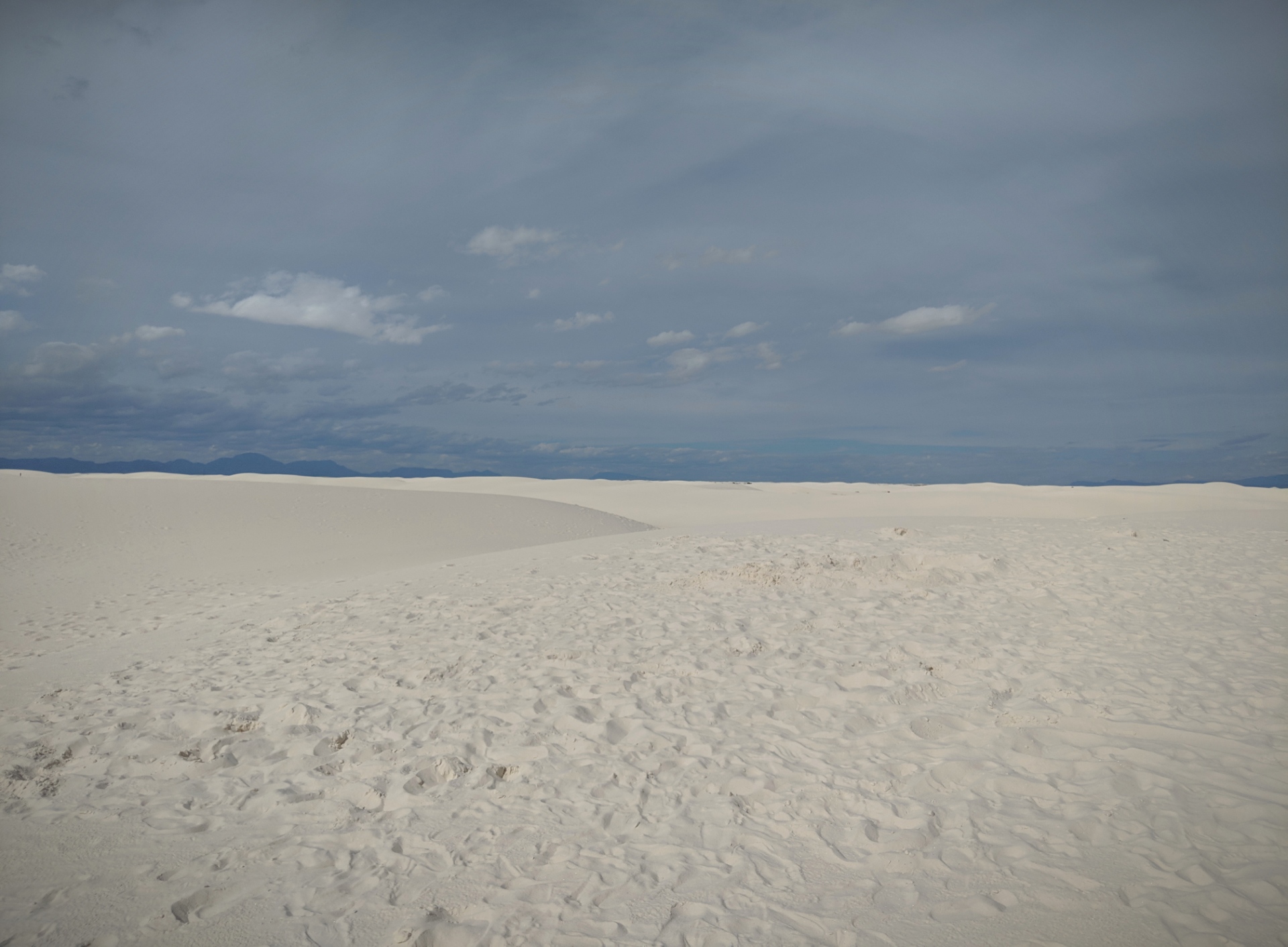
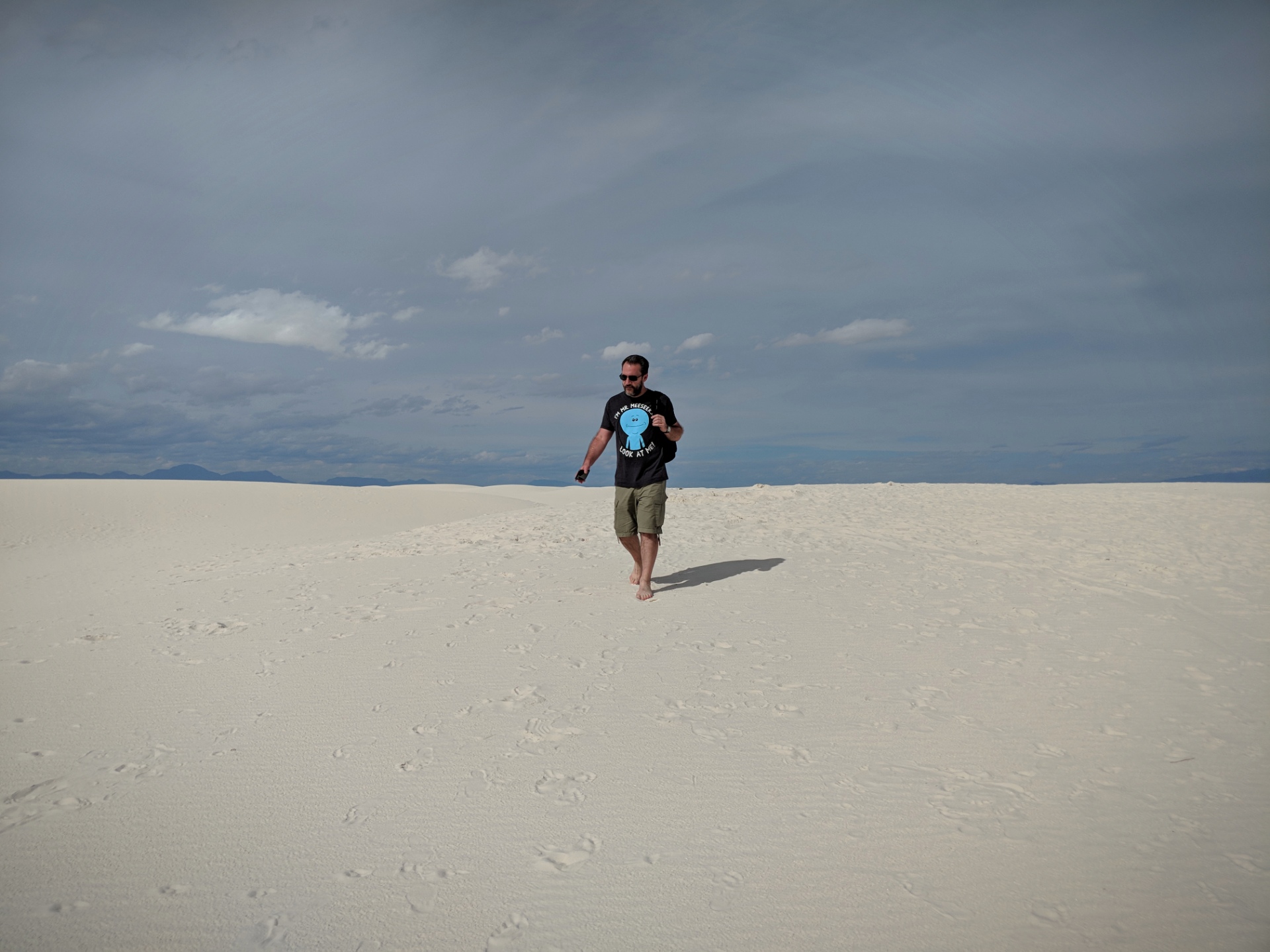
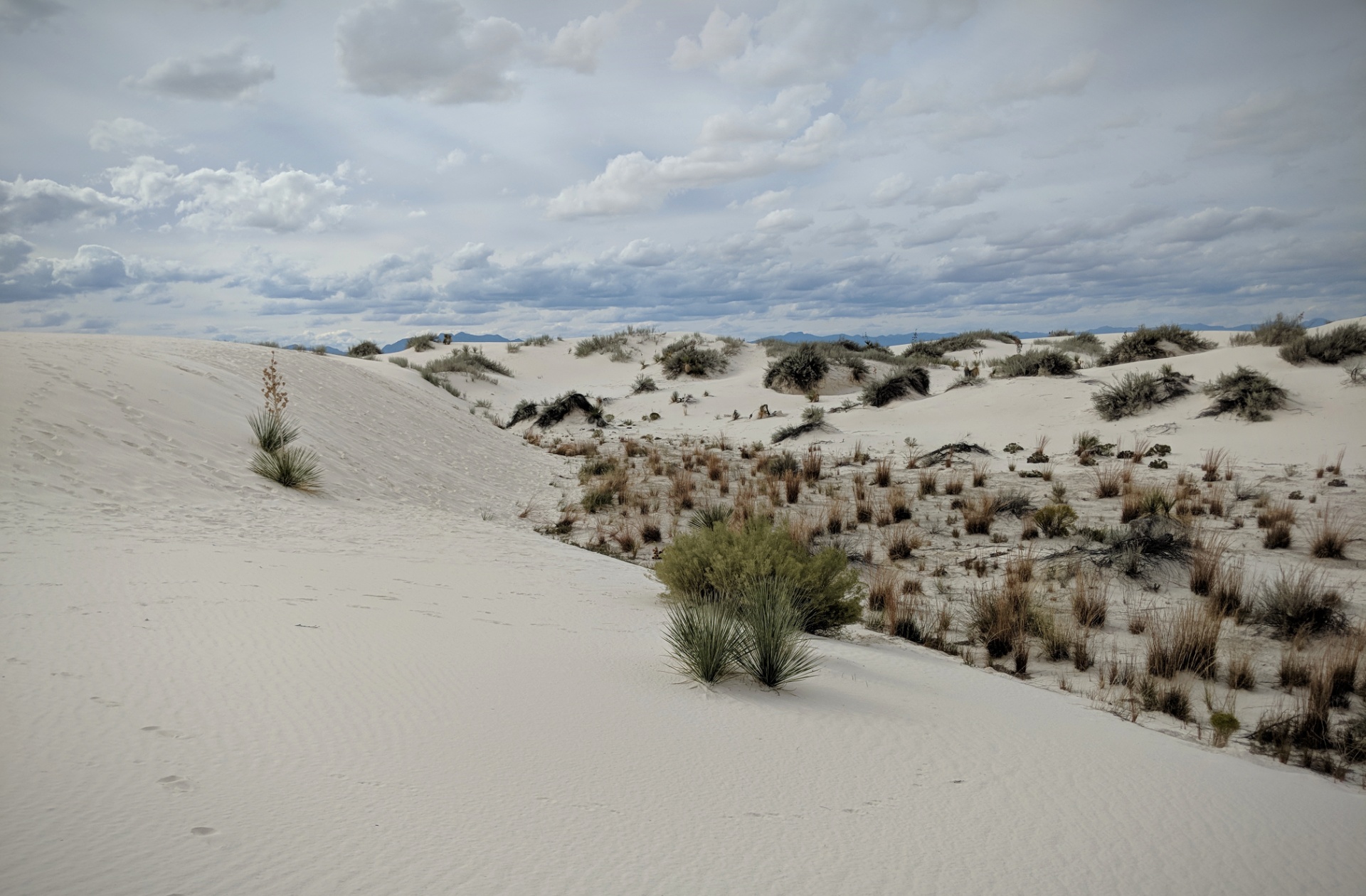
Like a mirage, dazzling white sand dunes shimmer in the tucked-way Tularosa Basin in southern New Mexico. They shift and settle over the Chihuahuan Desert, covering 275 square miles—the largest gypsum dunefield in the world. White Sands National Monument preserves more than half of this oasis, its shallow water supply, and the plants and animals living here.

The sand feels like satin and is surprisingly cool to the touch, even on a hot summer day. Gypsum does not absorb heat.

When it rains, it dissolves in water and flows down on the basin floor where it stays until it dries up and becomes sand forming the dunes that surround us, in a perpetual cycle.

We simply stand in awe as this divine natural beauty unfolds before our eyes.

(In stark contrast to the destructive powers prevalent in the adjacent military site; the White Sands Missile Range.)

Good to know: apart from unexpected closures due to weather conditions, the park may also be inaccessible due to missile testing! Because of the adjacent White Sands Missile Range, the road is occasionally closed for safety and closures can last up to three hours. U.S. Highway 70 between Alamogordo and Las Cruces is also closed during times of missile testing.

Please always consult the park closure web page  before visiting, to confirm access.

White Sands National Park, NM
(formely a “National Monument”, it transitioned to a “National Park” in 2019)

October 11th, 2018
We Listen to the Universe

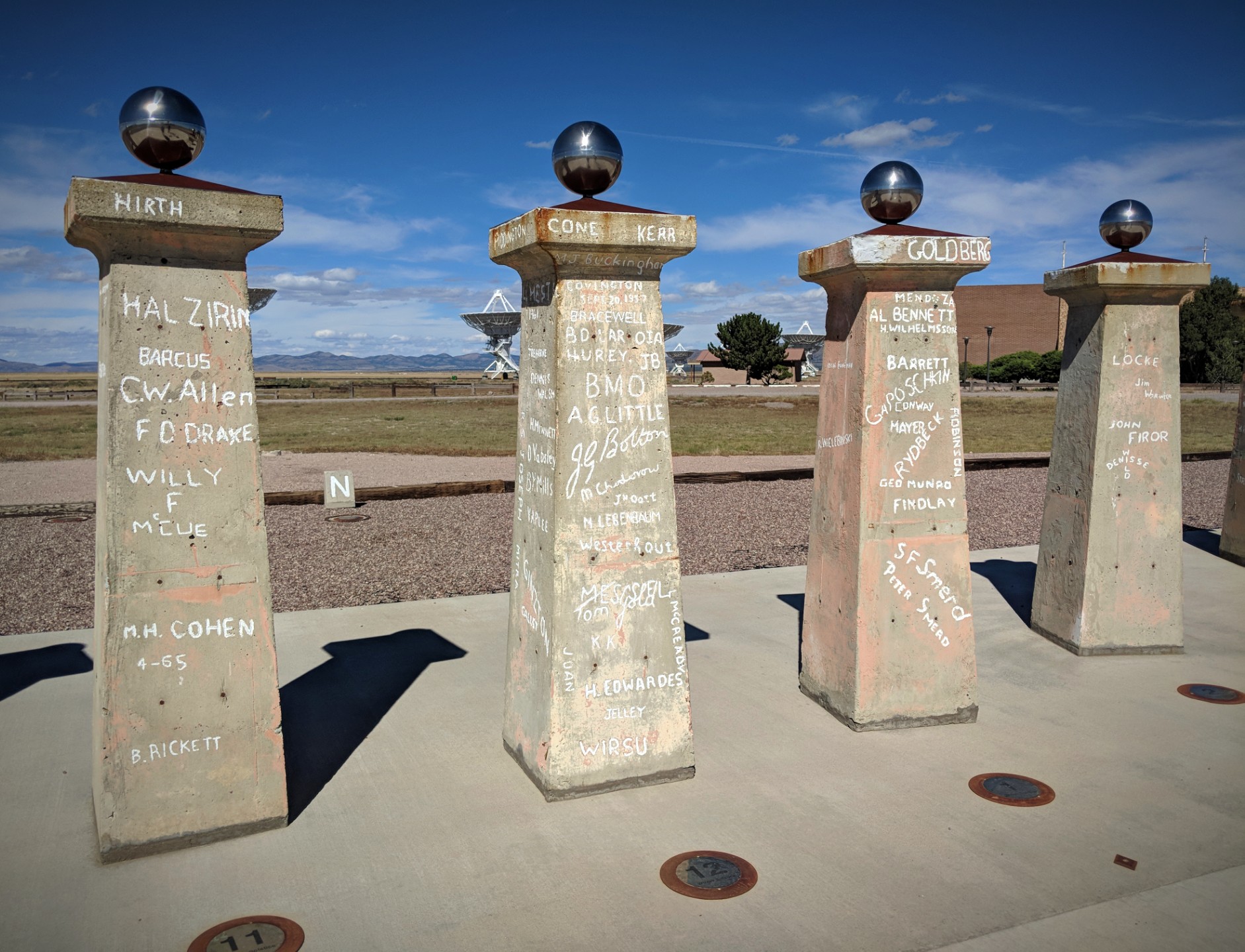
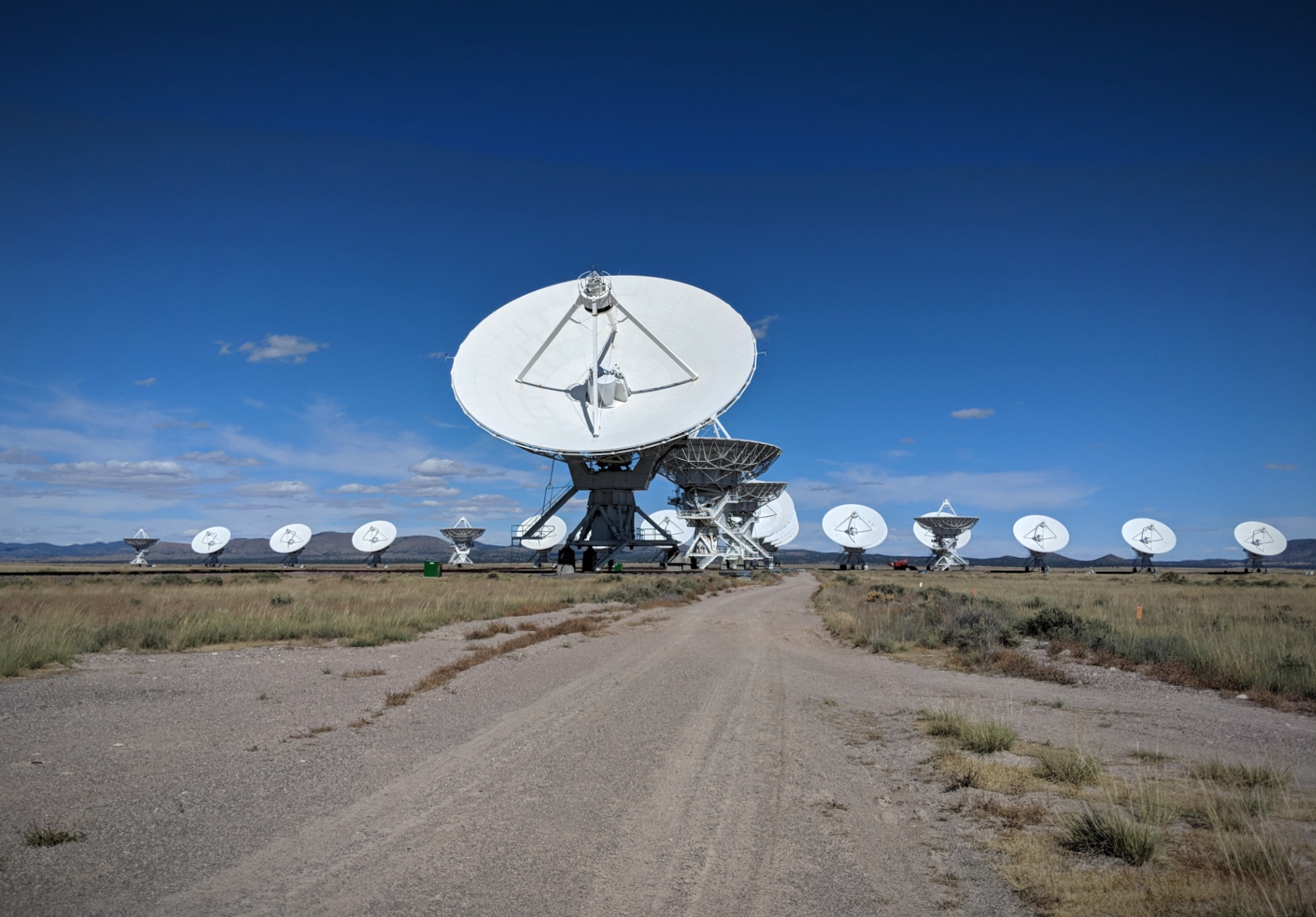
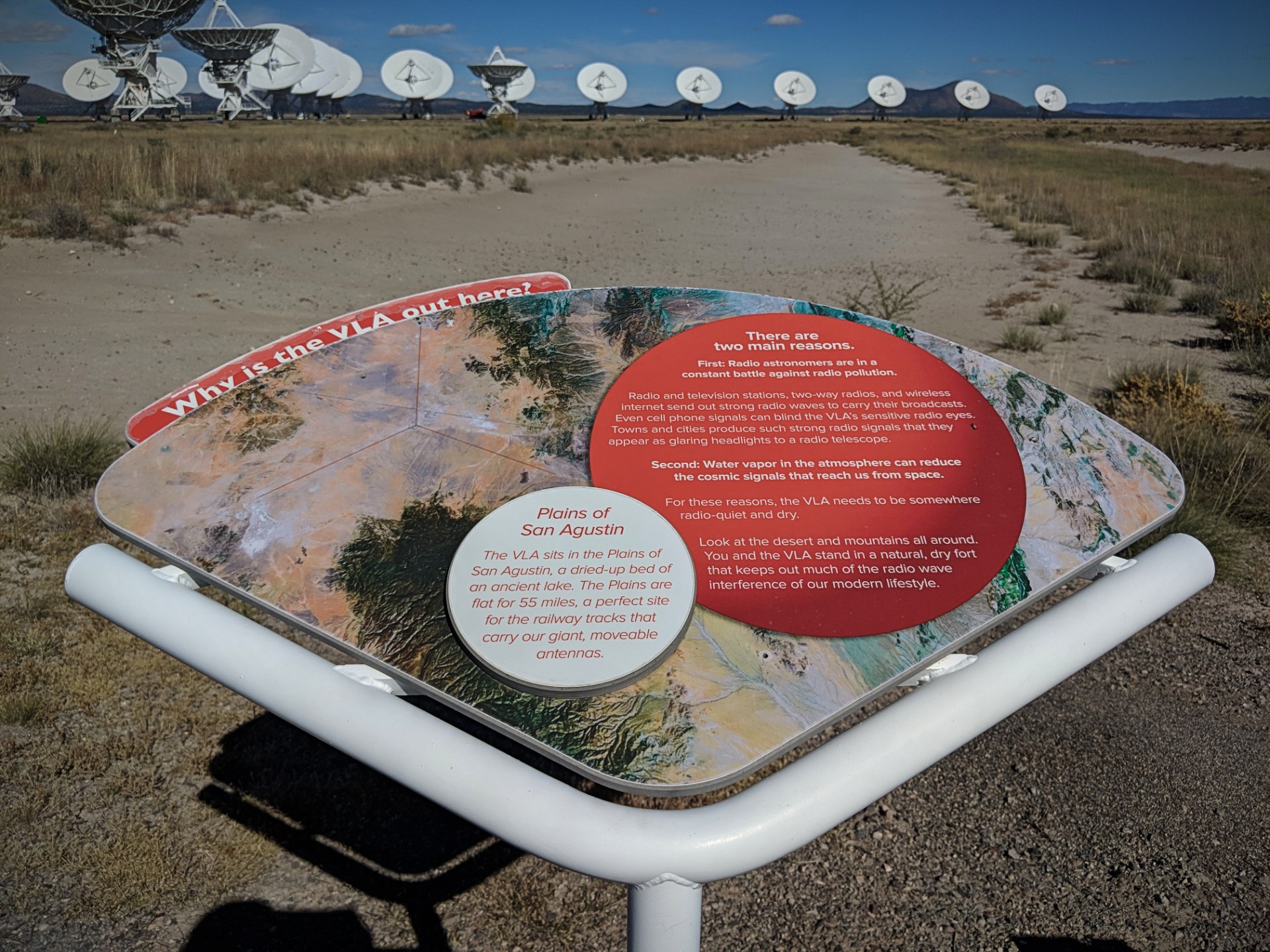
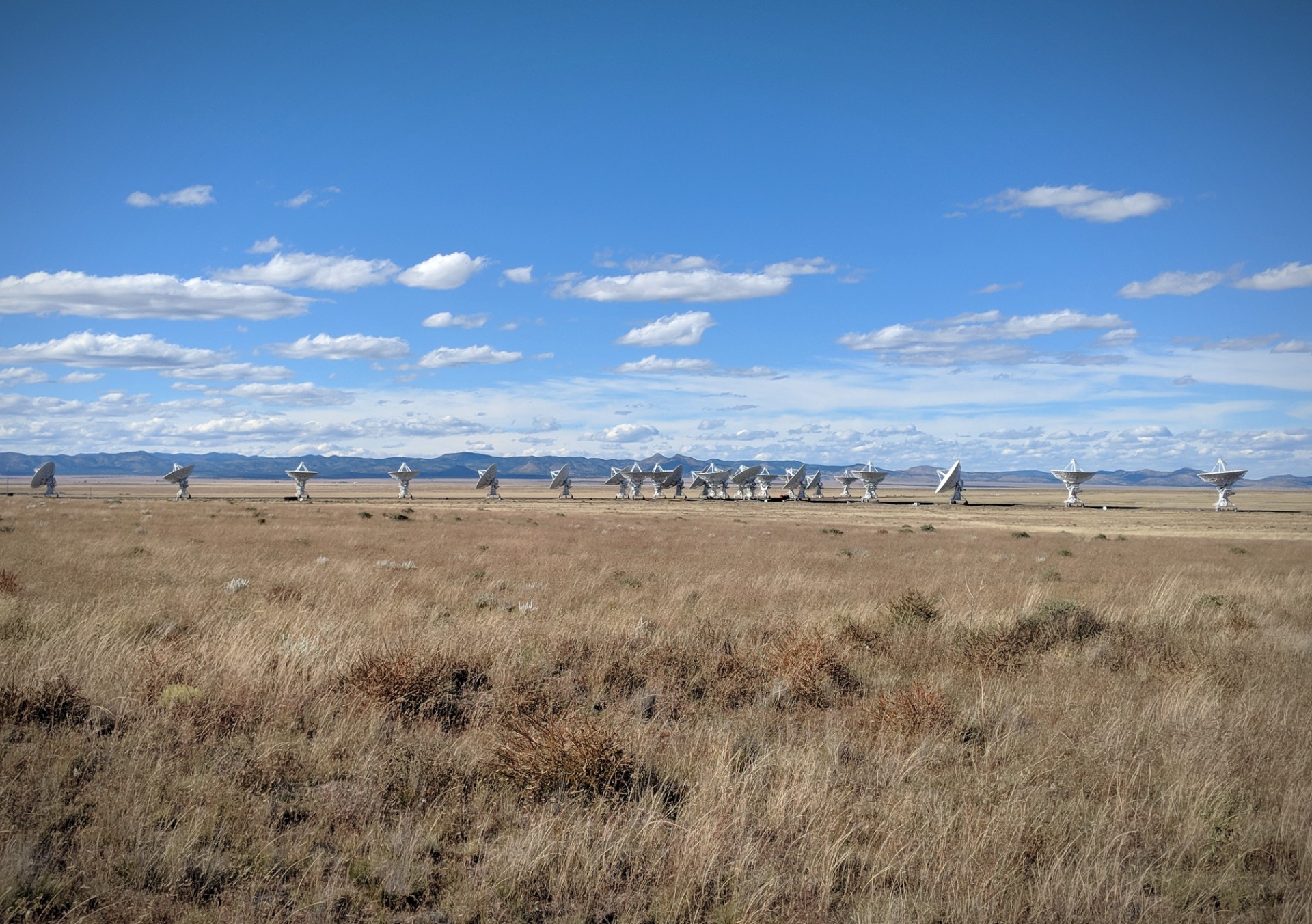
High up in New Mexico, at an altitude of 6,969 ft (2,124 m), the Plains of San Agustin; the  centre of a basin, a dried-up bed created by a lake in the Pleistocene Epoch – a time that lasted from about 2,580,000 to 11,700 years ago.

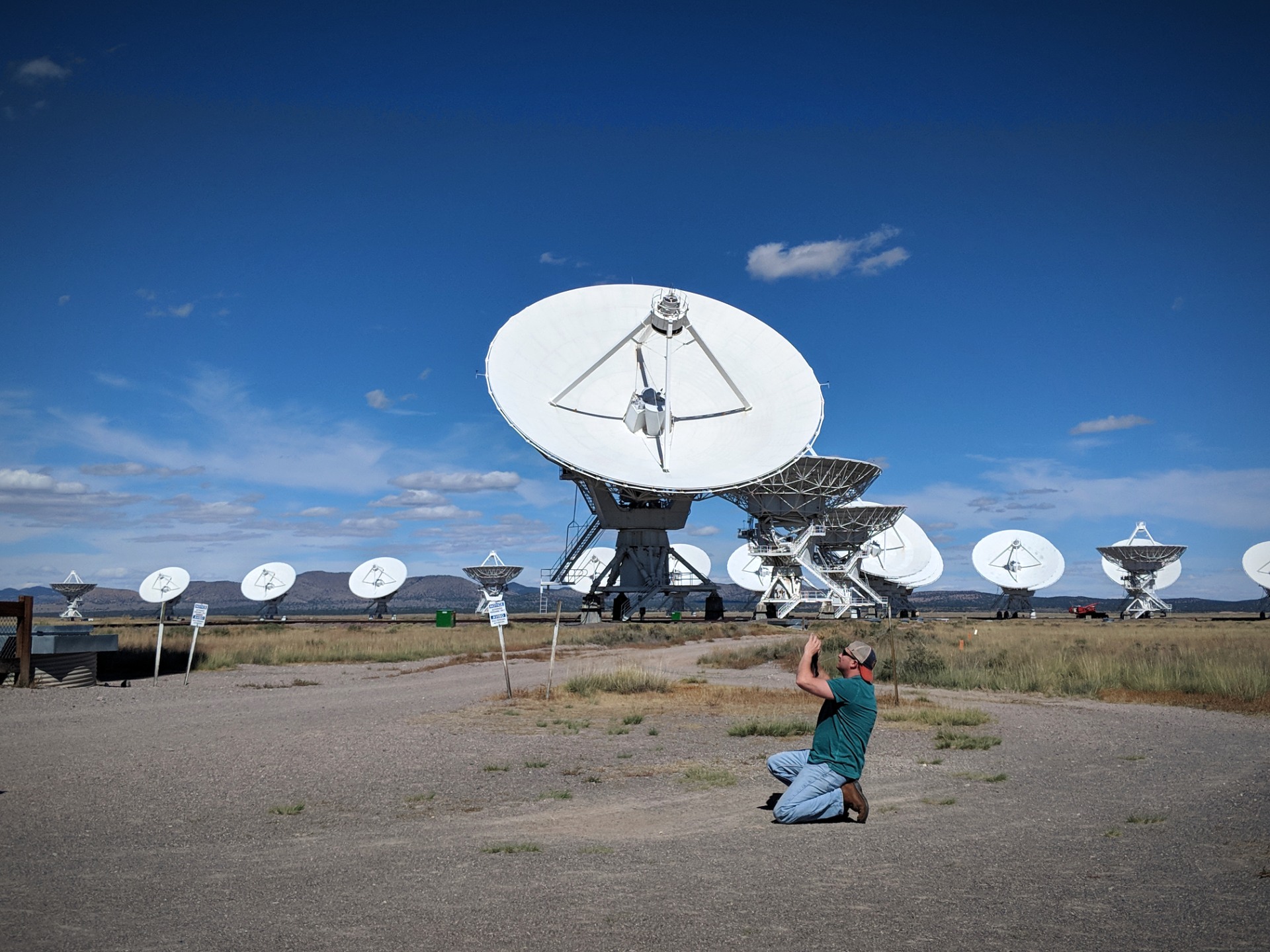
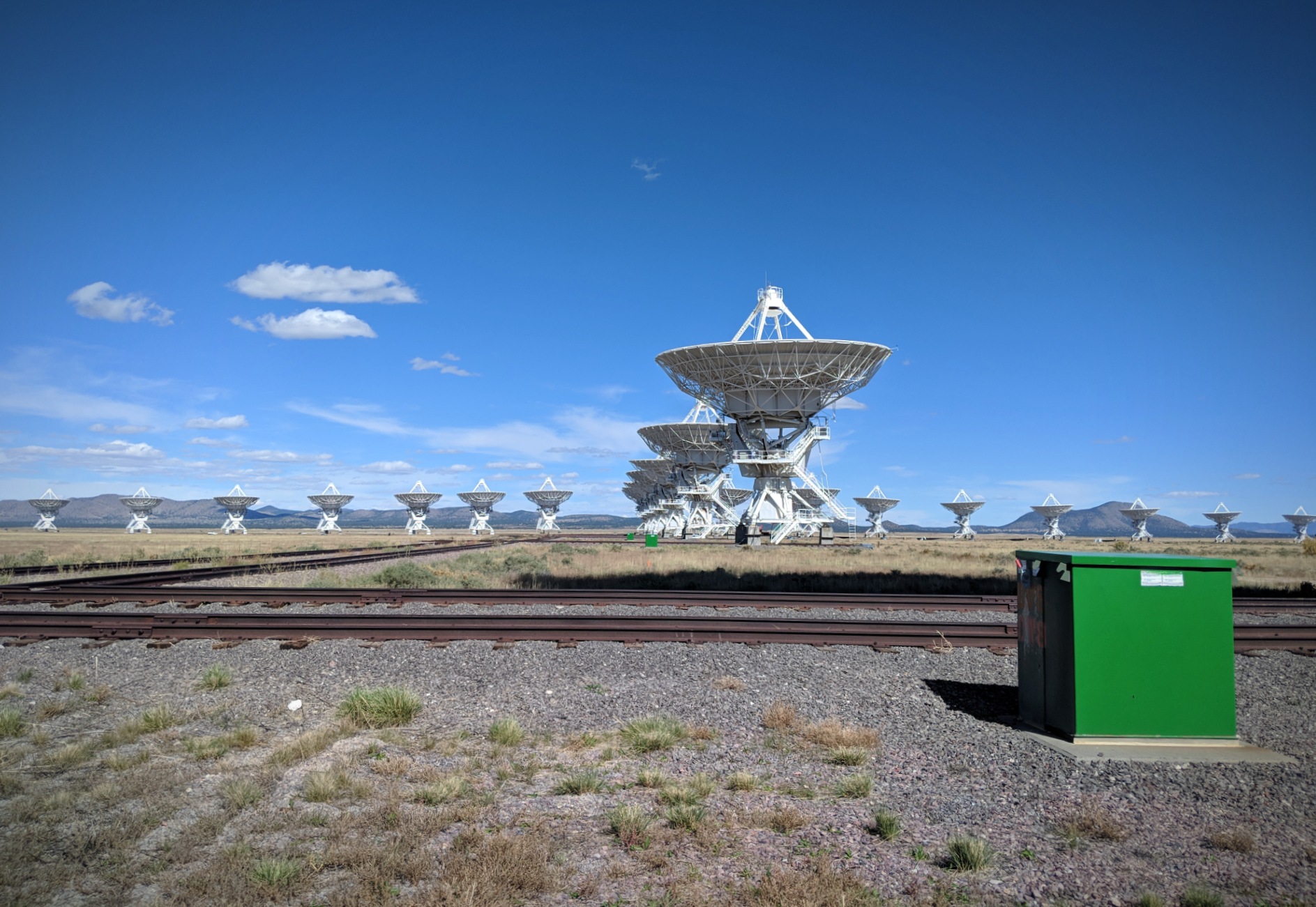
Amid this ancient, remote landscape, the Very Large Array. 27 radio antennas in a Y-shaped configuration, one of the world’s premier astronomical radio observatories, reaching out, listening to the cosmos.

Your Humble Fabulist is still in awe.

The Rail System

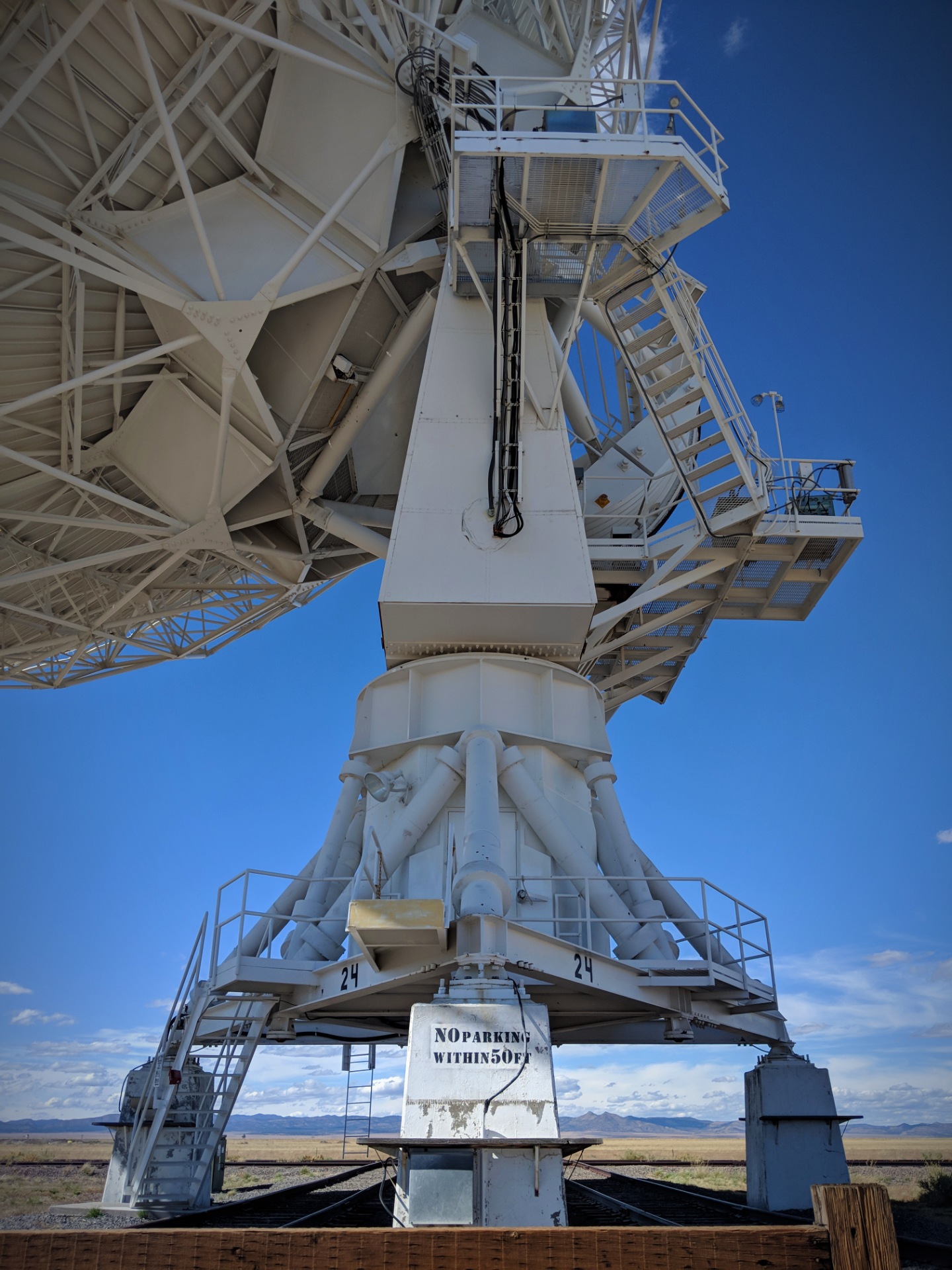
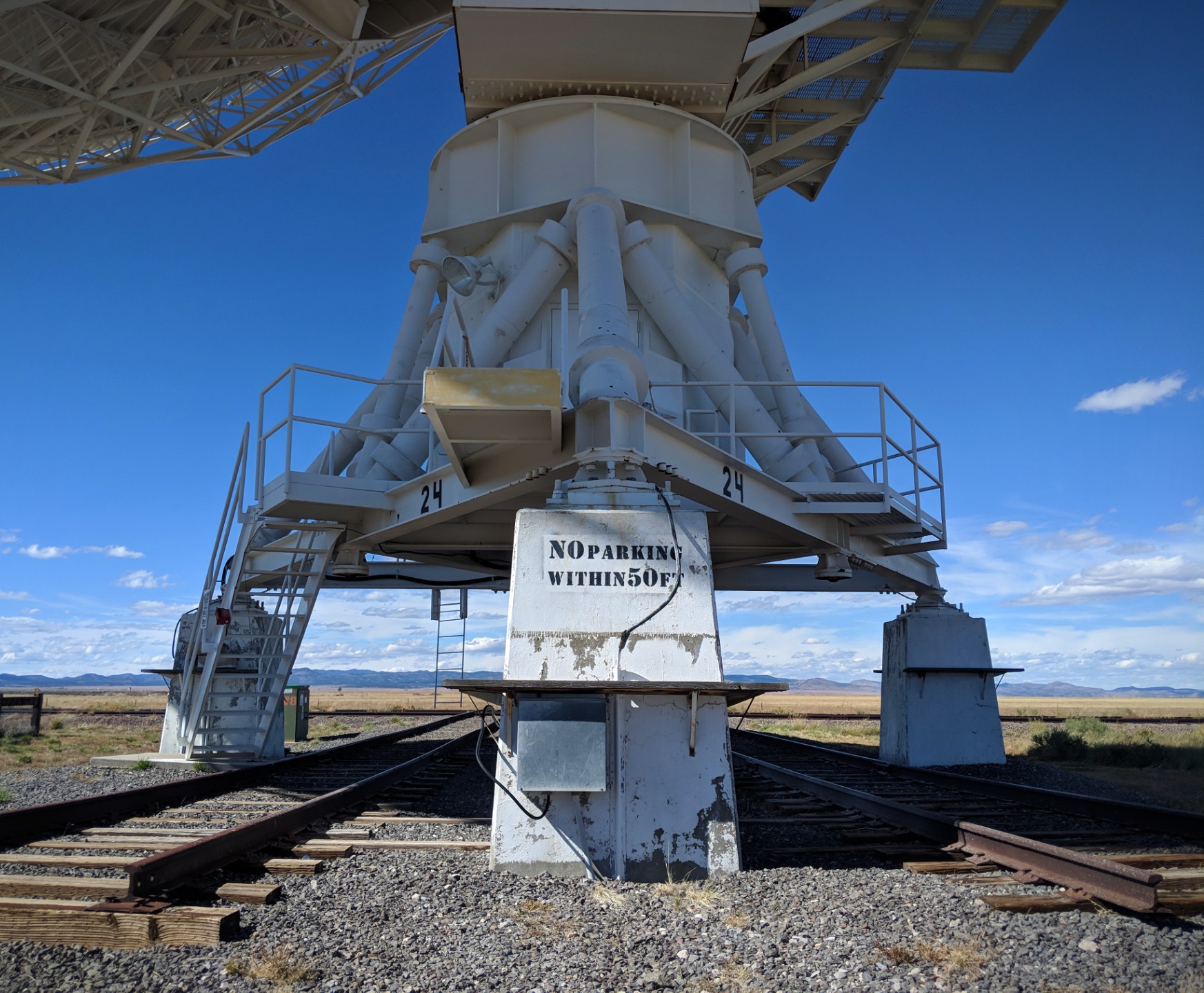
The antennas are moved along the array arms by rail. Two giant transporters carry the antennas on 63 kilometres (39 miles) of double, standard gauge track. These transporters are specially designed to negotiate the 90 degree turns onto spurs at each antenna station. A fleet of special purpose rail vehicles is used for servicing and repairing antennas.

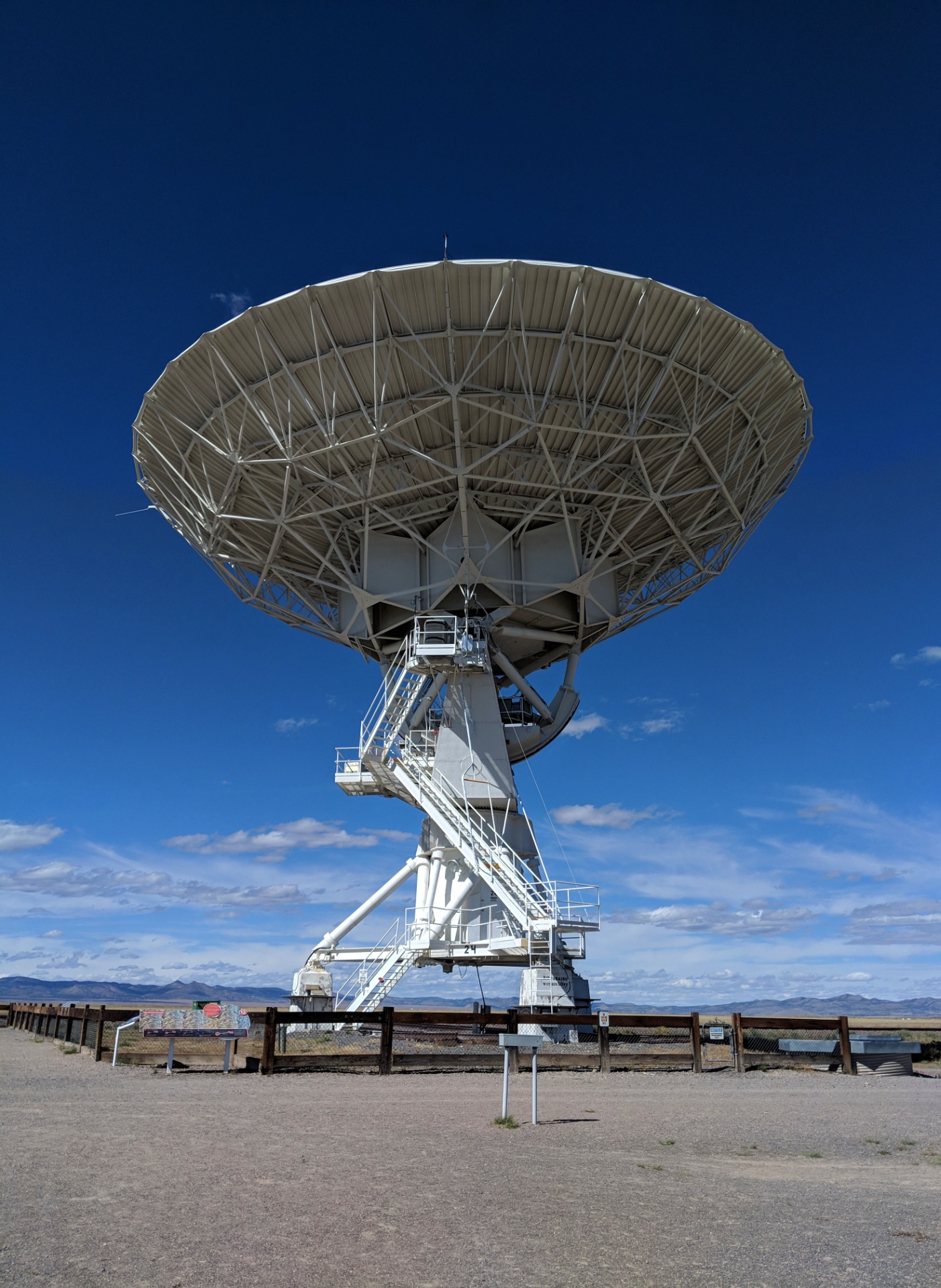
Weak radio waves from celestial sources are collected by the highly directional antennas. The waves are focused into the receiver by the main dish, subreflector and feedhorns. The receiver is cooled to -427 degrees F (18 deg. K) to reduce the internally generated noise which otherwise would mask the very weak radio signals from space. These weak signals are amplified several million times, converted to an intermediate frequency and carried to the Control Building via a buried waveguide transmission system.

These giant antennas, with 25 metre (82 ft.) diametre dishes, were specially designed for the VLA. The aluminium panels of the dish are formed into a parabolic surface accurate to 0.5 millimetre (20 thousandths of an inch). Most of the time the antenna drive system is precisely tracking a radio source across the sky. Occasionally you will see the antenna rapidly slew from one radio source to another.

Antenna Assembly Building

During the VLA construction period, from 1975 to 1980, the antennas were assembled in this building. It now is used as a service facility. The transporters bring antennas in from the array for periodic maintenance and overhaul. Typically, each antenna is brought in once every 3 to 4 years.

Very Large Array

Socorro, NM

October 10th, 2018
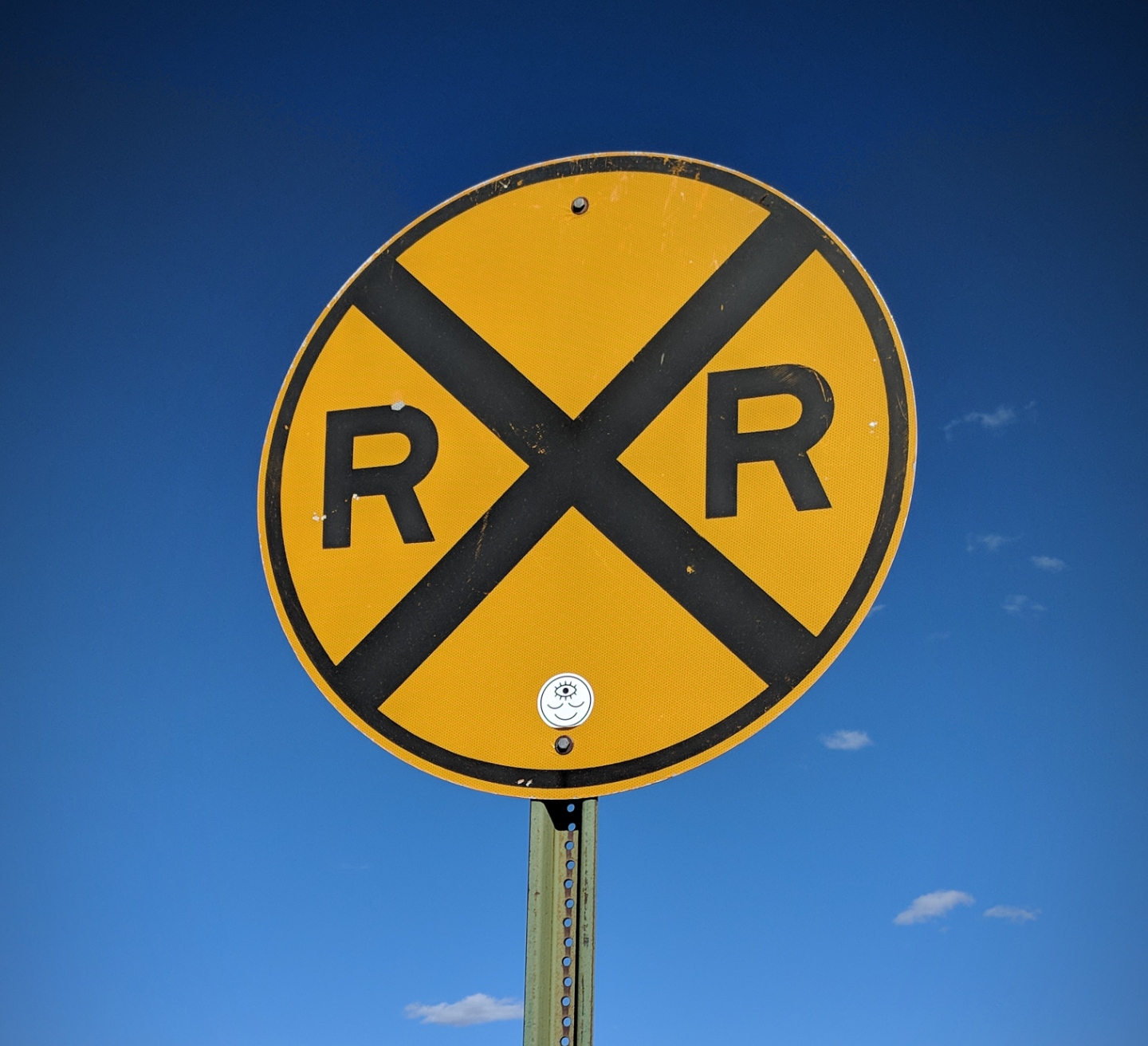
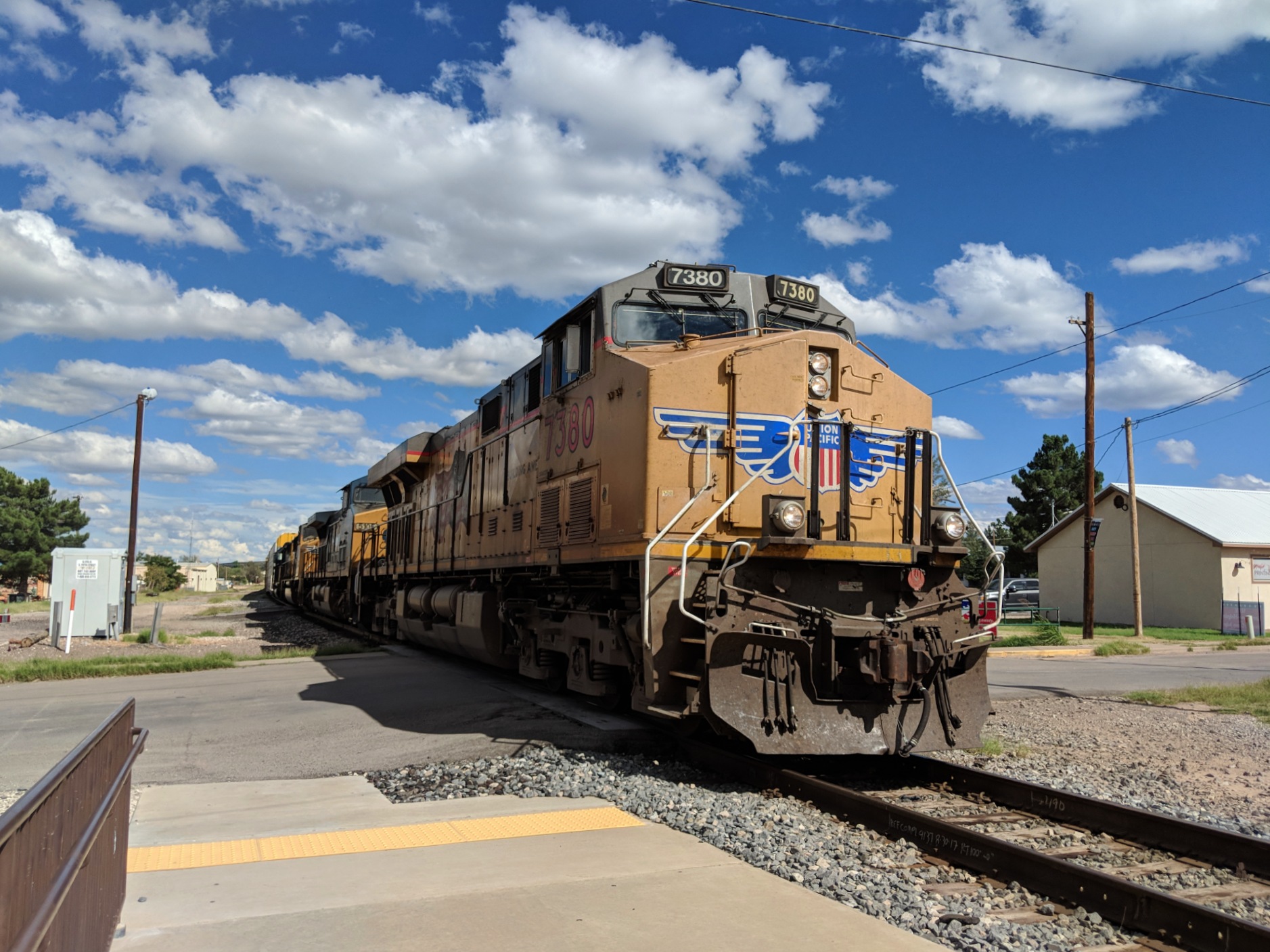
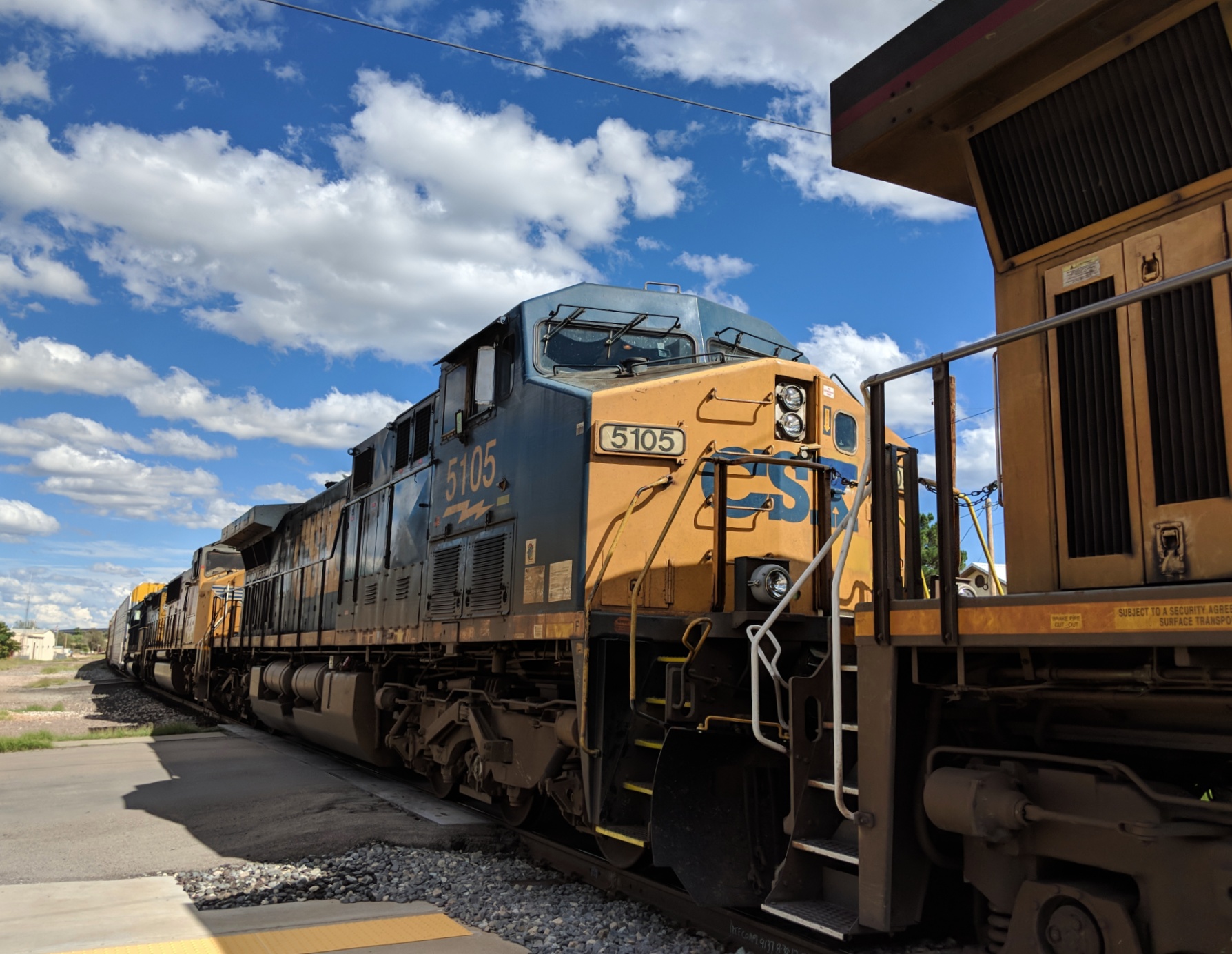
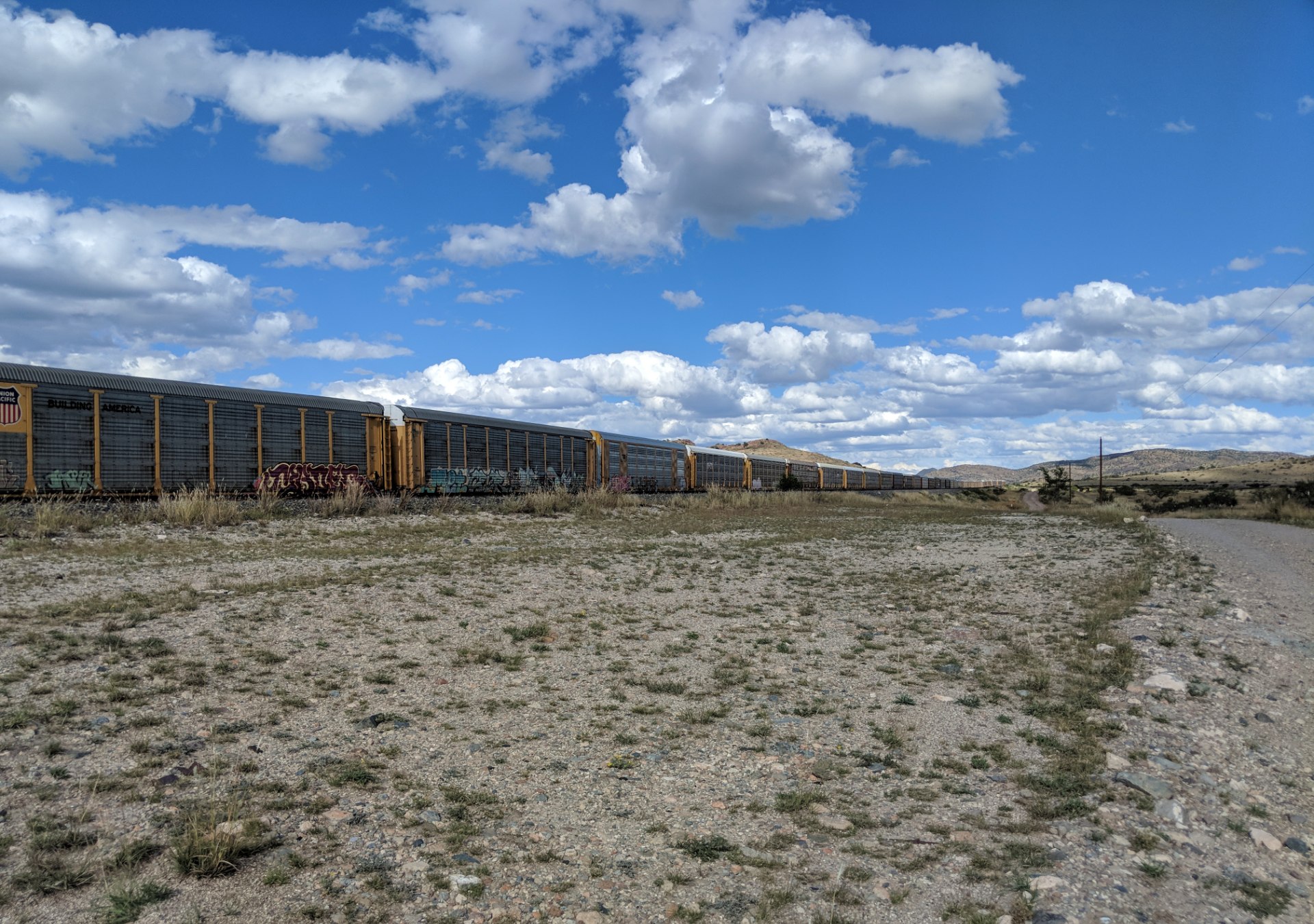
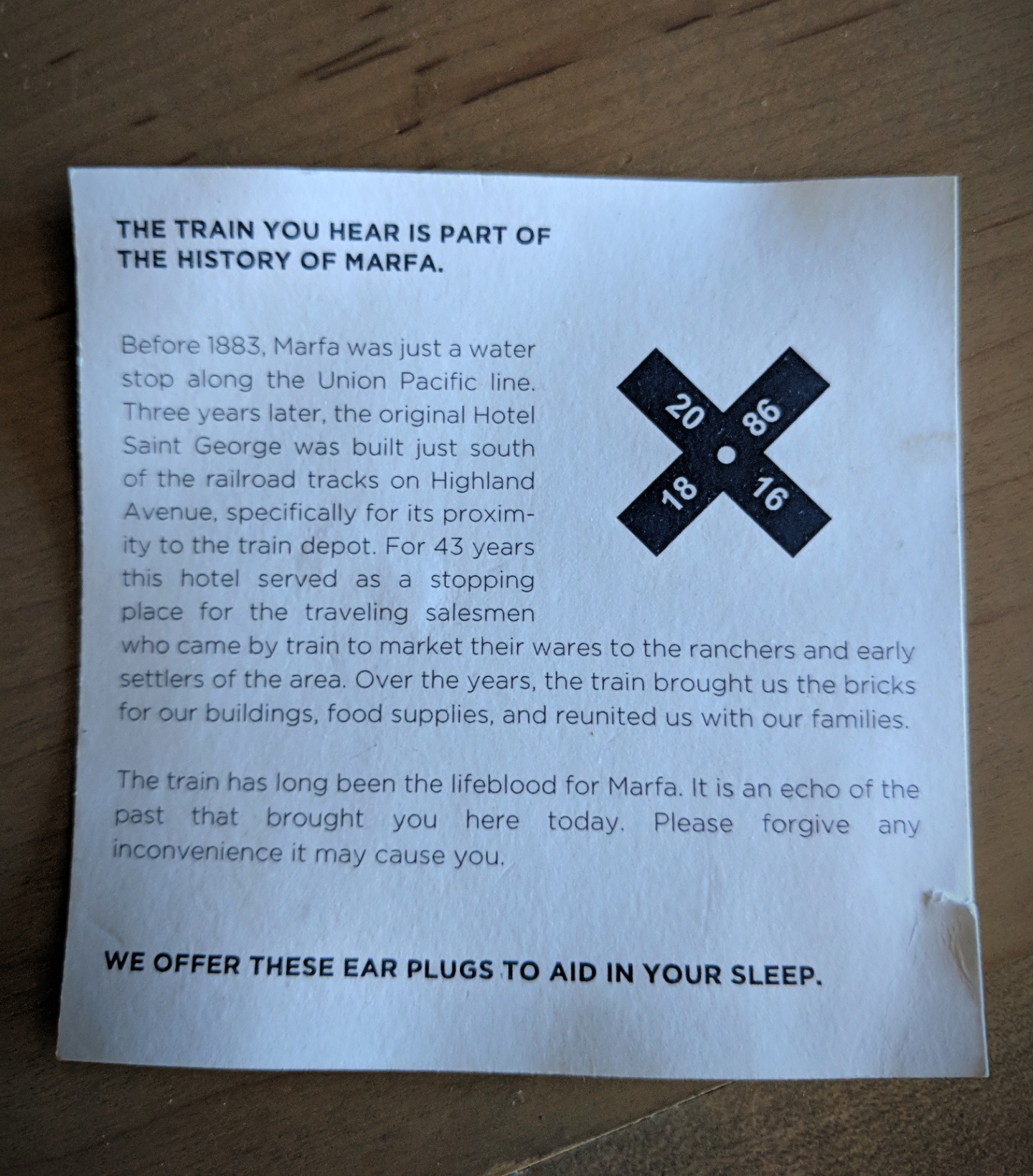
The Train You Hear

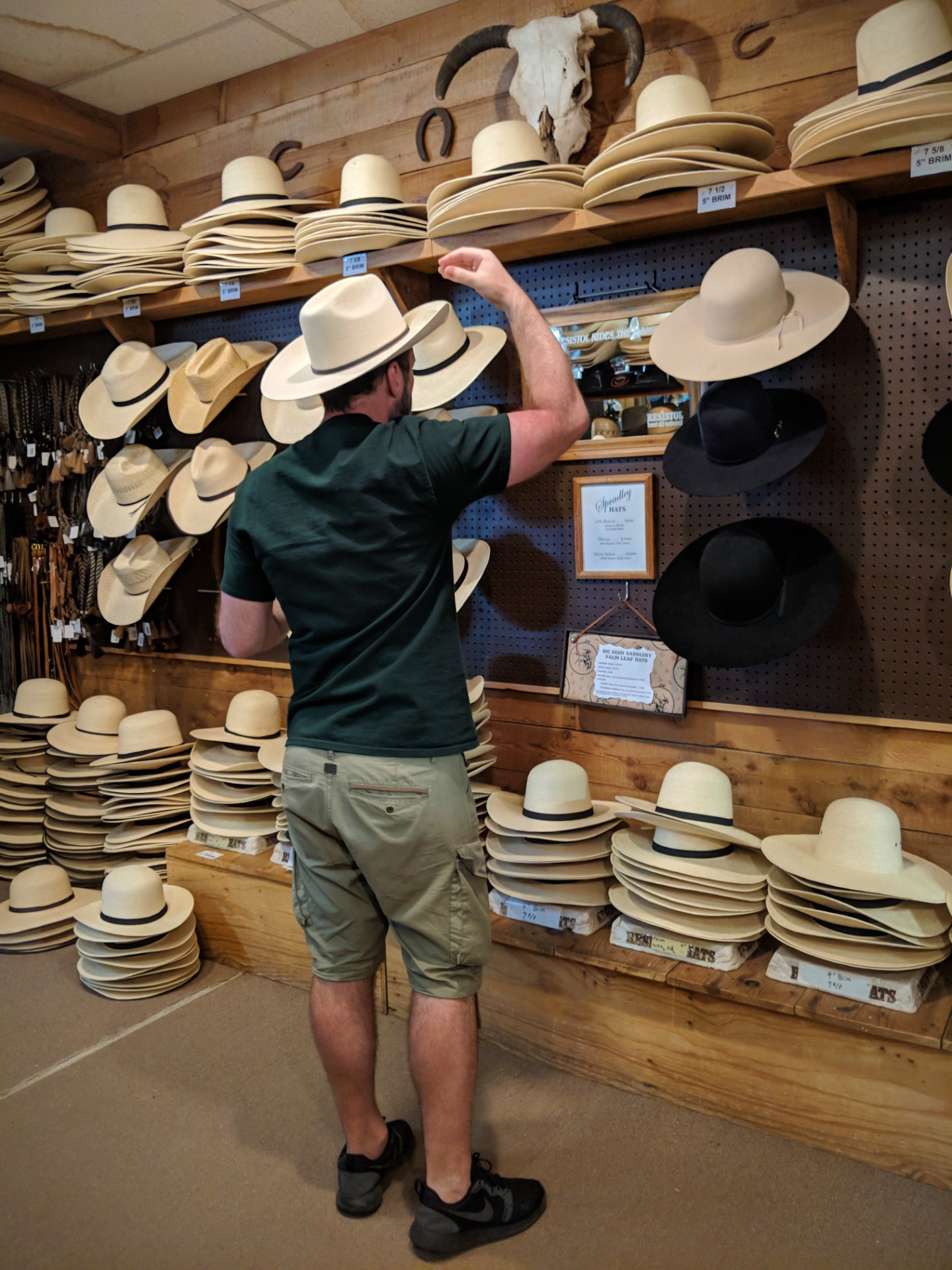
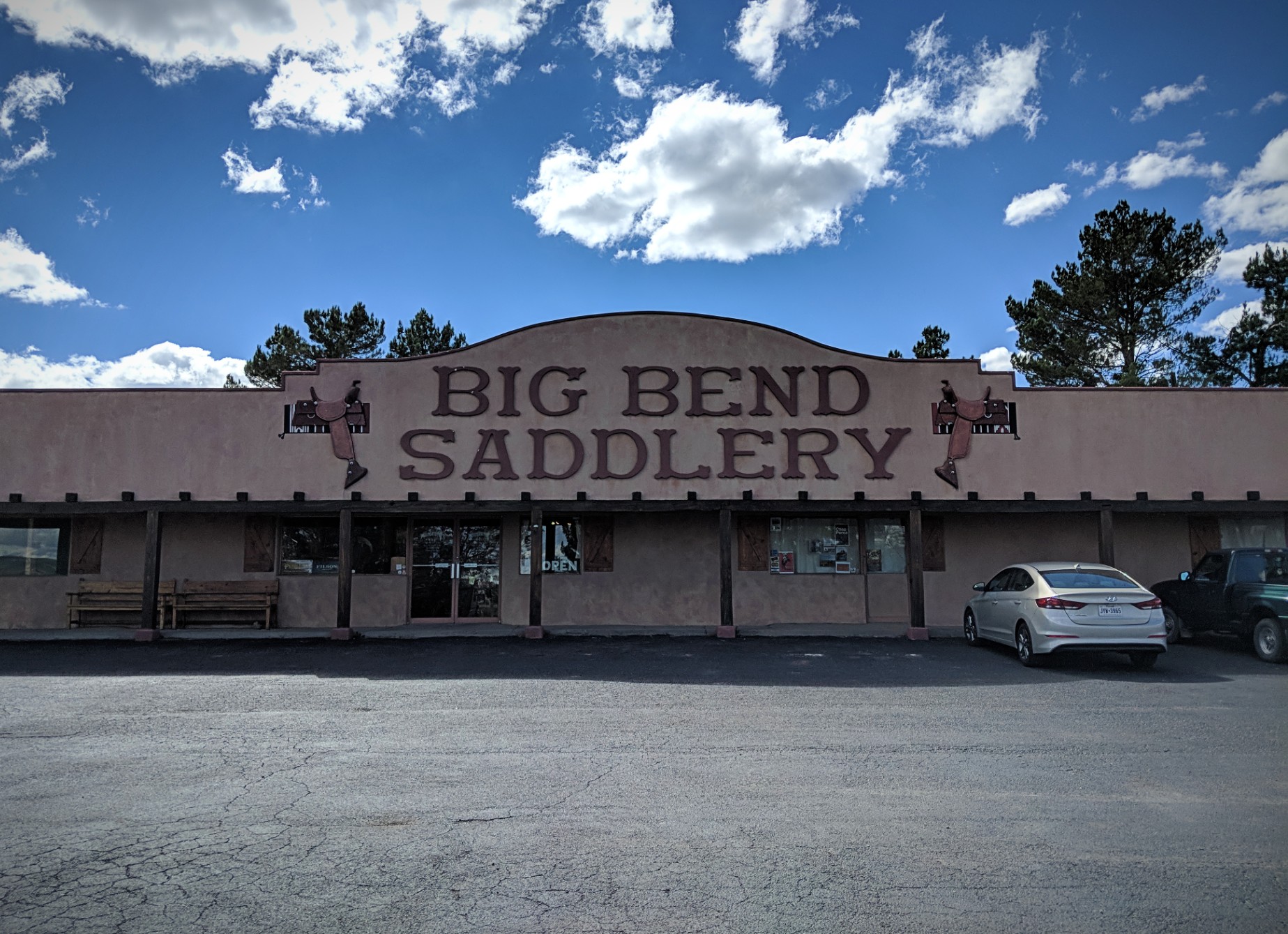
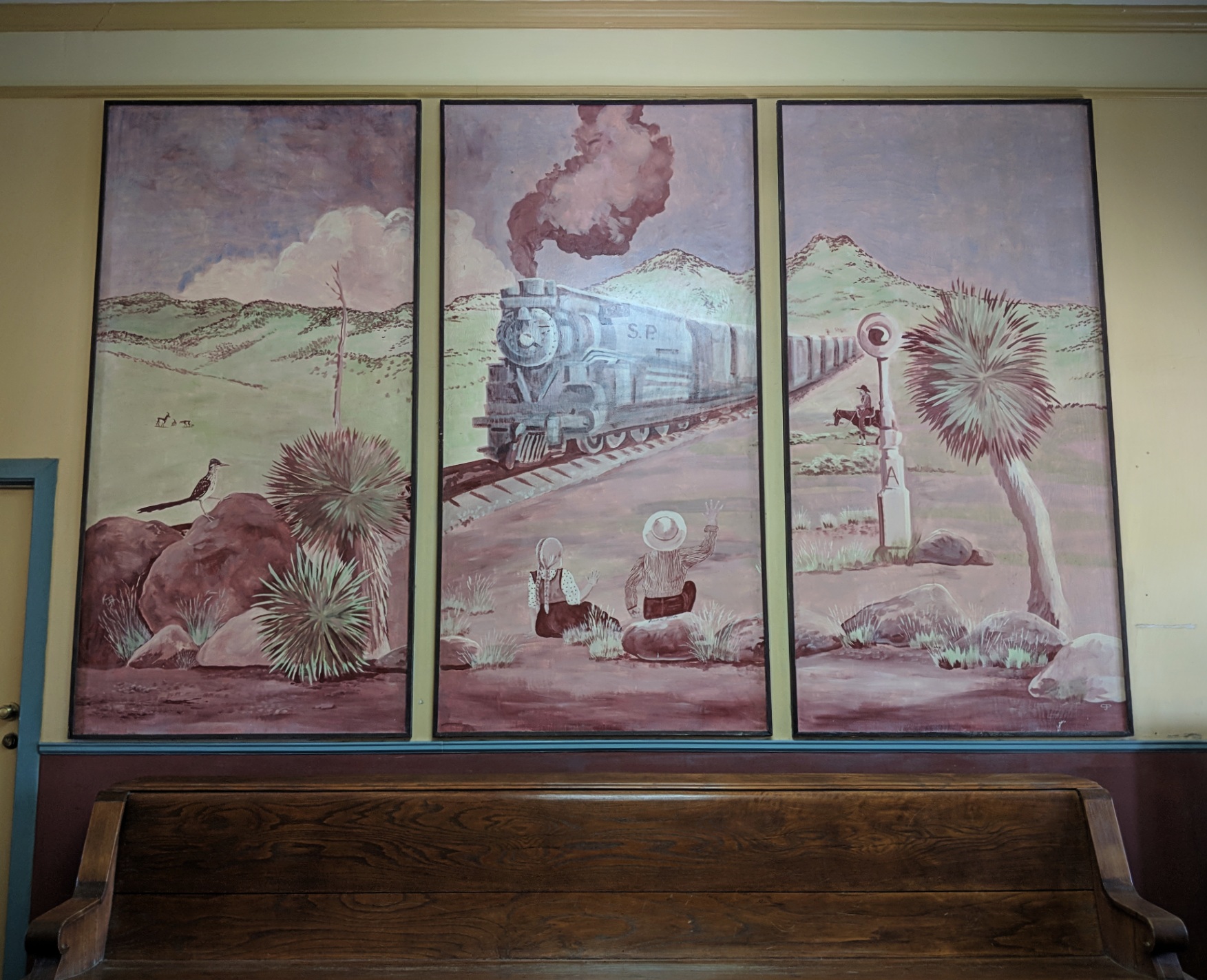
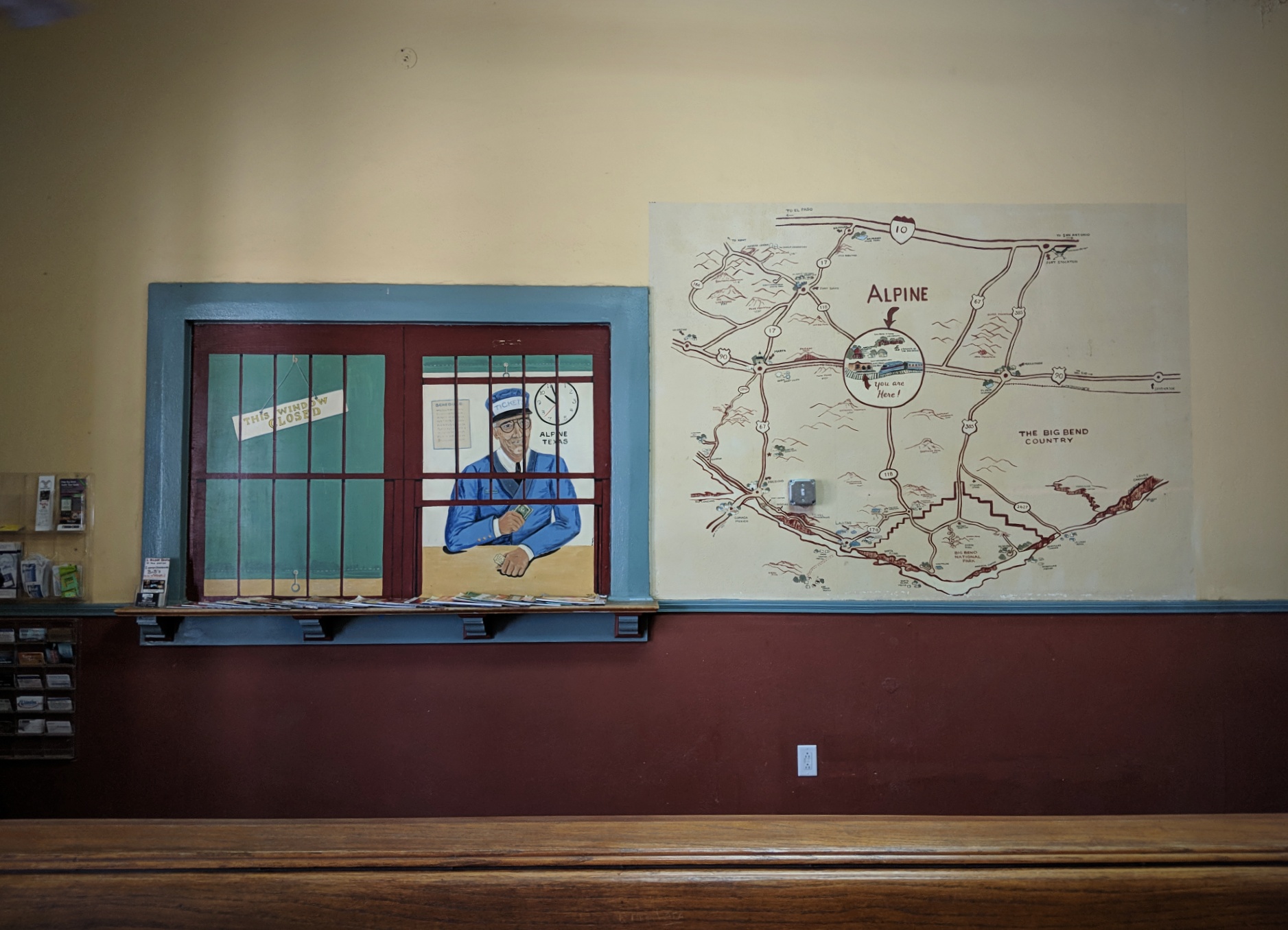
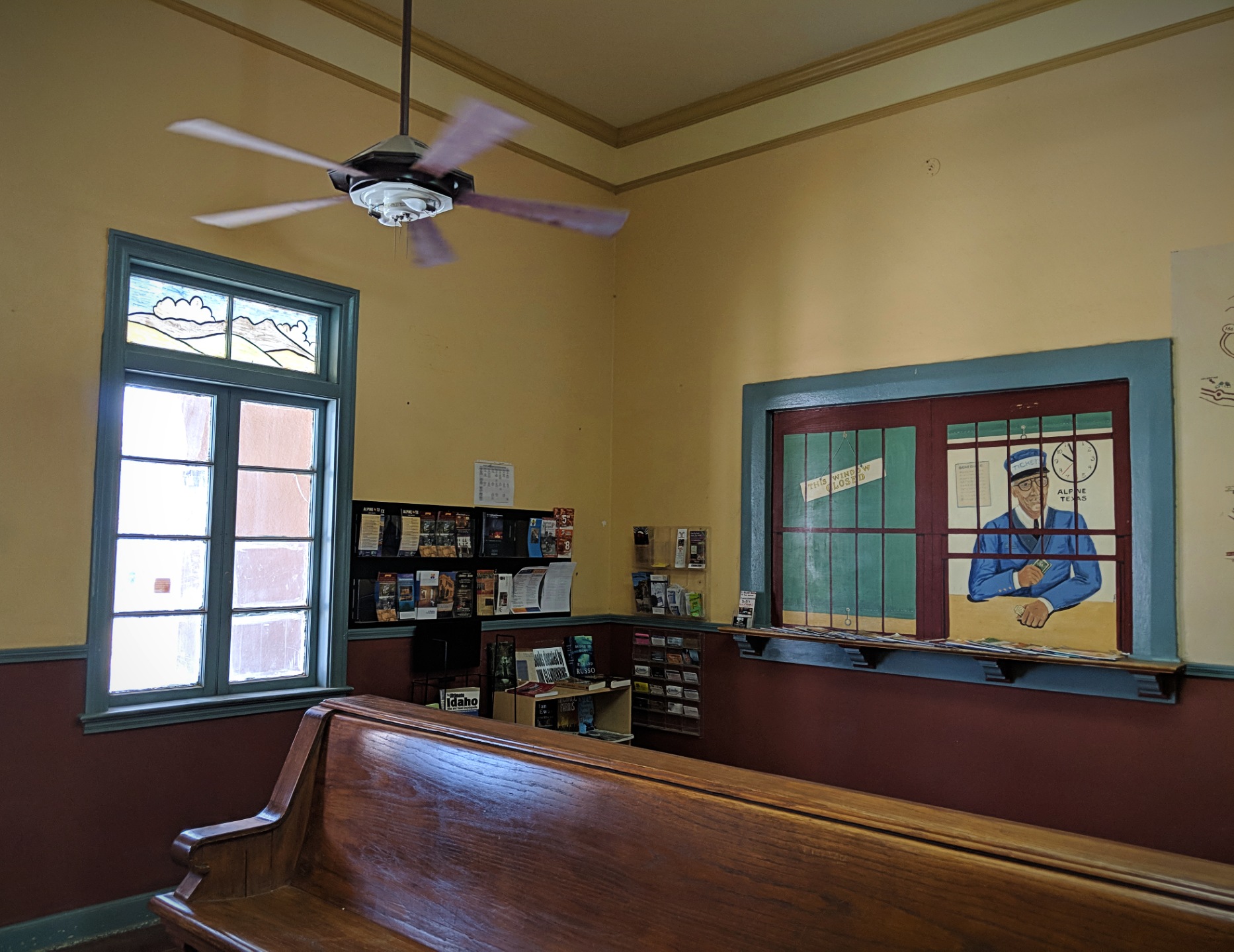
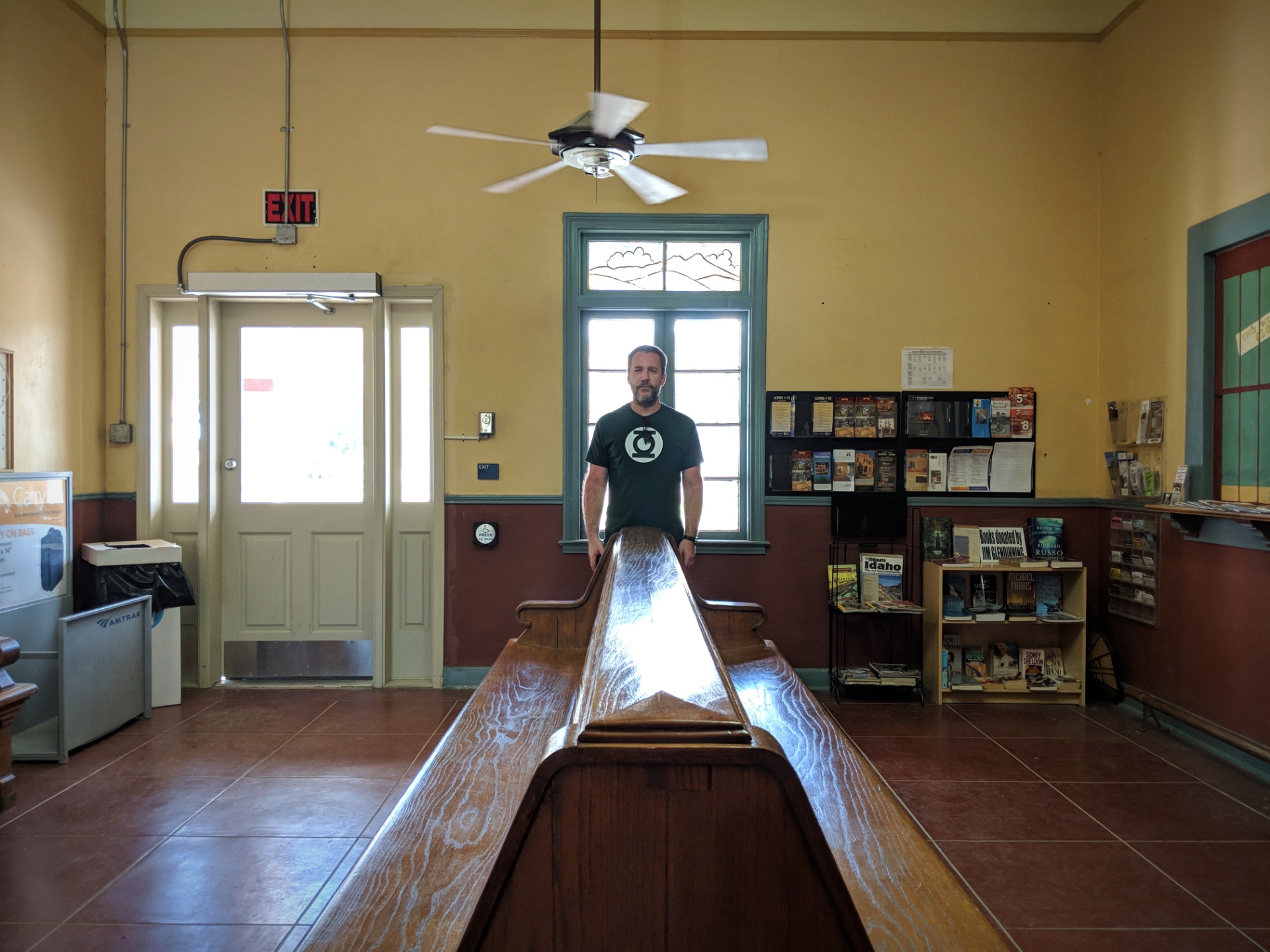
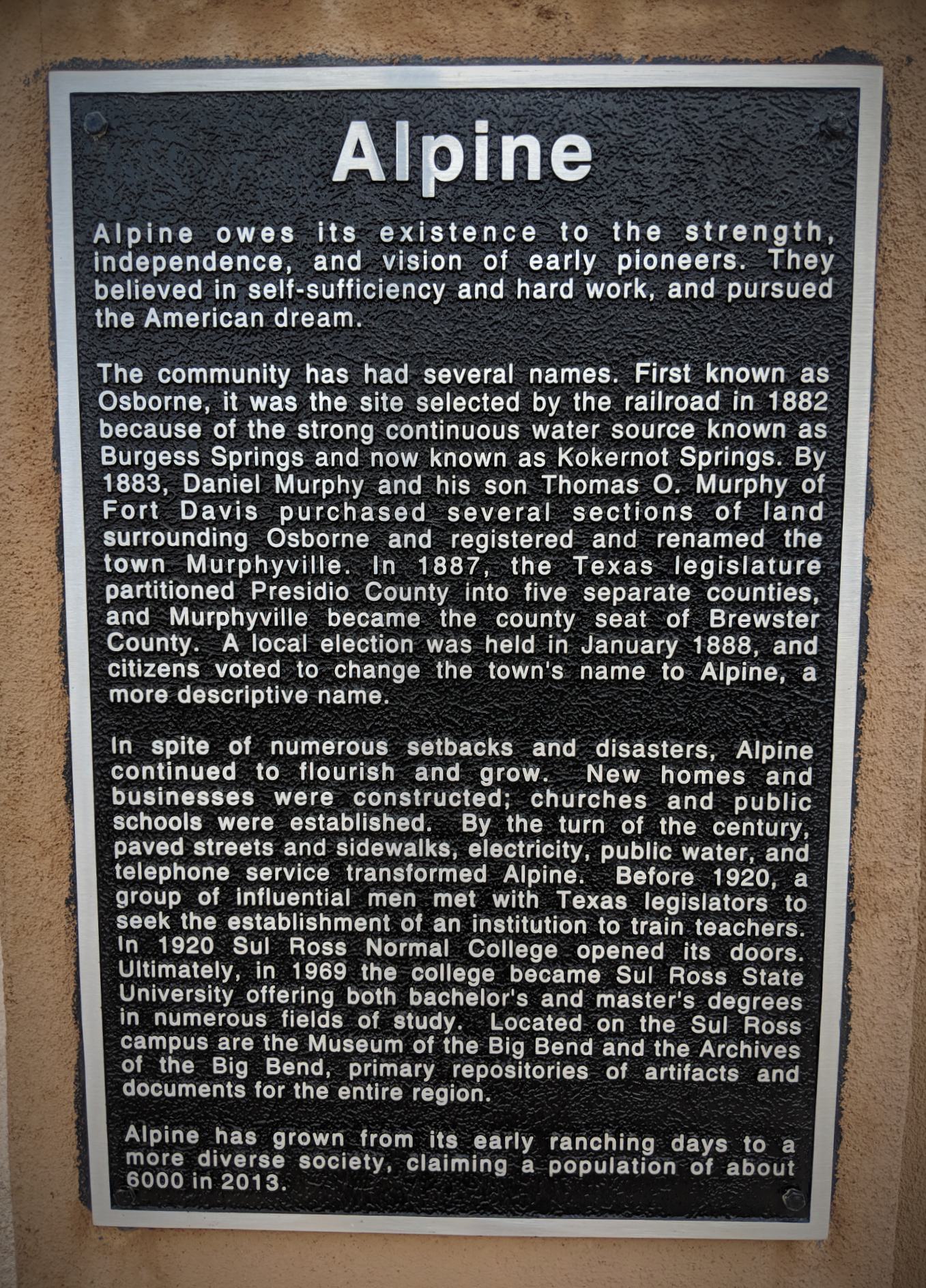
Has long been the lifeblood for Marfa… but it no longer stops there. You can hear it coming in the middle of the night but it will only stop at Alpine, the next town about thirty minutes drive from Marfa. Alpine will be of no interest to art aficionados, other than finding more affordable accommodation during the Chinati Weekend when the crowds invade the tiny town and all of its 12 hotels; but we simply had to have a look at its quaint little train station and the much larger Big Bend Saddlery, where we shopped for hats, ties and the like (not saddles, no…)

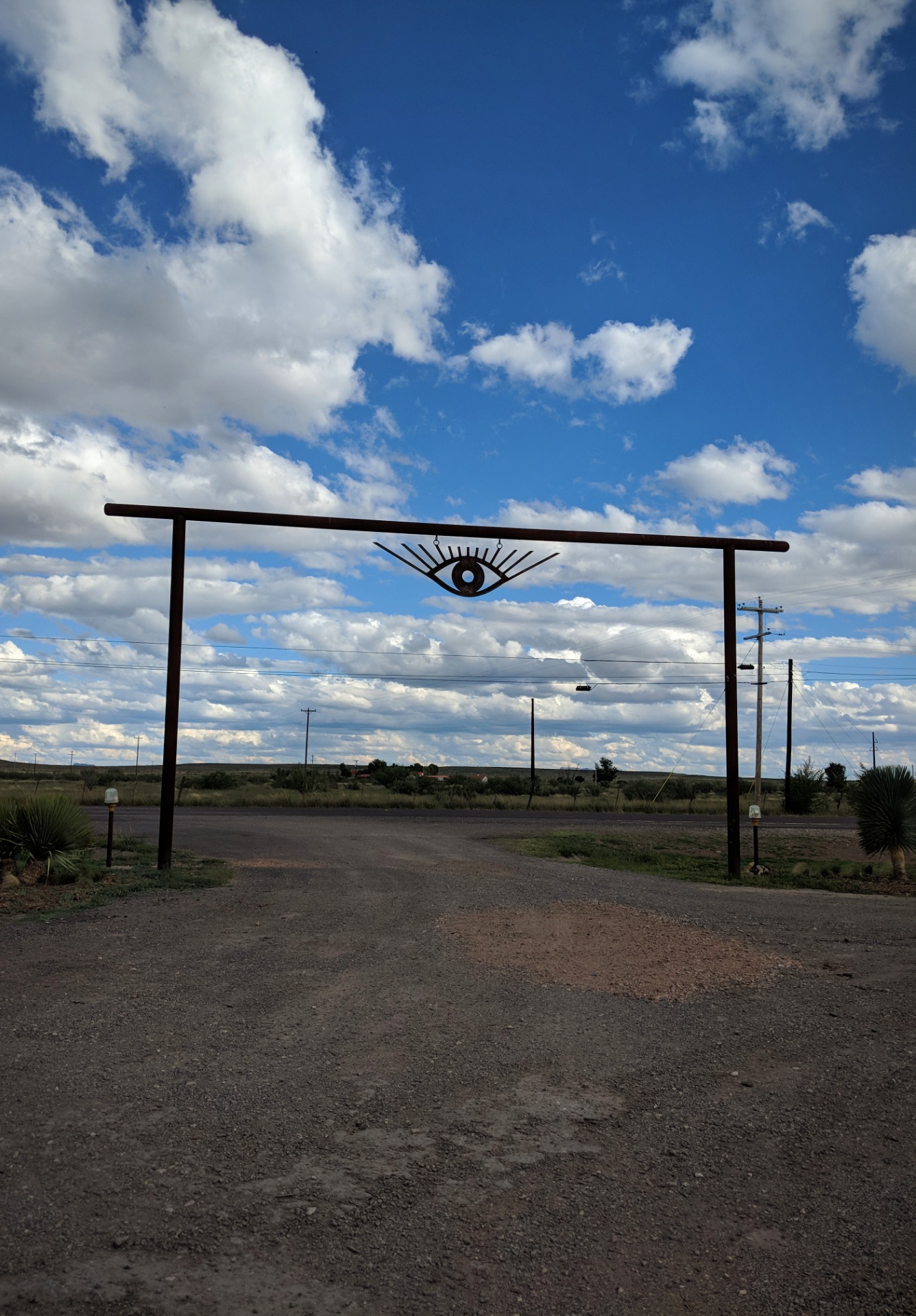
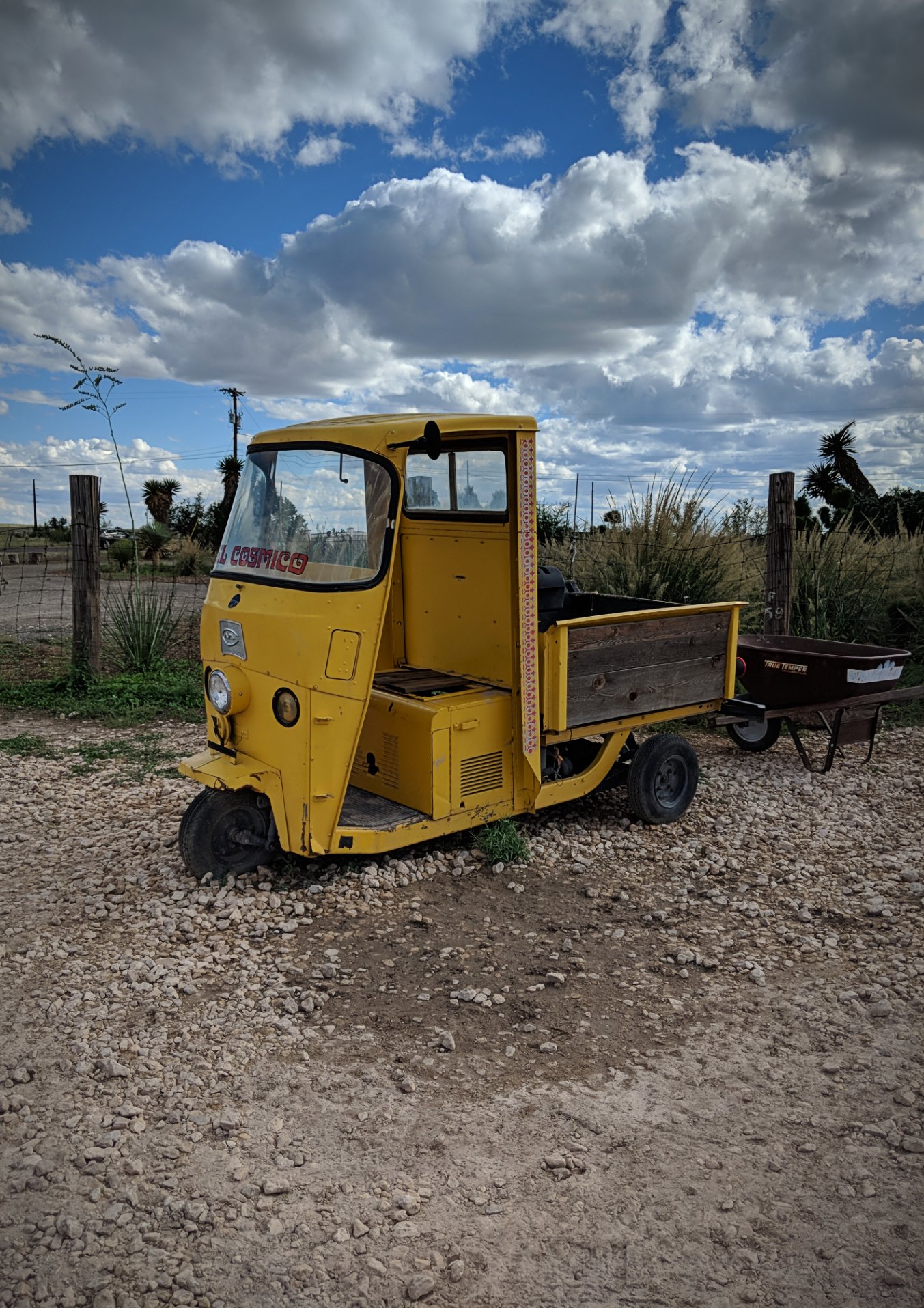
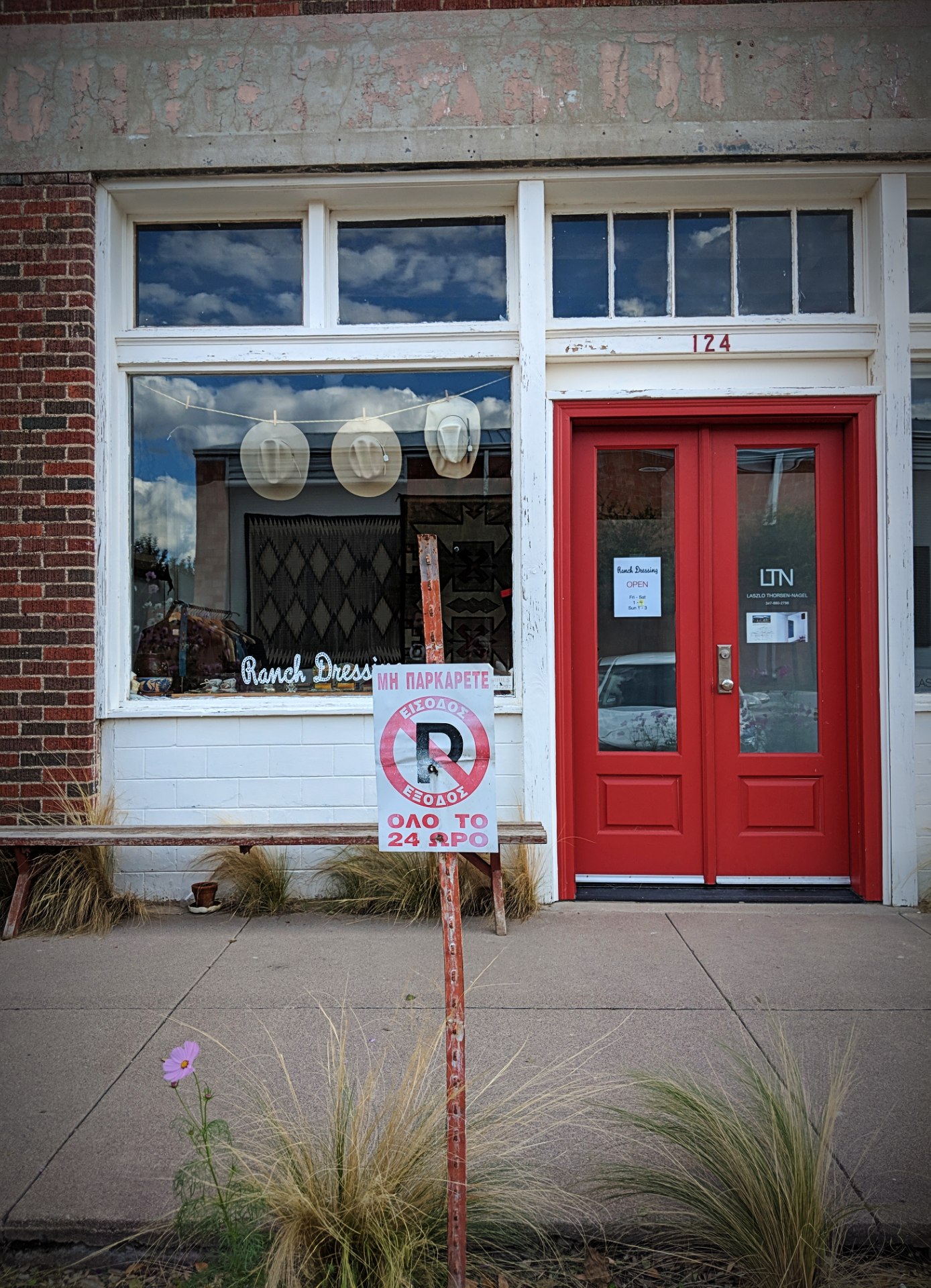
Back in Marfa, we walked under the watchful eye of El Cosmico before returning to the town centre – where we came across a “No Parking” sign in perfect Greek… Only in Marfa!

And, finally, back to where we started; a full round. It was an unforgettable trip – and, yet, there was more to come!

Marfa, TX

October 08-09, 2018