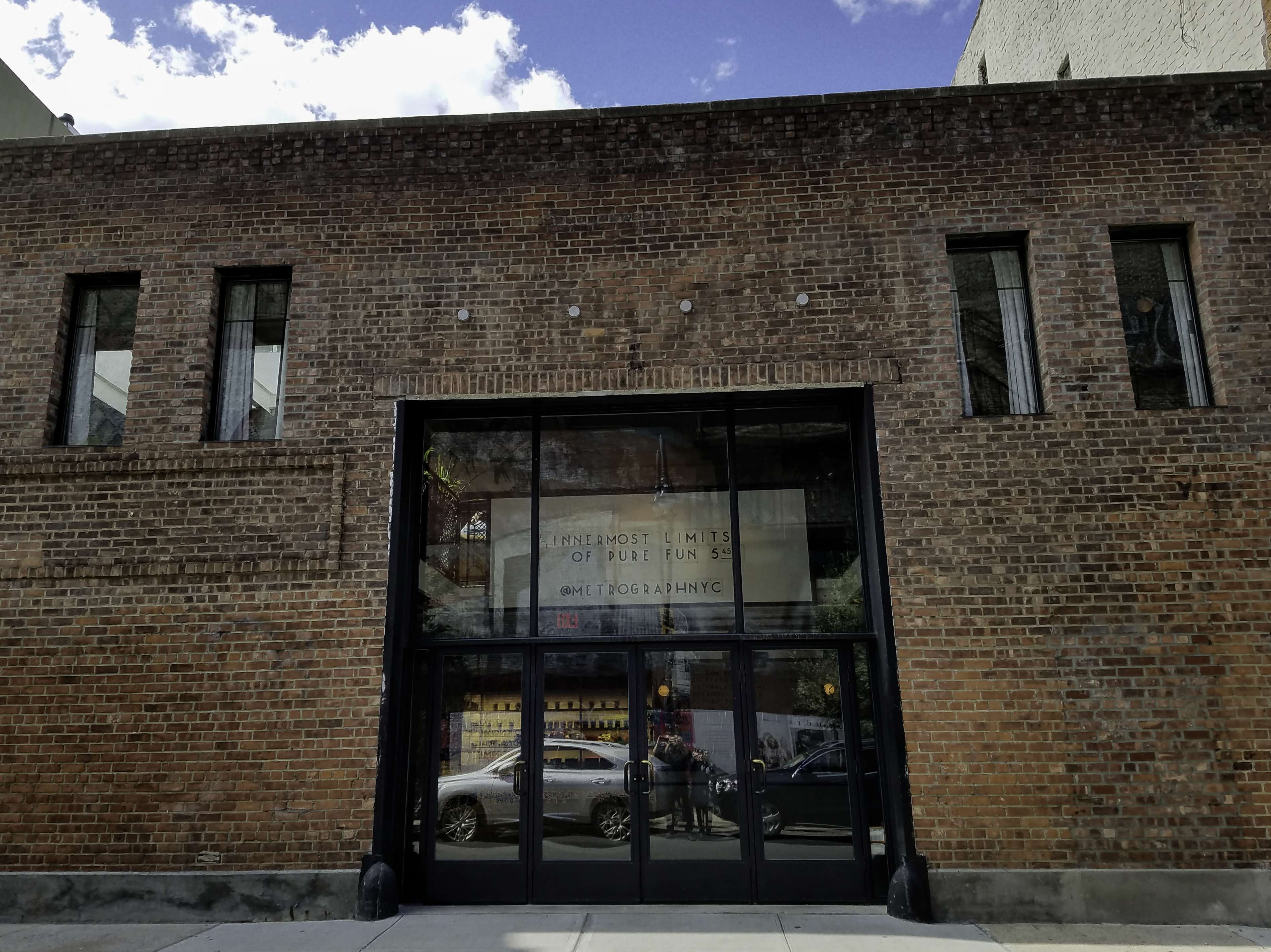
“An instrument attached to a locomotive for recording its speed and the number and duration of its stops” – a phrase that here means the innermost limits of pure fun.
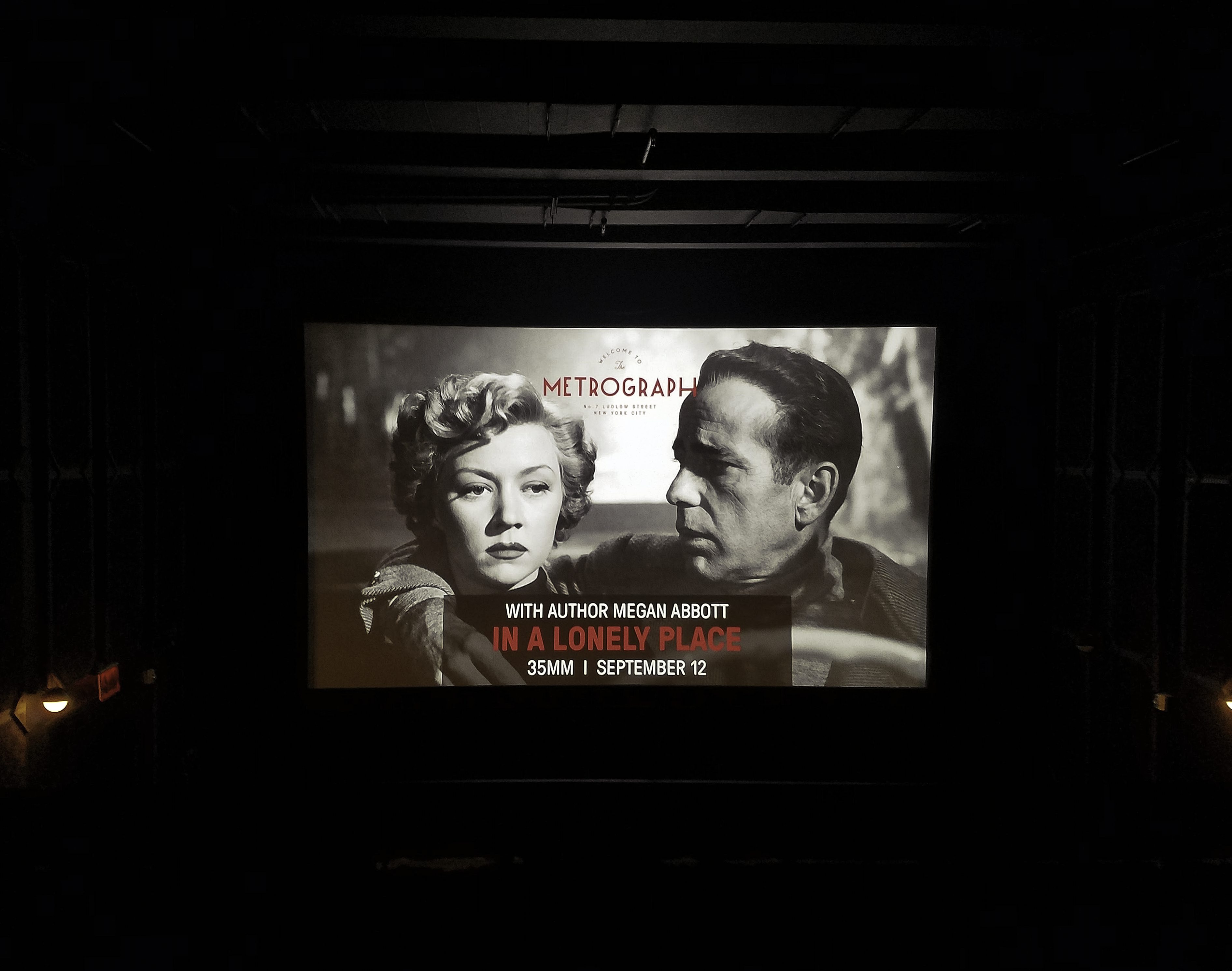
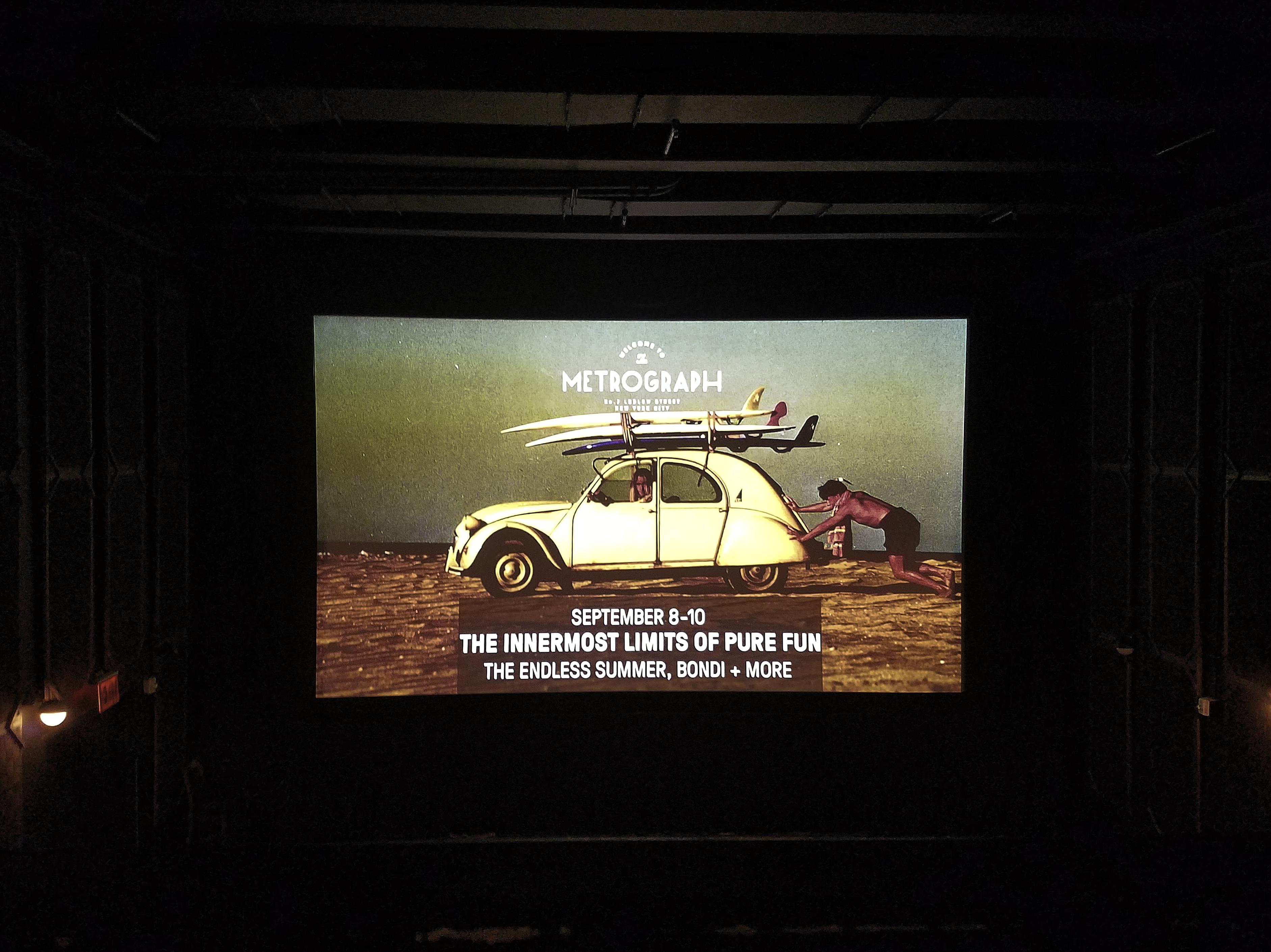
THE TAKING OF PELHAM ONE TWO THREE (1974)
September 9th, 2017
“An instrument attached to a locomotive for recording its speed and the number and duration of its stops” – a phrase that here means the innermost limits of pure fun.
THE TAKING OF PELHAM ONE TWO THREE (1974)
September 9th, 2017
in New York.
Two strangers. One rock. A random instant.
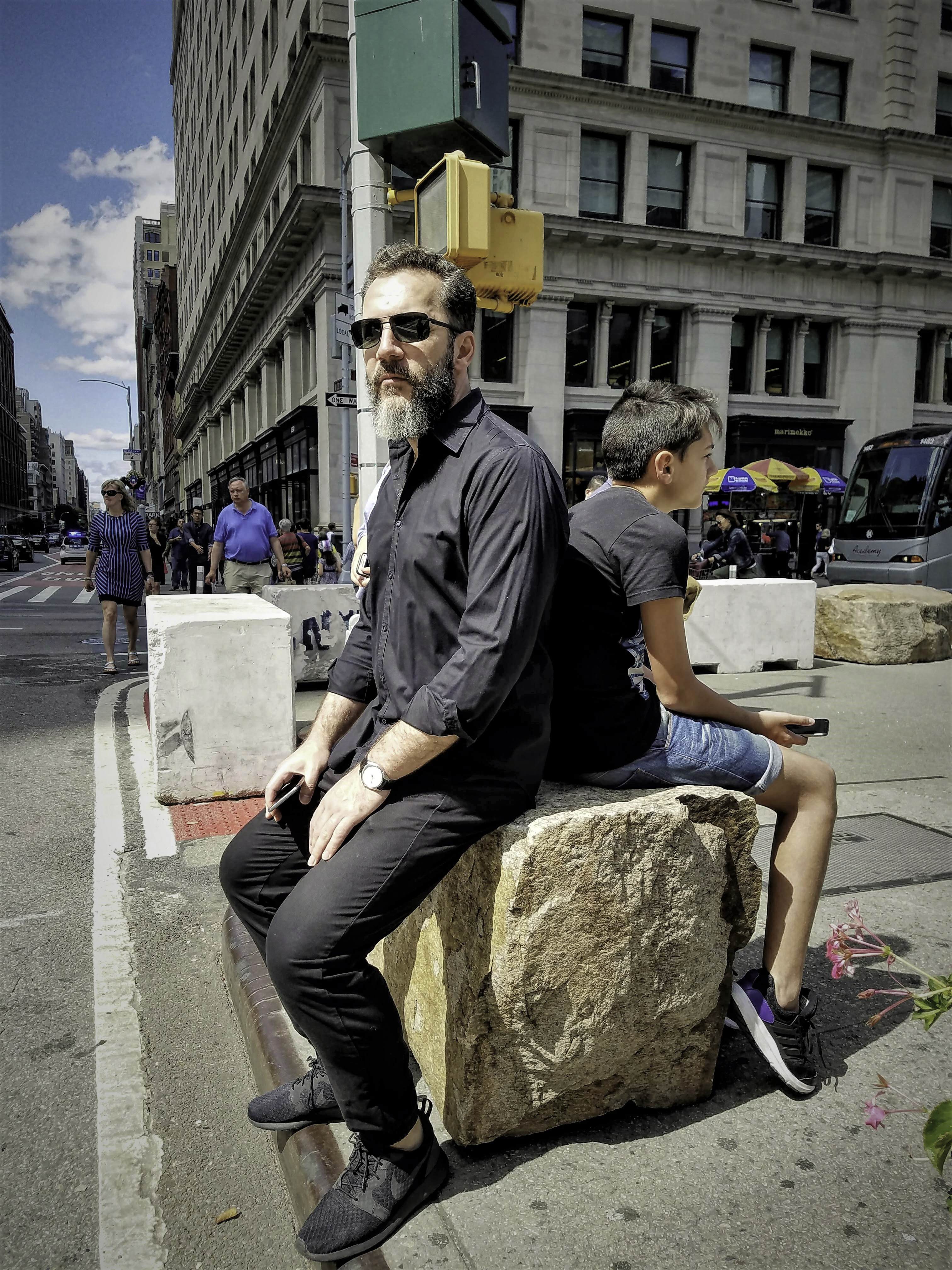
Broadway
September 9th, 2017
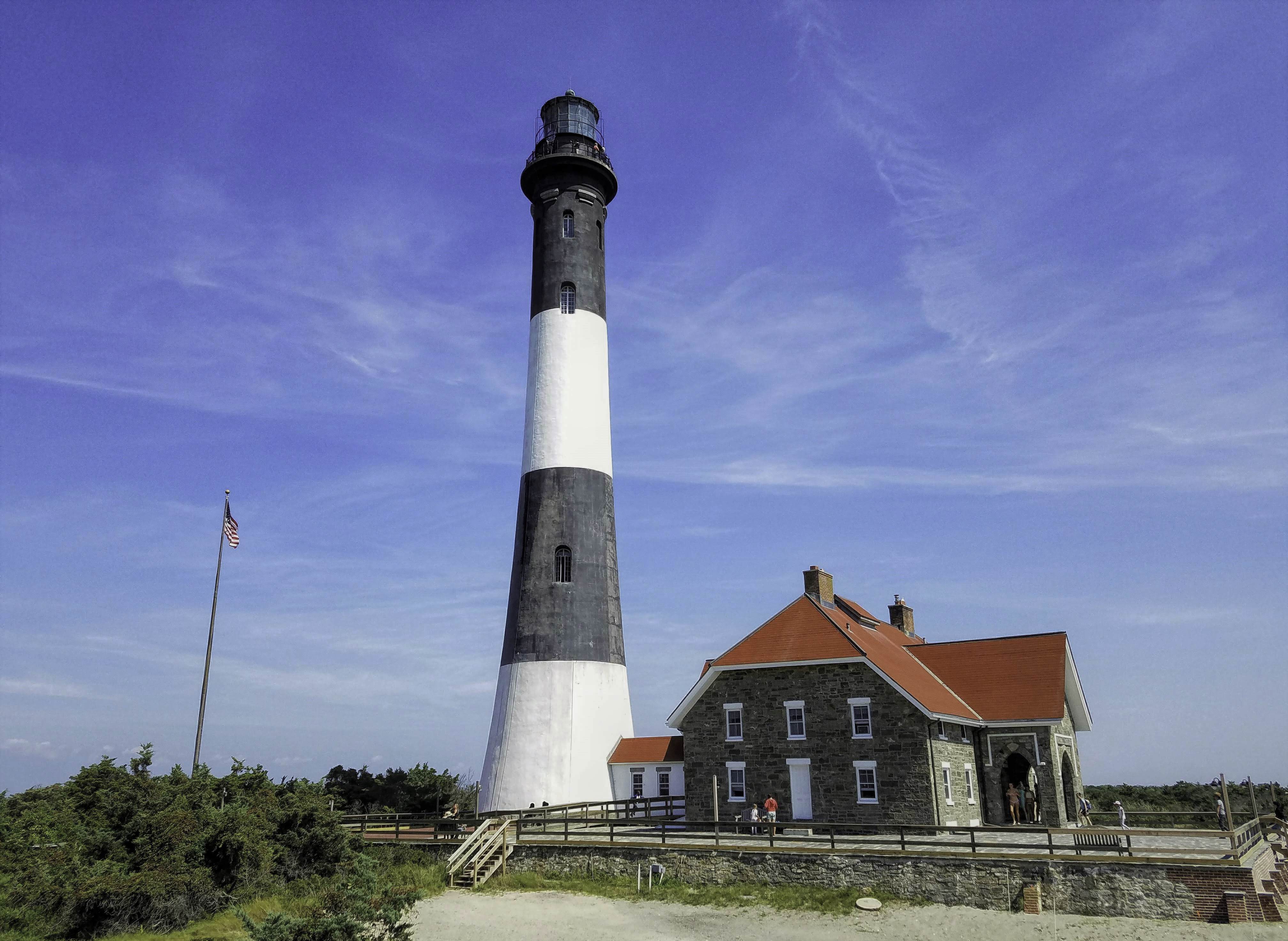
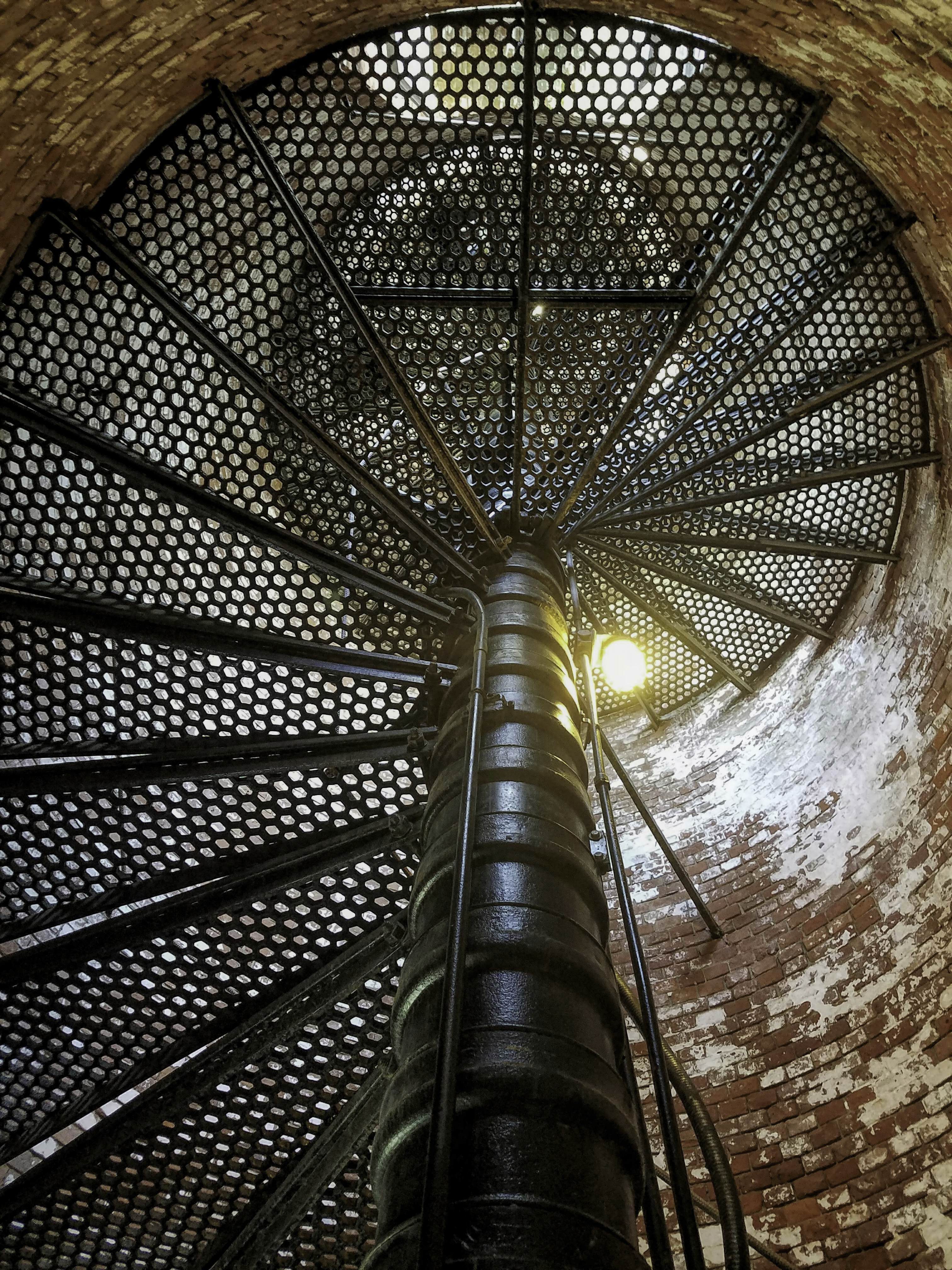
130 steps and a narrow staircase. Fortunately, there are several landings in-between, where we can pretend we stopped to check the view, catch our breaths and continue climbing. We can also learn some fun facts about the lighthouse.
Step 26, first window landing, all’s well.
We read: The lighthouse was constructed from the inside out. The stair treads and centre posts acted as internal scaffolding. As the walls rose in height, additional stair treads and centre posts were added. The construction rate was about 1 foot/day and was completed within one year. The total cost was $40,000 including the lens, about $1.14 million in today’s dollars.
Its iconic tapered shape is most likely based on John Smeaton’s stone lighthouse of 1759 at Eddystone Rocks, just south of Plymouth, England. Smeaton was the first self-proclaimed “civil engineer” and also the first to consider the problem of constructing a lighthouse at sea. He decided to build it entirely in stone and took the shape of an oak tree as his inspiration ”a large heavy base rooted in the soil with a curved tapering pillar above, keeping the centre of gravity low”. The outer surface was to be as smooth as possible to deflect the waves.
Step: 52, second window landing, breathing a bit heavier.
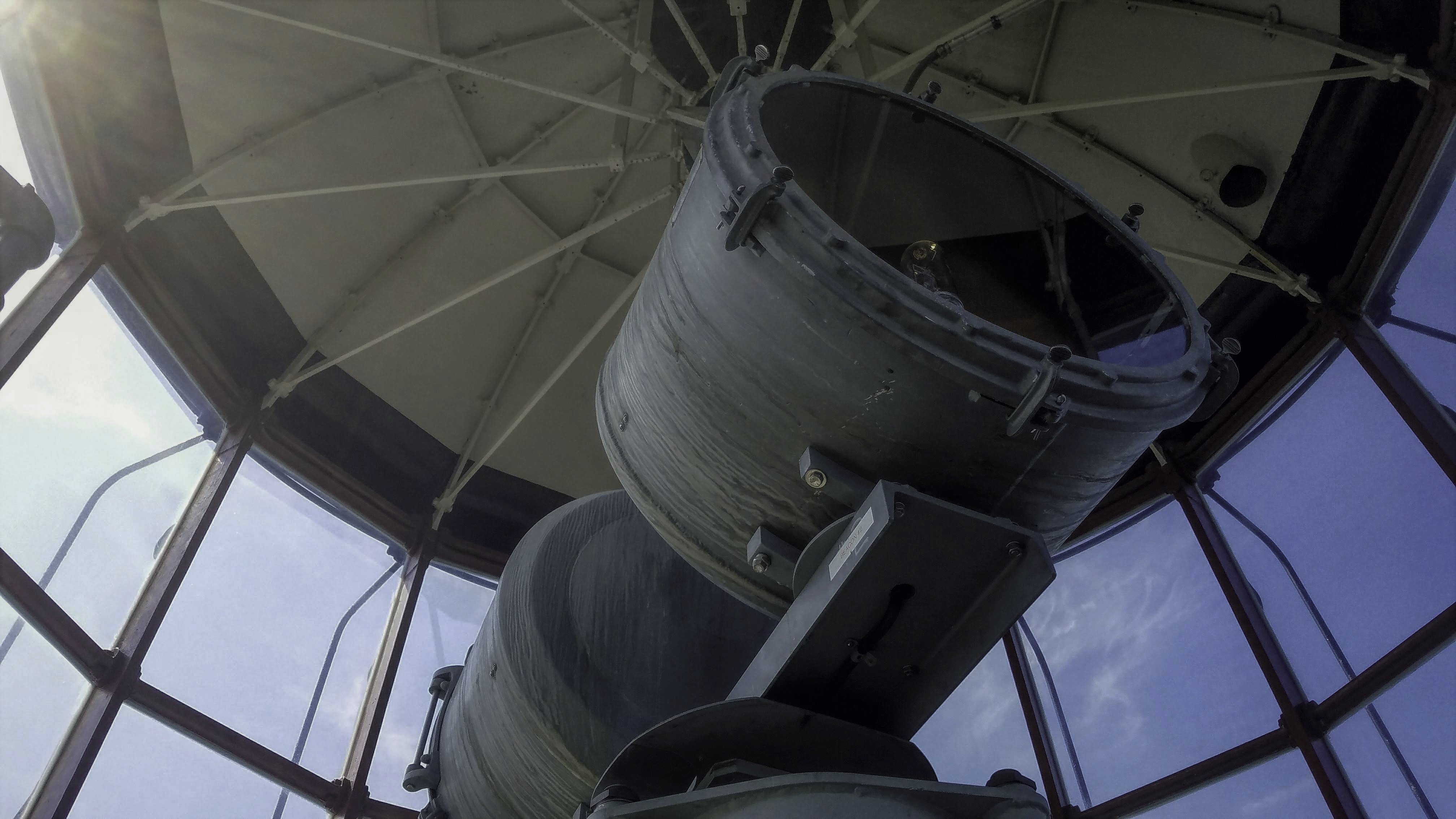
We read: Lighthouses have distinctive ”characteristics” that allow them to be recognized night or day. The lantern provides nighttime recognition and has unique flash ”characteristics”. This lantern flashes every 7.5 seconds. Day-marks allow daytime recognition: this lighthouse uses four alternating black and white bands.
Step: 78, third window landing, legs join lungs in need of a break.
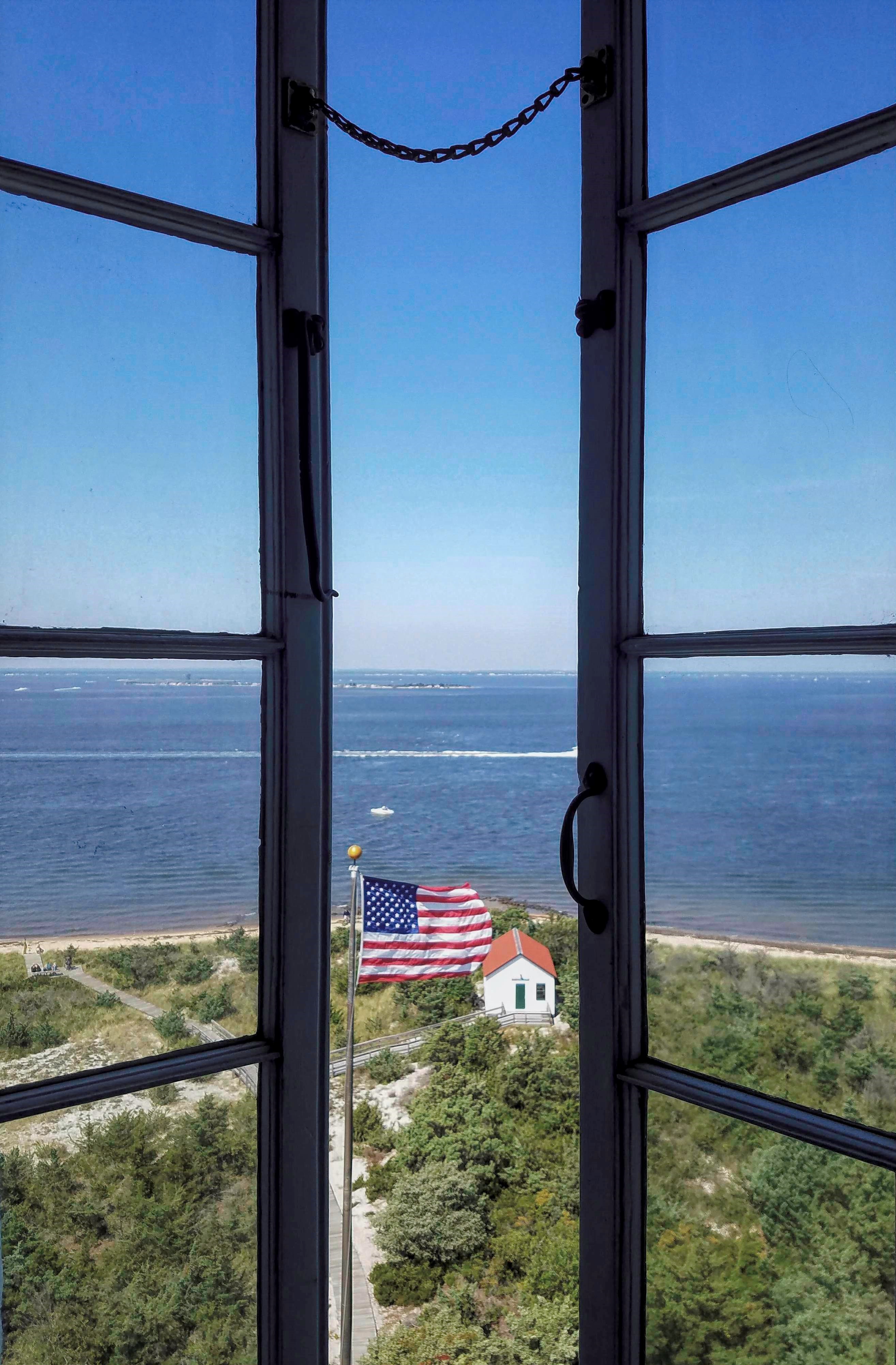
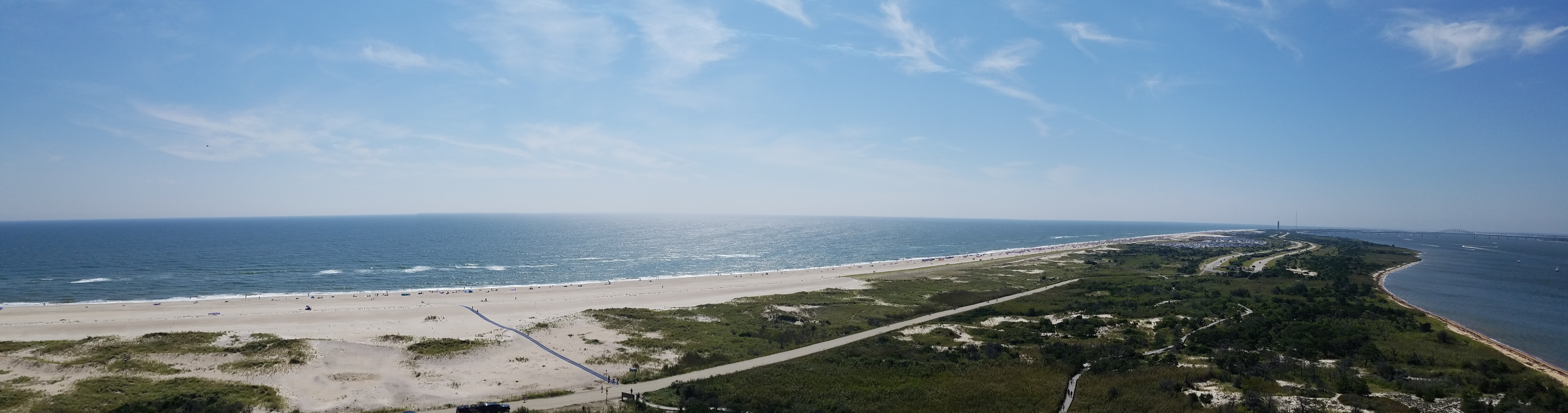
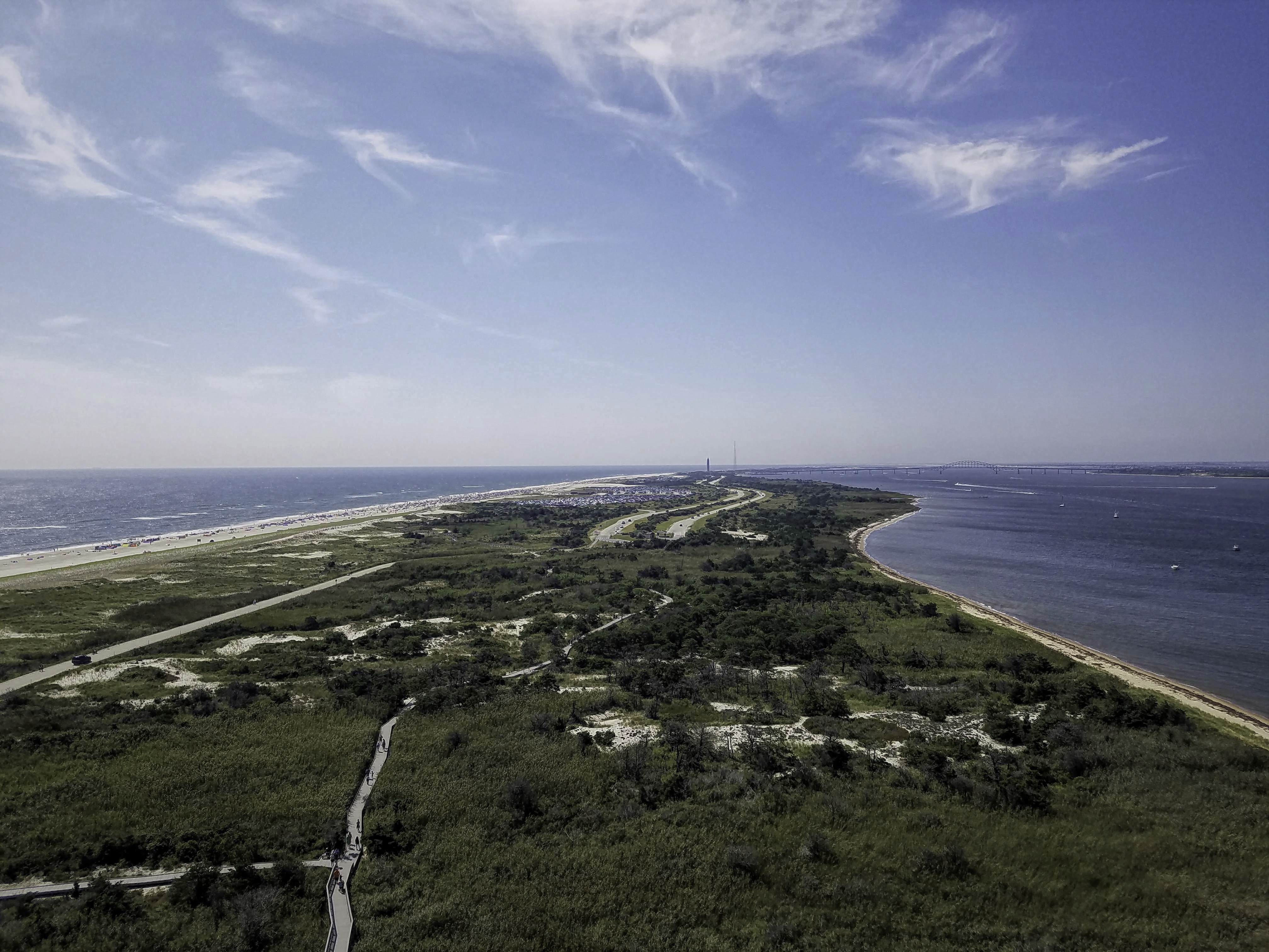
We read: Fire island is 32 miles long. It is comprised of multiple communities and beaches, interspersed with segments of the Fire Island National Seashore, established in 1964 to preserve the only developed barrier beach in the United States. The first community you see is Kismet. ”That’s where we’re heading for lunch later”, I thought.
Step: 104, fourth window landing, need. longer. break.
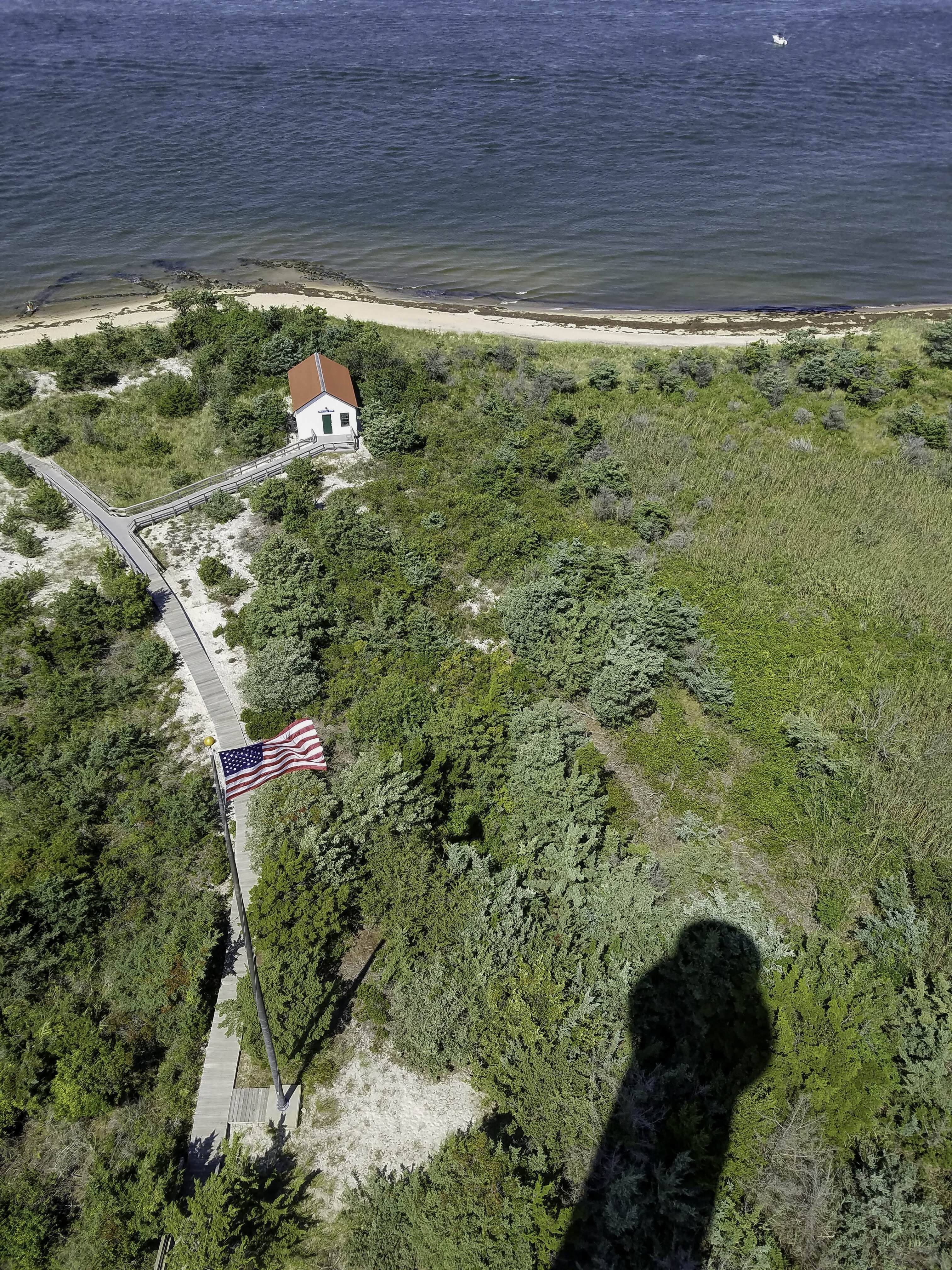
We read: The flagpole is the approximate height of the original lighthouse. At 90 feet, the first lighthouse at best projected its beam only 14 miles out to sea. Far short of the current tower’s 20 to 24 mile range.
In case you, like me, were wondering how did ”Fire Island” get its name: there are many popular theories for its origin. The first relates to Poison Ivy’s bright red fire like colouring in the fall. Poison Ivy grows in abundance here. The second is based on false fires land pirates were building to lure unsuspecting ships to the coast and loot them. The third derives from the English mistranslation of the word ”five” from an original Dutch map. The Dutch named the area around the light station ”Five Island” because of the four islands visible in the bay, plus the one we now call Fire Island.
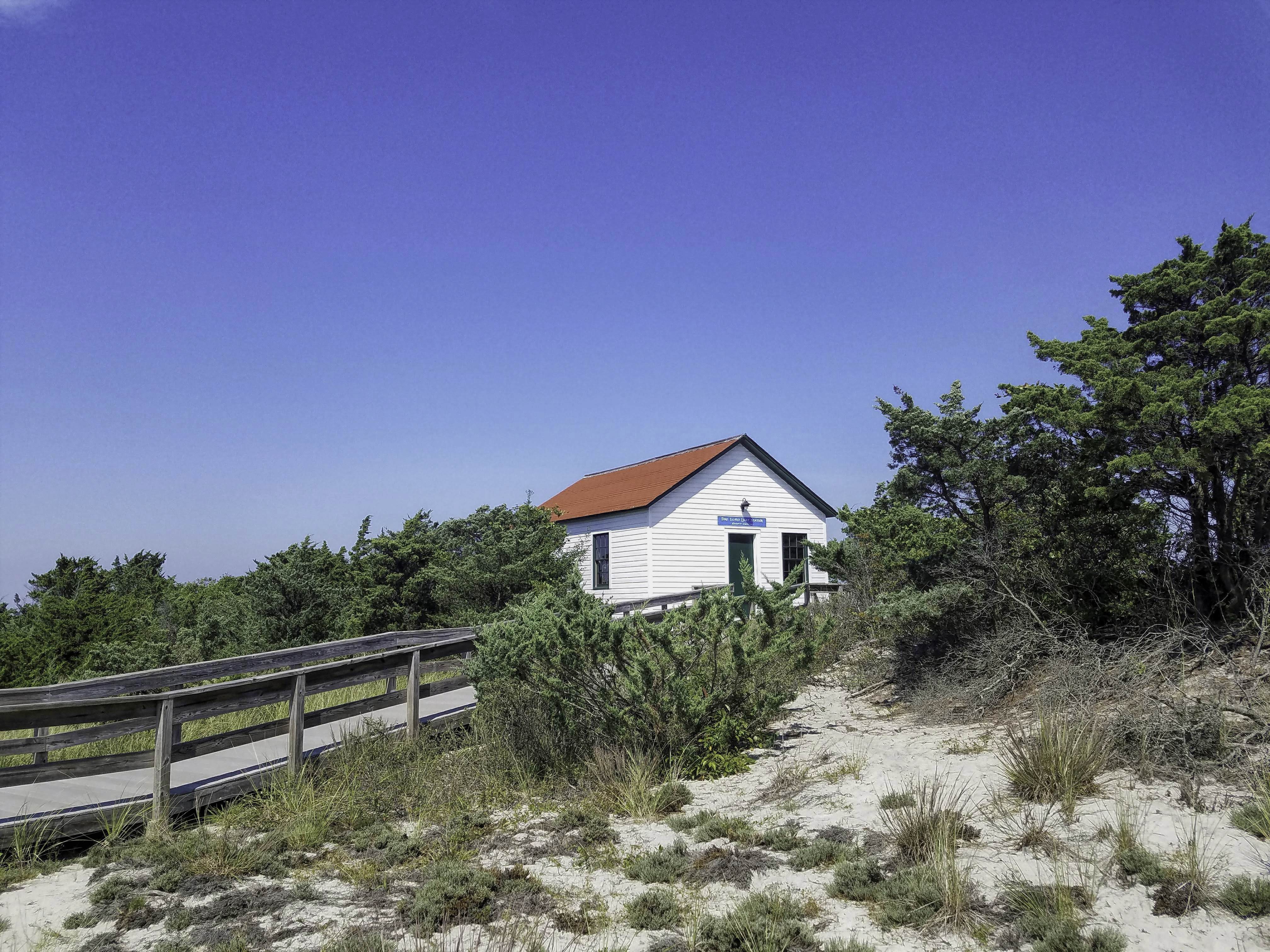
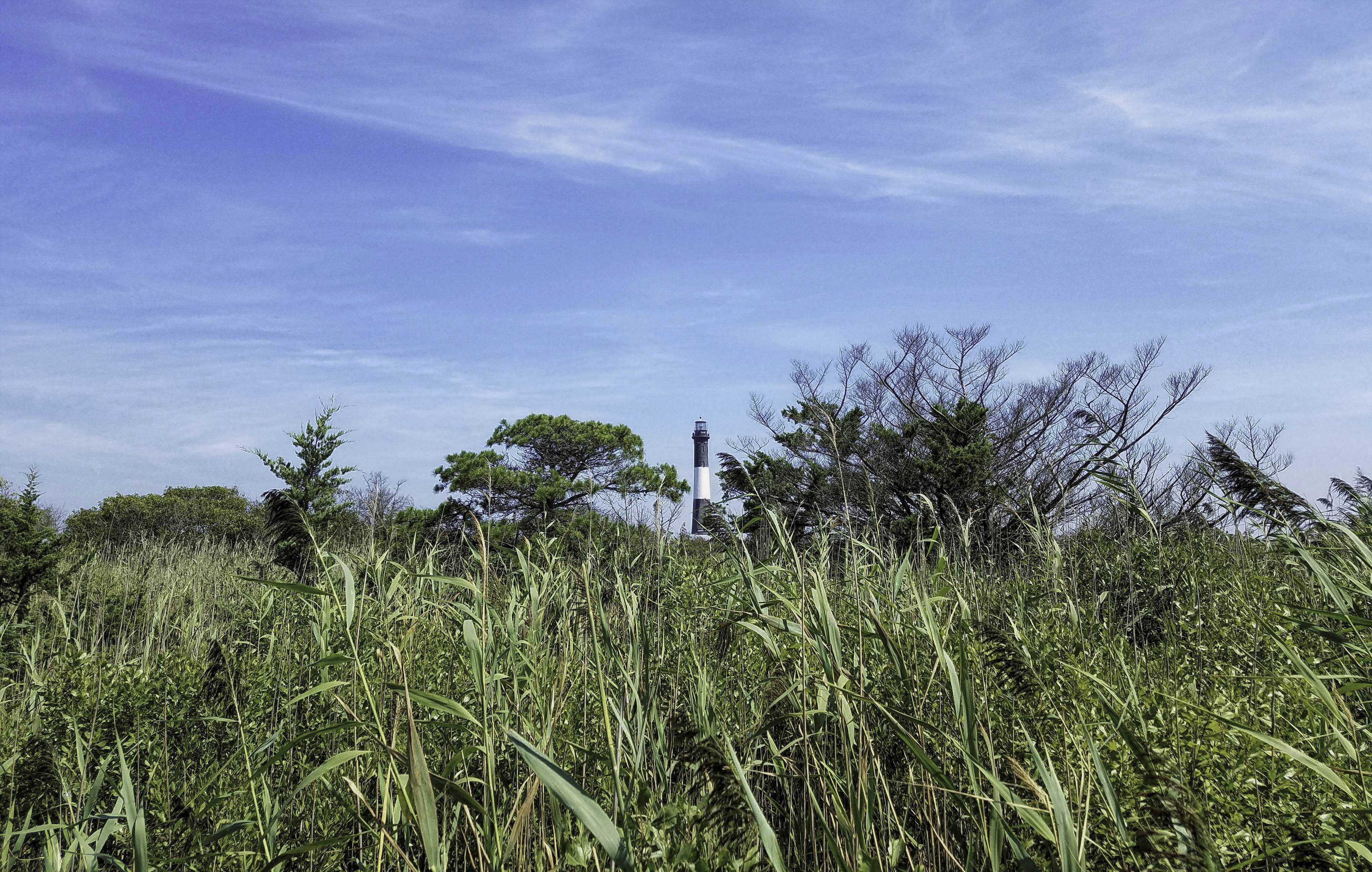
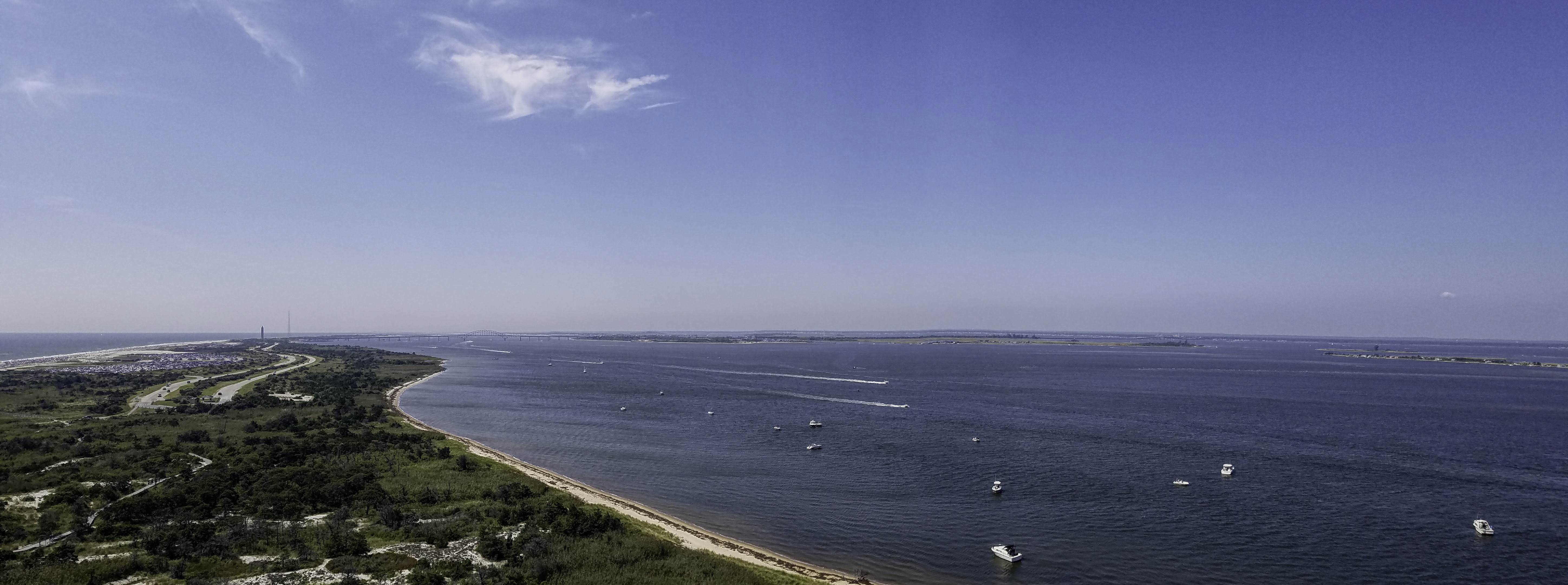
Step: 130, fifth window landing, that’s it don’t give up now, look outside… The view is breathtaking!
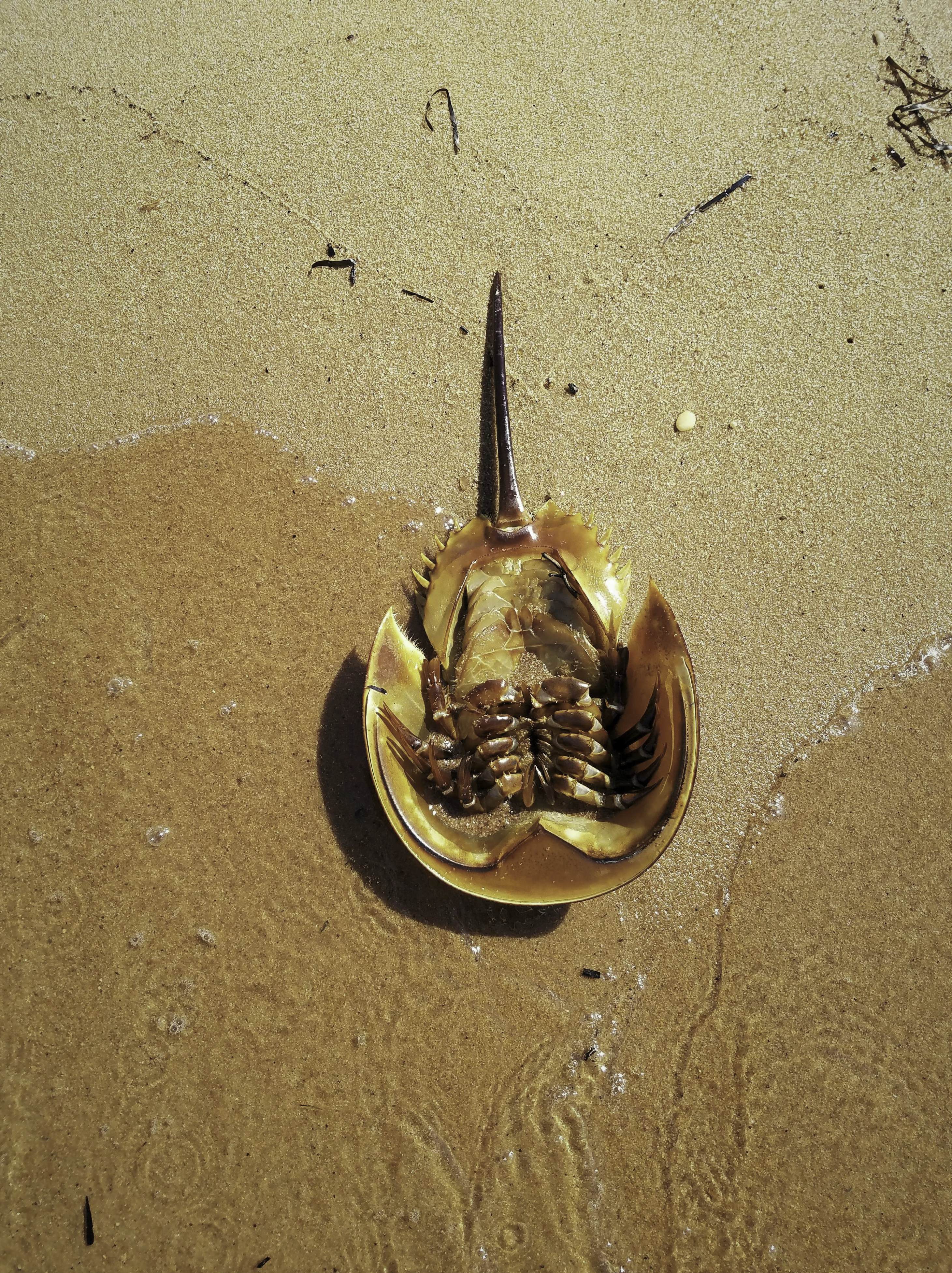
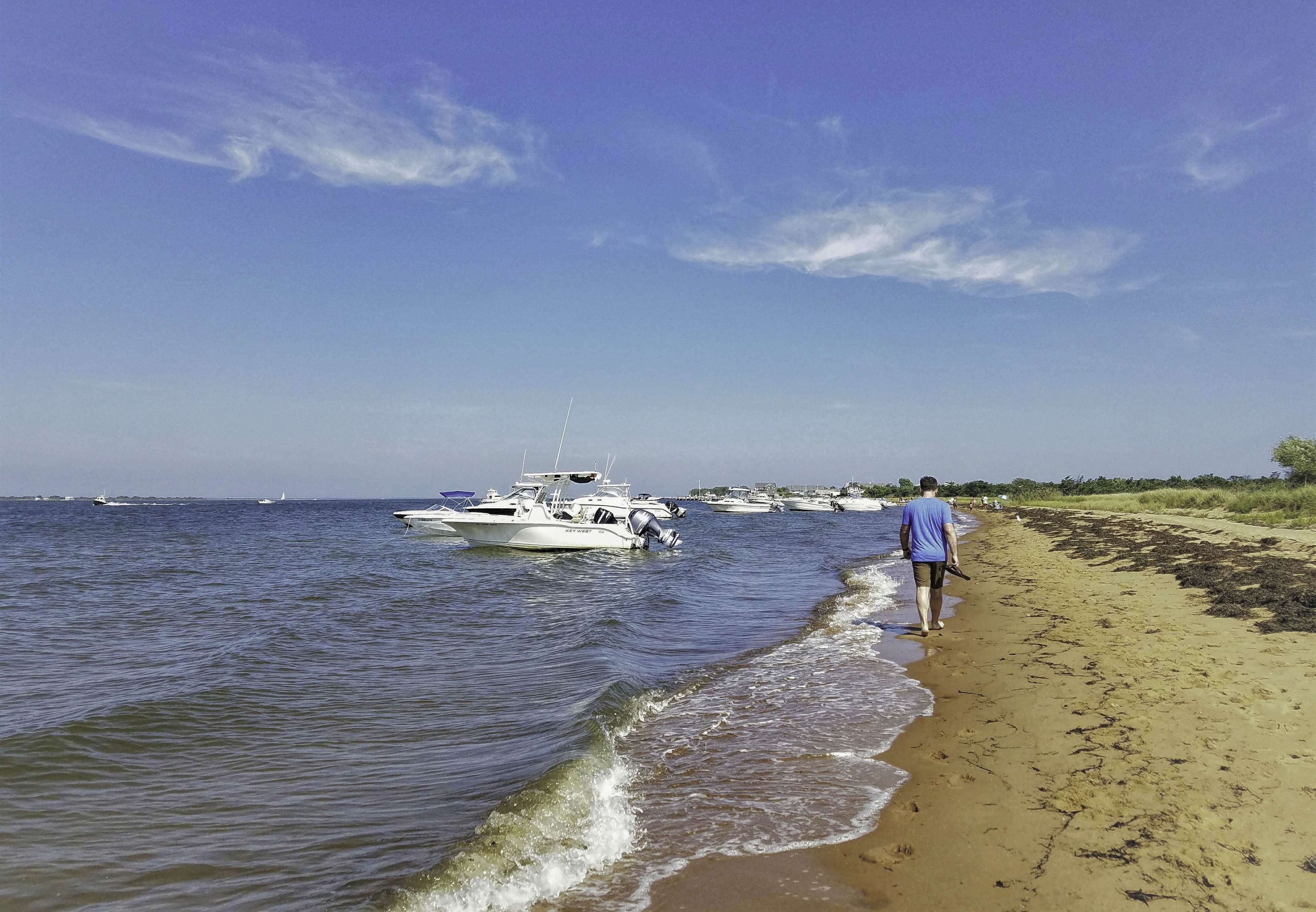
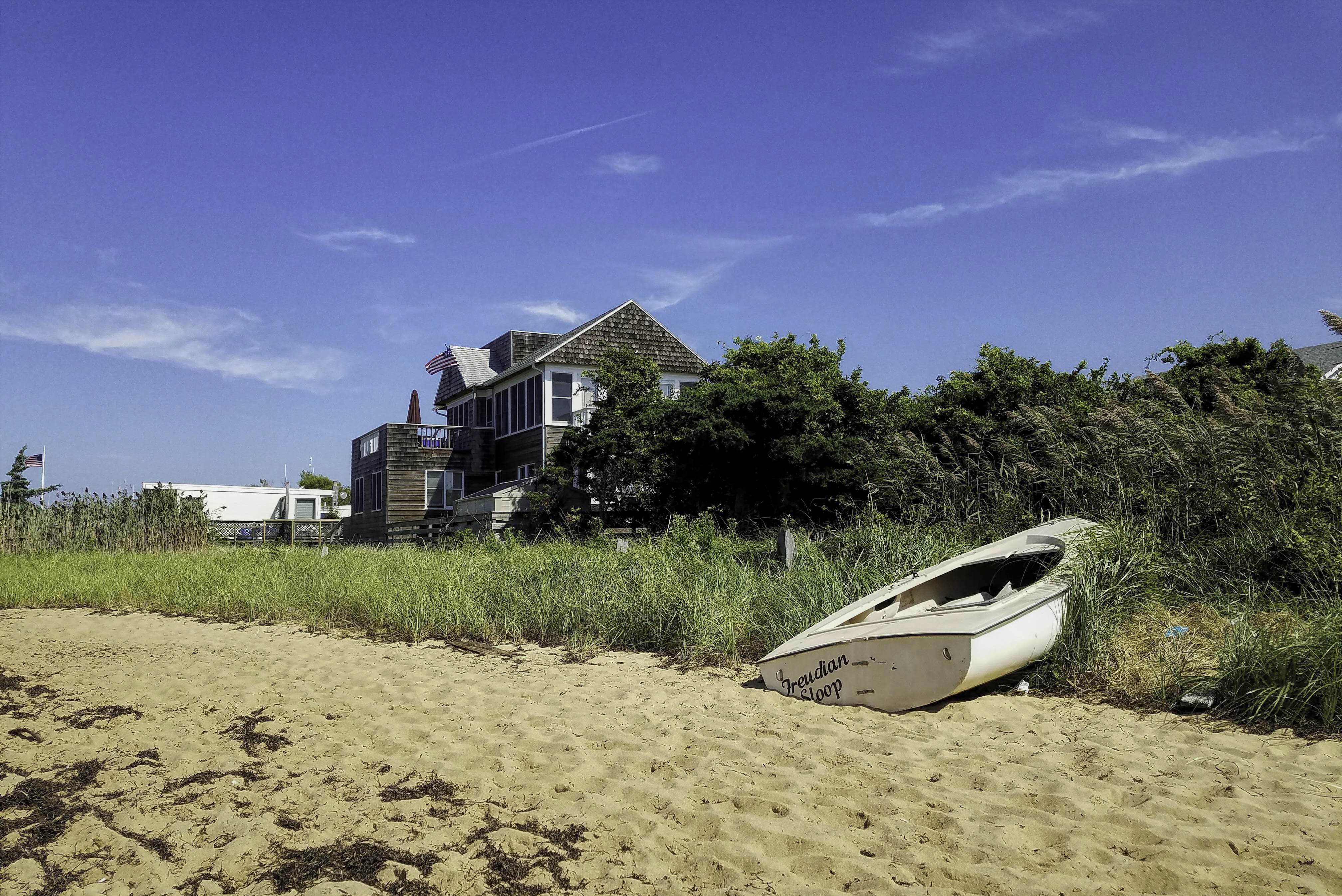
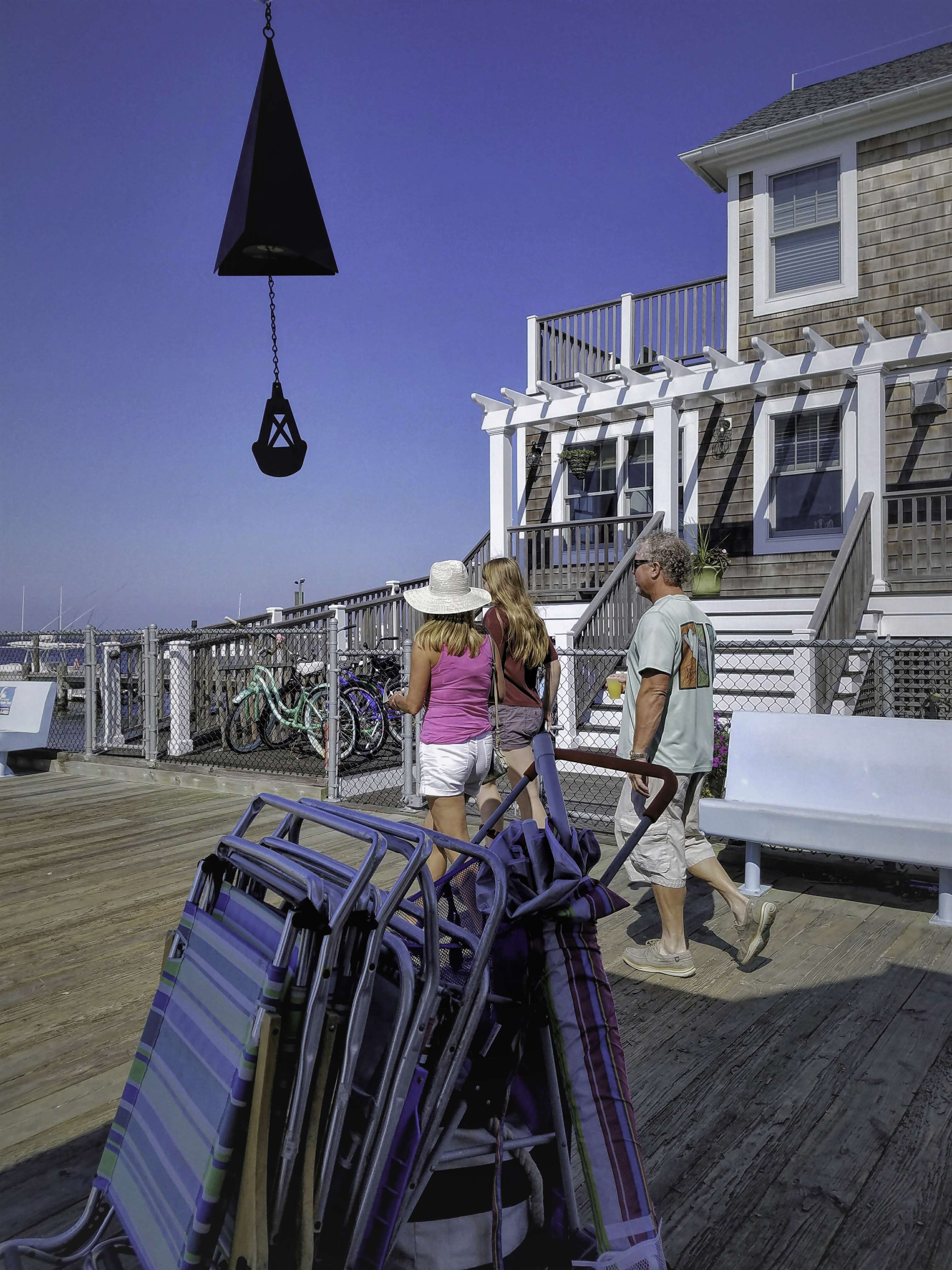
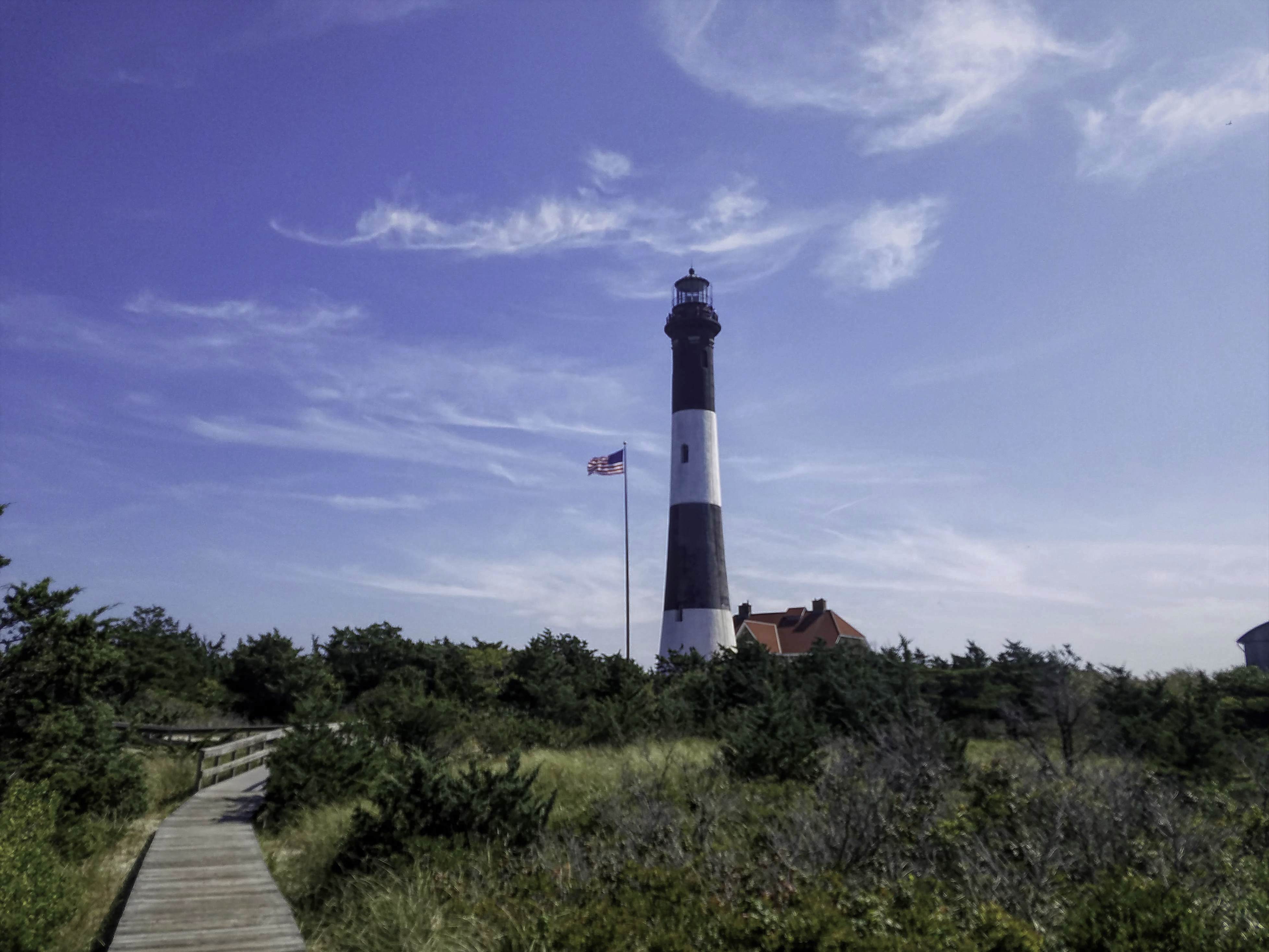
September 4th, 2017
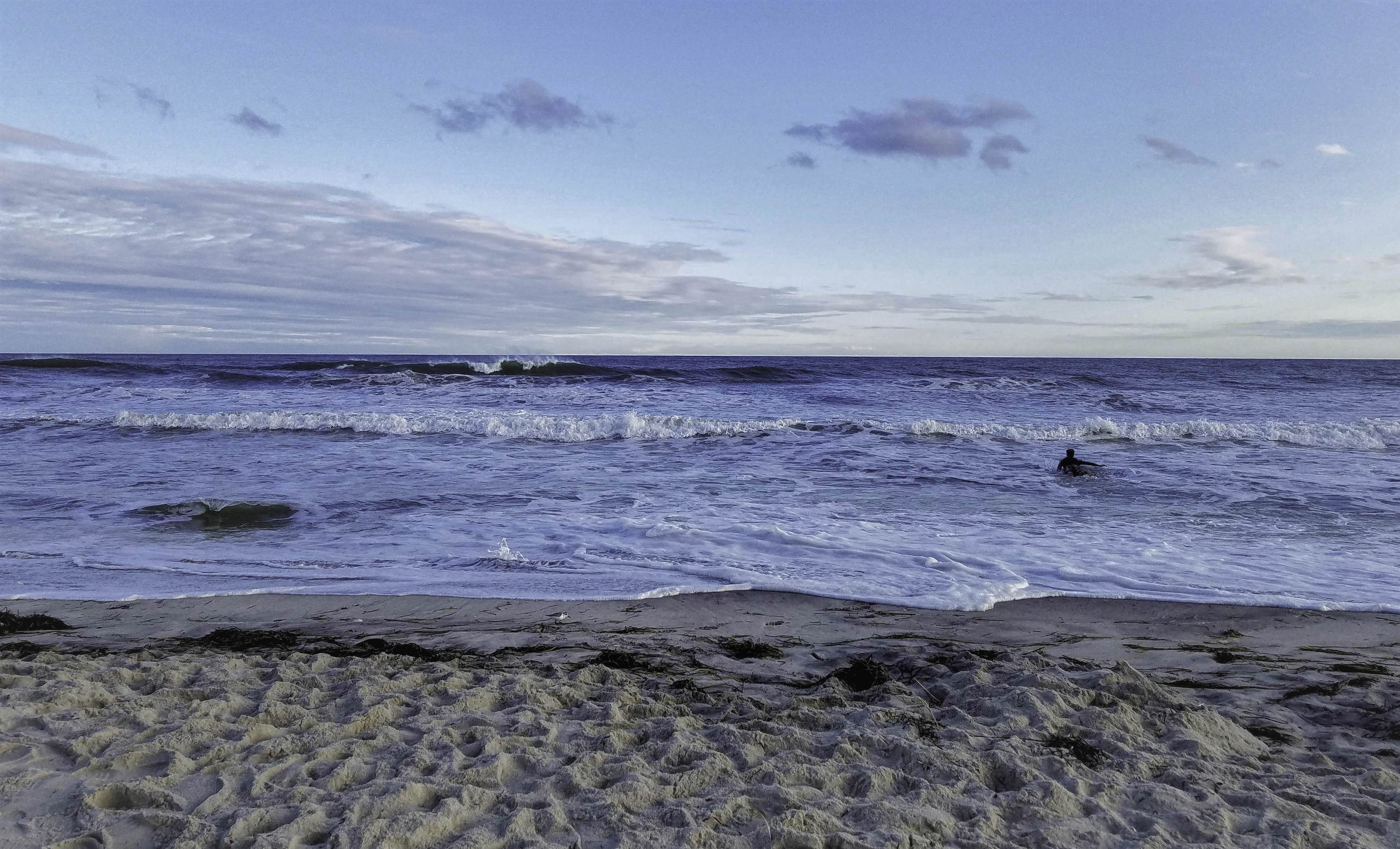
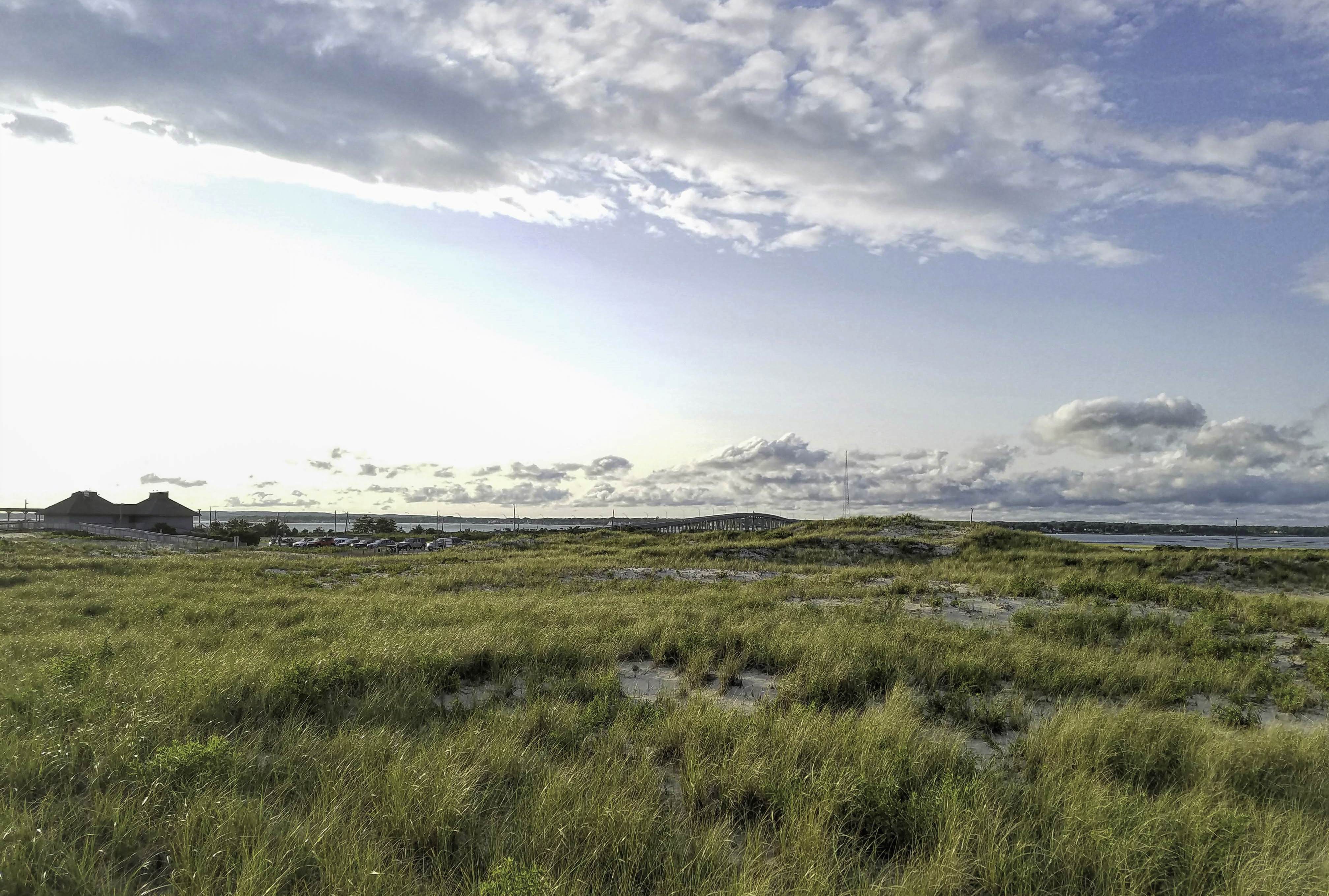
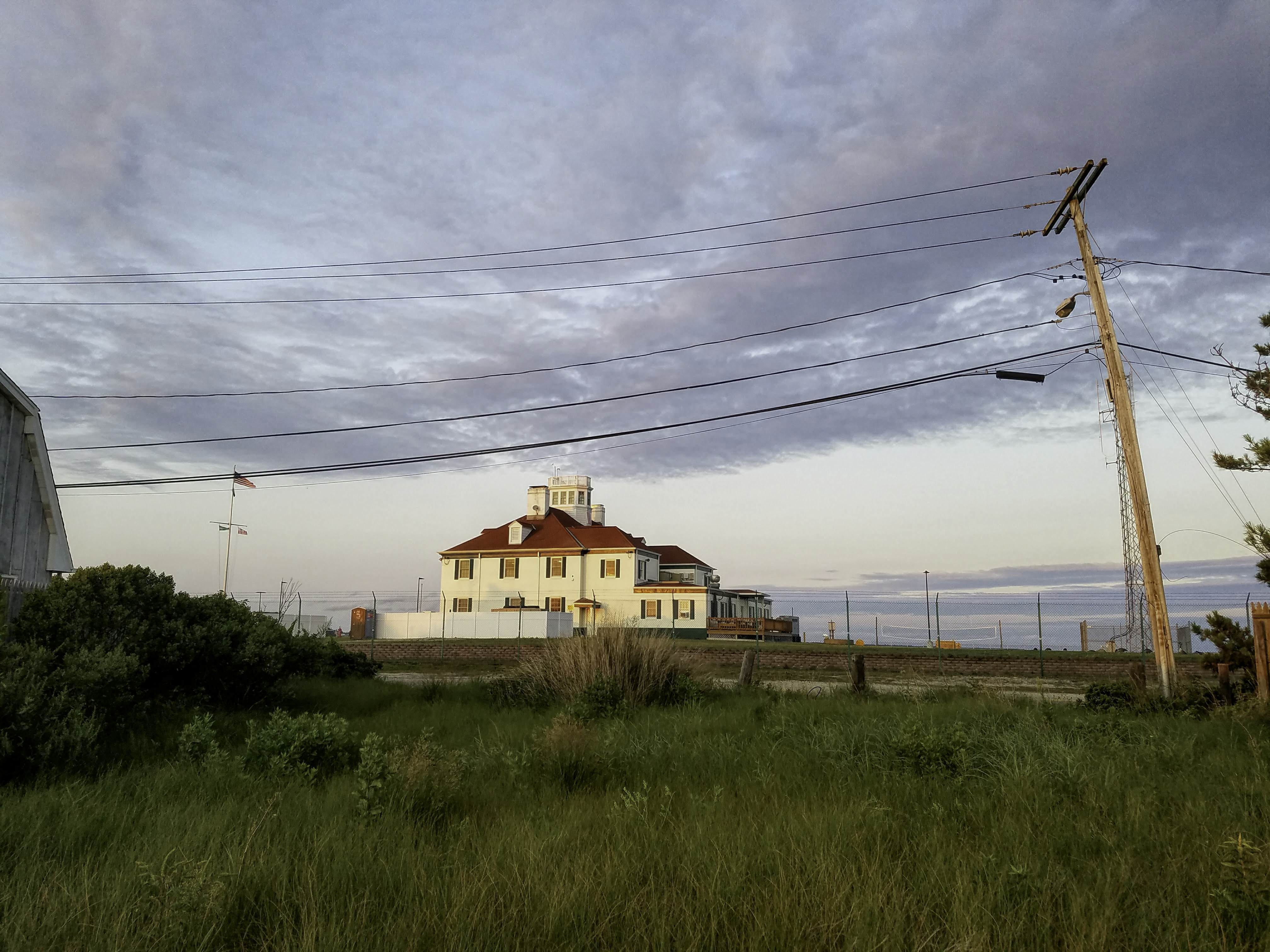
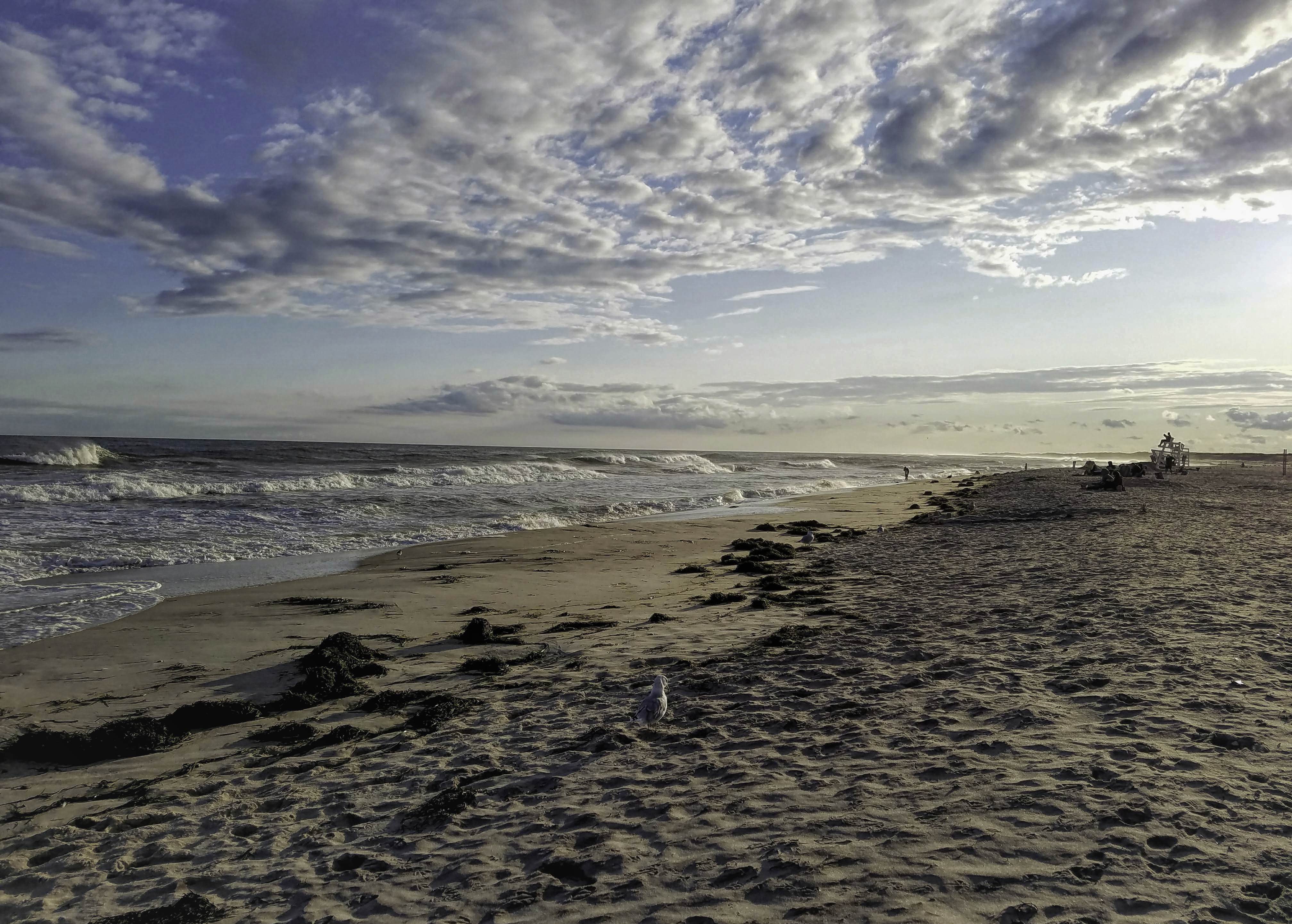
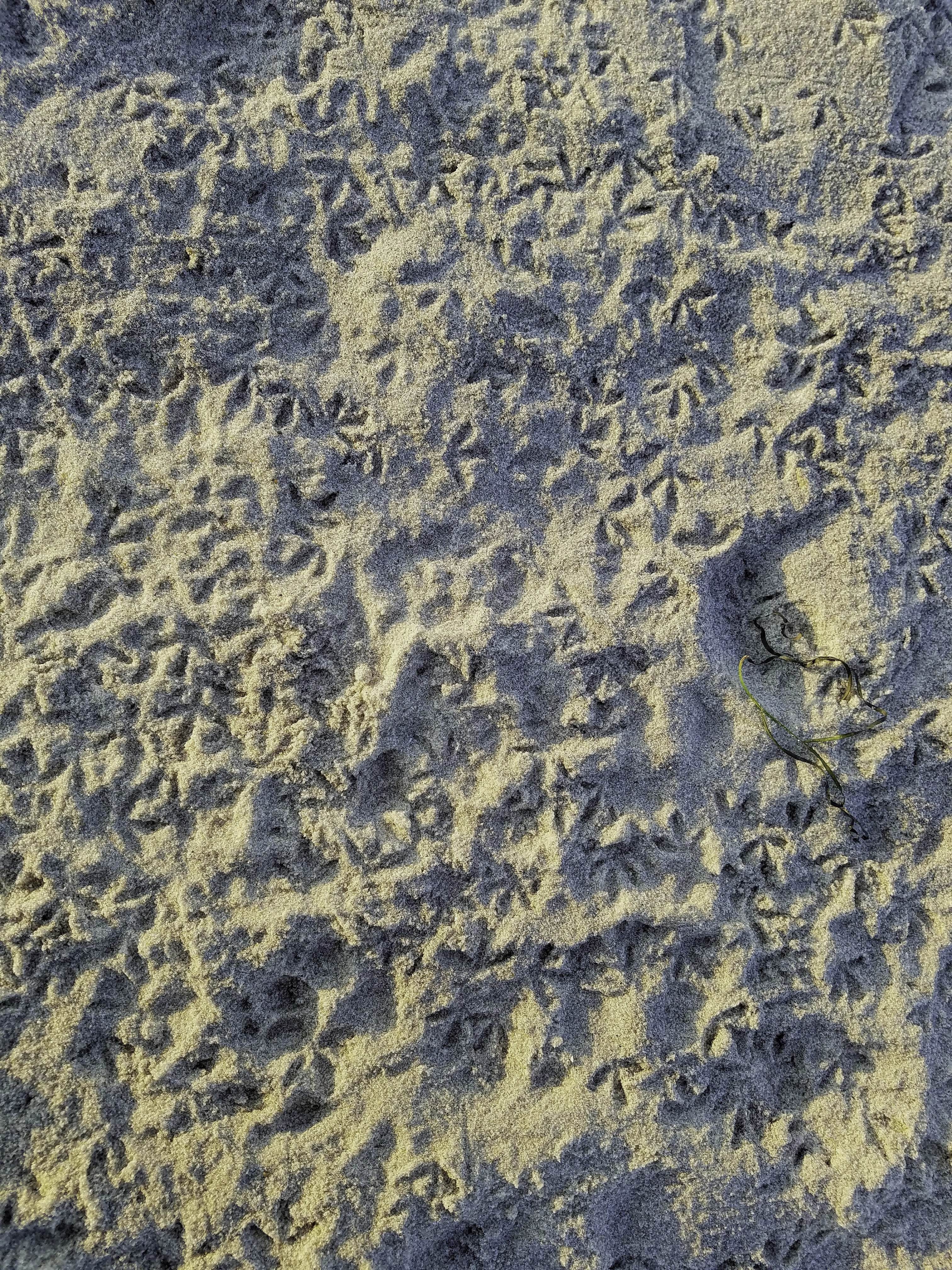
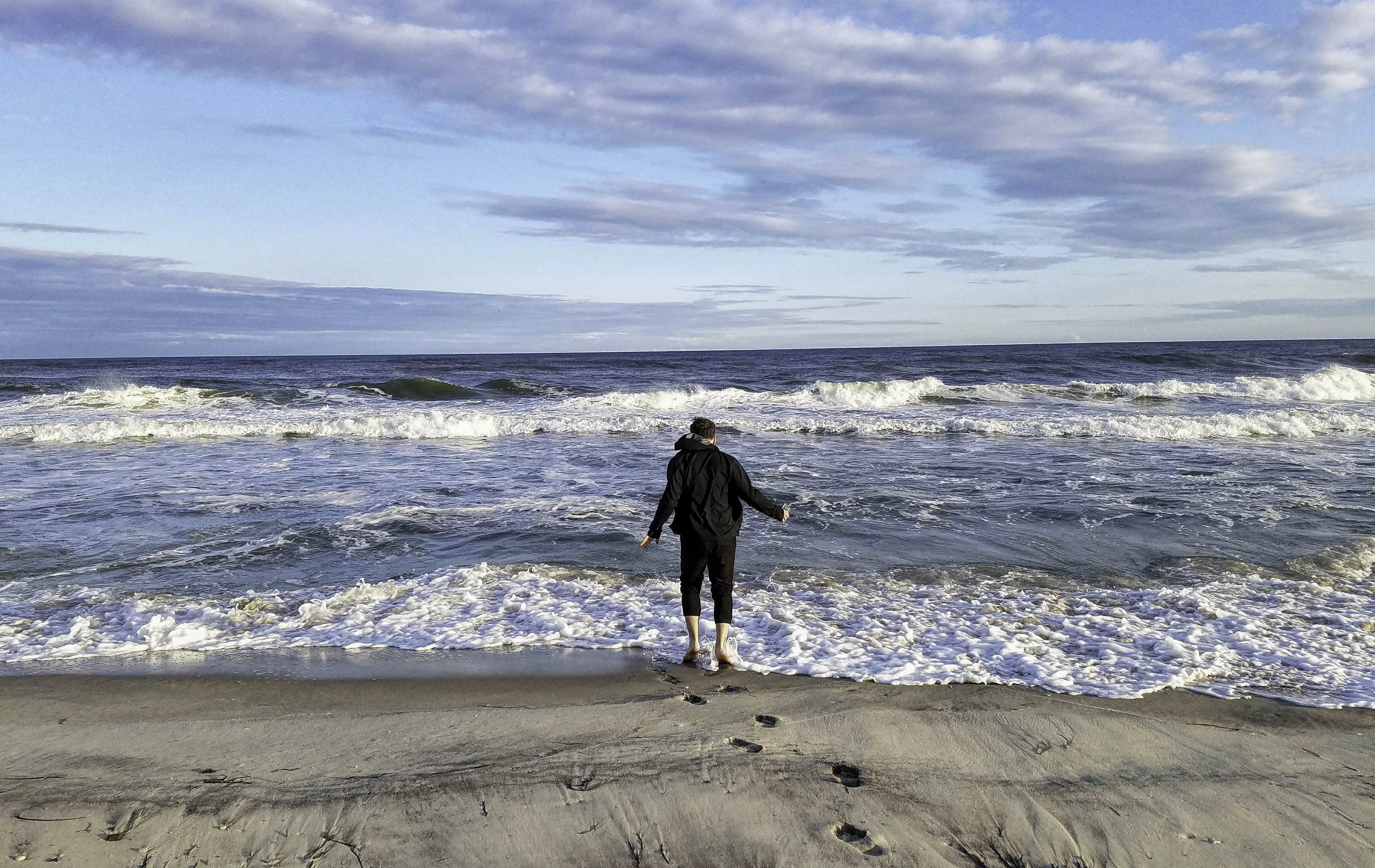
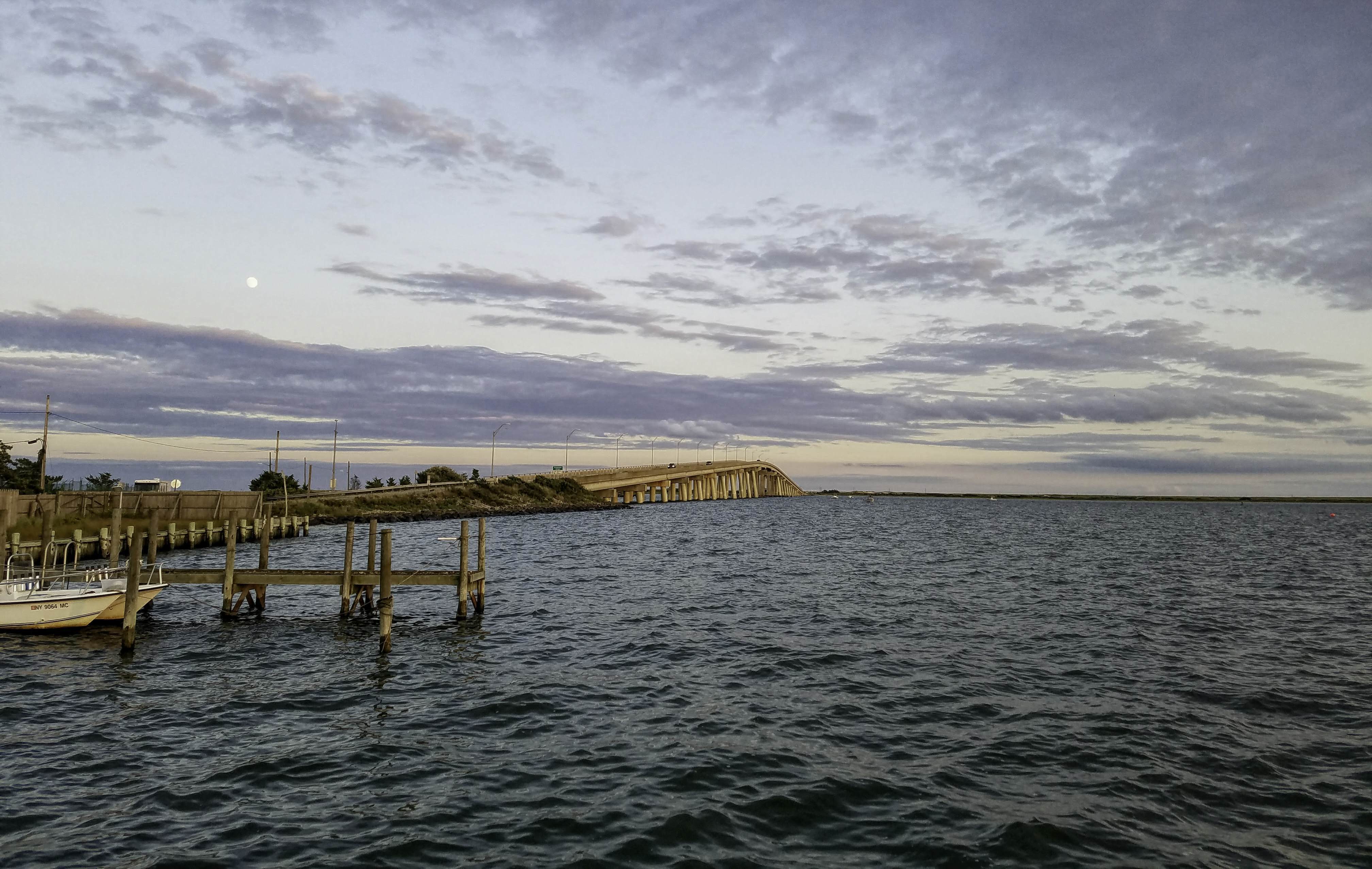
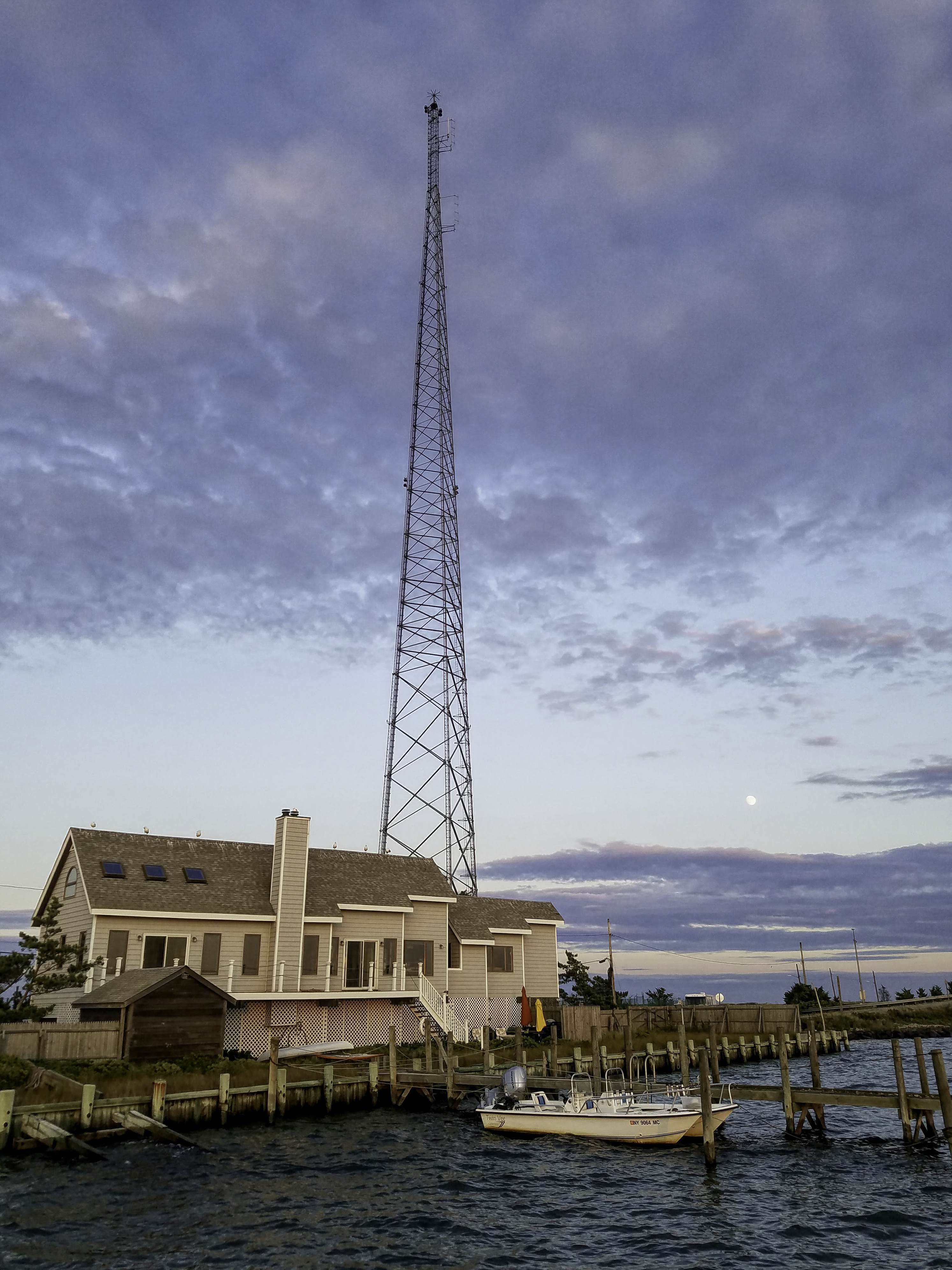
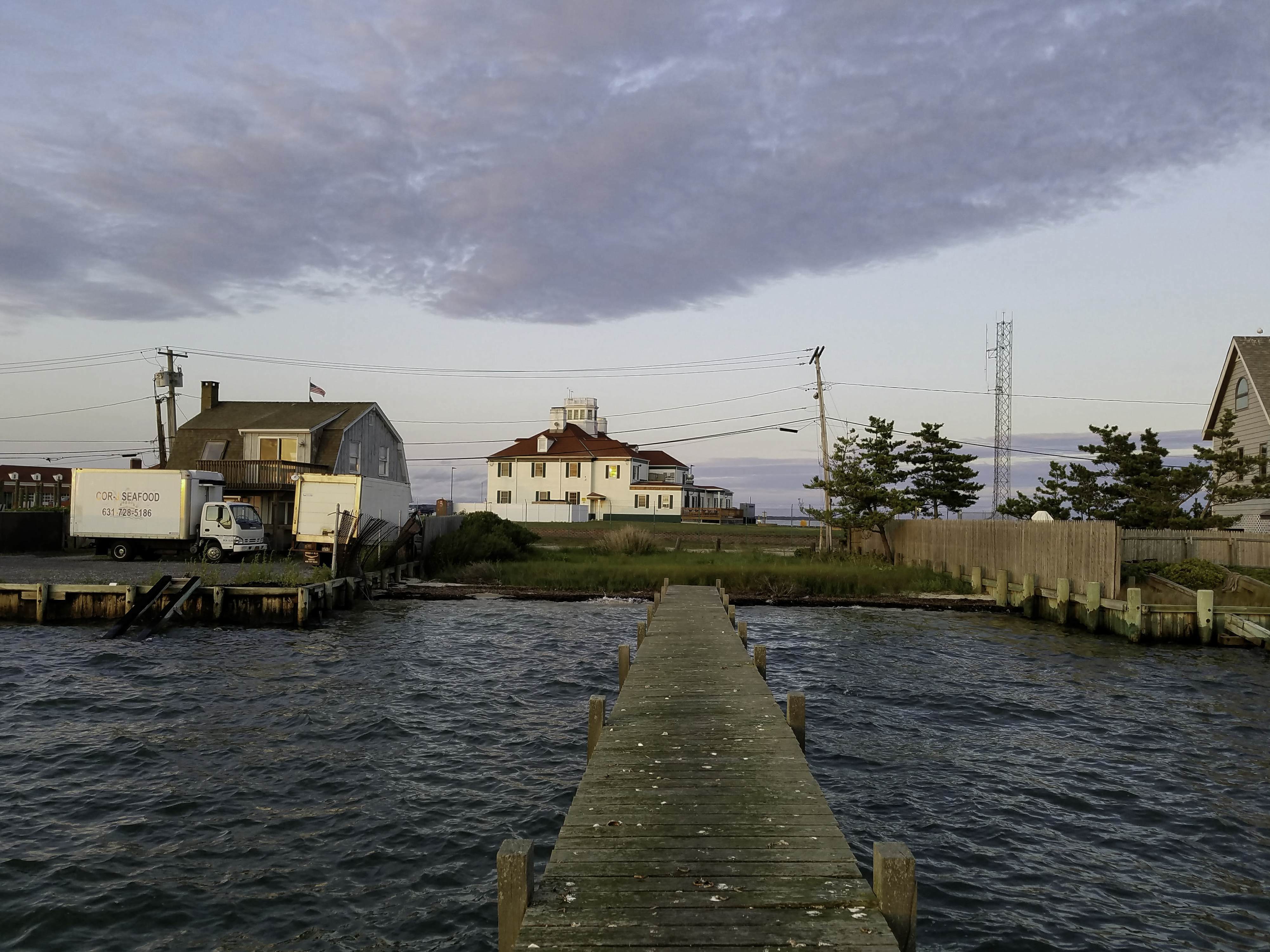
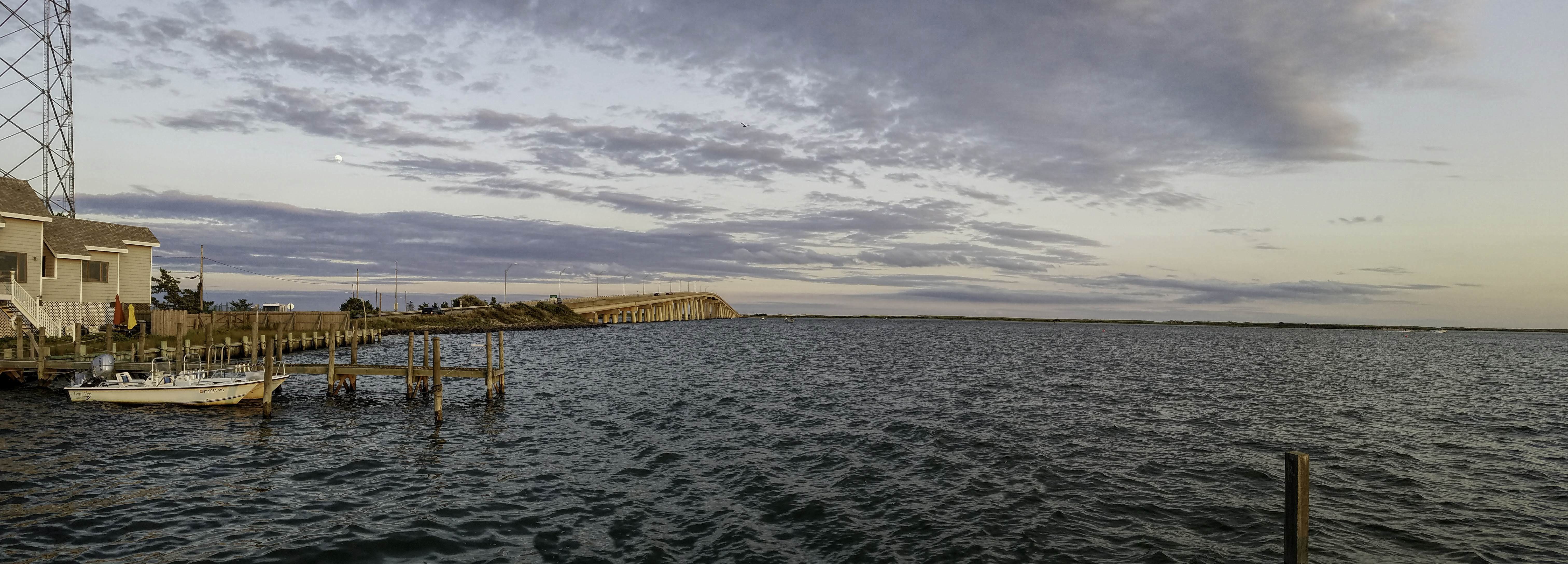
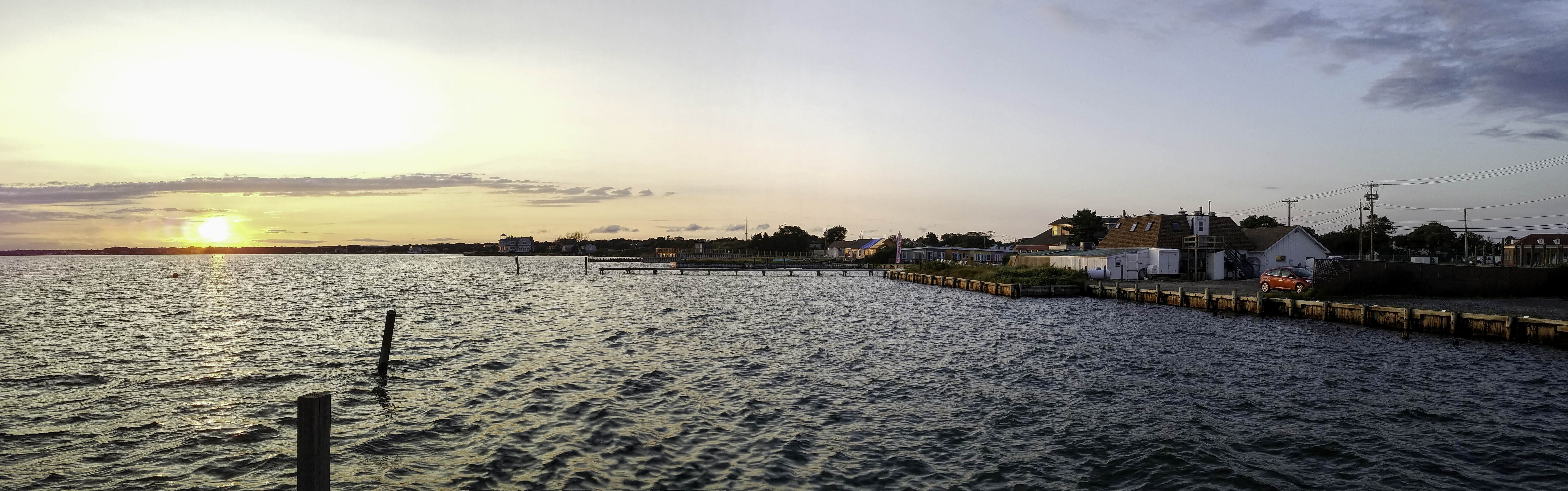
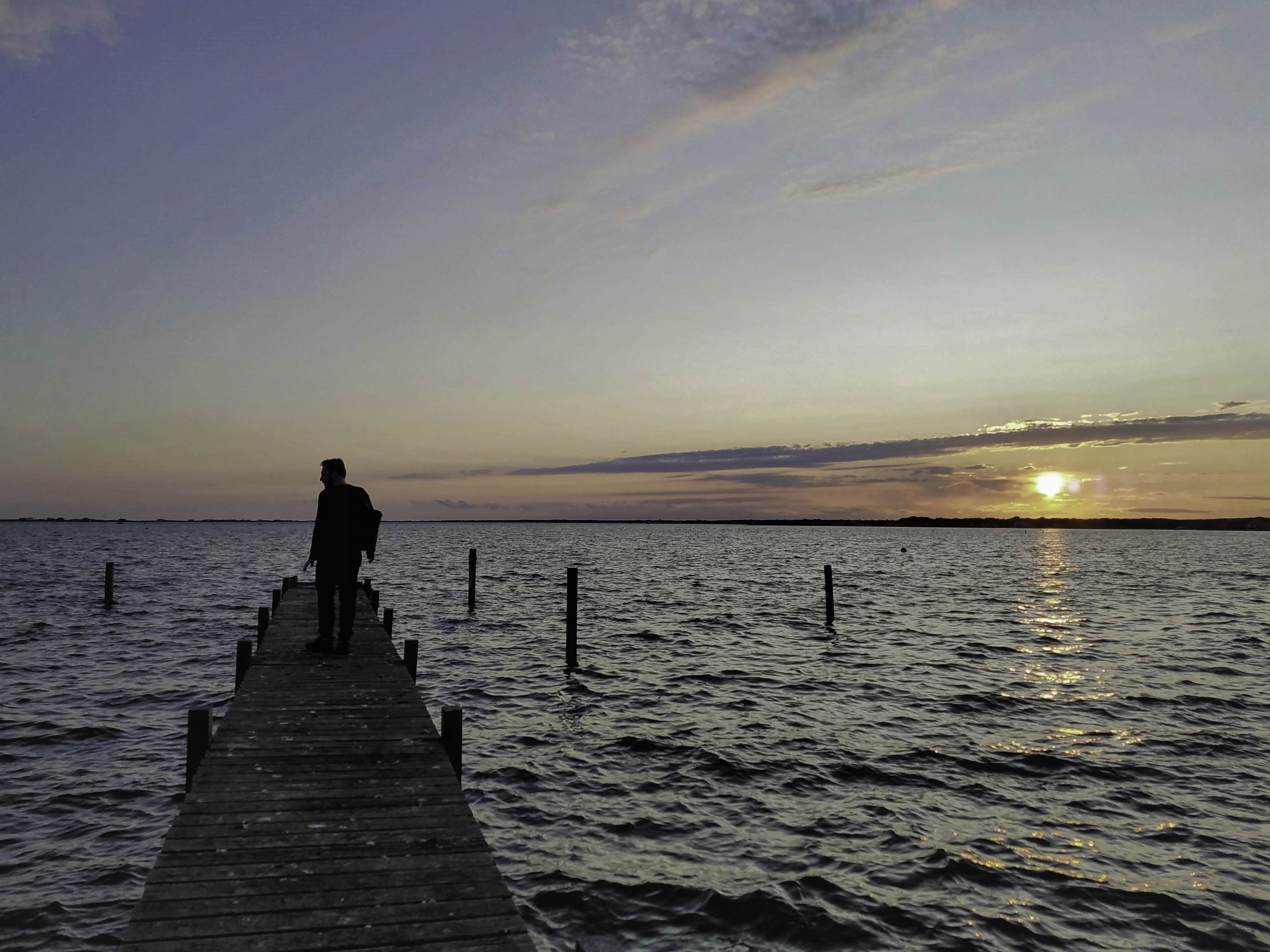
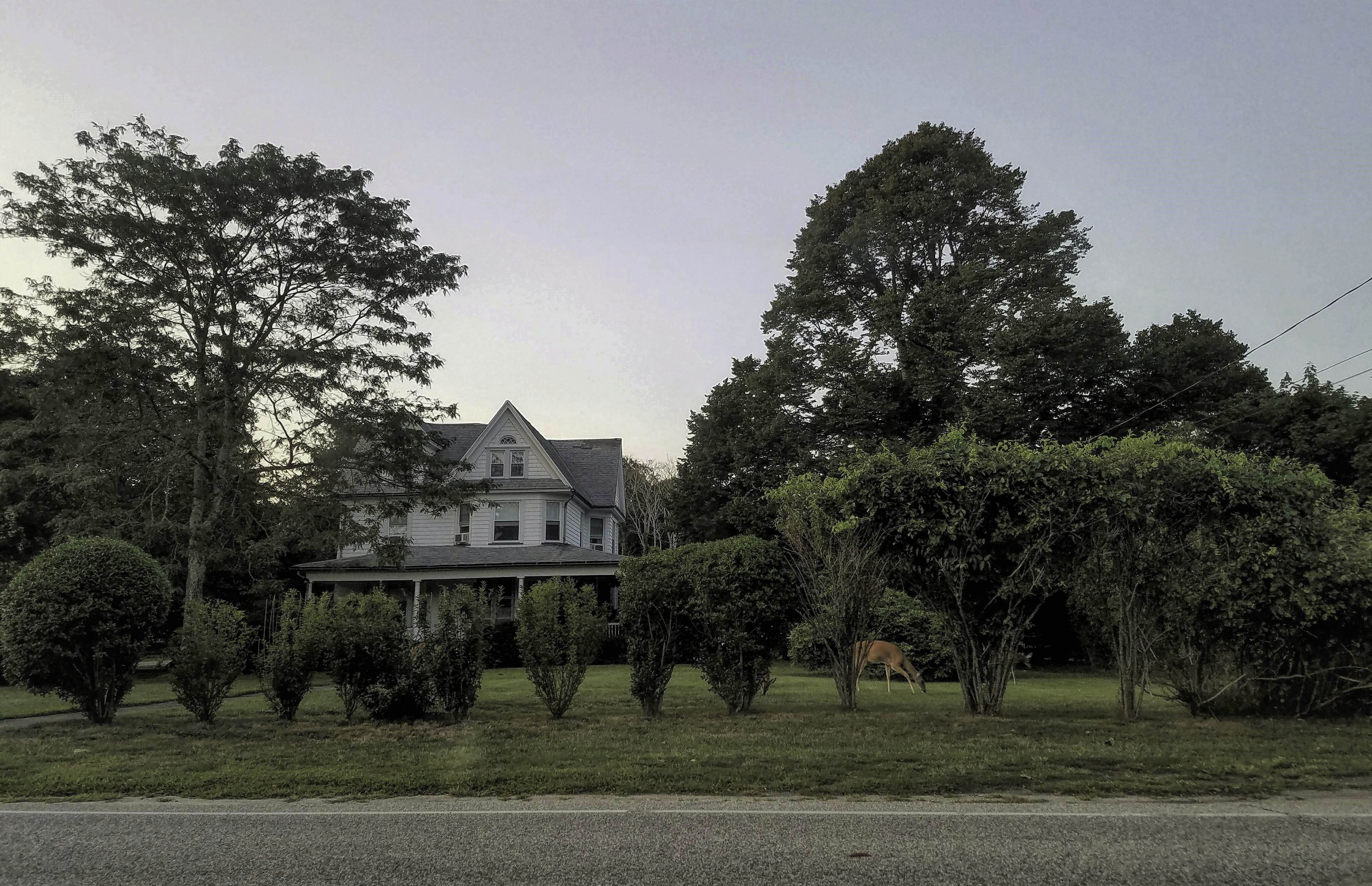
Ponquogue Beach, Shinnecock Bay
Hampton Bays
September 3rd, 2017
A laboratory for the arts and humanities, a unique space for artists to explore, create and present their work, the brainchild of visual artist Robert Wilson and, for the two of us, an uplifting, almost spiritual experience.
It was Sunday, beginning of September and the Watermill Center was resting after a summer of buzzing activity. No one else was around, the grounds were ours to explore. In a strange, calming way we did not feel lonely; for the artists may have been absent but their essence still lingered in the air. And in the many totems scattered in the woods.
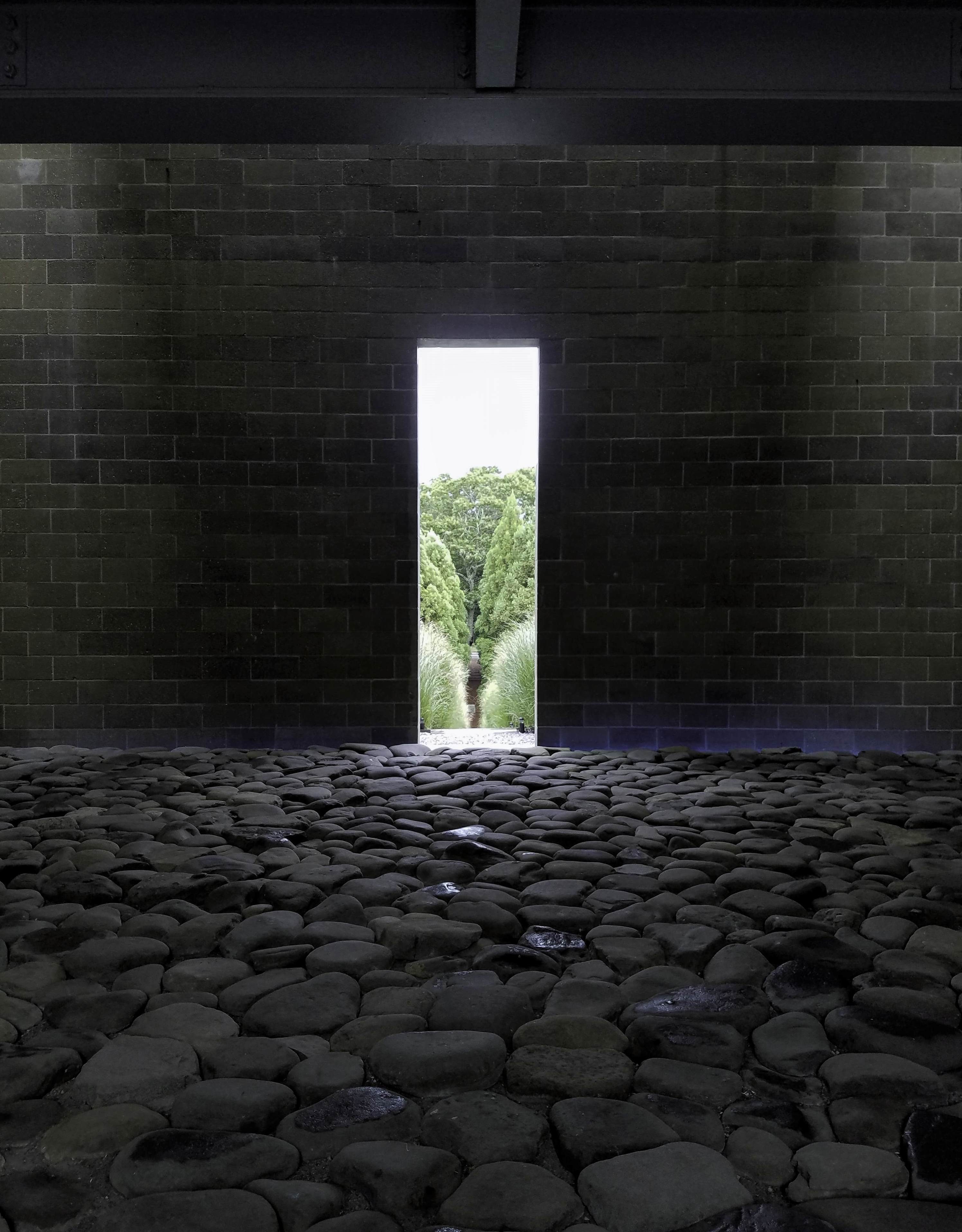
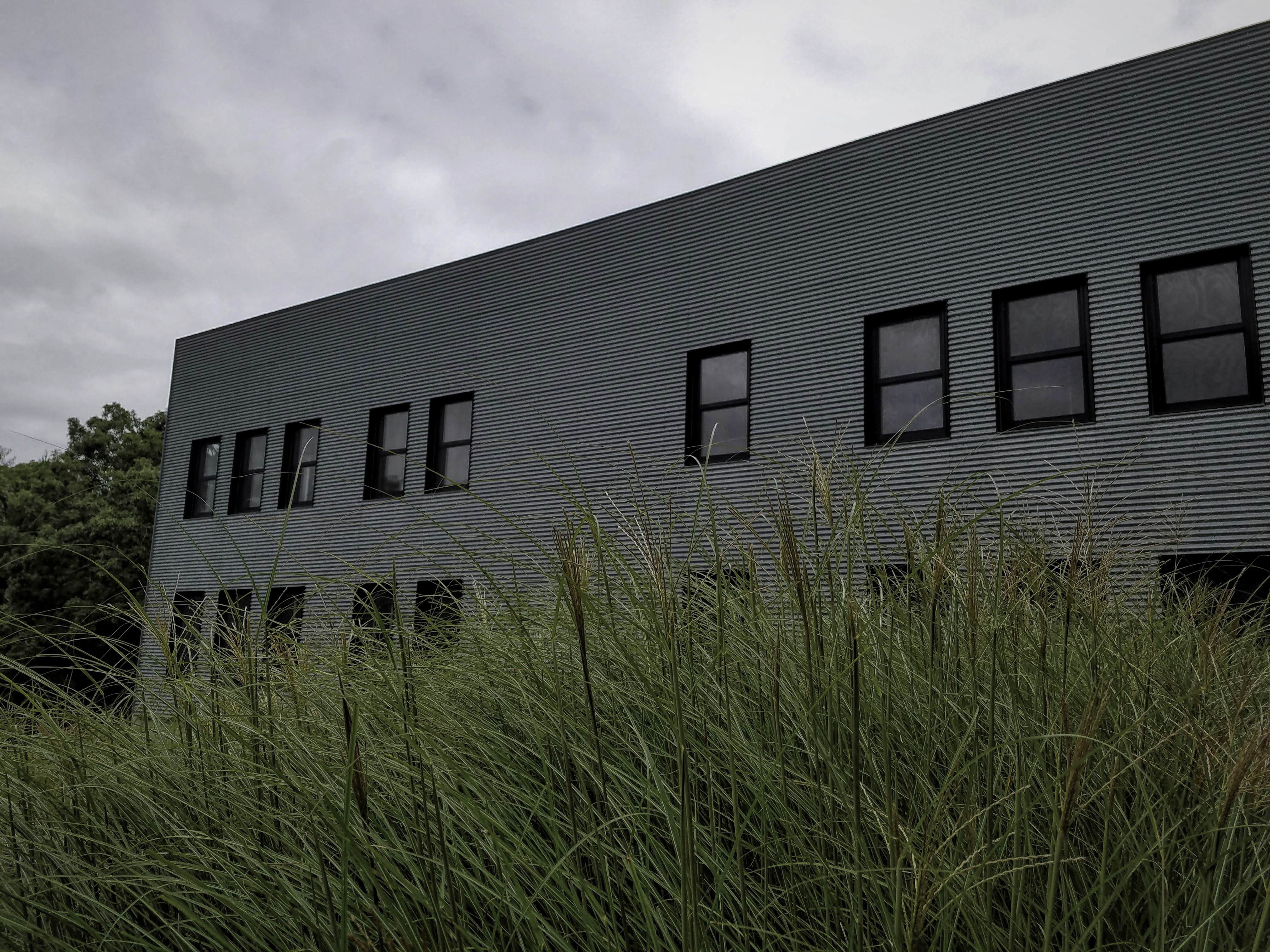
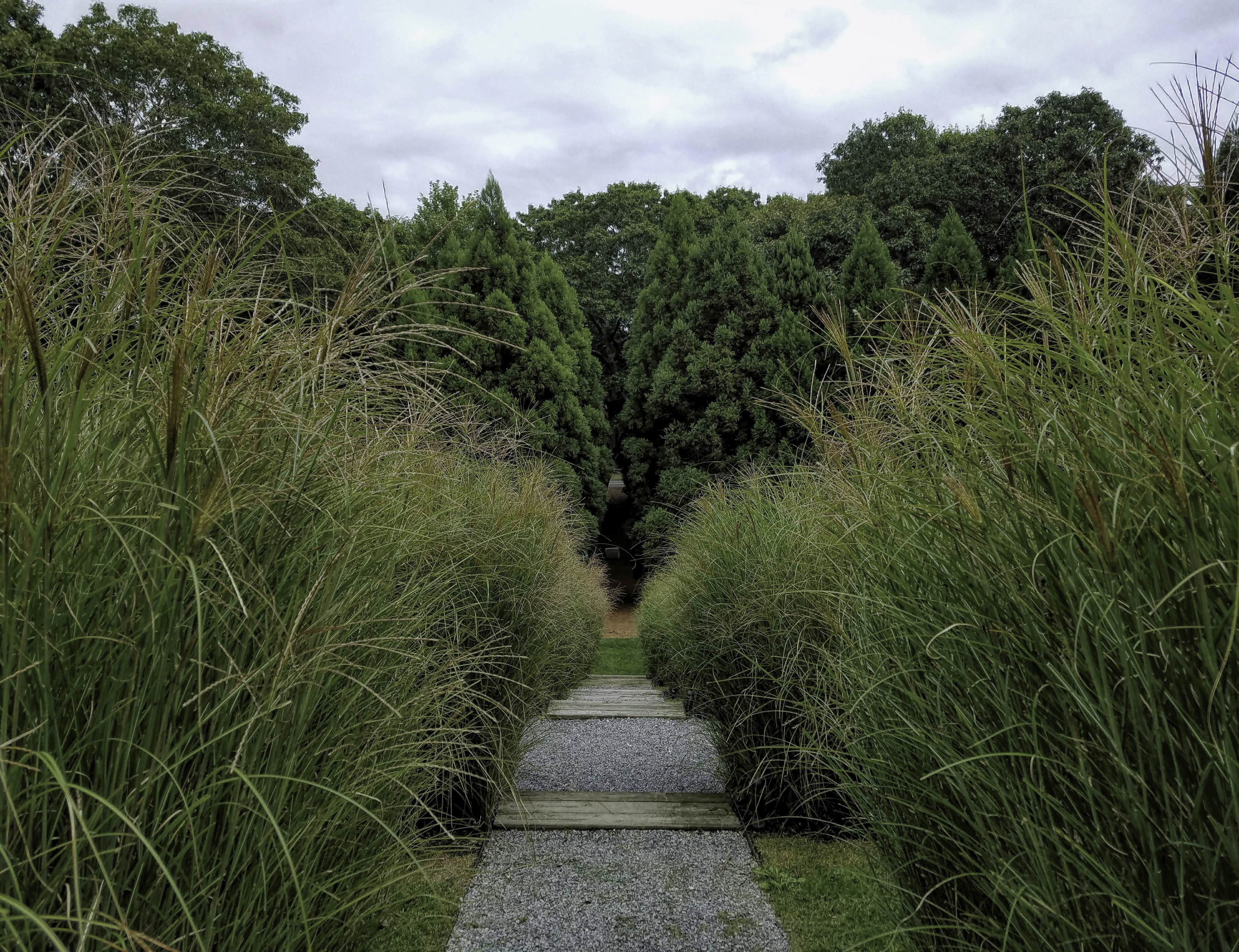
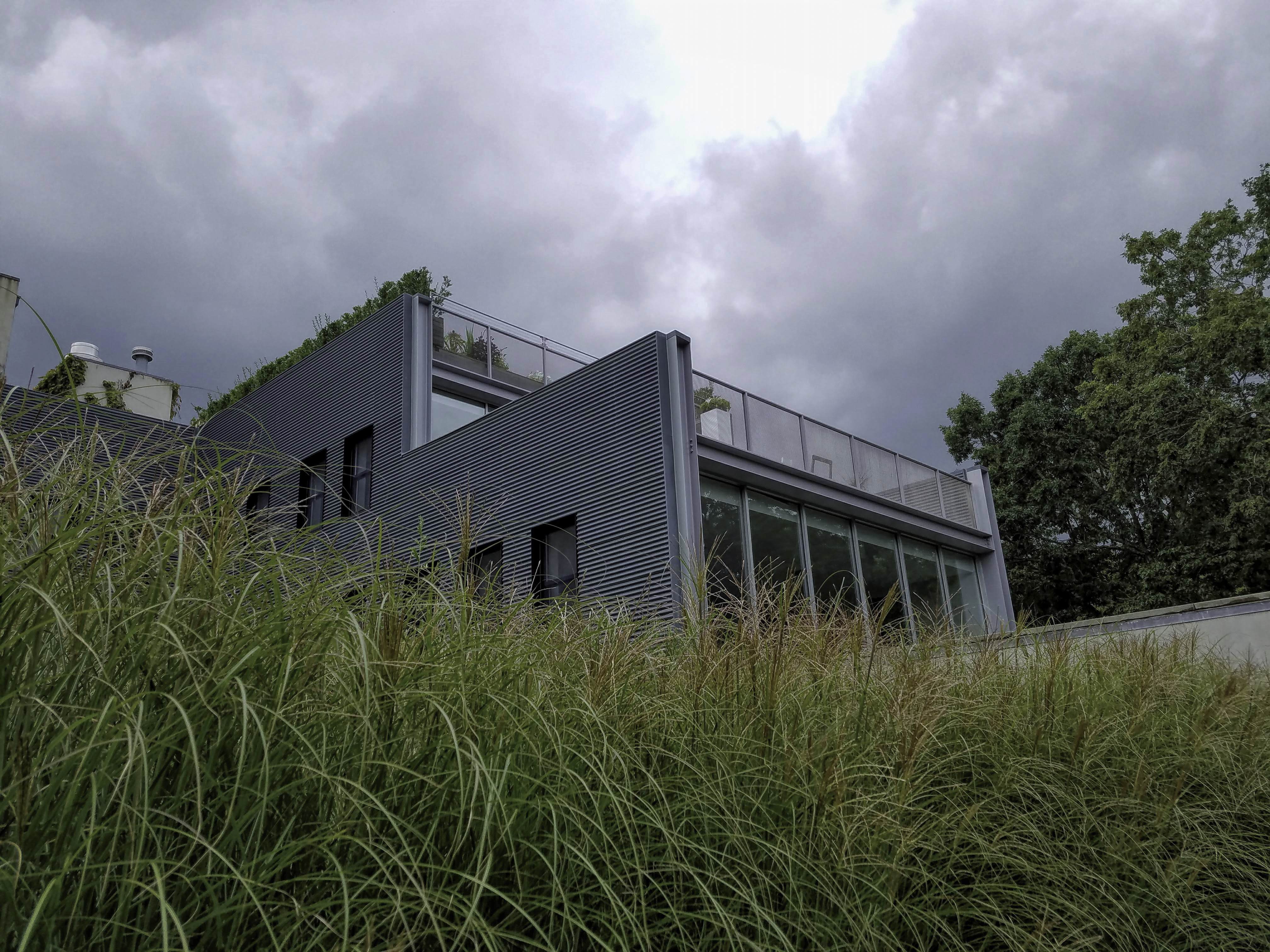
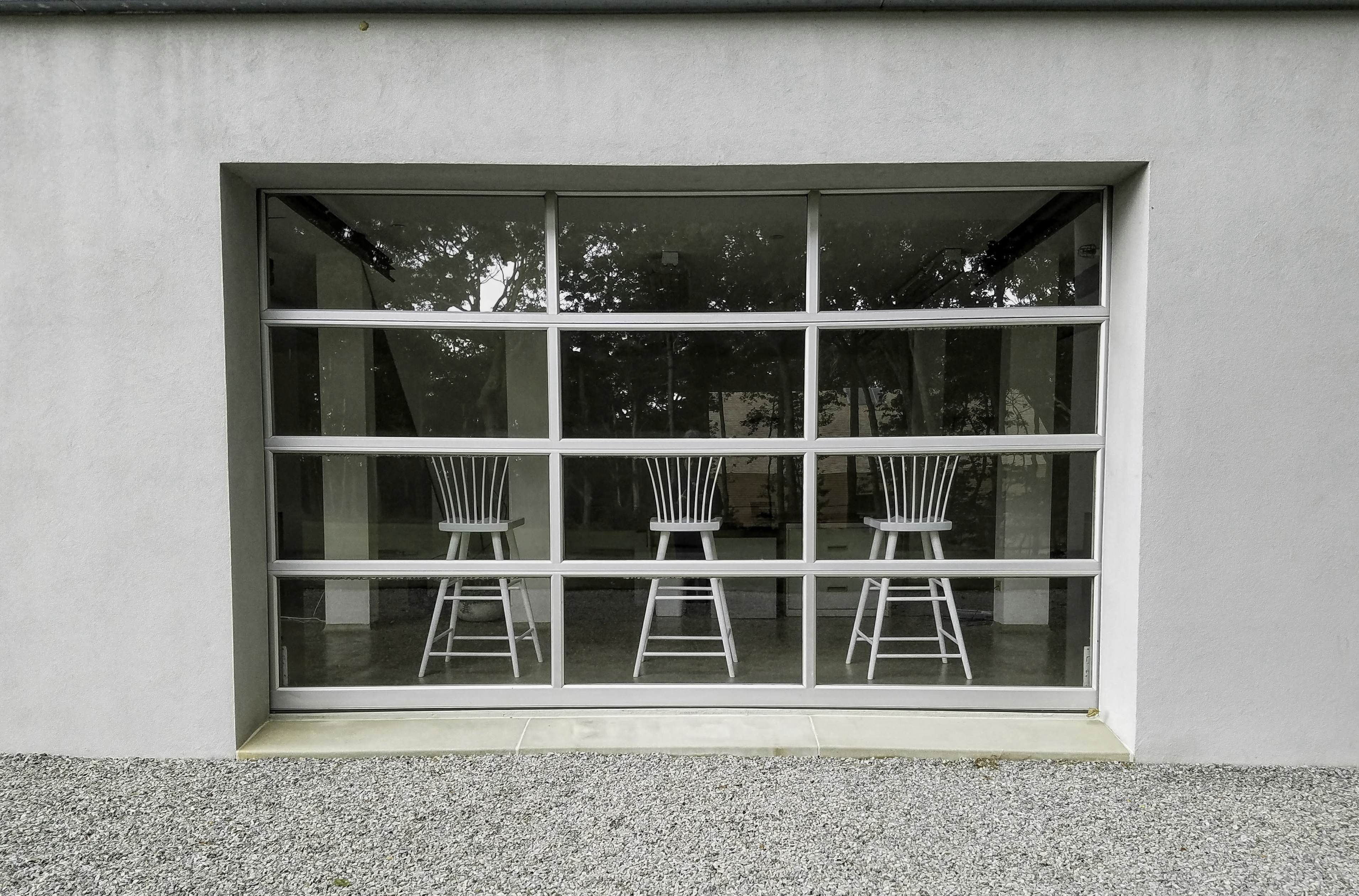
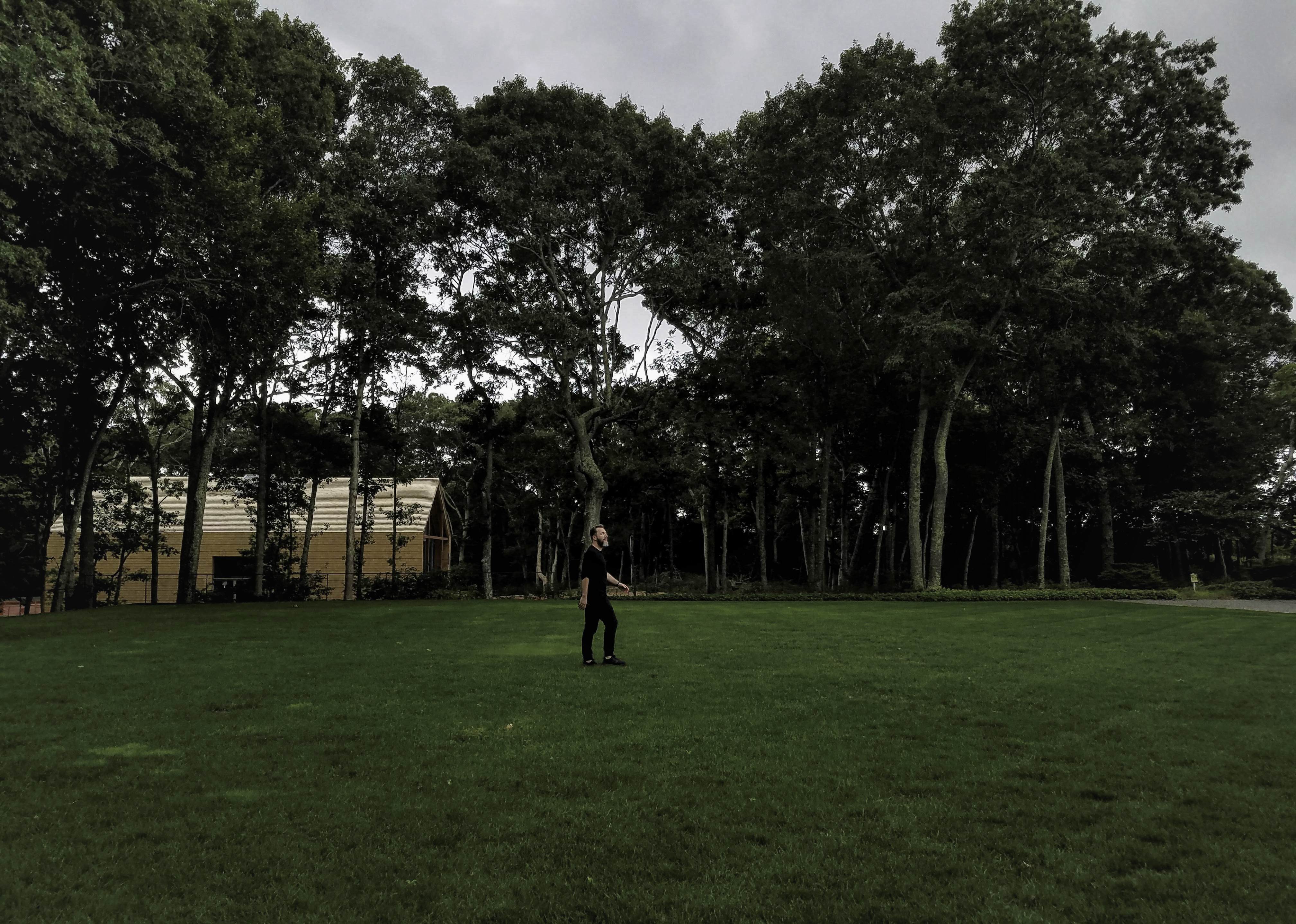
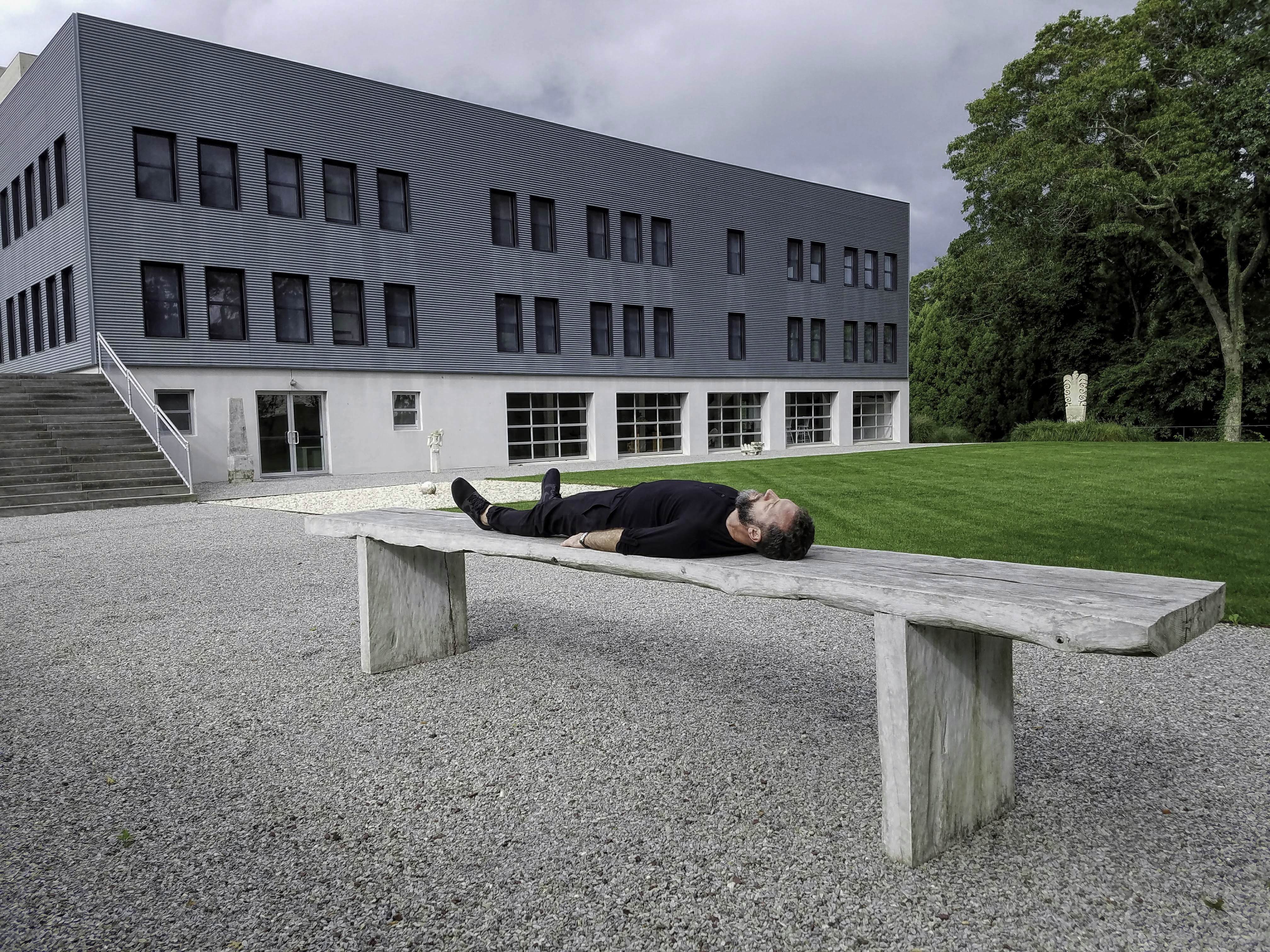
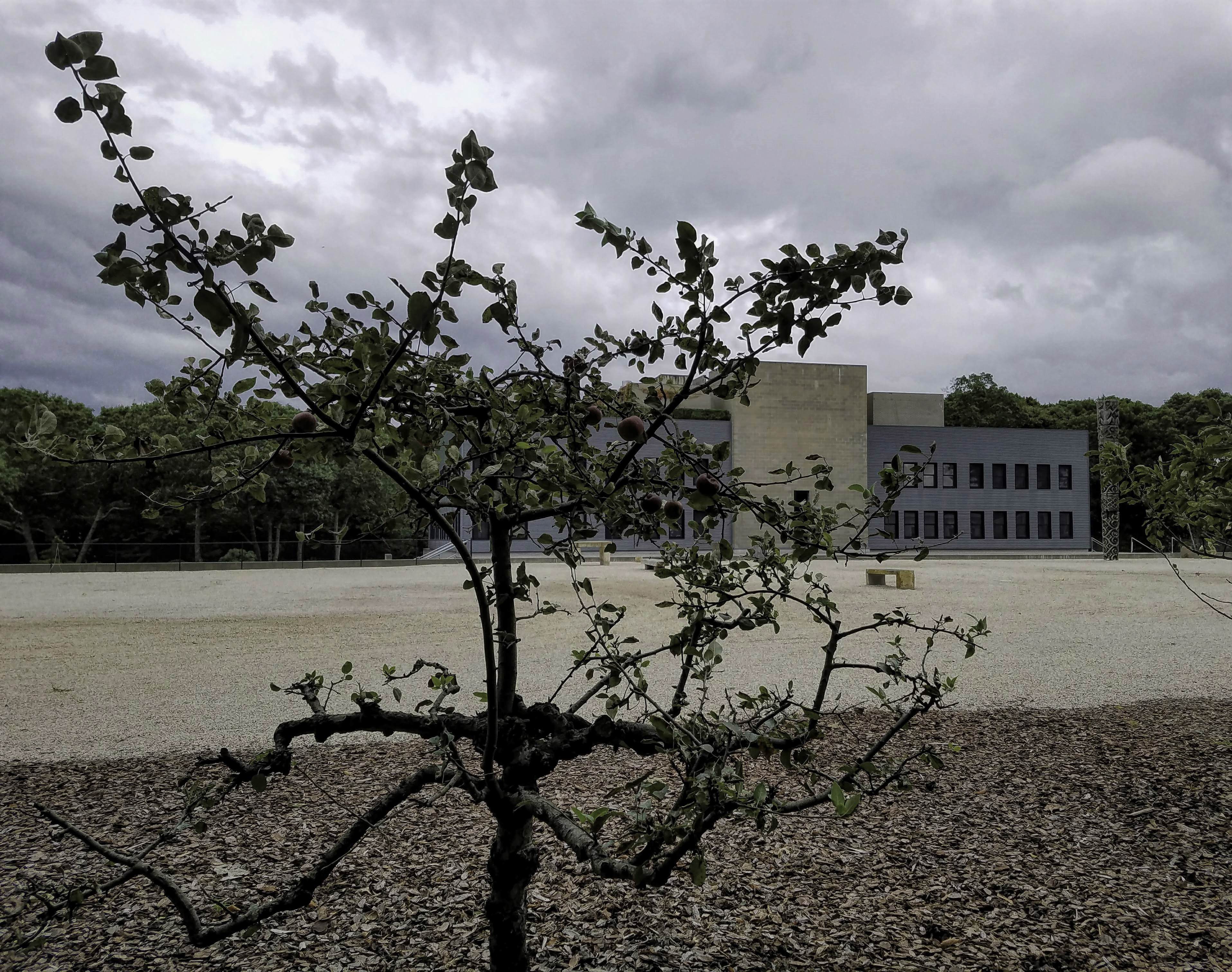
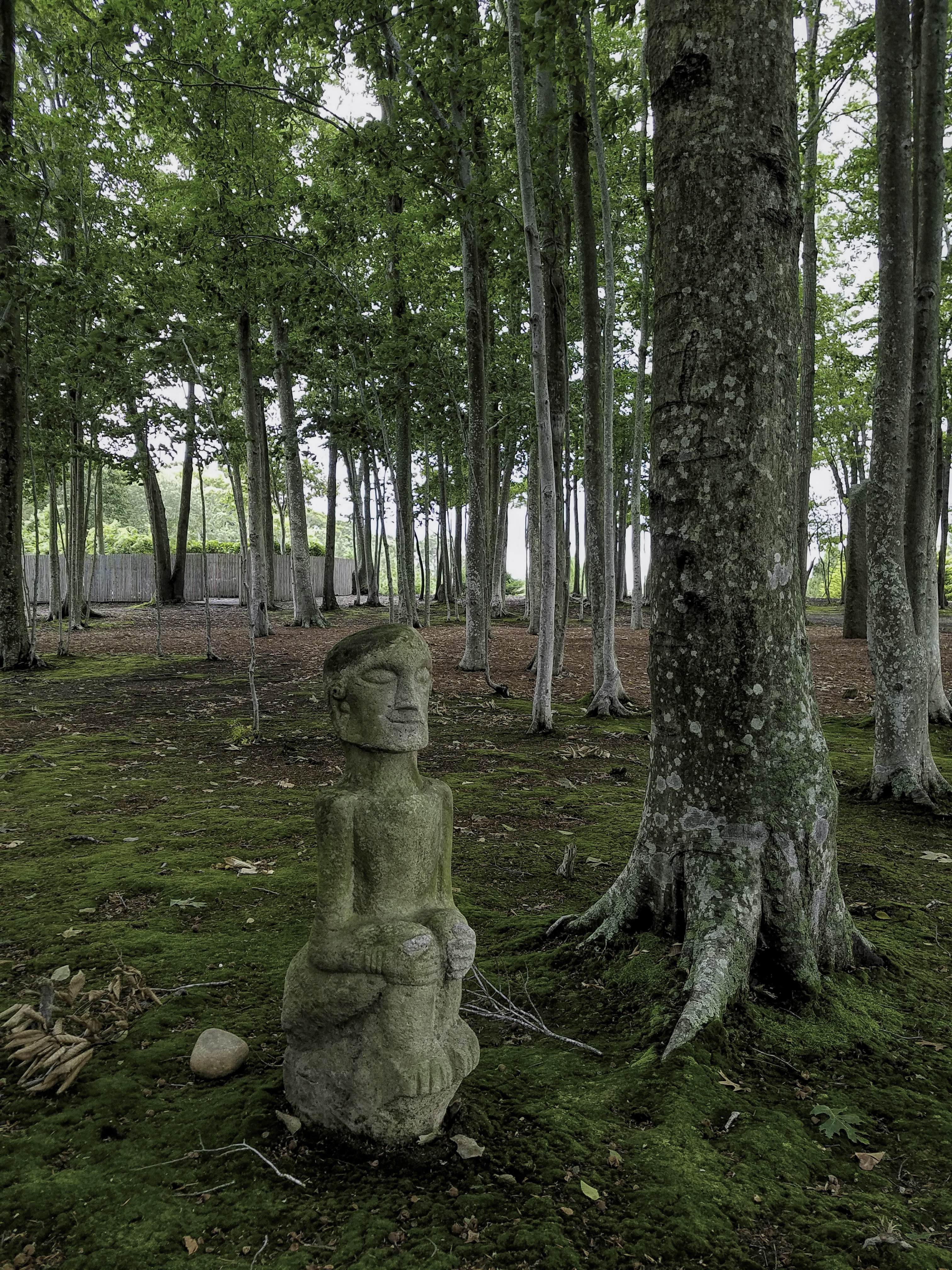
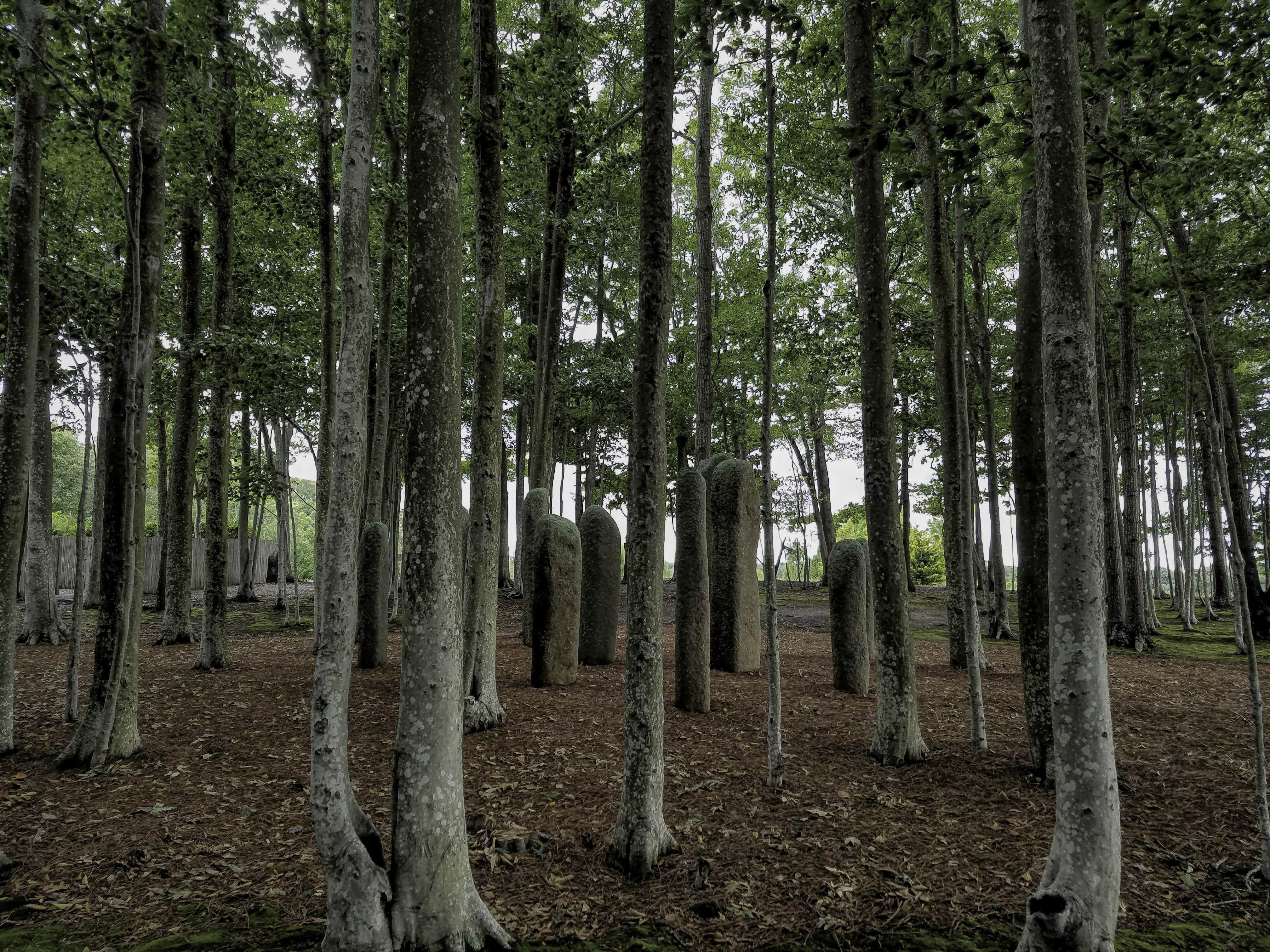
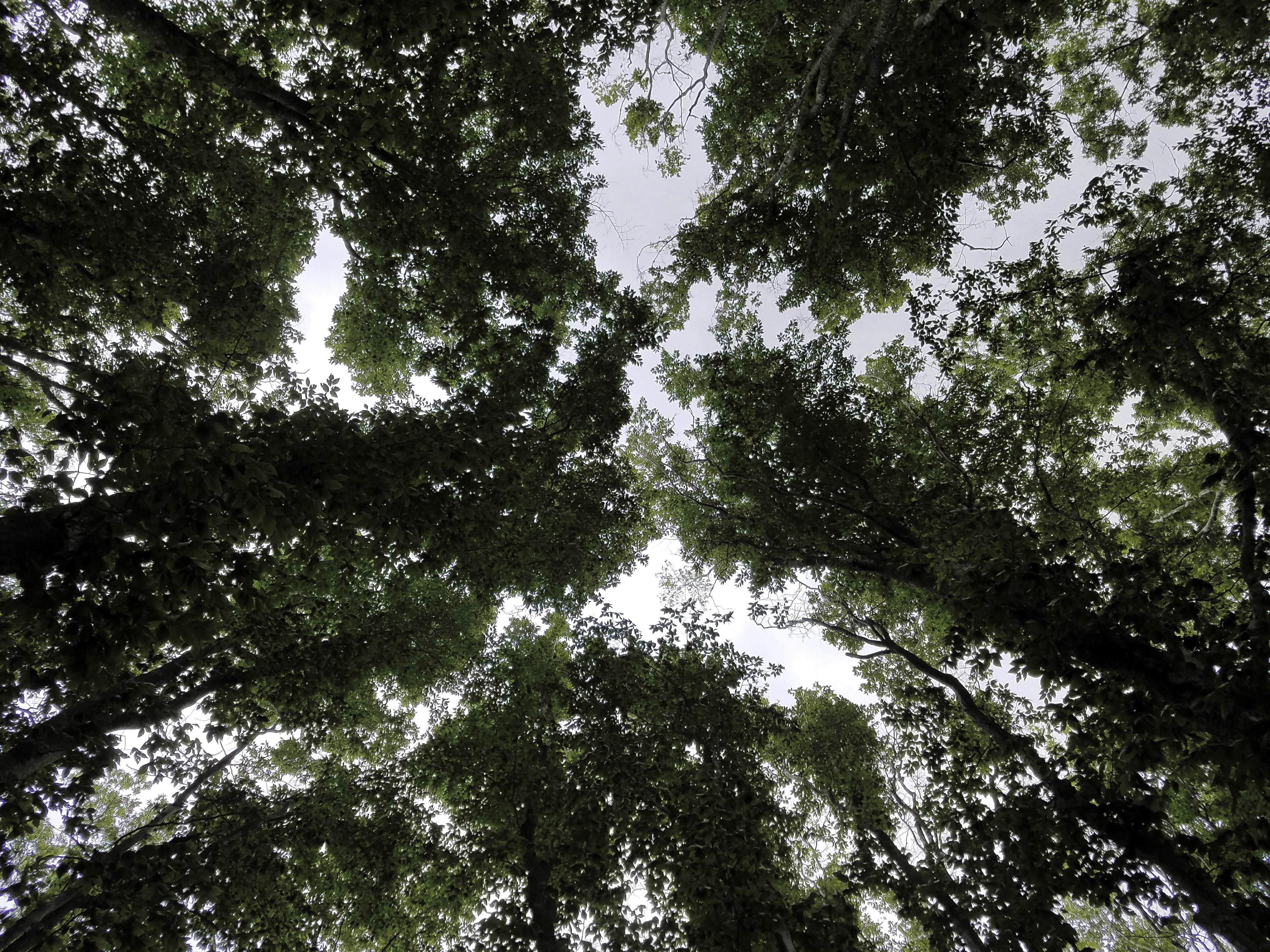
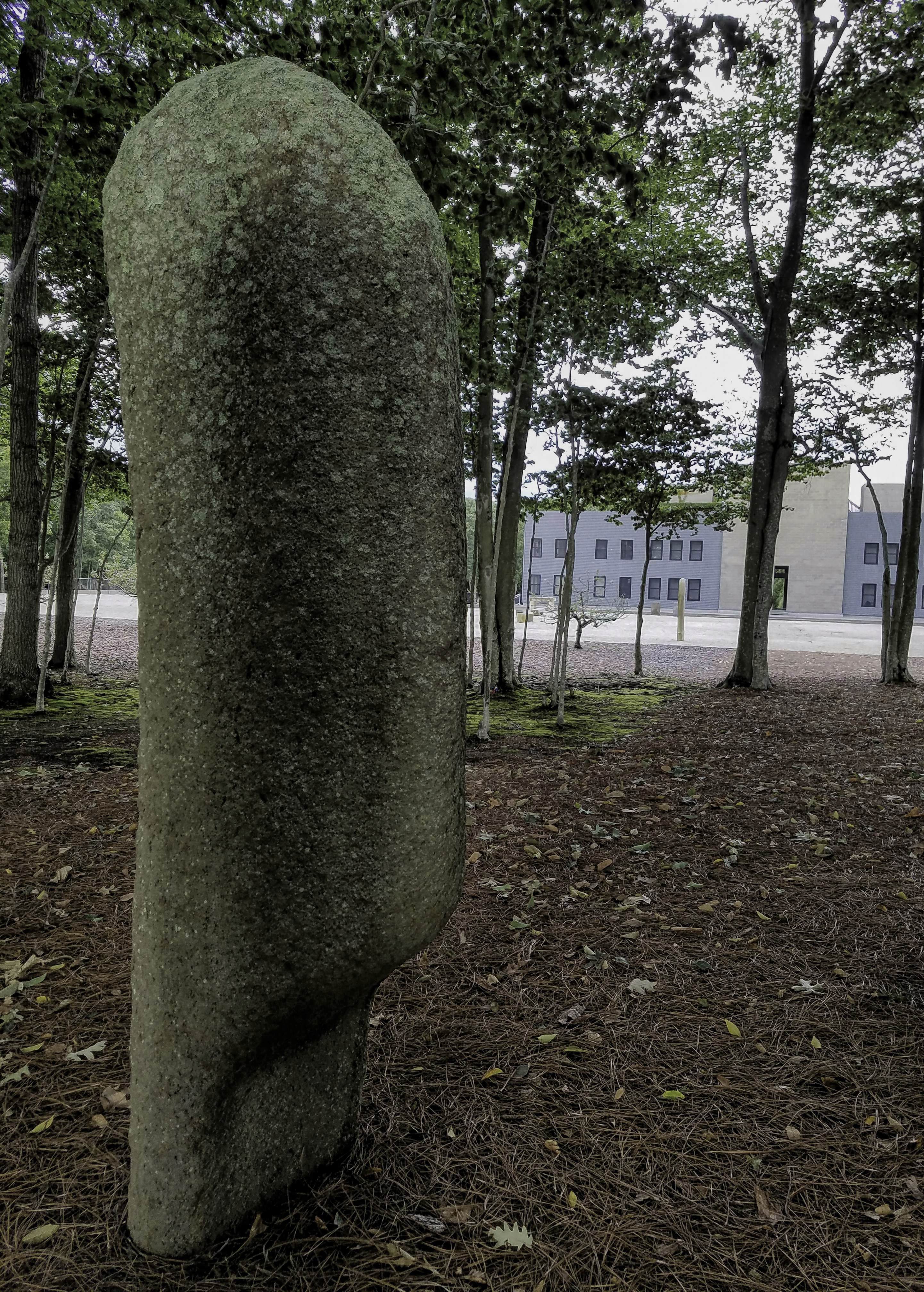
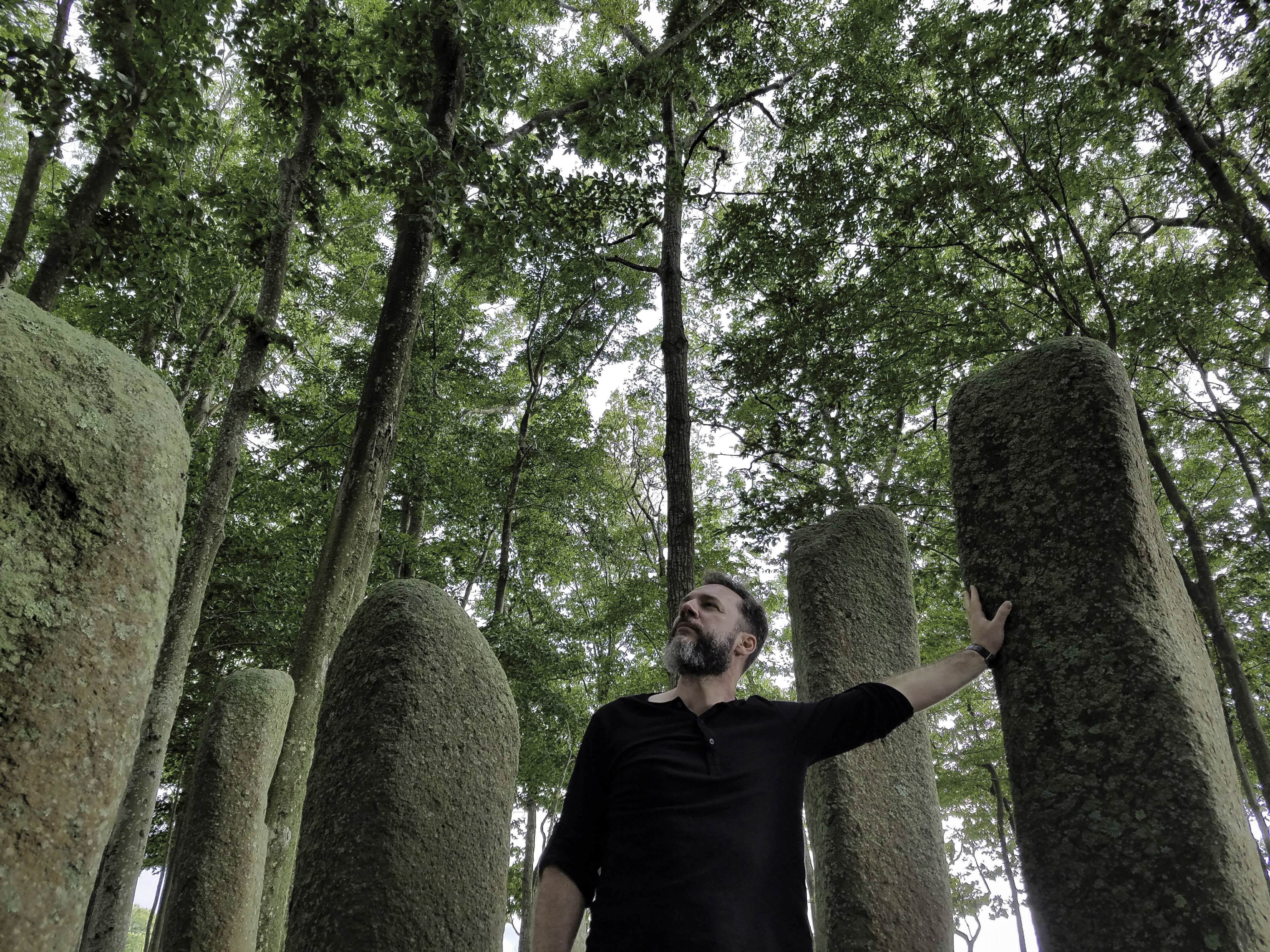
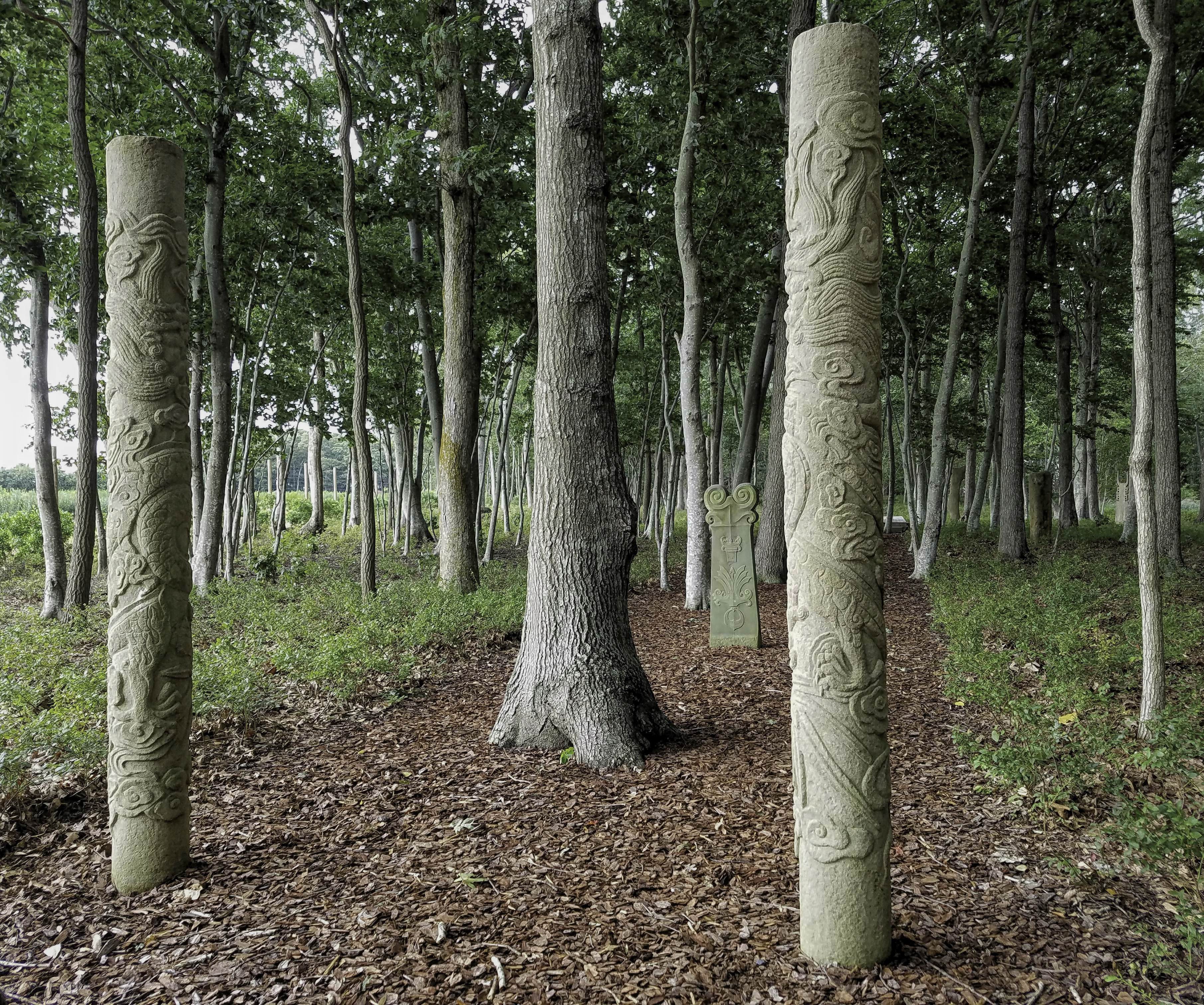
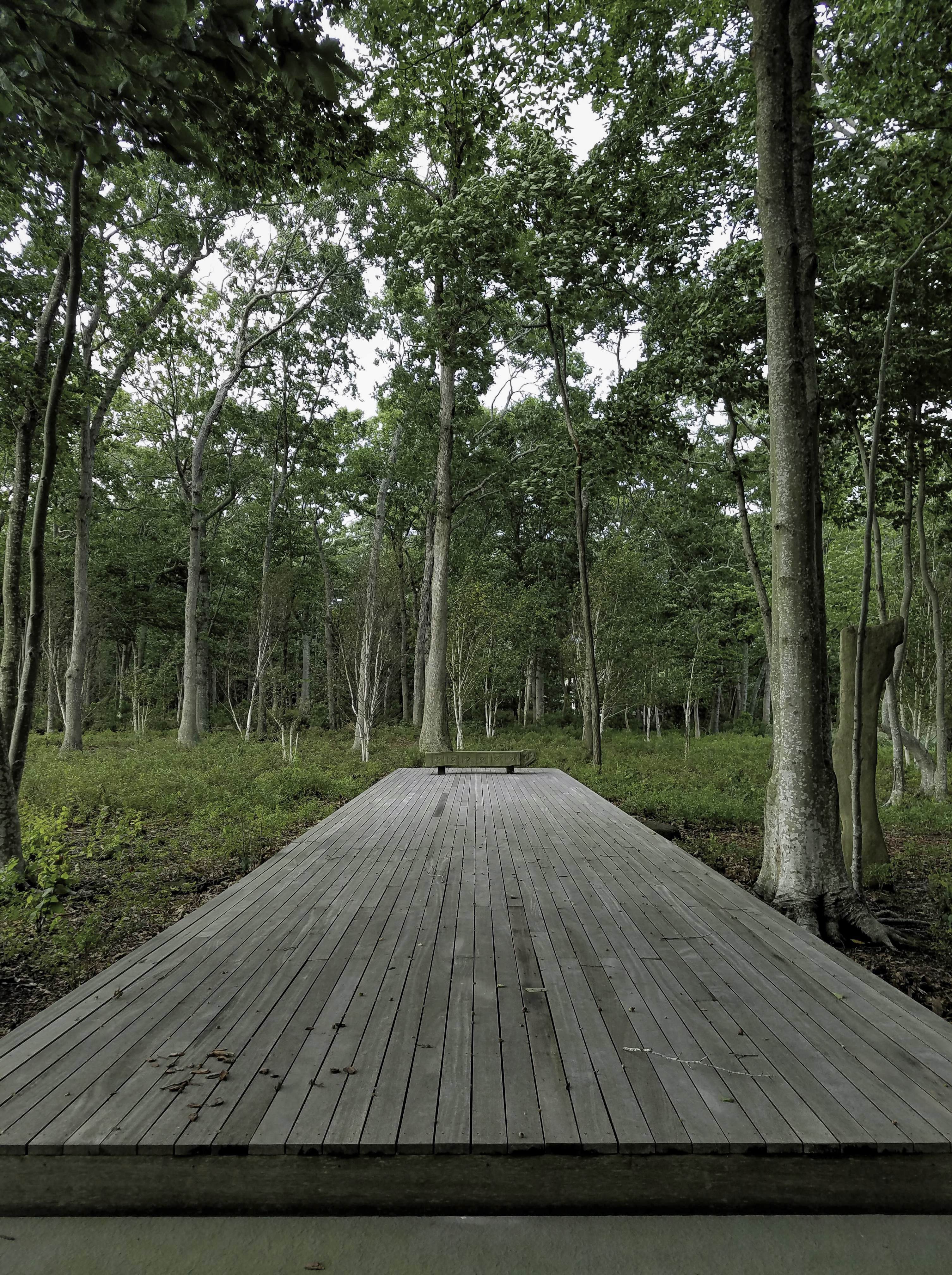
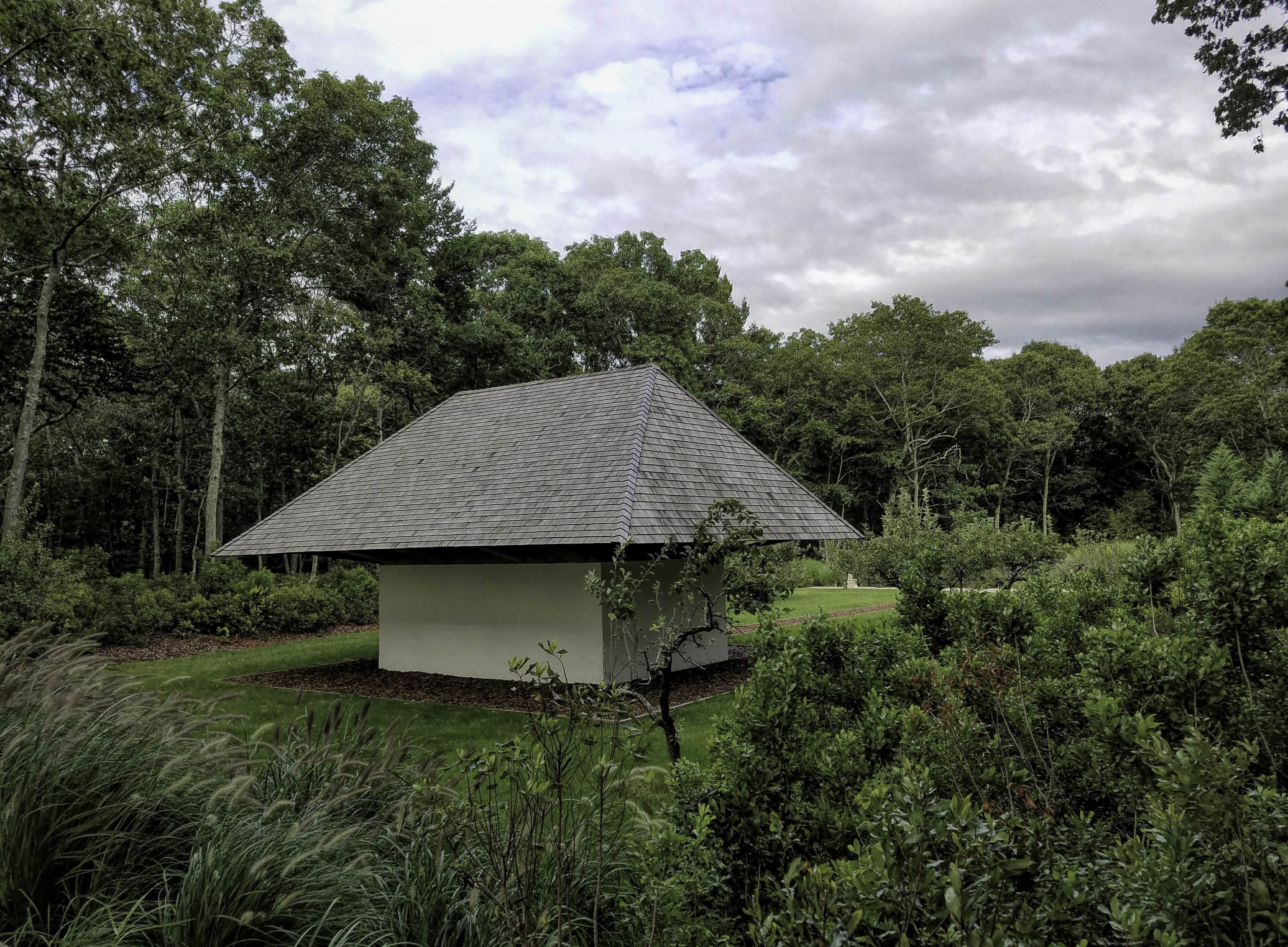
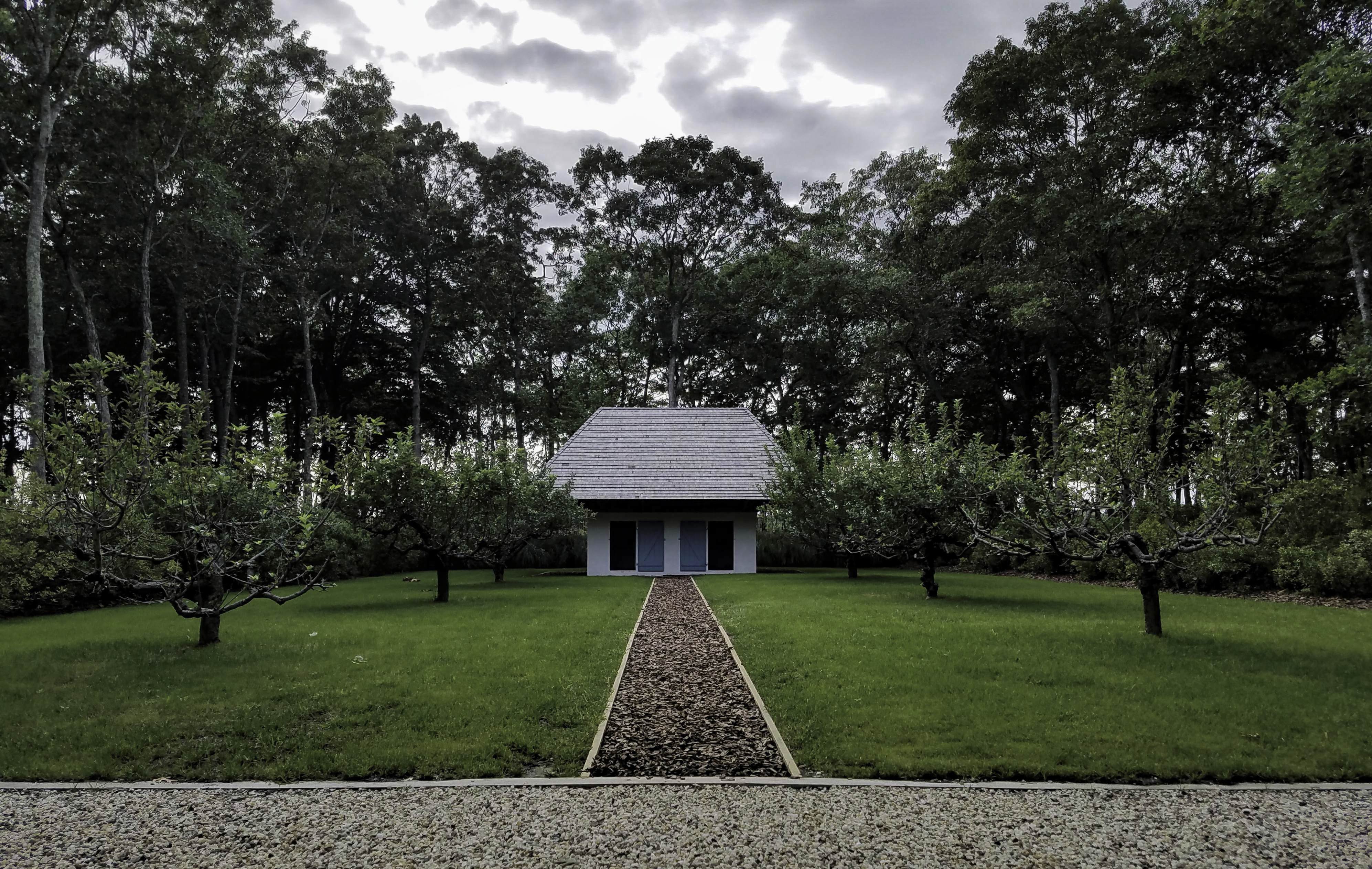
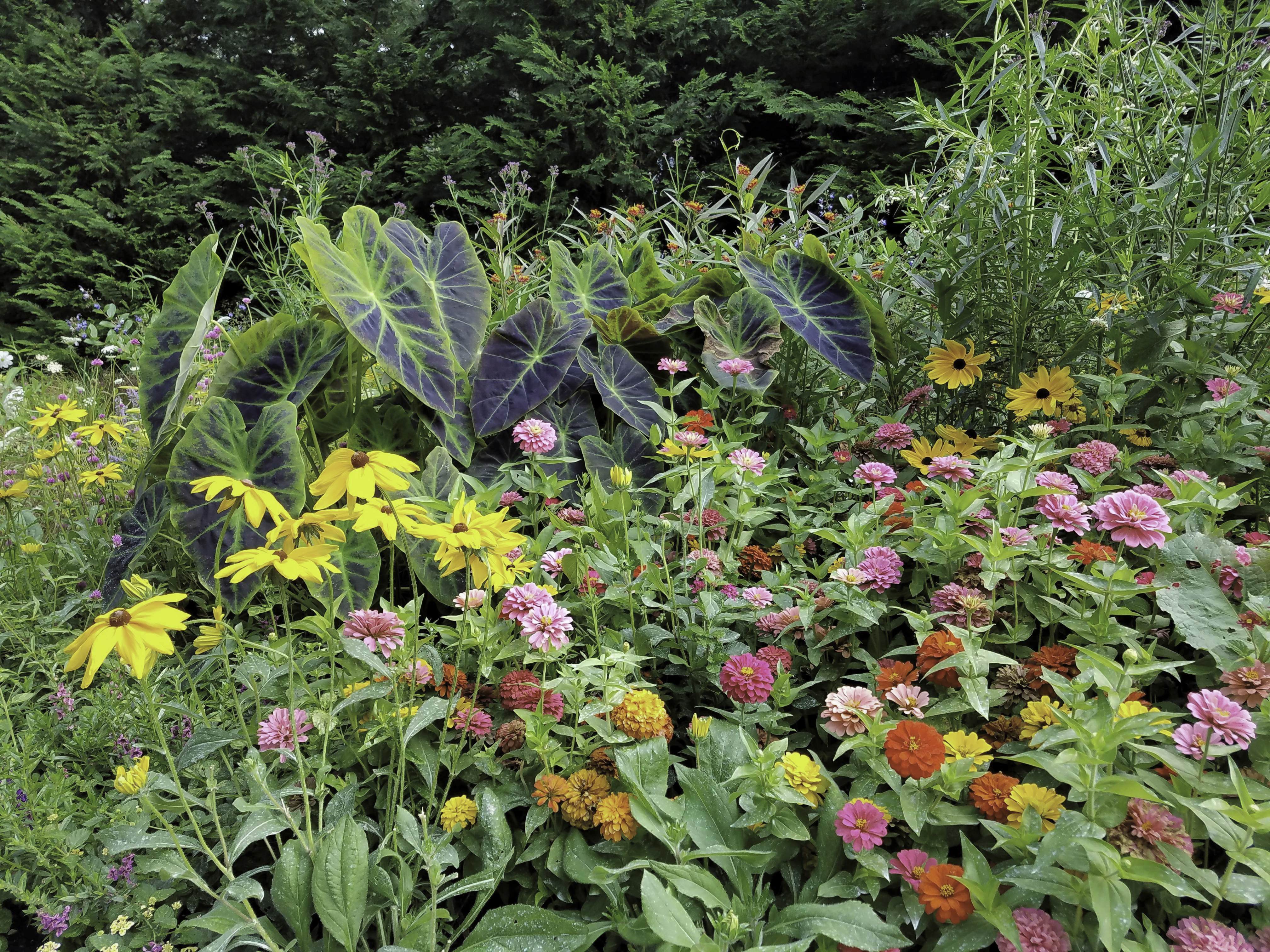
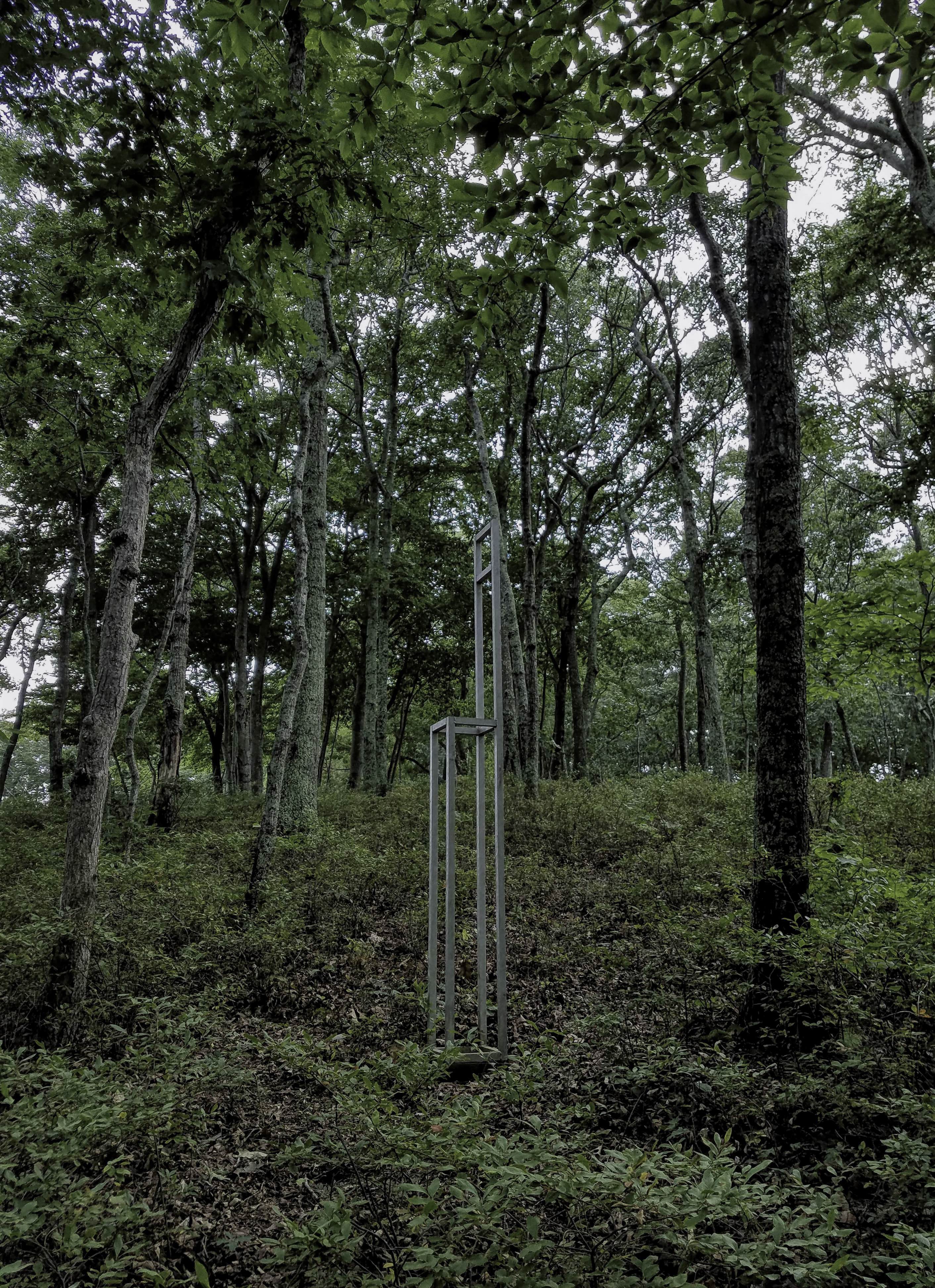
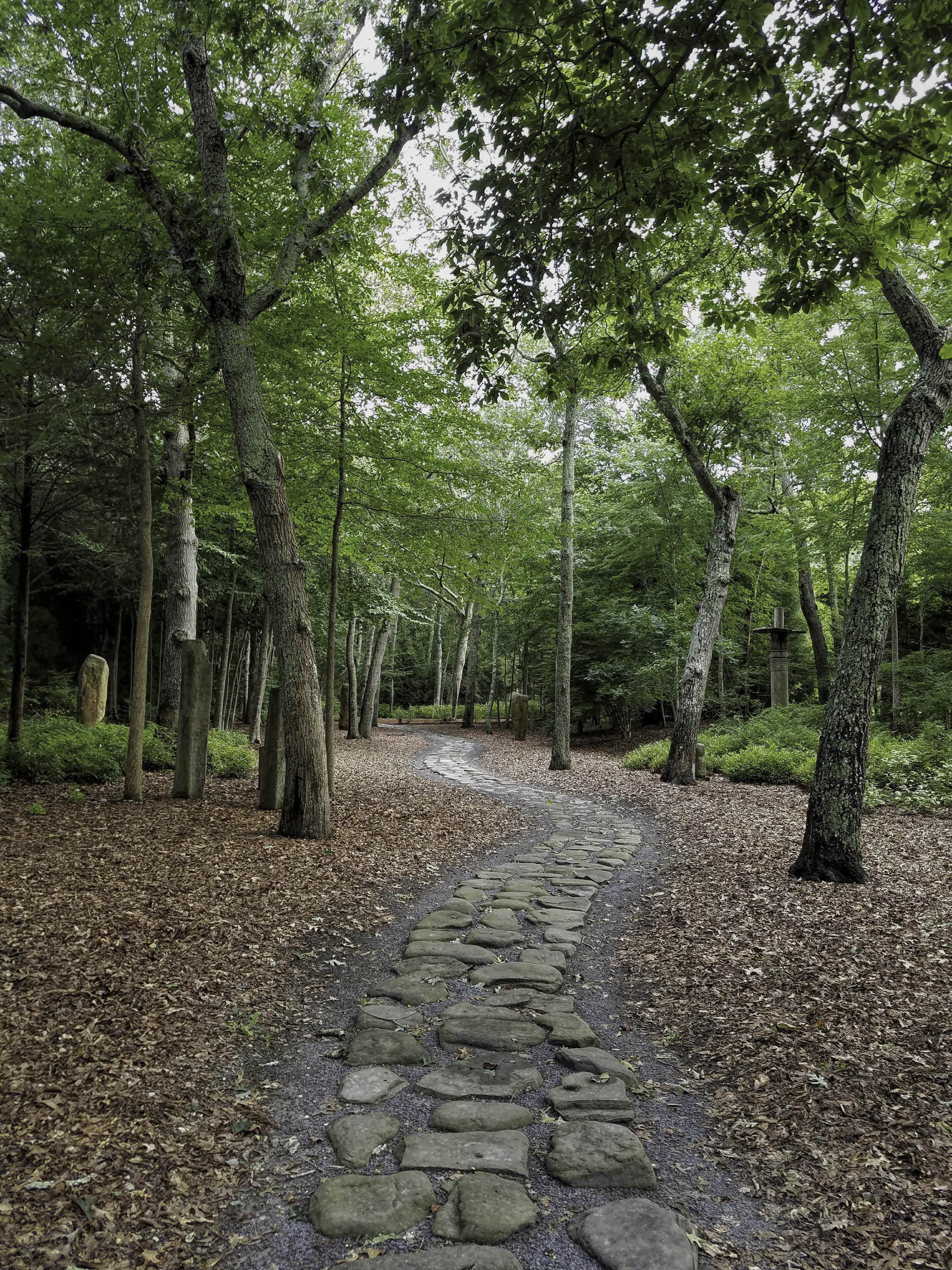
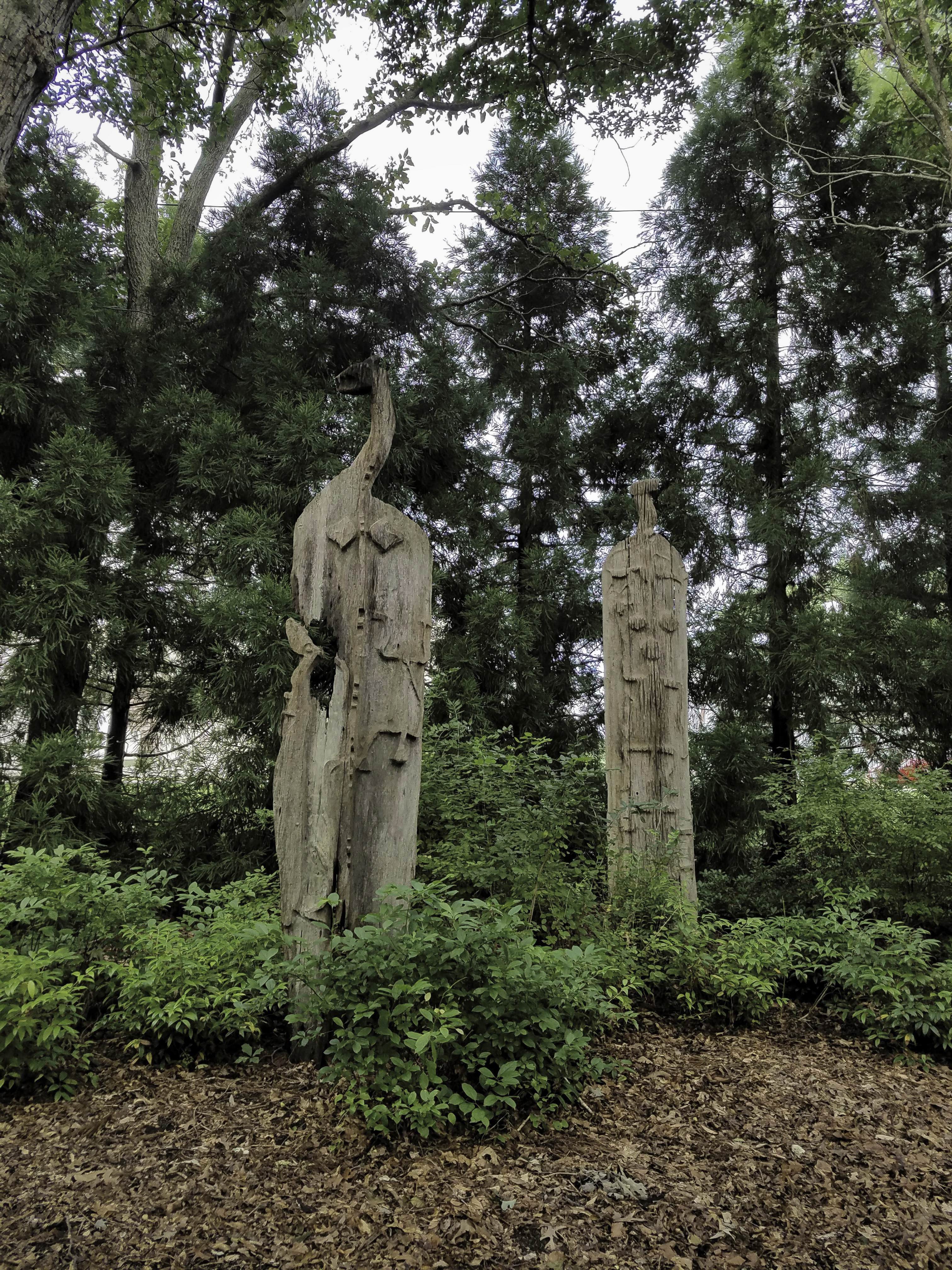
The Watermill Center, is a mere 5′ drive from the Parrish Art Museum and a 2-hour drive from Manhattan.
September 3rd, 2017
Time.Less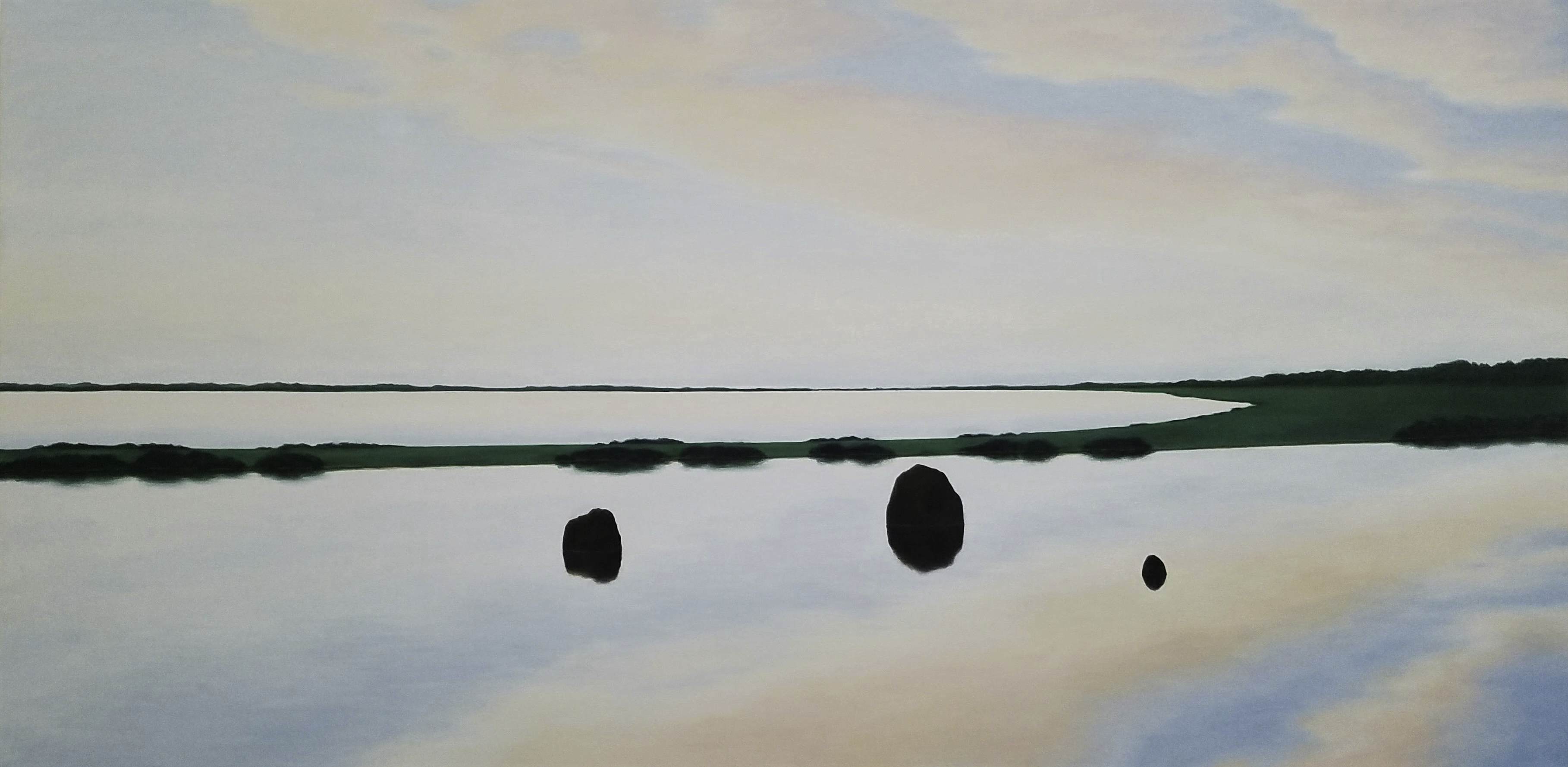 April Gornik (b. 1953)
Light Before Heat, 1983
Oil on linen
Parrish Art Museum
Water Mill, Long Island
For a minute there, the museum’s windows became a work of art.

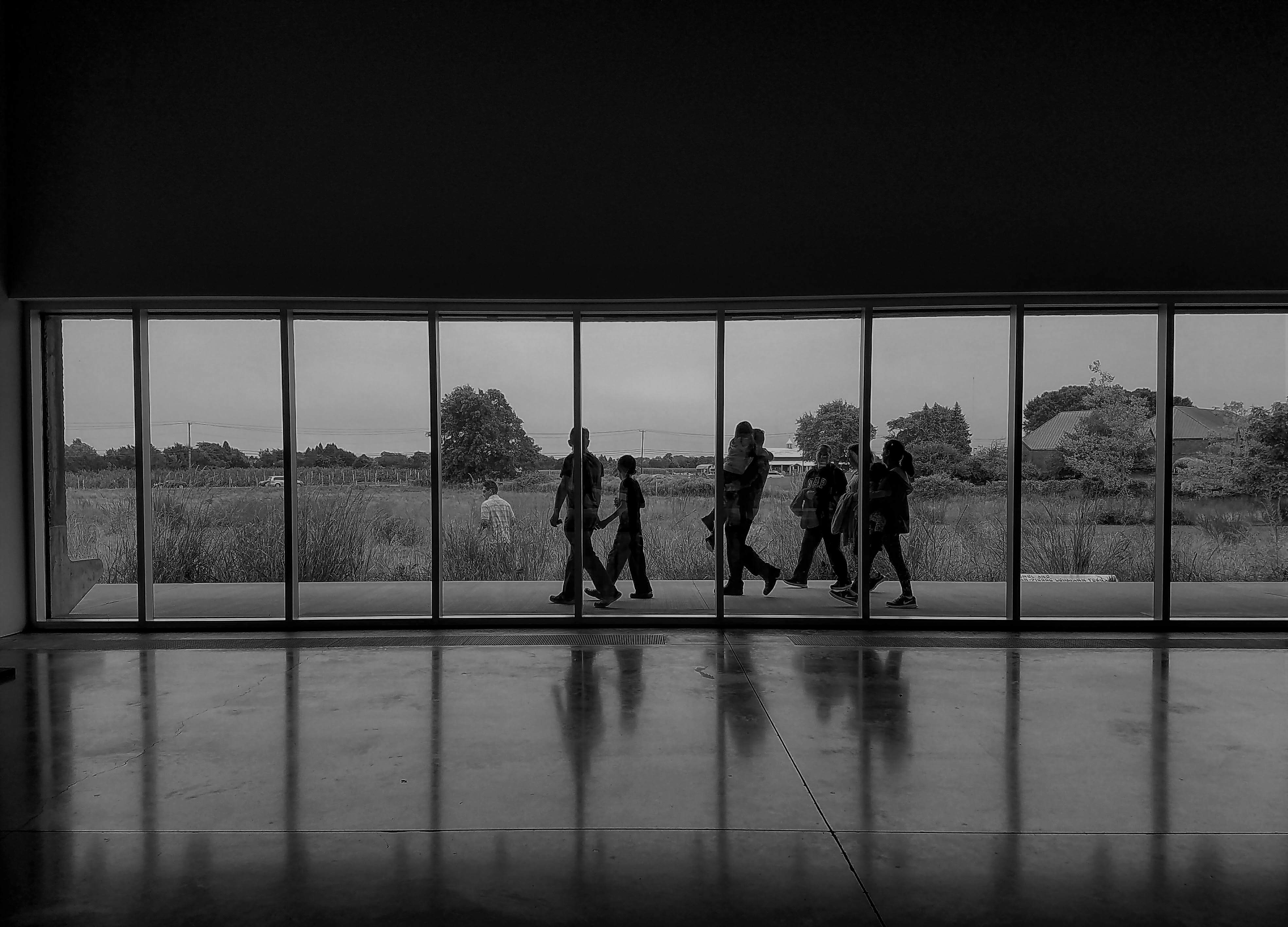

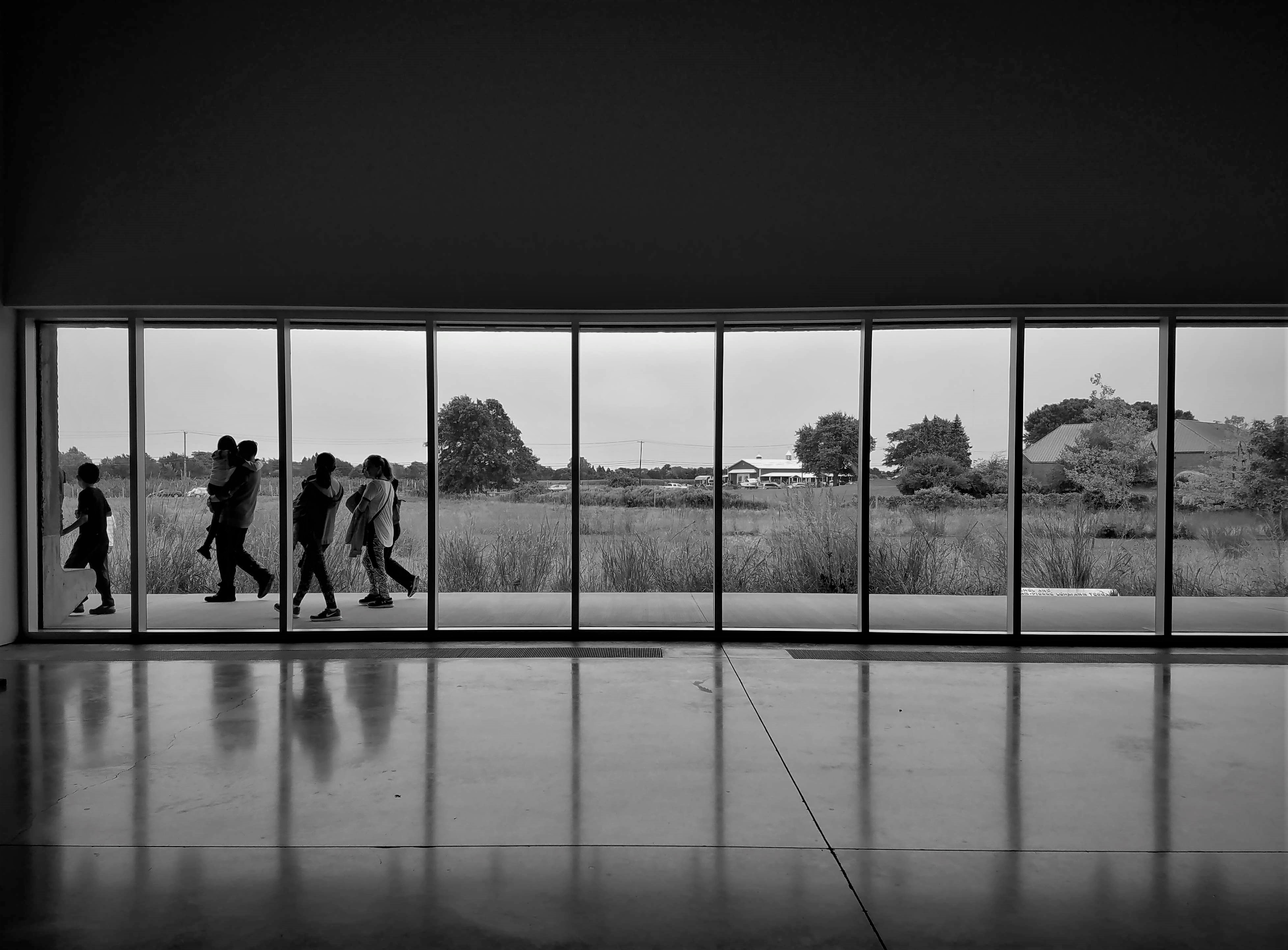

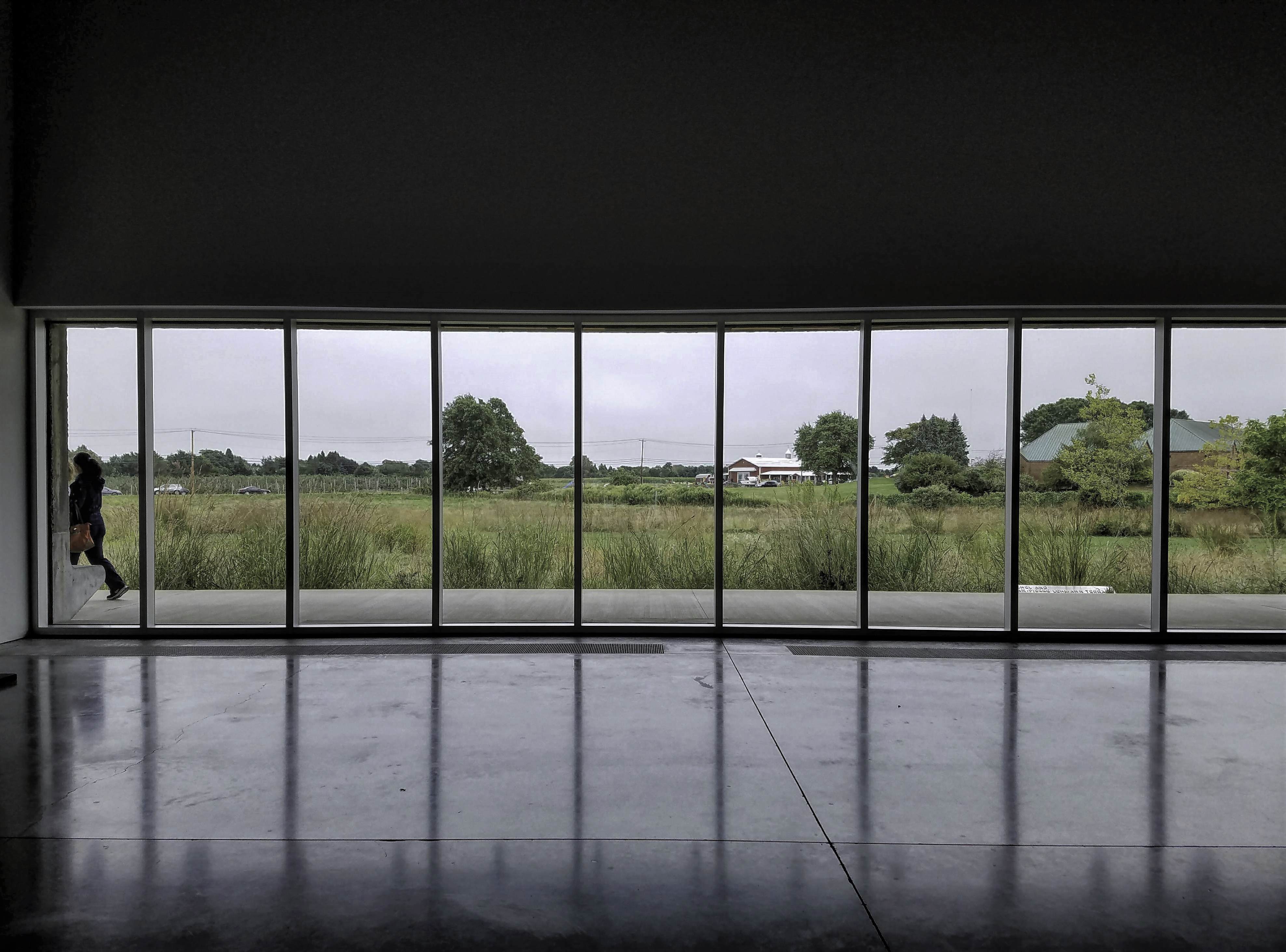

 The blue screens on the external walls seen from a distance, are Clifford Ross’, Digital Wave, 2017, video on 2 LED walls. Another version, from 2105, was installed in the interior lobby:
September 3rd, 2017
Parrish Art Museum
Water Mill, Long Island
cool, white fluorescent light
utility vs art
perceptually clear vs conceptually blurred

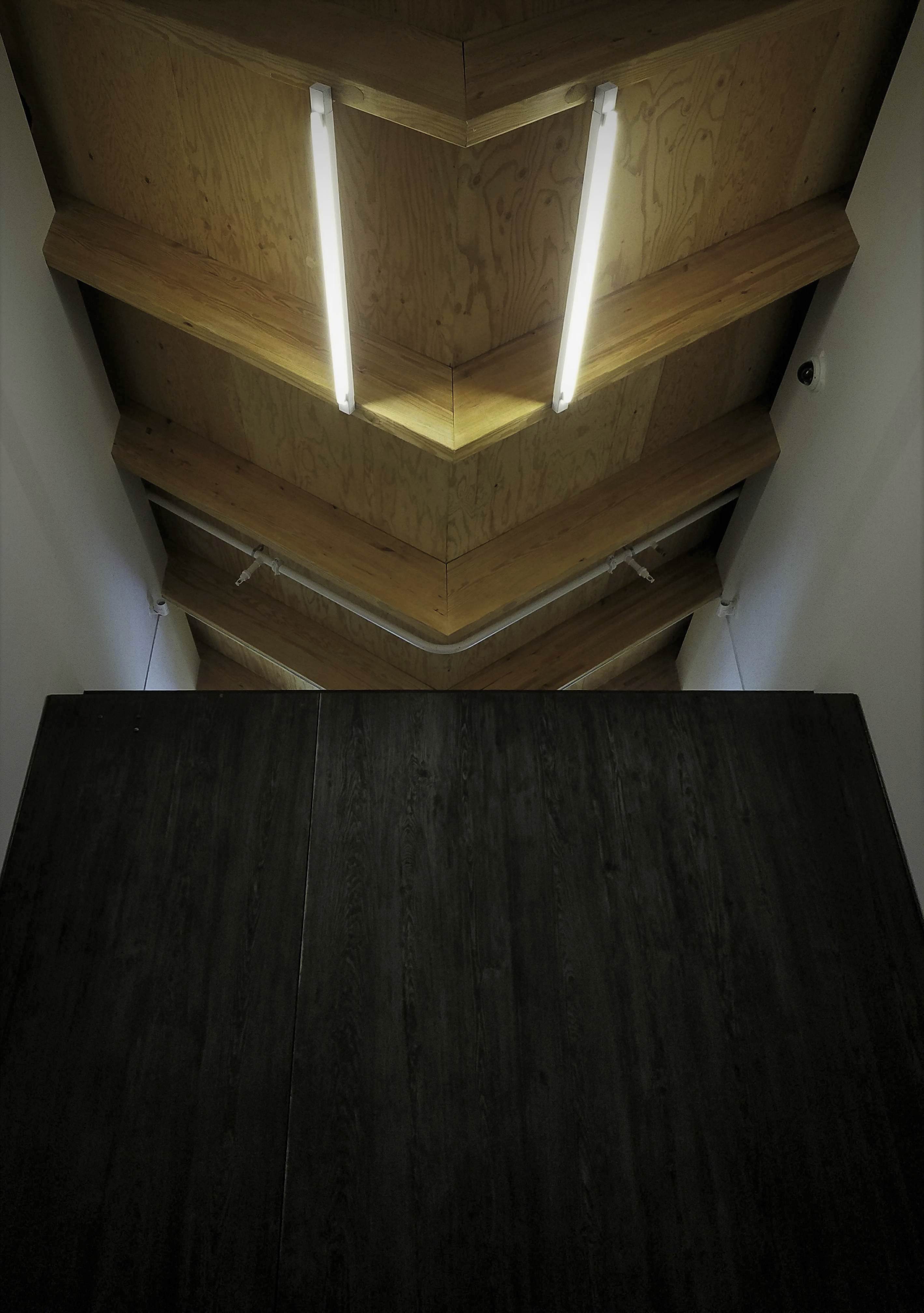
 Dan Flavin (1933-1996),
the nominal three (to William of Ockham), 1963
Parrish Art Museum
Water Mill, Long Island
The painting,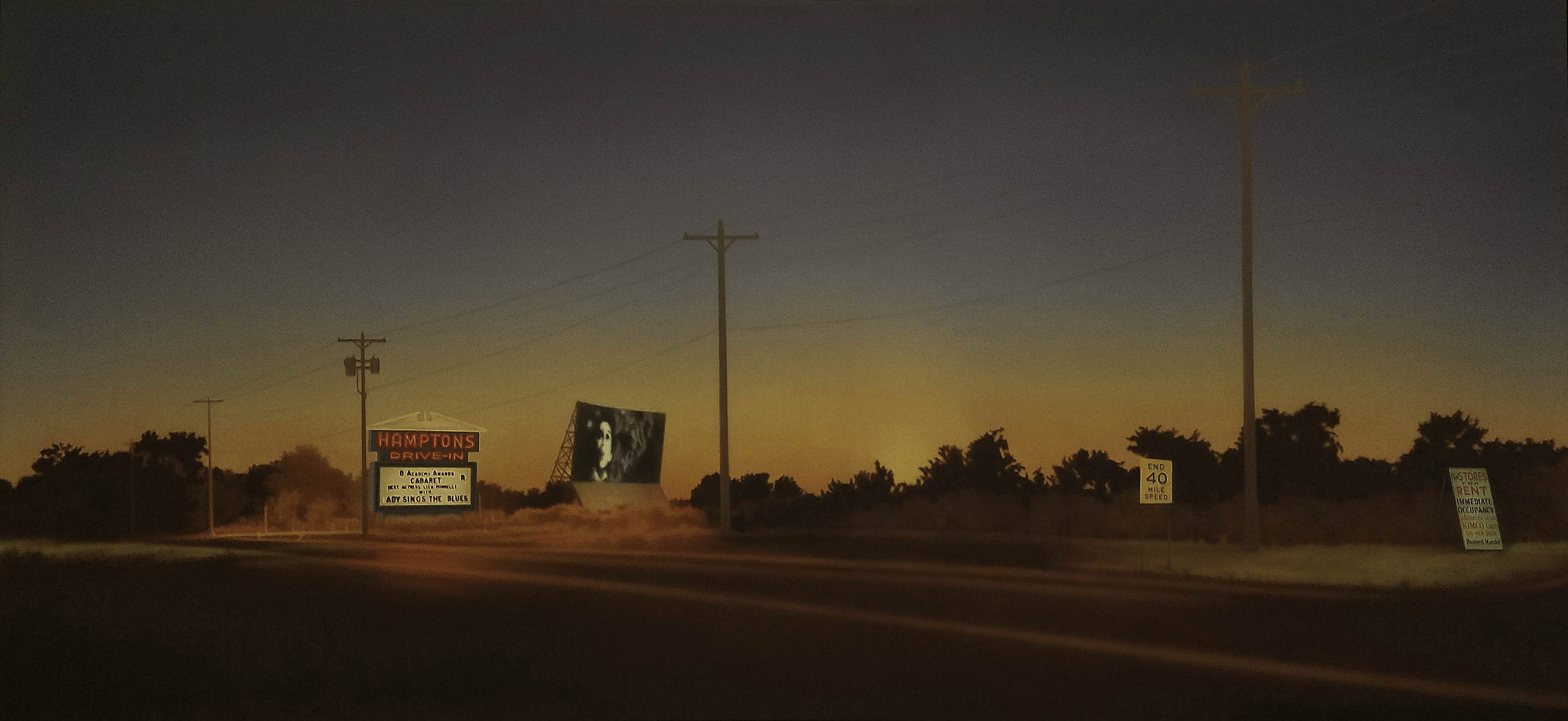
 Howard Kanovitz (1938 – 2009)
Hamptons Drive-In, 1974
Acrylic on canvas
and the film of how it came to be. Because, in Mr. Kanovitz’ words ”if you’re gonna paint a picture, first you gotta take the picture”.
From The Parrish Art Museum Collection
September 3rd, 2017
The closer you look, the harder it is to believe that these photos are actually paintings. Richard McLean (1934-2014)
Western Tableau with Rhodesian Ridgeback (Trails West), 1993
Oil on linen
 Richard McLean (1934-2014)
(Detail) Western Tableau with Rhodesian Ridgeback (Trails West), 1993
Oil on linen
 Charles Bell (1935-1995)
Troupe, 1983
Oil on canvas
 Ralph Goings (1928-2016)
Miss Albany Diner, 1993
Oil on canvas
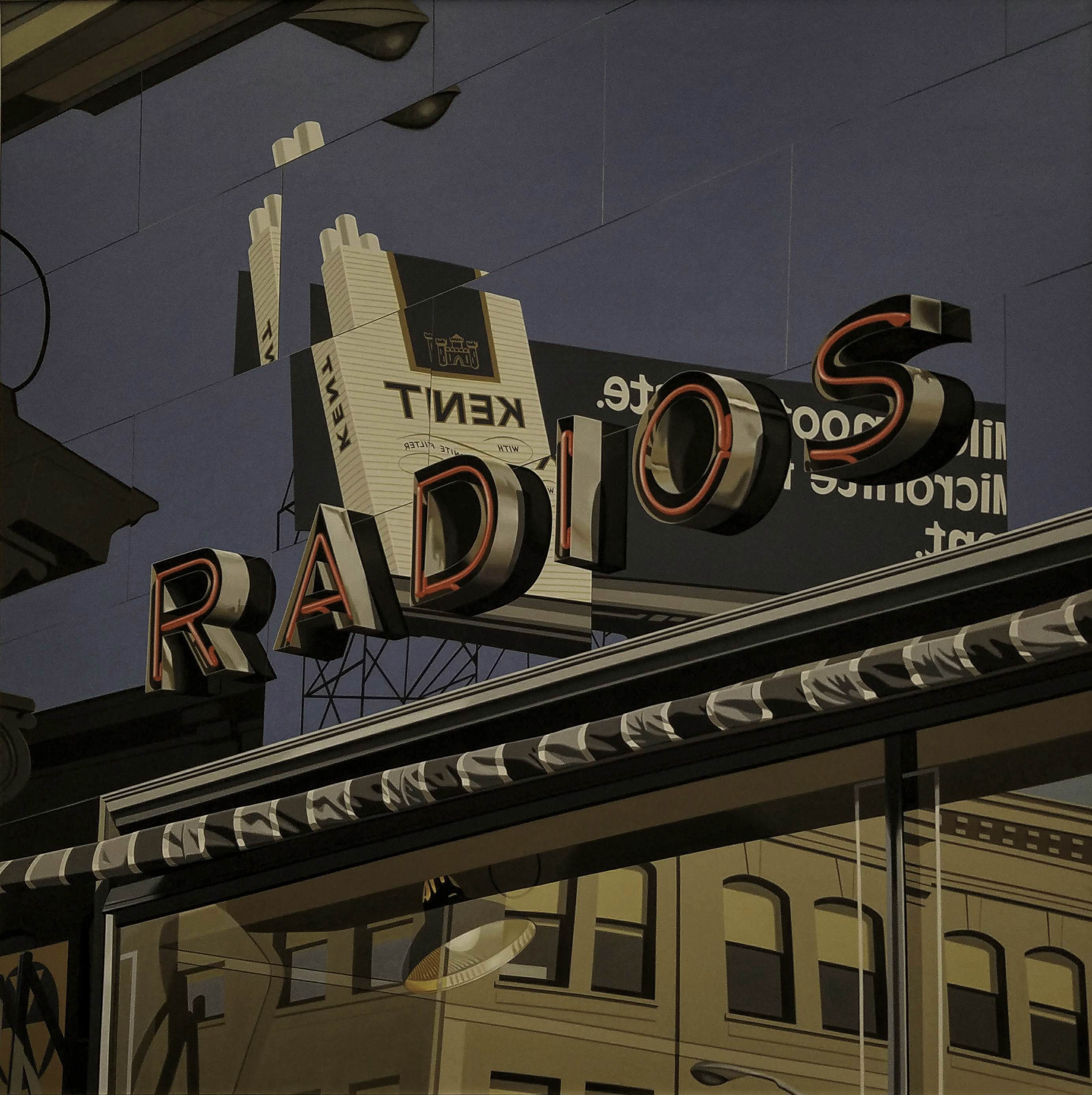 Robert Cottingham (b. 1935)
Radios, 1977
Oil on linen
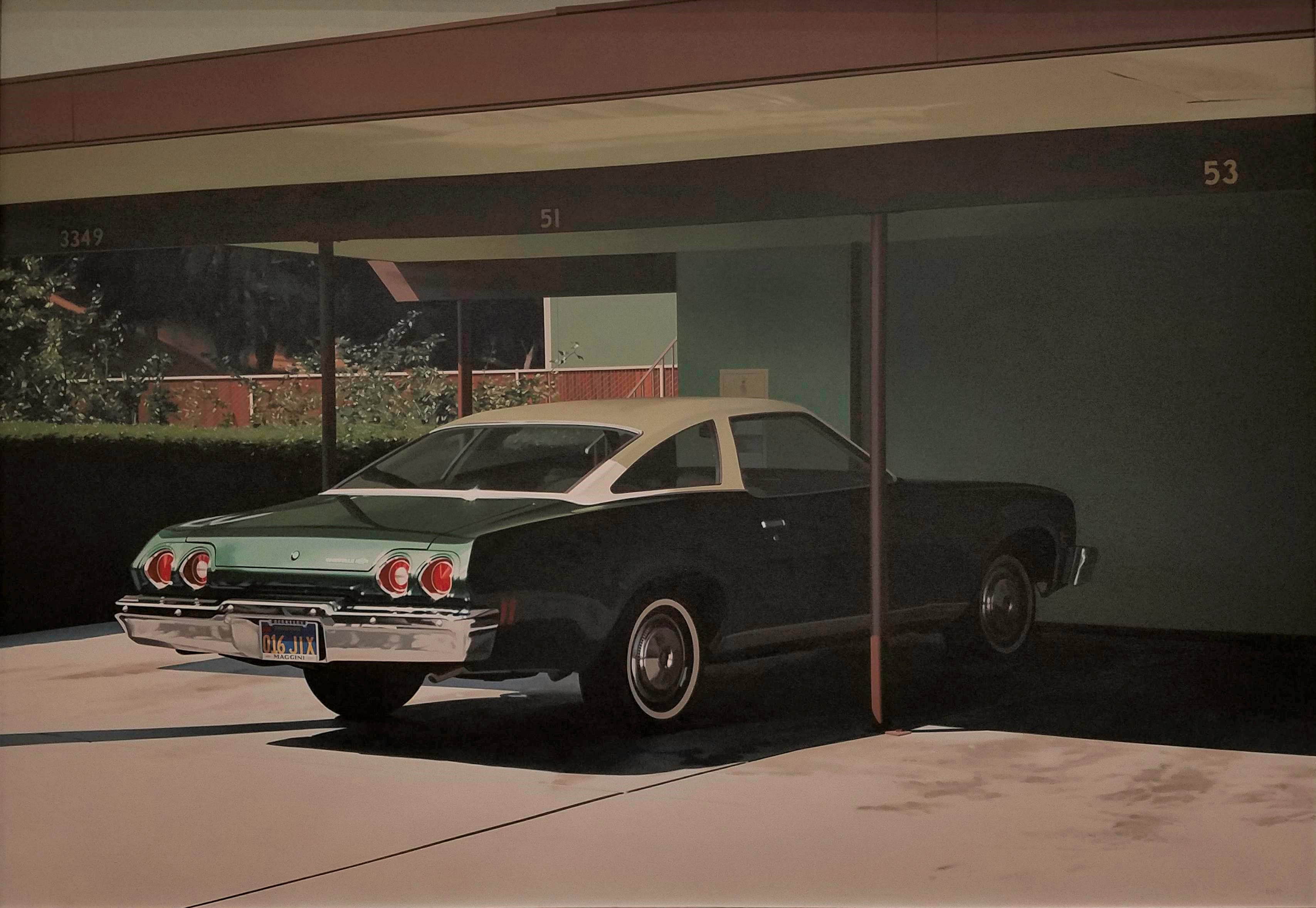 Robert Bechtle (b. 1932)
’73 Malibu, 1974
Oil on canvas
 John Kacere (1920-1999)
Untitled, 1974
Watercolour on paper
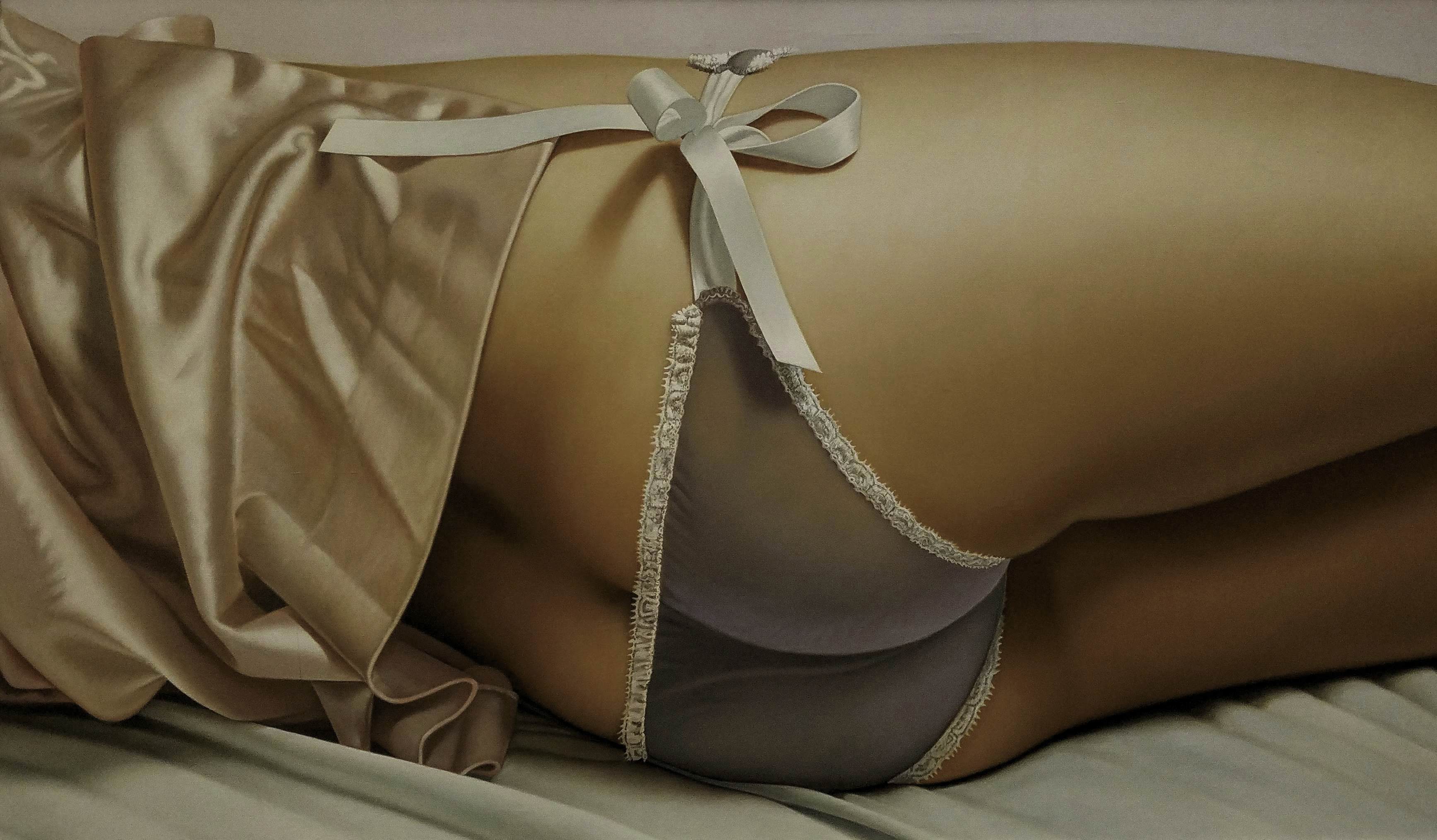 John Kacere (1920-1999)
Reina ’79, 1979
Oil on linen
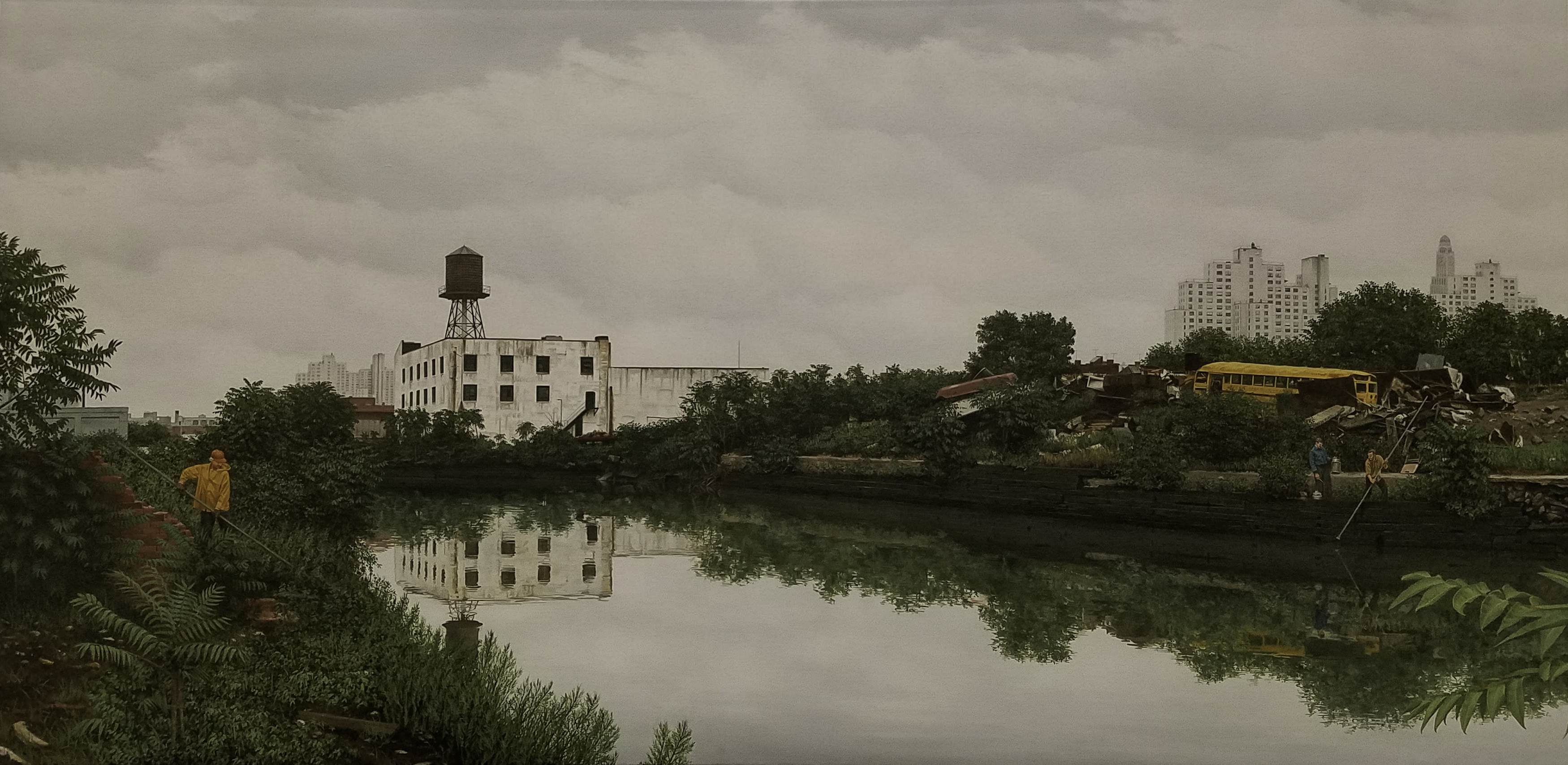 Randy Dudley (b. 1950)
Gowanus Canal from 2nd Street, 1986
Oil on canvas
 Davis Cone (b. 1950)
State-Autumn Evening, 2002
Acrylic on canvas
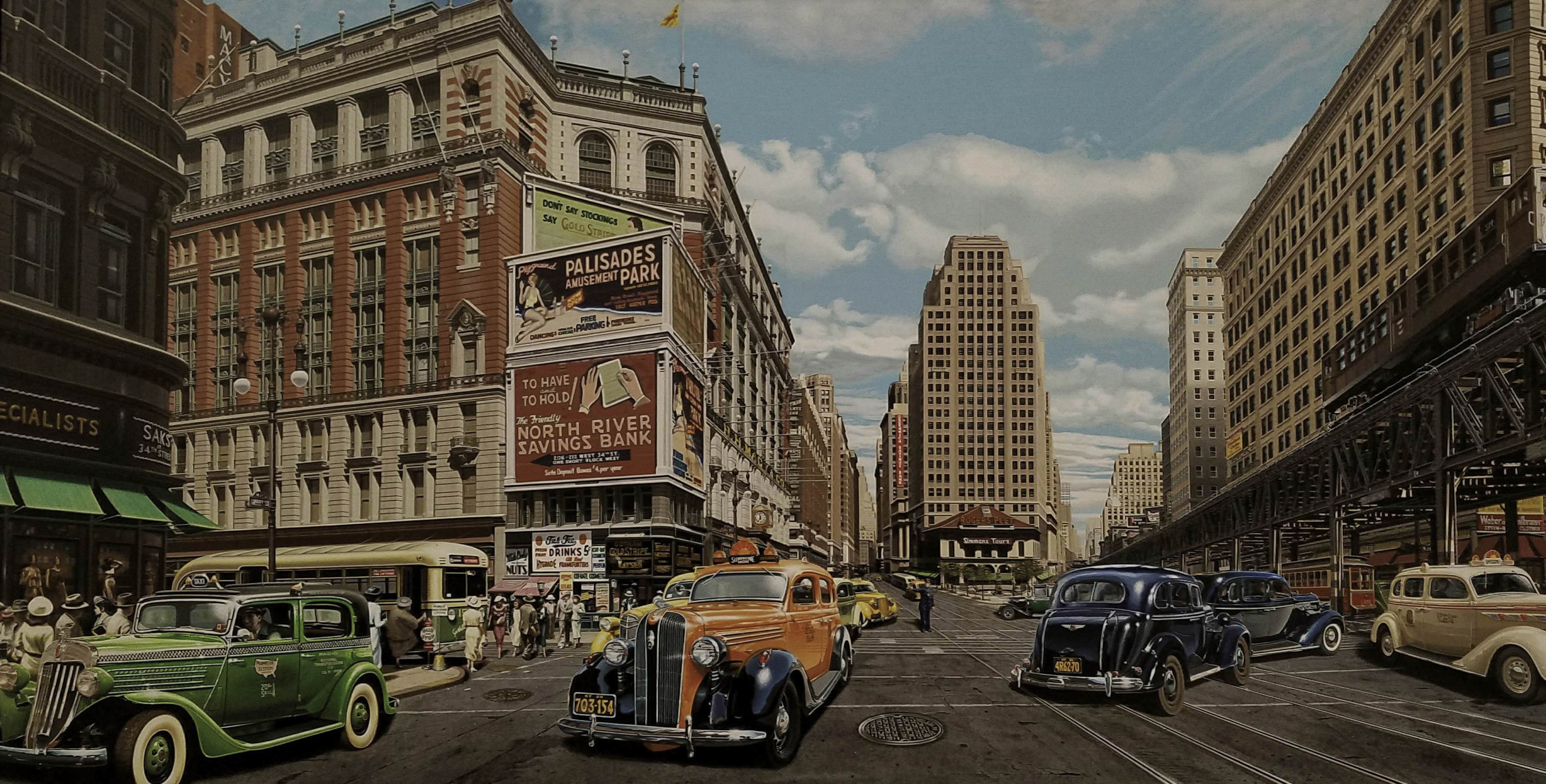 Don Jacot (b. 1949)
Herald Square, 1936 (After Berenice Abbott), 2013
Oil on linen
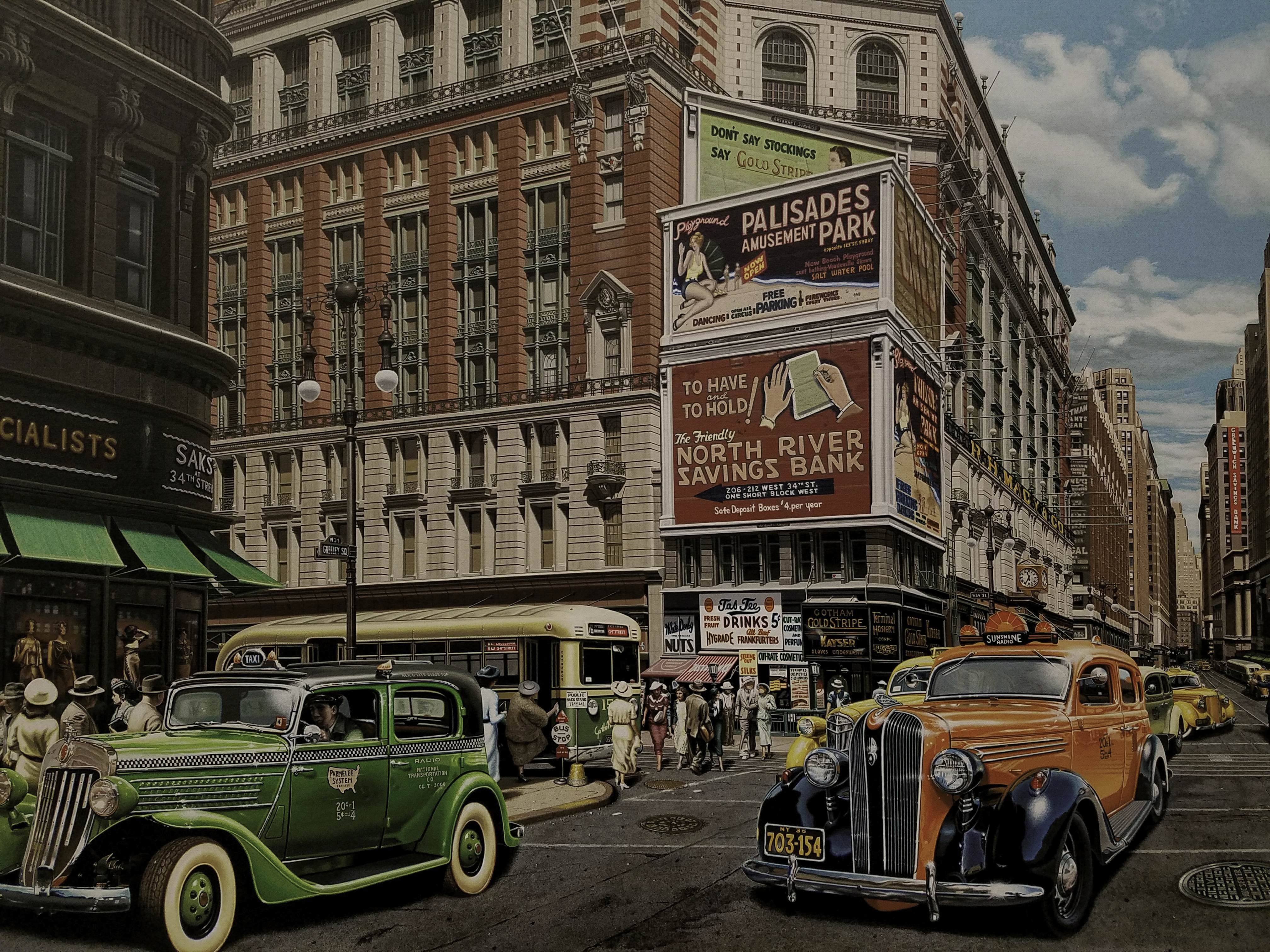
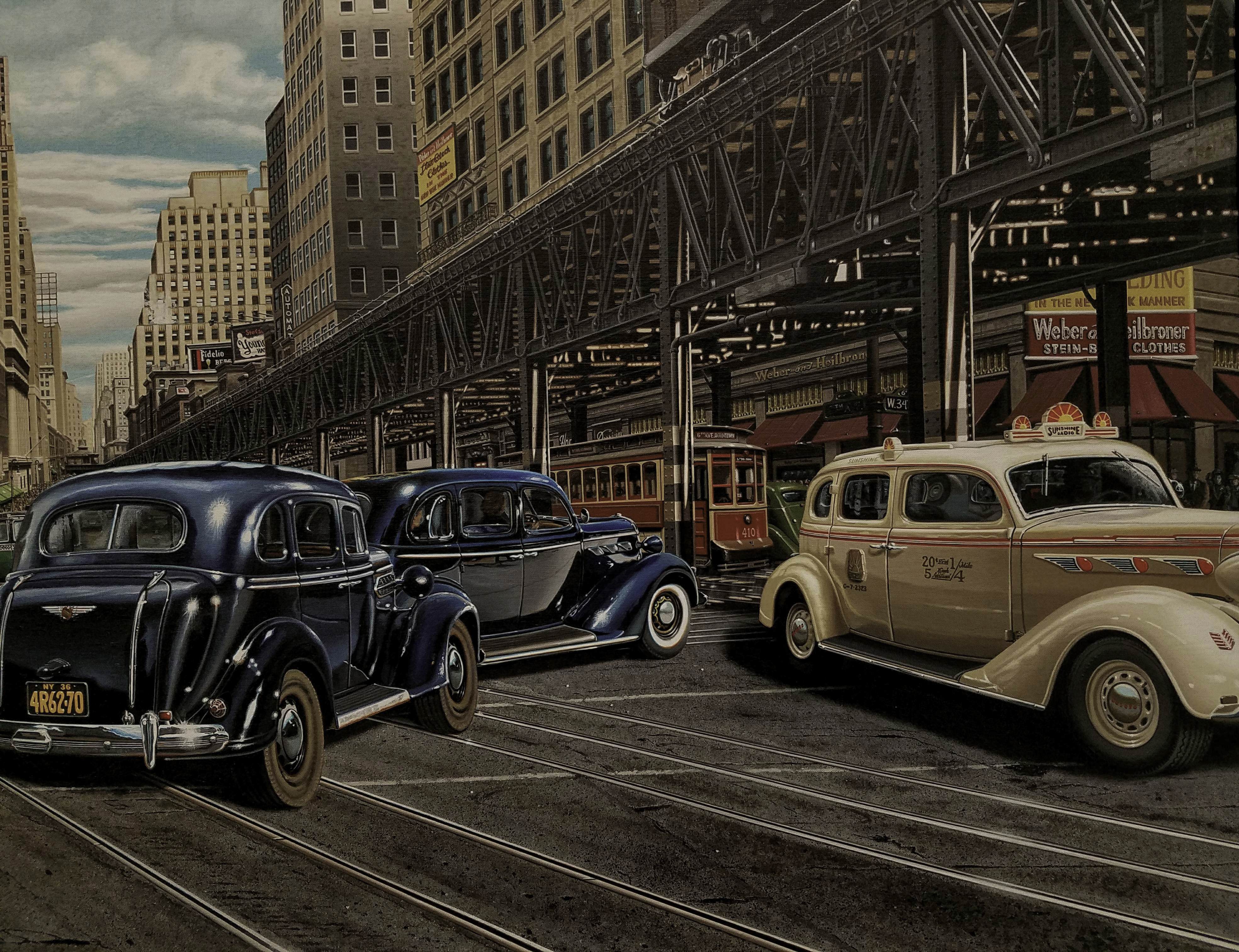 Don Jacot (b. 1949)
(Detail) Herald Square, 1936 (After Berenice Abbott), 2013
Oil on linen
From Lens to Eye to Hand, Photorealism 1969 to Today, was an exhibition that took a fresh look at this contemporary art movement that found its roots in the mid-1960s in New York and California, evolving from the then dominant movements, Abstract Expressionism, Pop art and Minimalism. And, while Photorealism reached its height in the ’70s, there are some magnificent works proving that the movement continues today.
Parrish Art Museum
Water Mill, Long Island
September 3rd, 2017
subjective worldview
Actor, writer, cook and author
Travel experiences & Strasbourg city guide
Writer
joy, happiness, travel, adventure, gratitude
"Rêve onirique & Bulle d'évasion"
makes pretty things on paper
This WordPress.com site is Pacific War era information
Welcome to my curious world of words....
Photographs, music and writing about daily life. Contact: elcheo@swcp.com
Free listening and free download (mp3) chill and down tempo music (album compilation ep single) for free (usually name your price). Full merged styles: trip-hop electro chill-hop instrumental hip-hop ambient lo-fi boombap beatmaking turntablism indie psy dub step d'n'b reggae wave sainte-pop rock alternative cinematic organic classical world jazz soul groove funk balkan .... Discover lots of underground and emerging artists from around the world.
A 365 analogue photography project
Barcelona's Multiverse | Art | Culture | Science
Een digitaal atelier aan de (zee)slag.
‘Doodling Ambiguity’s in Ink.’
Miscellaneous photography
Glimpses along the way on a journey of discovery into symmetry...
 The Humble Fabulist