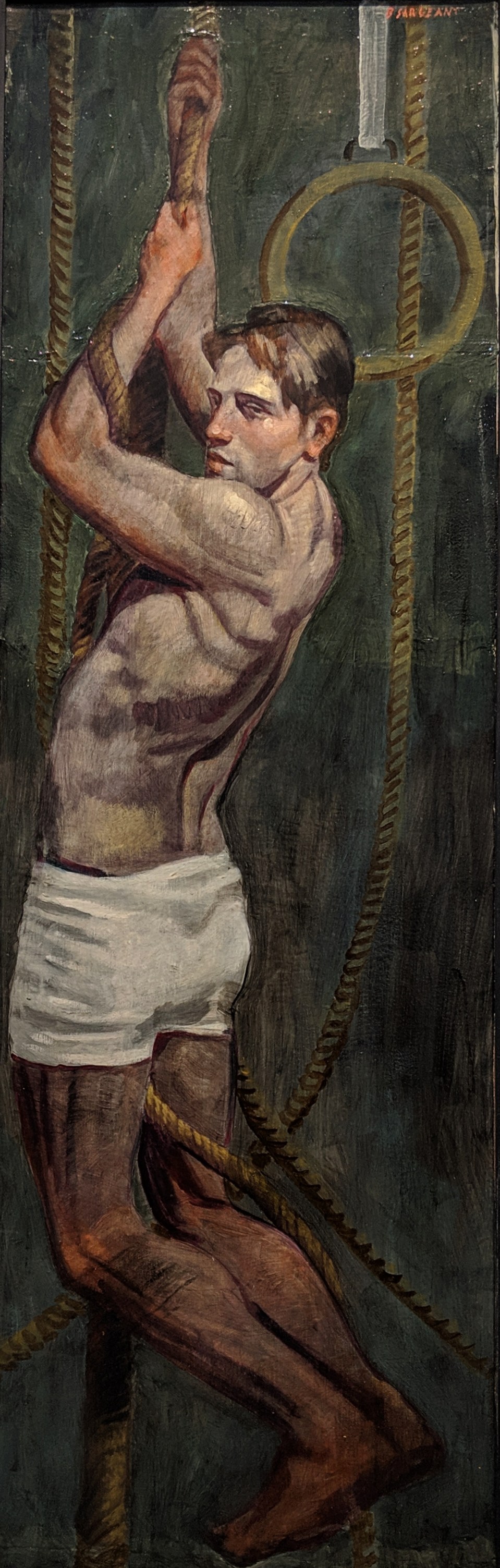
Bruce Sargeant (1898-1938): The Lost Murals

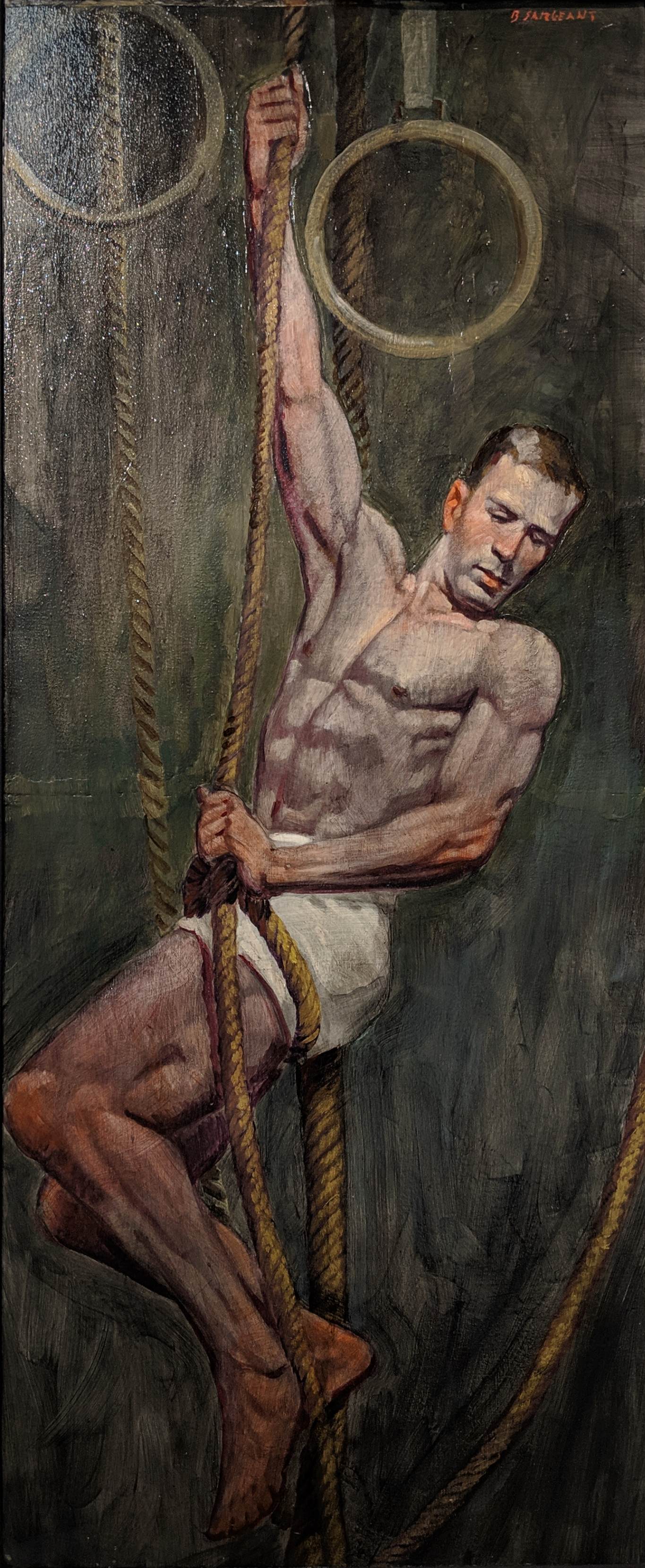
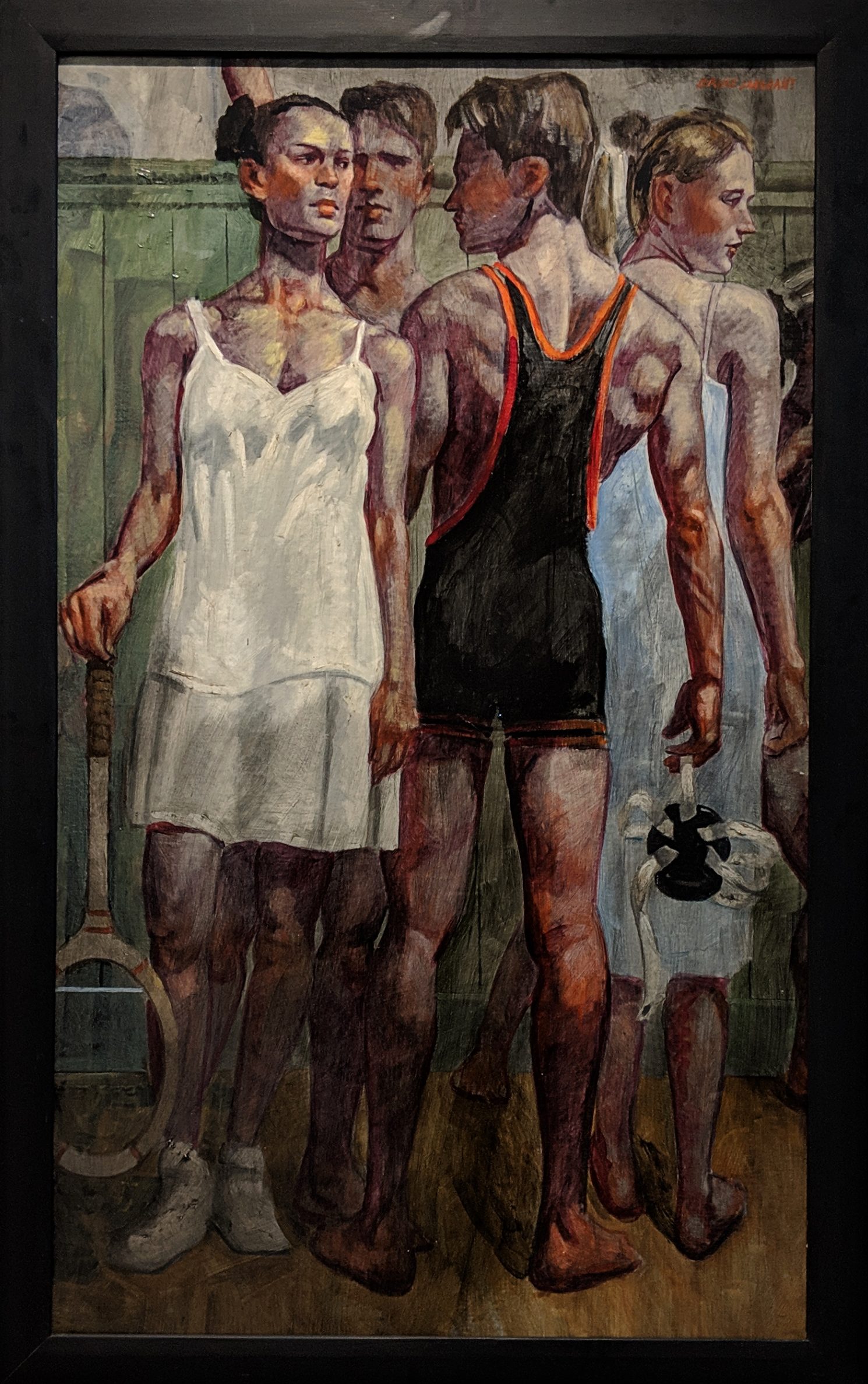
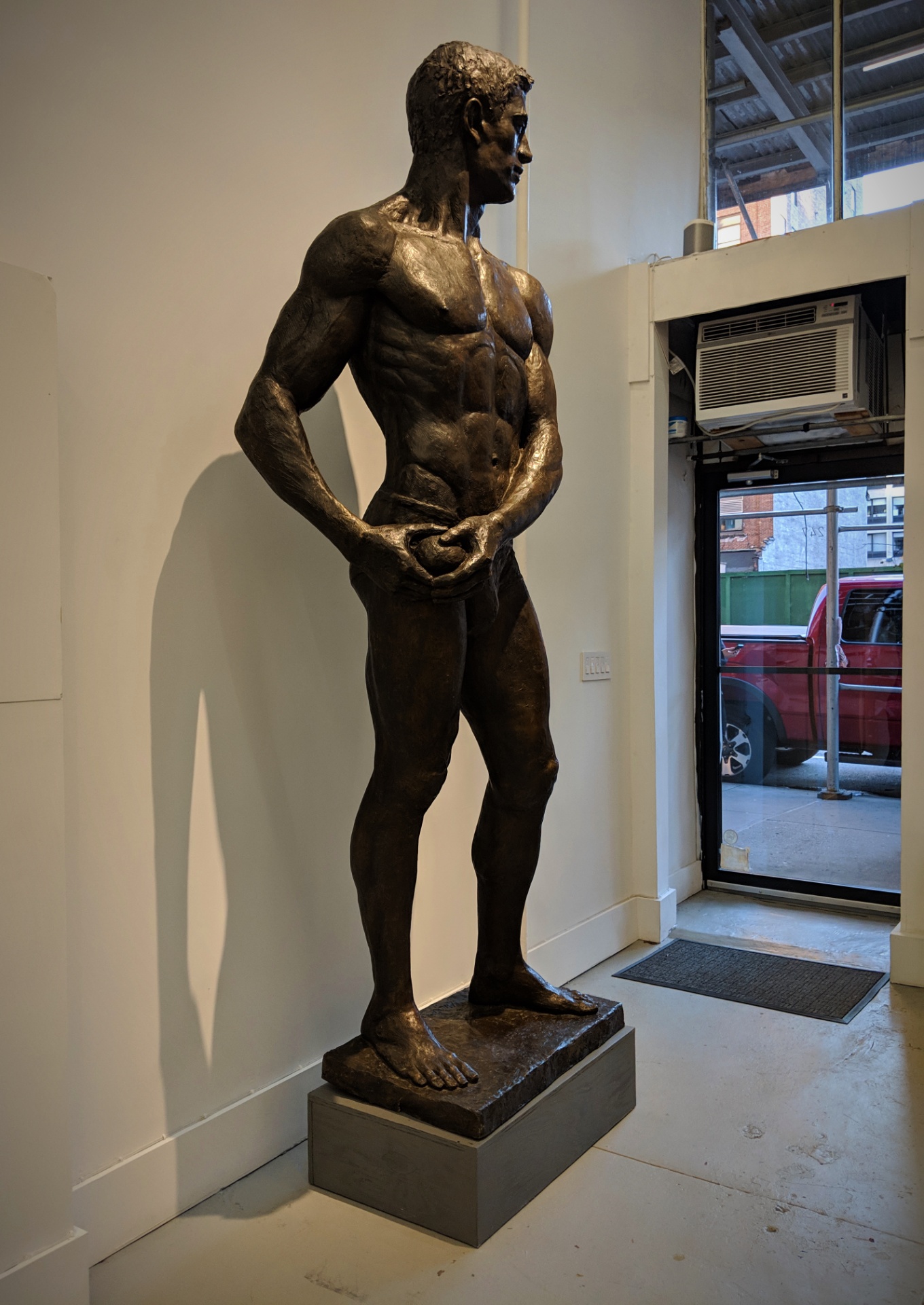
@ClampArt Gallery, curated by New York artist Mark Beard (Bruce Sargeant’s great nephew).

”Mark Beard has devoted more than two decades of his life to researching and collecting the work of Bruce Sargeant, a painter who largely concentrated on the idealization and celebration of the male form.” […]

”The Lost Murals brings together large-scale canvases that were known to exist but hidden from public view for over half a century. After years of meticulous research, Beard located the murals and painstakingly arranged for their return from a number of locations around the globe. In the murals, Beard’s great-uncle portrays his favorite subject: muscular young men at the peak of form and athletic prowess.” – Source & more: ClampArt

November 10th, 2018

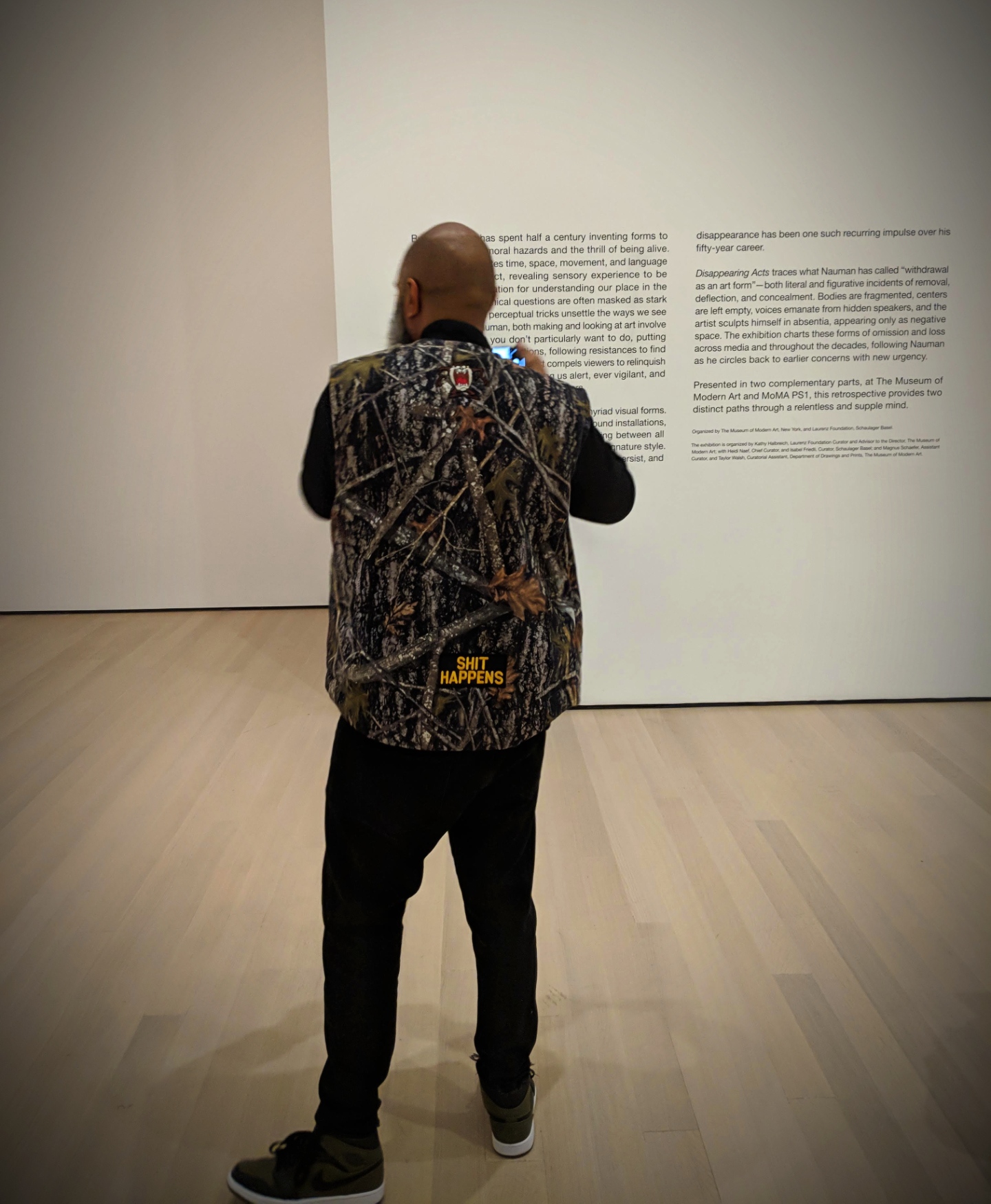
Shit Happens

One hundred thousand. Shit that could have been avoided.

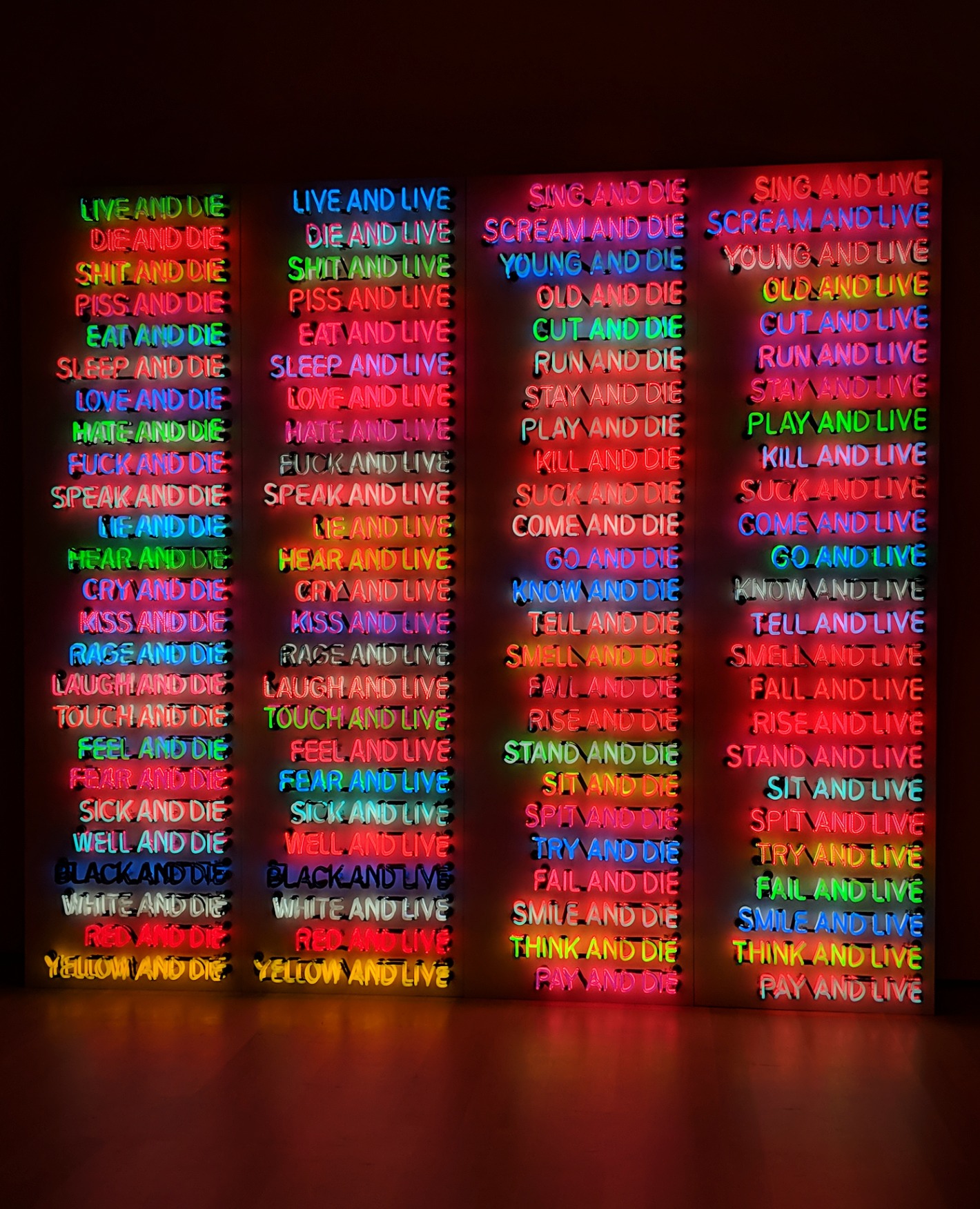
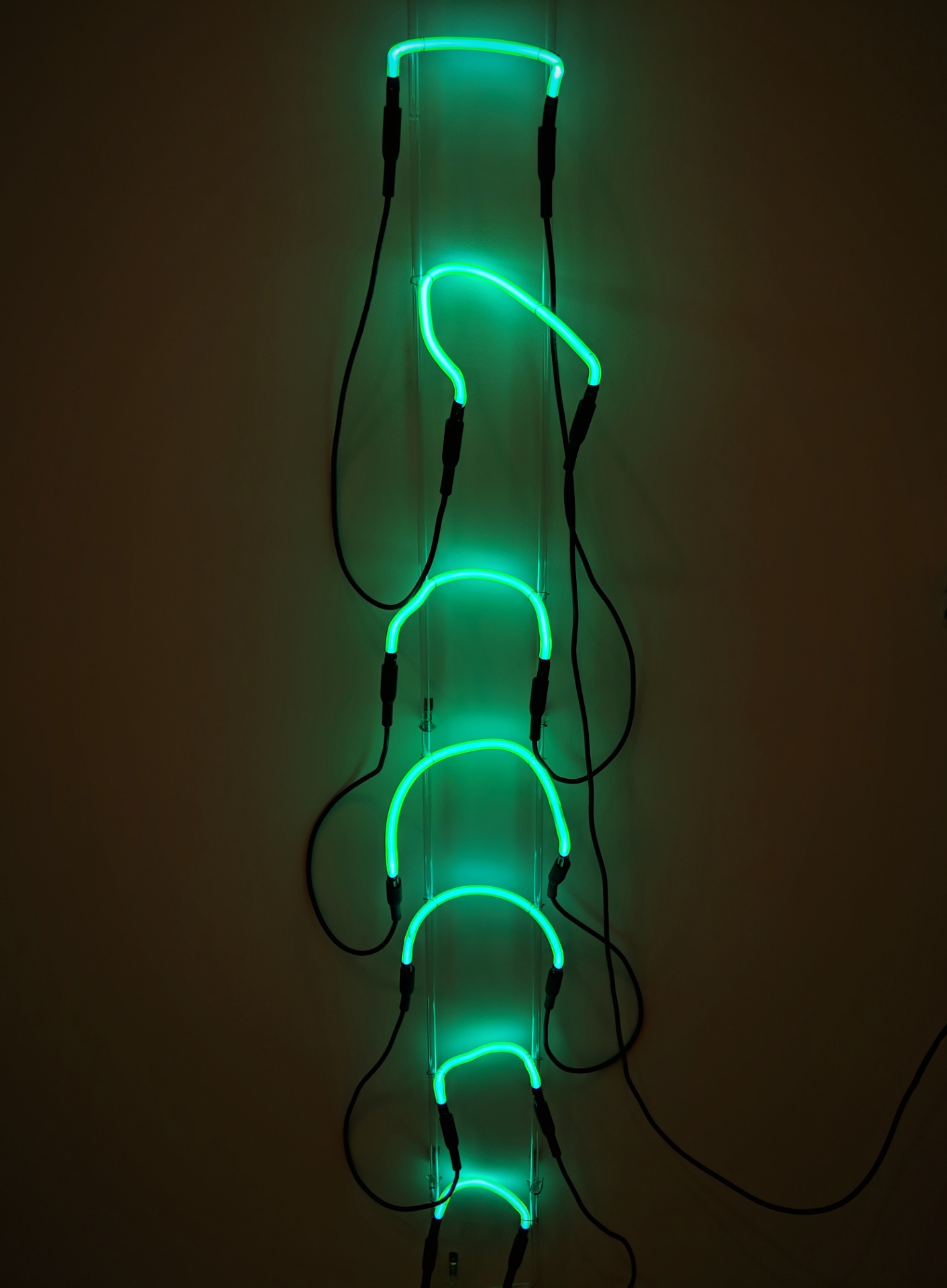
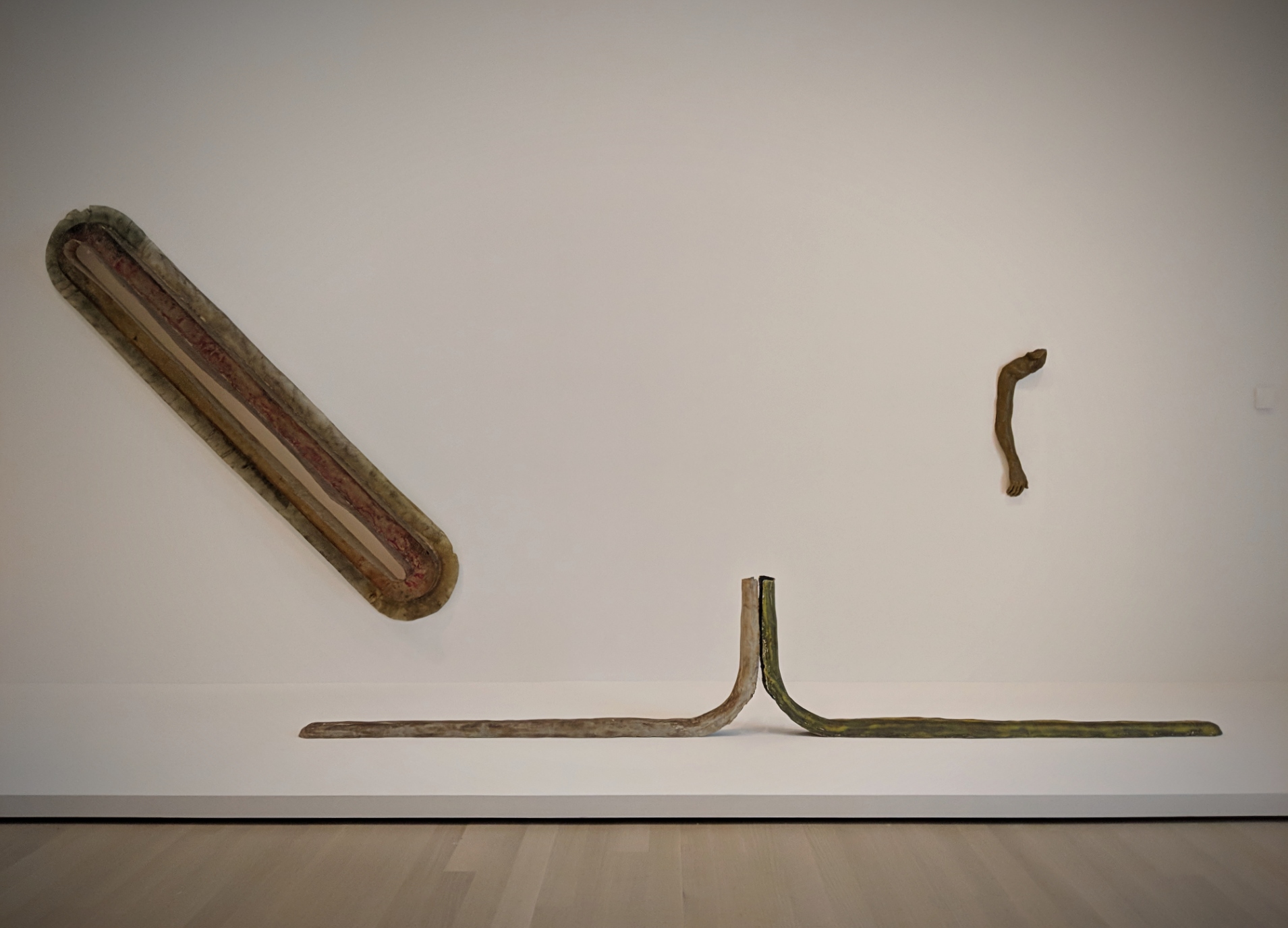
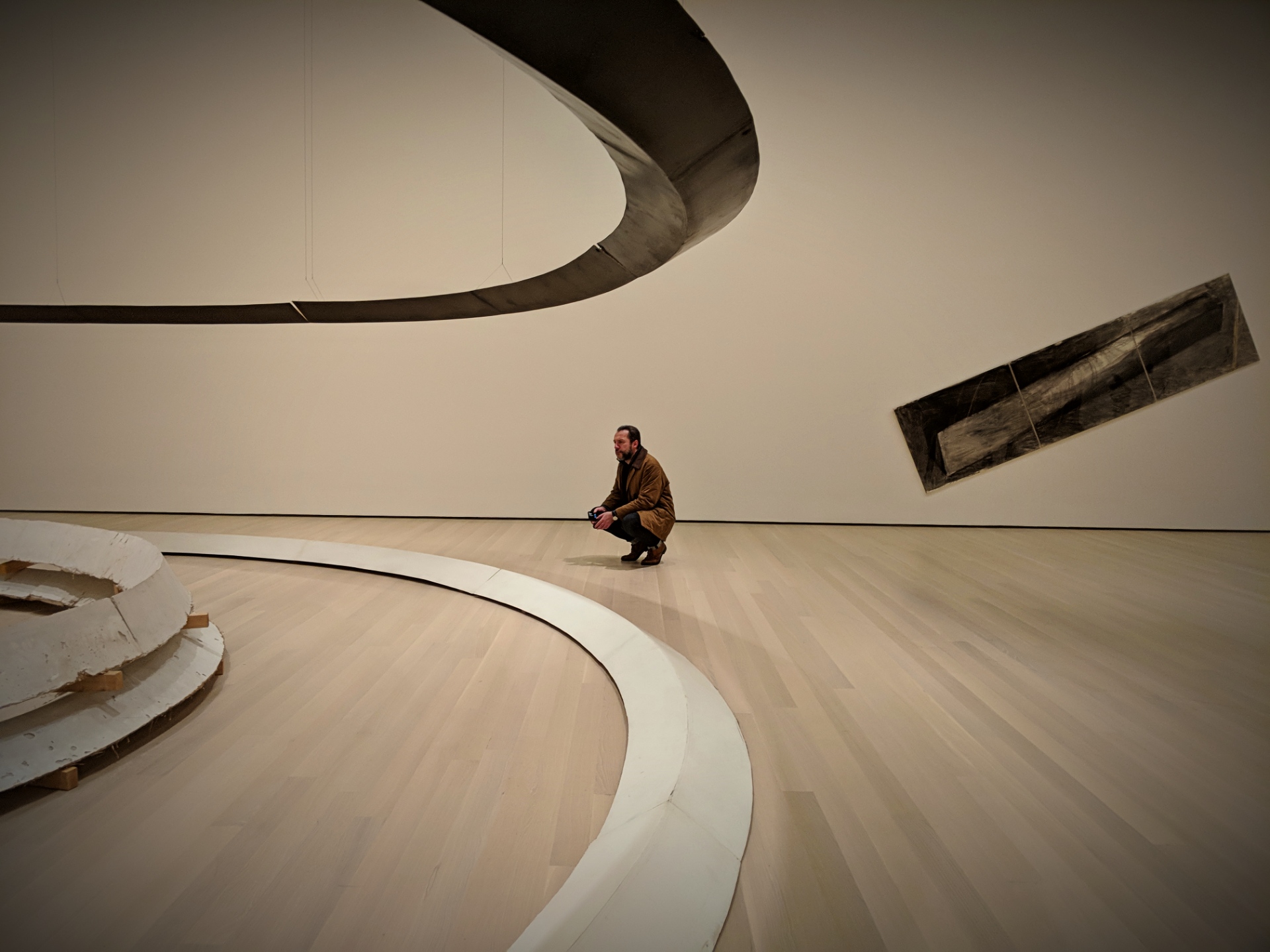
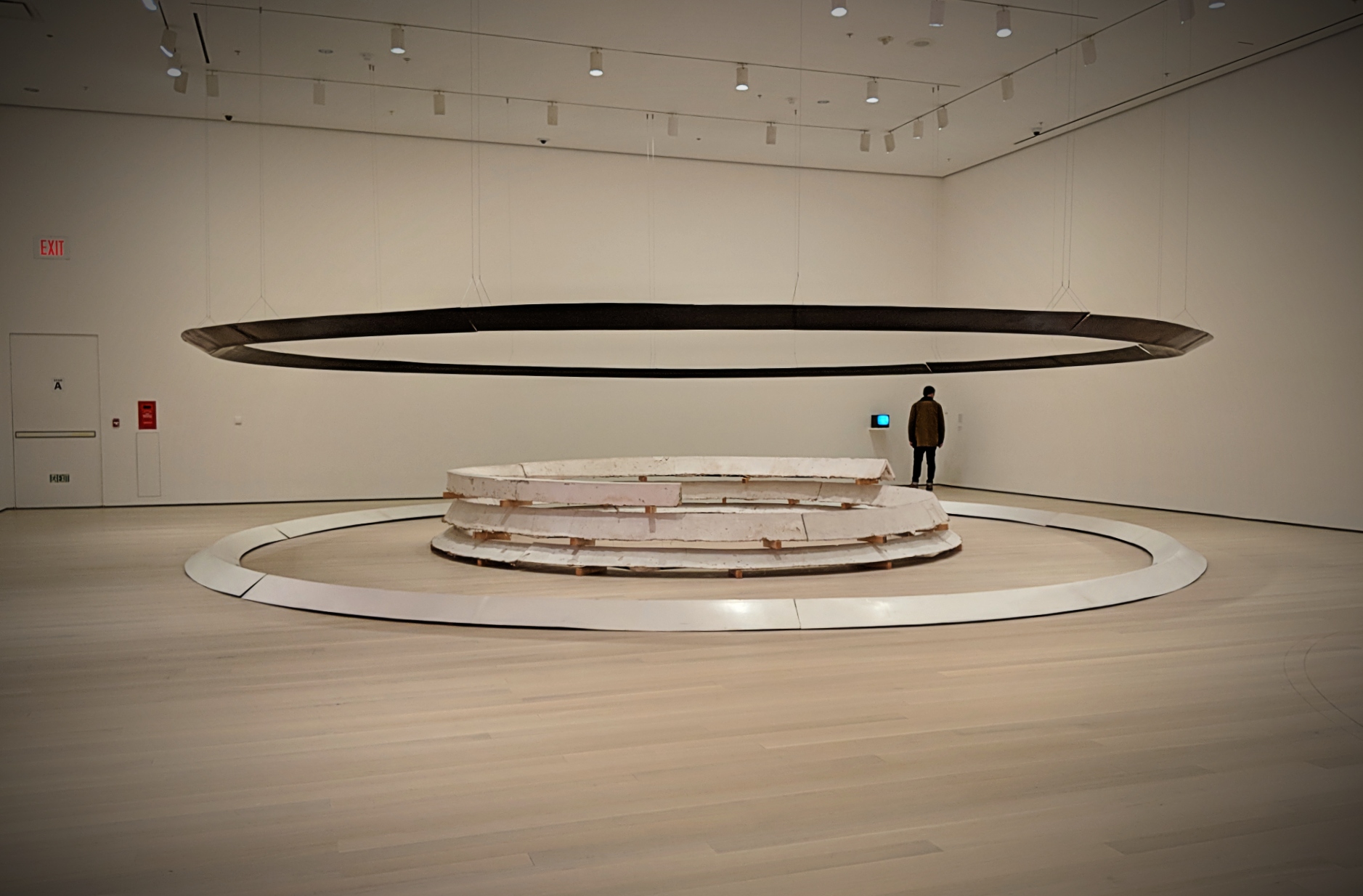
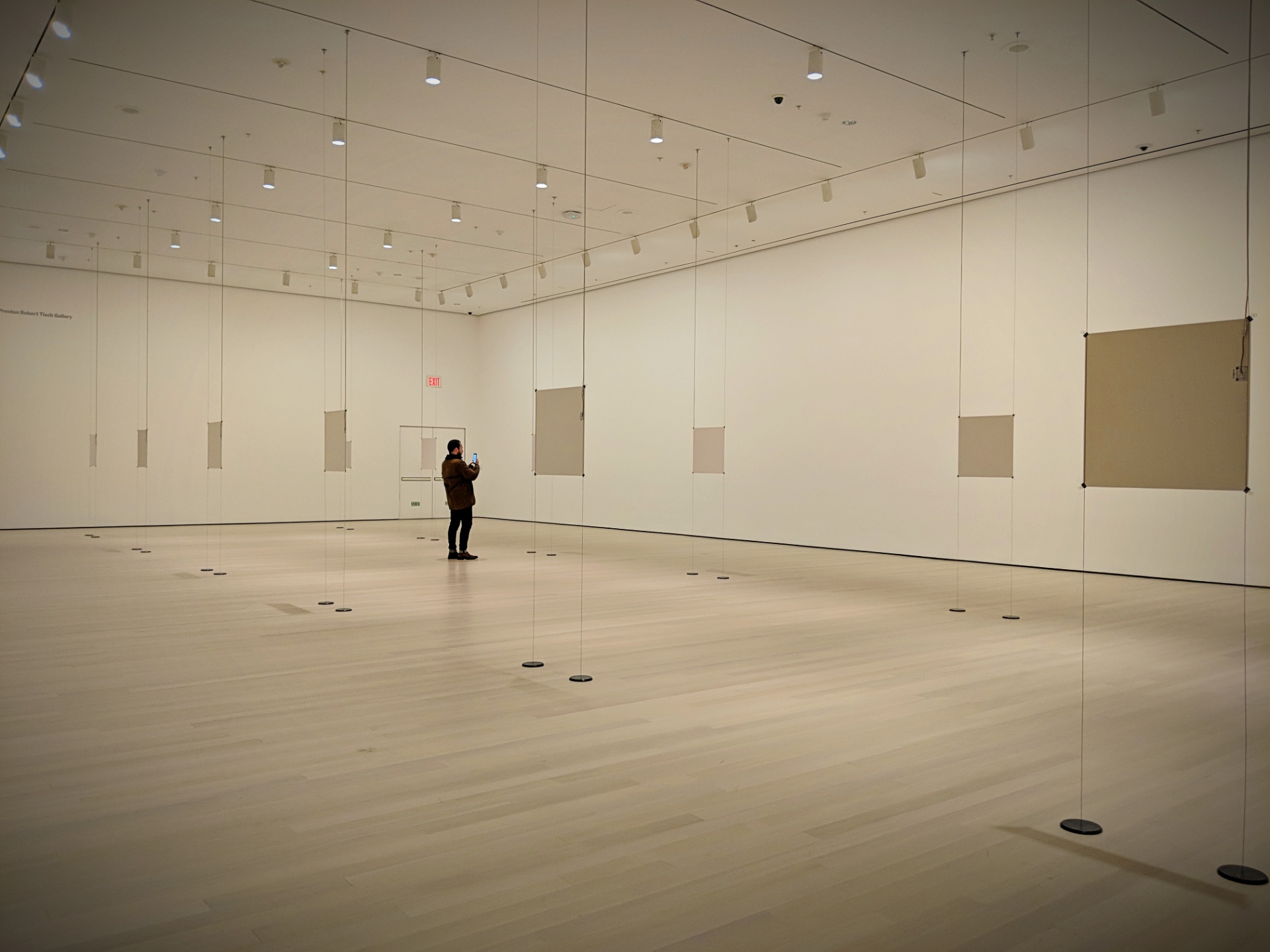
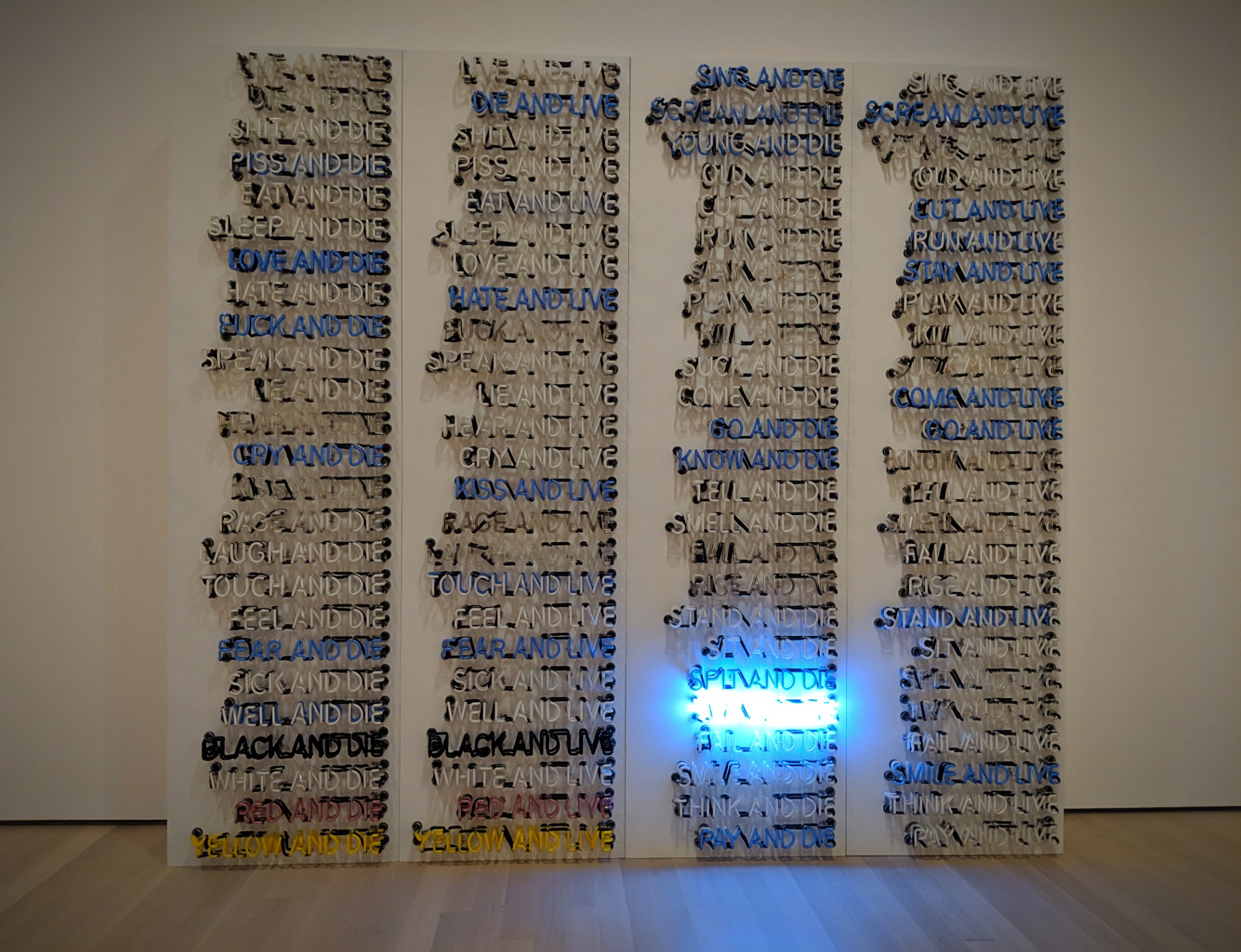
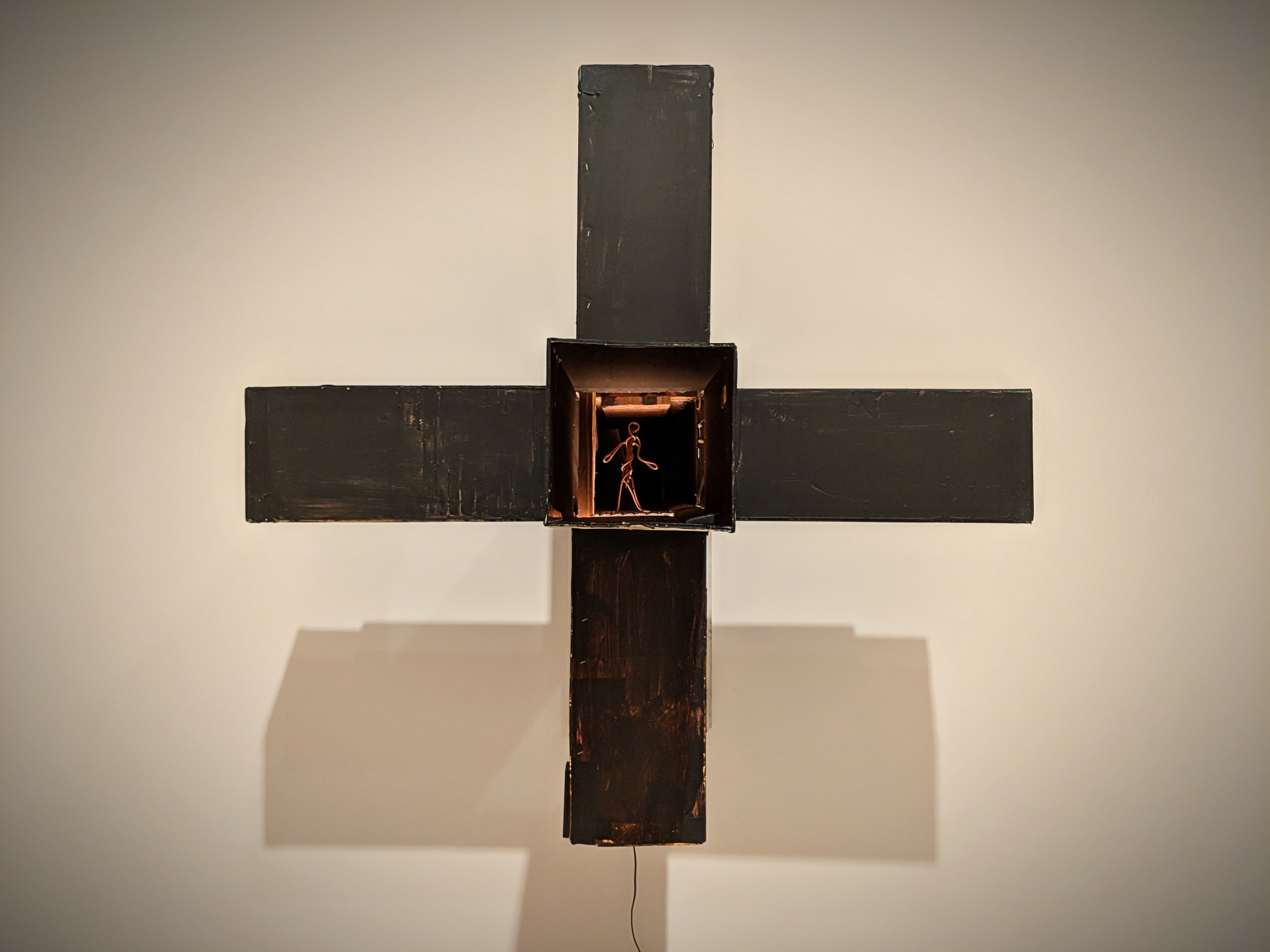
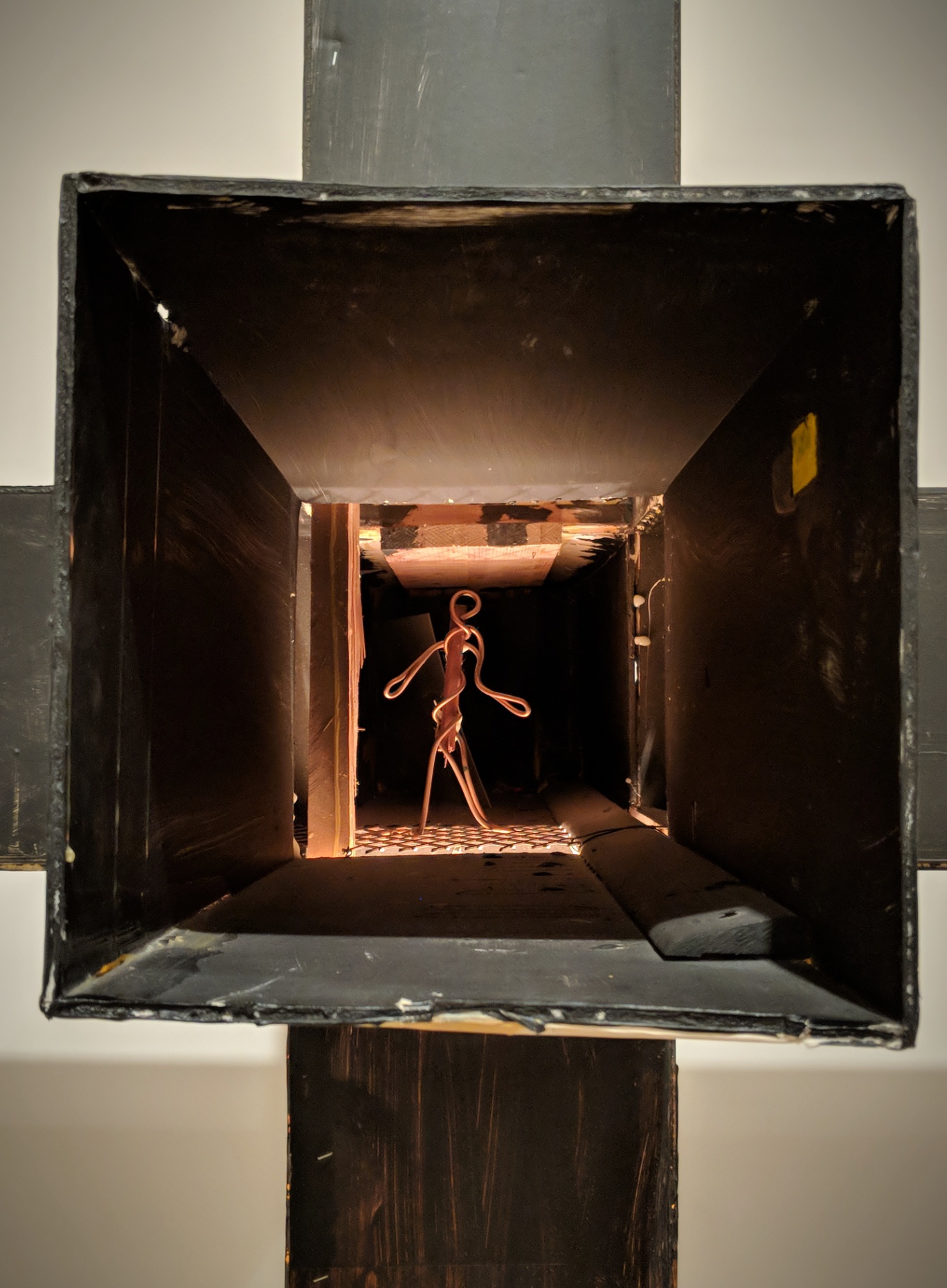
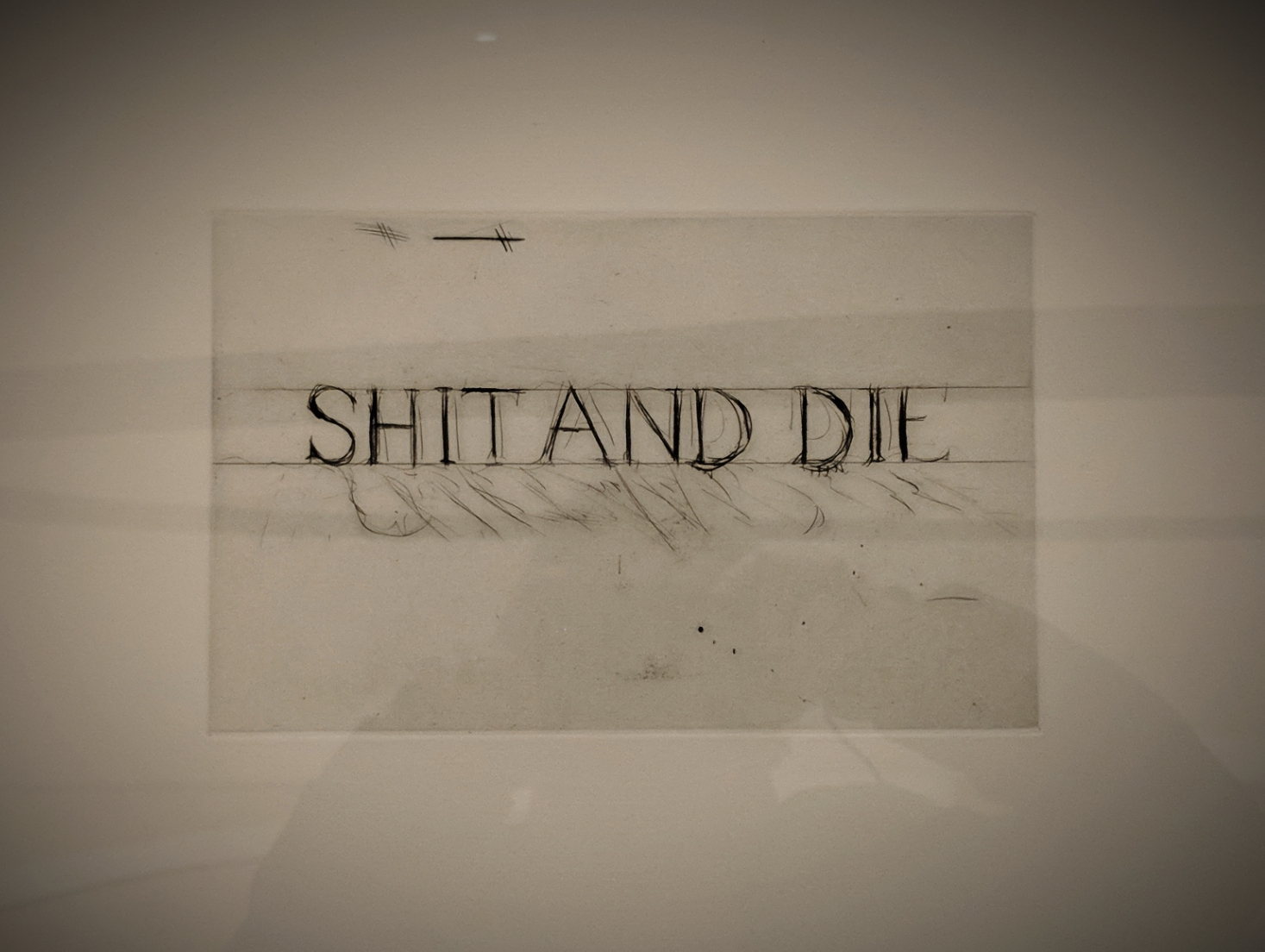
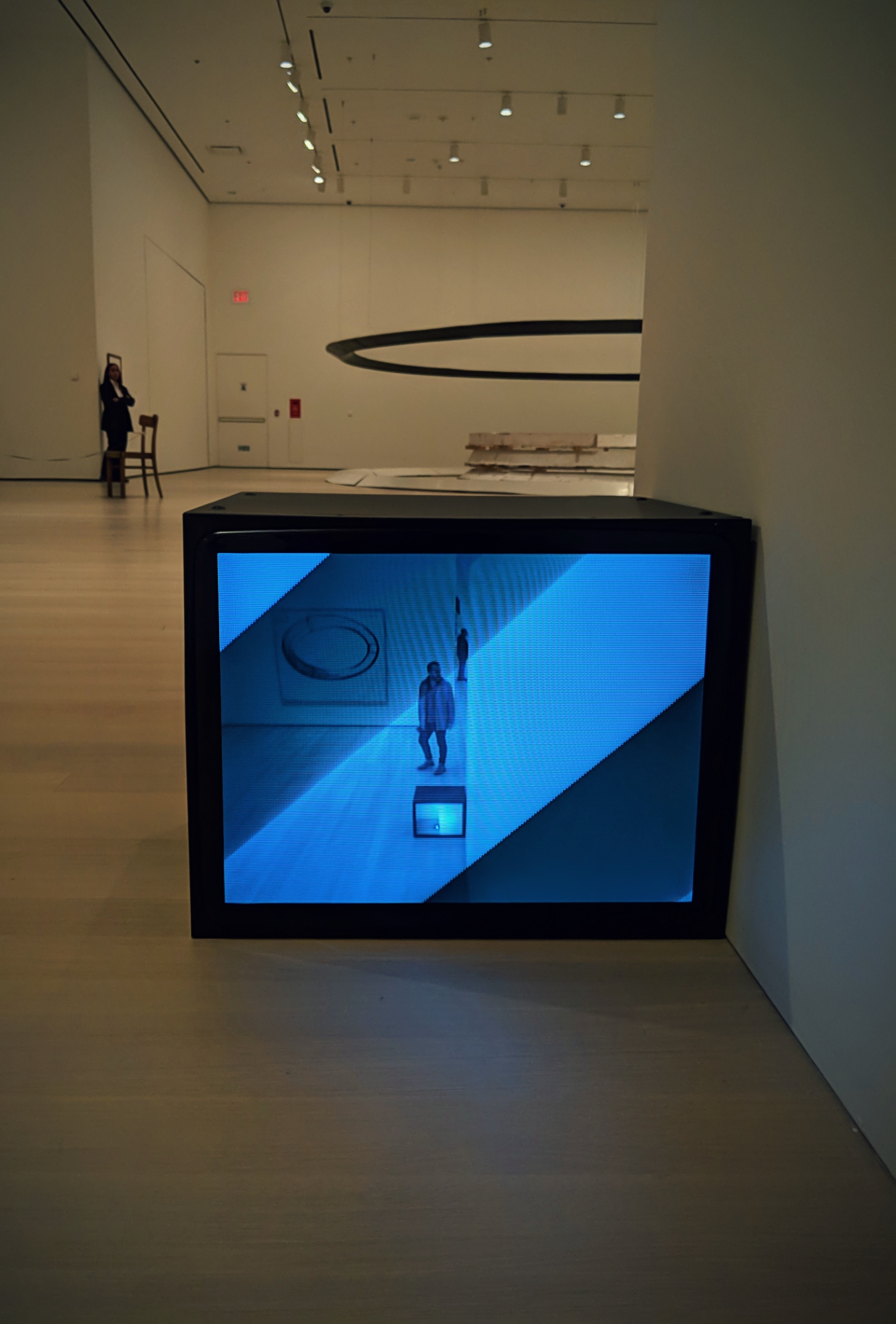
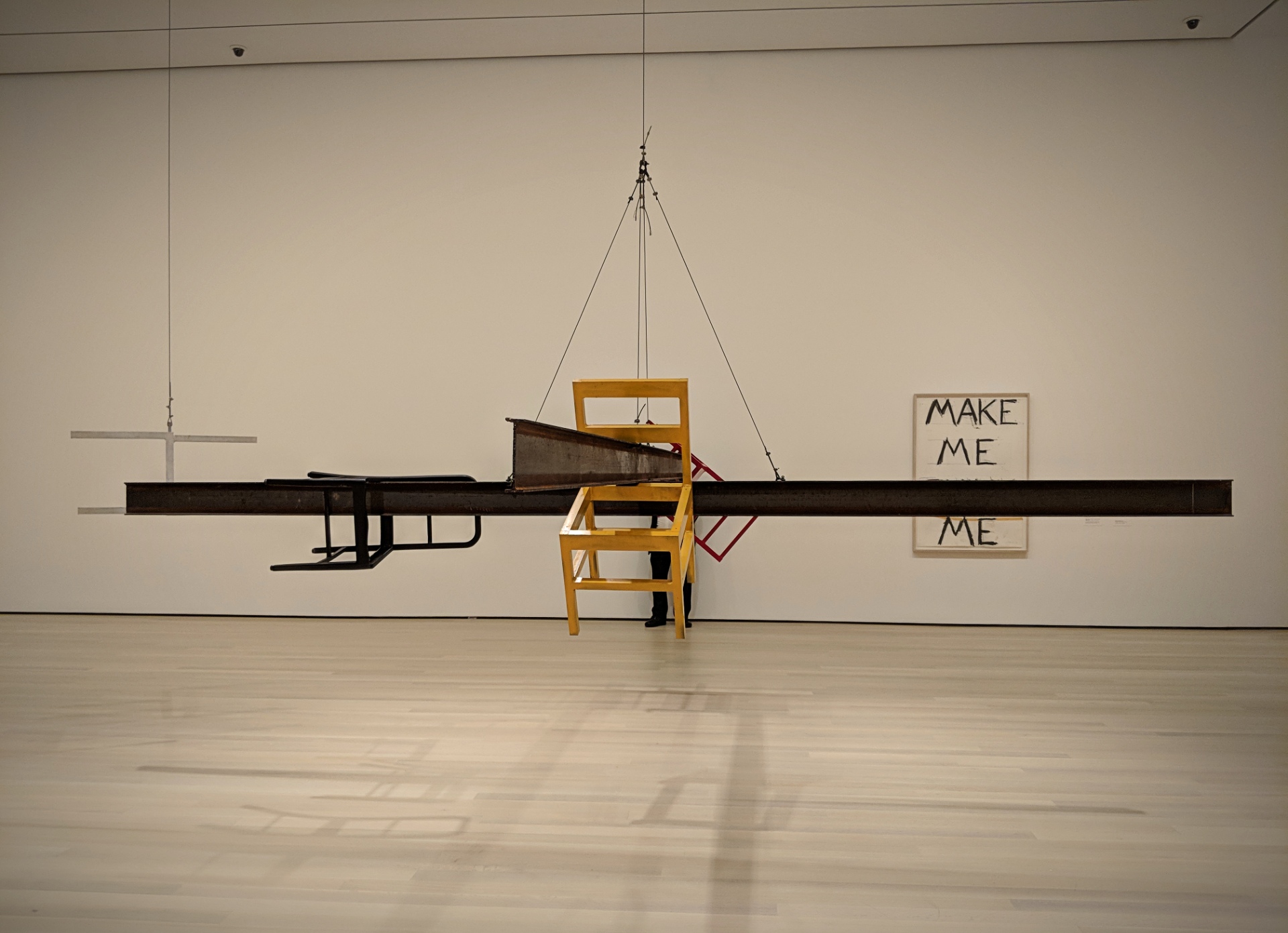
Images from Disappearing Acts, a Bruce Nauman retrospective that was presented in two parts, in MoMa and MoMA PS1.

”Disappearing Acts traces what Nauman has called “withdrawal as an art form”—both literal and figurative incidents of removal, deflection, and concealment. Bodies are fragmented, centers are left empty, voices emanate from hidden speakers, and the artist sculpts himself in absentia, appearing only as negative space. The retrospective charts these forms of omission and loss across media and throughout the decades, following Nauman as he circles back to earlier concerns with new urgency. Presented in two complementary parts, at The Museum of Modern Art and MoMA PS1, this is the most comprehensive exhibition of the artist’s work ever assembled.” [source: MoMA]

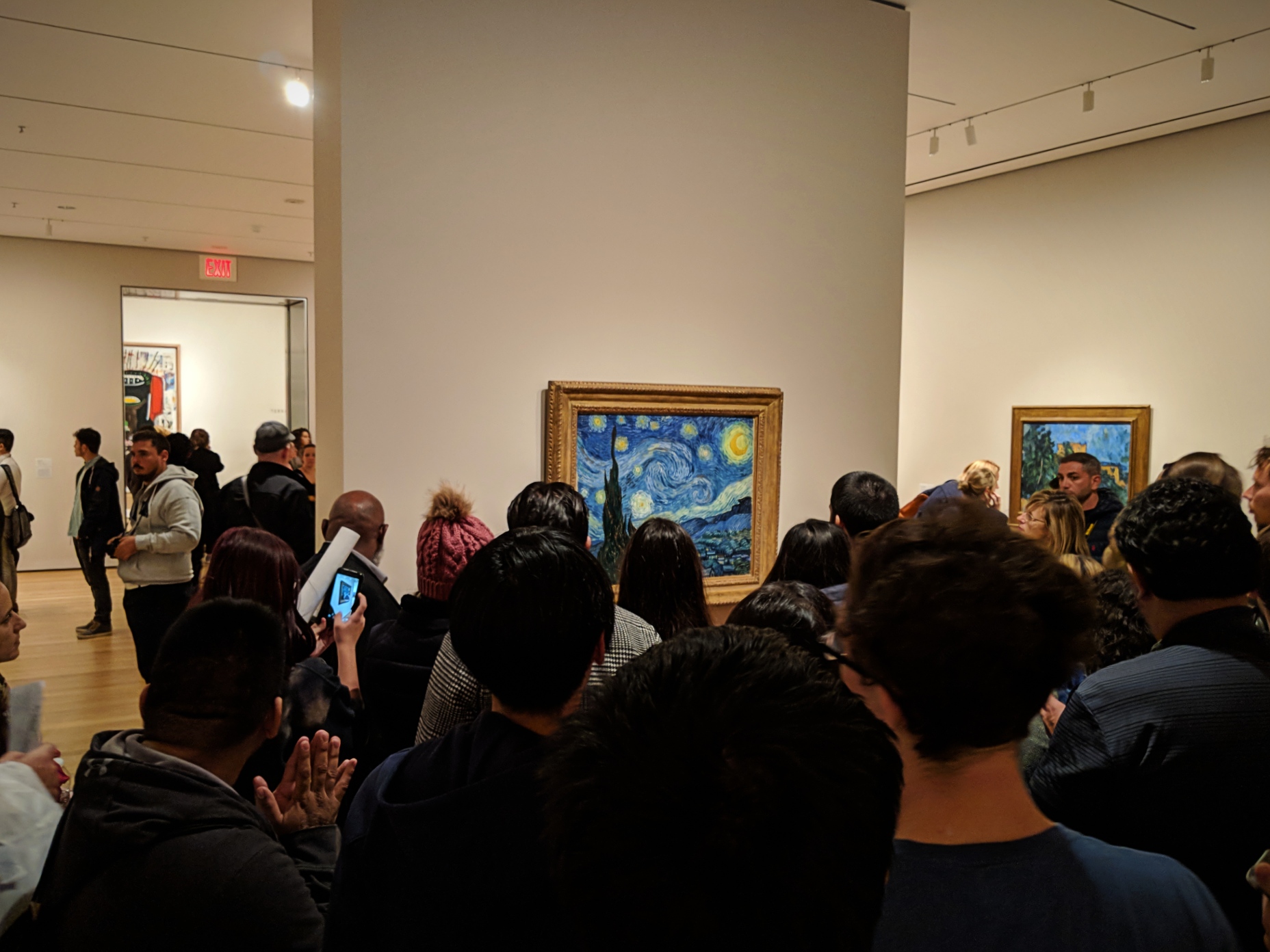
Last photo (not) showing the Starry Night, by Vincent van Gogh; I wonder when (or even if) will we ever see crowds like this anymore…

October 19th, 2018

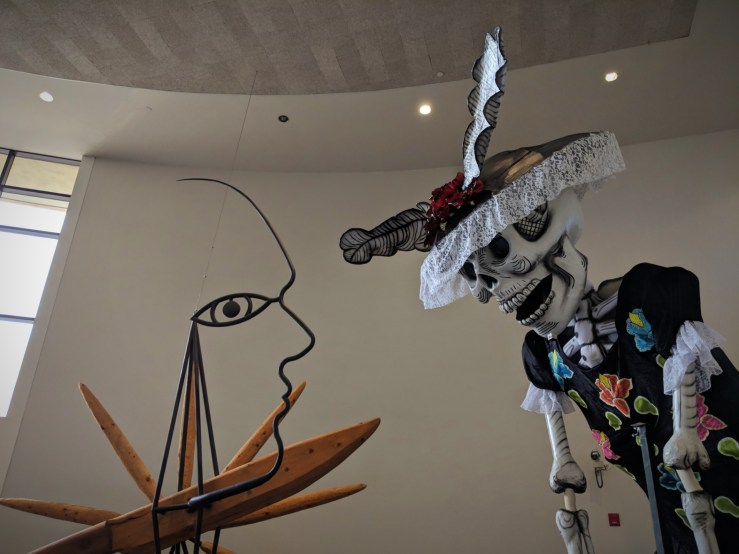
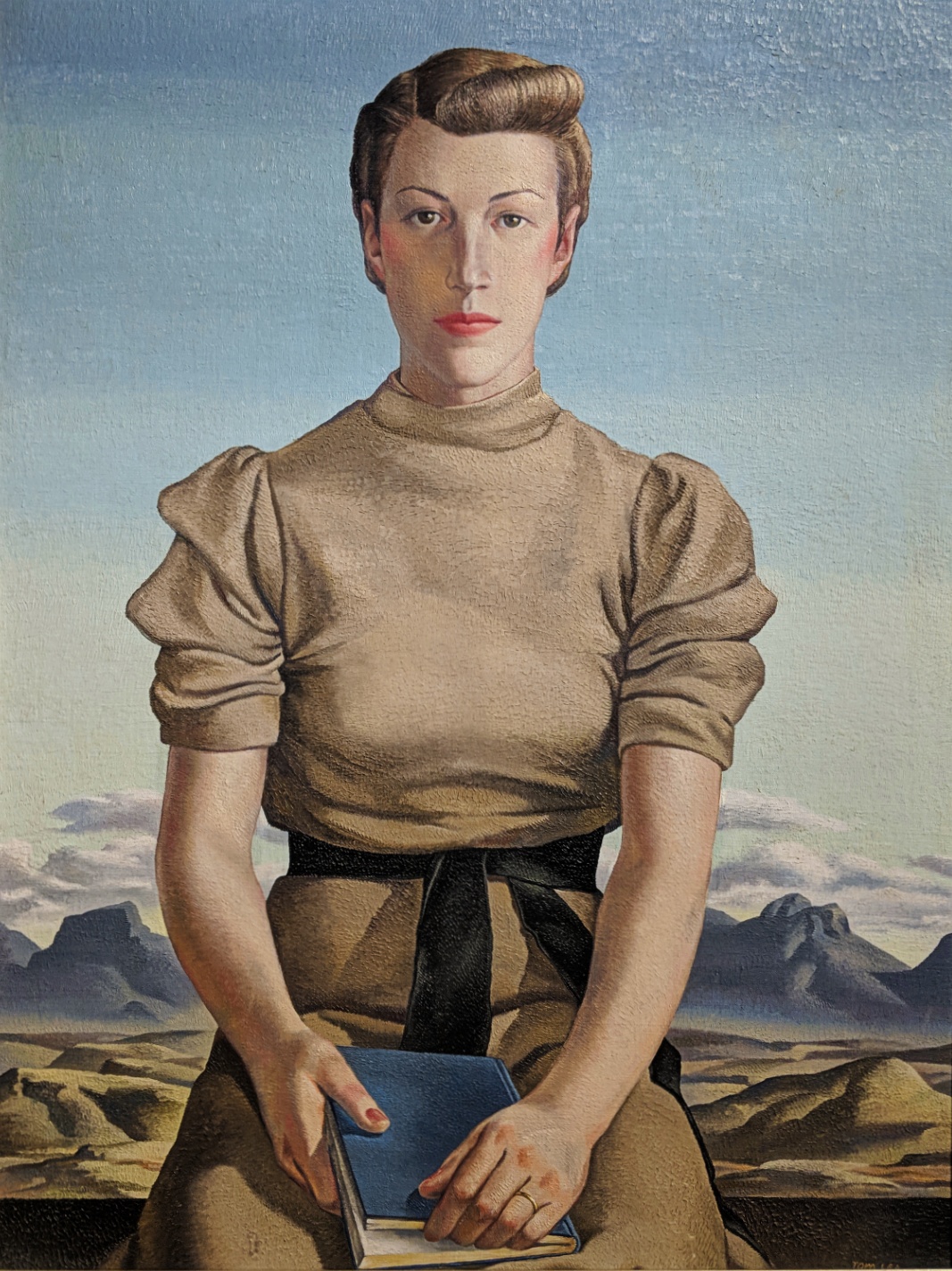
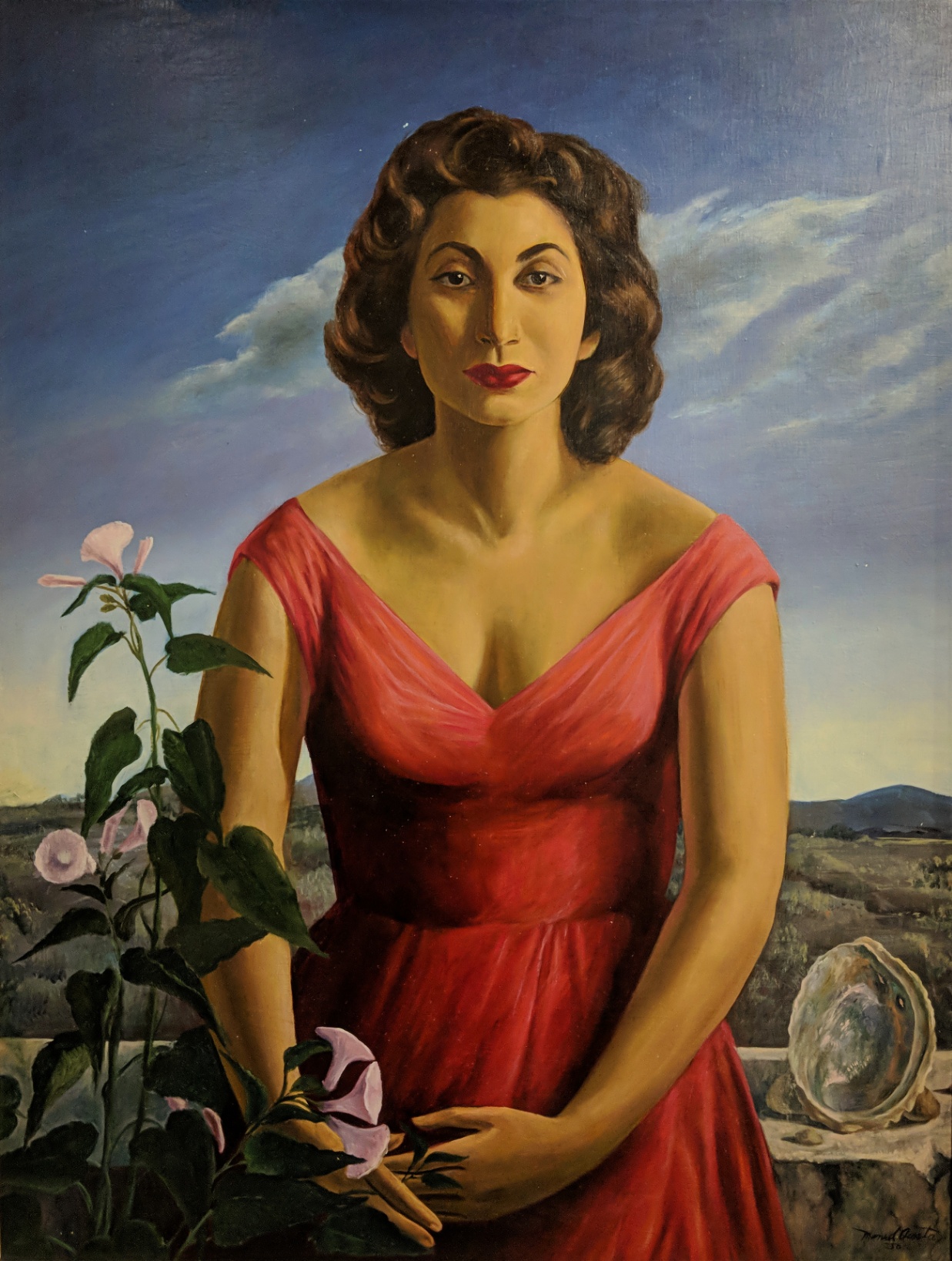
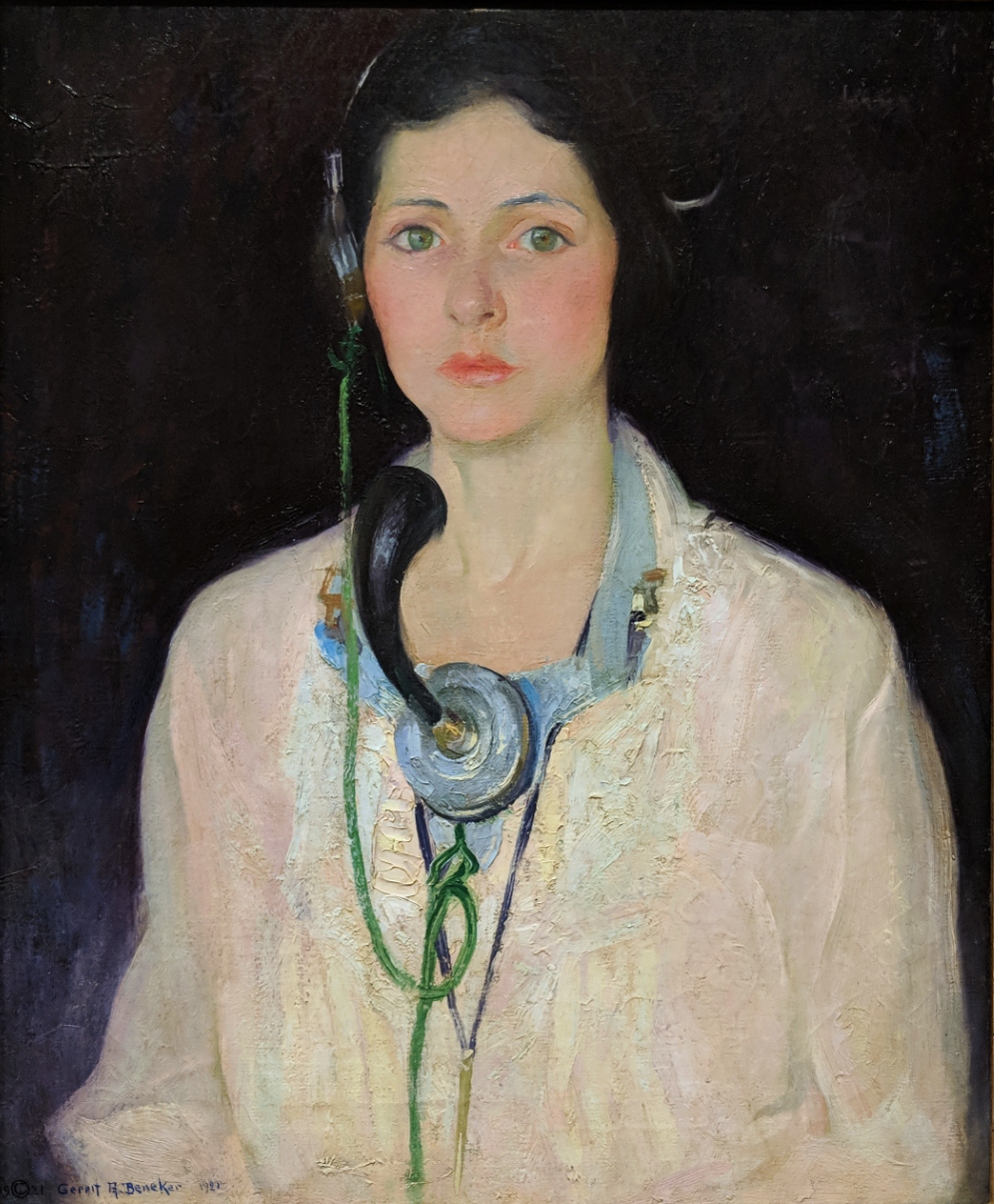
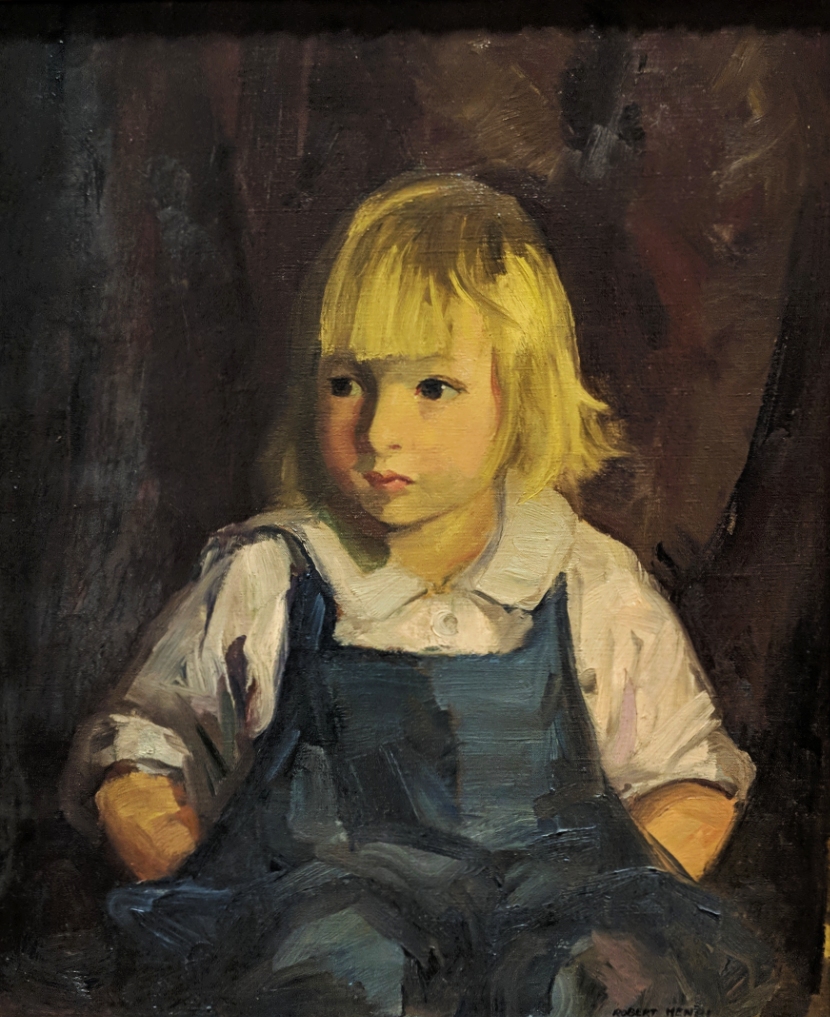
Portraits || El Paso Museum of Art

Today, America honours the men and women who died while serving in the U.S. military.

On this very special Memorial Day, let us also take a moment to reflect on the lives of all our fellow humans that were cut short – more recently, in the Covid-19 pandemic. They were someone’s husband, wife, mother, father, son, daughter, friend.

Let us all remember and raise our voices for peace.

Silence the guns. The time is now.

Tom Lea
Sarah (Portrait of the Artist’s Wife), 1939
Oil on canvas


Manuel Acosta
Yolanda, 1956
Oil on canvas


Gerrit Beneker
Telephone Operator, 1921
Oil on canvas


Robert Henri
Carl (Boy in Blue Overalls), 1921
Oil on canvas


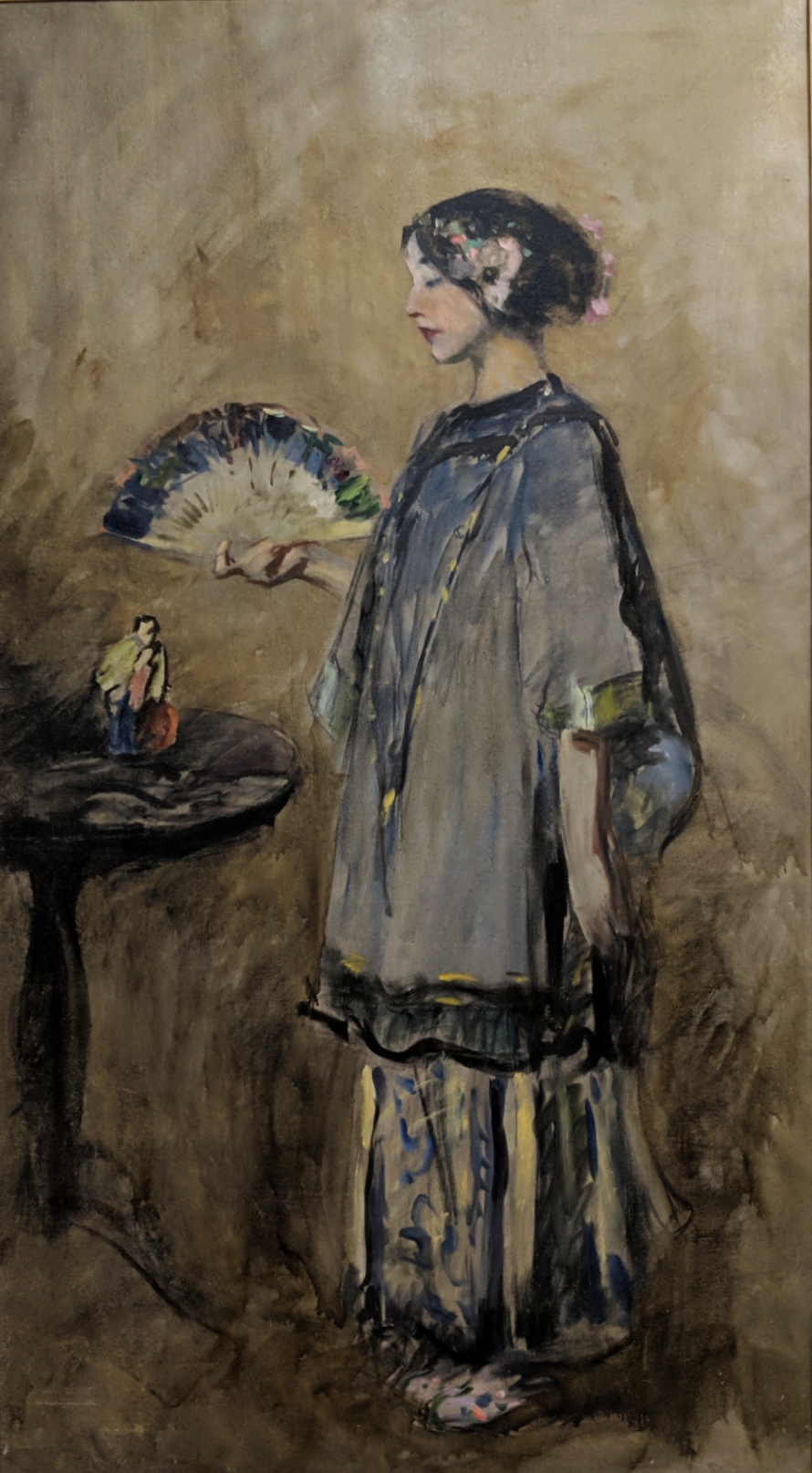
Irving Ramsey Wiles
Gladys in Chinese Robes, 1920-29
Oil on canvas


El Paso Museum of Art, TX

October 12th, 2018

El Paso Museum of Art

An Art Institution in a binational, bilingual city like El Paso could showcase nothing less than an eclectic collection, rich in history, diverse in technique, open-minded and thought provoking, drawing inspiration from both sides of the Americas.

EPMA is the only American Alliance of Museums-accredited art museum within a 200-mile radius, one of the only accredited museums in all of West Texas, and serves as a major cultural and educational resource for West Texas, New Mexico, and Northern Mexico with nearly 100,000 visitors each year. The demographic characteristics of this region are diverse and unique among large cities in the United States because of the nature of its fluid, binational population which sees inhabitants working, learning, and socializing across international and state borders on a daily basis. El Paso and its sister city Ciudad Juárez, Mexico share three international bridges that bring 75,000 people from Juárez to El Paso each day (Bureau of Transportation Statistics, 2016). According to Customs and Border Protection, 600 to 1,000 children legally cross the Paso del Norte bridge to go to school every day. Moreover, over 80% of residents identify as Mexican, Hispanic, or Mexican-American. [sourge: EPMA]
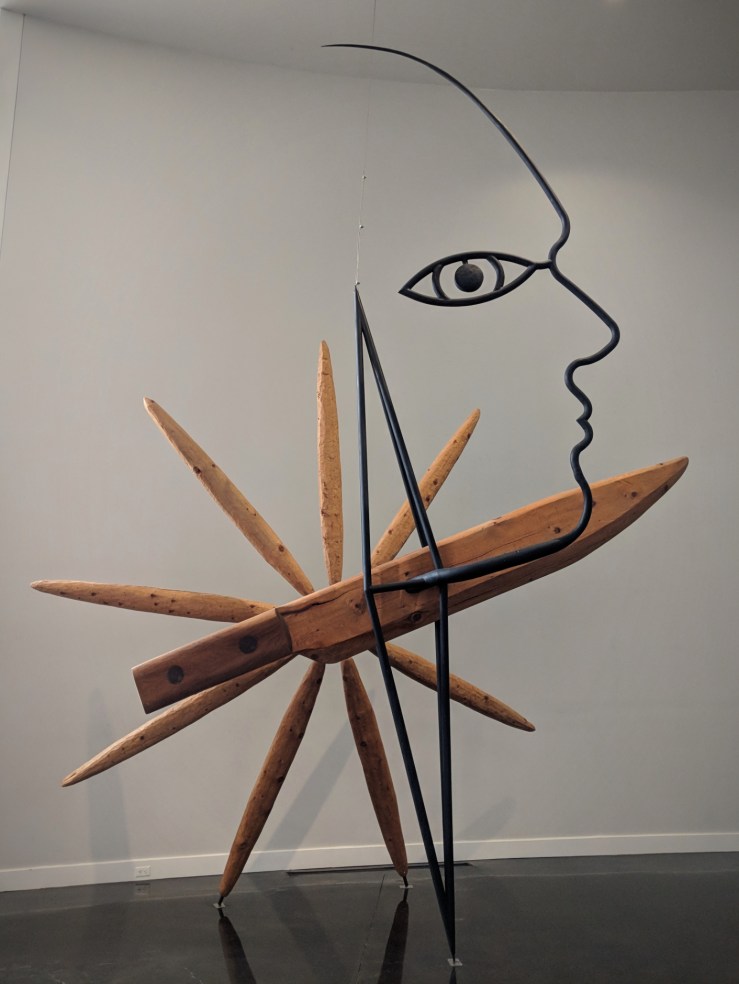
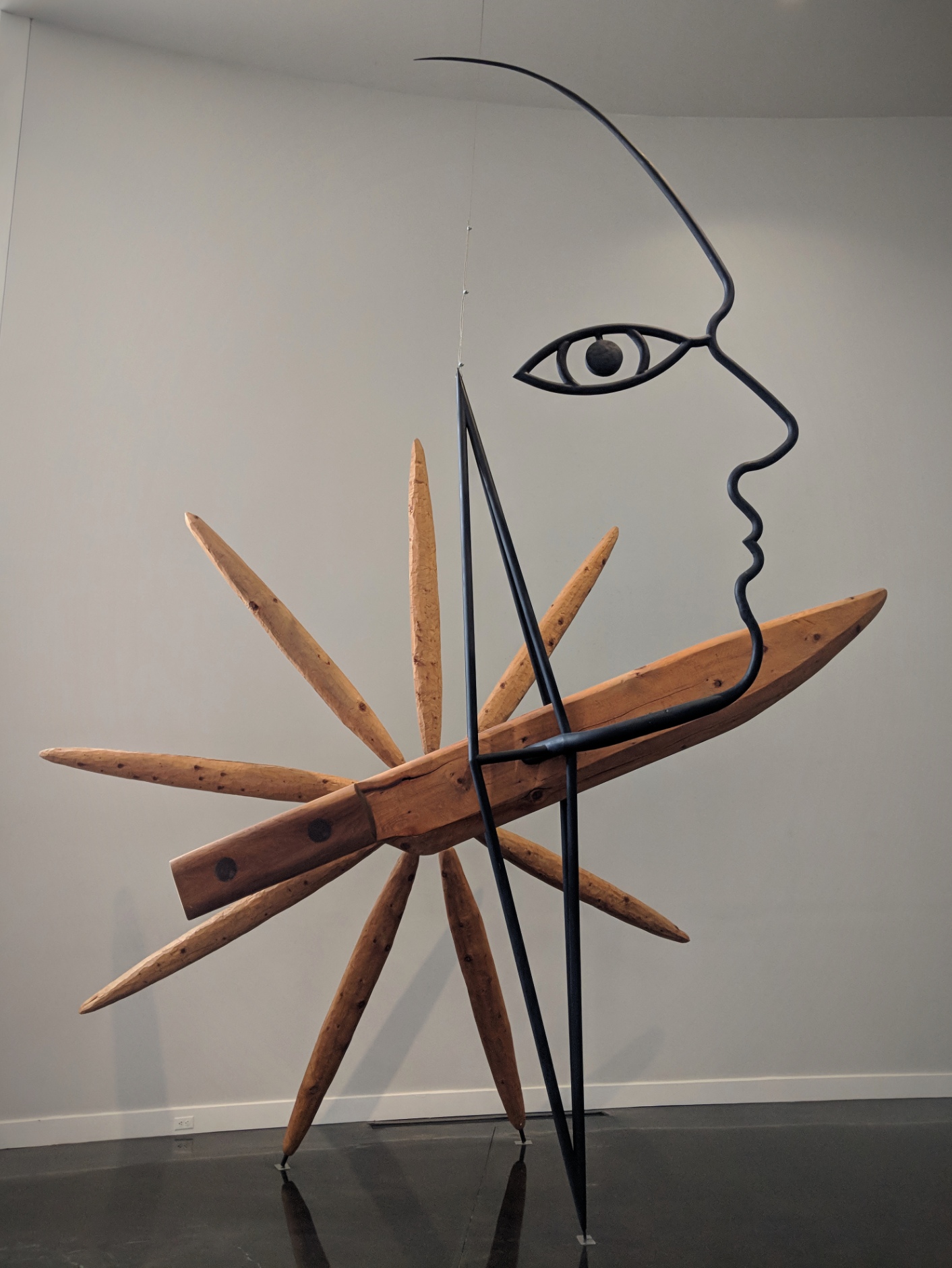
James Surls
Me, Knife, Diamond and Flower, 1999
Pine, poplar and steel

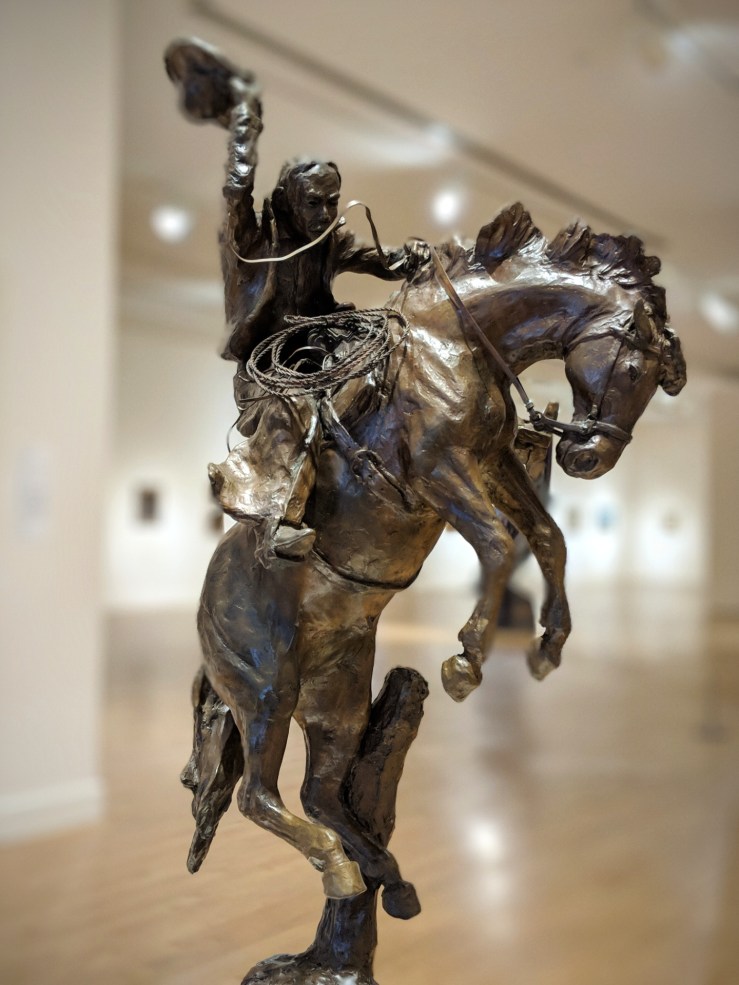
Tom Knapp
Springtime in the Rockies, 1978
Bronze

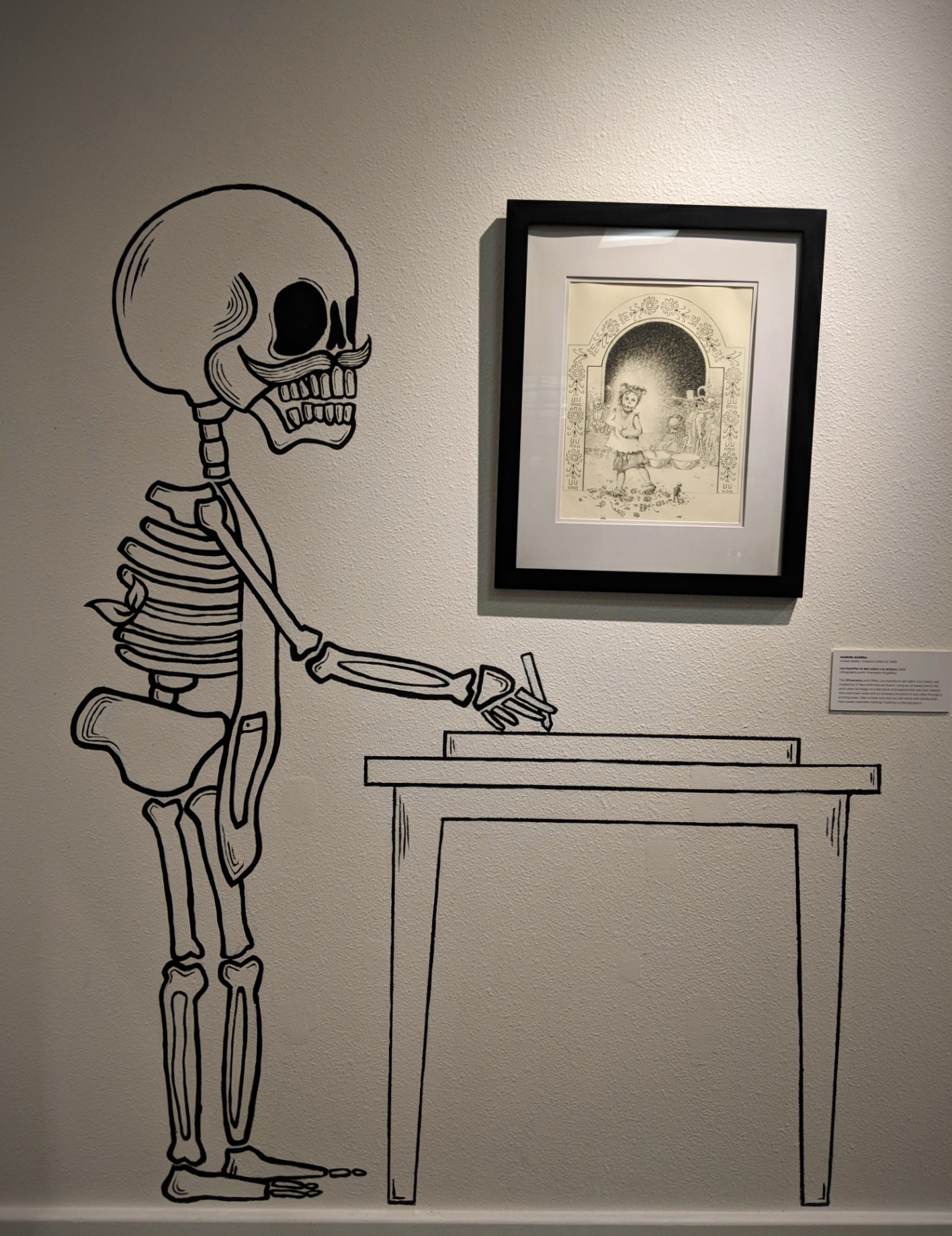
Manuel Guerra
Los huecitos le dan sabro a la música, 2008

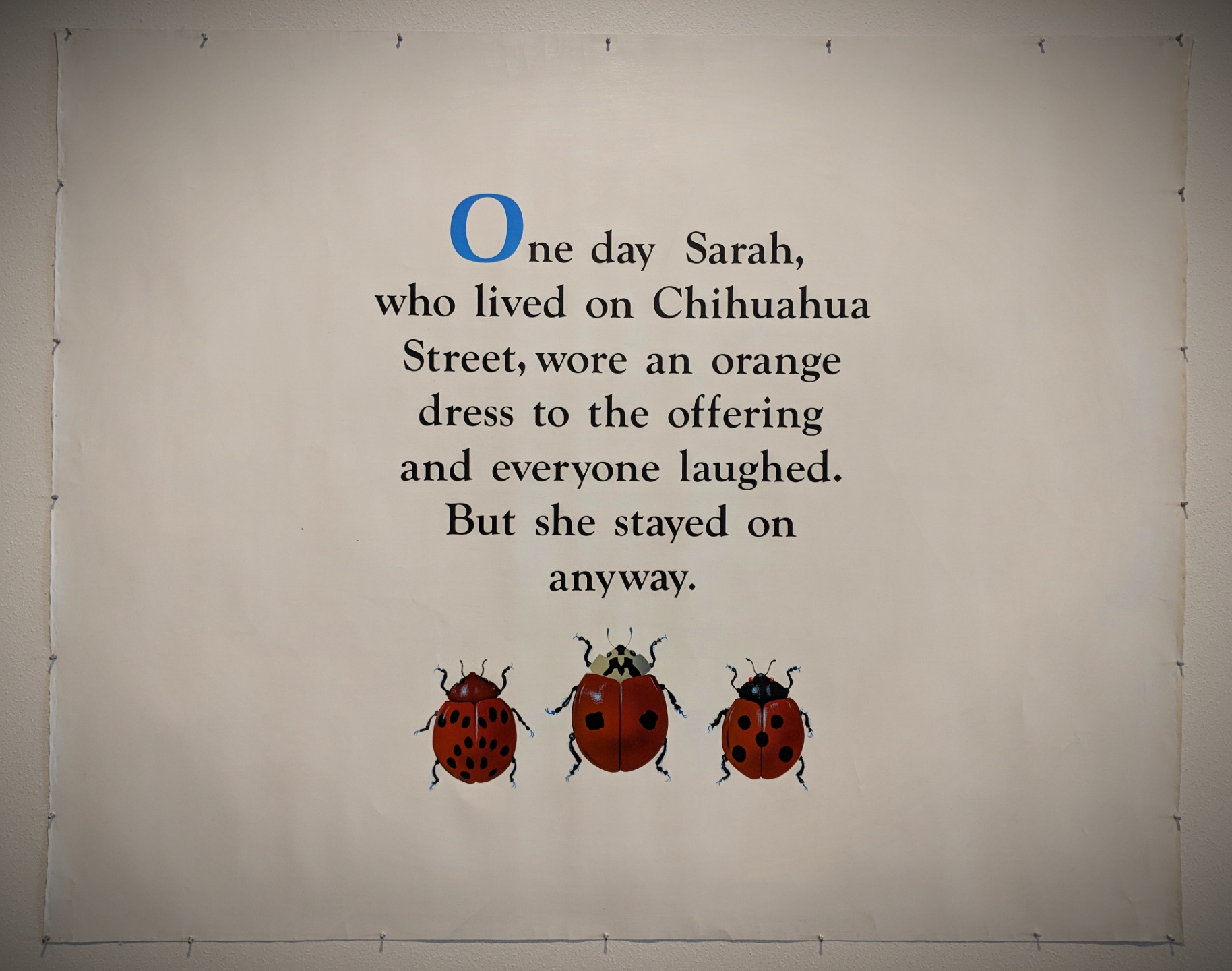
Celia Álvarez Muñoz
Postcards: Sweet Orange, Oh! Chihuahua and Street Signs
Acrylic on canvas and metal street signs
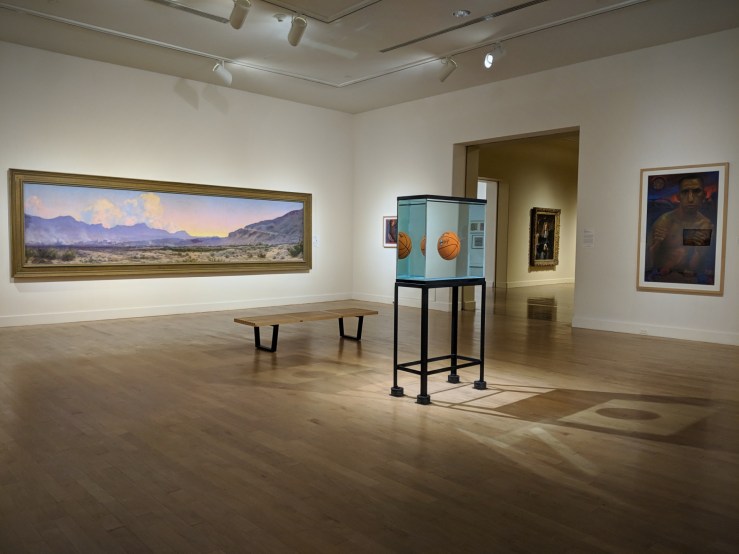
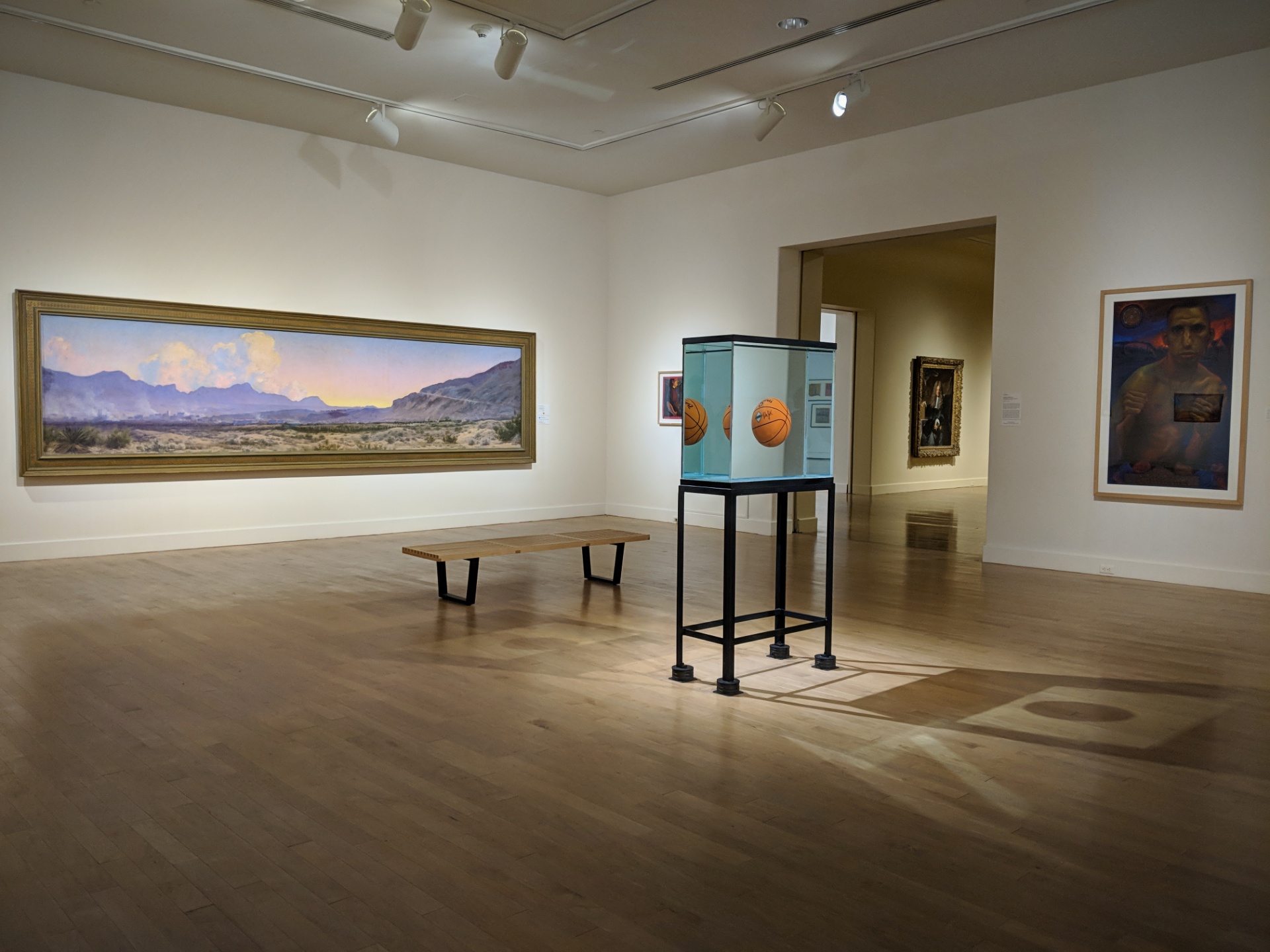
Jeff Koons is omnipresent in American museums – here is a view of his One Ball Total Equilibrium Tank
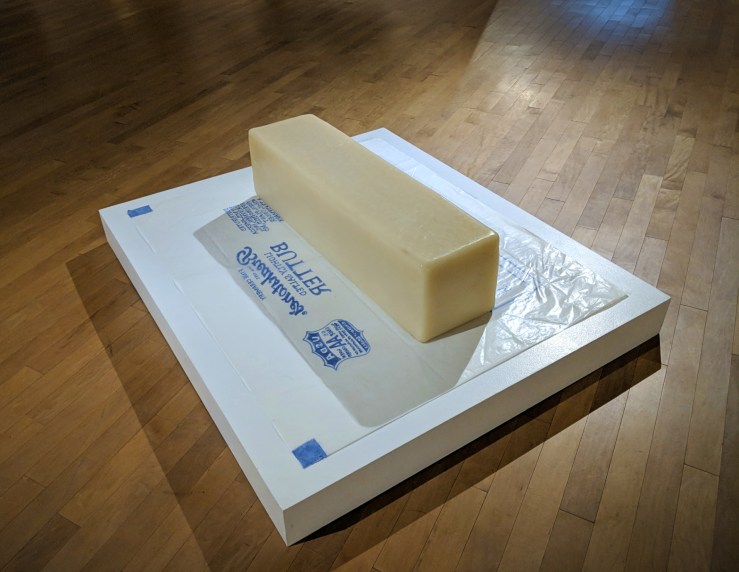

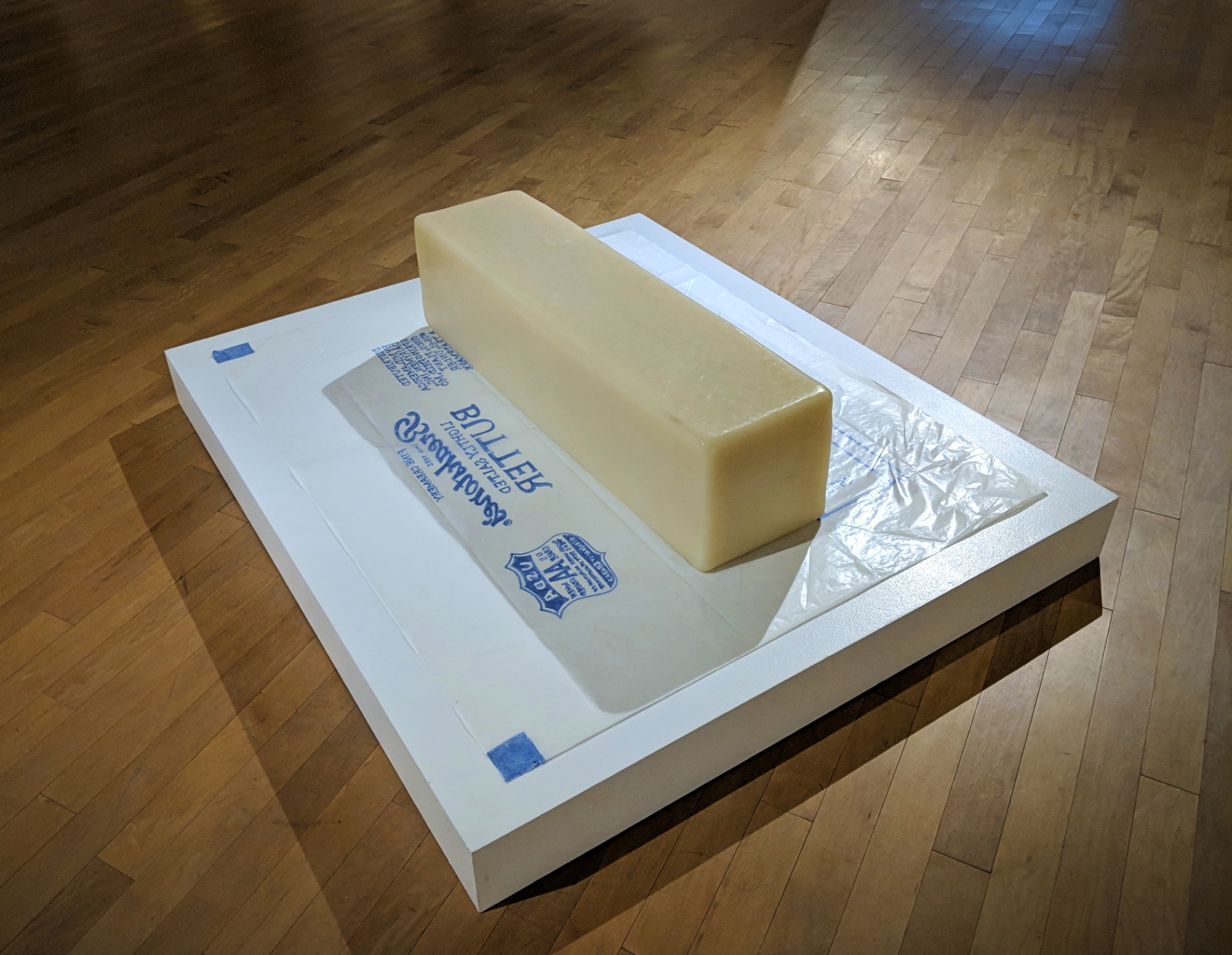
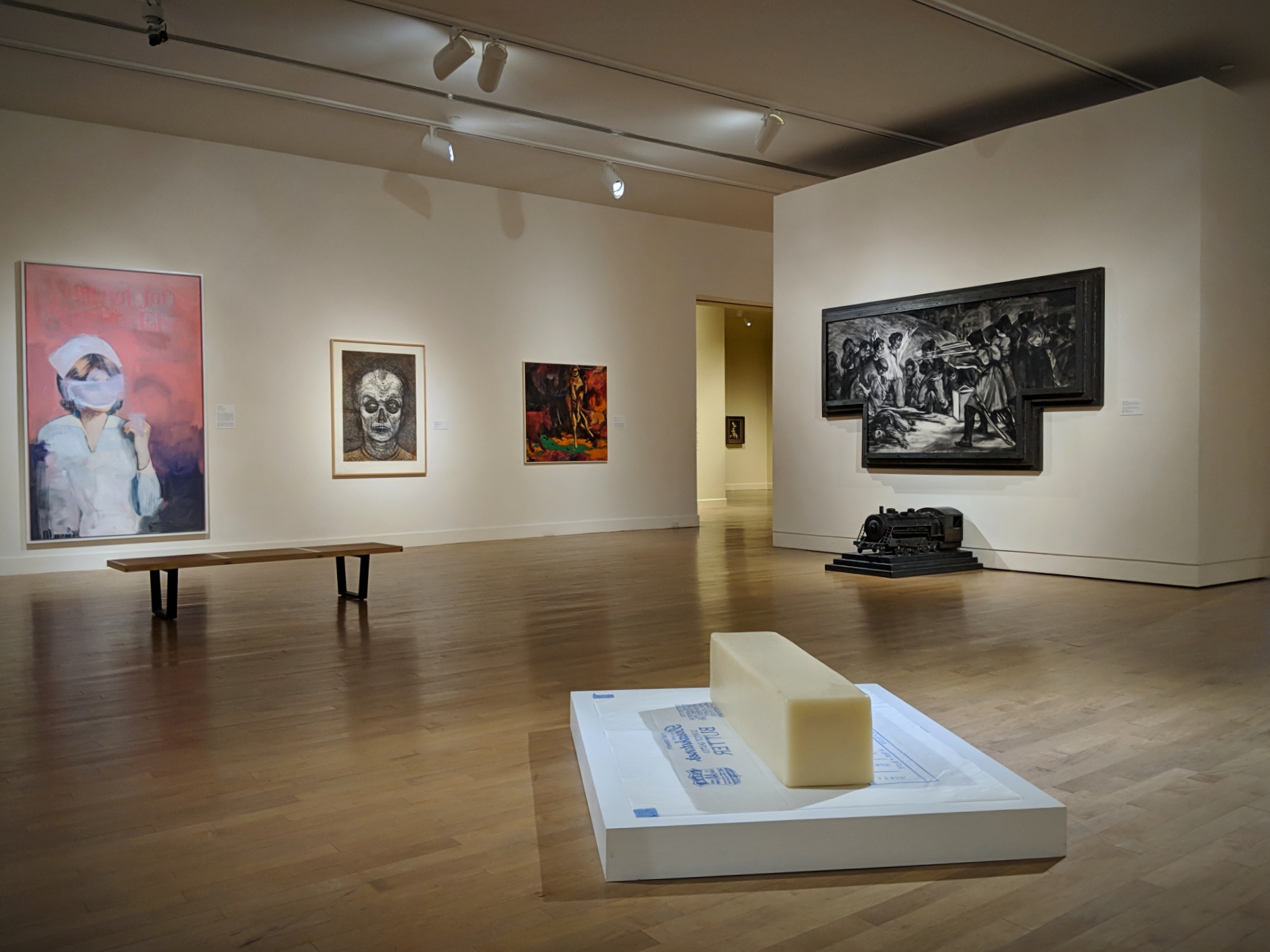
Robert Gober
Untitled, 1993-94
Beeswax, wood, glassine and felt-tip marker pen ink
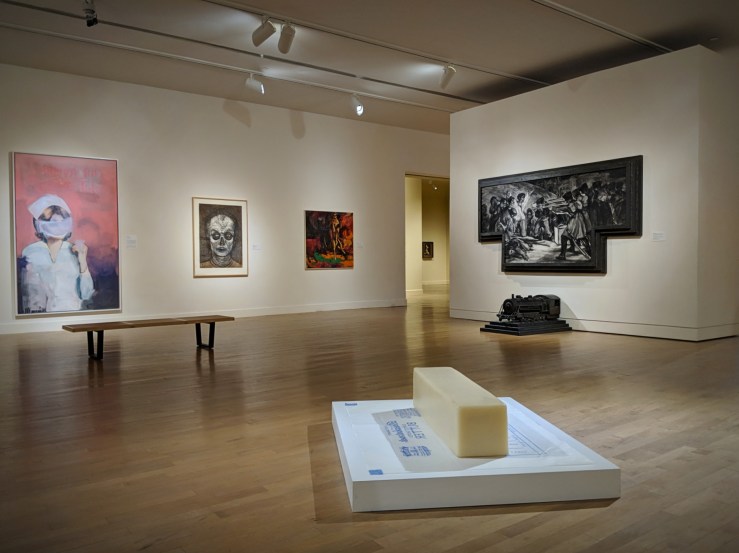

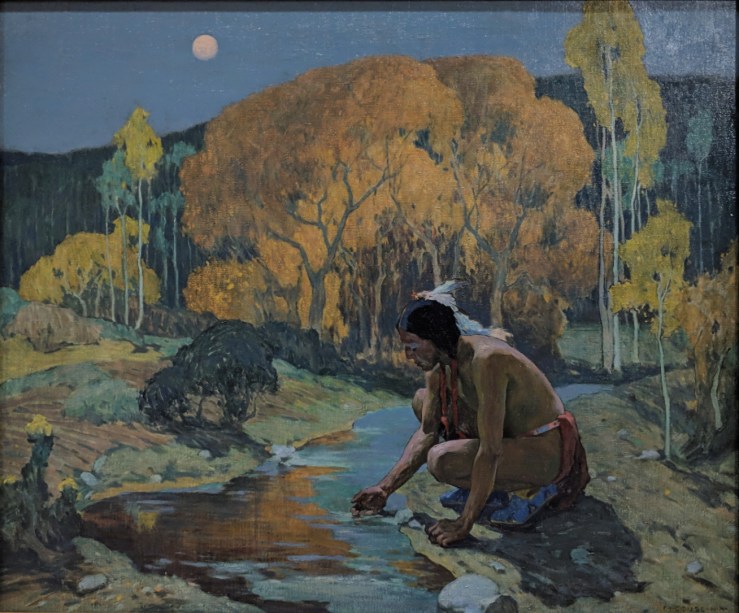
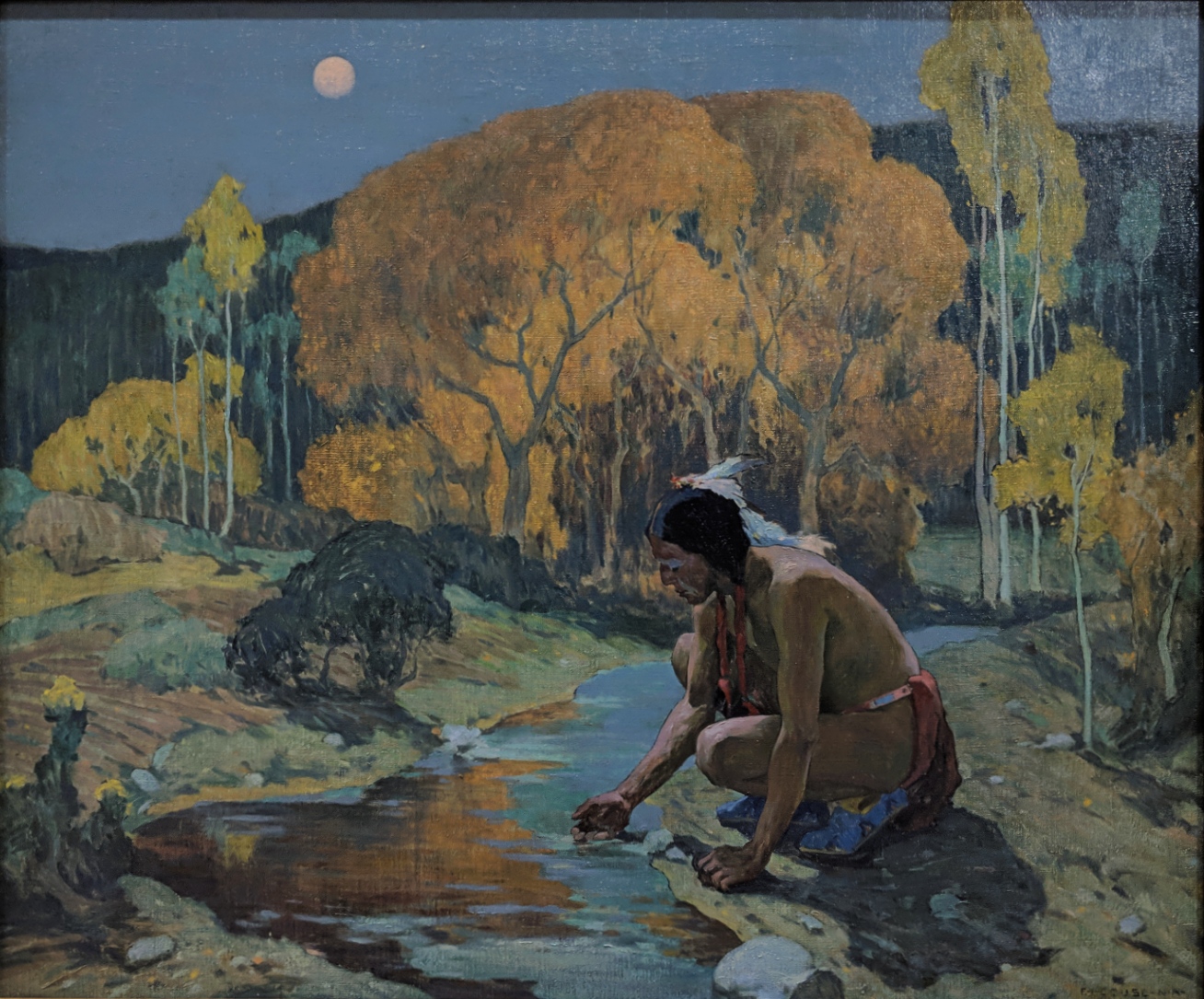
Eanger Irving Couse
Autumn Moon, 1927
Oil on canvas
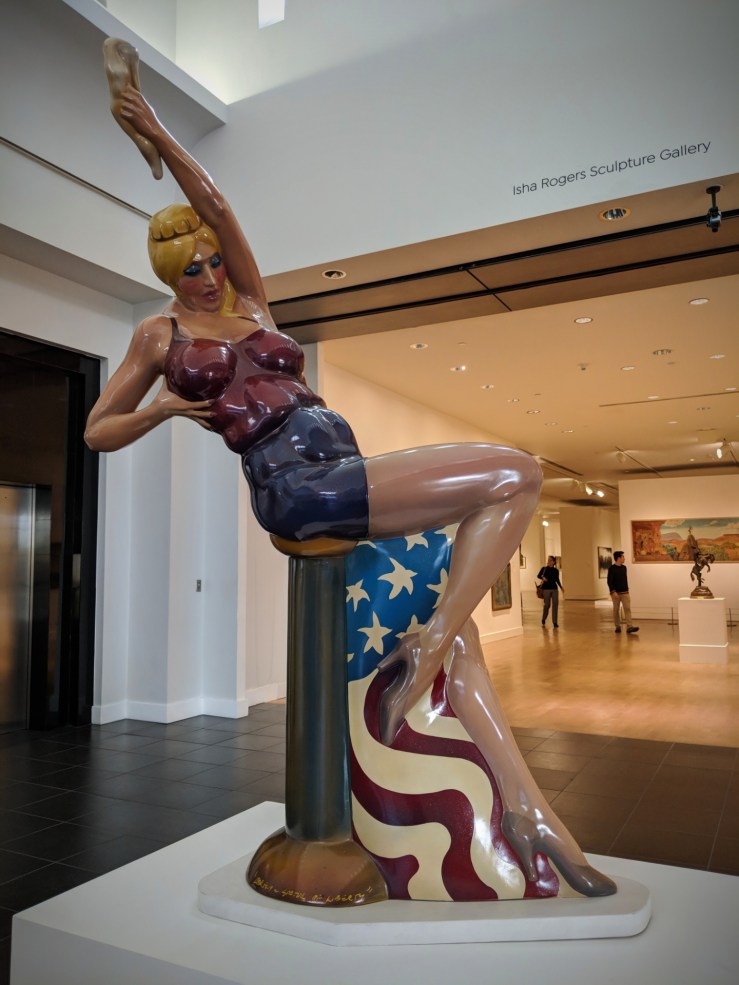

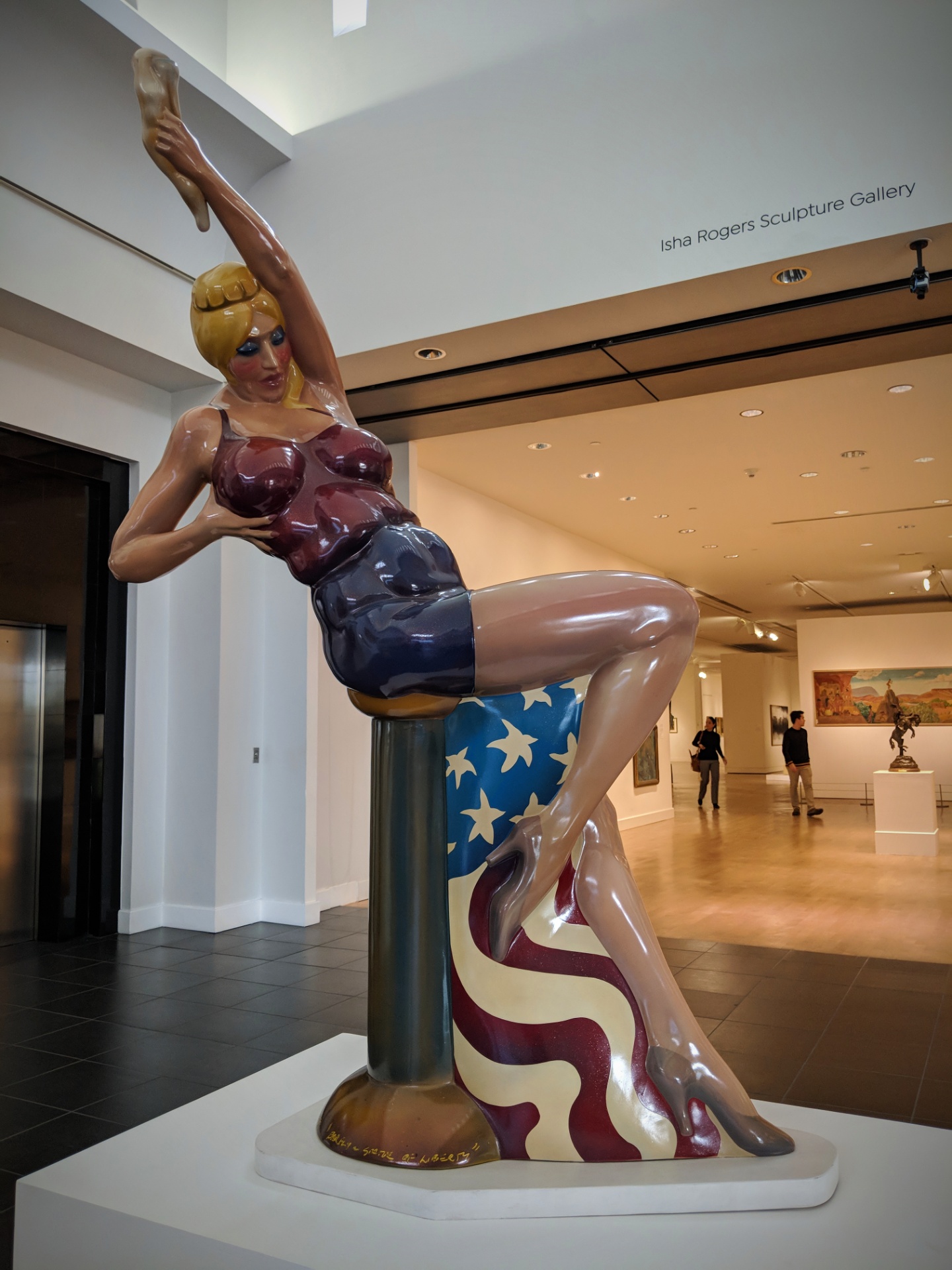
Luis Jiménez
Barfly – Statue of Liberty, 1969 – 1974
Acrylic on fiberglass
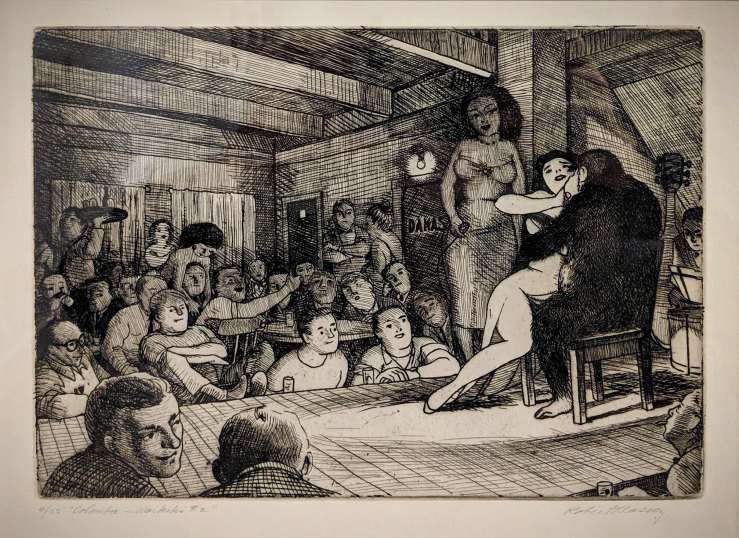

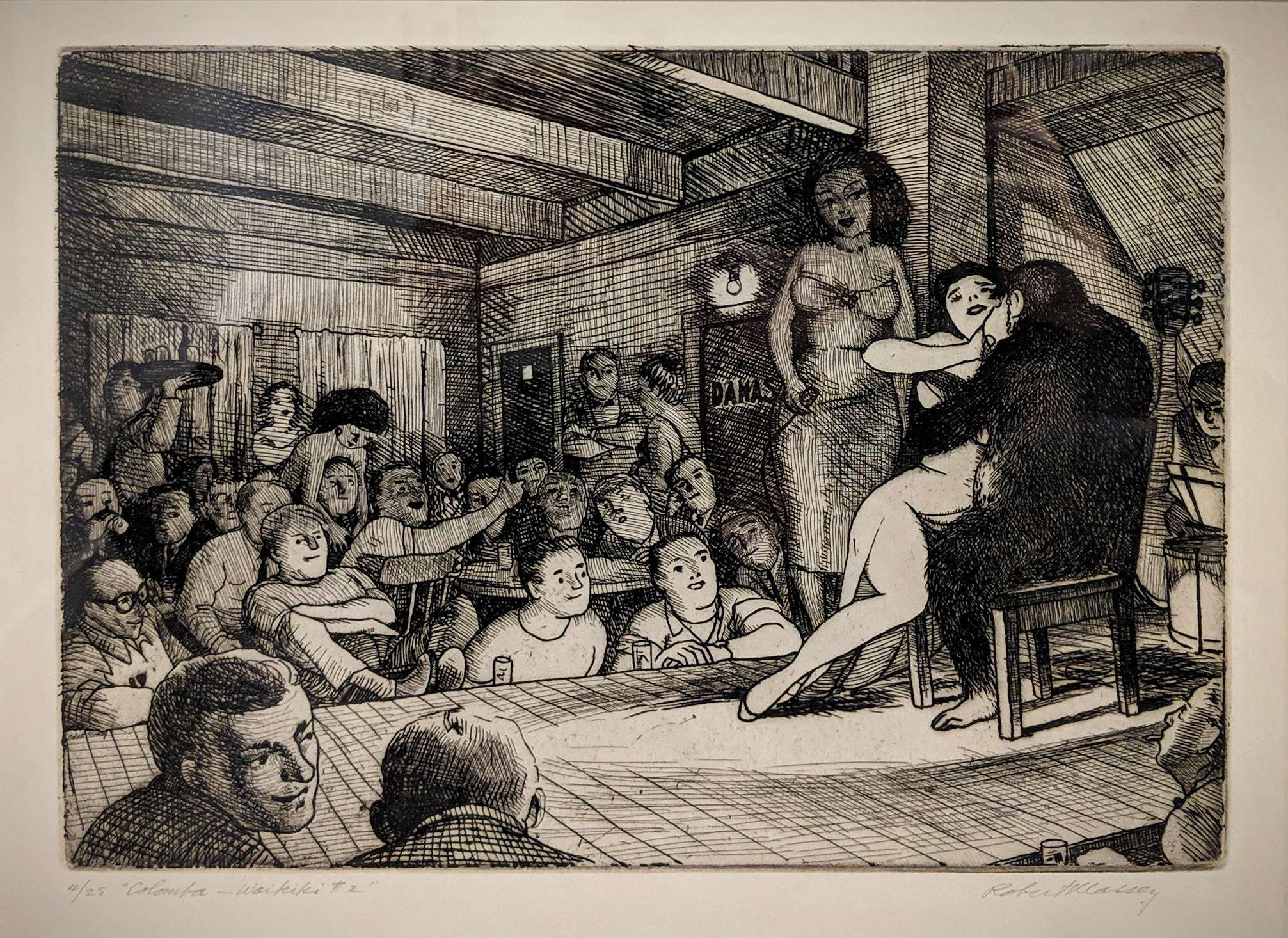
Robert Massey
Colomba – Waikiki #2, undated
Etching on paper
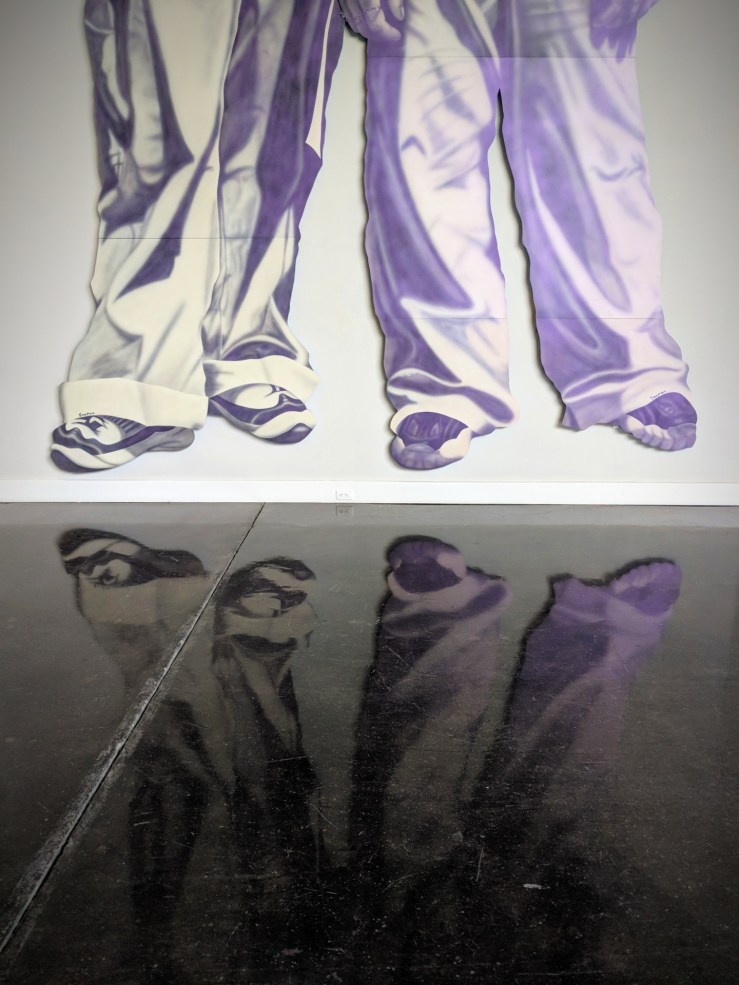

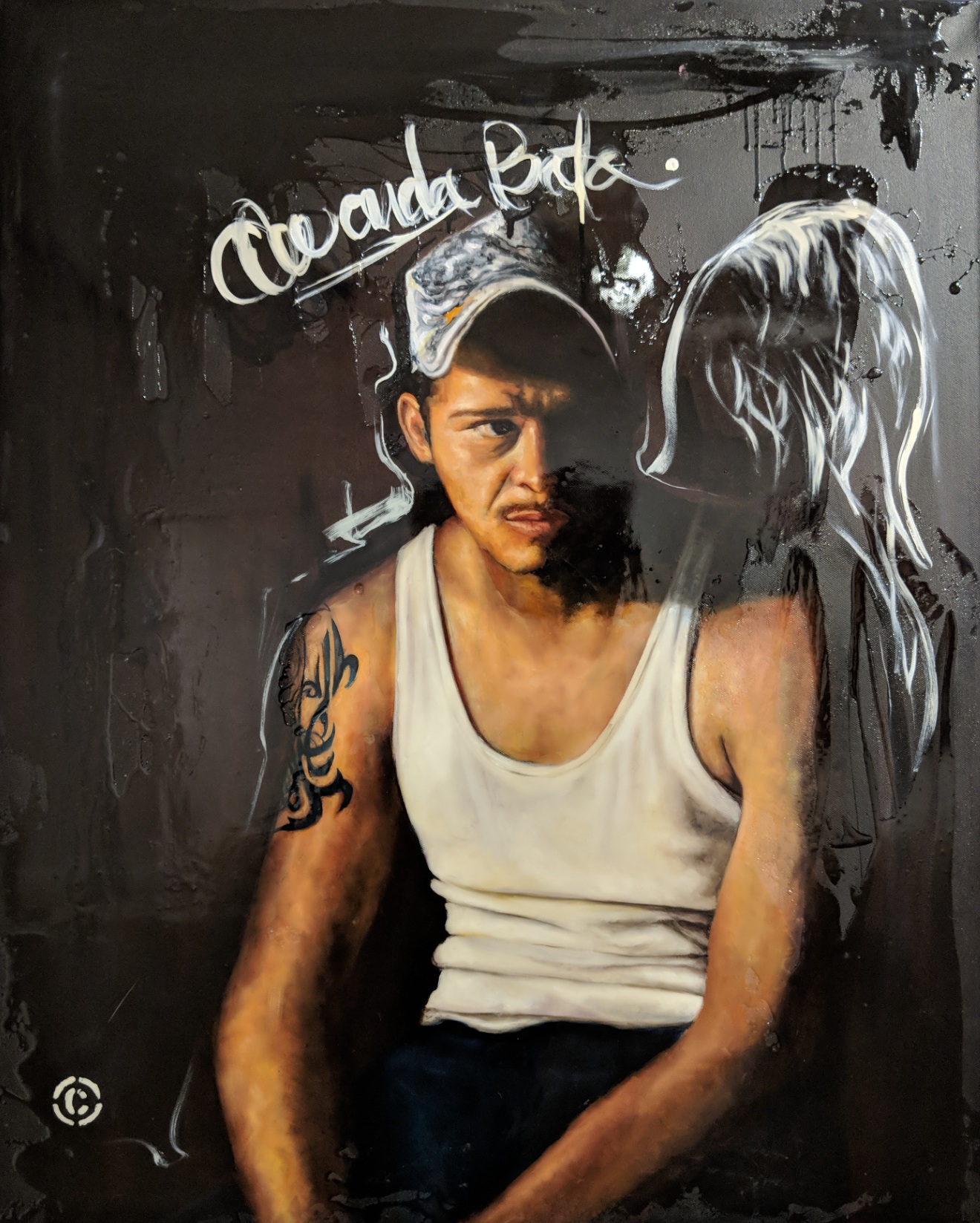
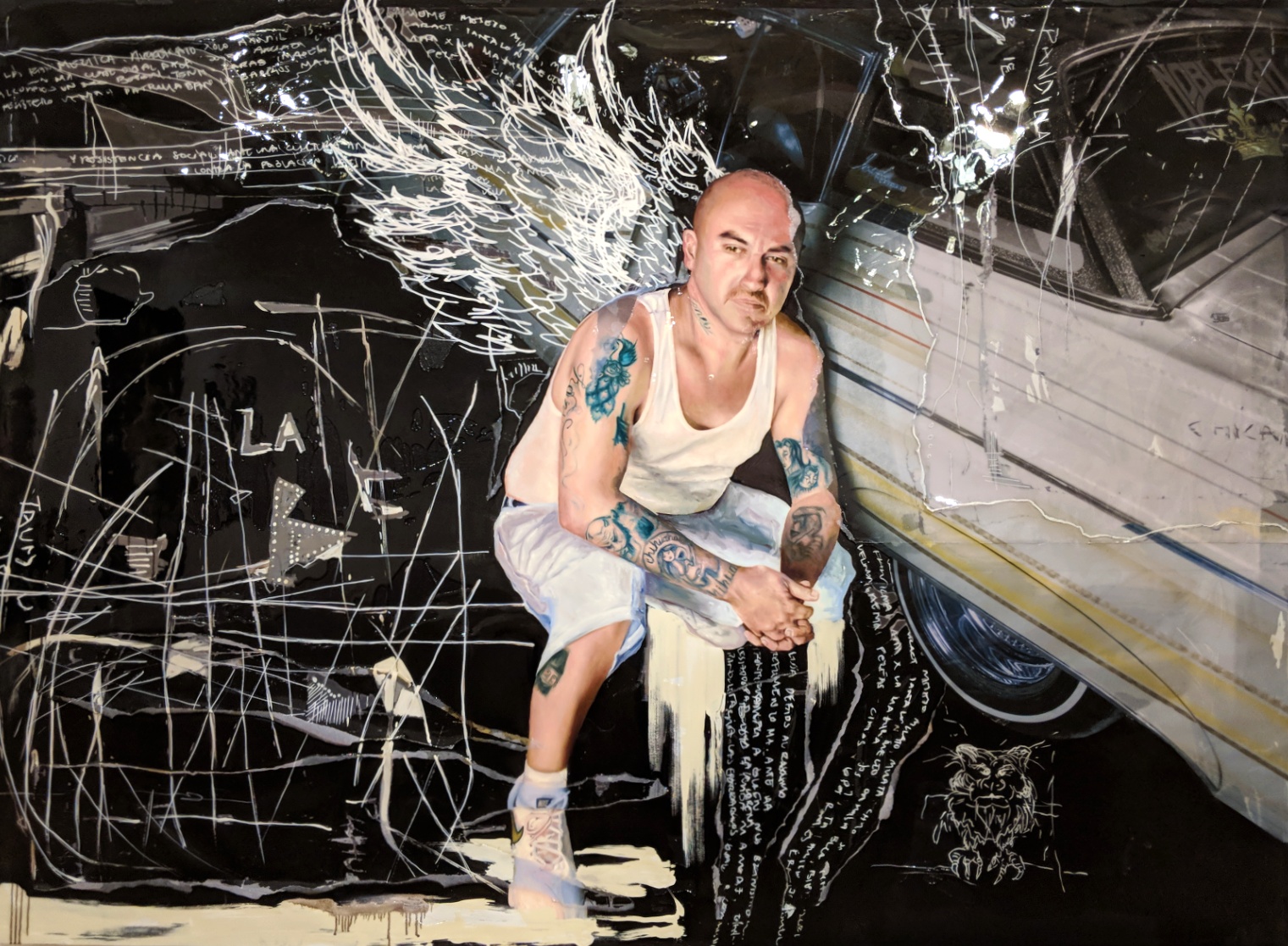
Paola Rascón
Jaciel, 2012
Oil and mixed media on canvas
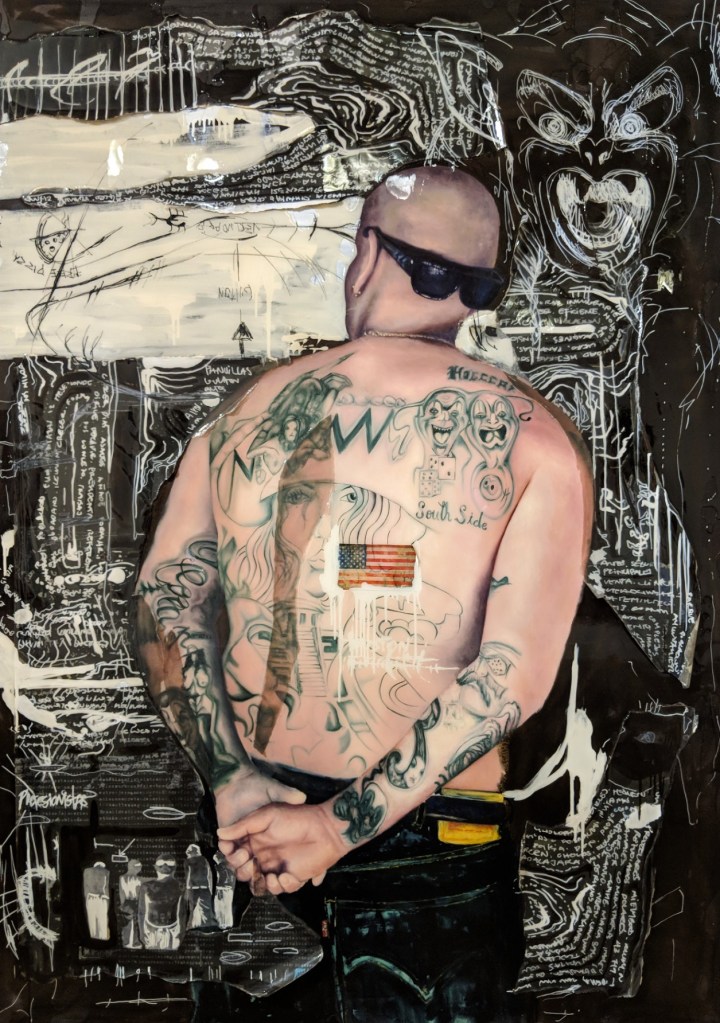

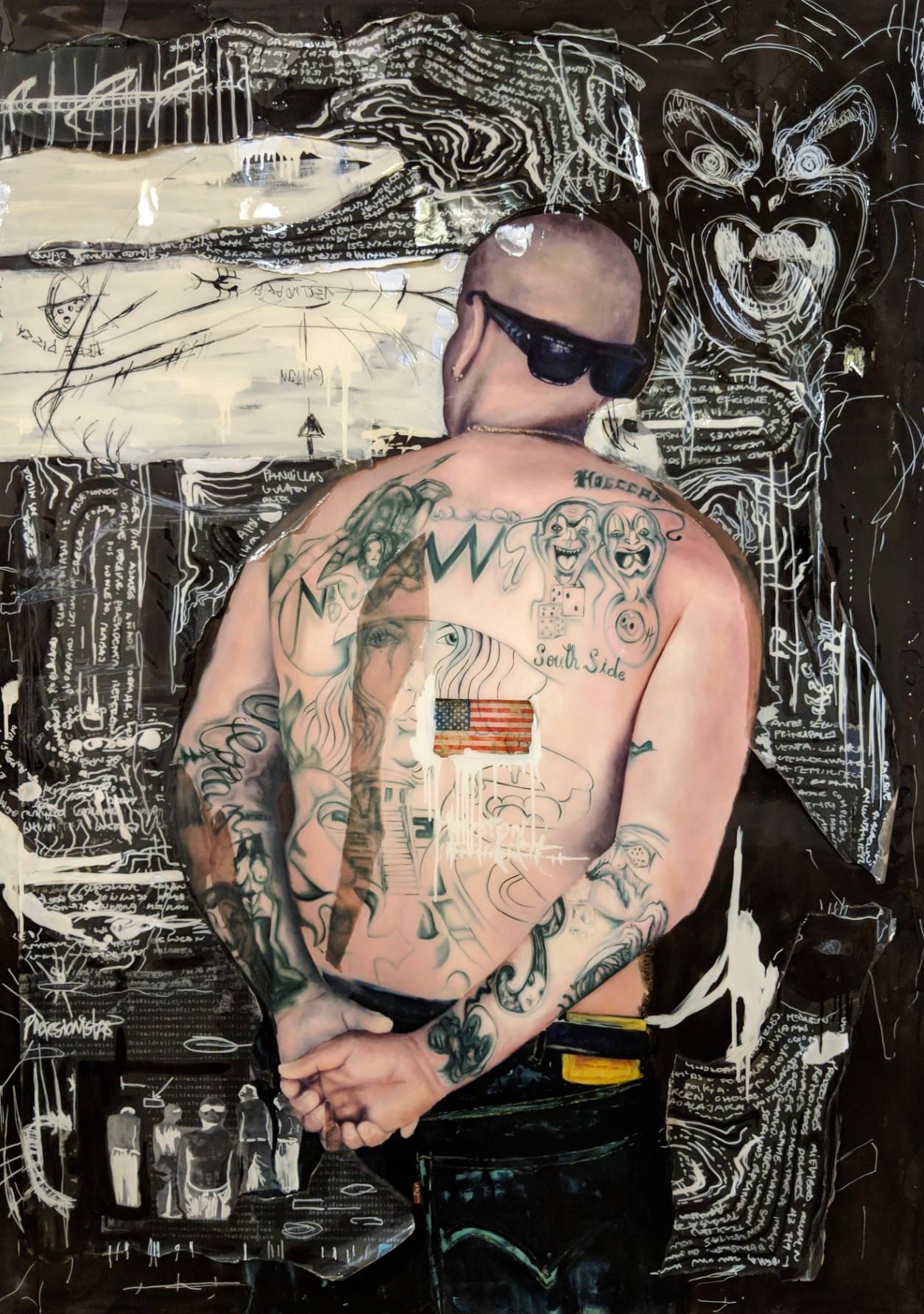
Paola Rascón
USA, 2015
Oil and mixed media on canvas
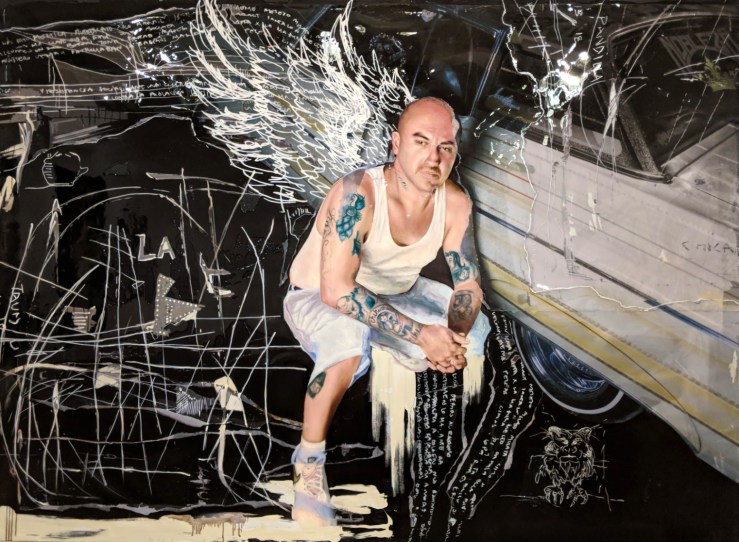

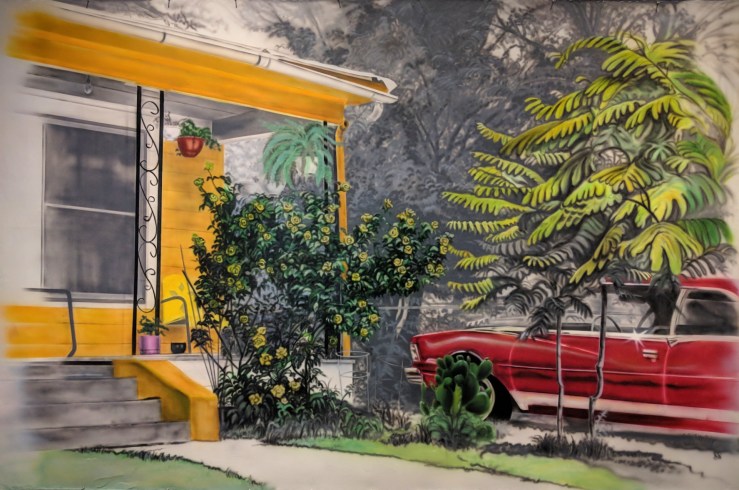
Paola Rascón
Low Rider
Oil and mixed media on canvas
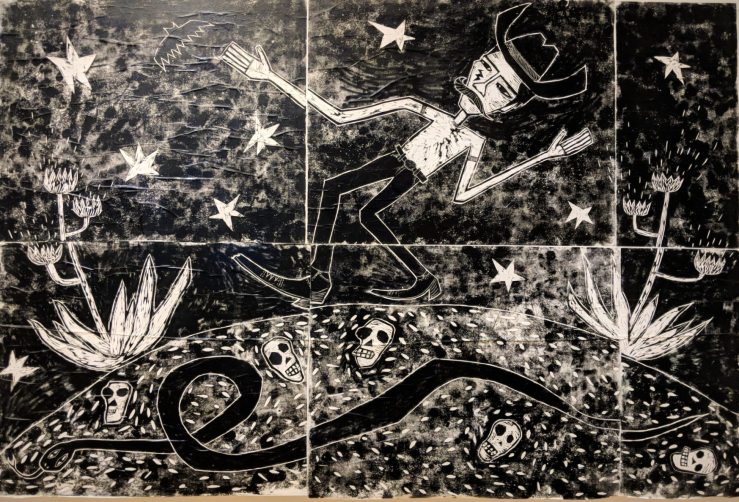

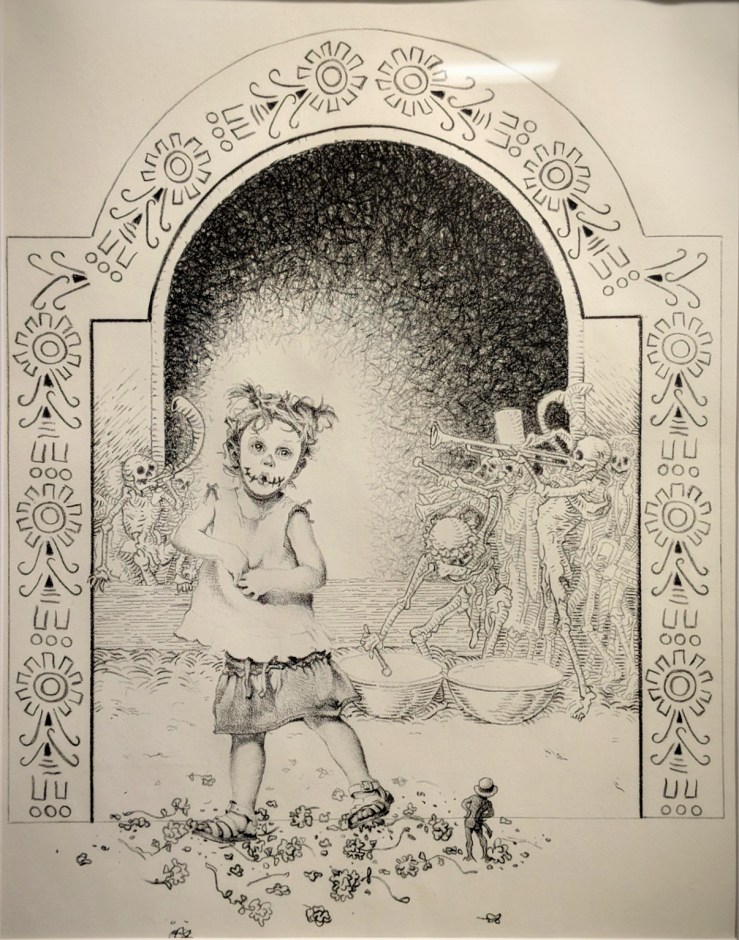
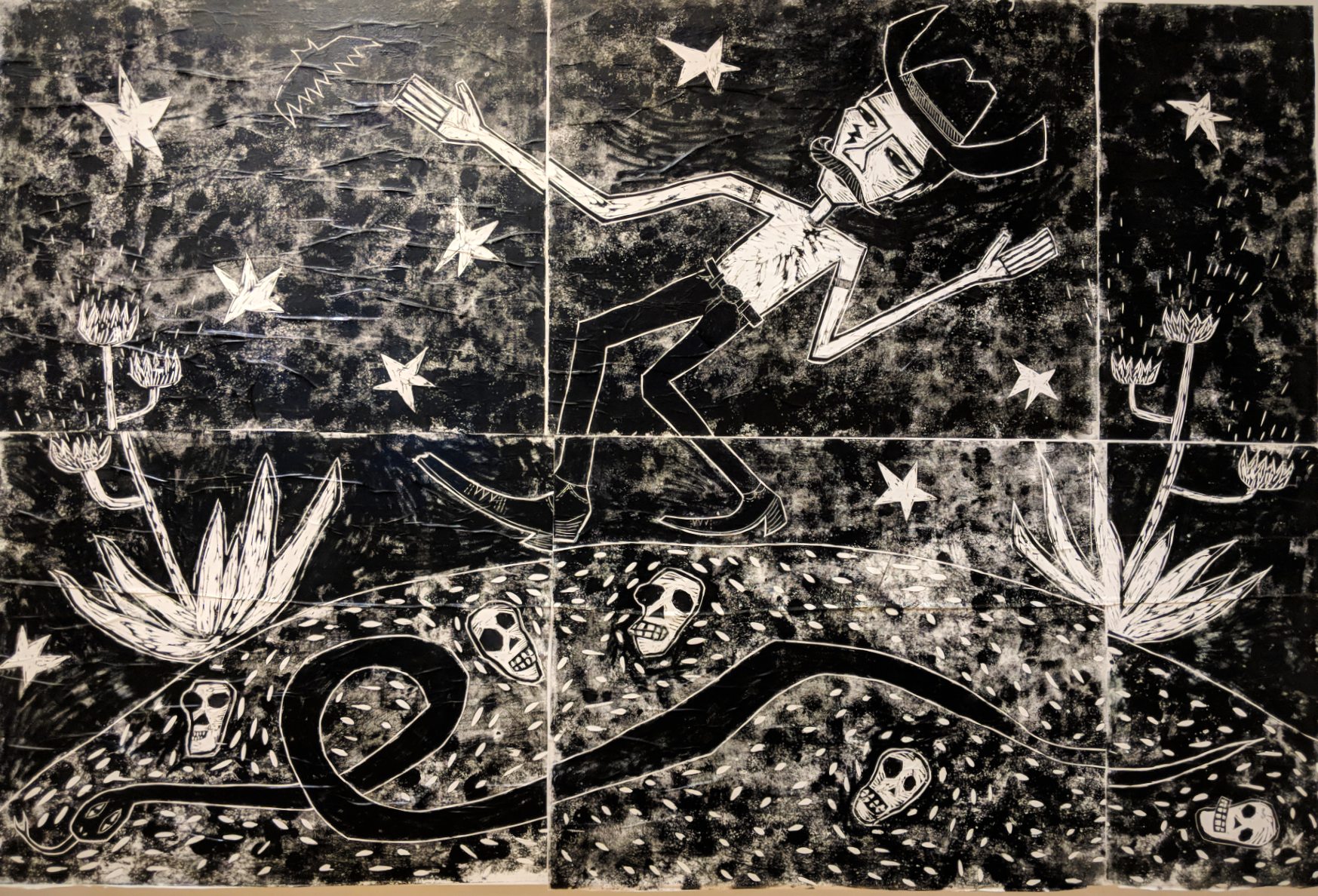
Cruz Ortiz
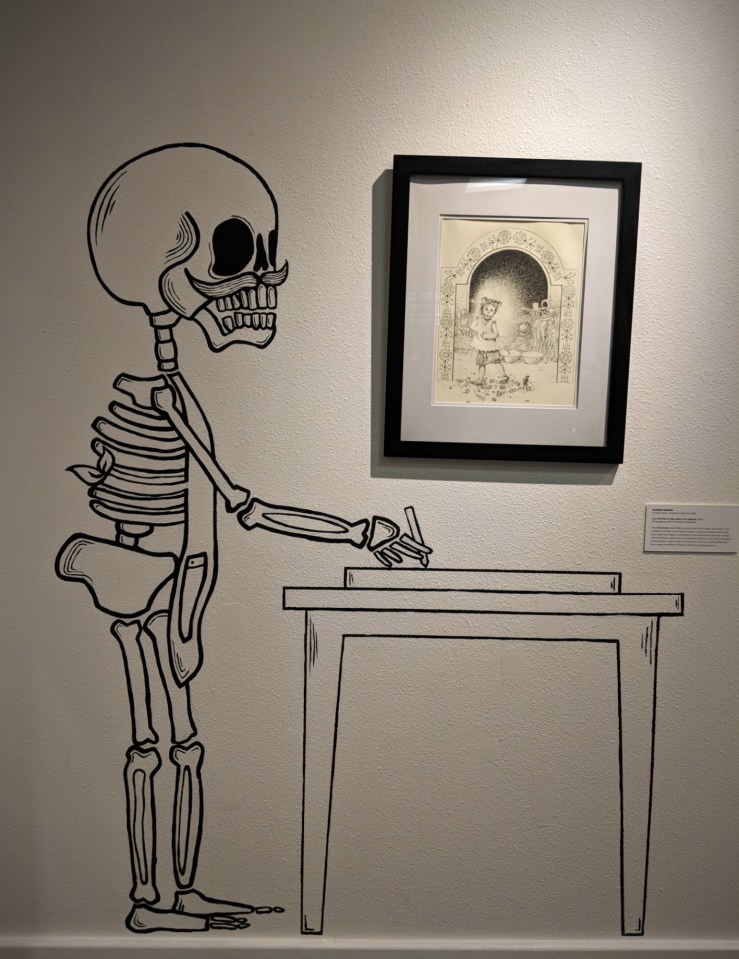
After Posada: Revolution
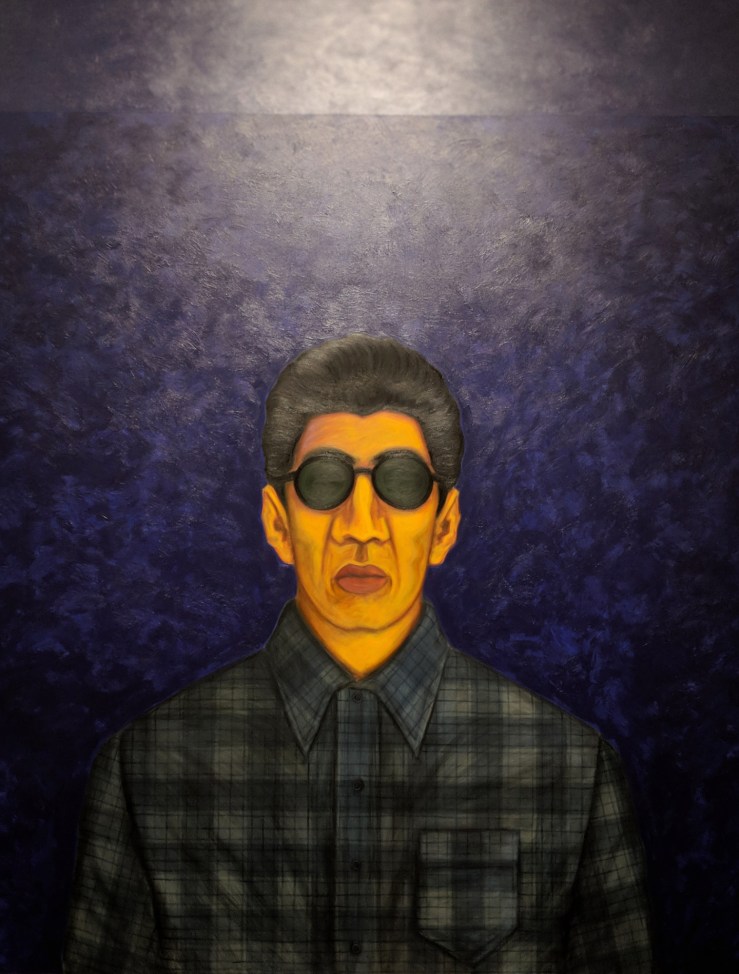

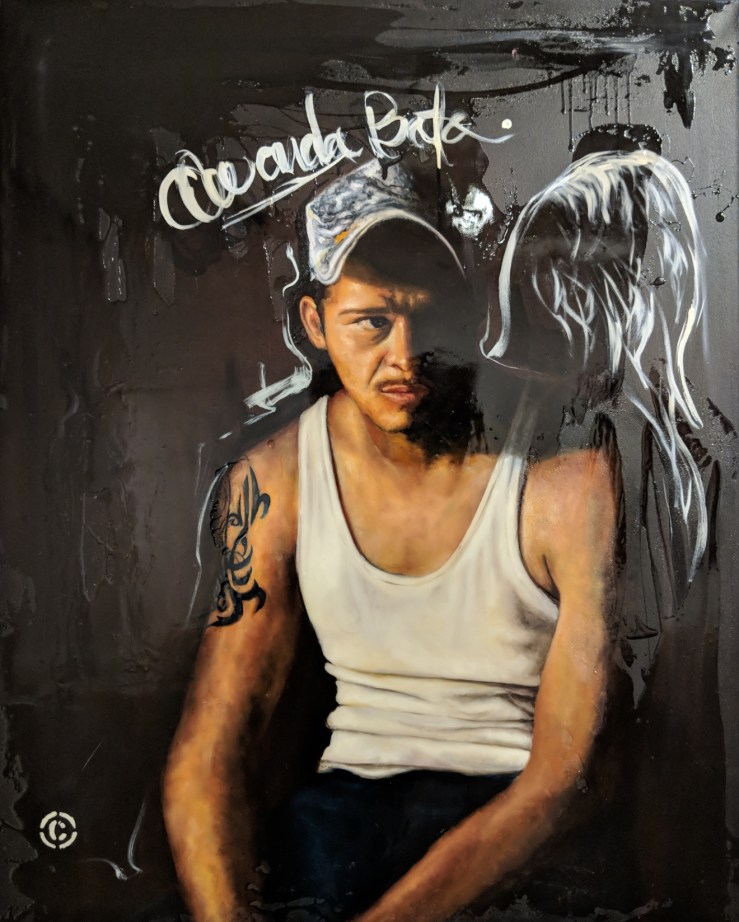
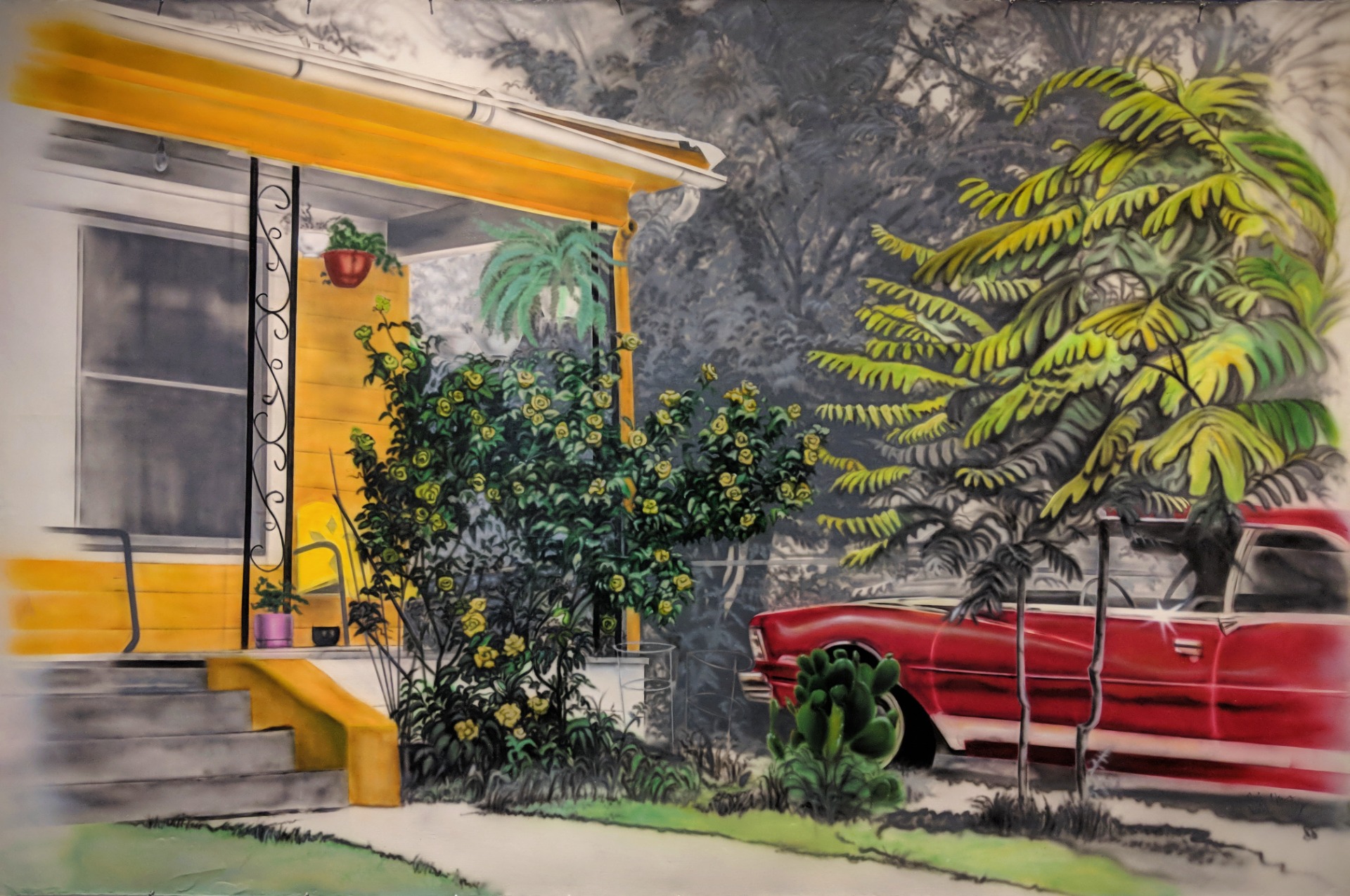
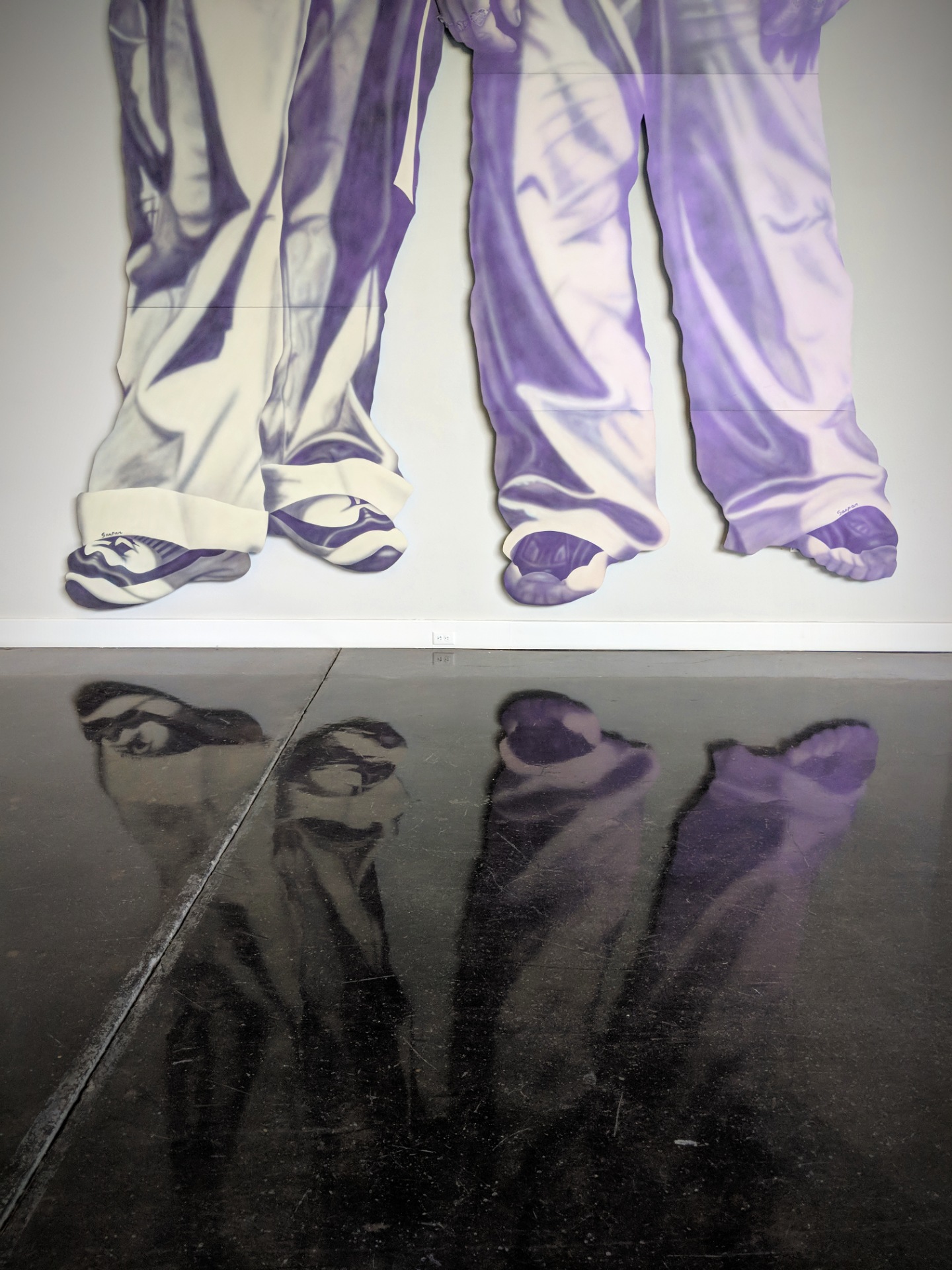
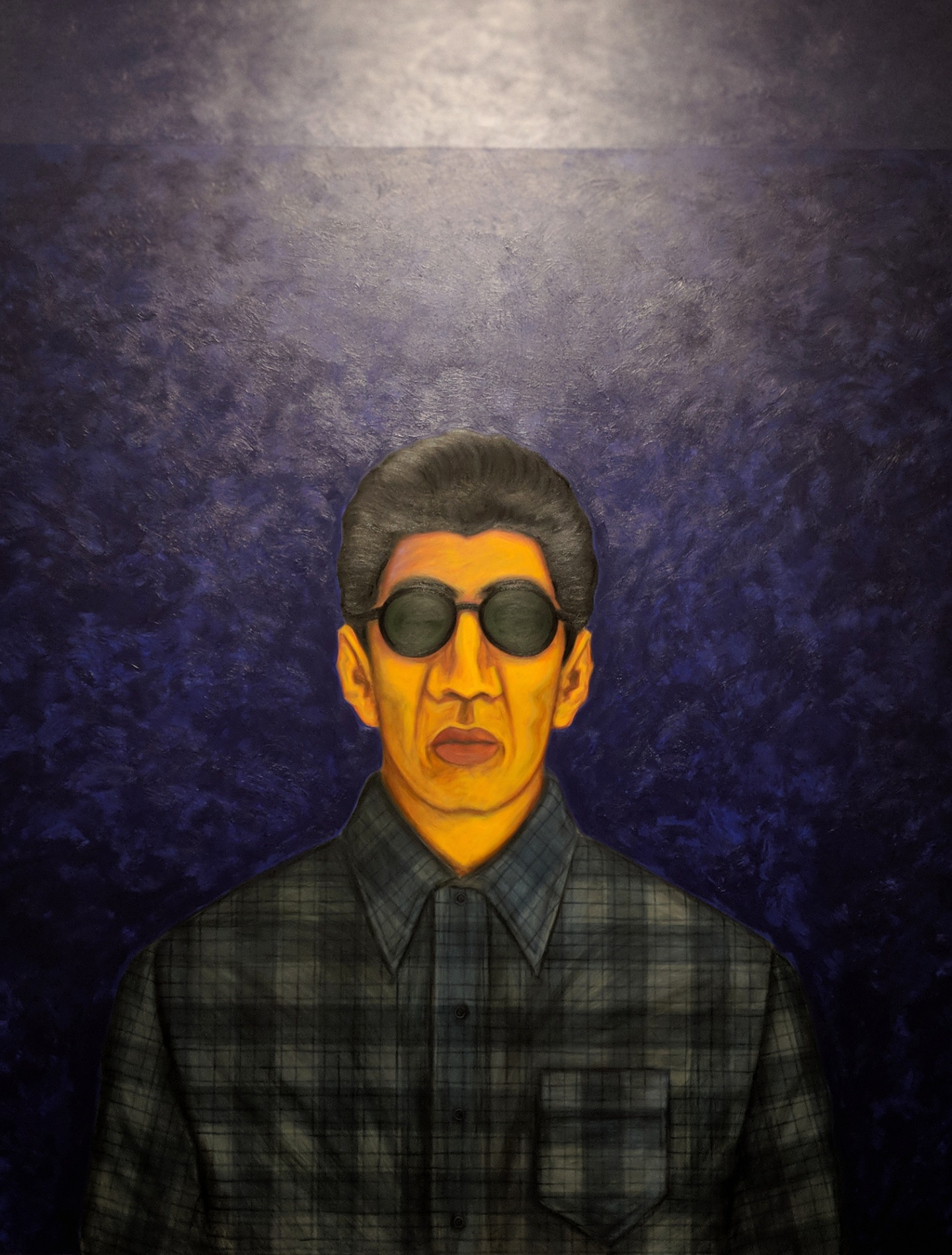
César A. Martínez
Bato con Sunglasses, 2011
Acrylic on muslin
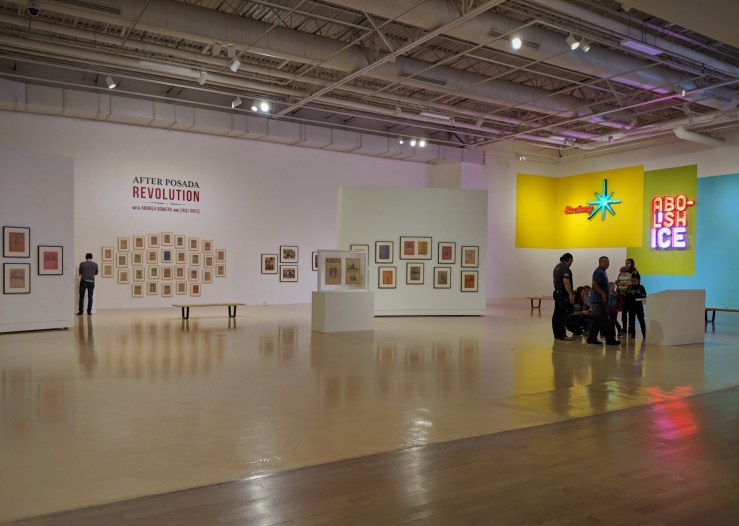

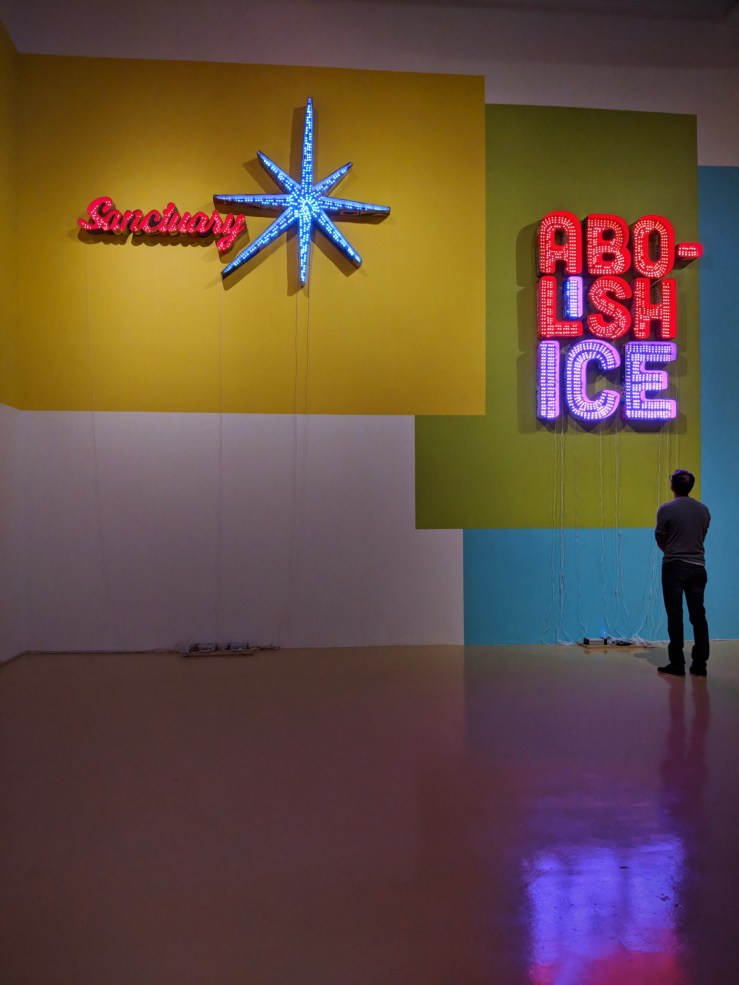
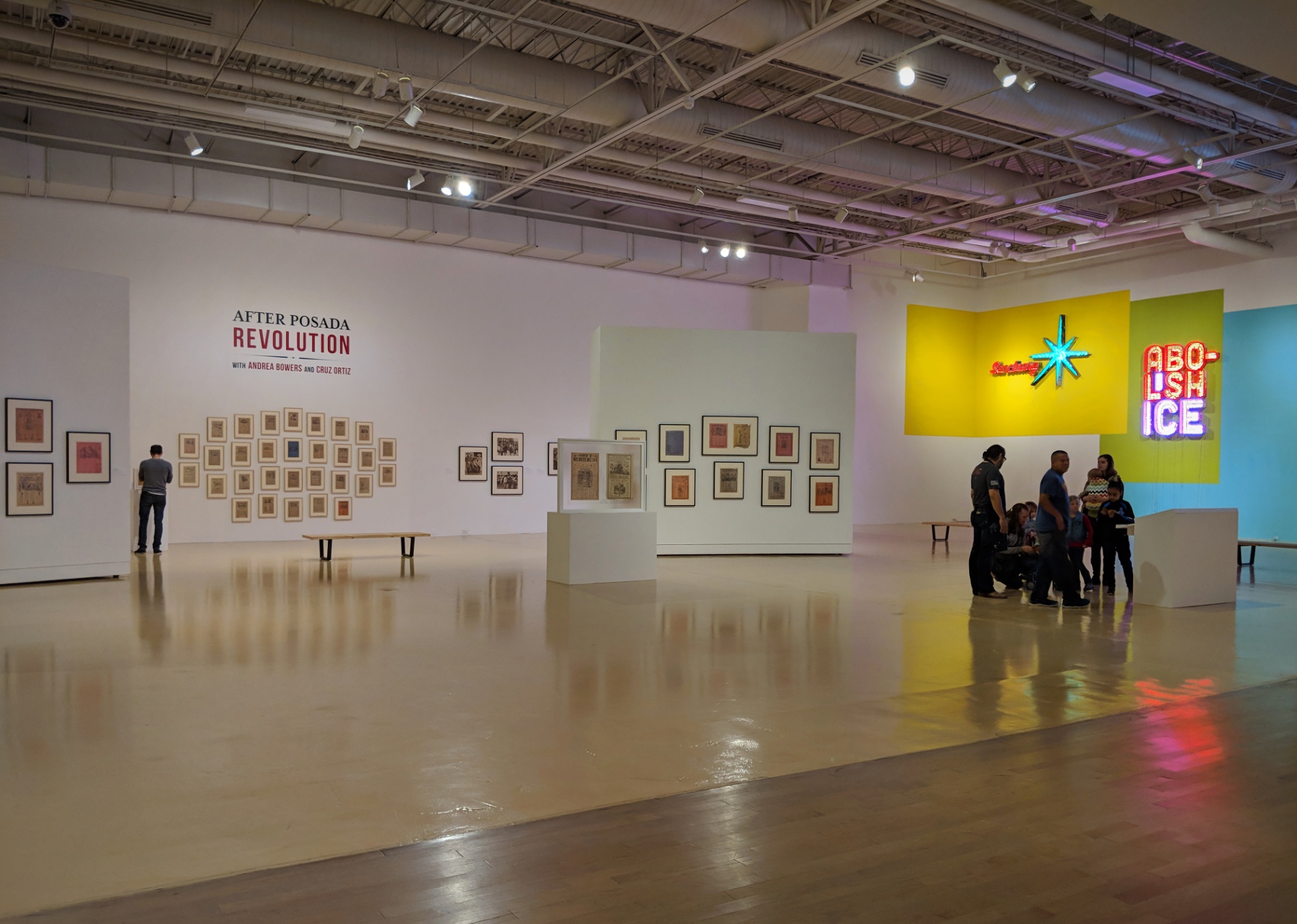
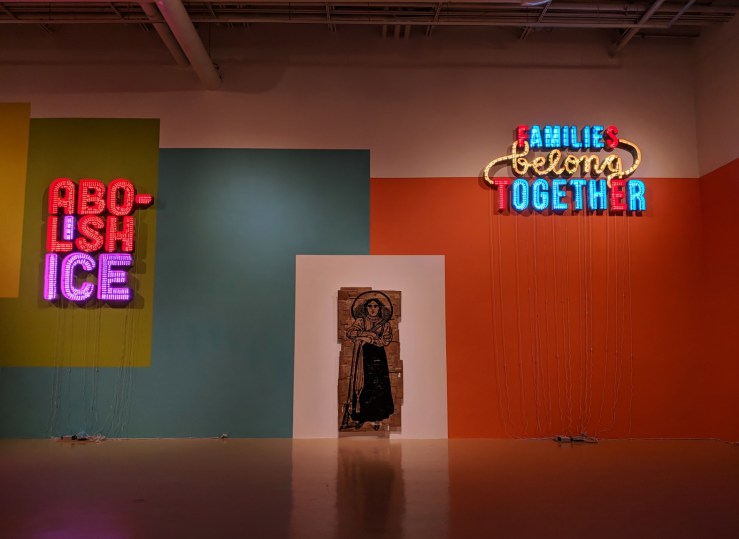
Andrea Bowers
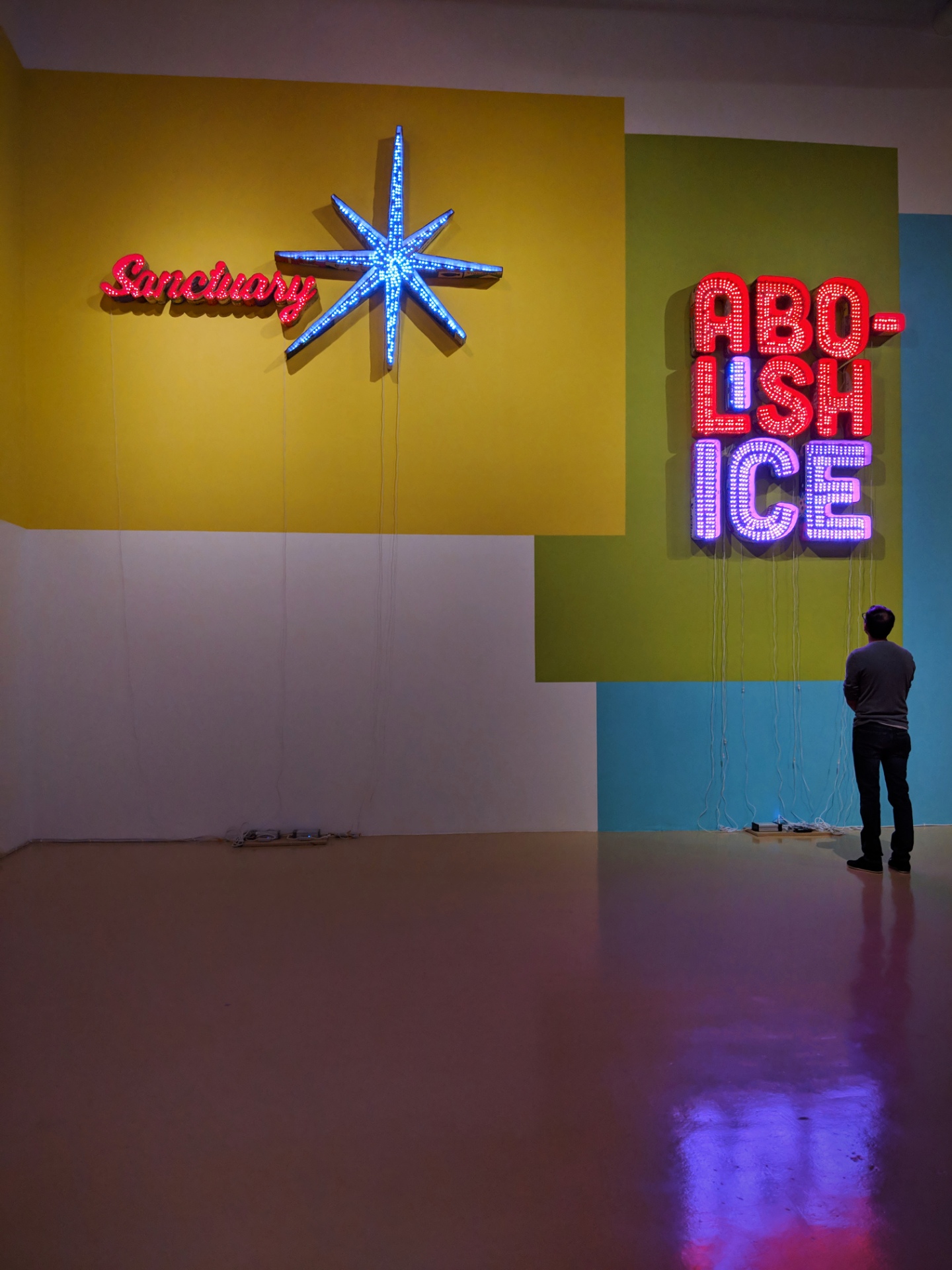
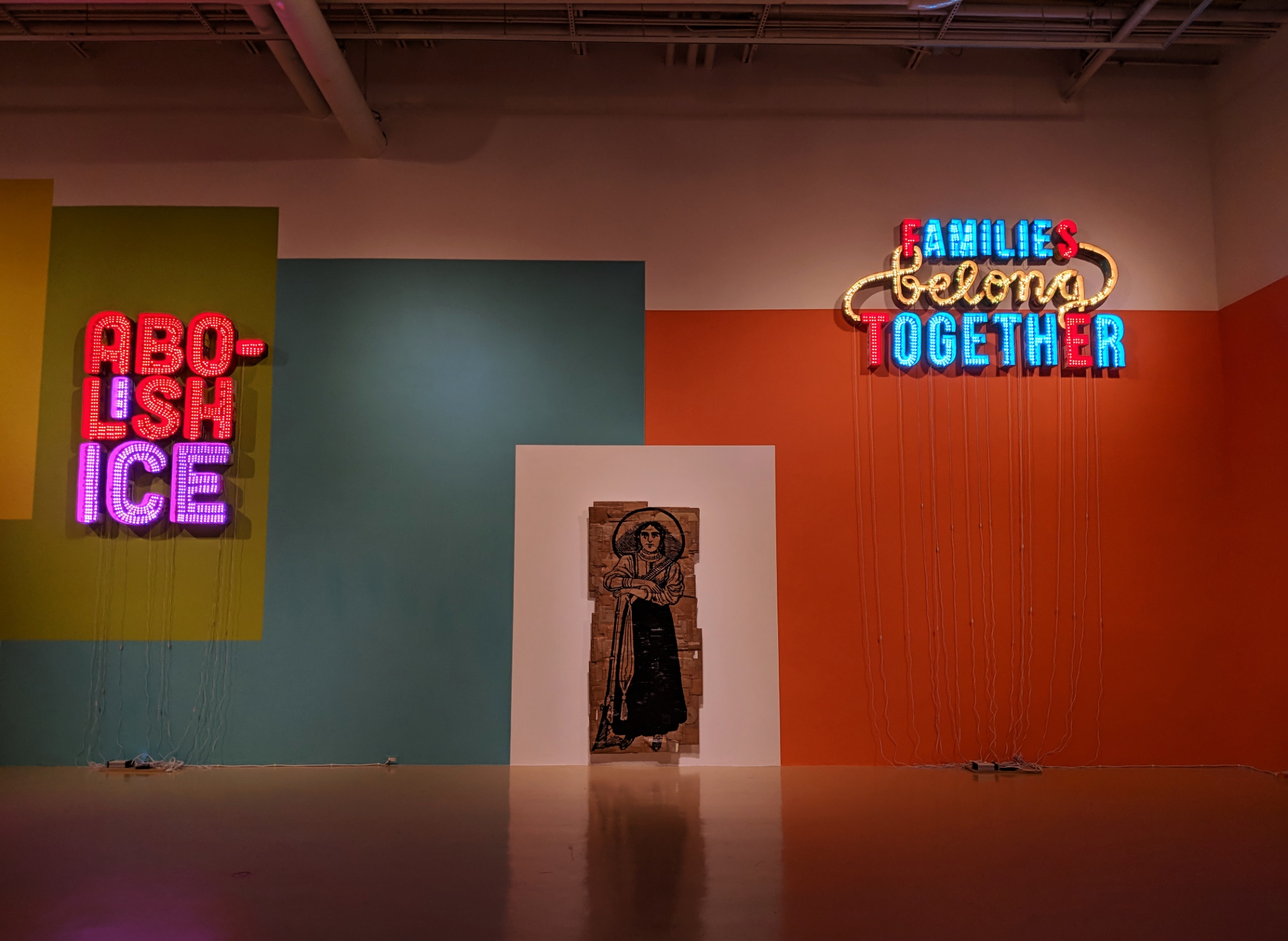
Abolish Ice & Families Belong Together, 2018
Cardboard, LED lights
After Posada: Revolution
El Paso Museum of Art, TX

October 12th, 2018


The Sugar House of El Paso

“You are visiting El Paso…? No one visits El Paso, people come here for work or to catch a flight – no one stays here”… said a man who first came in El Paso thirty years ago!

Where are you from?” People kept asking us, as if tourists are few and far between in this part of the world. The truth is, we didn’t see any either. Maybe because it was foggy and rainy and people stayed inside. Or maybe because we only stayed for a day-and-a-half.

What we did see was a delightful Mexican touch, evident everywhere: the food, the people, the history, the culture.

And this house.

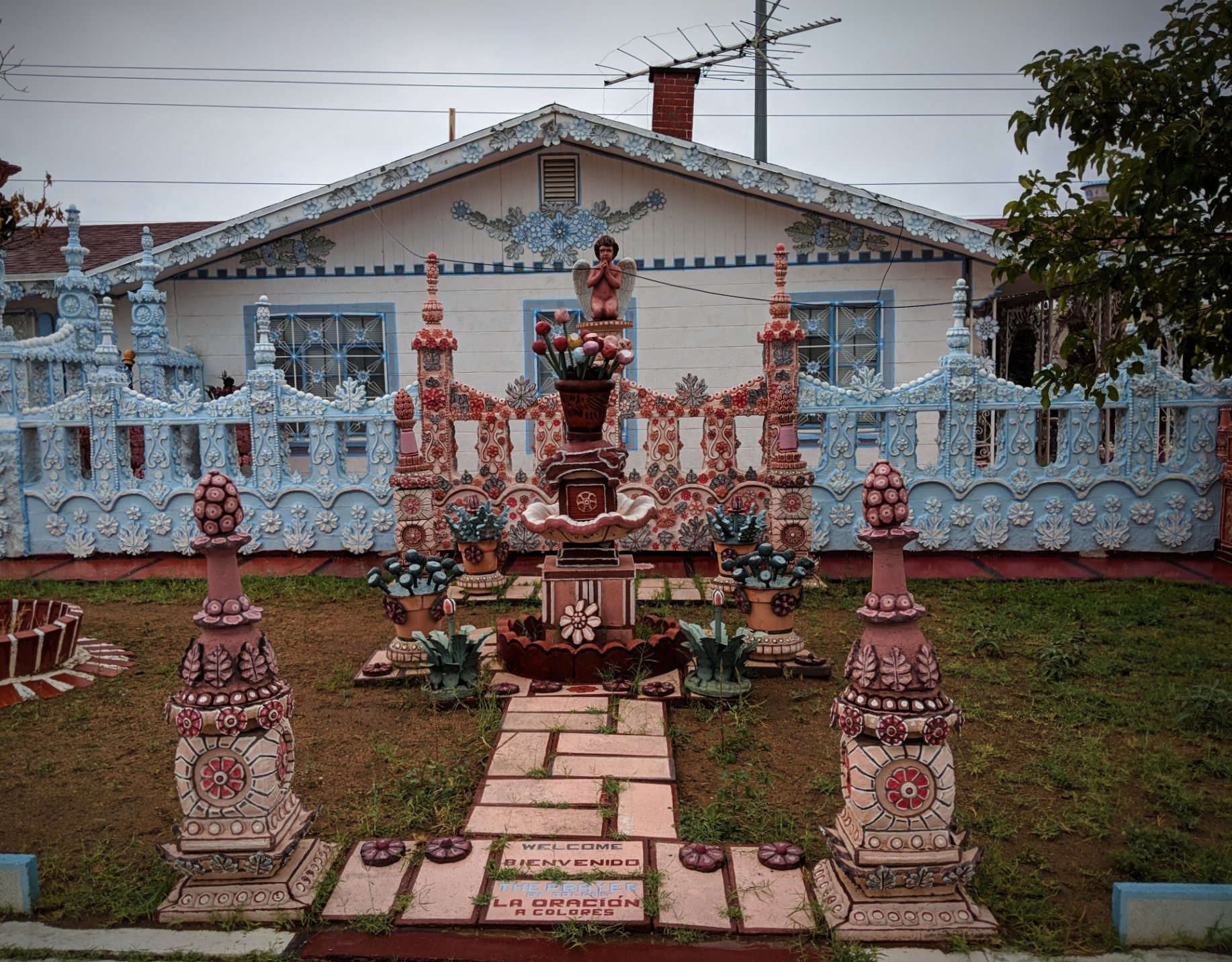
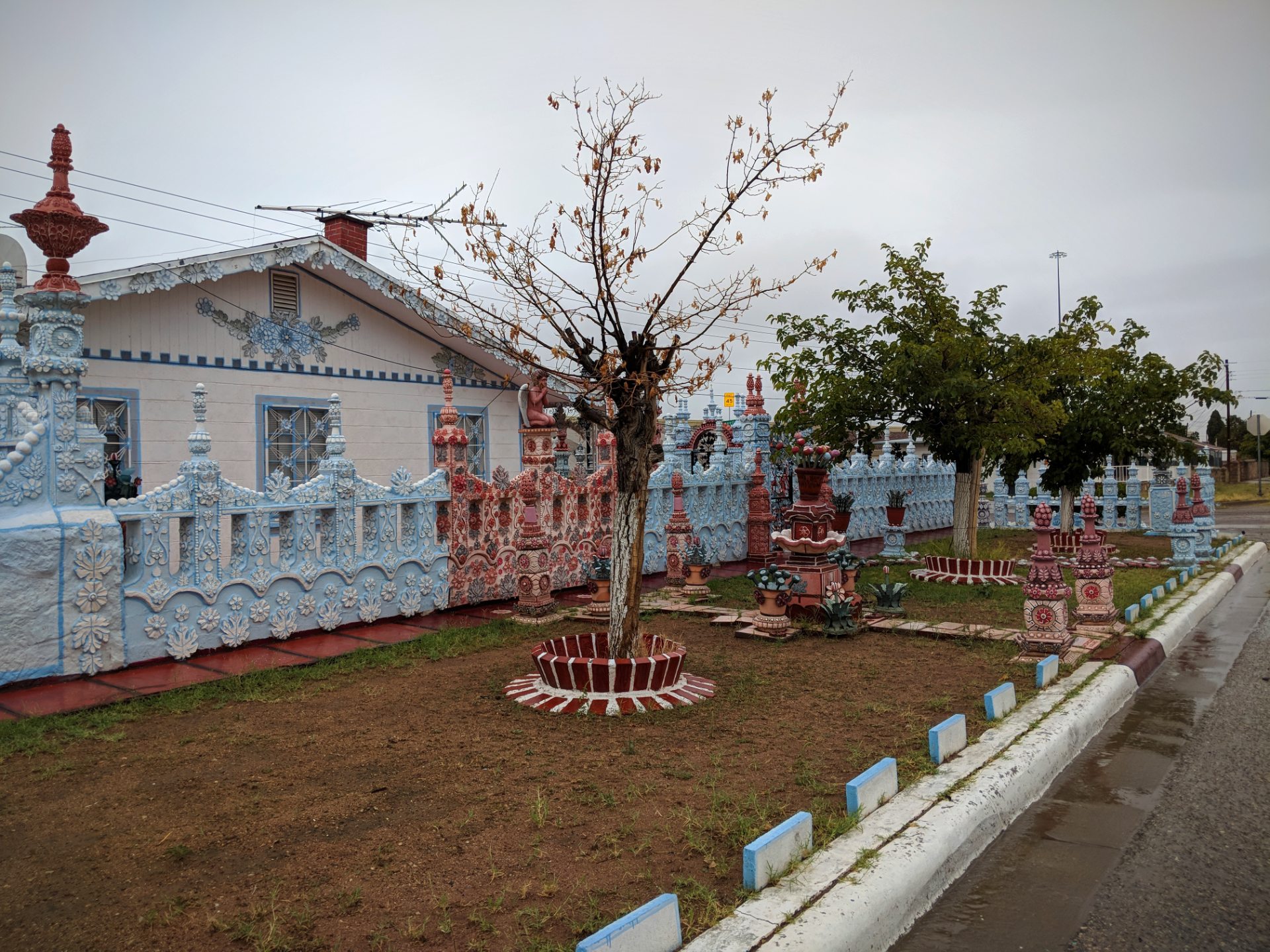
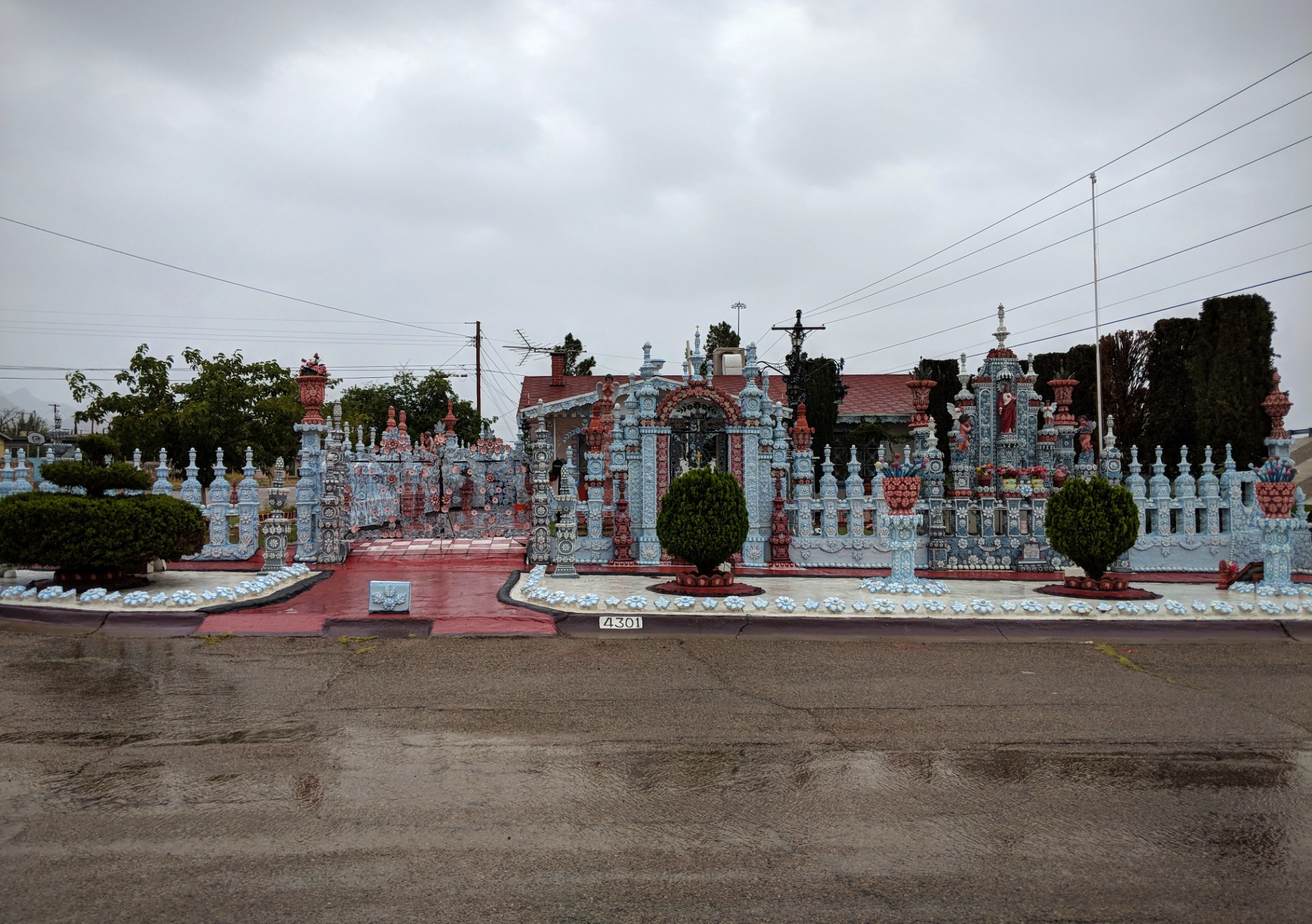
In an otherwise dull neighbourhood, close to a busy highway, Rufino Loya Rivas, a Levi Strauss worker from Mexico and his wife Celia, bought a modest house. Deciding he would add a personal touch, Rivas began to carve and paint these intricate designs that soon surrounded the house, spending twenty five years and hundreds of hours of work and devotion to his project.

Art can be found in the most unexpected places.

El Paso, TX

October 12th, 2018
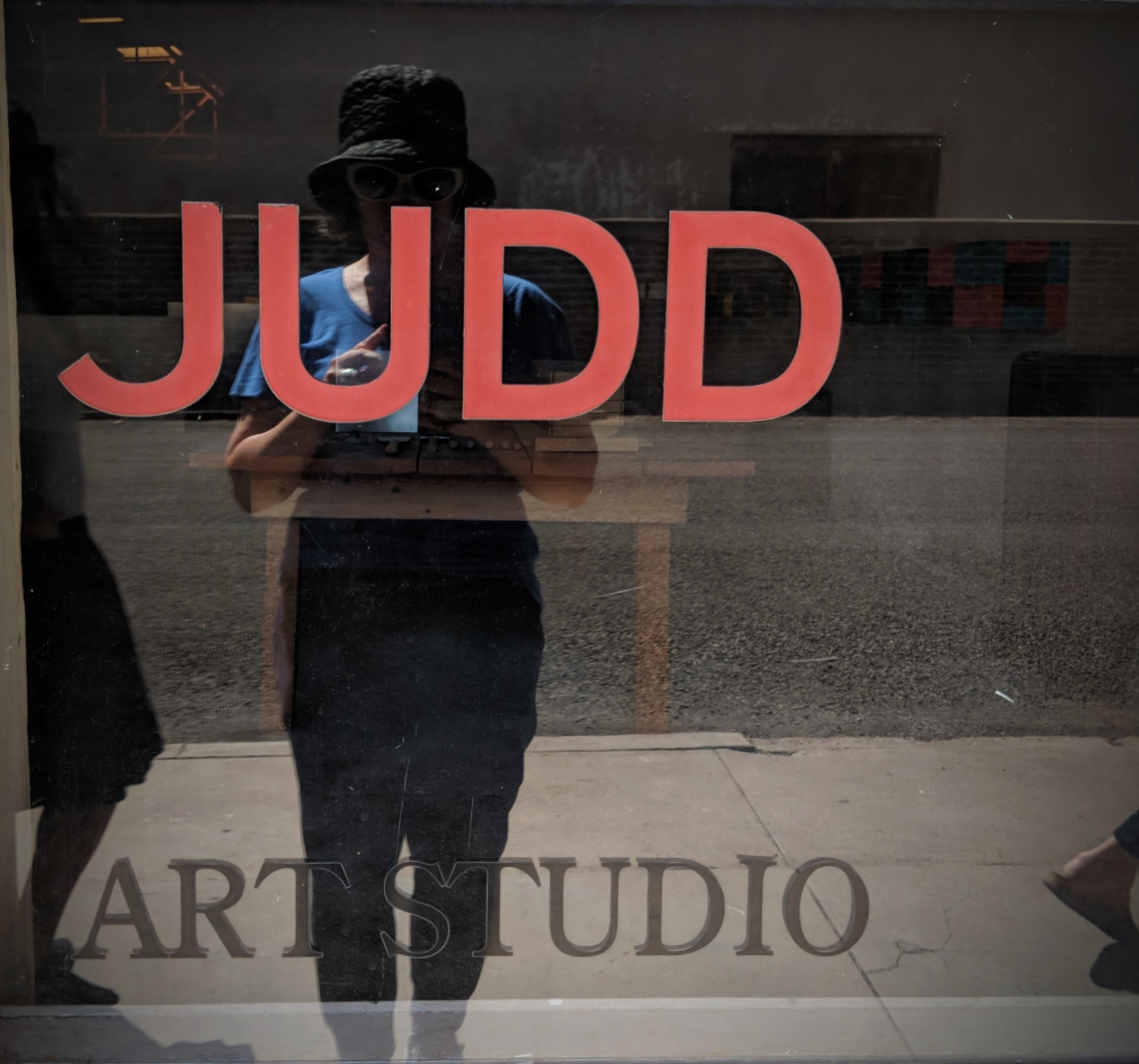
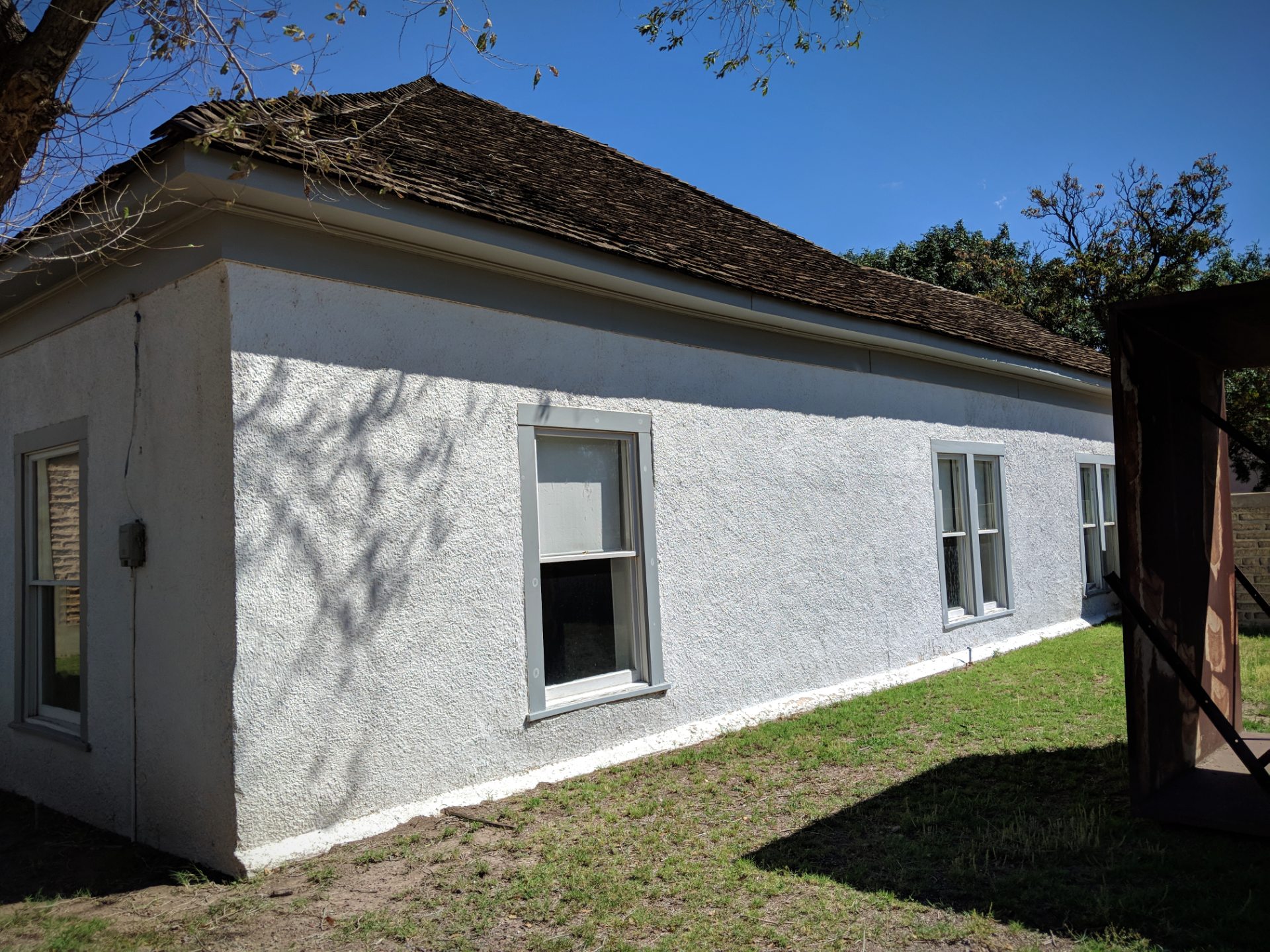
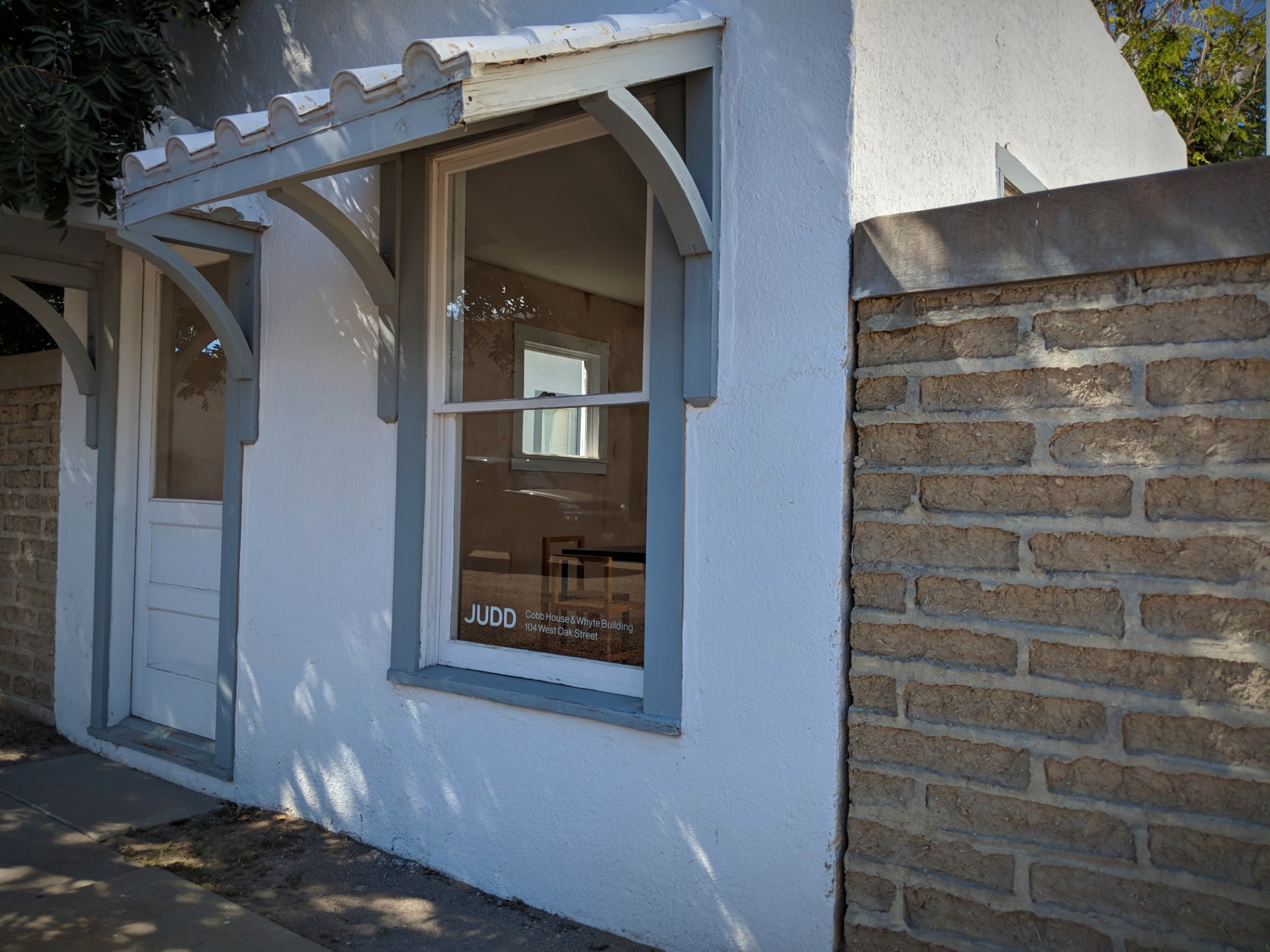
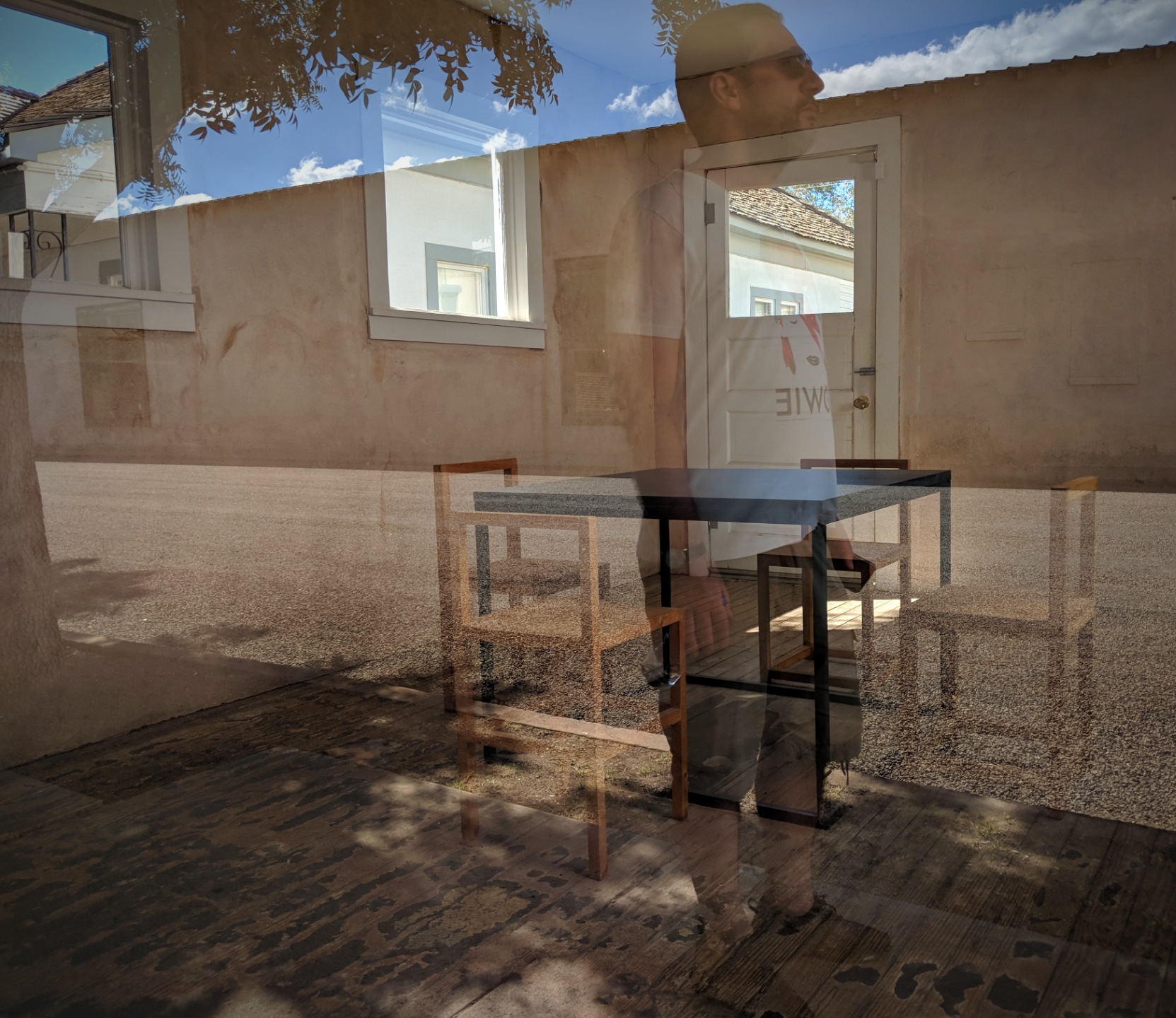
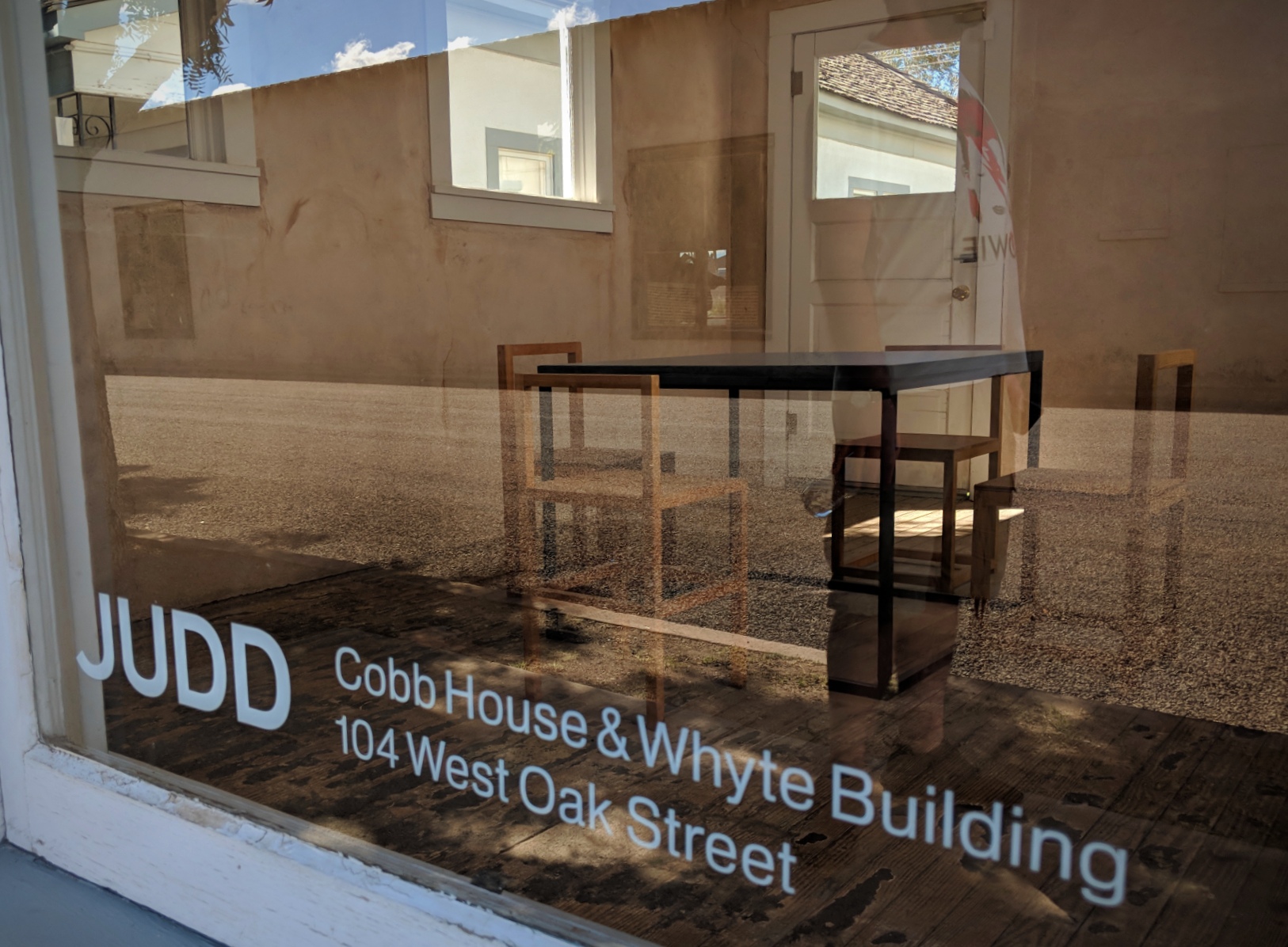
The Judd Way of Life

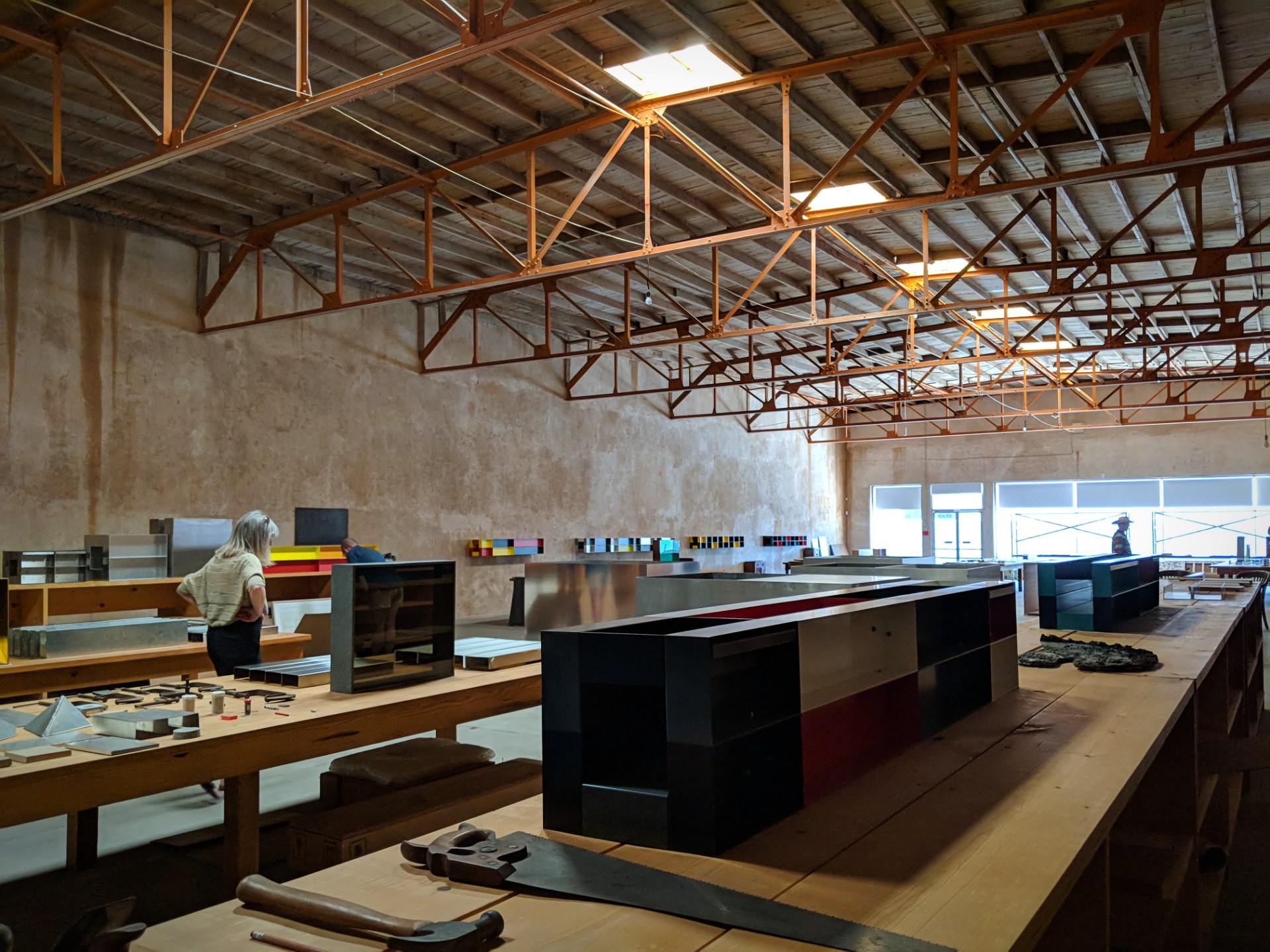
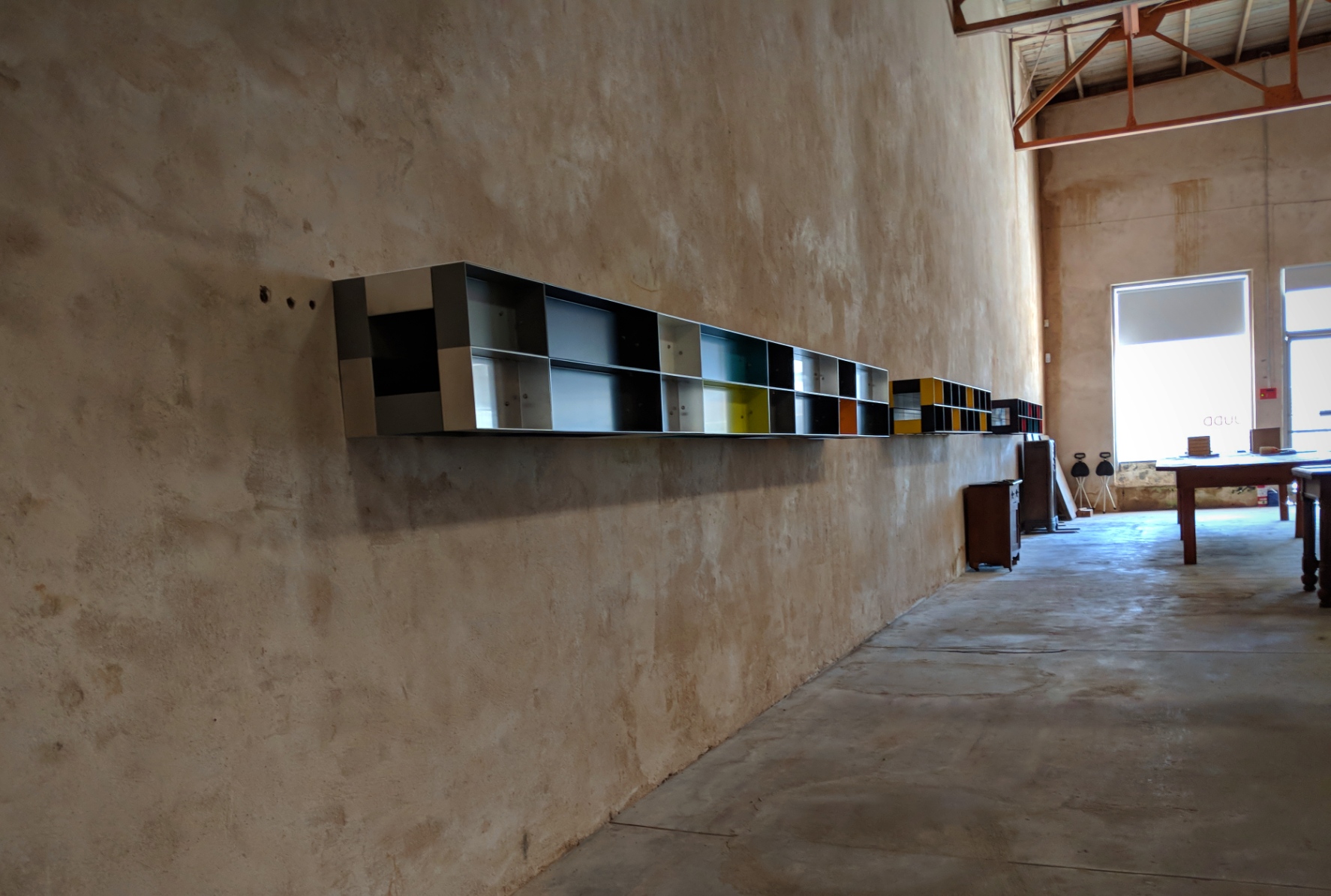
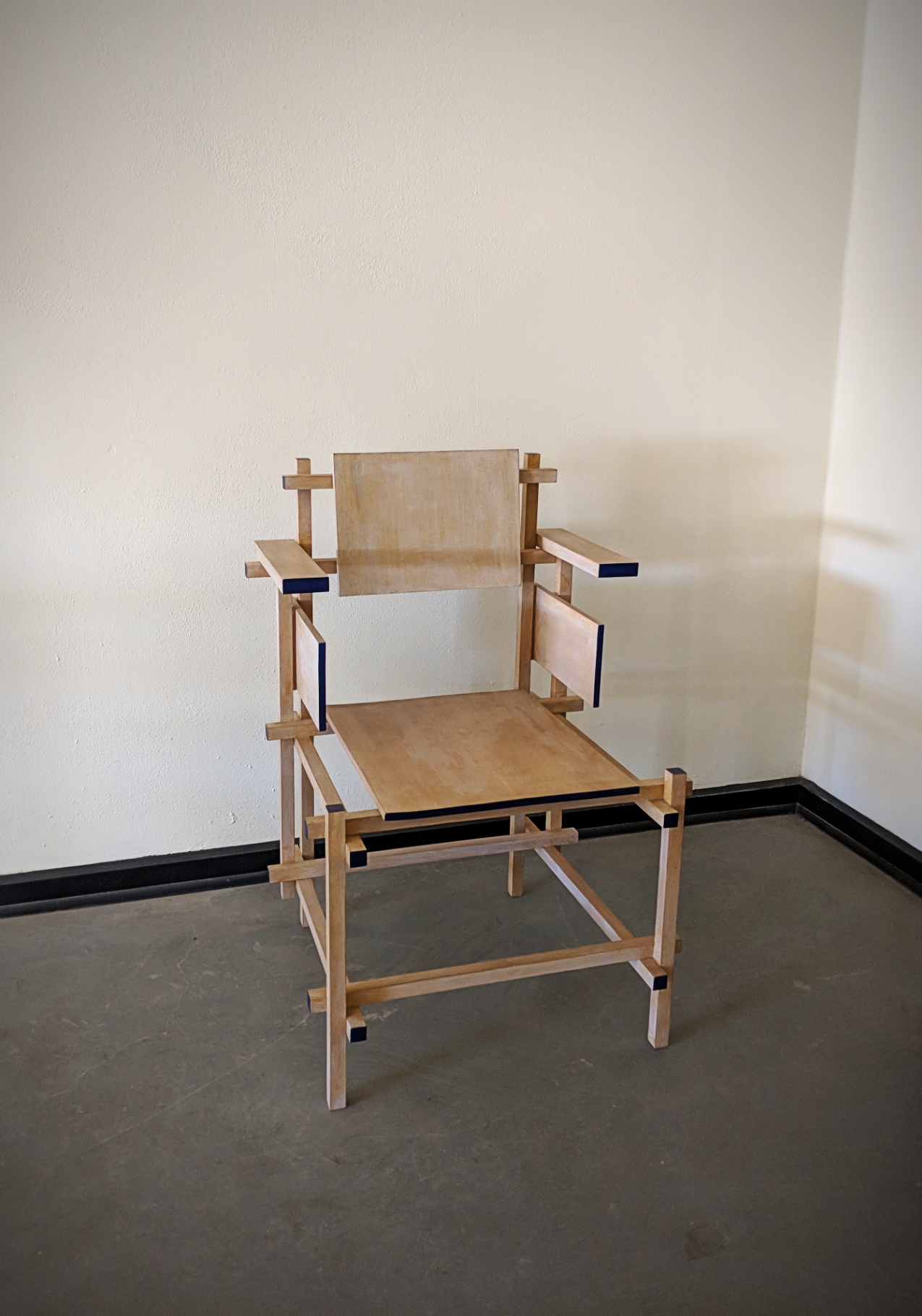
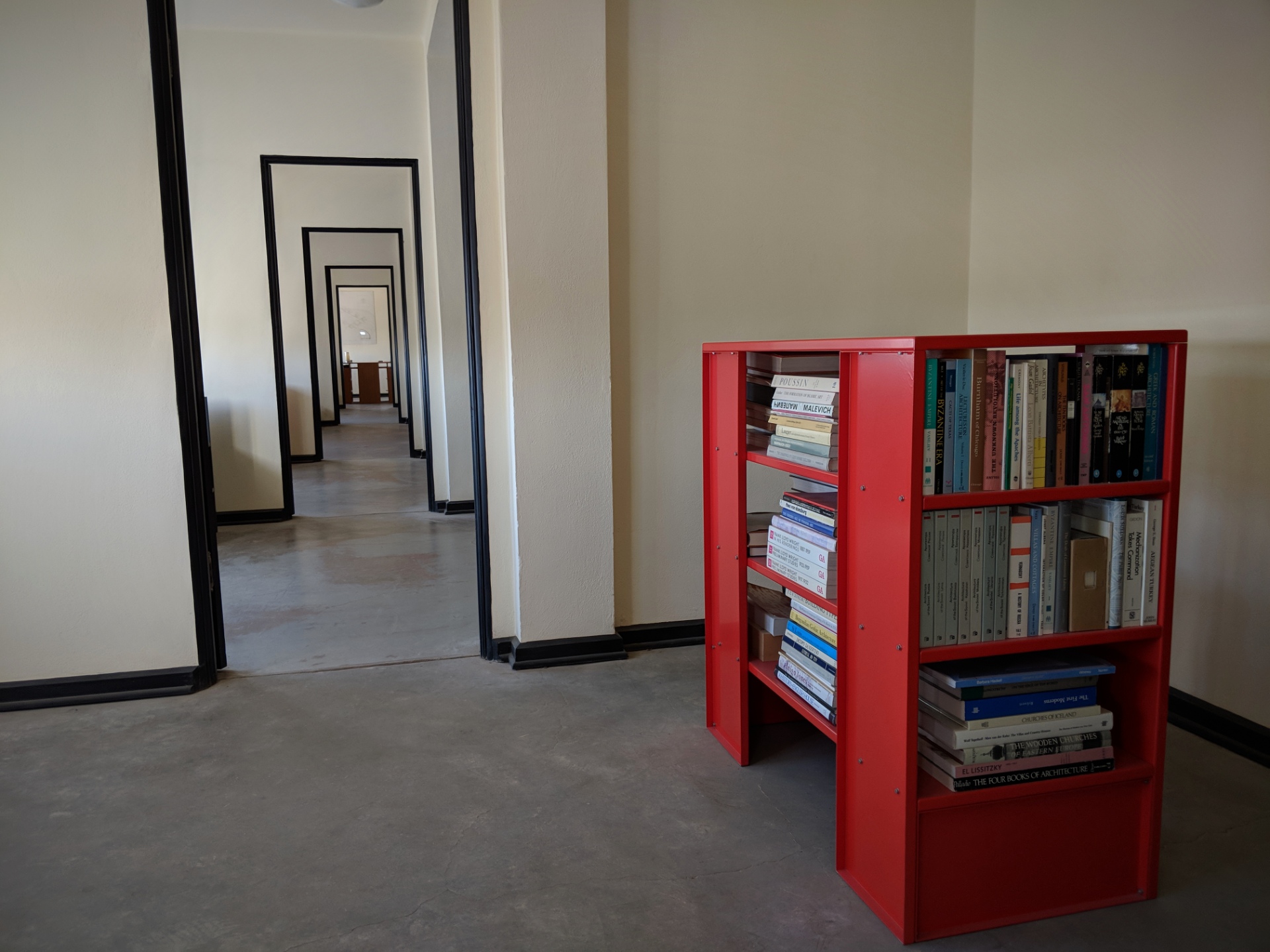
Conceived by Judd in 1977 and created in 1996, the Judd Foundation maintains and preserves Donald Judd’s permanently installed living and working spaces, libraries, and archives in New York and Marfa, Texas. The Foundation promotes a wider understanding of Judd’s artistic legacy by providing access to these spaces and resources and by developing scholarly and educational programs.

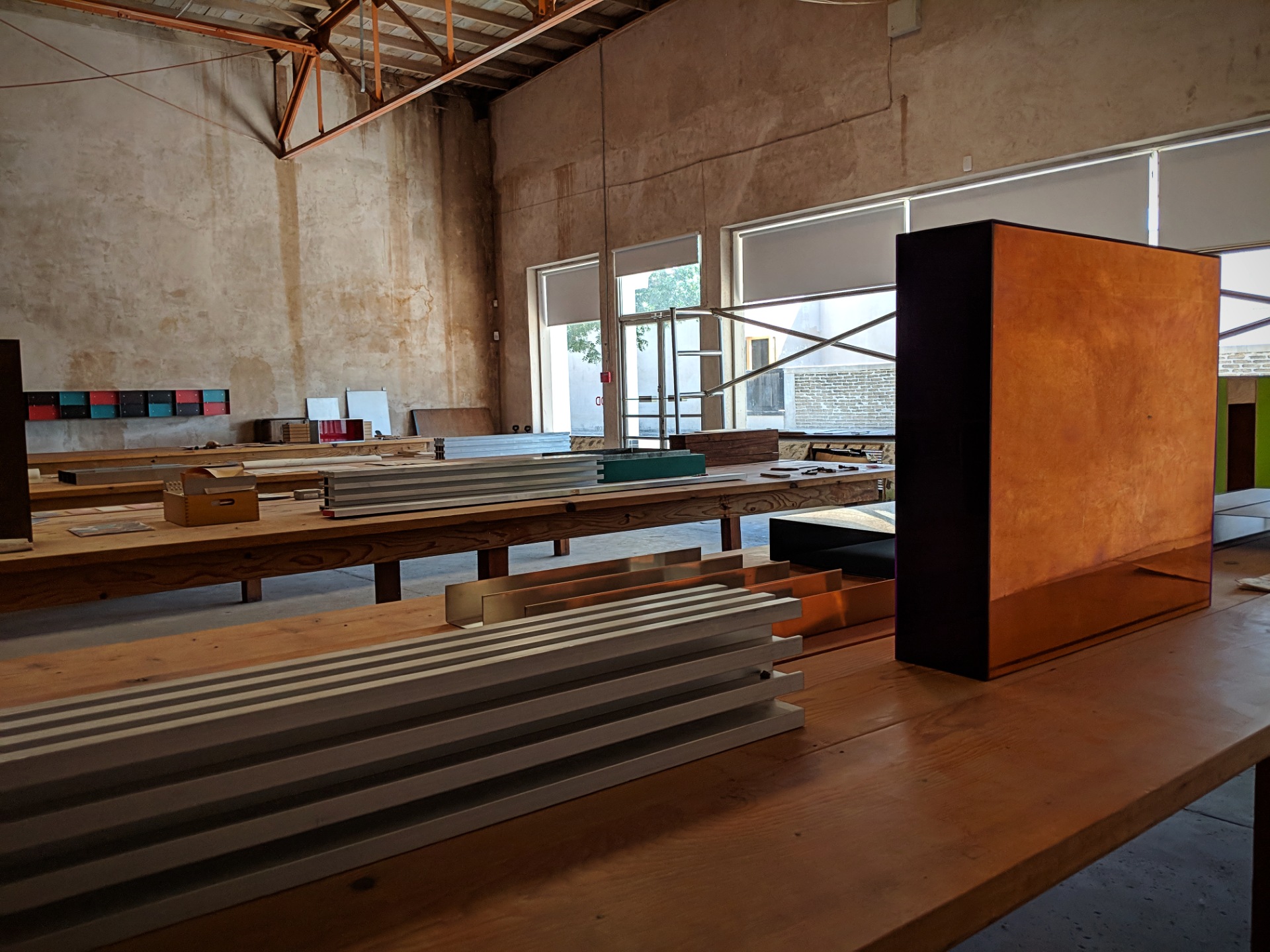
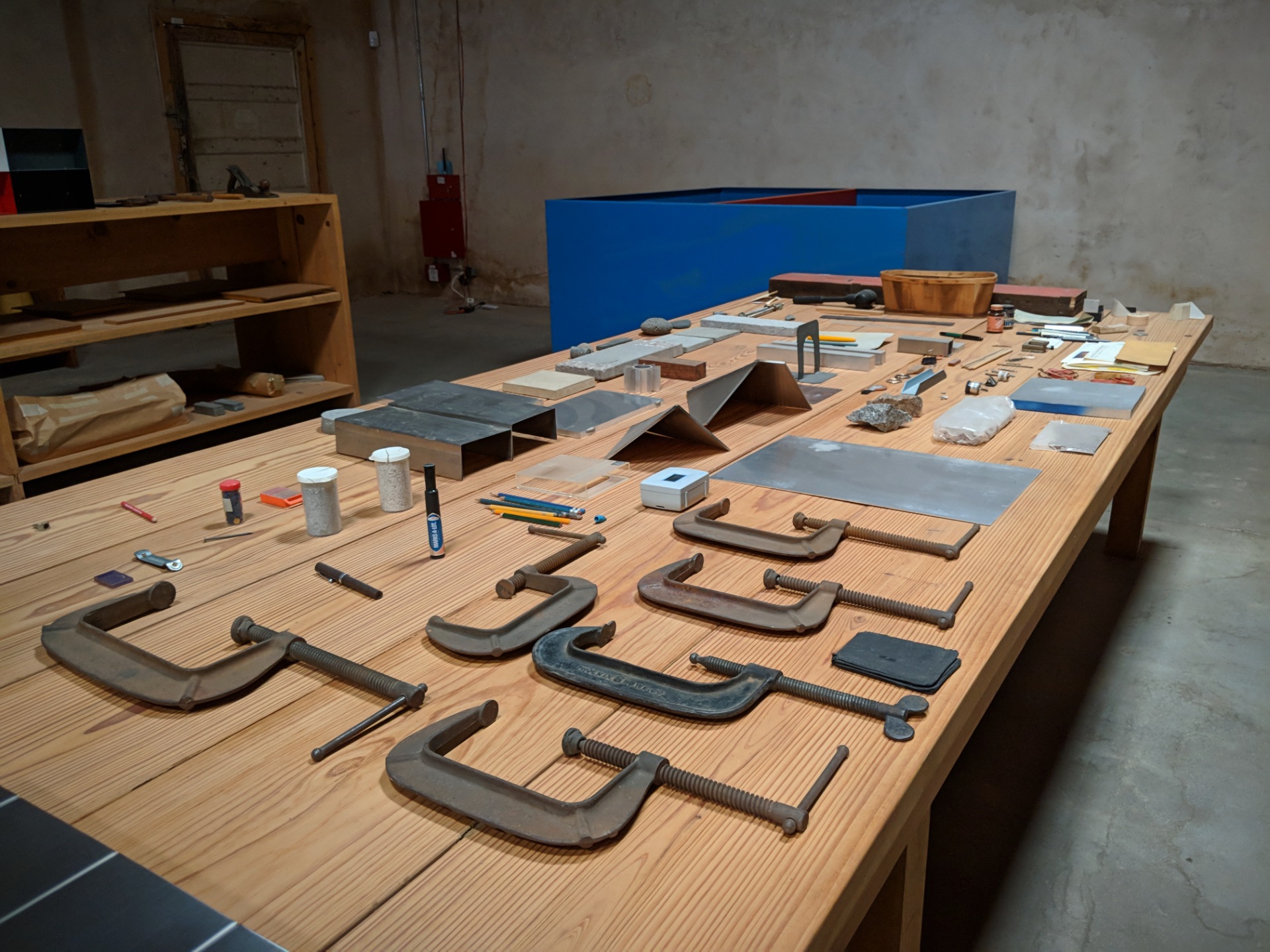
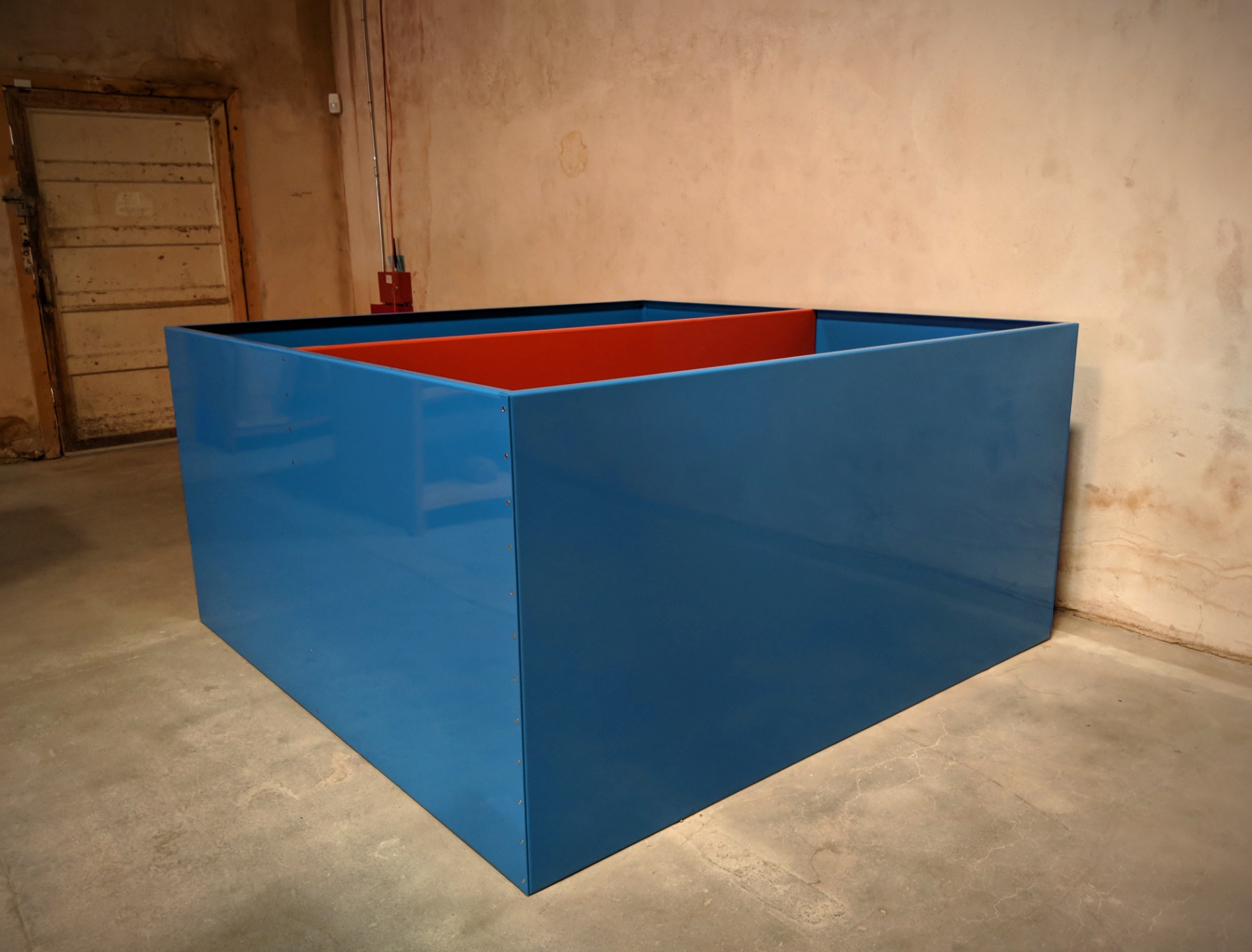
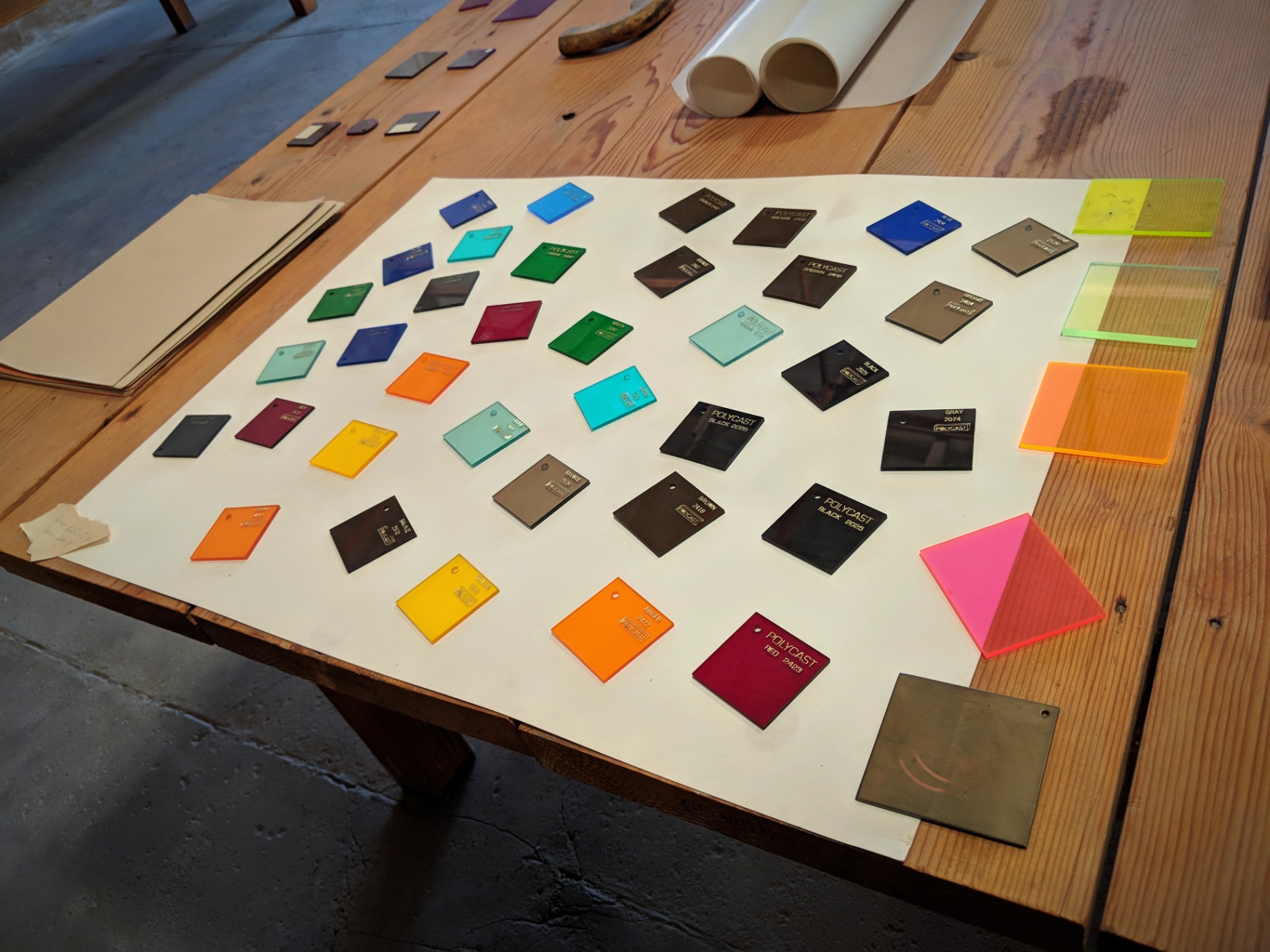
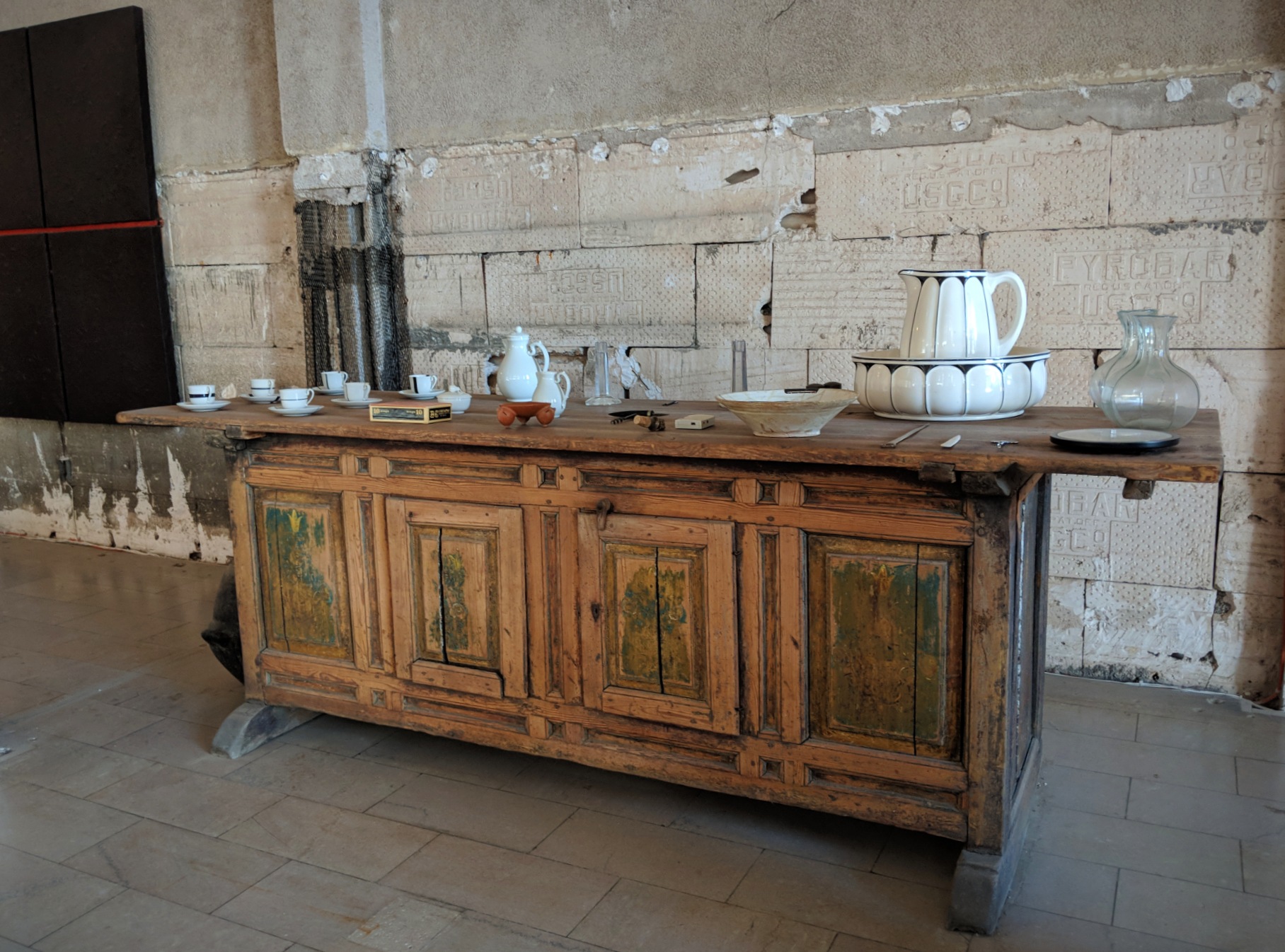
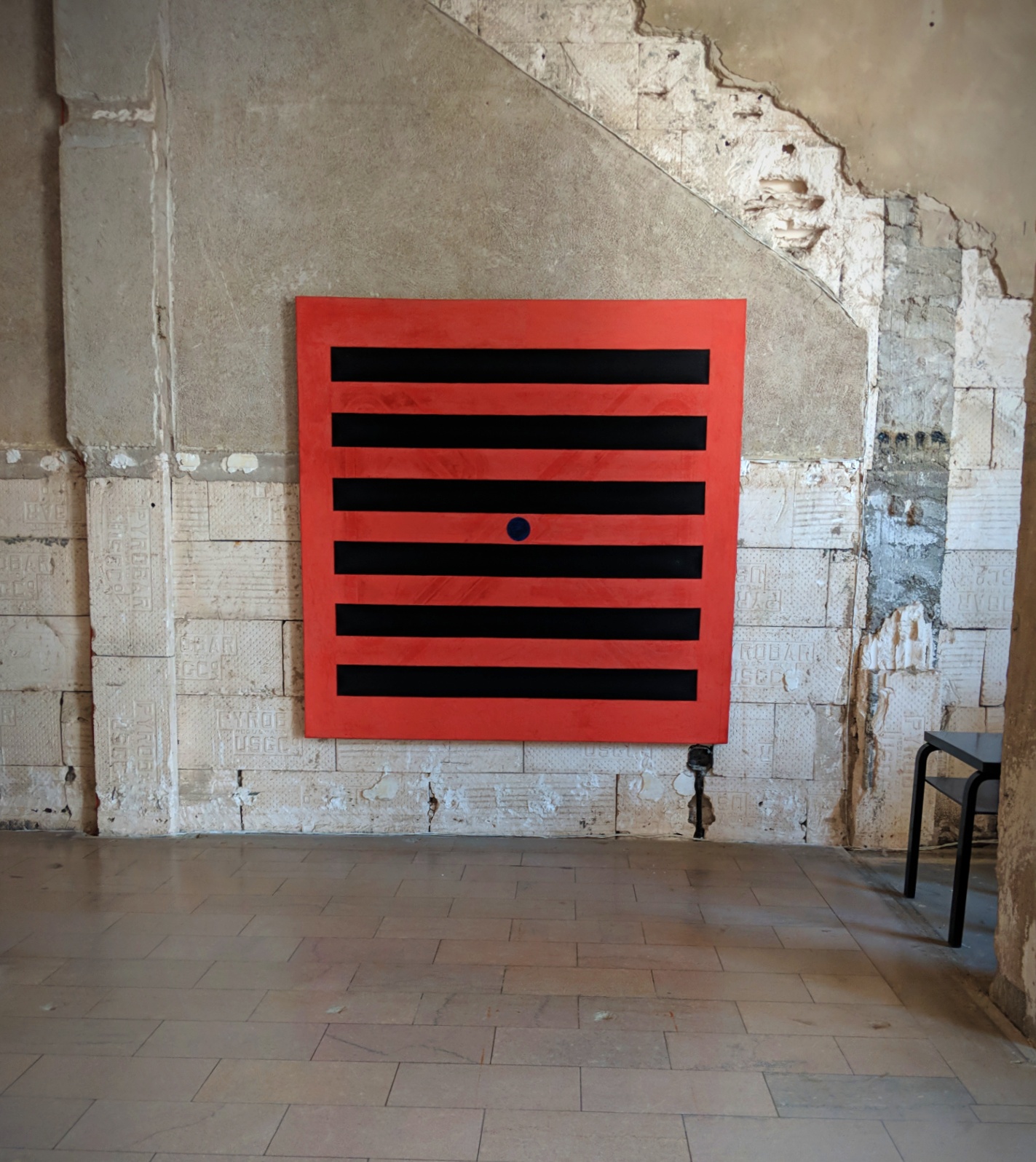
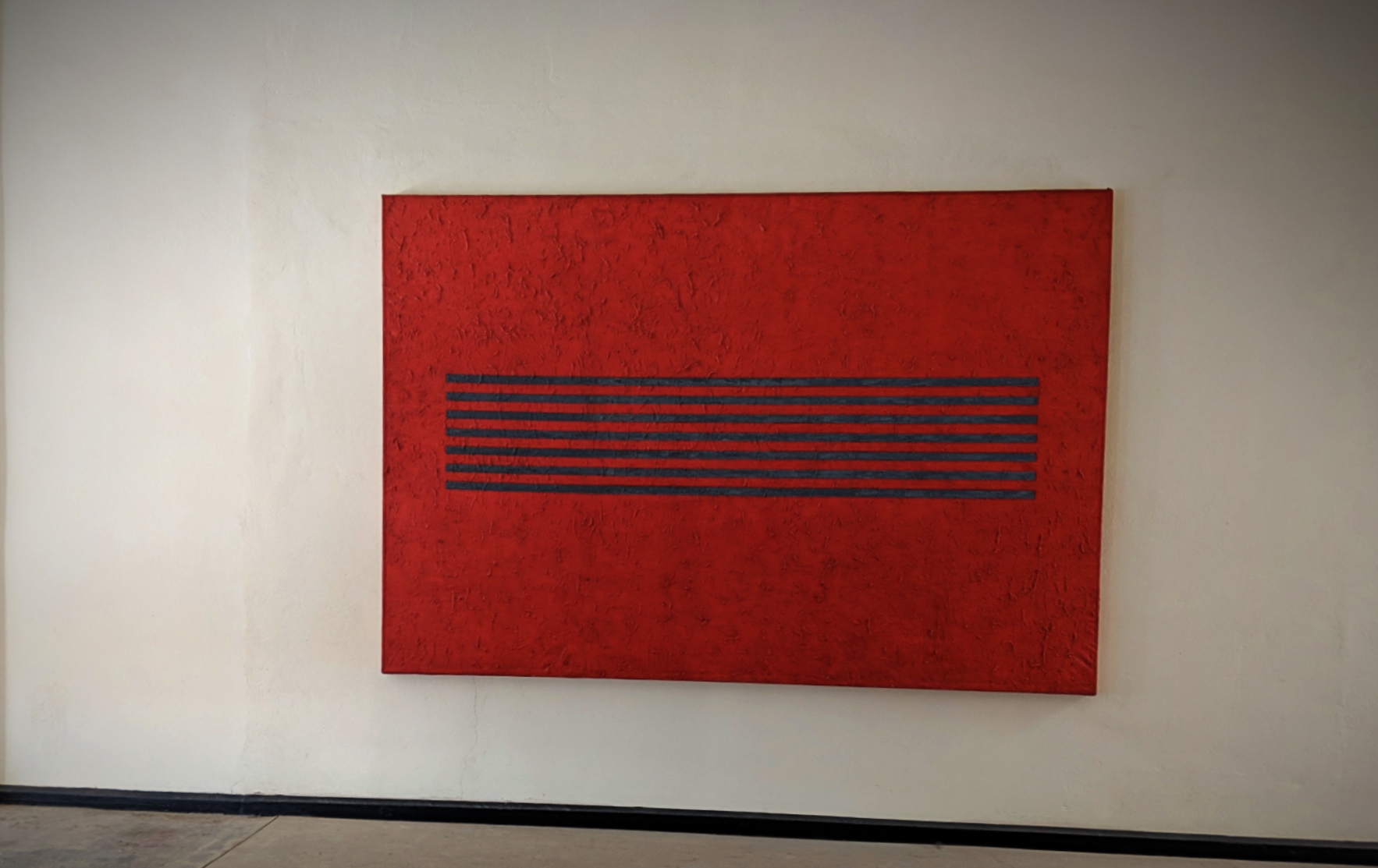
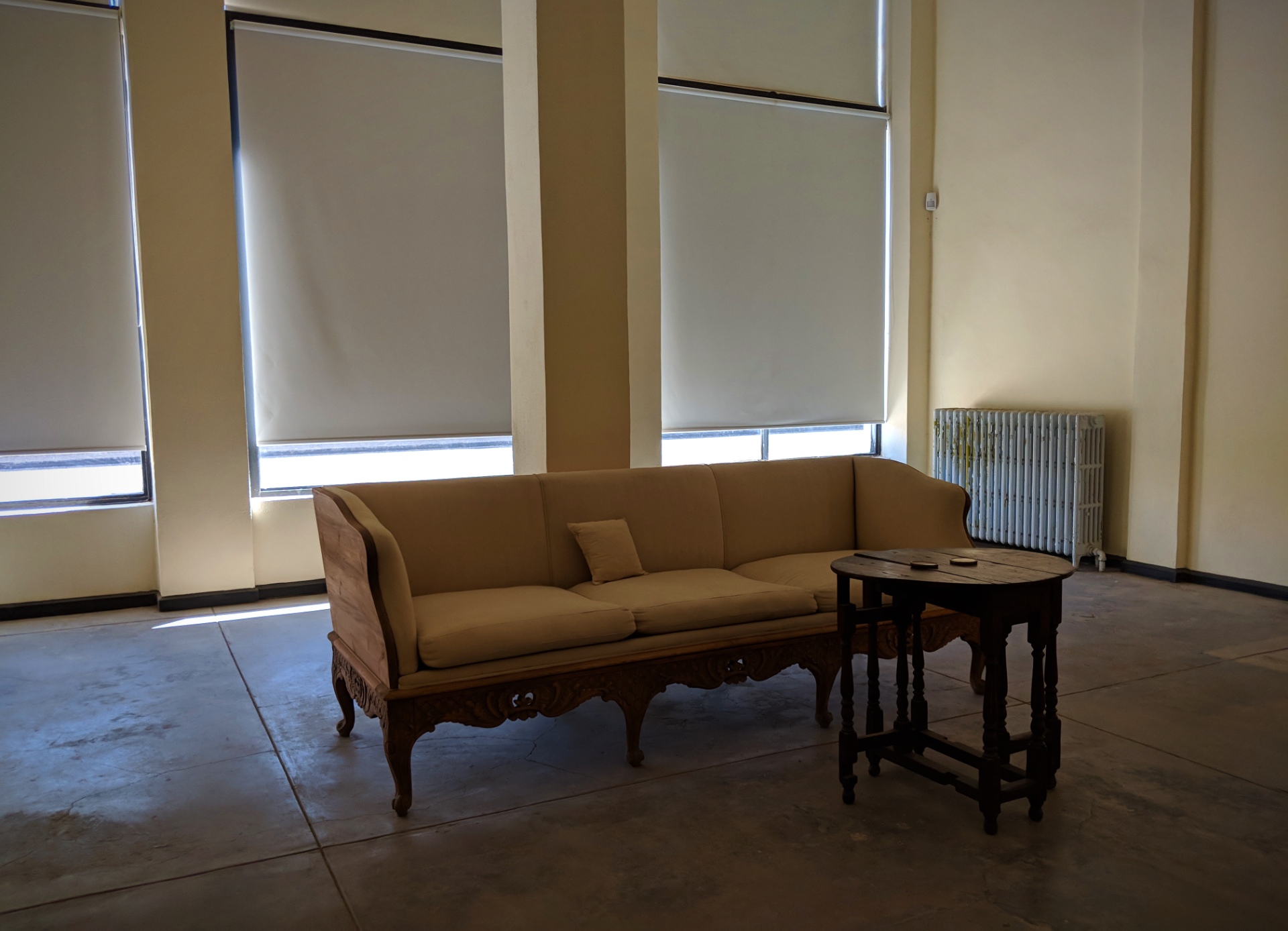
Access is provided by way of guided tours offering a good look in Judd’s working and living spaces, his art, tools, books, his way of life. Photography is not permitted in any of the buildings. These are a few sneak pics I managed to smuggle from our tour at the Architecture Studio, the Art Studio, the Cobb House and the Block, Judd’s Marfa residence.

Marfa, TX

October 7th, 2018
Out of the Box

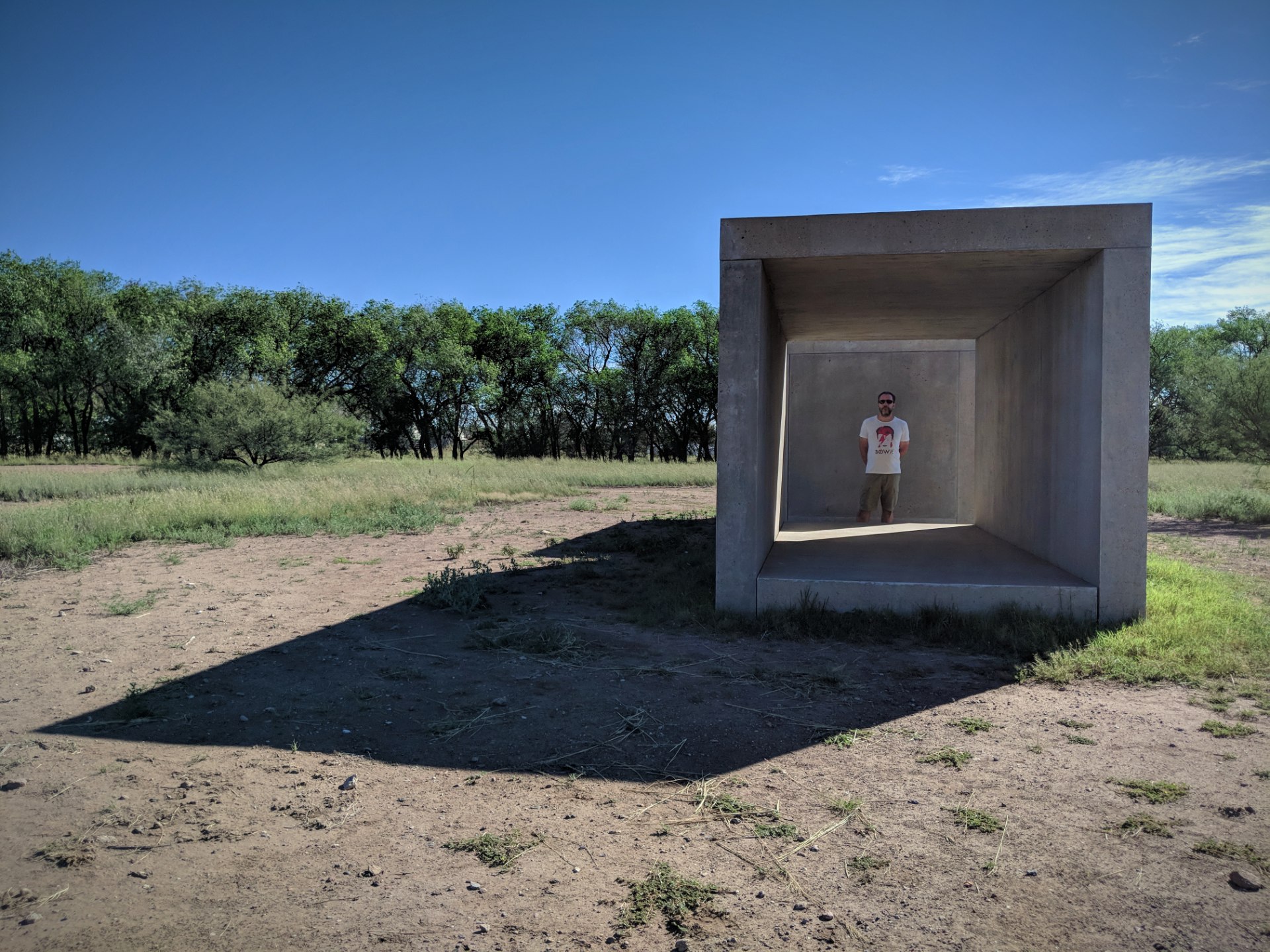
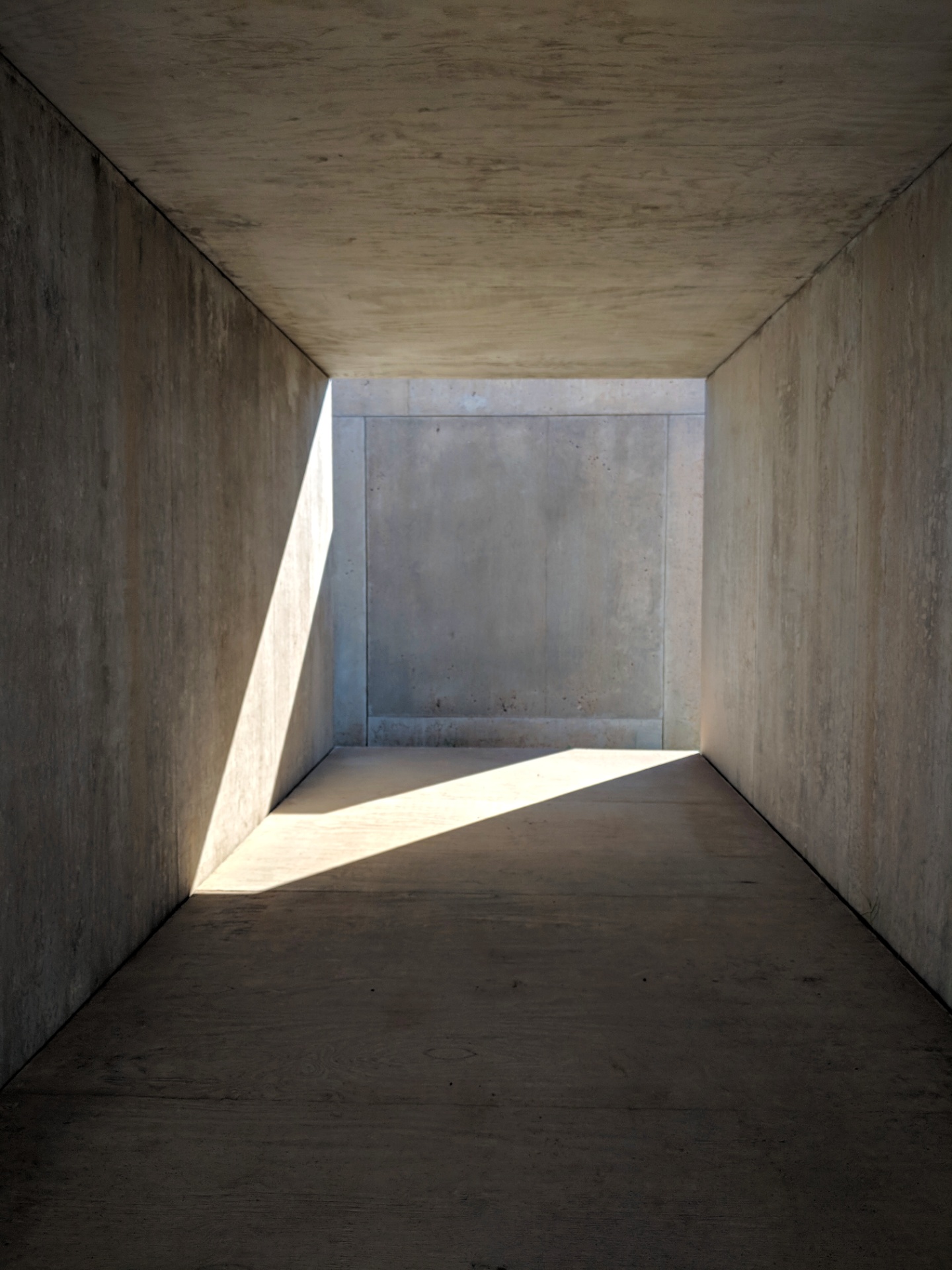
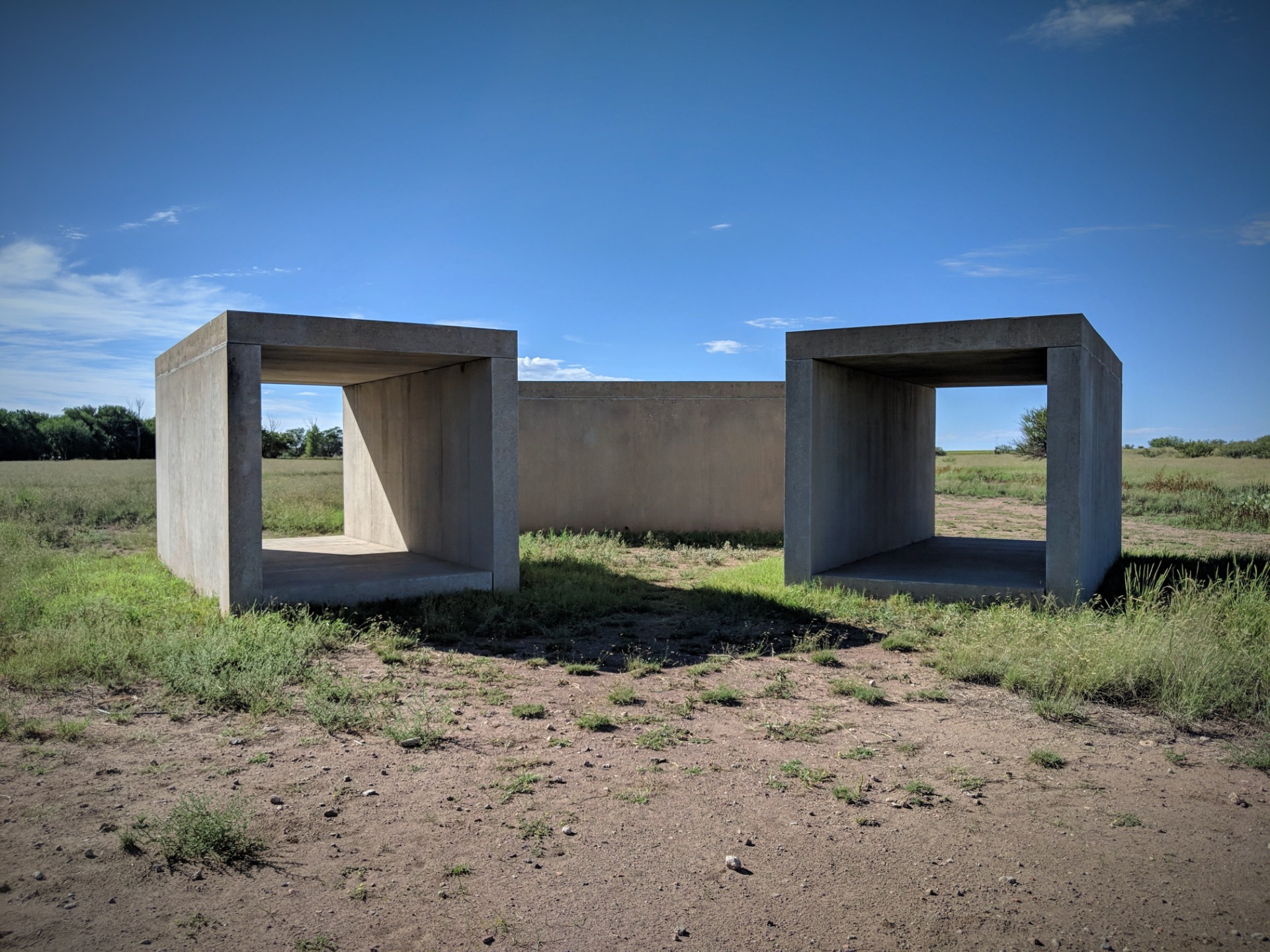
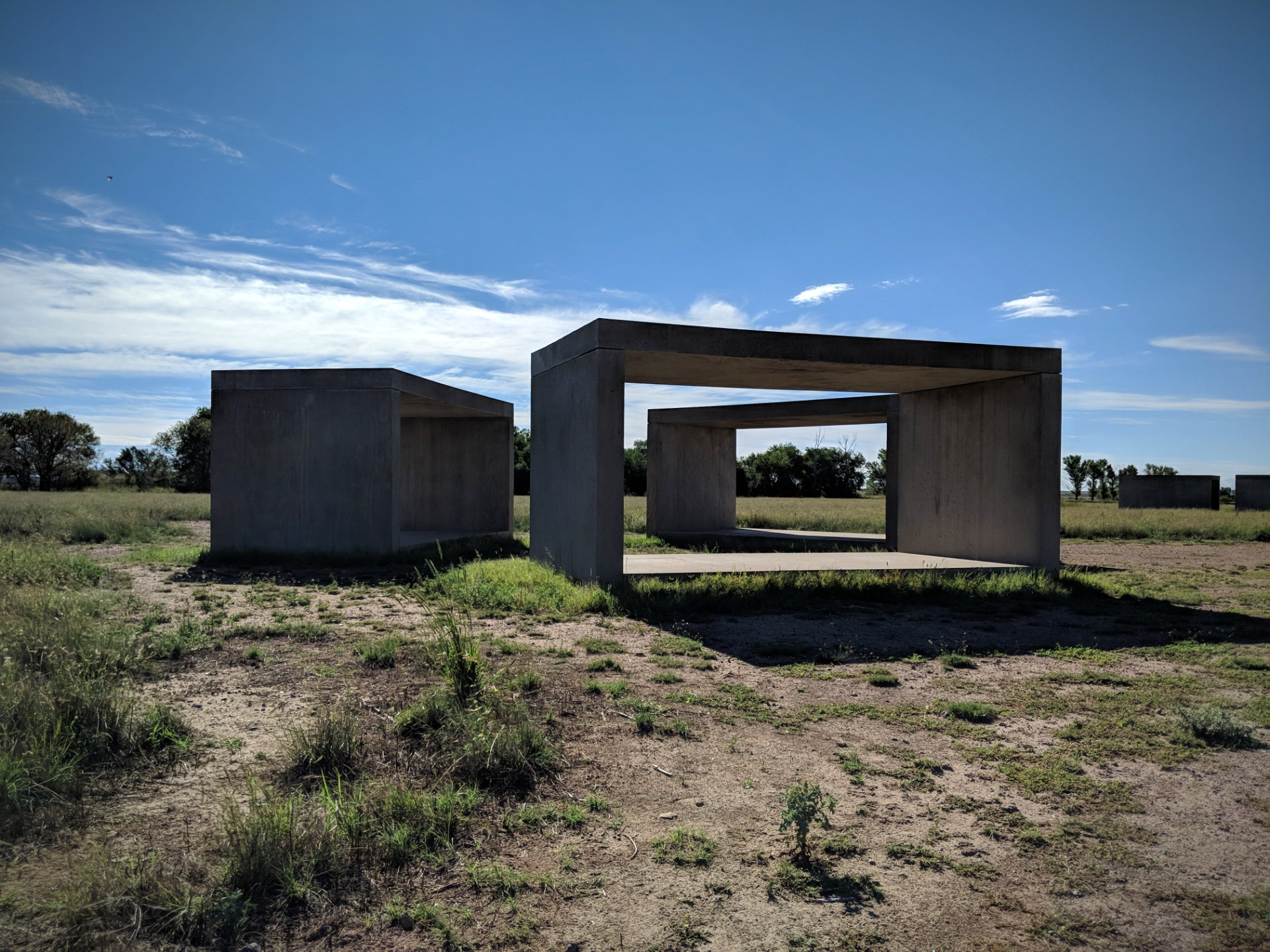
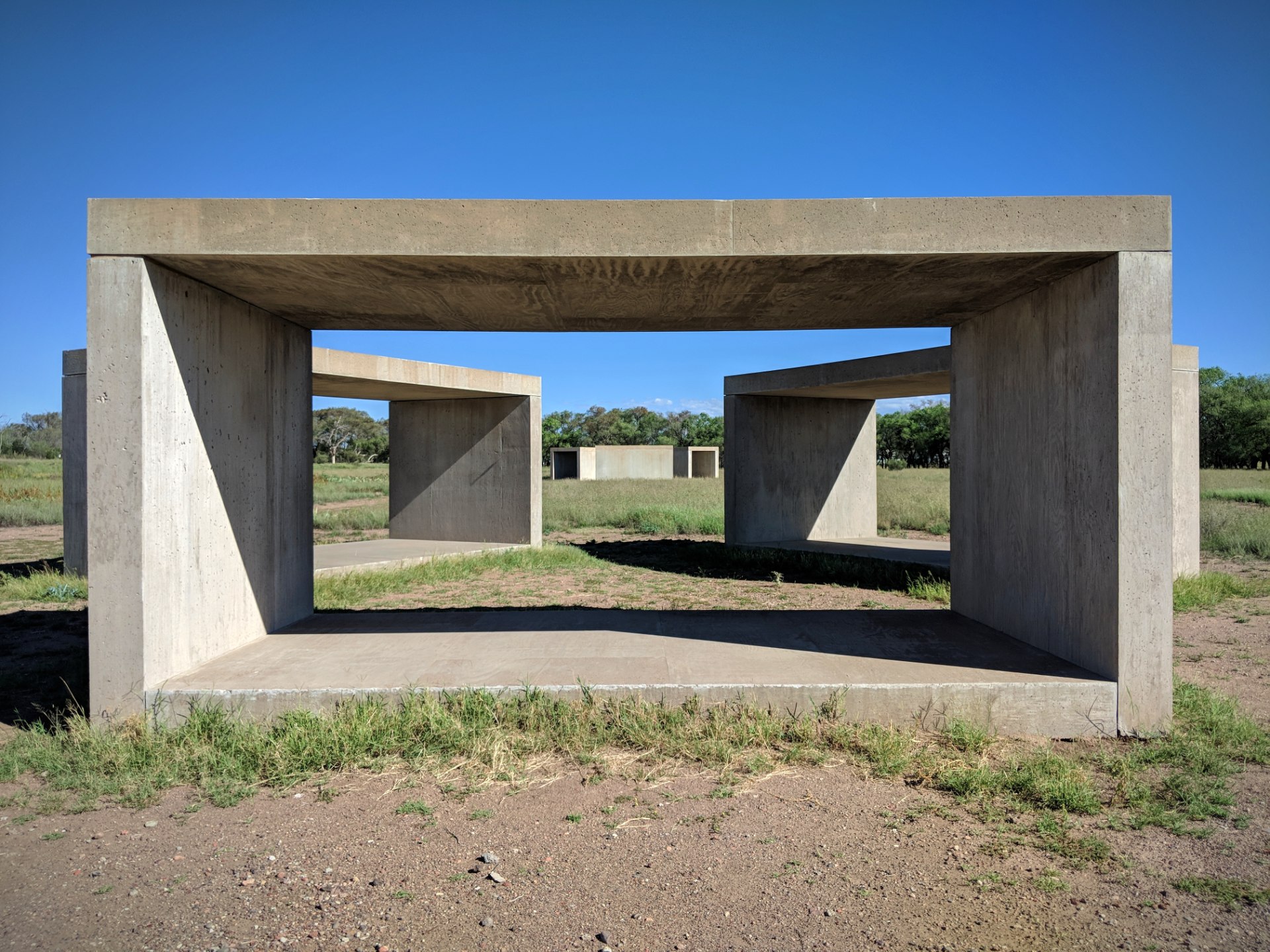
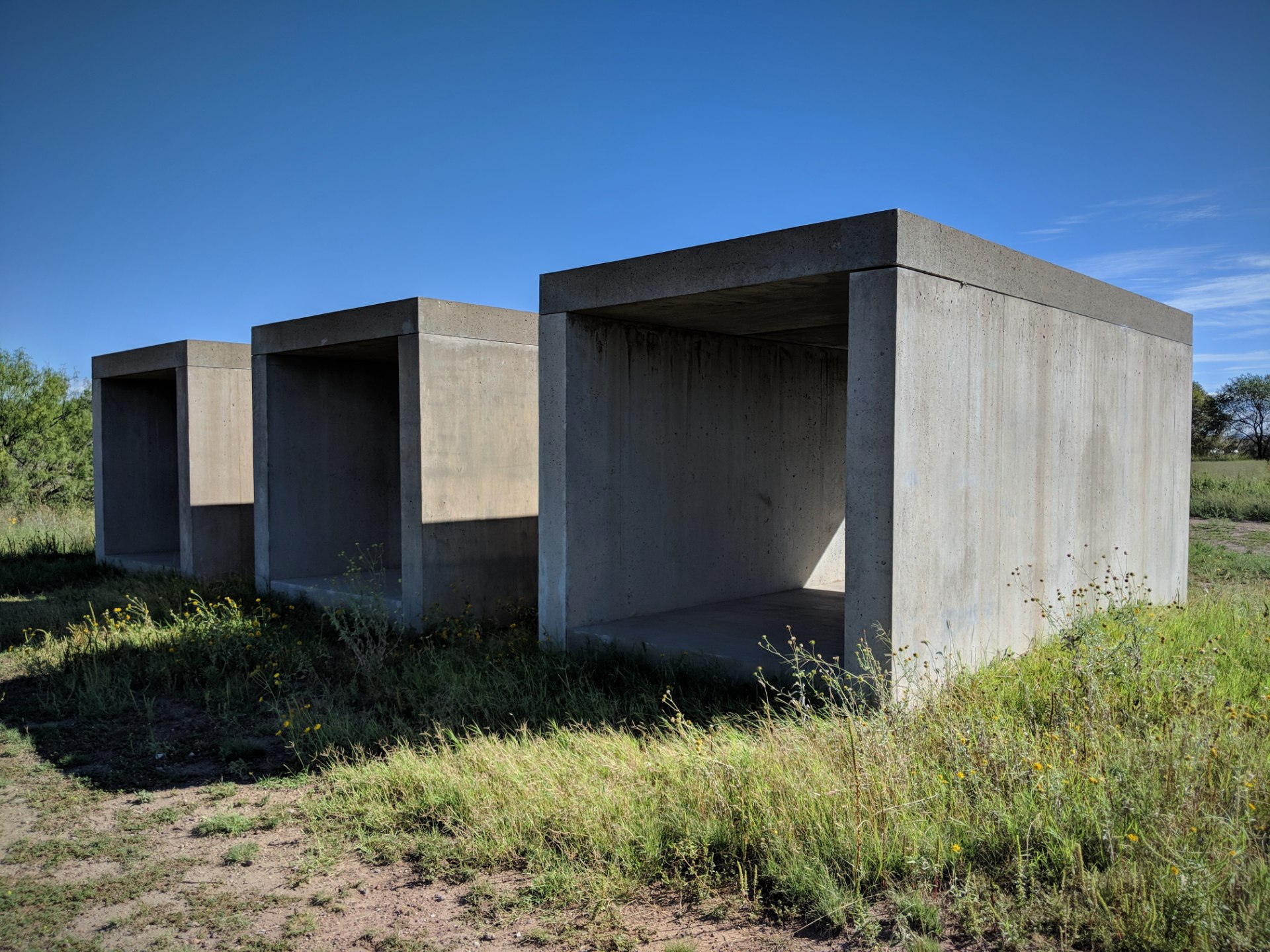
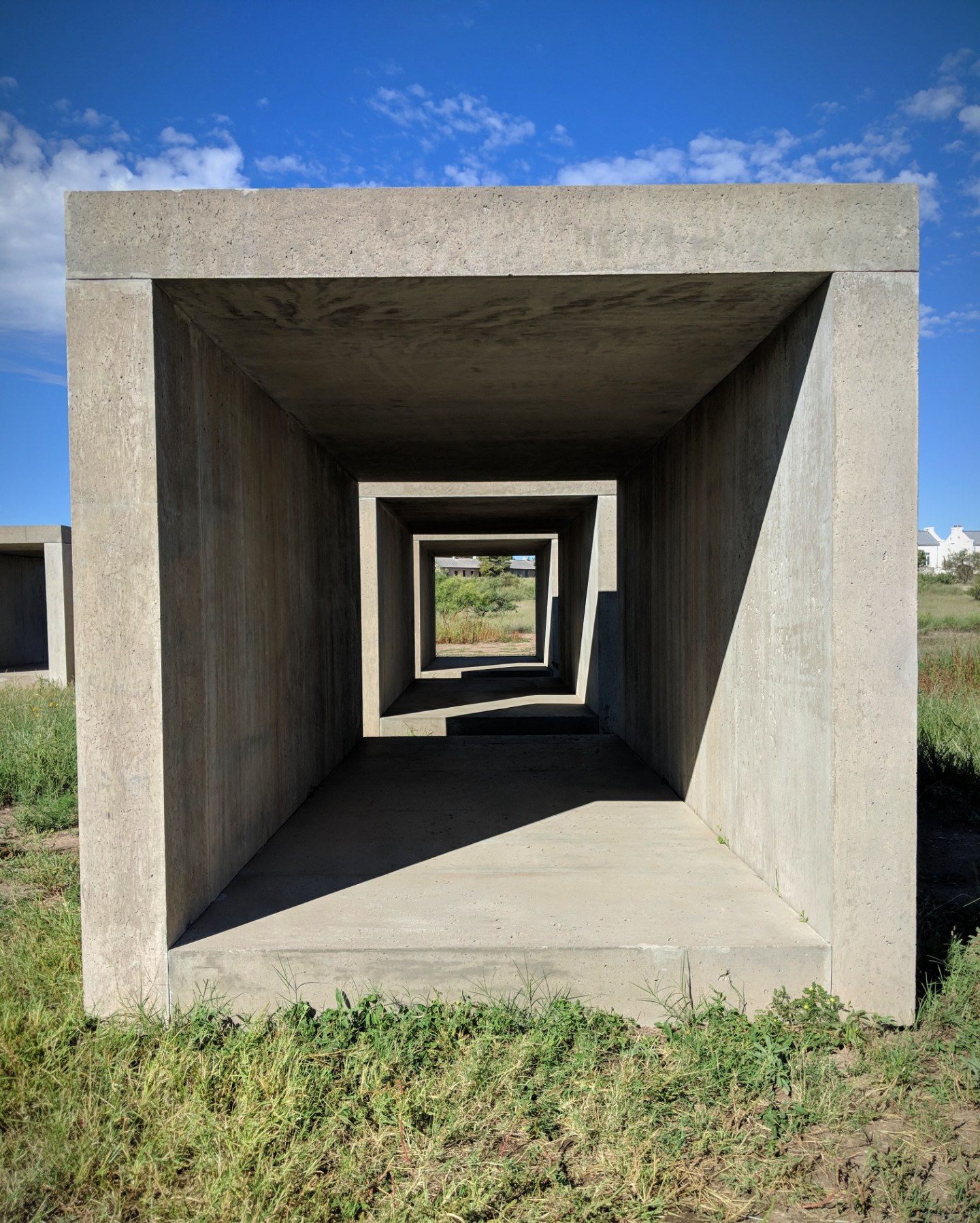
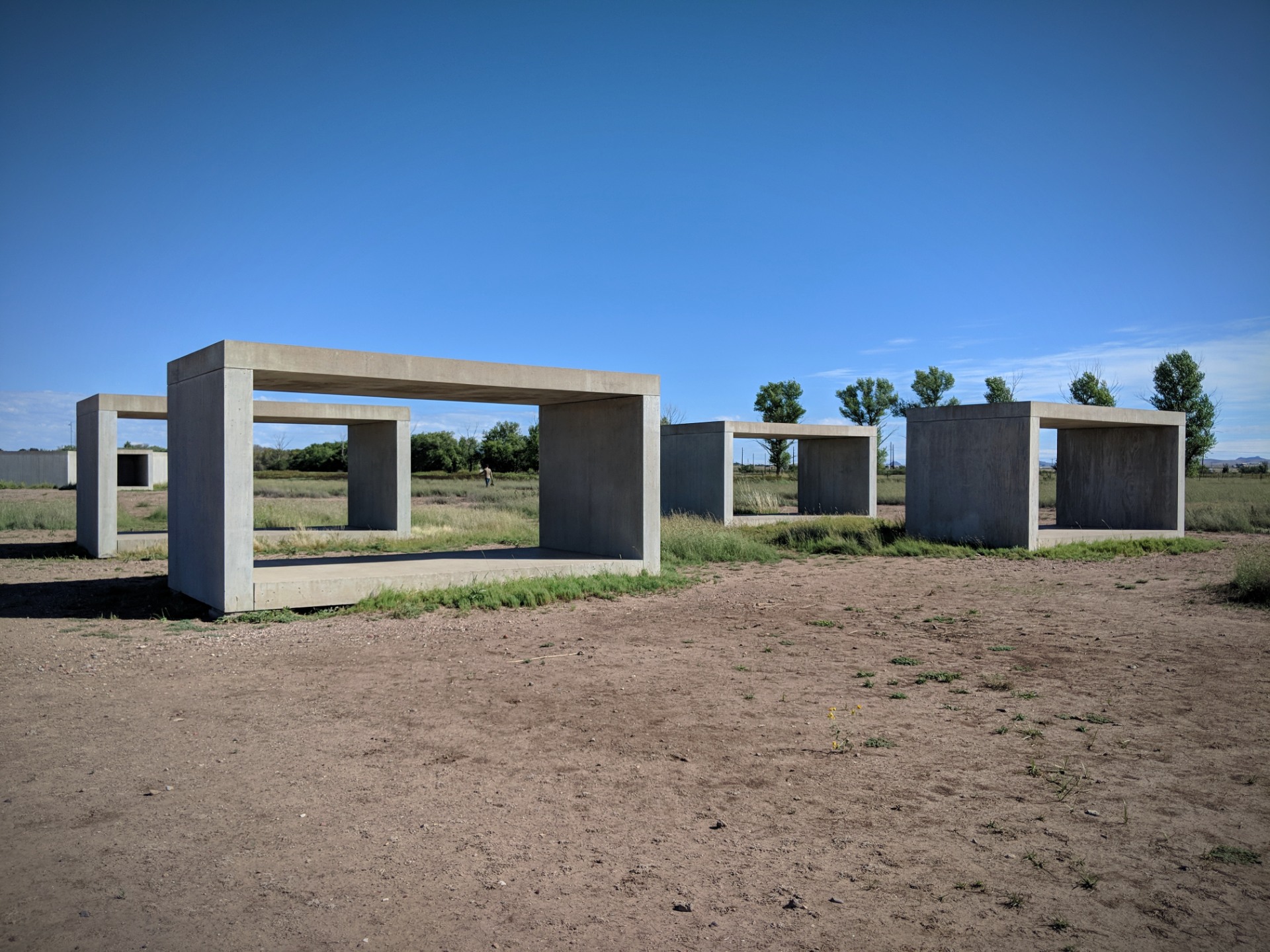
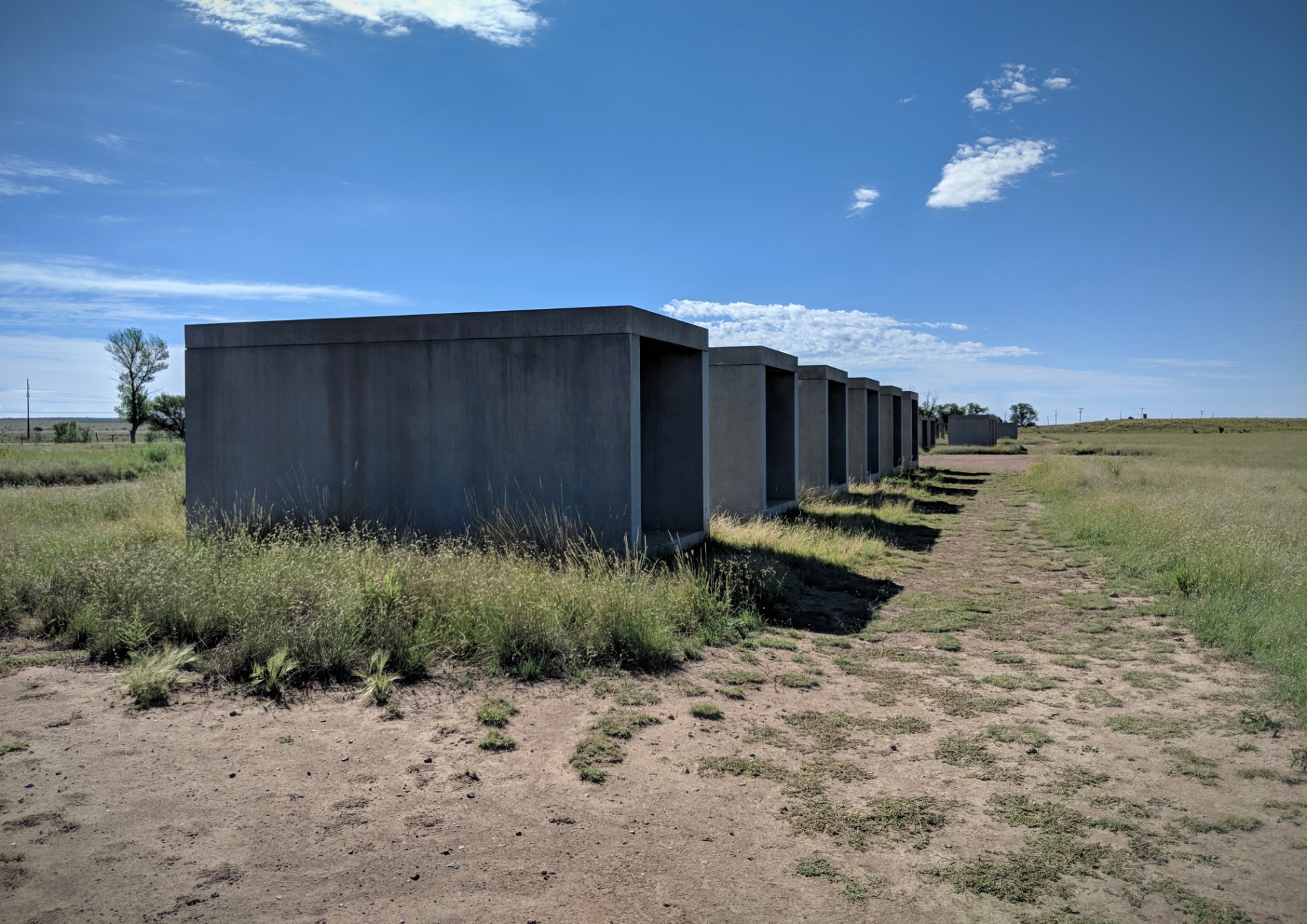
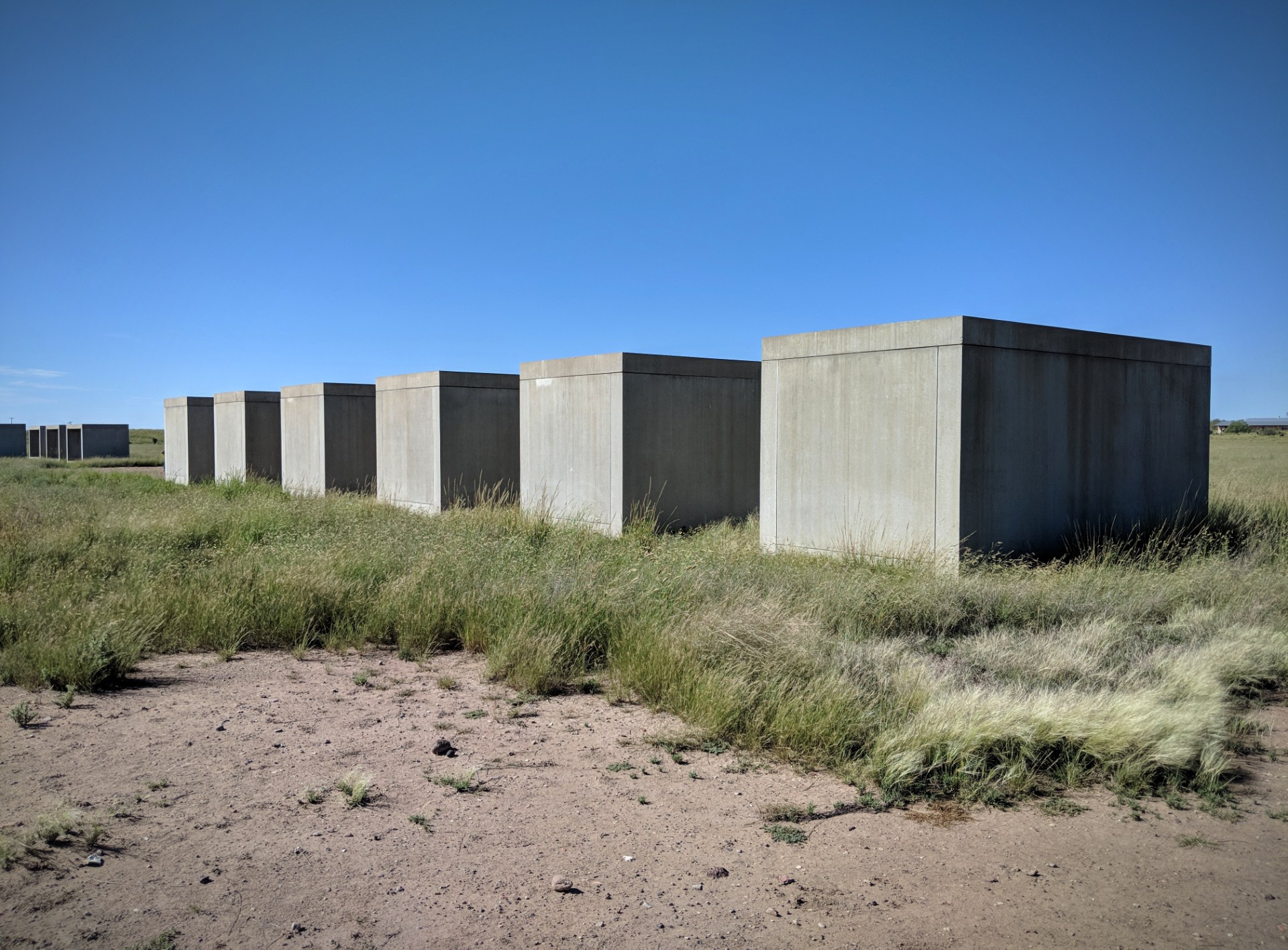
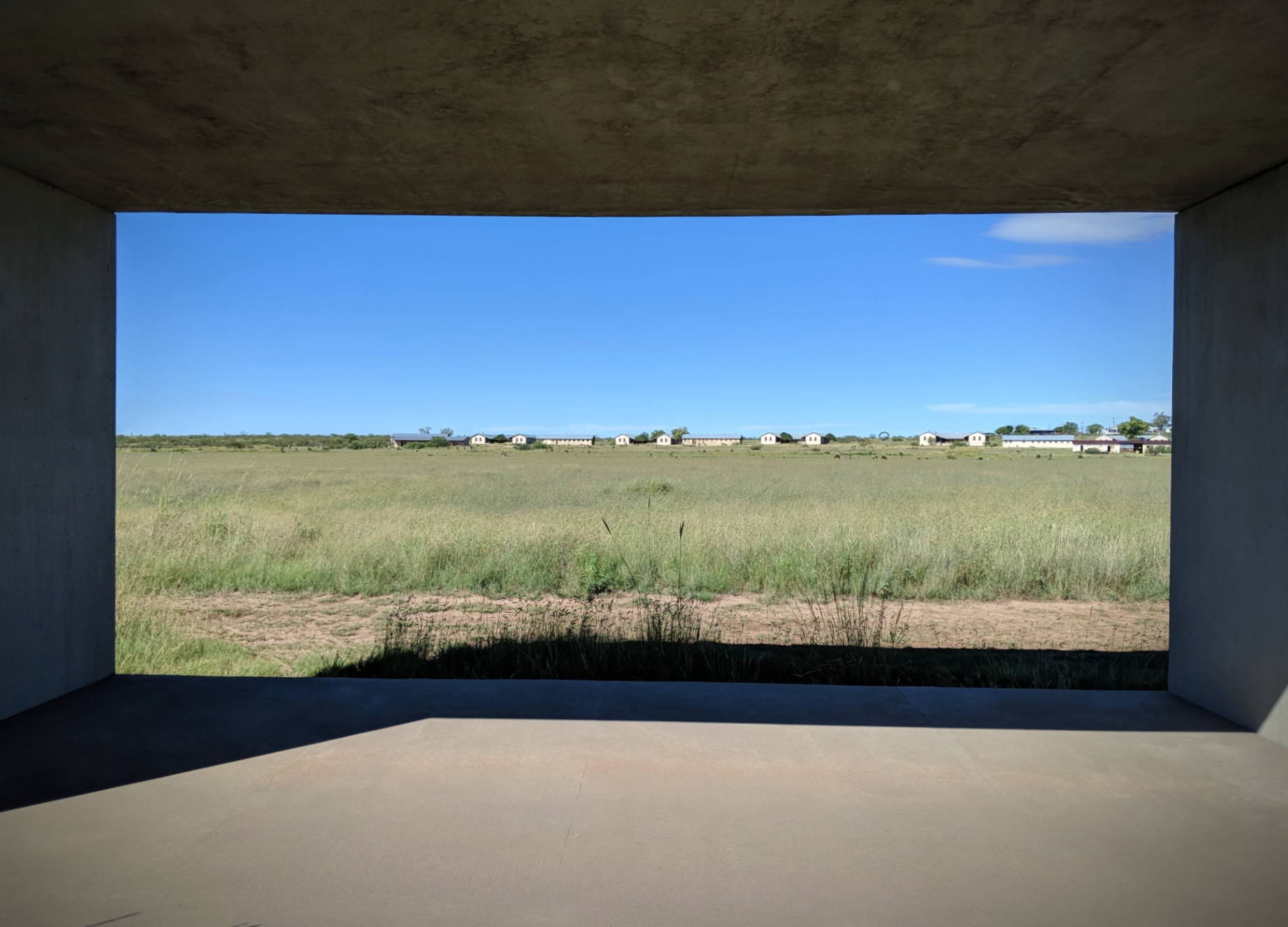
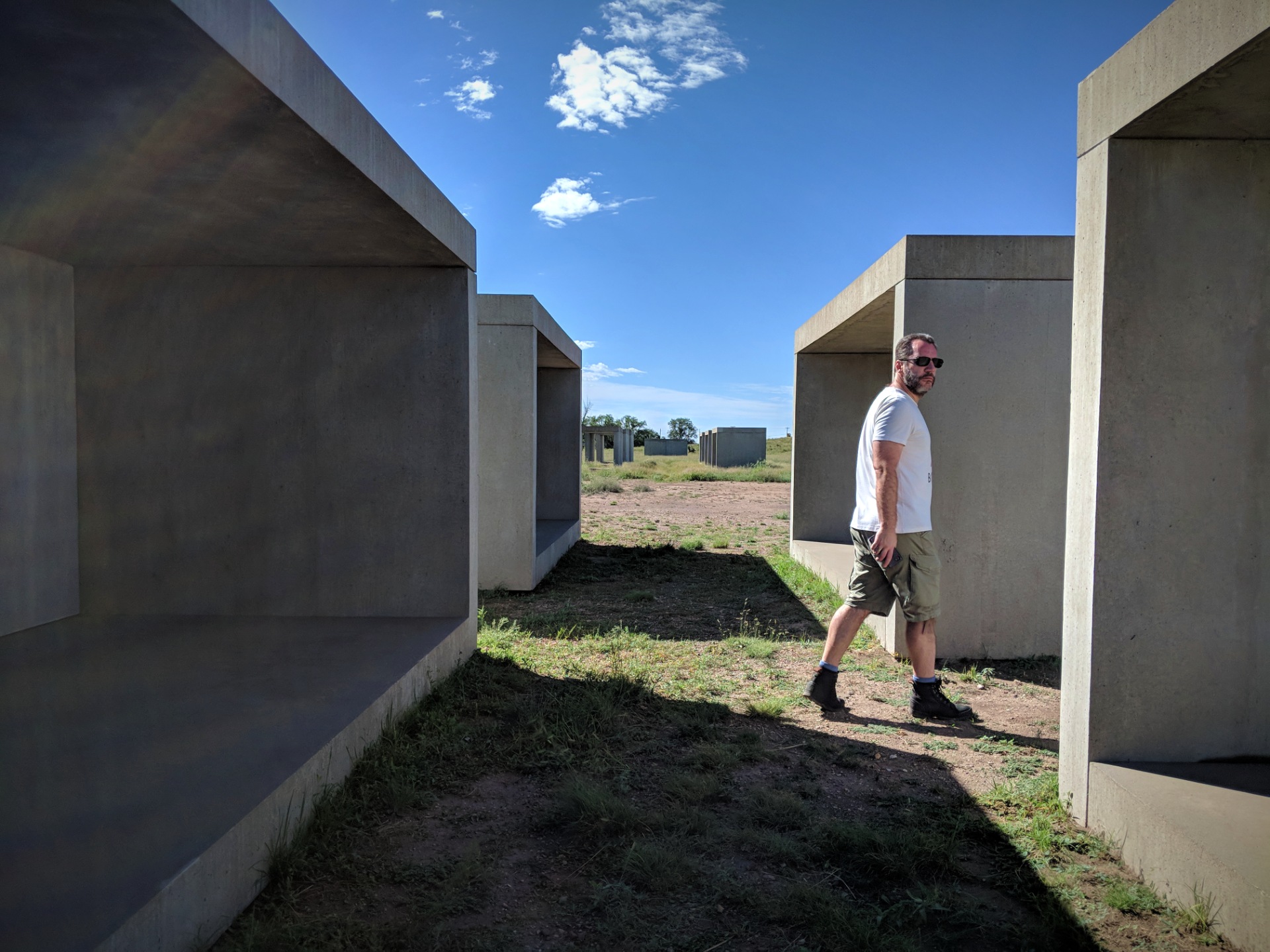
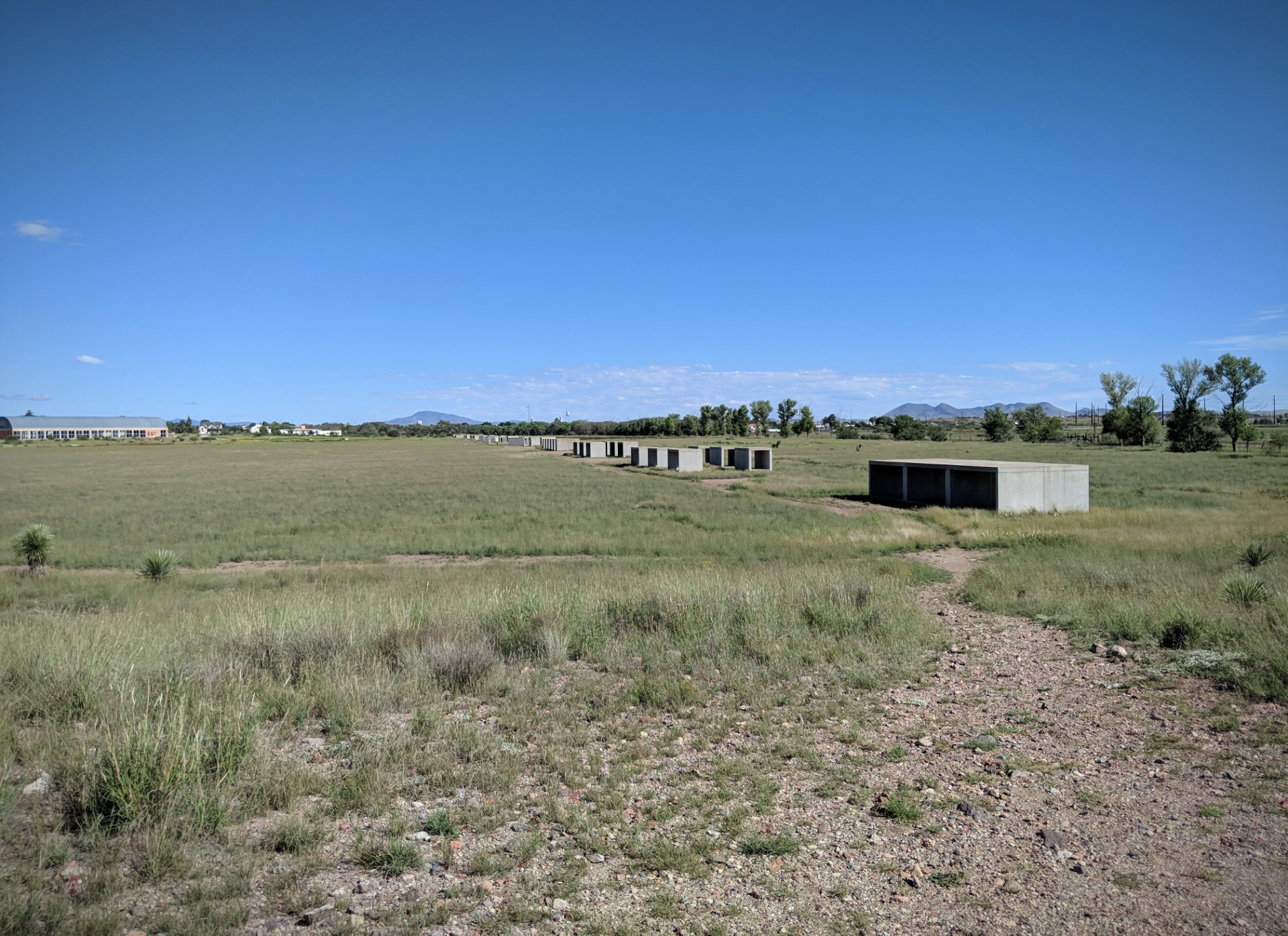
15 untitled works in concrete, 1980–1984

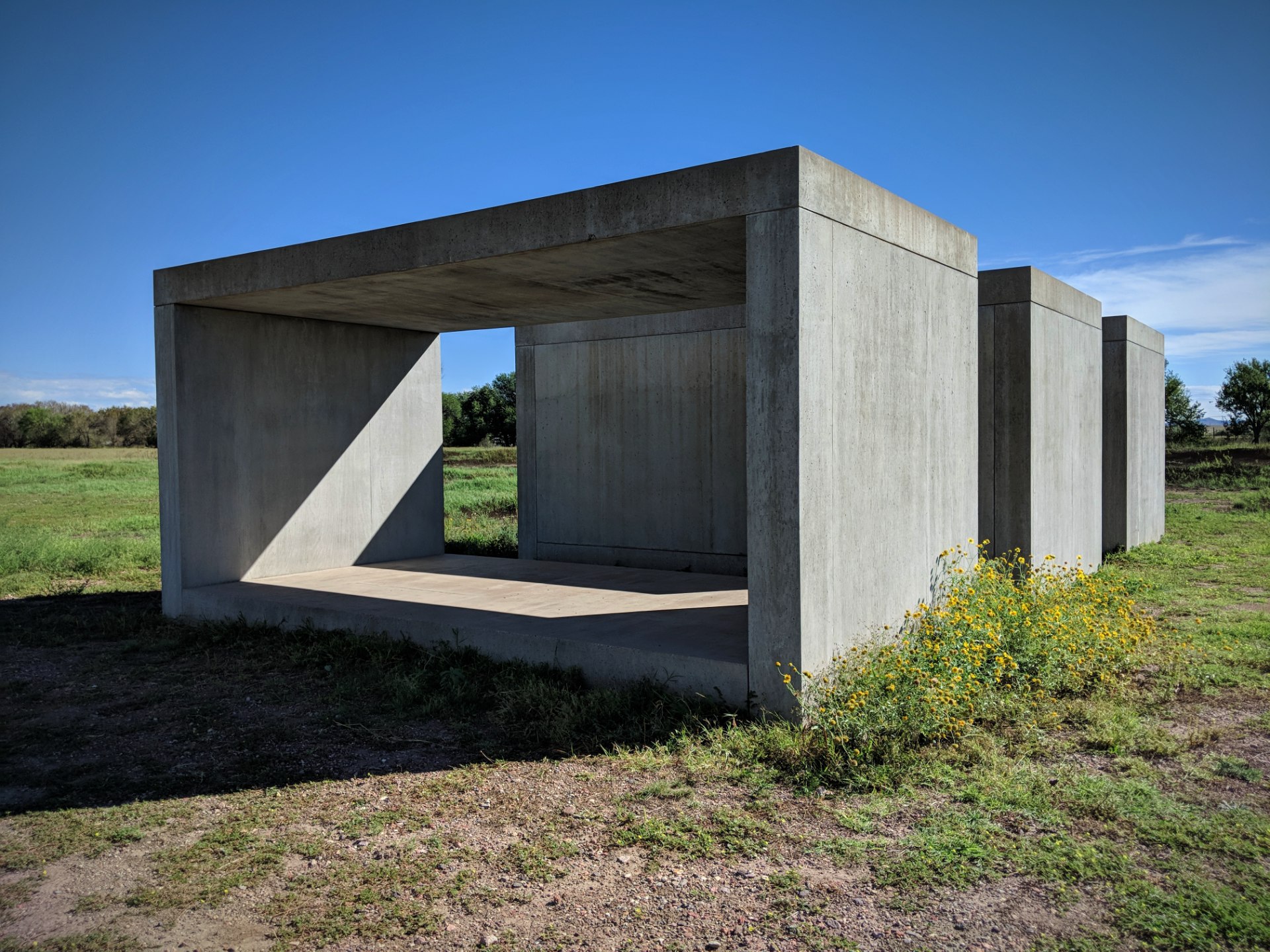
“The fifteen concrete works by Donald Judd that run along the border of Chinati’s property were the first works to be installed at the museum and were cast and assembled on the site over a four-year period, from 1980 through 1984. The individual units that comprise each work have the same measurements of 2.5 x 2.5 x 5 meters, and are made from concrete slabs that are each 25 centimeters thick. Funding for the project was provided by the Dia Art Foundation.”

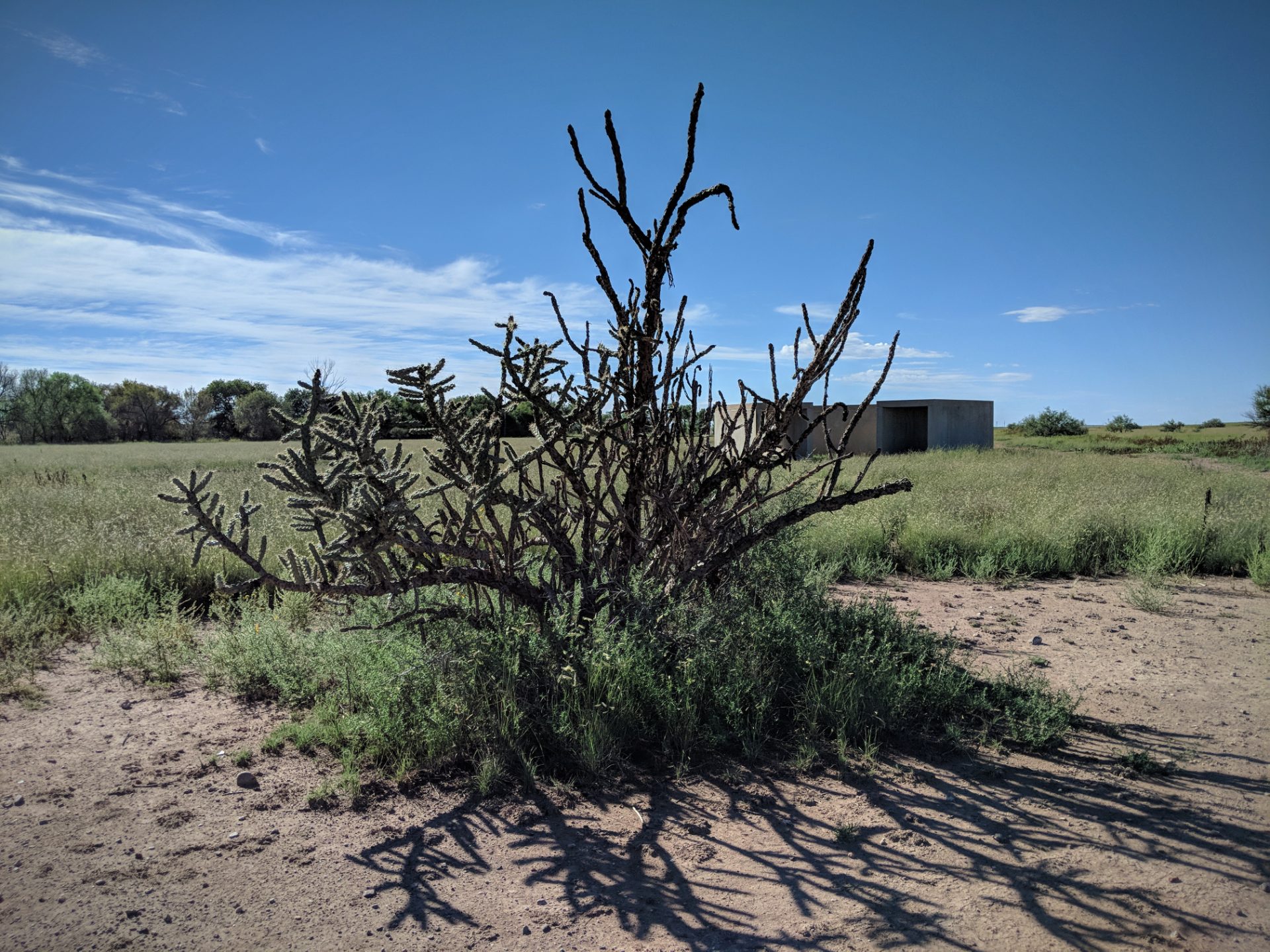
Are they only fifteen…? One loses count after the first pair or three… It took us an hour to complete the walk; looking back, they stretch as far as the eye can see. And, despite their, well… concreteness, they seem lightweight, blending into the landscape as if they sprouted from the earth, growing organically, effortlessly, in their own time. Nowhere does there seem to be so fitting a place for these squares than here – Judd knew exactly what he was doing.

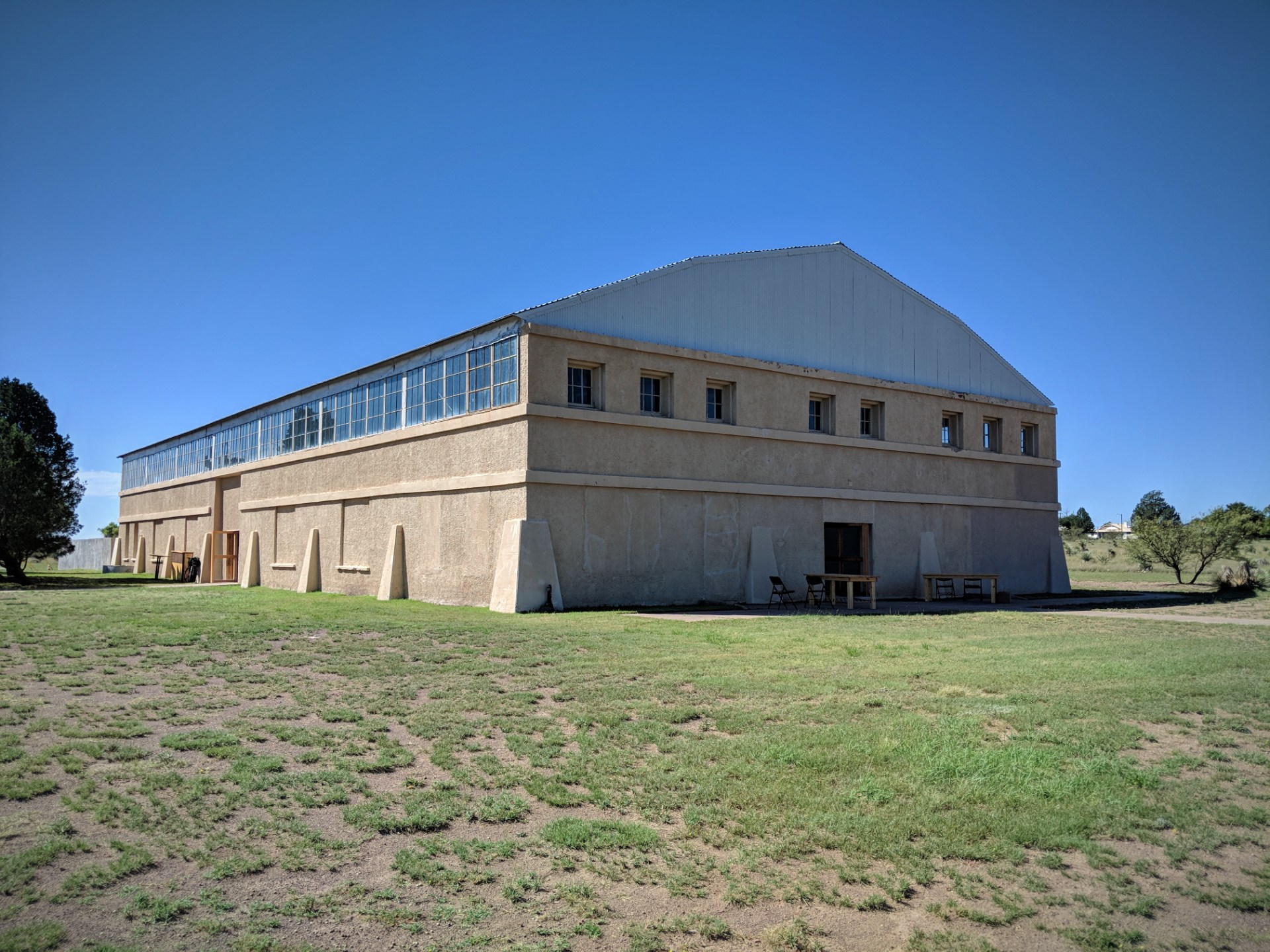
The Arena, 1980–1987

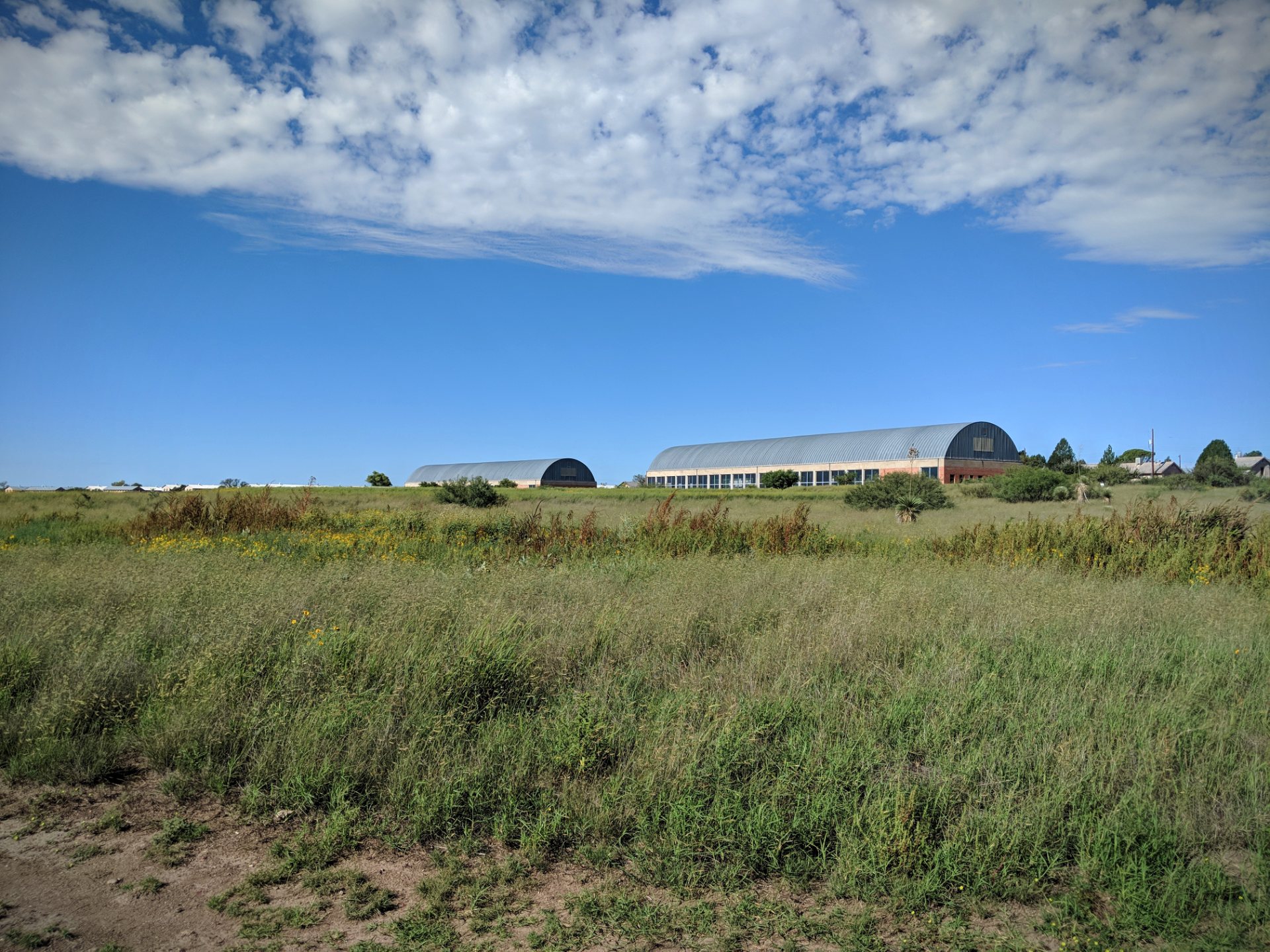
“The Arena was built in the 1930s as a gymnasium for the soldiers at Fort D.A. Russell. After the fort closed in 1946, the gym floor was torn up for the wood, and sand was laid to provide an indoor arena for horses. In the mid-1980s, Judd restored the building, which was largely dilapidated. Judd left the long strips of concrete that had originally supported the wooden floor, and filled the intervening spaces with gravel. For practical considerations, Judd poured a large concrete area by the kitchen at the south end, and a smaller area at the north end of the building’s interior. These two areas comprise half of the total area of the building. Judd also added a sleeping loft and designed the outer courtyard, which includes areas for eating, bathing, and a barbecue.”↓↓

Robert Irwin
untitled (dawn to dusk), 2016

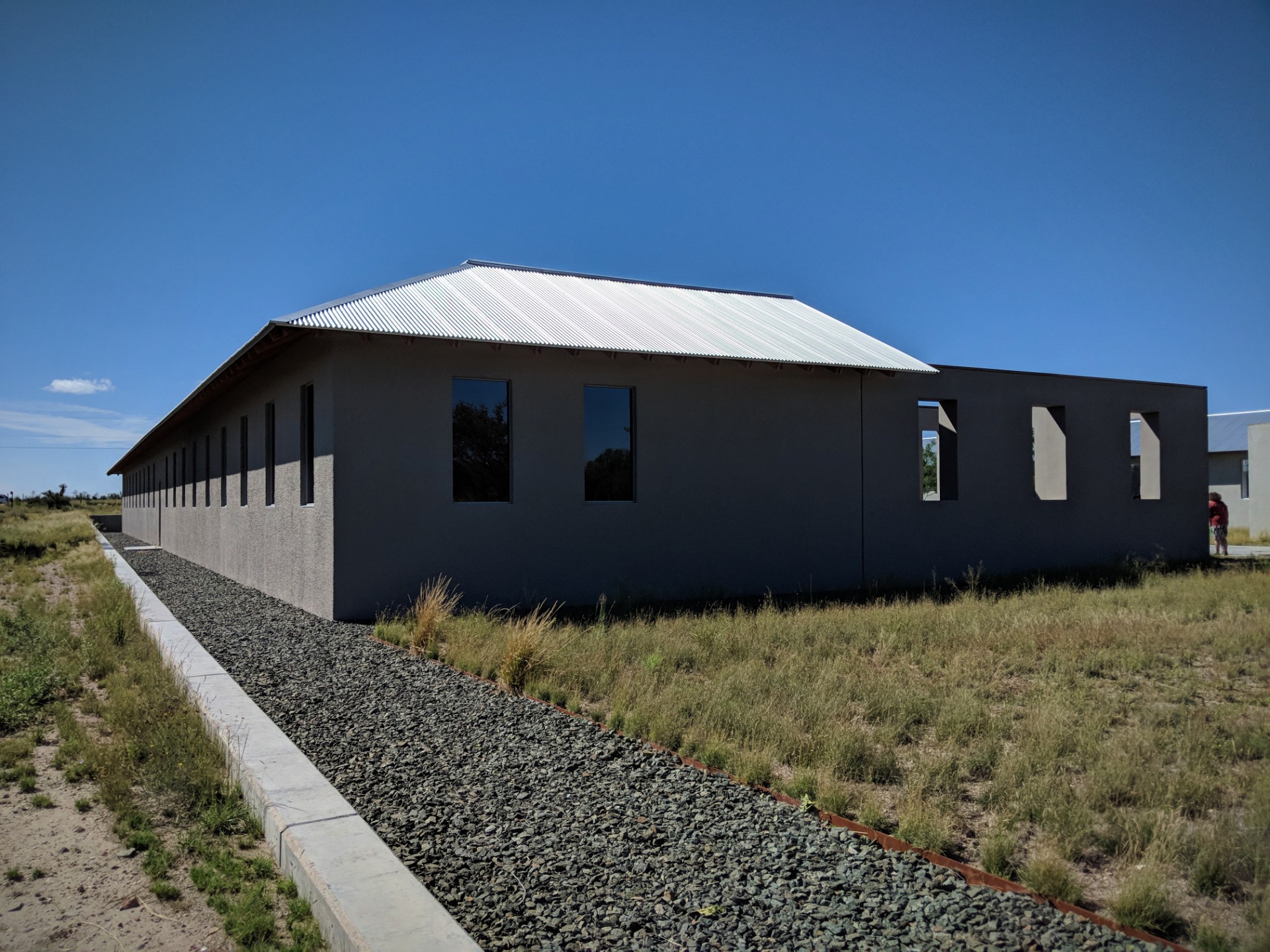
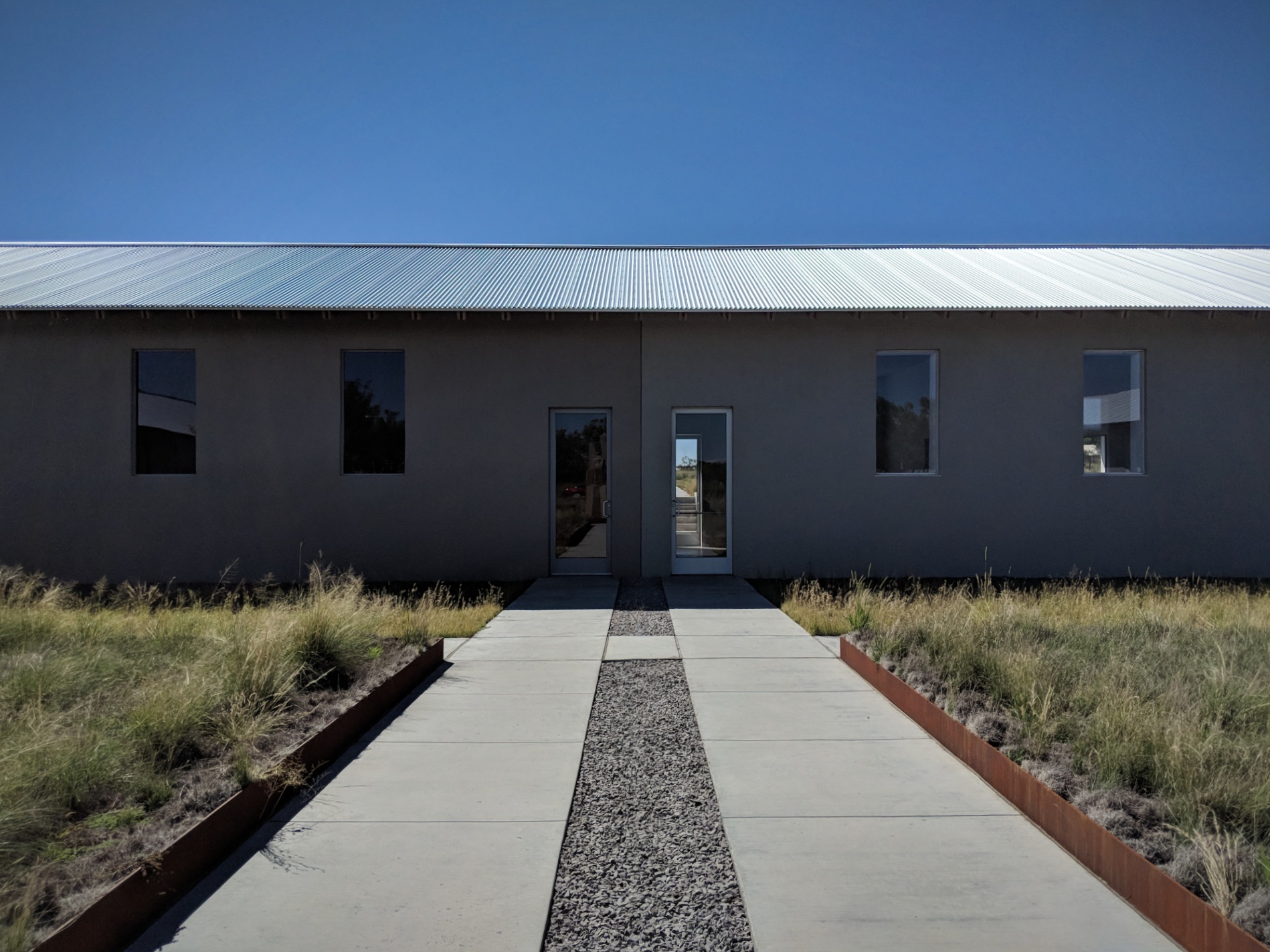
“In July 2016, the Chinati Foundation opened a new large-scale artwork by Robert Irwin. It is the only permanent, freestanding structure conceived and designed by Irwin as a total work of art.

Irwin had been developing and refining a design for the long-abandoned former army hospital site since 1999. Situated adjacent to the museum’s campus, the site was a C-shaped concrete structure, lined on all sides with a long sequence of windows that surrounded a central courtyard.

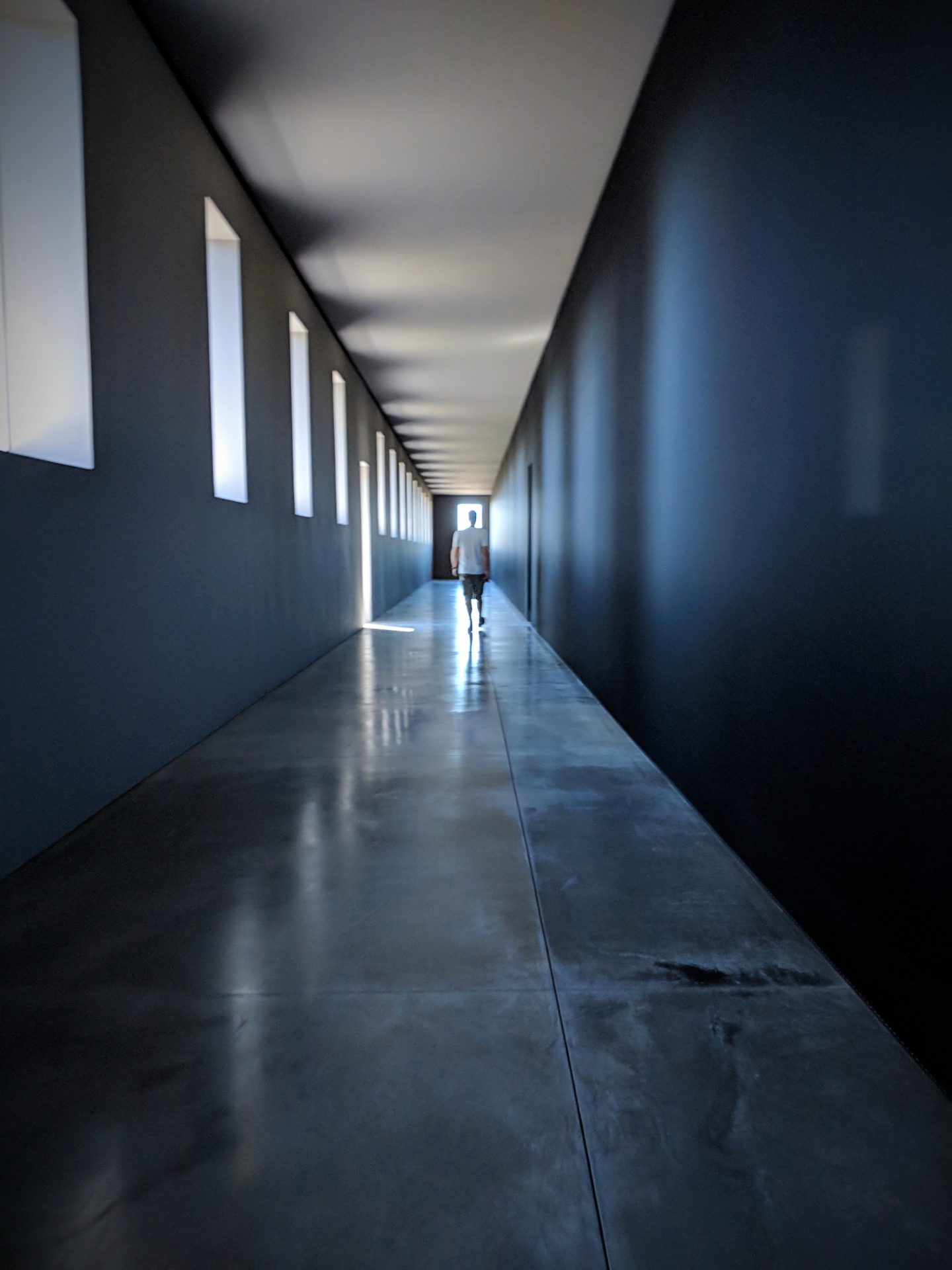
The building is formally divided in half, with one side dark, the other light. Inside, transparent scrim walls are stretched taut from floor to ceiling in black or white respectively, bisecting each long wing and capturing the always-changing natural light. The connecting corridor has a progression of scrim walls that sequentially cross and fill the space, with an enfilade of doors for passage.”↓↓

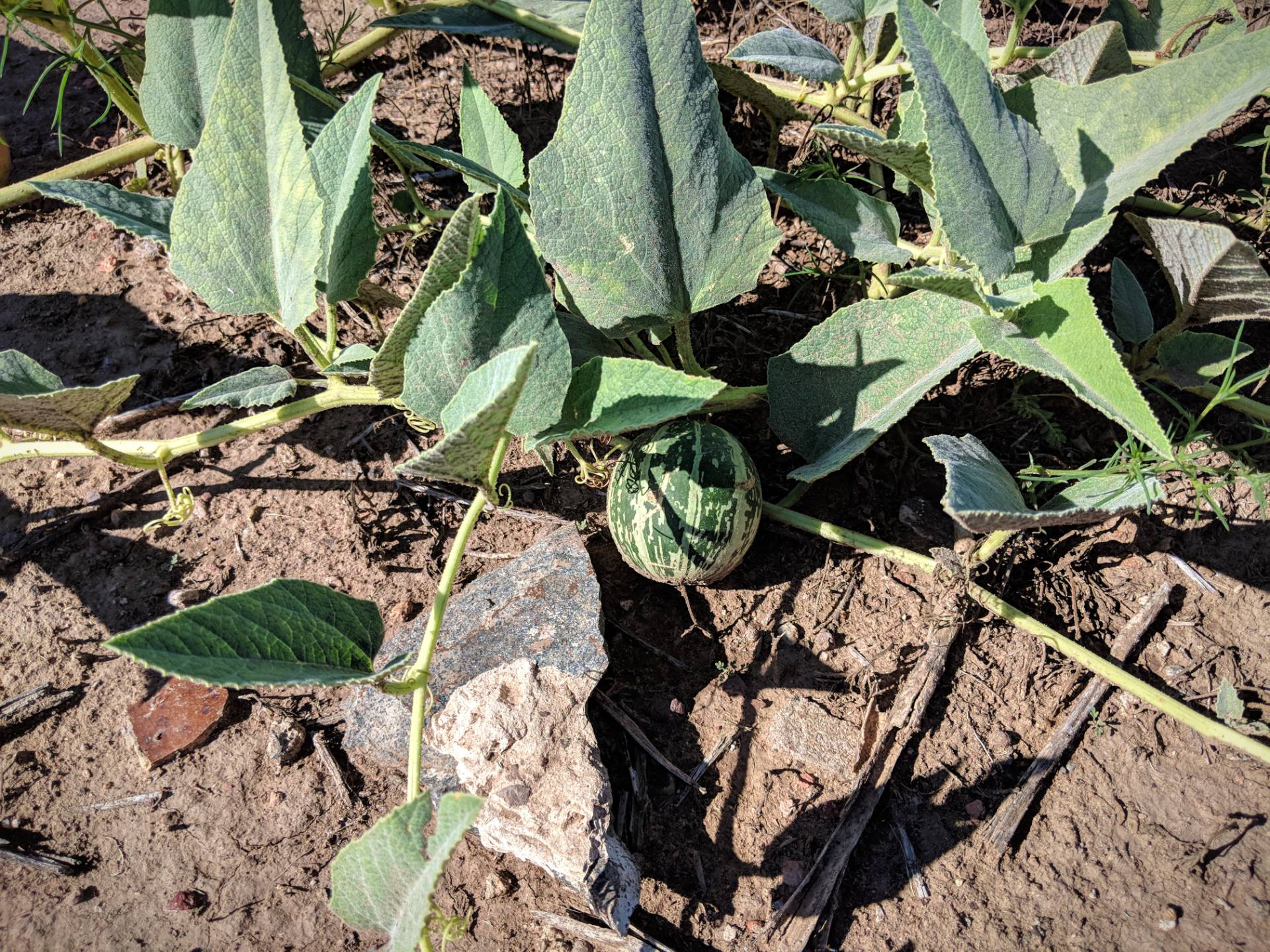
It has been one of the most rewarding, unforgettable ”museum walks” we could have ever hoped for. Not the most comfortable perhaps, as a large part of it involves field walking, with rattlesnakes and cacti being an integral part of the ecosystem, extra-ordinary nonetheless.

**

Dress appropriately: boots, long thick trousers and long sleeves will do the trick.
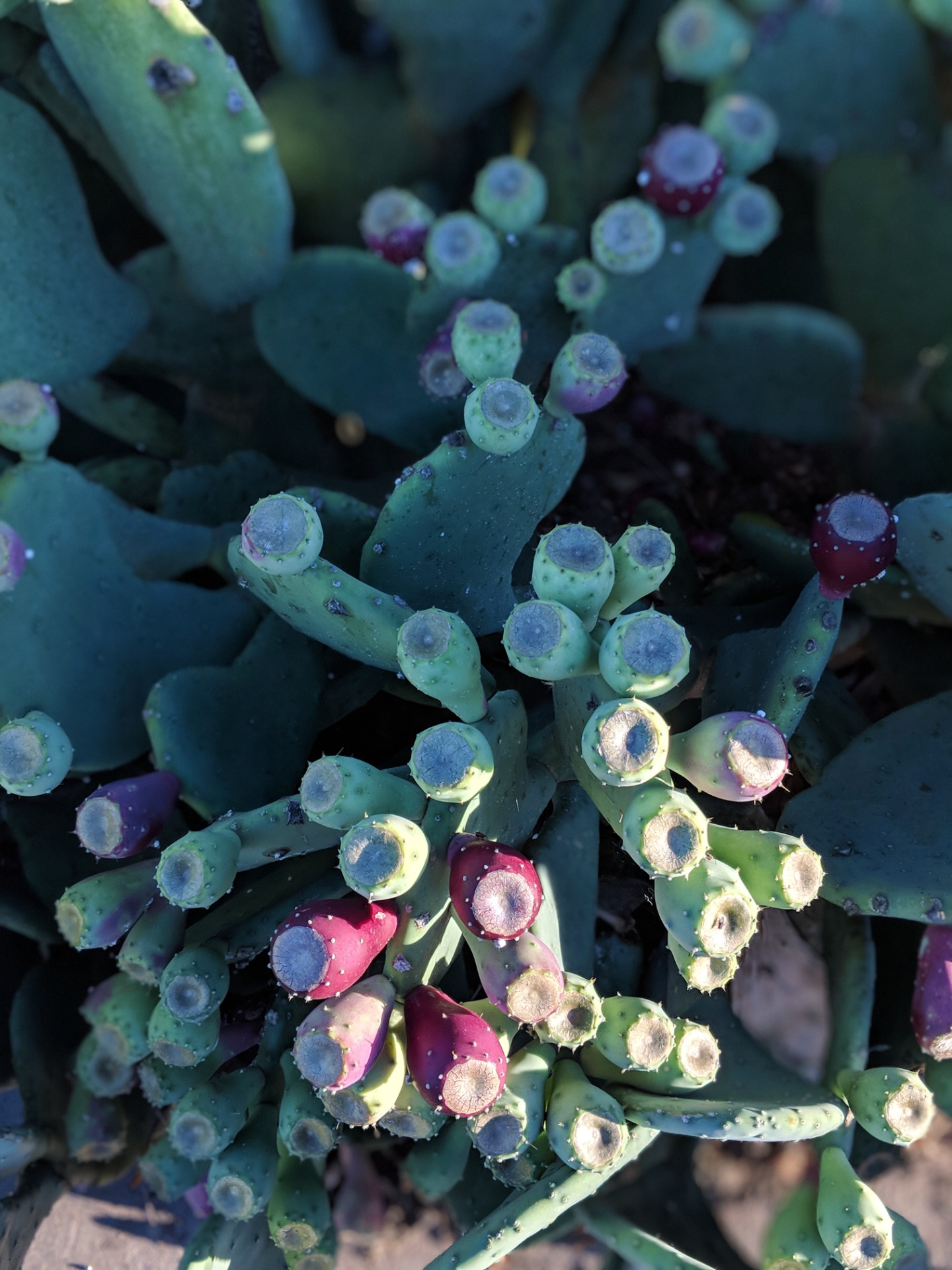
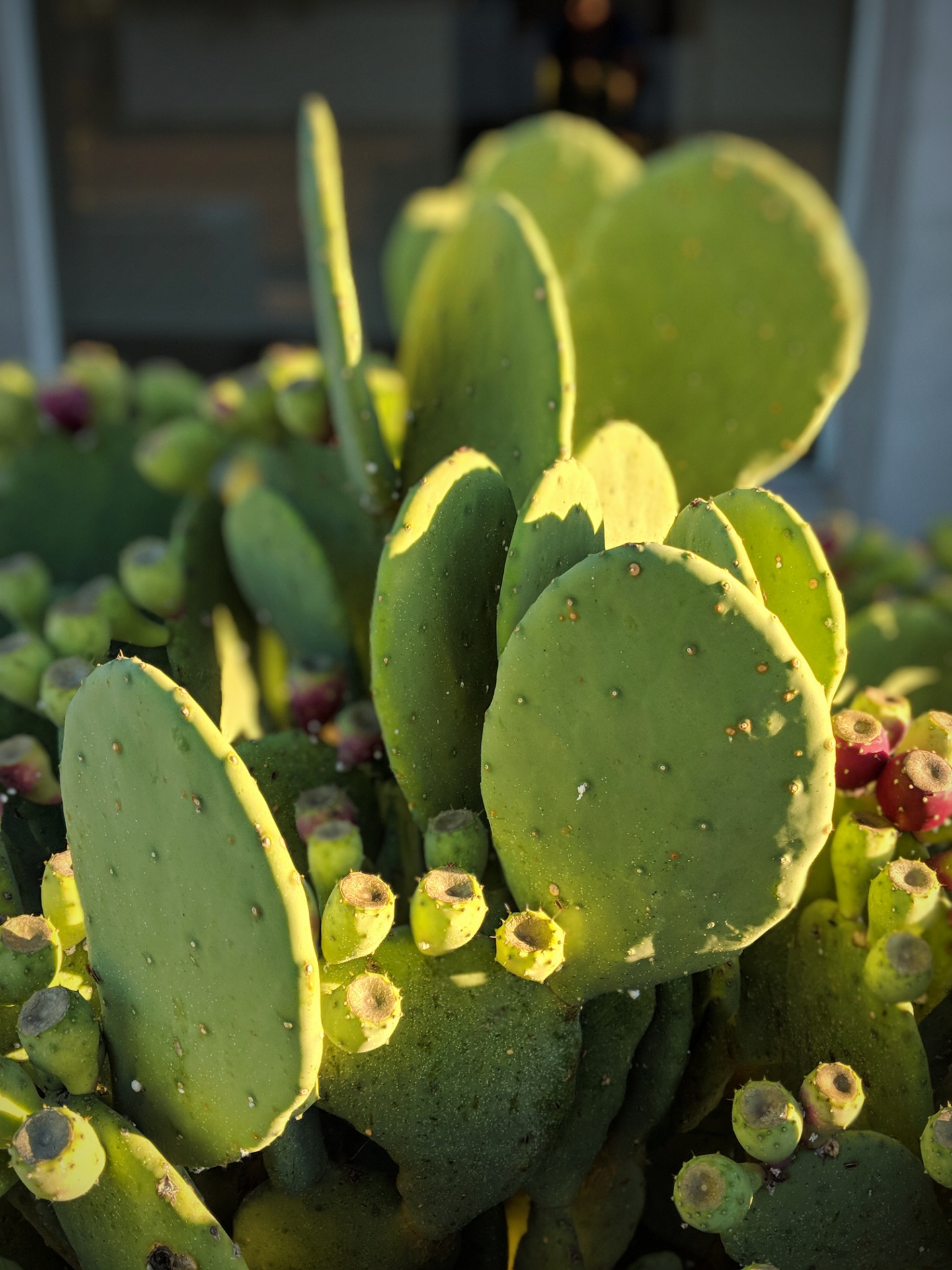
Beware of what you don’t see: some cacti have two kinds of thorns, those you see and can avoid touching but also those tiny, hair-like, invisible ones called glochids that will stick to your skin even if you don’t touch the cacti and will sting and itch for days. Worse yet, they will stick to the fabric of whatever you happen to be wearing and will only go away after a couple of machine washes.

The Chinati Foundation – Marfa, TX

October 7th, 2018
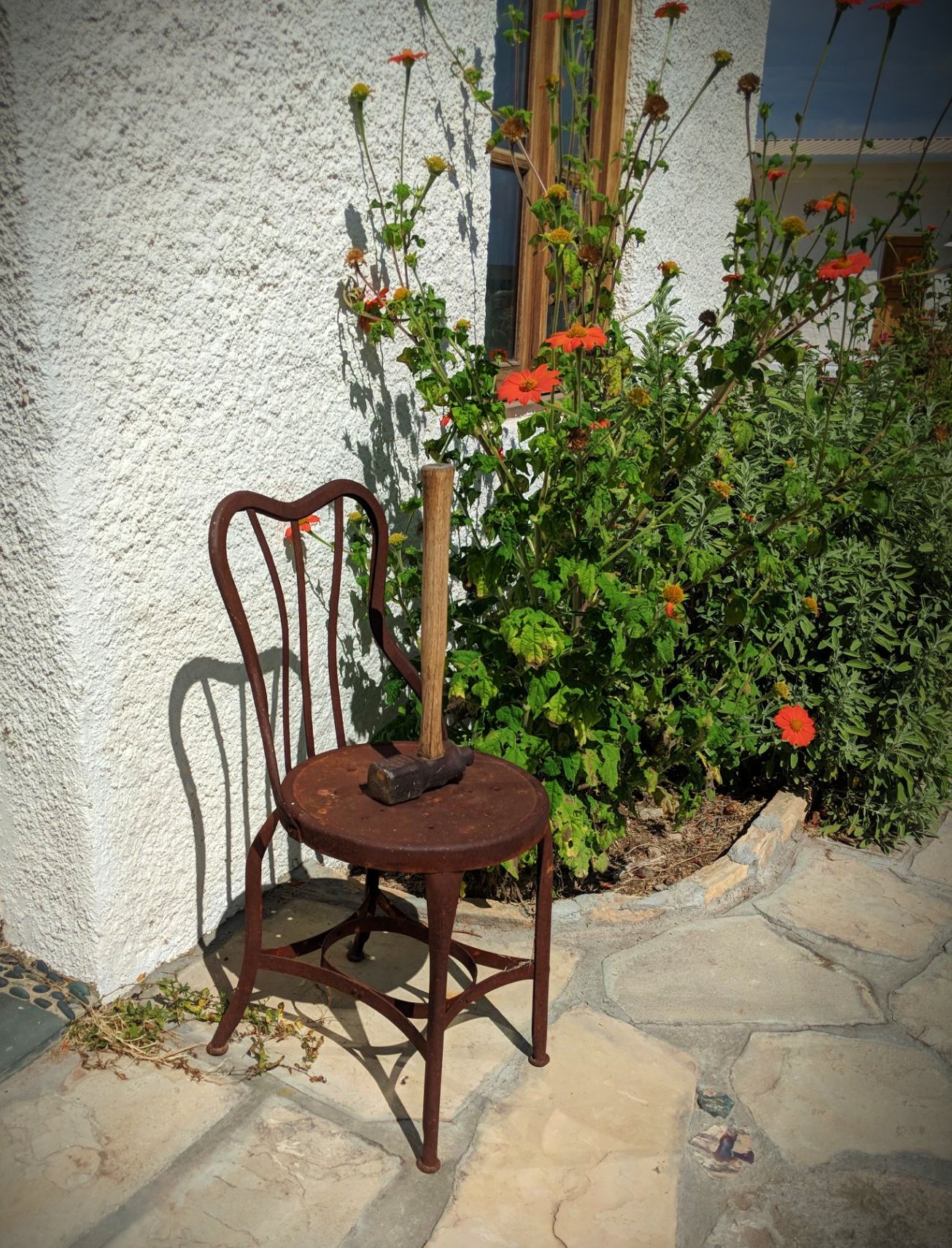
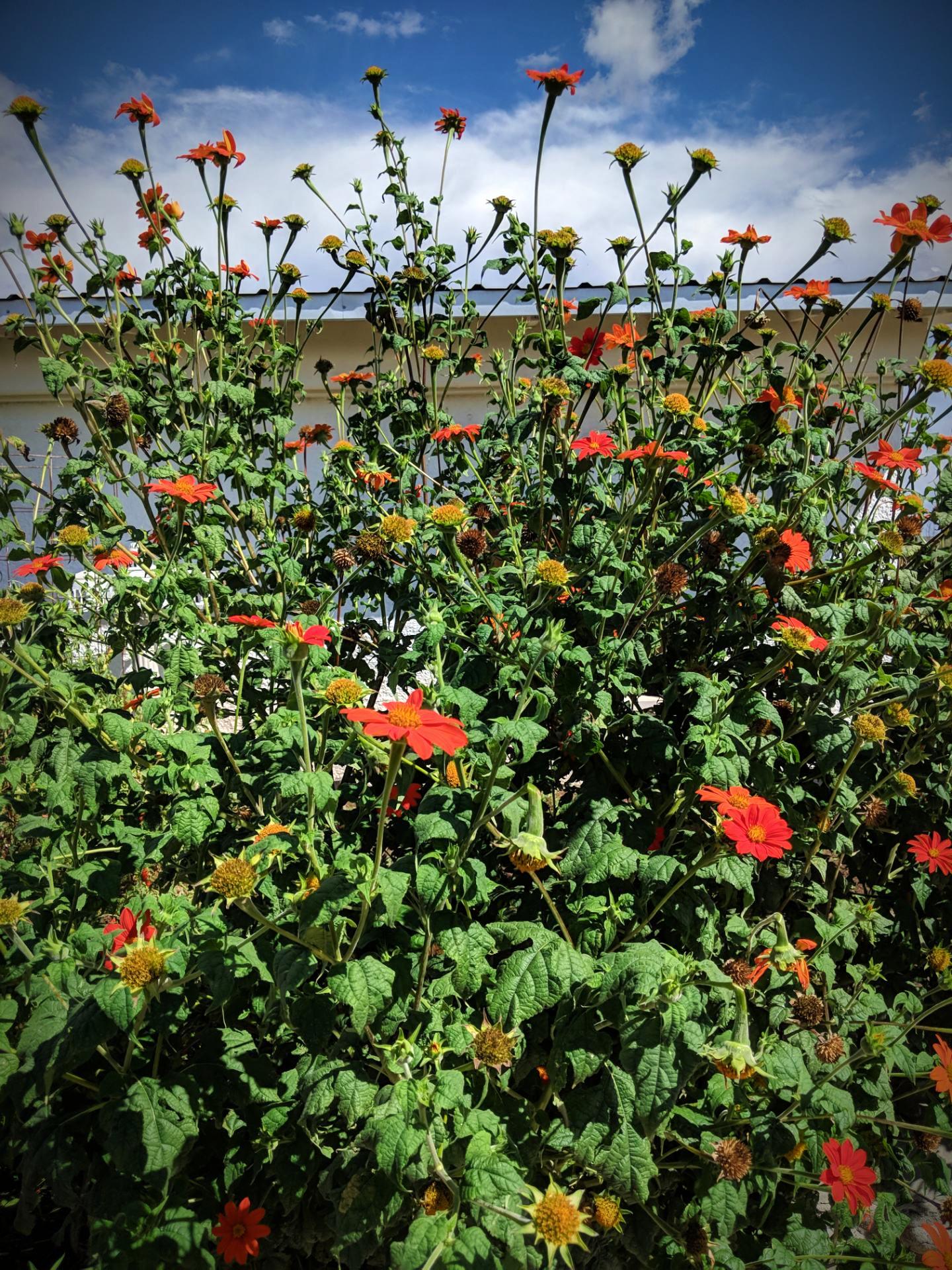
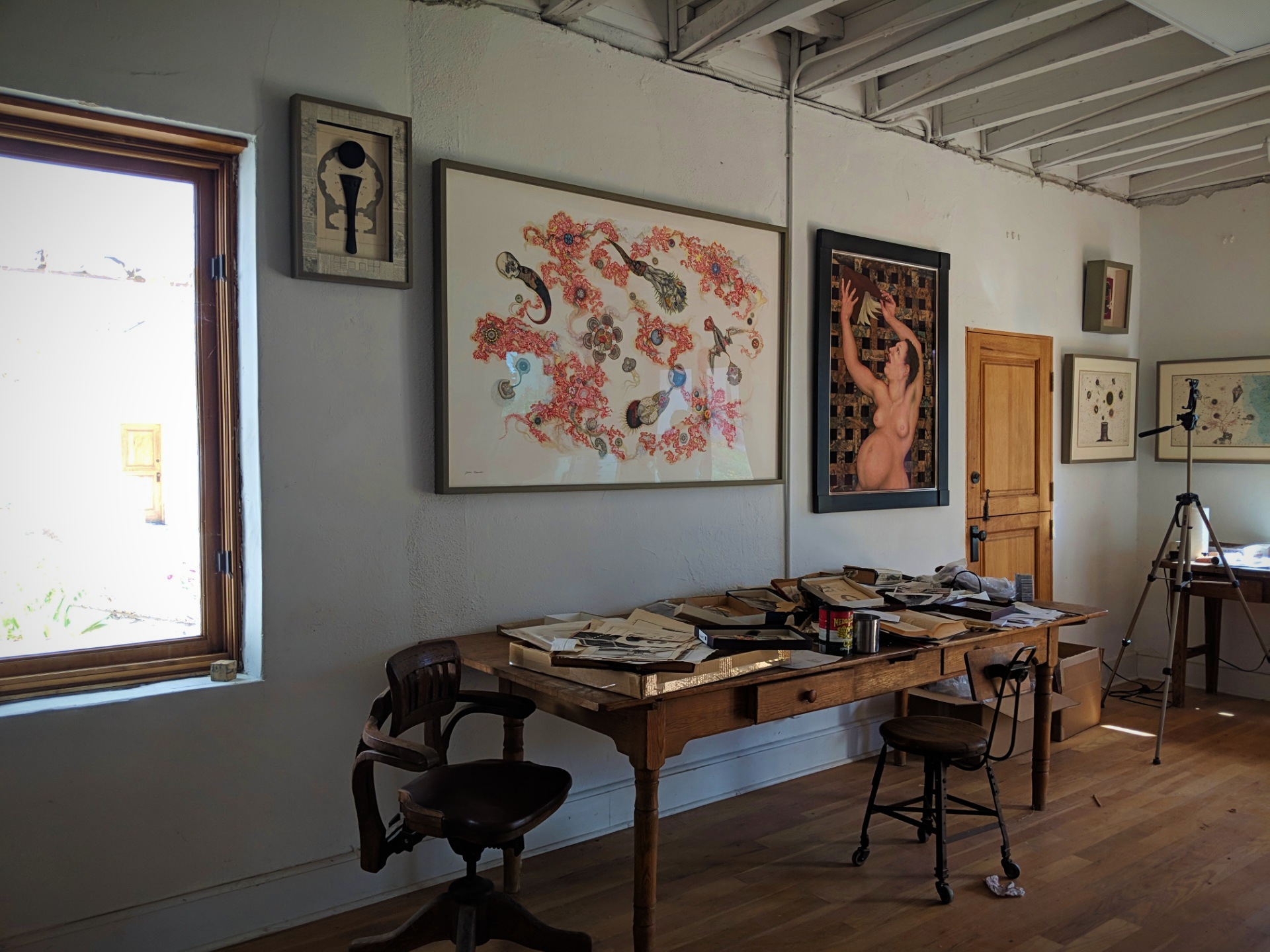
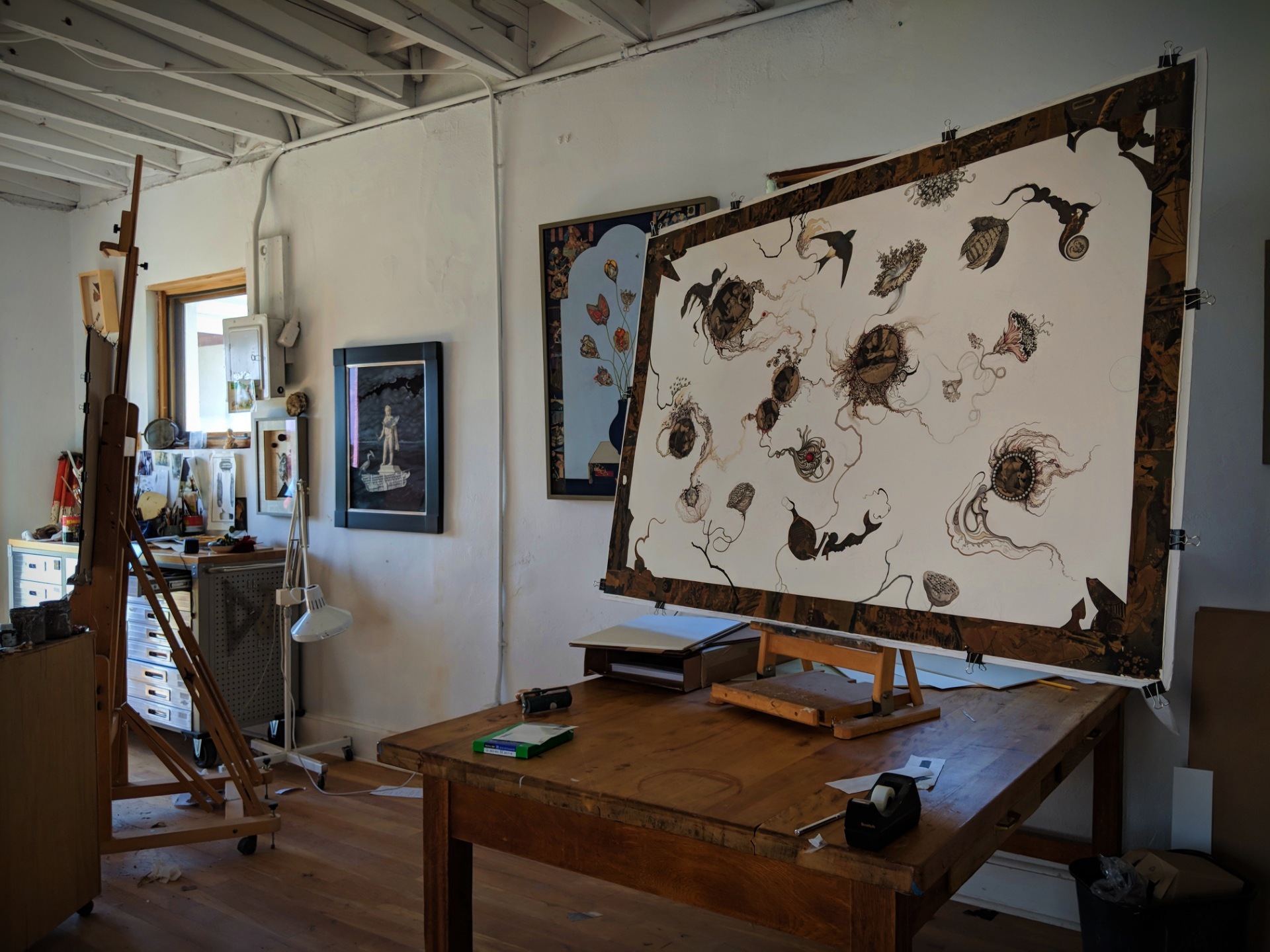
The Artist’s Den

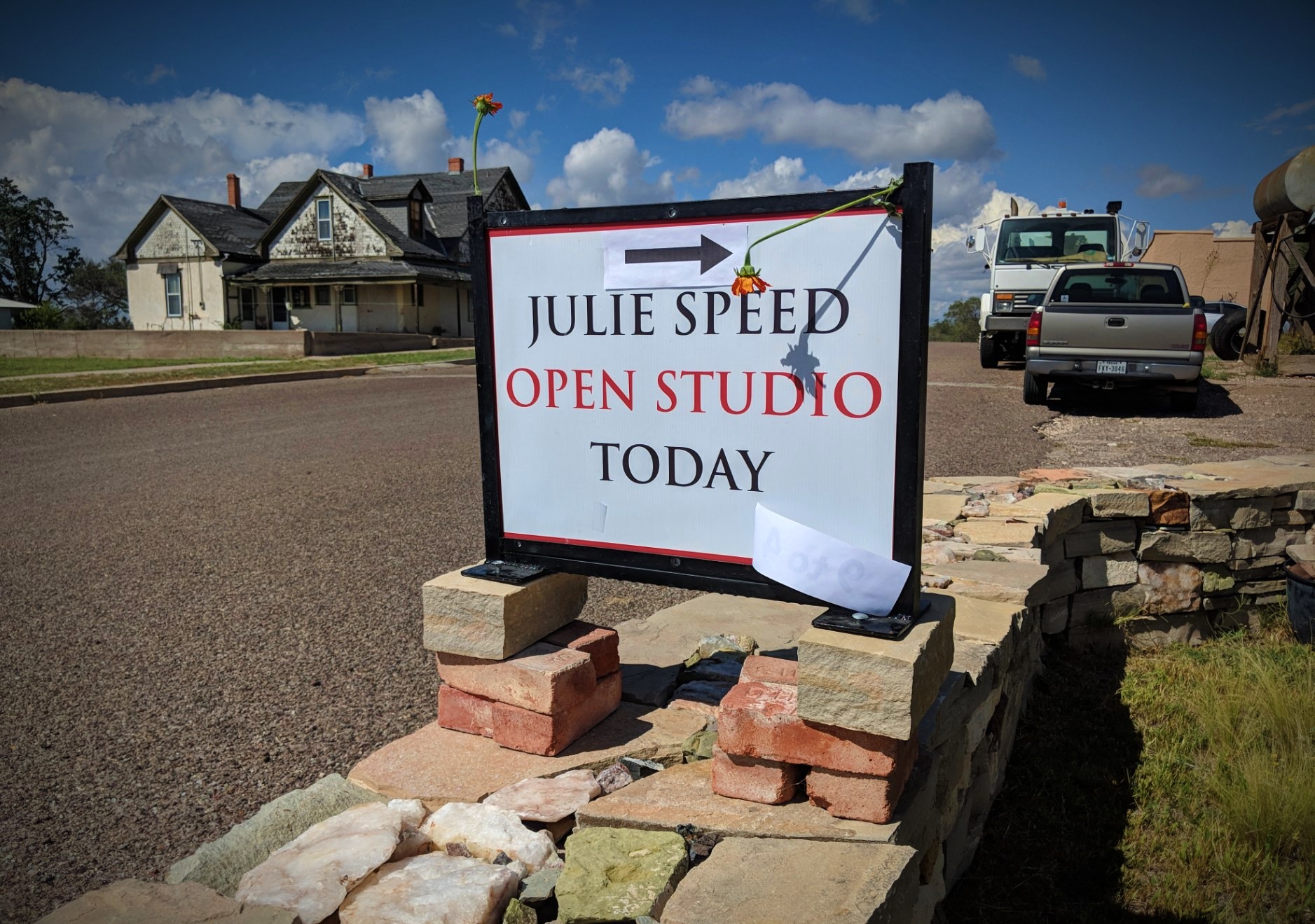
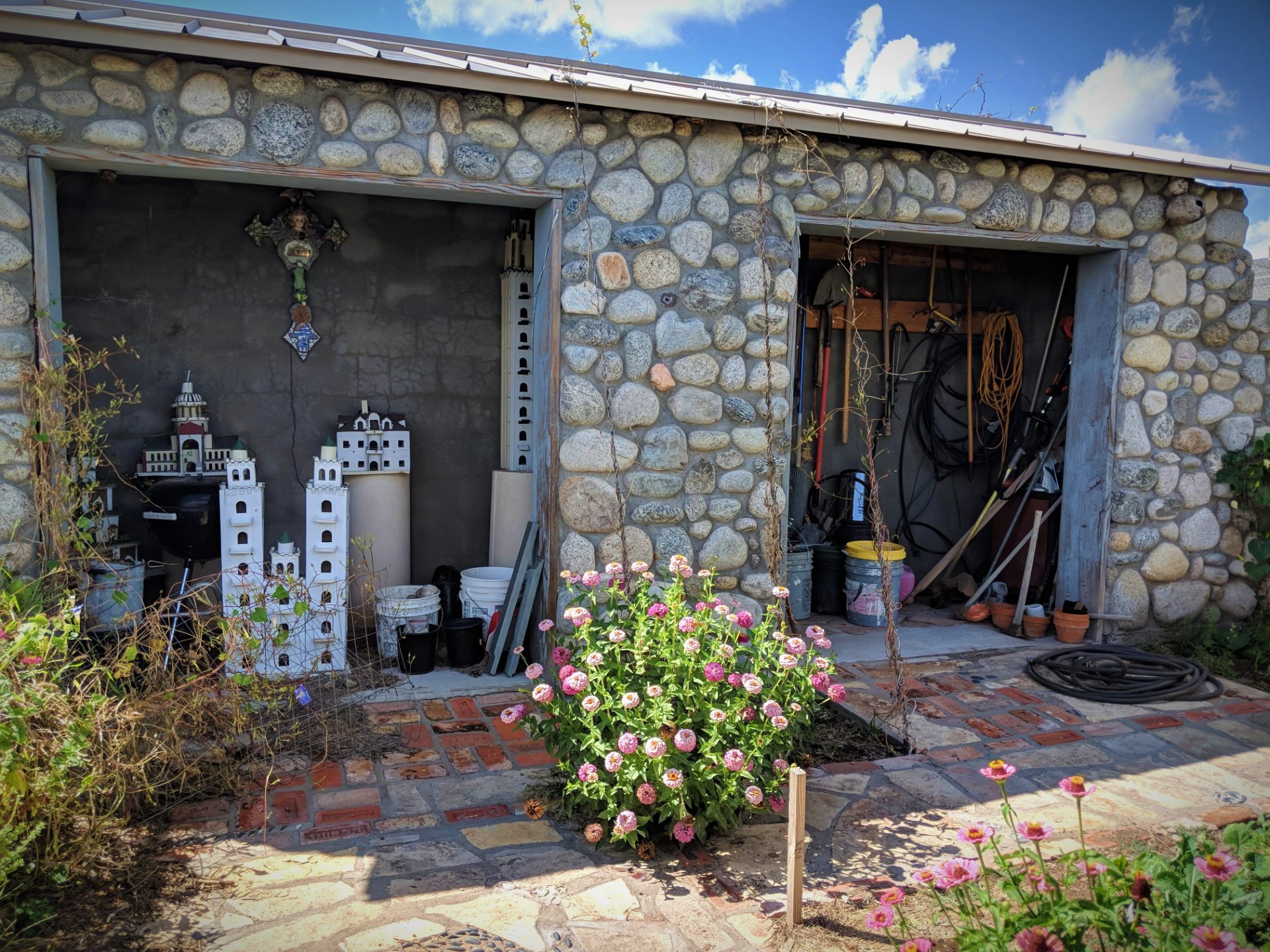
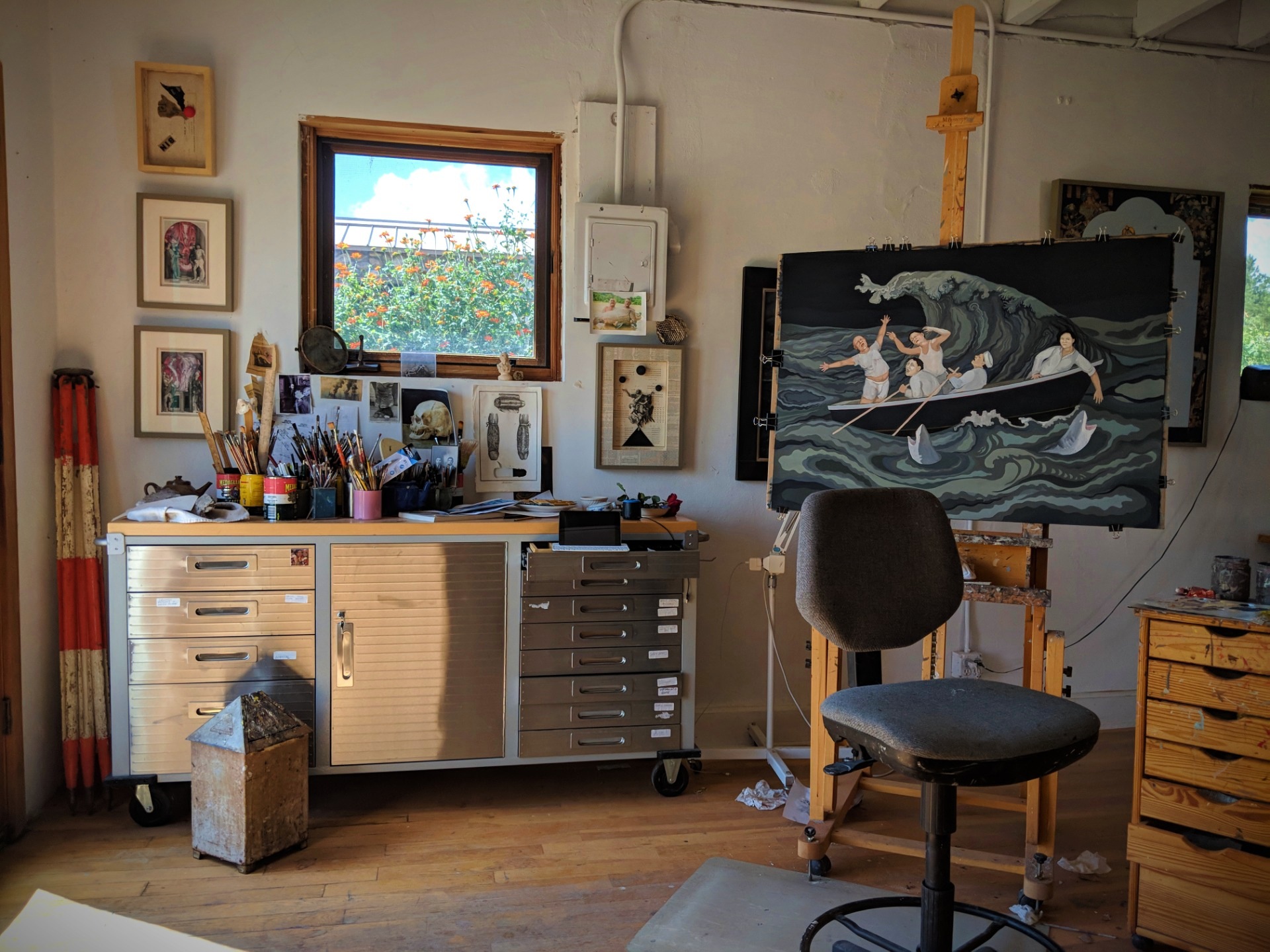
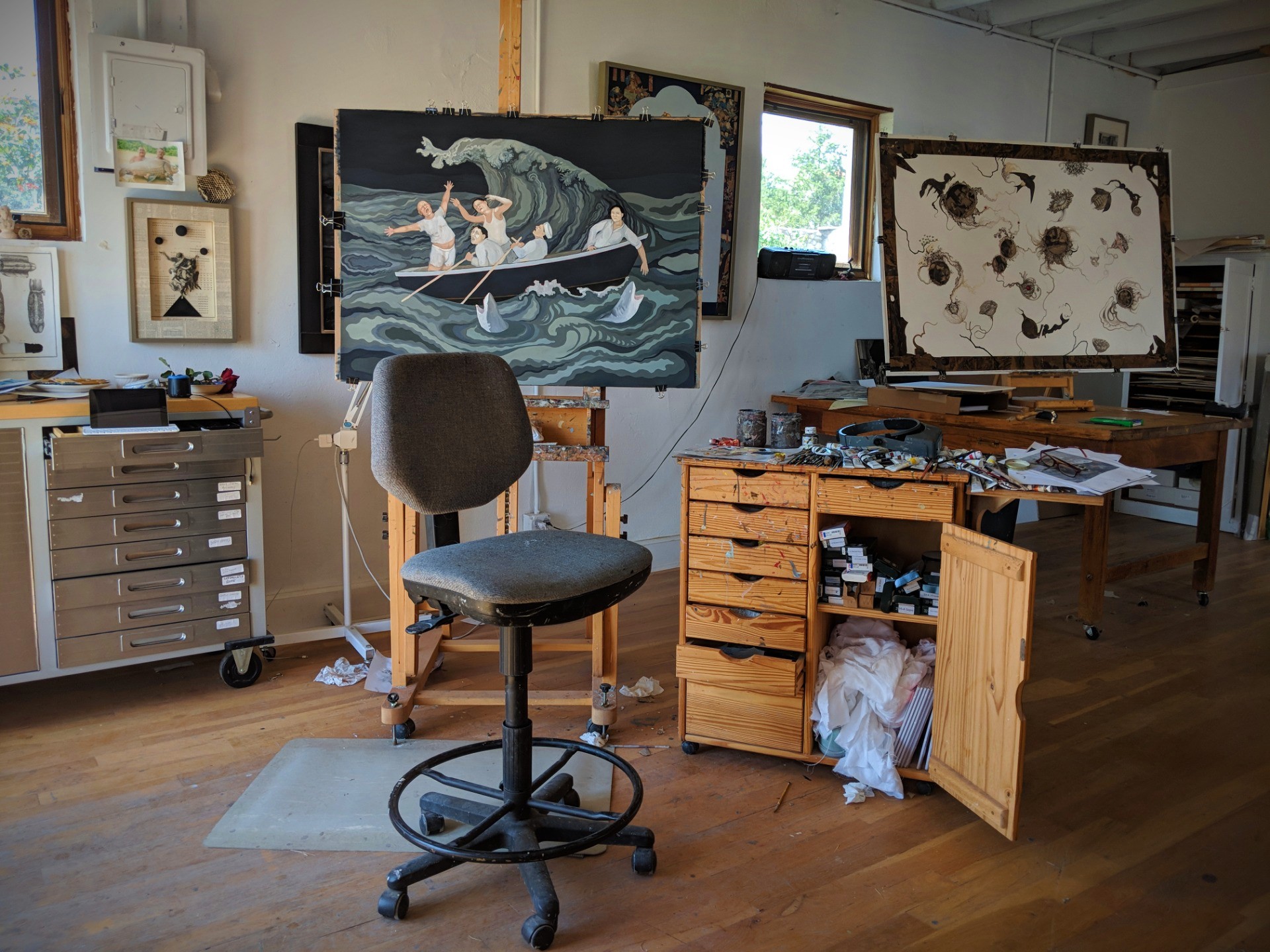
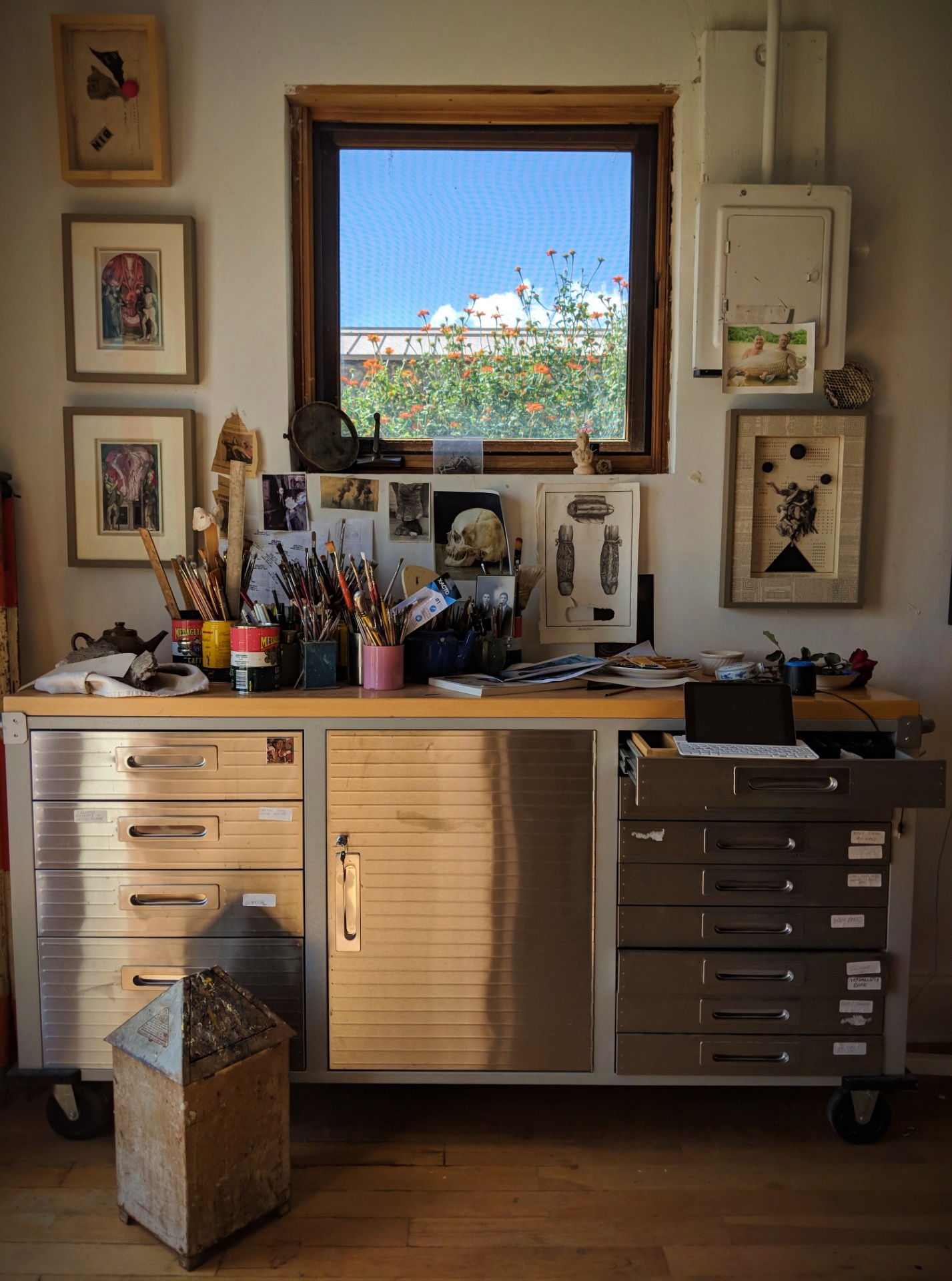
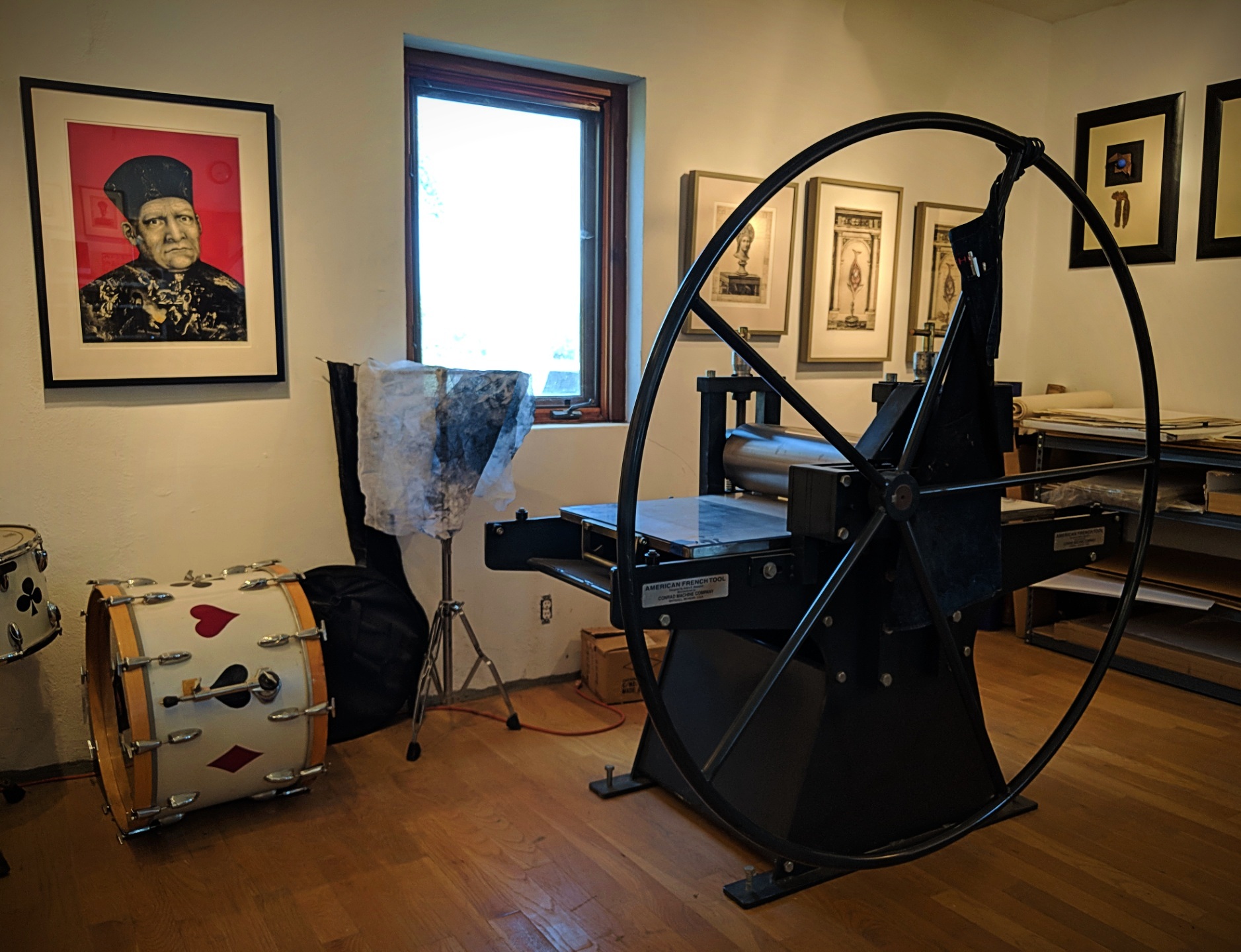
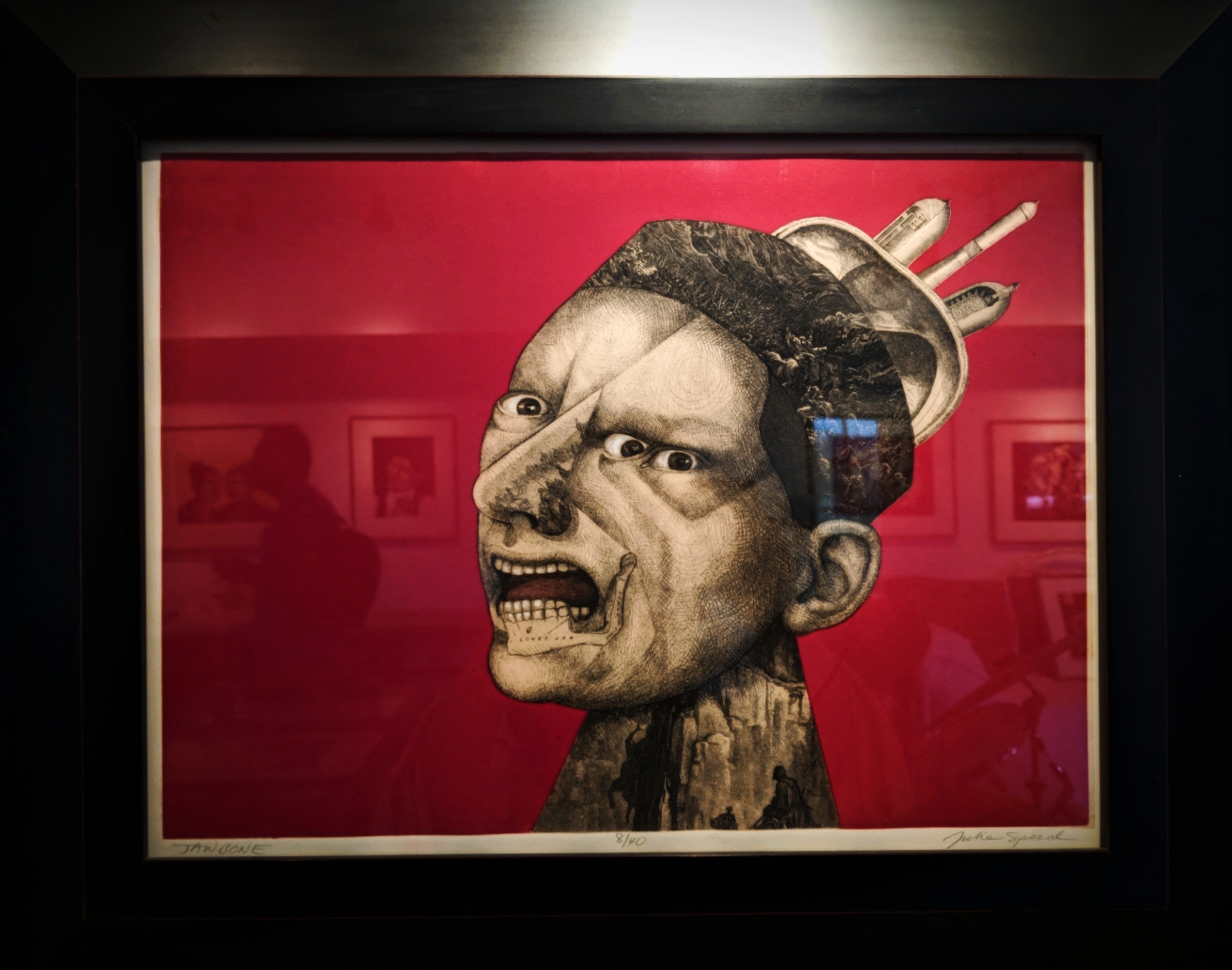
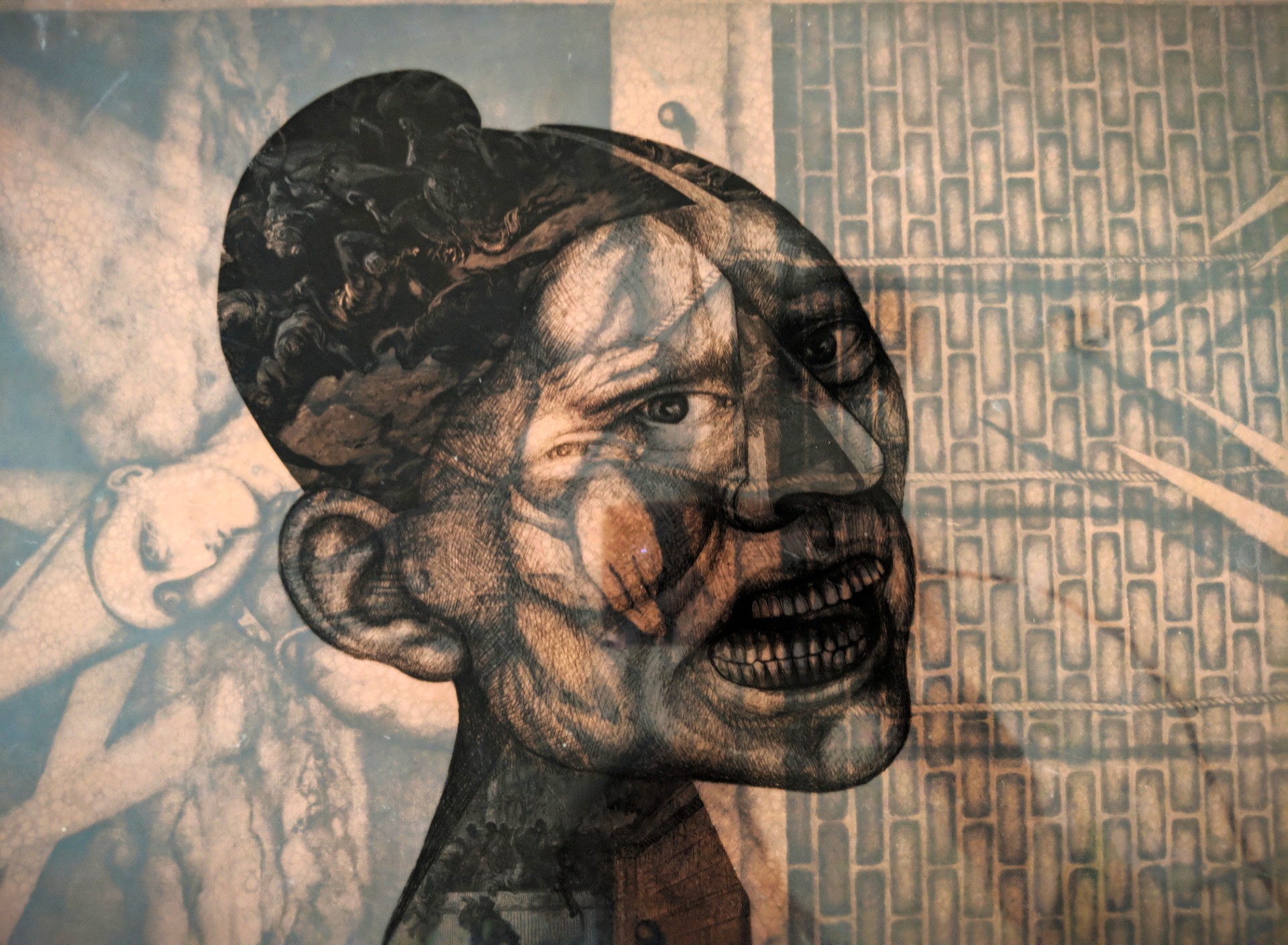
I quite enjoy visiting an artist’s studio, there is something very charming and simultaneously voyeuristic about it. Going ”behind the scenes”, walking amidst art and creative clutter, the excitement of getting to see first-hand new works in progress, not to mention meeting the artists themselves.

If you time your trip to Marfa during the Chinati Weekend (which is actually a three-day event extending into Monday), you will find many artists opening their studios, which are also their homes, to the public.

Julie Speed Studio – Marfa, TX

October 6th, 2018
Relay with Riley

Getting things straight

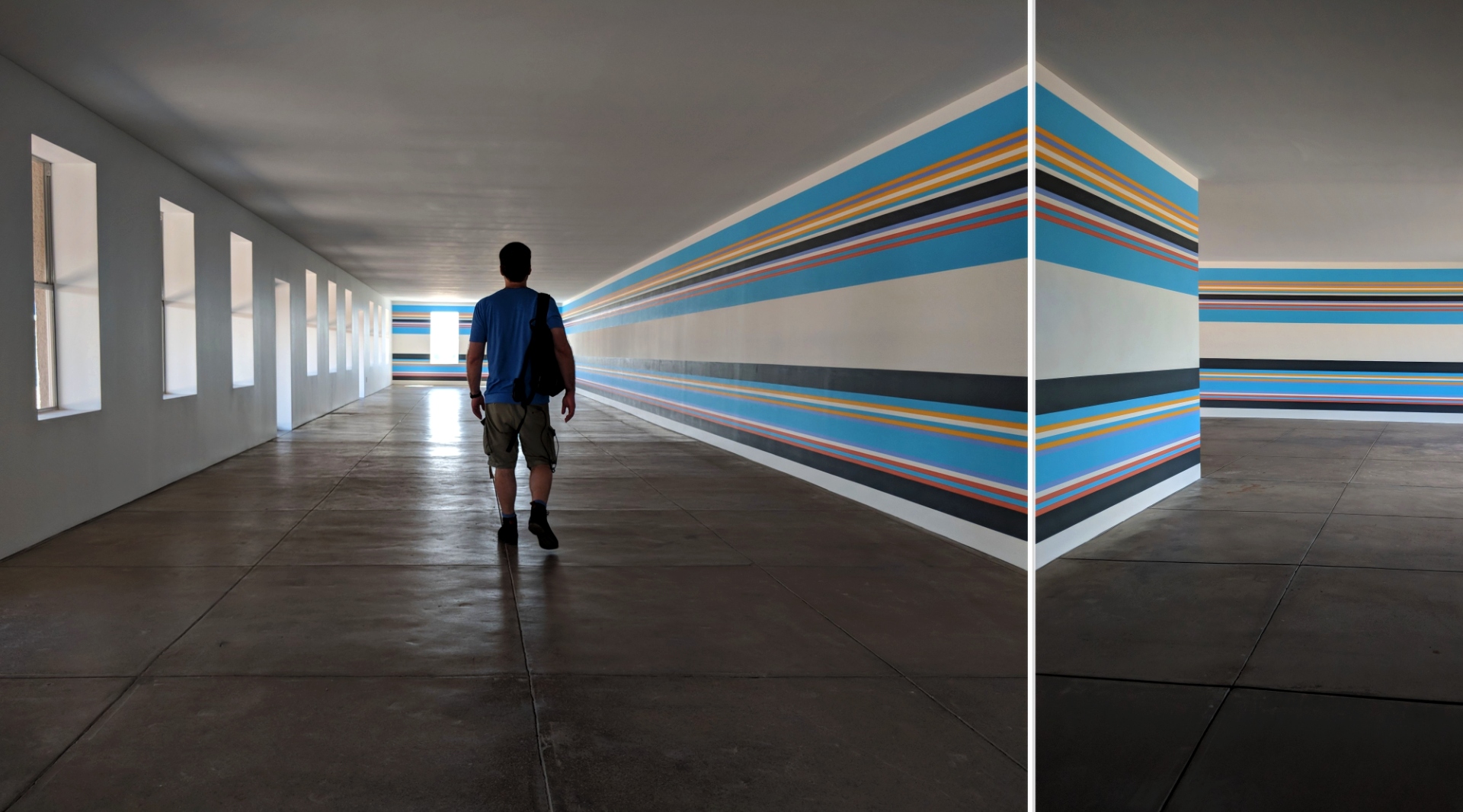
Bridget Riley, Royal Liverpool University Hospital, 1983, as wall painting, Bolt of Colour, 2017

Riley’s first wall painting was made in response to a 1979 invitation from the Royal Liverpool Hospital to conceive a work for its walls. Riley devised a visual scheme featuring horizontal ribbons of color, running the lengths of the hospital corridors. The palette, like that of her paintings at the time, was inspired by a 1980 trip to the pyramids and tomb paintings of ancient Egypt. Of this color scheme Riley later wrote: “The Ancient Egyptians had a fixed palette. They used the same colors—turquoise, blue, red, yellow, green, black and white—for over 3,000 years….In each and every usage these colors appeared different but at the same time they united the appearance of the entire culture. Perhaps even more important, the precise shades of these colors had evolved under a brilliant North African light and consequently they seemed to embody the light and even reflect it back from the walls.”

Riley completed the design for the Royal Liverpool Hospital in 1983. In the years since, she has made many more wall paintings, including a work for two floors of St. Mary’s Hospital in London in 1987, with a third floor completed in 2014. In addition to these commissions, Riley has made wall drawings for numerous museum and gallery exhibitions and collections in the U.S., the U.K., and Europe.

Riley’s wall painting for Chinati will be the artist’s largest work to date and span six of the eight walls of the building. As referenced in the work’s title/description, Royal Liverpool University Hospital, 1983, as wall painting, Bolt of Colour, 2017, the mural revisits Riley’s Egyptian palette and establishes a continuity between the design for the Royal Liverpool Hospital and the new work for Chinati. It is inspired in part by similarities in size and spatial orientation in the sites of each project and affinities between the brilliant light and palette the artist witnessed in Egypt and the high desert landscape in which the Chinati Foundation is situated. [Source: Chinati Foundation]

The artwork was conceived specifically for the museum’s special exhibition building, encompassing it’s entire U-shaped enclosure. It was inaugurated in October 2017 and remained on view through 2019.

Chinati Foundation – Μarfa, ΤΧ

October 6th, 2018