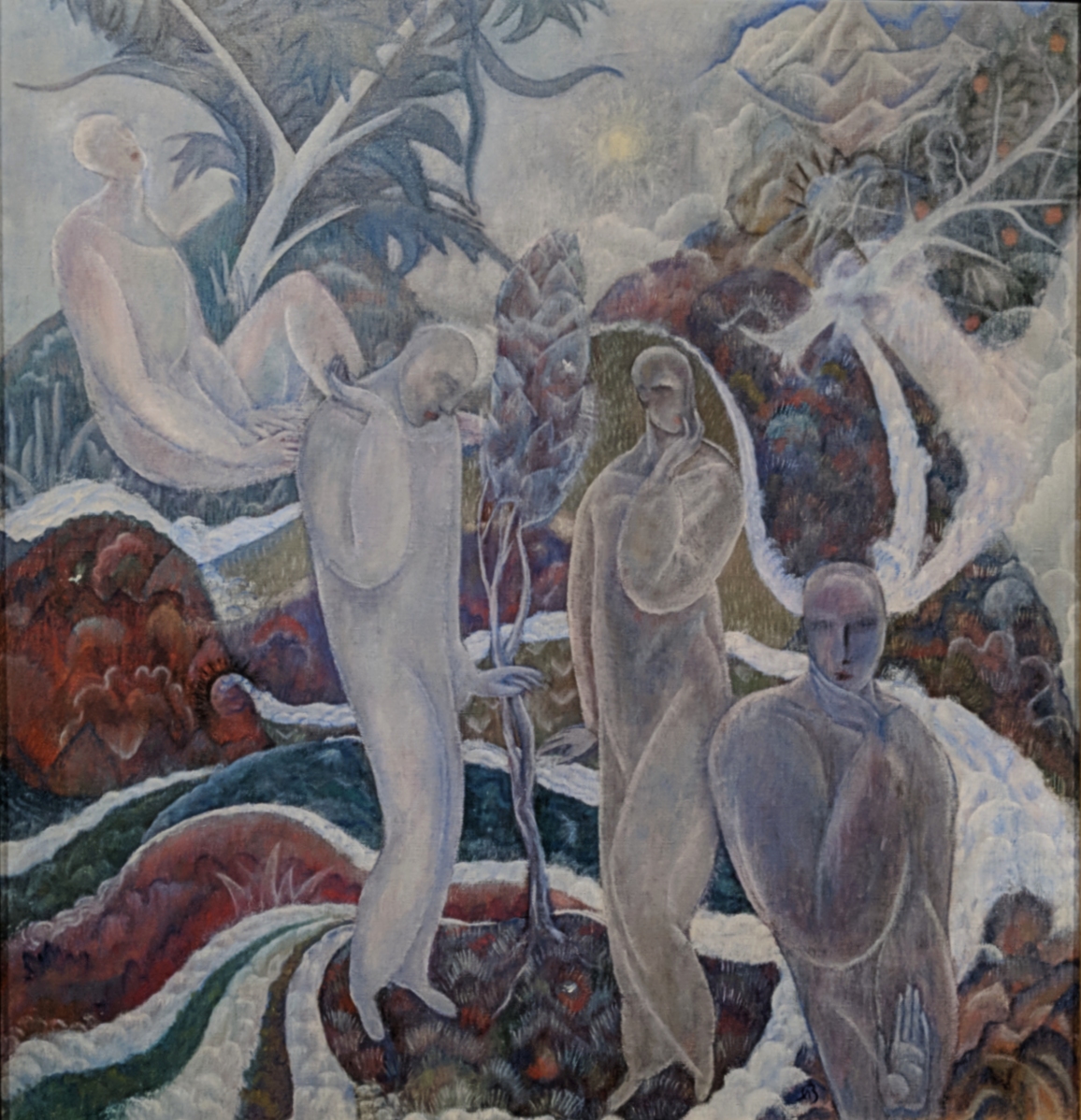
SCAD & the No-See-Ums

There are, I’m sure, many wonderful places that slipped under our radar, but two things are impossible to miss in Savannah: SCAD and the No-See-Ums.

SCAD, The Savannah College of Art and Design, with classrooms housed in some of the most beautiful buildings all over the city, its facilities including cafes, sports centres, health centres, an urban farm, a theatre, a fantastic bookstore with art supplies, galleries and a Museum of Art – you turn your head and a SCAD facility will most likely pop up!

Then, there are those blood thirsty, microscopic gnats called no-see-ums. They are everywhere. Legions of them. You won’t see them coming but, oh boy, will you feel their bite!

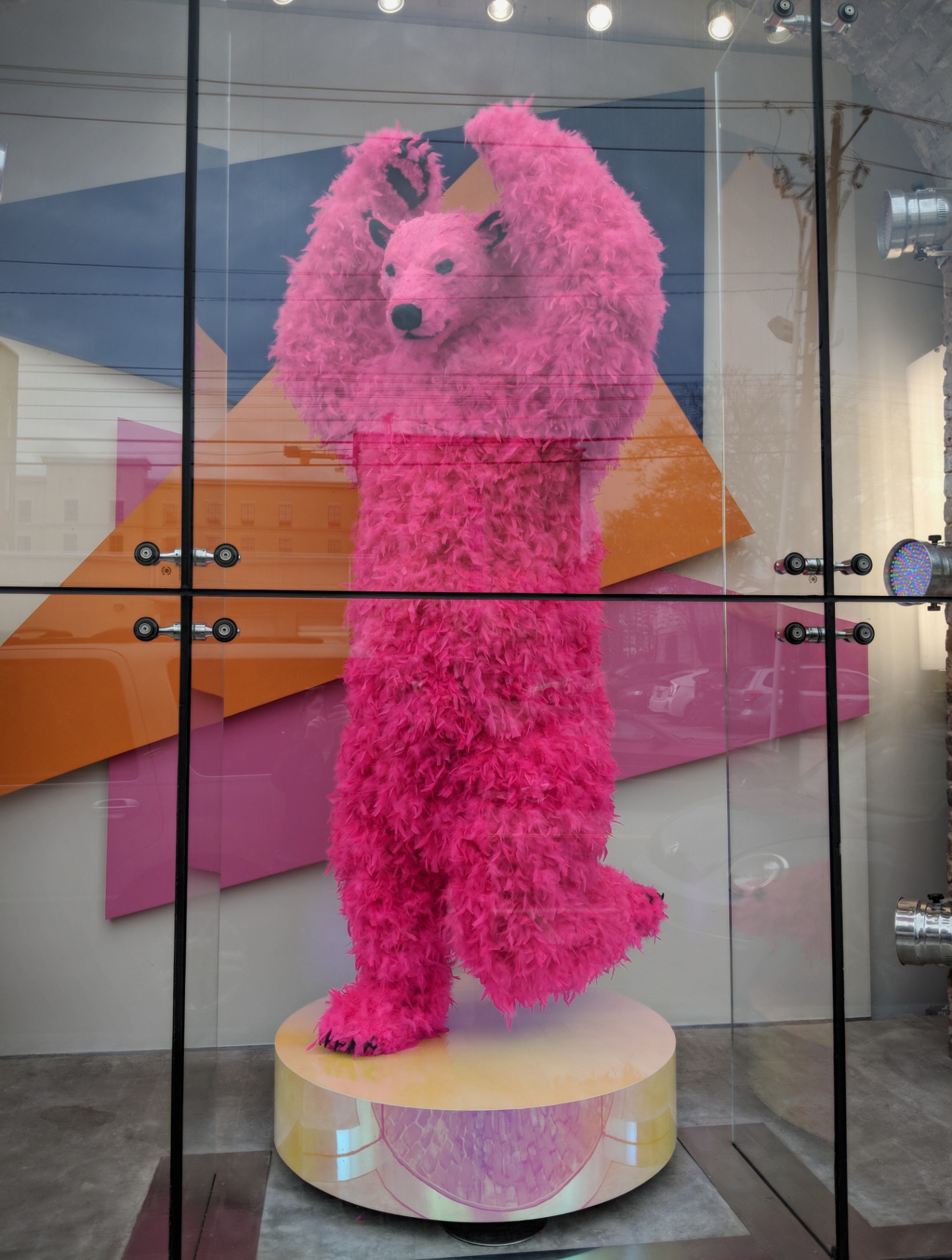
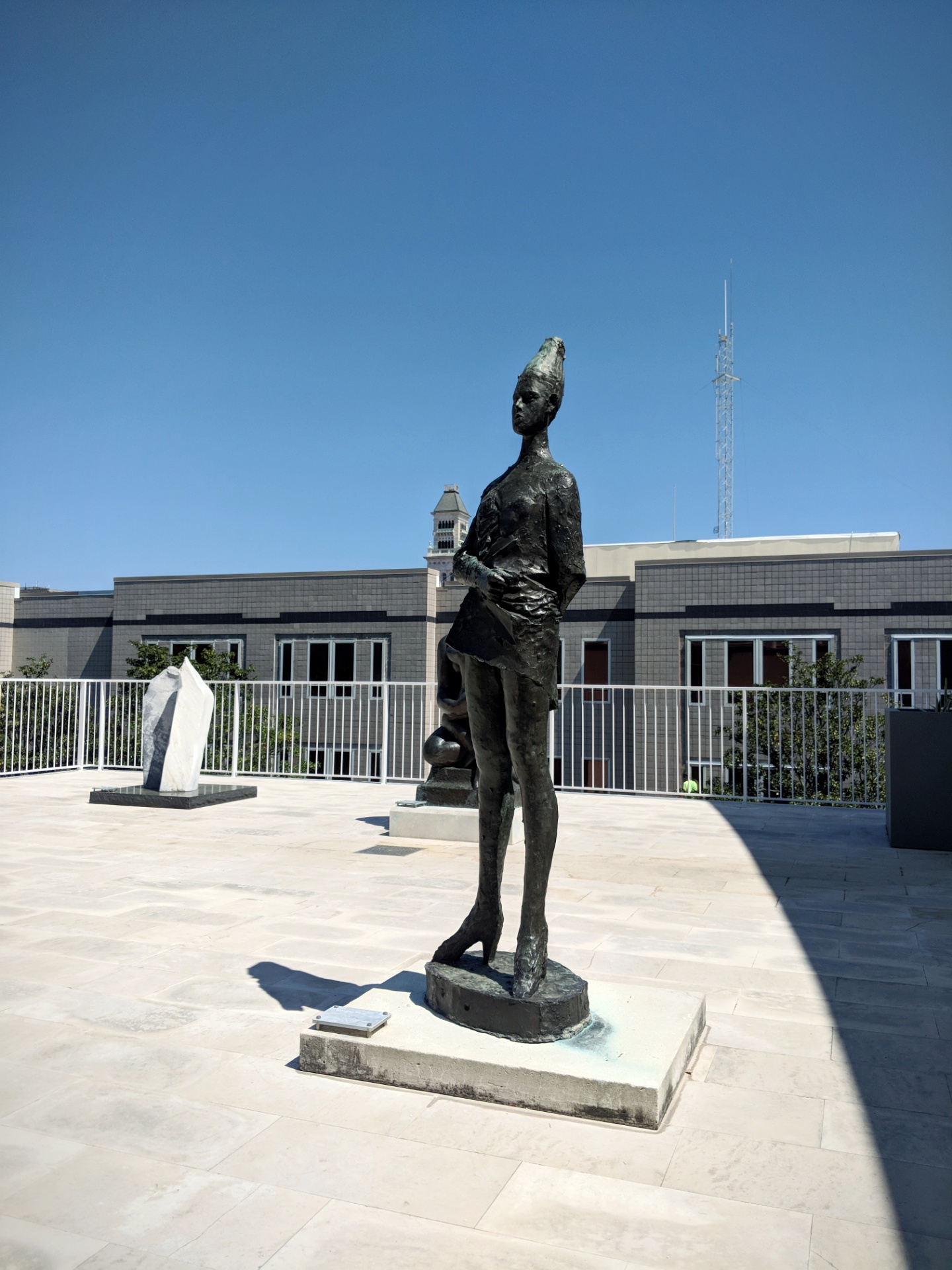
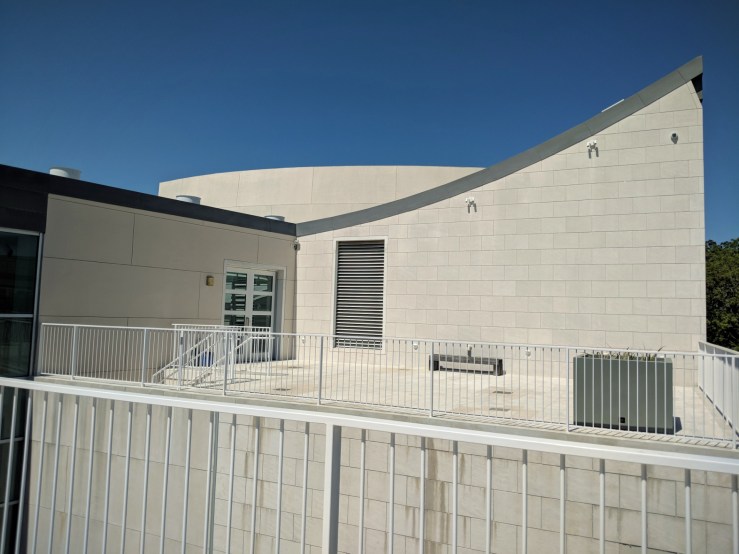
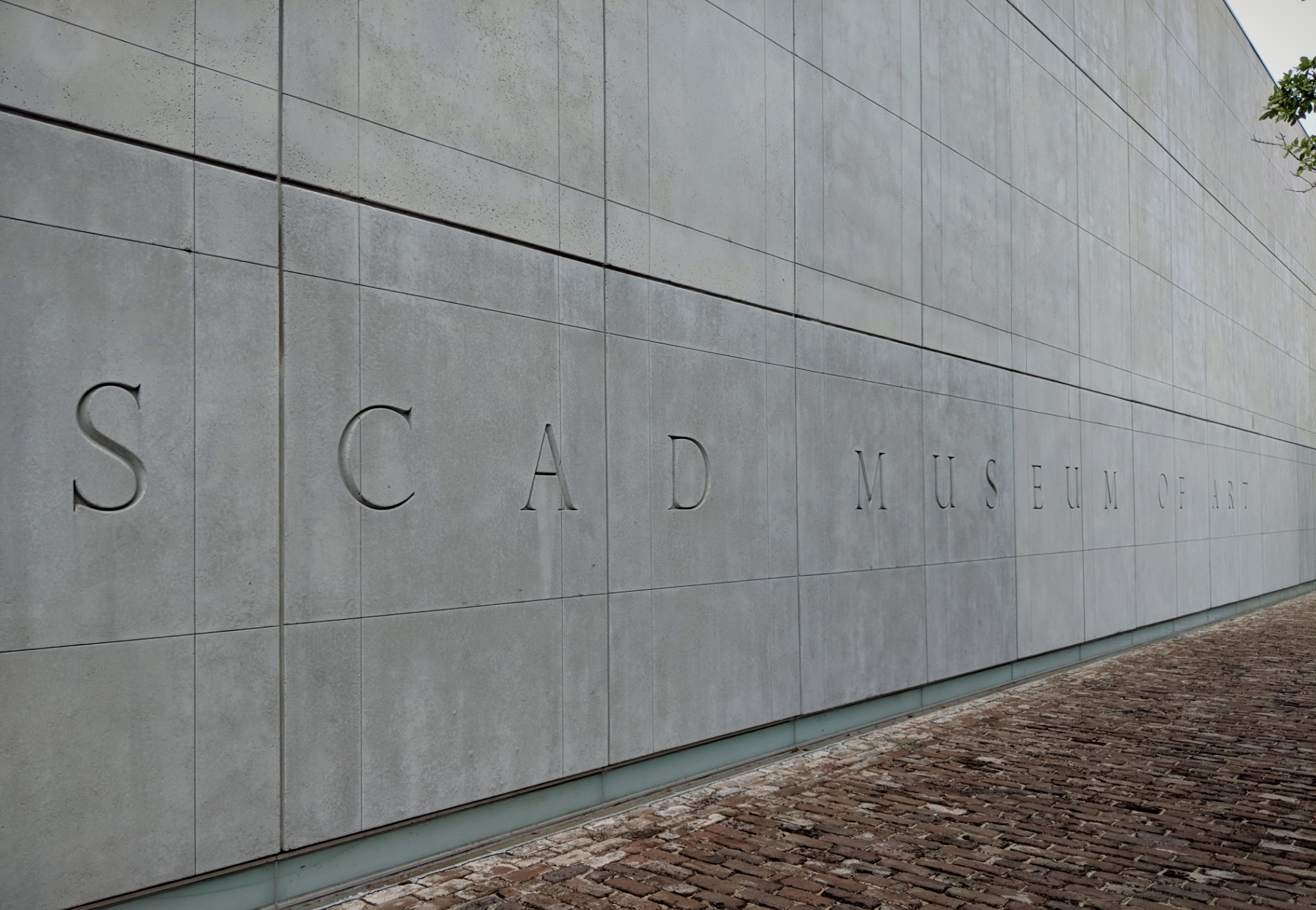
Looking for a no-see-ums safe area, we arrived at SCAD Museum of Art. Ushered in by Paola Pivi’s cute bears, relief was immense, if only temporary.

SCAD Museum of Art – Savannah, GA

April 4th, 2018

Savannah || The Jepson Center

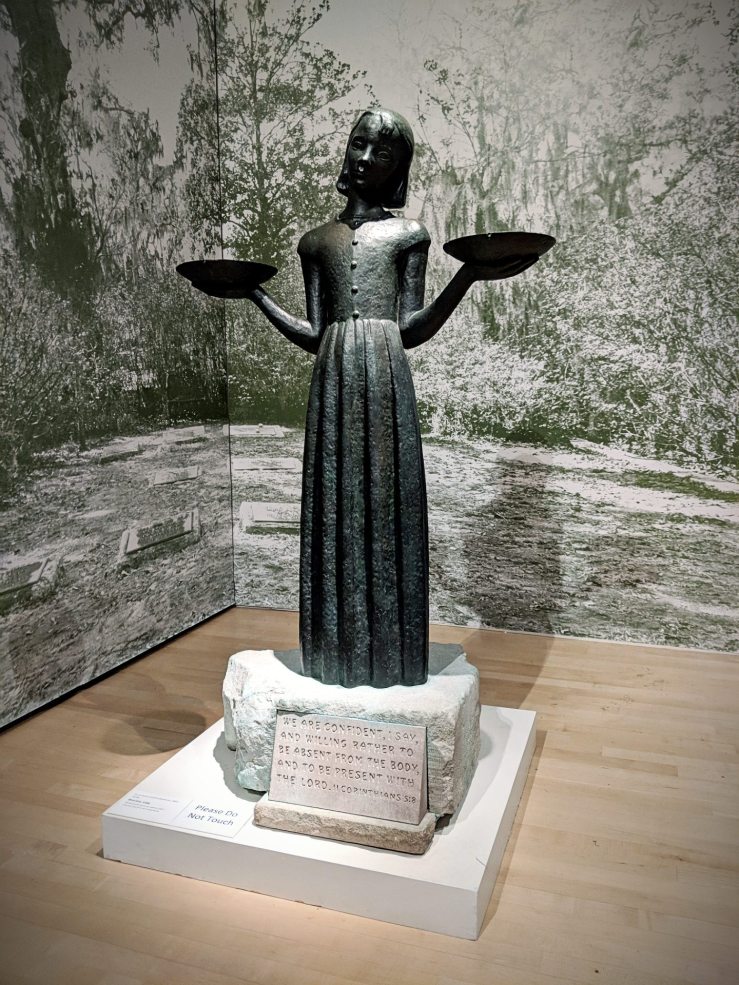
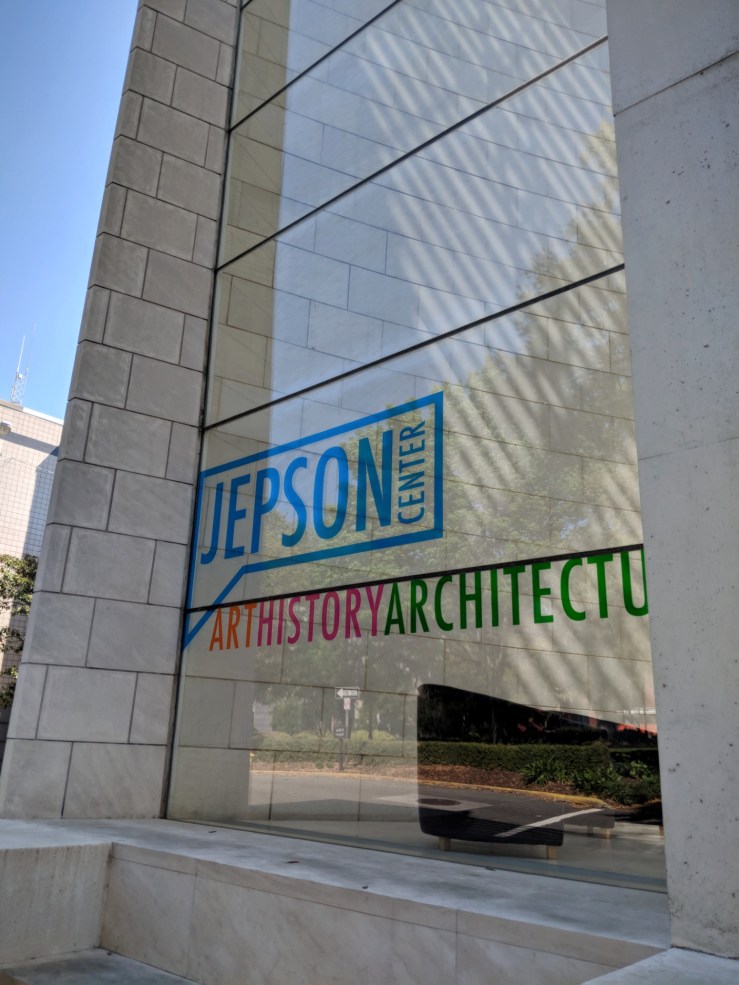
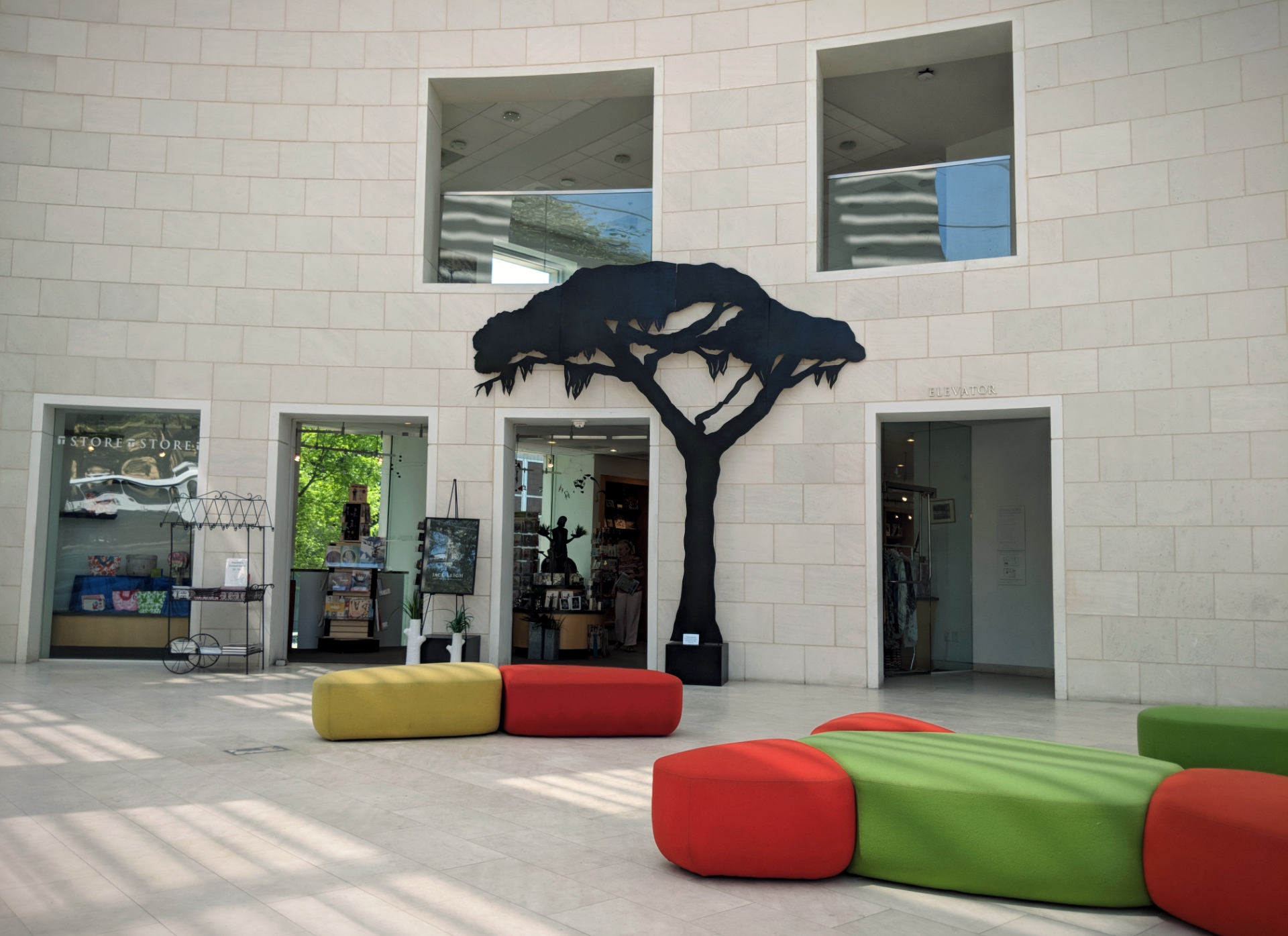
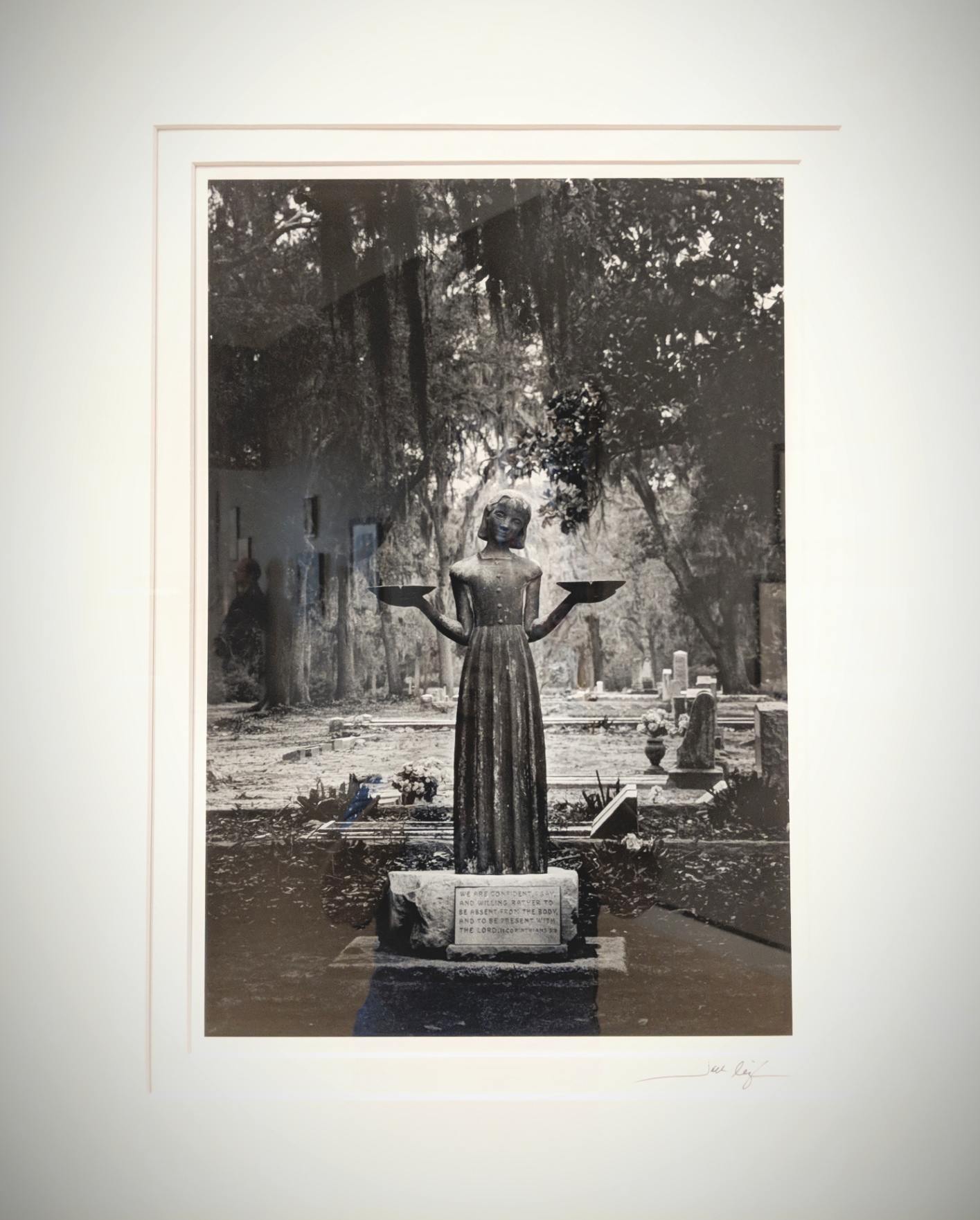
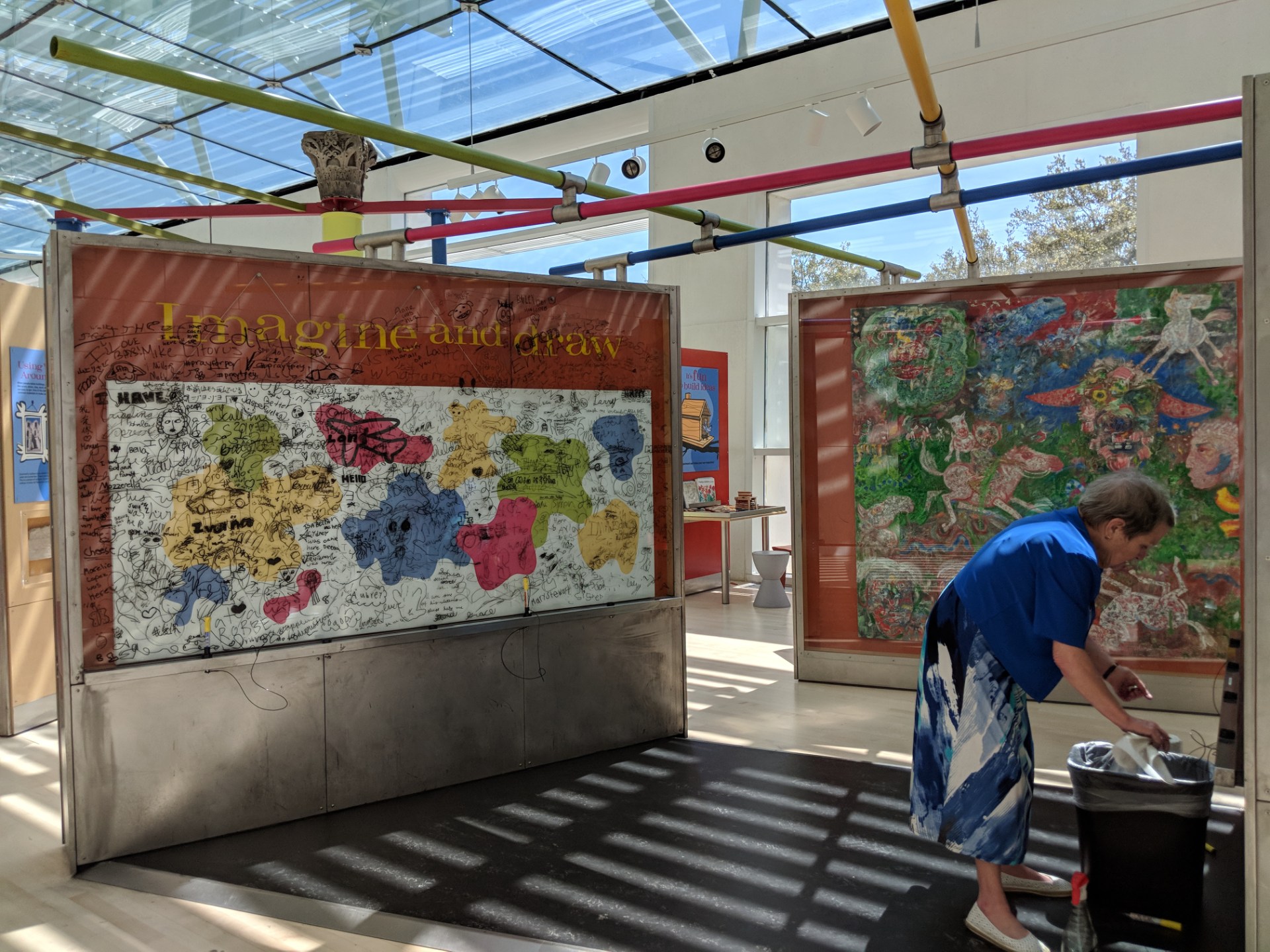
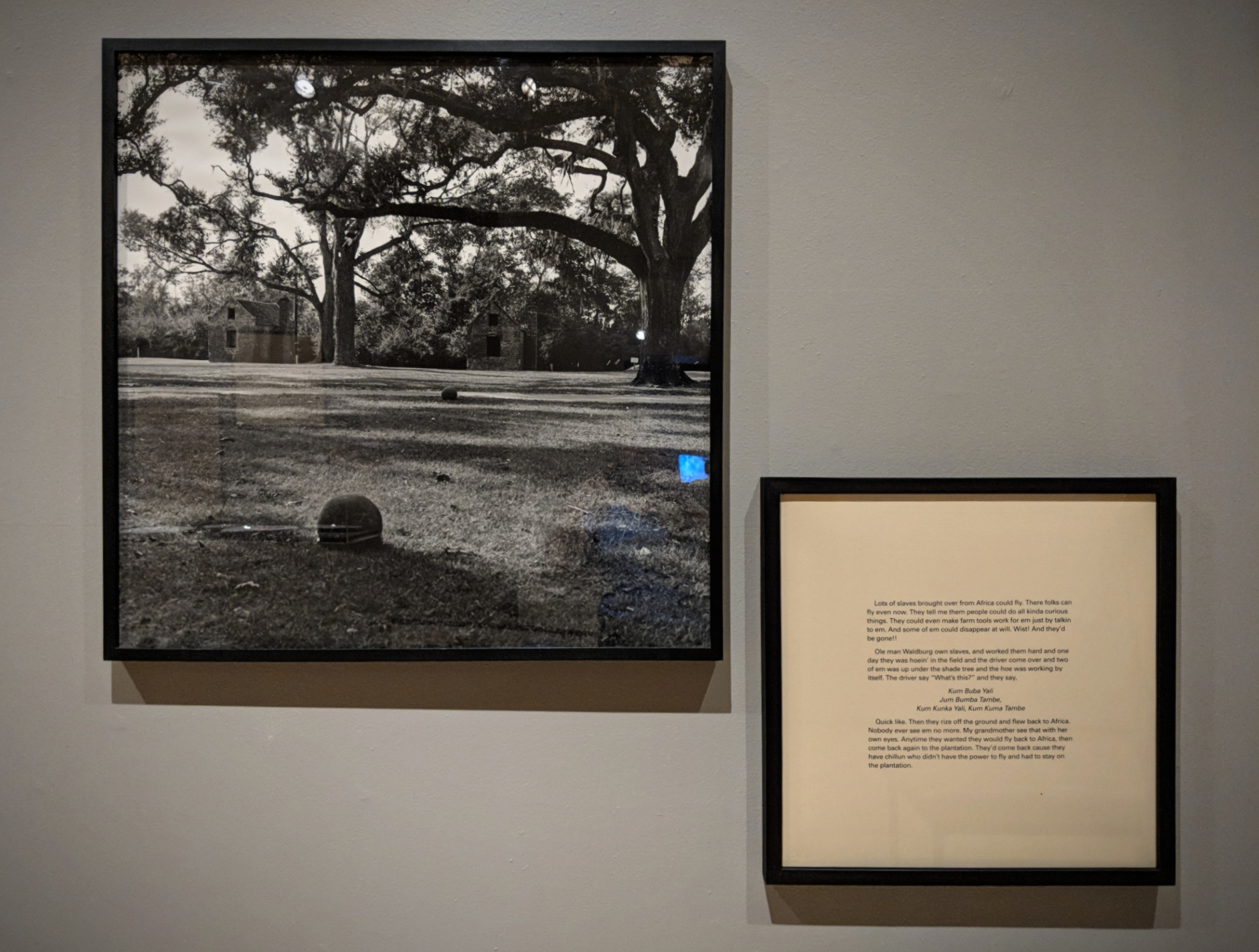
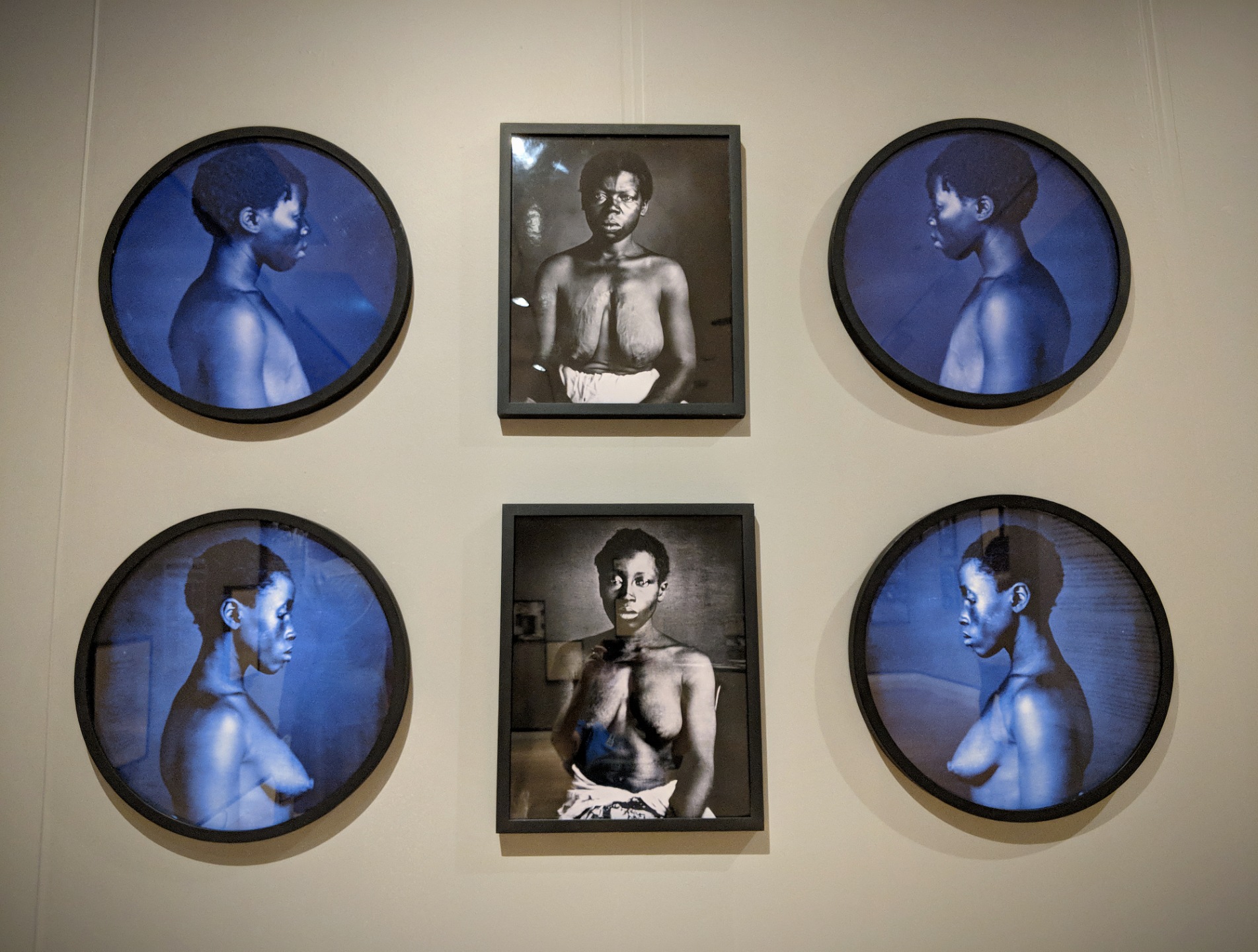
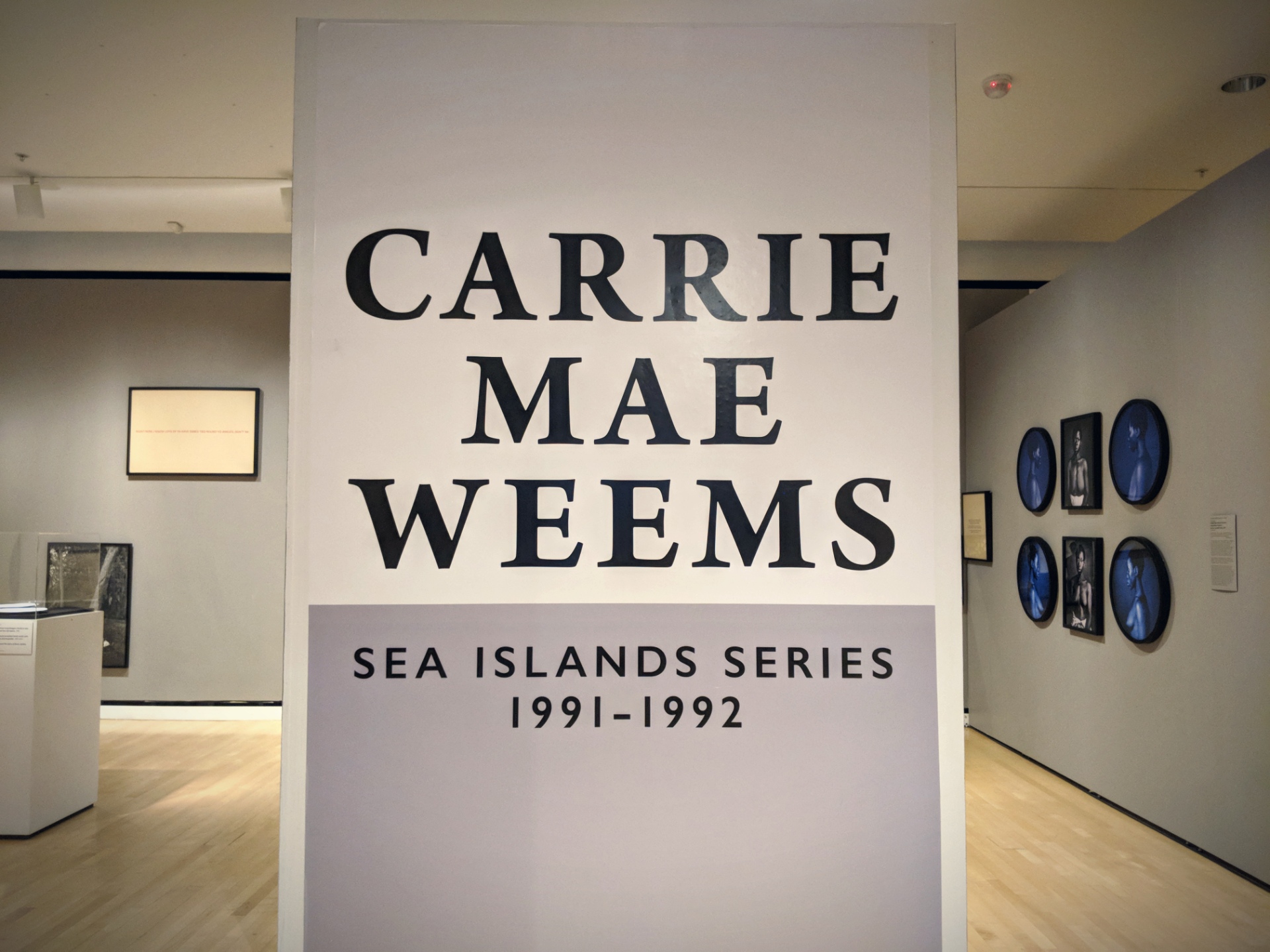
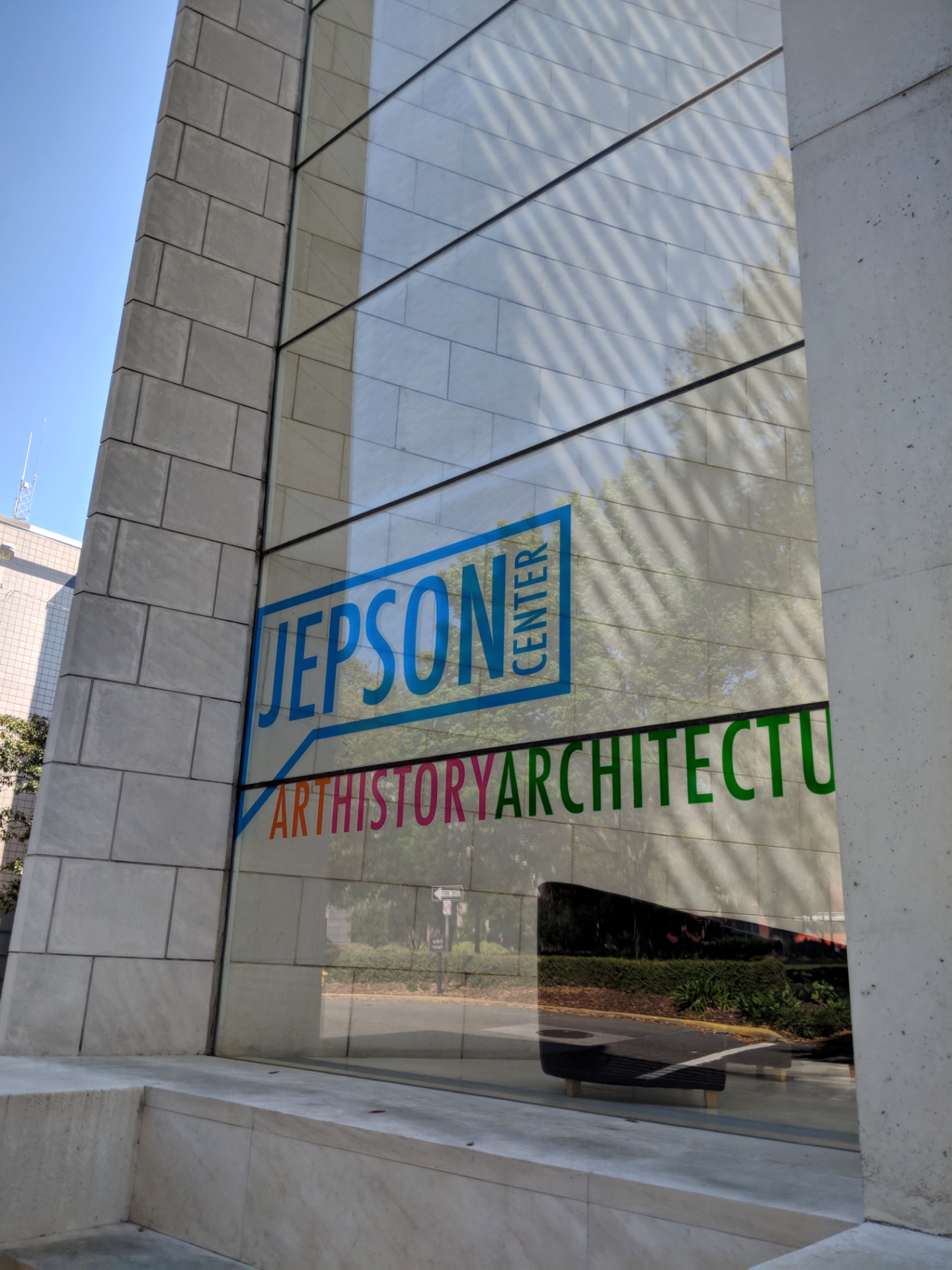
Part two of our Telfair Museums round, just across the street from the Telfair Academy is the most recent addition to the group, the Jepson Center. Designed by architect Moshe Safdie (see also the National Gallery of Canada), this sleek art space was opened to the public in 2006. It is home to Savannah’s famous Bird Girl and, on the day of our visit, some pretty powerful works attempting to address the region’s atrocious past relationship with slavery through contemporary art.

Adolfo Alvarado (b. 1982)
Piece, 2018
Mixed media
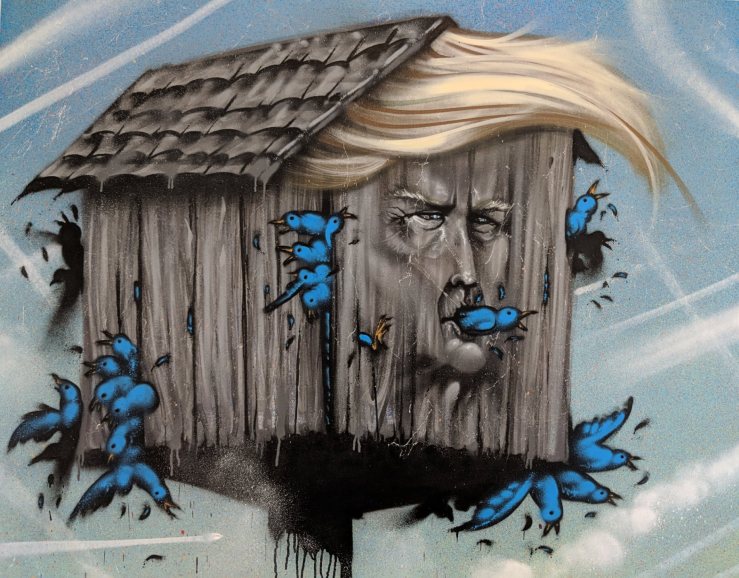

Adolfo Alvarado (b. 1982)
Tweet Tweet, 2018
Mixed media
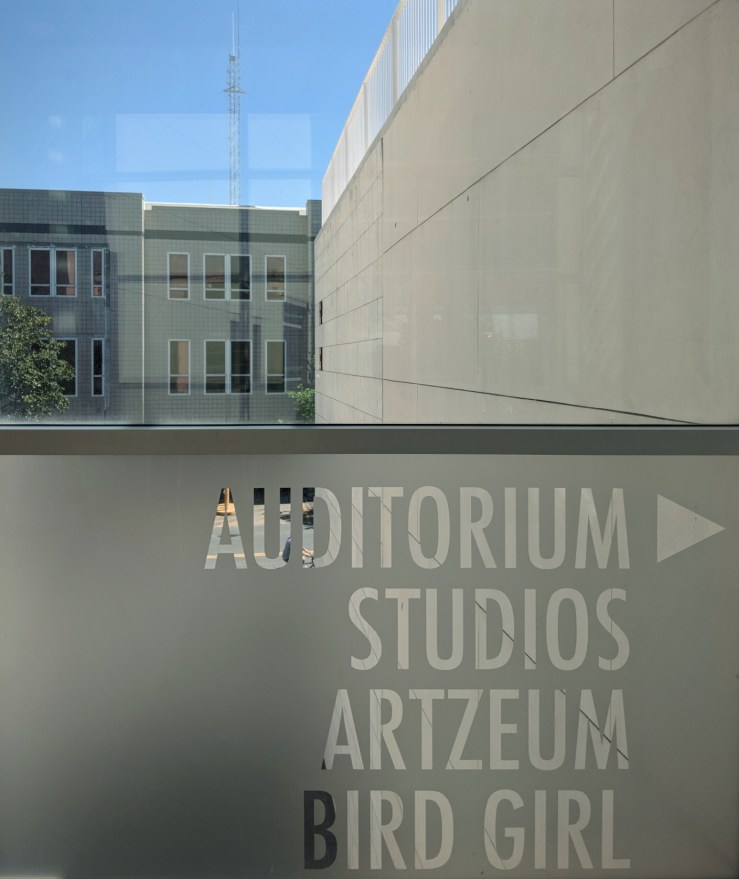

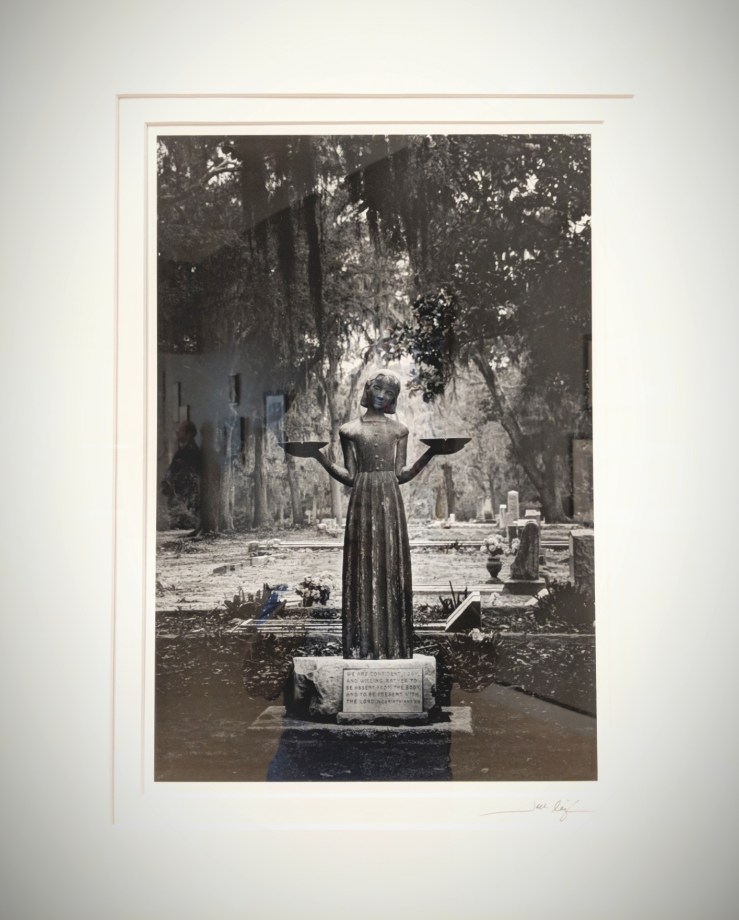
“Midnight in the Garden of Good and Evil”, the 1994 publication of John Berendt’s bestselling novel with Jack Leigh’s cover photograph featuring Silvia Shaw Judson’s Bird Girl sculpture from Bonaventure cemetery, brought a tidal wave of tourism to Savannah. Devotees of the book flocked to Bonaventure, some trampling the gravesite, which resulted to the removal of Judson’s sculpture to Telfair Museums.


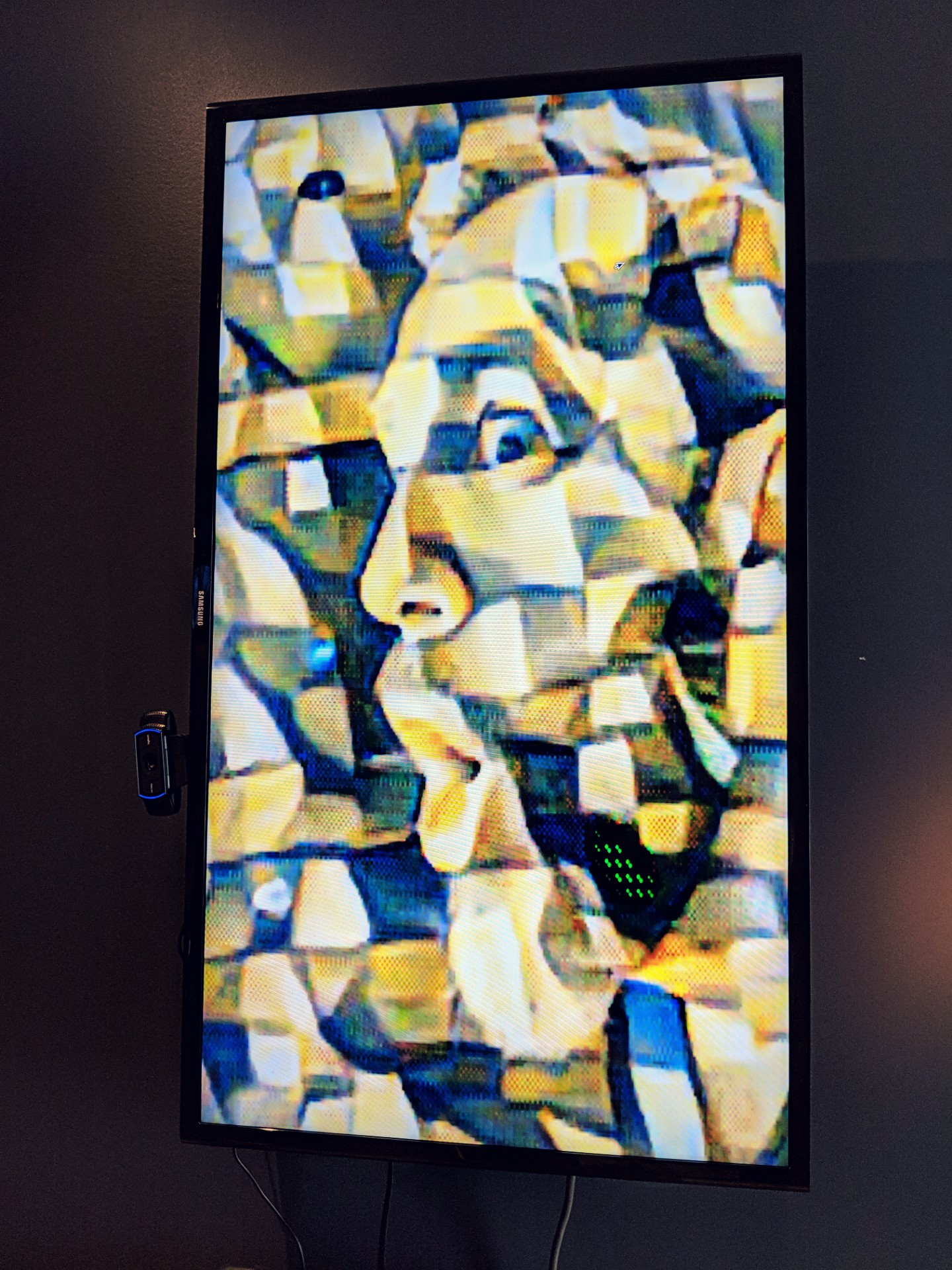
Gene Kogan
Cubist Mirror, 2016
Interactive installation (people standing in front of it, can see themselves as a cubist painting)


Wangshu Sun
Dream of Wings, 2017
Interactive virtual reality installation (people sitting in the chair, open their arms and dream they can fly)


Paul Stephen Benjamin (b. 1966)
God Bless America, 2016
Three-channel video installation, 54 video monitors, DVDs, cables and cords


Paul Stephen Benjamin (b. 1966)
H.Res 194, 2017
Black Light, Black T8 Fixture 32W, Black Cords

”I’m curious about the relationship of the colour black and ”blackness”. What is its visual aspect?”

Benjamin’s new site-specific black light work H.Res 194 connects the medium of black lights with the subject of House Resolution 194, titled ”Apologizing for the enslavement and racial segregation of African-Americans” and passed on July 29, 2008 by the 110th Congress. H.Res 194 suggests that shining a light, literally and conceptually, on a difficult past by acknowledging something through gesture, even if symbolic, is a positive step to change and grow as a nation.


Paul Stephen Benjamin (b. 1966)
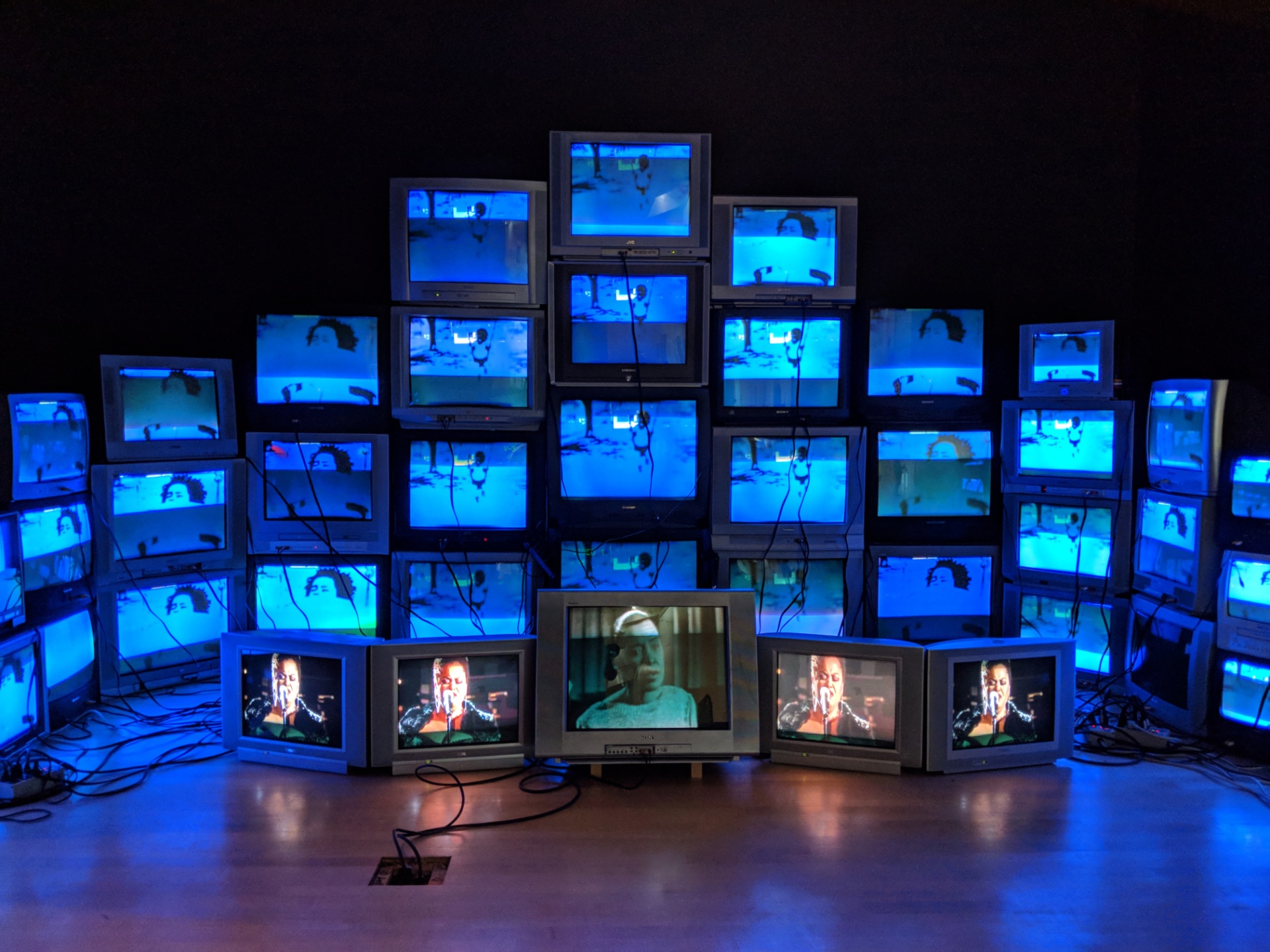
Summer Breeze, 2016/17
Three-channel video installation, 40 video monitors, DVDs, cables and cords

Summer Breeze shows performances of the song ”Strange Fruit” by two leading African American vocalists: Billie Holiday and Jill Scott.

Strange Fruit is a poem written by Abel Meeropol, under the pseudonym Lewis Allan, a New York City poet, educator and social activist of Jewish descent, as a response to his viewing a photograph of the lynching of J. Thomas Shipp and Abraham S. Smith, taken by Lawrence Beitler on Augus 7, 1930, which became the most iconic photograph of lynching in America.
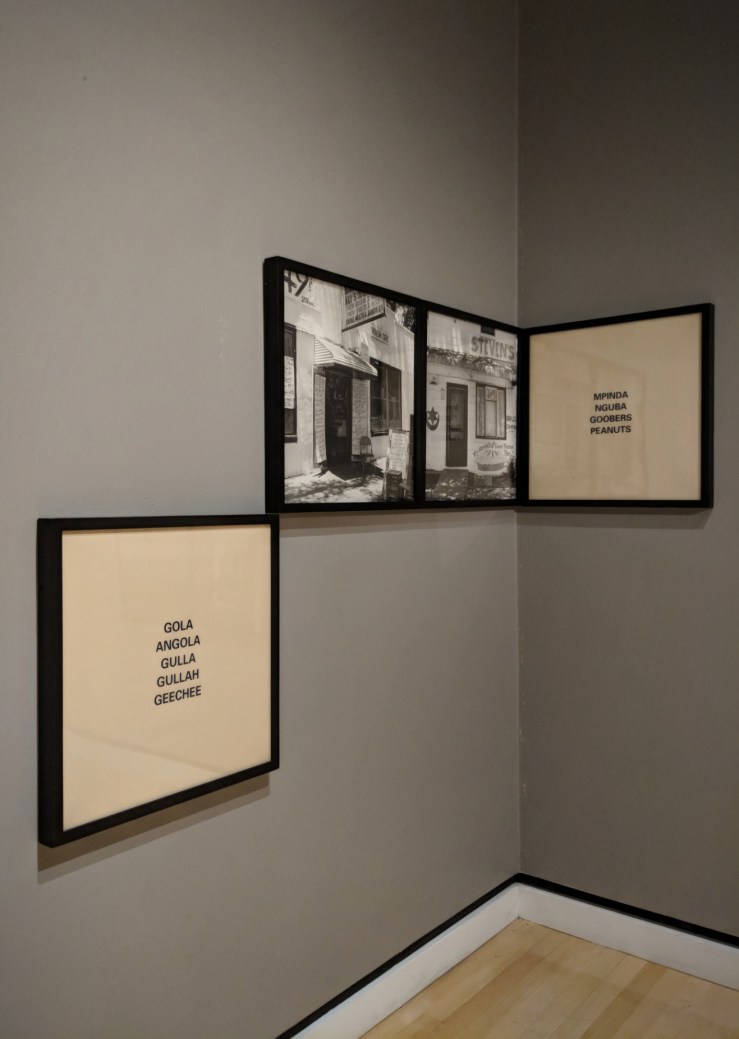
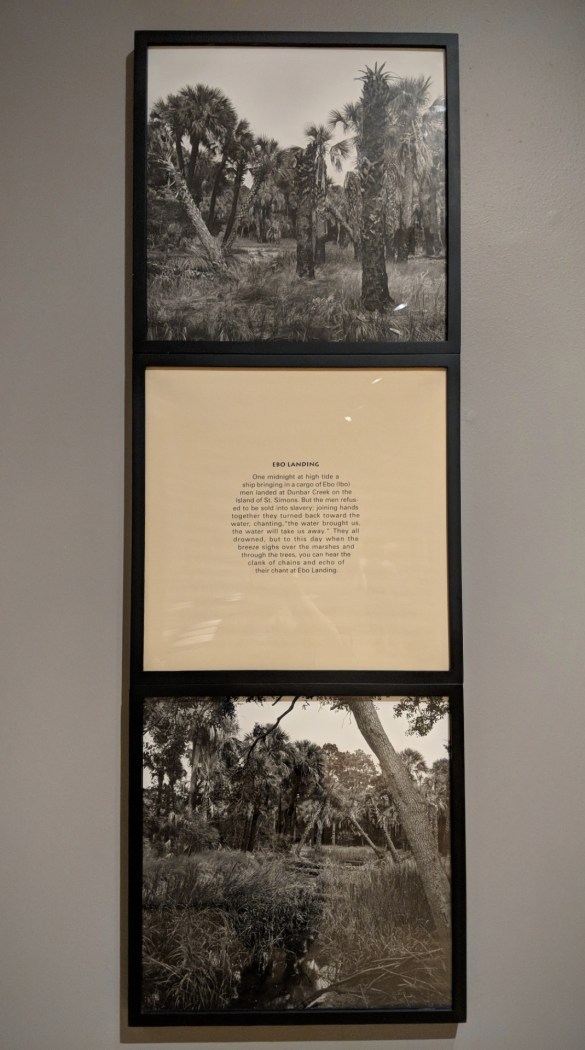
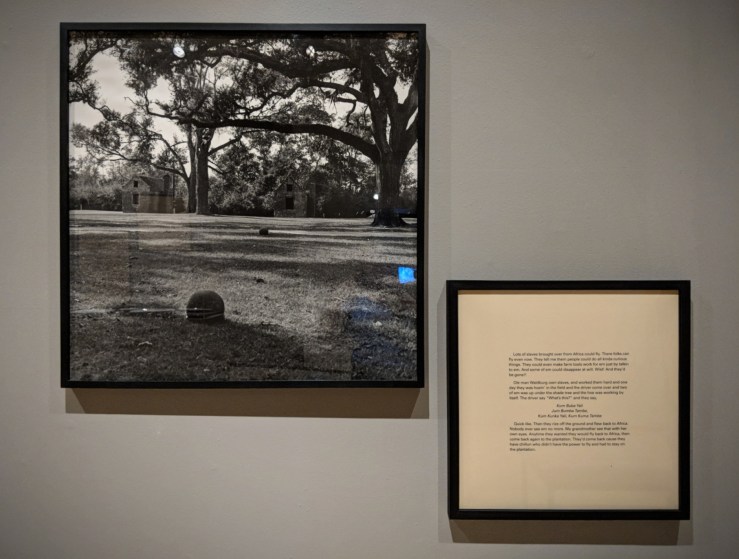
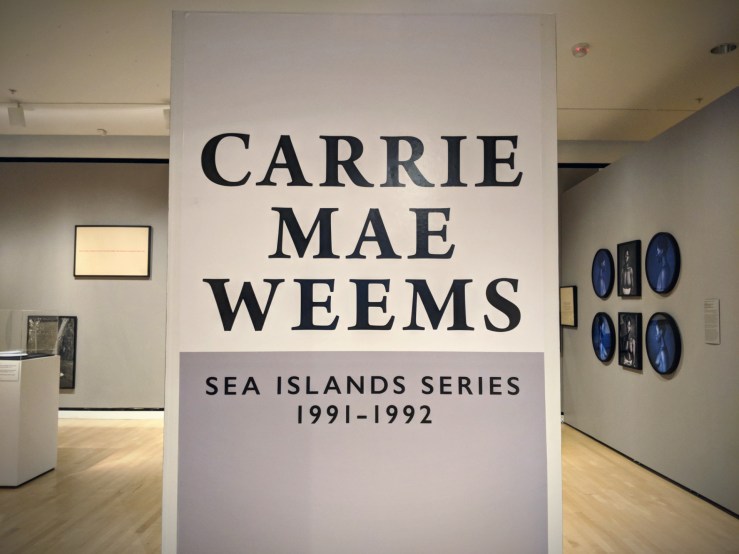
In 1850, Swiss-American biologist Louis Agassiz (1807-1873) commissioned a series of photographs for his study of ”races”. Agassiz intended to use these portraits as visual evidence to support his racist theories of the inferiority of Africans and to prepare a taxonomy of the enslaved population. He commissioned photographer Joseph T. Zealy (1812-1893) of Columbia, South Carolina, to produce a series of daguerreotypes of slaves.

Weems discovered Agassiz’s images in museum and university archives and appropriated them for her own use in 1992. In this series, Weems exposes how photography has played a key role throughout history in shaping and supporting racism, stereotyping and social injustice.

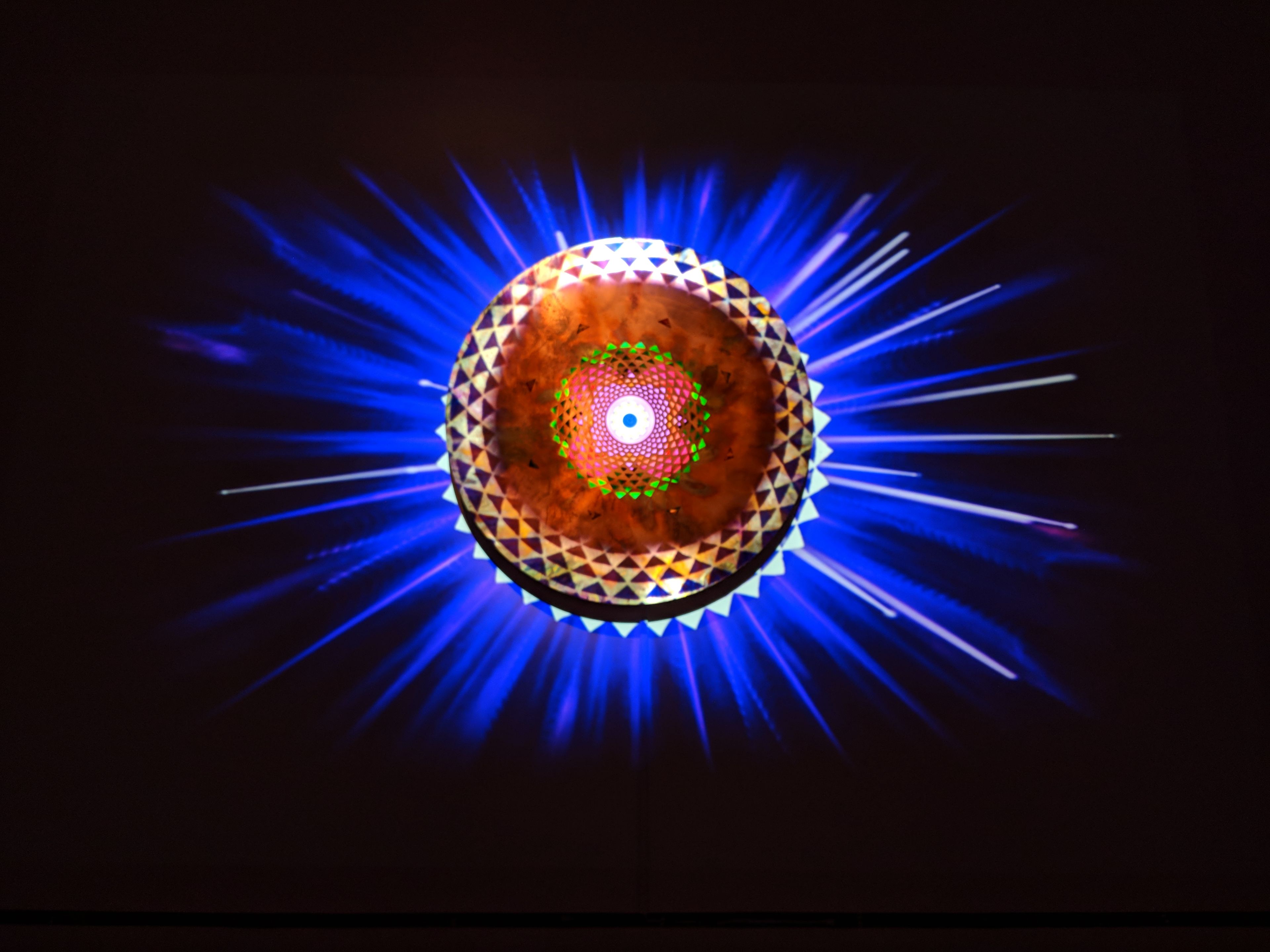
Radiance, by Teri Yarbrow and Max Almy with  Josephine Leong
Immersive virtual reality mandalas


We thought it best to leave the third site, Owens-Thomas House & Slave Quarters, for another day; three museums in a row seemed like an overkill and, besides, tickets not only give access to all three sites, but they also remain valid for a week.

Jepson Center, Savannah GA

April 3rd, 2018
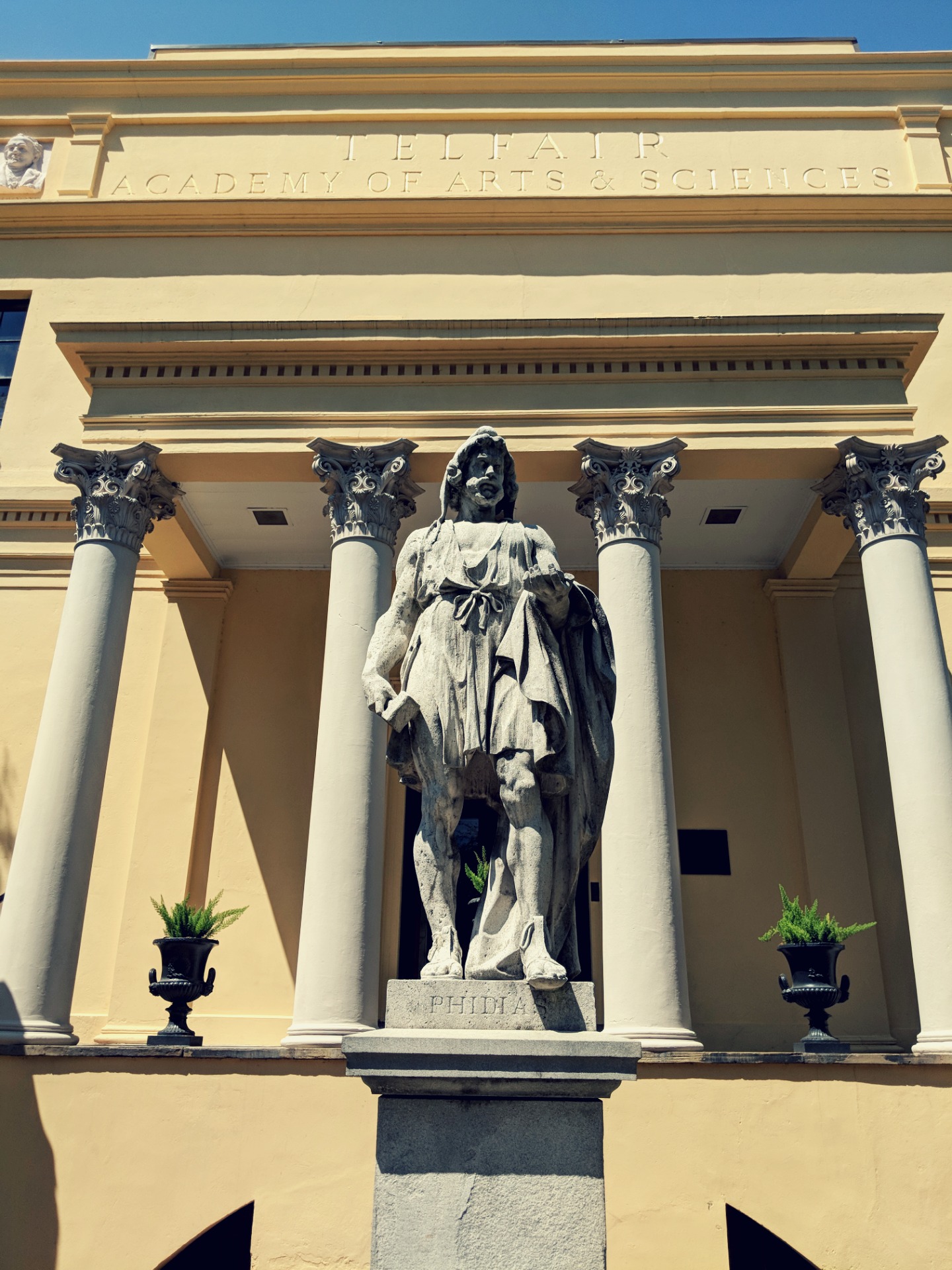
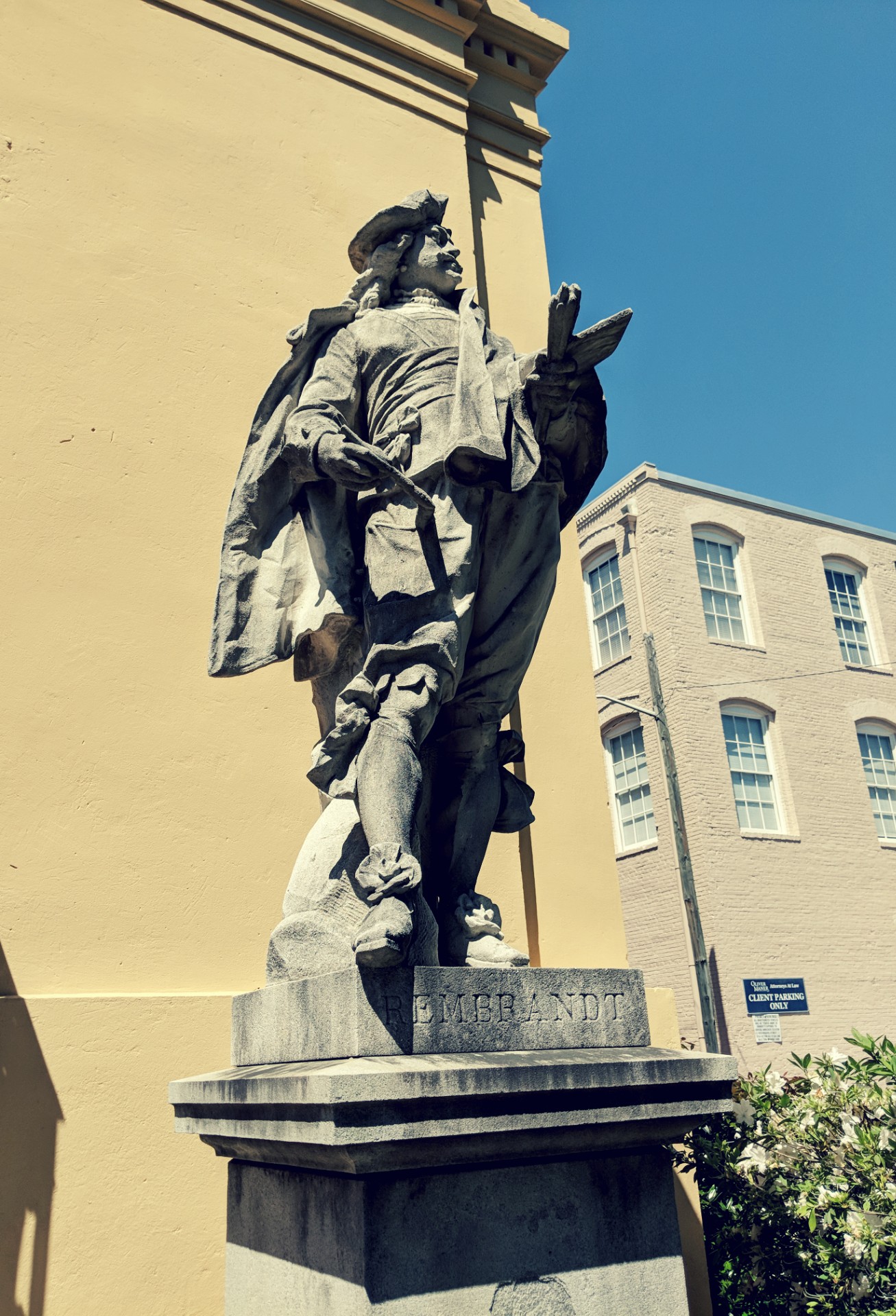
Savannah || Telfair Academy of Arts & Sciences

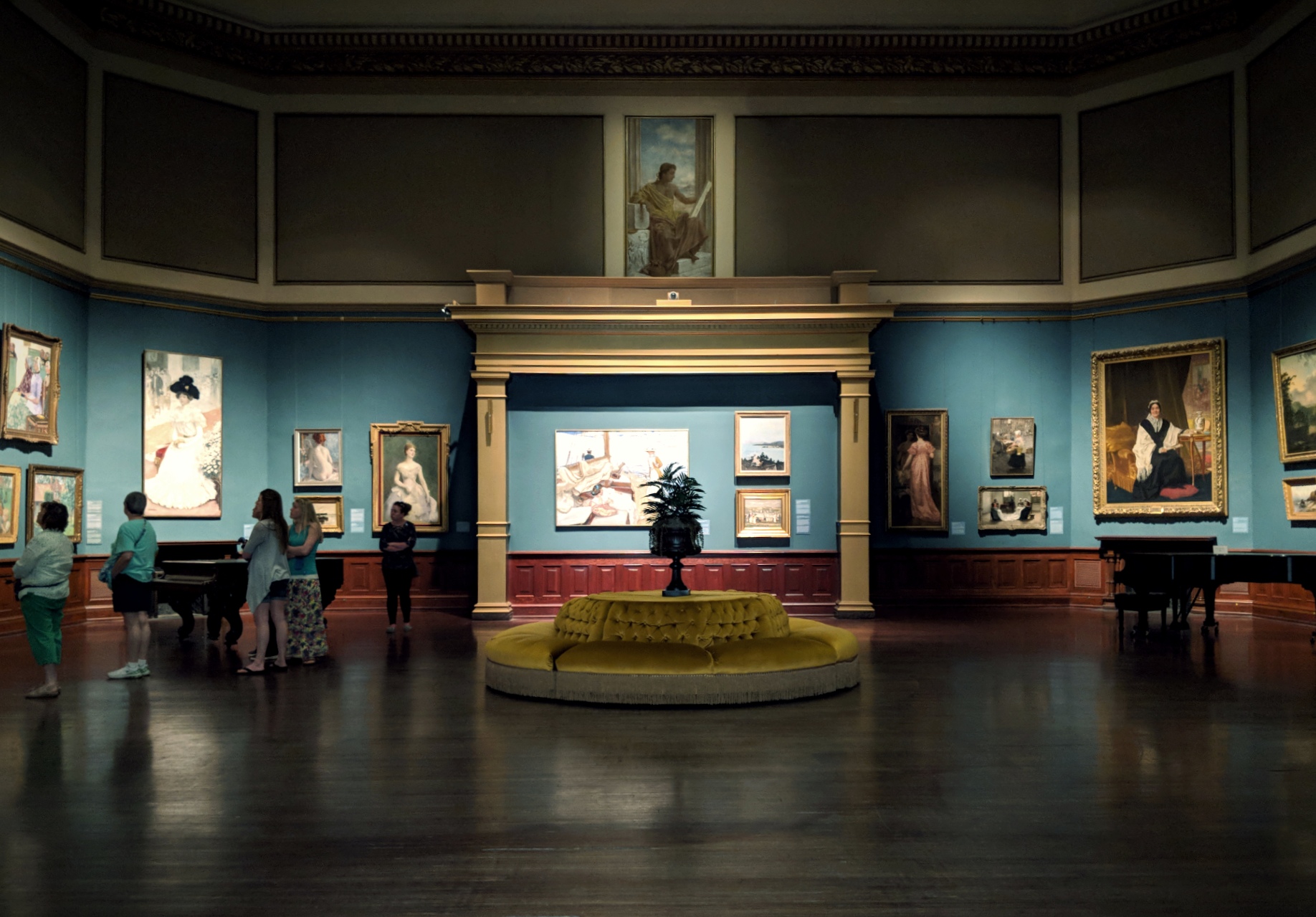
The Telfair Academy, the Jepson Center and the Owens-Thomas House are three distinctly different buildings in close distance with each other, united under the umbrella of Telfair Museums. Each one houses an art collection that corresponds to the period it was built.

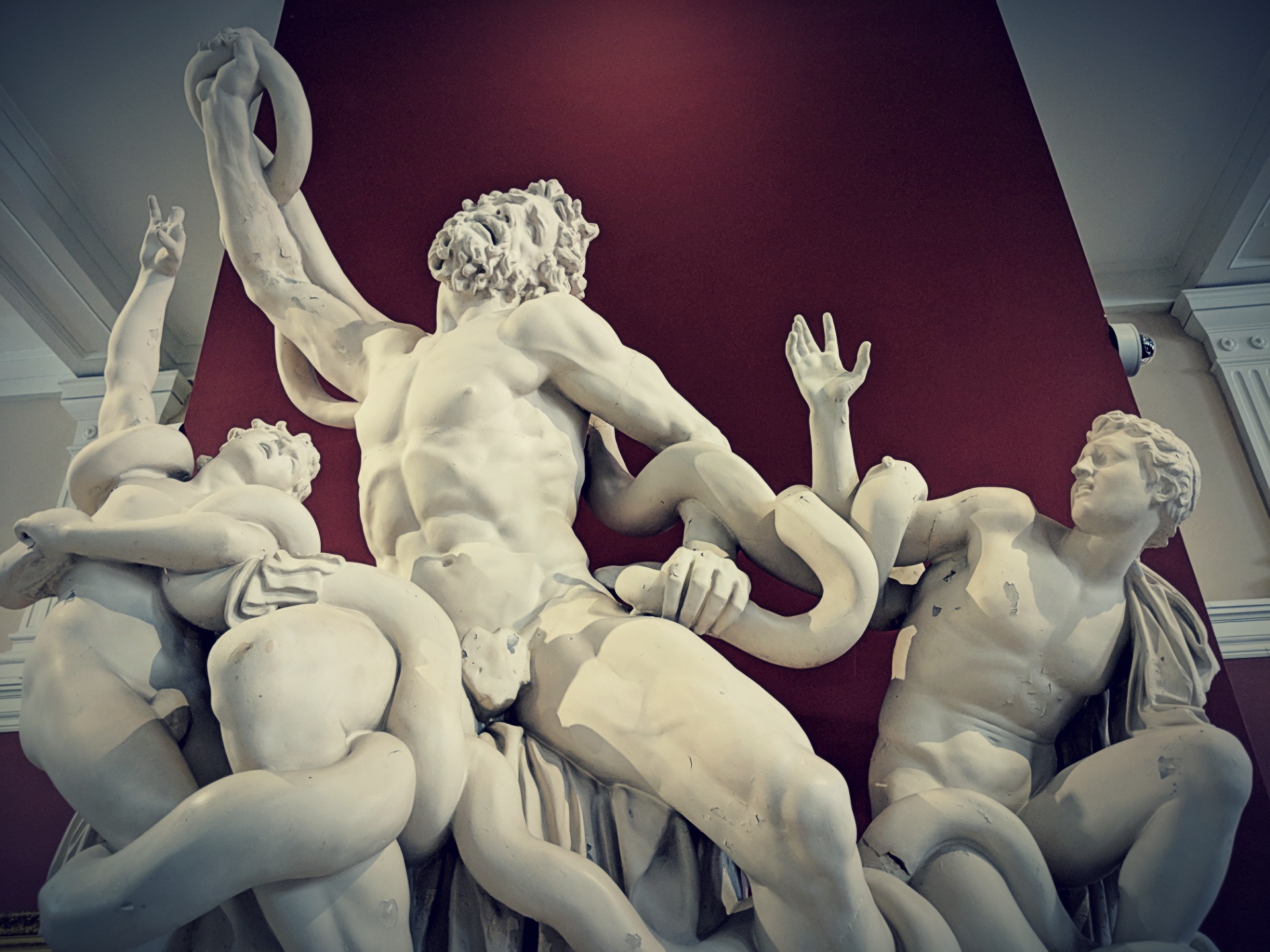
Let us start today with a visit to the Telfair Academy. Designed by William Jay in neoclassical Regency style, completed in 1819 as a residence for Alexander Telfair, it houses 19th- and 20th-century American and European art. Athanadoros, Hagesandros and Polydoros of Rhodes
Laocoön and His Sons, early first century A.D.
(cast madxe before 1893)

The original version of this sculpture can be found in the collection of the Vatican Museums, Rome.


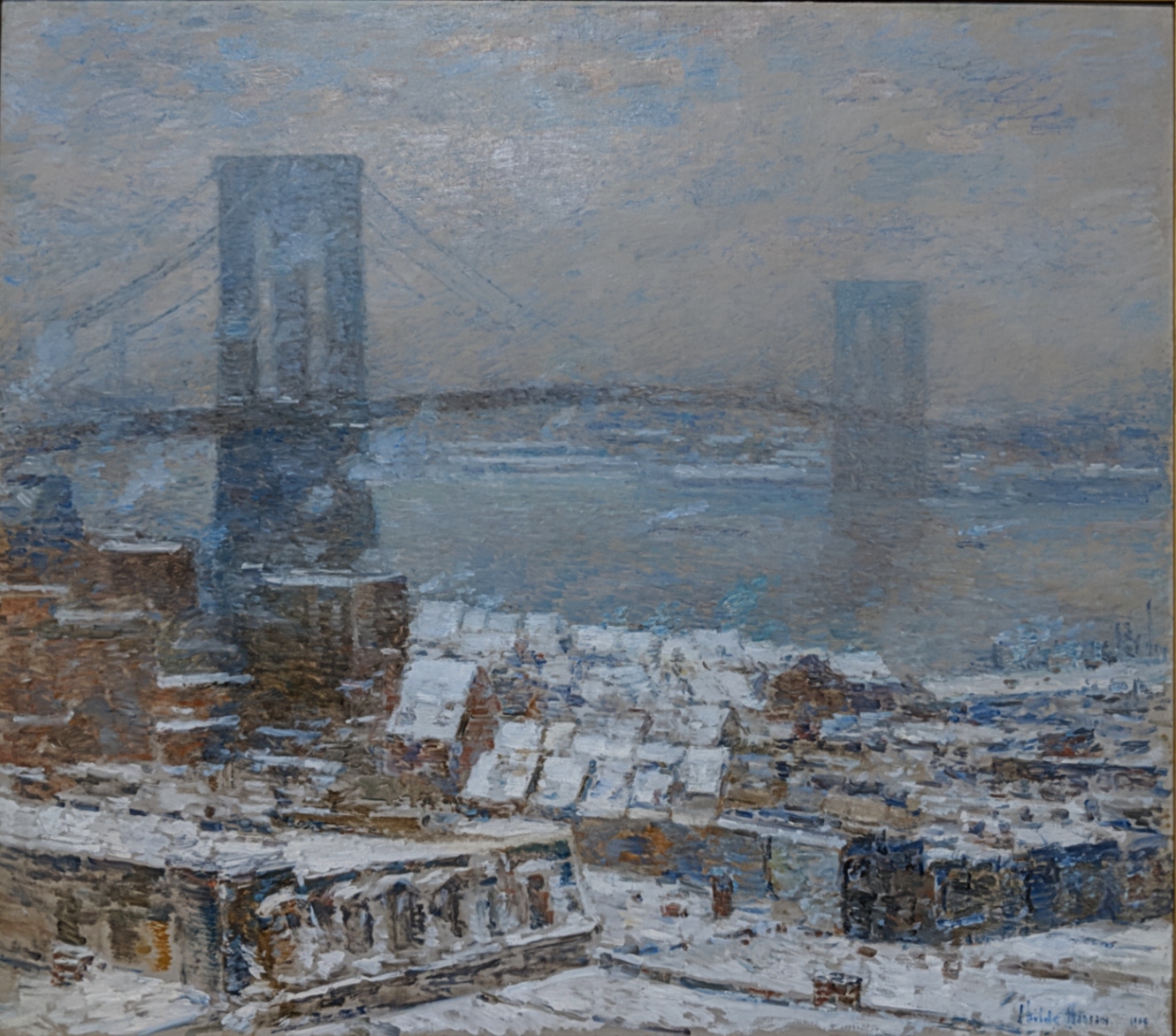
Childe Hassam (1859-1935)
Brooklyn Bridge in Winter, 1904
Oil on canvas


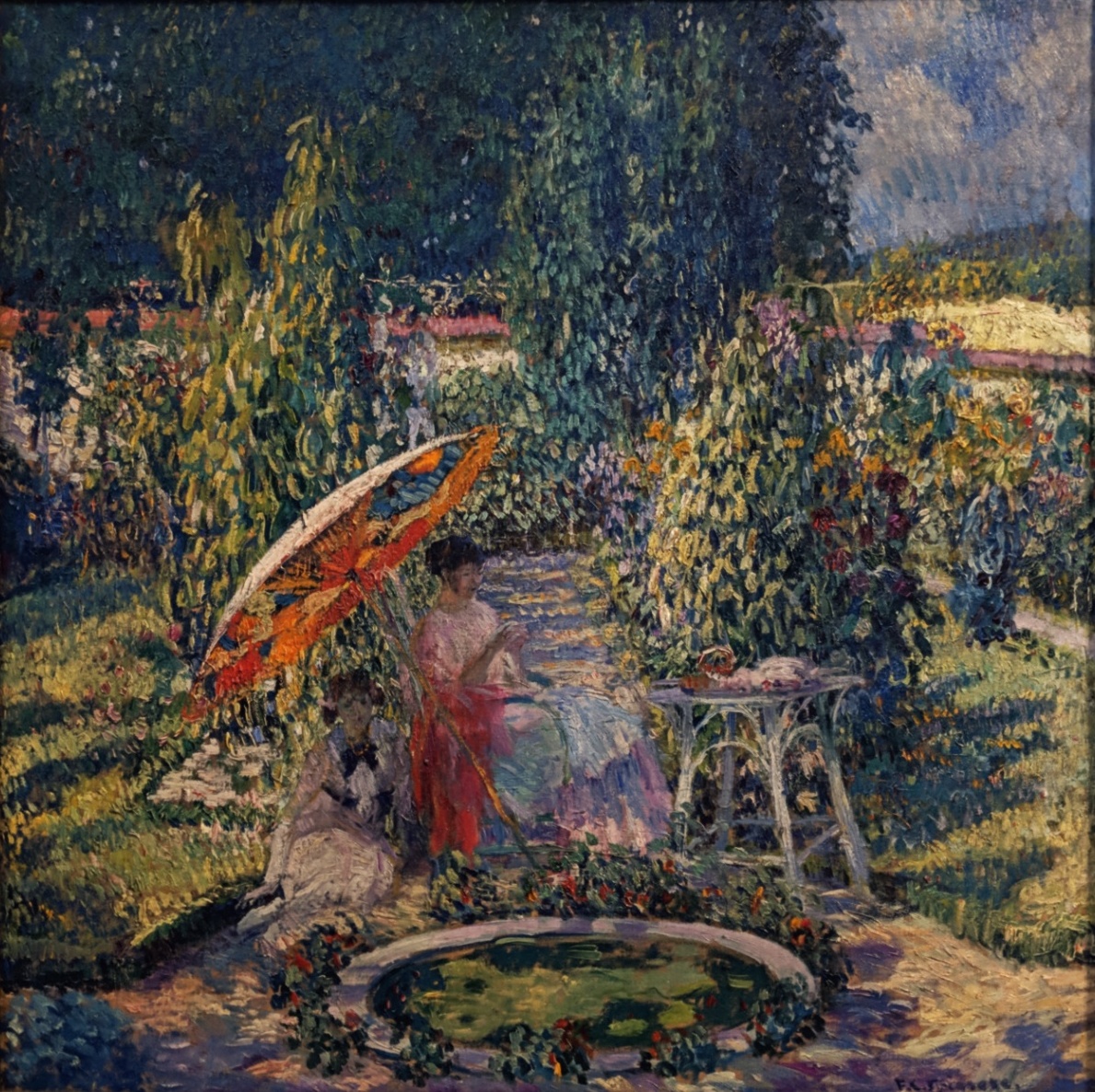
Frederick Carl Frieseke (1874-1939)
The Garden Umbrella, by 1910
Oil on canvas


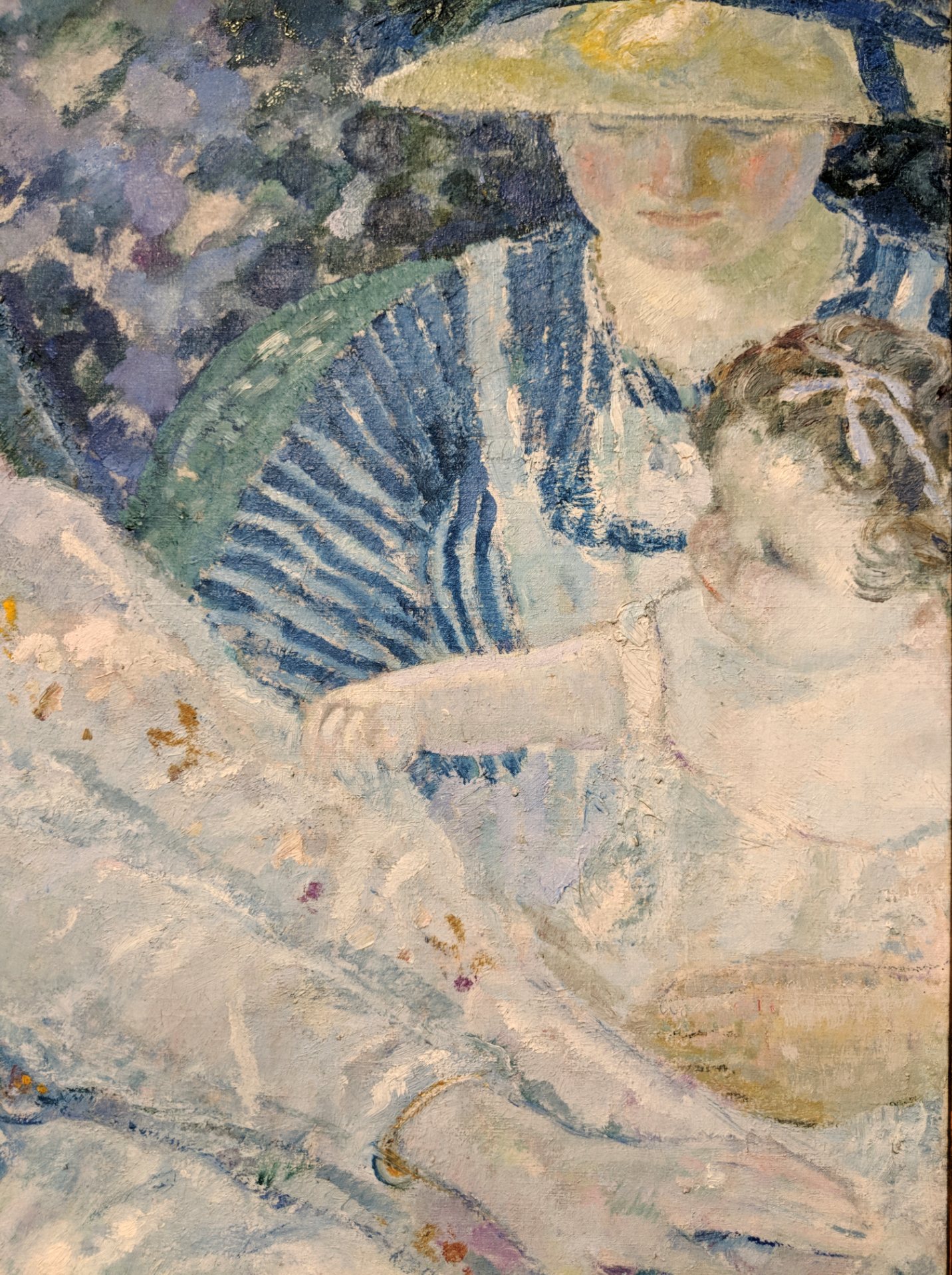
Frederick Carl Frieseke (1874-1939)
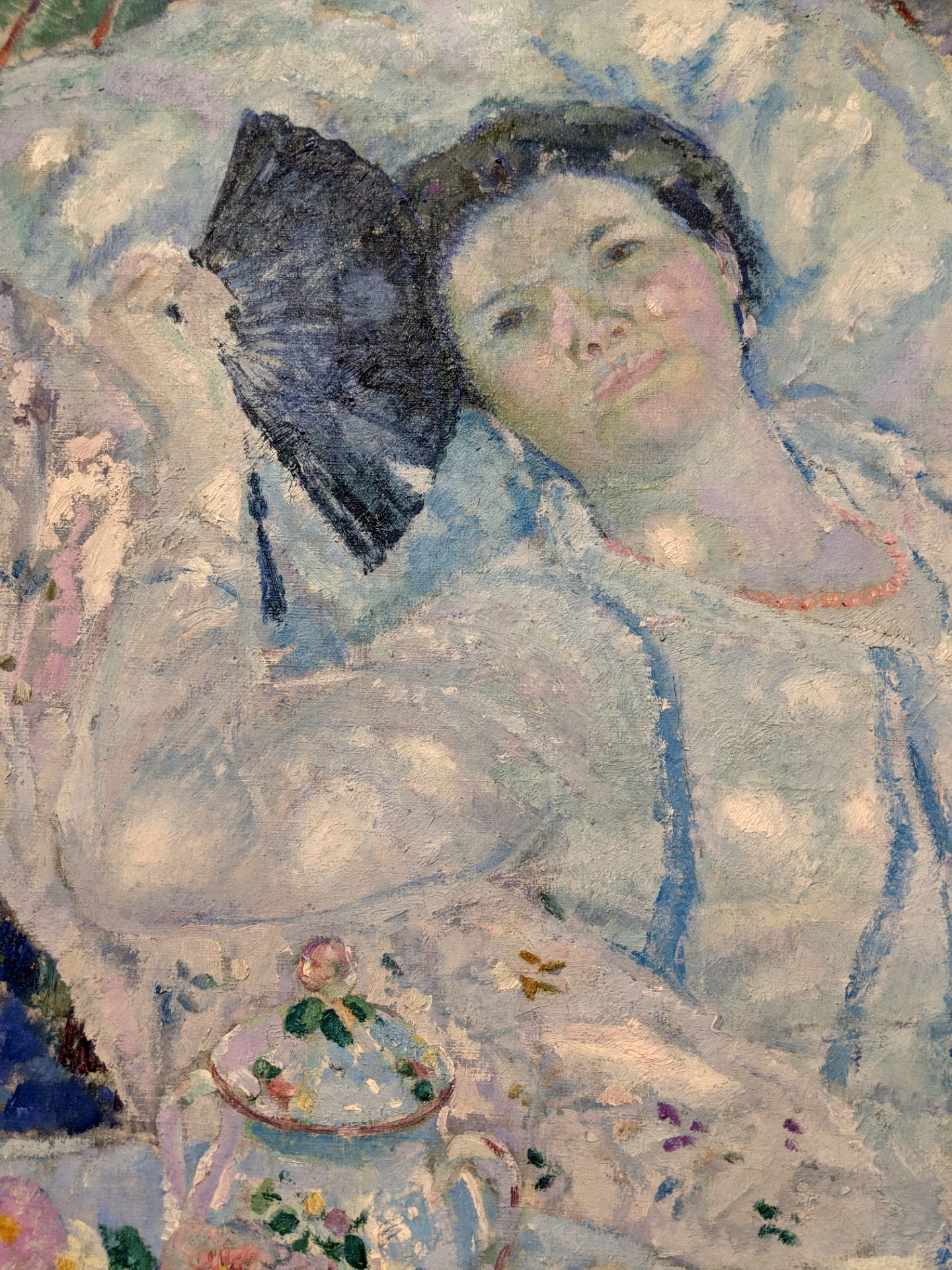
The Hammock, by 1915
Oil on canvas


Henri Caro-Delvaille (1875-1928)
La toilette d’Herminie, 1906
Oil on canvas


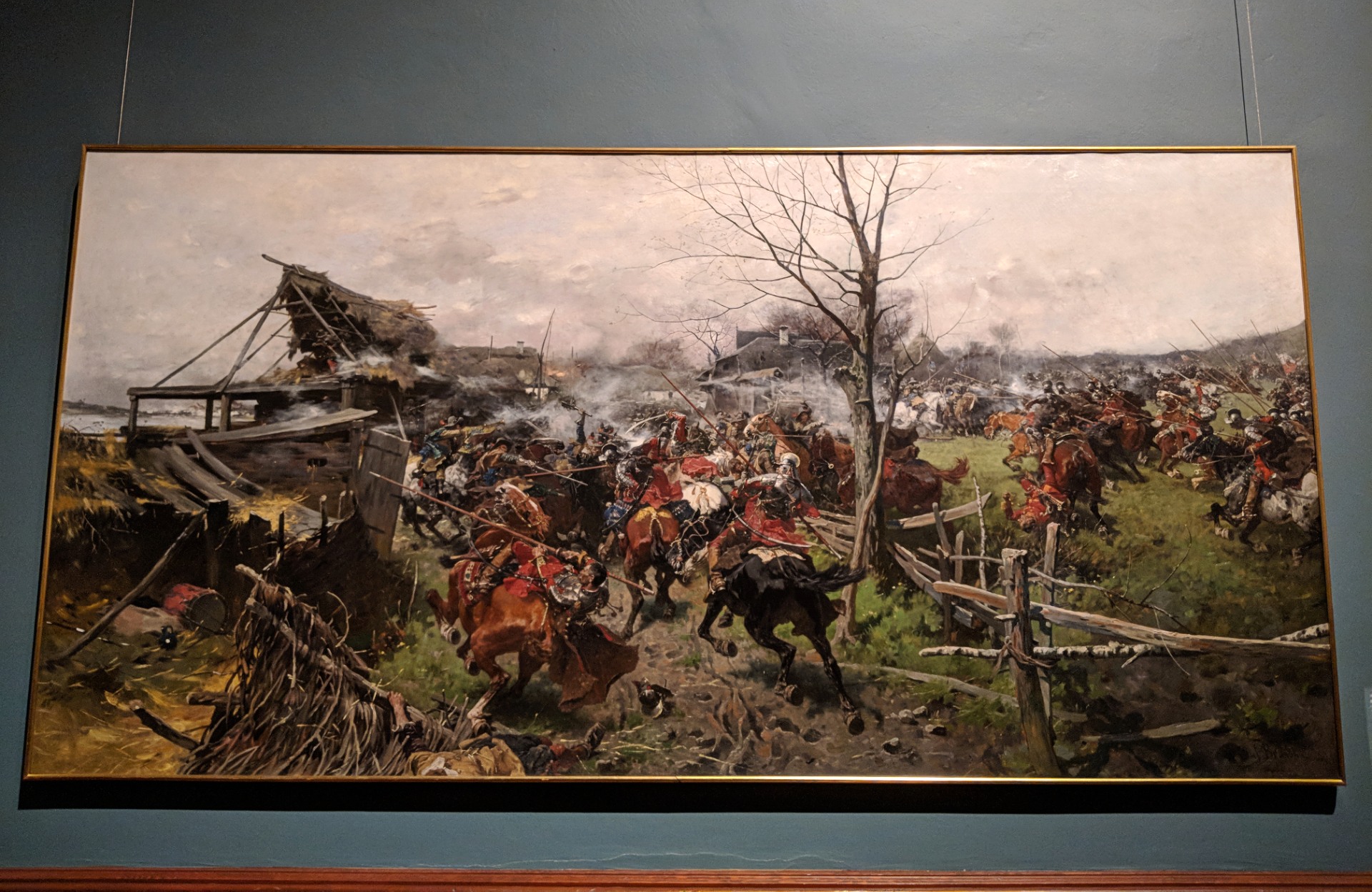
Józef Brandt (1841-1915)
Ein Gefecht (A Battle), 1888
Oil on canvas


Julian Story (1857-1919)
The Black Prince at Crécy, 1888 (detail)
Oil on canvas


Walter MacEwen (1860-1943)
The Lacemakers, c. 1885-1900
Oil on canvas


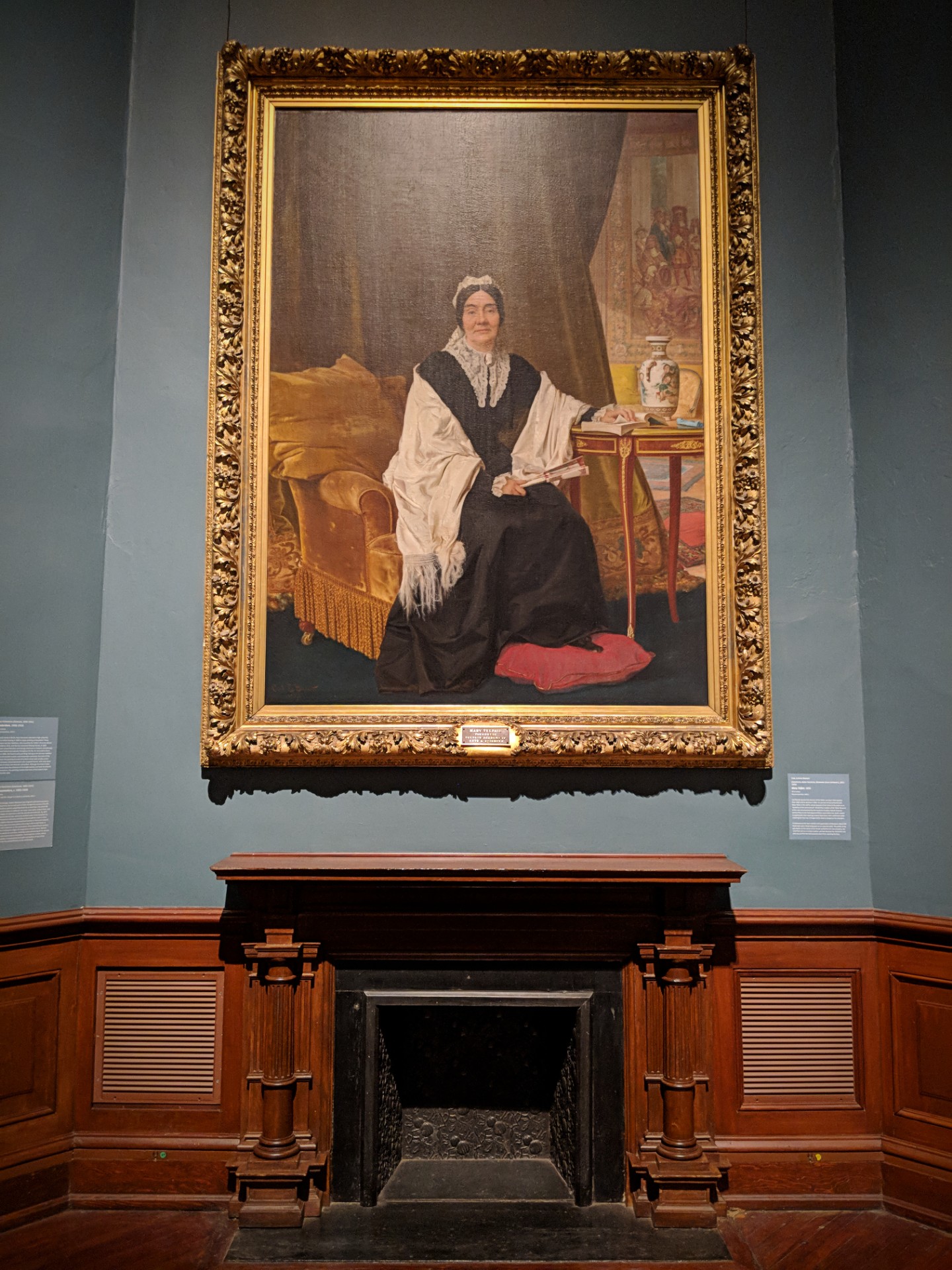
Carl Ludwig Brandt (1831-1905)
Mary Telfair, 1896

Carl Brandt was the first director of the Telfair, serving in that capacity from 1883 until his demise in 1905. His portrait of local philanthropist Mary Telfair (1791-1875), whose bequest of her home to the public as an ”academy of arts and sciences” allowed the creation of the Telfair Museum of Art, was commissioned by the museum’s trustees.


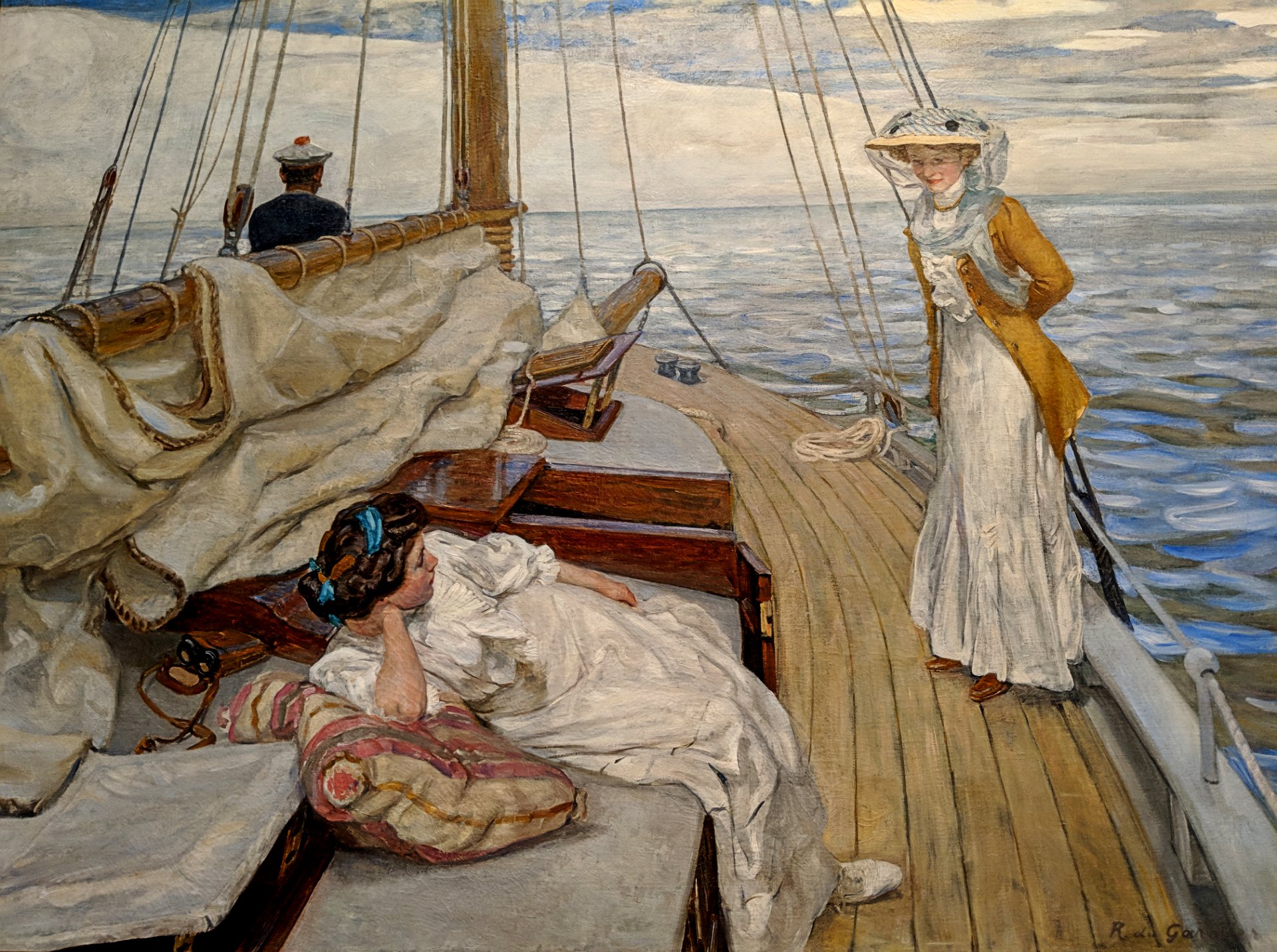
Raoul du Gardier (1871-1952)
Calme blanc, 1905-8
Oil on canvas


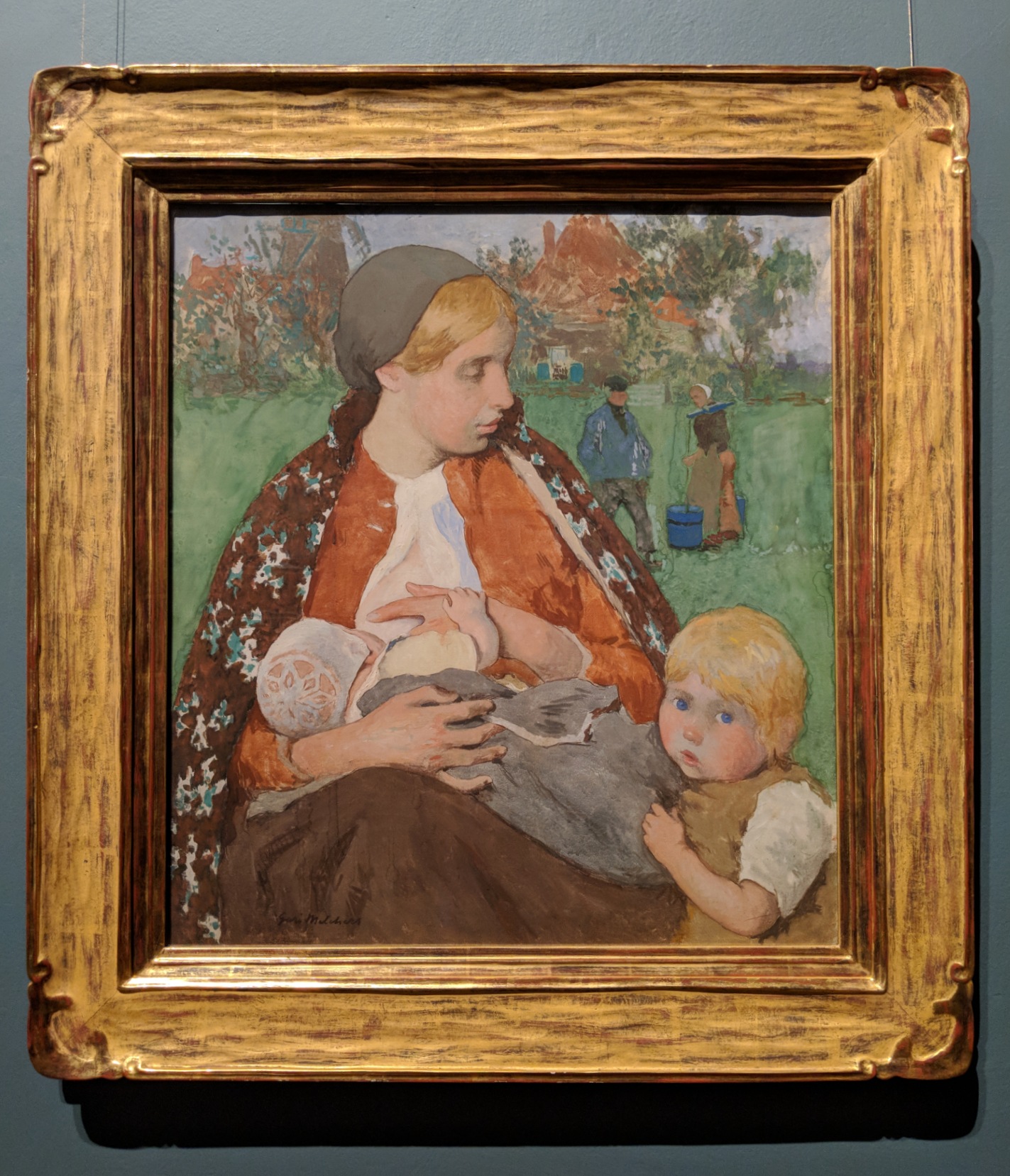
Gari Melchers (1860-1932)
Madonna of the Fields, c. 1895
Gouache on canvas


Telfair Museums, Savannah, GA

April 3rd, 2018

Being: Tarsila & Henri & Joanna & Sofia

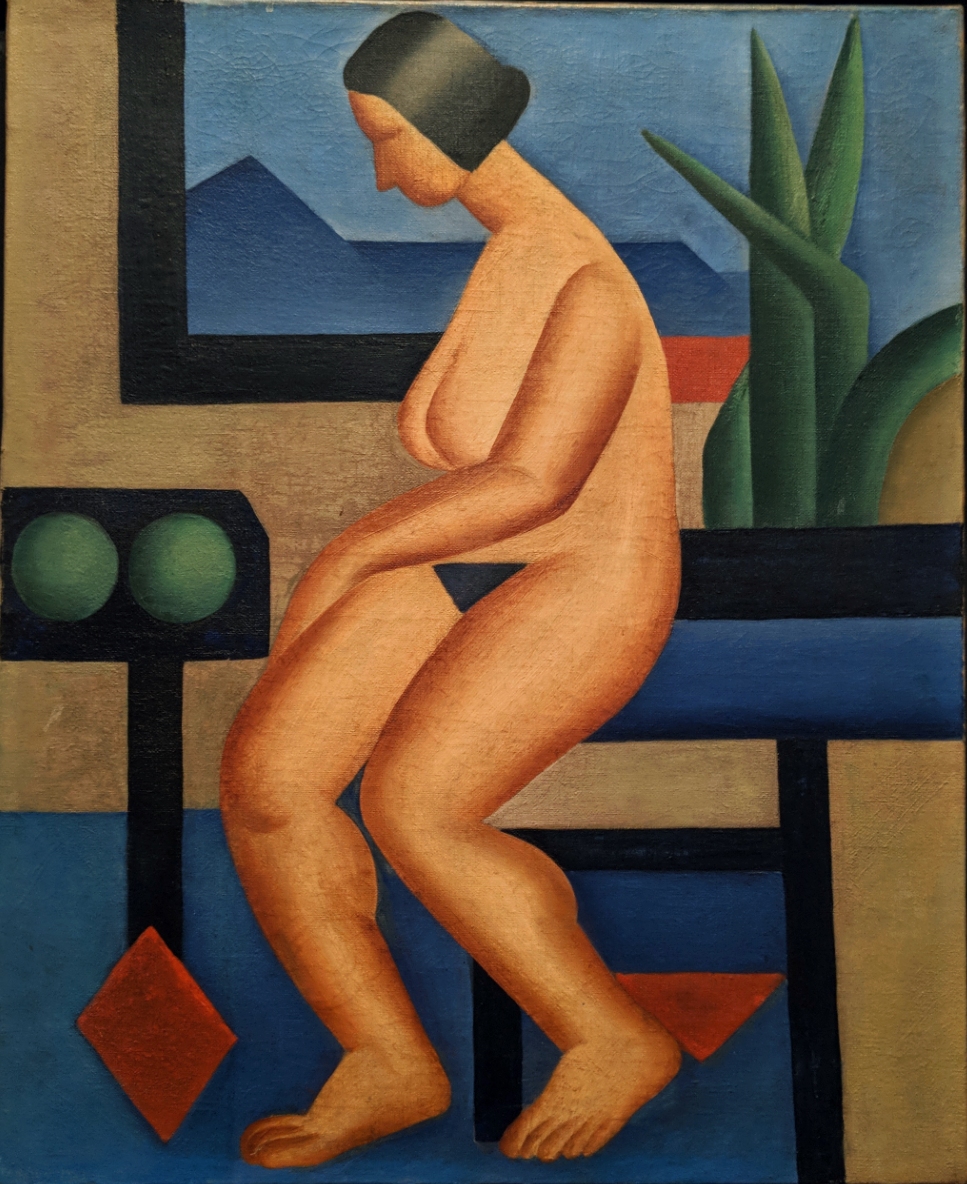
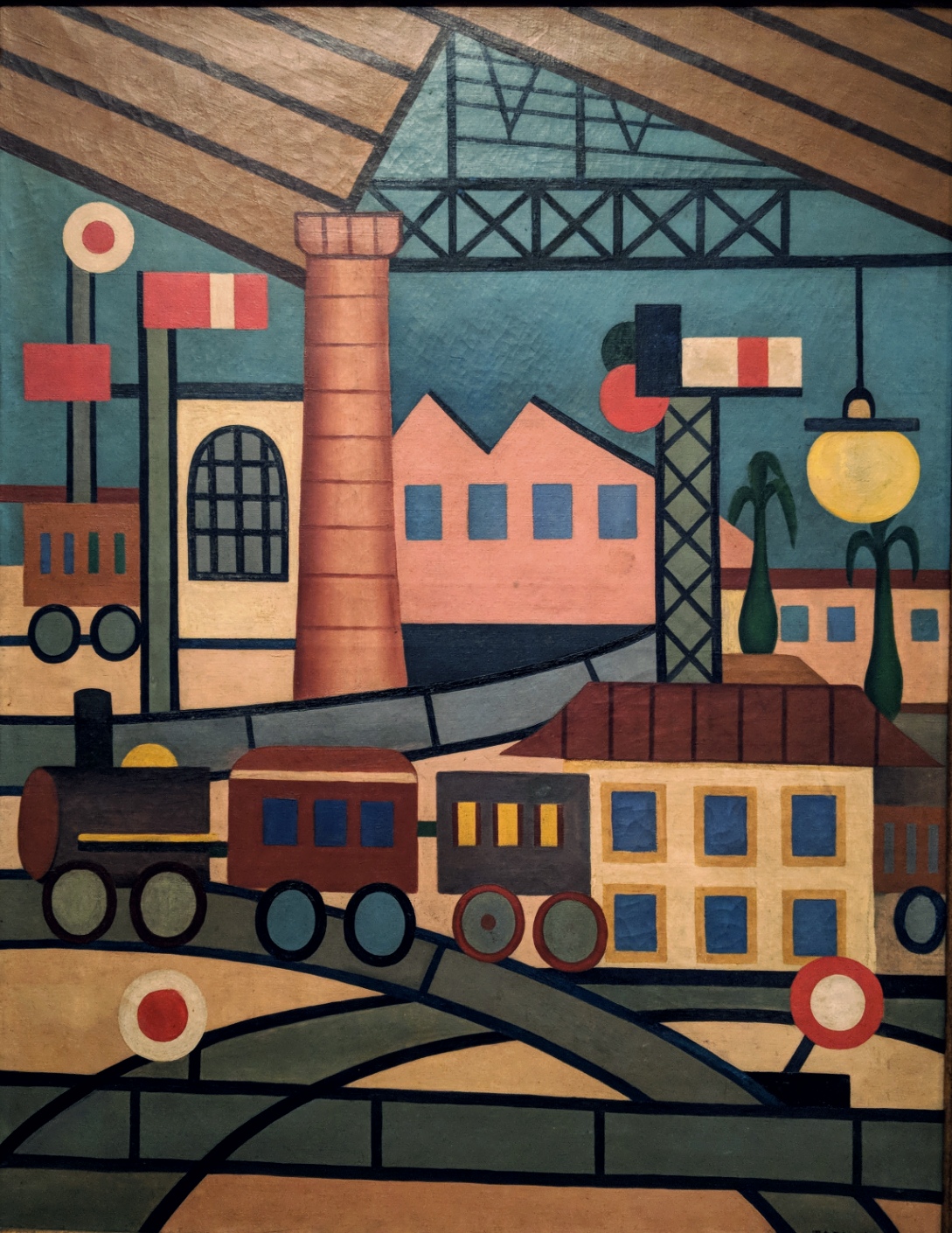
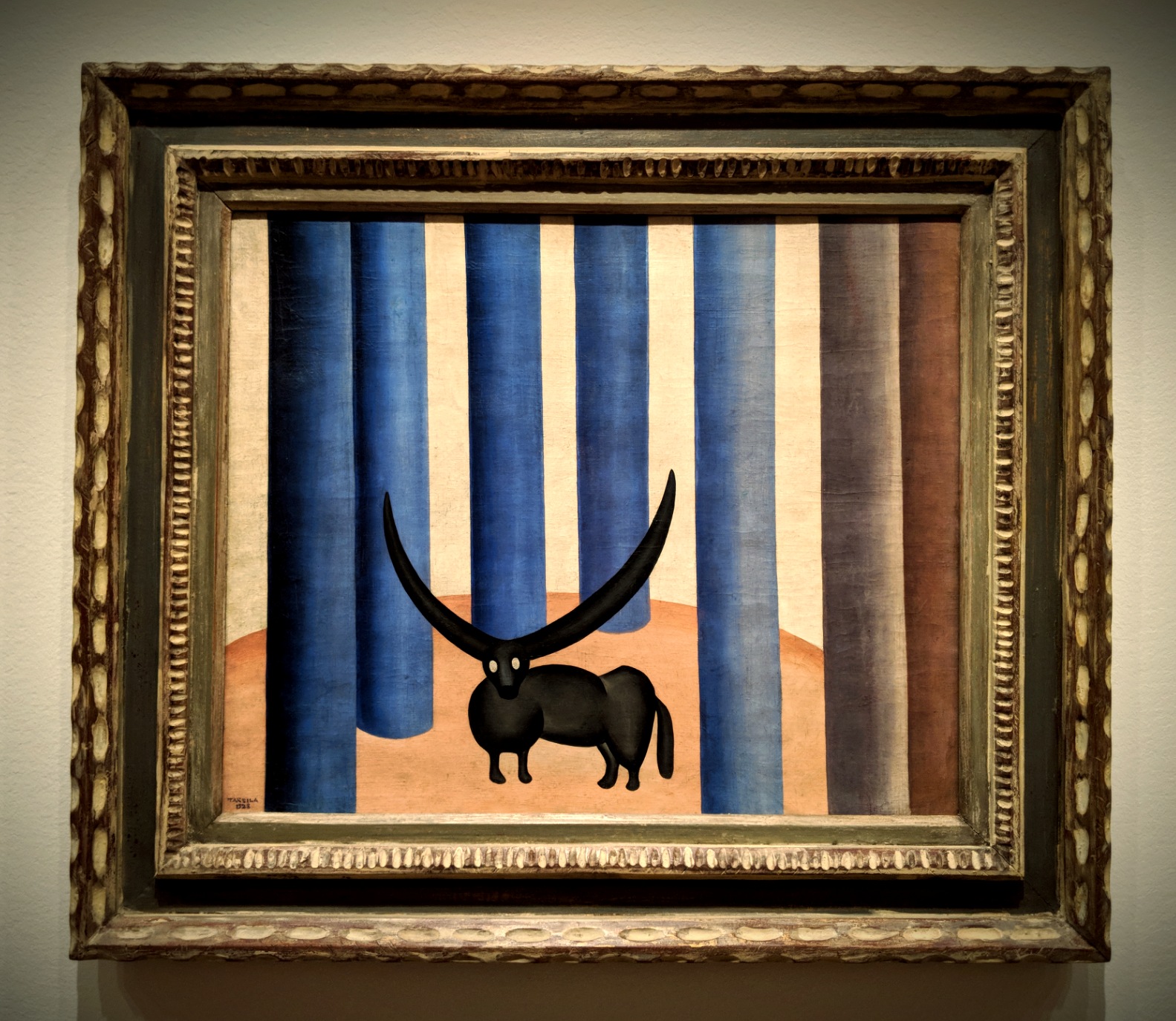
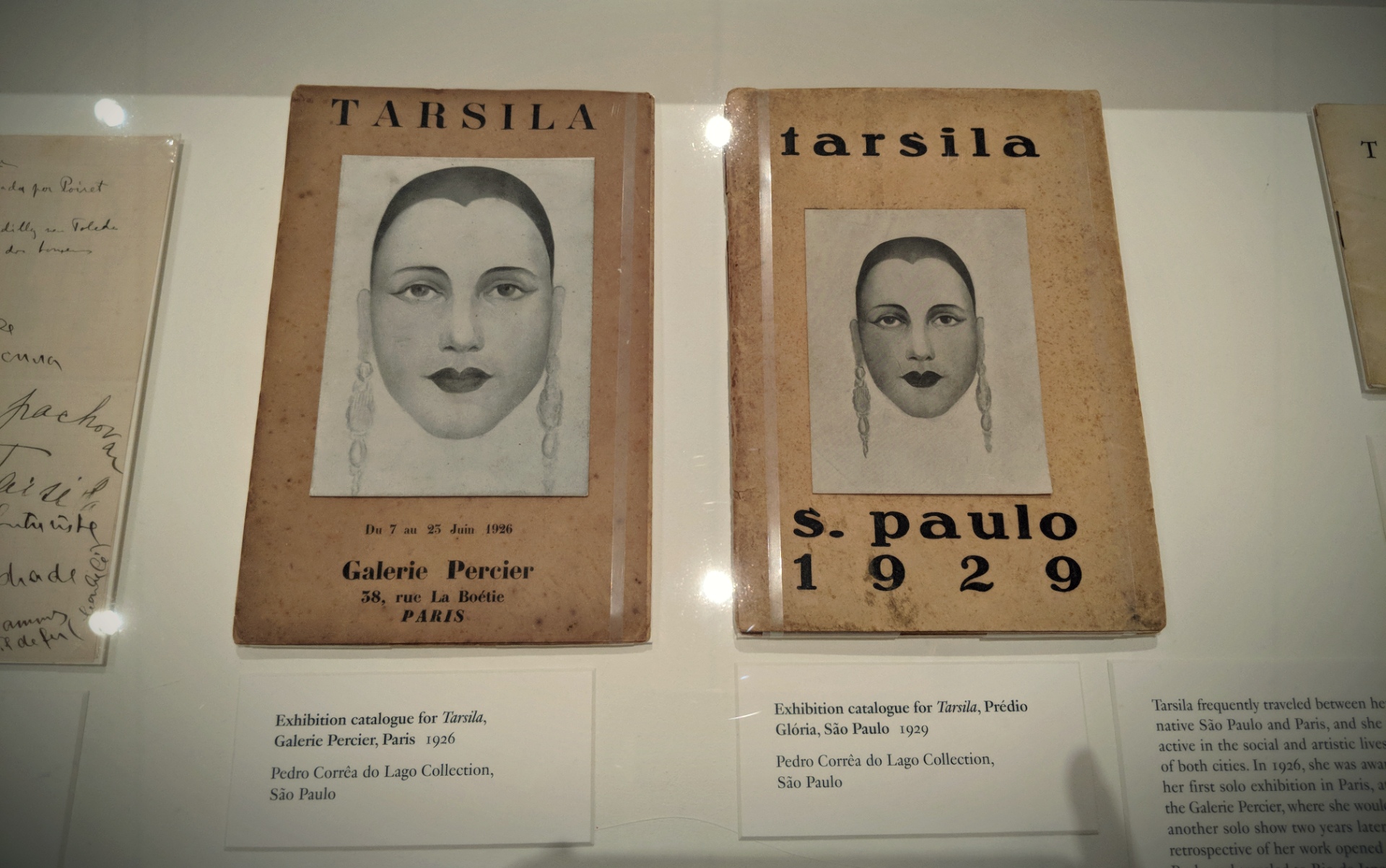
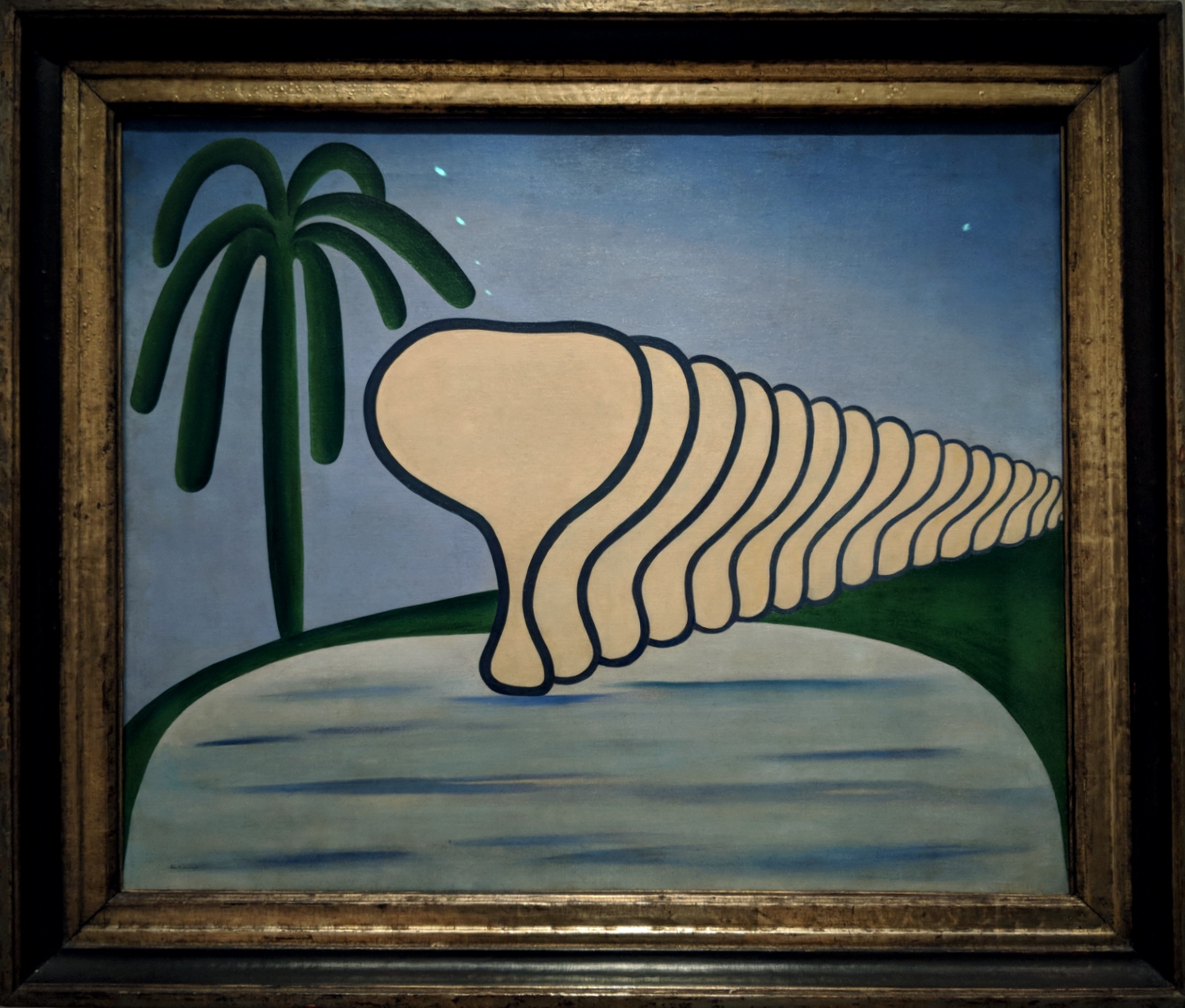
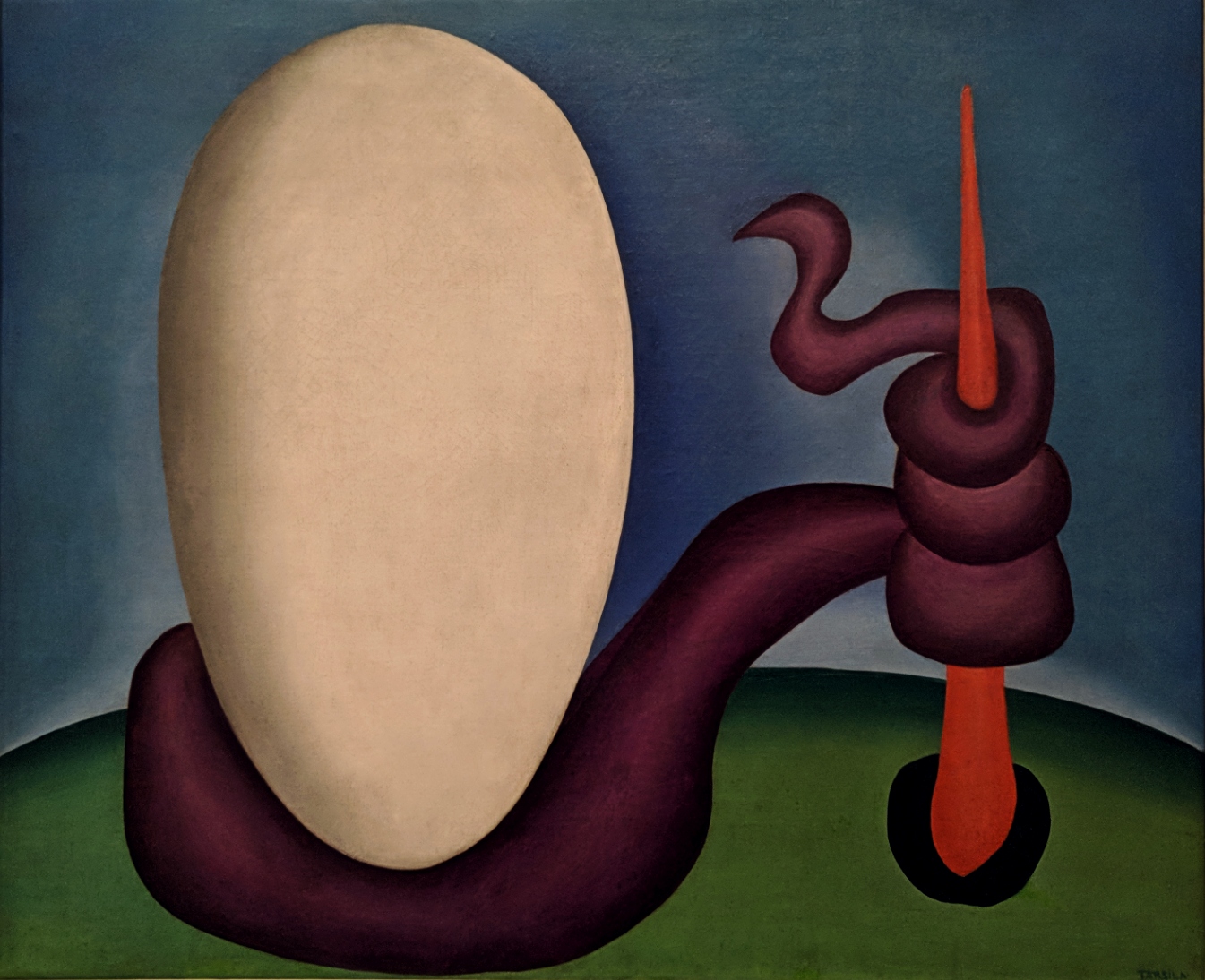
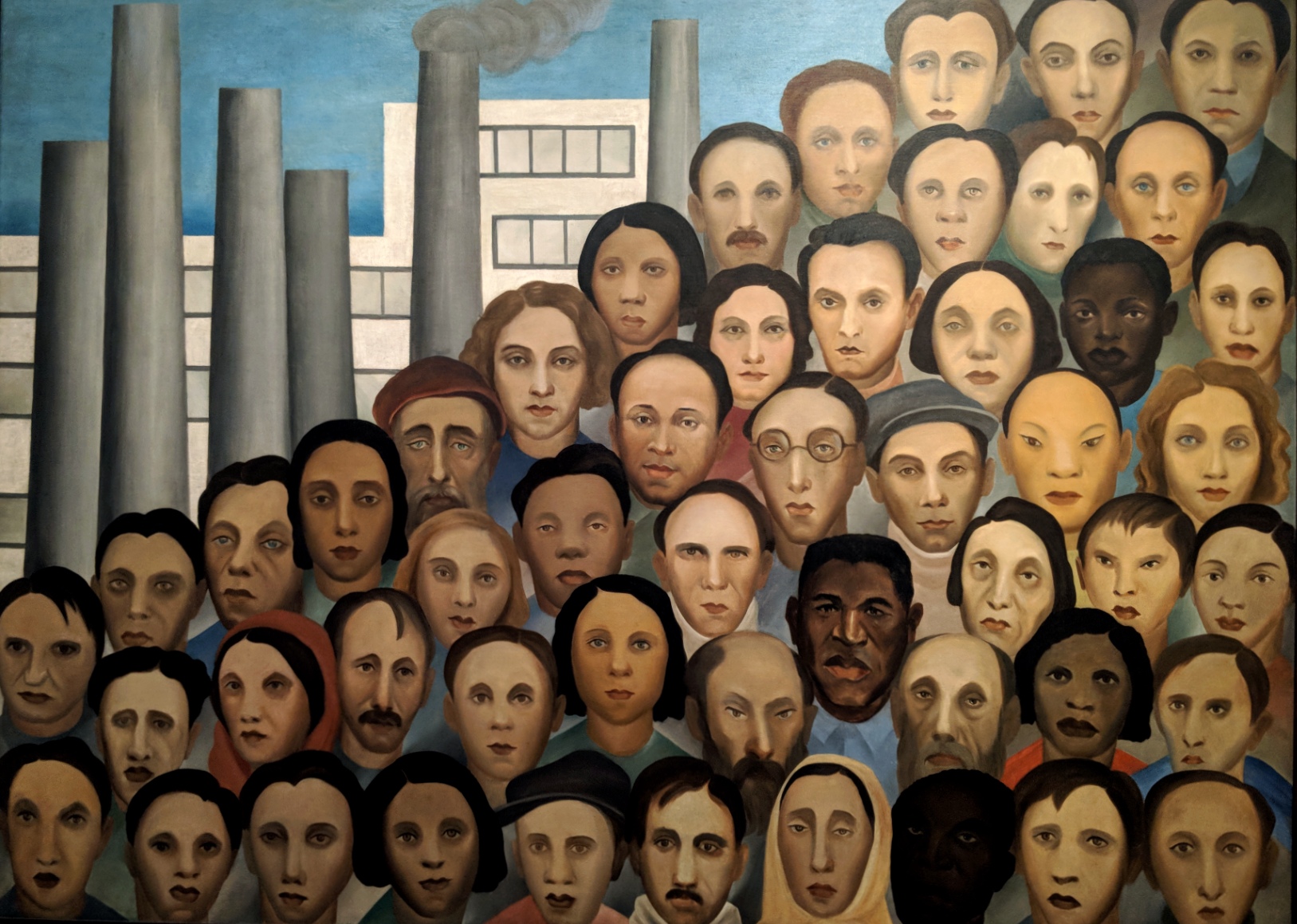
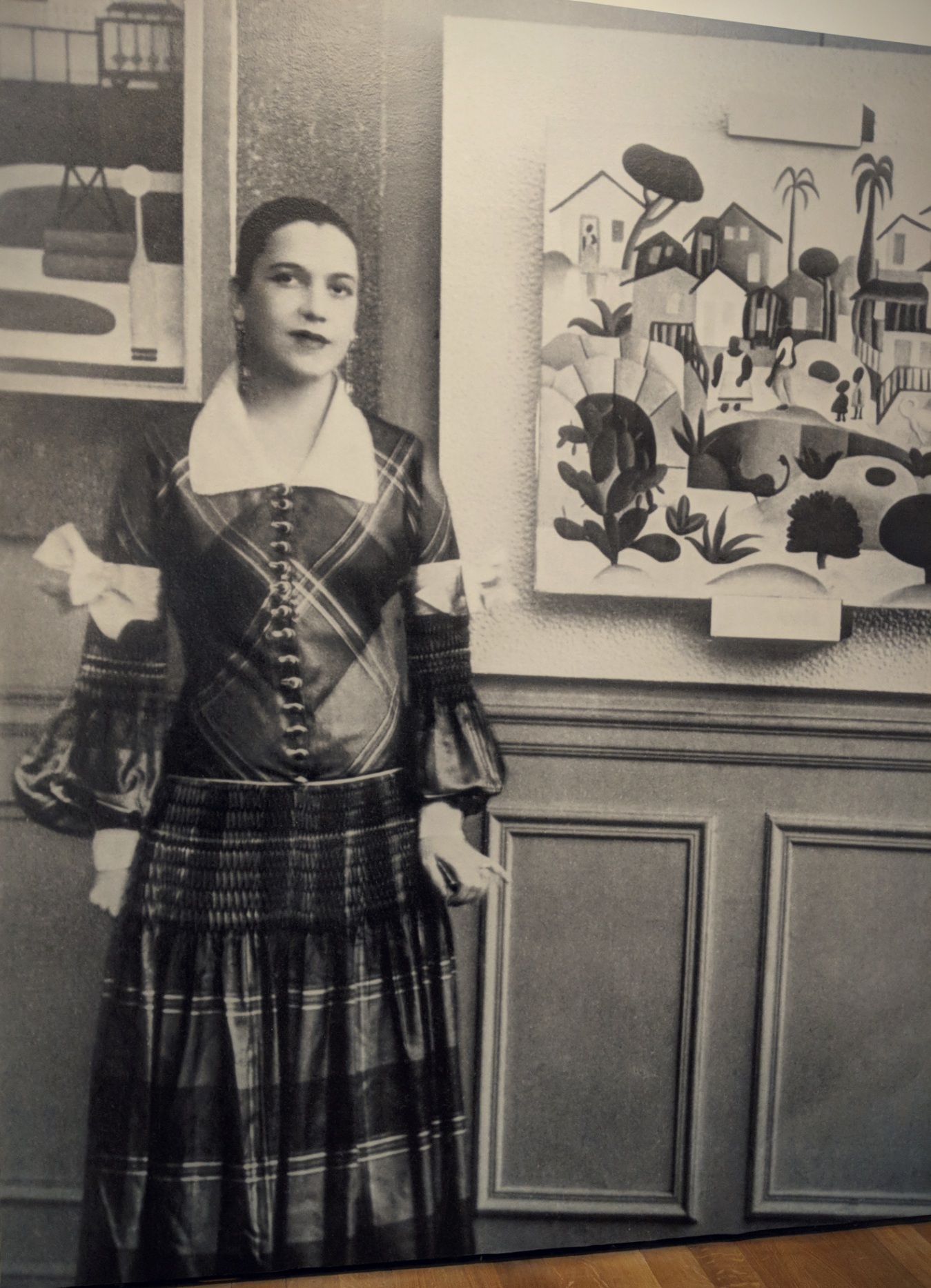
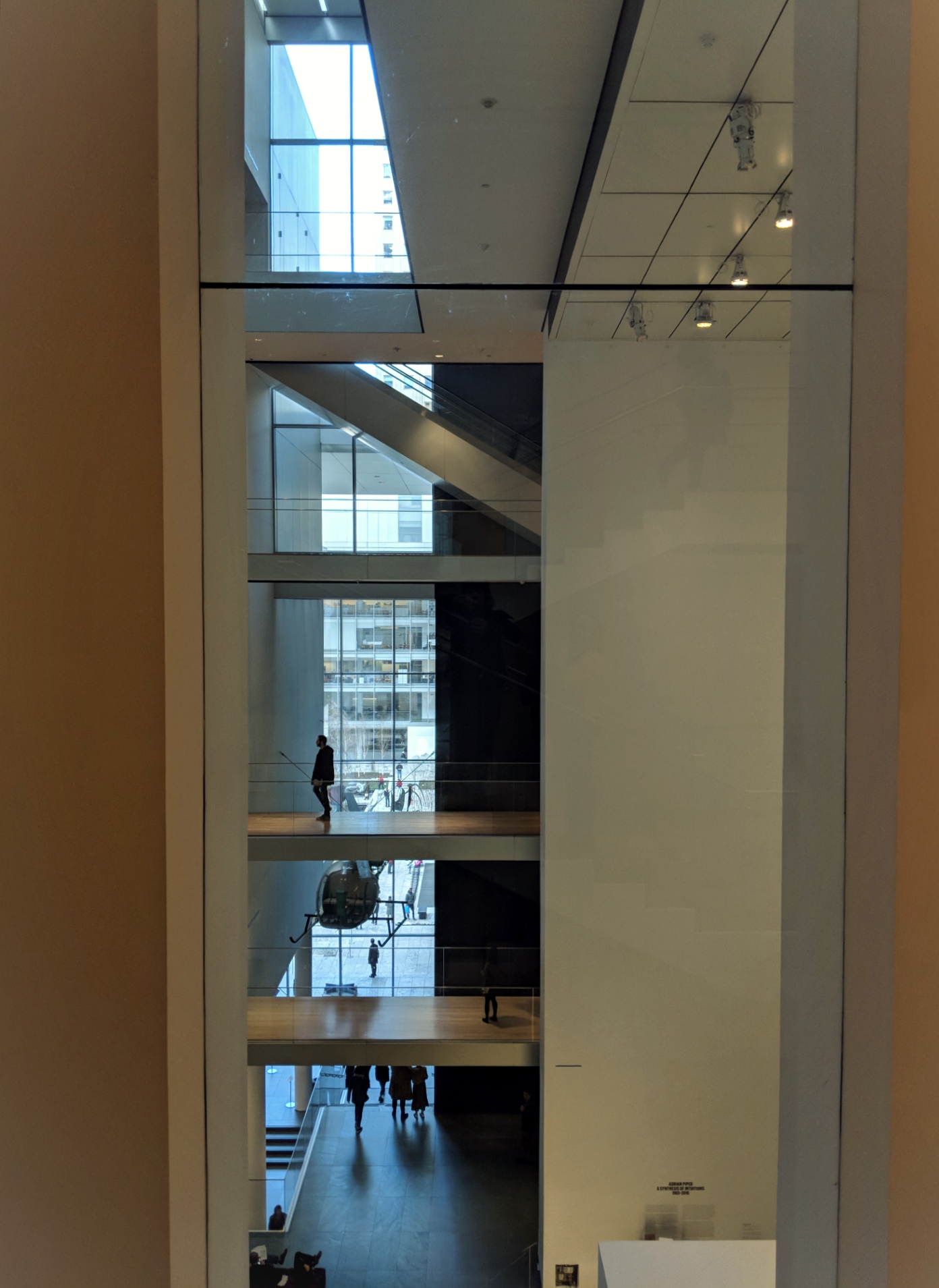
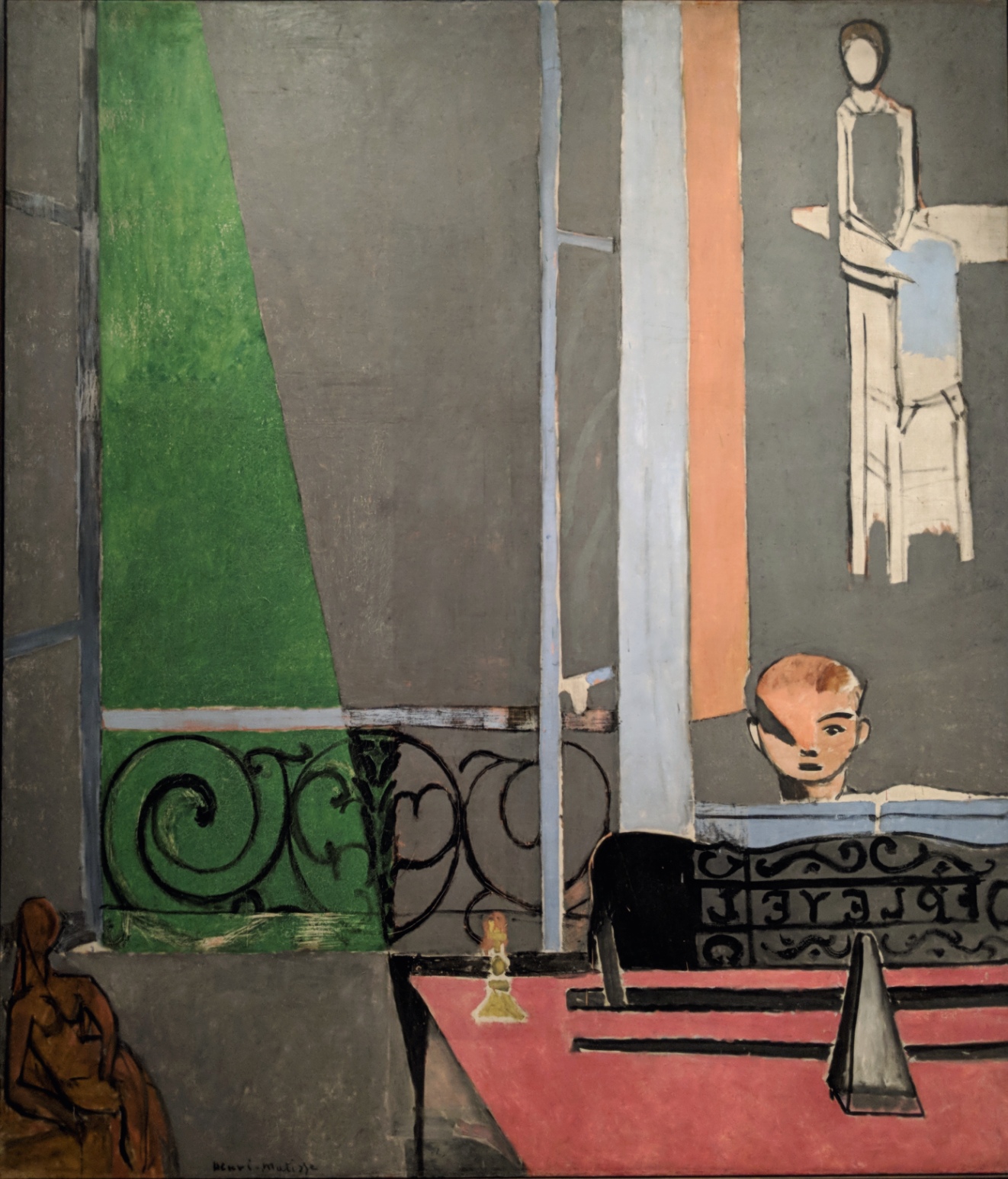
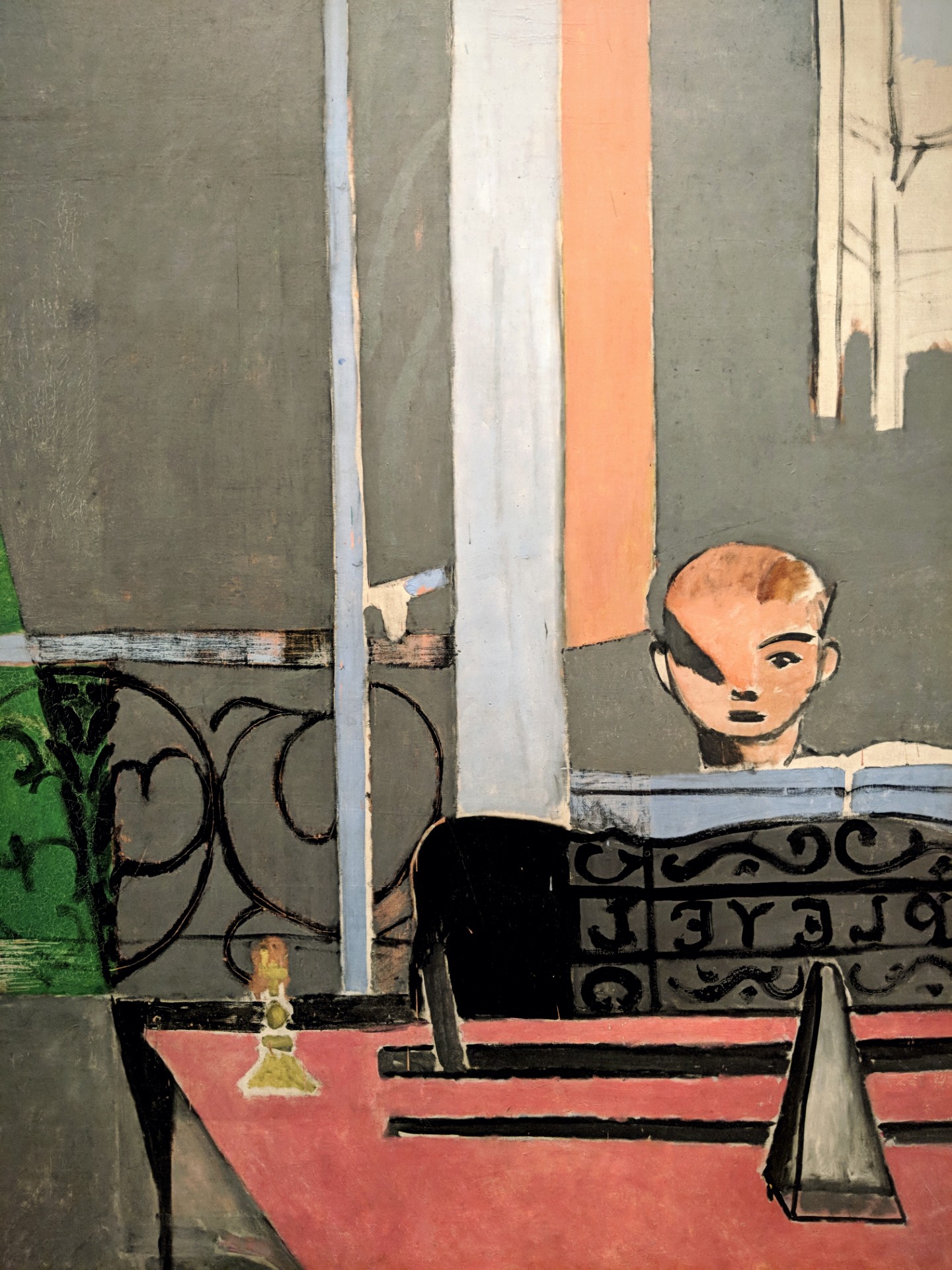
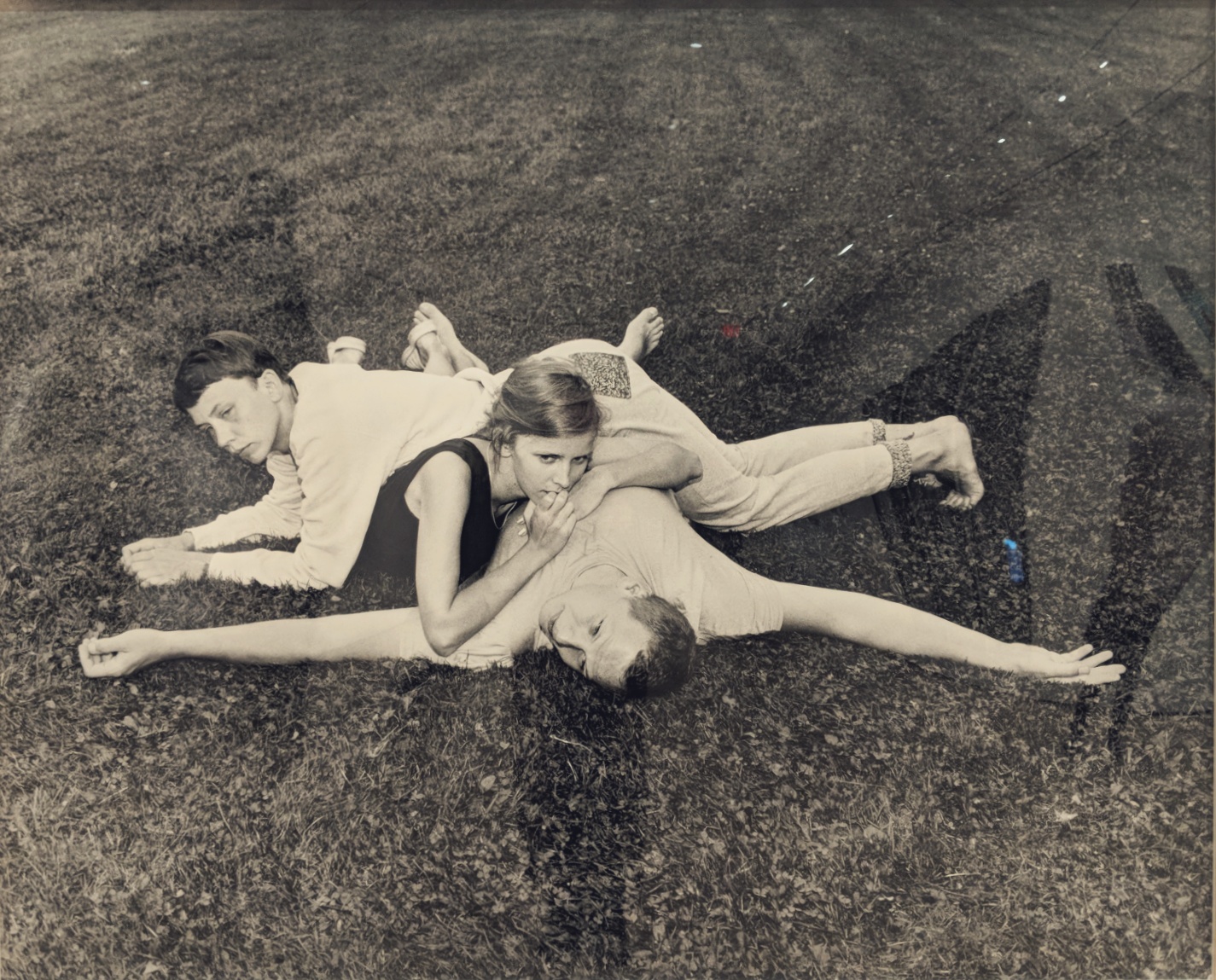
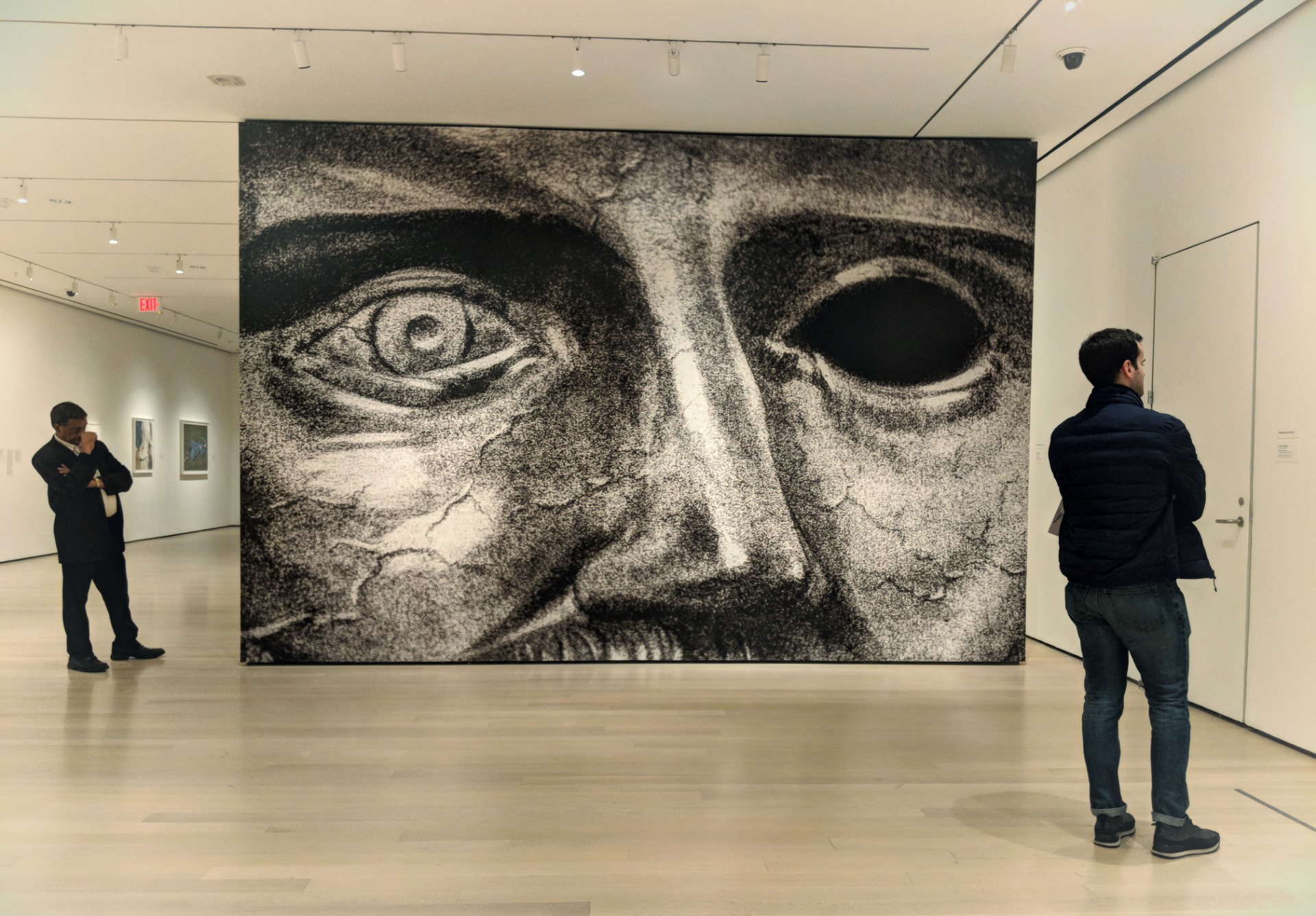
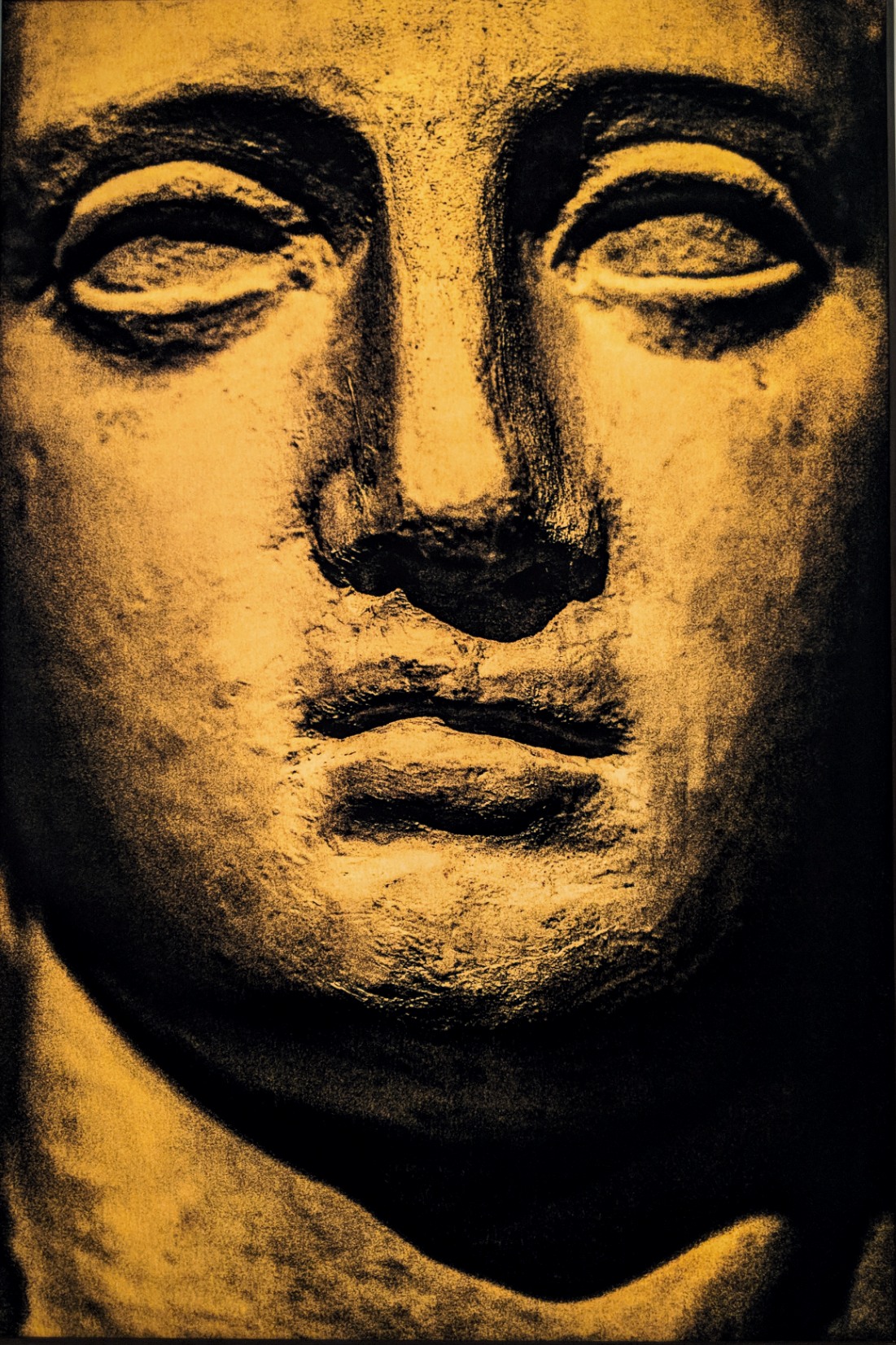
Getting acquainted with the work of Tarsila do Amaral, whose art is as stunning as the artist herself; capturing the minimal geometry of New York’s temple of modern art; feeling the urge to stop by ”The Piano Lesson”, one of Matisse’s most interesting compositions (a few more times and I might even begin to like it); leaping from modern art to ”New Photography” and its 2018 edition examining how photography can capture ”what it means to be human”. liaTarsila do Amaral, Estudo (Academia no. 2), 1923, oil on canvas


Tarsila do Amaral, A  Gare, 1925, oil on canvas


Tarsila do Amaral, O touro, 1928, oil on canvas


Tarsila do Amaral, O sono, c. 1928, oil on canvas


Tarsila do Amaral, Urutu, 1928, oil on canvas


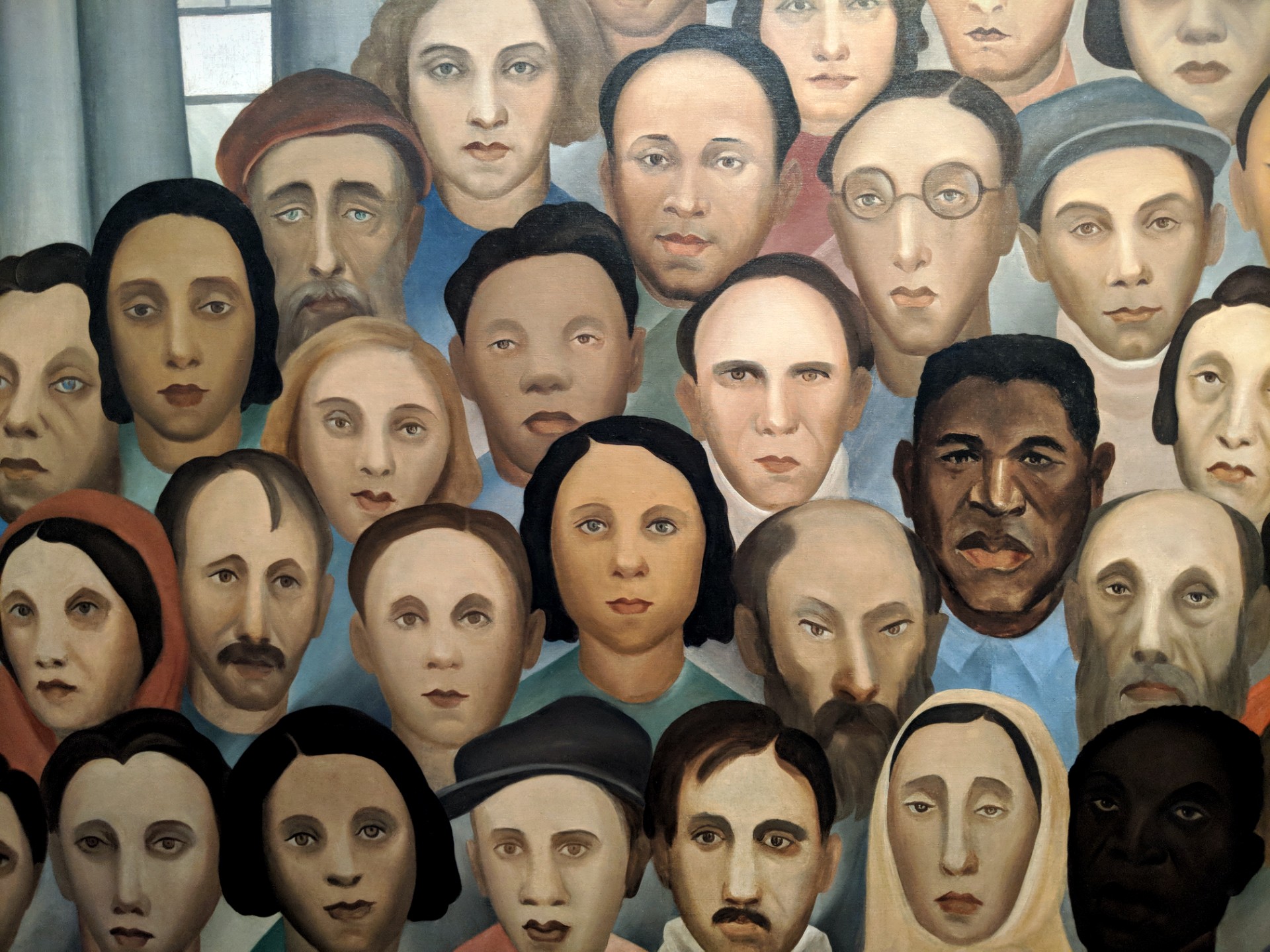
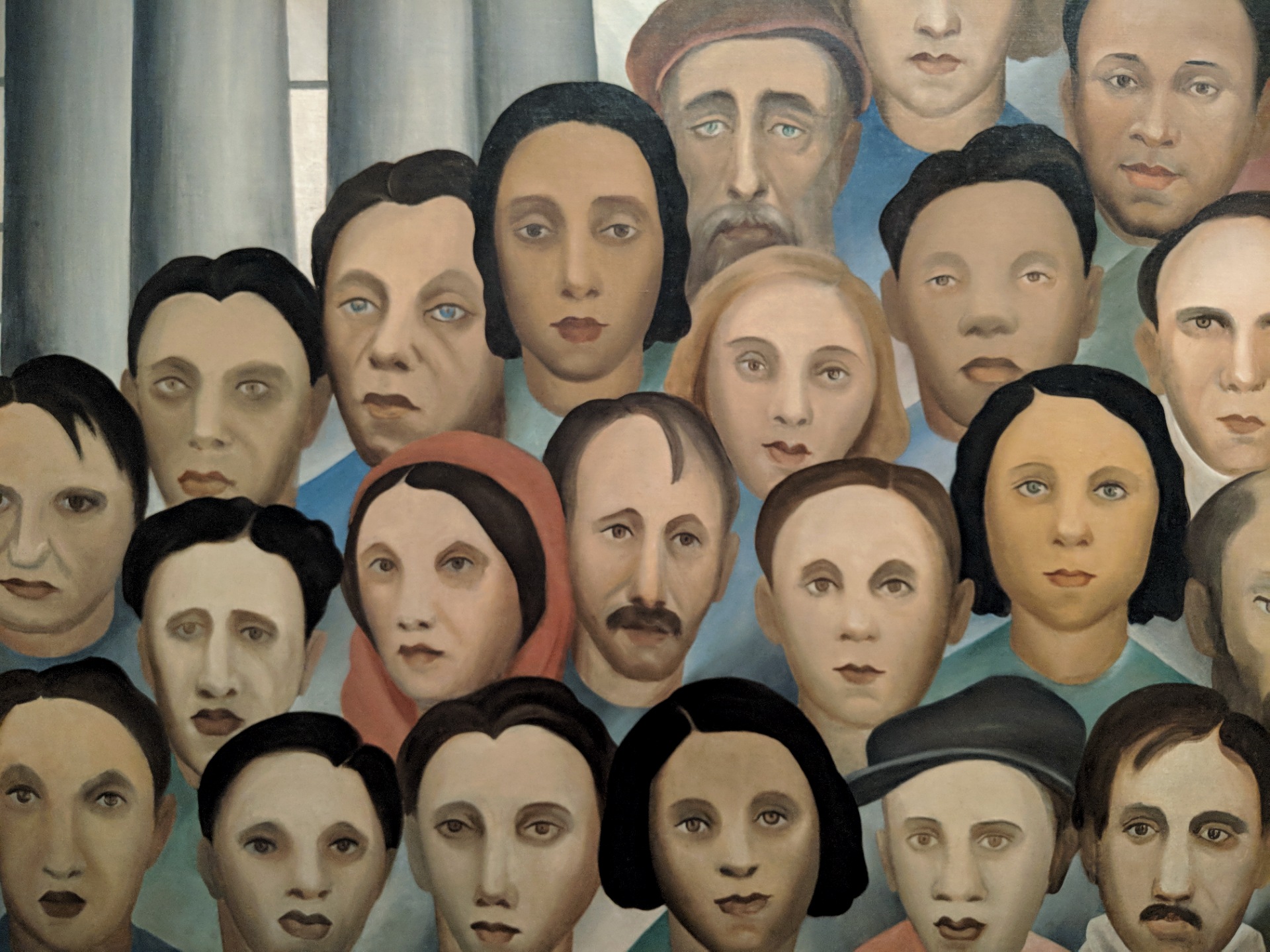
Tarsila do Amaral, Operários, 1933, oil on canvas


Henri Matisse, The Piano Lesson, 1916, oil on canvas


Joanna Piotrowska, XXIII Frowst, 2013-2014, silver gelatin hand print


Sofia Borges. Theatre, or Cave, 2014. UV-printed wallpaper, printed 2018


Sofia Borges, Yellow Chalk, 2017,  pigmented inkjet print


MoMA, March 25th, 2018
MoMA PS1 + 1 (The Art is in the details)

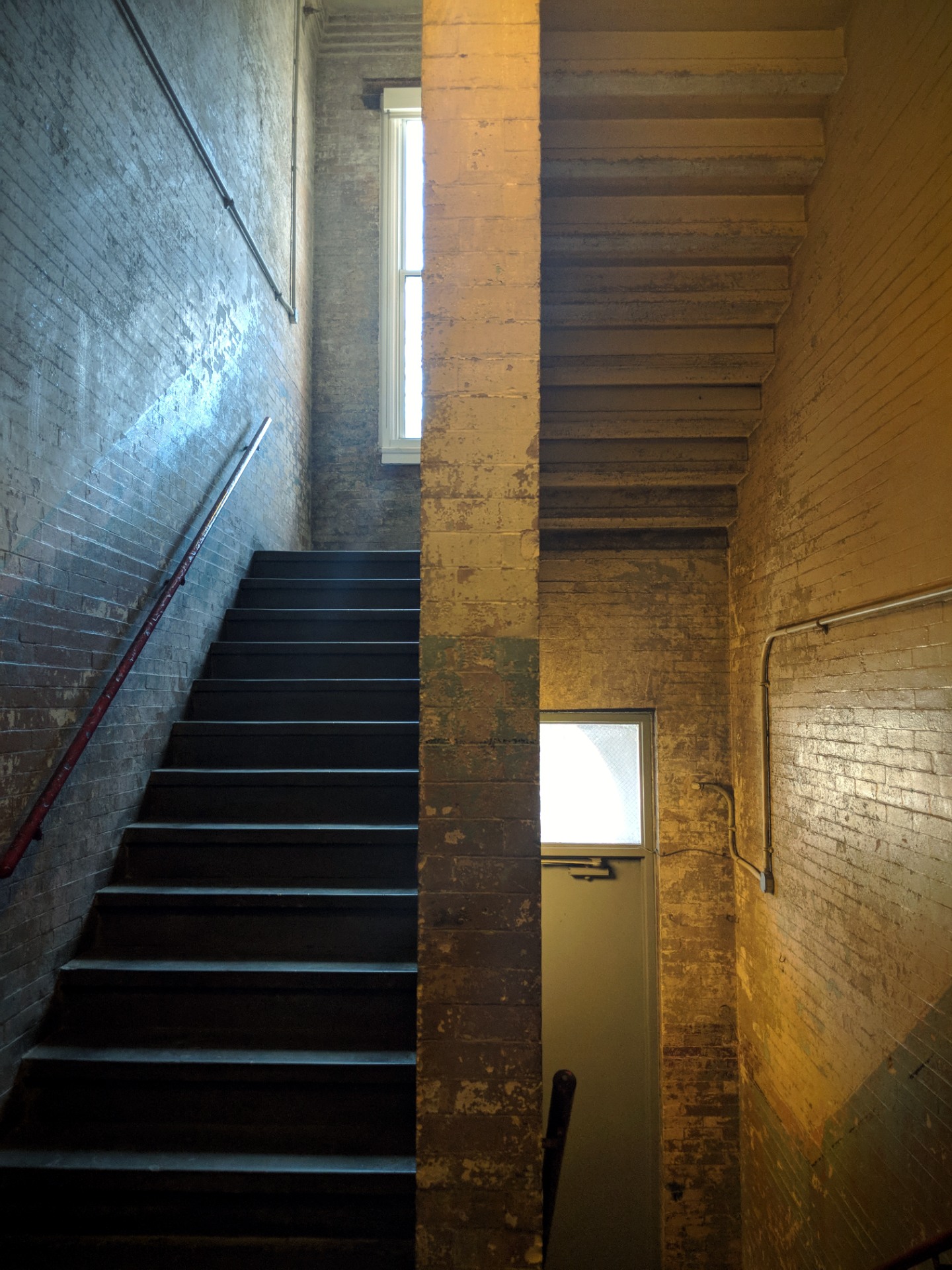
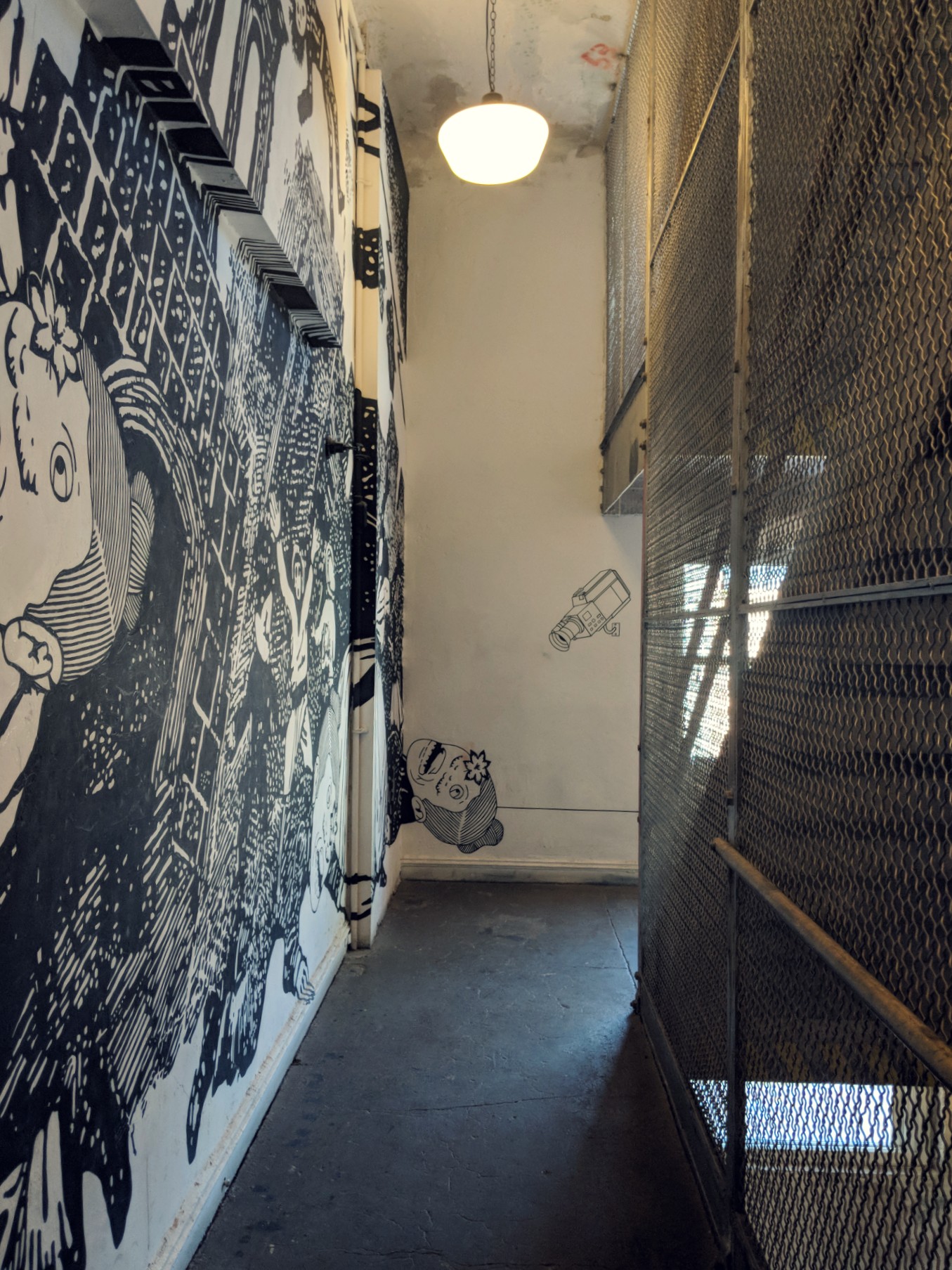
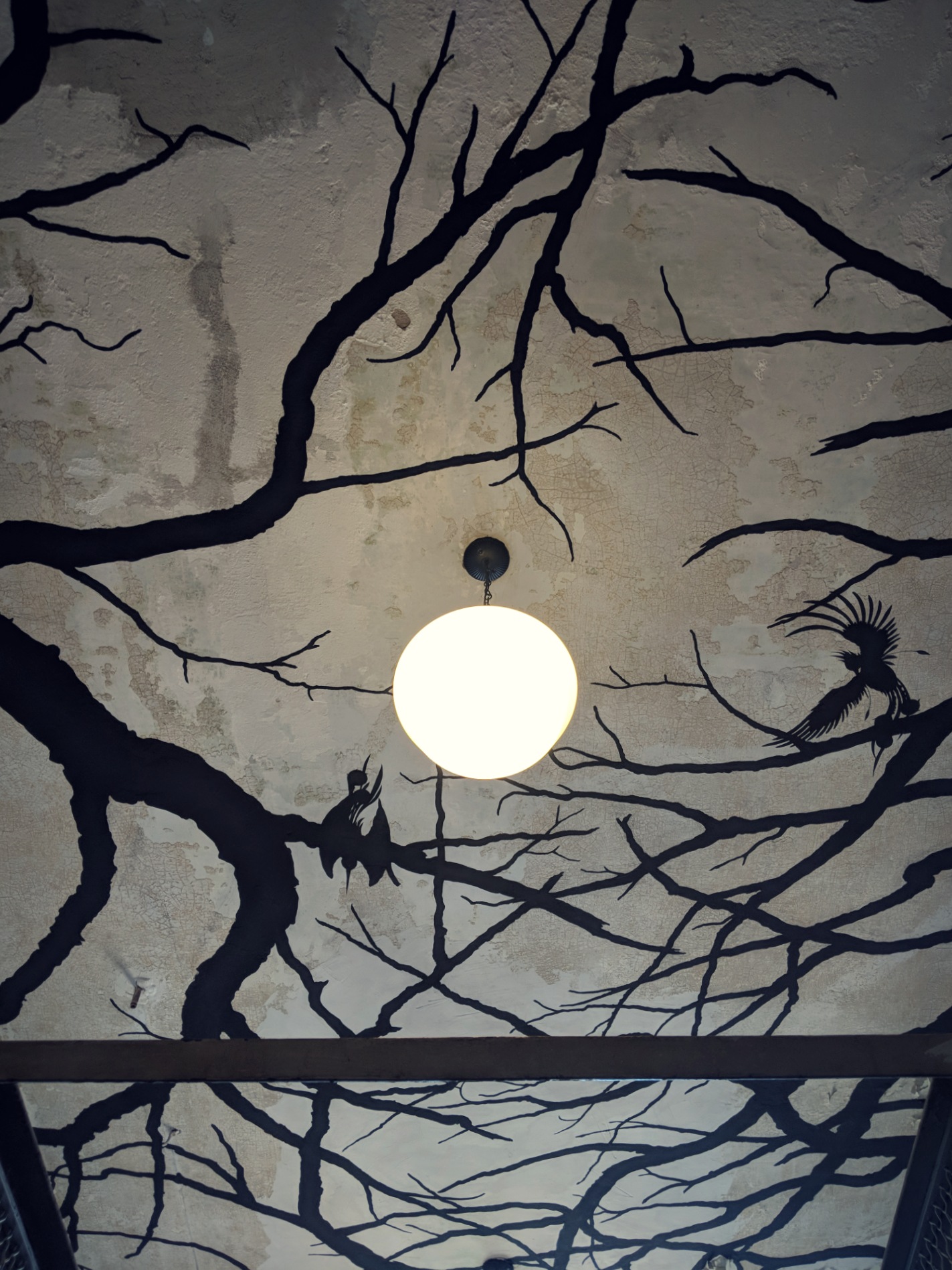
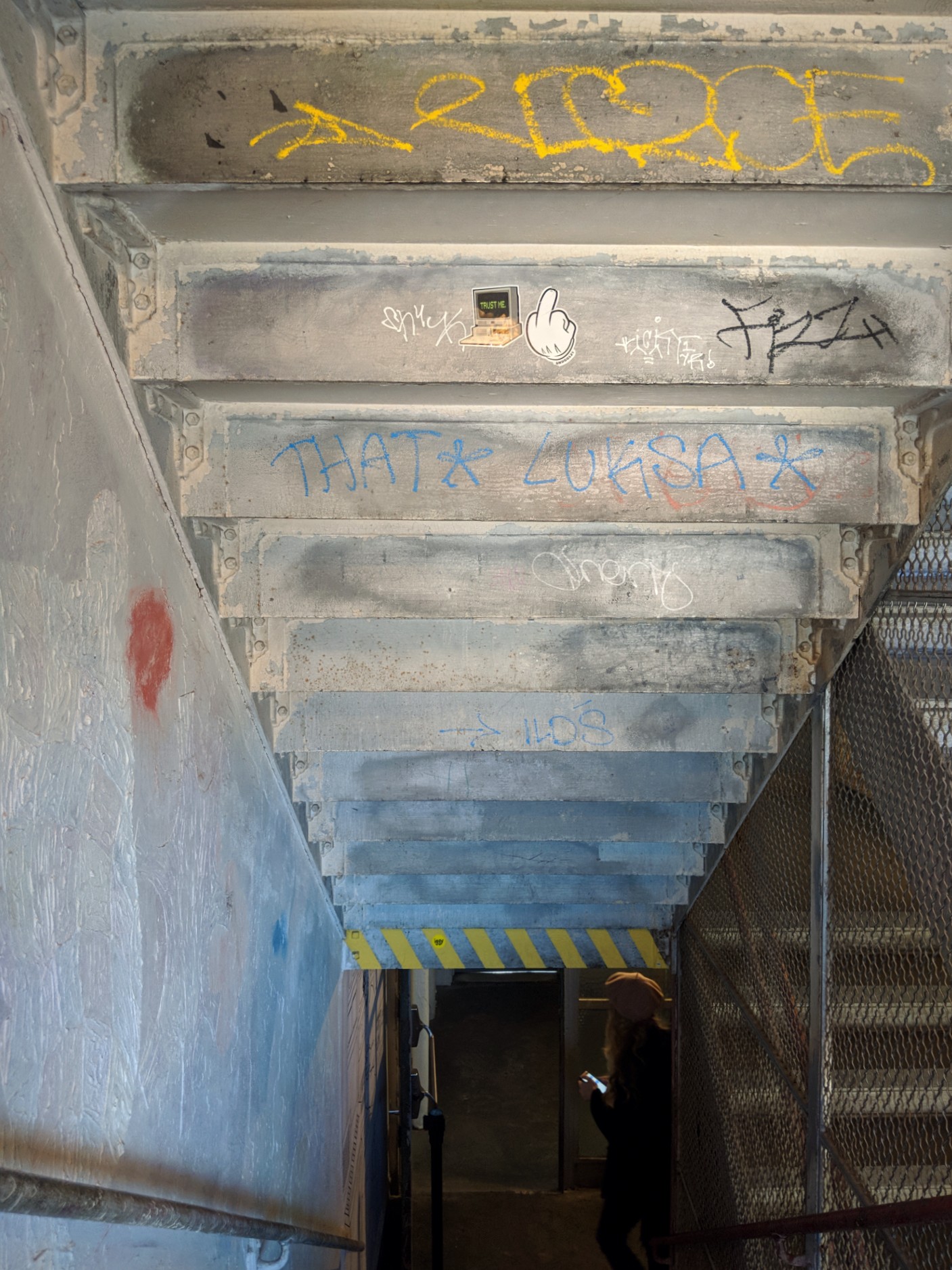
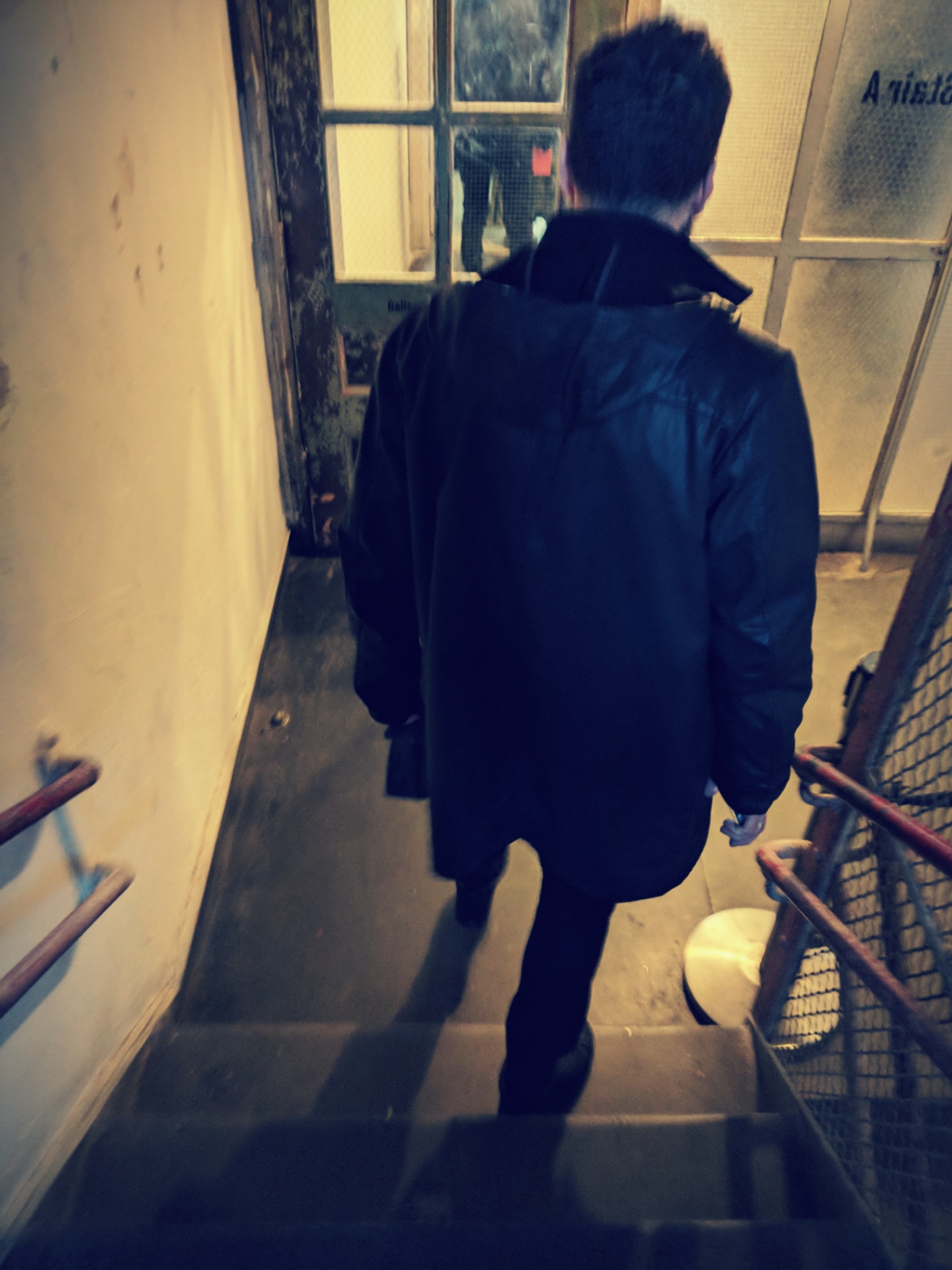
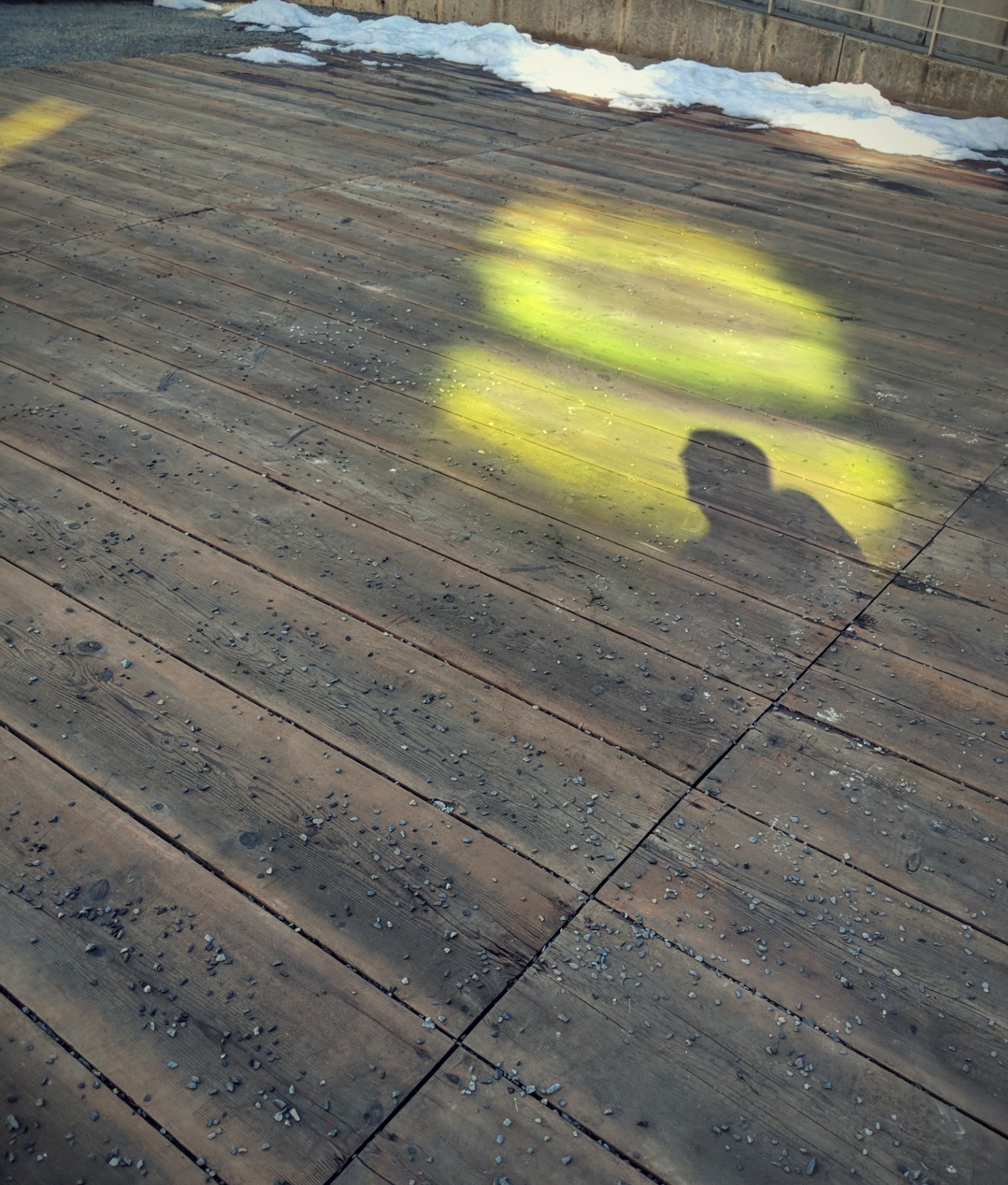
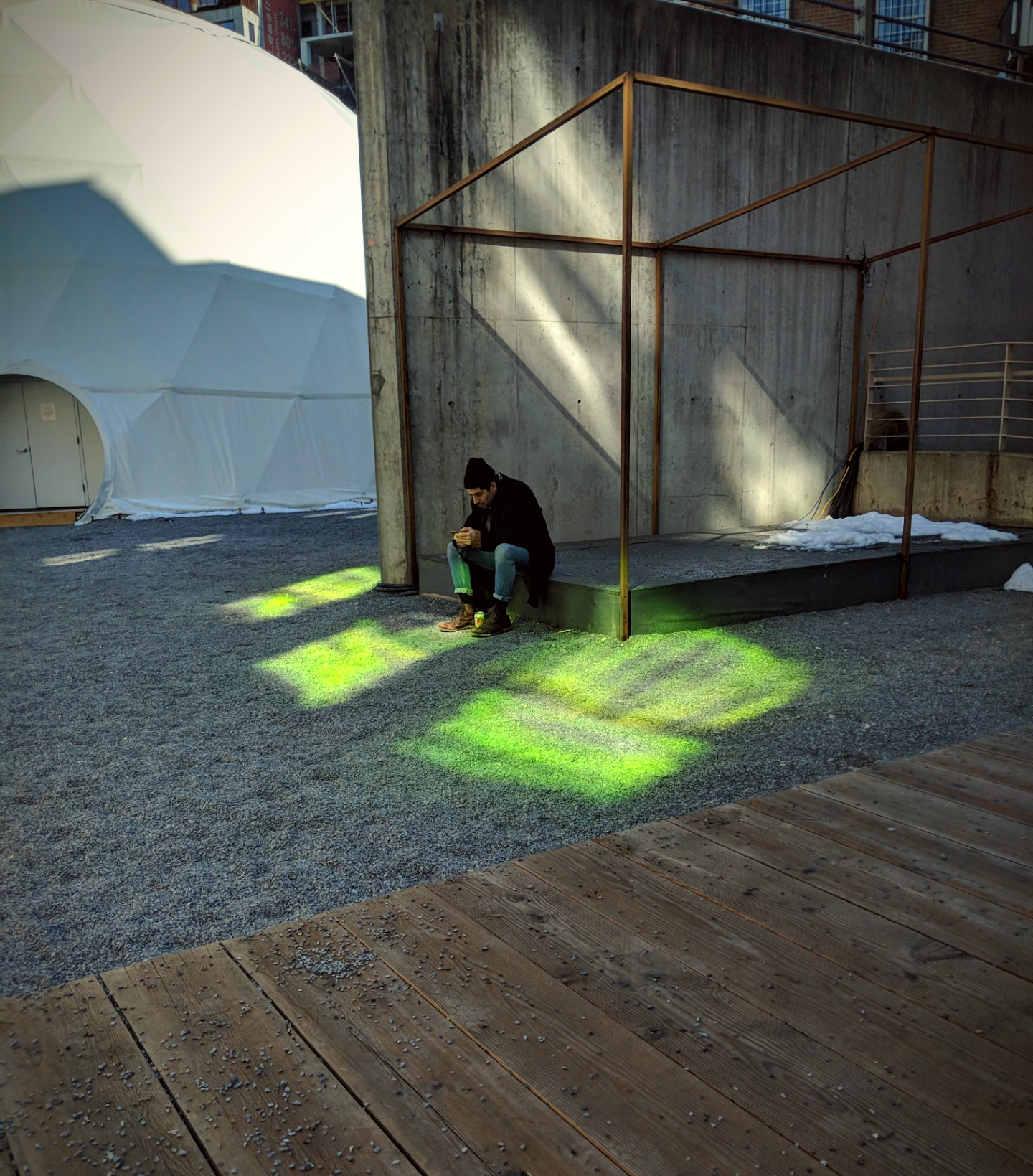
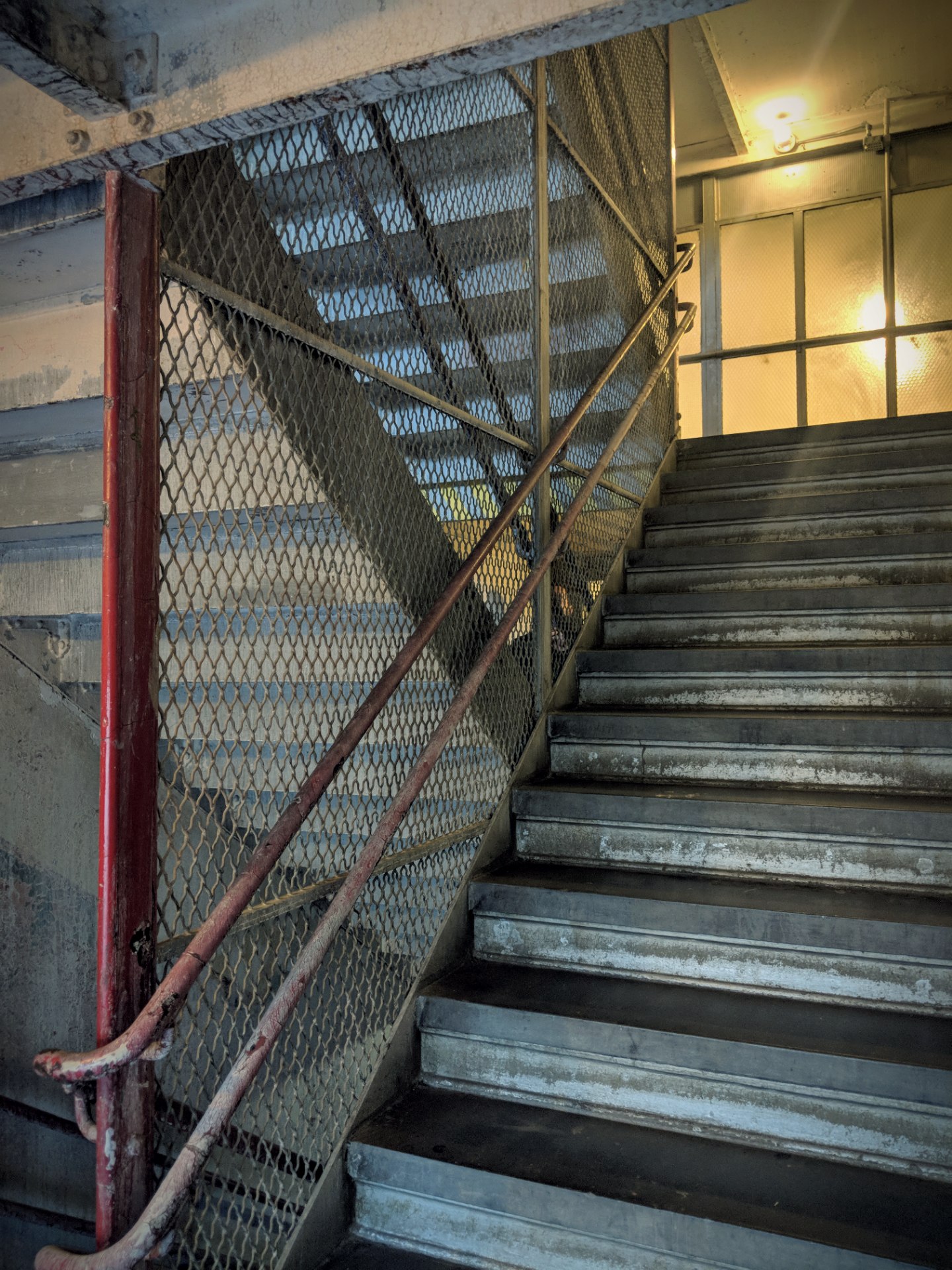
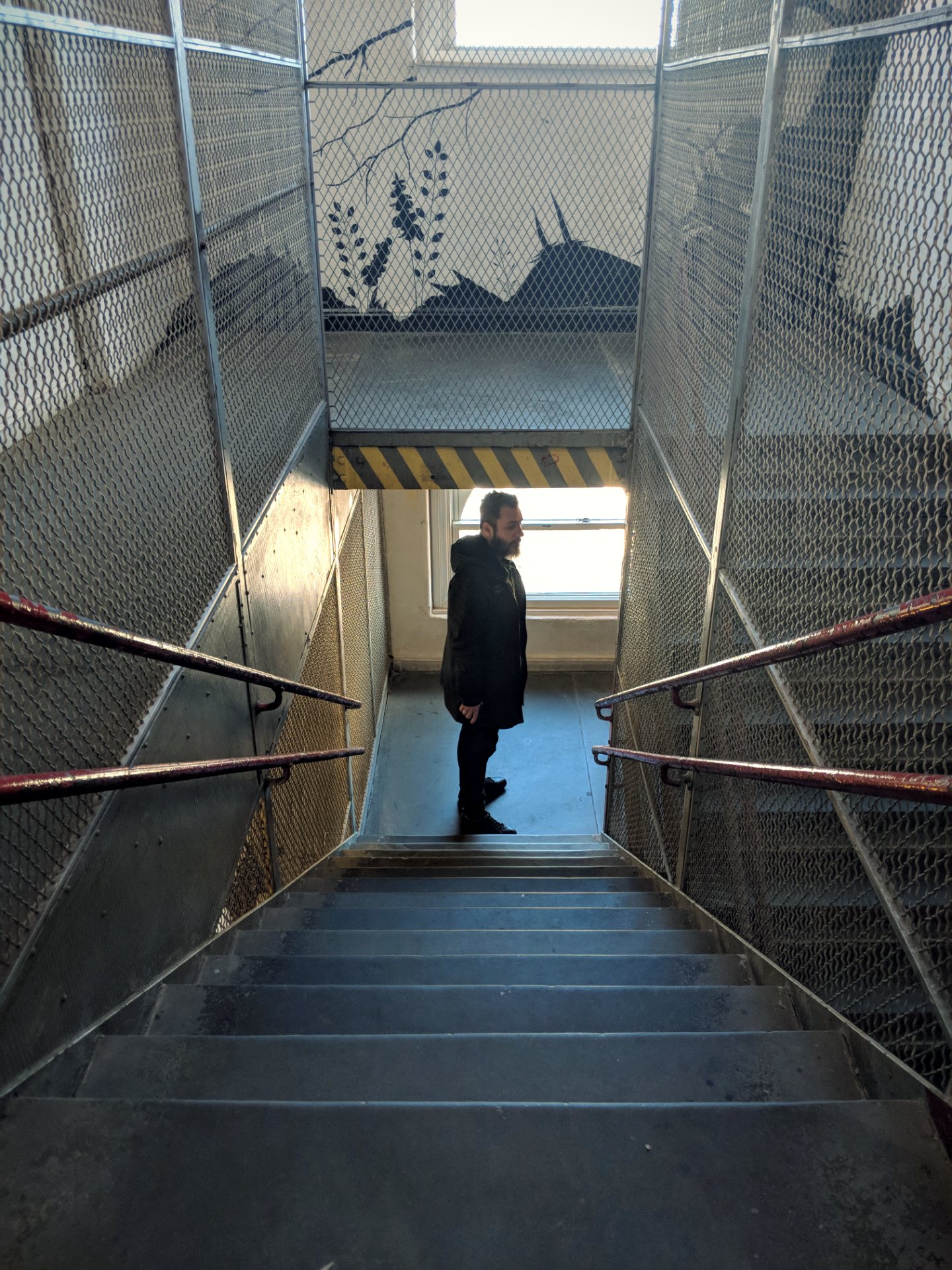
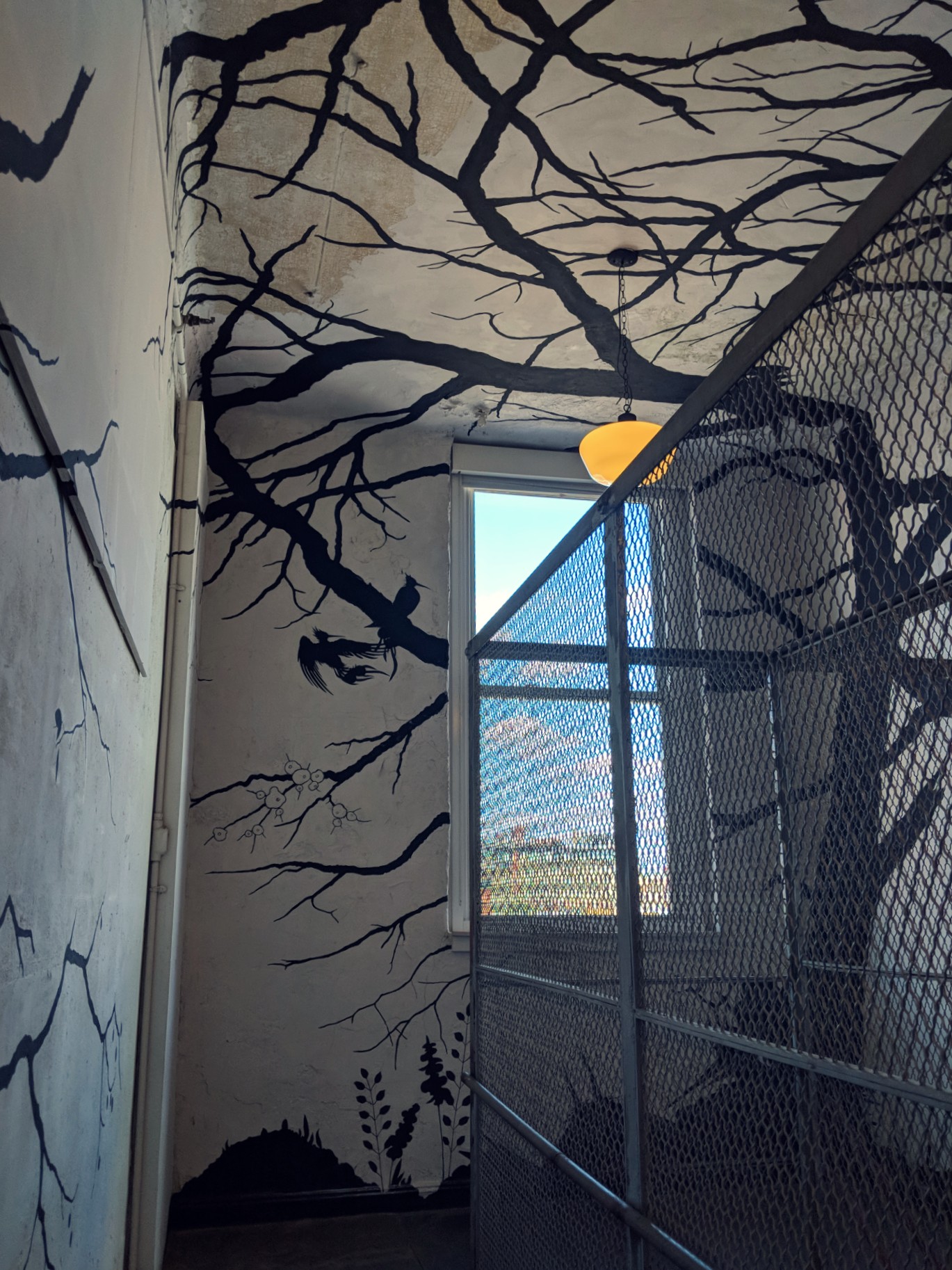
The Art is in the stairwells, meeting face-to-face with Abigail Lazkoz’s agonizing Cameramen; walking In the Woods, deep into Ernesto Caivano’s dark, magical forest; bathed in nature’s ephemeral reflections, outside in the courtyard.

Stairwell art:

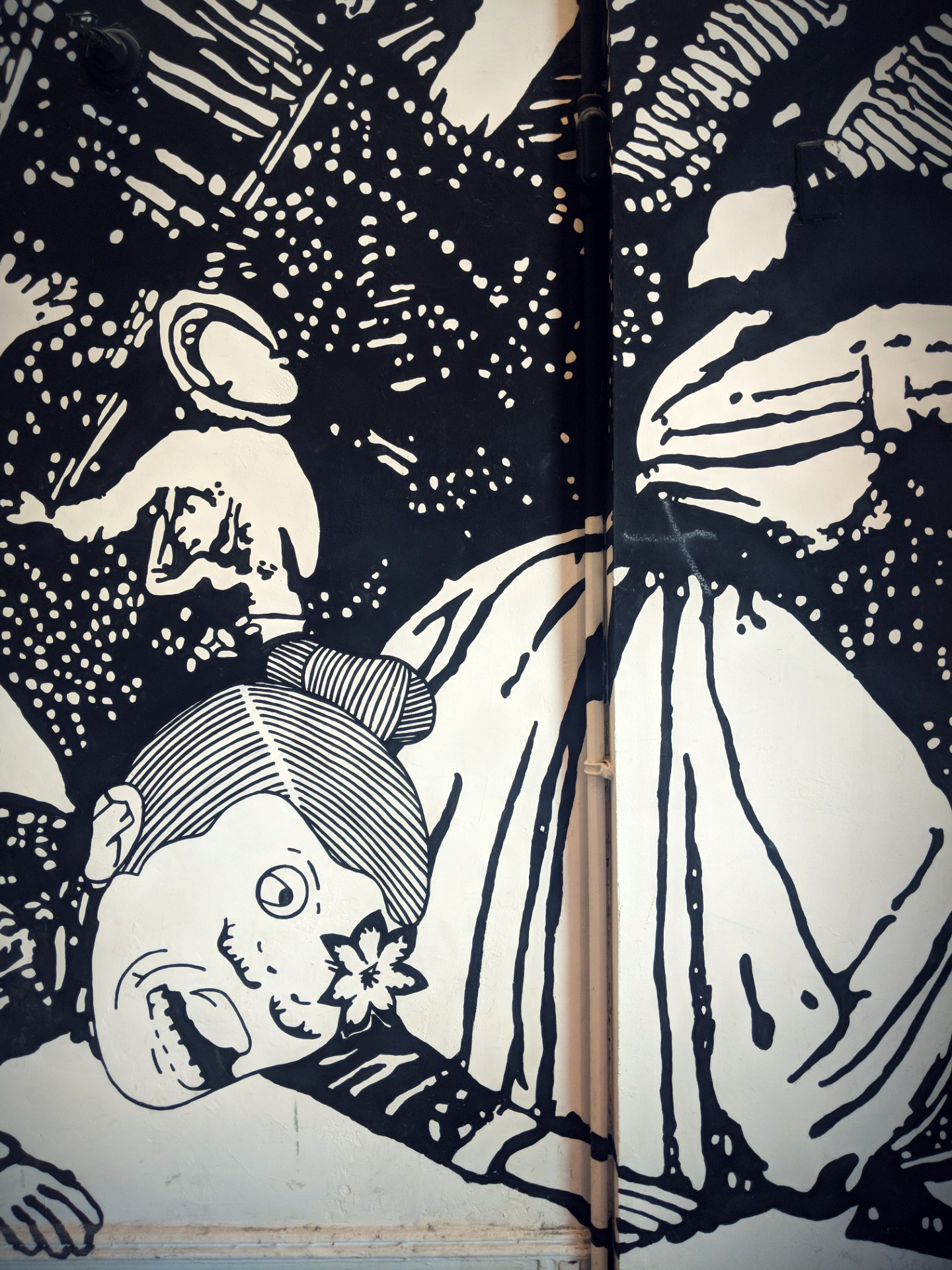
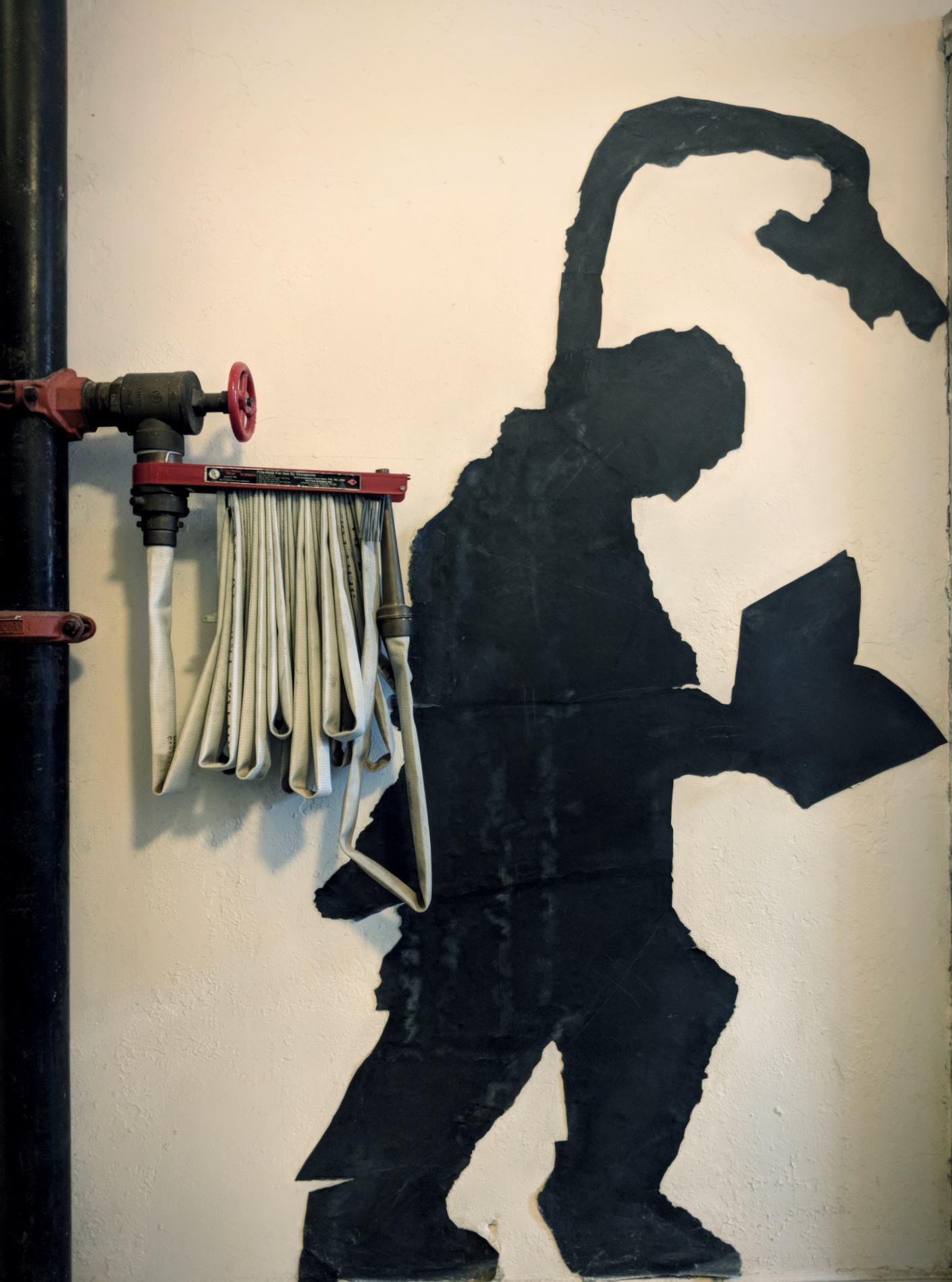
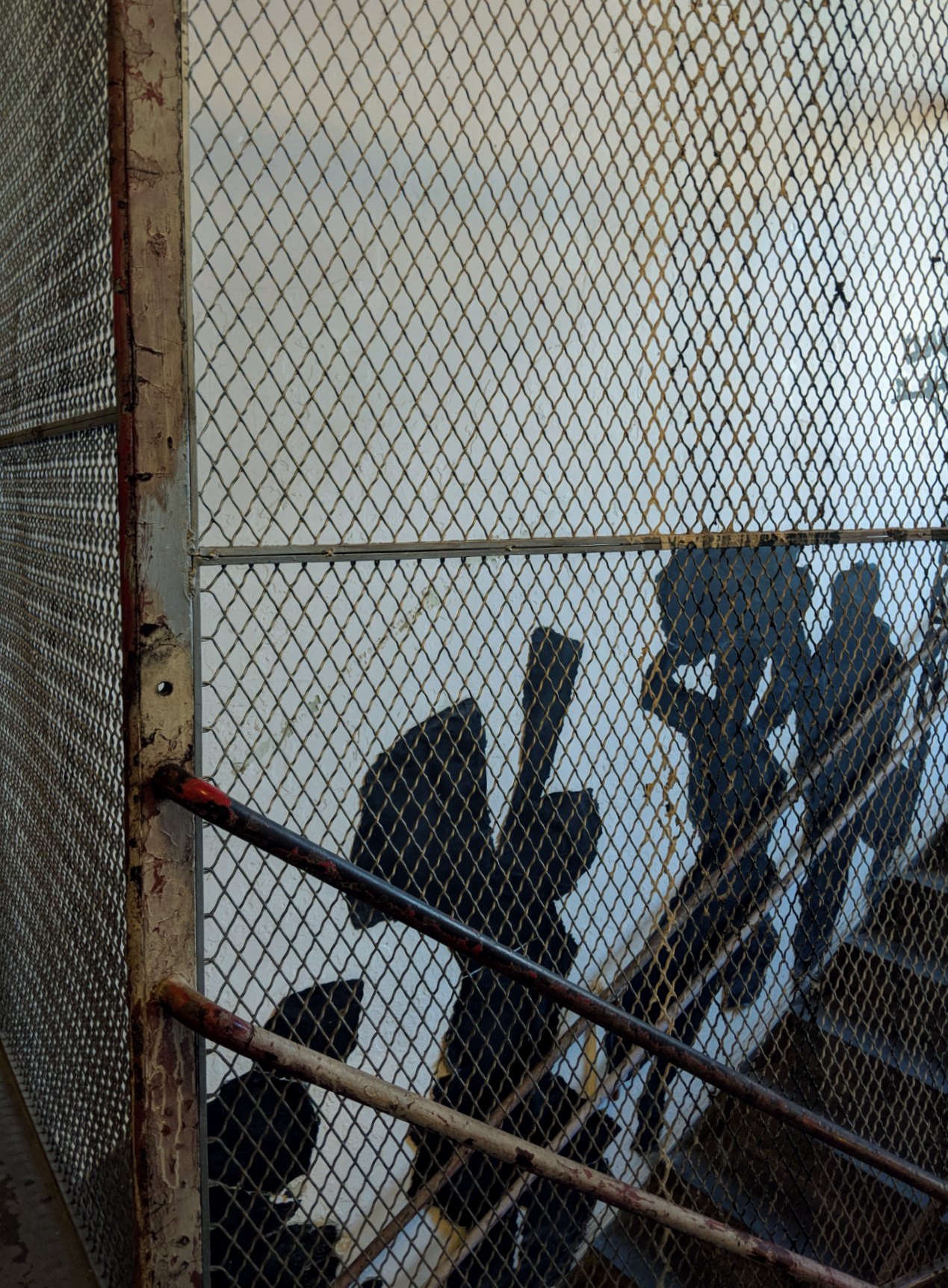
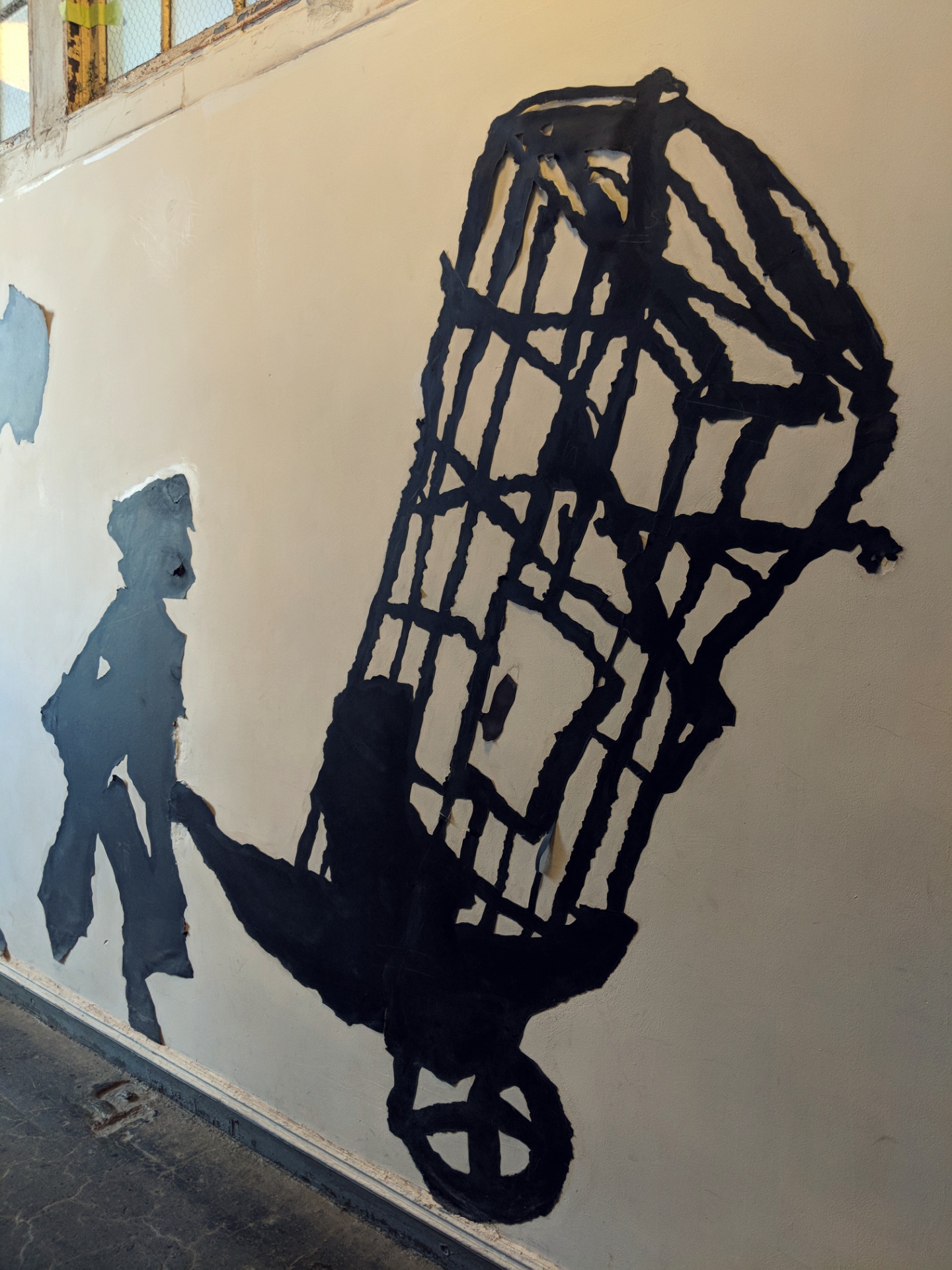
Abigail Lazkoz: Cameraman

Abigail Lazkoz created the series Cameramen in 2002 and displayed it for the first time in MoMA PS1’s exhibition Greater New York 2005. The work consists of three large-scale drawings that reinterpret Jose Guadaulpe Posada’s 1914 engraving Se Aproxima el Fin del Mundo Las Profecias Se Cumplen Temblores, Erupciones, Guerras, Pestes, Hambres E Incendios. La Celebre Madre Matiana (The end of the World is Near, Prophecies Come True, Earthquakes, Eruptions, Wars Diseases, Famine, and Fires).

**

Ernesto Caivano: In the Woods

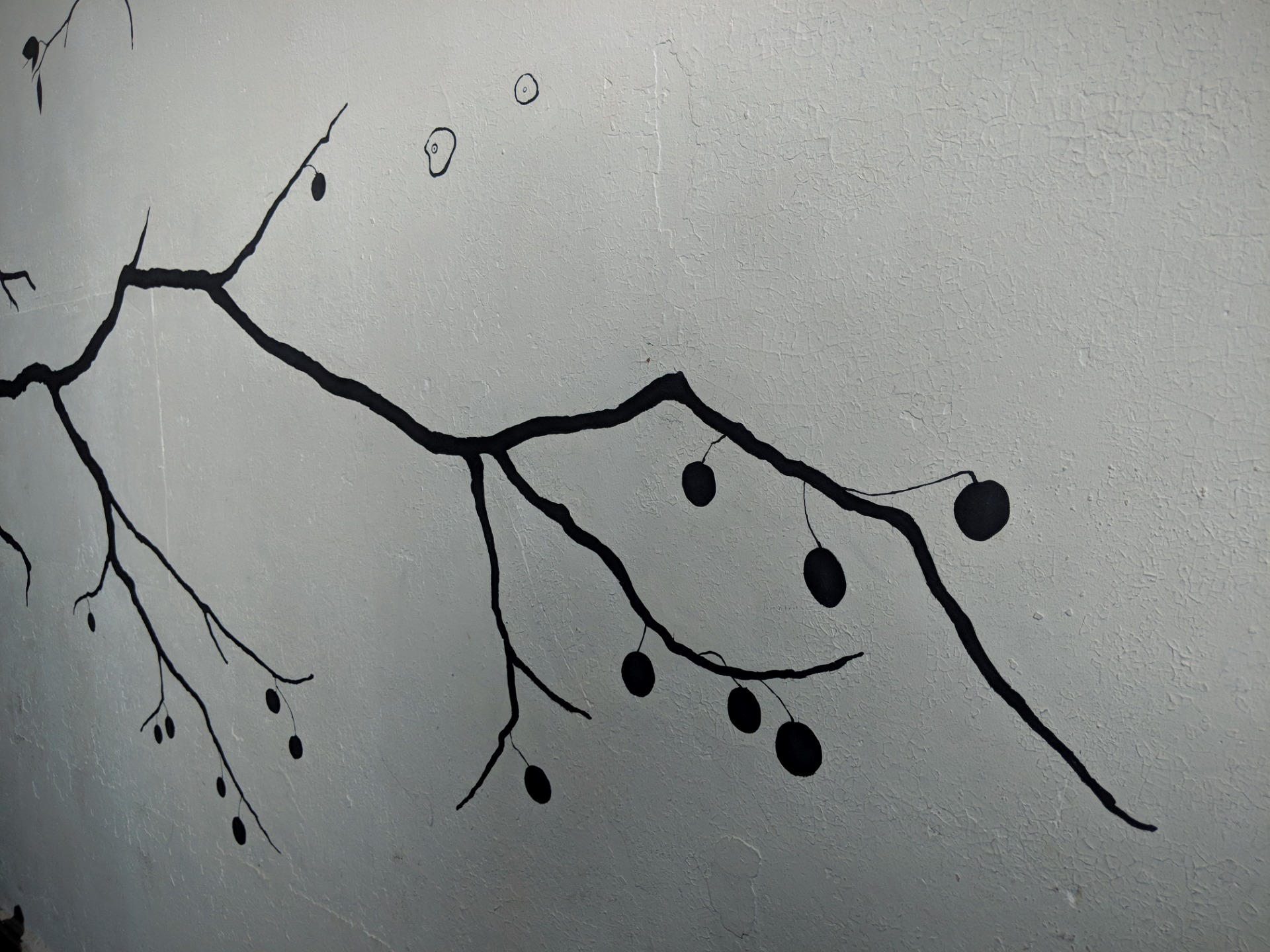
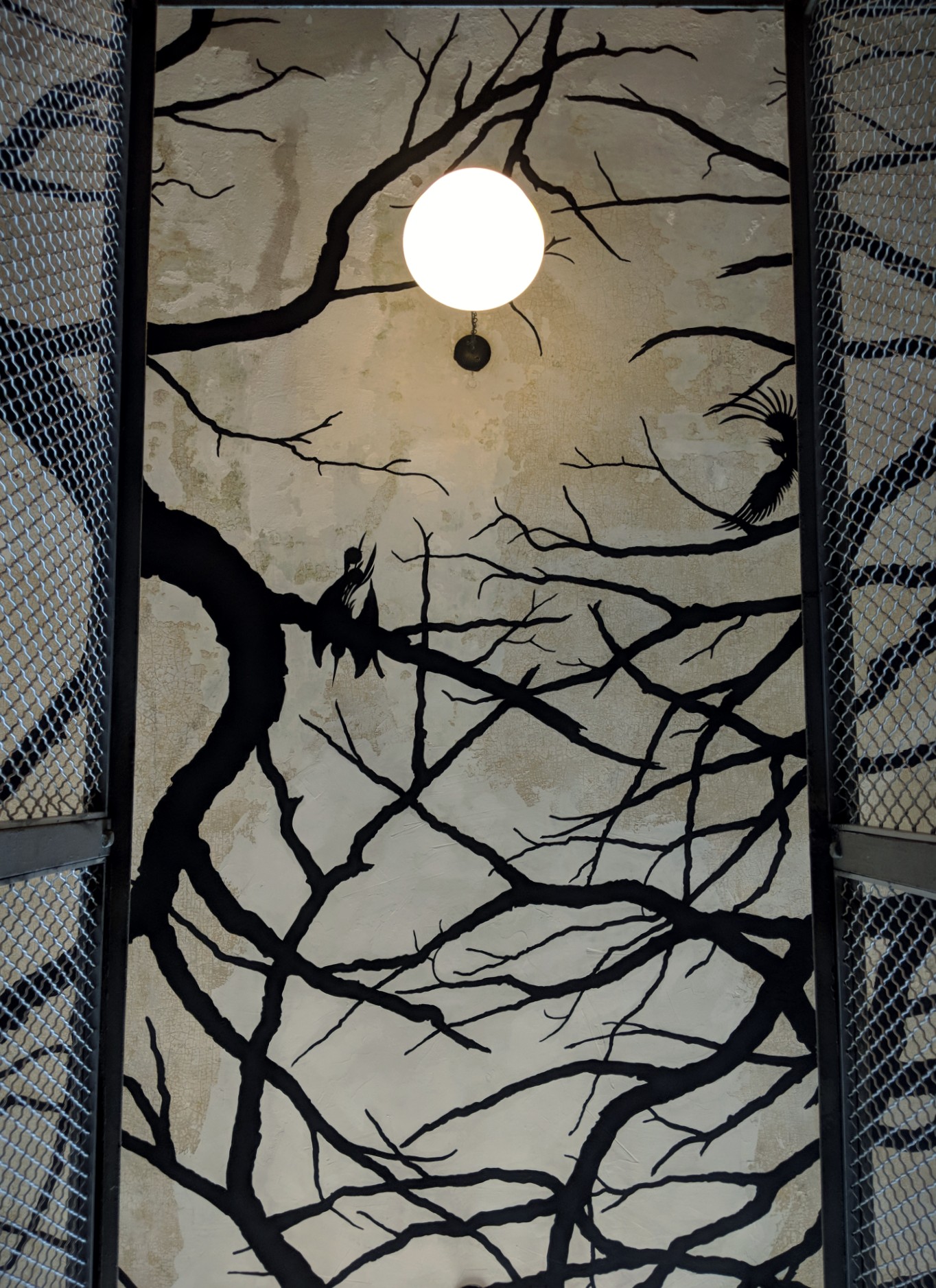
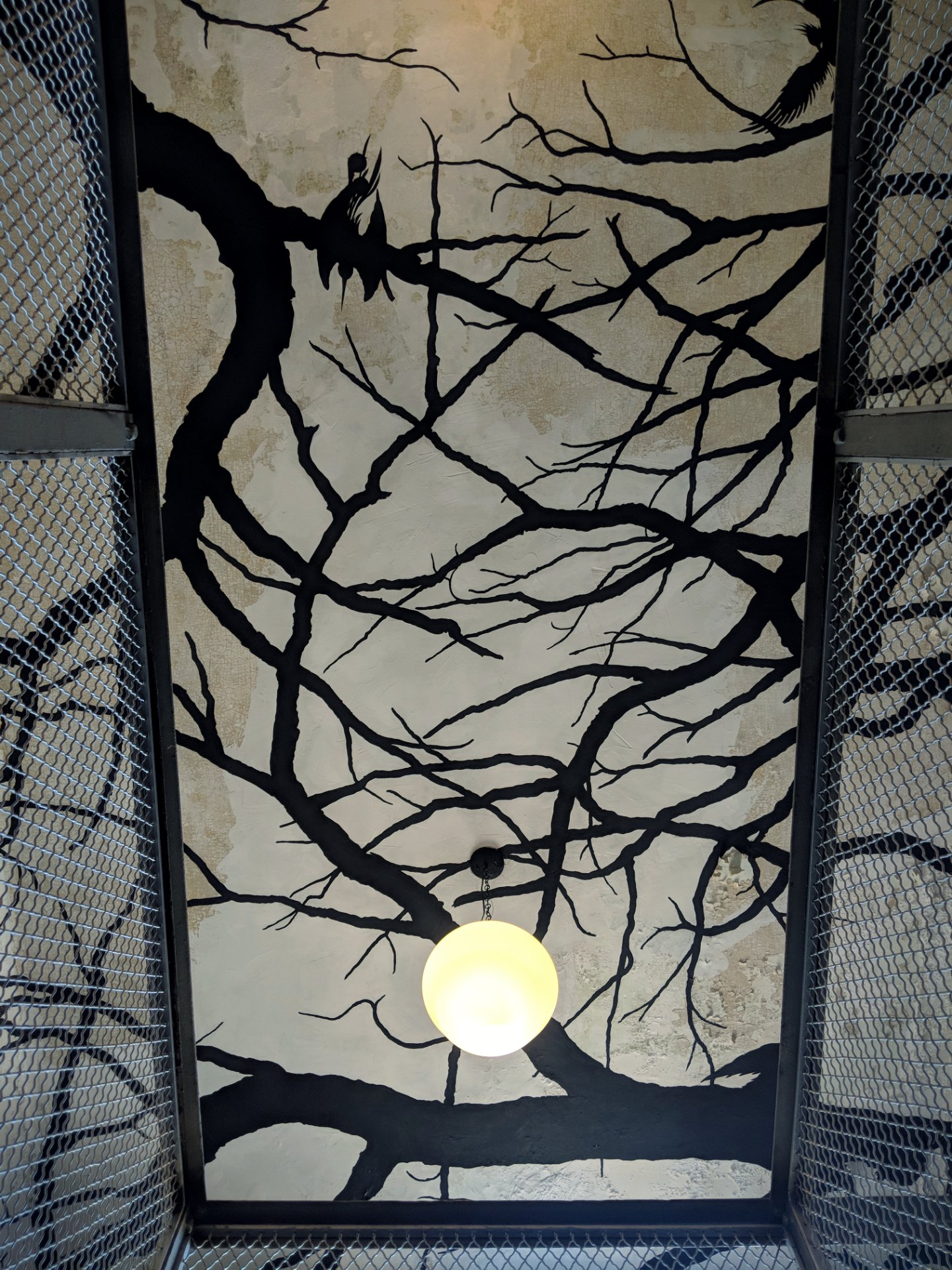
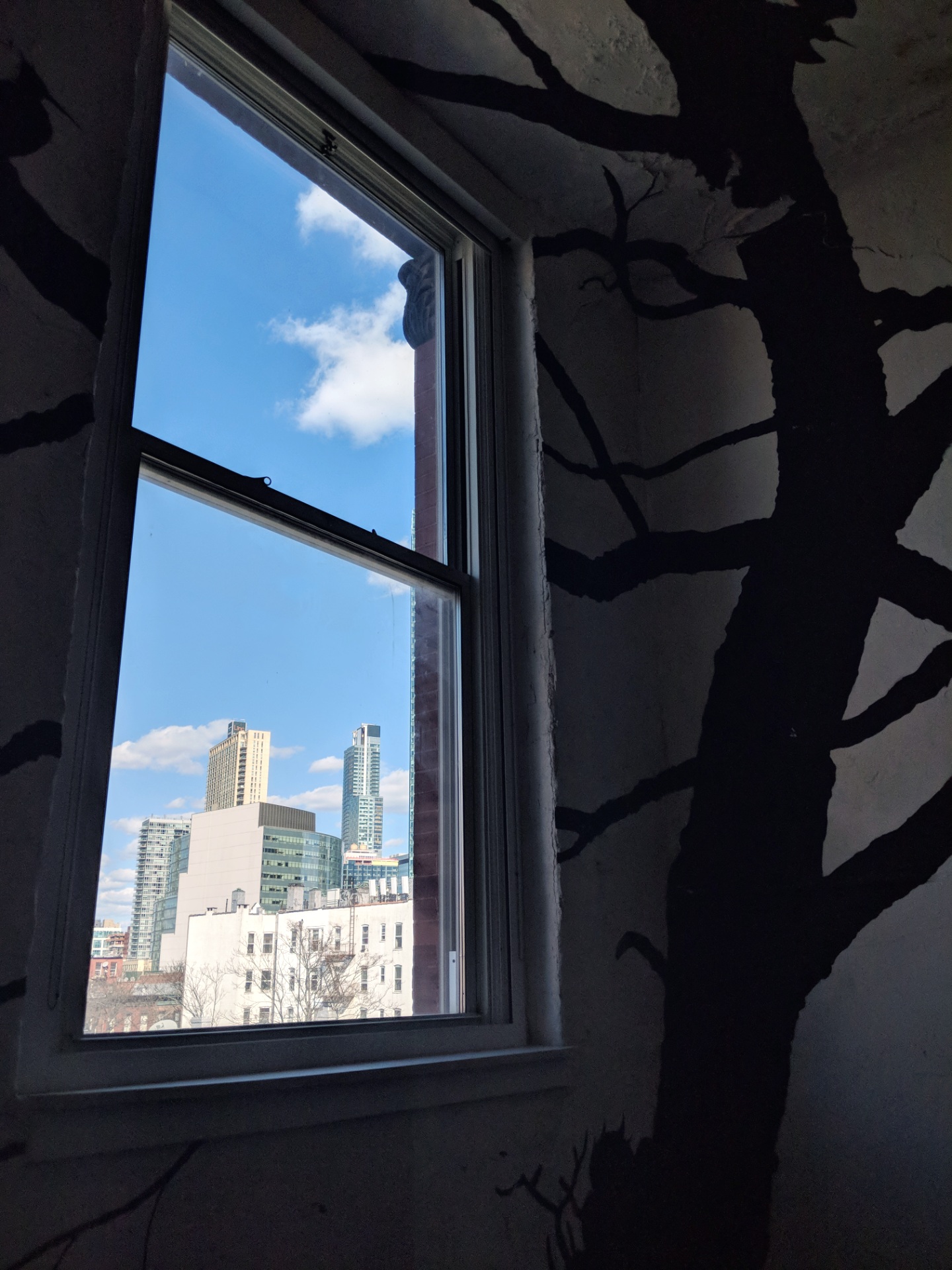
For MoMA PS1’s stairwell A, Ernesto Caivano created a wall mural based on an ongoing story he developed over three years called After the Woods. While After the Woods consists of drawings and paper sculptures, In the Woods is composed of black latex paint and gouache to create a dense visual web of images composing Caivano’s larger-than-life sized environment. The exaggerated scale of the piece creates a total experience for the viewer, allowing an escape into this imaginary world. Naked and gnarled tree branches wind around the walls and sprout up and out onto the ceiling, entangling the viewer in their dark and magical embrace.

March 24th, 2018

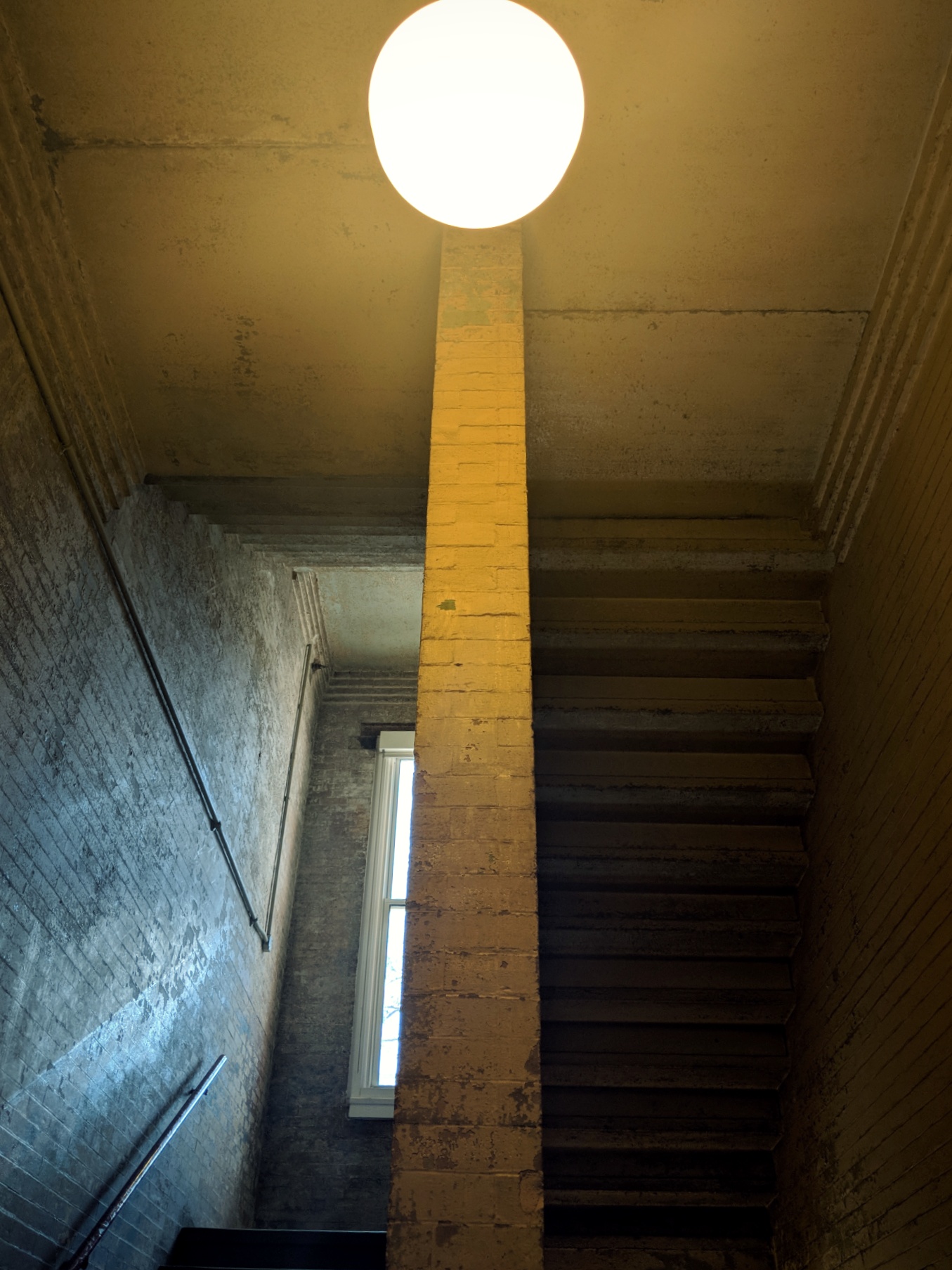
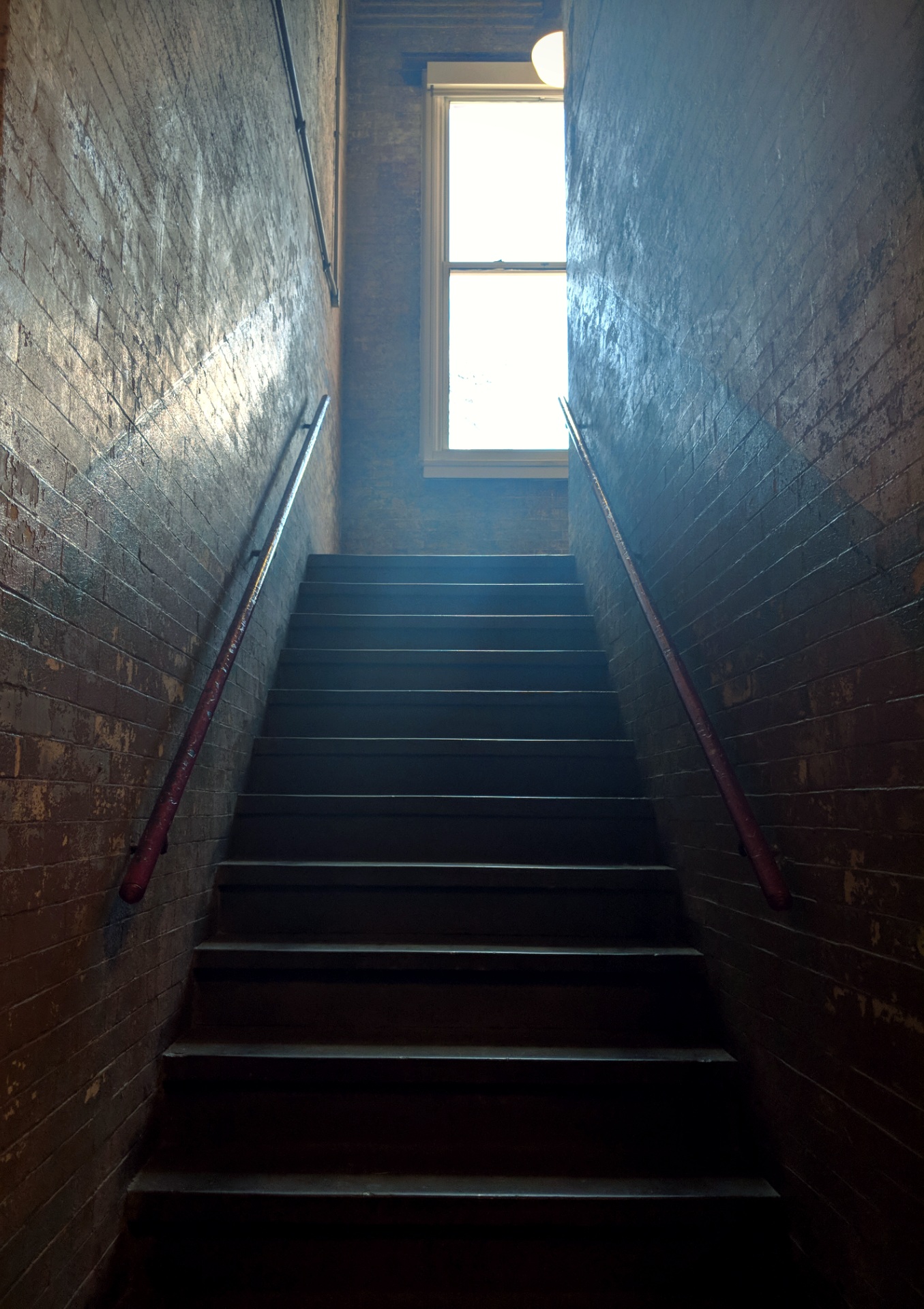
MoMA PS1 || Part I (The Building as a work of Art)

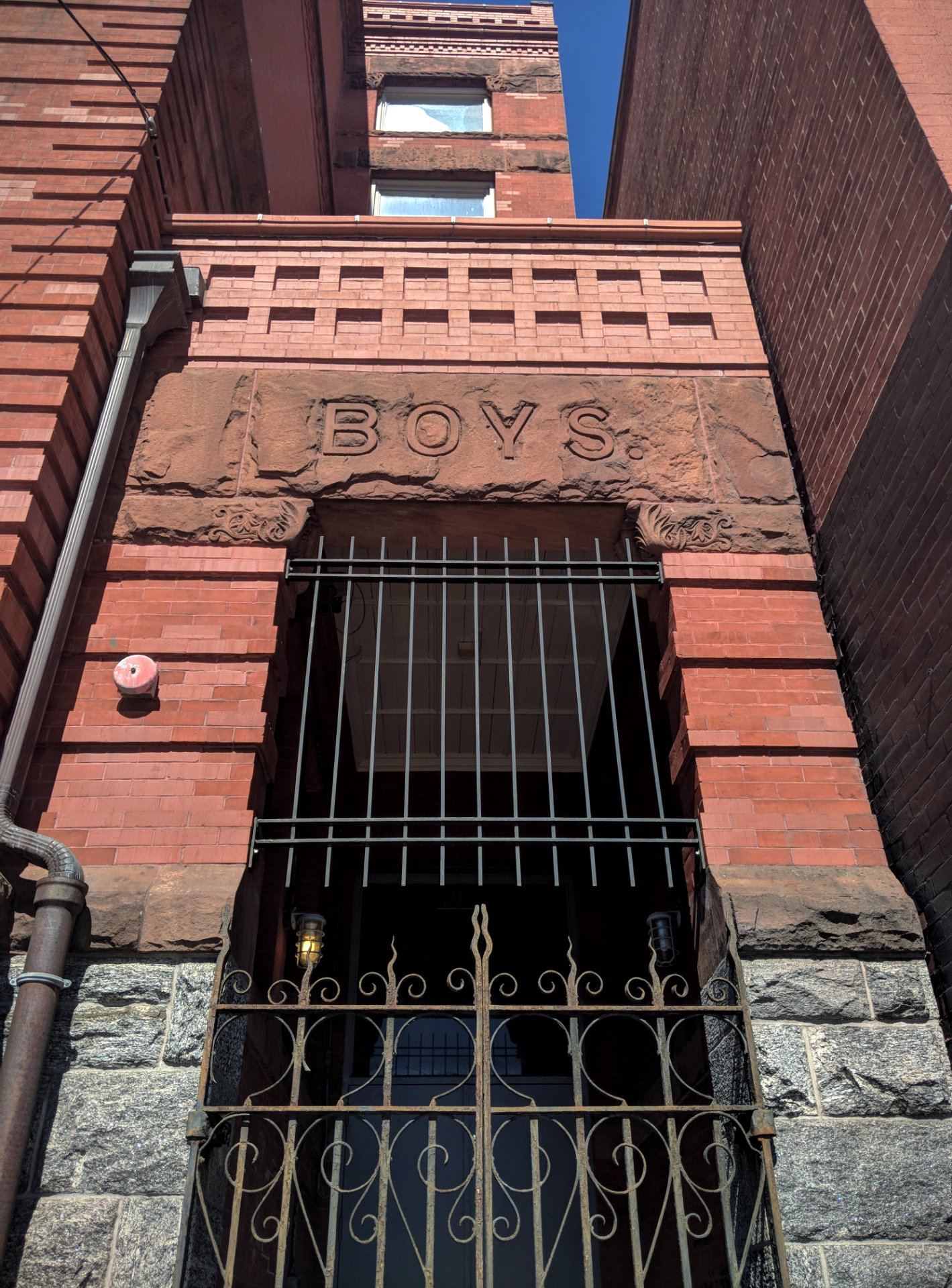
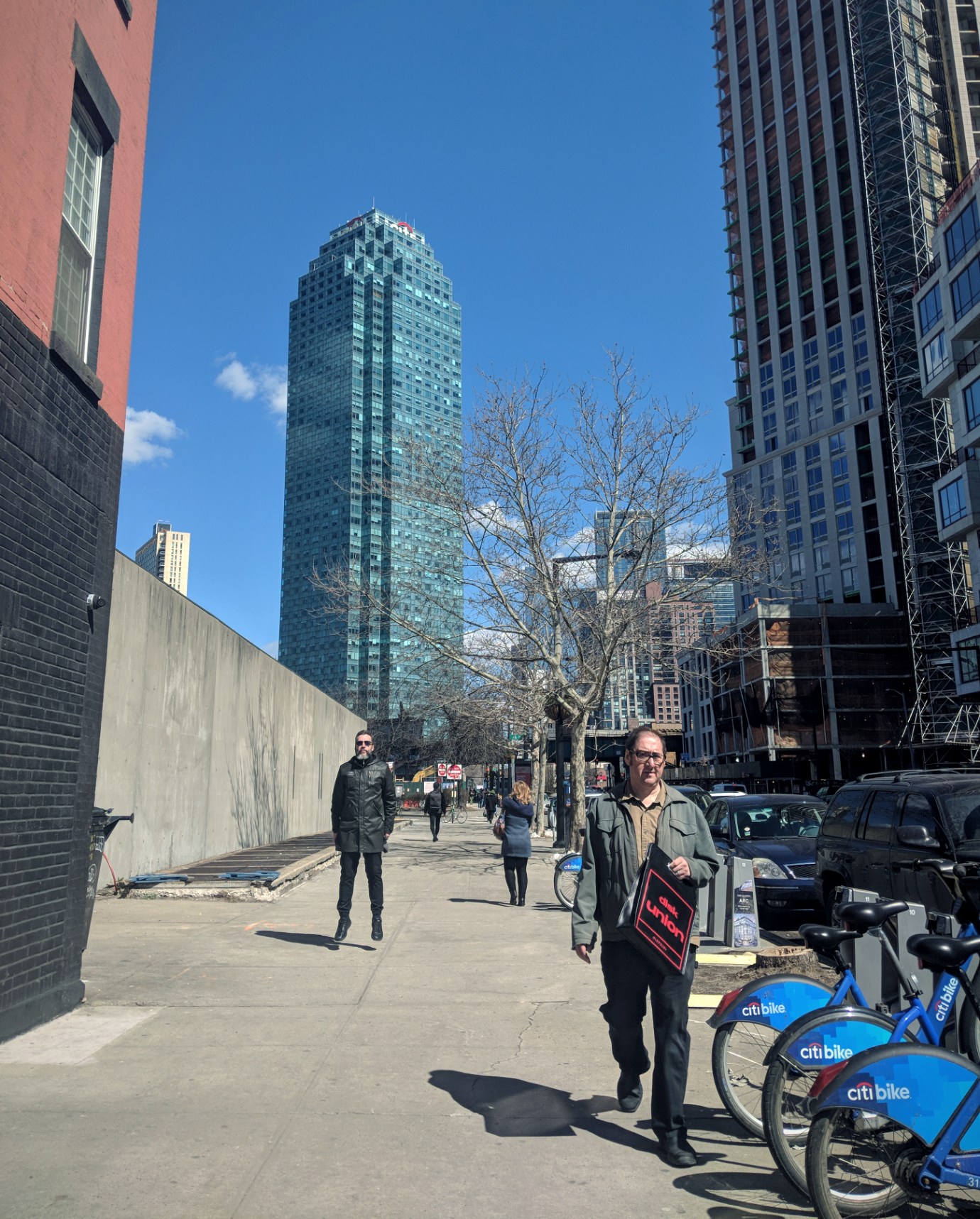
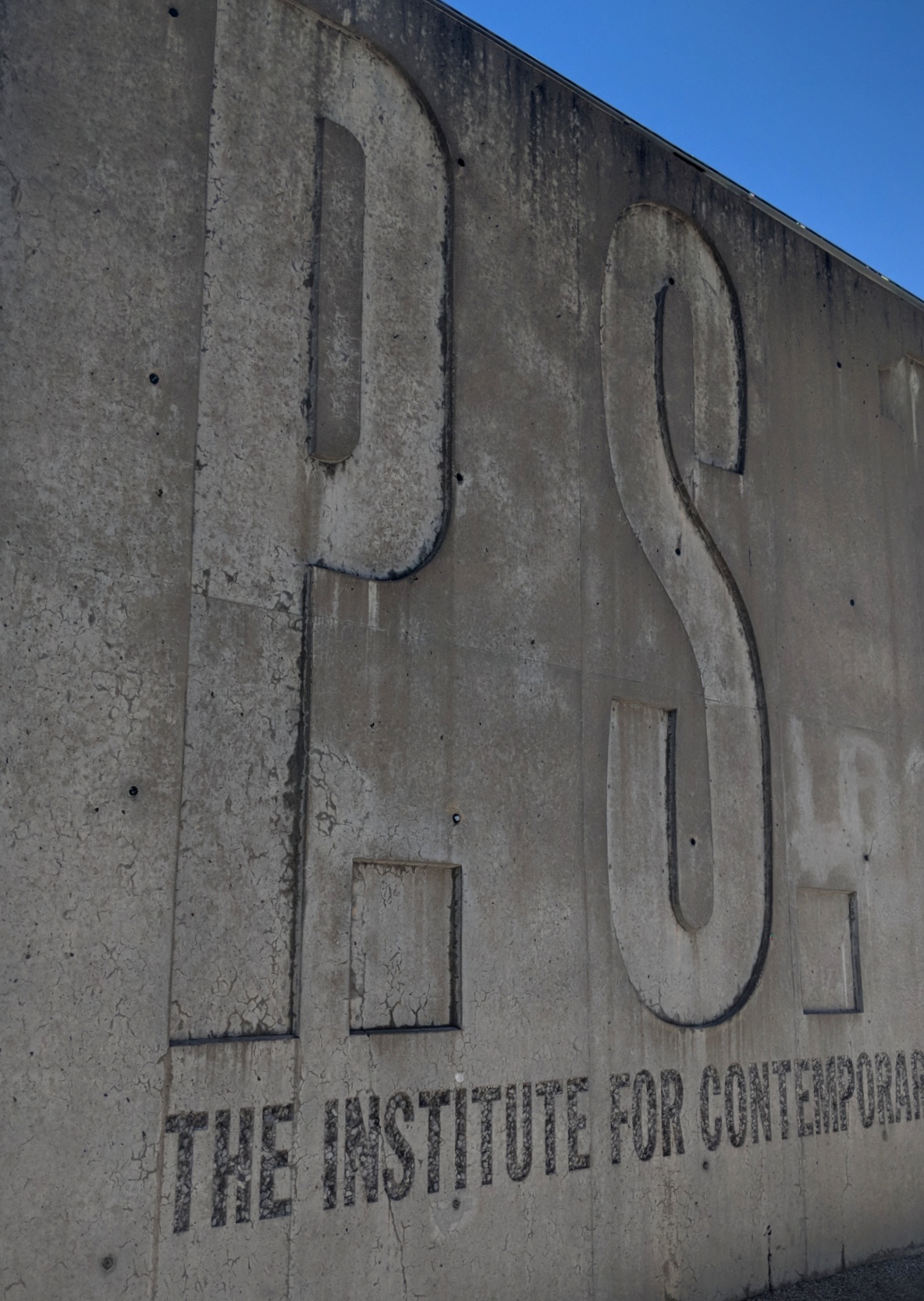
MoMA PS1, one of the oldest and largest nonprofit contemporary art institutions in the United States, was founded in 1971 by Alanna Heiss as the Institute for Art and Urban Resources Inc., an organization devoted to organizing exhibitions in underutilized and abandoned spaces across New York City.

In 1976, Heiss opened the P.S. 1 Contemporary Art Center in a deserted Romanesque Revival public school building, exponentially increased the organization’s exhibition and studio capacity. This building, dating from 1892, served as the first school in Long Island City until 1963, when the First Ward school it housed was closed due to low attendance and the building was turned into a warehouse.

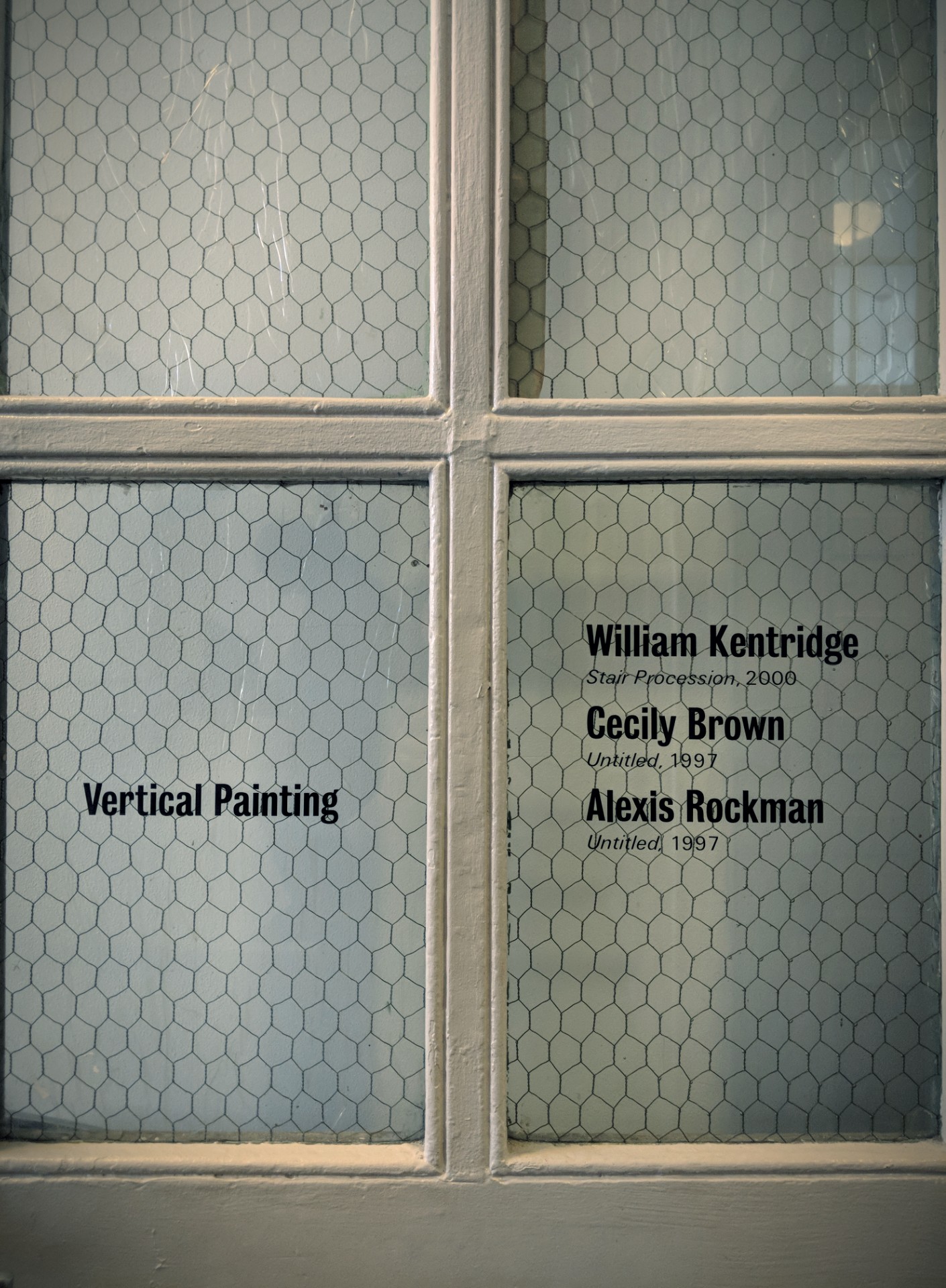
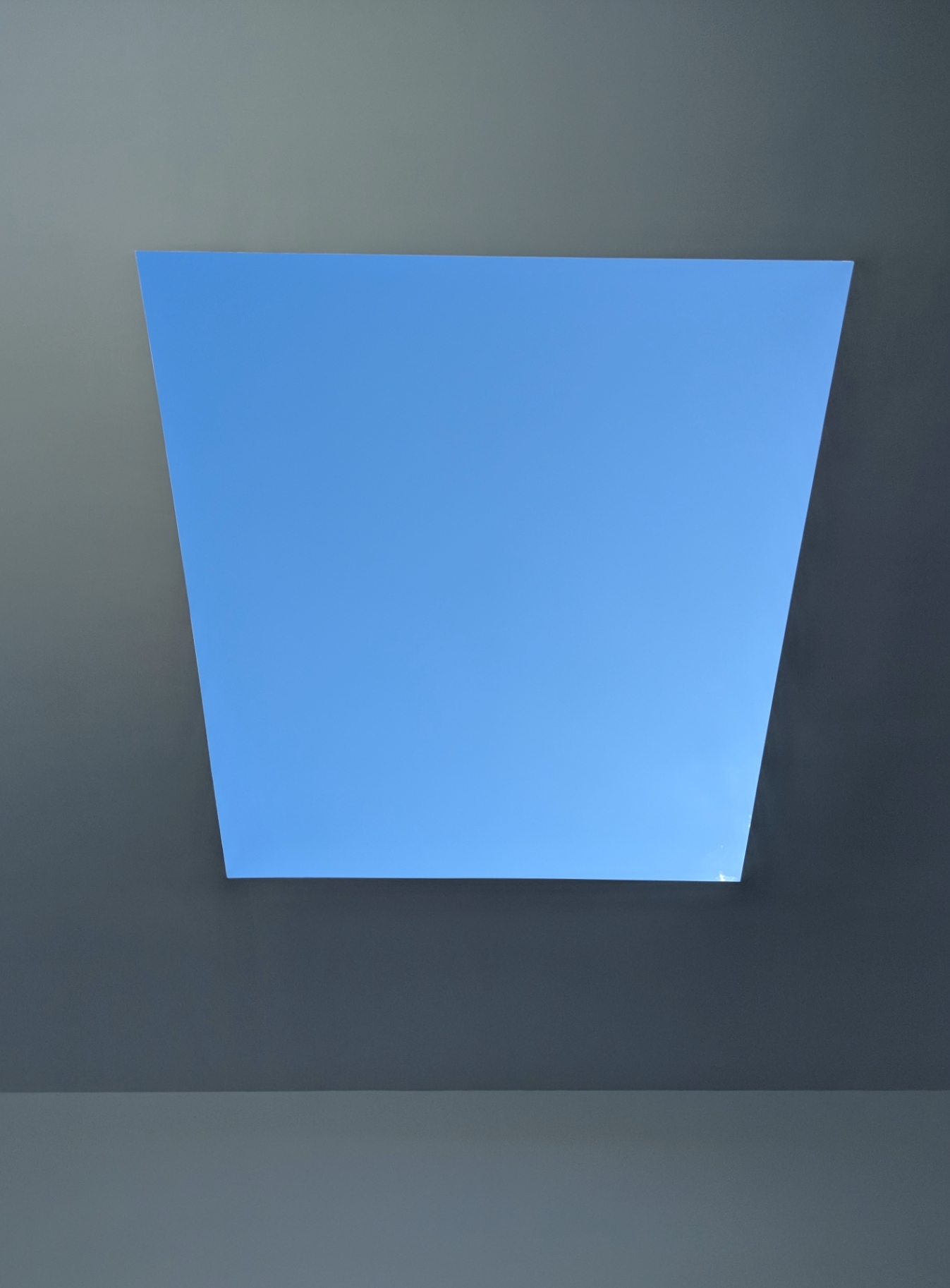
Site-specific art includes James Turrell’s Meeting, one of his famous Skyspaces.

Staircase art by:
William Kentridge || Stair Procession
Ernesto Caivano || In the Woods

March 24th, 2018
 

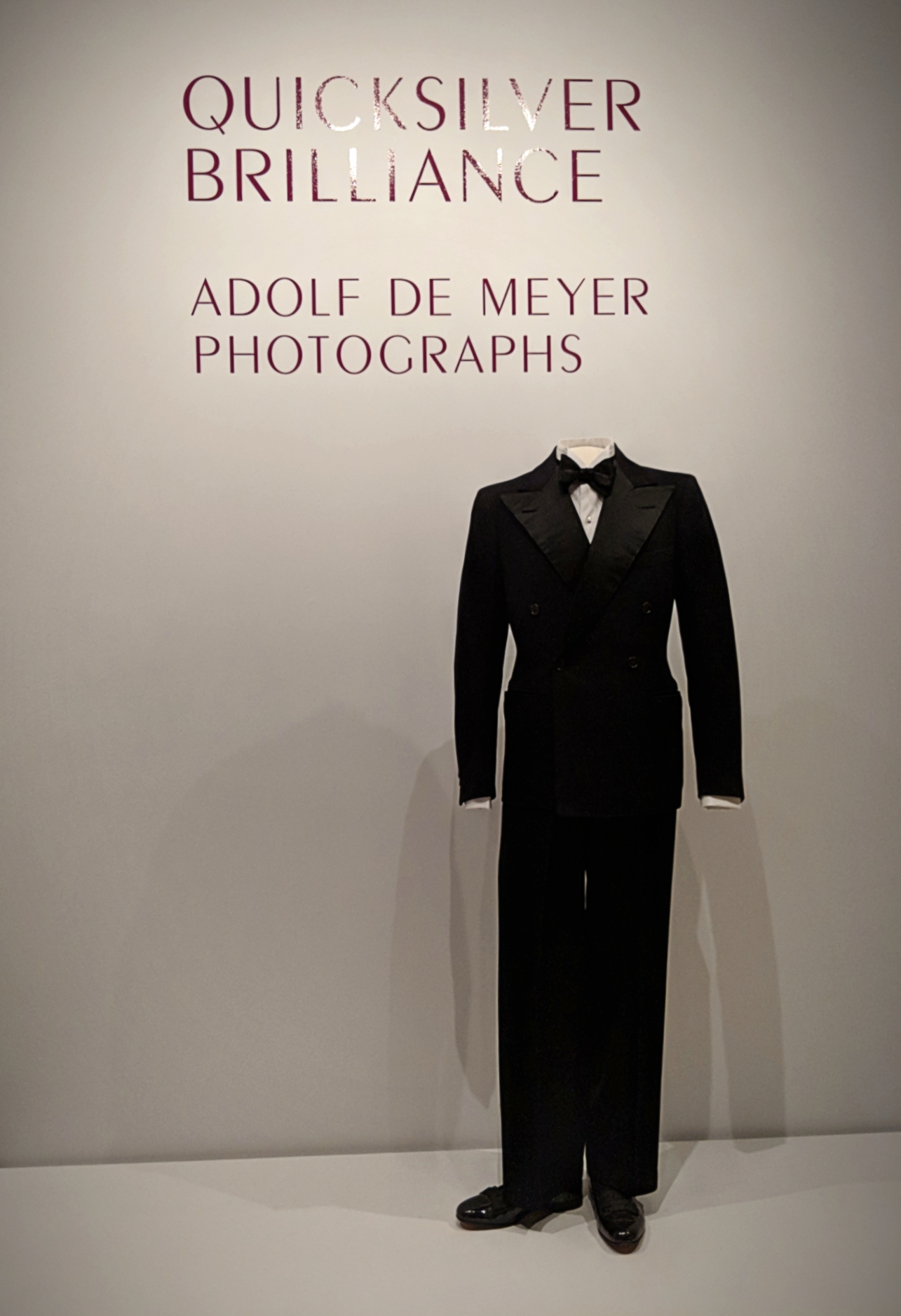
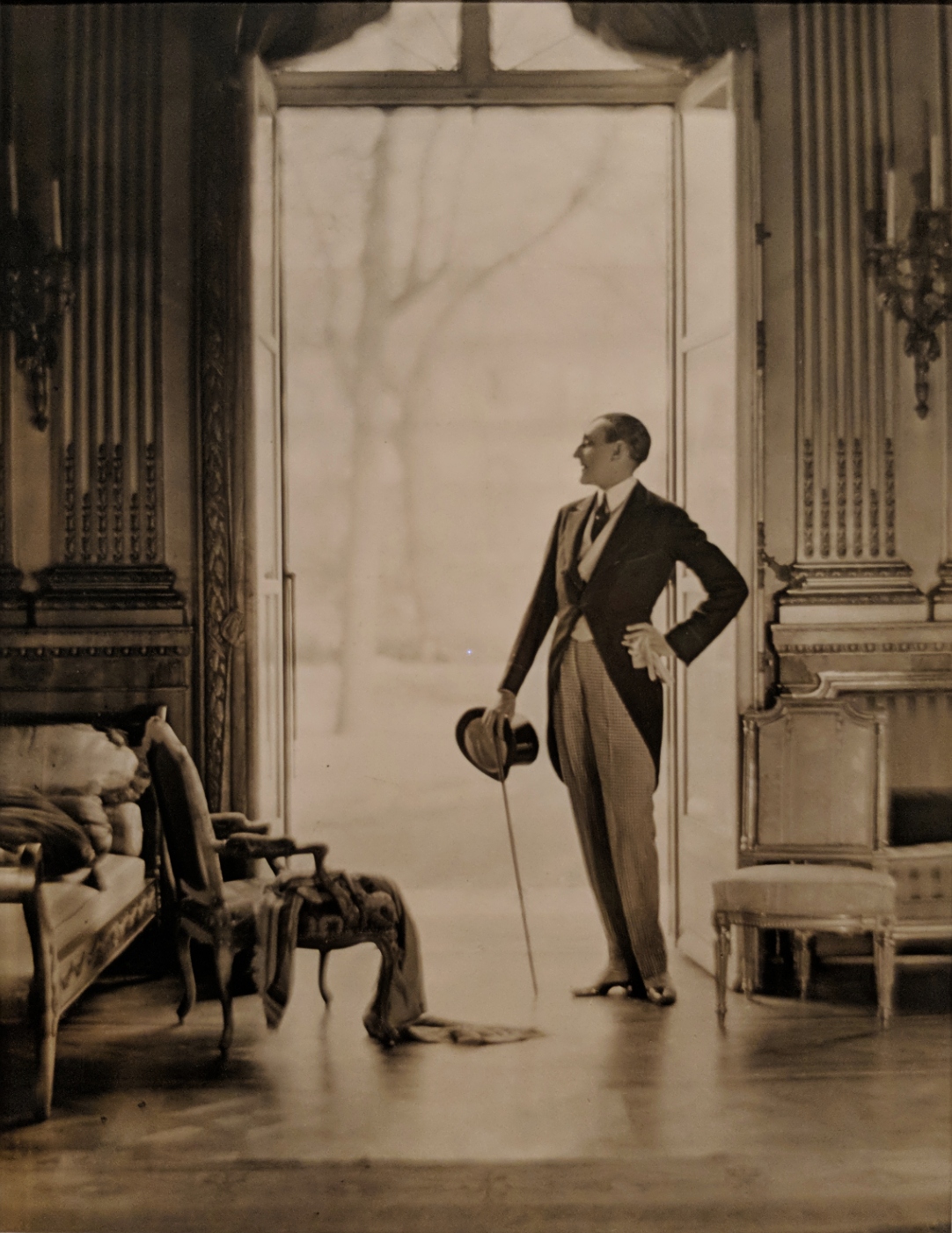
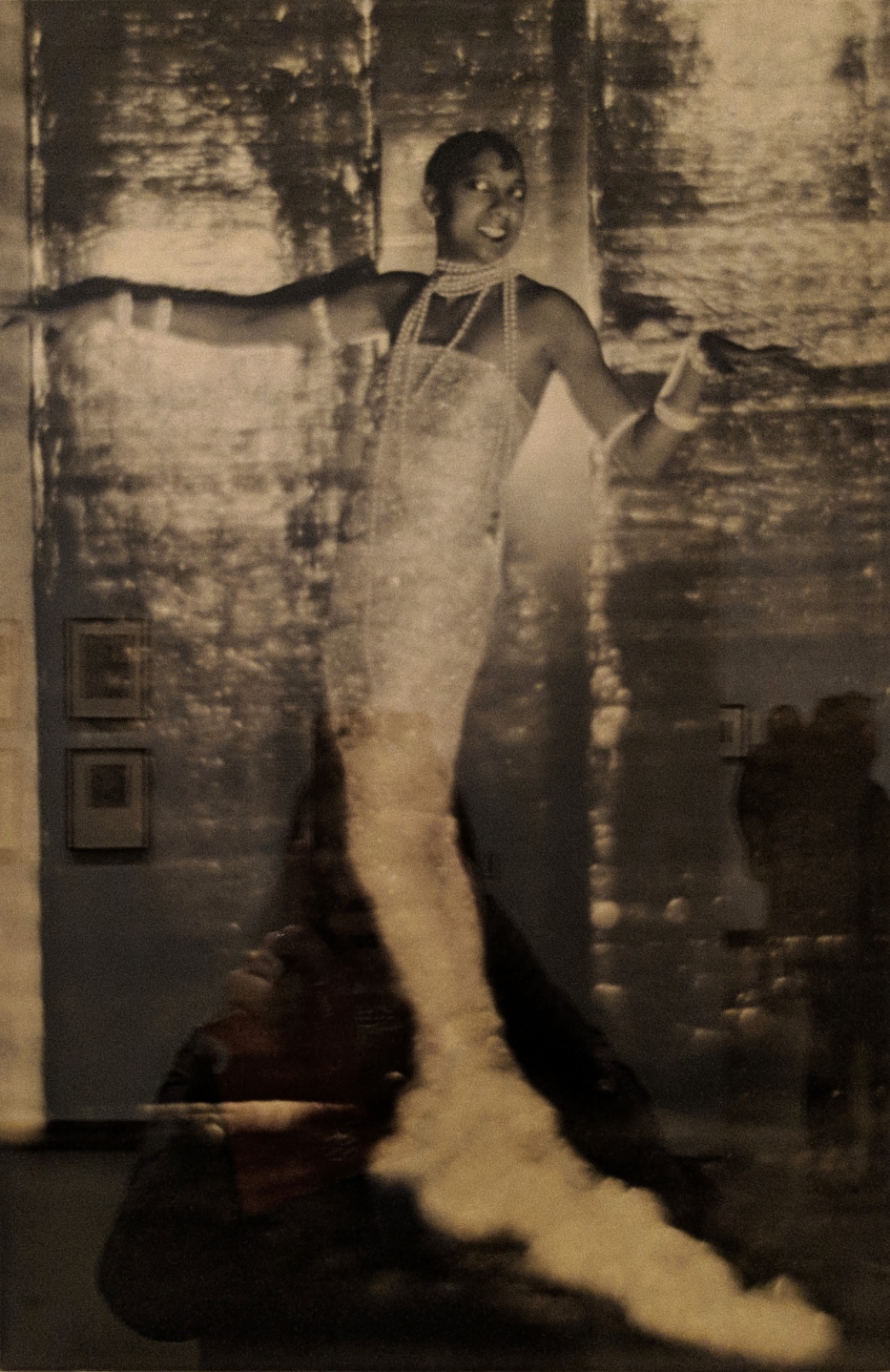
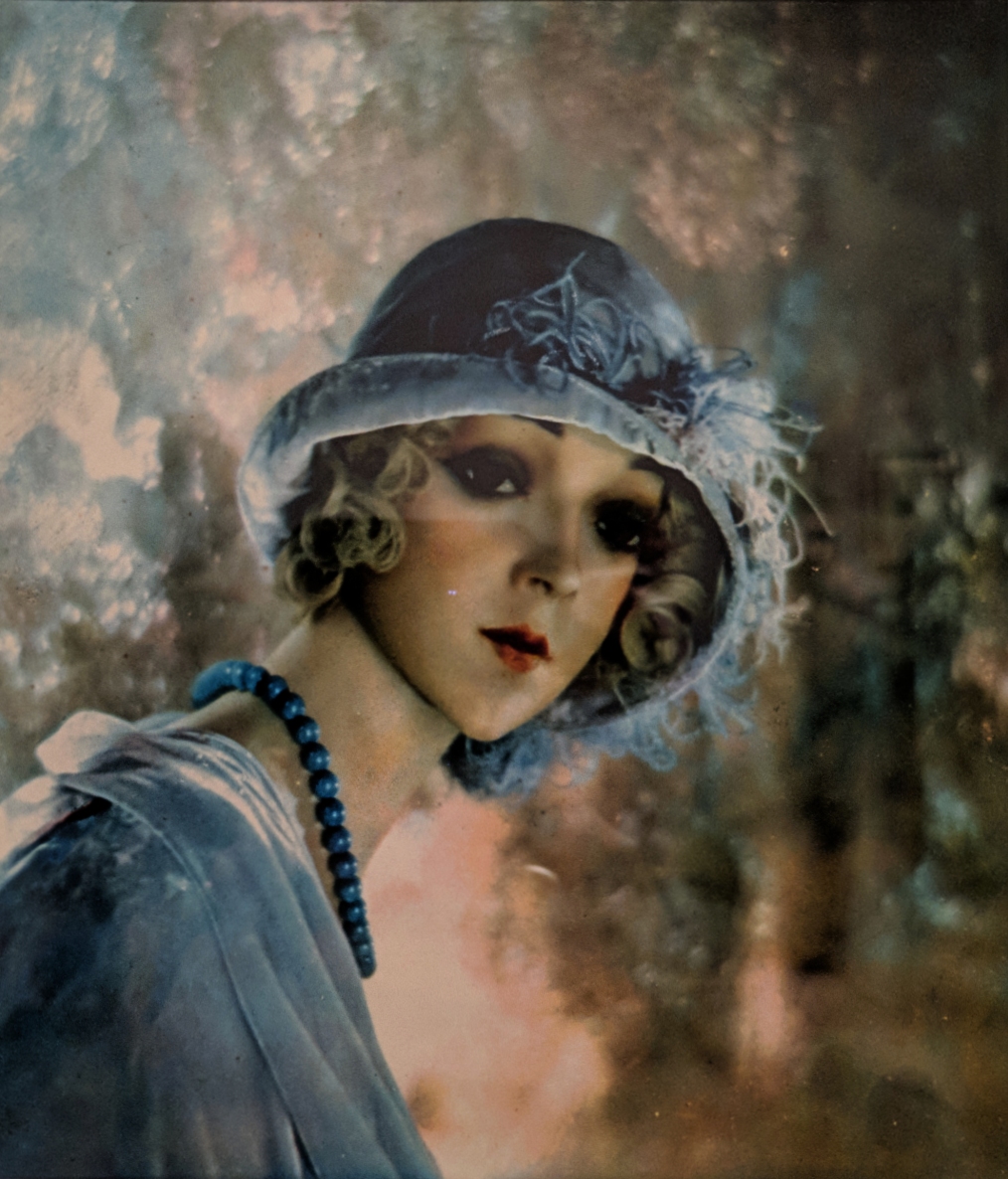
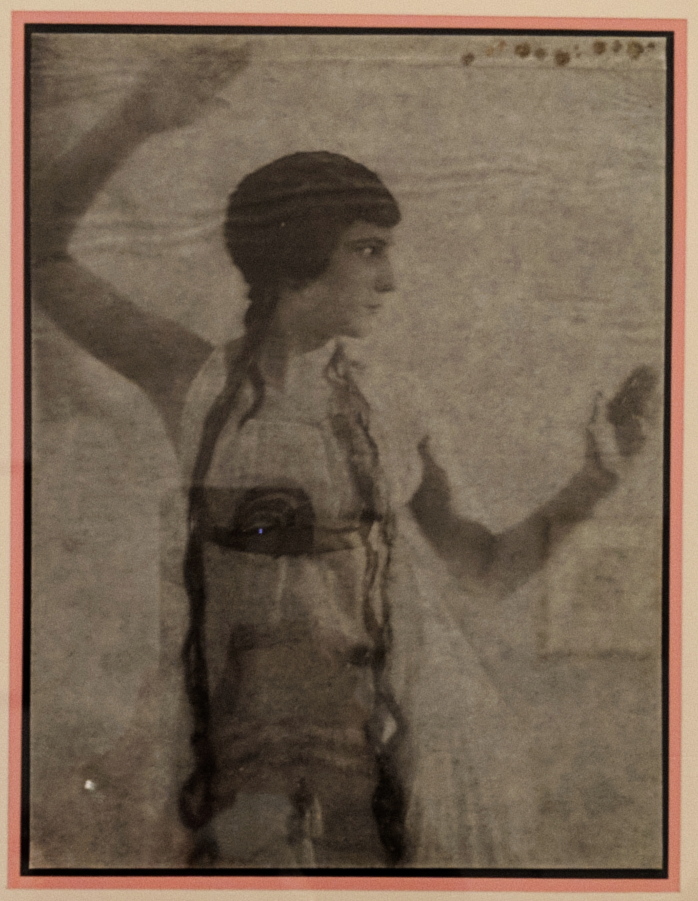
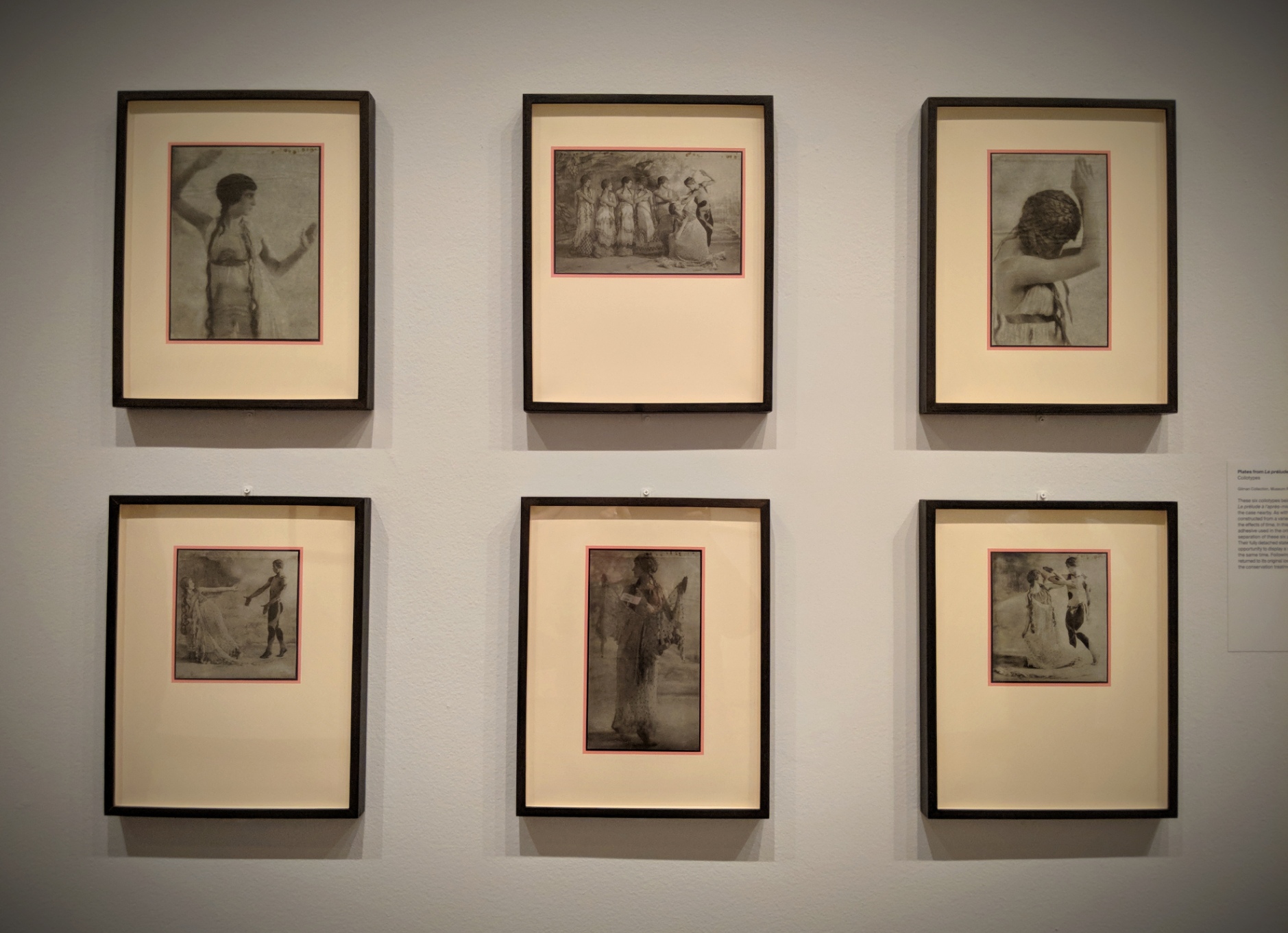
Quicksilver Brilliance || Adolf de Meyer Photographs

An exhibition of works by the great pictorialist. Adolf and Olga de Meyer at the Acropolis, 1900-1910
Gelatin silver print
Unknown artist


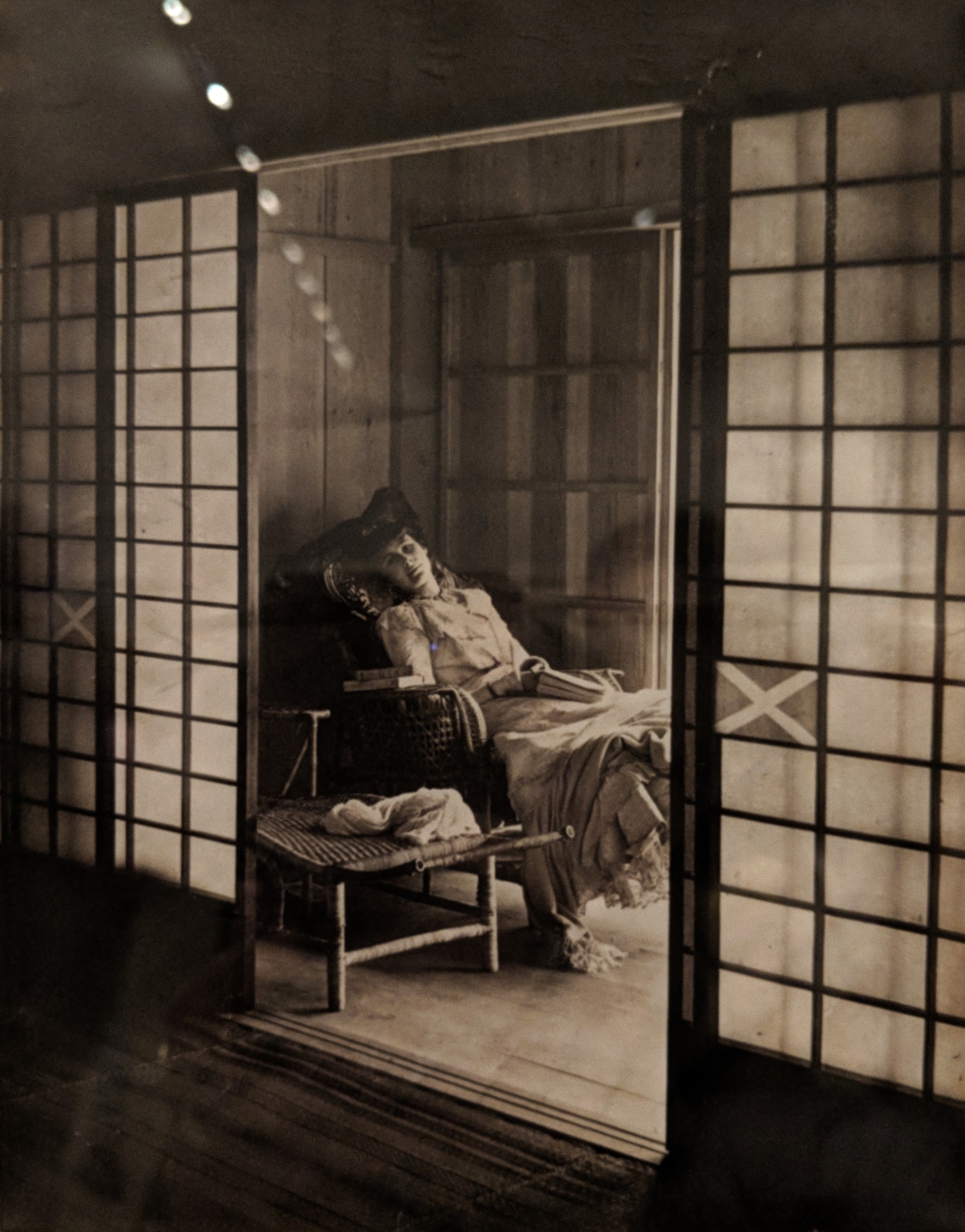
Olga de Meyer, Japan, 1900
Platinum print

De Meyer made this affectionate photograph of his new wife while on their honeymoon to Japan.


Lady Ottoline Morrell, ca. 1912
Platinum print


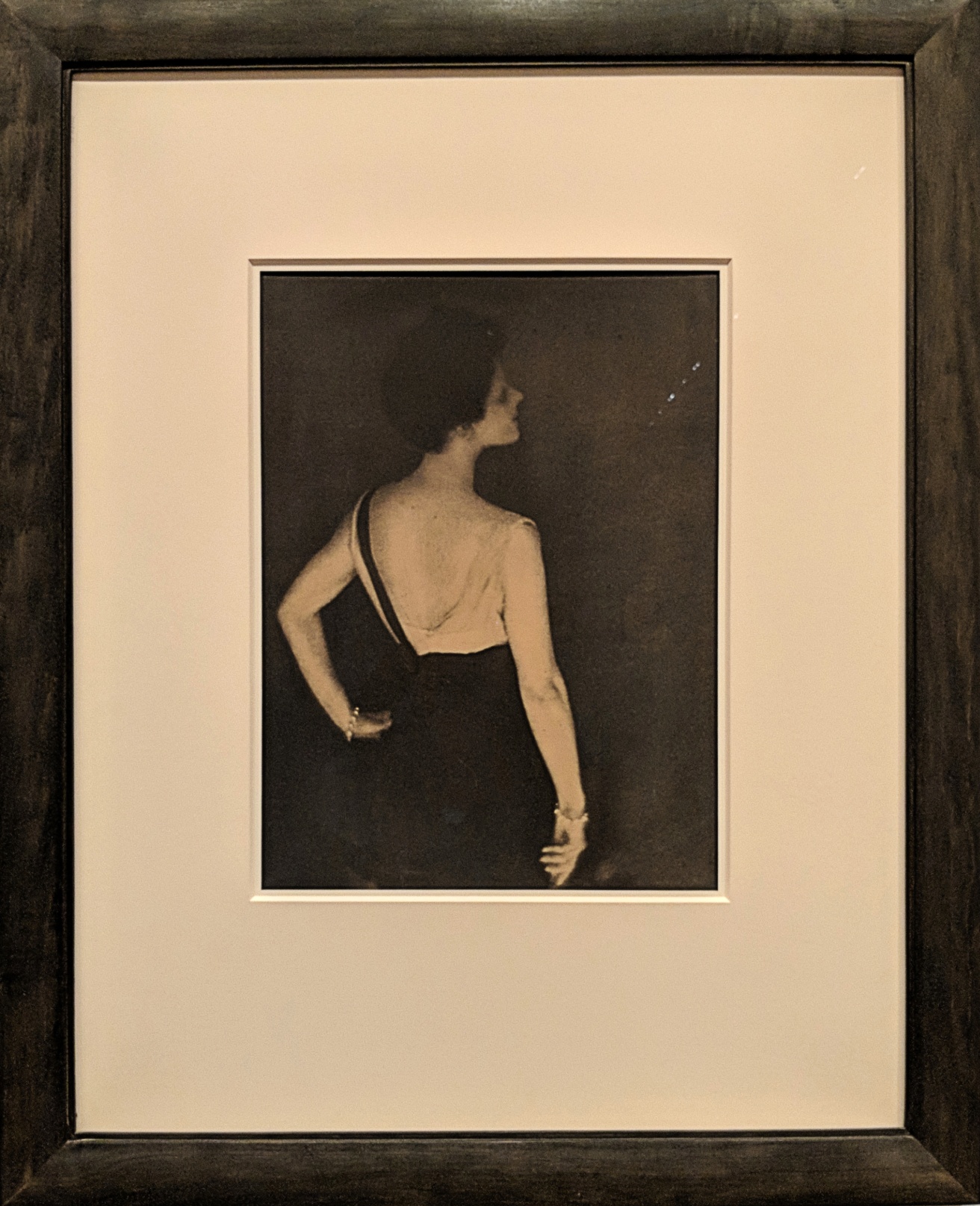
Rita de Acosta Lydig, ca. 1917
Platinum print

De Meyer’s portrait of the socialite, art patron, ”shoe queen”, and suffragette Rita de Acosta Lydig is striking in its simplicity of tone and contour. The image, which appeared in Vogue in 1917, resonates with the classical elegance epitomized in the paintings of society portraitists John Singer Sargent and Giovanni Boldini, who also depicted this “alabaster lady”.


Count Etienne de Beaumont, ca. 1923
Gelatin silver print

An aristocrat and patron of the avant-garde, Count Etienne de Beaumont cuts a dashing figure here, posed in one of the grand salons of his hôtel in Paris’ rue Masseran. The count hosted a series of legendary masquerade balls at this residence during the interwar period, attended by avant-garde artists such as Jean Cocteau, Pablo Picasso and Man Ray. De Meyer described these parties, which he and Olga often attended, as ”fêtes of unsurpassed magnificence” in a 1923 article for Harper’s Bazaar.


Josephine Baker, 1925-26
Direct carbon print


The New Hat Called Violette Worn by The Honorable Mrs. Reginald Fellowes, 1928
Gelatin silver print


Mannequin in Suzanne Talbot Hat, 1929
Trichrome carbro print


Plates from Le prélude á l’après-midi d’un faune, 1914
Collotypes

These six collotypes belong to de Meyer’s 1914 volume Le prélude á l’après-midi d’un faune. As with all bound works, the album is constructed from a variety of materials, each subject to the effects of time. In this case, the embrittlement of the adhesive used in the original mounting resulted in the separation of these six prints from their support leaves. Following the exhibition, each one was returned to its original location in the album, completing the conservation treatment of this rare book, one of only seven known copies, documenting Nijinsky’s scandalous 1912 ballet L’Après-midi d’un faune.


A rare exhibition of some 40 works by this master photographer, portraitist of celebrities, the first official photographer of the American Vogue and leading photographer of Vaslav Nijinsky and the Ballets Russes, was on view at the Met, between December 2017 & April 2018.

The Metropolitan Museum of Art

February 17th, 2018
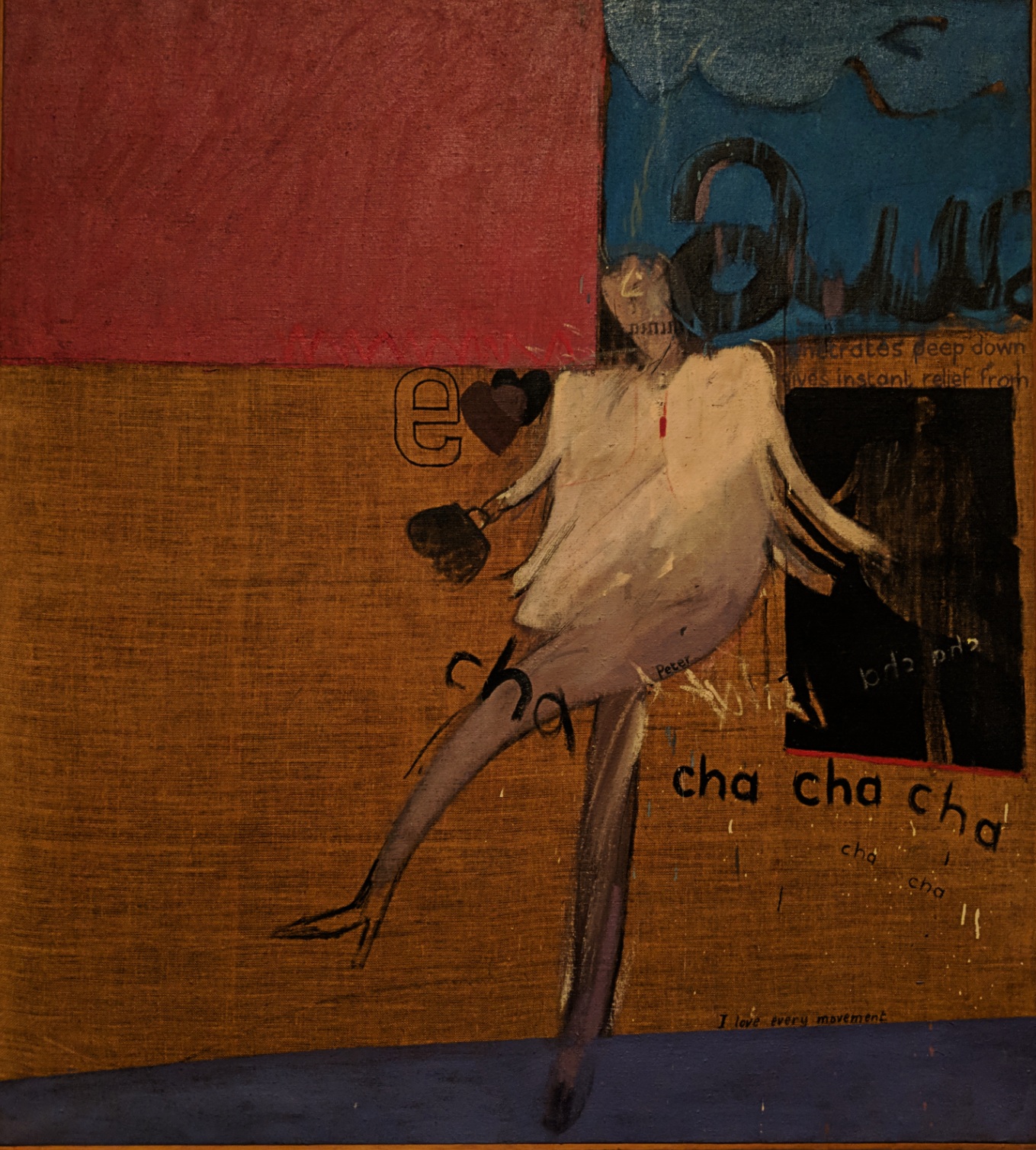
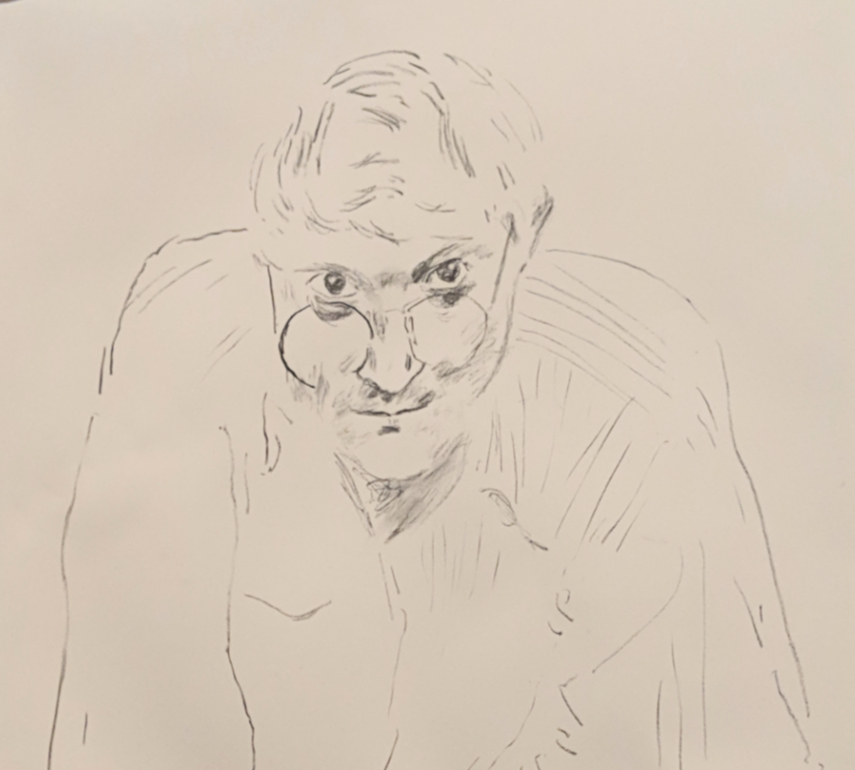
David Hockney

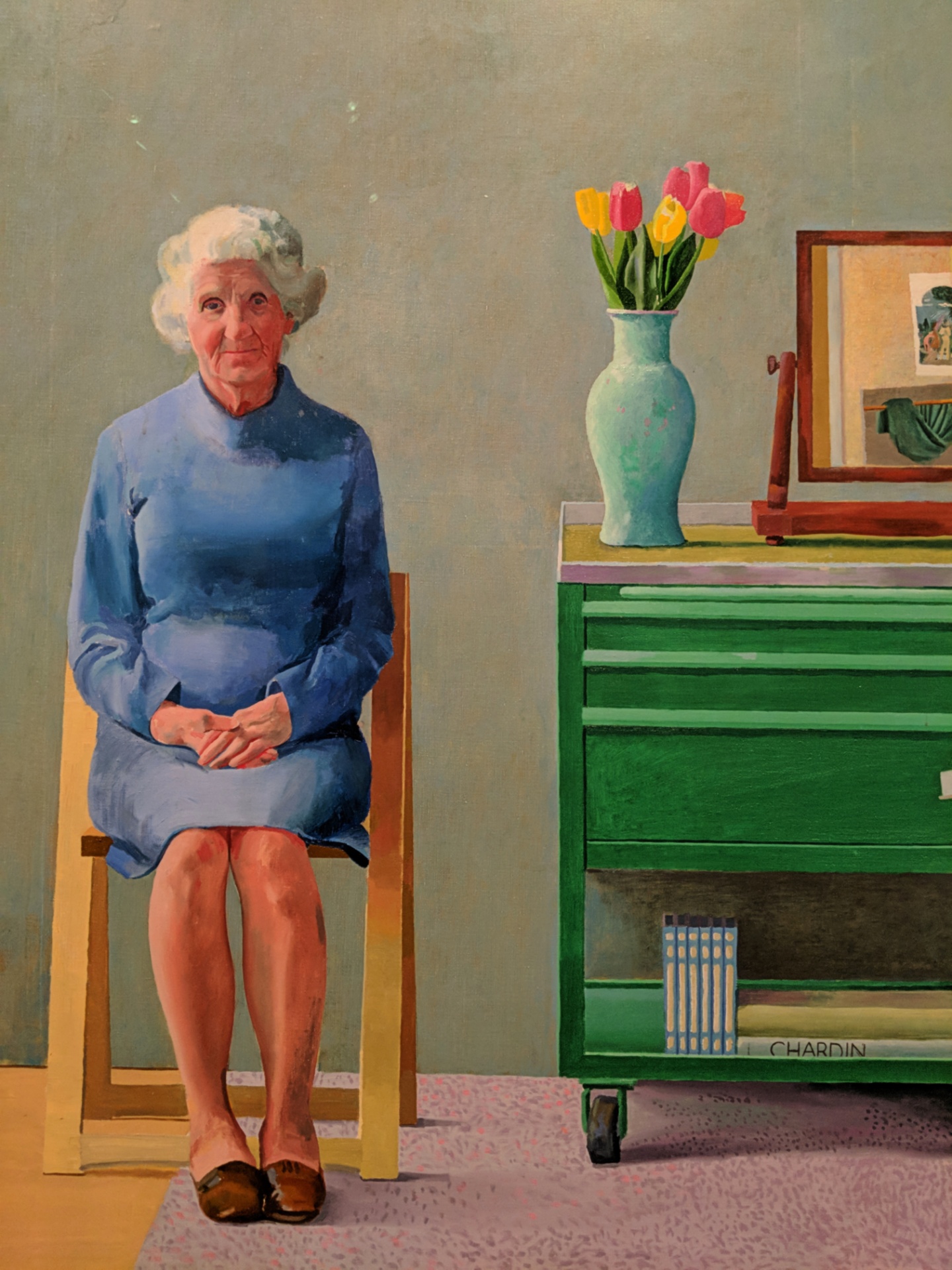
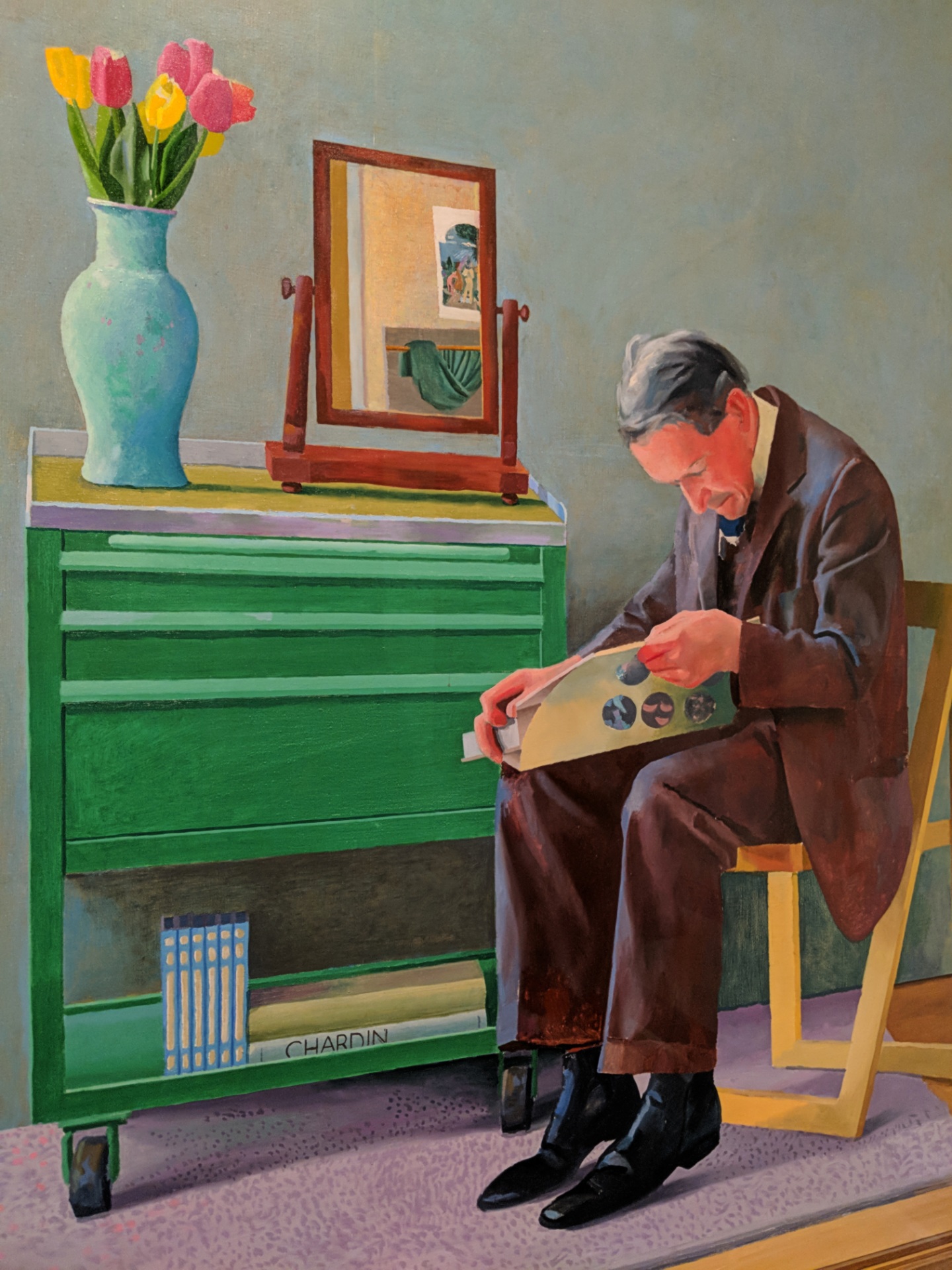
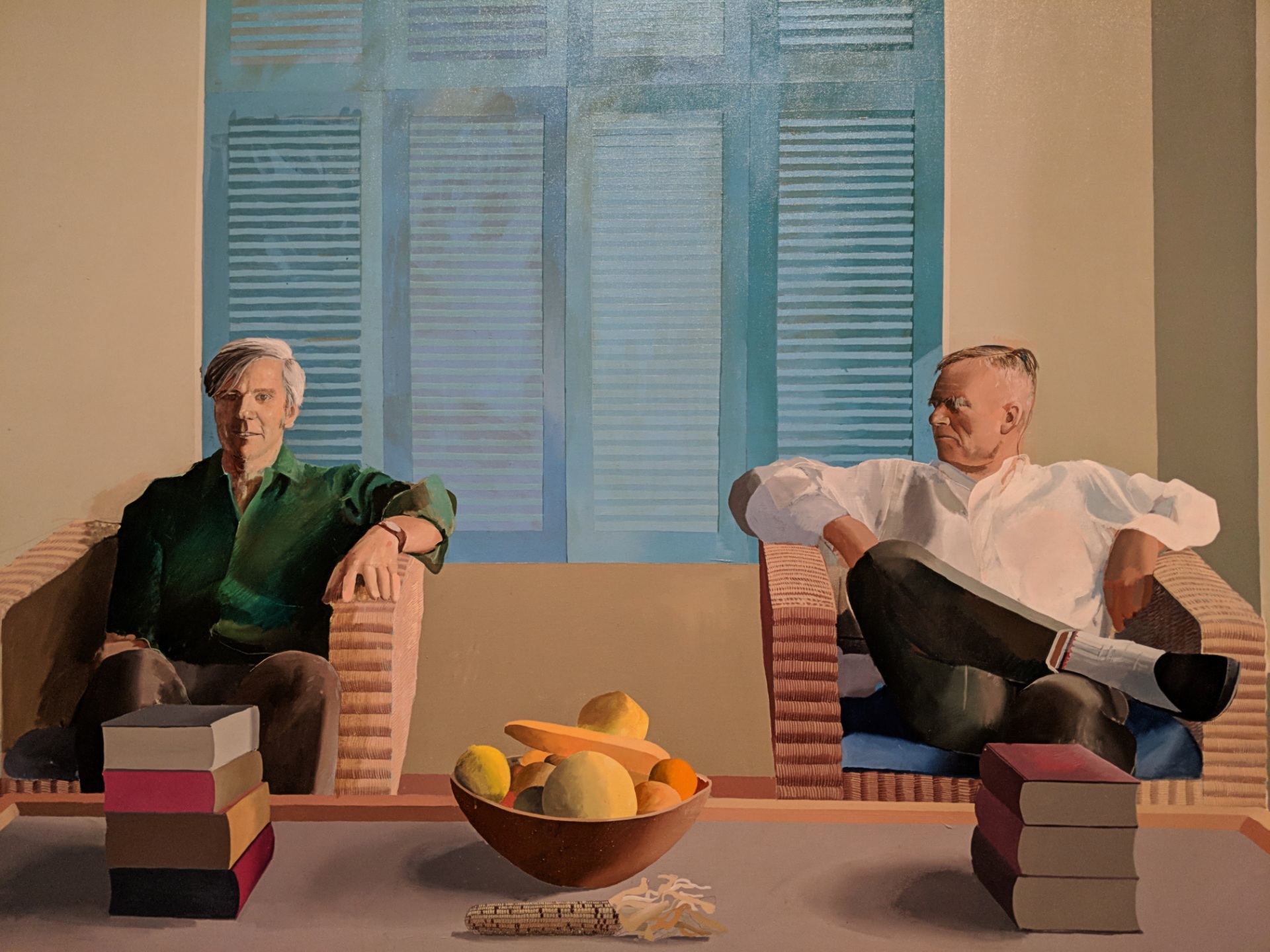
What I was saying yesterday, about popular exhibitions? Well, David Hockney’s major retrospective held at the Met between November 2017 & February 2018, was one of them.  Impossible to enjoy – oftentimes not being able to see anything at all, multiple rows of heads obscuring the art. So crowded were the galleries, we soon gave up. But not before catching at least a few striking images on camera, the most ”presentable” of which I’m glad to share today with you.

Art:

1/ & 2/
My Parents, 1977
Oil on canvas

3/
Christopher Isherwood and Don Bachardy, 1968
Acrylic on canvas

4/
The Cha-Cha That Was Danced in the Early Hours of 24th March, 1961
Oil on canvas

5/
Self-portrait, 1983
Charcoal on paper

David Hockney @The Metropolitan Museum of Art

February 17th, 2018

Saturday afternoon at the Met

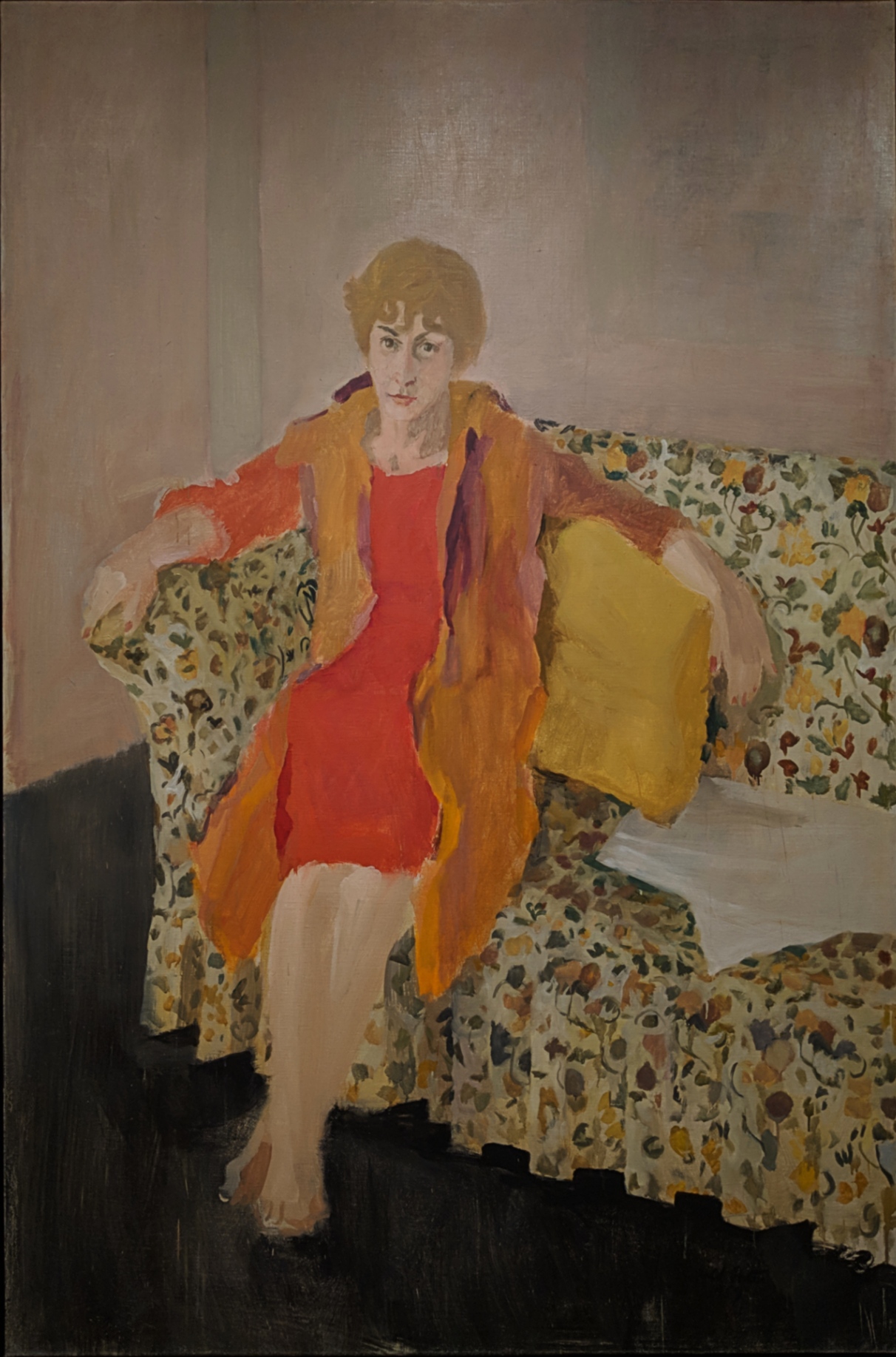
Portraits, angels, ethereal figures, a lighthouse; I have them all to myself! Even on crazy busy weekends, the crowds disperse on all floors and into various galleries, engulfed by the vastness of space that is the Met, leaving me alone, to enjoy my favourite works in peace. Unless, that is, there is a popular exhibition – then it feels like the whole of New York has landed on that same floor, at the same time, making it really hard to appreciate the art. Popularity, like most things in this world, has its price…

Art:

1/
Fairfield Porter, 1907-1975
Elaine de Kooning (1918-1989), 1957
Oil on canvas

2/
Edward Hopper, 1882-1967
Tables for Ladies, 1930
Oil on canvas

In Hopper’s Tables for Ladies a waitress leans forward to adjust the vividly painted foods at the window as a couple sits quietly in the richly paneled and well-lit interior. A cashier attentively tends to business at her register. Though they appear weary and detached, these two women hold posts newly available to female city dwellers outside the home. The painting’s title alludes to a recent social innovation in which establishments advertised ”tables for ladies” in order to welcome their newly mobile female customers, who, if seen dining alone in public previously, were assumed to be prostitutes.

3/
Florine Stettheimer, 1871-1944
The Cathedrals of Broadway, 1929
Oil on canvas

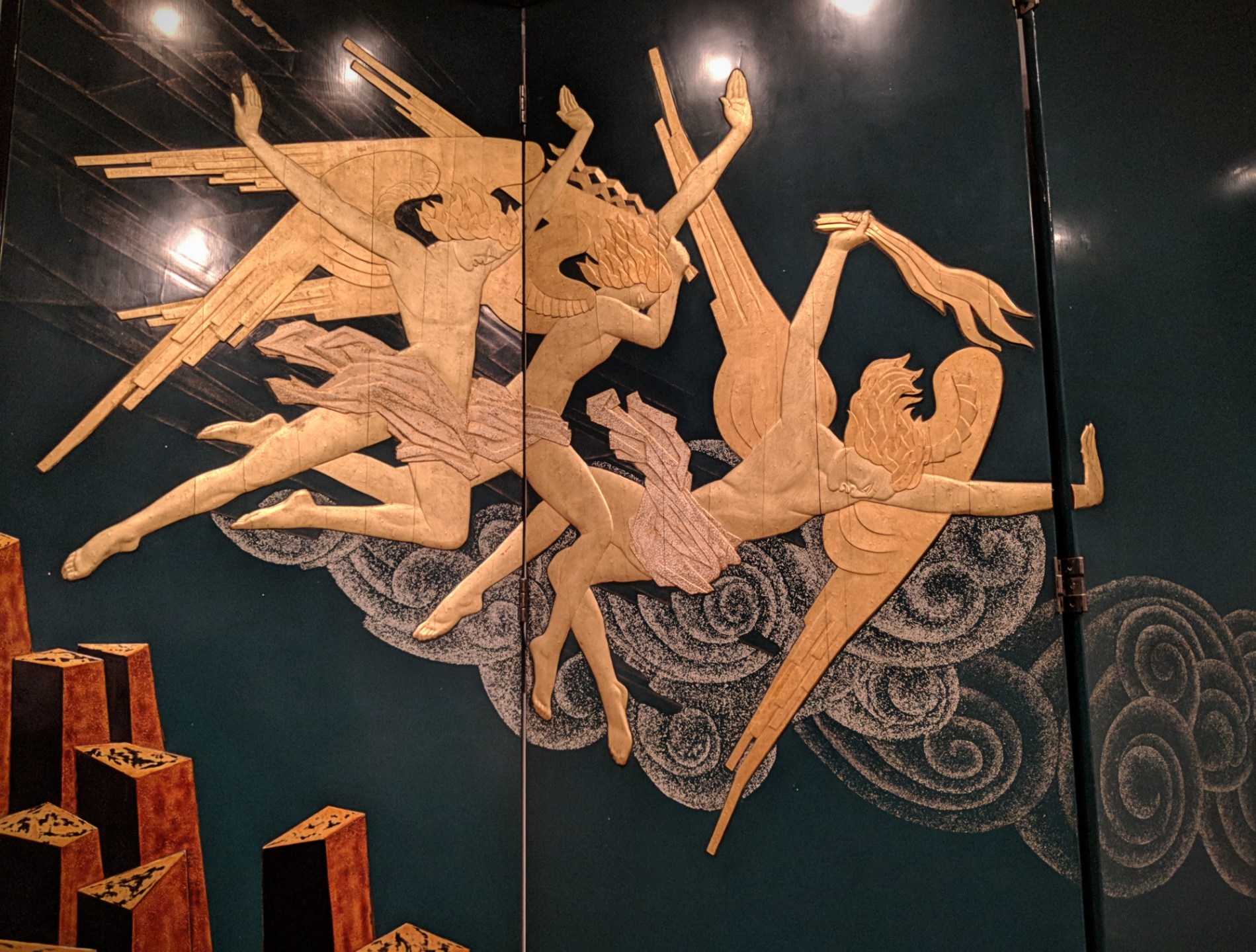
4/ & 5/
Jean Dunand, 1877-1942 & Séraphin Soudbinine, 1870-1944
Pianissimo and Fortissimo, 1925-26
Lacquered wood, eggshell, mother-of-pearl, gold

Created for the music room of Solomon R. Guggenheim’s residence in Port Washington, Long Island, these screens are an artistic collaboration between the designer Jean Dunand and the sculptor Séraphin Soudbinine. While Soudbinine conceived the composition and carved the bas-relief figures of otherworldly angels and rocklike forms, Dunand lacquered the screen.  Guggenheim’s widow, Irene Rothschild, donated the screens to the Metropolitan following the death of her husband.

6/
Edward Hopper, 1882-1967
The Lighthouse at Two Lights, 1929
Oil on canvas

7/
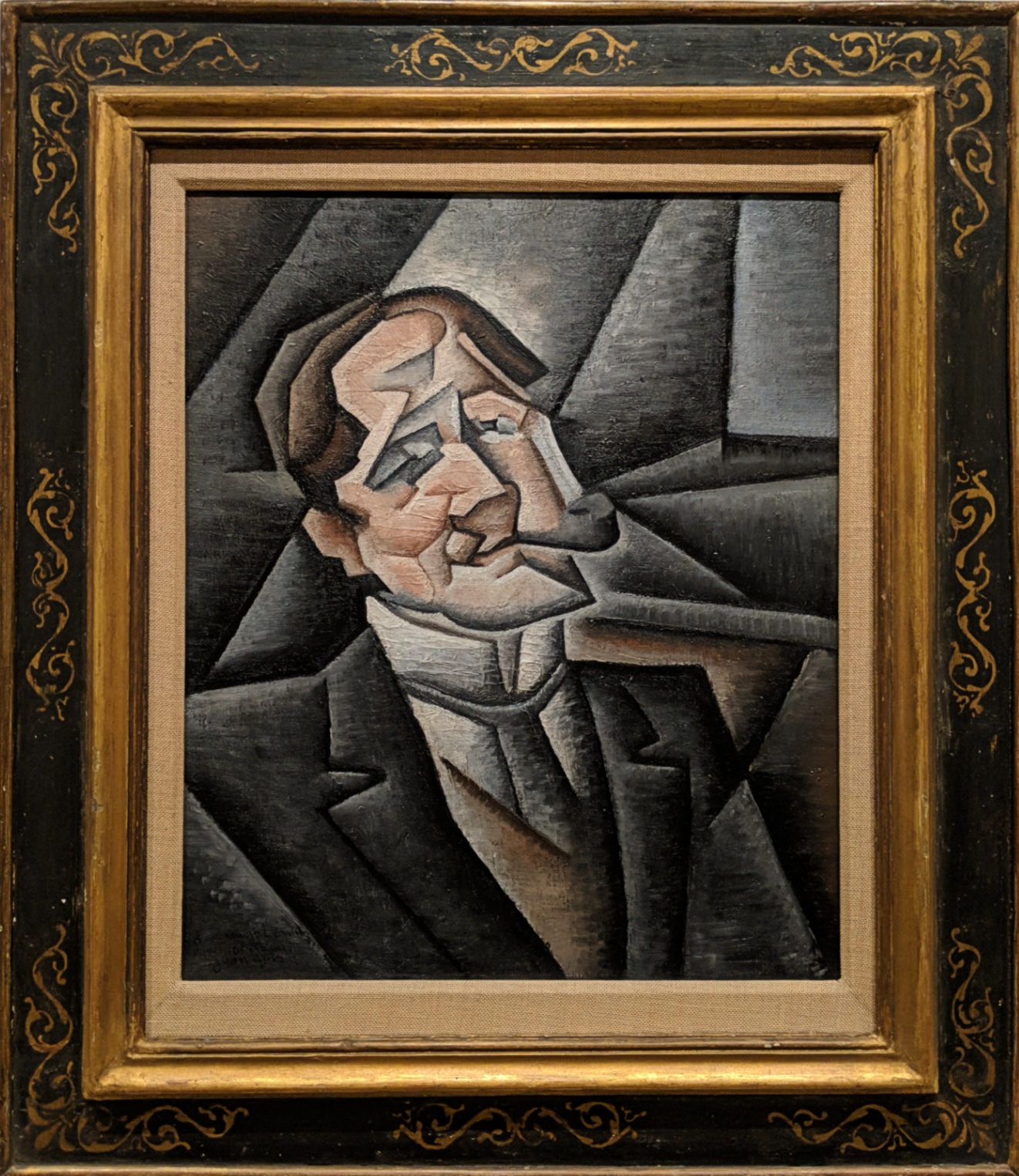
Juan Gris, 1887-1927
Juan Legua, 1991
Oil on canvas

8/
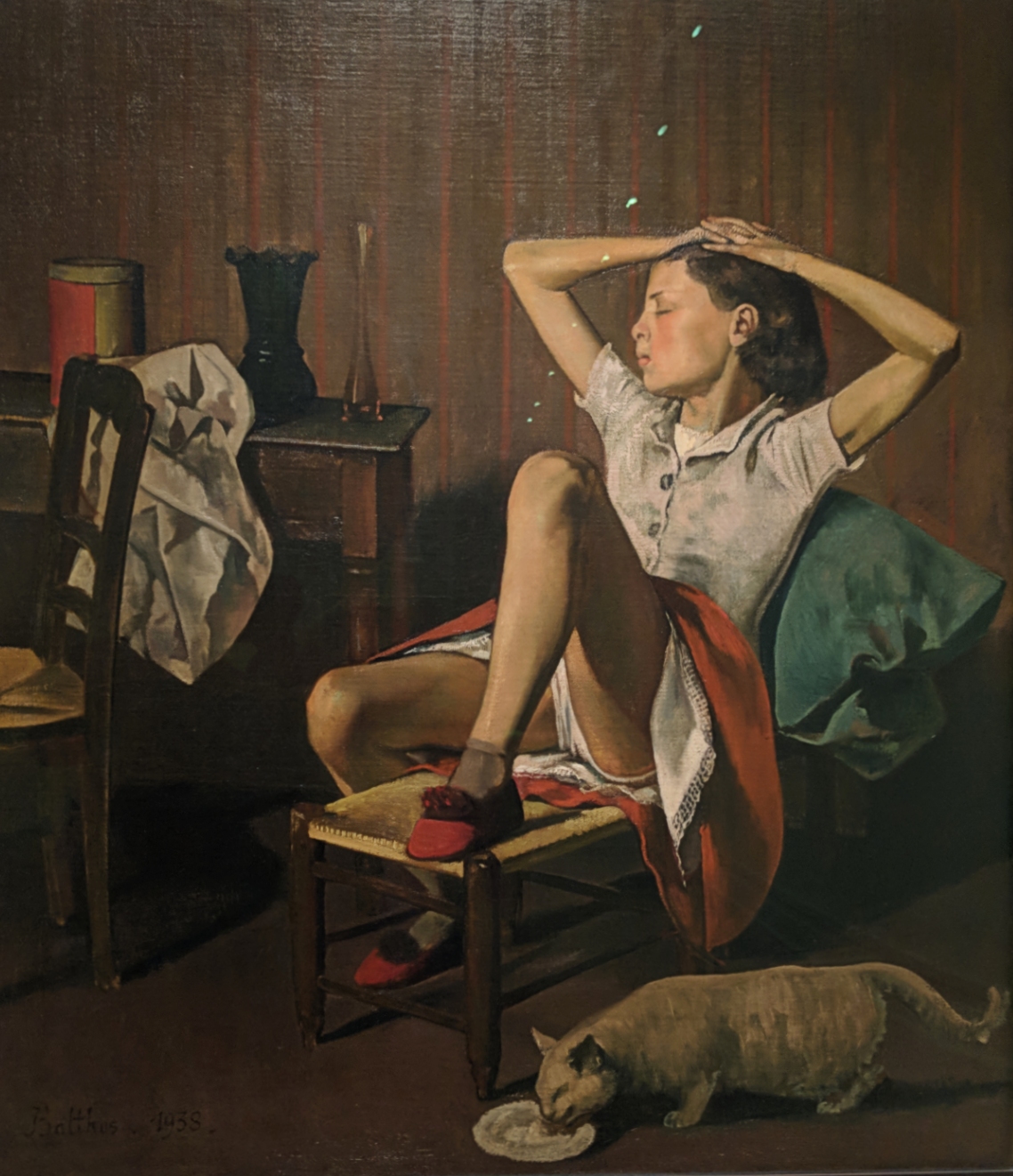
Balthus, 1908-2001
Thérèse Dreaming, 1938
Oil on canvas

9/
Francis Bacon, 1909-1992
(Reflection on one of) Three Studies for a Self-Portrait, 1979-80
Oil on canvas

As Bacon remarked to David Sylvester in 1975, ”I loathe my own face… I’ve done a lot of self-portraits, really because people have been dying around me like flies and I’v nobody else left to paint by myself.”

10/
Pablo Picasso, 1881-1973
Bust of a Man, 1908
Oil on canvas

11/
Pablo Picasso, 1881-1973
Gertrude Stein, 1905-06
Oil on canvas

12/
Albert Bloch, 1882-1961
Summer Night, 1913
Oil on canvas

13/
Edgar Degas, 1834-1917
Young Woman with Ibis, 1860-62
Oil on canvas

The Metropolitan Museum of Art

February 17th, 2018