Time.Less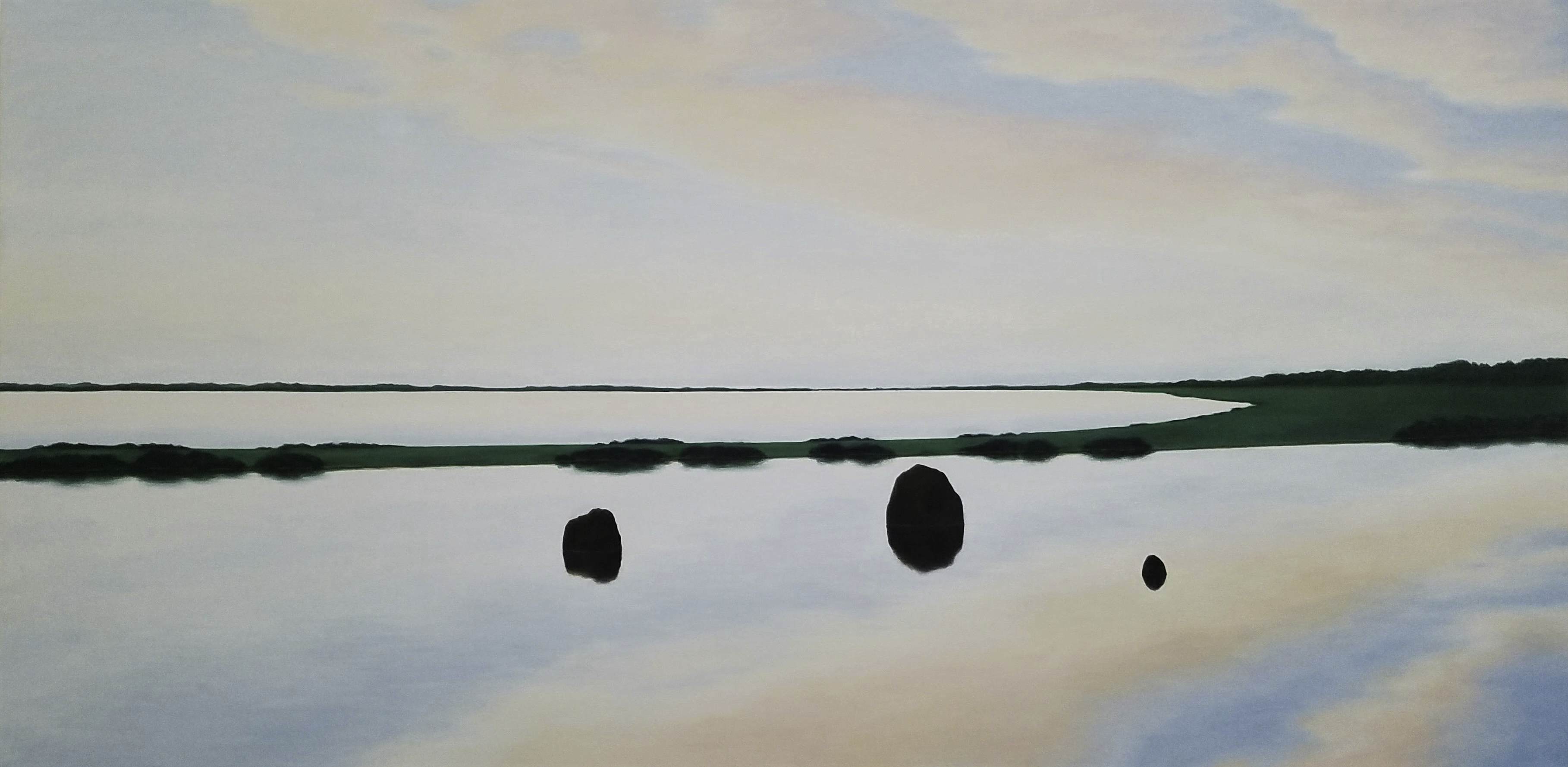 April Gornik (b. 1953)
Light Before Heat, 1983
Oil on linen
Parrish Art Museum
Water Mill, Long Island
Time.LessApril Gornik (b. 1953)
Light Before Heat, 1983
Oil on linen
Parrish Art Museum
Water Mill, Long Island
For a minute there, the museum’s windows became a work of art.

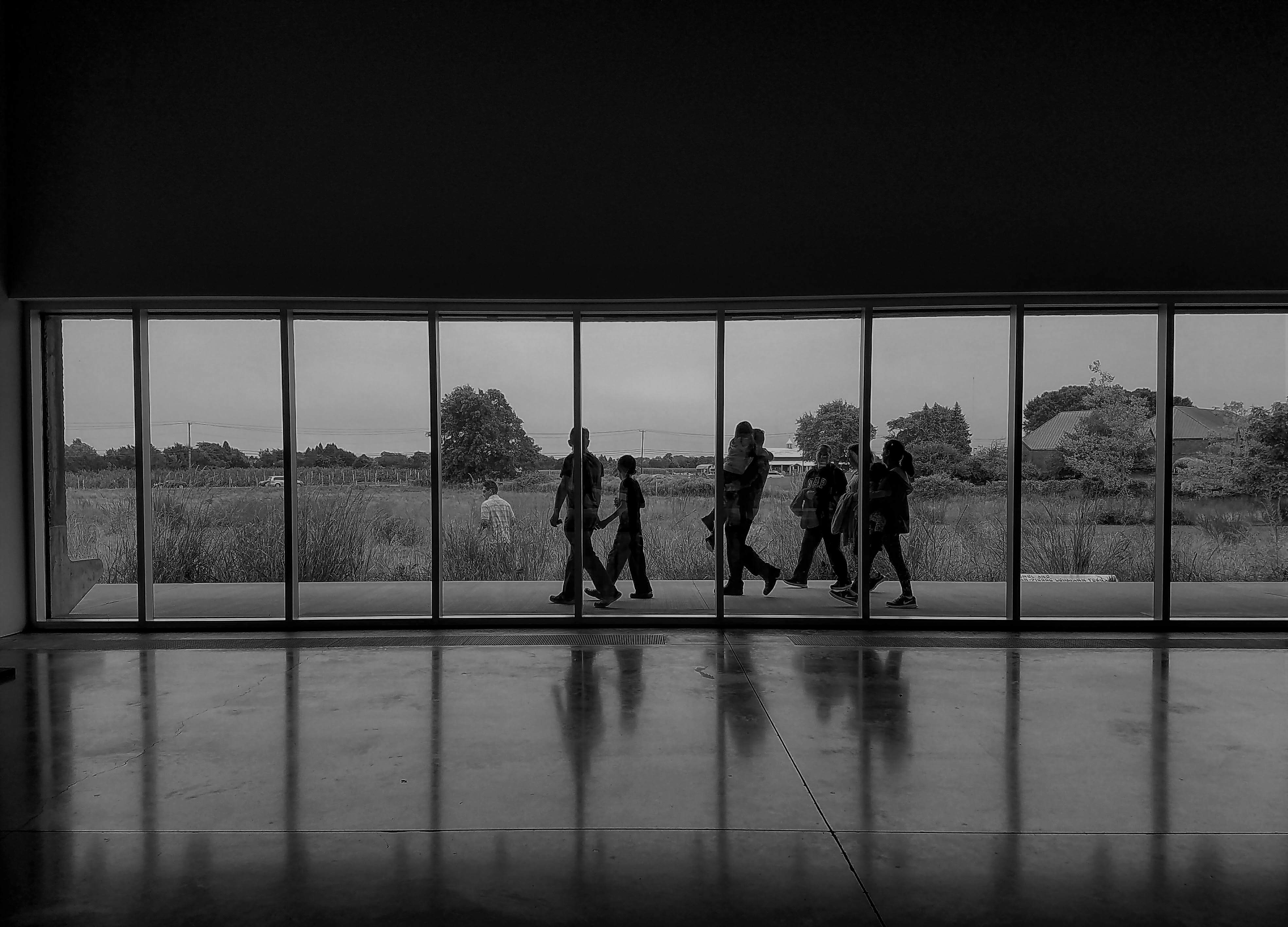

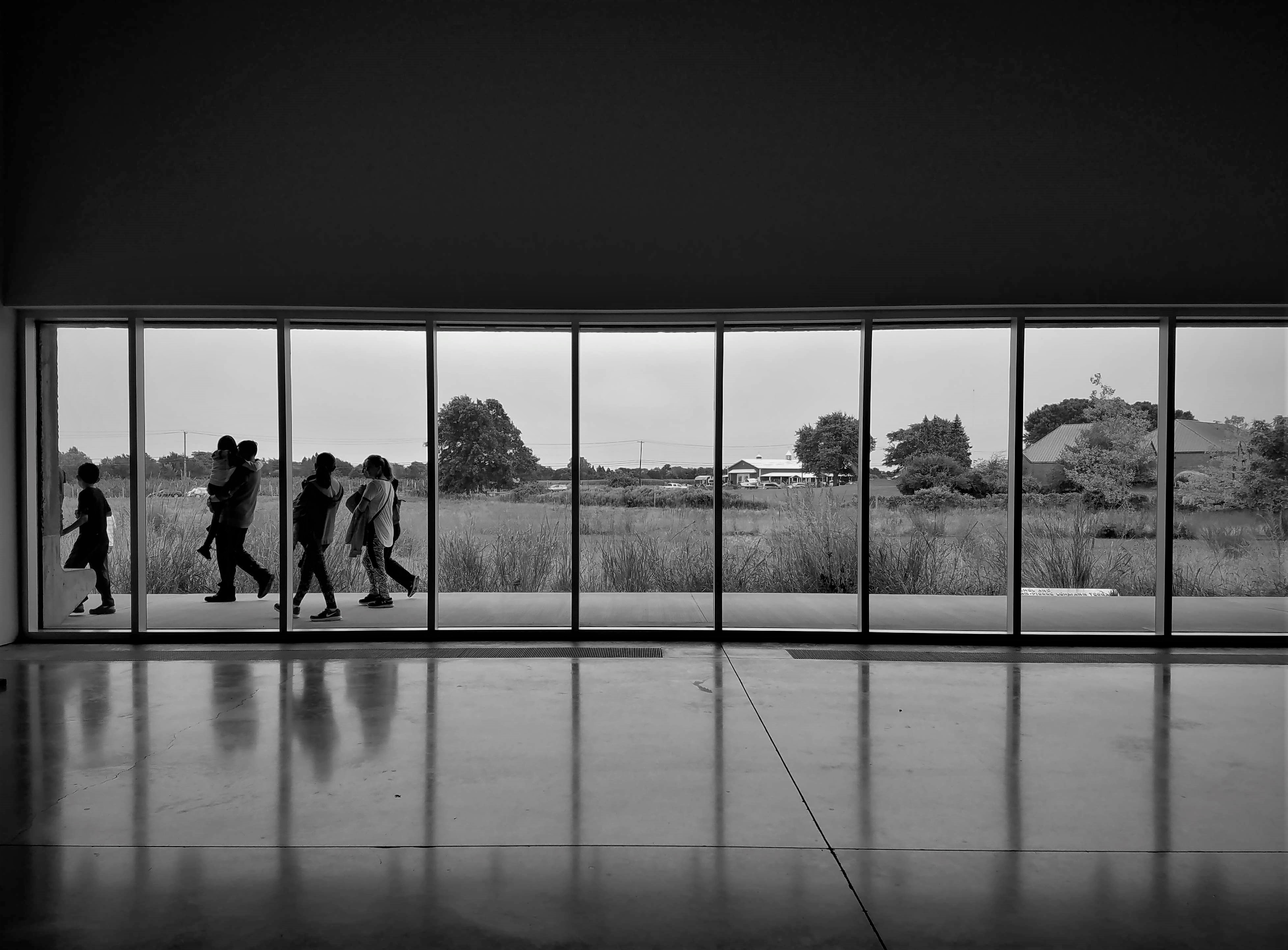

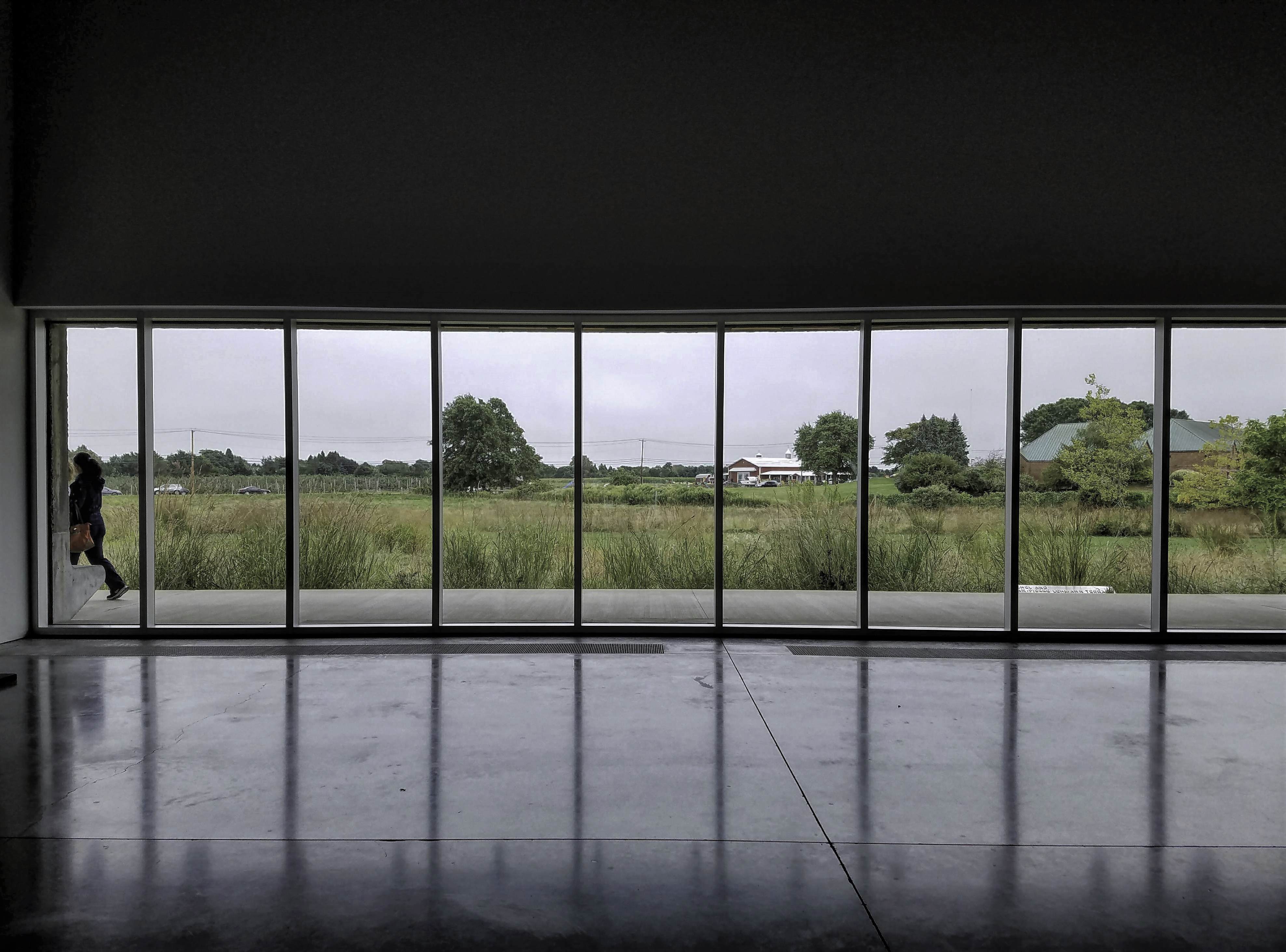

 The blue screens on the external walls seen from a distance, are Clifford Ross’, Digital Wave, 2017, video on 2 LED walls. Another version, from 2105, was installed in the interior lobby:
September 3rd, 2017
Parrish Art Museum
Water Mill, Long Island
cool, white fluorescent light
utility vs art
perceptually clear vs conceptually blurred

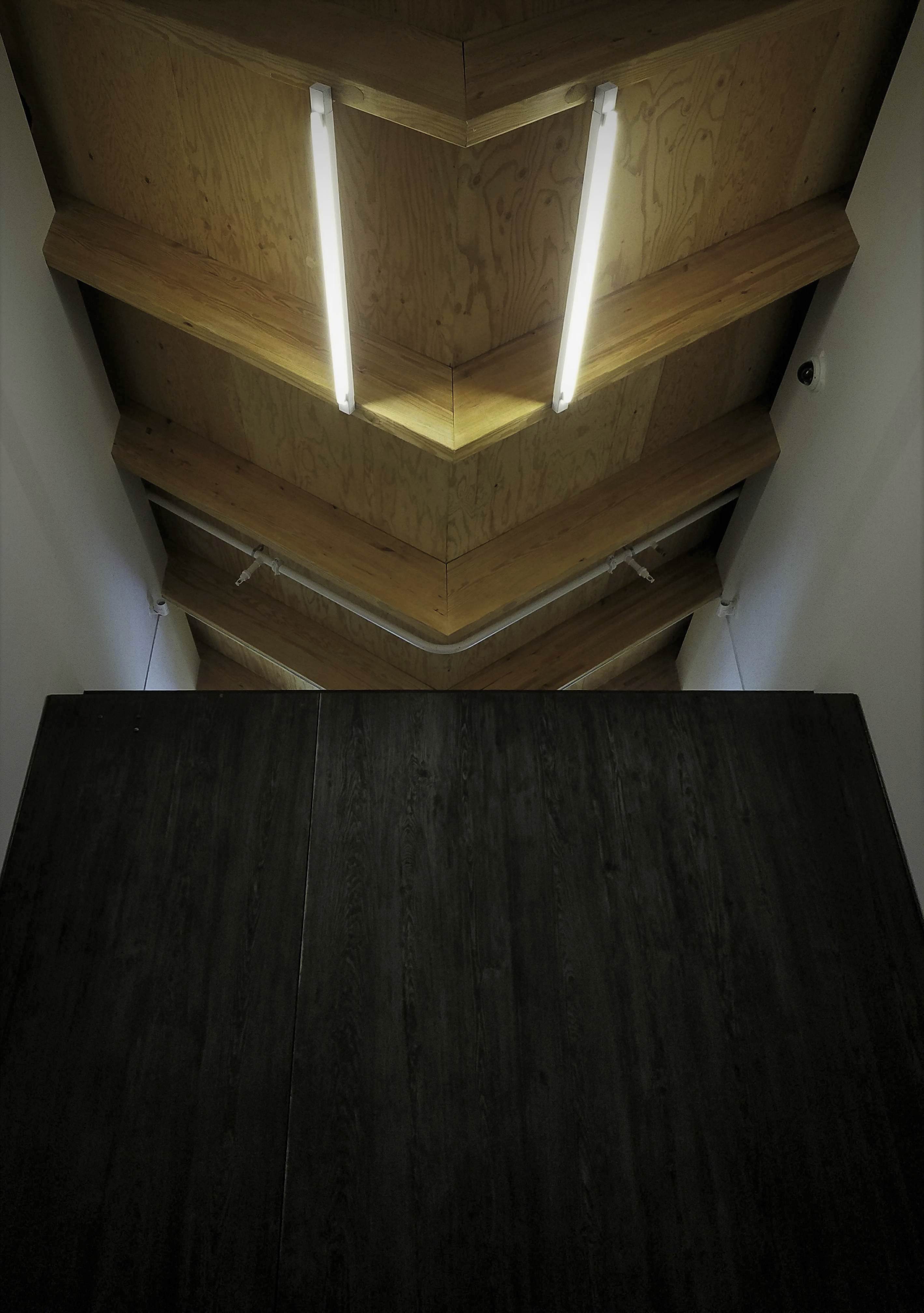
 Dan Flavin (1933-1996),
the nominal three (to William of Ockham), 1963
Parrish Art Museum
Water Mill, Long Island
The painting,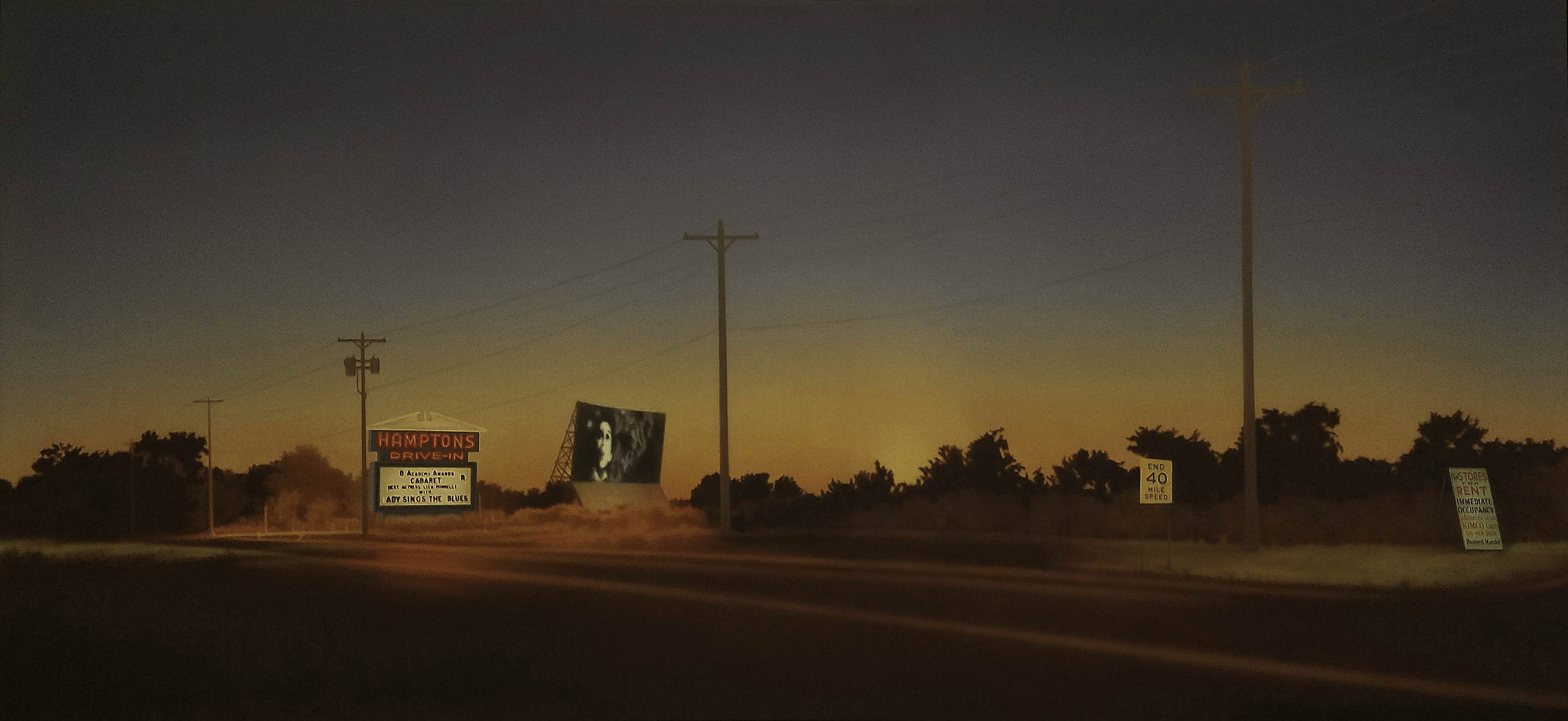
 Howard Kanovitz (1938 – 2009)
Hamptons Drive-In, 1974
Acrylic on canvas
and the film of how it came to be. Because, in Mr. Kanovitz’ words ”if you’re gonna paint a picture, first you gotta take the picture”.
From The Parrish Art Museum Collection
September 3rd, 2017
The closer you look, the harder it is to believe that these photos are actually paintings. Richard McLean (1934-2014)
Western Tableau with Rhodesian Ridgeback (Trails West), 1993
Oil on linen
 Richard McLean (1934-2014)
(Detail) Western Tableau with Rhodesian Ridgeback (Trails West), 1993
Oil on linen
 Charles Bell (1935-1995)
Troupe, 1983
Oil on canvas
 Ralph Goings (1928-2016)
Miss Albany Diner, 1993
Oil on canvas
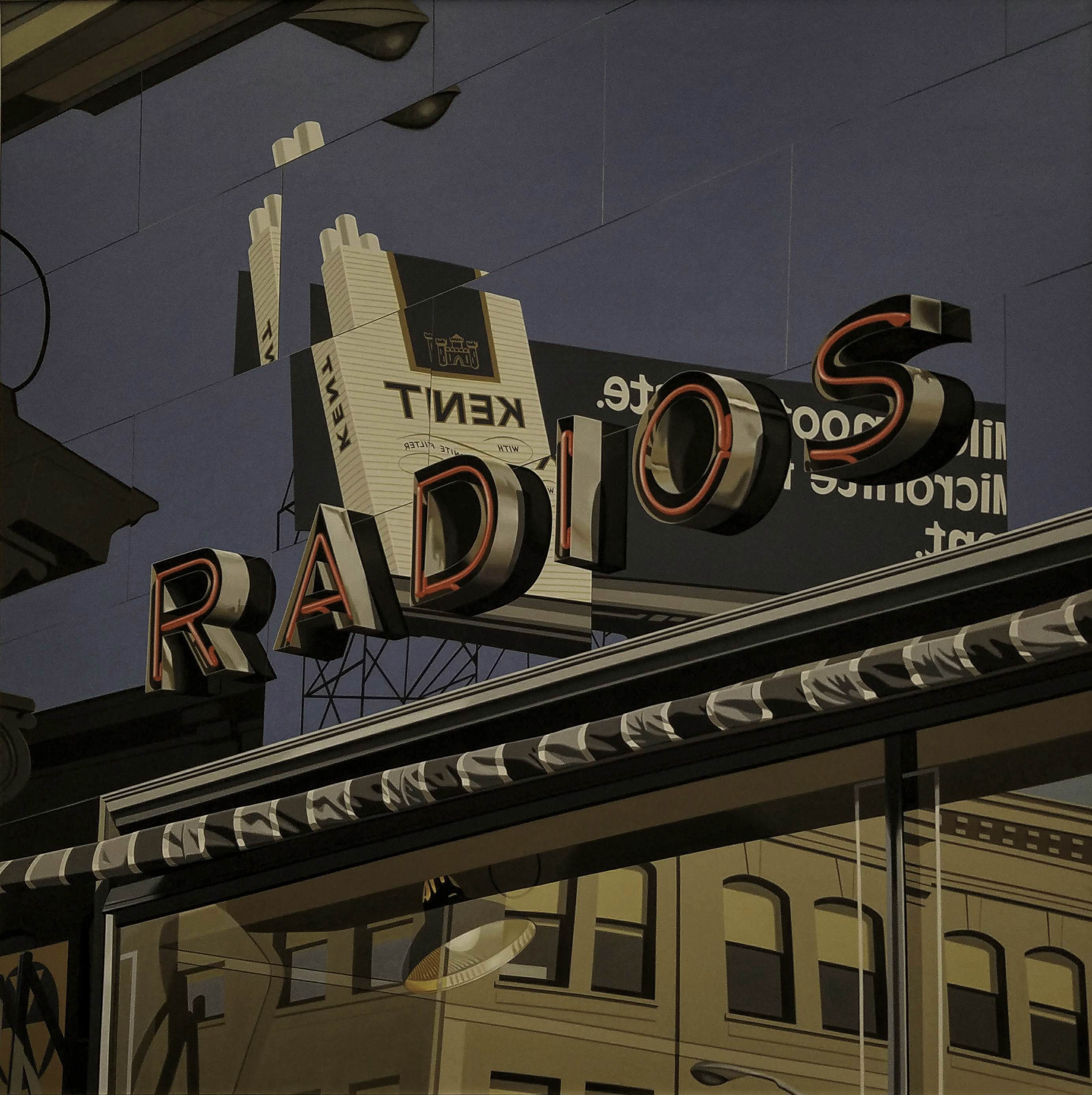 Robert Cottingham (b. 1935)
Radios, 1977
Oil on linen
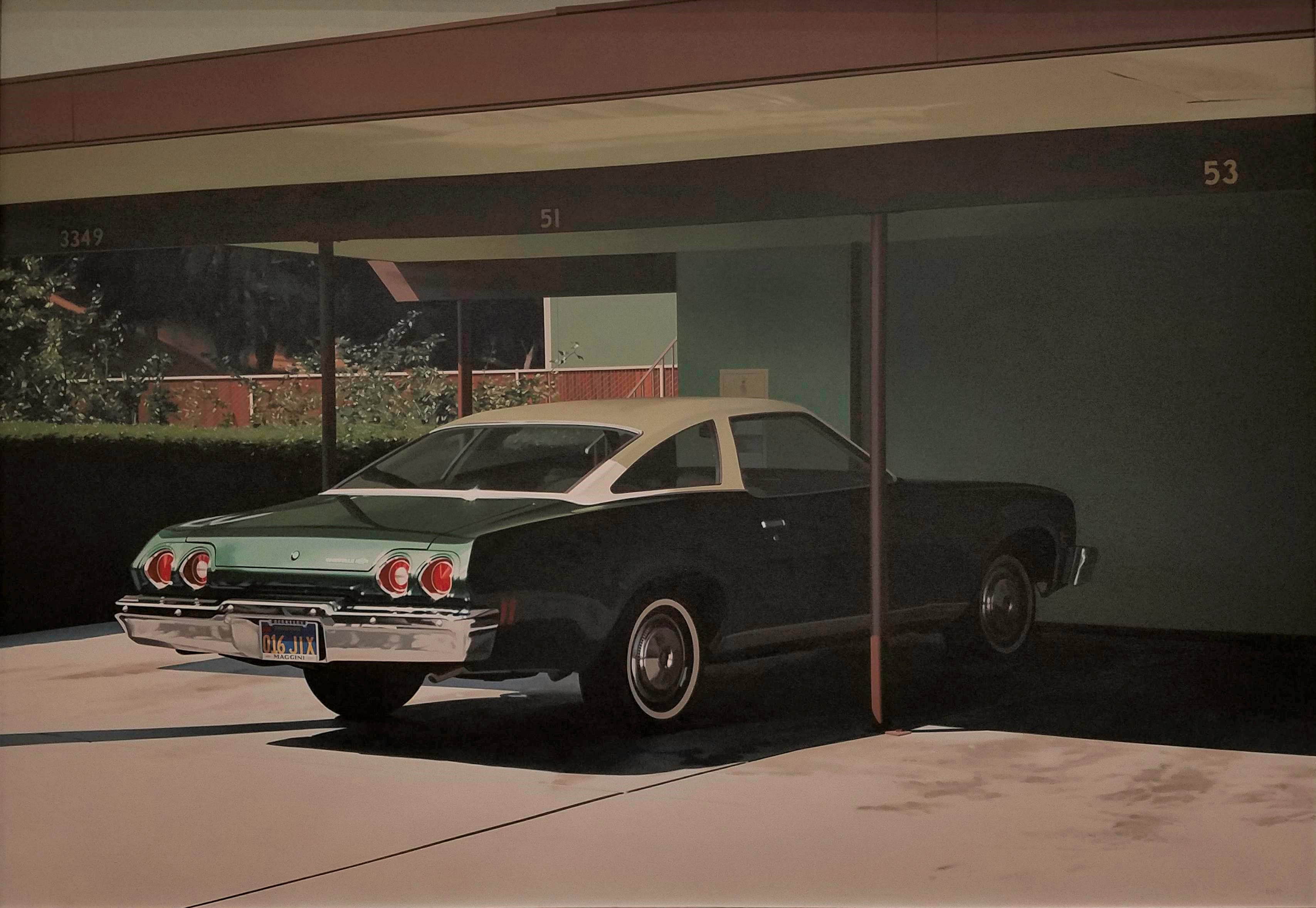 Robert Bechtle (b. 1932)
’73 Malibu, 1974
Oil on canvas
 John Kacere (1920-1999)
Untitled, 1974
Watercolour on paper
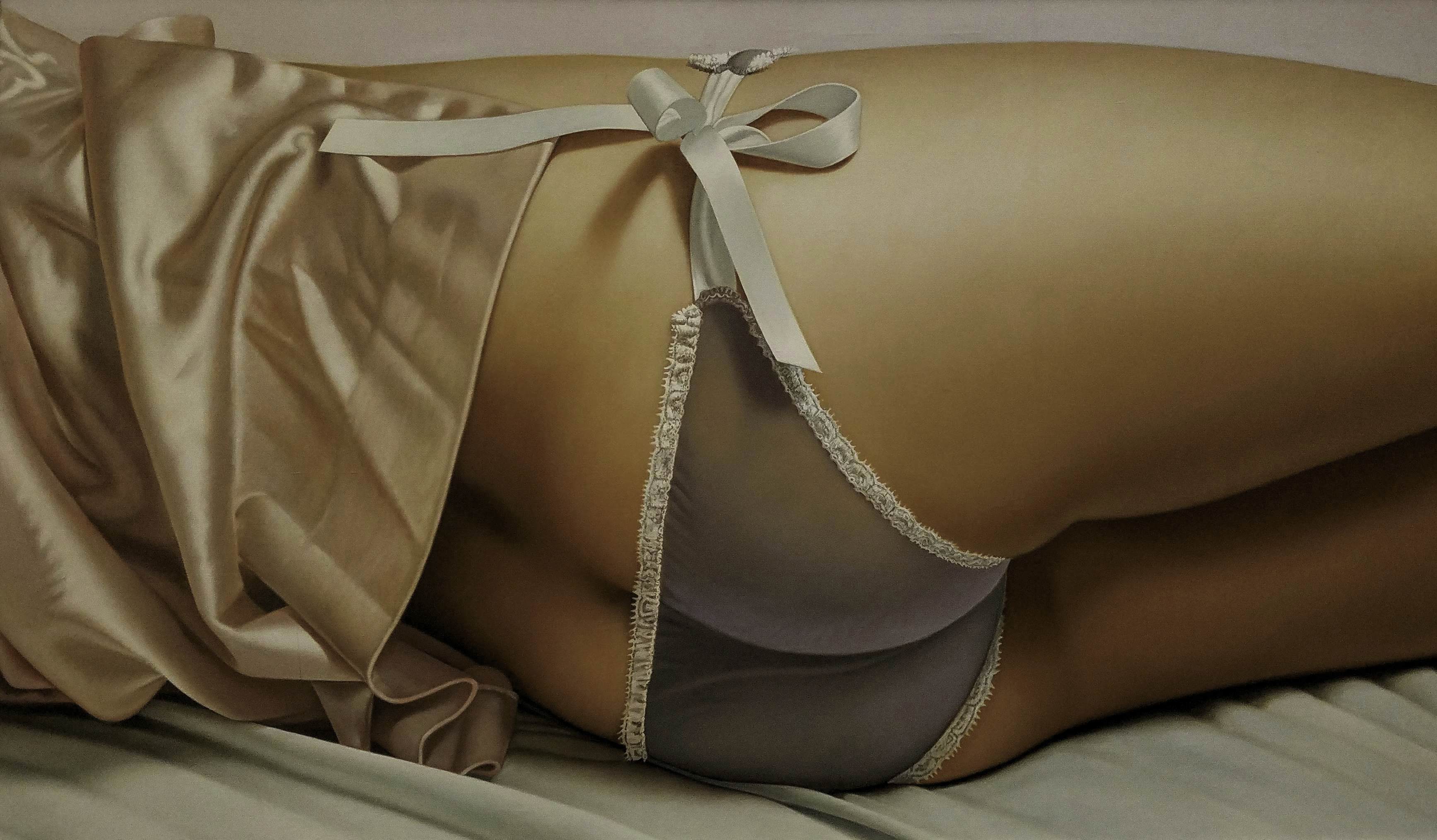 John Kacere (1920-1999)
Reina ’79, 1979
Oil on linen
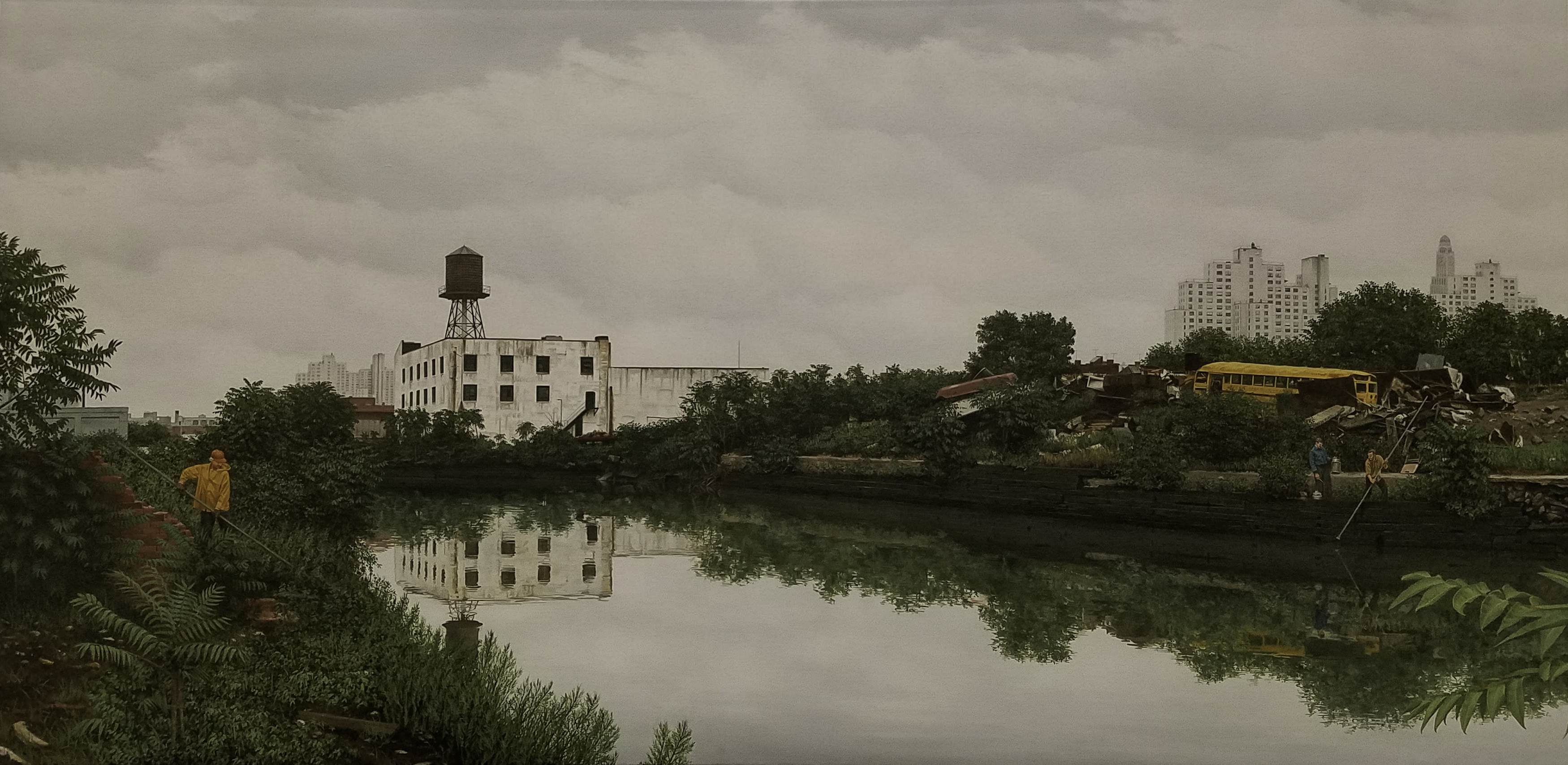 Randy Dudley (b. 1950)
Gowanus Canal from 2nd Street, 1986
Oil on canvas
 Davis Cone (b. 1950)
State-Autumn Evening, 2002
Acrylic on canvas
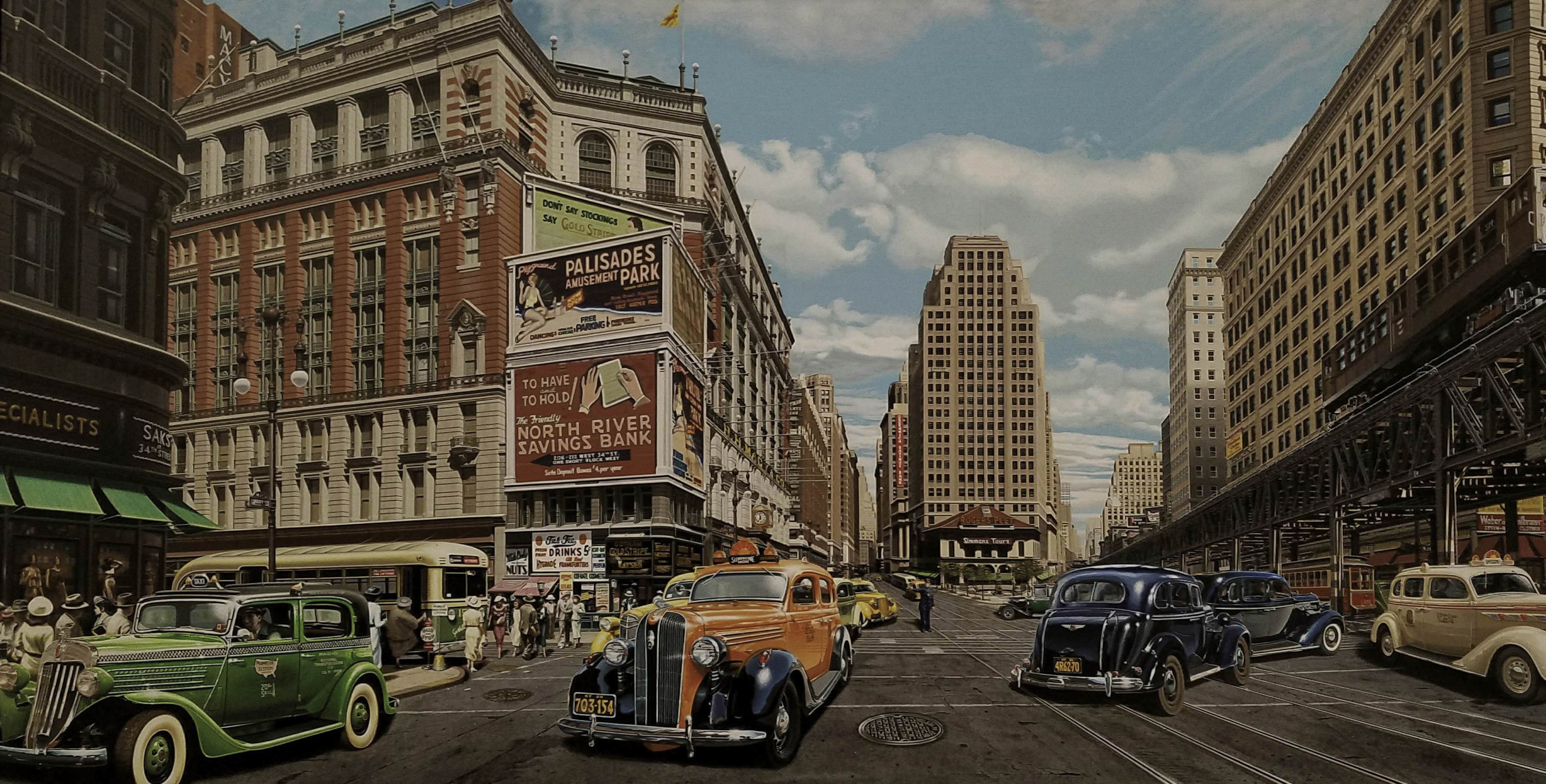 Don Jacot (b. 1949)
Herald Square, 1936 (After Berenice Abbott), 2013
Oil on linen
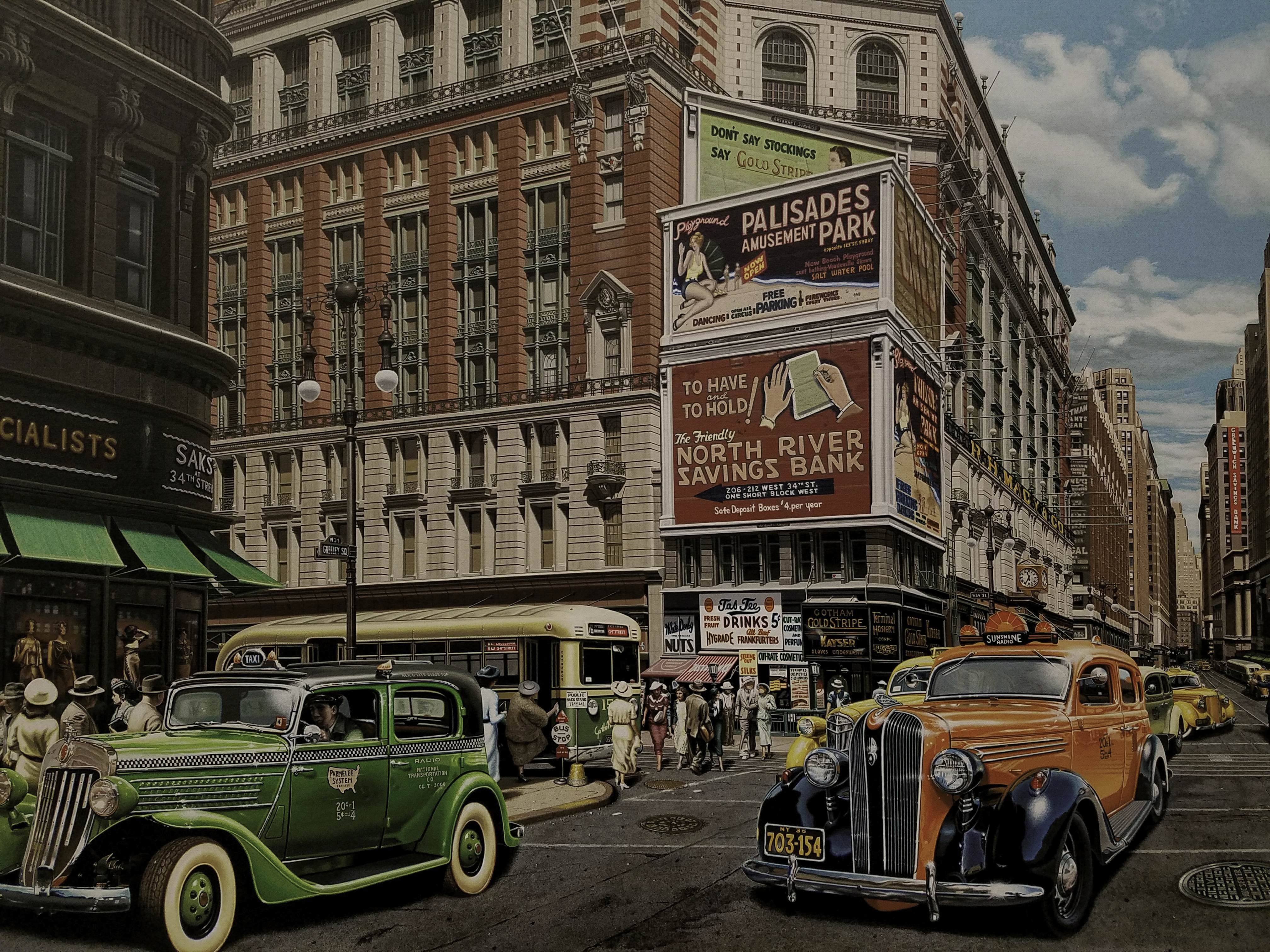
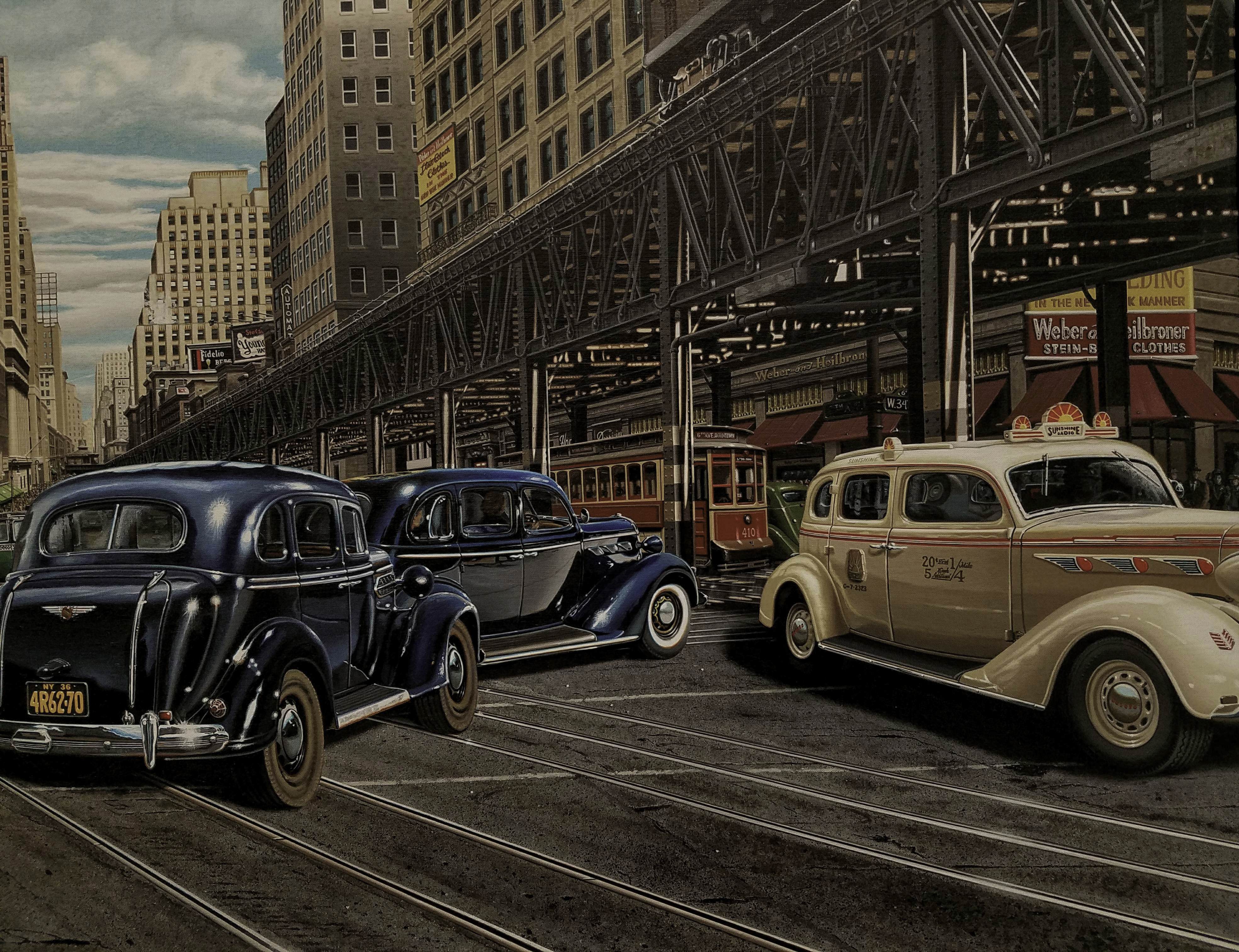 Don Jacot (b. 1949)
(Detail) Herald Square, 1936 (After Berenice Abbott), 2013
Oil on linen
From Lens to Eye to Hand, Photorealism 1969 to Today, was an exhibition that took a fresh look at this contemporary art movement that found its roots in the mid-1960s in New York and California, evolving from the then dominant movements, Abstract Expressionism, Pop art and Minimalism. And, while Photorealism reached its height in the ’70s, there are some magnificent works proving that the movement continues today.
Parrish Art Museum
Water Mill, Long Island
September 3rd, 2017
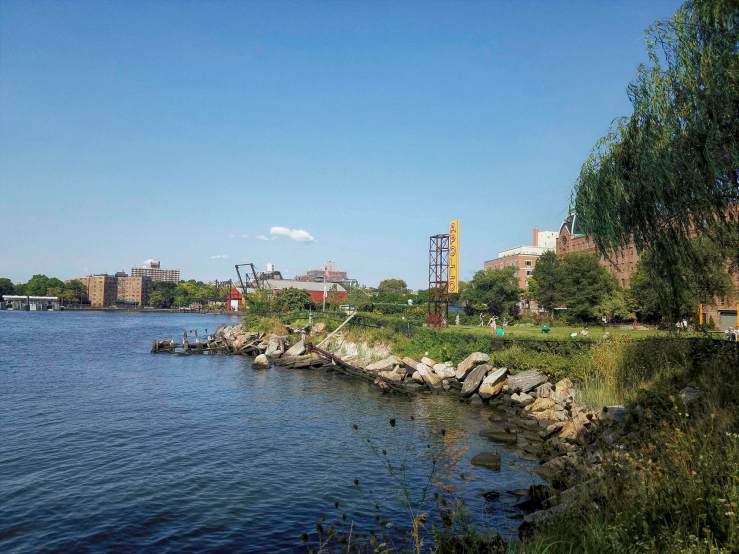
Reading about how the local community took the initiative to save this abandoned space, between Long Island City and Astoria, by converting it into a sculpture park – and being the first to applaud such creative initiatives, I thought I owed it to myself to take a closer look, not least because it is named after Socrates (470-399 B.C.), the great Greek philosopher, which is not surprising considering New York’s largest Greek community is in Astoria.
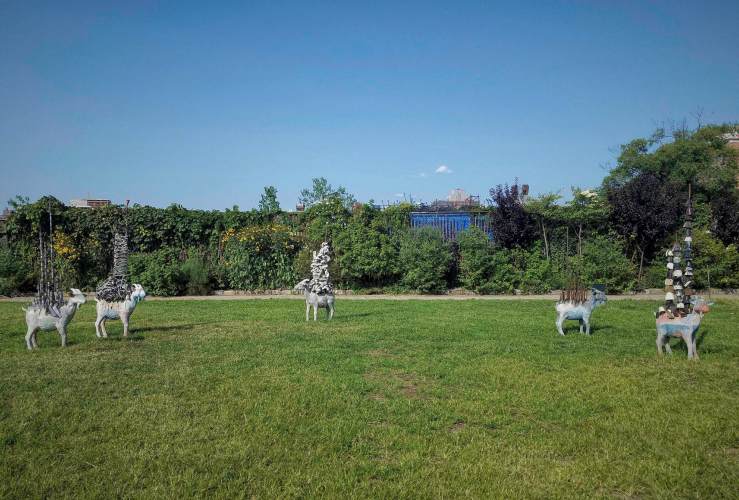
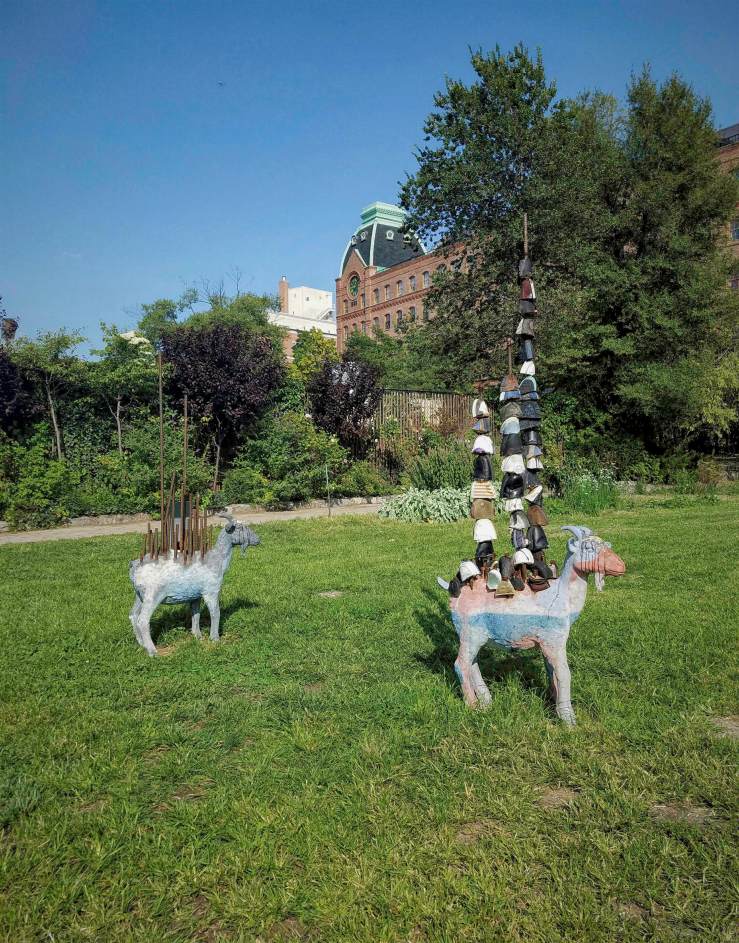
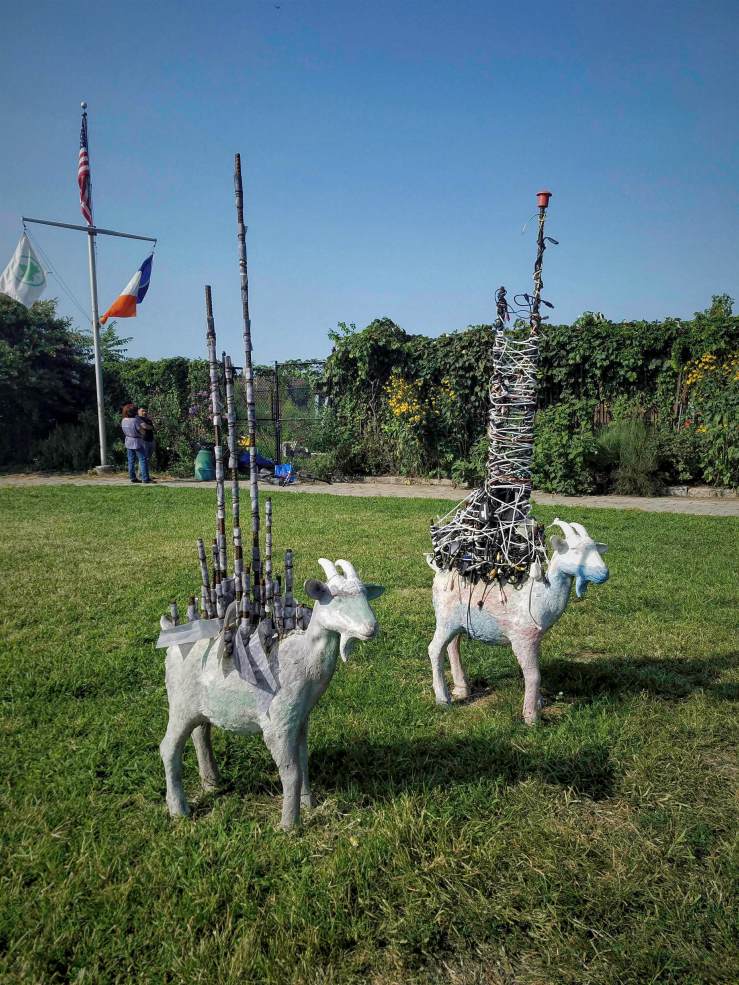
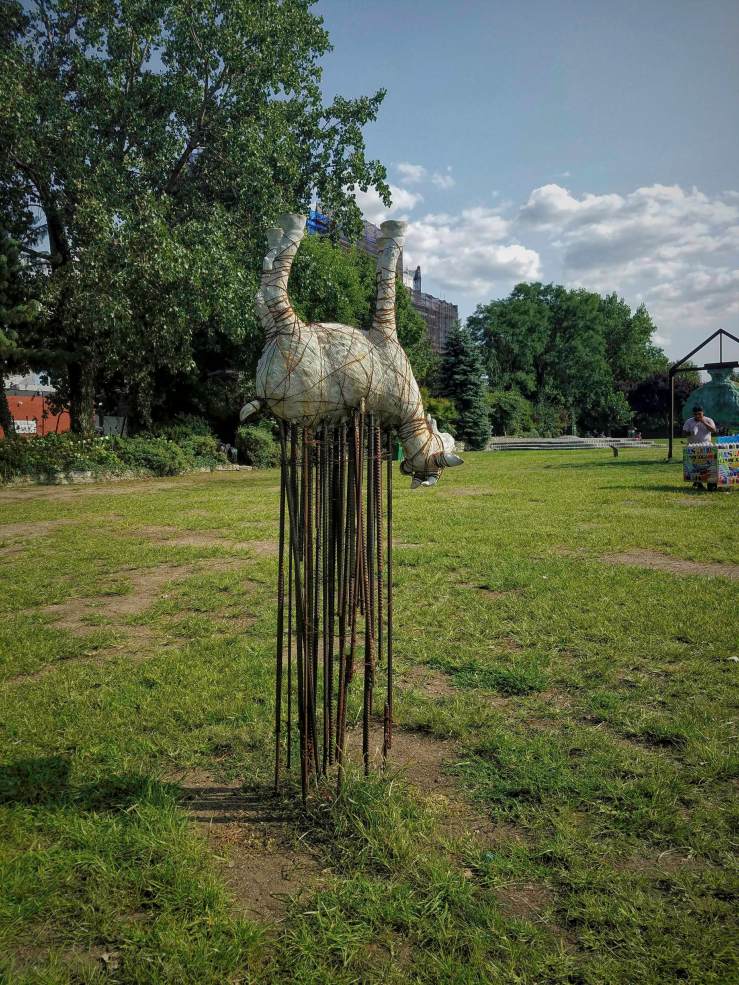
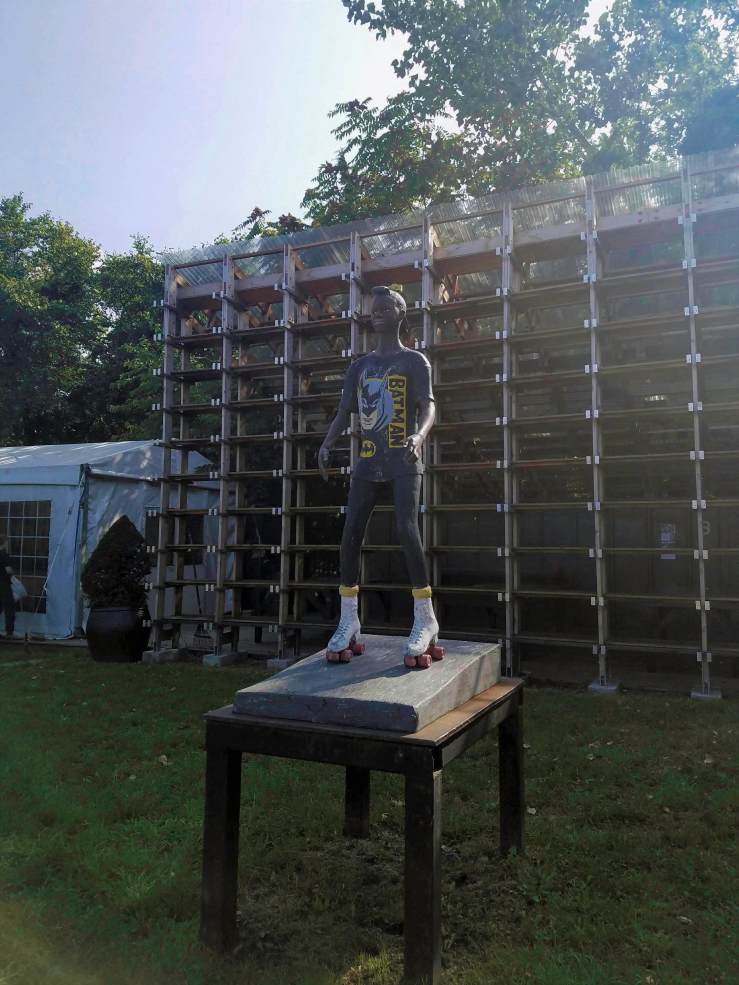
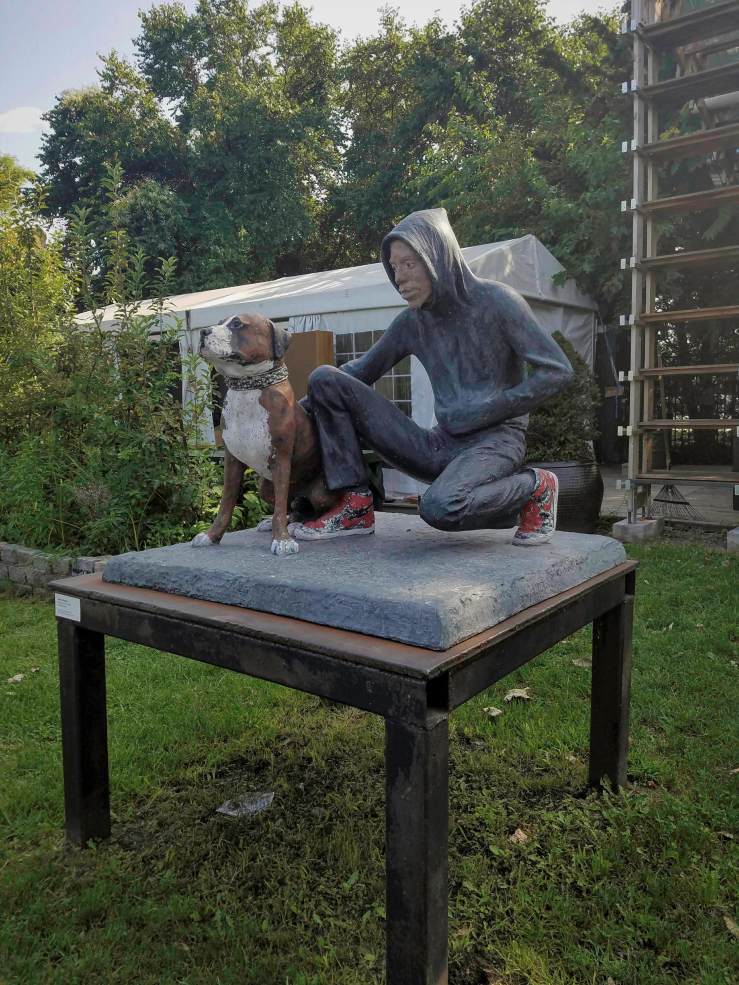
The exhibition on view those days was Nari Ward: G.O.A.T., again, G.O.A.T. being an acronym for Greatest of All Time, a phrase commonly used in American sports. The exhibition examined ‘‘how hubris creates misplaced expectations in American cultural politics. This exhibition also brought new insight into the artist’s exploration of identity, social progress, the urban environment, and group belonging.”
While it was difficult for me to grasp the higher meaning behind the flock of goats carrying stuff on their backs, I found the artist’s explanation ”… articulation of social dynamics, conjuring the animal’s attributes and symbolic connotations, from an ambitious climber of great heights to an outcast” equally puzzling.
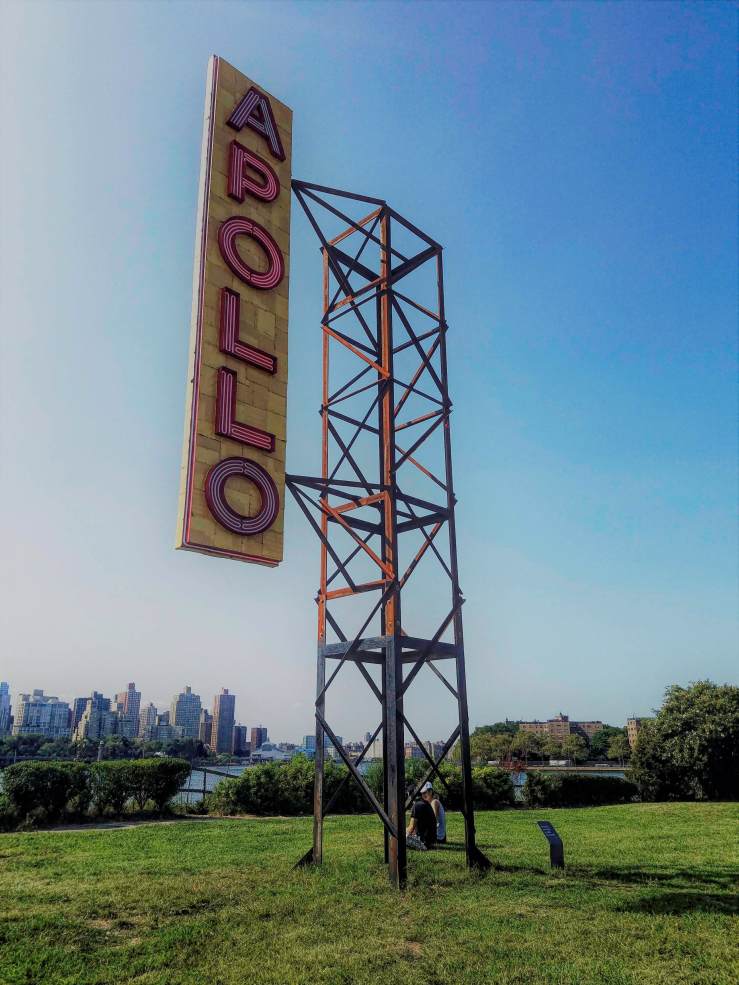
On the other hand, the Apollo/Poll sign, that read ‘APOLLO’, the letters ‘A’ and ‘O’ blinking on and off to spell out “POLL” was easier to interpret even without the help of the artist (but here it is anyway): ”… The size and font of the red LED-lit letters are inspired by those of the iconic neon beacon hanging over Harlem’s Apollo Theater, a renowned venue for African American entertainers. The word ‘POLL’ suggests not only the theater’s well-known amateur night in which the audience decides the winner, but also the democratic election process.”
I wonder what would Socrates have made out of all this…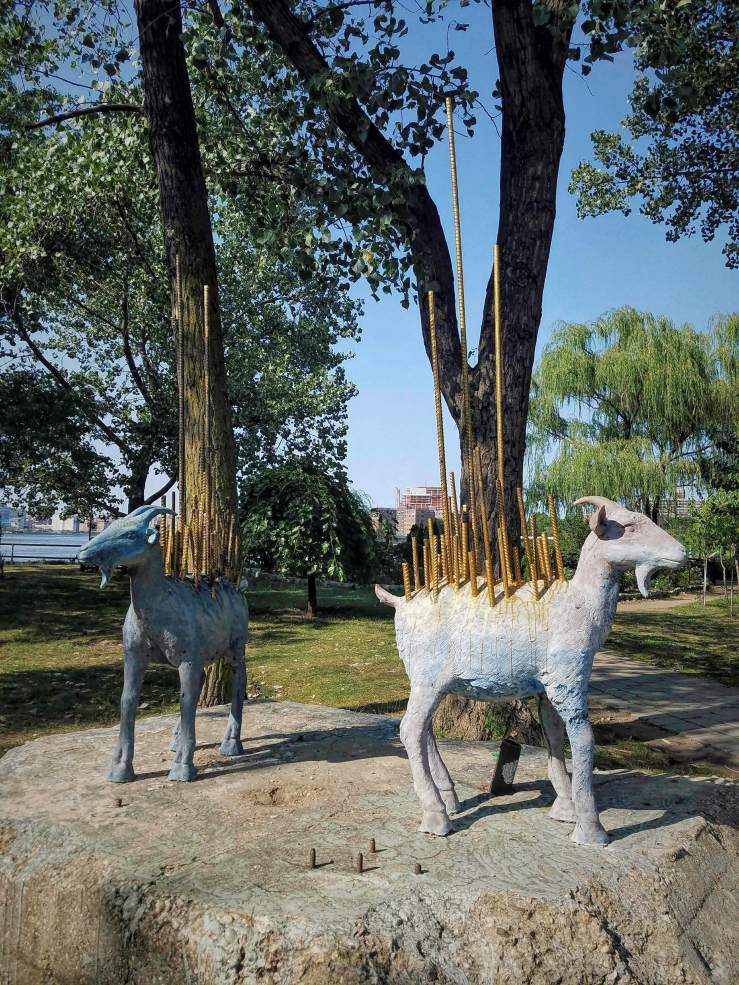
August 26th, 2017
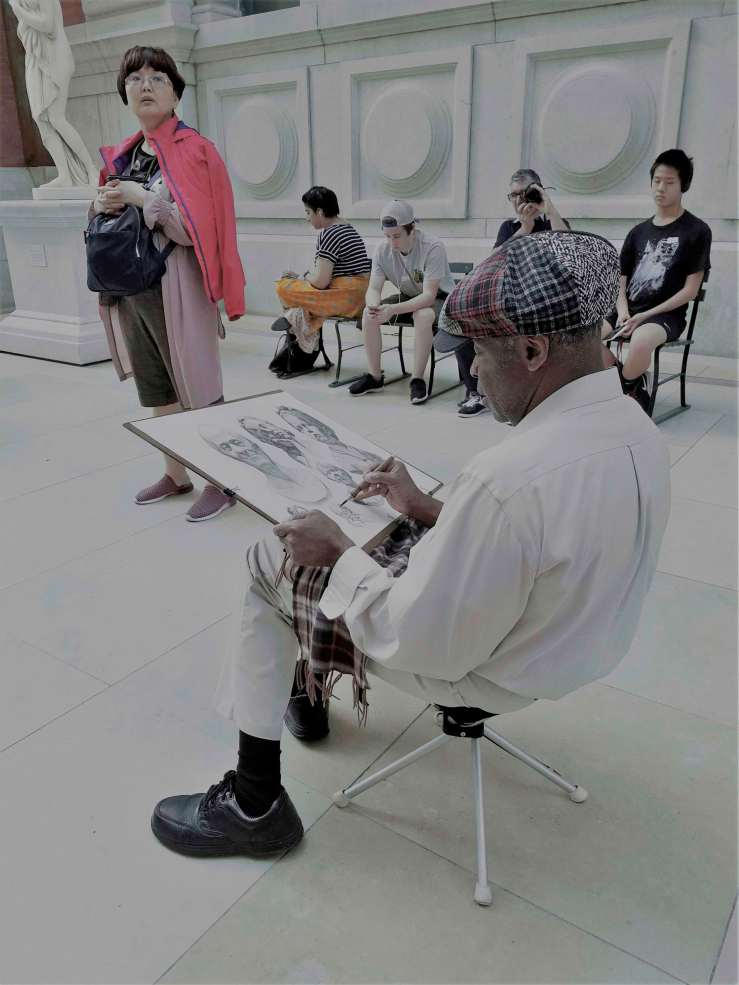
I’ve seen him many times; never wanted to disturb him absorbed as he was in his work. I didn’t know his name or anything else about him so I turned to the Internet for information – and the Internet obliged: his name is Dwight Williams and here is his story, as featured in Humans of New York.
The Metropolitan Museum of Art
5th Avenue
August 6th, 2017
Midsummer acts with a view to Winter Solstice
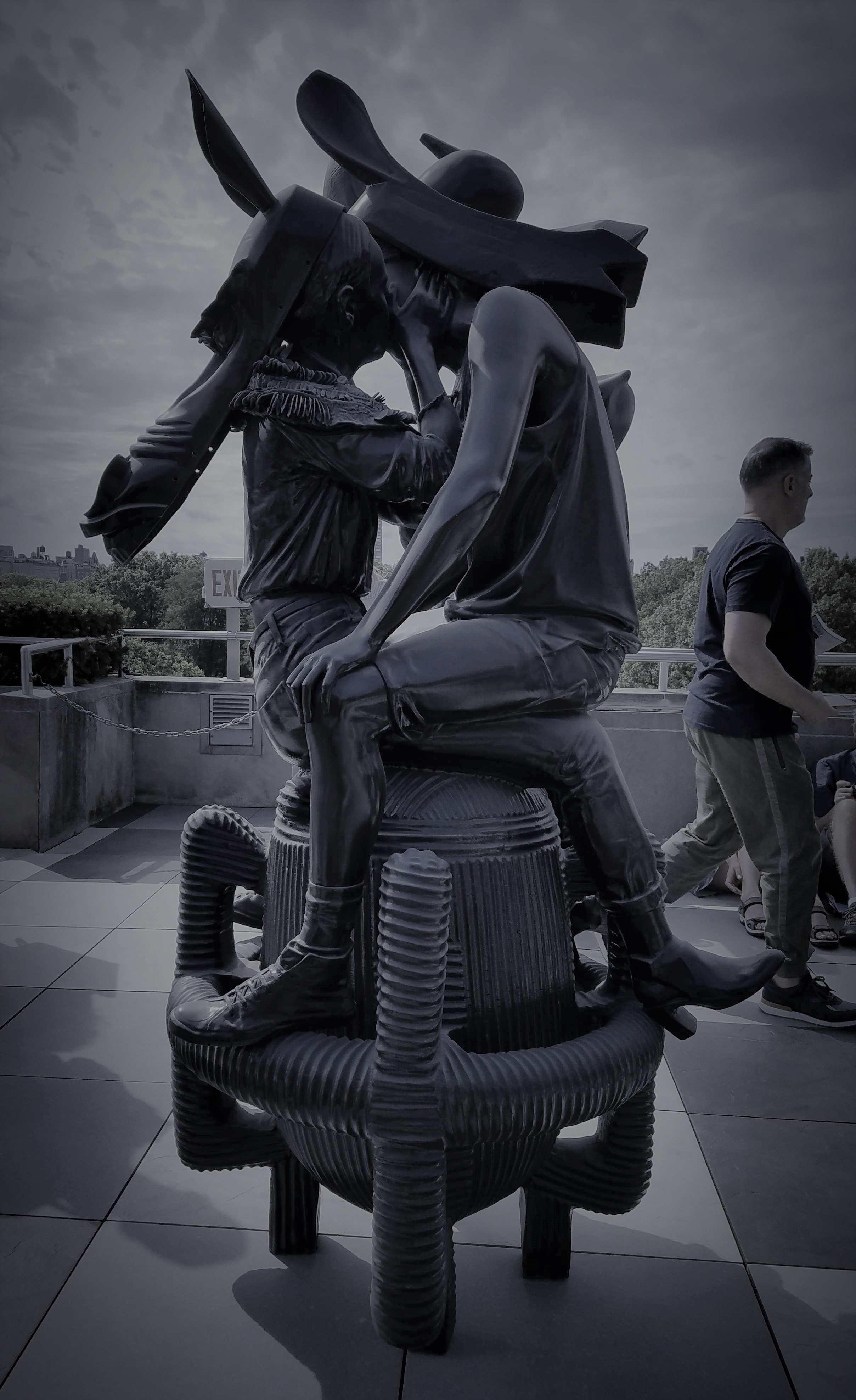
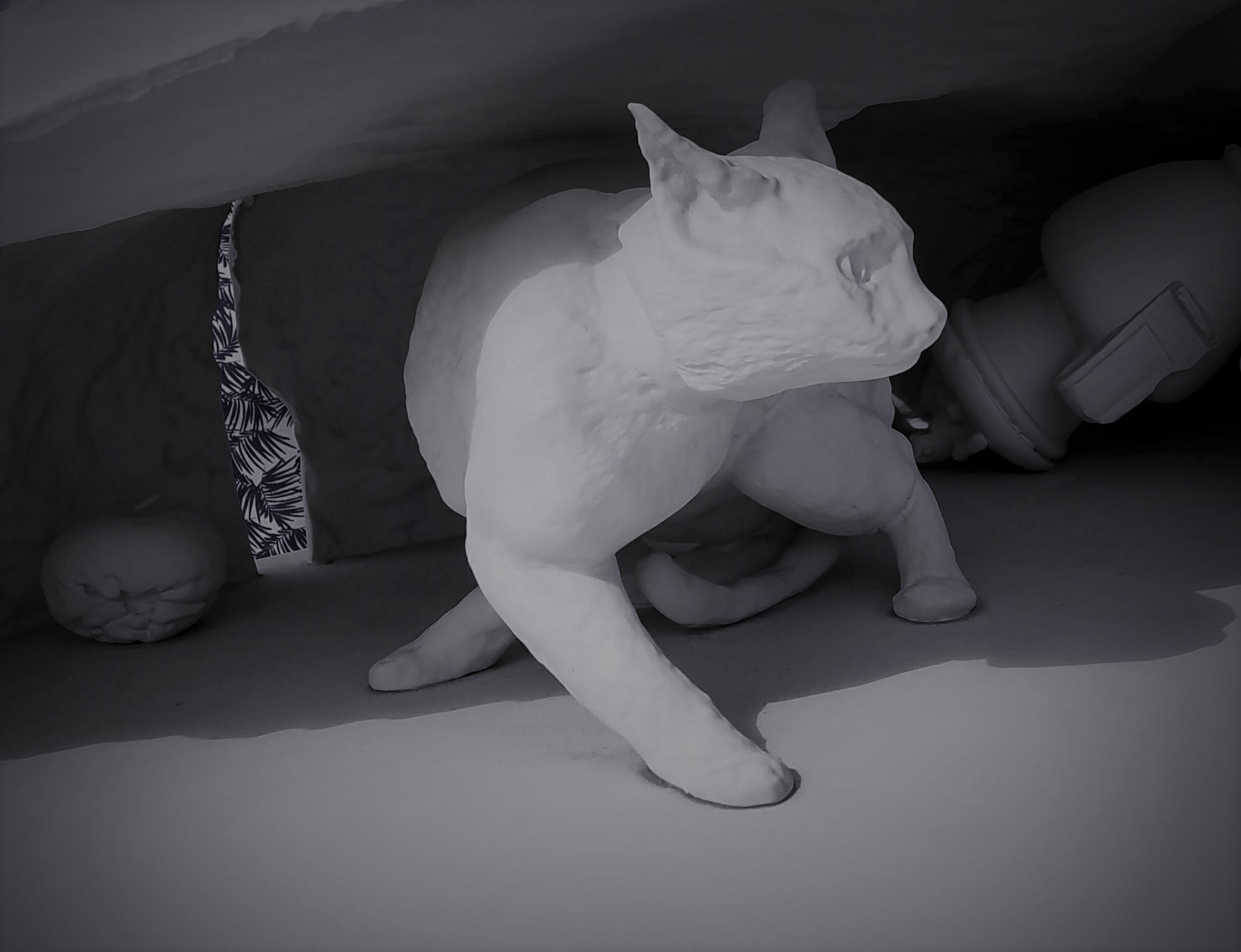
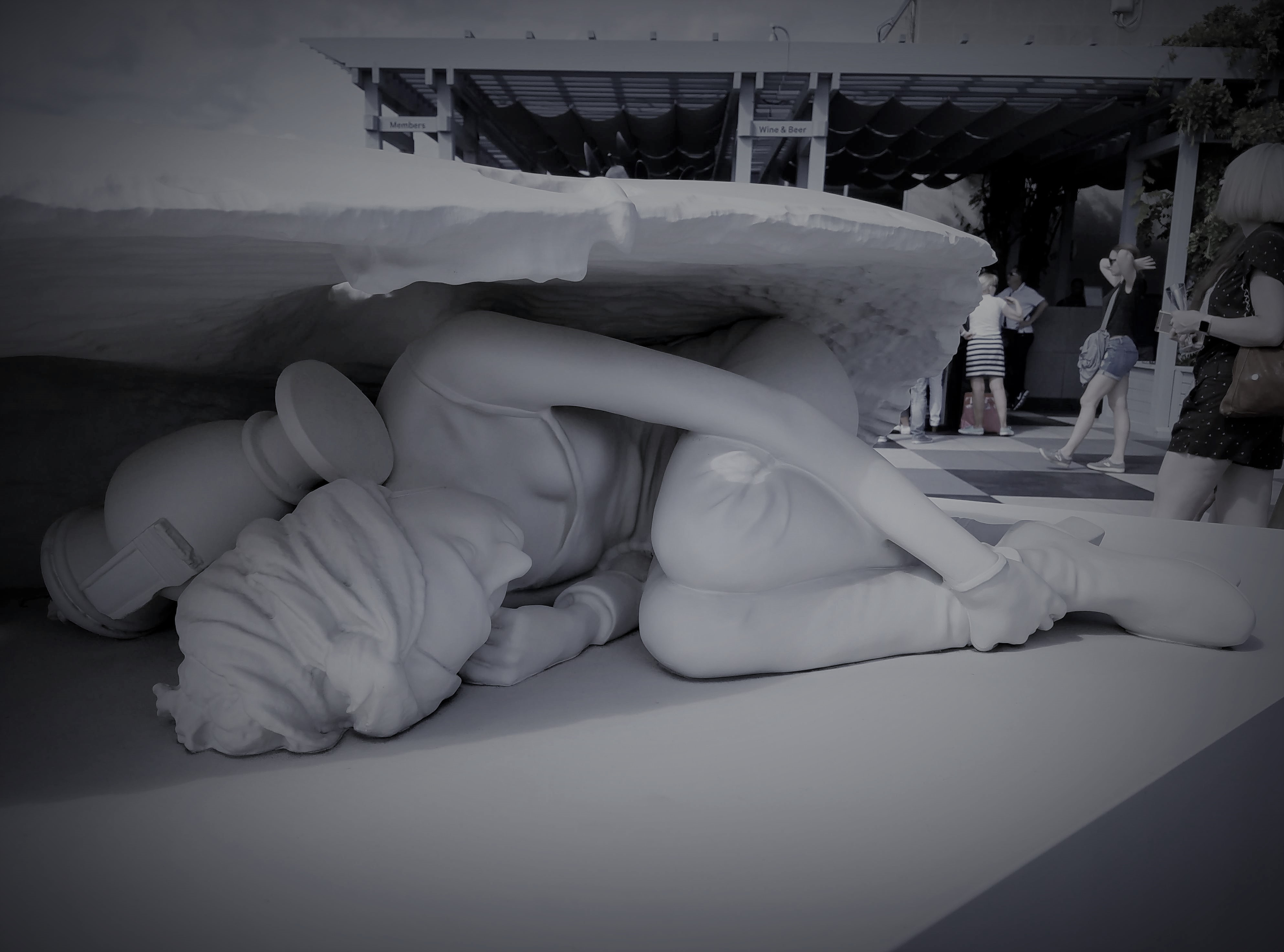
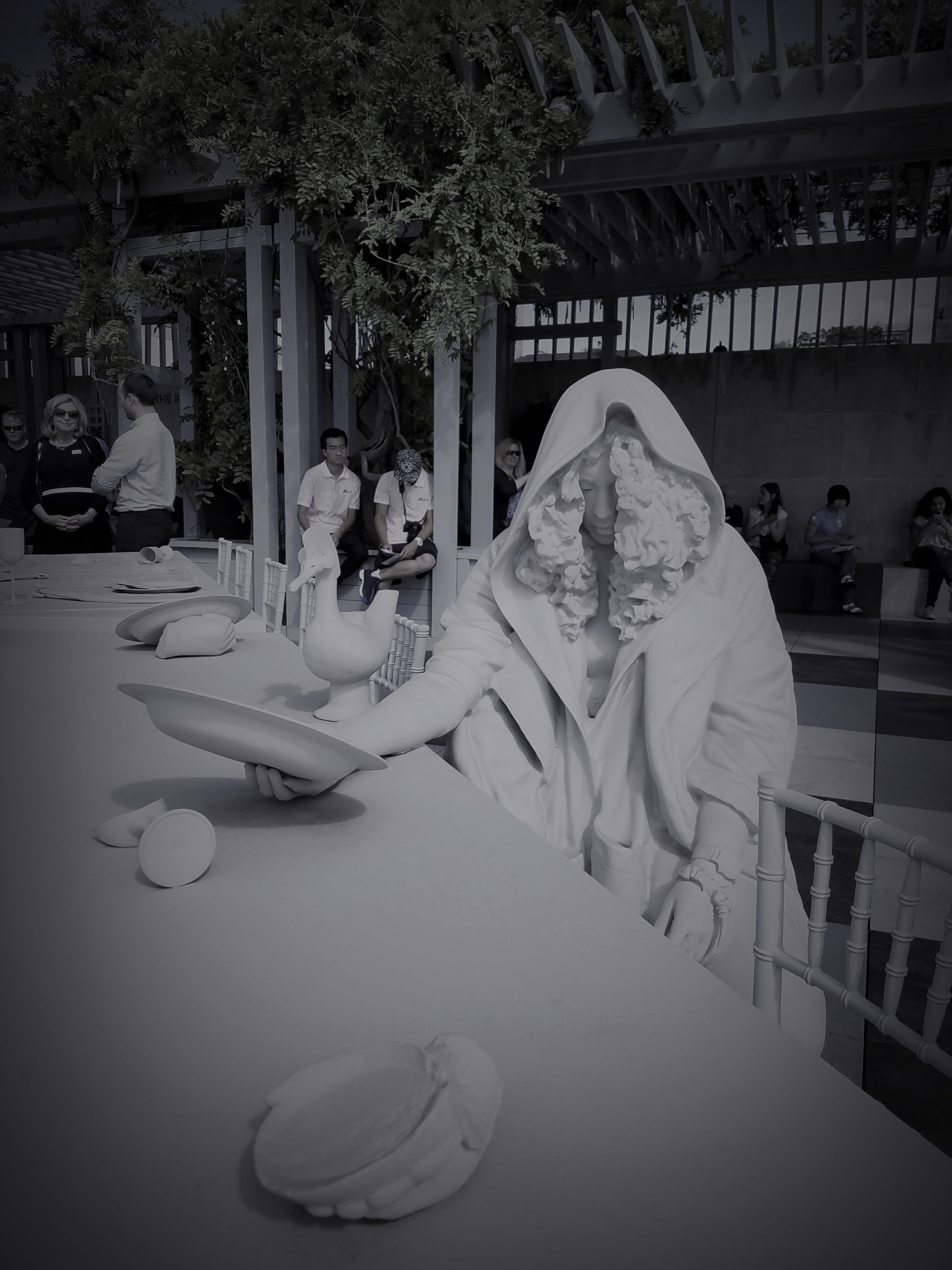
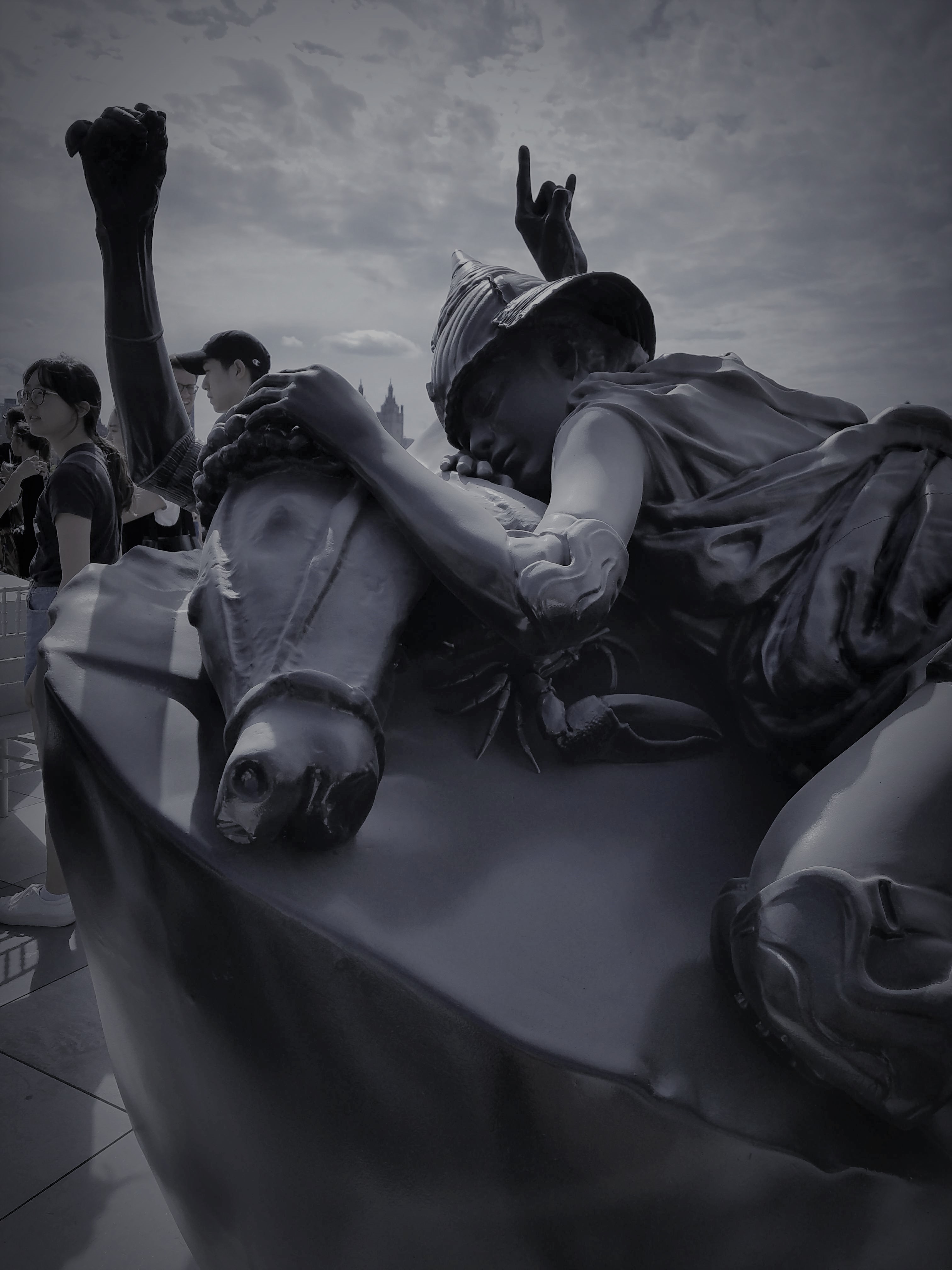
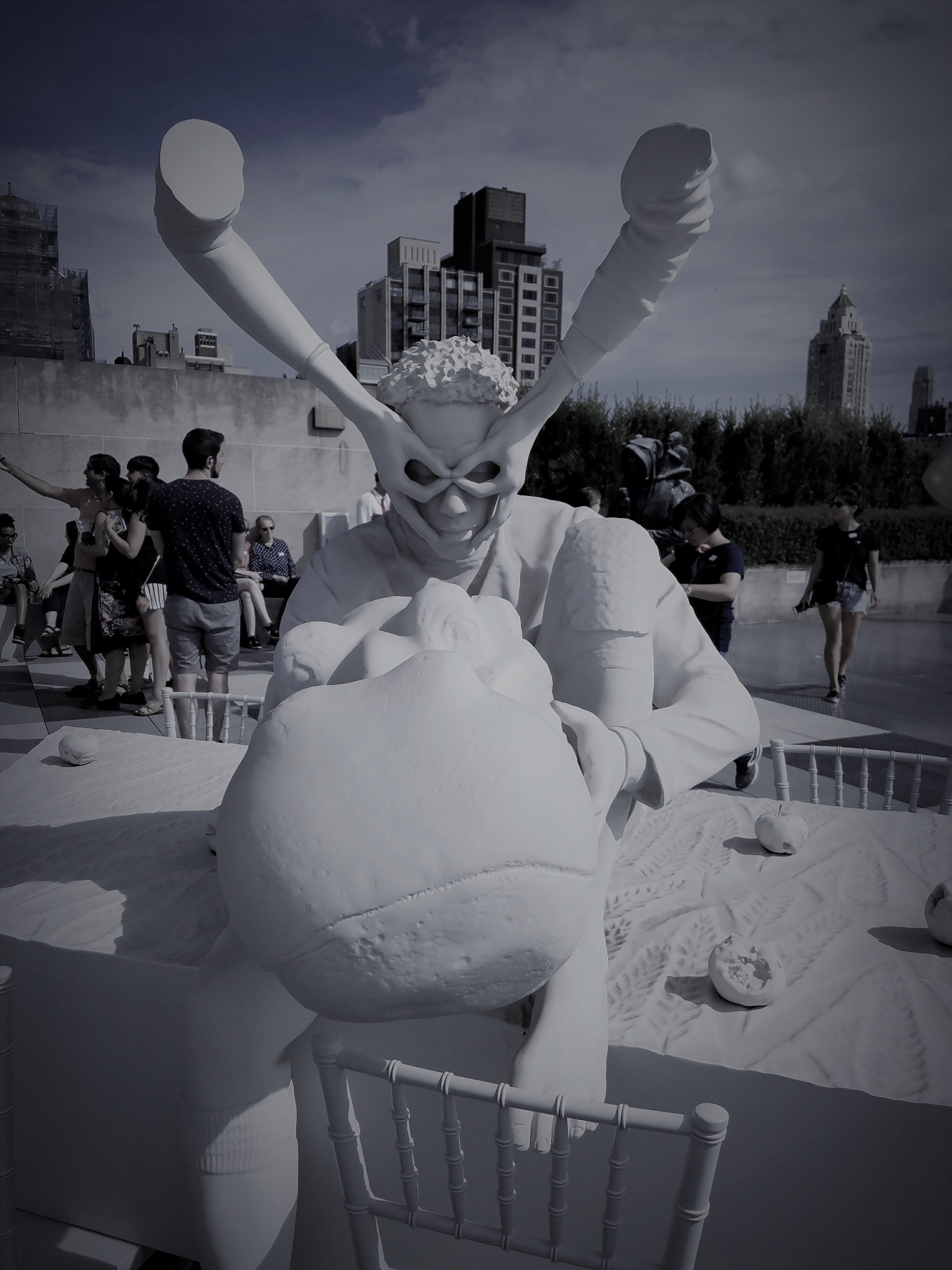
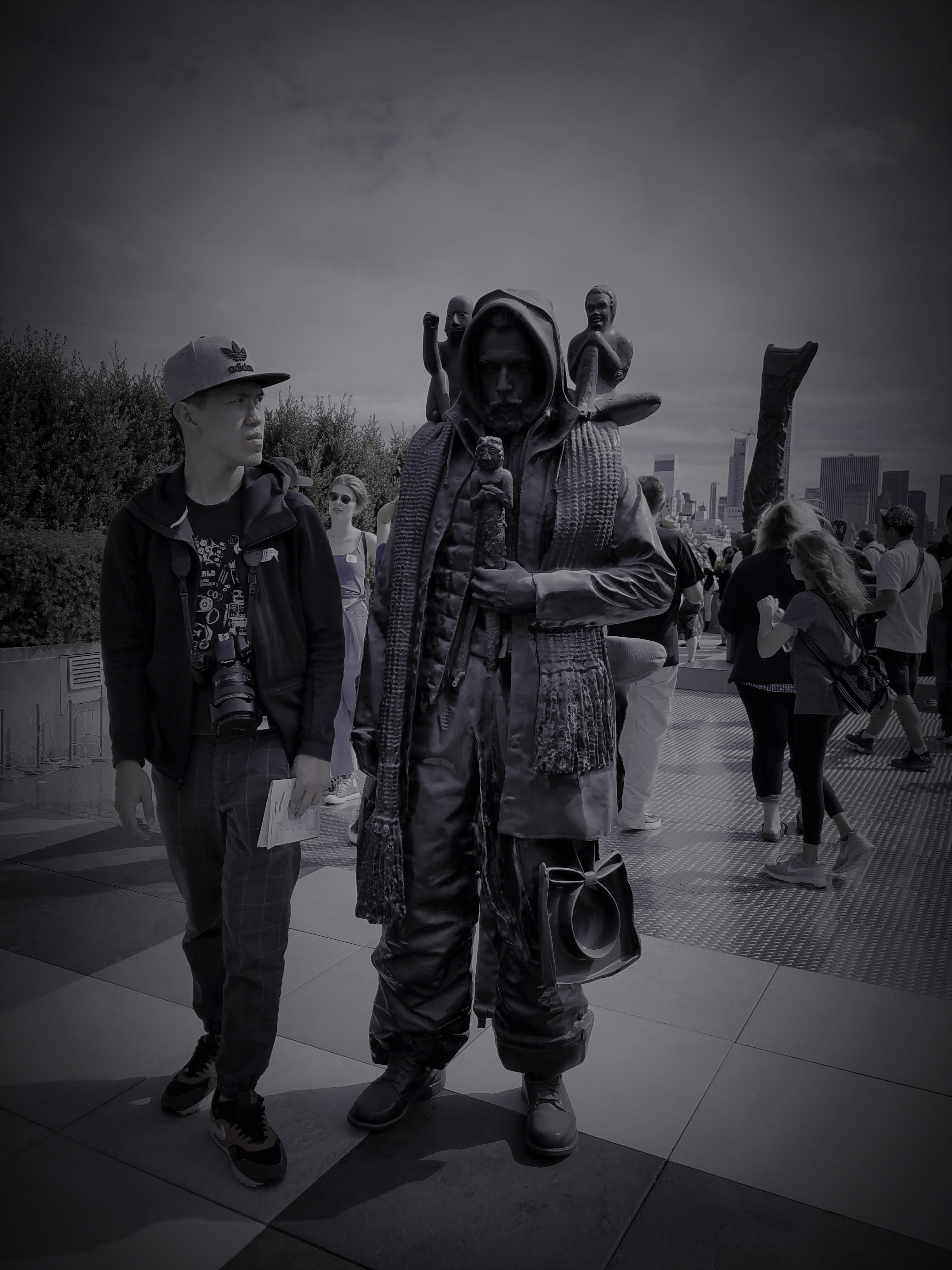
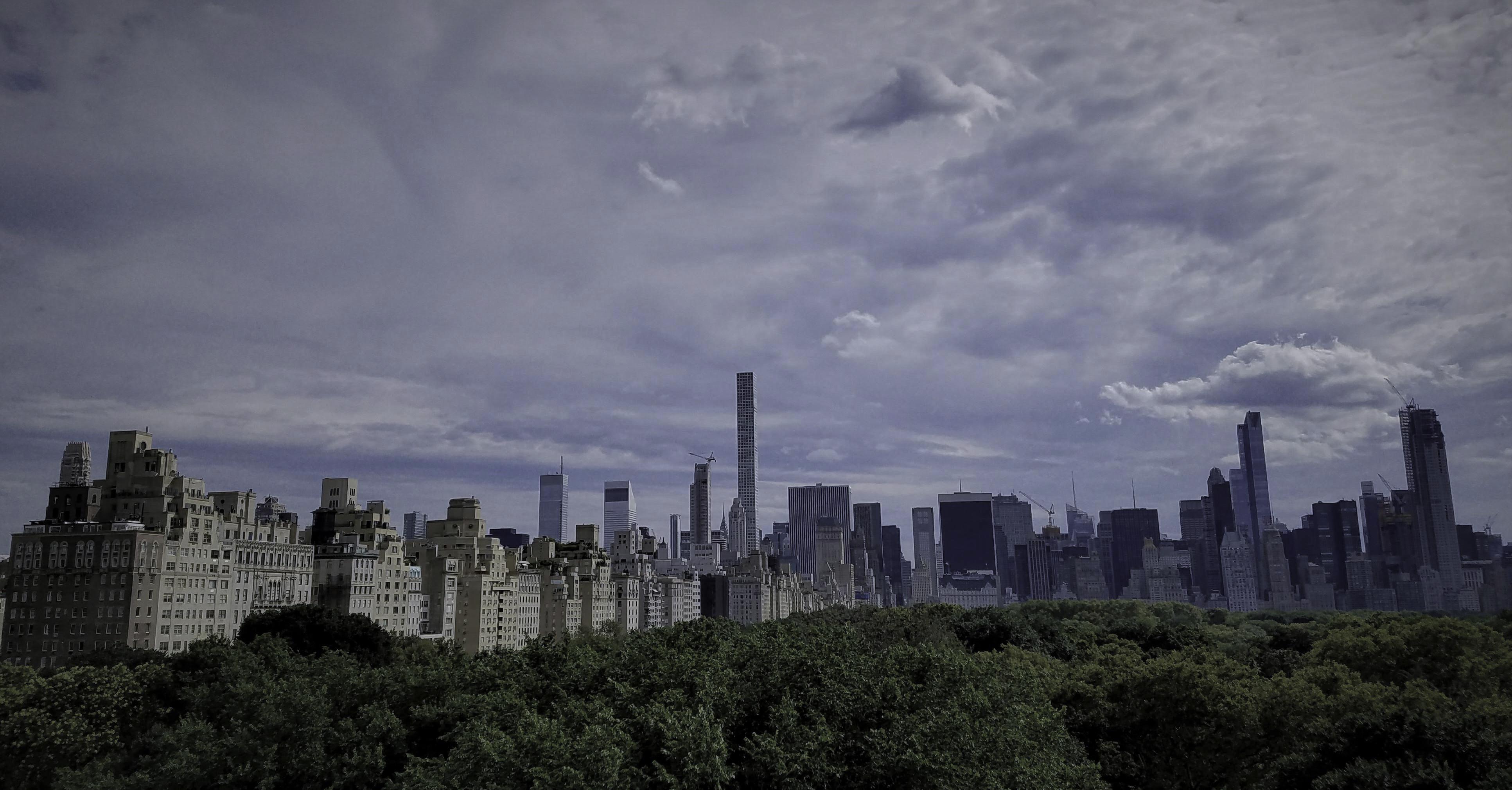
The Roof Garden Commission: Adrián Villar Rojas, The Theater of Disappearance
The Metropolitan Museum of Art
5th Avenue
August 6th, 2017
One of my favourite paintings, is on view @The_Met. Both mythical and realistic, surreal yet, somehow, familiar. I feel like it would take me many moon phases – or may be forever – to complete a full circle around the lush wooded rim. I feel like I’ve been there many times before; I go there often – in my dreams. Almost always in twilight, instances before it turns completely dark.
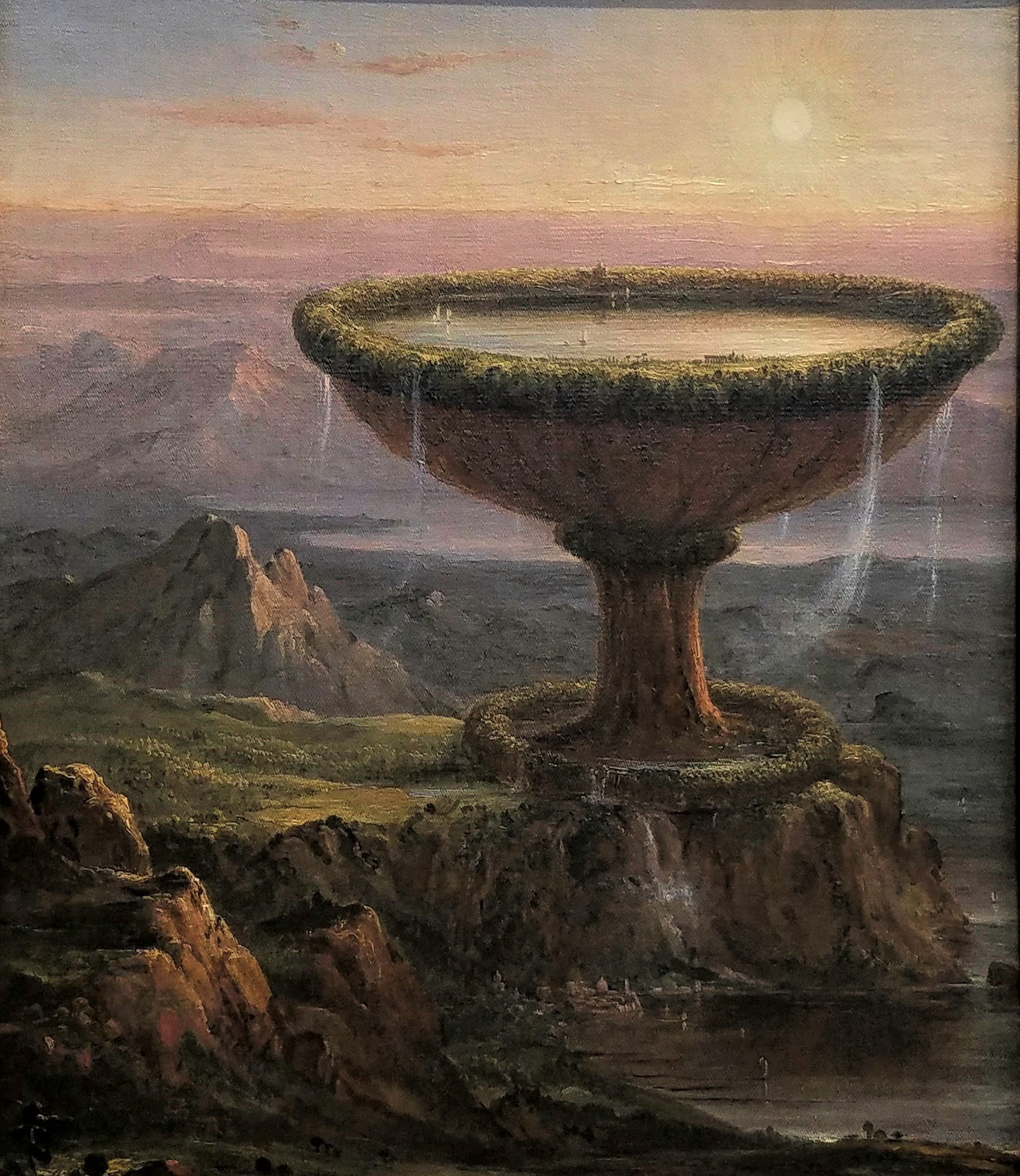 The Titan’s Goblet, 1833
Thomas Cole (1801–1848)
Oil on canvas
August 6th, 2017
Looking for Rei…
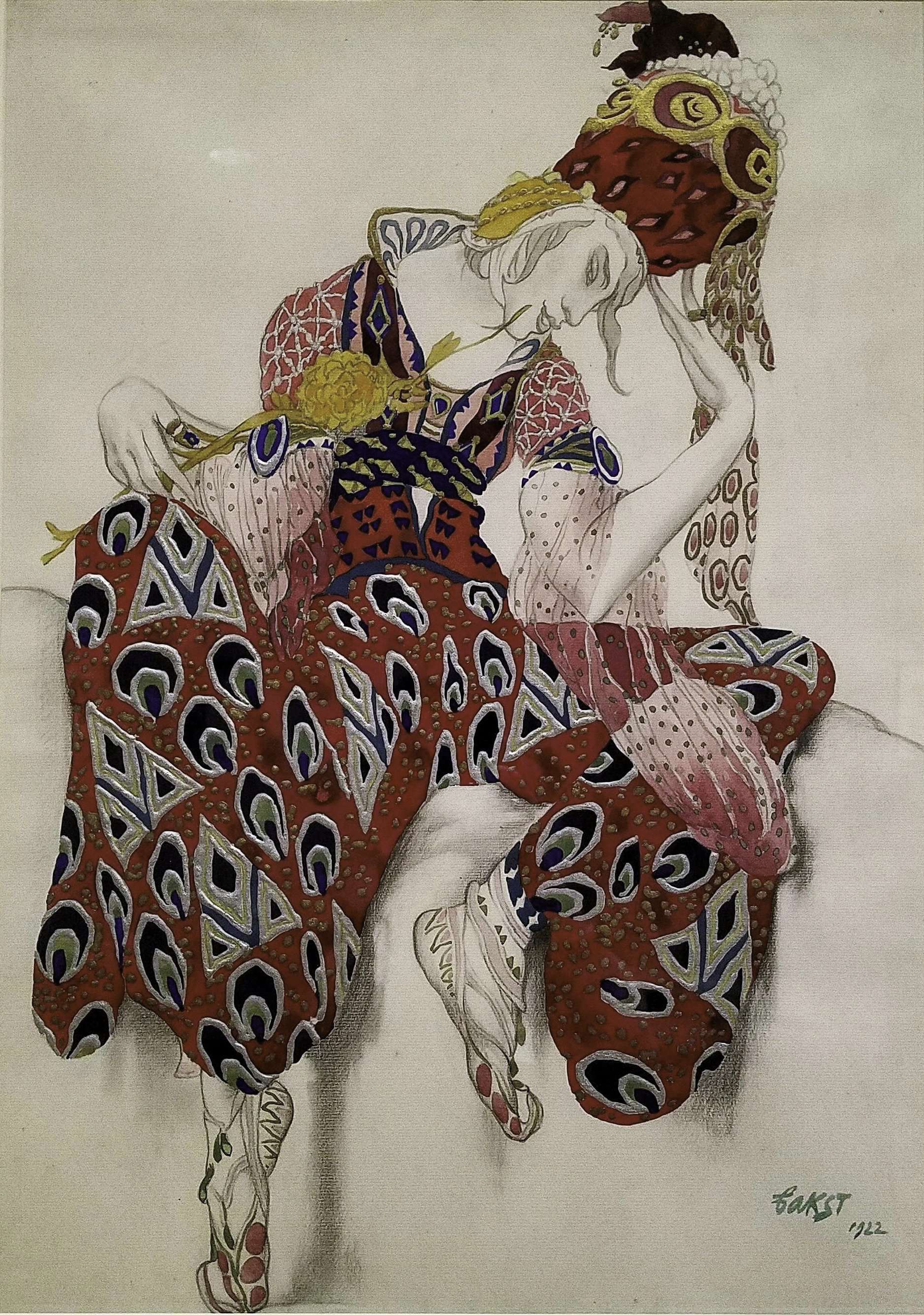

1/
Costume Design by Léon Bakst for Vaslav Nijinsky in the Role of Iksender in the Ballet “La Péri” (The Flower of Immortality), 1922 (first performed in Paris, 1912). Watercolour and gold and silver paints over graphite
With his distinct Eurasian features, Nijinski effortlessly portrayed protagonists of various ethnicities, such as Iksender in La Péri, set in Iran. However he never actually performed as Iksender, because Diaghilev cancelled the entire production when Nijinski’s female counterpart could not match his talent in dance.
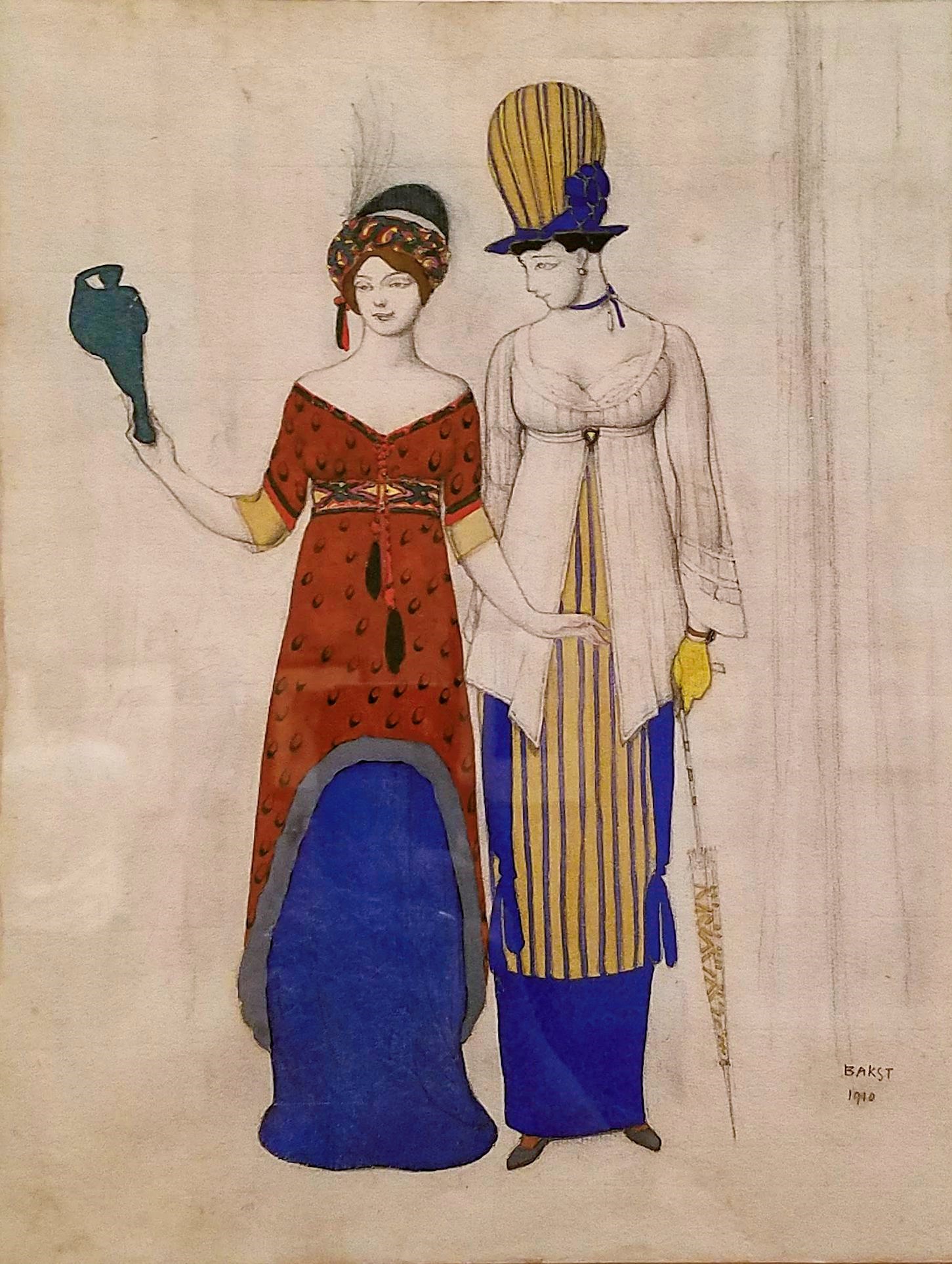
2/
‘Fantaisie sur le costume moderne‘: Two female haute couture figures, 1910. Graphite, brush and watercolour and gouache
Although better known for his costume and stage designs for the Ballets Russes directed by Diaghilev and the performances of Ida Rubinstein, Bakst was also influential in fashion design during the early decades of the 20th century, and designed garments himself. The designs in this drawing show the bold, sensuous colour, characteristic of his style, with geometric patterns and rich textures.
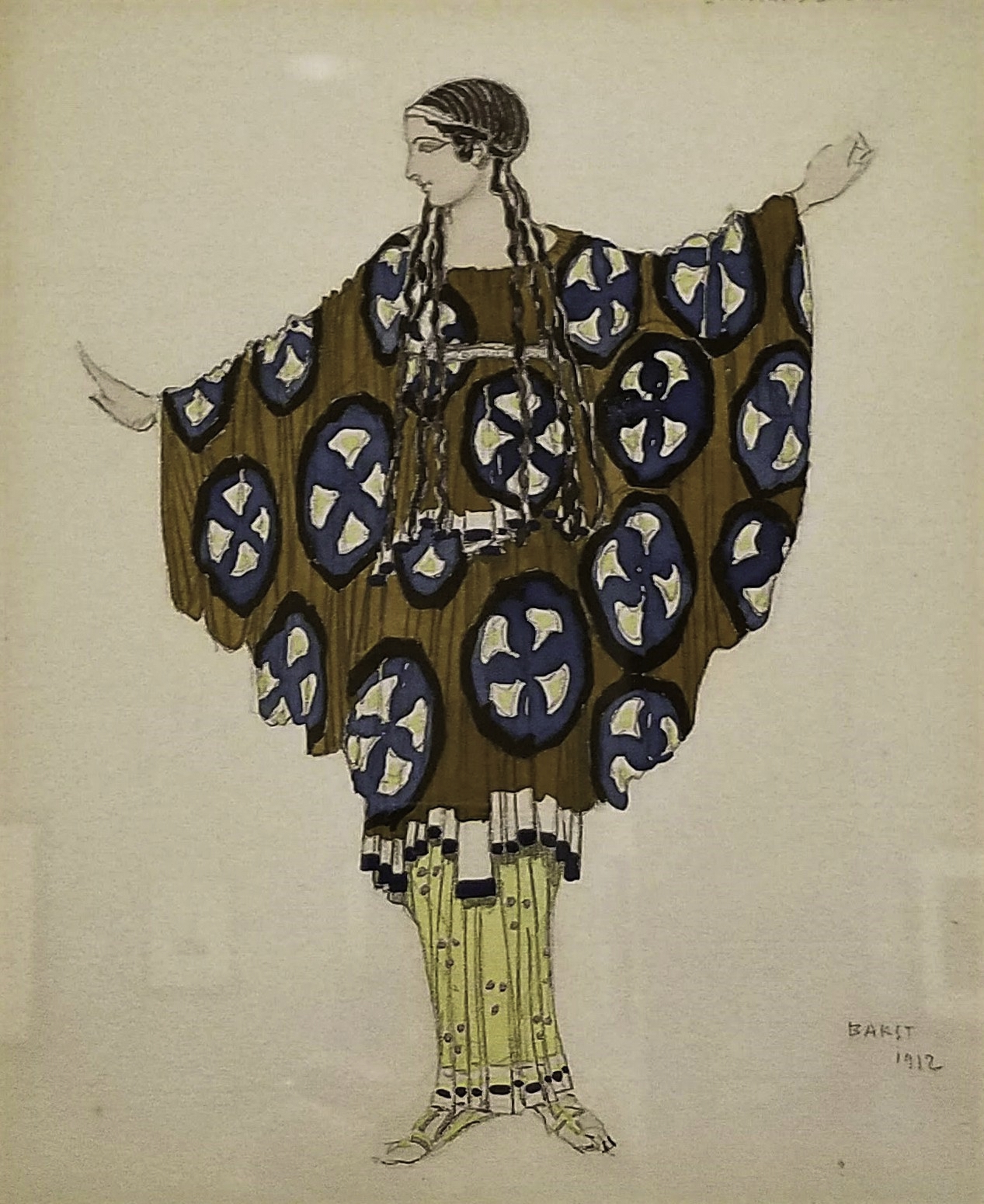
3/
Costume Design for a Woman from the Village, for the Ballet ‘Daphnis and Chloé‘, performed at the Théâtre du Châtelet in Paris, 1912. Watercolour and graphite
This ballet by Fokine was first performed at the Théâtre du Châtelet in Paris in 1912, as part of the repertoire of the Ballets Russes for the season. The costume designs for the ballet were inspired by Ancient Greece, and Bakst drew inspiration from ancient vases, both for the costumes and the poses and movements of dancers
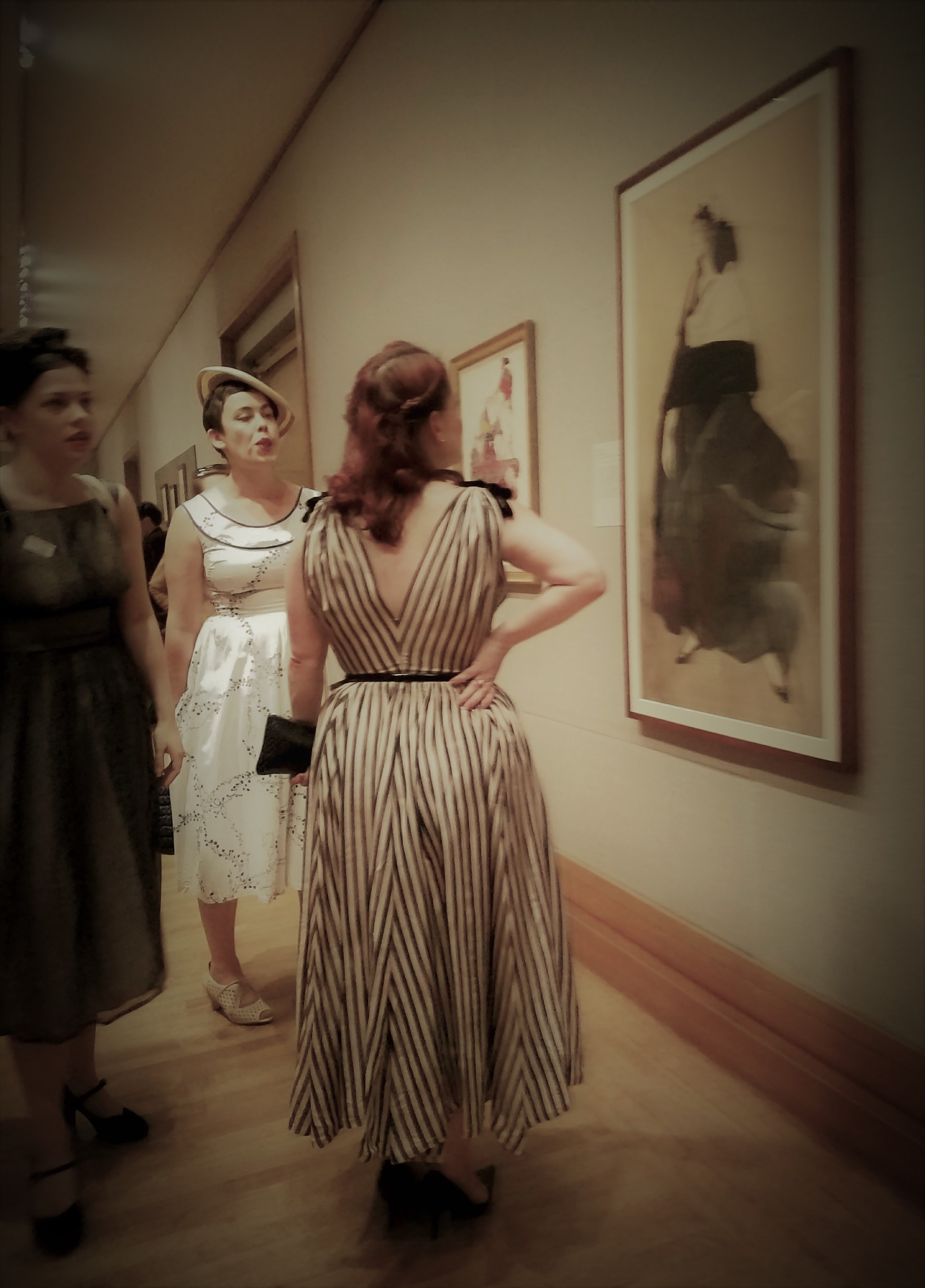
4/Ida’s stylish fans in mutual admiration.
5/
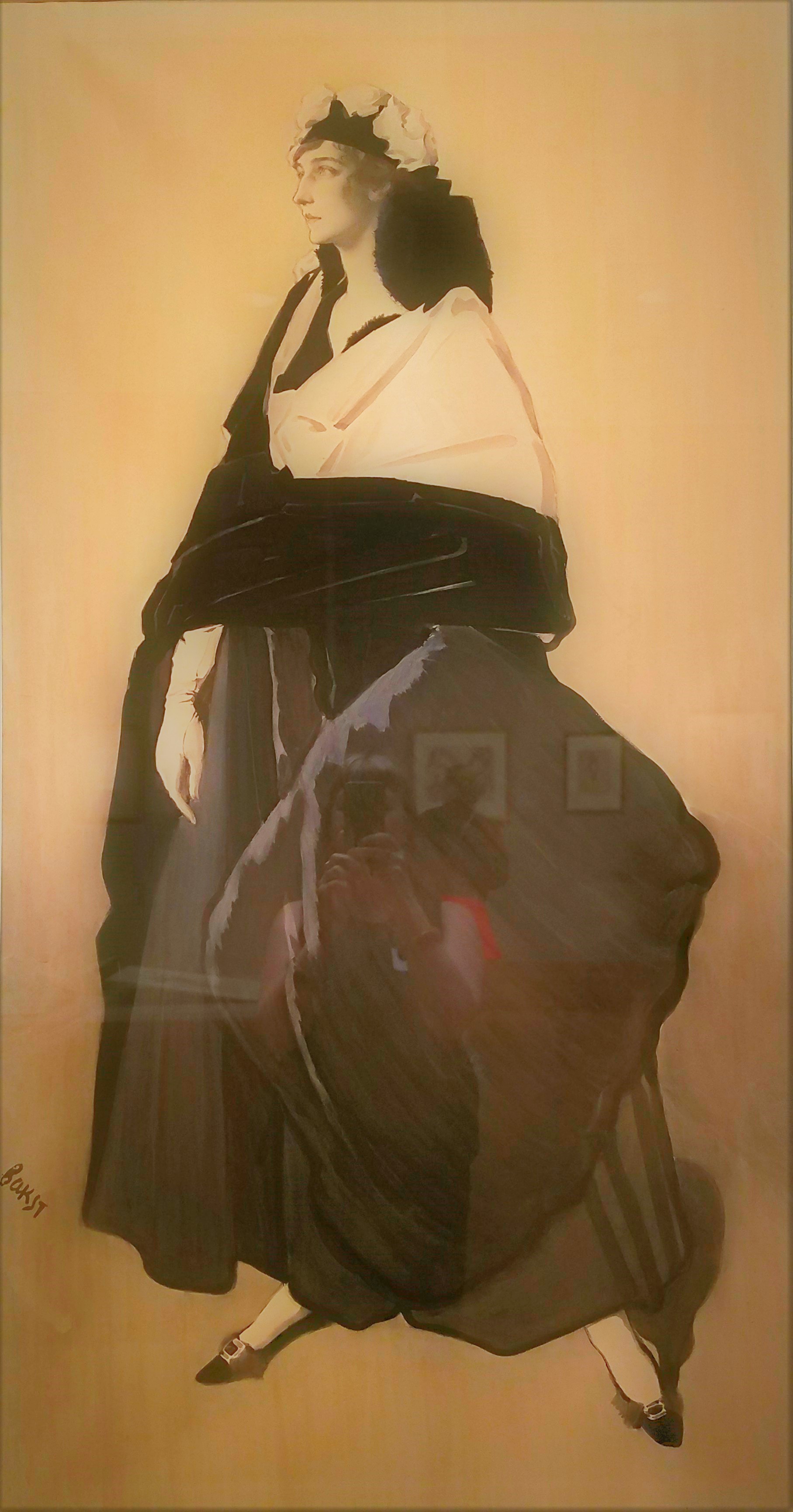
Mme Ida Rubinstein, 1917. Watercolour, gouache, and graphite on paper, mounted on canvas
Bakst was a gifted portrait artist and captured the likeness of many of his friends and colleagues. In this almost life-size watercolour, he depicts the Russian heiress Ida Rubinstein, who danced with the Ballets Russes for two seasons after an introduction by her teacher, the choreographer Mikhail Fokine.
6/
Design for the Set of the Ballet ‘Narcisse’, premiered at the Théâtre de Monte Carlo, 1911. Watercolour, gouache, and charcoal
Bakst designed this impressive decor for Narcisse, a one-act ballet about the Greek mythological figure Narcissus, who falls in love with his own reflection in a pool of water. The story is set at the shrine of Pomona, a mythological goddess associated with the abundance of nature. The rich green landscape Bakst created echoes the sensibilities of the Art Nouveau style.
***
Images from ”Performance as Escape: Léon Bakst and the Ballets Russes”, an exhibition featuring a small selection of costume and set designs by Léon Bakst for the Ballets Russes, we happened upon on our way to The Met’s 2017 blockbuster, Rei Kawakubo/Comme des Garçons: Art of the In-Between.
You can see photos from that show, in nine sections, by going to the Search button at the end of the page and simply typing ”Rei Kawakubo”.
August 6th, 2017
subjective worldview
Actor, writer, cook and author
Travel experiences & Strasbourg city guide
Writer
joy, happiness, travel, adventure, gratitude
"Rêve onirique & Bulle d'évasion"
makes pretty things on paper
This WordPress.com site is Pacific War era information
Welcome to my curious world of words....
Photographs, music and writing about daily life. Contact: elcheo@swcp.com
Free listening and free download (mp3) chill and down tempo music (album compilation ep single) for free (usually name your price). Full merged styles: trip-hop electro chill-hop instrumental hip-hop ambient lo-fi boombap beatmaking turntablism indie psy dub step d'n'b reggae wave sainte-pop rock alternative cinematic organic classical world jazz soul groove funk balkan .... Discover lots of underground and emerging artists from around the world.
A 365 analogue photography project
Barcelona's Multiverse | Art | Culture | Science
Een digitaal atelier aan de (zee)slag.
‘Doodling Ambiguity’s in Ink.’
Miscellaneous photography
Glimpses along the way on a journey of discovery into symmetry...
 The Humble Fabulist