There is something simultaneously tranquil and unsettling about this sculpture – I want to believe the children are sleeping but a subtle whisper tells me they won’t be waking up…
Sleeping Children William Henry Rinehart, 1825–1874
Sheer delight continued with the discovery of these masterpieces dating from the 14th to the 20th century.
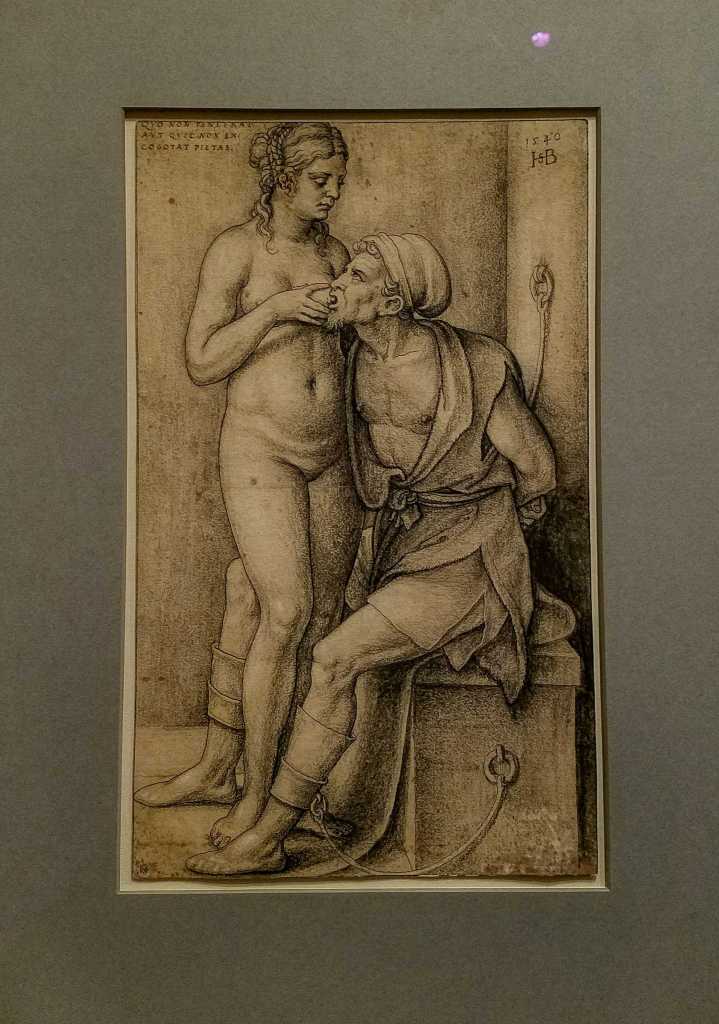
Beham, Sebald, 1500 – 1550, Cimon and Pero (1540), pen and black ink with charcoal heightened with white on heavy laid paper
The story of Cimon and Pero was told by the first-century historian Valerius Maximus in his Memorable Deeds and Sayings. Imprisoned without food or water, the aged Cimon was saved from death by the visits of his daughter Pero, a young mother who nourished him with breast milk. Pero’s selfless act, which came to be known as ”Roman charity”, was regarded as a model of filial piety.
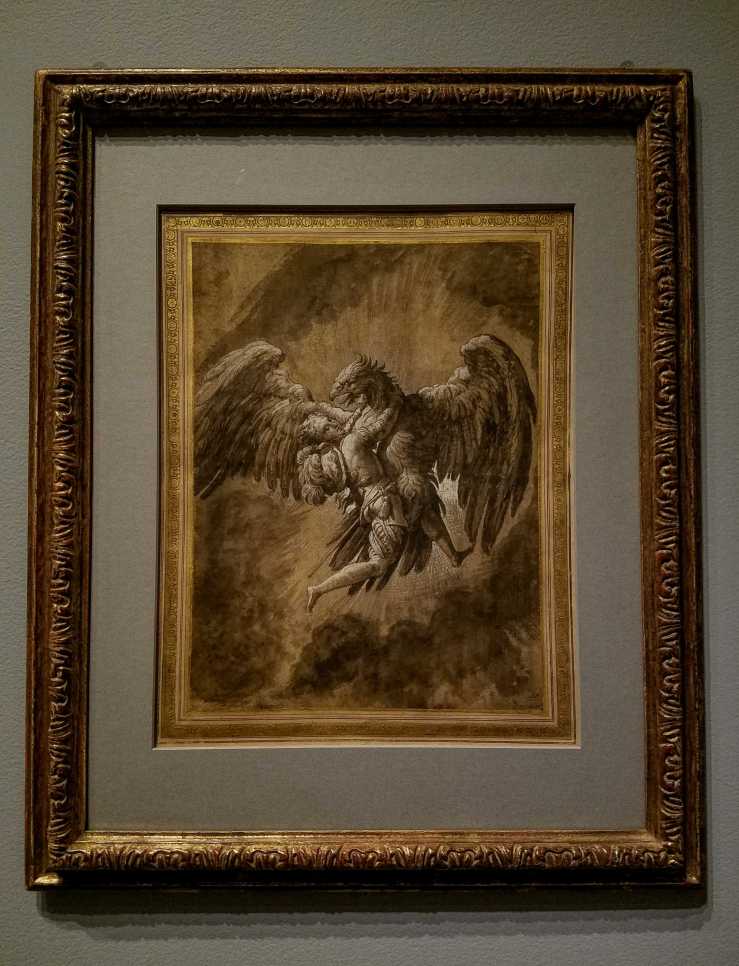
Niccolò dell’Abbate, 1509 or 1512-1571, The Rape of Ganymede (c. 1545), pen and ink with wash and watercolour over traces of chalk, heightened with white on paper washed light brown
Ganymede was a handsome shepherd who was carried off by Zeus (shown here in the form of an eagle) to become cupbearer to the Gods. The youth is usually shown nude or in classical dress, but here he wears the elegant costume of a sixteenth-century courtier.
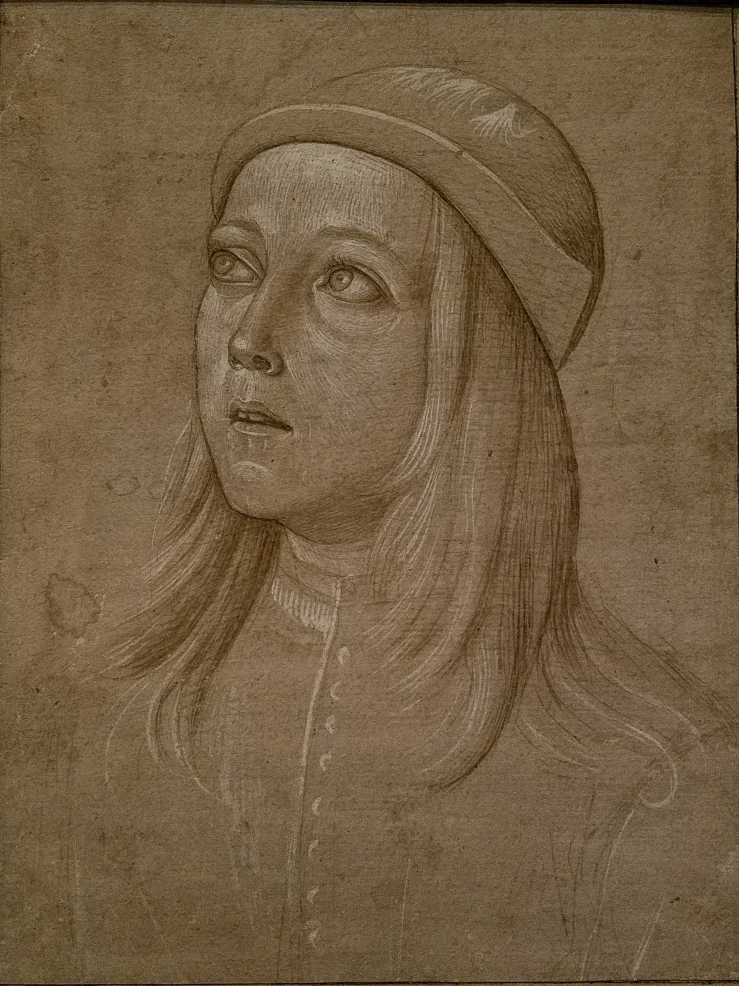
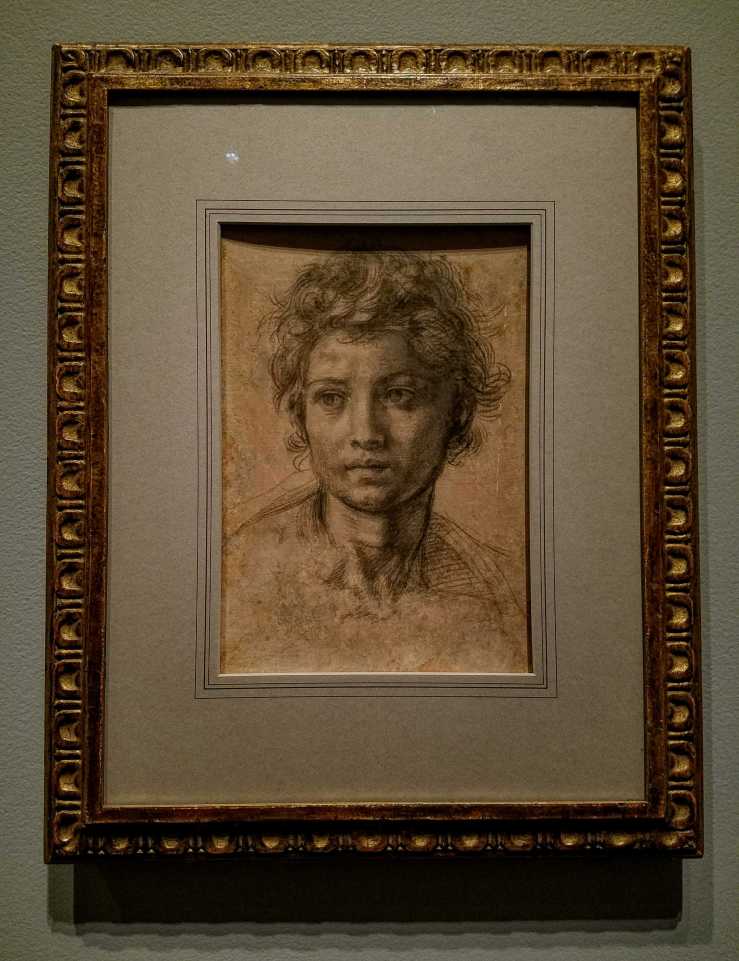
Federico Barocci, probably 1535-1612, Head of a Bearded Man (1579/1582), chalks on blue paperLuca Signorelli, 1445/1450 – 1523, Bust of a Youth Looking Upward (c. 1500), chalk, partially indented with a stylusAndrea del Sarto, 1486-1530, Head of Saint John the Baptist (c. 1523), chalkJean-Baptiste Greuze, 1725-1805, Bust of an Old Man, probably 1763, chalks with stumping, wetting and erasure
After completing a painting, Greuze often made finished drawings of the heads of some of the individual figures. These ”têtes d’expression” (expressive heads) were intended to be sold and appreciated as independent works of art.
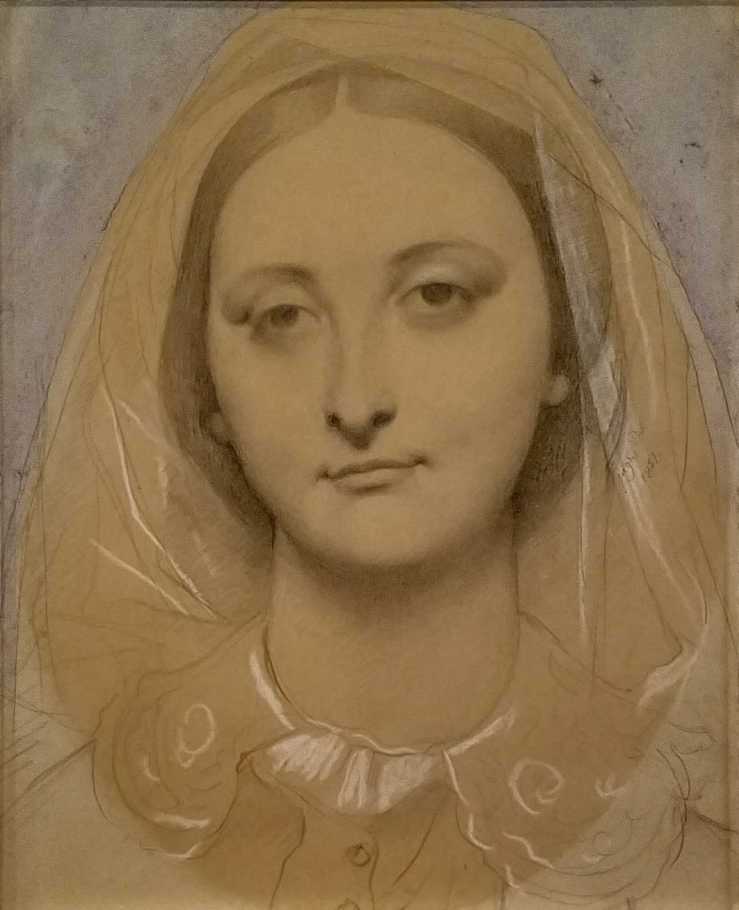
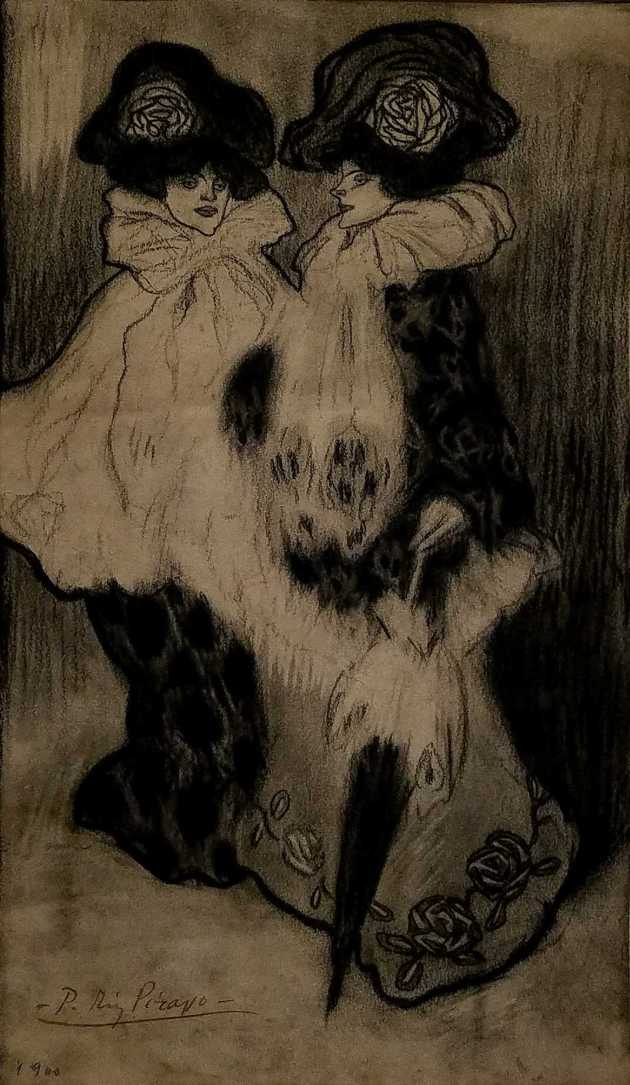
Jean-Auguste-Dominique Ingres, 1780-1867, Mademoiselle Mary de Borderieux (?), 1857, graphite and watercolour with white highlightsEdgar Degas, 1834-1917, Self-Portrait, c. 1855, chalkPablo Picasso, Spanish, 1881 – 1973, Two Fashionable Women, 1900, charcoalHenry Fuseli, 1741-1825, Satan Defying the Powers of Heaven, late 1790s, graphite, chalk and wash
”Washington, DC—Ian Woodner assembled an extraordinary collection of over 1,000 old master and modern drawings, making him one of the 20th century’s most important collectors. More than 150 works from his collection now reside at the National Gallery of Art in Washington. While Ian Woodner gave some works himself in the 1980s, the majority have been donated by his daughters, Dian and Andrea. His daughters have also made other gifts and have pledged works from their personal collections. The Woodner Collections: Master Drawings from Seven Centuries brings together for the first time the best of Ian Woodner’s collection with some of the works given and promised by Dian and Andrea Woodner. […]
Some 100 drawings dating from the 14th to the 20th century are presented in an exhibition of masterworks donated by one of the great connoisseurs of the 20th century, Ian Woodner, and his daughters, Dian and Andrea. The Woodner Collections includes drawings executed by outstanding draftsmen such as Leonardo da Vinci, Albrecht Dürer, Raphael, Jean-Auguste-Dominique Ingres, Edgar Degas, and Pablo Picasso, among many others.”
They were on view in the West Building of the National Gallery of Art through July 16, 2017.
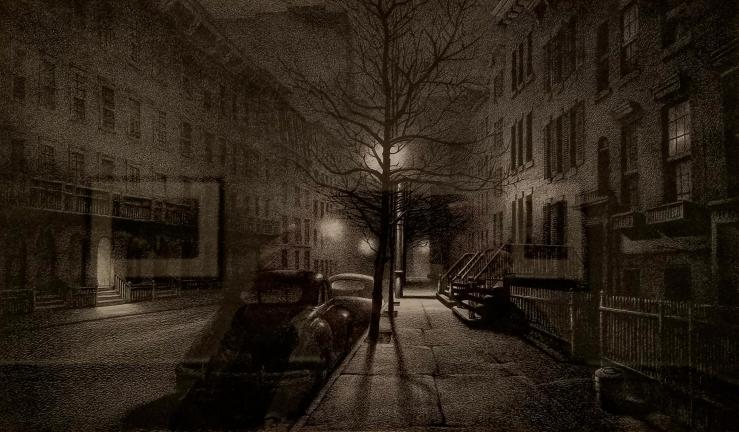
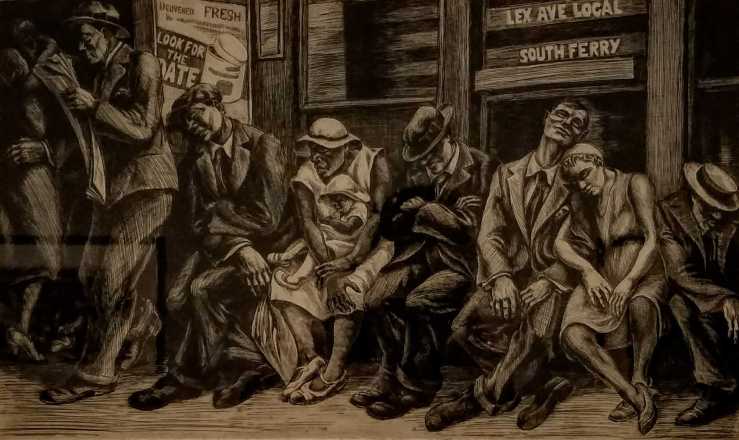
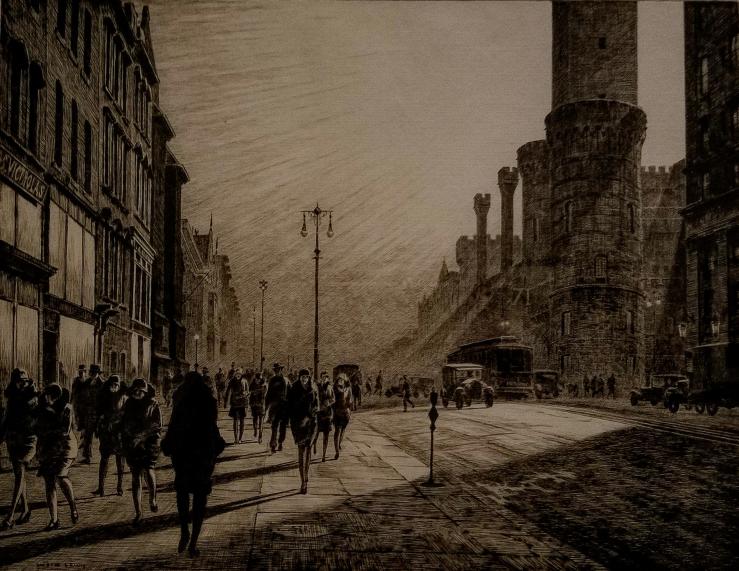
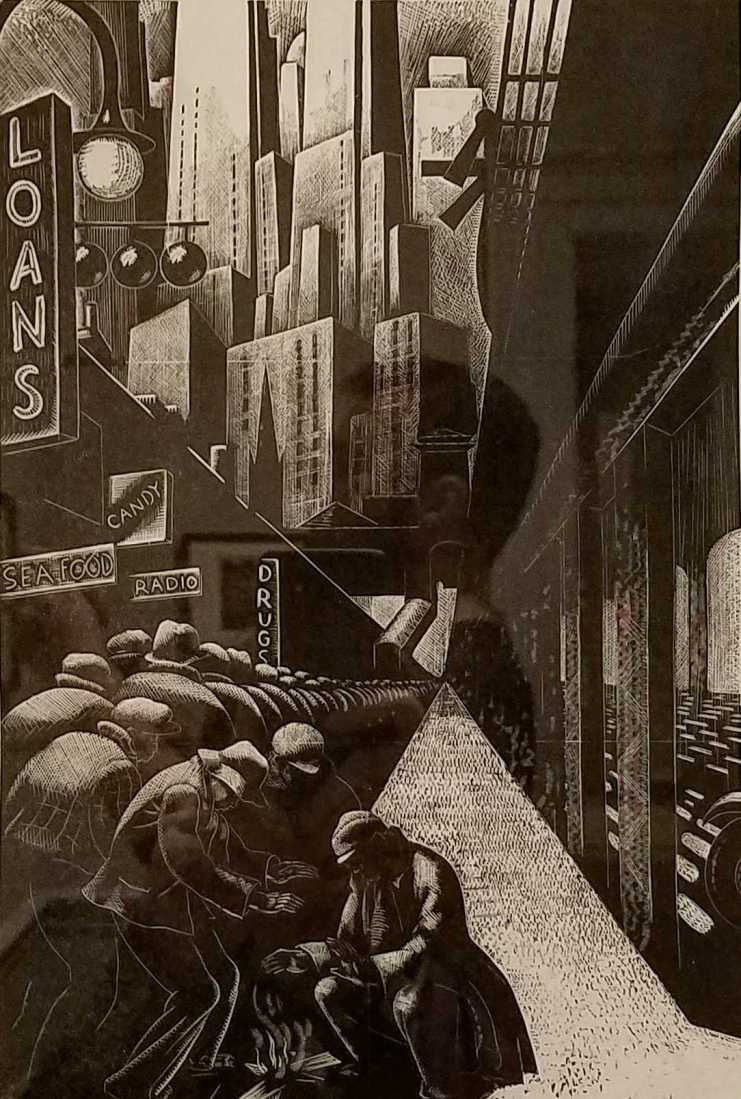
What a sheer delight, to walk in the National Gallery of Art and discover these rather brilliant prints depicting urban scenes from the Jazz Age and beyond!
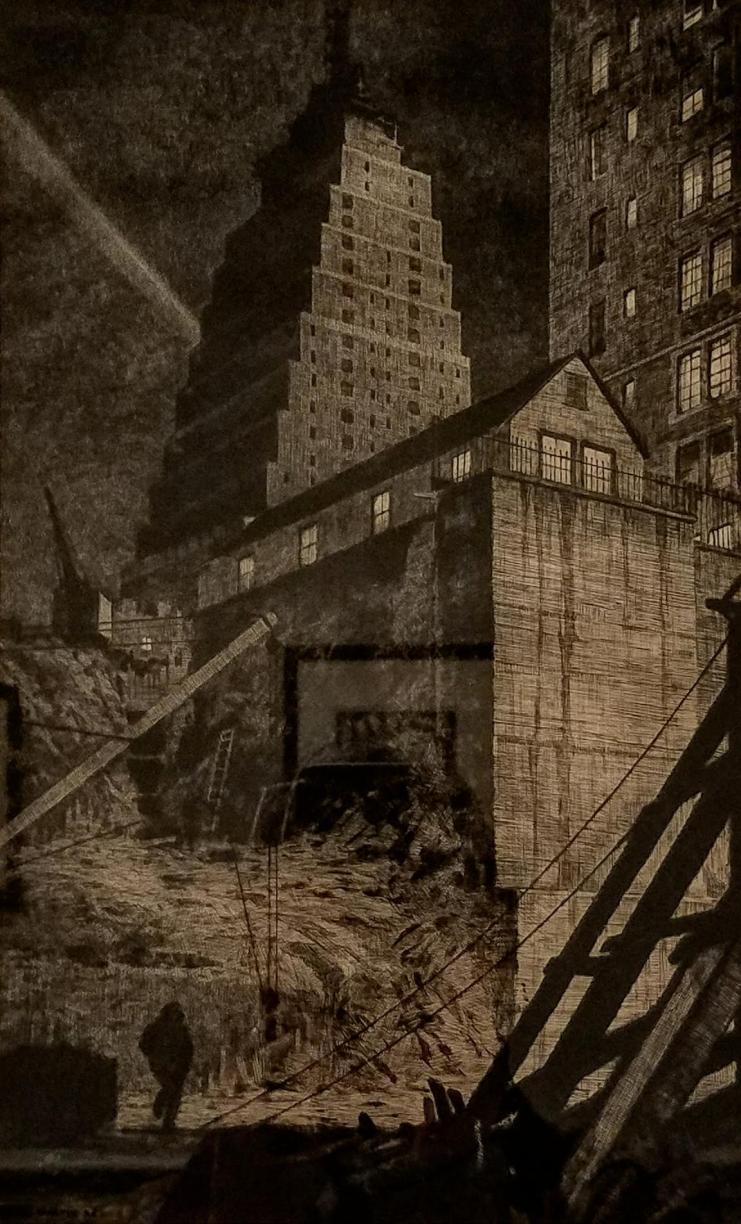
Martin Lewis, Building a Babylon, Tudor City, N.Y.C., 1929, etching and drypointStow Wengenroth, Quiet Hour, (New York), 1947, lithographRobert Riggs, Germantown & Chelten, (Philadelphia), c. 1950, lithographJohn Taylor Arms, West Forty-Second Street, Night, (New York), 1922, aquatint and etching on yellow laid paperIsac Friedlander, 3 A.M., (New York), 1934, etchingHoward Norton Cook, Looking up Broadway, 1937, lithographMartin Lewis, Quarter of Nine – Saturday’s Children, (New York), 1929, drypointClare Leighton, Breadline, New York, 1931, wood engravingArmin Landeck, View of New York, 1932, lithograph
”Washington, DC—American artists of the early 20th century sought to interpret the beauty, power, and anxiety of the modern age in diverse ways. Through depictions of bustling city crowds and breathtaking metropolitan vistas, 25 black-and-white prints on view in The Urban Scene: 1920–1950 will explore the spectacle of urban modernity. Prints by recognized artists such as Louis Lozowick (1892–1973) and Reginald Marsh (1898–1954), as well as lesser-known artists including Mabel Dwight (1875–1955), Gerald Geerlings (1897–1998), Victoria Hutson Huntley (1900–1971), Martin Lewis (1881–1962), and Stow Wengenroth (1906–1978), are included in this exhibition.”
The Urban Scene was on view in the West Building until August 6, 2017.
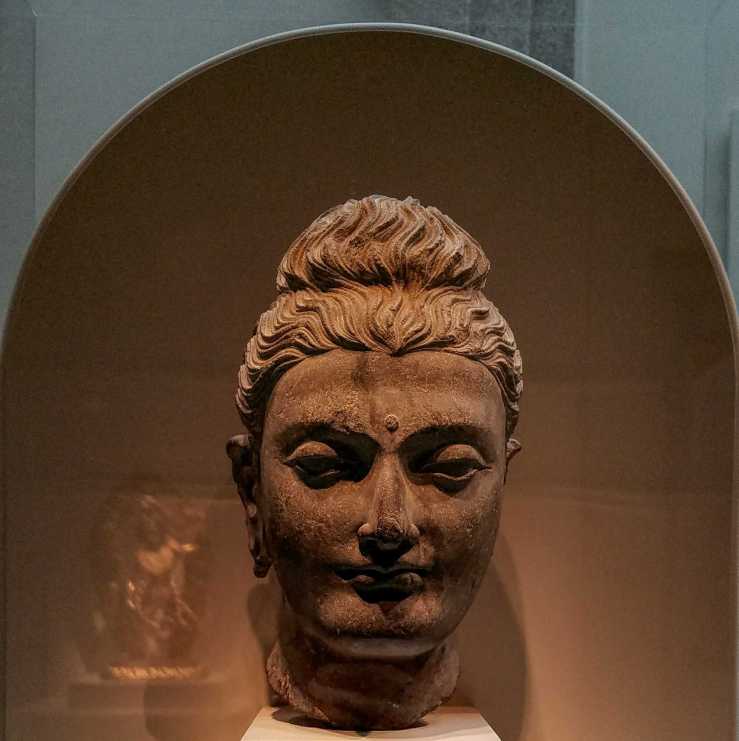
A very early image of the Buddha, this serenely beautiful head was once framed by a halo and joined to a complete figure. The Buddha’s downward gaze conveys that he is meditating. His cranial bump (ushnisha), which signifies transcendent wisdom, and his forehead dot (urna) are marks of his perfected nature. The sculpture was created for a monastic complex in ancient Gandhara, a region that now spans Pakistan and Afghanistan. In the third century, Gandhara was a crossroads that united the Greco-Roman world with India, and the Buddha’s wavy hair recalls classical images of Apollo.
A reason big enough to visit the Sackler and a wonderful coincidence these masterpieces were on show during our visit (show ran until July 2017).
”In 2014, the Okada Museum of Art in Hakone, Japan, made an announcement that startled the art world. The new arts center revealed it had discovered a long-lost painting by Kitagawa Utamaro (1753–1806), a legendary but mysterious Japanese artist.Titled Snow at Fukagawa, the immense work is one of three paintings by Utamaro that idealize famous pleasure districts in Edo (now Tokyo). This trio reached the Paris art market in the late 1880s and was quickly dispersed. Museum founder Charles Lang Freer acquired Moon at Shinagawa in 1903. Cherry Blossoms at Yoshiwara passed through several hands in France until the Wadsworth Atheneum Museum of Art in Hartford, Connecticut, purchased it in the late 1950s. And Snow at Fukagawa had been missing for nearly seventy years before it resurfaced in Hakone.
For the first time in nearly 140 years, these paintings reunite in Inventing Utamaro at the Freer|Sackler, the only location to show all three original pieces. Contextualizing them within collecting and connoisseurship at the turn of the twentieth century, the exhibition explores the many questions surrounding the paintings and Utamaro himself.”
Moon at Shinagawa (also known as Moonlight Revelry at Dozō Sagami); Kitagawa Utamaro (1753–1806); Japan, Edo period, ca. 1788; painting mounted on panel; color on paper; Freer Gallery of Art, Gift of Charles Lang FreerCherry Blossoms at Yoshiwara; Kitagawa Utamaro (1753–1806); Japan, Edo period, ca. 1793; painting mounted on panel; color on paper; Wadsworth Atheneum Museum of Art, Hartford, Connecticut; The Ella Gallup Sumner and Mary Catlin Sumner Collection Fund, 1957.17
Snow at Fukagawa; Kitagawa Utamaro (1753–1806); Japan, Edo period, ca. 1802–6; hanging scroll; color on paper; Okada Museum of Art, Hakone, Japan
Photography was not permitted in this part of the gallery.
Images and text from the the Freer | Sackler website.
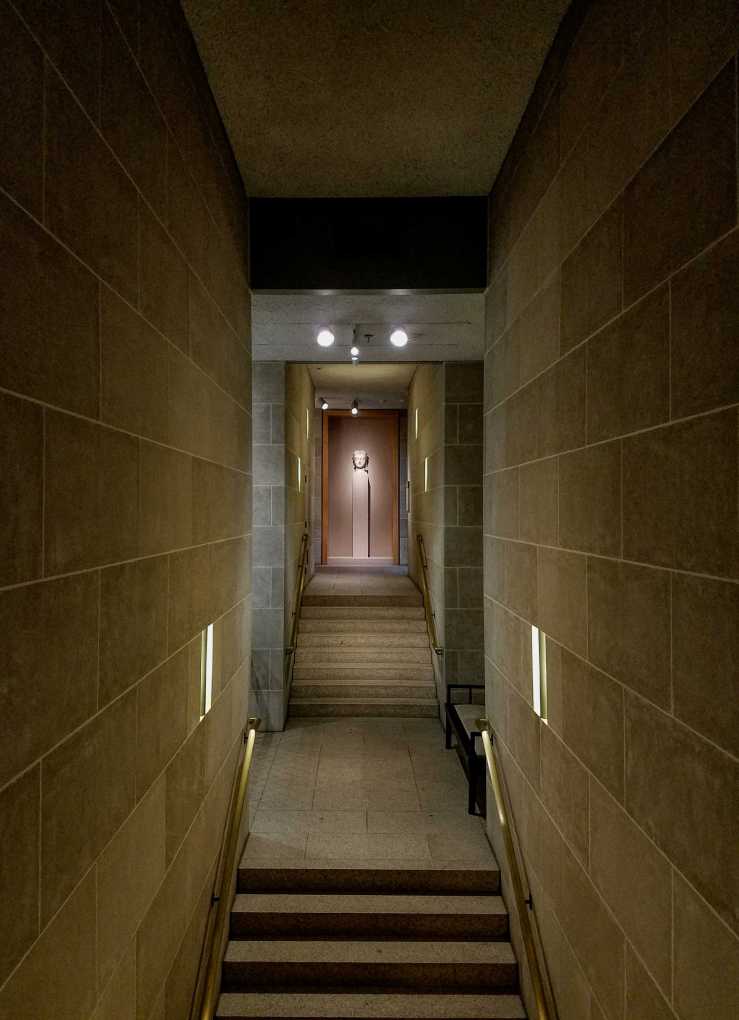
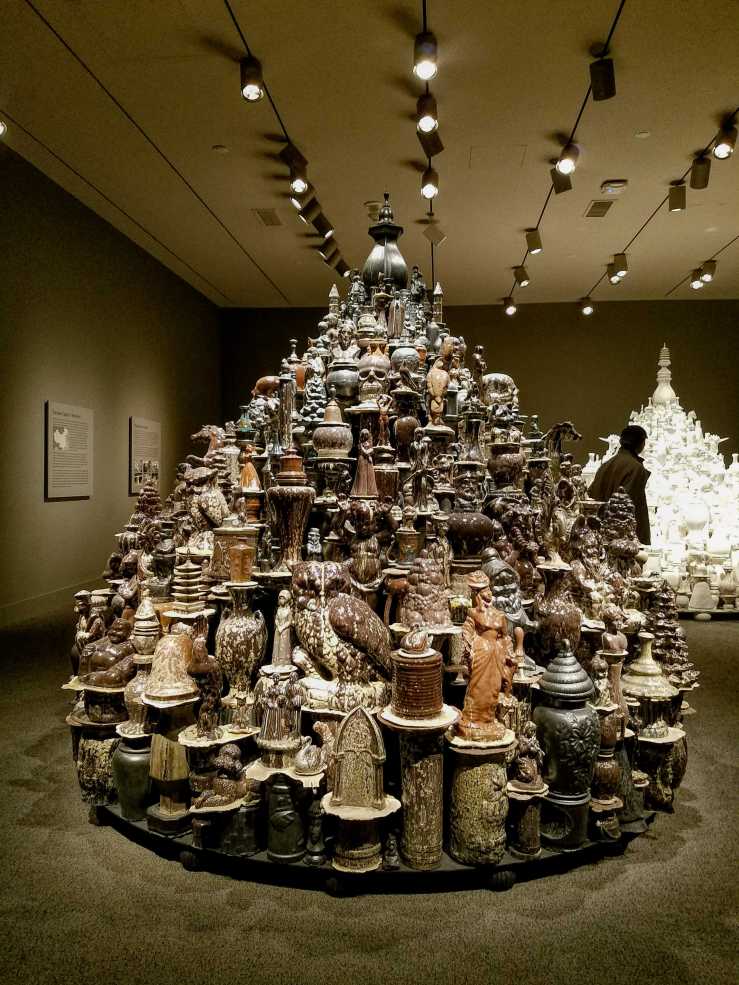
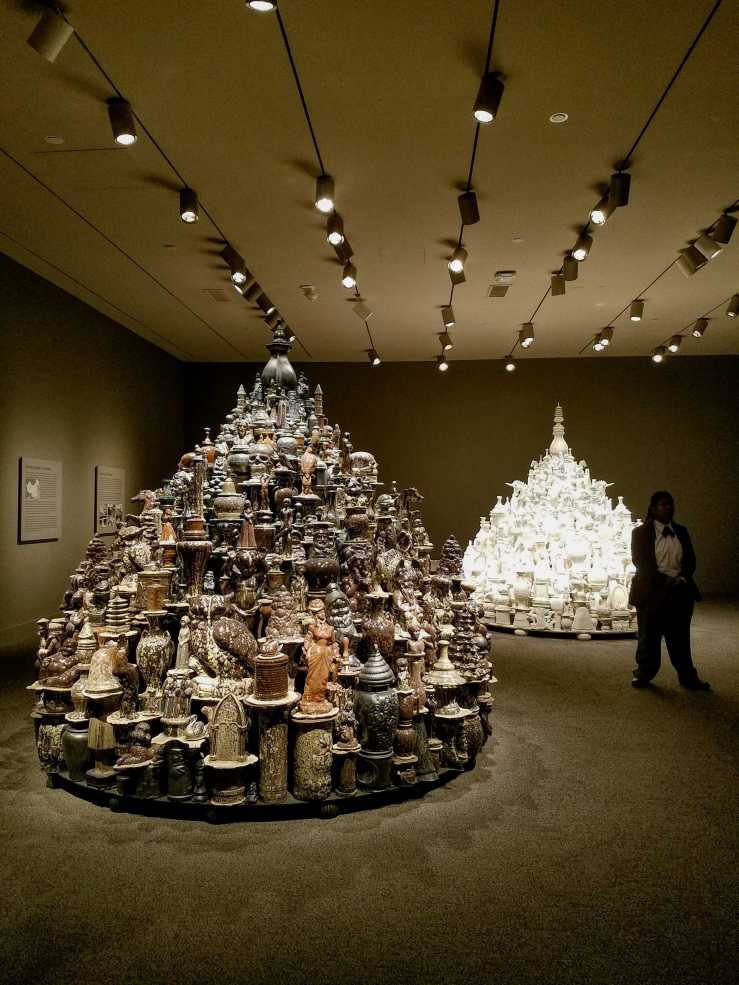
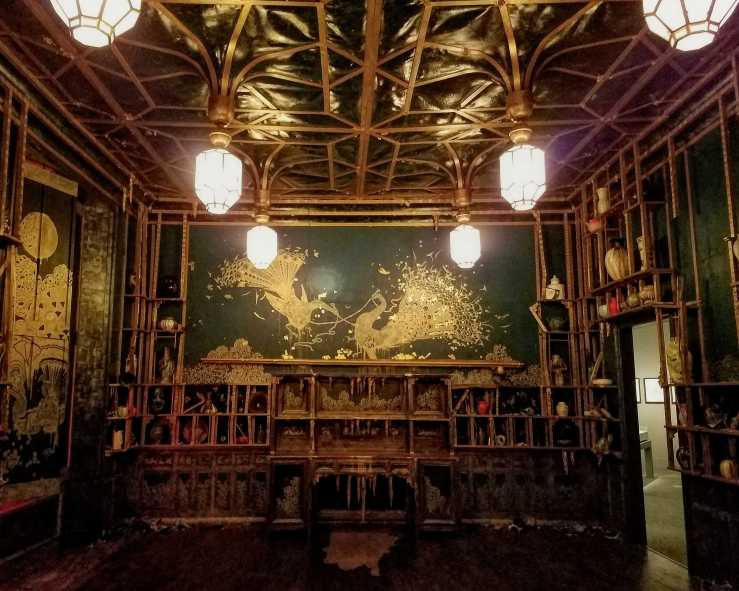
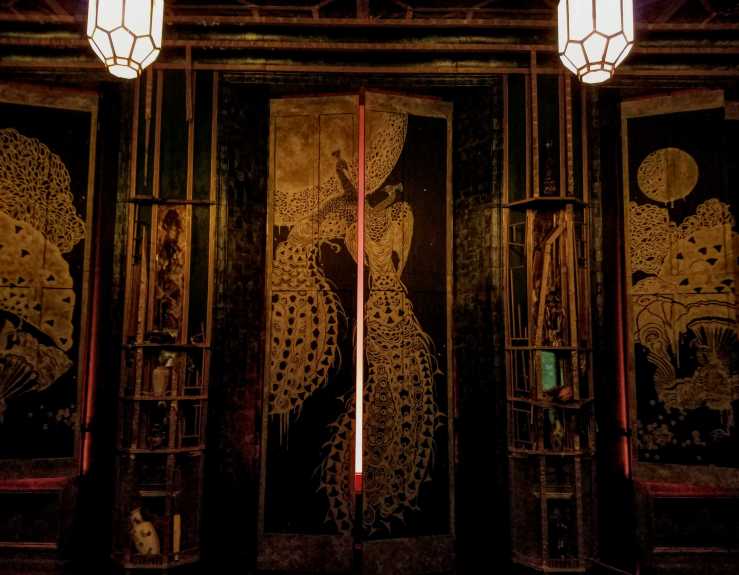
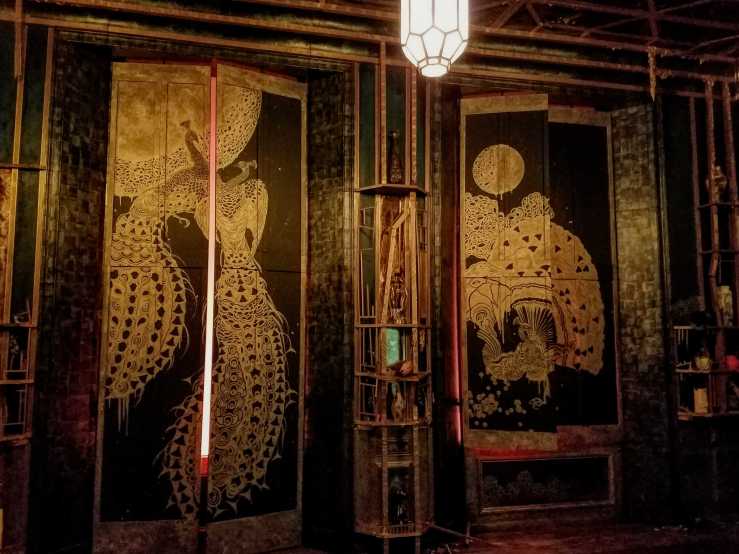
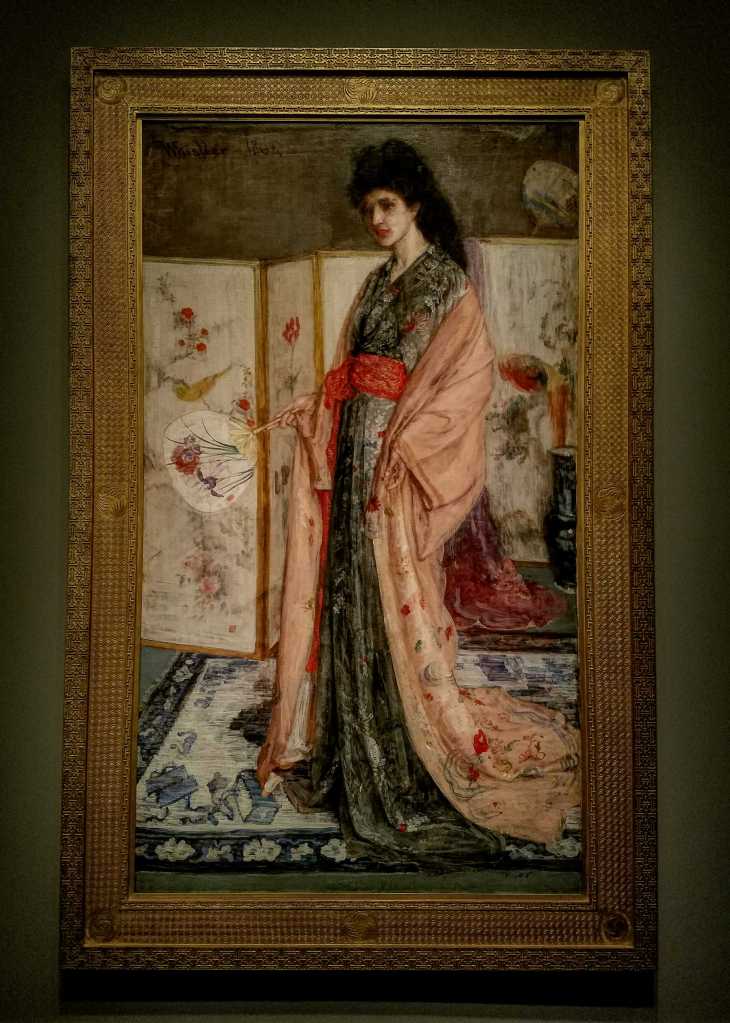
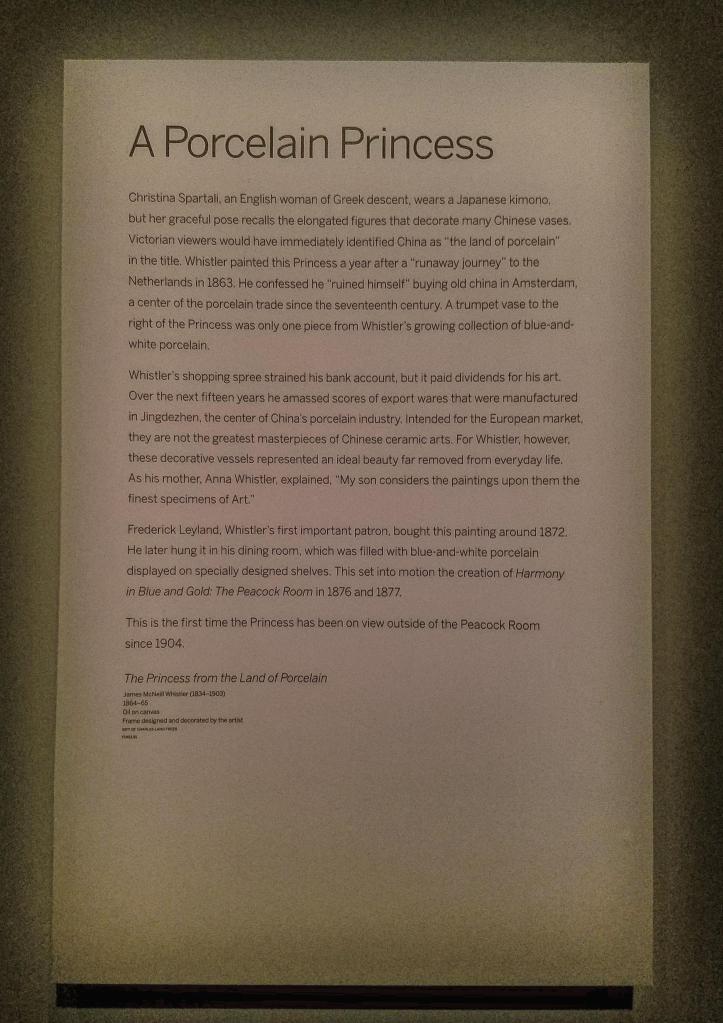
Together with the Freer Gallery of Art, they form the Smithsonian Museums of Asian Art with permanent collections and temporary exhibitions of Asian or Asian-influenced art, bridging the differences of cultures in a unique way.As unique as ”The Peacock Room”, a magnificent example of cross-cultural art:
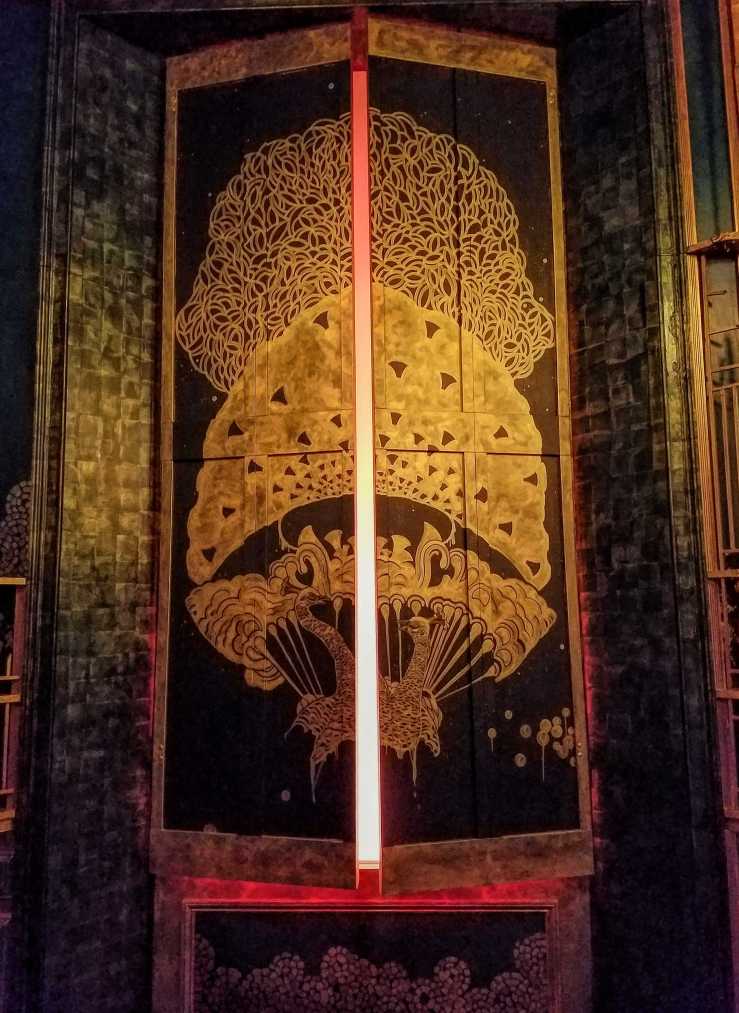
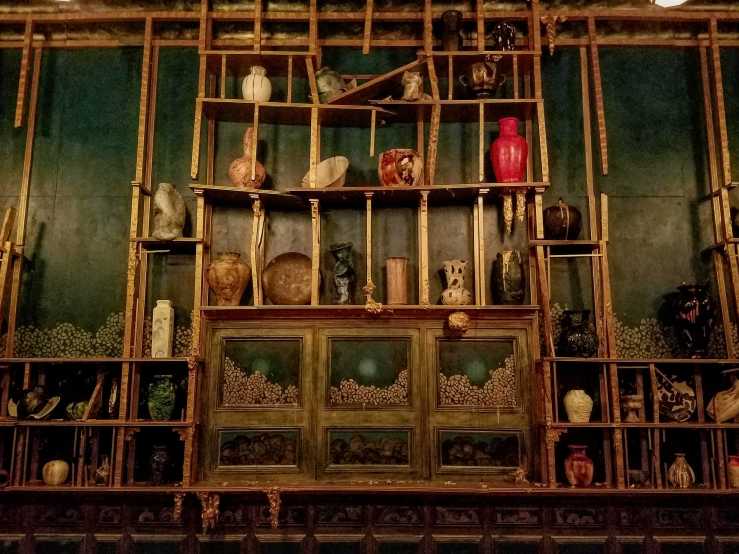
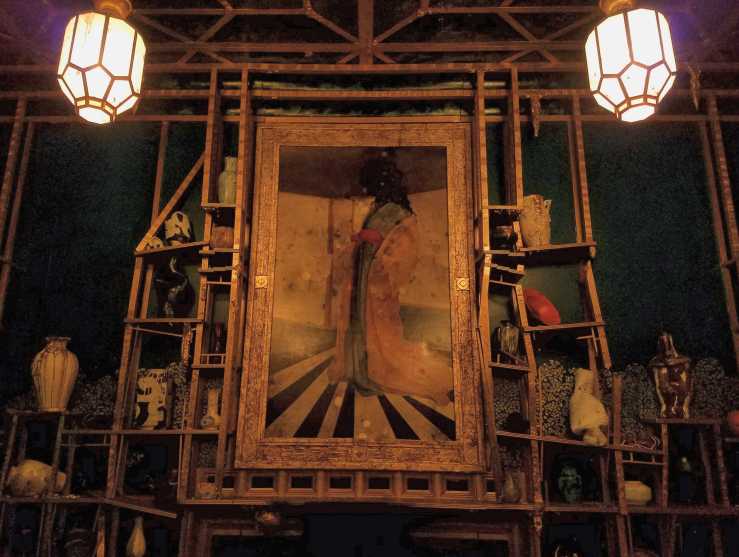
”Before the Peacock Room became a work of art by James McNeill Whistler, it was the dining room in the London mansion of Frederick Leyland. Its shelves were designed to showcase the British shipping magnate’s collection of Chinese blue-and-white porcelain. Whistler completely redecorated the room in 1876 and 1877 as a “harmony in blue and gold.” Leyland was far from pleased with the transformation and the artist’s fee. He quarrelled with Whistler, but he kept the room intact.
Charles Lang Freer purchased the room in 1904. He had it taken apart, shipped across the Atlantic, and reassembled in his home in Detroit, Michigan. There, he gradually filled its shelves with ceramics collected from Syria, Iran, Japan, China, and Korea. For Freer, the Peacock Room embodied his belief that “all works of art go together, whatever their period.”
Whistler’s extravagant interior has been on permanent display since the Freer Gallery of Art opened in 1923. Located between galleries of Chinese and American art, the Peacock Room remains a place where Asia meets America.”
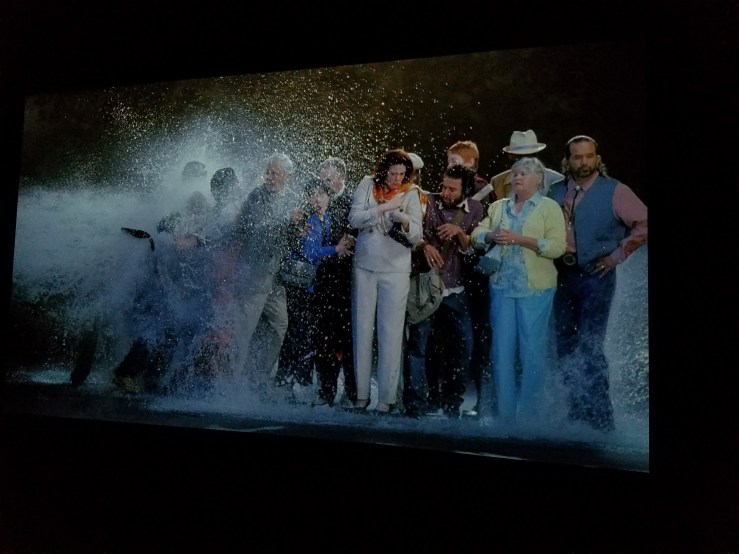
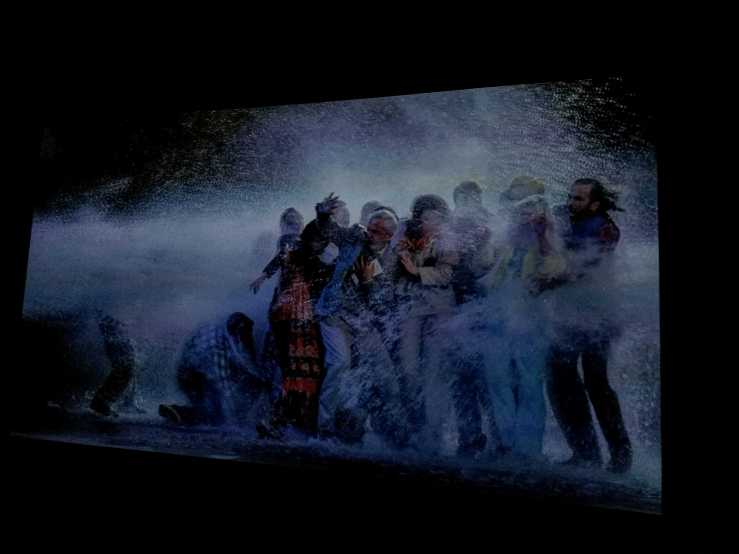
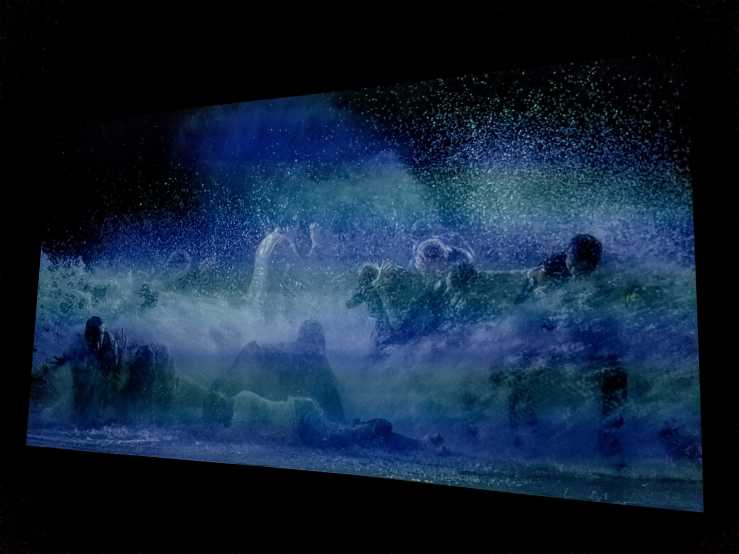
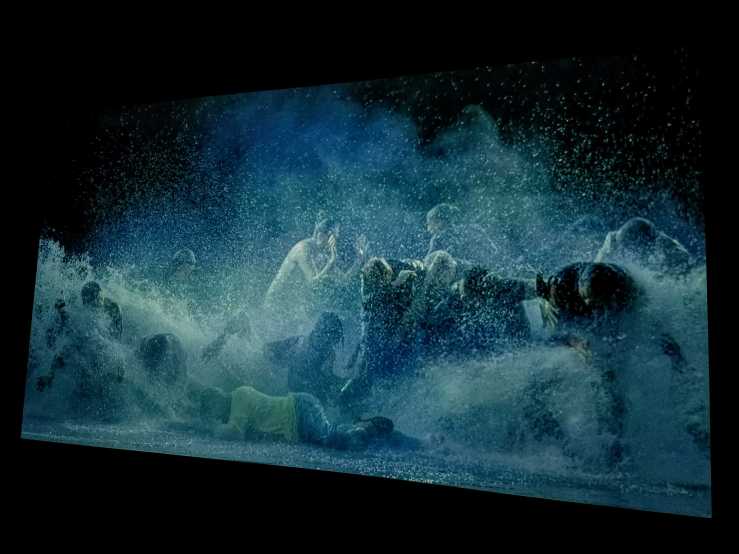
The American Art Museum shares its premises with the National Portrait Gallery, both being part of the Smithsonian Institution. First-time visitors may have a hard time distinguishing between the two, but that’s just a minor detail – what’s important is to allow time to enjoy some incredible works of American art, like Bill Viola’s ”The Moving Portrait” exhibit, which was running until May 2017.
I’ve been admiring Viola’s work for years, his use of video technologies, experimentation with portraiture and the fact that he always seems to submerge his subjects in water, an element present in -almost- his entire body of work. But, it was only recently I learned, coming across an interview on Louisiana Channel, that when Viola was 6 years old he fell into a lake, all the way to the bottom, ”to a place which seemed like paradise”. That’s when he learned that “there’s more than just the surface of life” […] and ”the real things are under the surface”. That explains his fascination with water, also evident in ”The Dreamers”, a video/sound installation of 2013:
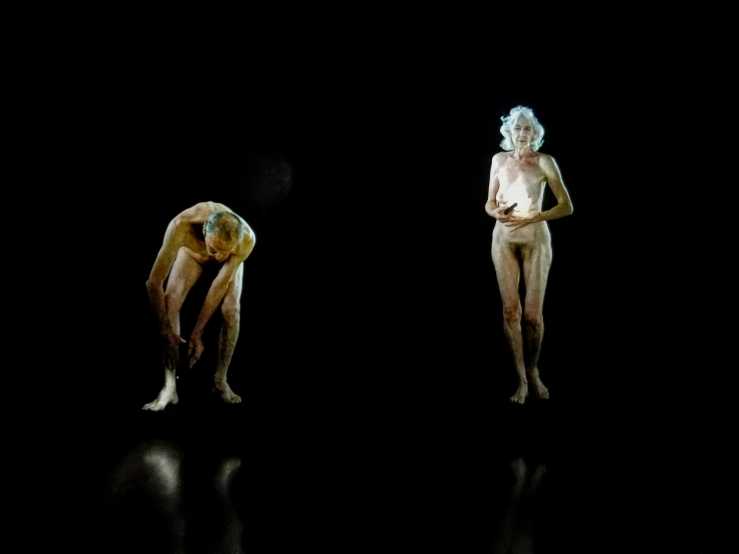
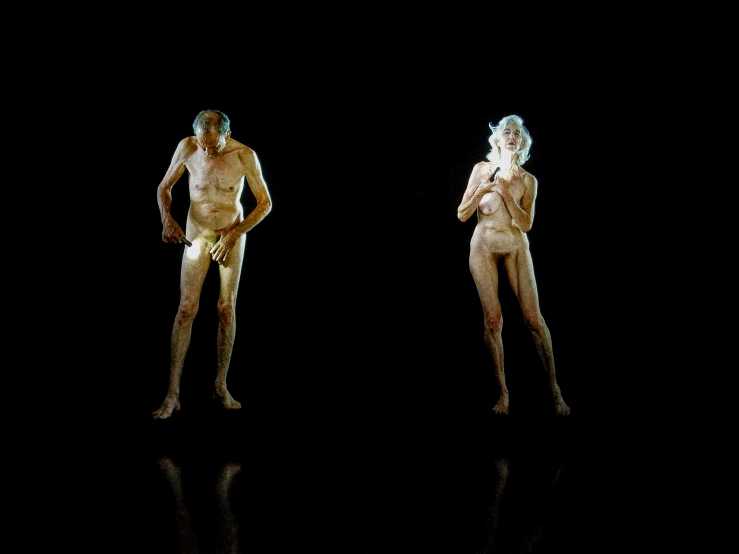
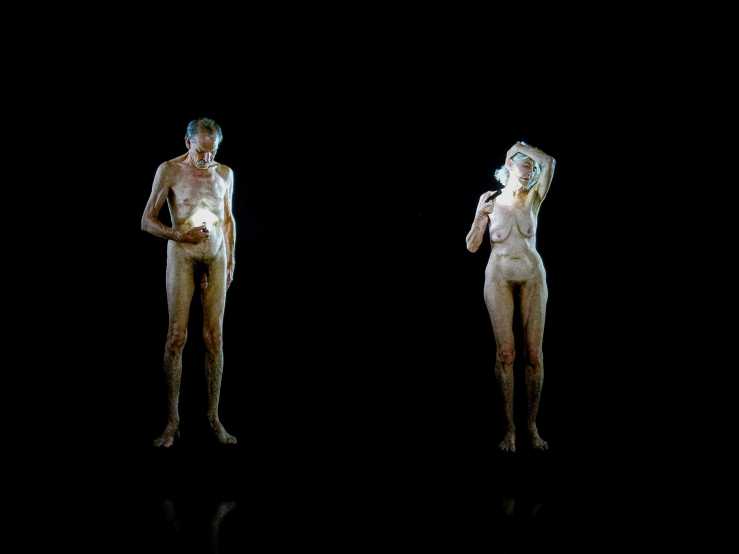
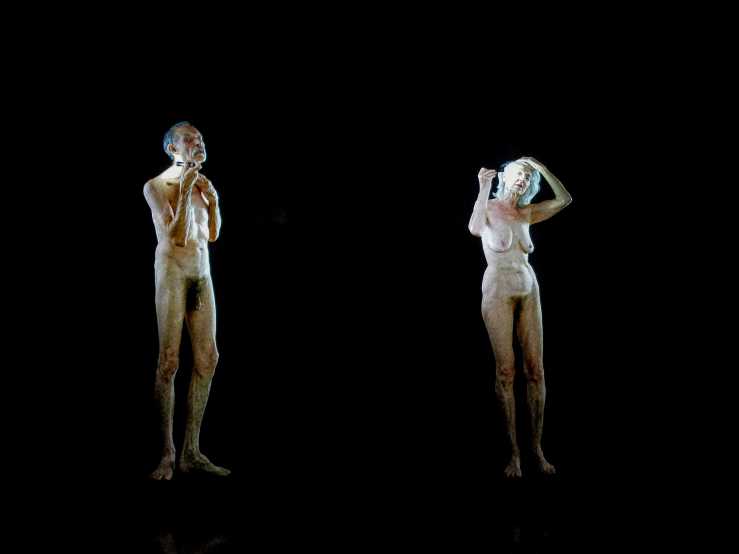
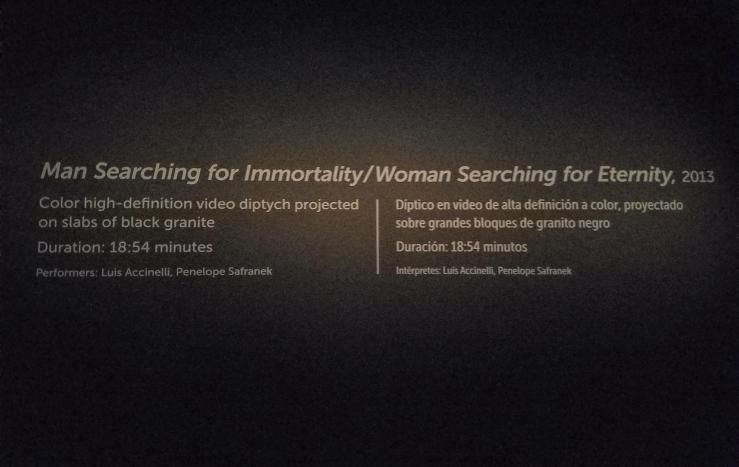
No water present in ”Man Searching for Immortality/Woman Searching for Eternity” (2013), an installation in two frames, showing an elderly man and a woman, naked, inspecting their bodies with a flashlight.
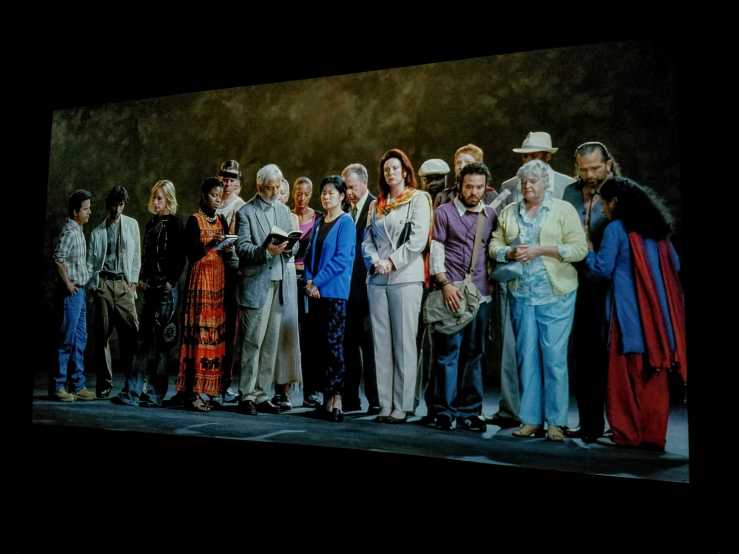
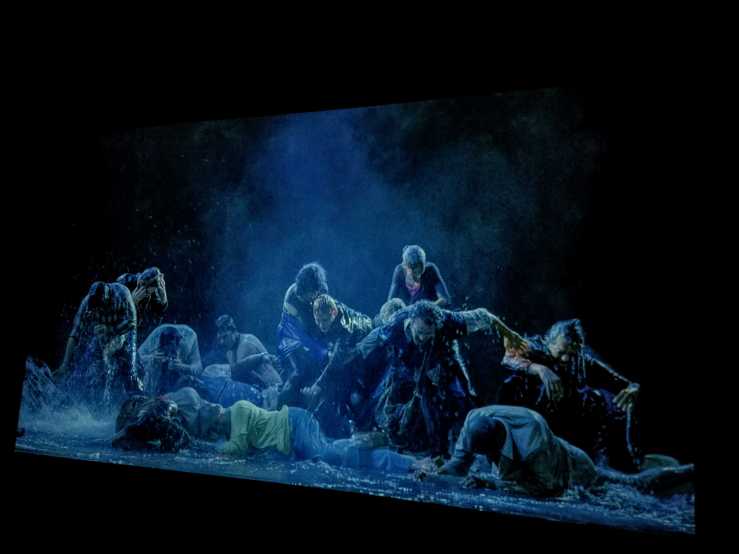
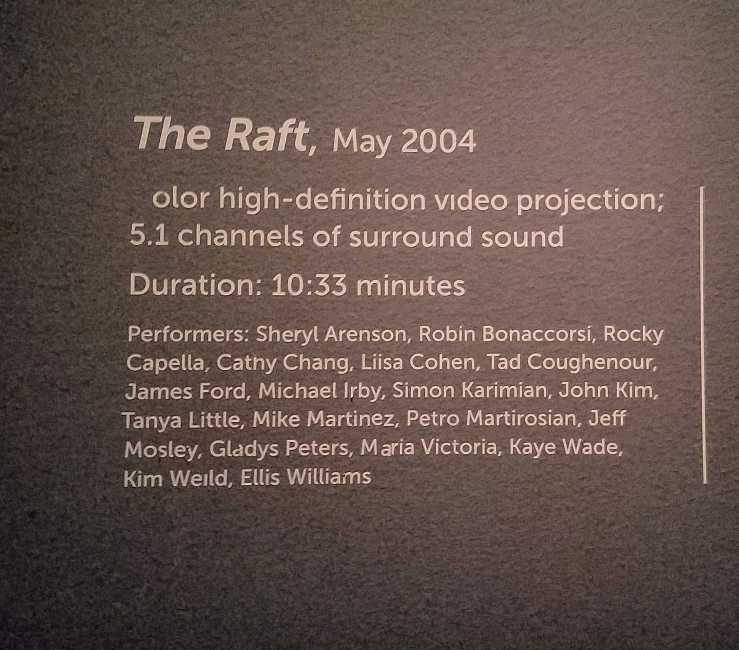
But water is present with all its mighty force in ”The Raft” (2004), in which 19 perfect strangers unsuspectingly gather in a spot, as if waiting for a bus, when suddenly disaster strikes as torrents of water knock them down, leaving them gasping for breath.
Bill Viola Interview on Louisiana Channel, including views from ”The Raft”:
Illusions, before 1901, oil on canvas Henry Brown Fuller (1867-1934)
Elizabeth Winthrop Chanler (Mrs. John Jay Chapman), 1893, oil on canvas John Singer Sargent (1856-1925)
According to the artist, twenty-six-year-old Elizabeth Chanler had ”the face of the Madonna and the eyes of a child.” This portrait shows a beautiful, well-bred woman who has learned to be strong. When Elizabeth was still a girl, her mother died, leaving her to help care for seven younger brothers and sisters.
Sargent has portrayed her in the elegant interior of his London studios decorated with two paintings that frame the circumstances of Elizabeth’s life: a Madonna and Child, and a figure of an old woman copied from a portrait by Frans Hals. Perhaps the artist wished to show Elizabeth as a woman who, despite early hardships, was neither maiden nor matron. Sargent was often dismissed by his contemporaries as a ”society portraitist”, but his paintings never fail tot convey the human story behind the image.
Free listening and free download (mp3) chill and down tempo music (album compilation ep single) for free (usually name your price). Full merged styles: trip-hop electro chill-hop instrumental hip-hop ambient lo-fi boombap beatmaking turntablism indie psy dub step d'n'b reggae wave sainte-pop rock alternative cinematic organic classical world jazz soul groove funk balkan .... Discover lots of underground and emerging artists from around the world.














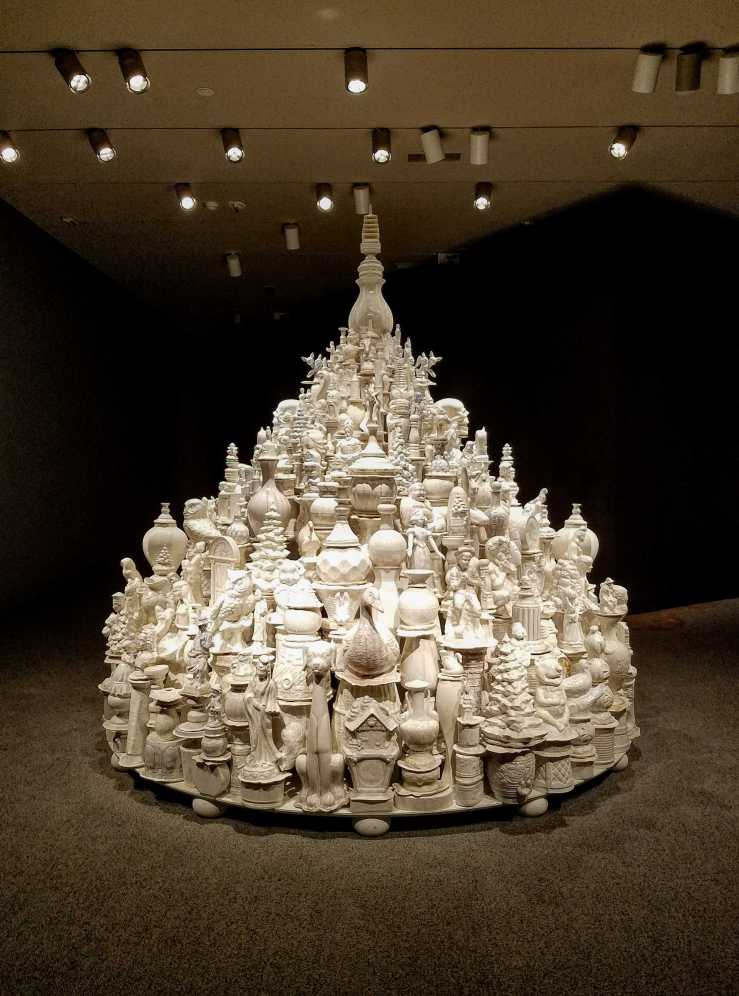
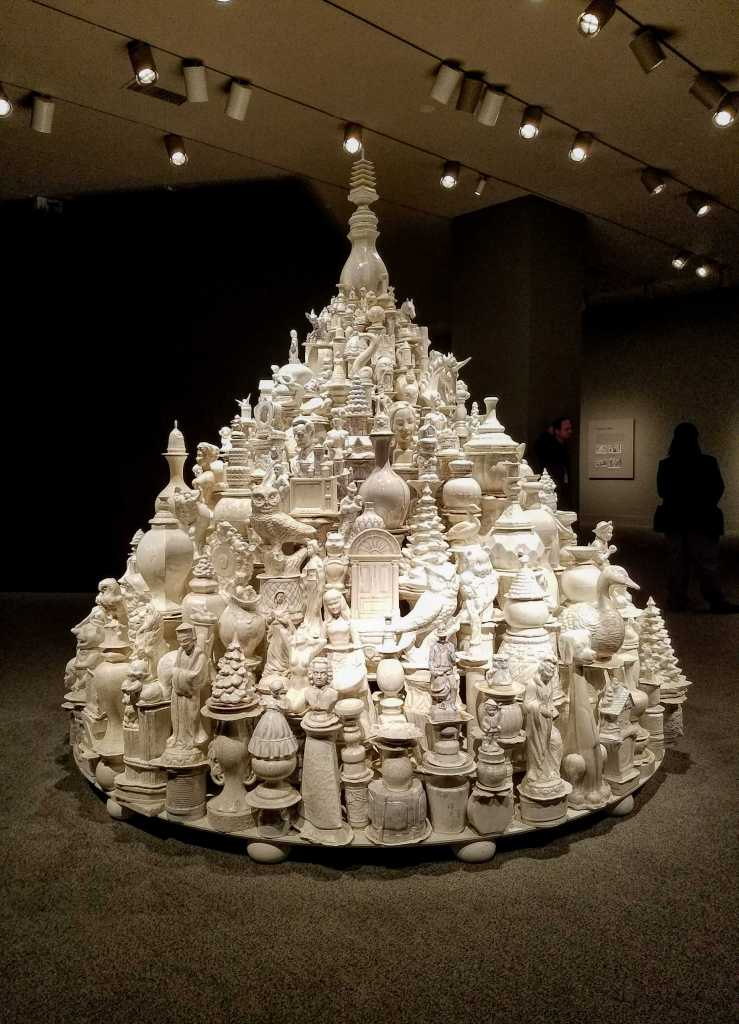

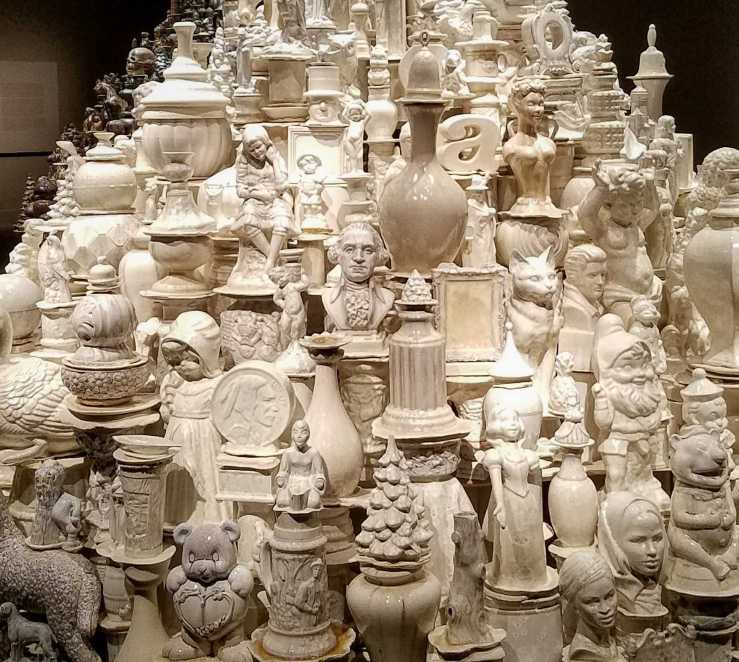

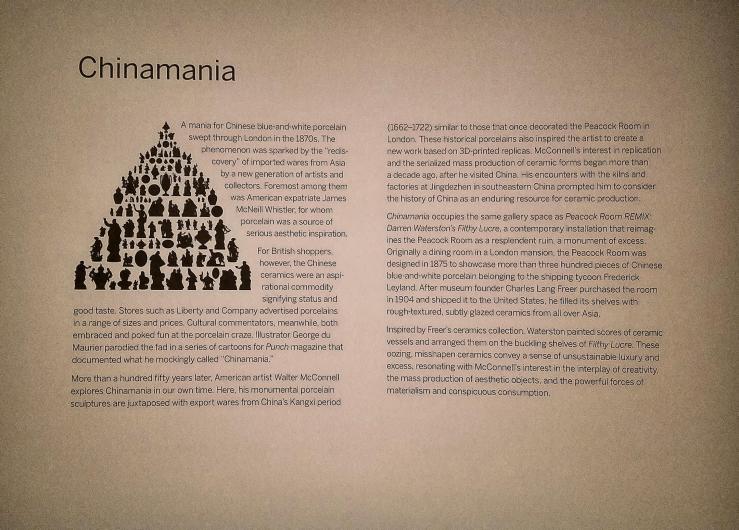


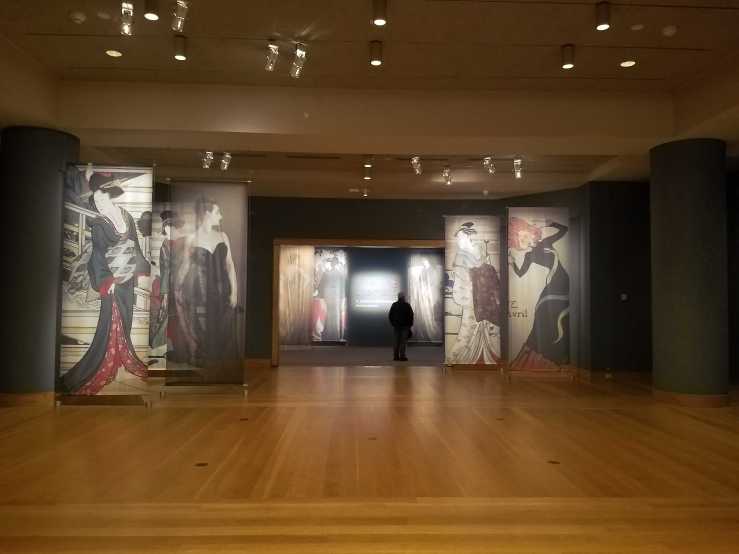 As unique as ”The Peacock Room”, a magnificent example of cross-cultural art: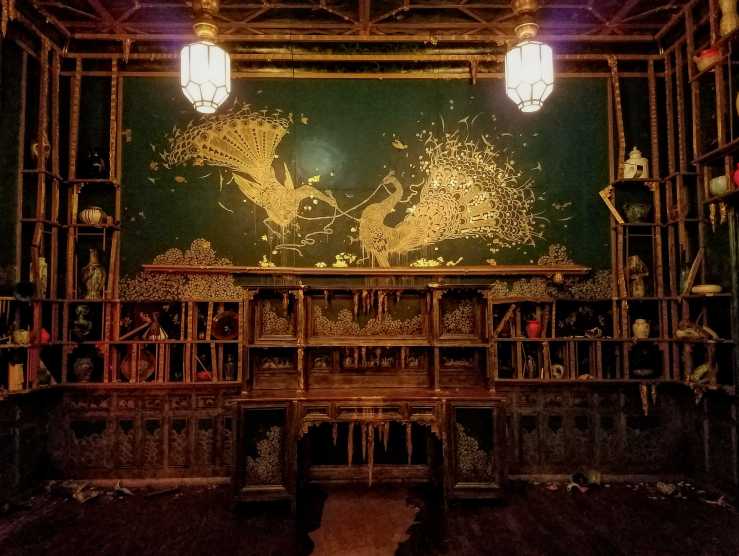




 Nude Seated at Her Dressing Table, 1909, oil on canvas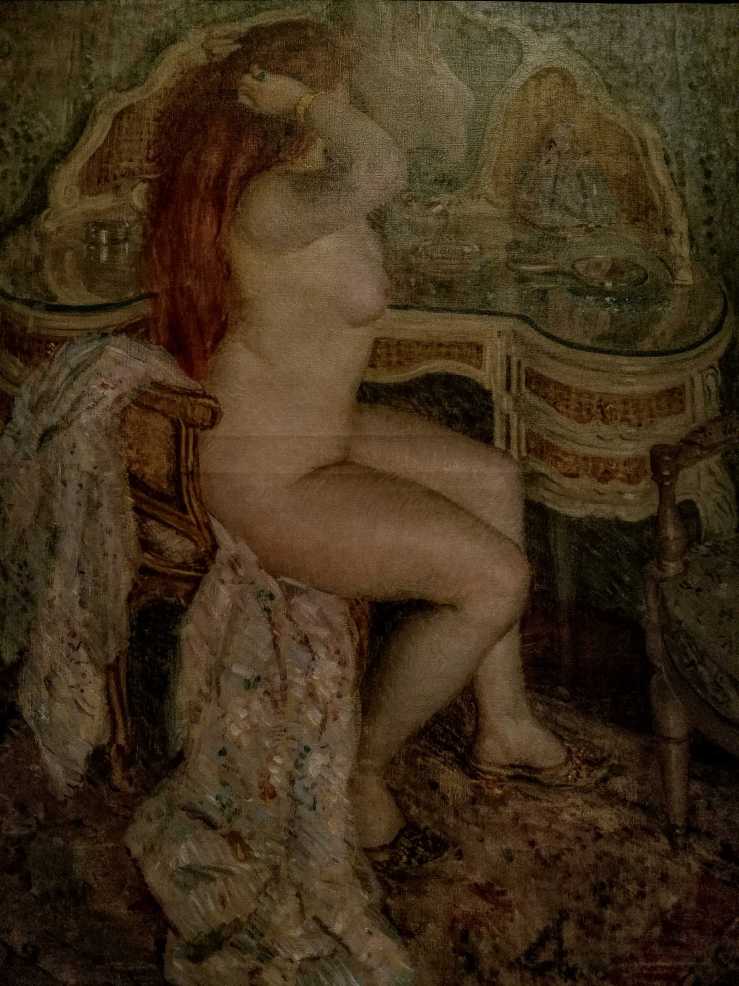
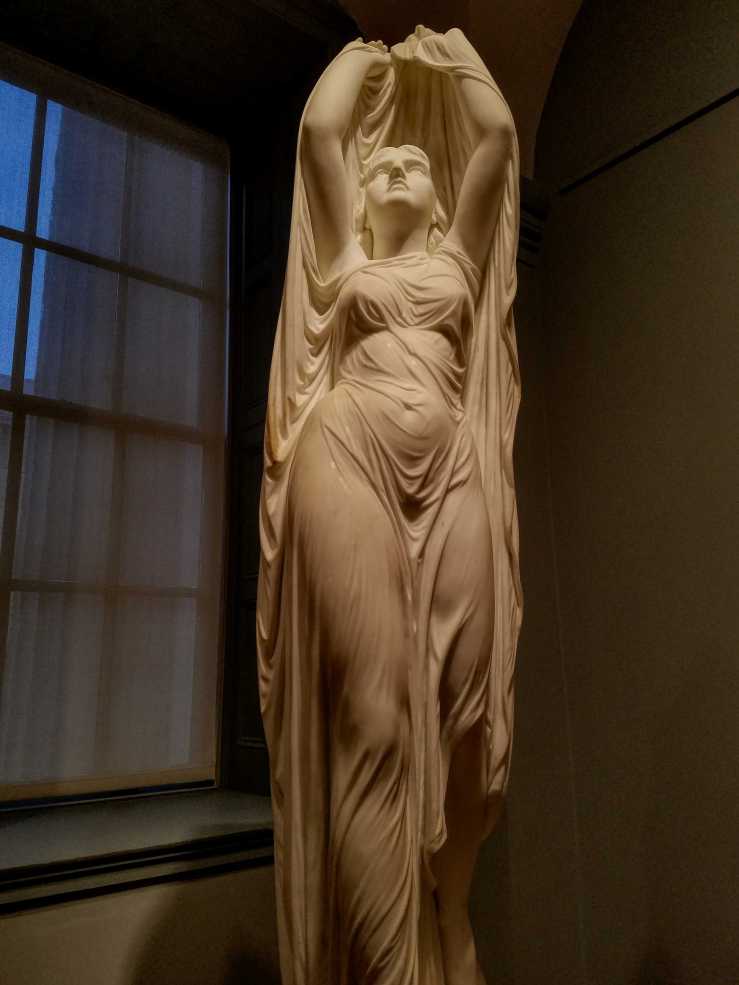 Undine, modeled about 1880, carved 1884, marble
 Illusions, before 1901, oil on canvas
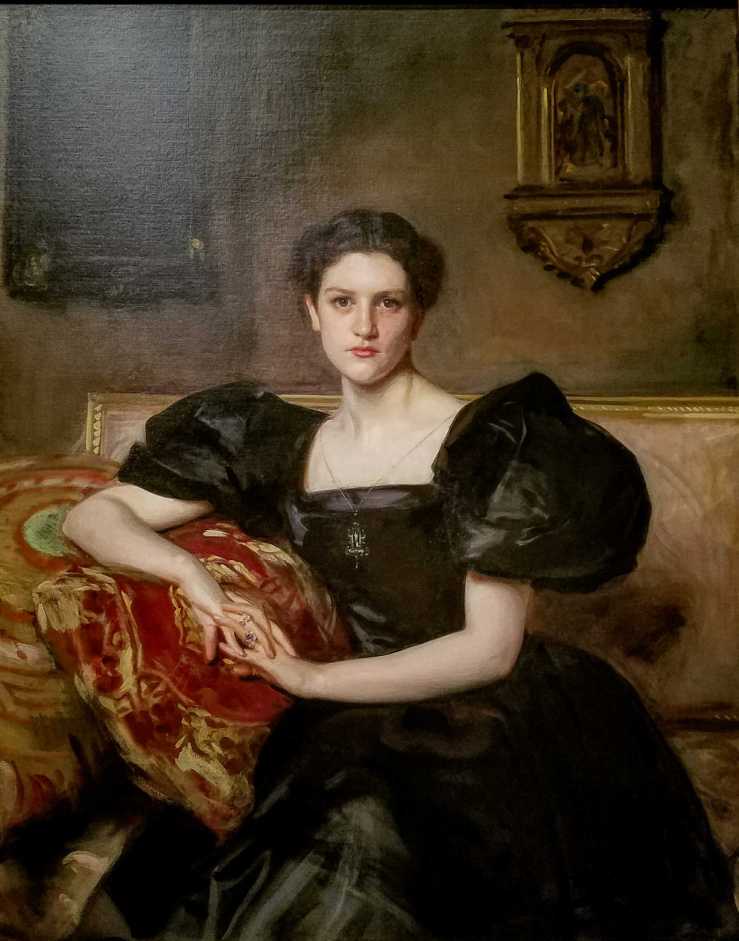 Elizabeth Winthrop Chanler (Mrs. John Jay Chapman), 1893, oil on canvas
 The Humble Fabulist