The Idiosyncratic Eyes of Mme Bourgeois

Staring into your soul.
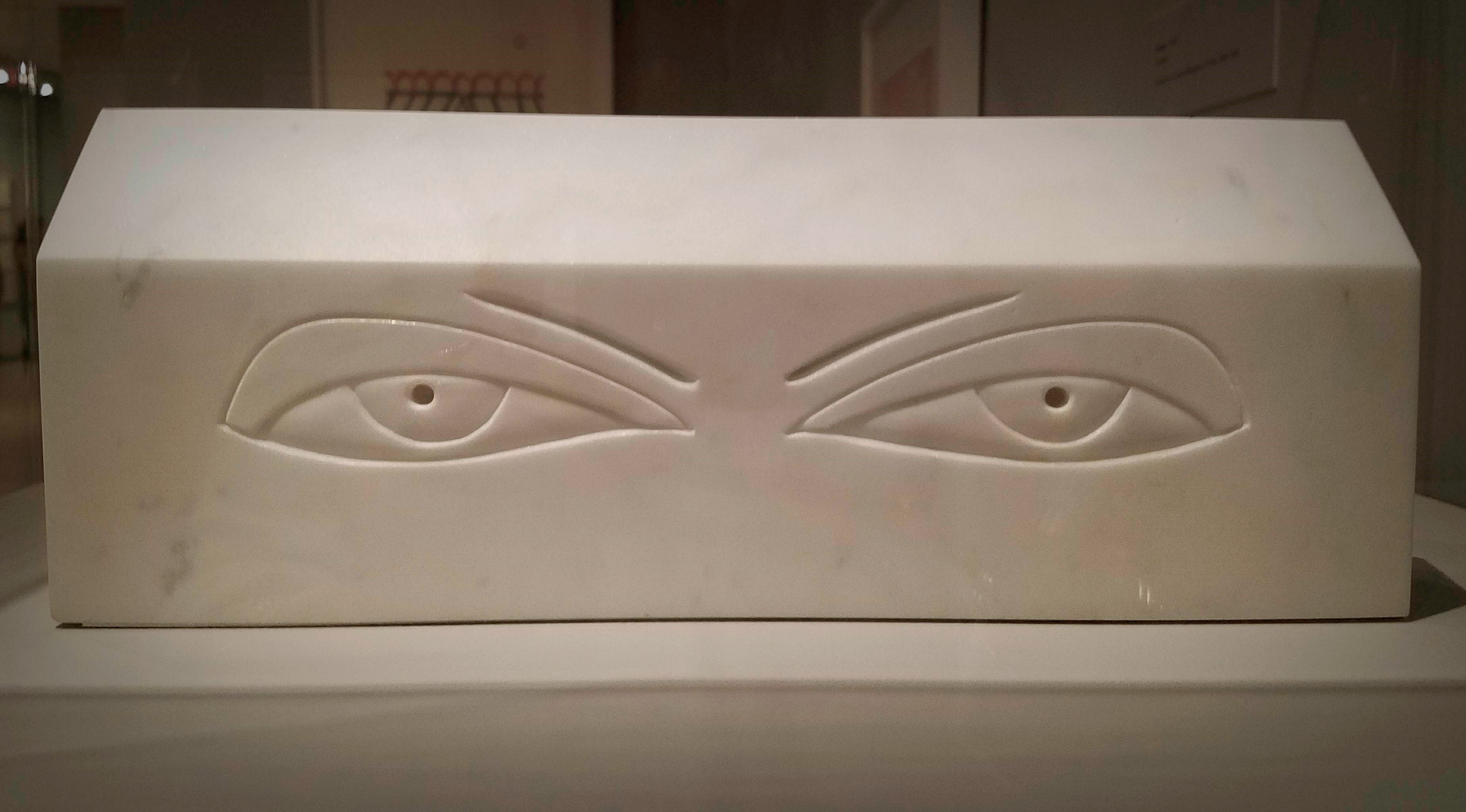
House 1994
Marble


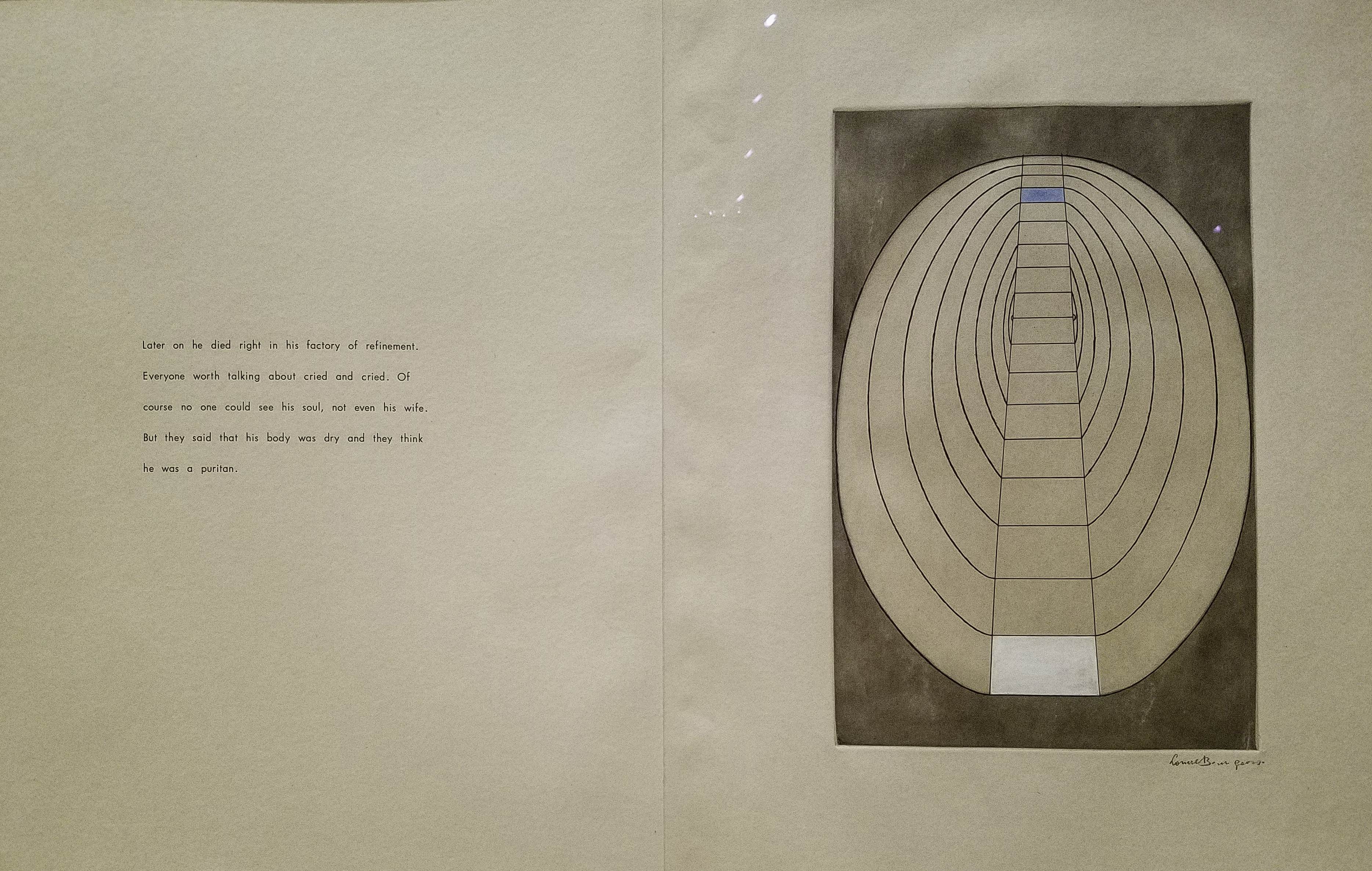
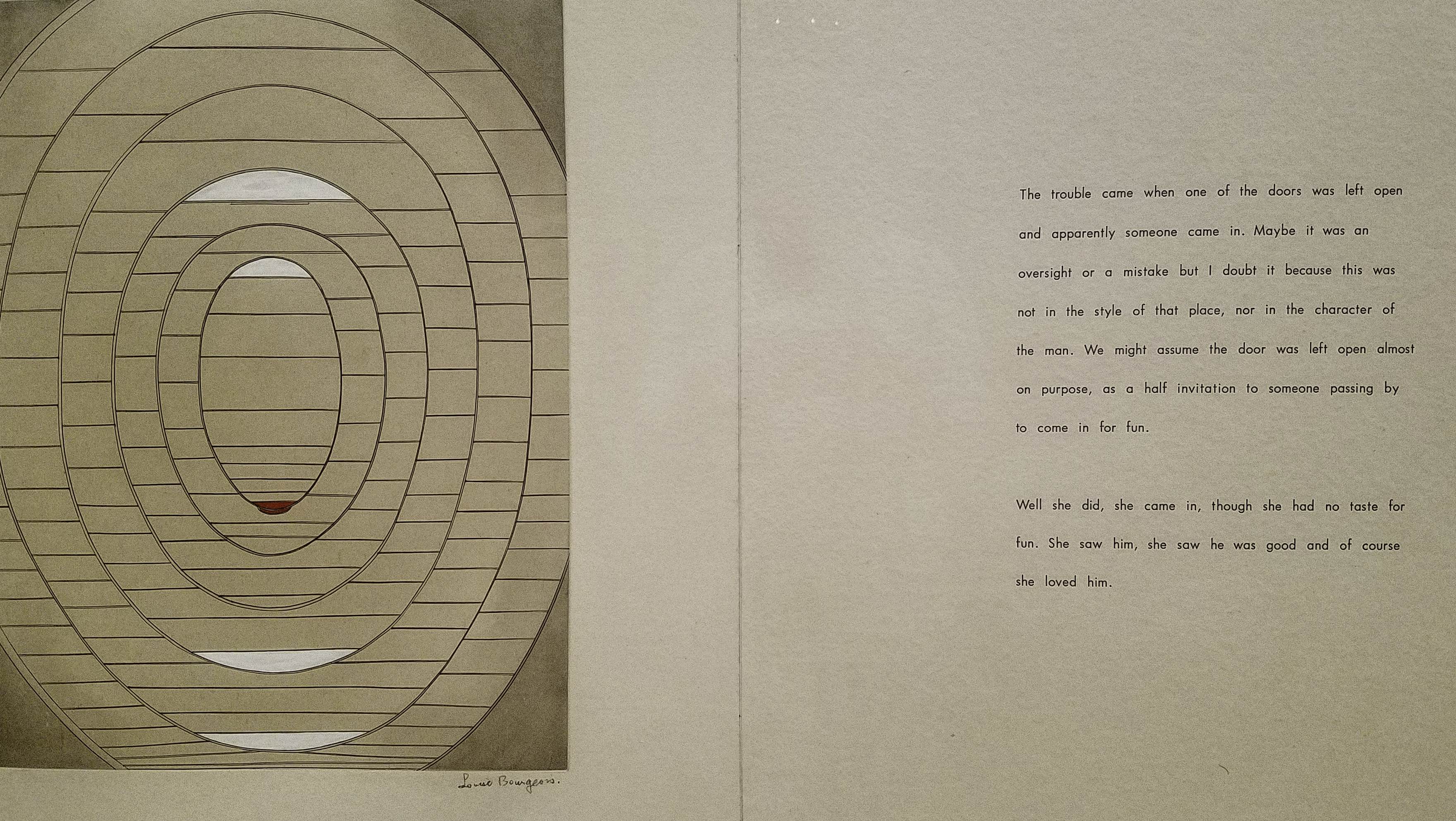
the puritan 1990-97 (text: 1947)
Folio set no. 3: engravings with selective wiping, gouache and watercolour additions
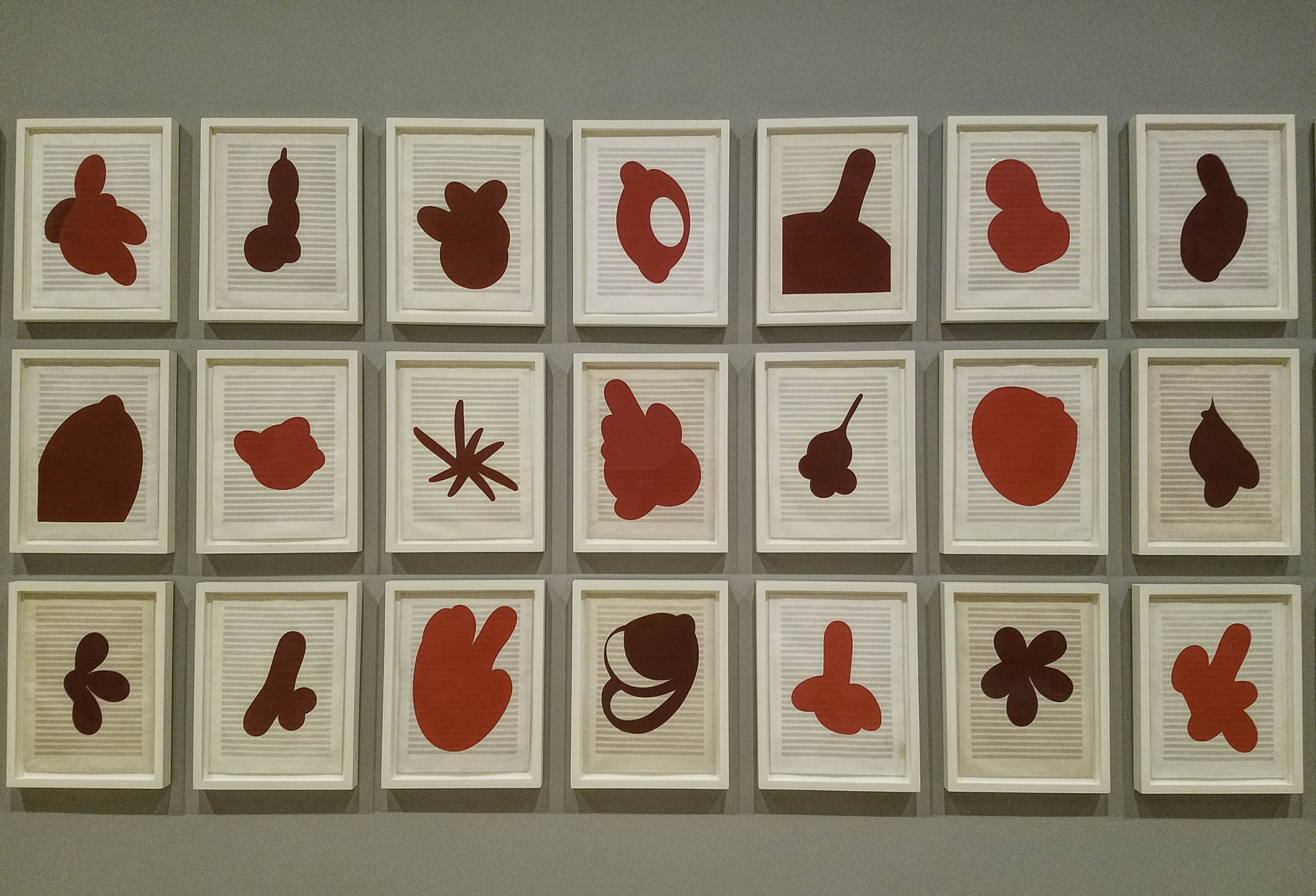

Lullaby 2006
Series of twenty-five screenprints on fabric: title sheet and twenty-four compositions

Bourgeois created shapes by turning and tracing common household objects – scissors, a knife and a candy dish, among them. She published this set herself, under the imprint Lison Editions. Lison, Lise, Lisette, Louison and Louisette were among her childhood nicknames.
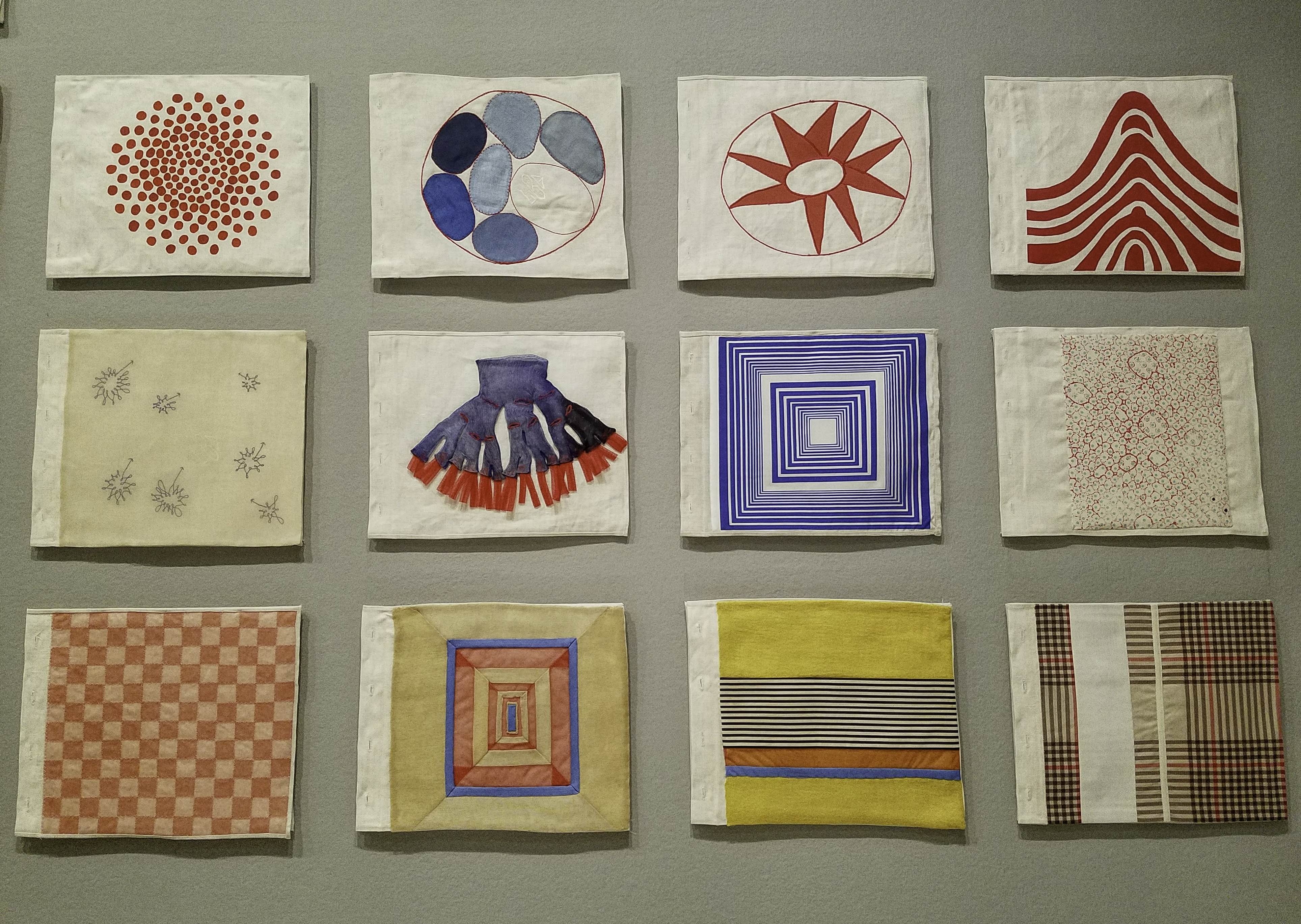
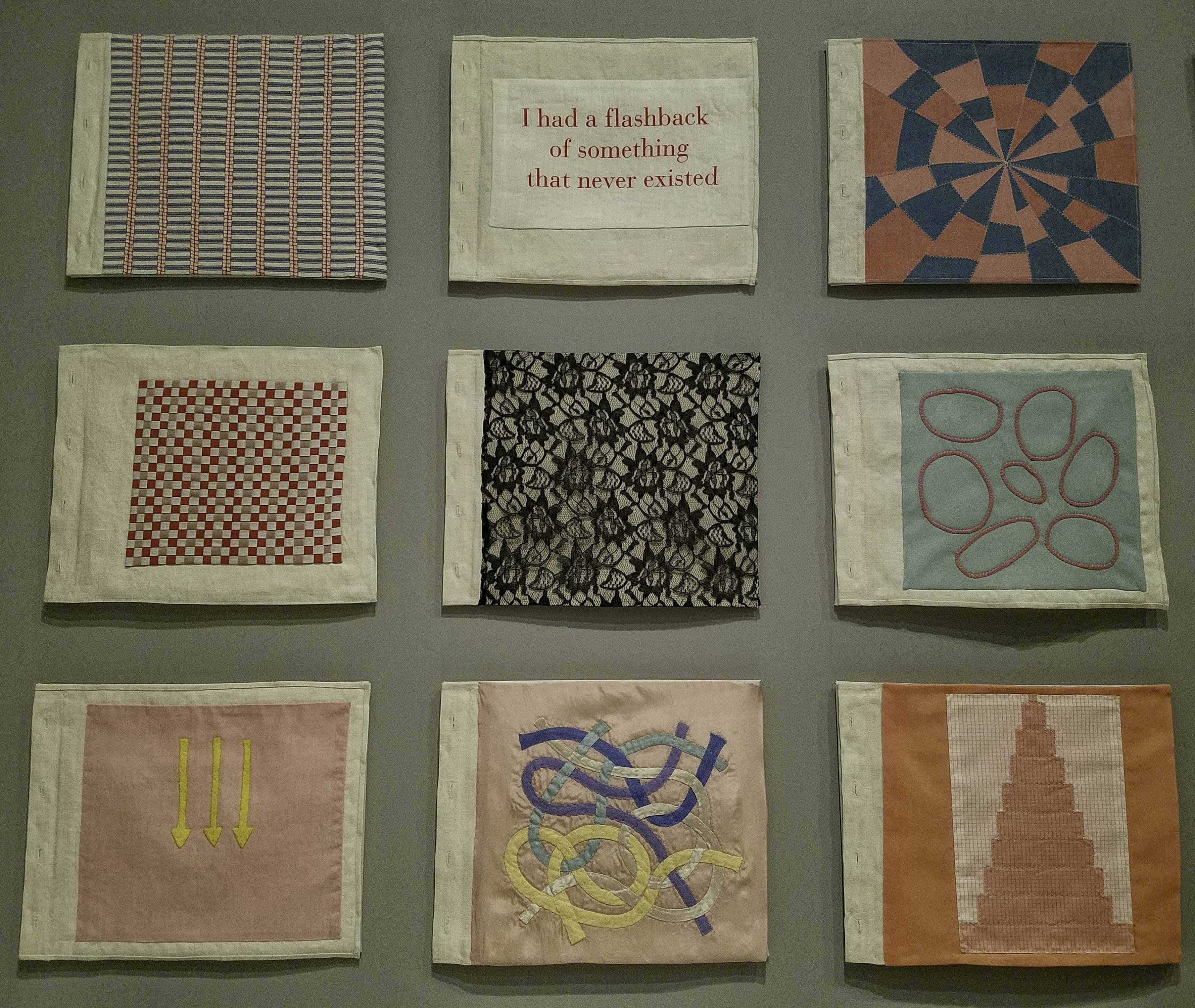
Ode à l’Oubli 2004
Fabric illustrated book with thirty fabric collages and four lithographs

The pages of this book are composed of linen hand towels saved from her trousseau. Many contain the embroidered monogram LBG (Louise Bourgeois Goldwater). Bourgeois later issued and editioned version of this book in twenty-five examples. In that version, the pages are tied together through buttonholes instead of bound so all of the pages can be displayed simultaneously, as seen on this wall.
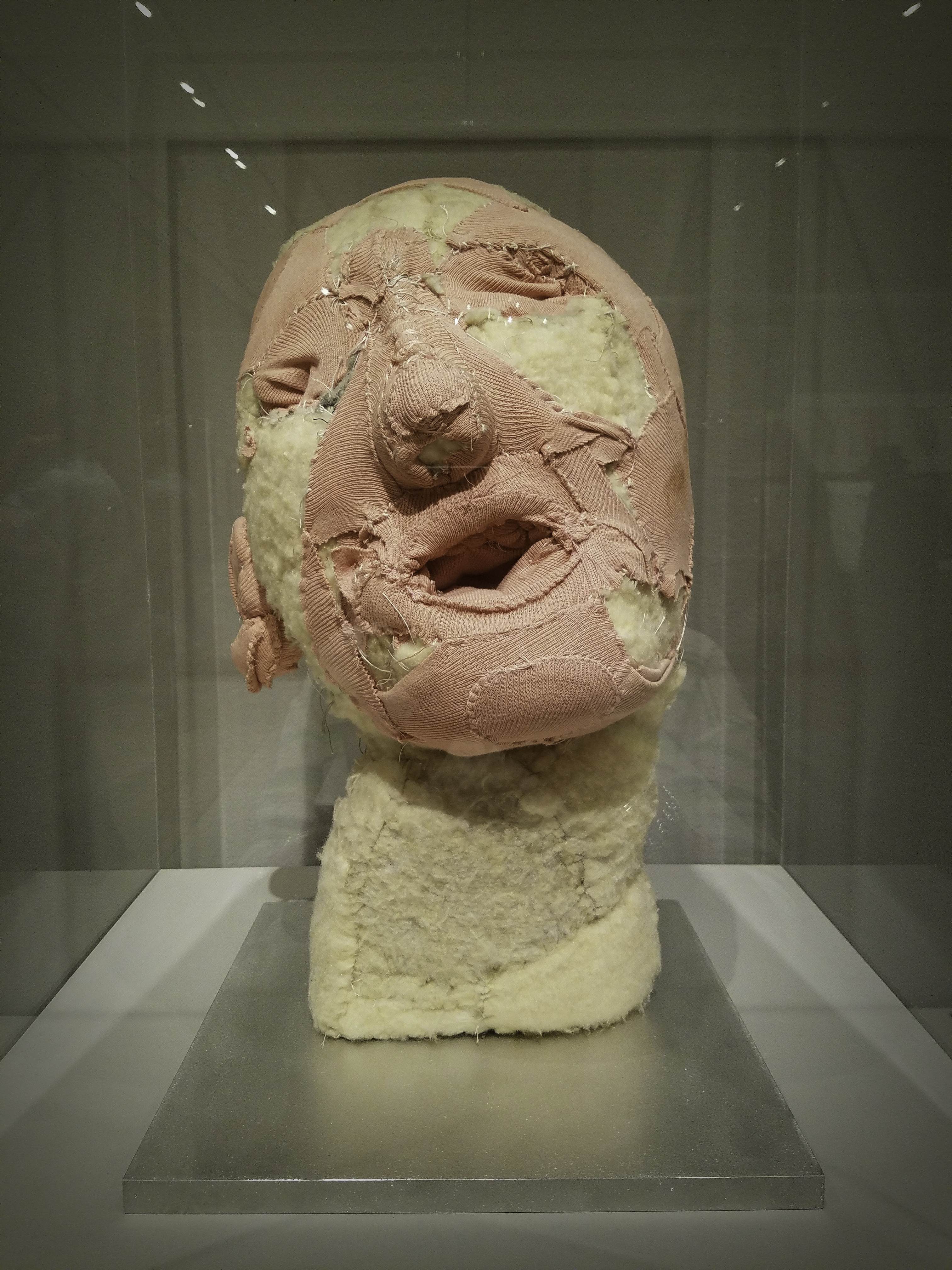

Untitled 1998
Fabric and stainless steel
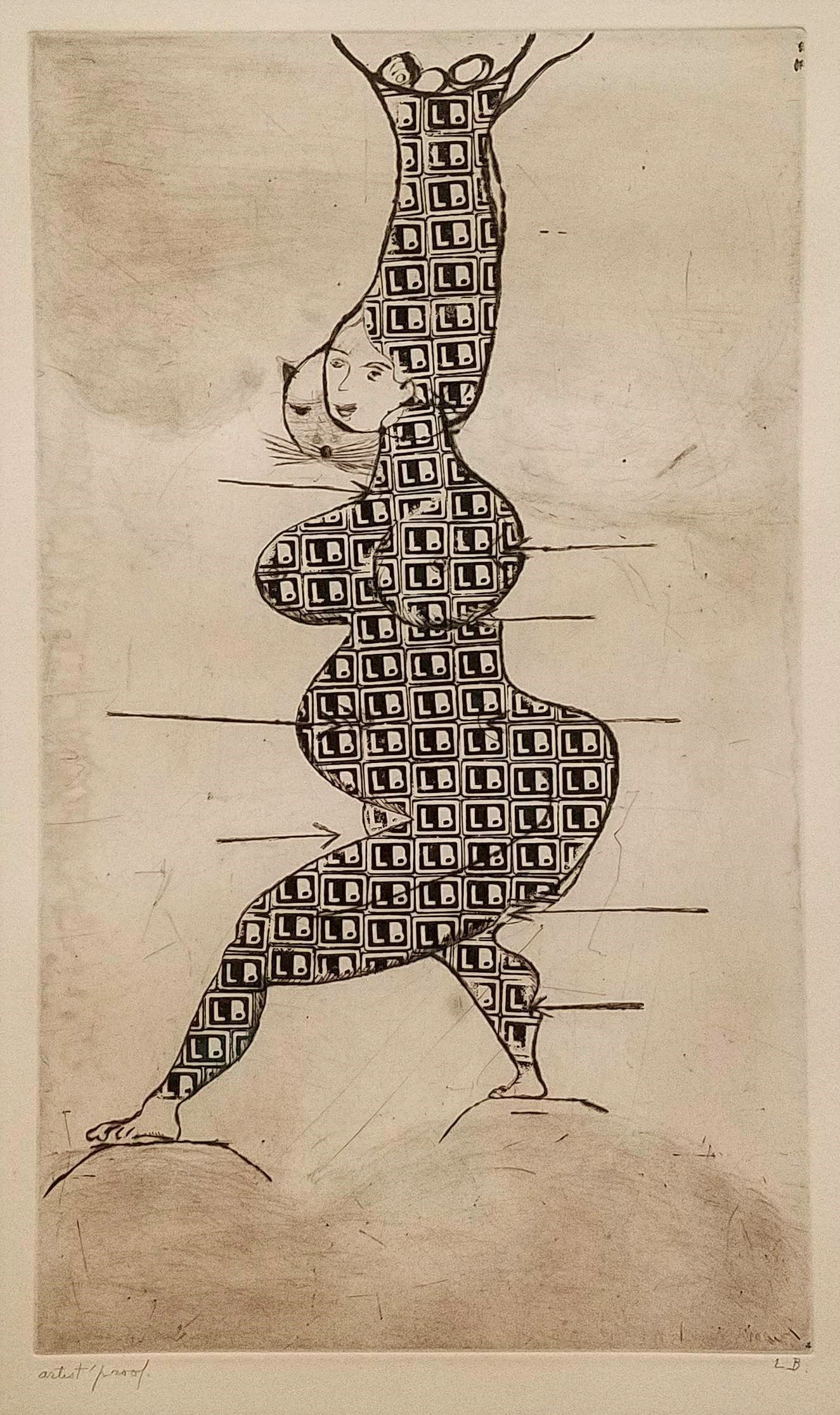

Stamp of Memories I 1993
Drypoint with metal stamp additions


Sainte Sébastienne 1992
Drypoint


Triptych for the Red Room 1994
Aquatint, drypoint and engraving

The subject of pain is the business I am in.“ – LB
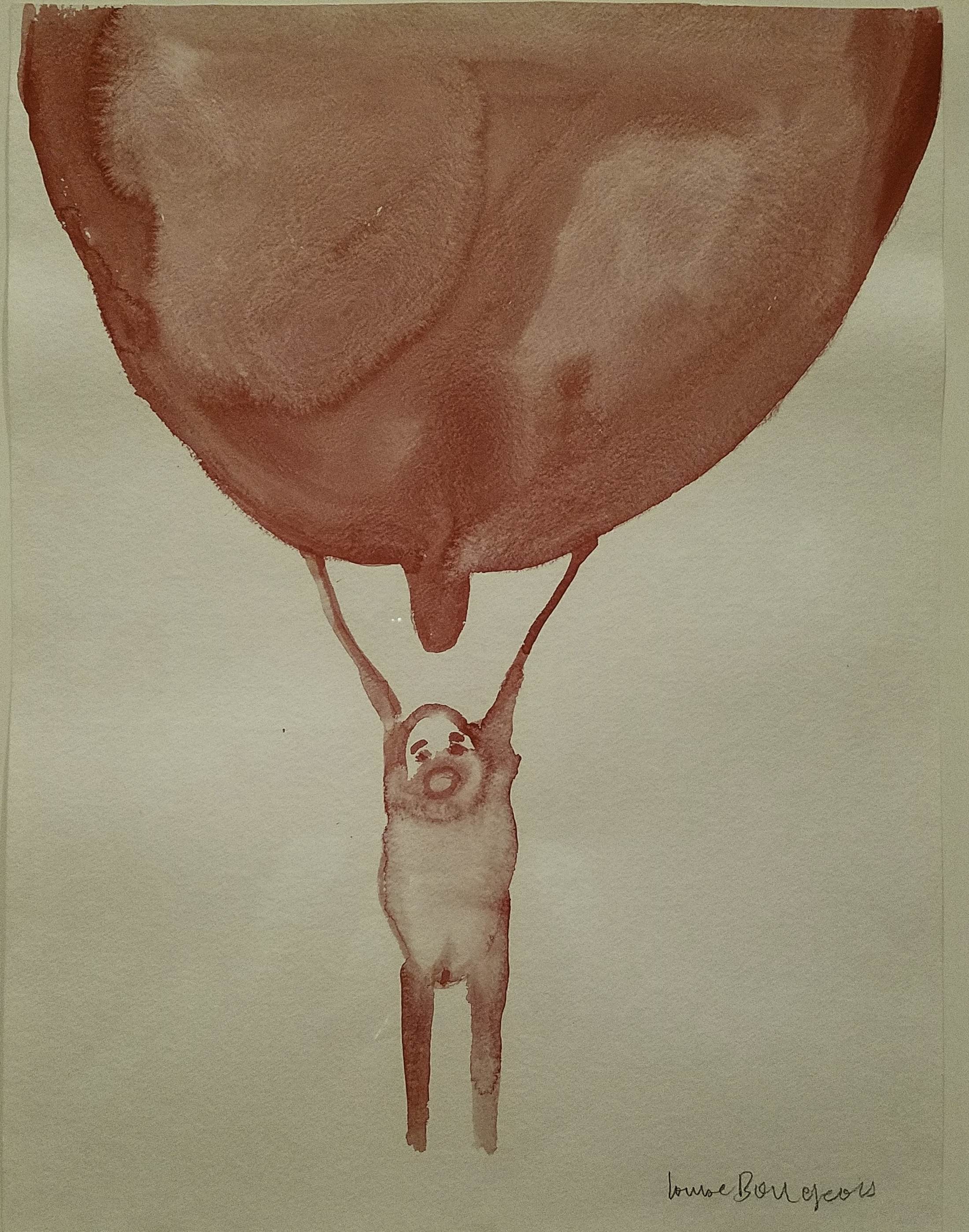

Self Portrait 2007
Gouache on paper


Self Portrait 1990
Drypoint, etching and aquatint
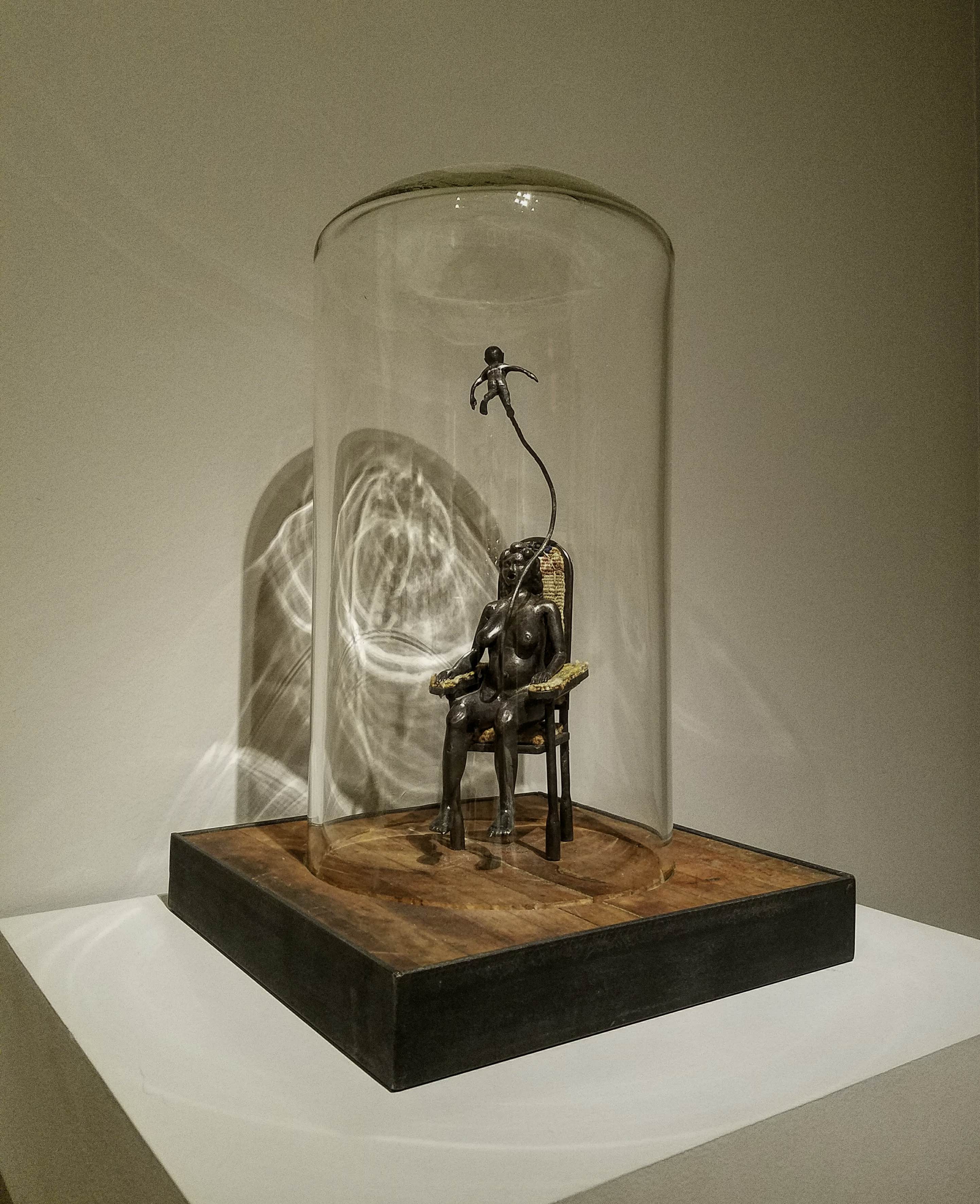

I Redo (interior element) from the installation
I Do, I Undo, I Redo 1999-2000
Steel, glass wood and tapestry
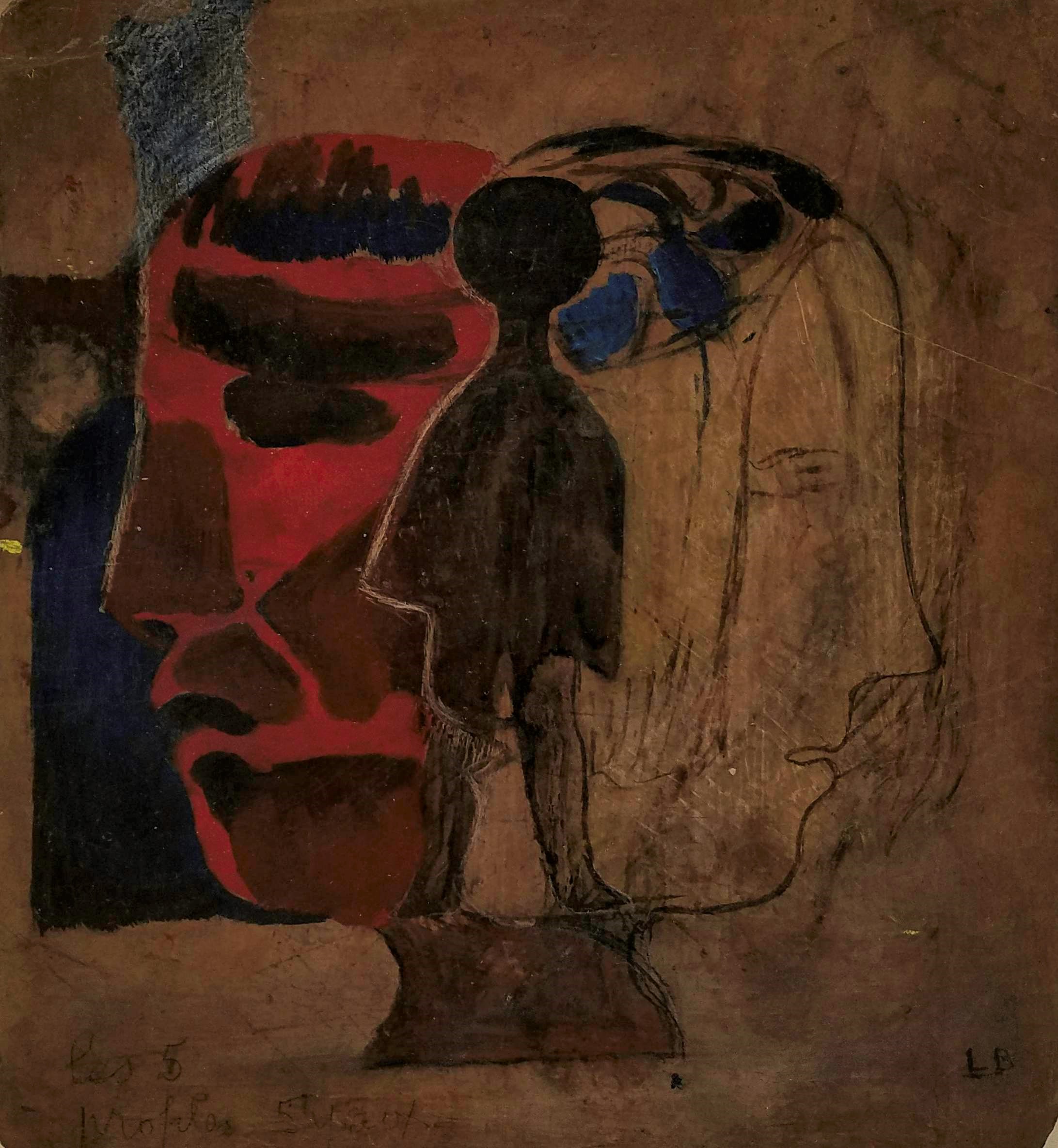

Untitled 1940
Oil and pencil on board
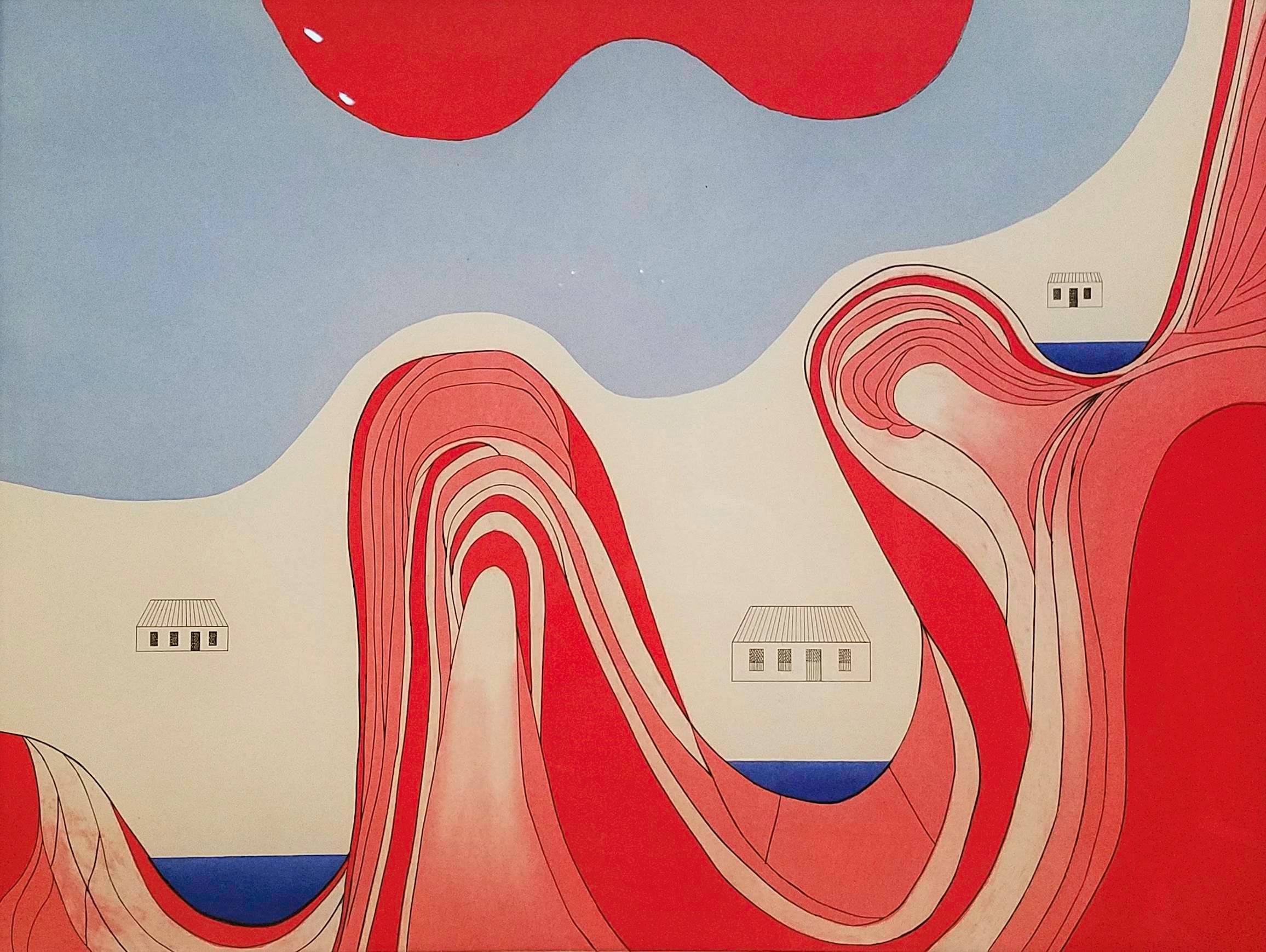

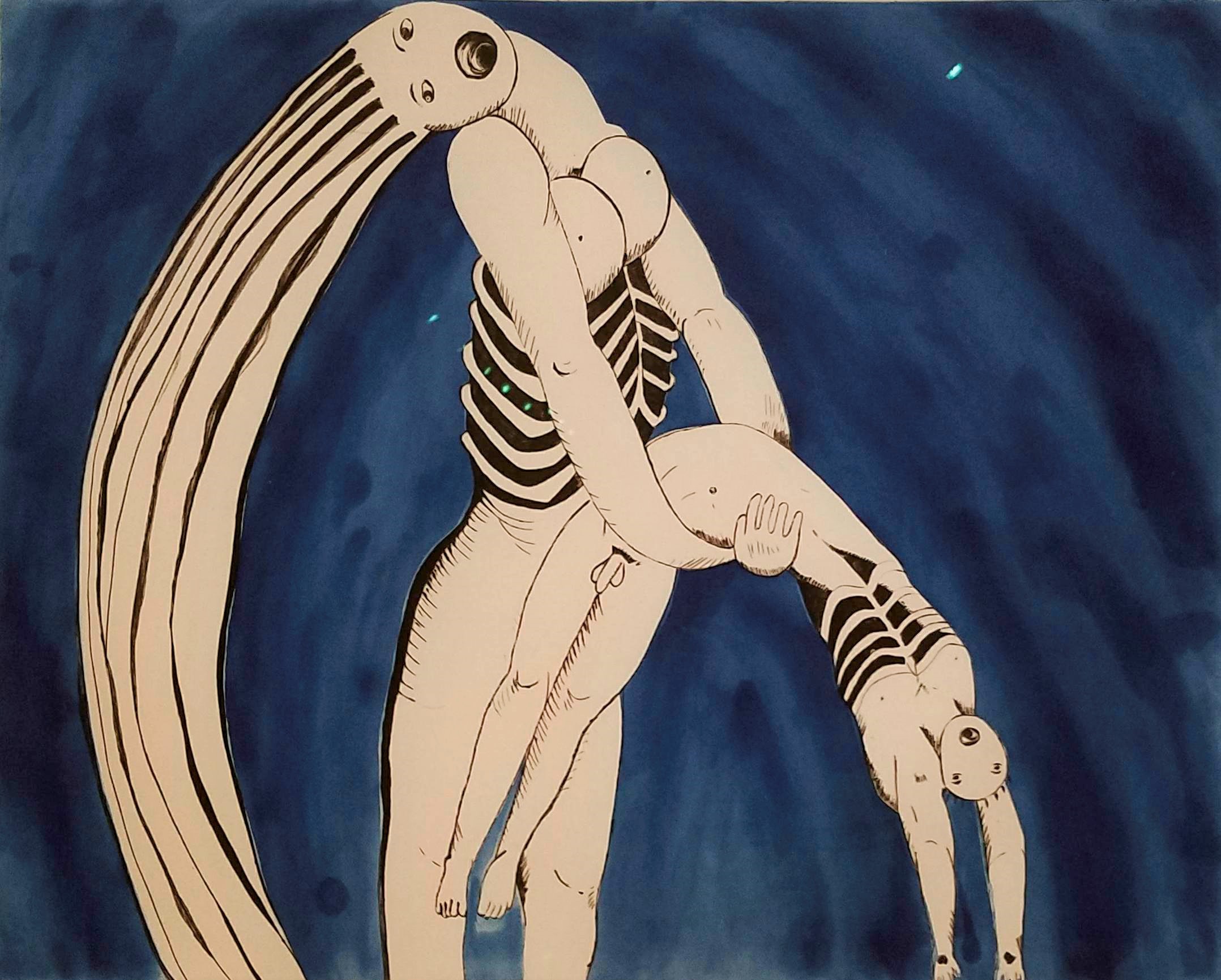
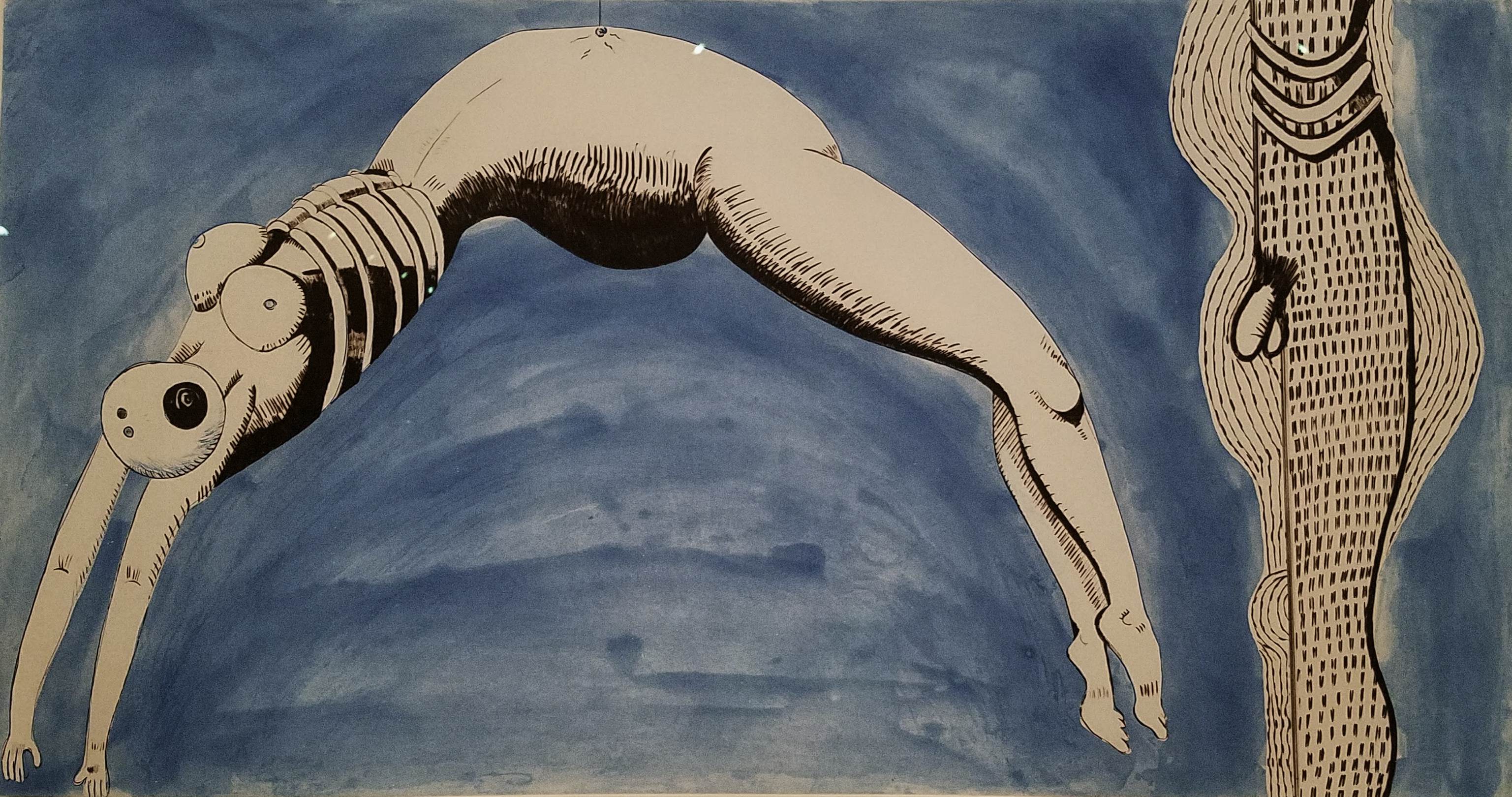
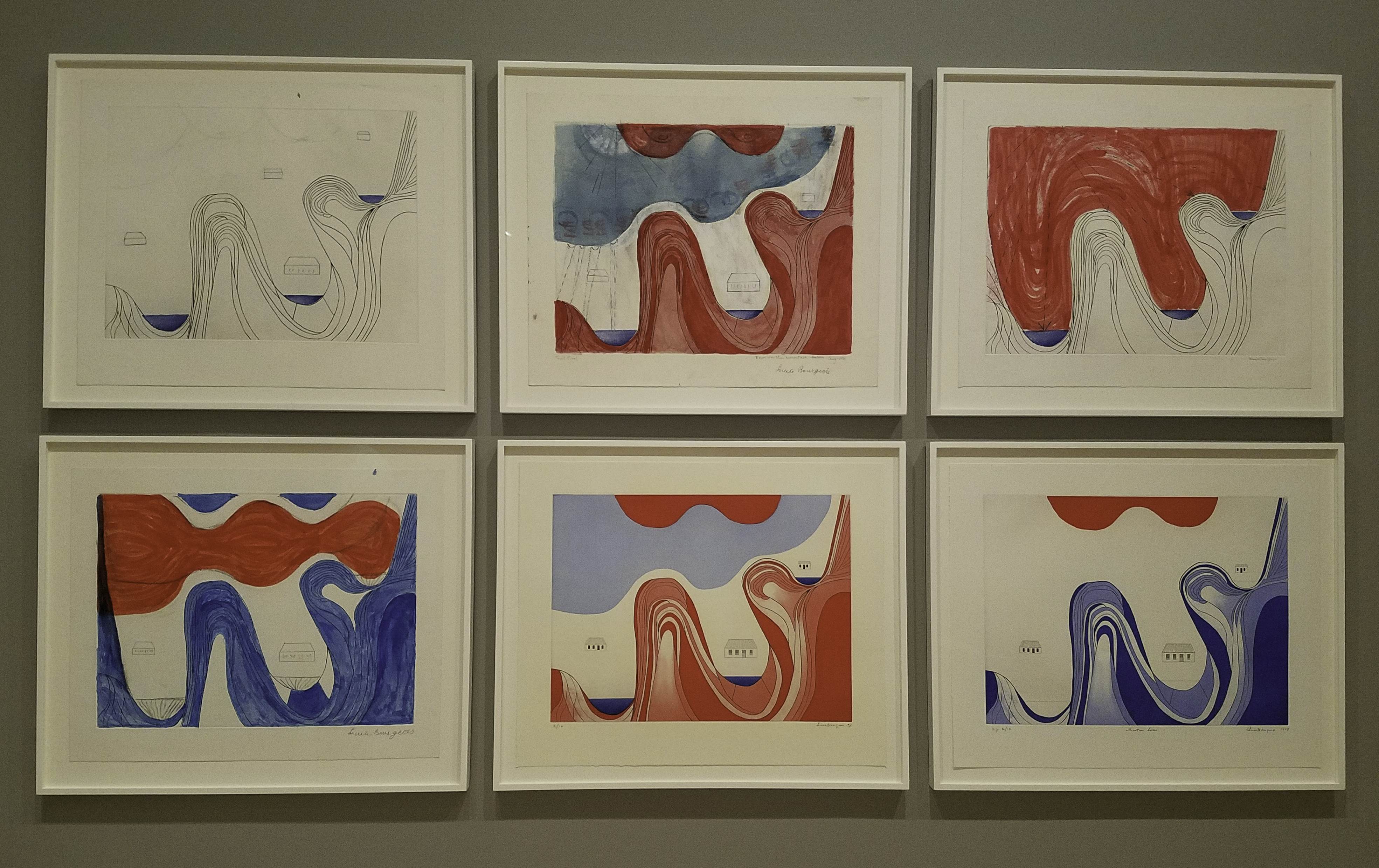
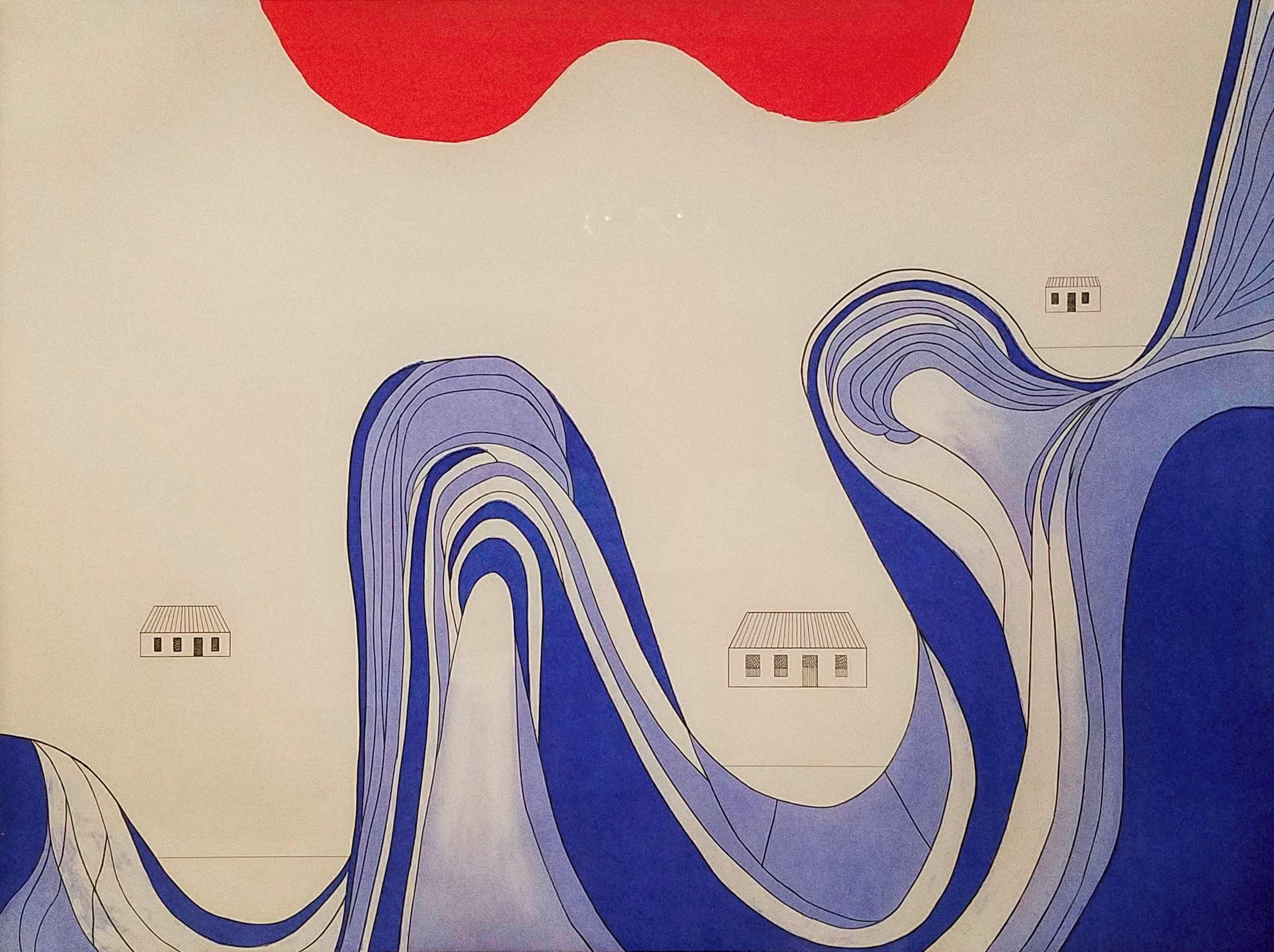
Lacs de Montagne (Mountain Lakes), 1996 & 1997
Engraving and aquatint with watercolour, gouache and ink additions
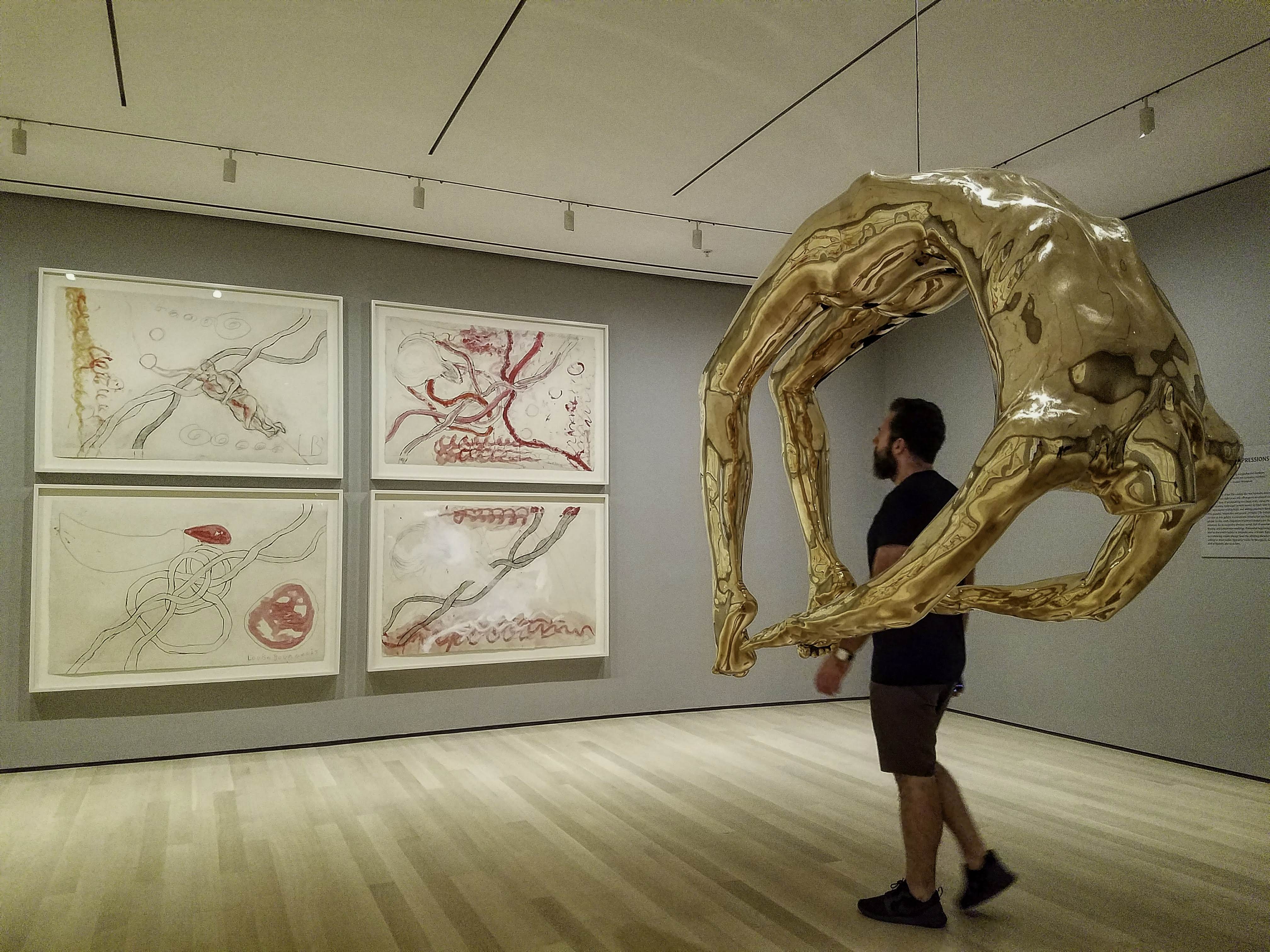

Arch of Hysteria 1993
Bronze, polished patina
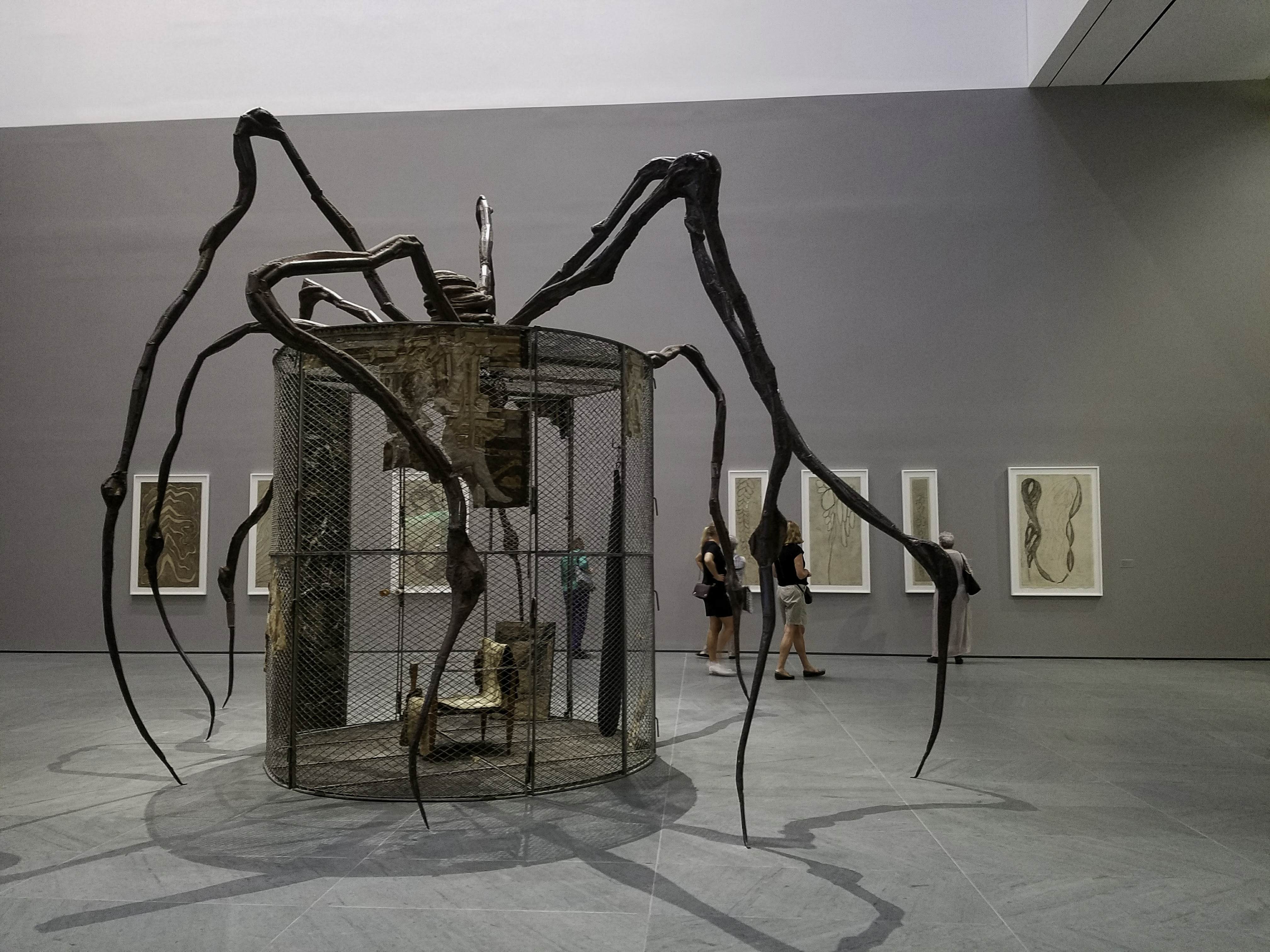

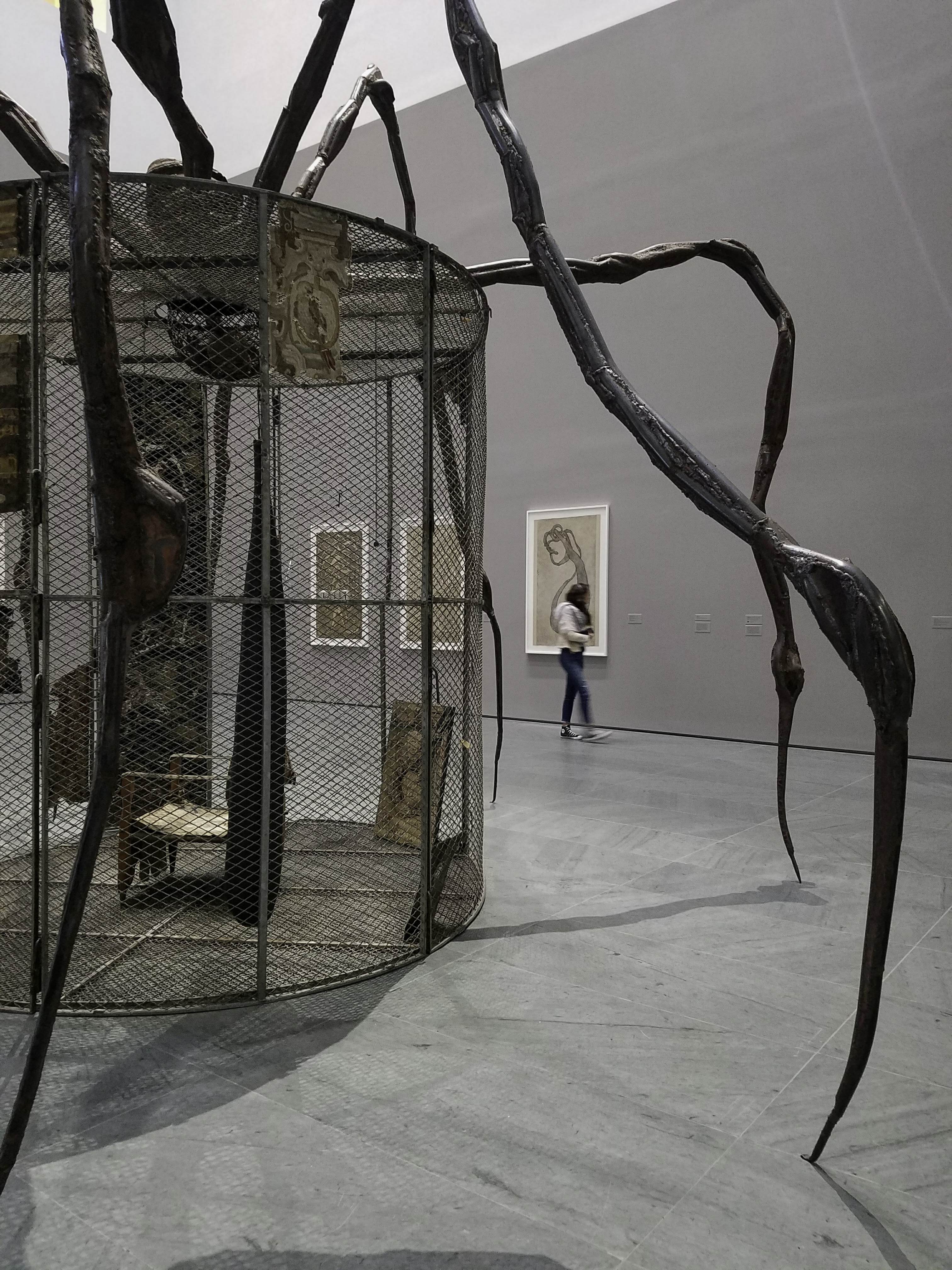
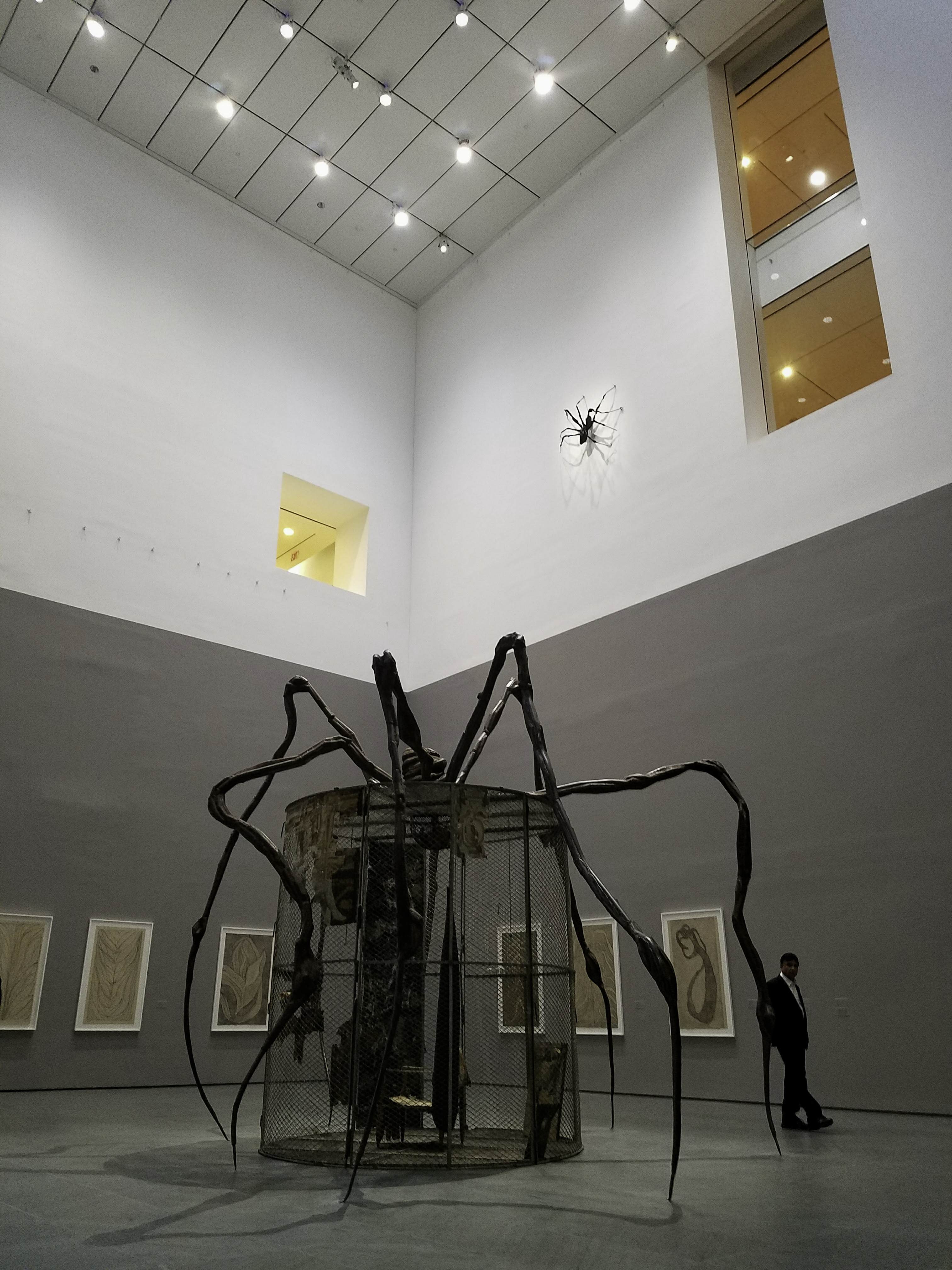
Spider 1997


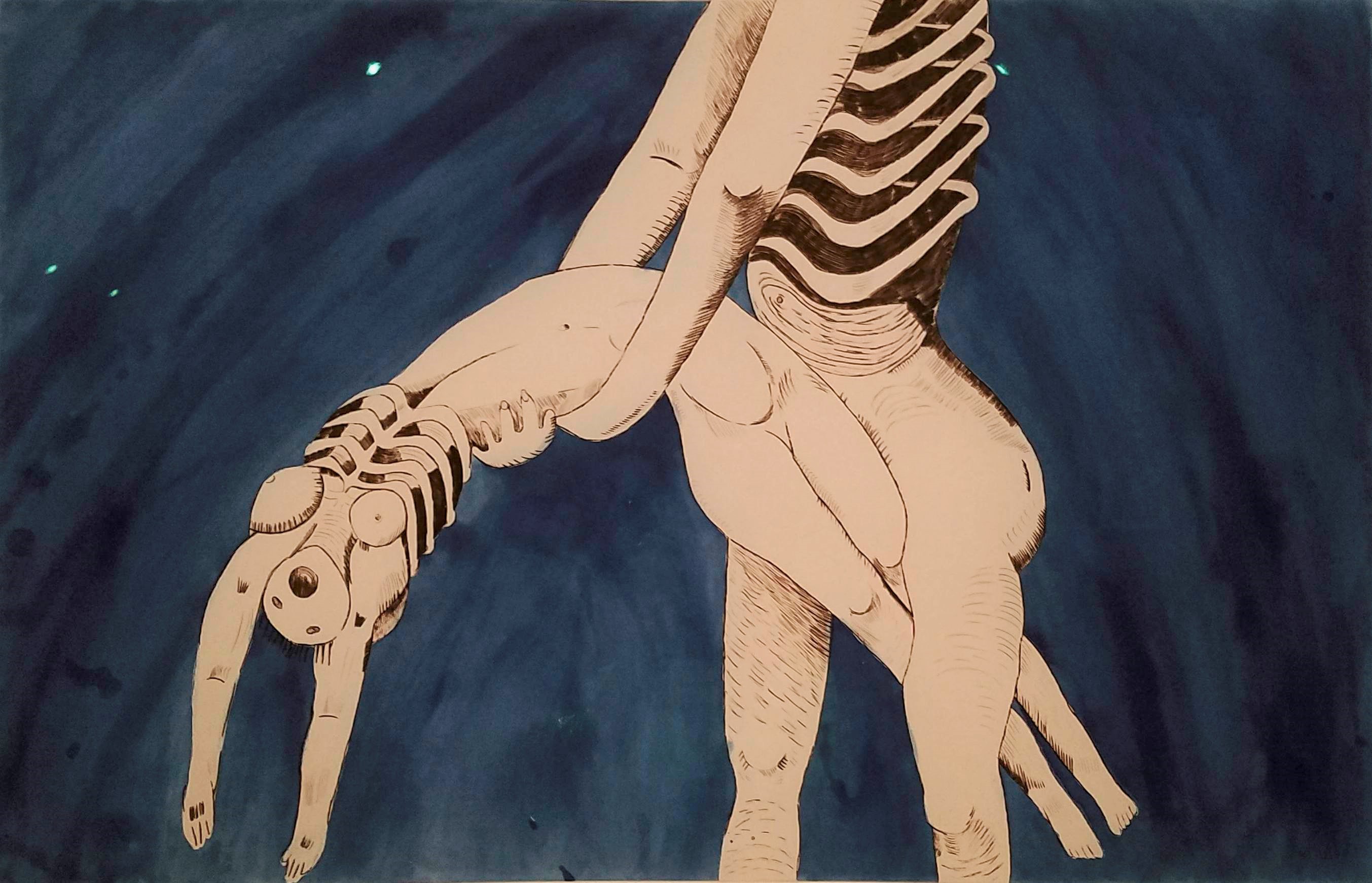
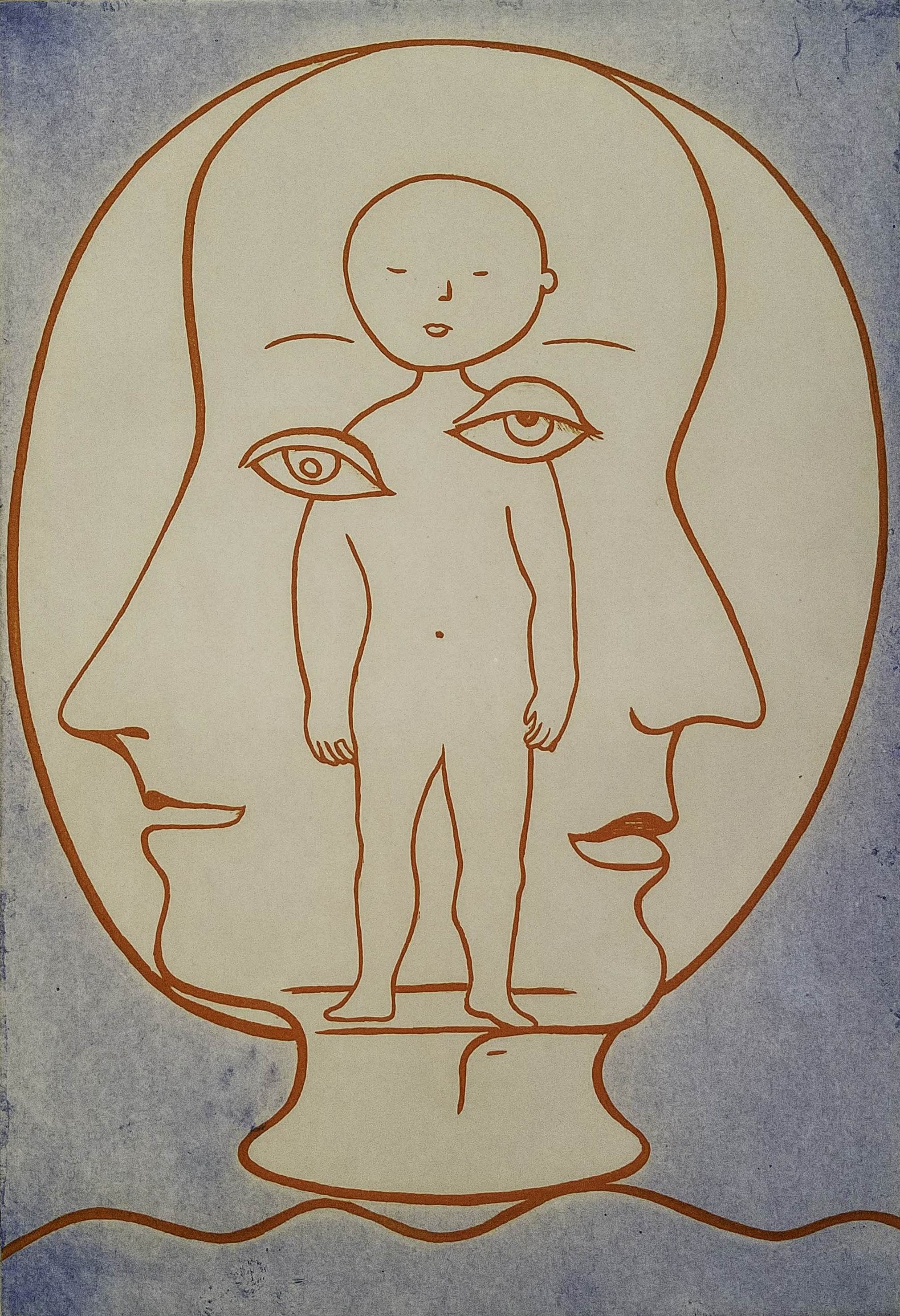
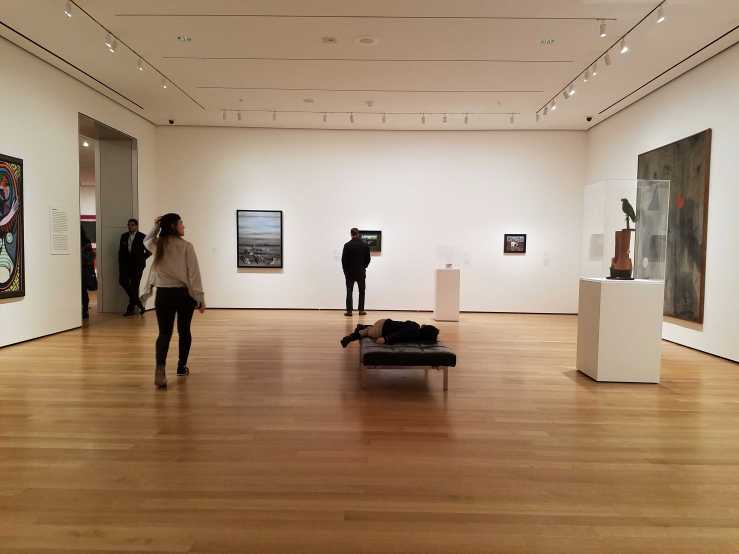
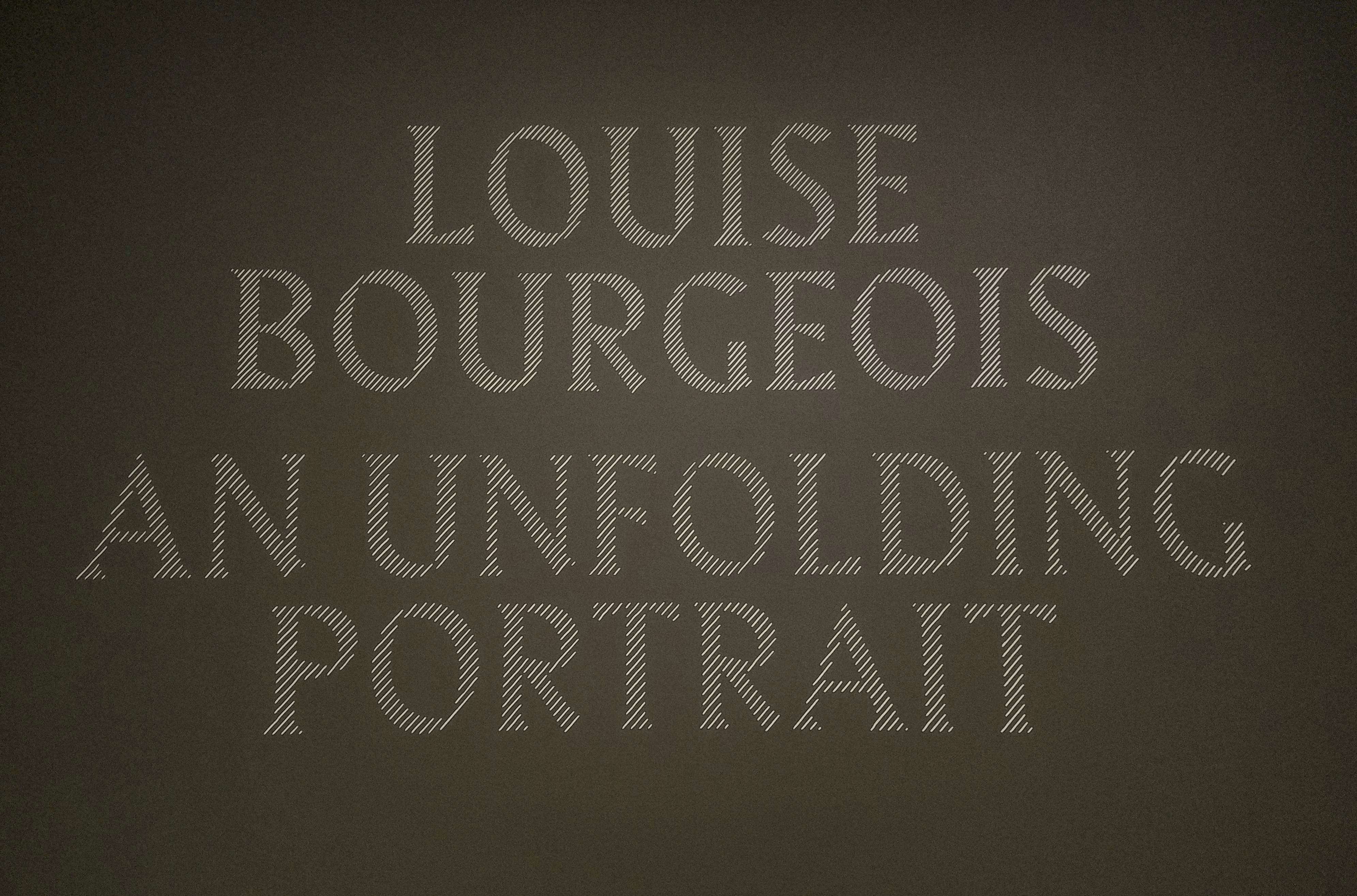
Note from Louise Bourgeois: An Unfolding Portrait, an exhibition that ran at the MoMA, until end January 2018: ”[…] explores the prints, books, and creative process of the celebrated sculptor Louise Bourgeois (1911–2010). Bourgeois’s printed oeuvre, a little-known aspect of her work, is vast in scope and comprises some 1,200 printed compositions, created primarily in the last two decades of her life but also at the beginning of her career, in the 1940s. The Museum of Modern Art has a prized archive of this material, and the exhibition will highlight works from the collection along with rarely seen loans […].”

September 25th, 2017
What’s Happening…?

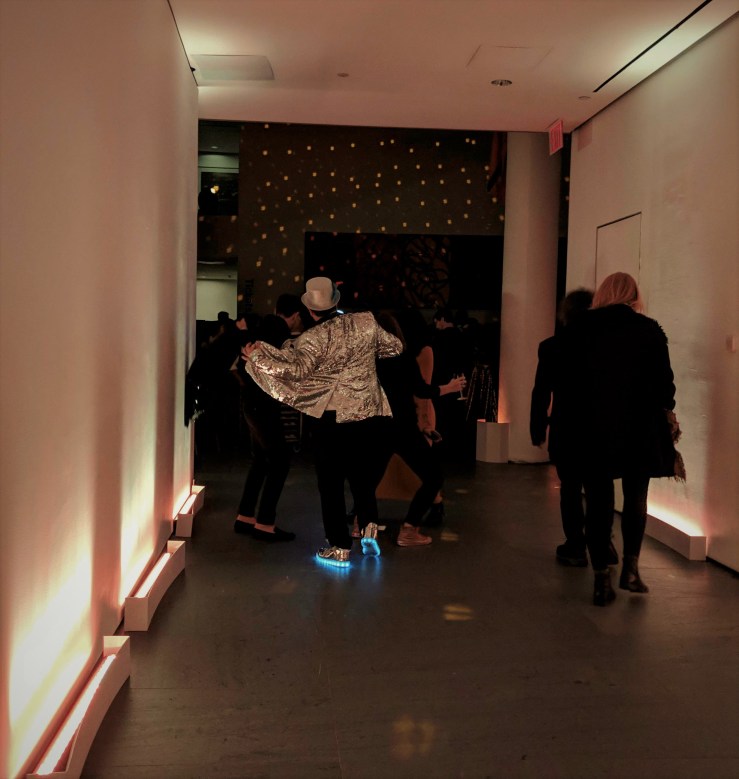
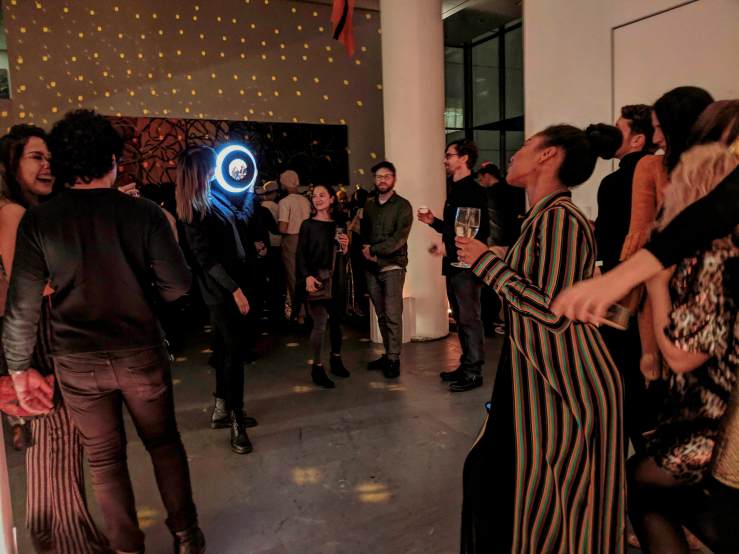
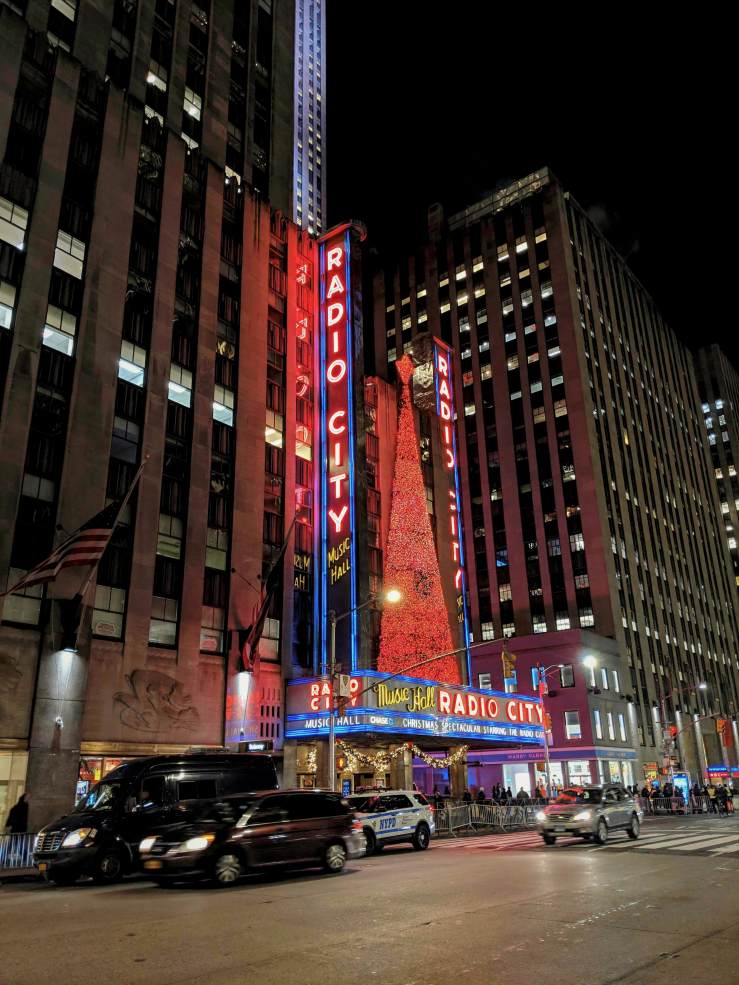
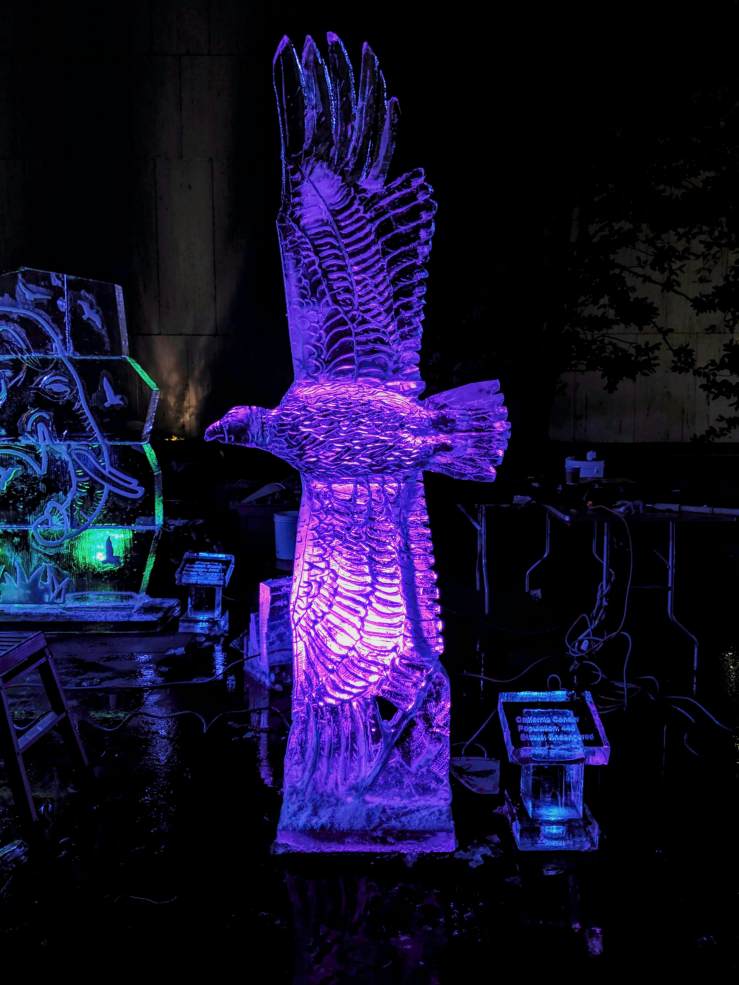
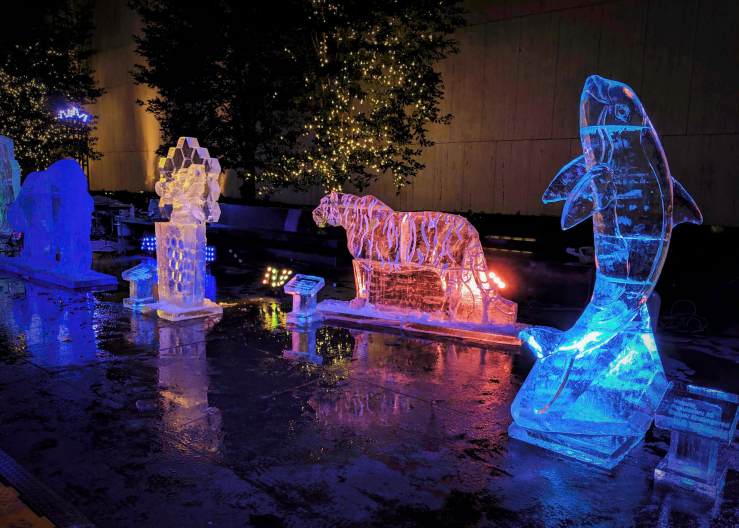
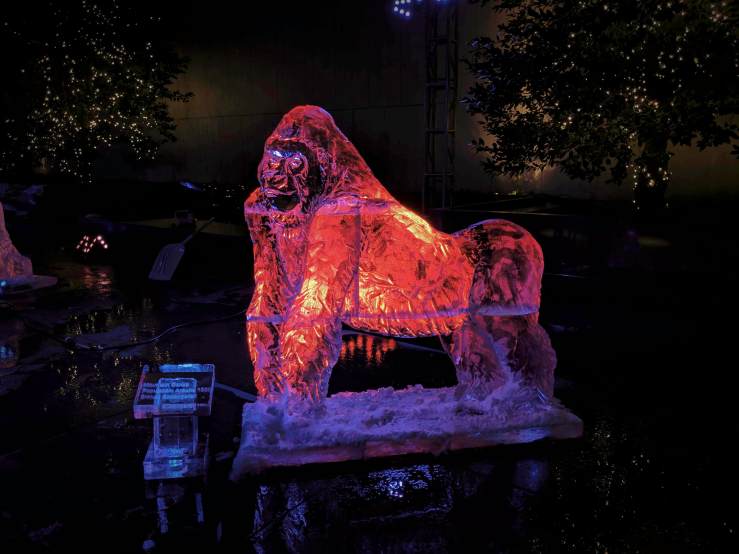
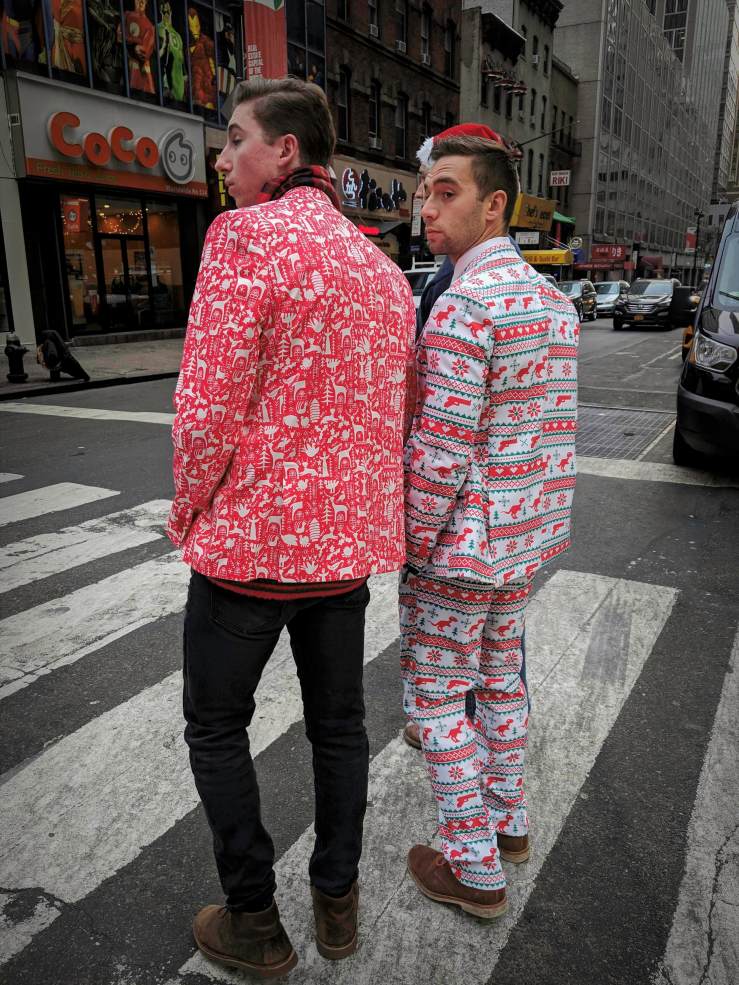
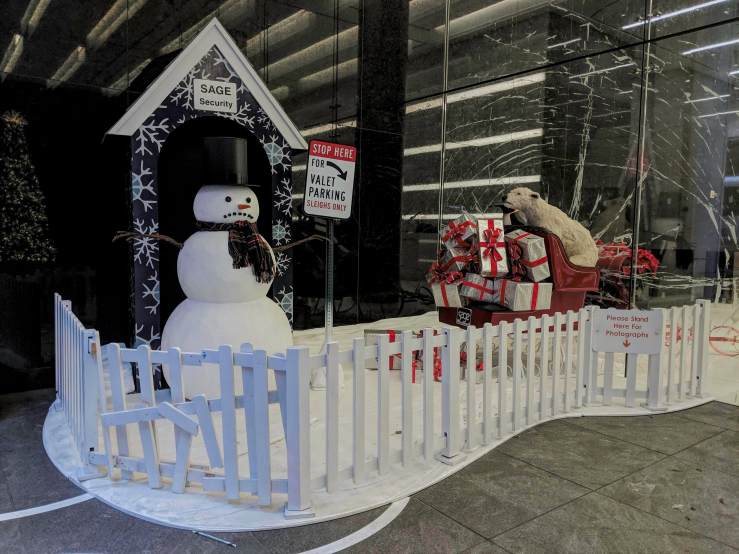
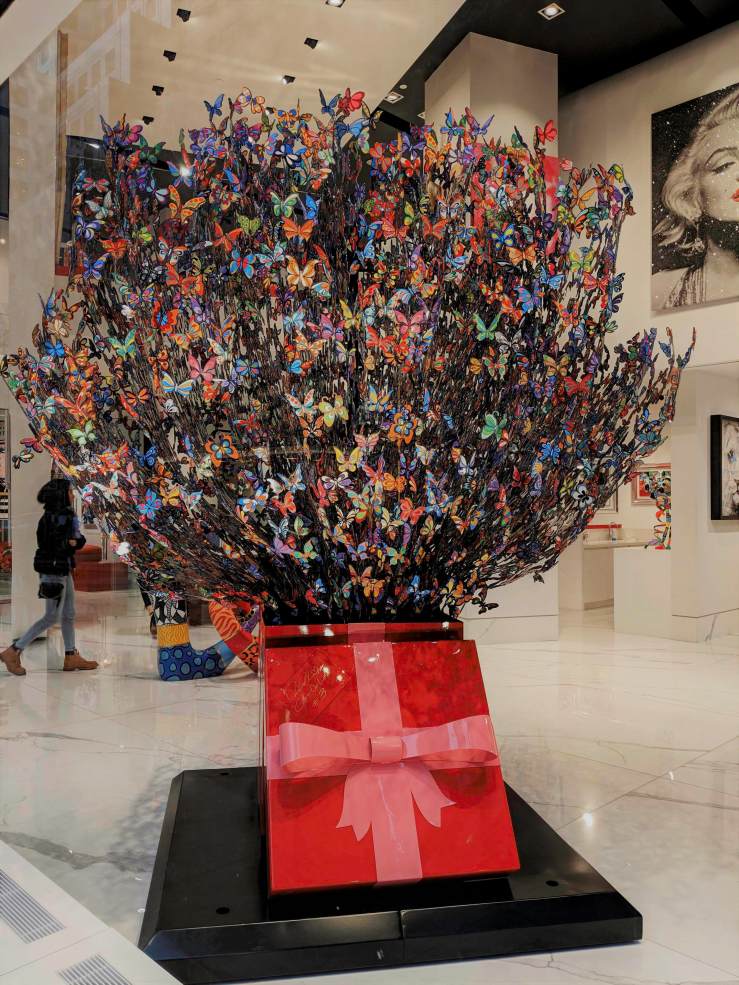
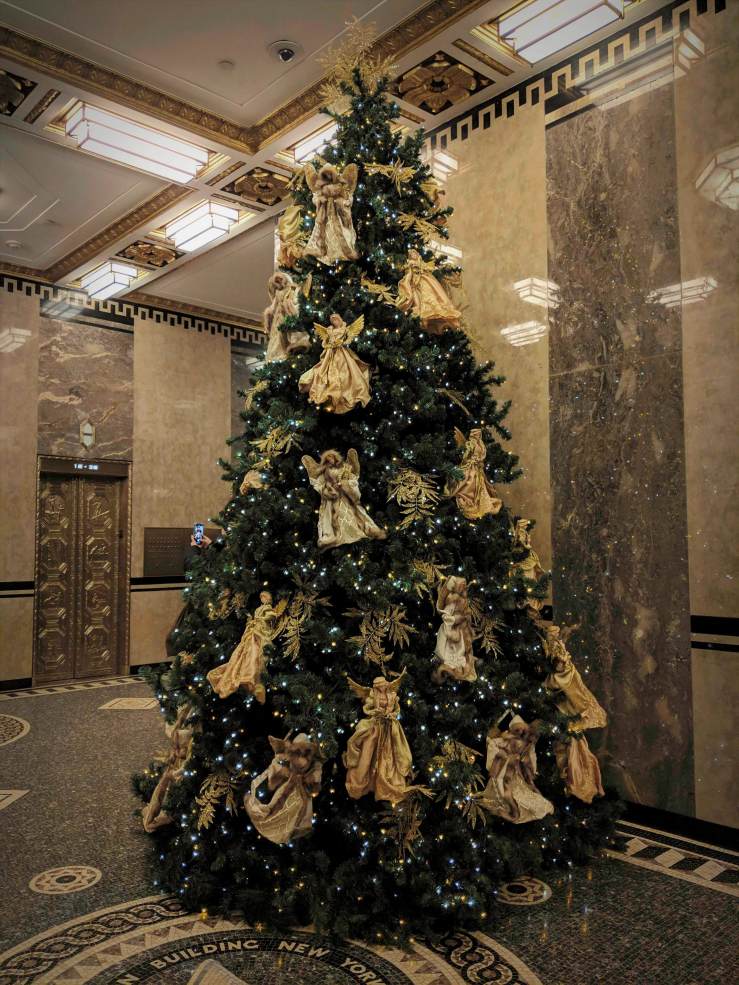
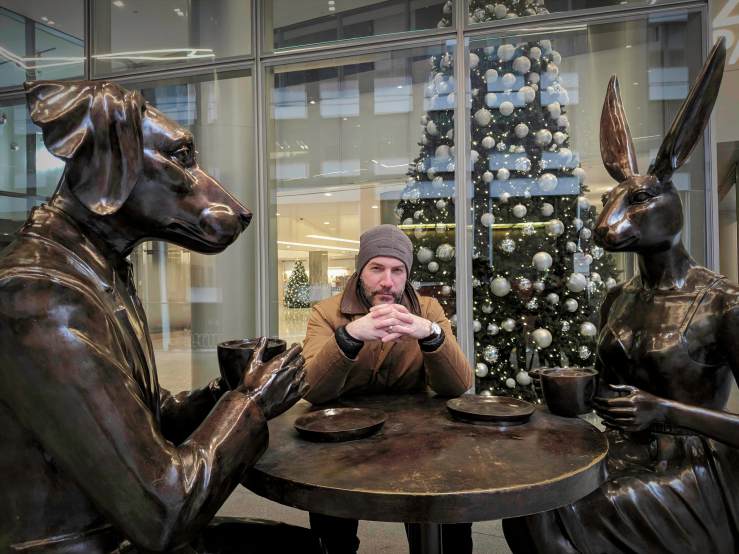
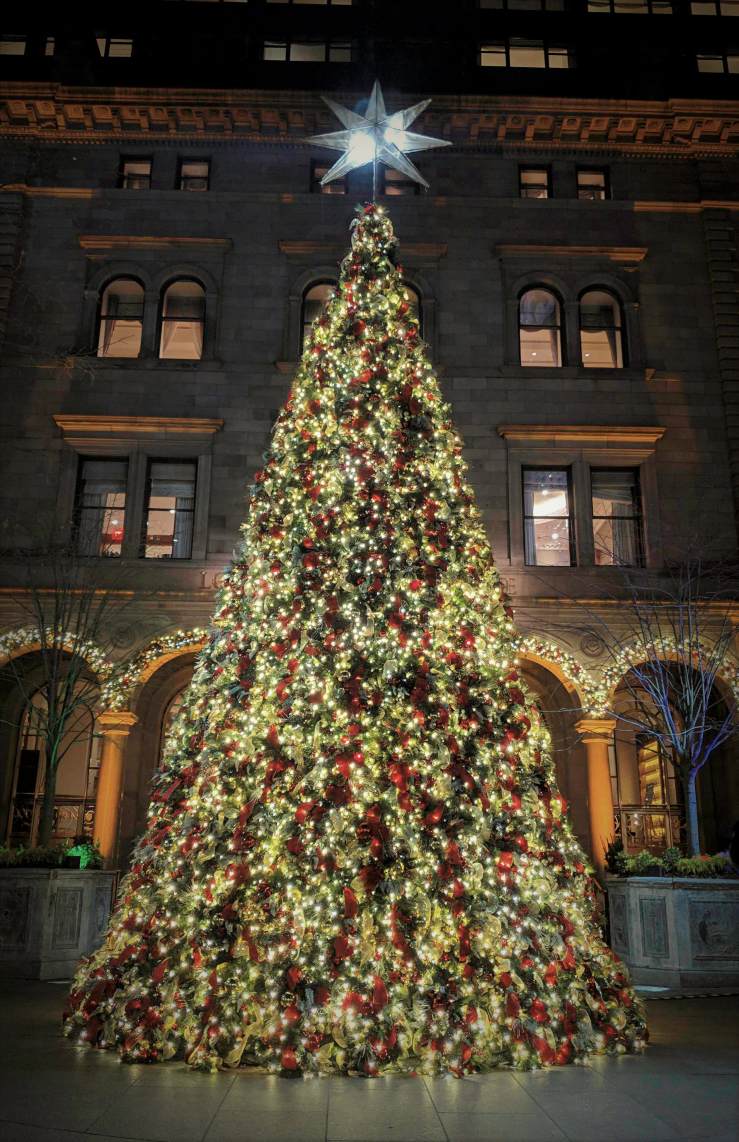
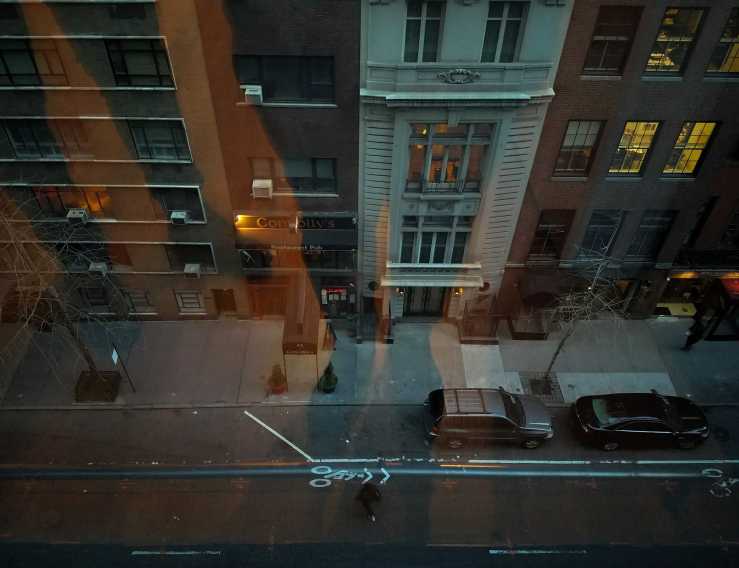
… I hear you ask. The City has been hit, once again, by a jolly wave of Christmas Fever. There are parties and ice sculptures, young Santa wannabes and grumpy valet Snowmen, tea and sympathy (and cookies) with curious Creatures, Christmas trees in public spaces, earworm inducing sugary tunes and lights – zillions of dazzling lights everywhere!

HAPPY HOLIDAYS EVERYONE! 
December 24th, 2018

Less is More @ MoMA [permanent collection, part 12]

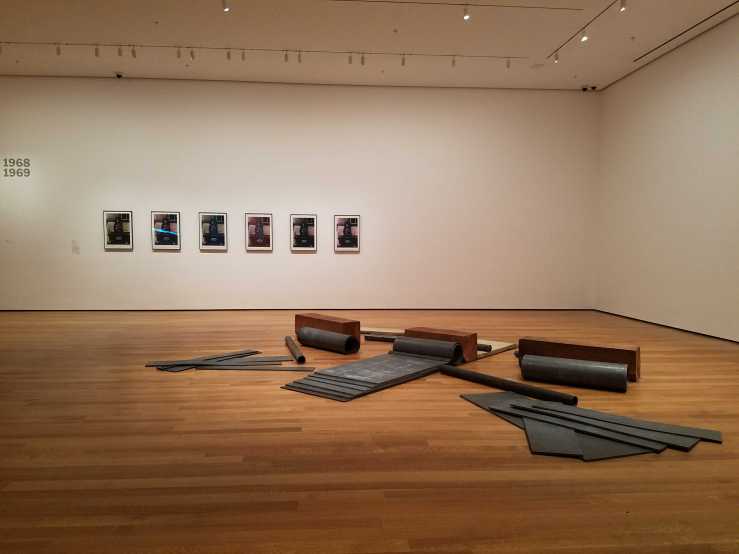
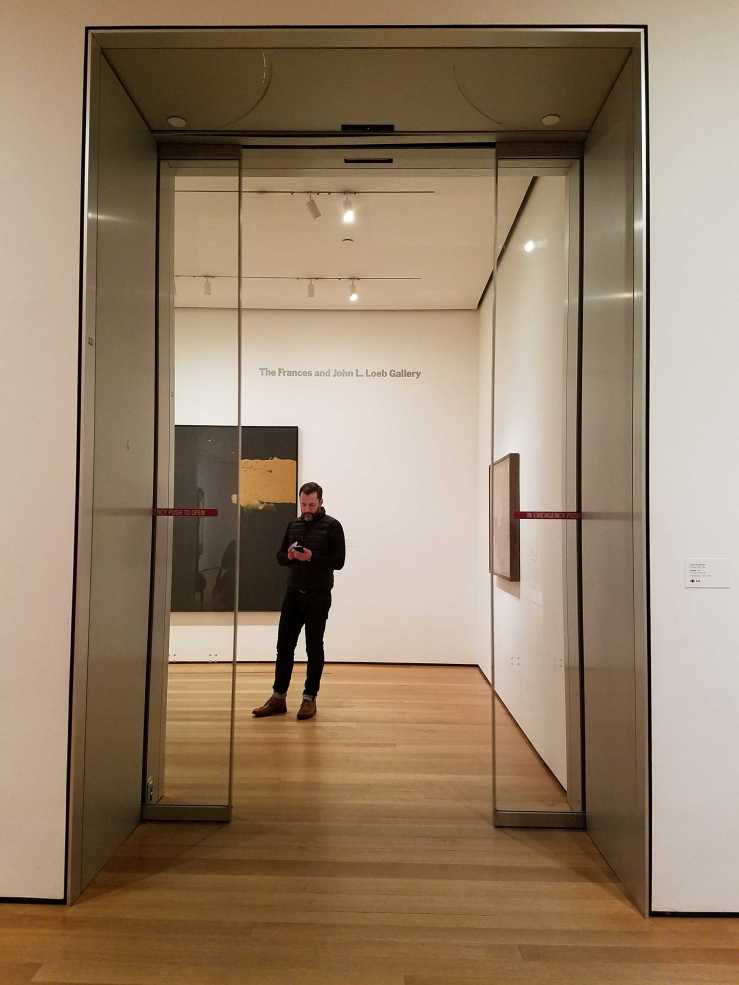
The arrangement of objects on the floor (second image) is a sculpture by Richard Serra: Cutting Device: Base Plate Measure, 1969.

The artist took rolled lead sheets, wood beams, marble slabs, and steel piping, and then used a saw to slice them through. The objects were then arranged on the floor as they appeared directly after having been cut.

{…}

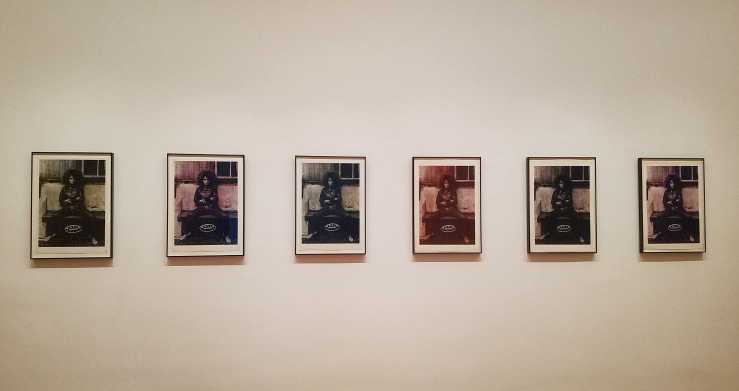
The row of framed prints on the wall show VALIE EXPORT, photographed by Peter Hassmann for her signature work Action Pants: Genital Panic, 1969.

<<This series of screenprints relates to a performance in which EXPORT reportedly walked into an experimental art-film house in Munich wearing crotchless trousers and a tight leather jacket, with her hair teased wildly, and roamed through the rows of seated spectators, her exposed genitalia level with their faces. Challenging the public to engage with a “real woman” instead of with images on a screen, she illustrated her notion of “expanded cinema,” in which the artist’s body activates the live context of watching. EXPORT’s defiant feminist action was memorialized in a picture taken the following year by the photographer Peter Hassmann in Vienna. EXPORT had the image, in which she holds a machine gun, screenprinted in a large edition and fly-posted it in public squares and on the street.>>

MoMA, From the Collection, 1960 – 1969.

January 30th, 2017

Alex Katz @ MoMA [permanent collection, part 11]

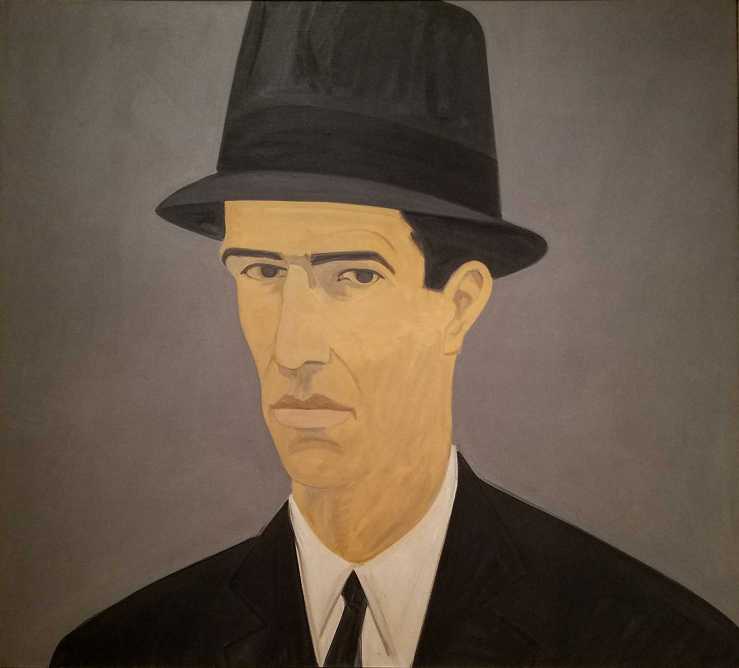
A stylish gentleman Mr. Katz is in his business suit and hat – the clean, sleek lines of his self-portrait devoid of all superfluous accentuating his steady, direct gaze.

Passing, 1962-63. Oil on canvas || Αlex Katz

<<Ambitious, elegant, impersonal, large in scale, and simultaneously timeless and reflective of its time—these, according to Katz, are the qualities of “high style” in painting, and they are also the qualities of many of his own works.>>

MoMA, views form the Permanent Collection

January 30th, 2017

So… is this art? @ MoMA [permanent collection, part 10]

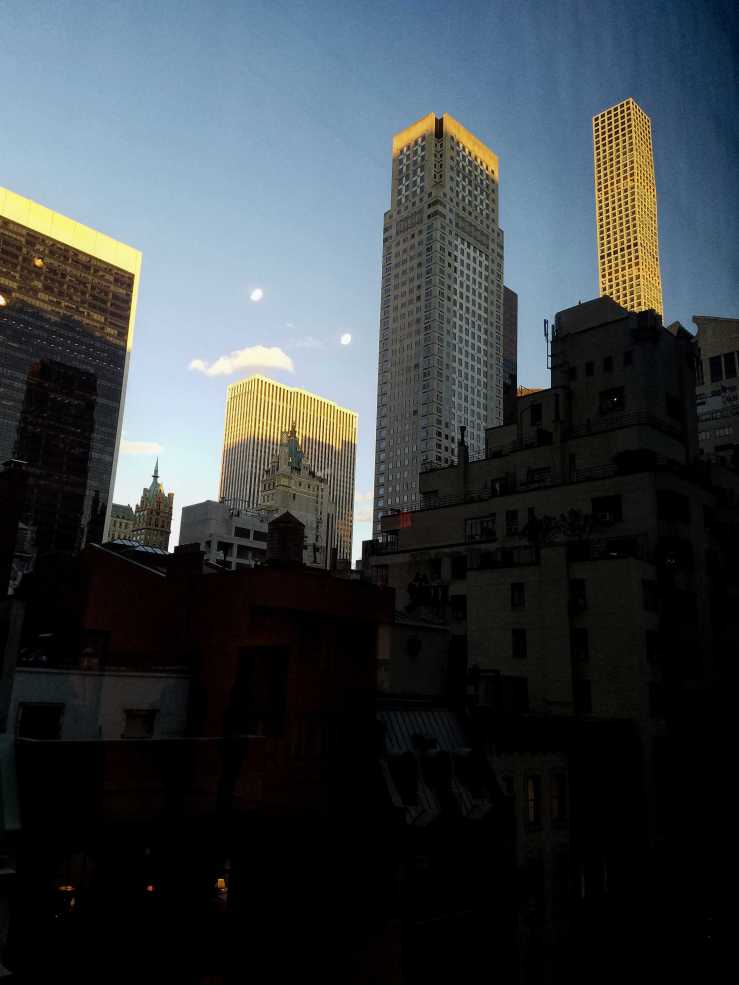
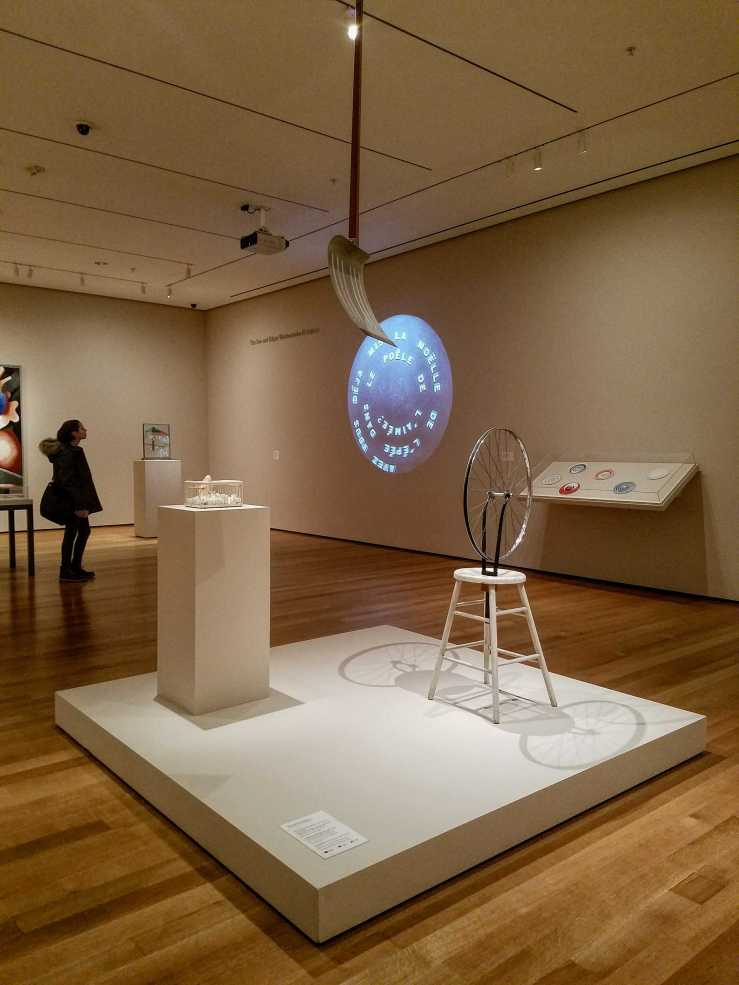
Today’s composition of choice comprises some well known buildings partly glowing in the afternoon sun, paired with some of Marcel Duchamp’s famous ”readymades”. With all due respect to his undeniable contribution to the world of art, if I sign my compositions and designate them as artworks does that make me an artist?

<<Beginning in 1913 Duchamp challenged accepted artistic standards by selecting mass-produced, functional objects from everyday life and designating them as works of art. These sculptures, which he called “readymades,” were aimed at subverting traditional notions of skill, uniqueness, and beauty, boldly declaring that an artist could create simply by making choices. >>

MoMA, From the Collection, 1960 – 1969.

January 30th, 2017

“There is no reason not to consider the world as one gigantic painting” @ MoMA [permanent collection, part 8]

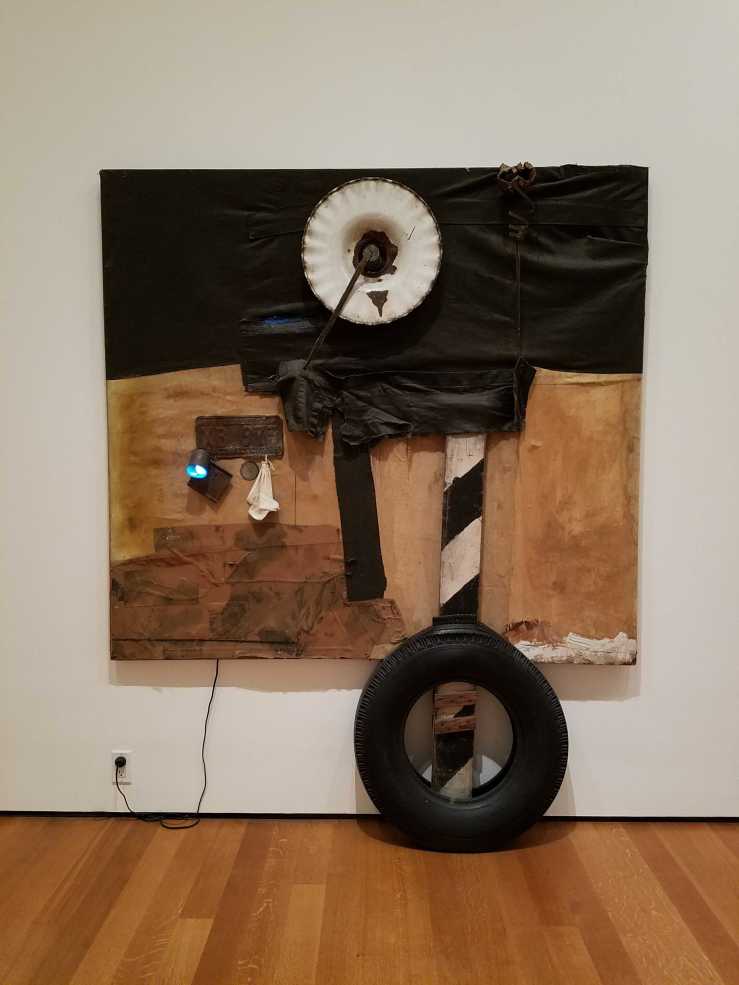
Thus said Robert Rauschenberg, and who I am to doubt him. I could even picture it in frames. One next to the other, frame after frame after frame; each one an individual story, collectively a narrative of the world.

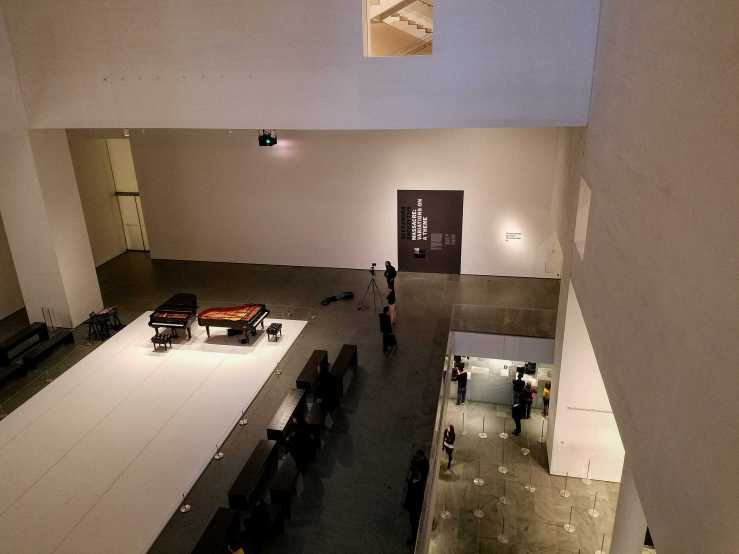
Performance space for ”Massacre: Variations on a Theme”, by Alexandra Bachzetsis. A choreography for three dancers and a musical composition for two pianos.
First Landing Jump, 1961. Cloth, metal, leather, electric fixture, cable, and oil paint on composition board, with automobile tire and wood plank || Robert Rauschenberg
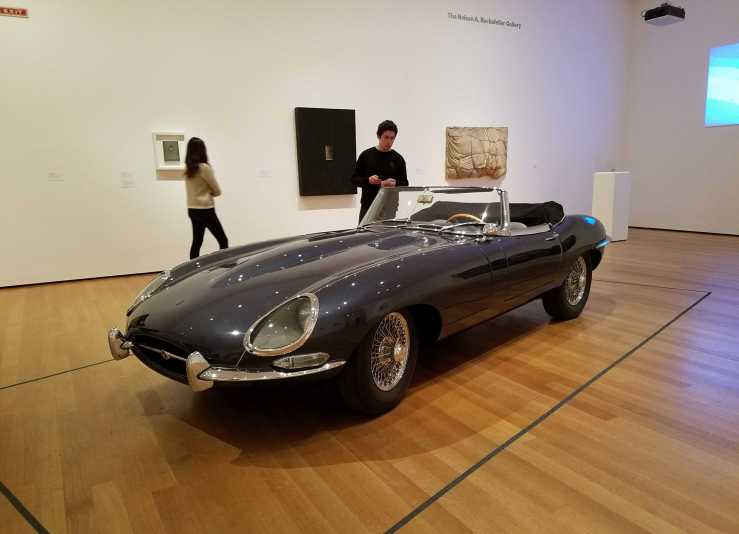
E-Type Roadster designed 1961 || Sir William Lyons, Malcolm Sayer, William M. Heynes
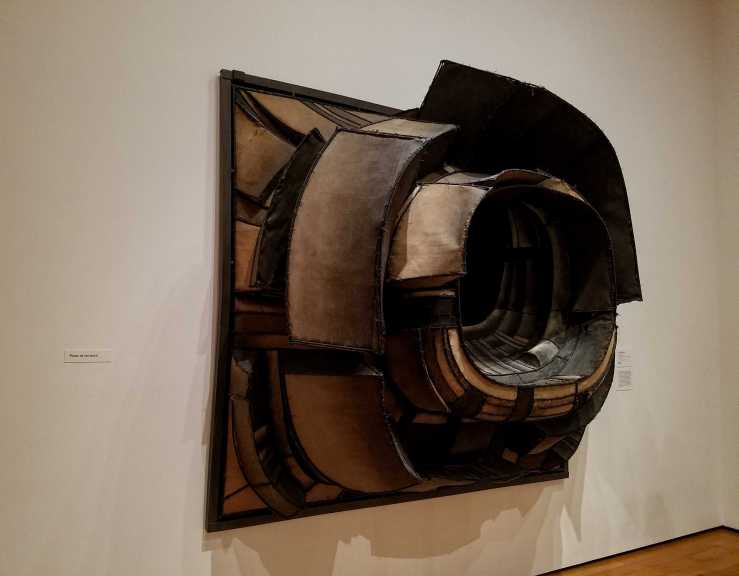
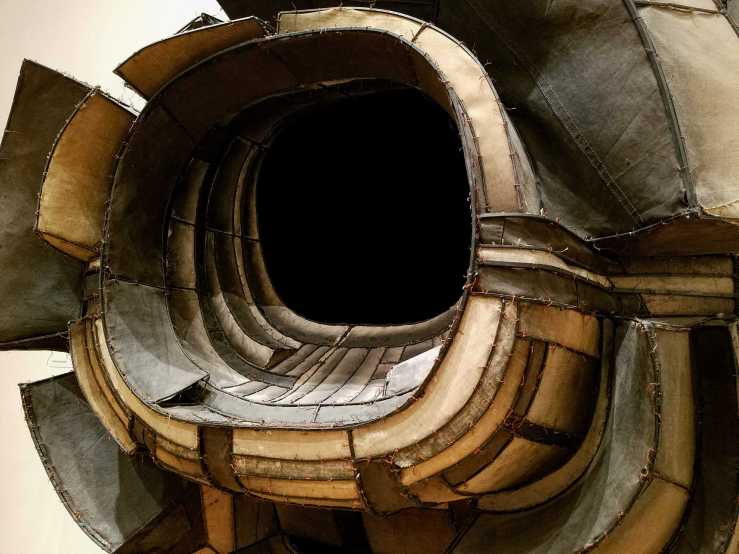
Untitled, 1961. Welded steel, canvas, black fabric, rawhide, copper wire, and soot || Lee Bontecou

<<When Bontecou first exhibited her steel-and-canvas sculptures, many praised their aggressive, ominous qualities. Fellow artist Joseph Cornell described their gaping black cavities as summoning “the terror of the yawning mouths of cannons, of violent craters, of windows opened to receive your flight without return, and the jaws of the great beasts.”>>

MoMA, From the Collection, 1960 – 1969.

January 30th, 2017