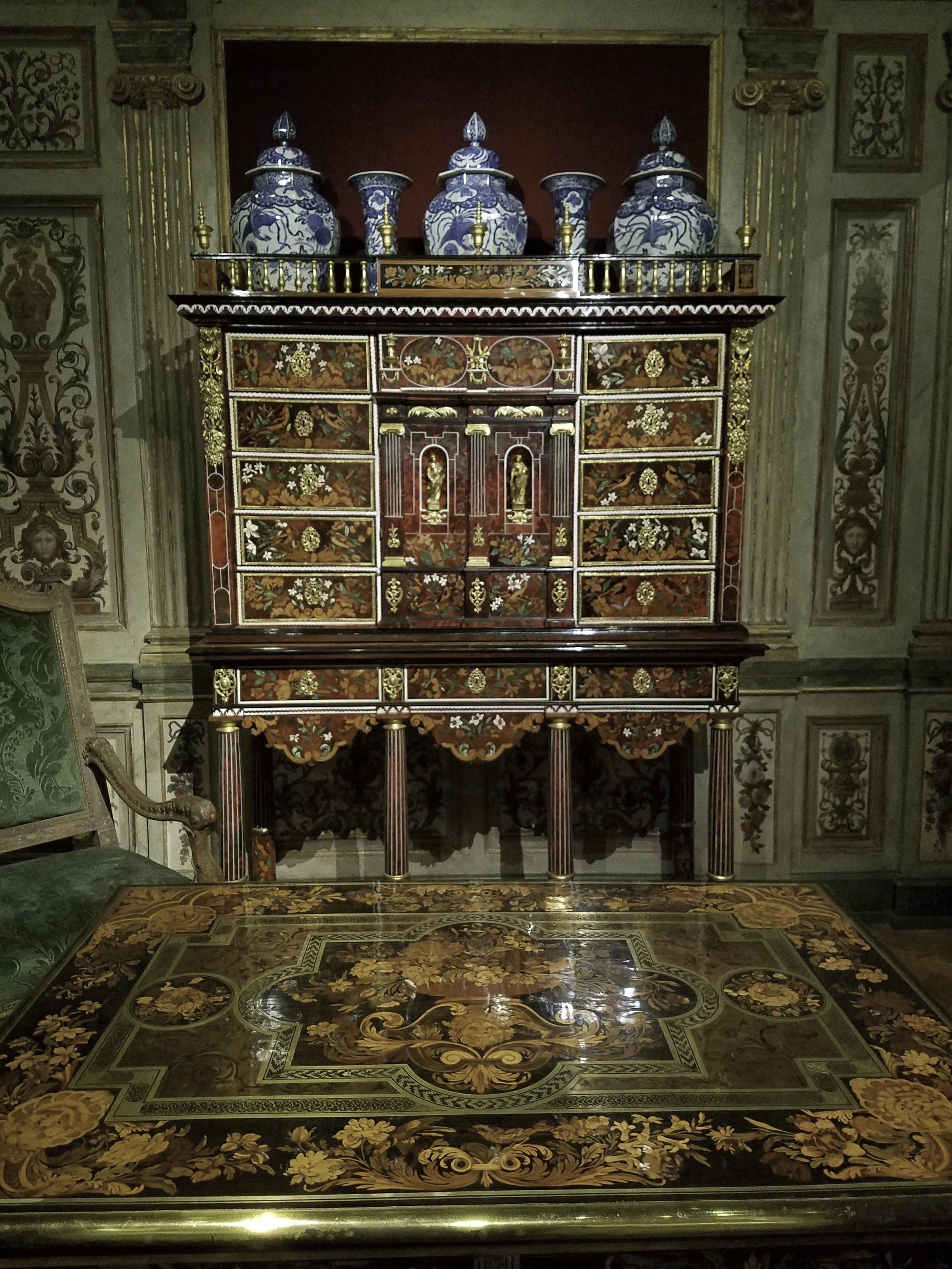
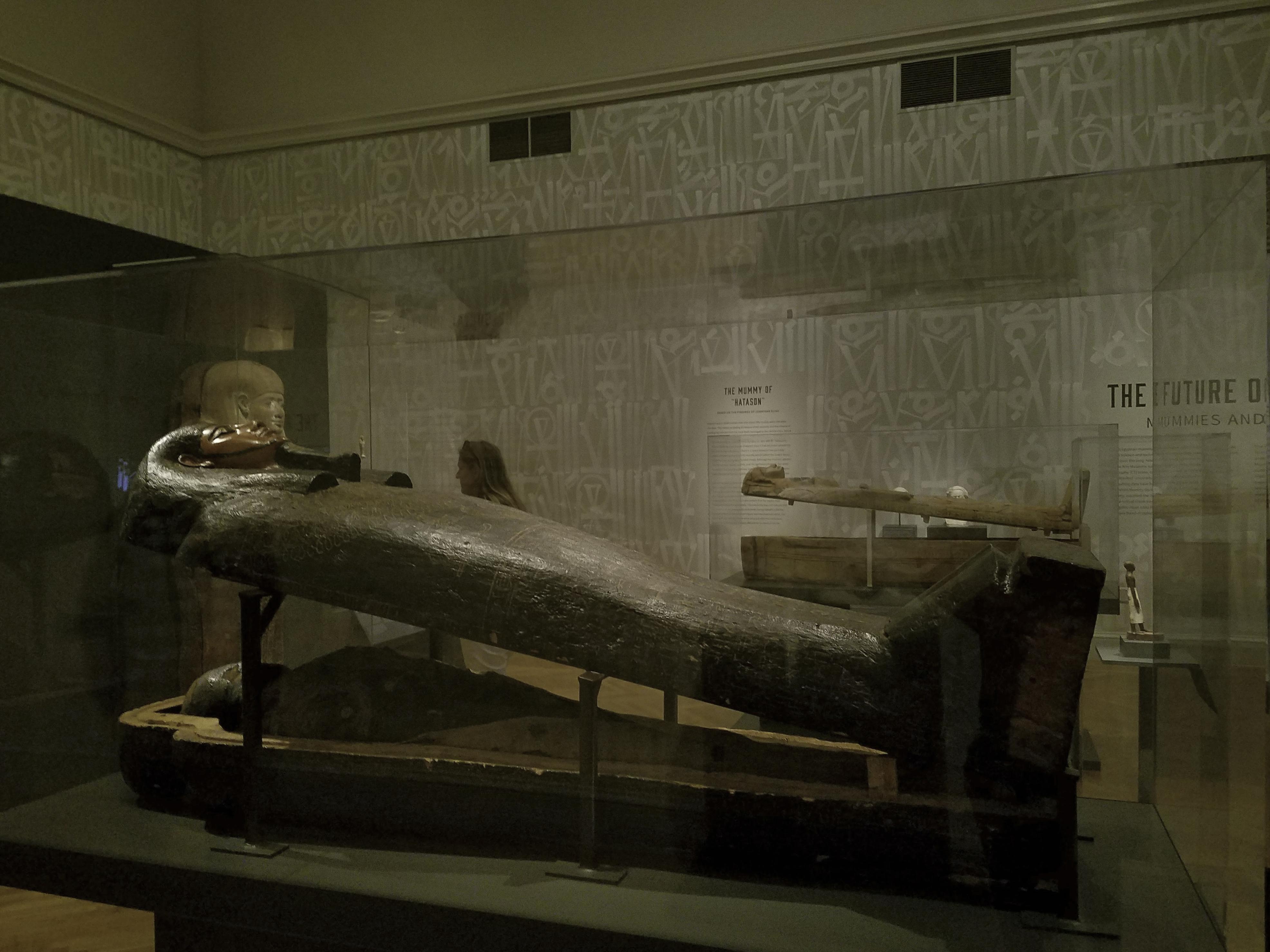
San Francisco is… the eclectic Legion of Honor

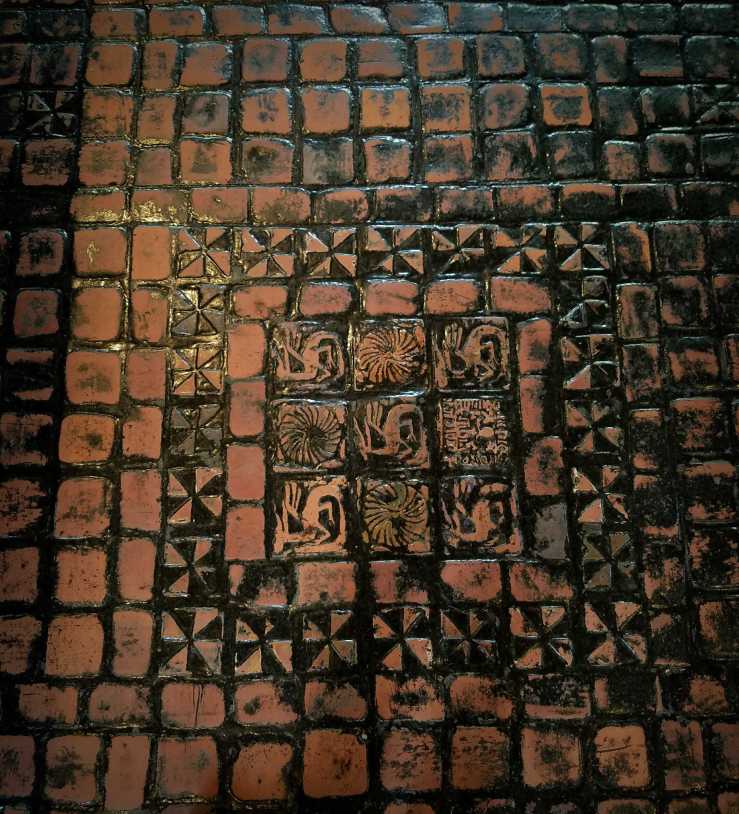
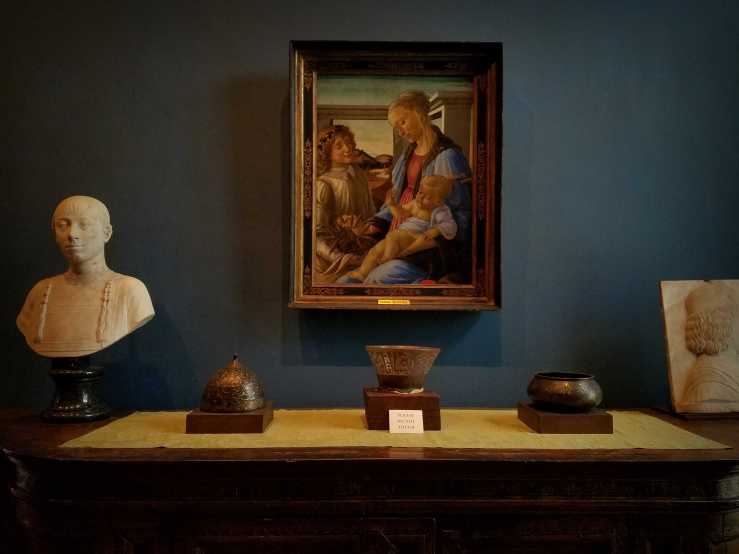
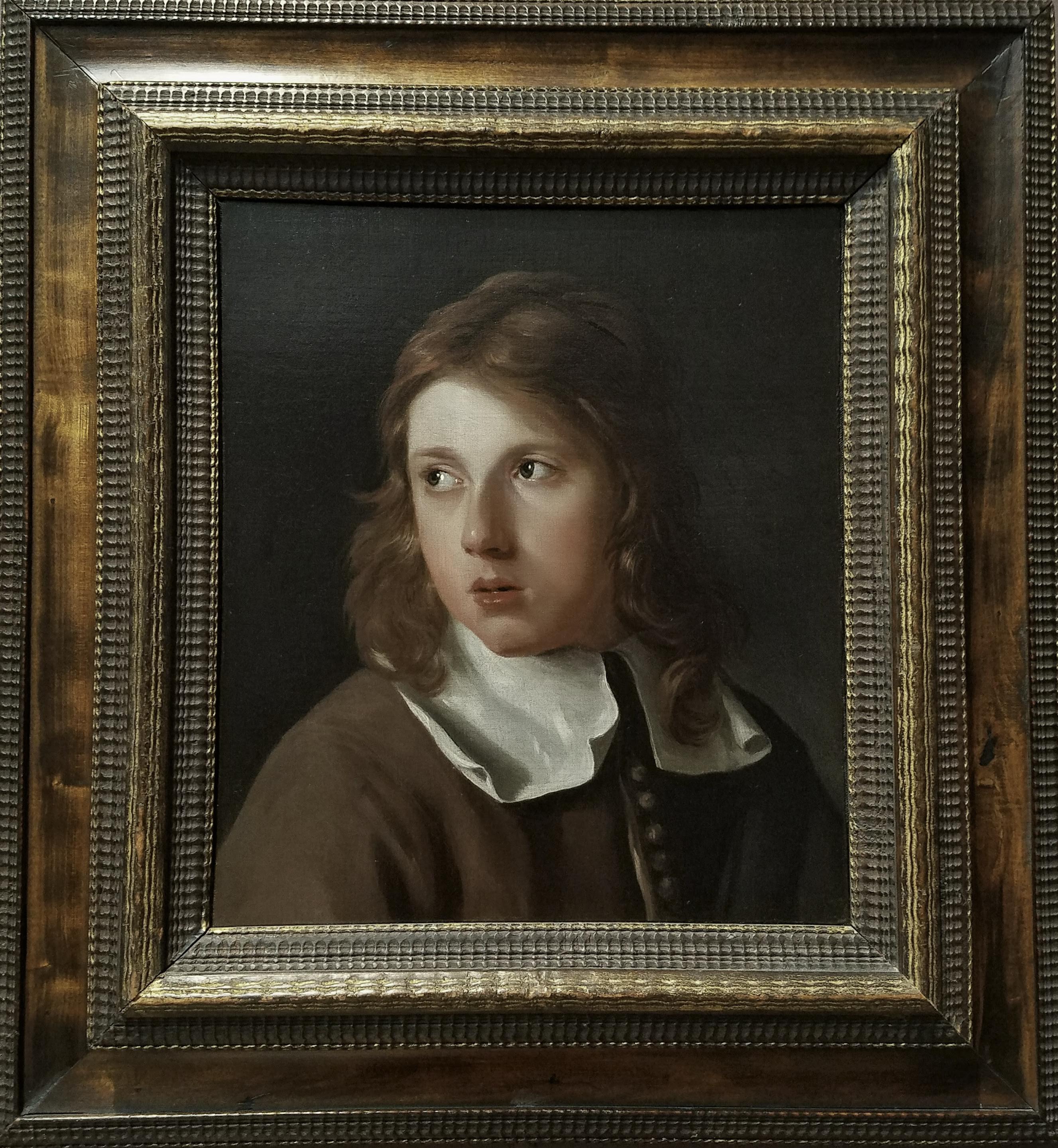
A haven for European Art spanning 4000 years; paintings, sculptures, decorative objects, frames as precious as the works they adorn, ancient art from the Mediterranean basin and  mummies from Egypt, all under this beautiful French neoclassical structure, a replica of the French Pavilion at San Francisco’s Panama Pacific International Exposition of 1915, itself a replica of the Palais de la Légion d’Honneur in Paris, an 18th-century landmark on the left bank of the Seine. Michael Sweerts (Flemish, Brussels 1618-1664 Goa)
Portrait of a Youth, ca. 1655-1661
Oil on canvas


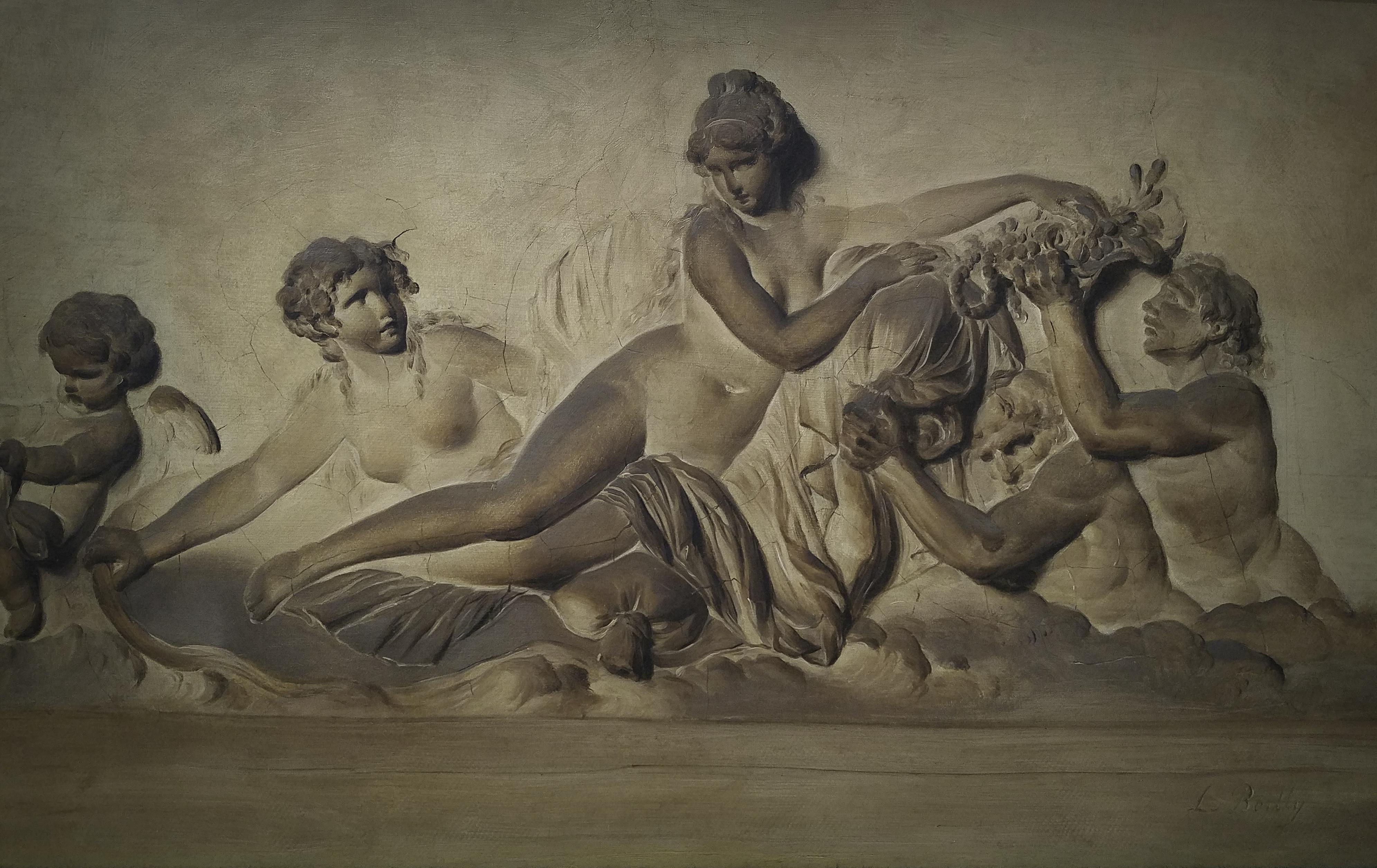
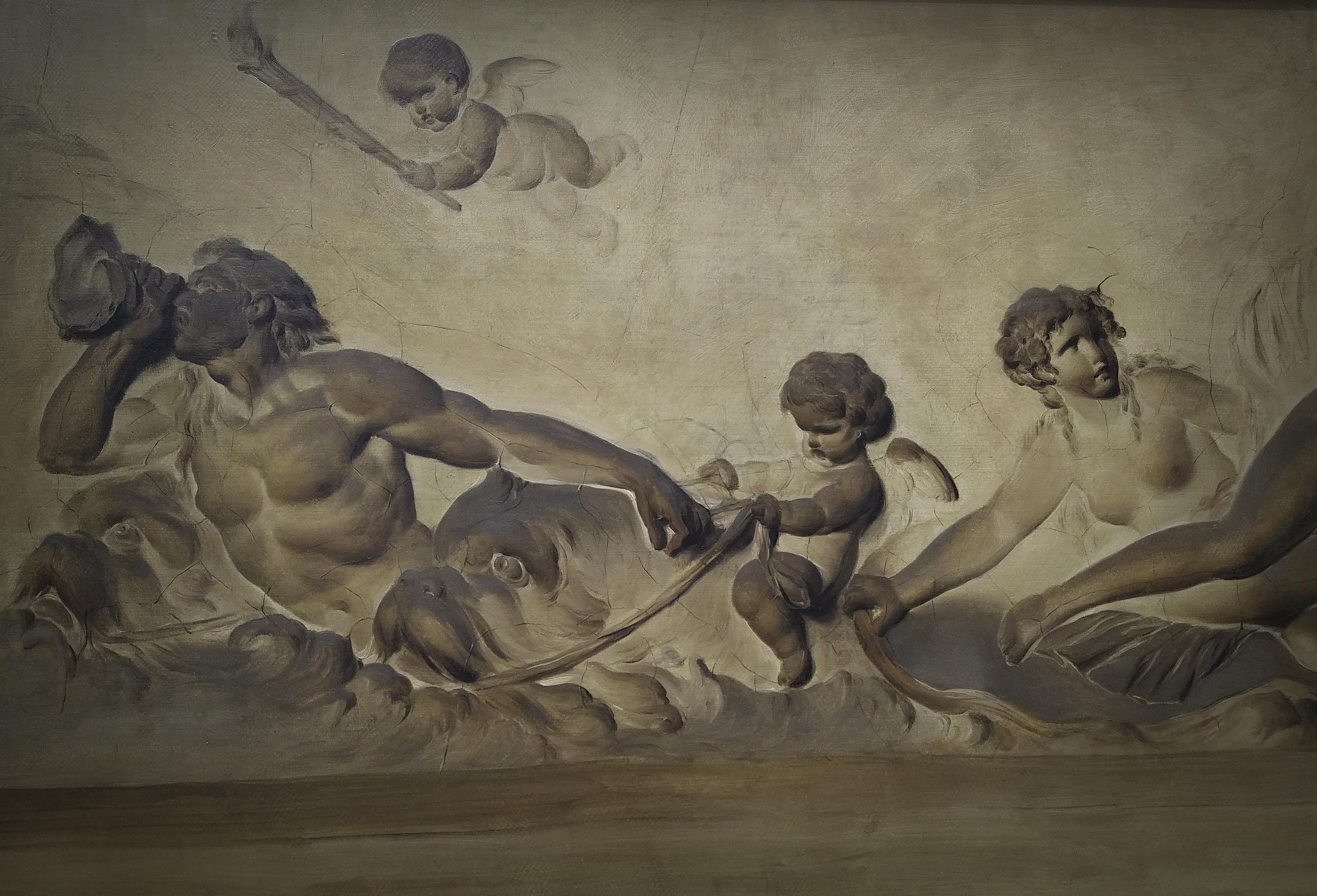
Louis Léopold Boilly (French, 1761-1845)
After Clodion (Claude Michel)
Triumph of Amphitrite, ca. 1785-1799 (details)
Oil on paper mounted on canvas


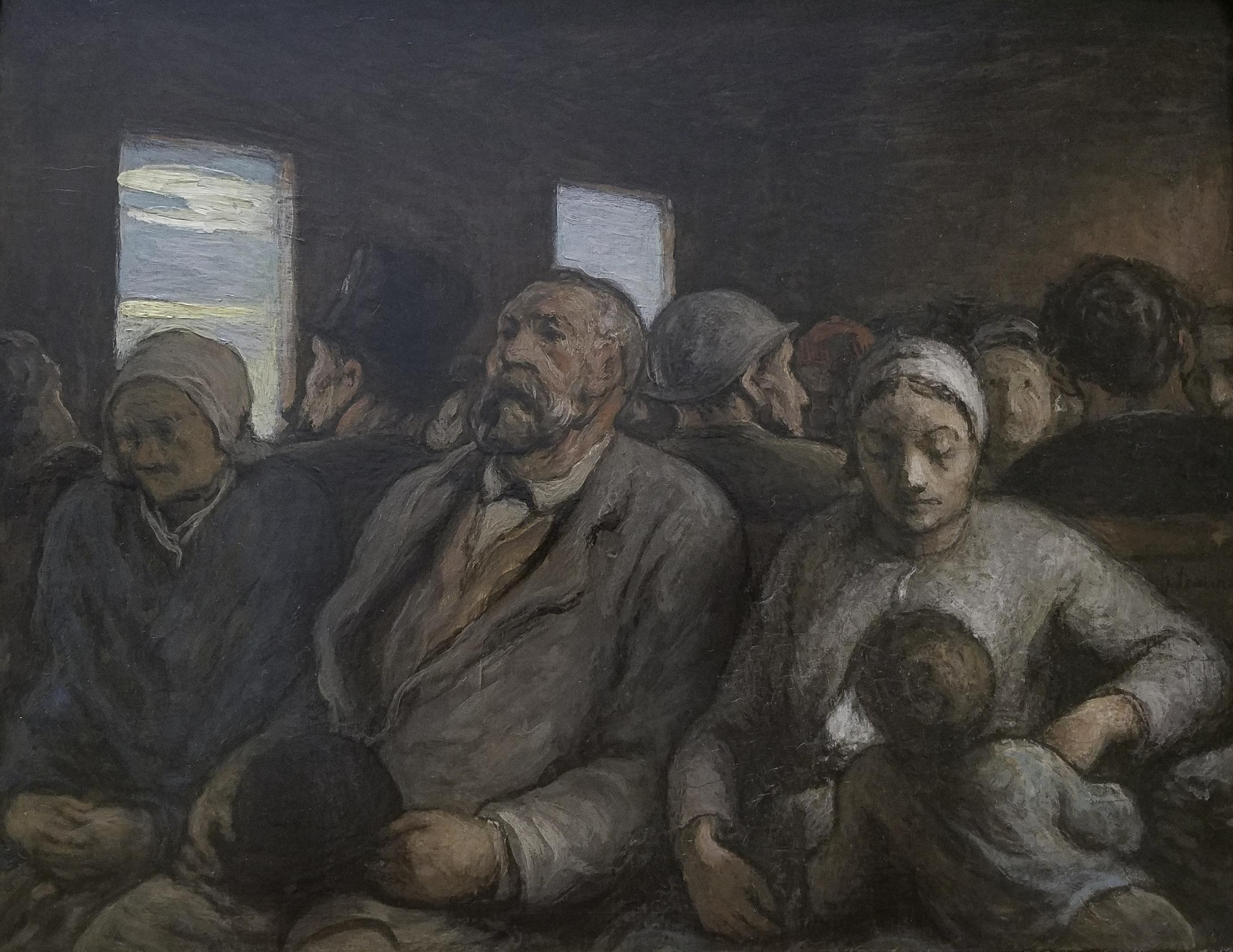
Honoré Daumier (French, 1808-1879)
Third-Class Carriage, 1856-1858
Oil on panel


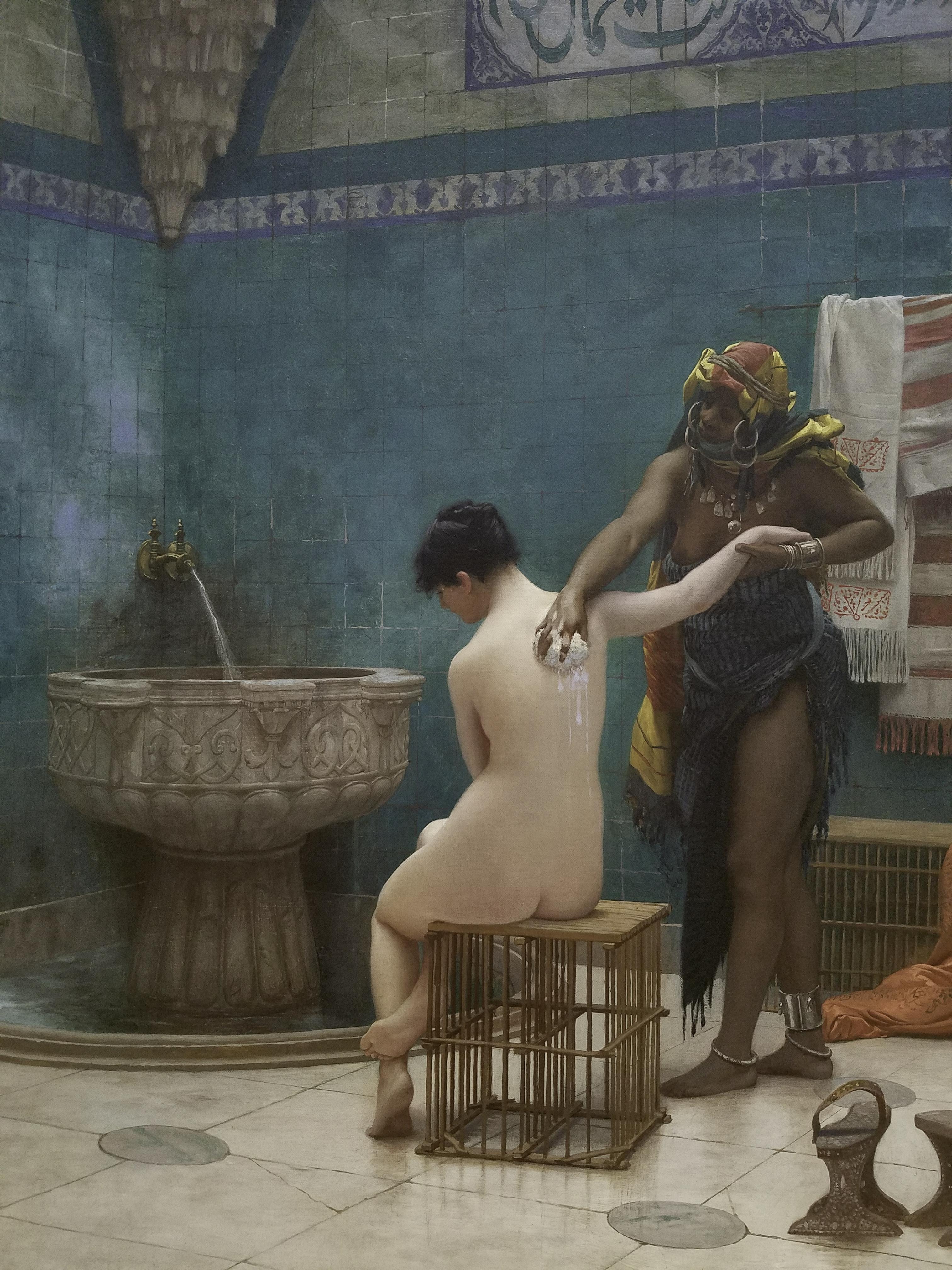
Jean-Léon Gérôme (French, 1824-1904)
The Bath, ca. 1880-1885 (detail)
Oil on canvas


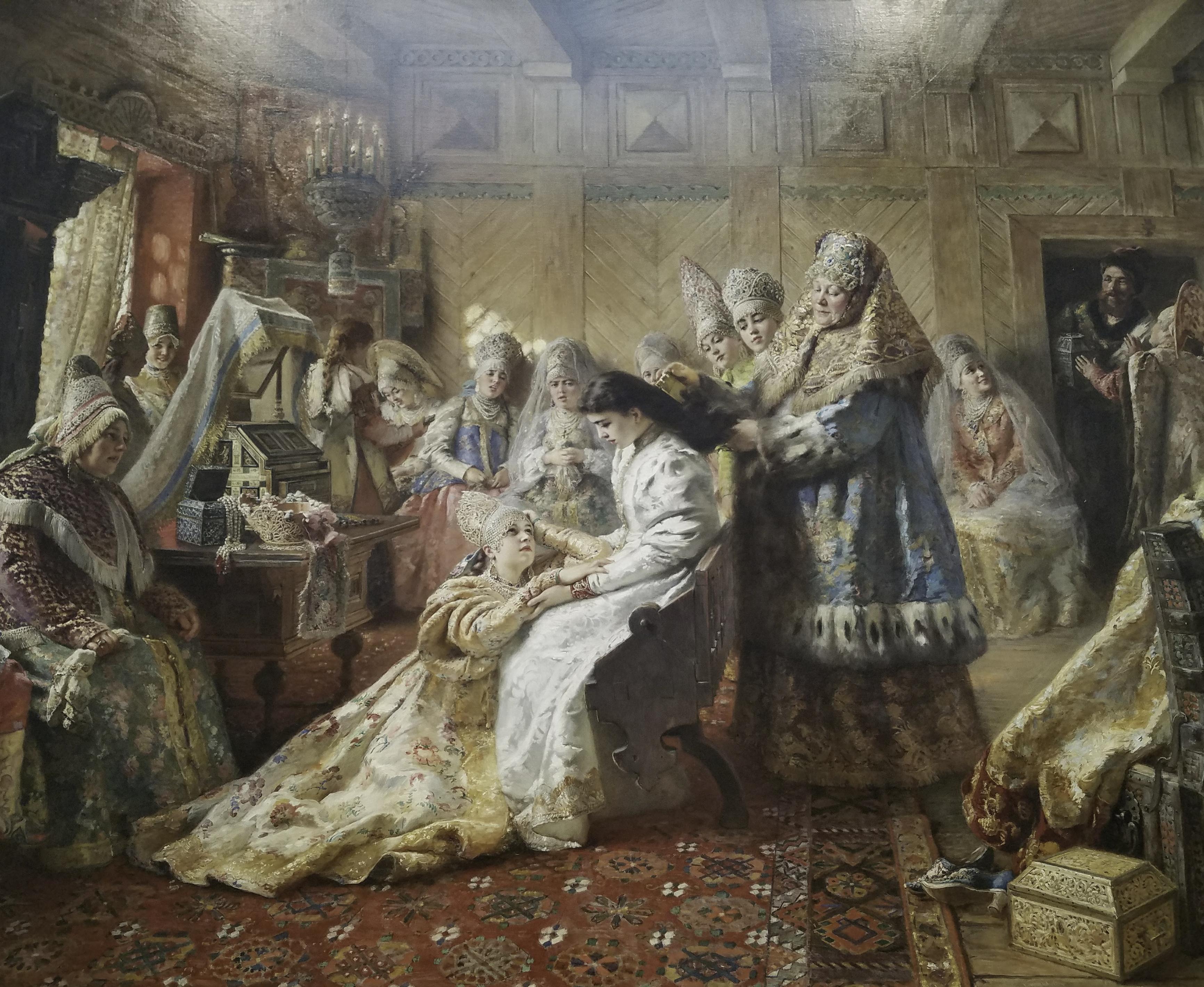
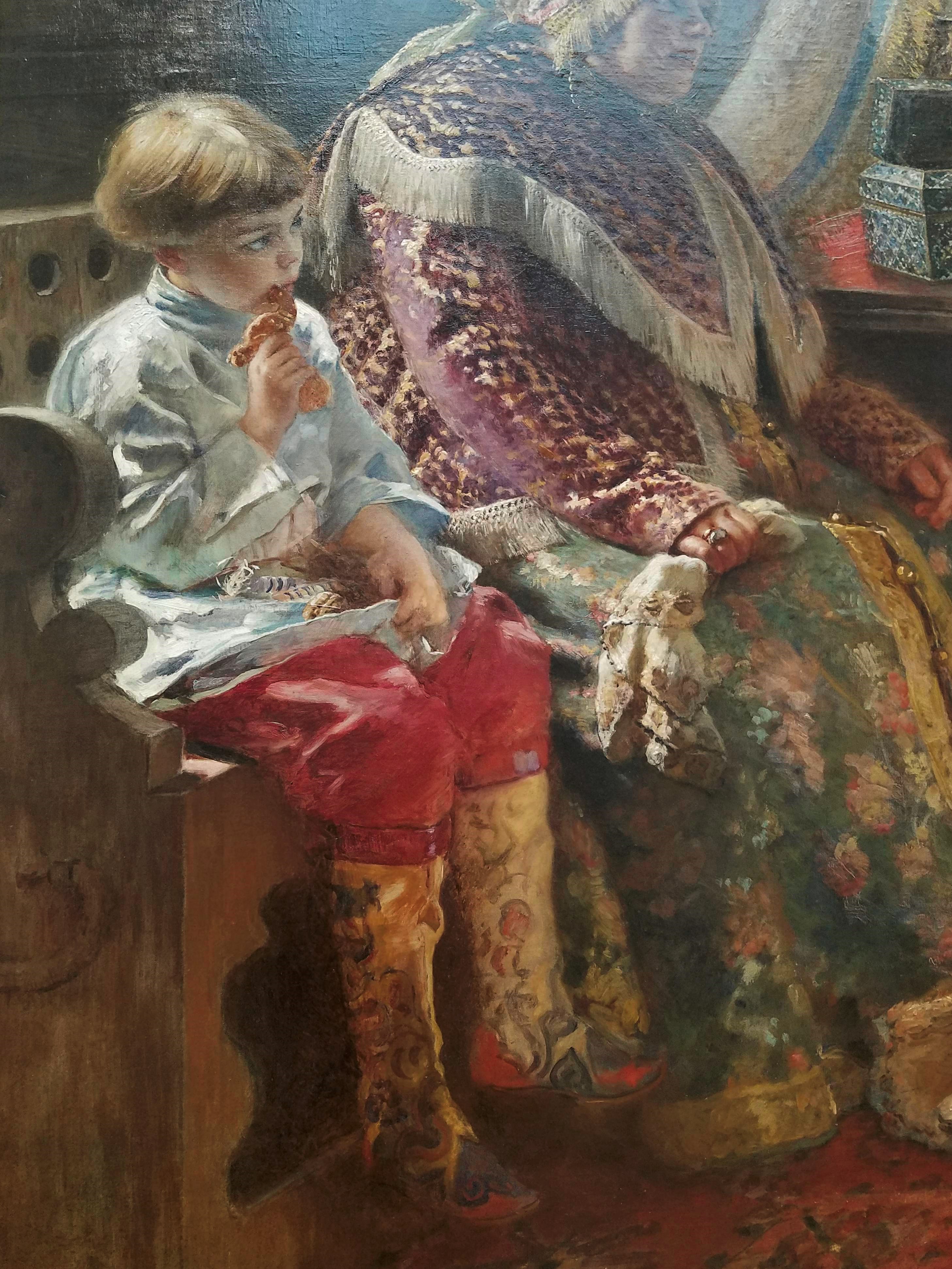
Konstantin Makovsky (Russia, 1839-1915)
The Russian Bride’s Attire, 1889
Oil on canvas


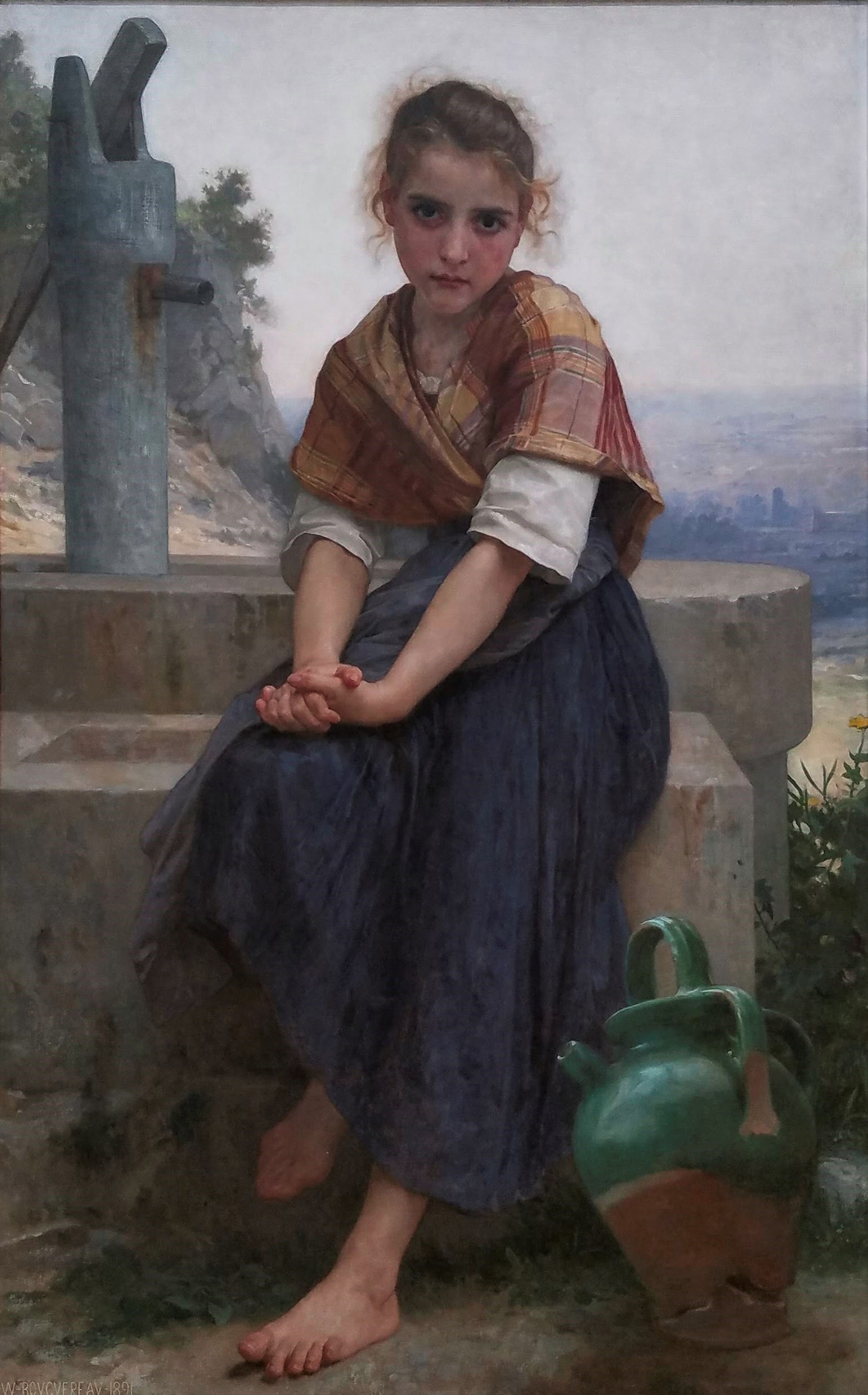
William-Adolphe Bouguereau (French, 1825-1905)
The Broken Pitcher, 1891
Oil on canvas


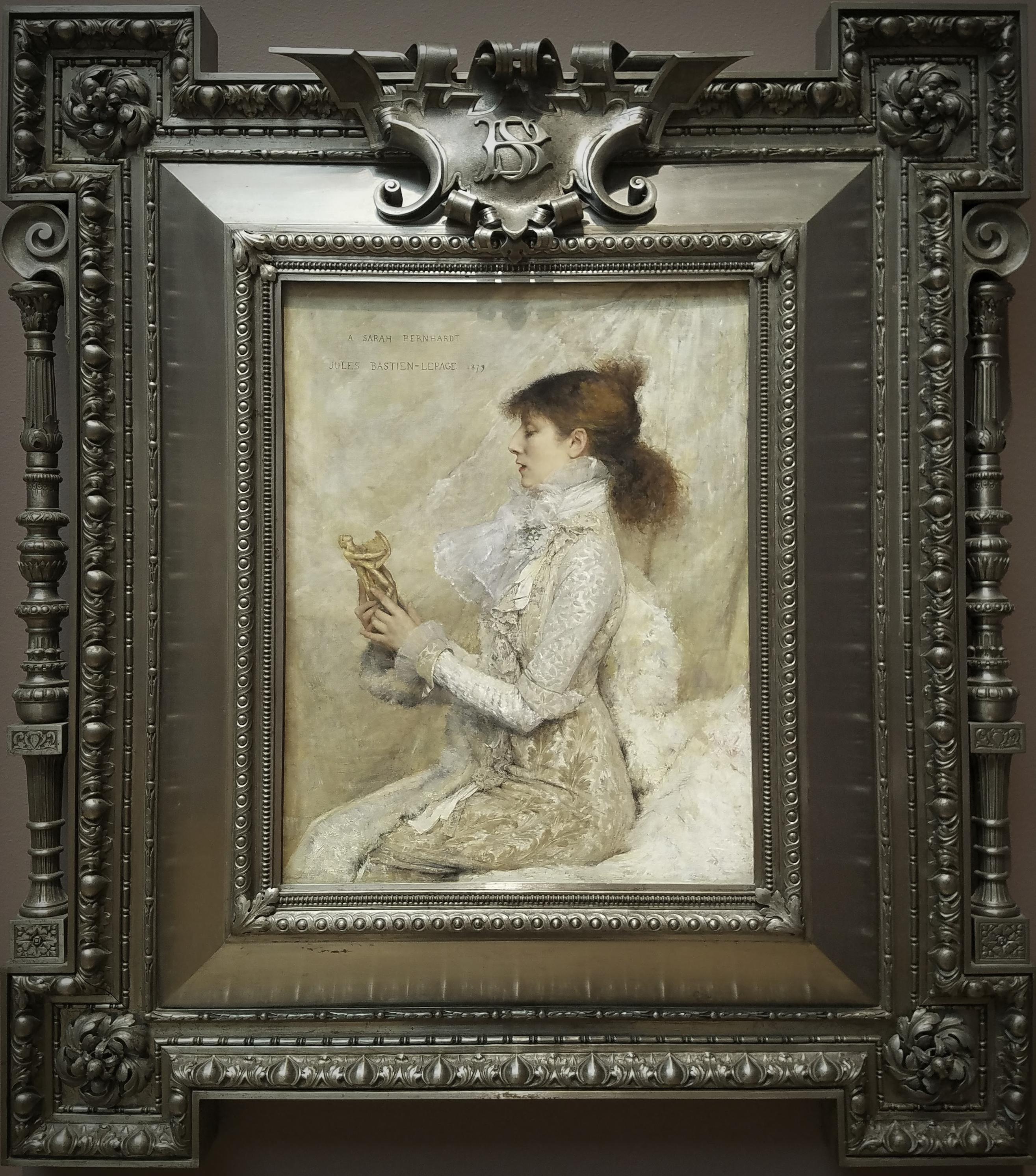
Jules Bastien-Lepage (French, 1848-1884)
Sarah Bernhardt, 1879
Oil on canvas


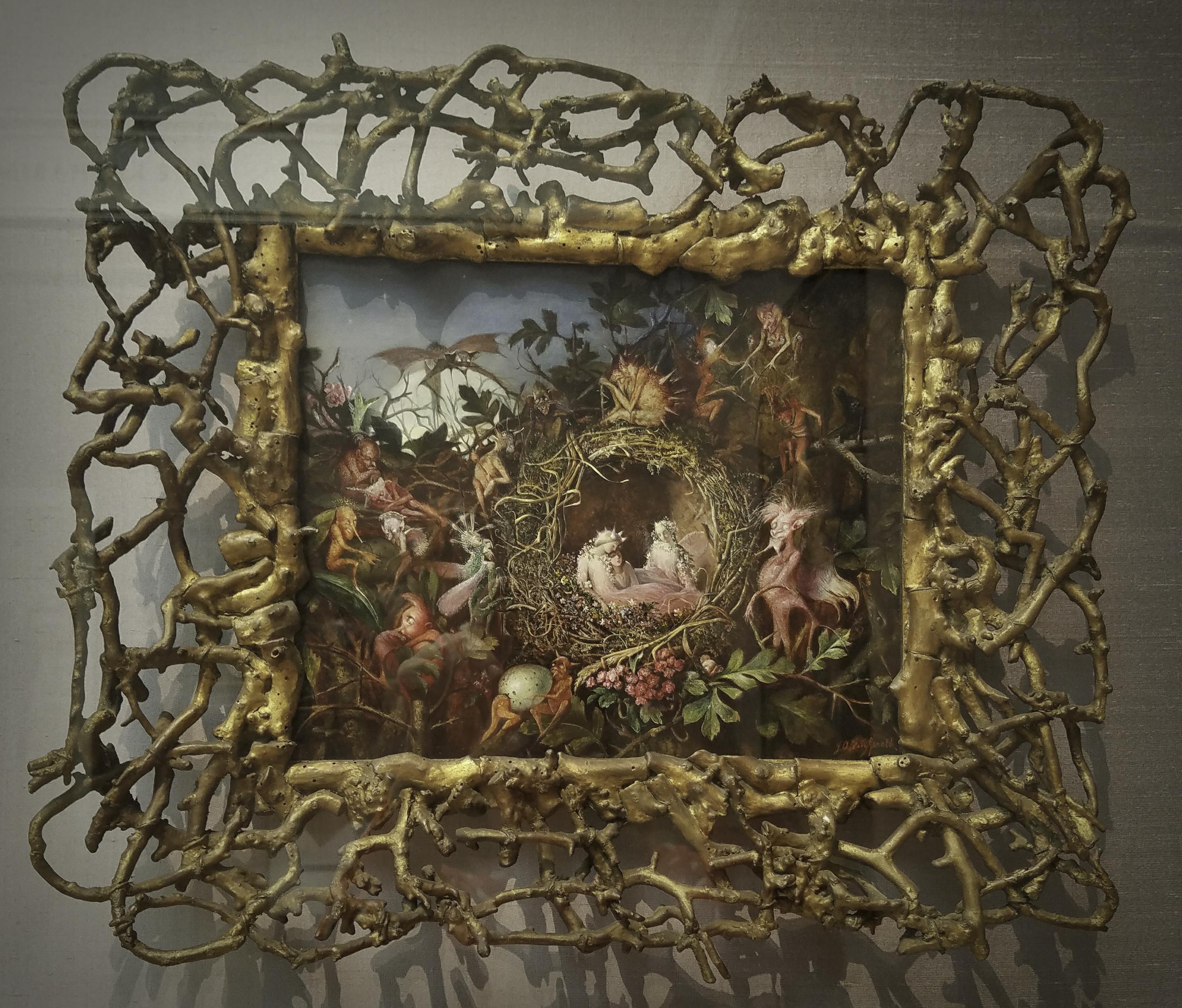
John Anster Fitzgerald (British, 1823-1906)
Fairies in a Bird’s Nest, ca. 1860
Oil on canvas


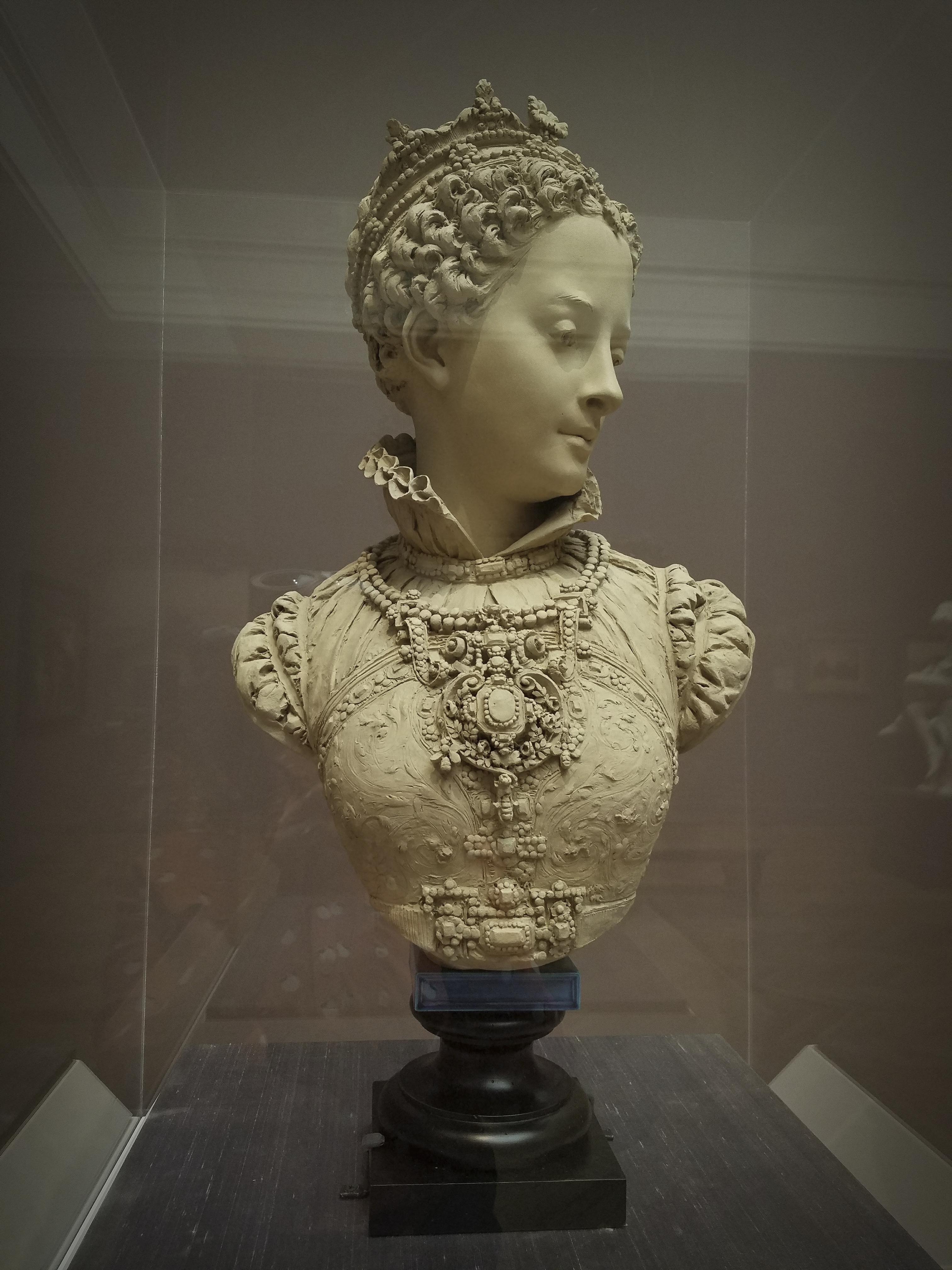
Albert-Ernest Carrier-Belleuse (French, 1824-1887)
Mary Queen of Scots, ca. 1860-1869
Terracota


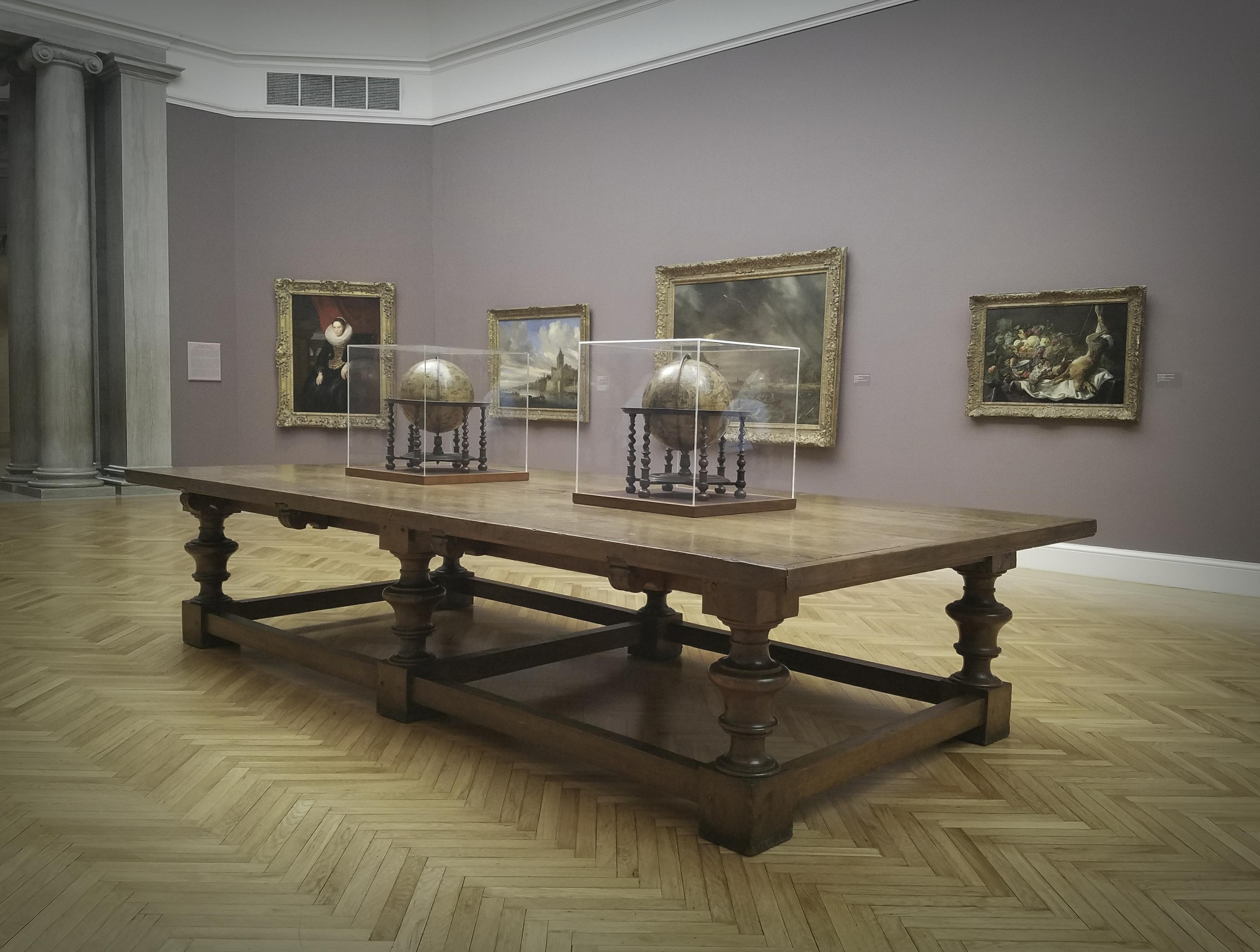
Celestial and terrestrial globes, Dutch, ca. 1600
Jodocus Hondius, the elder (Joos de Hondt, 1563-1612), cartographer
Metal, walnut and paper

Table from Italy, Bologna, 17th century
Walnut


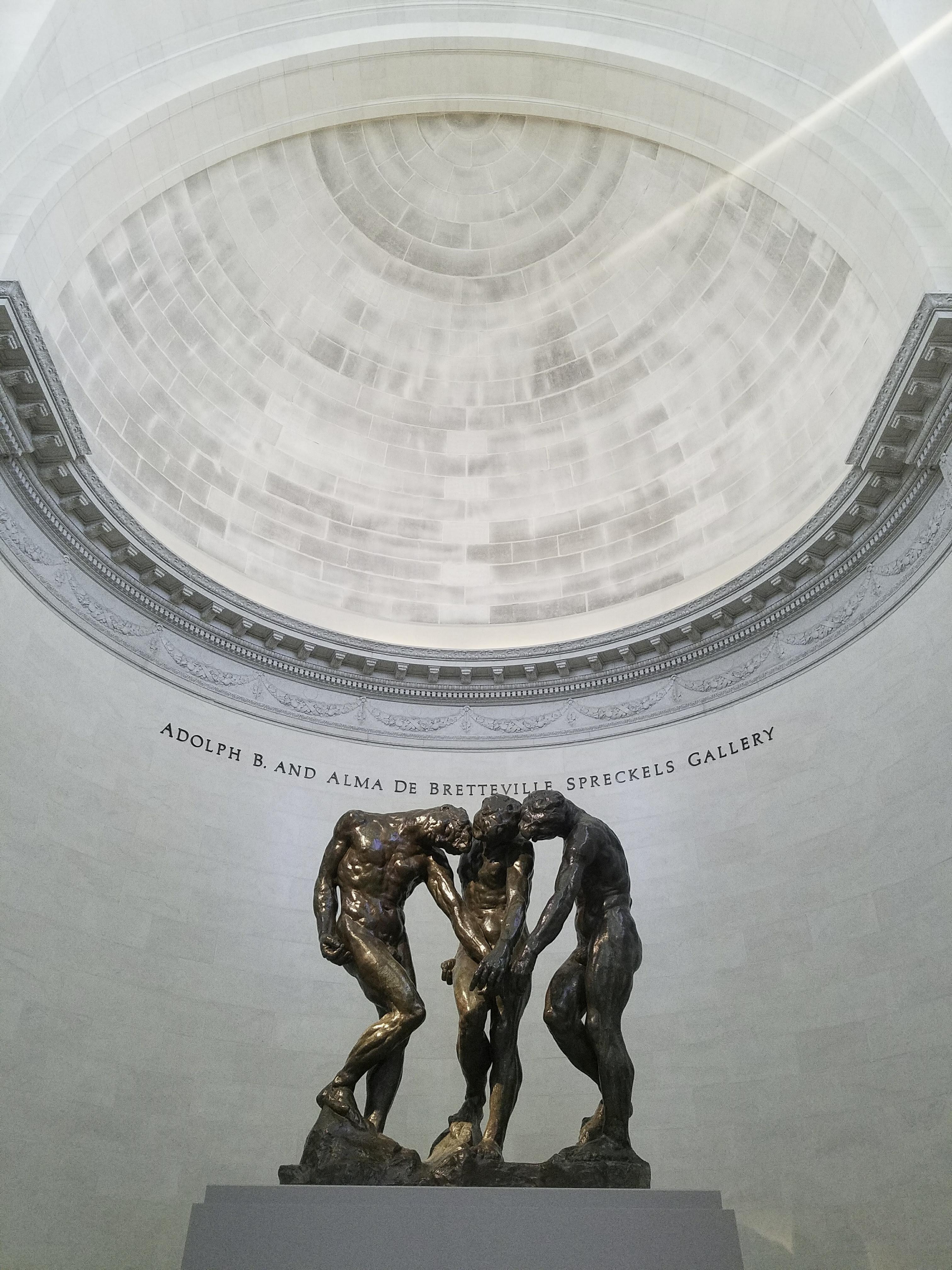
Auguste Rodin (French, 1840-1917)
The Three Shades, 1898
Bronze


Paneled room
France, ca. 1680 and later
Painted and gilt wood and mirror


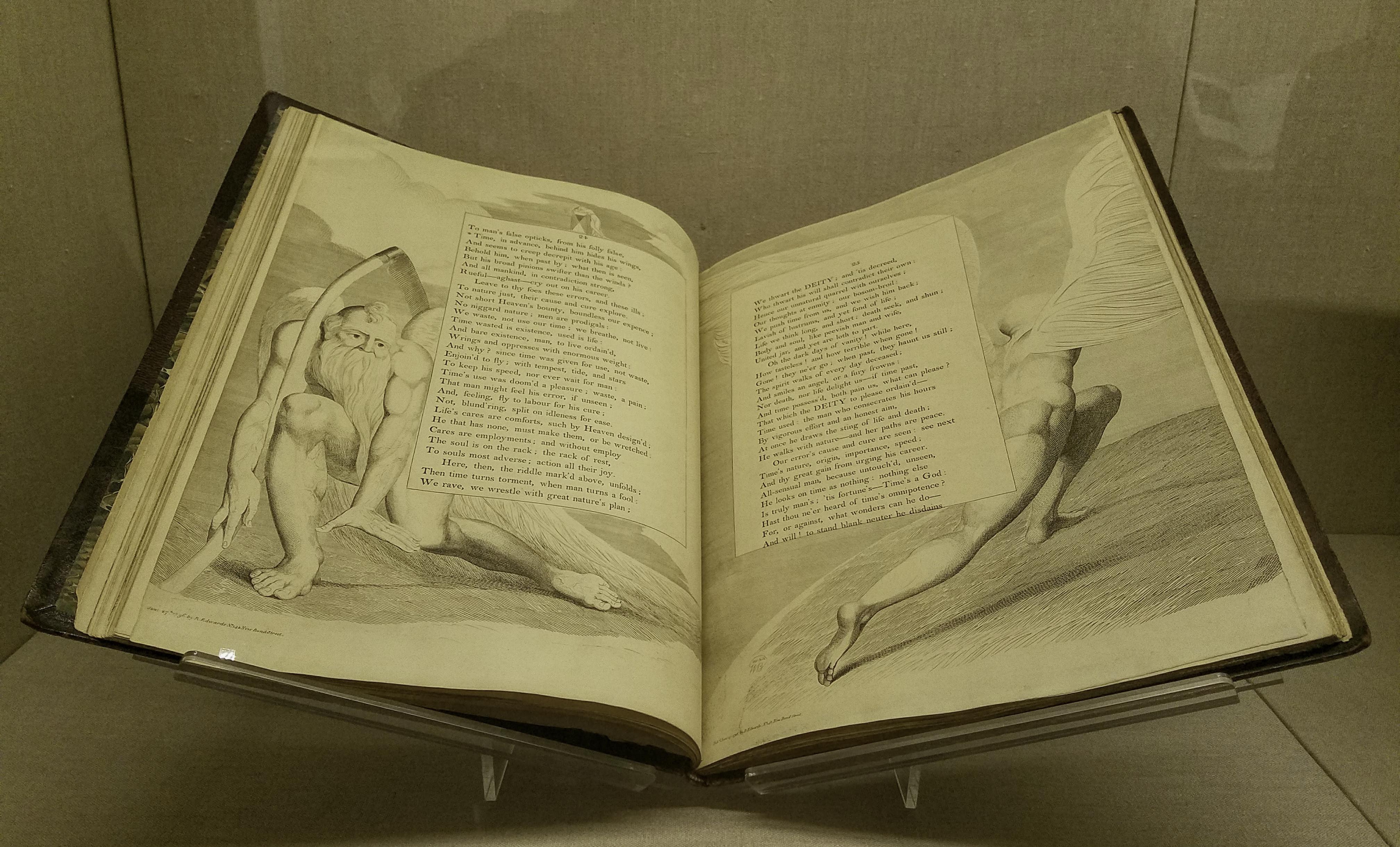
William Blake
”Time in advance… ”and ”Time, having passed on…,” from The Complaint, and the Consolation; or, Night Thoughts, by Edward Young

[Night Thoughts was first published in 1742 and its continuing popularity more than fifty years later inspired publisher Richard Edwards to bring out a new, deluxe edition, for which he commissioned William Blake to provide illustrations.]

Legion of Honor

July 7th, 2017

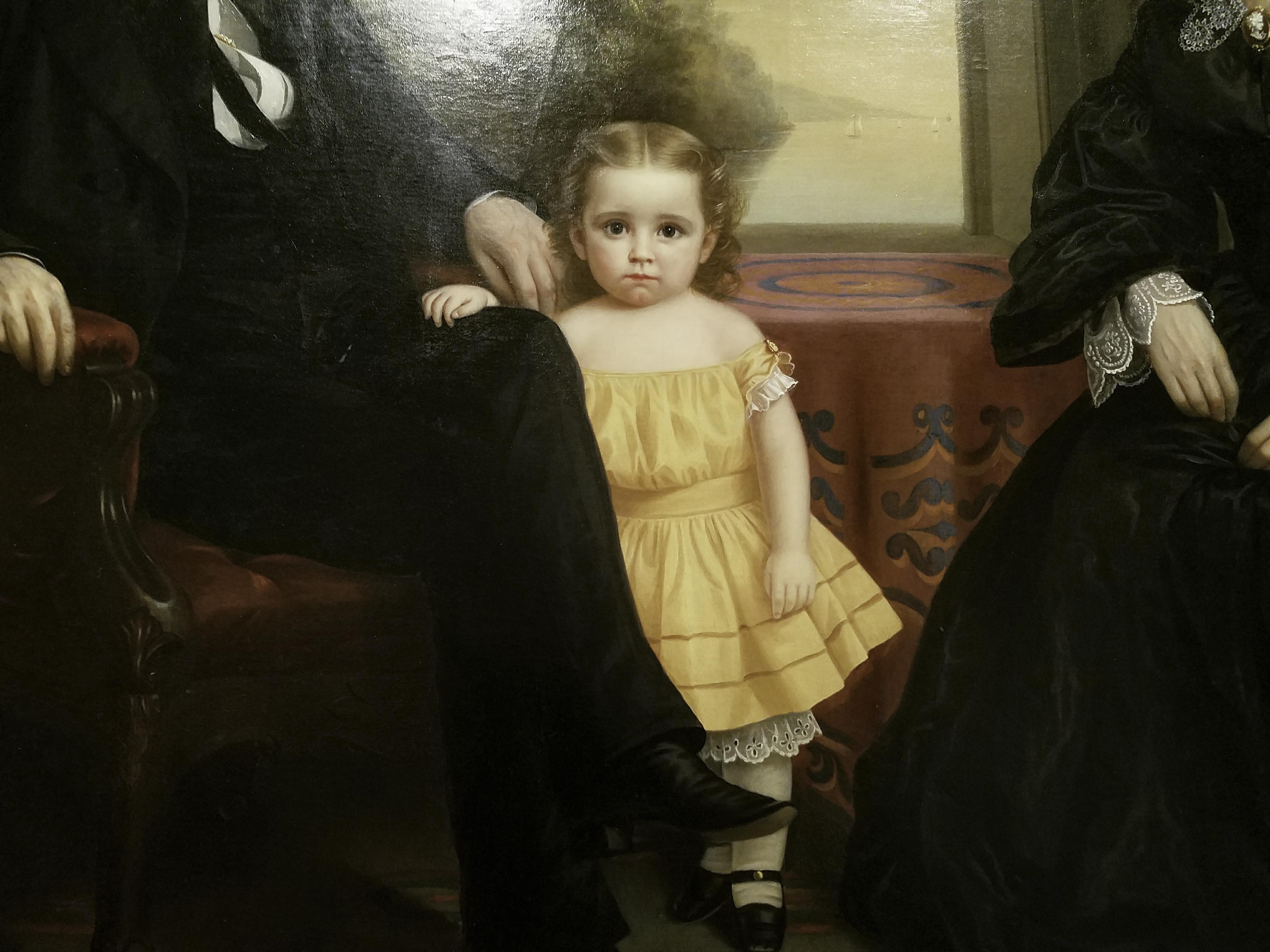
The saddest little girl

“Look at her”, said my companion, “this must be the saddest little girl in the world!”
“He is right”
, I thought, captivated by the palette, contrasting colours, their facial expressions and composition of the painting.

Until I read the description on the wall and, for a moment there, it was I who seemed to be the saddest little girl in the world…

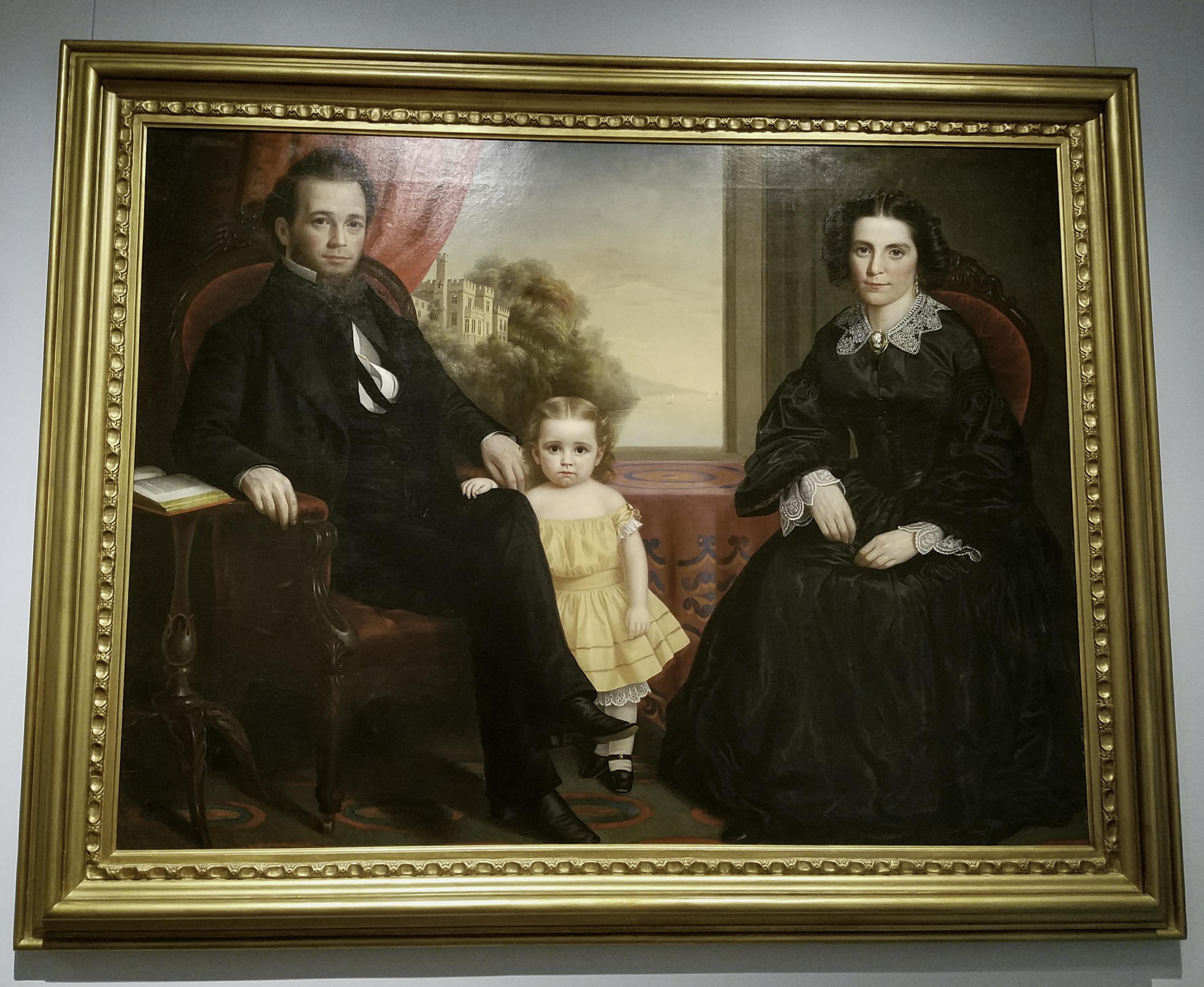
Unknown Artist
A Family Group, ca. 1850
Oil on canvas

{”This painting of an unidentified family bears the hallmarks of high-style portraits produced in New York during the antebellum era: saturated colours; attentiveness to details of costume, coiffure and jewellery; accurate facial depictions. The setting is a richly appointed Rococo Revival parlour. Seen through the window is a castellated Gothic Revival villa, possibly the family’s home, perched on a cliff overlooking the Hudson River. While it is similar to many designed by architects such as Alexander Jackson Davis during the period, it may be the home they aspired to, rather than their actual house. Details suggest that the child is deceased: the woman wears a cameo brooch carved with Orheus holding his lyre, a reference to the myth of Orpheus’ attempt to rescue his beloved Eurydice from the underworld; the possibly phantom house (a castle in the sky?); and the adults are wearing sombre black clothing.”}

The Metropolitan Museum of Art

July 2nd, 2017

The Art of the In-Between

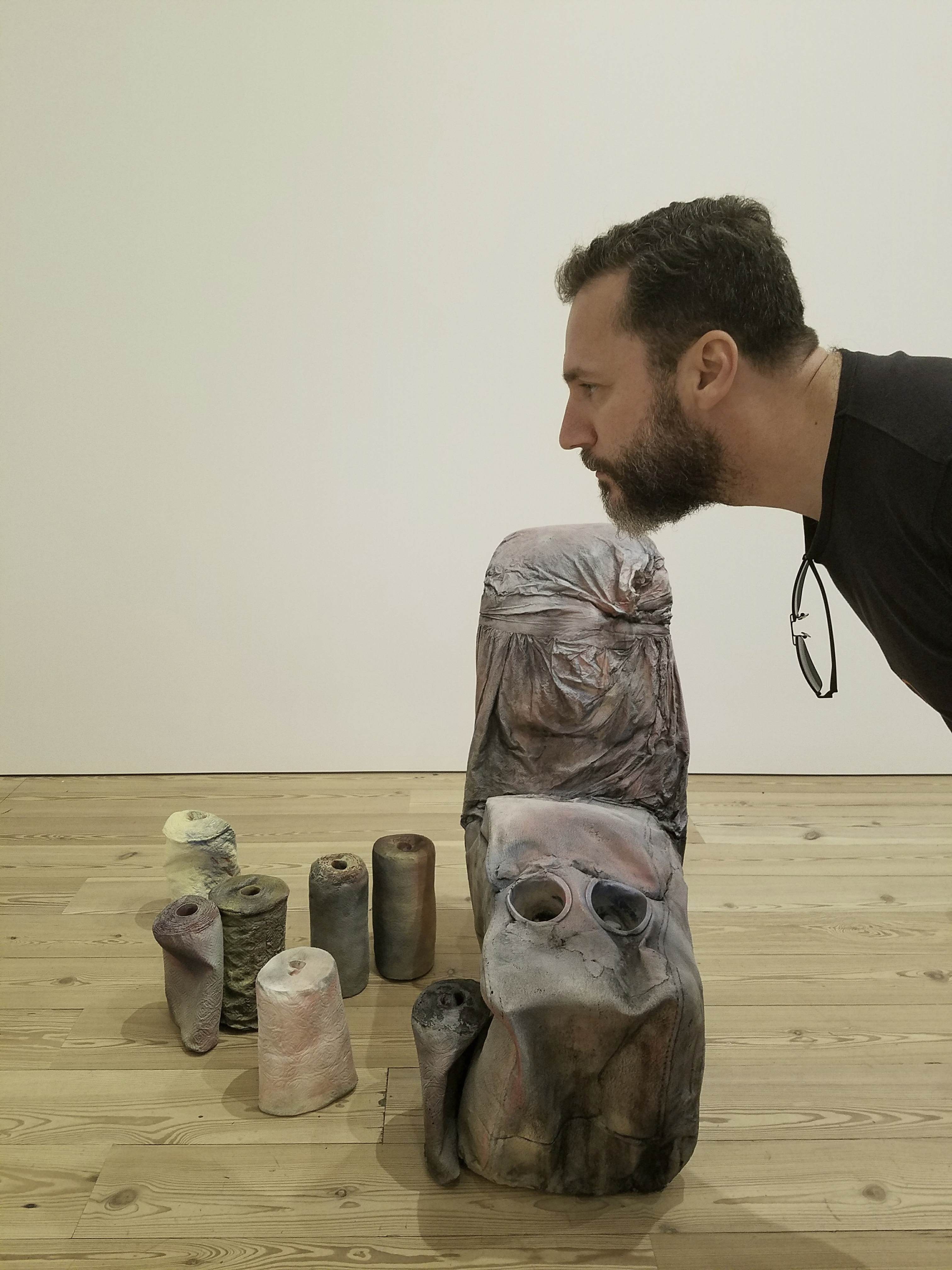
1/KAYA (Kerstin Brätsch and Debo Eilers), founded 2010, installation view of SERENE, 2017

3/Kaari Upson (b. 1972), In Search of the Perfect Double II, 2016 (detail). Urethane, pigment and aluminium

4/Asad Raza (b. 1974), detail of Root sequence. Mother tongue, 2017

5/Elsie Driggs (1895–1992), Pittsburgh, 1927. Oil on canvas

8/Richmond Barthé (1901–1989), African Dancer, 1933. Plaster

9/View (partial) of Larry Bell’s Pacific Red II, 2017 – also seen in previous post

The 2017 Whitney Biennial

June 10th, 2017

”A good start is half the journey”

A lot of advertising of that period would, in one way or another, be considered inappropriate or offensive by today’s standards. But, make no mistake: the Cream of Wheat Chef knows exactly what every boy and girl needs and serves it with a smile!

Edward V. Brewer (1883-1971)
“A Good Start is Half the Journey”
Cream of Wheat advertisement, 1926
Museum of American Illustration, Permanent Collection
Oil paint on canvas

Apparently Emery Mapes, one of the owners of the Diamond Milling Company that produced Cream of Wheat, preferred to hire local talent rather than nationally known illustrators. So, from 1911 to 1926, St. Paul native Edward Brewer was the dominant hand in advertising the porridge. This work, done at the end of his tenure with the cereal maker, typifies the homespun ethos the company wished to convey to the general public, something at which Brewer showed great skill. It was Mapes who originated the concept of ”Rastus” the chef, the logo which had from 1890 to the 1920s appeared as a woodcut image. Brewer developed the image that we see here. It is believed to be the face of a Chicago chef, Frank L. White, who received $5 to model in his chef’s garb and which remains the face of Cream of Wheat today.


The Society of Illustrators

June 3rd, 2017

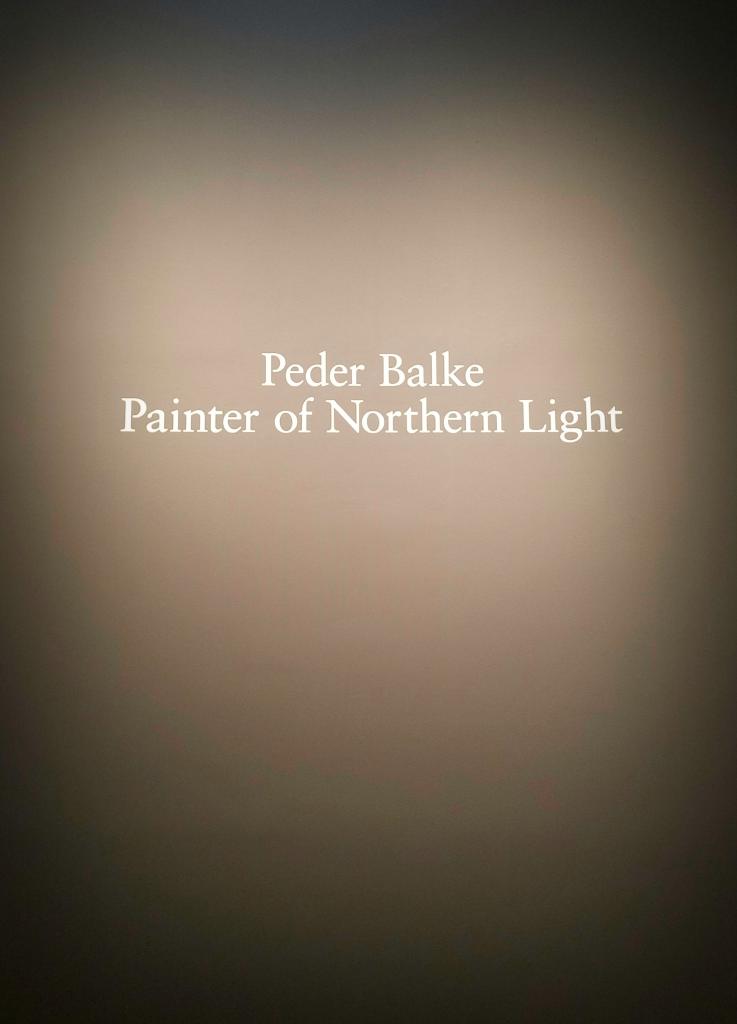
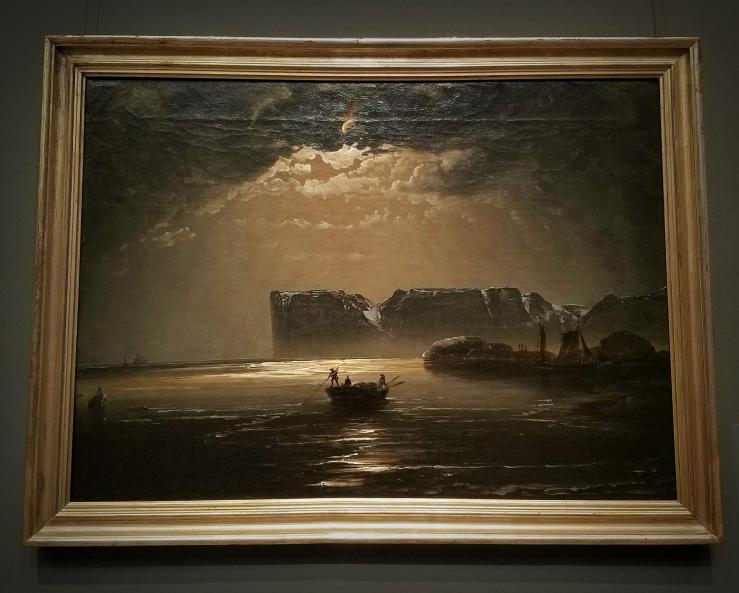
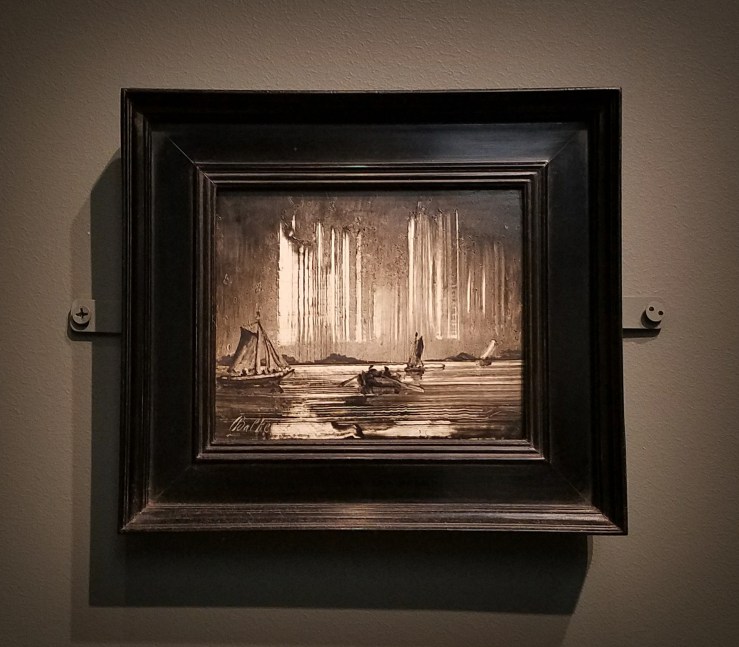
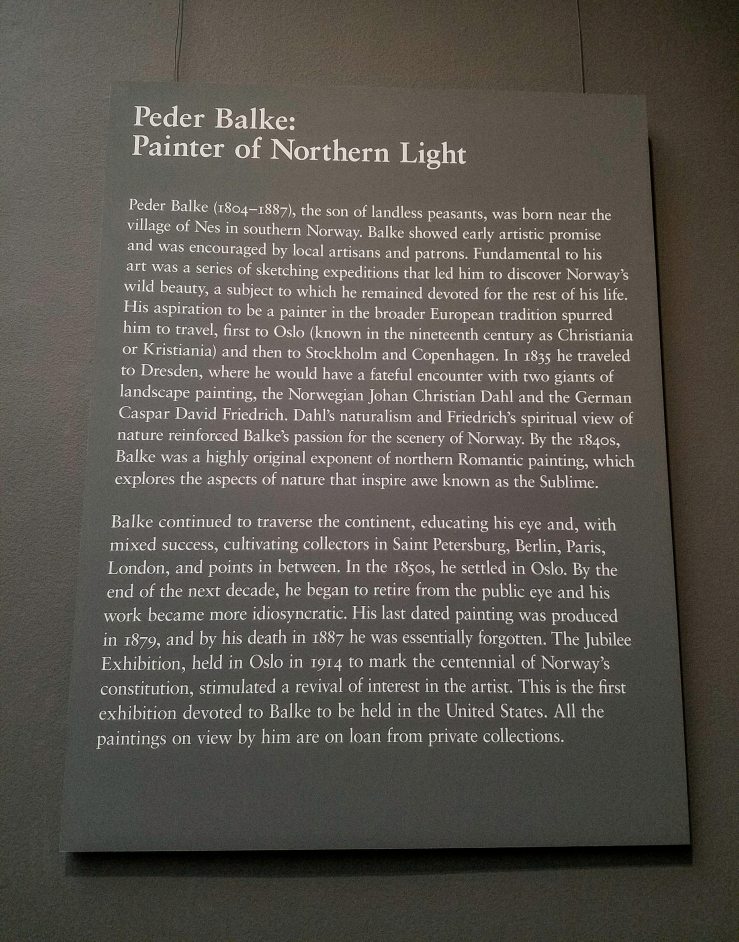
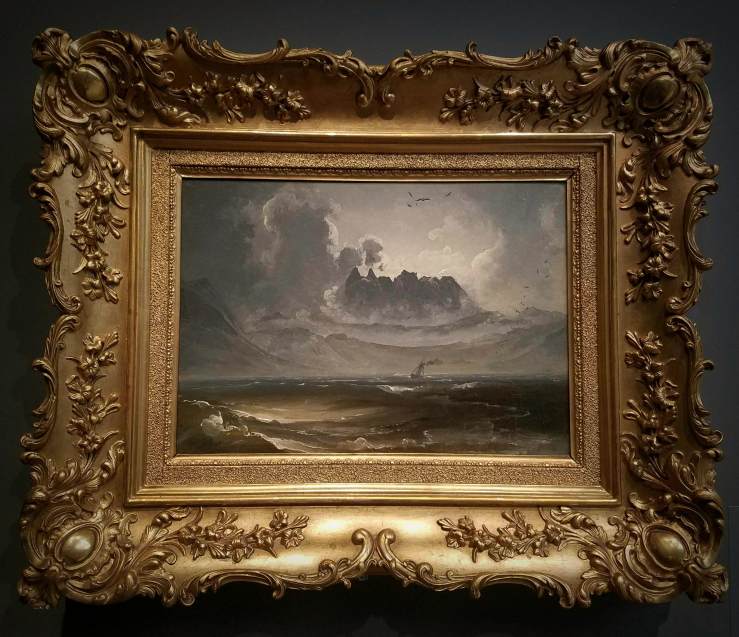
Meet Peder Balke || Painter of Northern Light

The North Cape by Moonlight, 1848
Oil on canvas


Finnmark Landscape, ca. 1860
Oil on canvas


Seascape, 1870s
Oil on wood


Northern Lights, 1870s
Oil on wood

To produce this striking image, Balke first applied a thin layer of paint for the sky and then a thicker one for the water. Subsequently, he removed paint with a serrated device to reveal the white ground layer, producing the effects of the lights. Finally, he added details such as the coastline and boats with a brush. 


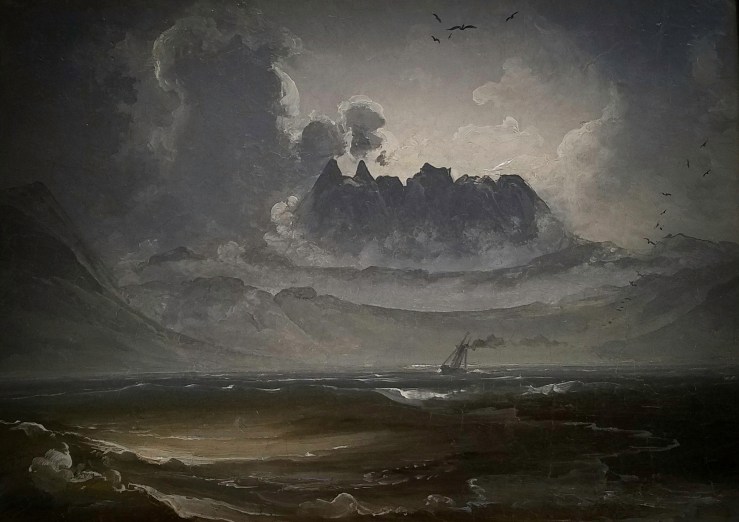
Seascape, ca. 1845
Oil on canvas, mounted on masonite

Majestic mountains and immense, churning clouds are indifferent to the course of a steamer chugging along the coast, trailed by gulls. This work, a tour de force of Balke’s ability to dematerialize form through the use of a limited palette, strikes a balance between painterly effect and a poetic vision that aspires to the Sublime. 


Moonlit View of Stockholm, ca. 1850
Oil on panel


Incredibly, I had to cross the Atlantic to see these wonderfully poetic works and even learn about the existence of this artist.

Images from an exhibition of 17 paintings by Peder Balke, presented at The Met in 2017.

May 28th, 2017

The East Room || The Rotunda

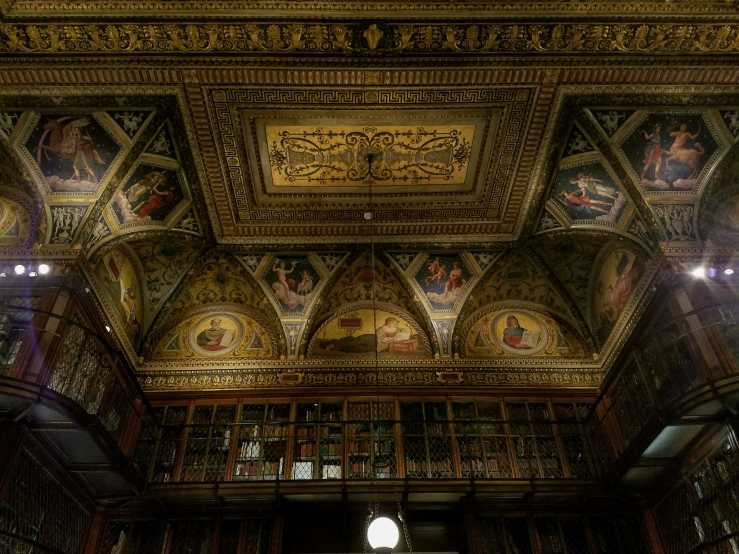
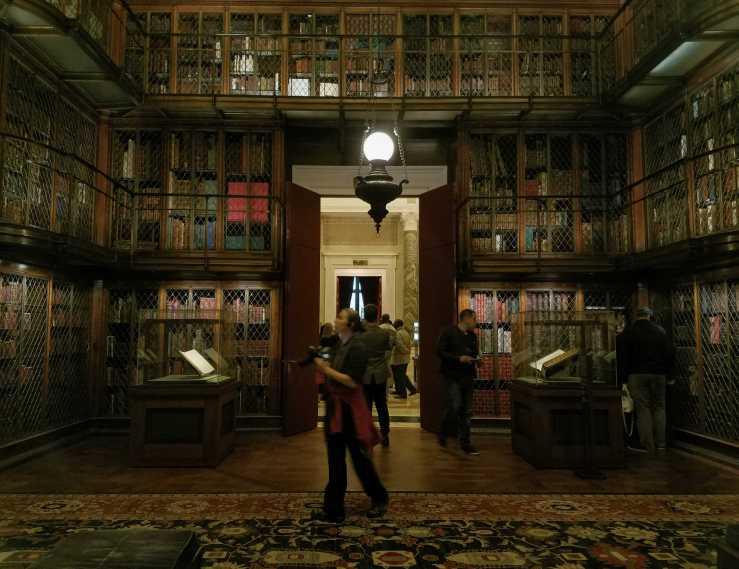
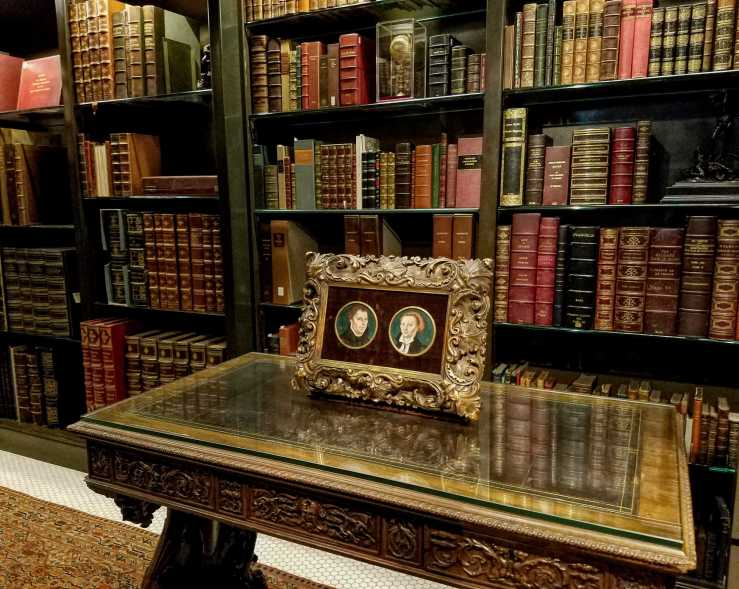
The Original Library

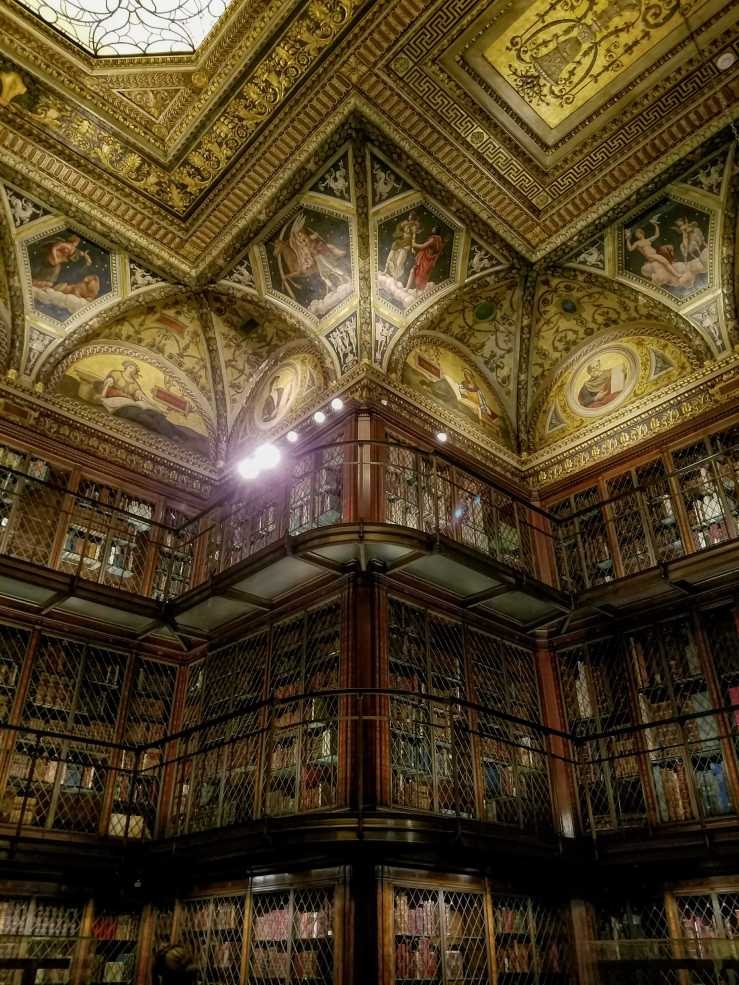
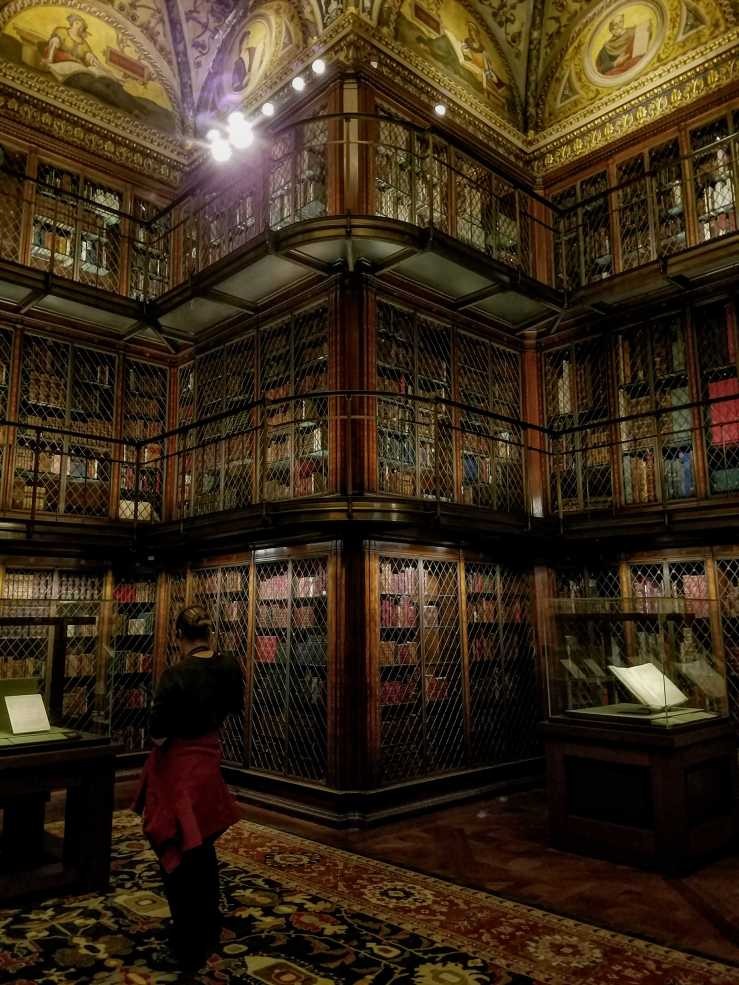
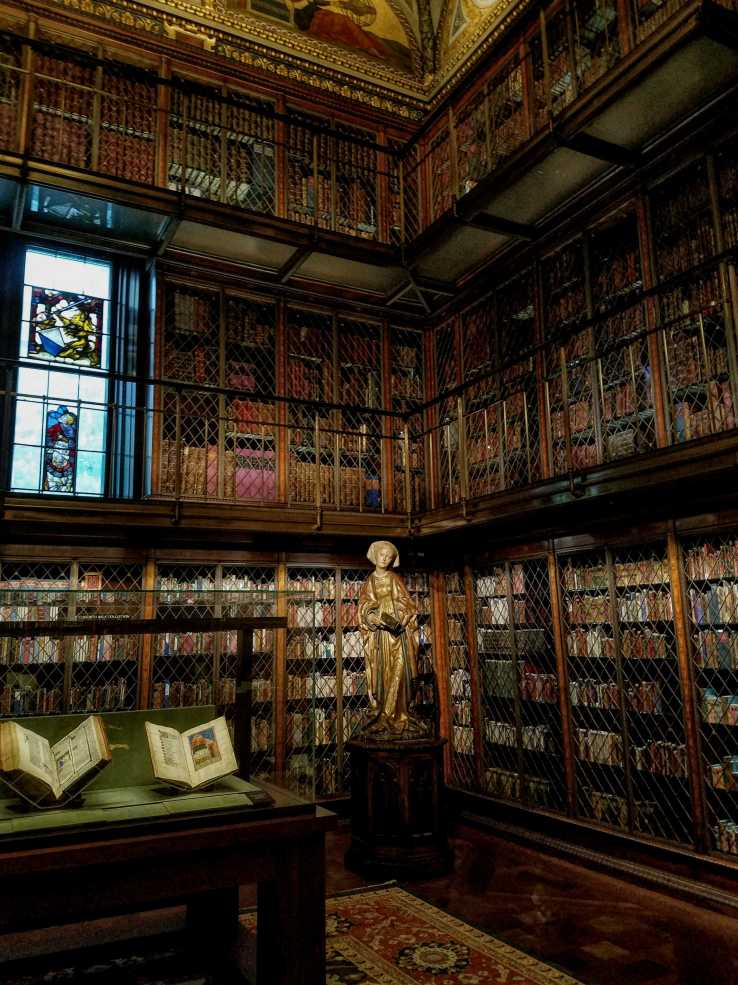
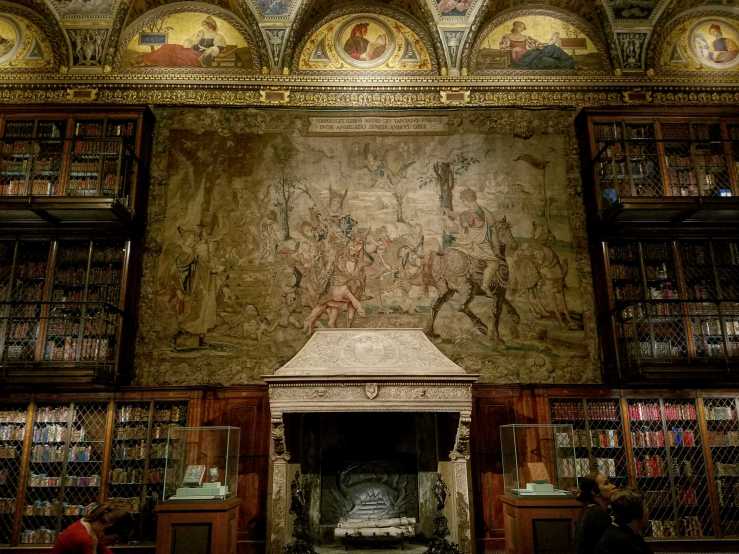
With its three-story inlaid walnut bookshelves and magnificent ceiling, the East Room was designed as a treasury for Pierpont Morgan’s remarkable collection of rare printed books. The sixteenth-century Netherlandish tapestry over the mantelpiece depicts avarice, one of the seven deadly sins, personified by the mythological King Midas. Two staircases, concealed behind bookcases, provide access to the balconies. Paintings by H. Siddons Mowbray adorn the upper reaches of the room, and the signs of the zodiac are depicted in the ceiling’s hexagonal spandrels. (Morgan was a member of an exclusive dining club that admitted only twelve members at a time—one for each sign of the zodiac—and the arrangement of the signs in his library’s ceiling may carry a hidden meaning related to key events in his personal life.) Allegorical depictions of the arts and sciences alternate with portraits of figures from Socrates to Michelangelo, identifying the library as a place for the preservation of art and ideas.

Literature, Art, and Music from the Middle Ages to the Present

On view in the East Room are examples from The Morgan Library & Museum’s extraordinary collection of medieval illuminated manuscripts, rare printed books and bindings, and handwritten manuscripts of great writers, artists, and composers from the Renaissance to the present day. While some of the items on view were purchased by Pierpont Morgan, others have been acquired in the century since his death. Selections are changed regularly, but a seminal work is always on view: one of the Morgan’s three copies of a Bible printed by Johannes Gutenberg in 1455. With Gutenberg’s Bible, the painstaking process of copying books by hand gave way to an innovative new technology—movable type—that facilitated the exchange of art and ideas in all spheres of human endeavor.

Taking another look at The North Room, before leaving.  The Rotunda

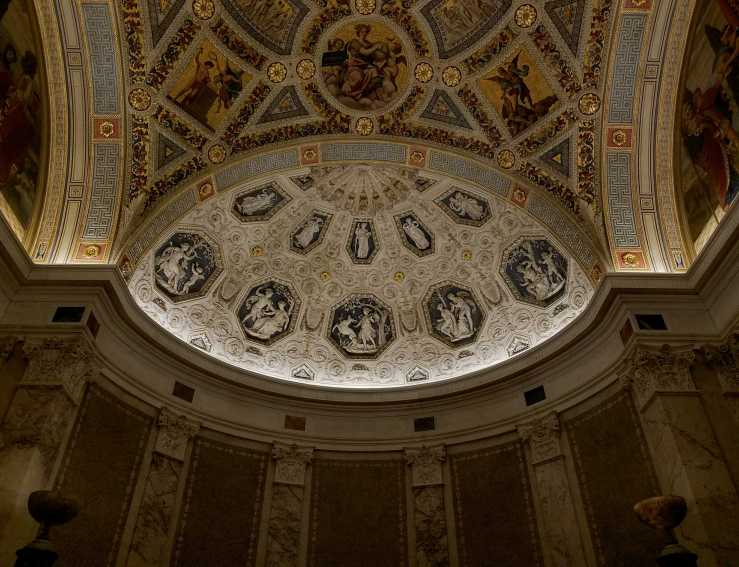
In Morgan’s day, visitors to the library passed through a pair of monumental bronze doors into a rotunda replete with opulent detail: variegated marble columns, an ornately patterned floor, and fine mosaic panels that line the curved walls. The ceiling paintings, by American artist H. Siddons Mowbray (1858–1928), depict three of the major literary epochs represented in Pierpont Morgan’s collections—the ancient world, the Middle Ages, and the Renaissance. 

This portrait of Mrs. Morgan was on view at the Lower Level (and not in one of the rooms surrounding Mr. Morgan’s library, as I would have expected). John Singer Sargent, Florence 1856-1925 London
Portrait of Mrs. J.P. Morgan, Jr.

This spirited portrait depicts Jane Morgan (neé Jane Norton Grew, 1868-1925), the wife of Pierpont Morgan’s son, J.P. Morgan, Jr. (1867-1943). Although the portrait is inscribed 1906, it appears that Mrs. Morgan sat for Sargent in 1904-5, when she was still living with her husband in London. The Morgans returned to New York in 1906. The following year Sargent declined the opportunity to depict Pierpont Morgan. Shortly thereafter he relinquished his practice as the leading portrait painter of high society in order to focus on landscapes and murals.

The Morgan Library & Museum

May 7th, 2017

The West Room || The East Room

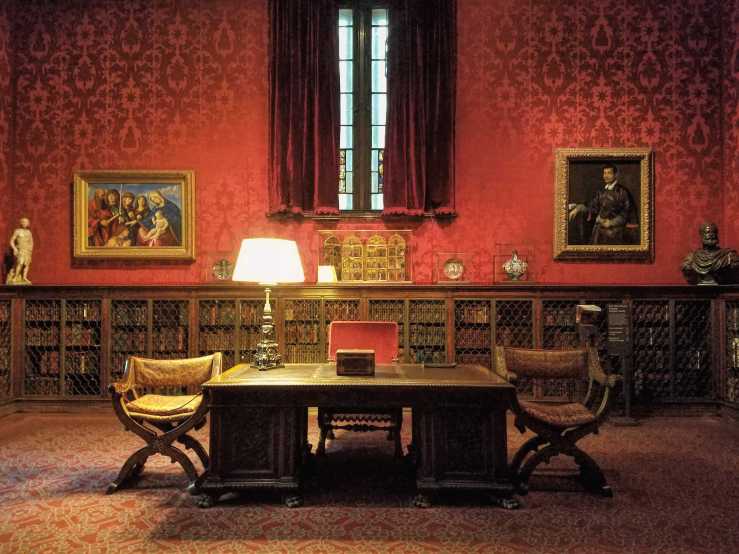
The West Room, Mr. Morgan’s Study

During the last years of his life, Pierpont Morgan spent a great deal of time in his richly appointed private study, away from the Wall Street offices of his banking firm. In this lush but intimate room, among some of his favorite works of art, Morgan worked, relaxed, and met with art dealers and business associates. It was here that he gathered a group of bankers in 1907 to orchestrate a dramatic resolution to a national financial panic. Low shelves containing rare printed volumes line the study’s walls. To the left of the massive fireplace, Morgan’s impressive manuscript collection was once secured in a vault lined with solid steel. The red silk wall covering (a reproduction of the deteriorated original) contains the insignia of the Chigi, a great Sienese banking family, and much of the furniture was commissioned by Morgan in the Renaissance style. Pierpont Morgan’s portrait hangs over the fifteenth-century mantelpiece, and that of his son, J. P. Morgan, Jr., is displayed between the west windows.

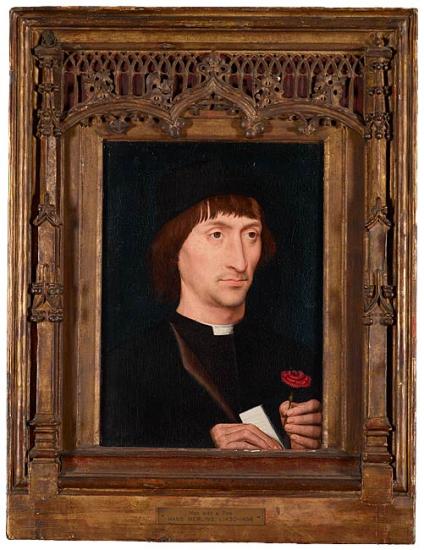
[right] Hans Memling (Flemish, 1433/40–1494)
Portrait of a Man with a Pink, ca. 1475
Oil on panel

This is one of the finest paintings in the Morgan collection. The sitter may have been a member of the Italian merchant colony in Bruges, where Memling was the leading painter. The pink, or carnation, in the young man’s hand is likely a symbol of betrothal, suggesting that the painting may be one of a pair of wedding portraits.

[left] Workshop of Domenico Tintoretto (Italian, 1560-1635)
Portrait of a Man, ca. 1600
Oil on canvas

The unidentified subject of this portrait, painted in Venice in the workshop of Domenico Tintoretto, son of the more famous Jacopo, is believed to be a Moorish Ambassador to the Venetian court.


Frank Owen Salisbury (British, 1874–1962)
Portrait of J. P. Morgan, Jr. (1867–1943) in a Cambridge Robe, 1934

This portrait depicts J.P. Morgan, Jr., Pierpont Morgan’s son and founder of this institution, wearing the robes of a Doctor of Laws, an honorary degree conferred by Cambridge University in 1919. The degree was a gesture of gratitude to the younger Morgan, who, as head of the firm J.P. Morgan & Co., provided financial support to the Allies during the First World War. Commissioned by J.P. Morgan, Jr., 1934.


A glimpse into The East Room, the original library, more photos of which we will see tomorrow.

The Morgan Library & Museum houses one of the finest collections of music manuscripts in the country. In addition to a large collection of musicians’ letters and first editions of scores and librettos, it has the world’s largest collection of Mahler manuscripts and substantial holdings of Brahms, Chopin, Debussy, Mozart, Schubert, and Richard Strauss. The collection spans six centuries and many countries. The Morgan’s holdings of material relating to the lives and works of the dramatist William S. Gilbert and the composer Arthur S. Sullivan form the most extensive archive of its kind in the world.

Maurice Ravel (1875-1937)
Sonatine, 1903

Ravel’s Sonatine began life as a single-movement work. Only later did he add the second and third movements. Despite its many corrections, it is evident from the printer’s annotations in blue that this manuscript was used by the publisher Durand for its 1905 edition of the complete piece. Note that Ravel’s anagram at the top of the page, Verla, was crossed through and replaced with his proper name. Frédéric Chopin (1810-1849)
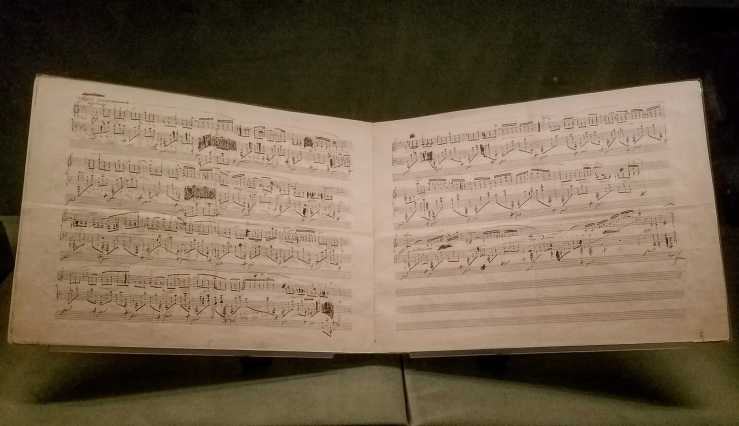
Nocturne in C Minor, op. 48, no. 1, 1841

The slow, dreamlike quality of the nocturne (night music) is a characterized by a simple, lyrical melody that becomes increasingly florid. The form, as developed for the solo piano, gained popularity in the early decades of the nineteenth century with the works of the Irish composer John Field. But it was Chopin who brought the nocturne to the height of its expression, and it is Chopin’s nocturnes that are best remembered.


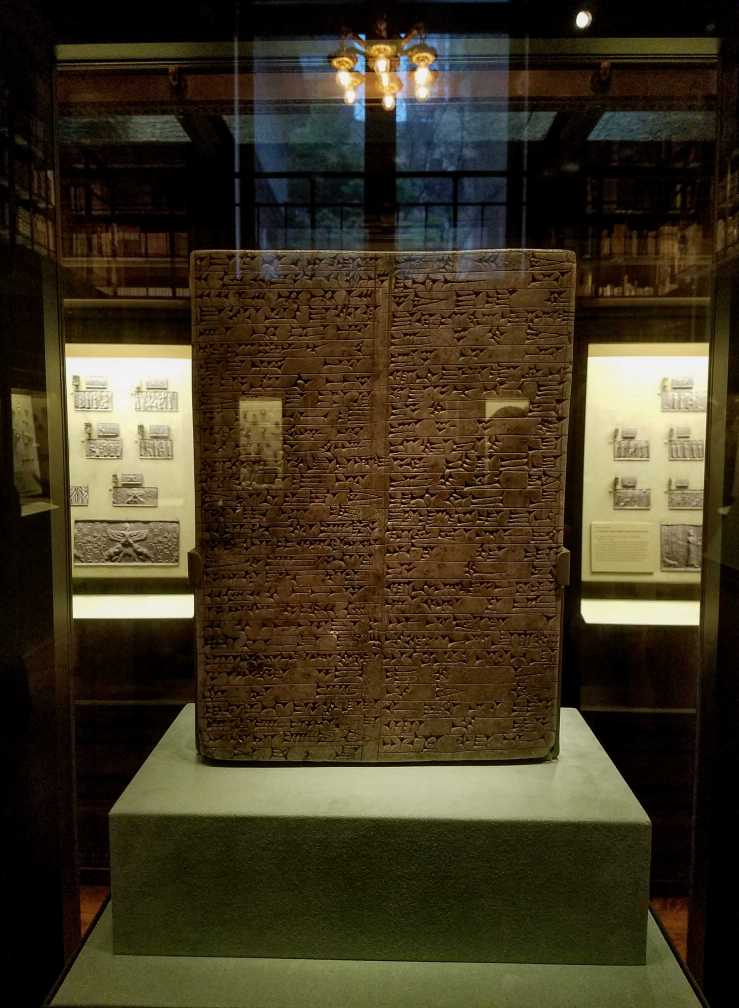
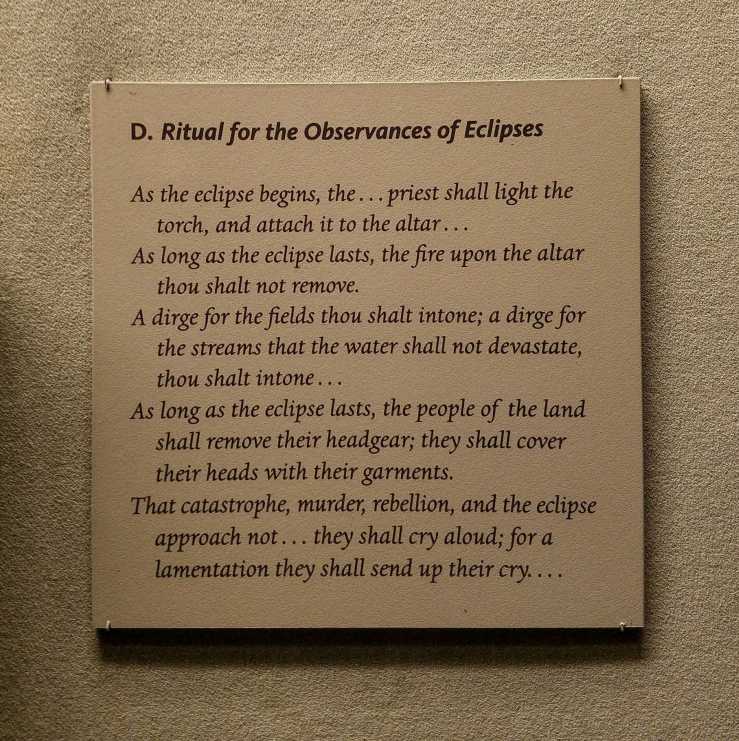
Ancient Near Eastern Seals & Tablets

The Morgan Library & Museum

May 7th, 2017

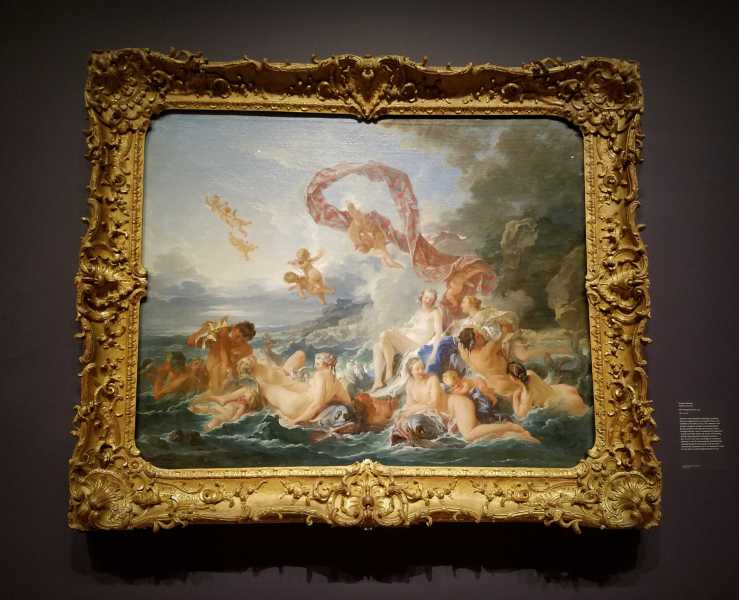
The Triumph of Venus || François Boucher

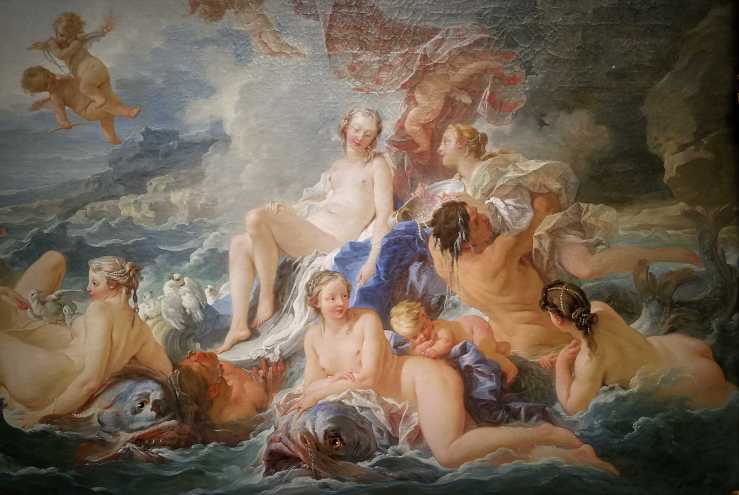
Painting in its original frame and details
François Boucher, French, 1703-1770
The Triumph of Venus, 1740
Oil on canvas


And a professional photo by Cecilia Heisser / Nationalmuseum


Boucher’s most beautiful mythological painting, still in its original frame, was med for Tessin and exhibited at the Salon of 1740. The ambitious composition comprises complex interlocking figural groups modeled with supreme assurance. Venus emerges from the waves, accompanied by languorous nereids and robust tritons; the nereid at left resting with her eyes closed and stroking the neck of a dove is one of the most carnal figures in Boucher’s repertory. It was the most expensive painting Tessin acquired during his Paris sojourn and one of his most prized acquisitions, but it was among the works he was driven to sell to King Frederick I in 1749.

From Treasures from the Nationalmuseum of Sweden: The Collections of Count Tessin”, an exhibition that ran through May 14, 2017.

The Morgan Library & Museum

May 7th, 2017

Isabella Stewart Gardner Museum, part V – The Best of the Rest

The title is highly subjective, of course; what we are looking at – and all we’ve seen so far –  is but a fraction of The Gardner’s vast collection of artworks and beautiful objects.
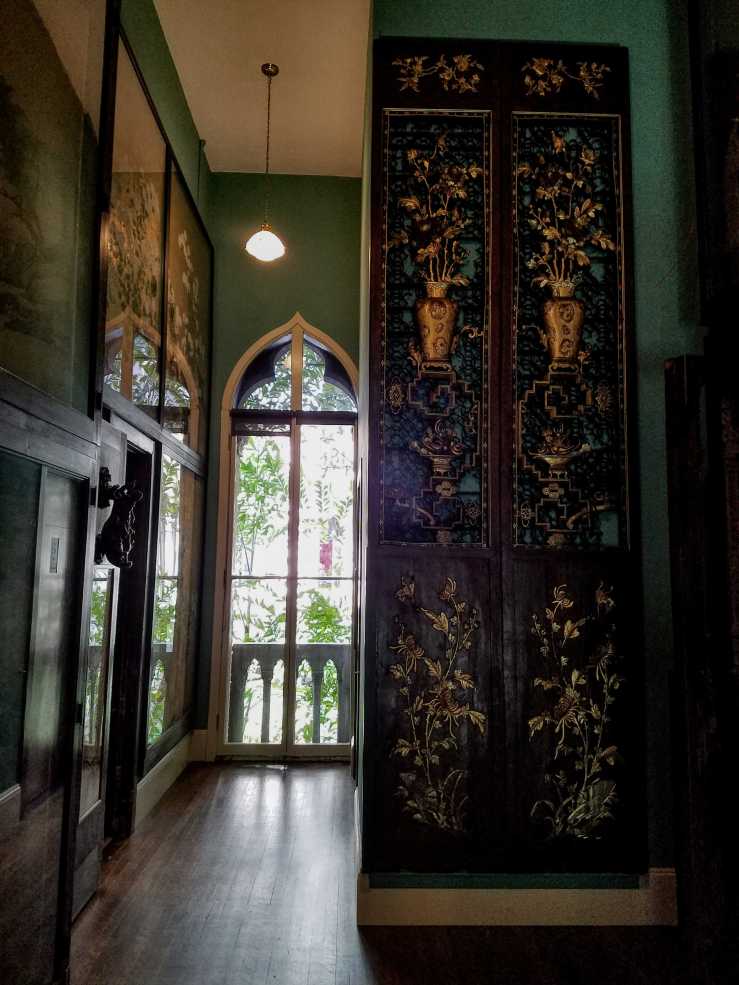
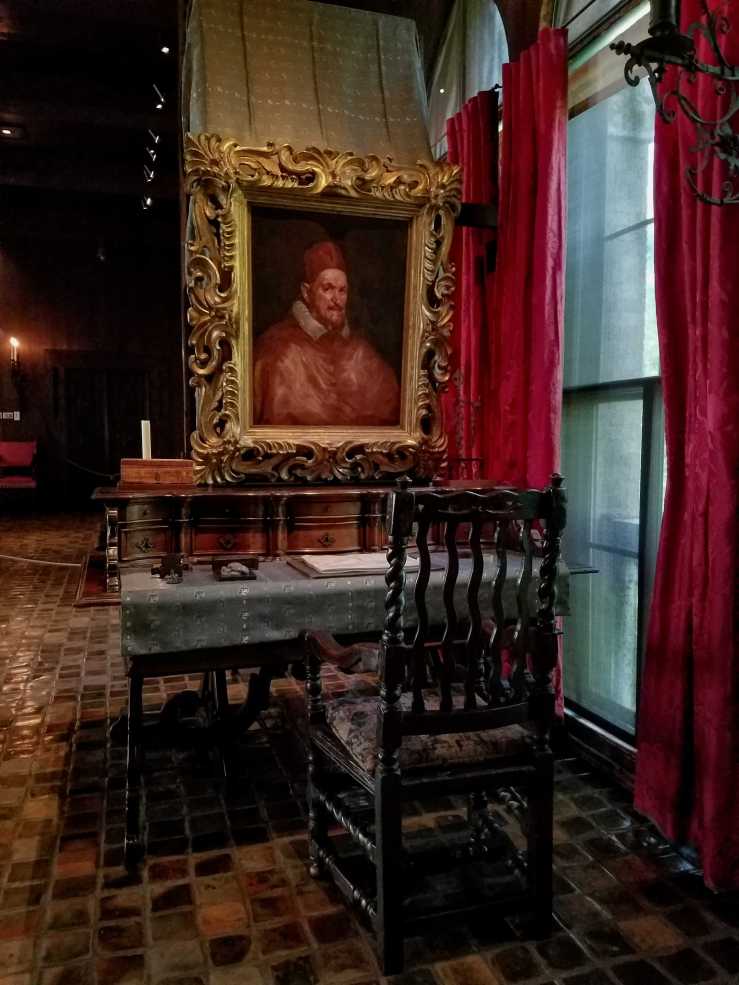
Look at the imposing Tapestry Room, for instance – imposing both in size and wealth – with its Flemish tapestries lining the walls…… and a portrait of Pope Innocent X, bearing an uncanny resemblance to a Velázquez but apparently it is not (but who the actually artist is, we know not)…Or the Veronese Room –
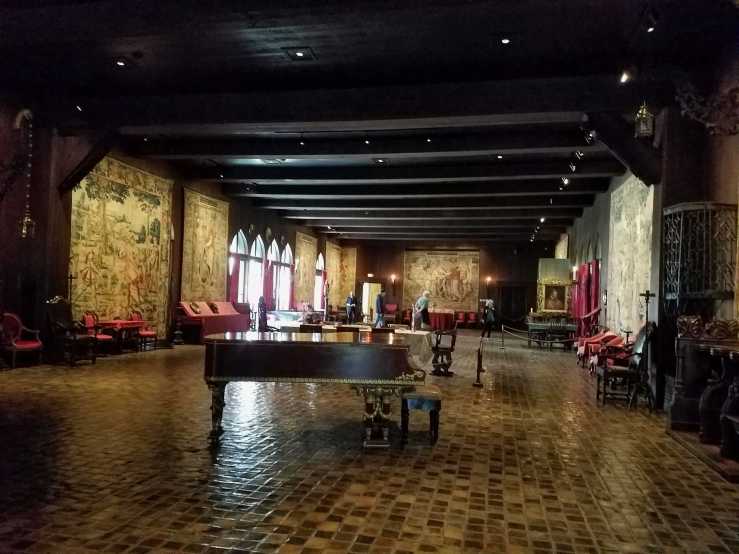
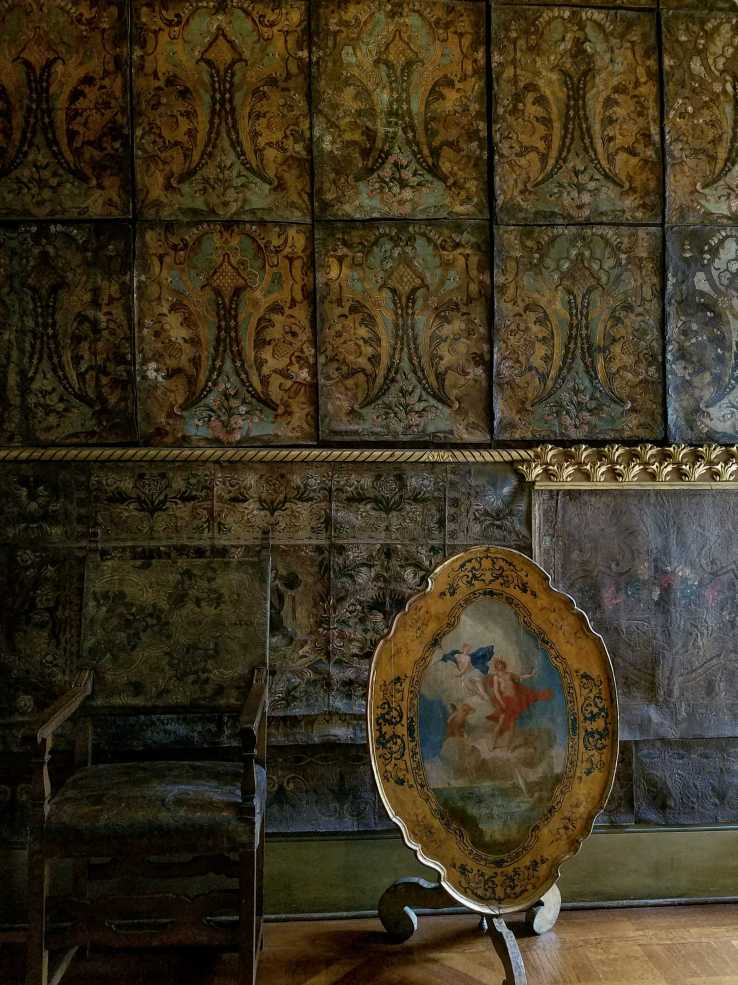
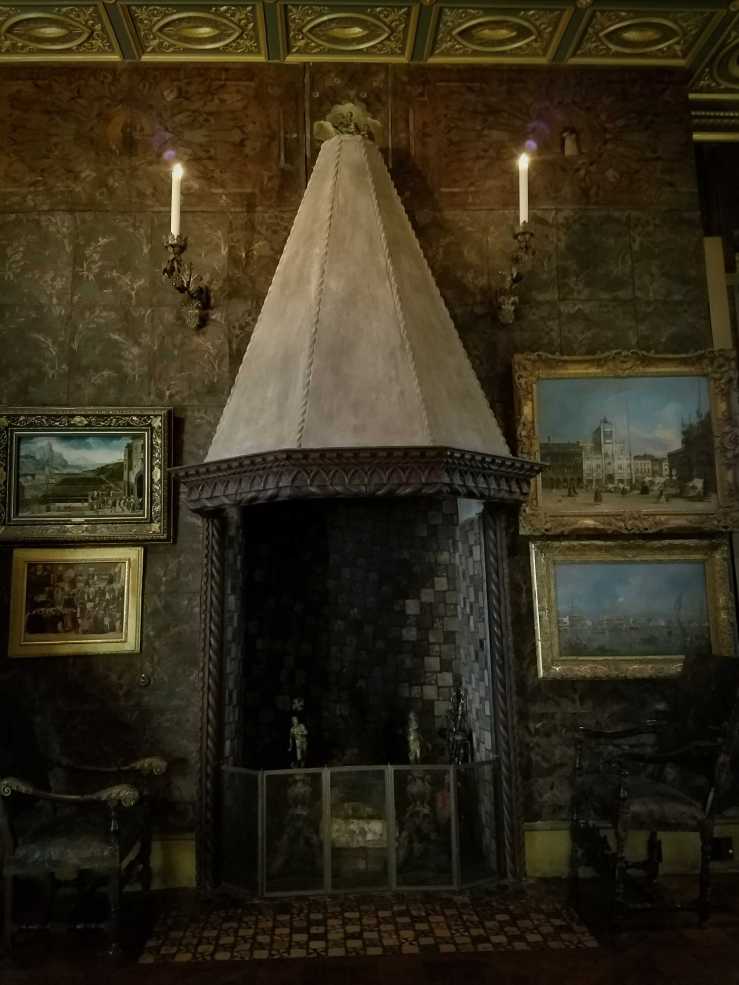
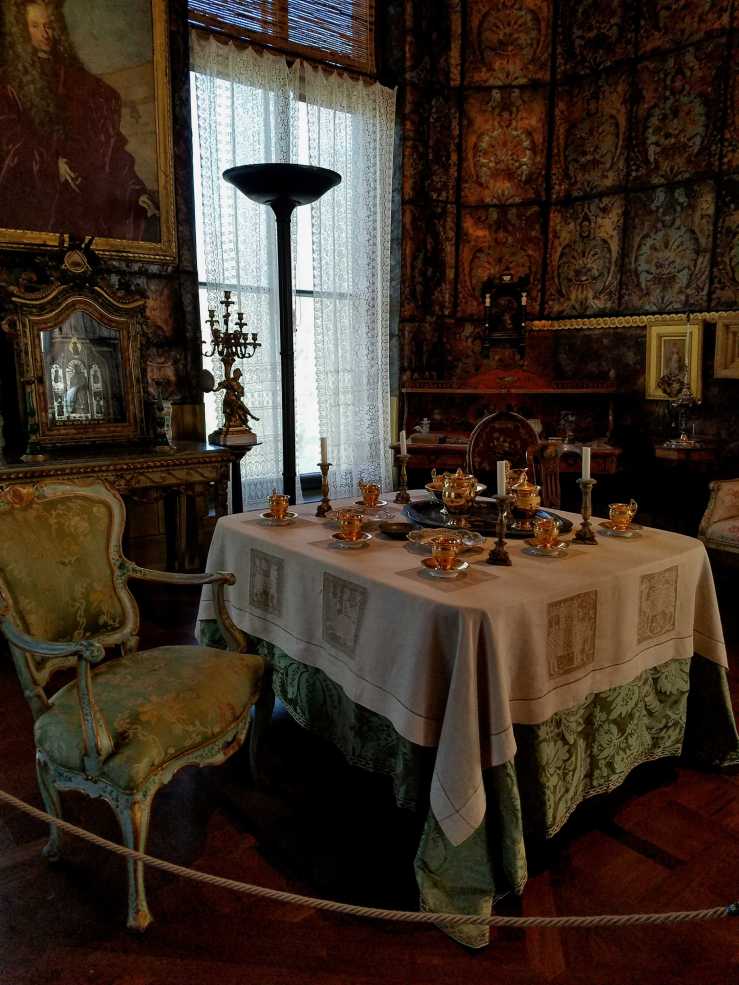
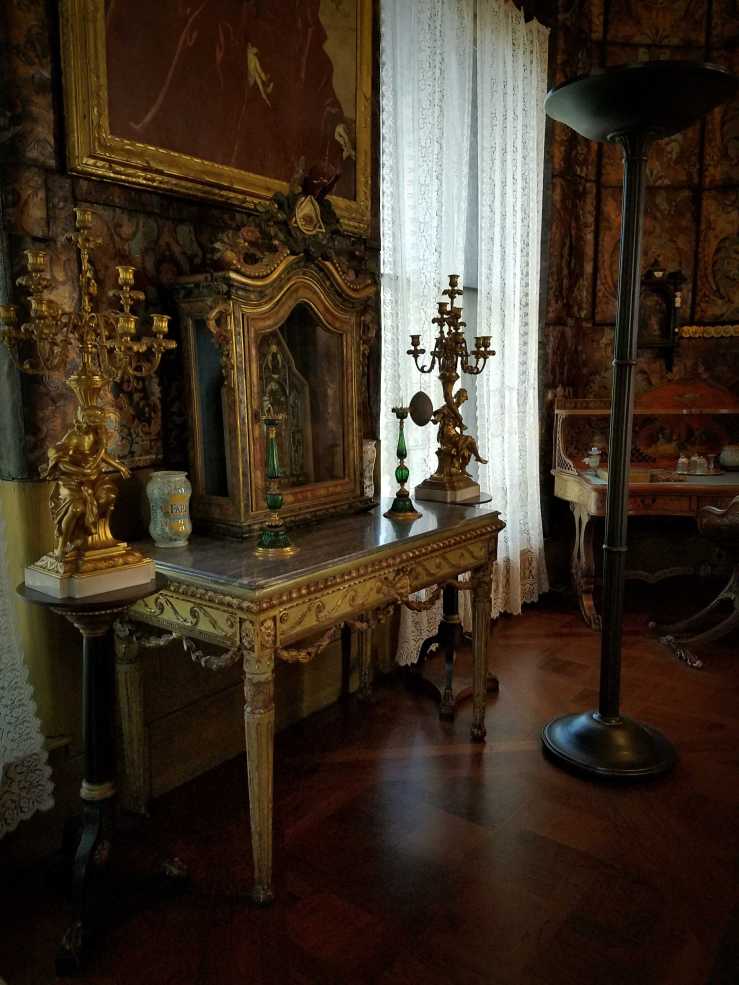
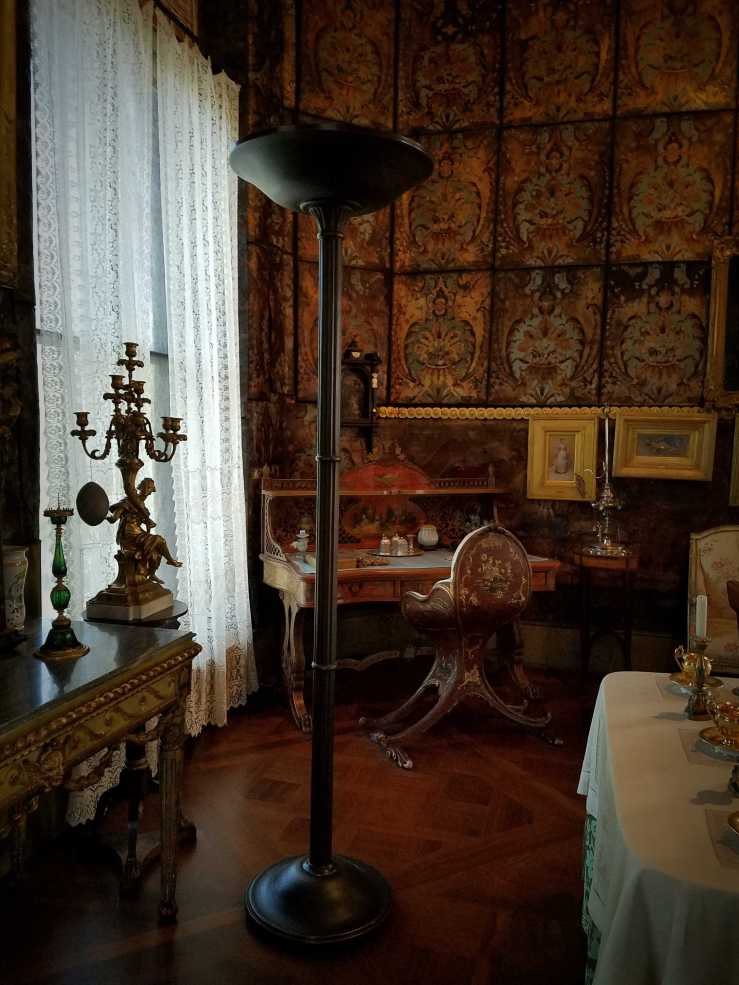
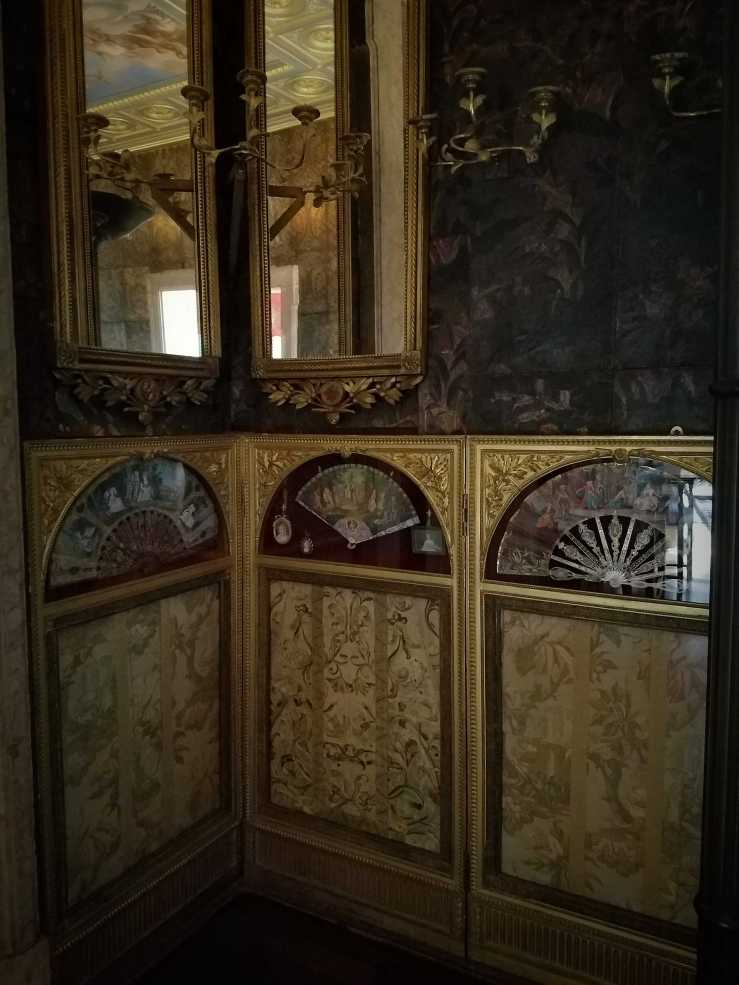
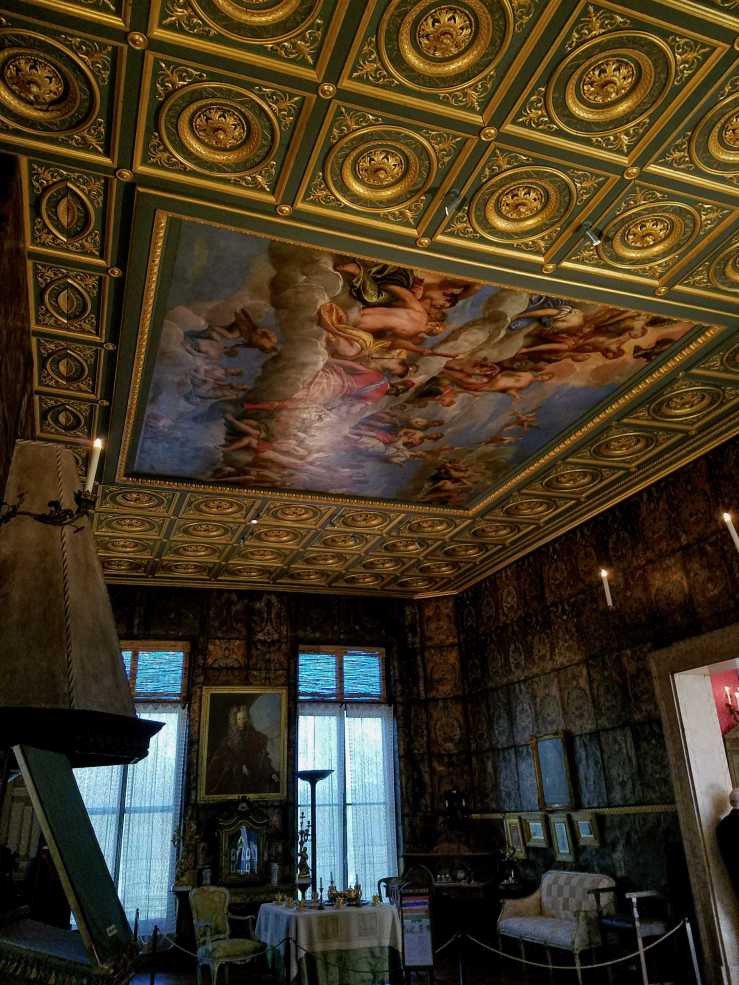
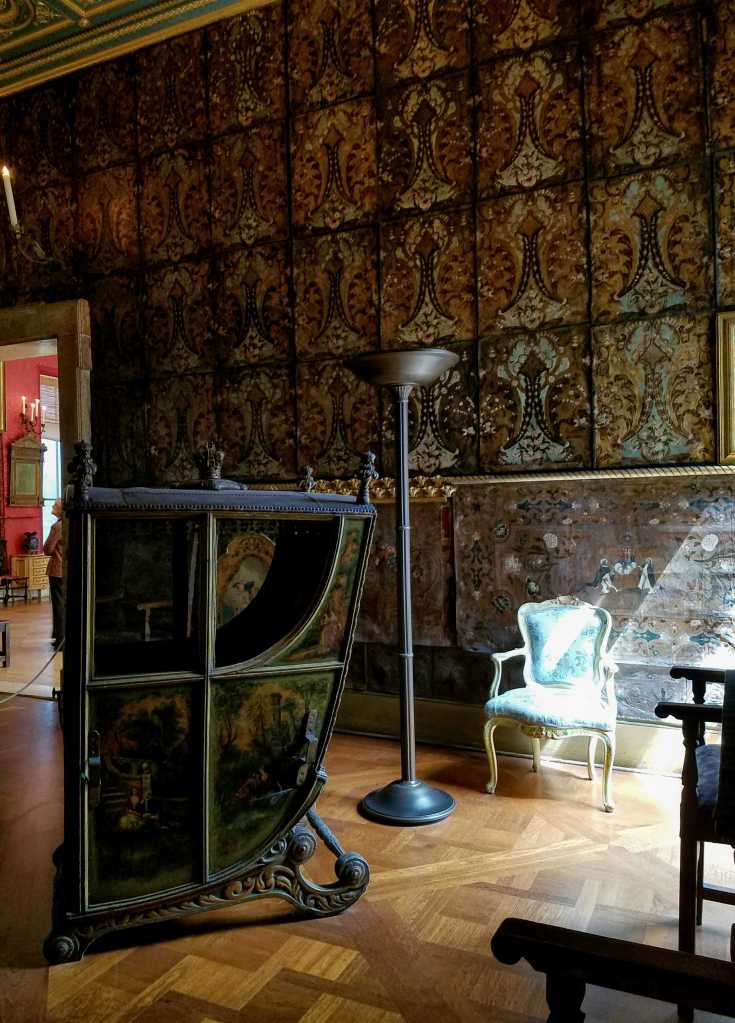
This room, which invites you to share Isabella Stewart Gardner’s love for Venice, takes its name from the painting on the ceiling. In 1899, while construction of the Museum was well under way, Isabella acquired The Coronation of Hebe, then attributed to Veronese. Gardner commissioned gilded paneling in Milan to frame the work in appropriate splendor. Rather than focusing on a single style or period, Isabella assembled around it a splendid mixture of objects that span diverse times and places. Stamped and painted leather panels from Spain, Italy, and the Netherlands line the walls. Gilded china saucers, cups, and a pitcher glisten on a small table at the room’s center. Balancing the stunning and huge Coronation on the ceiling are several pastels executed on an intimate scale by Isabella’s contemporary, James McNeill Whistler. 
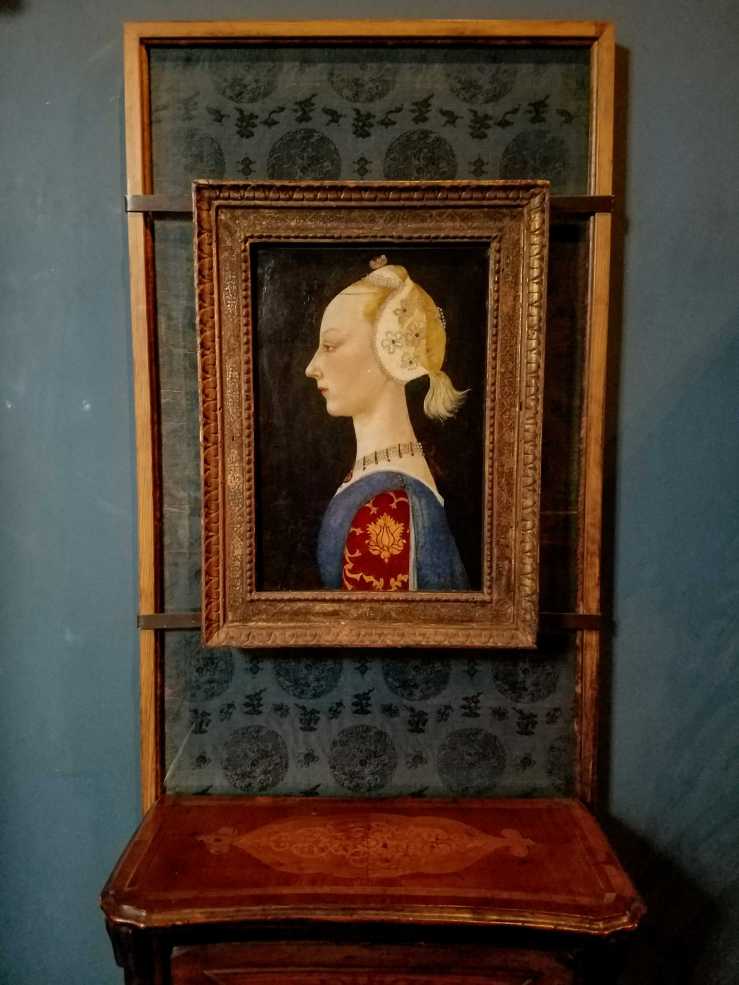
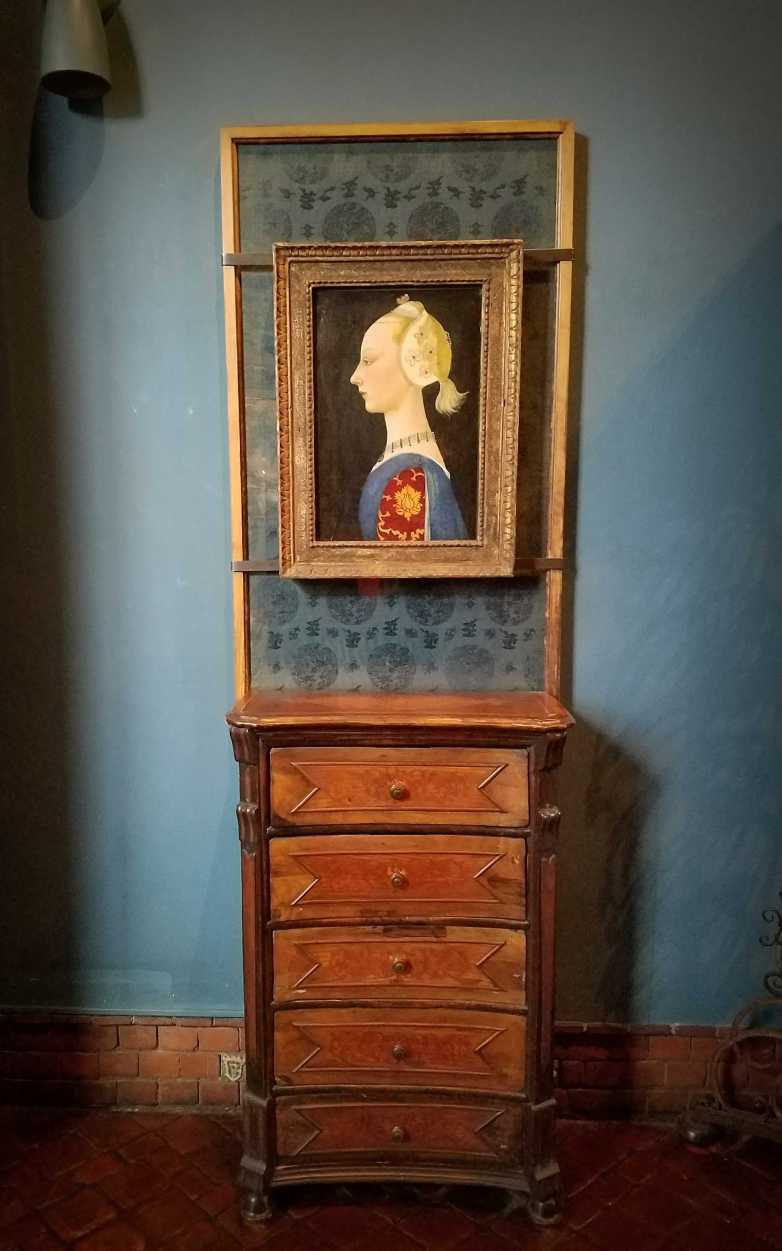
Crossing the Long Gallery, a young lady stops me in my tracks –

Attributed to Paolo Uccello (1397 – 1475)
A Young Lady of Fashion, early 1460s

The portrait has a highly decorative quality in which costume and ornament play a major role. The rather flatly modeled face is placed on an insubstantial bust set against a uniform blue background. The woman is portrayed both according to literary notions of female pulchritude, which called for fair skin and blonde hair, and the dictates of contemporary fashion. Costly brocaded fabrics, pearls, and precious stones serve not only to display the sitter’s familial wealth and status but also to enhance her physical appearance – in art, as in life. In addition to a red and gold brocade sleeve and a sleeveless overdress, the woman wears a head brooch, a pearl choker with jeweled pendant, and a white cap ornamented with pearls.

This fashionable beauty looks impassive, immobile, and immutable, as if she were outside space and time. Her portrait image has a static, stereotyped character, in which the sitter’s individuality is almost entirely suppressed in favor of the social ideals for which she stands.

Bought as a work by Domenico Veneziano, the portrait has also been attributed to Paolo Uccello and the so-called Master of the Castello Nativity.

Source: David Alan Brown, “A Young Lady of Fashion,” in Eye of the Beholder, edited by Alan Chong et al. (Boston: ISGM and Beacon Press, 2003): 50.
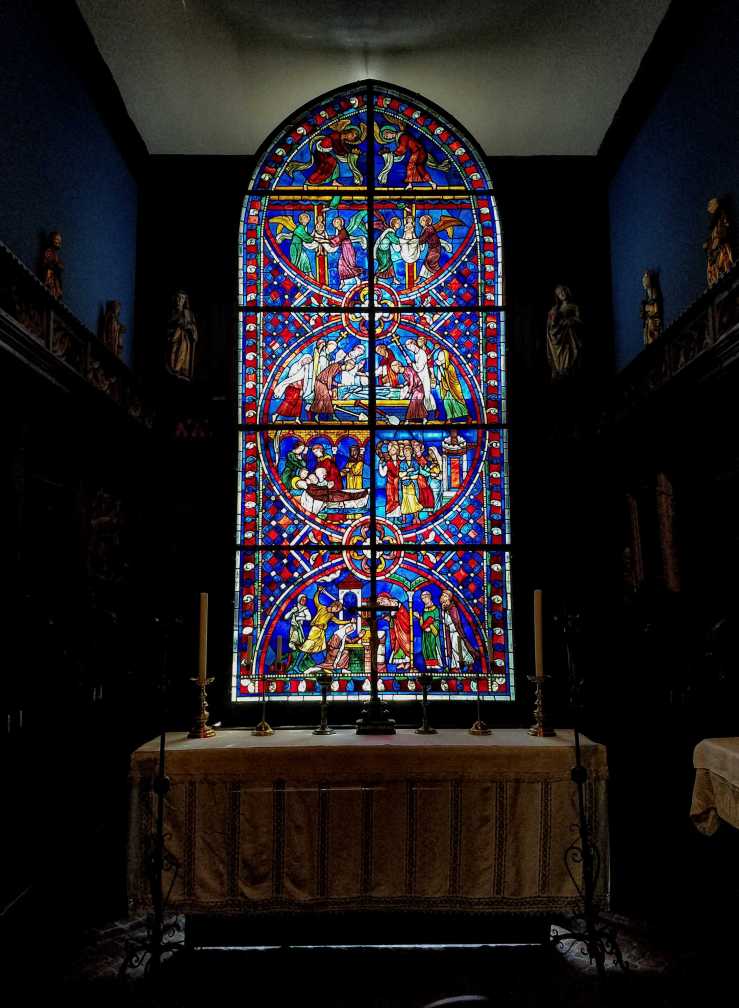
The Chapel –

at the far west end of the Long Gallery, houses a consecrated altar that was used by Isabella Stewart Gardner–a devout Anglo-Catholic–for the celebration of Mass. Its function as an active sacred space persists to this day. Every April, as specified in Isabella’s will, a memorial service honors her memory. Liturgical items, including an early 17th century Italian carved ivory crucifix and a cloth that Gardner crocheted herself, adorn the altar table. A magnificent Gothic stained-glass window from the cathedral of Soissons in France stands as the centerpiece of the Chapel.
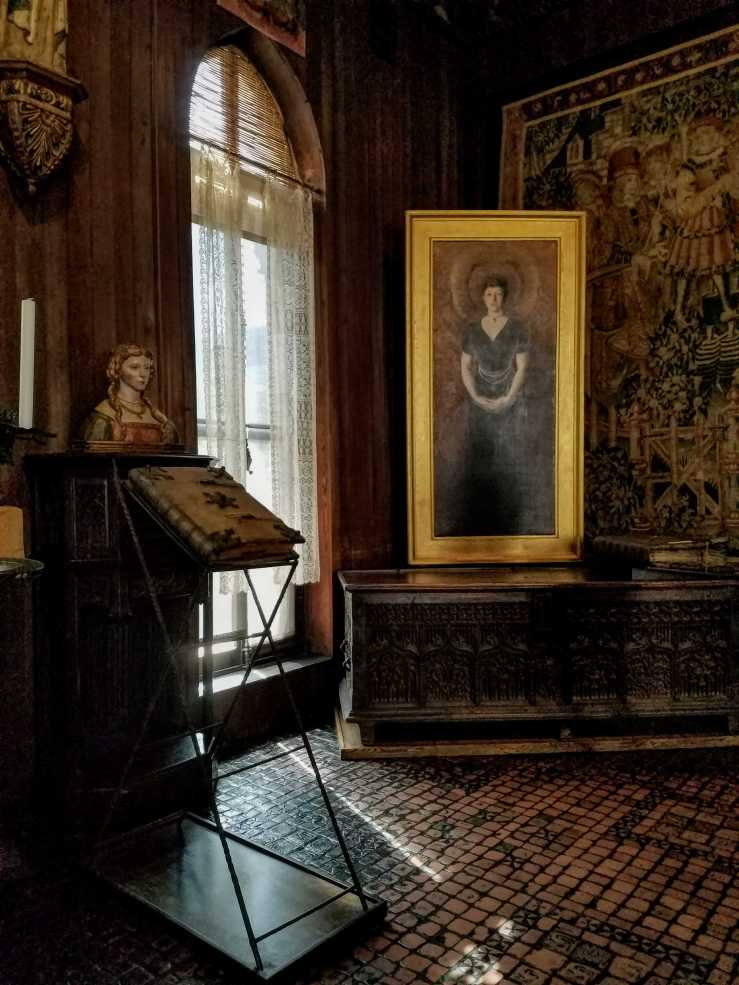
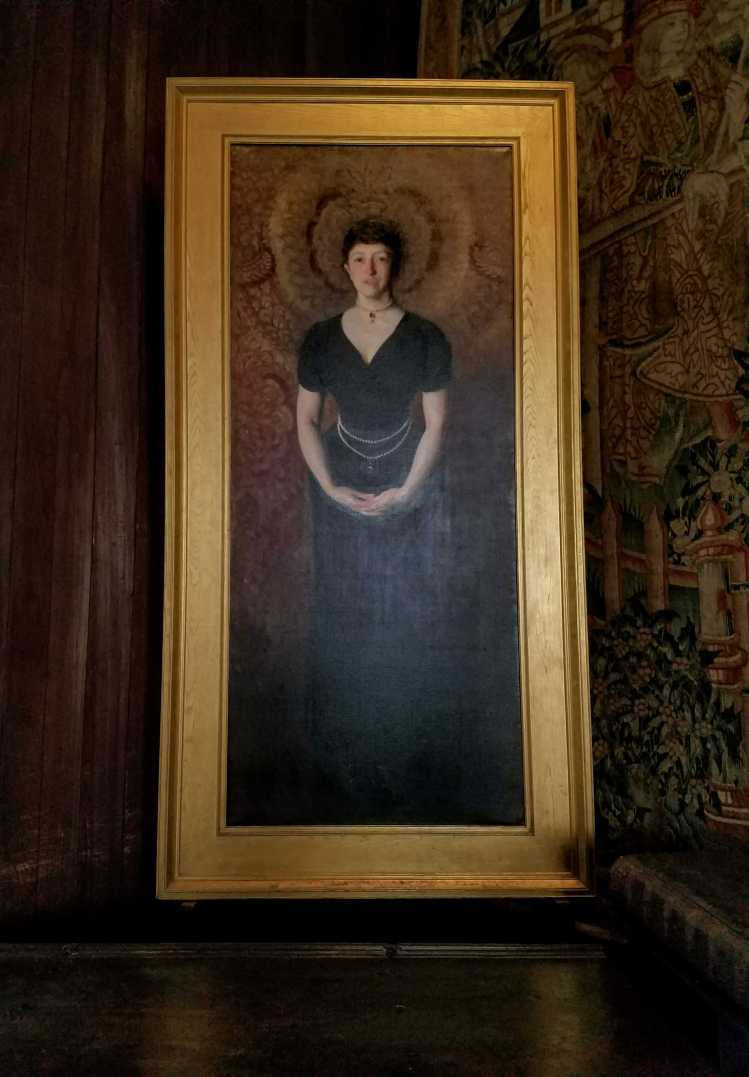
And last, but not least, Isabella Gardner herself, gracing the Gothic Room –

Mrs. Gardner sat for Sargent during his visit to Boston in January 1888. He was paid $3000 for the portrait, which was exhibited to great acclaim at Boston’s St. Botolph Club. The work also inspired gossip and legend: someone jokingly titled it “Woman: An Enigma,” while others believed that the sensuous display of flesh deliberately echoed the scandal recently created by Sargent’s Madame X. Mrs. Gardner herself said that she rejected eight renderings of the face until she was satisfied. Jack Gardner seems to have asked his wife not to publicly show the portrait again while he was alive, and indeed the portrait was placed in the Gothic Room, which remained private until Mrs. Gardner’s death. In its gallery, surrounded by altarpieces, stained glass, and religious statuary, the sacramental quality noted by nineteenth-century reviewers is even more pronounced.

Source: Eye of the Beholder, edited by Alan Chong et al. (Boston: ISGM and Beacon Press, 2003): 204.
Isabella Stewart Gardner Museum

May 4th, 2017