The way we disappear

Blending in / Standing out
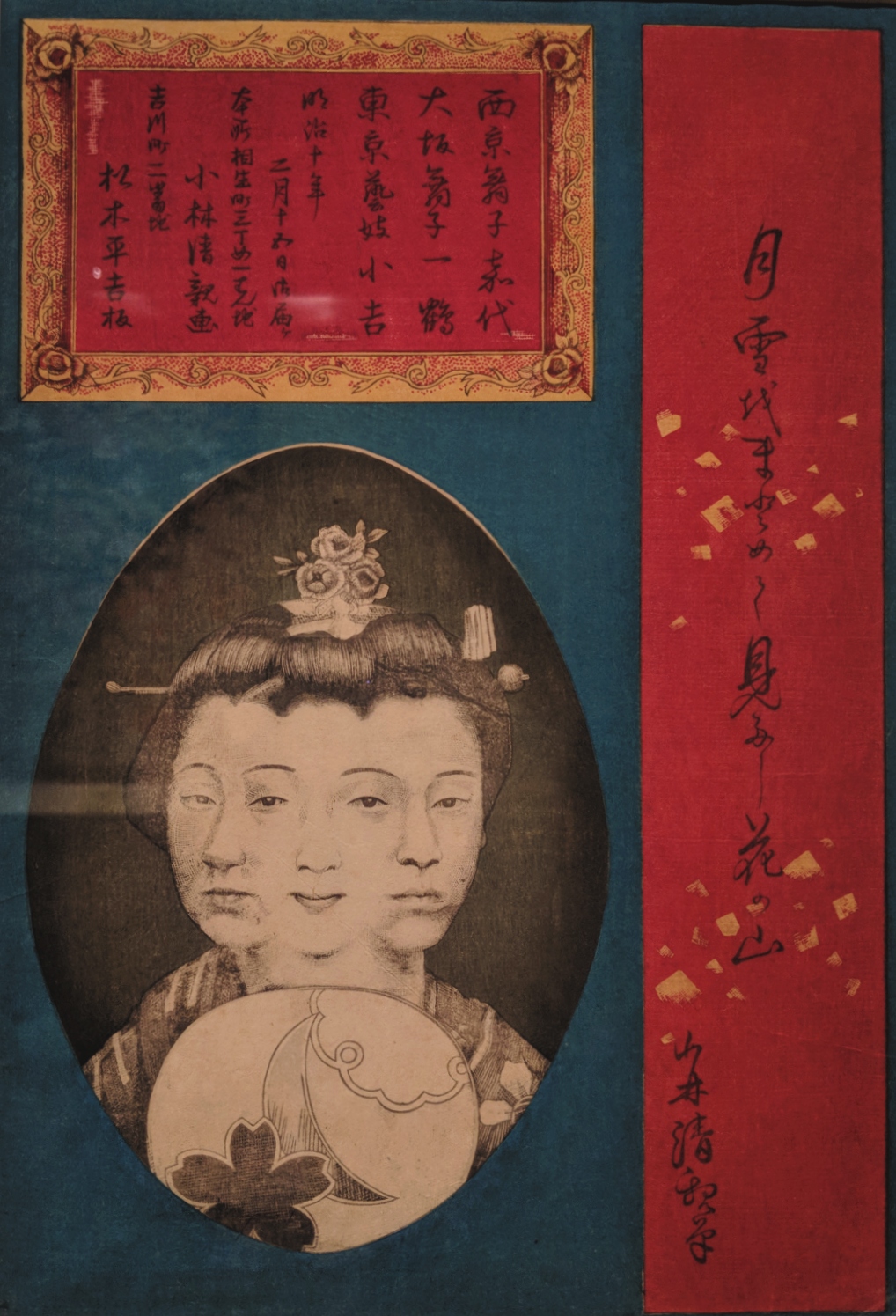
1/ Three Beauties: Kayo of Kyoto, Hitotsuru of Osaka, Kokichi of Tokyo, 1877
Woodblock print, ink and colour with metallic pigments
Kobayashi Kiyochika, 1847-1915
Meiji period, 1868-1912

There is a poem card above on the right, decorated with gold flakes, and inscribed with a haiku, which reads:

Oh to see moon and snow together
In the mountain of cherry blossoms

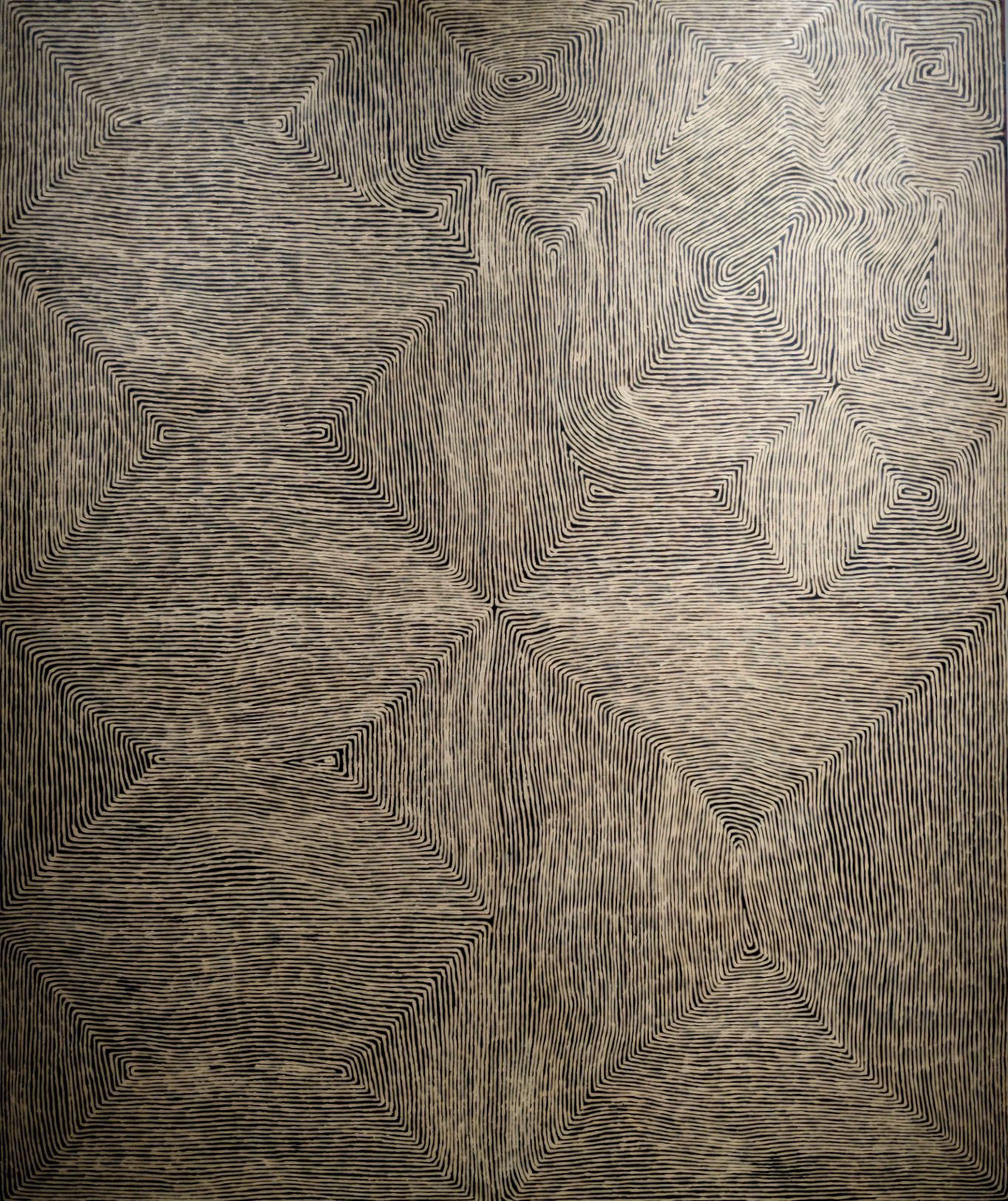
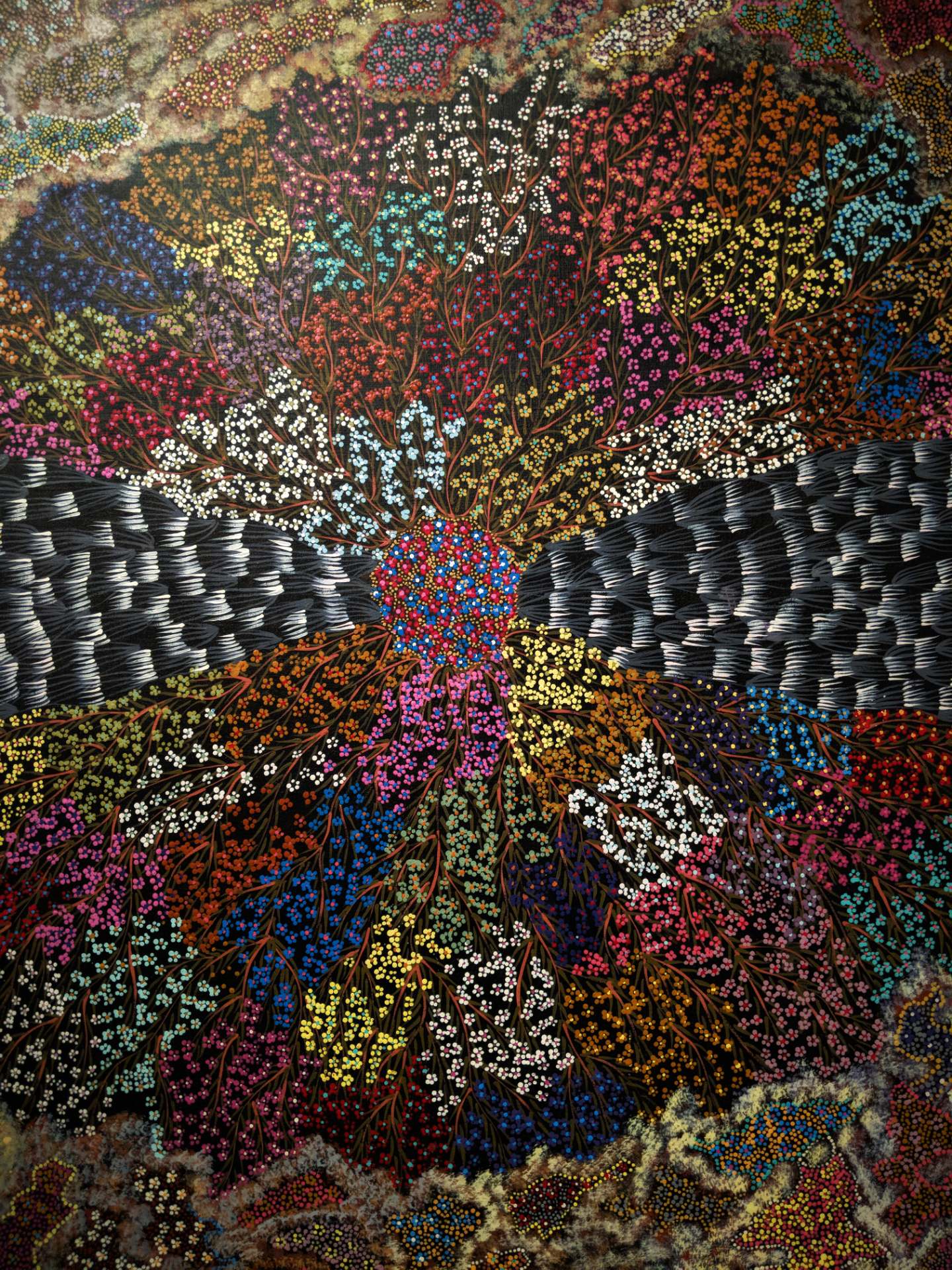
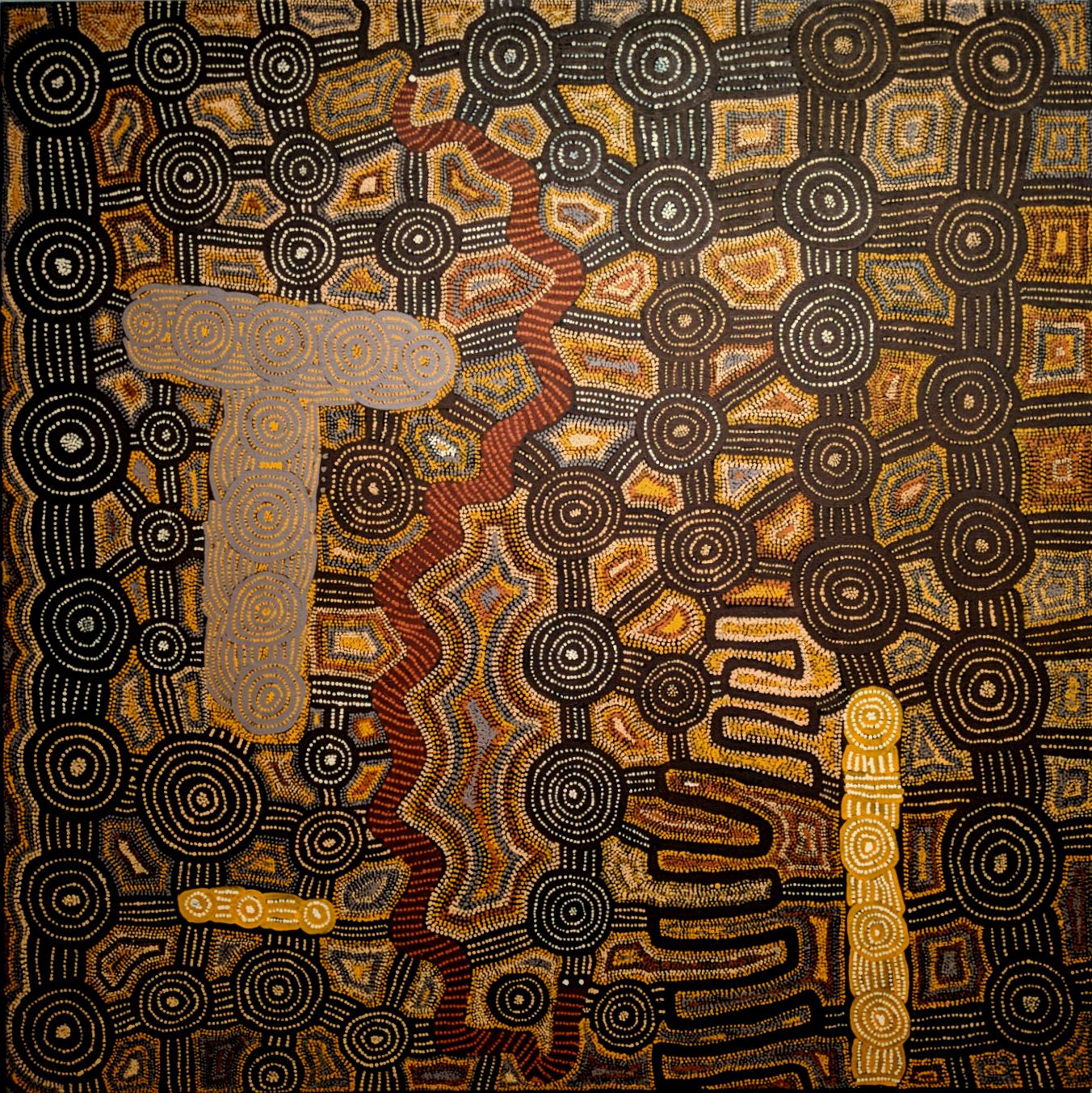
Works by Australian Aboriginal Artists: photos 2/ to 5/

2/Untitled, 1997
Synthetic polymer paint on canvas
Yala Yala Gibon Tjungurrayi

3/Untitled: Munglipa, 2014
Synthetic polymer paint on canvas
George Tjungurrayi

4/Swamps West of Nyirripi, 2006
Synthetic polymer paint on canvas
Ngoia Napaltjarri Polland

5/Yuparli (Bush Banana), 1993
Synthetic polymer paint on canvas
Dorothy Napangardi

6/- end
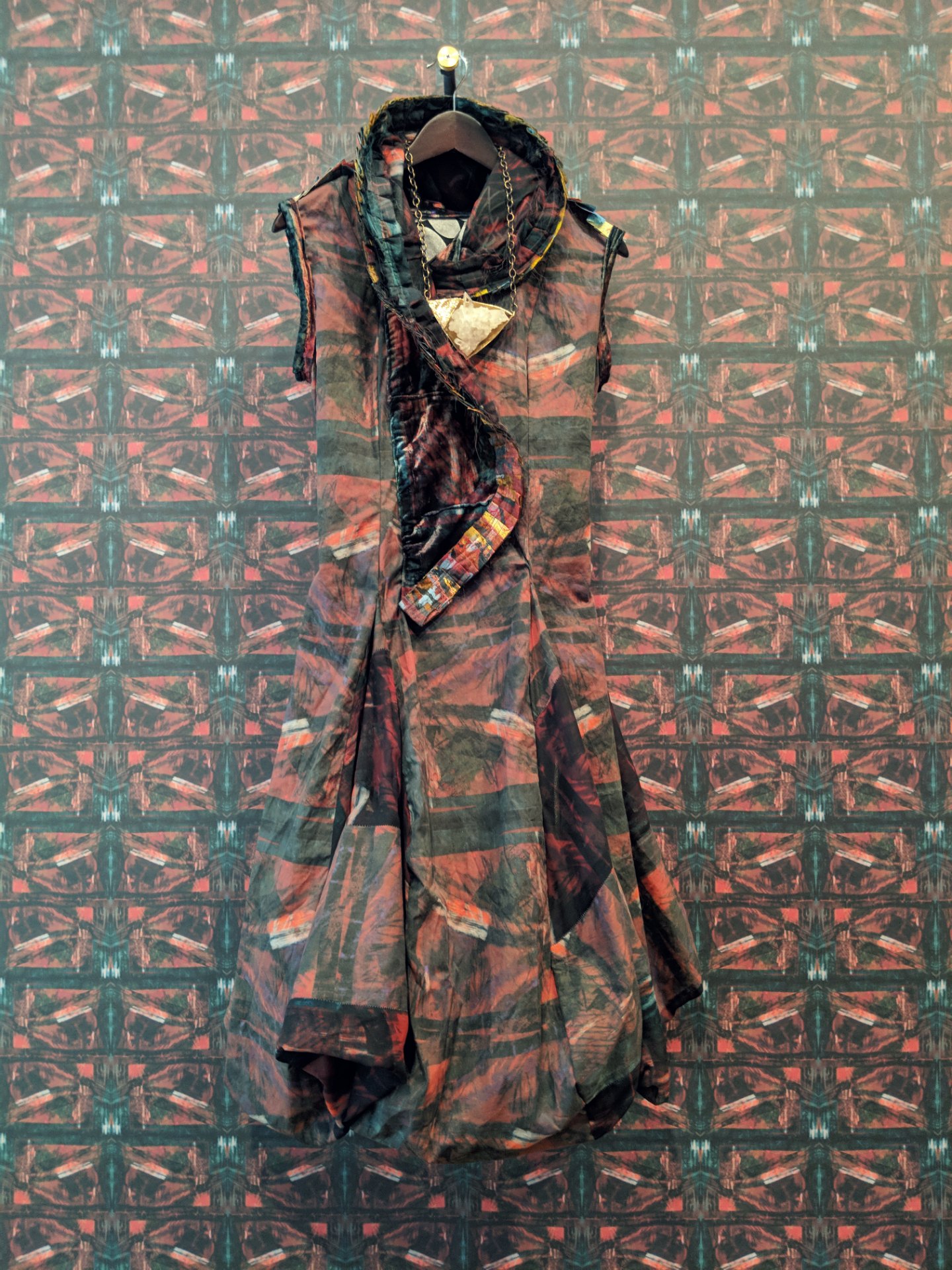
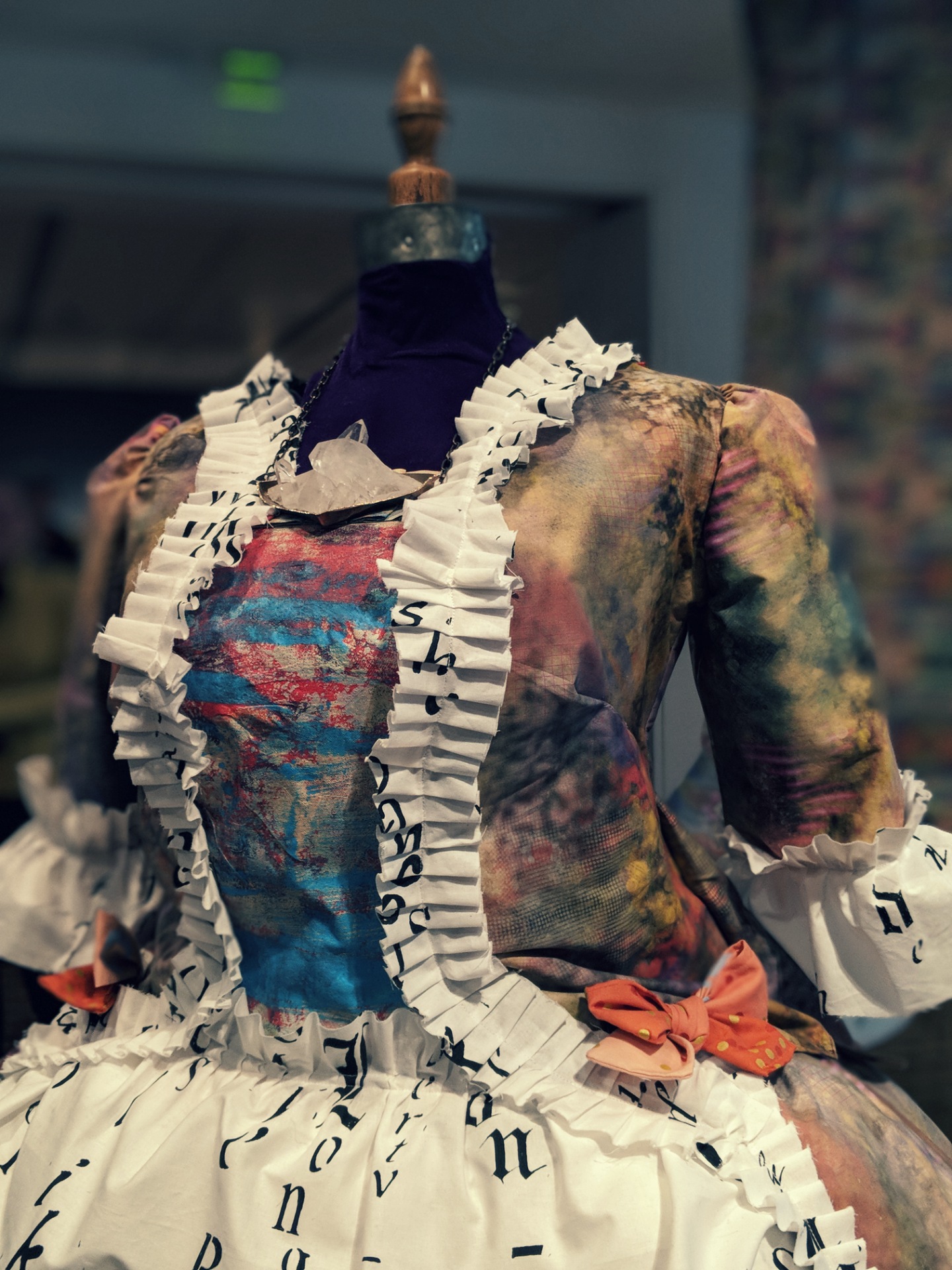
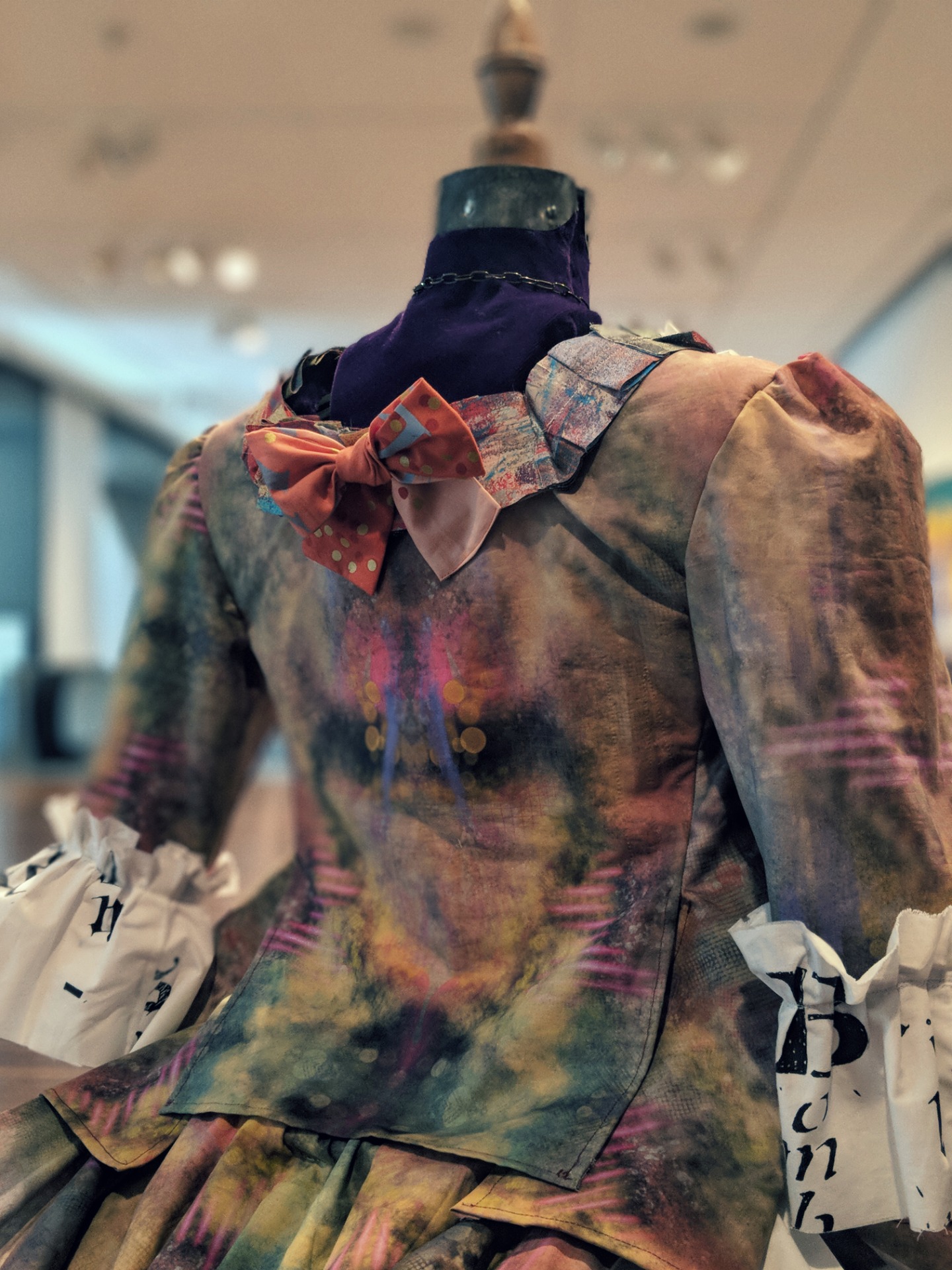
Project 42: Jono Vaughan 
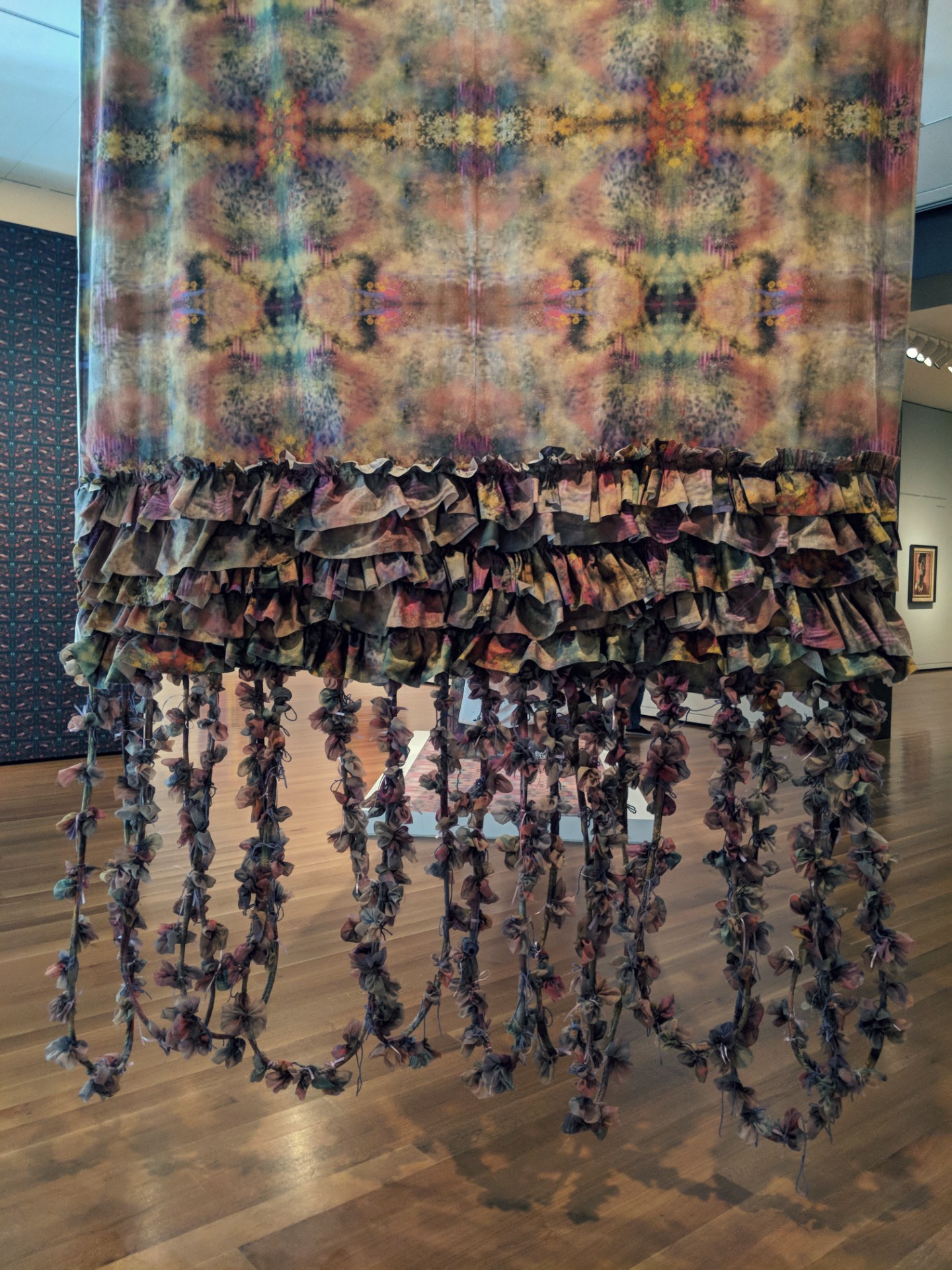
Seattle -based artist Jono Vaughan’s series Project 42 addresses the pattern of violence against transgender people in the United States, providing both a form of memorialization and an entry point for engagement and discussion. Begun in 2012, the project’s name is taken from the short life expectancy of transgender individuals in the United States, which the artist estimates is forty-two years, based—in lieu of official census data, which excludes trans identities—on third-party texts and research. Eventually the artist plans to make forty-two individual works.

Each of the three dresses in this exhibition memorializes the life and death of a transgender person who was murdered: Myra Ical, Deja Jones, and Lorena Escalera Xtravaganza. Vaughan alters images of the murder locations and turns them into abstract textile prints, which she then sews into a garment. The style of the garment is inspired by the life and history of the individuals. A collaborator wears each dress in a performance that commemorates and celebrates the individual, an act that Vaughan describes as “the returning of humanity and the sharing of missed opportunities.”

Seattle Art Museum

June 15th, 2018
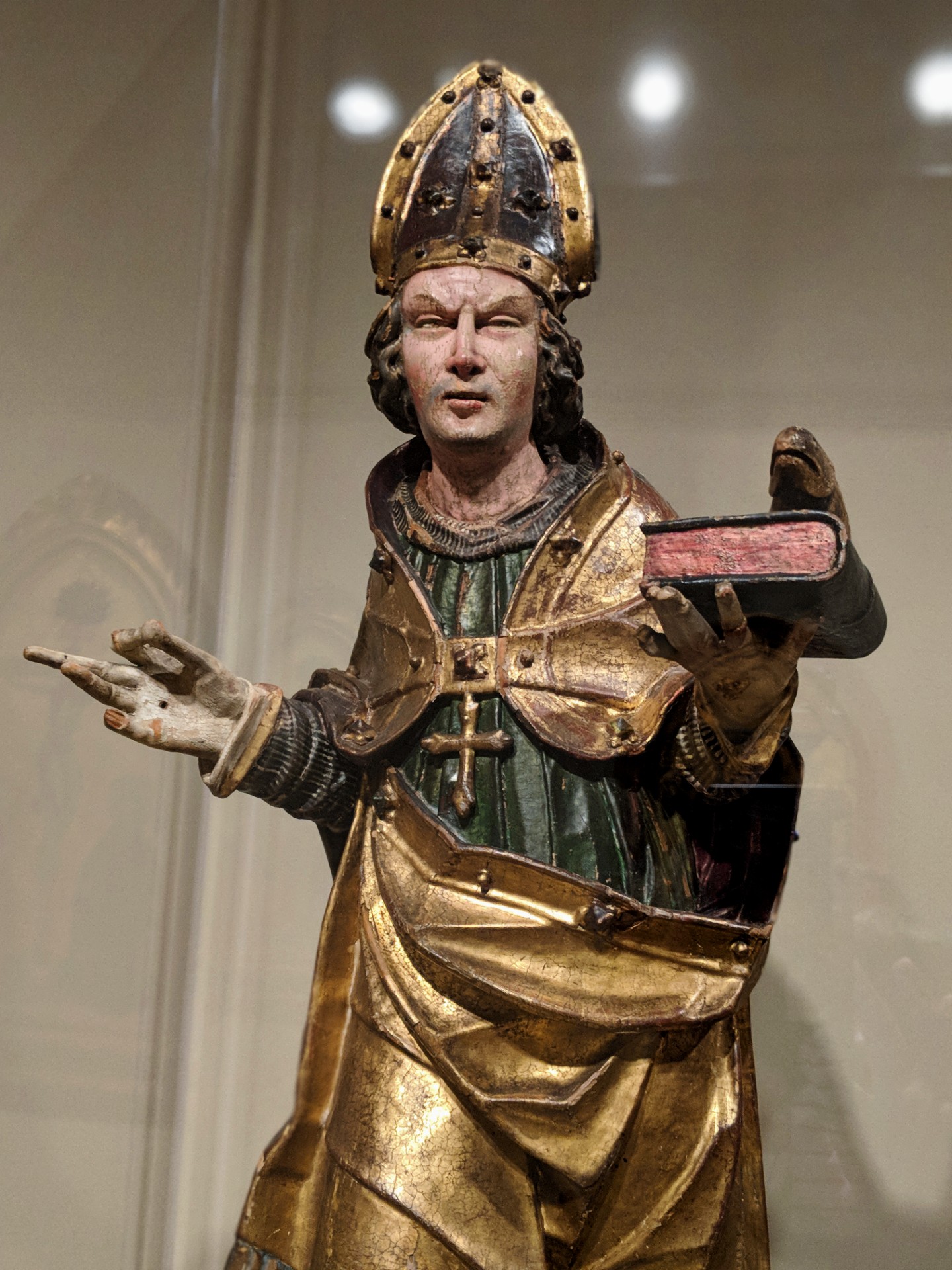
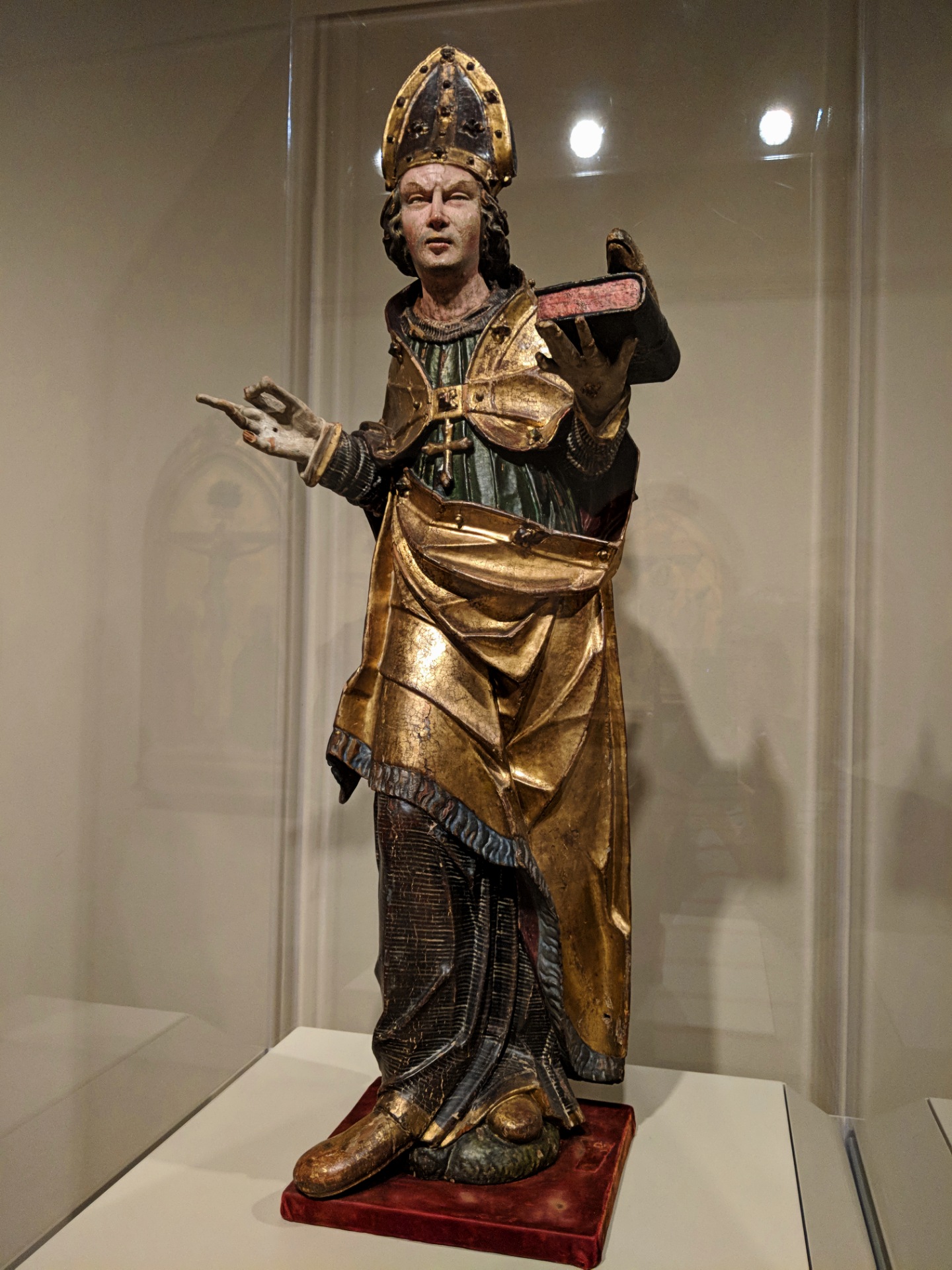
The Sour-faced Cardinal

Saint Ulrich, ca. 1520
Wood with polychromy and gilding (Germany)

This sculpture could have been designed for a niche in a church, or an altarpiece with other standing saints. Its remarkably fine condition reveals how the sculptor and painter collaborated to create an impressive image full of personality.

And thoroughly pissed off, I might add…

Seattle Art Museum

June 15th, 2018
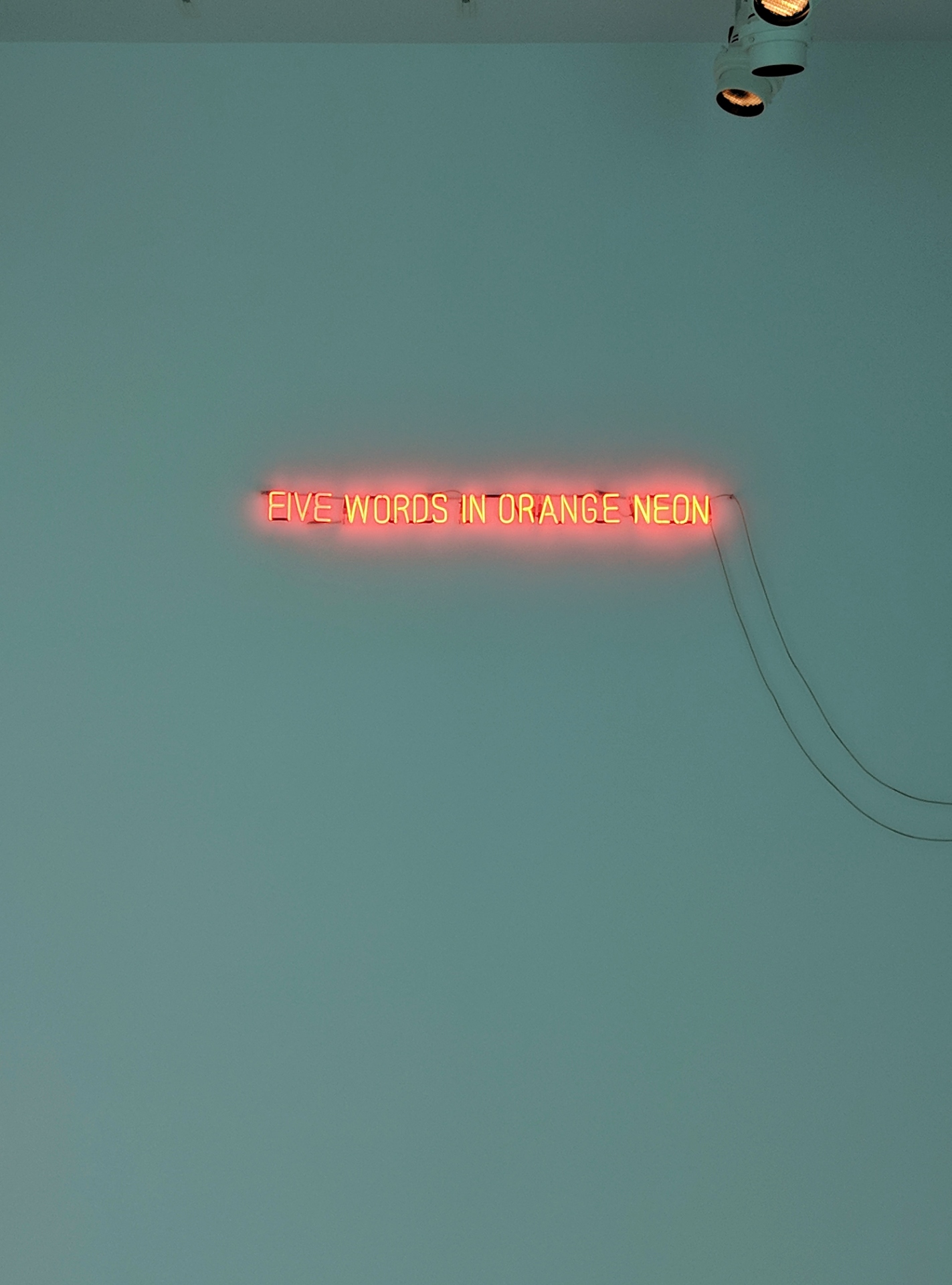
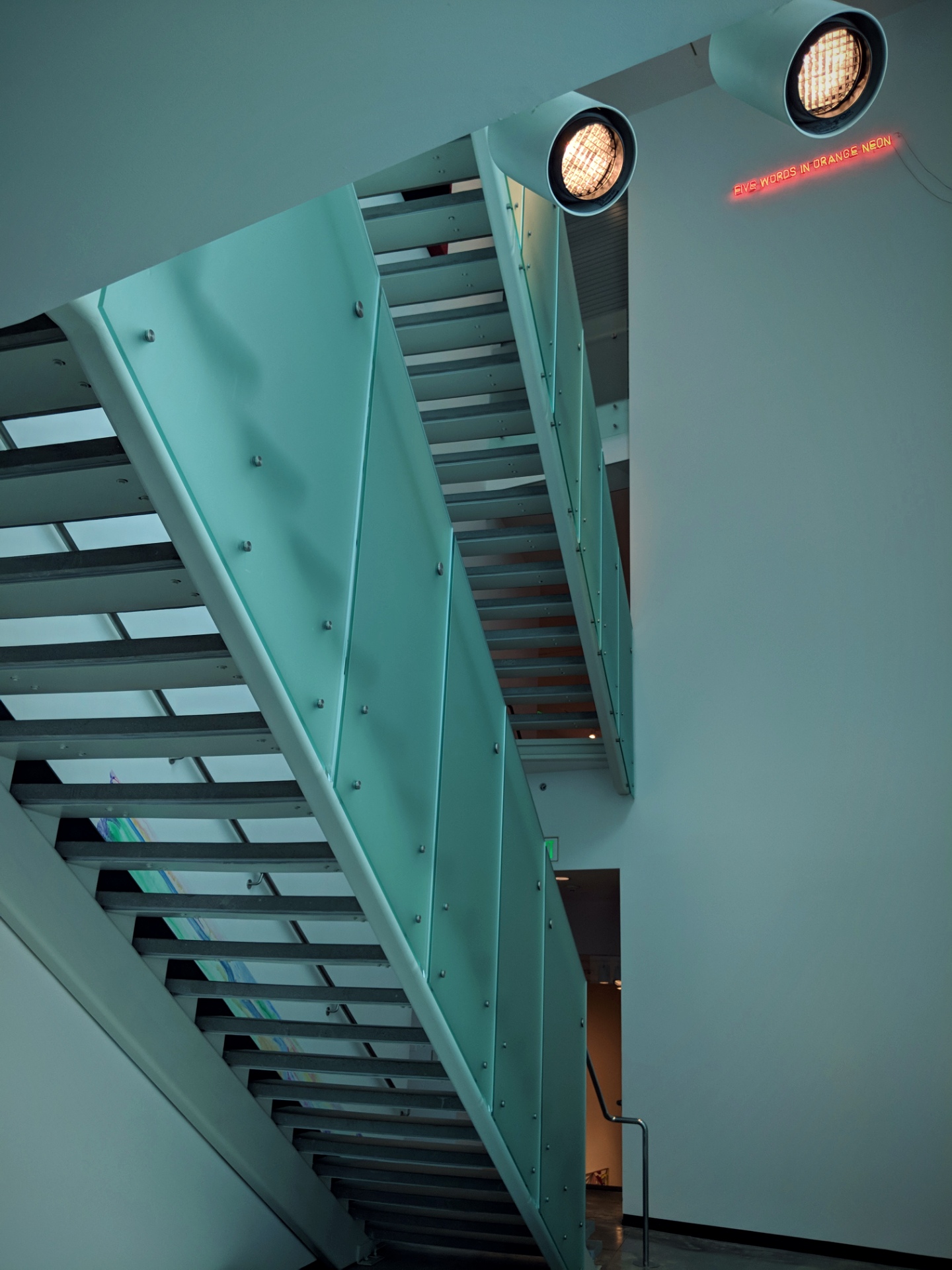
Roundup

An Ooh Oaah…! moment

Art: 

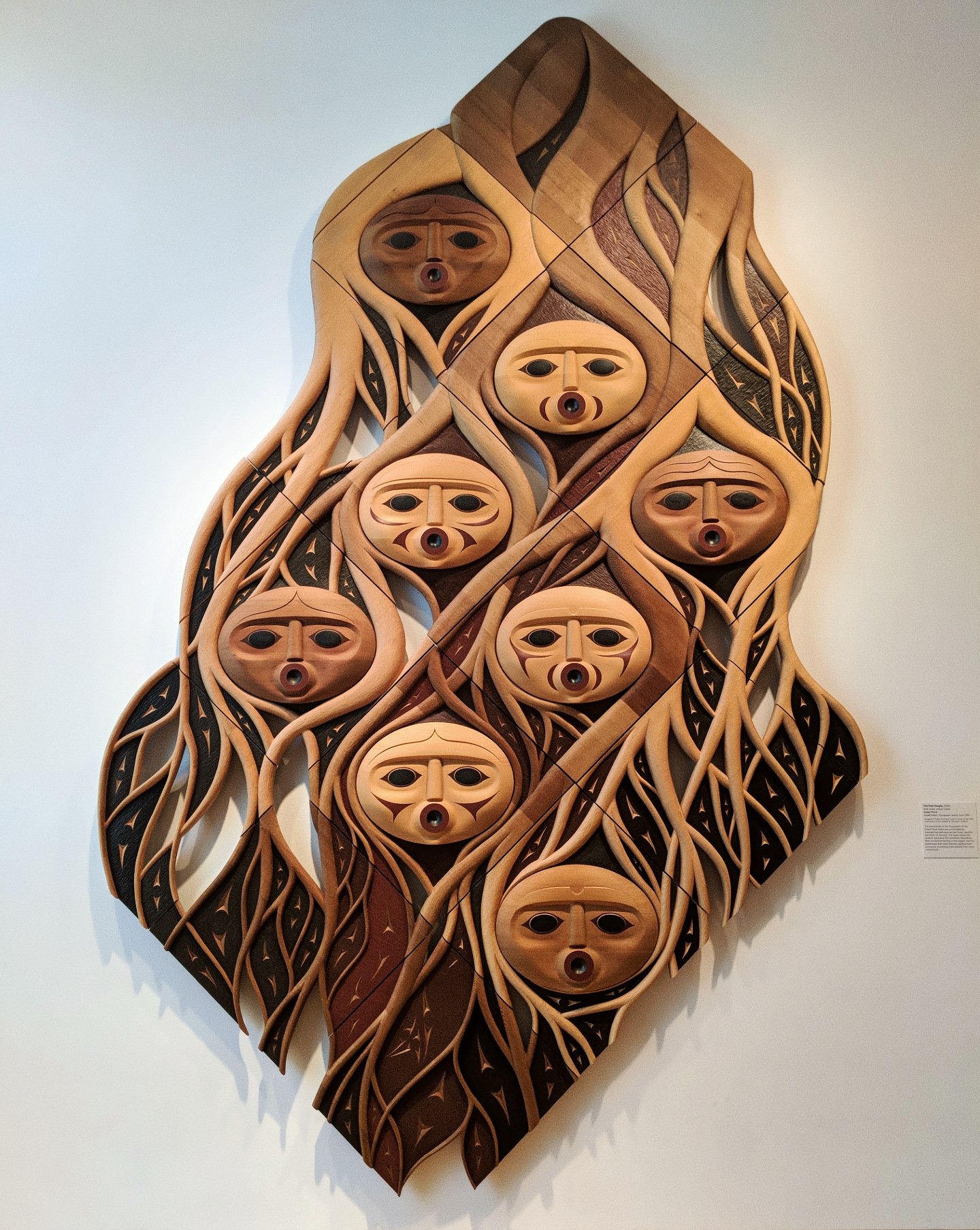
The First People, 2008
Red and yellow cedar
Susan Point

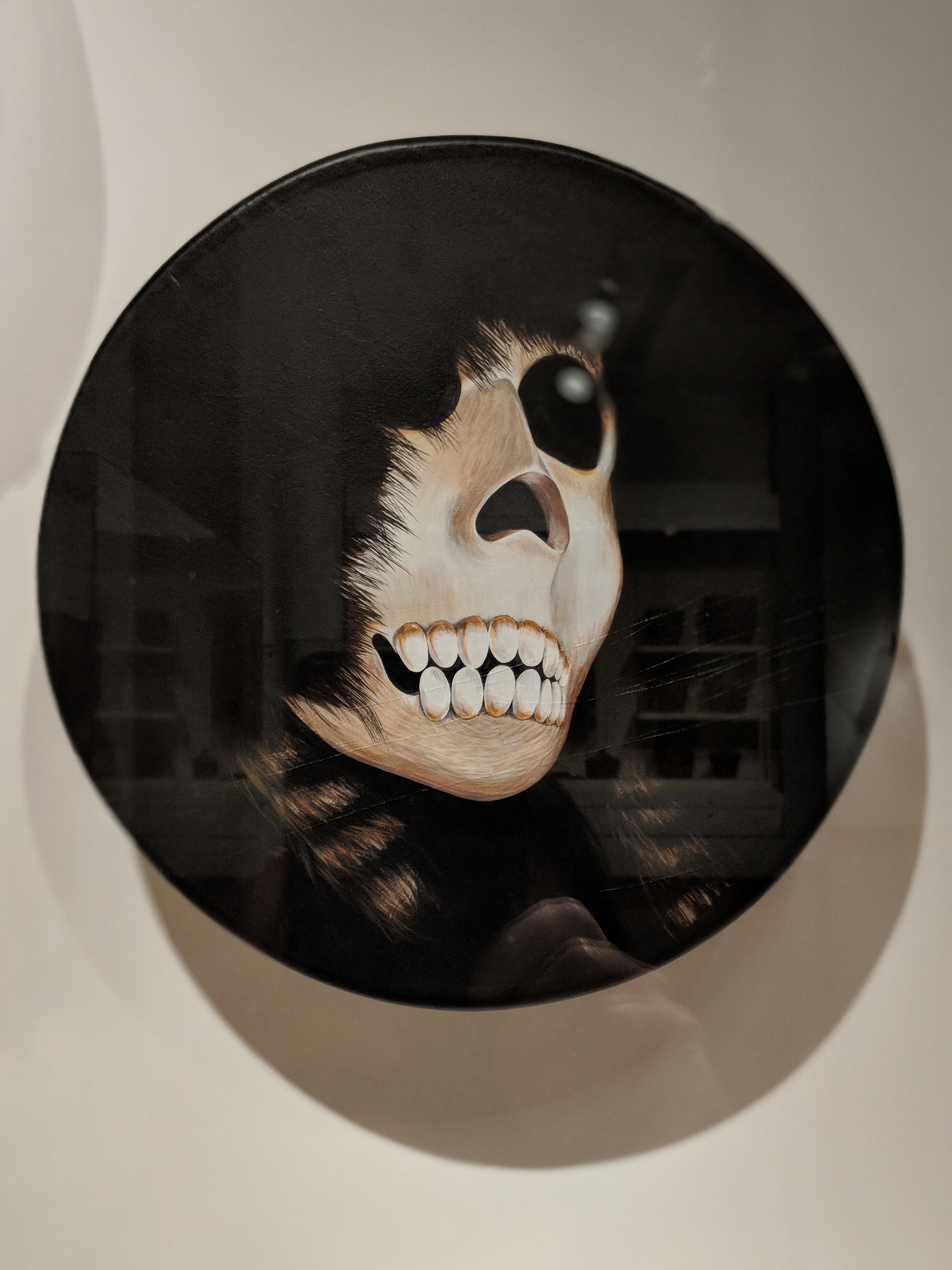
Drum with skull painting, 1991
Animal hide, acrylic, wood, bone
Susan Point

Mirror rack
Lacquer, bronze and cord
Japanese, 18th century
Edo period, 1603-1868

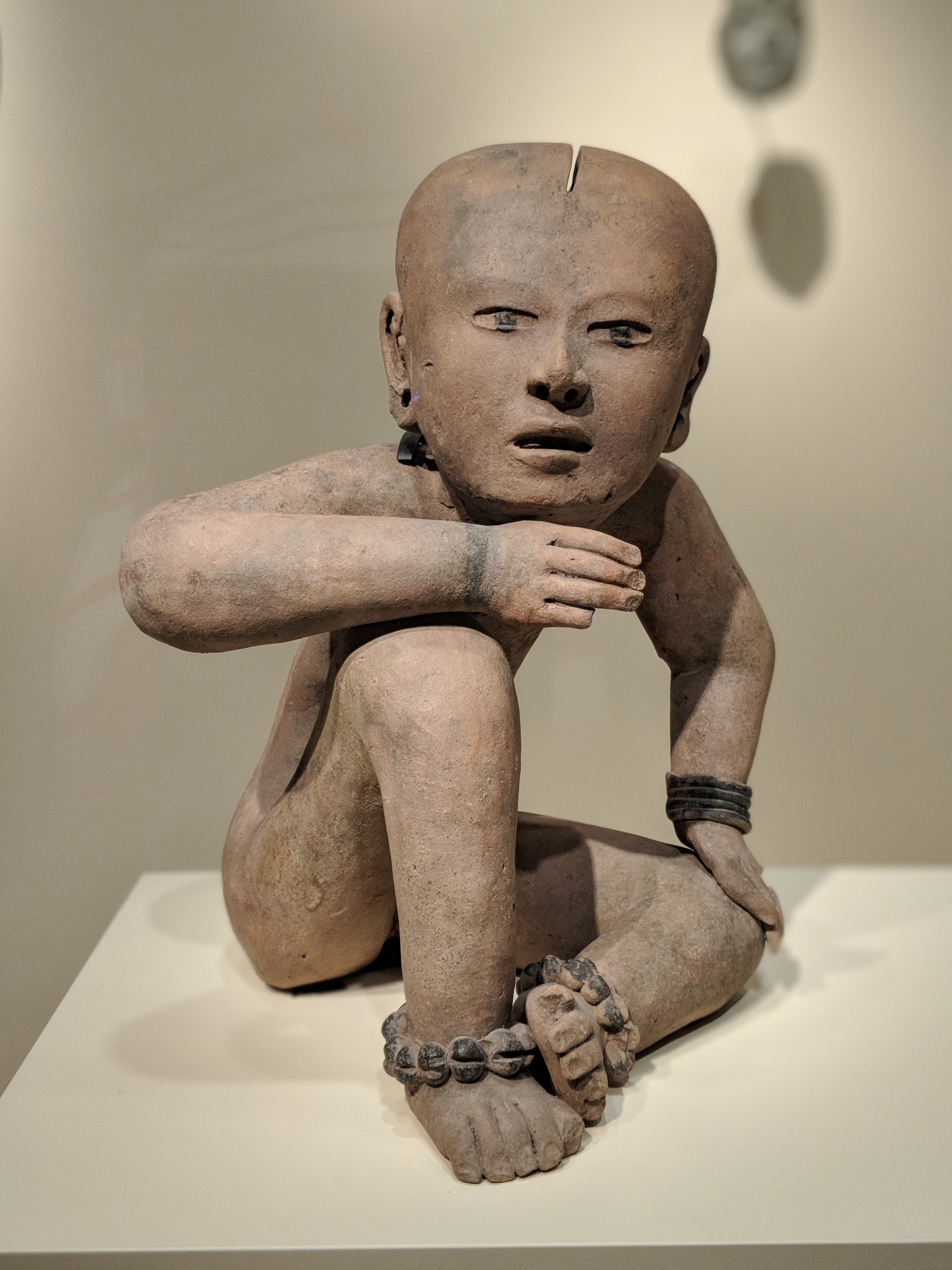
Seated figure, ca. 600-800
Ceramic and resin
Mexican, Veracruz

Crocodile headdress
Wood, skin, basketry
Nigerian/Cameroonian, Cross River, Ejagham

Seattle Art Museum

June 15th, 2018
 

Dedicated in Seattle

It was summer of 1907 when James Casey and his friend, Claude Ryan, borrowed $100, bought two telephones and two bicycles, hired six boys and founded the American Messenger Company that would deliver parcels. Did he know then, that his company would grow to become the giant multinational that we know today as UPS (United Parcel Service)?

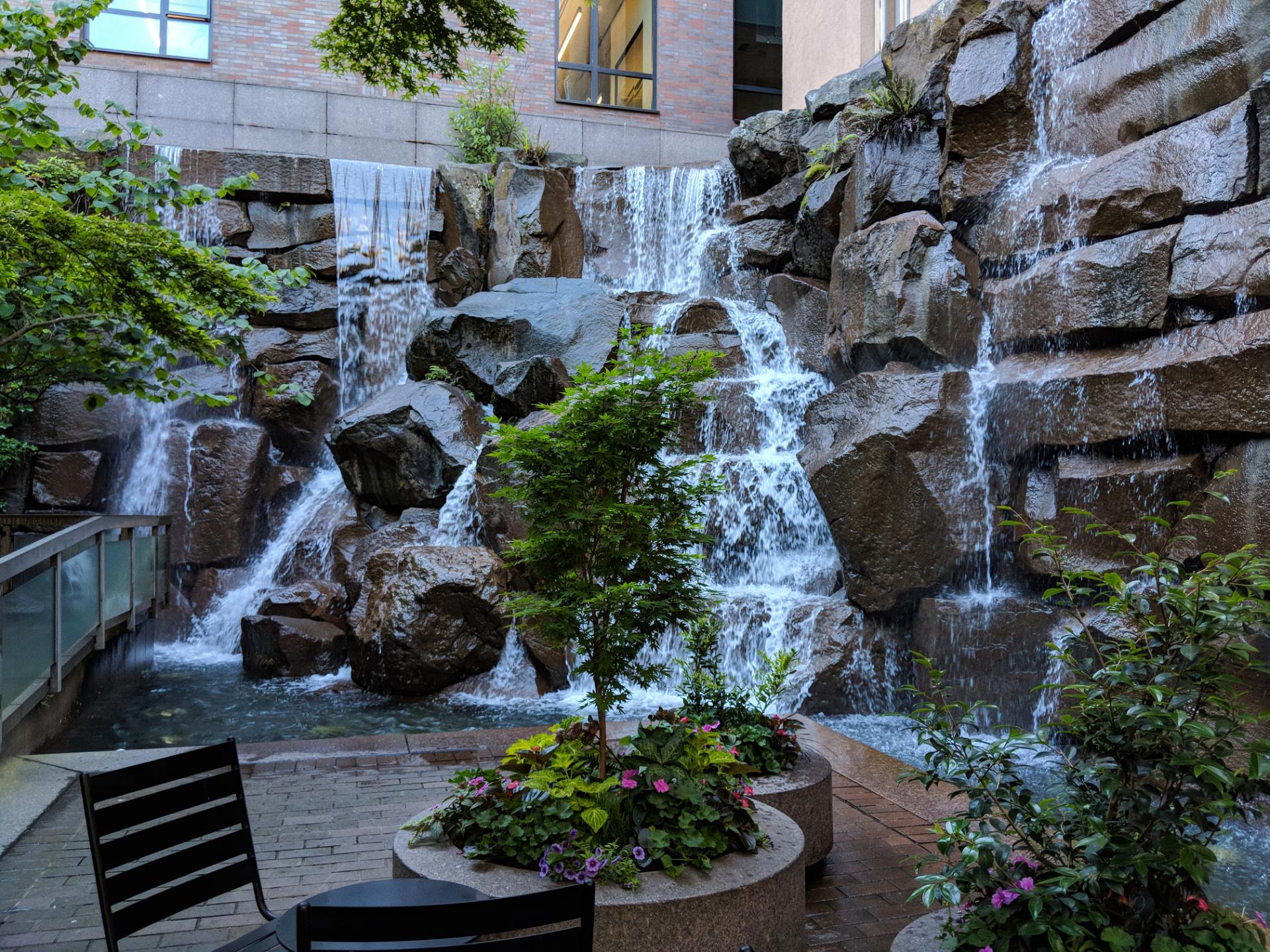
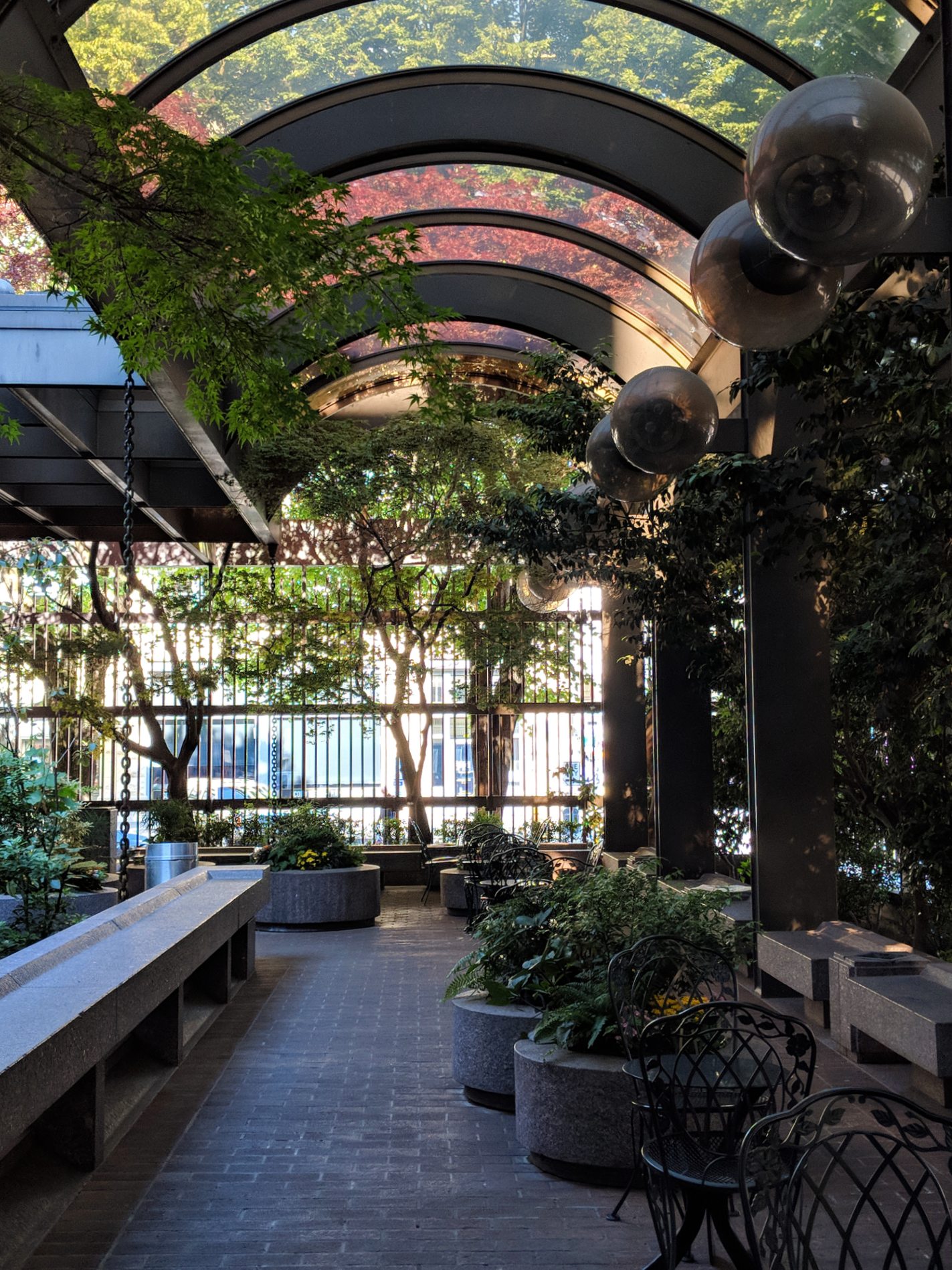
This lovely little waterfall park is said to cover the footprint of the original Messenger Company and was built by the Anne E. Casey Foundation, which was started by James Casey and his siblings and named in honour of their mother.

Then, just a block away towards the Occidental Square and adjacent to the Seattle Fire Department Headquarters, another lovely surprise: the Fallen Firefighter’s Memorial, dedicated to all Seattle firefighters that have died in the line of duty since the department began in 1889.

Waterfall Garden Park is in 219 2nd Ave S.
The Memorial to Fallen Firefighters is a life size sculpture by Hai Ying Wu, in the junction of Occidental Ave S and S Main St.

Seattle, WA

June 11th, 2018

Fluorescent Light || Colour-Blocked Rooms

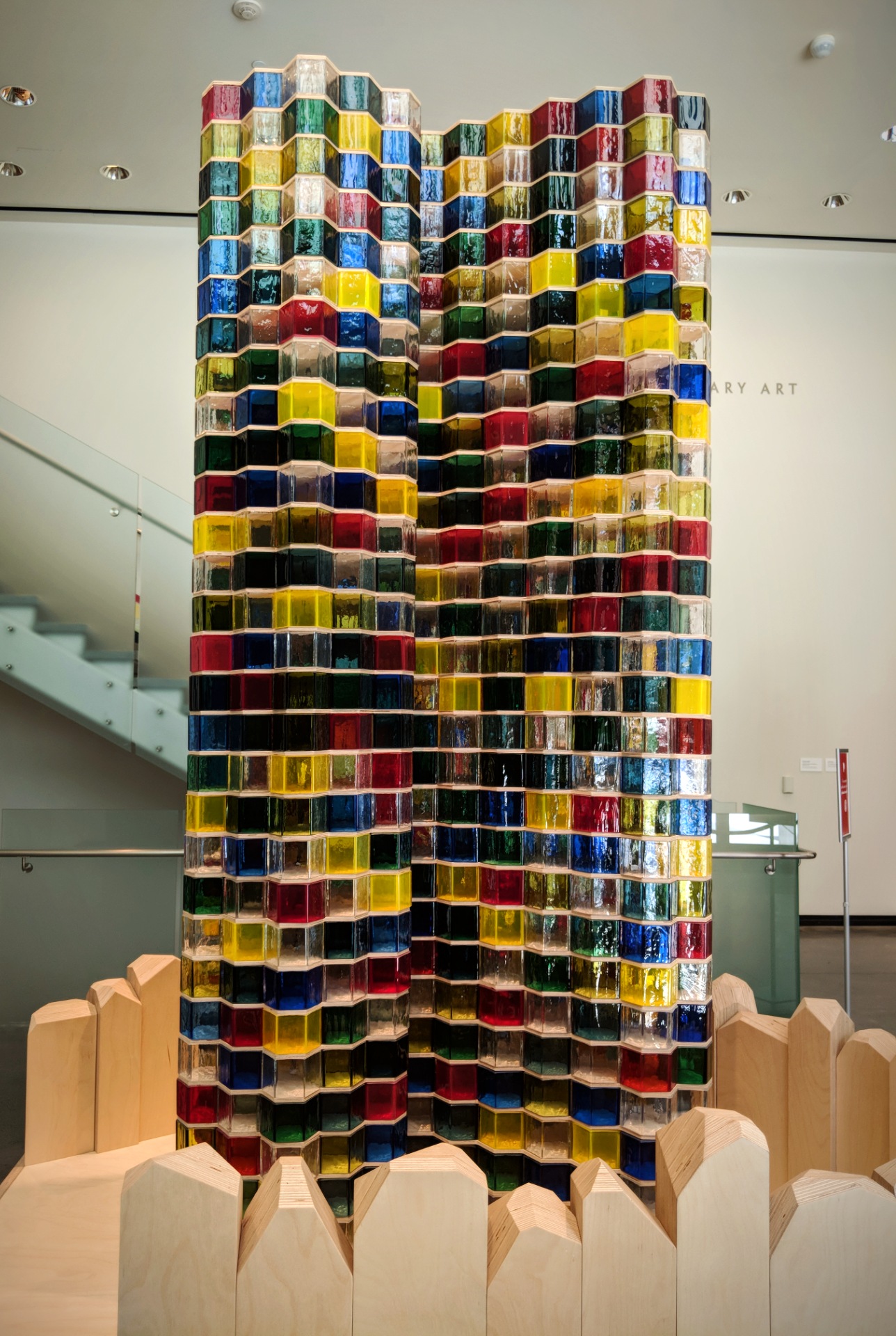
The next high rise project in Manhattan? Josiah McElheny
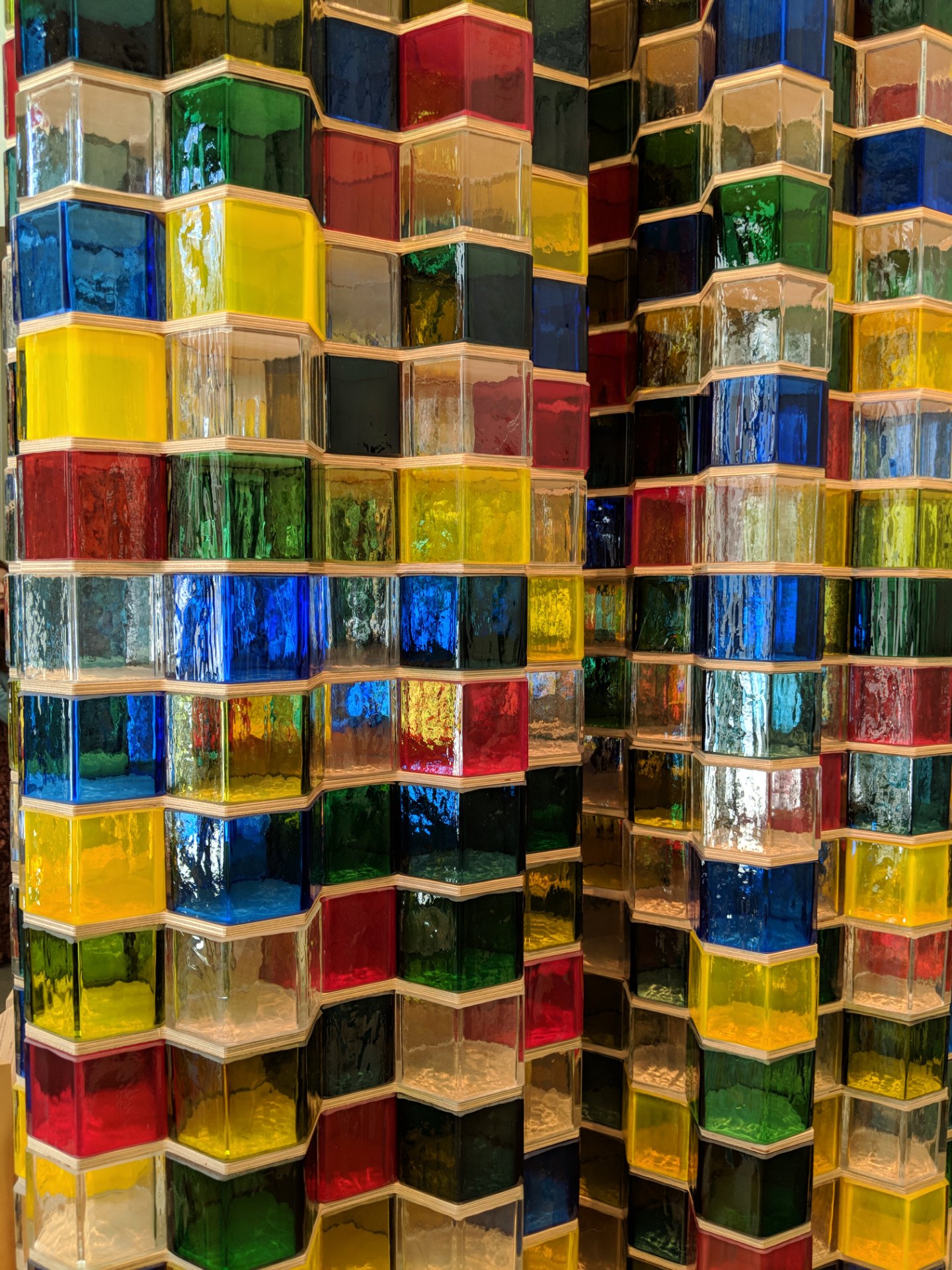
Bruno Taut’s Monument to Socialist Spirituality (After Mies van der Rohe), 2009
Glass and wood

This work reproduces Mies van der Rohe’s 1922 model for a theoretical, glass-clad skyscraper. But in a switch, McElheny replaces the clear windows with multi-coloured glass blocks. […] McElheny’s sculpture imagines a different history for twentieth-century architecture, one that embraced lively, transcendent spaces rather than the monochromatic monoliths of capitalism that evolved from Mies’ radical thinking.


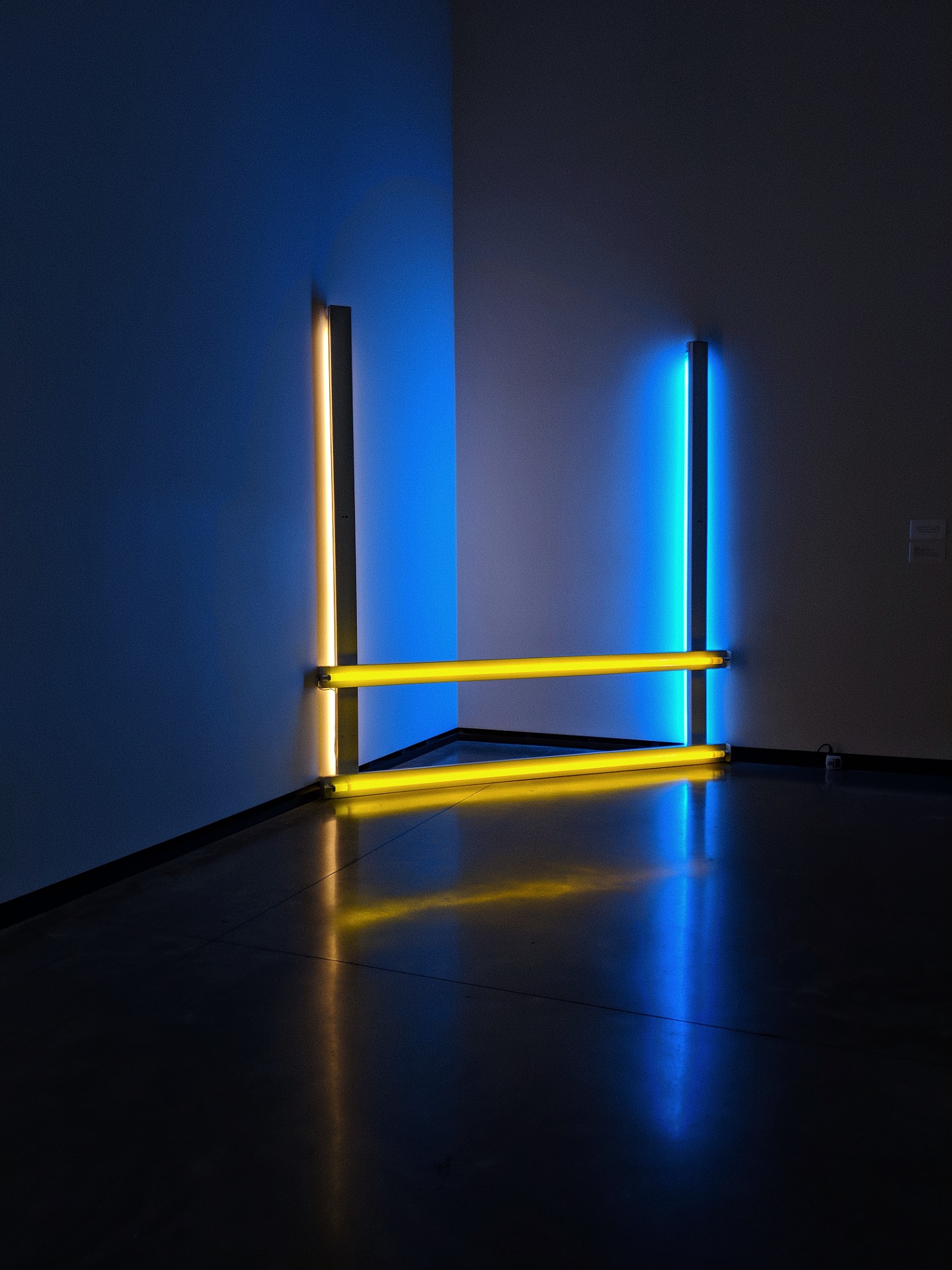
Dan Flavin
Untitled (To Donna) II, 1971
Fluorescent light


Portland Art Museum

June 9th, 2018

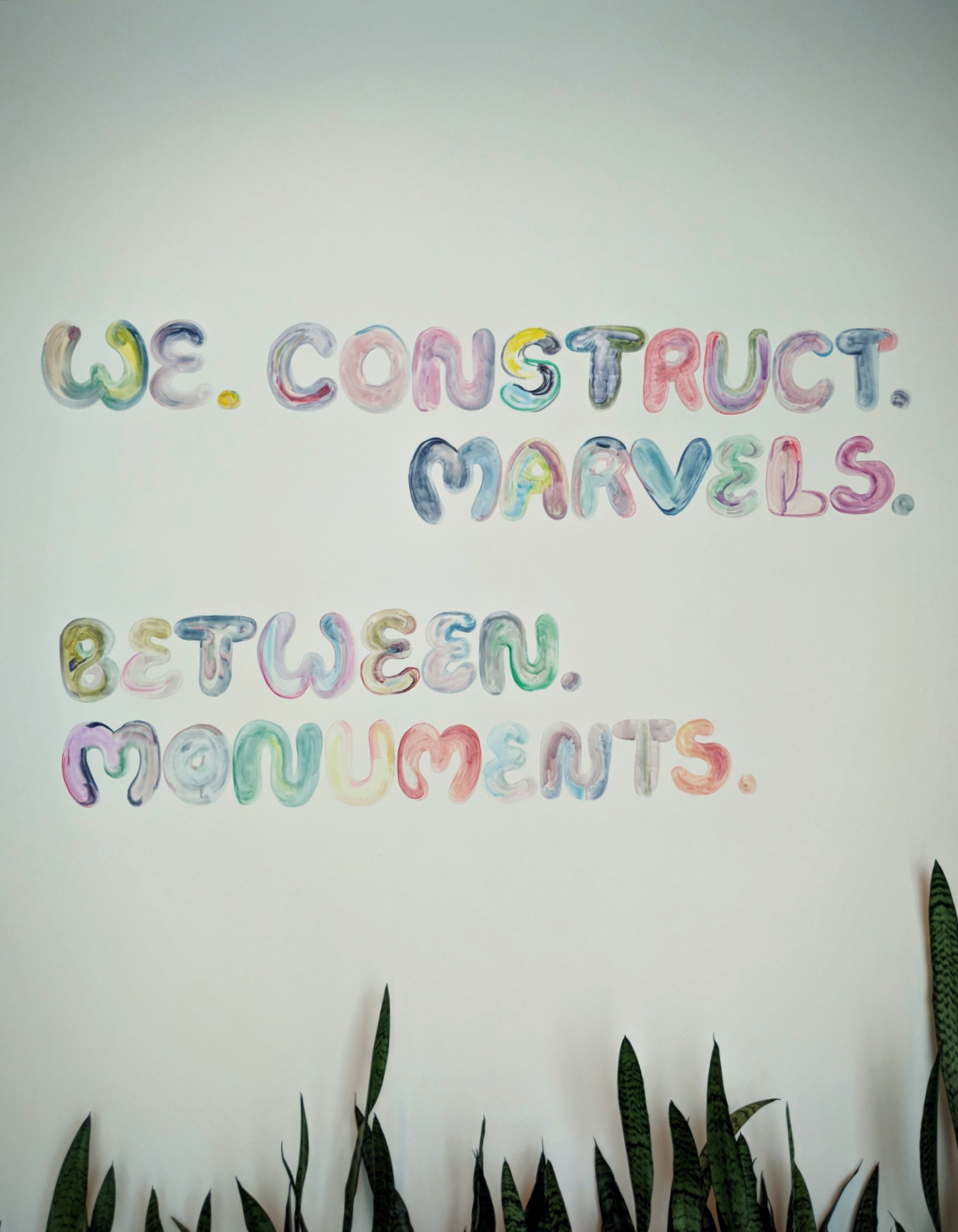
We Construct Marvels

Between Monuments

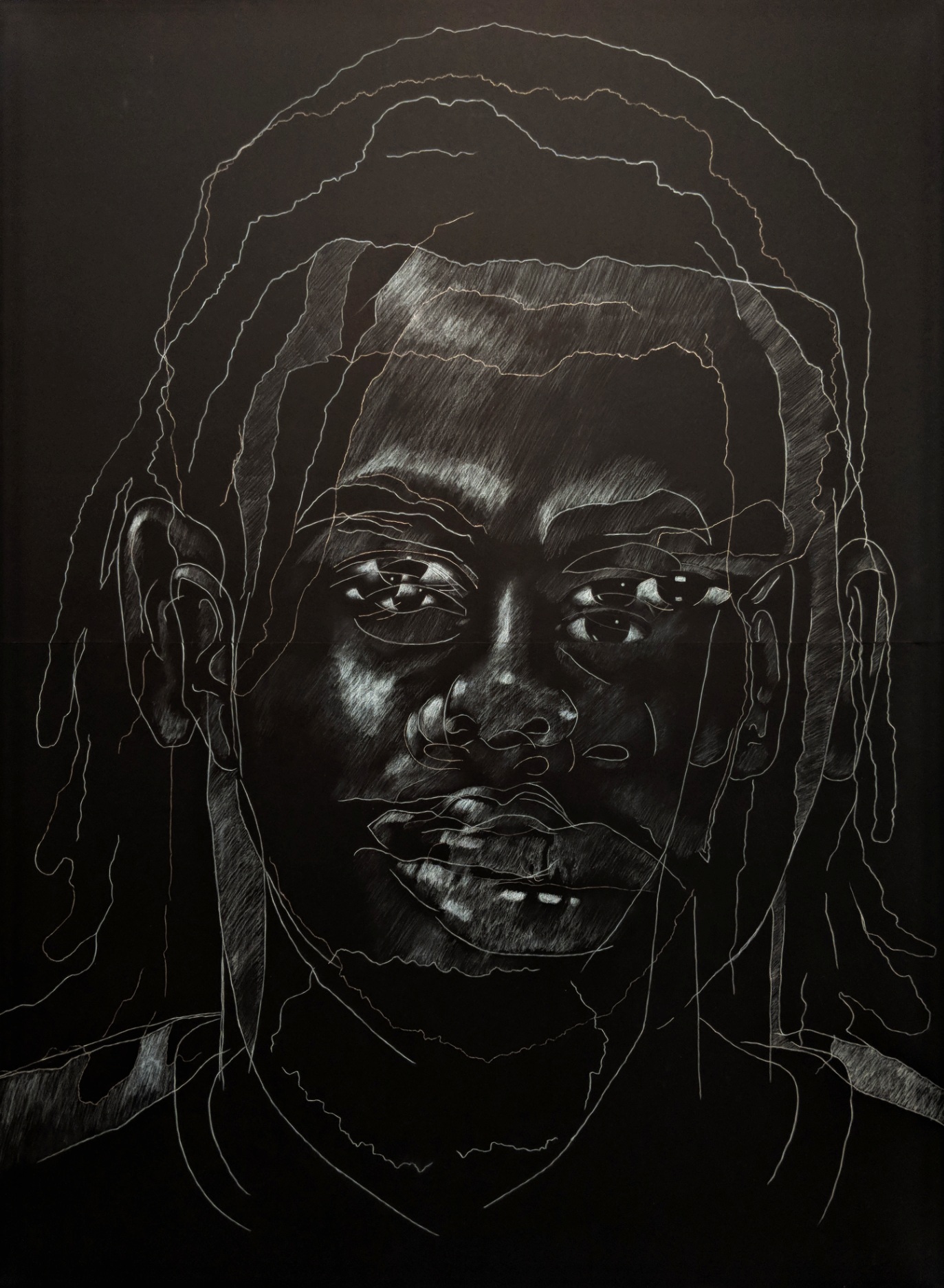
Titus Kaphar | The Jerome Project (Asphalt and Chalk) XVI | 2014 | Chalk on asphalt paper


Sarah Lucas | Oh! Soldier | 2005 | Braces, wire hanger, cast concrete army boots and nylon stockings


Maria Magdalena Campos-Pons | Untitled | 1999 | Lithograph and paper pulp


William Morris | Artifact Panel | 2000 | Glass, wood, and paint


Nicholas Galanin | By-Product | 2012 | Glass and vinyl


Portland Art Museum

June 9th, 2018
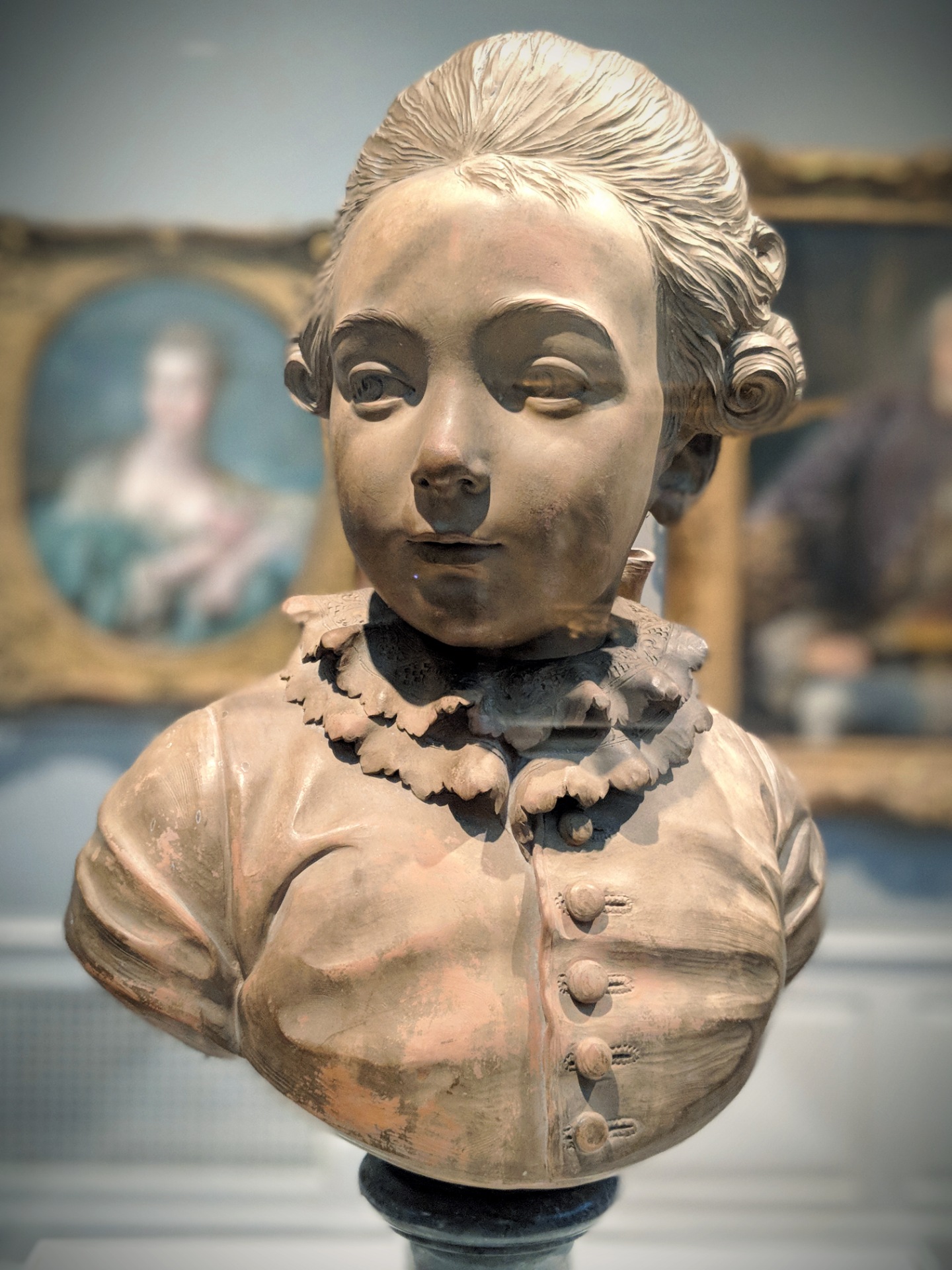
Passing Resemblance

of Reality

Randolph Rogers | Nydia the Blind Flower Girl of Pompeii | 1855/1884 | Marble


Jean-Joseph-Alexandre Falguière | Bust of Diana | ca. 1882 | Bronze


Augustin Pajou | Portrait of the Marquis de Lubersac | 1772 | Terracota Heidi Schwegler | Passing Resemblance (to the artist herself) | 2014 |Silicone, hair, doll body


John McCracken | Black Box | ca. 1965 | polyester resin on fiberglass and plywood (selfie op entirely intentional)


Palmyra, Syria | Funerary Portrait: Yarkhai, Son of Ogga and Balya, his Daughter | ca. 150-200 CE | Limestone


Portland Art Museum

June 9th, 2018