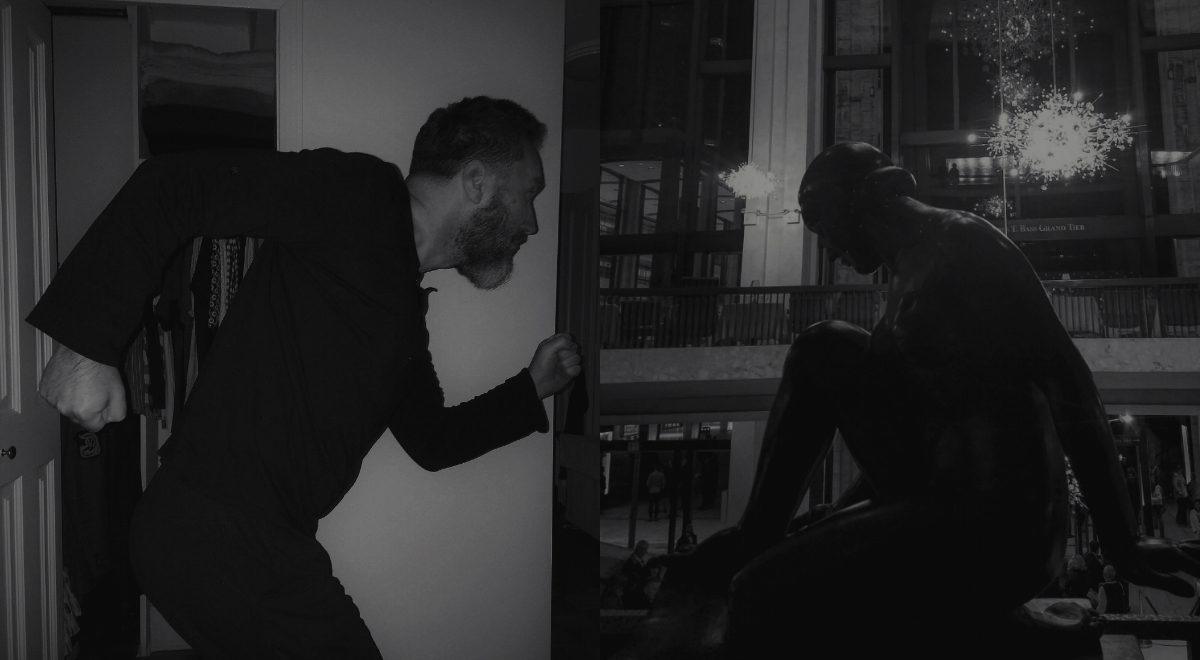
Ground control to Major Tom

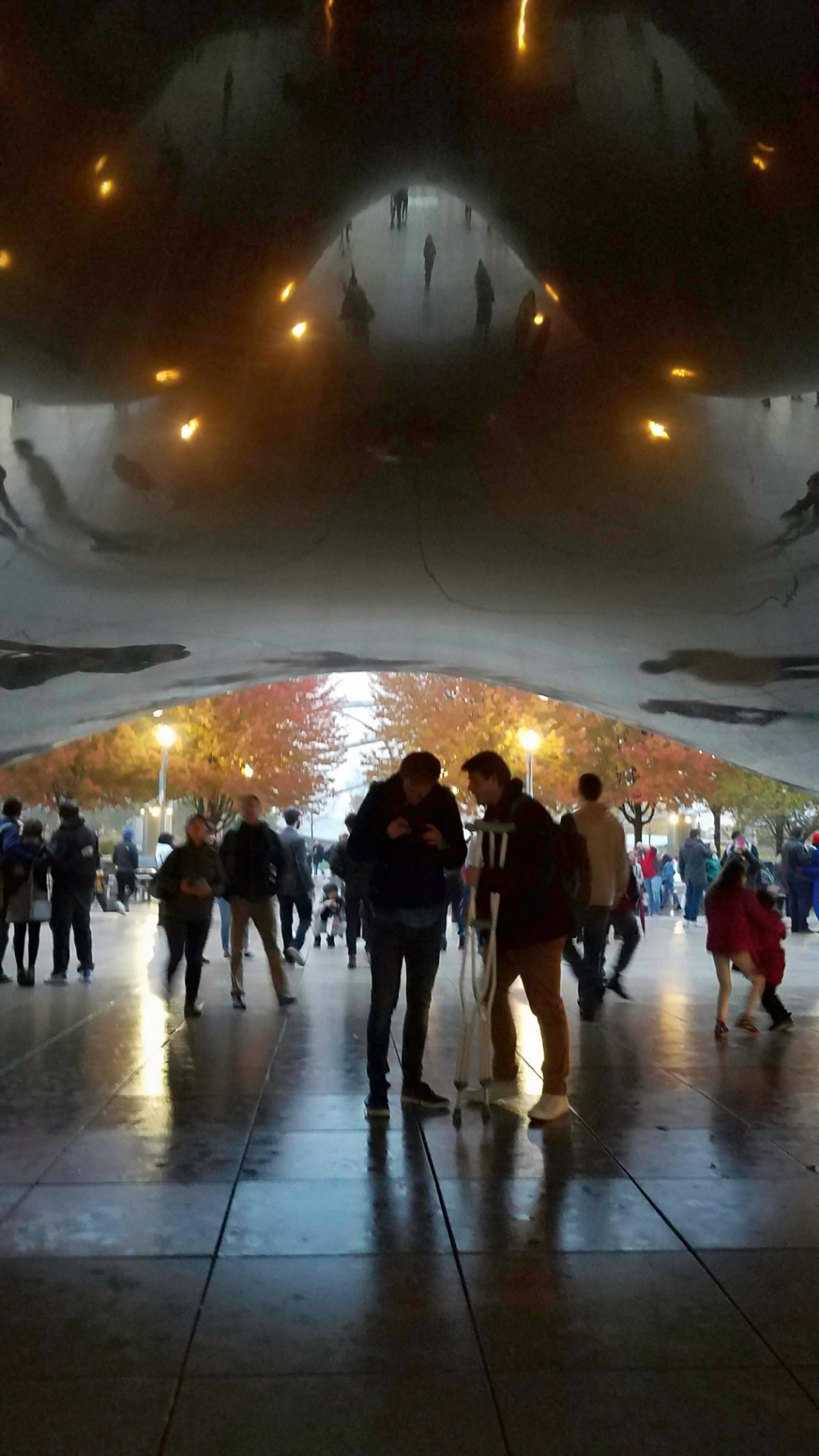
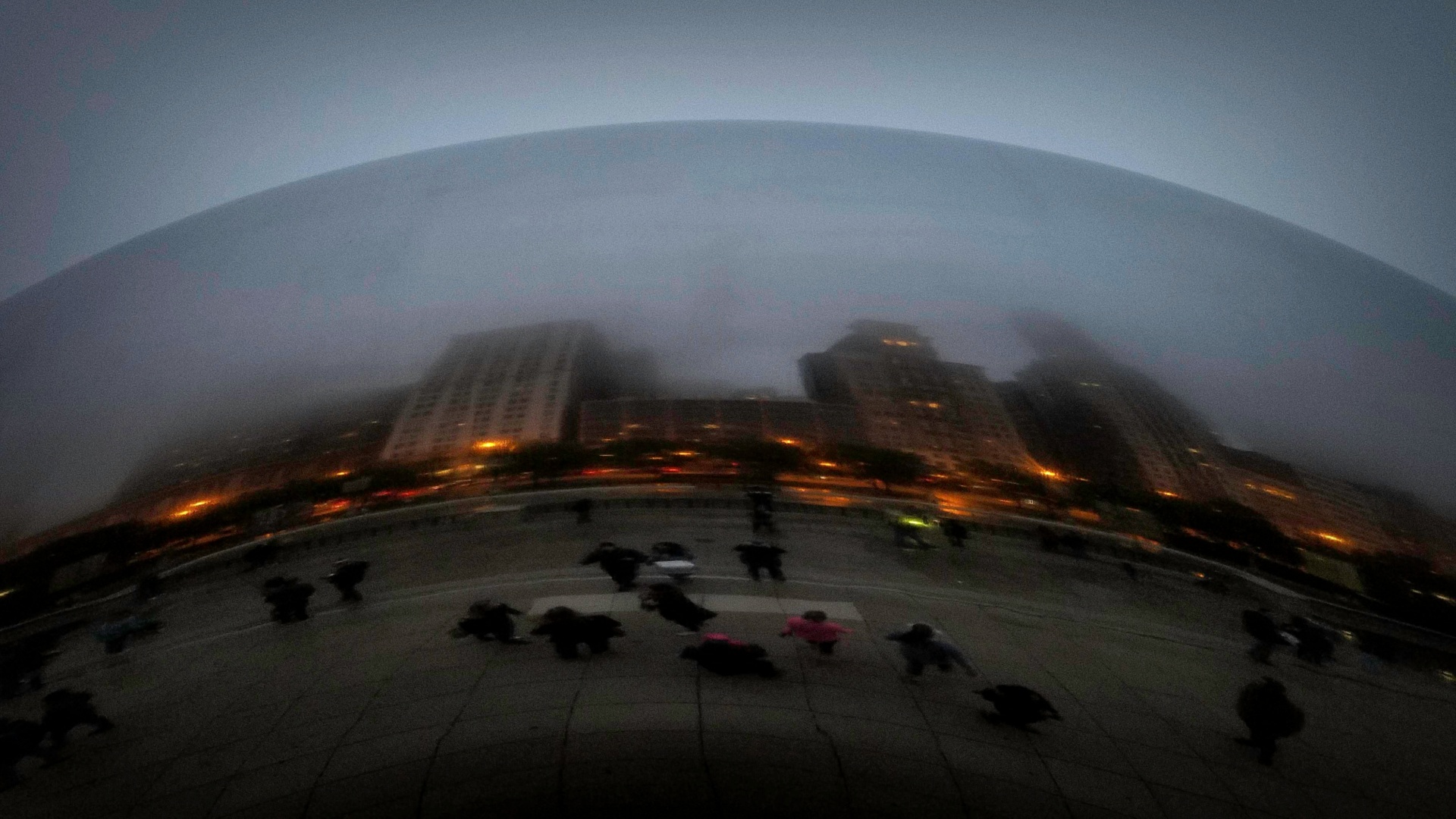
July 15, 2004. A giant object resembling a silver cloud made its first Earth landing, in Chicago’s Millennium Park. Reacting immediately, local authorities covered it up in a combined effort to reassure the public and control the curious crowds.

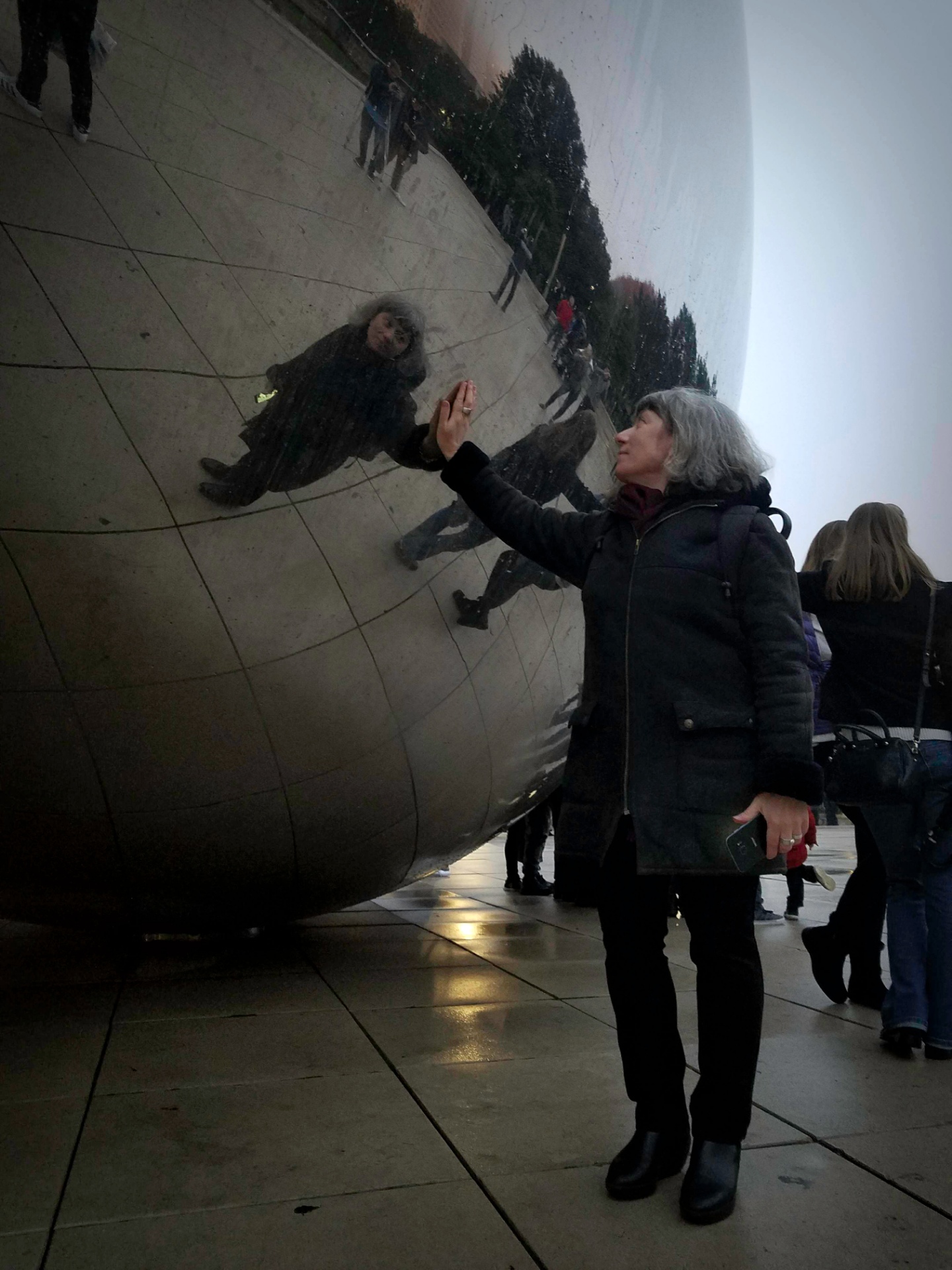
May 15, 2006. Authorities could no longer hold back the crowds. In a bold, unprecedented move, they unveiled the space oddity that has remained dormant ever since, defying all laws of physics, leaving scientists and general public puzzled and intrigued. People from the four corners of the earth flock to the park to monitor, examine and eventually try to explain what it is, where it came from and what it is doing here.
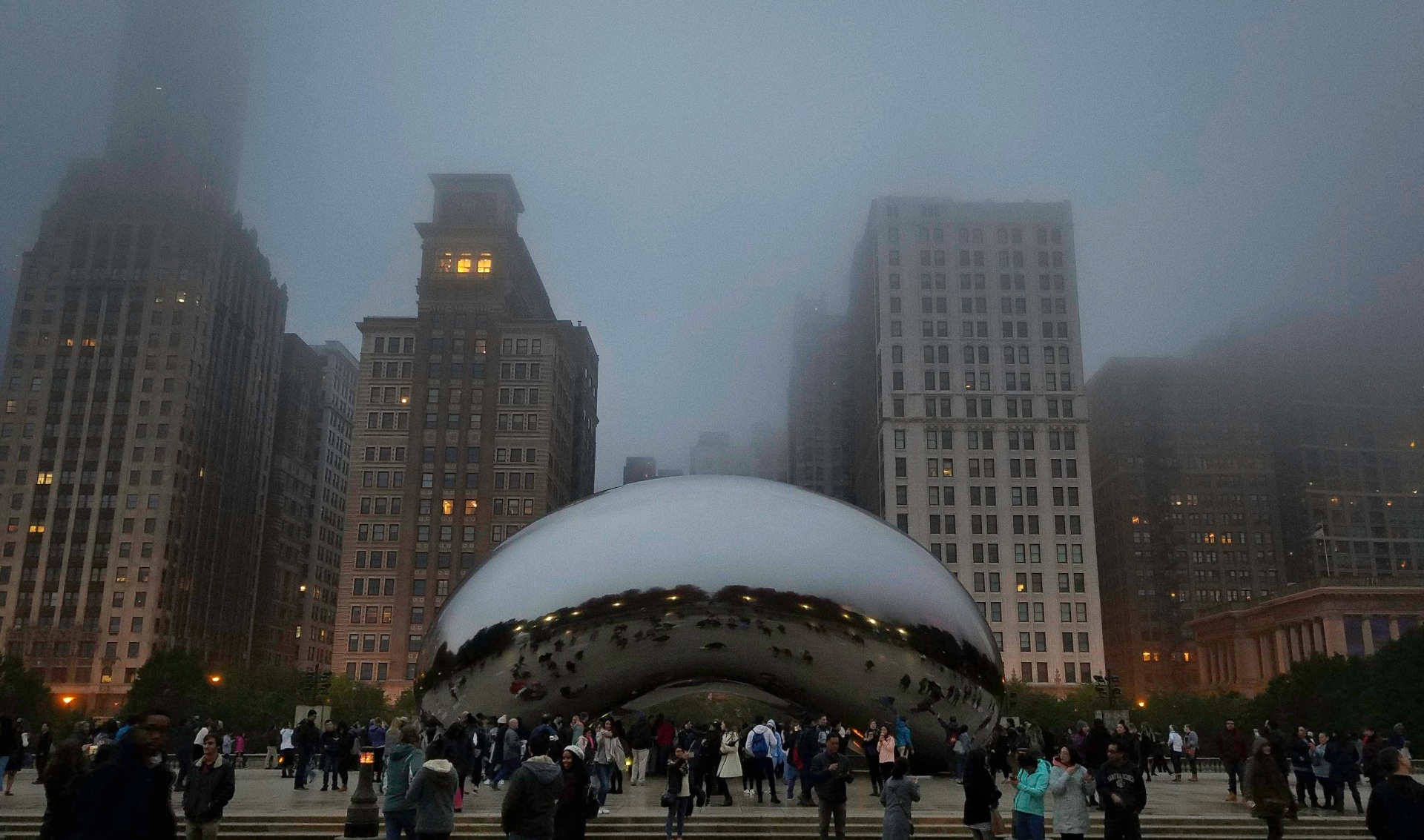
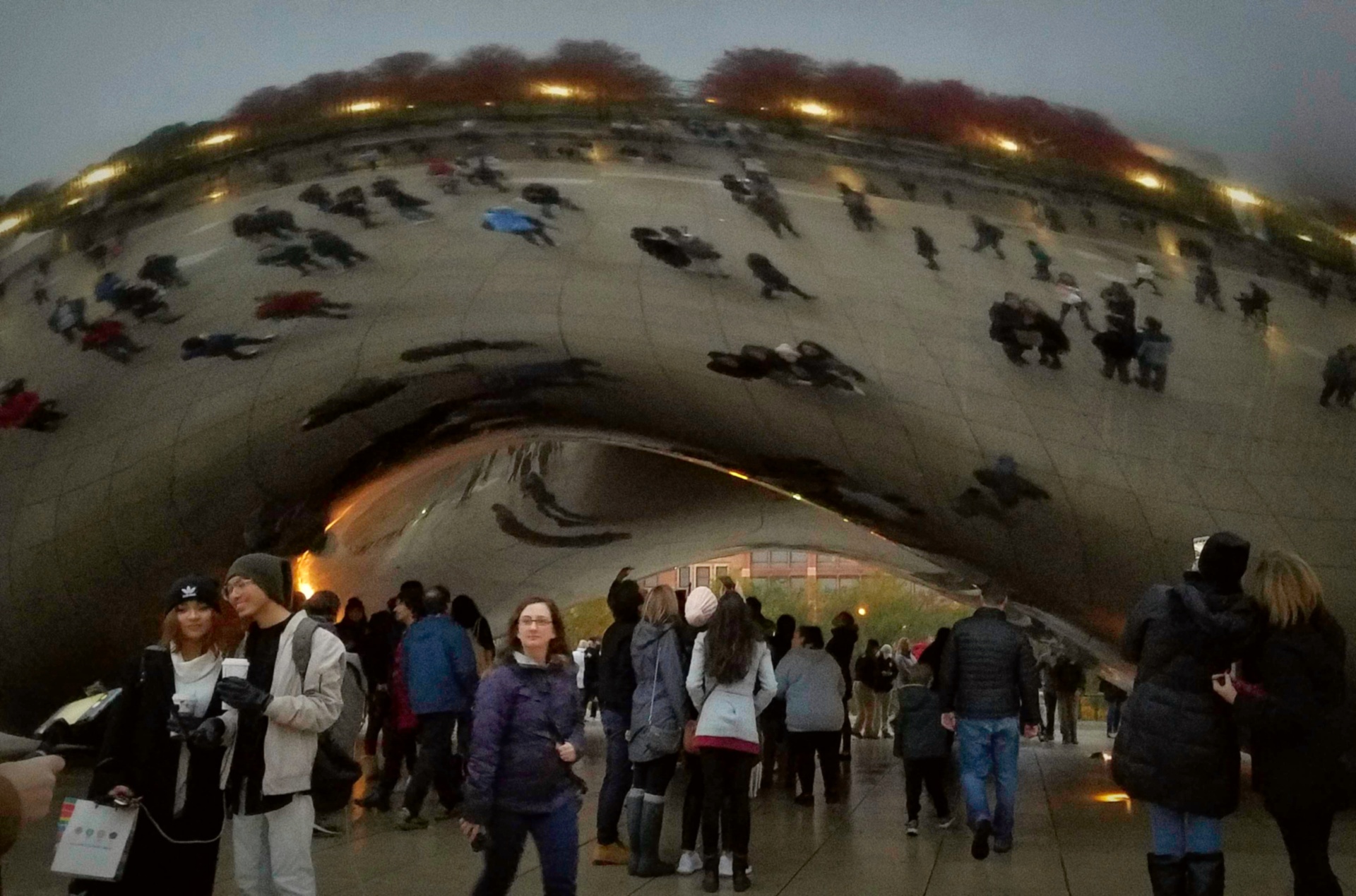
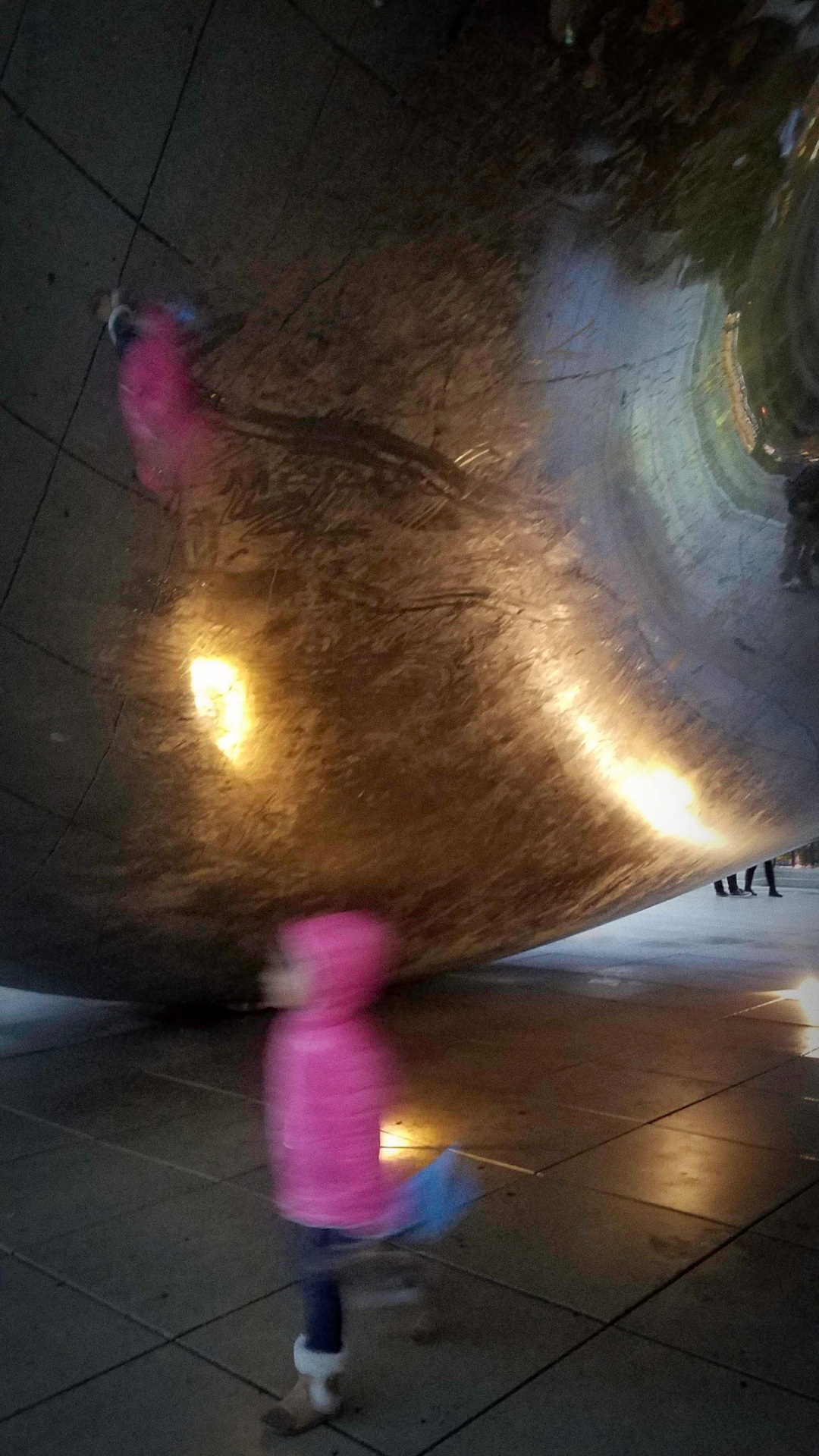
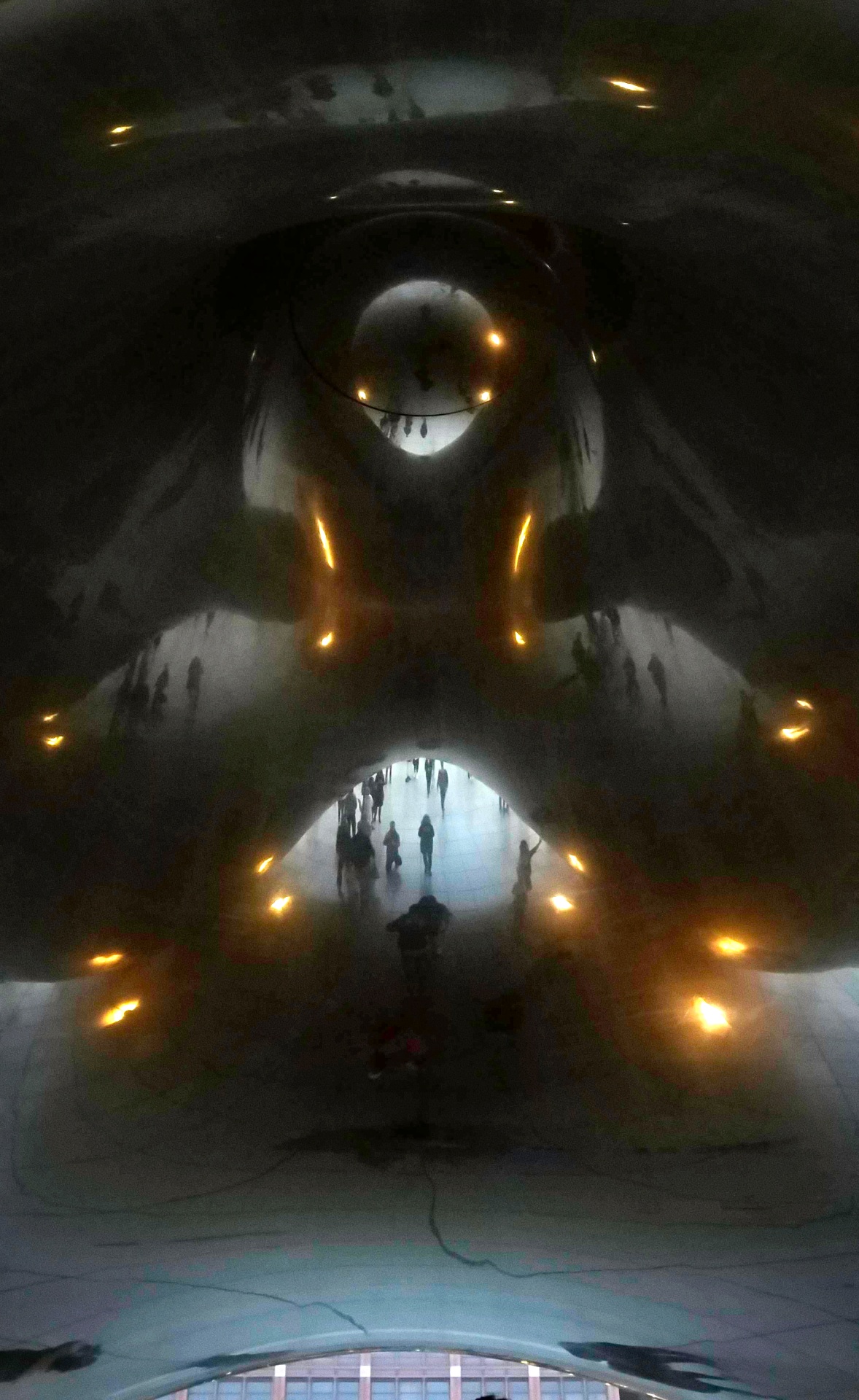
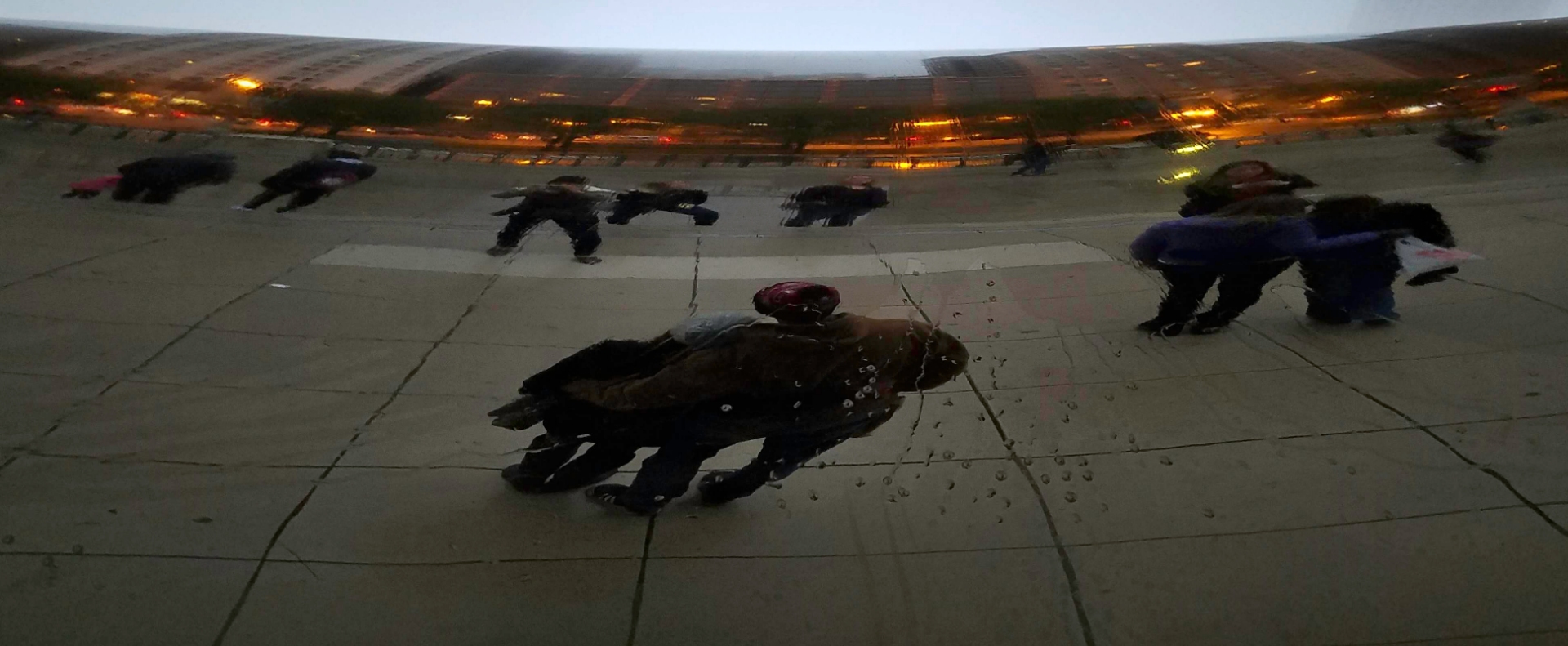
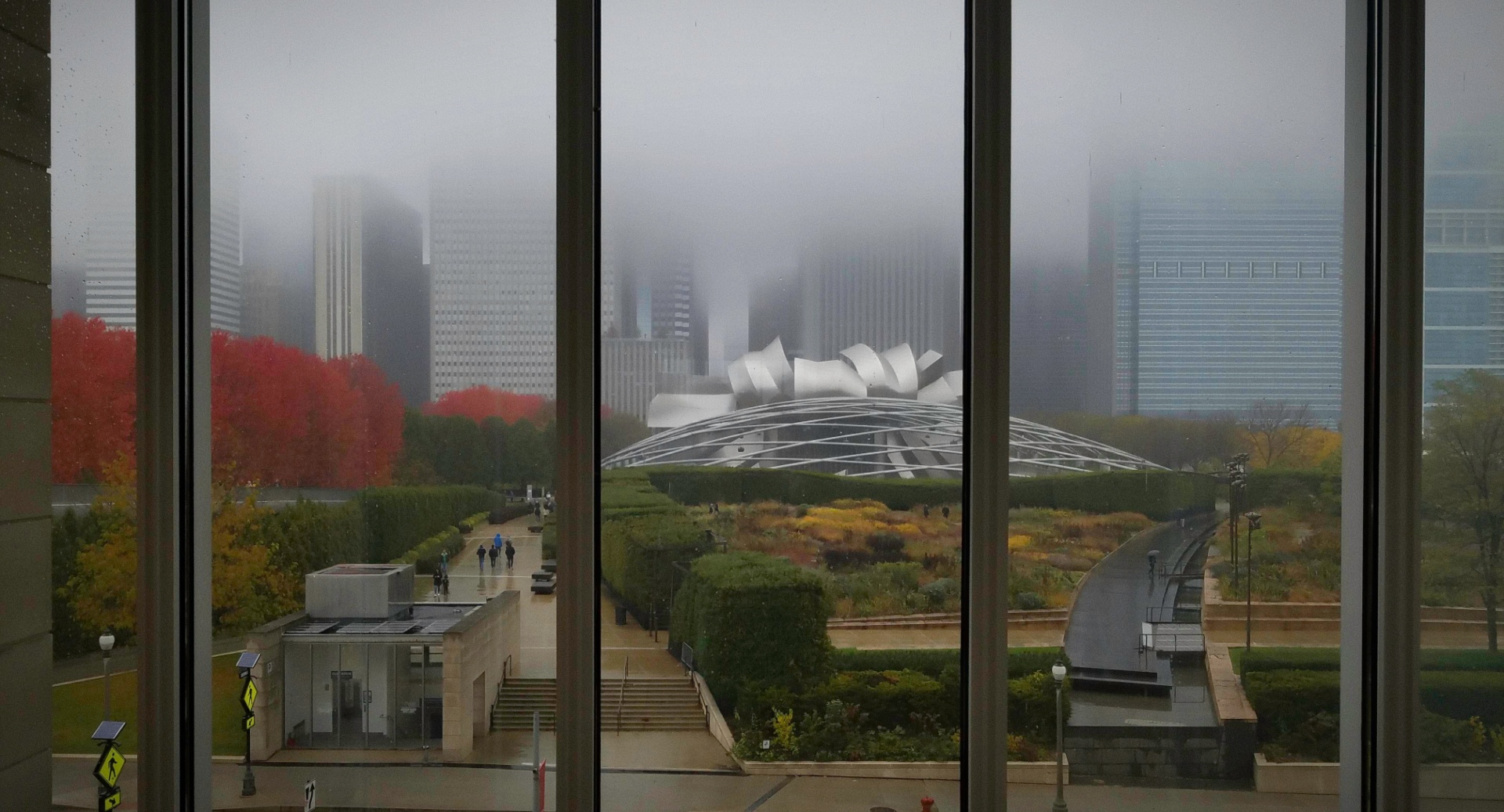
Cloud Gate, affectionately nicknamed ”The Bean”, is a public sculpture by British artist Anish Kapoor. It must be one of the most photographed public artworks in the city and I can totally see why.

November 4th, 2017
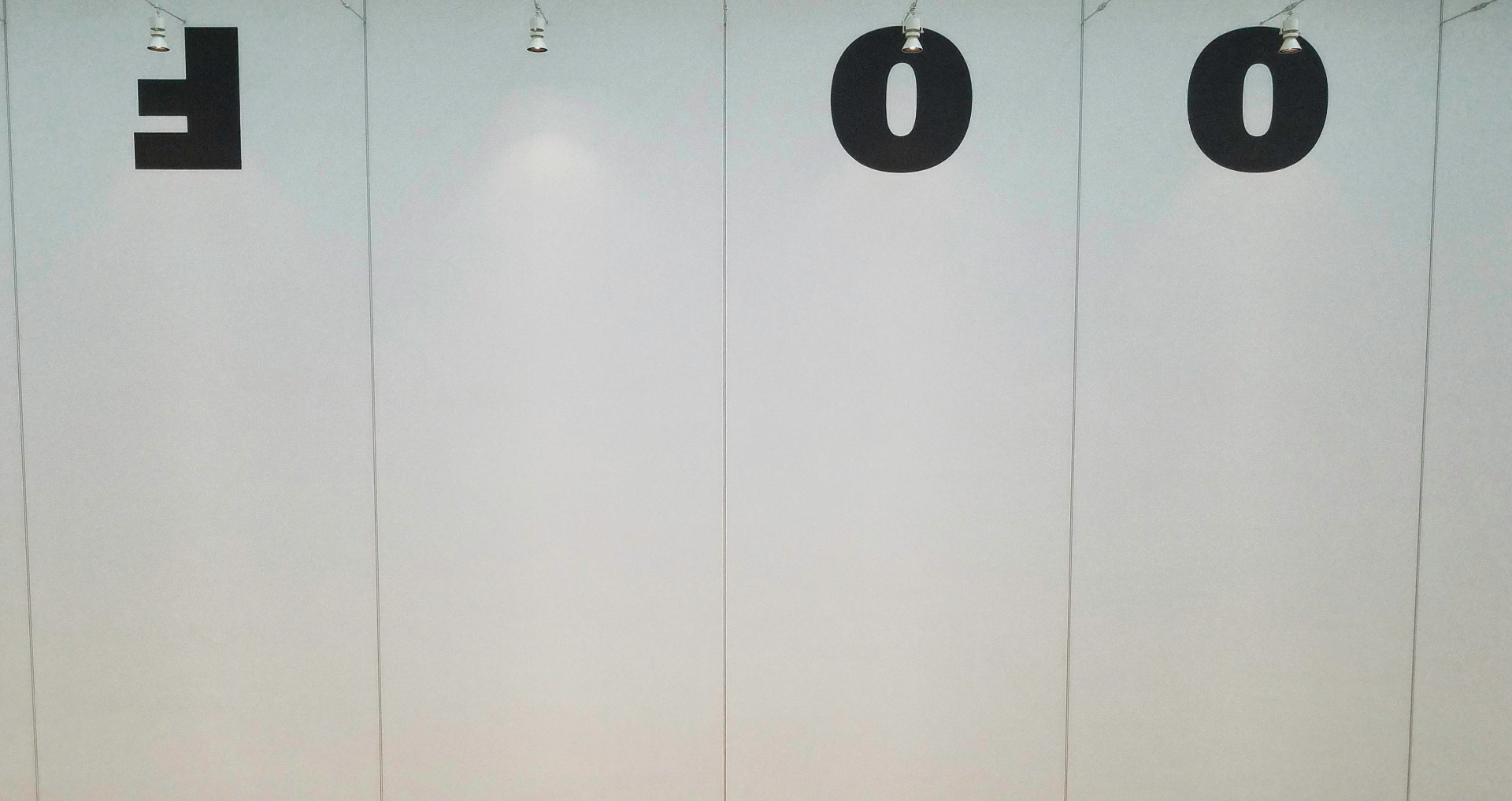
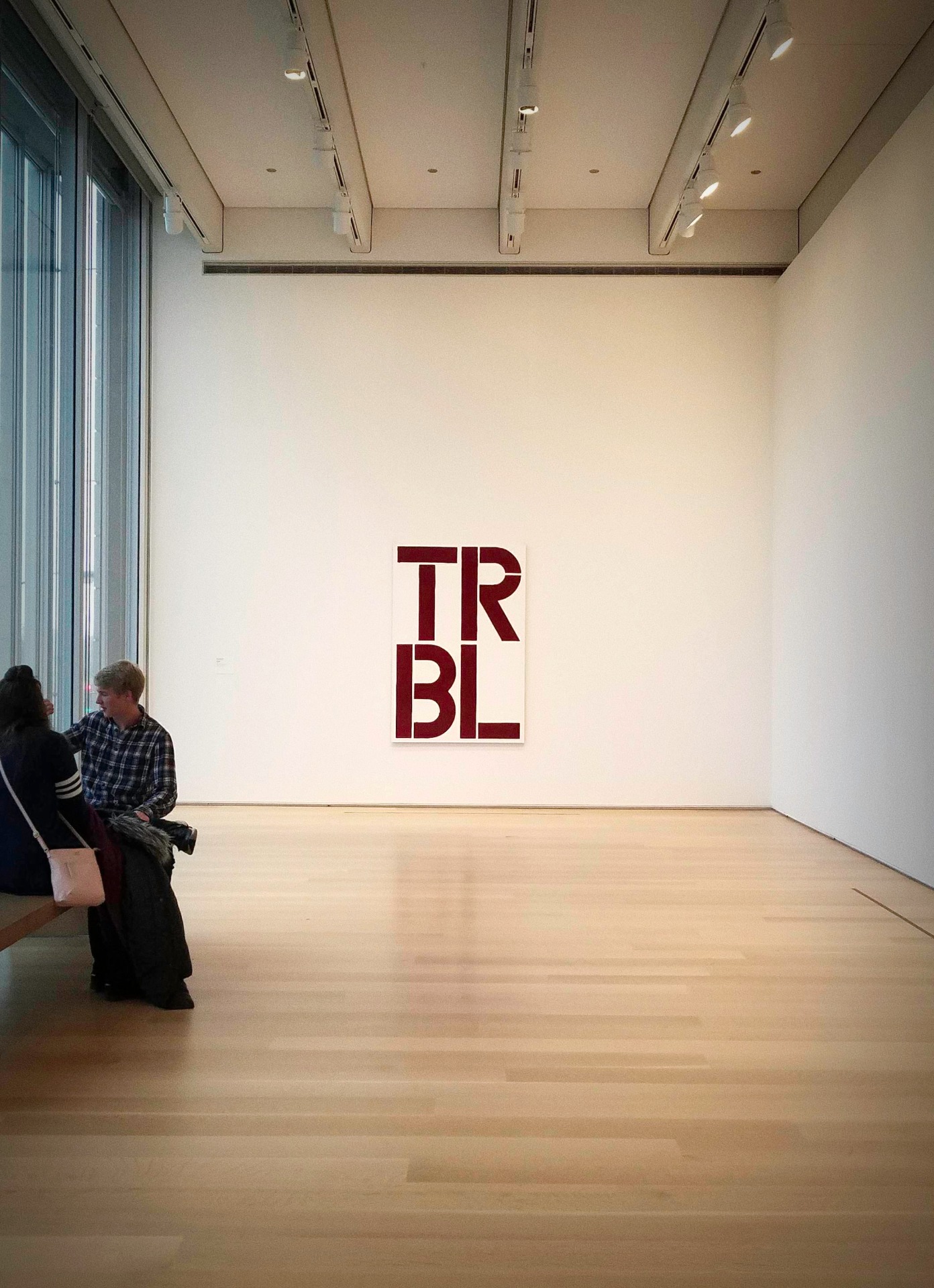
There will be no TRBL here

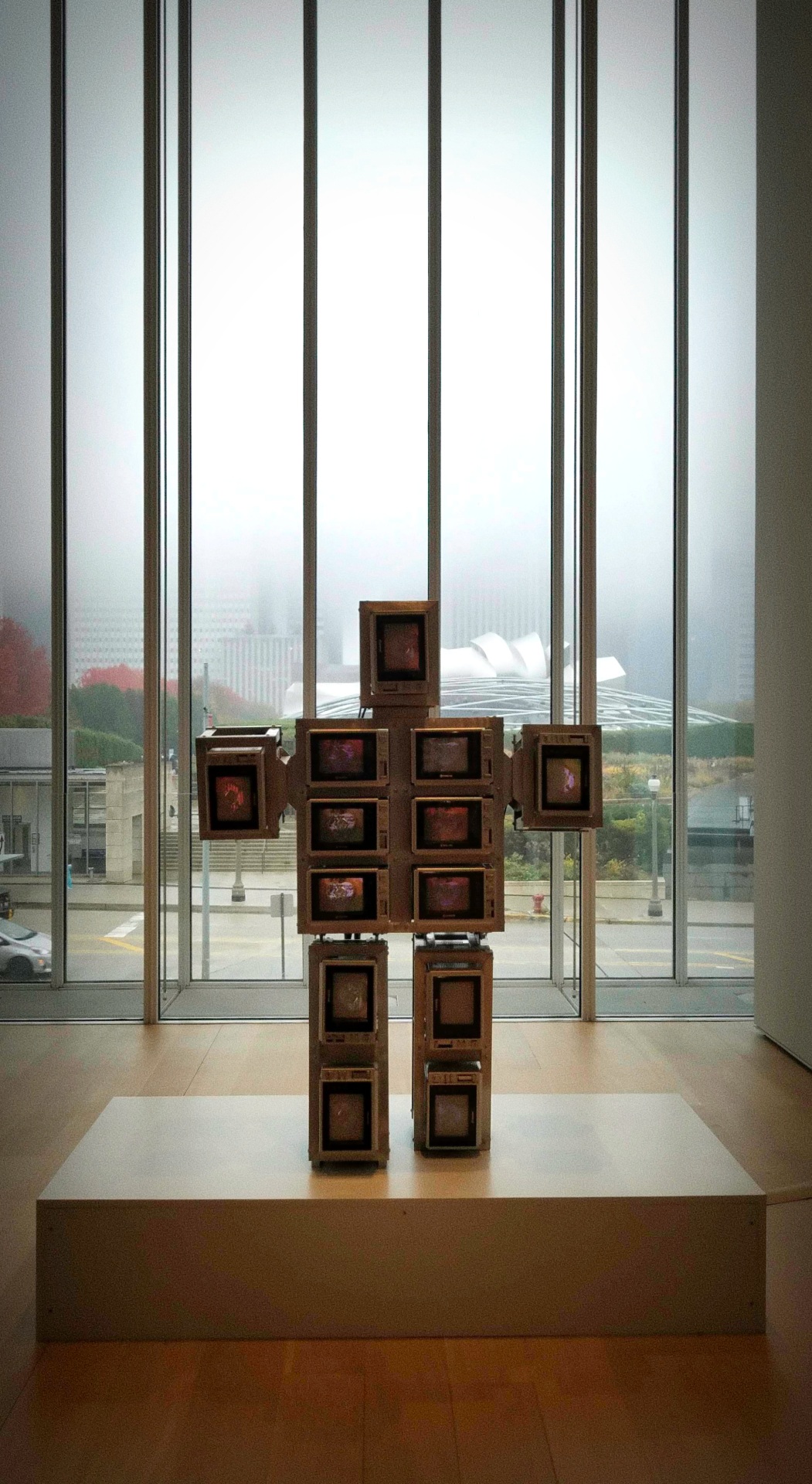
|3| – Family of Robot:  Baby, 1986, single-channel video sculpture; thirteen television monitors and aluminum armature – by Nam June Paik

Family of Robot, the first series of video sculptures that Paik created, consists of three generations of family members, including grandparents, parents and aunt and uncle and children. The children, including Baby, are made of televisions that are newer than those constituting their elders. This Baby was assembled from thirteen Samsung monitors, which at the time were some of the most up-to-date equipment. 

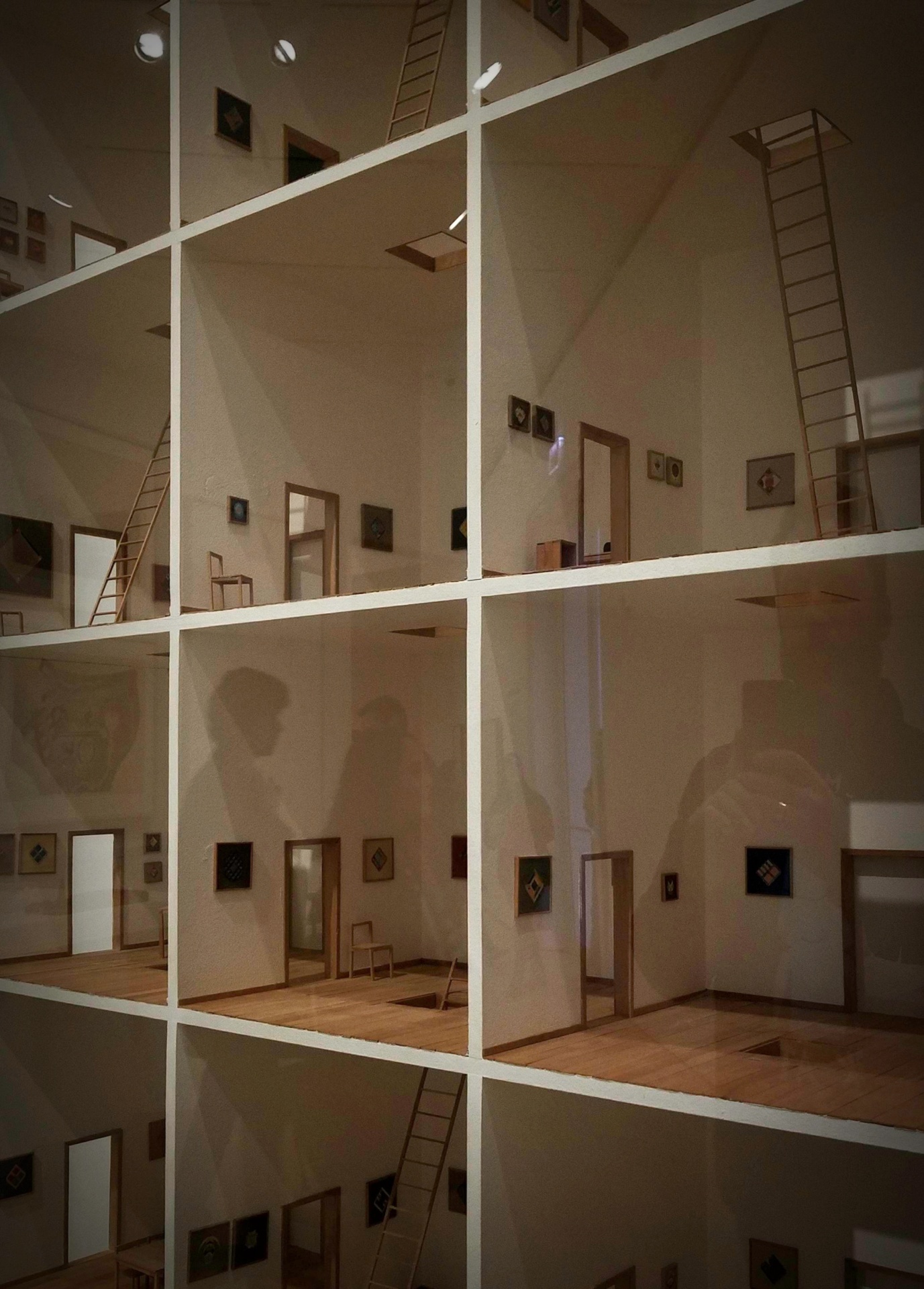
|4| – No More No Less (Chicago), 2017, model, MDF, paint, paper and wood – by Mauricio Pezo & Sofia von Ellrichshausen

No More No Less is an ongoing project in which the architects of the firm Pezo Von Ellrichshausen insert a museum at a 1:10 scale into an exhibition space. 

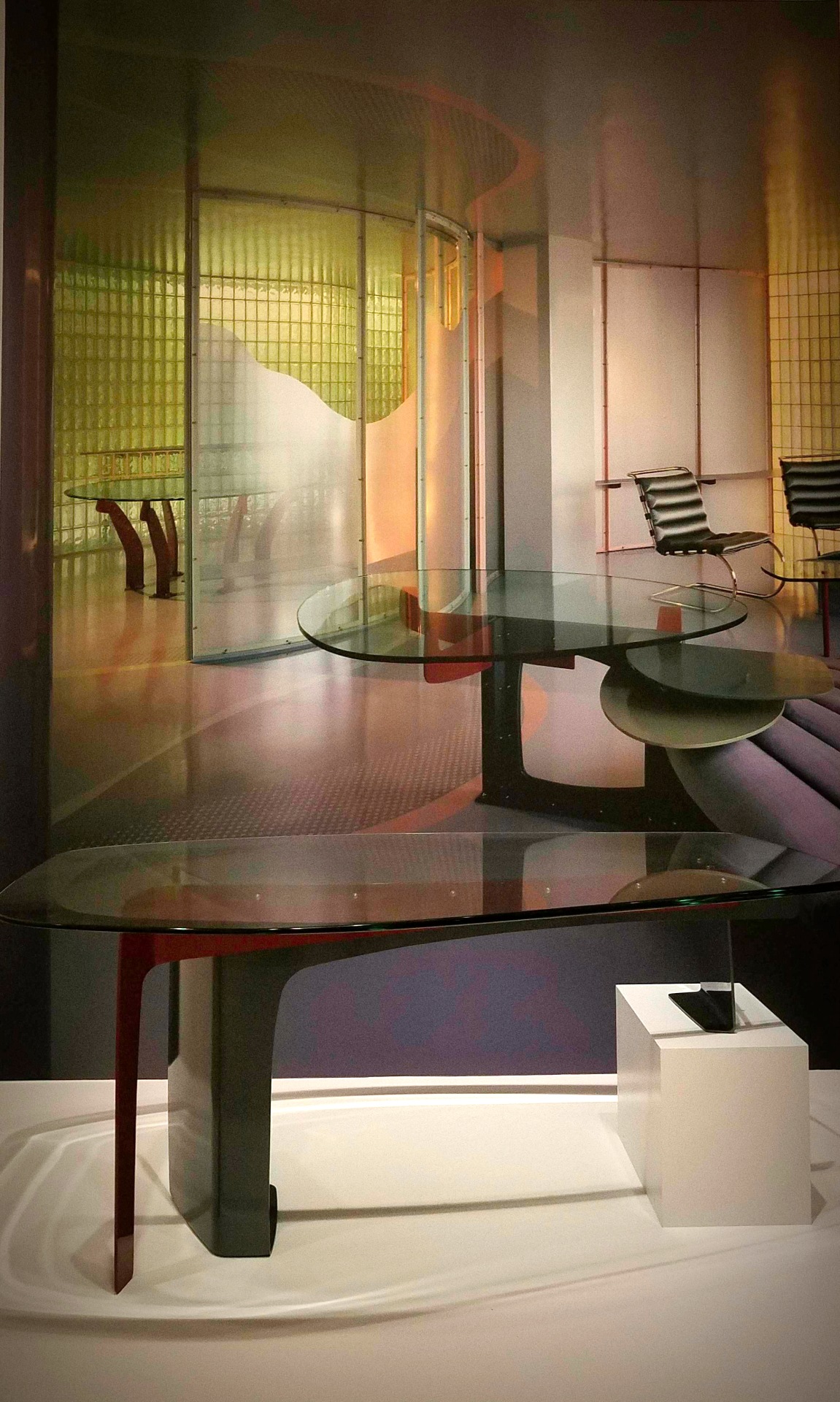
|6| – Custom desk from Untitled No. 2, Chicago, Illinois, 1987, enameled steel and glass – by Krueck and Olsen Architects (now Krueck and Sexton)

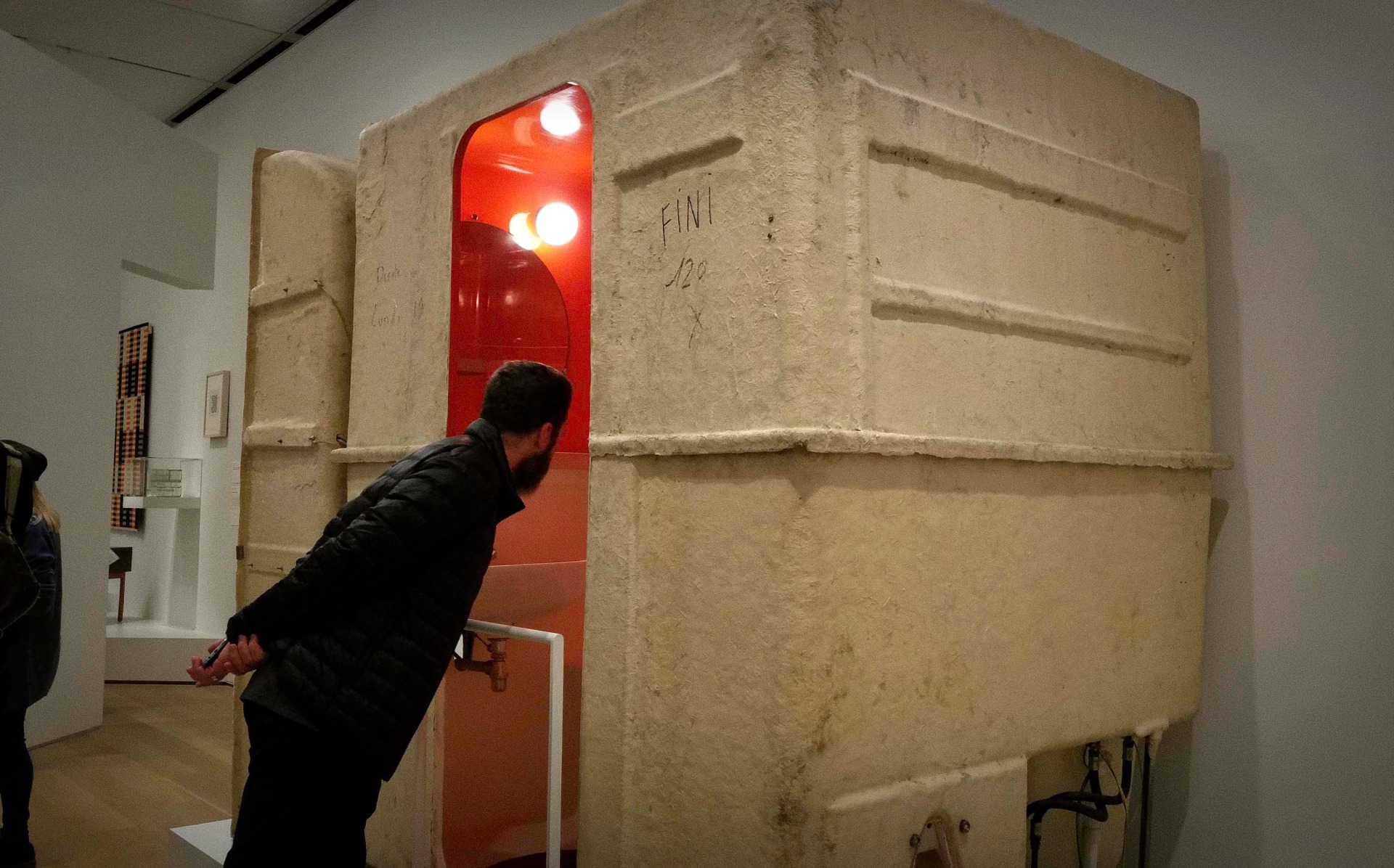
|7| – Prefabricated Bath Unit, Les Tournavelles, Arc 1800, France, 1975/78 – by Charlotte Perriand

Completed at the end of Perriand’s career, these units were the culmination of many years of work to make domestic spaces more usable, affordable, responsive to contemporary life and especially at Les Arcs, enjoyable and fun. 

Christopher Wool

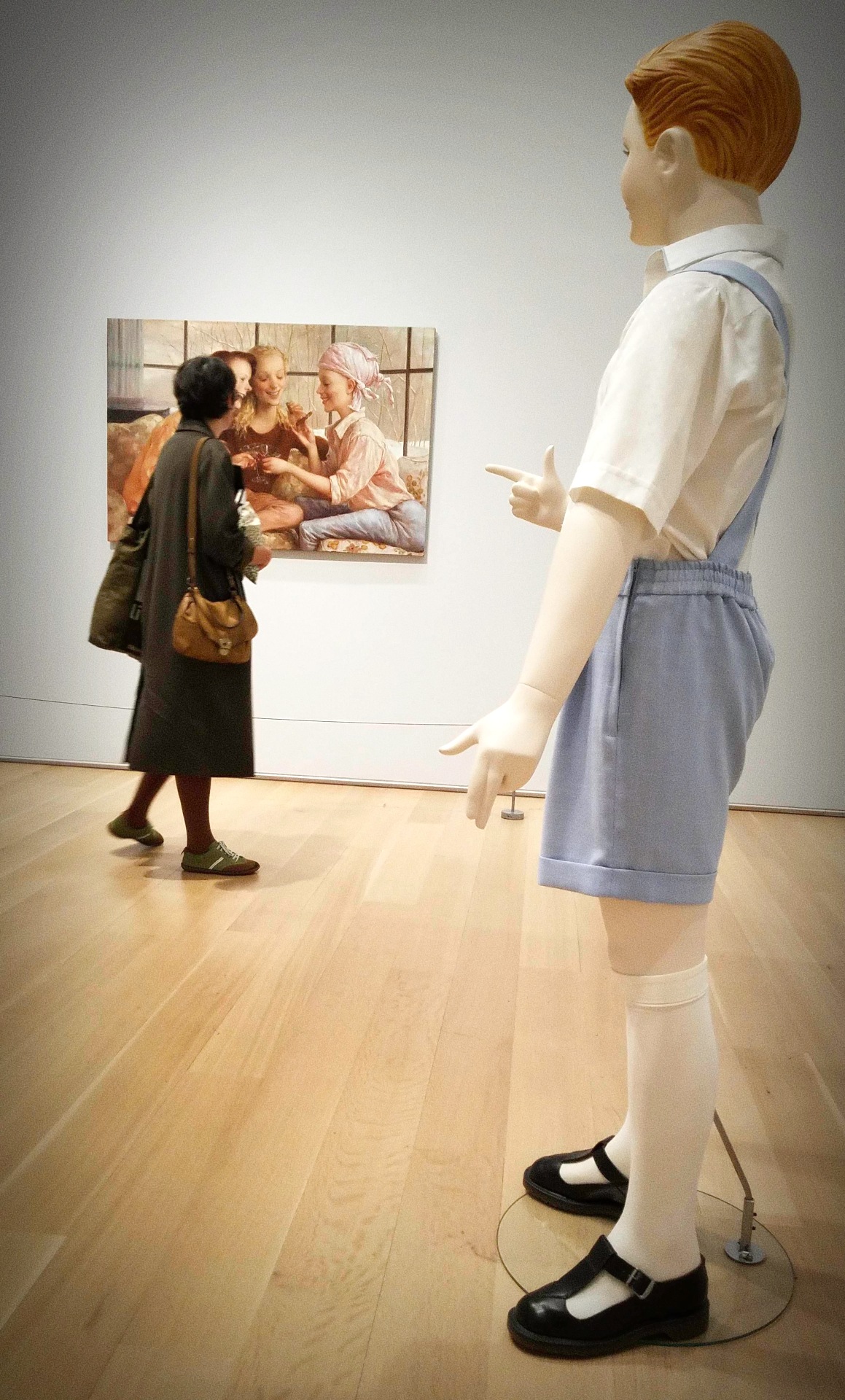
|9| – Boy, 1992 – by Charles Ray

With Boy, Ray created a particularly disquieting figure. The sculpture stands just shy of six feet tall, the artist’s exact height, yet maintains the softness of youth. 

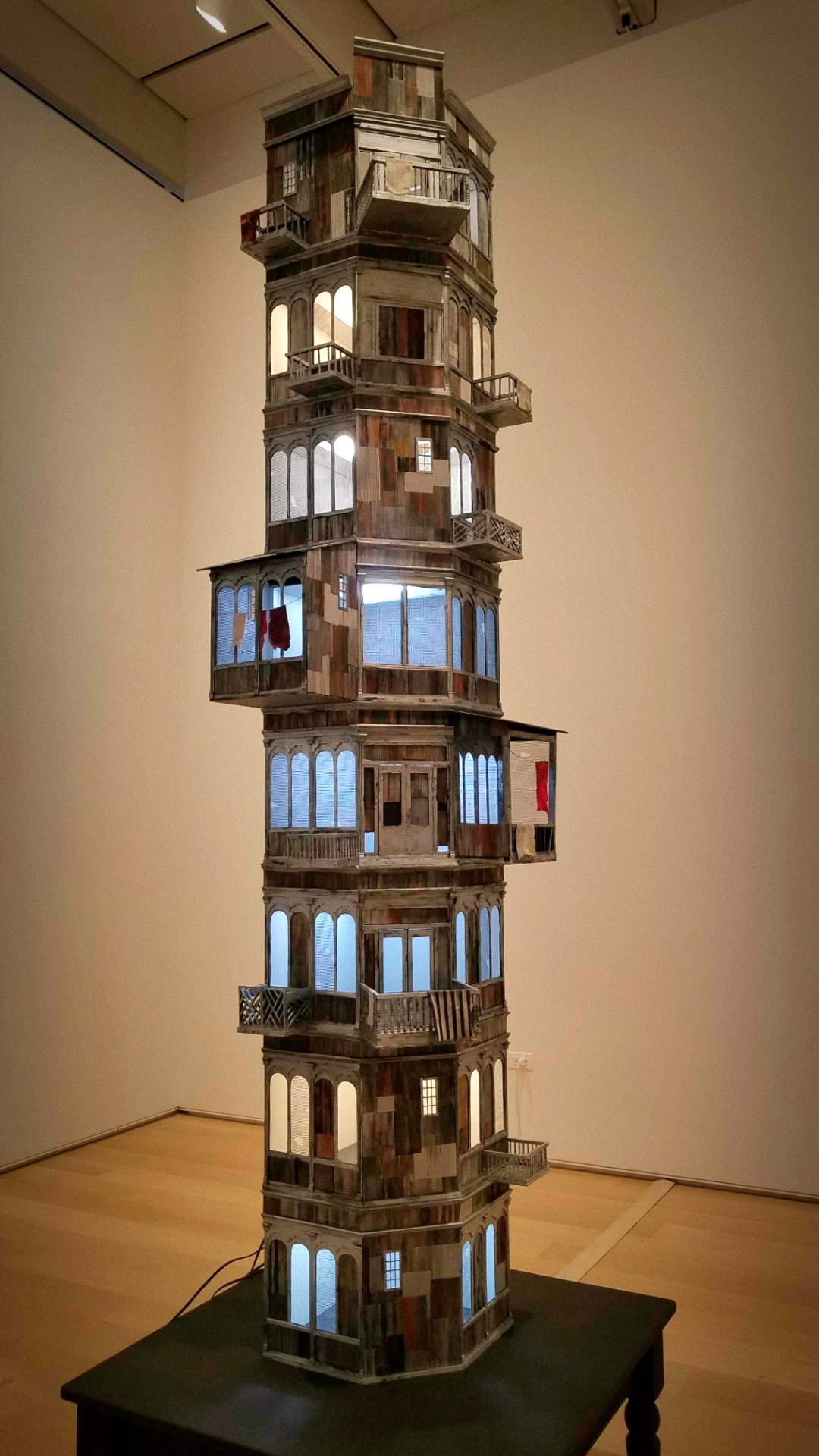
|10| – Dilapidarian Tower, 2010, display boxes, mixed media, lights, tables – by Richard Hawkins

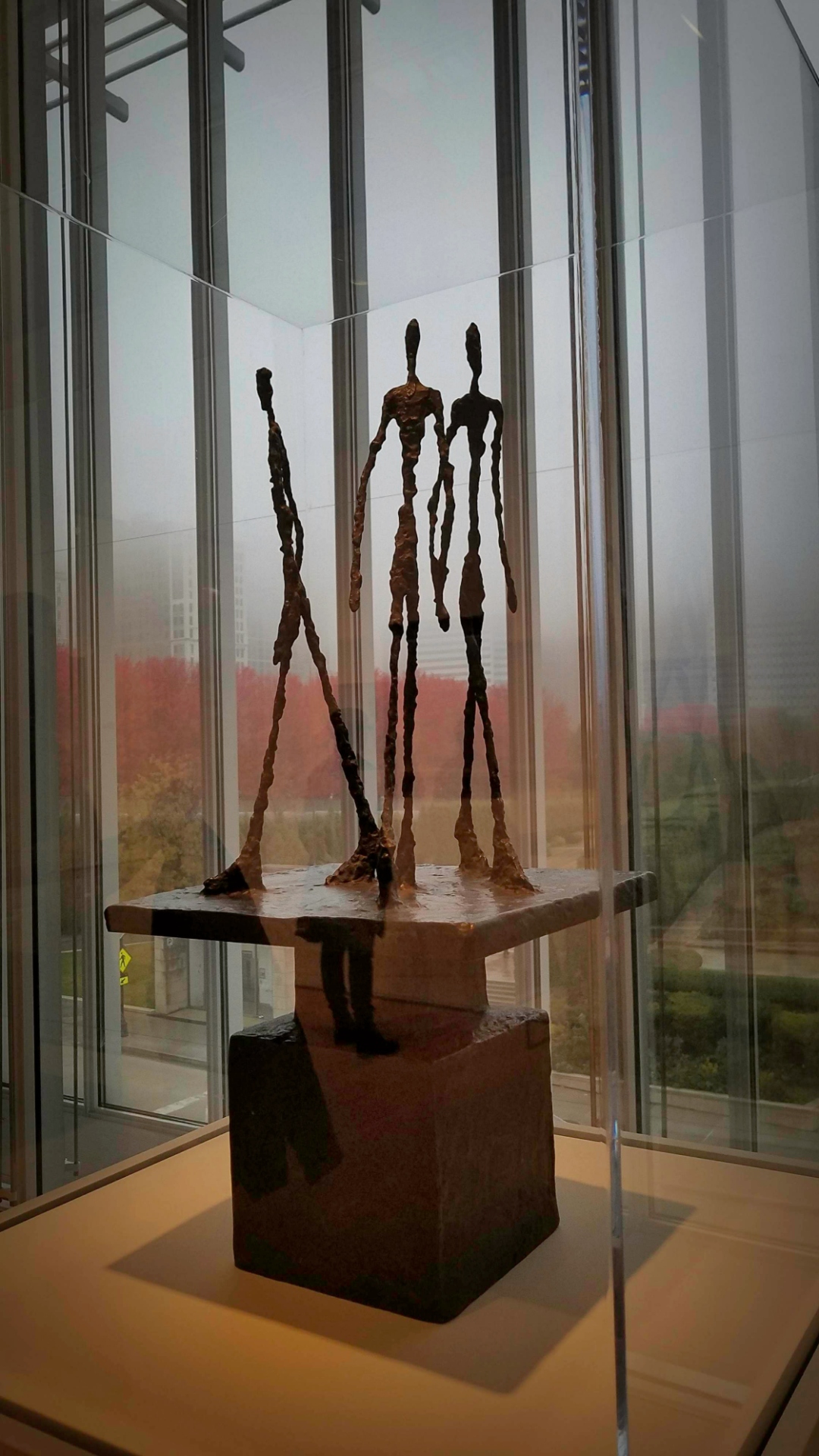
|11| – Three Men Walking II, 1948-49, bronze – by Alberto Giacometti

The Art Institute of Chicago

November 4th, 2017

Chicago || At the end of the day [one]

After a full day of intense lobbying – in the most literal sense of the word, it was time to sit back and (re)collect all the stunning places, experiences and photos we took: the tour at the Rookery, the marvelous art deco details of the Board of Trade and the Field Building, the gorgeous Tiffany mosaics at the Marquette, the very atmospheric Monadnock.

And to top it all off, some serious public art adorning the streets of Chicago.

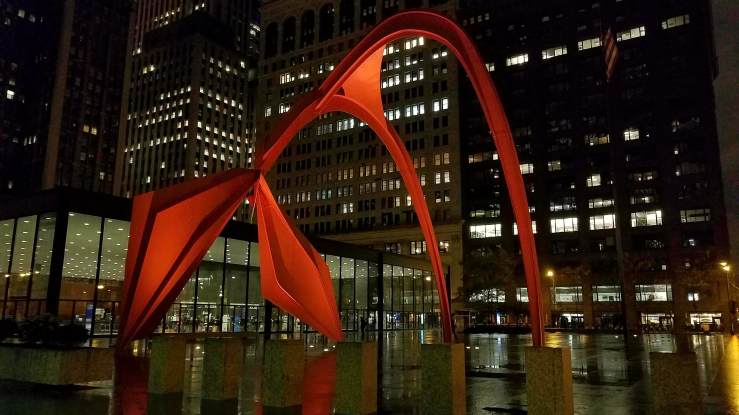
Flamingo – by Alexander Calder in the Federal Plaza
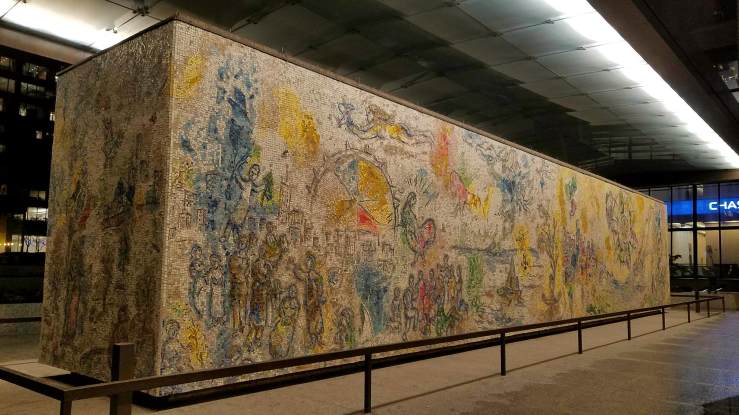
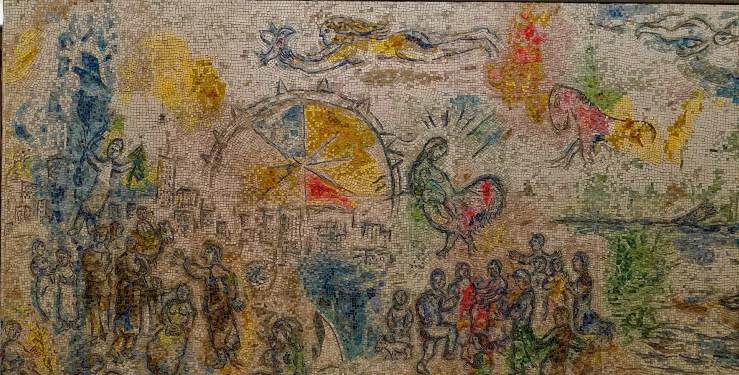

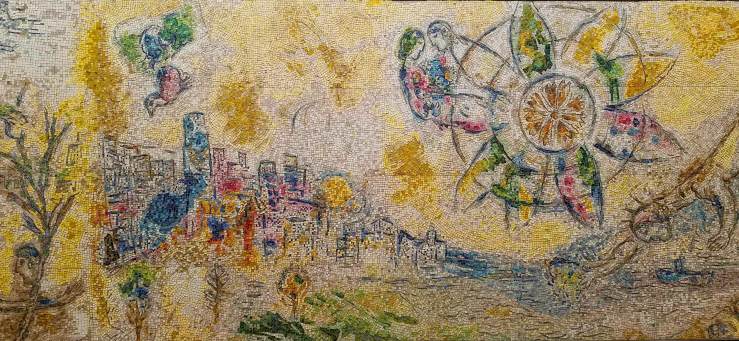
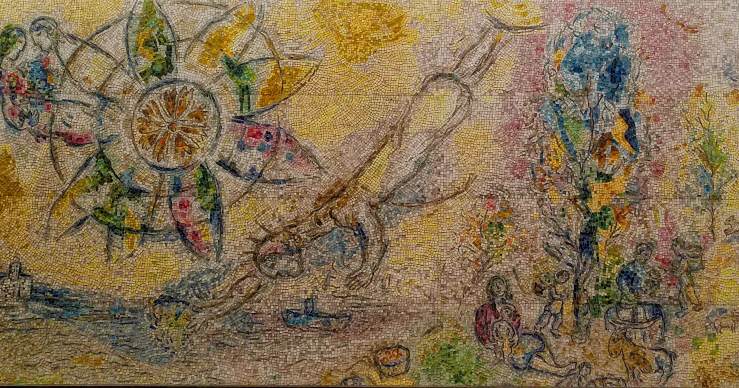
Chagall’s Four Seasons mosaic in the Exelon Plaza
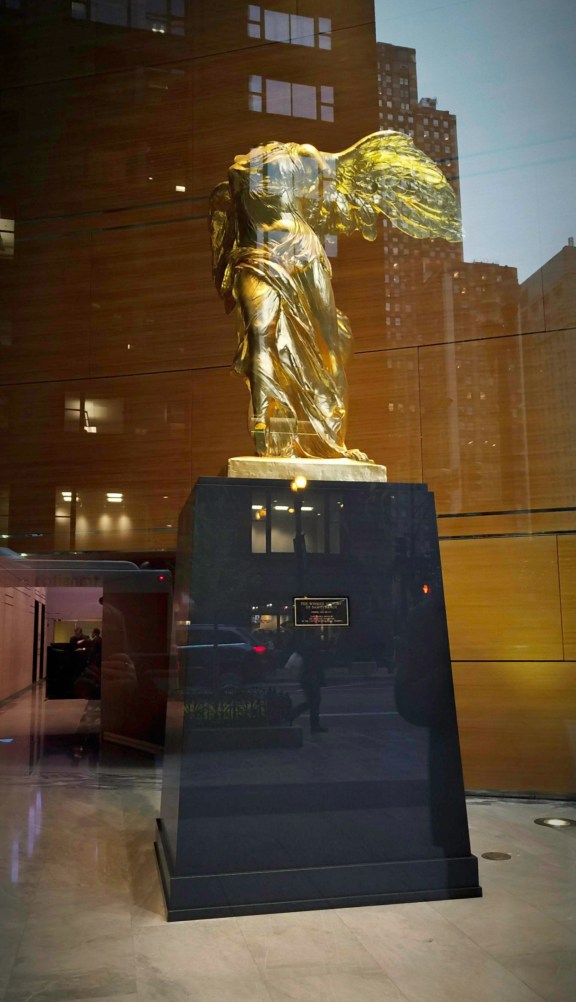

The Winged Victory of Samothrace, cast from a mold from the original sculpture in the Louvre Museum, Paris – (but why make it gold at all…? marble would have been equally stunning)
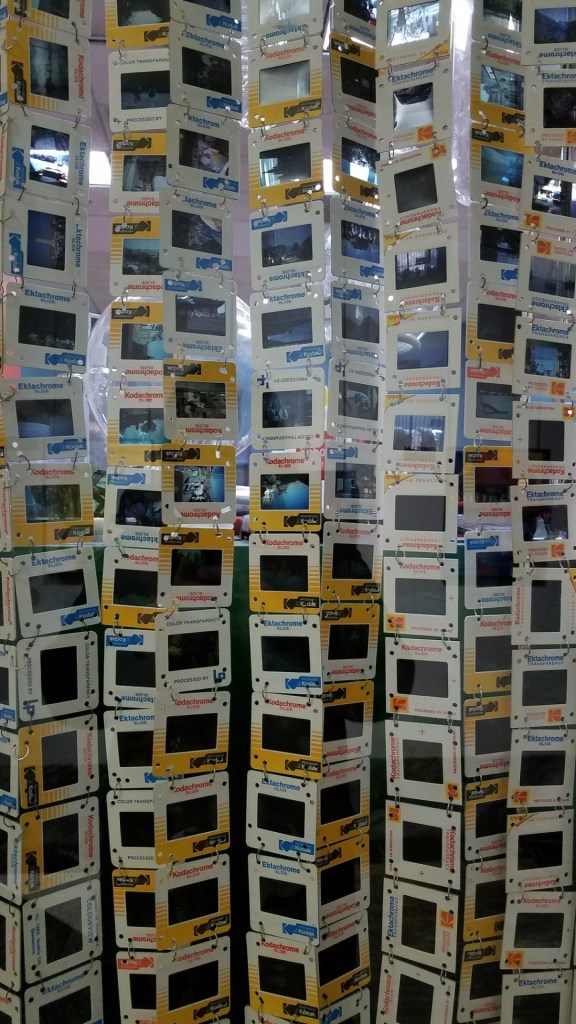
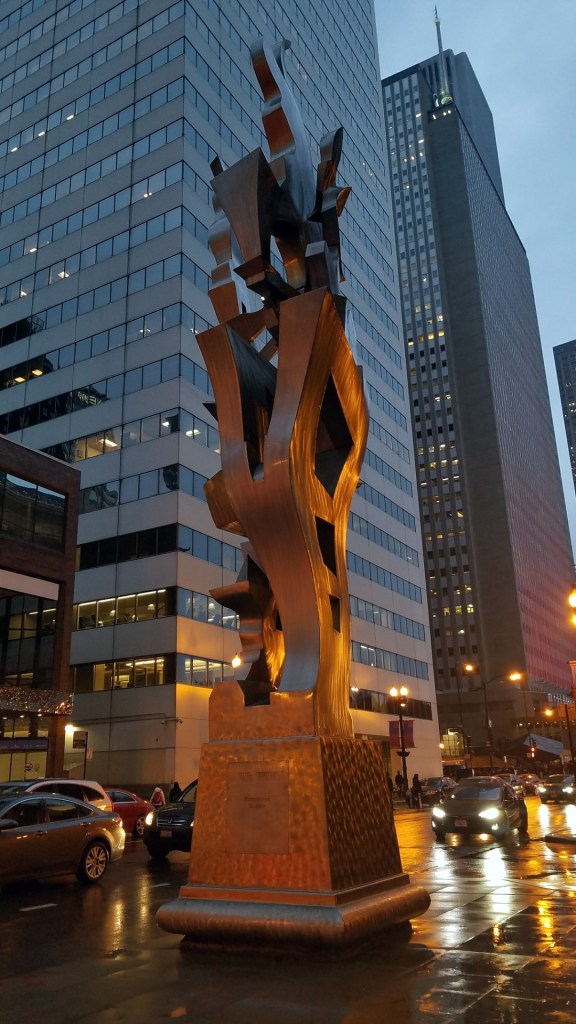

We Will, a welded stainless steel sculpture by Richard Hunt

November 2nd, 2017

National Gallery of Canada || Ottawa

What can a visitor do on a rainy October Sunday in Gananoque, apart from eat and sleep? Drive to Ottawa, of course. It’s only a two-hour drive, maybe less in good weather.

And what can a visitor do on a rainy October Sunday afternoon upon arrival in Ottawa with only a couple of hours to go before dark? Go straight to the National Gallery of Canada. Of course!

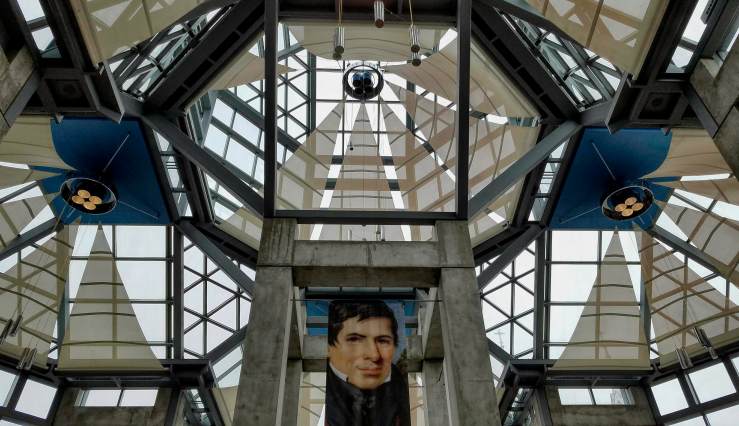
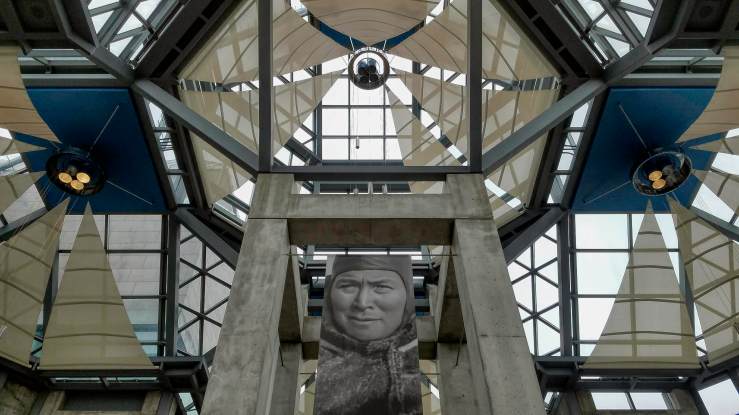
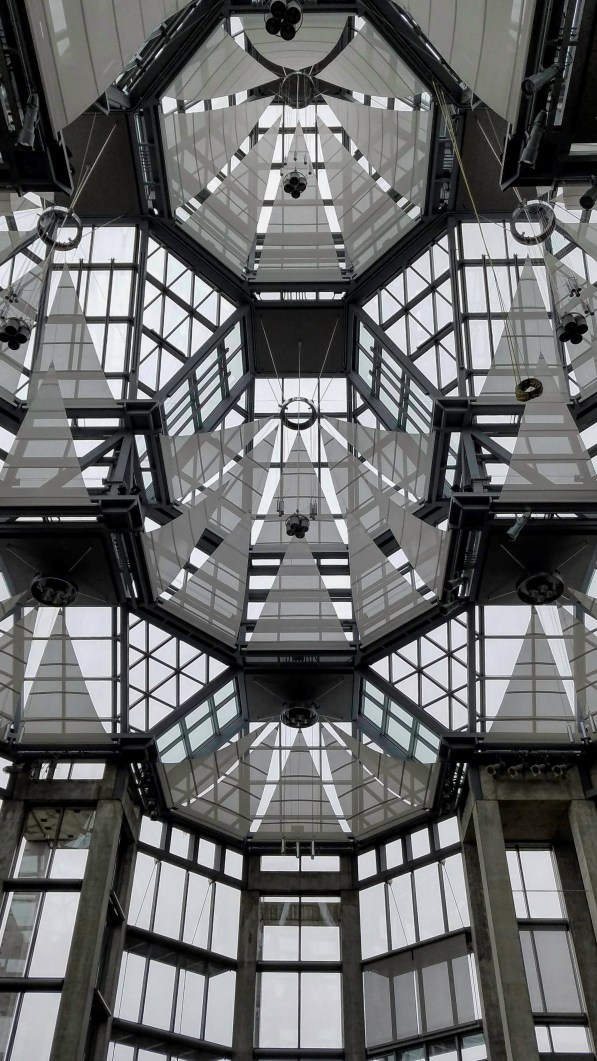
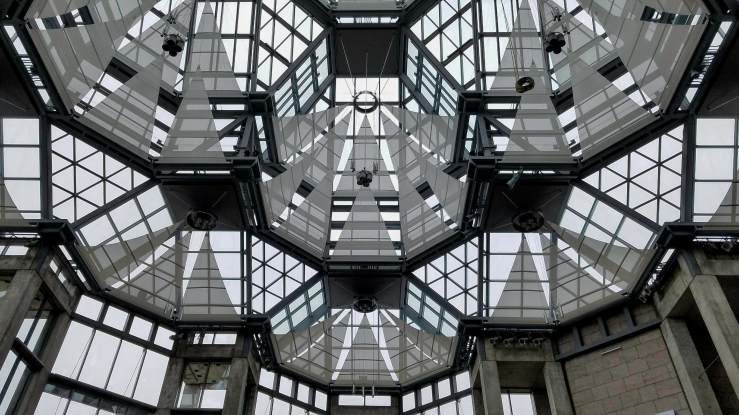
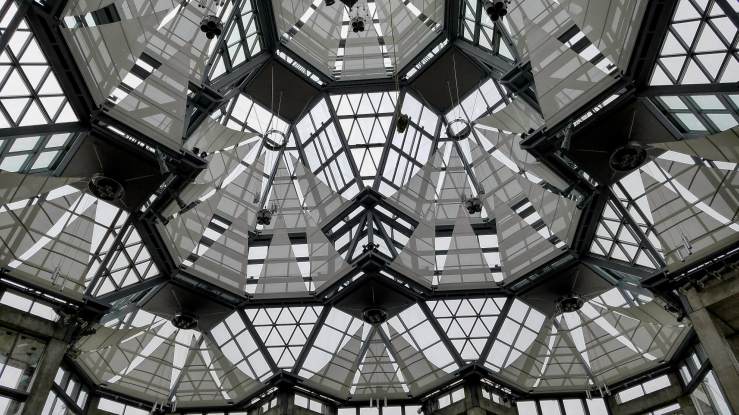
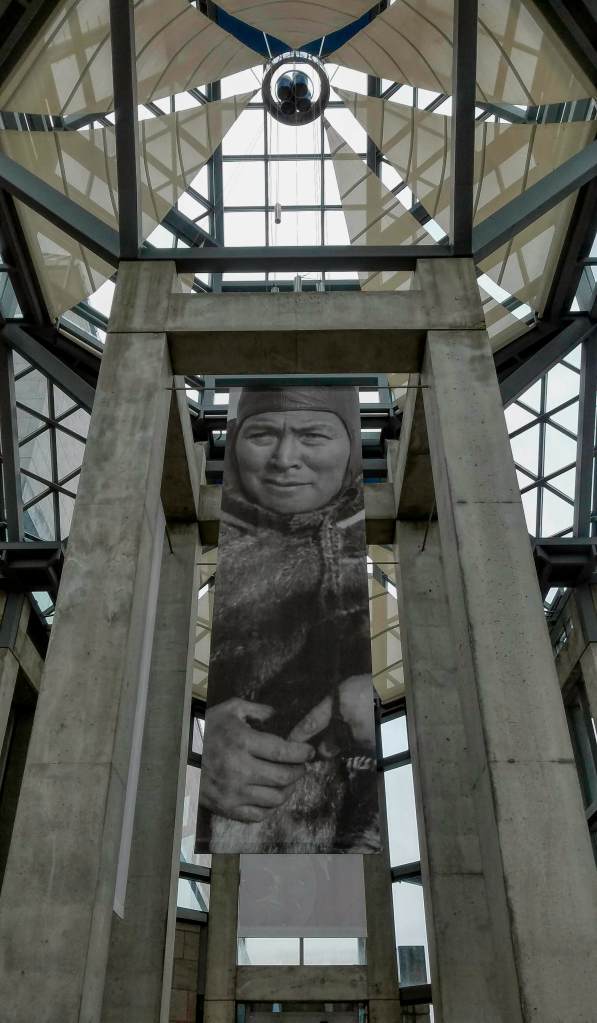
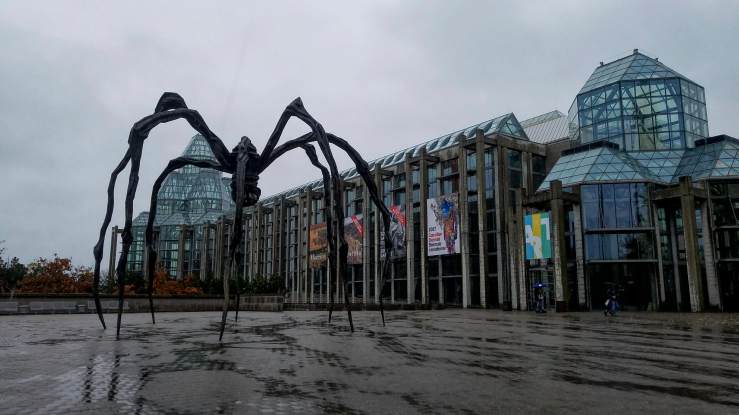
Housed in a stunning glass and granite building full of light that is carried from the skylights on the roof, the gallery is an excellent antidote to depressing weather. It was designed by Moshe Safdie, who is responsible for a number of iconic structures around the world, including, for example, the Marina Bay Sands complex in Singapore, the infinity pool of which tops both the building and my personal wish-list.
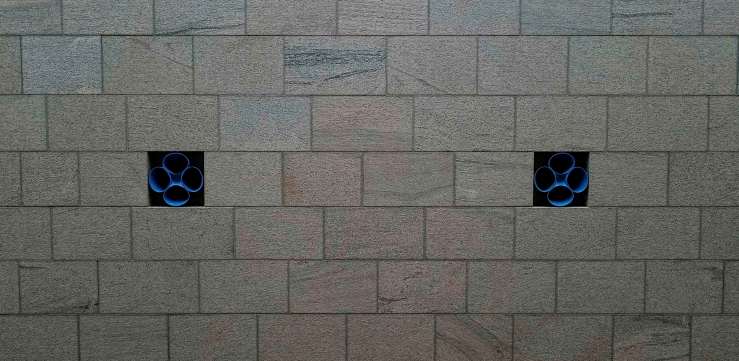
Back in Ottawa; see these glass octagonal features on the roof?  That’s how they look like on the inside, with the addition of white sails to diffuse the light.

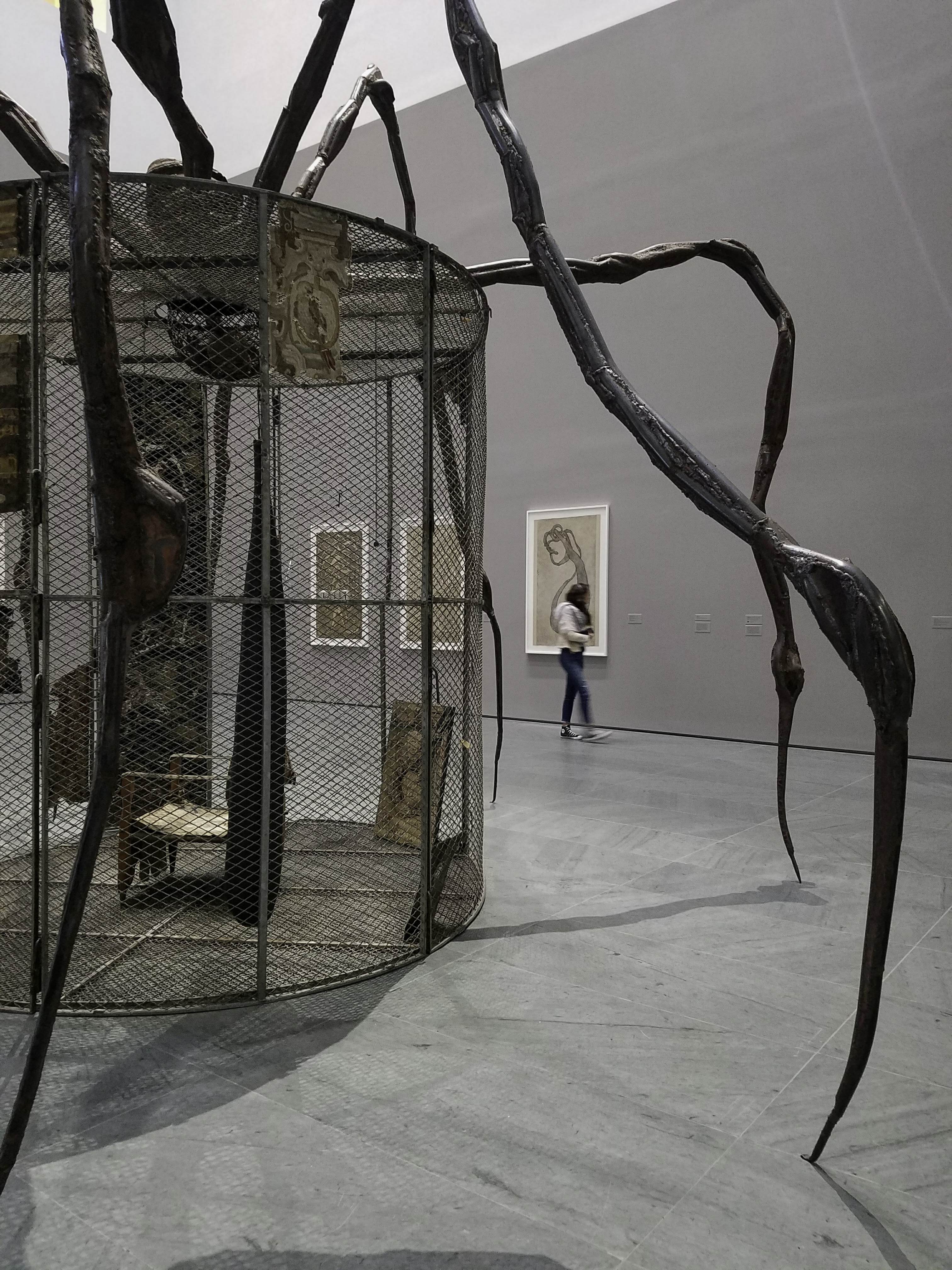
“Maman” the giant egg-carrying spider outside the gallery, is a sculpture (1999, cast 2003) by Louise Bourgeois.

National Gallery of Canada, Ottawa

October 29th, 2017

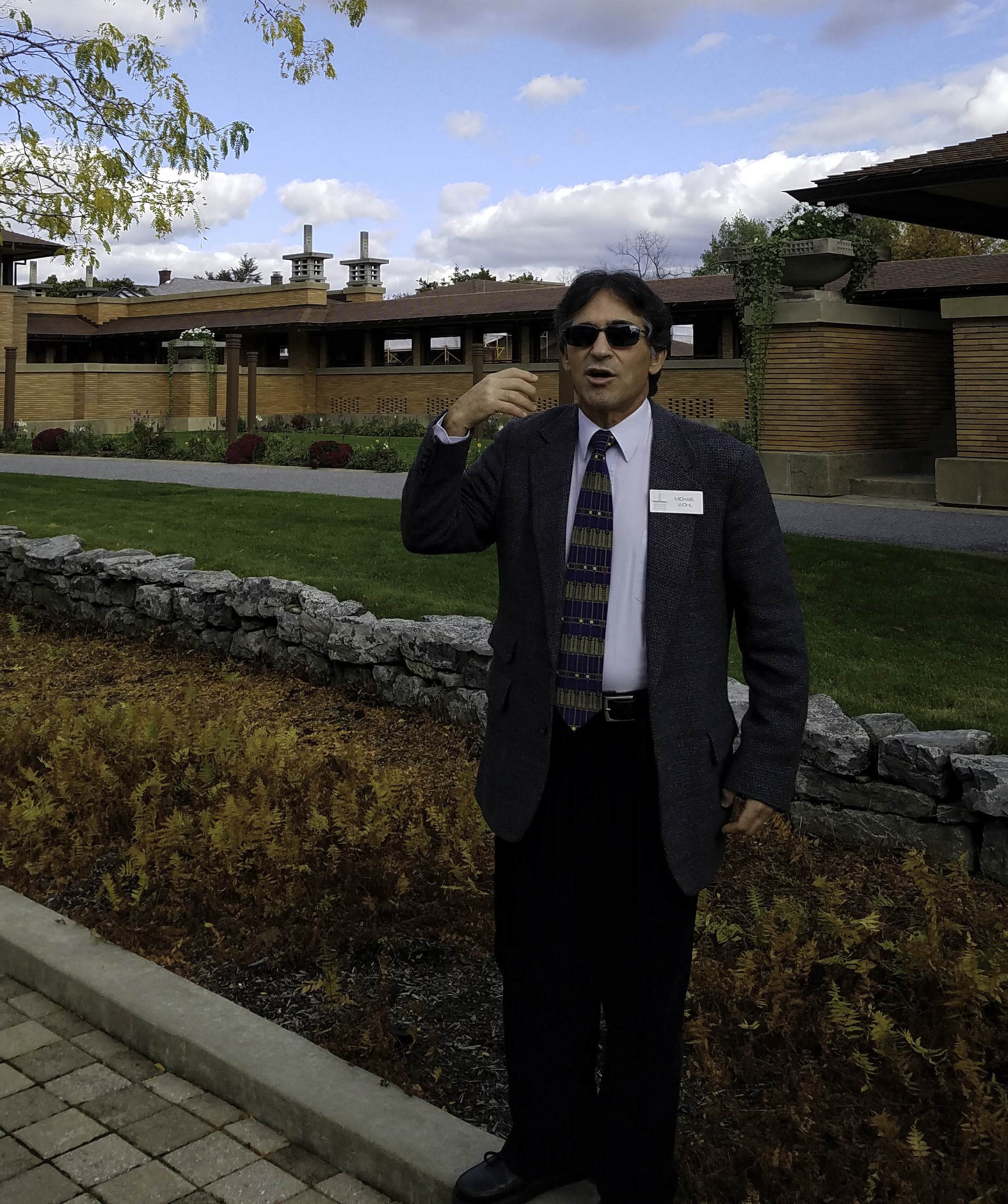
The Darwin D. Martin House in Buffalo

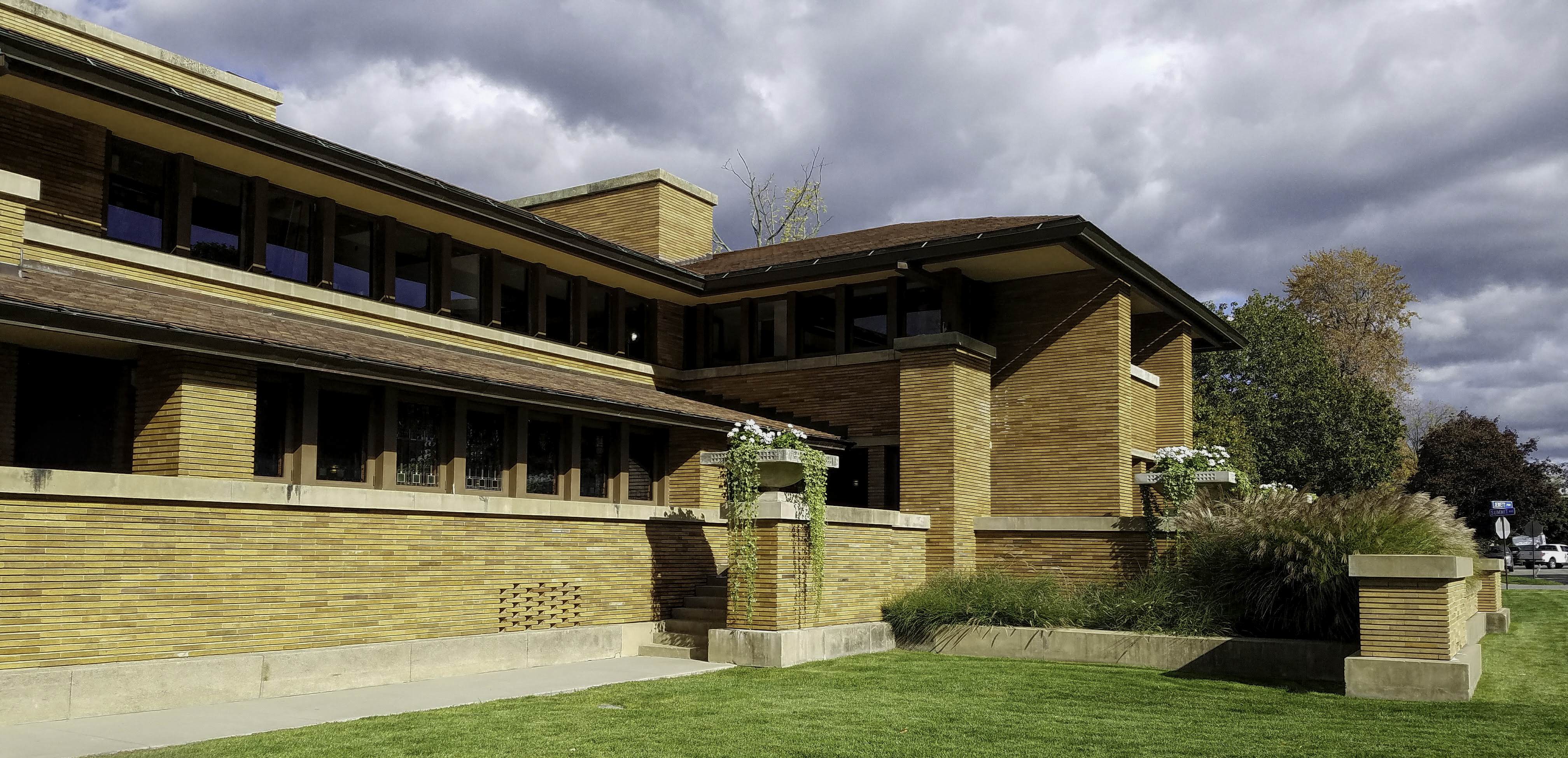
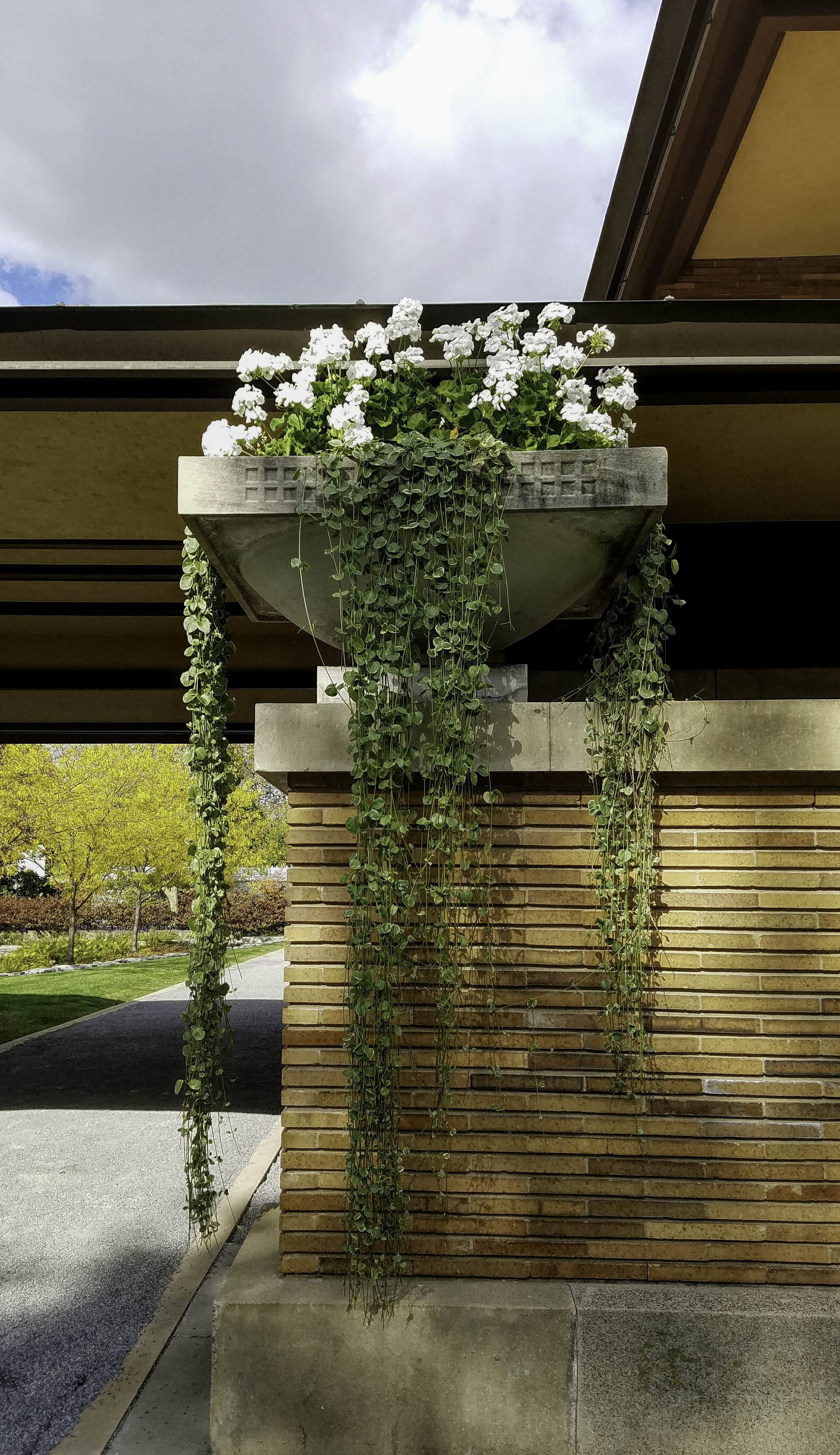
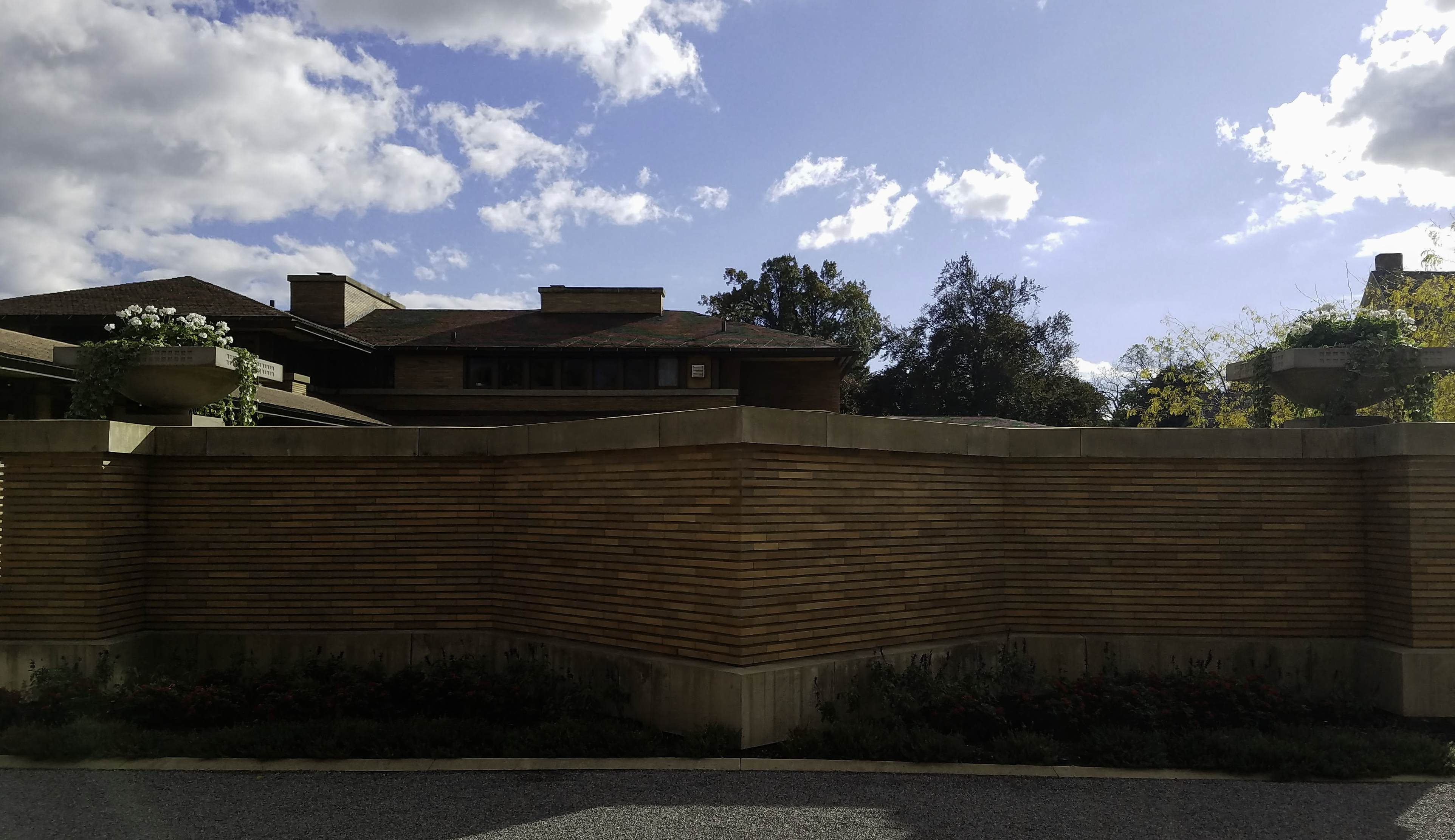
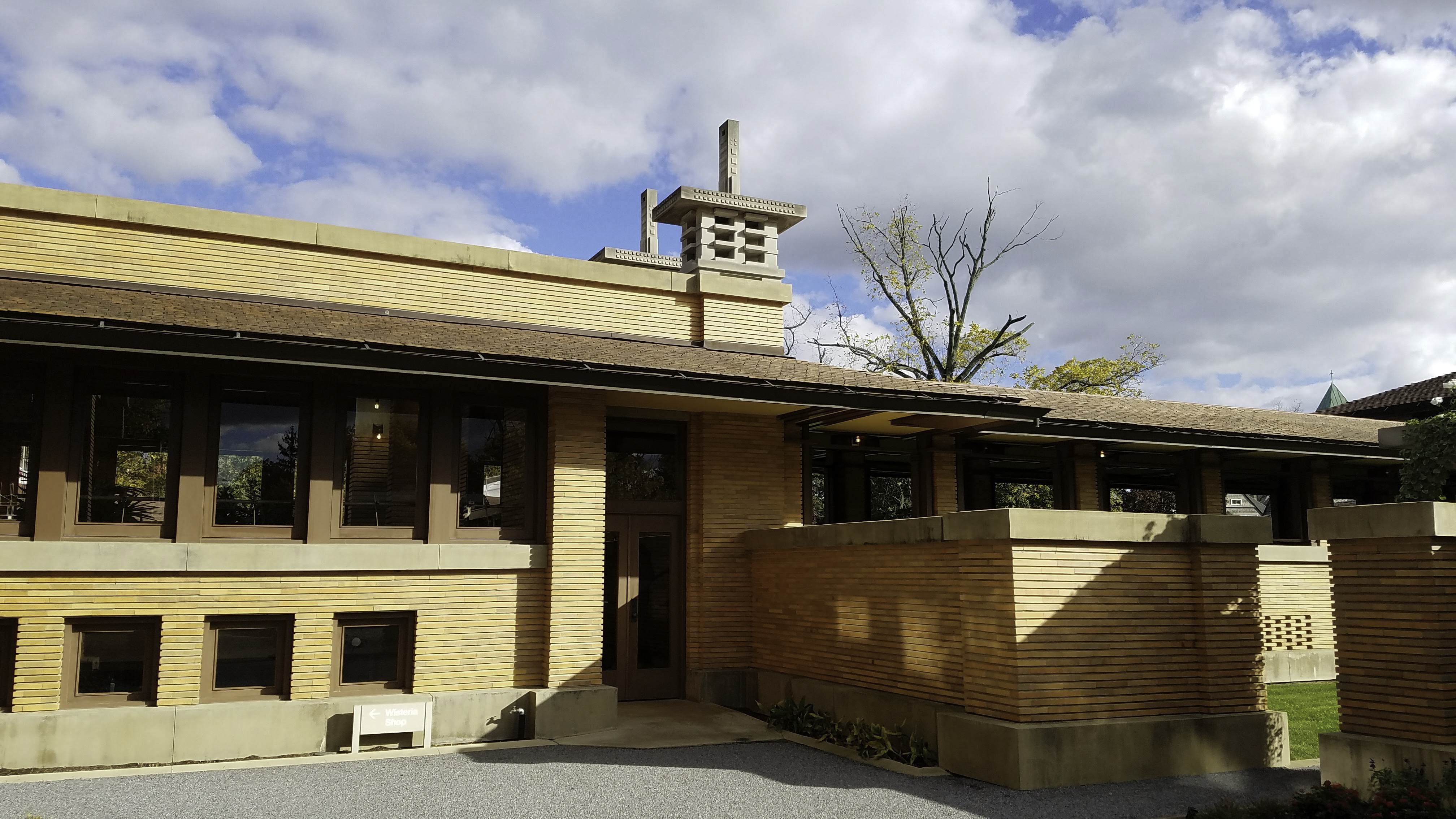
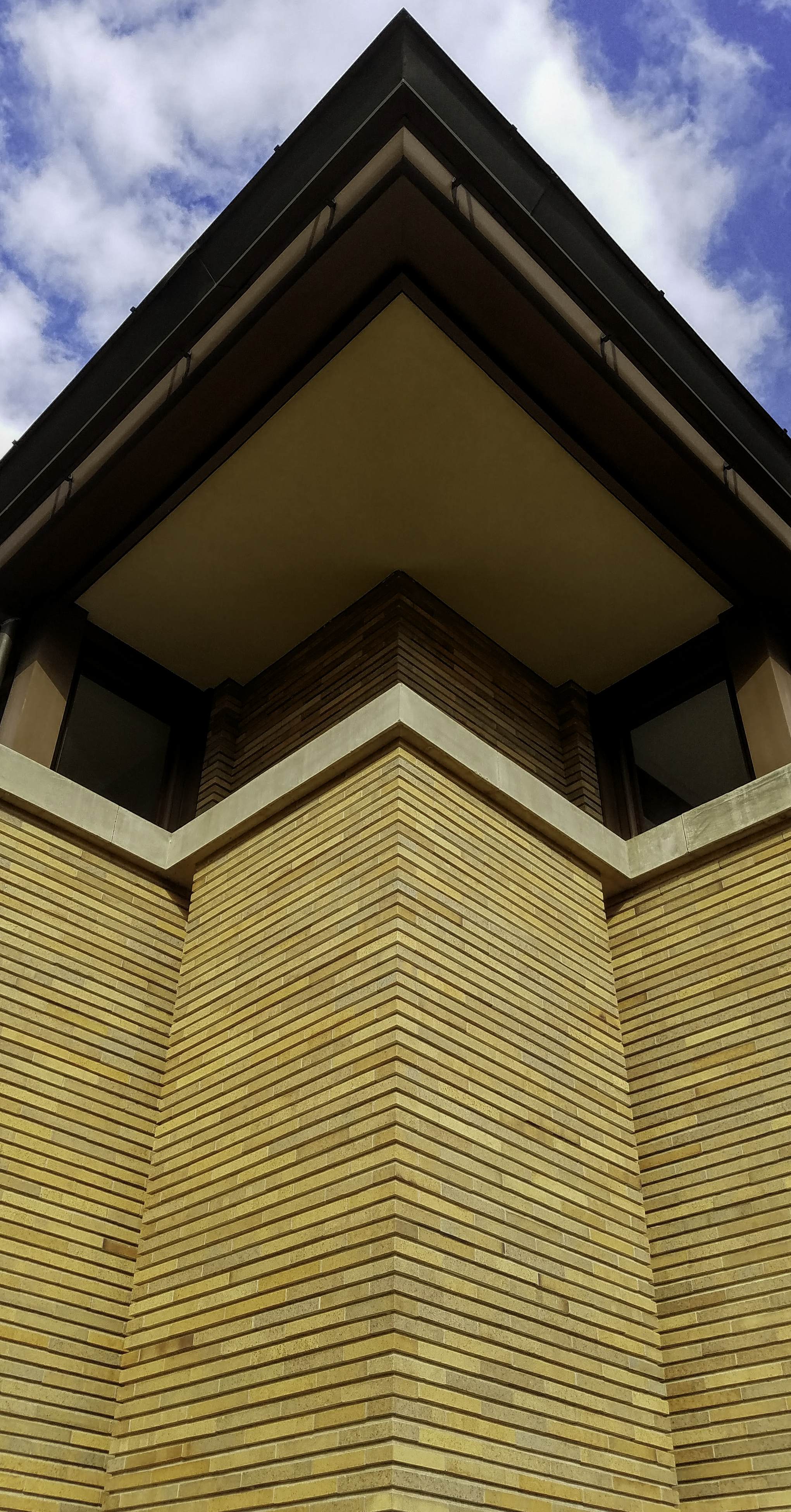
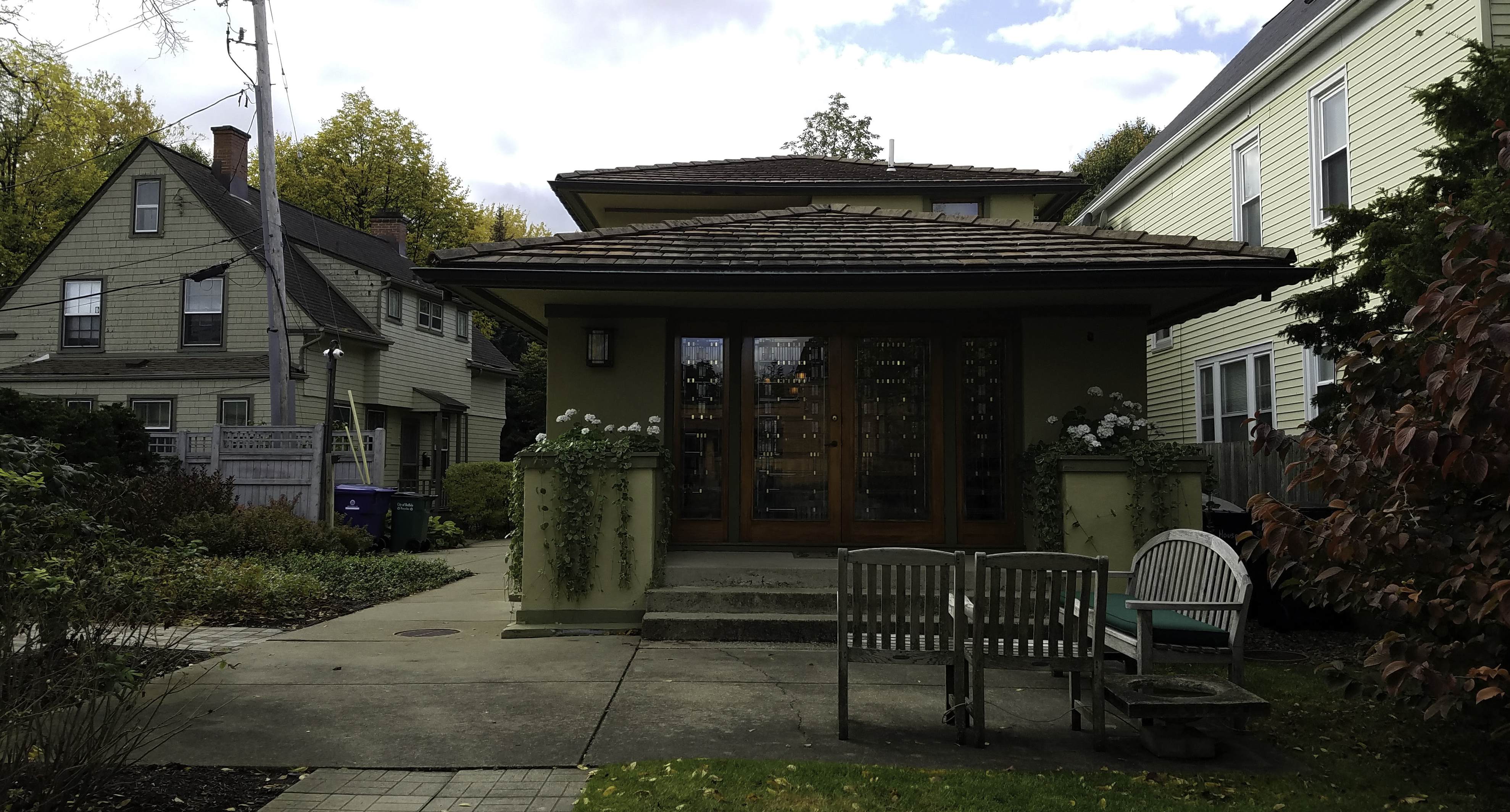
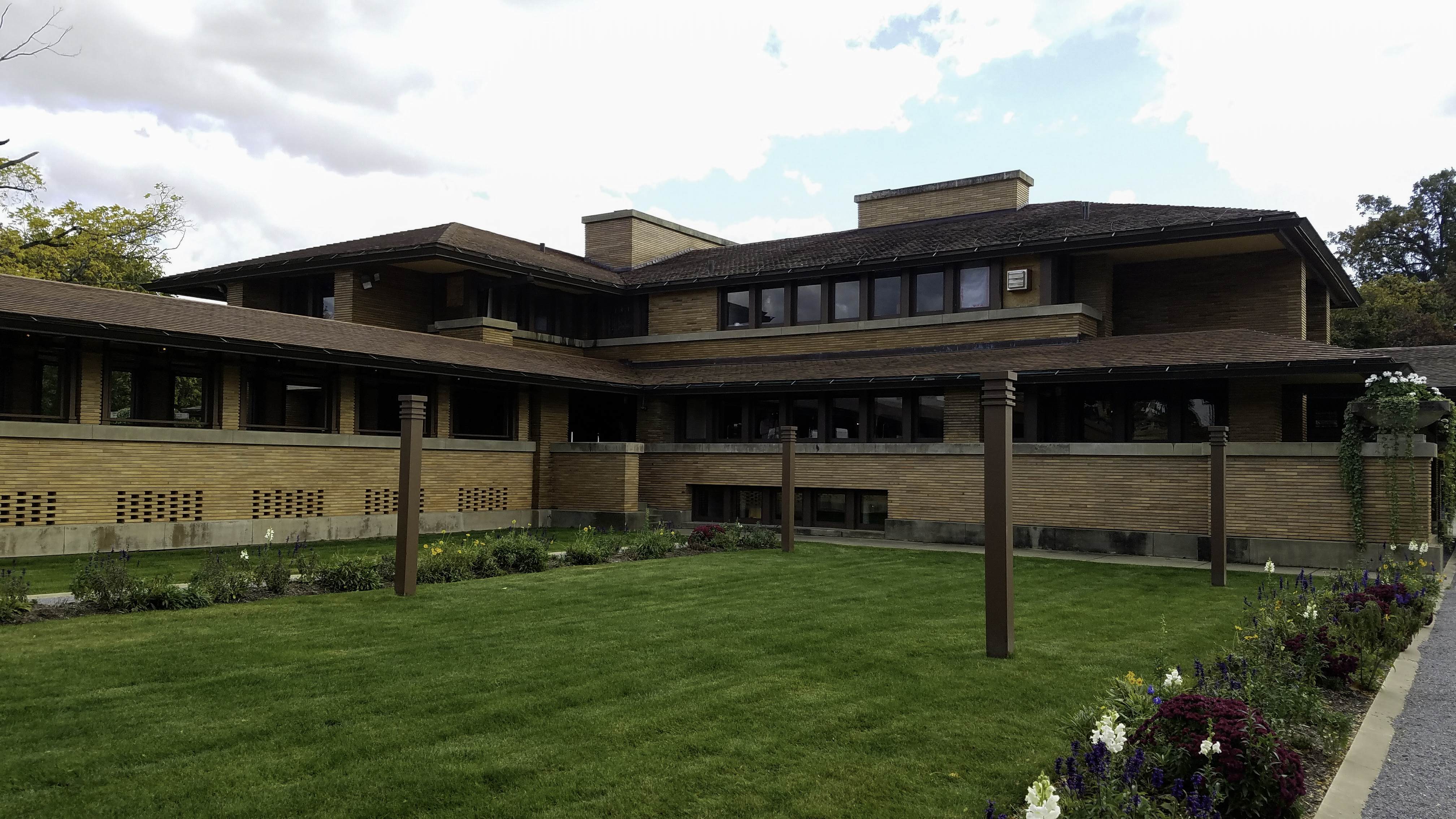
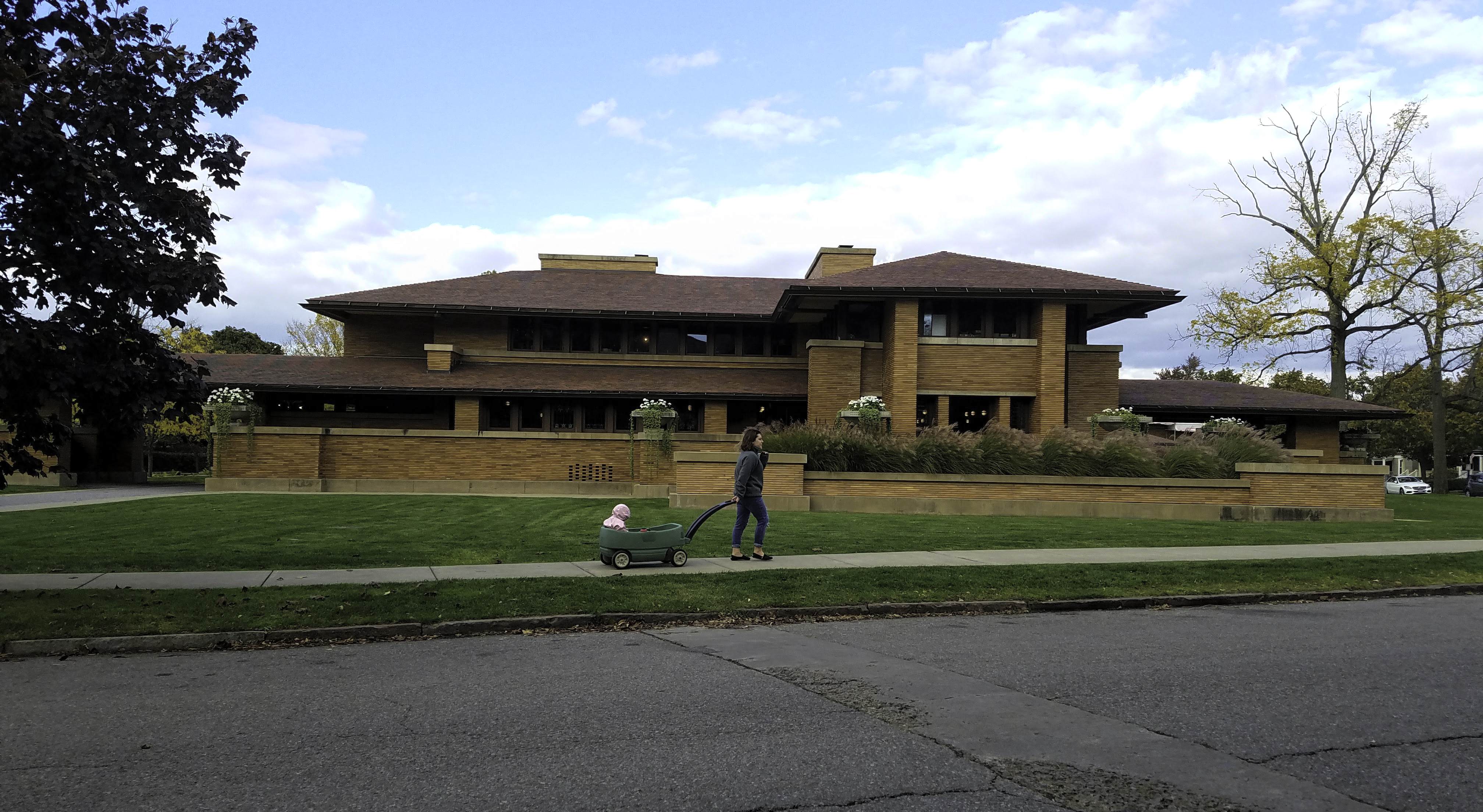
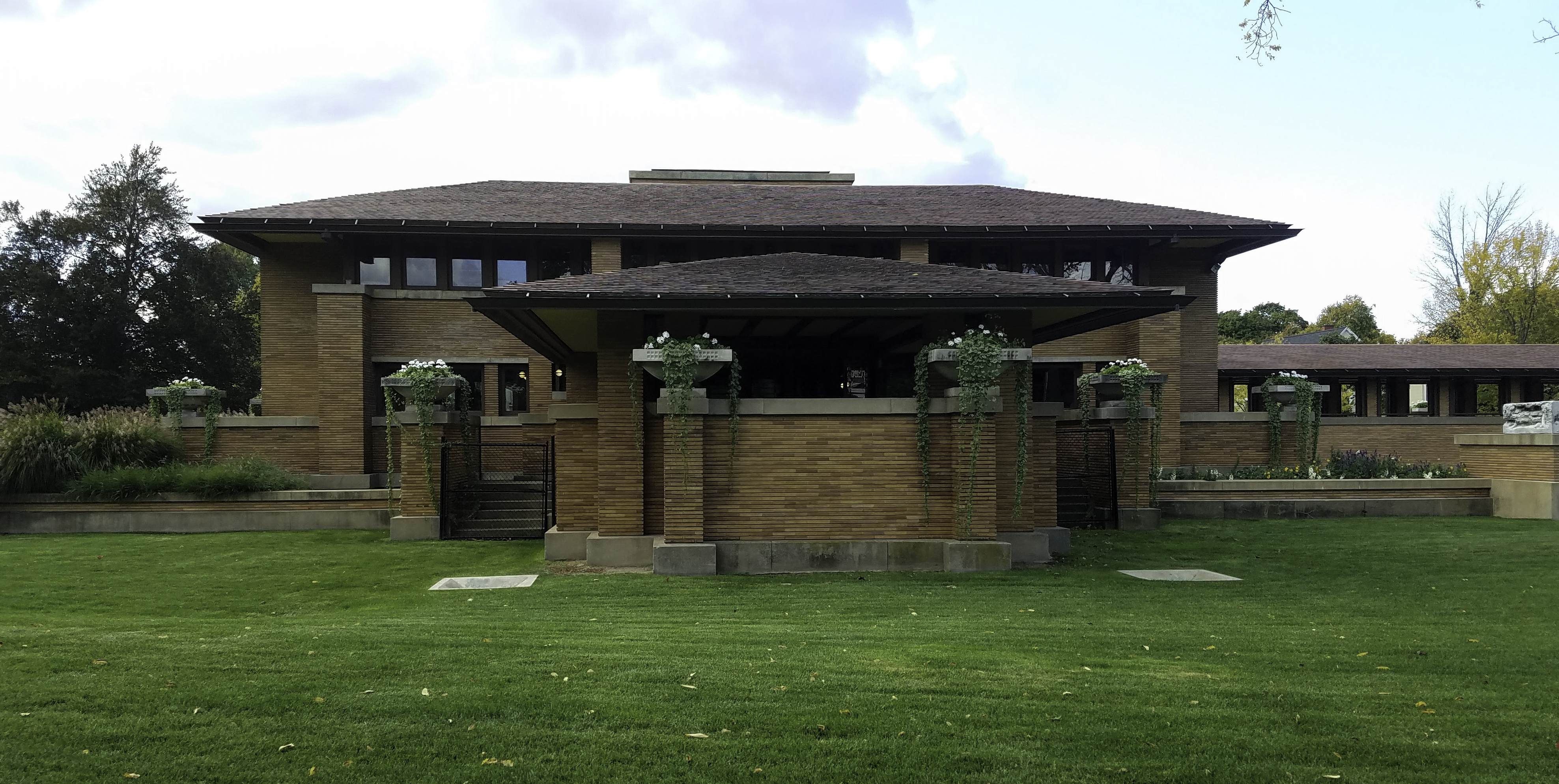
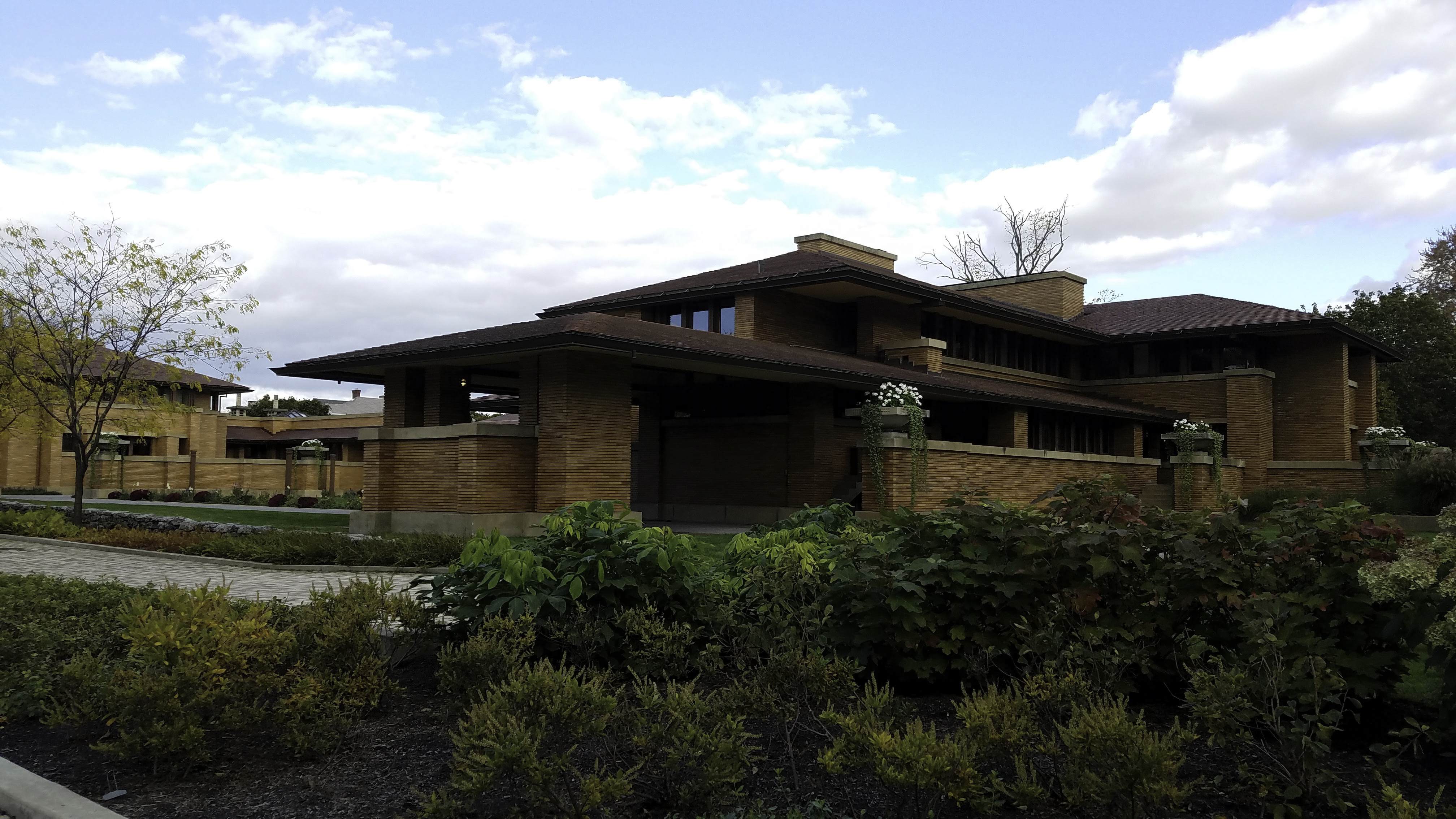
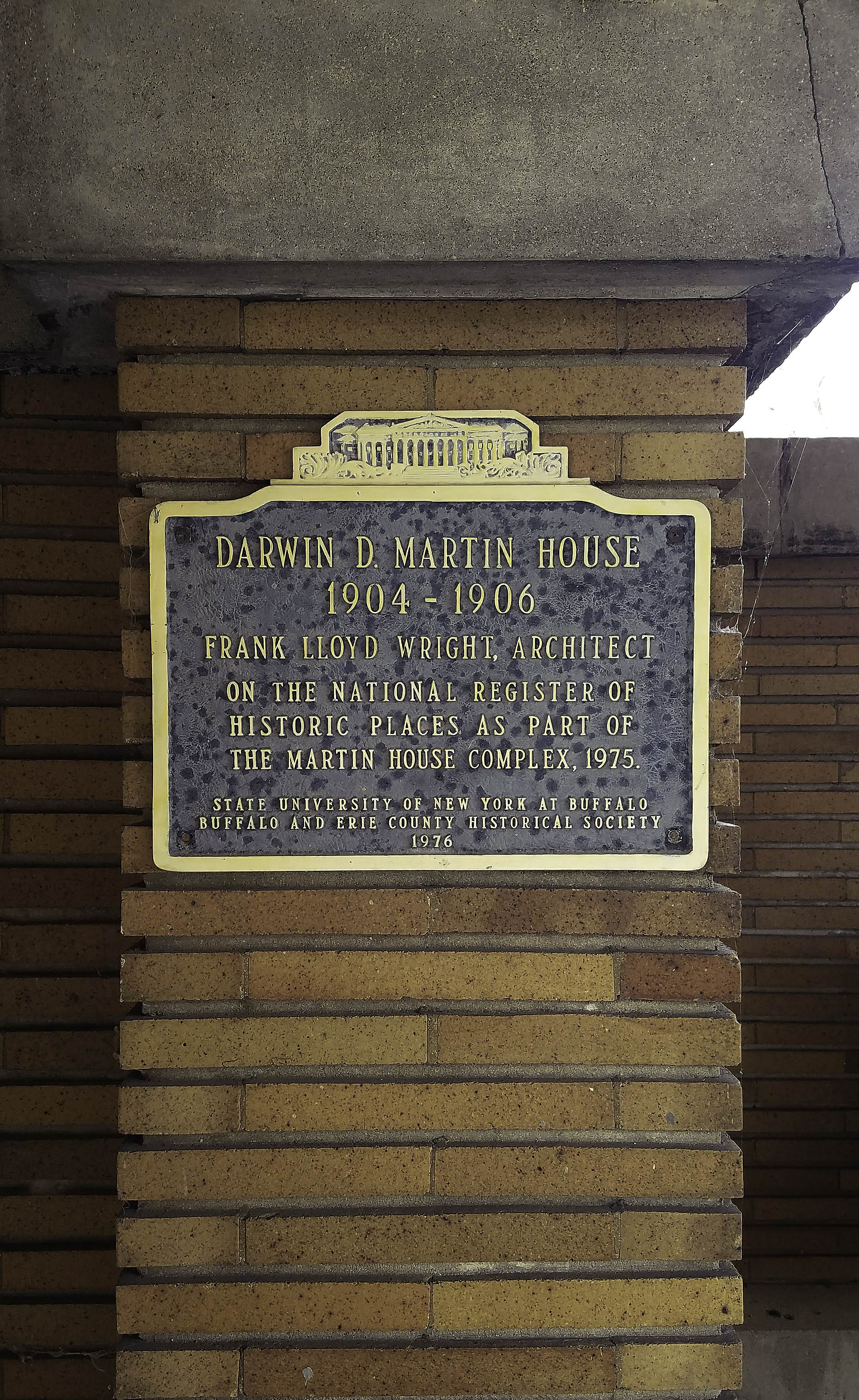
Upstate New York may be home to numerous natural wonders but some of the man-made ones are also a sight to behold. Like, for instance, The Martin House, designed by Frank Lloyd Wright for wealthy Buffalo businessman Darwin D. Martin and his family between 1903-1905. It was our first real-life encounter with a Frank Lloyd Wright building, besides the Guggenheim in Manhattan.

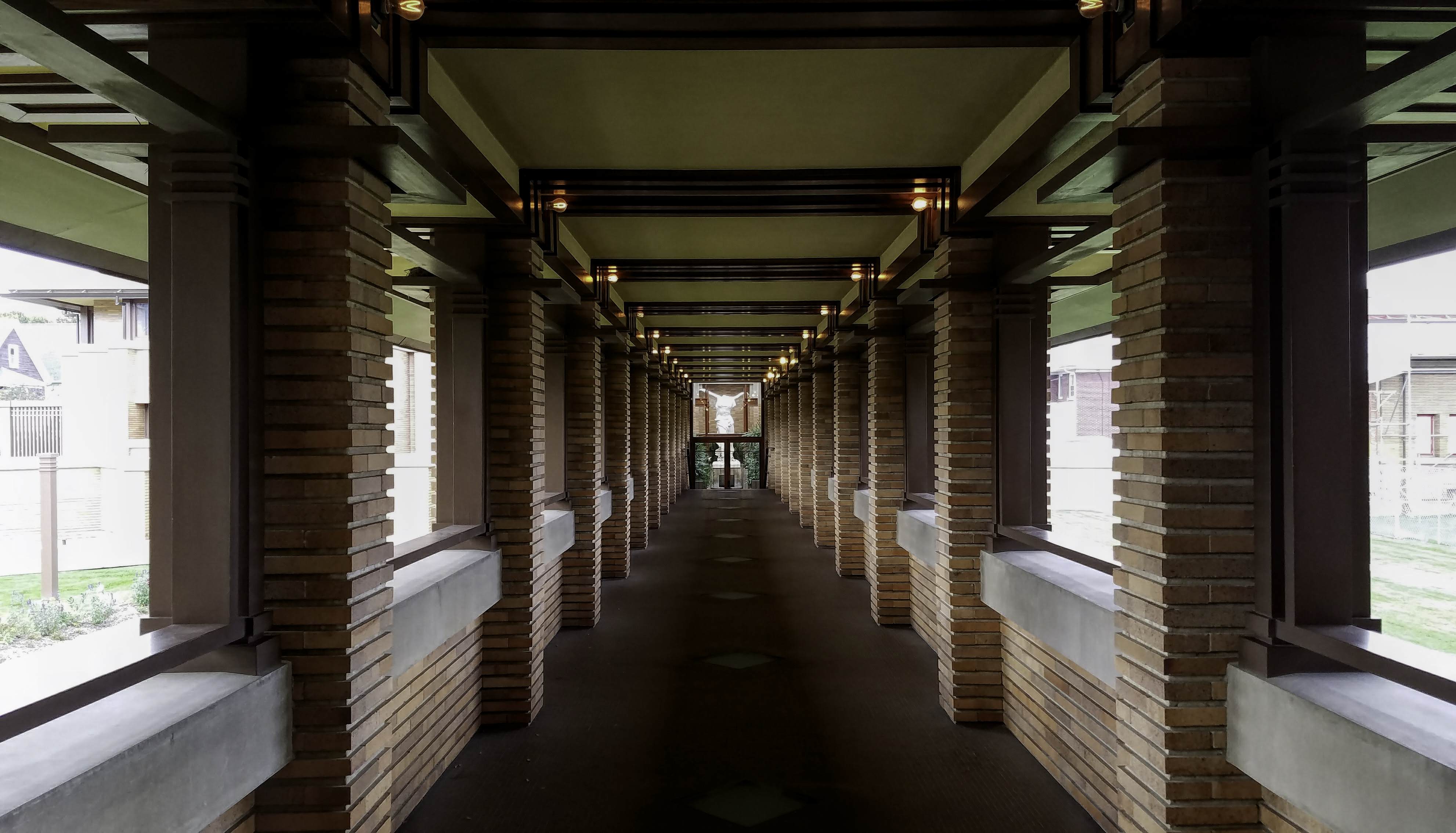
The house is actually a complex, consisting of six interconnected buildings which include the main Martin House, a pergola that connects it to a conservatory and carriage house with chauffeur’s quarters and stables, the Barton House, a smaller residence for Martin’s sister and brother-in-law, and a gardener’s cottage added in 1909.

But Frank Lloyd Wright didn’t stop at the building. He went on to design – or, at least have the last word of approval for – everything in the Martin House; that includes the landscape, interior furnishings, light fixtures, art glass, and selections of artwork and artifacts for interior decoration.

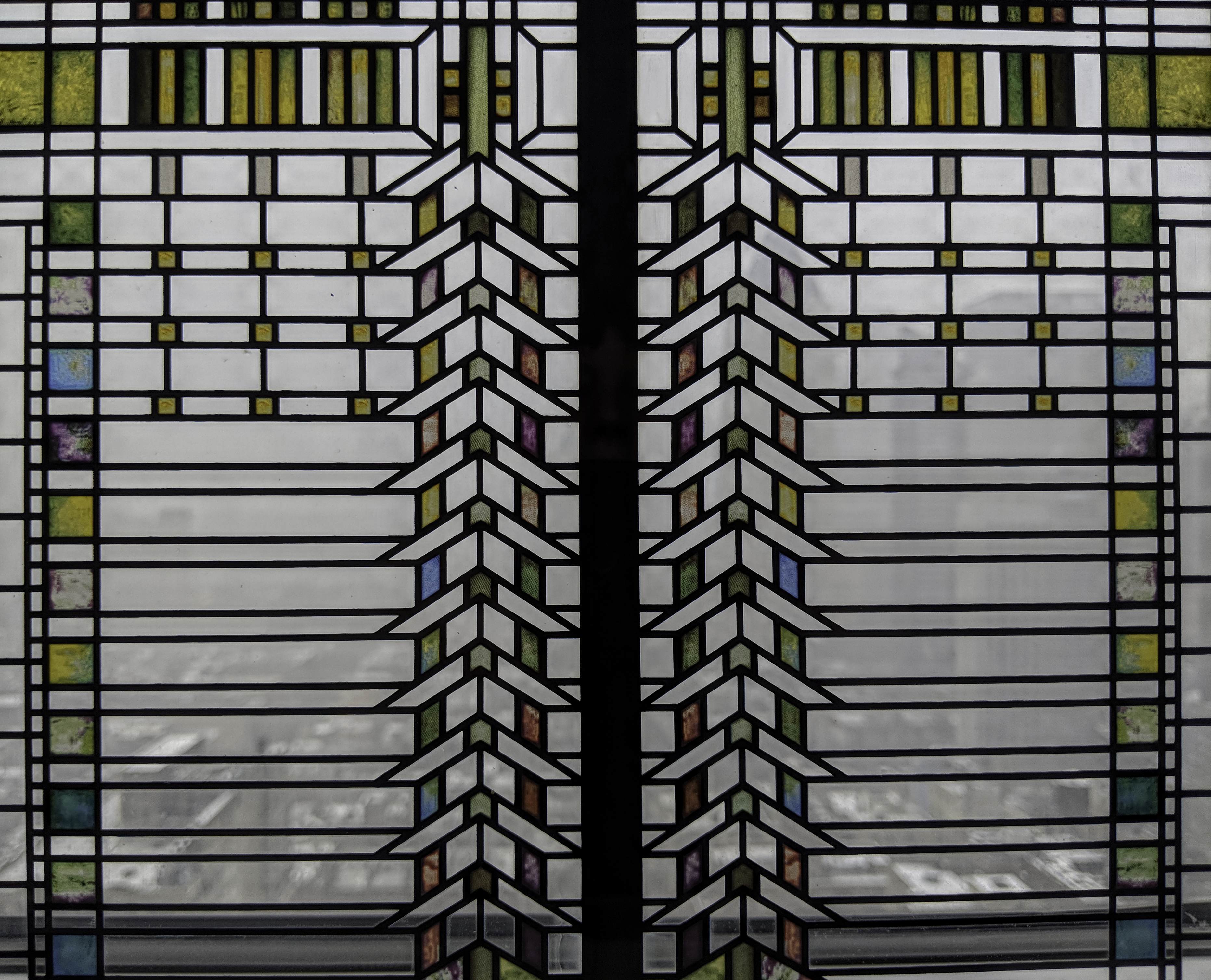
Apropos of the art glass, there are 394 examples – some original pieces – of Frank Lloyd Wright-designed art glass in the complex, including the famed “Tree of Life” window.

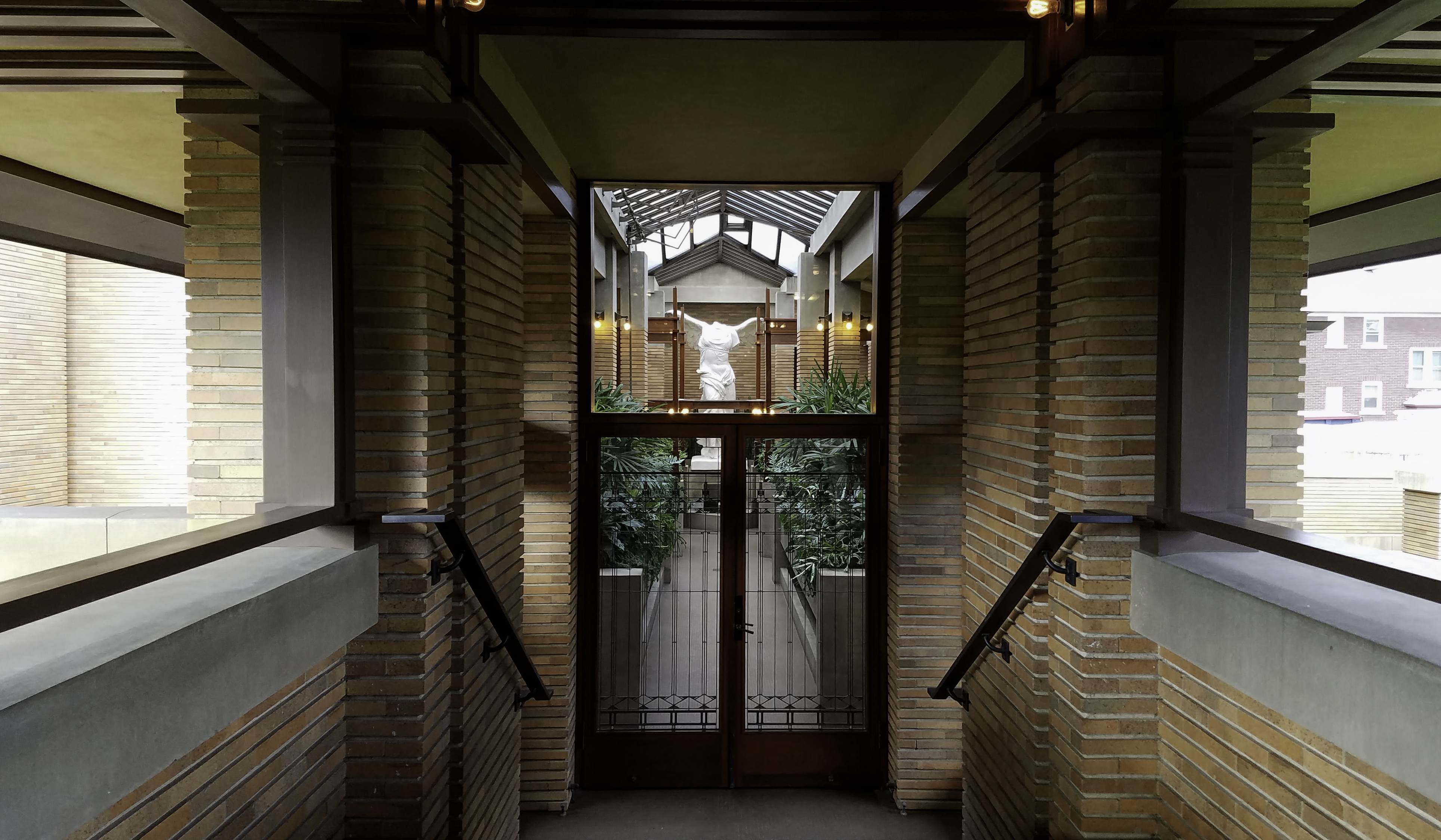
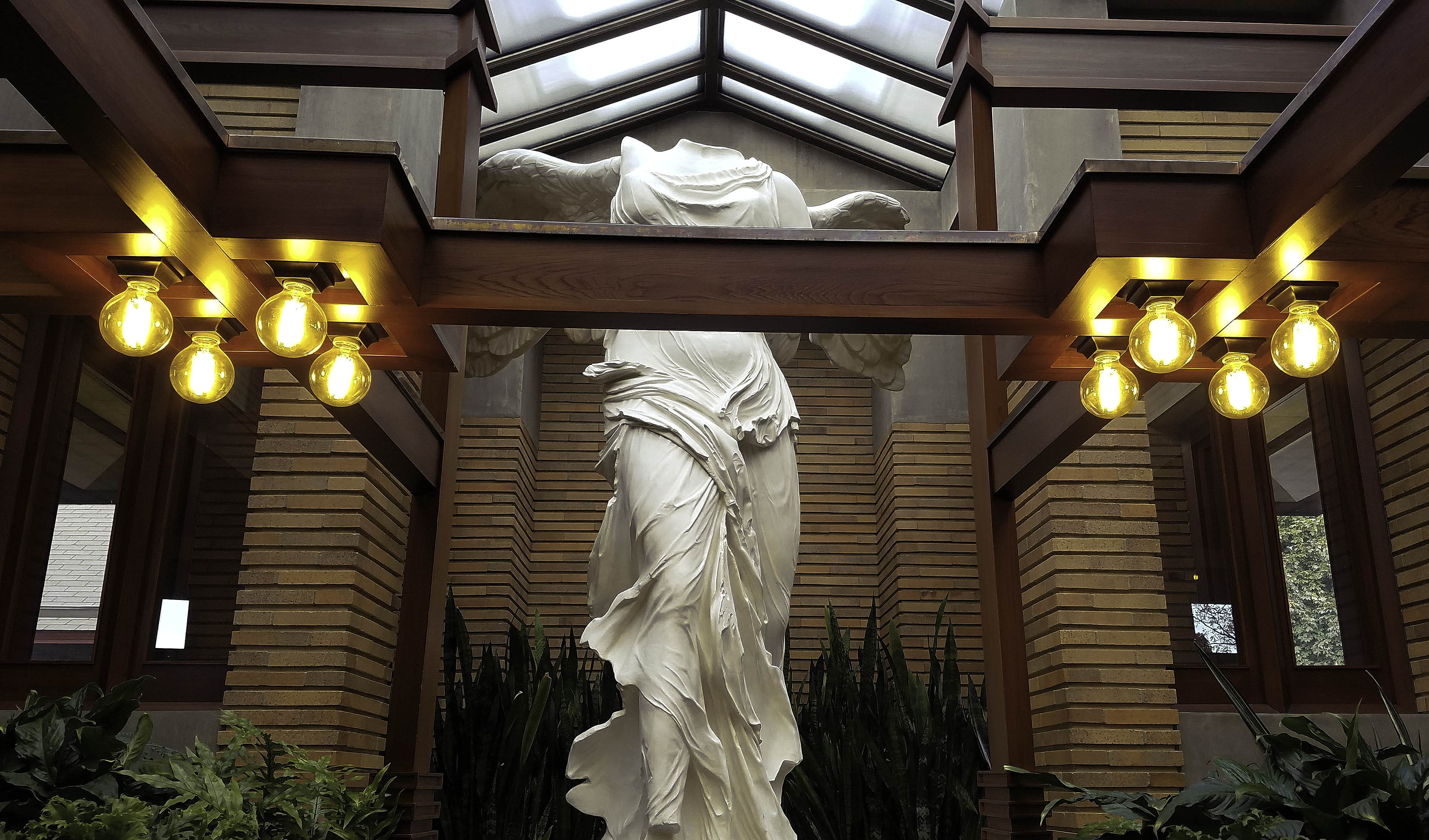
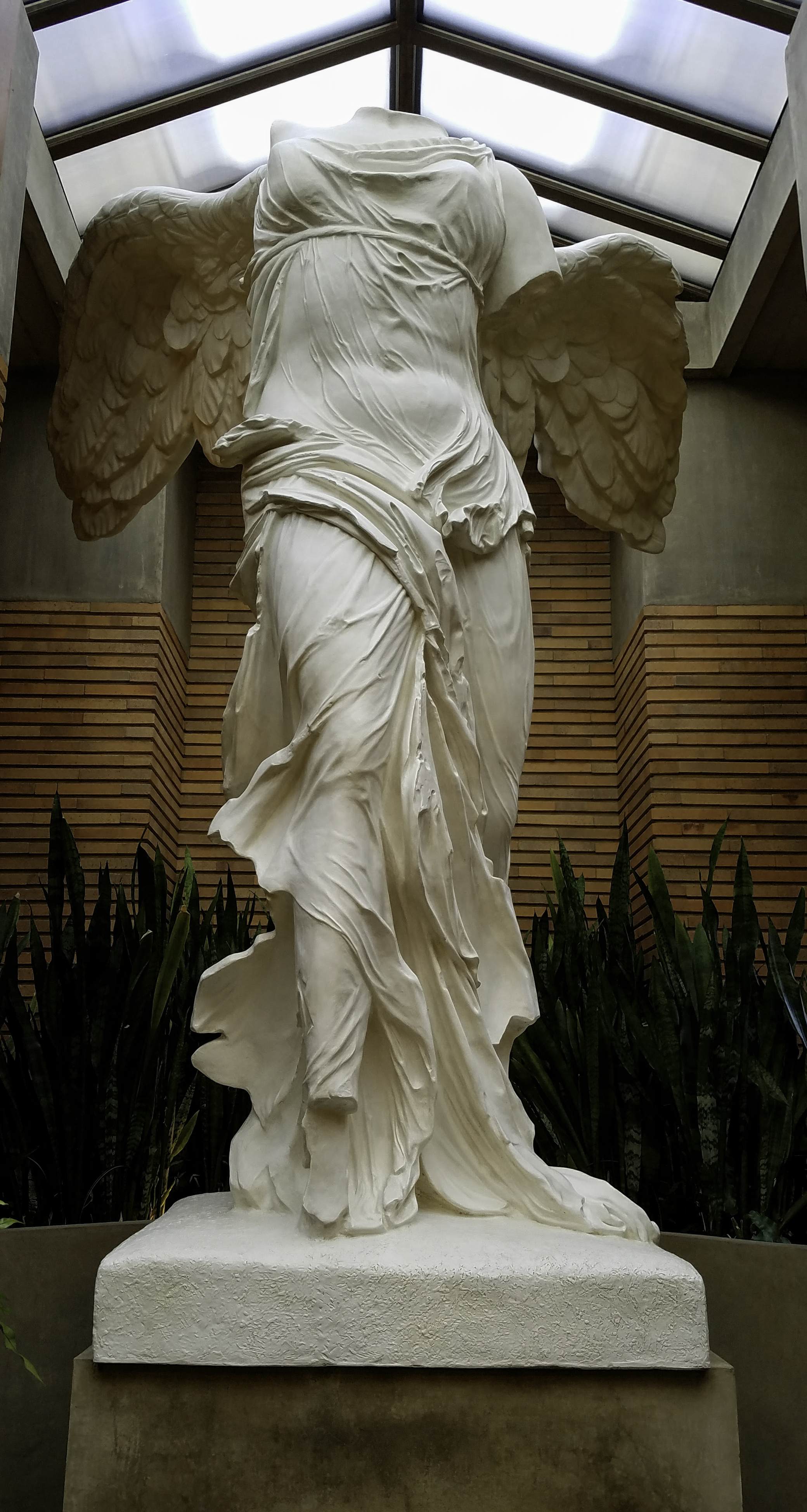
But, perhaps, the most surprising fixture, one that I had never expected to encounter in a prairie house in Buffalo N.Y. – even one as prominent as The Martin House – was a cast of the Hellenistic sculpture of Nike or Victory of Samothrace – Νίκη της Σαμοθράκης. A cast so large, it is visible from the front door, some 180 feet away.

According to our guide, Nike was one of Wright’s favourite sculptures and copies can be found in many of his buildings. But only in the Martin House did he place one of such magnificent scale.

The Martin House is open to the public but can only be visited on a tour. There are different tours available, including a ”Photography” one (which we didn’t take). Otherwise, photography of the interiors is not permitted, save for the pergola leading to the statue of Nike.

Buffalo, N.Y.

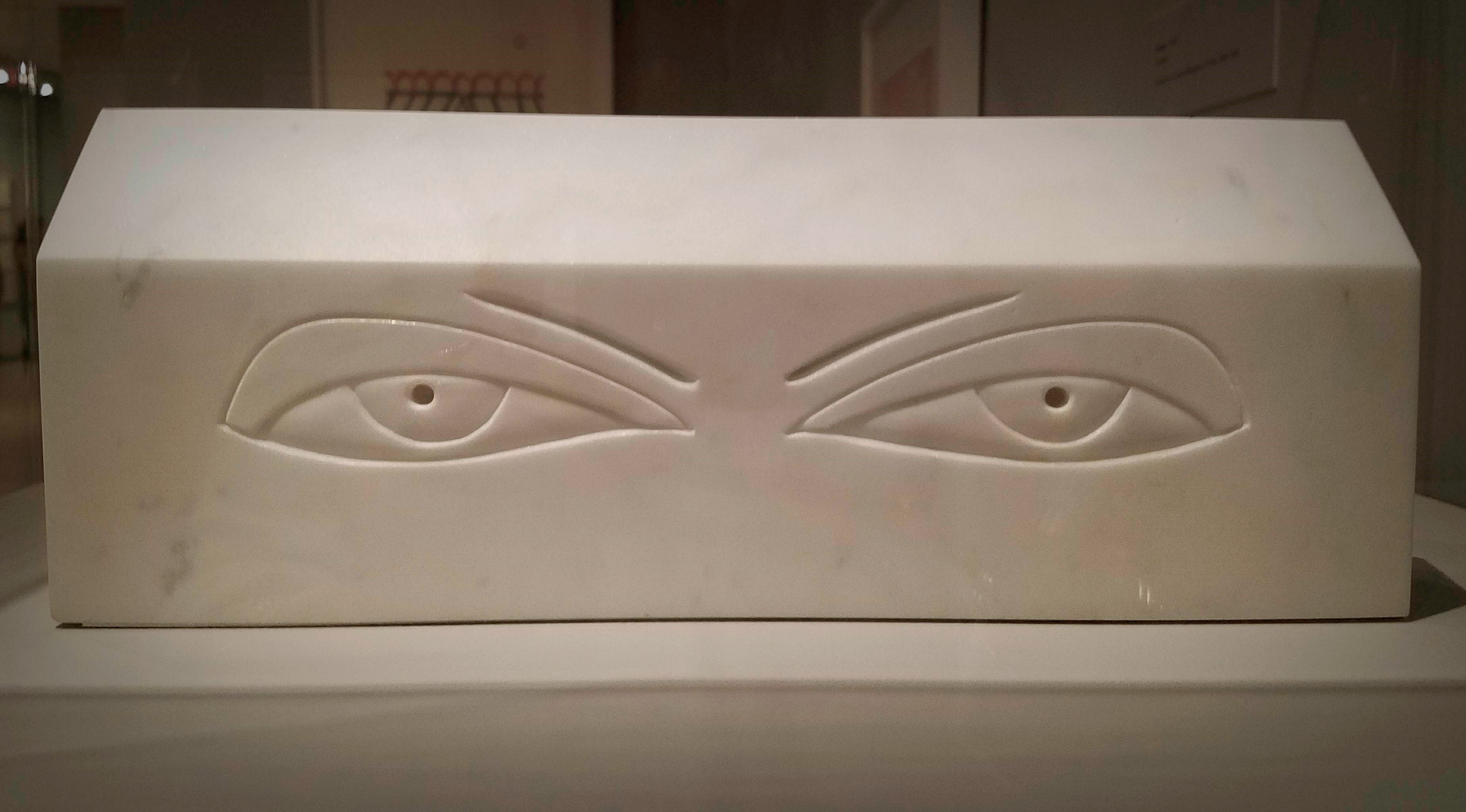
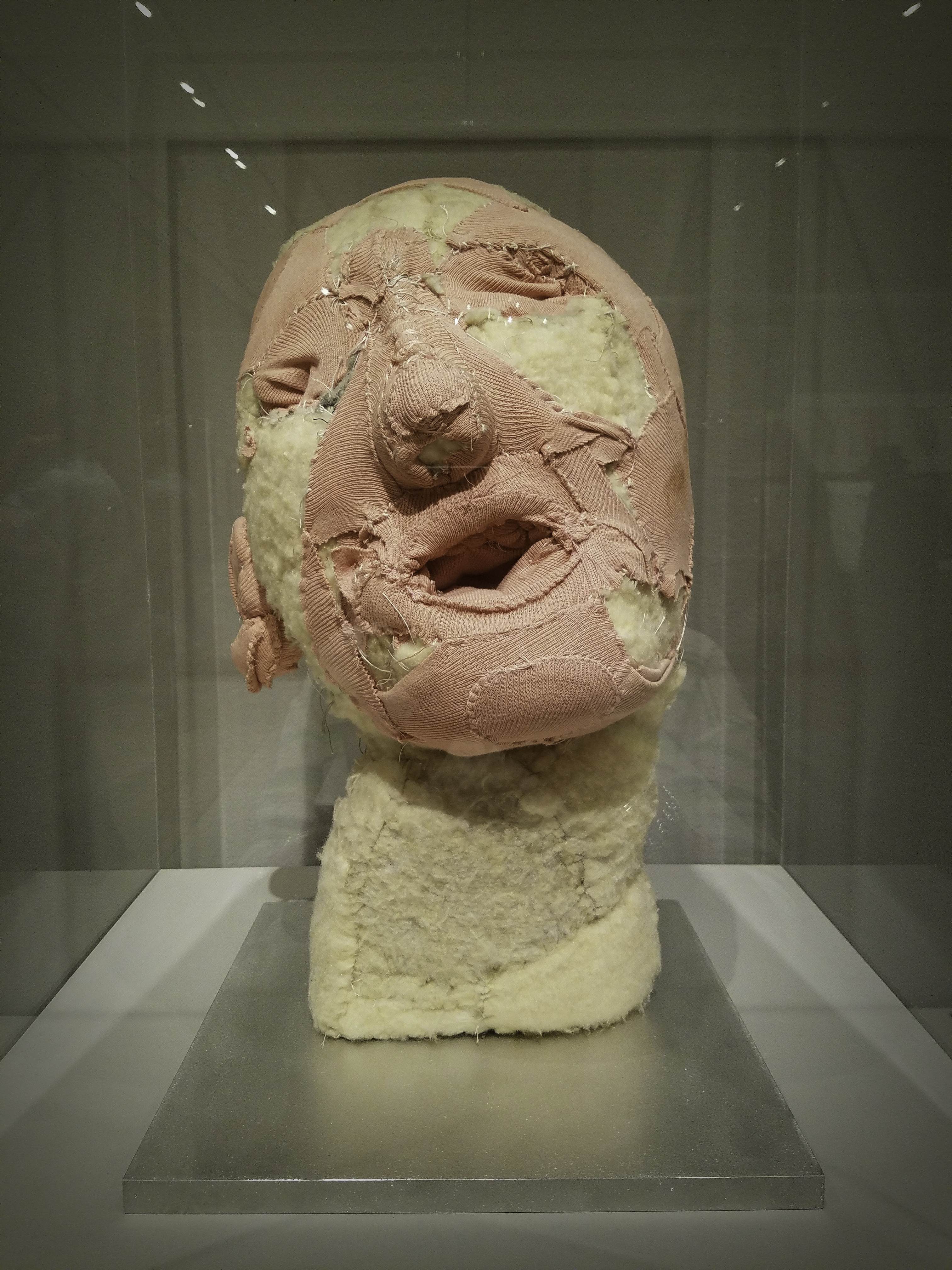
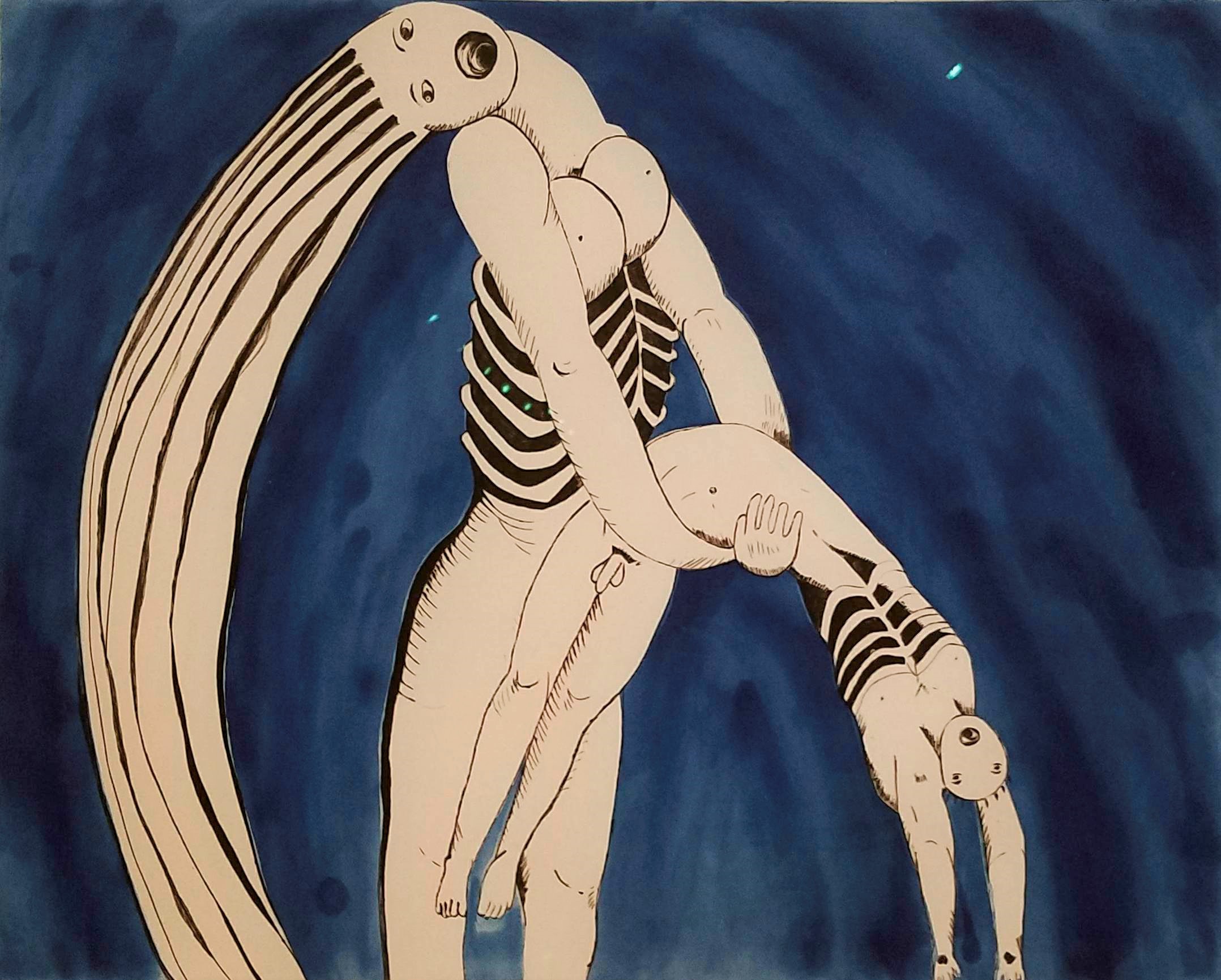
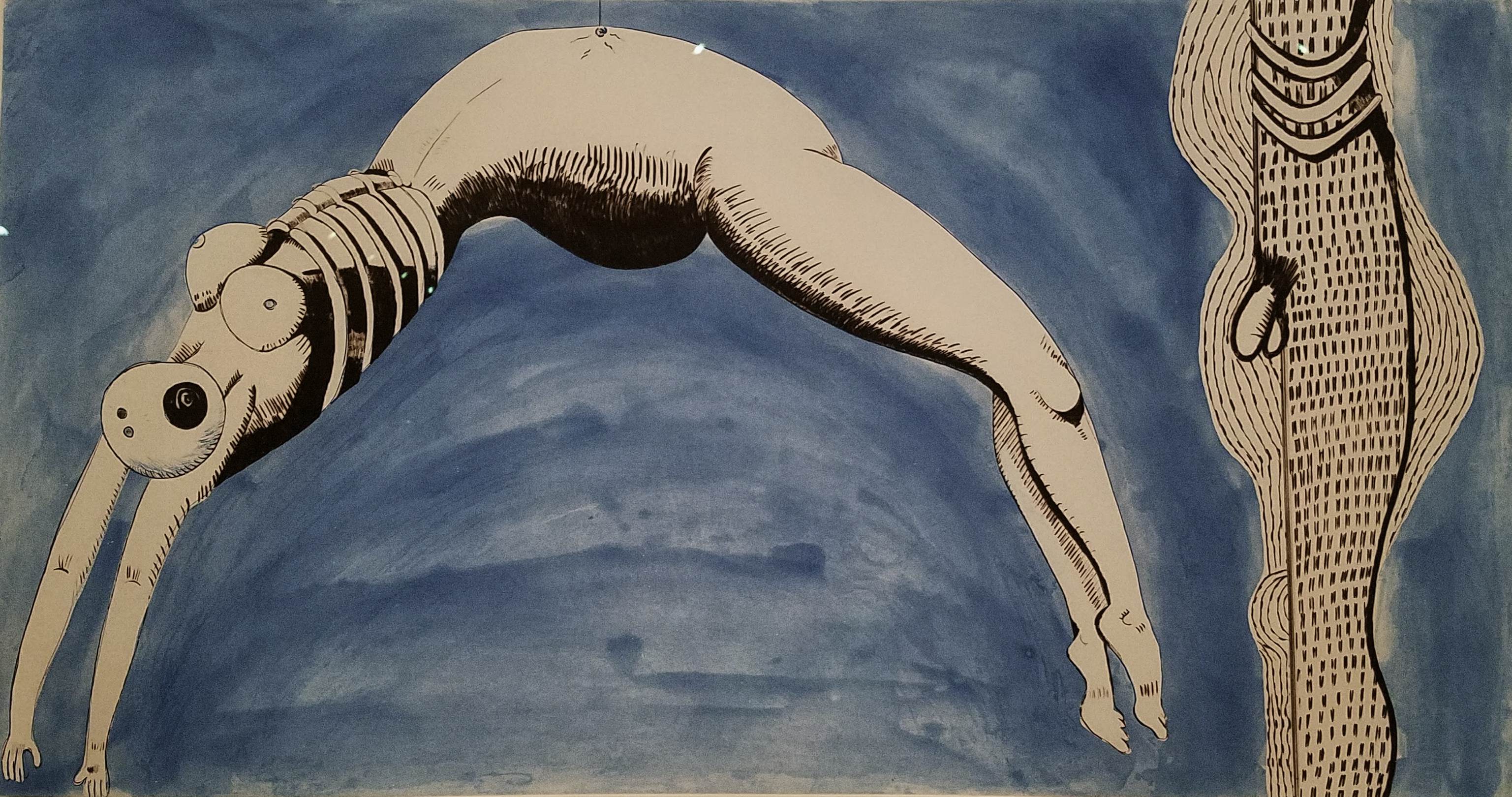
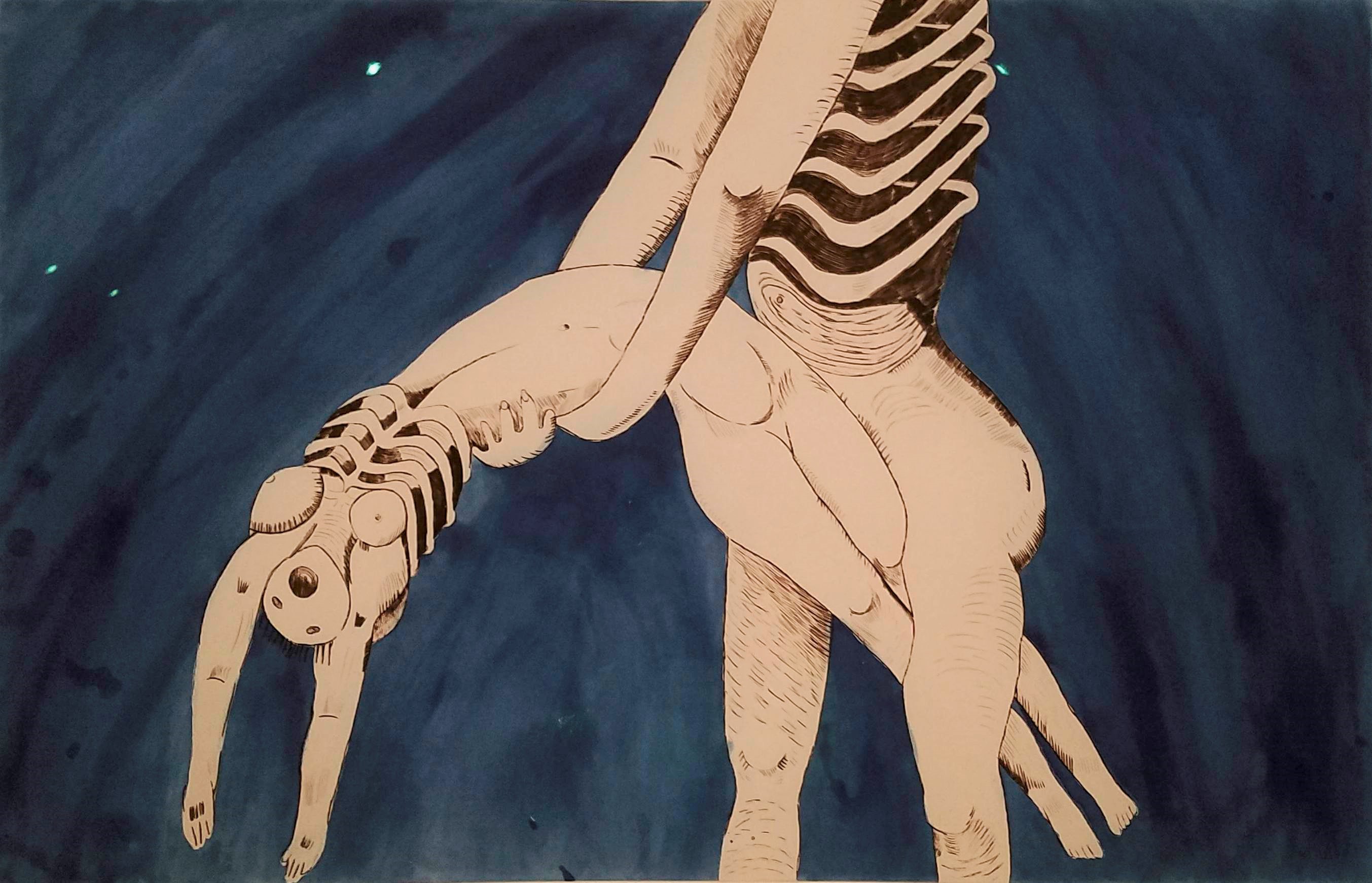
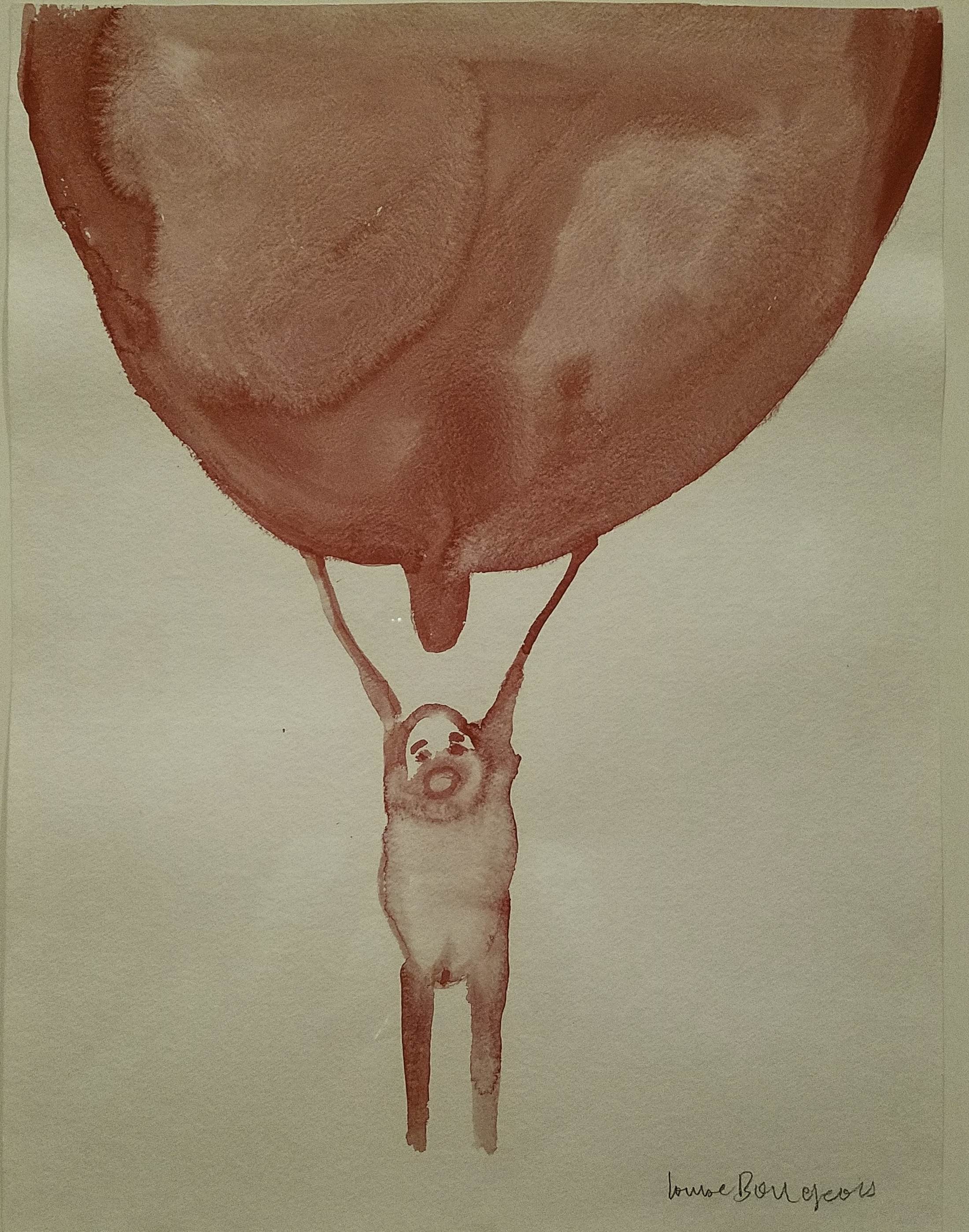
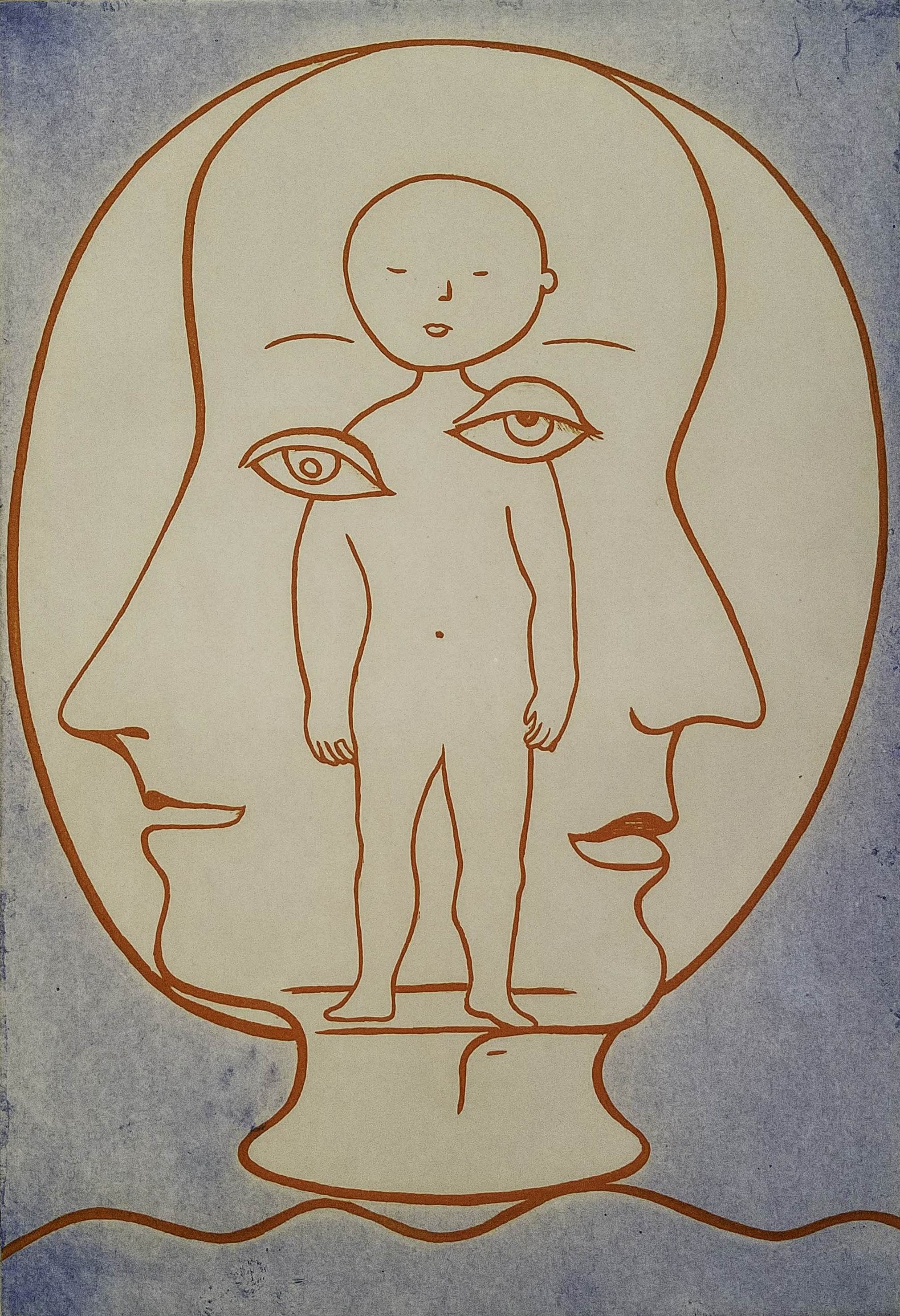
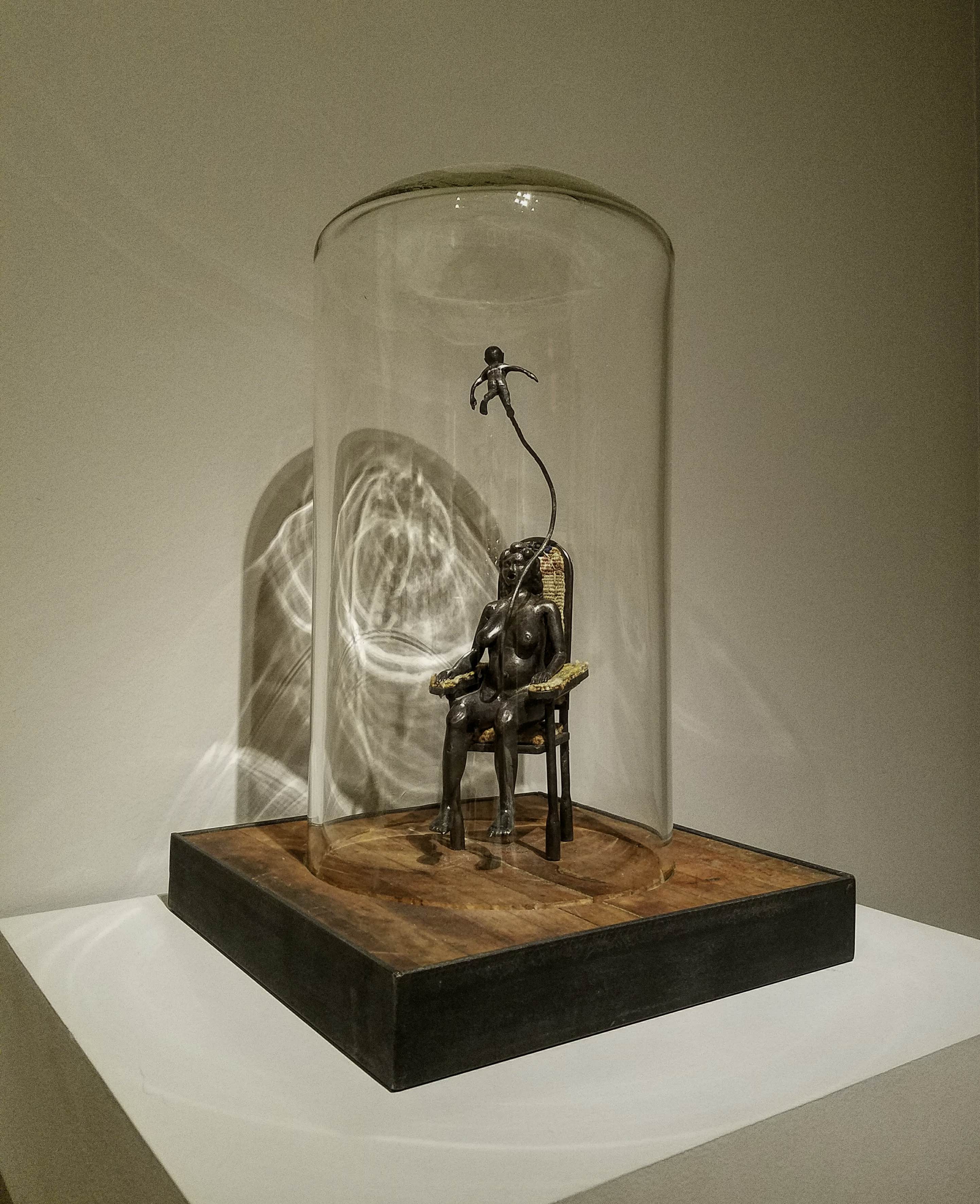
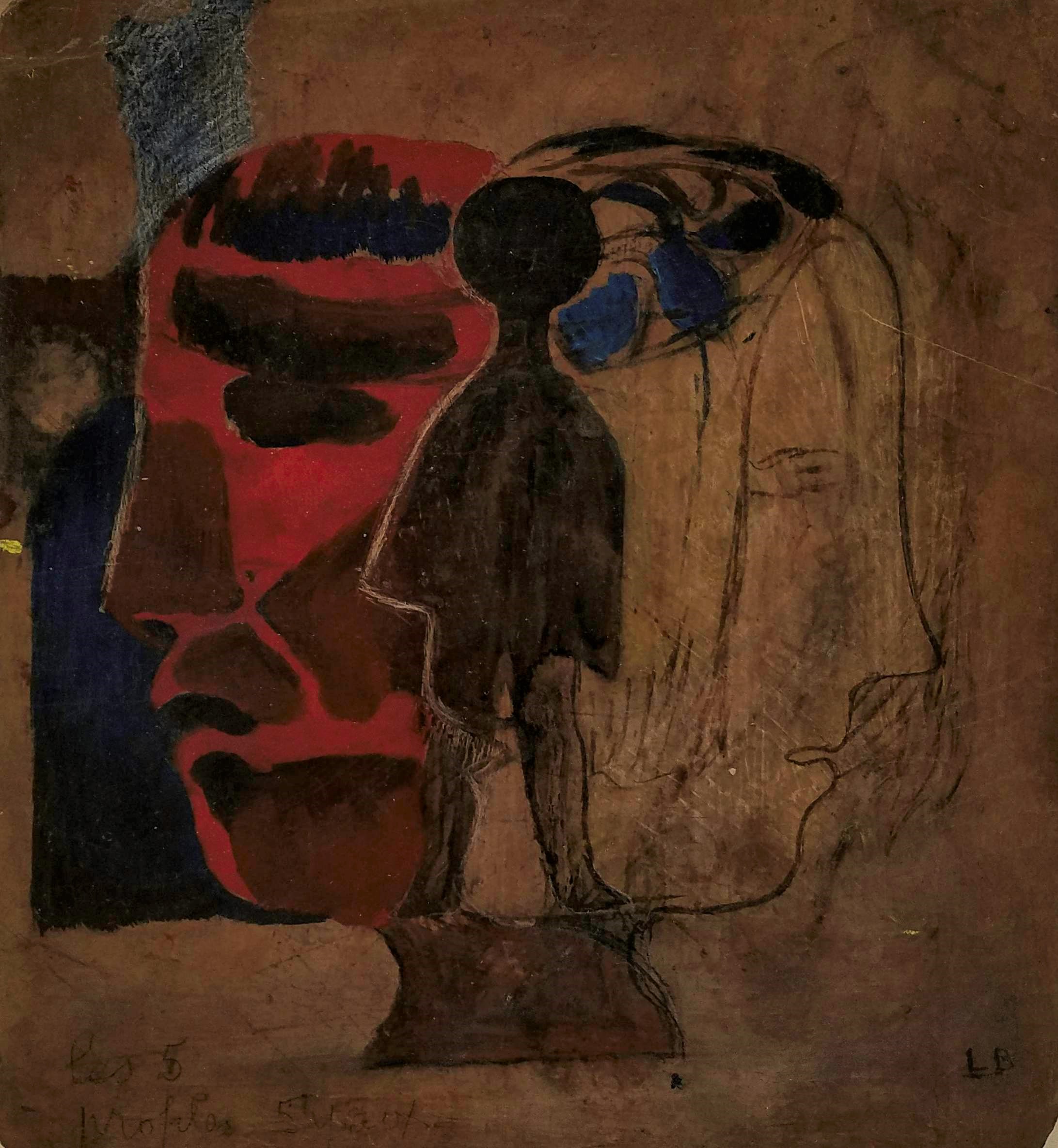
The Idiosyncratic Eyes of Mme Bourgeois

Staring into your soul.

House 1994
Marble


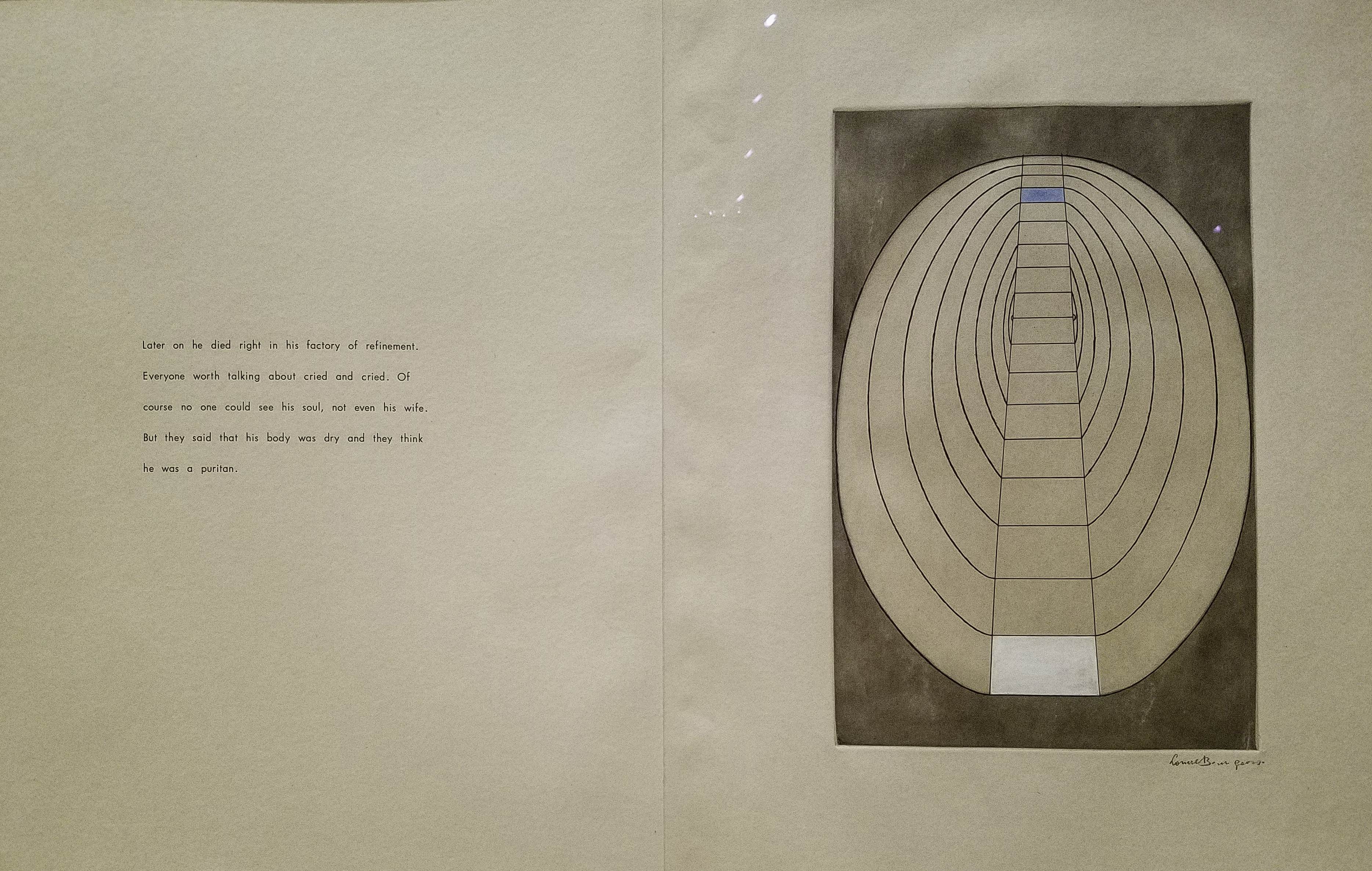
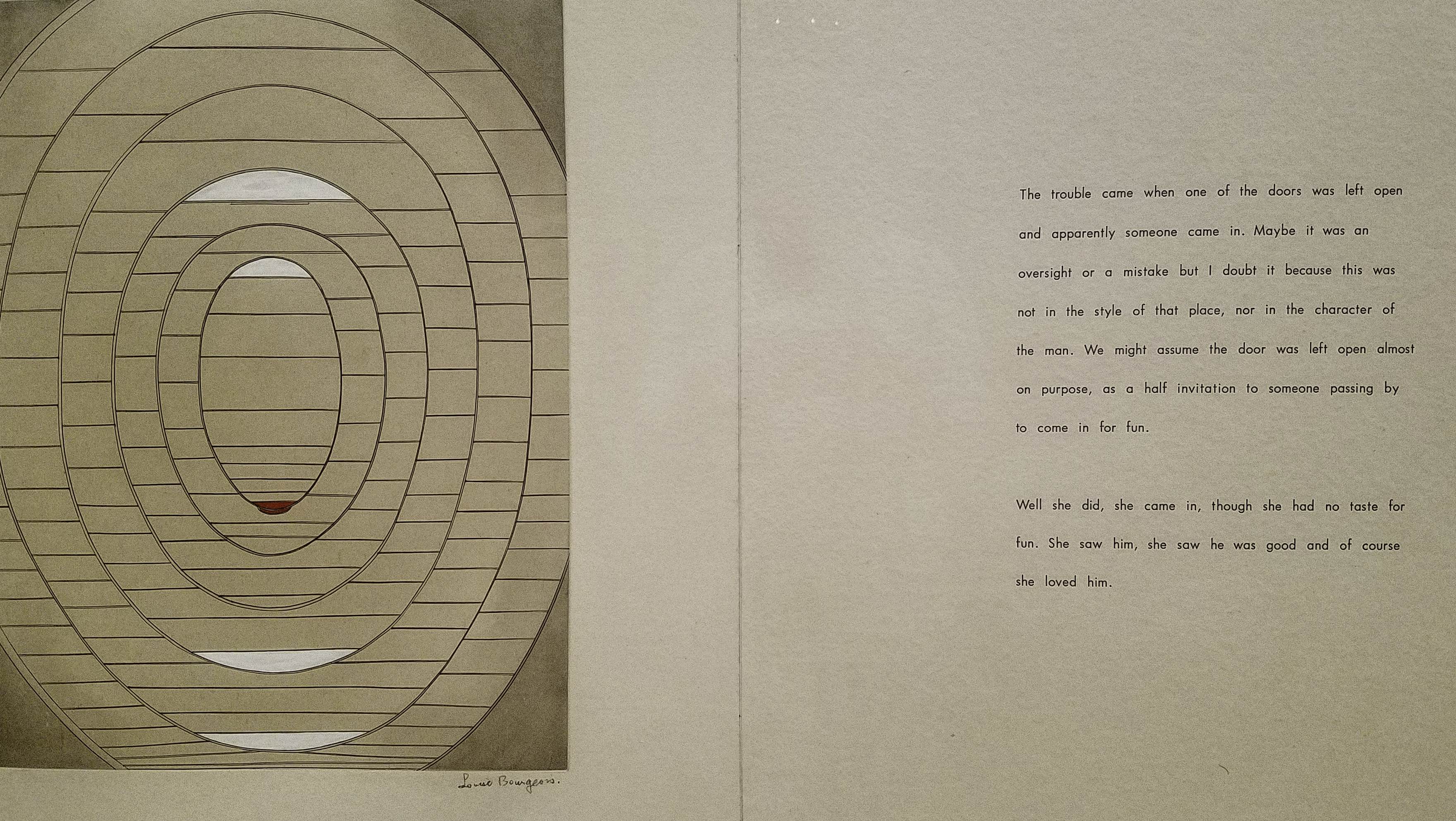
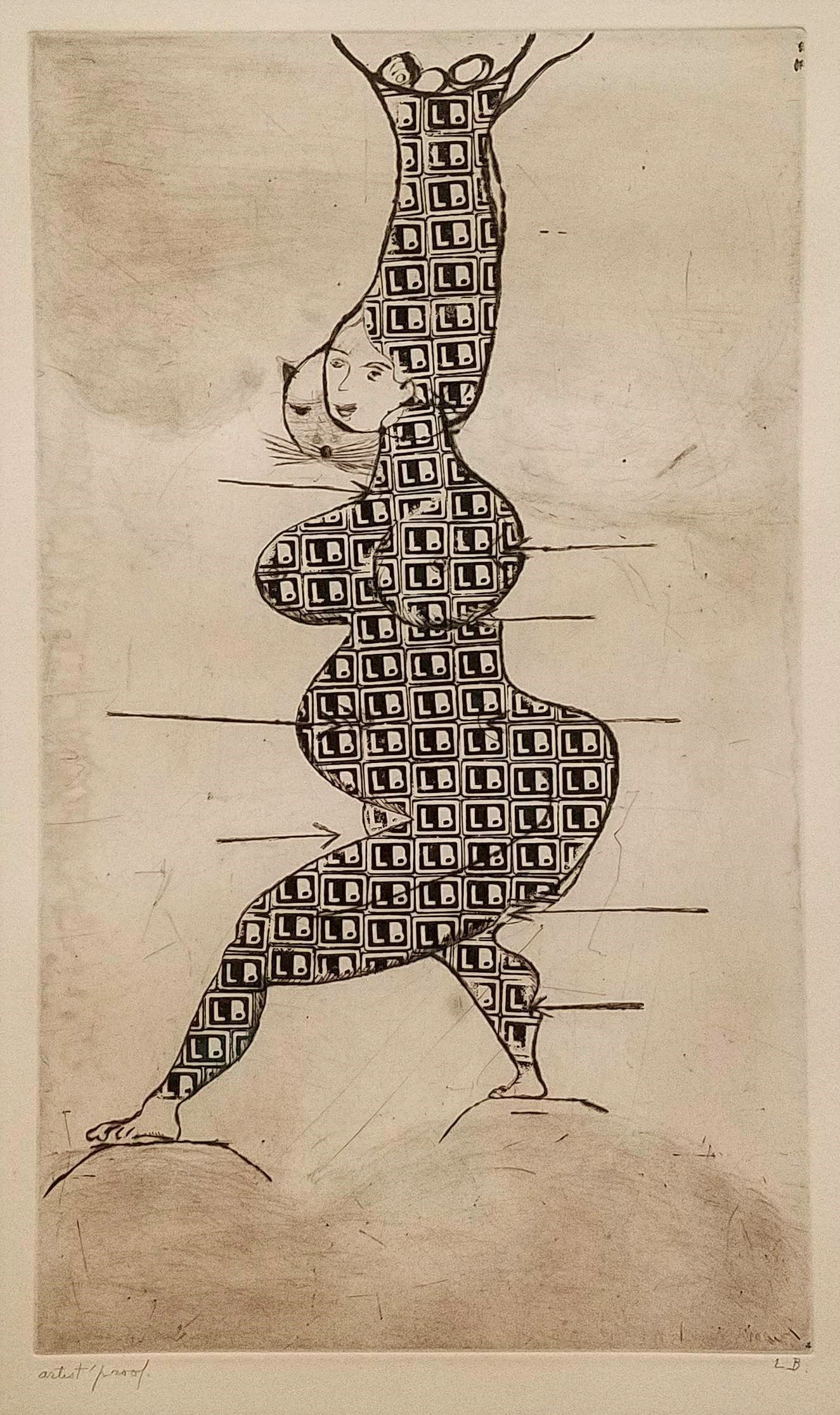
the puritan 1990-97 (text: 1947)
Folio set no. 3: engravings with selective wiping, gouache and watercolour additions


Lullaby 2006
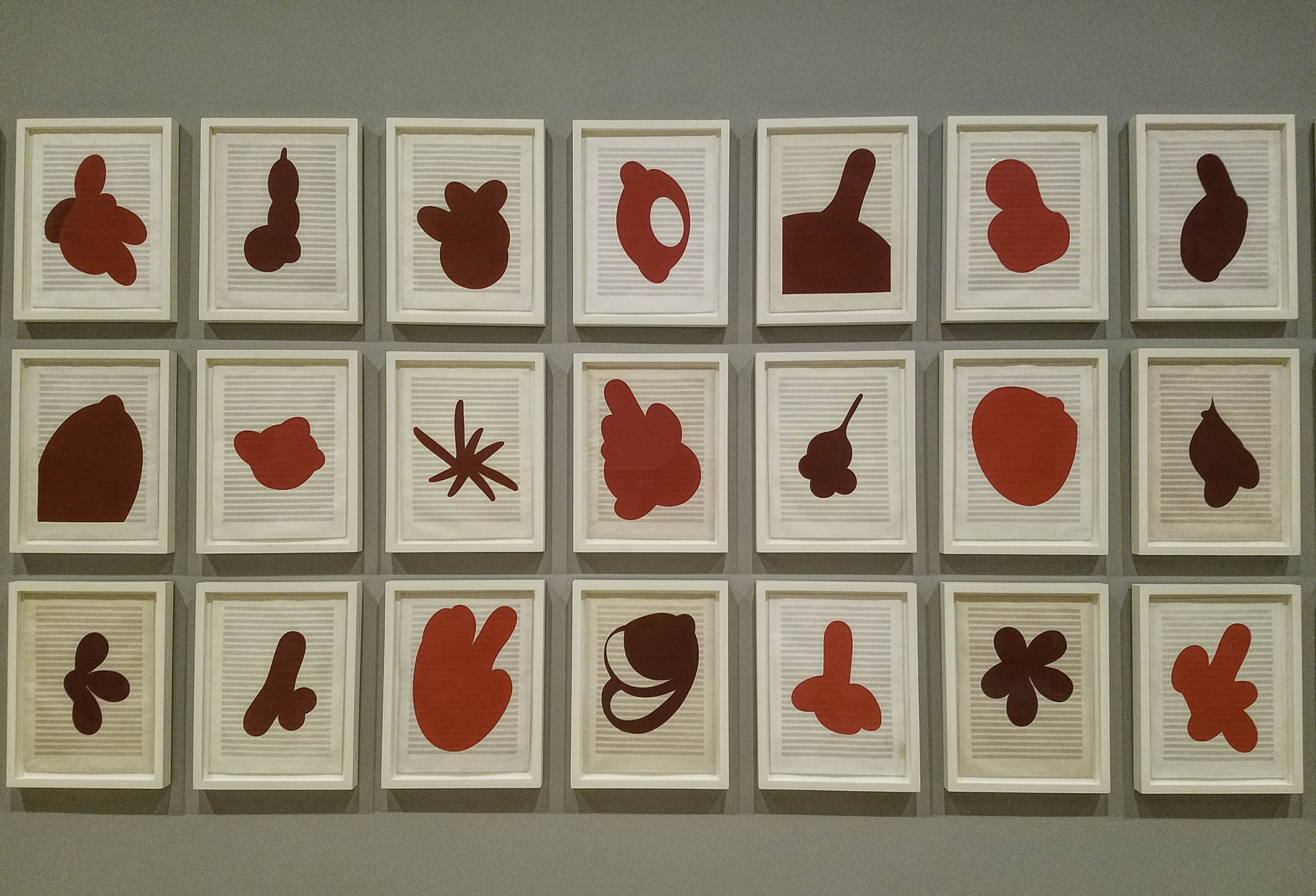
Series of twenty-five screenprints on fabric: title sheet and twenty-four compositions

Bourgeois created shapes by turning and tracing common household objects – scissors, a knife and a candy dish, among them. She published this set herself, under the imprint Lison Editions. Lison, Lise, Lisette, Louison and Louisette were among her childhood nicknames.


Ode à l’Oubli 2004
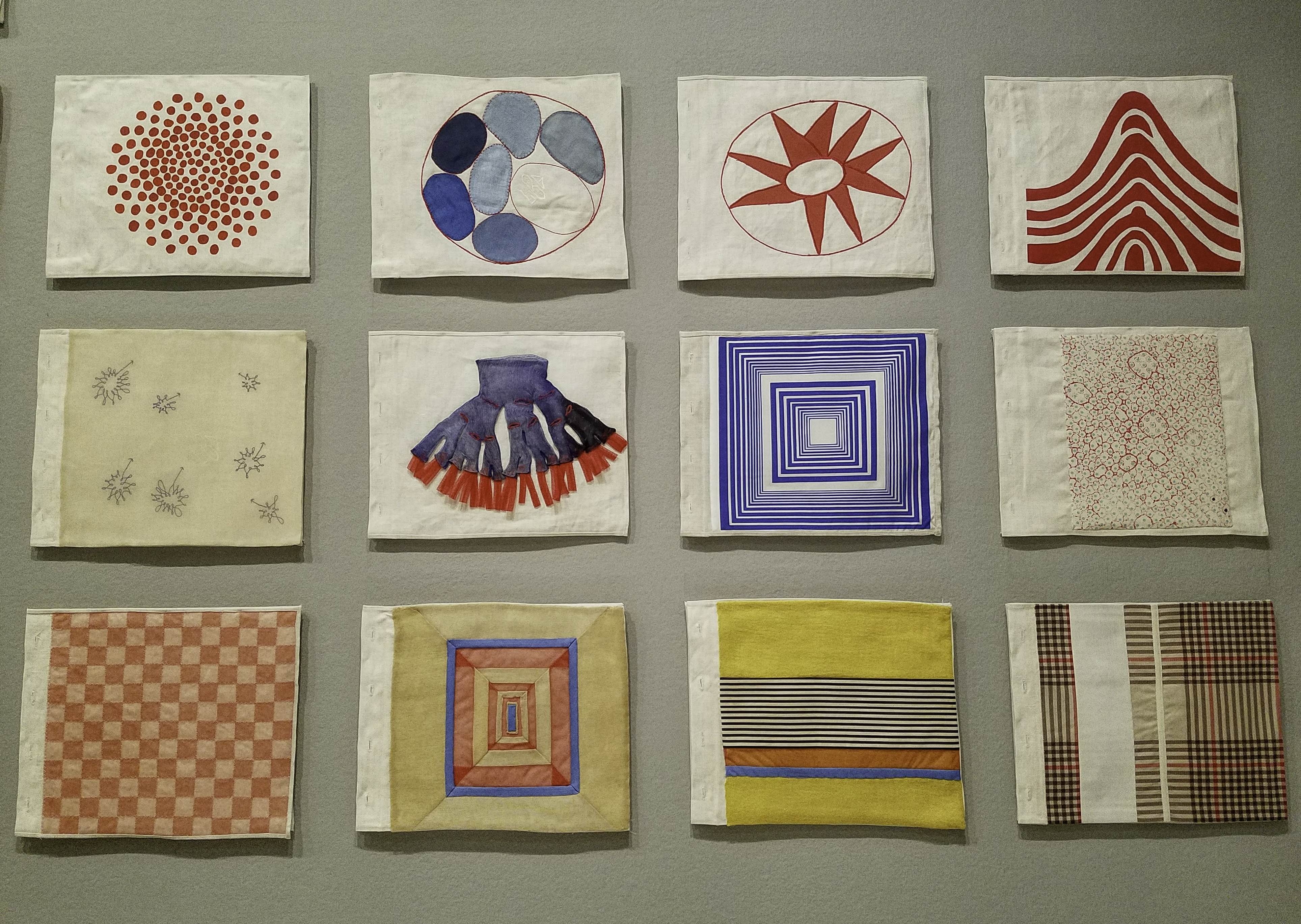
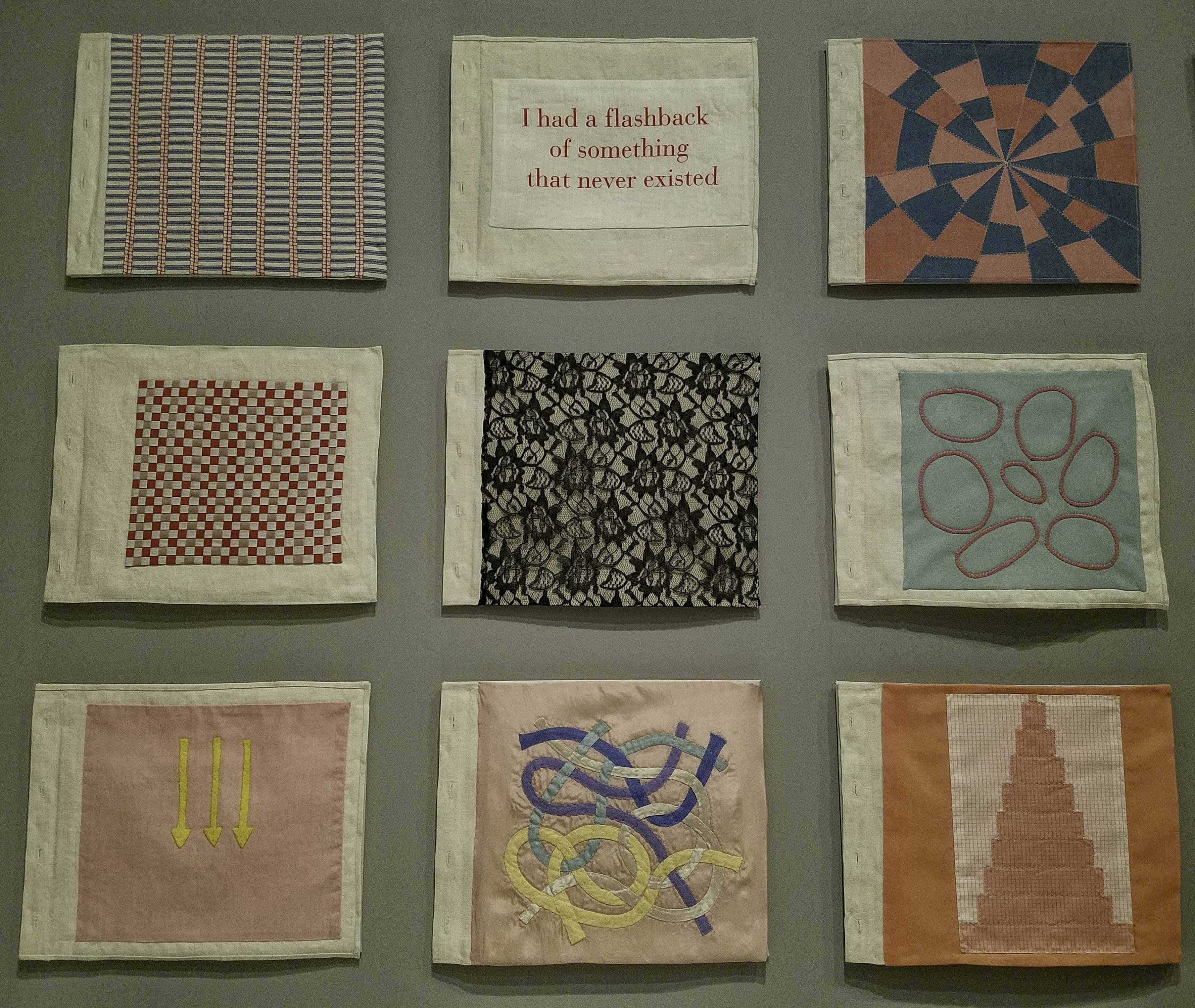
Fabric illustrated book with thirty fabric collages and four lithographs

The pages of this book are composed of linen hand towels saved from her trousseau. Many contain the embroidered monogram LBG (Louise Bourgeois Goldwater). Bourgeois later issued and editioned version of this book in twenty-five examples. In that version, the pages are tied together through buttonholes instead of bound so all of the pages can be displayed simultaneously, as seen on this wall.


Untitled 1998
Fabric and stainless steel


Stamp of Memories I 1993
Drypoint with metal stamp additions


Sainte Sébastienne 1992
Drypoint


Triptych for the Red Room 1994
Aquatint, drypoint and engraving

The subject of pain is the business I am in.“ – LB


Self Portrait 2007
Gouache on paper


Self Portrait 1990
Drypoint, etching and aquatint


I Redo (interior element) from the installation
I Do, I Undo, I Redo 1999-2000
Steel, glass wood and tapestry


Untitled 1940
Oil and pencil on board


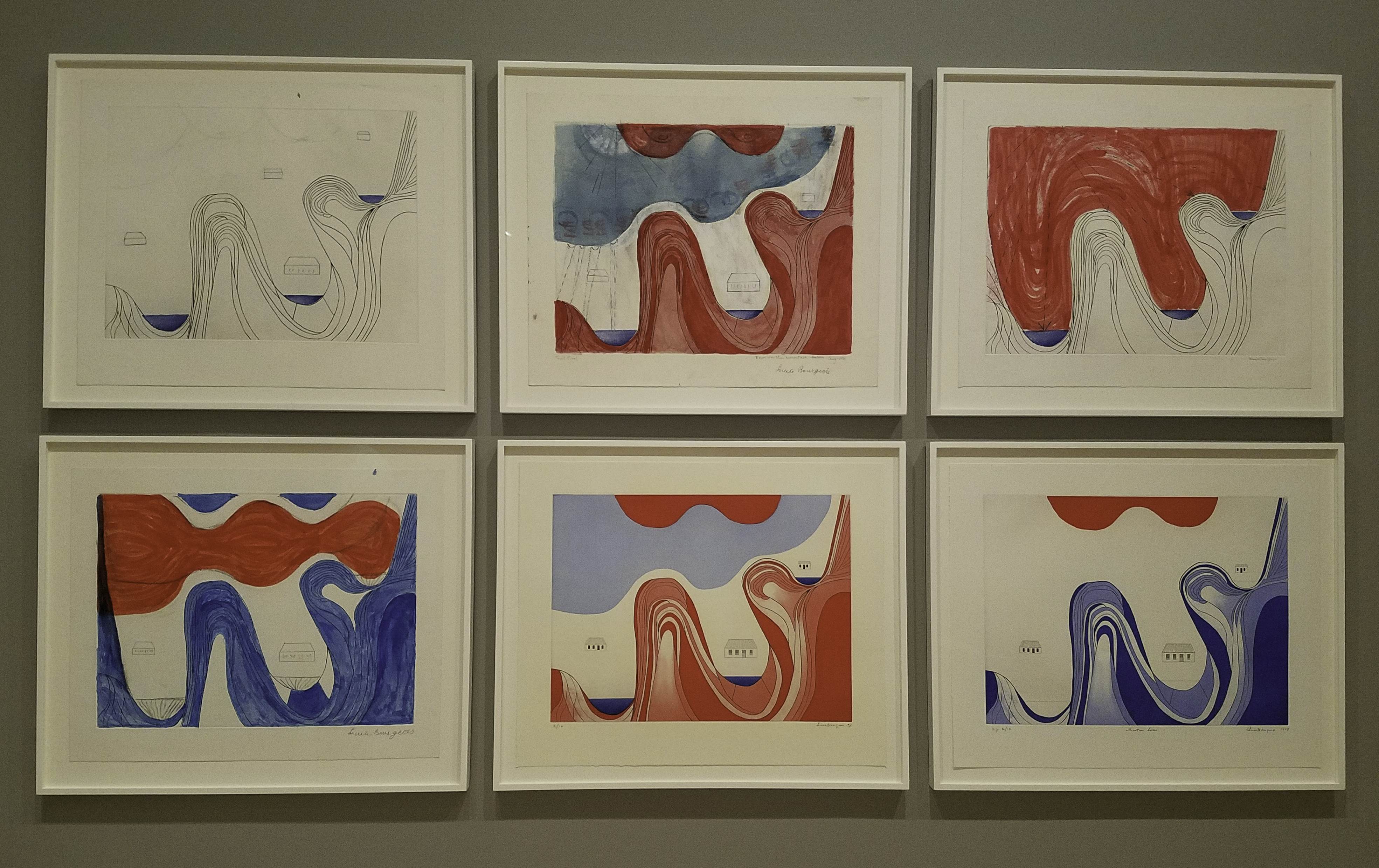
Lacs de Montagne (Mountain Lakes), 1996 & 1997
Engraving and aquatint with watercolour, gouache and ink additions


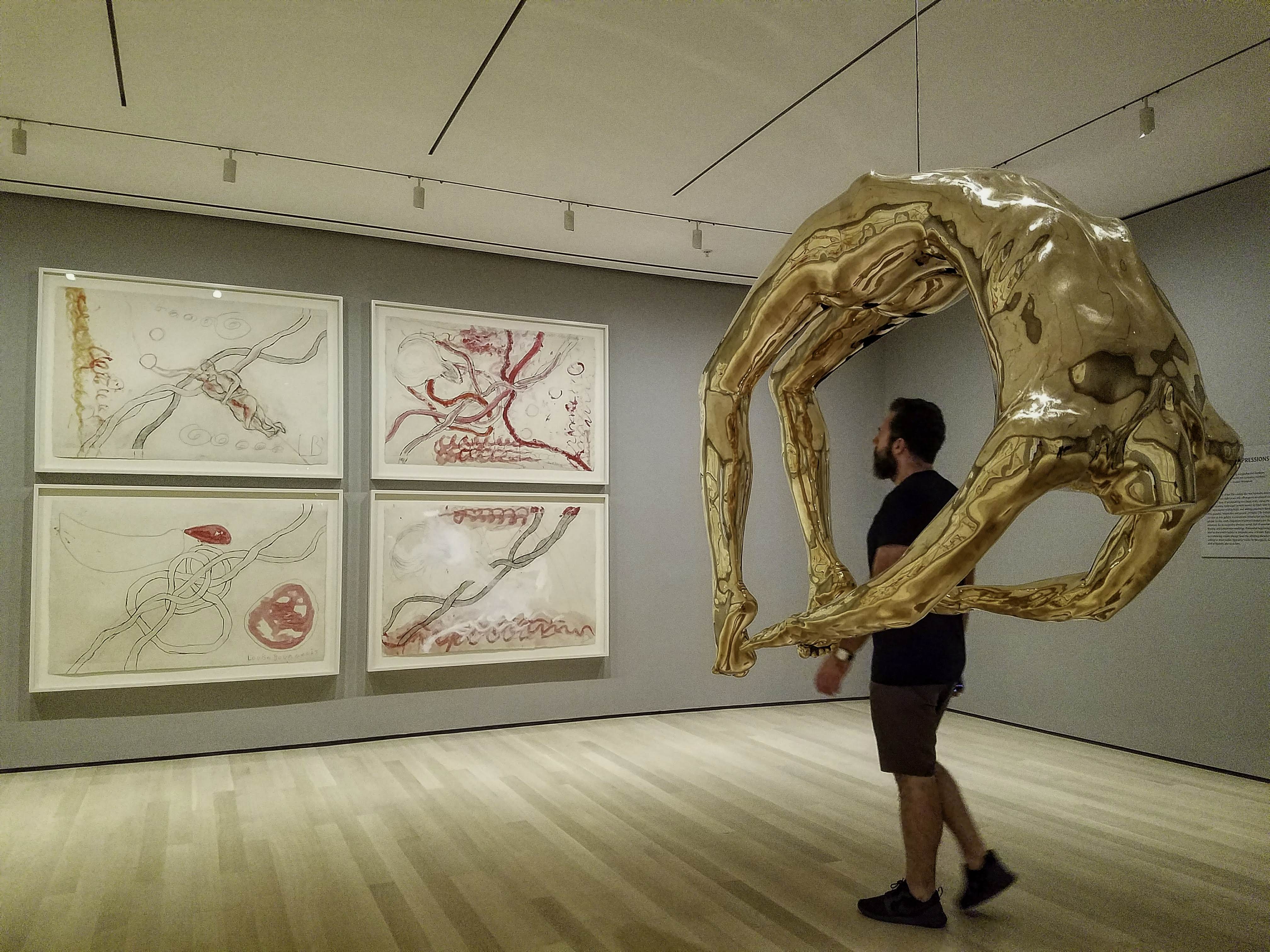
Arch of Hysteria 1993
Bronze, polished patina


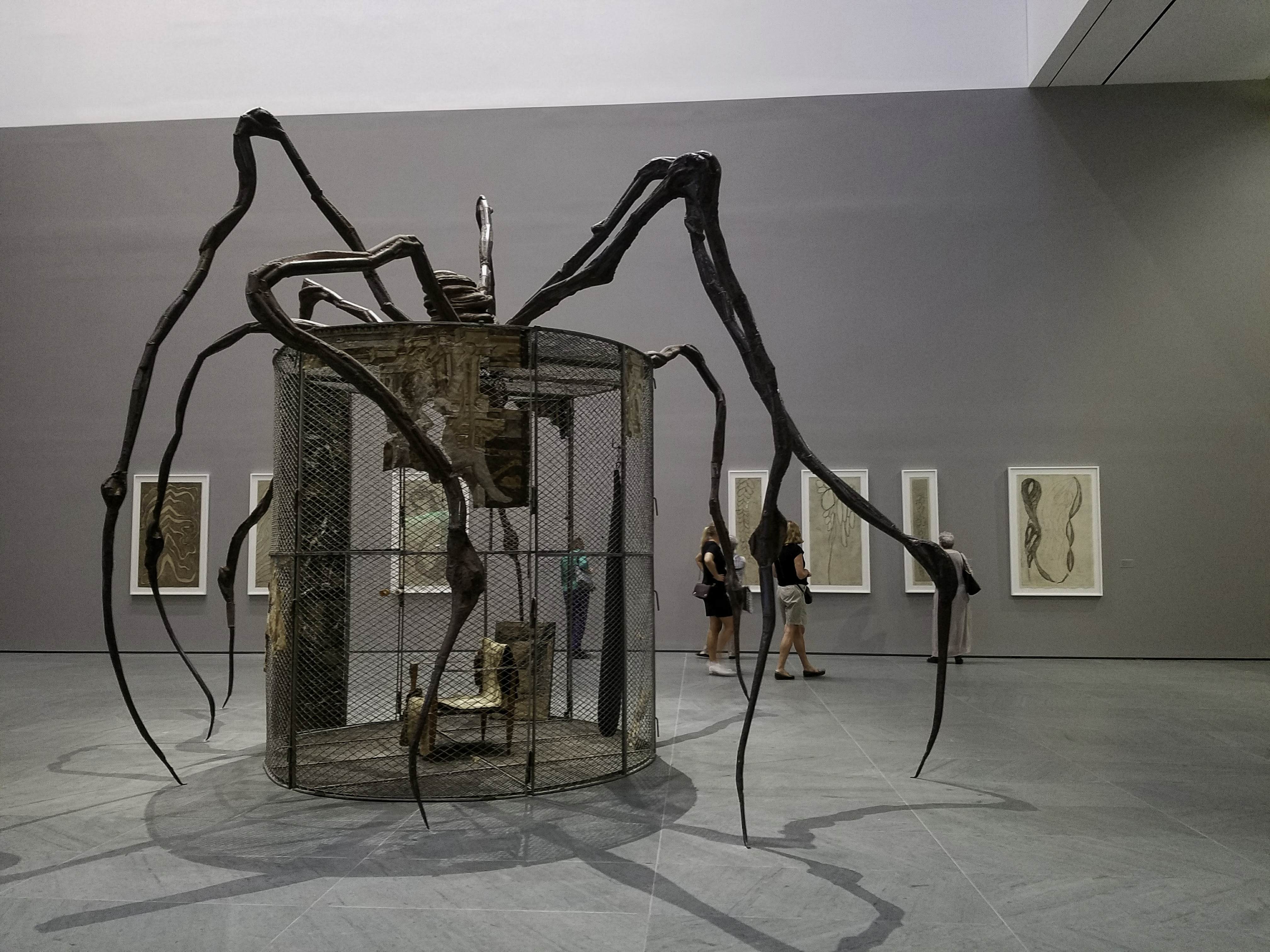
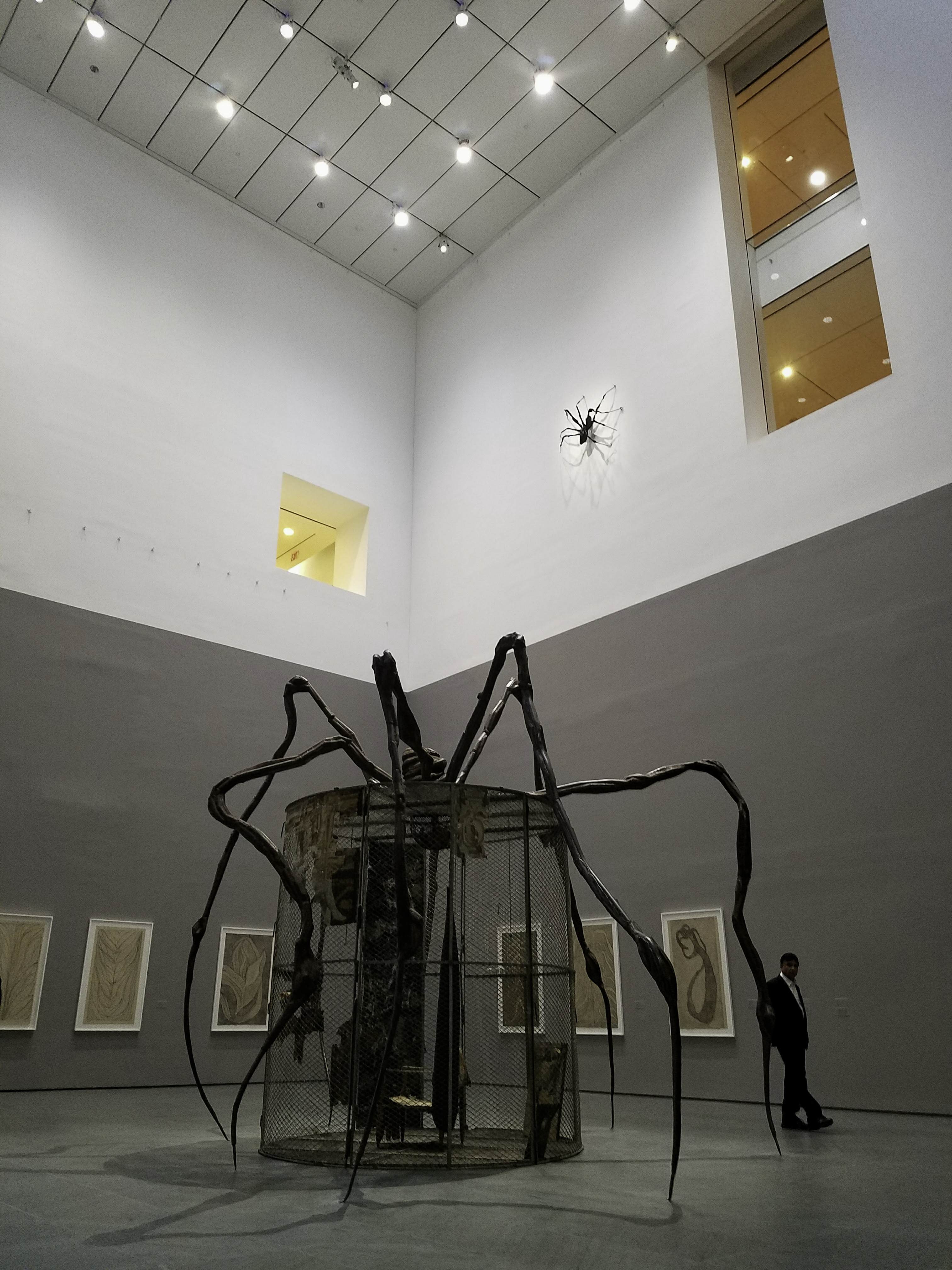
Spider 1997


Note from Louise Bourgeois: An Unfolding Portrait, an exhibition that ran at the MoMA, until end January 2018: ”[…] explores the prints, books, and creative process of the celebrated sculptor Louise Bourgeois (1911–2010). Bourgeois’s printed oeuvre, a little-known aspect of her work, is vast in scope and comprises some 1,200 printed compositions, created primarily in the last two decades of her life but also at the beginning of her career, in the 1940s. The Museum of Modern Art has a prized archive of this material, and the exhibition will highlight works from the collection along with rarely seen loans […].”

September 25th, 2017

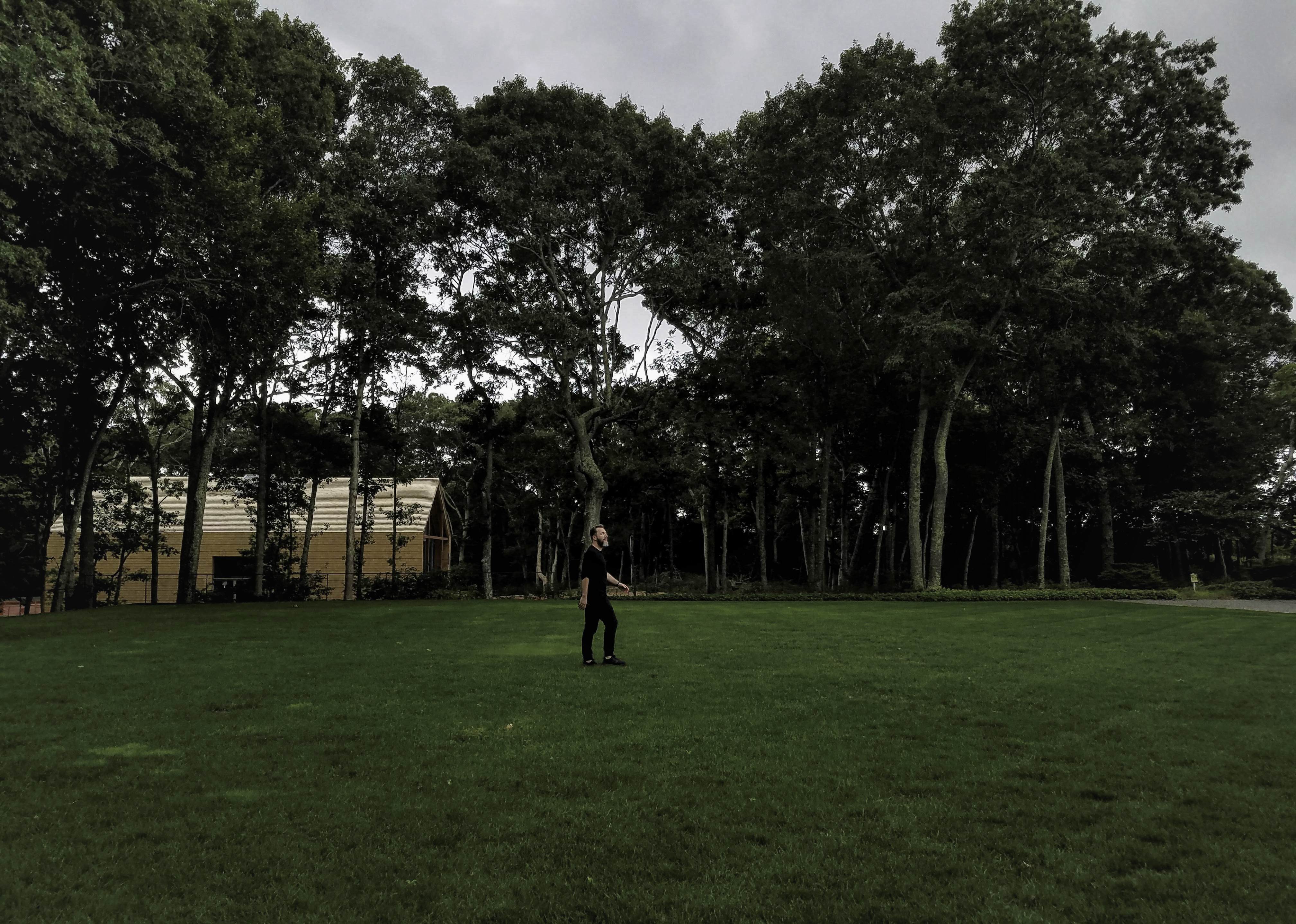
The Watermill Center

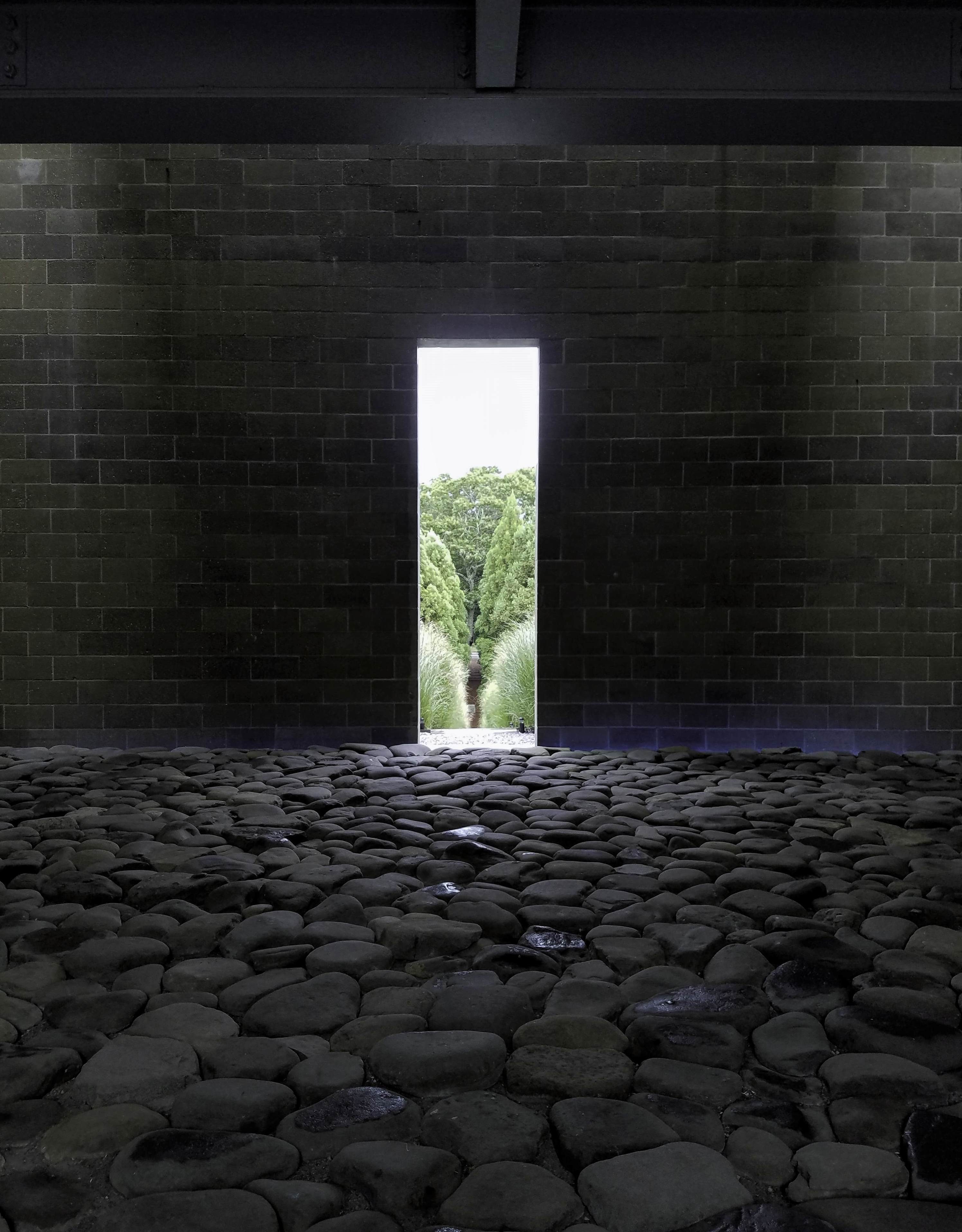
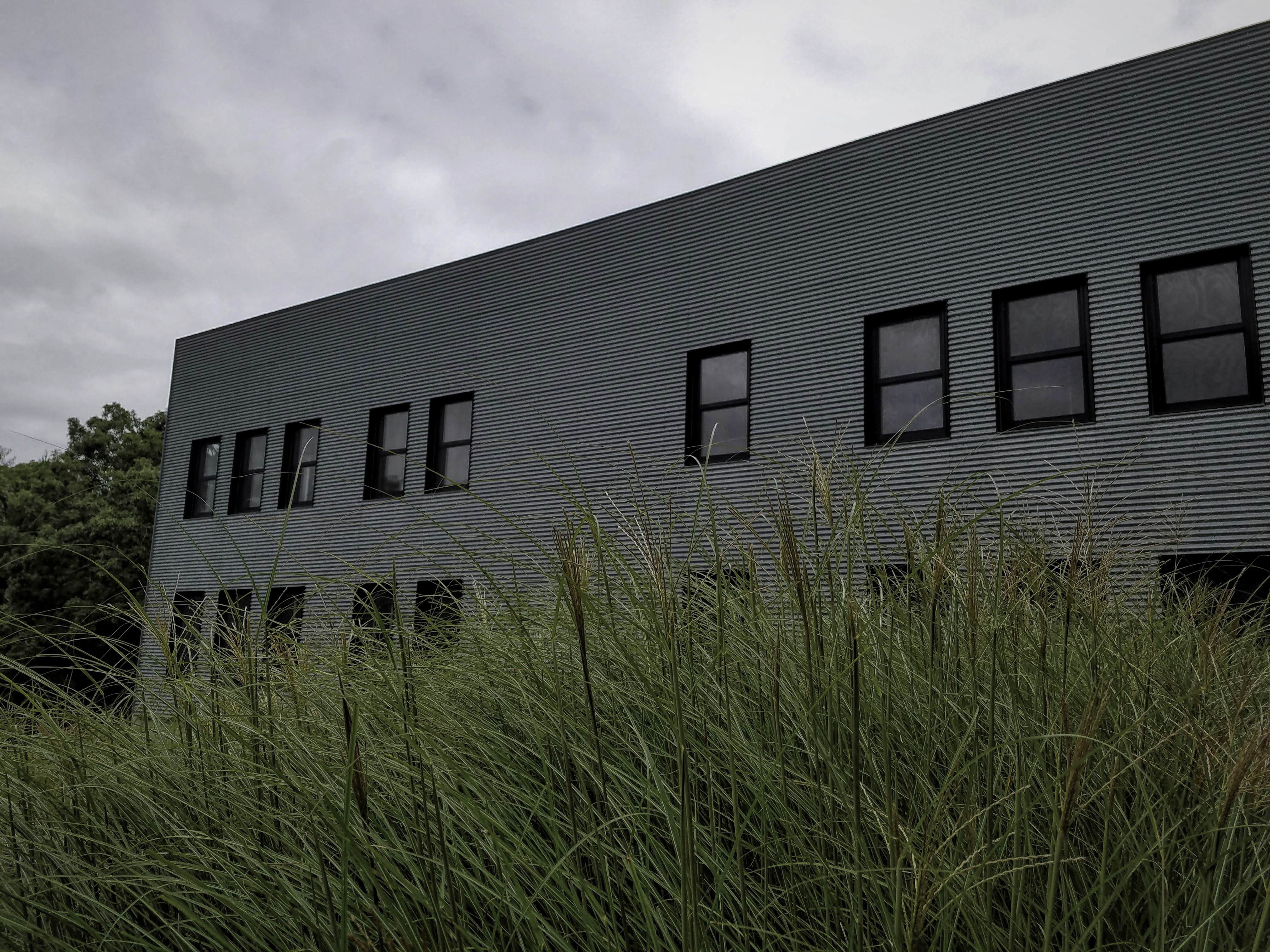
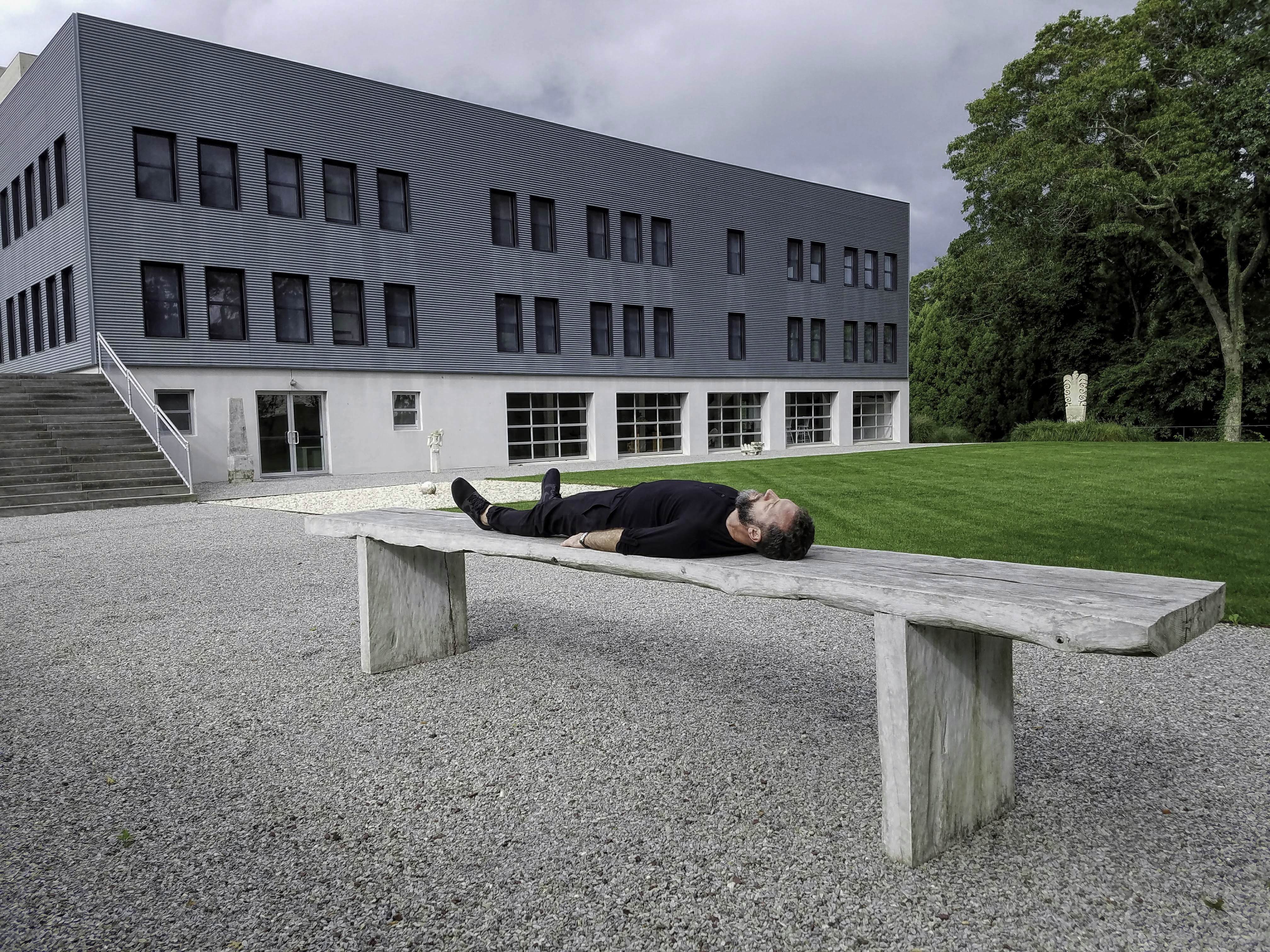
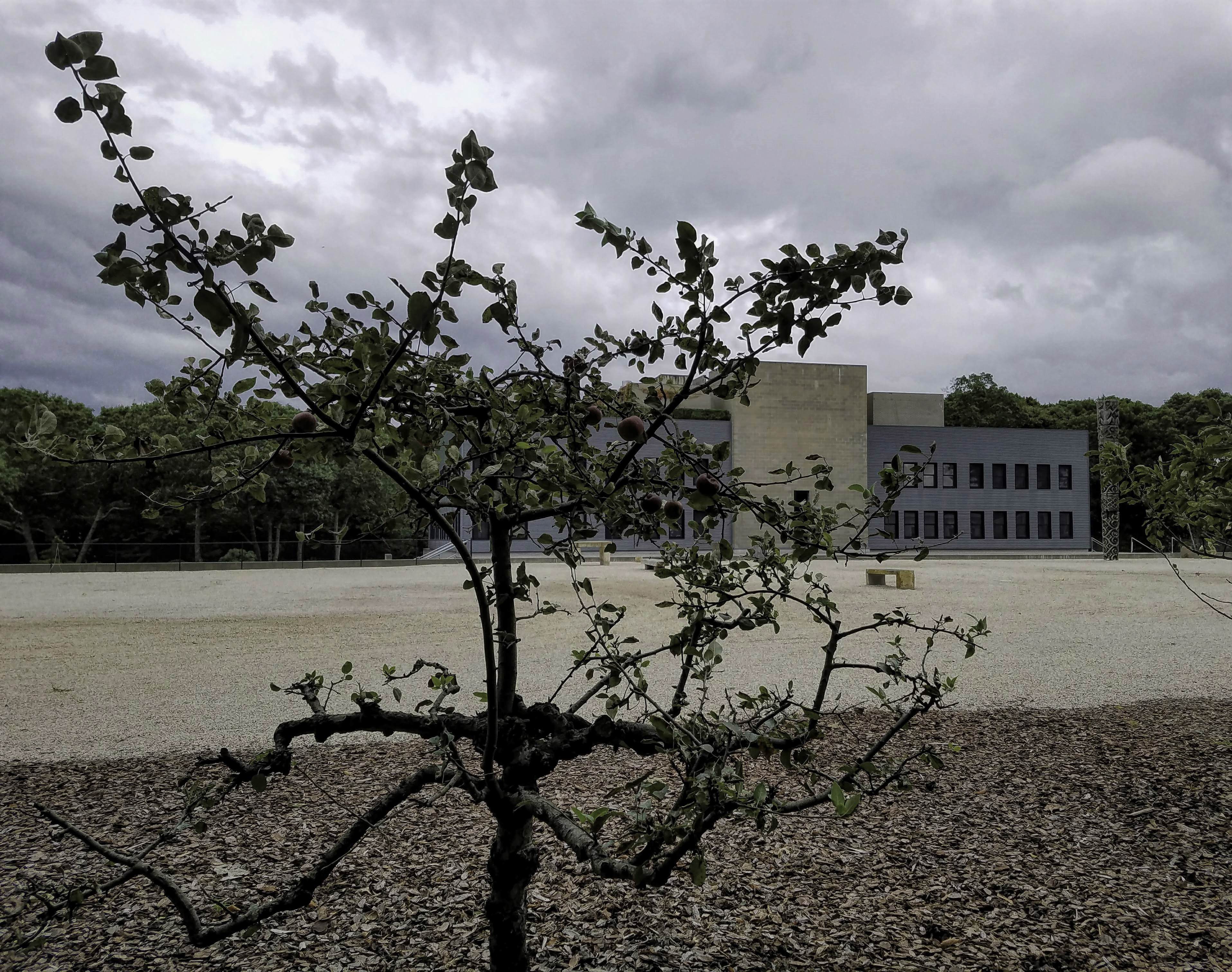
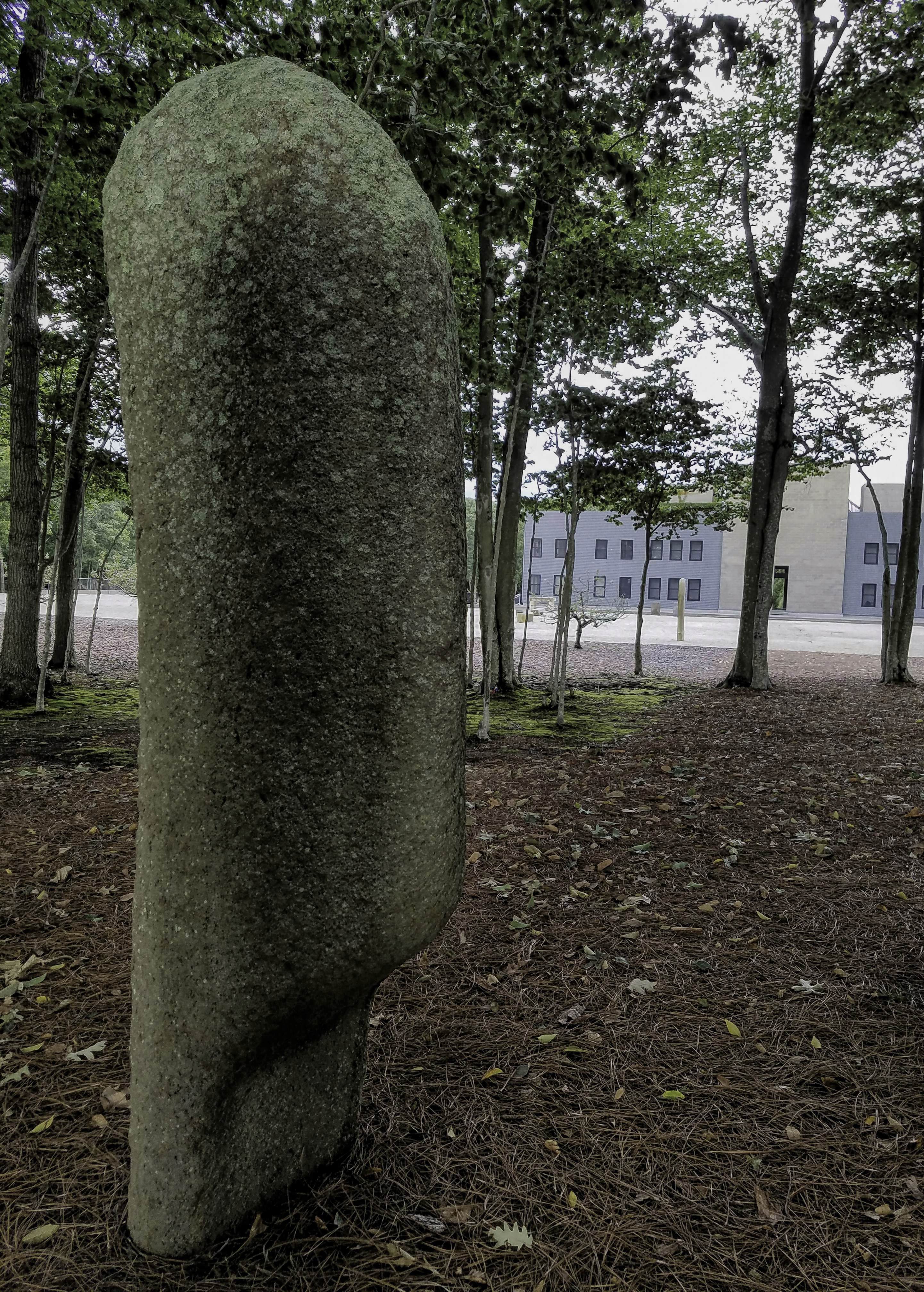
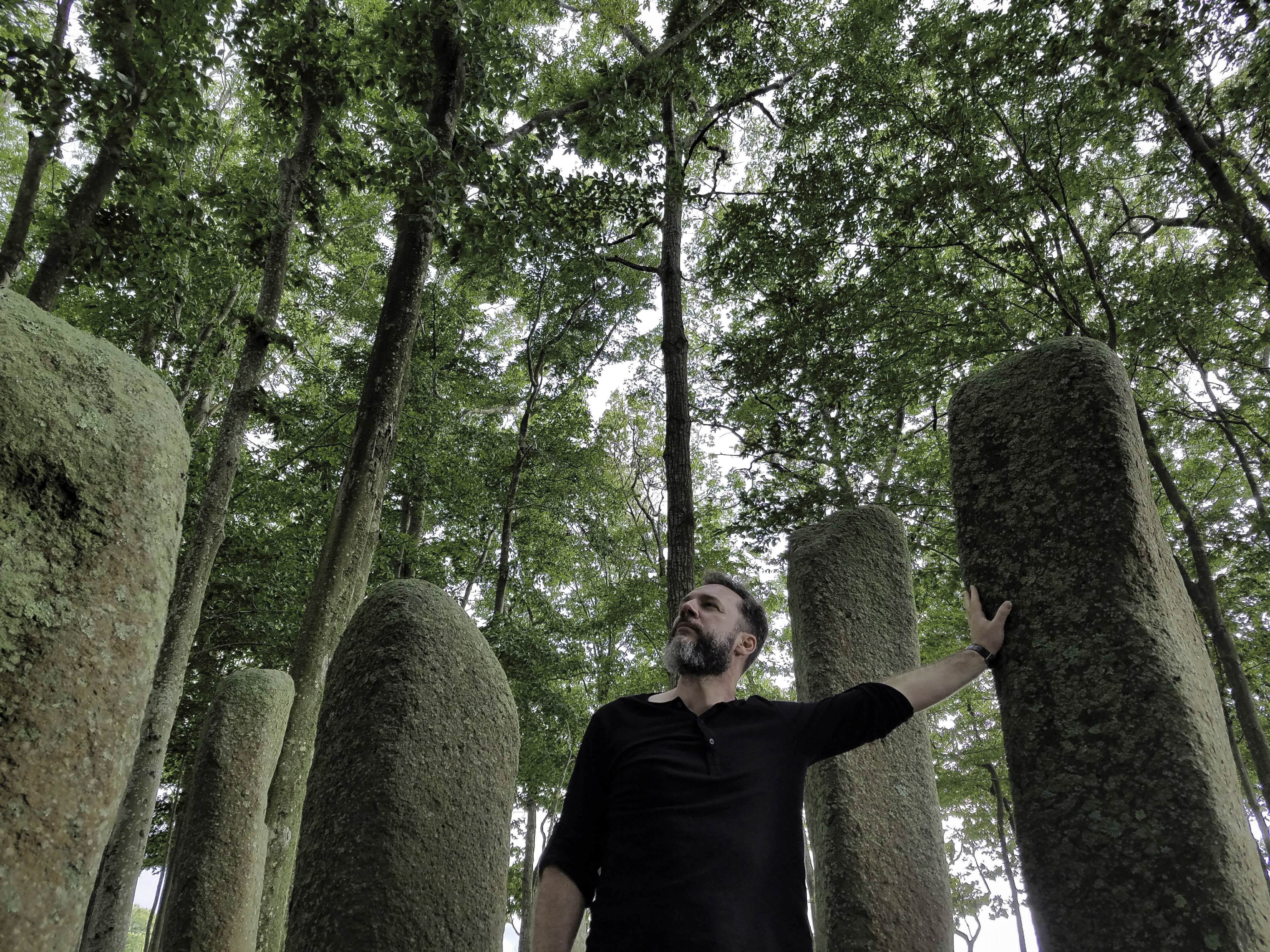
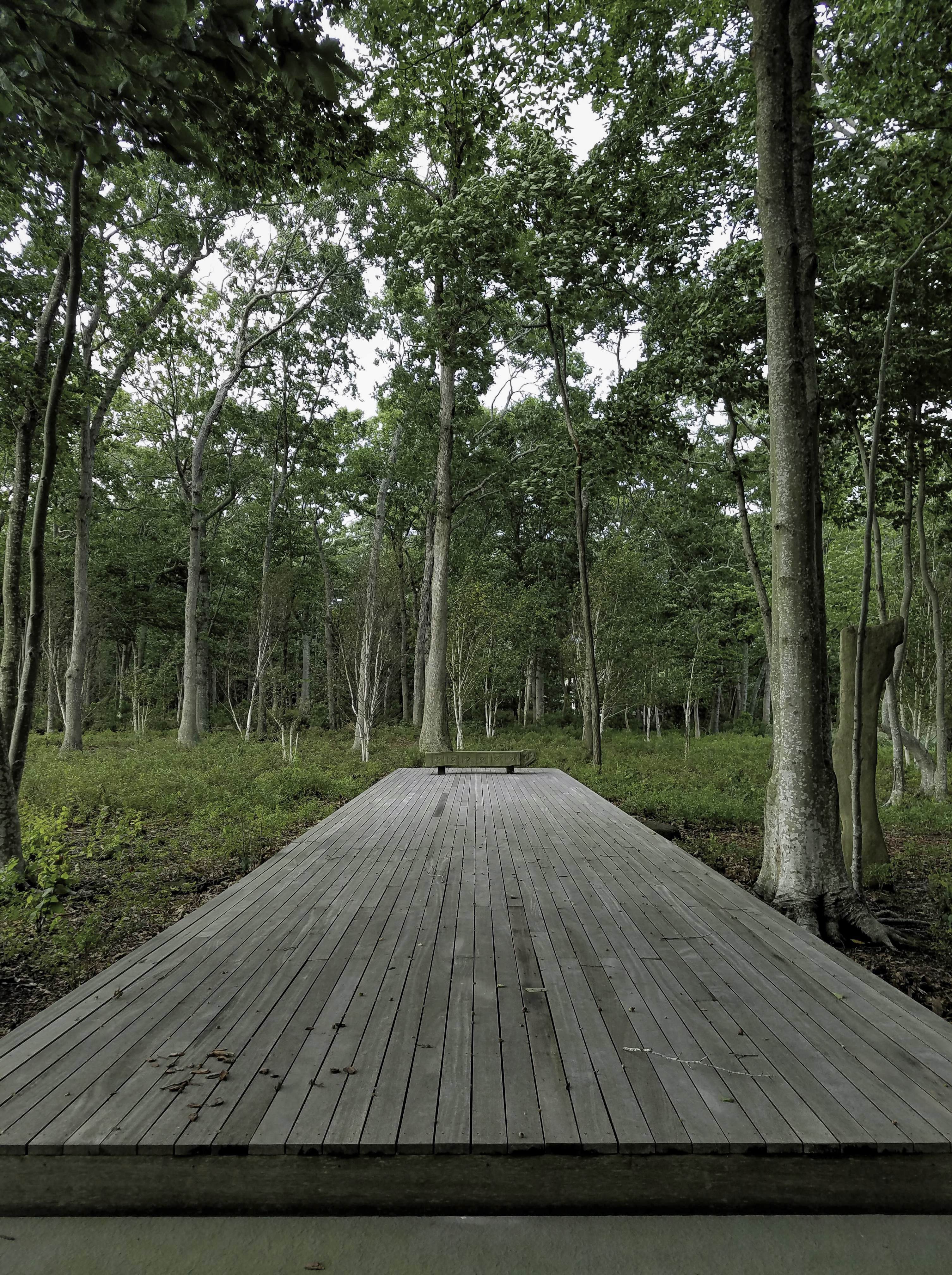
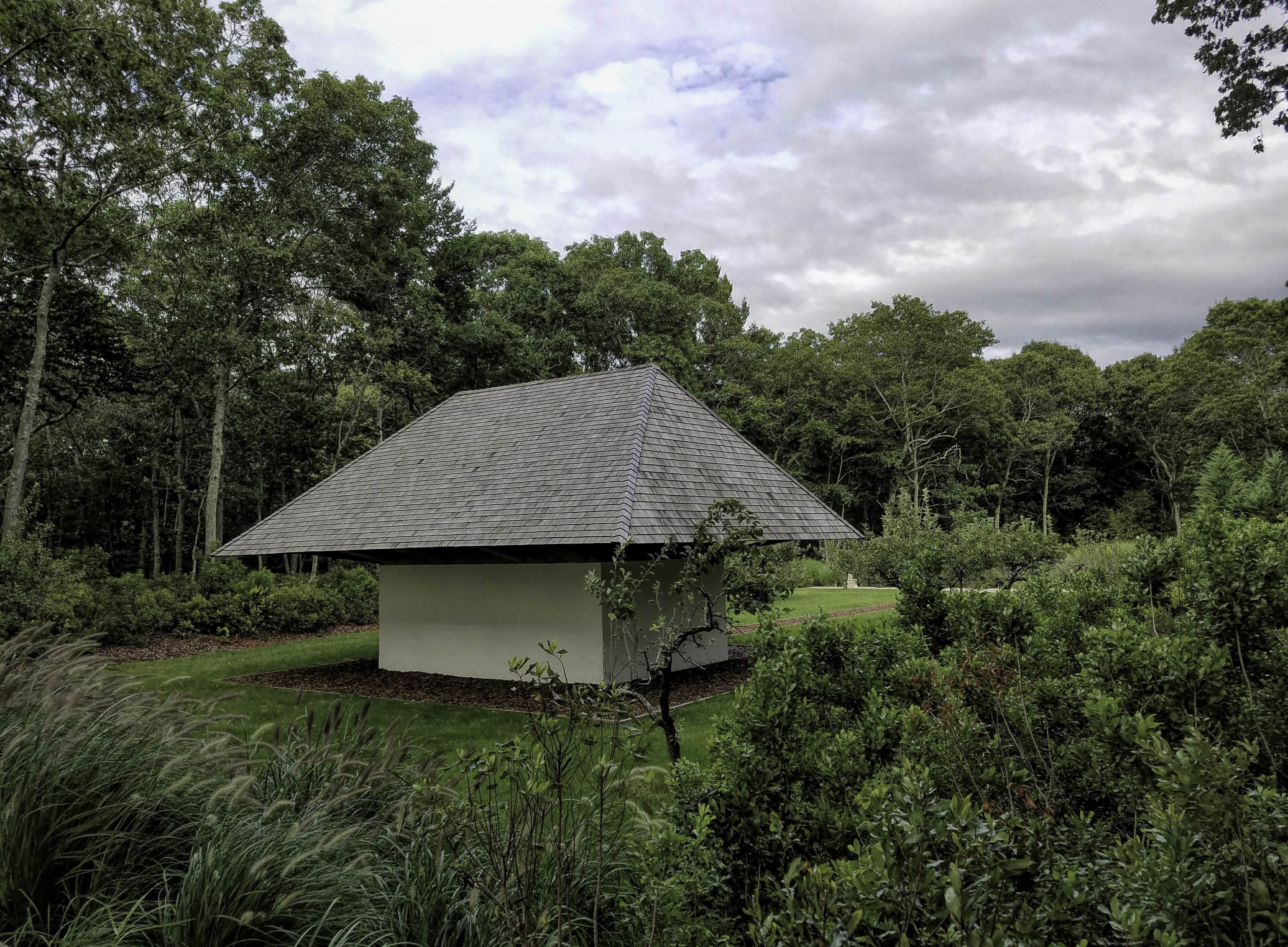
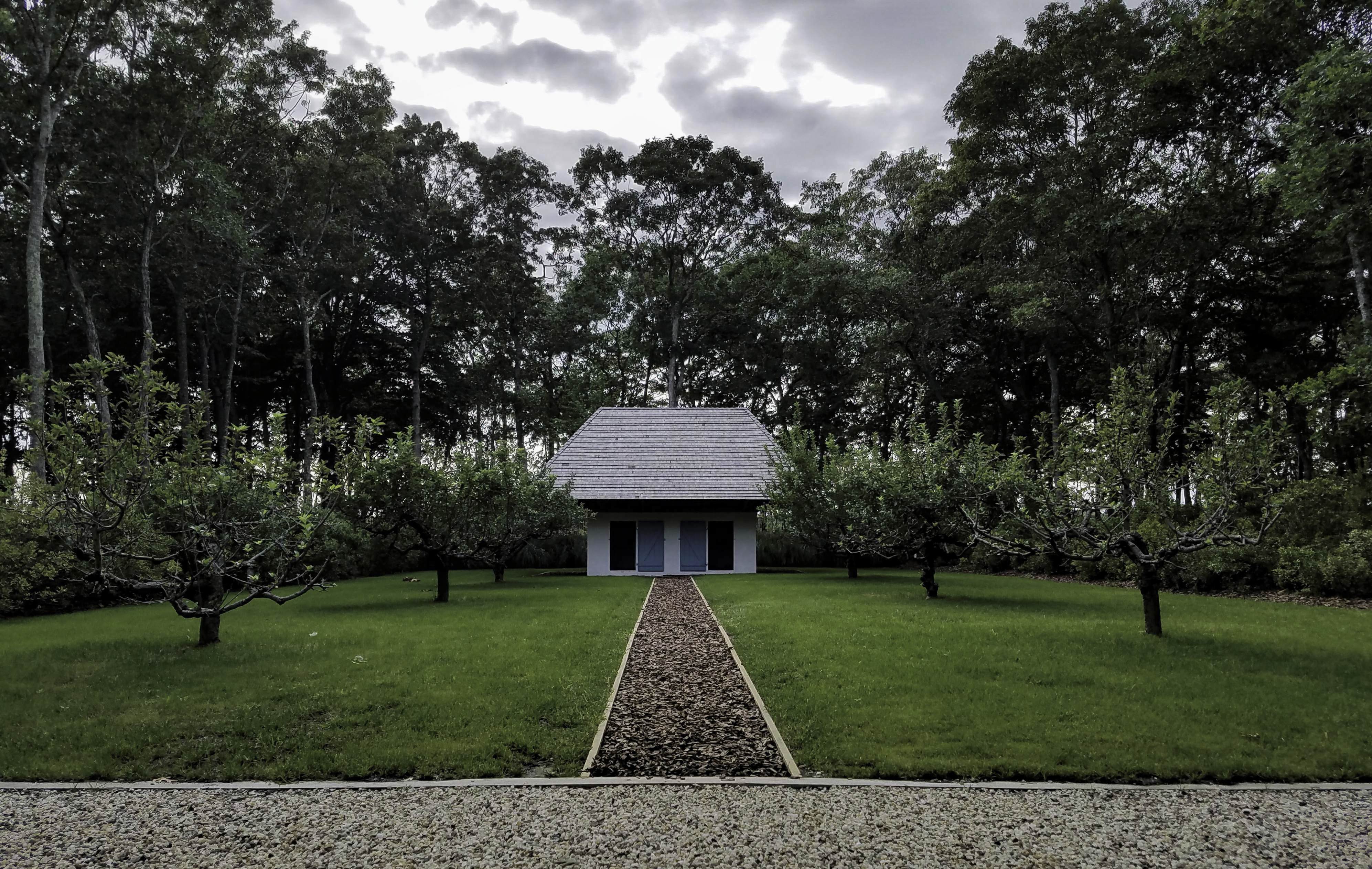
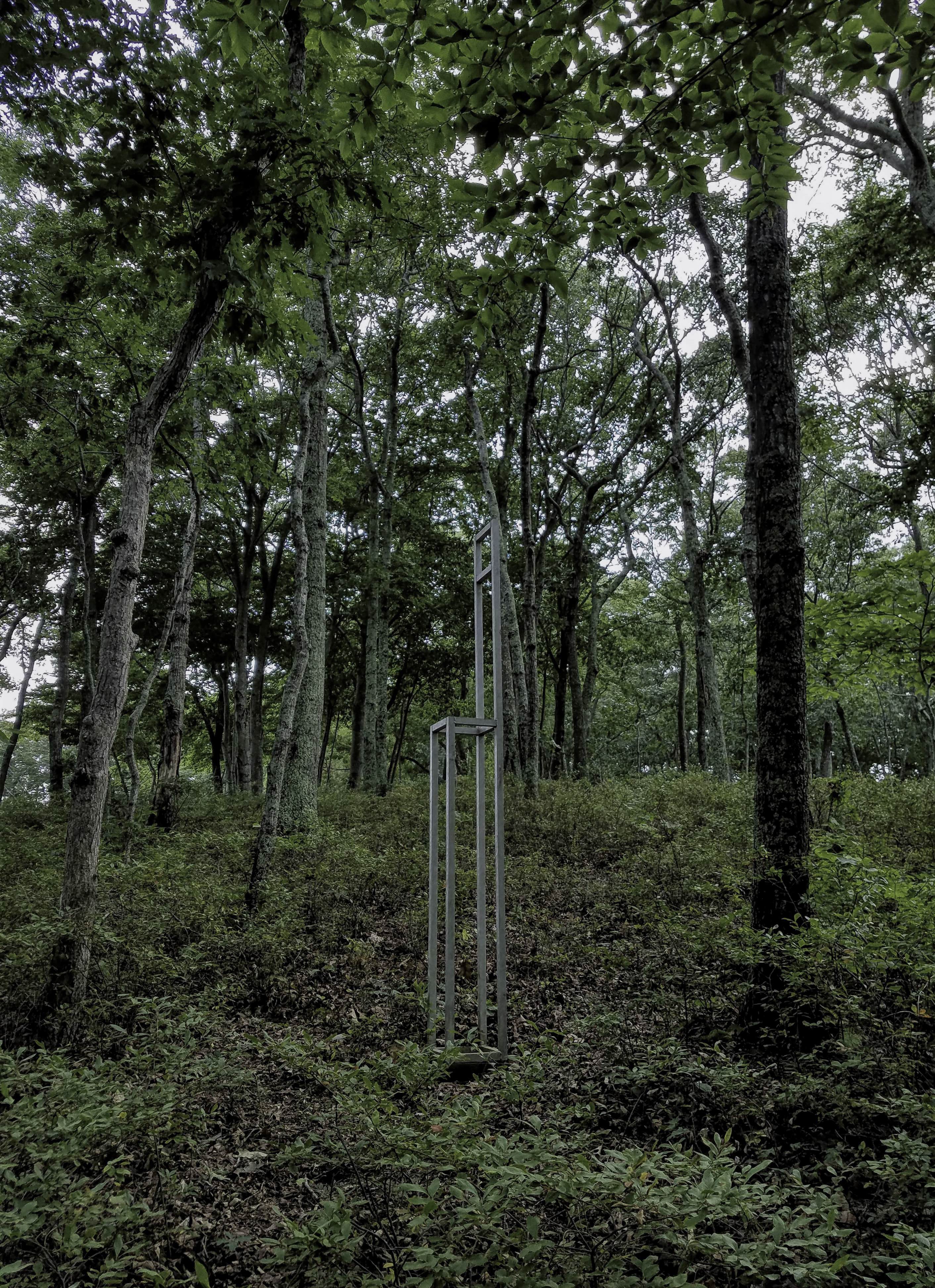
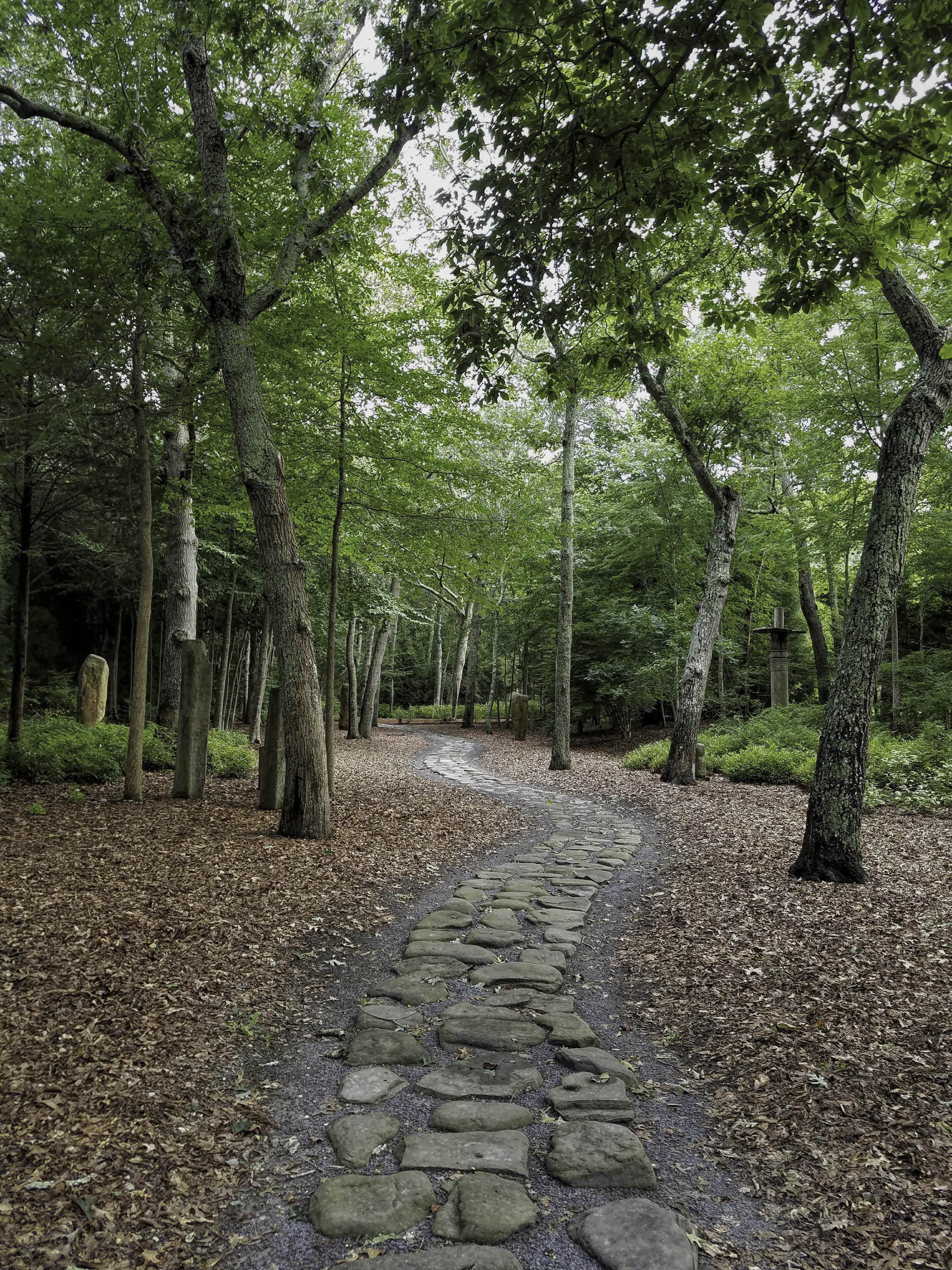
A laboratory for the arts and humanities, a unique space for artists to explore, create and present their work, the brainchild of visual artist Robert Wilson and, for the two of us, an uplifting, almost spiritual experience.

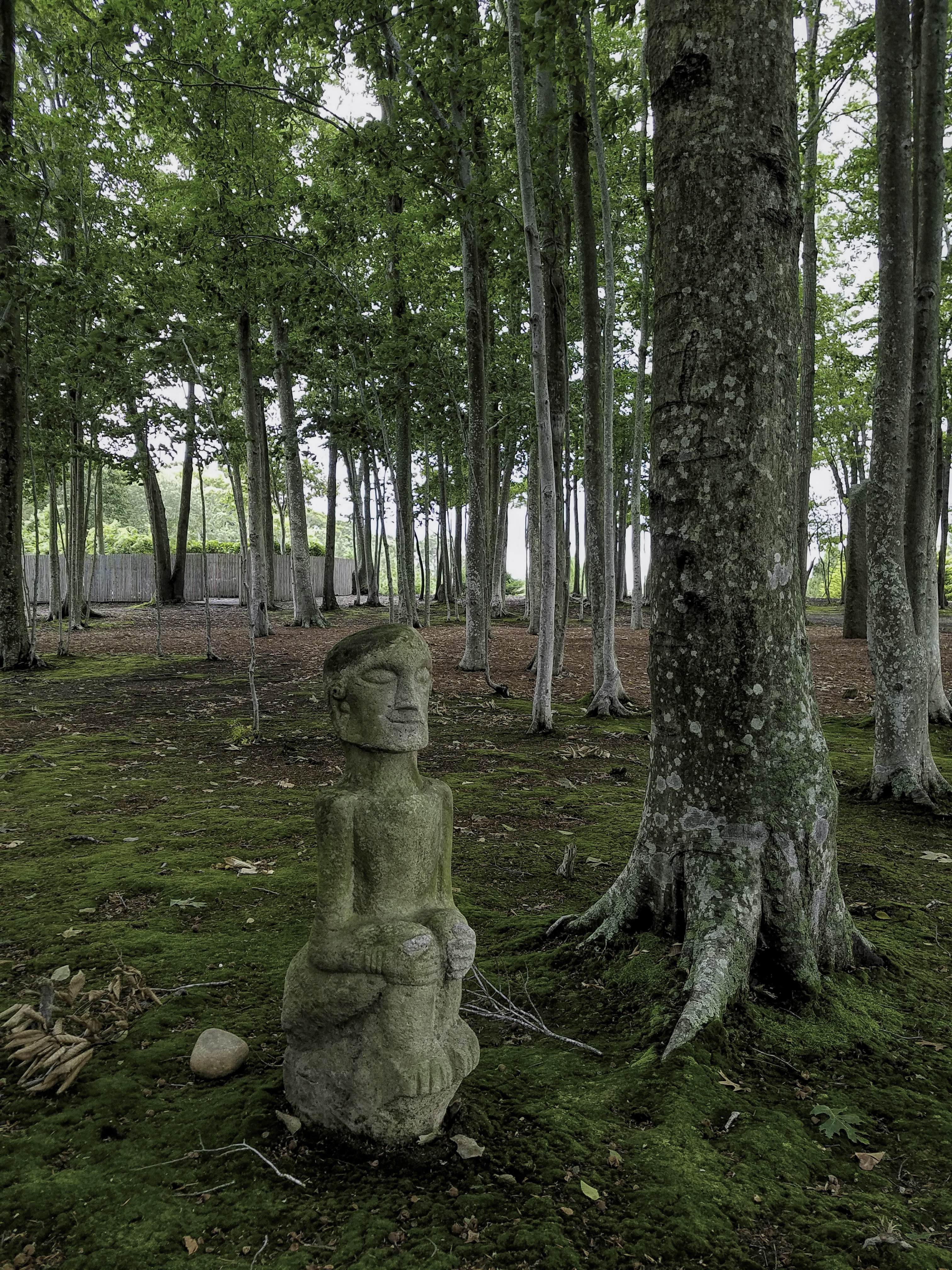
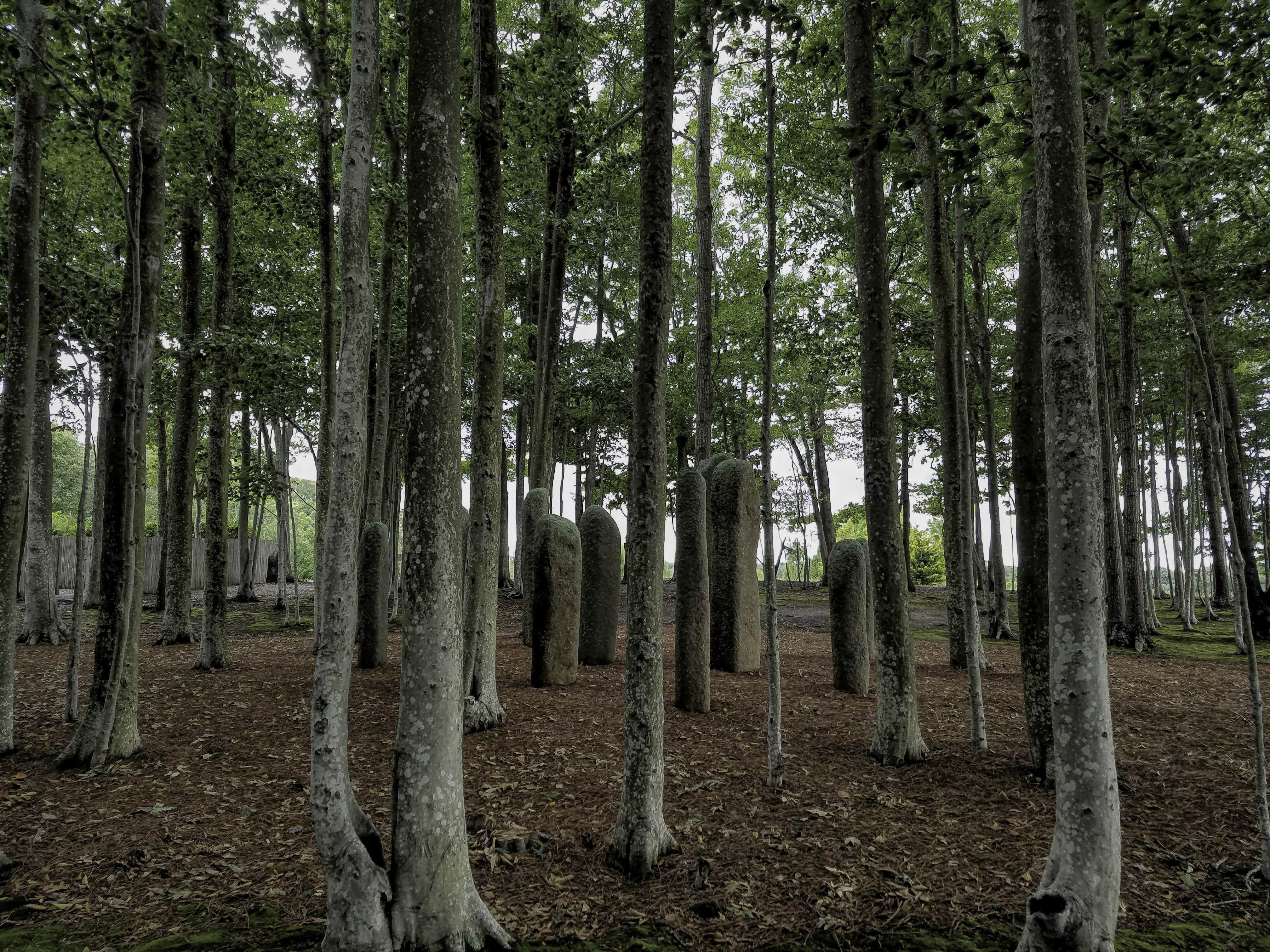
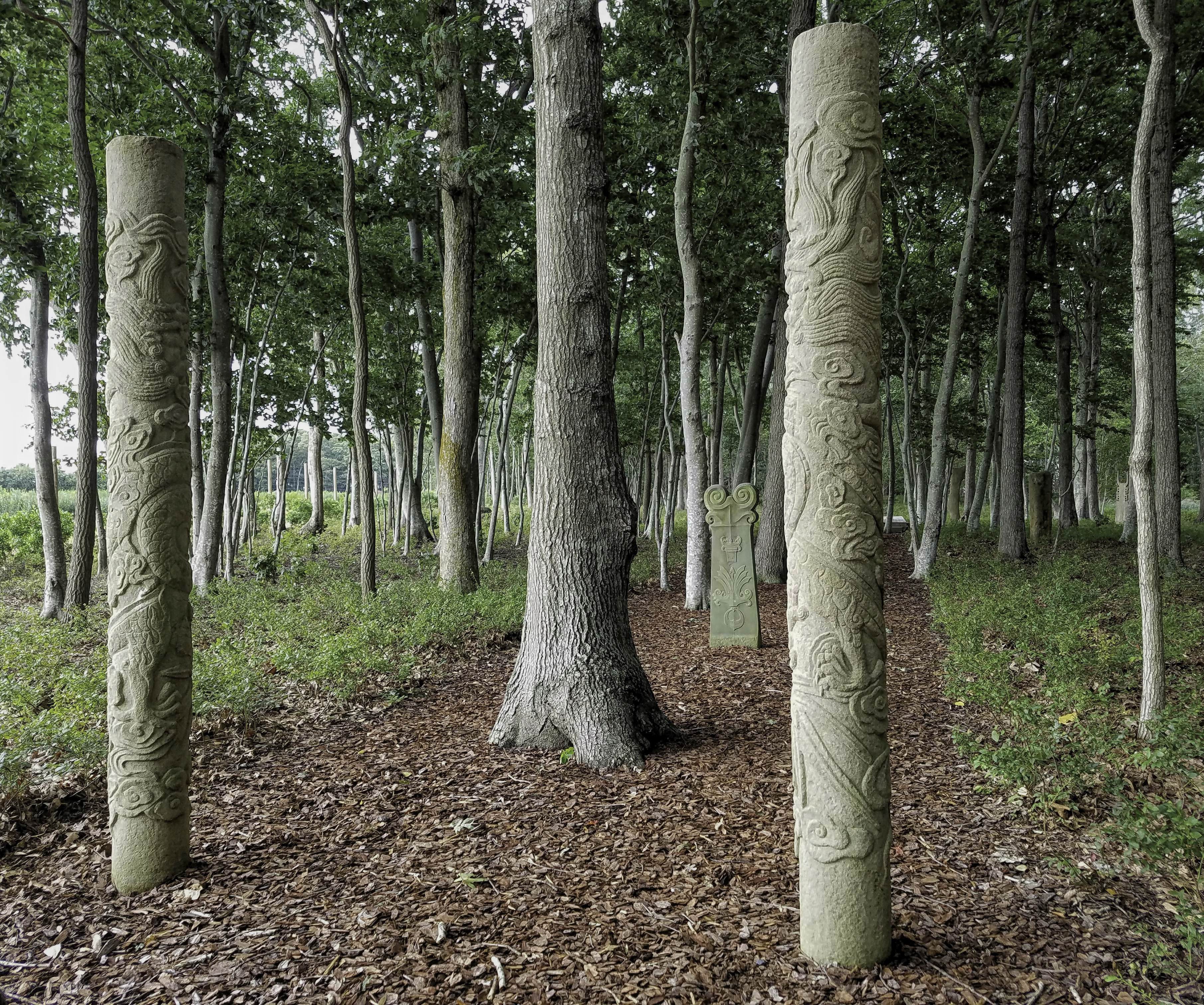
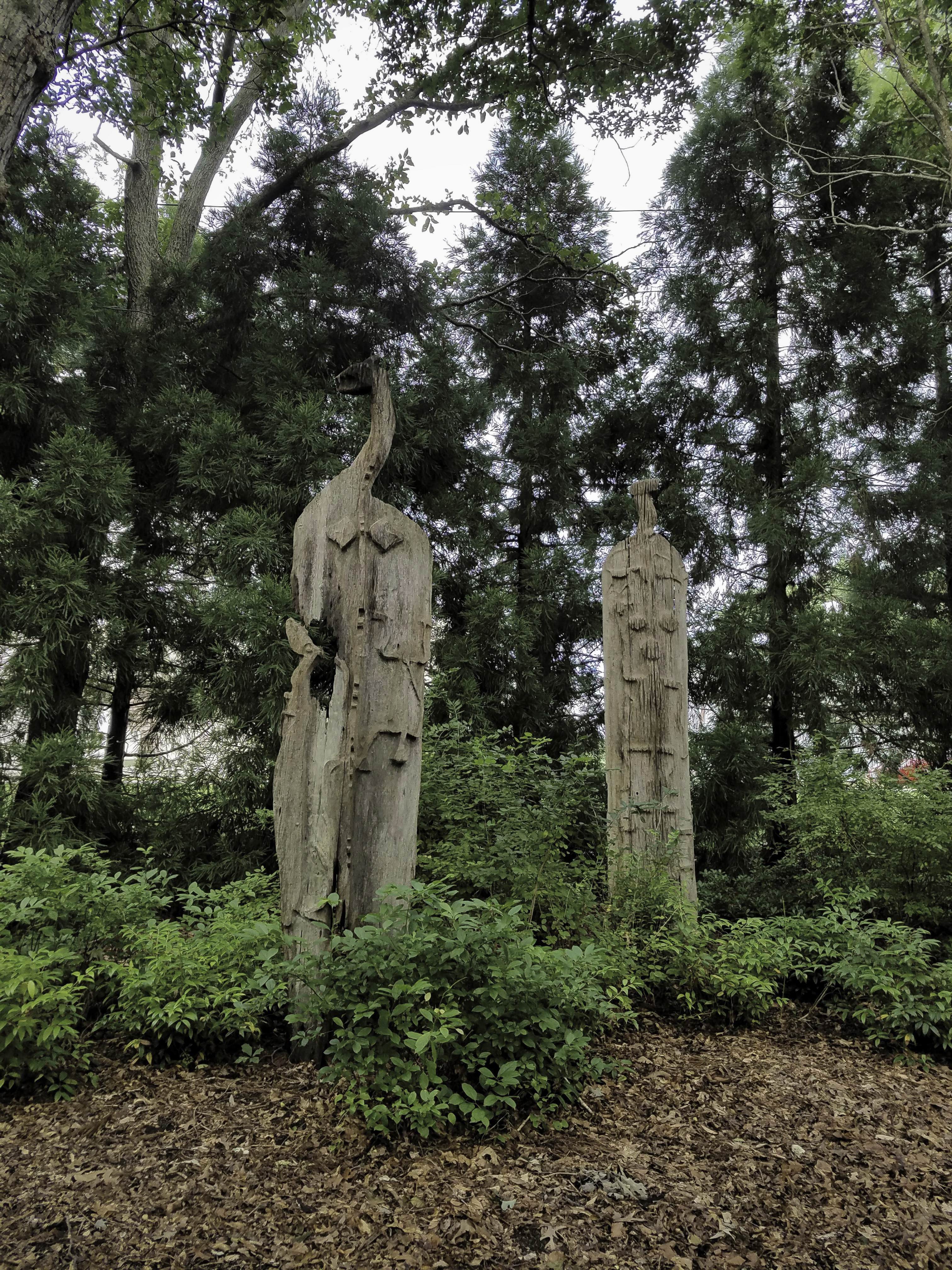
It was Sunday, beginning of September and the Watermill Center was resting after a summer of buzzing activity. No one else was around, the grounds were ours to explore. In a strange, calming way we did not feel lonely; for the artists may have been absent but their essence still lingered in the air. And in the many totems scattered in the woods.

The Watermill Center, is a mere 5′ drive from the Parrish Art Museum and a 2-hour drive from Manhattan.

September 3rd, 2017

Nari Ward: G.O.A.T., again @Socrates_Sculpture_Park

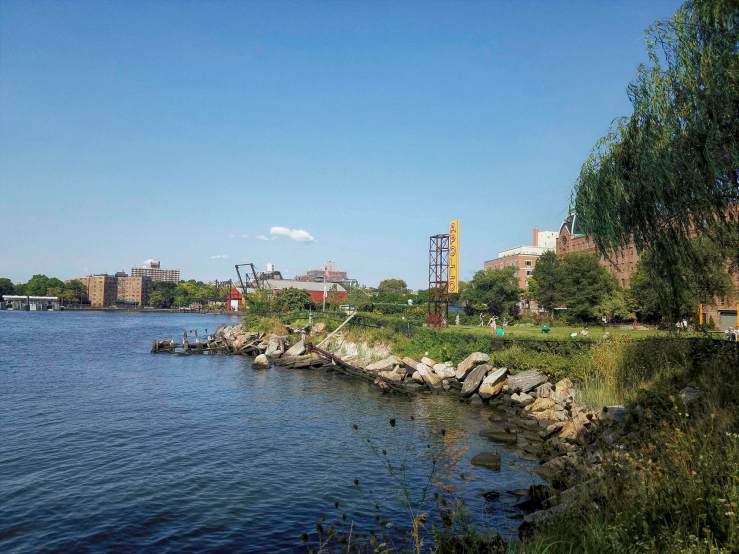
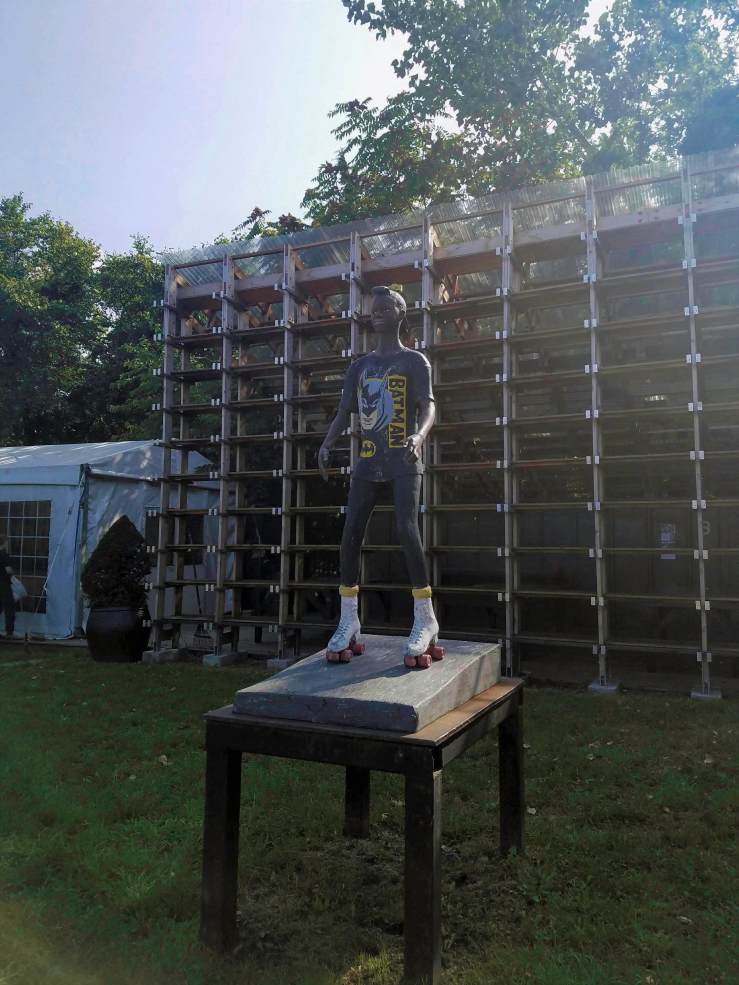
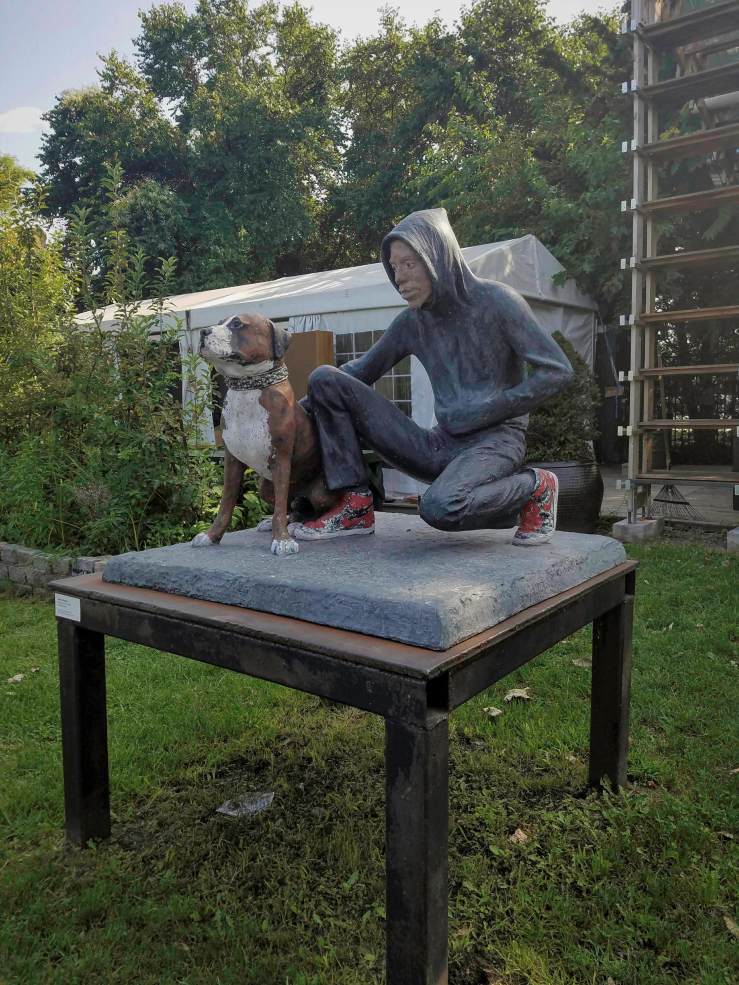
Reading about how the local community took the initiative to save this abandoned space, between Long Island City and Astoria, by converting it into a sculpture park – and being the first to applaud such creative initiatives, I thought I owed it to myself to take a closer look, not least because it is named after Socrates (470-399 B.C.), the great Greek philosopher, which is not surprising considering New York’s largest Greek community is in Astoria.

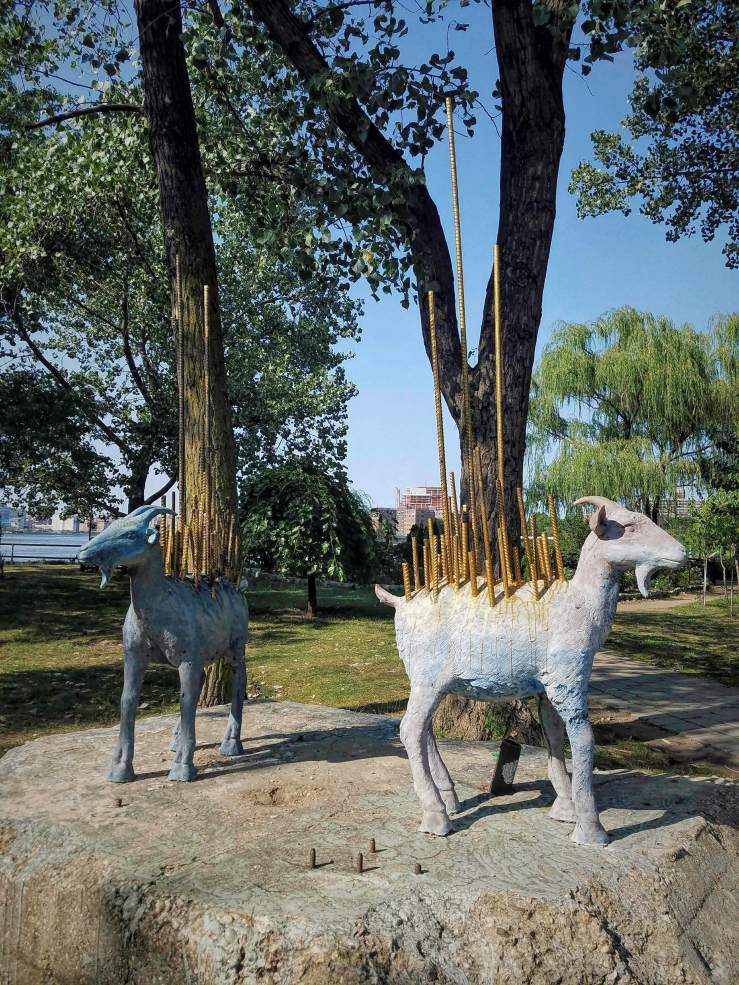
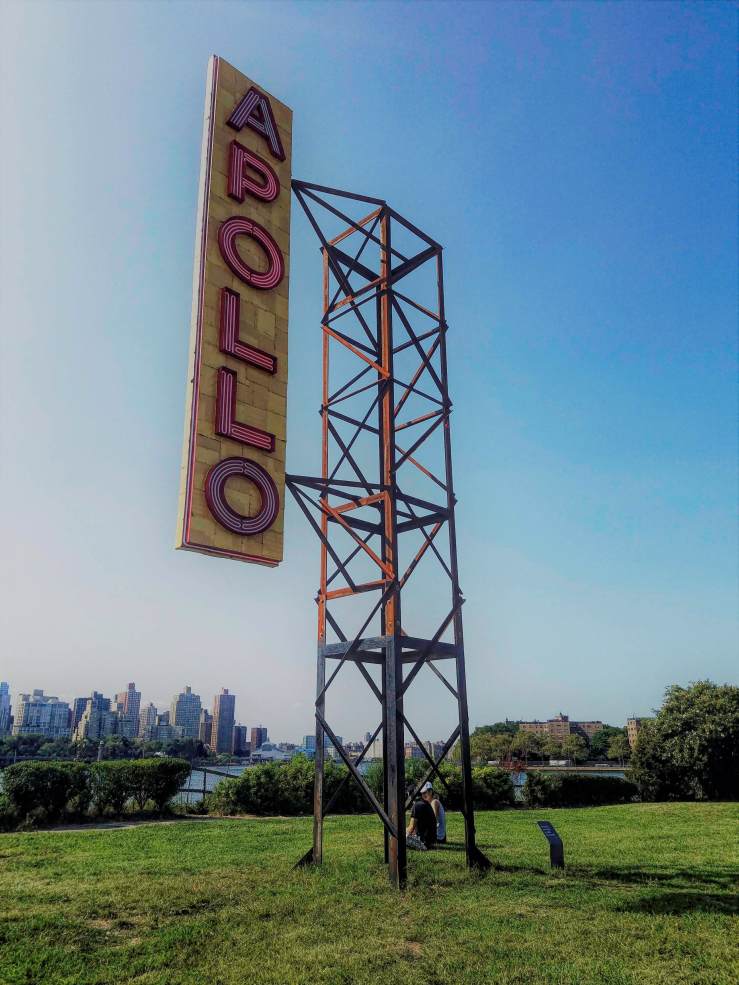
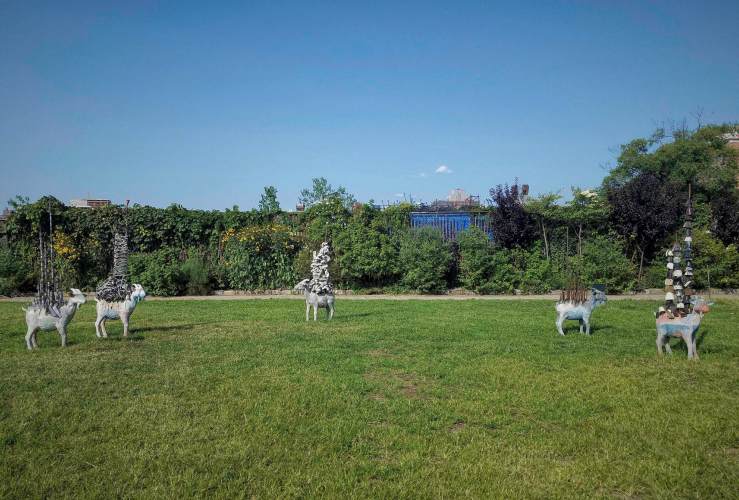
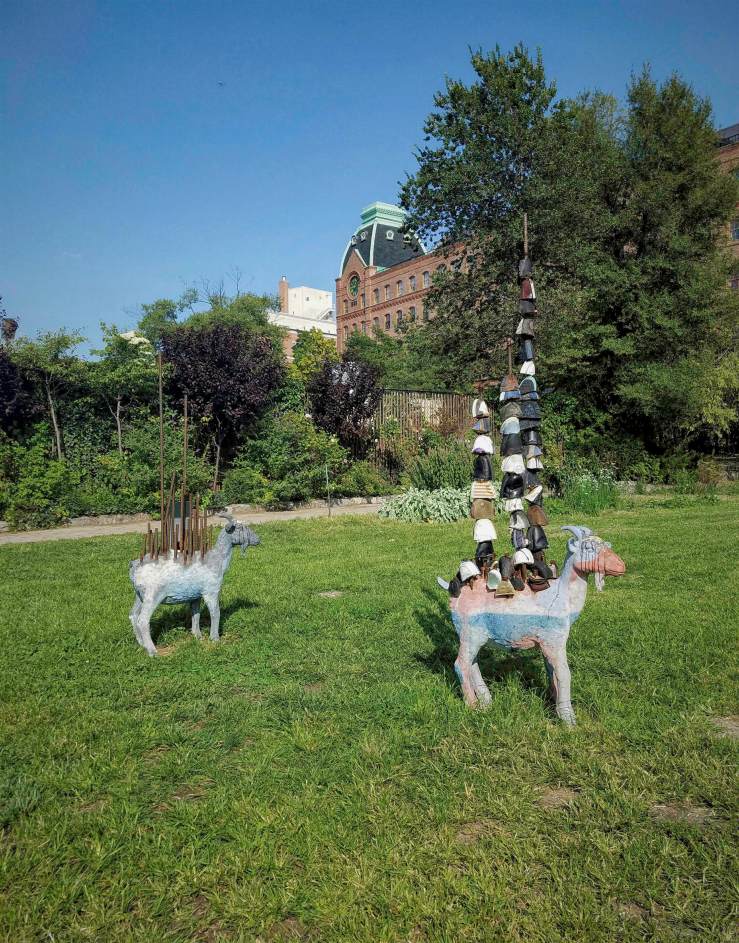
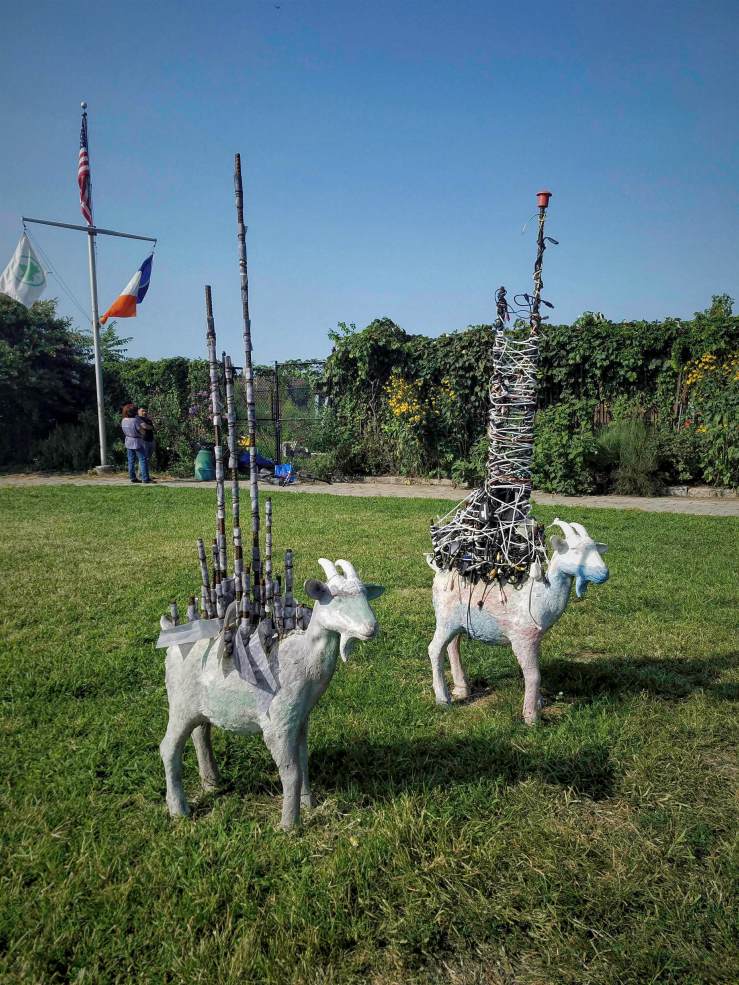
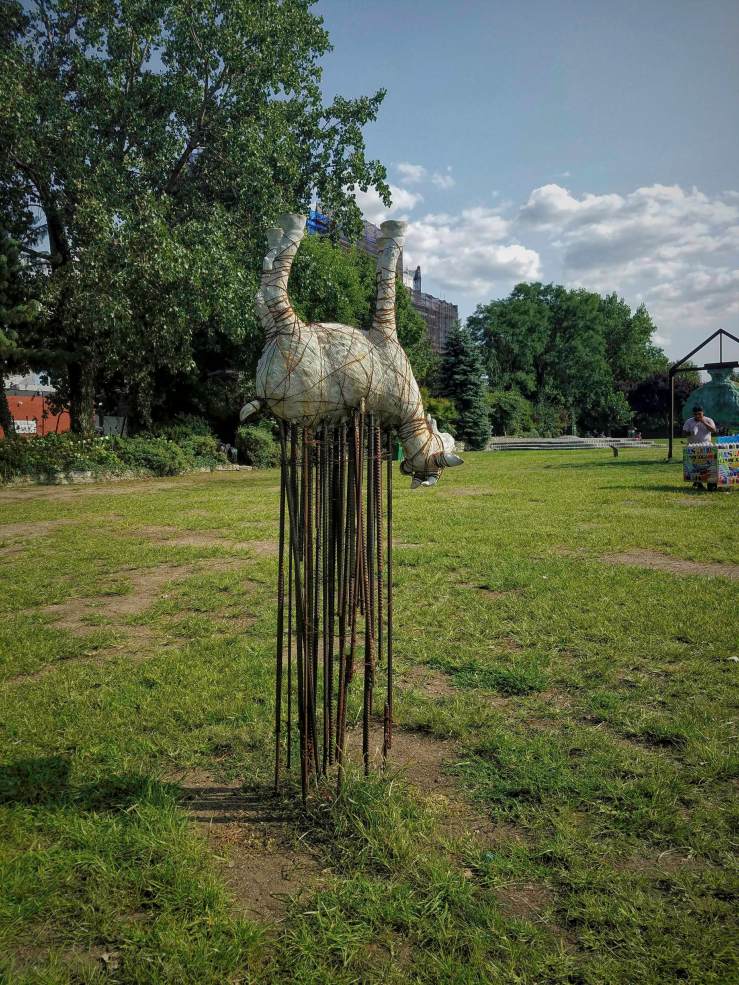
The exhibition on view those days was Nari Ward: G.O.A.T., again, G.O.A.T. being an acronym for Greatest of All Time, a phrase commonly used in American sports. The exhibition examined ‘how hubris creates misplaced expectations in American cultural politics. This exhibition also brought new insight into the artist’s exploration of identity, social progress, the urban environment, and group belonging.

While it was difficult for me to grasp the higher meaning behind the flock of goats carrying stuff on their backs, I found the artist’s explanation ”… articulation of social dynamics, conjuring the animal’s attributes and symbolic connotations, from an ambitious climber of great heights to an outcast” equally puzzling.

On the other hand, the Apollo/Poll sign, that read ‘APOLLO’, the letters ‘A’ and ‘O’ blinking on and off to spell out “POLL” was easier to interpret even without the help of the artist (but here it is anyway): ”… The size and font of the red LED-lit letters are inspired by those of the iconic neon beacon hanging over Harlem’s Apollo Theater, a renowned venue for African American entertainers. The word ‘POLL’ suggests not only the theater’s well-known amateur night in which the audience decides the winner, but also the democratic election process.

I wonder what would Socrates have made out of all this…

August 26th, 2017