Philadelphia City Hall – The Building

Philadelphians are proud of their history and heritage, and one way to show it is by signing up as volunteer guides. Go to any site of historical or cultural interest and you can be sure to find a tour lead by a ranger or a knowledgeable docent.

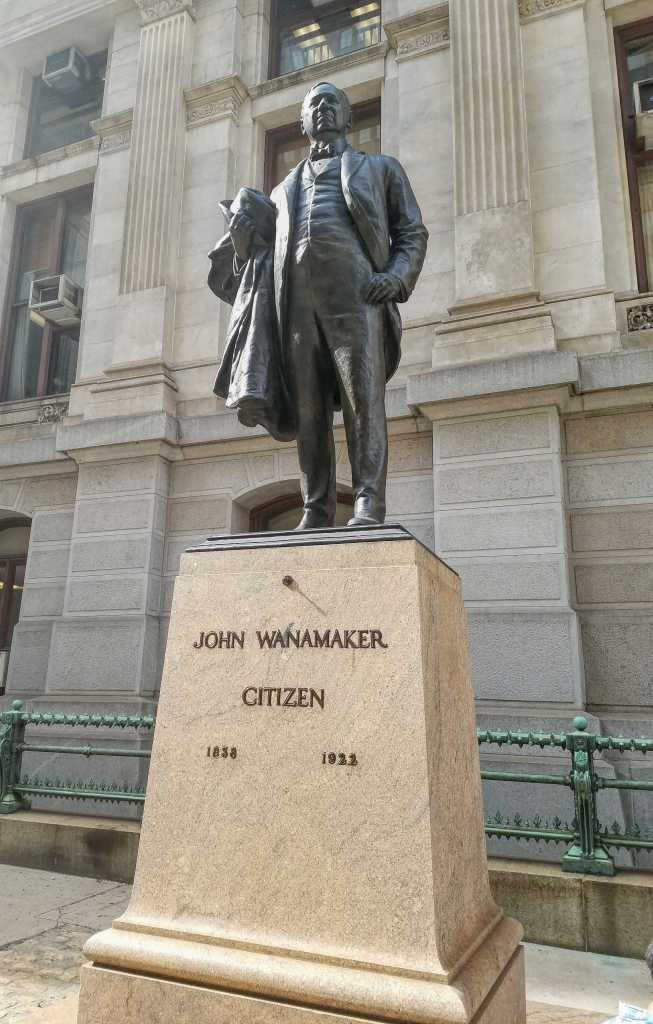
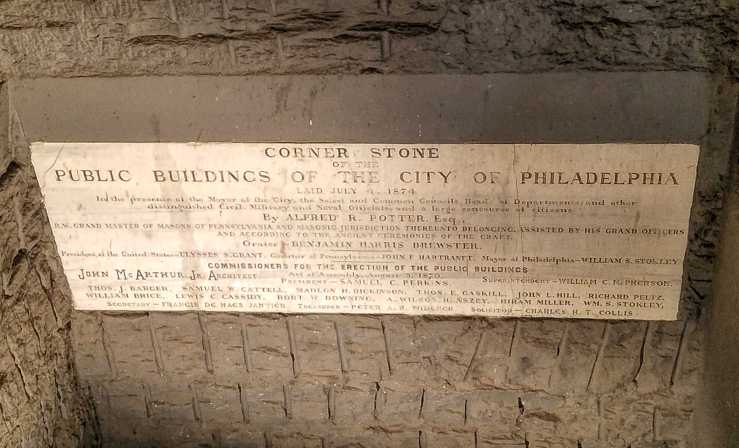
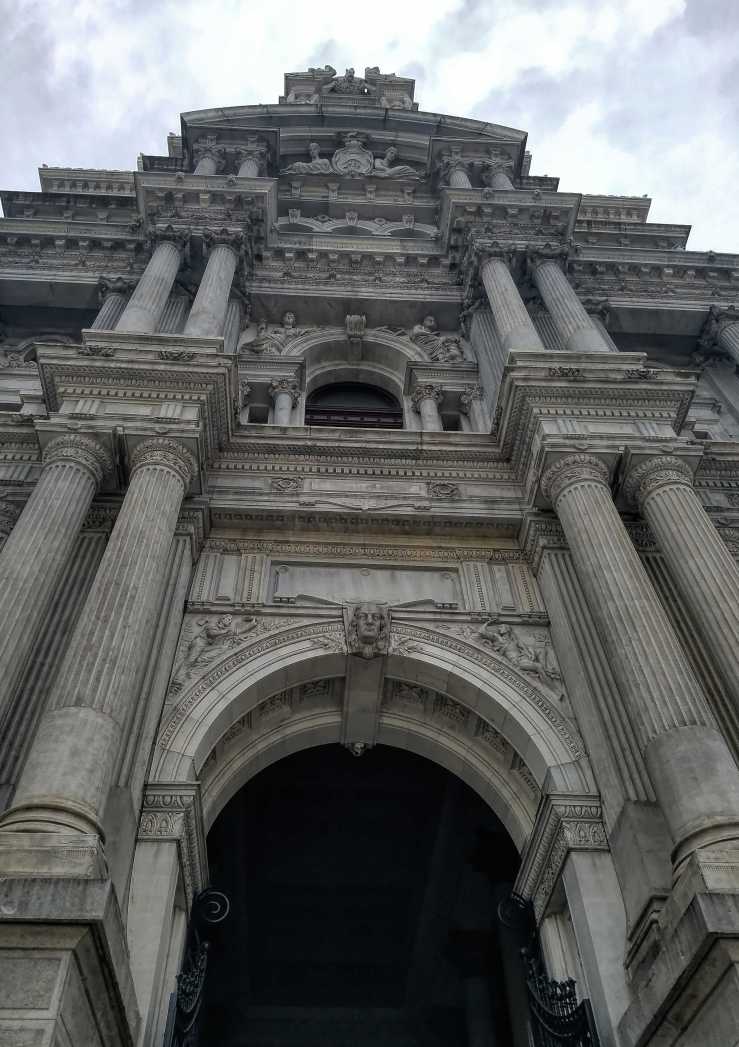
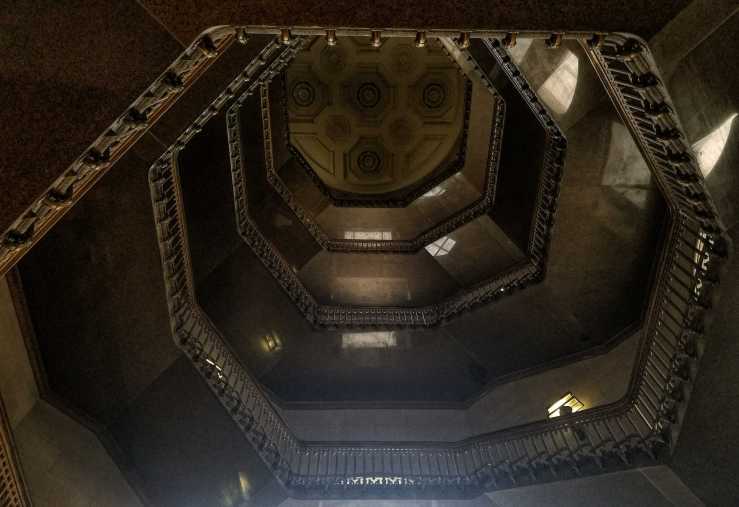
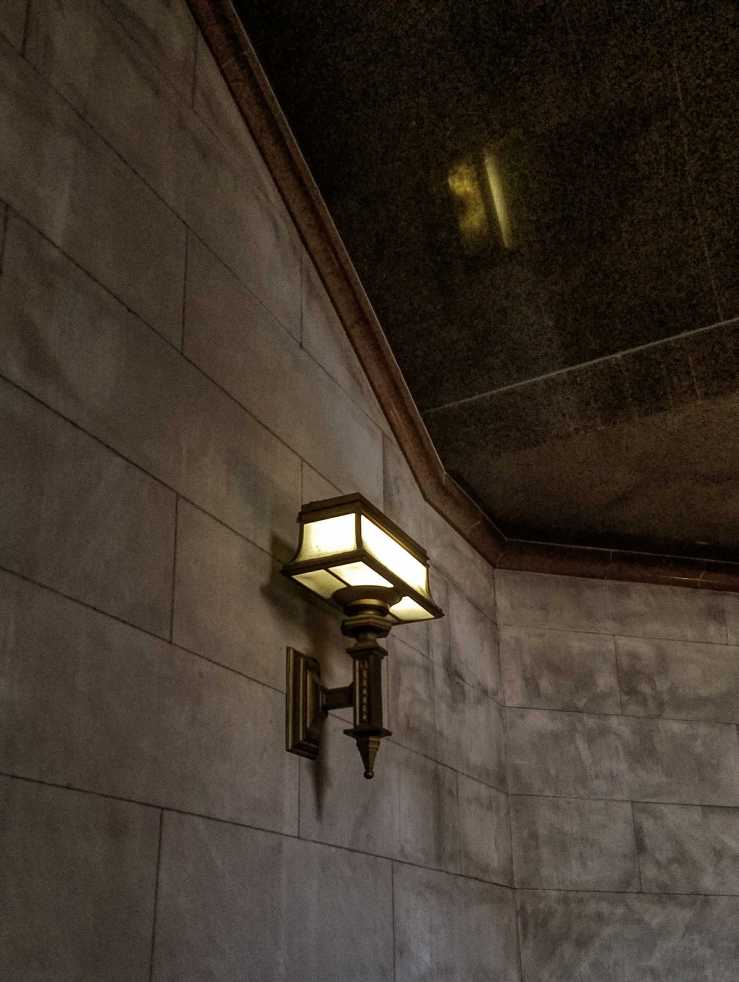
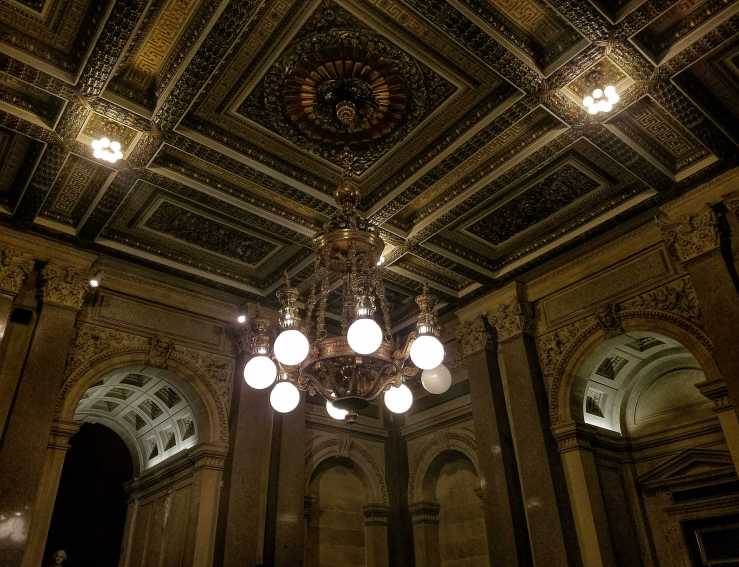
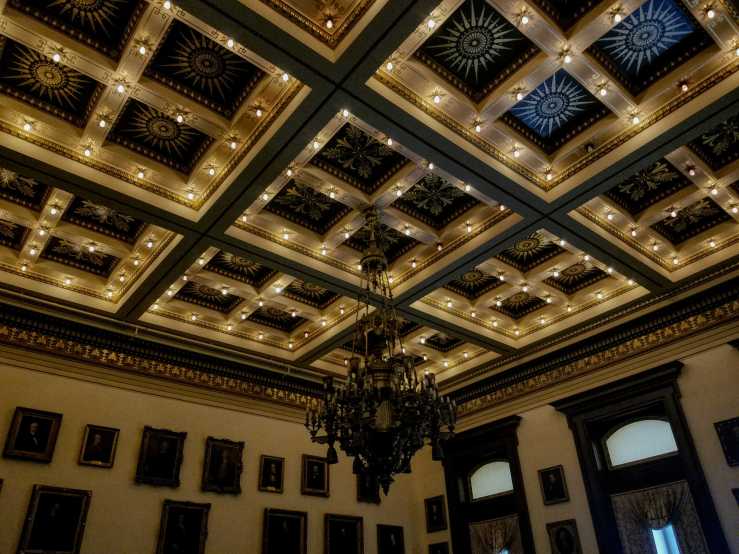
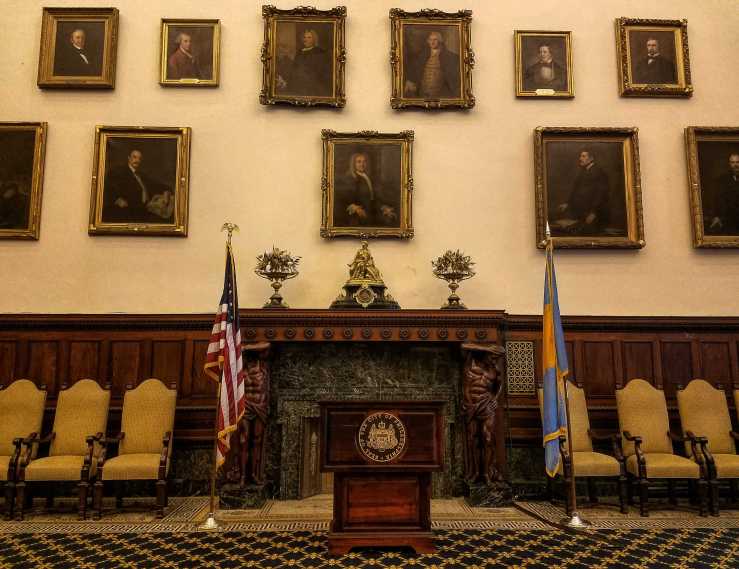
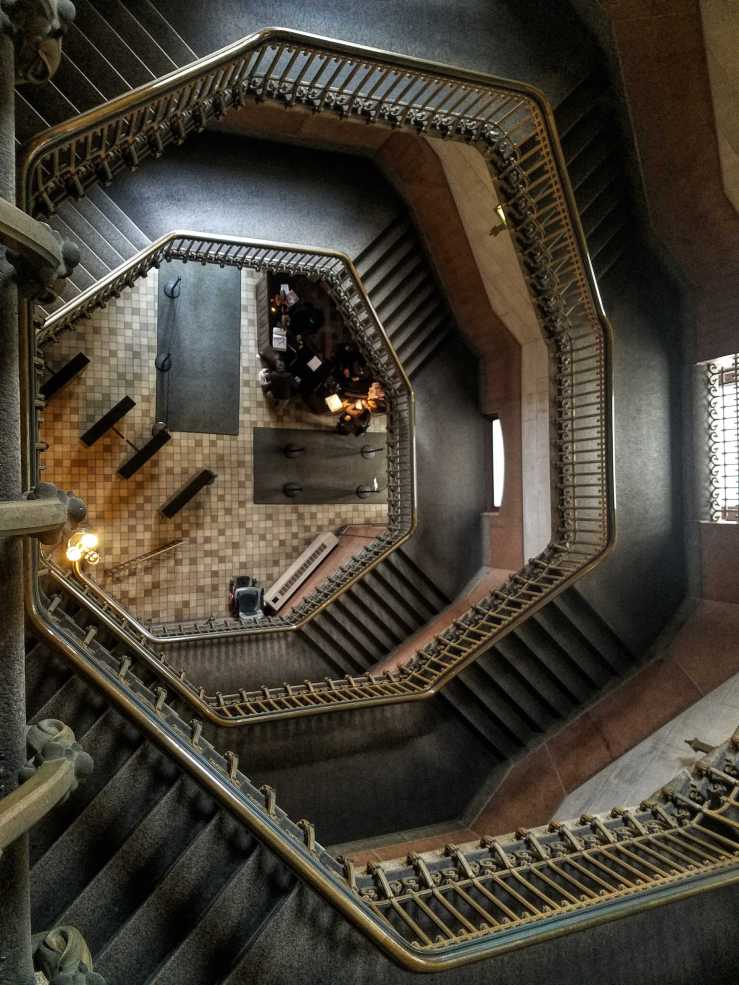
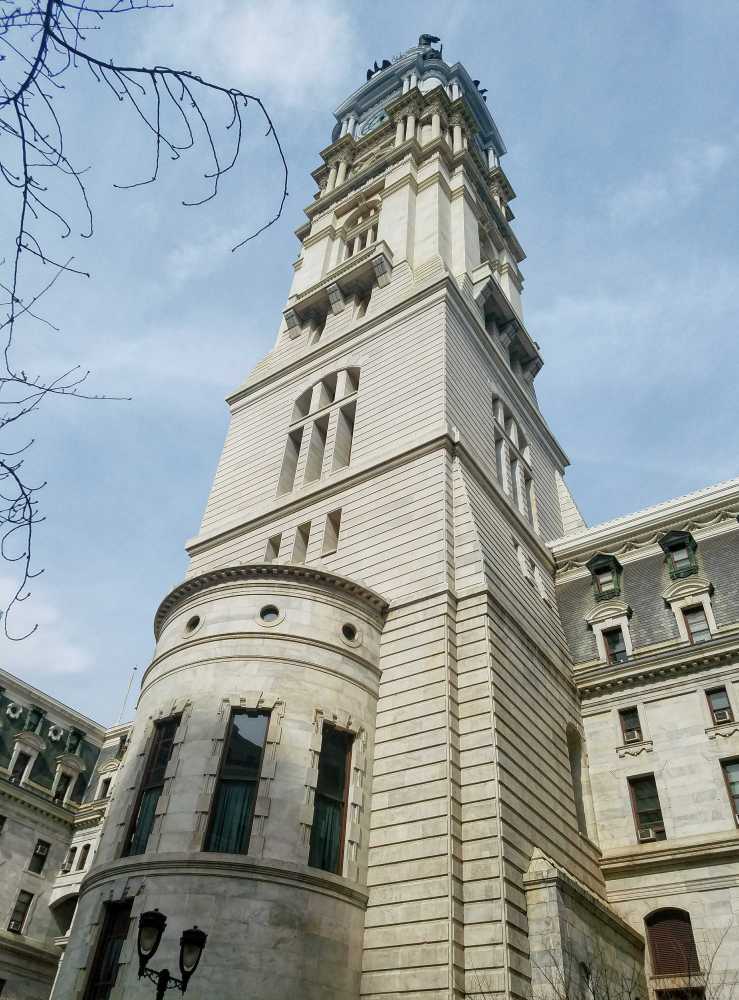
Like the City Hall Interior tour we took, which includes a visit to the Tower for a panoramic view of the city. Actually, the tour starts outside, across from the Wanamaker Building, where John Wanamaker’s bronze statue commemorates him simply as ”Citizen”; then on to the inner courtyard before entering the vast City Hall – the largest municipal building in the world – and its seemingly endless corridors and offices.

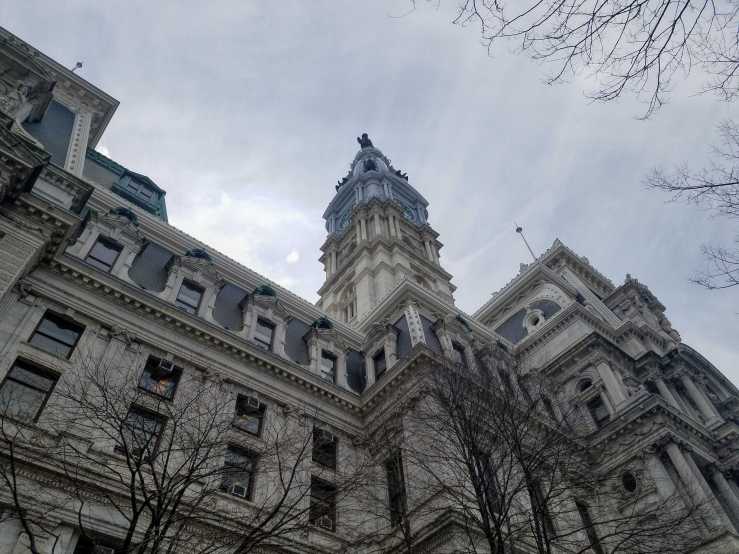
See that small feature on top of the tower? This is a 27-ton, 37ft bronze statue of the city’s founder, William Penn. Created by Alexander Milne Calder, it is the tallest statue atop any building in the world.

Biggest, oldest, tallest… superlatives seem to characterize Philadelphia – and very suitably so, I might add.

Philadelphia
February 22nd, 2017
Streets of Philadelphia – by night

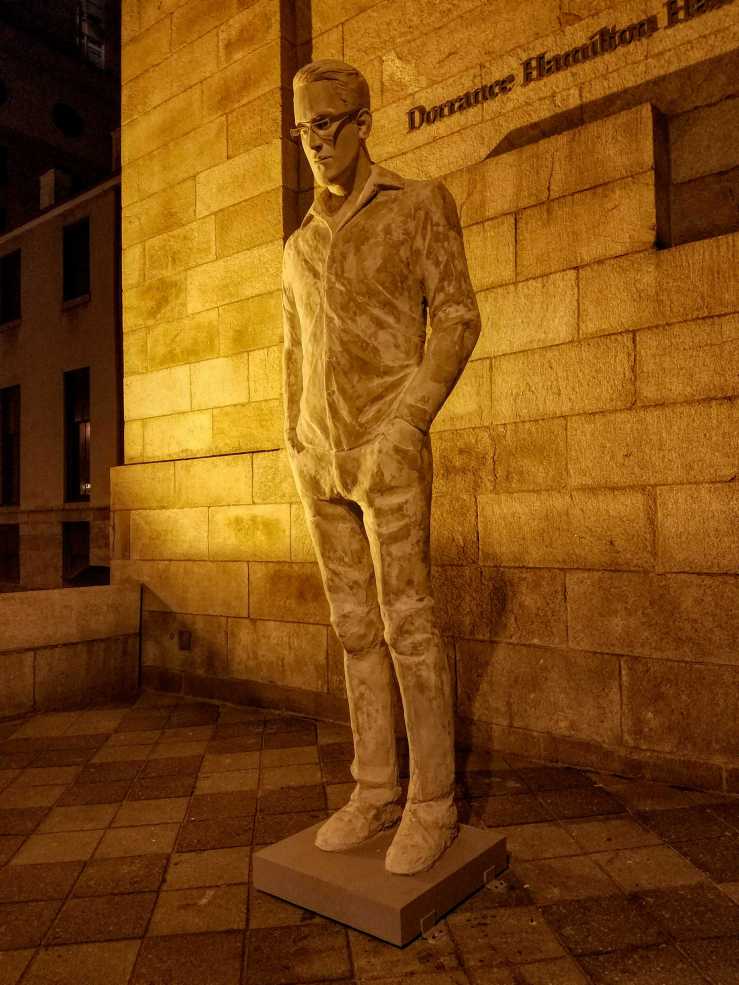
A statue of Edward Snowden in front of The University of Arts – that was a surprise! Then again, it shouldn’t have been. It was only a few hours earlier we nodded appreciatively at the famous inscription on the Liberty Bell “Proclaim Liberty Throughout All the Land Unto All the Inhabitants thereof” – wasn’t it?

Philadelphia
February 21st, 2017

Crazy electric hair

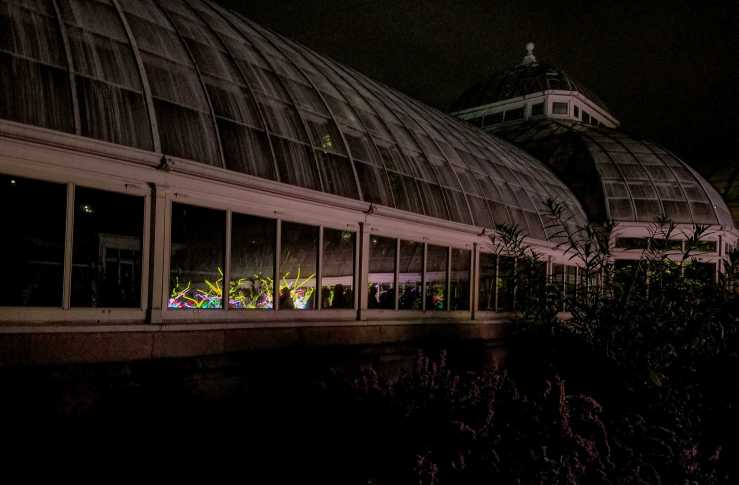
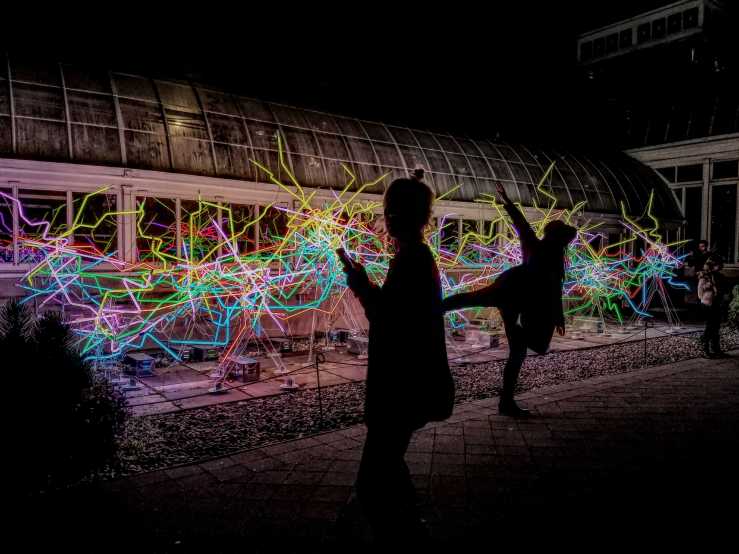
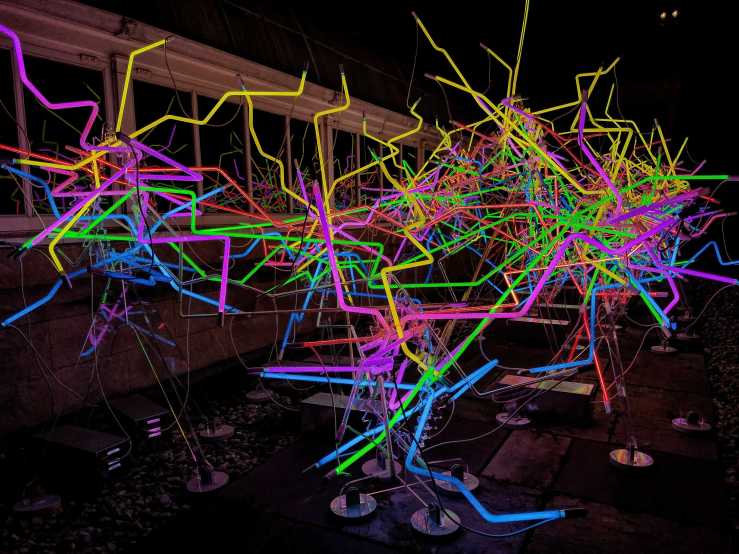
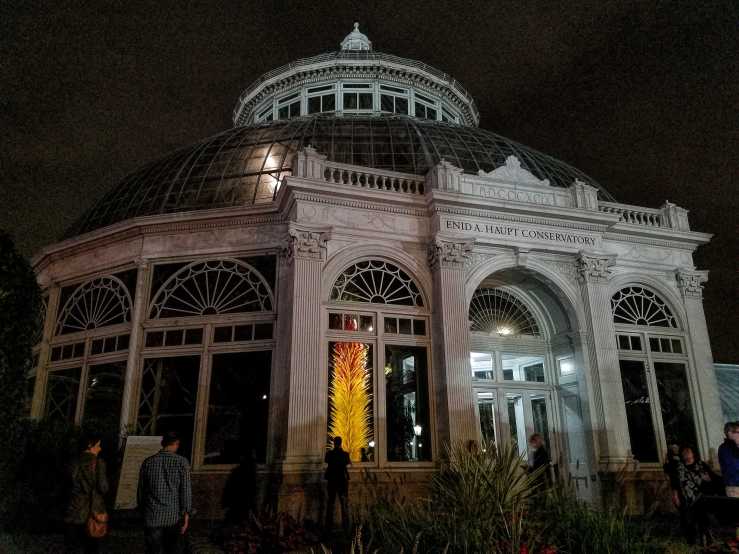
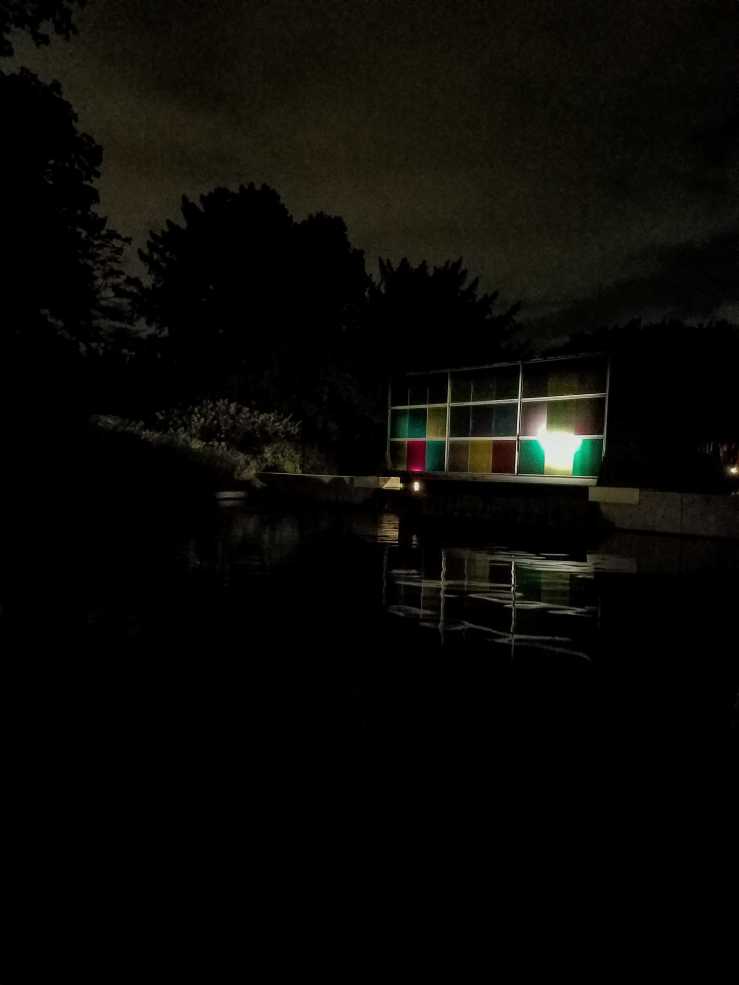
Of all the glass sculptures in this exhibition, Neon 206 stands out as the craziest. Installed specifically to reflect on the Conservatory windows and the pool outside, it must be seen in the dark or else it would look just like a bundle of bent tubes (which is what it is). But at night it transforms into an explosion of light, the perfect backdrop for those playful shadowy portraits; snapshots of electric dreams.

With this neon light craziness, we bid farewell to the Botanical Garden and the magical world of Dale Chihuly. Next stop, Philadelphia…

Neon 206 (2017)

Chihuly Nights, New York Botanical Garden

October 14th, 2017

A walk down memory lane

When lemonade was served in lace crystal glasses and sipped through grandma’s drinking glass straws. Those lean, sleek pastel coloured things of beauty that were kept locked only to come out when there were visitors – on Sundays mostly. Despite handling with care, they succumbed to their fragile nature, one by one, drink after drink. They were never replaced. It was the dawn of the 1970s and Tupperware had already taken Europe by storm since the 1960s. The plastic age had arrived.

Glow

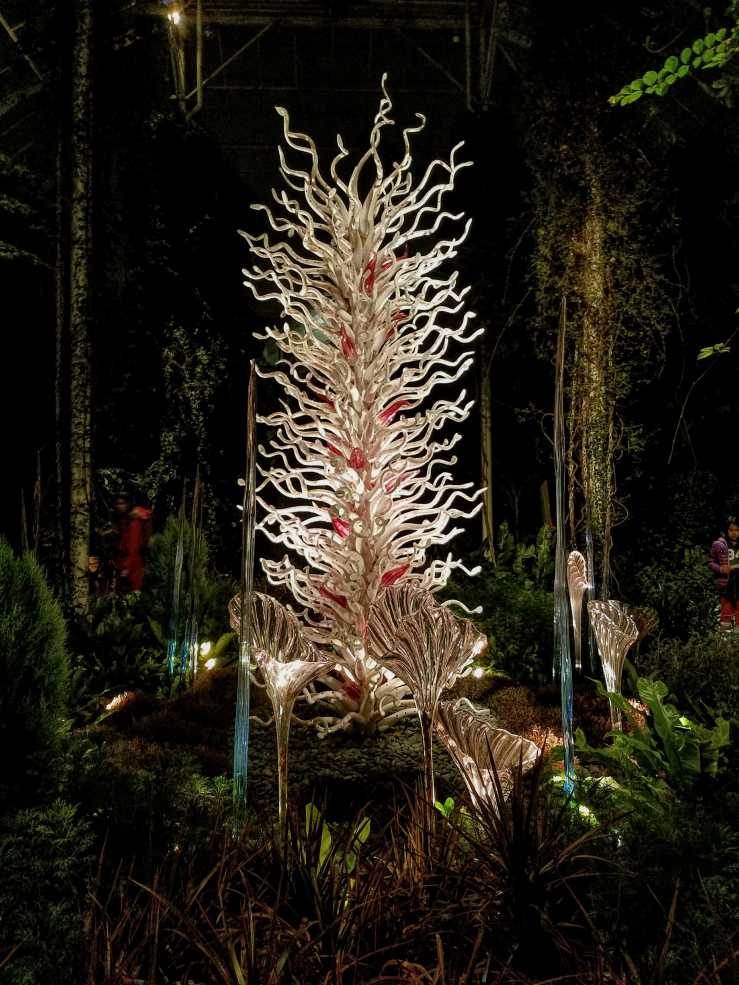
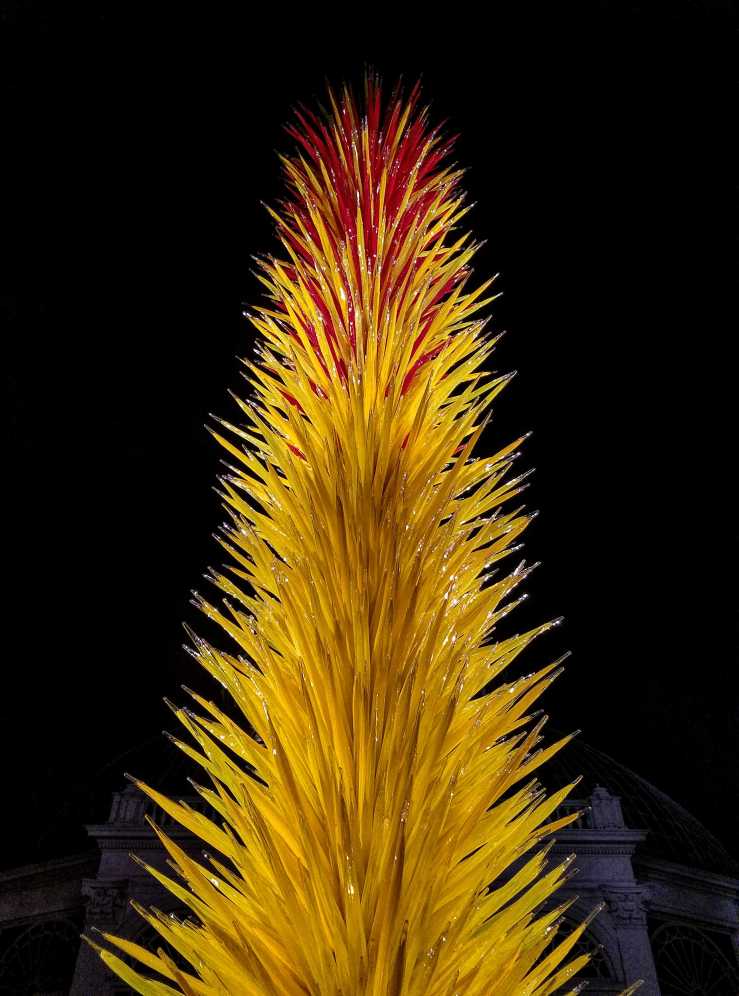
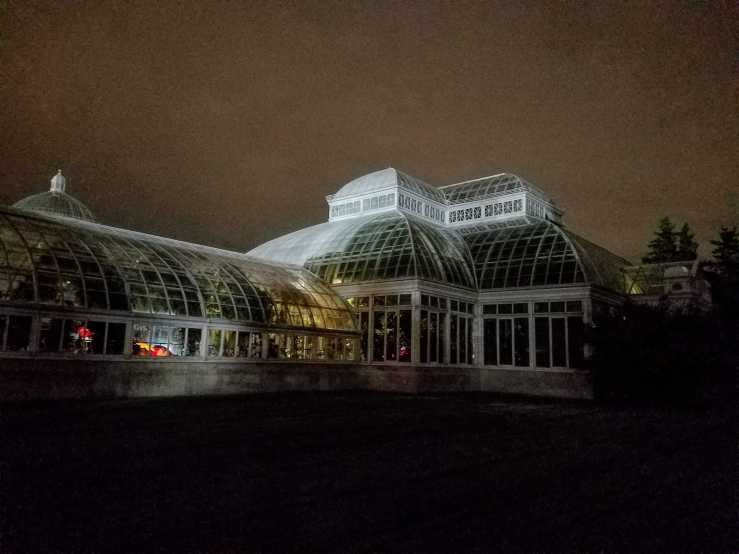
White Tower with Fiori
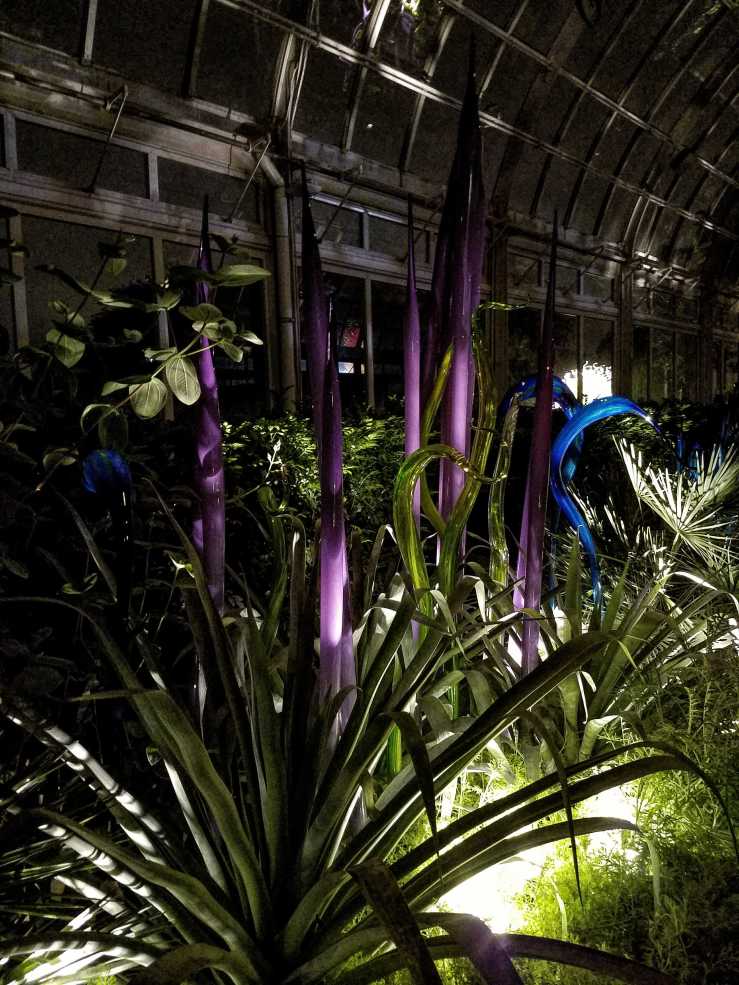
Glasshouse Fiori

Chihuly Nights, New York Botanical Garden

October 14th, 2017
Of Blue Crystals and The Fountain of Life

Of the perfect synergy between man and nature that makes it possible to create such exquisite, delicate, fragile things of beauty out of mere grains of sand.

Of the teamwork between artists, technicians, designers, gardeners, landscape architects and light engineers that made this exhibition such a success.

Of the New York Botanical’s readiness to replant large parts of the Gardens to complement the glass sculptures and make them look like they were grown together organically, in perfect harmony.

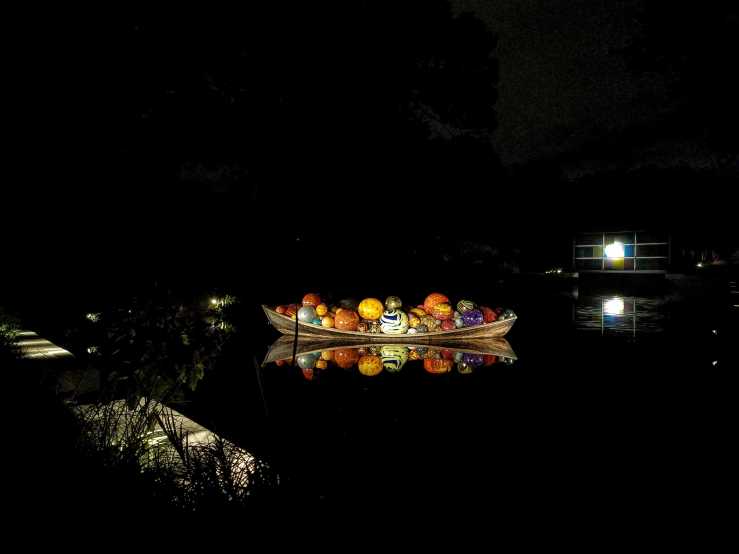
Of the way the sculptures glow in the dark and become alive, like mystical creatures.

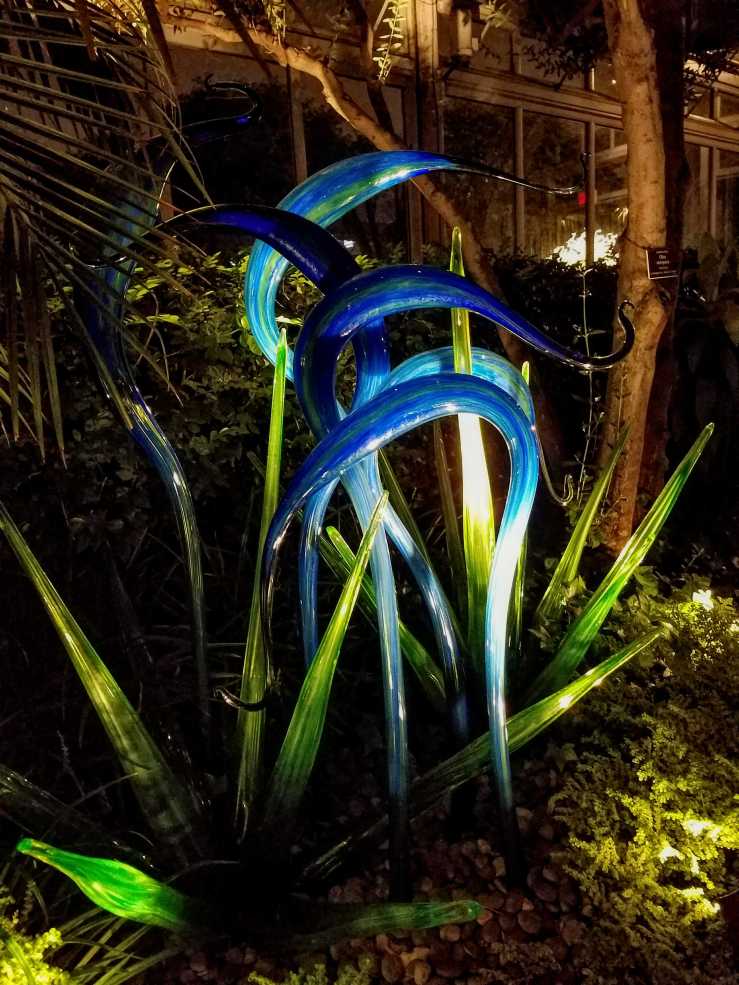
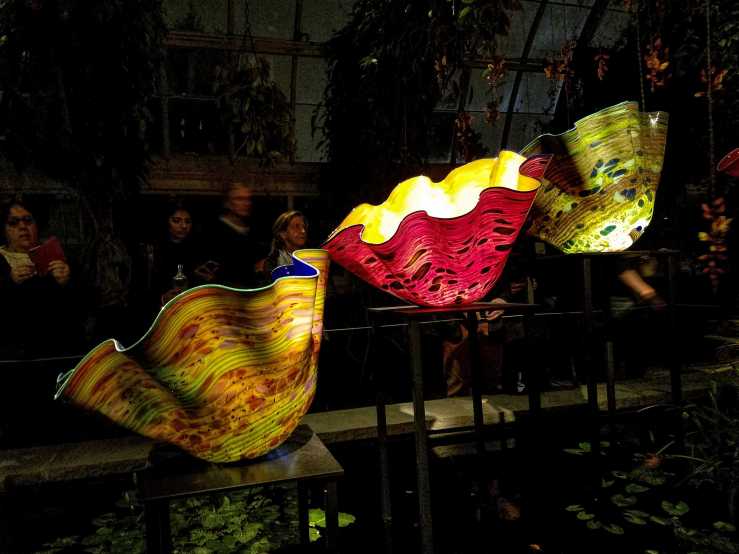
Blue polyvitro crystals, 2016
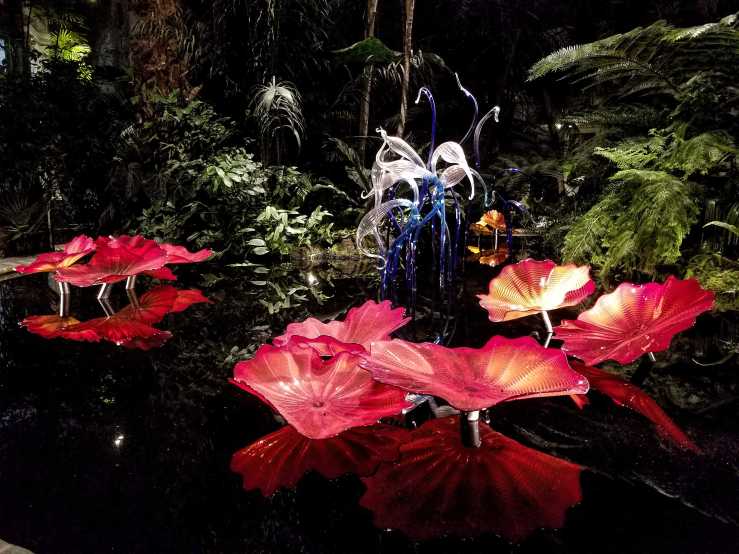
Glass sculptures by Dale Chihuly in The Lillian Goldman Fountain of Life, 1905
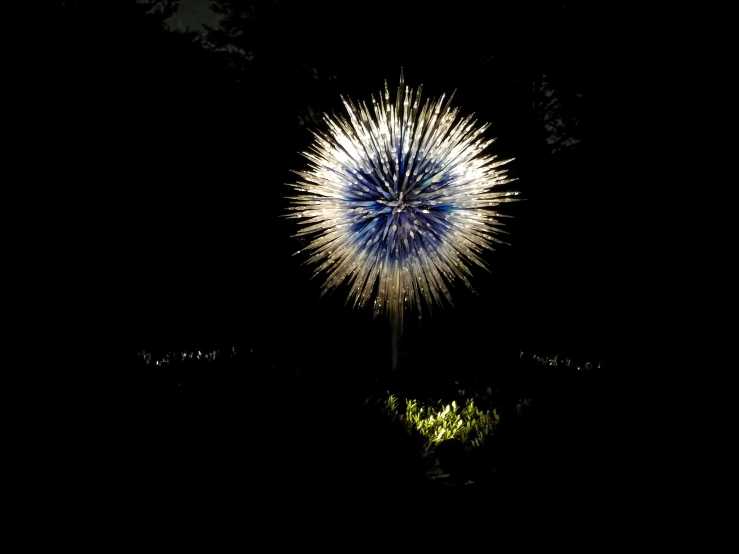
Sapphire Star, 2010
Glass sculpture by Dale Chihuly

Chihuly Nights, New York Botanical Garden

October 14th, 2017

Less is More @ MoMA [permanent collection, part 12]

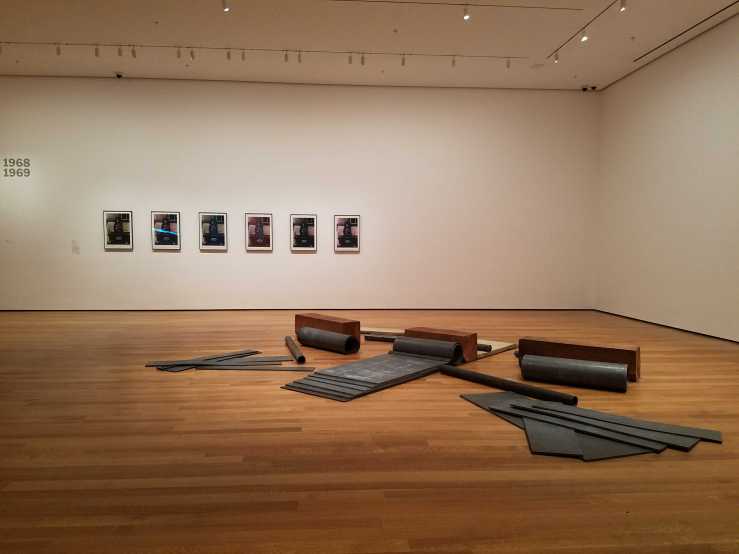
The arrangement of objects on the floor (second image) is a sculpture by Richard Serra: Cutting Device: Base Plate Measure, 1969.

The artist took rolled lead sheets, wood beams, marble slabs, and steel piping, and then used a saw to slice them through. The objects were then arranged on the floor as they appeared directly after having been cut.

{…}

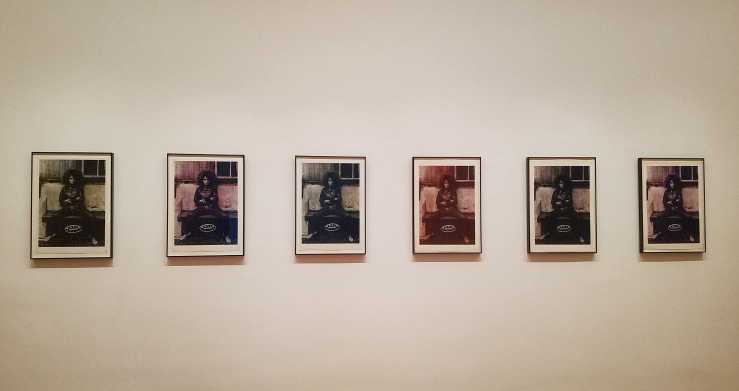
The row of framed prints on the wall show VALIE EXPORT, photographed by Peter Hassmann for her signature work Action Pants: Genital Panic, 1969.

<<This series of screenprints relates to a performance in which EXPORT reportedly walked into an experimental art-film house in Munich wearing crotchless trousers and a tight leather jacket, with her hair teased wildly, and roamed through the rows of seated spectators, her exposed genitalia level with their faces. Challenging the public to engage with a “real woman” instead of with images on a screen, she illustrated her notion of “expanded cinema,” in which the artist’s body activates the live context of watching. EXPORT’s defiant feminist action was memorialized in a picture taken the following year by the photographer Peter Hassmann in Vienna. EXPORT had the image, in which she holds a machine gun, screenprinted in a large edition and fly-posted it in public squares and on the street.>>

MoMA, From the Collection, 1960 – 1969.

January 30th, 2017

Phallucinations and Prickly Sensations @ MoMA… [permanent collection, part 2]

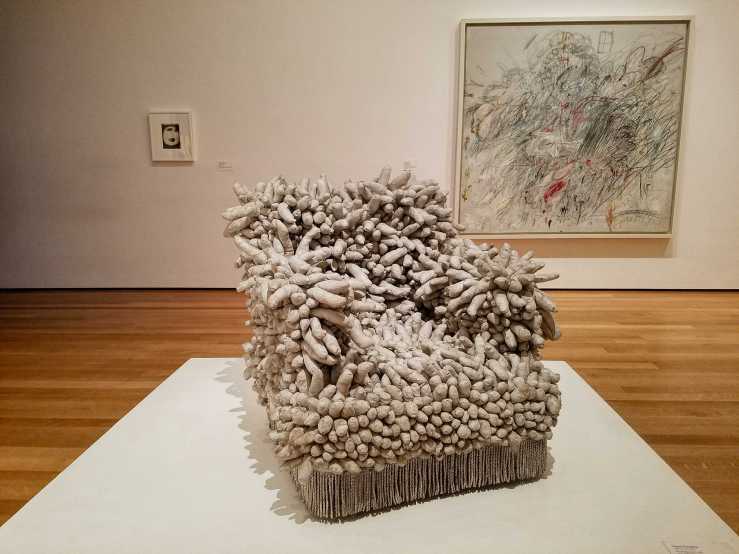
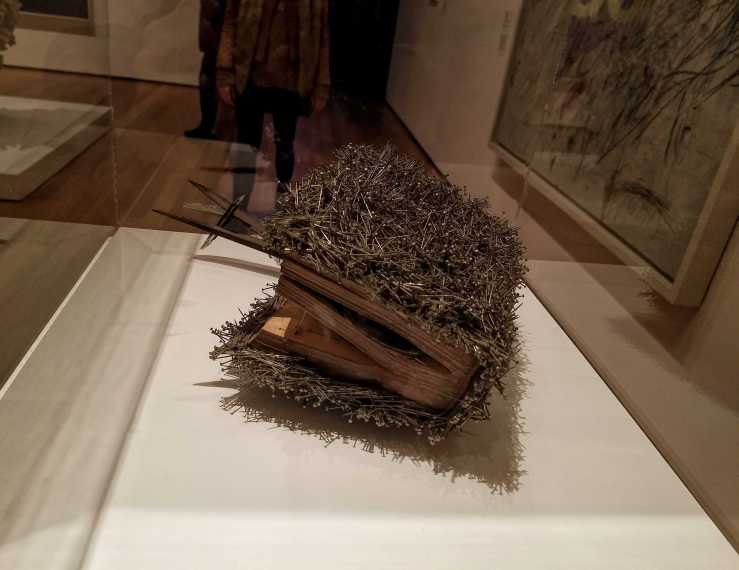
Artistic interventions by Yayoi Kusama and Lucas Samaras on everyday objects rendering them unusable, thereby transforming them into memorable works of art.

Accumulation No. 1, 1962. Sewn stuffed fabric, paint and chair fringe || Yayoi Kusama

<<To make ”Accumulation No. 1”, her earliest sculpture, Kusama covered an armchair with stuffed and painted phallic protrusions. She hand-sewed each of these elements, later explaining, ”I make them and make them and keep on making them, until I bury myself in the process. I call this obliteration.” When she first exhibited this work, critics were shocked by the humorous, sexualized transformation of an ordinary domestic object. Since then, over the course of her fifty-year career, Kusama has created ”accumulations” of various materials on furniture, domestic objects, clothing and even room-sized environments.>>

Book 4, 1962. Book with pins, table knife, scissors, razor blade, metal foil, piece of glass and plastic rod || Lucas Samaras

<<”Book 4” is a multifaceted object and a miniature world in itself. Although it includes eight fictional narratives written by the artist and surprises such as pop-ups, pockets, interlocking layers, foldouts and hidden pamphlets, it is not a storybook. Encrusted with needles and shards of glass in addition to brightly coloured beads and pieces of mirror, it is difficult, if not dangerous, to handle – the better, perhaps, to guard the secrets that it might contain.>>

Structure

MoMA, views from the permanent collection.

January 30th, 2017