San Francisco is… a walk at Pier 39

Starting with a fair warning!

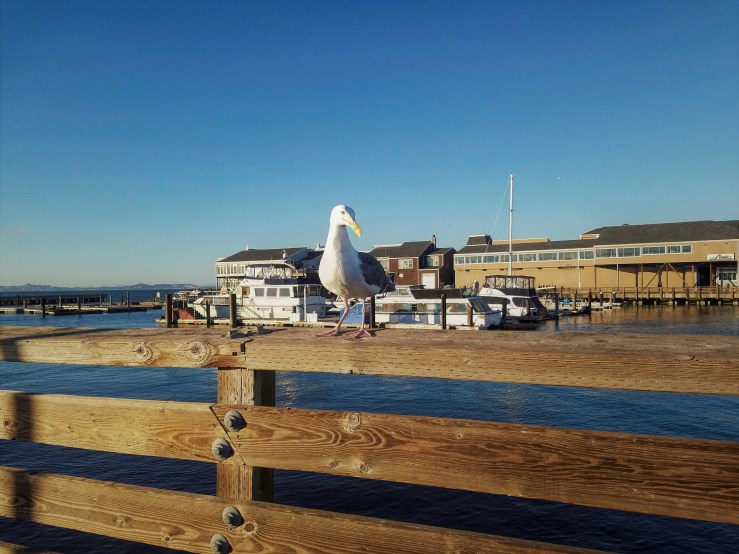
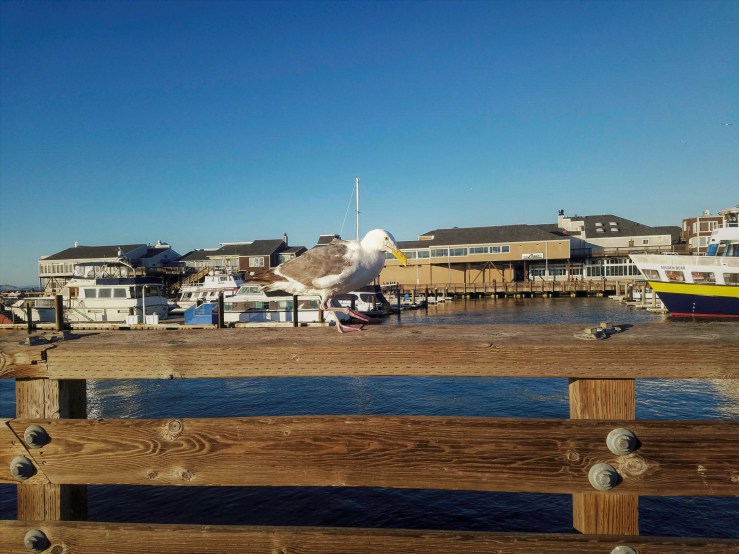
Meeting Glaukus, Le Poseur →↓

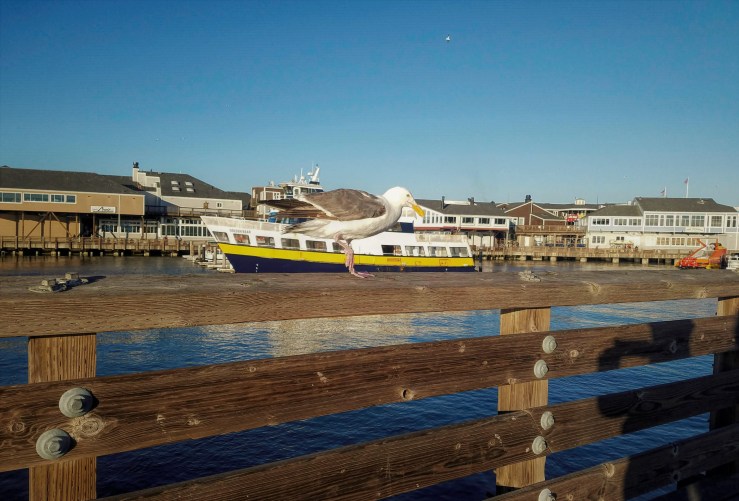
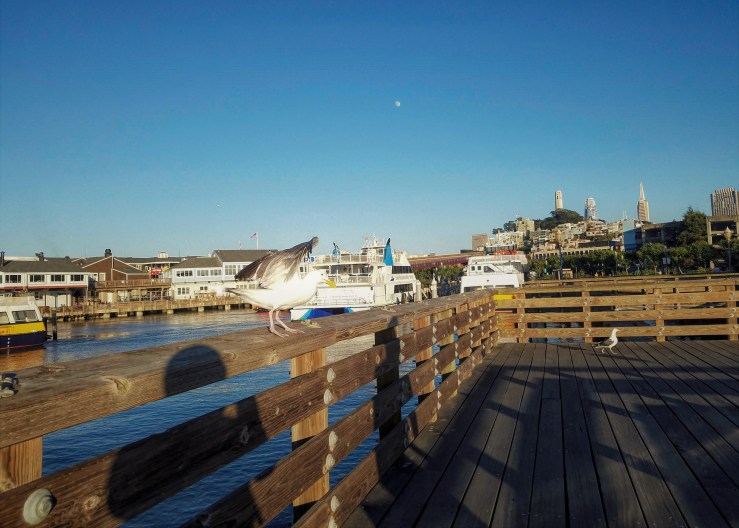
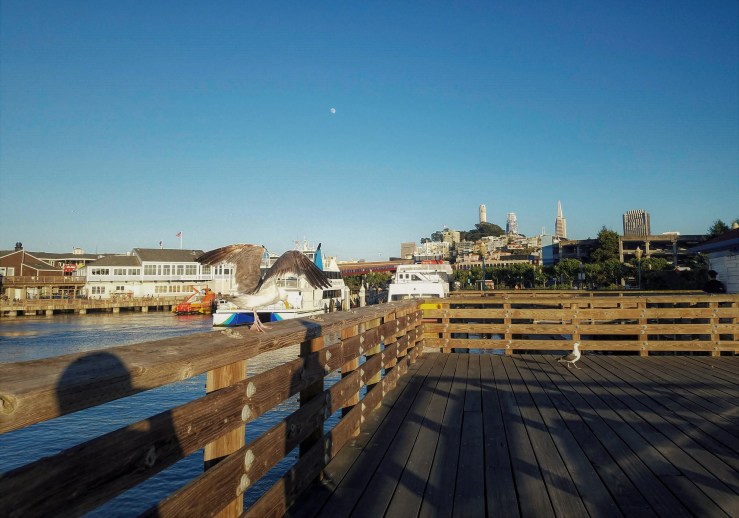
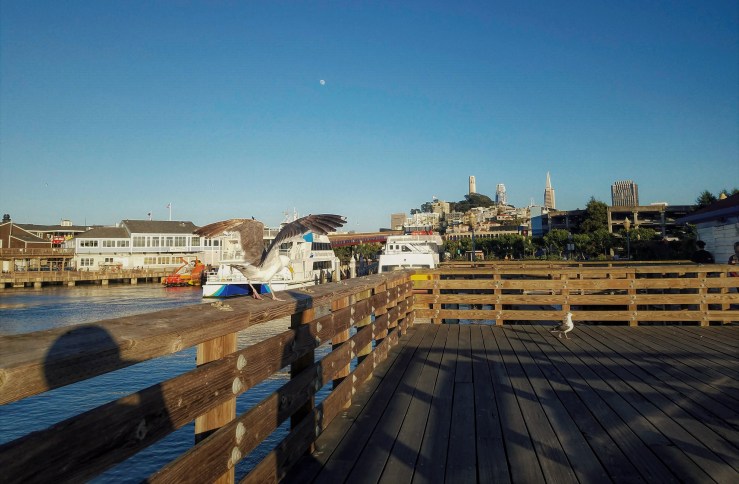
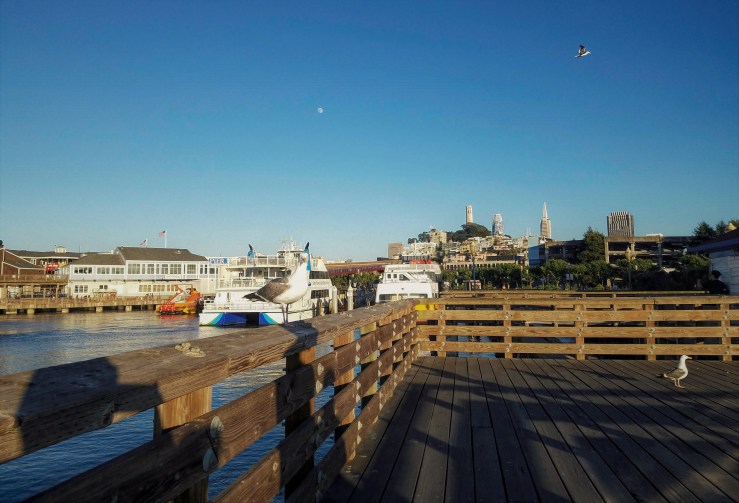
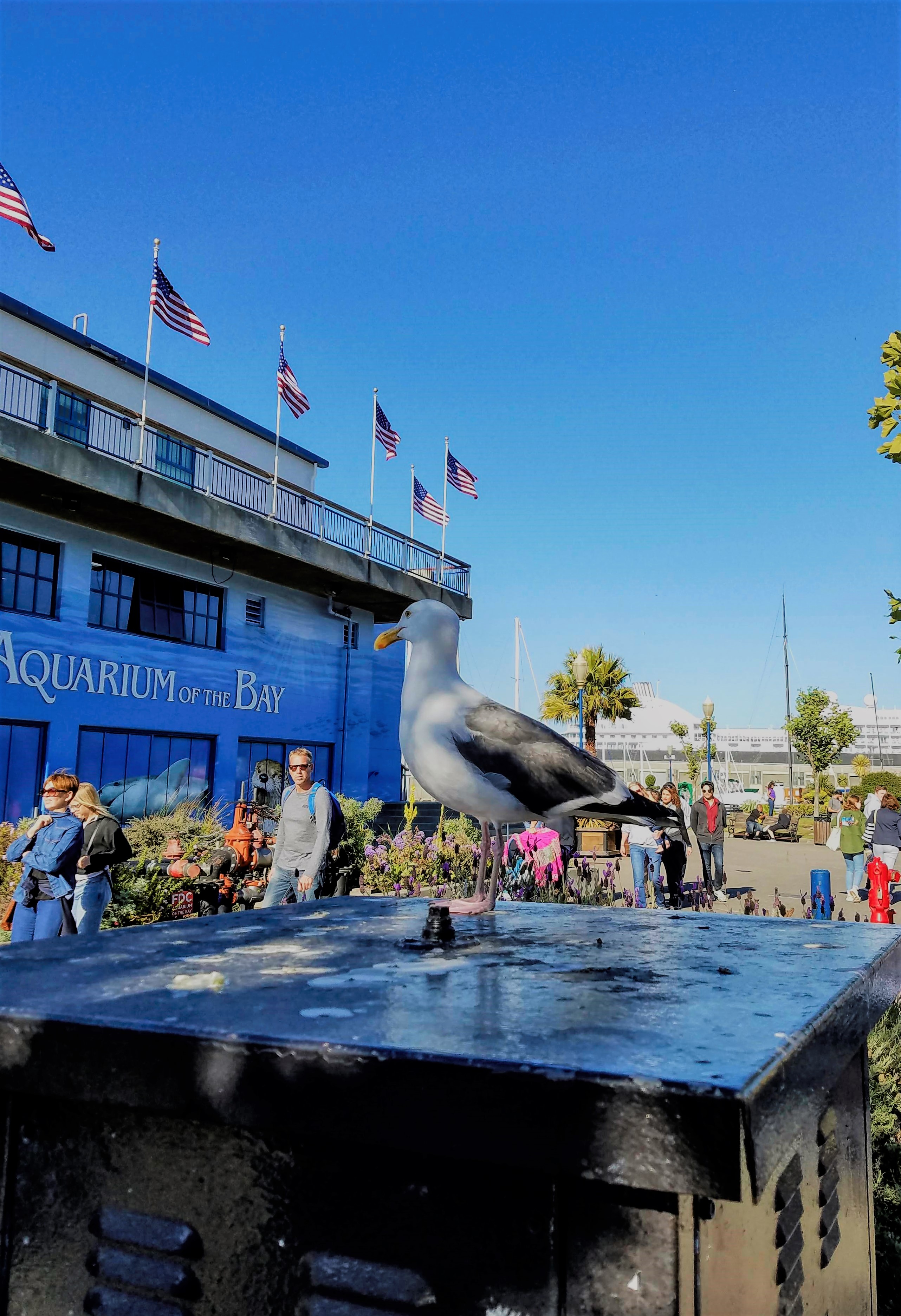
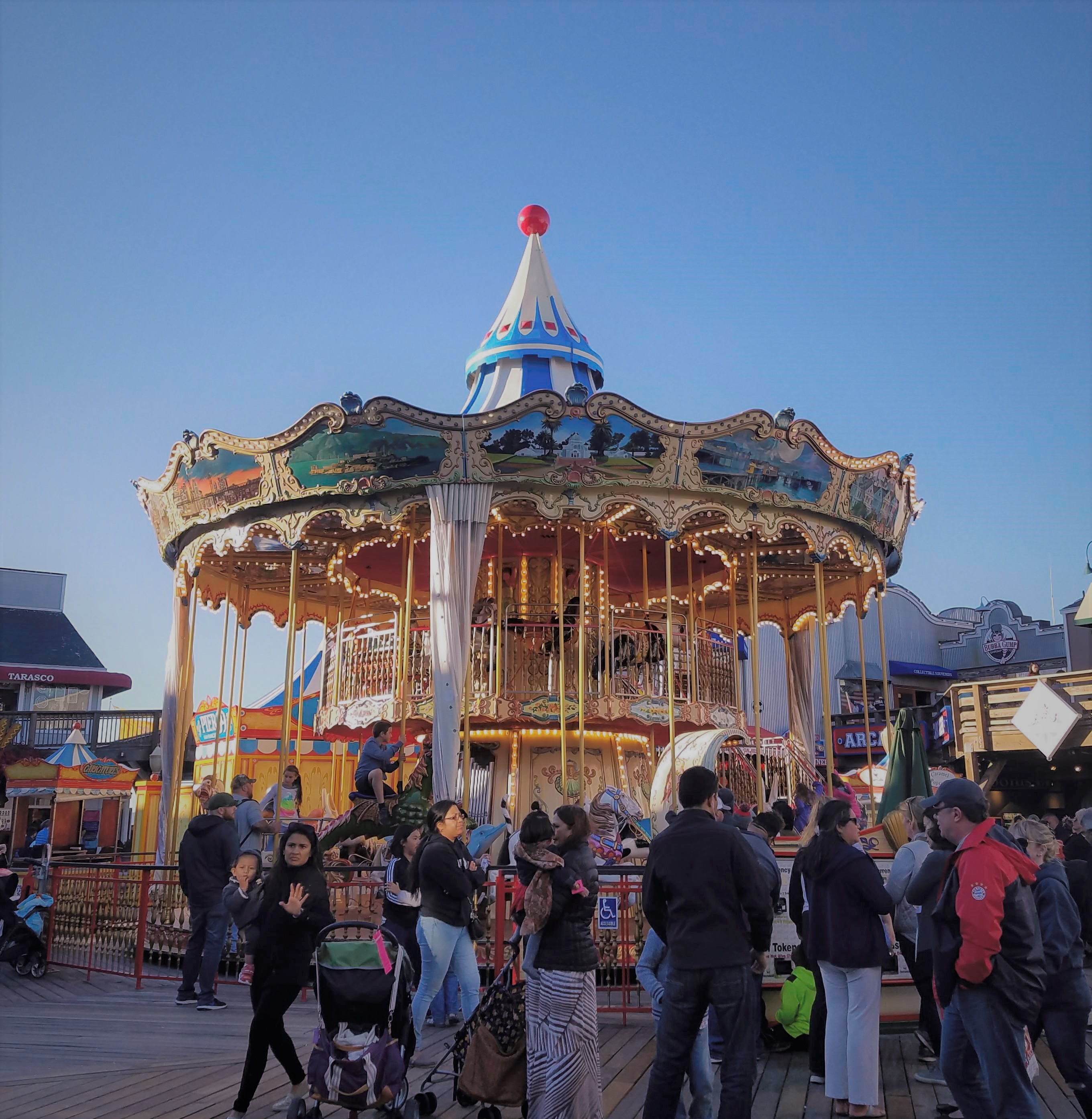
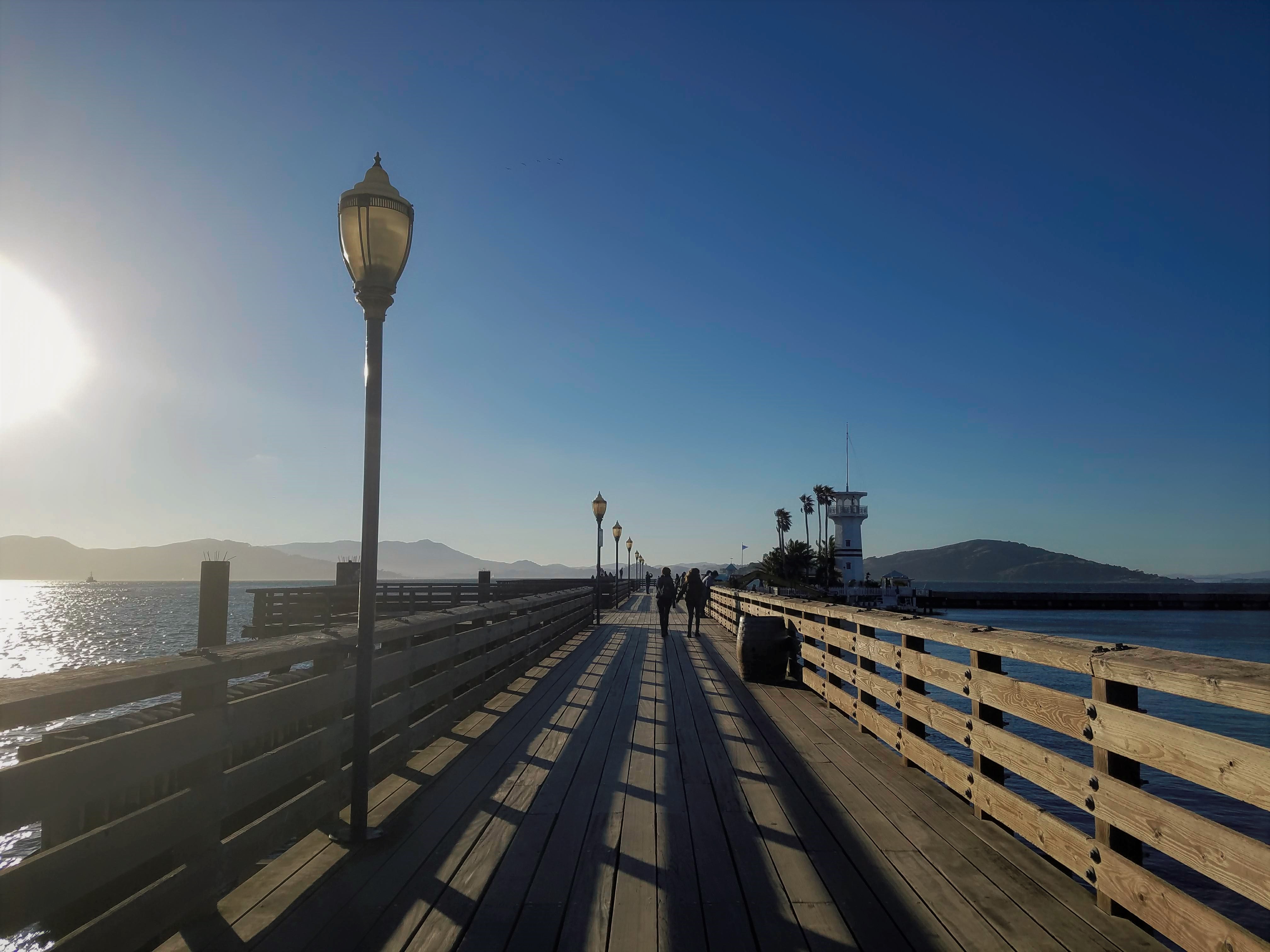
Paparazzi are not welcome →↓ If warnings and crowds do not scare you off, chances are you’ll make it to the other end of the pier where, depending on the season, you may be able to observe sea lions relaxing on their floats. Usually, there are hundreds of them, but in June and July most head south to breeding grounds on the Channel Islands, although a handful of lazybones, do remain. 

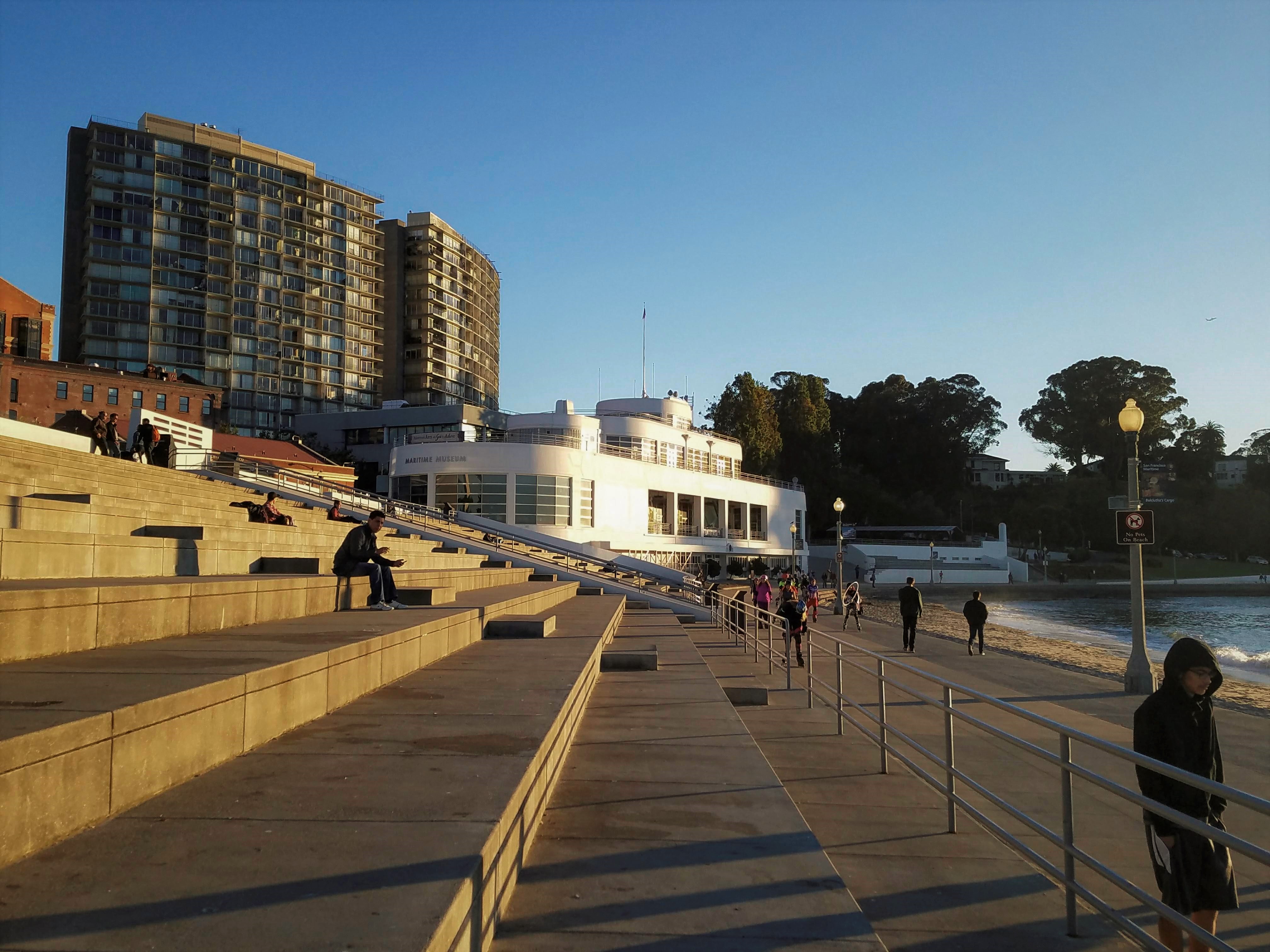
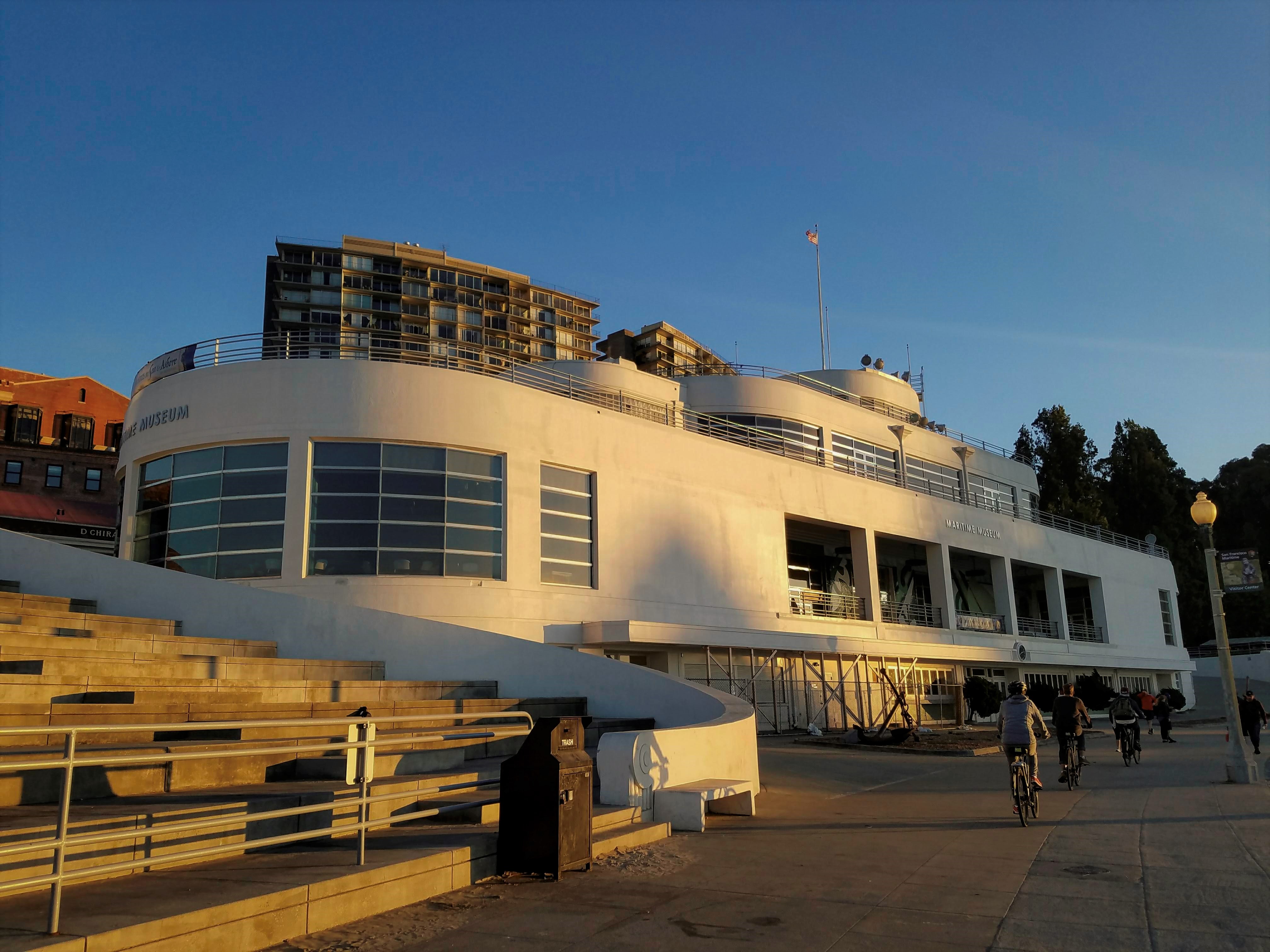
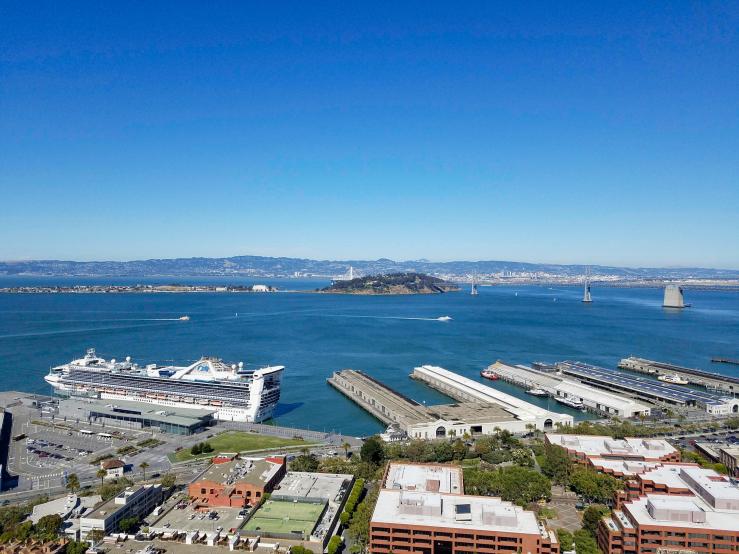
Walking along the Embarcadero, from Pier 39 to Fisherman’s Wharf and the Maritime Museum, then back to where we started, at the City Hall. Across the street, the Davies Symphony Hall was beginning to glow.

July 5th, 2017

San Francisco is… taking (the) steps

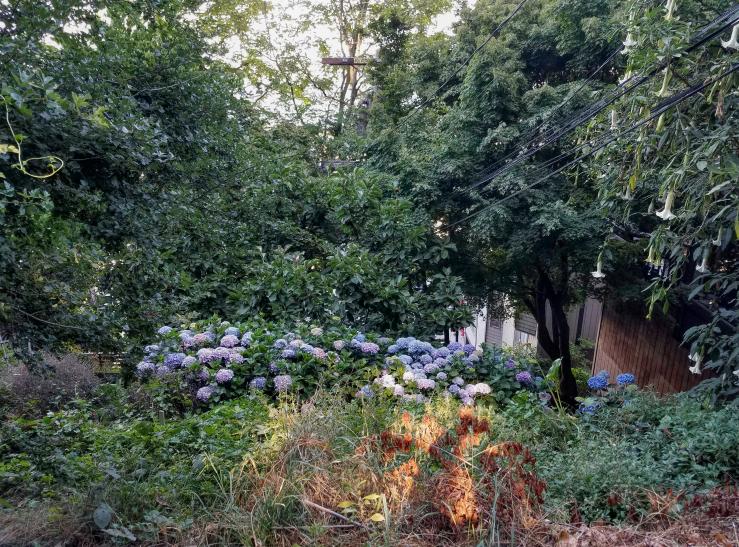
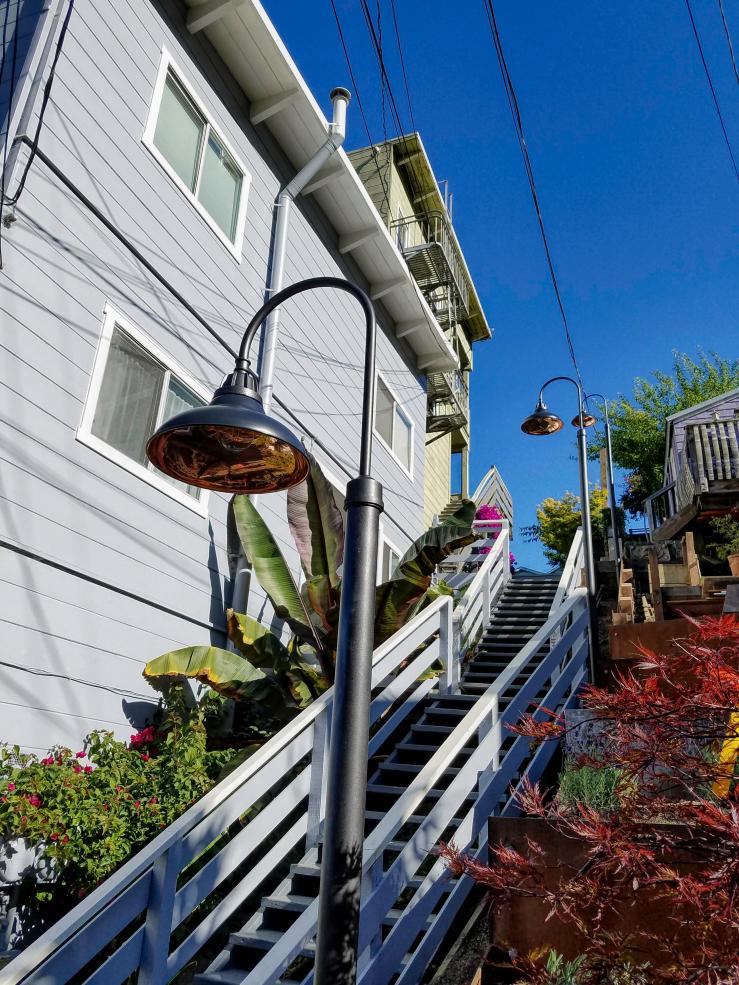
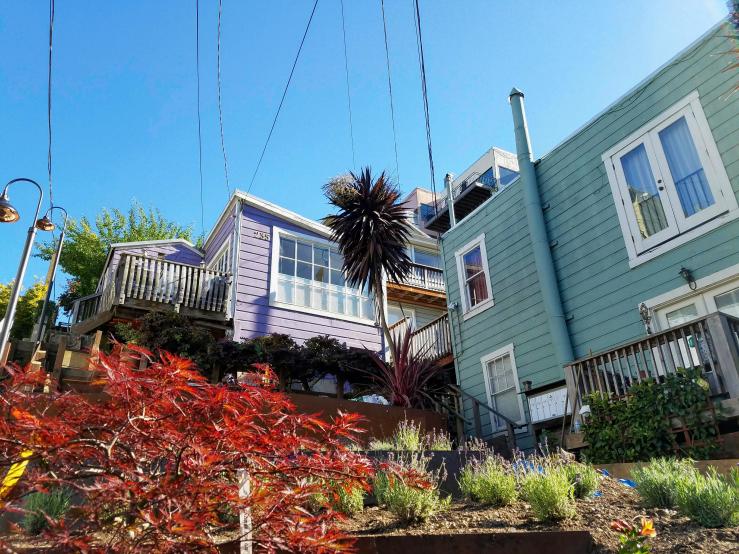
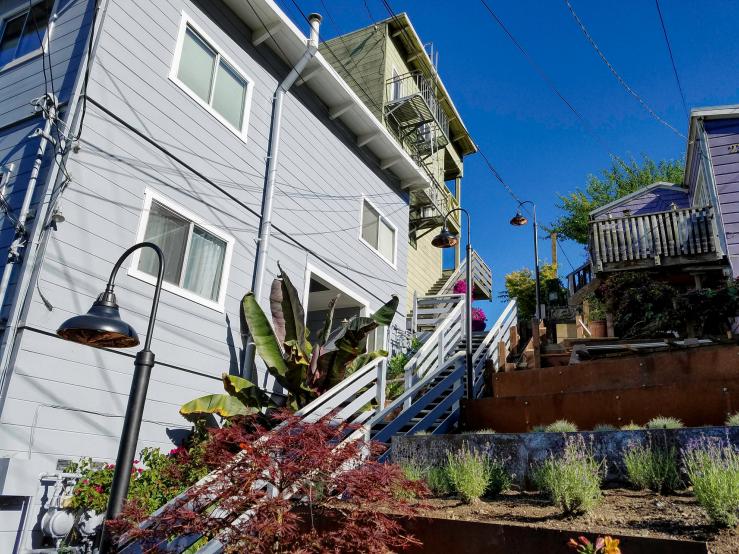
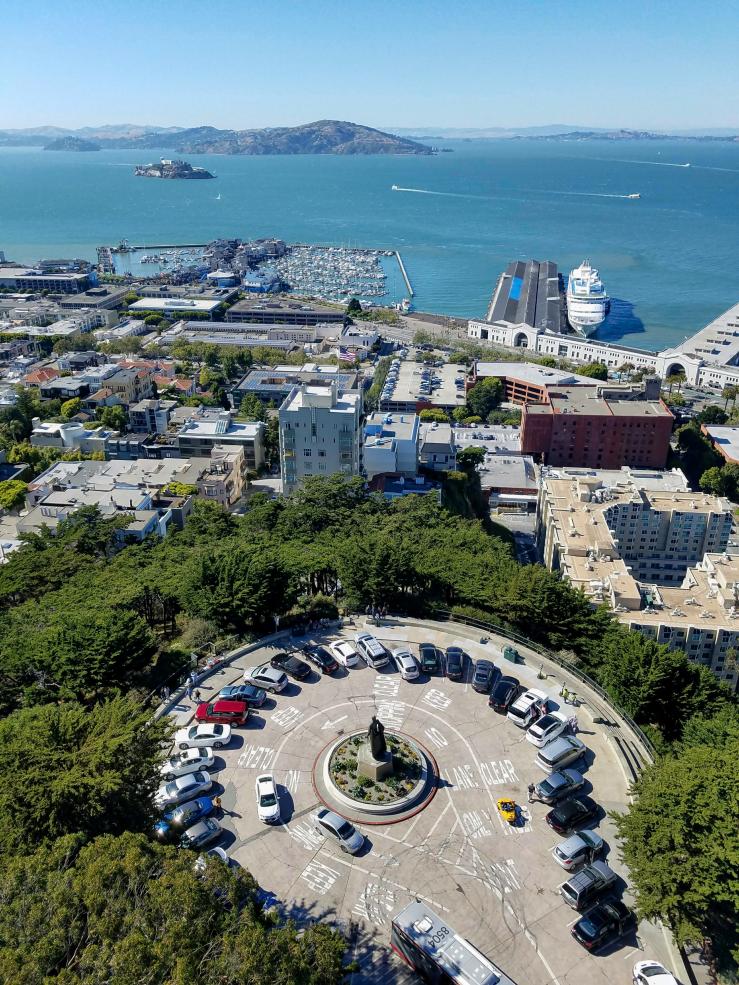
There are many ways to reach Coit Tower on top of Telegraph Hill. You can take the bus, your car or get on your feet for some excellent aerobic exercise – whatever works best. But the most scenic of all, must be ”The Steps”. There are numerous steps on different sides and levels of the hill, leading to the tower; the views here, are from The Greenwich Steps.

Another perspective of Coit Tower and the neighbourhood surrounding the hill. How amazing would it be to live there, don’t you find? Although, a bit of an ordeal when it’s your turn for that last-minute shopping… Greenwich Steps

July 5th, 2017

San Francisco is… Coit Tower & The Views

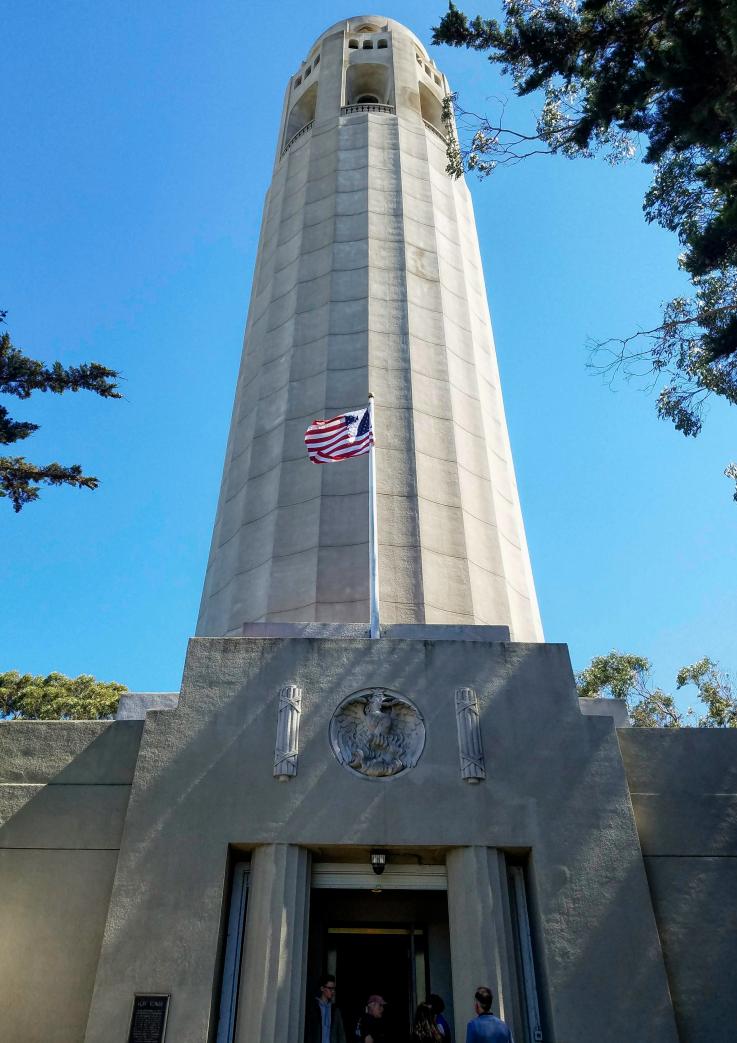
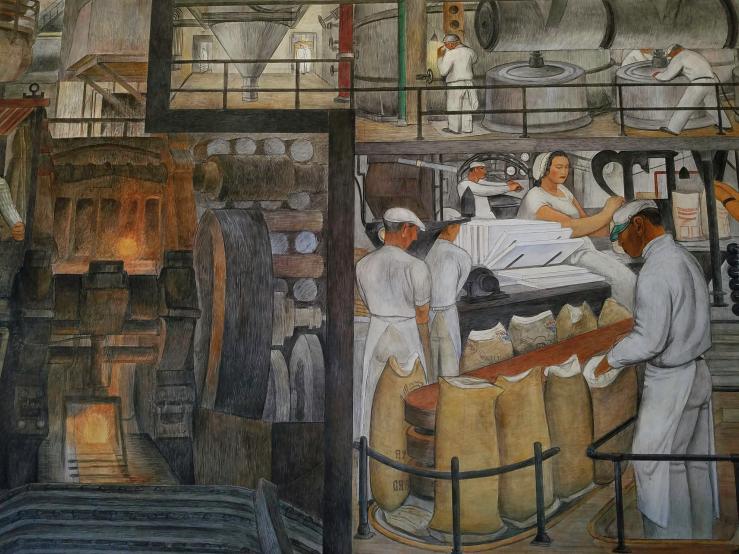
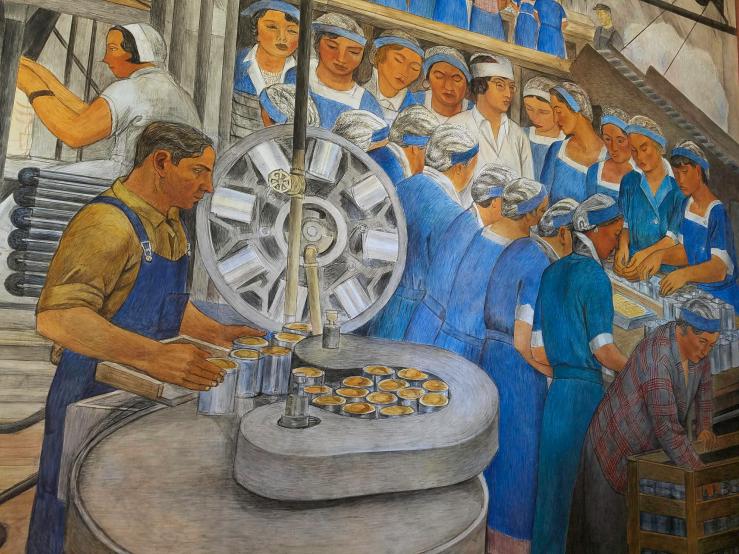
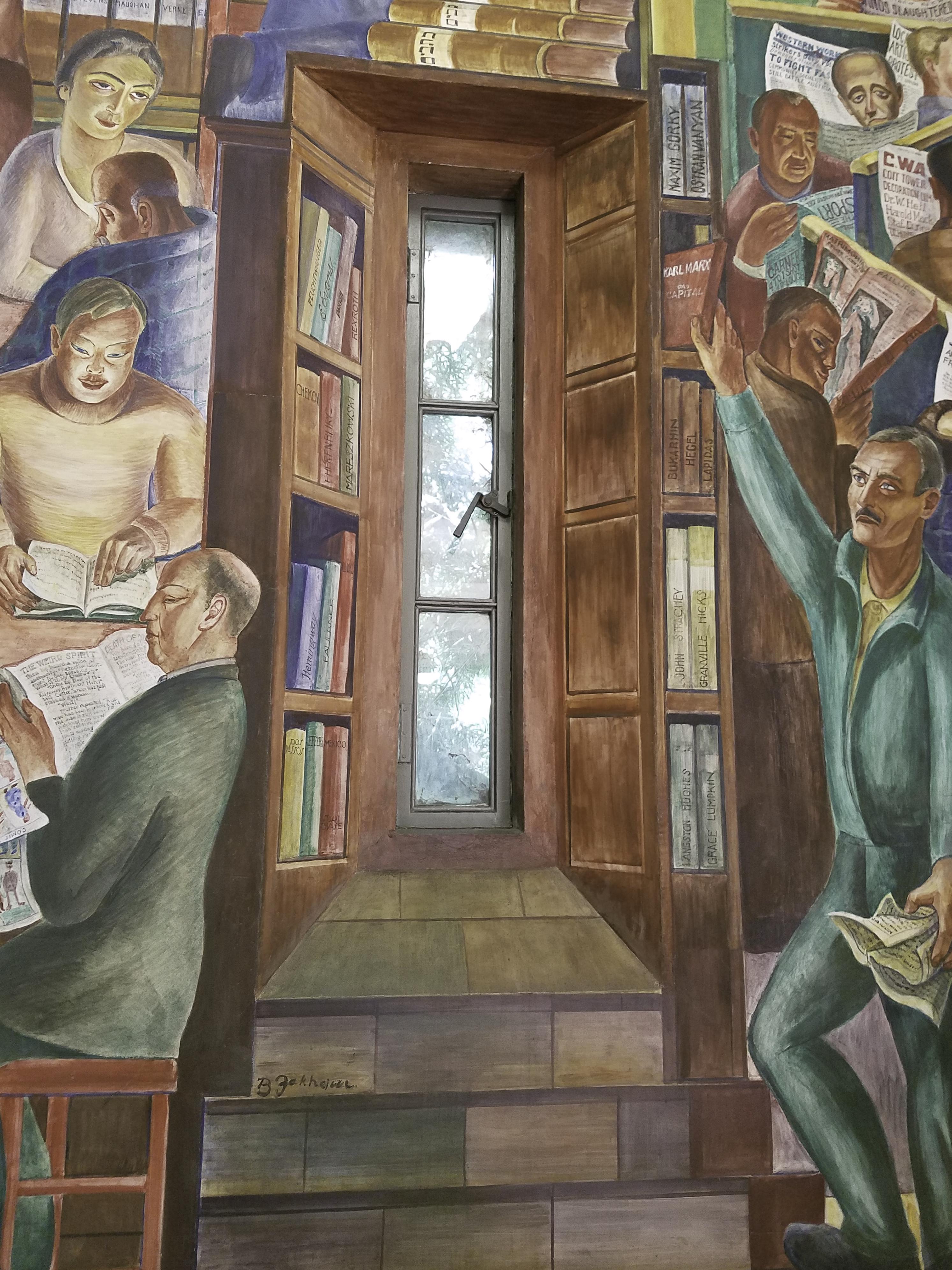
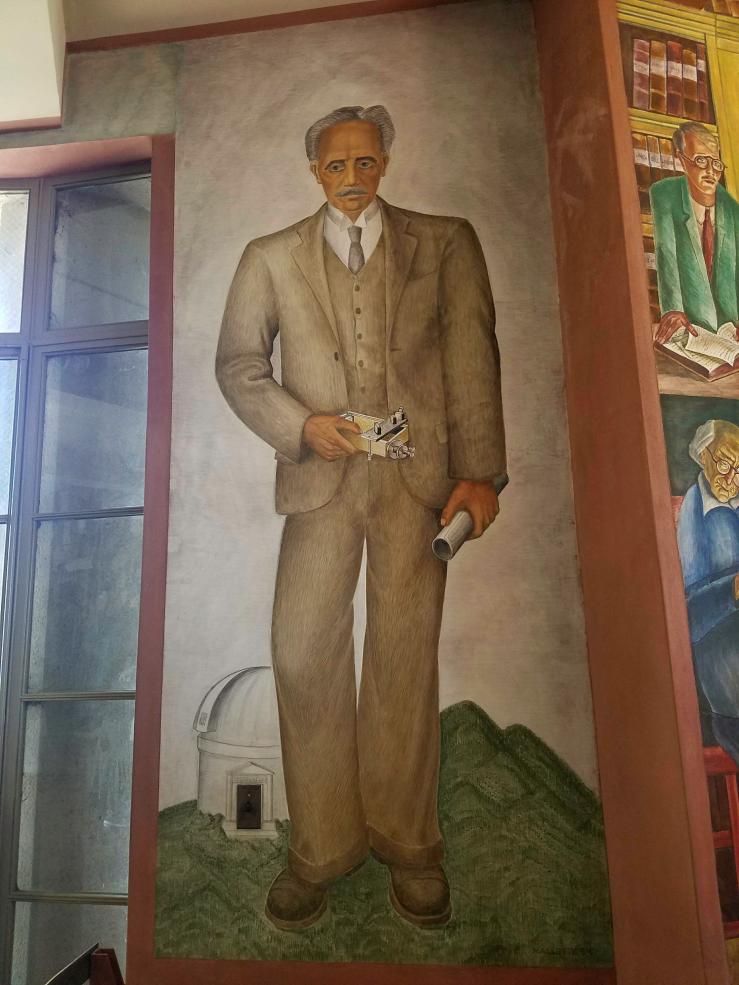
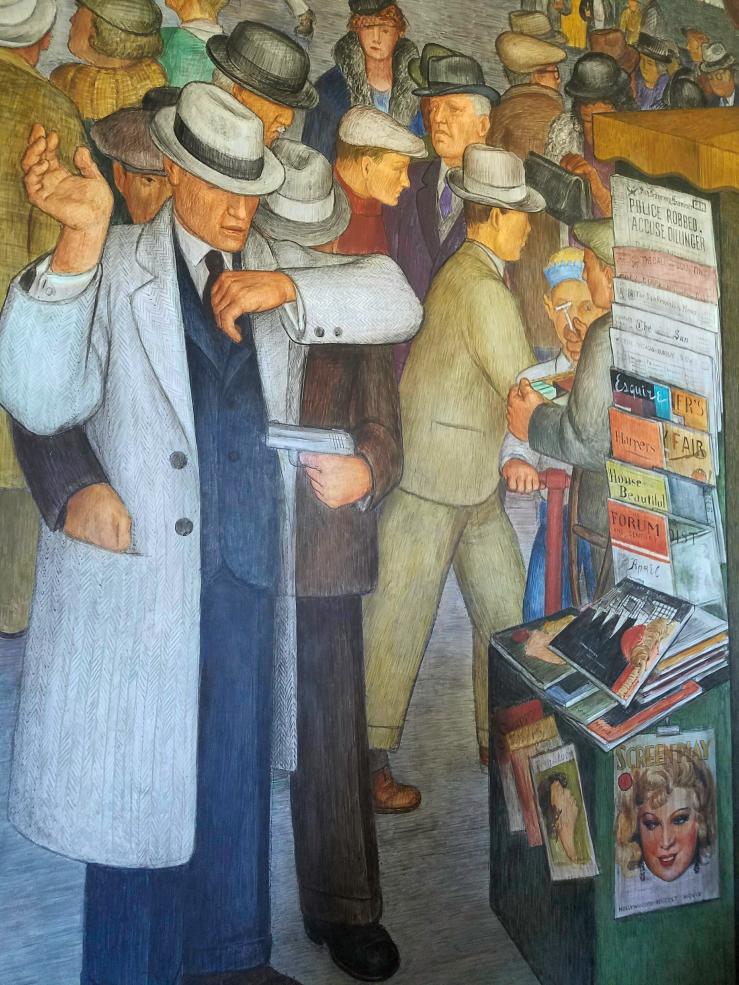
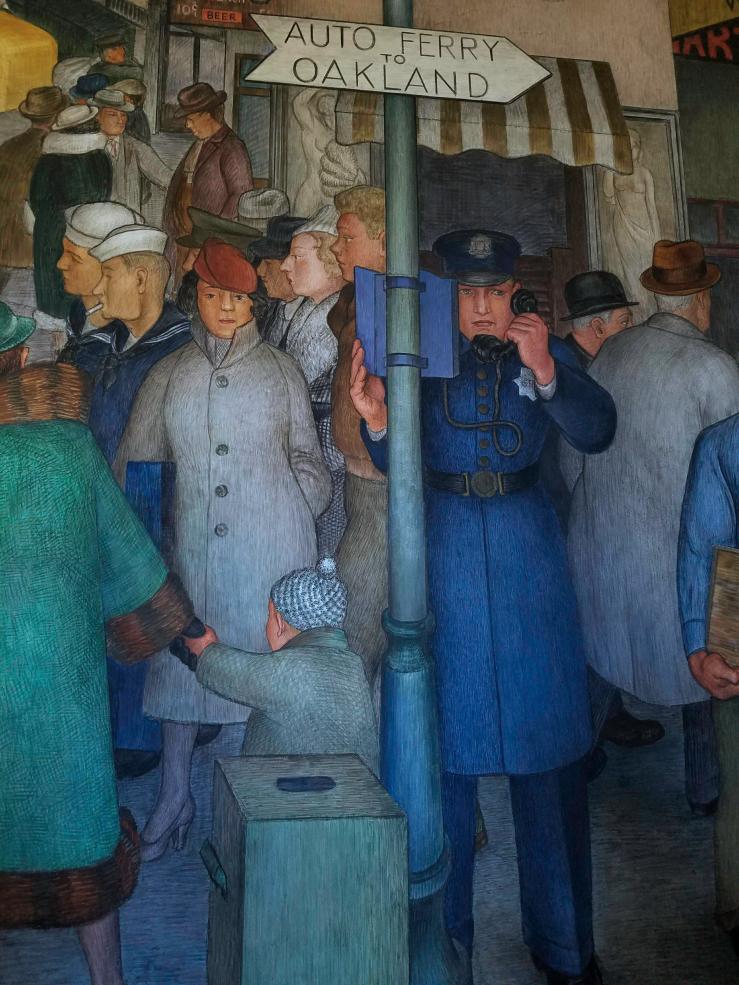
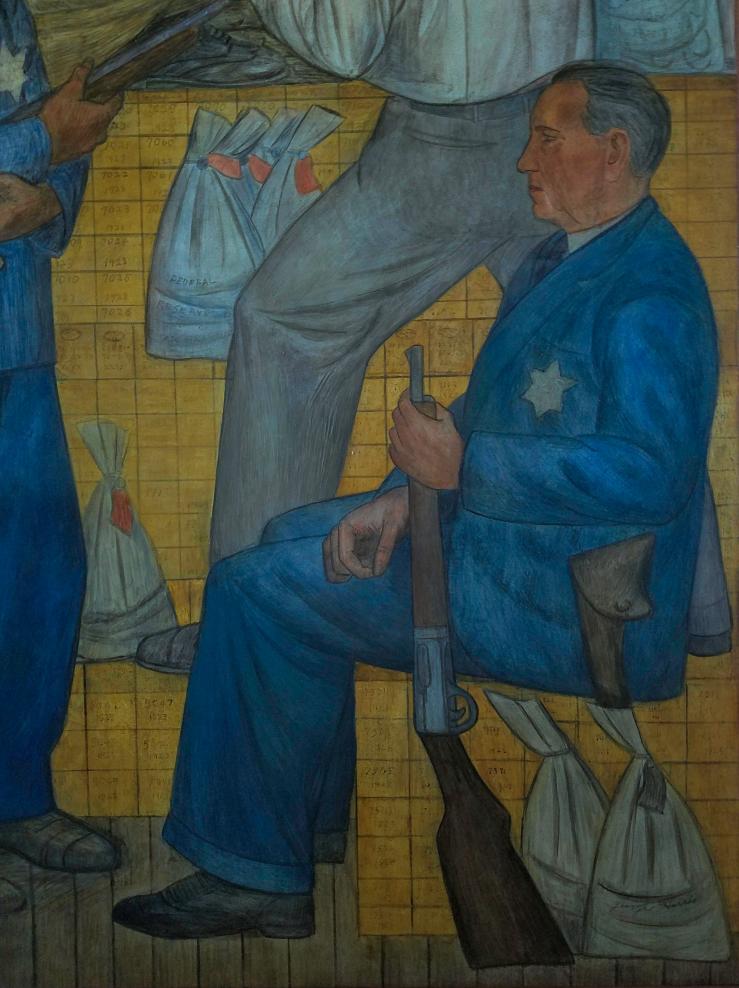
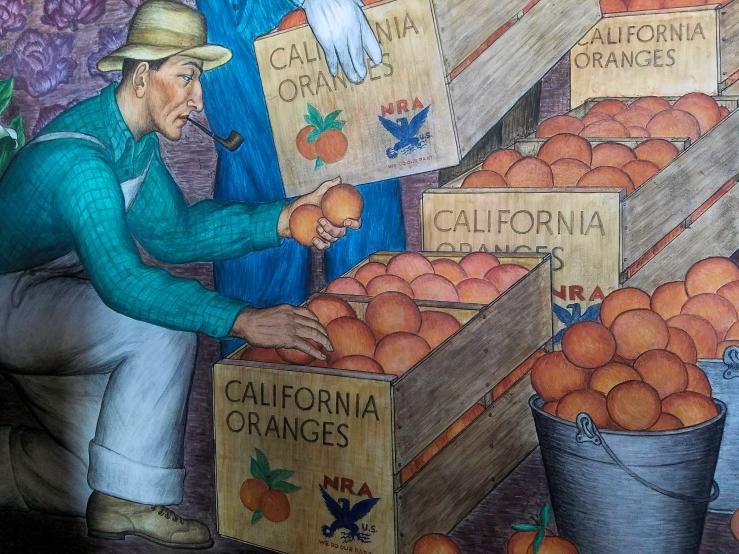
So what if the line went round and round, forming a complete circle at the base of the tower. There was so much to see during the hour we waited to reach the lift that, for once, I didn’t feel the pain. For the entire ground floor is adorned with floor to ceiling murals painted in 1934 by a group of artists employed by the Public Works of Art Project, a precursor to the Works Progress Administration (WPA).

They depict life in California during the Depression, with emphasis on the theme of industry and commerce and distinctive touches of leftist political ideas, clearly evident; like on Bernard Zakheim’s “Library” which depicts fellow artist John Langley Howard reaching for a copy of Karl Marx’s ”Das Kapital” (spelled here ”Das Capital”).  Touches one is familiar with in Europe, but rather unusual in the States. Perhaps it is true, after all, San Francisco may well be a very European city.

The Tower & details the Murals Industries of California
Ralph Stackpole


Industries of California
Ralph Stackpole


Newsgathering
Suzanne Scheuer


Library
Bernard B. Zakheim


City Life
Victor Arnautoff


City Life
Victor Arnautoff


Scientist-Inventor
Mallette Harold Dean


City Life
Victor Arnautoff


City Life
Victor Arnautoff


Banking and Law
George Harris


California
Maxine Albro


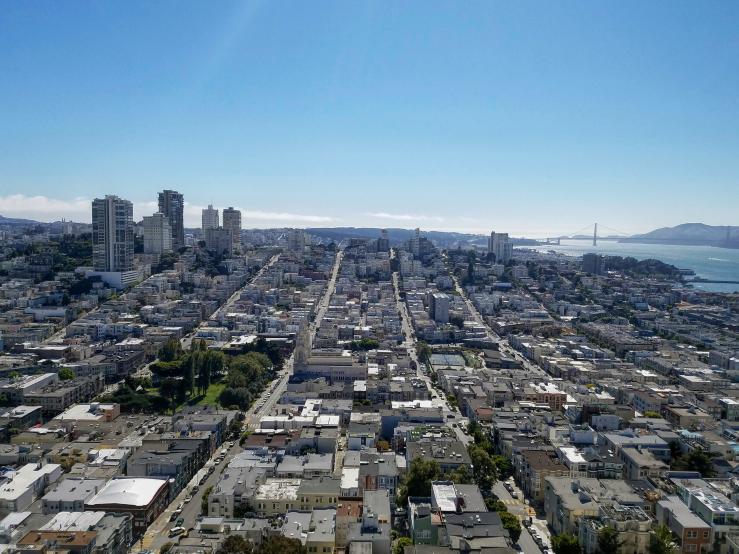
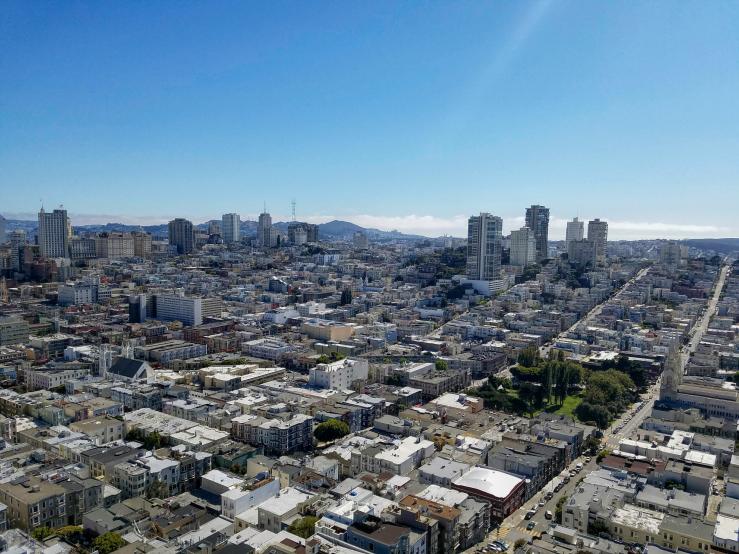
The (360°) views

You can buy tickets on-line in advance and skip the lines. But where is the fun in that?

Coit Tower

July 5th, 2017

San Francisco is… apparently very European

Beautiful, romantic, stunning, cool, surprising… people used many different adjectives to describe the city when I asked around, ahead of the trip. But the one remark on -almost- everyone’s lips was that San Francisco is ”the most European of all Californian cities”. How true was that?

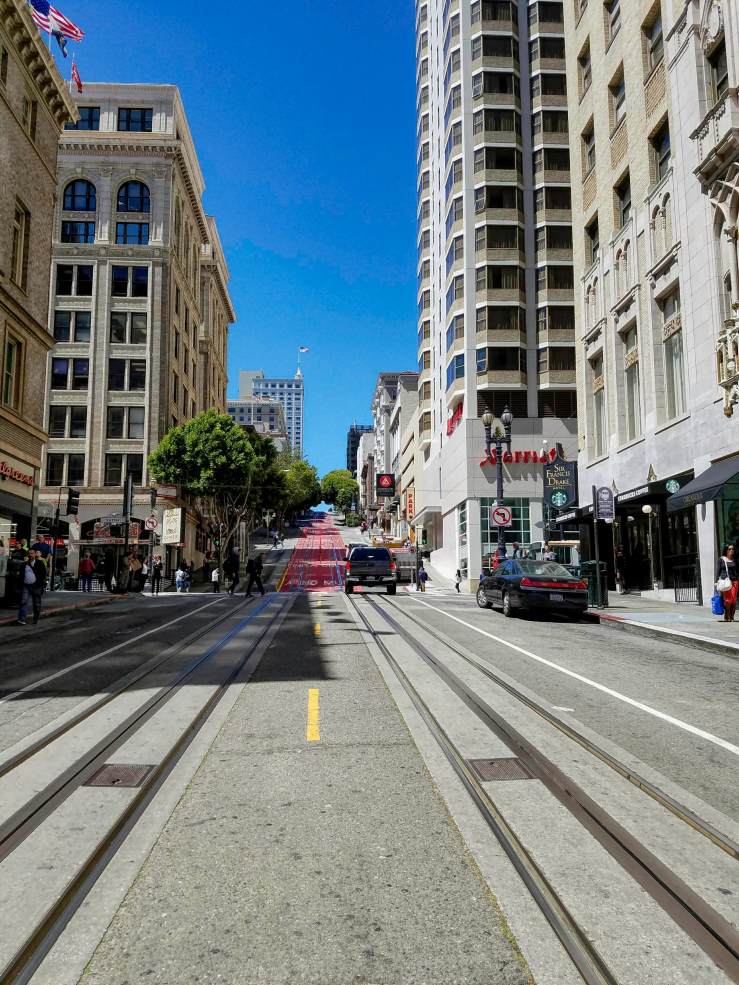
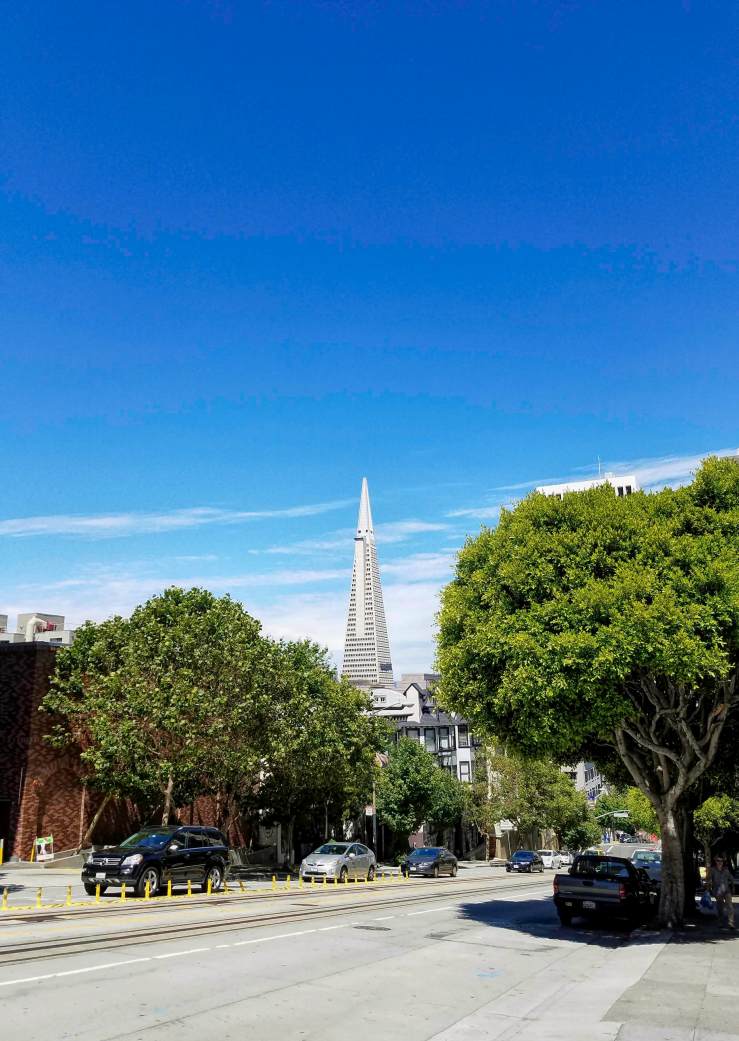
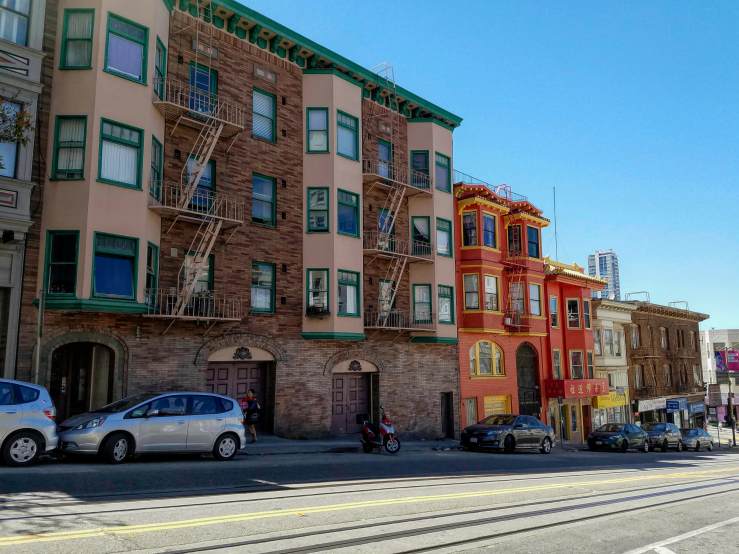
After only one day, my European antennae were tickled by some of the Pacific Heights mansions, the Italian trams and vintage cable cars, the shifts in temperature and clouds. But these were just a few highlights, my first impressions. What is San Francisco really like?

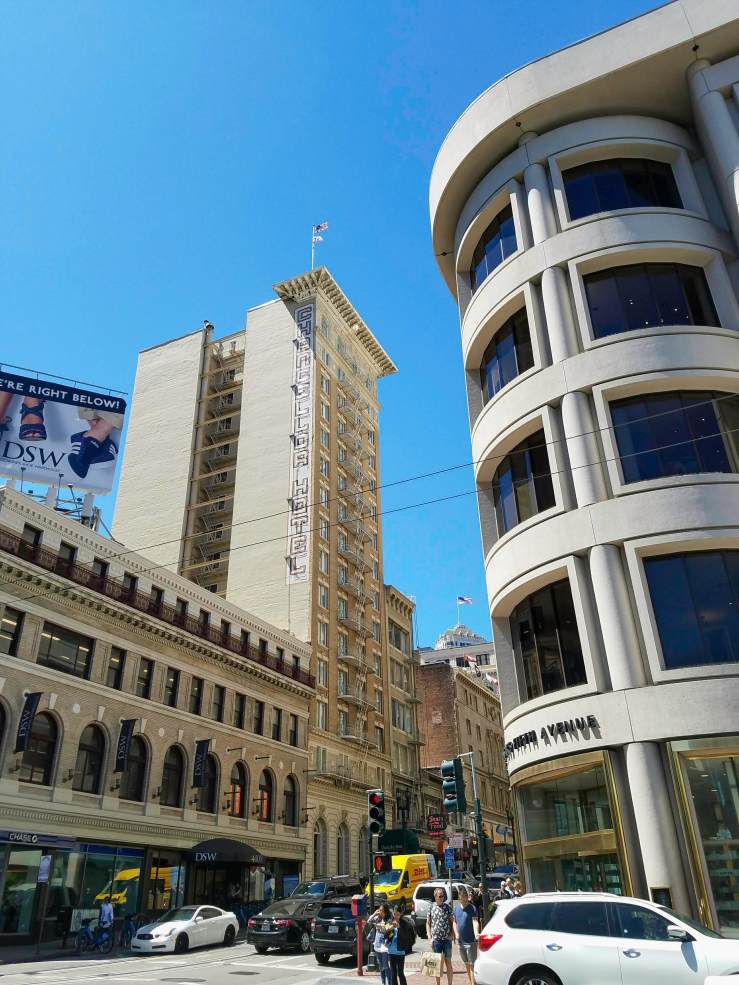
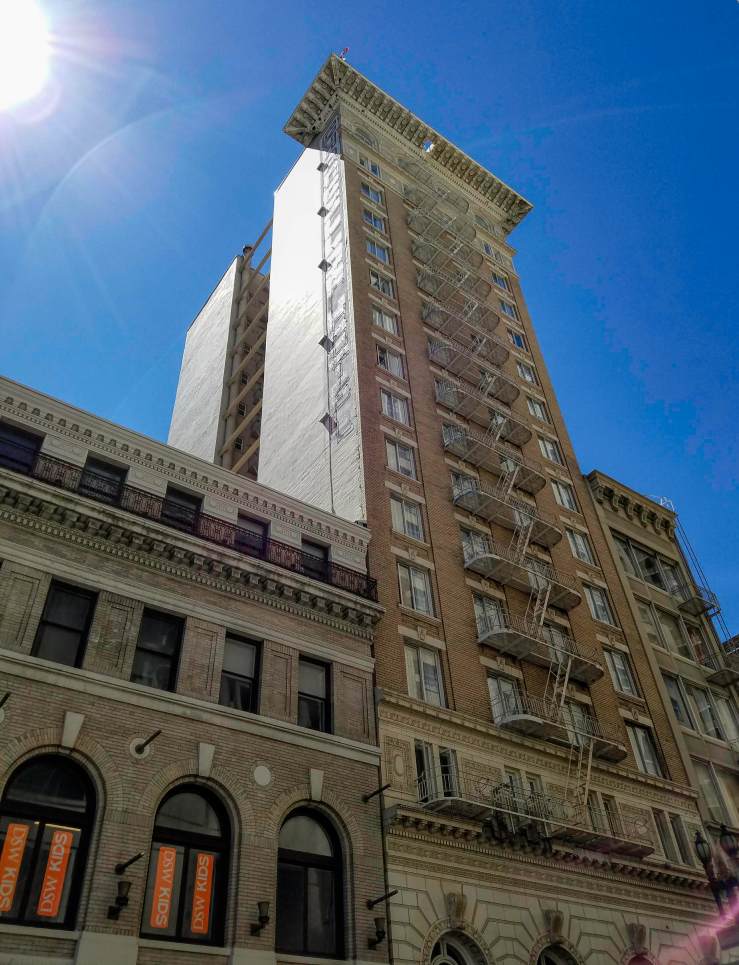
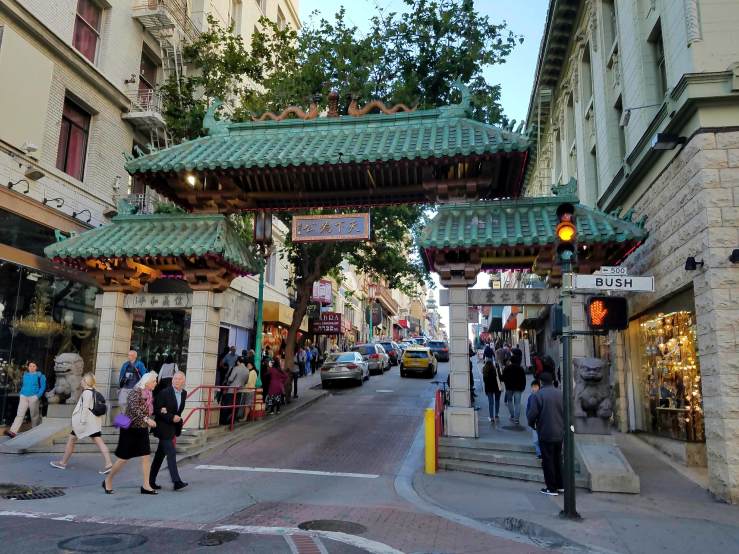
A walk Downtown and the adjacent, city-within-a-city, Chinatown will help us find out. By the way, the Chinese population of San Francisco represents the single largest ethnic group with 21,4% of the population, concentrated mostly in Chinatown (source). One of the many faces of San Francisco, the least ”European” one of all.   July 5th, 2017

San Francisco is… history on wheels

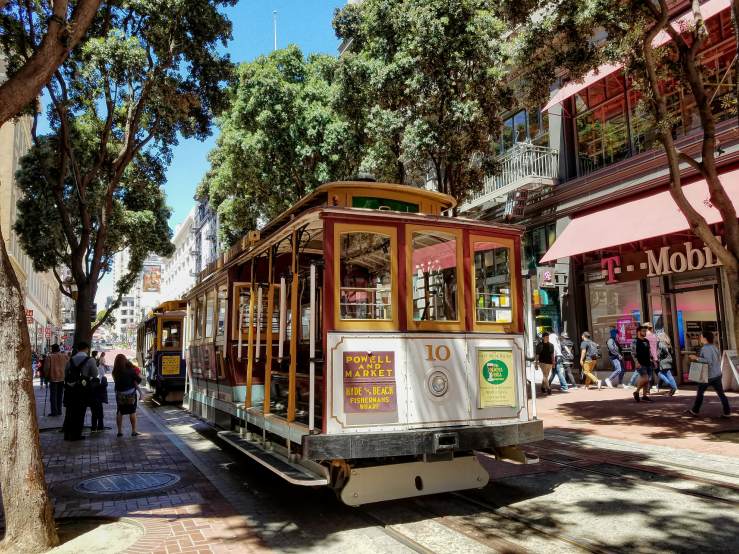
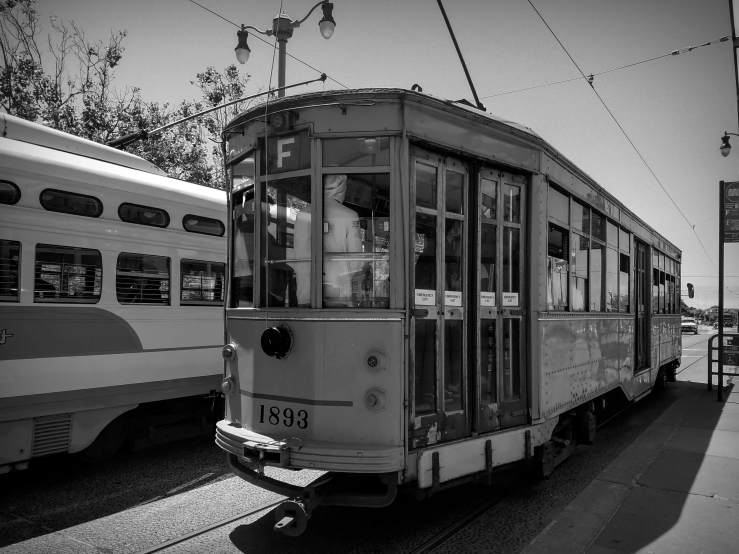
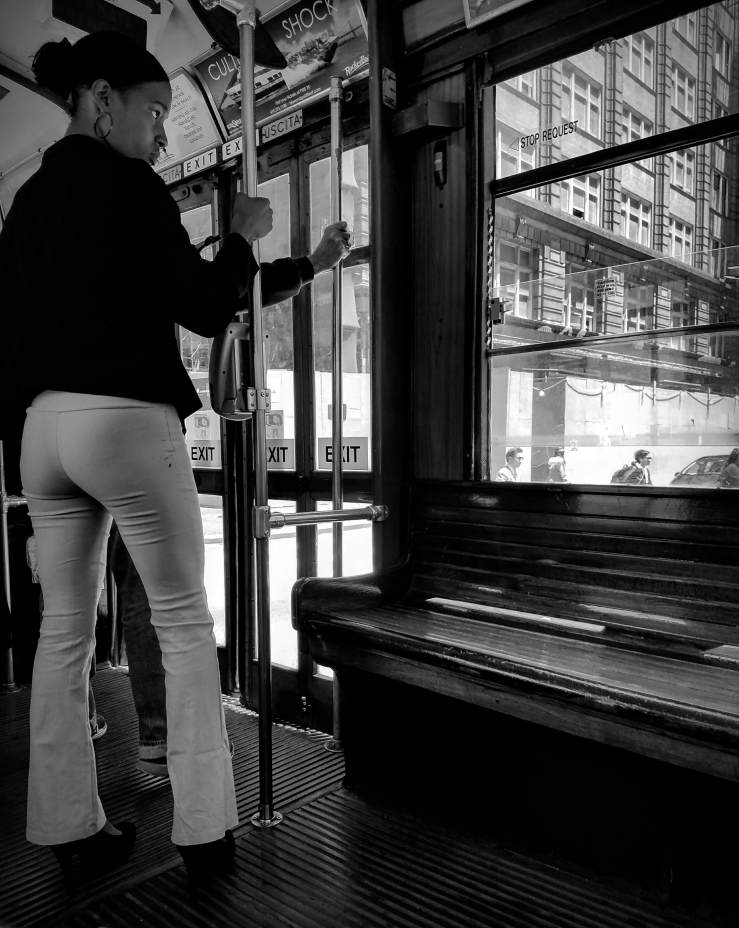
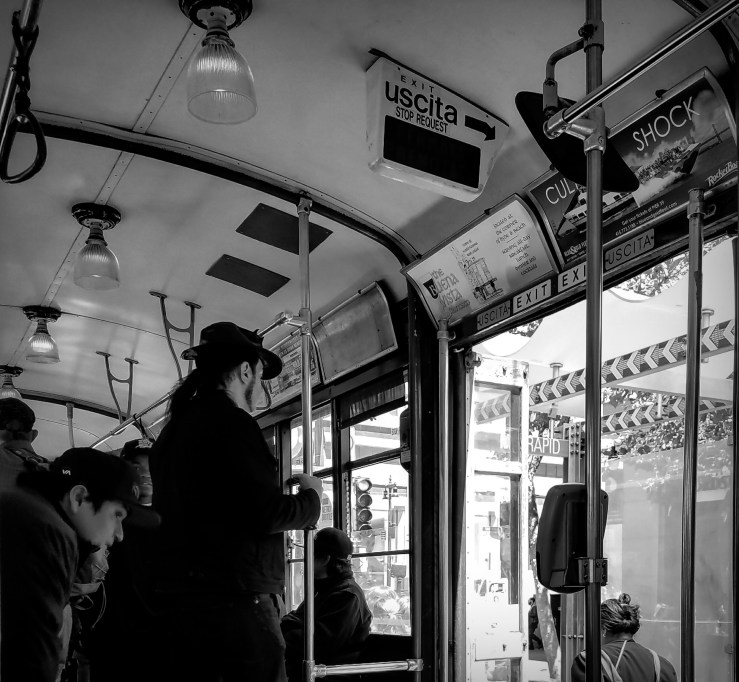
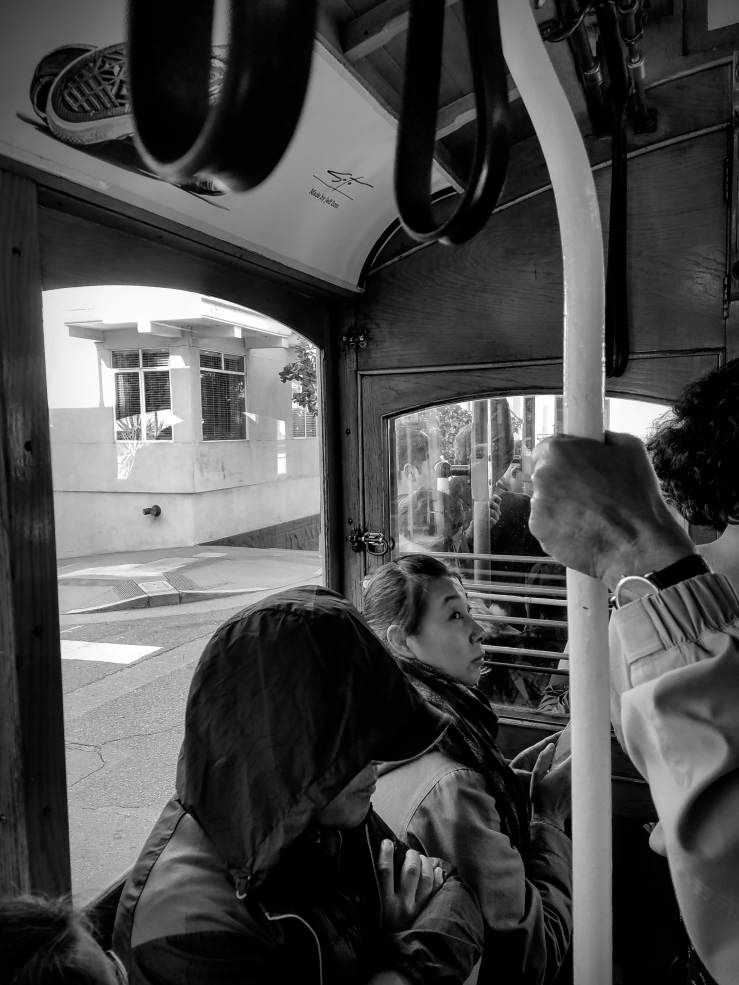
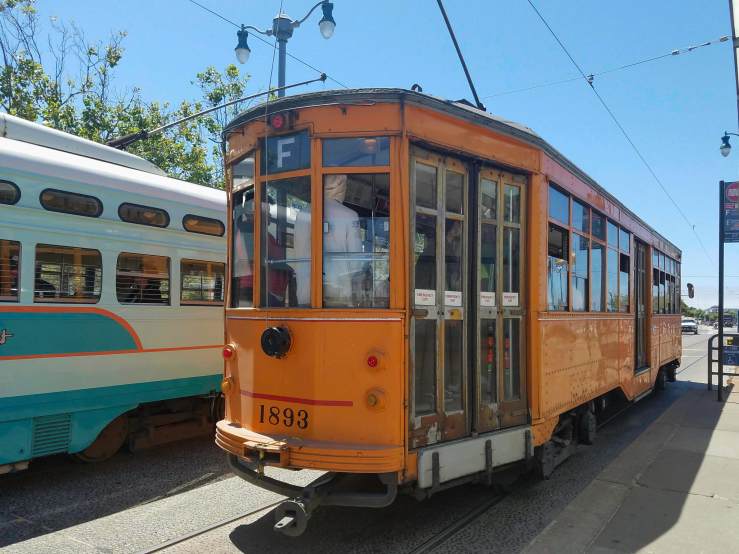
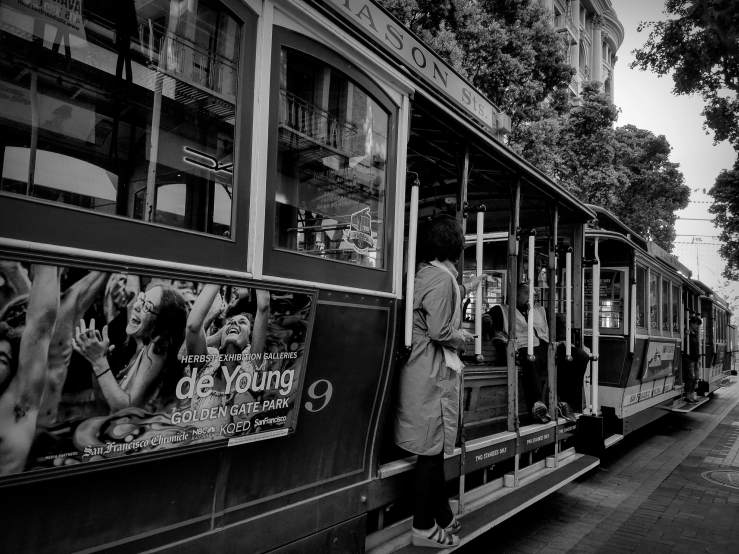
My persistent feeling of déjà vu, when I first saw these museums on wheels rolling up and down the roads of San Francisco, increased tenfold once we boarded one; I was sure I’d been there before. It didn’t take long to notice familiar touches: the beautiful wooden details, the elegant curves, the Italian signs… and that’s when I remembered.

It was on a trip to Milan in Italy, a lifetime ago, that I had first boarded an identical streetcar (or tram to us, Europeans). I remember distinctly standing behind the driver, fascinated by the mere fact that the steering wheel and brake lever,  which seemed to have time-travelled from the roaring 1920s, actually still worked. Little did I know that, thirty years later, I would ride again on one of these gems – in San Francisco, of all places. For this street car happened to be one of the fleet of Italian cars acquired from Milan, specifically for the F Line. For all I know, it could have been the same one.

The ”Milan” tram in colour ⇒⇓

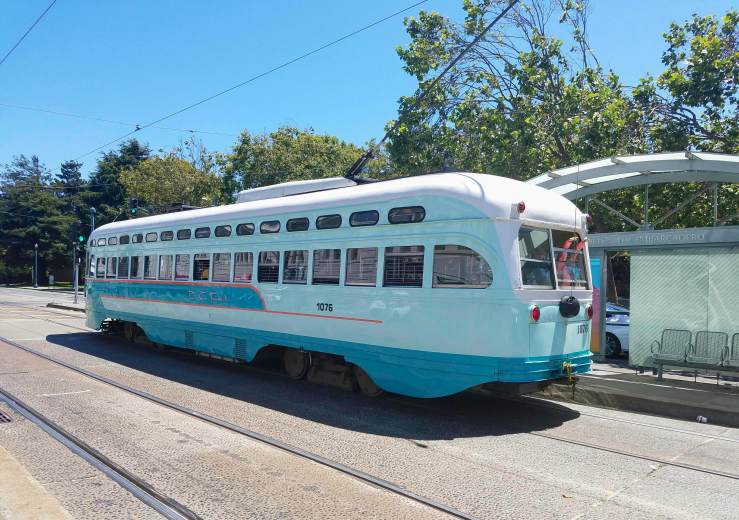
PCC streetcars are painted in honour of the many cities that operated them.
No. 1076 commemorates Washington D.C.  ⇒⇓

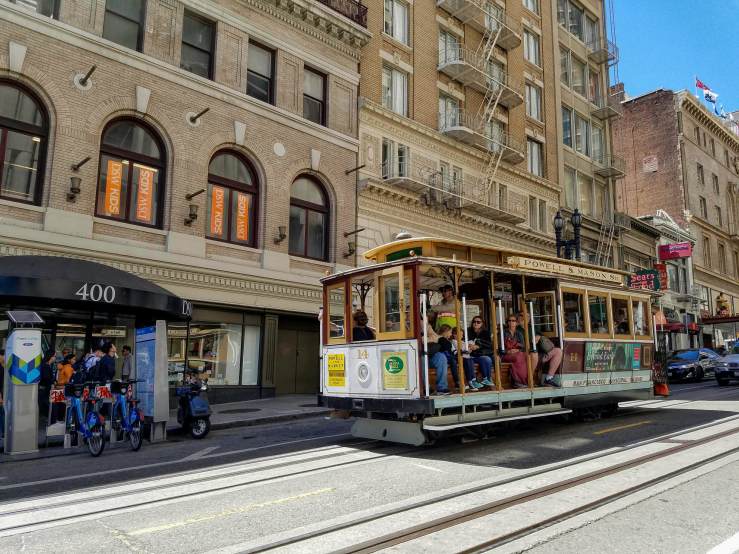
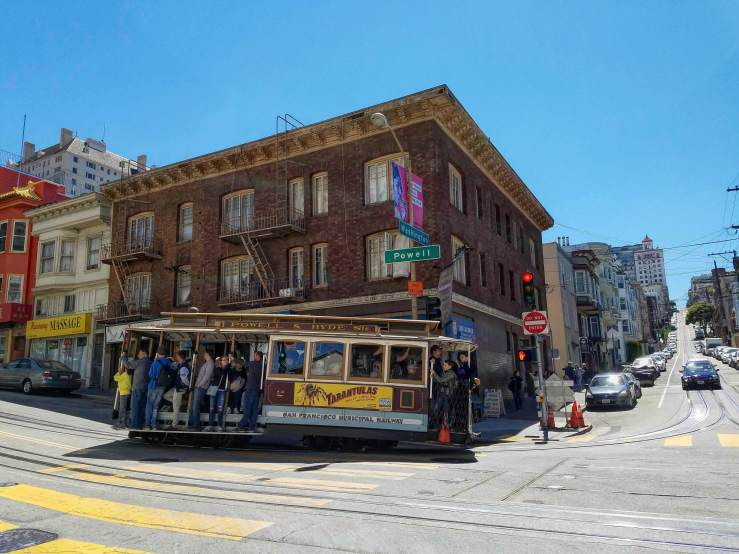
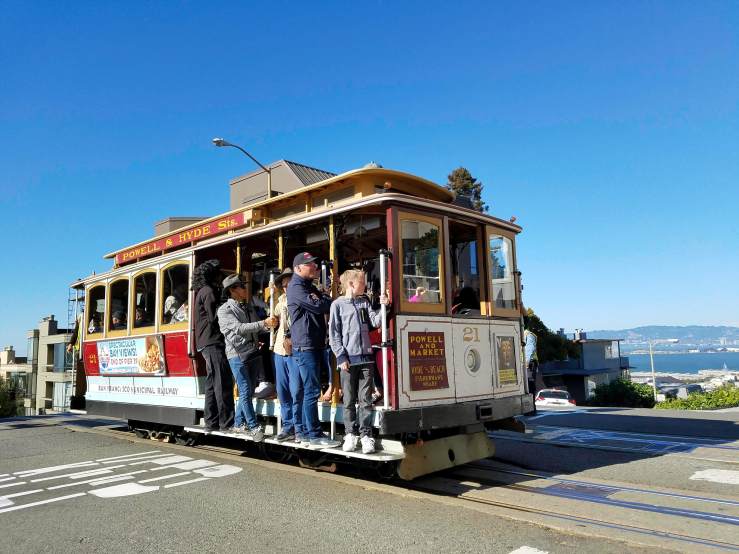
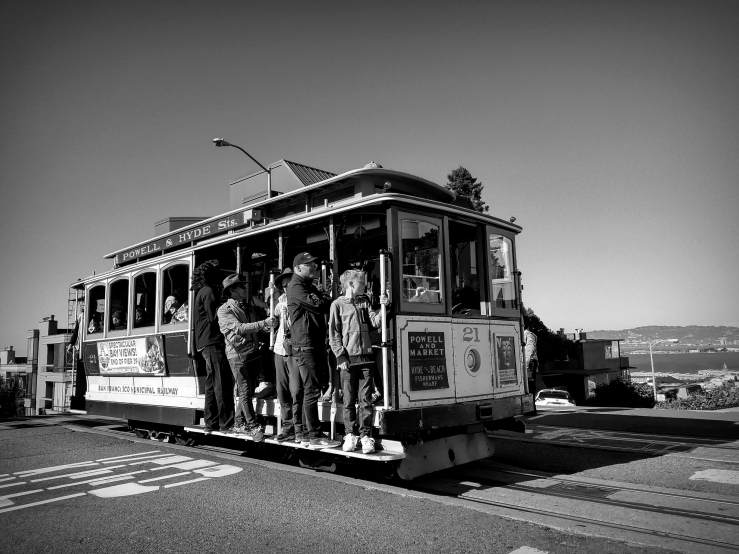
And, finally, the iconic cable cars. Although part of the city’s public transport system, they are always packed with tourists, which seem to render them a no-go zone for locals, at least during peak hours. ⇒⇓

July 6th, 2017

San Francisco is… three weddings in the City Hall

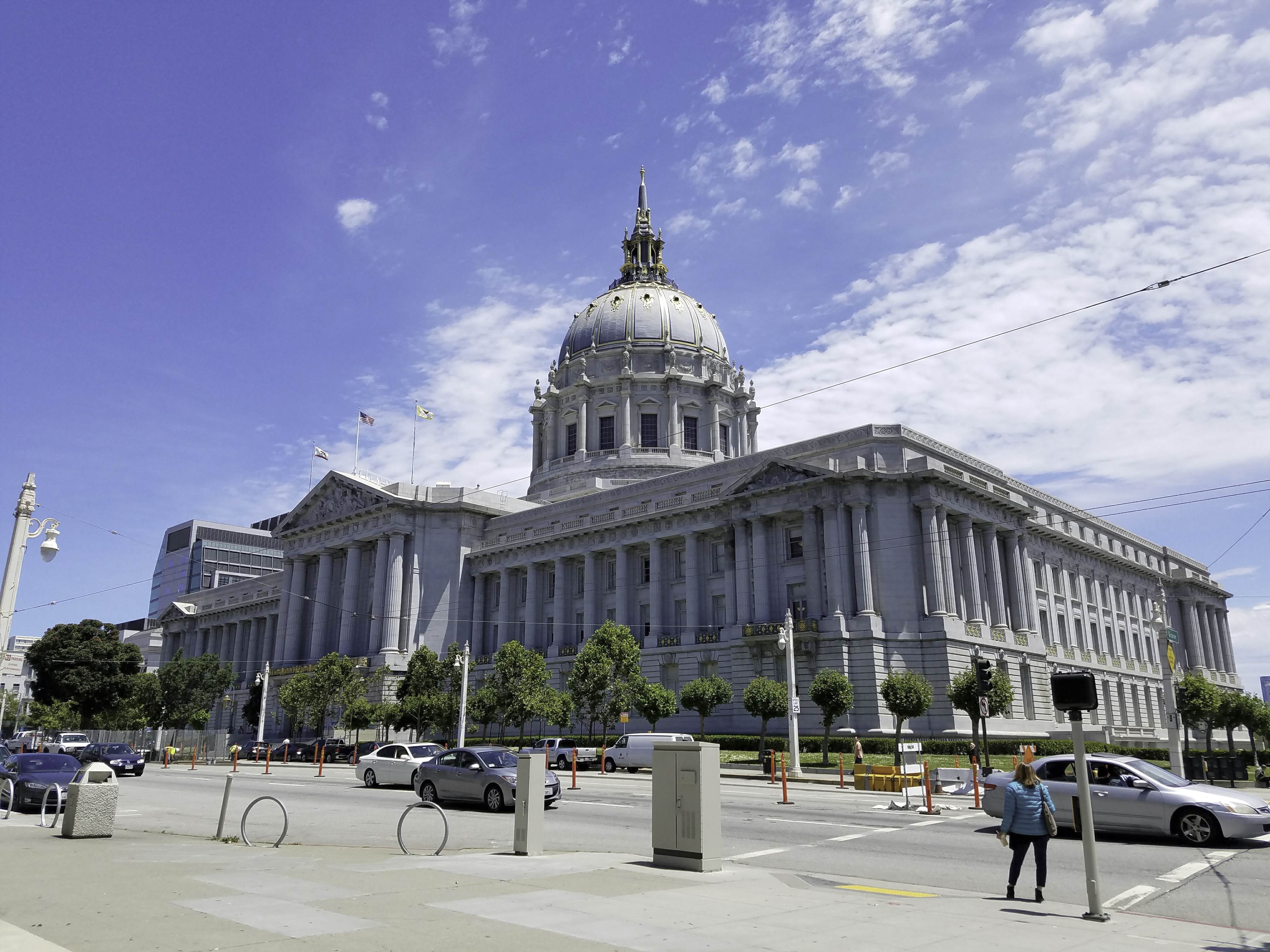
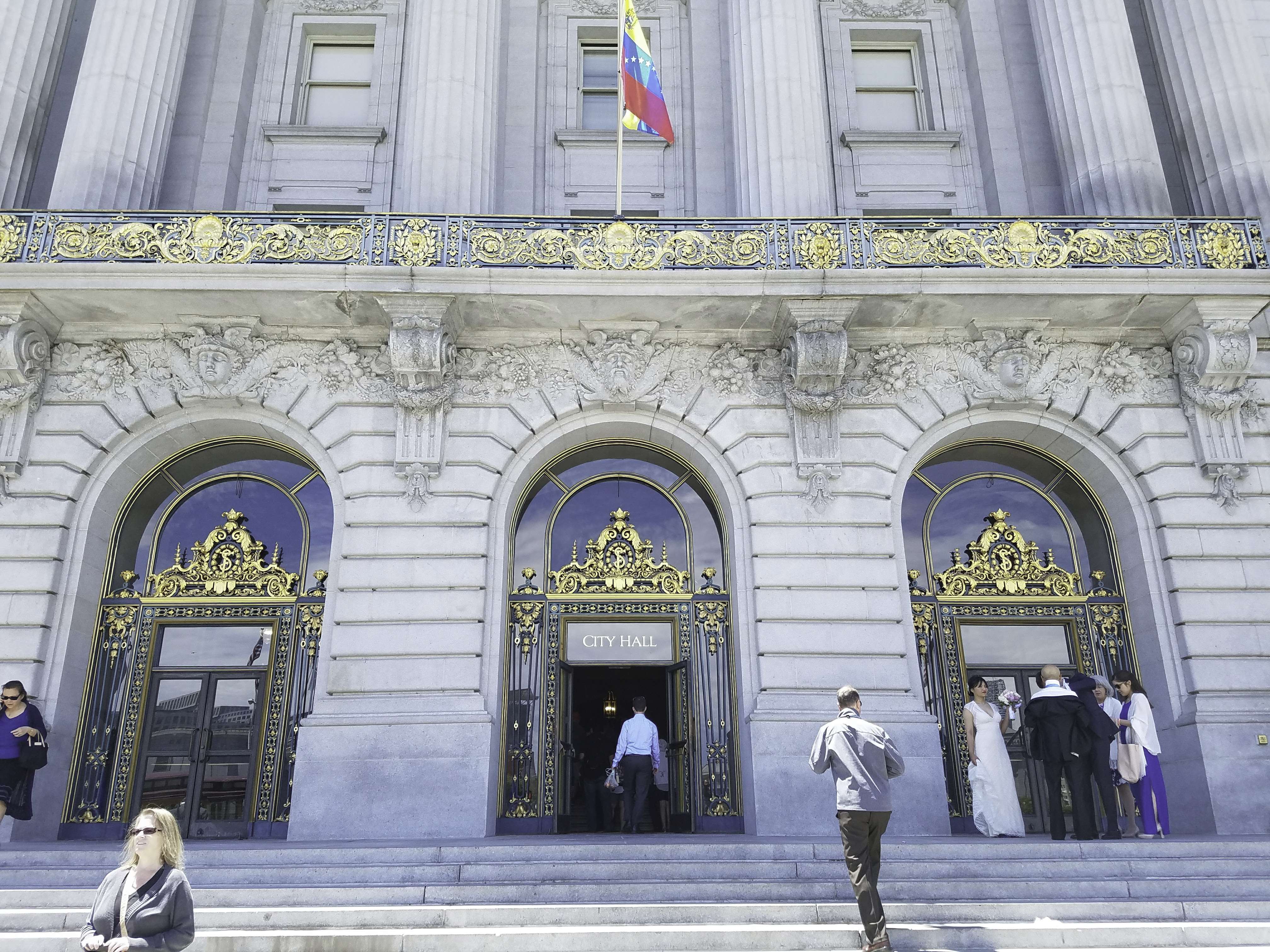
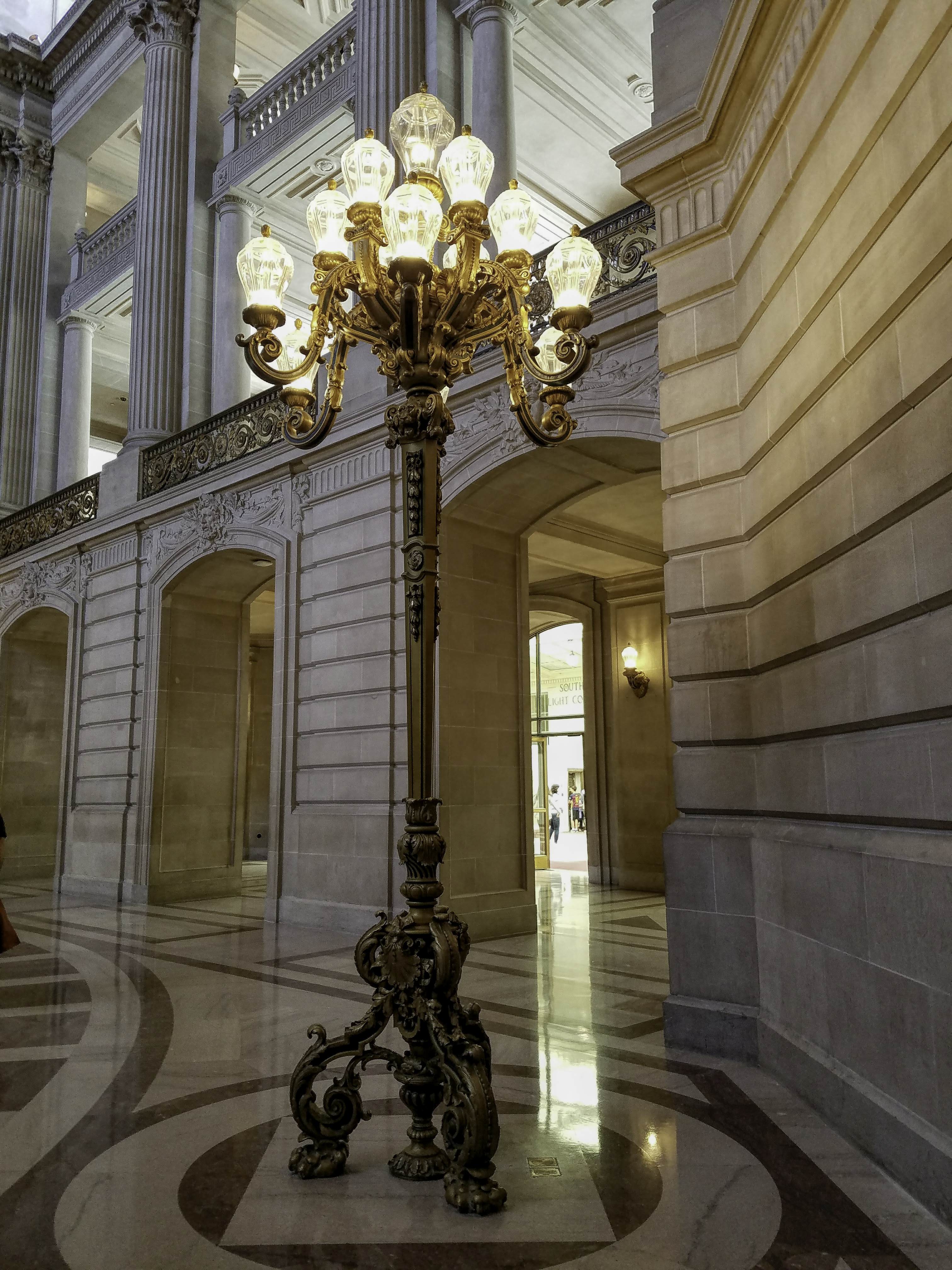
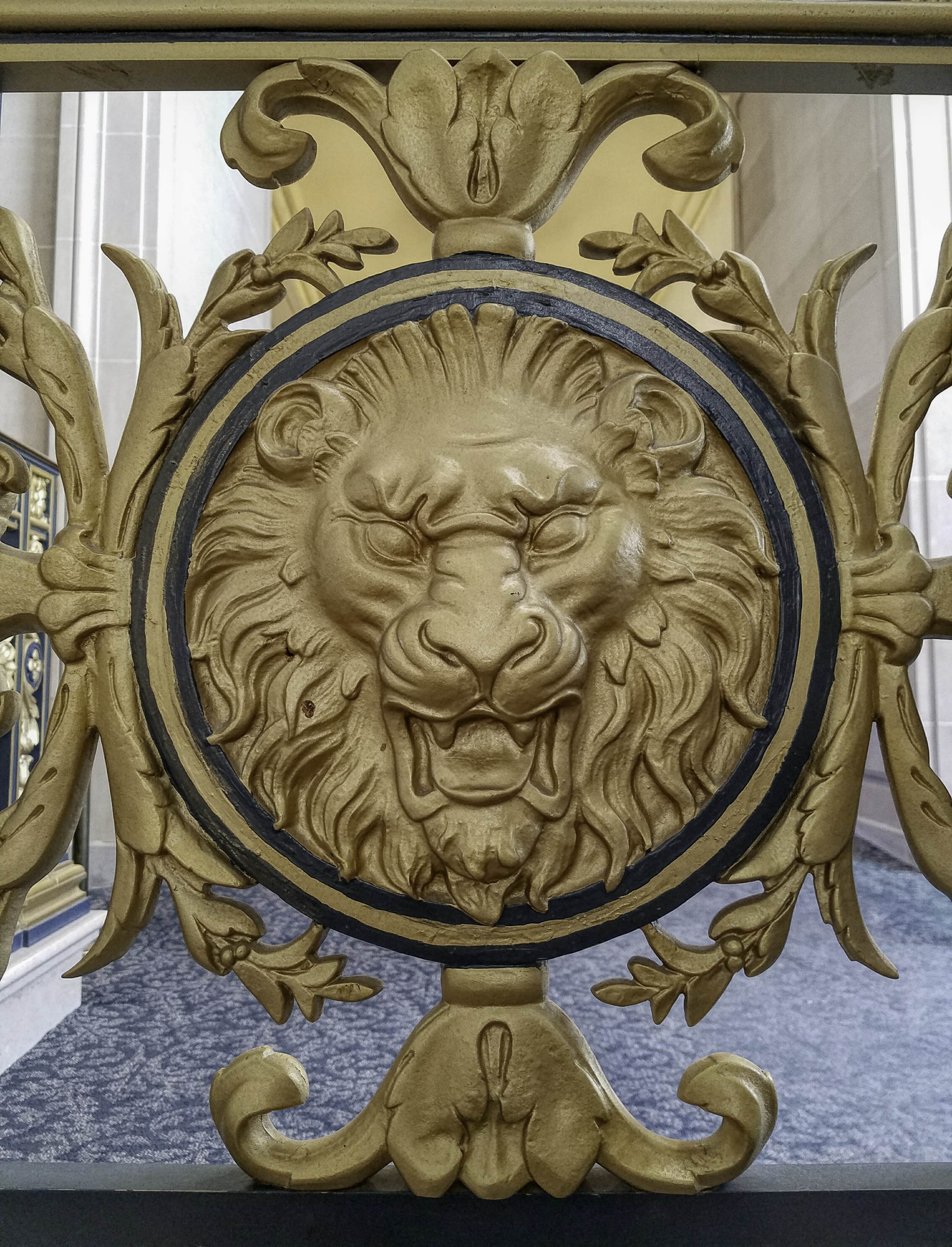
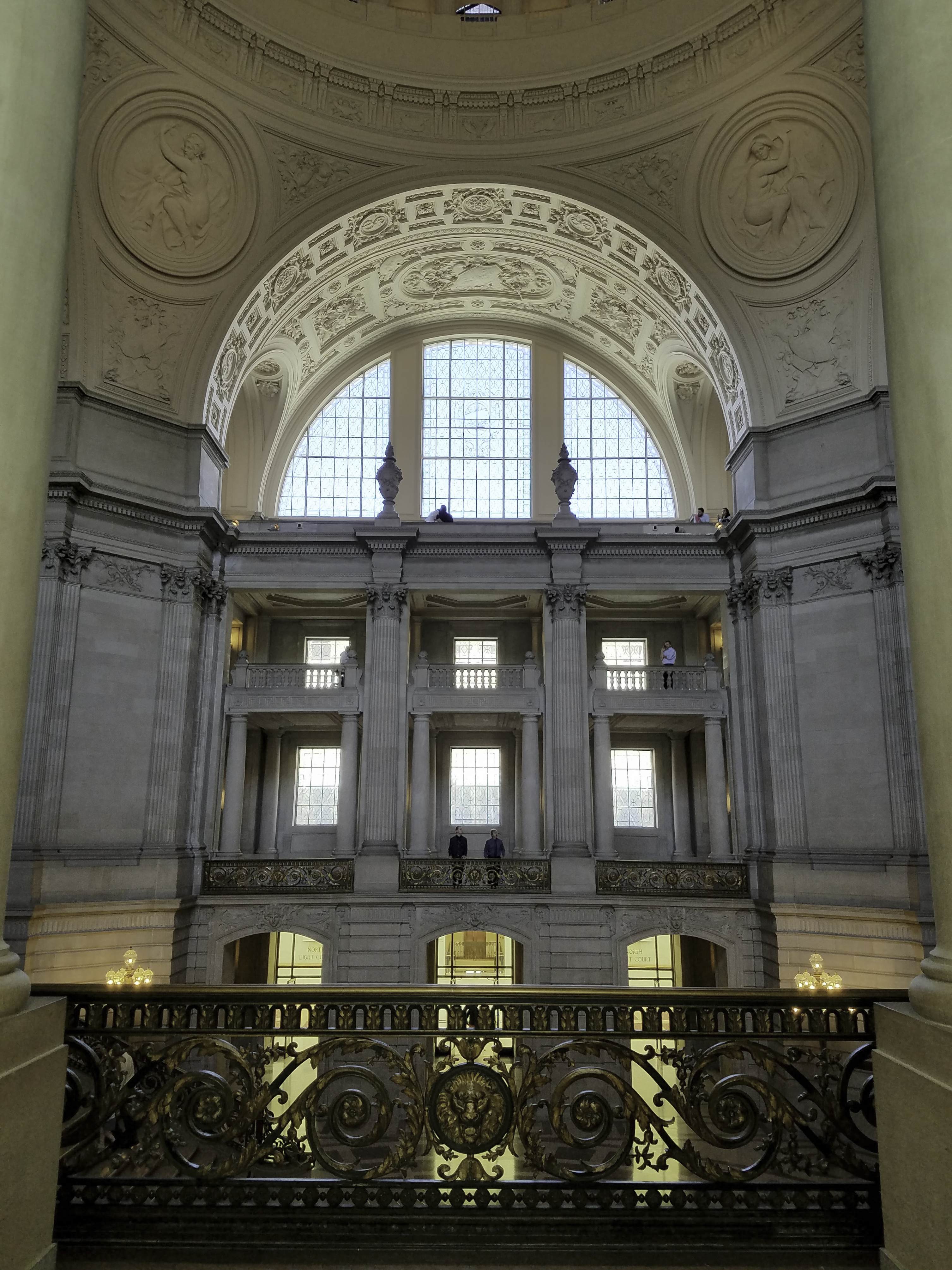
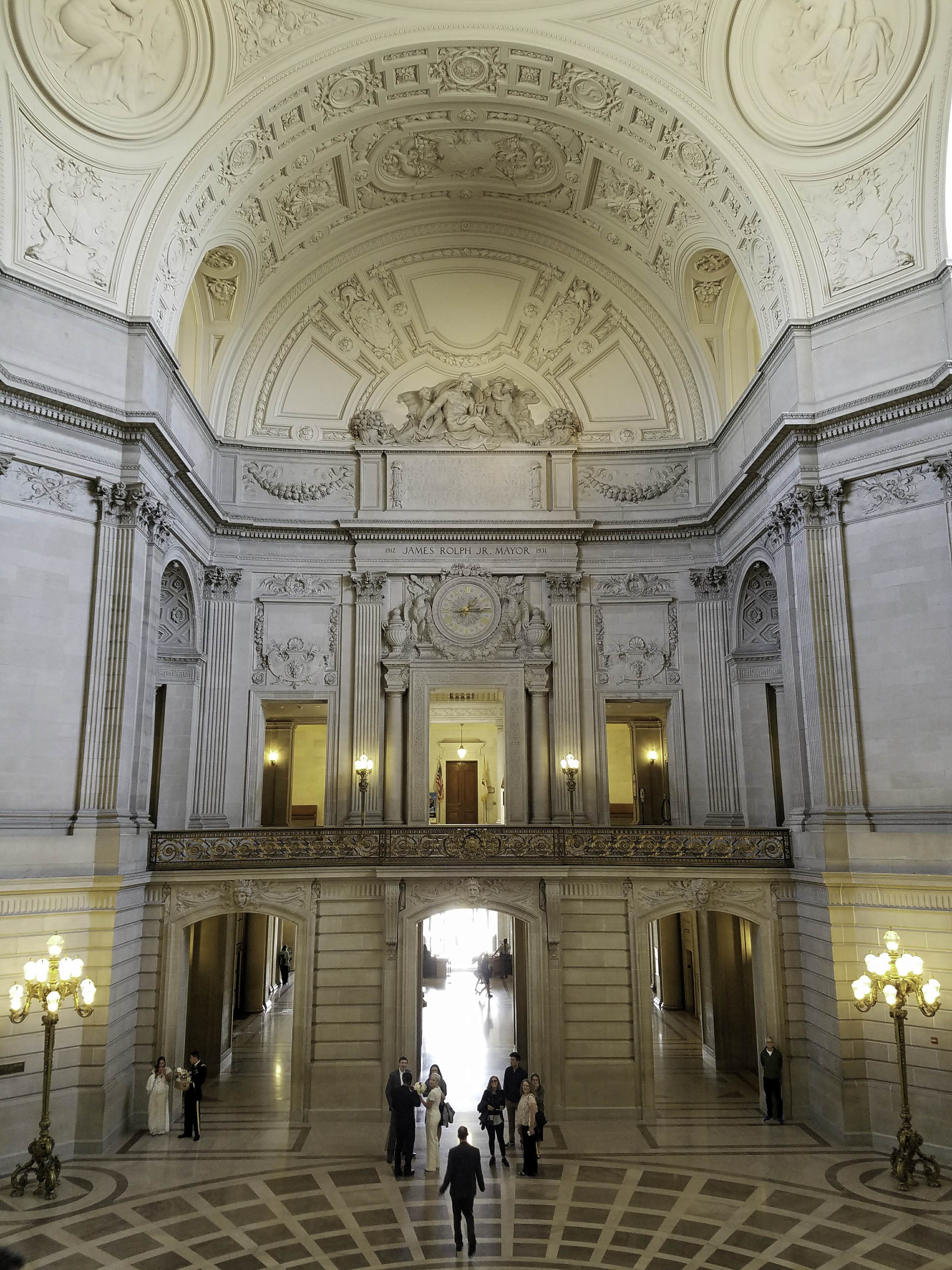
And that’s only the ones we witnessed during the time we spend in the City Hall – just over an hour. Looking at the vast open space of the central rotunda with the grand staircase, I’m not surprised they are on a tight schedule. Who wouldn’t want to get married under this magnificent dome! Marilyn Monroe and Joe Di Maggio did it in 1954. A number of gay couples were finally able to wed in 2004 when Gavin Newsom, then mayor of the city, made history by issuing same sex marriage licences. On the day we visited, the rotunda echoed with cheers. It was a happy day. 

Completely destroyed in the Great Earthquake of 1906, reconstruction began in 1913 and the new building was ready in 1915, in good time for the World’s Fair of the same year. Designed by architect Arthur Brown, Jr. in the Beaux-Arts style, it suffered severe damages yet again, when struck by another earthquake in 1989. Repairs and reinforcements were completed ten years later, making the building earthquake proof. I’m just glad we didn’t have to find out how resistant the structure has become.

The City Hall

July 5th, 2017

San Francisco is… Bullitt!

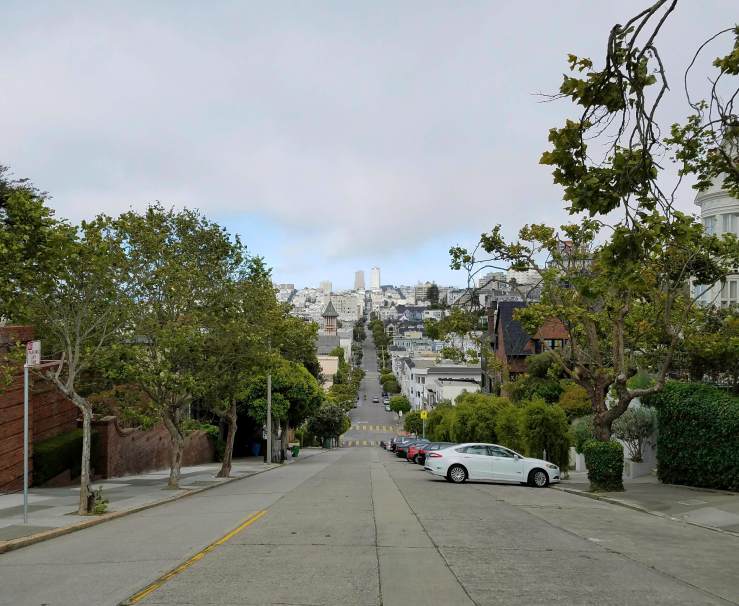
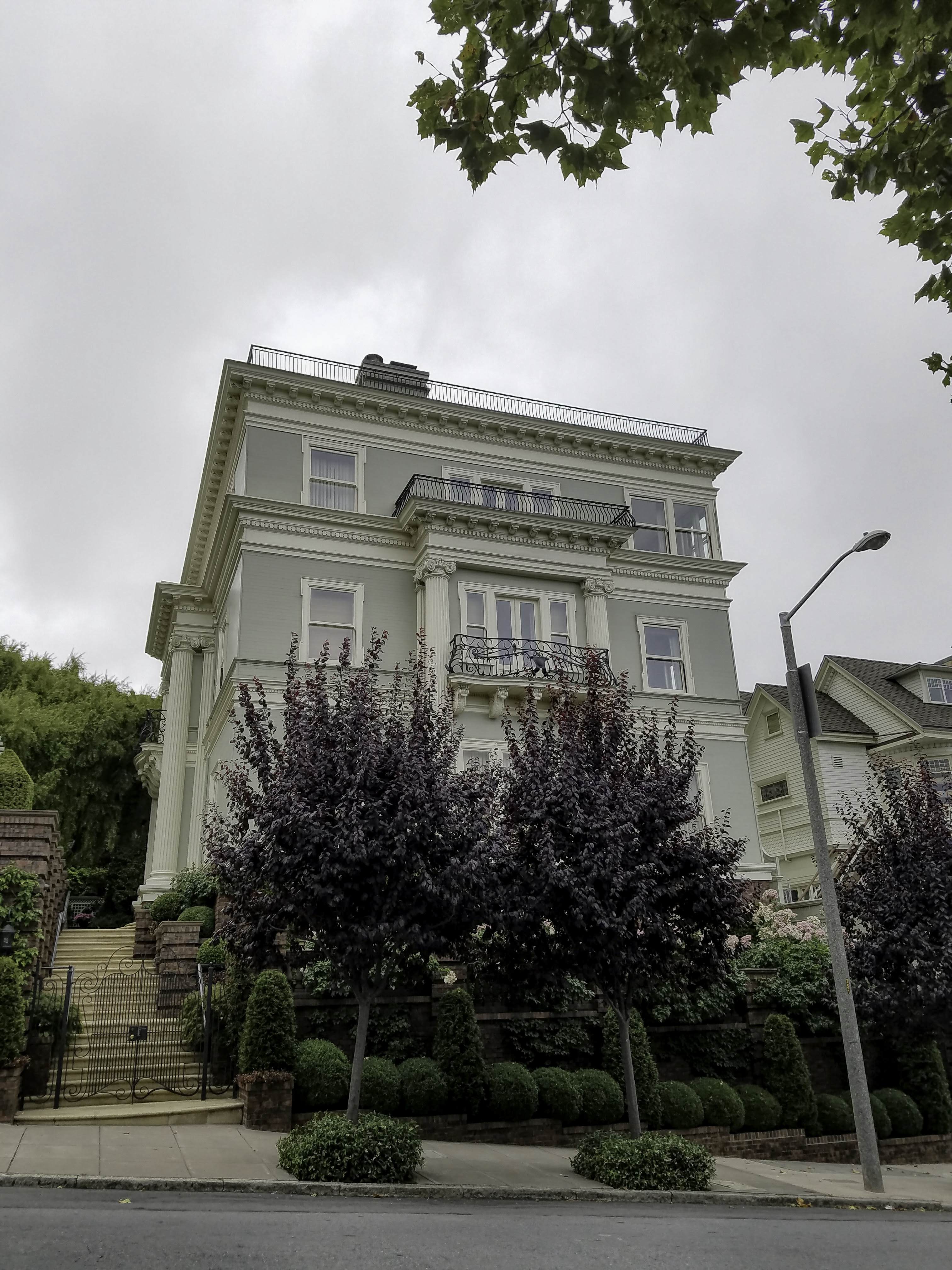
We watched Bullitt in preparation of the trip, just a few days before departure, so I was very excited to have spotted one of the filming locations very close to Alamo Square where we were staying. A brief 35 minute walk via Divisadero St. and its rather wonderful mansions, or 1.6 miles according to my web map.  What could be easier? Well, walking 35 minutes uptown hilly Manhattan, that’s what. For I still had to get to grips with the steepest streets I had ever encountered in a city, the very same that sent the cars flying in one of the most exciting car chases in film history(skip to 3:15 and buckle up).

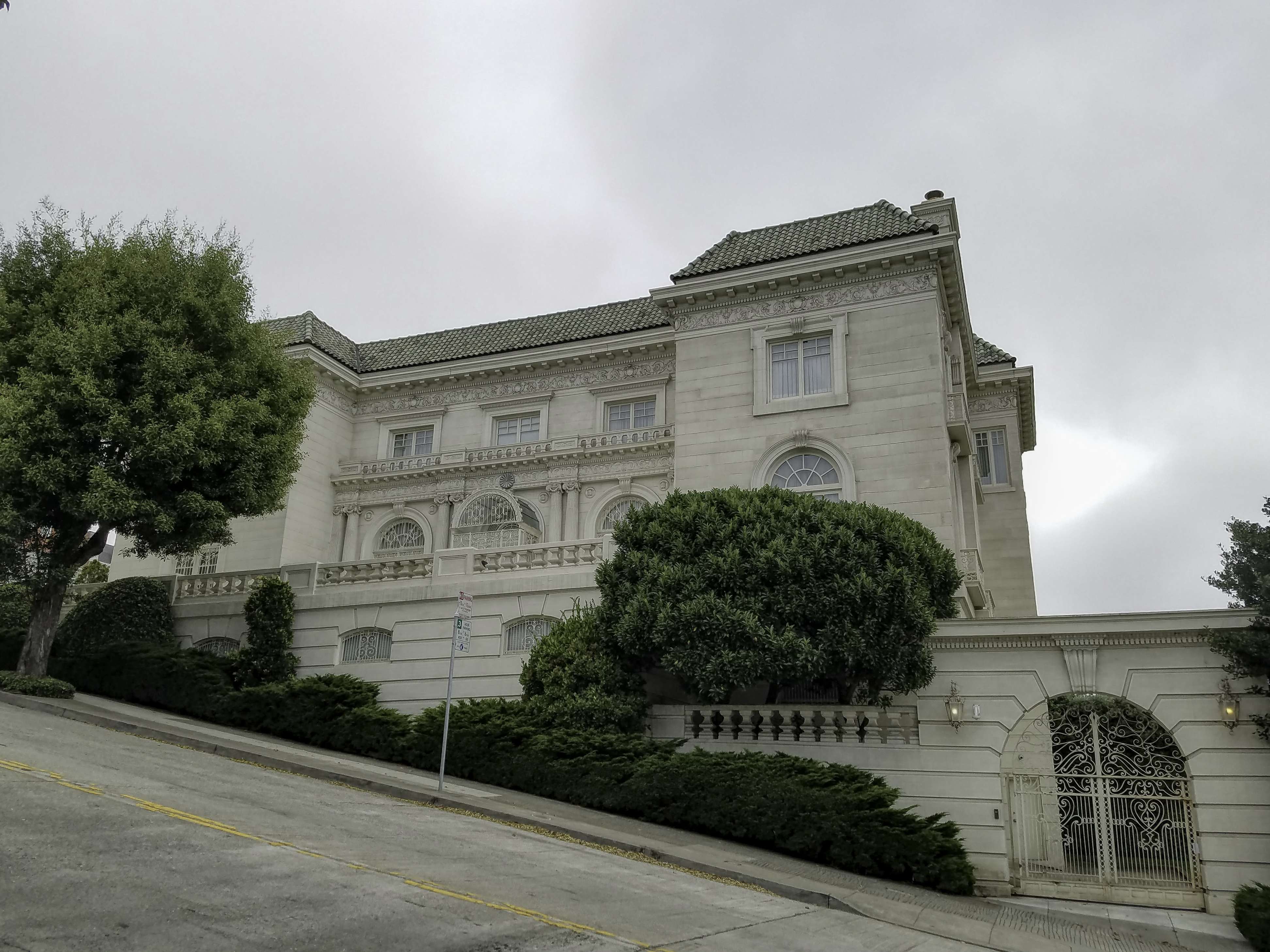
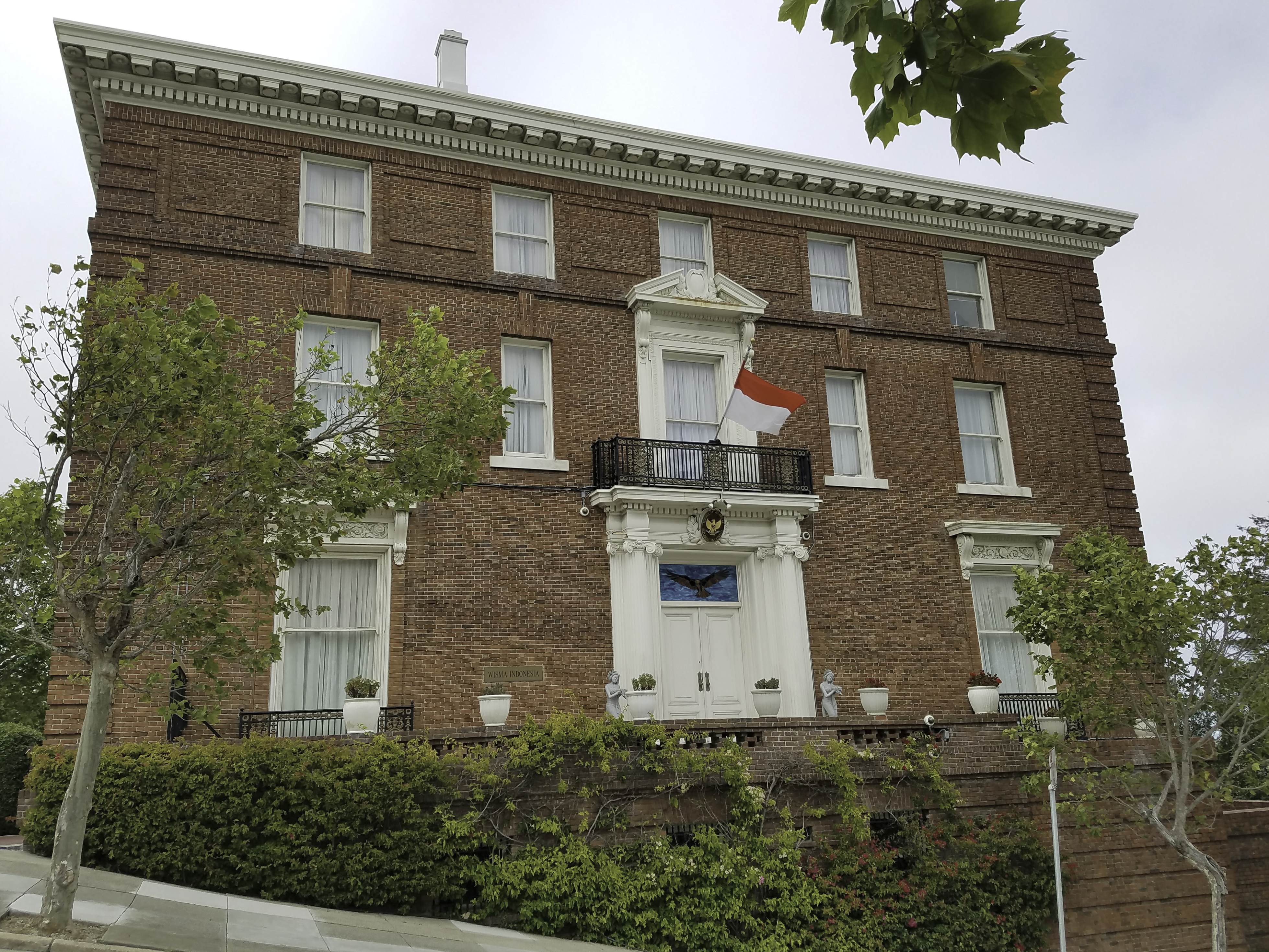
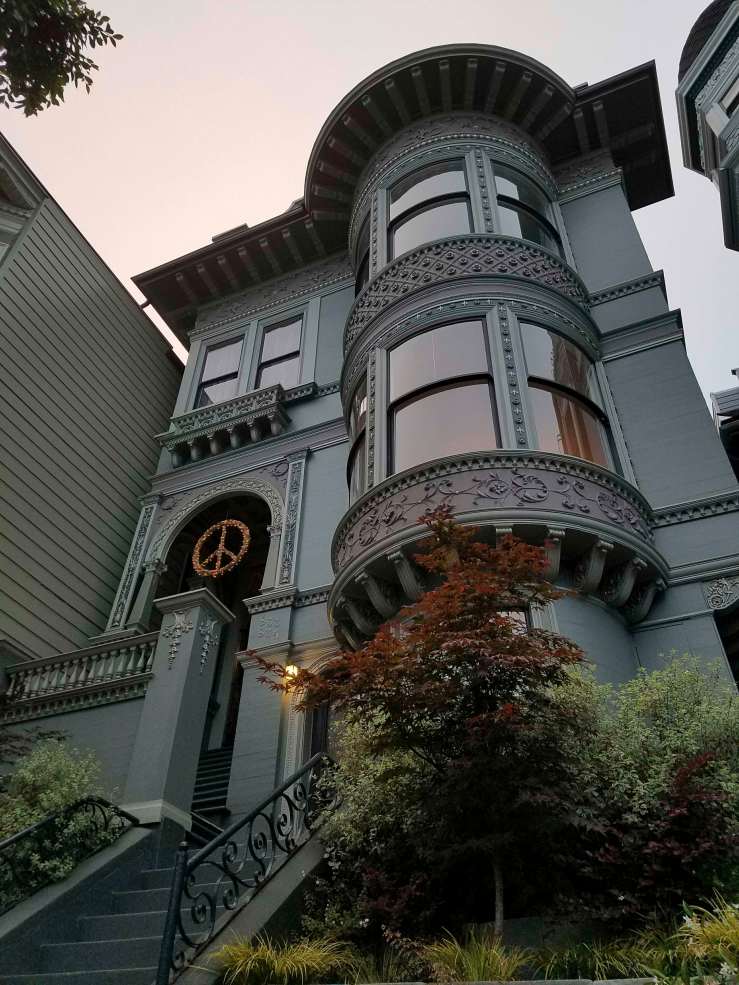
We did make it, with a few extra huffs and puffs, to the gorgeous mansion atop the hill, where police detective Lieutenant Frank Bullitt (Steve McQueen) meets District Attorney Walter Chalmers (Robert Vaughn) at a reception at Chalmer’s residence.

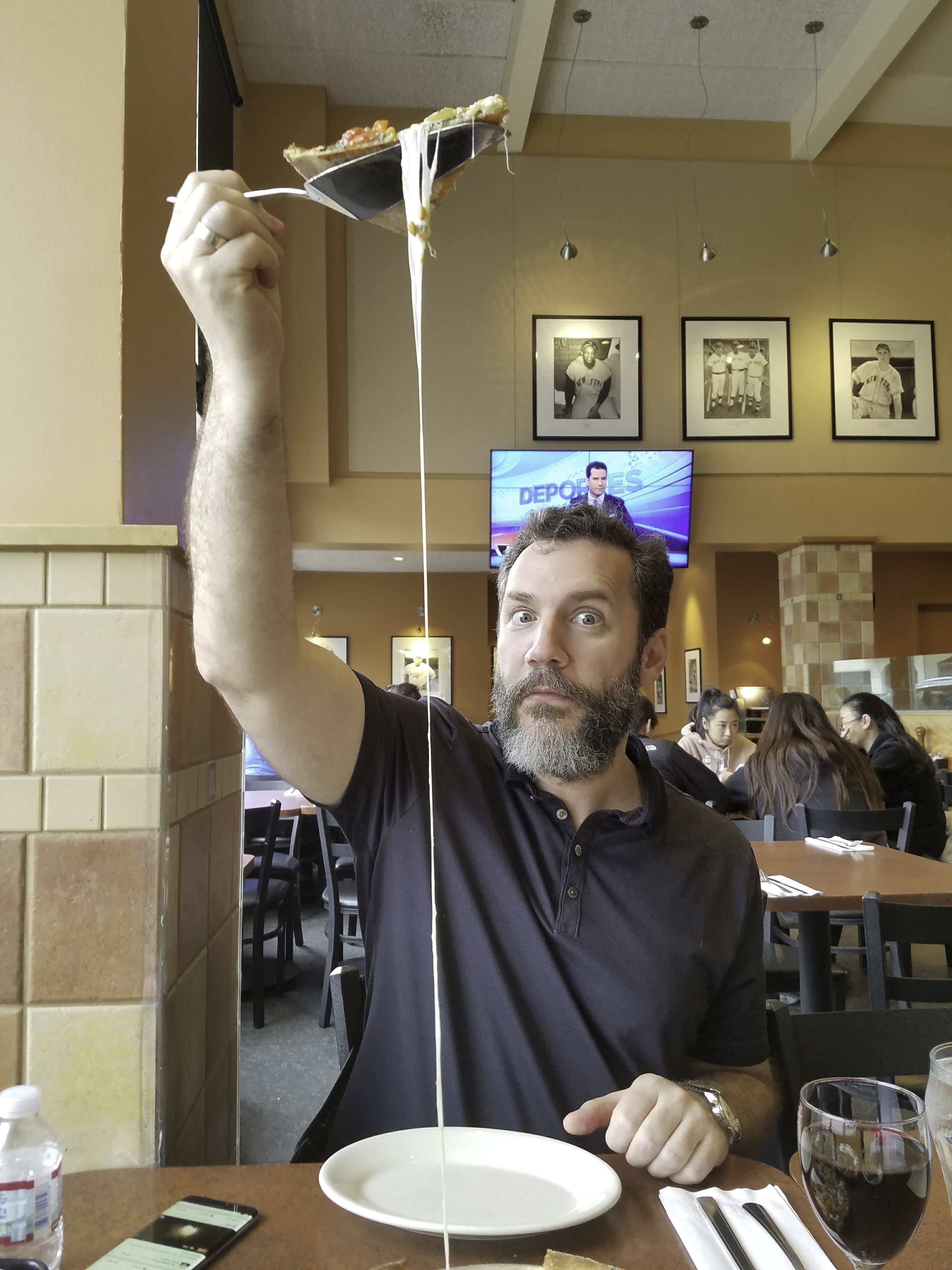
A break for some extra cheesy pizza to treat ourselves, because what comes up must come down… and then all the way up again.

 Walking towards the mansion in the corner of Divisadero St. & Vallejo St., down to Lombard St. at Cow Hollow for a pizza and then back to Alamo Square Park to watch the 4th of July fireworks.

July 4th, 2017

San Francisco is… postcard-perfect

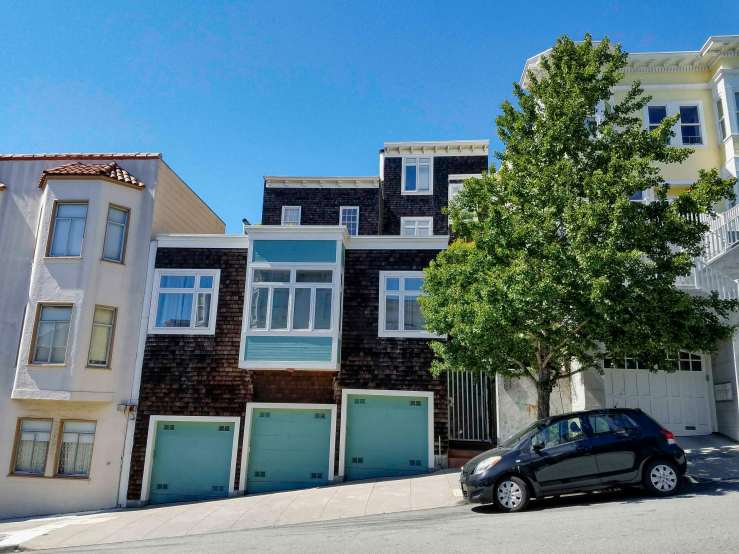
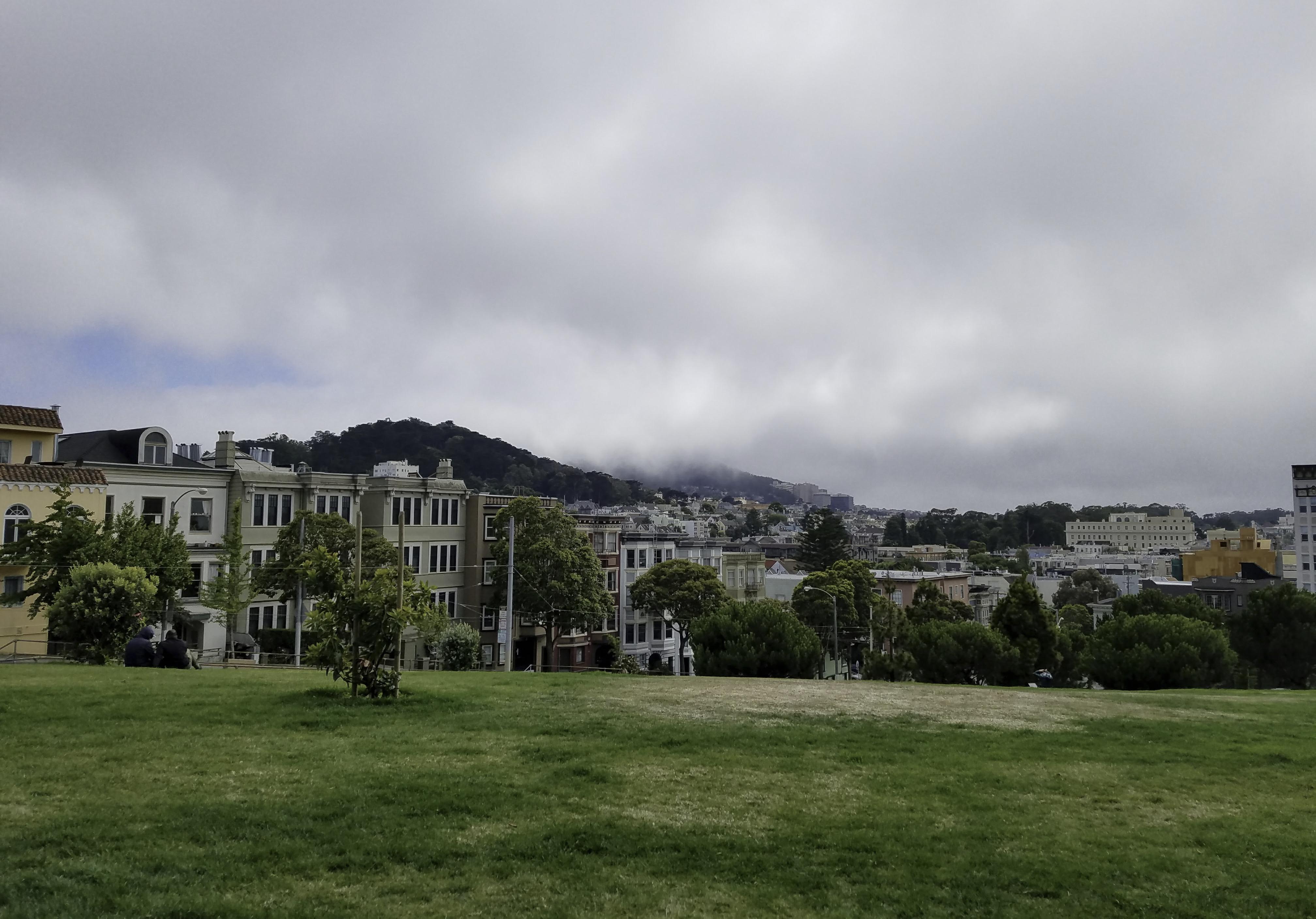
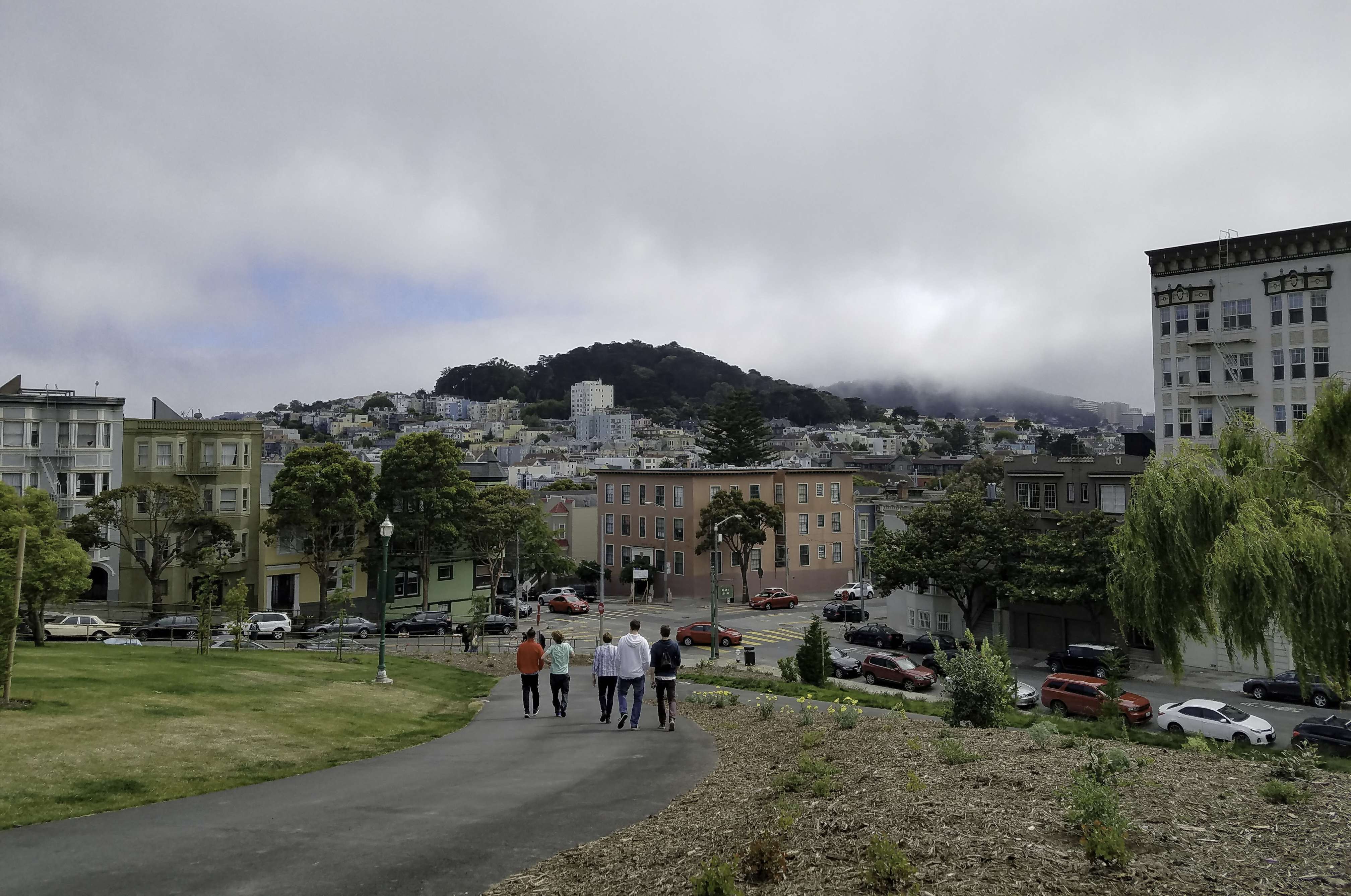
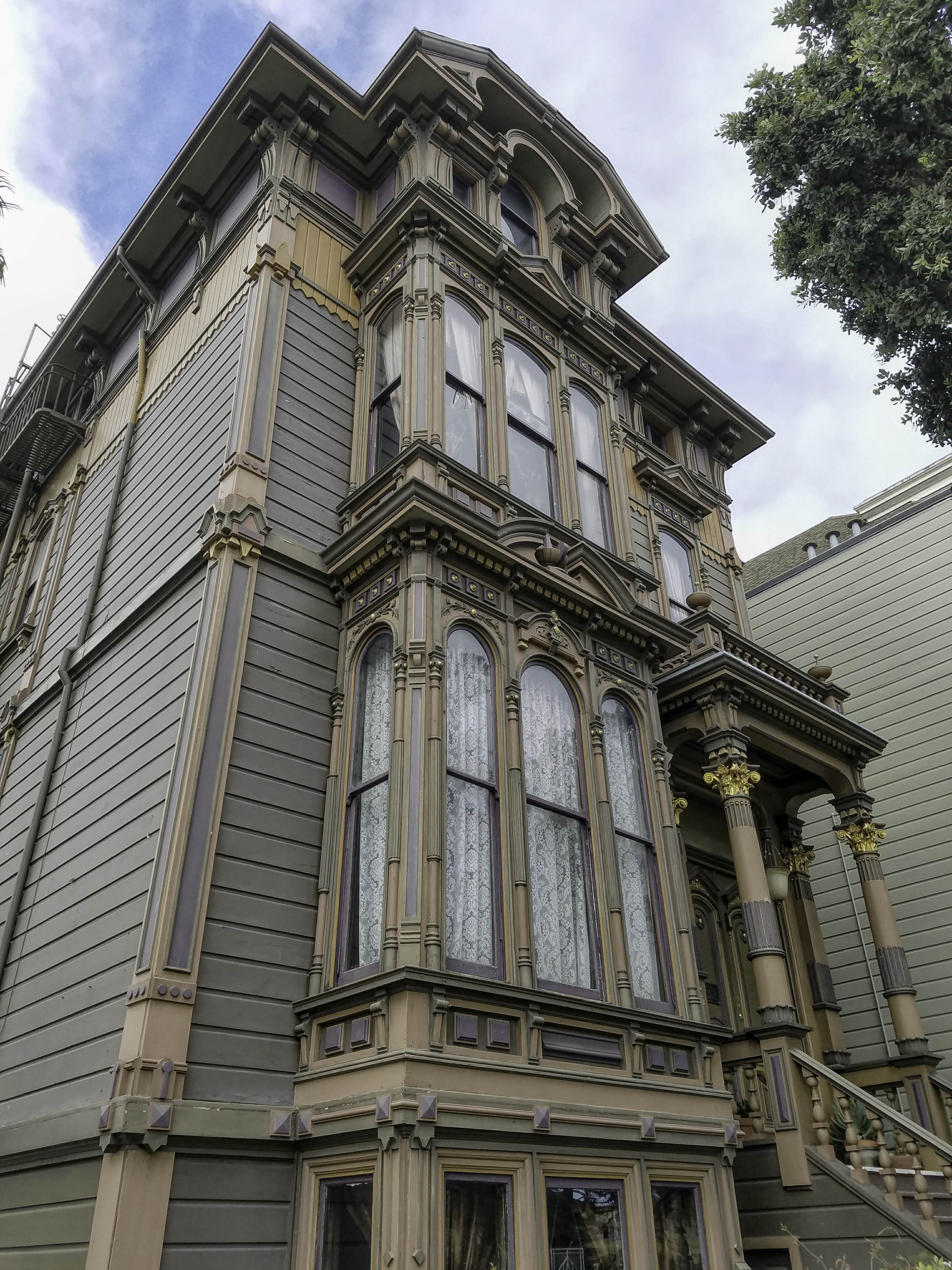
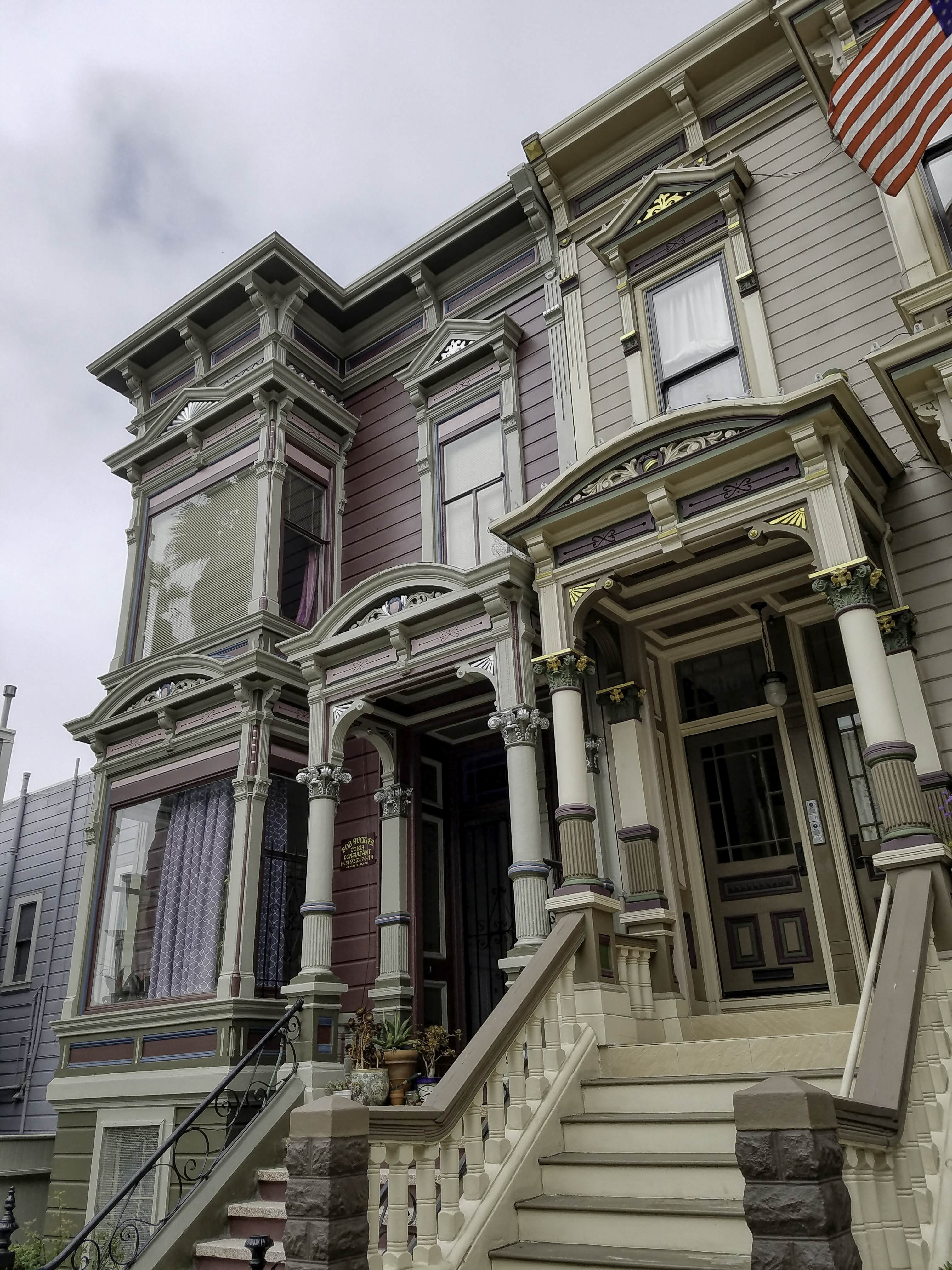
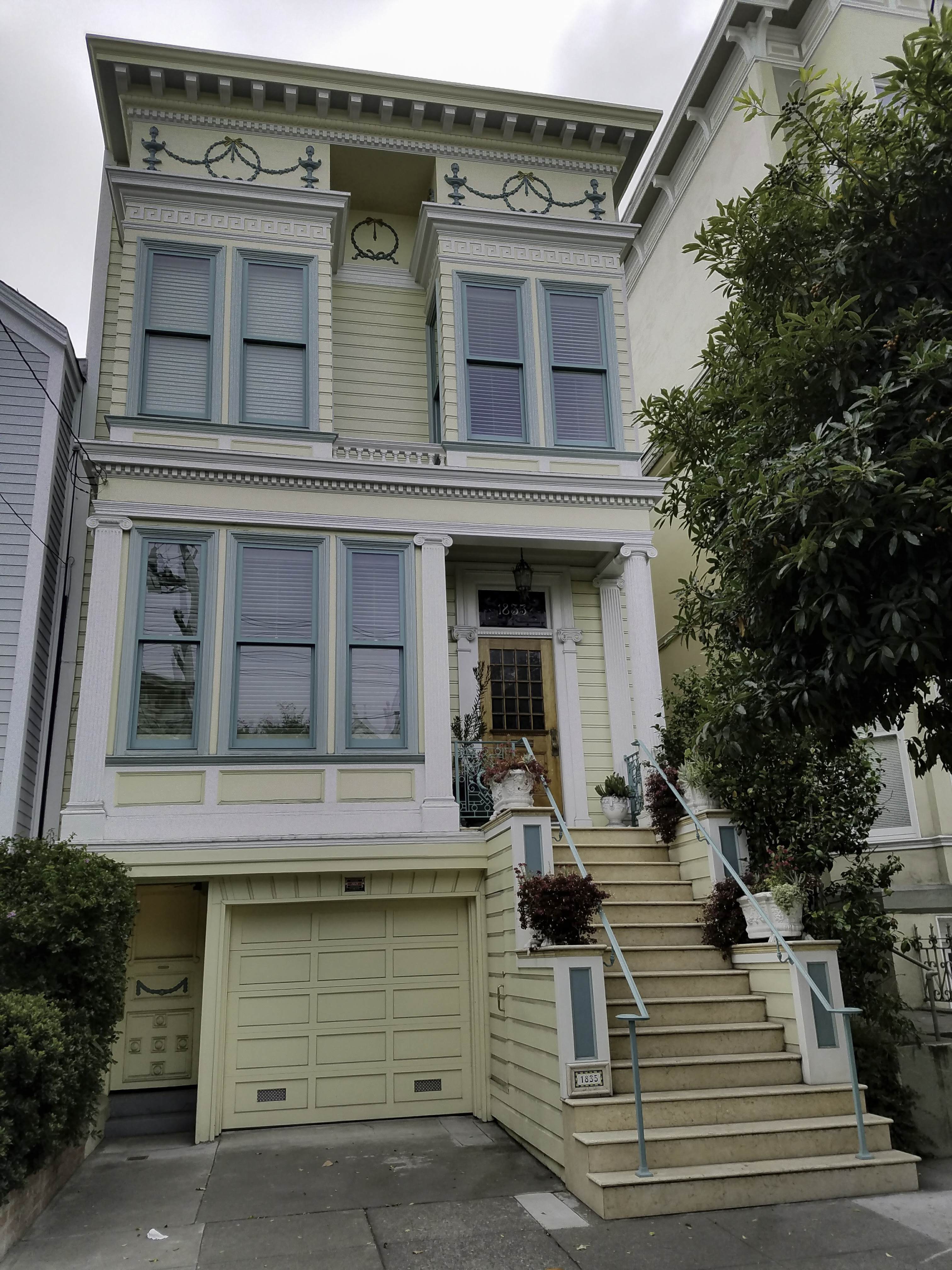
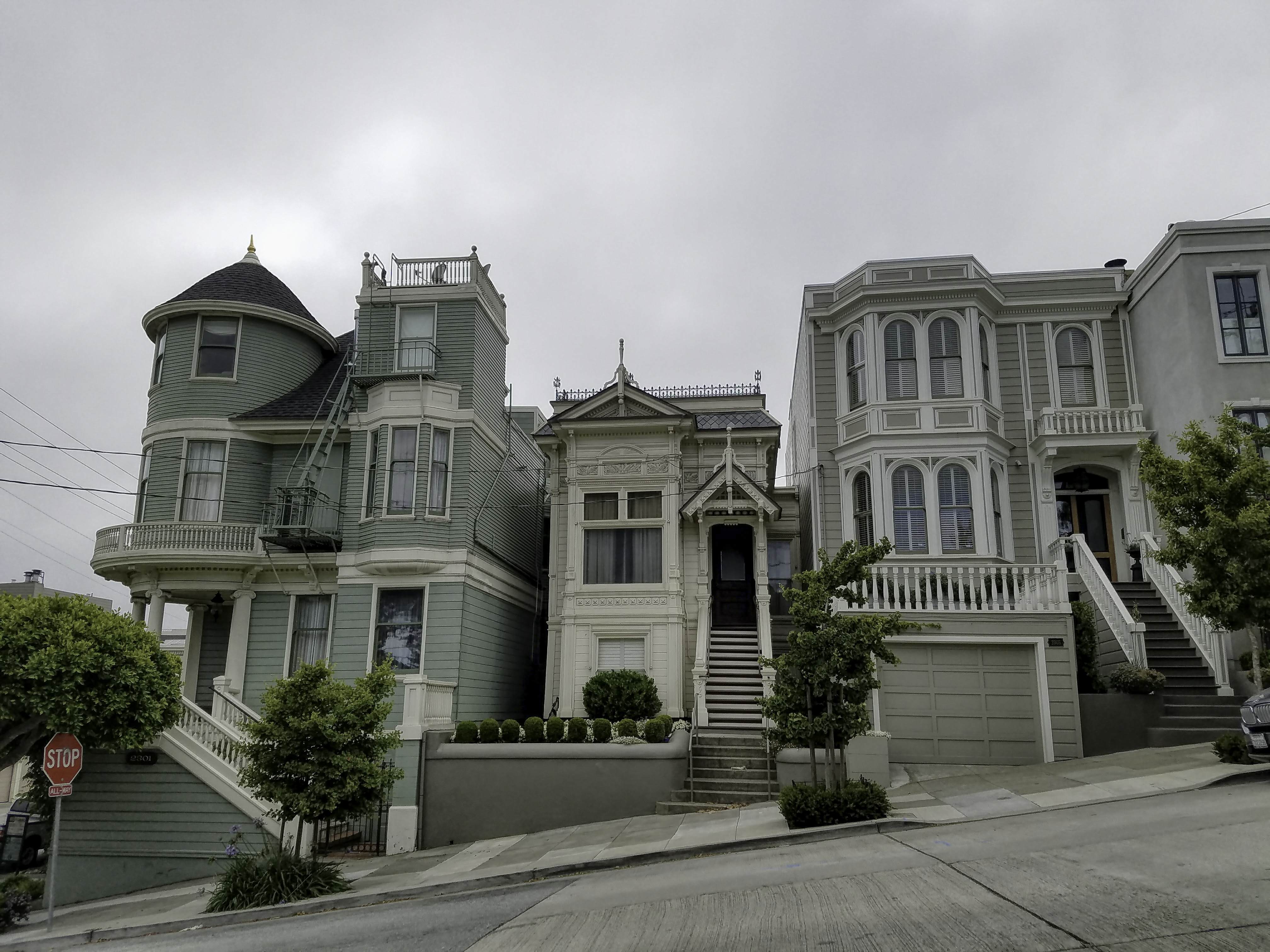
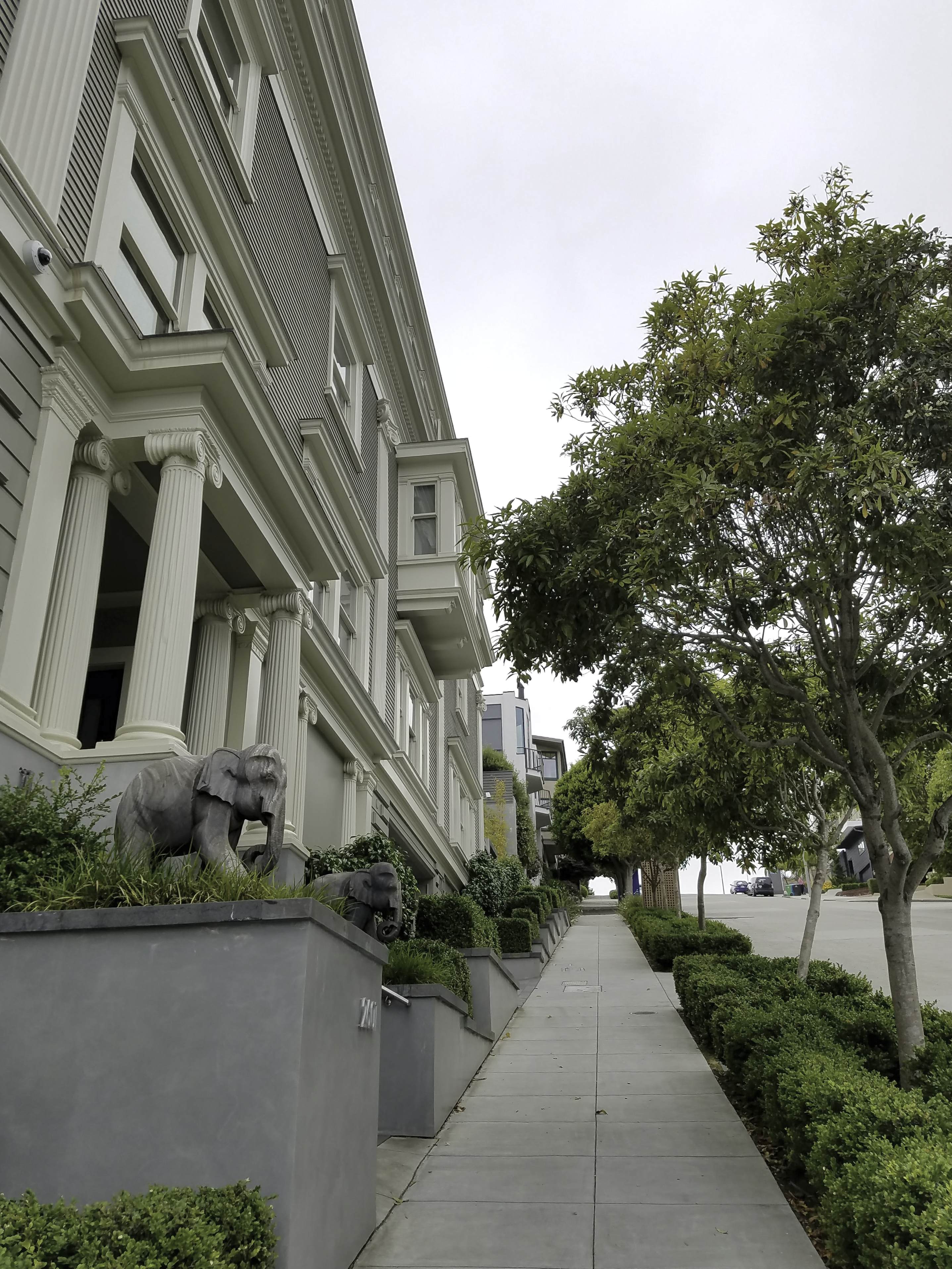
First port of call was Alamo Square with its incredibly charming, perfectly aligned pastel Painted Ladies; so perfectly pastel and aligned, I thought I had walked into a Wes Anderson film. Beyond them, San Francisco Downtown was beckoning. Excited as we were to discover it, it would have to wait because the Painted Ladies were only the start. For street after street, mansion after mansion, this entire district of San Francisco seemed to be a giant postcard.

It was a cool day with low clouds coming up from the East. Partly cloudy and grey but not dull at all. My eyes had yet to adjust to the light – so much different than in New York: similarly bright, but the dominant hues were blue, instead of the orange-yellow ones my eyes have been accustomed to. And, instead of being reflected on glass buildings, here the light was generously diffused, making objects seem sharper, colours brighter and the grass greener. Even on a cloudy day.

I would also have to adjust to the temperature, surprisingly cool – and I mean sweater and a light jacket cool – even in July. One tends to dream of sunshine and hot days on the beach when thinking of California, not this cool-summer-continental, one has learned to expect in Northern Europe.  

Walking from Alamo Square to the Pacific Heights, via Divisadero St. and its environs

July 4th, 2017

“Cabin crew, please take your seats for landing”

Ladies & Gentlemen, welcome to San Francisco!

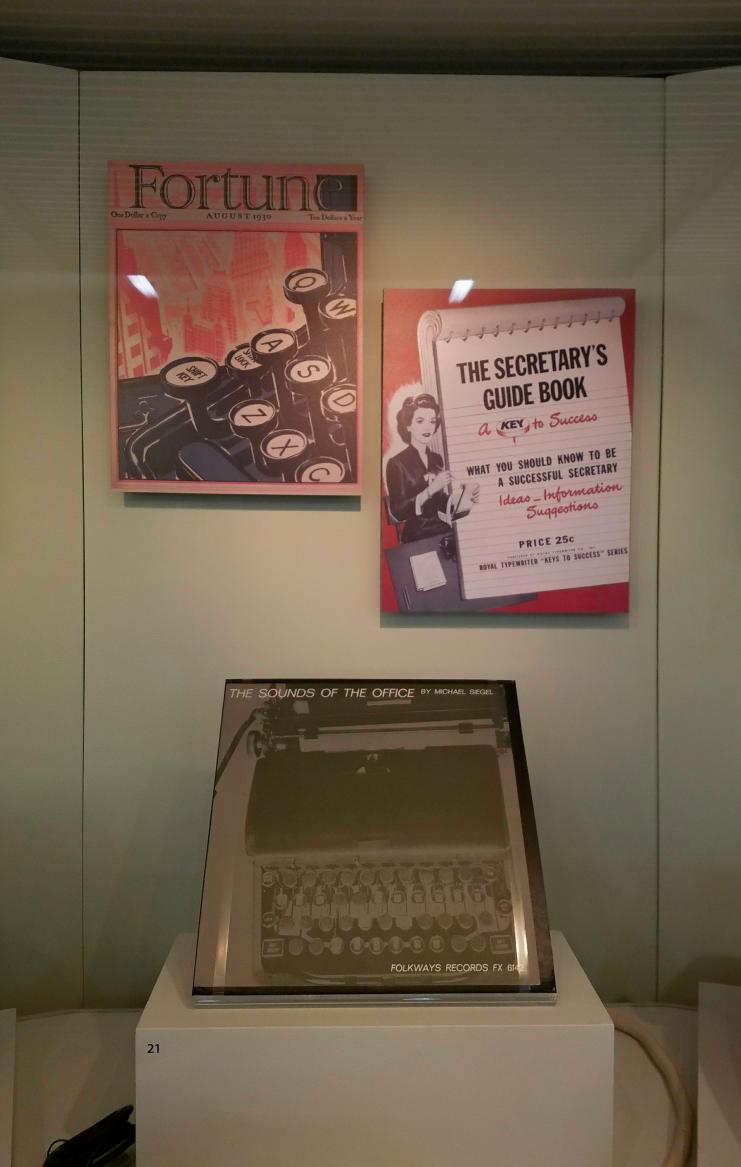
You know you’re in the right place when -on touch down- you’re greeted with a display of some of the most iconic antique typewriters ever produced. Japanese Typewriters

Chinese and Japanese script are logographic and utilize characters that represent elements of words or meanings. Chinese is one of the most ancient forms of active writing, with over 80.000 characters identified throughout different eras and regions of China. Modern Chinese is simplified. Around 3.500 characters are defined in the List of Frequently Used Characters in Chinese, with approximately 2.500 in Common-use Character lists published by the Chinese government.

In 1915, Japanese printer and inventor Kyota Sugimoto (1882-1972) patented a typewriter that printed in both Chinese and Japanese. Manufactured by the Nippon Typewriter Company, the machine featured a large, sliding tray to room for 2.450 individual type-slugs. 
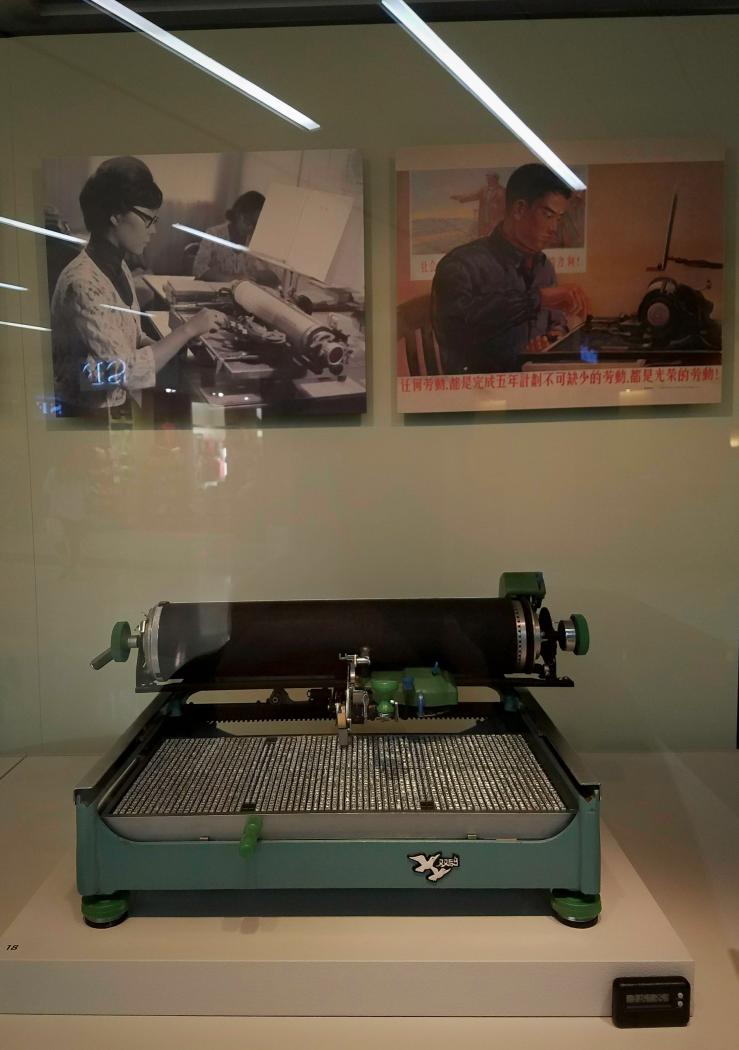

The Chinese typewriter

Typing in Chinese or Japanese on a flatbed typewriter is a complex procedure. Operators of these machines must familiarize themselves with the location of more than 2.000 type-slugs, and most early typists averaged twenty to thirty characters per minute. Typing speed substantially increased with the arrangement of type-beds by operators to suit their individual needs. In the early 1950s, the New Typing Method introduced ”radiating compound” organization to Chinese typists. Depending on subject matter, associated characters were arranged around central, primary characters in radiating patterns. Typists were responsible for their own layouts, and organization differed dramatically. For instance, a layout for a government office would be quite different than for a factory, with names of officials substituted for company names and technical terms.

Throughout the 1950s, most Chinese language typewriters were manufactured in Japan. The Chinese government restructured typewriter production under the new communist regime and in 1964, the Shanghai Chinese Typewriter Manufacturers Association introduced a flatbed typewriter. Based on the Japanese typewriter produced by Nippon Typewriter Co. in Tokyo, the revitalized machine was branded the Double Pigeon DHY and made by Shanghai Calculator & Typewriter. Available with either ribbon-or roller-inking mechanisms, the DHY was the iconic typewriting machine of the People’s Republic of China and was manufactured until 1992.


Olivetti Design

The Valentine is perhaps the most iconic Olivetti typewriter, envisioned by designer Ettore Sottsass (1917-2007) as an inexpensive and simple-yet-stylish portable.


Royal Quiet De Luxe with carrying case, 1949
Royal Typewriter Company, Inc. Hartfort, Connecticut
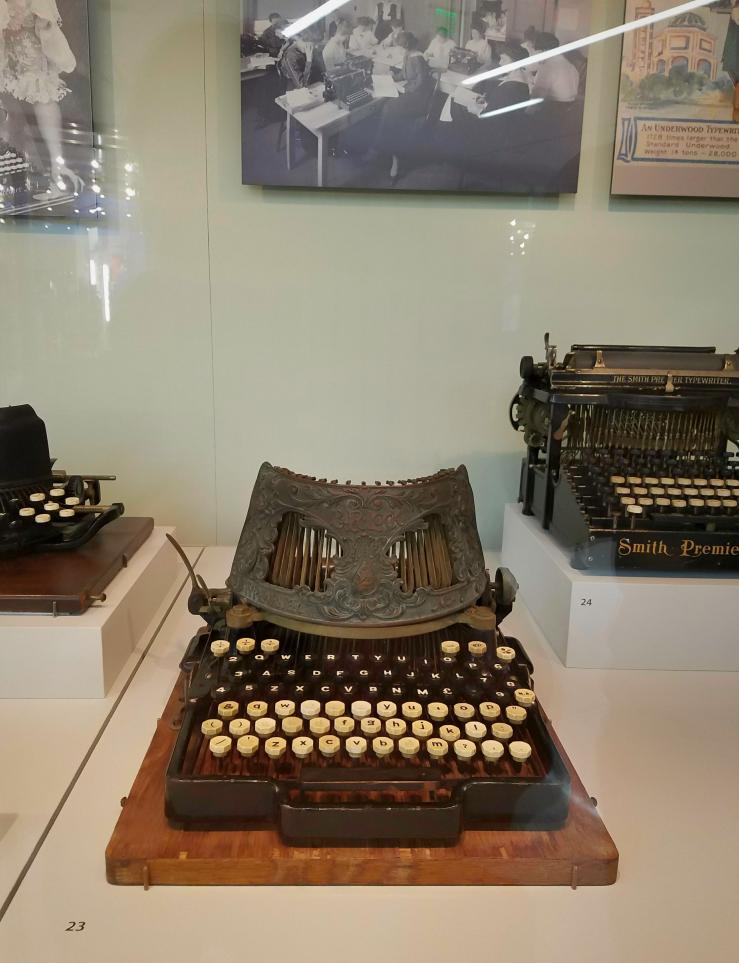
Bar-Lock No. 6, 1895
Columbia Typewriter Company, New York

Double Keyboards

Modern typewriters use a shift-key mechanism to select upper- and lower-case characters. Many models introduced during early typewriter production utilized a double-keyboard arrangement, with two banks of keys organized by upper and lower cases. Initially, makers of double-keyboard machines promoted their potential speed and efficiency. The Smith Premier was the best-selling typewriter of this group and advertised ”a key for every character”. Like the Sholes & Glidden Type Writer and early Remington models, the Smith Premier was an upstroke machine and did not print within the user’s view – its carriage had to be lifted to reveal the paper and printed text.


Williams No. 1, 1895
The Williams Typewriter Company, New York


Crandall New Model, c. 1890
Crandall Machine Company, Groton, New York
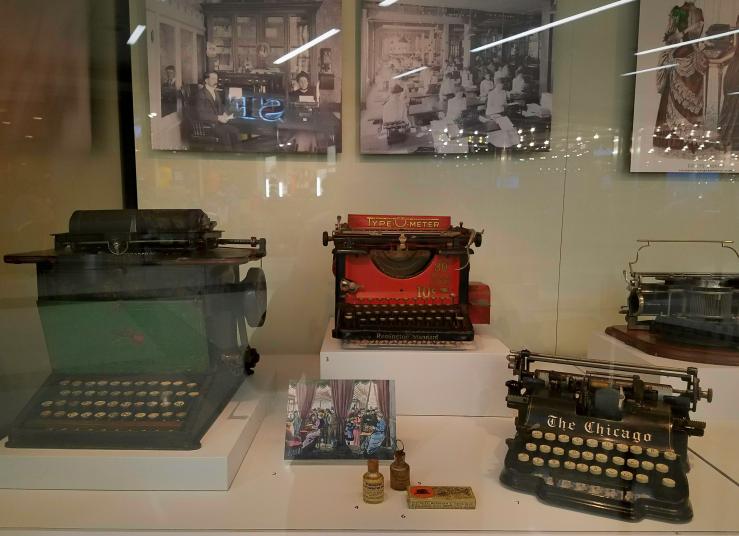

Chicago No. 2, 1905
Chicago Writing Machine Co.


Underwood Standard Portable Typewriter with hand-lettered case, 1926
owned by Orson Welles
Underwood Typewriter Company, New York

Typescript for Citizen Kane, 1941


Royal Model P, 1932
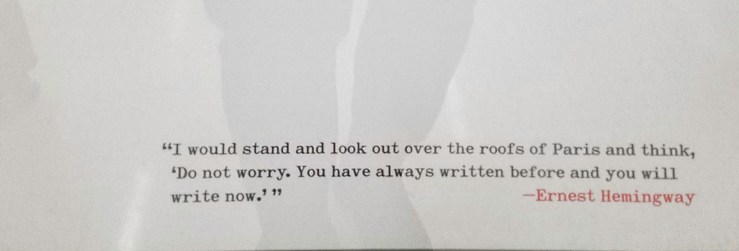
owned by Ernest Hemingway
Royal Typewriter Co., Inc. New York

Our amazing trip to the West Coast had just began in the best way possible – in San Francisco International Airport.

July 4th, 2017