
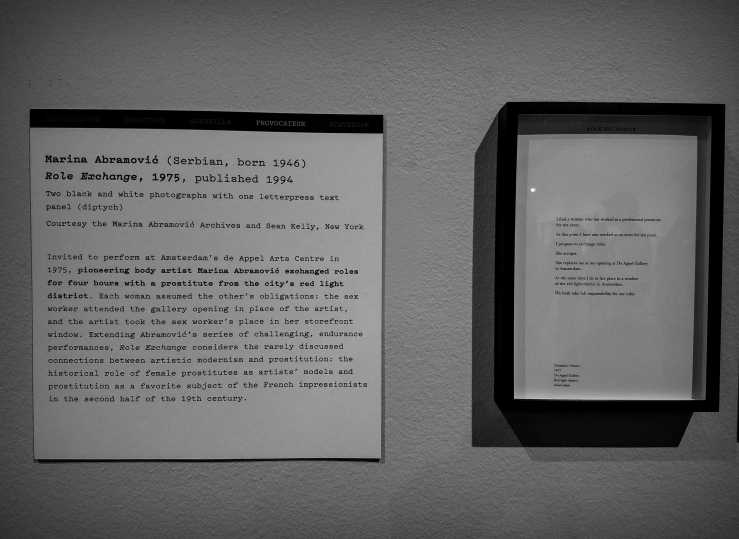

Albert Barnes taught people to look at works
of art primarily in terms of their visual relationships.
The Barnes is home to one of the world’s greatest collections of impressionist, post-impressionist, and modern European paintings, with especially deep holdings in Renoir, Cézanne, Matisse, and Picasso. Assembled by Dr. Albert C. Barnes between 1912 and 1951, the collection also includes important examples of African art, Native American pottery and jewelry, Pennsylvania German furniture, American avant-garde painting, and wrought-iron metalwork.
The minute you step into the galleries of the Barnes collection, you know you’re in for an experience like no other. Masterpieces by Vincent Van Gogh, Henri Matisse, and Pablo Picasso hang next to ordinary household objects—a door hinge, a spatula, a yarn spinner. On another wall, you might see a French medieval sculpture displayed with a Navajo textile. These dense groupings, in which objects from different cultures, time periods, and media are all mixed together, are what Dr. Barnes called his “ensembles.”
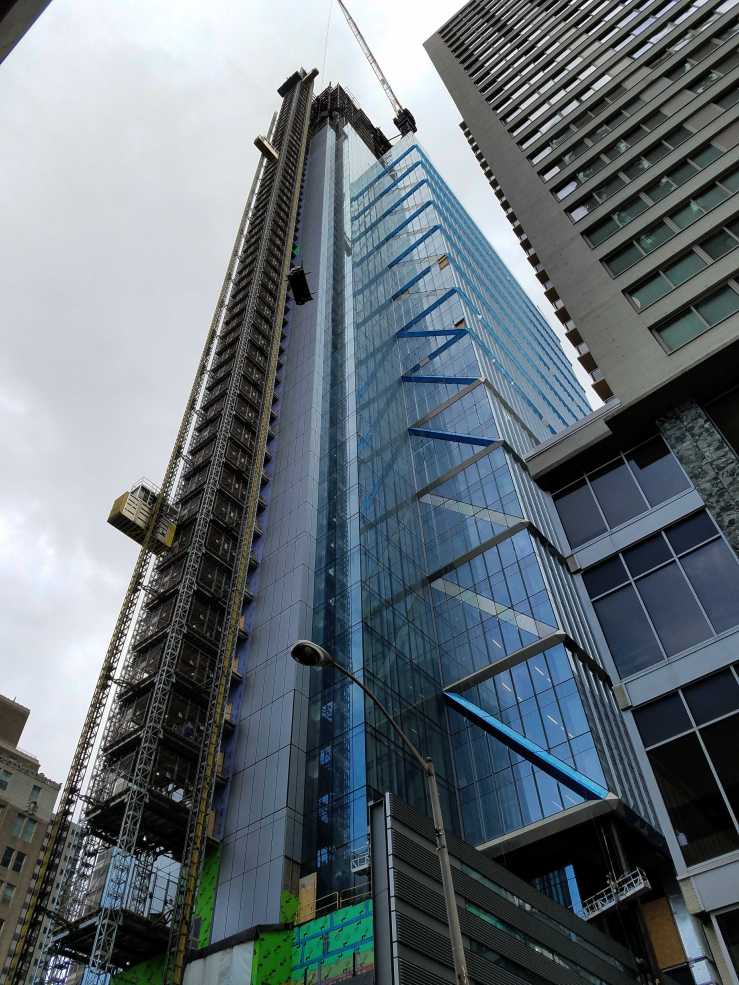
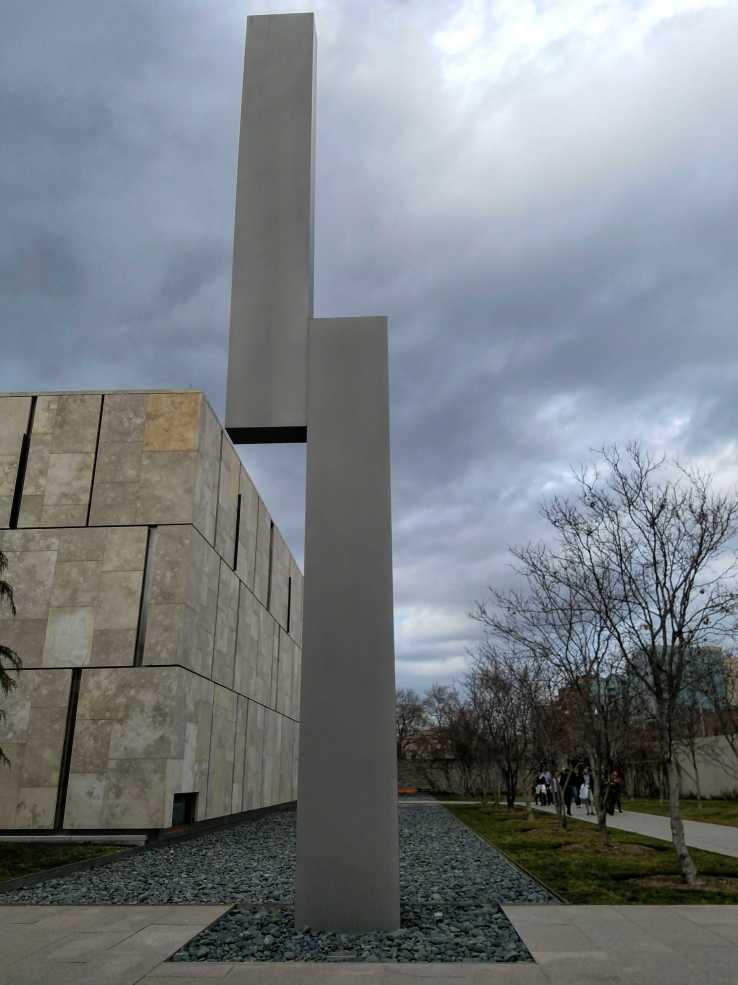
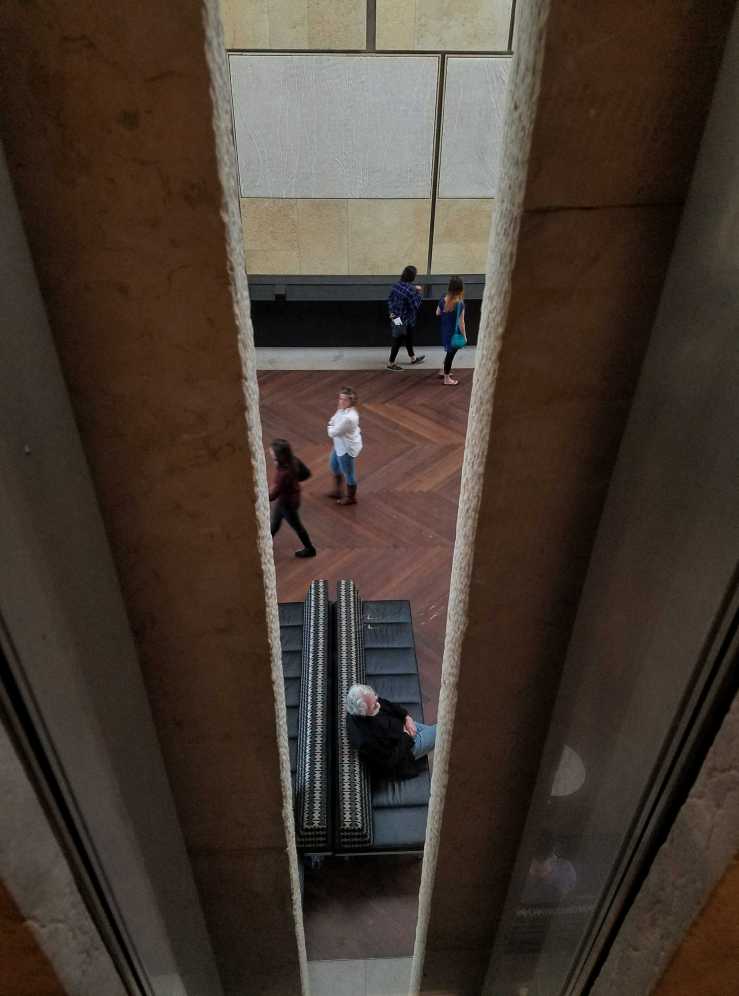
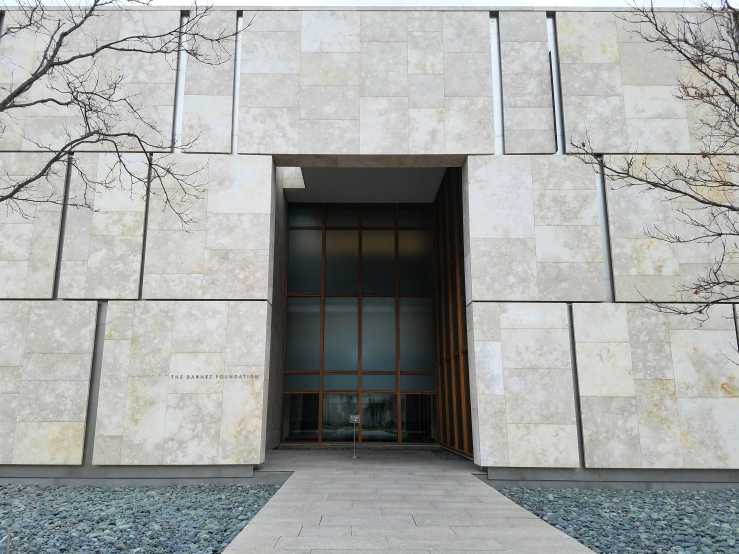
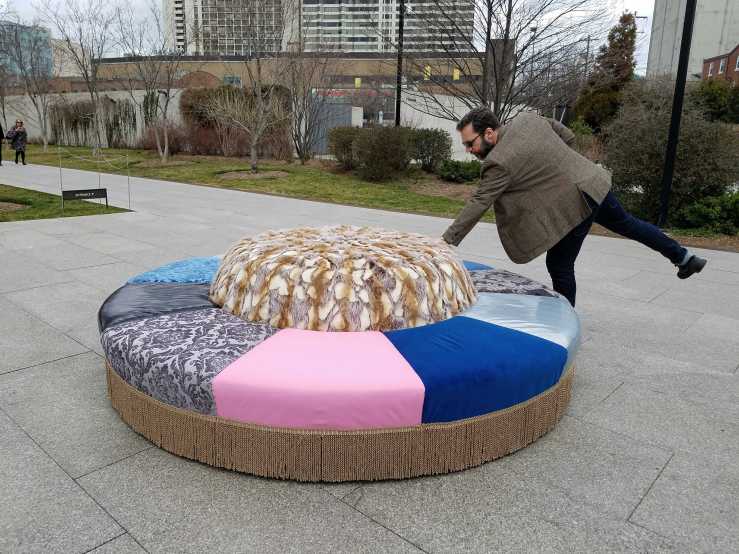
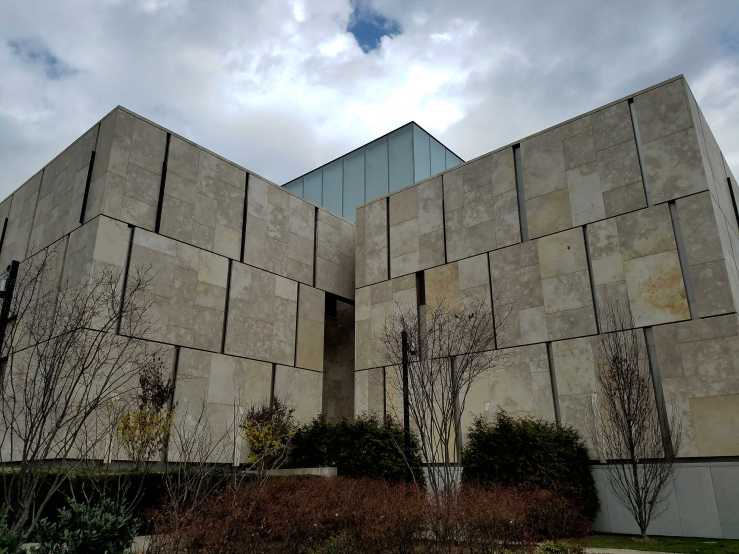
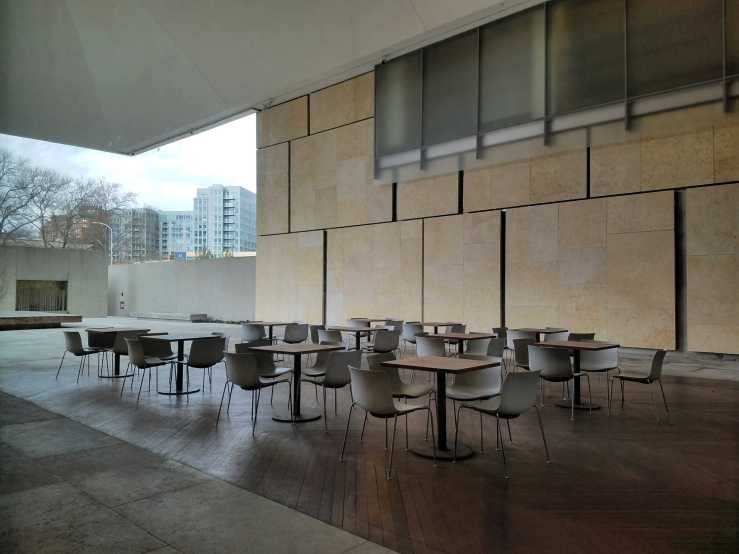
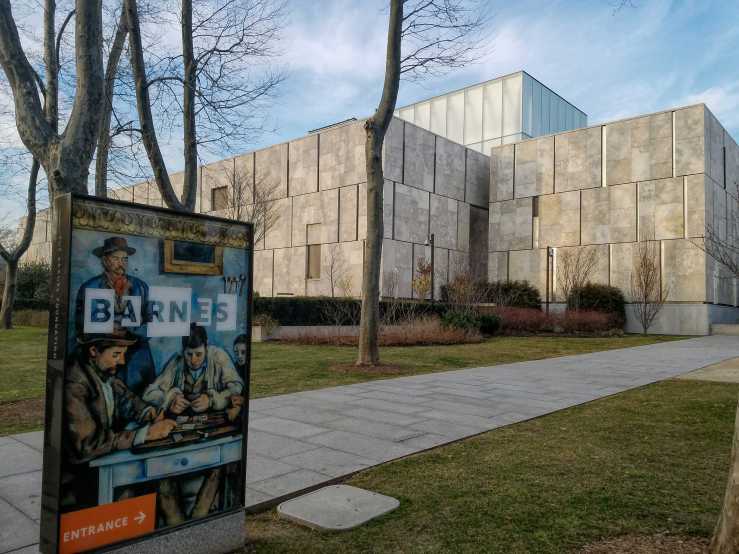
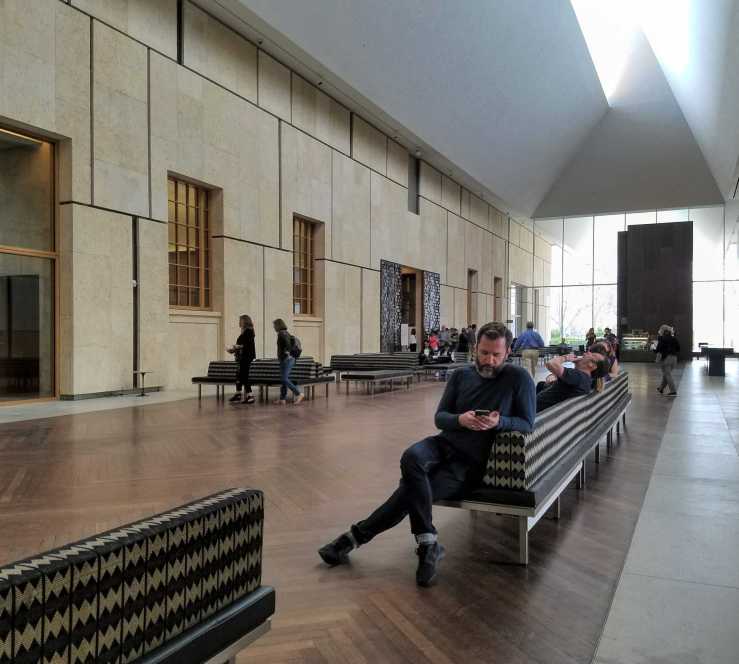
In this spirit, here is an ”ensemble” of my own, a compilation of images from the up and coming Comcast Technology Center – with its dangerous-looking platform lift – and the Barnes Foundation. Photography inside the galleries is not permitted and, for once, I understand. With its small rooms and artworks arranged over the entire length and width of the walls, the ”ensembles” are not easy to capture – at least not by the casual photographer.
The Barnes Foundation
Philadelphia
February 25th, 2017
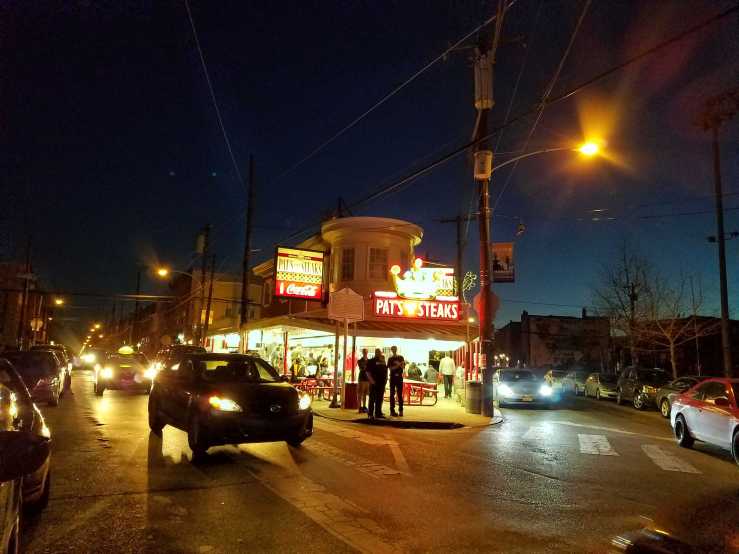
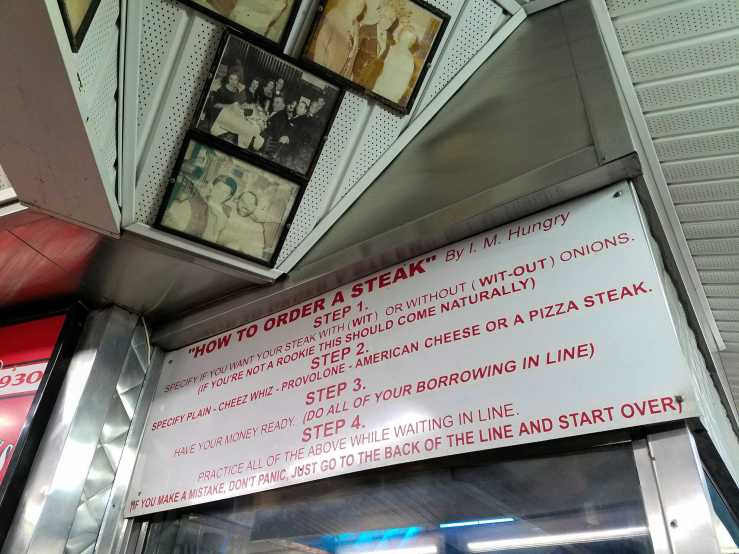 There are a lot of good addresses for Philly cheesesteaks nowadays but if you value tradition, there can be only one: Pat’s King of Steaks. Original home of the steak sandwich invented by its founder, Pat Olivieri, in 1930, the place is still owned by the same family. The sandwiches (we got them wit) are utterly delicious.
 Philadelphia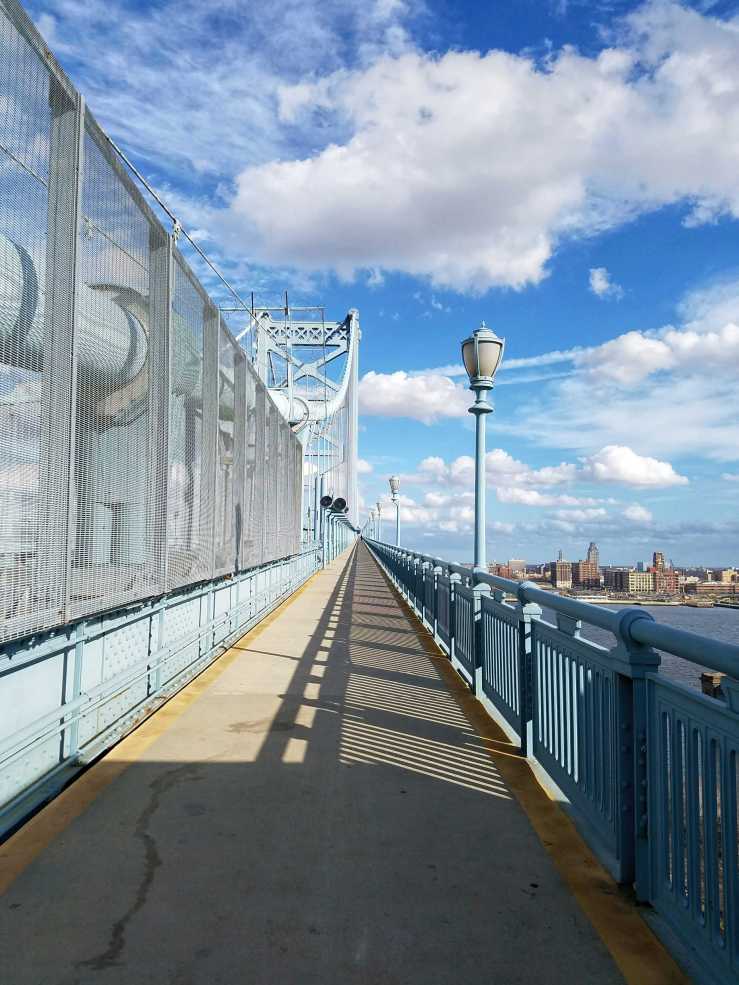
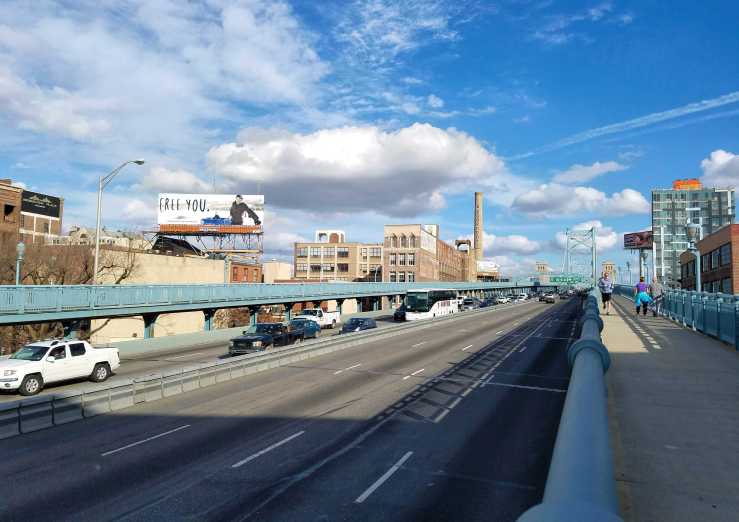
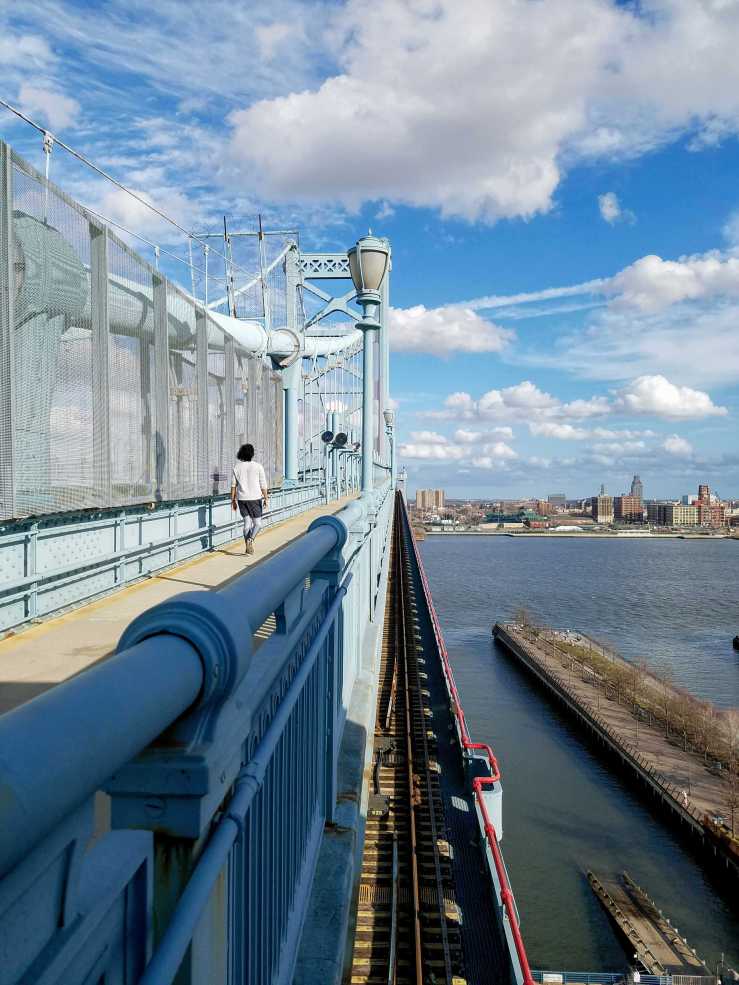
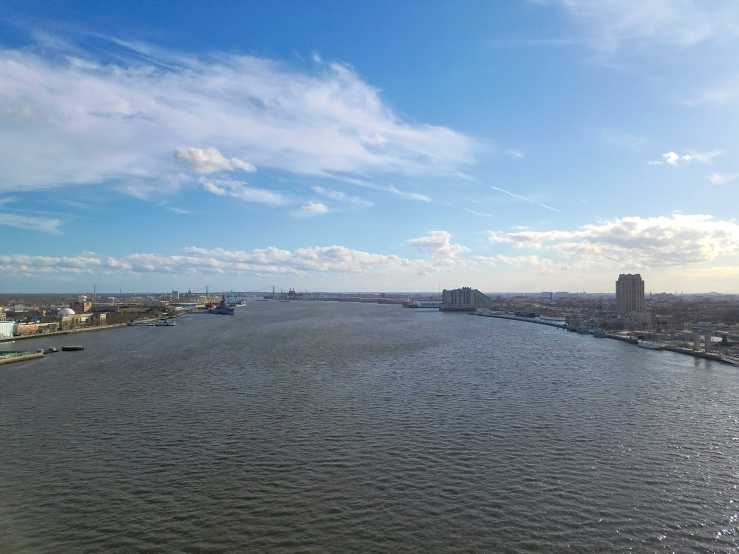
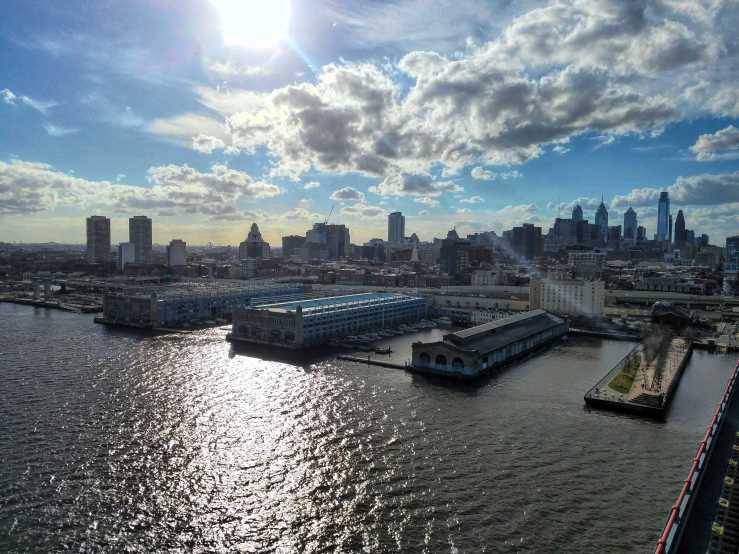
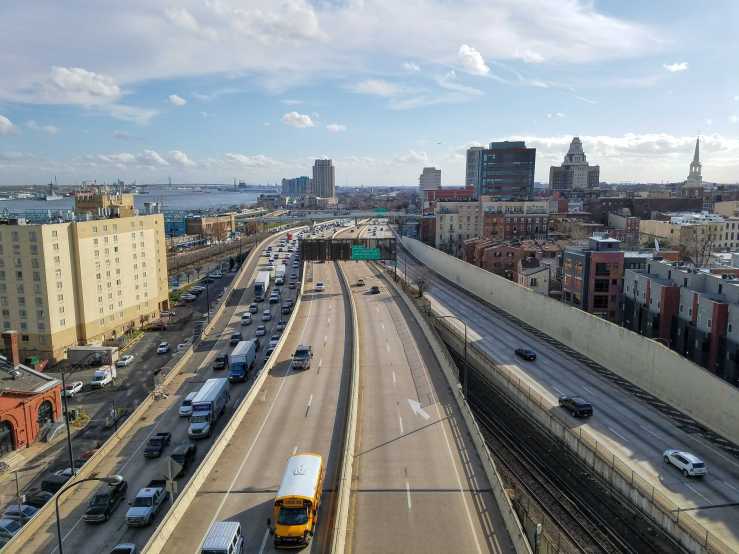 The bridge named after Benjamin Franklin spans across Delaware River and connects two Cities and two States: Philadelphia, Pennsylvania and Camden, New Jersey. It can be crossed by car, train, bike or, like we did, on foot. Around 1,3 miles or 30′ walk, longer if you pose to take photos, soak up the views, try to identify Philly’s tall buildings in the background or just take deep breaths of fresh air.
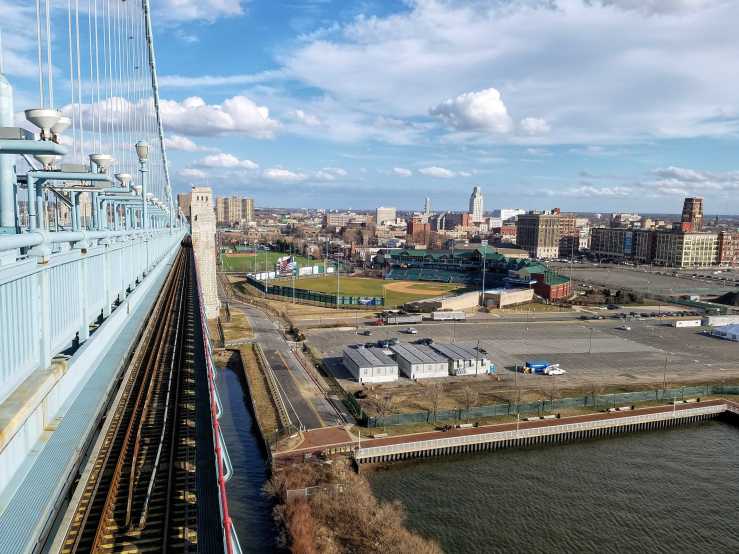 Or maybe watch a game.
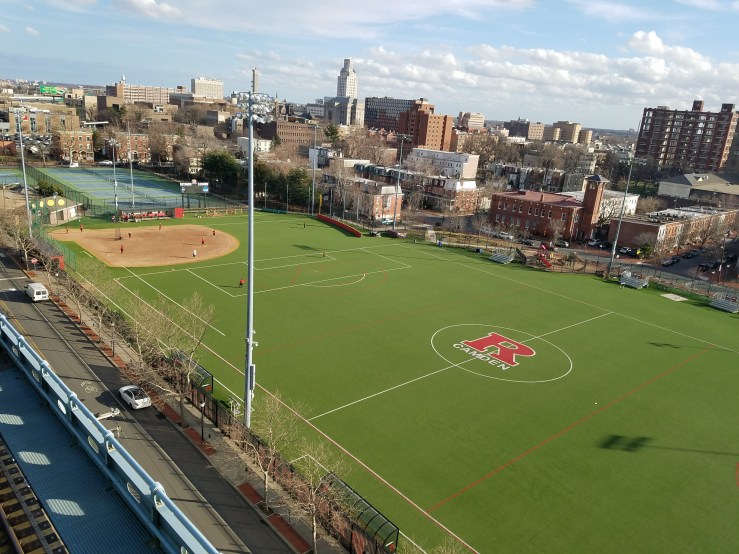 Camden Waterfront, on the other side, was undergoing a major redevelopment and didn’t look too welcoming at the time so we just turned back without exiting the bridge.
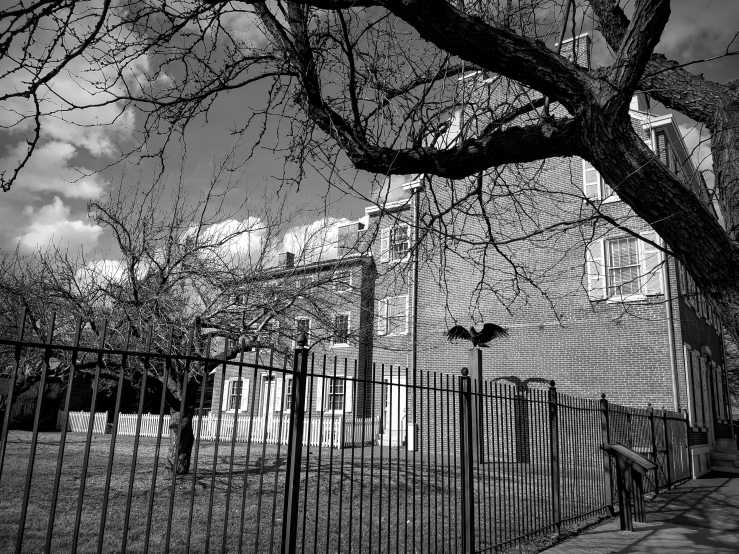

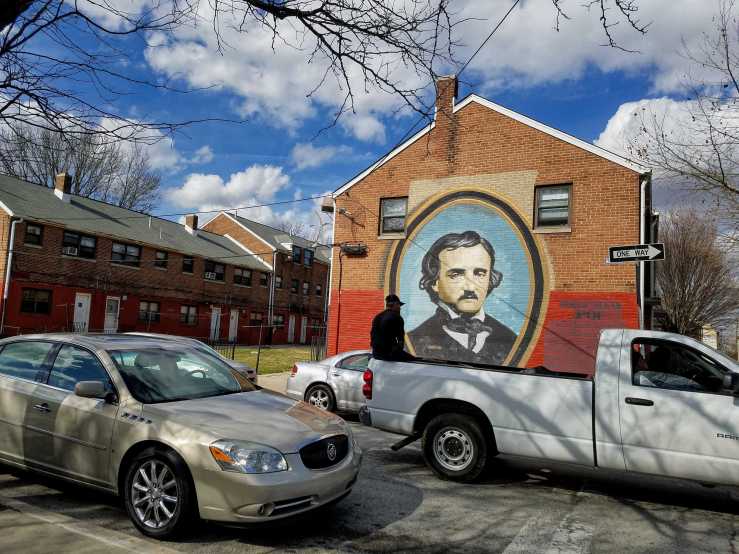
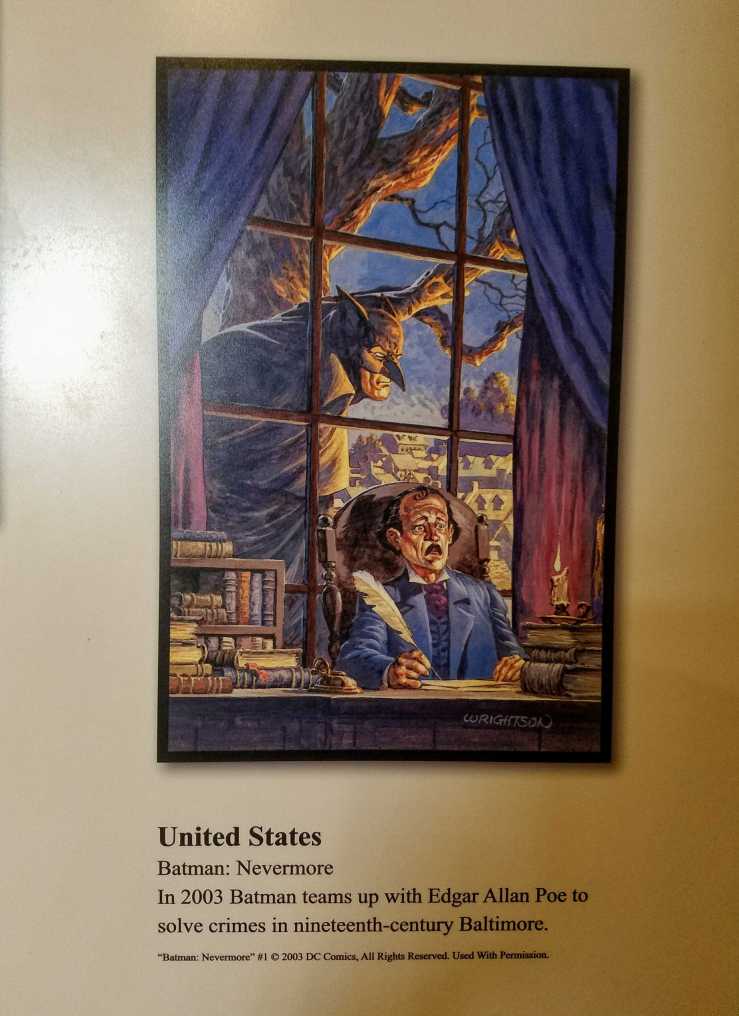
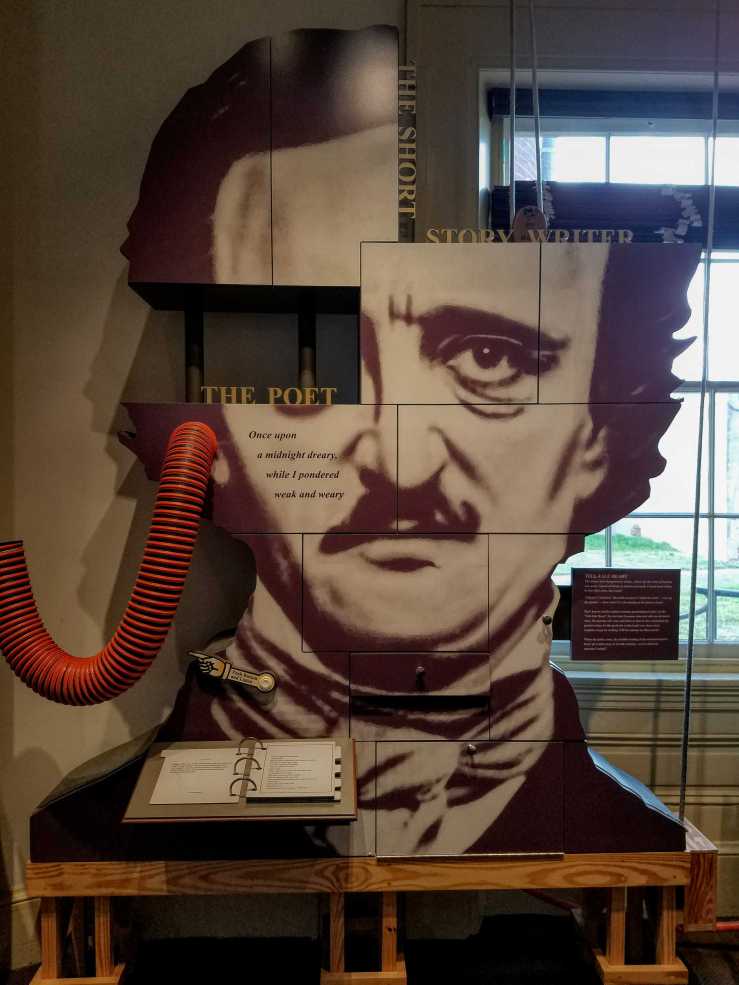
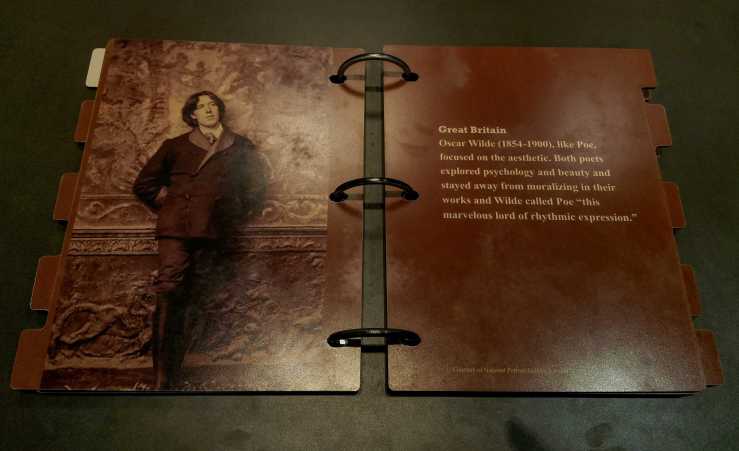
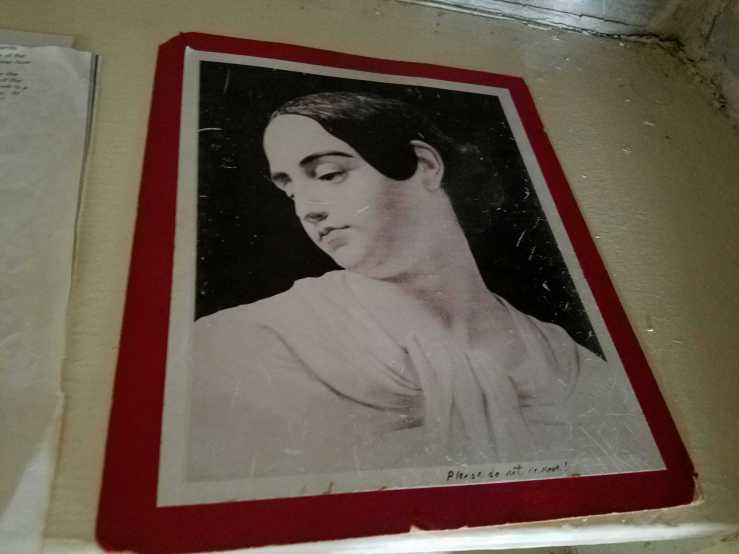
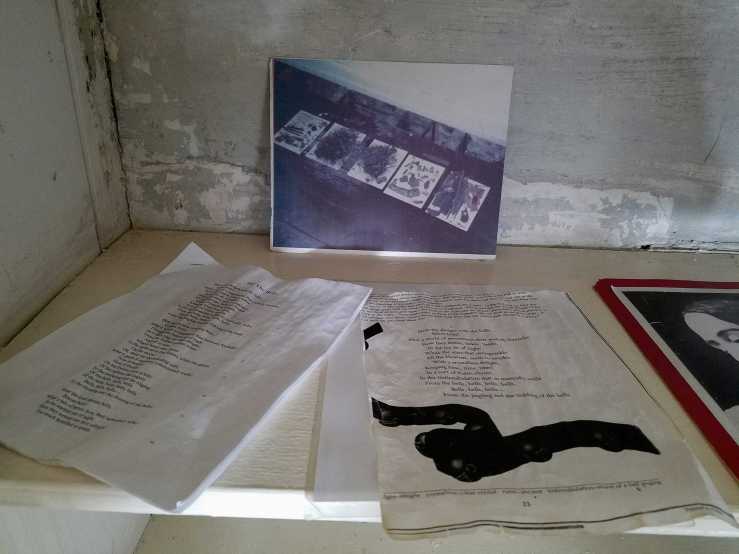
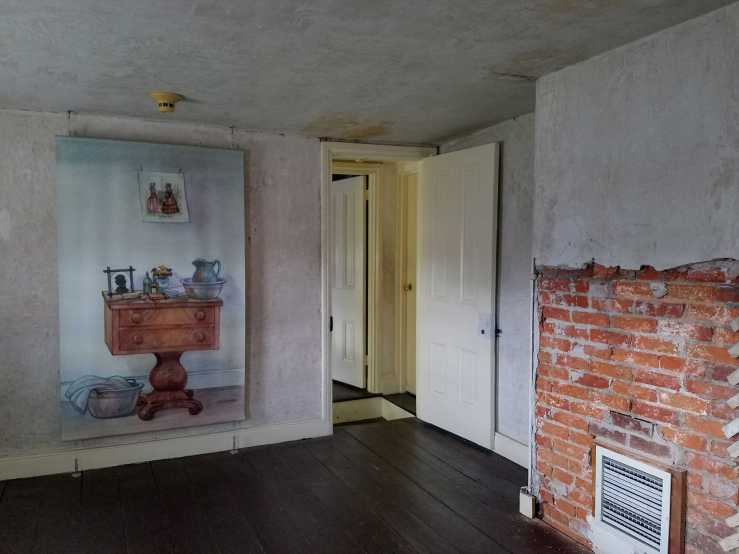
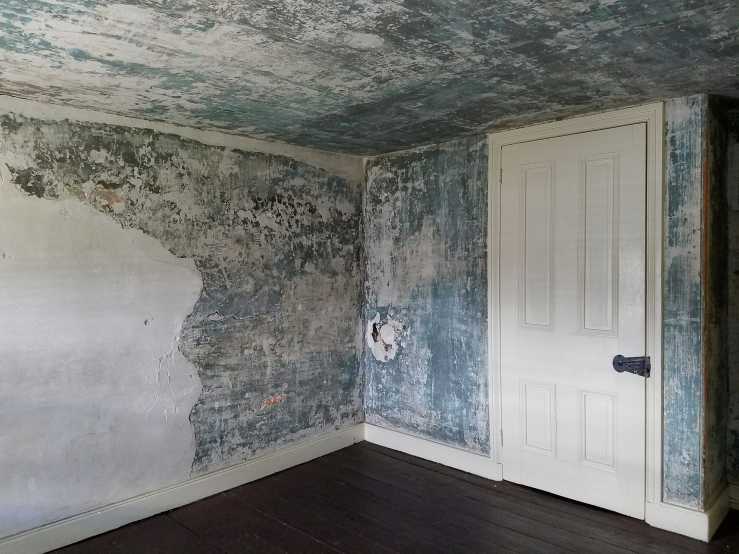
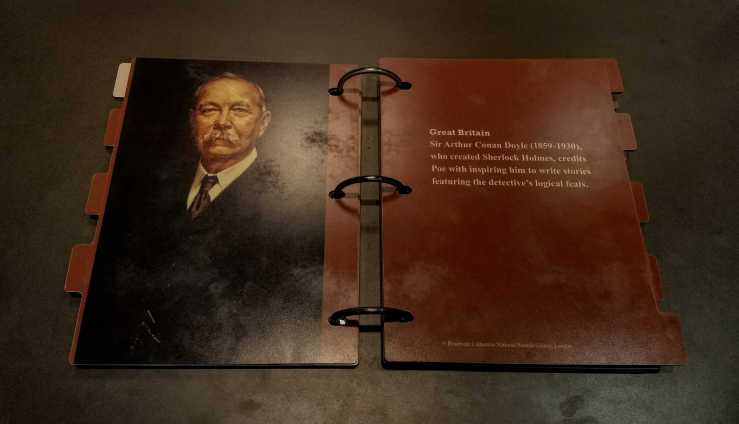 Poe lived here with his beloved wife Virginia and devoted mother-in-law Maria Clemm who was an excellent housekeeper, a great help to the couple especially while Virginia was in declining health. The house is stripped bare; no objects or furniture belonging to Poe because nothing was left behind when the family moved on to their next home in the Bronx. Only drawings and period photographs indicate how it would have looked back then.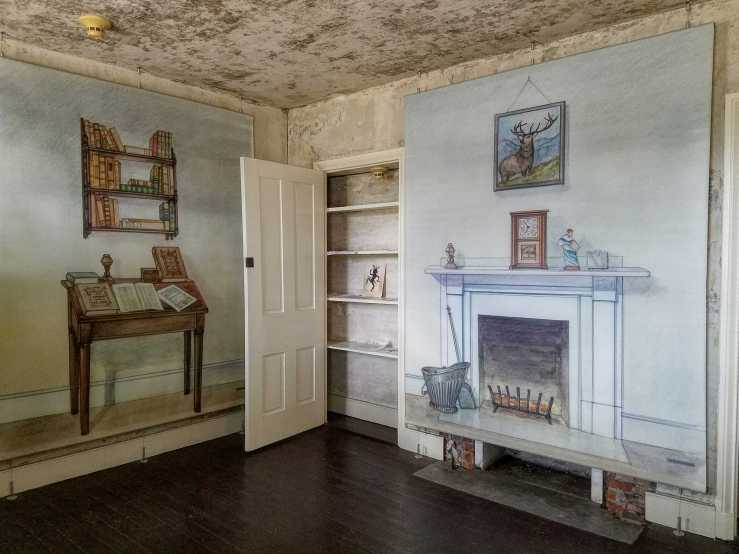
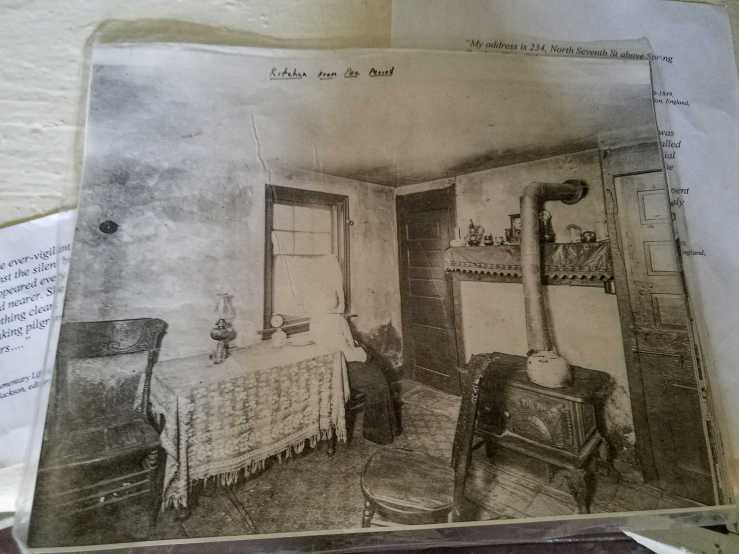
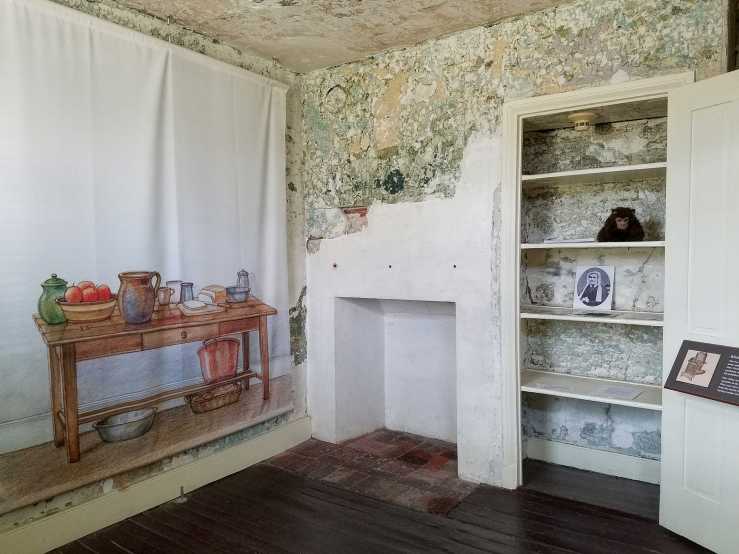 Narrow staircases and tiny rooms always make me wonder how much we and our living spaces have expanded over the years.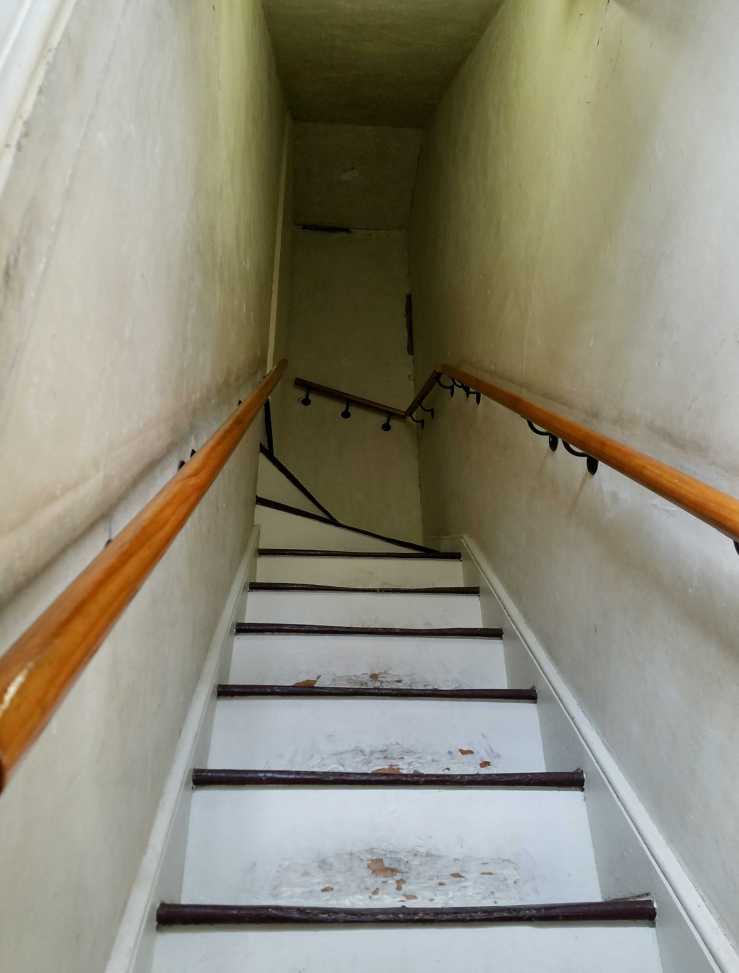
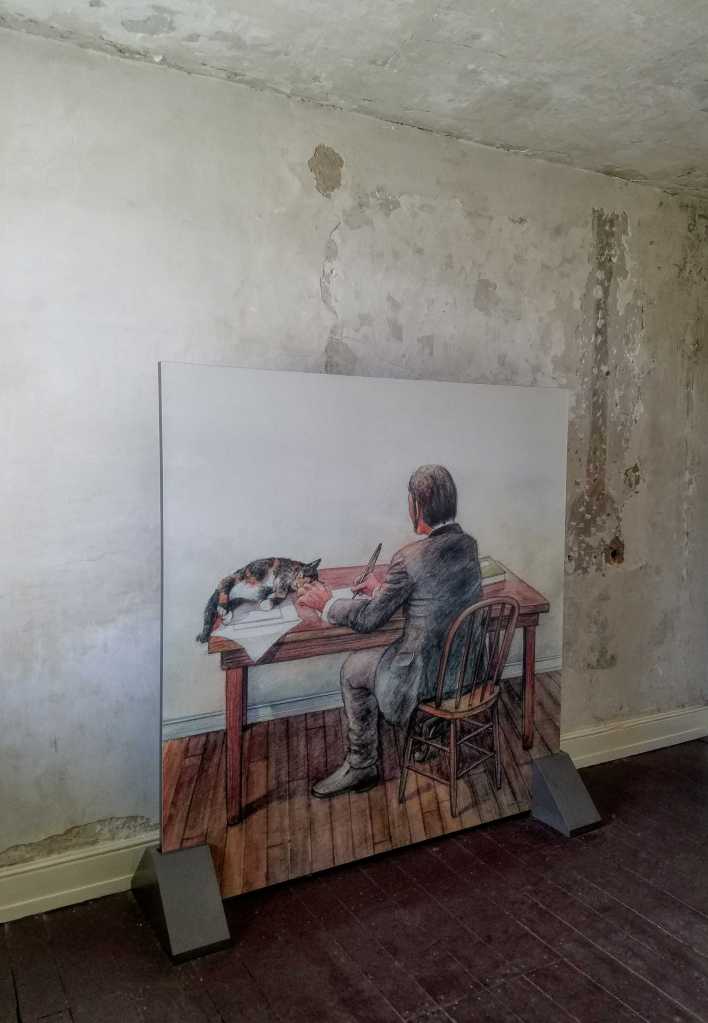
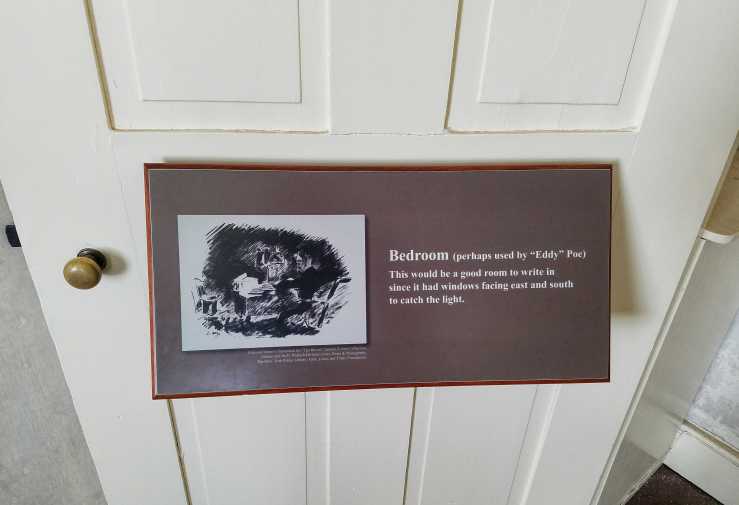
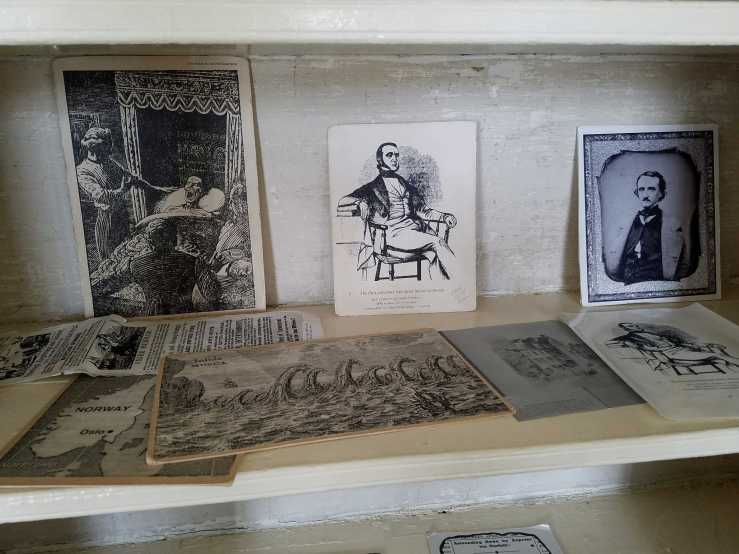
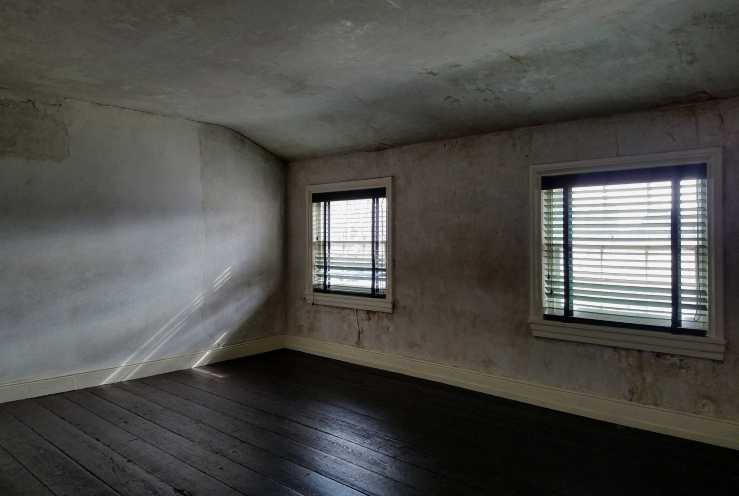
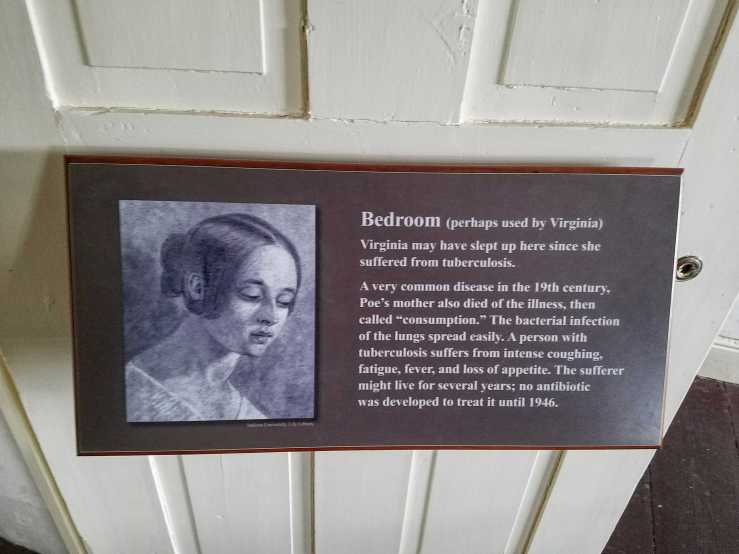
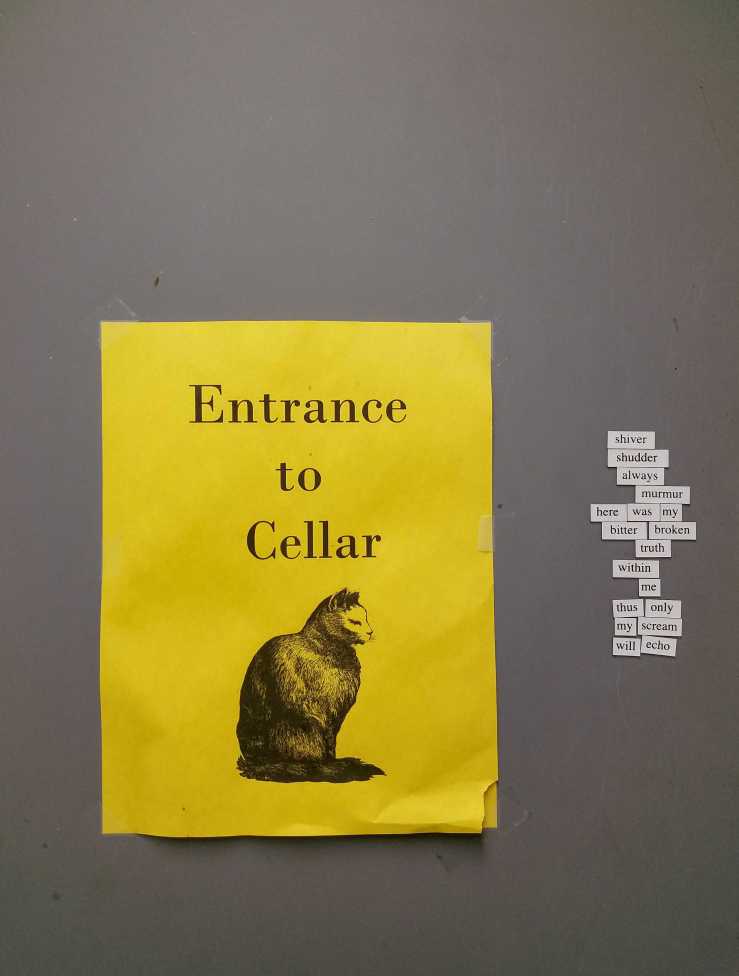
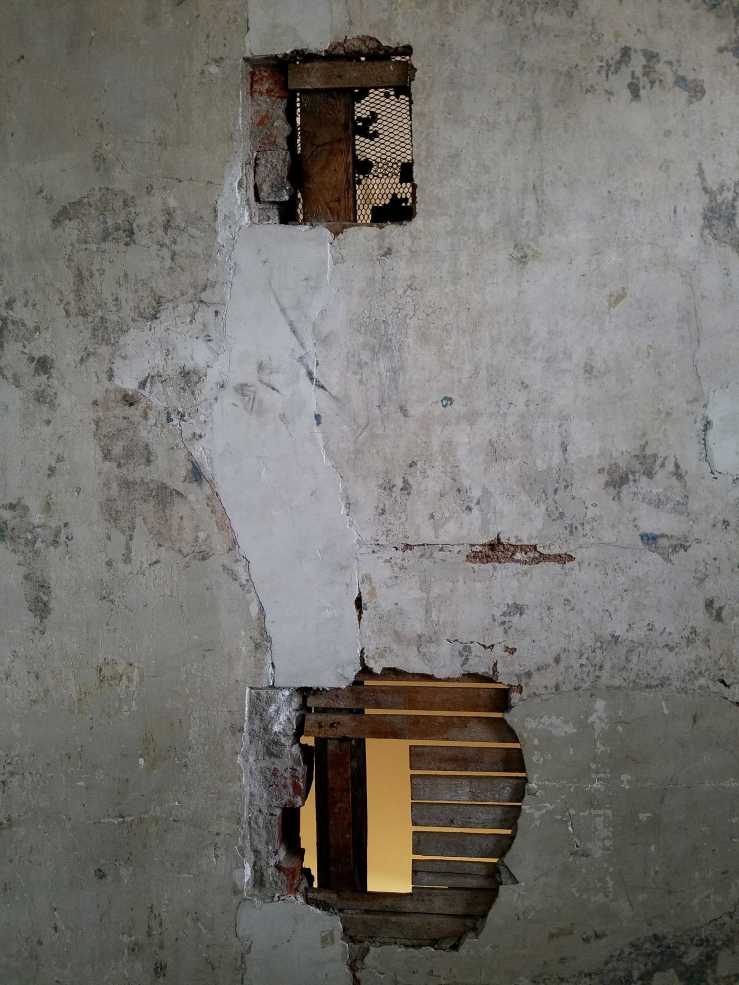 The cellar, that is said to have been described in “The Black Cat” (1843), a short story written here, in Philadelphia.
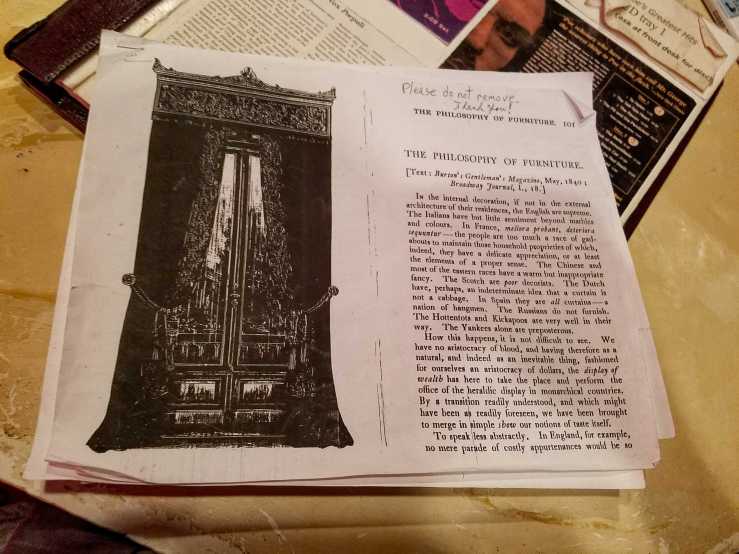
 The reading room, the only furnished one in the house and decorated according to Poe’s ”The Philosophy of furniture”. A library with the full body of Poe’s work is available and visitors are warmly encouraged to sit comfortably and indulge to their heart’s content. Plan ahead though: admission is free but the house is open only Friday through Sunday, from 9am – 12noon, and 1pm -5pm. And they do take their lunch break seriously!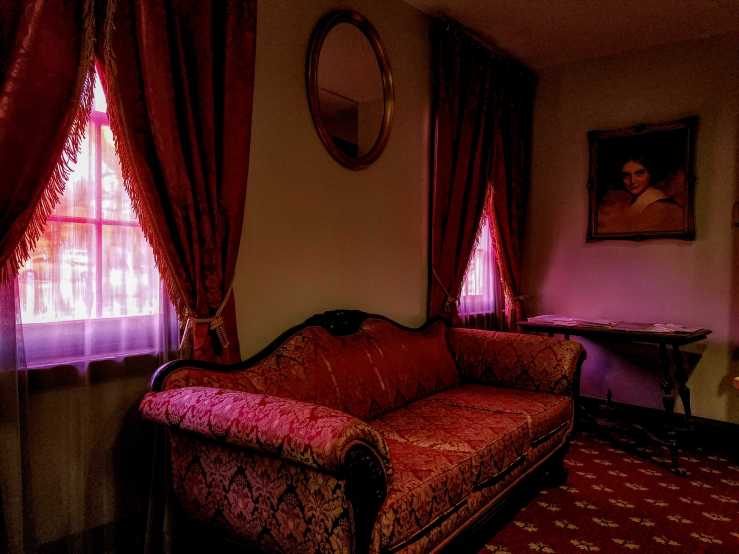
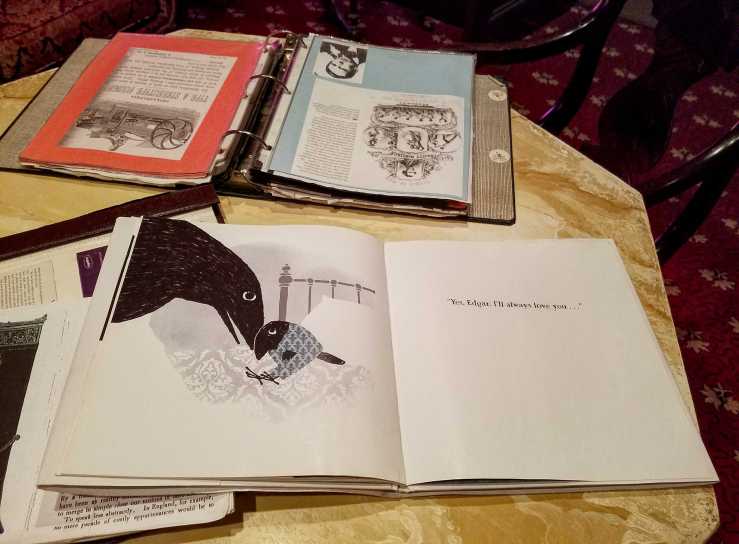
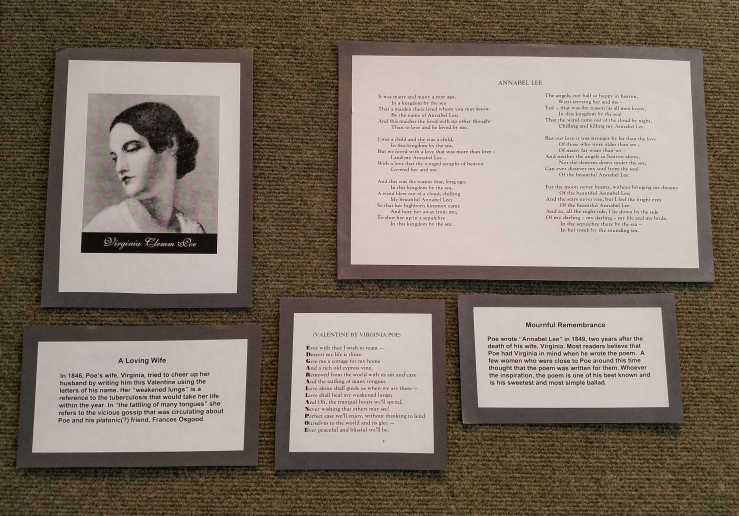 Edgar Allan Poe’s House
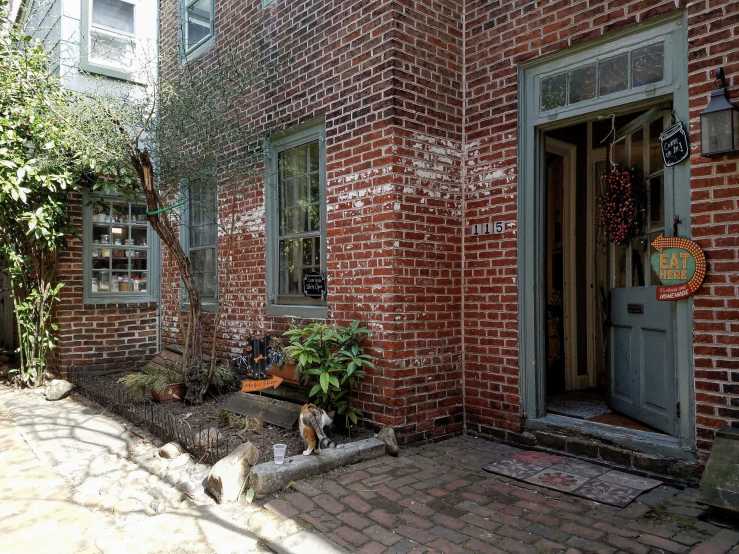
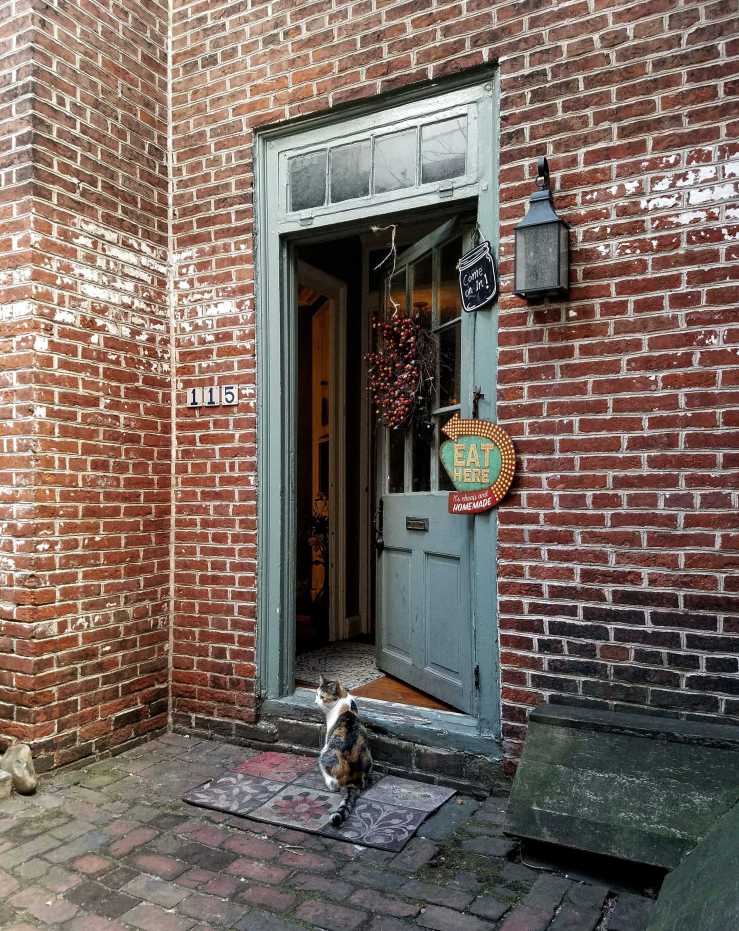
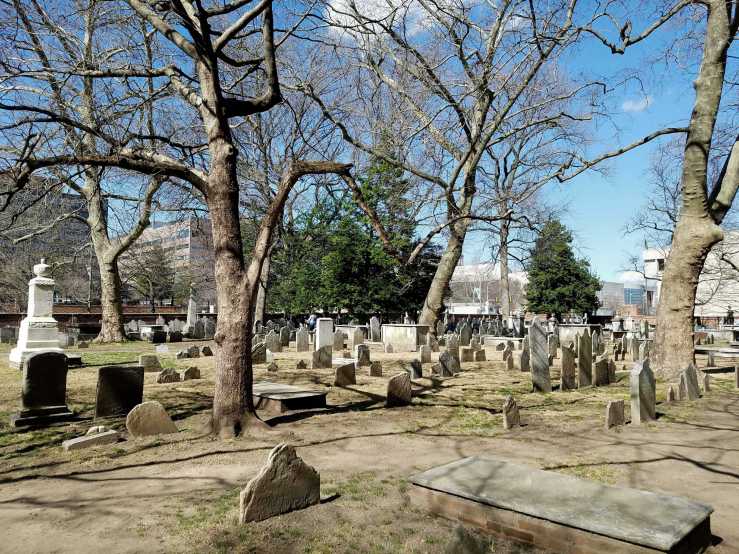
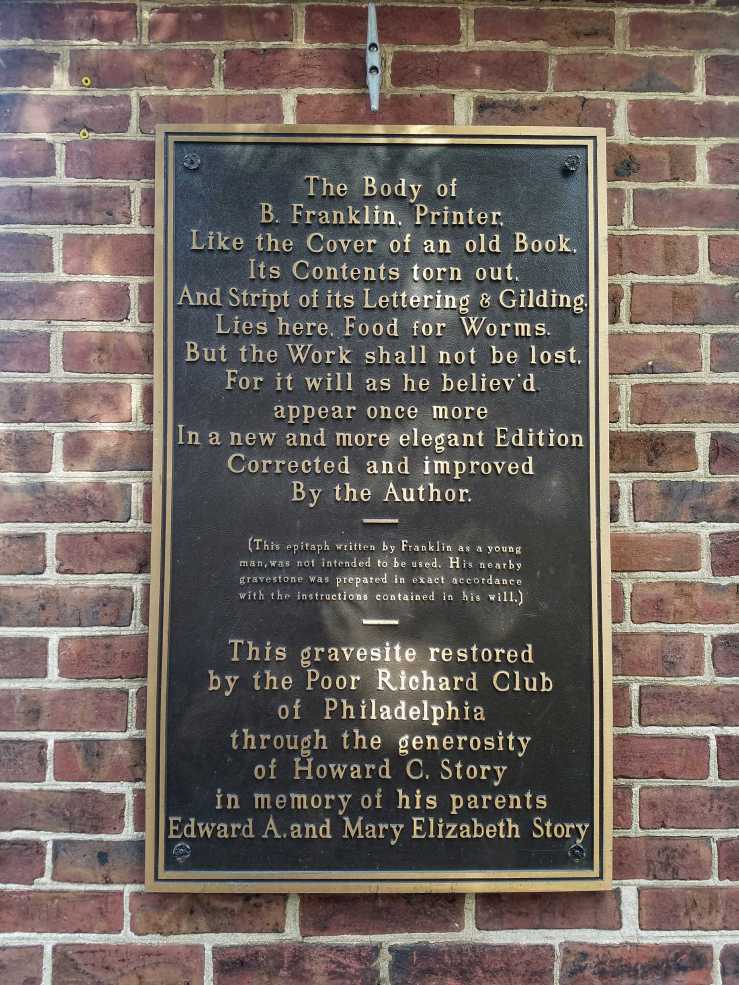
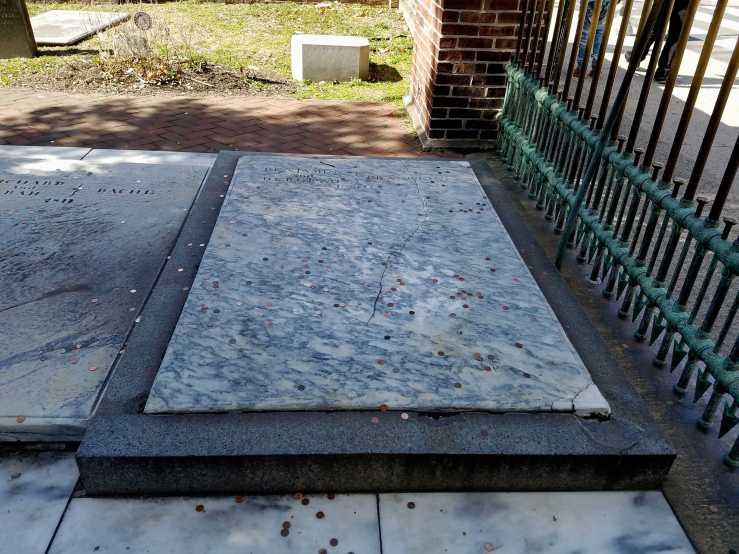
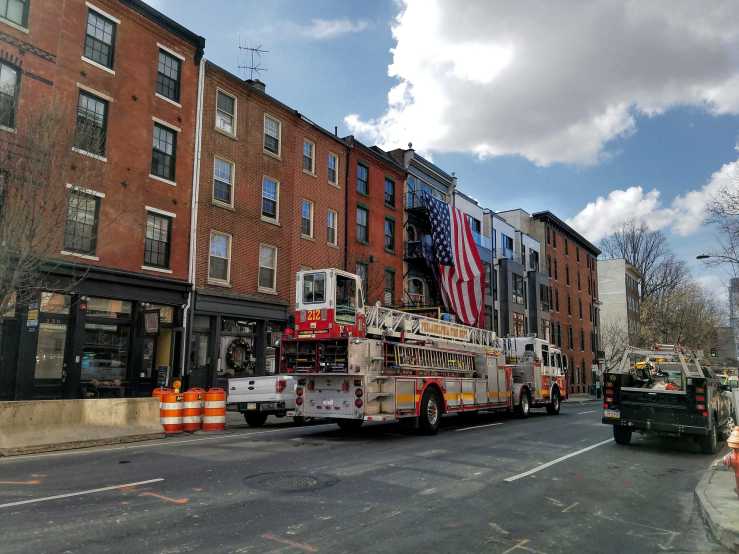
 Philadelphia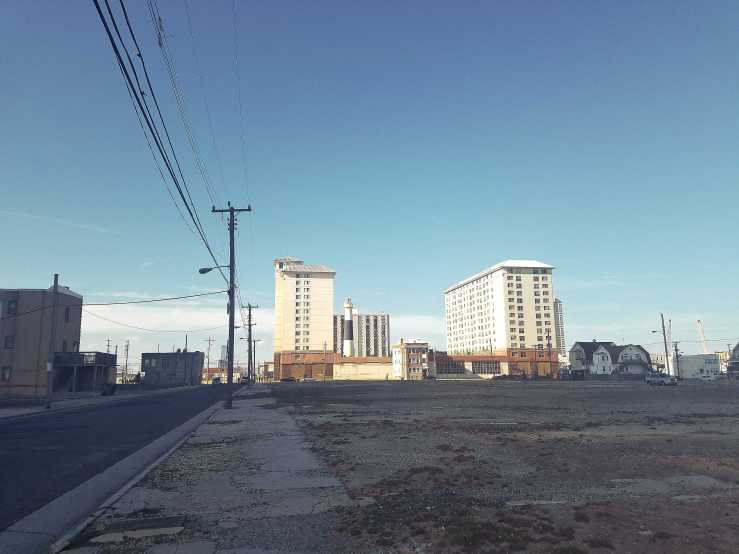
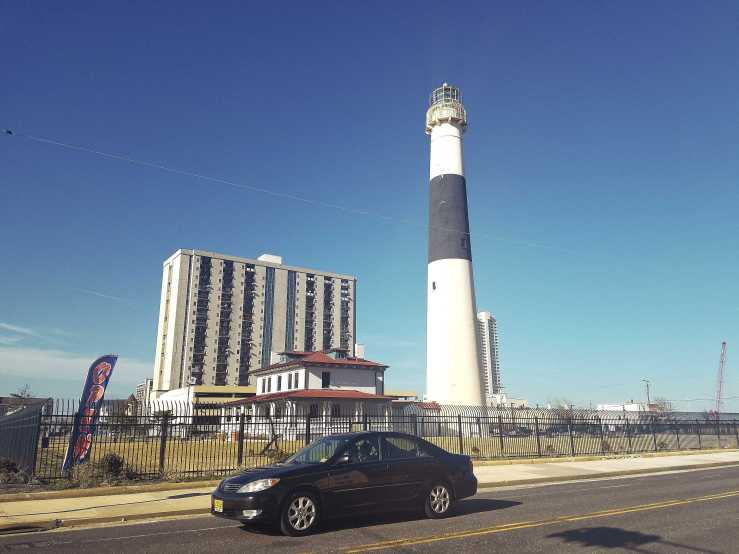
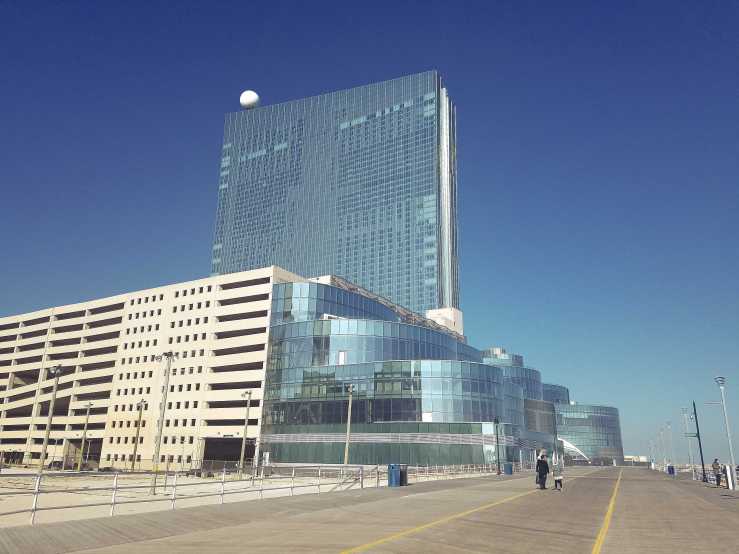
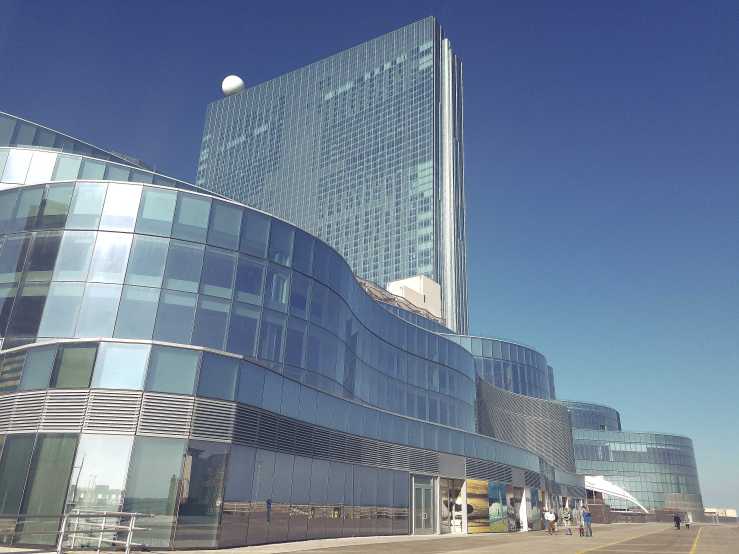
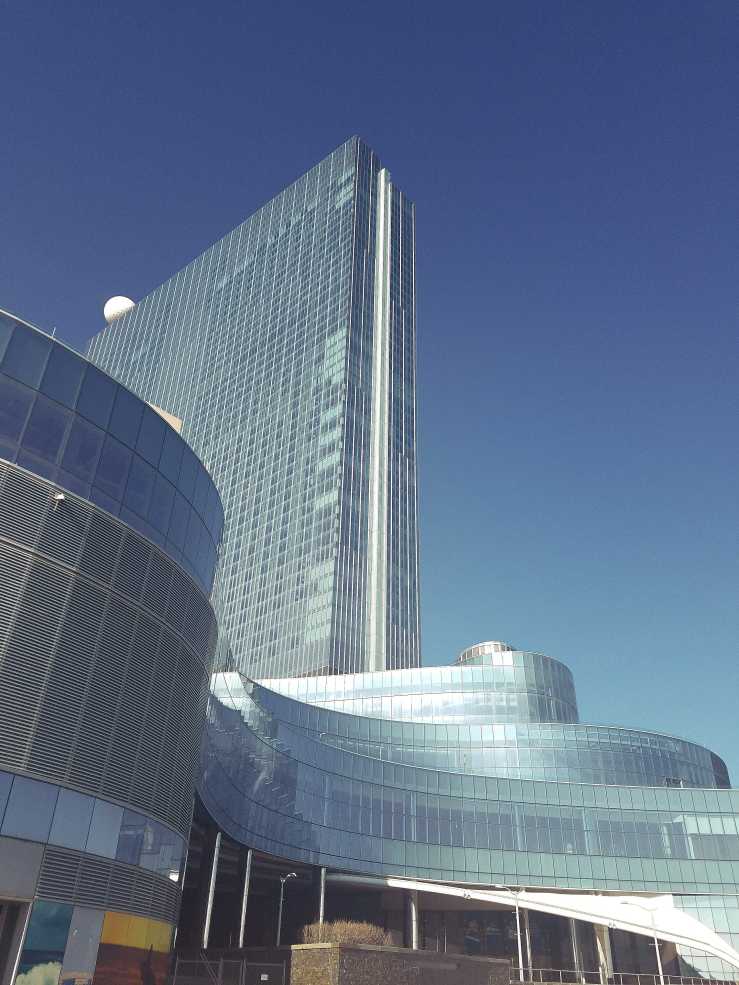
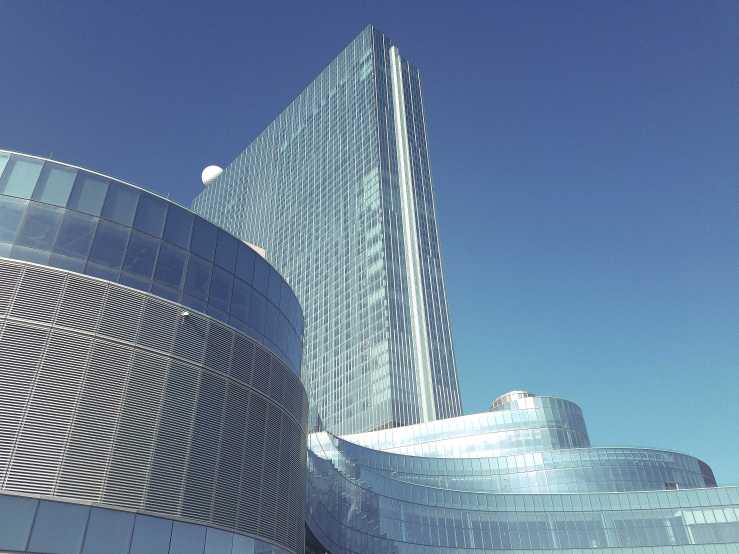
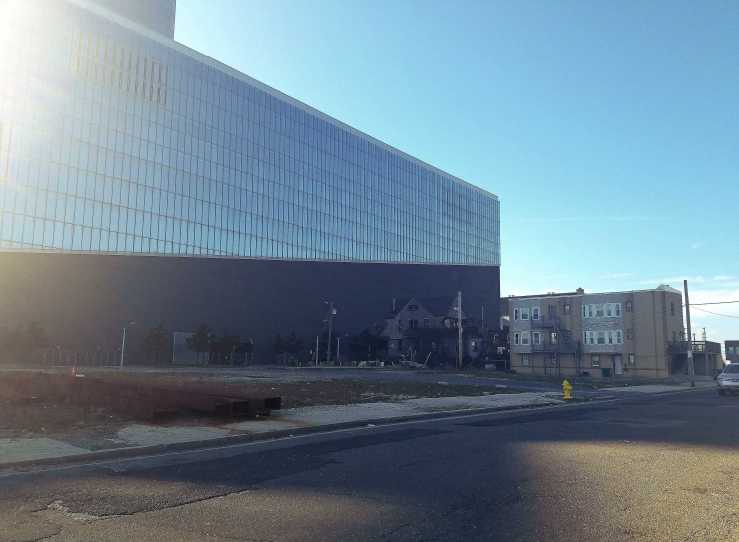
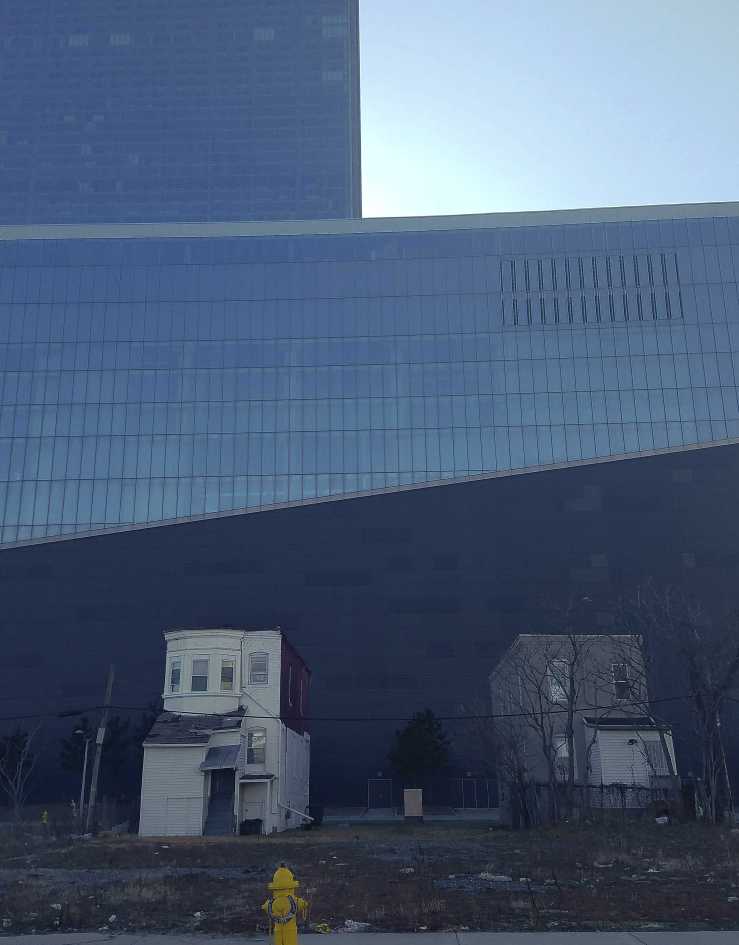
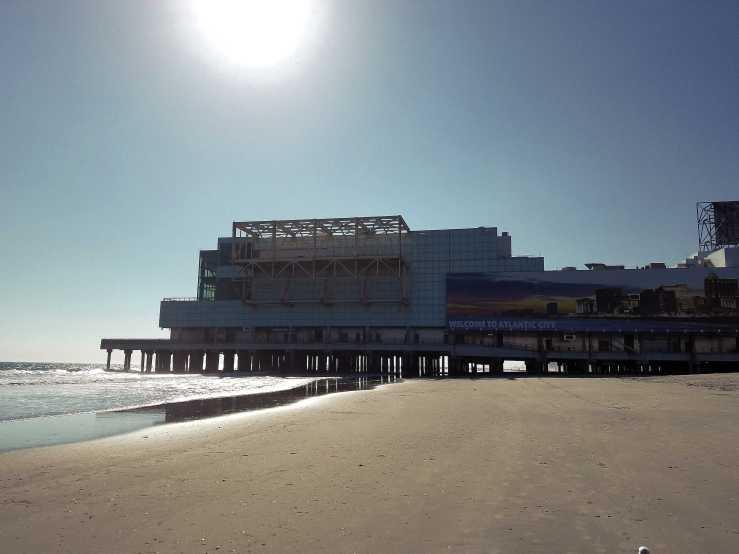
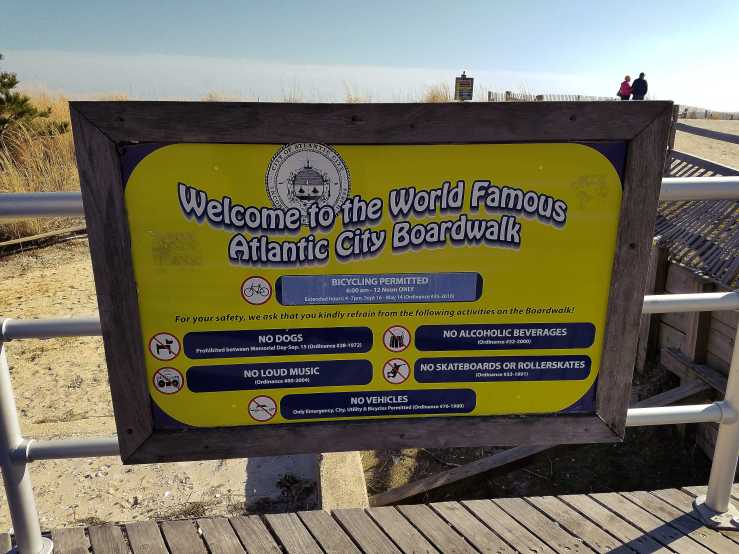
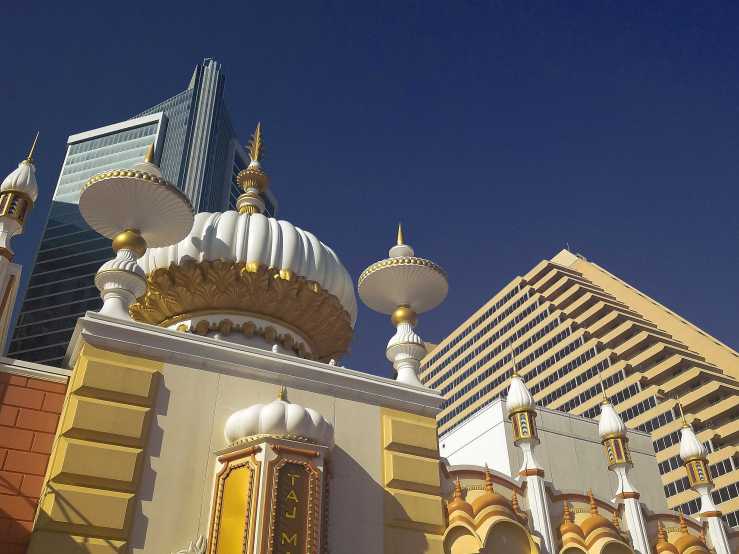
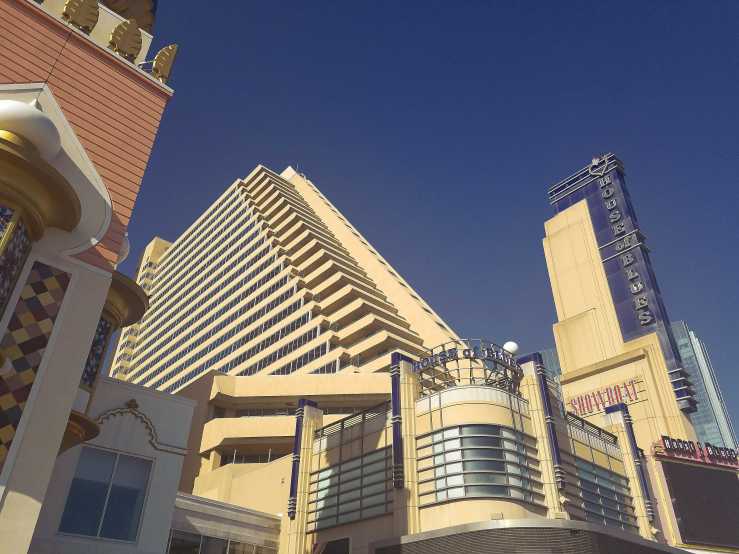
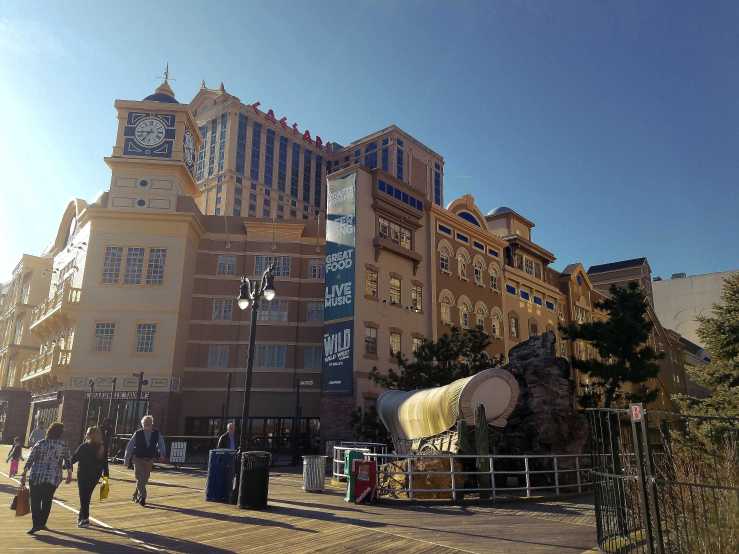
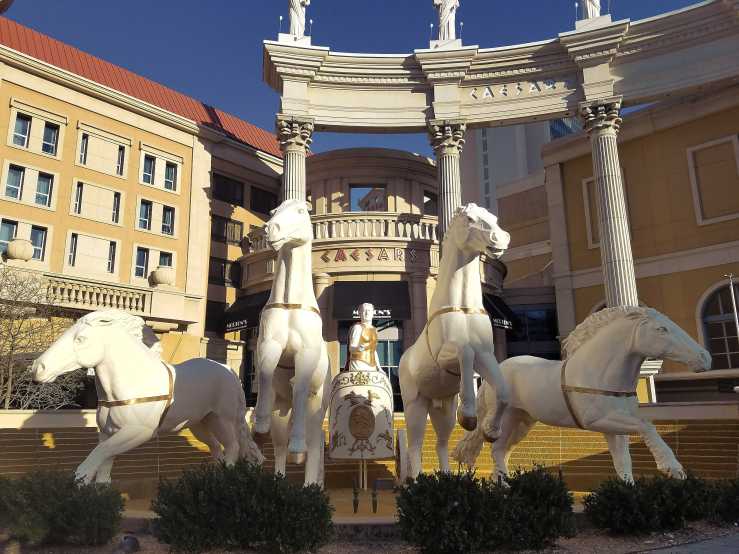
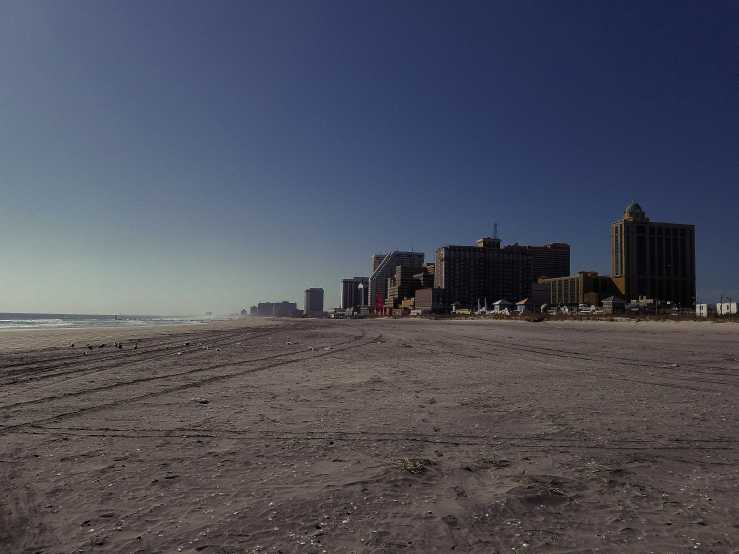
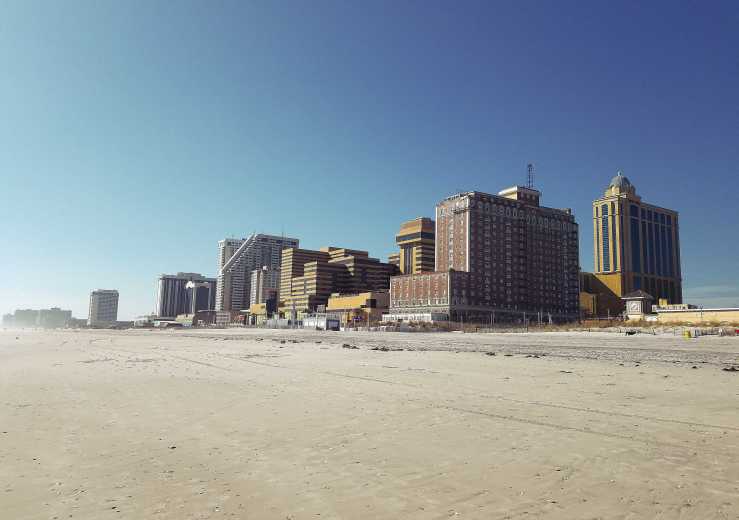
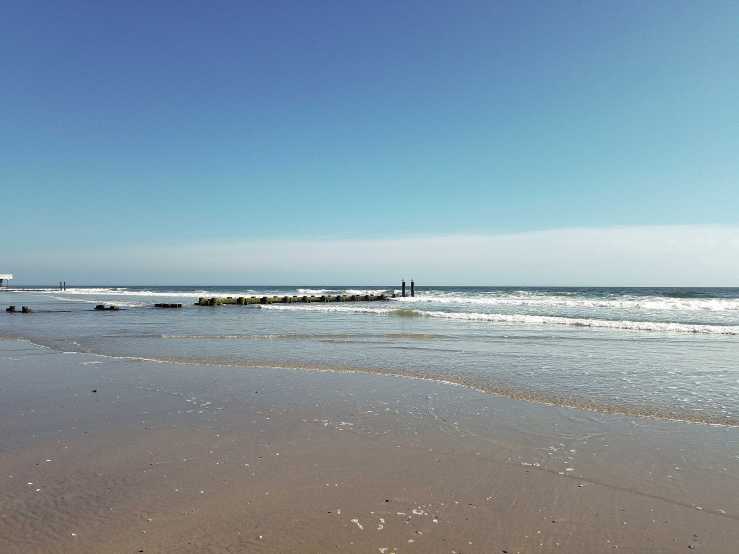
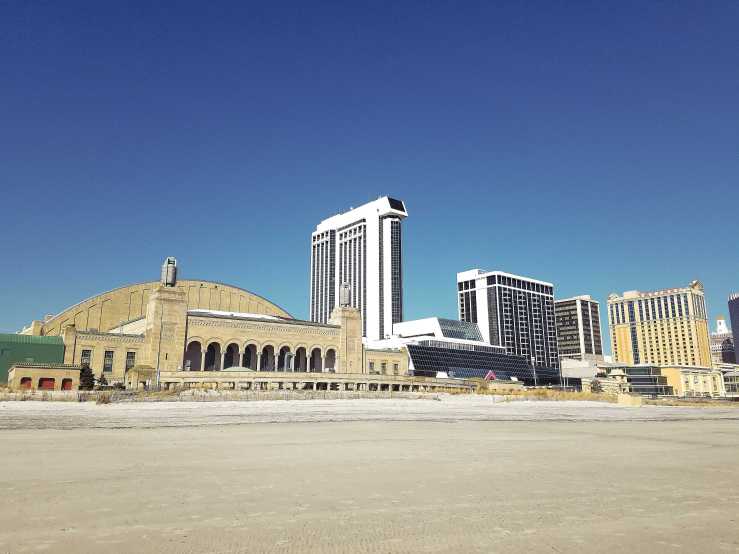
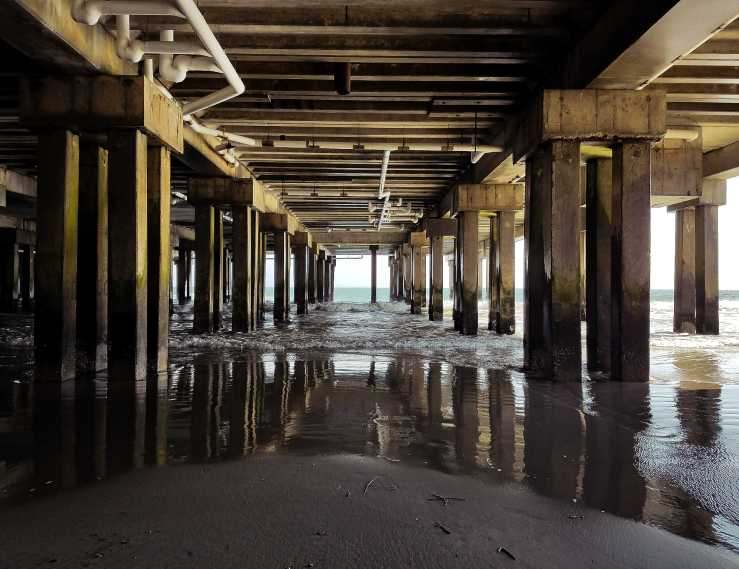
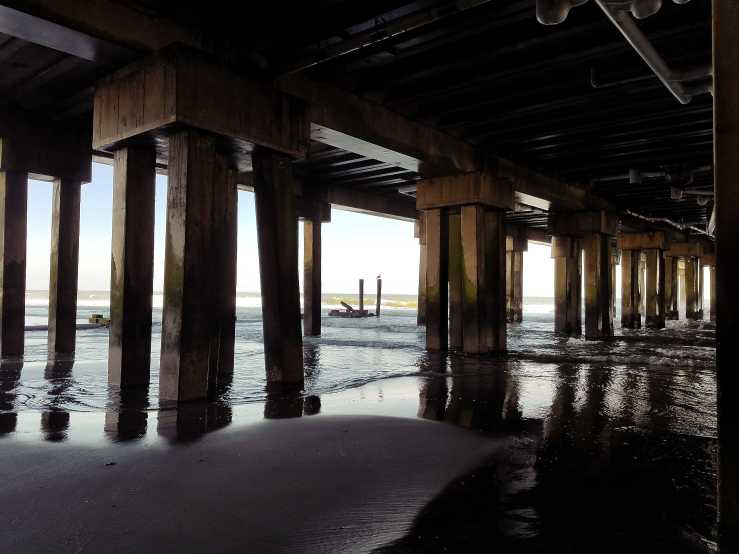
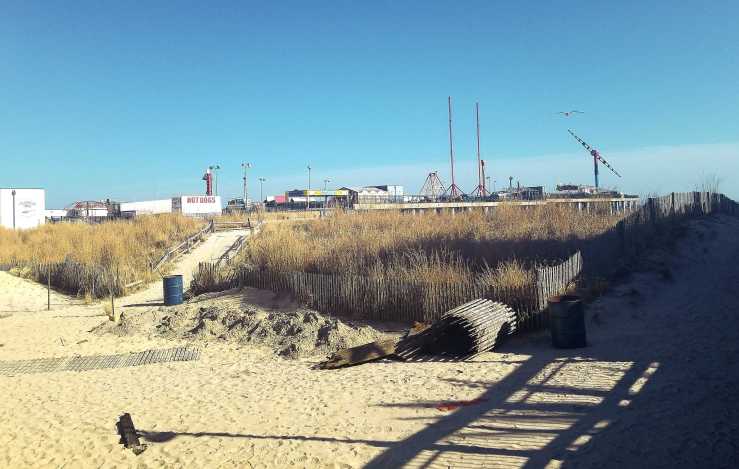 Heavily edited and filtered, it still feels like a cheap set of a b-movie in the seventies. I wonder who was responsible for these monstrosities; and what could they possibly be thinking?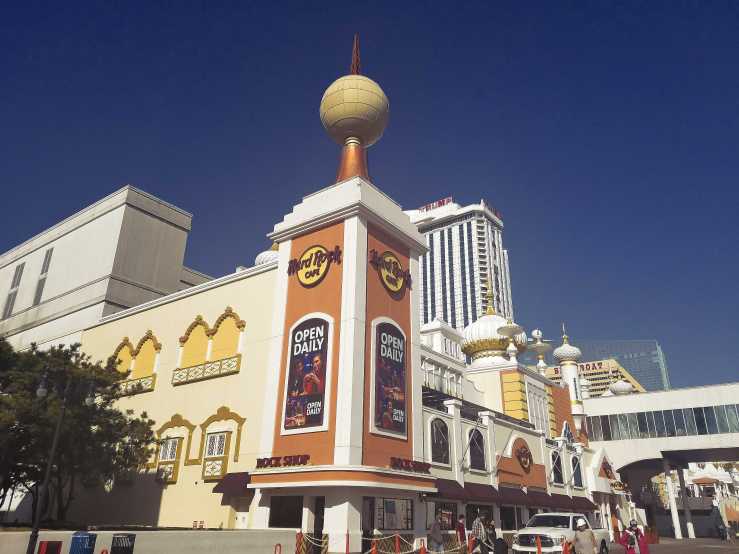
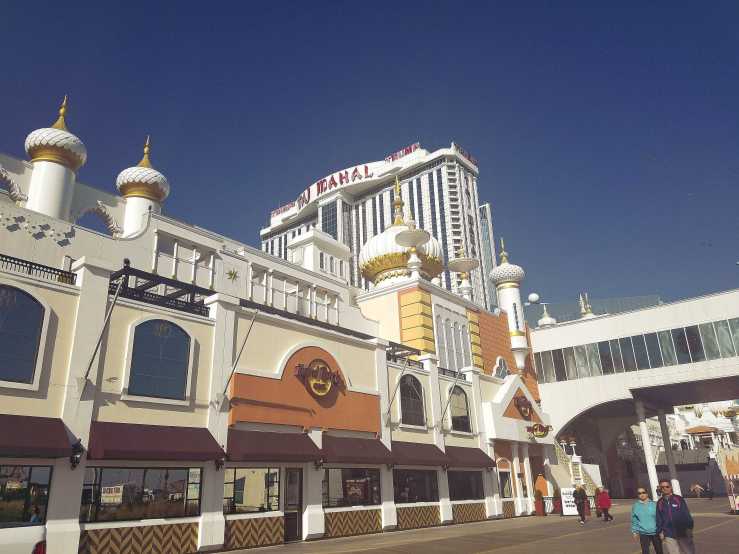


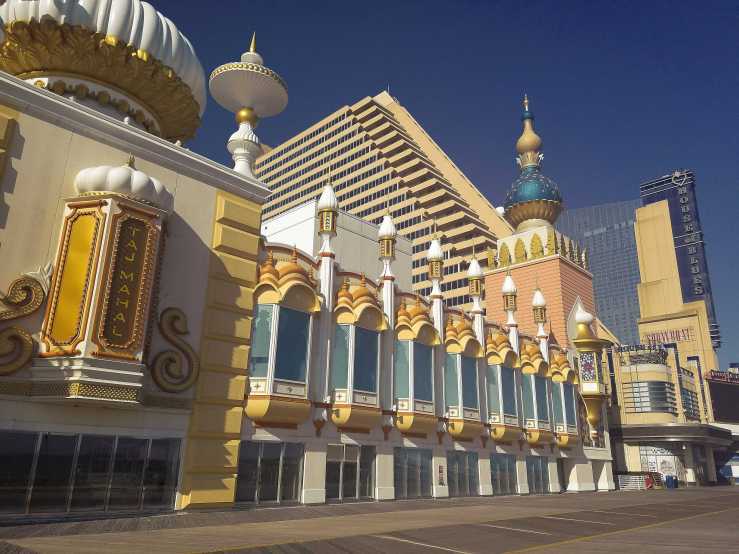
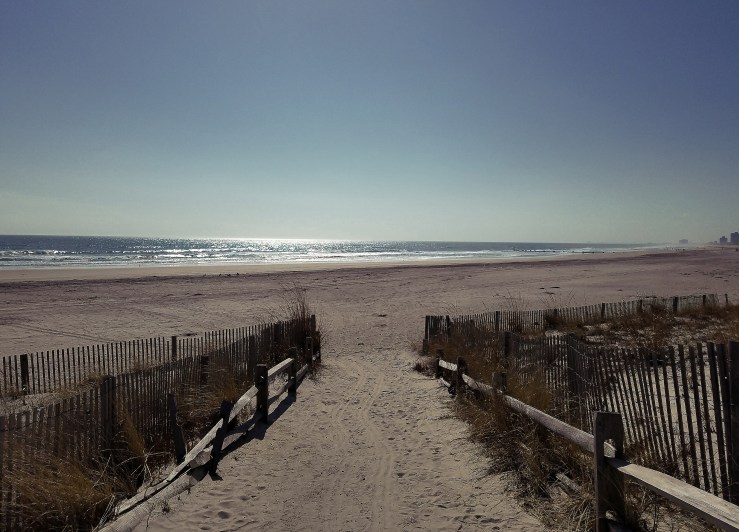
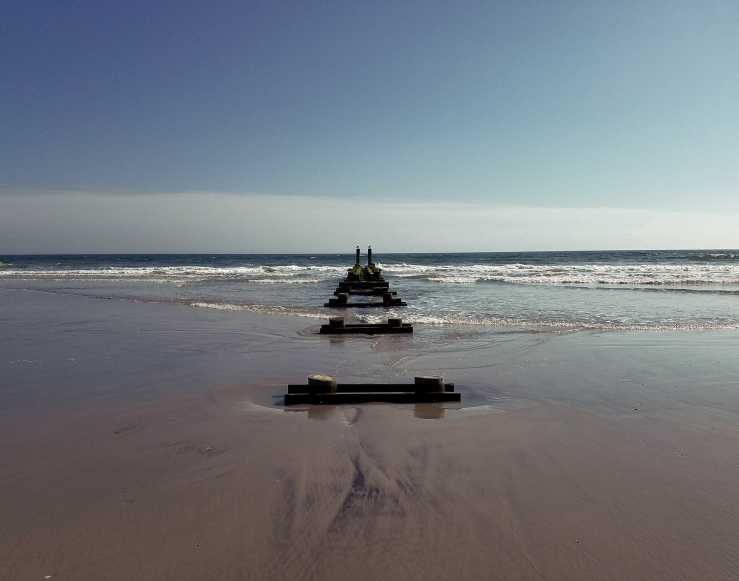
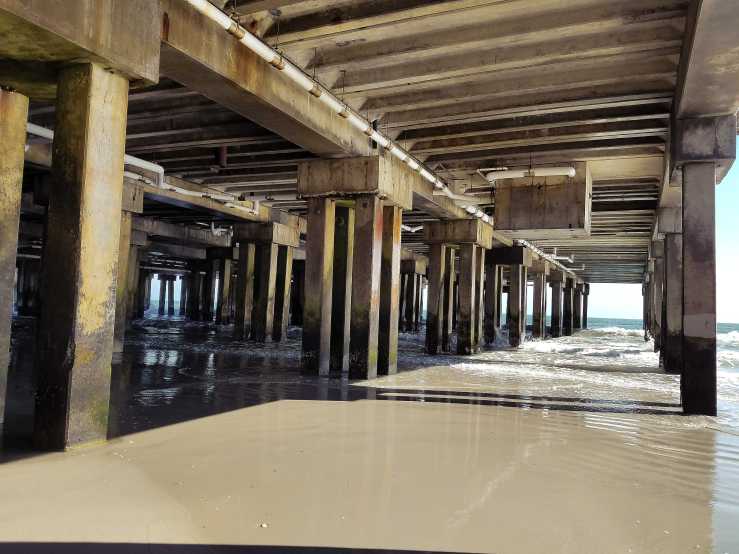
 Atlantic City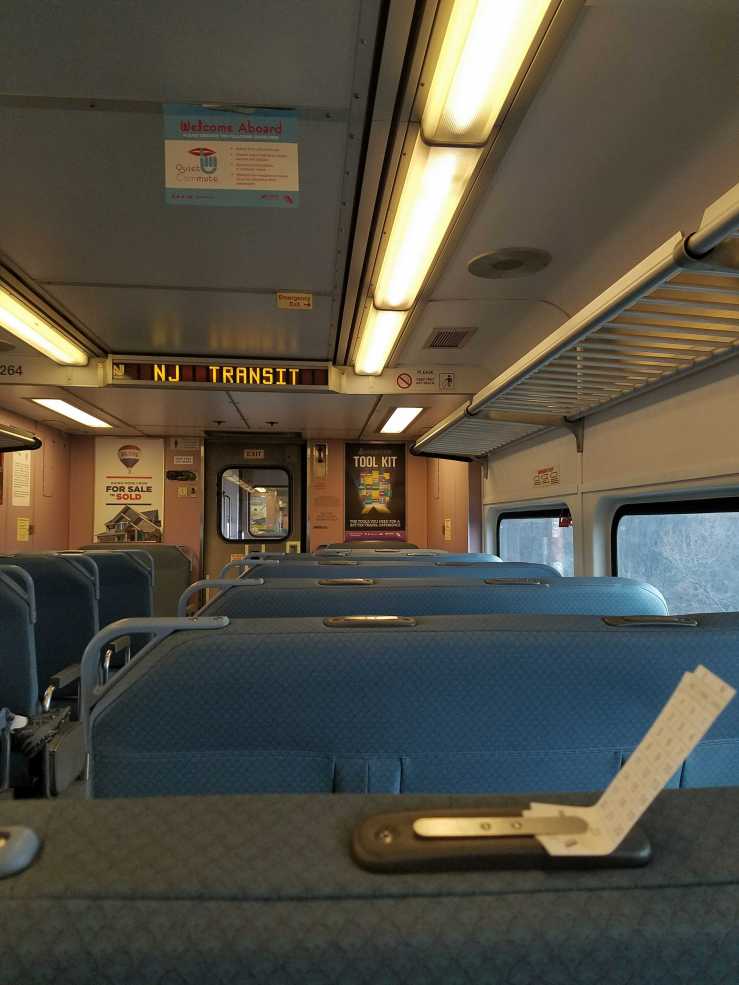


 The Humble Fabulist